Why Designers Use the Rule of Thirds in Every Design Project
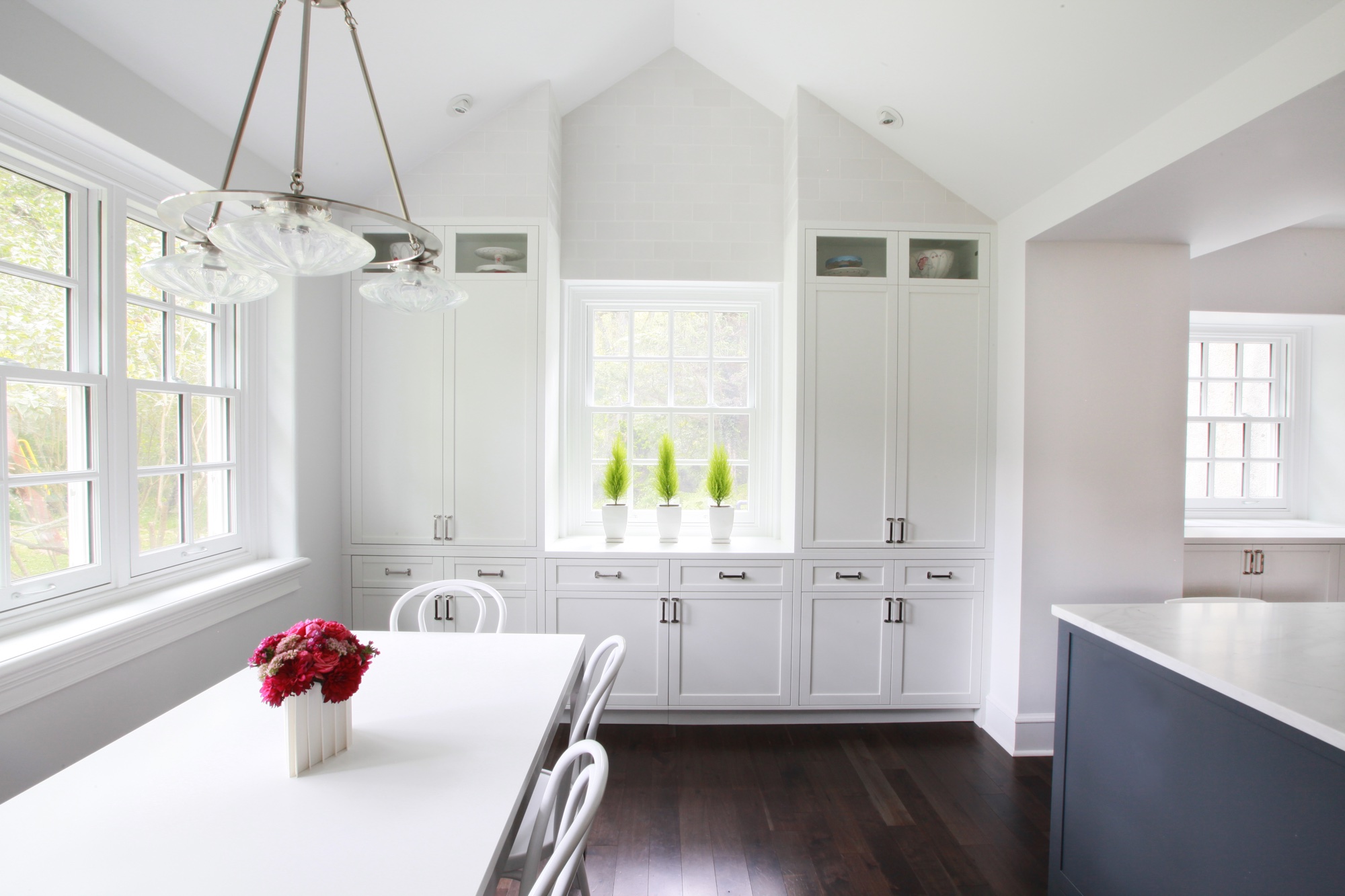
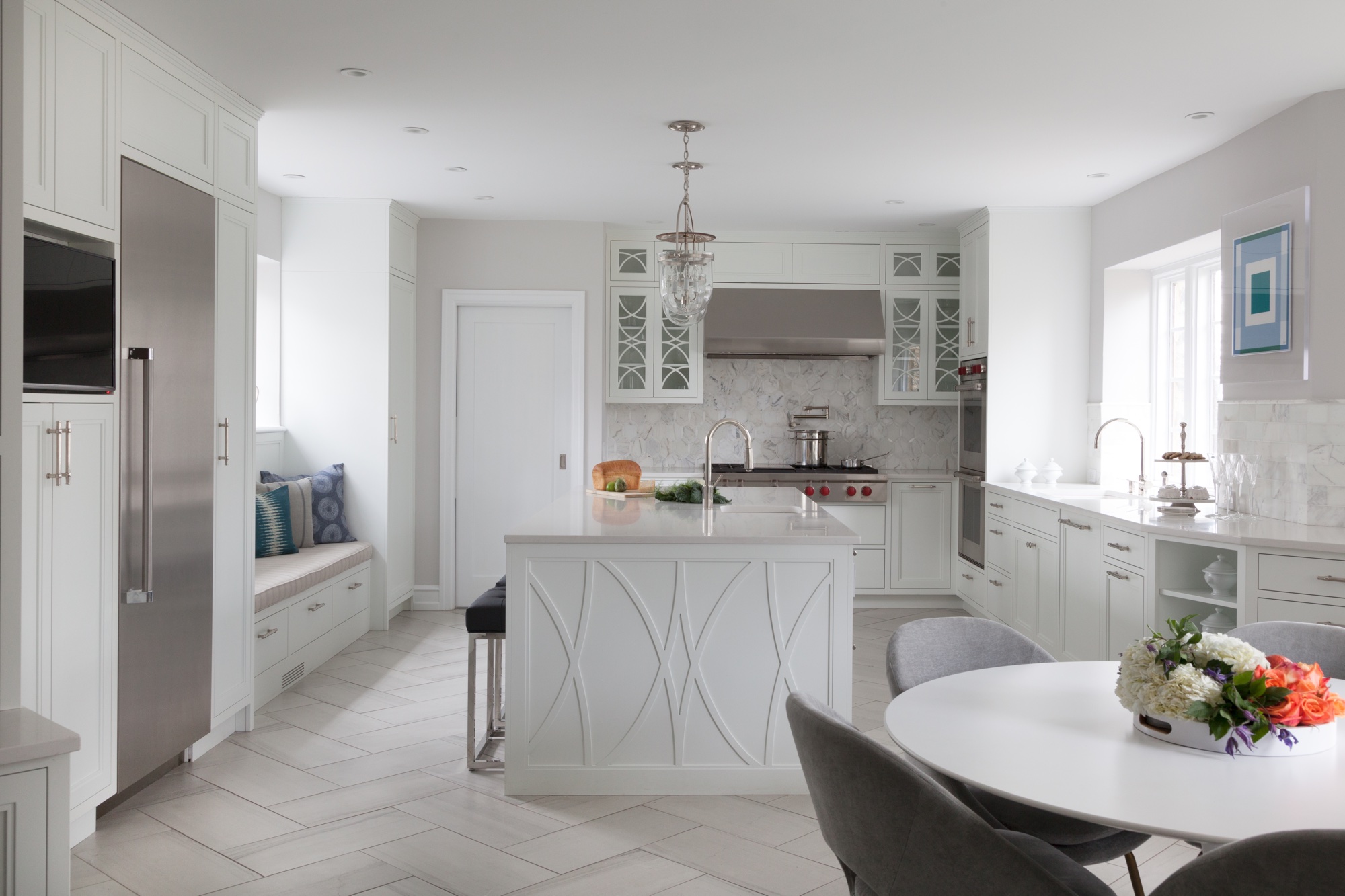
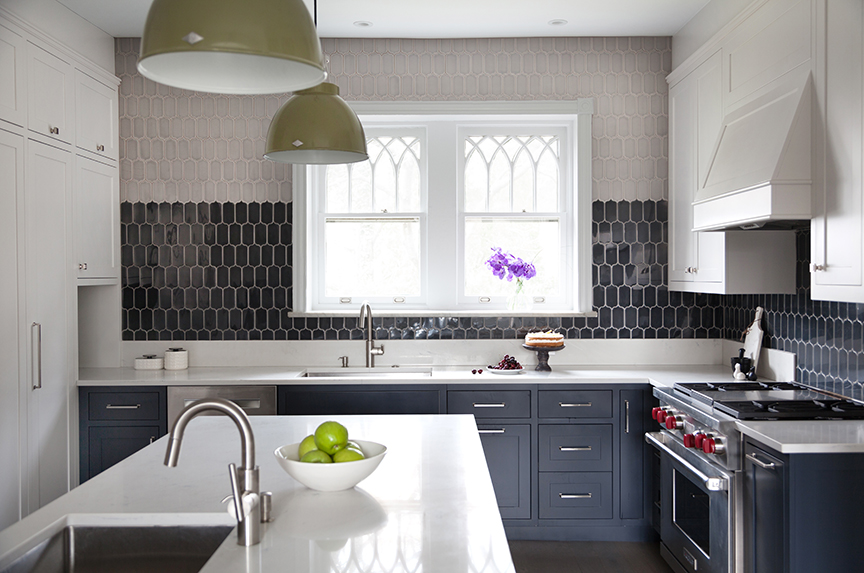
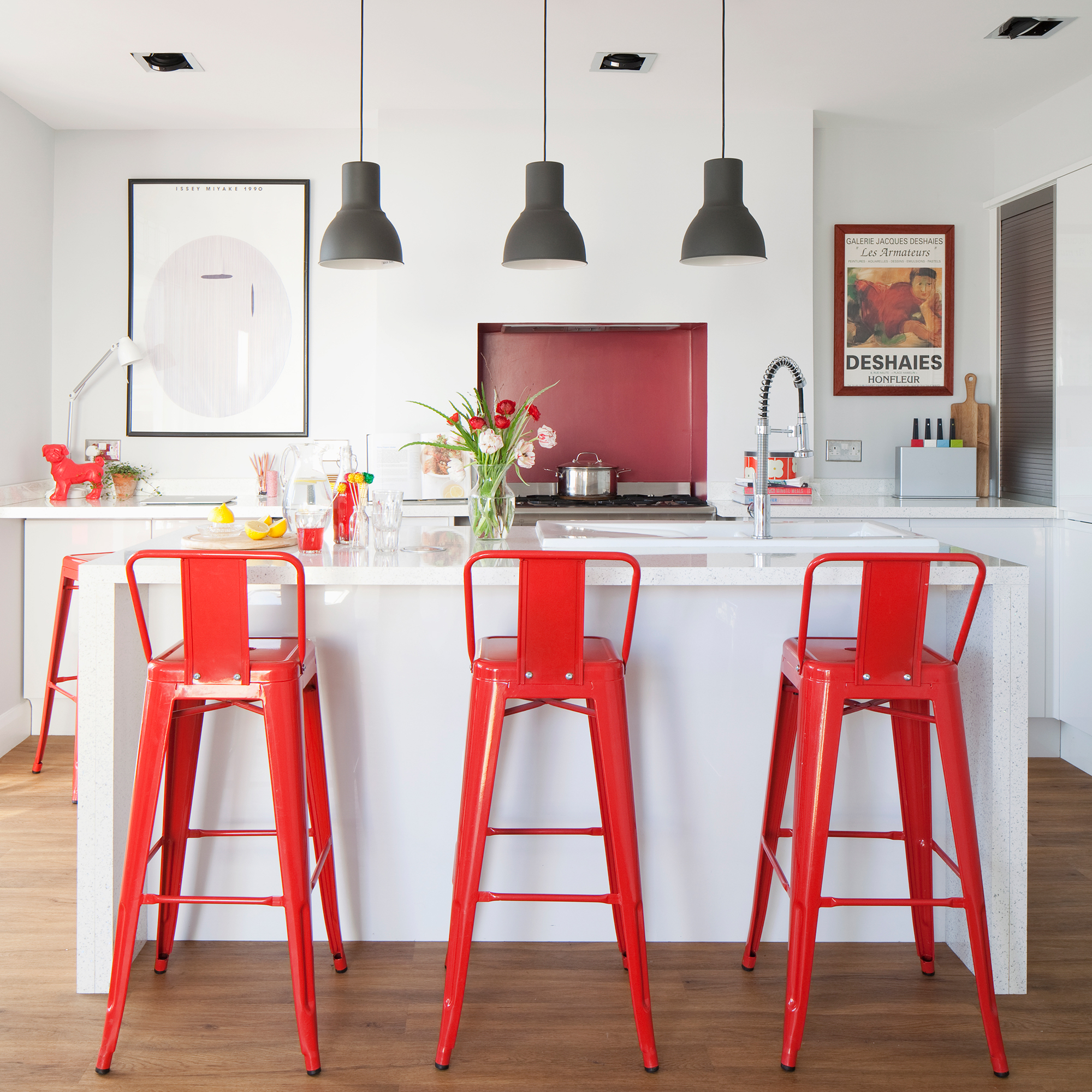
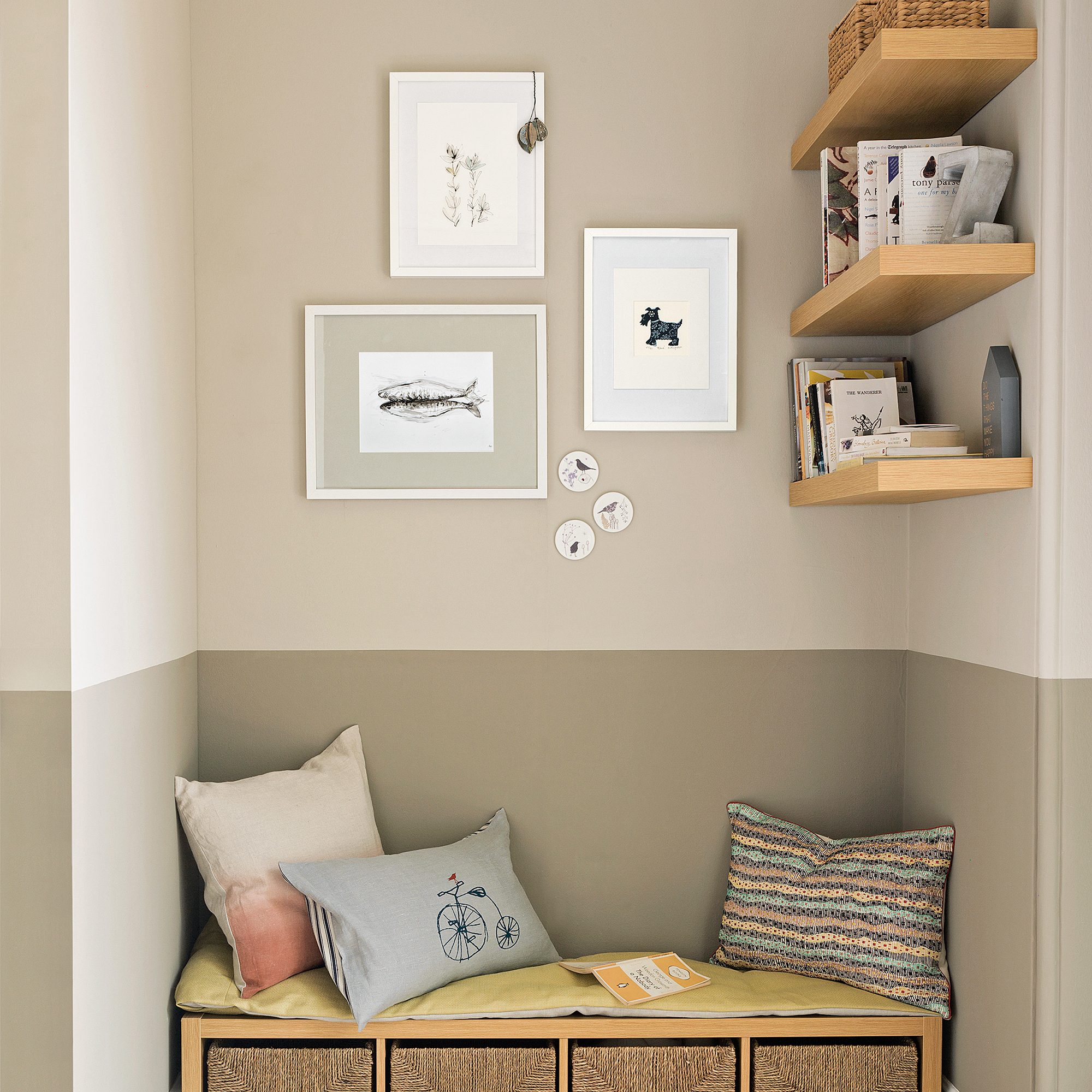
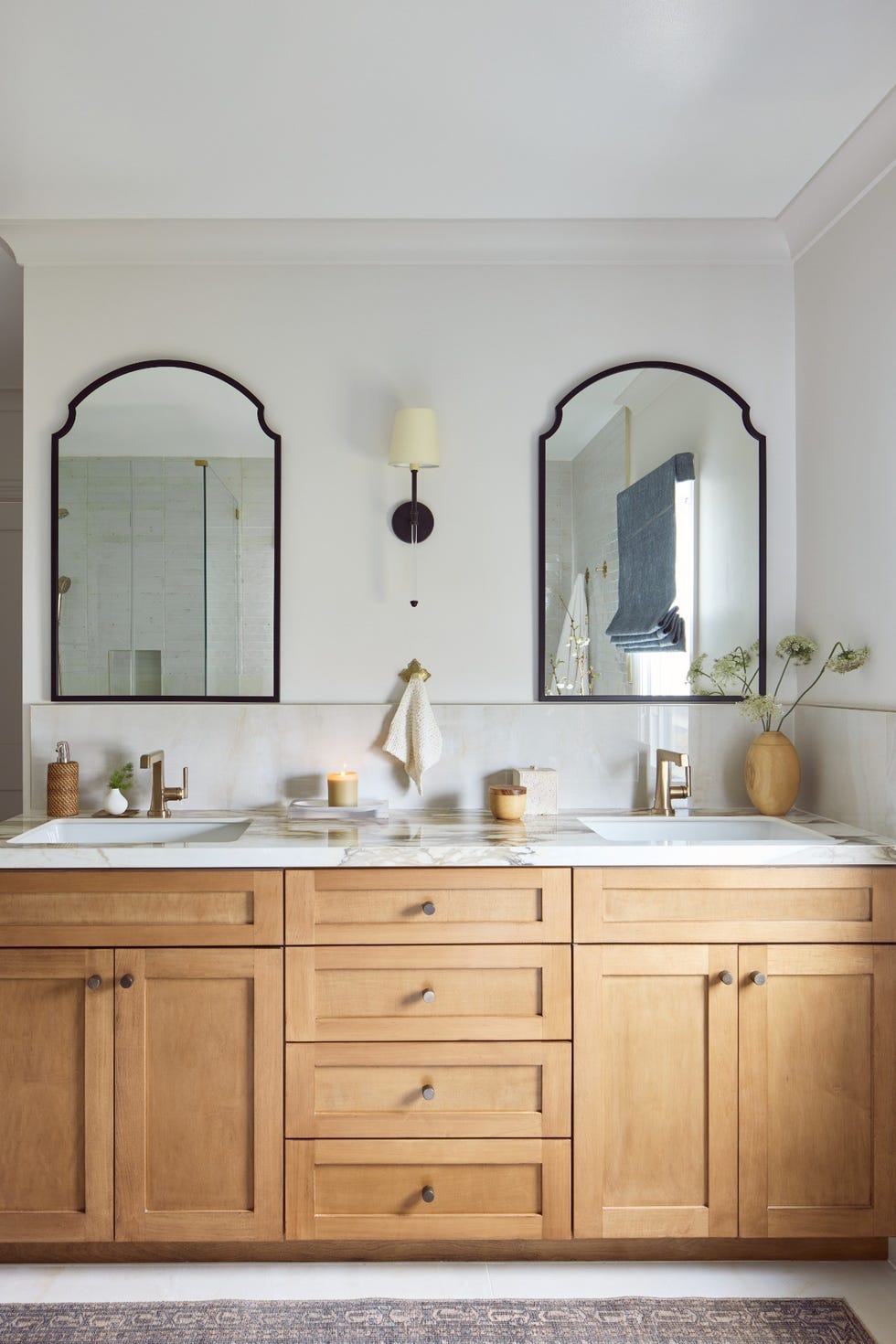
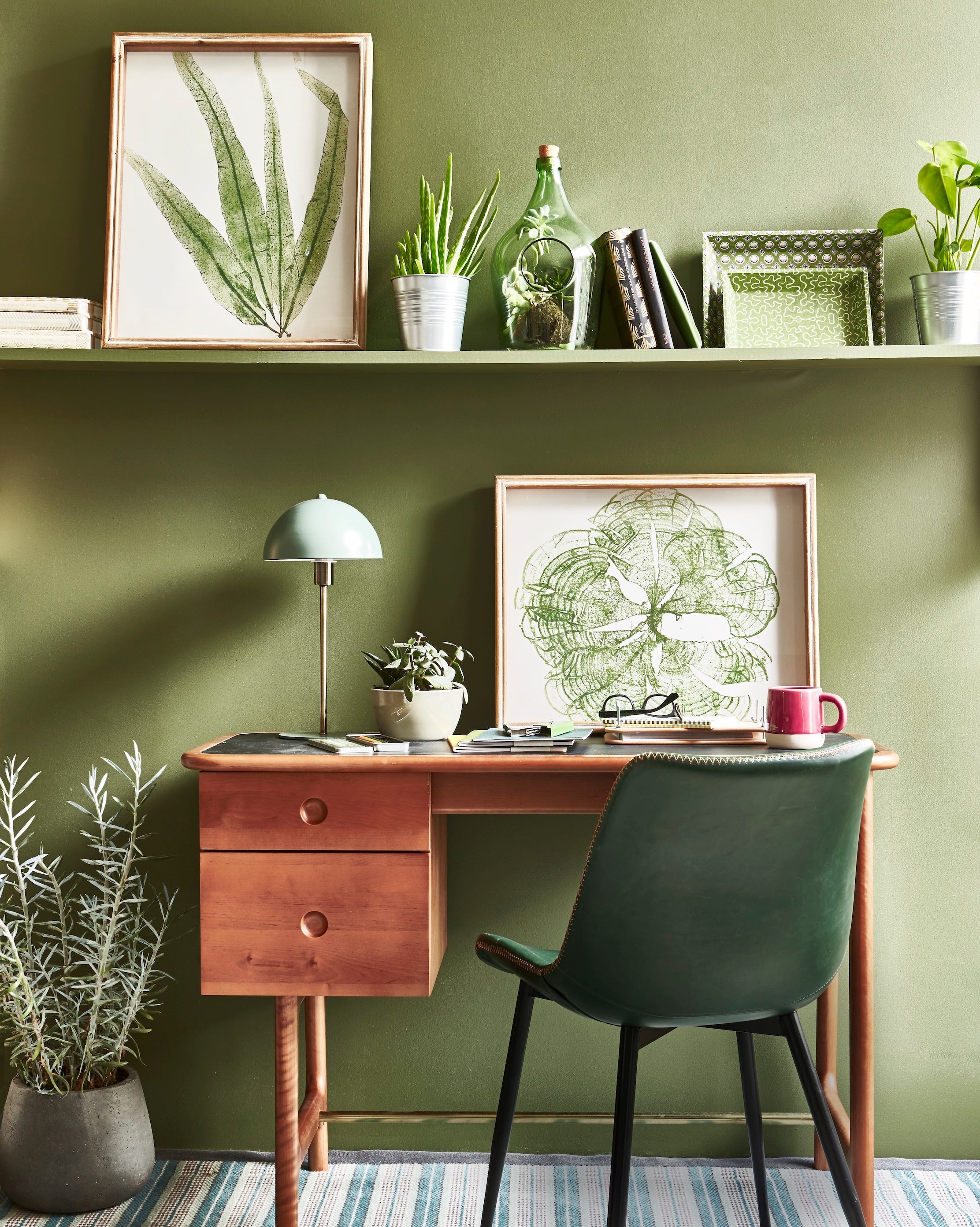
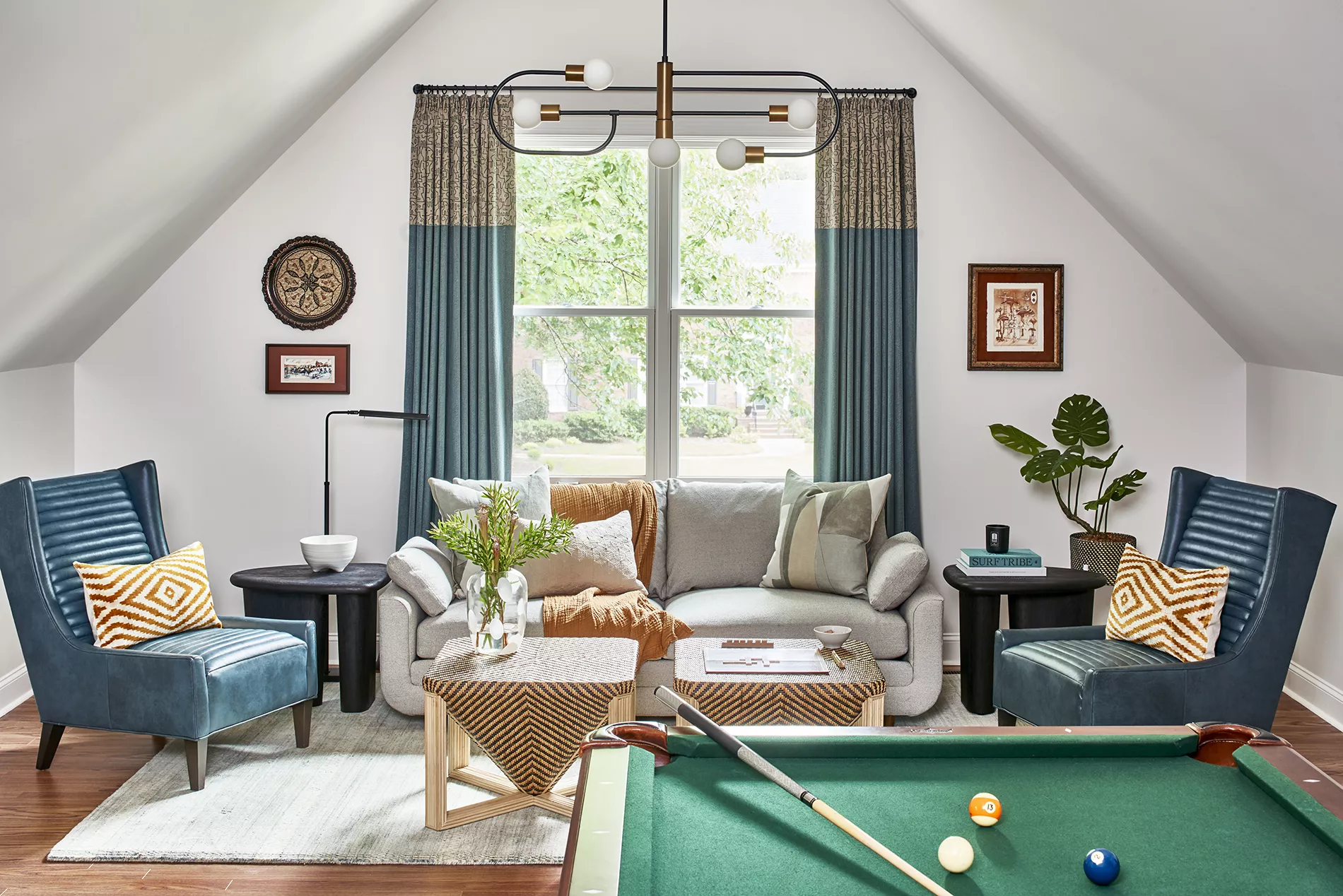
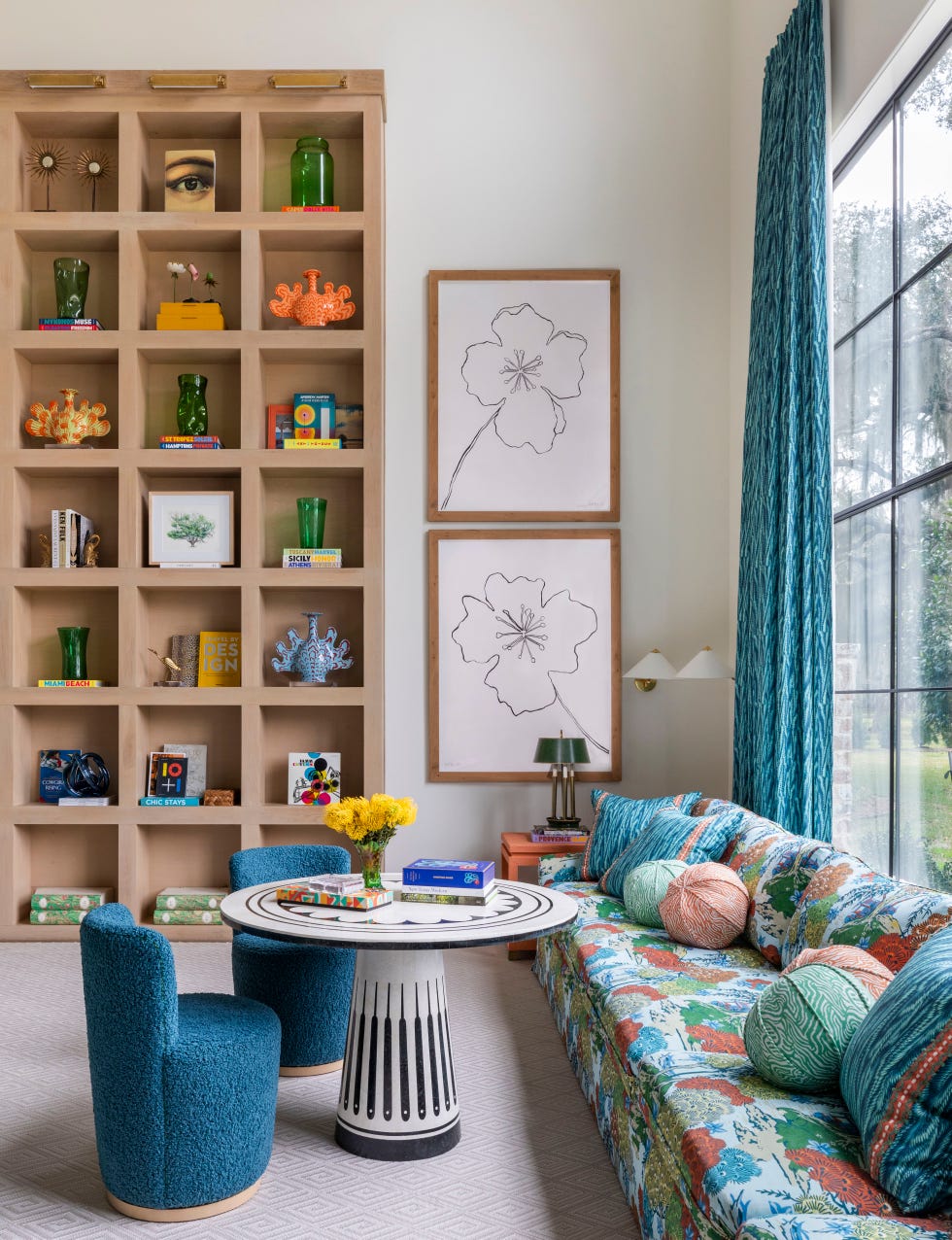
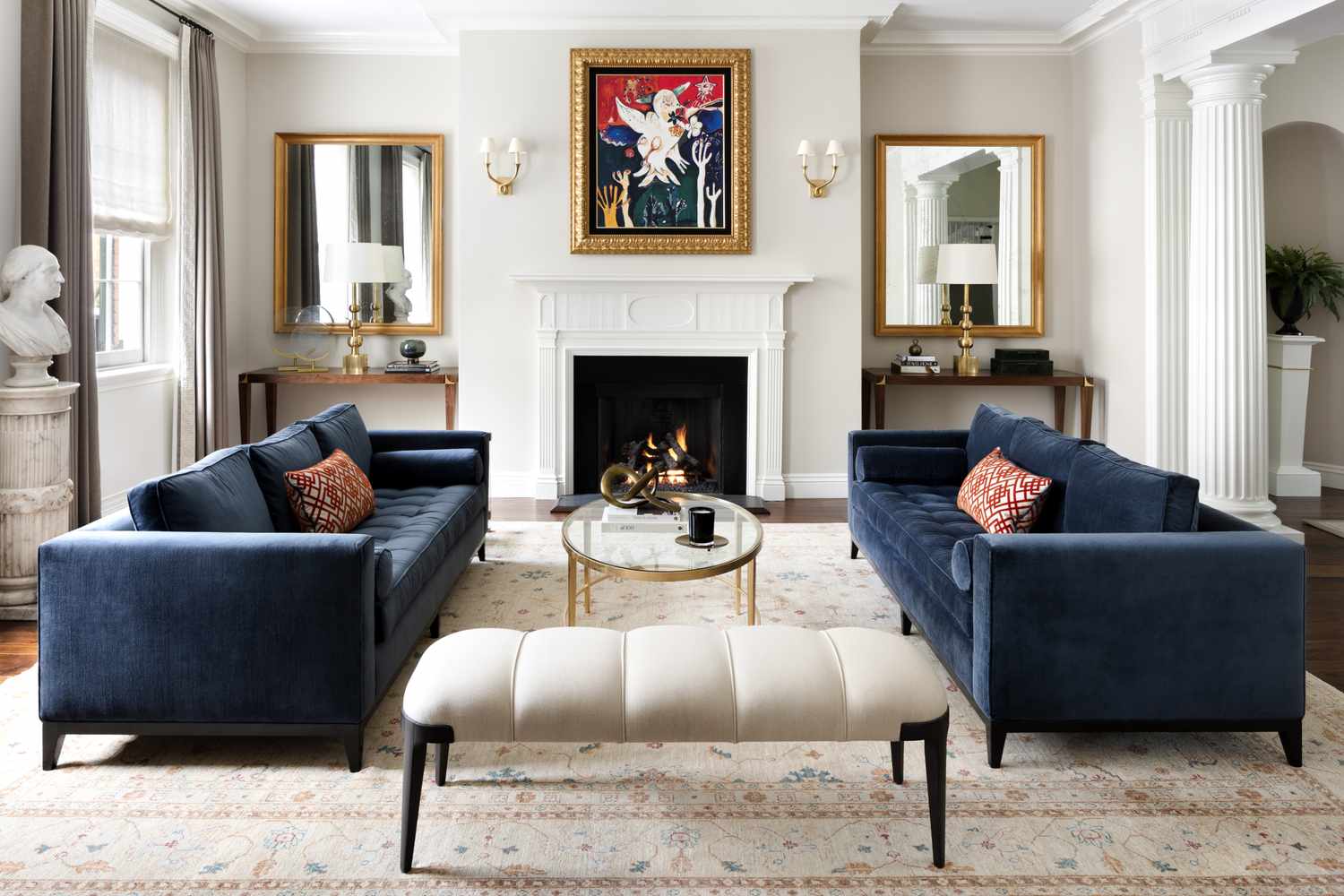
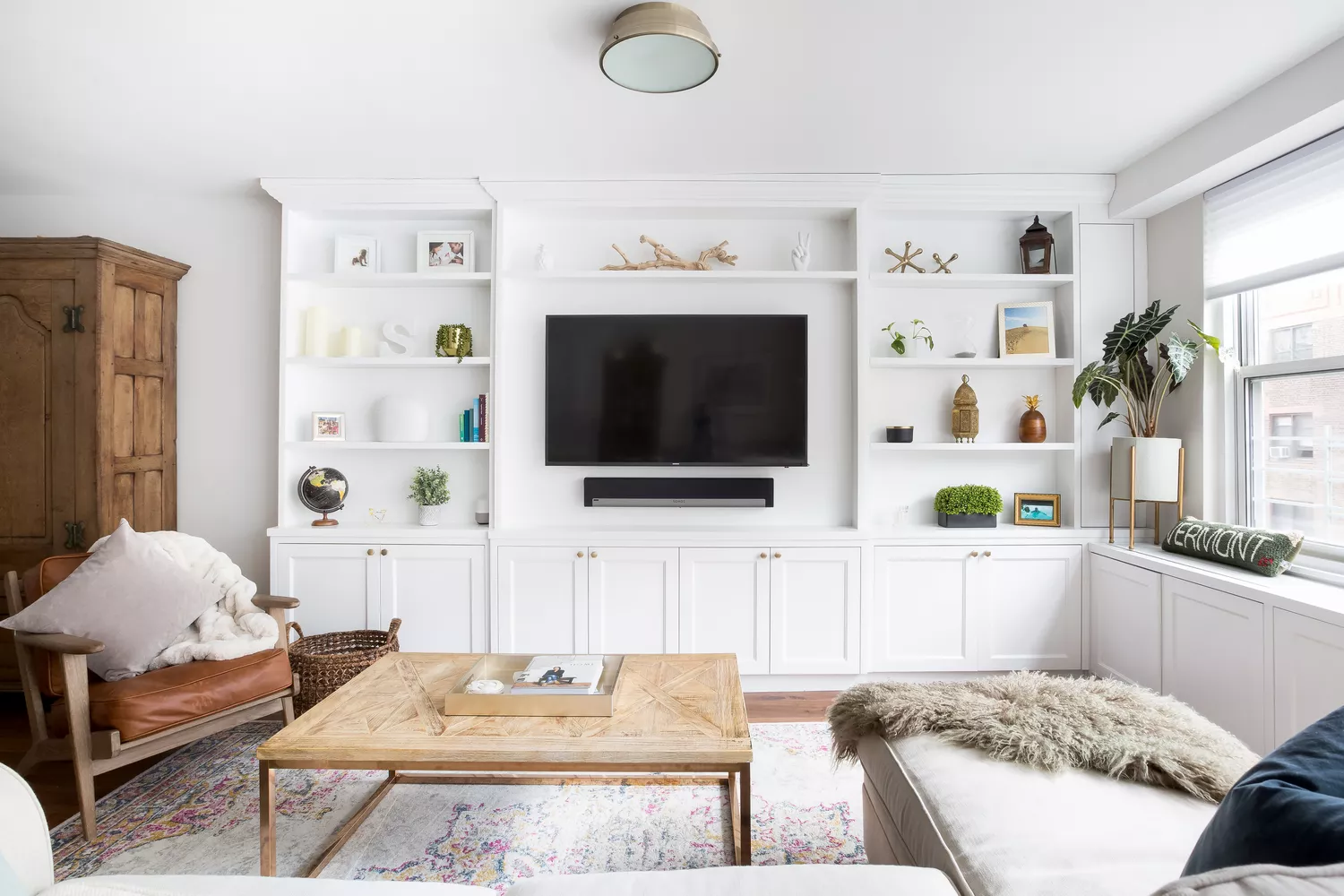
The rule of thirds in interior design is a fundamental principle that helps achieve visual balance and proportion in a space. This technique involves mentally dividing any given area—be it an entire room or a smaller decorative surface like a bookcase—into a three-by-three grid, creating nine equal sections. The goal is to strategically place furniture, decor, and other elements within these sections to create a harmonious and aesthetically pleasing arrangement. Cathy Hobbs, an interior designer and home staging expert, emphasizes that the rule is deeply rooted in basic design principles, aiming to establish proper balance and proportion across various elements, from kitchen islands to windows and bookshelves.
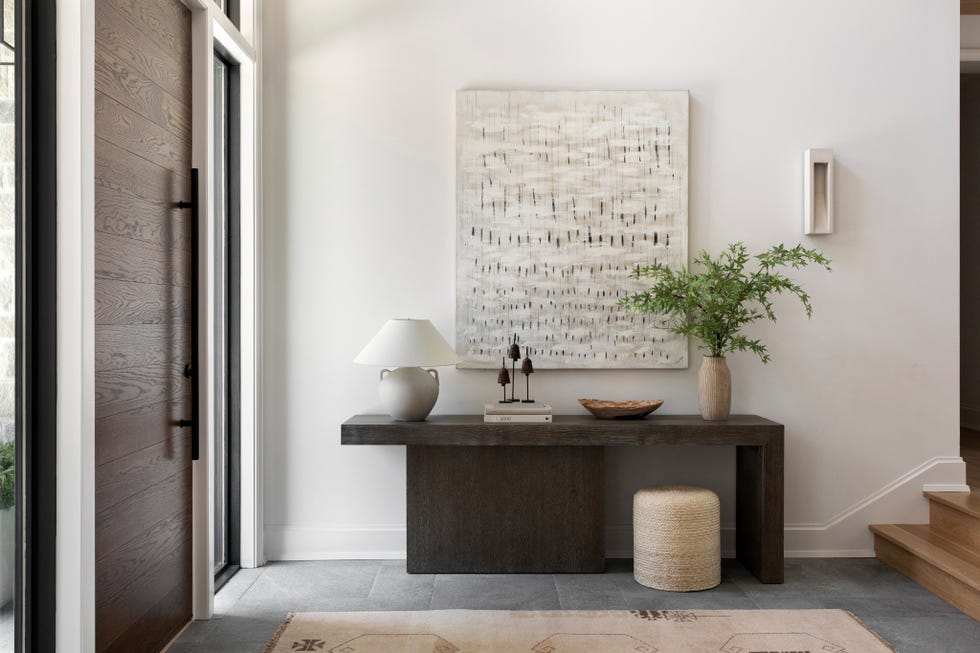
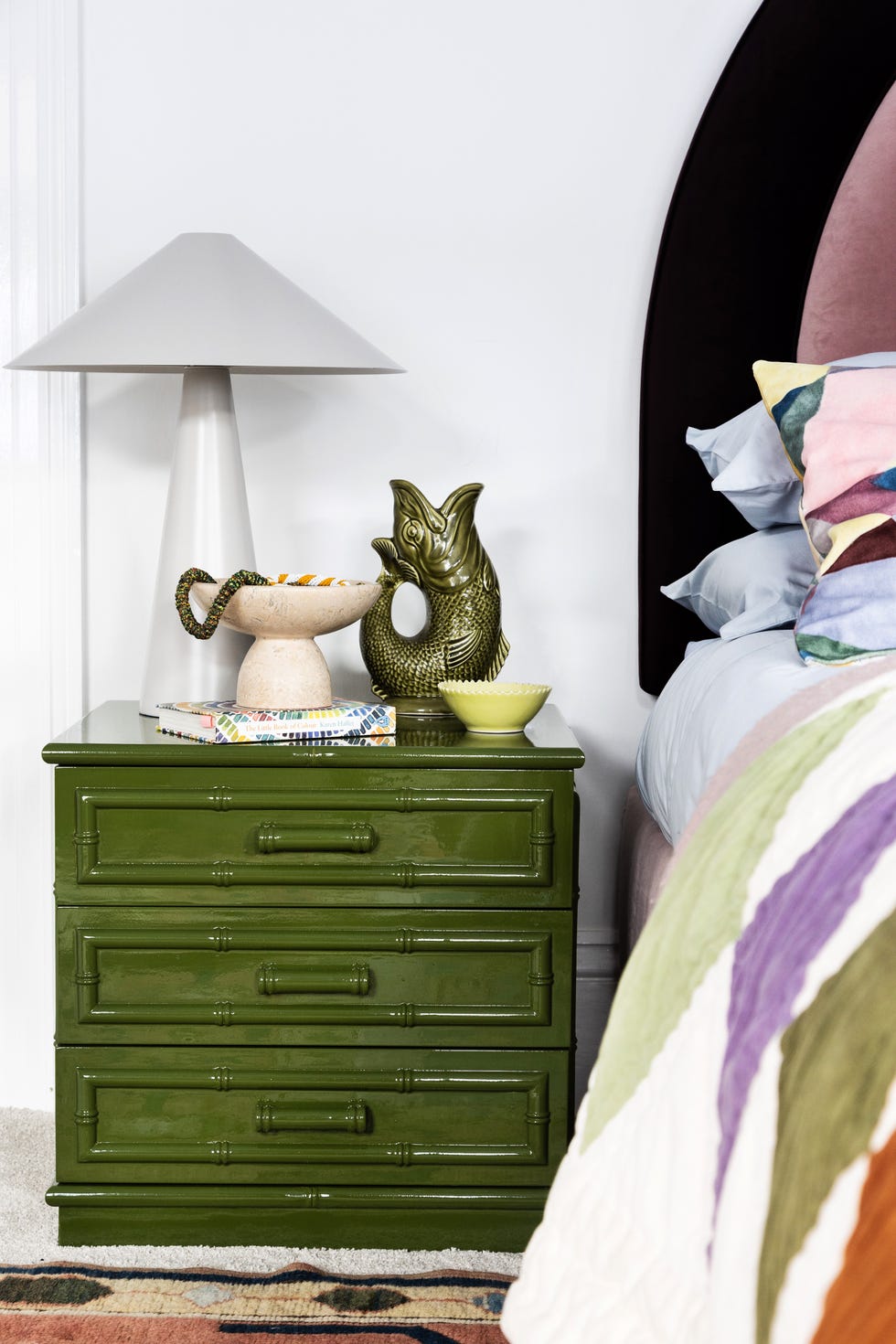
When applying the rule of thirds, designers consider each of the nine boxes formed by the grid, from left to right and top to bottom, ensuring that the visual weight of items is appropriately distributed. This systematic approach allows for a thoughtful consideration of how colors, textures, and lines flow throughout the room. Hobbs suggests establishing a central focal point that aligns with the middle dividing line of the grid, as this is where the eye naturally rests. This central section should then be utilized to highlight key decorative elements. The effectiveness of the rule of thirds is often attributed to the design preference for odd numbers. As Hobbs points out, "People think that when it comes to decor even numbers are best but its actually the odd group that wins the day." This explains the success of vignettes, which are typically composed of three complementary or contrasting objects that work well together.
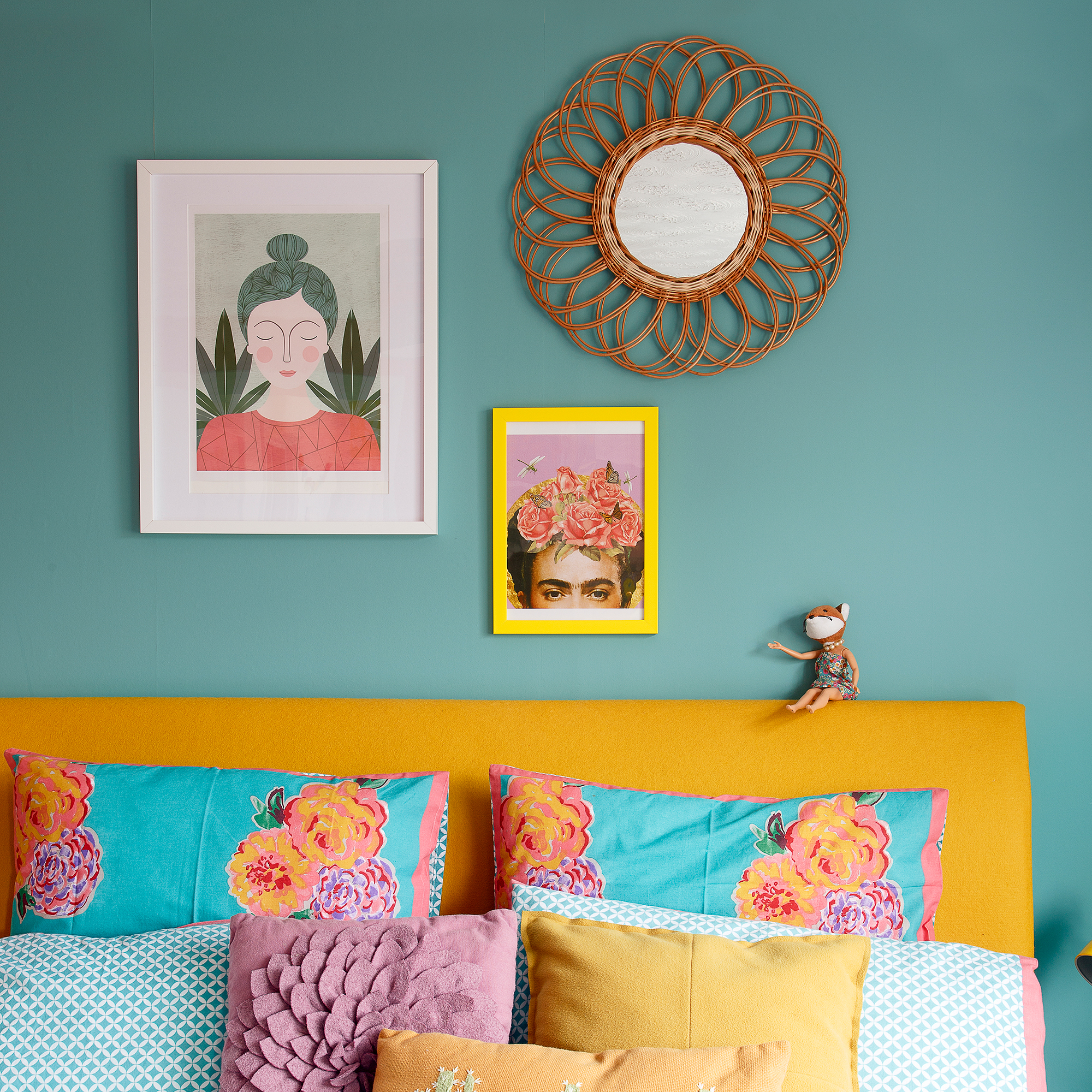
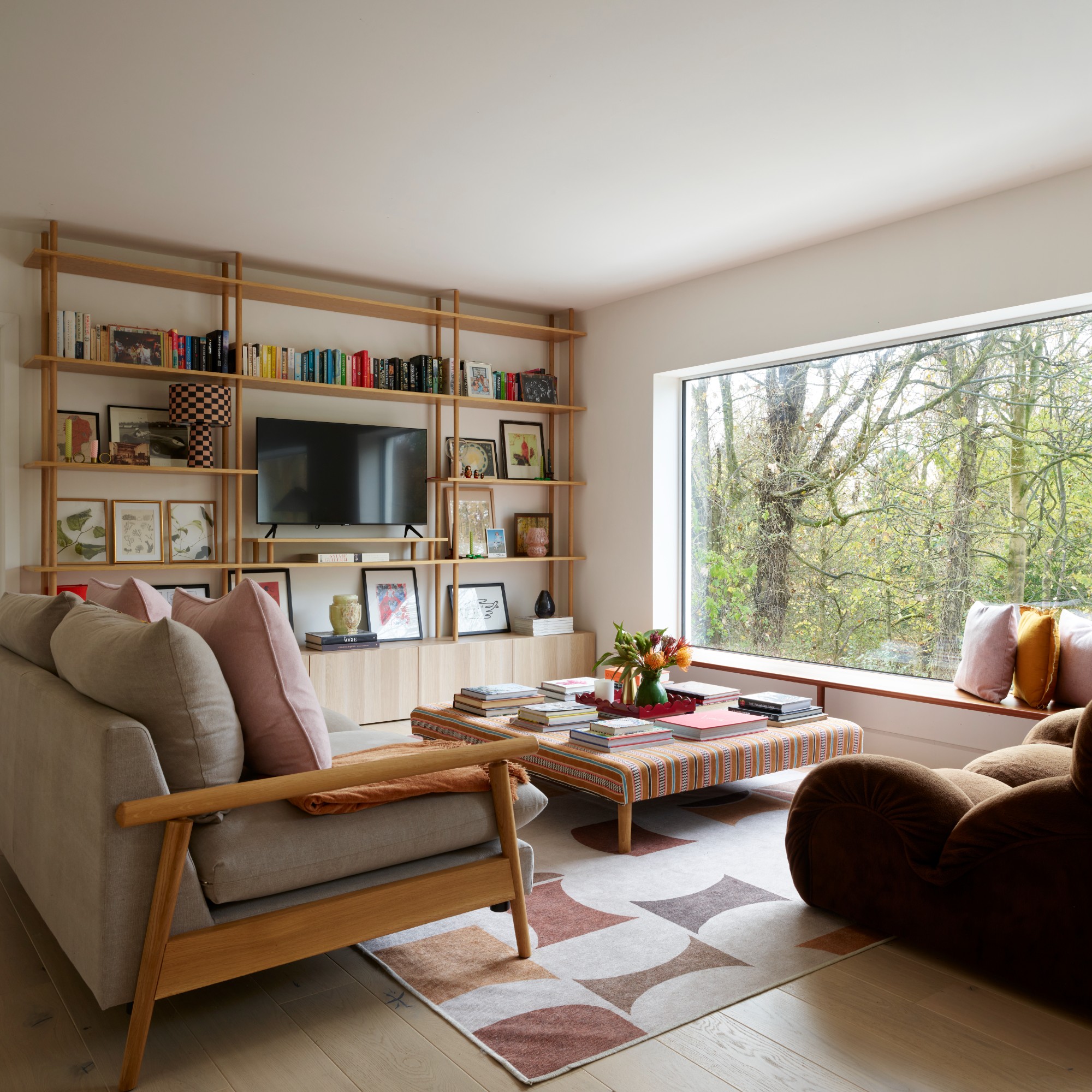
Interior designer Elizabeth Vergara notes that the rule of thirds is a consistent tool in her practice for creating balance and visual interest. She employs it regularly for furniture and artwork arrangement, dividing rooms into sections that feel inherently harmonious. For those new to this concept, it is recommended to start with smaller applications, such as a coffee table vignette or a styled bookcase, to develop an understanding of how to partition designs using the grid. Once comfortable, the rule can then be scaled up to larger spaces and entire floor plans.
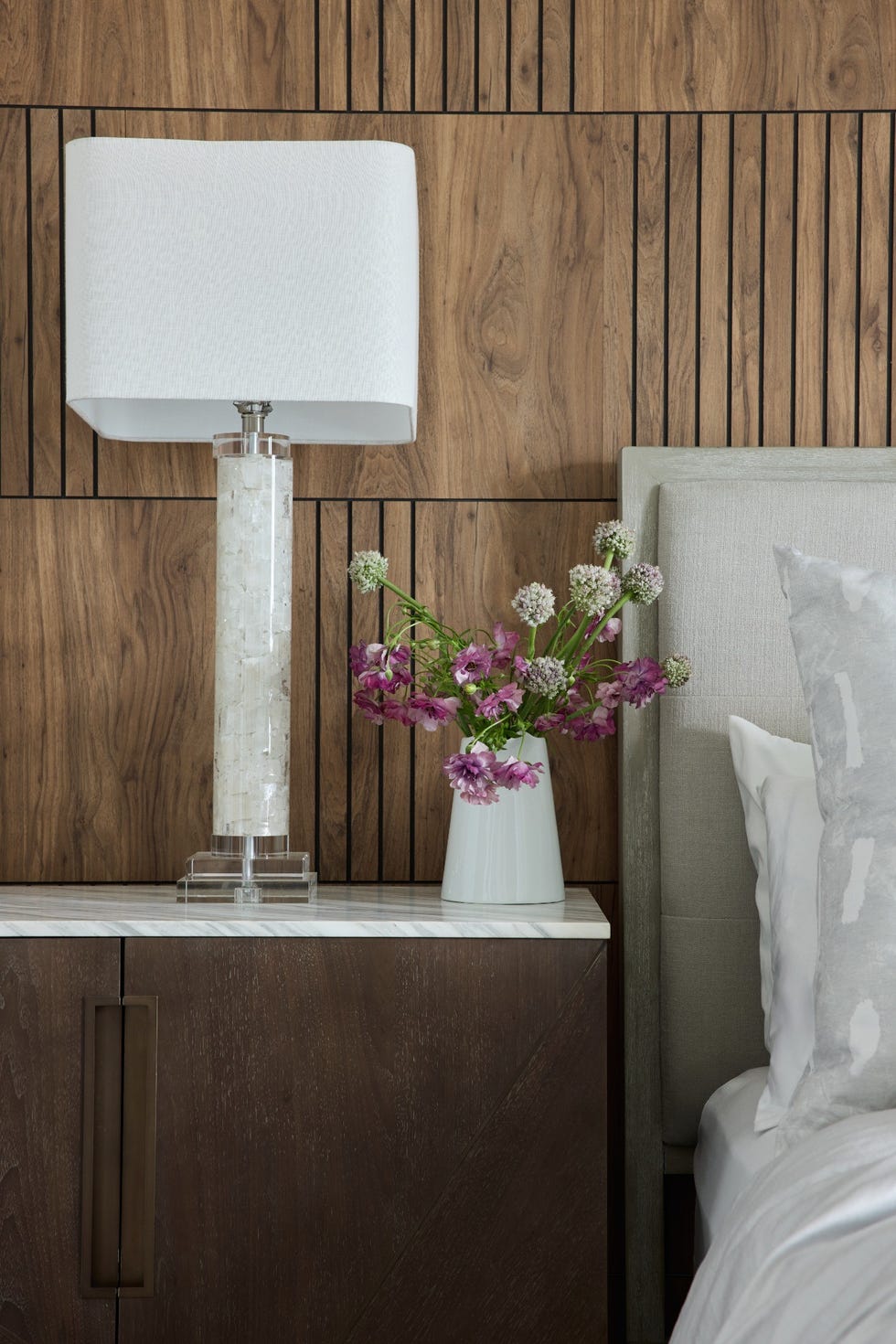
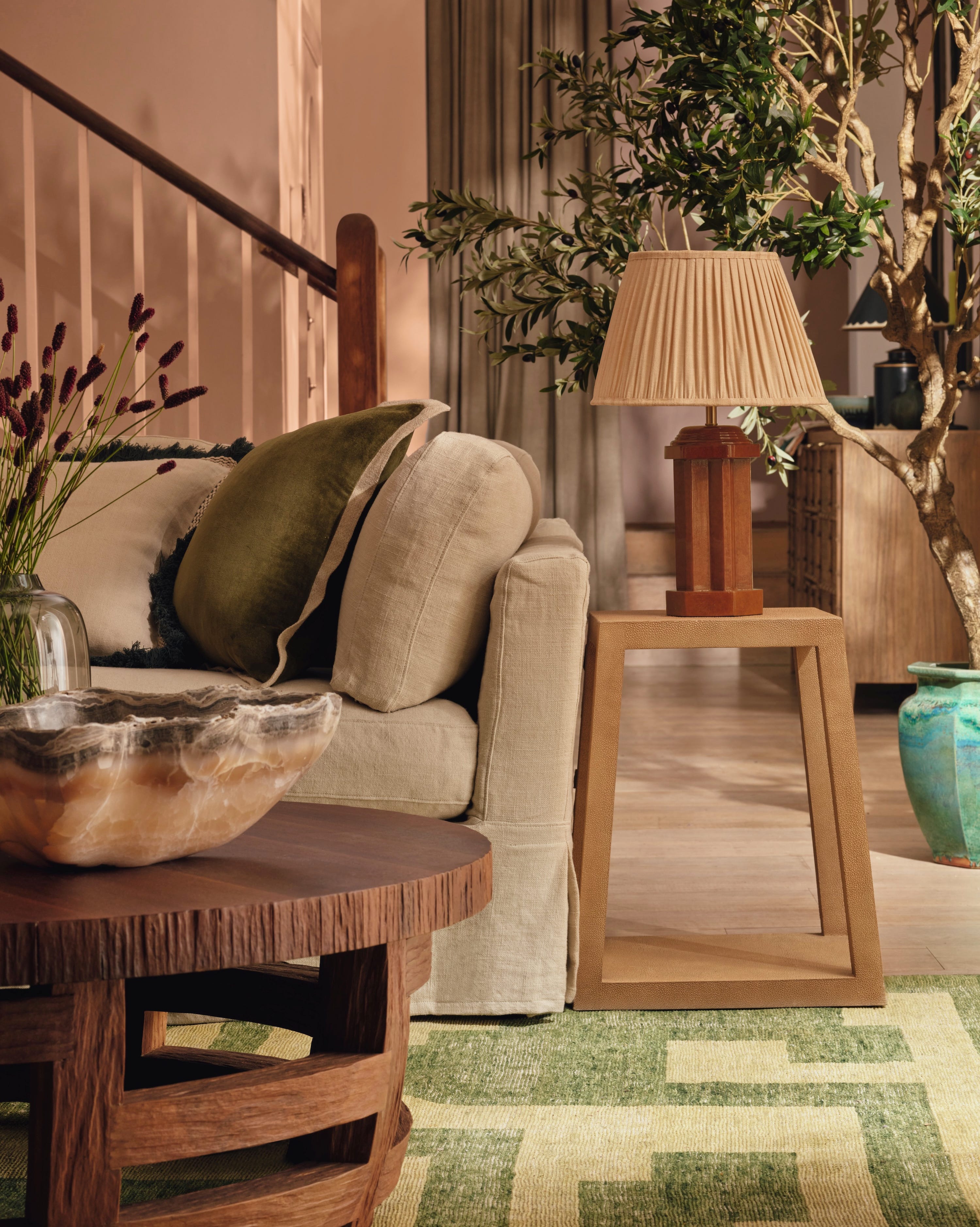
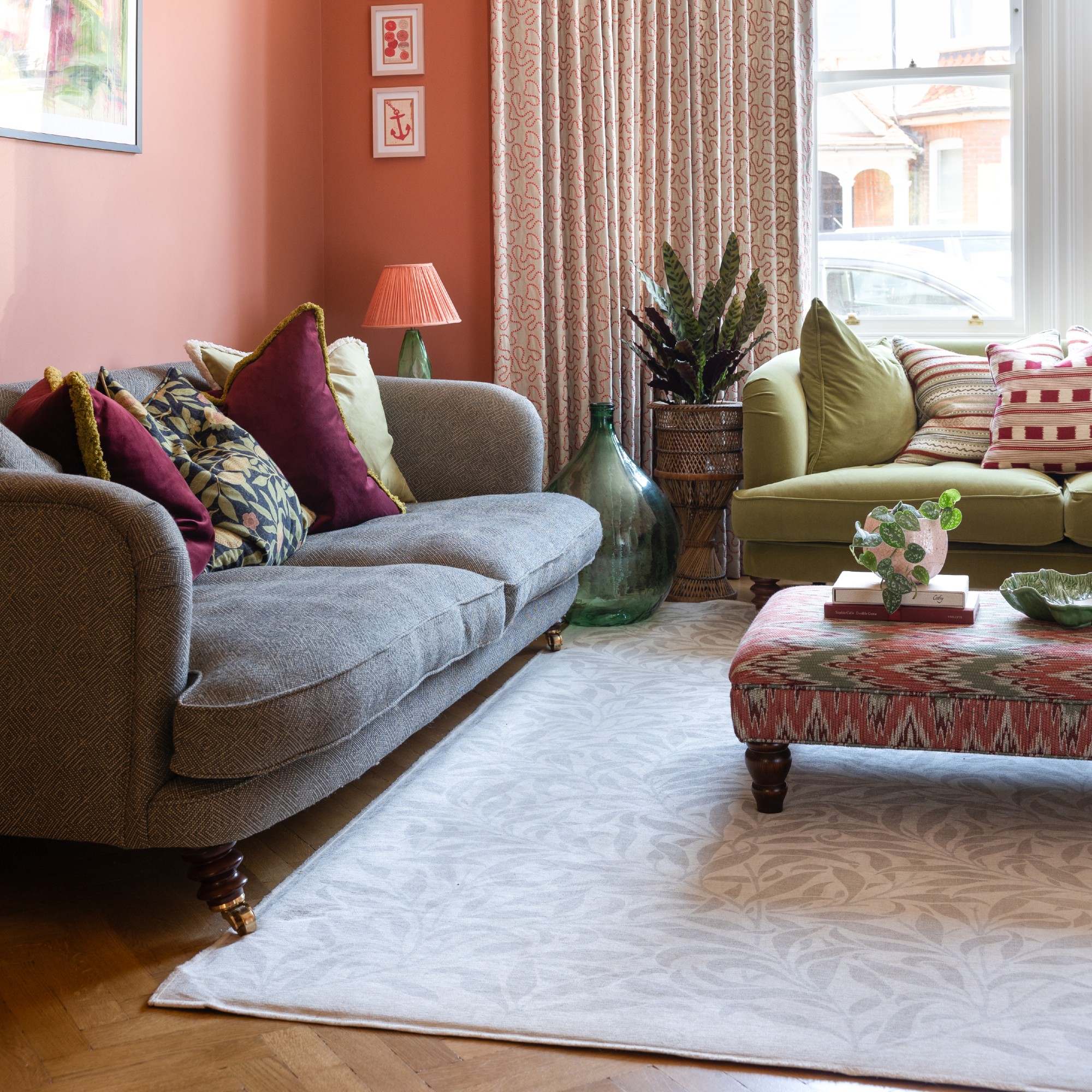
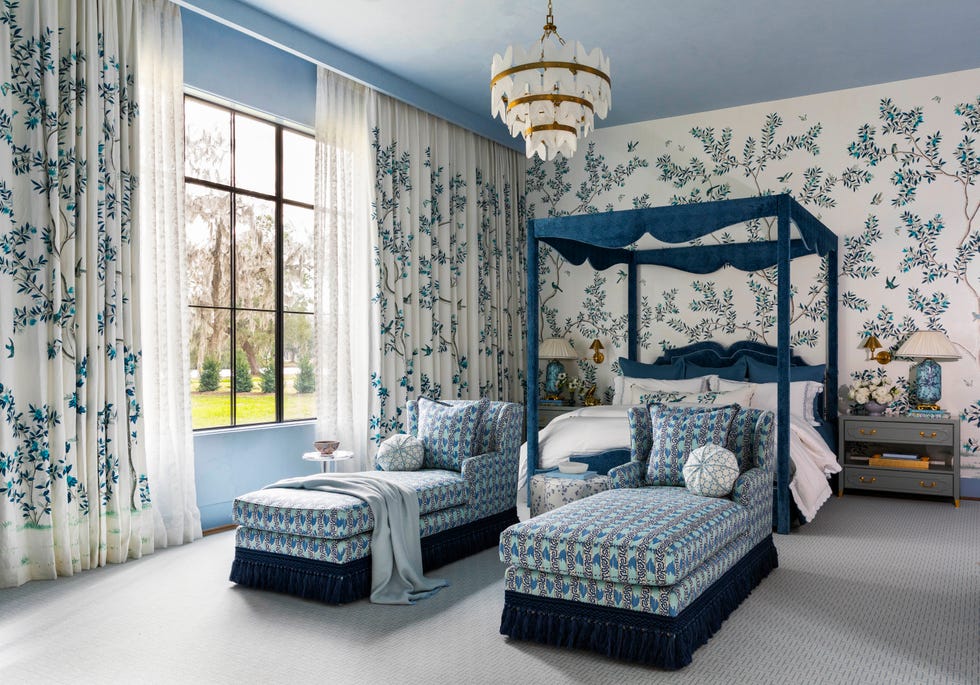
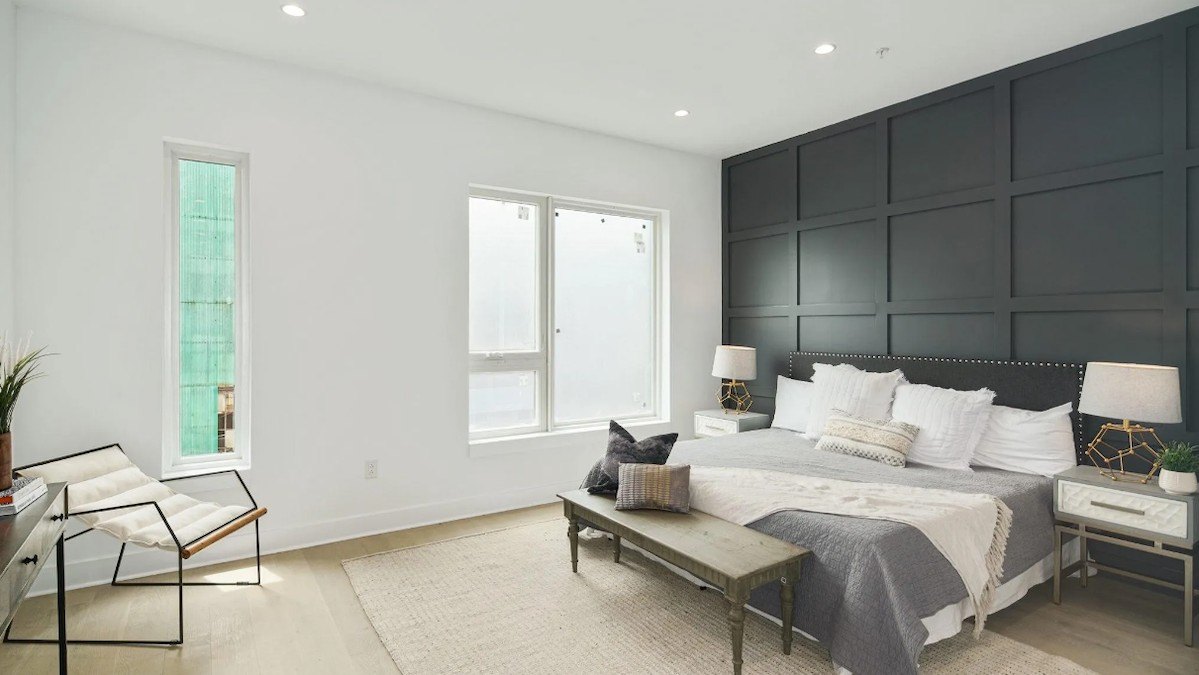
Several practical tips facilitate the application of the rule of thirds. Identifying a primary focal point is crucial; for instance, positioning two-thirds of furniture around a fireplace while leaving the remaining third open helps maintain flow without overcrowding. Utilizing existing architectural features like fireplaces or kitchen cabinetry as fixed elements within the grid provides a stable starting point. The rule also extends to rug placement, encouraging larger rugs that adequately fill their designated third to create more breathing room and unity in a space. Lighting can further enhance the design by defining the upper third of a room, serving as both a central element and a dividing line. In bedrooms, the traditional layout of a bed flanked by two nightstands naturally aligns with the rule, with nightstands occupying the bottom left and right thirds, and the bed and artwork filling the remaining sections.
Complementary design principles include the 3-5-7 rule for arranging objects, which suggests grouping items in odd numbers to create visual interest and movement. Another guideline, often referred to as the golden rule in interior design, advises that furniture should occupy no more than 60% of a room's floor space. Exceeding this percentage can make a room feel cramped, while falling significantly below it might result in an empty or unfinished appearance. Adhering to these rules helps designers create spaces that are both functional and visually appealing, ensuring a sense of order and sophisticated balance.
#InteriorDesign #RuleOfThirds #HomeDecor #DesignPrinciples #VisualBalance #FurnitureArrangement #SpacePlanning #DecoratingTips #DesignersAdvice #InteriorDesign #RuleOfThirds #HomeDecor #DesignPrinciples #VisualBalance #FurnitureArrangement #SpacePlanning #DecoratingTips #DesignersAdvice
Hay 0 comentarios en total
 Aún no hay comentarios
También te puede gustar
The rule of thirds – how experts use this design trick for successful schemes

‘It makes your living room feel more connected and comfortable’ – the 4-inch seating rule is the trick interior designers have been using for years

Zendaya uses the 'rule of three' design principle to bring a rhythmic pattern to her coffee table
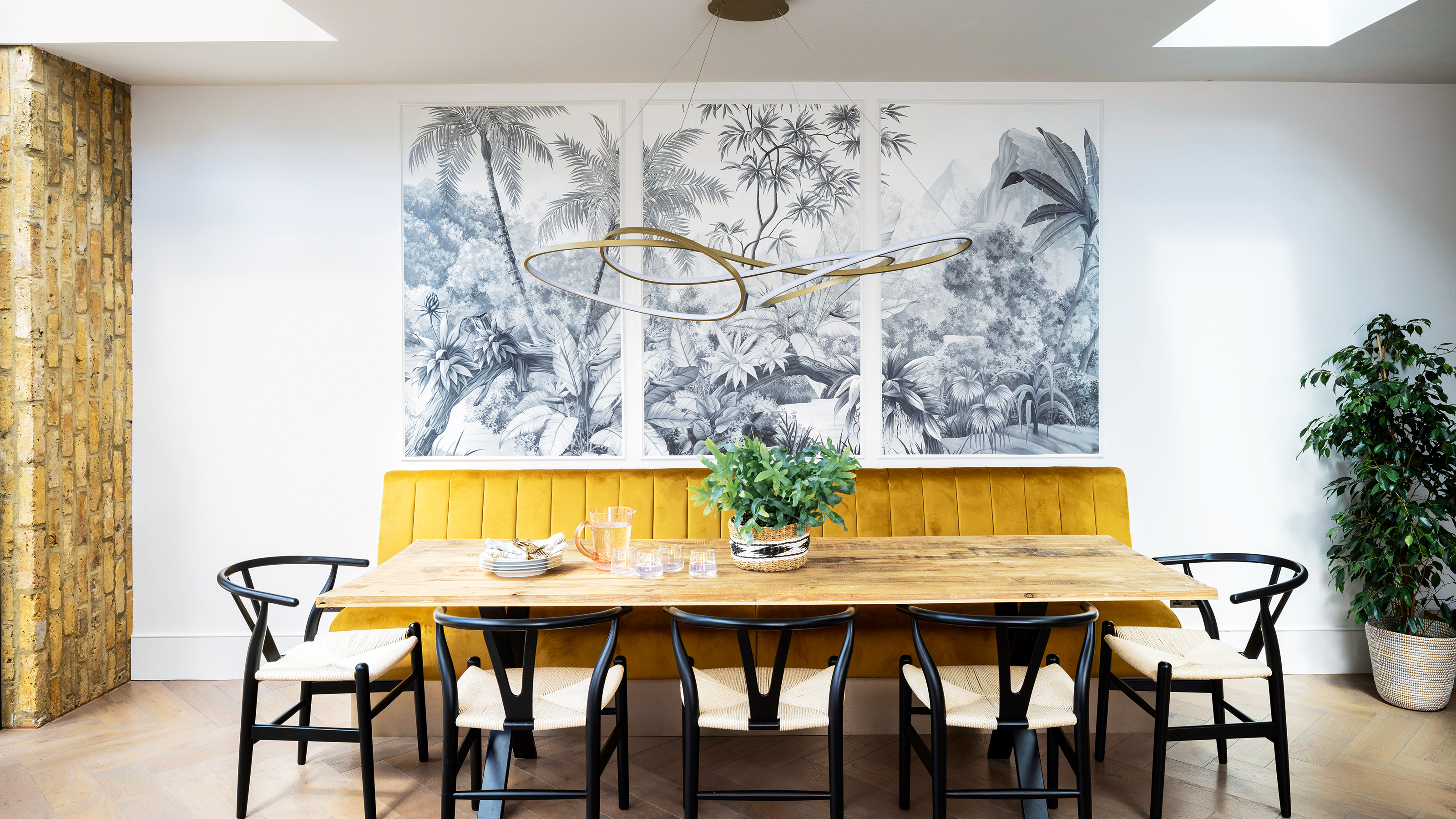
The rule of three is the secret behind every beautiful home - here's how it works

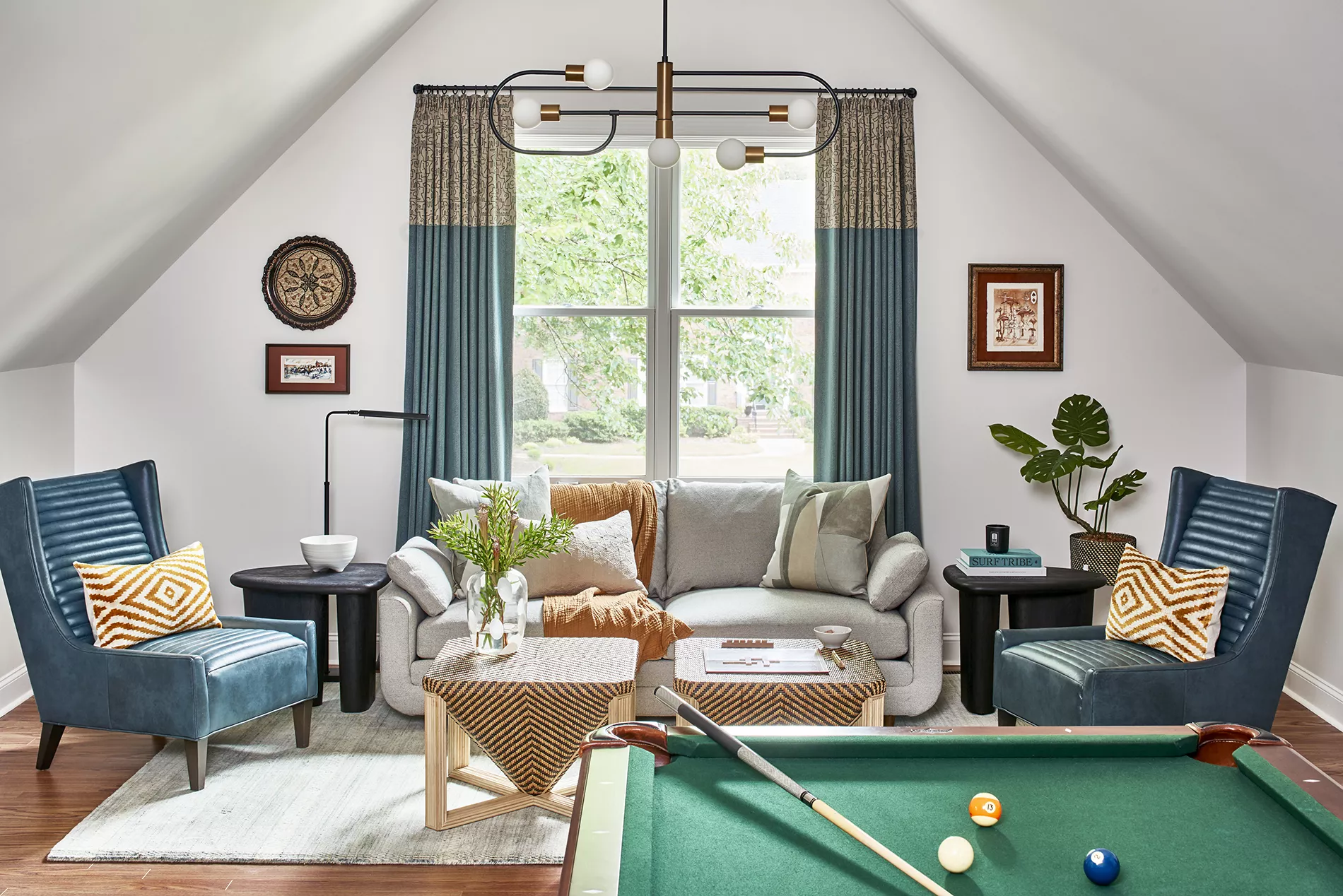
What Is the Rule of Thirds? How to Use It in Interior Design

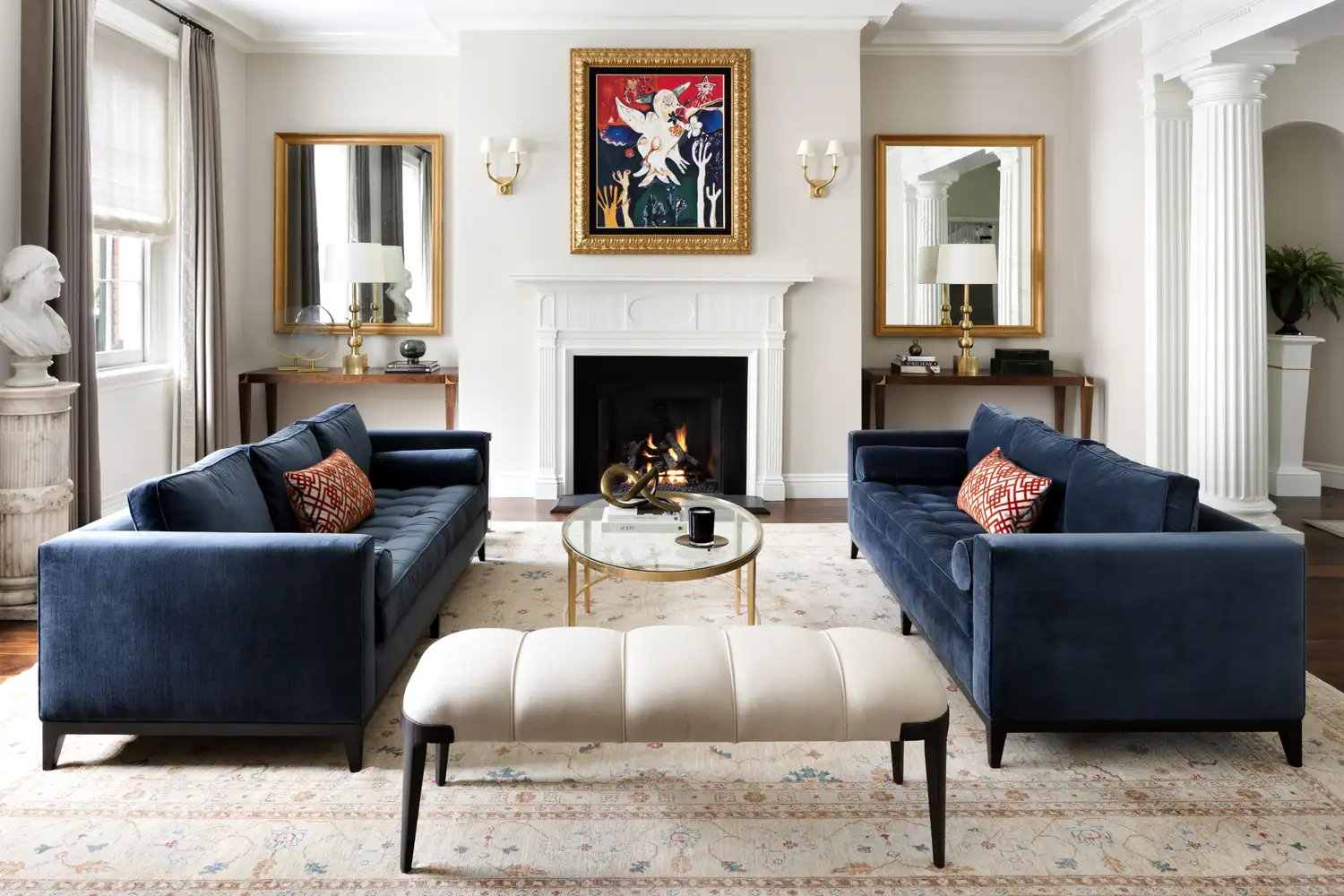
This Is the Room Design Formula Pros Use Again and Again—Here’s Why It Works
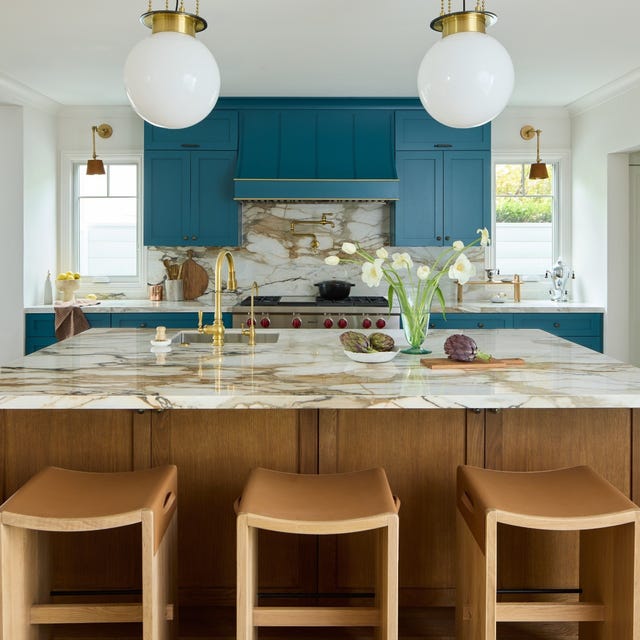
Designers Are Ditching the "Rule of Threes" for THESE Genius Styling Alternatives

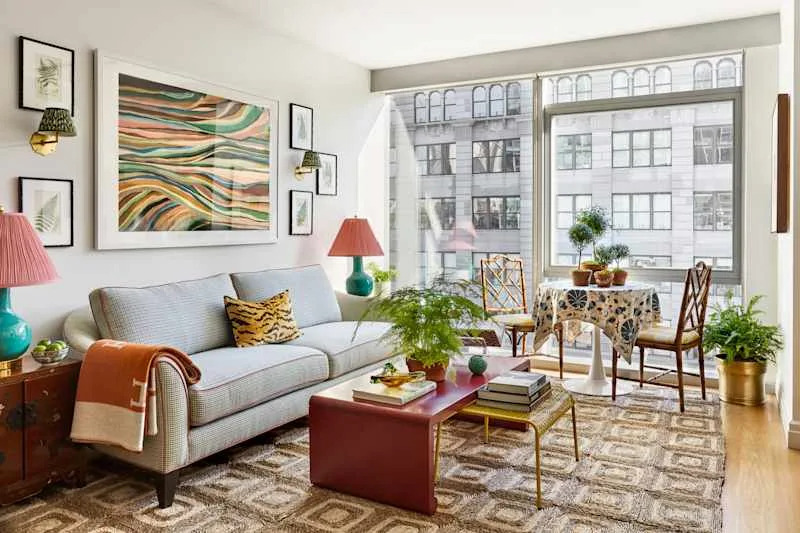
My Designer Friends Swear By the "Two-Thirds Rule" for Living Room Sofas and More

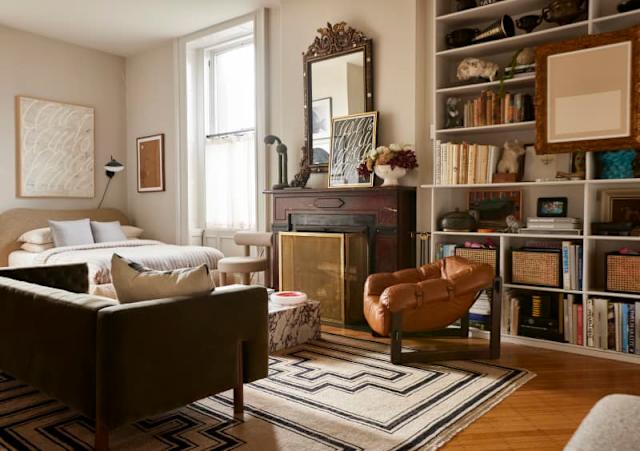
My Favorite Designer Swears By the “4-Inch” Rule for Seating in Every Room of the House

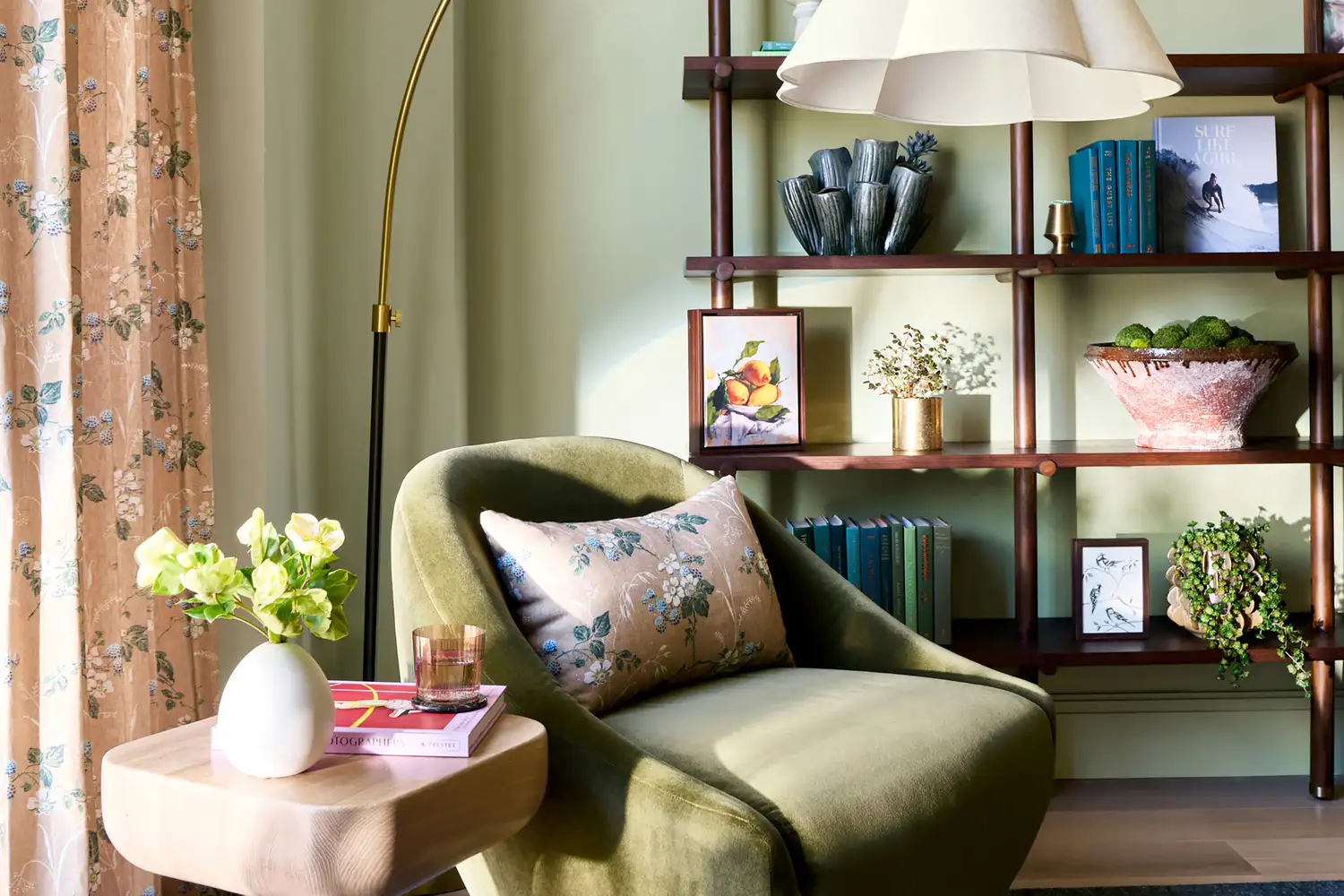
The 'Rule of 3' Is the Designer Trick for Styling Everything From Bookshelves to Coffee Tables—Here's How to Master It
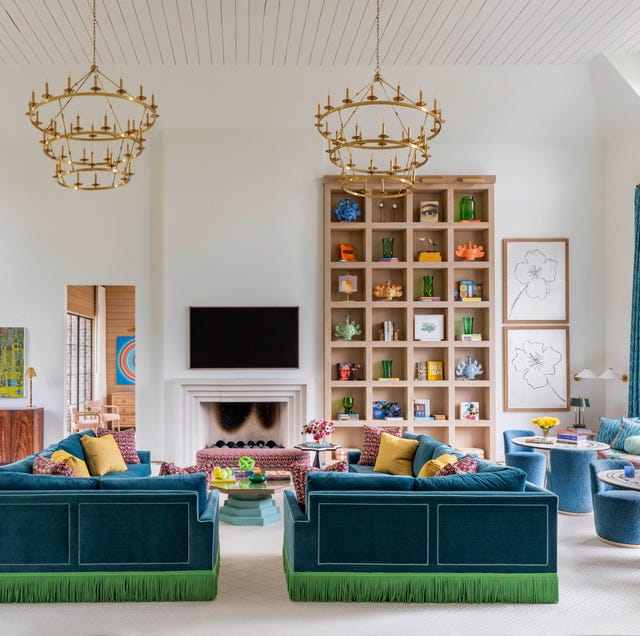
The "Three Purposes" Philosophy Is the Styling Hack We Should All Be Talking About
3 Table Lamp Rules Interior Designers Say You’re Probably Getting Wrong
The ‘Rule of Thirds’ for Making Your Home Look More Expensive for Less Money