1/2
What You Need to Know About Toxic Chemicals in Your Furniture
For many years, flame-retardant chemicals were integrated into upholstered furniture with the intention of enhancing safety by reducing flammability. This practice was largely influenced by regulations such as California's TB-117, enacted in 1975, which mandated a certain level of resistance to open flames for furniture foam. As California represented a significant market, furniture manufacturers widely adopted these flame retardants across their product lines. The initial aim was to provide occupants with additional time to escape during a fire, thereby improving fire safety in homes.
However, subsequent research and public awareness campaigns began to reveal significant drawbacks associated with these chemicals. Studies, including one sponsored by the Environmental Working Group, indicated that these toxic compounds were not contained within the furniture but rather shed into the air. This airborne release led to their accumulation in indoor environments and, critically, in human bodies. American infants, for instance, were found to have notably high concentrations of these flame retardants in their bloodstreams compared to children in other nations. The health concerns linked to exposure to these chemicals are extensive, encompassing fertility issues, neurological deficits, developmental delays in children, and an increased risk of cancer.
Furthermore, the efficacy of these flame retardants in preventing fires was questioned. Critics argued that in actual fire incidents, the chemicals often produced highly toxic fumes, posing a greater danger to health than the fires themselves. This dual concern—ineffectiveness in severe fires coupled with widespread health risks—fueled a growing movement to eliminate them from consumer products. Organizations such as Safer Chemicals, Healthy Families initiated campaigns, notably the "Mind the Store" campaign, to pressure manufacturers and retailers to discontinue the use of these harmful substances.
These advocacy efforts have yielded tangible results. Several major furniture retailers in the U.S. have begun to commit to phasing out flame retardant chemicals from their products. While some companies, like Ashley Furniture, the country's largest furniture retailer, have agreed to the elimination, they have yet to provide specific timetables for implementation. Other prominent brands, including Crate and Barrel, Pottery Barn, West Elm, Room and Board, Futon Shop, IKEA, La-Z-Boy, Scandinavian Designs, and Walmart, have already made significant strides or instructed their manufacturers to cease using these chemicals.
The critical turning point for the industry came with California's updated flammability standards, which took effect at the beginning of the previous month. The new regulations, while not outright banning flame retardants, no longer require furniture to resist open flames. Instead, they only mandate resistance to smoldering cigarettes. This change is pivotal because most upholstery fabrics can meet the smolder resistance standard without needing chemical treatments, thus eliminating the primary justification for their inclusion in foam. To further empower consumers, California also introduced a requirement for clear labeling on products containing these chemicals.
This legislative shift faced opposition, particularly from chemical manufacturers like Chemtura Corp., a major producer of flame retardants. Chemtura challenged California's revised law, investing substantial resources in lobbying efforts over several years. However, their legal challenge was dismissed by a judge, who upheld the state's new standards. This ruling underscored the growing scientific consensus on the health risks and limited fire safety benefits of these chemicals, paving the way for a healthier and safer home environment for consumers.
#ToxicChemicals #FurnitureSafety #FlameRetardants #ConsumerHealth #IndoorAirQuality #CaliforniaRegulations #ProductSafety #EnvironmentalHealth #RetailerCommitment #ToxicChemicals #FurnitureSafety #FlameRetardants #ConsumerHealth #IndoorAirQuality #CaliforniaRegulations #ProductSafety #EnvironmentalHealth #RetailerCommitment
Hay 0 comentarios en total
 Aún no hay comentarios
También te puede gustar

Designers Share 6 Ways to Rid Your Home of Hidden Toxins

What Pet Owners Need to Clean and Protect Their Furniture, According to Experts

9 things you need to know before upholstering furniture

3 Materials You Should Always Invest in When Buying Furniture for Your Home
Best Non-Toxic Upholstery & Carpet Cleaner For Better Indoor Air Quality 2022


Your guide to safer cleaning products
Experts reveal 7 surprising ways you're ruining your furniture

Does Your Home Have 1 of the 3 Major Health Hazards?
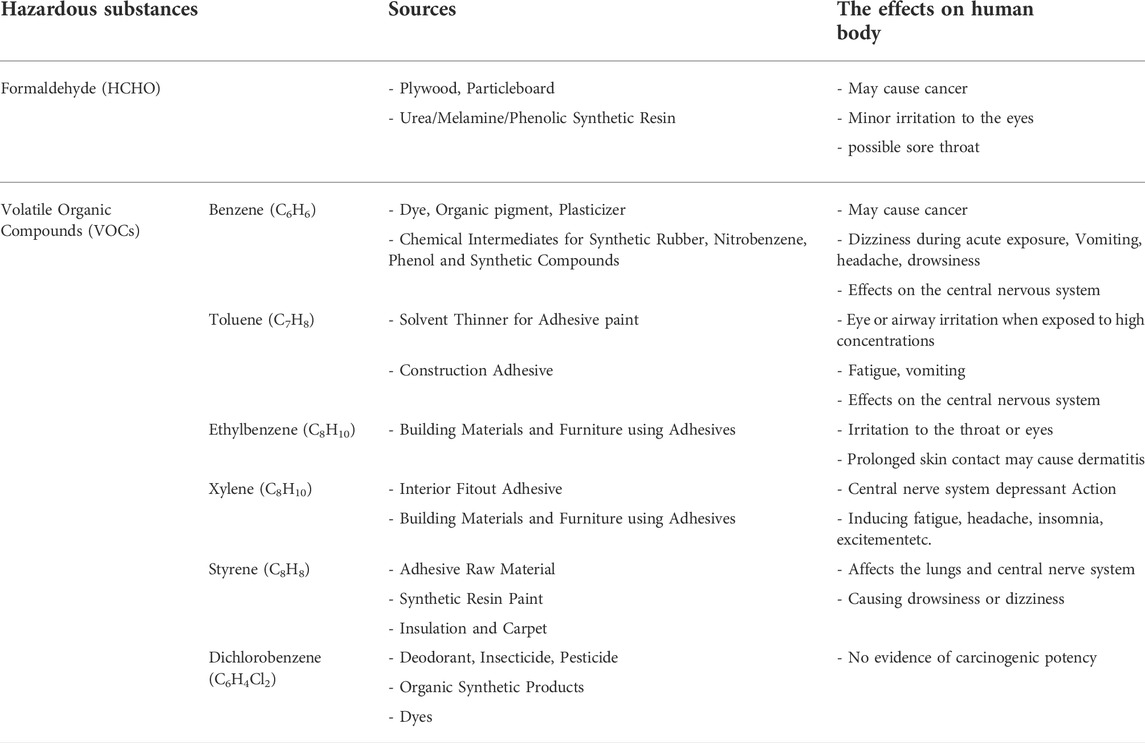
Evaluating the emission of VOCs and HCHO from furniture based on the surface finish methods and retention periods

7 Unexpected Ways You're Secretly Damaging Your Furniture, Designers Say

Did you know you could be allergic to your sofa? Expert shares how you can tell and what to do about it


Newsletter #50: 🏡 Place as medicine: How our homes can create health or disease

Non-Toxic Couches - Furniture Swatches of Sofas & Armchairs Tested For Indications of PFAS

Your guide to safer cleaning products


‘Forever chemicals’: the hidden threat from the toxic PFAS on your shelf


10 low-stress ways to avoid forever chemicals in your next project


7 toxic basement items to deal with now


Hidden dangers hiding in your upholstery: Experts reveal harmful bugs living in YOUR home

You need to deep clean your couch every few months — here’s how experts say to do it


5 High-Maintenance Furniture Choices You Should Avoid, Designers Warn