3 Materials You Should Always Invest in When Buying Furniture for Your Home
In an era dominated by mass-produced furniture, discerning homeowners are increasingly seeking durable and long-lasting pieces that offer both quality and sustainability. This guide outlines essential materials to prioritize when investing in furniture, emphasizing longevity and value over temporary solutions. The shift from traditional handcrafted solid wood furniture to modern manufacturing has introduced a variety of materials and construction methods, making the selection process more complex. Understanding terms like MDF, acrylic, and resin is crucial, especially for those aiming for heirloom-quality pieces that can be passed down through generations or resold, aligning with sustainable practices.
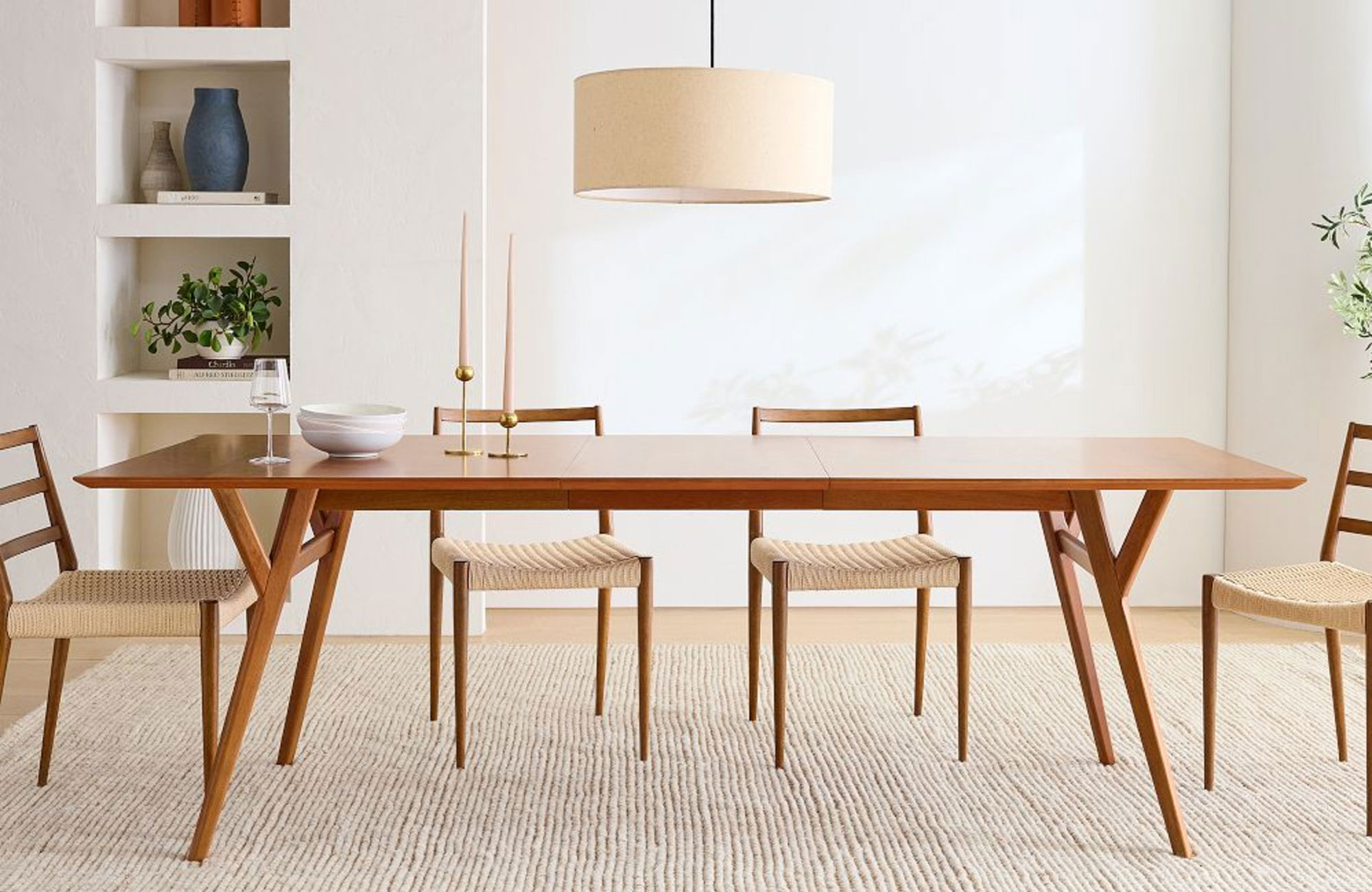
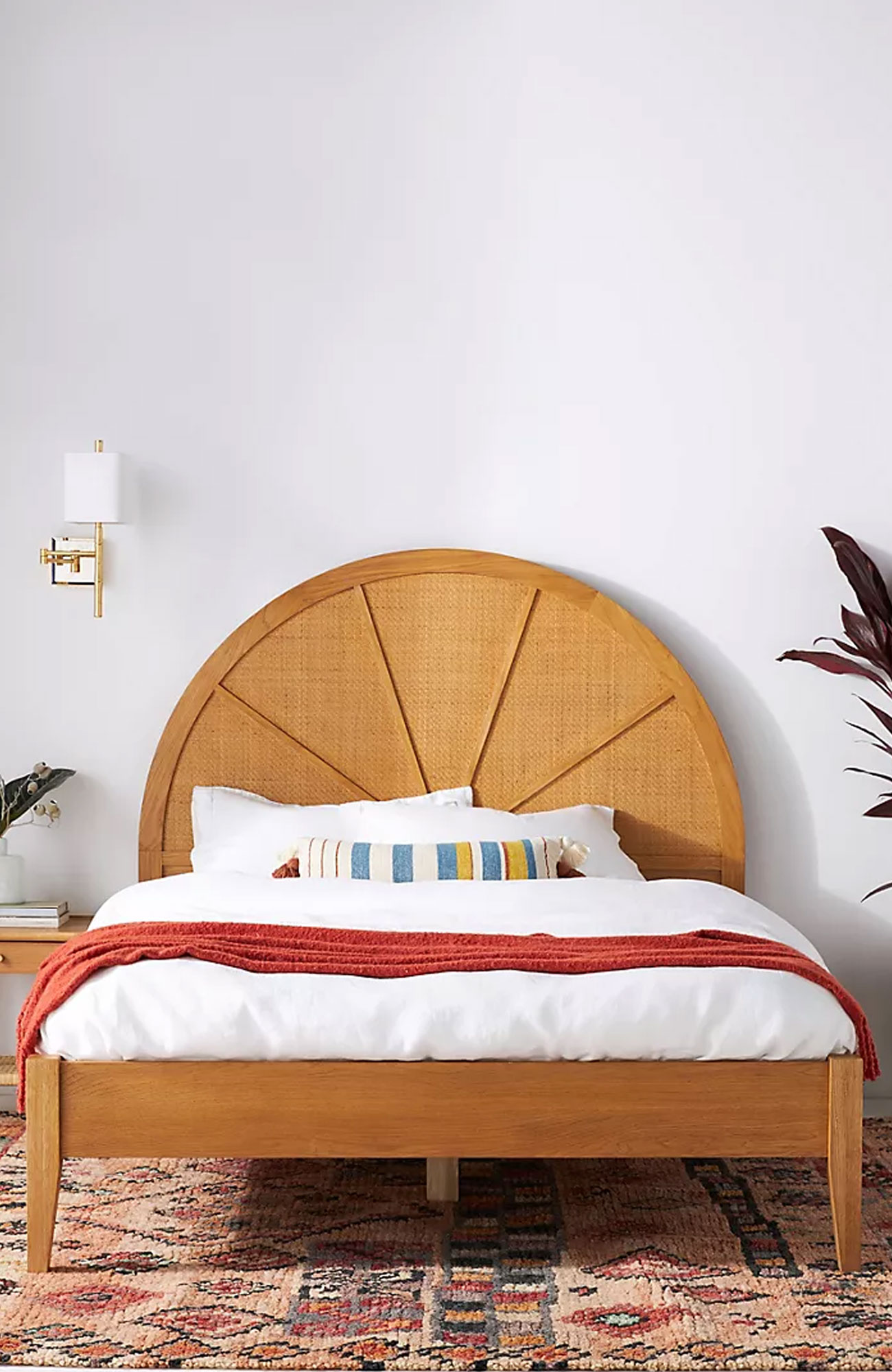
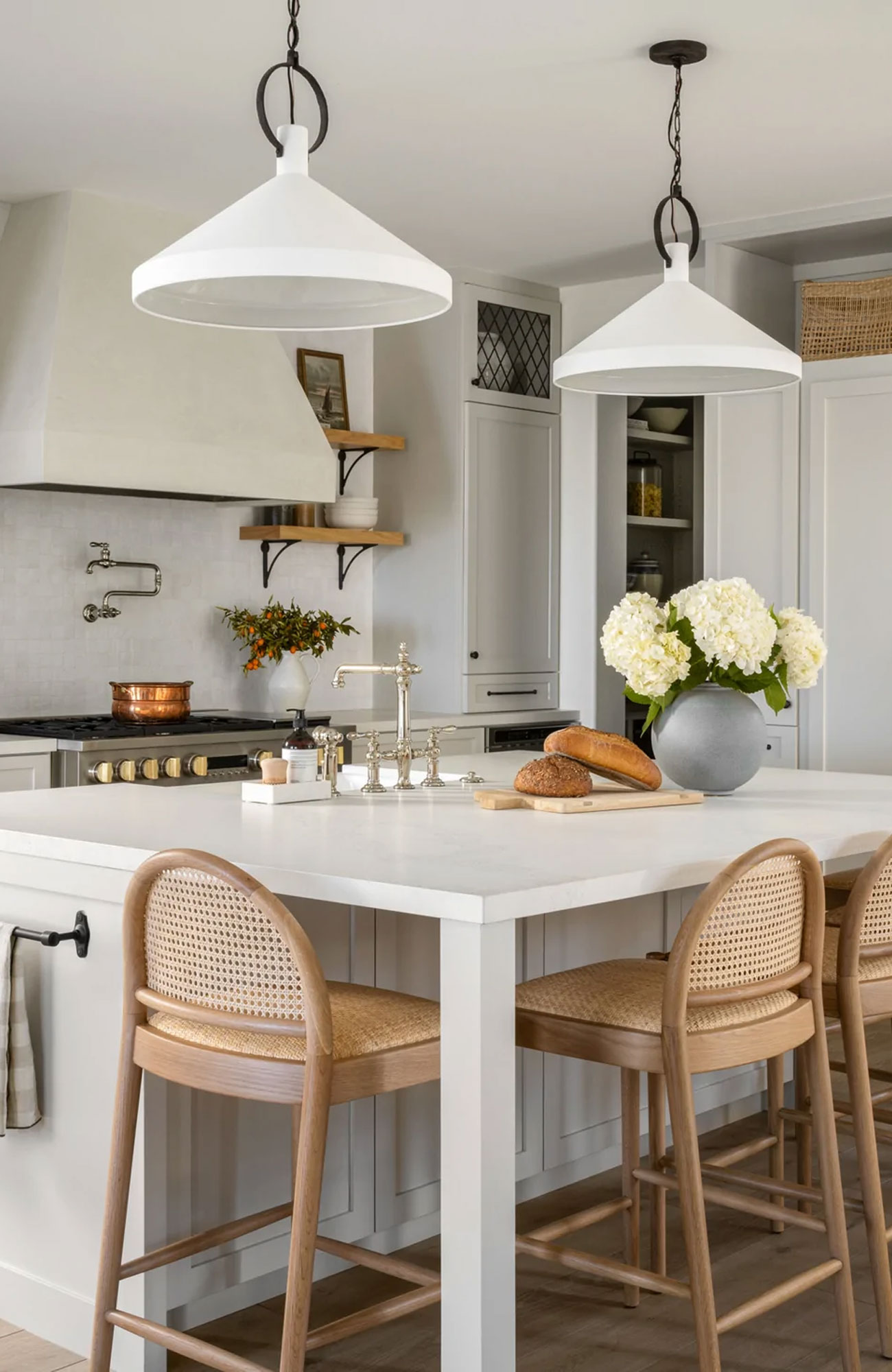
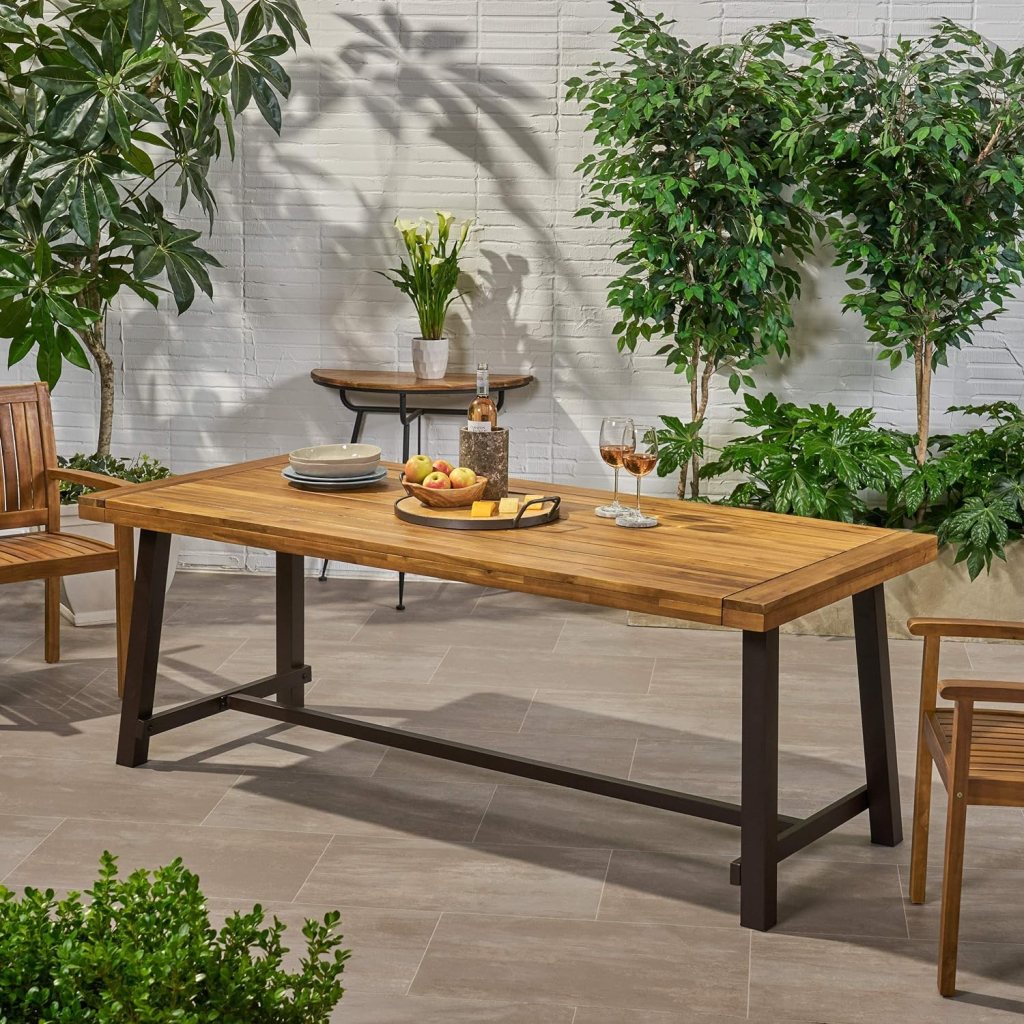
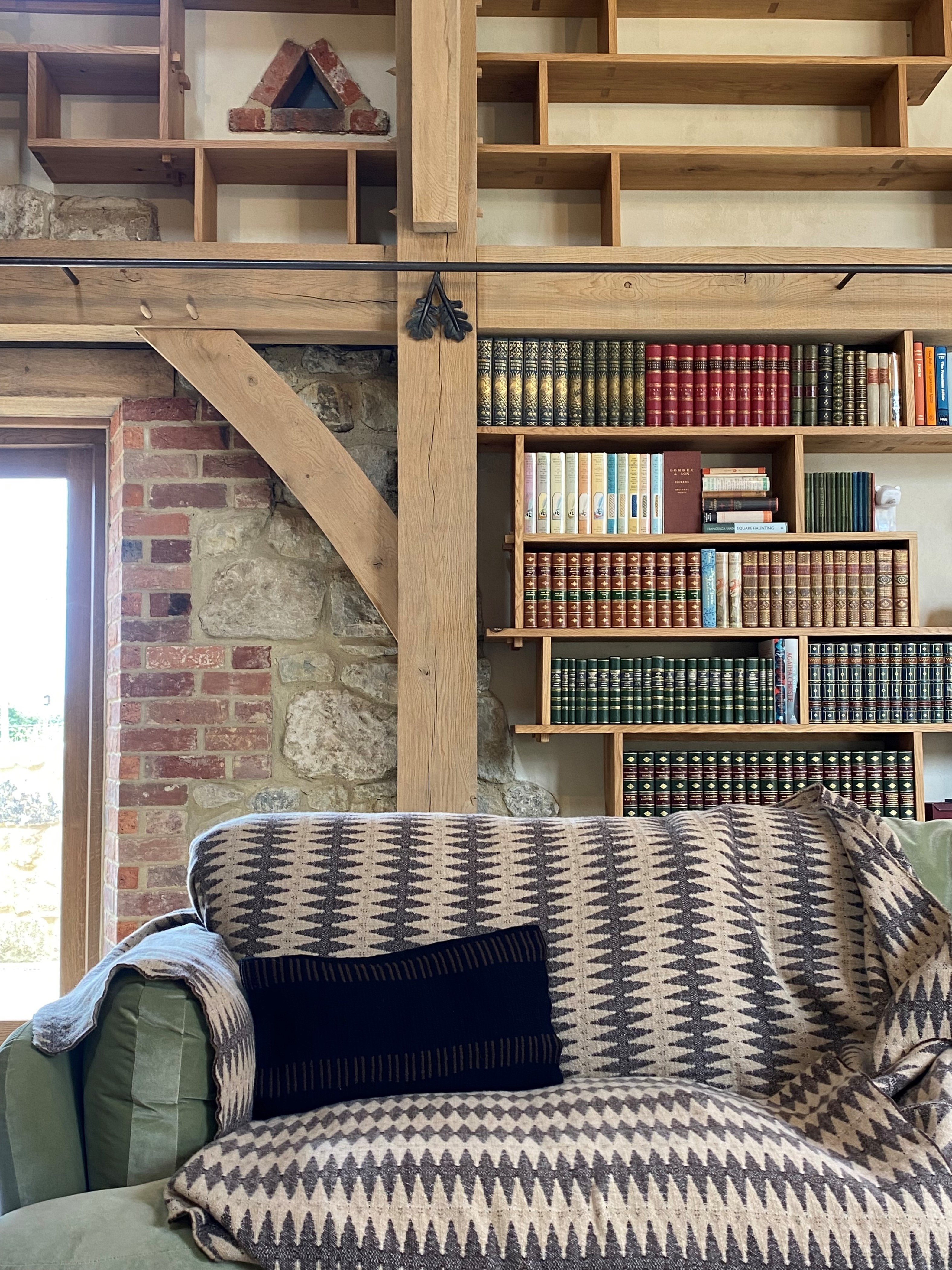
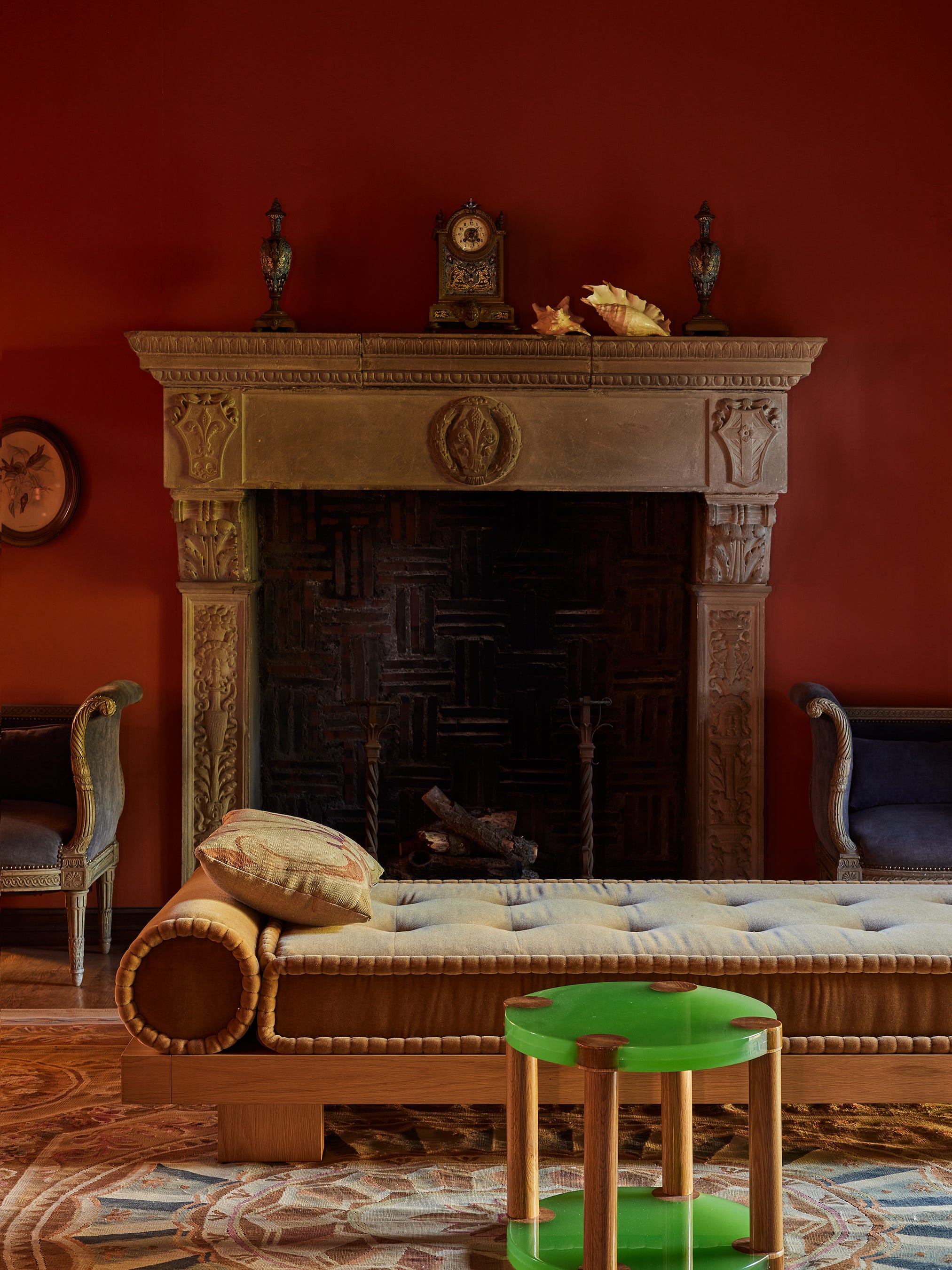
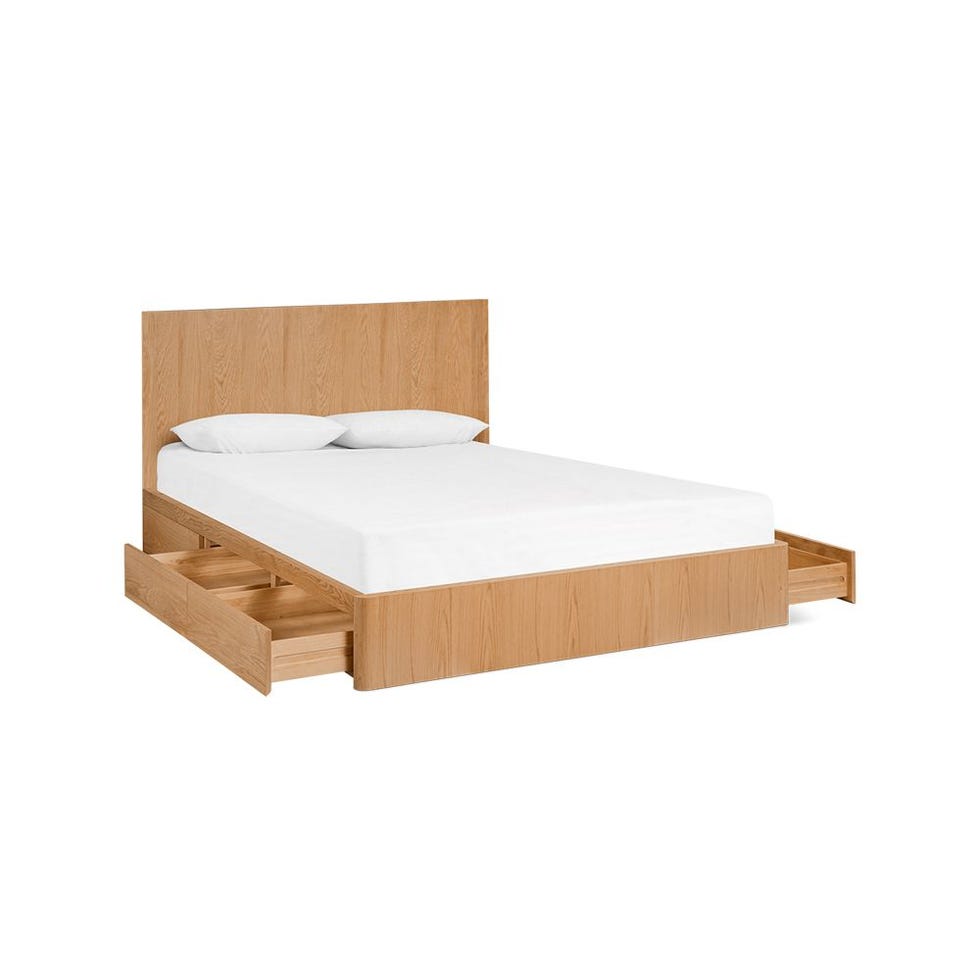
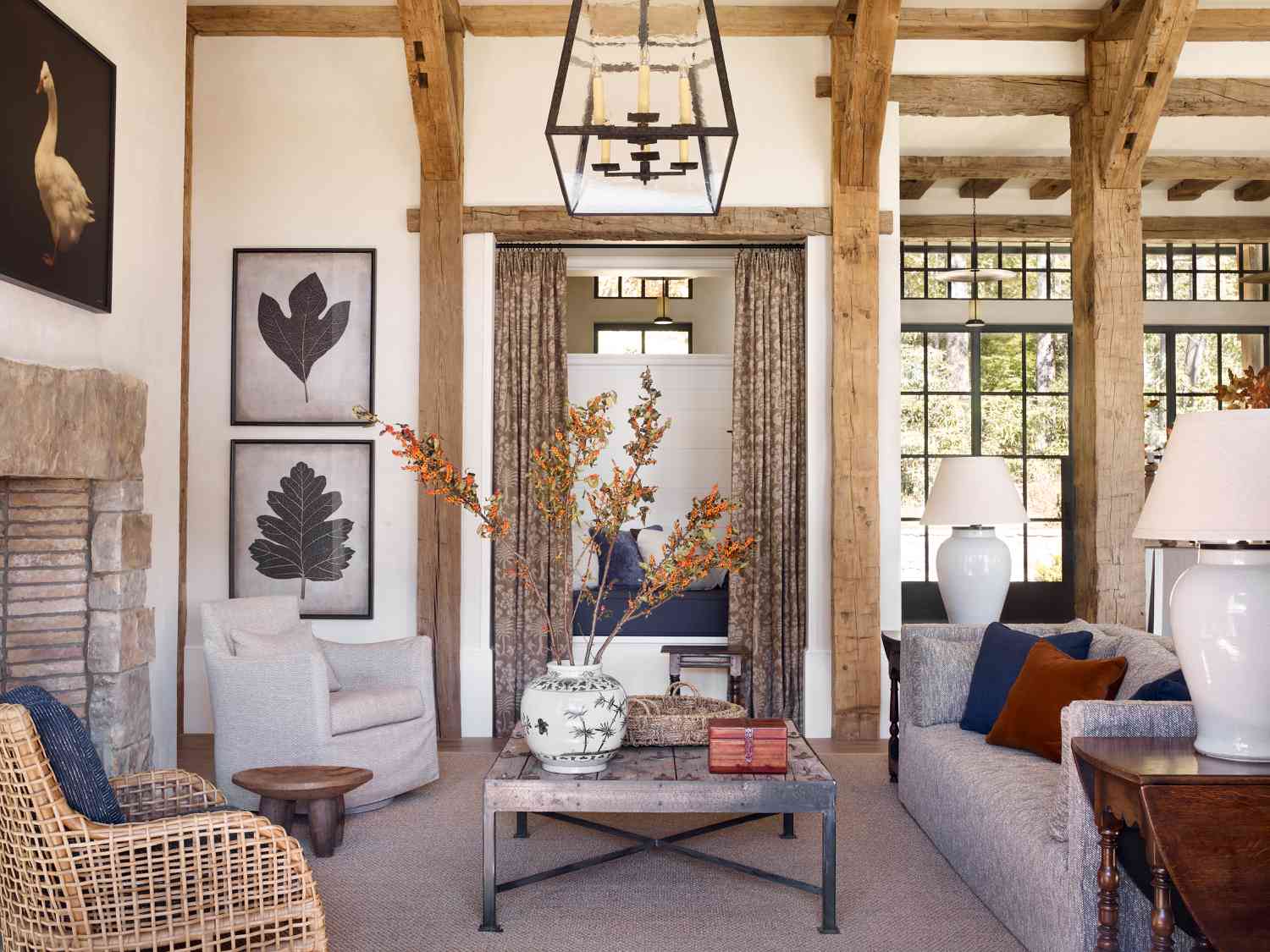
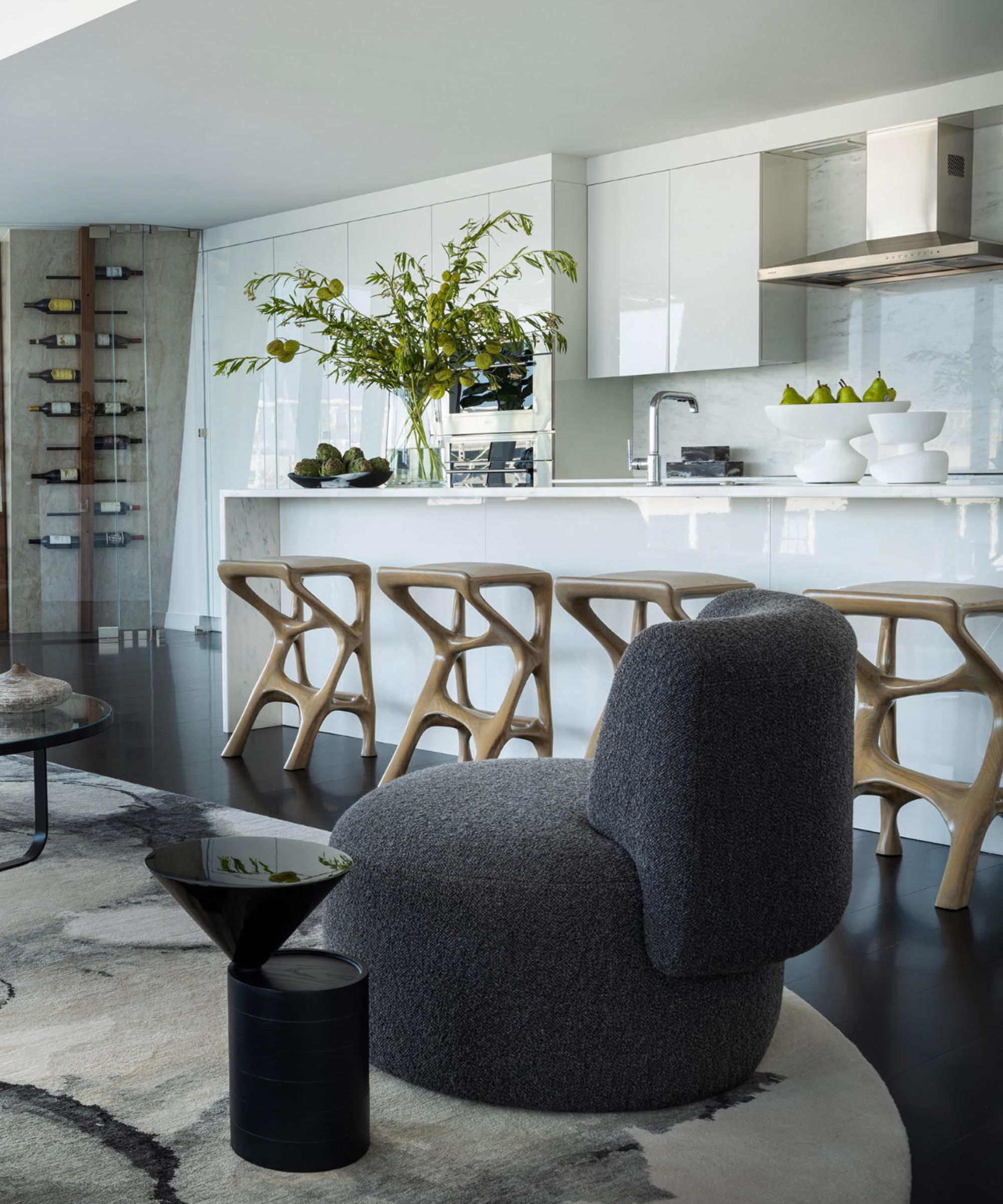
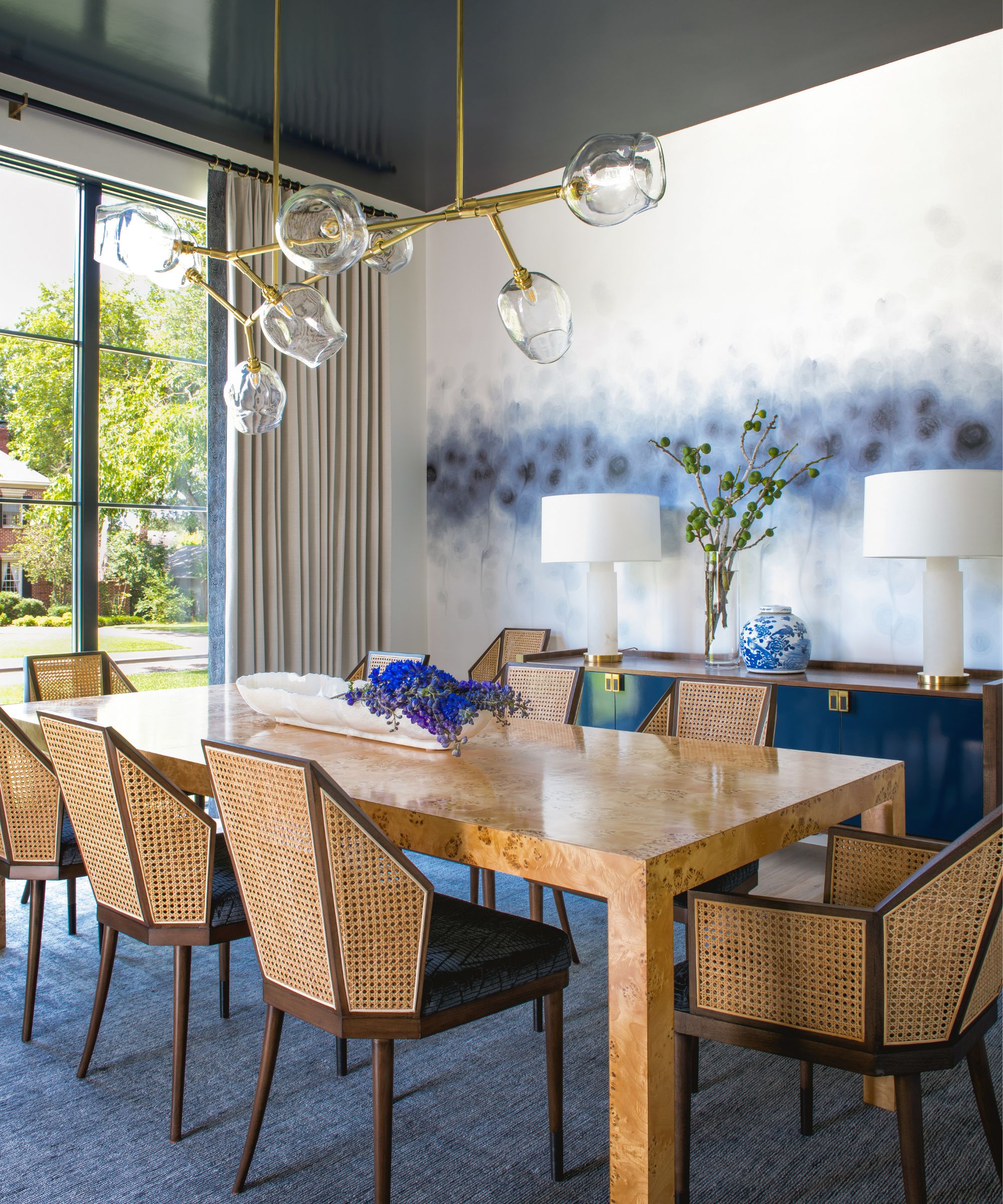
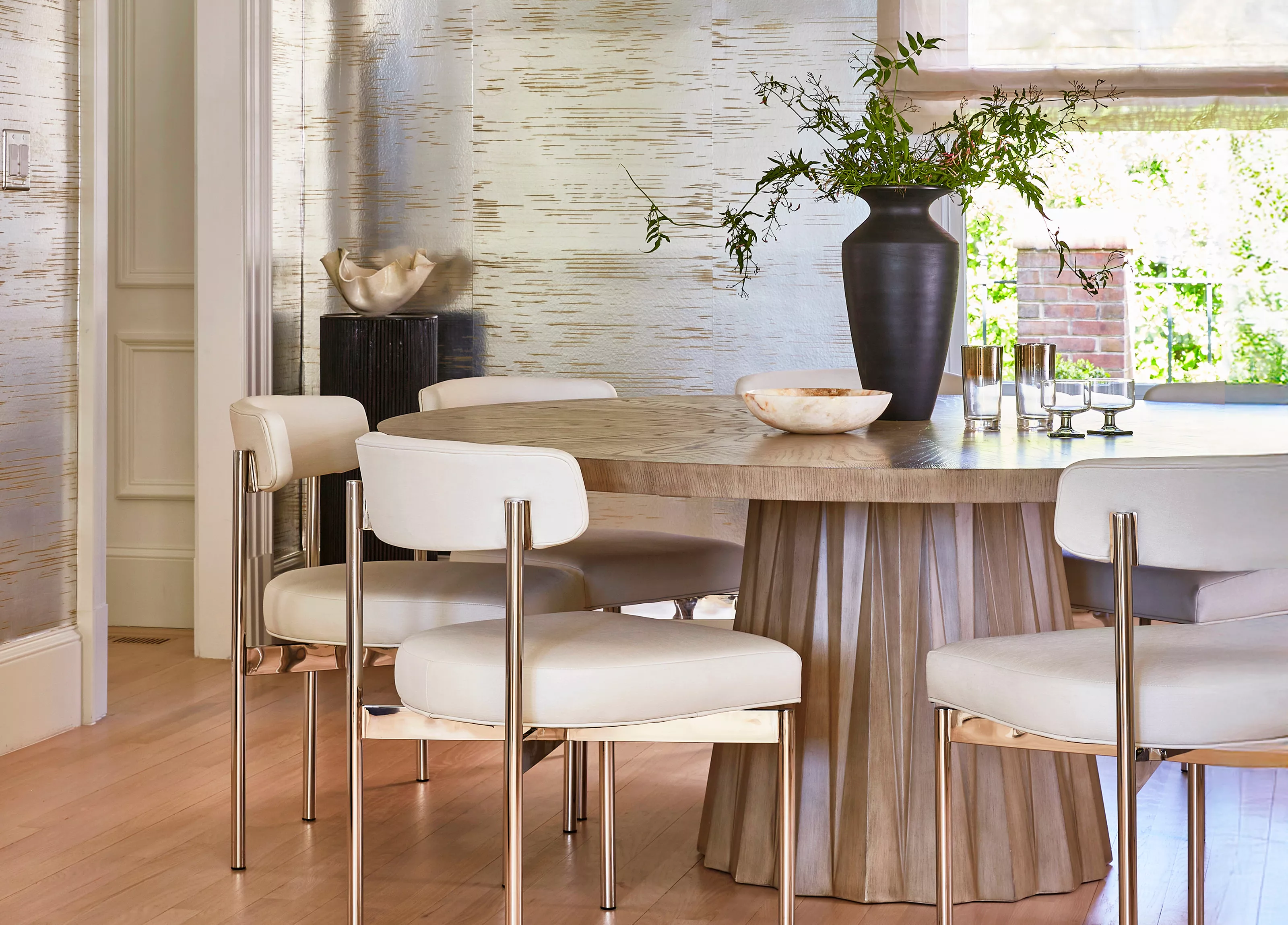
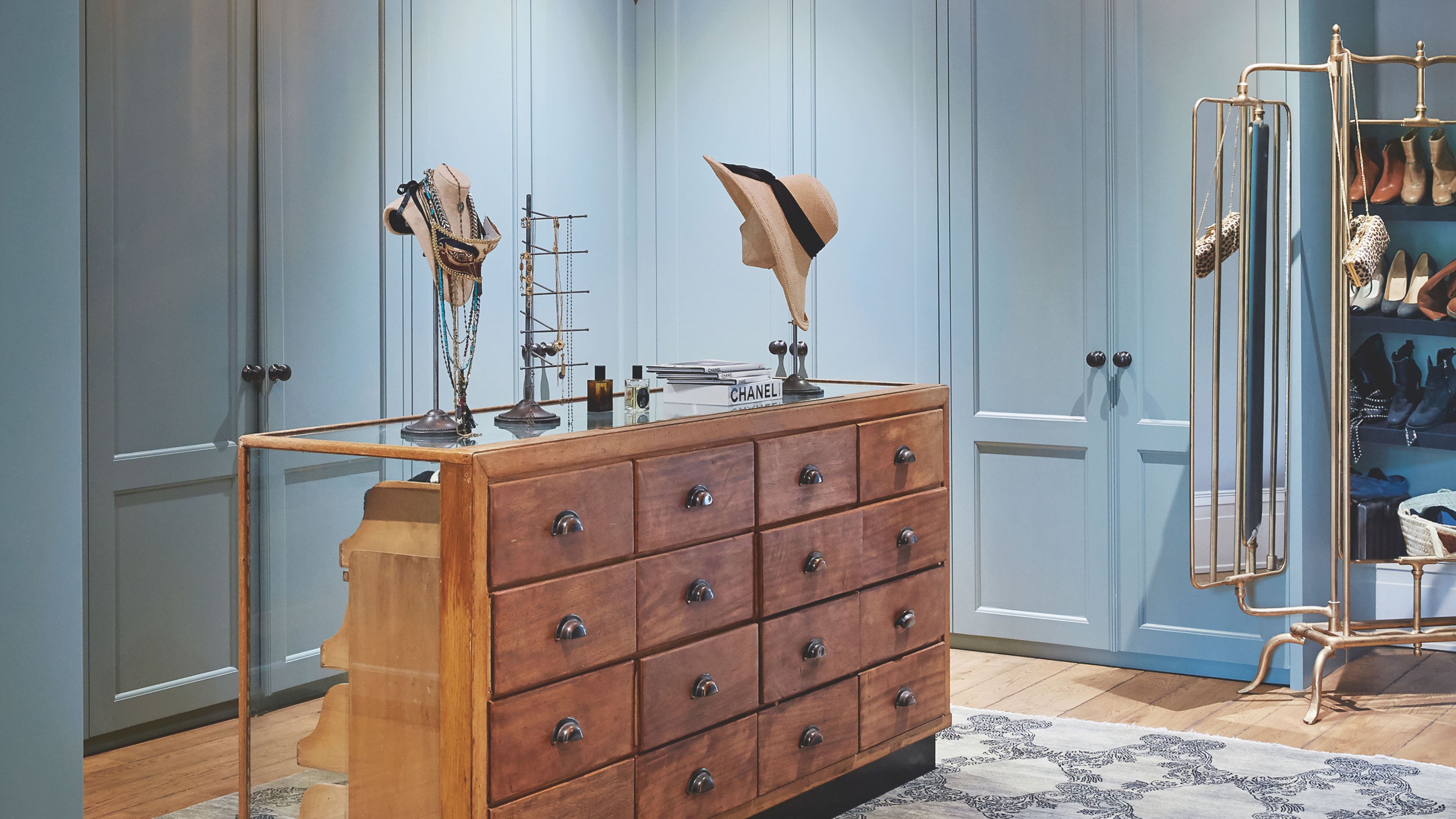
Experts in design and furniture, including Rob Natale, Chief of Design at Sixpenny; Alex Geriner, founder of Doorman; and Whit Barnes, President and Director of Sales at Wildwood, advocate for three primary material categories: solid wood, durable metals, and heavy-duty fabrics. Solid wood, particularly domestic hardwoods like oak, walnut, cherry, and maple, is highly recommended for its inherent character, historical value, and capacity to withstand daily wear and tear. Unlike engineered woods, MDF, or particle board, solid wood pieces, especially those with water-based lacquered finishes, offer superior durability and age gracefully, with imperfections contributing to their charm. Proper maintenance further extends their lifespan.
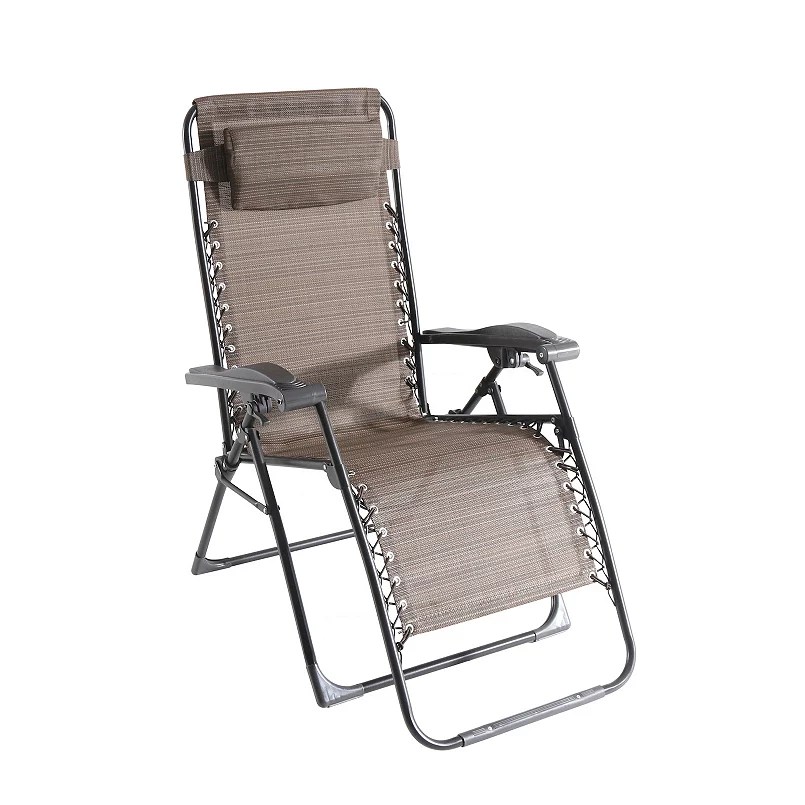
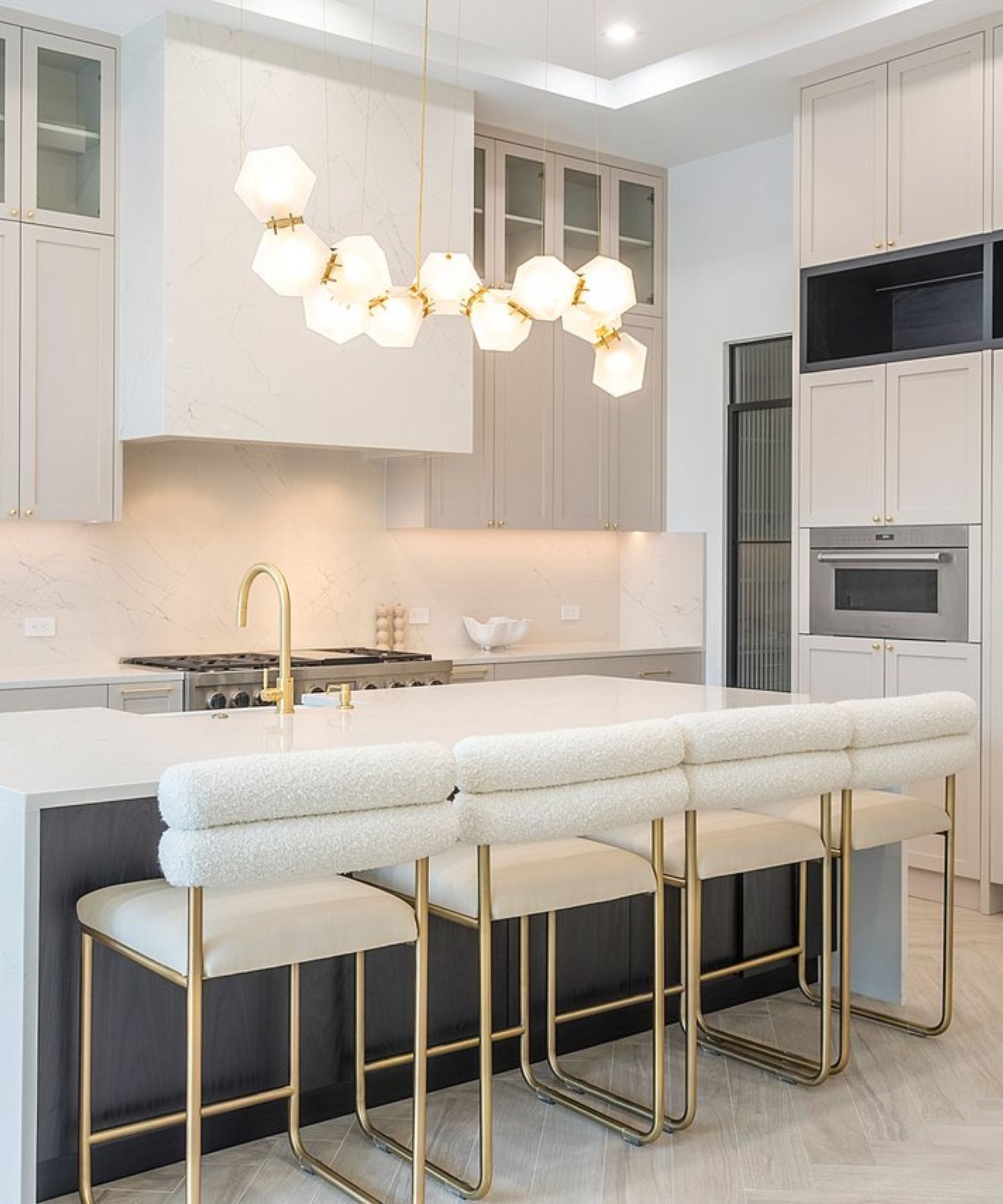
For metal furniture, steel and high-quality aluminum are highlighted for their sturdiness, suitable for both indoor and outdoor use. Galvanized iron and stainless steel are also cited as accessible and durable options. The experts particularly recommend powder-coated metals for enhanced robustness and even suggest exploring playful, powder-coated colors. For those who appreciate aging aesthetics, patina-ed metal finishes like unlacquered brass or bronze are recommended, as they deepen in color over time, adding character.
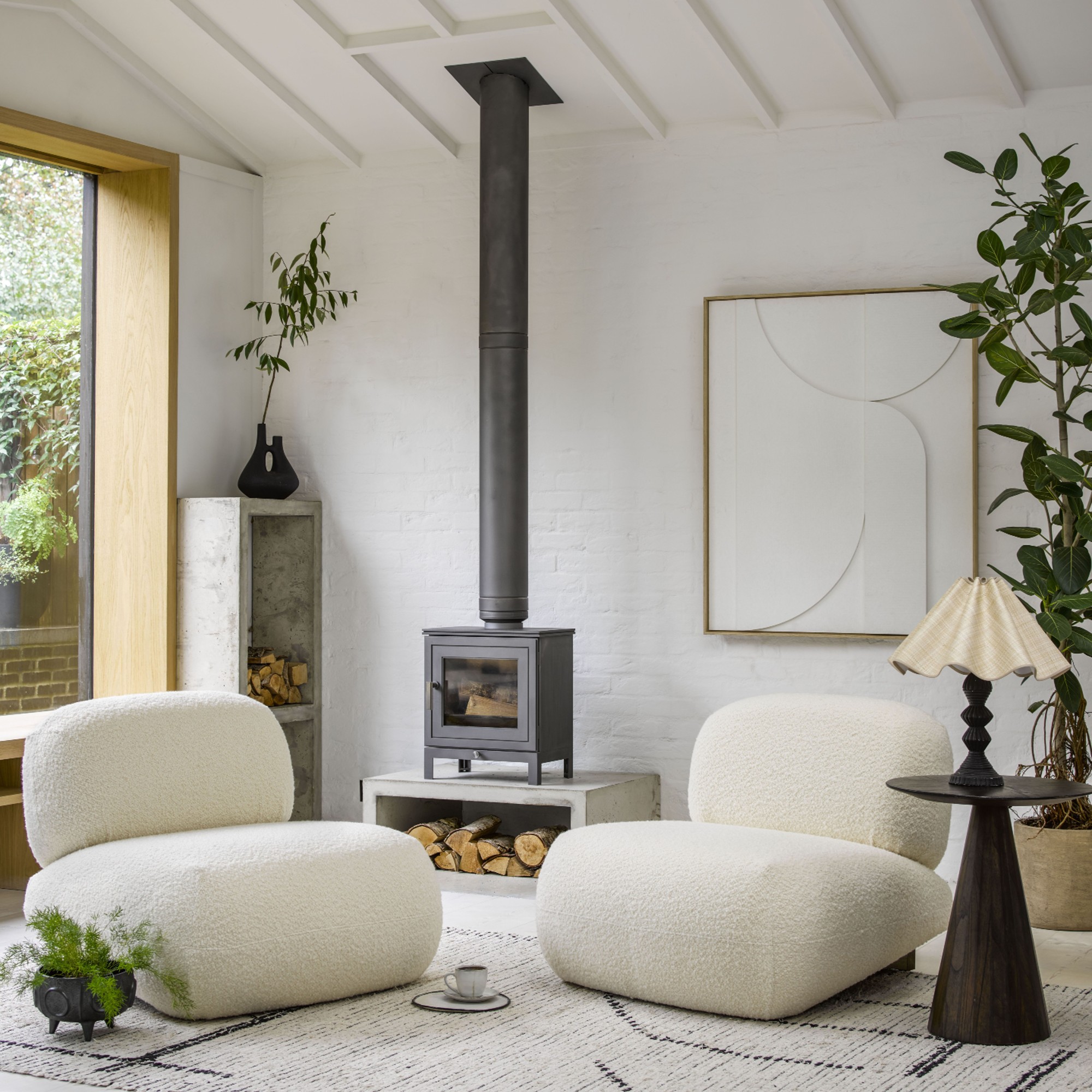
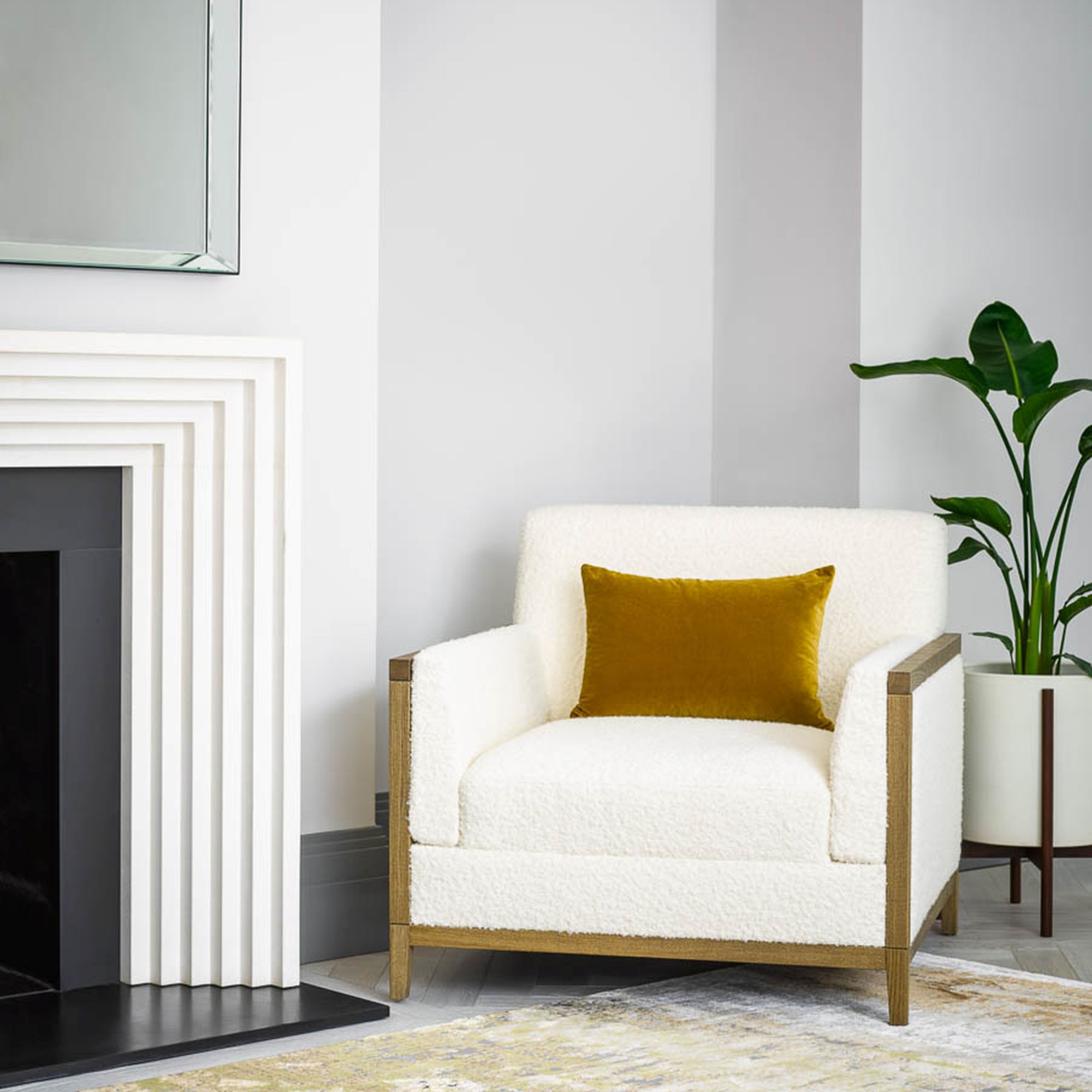
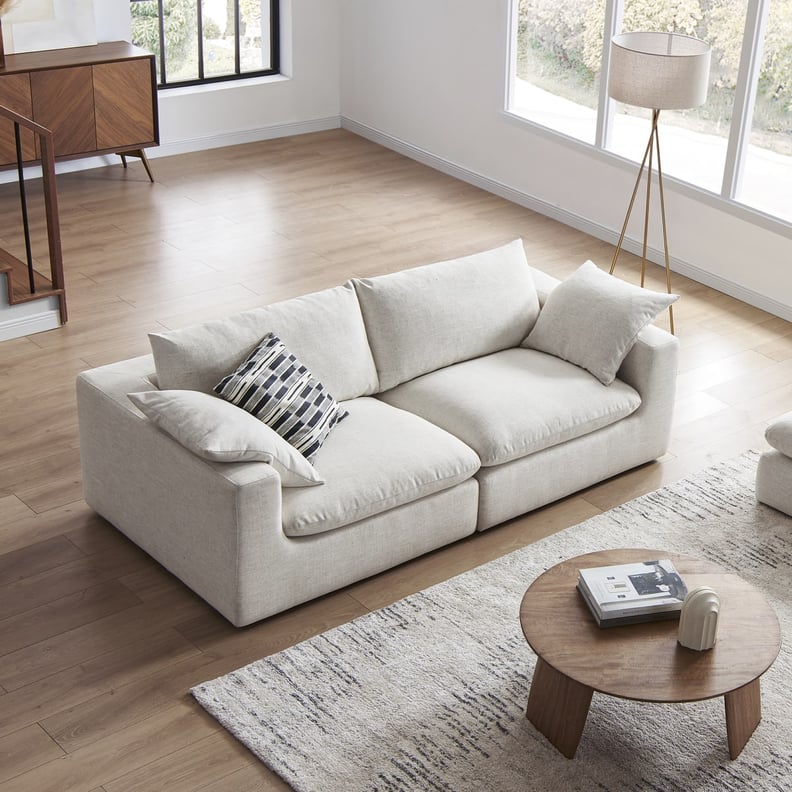
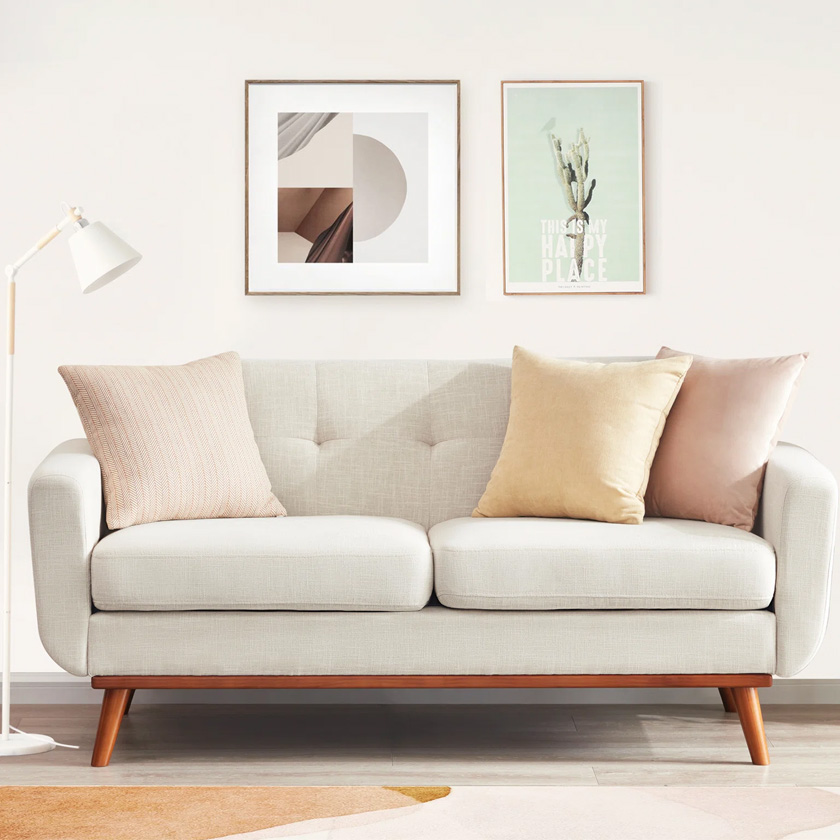
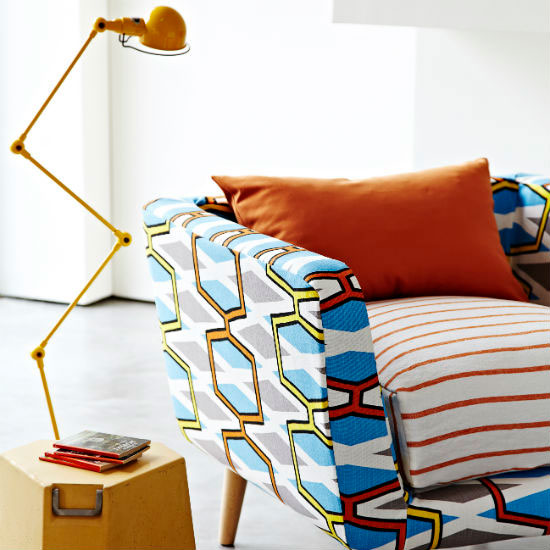
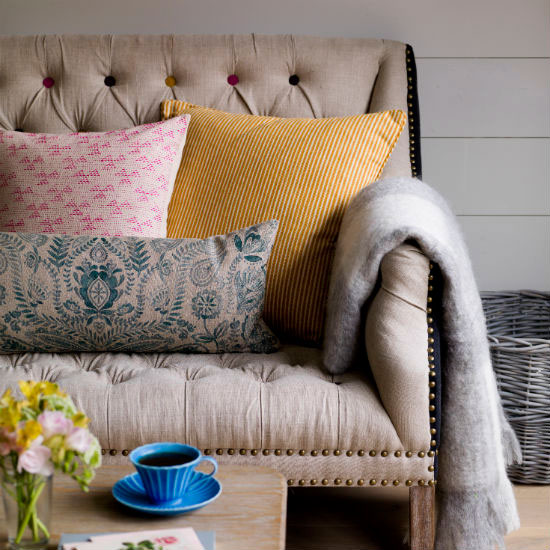
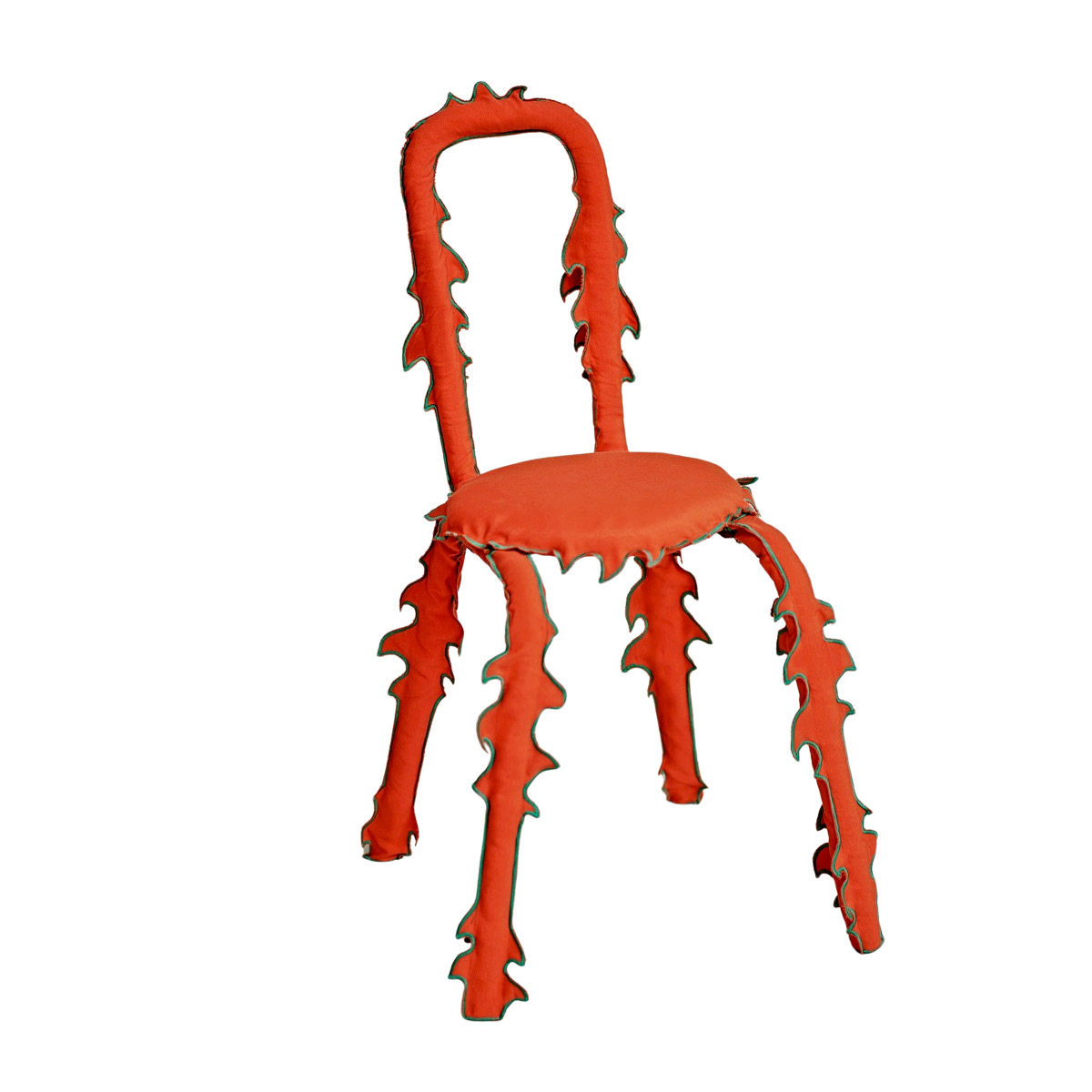
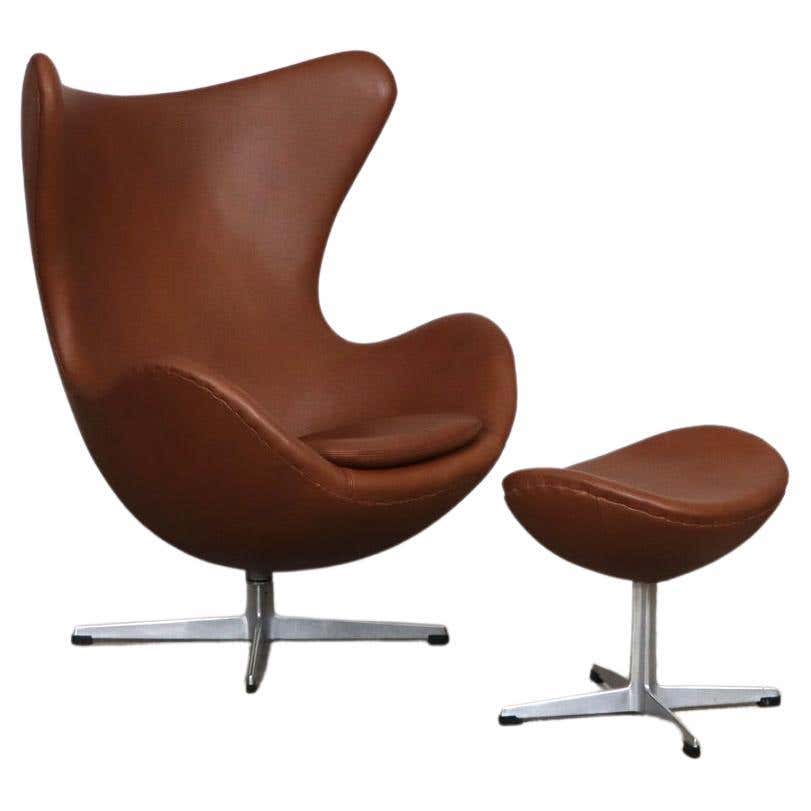
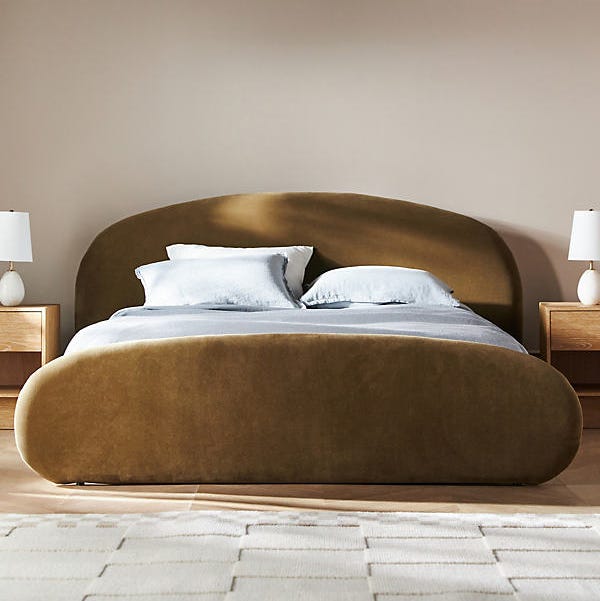
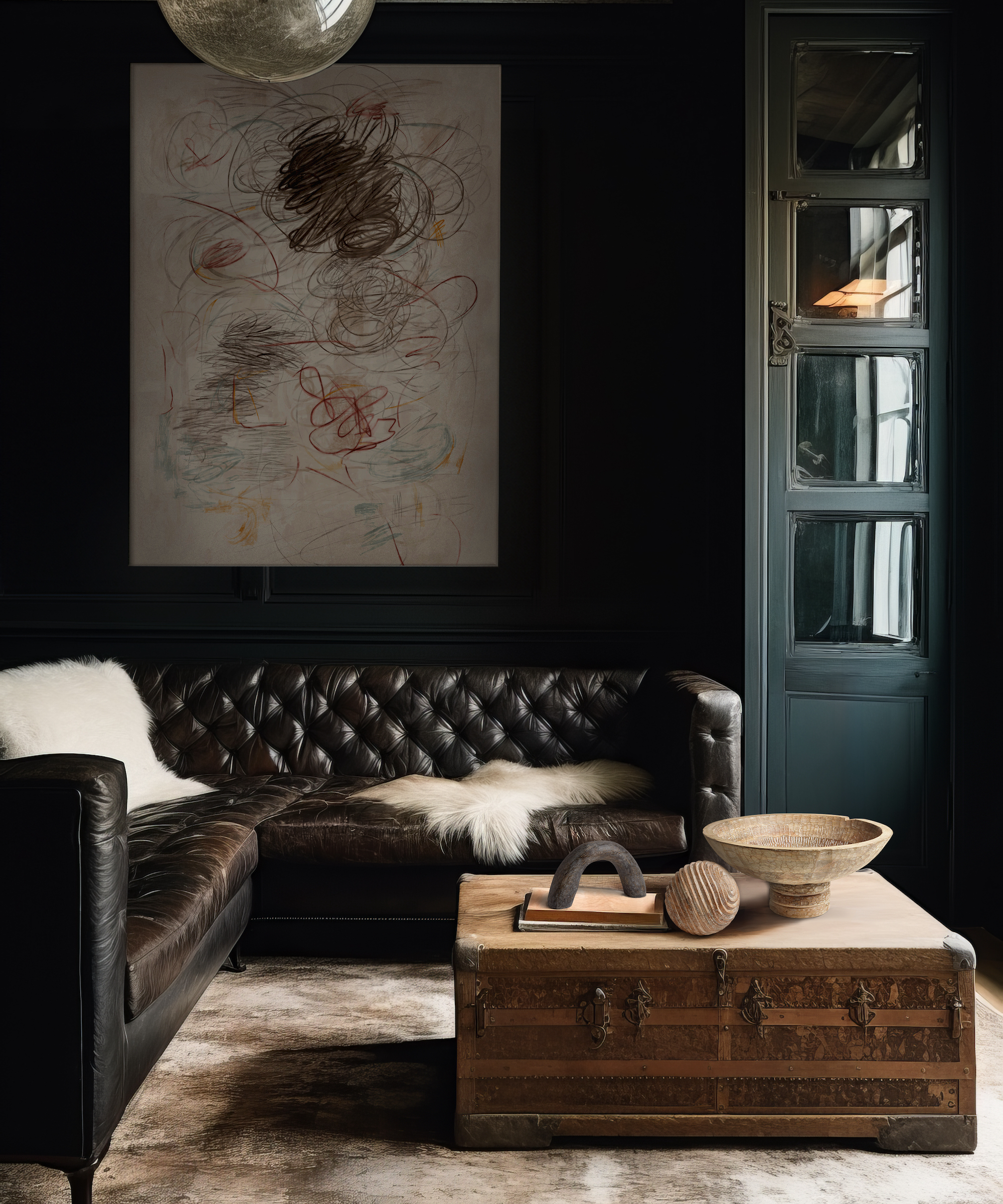
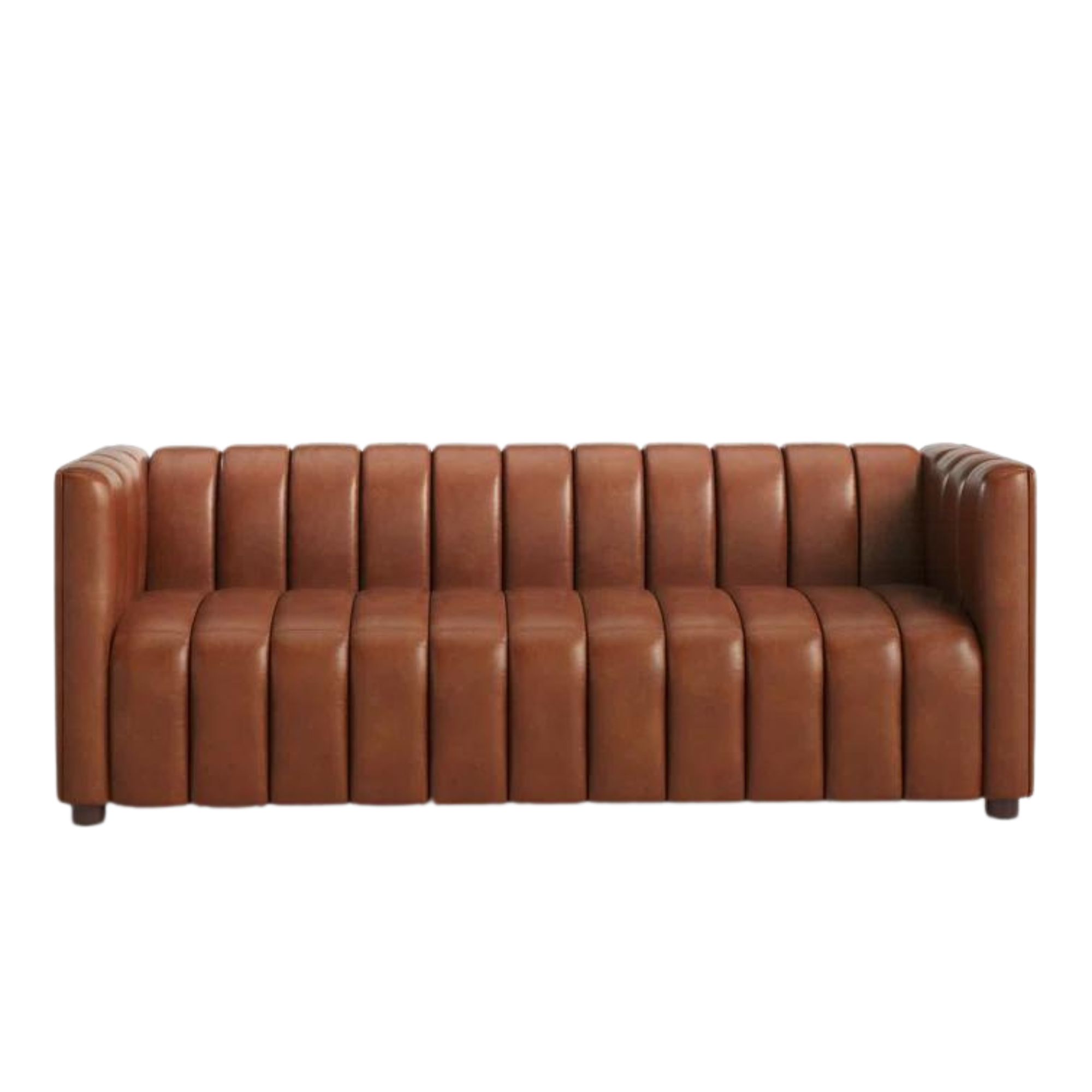
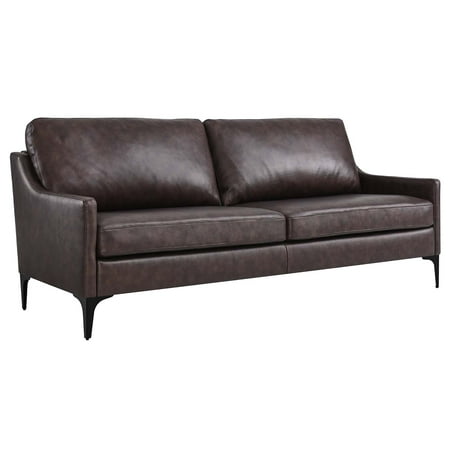
Regarding upholstery, the focus is on quality and resilience. High-quality canvas, performance fabrics, and ethically sourced cowhide leather are preferred for their longevity and ability to age gracefully. For budget-conscious consumers, plant-based faux leather alternatives made from materials like bamboo and cactus offer comparable durability at a lower cost. Advances in upholstery fabrics have also made them more durable and easier to clean, with some materials even incorporating recycled ocean plastics, aligning with eco-friendly trends. Natural fibers such as linens and cottons are also favored for their softness, chemical-free nature, and ease of home care.
Beyond material selection, identifying well-made furniture involves examining small details like hinges, screws, and back-plates, which distinguish lasting pieces from disposable ones. The weight and feel of furniture, along with the smooth operation of drawers and doors, serve as indicators of quality craftsmanship. High price points often correlate with superior build and materials, such as solid wood. Conversely, materials like engineered wood, MDF, particle board, and thin veneers are considered red flags. Heavy, solid pieces that do not budge easily are generally indicative of proper construction and quality materials, ensuring they endure for years to come.
#FurnitureInvestment #MaterialQuality #SolidWood #DurableMetals #HeavyDutyFabrics #HomeDecor #InteriorDesign #SustainableFurniture #Upholstery #FurnitureInvestment #MaterialQuality #SolidWood #DurableMetals #HeavyDutyFabrics #HomeDecor #InteriorDesign #SustainableFurniture #Upholstery
0 comment in total
 No comments yet
You may also like
5 Fabrics and Materials to Elevate Your Home’s Style

Where to spend and where to save when planning a living room according to designers


15 future furniture and home decor design classics to invest in now
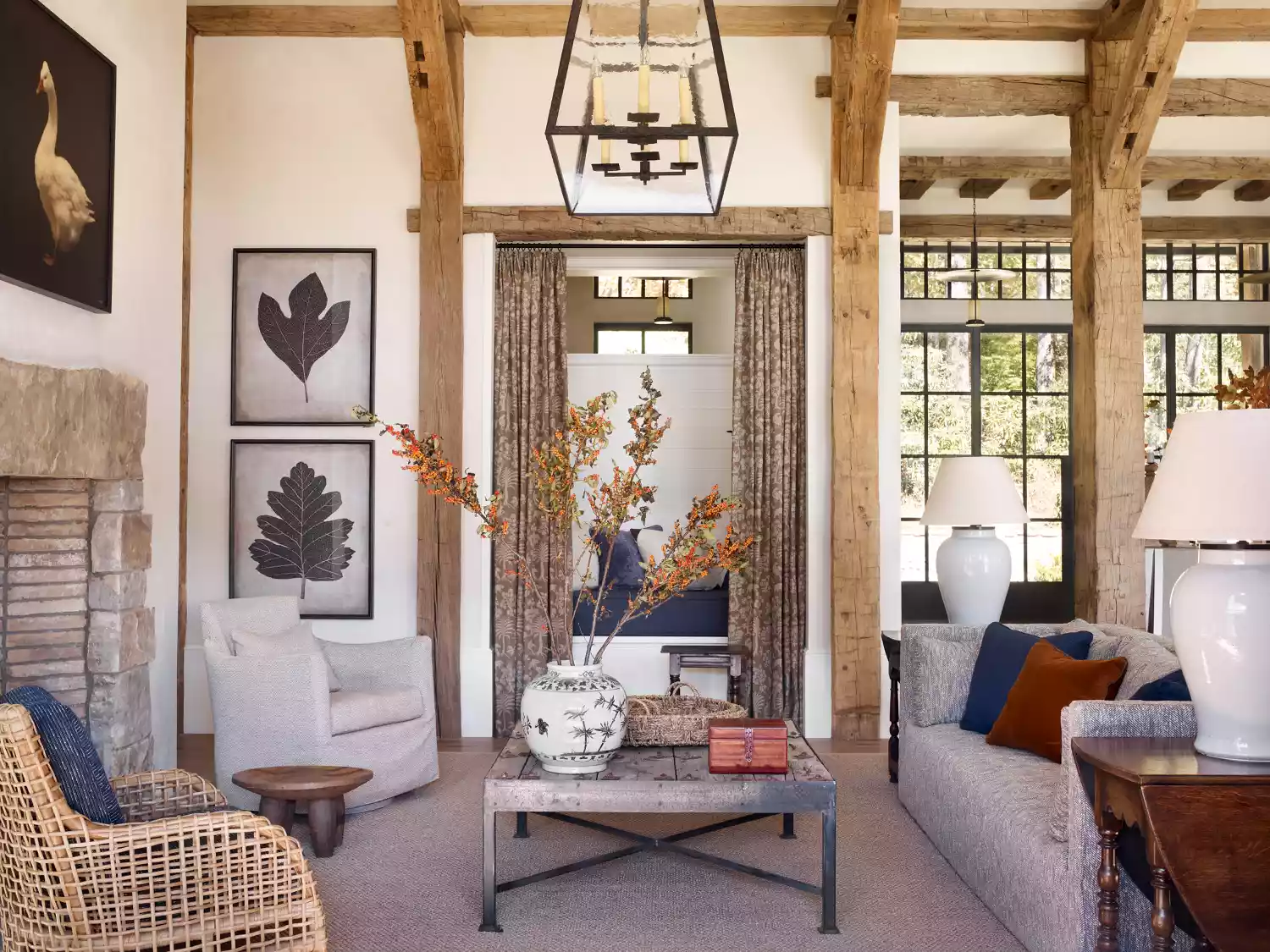
14 Mistakes To Avoid When Buying New Furniture, According To Designers

Flooring Materials That Just Aren't Worth The Price, According To Our Experts
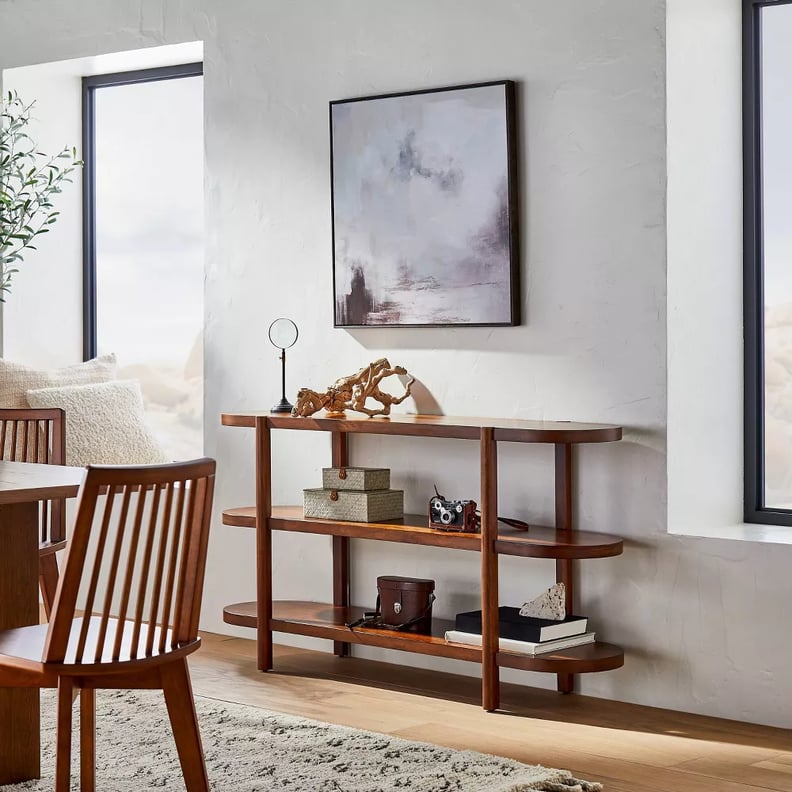
The 4 Furniture Trends You'll Want in Your Home This Year
How to buy furniture like a seasoned pro

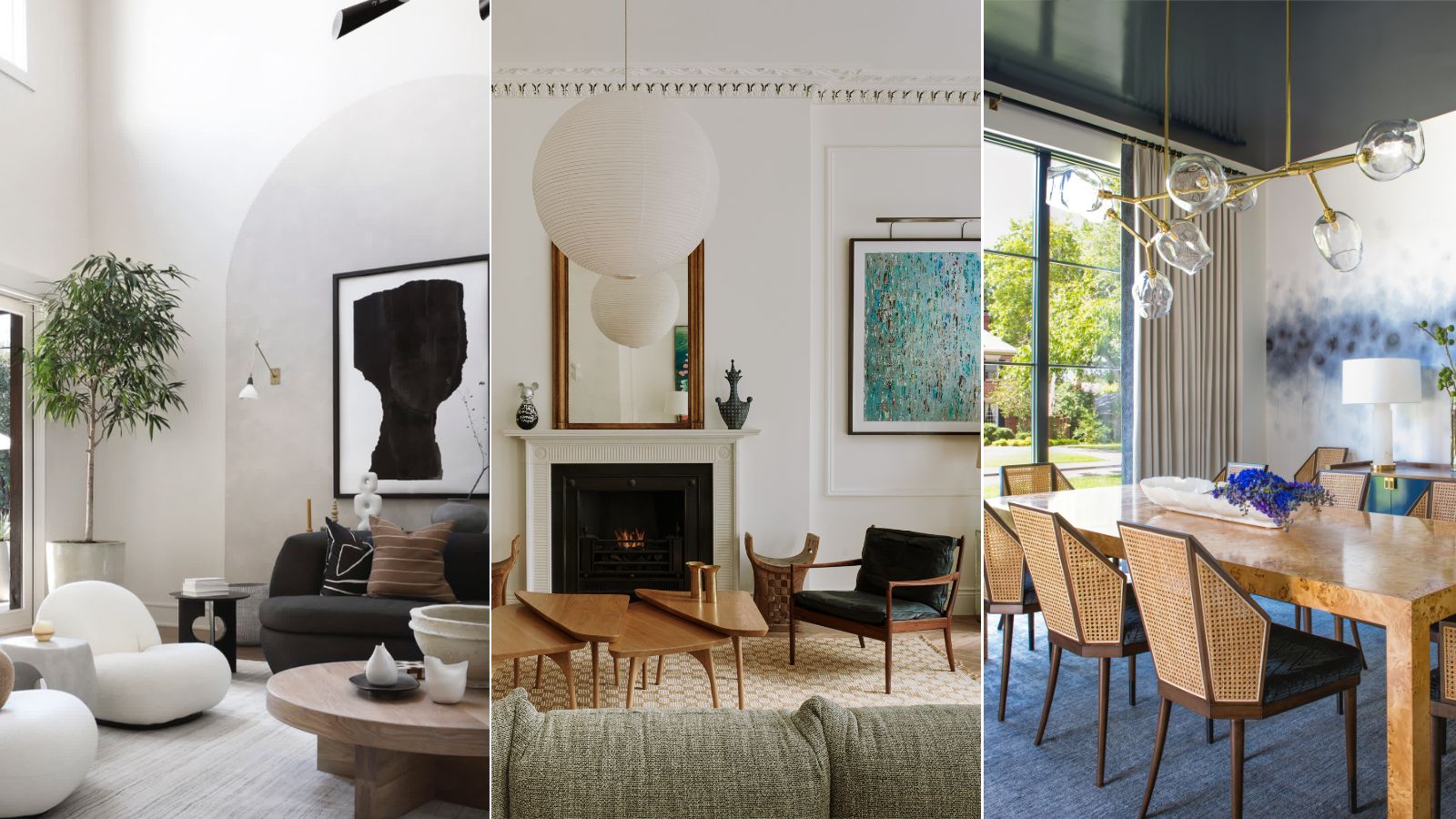
Where do interior designers shop for furniture? 23 designers share their favorite stores


Best indoor furniture stores – 15 of the best places to shop indoor furniture
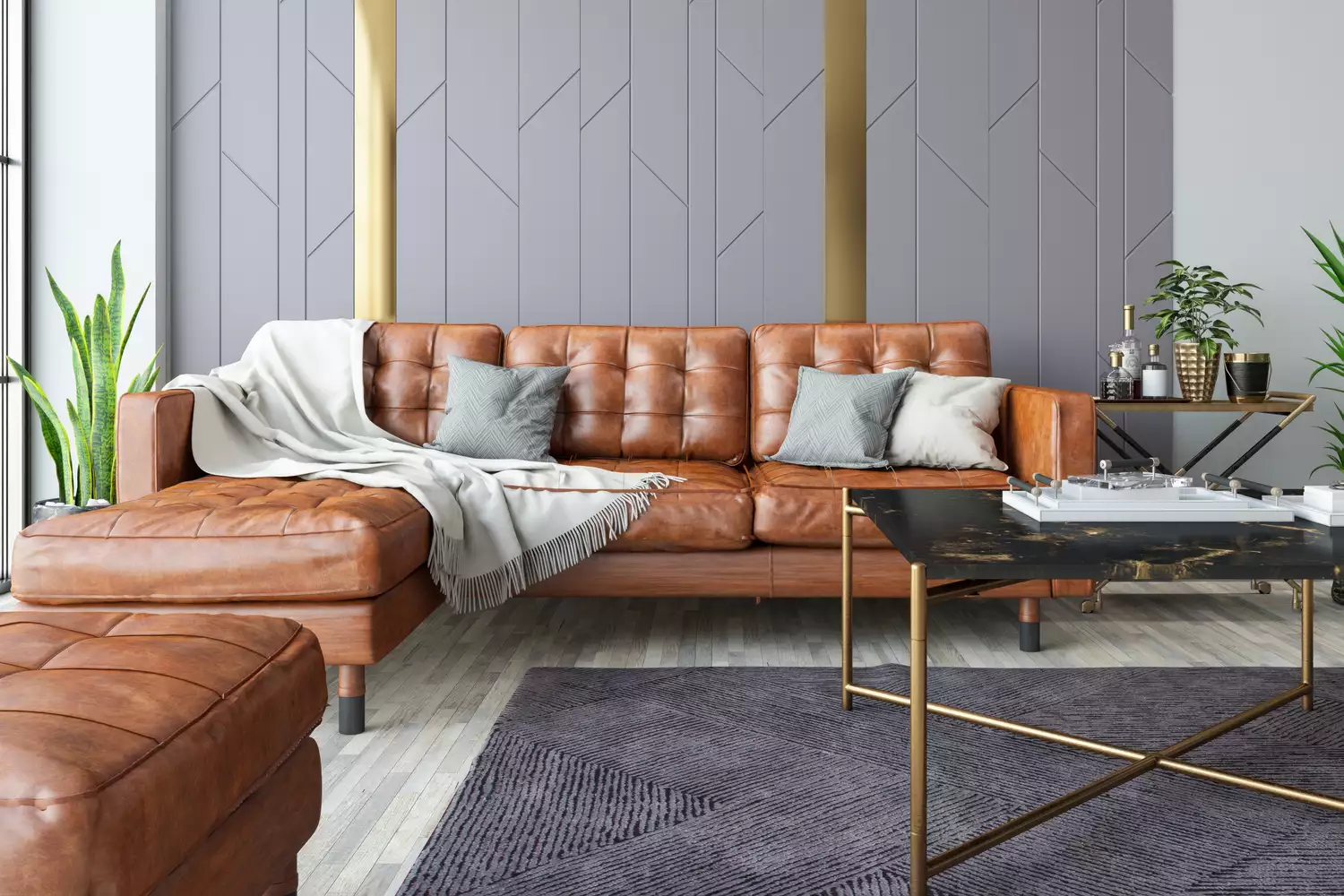
5 High-Maintenance Furniture Choices You Should Avoid, Designers Warn

These New Furniture Pieces Are Future Heirlooms

How Much Should You Spend on a Living Room Sofa?

3 Home Decor Items You Should Always Splurge on (and When to Save Instead)

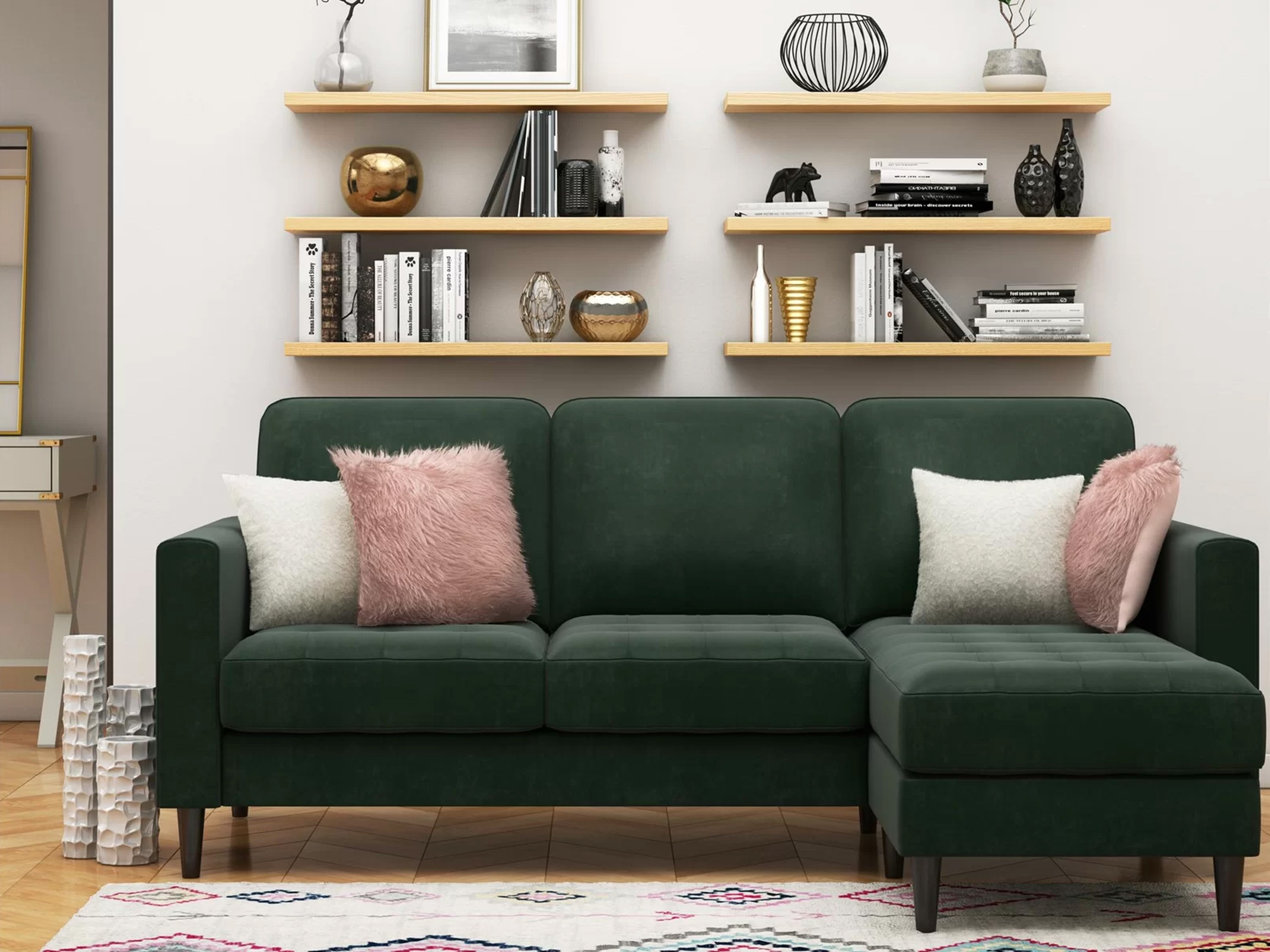
The Best Places to Buy High-Quality Furniture on a Budget, According to Designers & Shopping Experts

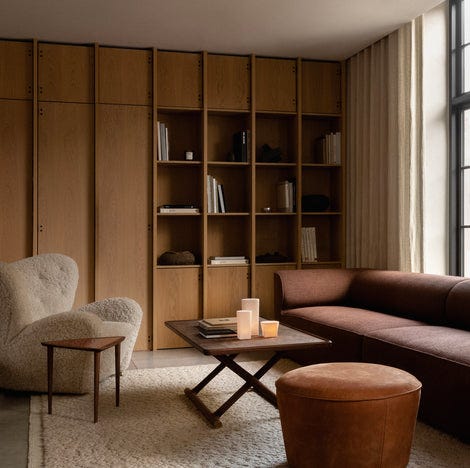
The 20 Best Luxury Furniture Brands Worth Investing In

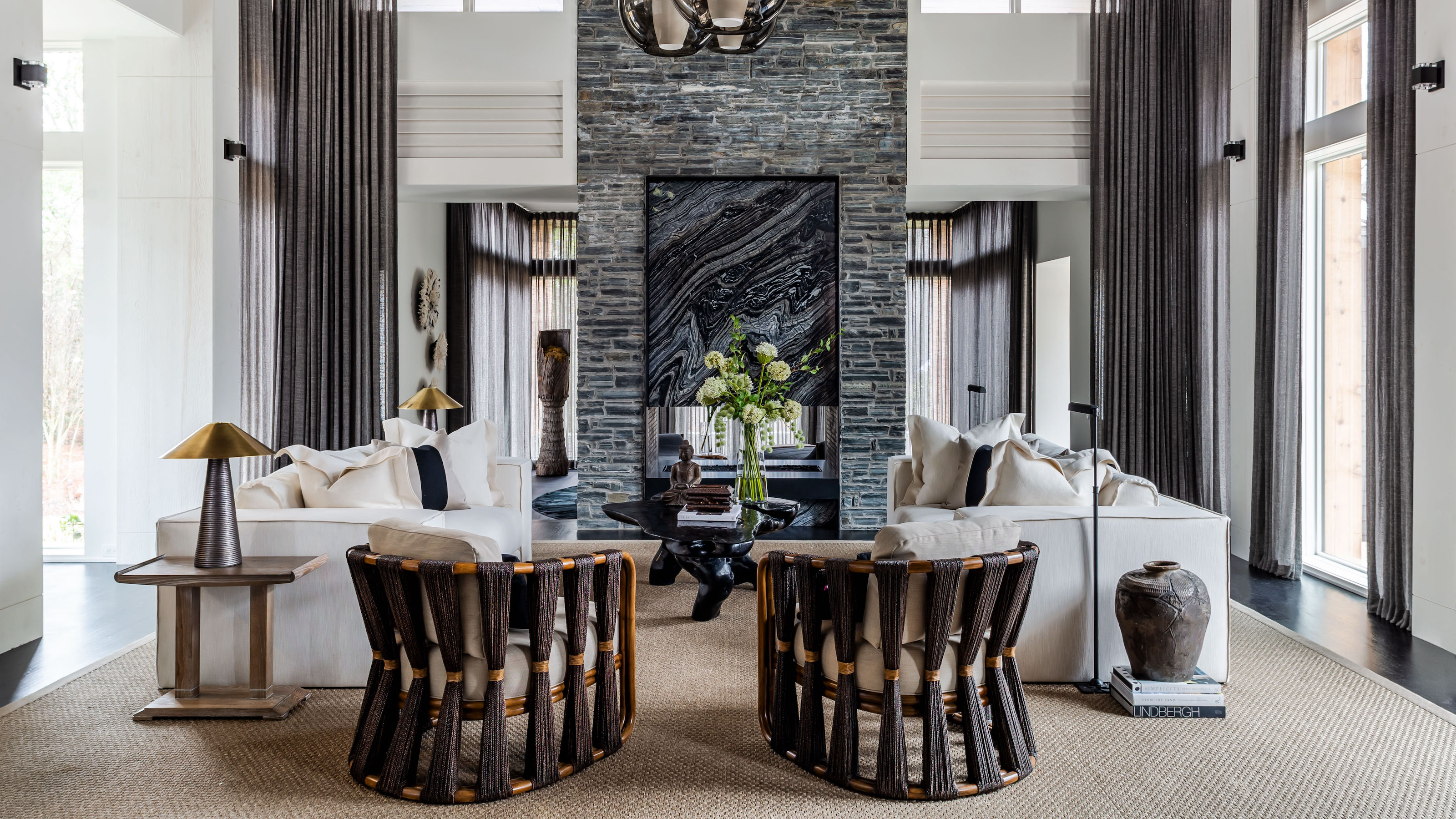
The Best Couch Material for Dogs — Experts Share the Fabrics That Can Handle Paws and Claws

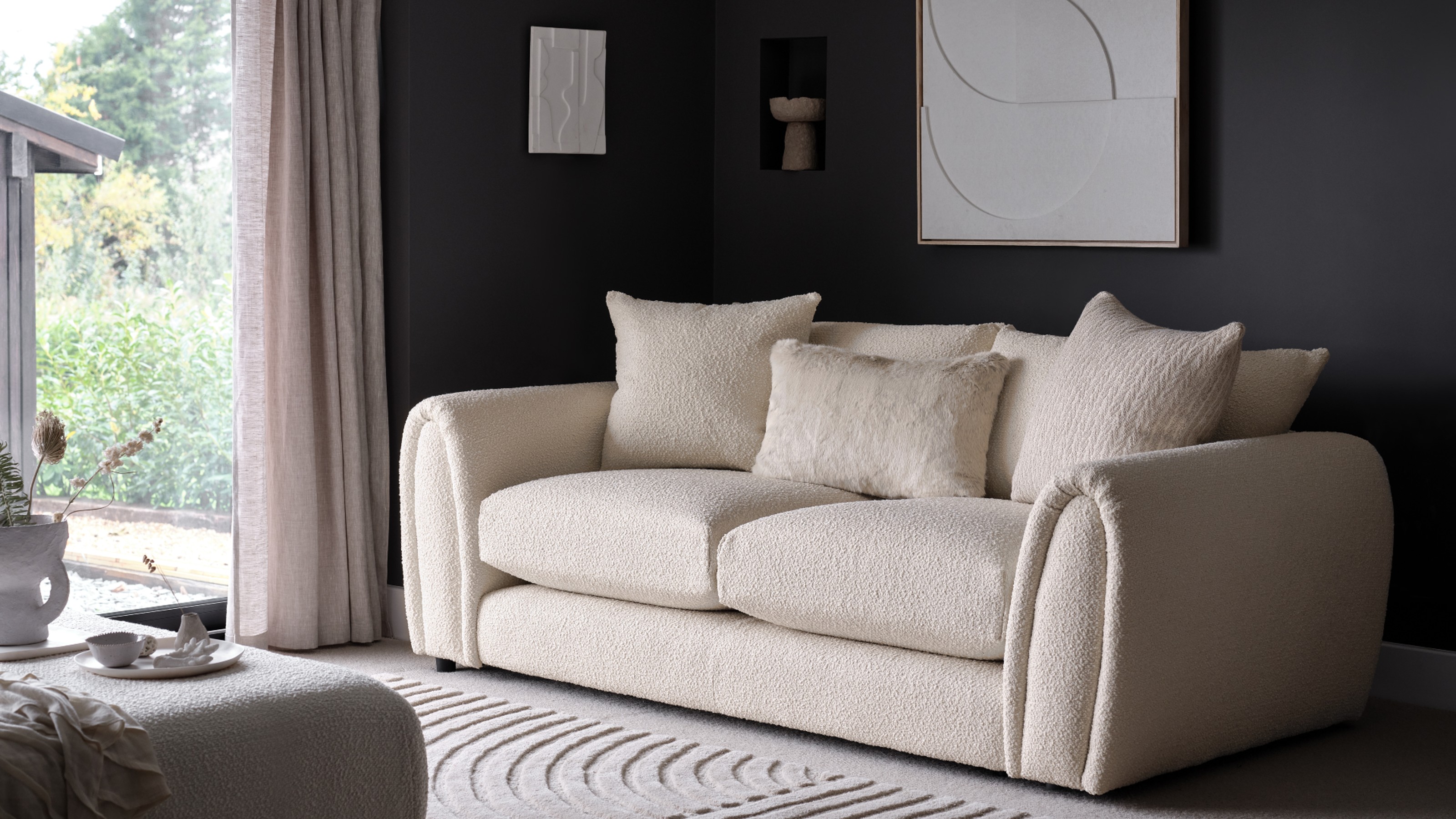
Should you still invest in boucle furniture? We asked the experts

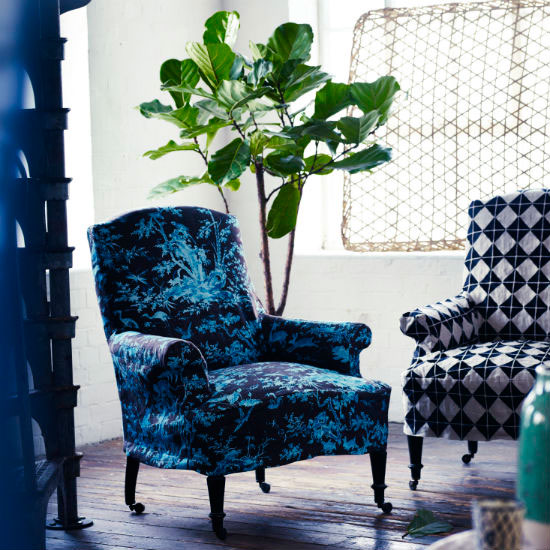
9 things you need to know before upholstering furniture
It's What's on the Outside That Counts — Here's How to Choose Your Closet Materials Wisely
Designers Agree: These 6 Common Furniture Fabrics Look Great But Never Last