1/4
What is limewash paint: Four places to use it in your home
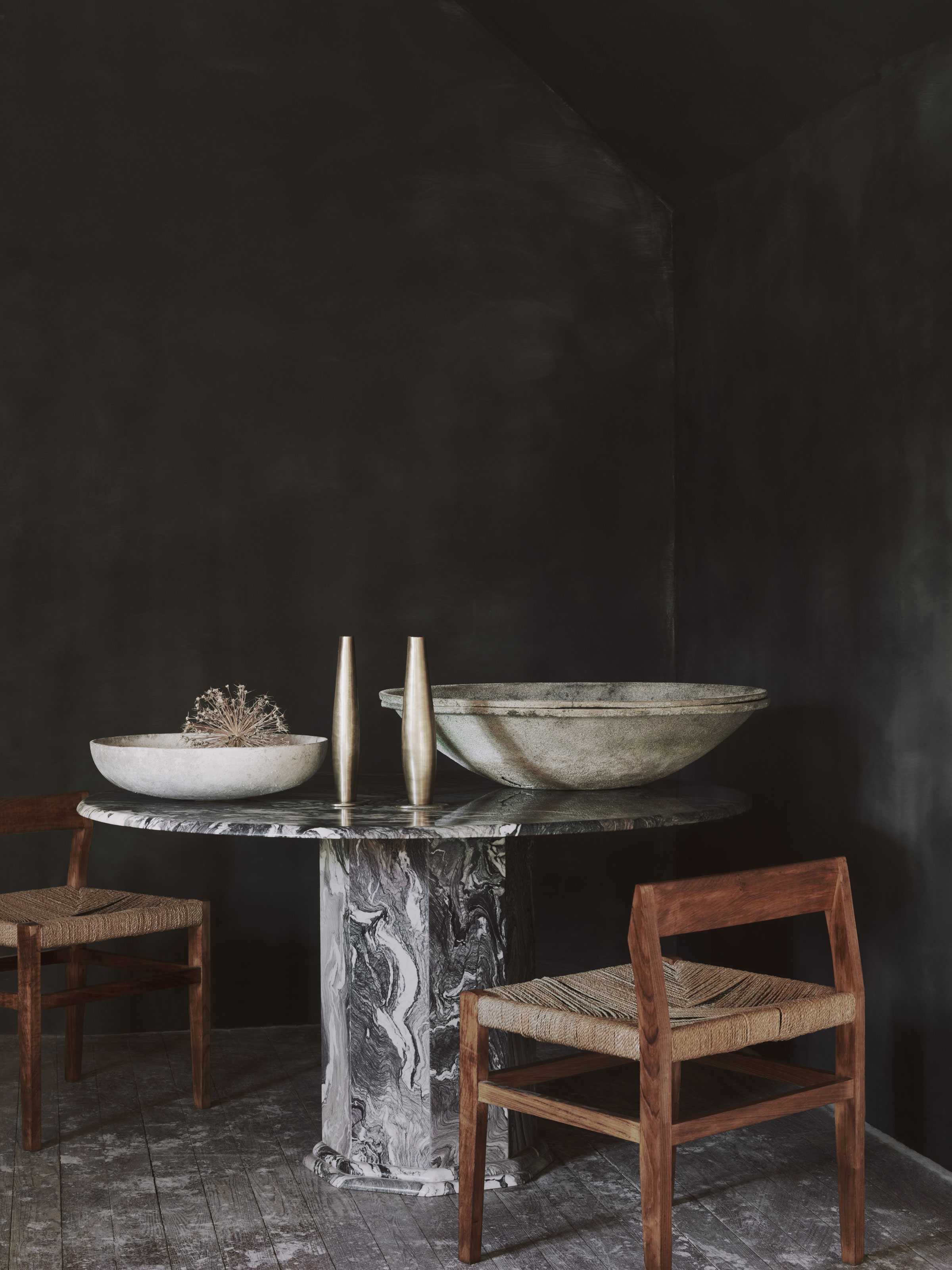
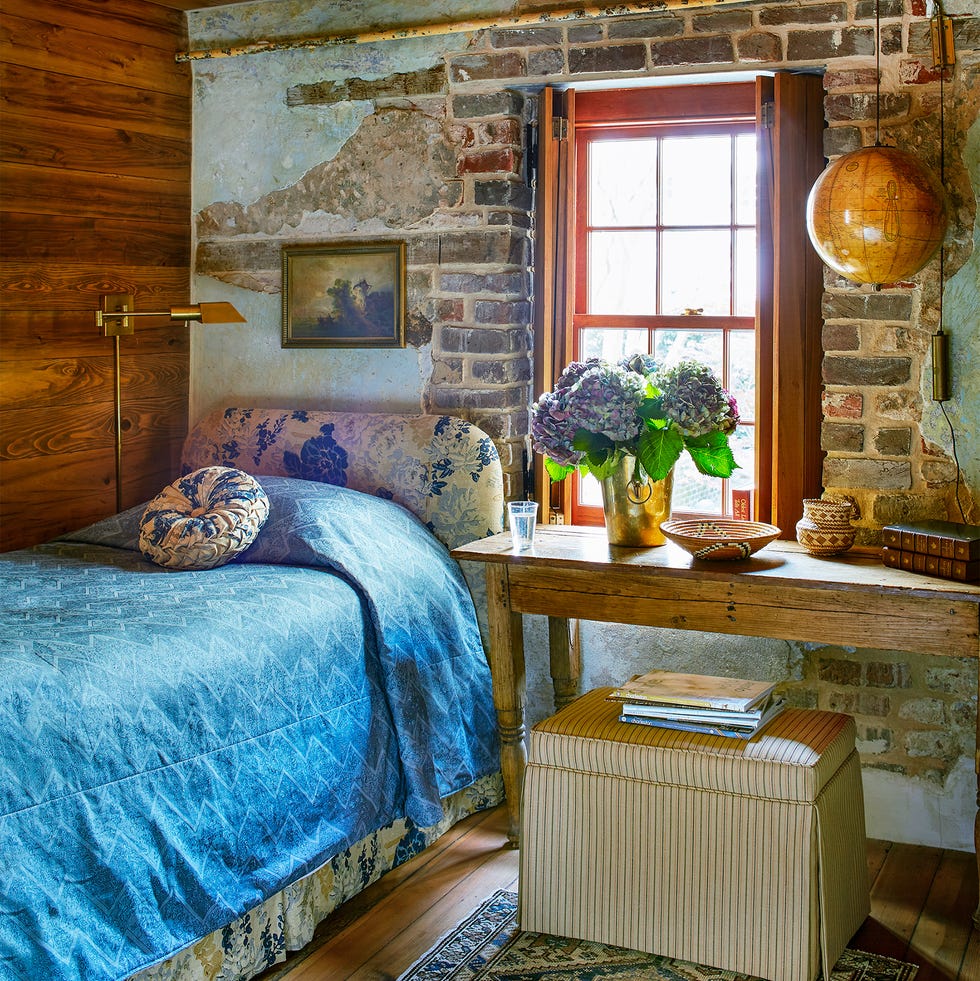
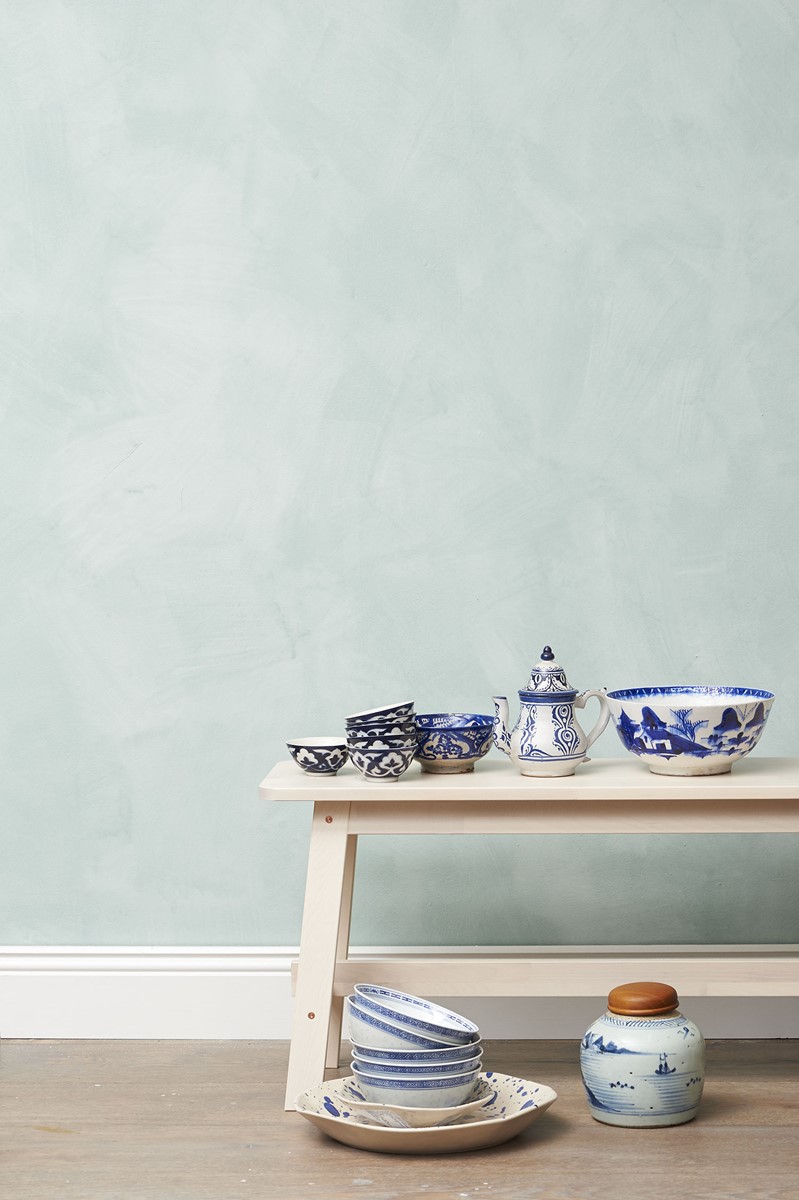
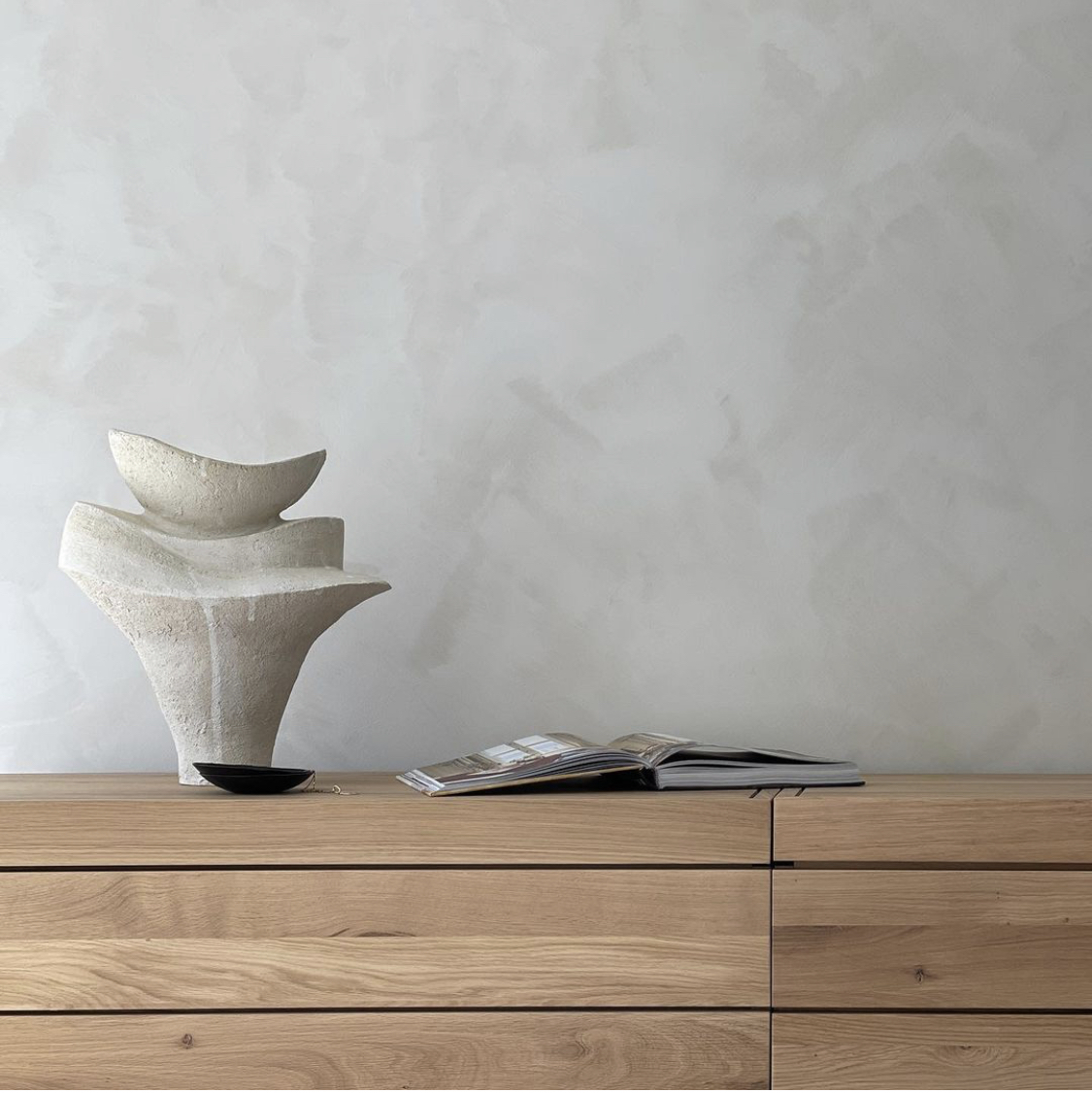
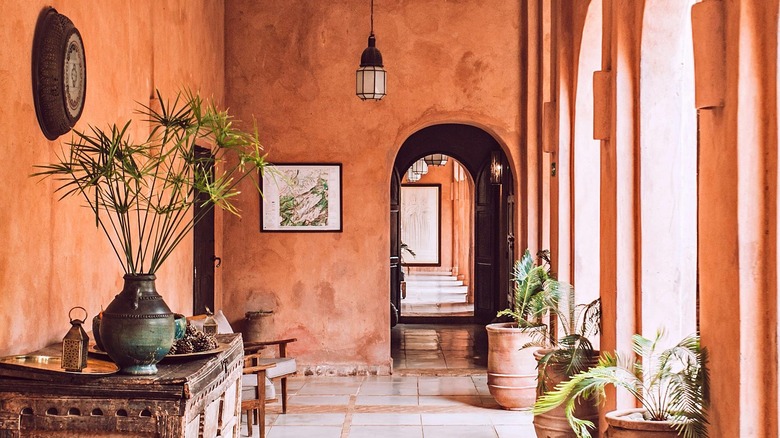
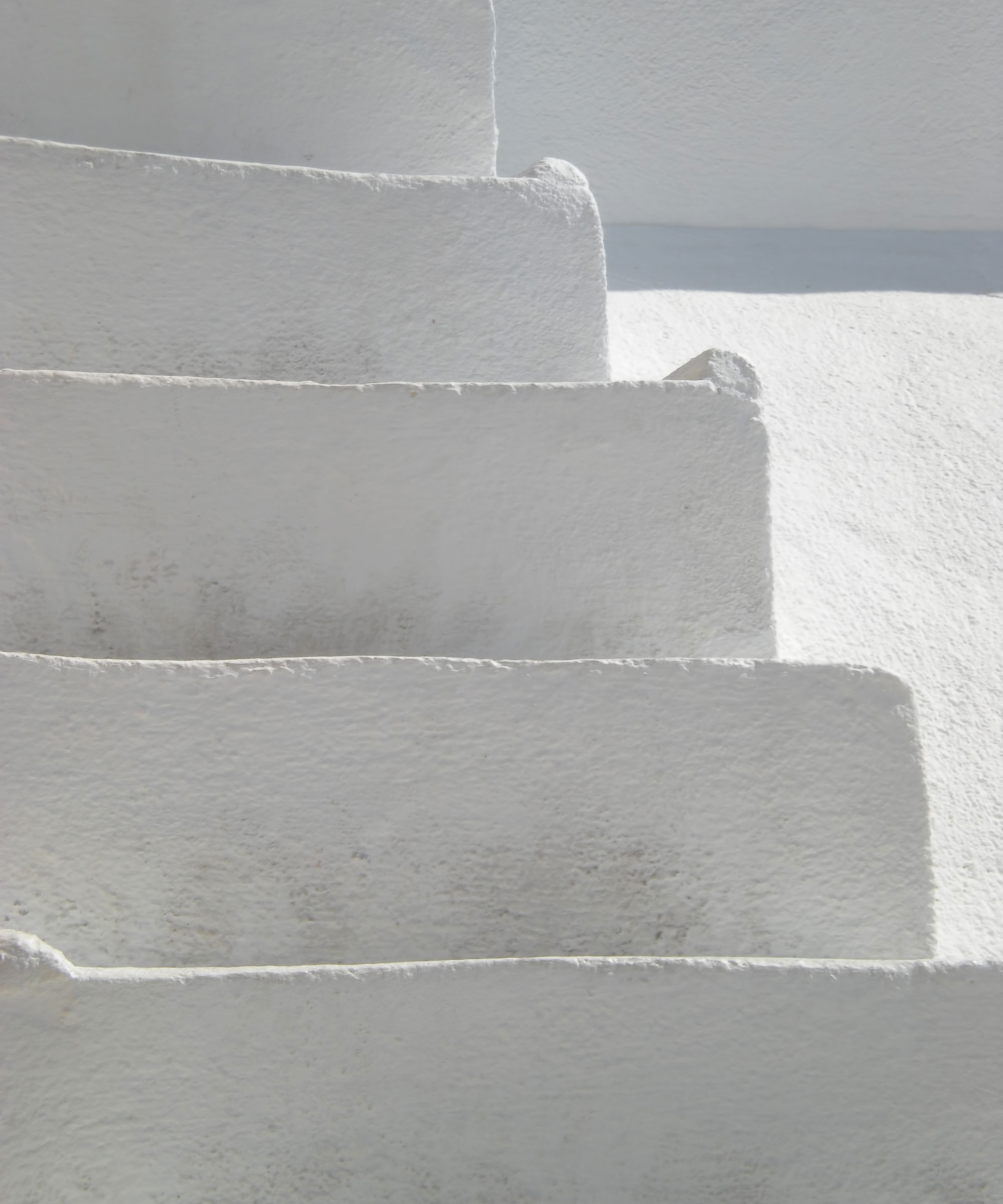
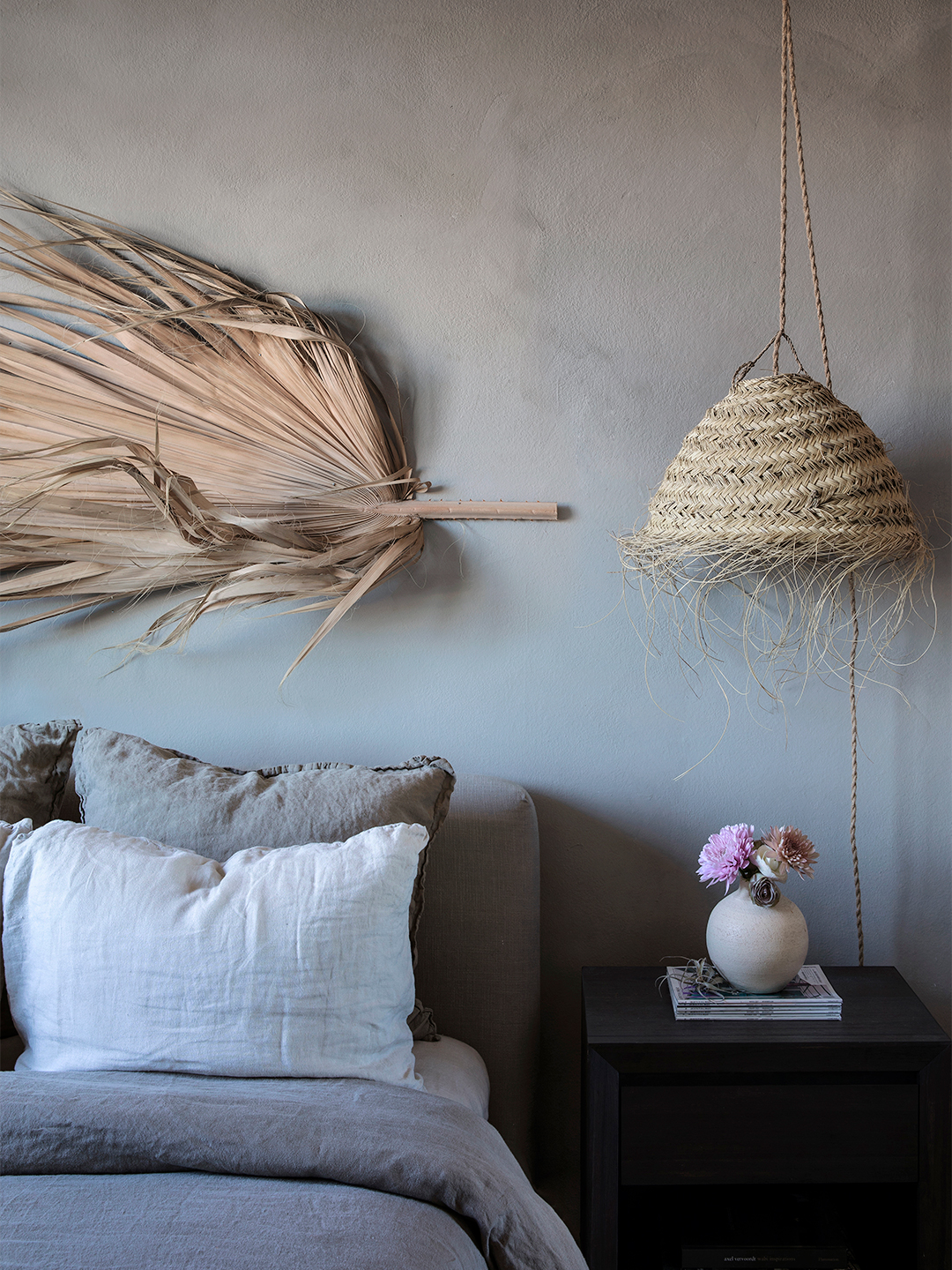
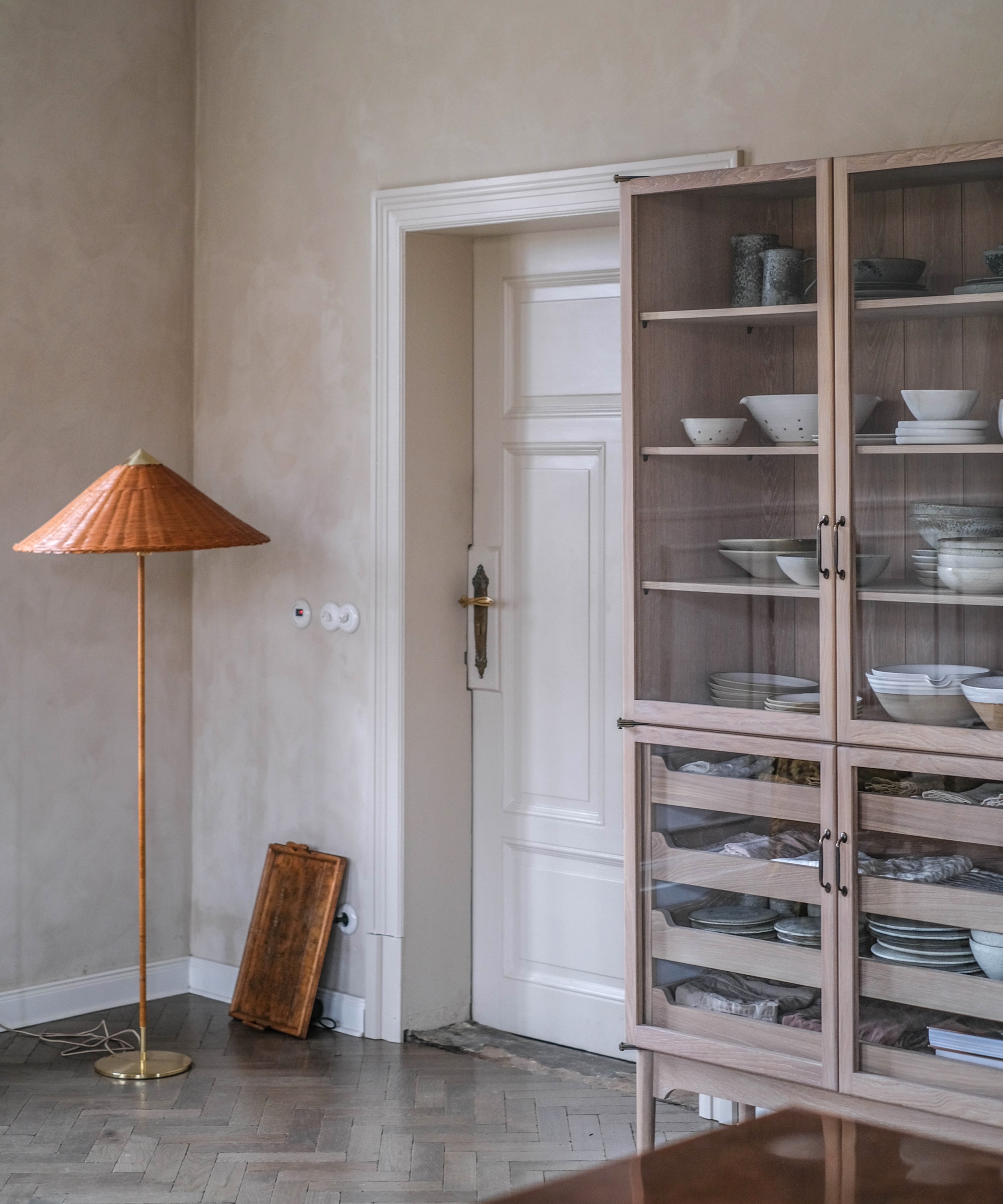
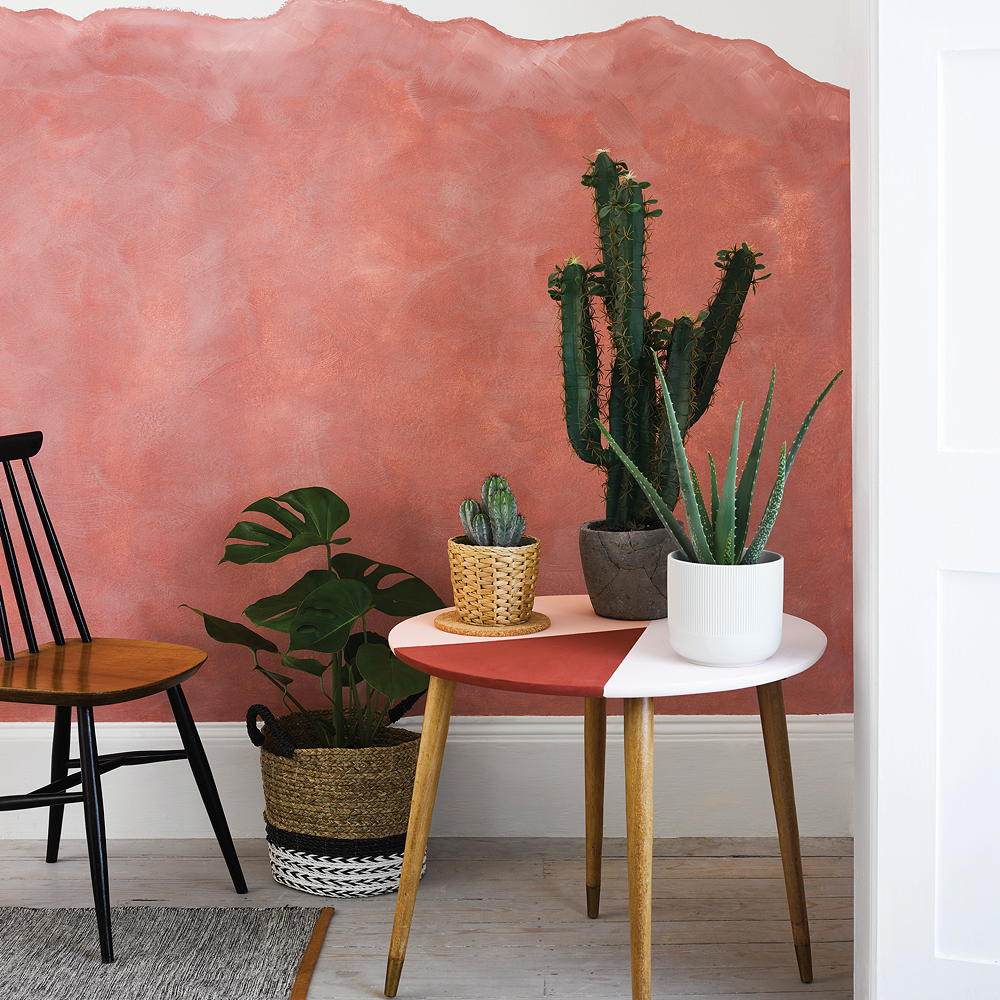
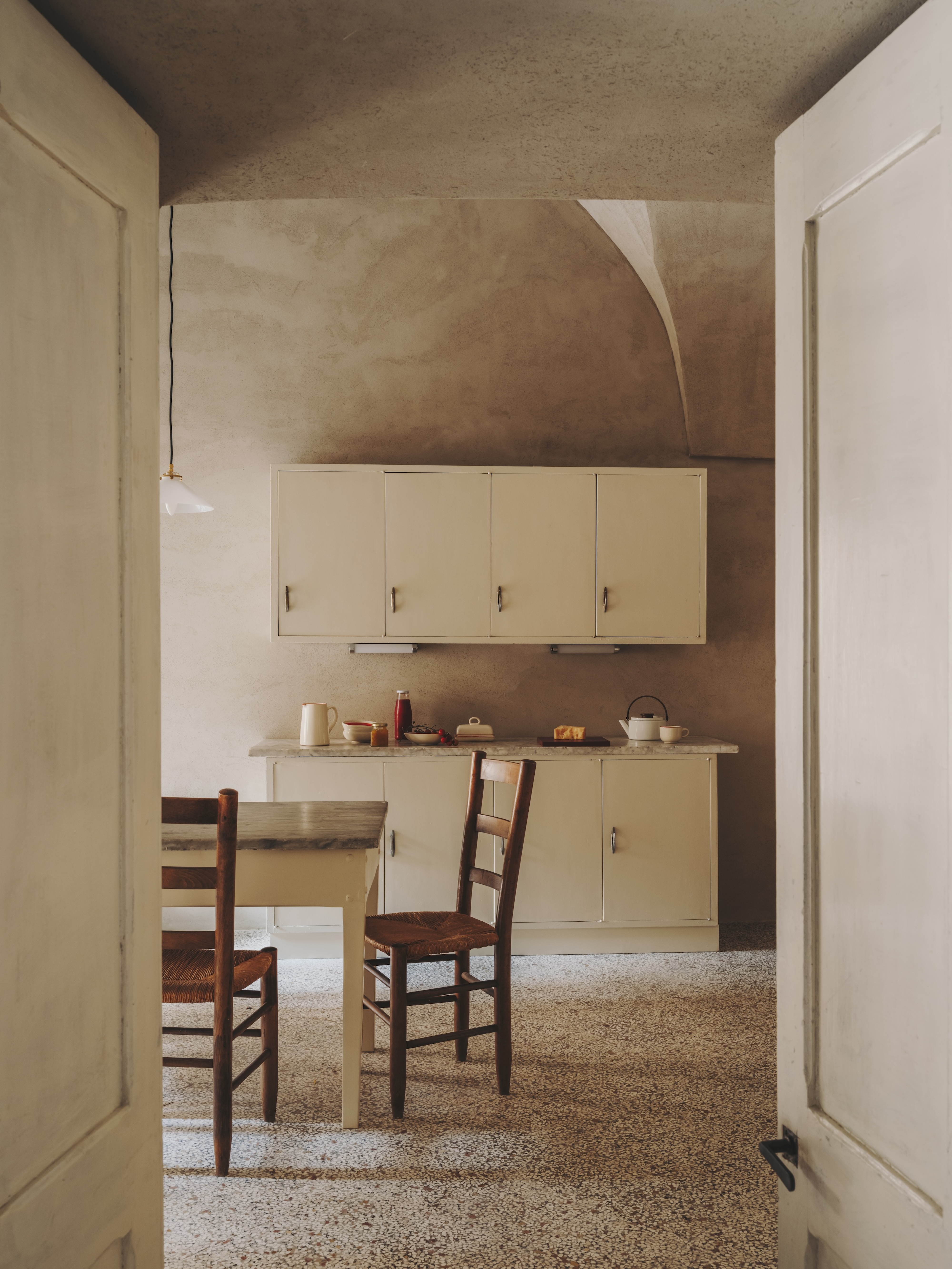
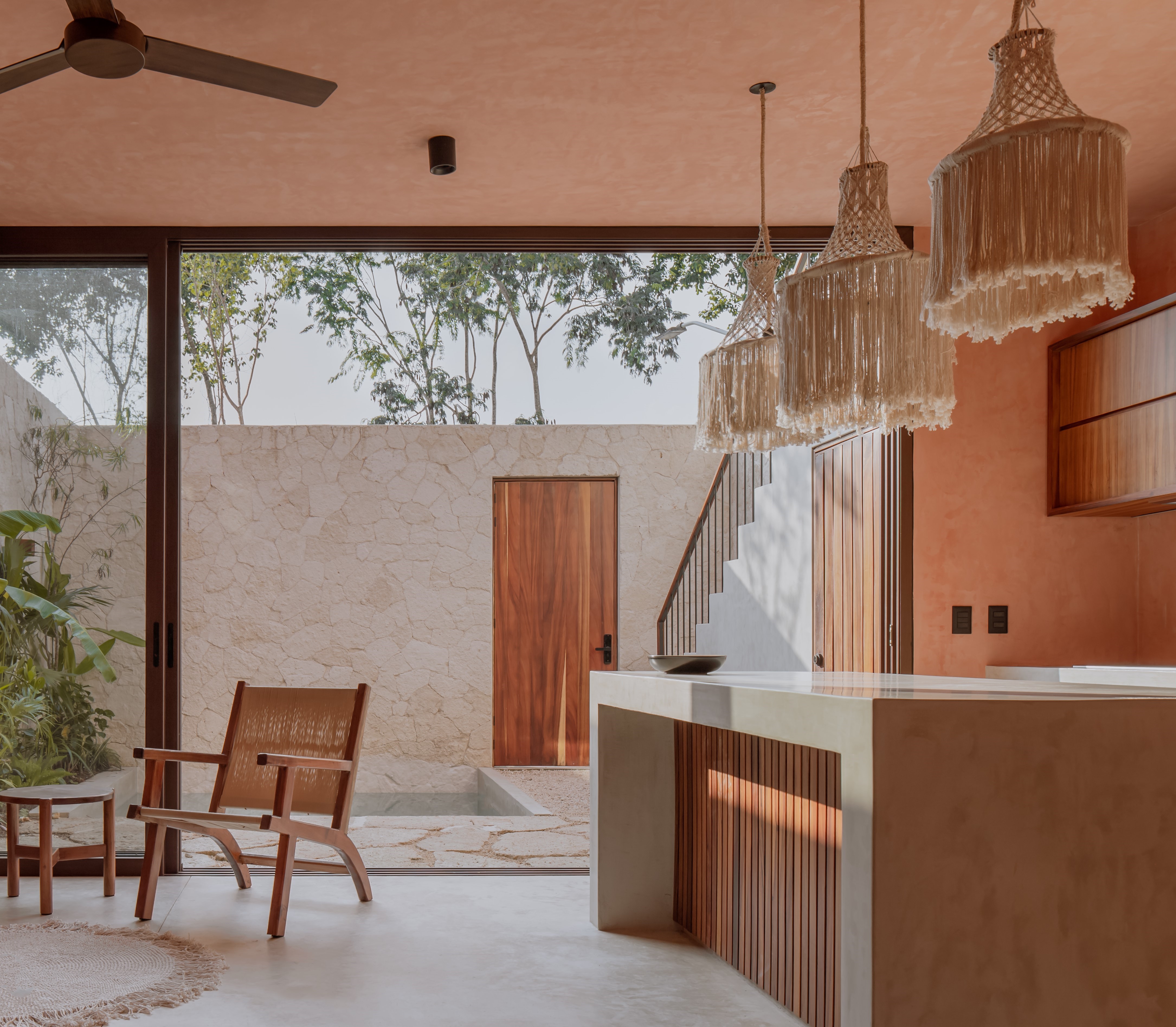
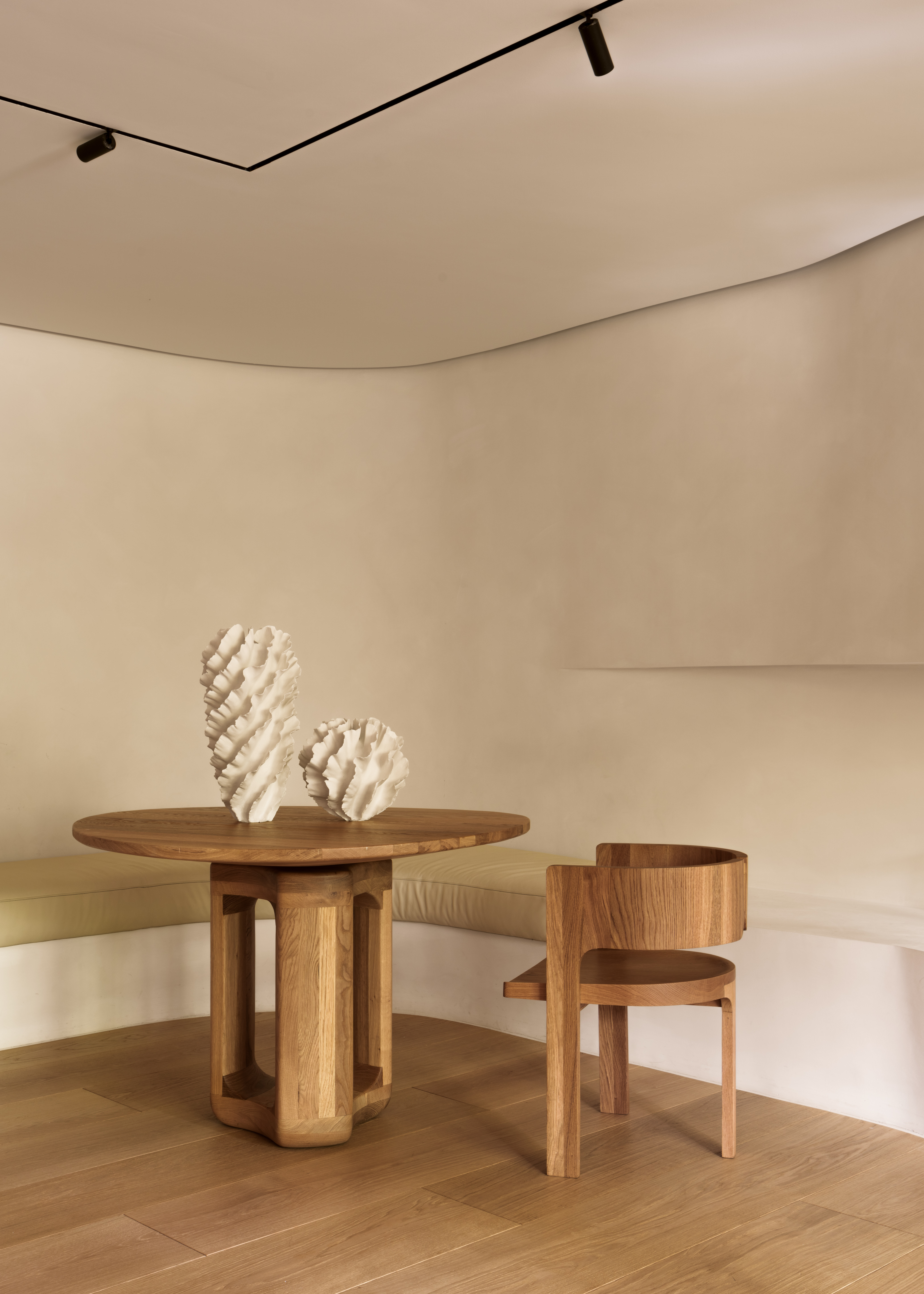
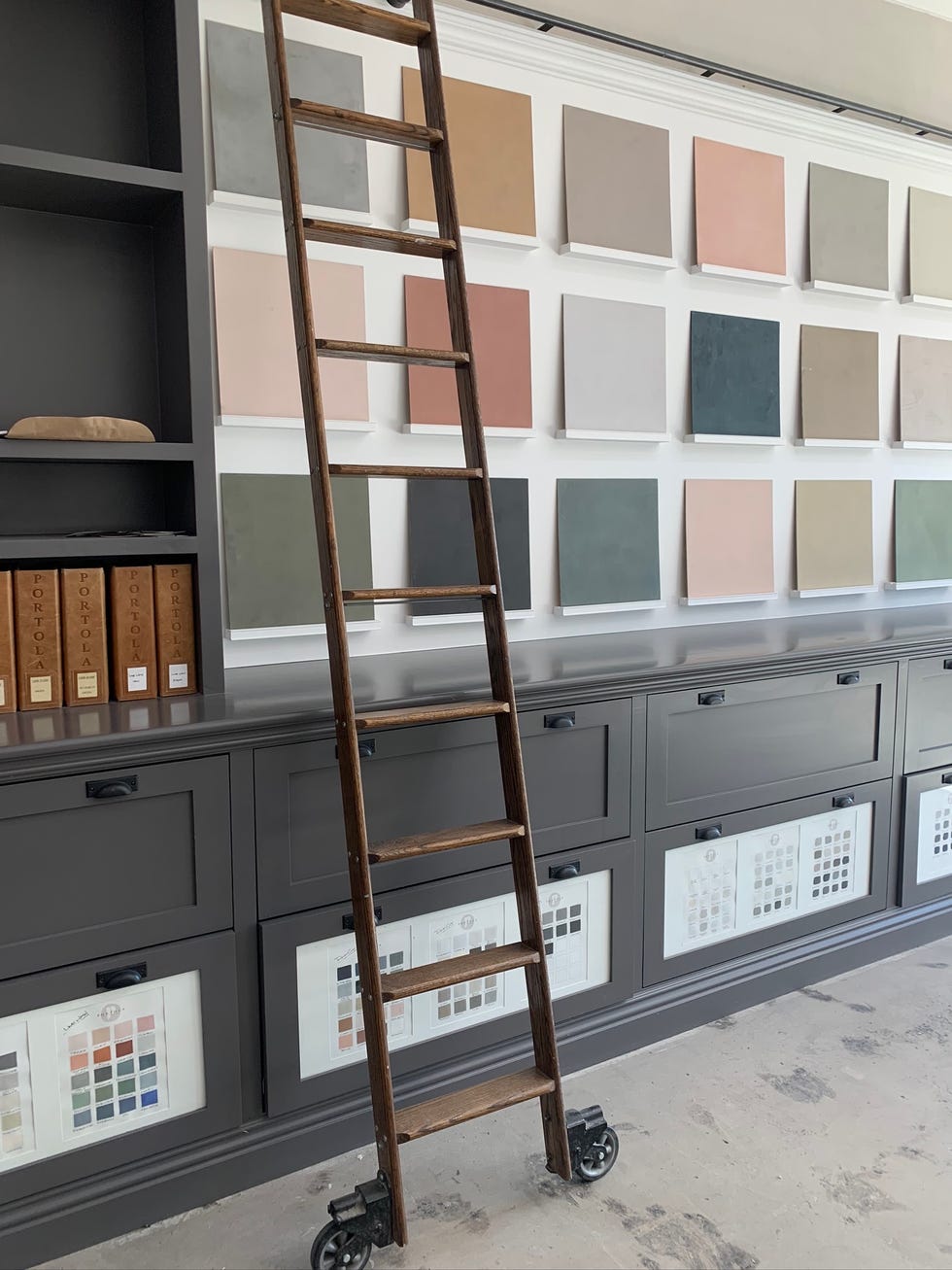
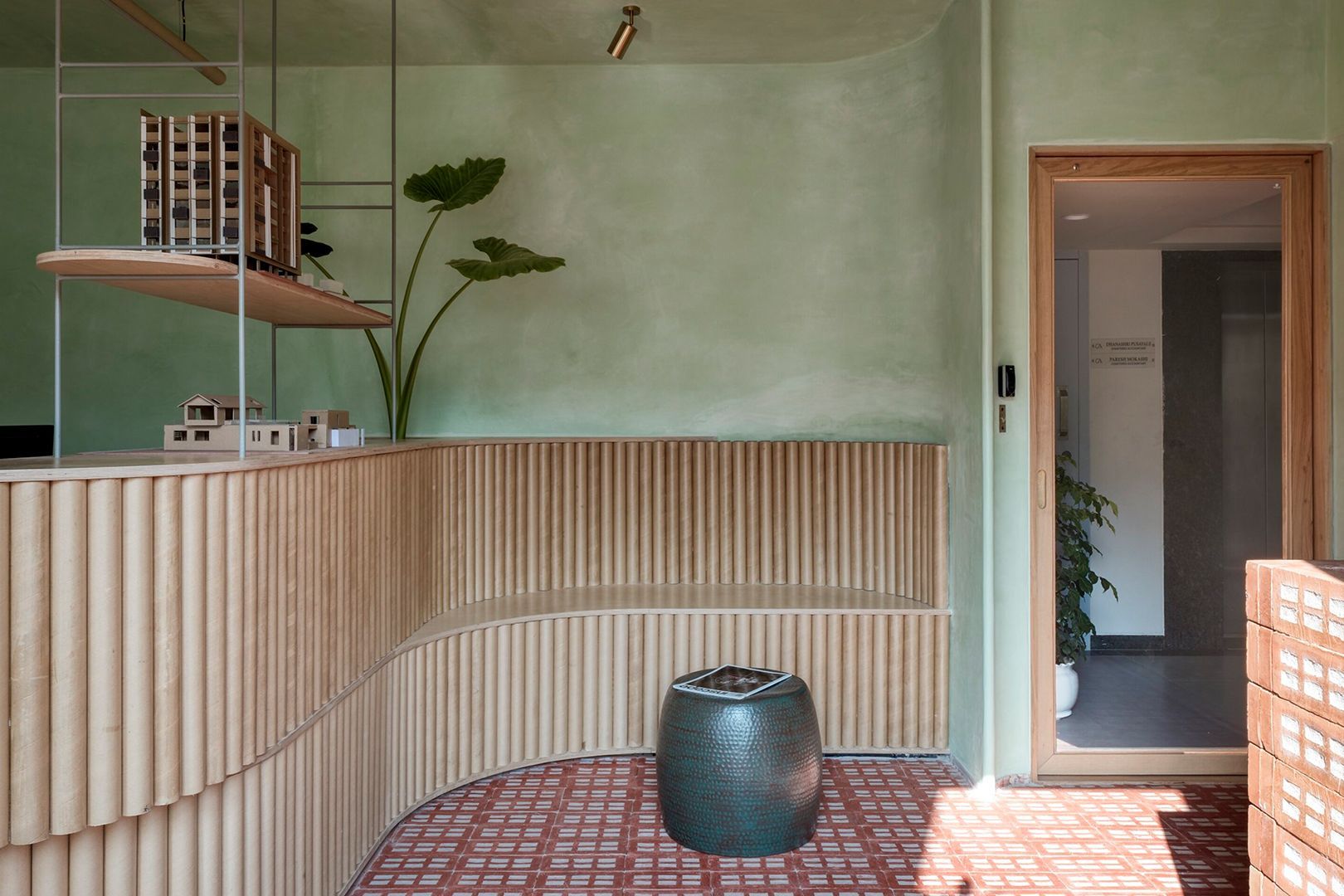
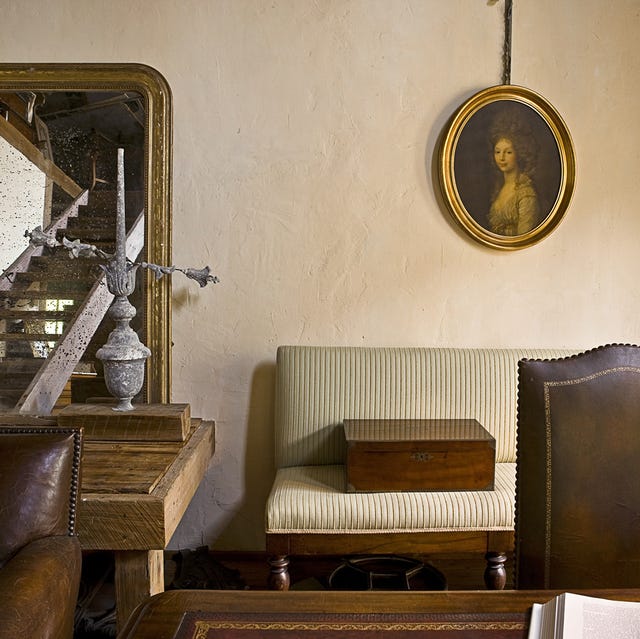
Limewash paint has emerged as a popular choice among designers for its ability to transform spaces with a chalky, nuanced texture that evokes an old-world charm. This paint, made from crushed limestone fired at high temperatures, mixed with water, and colored with natural pigments, offers a striking effect whether used to emphasize texture or create a minimalist look. Despite its current trendiness, limewash paint boasts a deeply rooted history, originating from Roman and Mediterranean regions as one of the earliest house paints.
Beyond its aesthetic appeal, limewash paint offers several natural benefits. It is breathable, nontoxic, and eco-friendly. Its high pH level makes it resistant to bacteria and mold, contributing to healthier indoor environments. Furthermore, limewash paint is free of VOCs (volatile organic compounds), resulting in a practically odorless application process. It distinguishes itself from other lime-based paints like Venetian plaster, which is thicker and yields a more polished, formal finish, by its unique texture created through brush strokes.
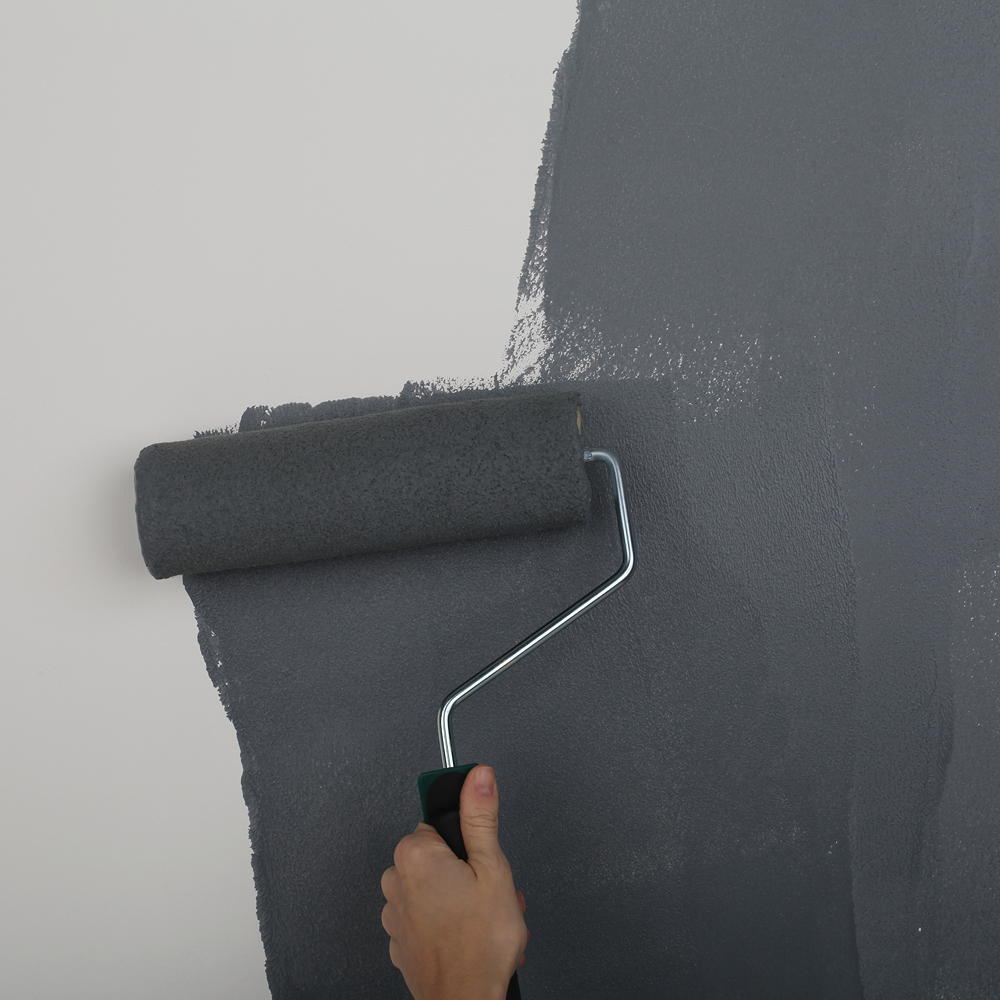
Effective application of limewash paint requires specific techniques. For interior surfaces, preparation with an acrylic-based primer is recommended. A coarse, long-haired brush with natural bristles, at least six inches wide, is ideal. There are three primary stroke patterns: horizontal, vertical, and cloud-like. Vertical strokes are often preferred to maintain consistency with the room's vertical elements like doors and windows. For a cloud-like pattern, one can start with separate cloud formations and gradually merge them. The general approach involves applying and stretching the paint with large, heavy strokes, followed by lighter strokes to create the desired pattern.
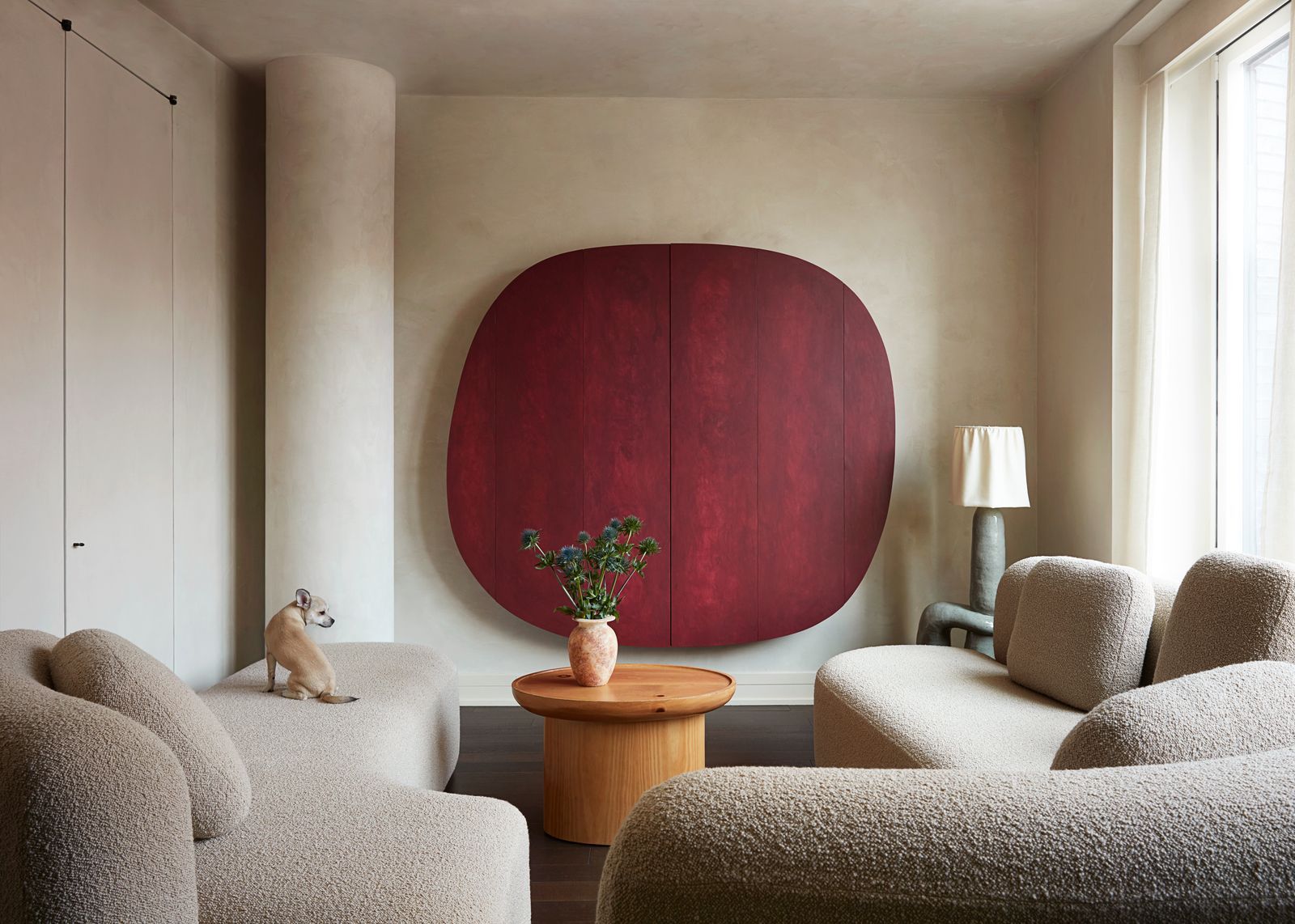
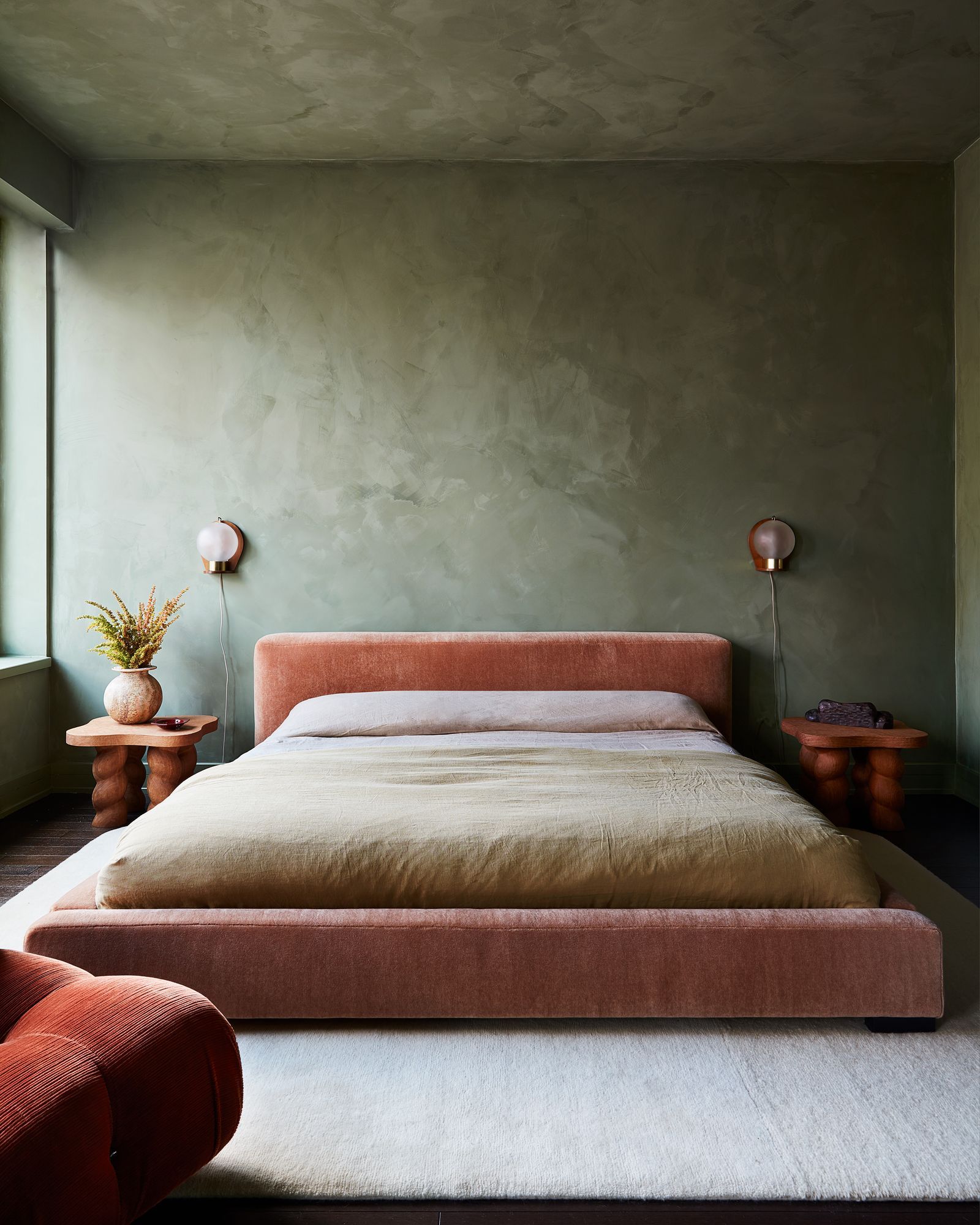
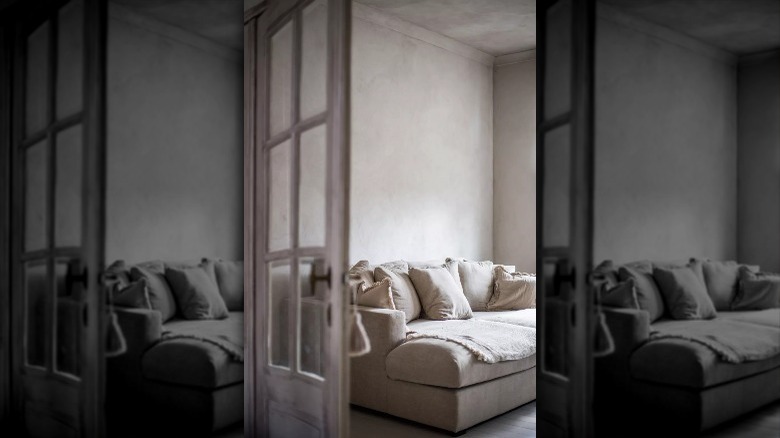
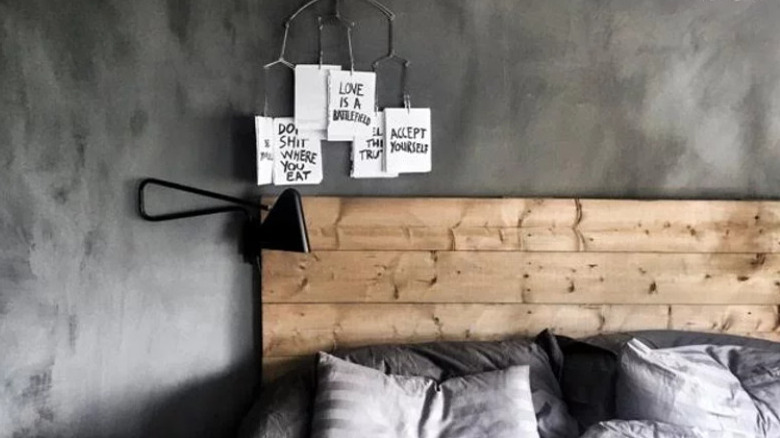
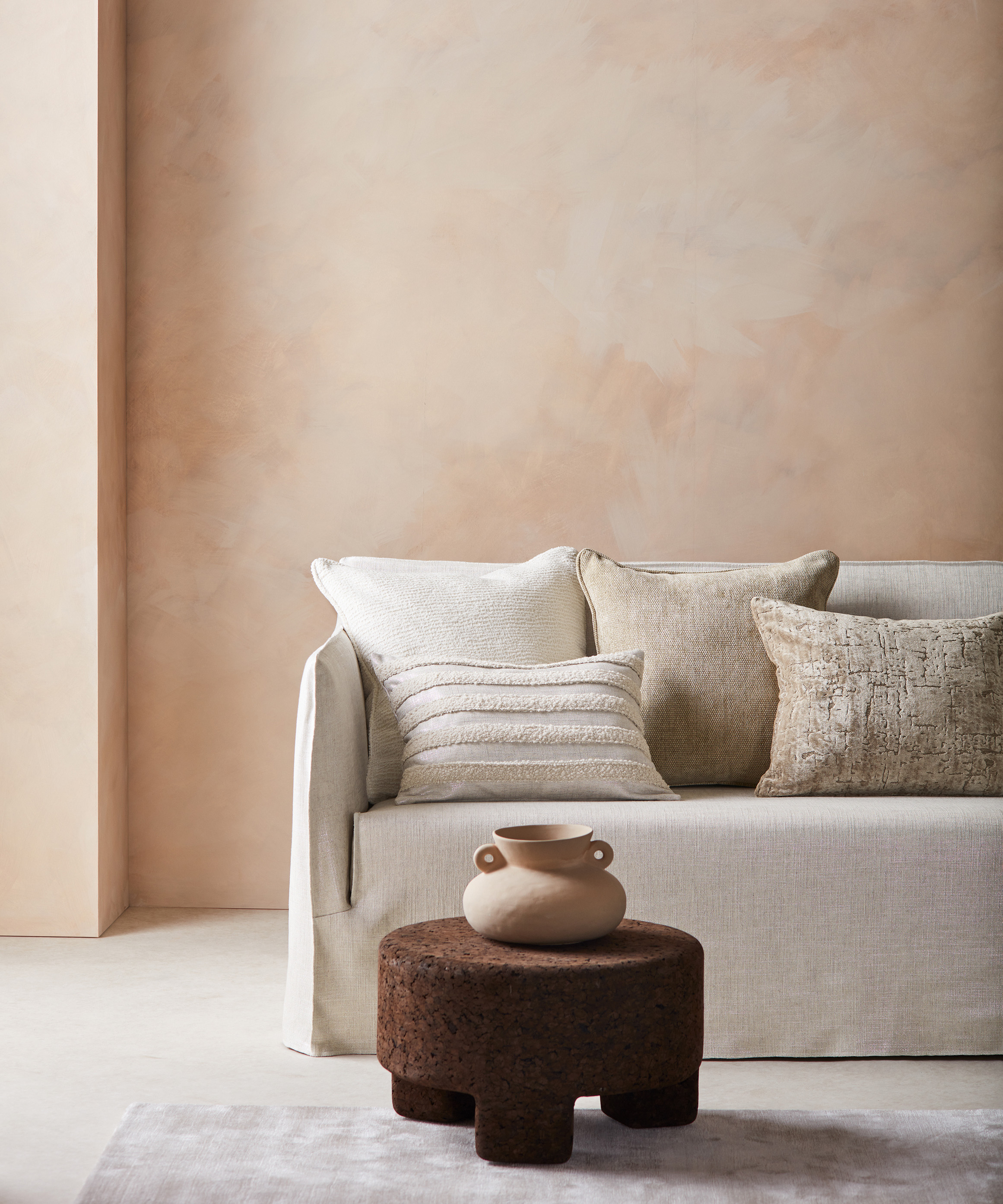
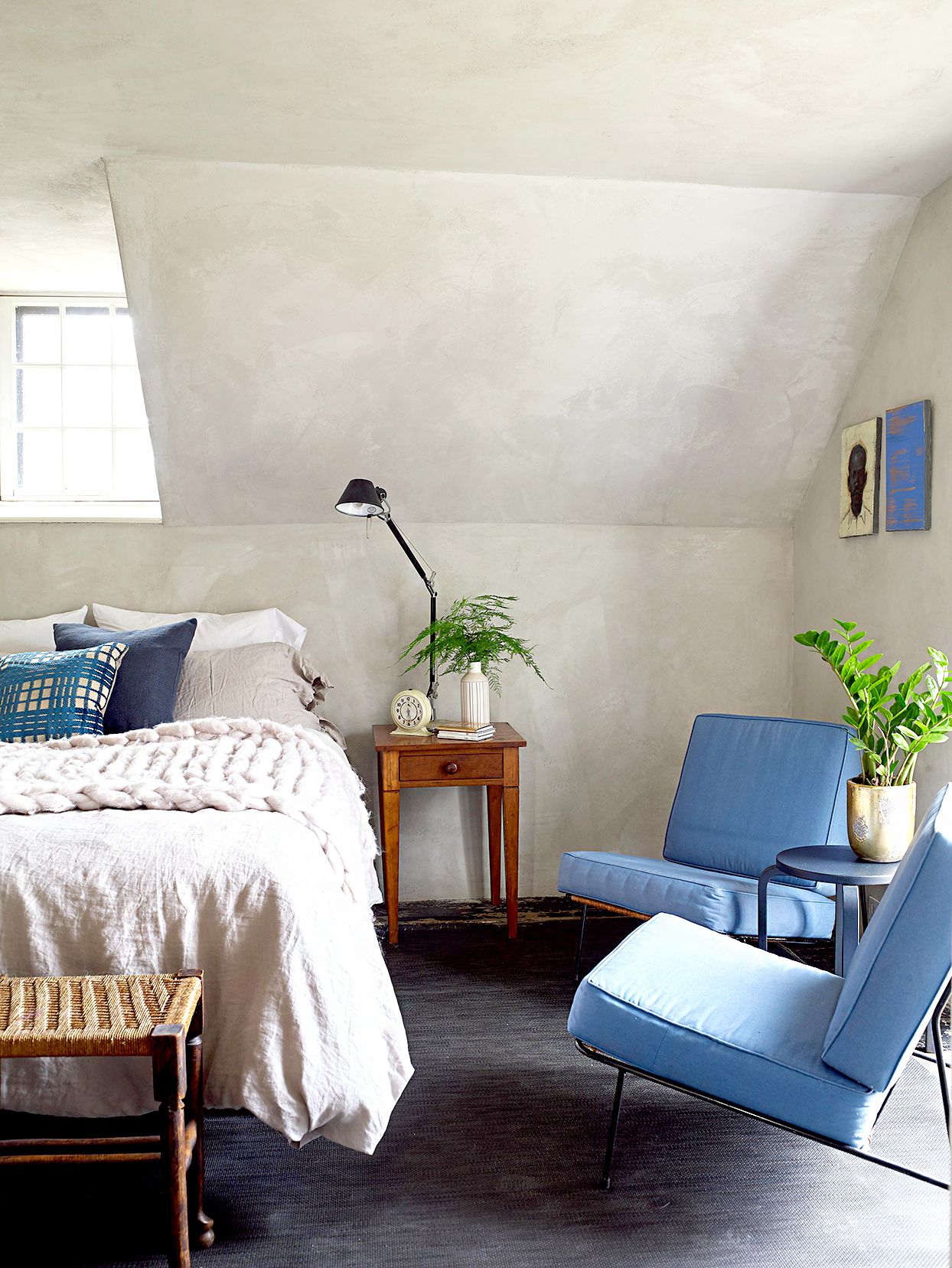
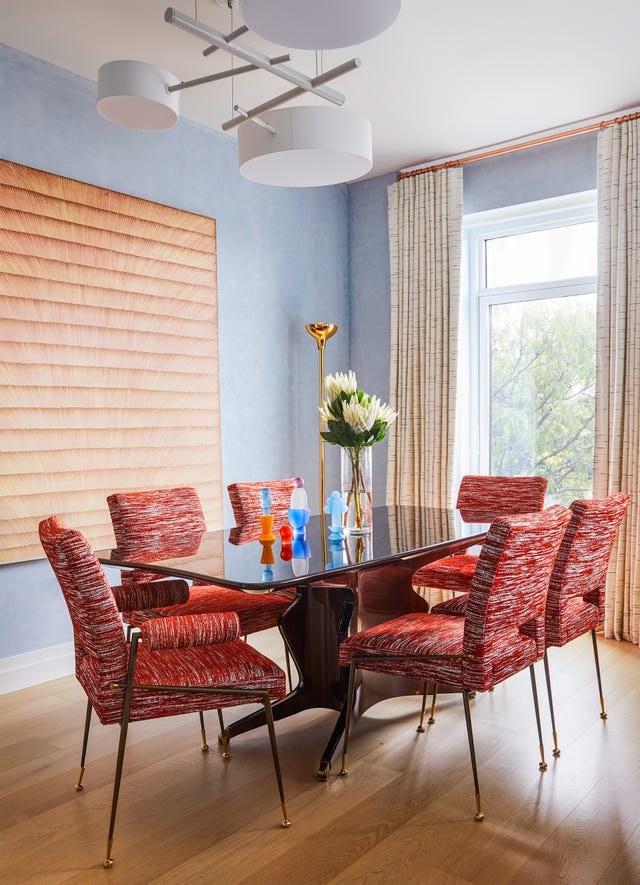
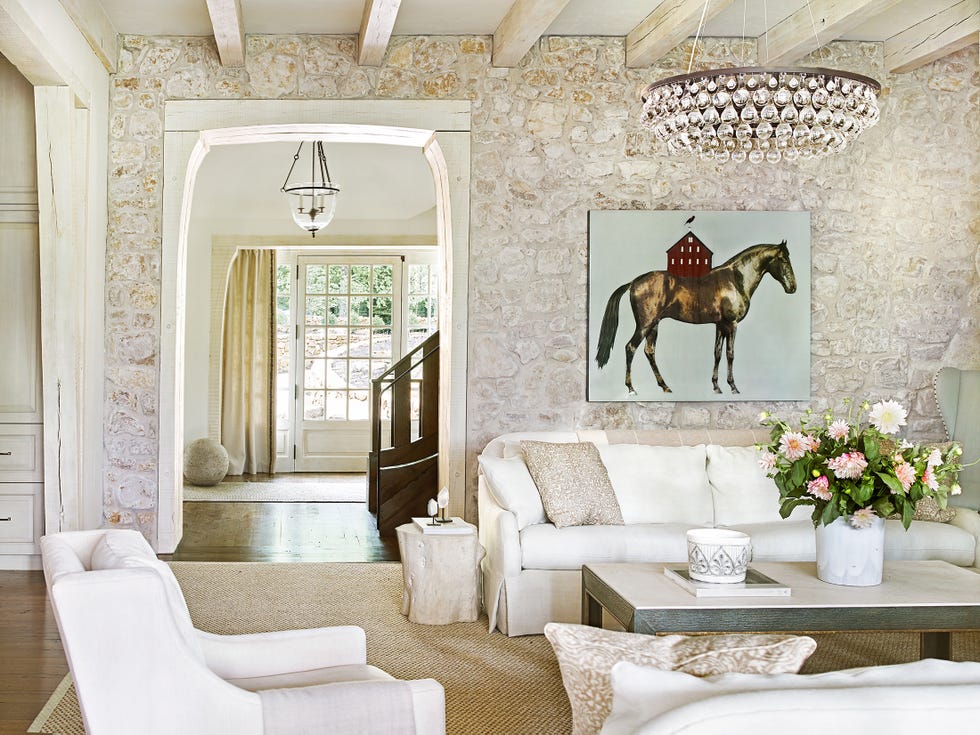
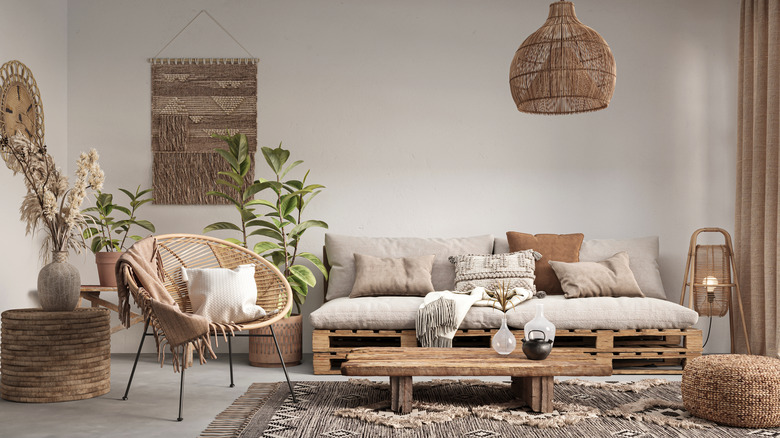
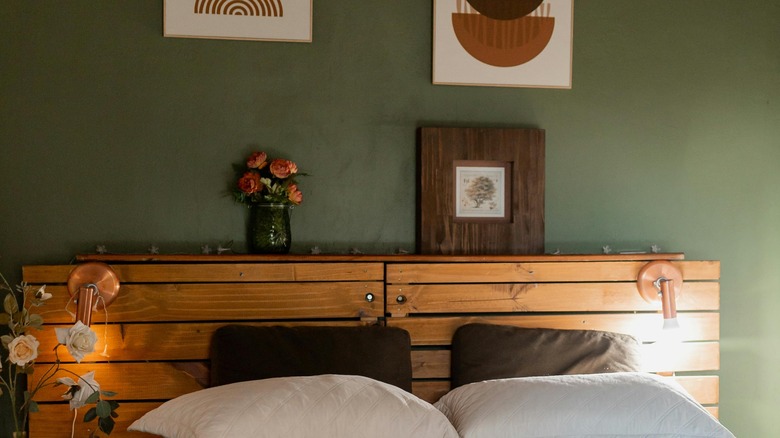
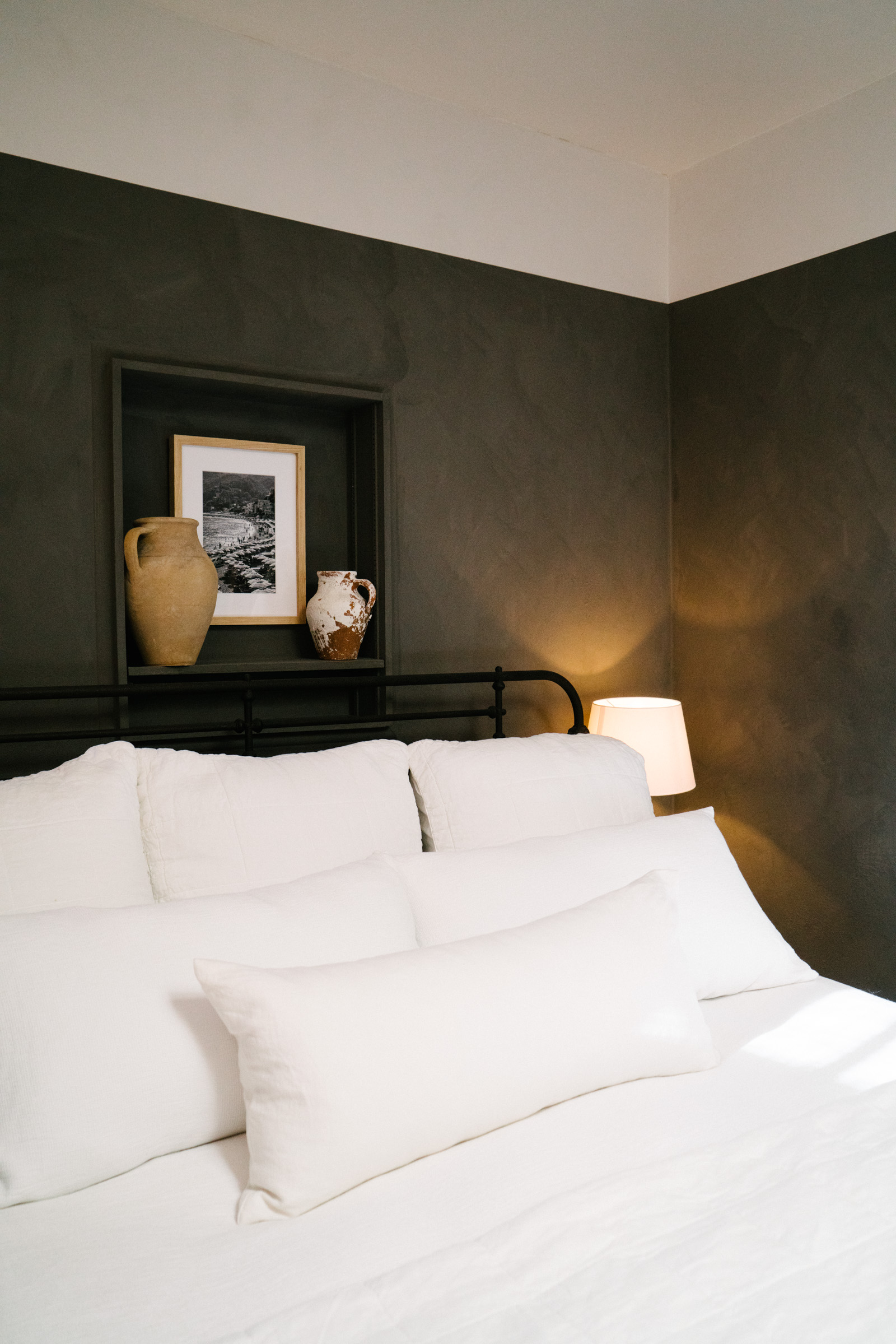
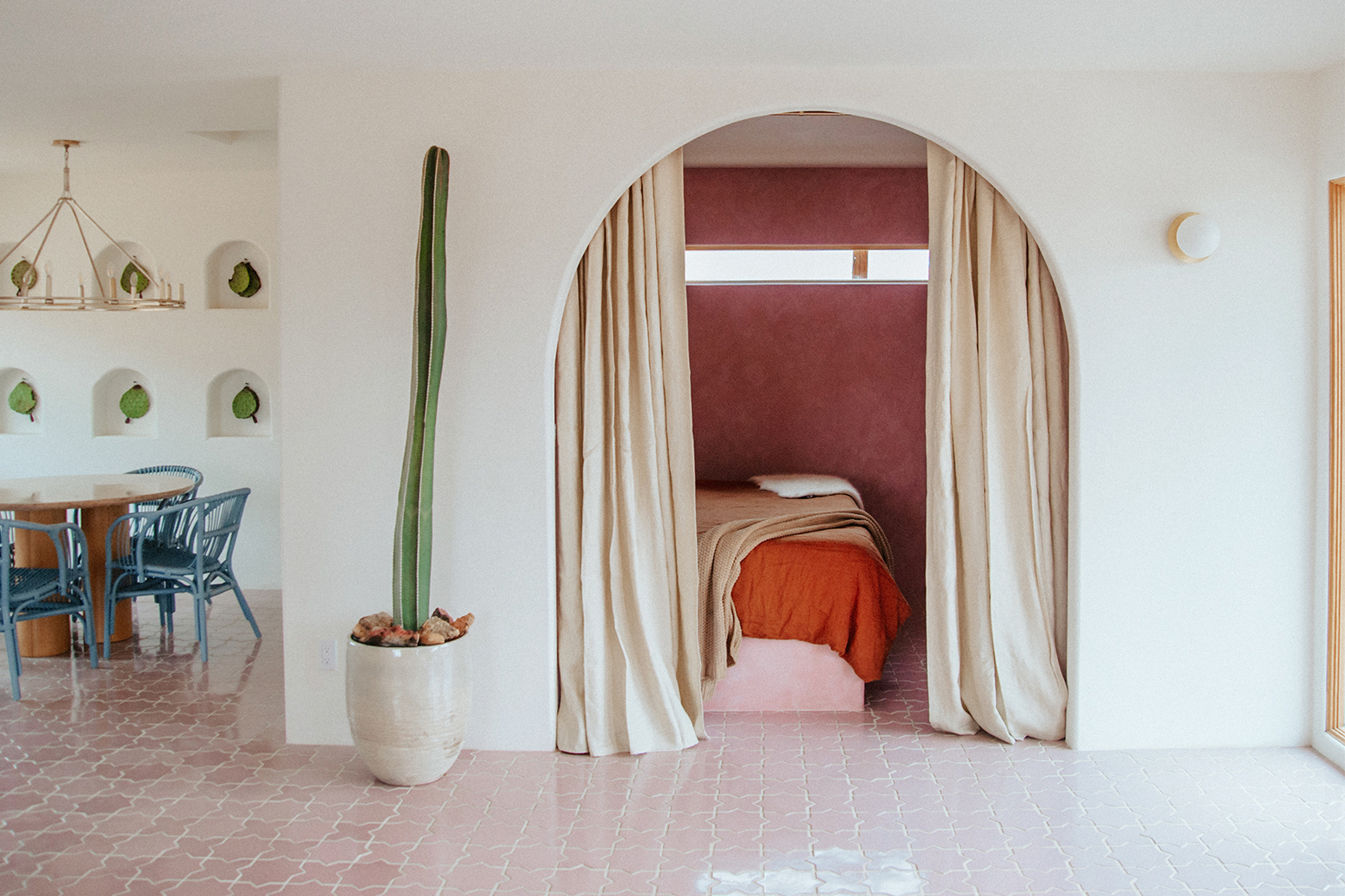
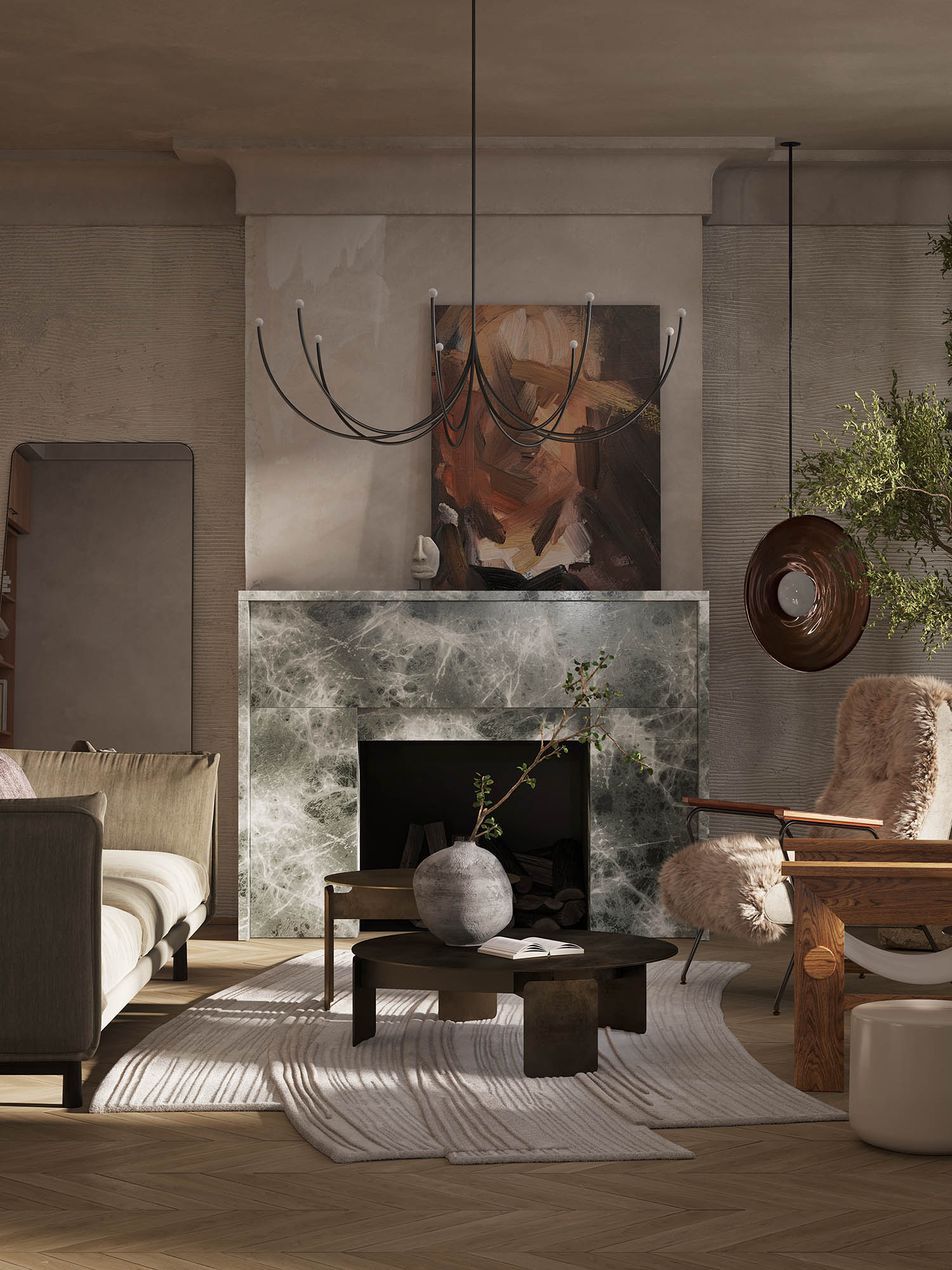
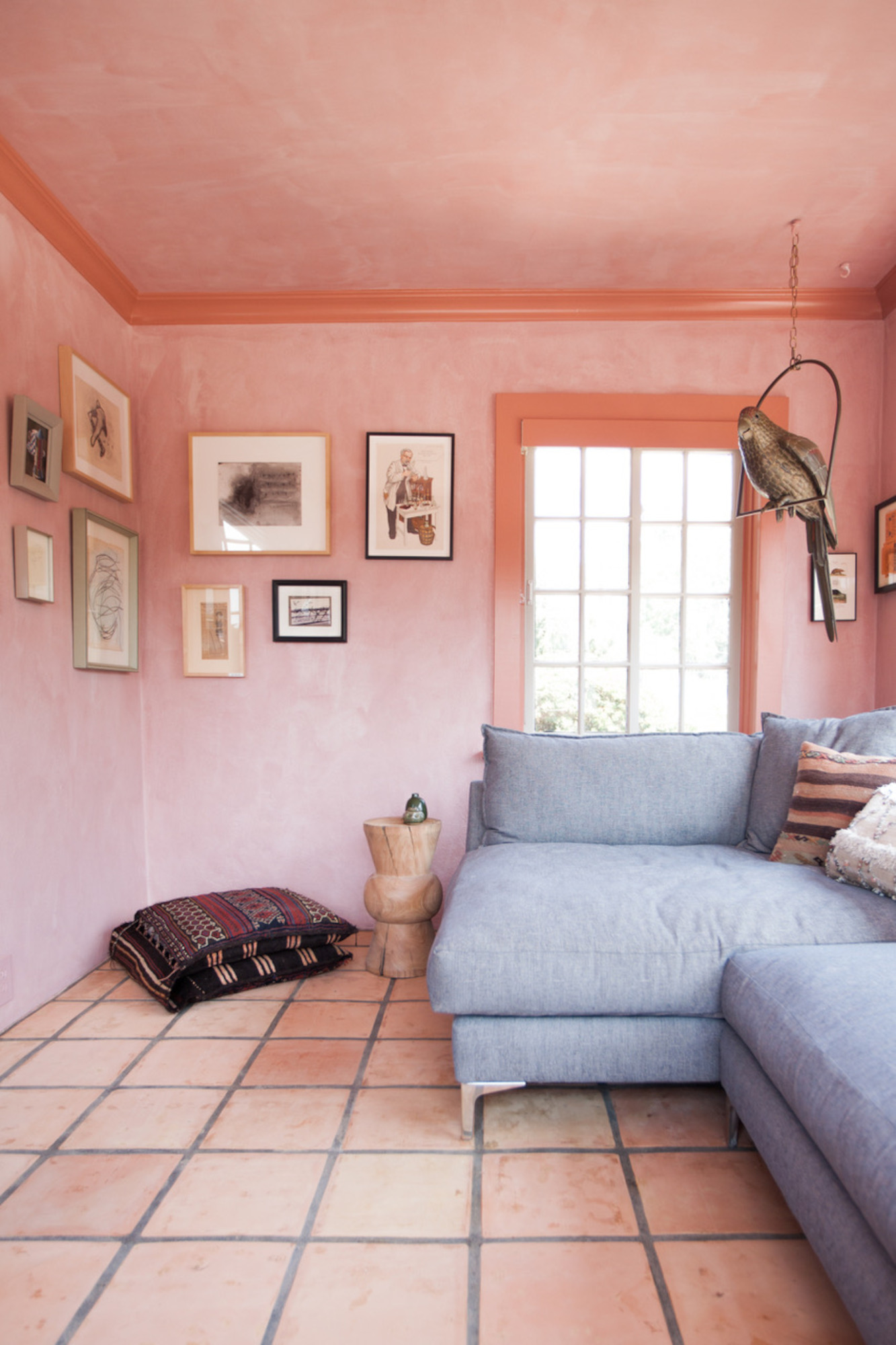
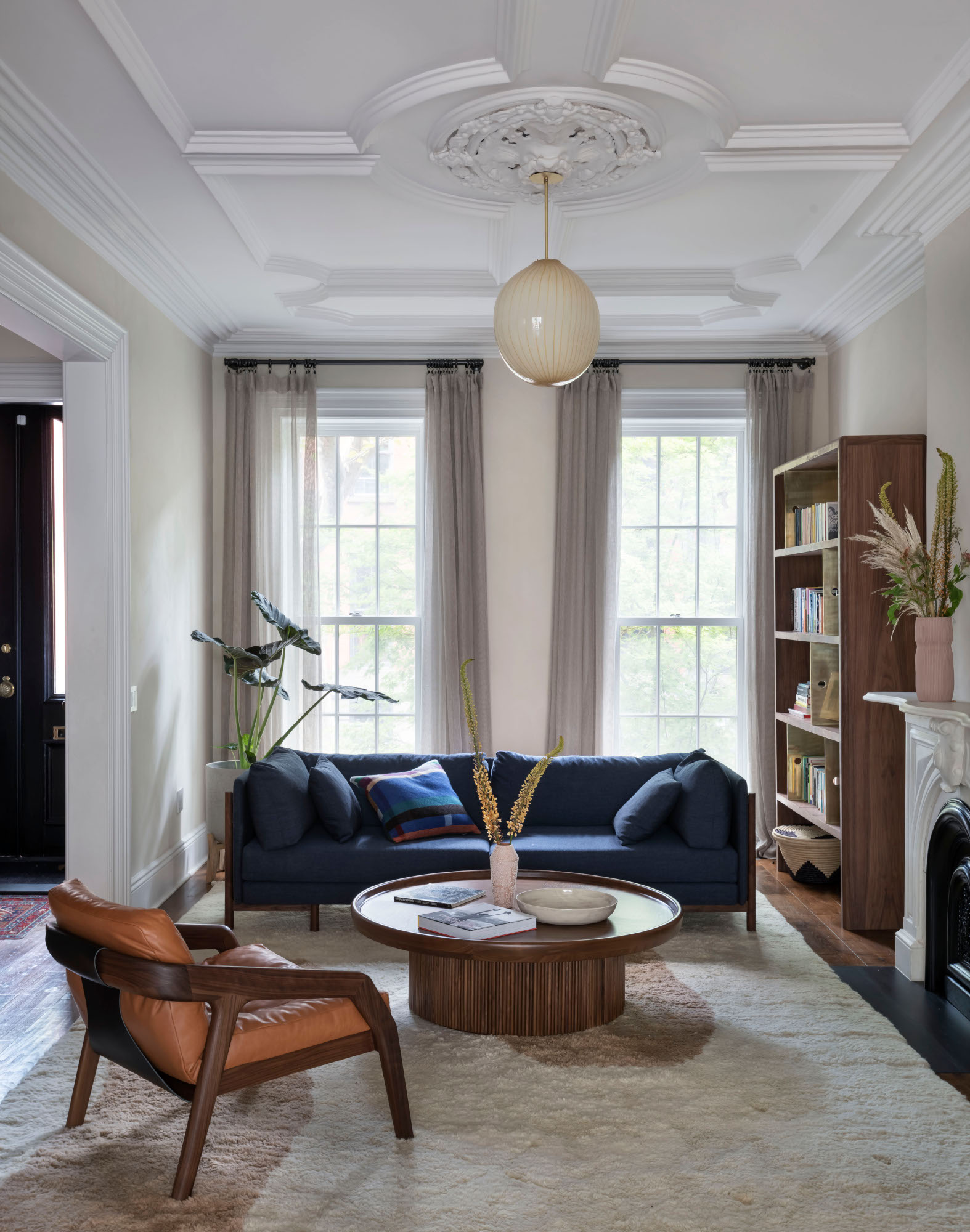
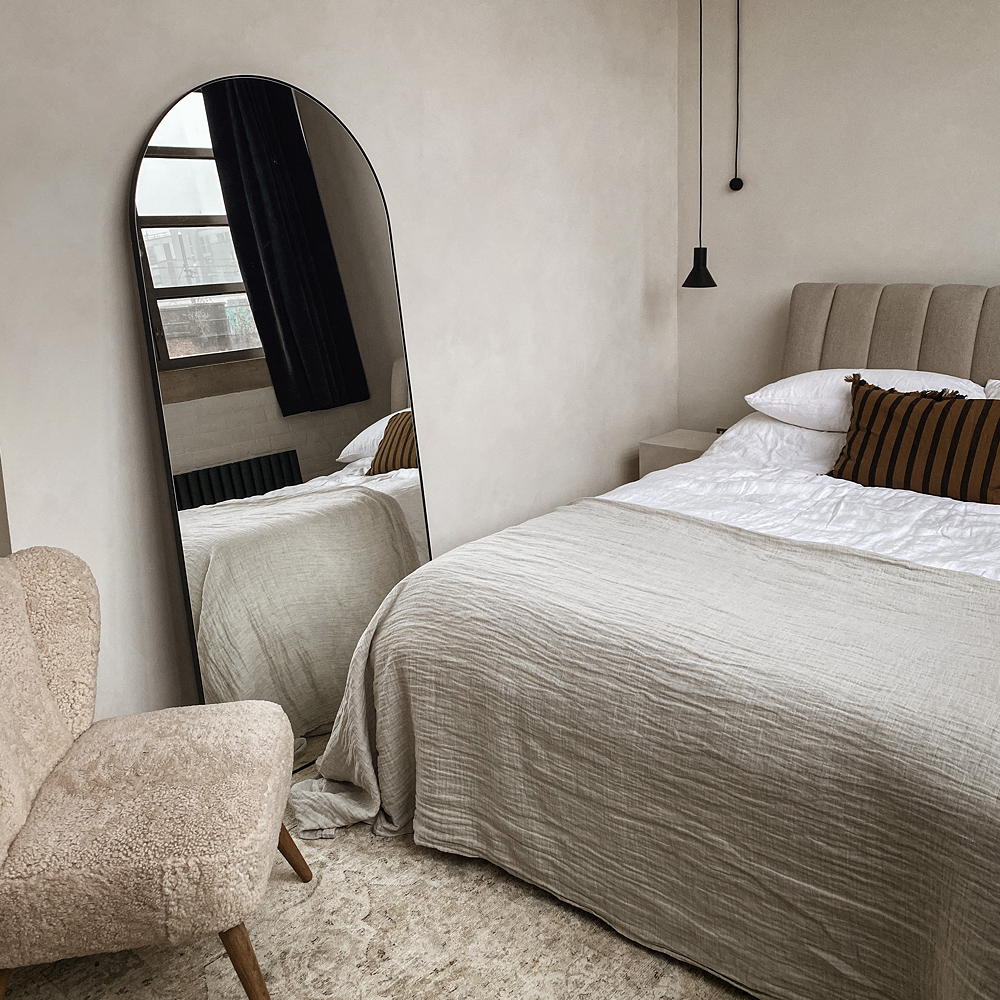
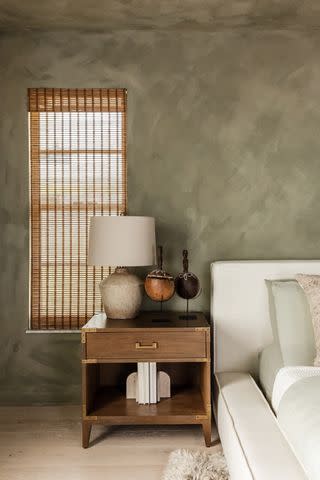
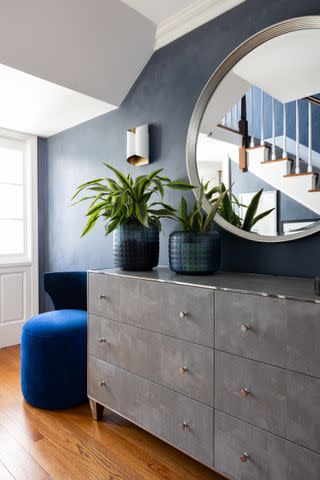
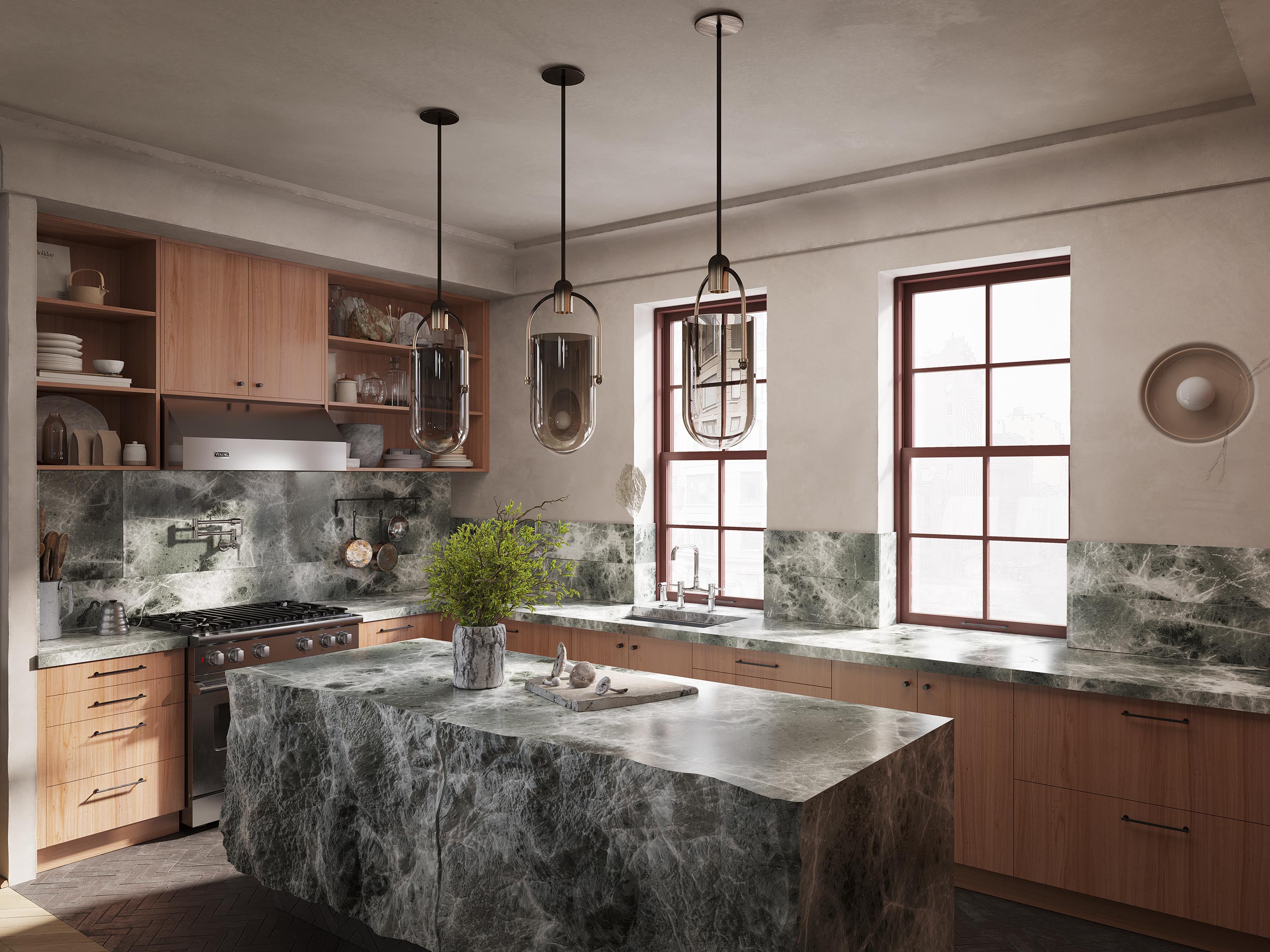
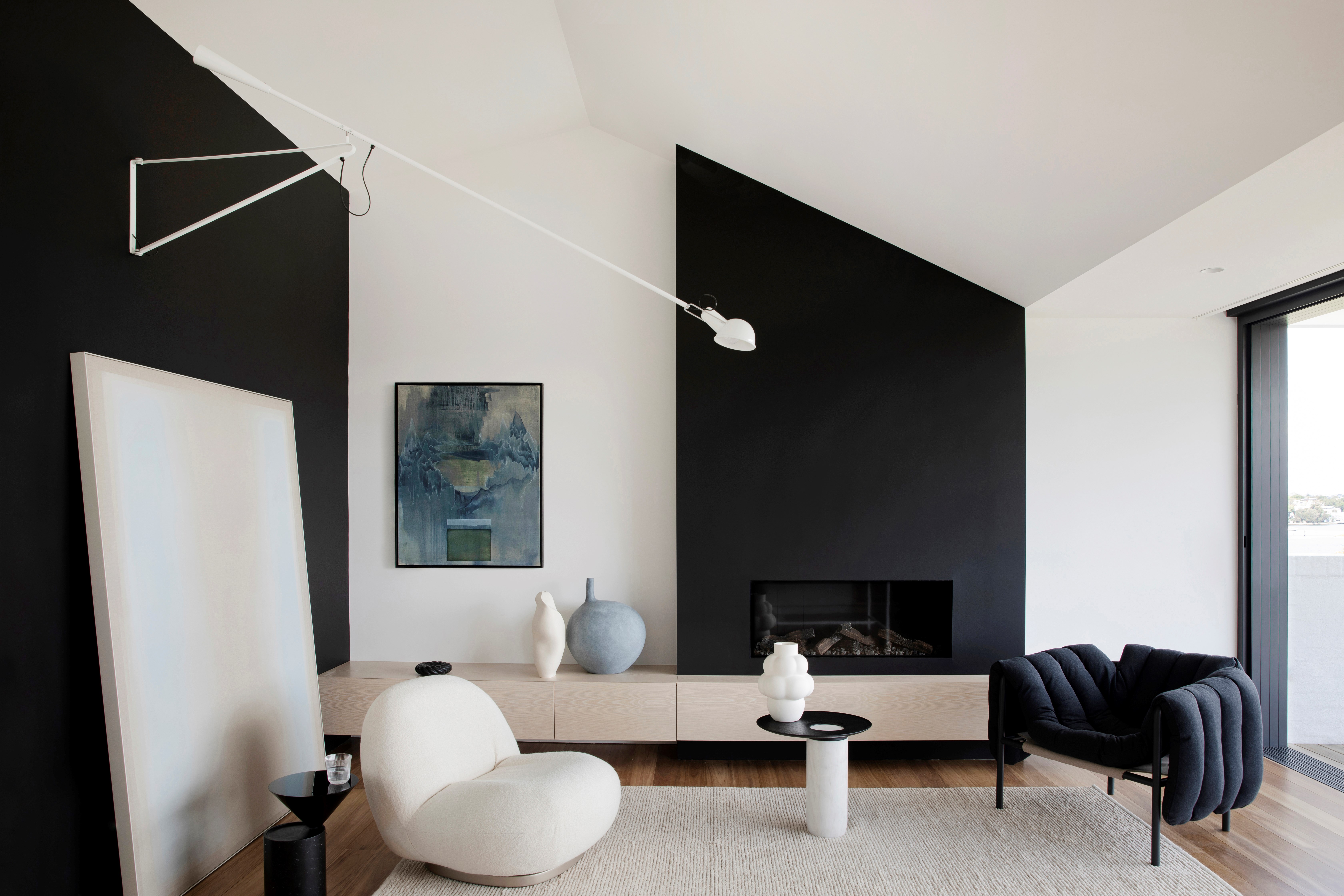
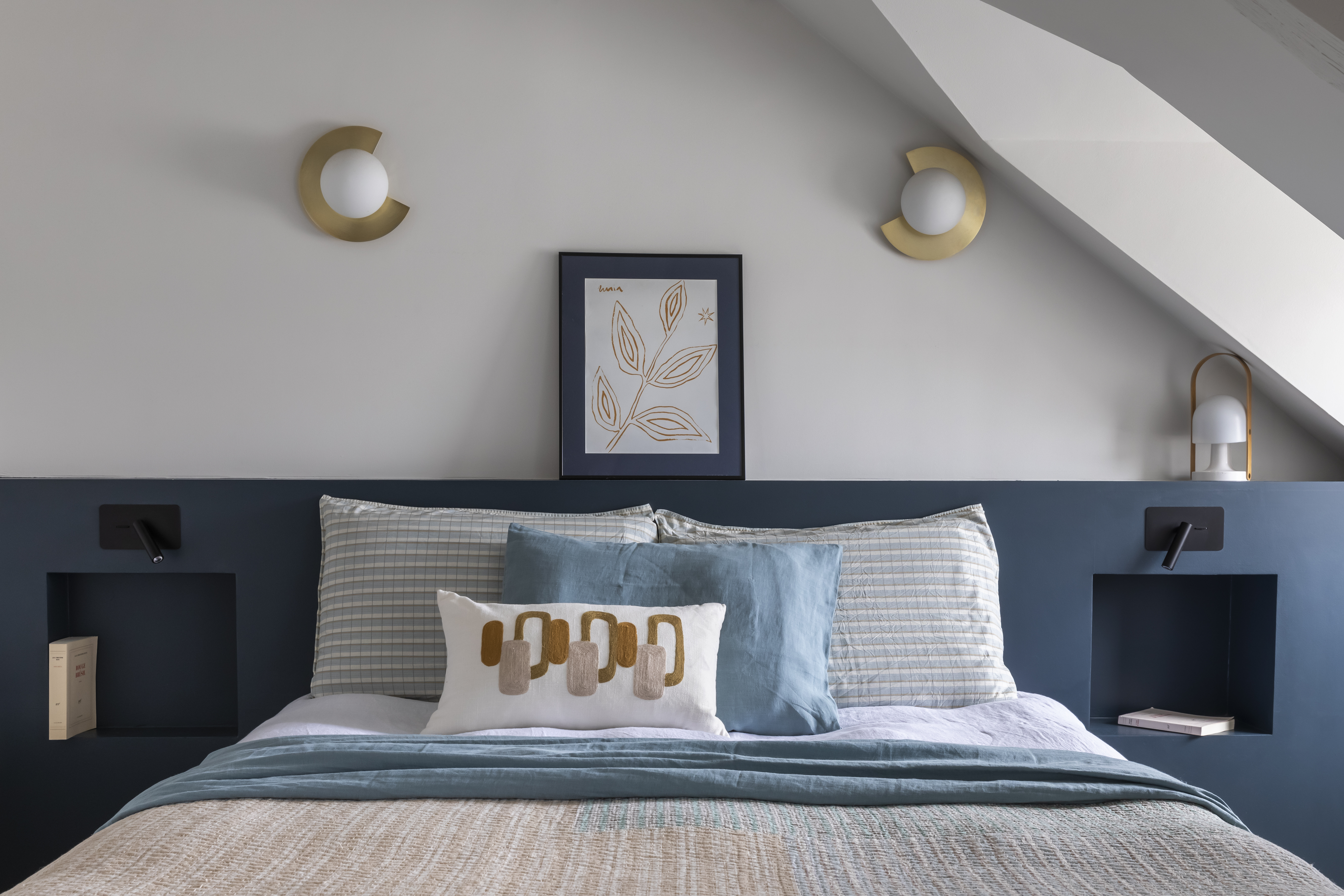
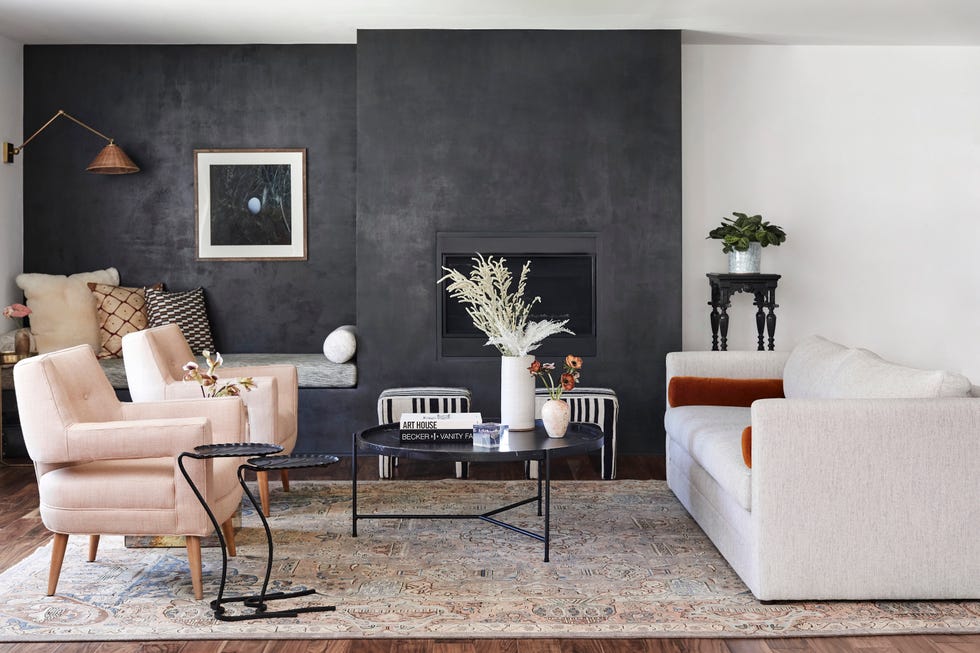
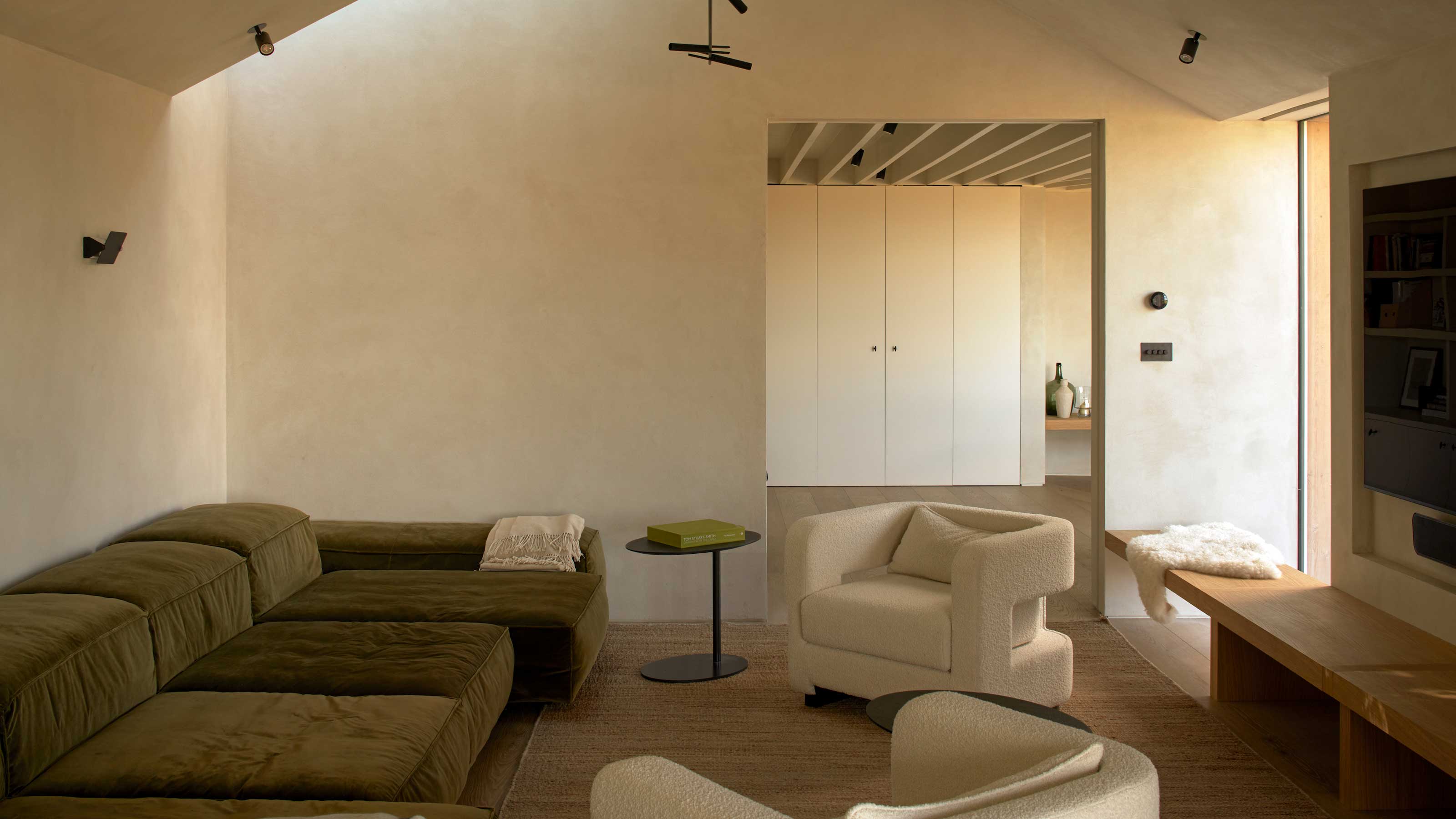
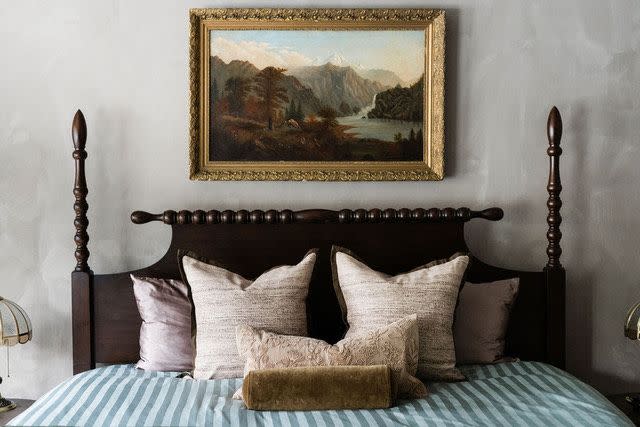
While versatile, limewash paint is best avoided in high-impact areas such as children’s bedrooms or behind sinks, as touch-ups can be challenging to blend seamlessly. The article suggests four key areas in the home where limewash paint can be effectively utilized. In a living room, especially an oversized space with tall ceilings, limewash paint can introduce a quiet warmth, preventing the room from feeling too spare or cold. For bedrooms, applying limewash paint to both walls and ceilings can create a calming, serene, and cocoon-like atmosphere conducive to sleep.
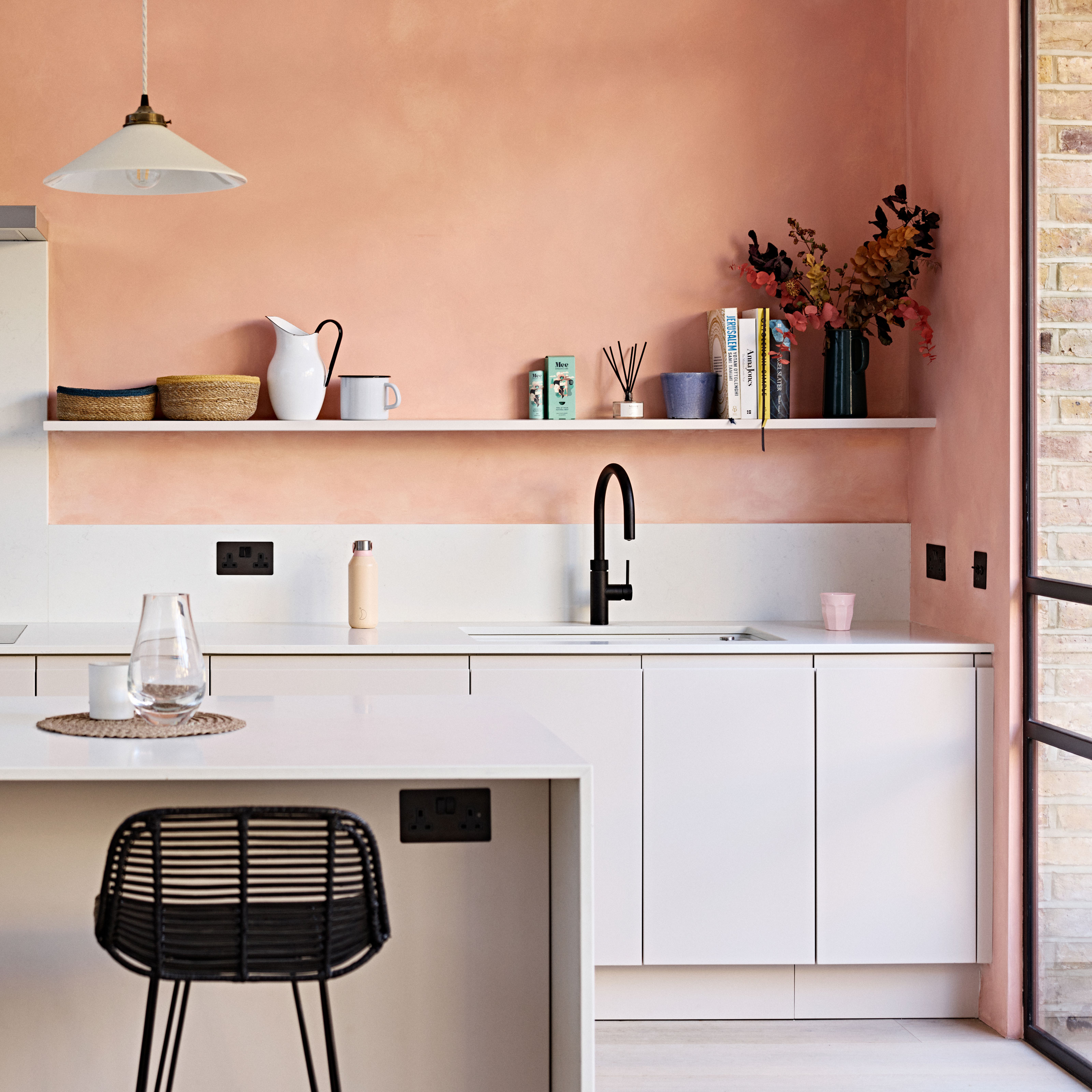
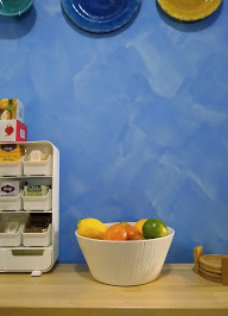
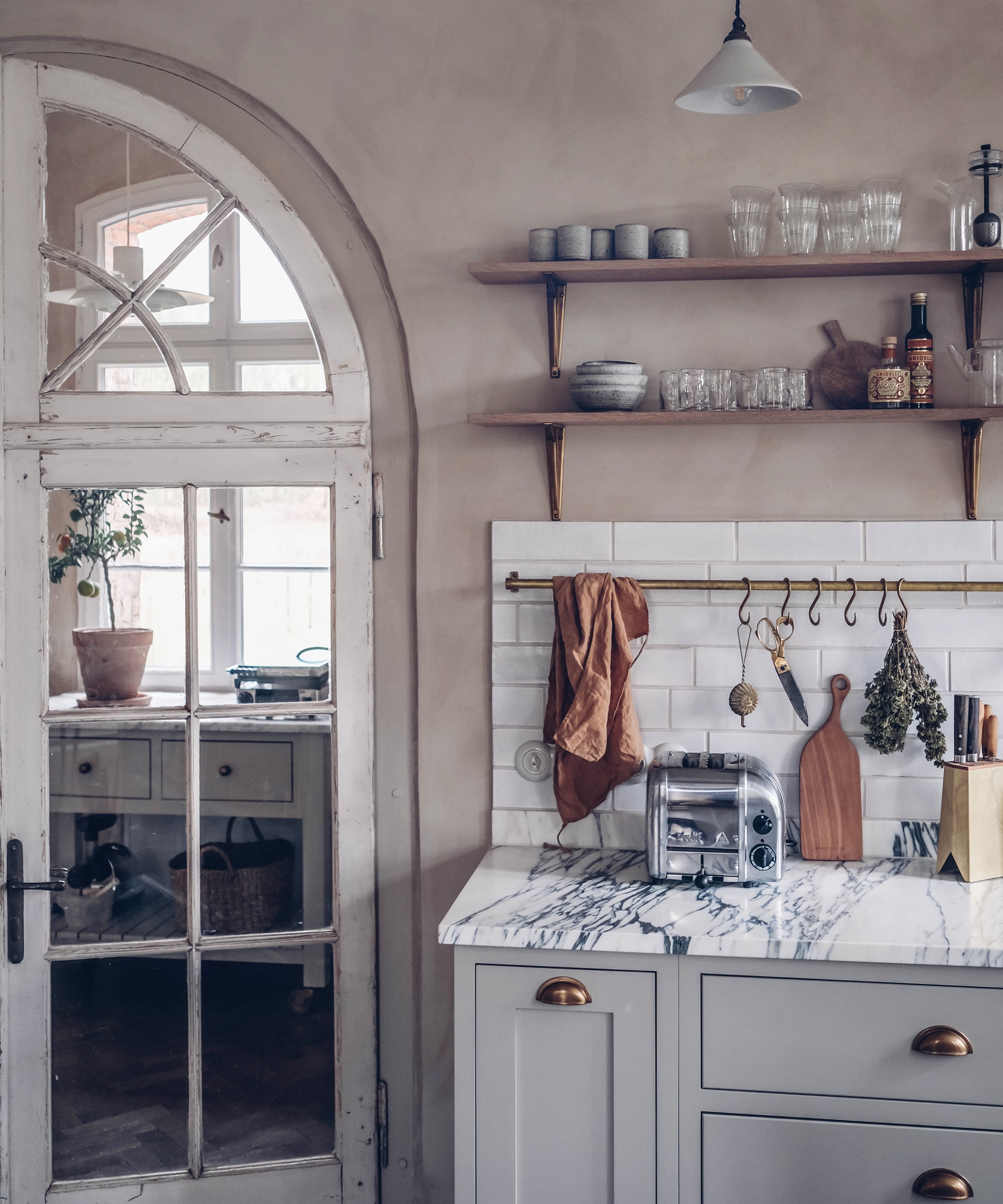
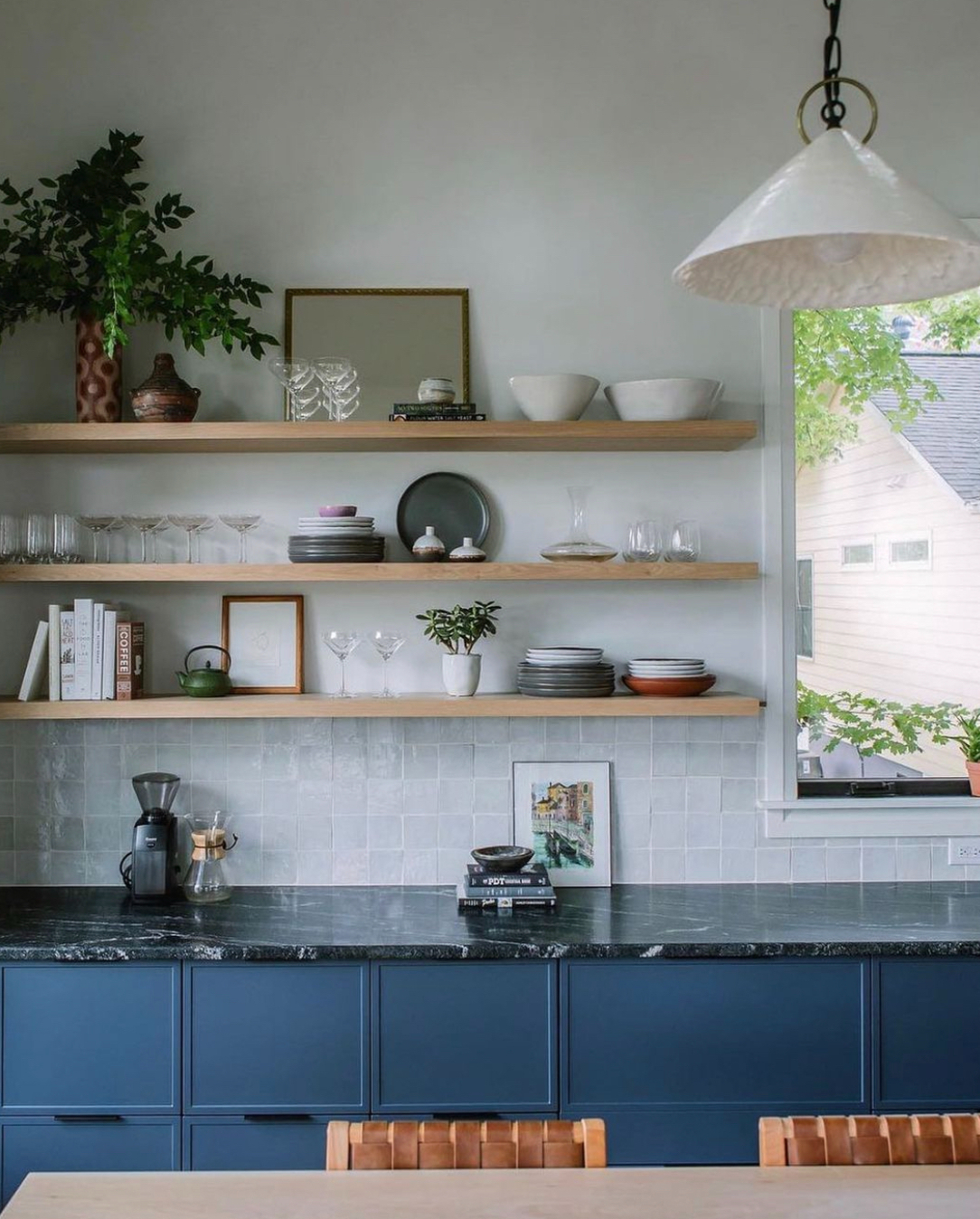
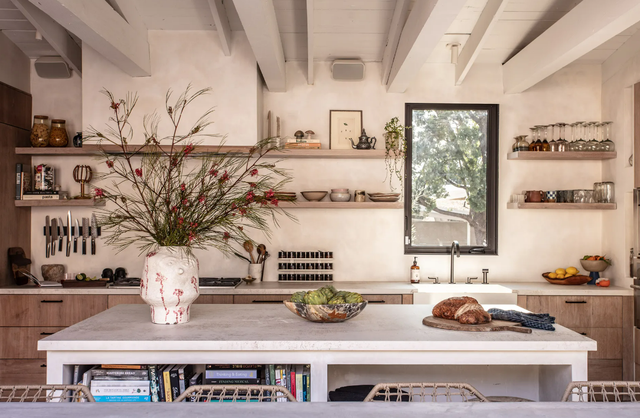
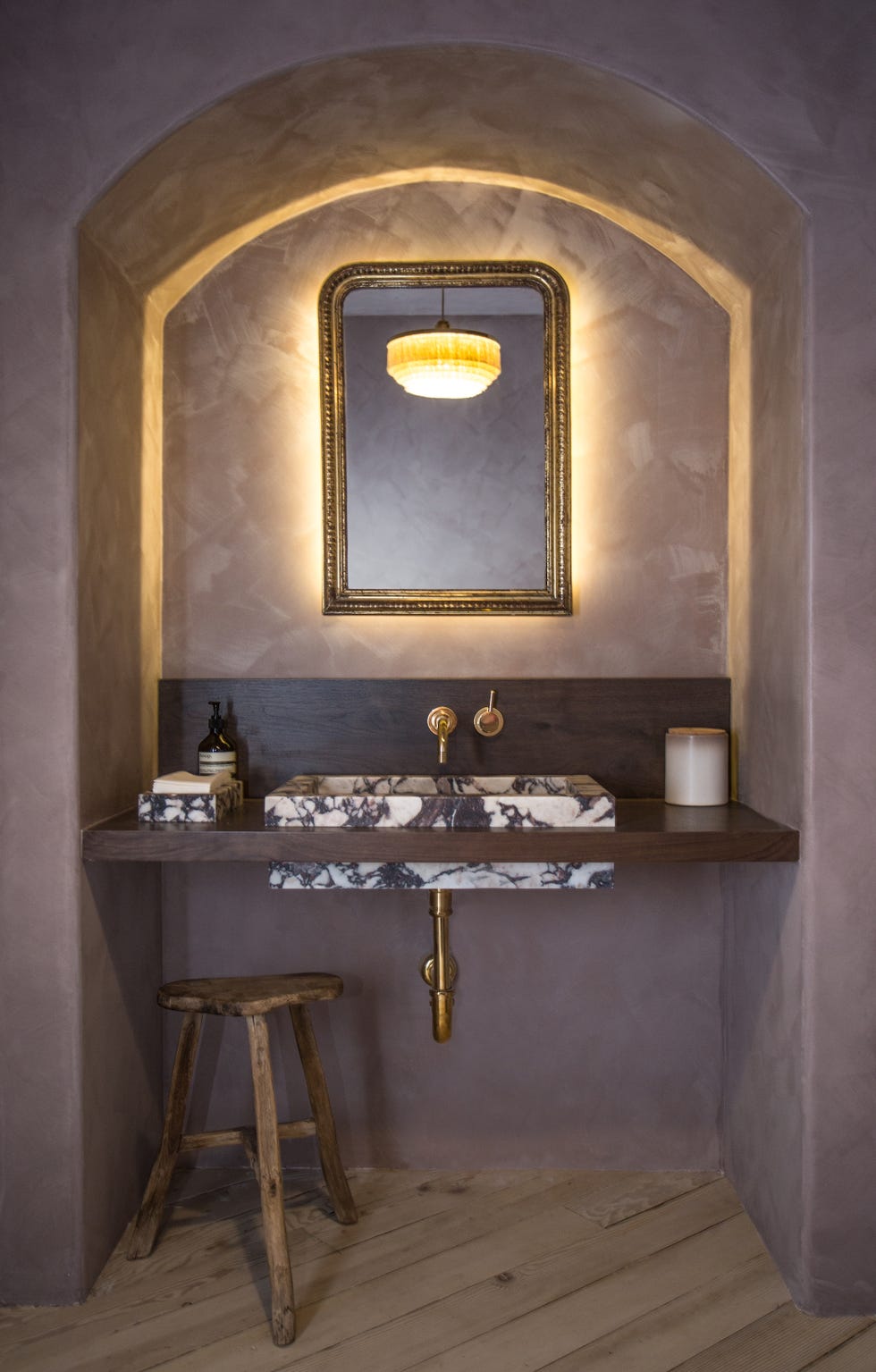
Bathrooms, being smaller spaces, present an opportunity for more dramatic wall choices. Using saturated, dark tones with limewash paint can create a moody yet dynamic effect, with the texture preventing the space from appearing flat or heavy. Finally, in kitchens, limewash paint serves as an excellent surface. Its chemical composition helps remove odors and carbon dioxide, acting as an air filter, and its mould- and bacteria-resistant properties are highly beneficial. Applying a wax seal can make surfaces easy to wipe clean, ideal for areas prone to splashes or splatters.
#LimewashPaint #HomeDecor #InteriorDesign #PaintTrends #EcoFriendlyPaint #TexturedWalls #OldWorldCharm #DIYHomeDecor #LimewashPaint #HomeDecor #InteriorDesign #PaintTrends #EcoFriendlyPaint #TexturedWalls #OldWorldCharm #DIYHomeDecor
Hay 0 comentarios en total
 Aún no hay comentarios
También te puede gustar
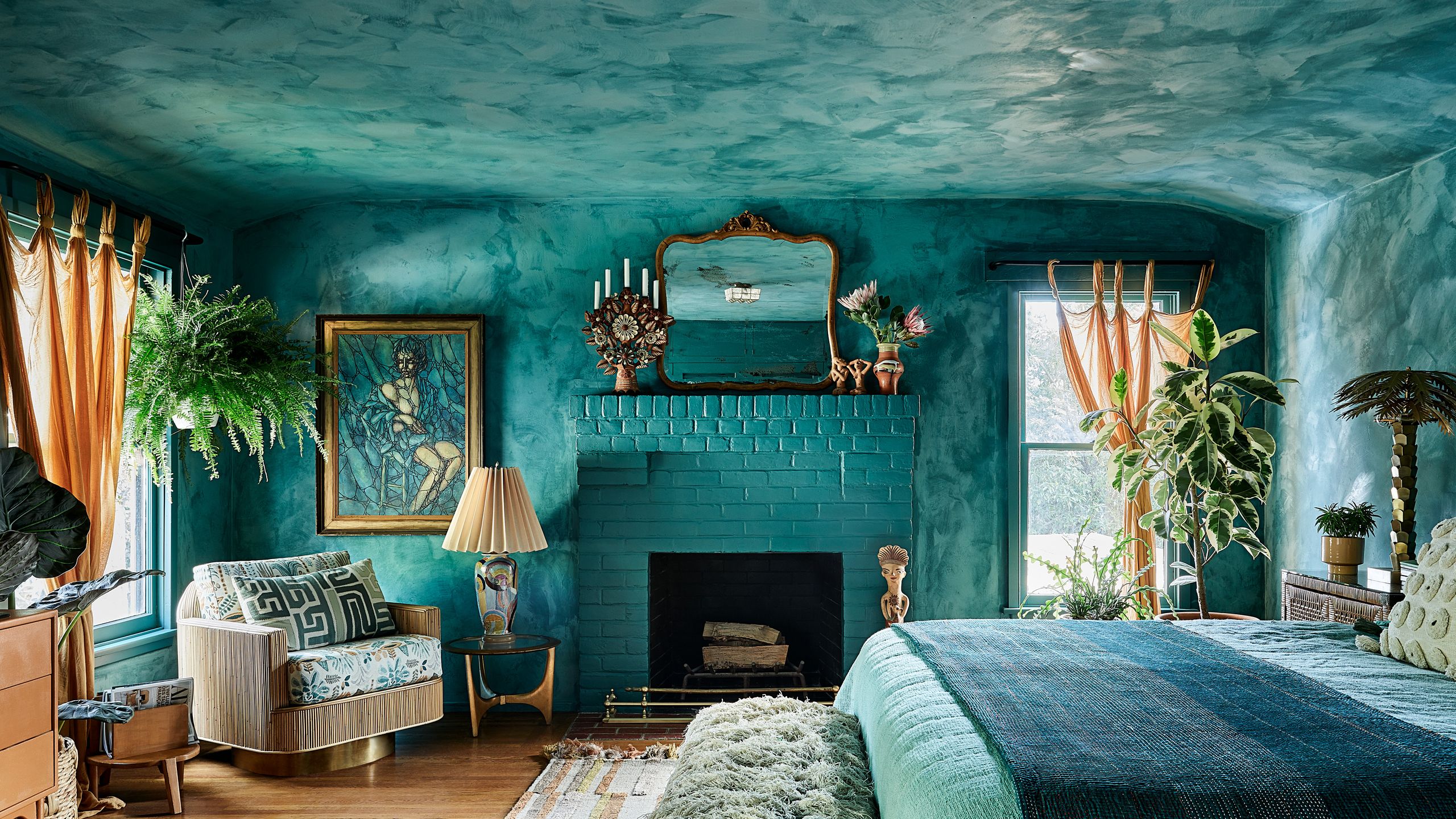
What Is Limewash Paint: Four Places to Use It in Your Home

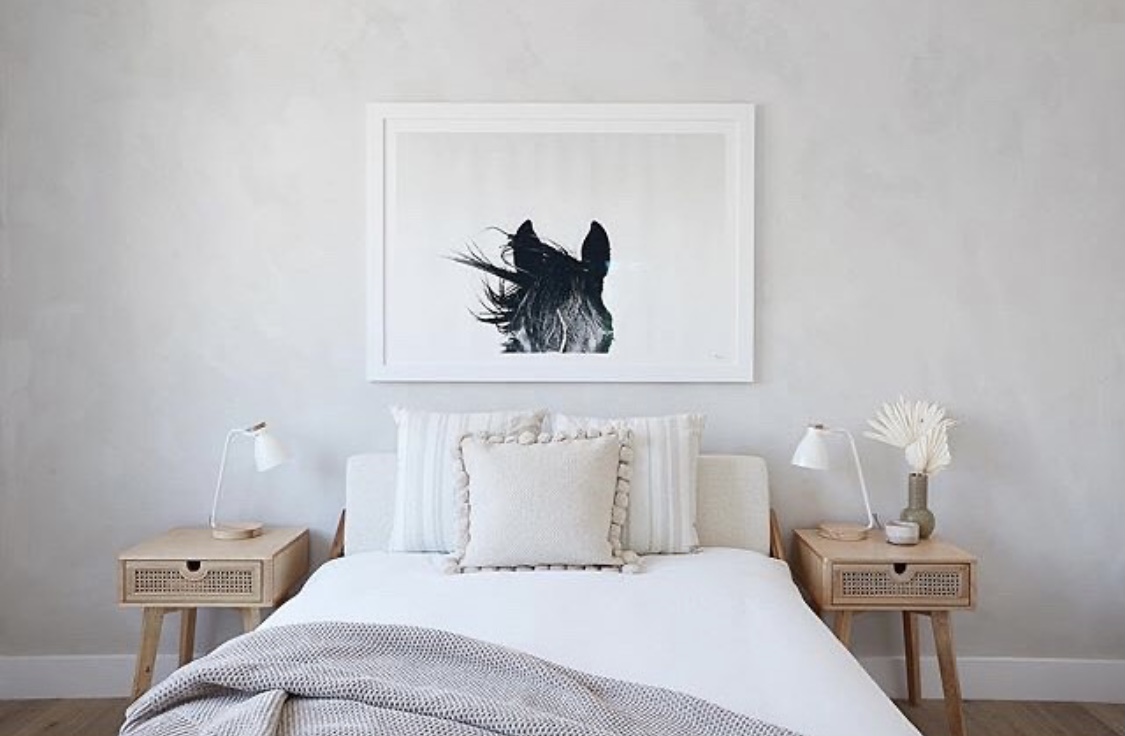
The Allure of Limewash Paint
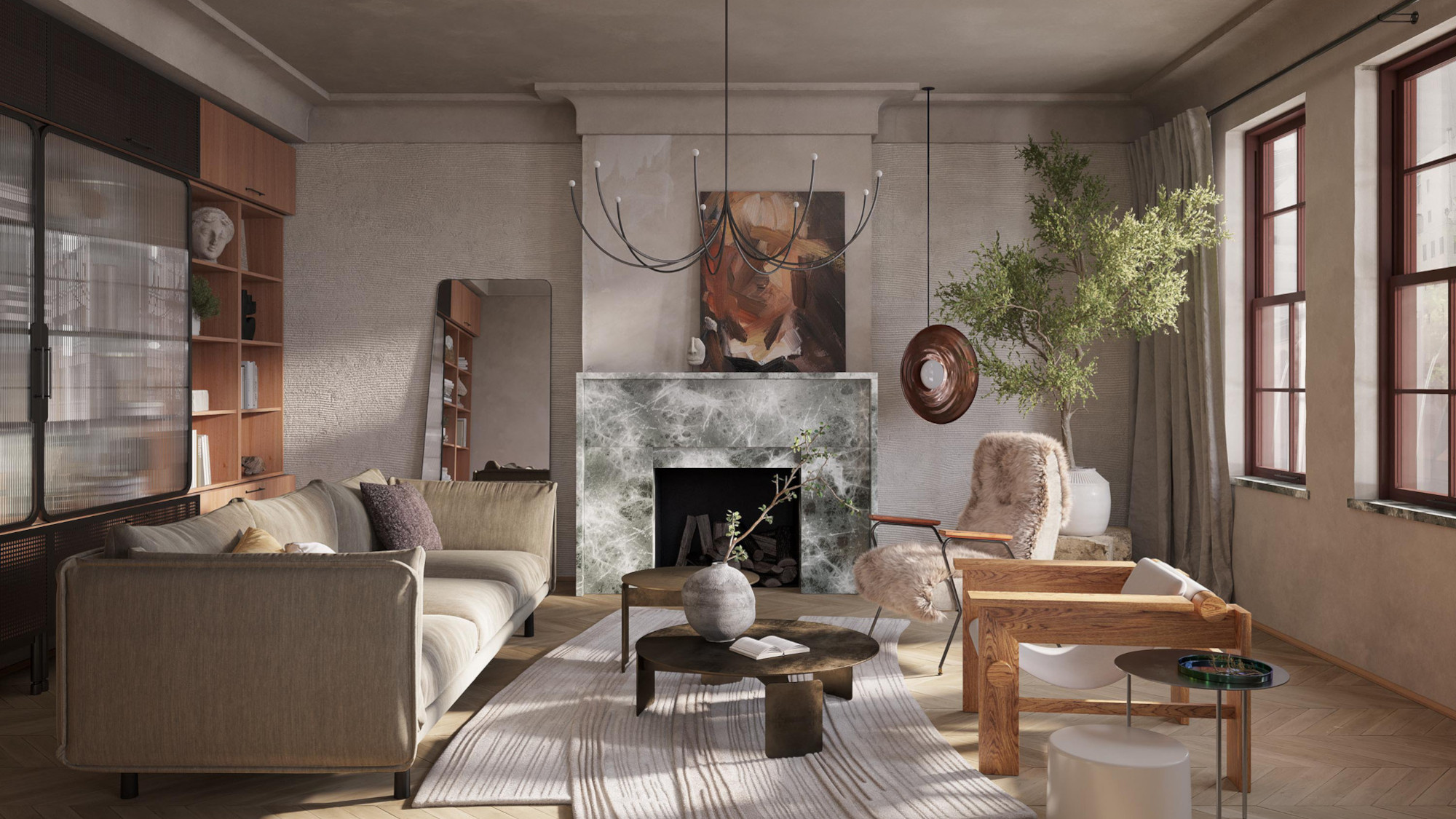
10 living rooms with limewash walls that prove that this textural wall finish is the perfect cozy-but-chic finishing touch

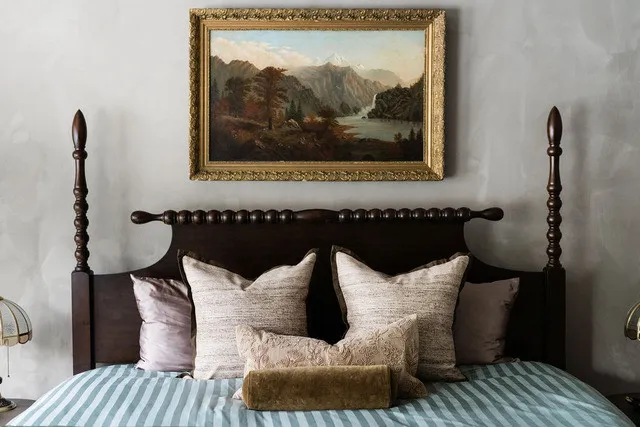
8 Limewash Paint Colors for a Beautiful, Timeless Home, According to Interior Designers
4 Creative Ways To Use Limewash Paint To Transform Your Home

10 Limewash Wall Color Ideas That Add Old-World Elegance To Your Space
Rediscover Limewash Paint, the Old-World Finish That's Trending Again

This Kitchen Trend Can Make Your Space Look Like a Charming, Tuscan Retreat — "It's Instantly Warming"
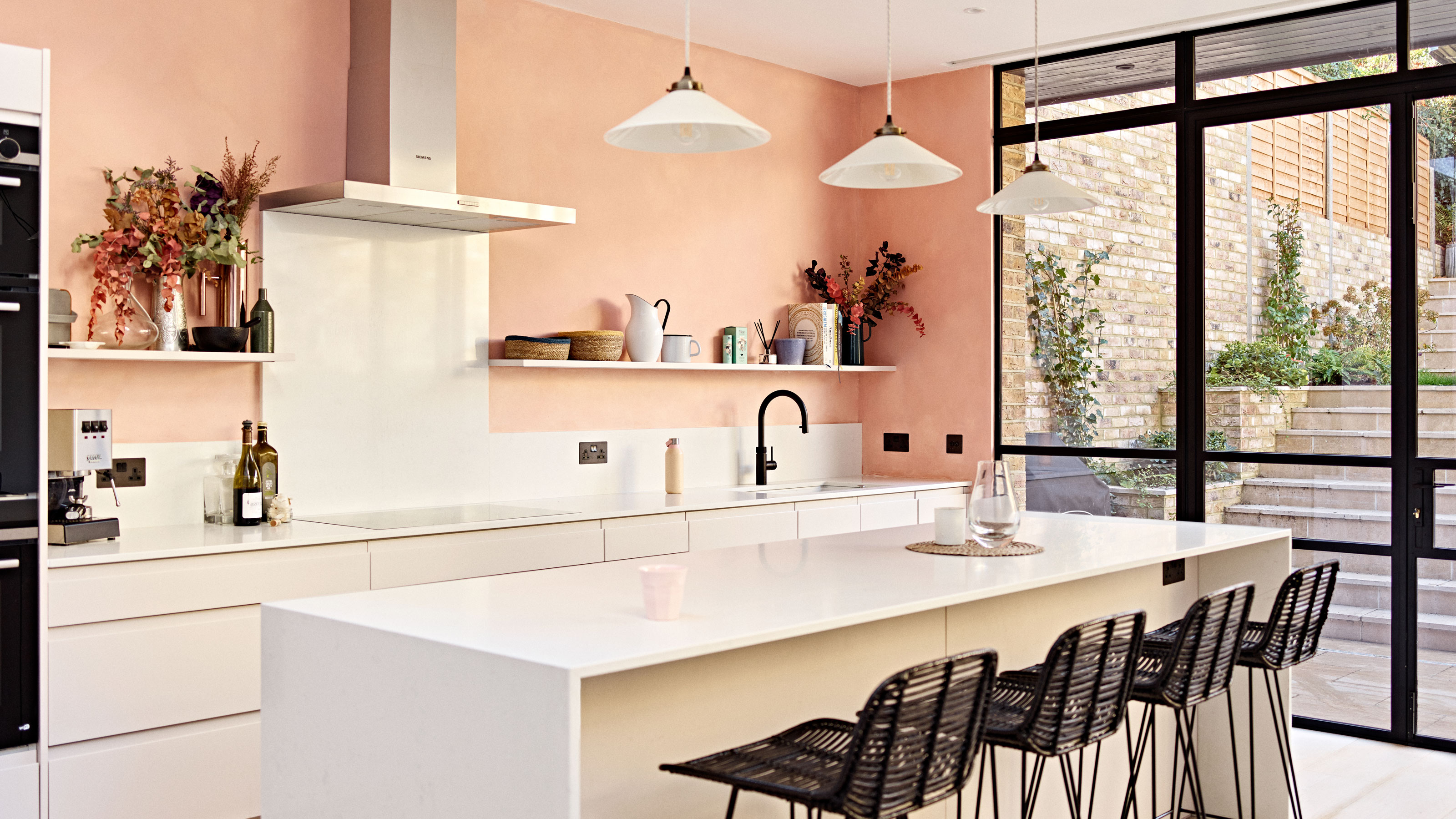
Limewash paint ideas – 10 ways to use this trending wall finish to bring texture to your home
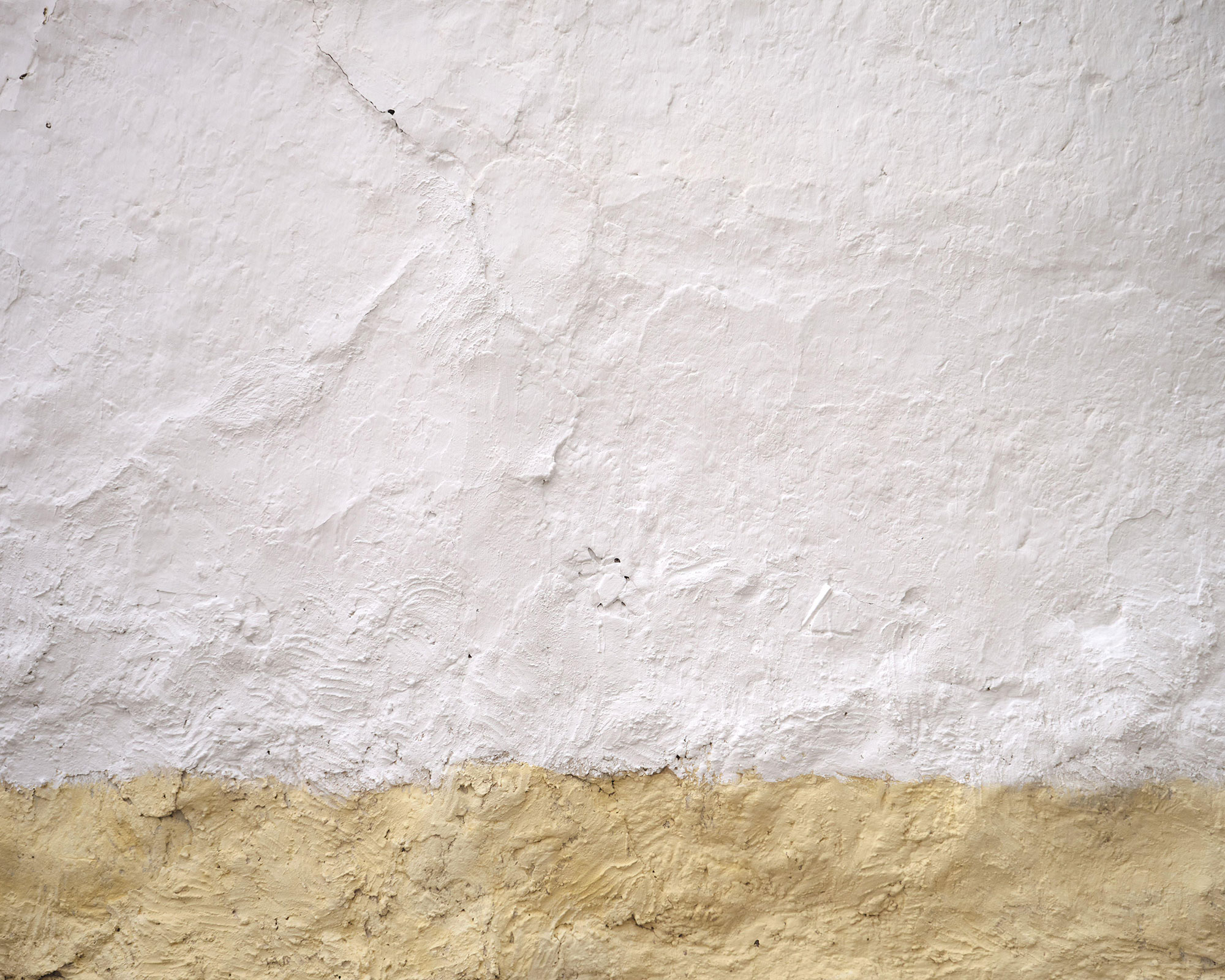
10 ways to use limewash at home: and how to apply it

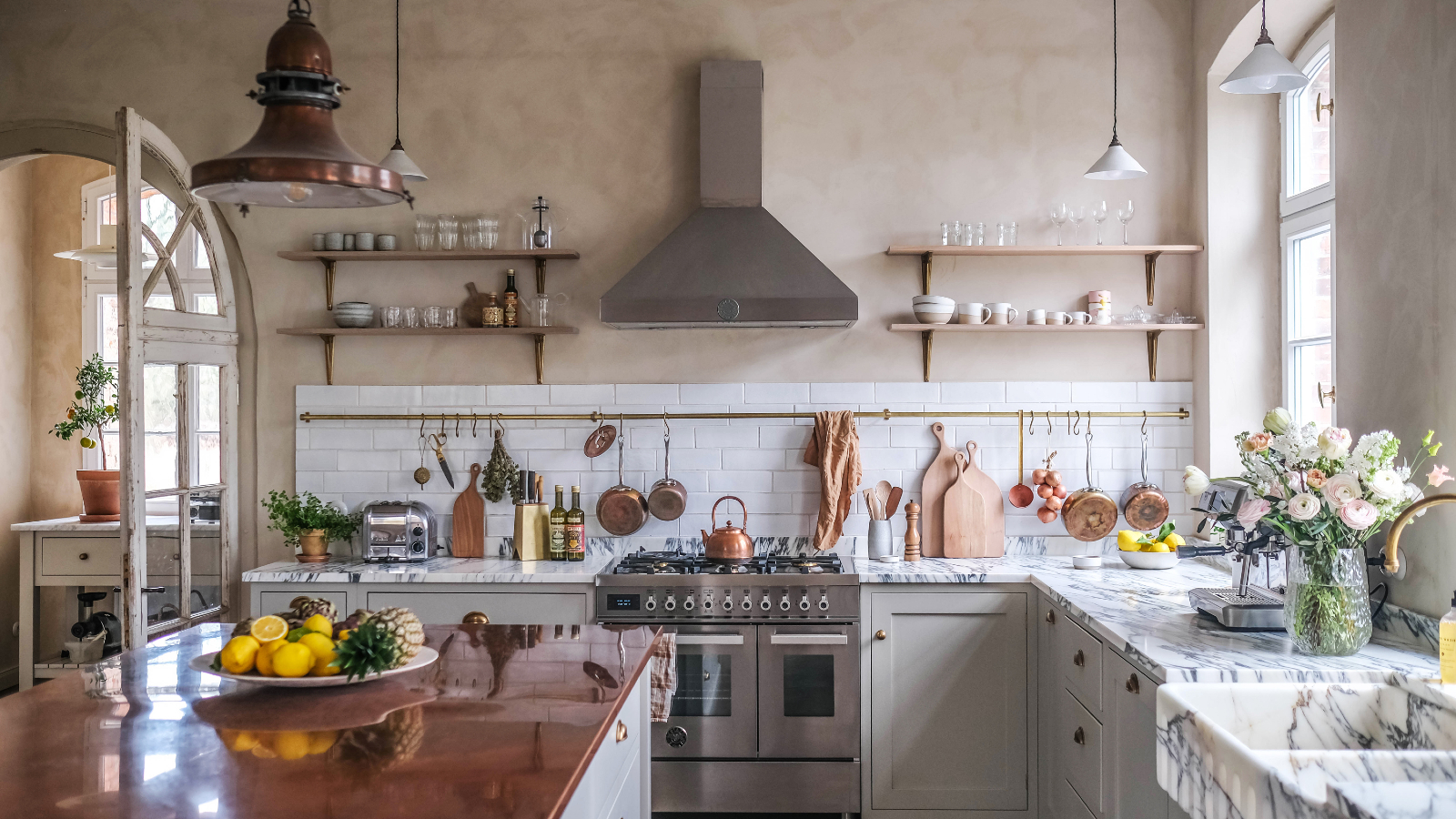
Limewashing trend: why this European paint trend is perfect for your kitchen
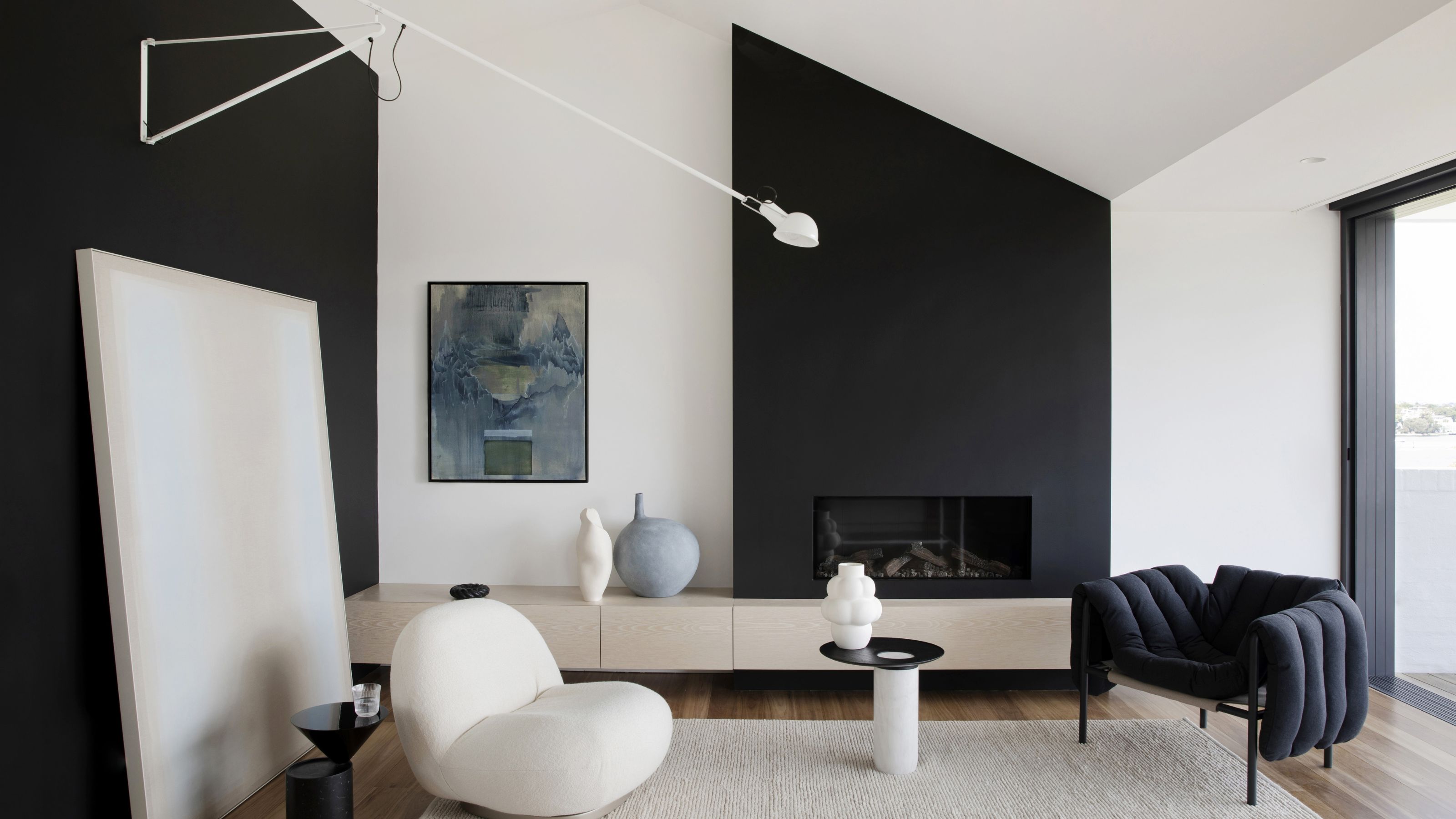
8 Minimalist Paint Ideas That Add Interest to Pared-Back Spaces, But Never Feel Fussy
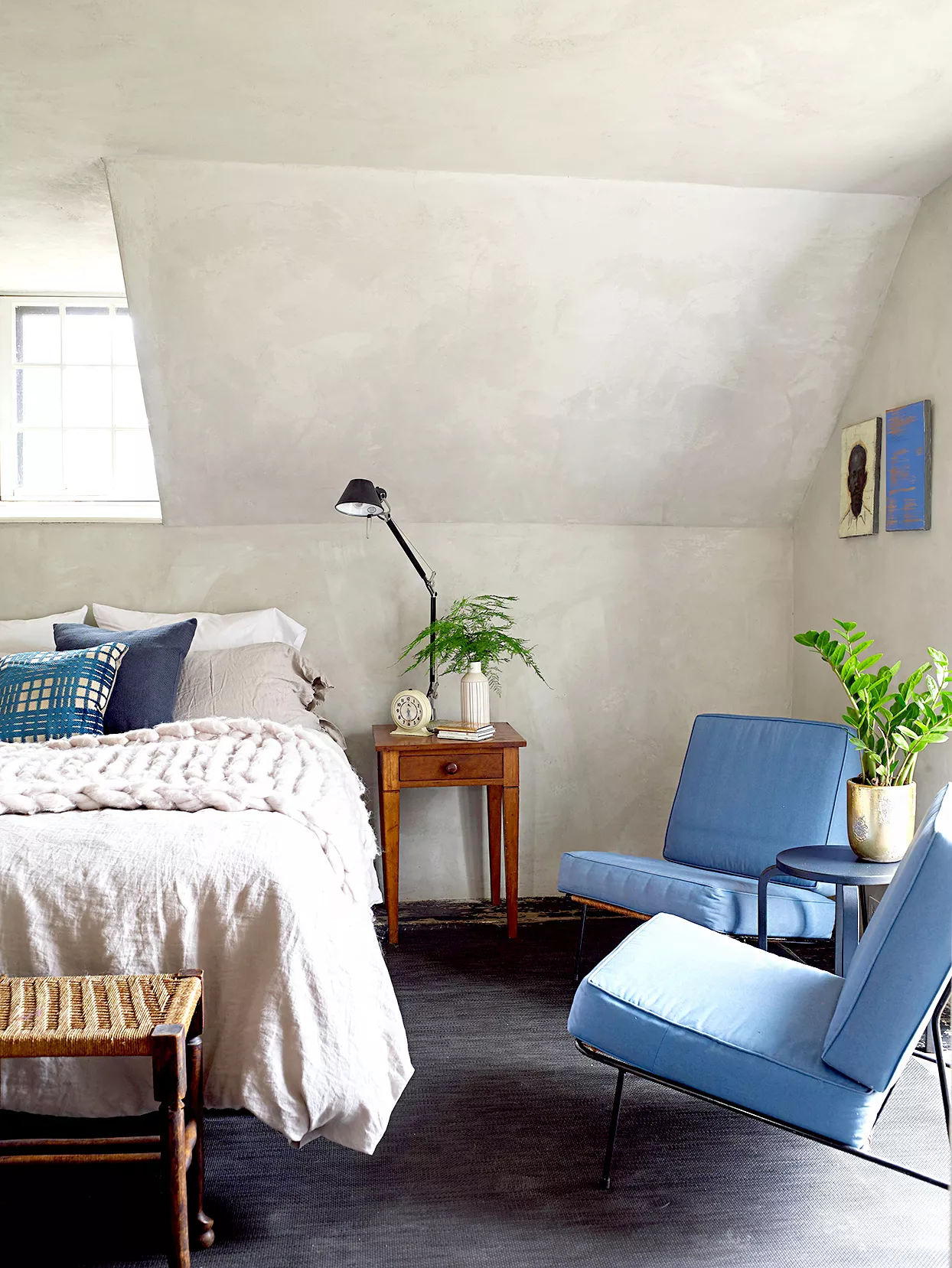
What Is Limewash Paint? Plus, How to Use It In Your Home

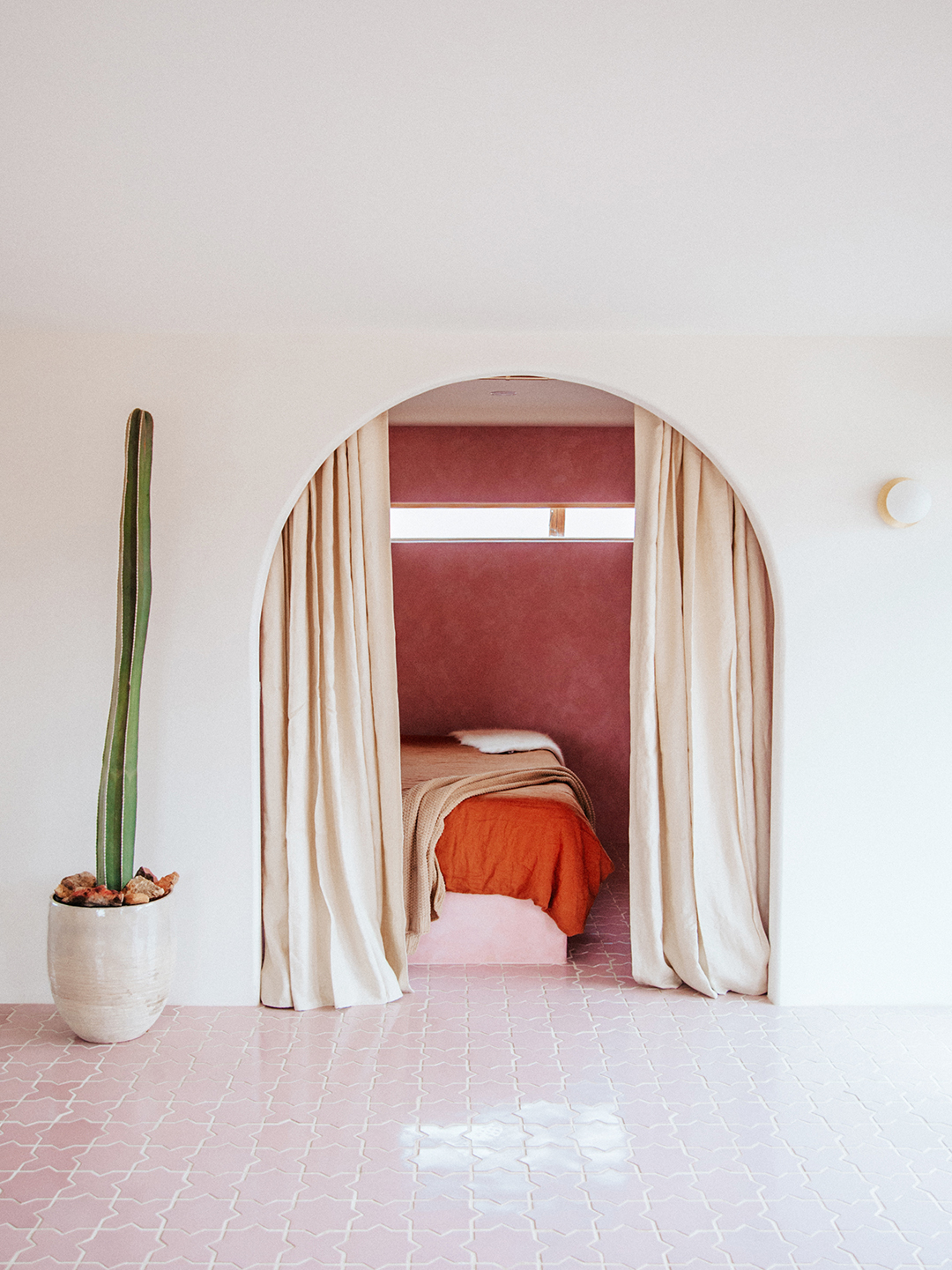
If You Want Your Home to Look Like a Charming Tuscan Villa, Try This

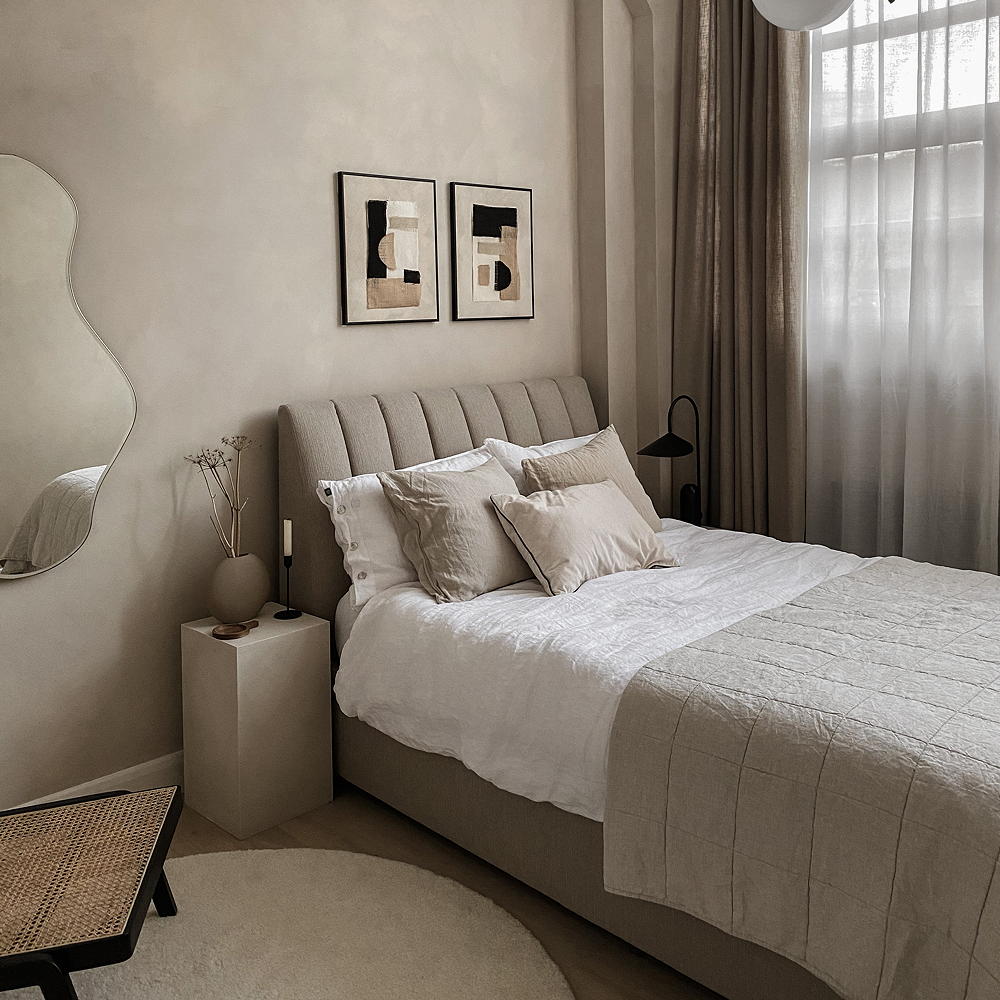
Instagram can't get enough of this new textured paint craze - here's how to get the look
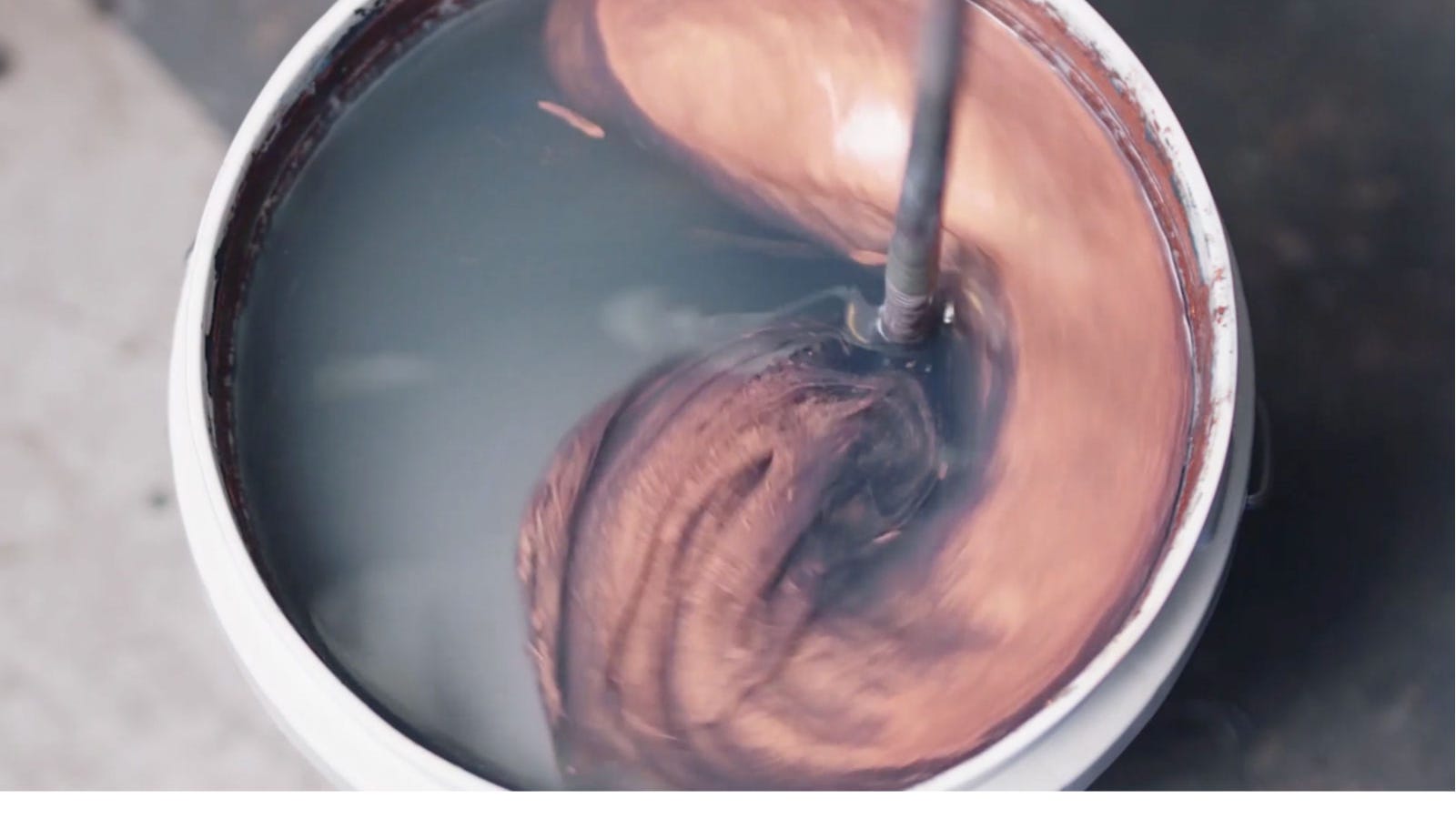
This Paint Brand Will Transform Your Room In A Day

This Texture-Rich Finish Is Designers' Go-To for Instant Patina

This Simple DIY Limewash Paint Hack Costs Less Than $20 — But the Results Look Way More Expensive
8 Limewash Paint Colors That Will Add Elegance and Style to Your Home
8 Limewash Paint Colors That Will Add Elegance and Style to Your Home