1/11
The Spanish revival trend will add instant charm to any style of home – this is how designers create the look
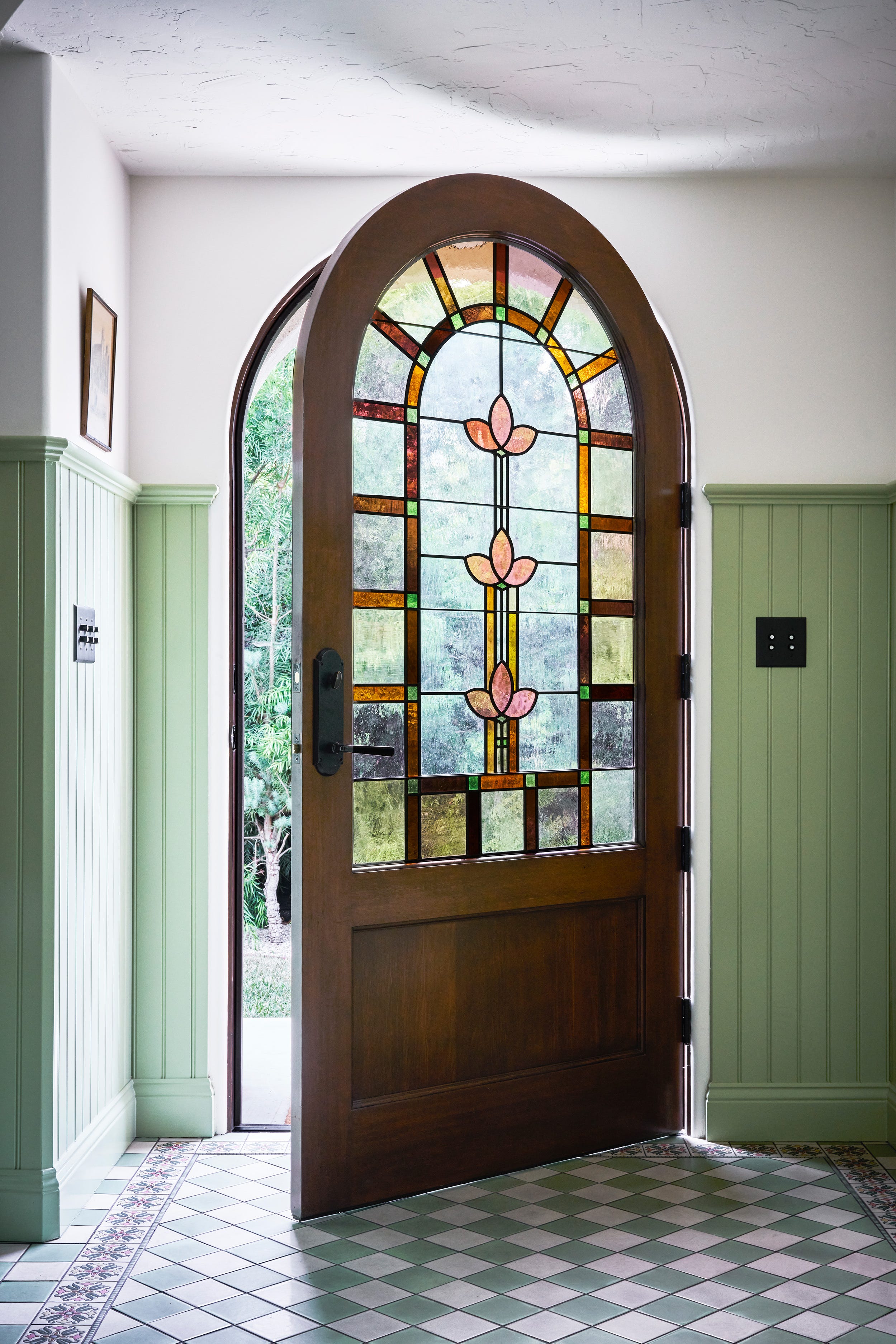
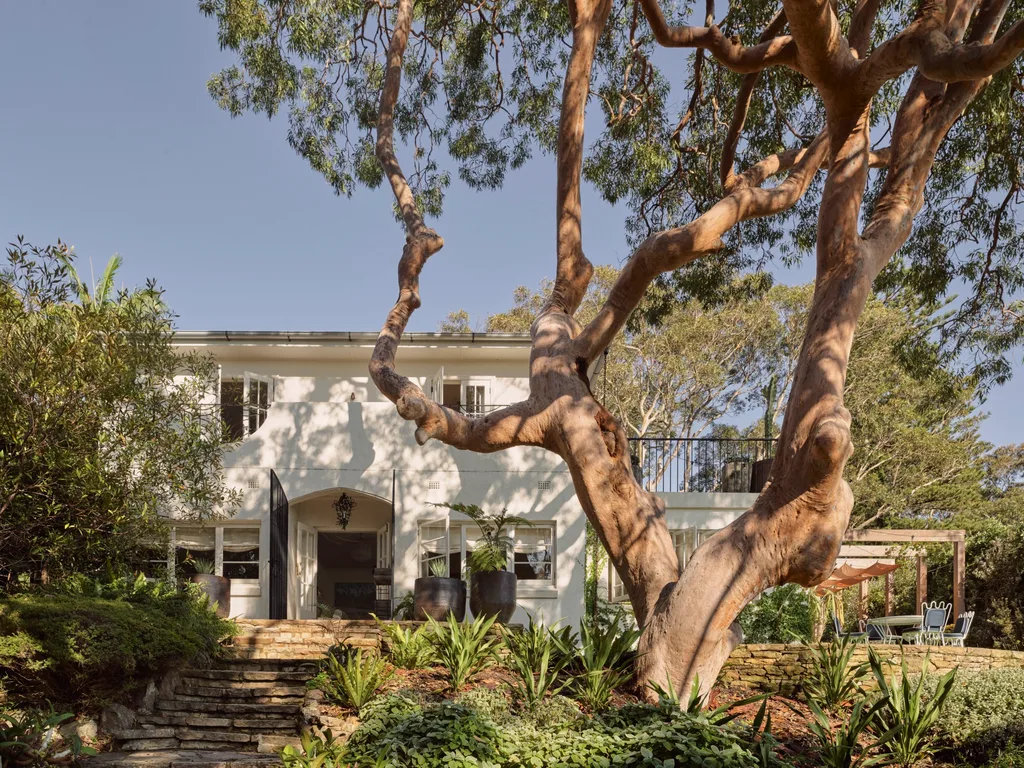
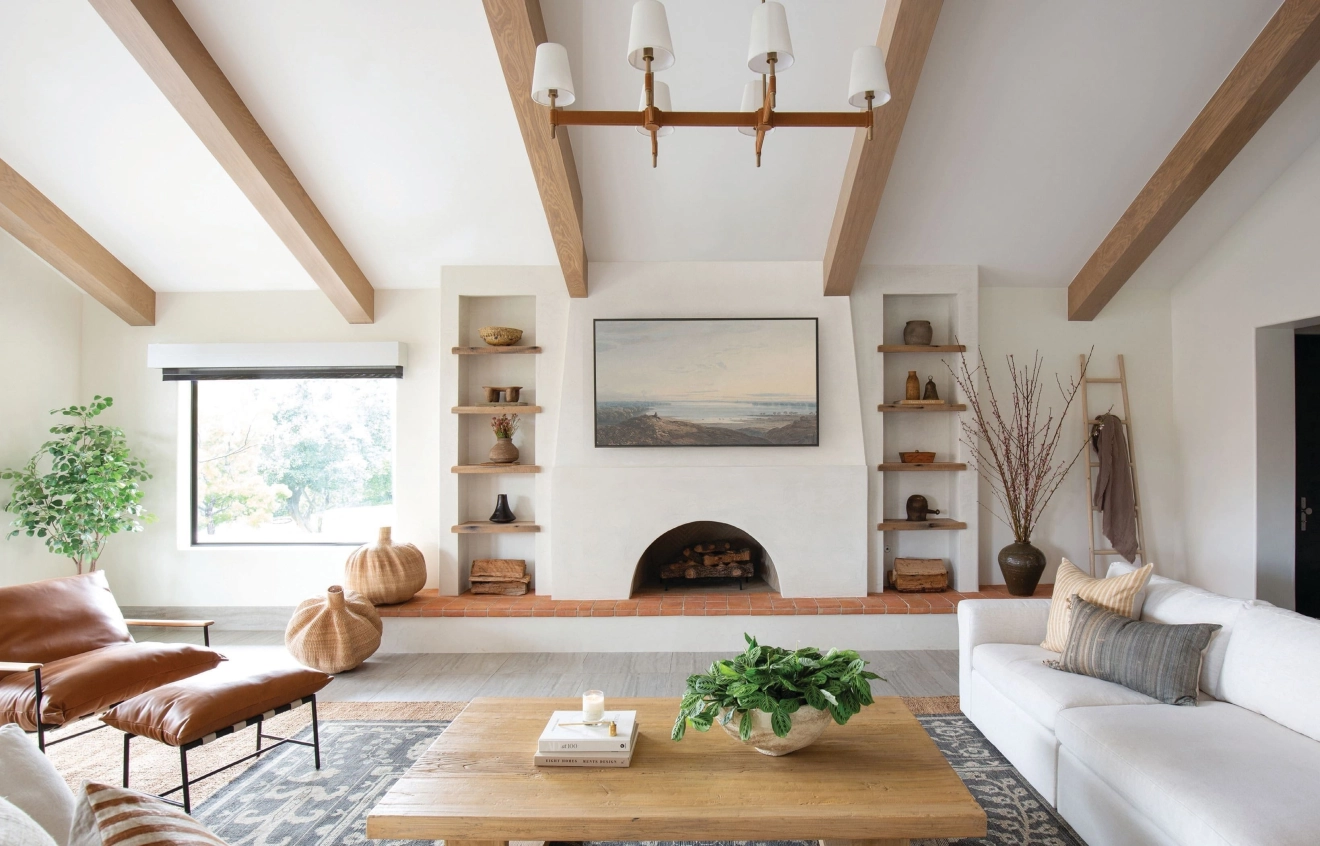
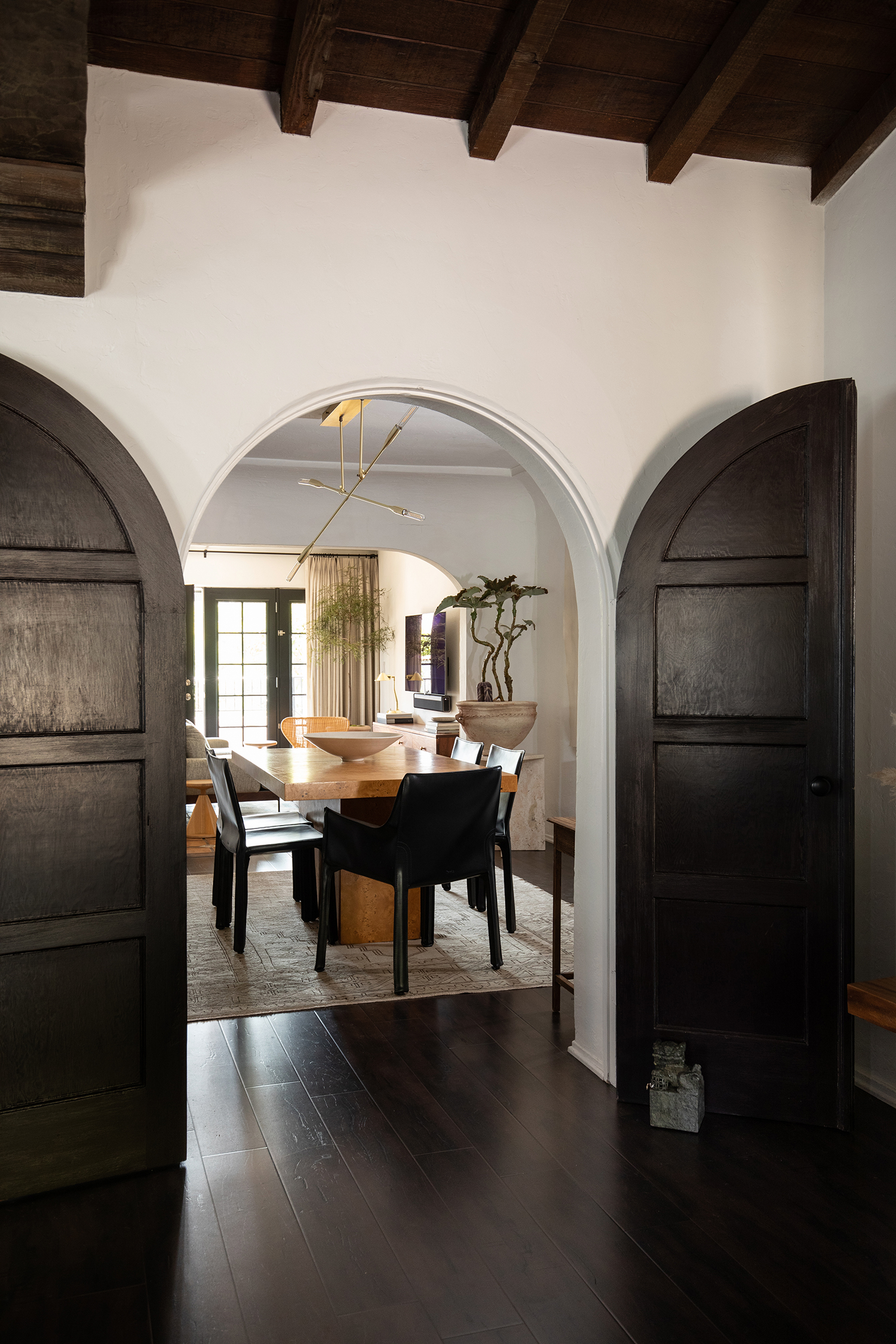
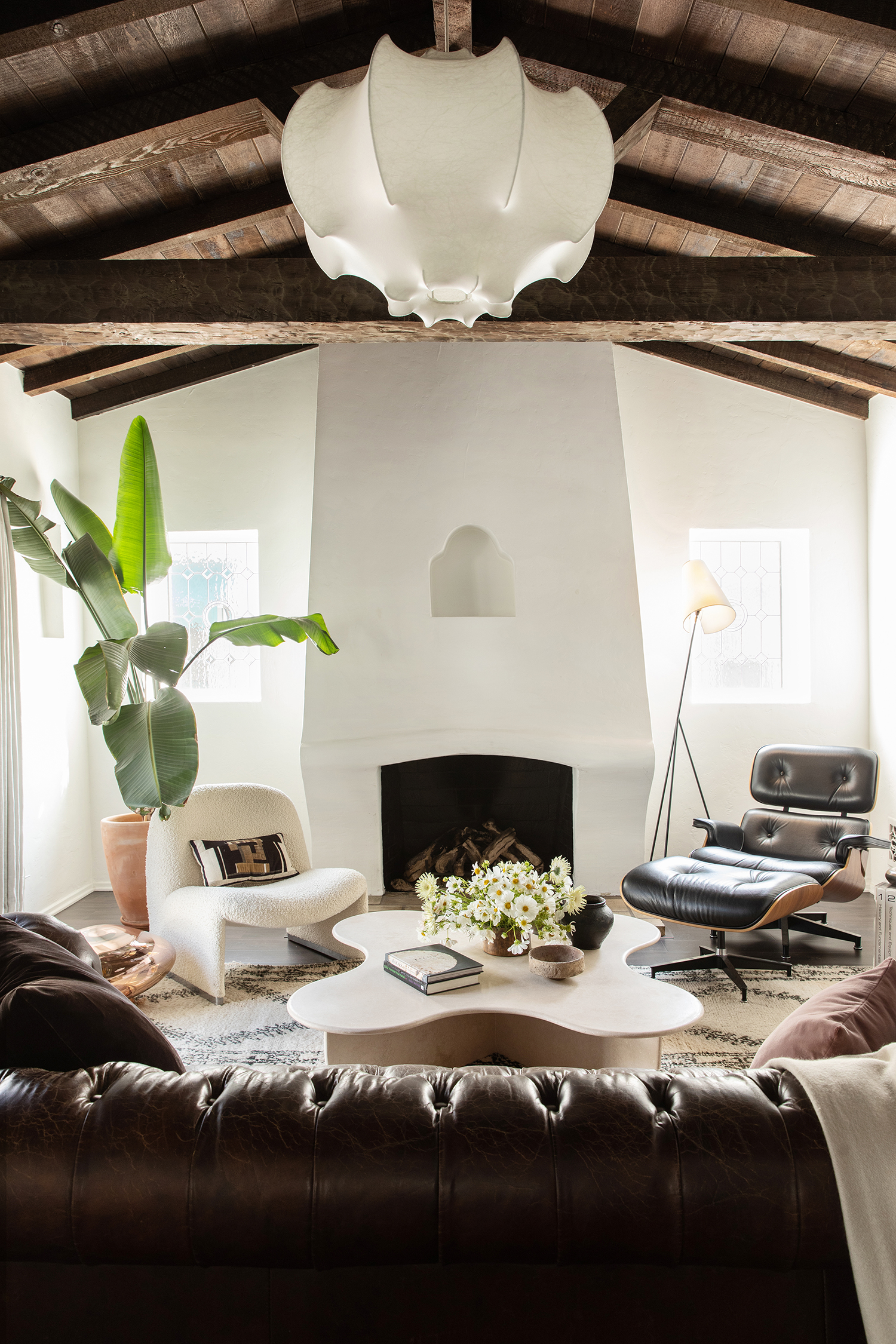
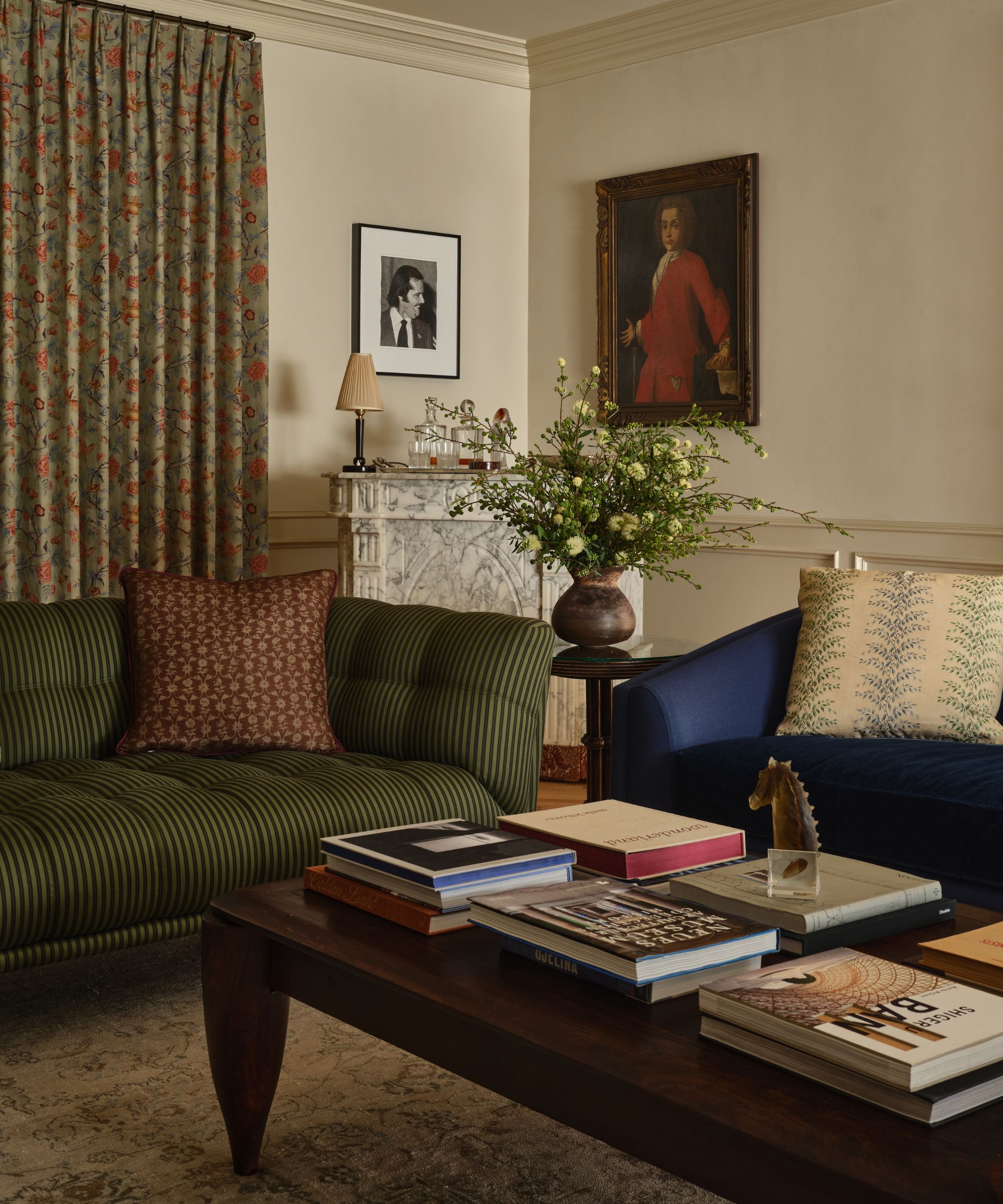
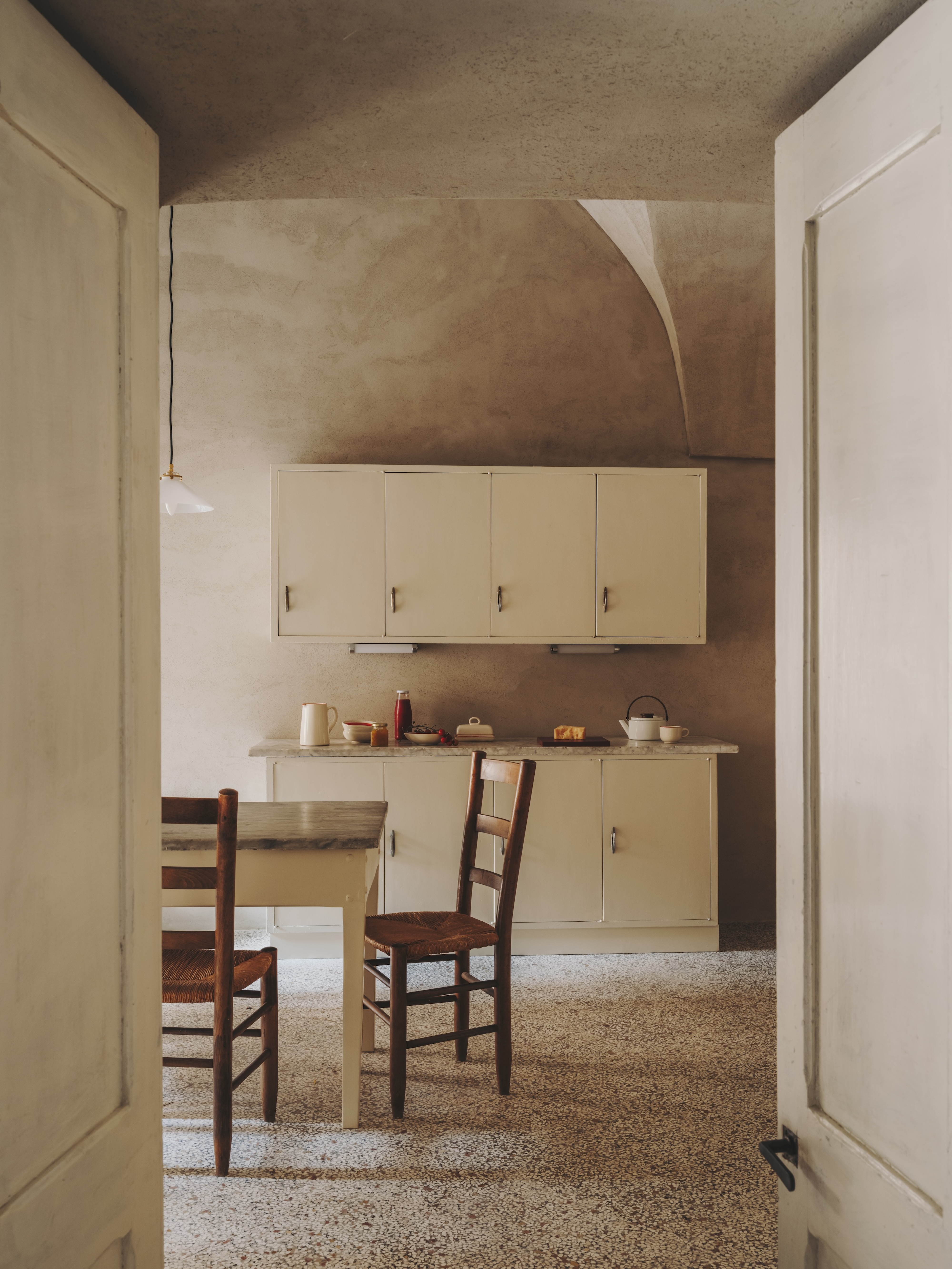
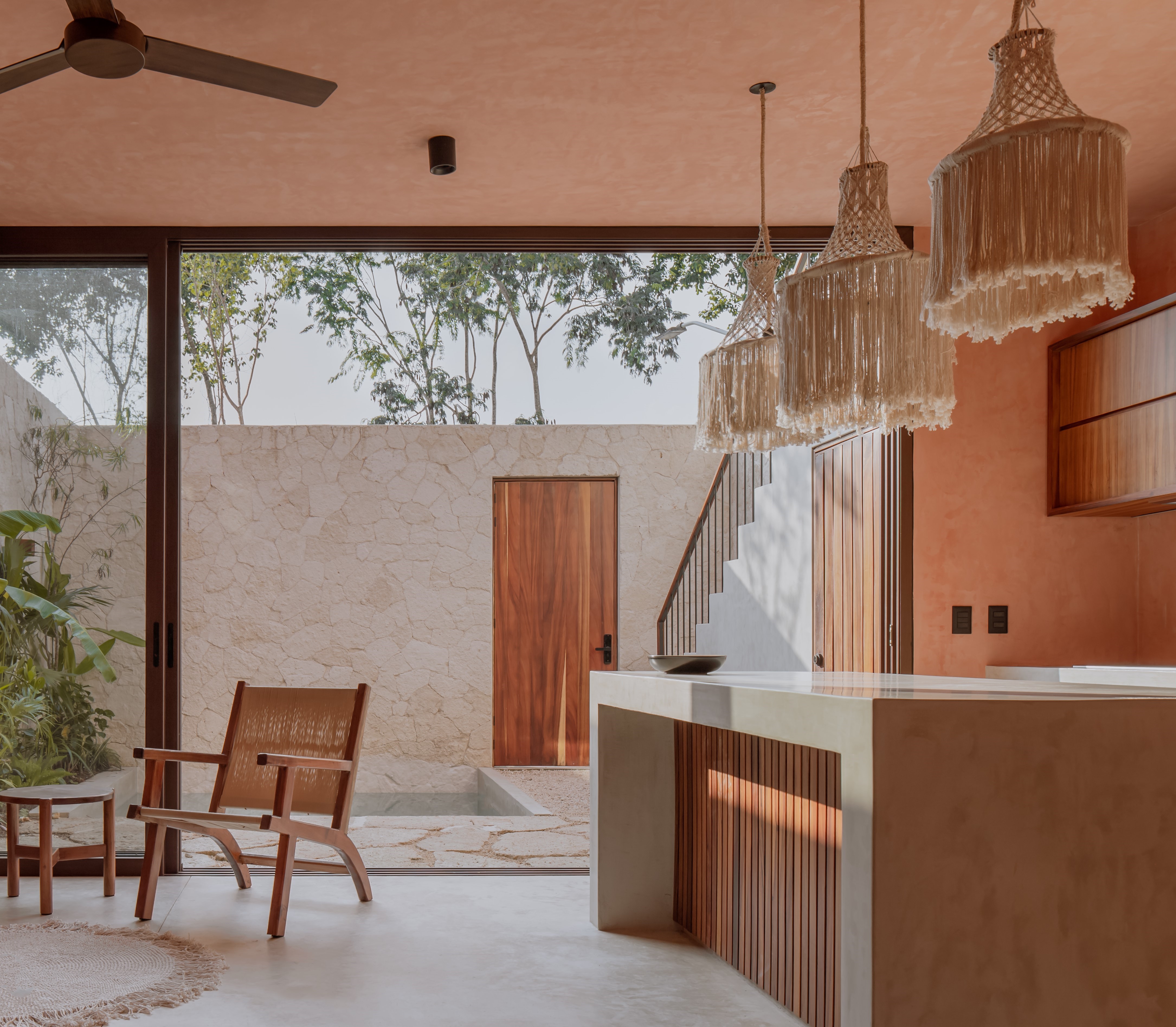
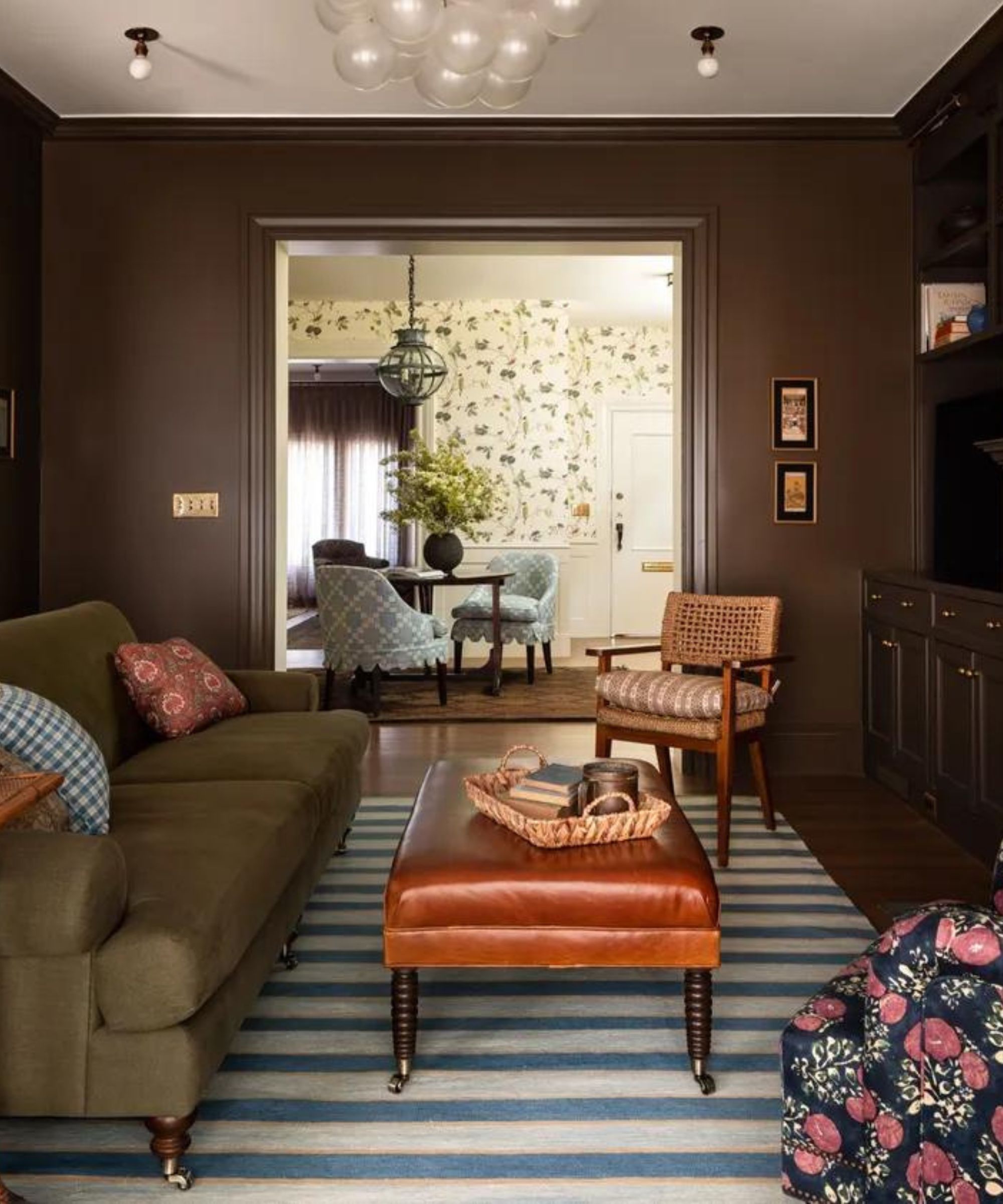
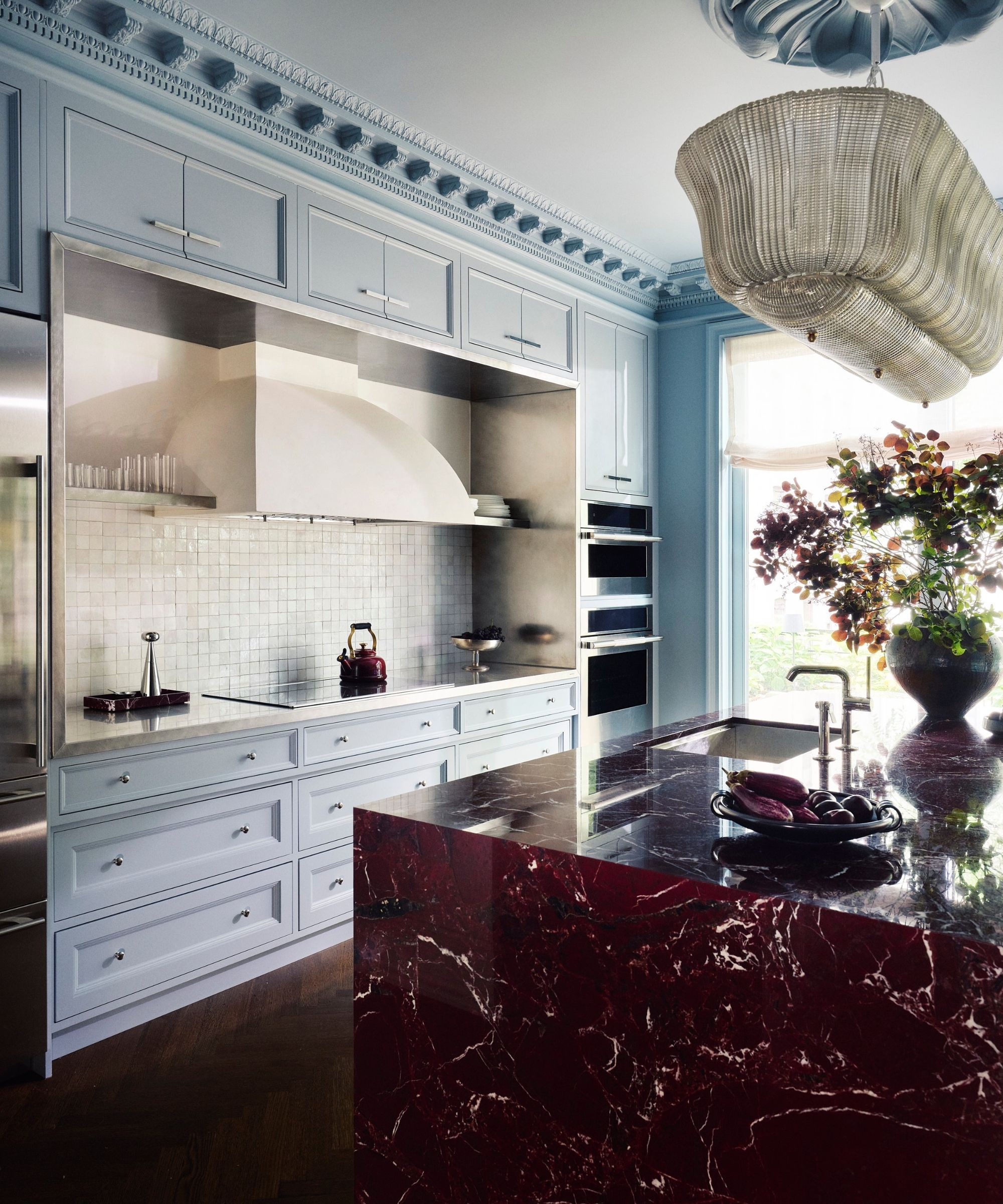
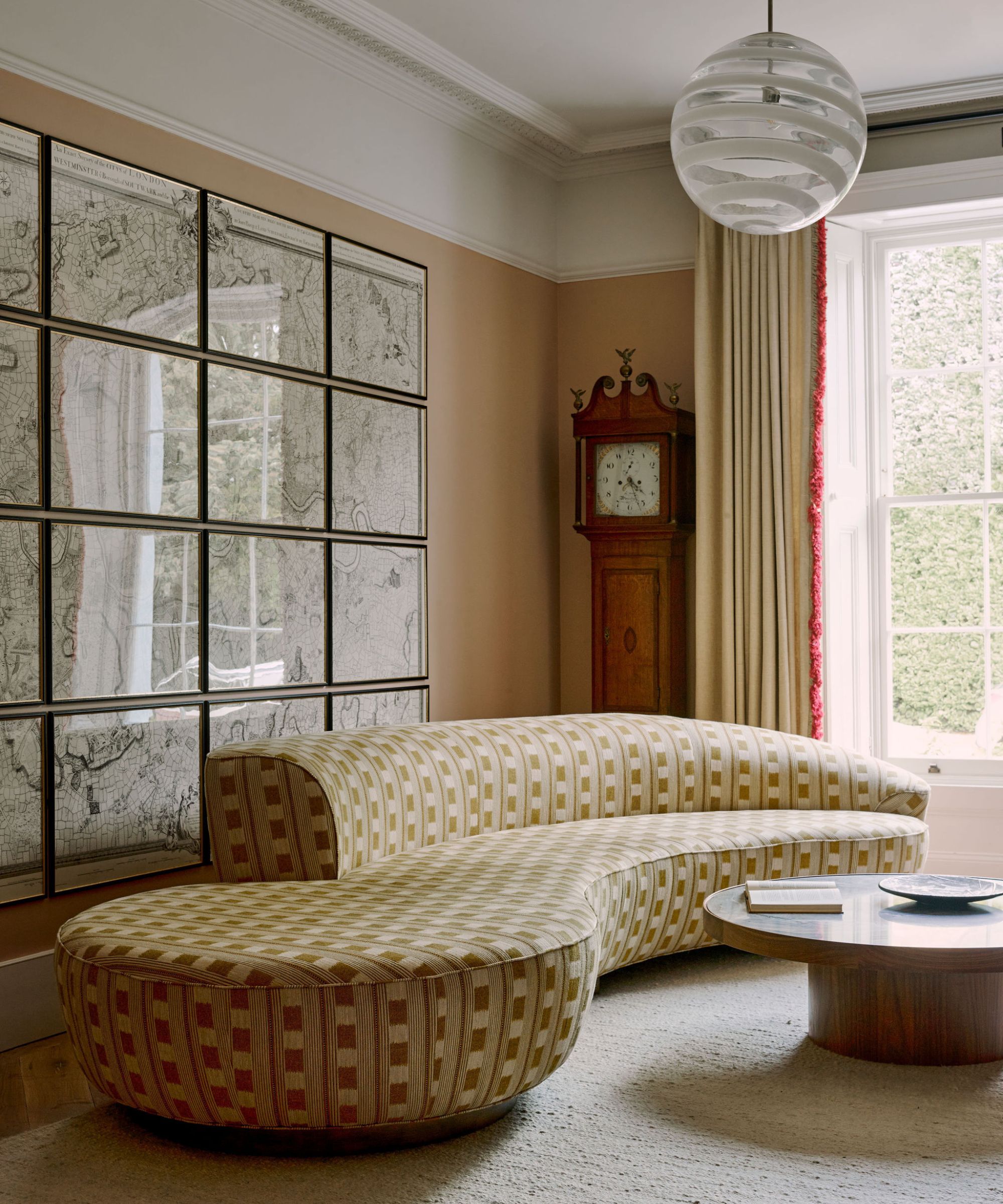
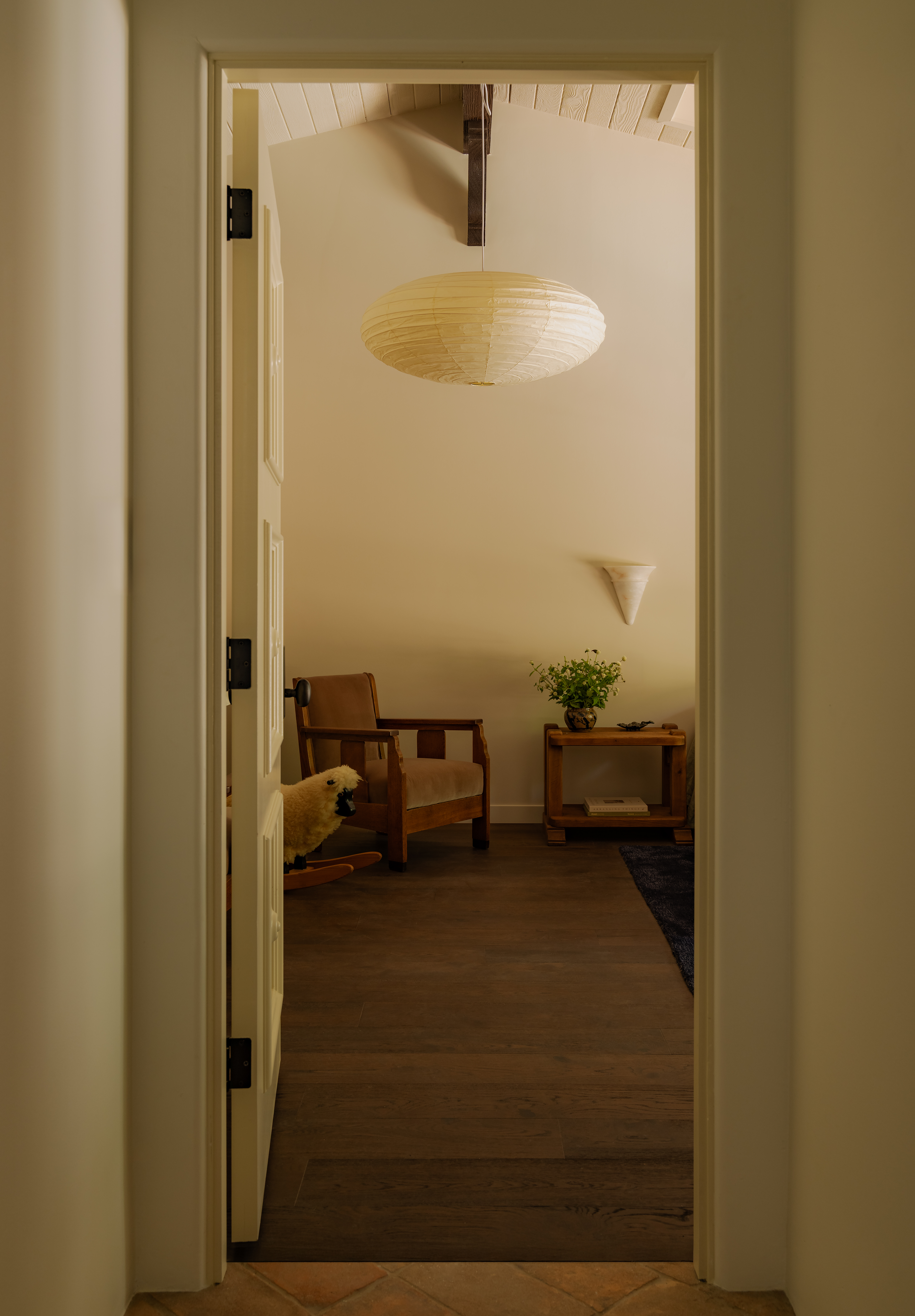
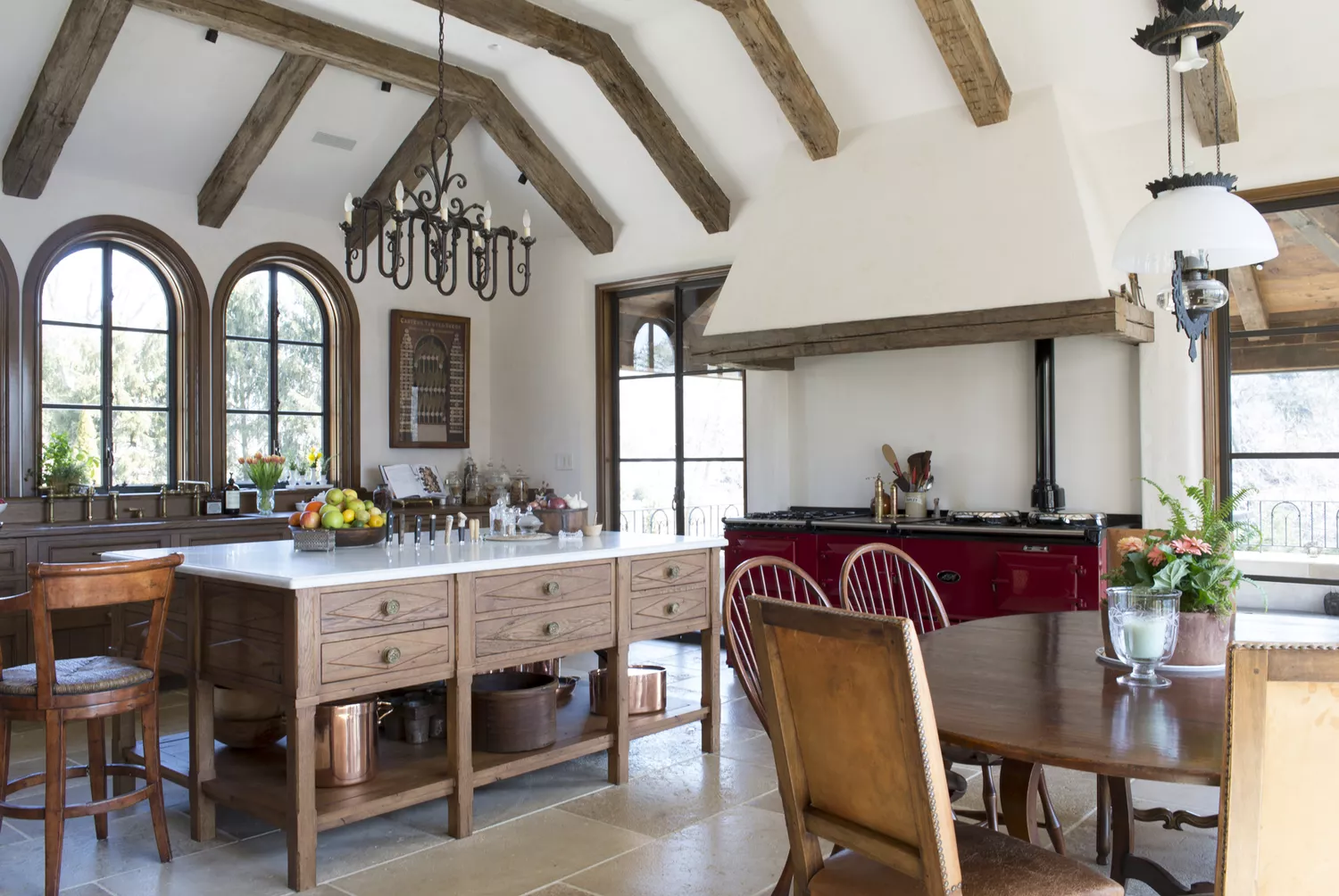
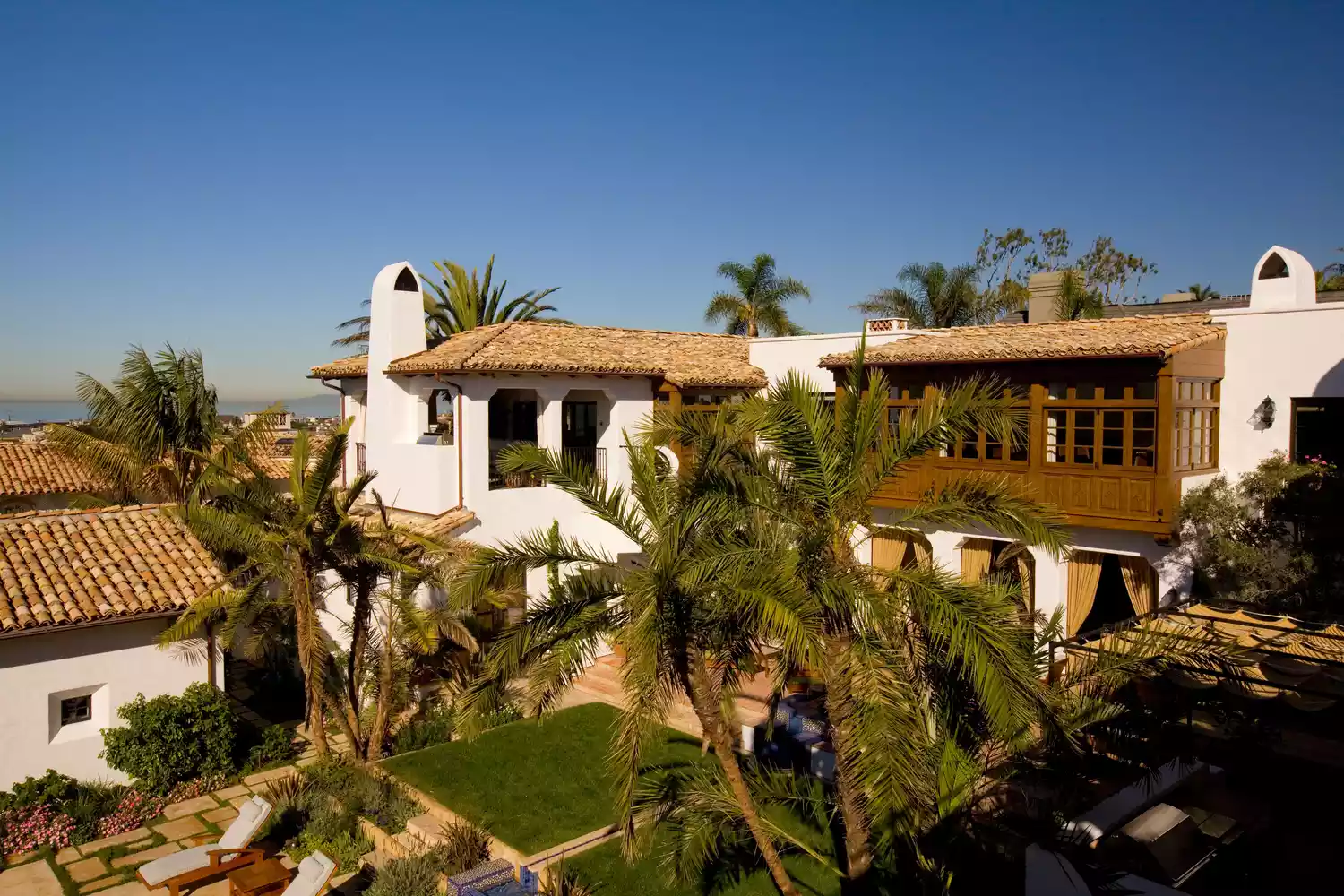
The Spanish revival interior design style is experiencing a significant resurgence in popularity, offering a versatile foundation for blending traditional and contemporary aesthetics. This trend, drawing inspiration from European and Mediterranean influences, is characterized by unique architectural details, a warm color palette, and a remarkable ability to integrate with diverse design schemes. Interior designers Kristen Fiore and Mollie Ranize explain that Spanish revival interiors are a fusion of Spanish colonial and Moorish elements, focusing on natural materials such as wooden beams, arched passages, plaster walls, and rich colors often expressed through tiles and mosaics. The style prioritizes comfort and creates timeless, inviting atmospheres.
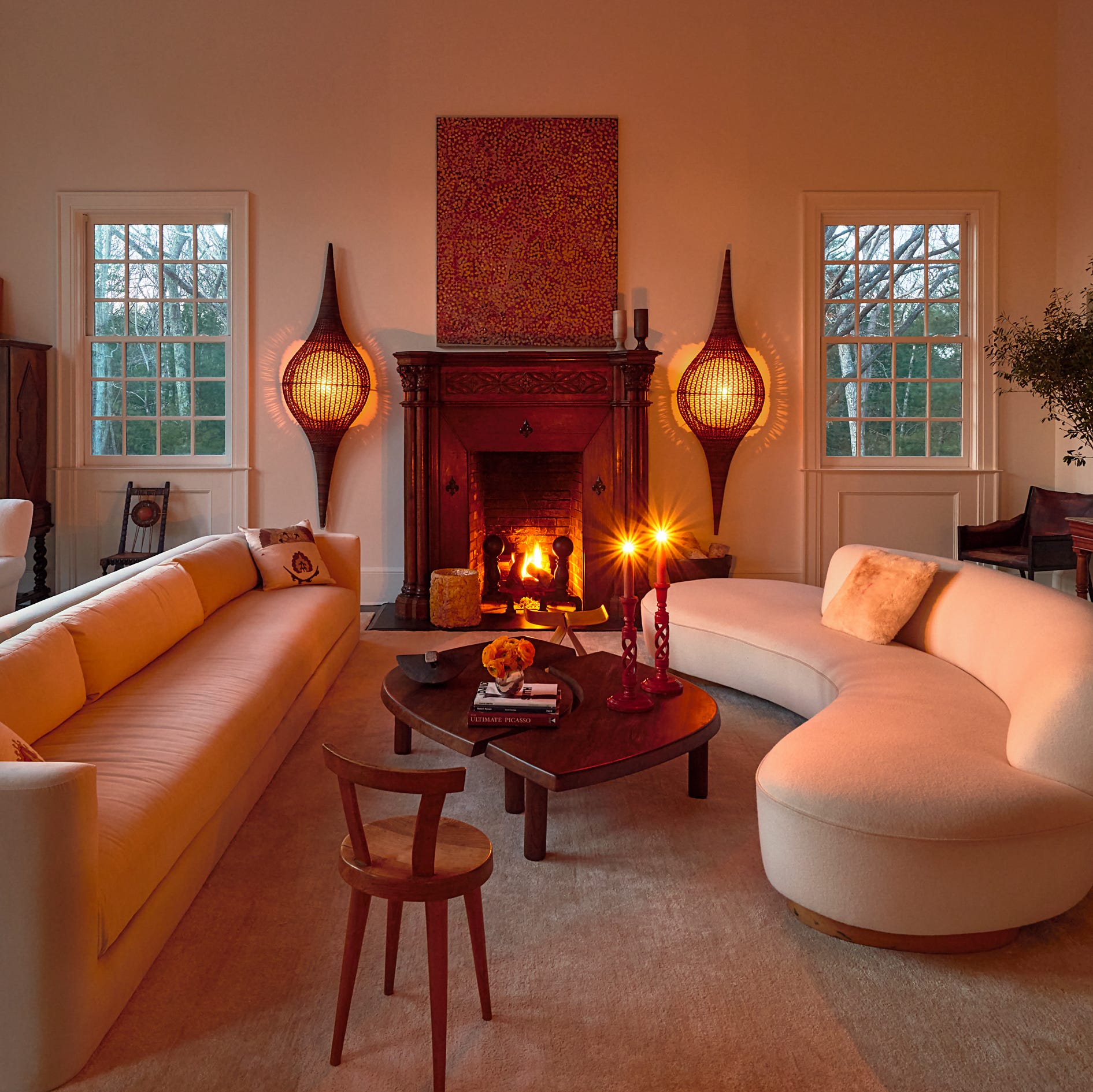
Spanish revival interiors are about reintroducing life into traditional Spanish architecture by incorporating patterns and textures while accommodating modern lifestyles. The style evokes a sense of coziness, achieved through varied lighting sources, comfortable furnishings, subtle patterns, and softly textured wall surfaces. Its current popularity, especially in areas like Southern California with abundant historic Spanish-style homes, is attributed to a longing for unique and charming spaces, contrasting with the often-impersonal feel of modern constructions. The renewed interest in decorating with vintage and antique pieces also aligns with the Spanish revival’s appreciation for character-filled elements and a home's original features. Designers note that one-of-a-kind elements are highly valued, with a shift from discarding old for new to embracing historical characteristics. The trend is also influenced by the availability of Spanish-style homes and furniture on the market that features Spanish revival elements. Ultimately, this style is seen as a classic and enduring design form that emphasizes a beautiful blend of boldness and simplicity, suggesting it has never truly gone out of style but rather enjoys renewed appreciation.
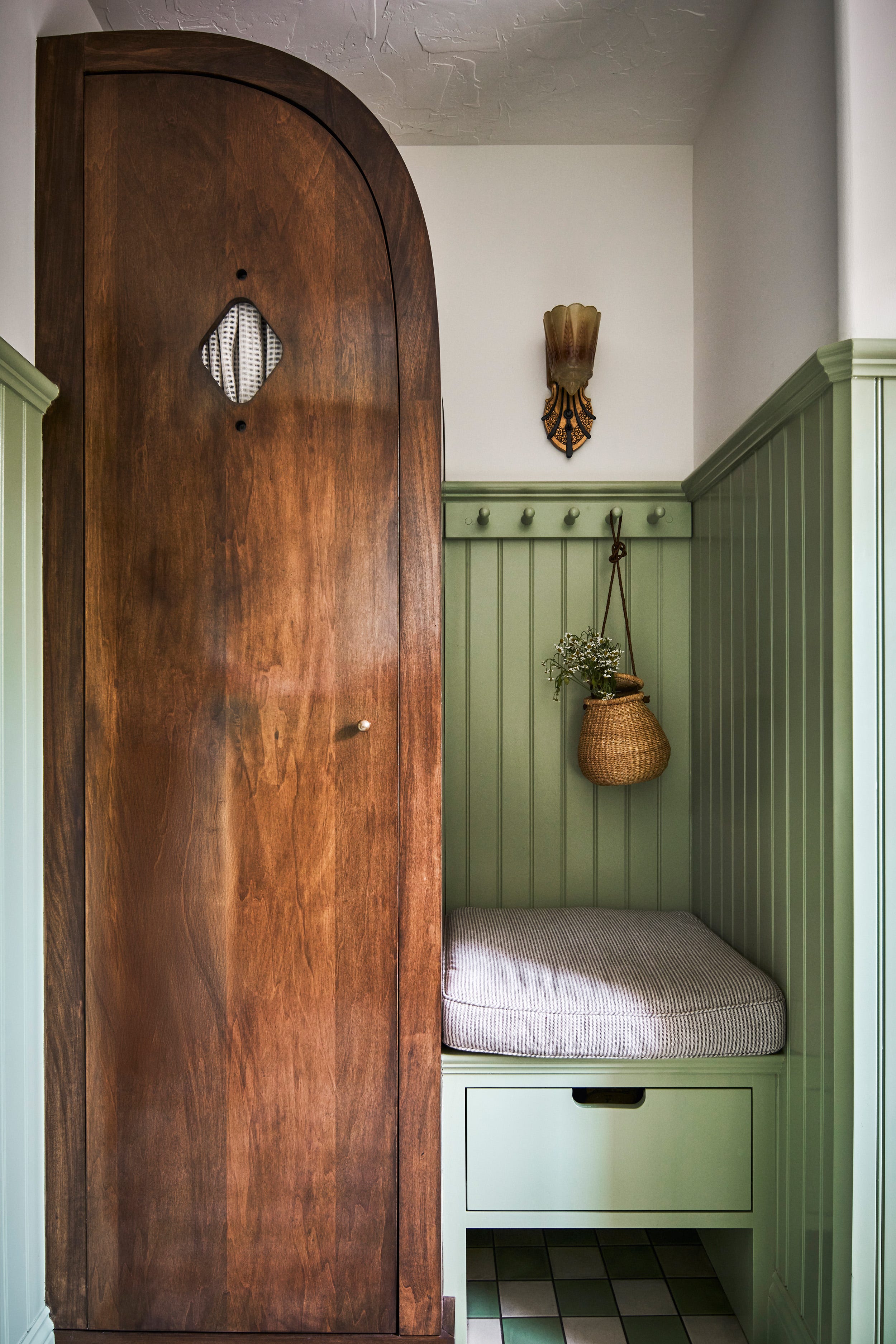
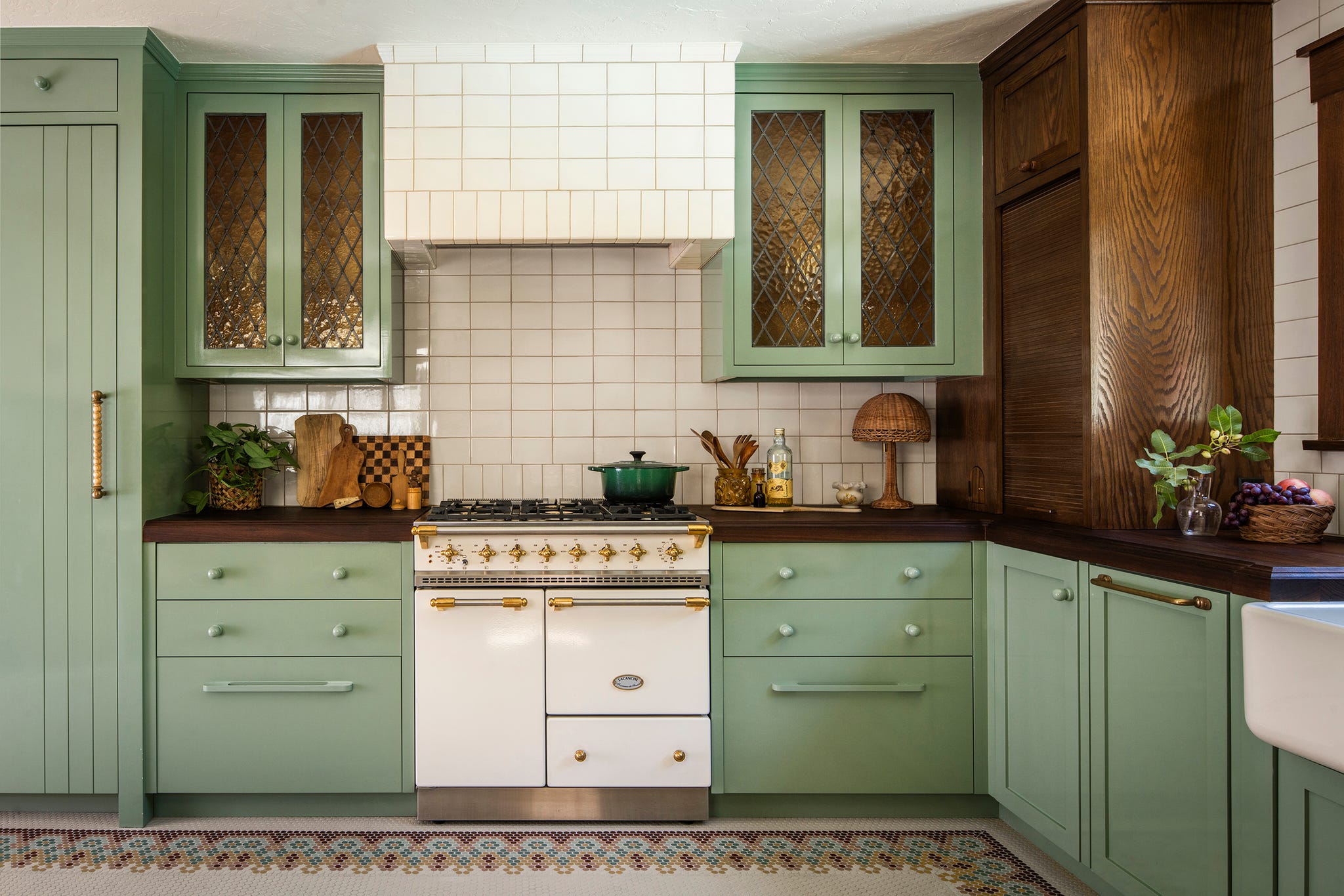
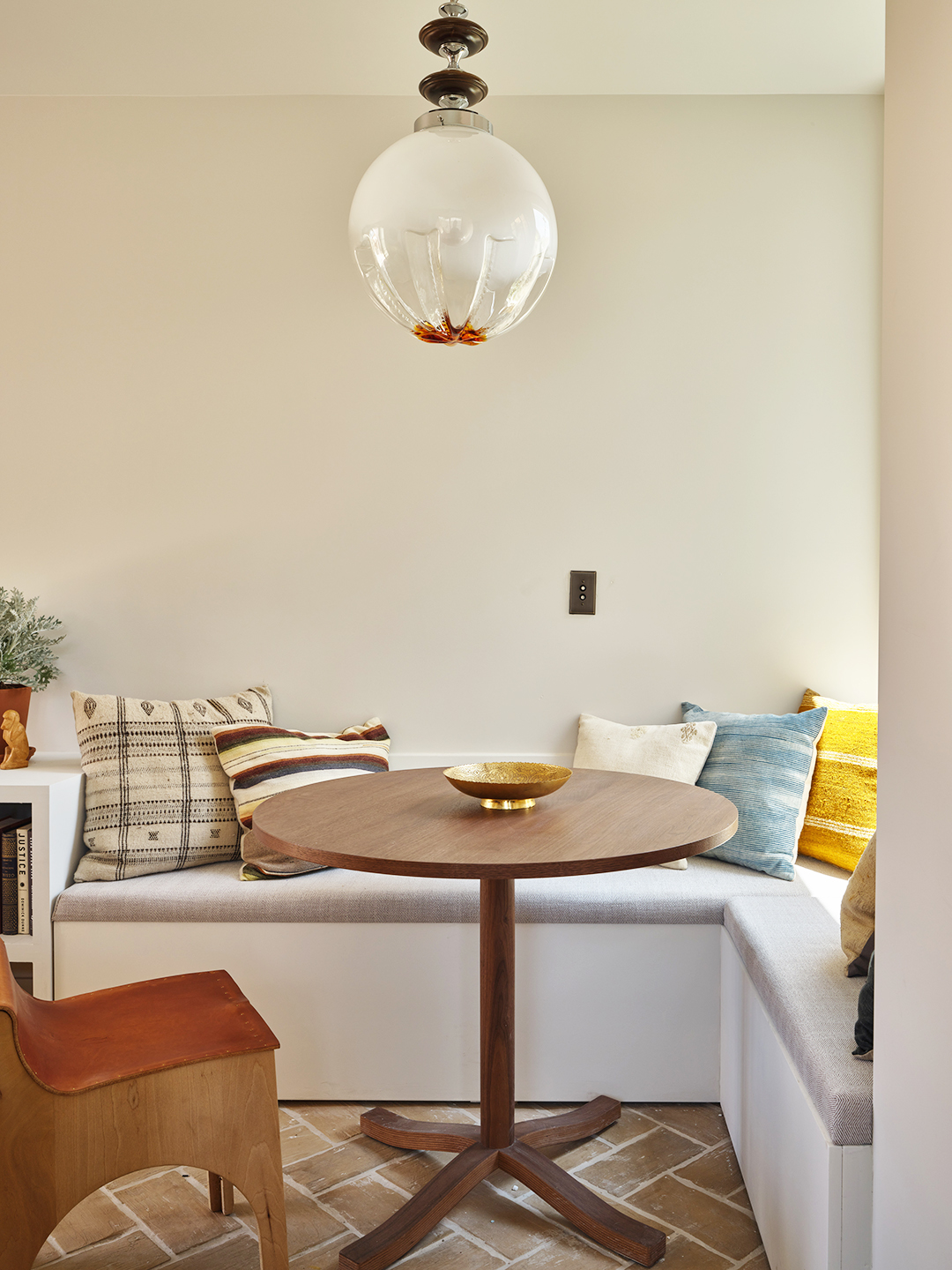
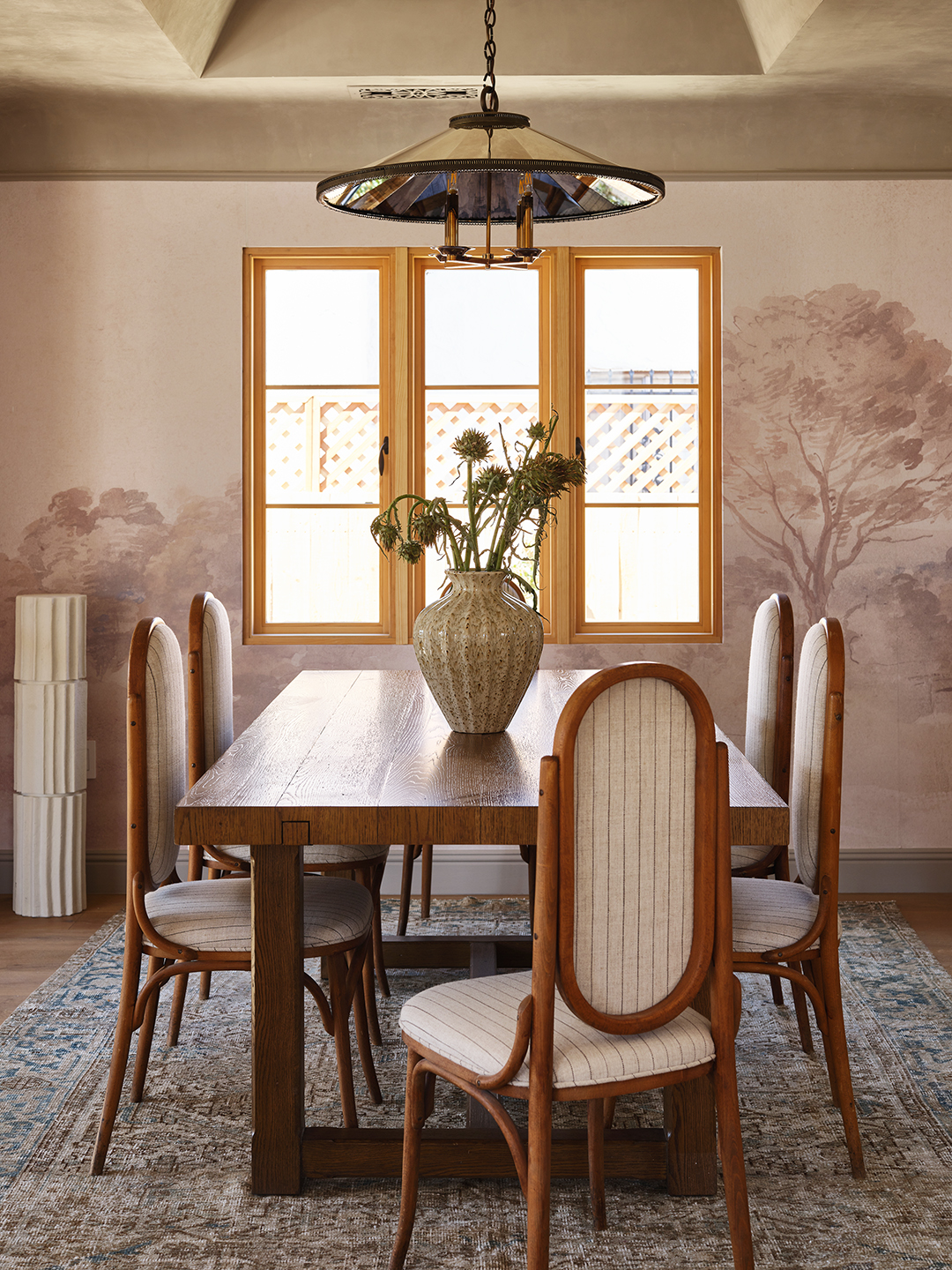

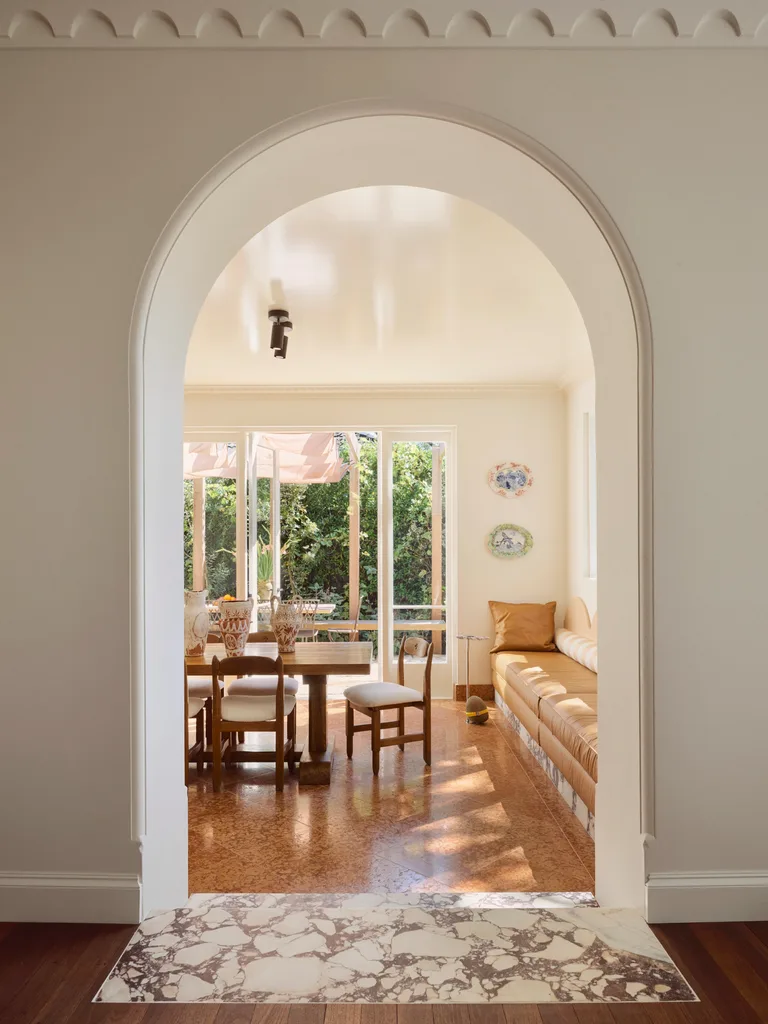
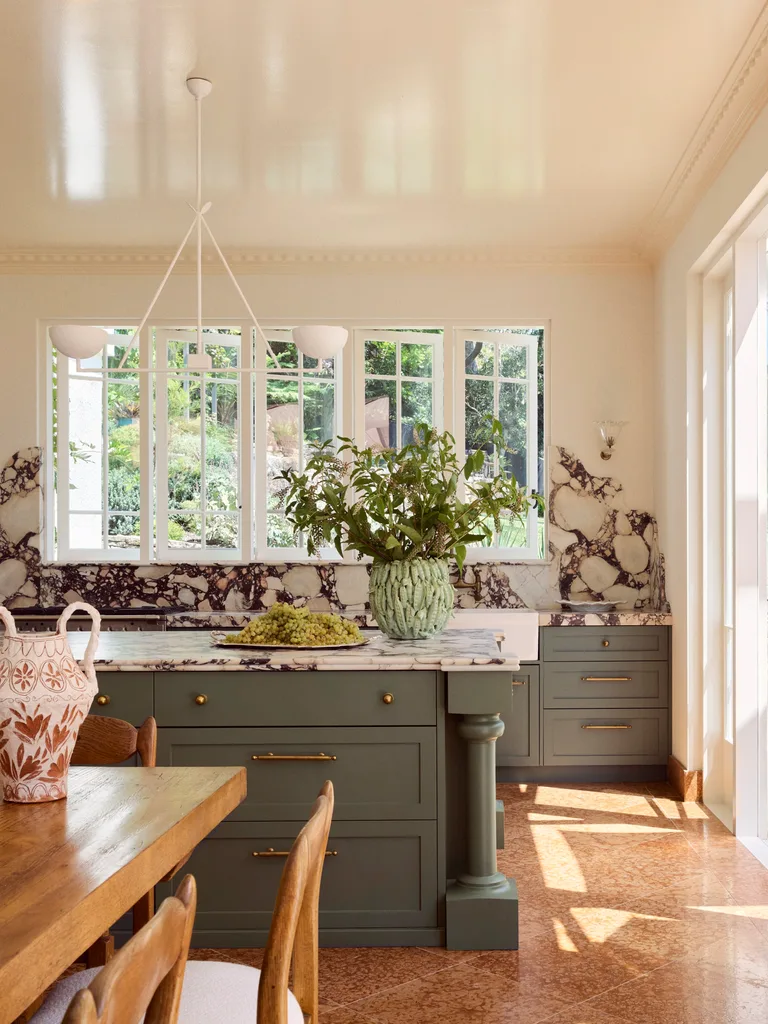
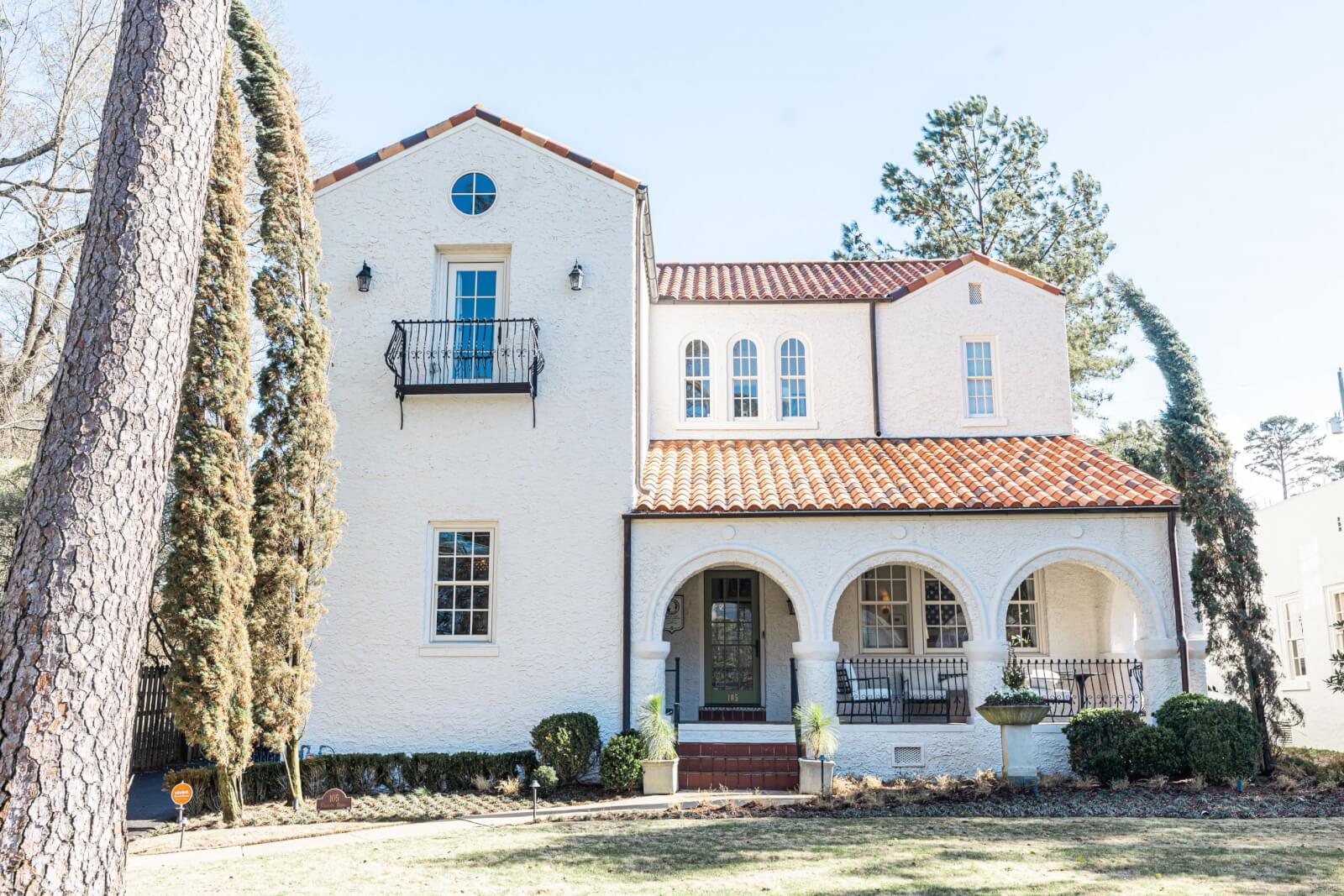
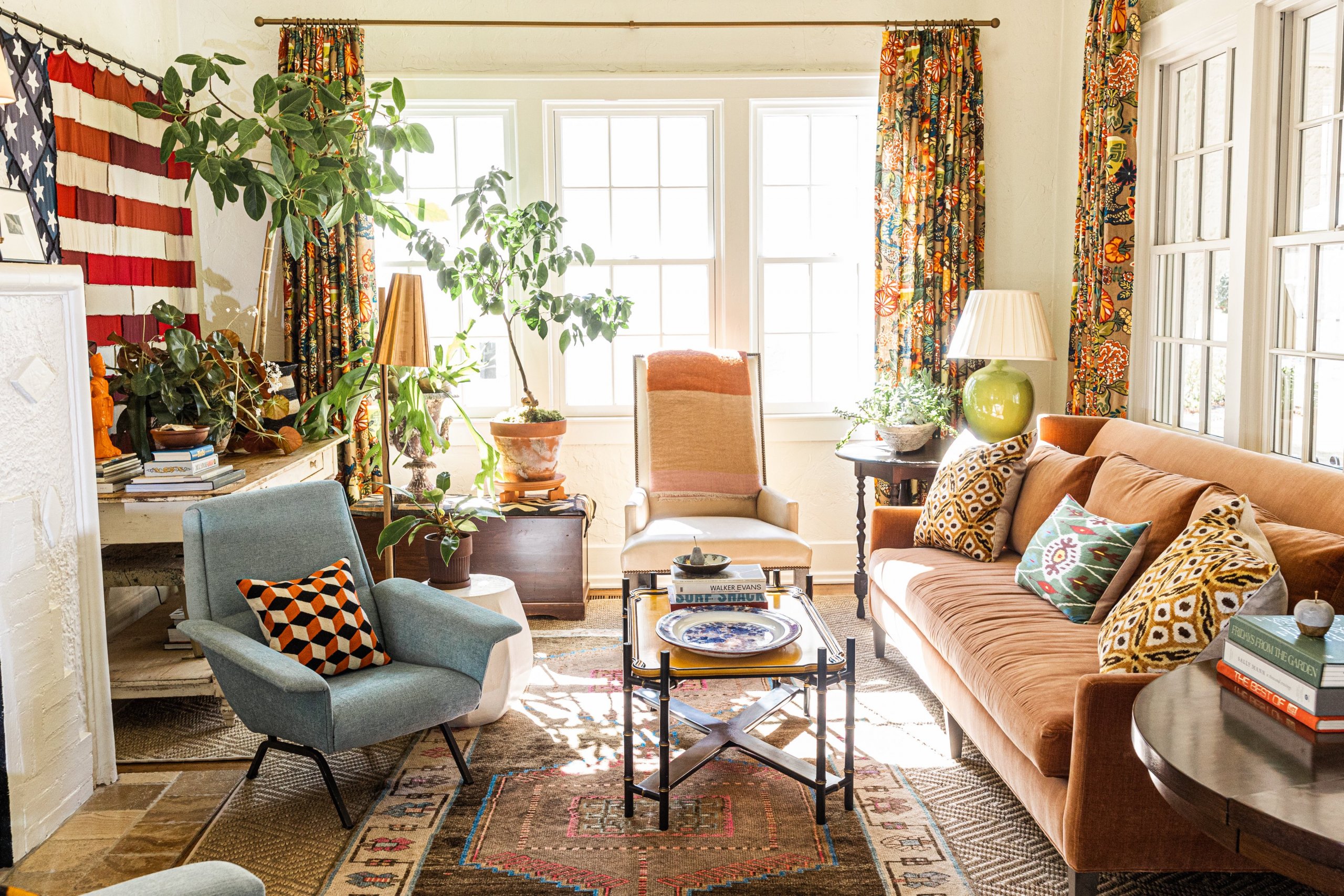
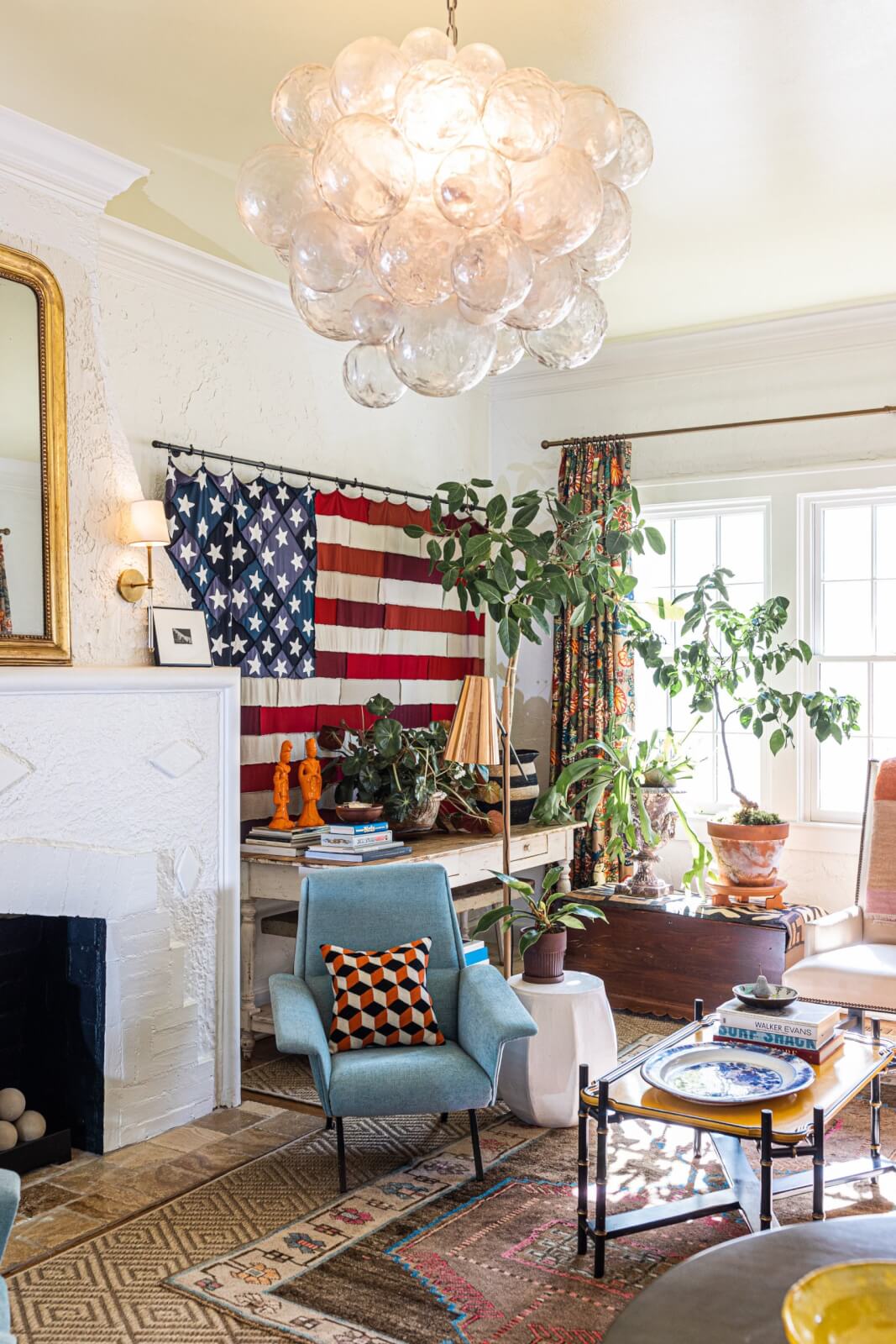
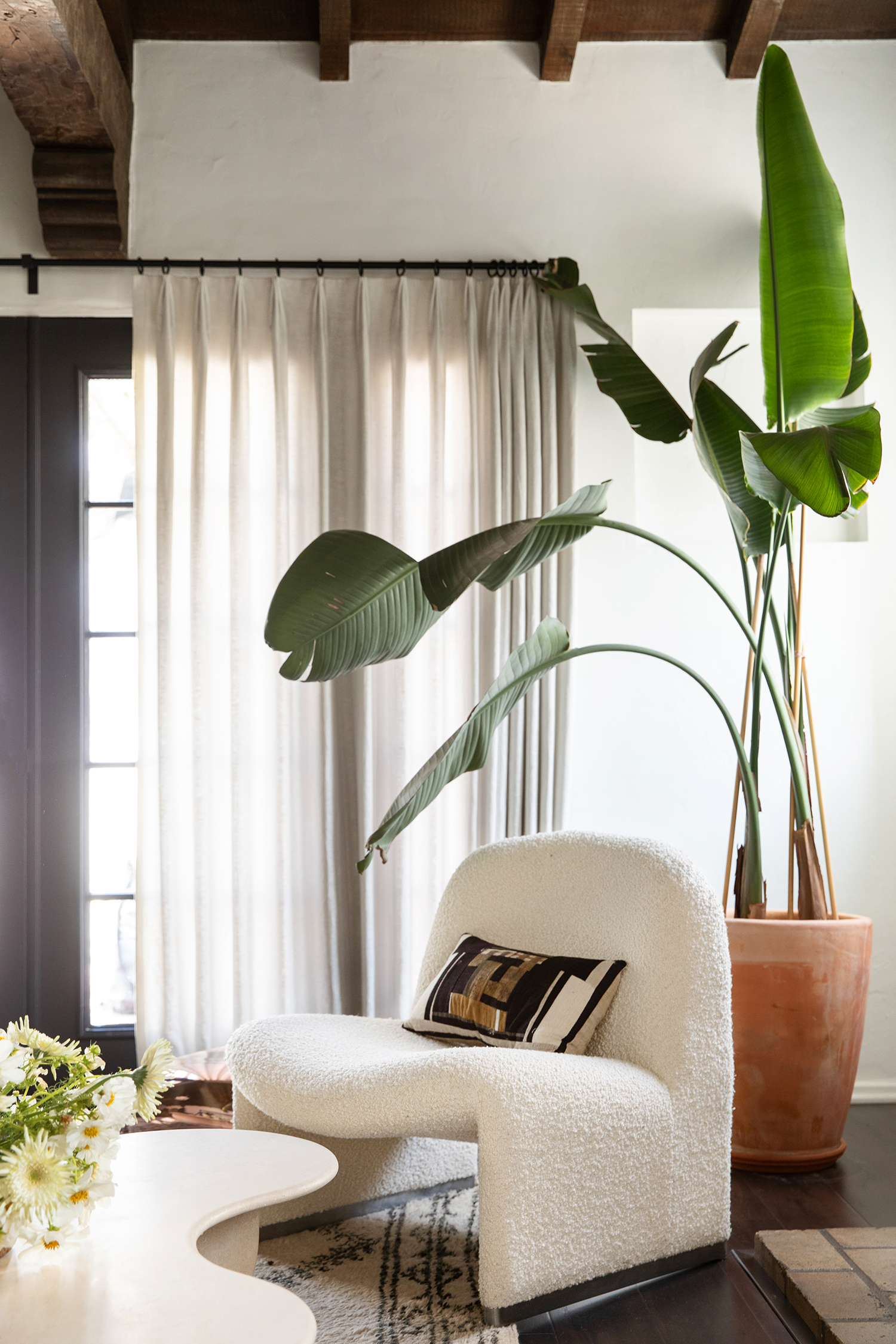
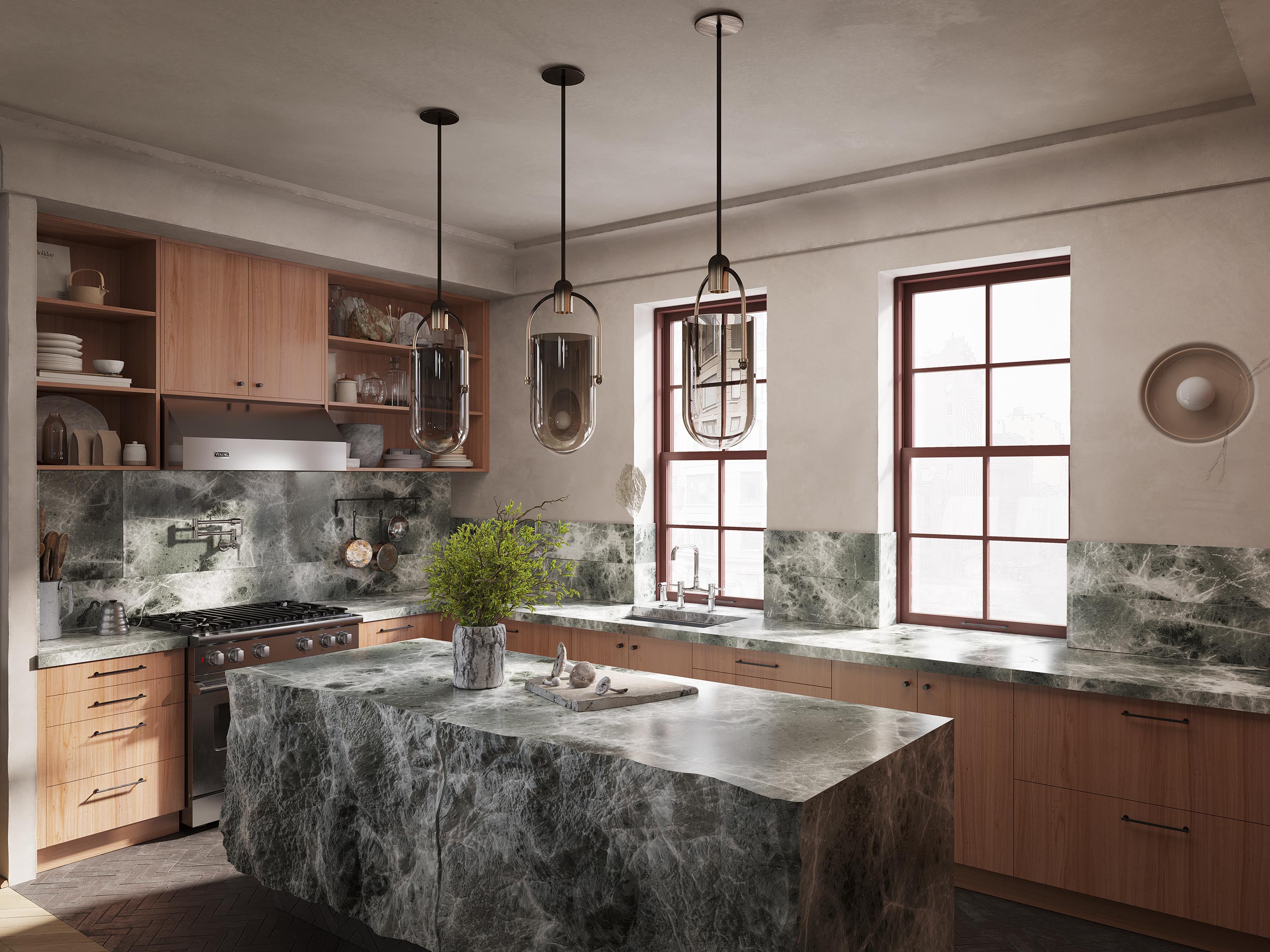
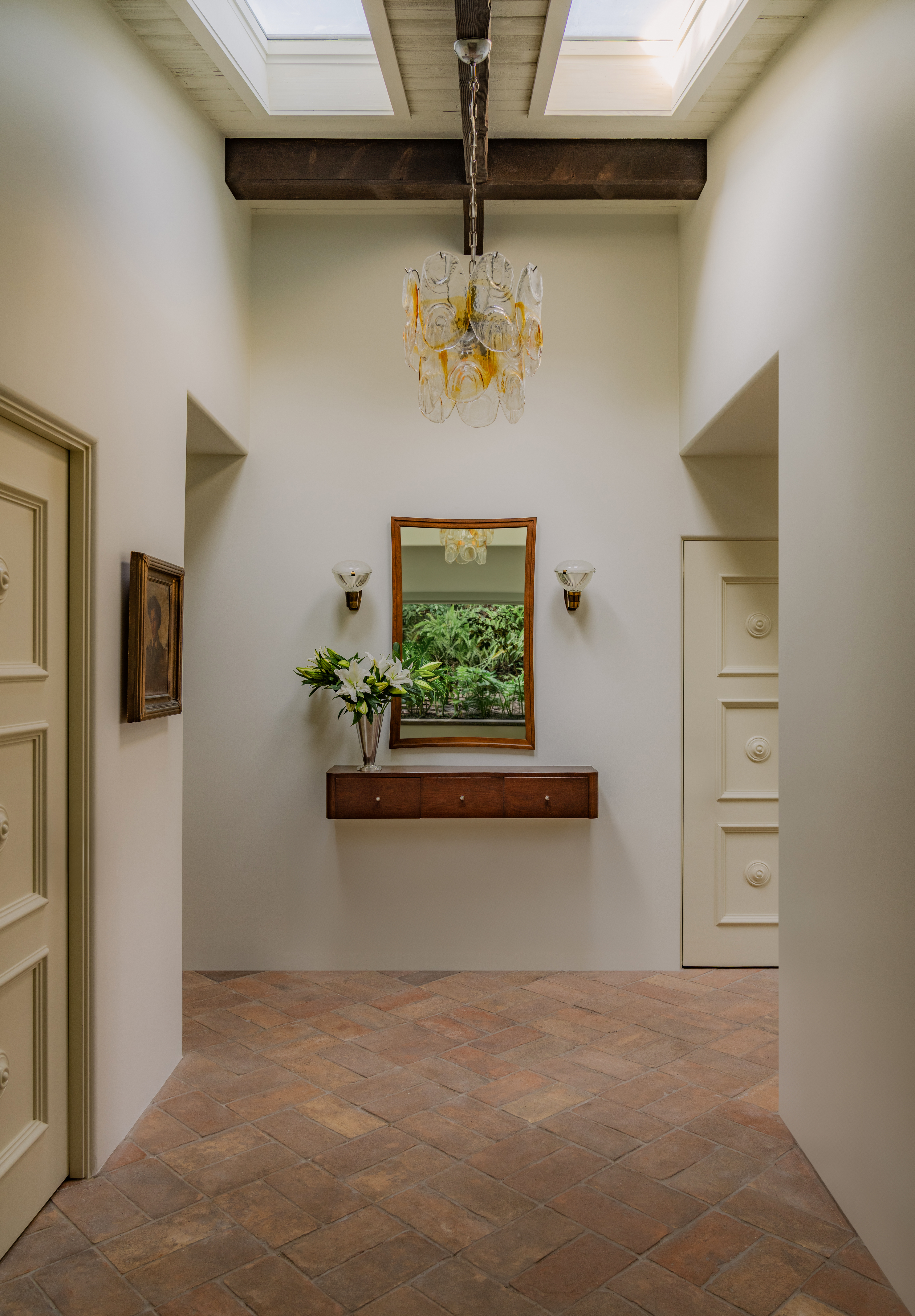
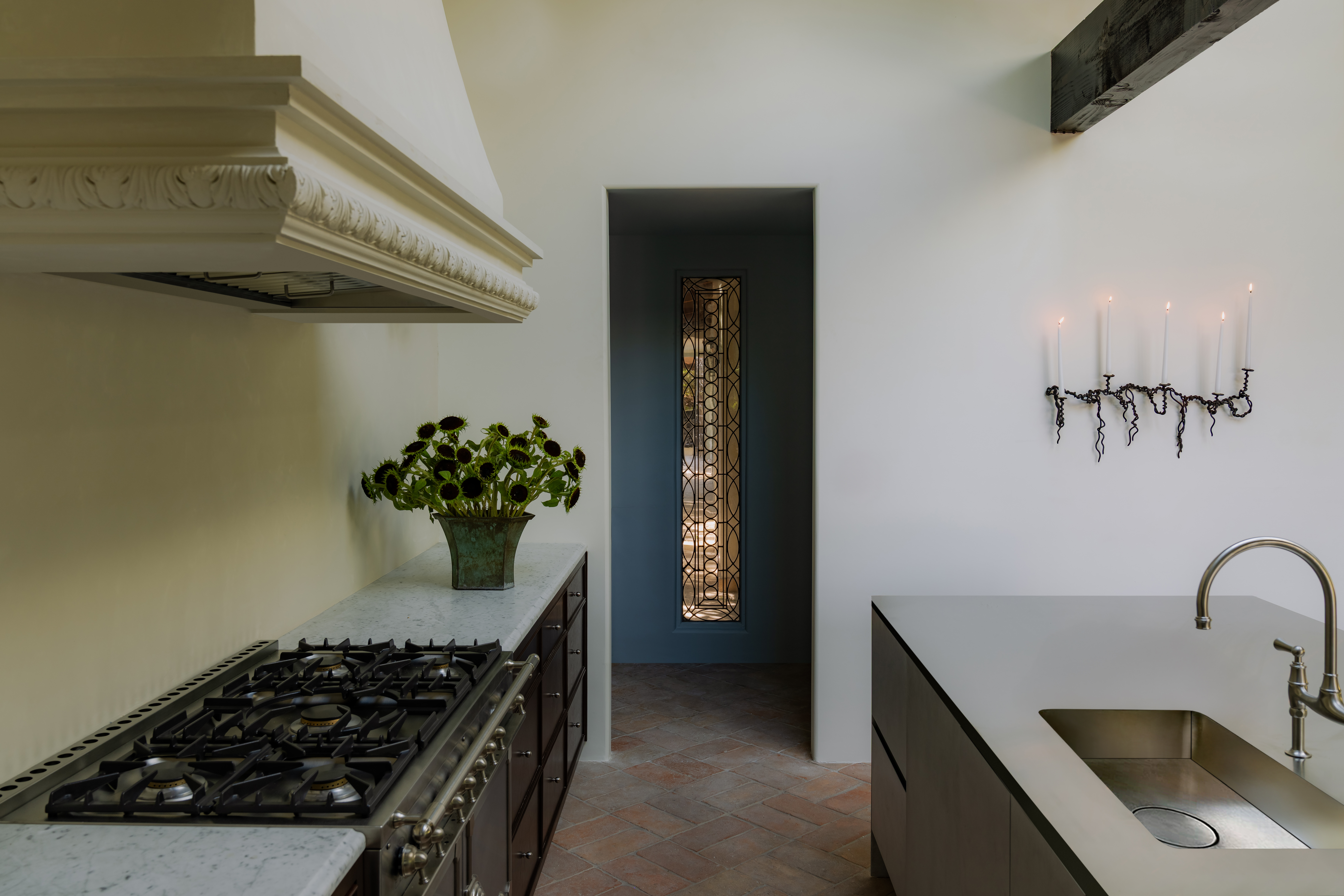
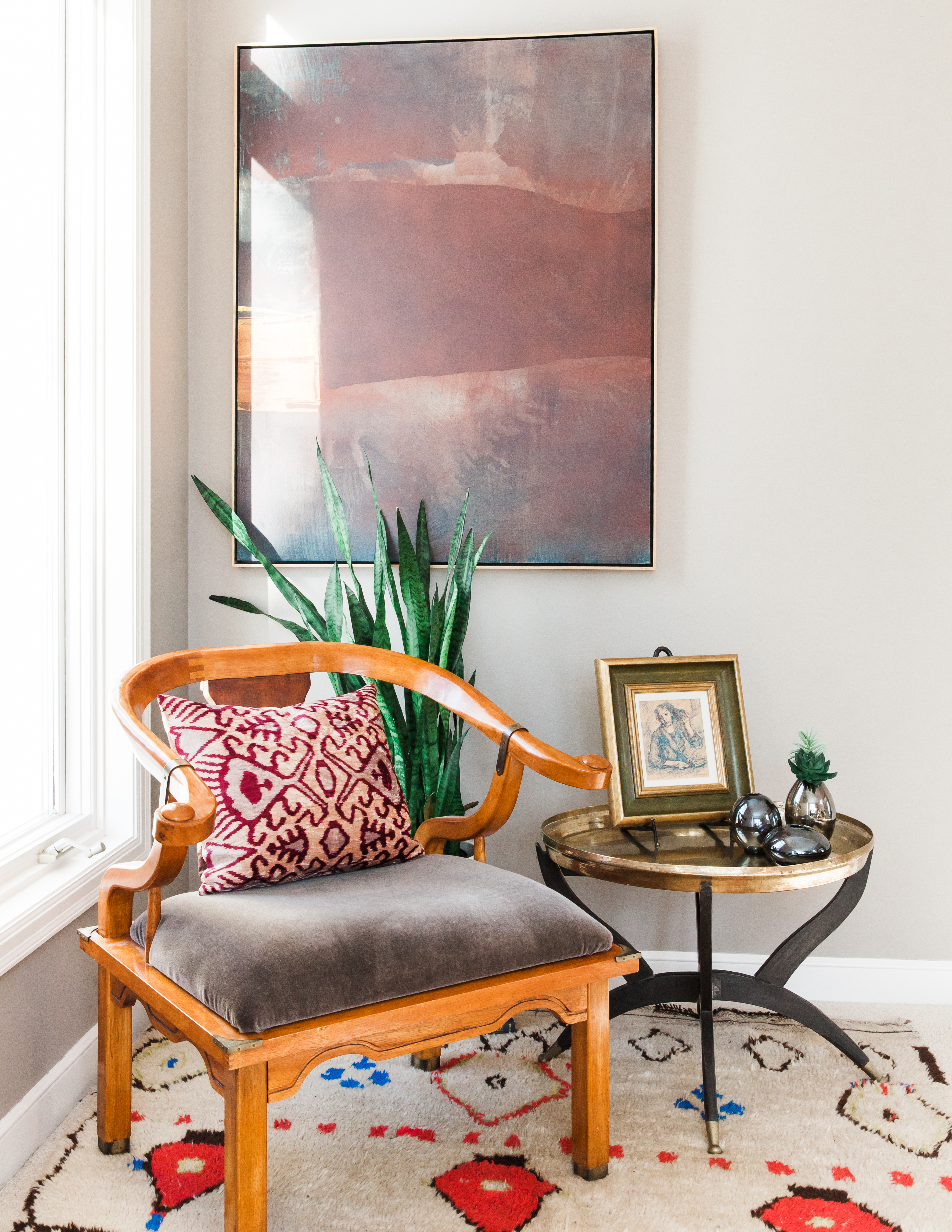
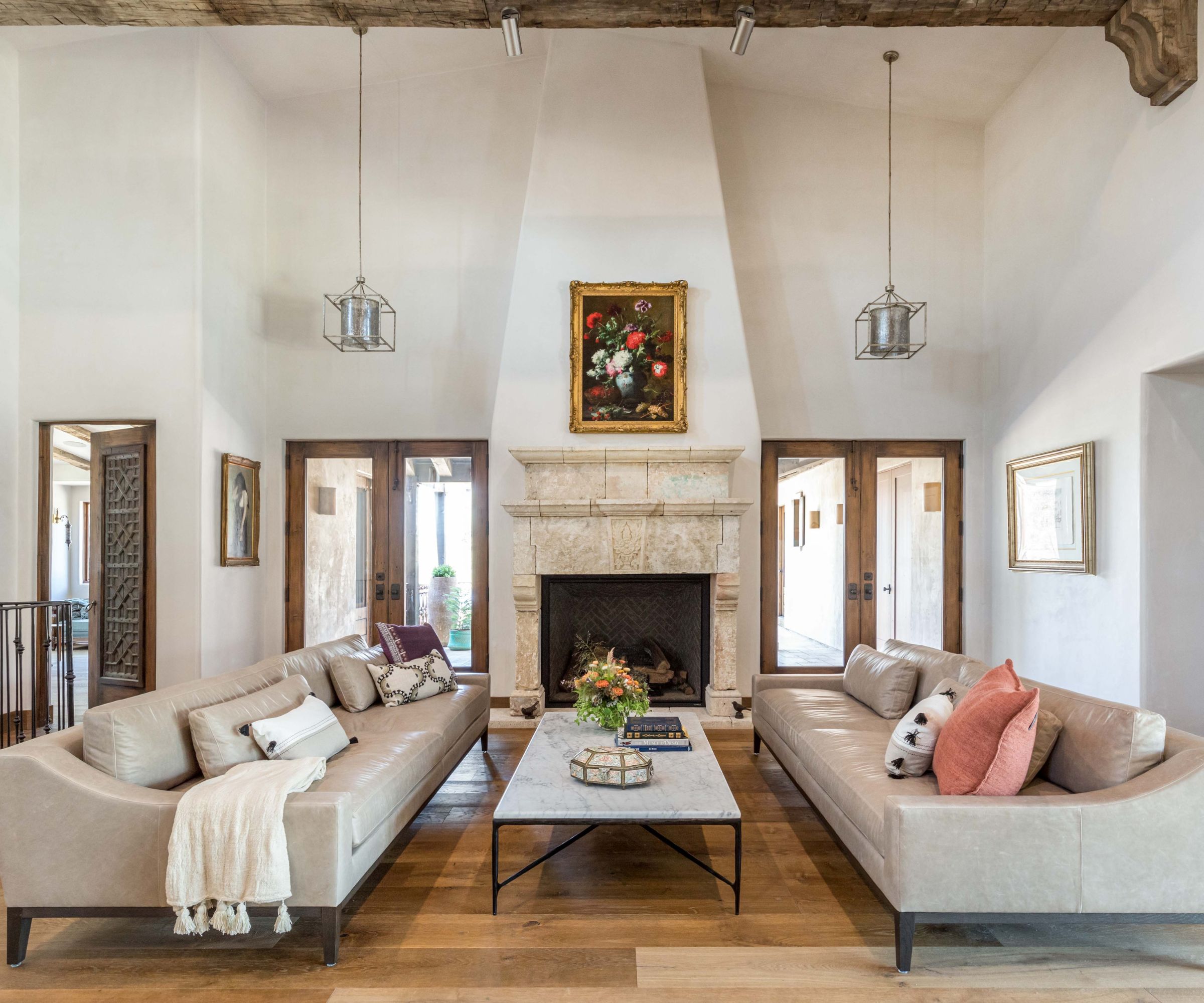
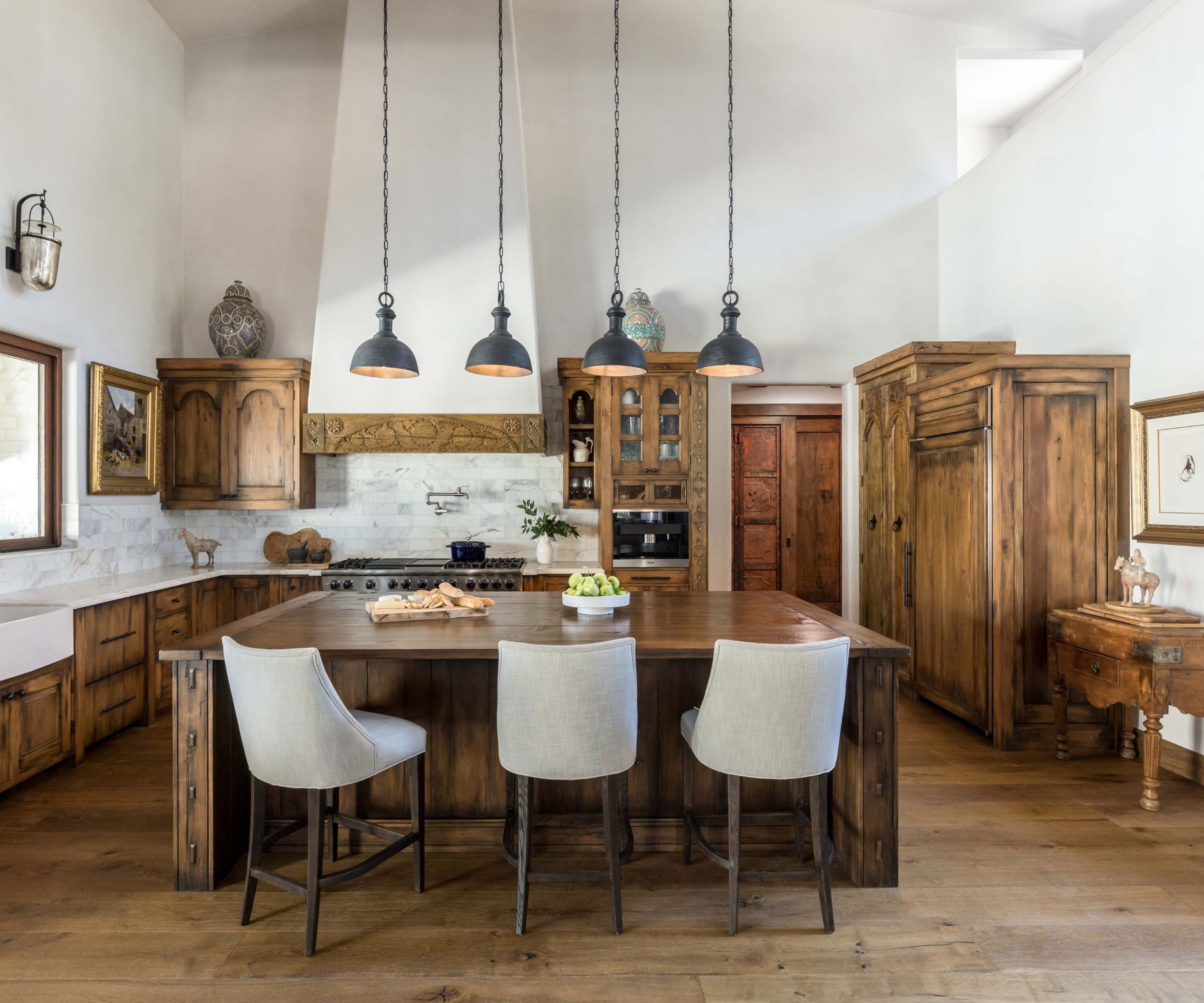
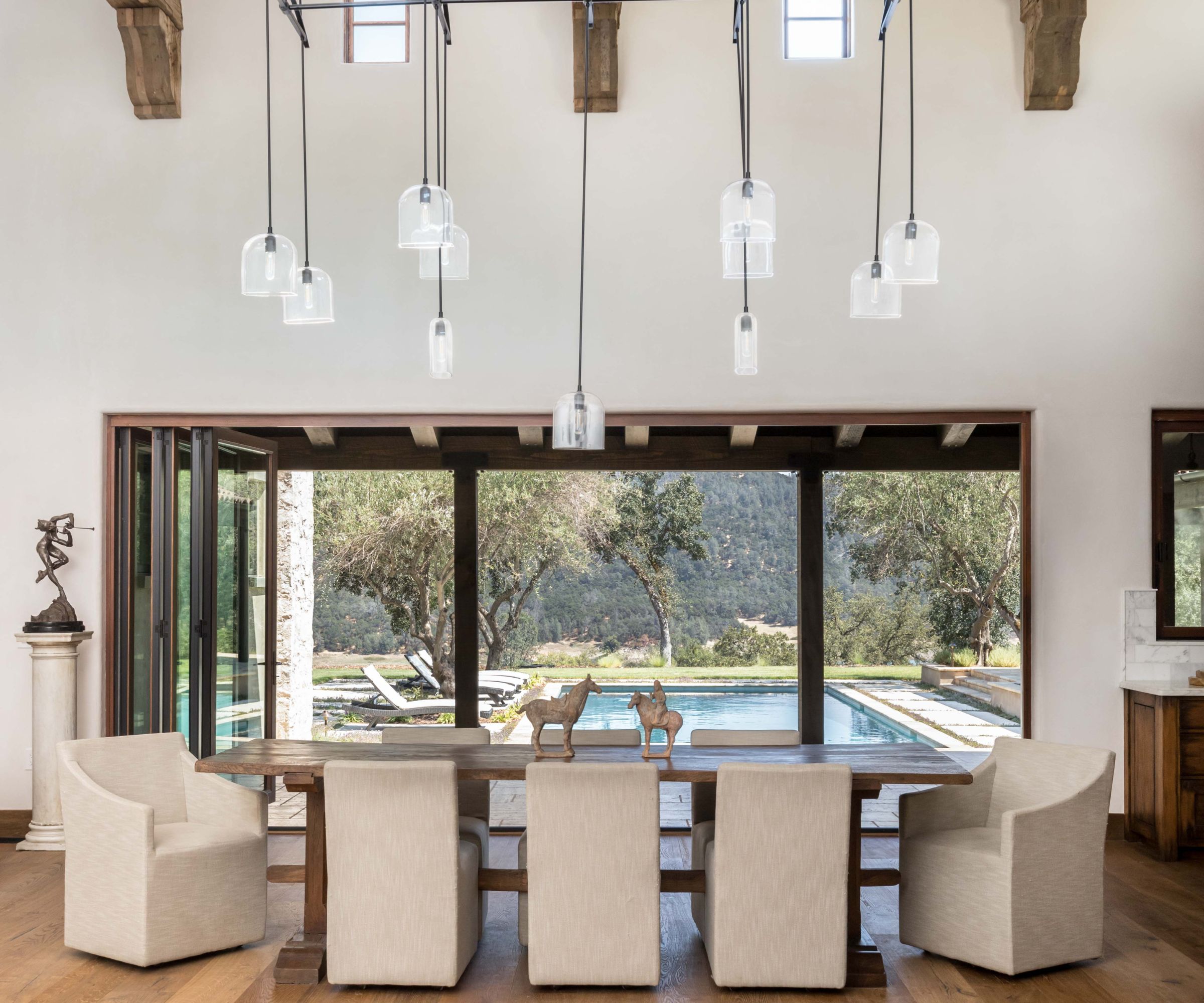
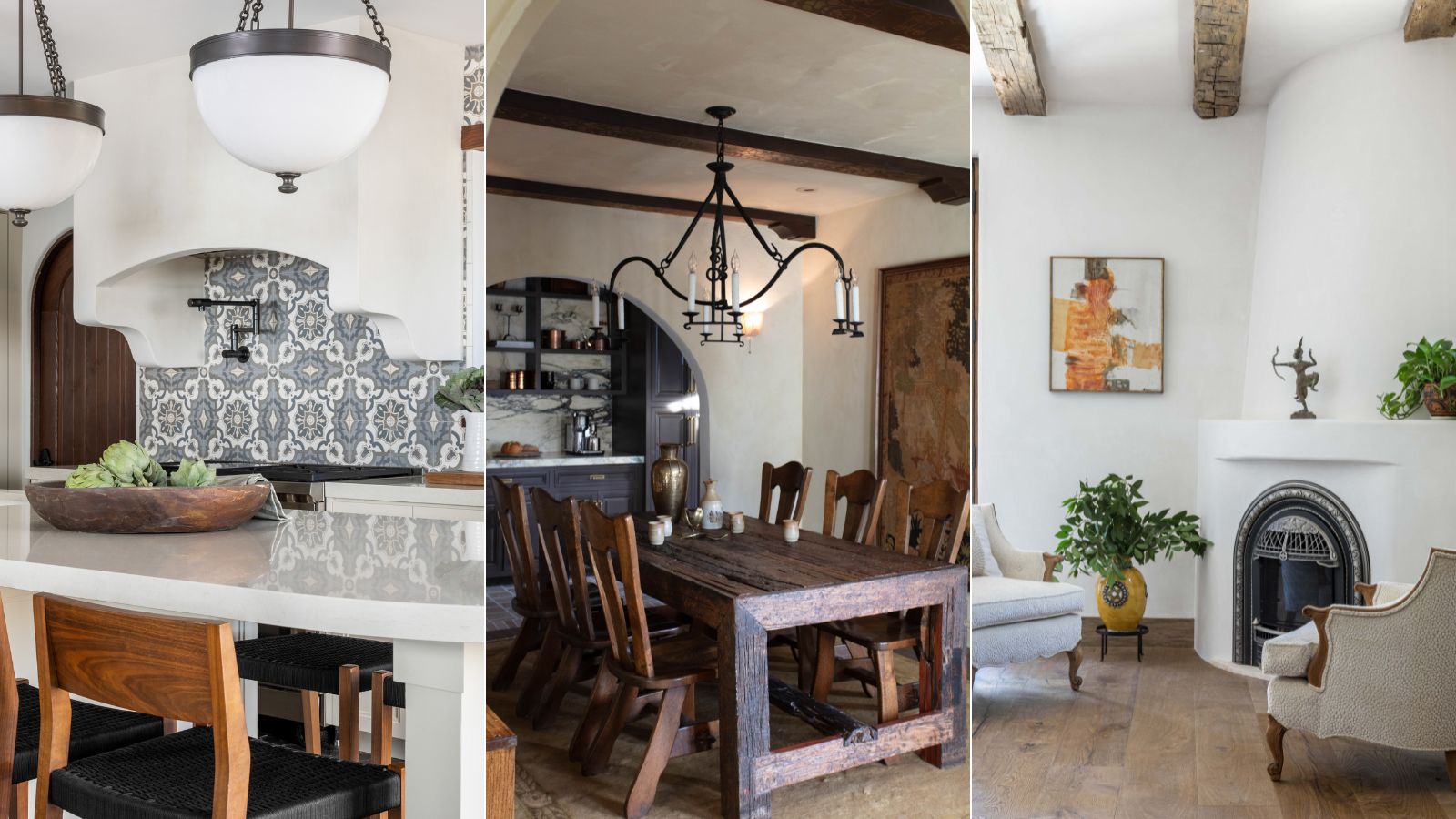
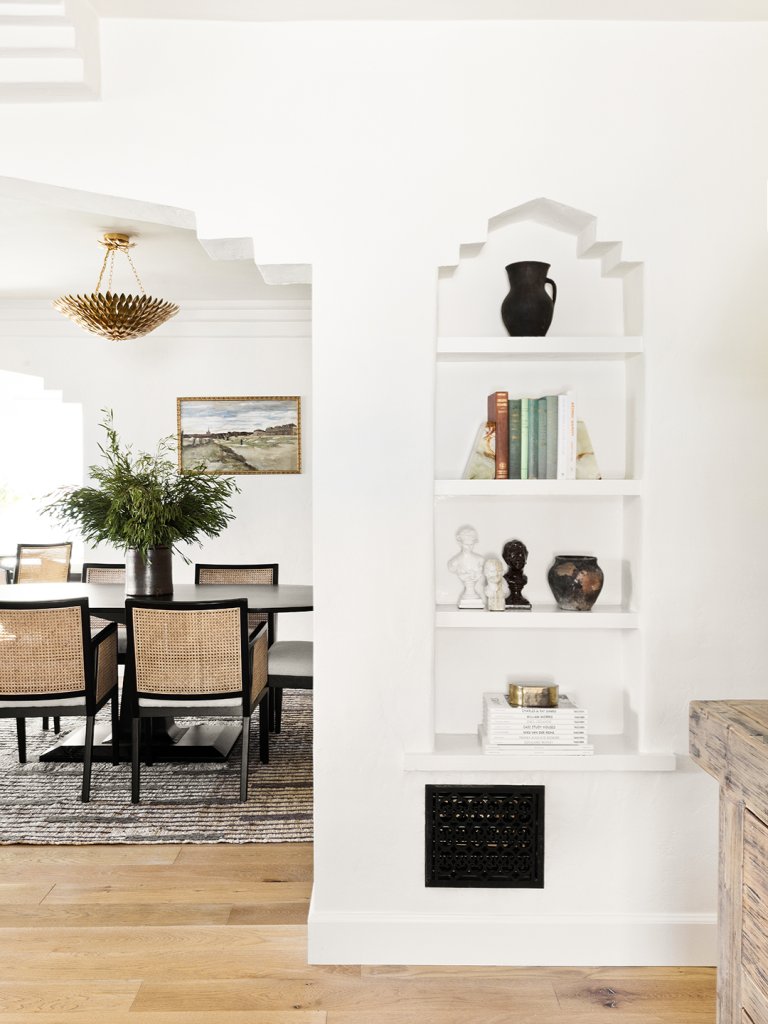
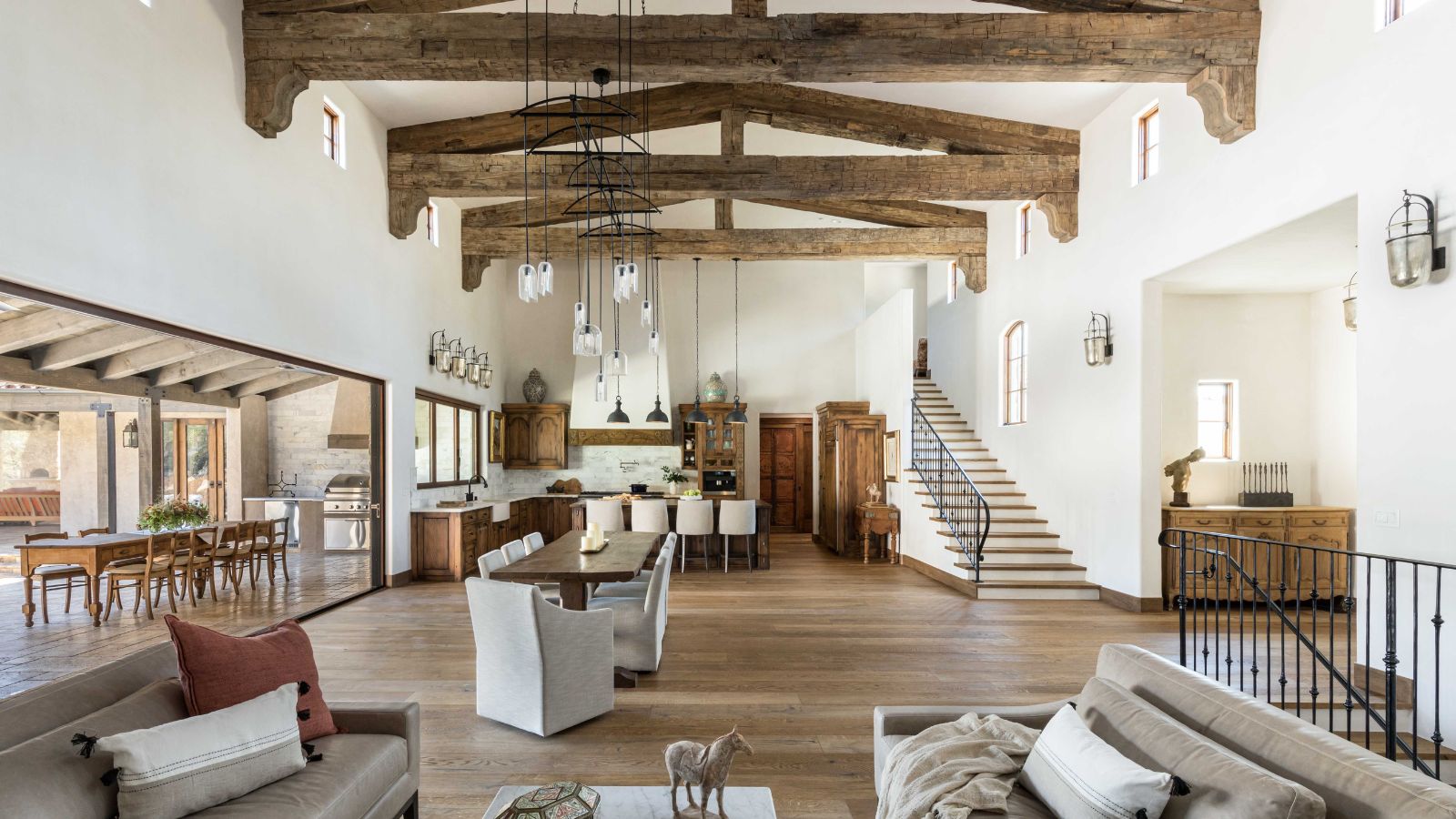
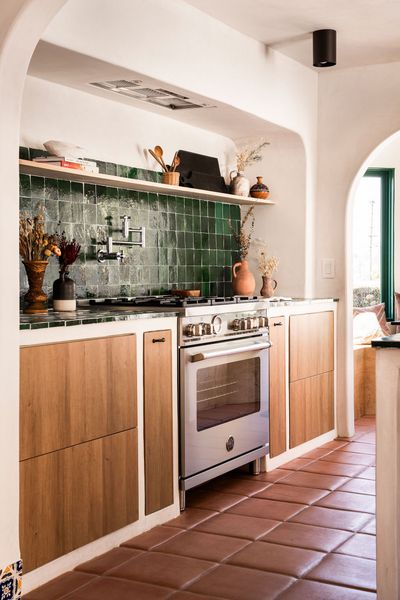
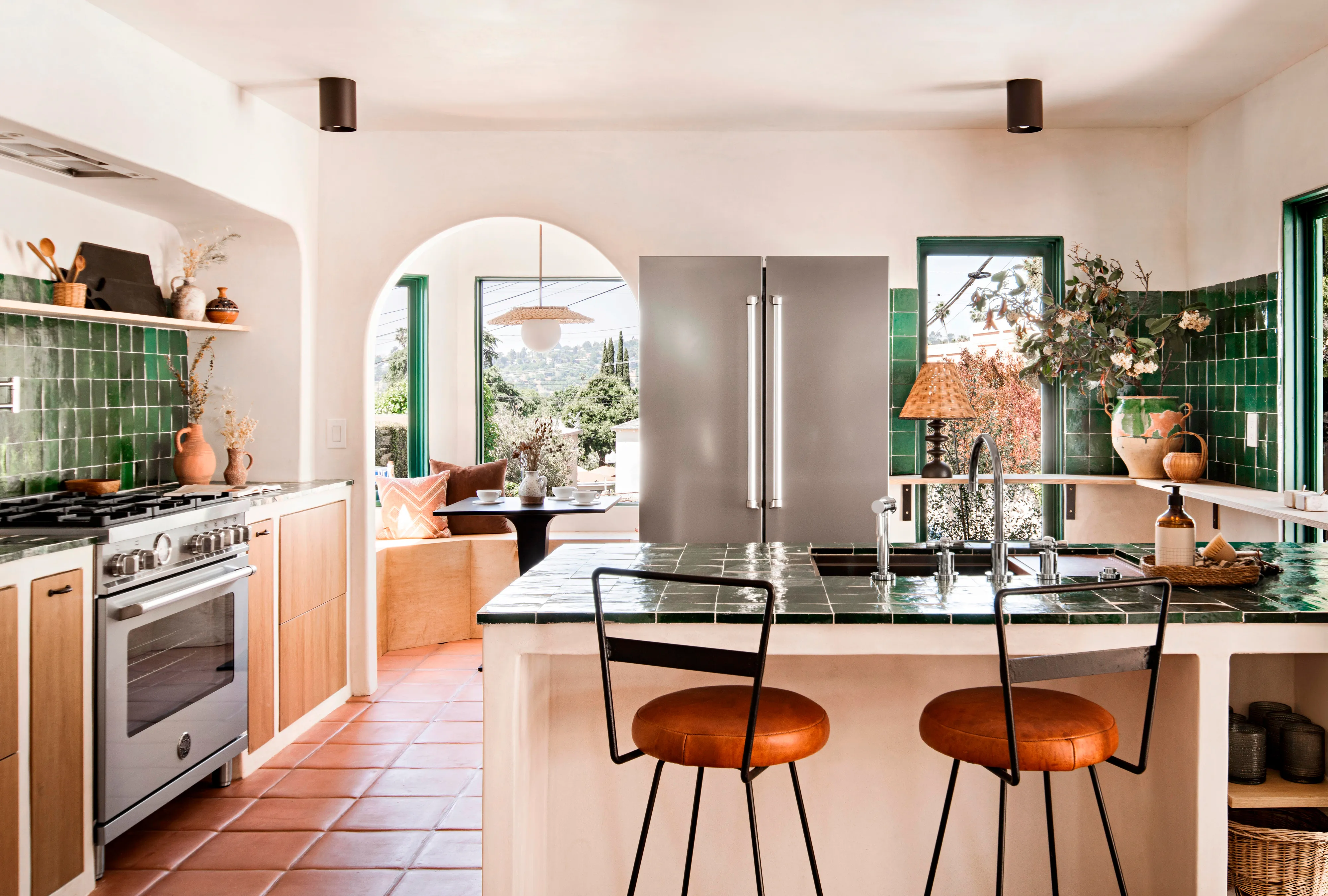
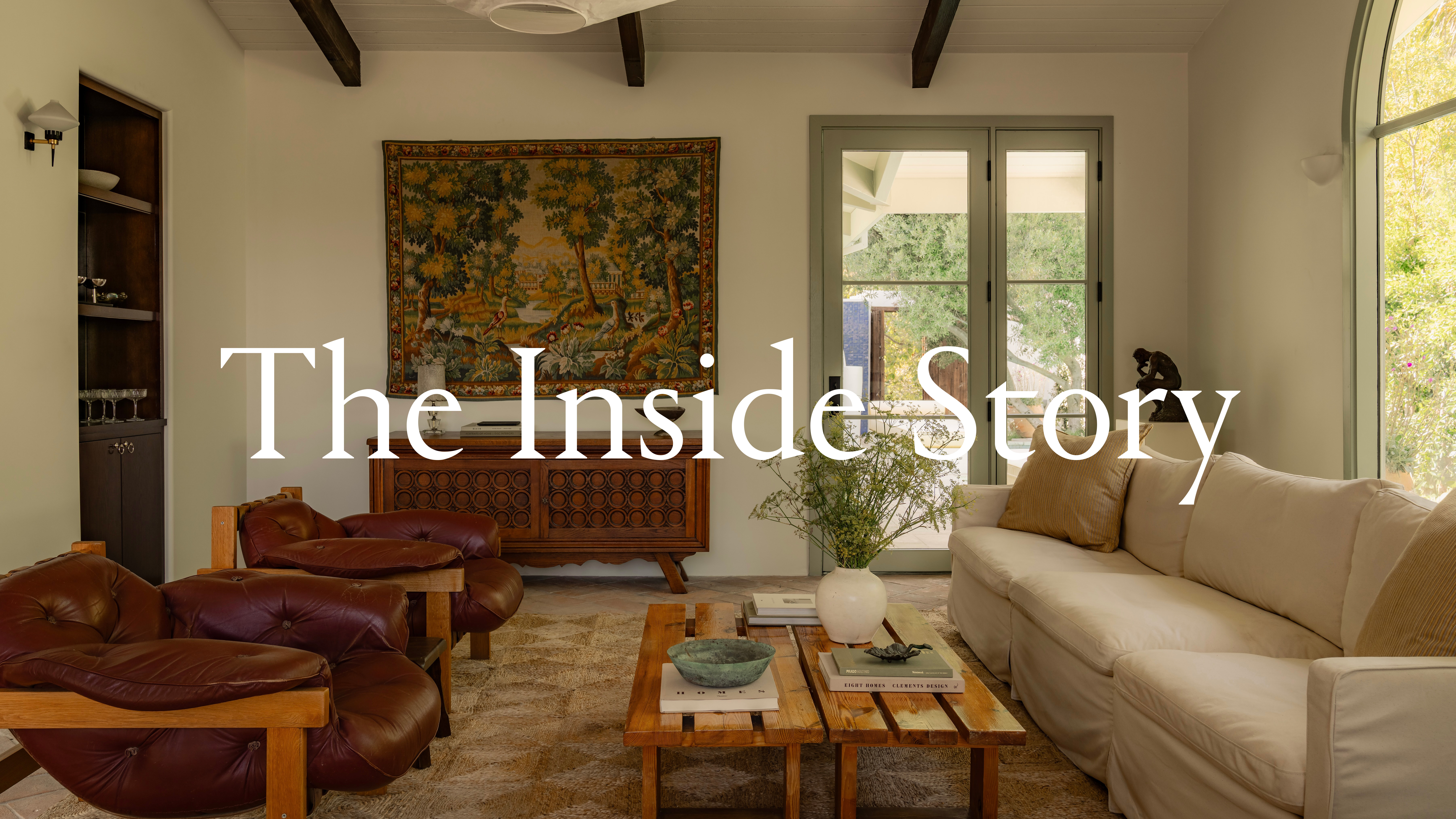
Decorating with the Spanish revival style involves several key principles. First, an earthy color palette is essential, with terracotta being a prominent hue, complemented by shades of red, green, brown, and orange. While terracotta often features in roofing, it translates beautifully into interiors as a natural, neutral red in tile flooring. Walls are typically kept clean and white, serving as a canvas for art, with green accents providing unexpected pops of color. Second, mixing old and new is crucial to maintain authenticity without creating an overly thematic or dated look. Integrating antique and vintage pieces with contemporary furniture helps to preserve the integrity of a Spanish-style home while making it feel modern and curated. Key decor pieces include rustic wood, leather, iron, oil paintings, tapestries, distressed pottery, statement lighting, sconces, and antique rugs.
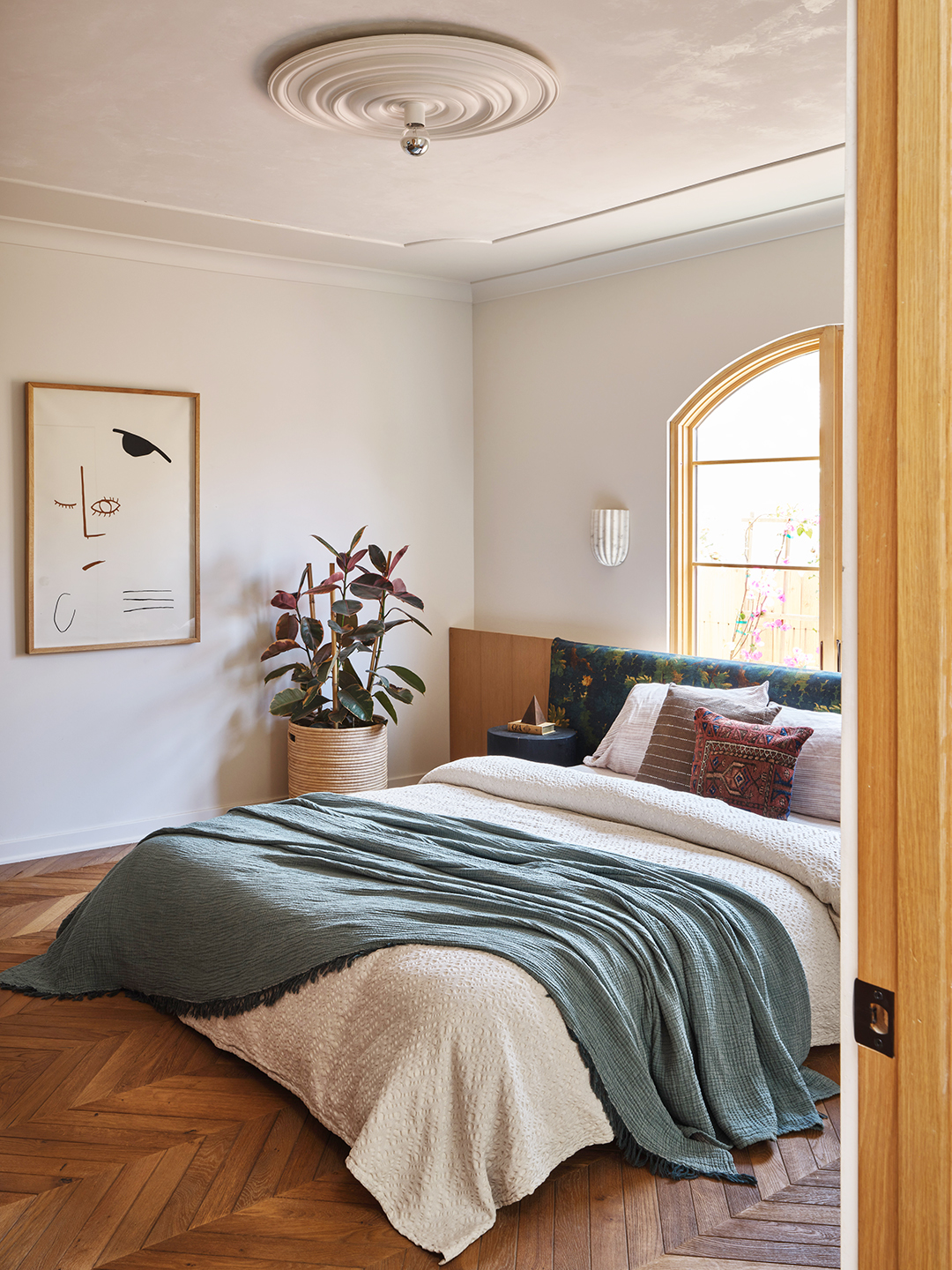
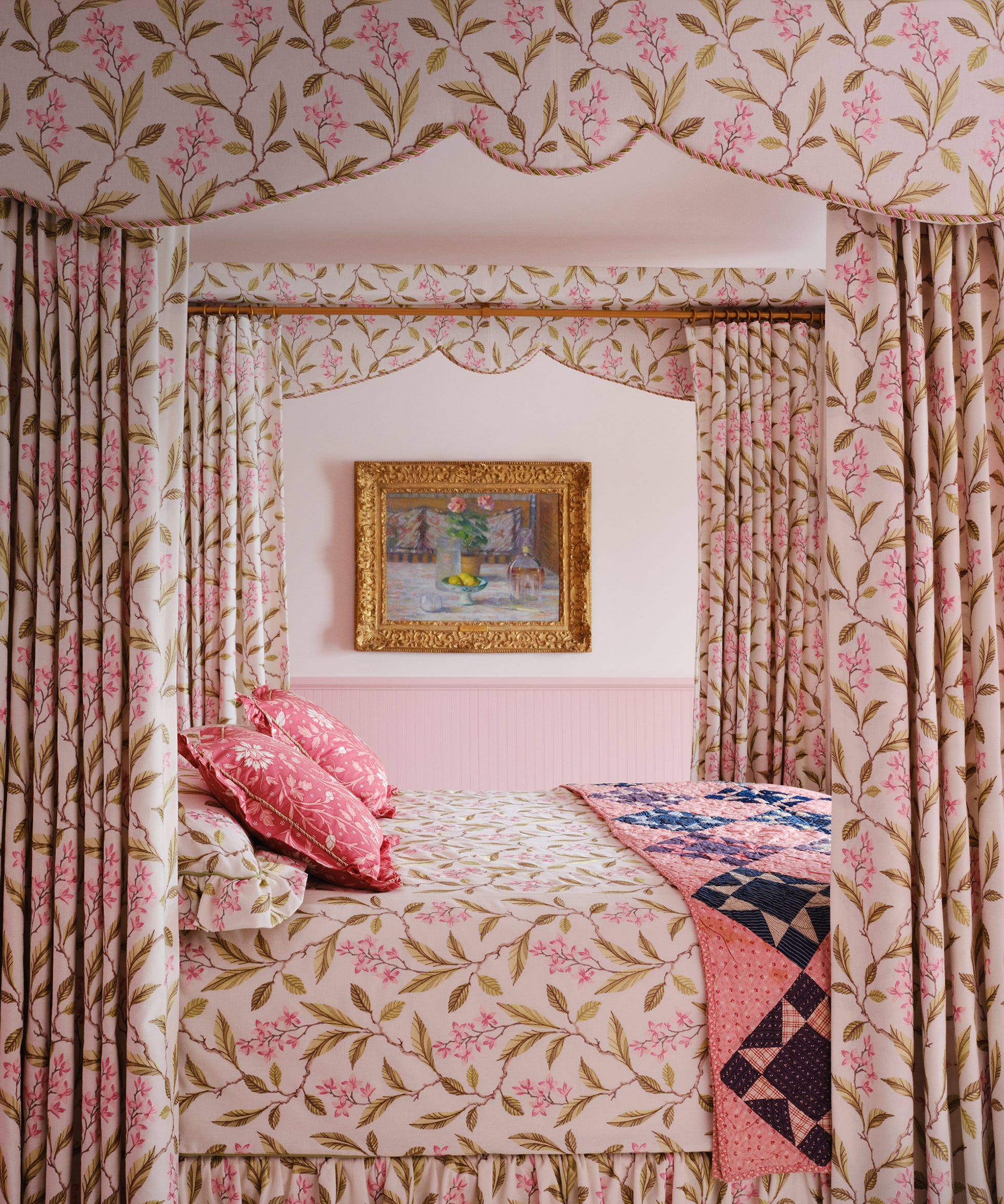
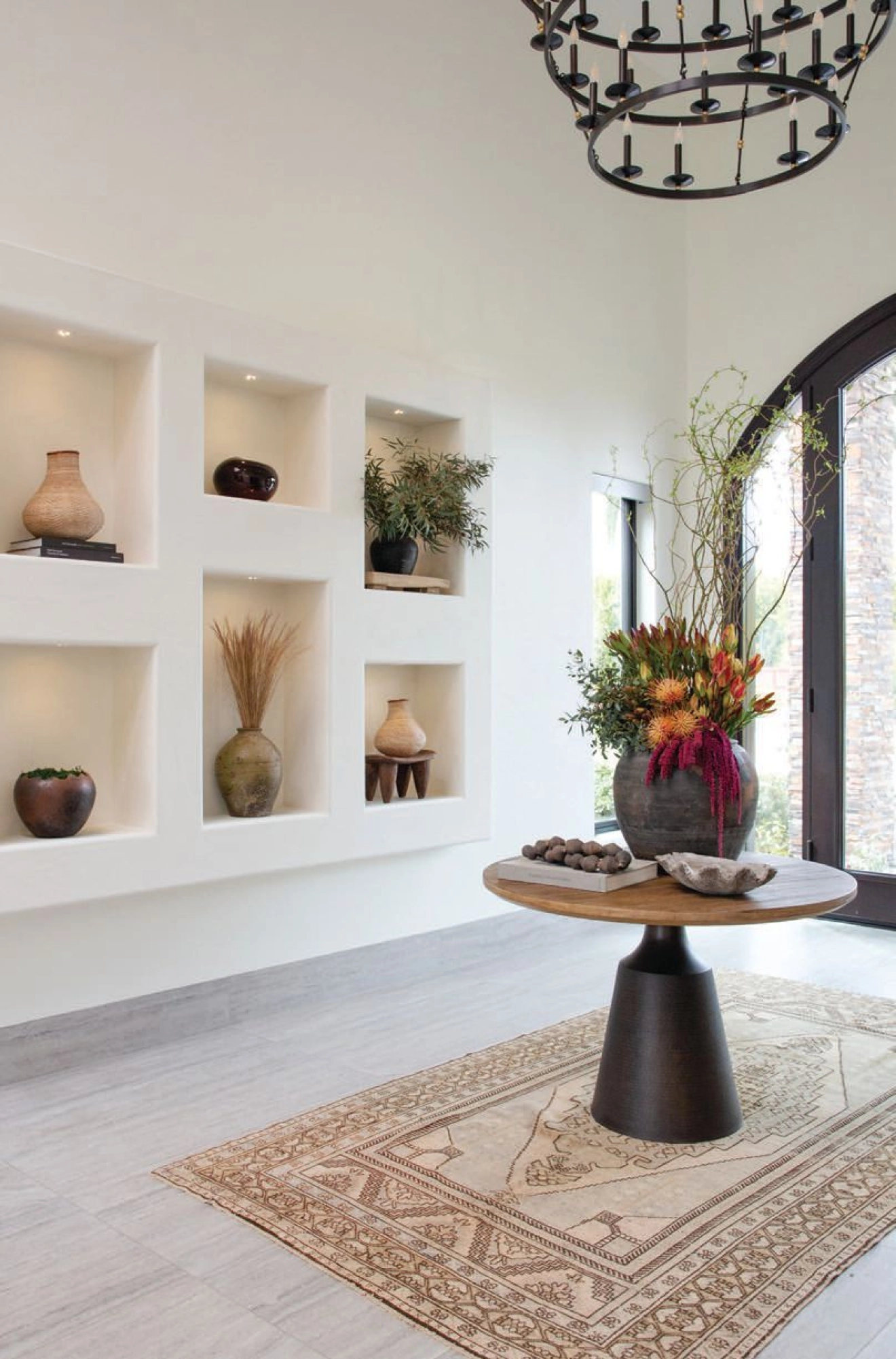
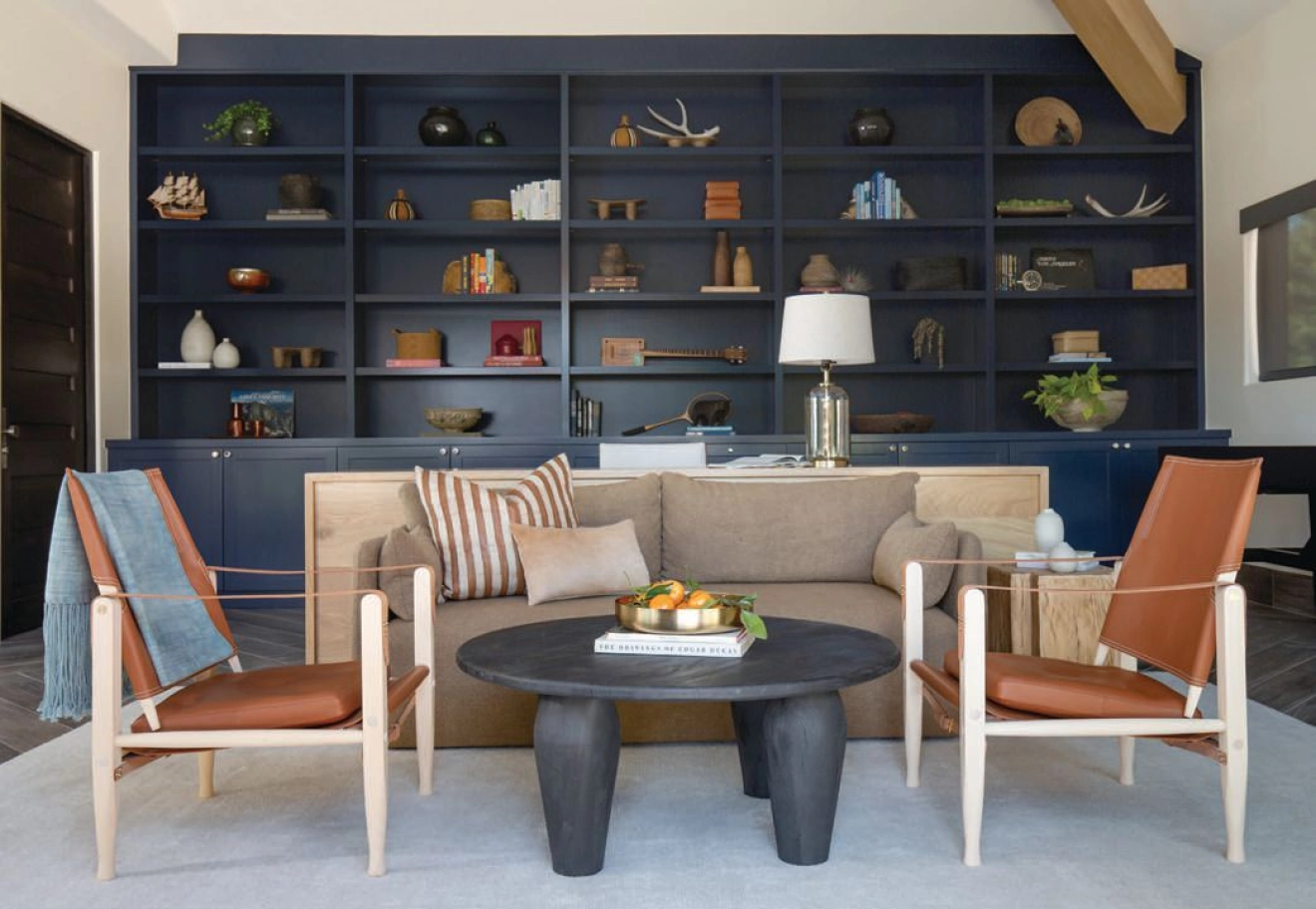
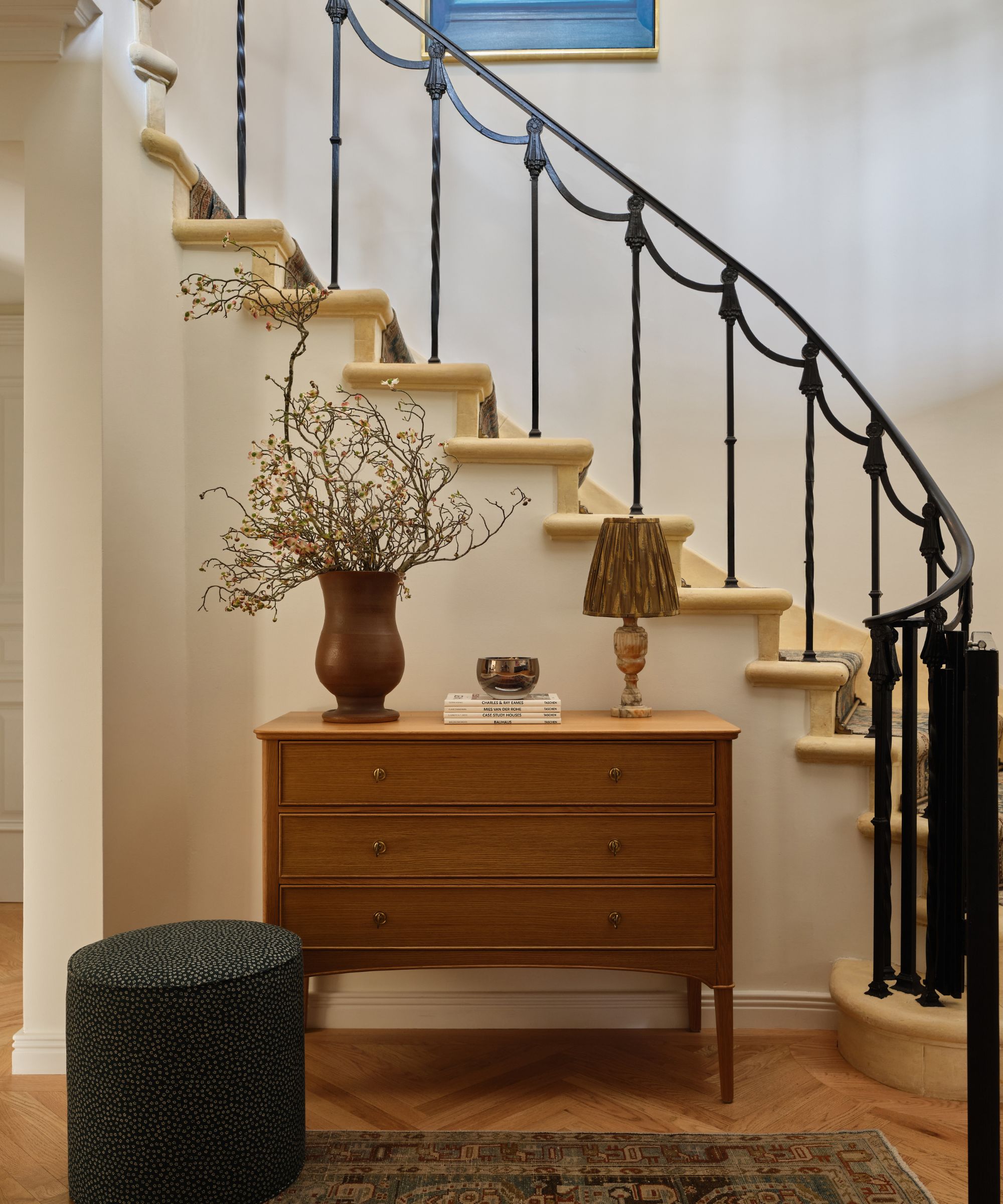
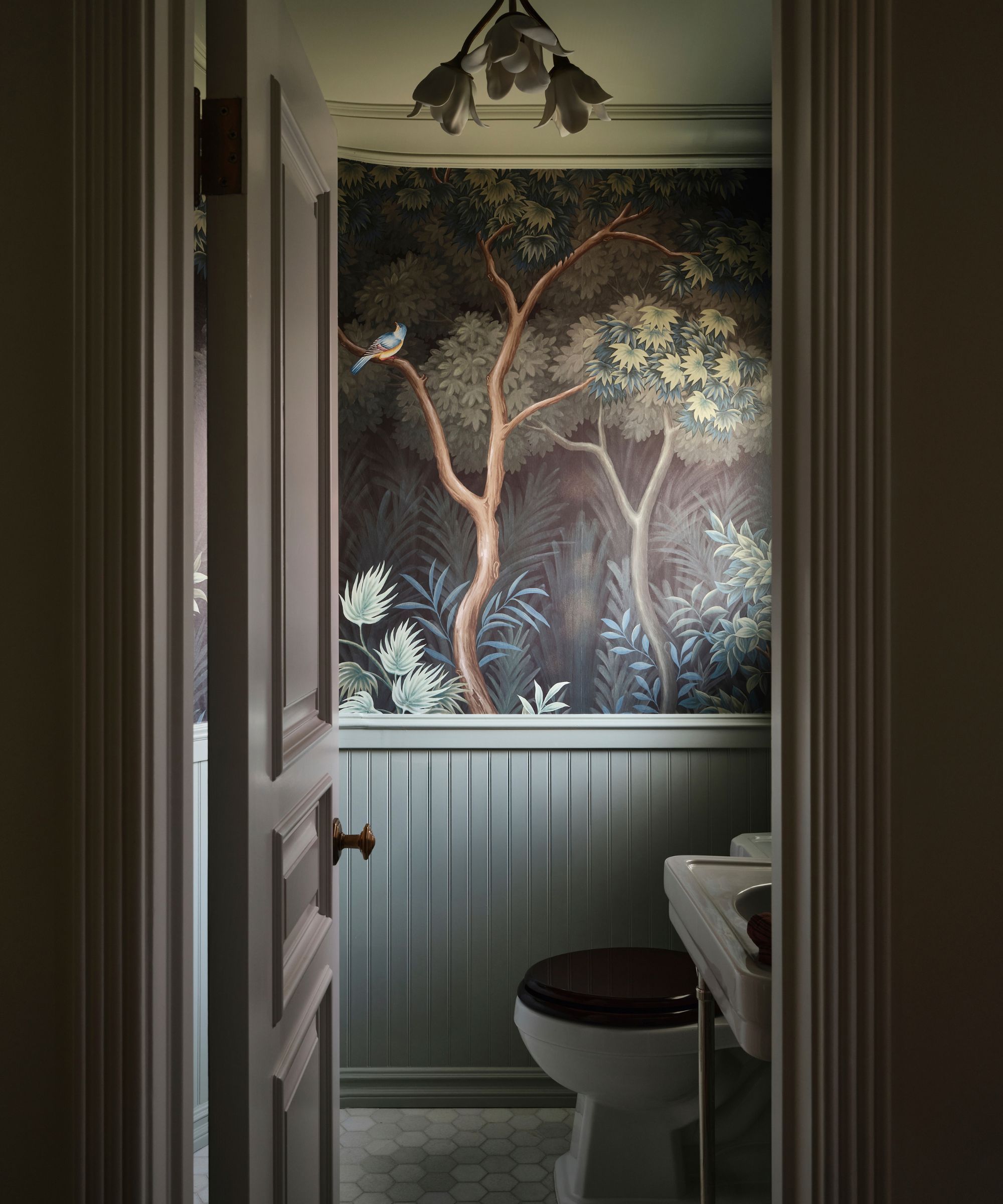
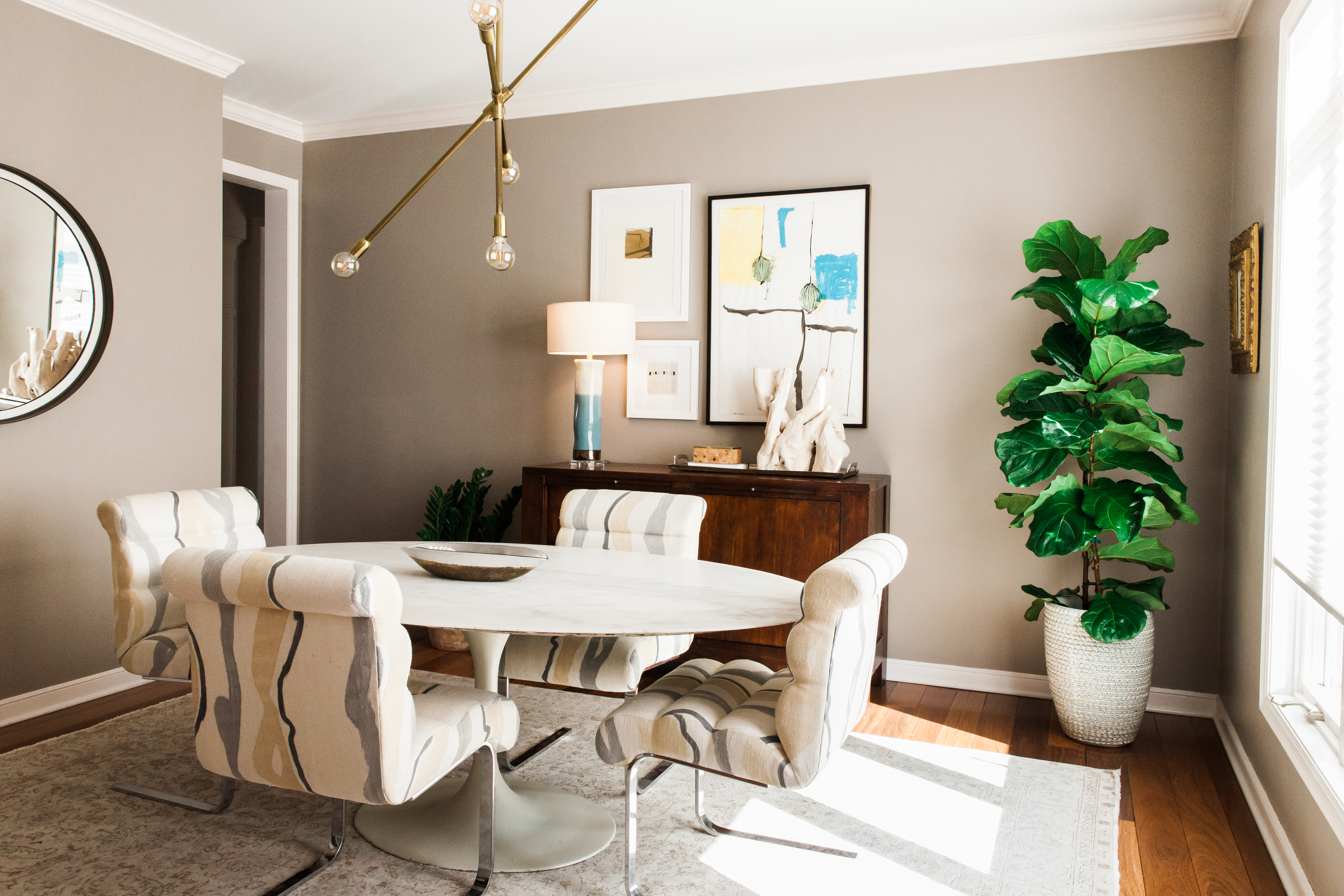
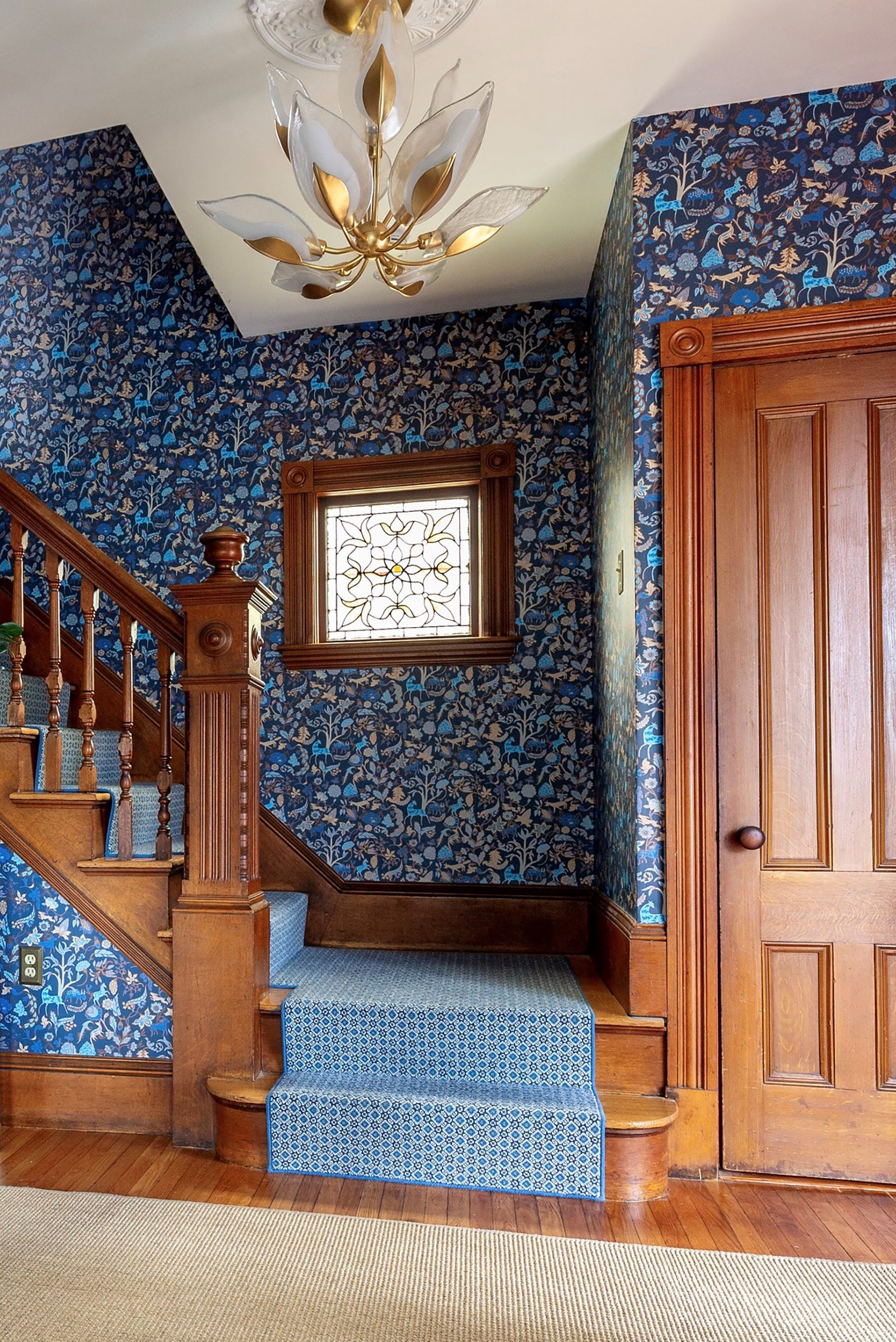
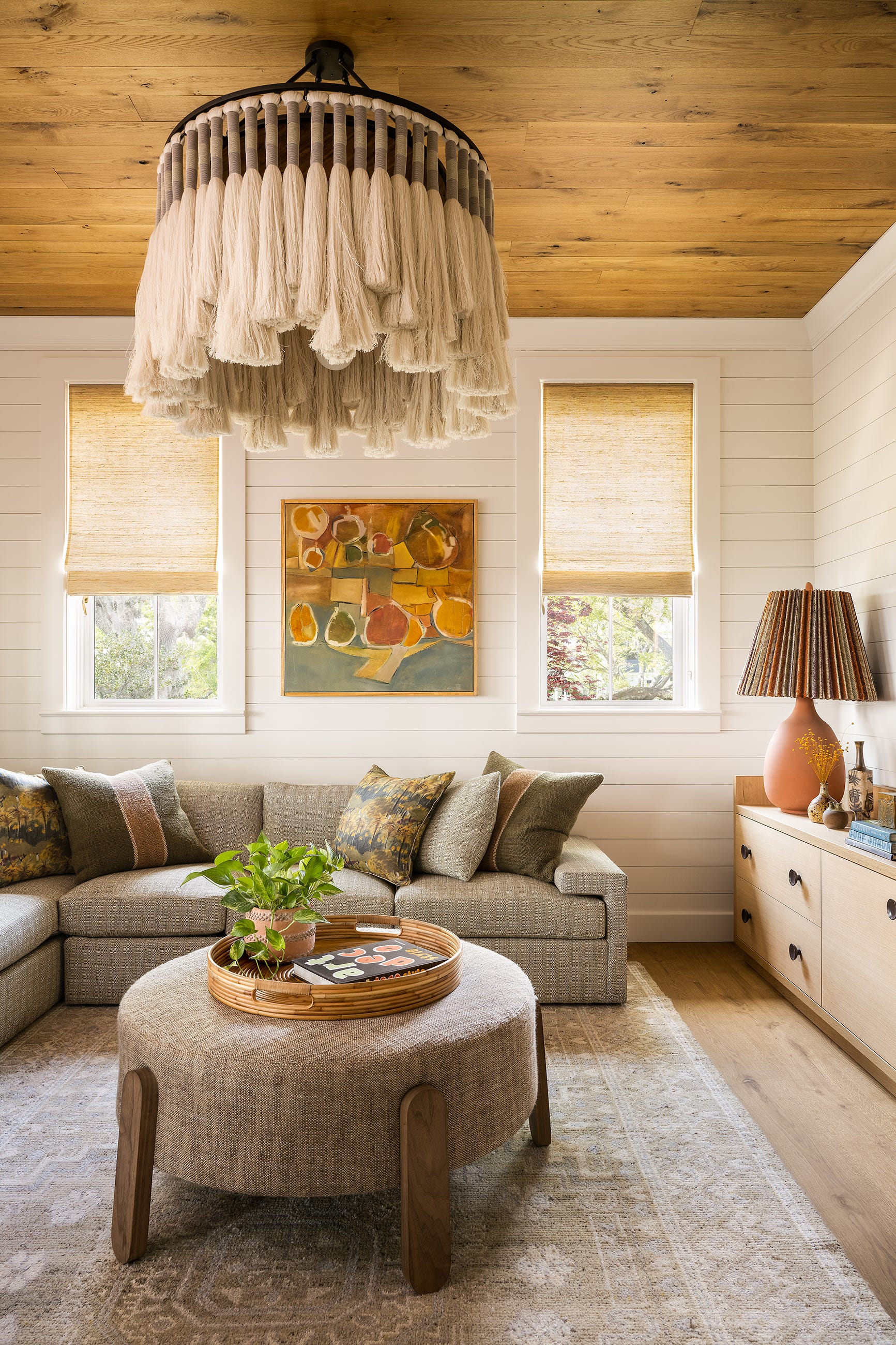
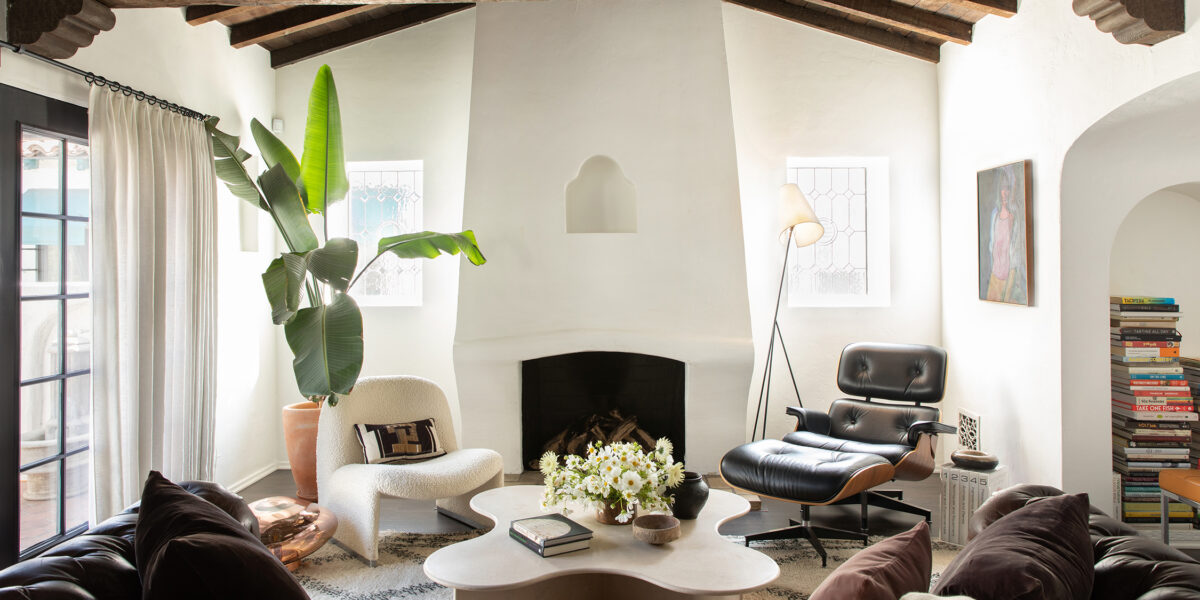
Third, selecting traditional and timeless decor is important. The understated and classic nature of Spanish revival allows for a variety of furnishings, but it's best to avoid mixing periods like Victorian or Art Nouveau. Traditional silhouettes and materials such as shaker or mission styles, leather, and linen are recommended. For larger furniture items, neutral colors are preferred as they are significant investments and contribute to a timeless feel. Wood tones, ranging from mid-tone to dark, also enhance this classic aesthetic. Fourth, infusing personal style is vital to transform a mere aesthetic demonstration into an authentic, lived-in home. The architectural elements should remain true to the style, but furniture and decor can be chosen for comfort, function, and individual taste, with handmade items and pieces with a history being particularly effective. Finally, making a feature of the architecture is paramount, as Spanish revival interiors are known for elements like red-tile roofs, arches, coves, tiled bathrooms, hardwood floors, exposed beams, and textured walls. While not all homes can incorporate these structural details, internal design elements such as arches, hardwood flooring, patterned tiles, and textural walls (e.g., lime wash paint) can be introduced to add character. Patterned tiles, especially those with Moorish designs, are an excellent way to integrate the style into homes without matching architecture, complemented by patterned textiles in upholstery and pillows in earthy colors. Creating textural interest through natural materials, imperfect finishes, and carefully chosen decor items like iron lights and sconces further enhances the charm and character of the Spanish revival style.
#SpanishRevival #InteriorDesign #HomeDecor #DesignTrends #EarthyColorPalette #MixingOldAndNew #ArchitecturalDetails #PatternedTiles #TexturalInterest #SpanishRevival #InteriorDesign #HomeDecor #DesignTrends #EarthyColorPalette #MixingOldAndNew #ArchitecturalDetails #PatternedTiles #TexturalInterest
Hay 0 comentarios en total
 Aún no hay comentarios
También te puede gustar
This Storybook Spanish Revival Features Floral Motifs and Whimsical Tile in Almost Every Room
Studio Mesa Reintroduced Spanish Revival Details to This Rancho Santa Fe Home
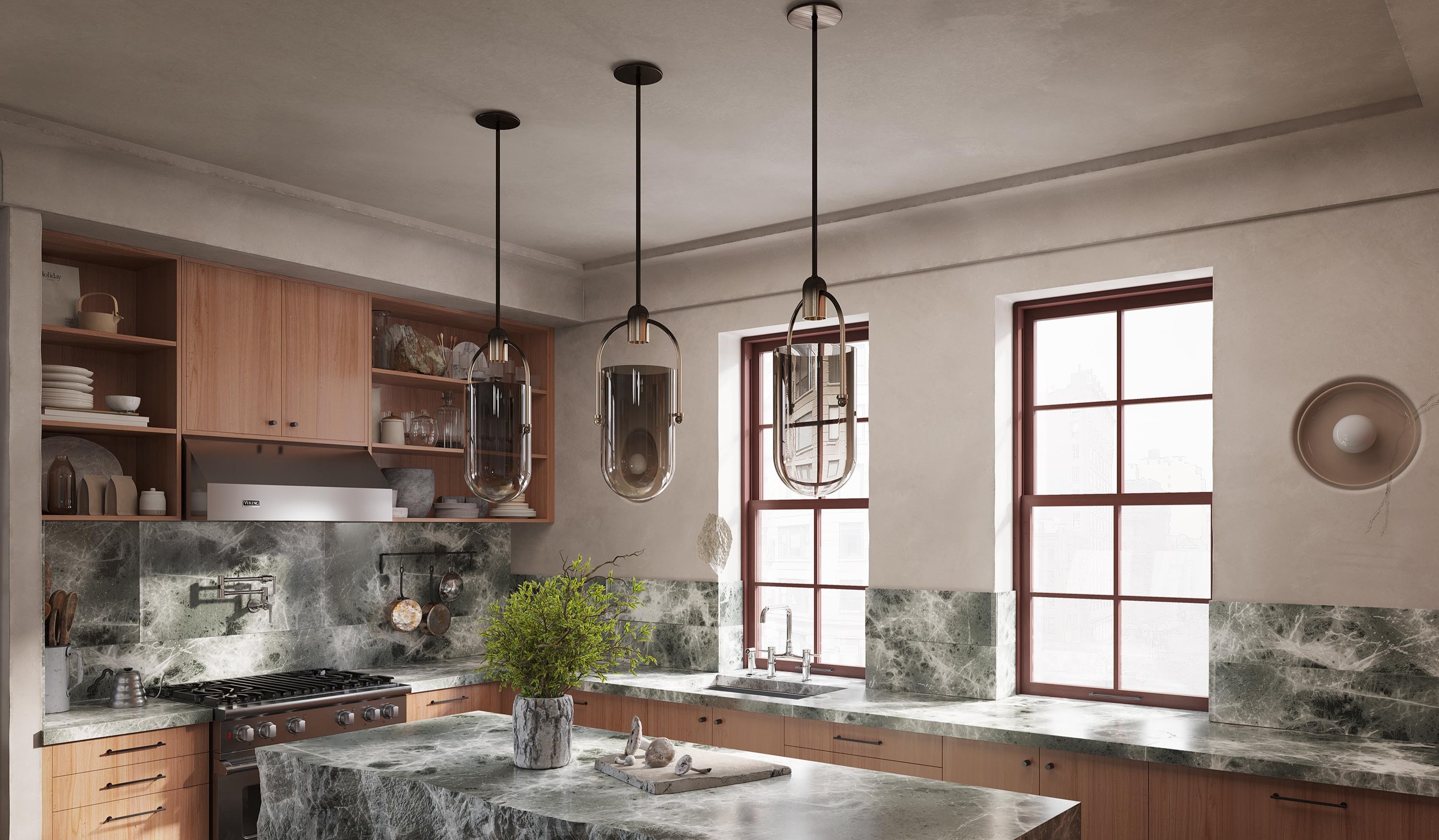
This Kitchen Trend Can Make Your Space Look Like a Charming, Tuscan Retreat — "It's Instantly Warming"

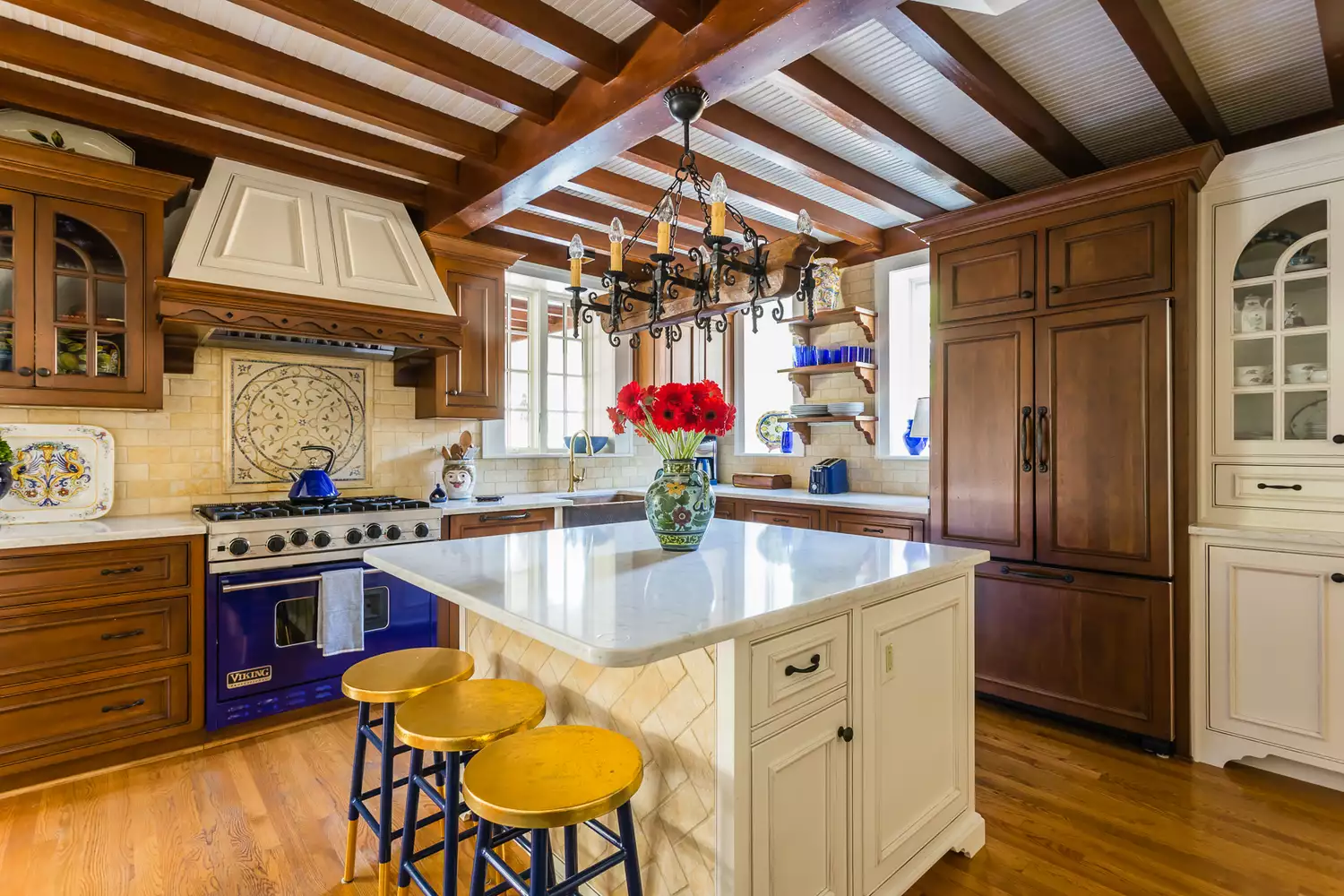
21 Spanish-Style Kitchens for Your Next Remodel

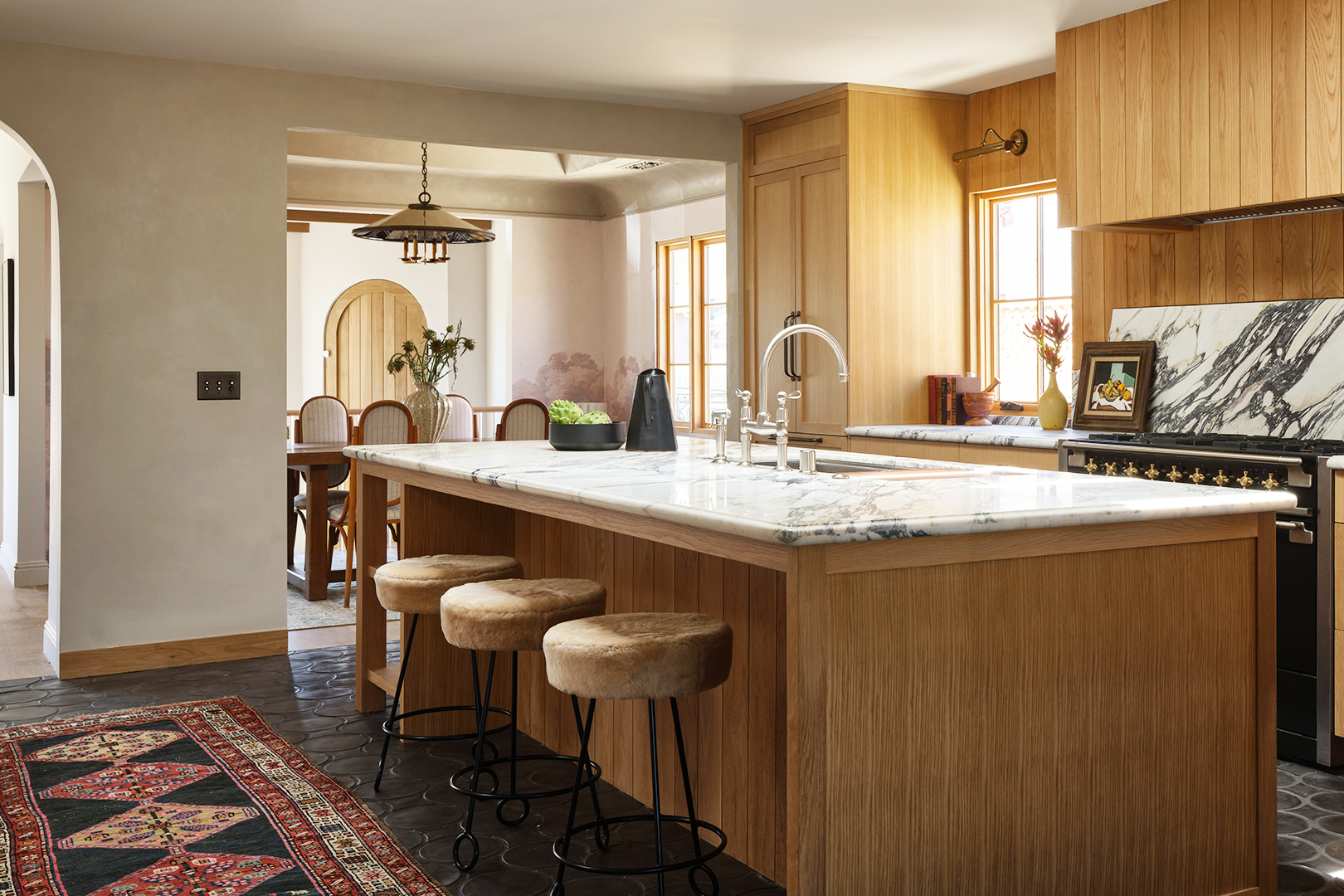
Even the ADU at This Spanish-Inspired Cali Home Puts a Fresh Spin on the Ubiquitous Style

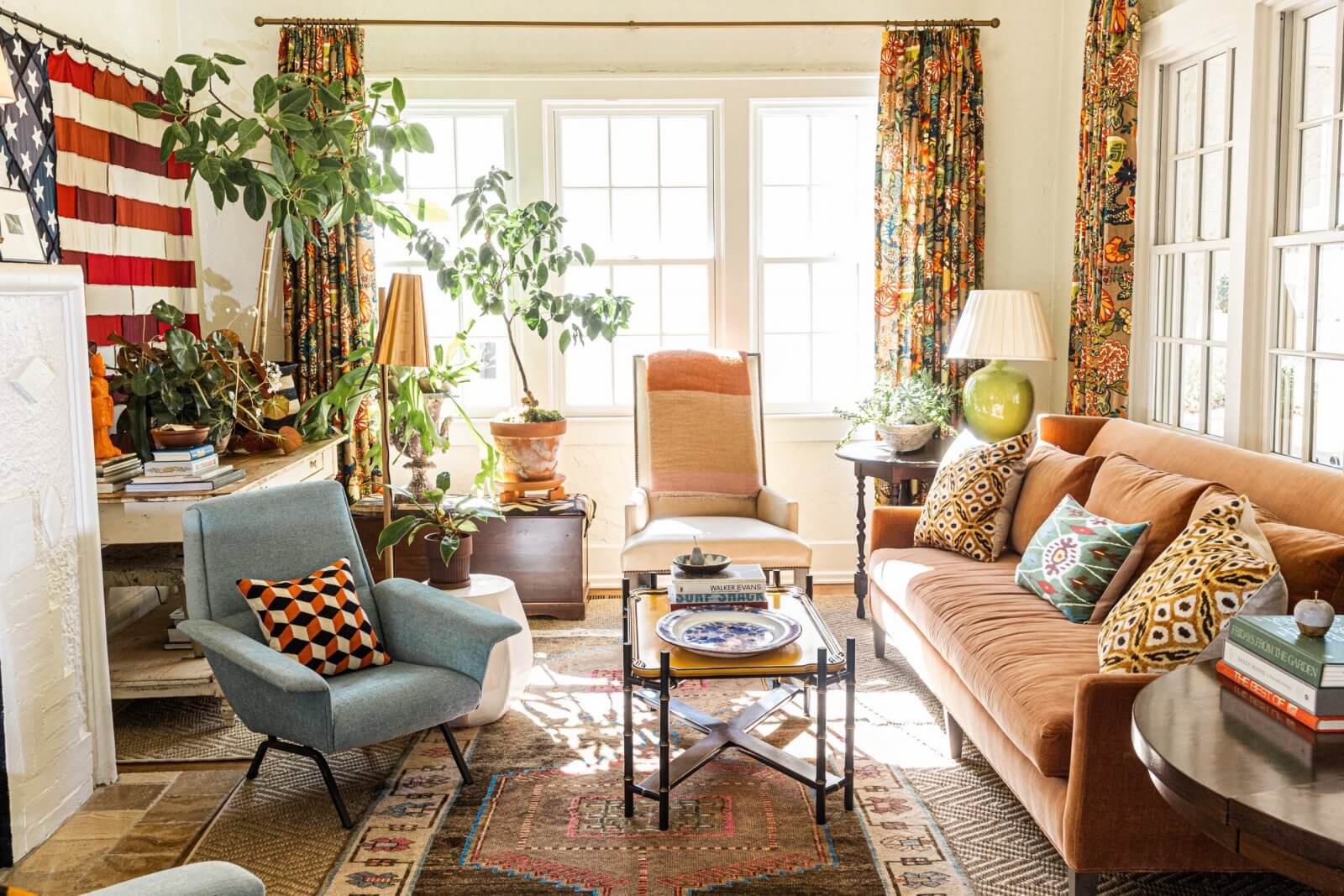
This Spanish Mission-Style Home Embodies Cozy, Eclectic Design

How This Savvy Couple Downsized From a NYC Investment Property to a Rental—And Scored

How European design and traditional style softened the edges of this new build
The Chic 2026 Interior Design Trends That Will Take Over Next Year
This Decor Trend Adds Instant Sophistication to Your Home — How to Get the Look
14 Interior Trends Designers Say Will Define the Year Ahead
You're About To See This Rustic Home Decor Trend Everywhere

13 Ways to Modernize Spanish Style Without Losing Its Charm

A 100-Year-Old Spanish Bungalow Went Through a Disastrous Flip—Here’s How It Was Fixed
Inside a soulful Spanish Revival home in Los Angeles

2024 Needs to Be the Year You Finally Commit to Wallpaper

This Spanish-Style Avalon Home Feels Like A Warm Embrace

A 1940s Colonial Revival Where Color and Pattern Mix With Old and New to Create a Truly Transitional Family Home
Design Trends: Retro Revival

11 Spanish-Style Homes That Are Warm and Inviting