1/10
The Most Iconic Houseplant Trends Through the Decades
Houseplants have evolved from practical additions to essential elements of interior design, reflecting broader societal and cultural shifts. While initially not intended for indoor life, advancements in architecture during Victorian England, such as larger windows and improved heating, made homes hospitable to plants, particularly exotic species from British colonies. This led to a collecting craze, notably for the maidenhair fern, dubbed the Victorian parlour fern, a phenomenon known as pteridomania. Since then, plants have become a constant in interior decor, subject to various trends that mirror changes in fashion, technology, and lifestyle.
In the 1940s, as women entered the workforce during WWII, houseplants gained popularity in offices, serving as a reminder of domestic comfort. African violets and pothos were common, embodying a sense of home away from home. The 1950s saw a "tiki culture" craze, influencing houseplant choices with tropical species like bromeliads, birds of paradise, and philodendrons. These plants, along with Polynesian-inspired decor, offered an escape and a longing for travel, often placed in decorative planters reflecting the era's aesthetic.
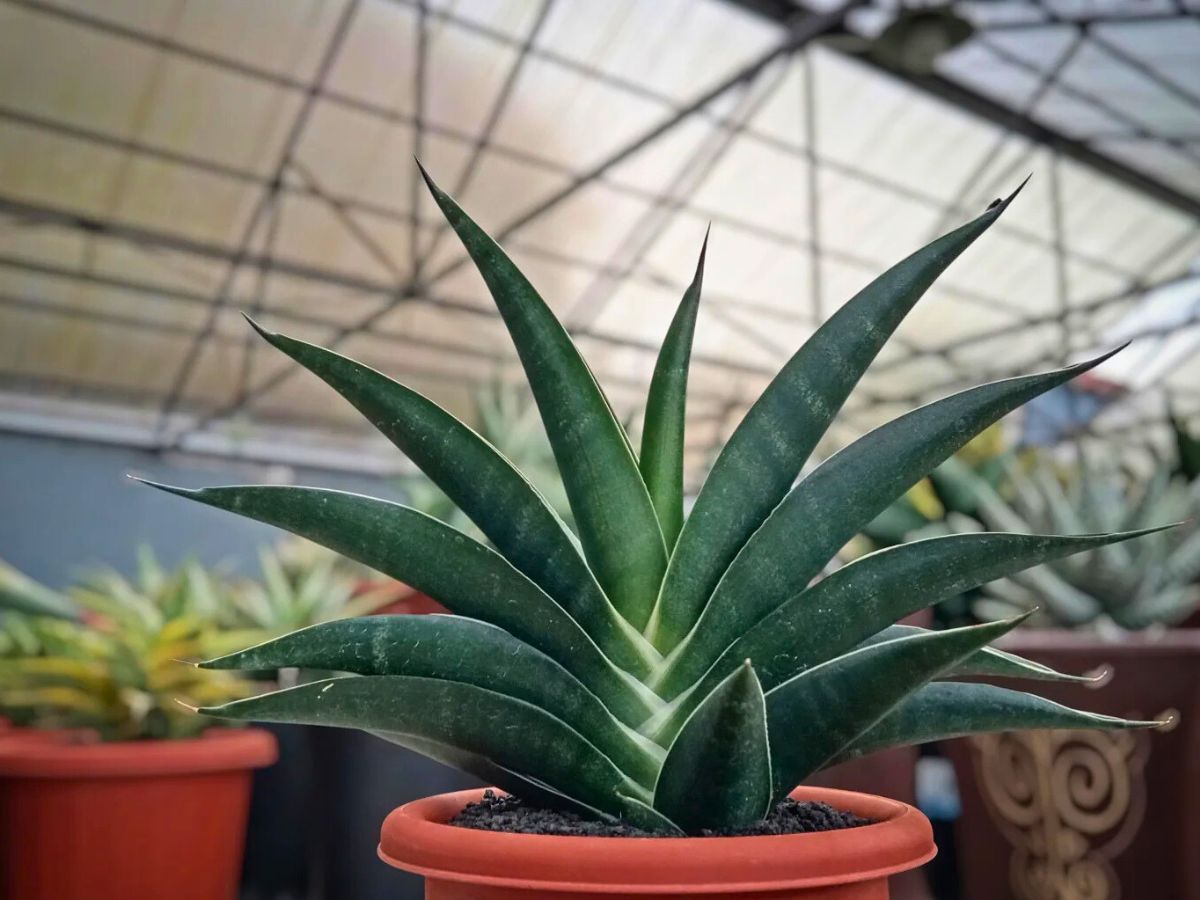
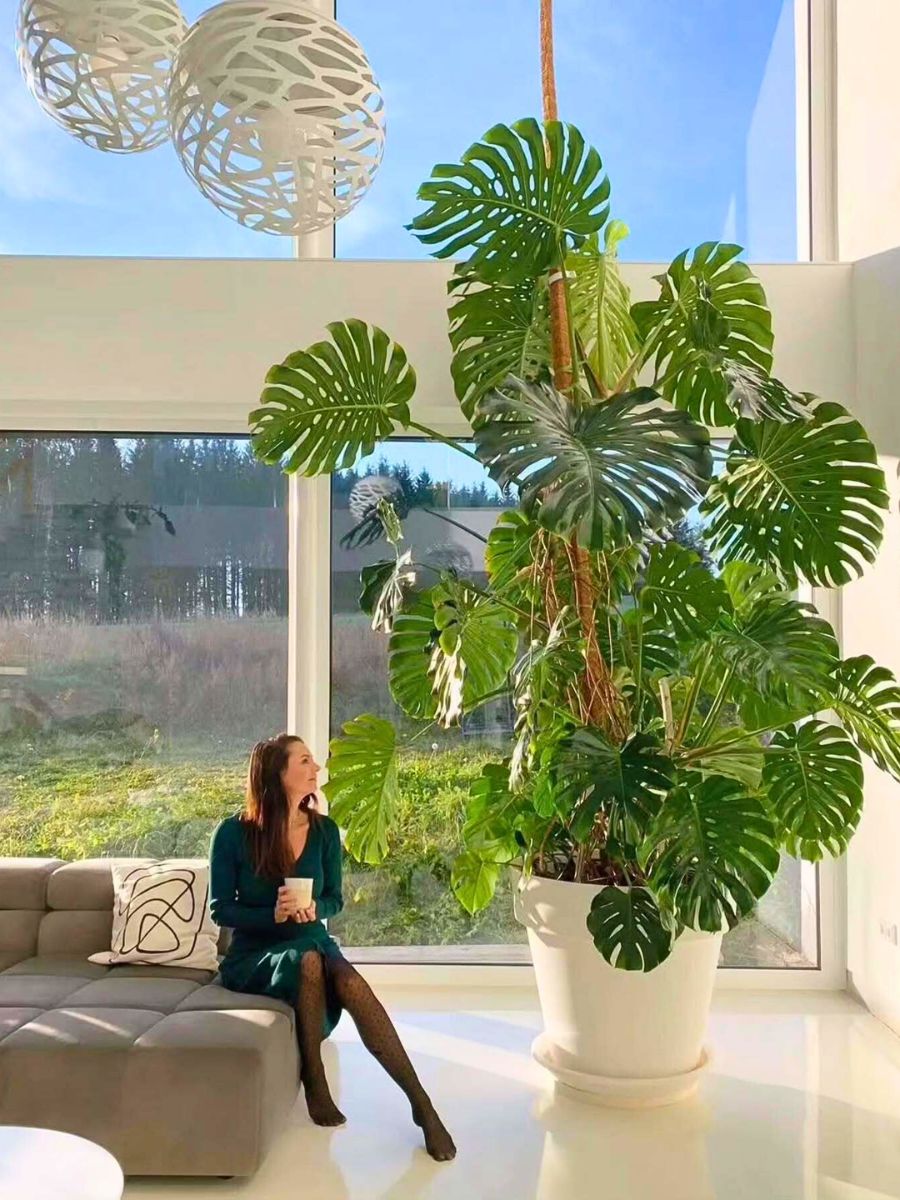
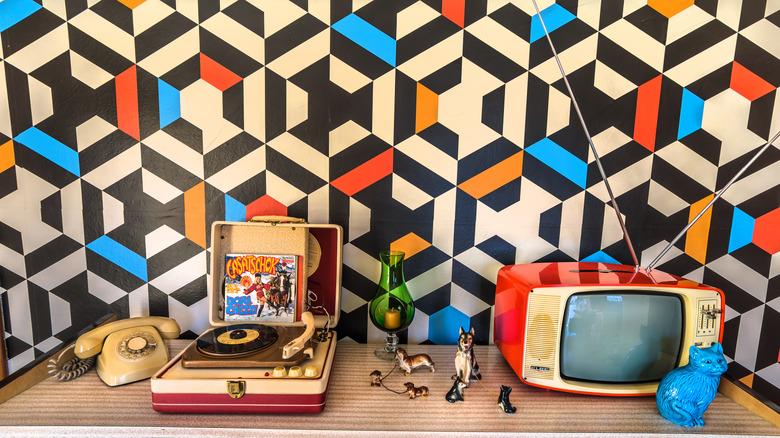
The 1960s, marked by suburbanization and technological advancements, brought a wider variety of houseplants to the growing middle class. Materials like plastic and Lucite became popular for planters, and plants such as snake plants, begonias, golden pothos, and African violets were prevalent. The split-leaf philodendron, or Swiss cheese plant, became an iconic symbol of midcentury design. The 1970s emphasized integrating plants into home interiors, with hanging baskets made of macramé and creeping vines softening the era's geometric architecture. Ferns and spider plants were particularly favored for their unruly and naturalistic textures.
The 1980s saw plants, particularly dramatic palms, confined to large, spa-like bathrooms or commercial spaces like mall atriums, reflecting a preference for glossy, plastic design in other areas of decor. Planters often mirrored the opulent and over-the-top style of the decade. The 1990s presented a dichotomy: early minimalism incorporated bamboo plants, reflecting Asian influences in fashion, while the later rise of boho chic embraced cacti and succulents, inspired by desert landscapes and global textiles. Mood lighting often highlighted these plants in minimalist settings.
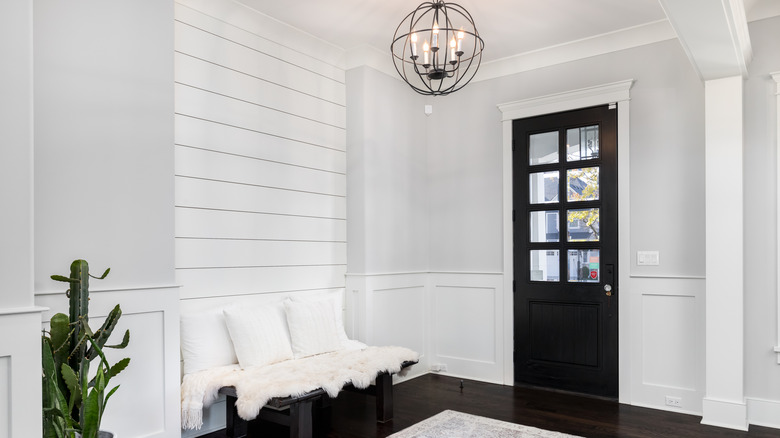
The 2000s were largely dominated by the Tuscan style, characterized by faux-antique plaster, travertine tiles, and ceramic roosters. Potted topiaries and boxwoods, often in distressed, faux Italian planters, complemented this aesthetic. However, the early 2000s, with its tech utopianism and slick, futuristic interiors, was not a particularly strong period for houseplants, favoring artificial-looking environments. The 2010s ushered in the modern farmhouse aesthetic, where plants like silver-toned eucalyptus and the ubiquitous fiddle-leaf fig were placed in upcycled vessels like mason jars. The split-leaf philodendron also re-emerged, aligning with a resurgence of faux midcentury decor.
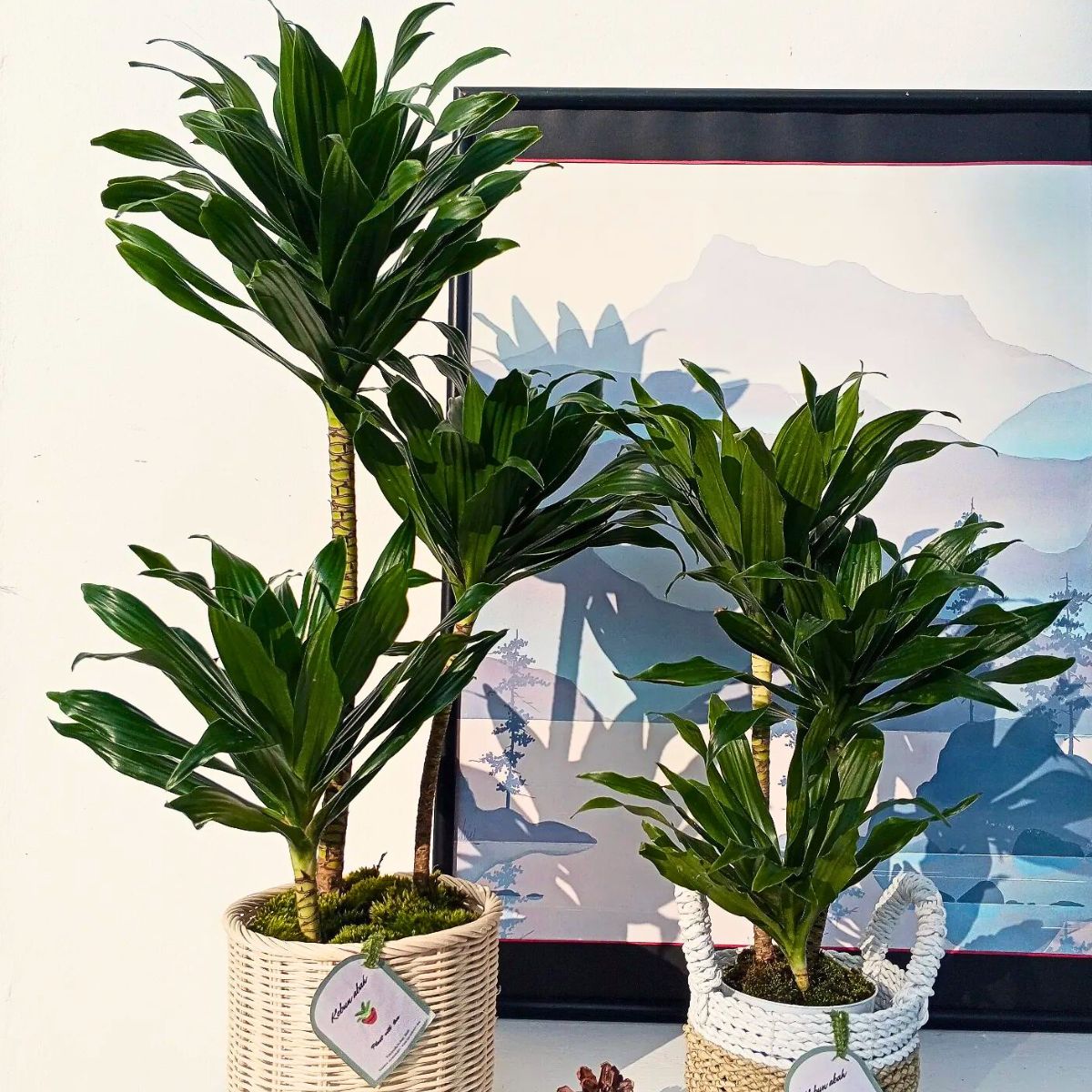
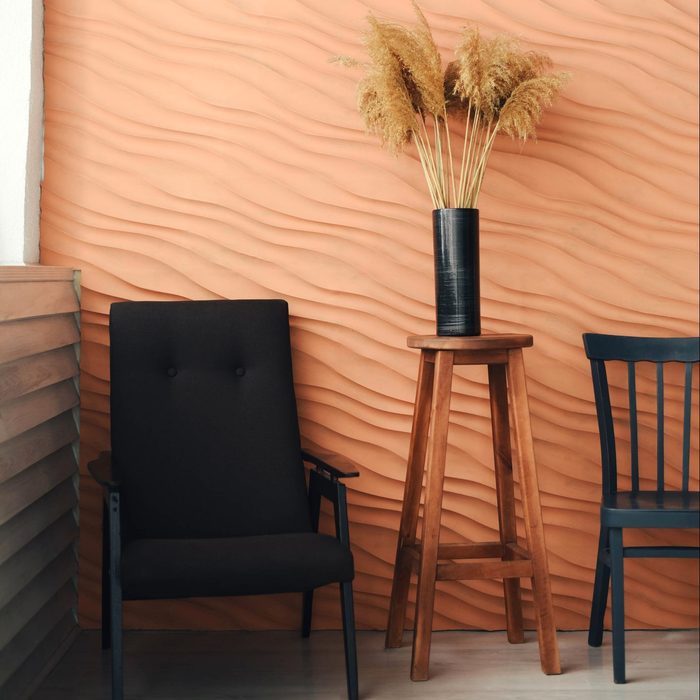
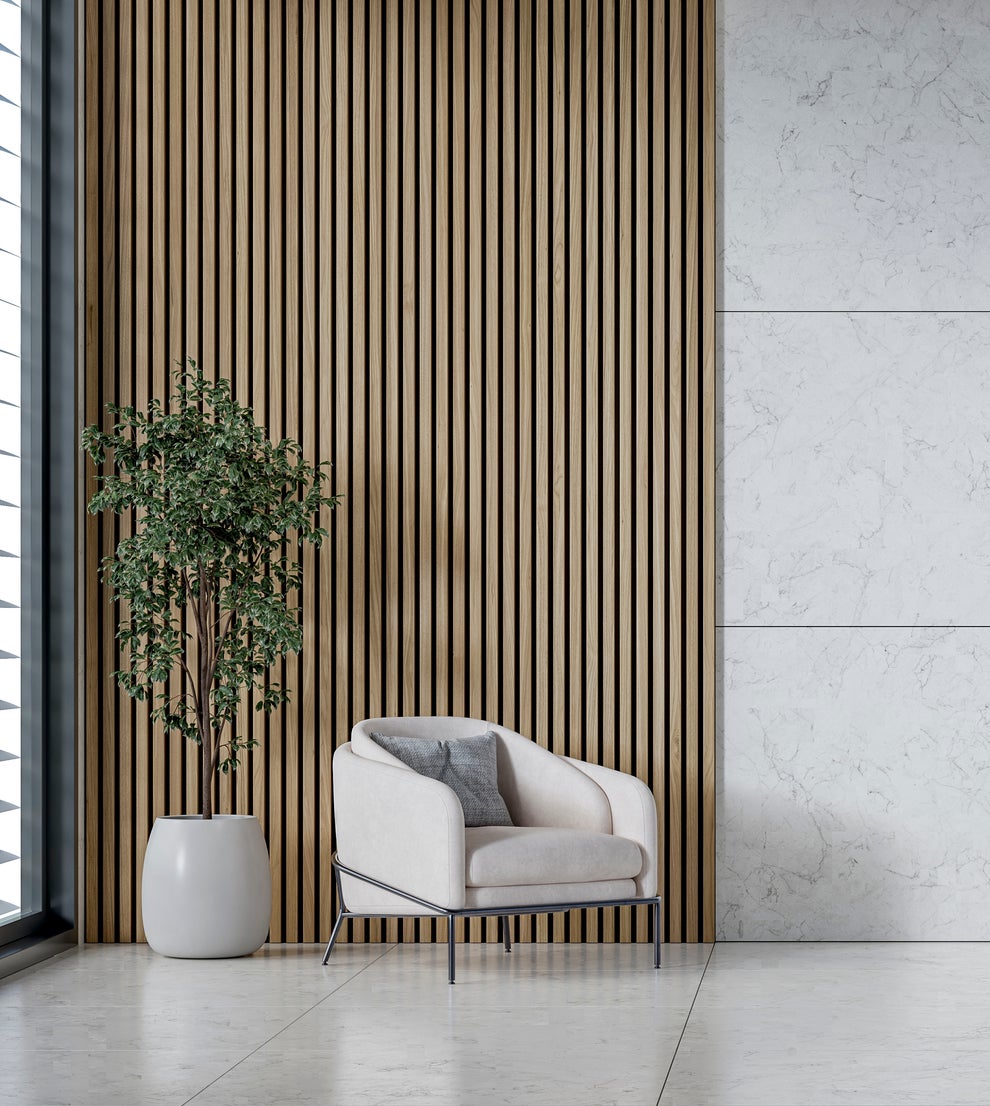
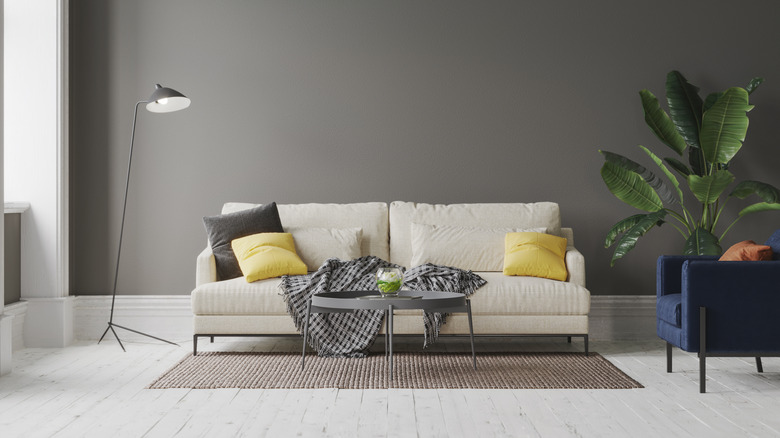
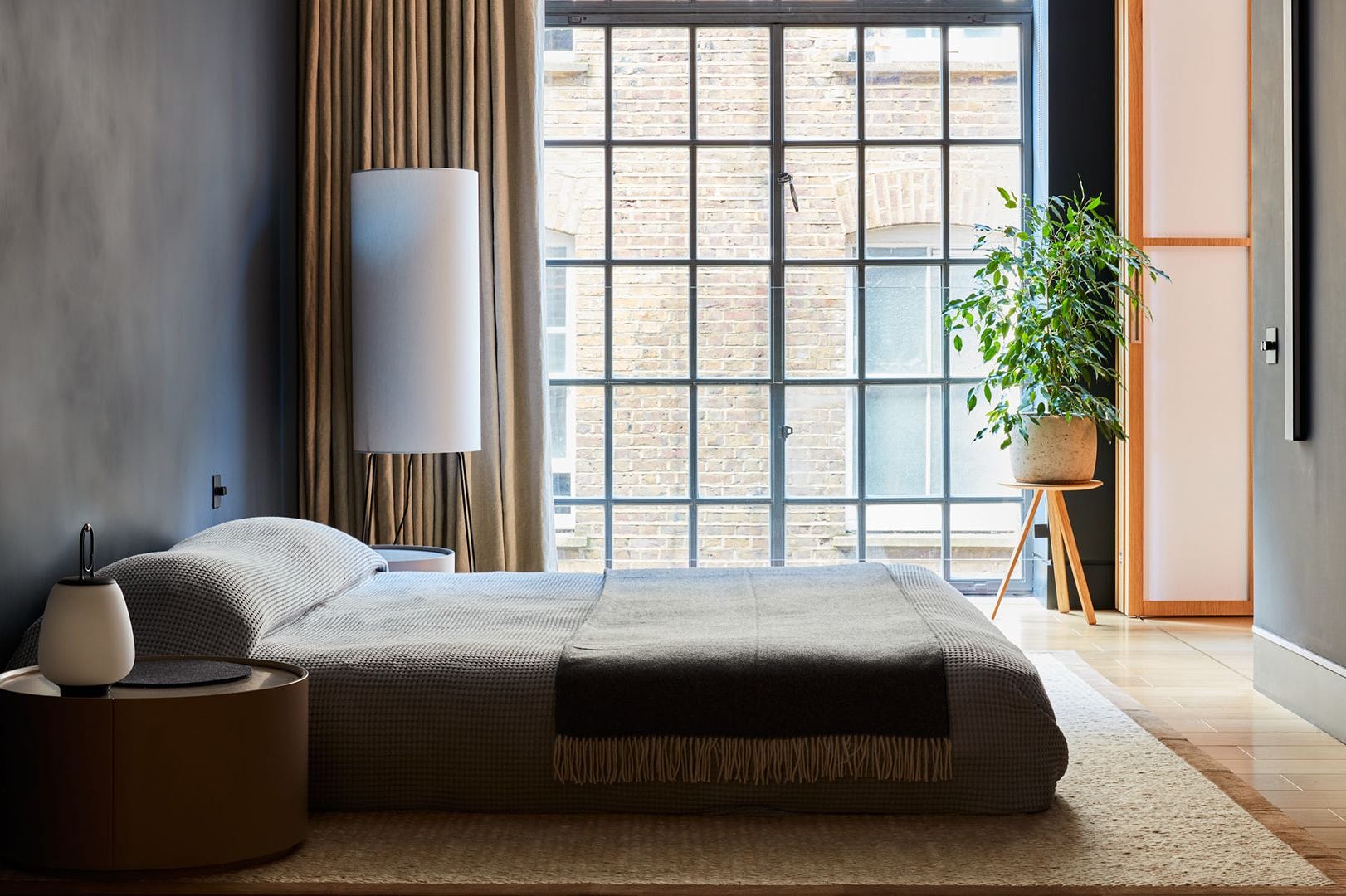
Currently, the trend is moving towards "Japandi" design, a minimalist hybrid of Scandinavian and Japanese influences. This aesthetic favors highly considered, sculptural, yet sparse and airy statement plants. The inherent limitation in the variety of plants suitable for indoor environments suggests that these trends will continue to cycle through over time.
#HouseplantTrends #InteriorDesign #HomeDecor #BotanicalStyling #DecadeTrends #PlantCollecting #VictorianEra #MidCenturyDesign #HouseplantTrends #InteriorDesign #HomeDecor #BotanicalStyling #DecadeTrends #PlantCollecting #VictorianEra #MidCenturyDesign
Hay 0 comentarios en total
 Aún no hay comentarios
También te puede gustar
30 Home Features That Jumped in Popularity This Year

12 Home Trends That Will Be Everywhere Soon

30 of the worst modern home trends that WILL go out of fashion | loveproperty.com

11 Home Design Trends That Are In or Out for 2025

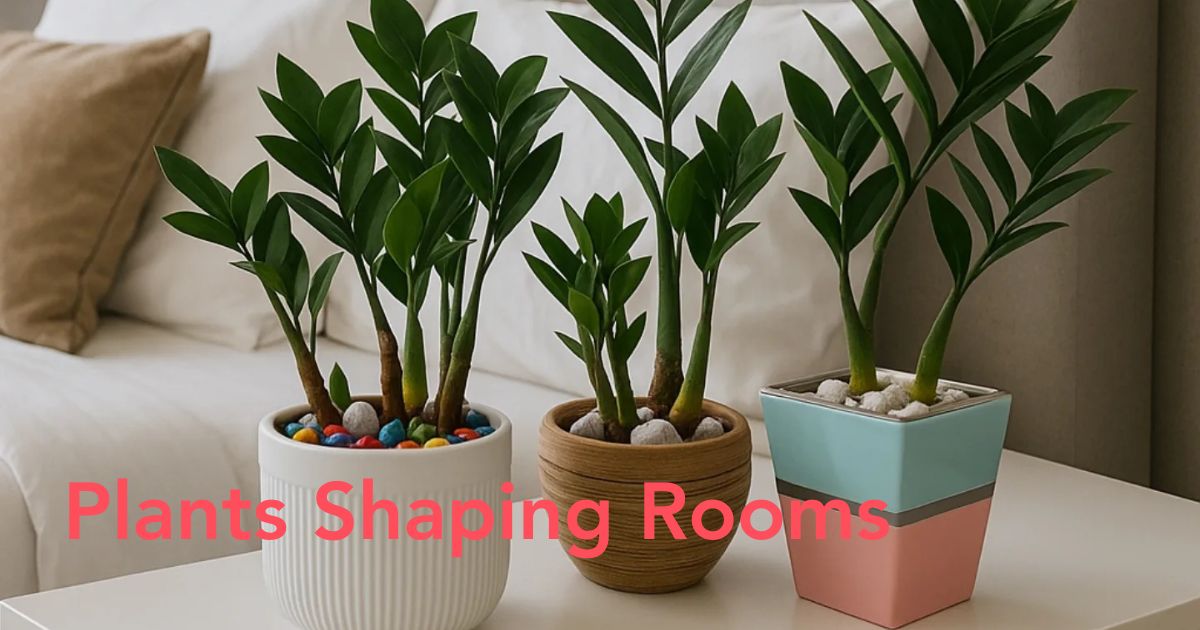
Trending Houseplants Shaping the Year Ahead

Outdated Farmhouse Design Trends That Are Being Replaced In 2025
Real Estate Agents Agree: Every Home Buyer Wants This Vintage Home Feature in 2026

The Biggest Fall Home Trends You'll See Everywhere, According to Pinterest
The Top 10 Kitchen Trends of 2024, According to Experts

People Are Revealing The "Outdated" Home Design Trends That Are Wayyy Better Than Modern Trends
Vintage Home Design Trends That Are Making Huge Comebacks

Outdated Trends That HGTV's Property Brothers Swear Are Ruining Your Home's Vibe
Home Trends


People Are Exposing The Home Decor Trends That'll "Completely Fade Out" Sooner Than You'd Think

13 Home Design Trends That Are Dating Your Home
It’s Time to Say Goodbye to These Outdated Design Trends in 2024
11 Vintage Home Trends That Are Making a Comeback

40 Outdated Home Trends We Hope Never to See Again

These Are The Top Design Trends Worth Trying
Emerging home design trends to tap into now