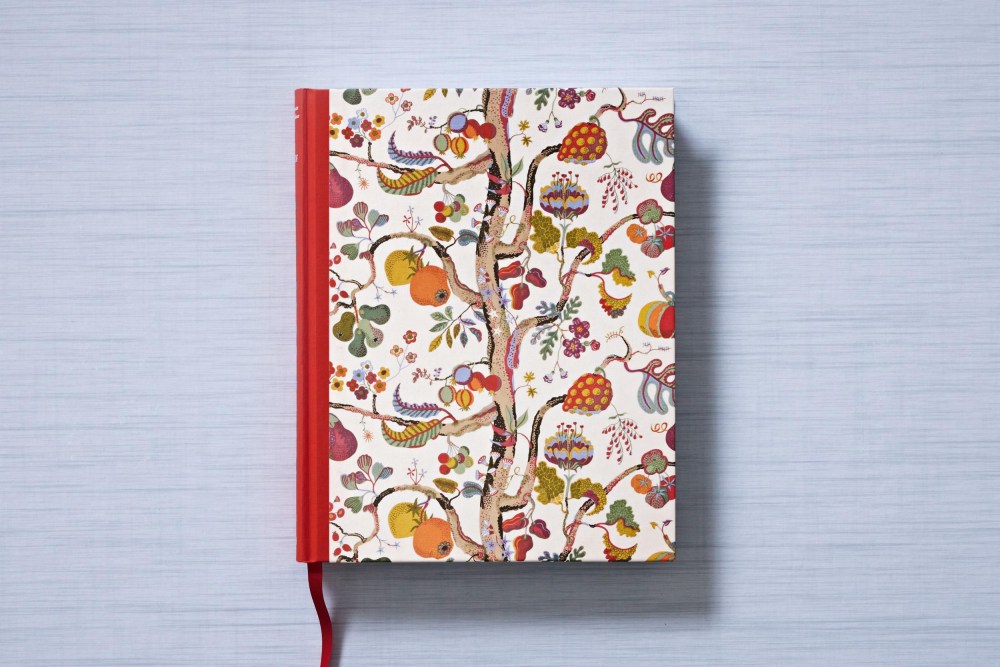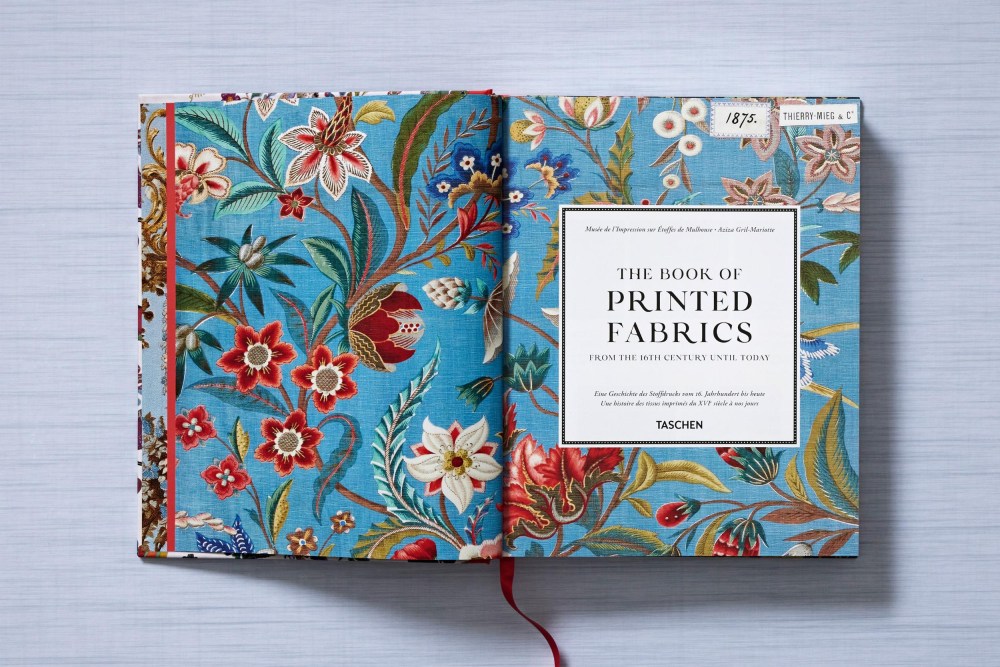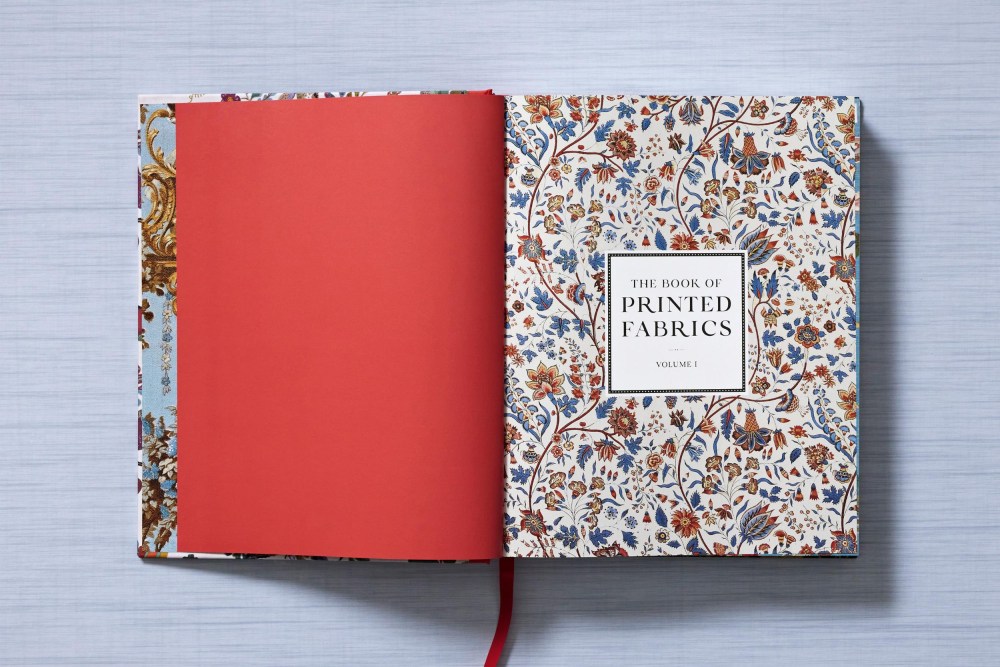

1/8
The definitive textiles primer: Pollack’s fabric expert talks fibers, yarns and more
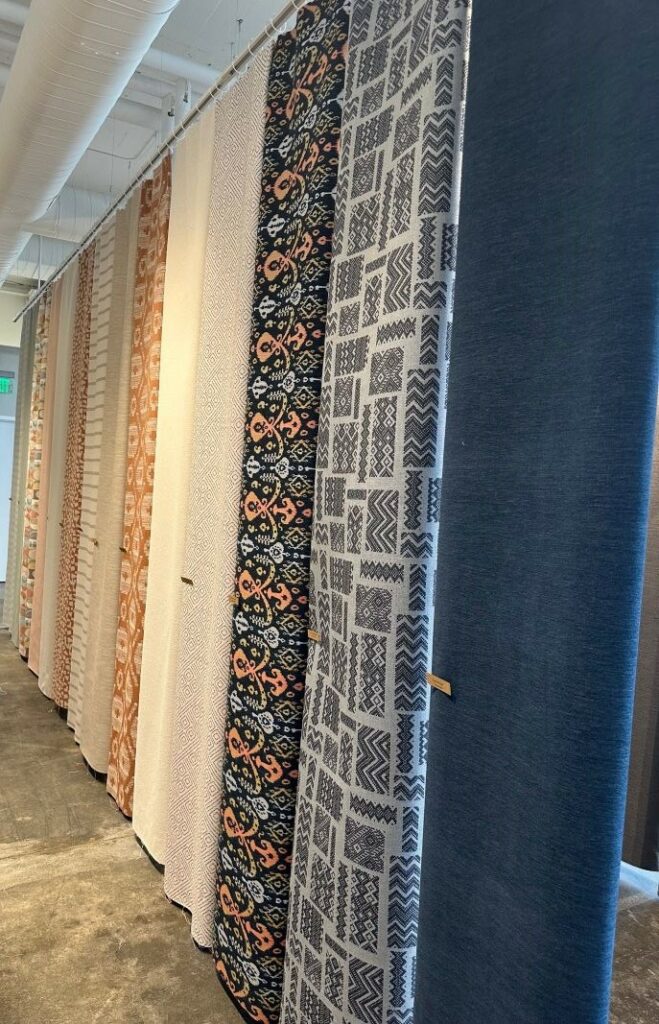
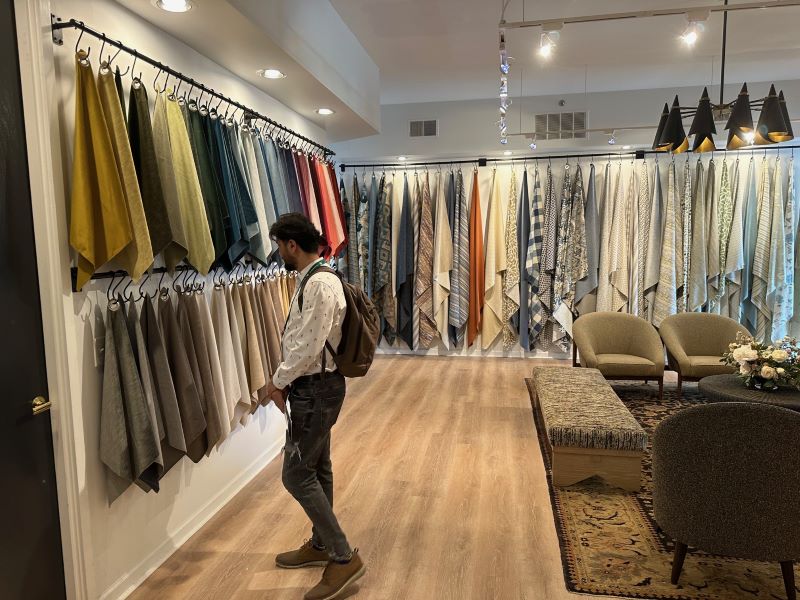
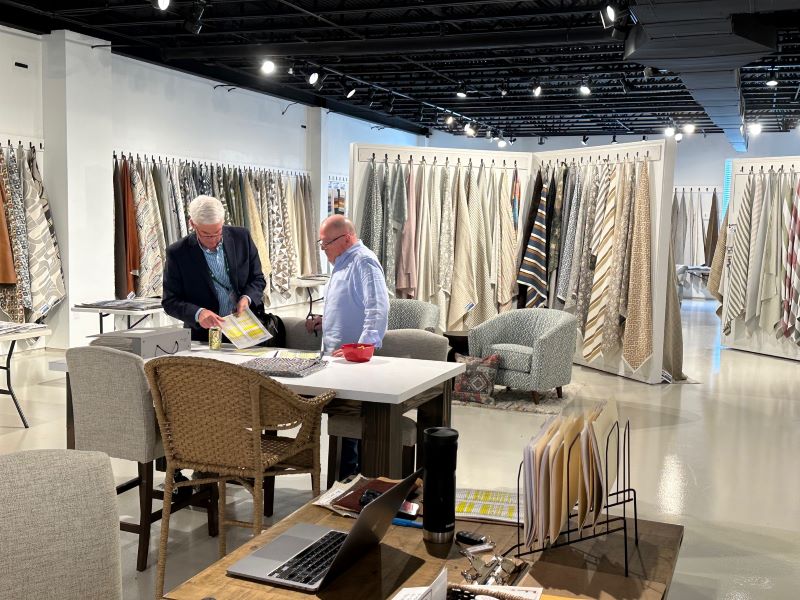
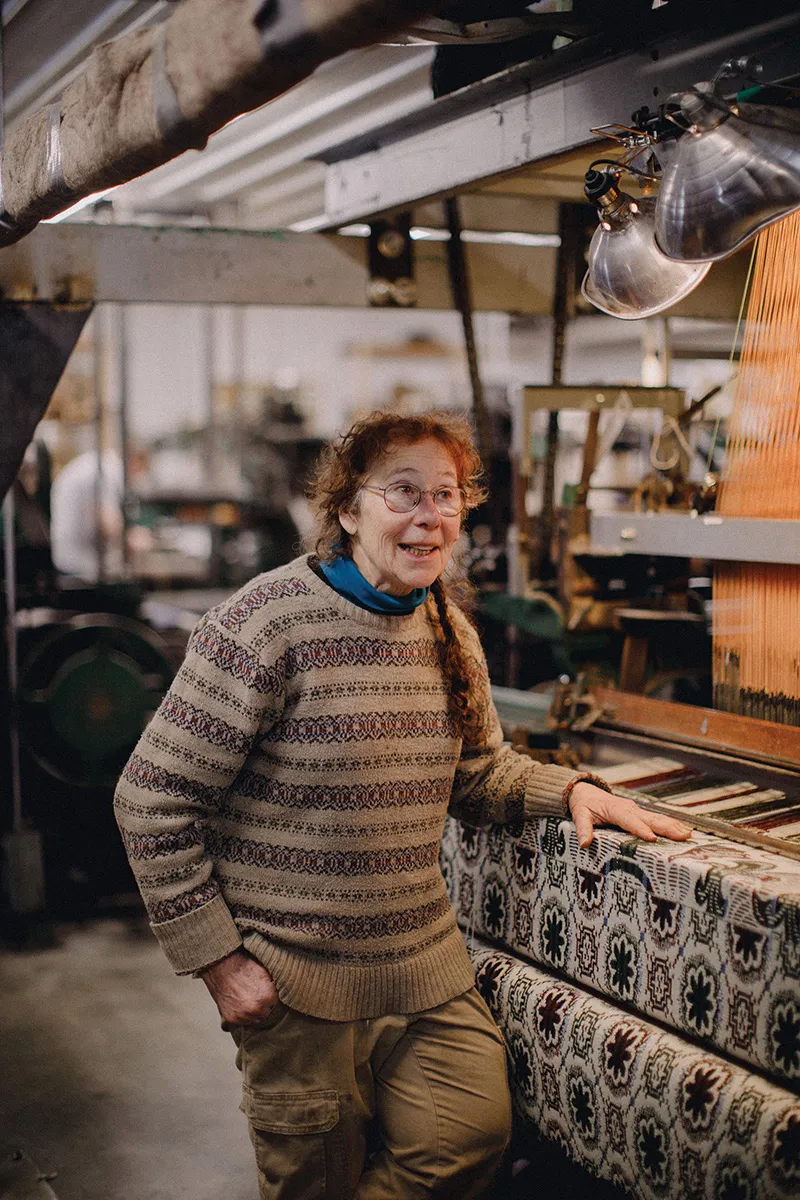
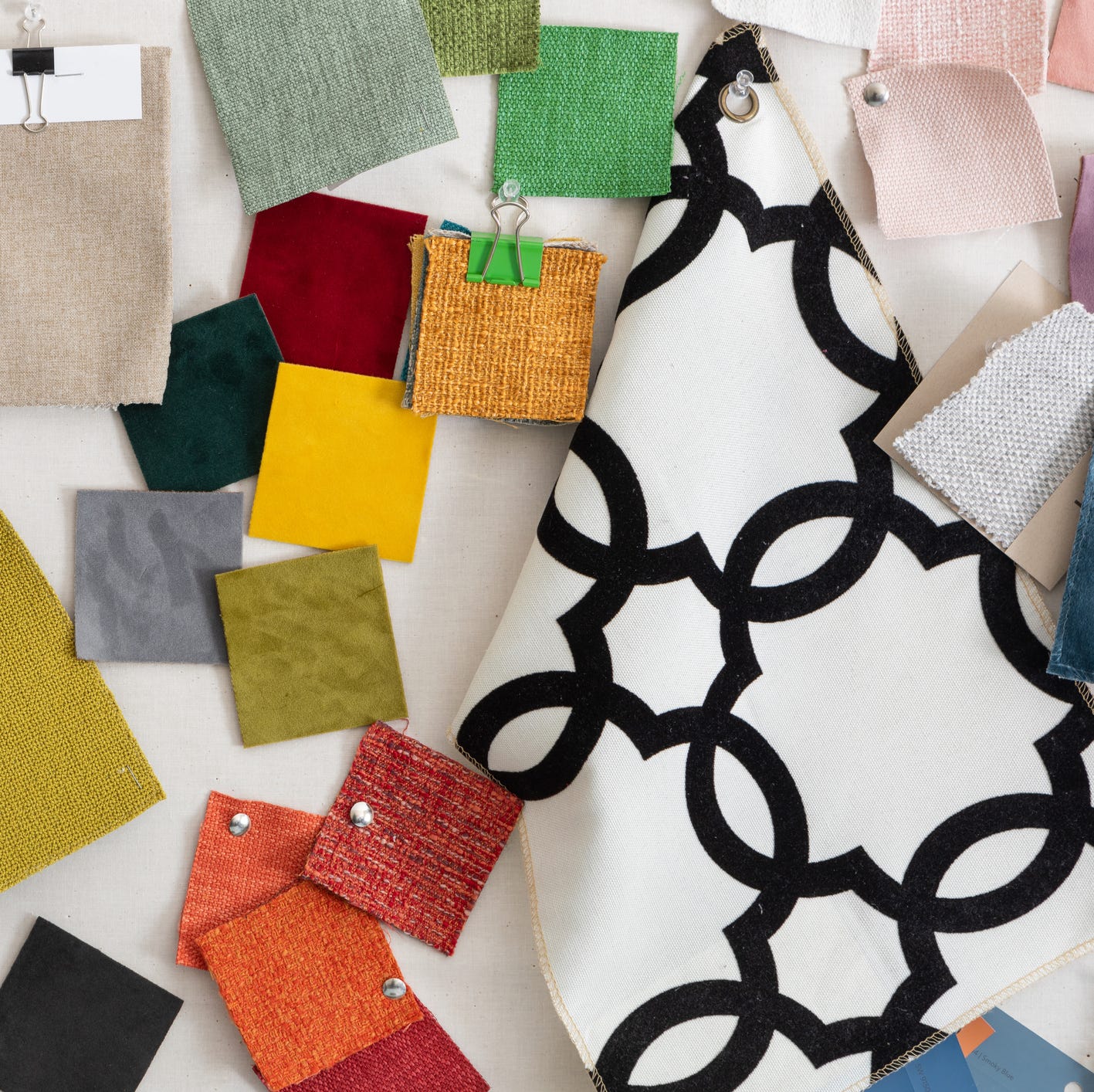
This primer delves into the intricate world of textiles, guided by Rachel Doriss, design director at Pollack, who has dedicated 25 years to the industry. The discussion covers various aspects of fabric, from the fundamental properties of different fibers to advanced weaving techniques, printing methods, and performance considerations for both residential and commercial applications. Doriss emphasizes how understanding these elements is crucial for designers to make informed material selections, fulfill client needs, and avoid common textile-related pitfalls.
The article begins with an exploration of protein fibers, specifically focusing on wool. It details how wool, derived from sheep and lambs, offers resilience and insulation due to its hollow core and natural lanolin coating, making it flame and soil-resistant. The nuances of wool, such as the fineness of Merino and the smooth finish of worsted wool, are explained, along with its suitability for rugs, upholstery, and drapery. The evolution of commercial fabrics, now relying on synthetic fibers for affordability and easy maintenance, is also touched upon. Other animal fibers like mohair (from angora goats), cashmere (from cashmere goats), alpaca, camel hair, and angora rabbit fur are introduced, each with unique characteristics that contribute to their specific applications, from durable theater seating to soft, luxurious garments. Silk, originating from silkworms, is highlighted for its unique luster and delicate nature, primarily recommended for decorative residential use due to its UV sensitivity.
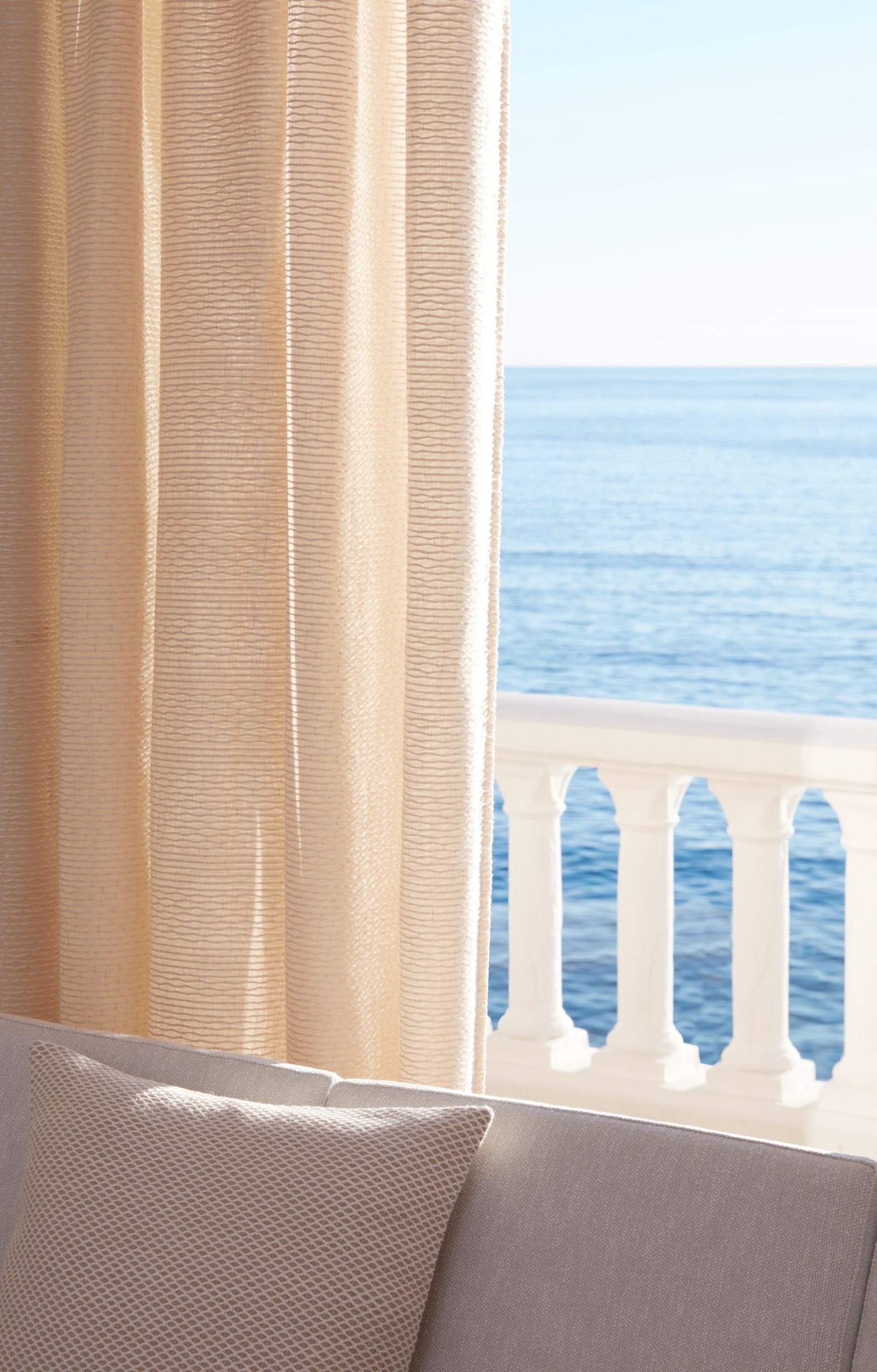
Transitioning to plant fibers, the primer discusses cotton and linen. Cotton, known for its moisture-absorbing properties, is often blended with other fibers for increased durability. Linen, one of the oldest fibers, is celebrated for its strength, luster, and characteristic wrinkling, which Doriss describes as part of its appeal. The processing of flax to produce linen, including retting and the origin of 'towhead,' is detailed. Practical advice for using linen, particularly for drapery, is provided, accounting for its reaction to humidity. The article also covers rayon and its variations (viscose, modal, acetate, bamboo), explaining their cellulosic origin and versatility in mimicking natural fibers like linen or silk. Despite past misconceptions, rayon is presented as a valuable fiber with a beautiful hand and fluid drape, particularly when used strategically to minimize shading.
Synthetic fibers, such such as polyester, polyurethane, and acrylic, are examined for their chemical composition and performance benefits. Polyester, once associated with leisure suits, has evolved into a sophisticated material that can emulate natural fibers, offering easy cleaning and durability. Polyurethane forms the base for faux leathers, while acrylic provides fade and moisture resistance, making it ideal for outdoor use and as a wool alternative. The strategic blending of synthetic fibers like polyester and nylon with luxury yarns in warp and weft constructions is discussed as a way to enhance durability and manage costs.
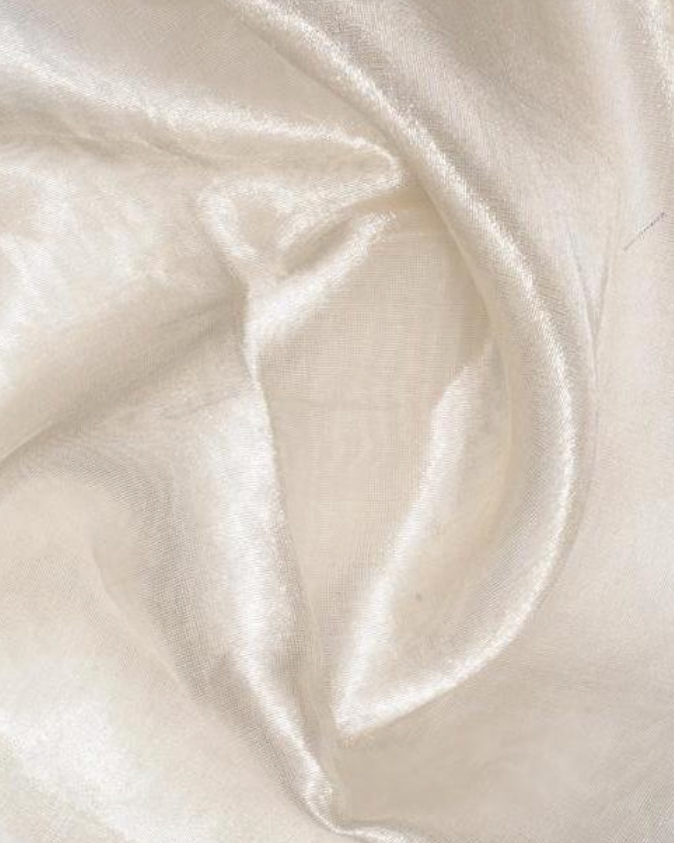
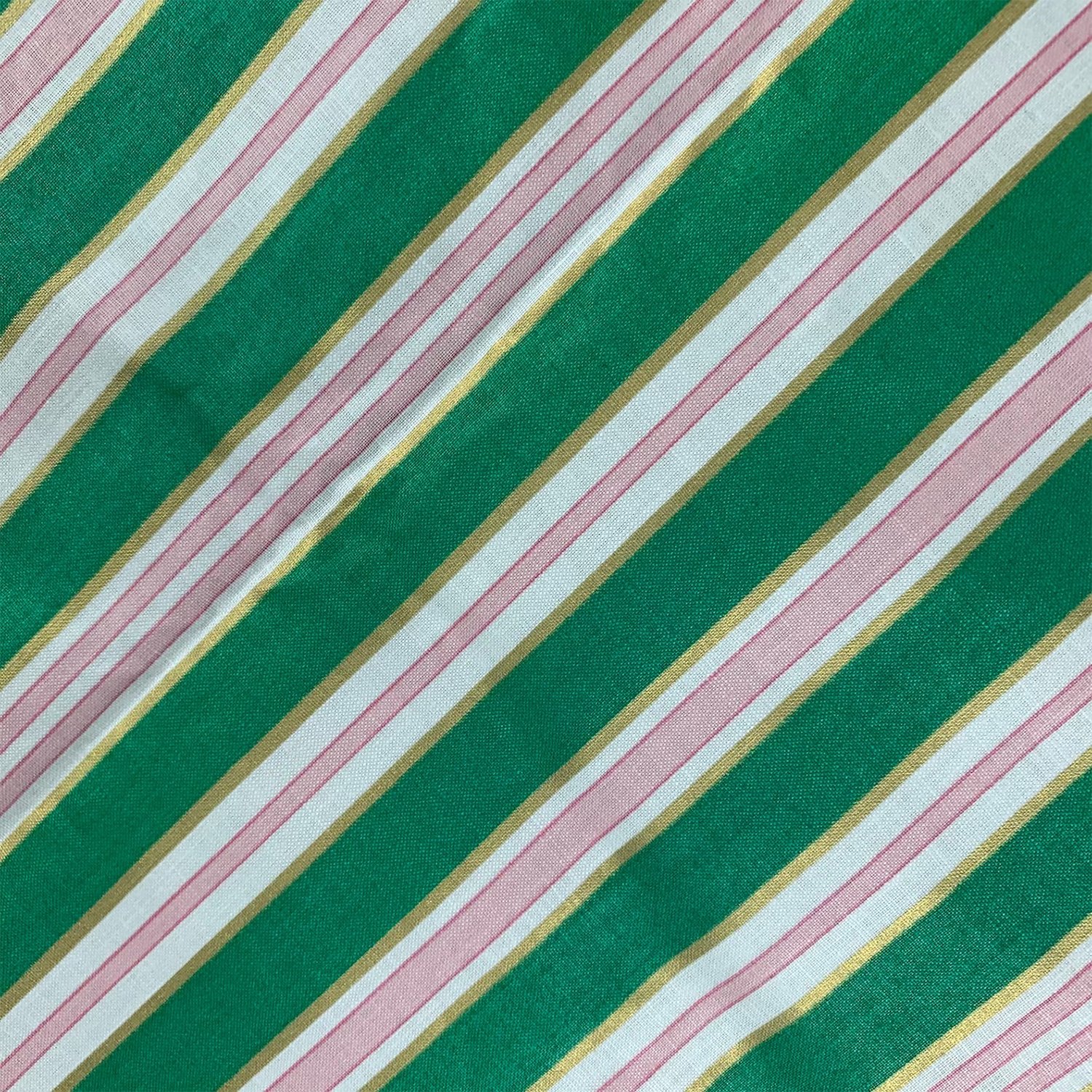
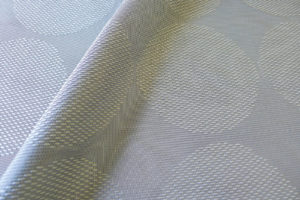
The role of yarn in defining a fabric's personality is explored, with a focus on novelty yarns like boucle and chenille. The importance of yarn tightness in relation to strength and appearance is explained using the analogy of braiding hair. Various weave constructions—plain, basket, twill, and satin—are described, clarifying that satin refers to a weave rather than a fiber type. The susceptibility of certain weaves to snagging is noted, and designers are encouraged to physically examine fabric samples. The article also introduces the Martindale and Wyzenbeek scales for measuring abrasion resistance, cautioning that high double rub counts do not always equate to overall durability, necessitating consideration of factors like pilling, seam slippage, and cleanability.
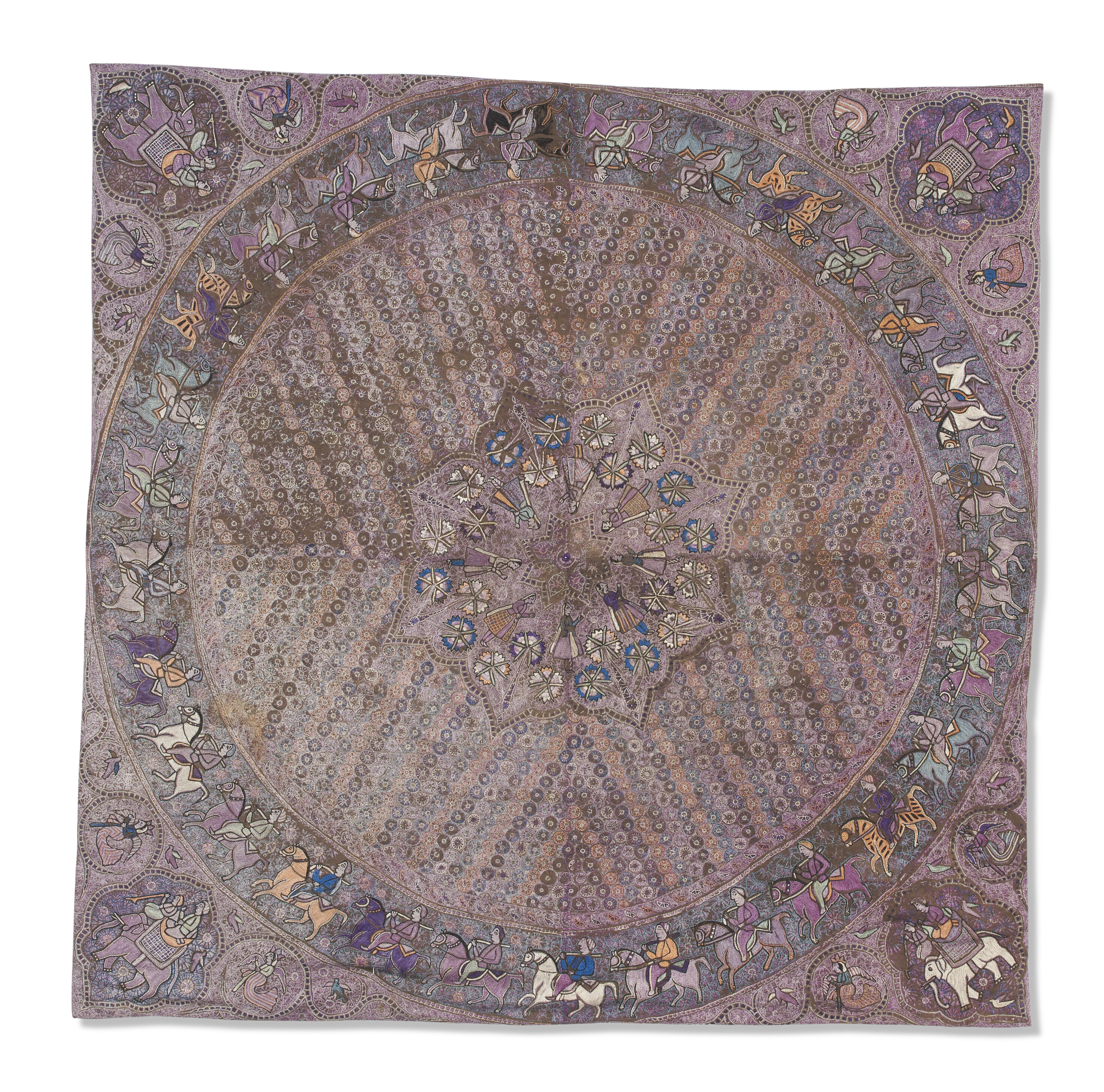
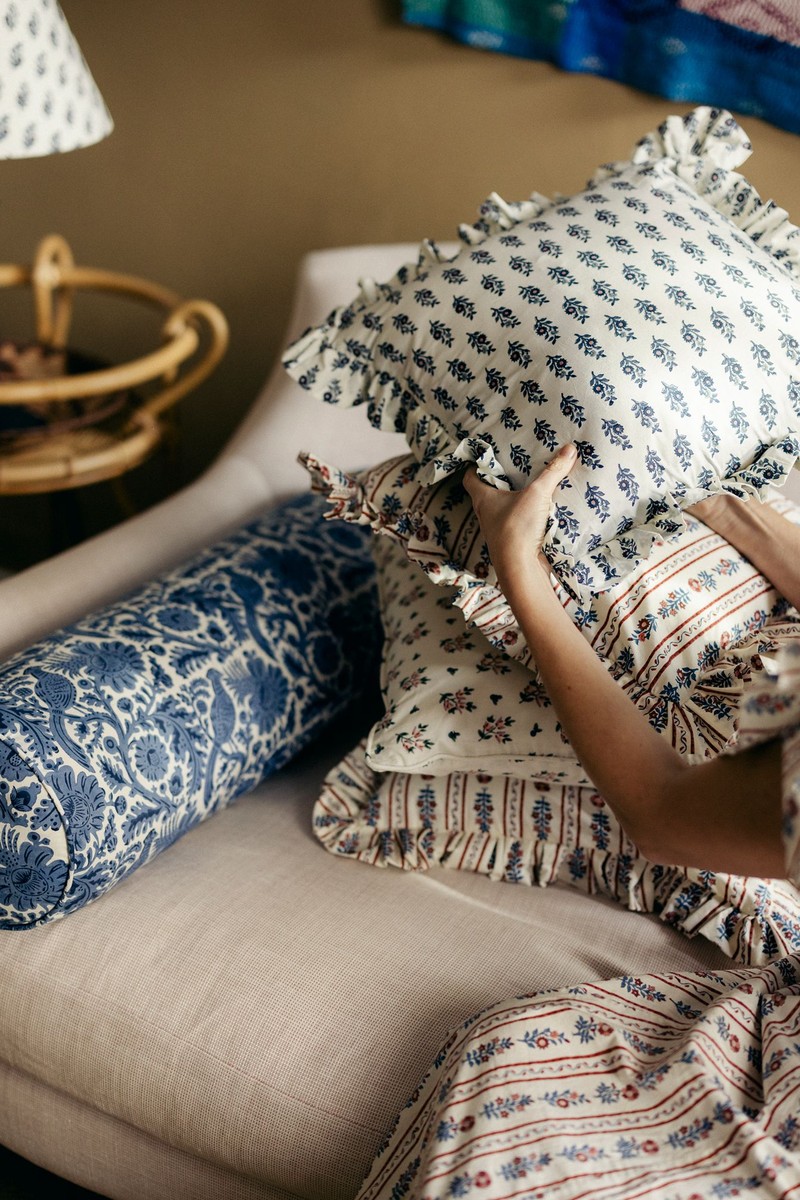
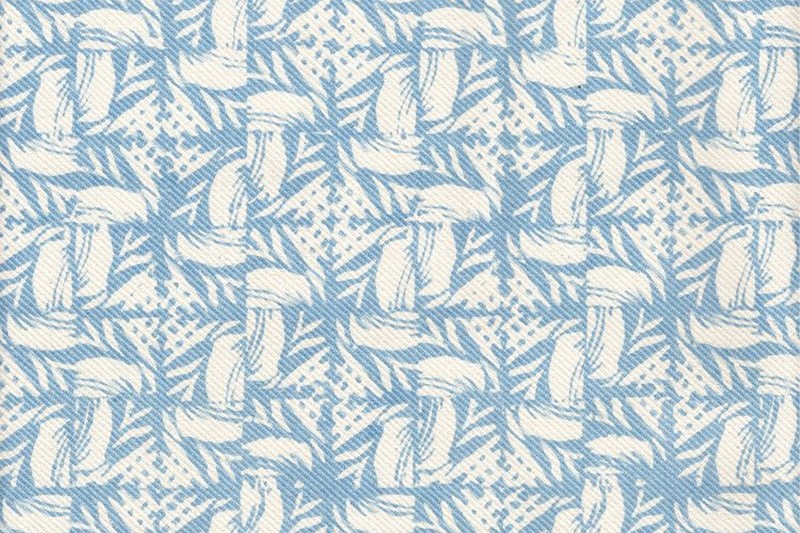
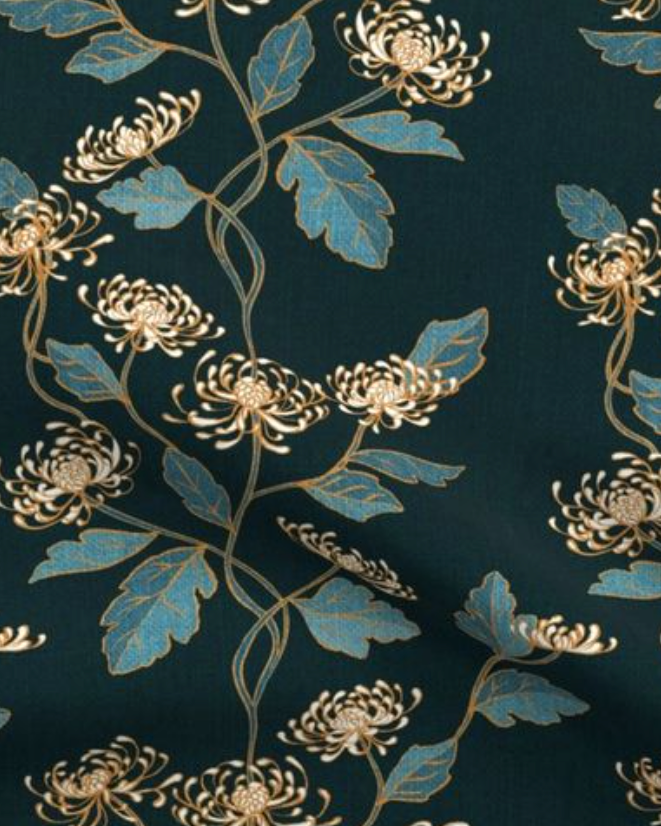
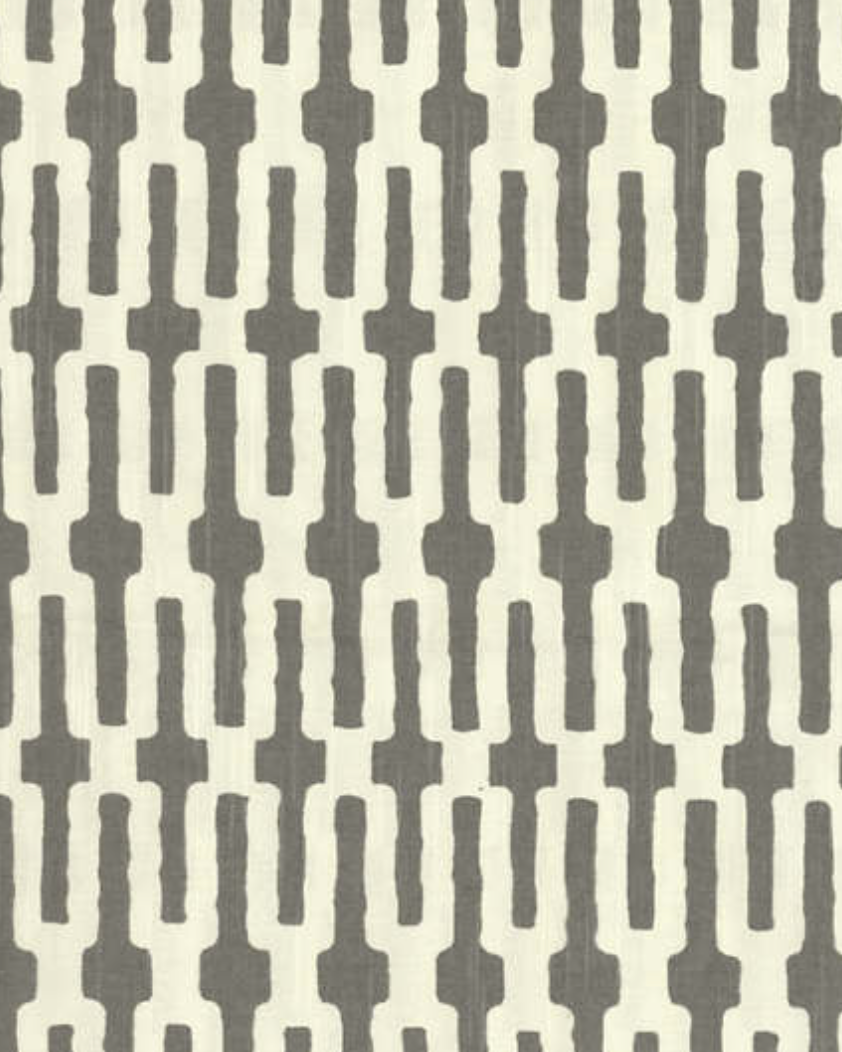
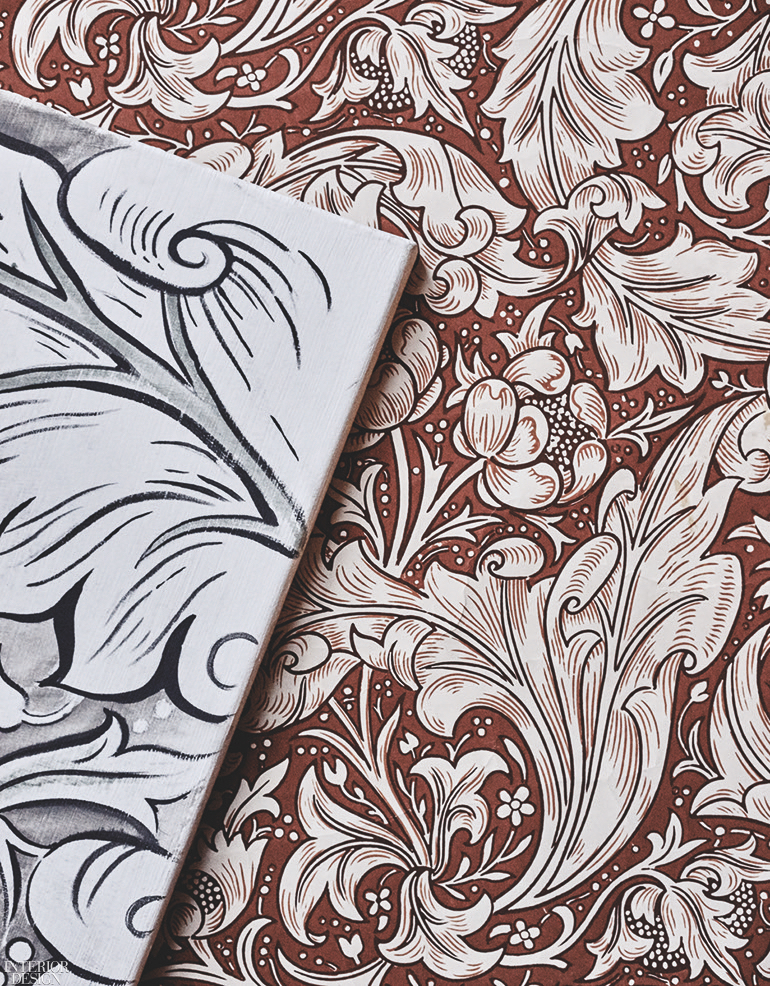
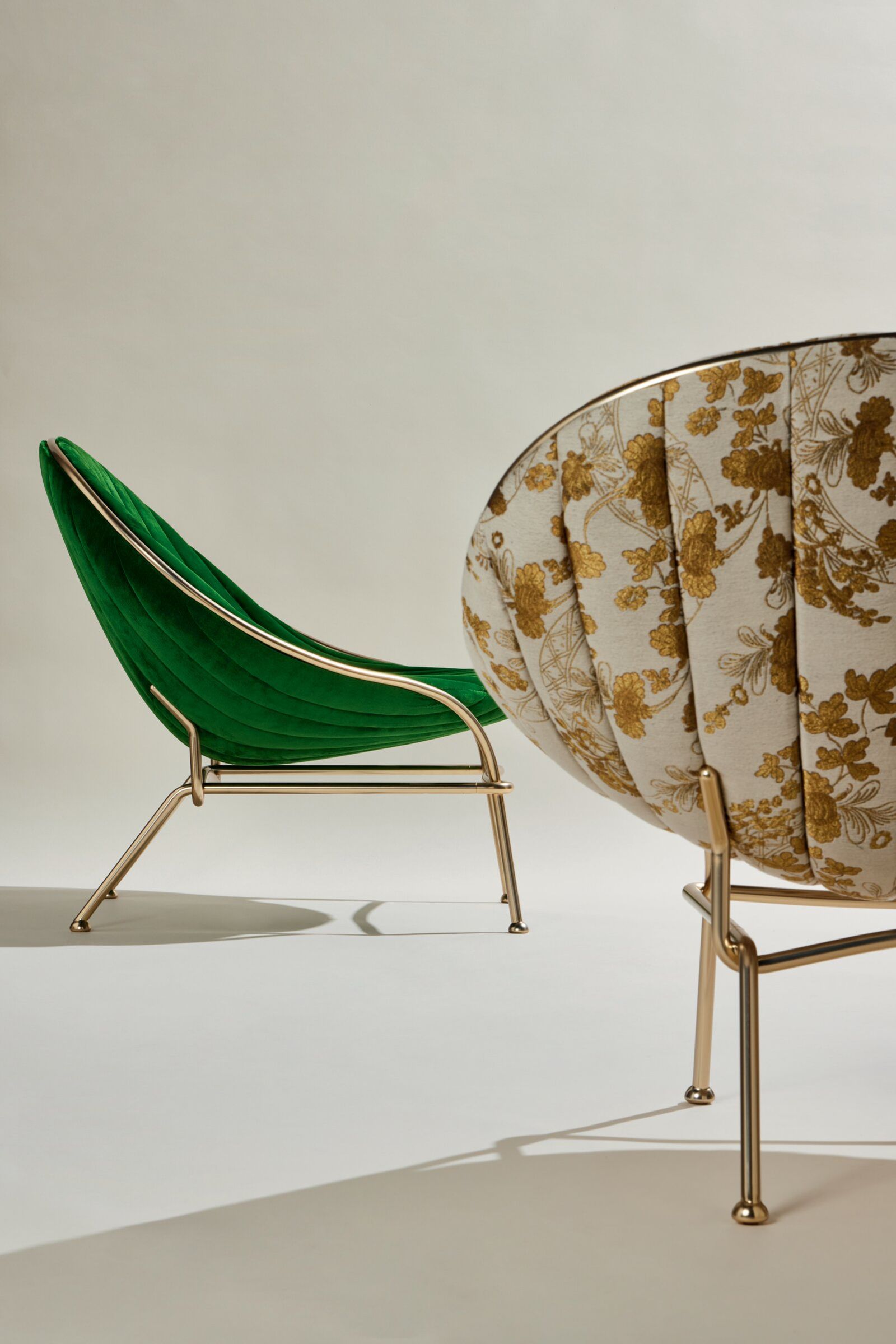
Velvet, a popular upholstery fabric, is explained in terms of its construction, differentiating between loop and cut pile variations. The phenomenon of 'crushing' or 'panne' in pile fabrics is discussed, along with how different fibers, like linen, contribute to specific aging effects. The primer then delves into printing and embellishment techniques. Digital printing is highlighted for its ability to achieve painterly effects with numerous colors, while screen printing is described as a more artisanal process involving individual screens for each color. Block printing, an even more labor-intensive method, is celebrated for its authentic, handcrafted variations. Embroidery, both machine-guided and hand-guided, is presented as a way to add texture and intricate designs, including unique examples like space-dyed yarn and water-soluble embroidery. Finally, the article discusses performance fabrics, emphasizing solution dyeing for enhanced fade and bleach resistance in synthetic fibers, crucial for outdoor and high-traffic areas. The importance of finishes, not just for protection but also for achieving specific aesthetic effects like blurred surfaces and exaggerated textures, concludes the comprehensive overview of textiles.
#TextilePrimer #FabricFibers #YarnTypes #WeavingTechniques #TextileFinishes #PerformanceFabrics #InteriorDesignMaterials #PollackTextiles #RachelDoriss #TextilePrimer #FabricFibers #YarnTypes #WeavingTechniques #TextileFinishes #PerformanceFabrics #InteriorDesignMaterials #PollackTextiles #RachelDoriss
Hay 0 comentarios en total
 Aún no hay comentarios
También te puede gustar
Knowing the Ropes Explores the Textile Through a New Lens

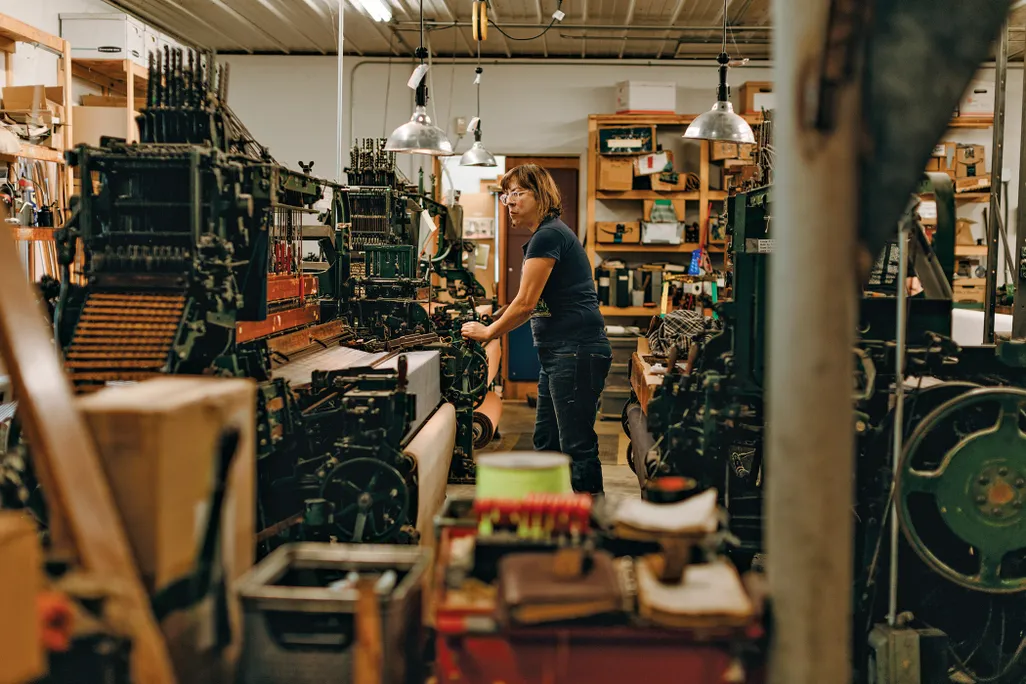
When Hollywood Needs a Historically Accurate Outfit That Looks Just Right, It Turns to Rabbit Goody
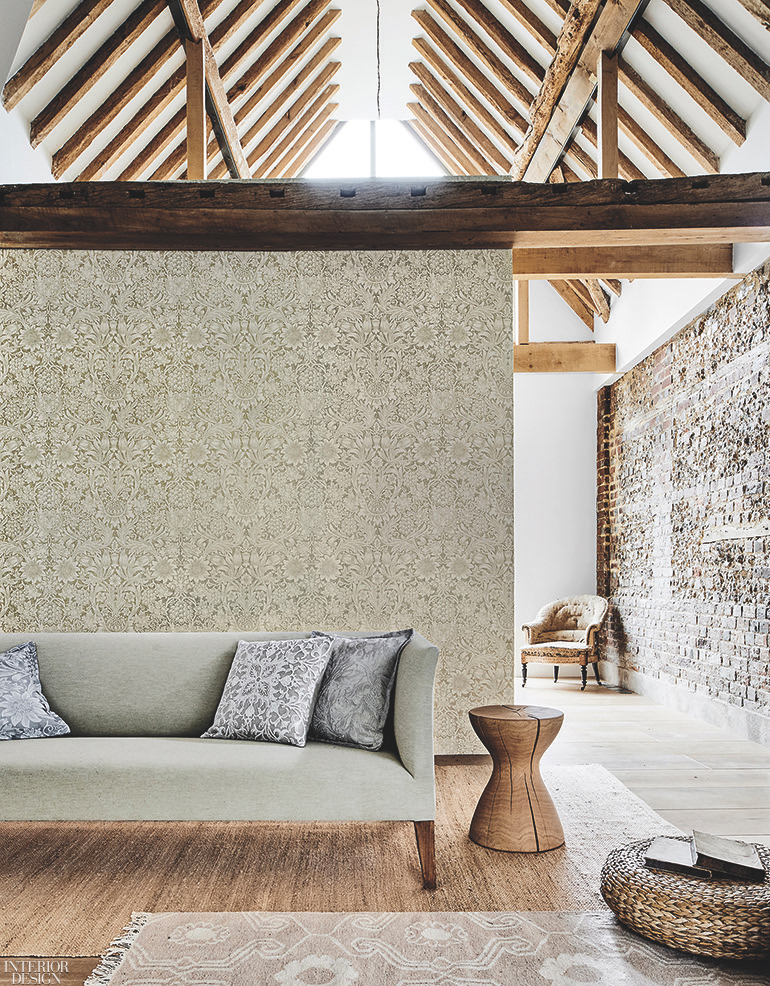
Fabric: Style Library

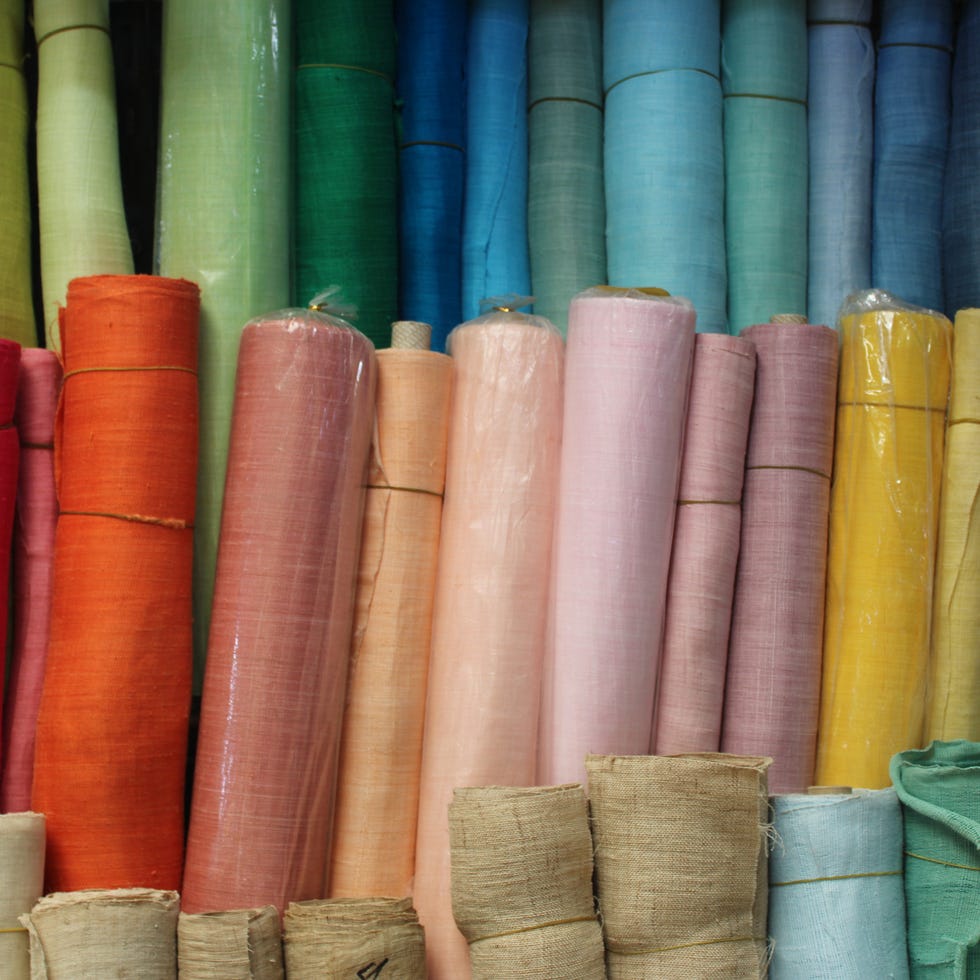
9 Best Places to Buy High-Quality Fabric Now That JOANN Is Closing

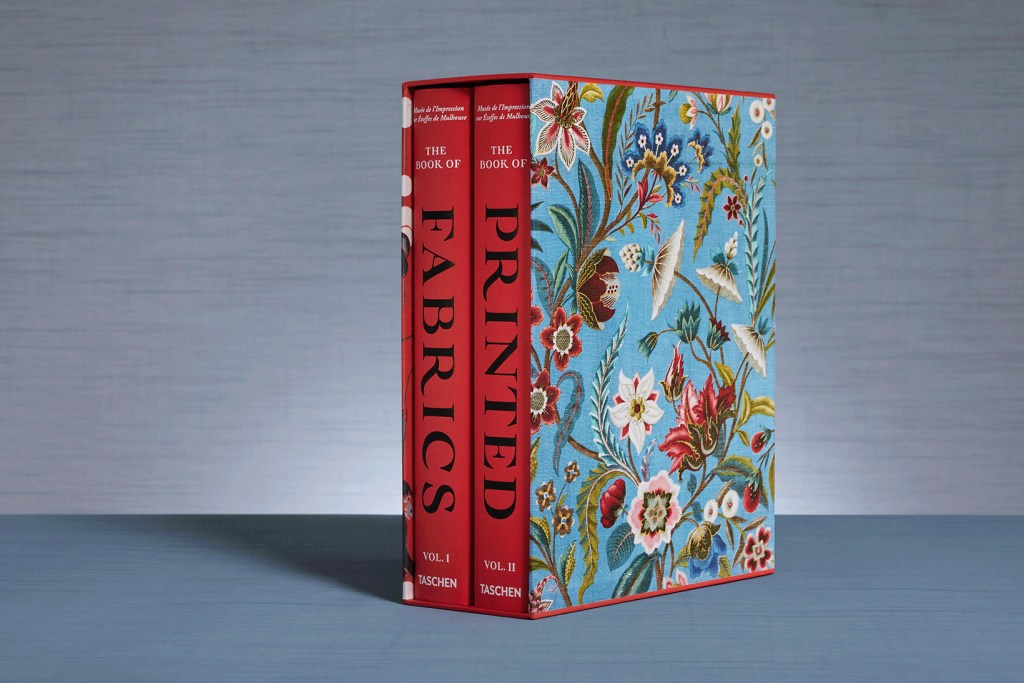
The History of Printed Fabrics in Two Splendid Volumes
A guide to collecting textiles: why every detail matters

The Best British Textile Designers
Jacquard Fabric: Here’s Your 101 Explainer

The Best Online Fabric Stores Today
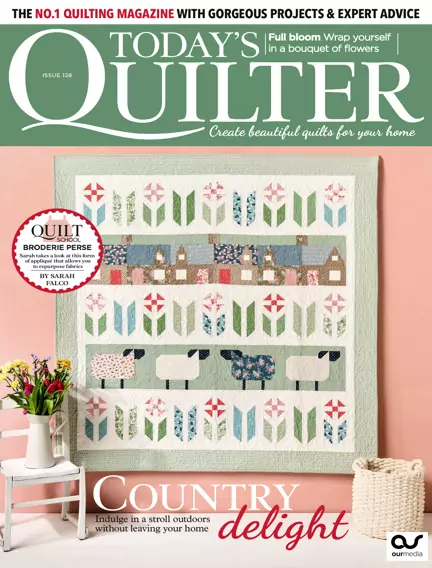
Quilt school - 4 Jun 2025 - Today's Quilter Magazine

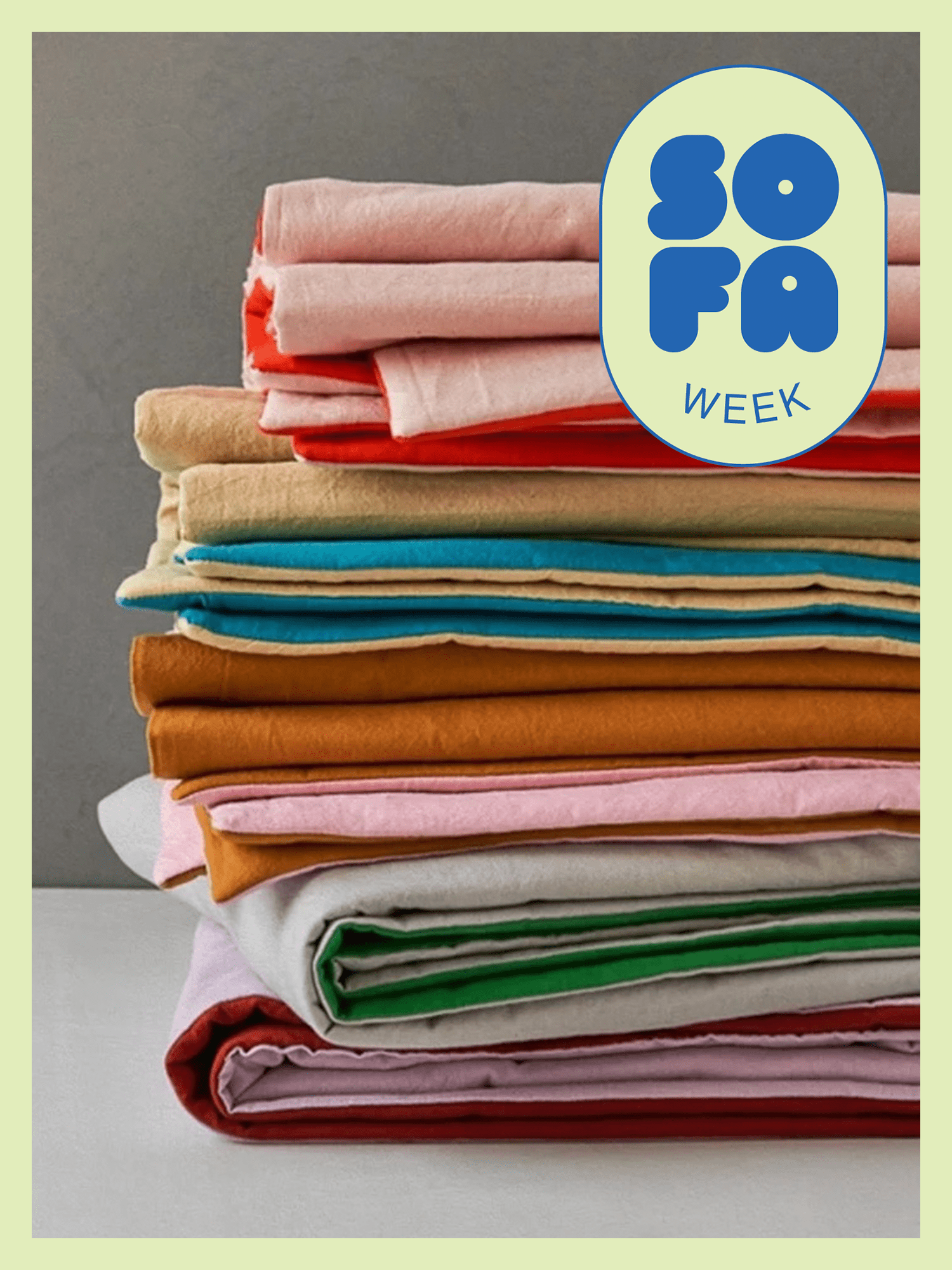
The Best Online Fabric Stores to Make Your Sofa Look Bespoke

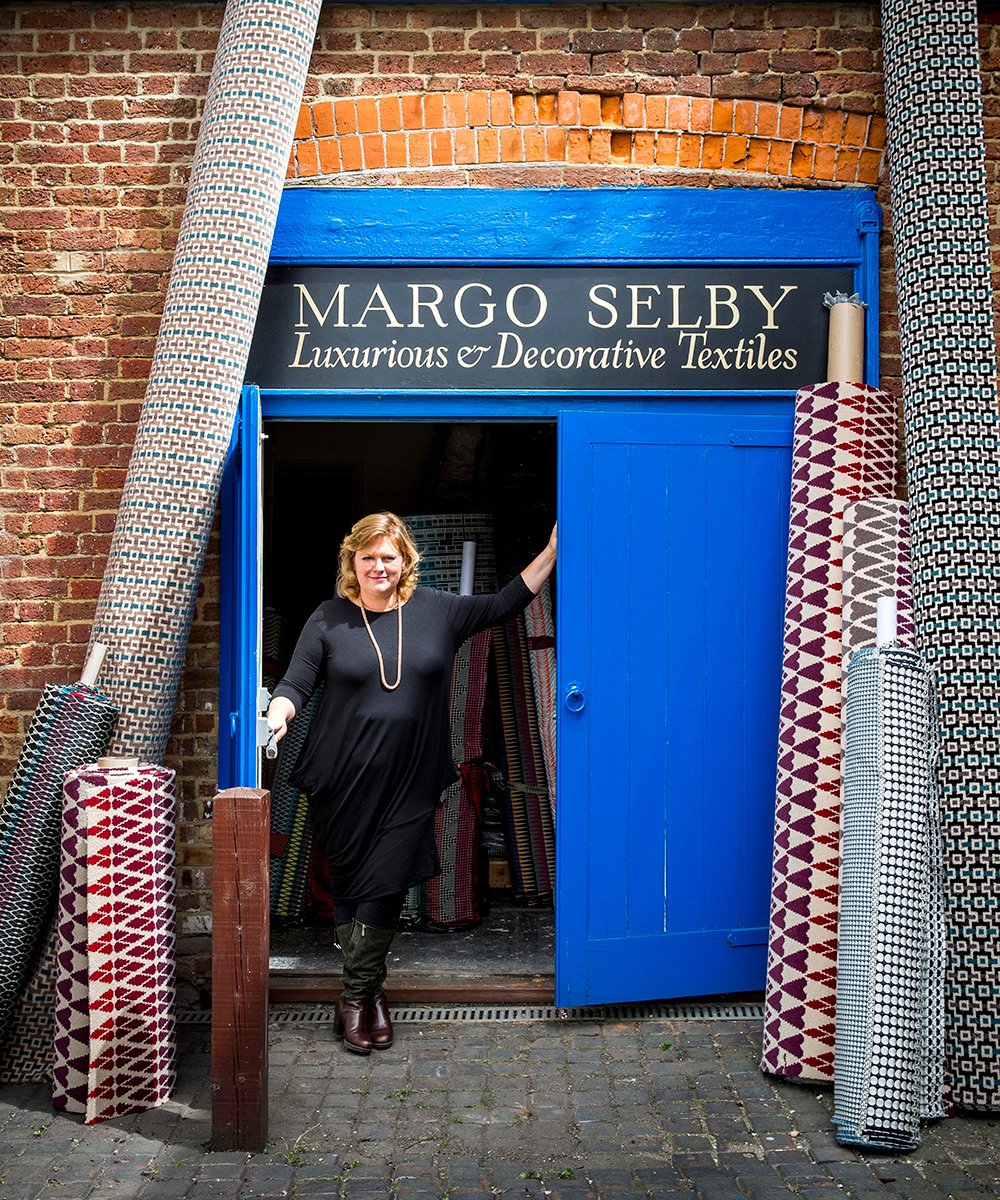
Textile designer: Margo Selby

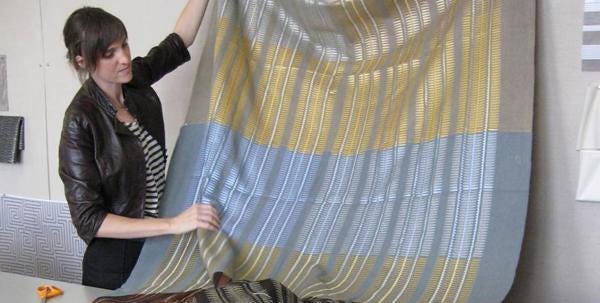
Cape grad designs for high-end NYC firm
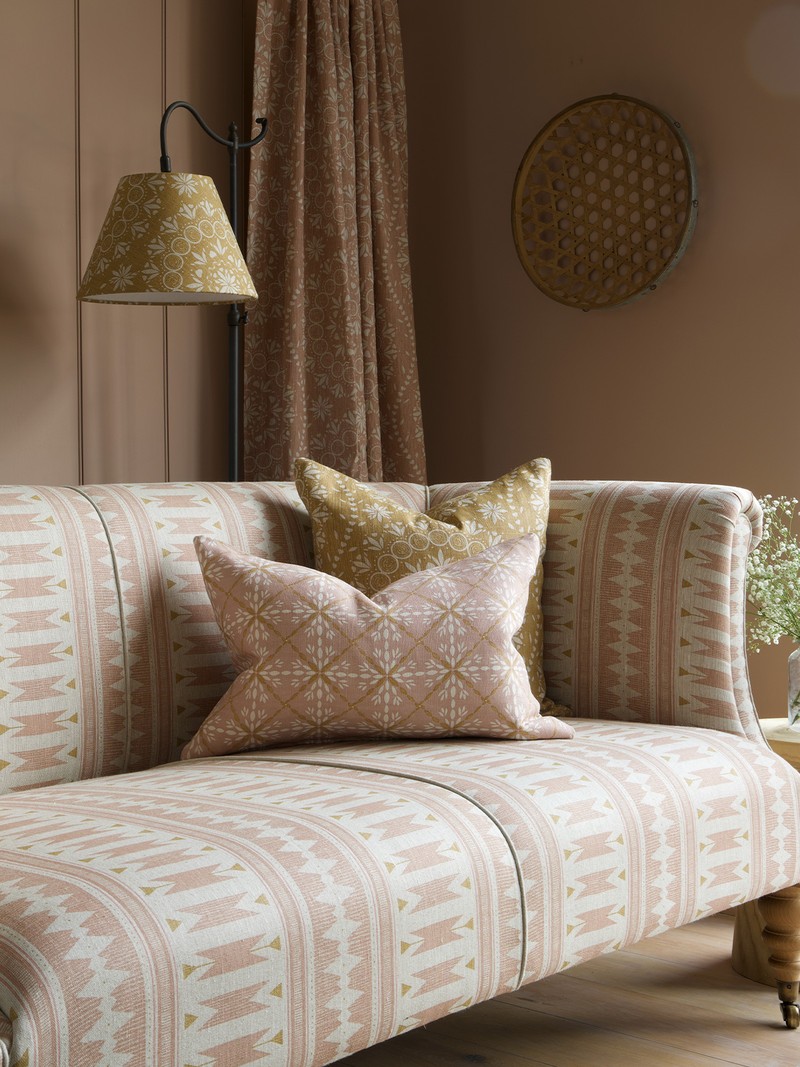
The New Fabric Launches Worth Knowing About
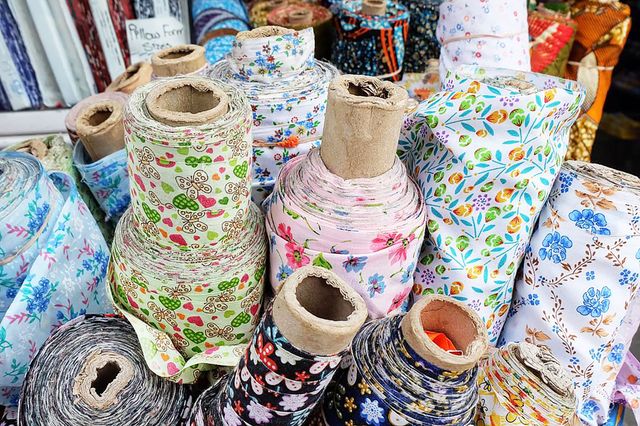
The Best Fabric Stores in Toronto
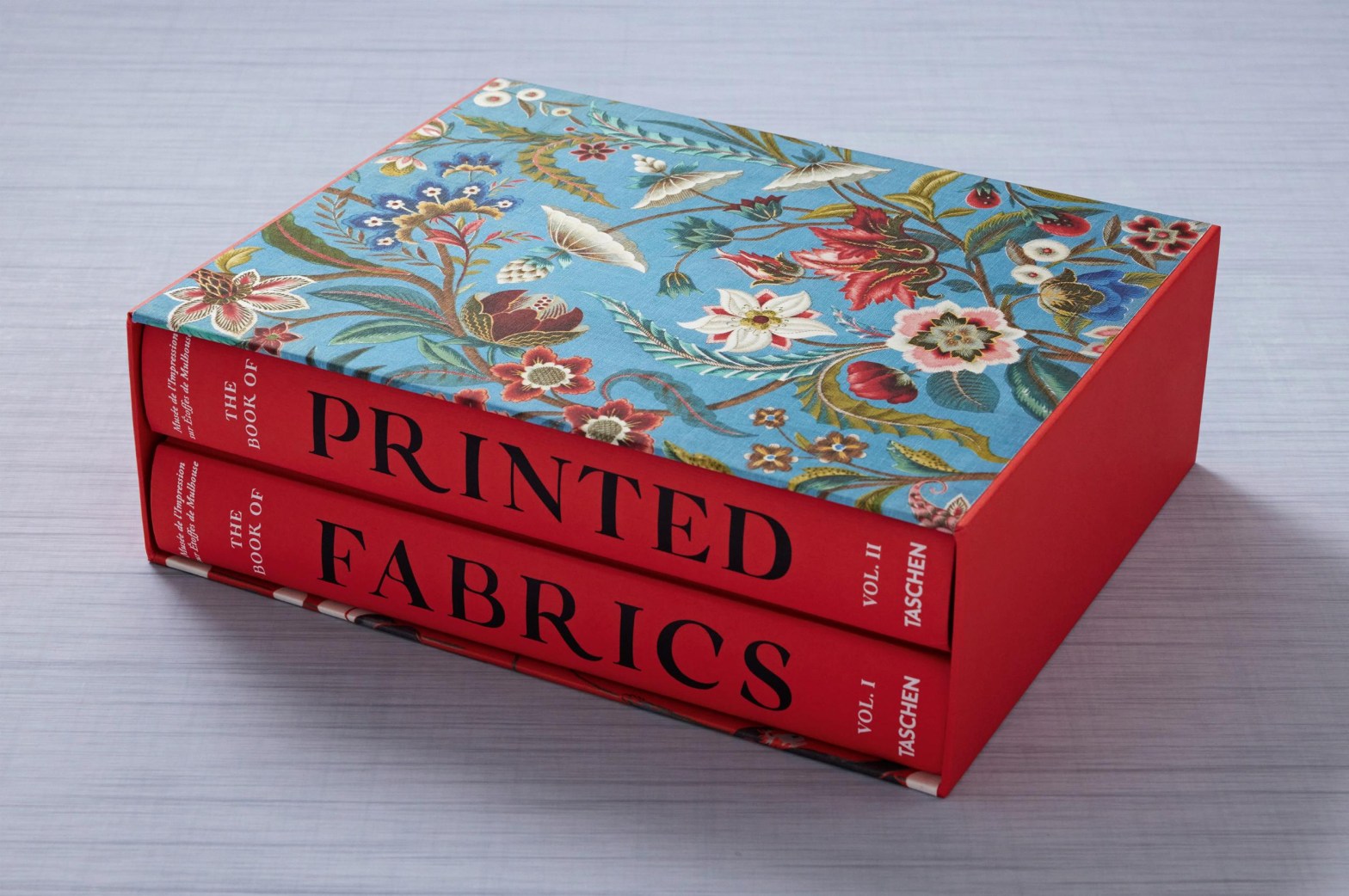
TASCHEN’s Two-Volume Textile Collection is Pure Coffee Table Eye Candy

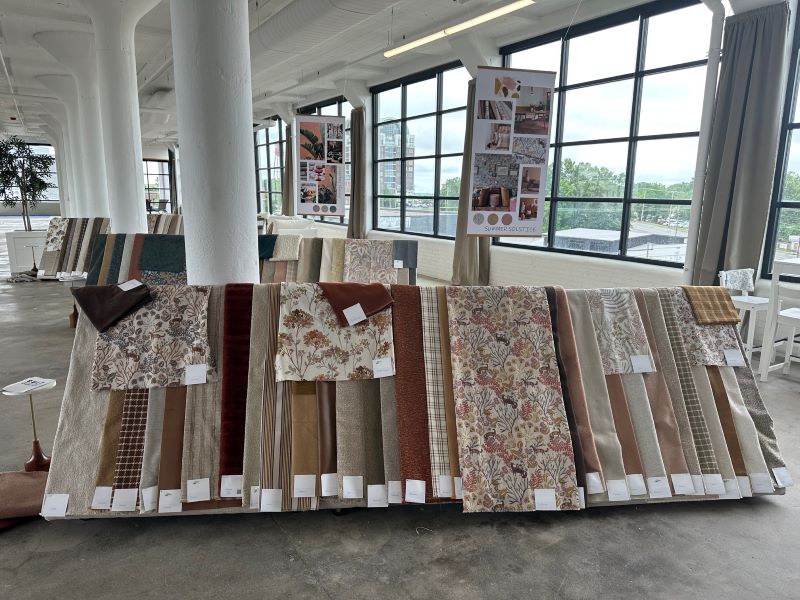
Seen at Interwoven May 2024

15 Places to Buy Fabric Online, From Budget Finds to Designer Faves

Some of the most innovative uses of fabric in entertainment environments are found inside

How AI and Automation Are Transforming the Home Textile Industry: A New Era of Efficiency and Innovation