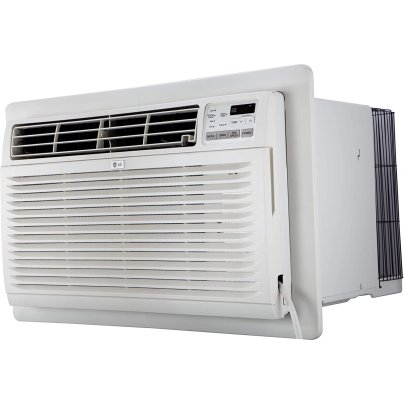
1/13
The Best Through-the-Wall Air Conditioners
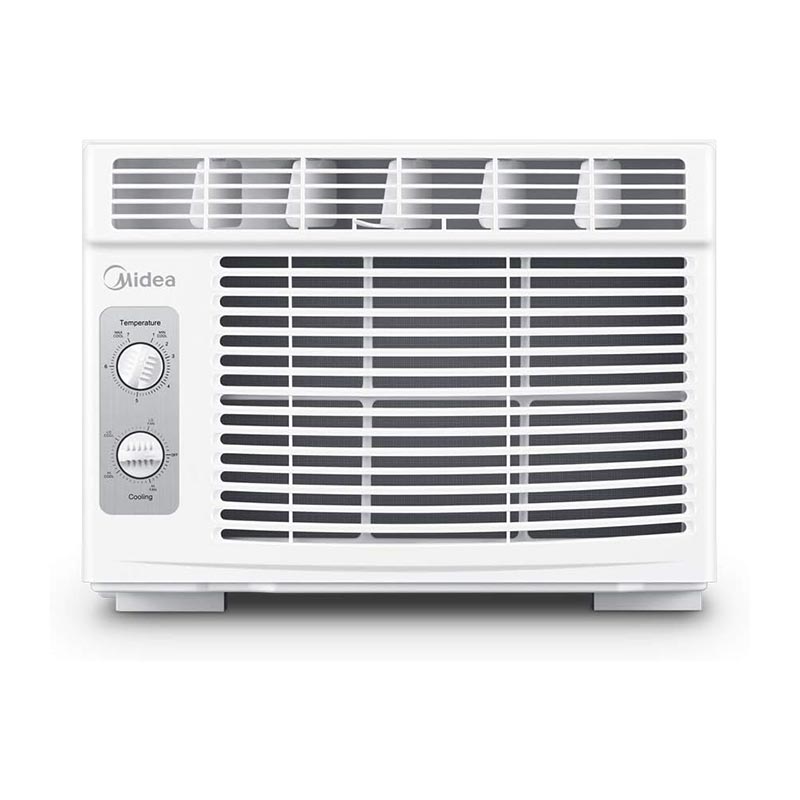
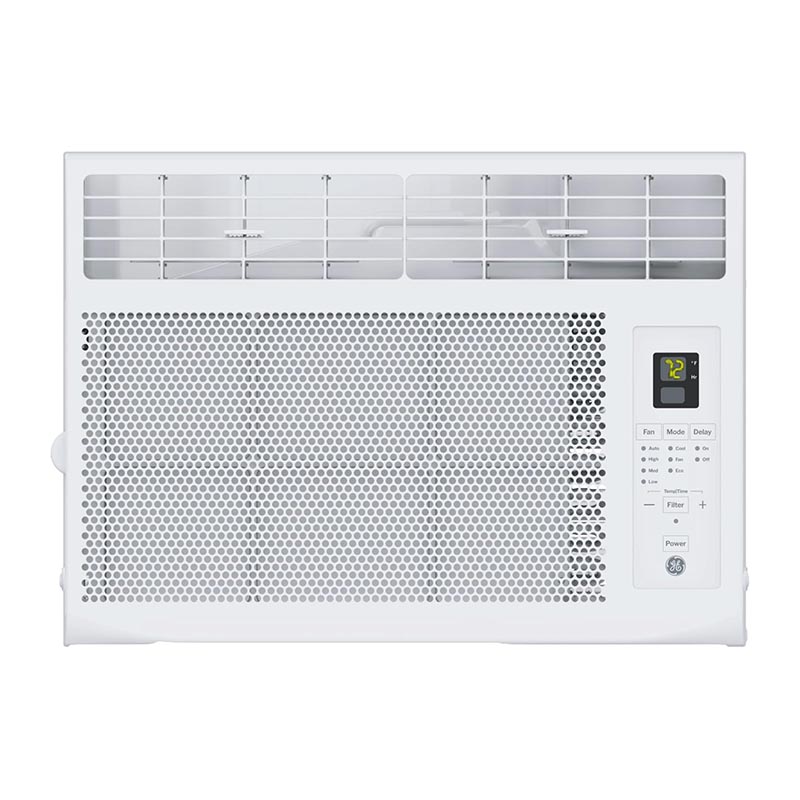
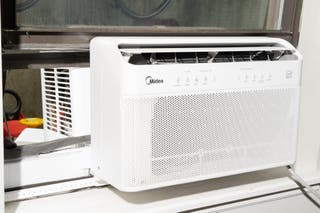
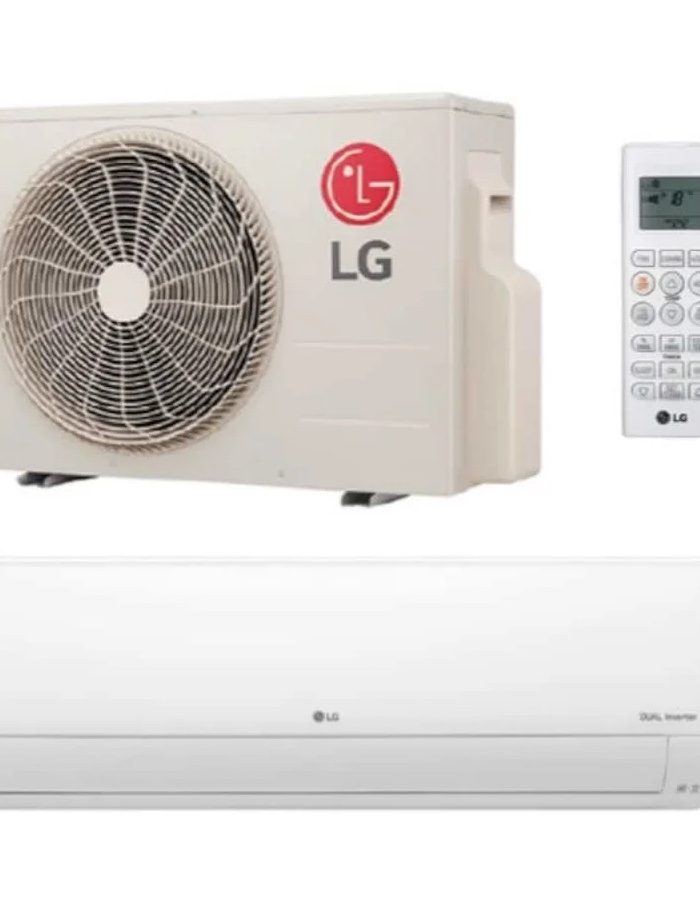
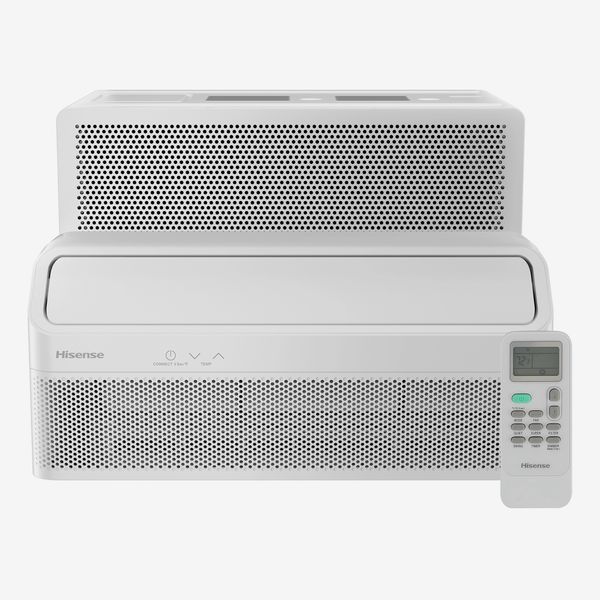
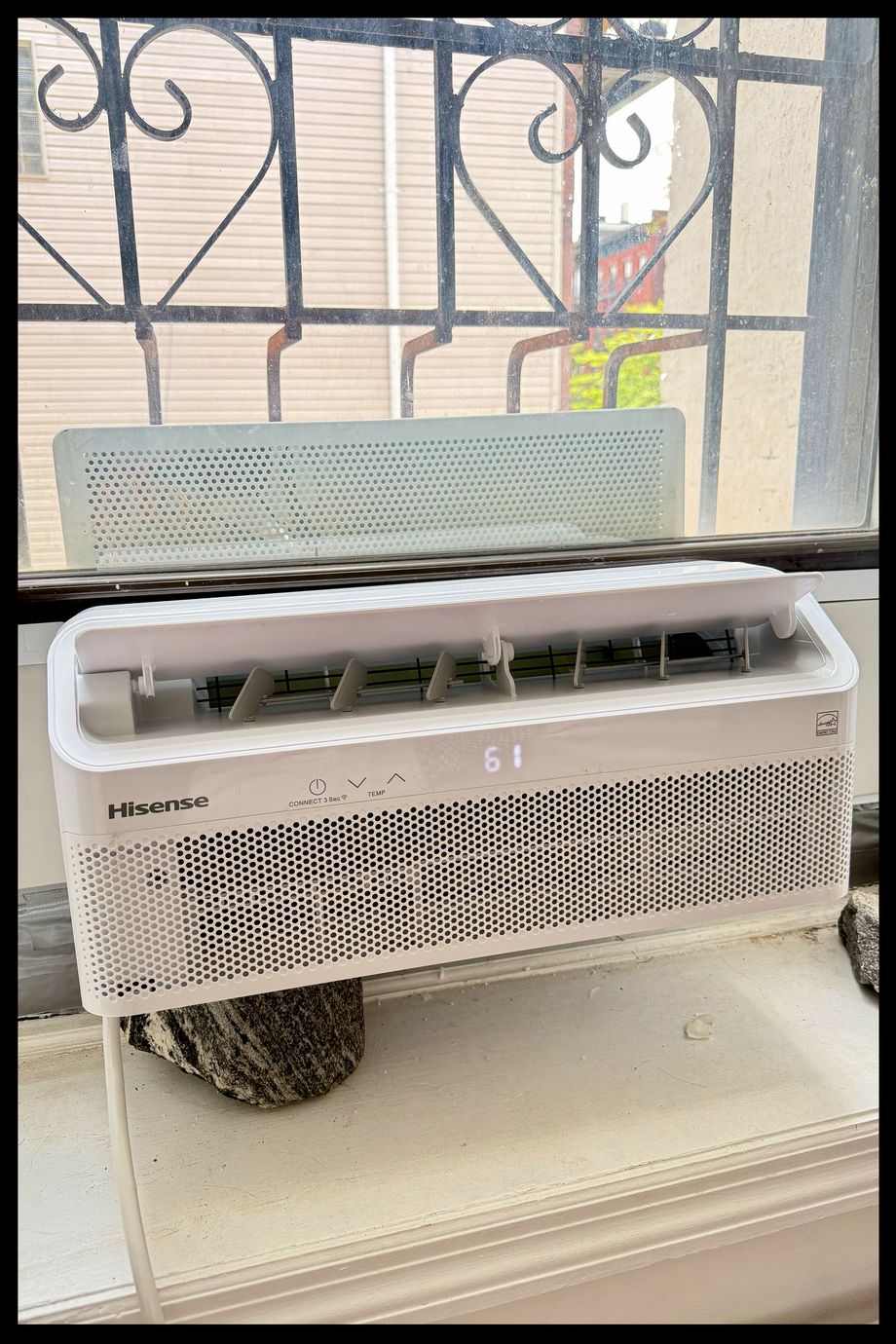
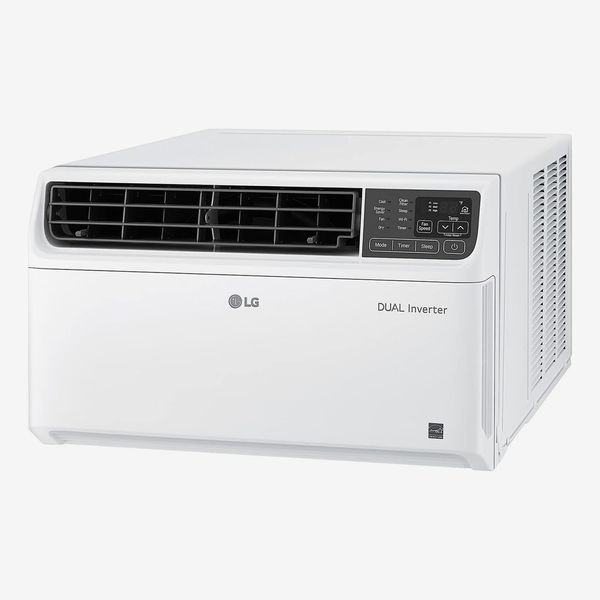
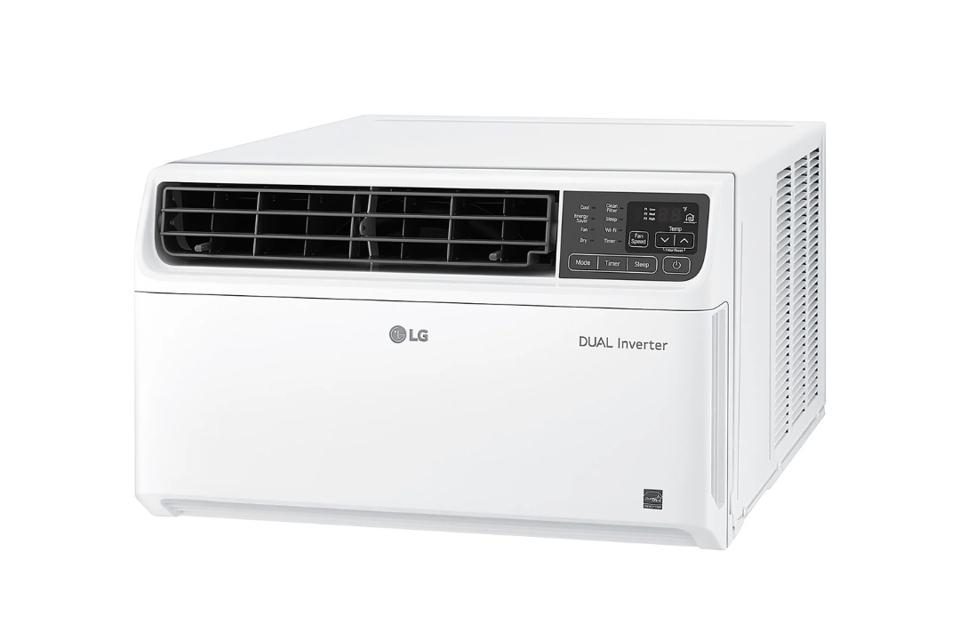
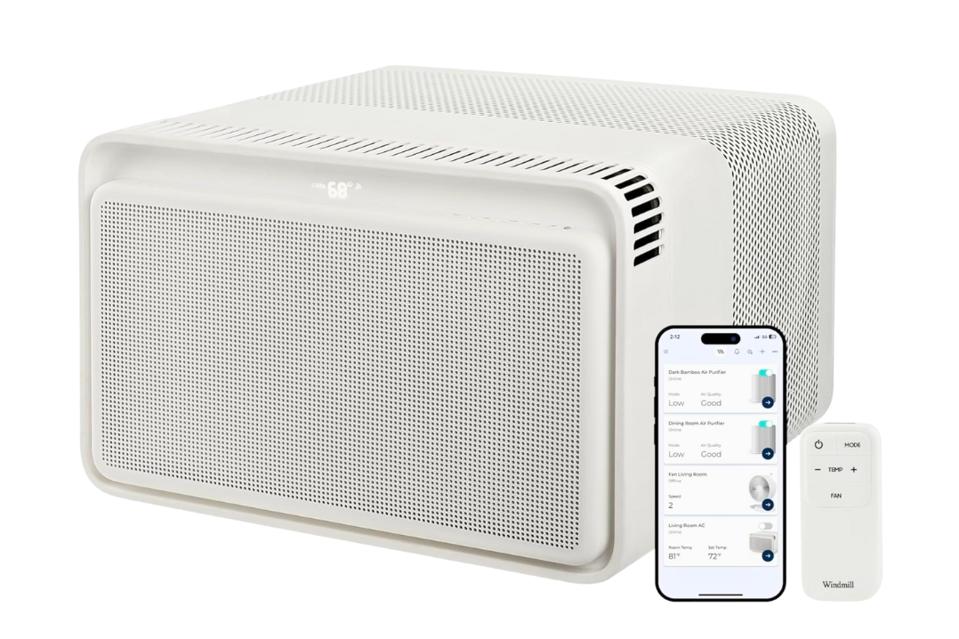
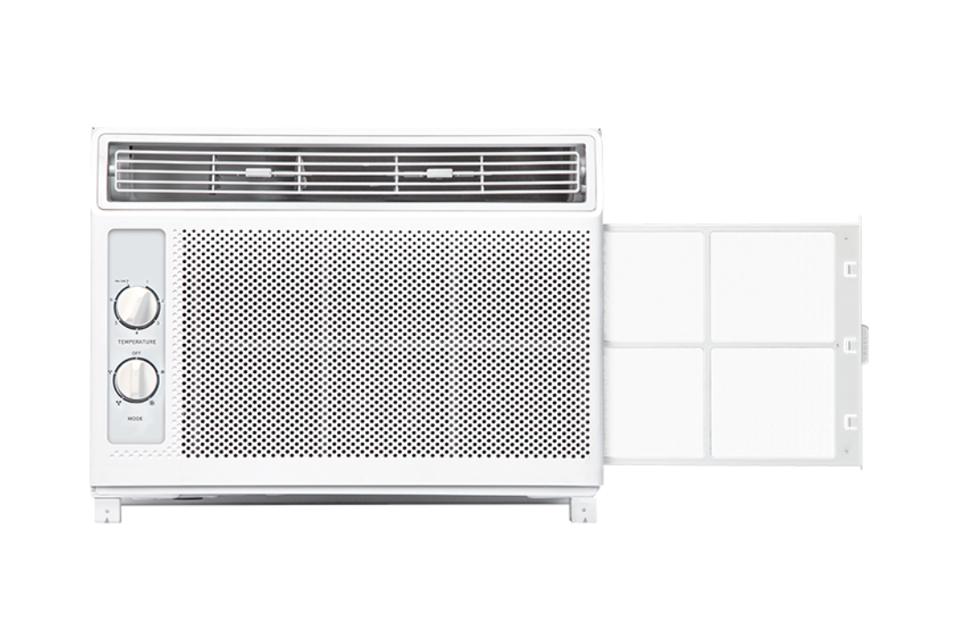
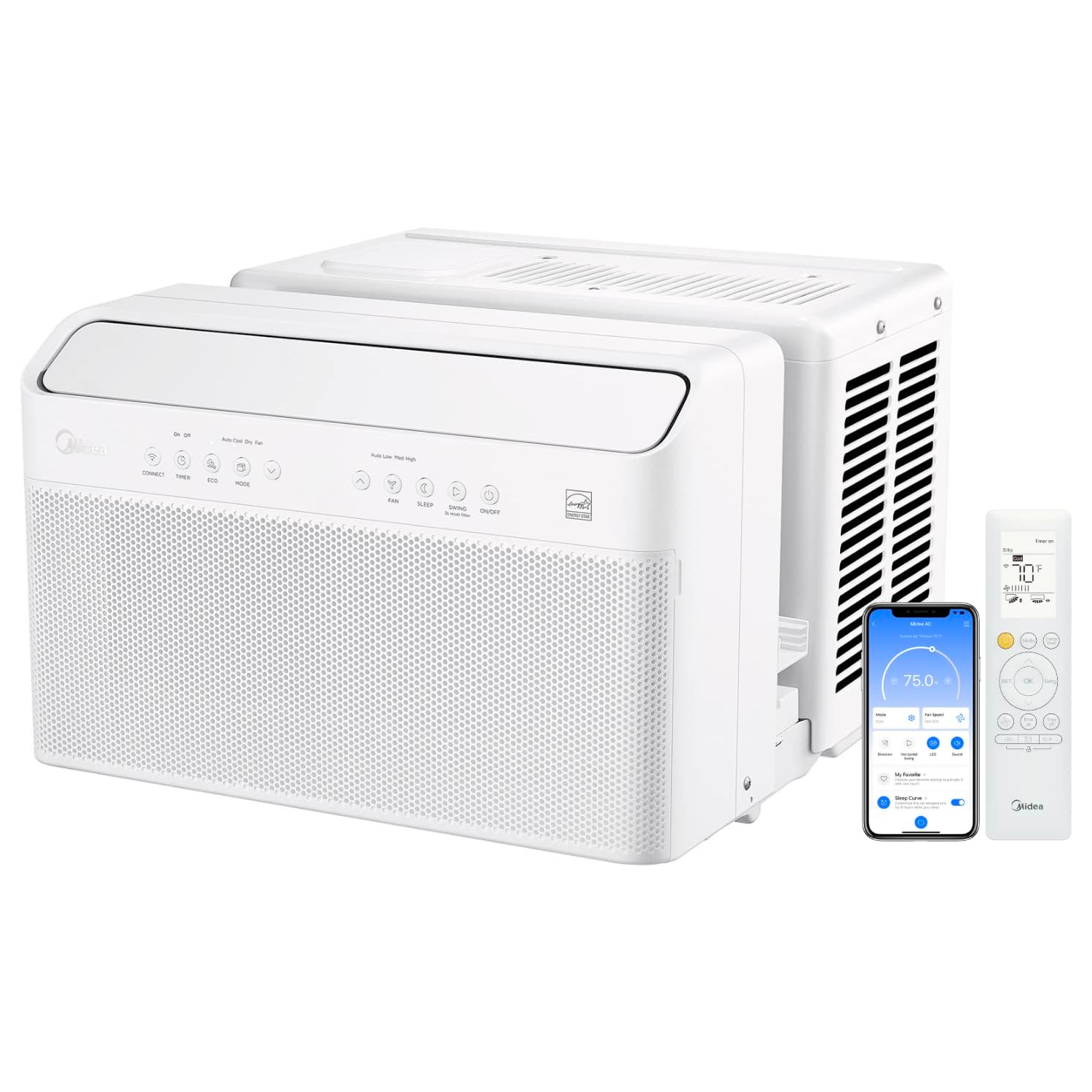
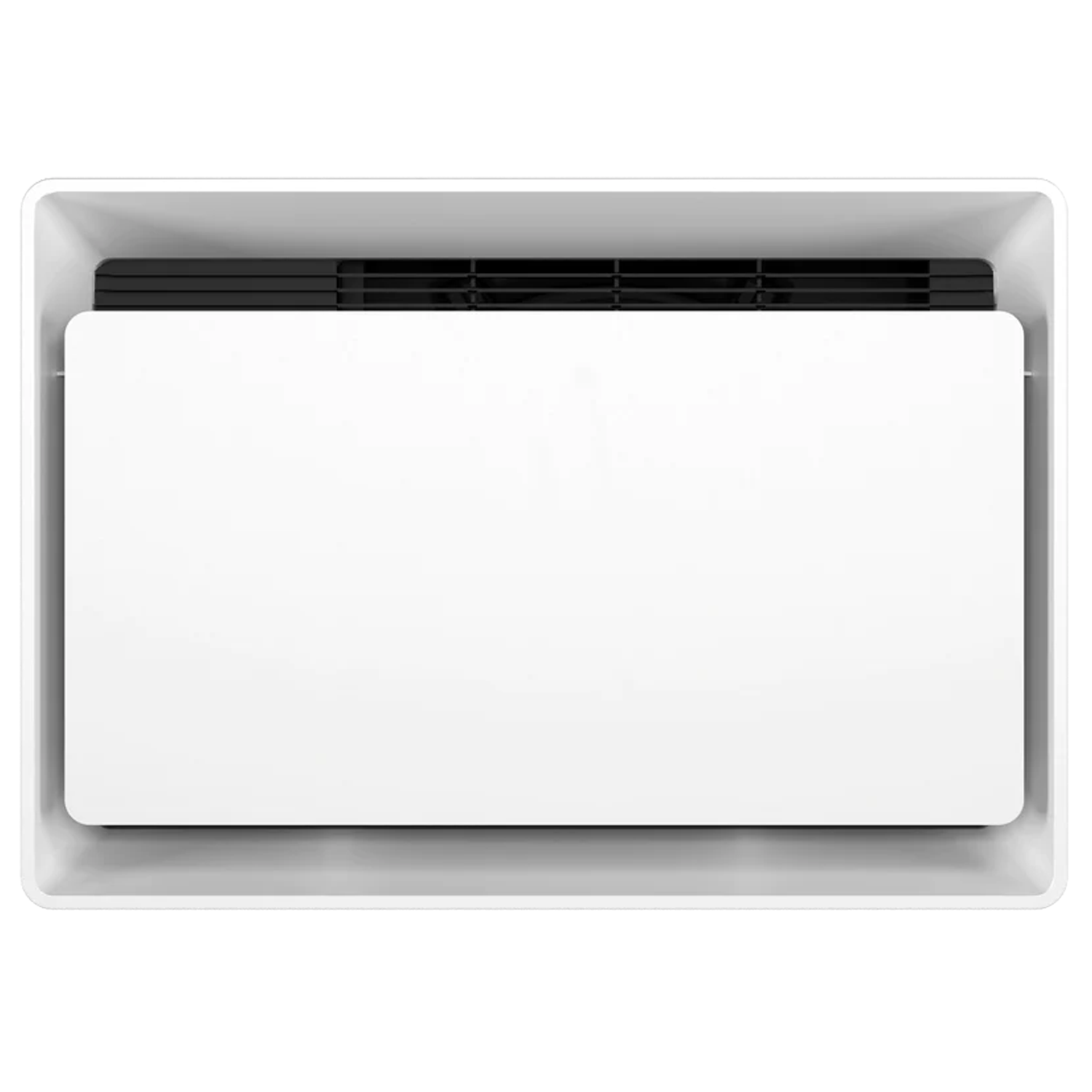
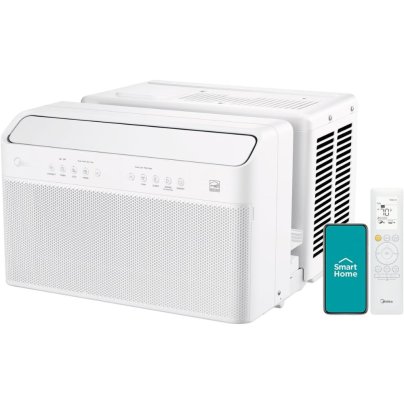
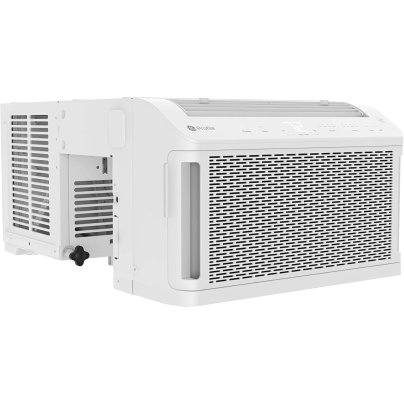
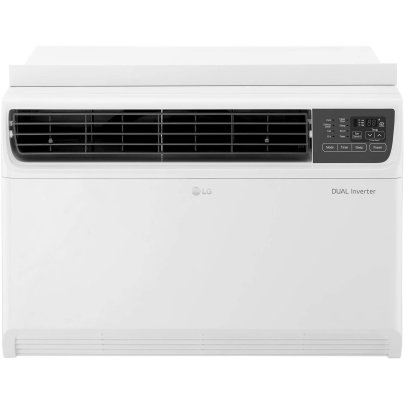
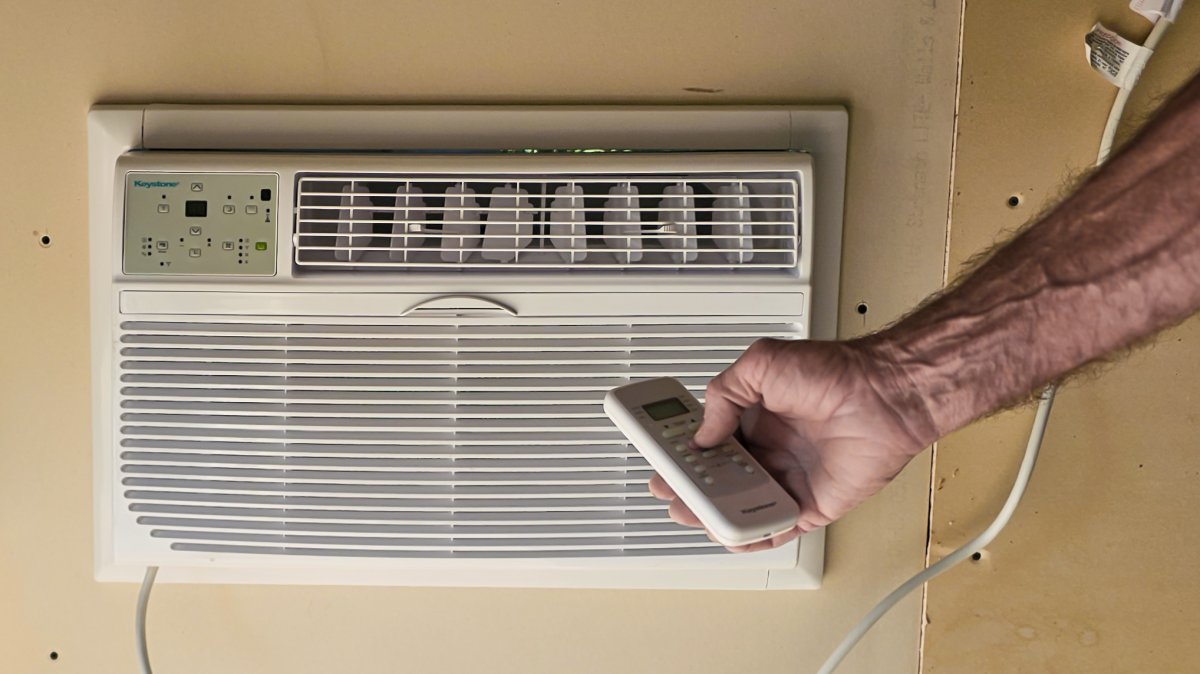
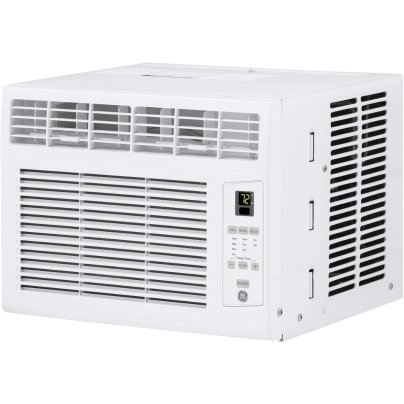
Through-the-wall air conditioners serve as a functional alternative to traditional window air conditioners, offering the benefit of preserving window views and overall room aesthetics by fitting directly into a wall opening. These units are capable of producing up to 15,000 BTUs, making them suitable for cooling rooms as large as 700 square feet. Some models also incorporate heating elements to supplement a home's primary heating system during colder months.
Key considerations when selecting a through-the-wall air conditioner include its intended location, wall thickness requirements, the square footage of the room to be cooled, and energy efficiency. The unit's location should allow sufficient space on the exterior for proper air intake. Wall thickness is important because the air conditioner is installed into a sleeve that must fit the wall's depth, typically accommodating walls up to 8 inches thick. Matching the unit's BTU output to the room size is crucial for effective and efficient cooling, preventing either insufficient cooling or unnecessary expense and energy consumption from an oversized unit. An 8,000 BTU unit can cool up to 350 square feet, while an 18,000 BTU model can handle up to 1,000 square feet. Energy efficiency is measured by the Energy Efficiency Ratio (EER), with higher numbers indicating better efficiency. Energy Star certified units, which have an EER of at least 12, offer significant electricity savings despite a potentially higher upfront cost.
Additional features to consider include a heating function, which can provide supplemental warmth for rooms up to 500 square feet, and various operating modes. These modes often include a dehumidifier setting, a fan-only option for air circulation, and a sleep mode that reduces noise and gradually adjusts temperature. Programmable 24-hour timers, adjustable louvers for airflow direction, and air filters for purifying the air are also common. Noise levels are a factor, as through-the-wall units, similar to window units, can be noisier than central air systems, typically operating around 50 decibels, though some offer quiet operation modes that reduce sound to the 30s. Aesthetically, most units are designed in neutral colors with subtle features to integrate seamlessly into a room. Installation of these units requires a hole in an exterior wall, and while many use standard 115-volt outlets, some higher-output or heating-capable models may require a 230-volt connection, potentially necessitating professional wiring.
Maintenance, such as changing air filters and checking hoses, is essential for a through-the-wall AC unit to last its typical lifespan of up to 10 years. While designed for harsh weather, covering the unit in excessively cold or snowy climates can offer additional protection. It is important to note that these units are not typically powerful enough to cool an entire home and their installation can be limited by factors such as available wall space and material. Access for filter changes and maintenance may also require a ladder or stool.
#ThroughTheWallAC #AirConditioning #HomeCooling #EnergyEfficiency #HVACSystems #RoomComfort #HomeImprovement #ApplianceReview #ThroughTheWallAC #AirConditioning #HomeCooling #EnergyEfficiency #HVACSystems #RoomComfort #HomeImprovement #ApplianceReview
Hay 0 comentarios en total
 Aún no hay comentarios
También te puede gustar
We Tested the Best Window ACs for Every Room, Budget, and Heat Wave
There’s a New Generation of Window AC Units. We Found the Best Ones.
We Installed 5 U-Shaped Air Conditioners to Find the Best for Quiet, Efficient Cooling
Premium ceiling fans to keep your room cooler and fresher: Top 10 fans on Amazon in 2025 | Hindustan Times


Our Favorite ACs Keep You Cool Quietly and Efficiently
The 6 Best Window Air Conditioners Of 2025: Our Top Energy-Efficient Picks


Practical Advice for Installing an Air Conditioner

6 Small Window ACs That Take Minutes to Install and Seconds to Start Cooling
5 Best Ductless Air Conditioners of 2025
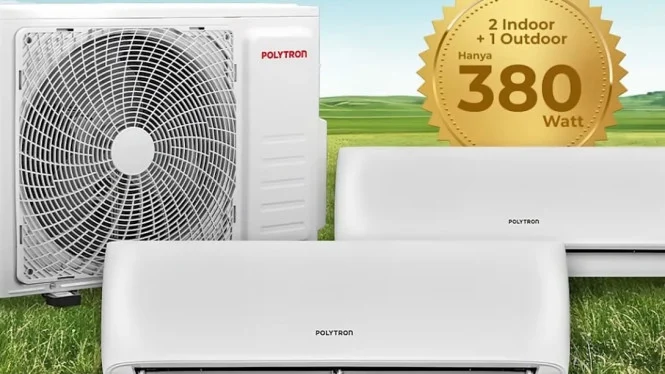
Polytron New Ice AC Features Colorful Backlit Remote and Powerful Cooling Performance

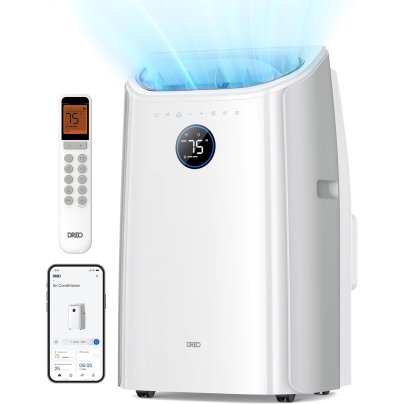
The Best Garage Air Conditioners for Garages and Workshops

The 6 Best Portable Air Conditioners of 2026 | Reviews by Wirecutter

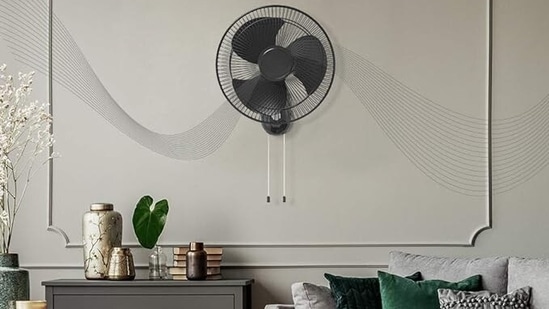
Best wall mounted fans: Experience the perfect breeze with these 8 high performance models | Hindustan Times

Your Apartment + These Top-Rated Window A/C Units = True Summer Love
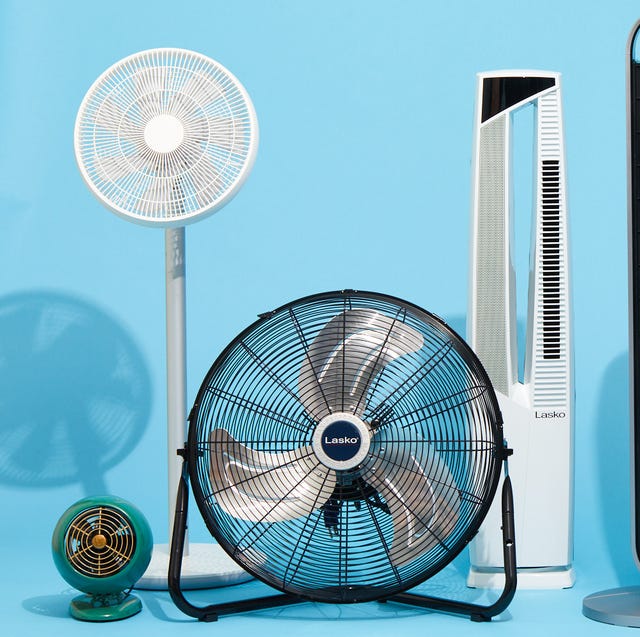
We Tested More Than 20 Fans — These Are the Ones Worth Your Money

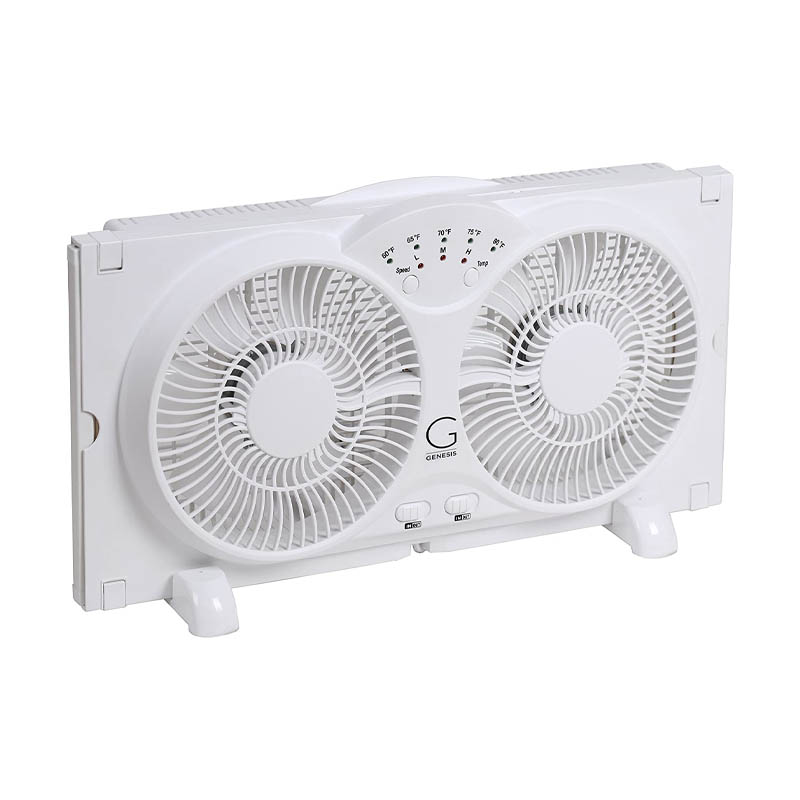
We Tested Several Window Fans—Our Favorite Made Warm Days More Bearable
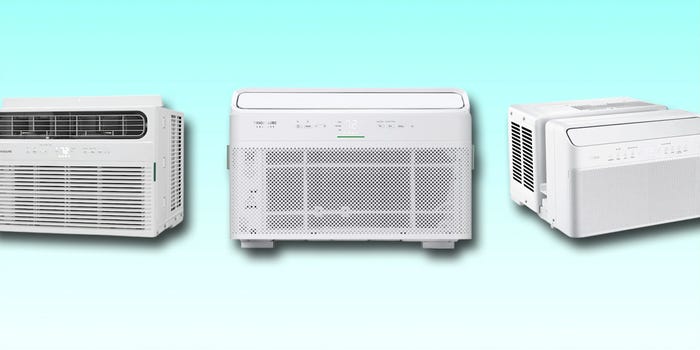
The best air conditioners, and why we still recommend the Midea U

The 2 Best Window Air Conditioner Brackets of 2025 | Reviews by Wirecutter

The 2 Best Window Air Conditioner Brackets of 2026 | Reviews by Wirecutter
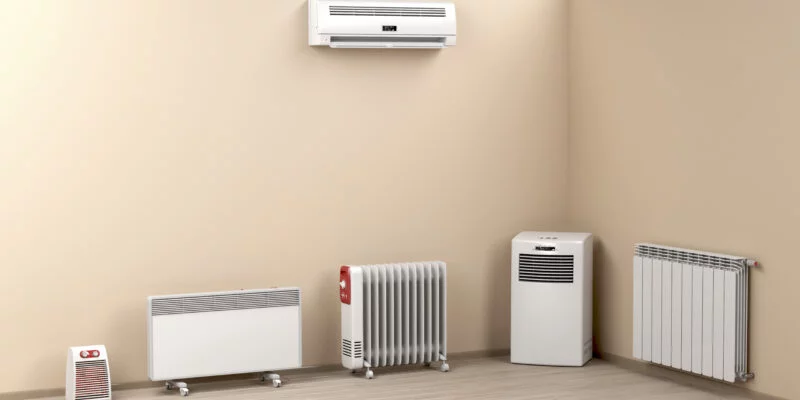
Best & Worst Space Heaters for Indoor Air Quality