1/11
We Tested Several Window Fans—Our Favorite Made Warm Days More Bearable
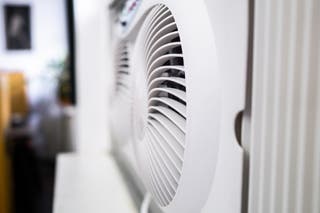
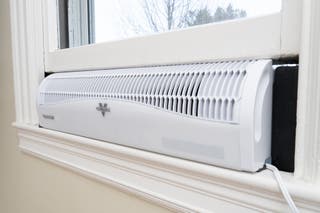
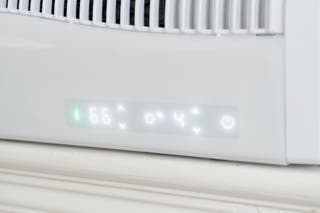
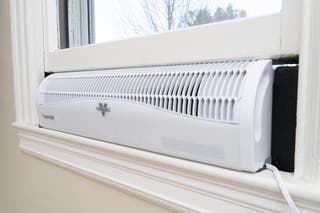
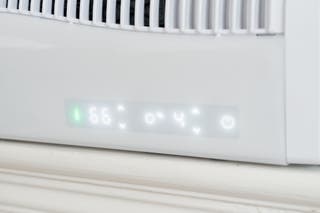
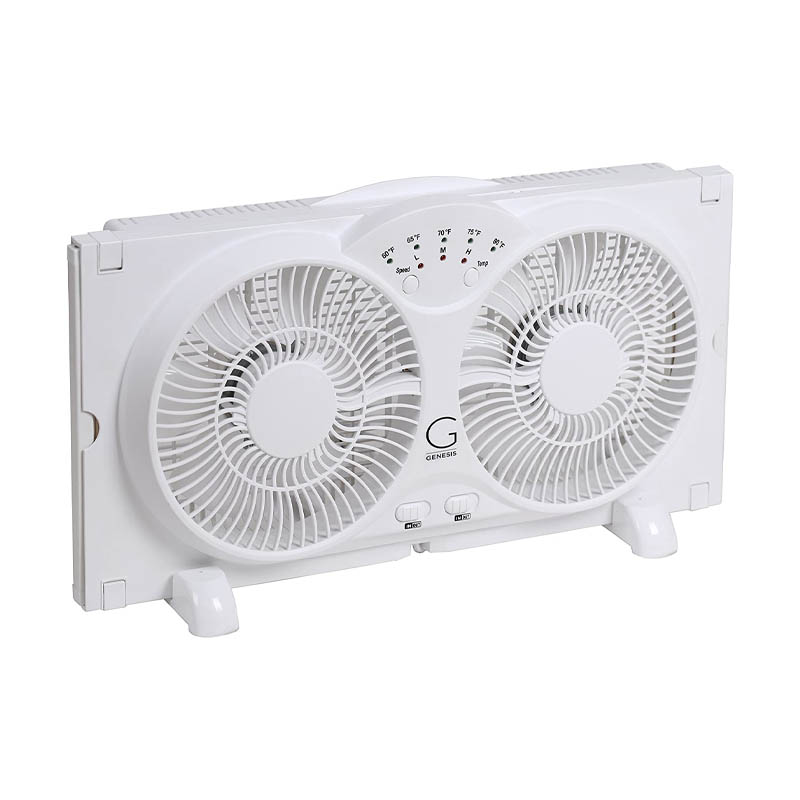
Window fans offer an energy-efficient alternative to air conditioners for cooling homes and reducing electricity costs. This article presents a comprehensive review of several window fan models, evaluating them based on ease of installation, airflow, noise levels, and additional features. The top recommendation is the Genesis A1 Window Fan, praised for its versatility as both a window-mounted and freestanding unit, its snug fit due to accordion panels, and its adjustable thermostat with reversible airflow for independent fan direction. However, its material quality was noted as a minor drawback.
Another option, the O2Cool Treva 10-Inch Portable Battery Powered Fan, is highlighted as the 'best bang for the buck.' While not a traditional window fan, its compact and slim design makes it suitable for small rooms, desks, or even outdoor use, offering both AC and battery power options for portability. Its quiet operation and smartphone charging port are positive aspects, though its airflow is less powerful than dedicated window fans and it lacks reversible functionality. For larger spaces, the Air King 20-Inch Whole House Window Fan is recommended for its powerful airflow, capable of cooling up to 1,310 square feet, and its durable metal construction. Despite its effective cooling and robust build, its installation is more challenging, requiring two people, and it operates with considerable noise and lacks a remote control.
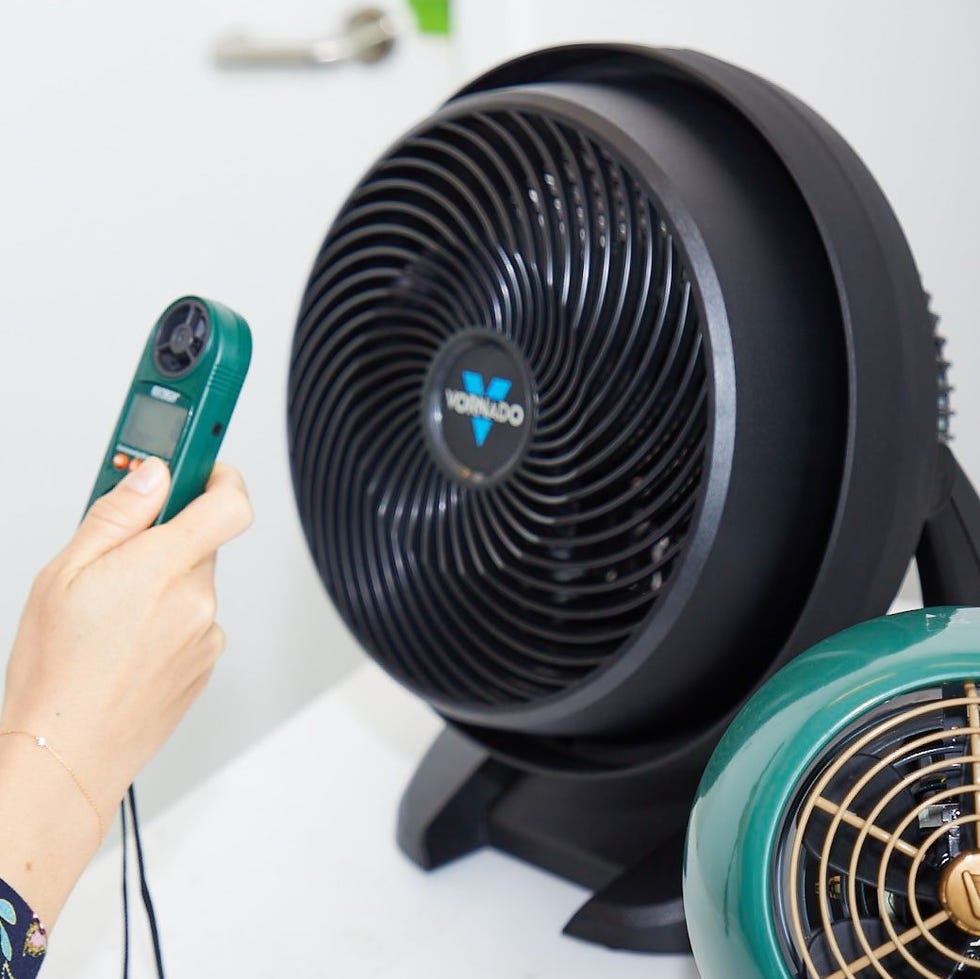
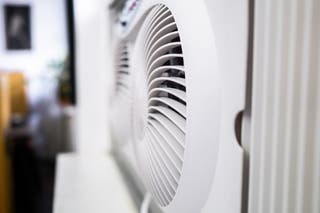
The Vornado Energy Smart Small Air Circulator Fan stands out as the 'best compact' option. Its small size belies a powerful airflow system that can circulate air up to 75 feet, featuring a variable speed dial for precise control. This fan's lightweight and tiltable design enhance its portability and usability, though it can be loud at its highest setting. Lastly, the Comfort Zone 9-Inch 3-Speed Reversible Twin Window Fan is recognized for its ease of use, simple controls, remote functionality (though the tested remote was faulty), and built-in bug screens. It can be used as a stand-alone fan or installed in windows, but its airflow is less powerful compared to other models.
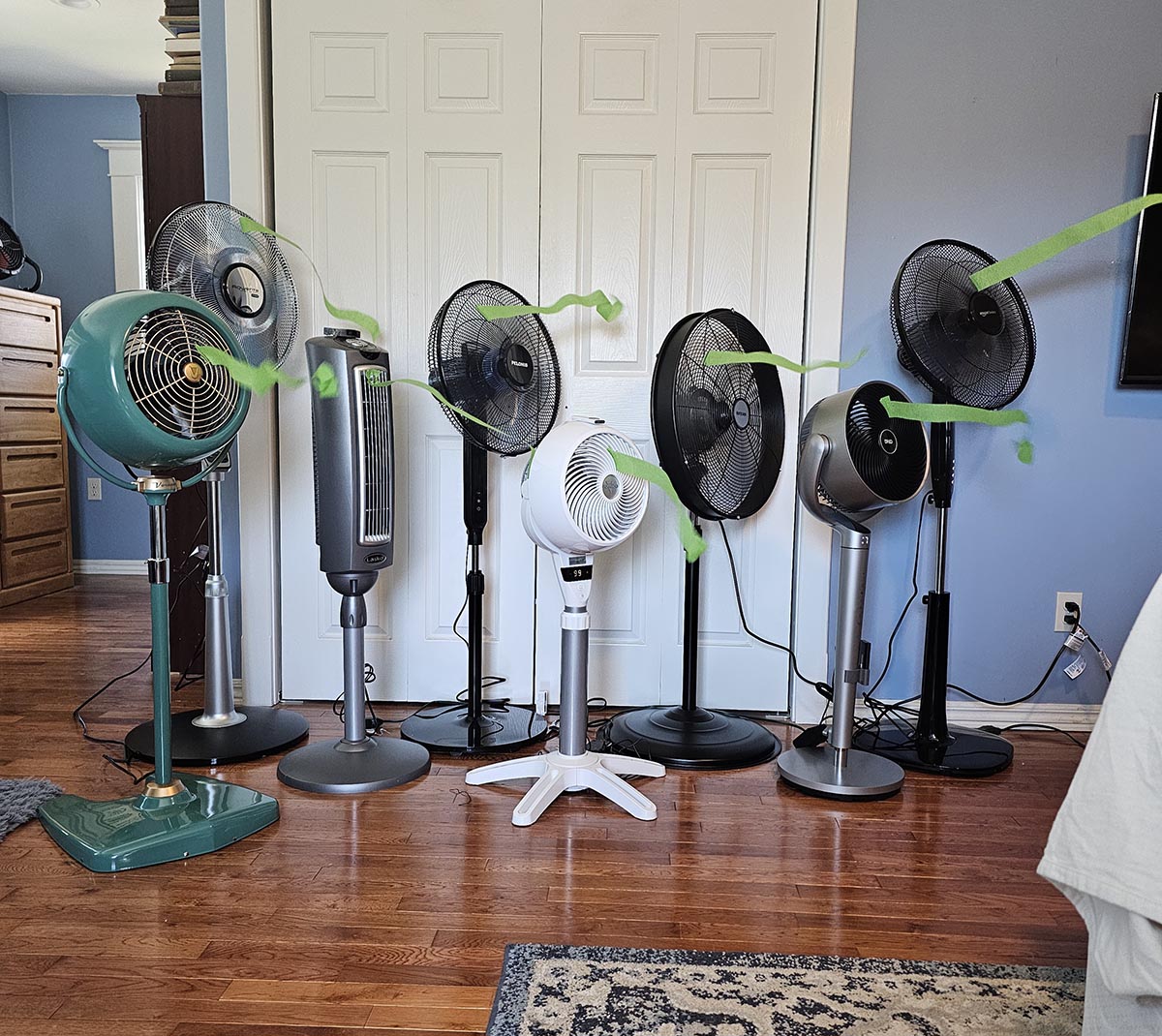
The testing methodology involved evaluating material quality, noise levels during operation, actual airflow and cooling performance against stated cfm ratings, and the utility of extra features like remote controls and extension panels. Each fan was operated for at least two hours, with all settings thoroughly examined. The article also provides a detailed guide on what to consider when purchasing a window fan, including different types (standard frame, desk, floor), appropriate sizing for windows, material choices (plastic vs. metal blades and grates), airflow capacity (cfm and reversibility), noise levels, and additional convenient features like control panels, remote controls, portability, and aesthetic design. Installation and maintenance tips are also included, emphasizing the ease of setting up and cleaning most window fans. A frequently asked questions section addresses common queries, such as the difference between window and attic fans, their effectiveness in cooling, pest intrusion concerns, ideal cfm ratings, optimal intake/exhaust settings, cleaning methods, and energy consumption relative to air conditioners.
#WindowFans #HomeCooling #EnergyEfficiency #ApplianceReviews #AirCirculation #HomeImprovement #ProductTesting #HVACTechnology #SummerComfort #WindowFans #HomeCooling #EnergyEfficiency #ApplianceReviews #AirCirculation #HomeImprovement #ProductTesting #HVACTechnology #SummerComfort
0 comment in total
 No comments yet
You may also like
We Tested 10 Outdoor Fans—Beat the Heat All Summer With Our Top Pick

We Tested the Best Window ACs for Every Room, Budget, and Heat Wave

7 top-rated ceiling fans to consider this year

We’re A Fan! These Are The Best Ceiling Fans To Help Keep Your Home Cool

The Best Window Fan

We Spent 1,200 Hours Testing Which Ceiling Fans Are the Most Cooling — These Are Our Winners
Our Favorite Ceiling Fans For Year-Round Comfort—Tried, Tested, and Recommended by The Spruce


How to choose the best ceiling fans for your home

We Tested 17 Outdoor Ceiling Fans, and These Made Warm Fall Nights Cool as Can Be
We've Tested Over 50 Fans and These Are The 9 We're Using This Summer
We Tested More Than 20 Fans — These Are the Ones Worth Your Money

The Best Ceiling Fans for a Breezy, Comfortable Home
We Tested Outdoor Ceiling Fans In The Southern Heat—These 5 Create A Breeze Where There Isn’t One
The best fans to keep you cool in a heatwave, reviewed by our experts

The 3 Best Window Fans in 2026 | Reviews by Wirecutter


Your Apartment + These Top-Rated Window A/C Units = True Summer Love
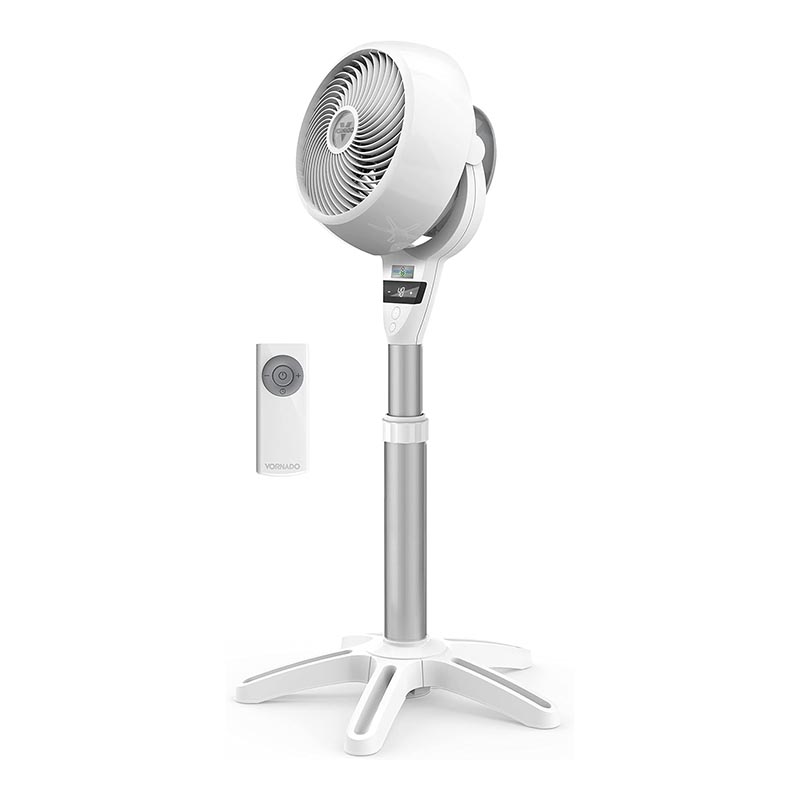
We Researched 30+ Pedestal Fans, and Our Favorite Circulates Air Like a Ceiling Fan
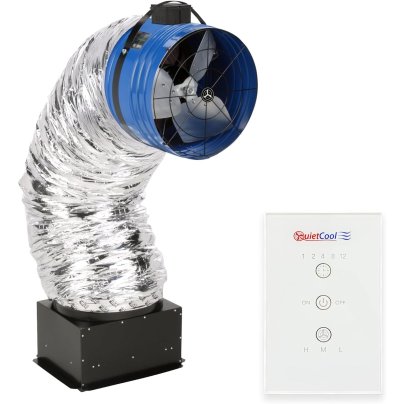
Beat the Summer Heat With One of Our Favorite Whole-House Fans
The 3 Best Window Fans in 2025 | Reviews by Wirecutter
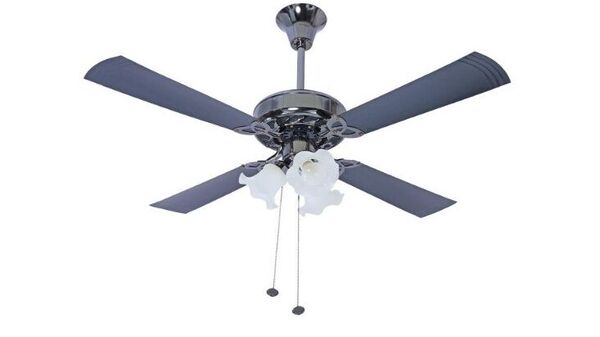
Best cooling fans: Check out our top 8 options to stay comfortable and beat the heat with ease