1/4
Should I Put Up a Ceiling Medallion? Our Experts Give a Verdict on Whether This "Elegant" Finish is in Style
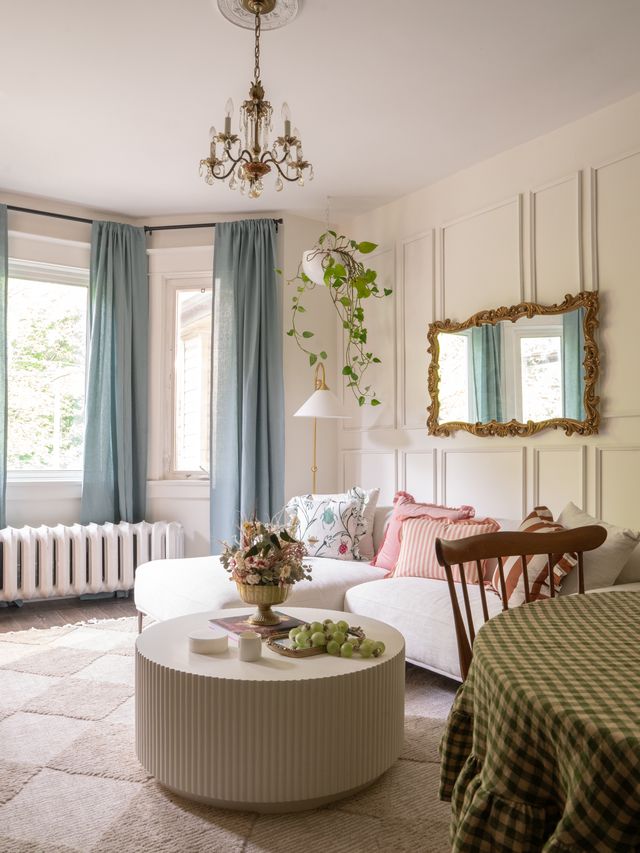
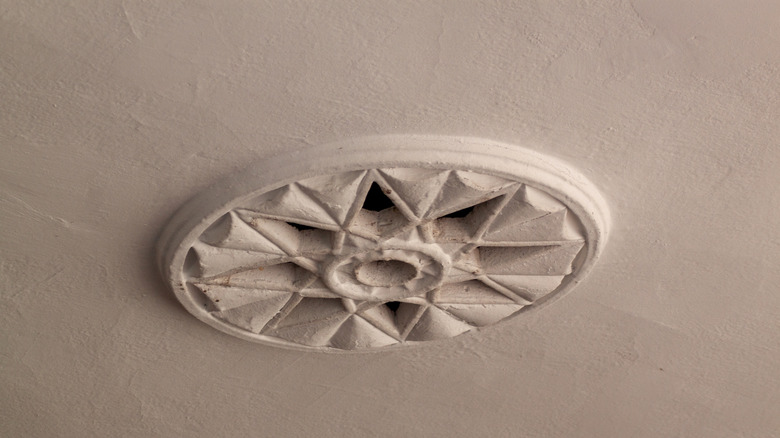
Ceiling medallions, decorative features with a rich history, are experiencing a resurgence in modern interior design. Originally conceived in the 17th century to camouflage soot rings from early lighting systems like gas lamps and candle-lit chandeliers, these architectural elements evolved through Baroque, Rococo, Regency, and Victorian eras. During these periods, they were characterized by intricate molded plaster designs, initially custom-made by sculptors and later mass-produced through plaster molds. Today, ceiling medallions continue to offer a blend of historical elegance and modern versatility, providing both aesthetic and functional benefits to interiors.

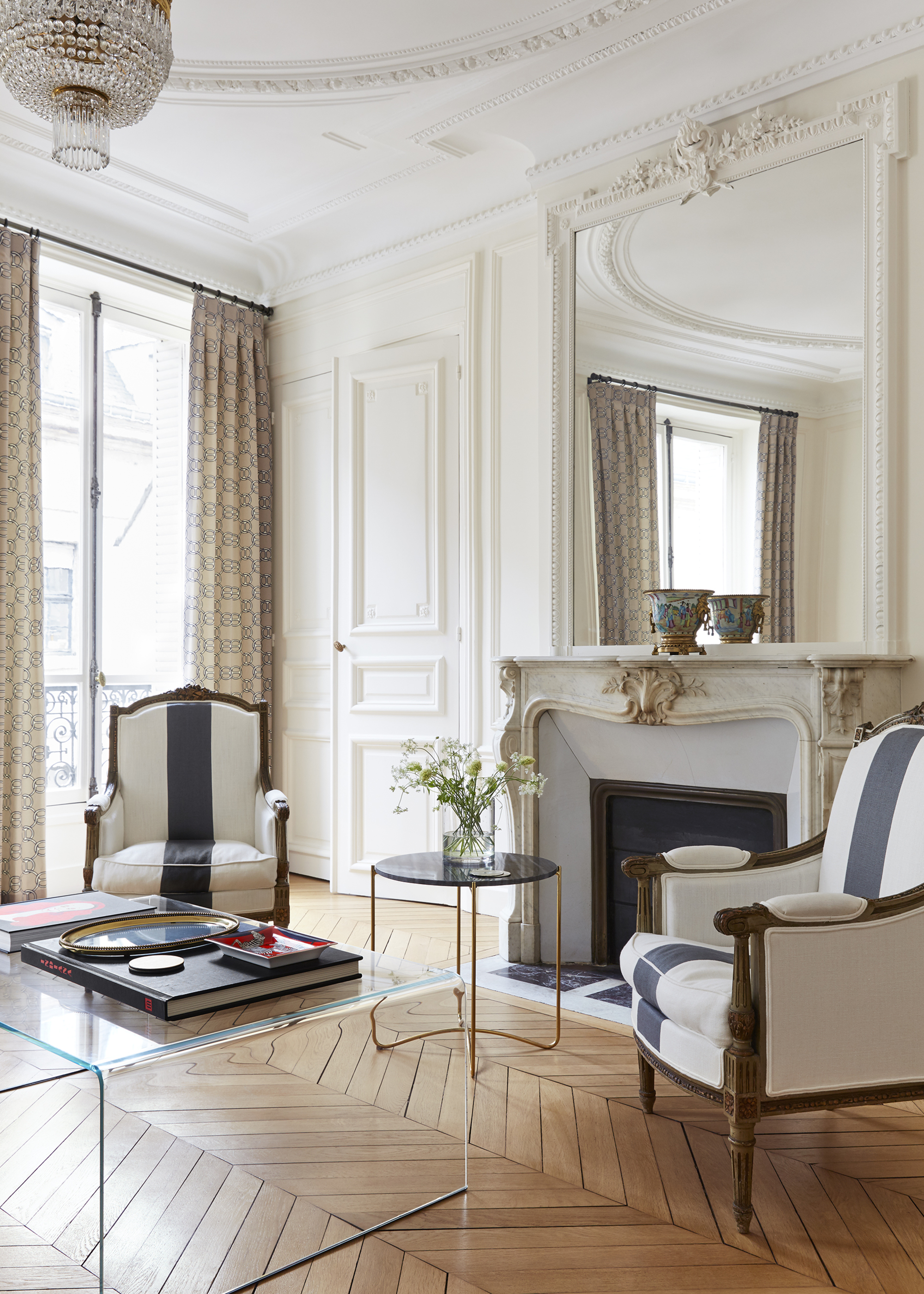
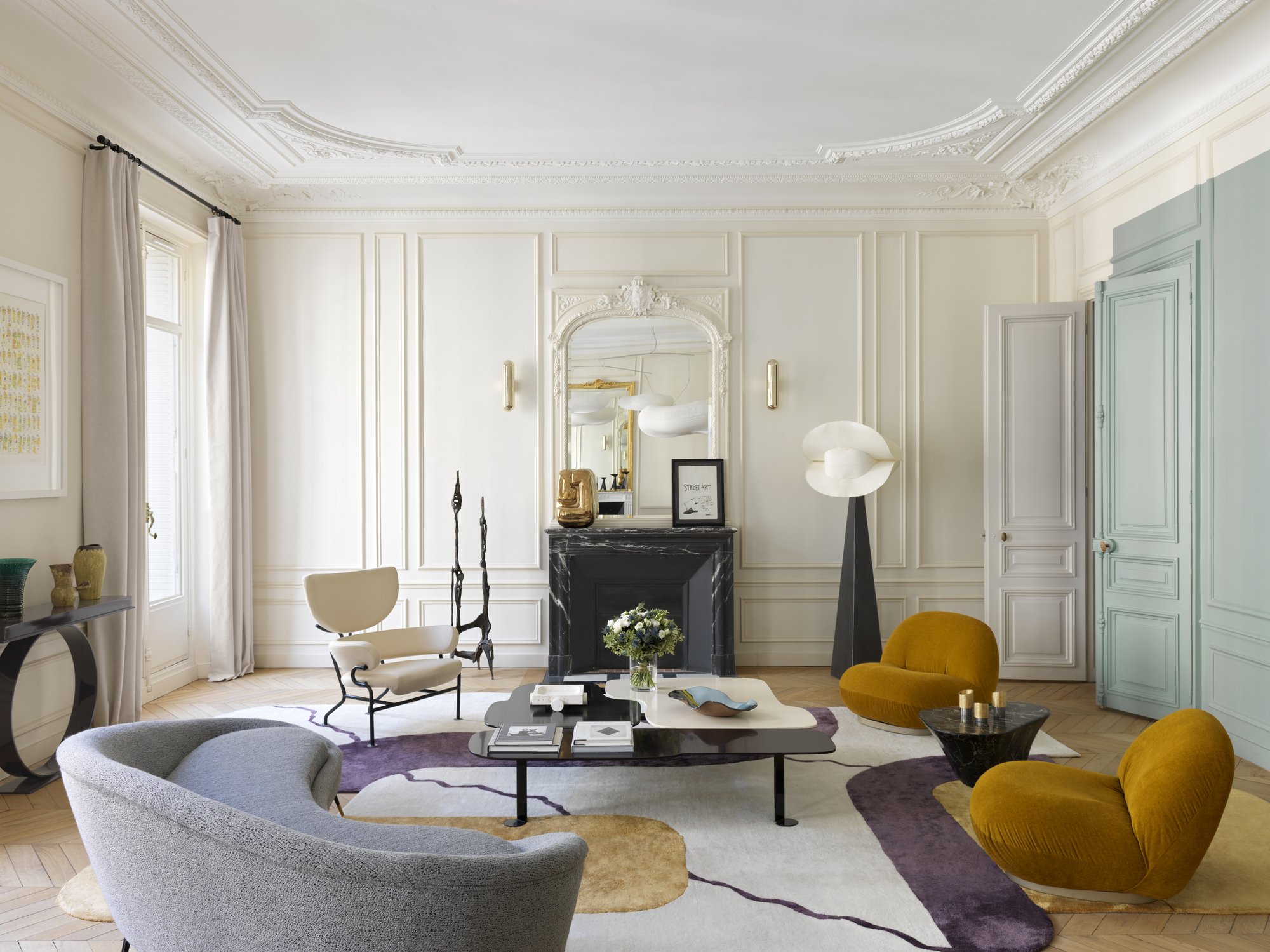
Interior designers are increasingly incorporating ceiling medallions to add character, elevate design, and define spaces. For instance, in a Parisian apartment, architect Régis Botta utilized molded panels extending from a ceiling medallion to create an illusion of a larger room, complemented by a crisp white color palette that harmonizes with contemporary furnishings. Botta emphasizes that the enduring appeal of these medallions lies in their ability to bridge historical grandeur with contemporary trends, highlighting their timeless charm.

Jillian Dinkel, a Sydney-based interior designer, illustrates how ceiling medallions can enhance a room without overwhelming it, as shown in her Tarella Terrace project. Here, a detailed medallion in a pink living room with caramel tones adds depth and elegance, serving as a focal point that unifies the architectural details. Dinkel refers to the medallion as “the jewel in the crown” that brings together the overall design.
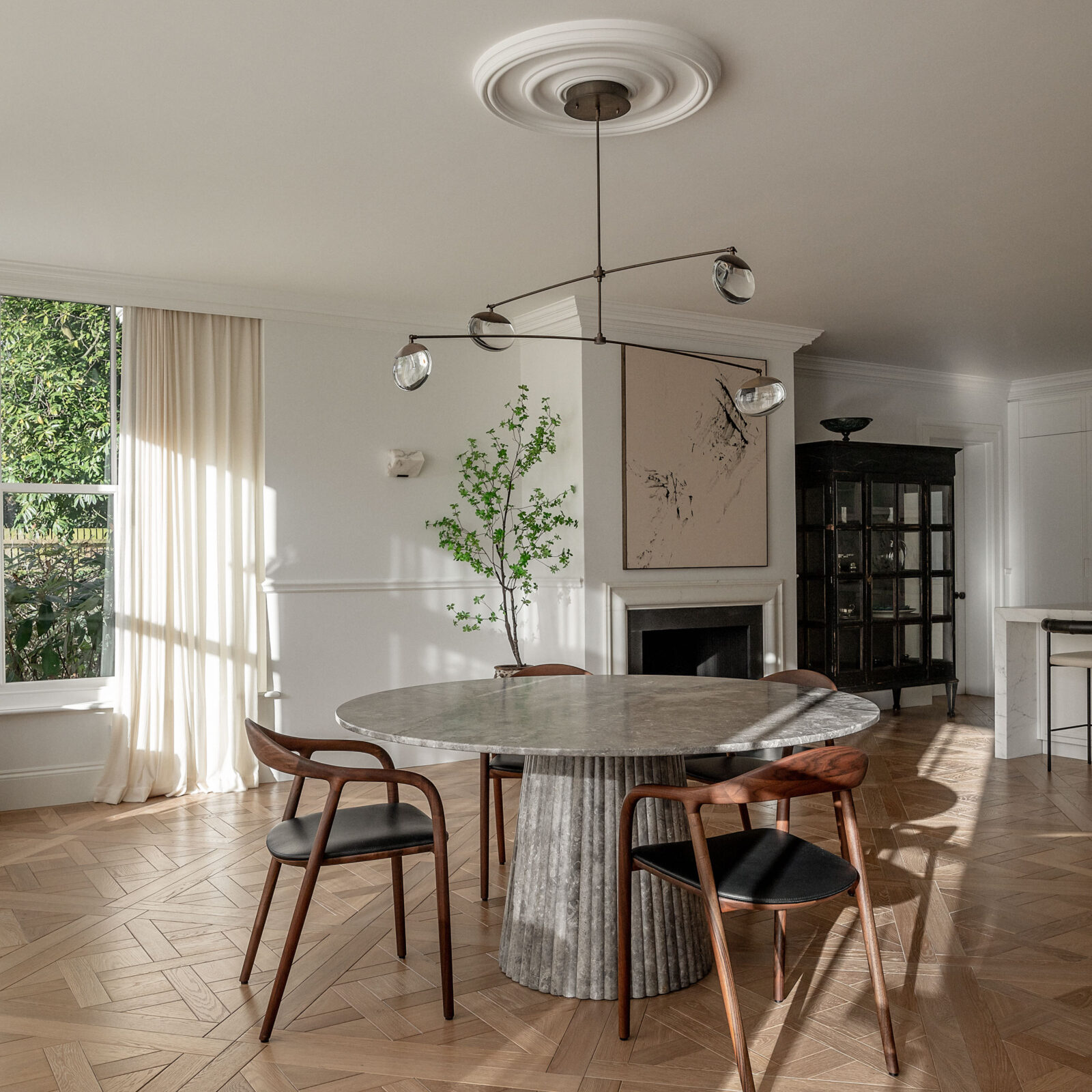
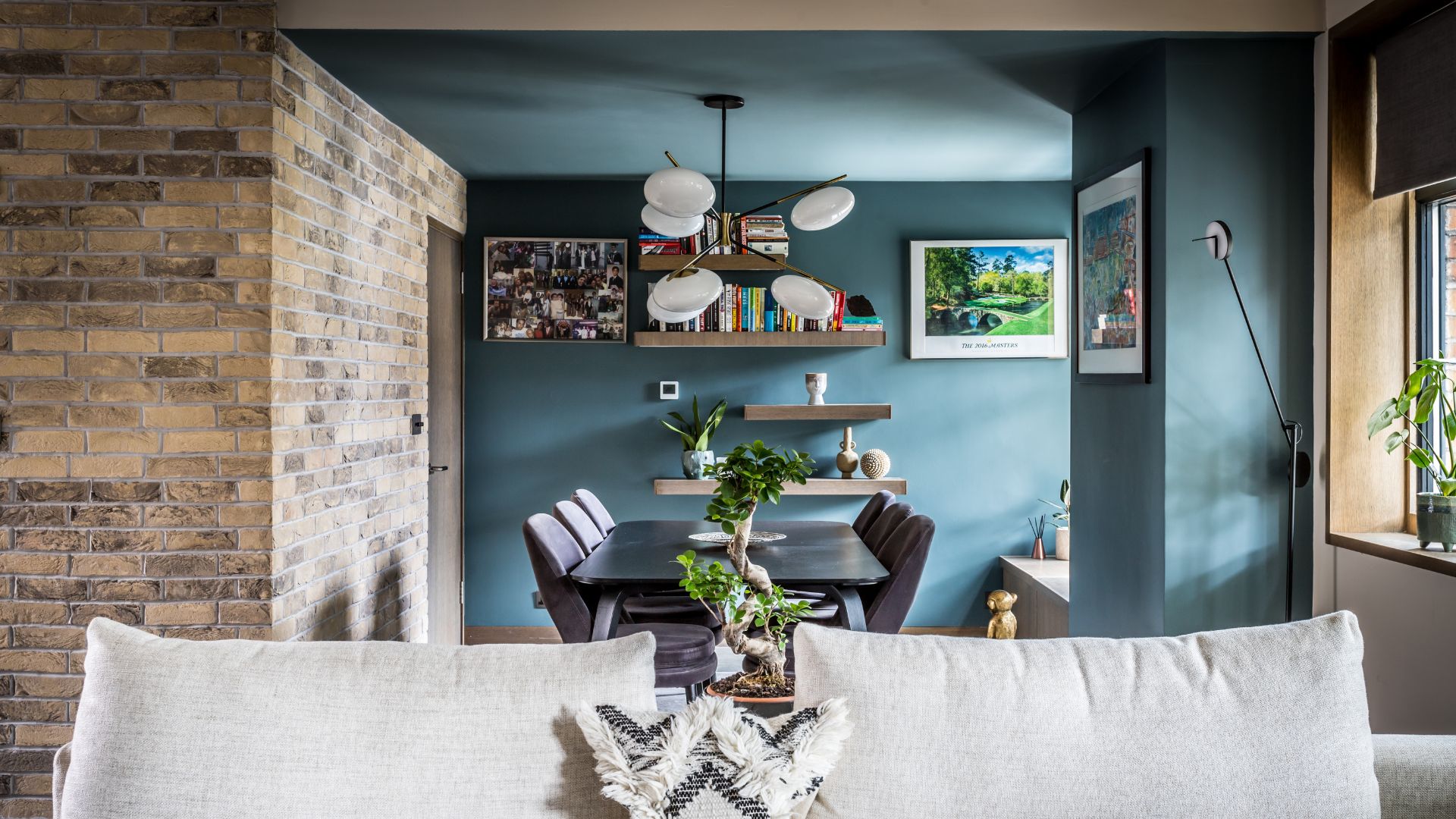
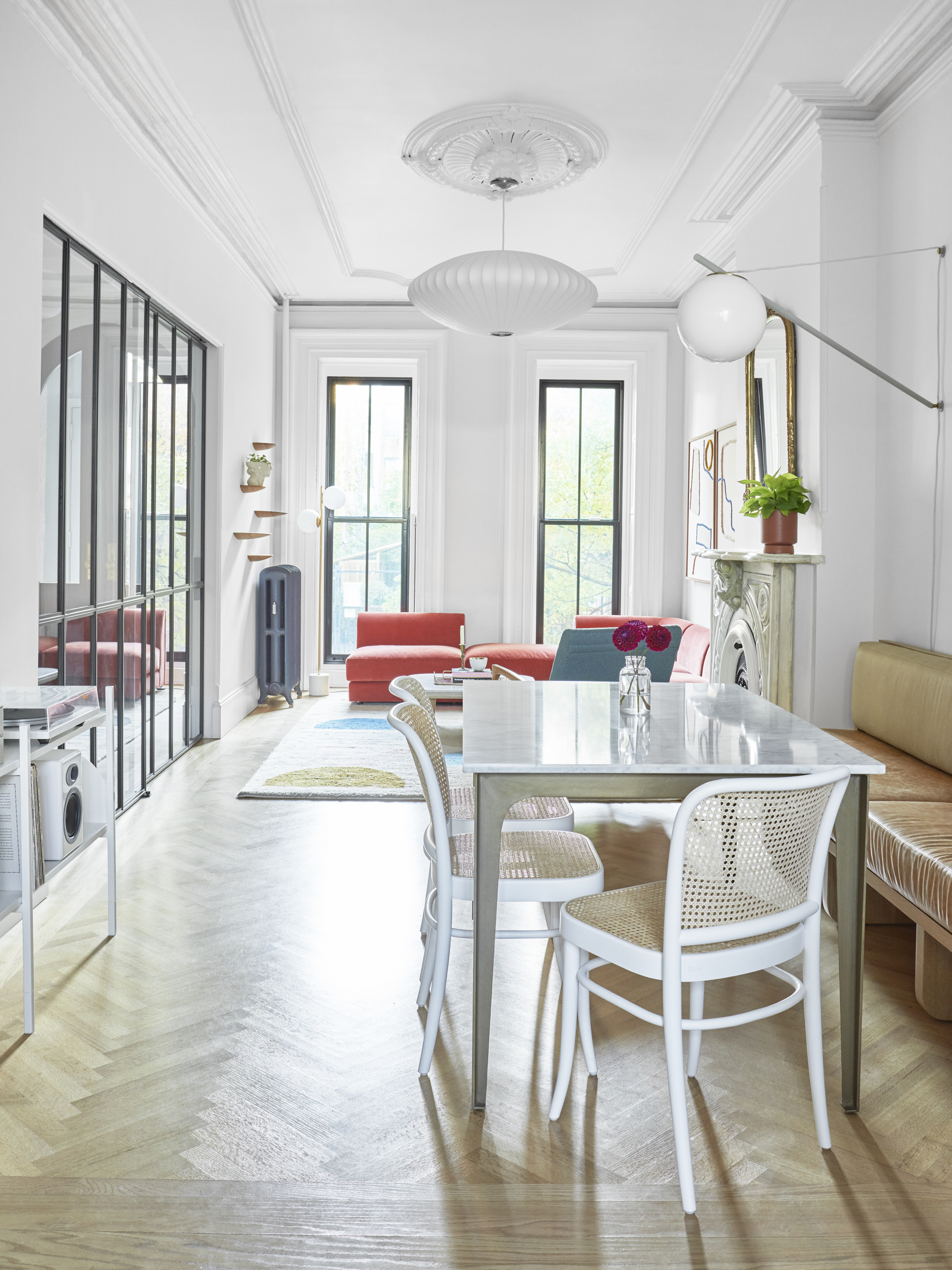
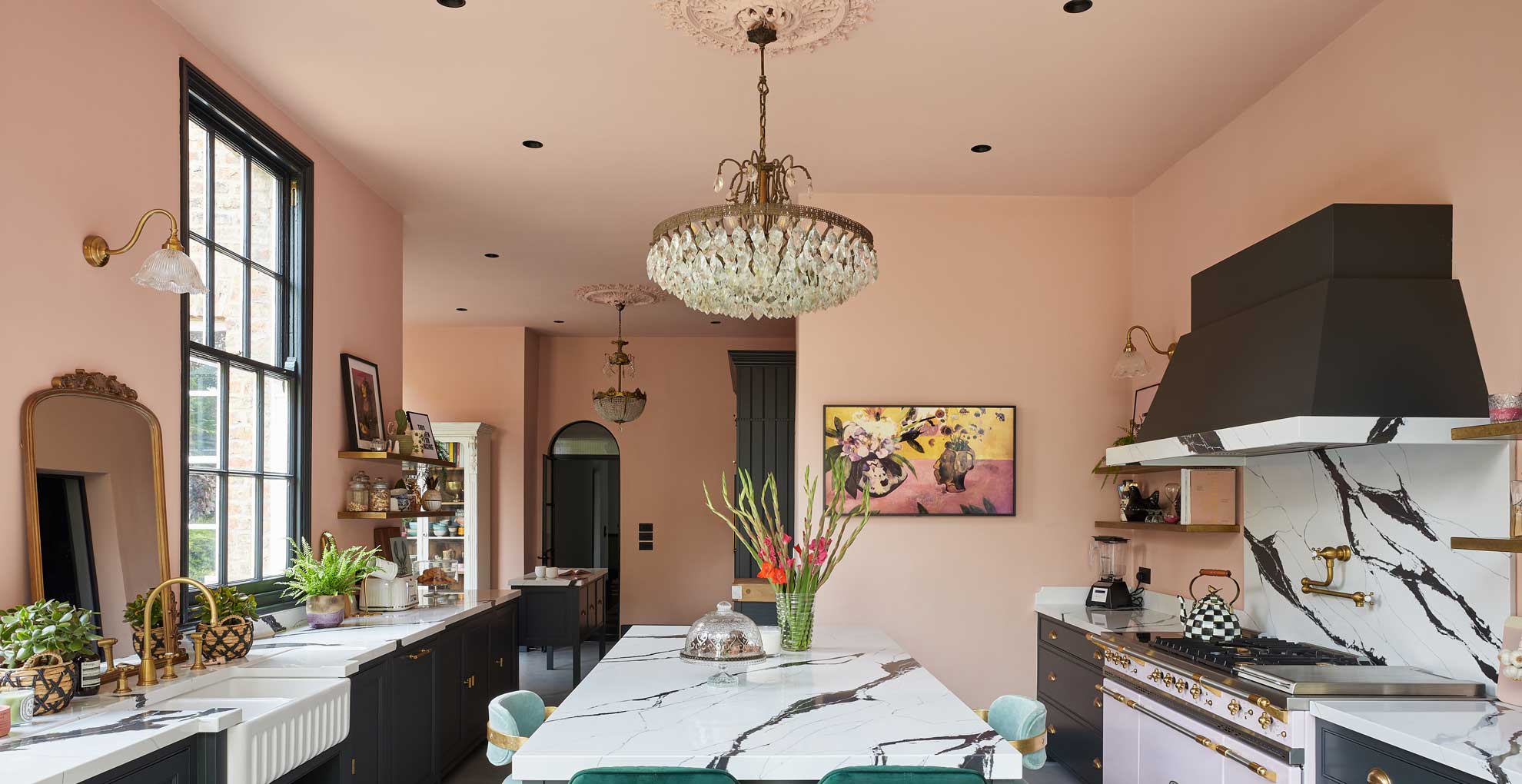
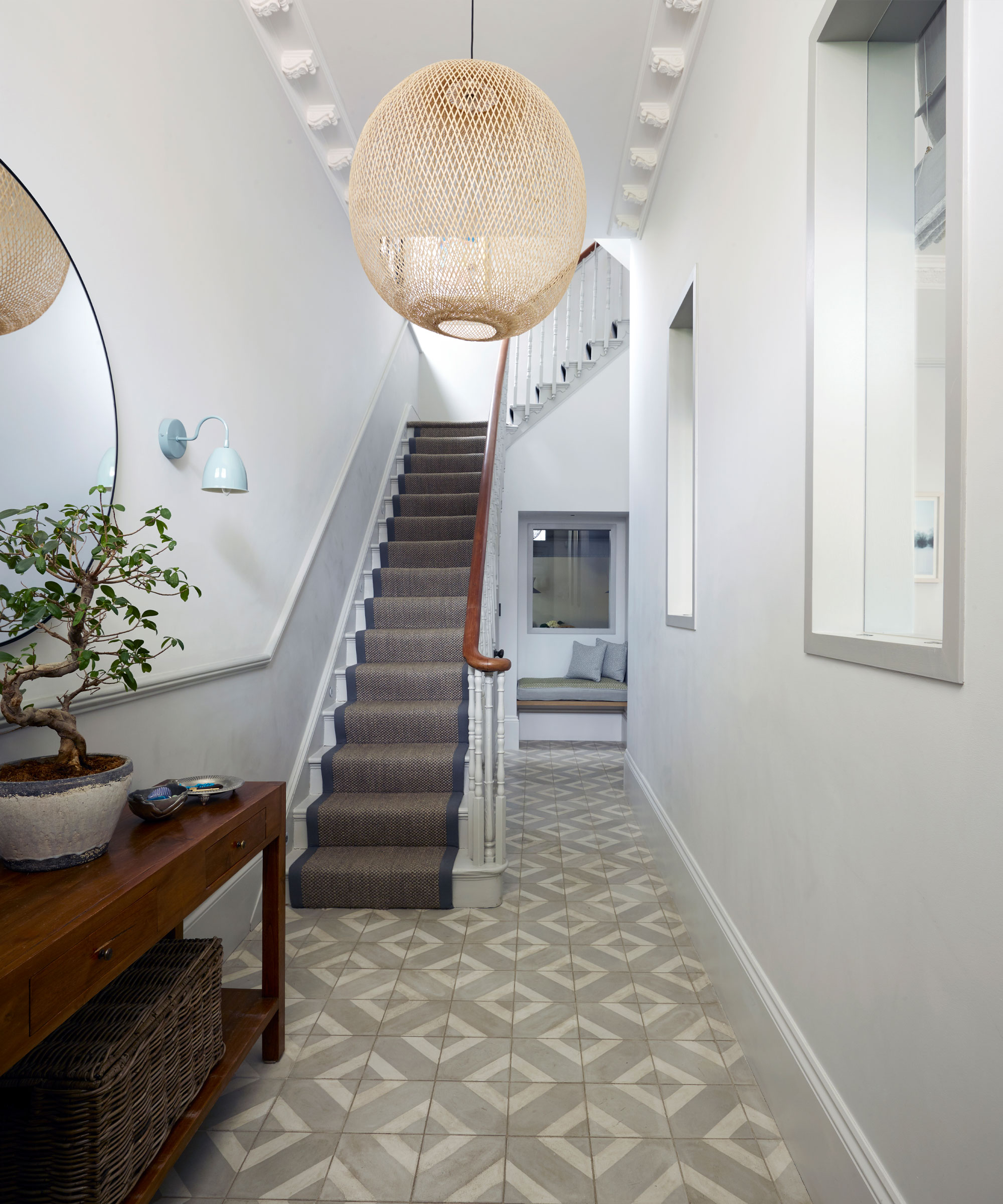
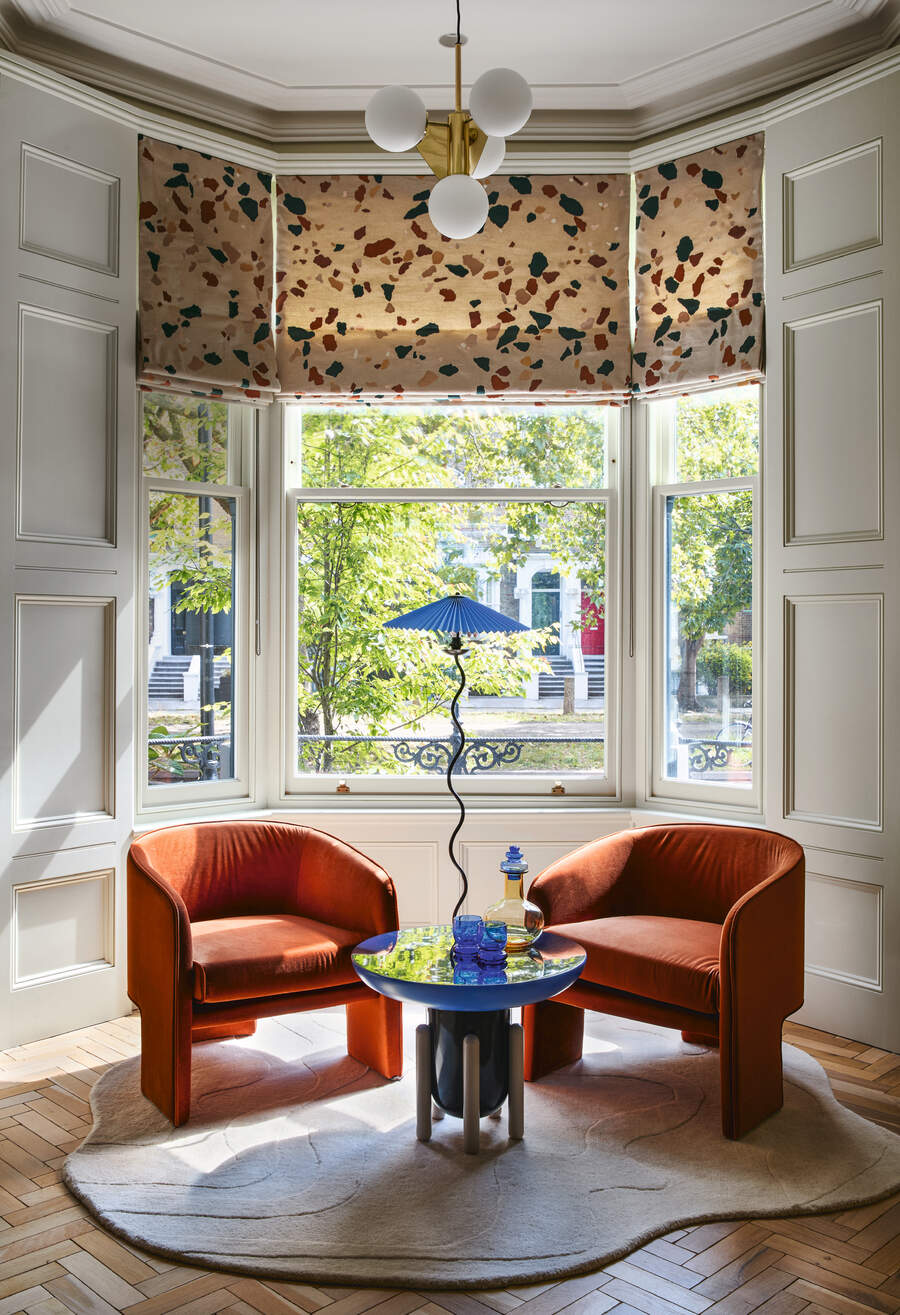
Beyond their decorative function, ceiling medallions are also practical tools for spatial definition. In open-plan living spaces, they can anchor contemporary lighting fixtures and delineate specific areas, such as a dining space. The London-based design studio Covet Noir demonstrated this in a Surrey project, where a minimal plaster crown molding medallion balanced the proportions of an elegant pendant light, preventing the ceiling from appearing too expansive. Founders Maria Lindgren and Adele Lonergan advocate for incorporating ceiling roses to create a sense of completion and balance.
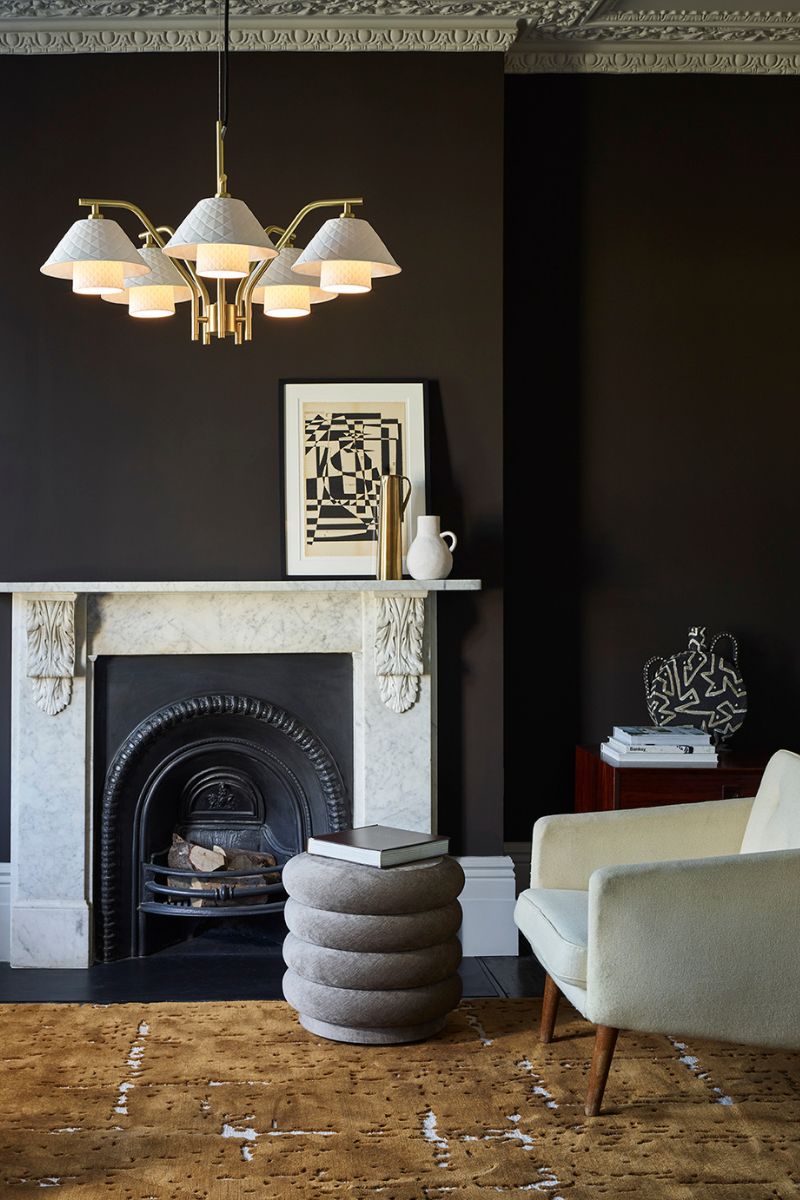
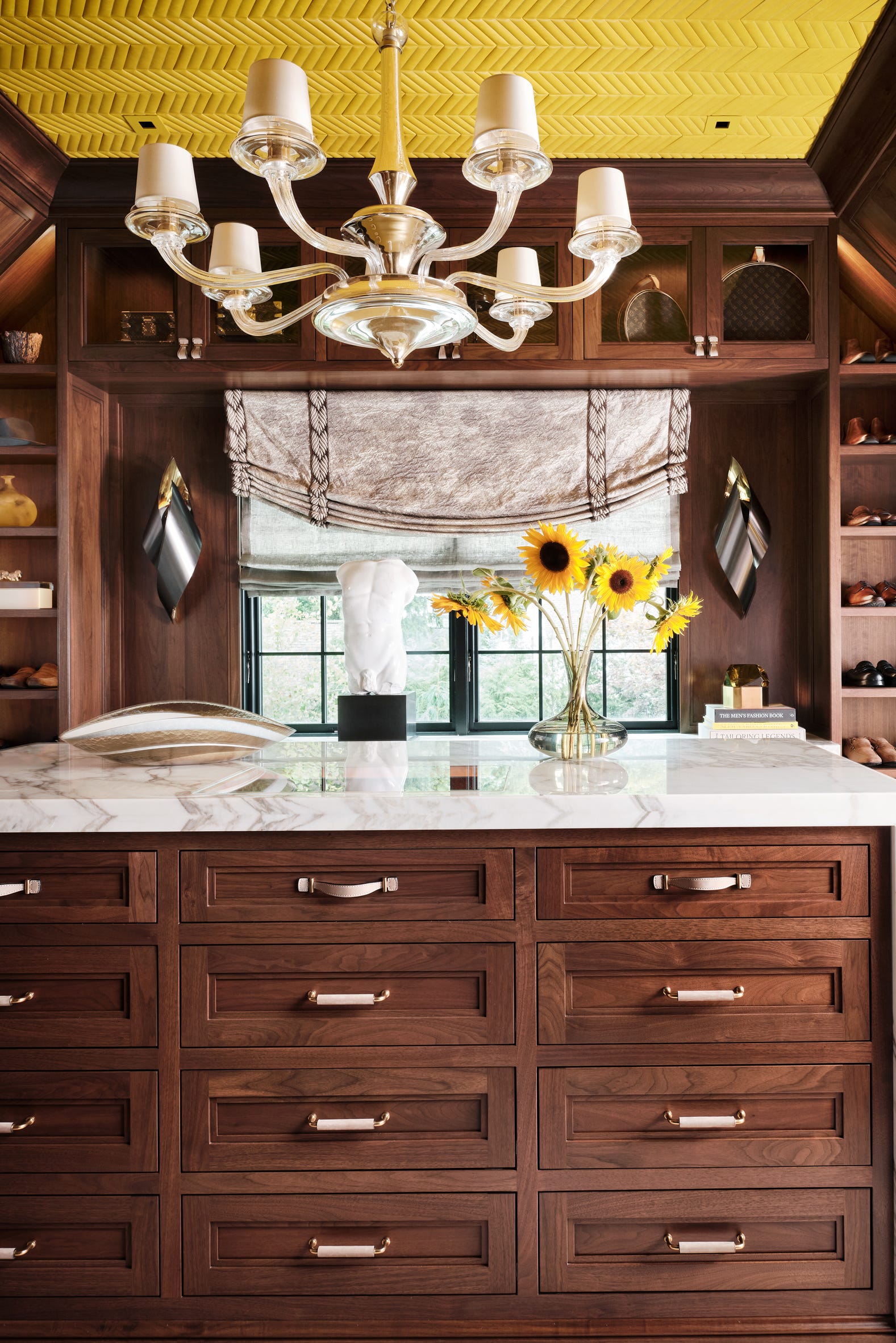
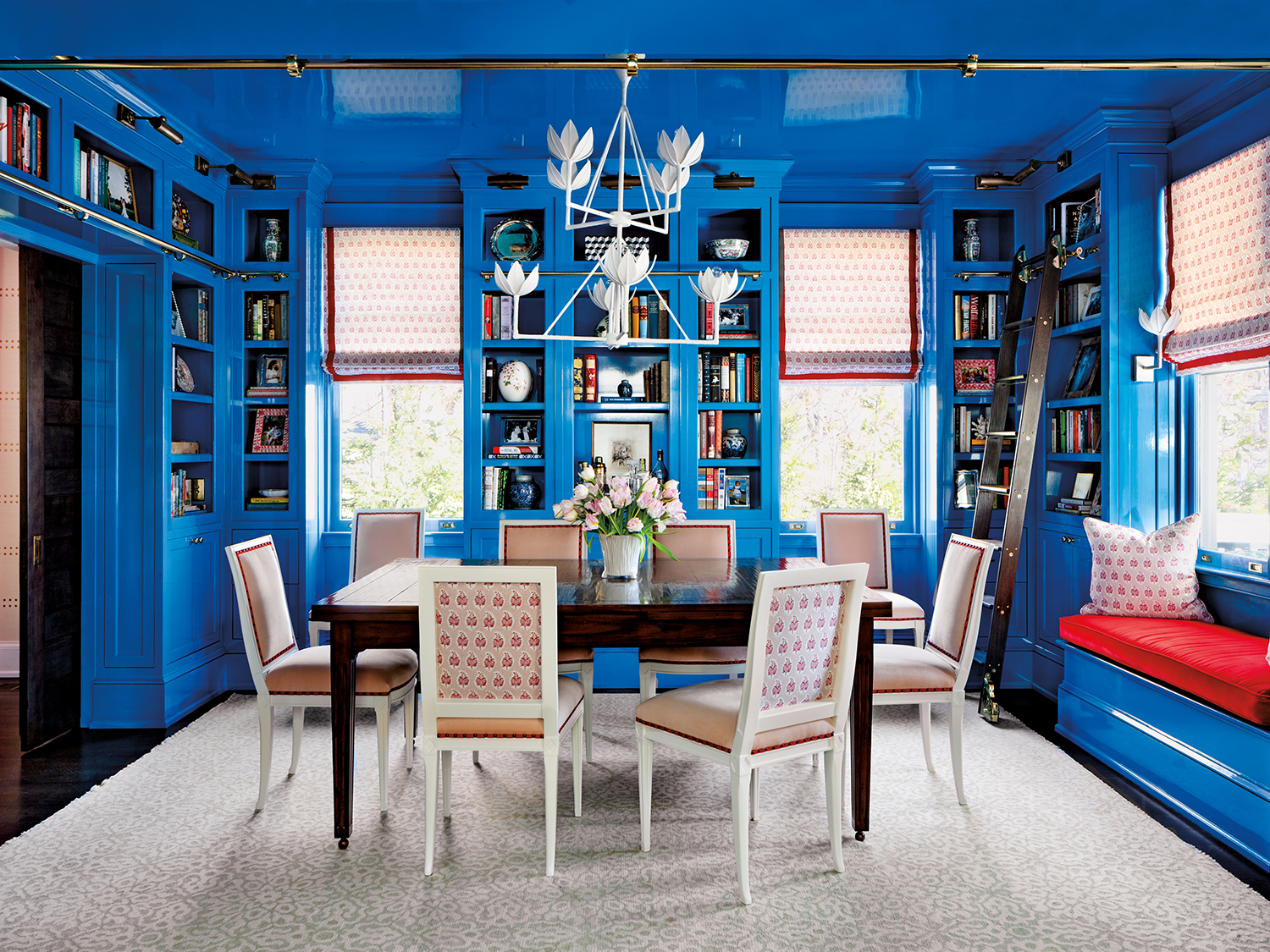
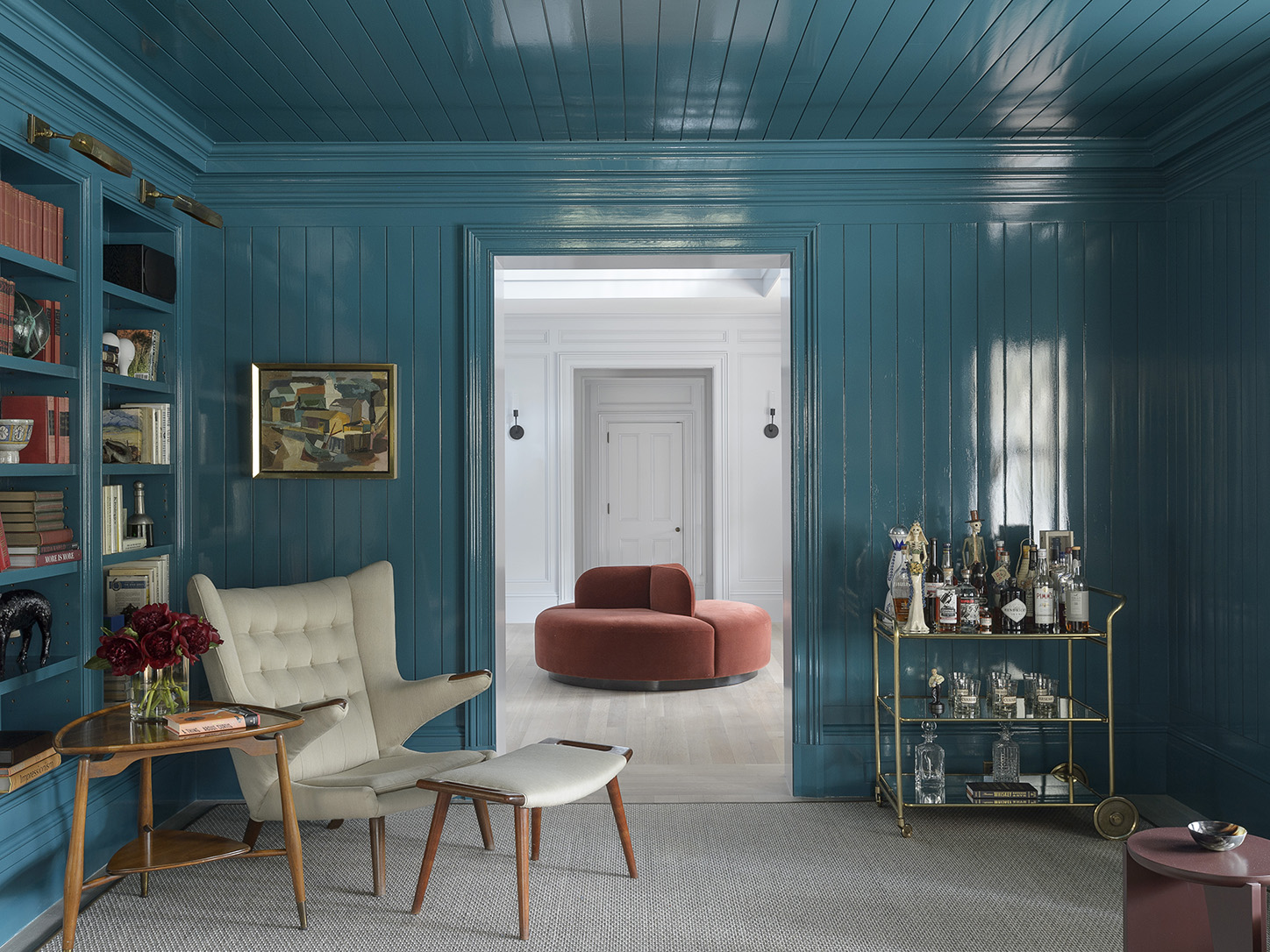
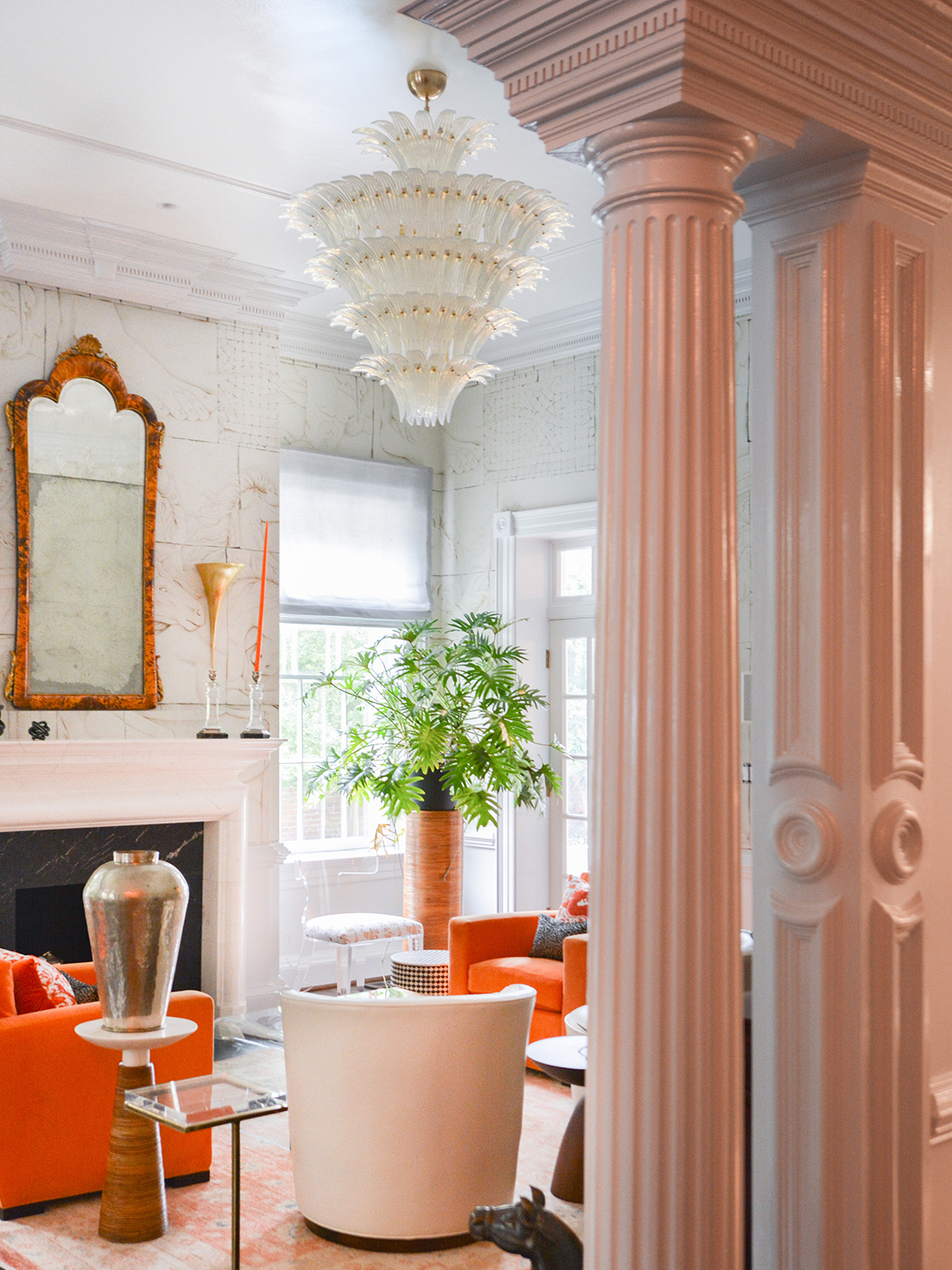

Furthermore, ceiling medallions can be integrated into a design scheme to celebrate contrast through color. Nannette Brown, an American interior designer, showcased this in a Chelsea Maisonette in Manhattan. By maintaining an original medallion within a light-reflecting ceiling, she created a striking contrast with the room's darker, richer walls, which served as a masculine backdrop for the client's architectural photography. Brown highlights the importance of preserving original architectural elements and modernizing them through careful color choices and lighting, using a modern Lucite pendant in conjunction with the vintage medallion to bridge eras.
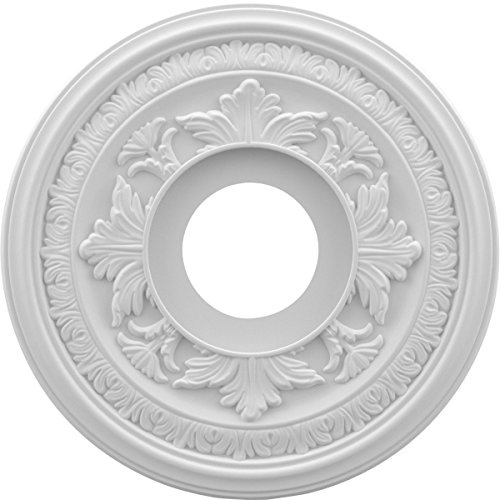
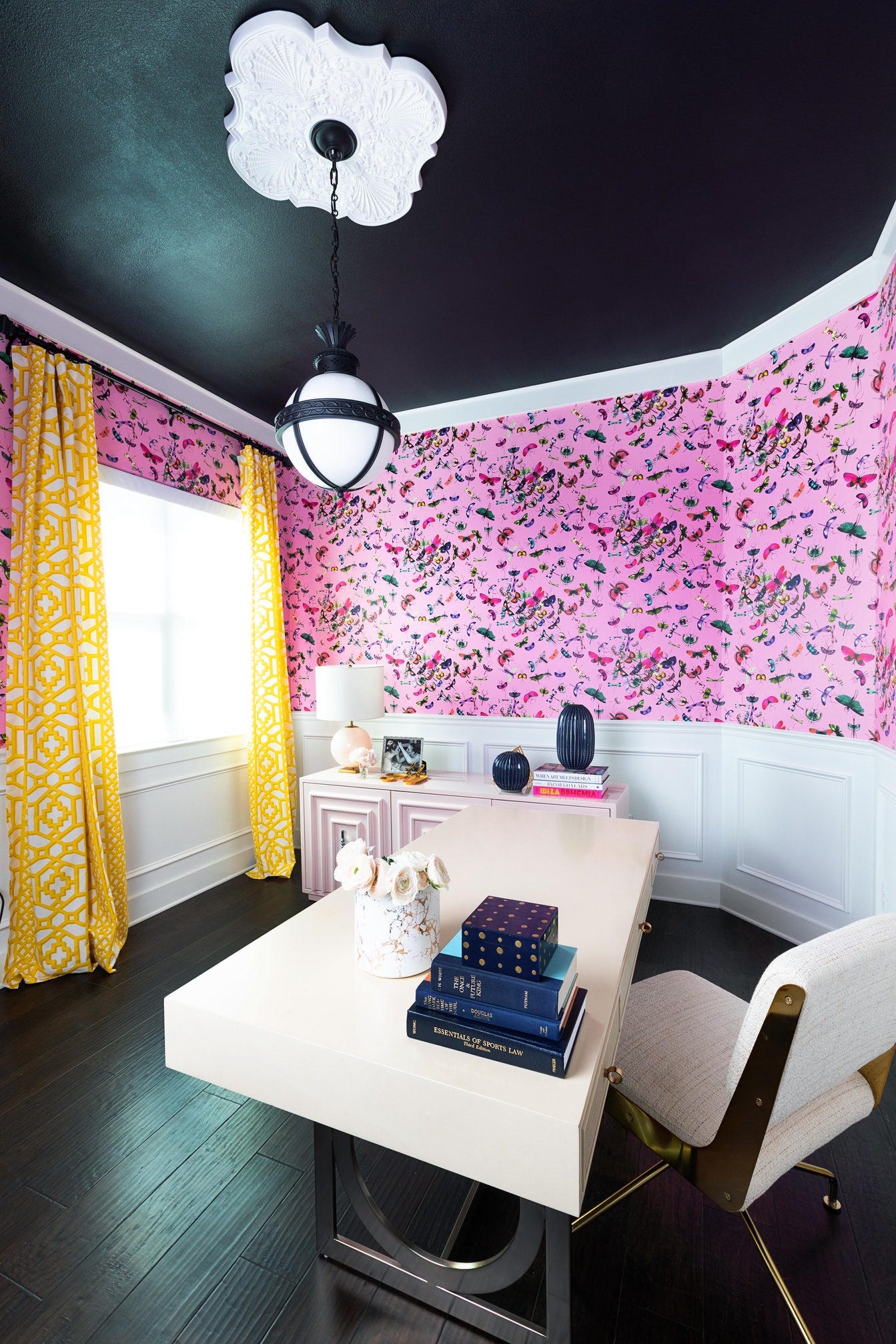
When considering ceiling medallions, several factors are crucial for successful integration. Selecting the appropriate style that complements the home’s existing architecture, from ornate historical designs to minimalist modern options, is essential. Achieving the correct scale is also vital; a medallion should be proportionate to the ceiling’s expanse, with designers often recommending going larger than initially perceived necessary. However, it is also acknowledged that ceiling lights are not always a mandatory feature in modern homes, and in sleeker, less cluttered spaces, a medallion may not be a necessity. Ultimately, for suitable properties, ceiling medallions remain a stylish choice, provided they are chosen and installed thoughtfully.
#CeilingMedallions #InteriorDesignTrends #ArchitecturalElements #HomeDecor #ModernInteriors #HistoricalElegance #DesignTips #LightingFixtures #CeilingDecor #CeilingMedallions #InteriorDesignTrends #ArchitecturalElements #HomeDecor #ModernInteriors #HistoricalElegance #DesignTips #LightingFixtures #CeilingDecor
Hay 0 comentarios en total
 Aún no hay comentarios
También te puede gustar
Should I Put Up a Ceiling Medallion? Our Experts Give a Verdict on Whether This "Elegant" Finish is in Style
This Lighting Hack Makes Your Ceiling Look Like a Chic Parisian Apartment Using a $15 Amazon Buy
The best colour for ceilings as recommended by interior designers and colour specialists

Ceiling makeovers uplifting
Design, Debated — Can You Put Decorative Ceiling Trim in a Modern Home? And More Importantly, Should You?
Should You Put Wallpaper on the Ceiling? Here’s What Designers Recommend
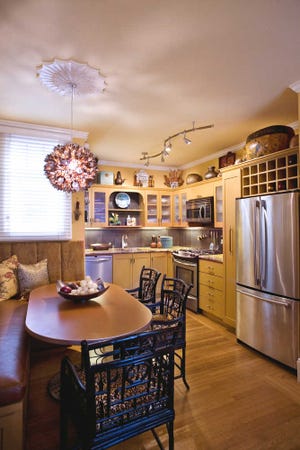
Remember ceiling when decorating rooms
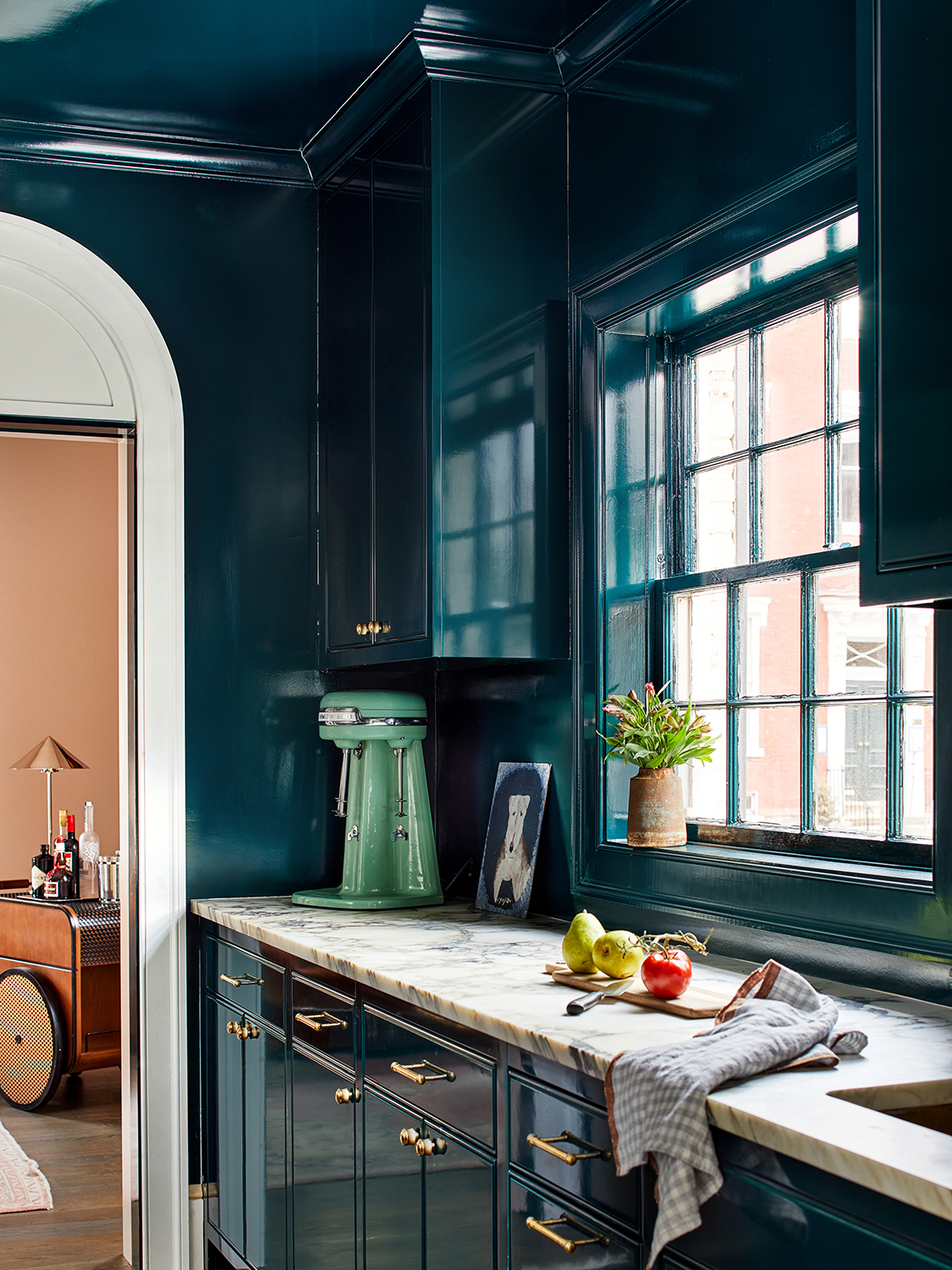
Searches For This Ceiling Paint Trend Have Grown By 816%

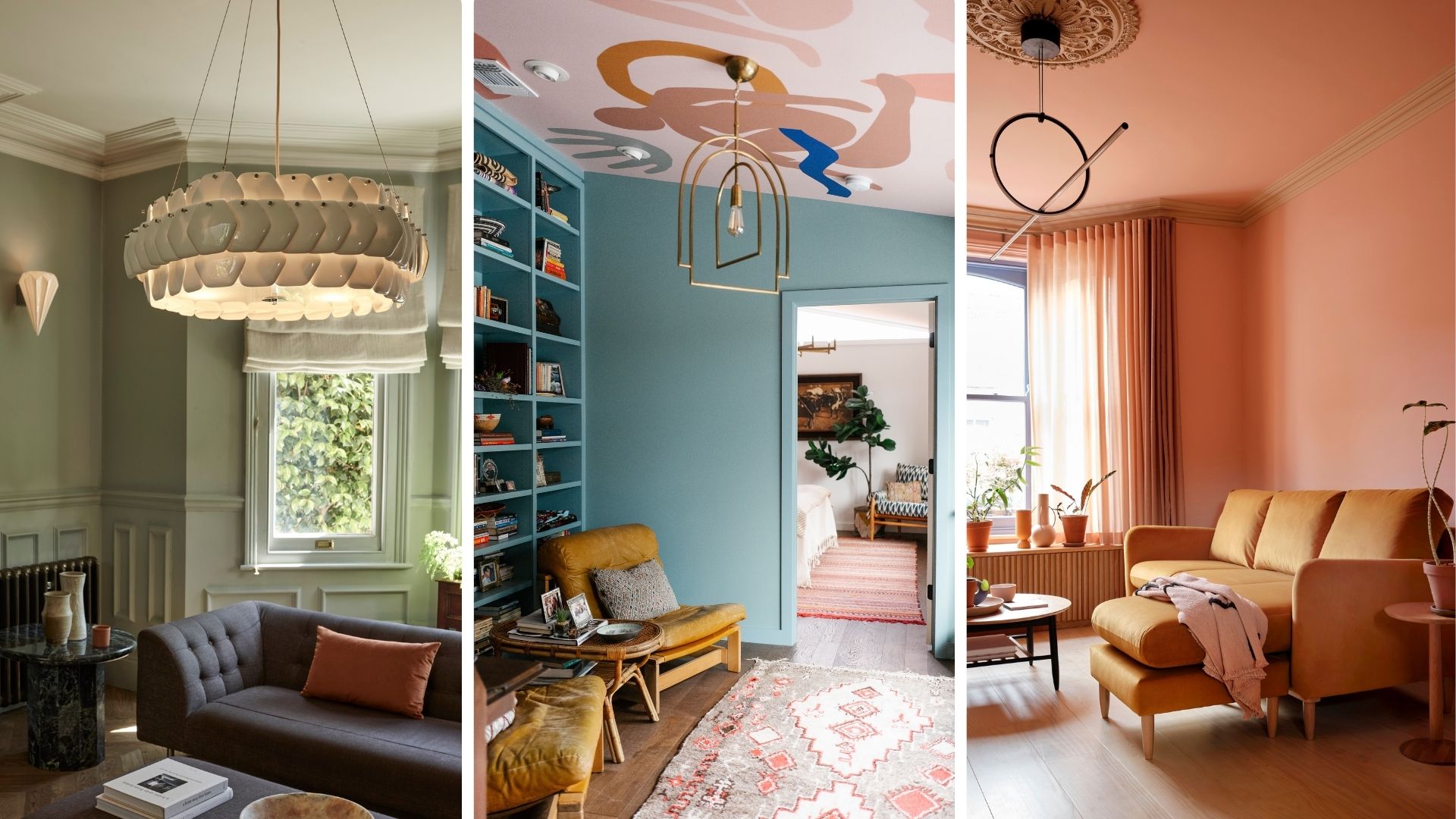
When you should and shouldn't paint your ceiling, according to interior designers

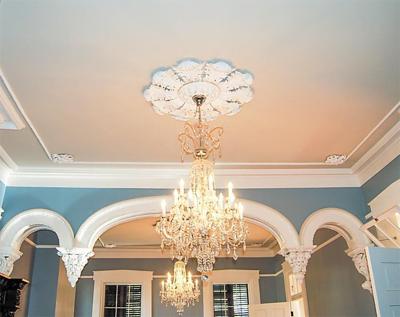
Ceiling medallions and moldings add details and dimension
Ceiling trim ideas – 12 ways to enhance this architectural feature

Crown Molding Ideas — 8 Ways to Make This Traditional Flourish Feel Modern
Add A Pop Of Color To Your Ceiling With This Easy Medallion Upgrade
Pedestal styling is the overlooked decor trend we shouldn't ignore – says this leading interior designer
For a "Cool-Looking" Home, Designers Say Use This Finish

I Can't Help But Wonder If Crown Molding Is Out of Style These Days — Here's What Designers Say
Yes, You Should Absolutely Paint Your Ceiling
Trend Alert: Here’s How To Perfect The Painted Ceiling Look

Should ceilings be glossy or flat? A paint expert lifts the lid on getting this vital touch just right
House Digest Survey Reveals The Best Metallic Accent Color For Your Home