1/5
I Can't Help But Wonder If Crown Molding Is Out of Style These Days — Here's What Designers Say
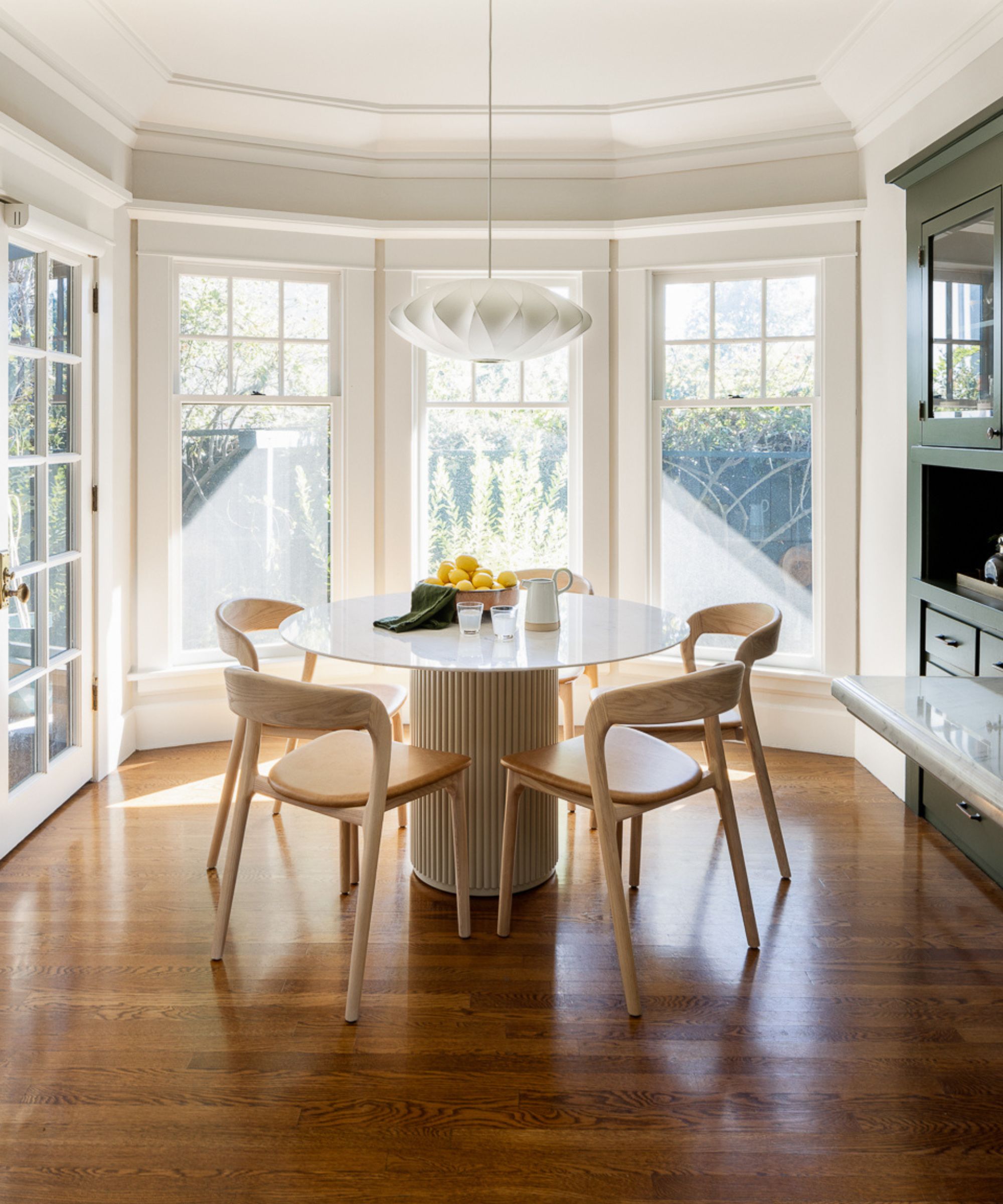
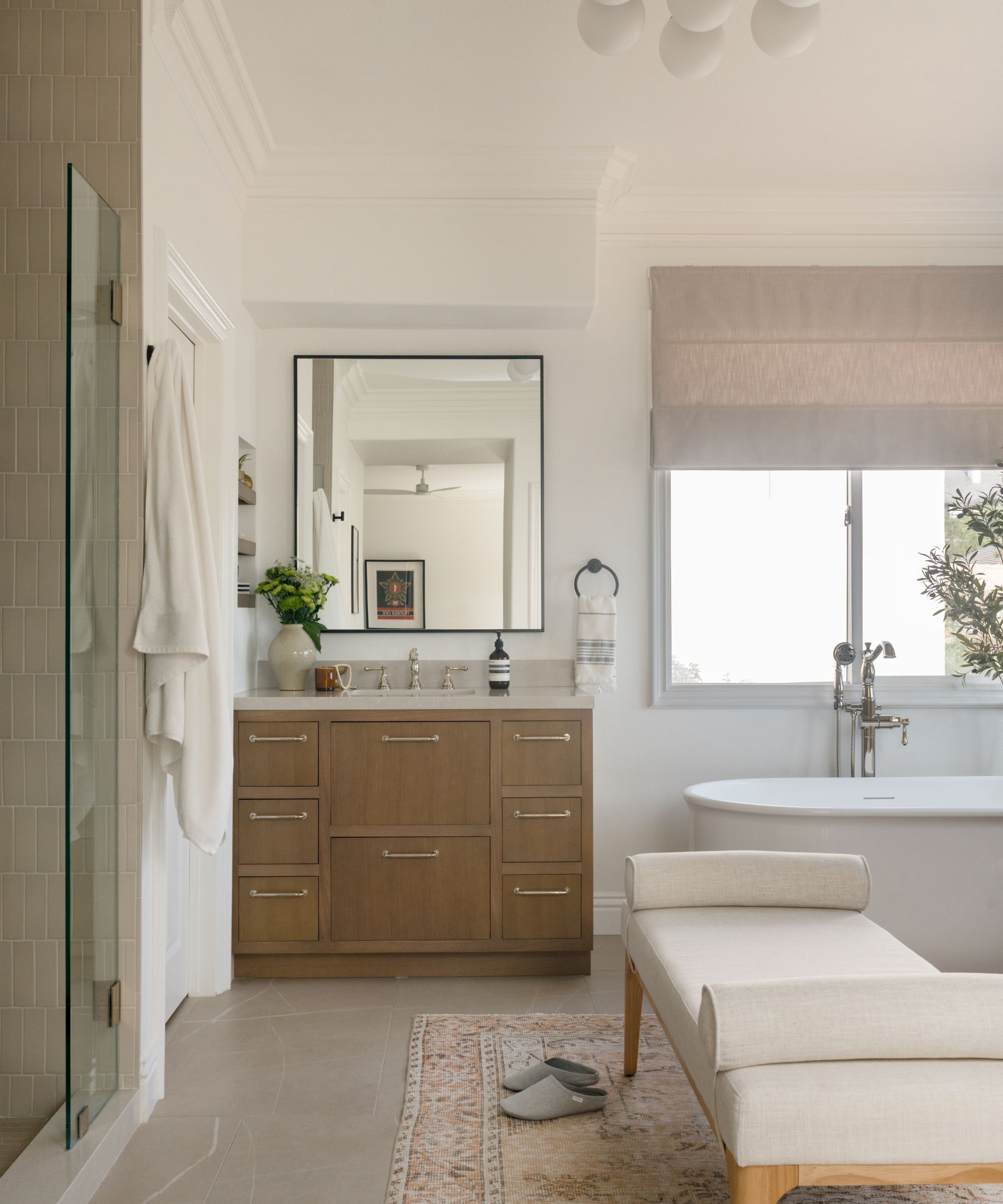
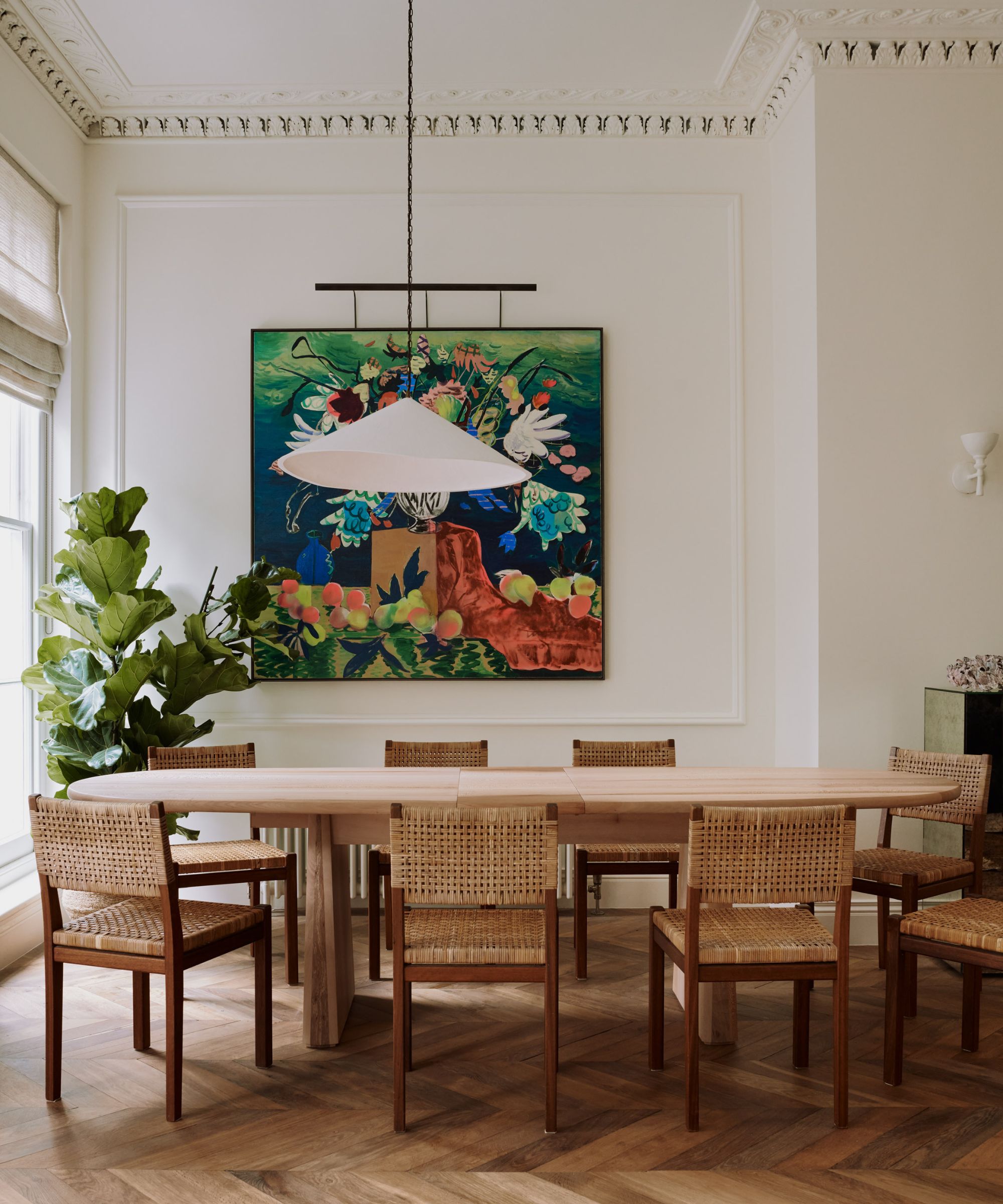
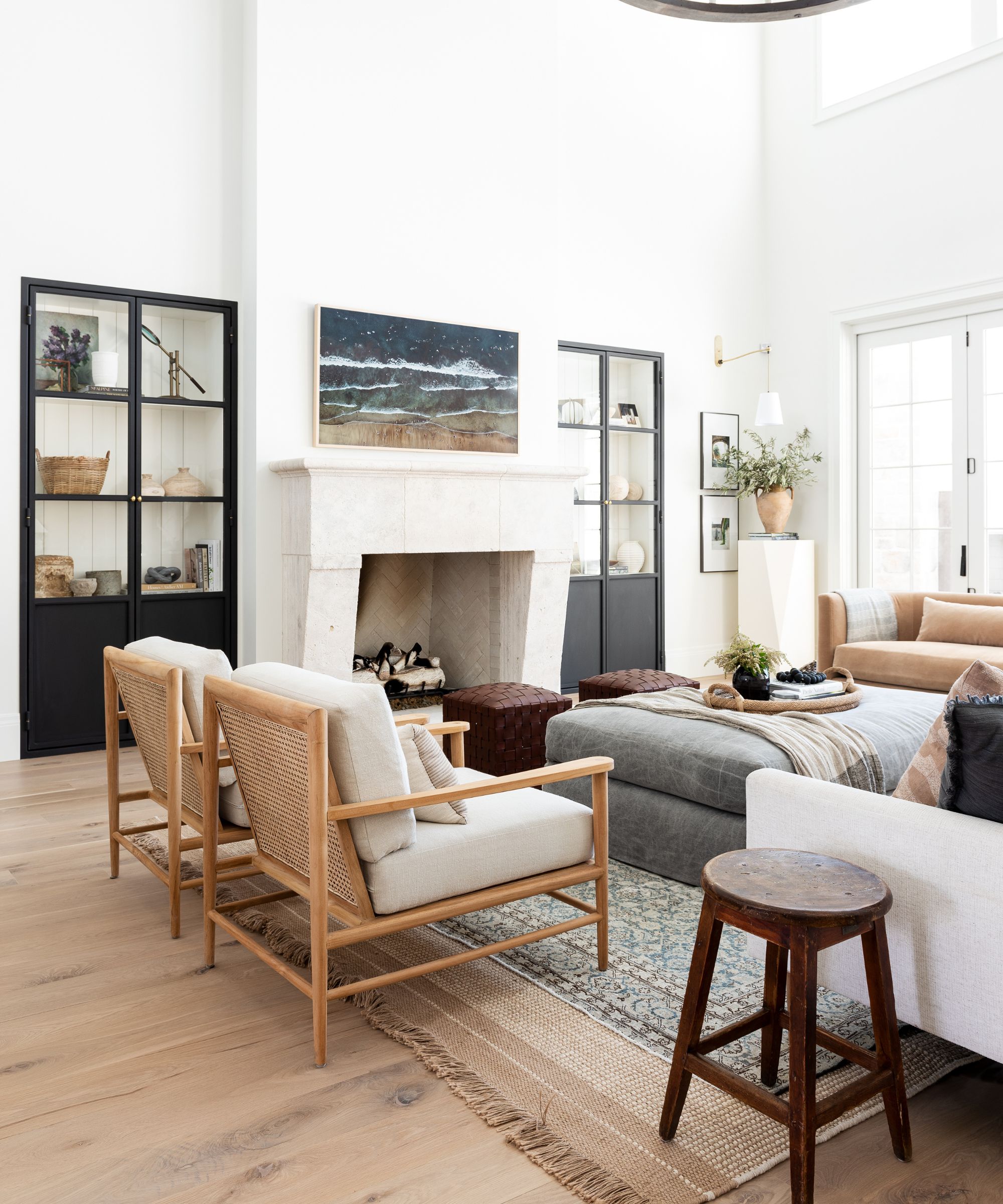
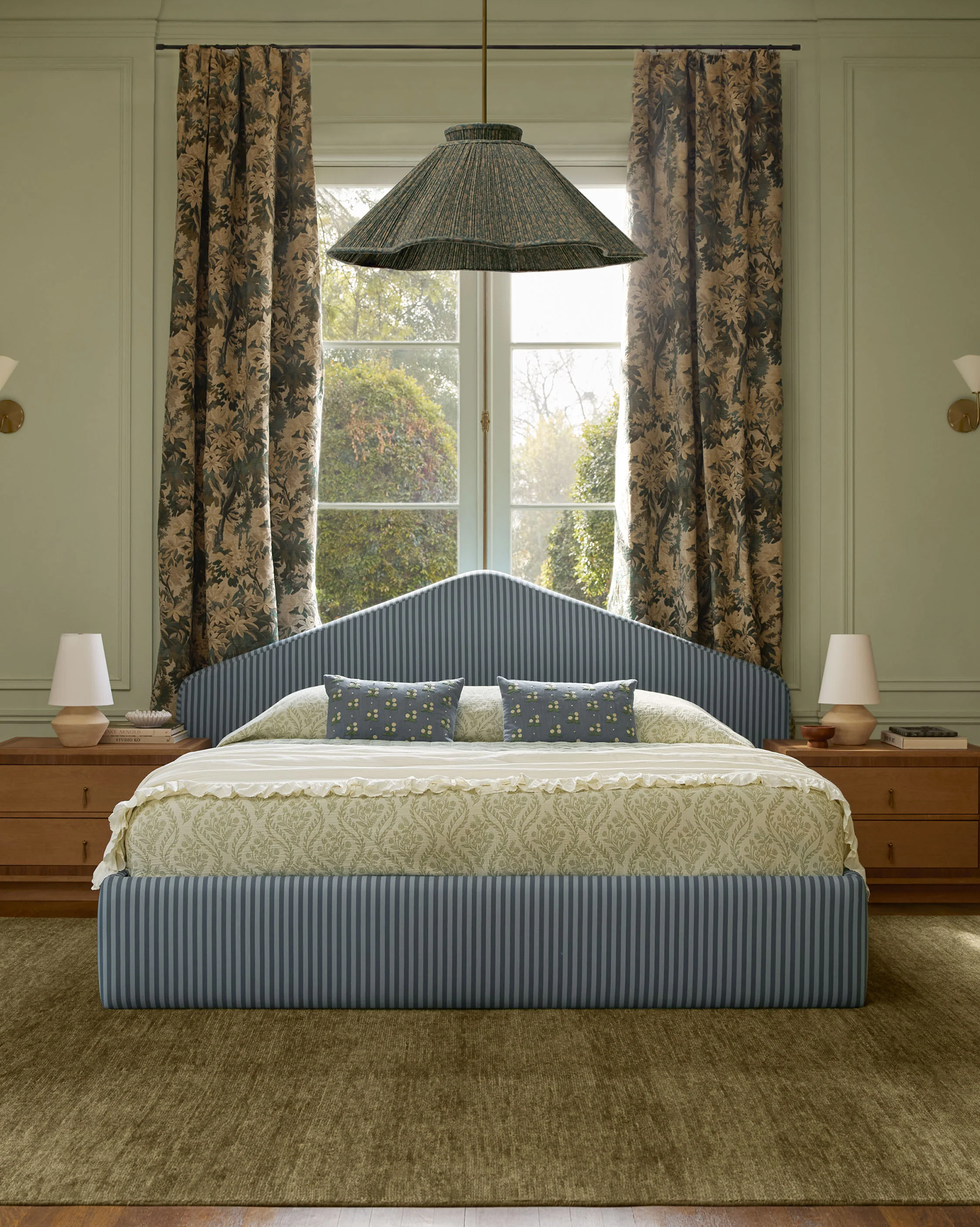
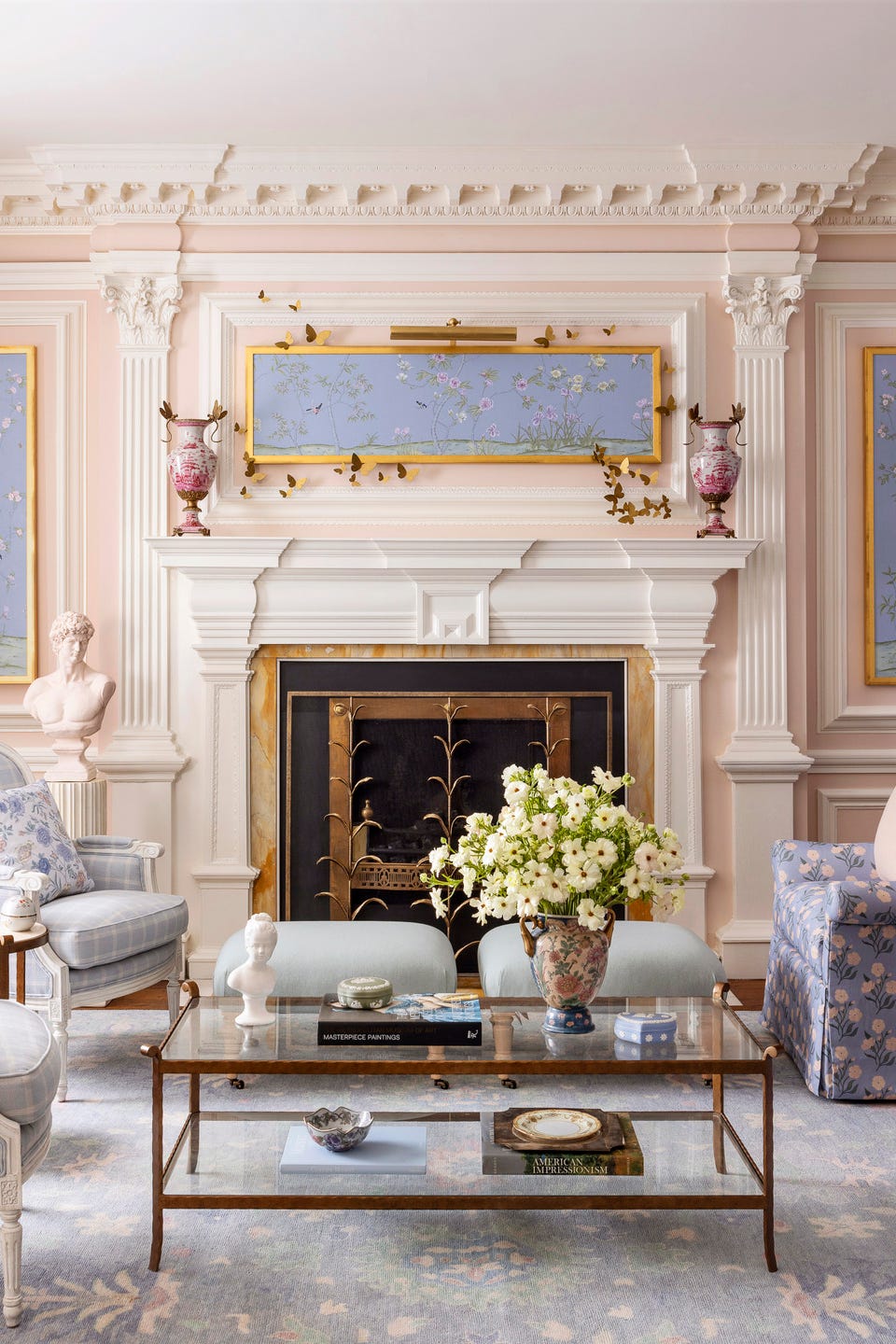
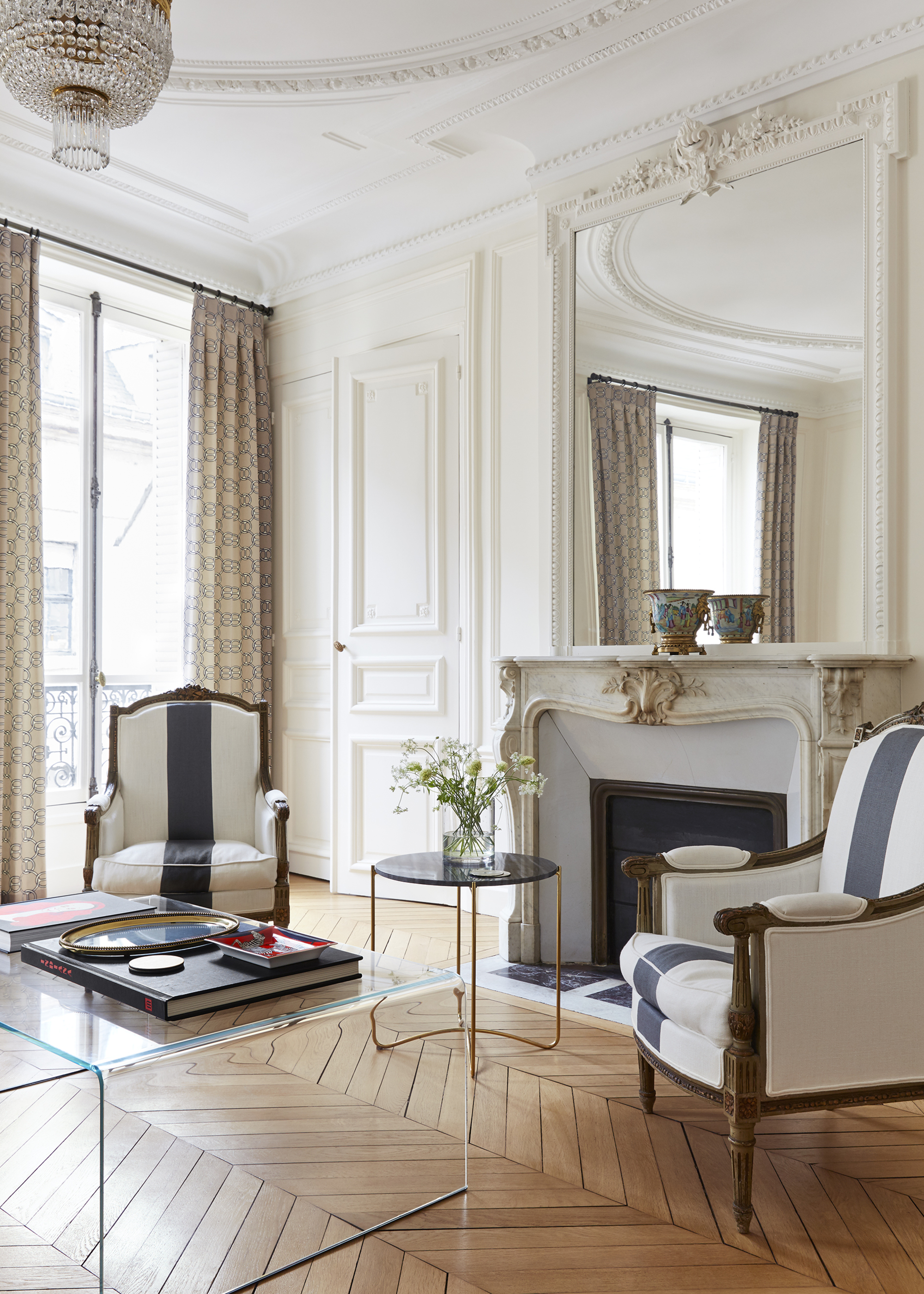
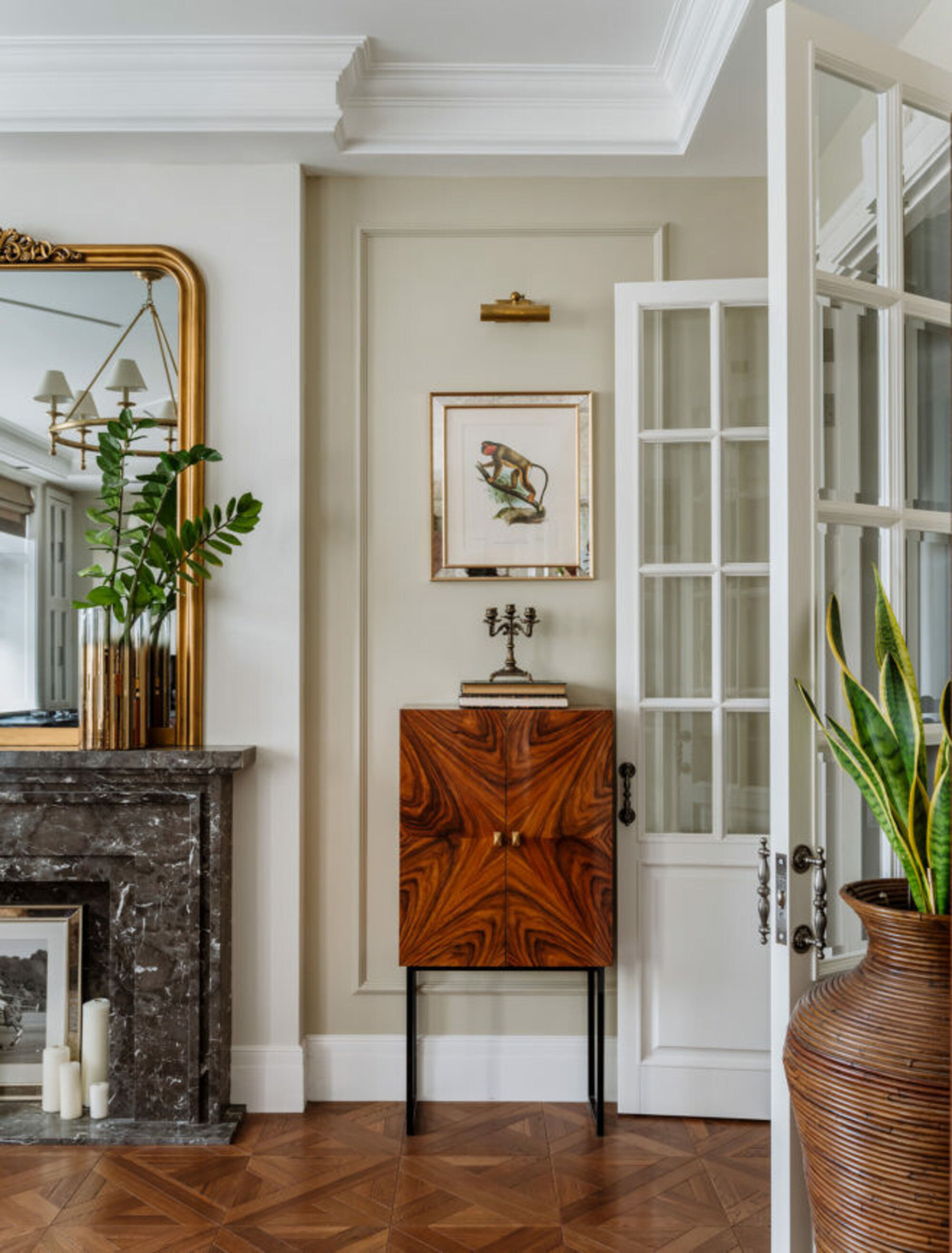
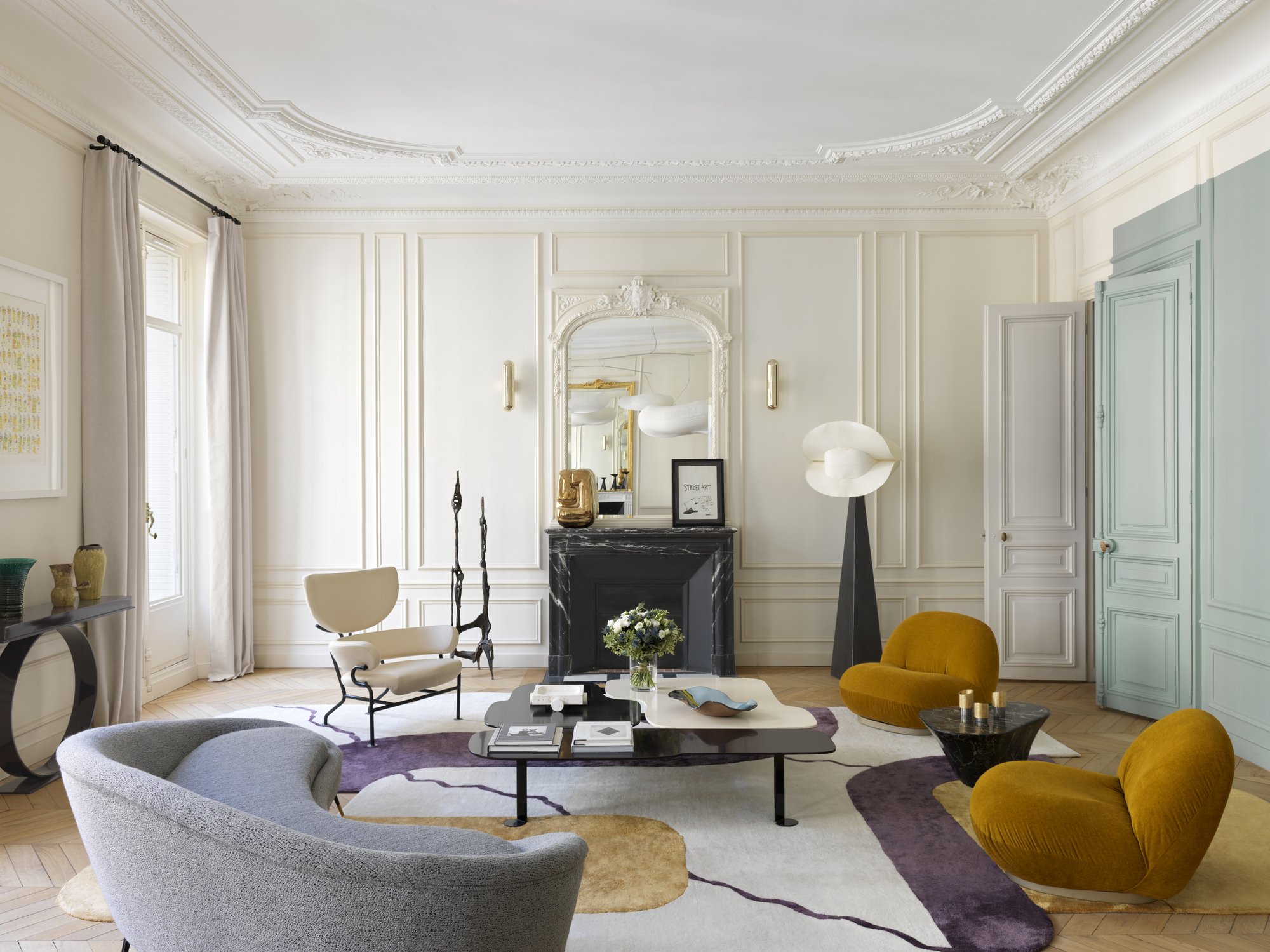
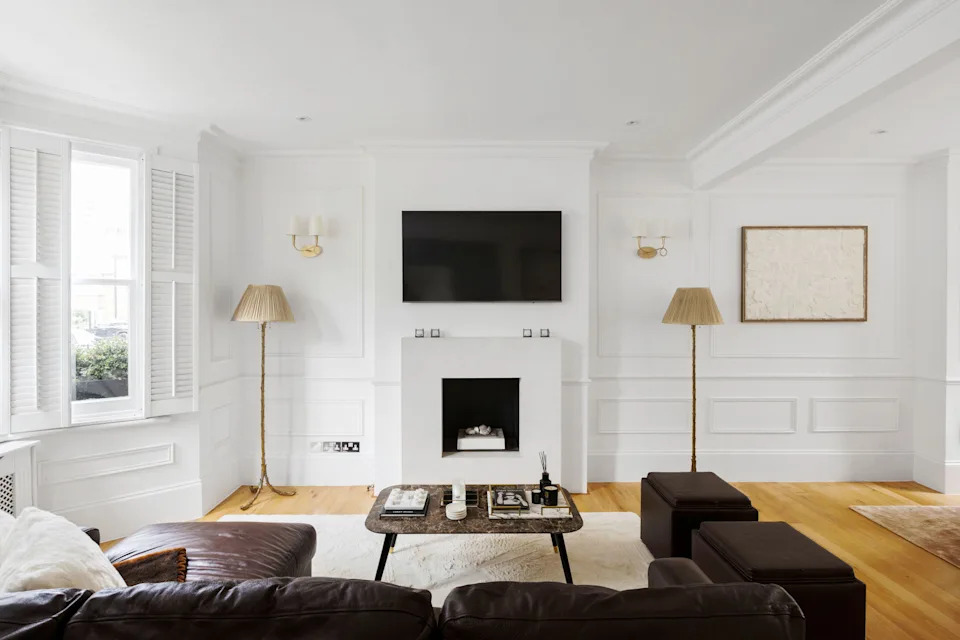
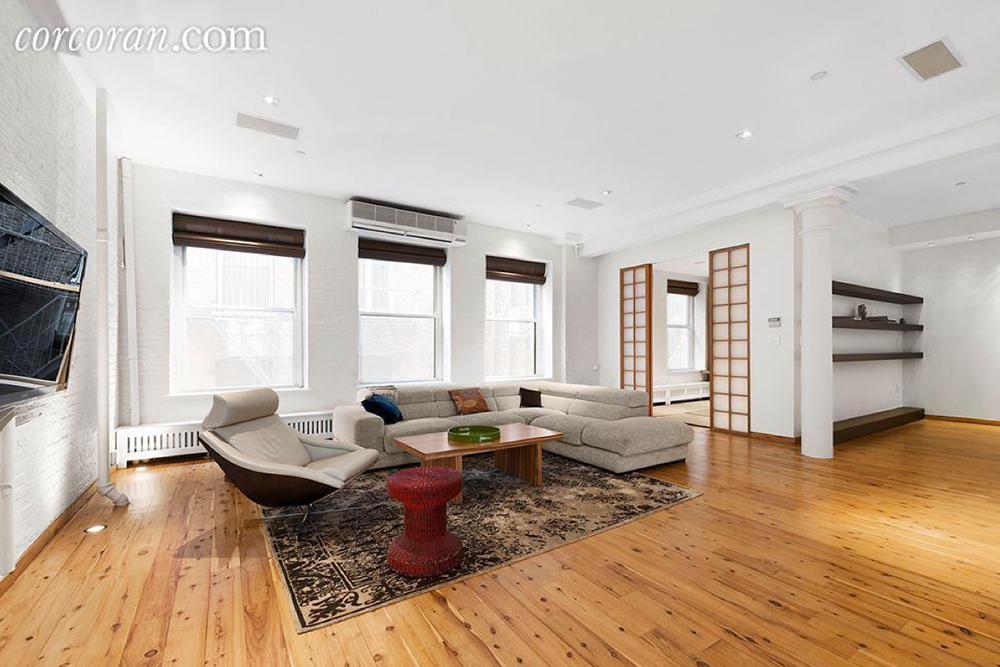
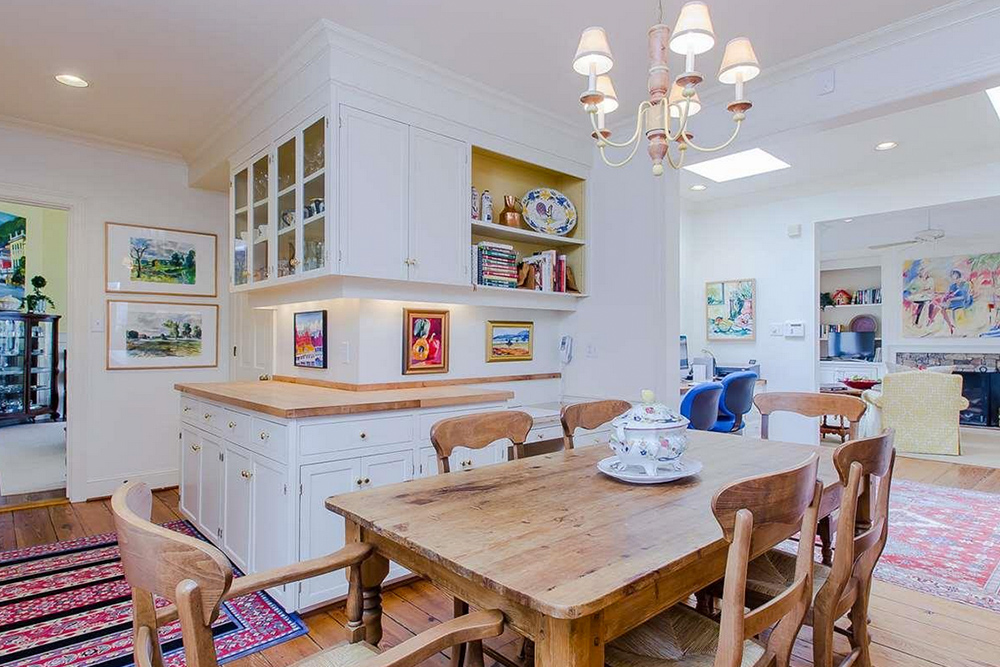
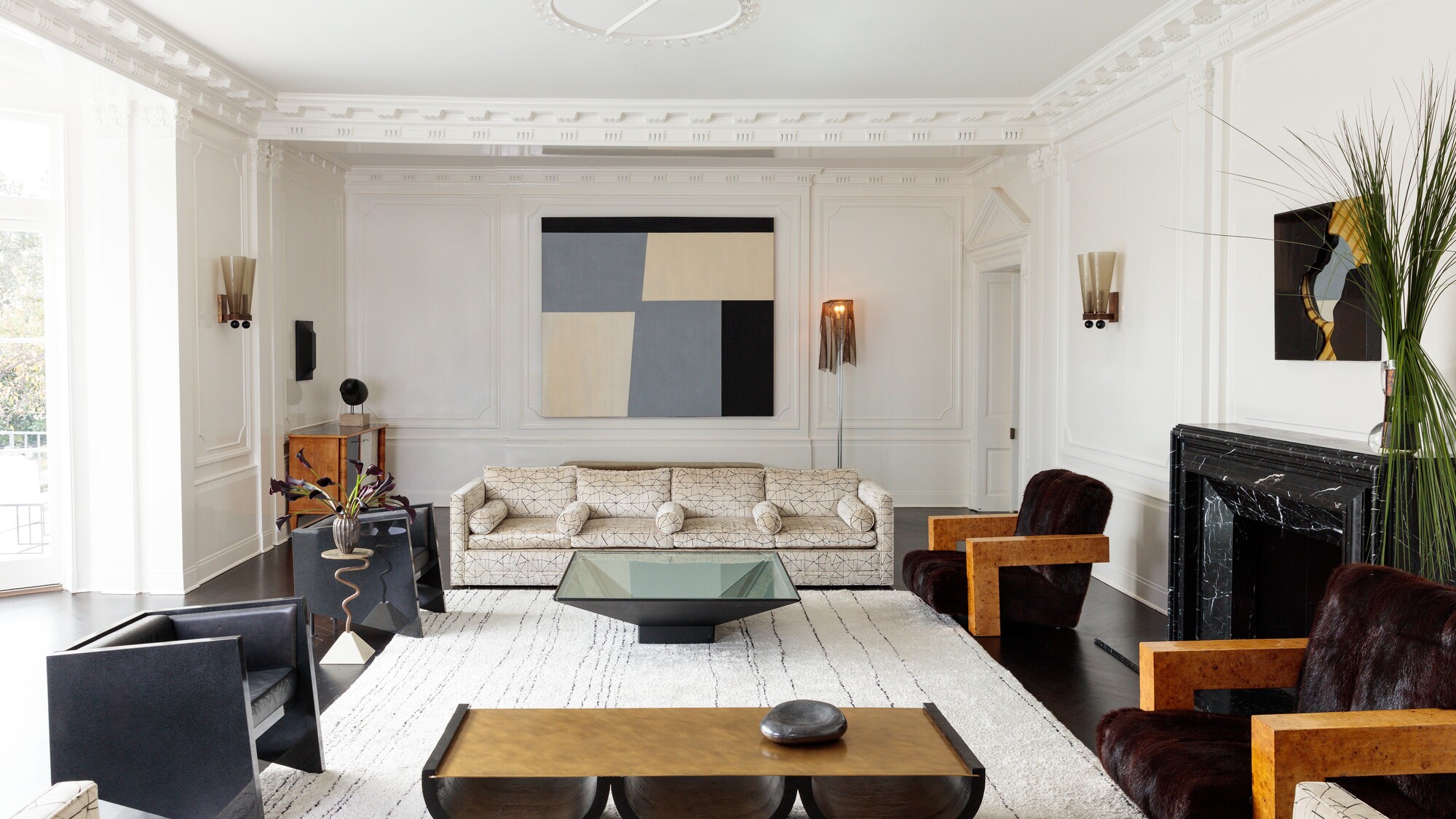
Crown molding, a decorative detail often associated with sophistication and custom interiors, continues to be a relevant feature in home design, according to interior designers. Despite its enduring appeal, its successful integration into contemporary homes requires careful consideration. The article addresses the common question of whether crown molding is out of style, concluding that it remains a timeless element when applied thoughtfully.
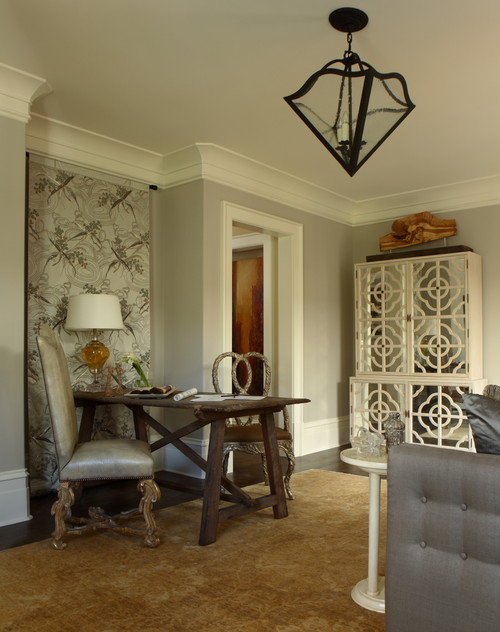
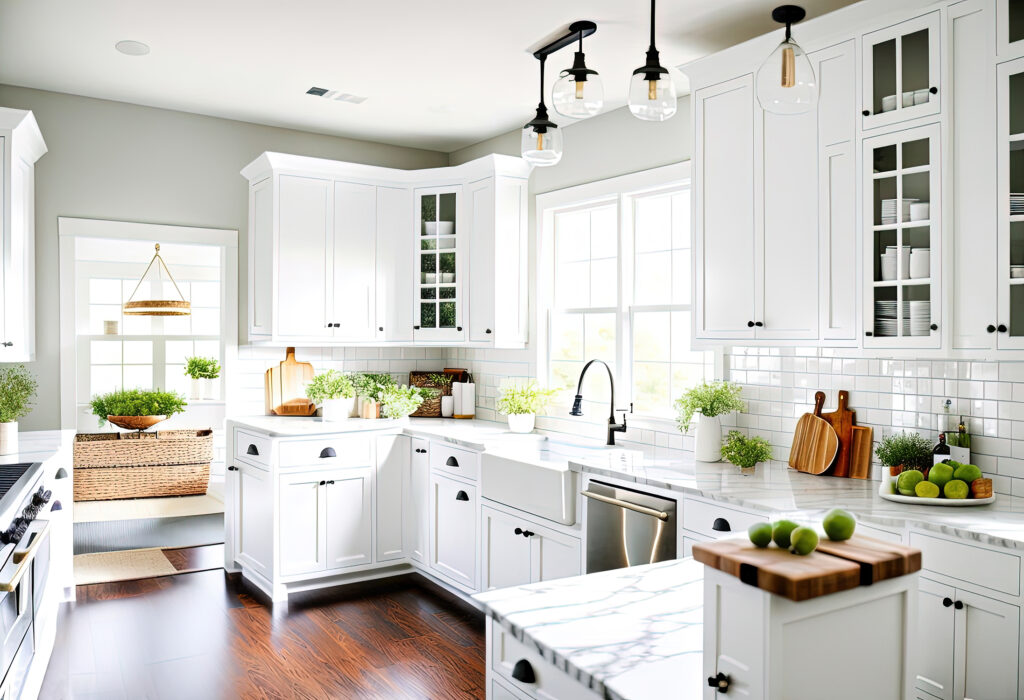
Roger Higgins, a Nashville-based interior designer, emphasizes that while he is drawn to the charm of molding, factors such as the size of the space, the age of the home, and the overall interior style significantly influence its effectiveness. Olma Fuentes, founder of Deni + Dove Interiors, highlights that unique crown molding can elevate a room, adding luxury and sophistication. However, she notes that the biggest mistake is using it generically without understanding context or proportion, which can make it appear outdated. Nick Smith, founder of Smithers of Stamford, reinforces this point, stating that "considerate molding equals luxury" and cautions against its arbitrary application, particularly in new builds.
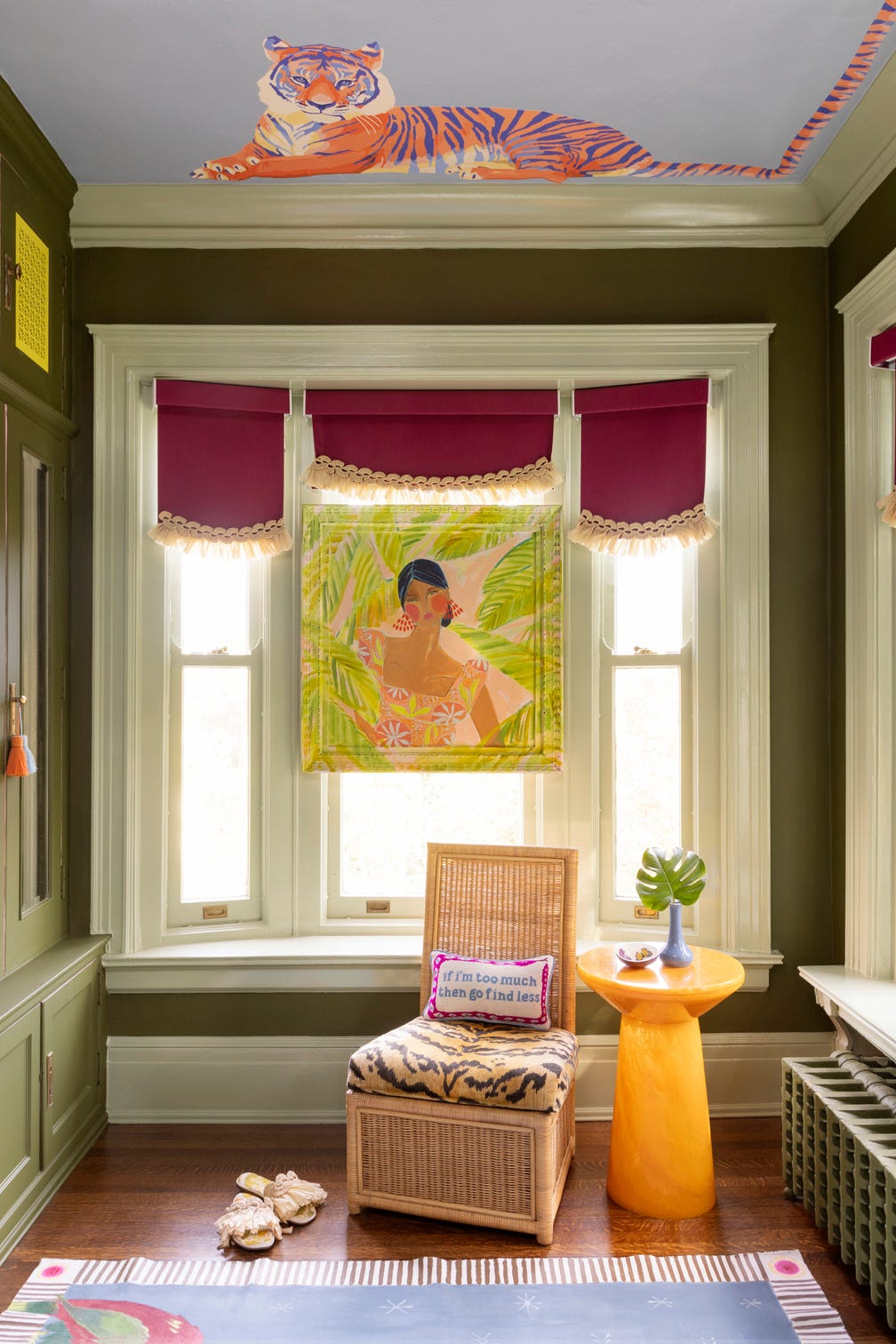
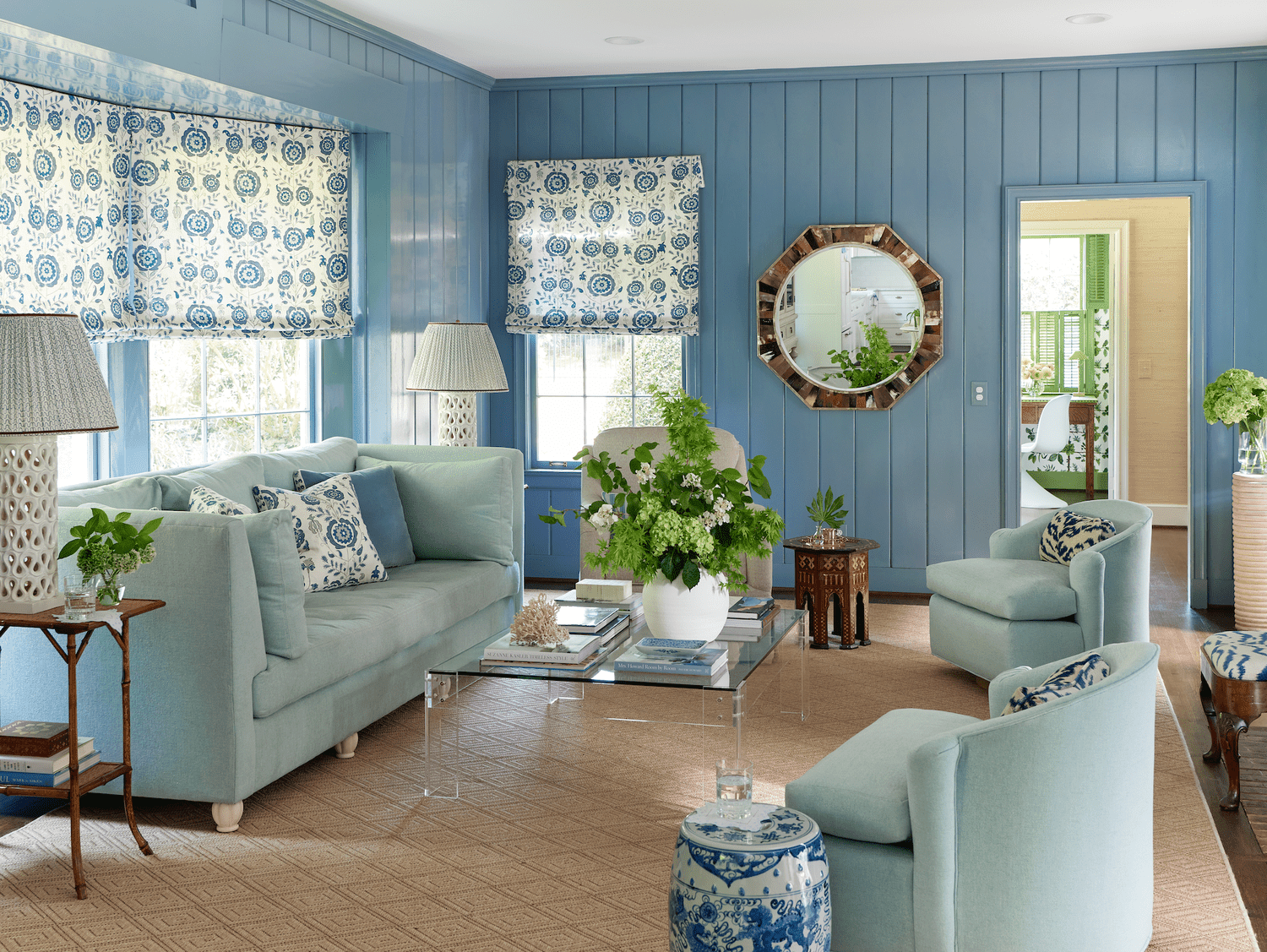
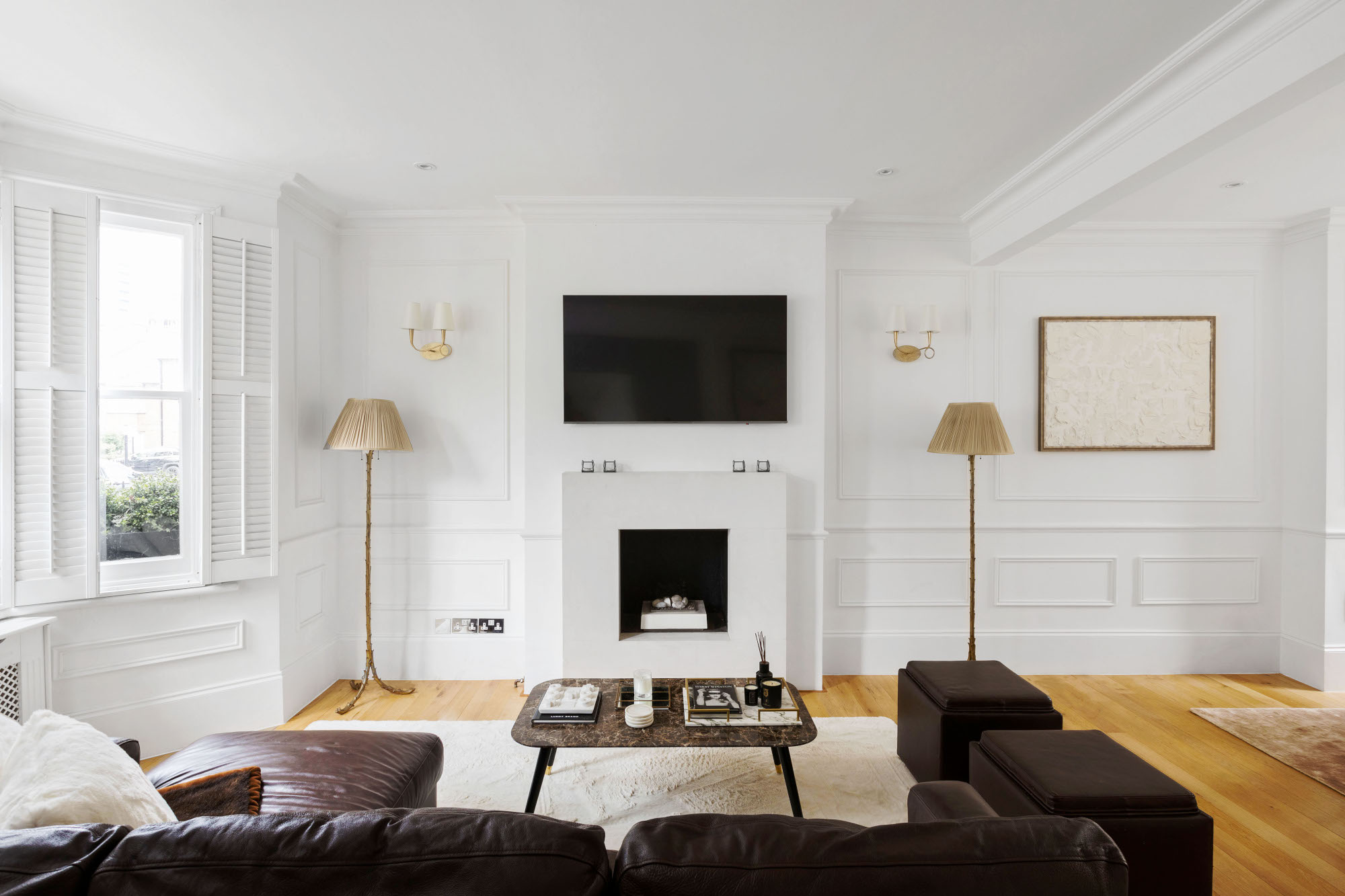
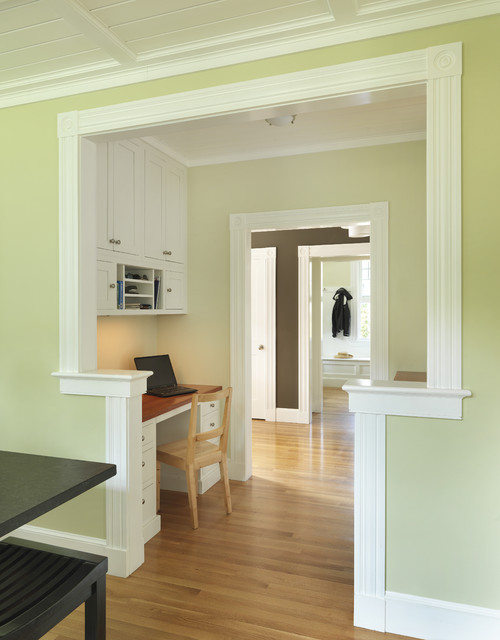
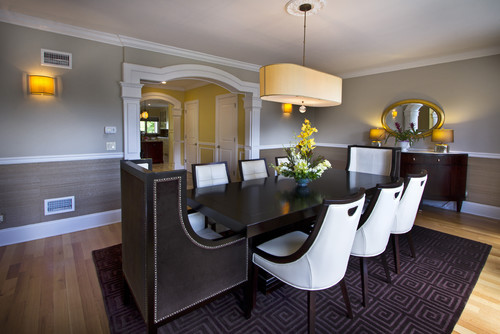
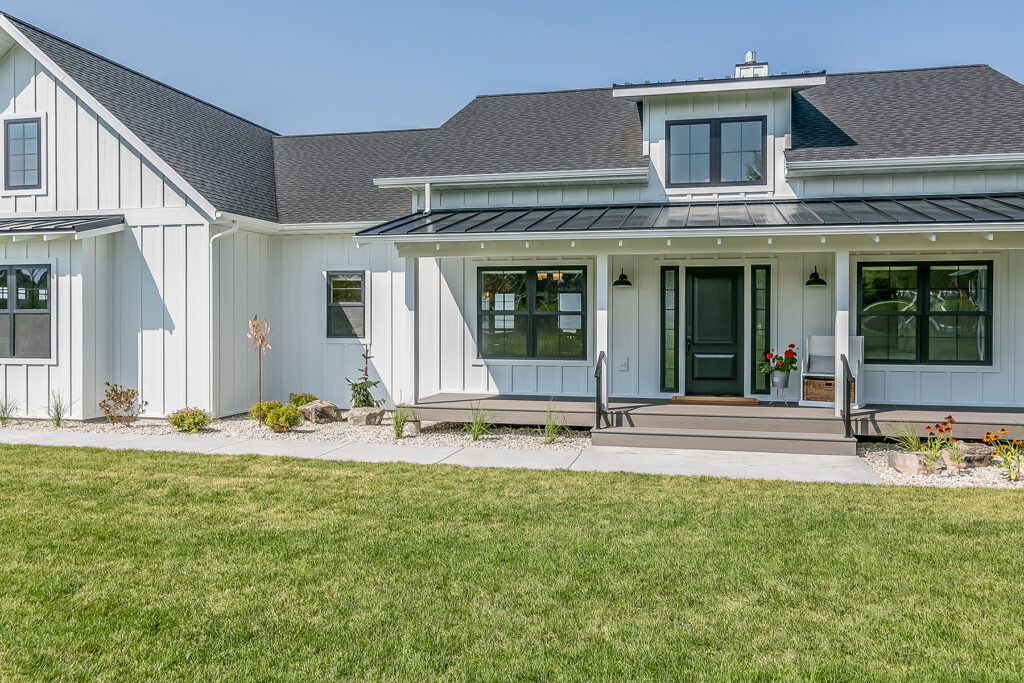
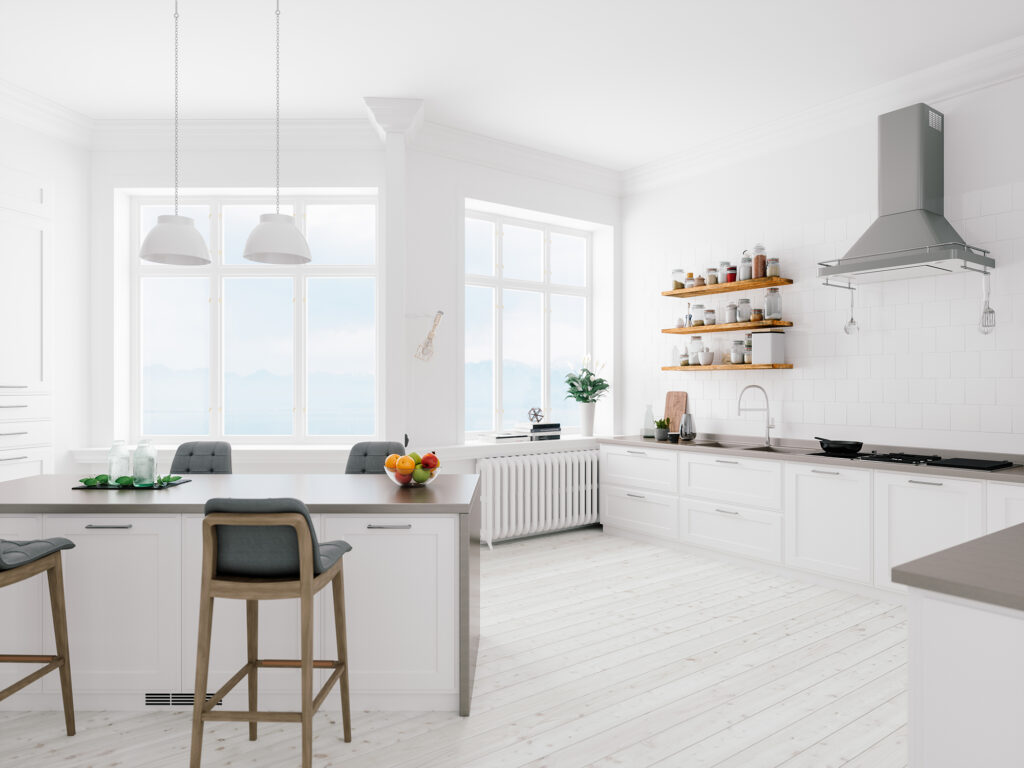
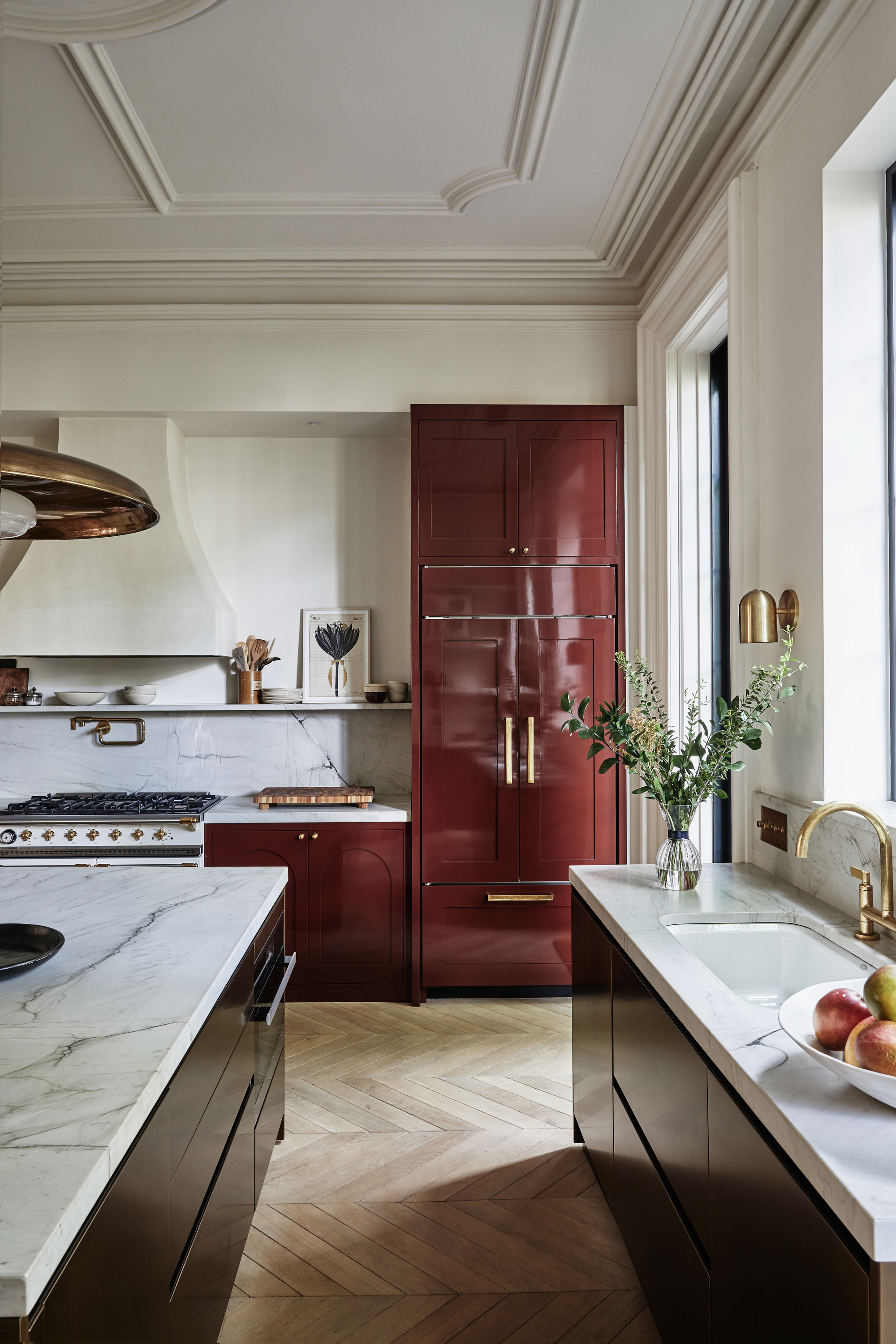
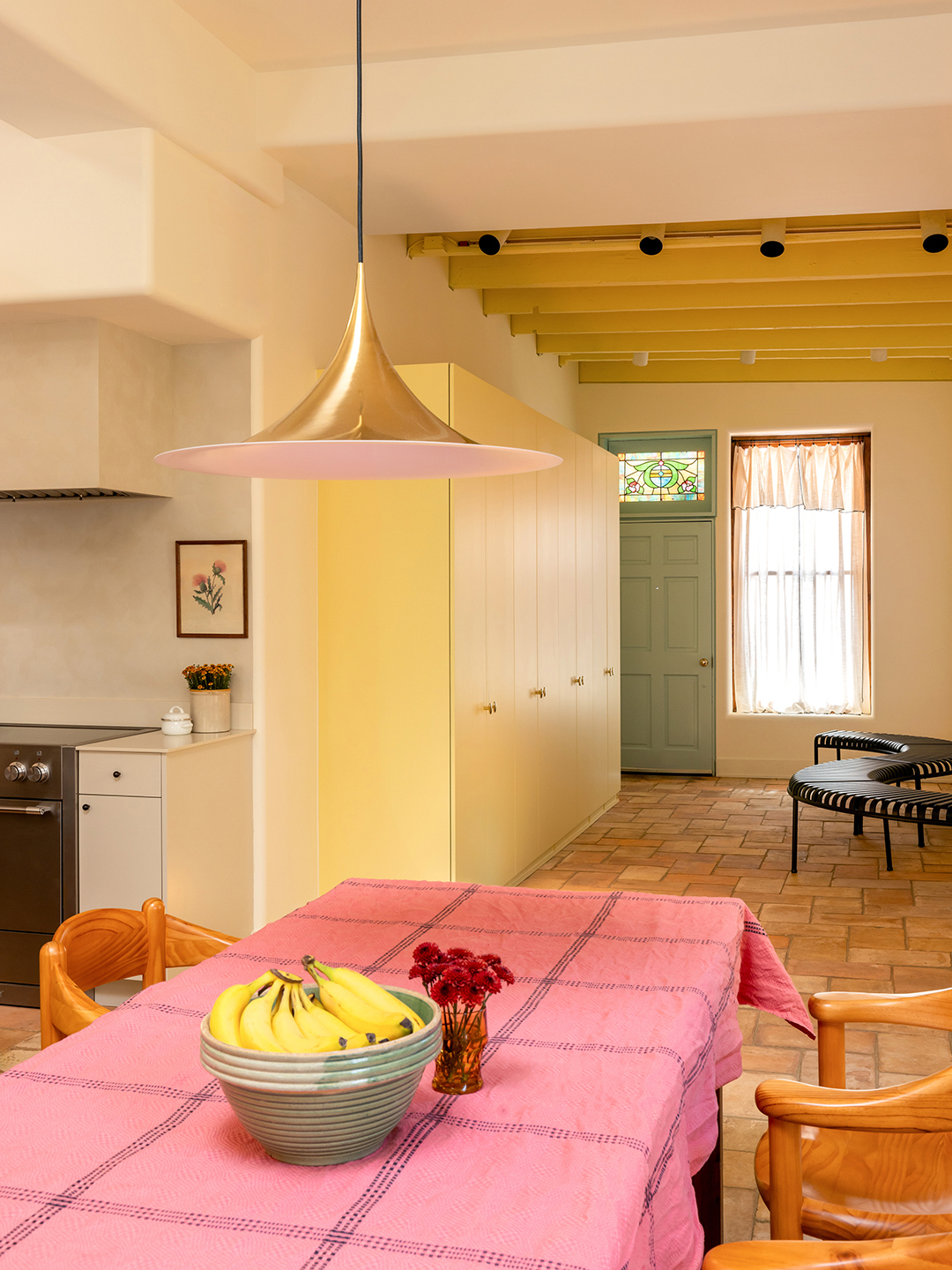
For newer homes, especially those with clean lines and open-concept floorplans, a strategic approach is crucial. Designers recommend using narrower profiles, simpler shapes, and deliberate placement to ensure the molding complements the modern aesthetic. Instead of applying it throughout the entire home, crown molding should be used to accent specific areas, such as formal dining spaces or entryways, creating a more subtle and sophisticated impact. This selective application ensures that the molding serves as an artful punctuation rather than an overwhelming or out-of-place feature.
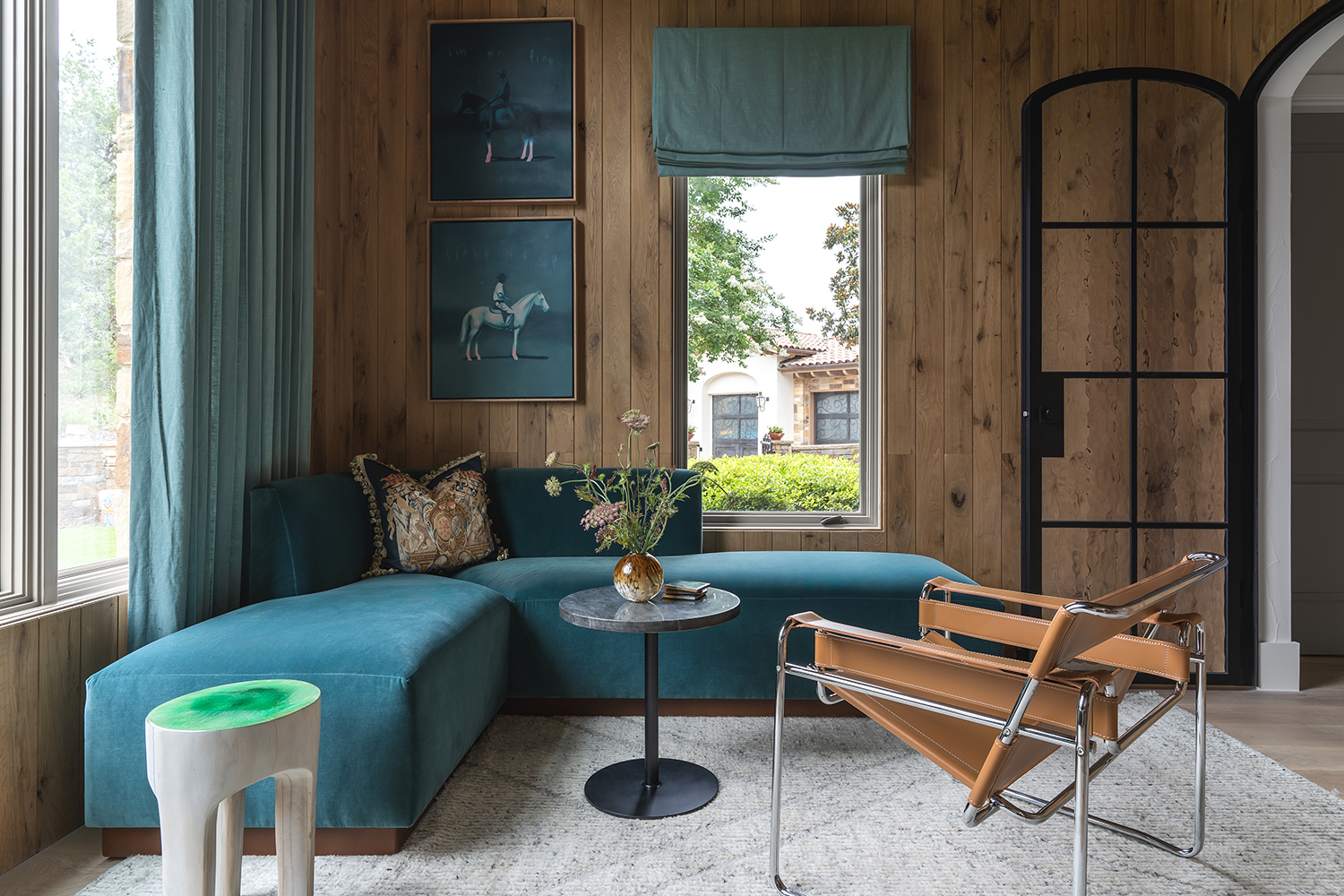
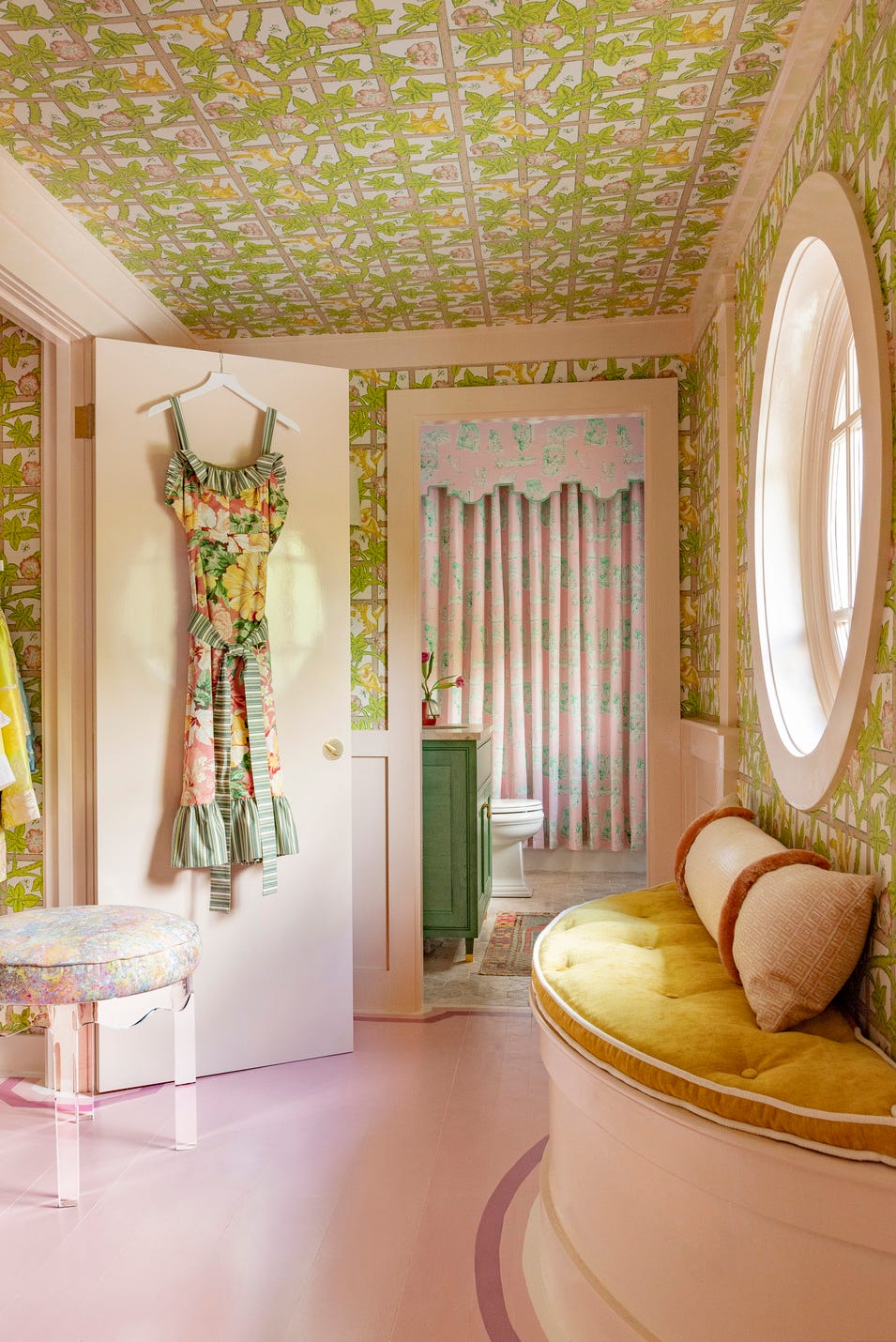
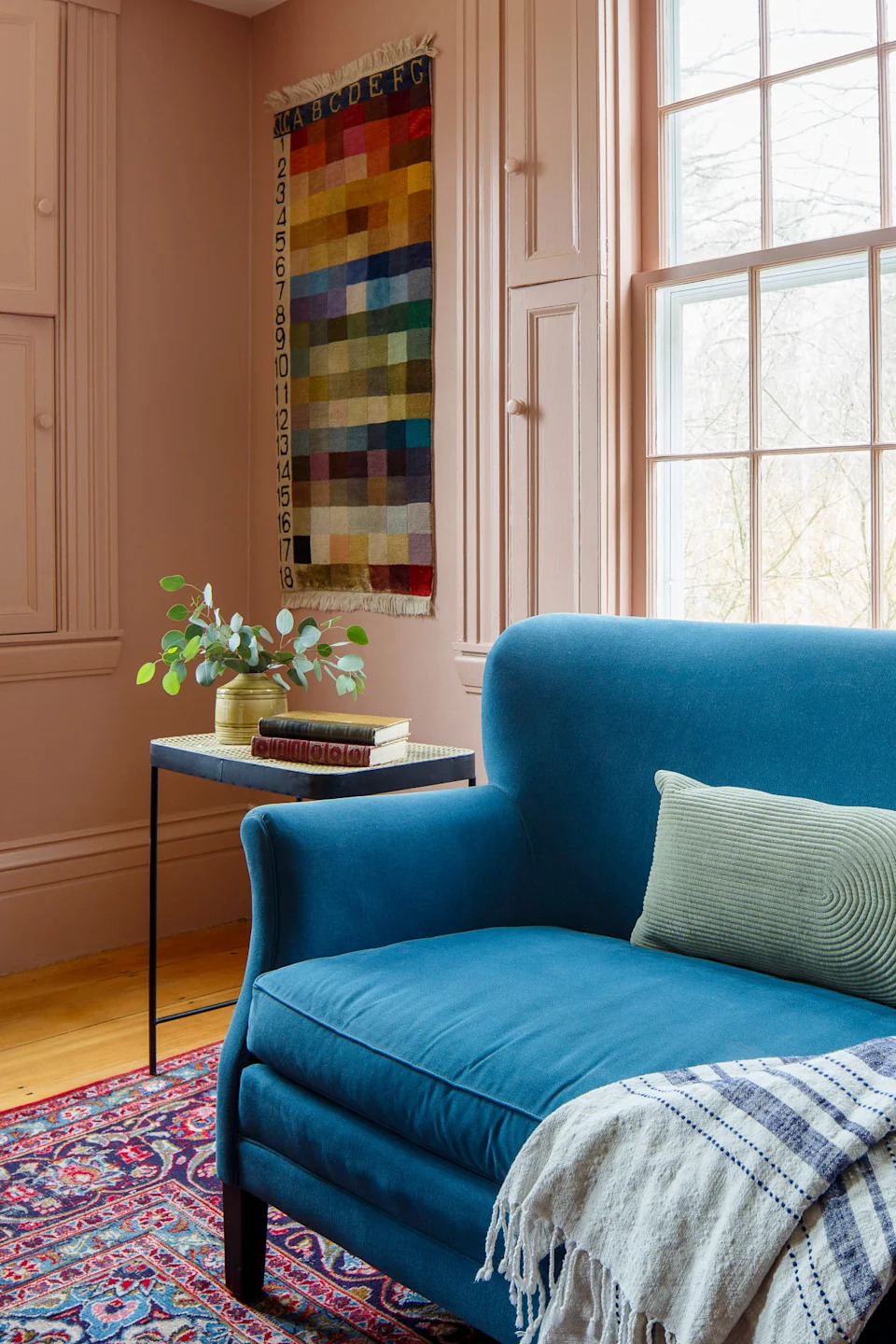
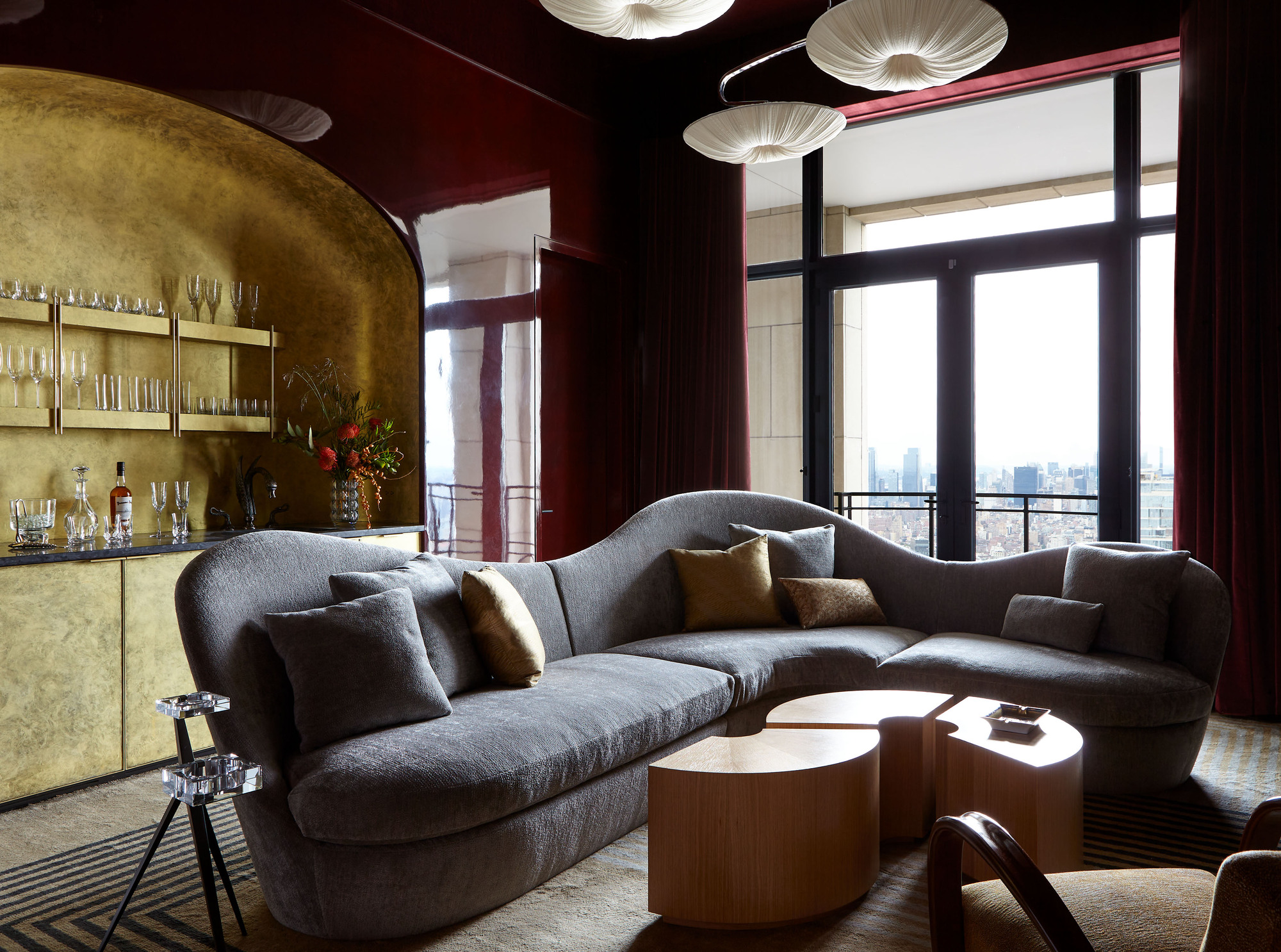
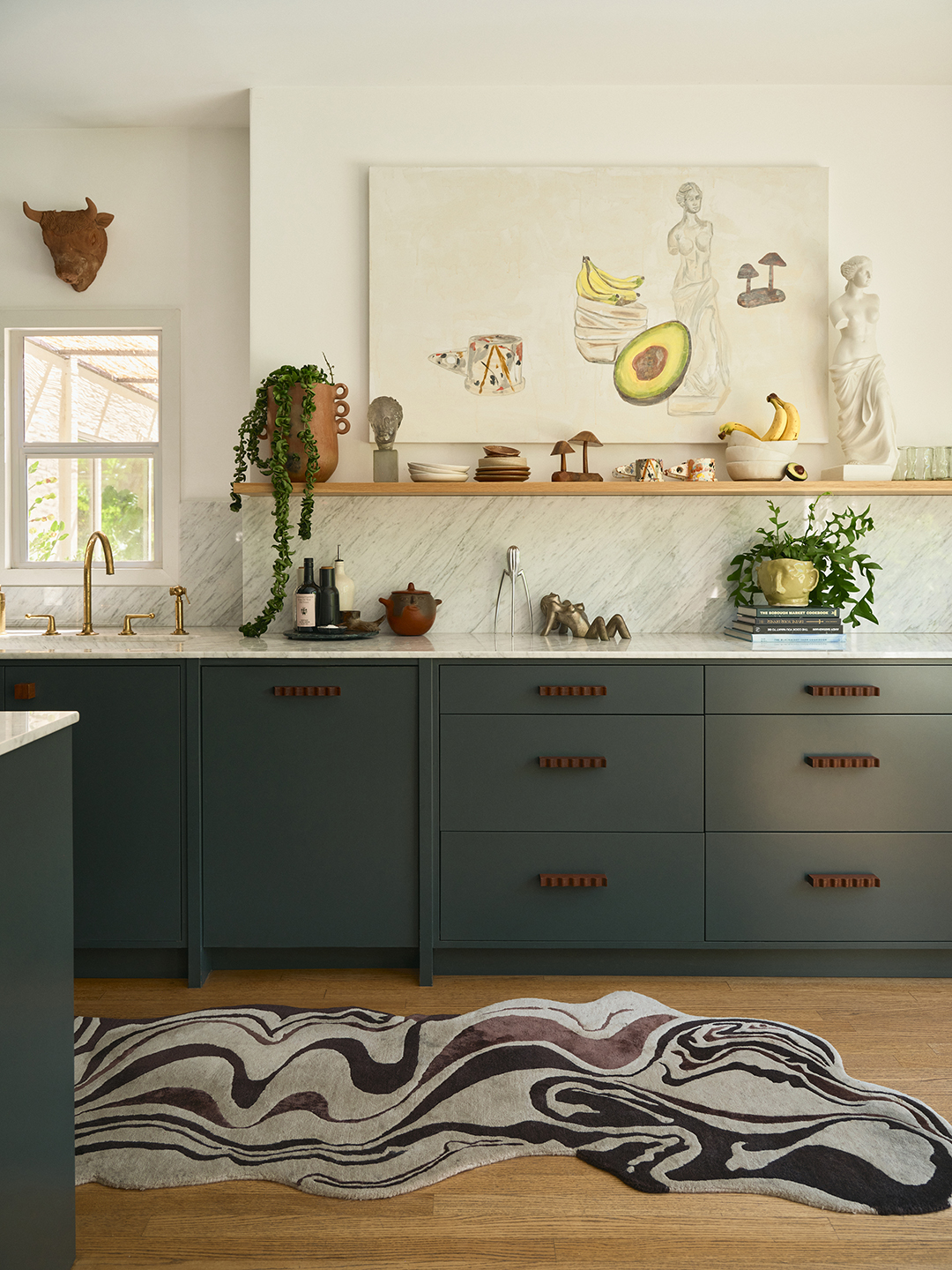
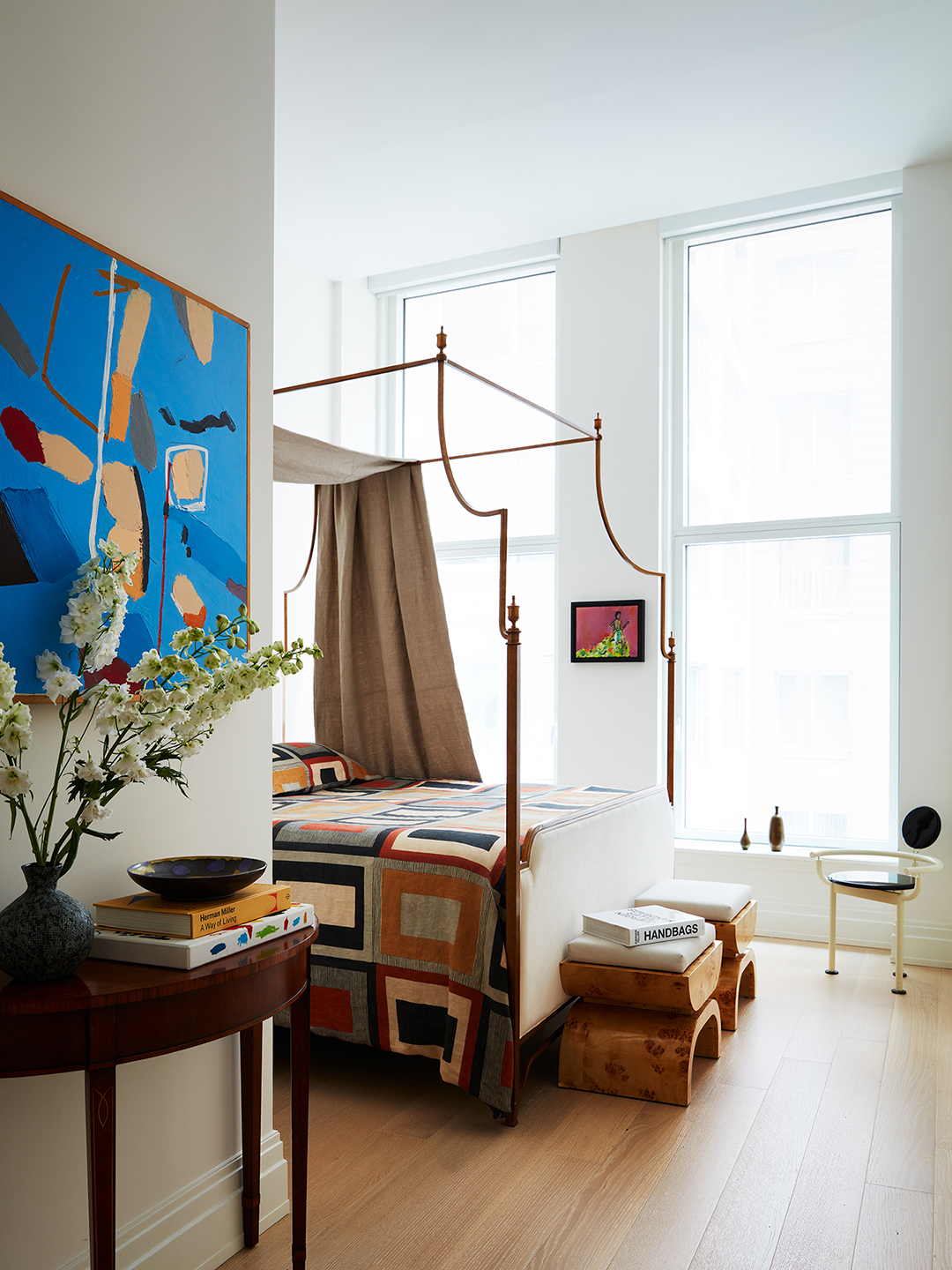
Architectural style also plays a significant role in determining the appropriateness of crown molding. Roger Higgins stresses the importance of aligning molding with the home's architectural period; for example, a Colonial house would benefit from Colonial-style molding, while contemporary spaces might require cleaner, more angular profiles. In some contemporary interiors where restraint is desired, Higgins advises omitting molding entirely to allow the architecture to breathe and to highlight other focal points like stunning views or unique wallpaper.
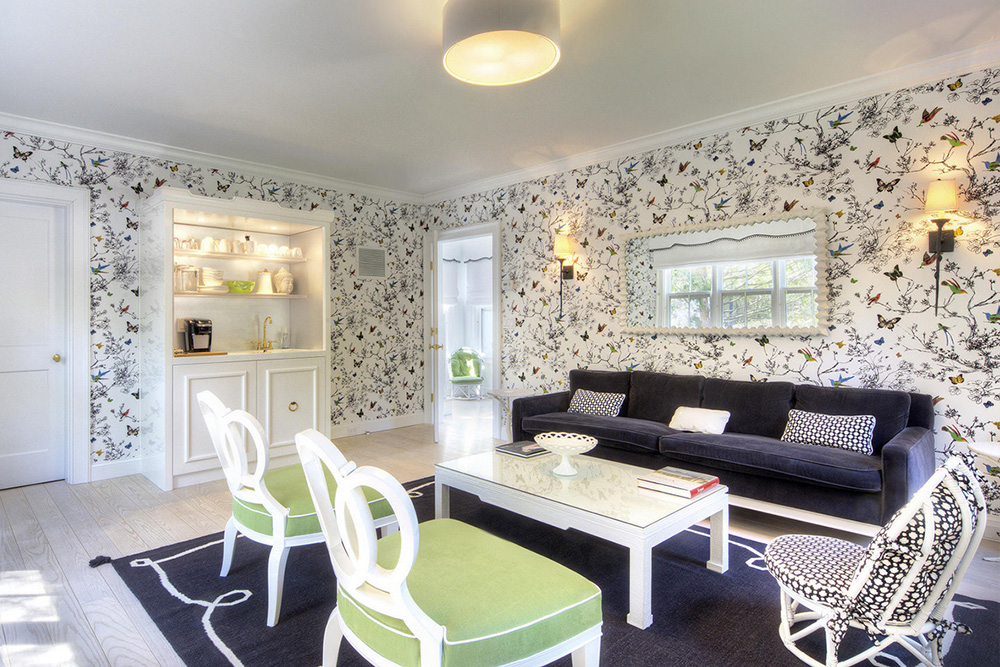
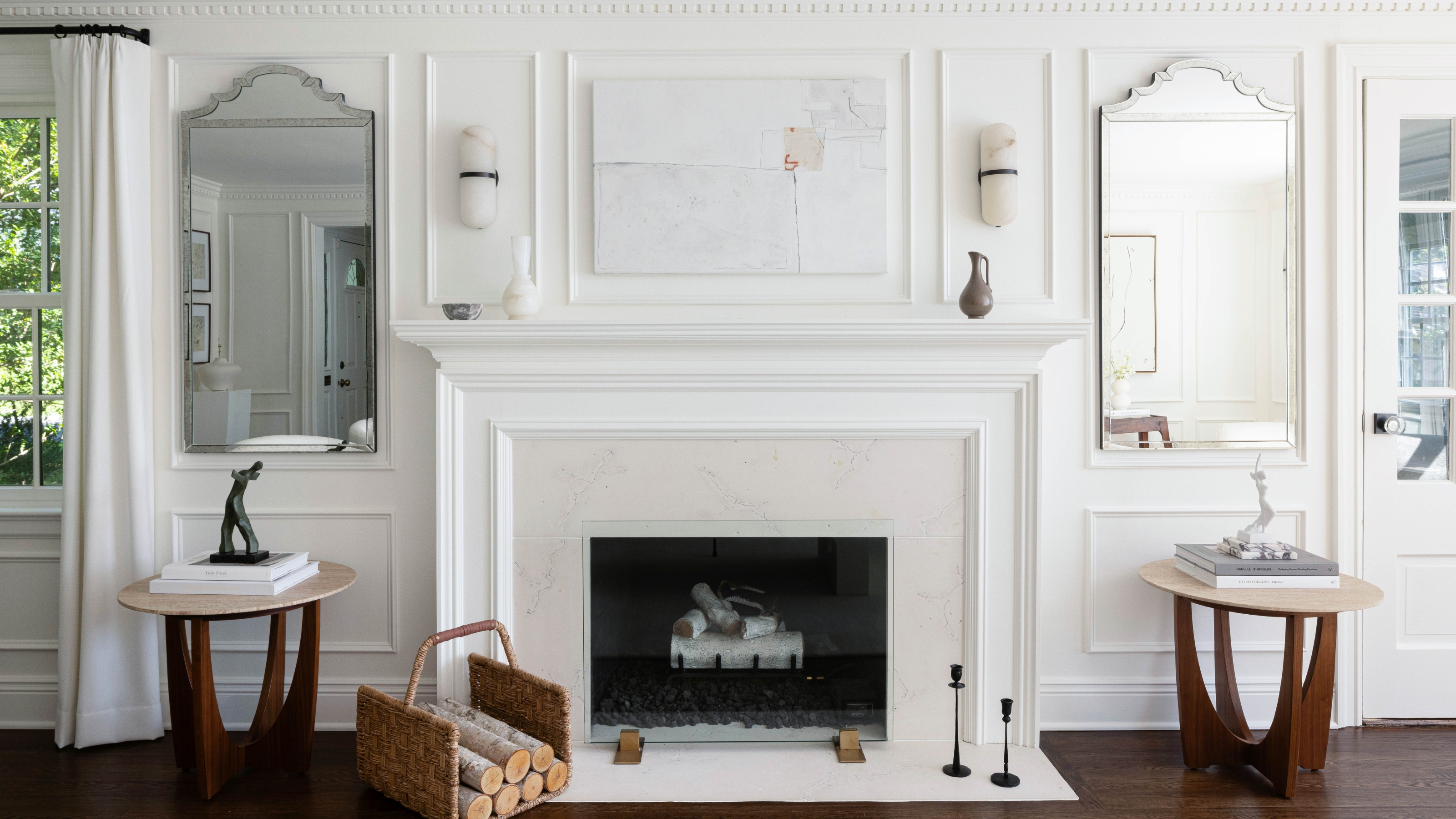
While traditional styles like dentil or egg-and-dart crown molding are considered timeless and versatile, Olma Fuentes warns against using molding when the space between the ceiling and window trim is too narrow, or when the room has awkward ceiling slopes, as these conditions can make the molding appear squeezed or out of place. The article also touches upon practical applications, suggesting peel-and-stick wall molding as an easy, affordable, and less permanent option for experimenting with the look. Custom applications offer creative flexibility, allowing for unique designs tailored to the space. Ultimately, when executed with intention and an understanding of design principles, crown molding can be a powerful tool for creating a cohesive and well-considered interior, distinguishing it from outdated design trends.
#CrownMolding #InteriorDesign #HomeDecor #ModernInteriors #ArchitecturalDetails #DesignTrends #WallMolding #ContemporaryHomes #CrownMolding #InteriorDesign #HomeDecor #ModernInteriors #ArchitecturalDetails #DesignTrends #WallMolding #ContemporaryHomes
0 comment in total
 No comments yet
You may also like
Is crown molding out of style? Interior designers discuss this classic feature and decide if it has a place in 2025

Is Shiplap going out of style? Designers decide if this classic trend is on the out
6 Types of Decorative Molding to Glam Up Walls and Ceilings
Is Midcentury Modern Decor Finally Out of Style in 2025? What Designers Really Think

5 trends that look good right now but interior designers warn they won't last
Crown Molding Ideas — 8 Ways to Make This Traditional Flourish Feel Modern
This Throwback Trend Is Coming Back in Style—and Designers Have Mixed Opinions

The Fall 2025 Décor Trends Designers Say Are Already Everywhere

Ready to Redecorate? 2025’s Top Design Trends Just Dropped
Have We Gone Too Far With Decorating Trends?
It’s Time to Say Goodbye to These Outdated Design Trends in 2024
The Decorating Trends Designers Are Leaving Behind in 2026

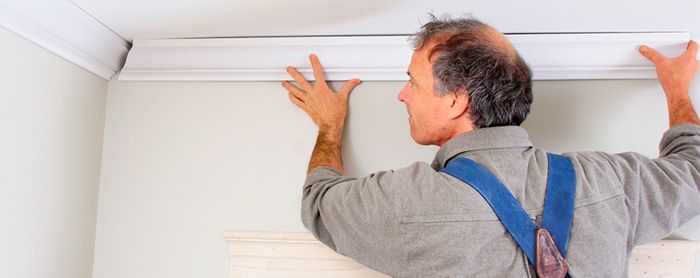
Designing Built-up Crown Molding

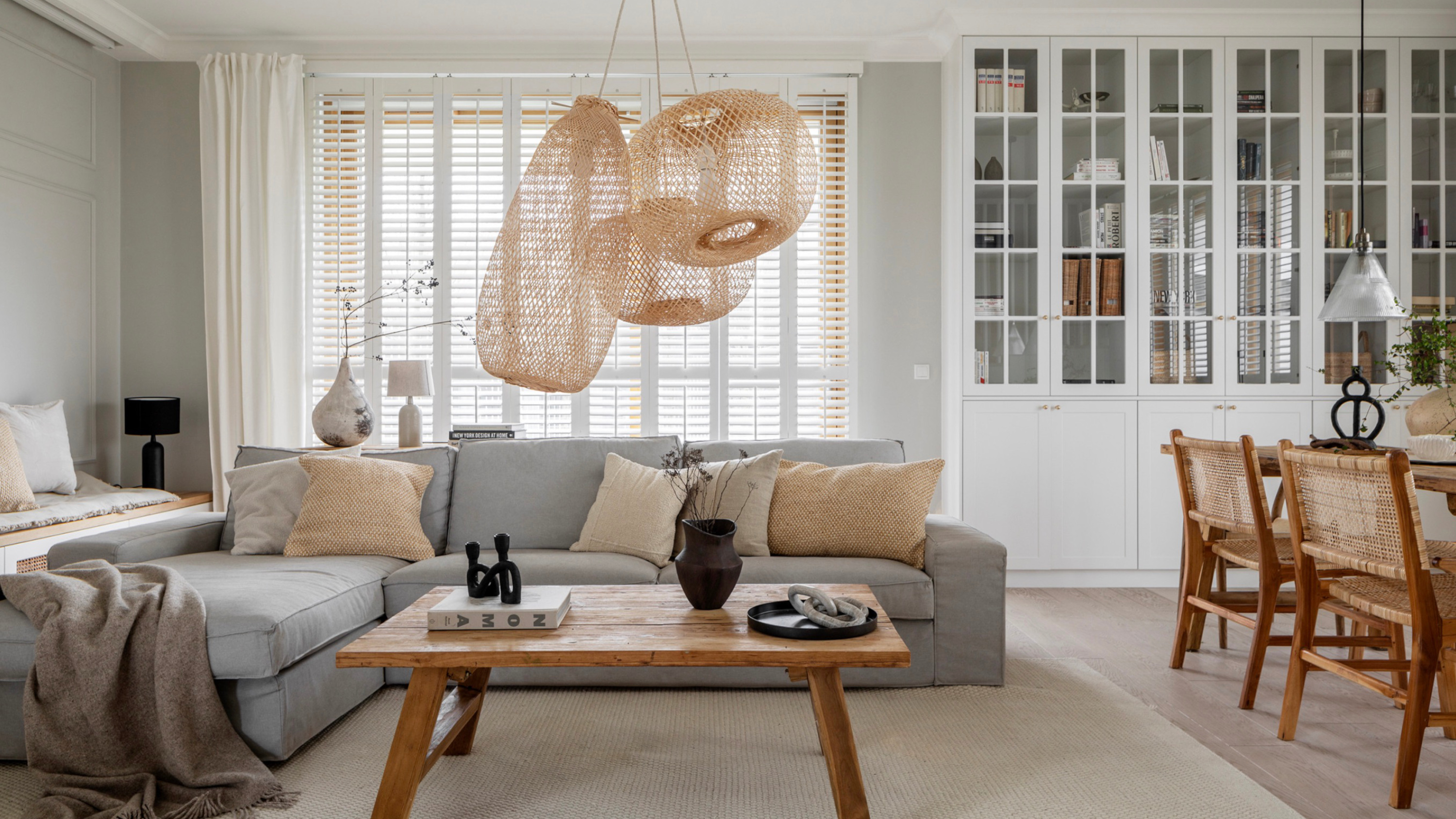
Are shutters outdated? Here’s what interior designers say, and how they're decorating for 2023 and beyond
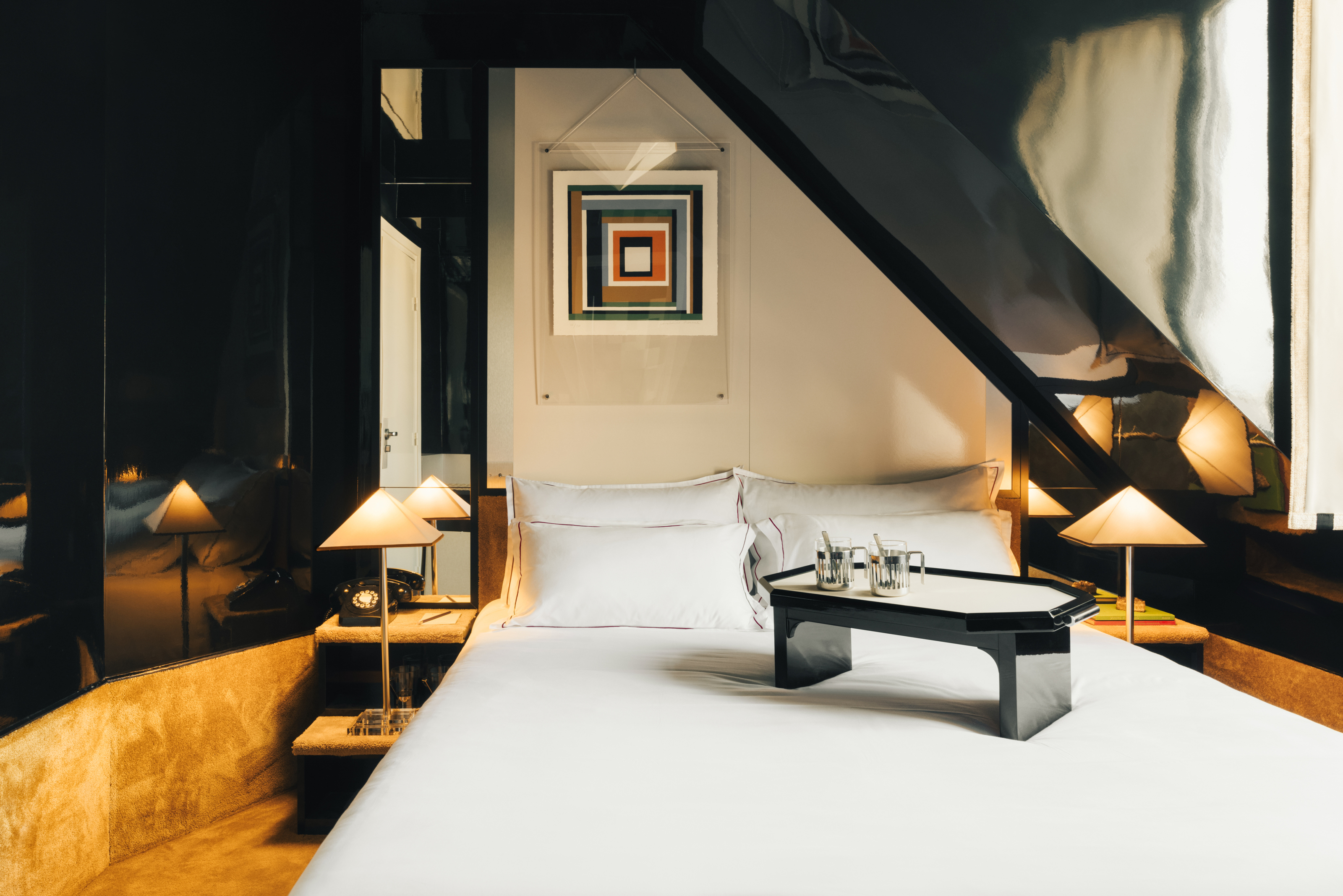
This Outdated Paint Trend is now Predicted to Return — Designers Love its "Fun, Eye-Catching Glamor"
Surprise: 1990s Design Trends Are Coming Back
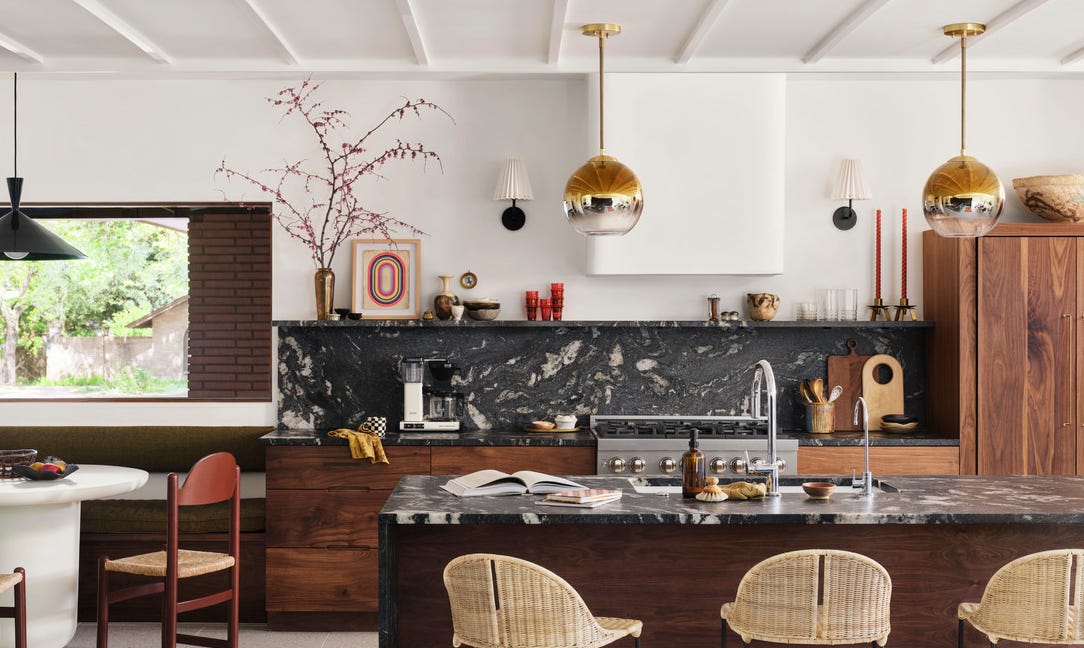
16 Modern Crown Molding Ideas That Add SO Much Character

Are shutters outdated? Here’s what interior designers say, and how they're decorating for 2023 and beyond
Is the checkerboard trend over? The designers re-inventing this classic pattern don't think so
Ask Arlyn: Are Monograms Out of Style?