Pour some creativity into your driveway
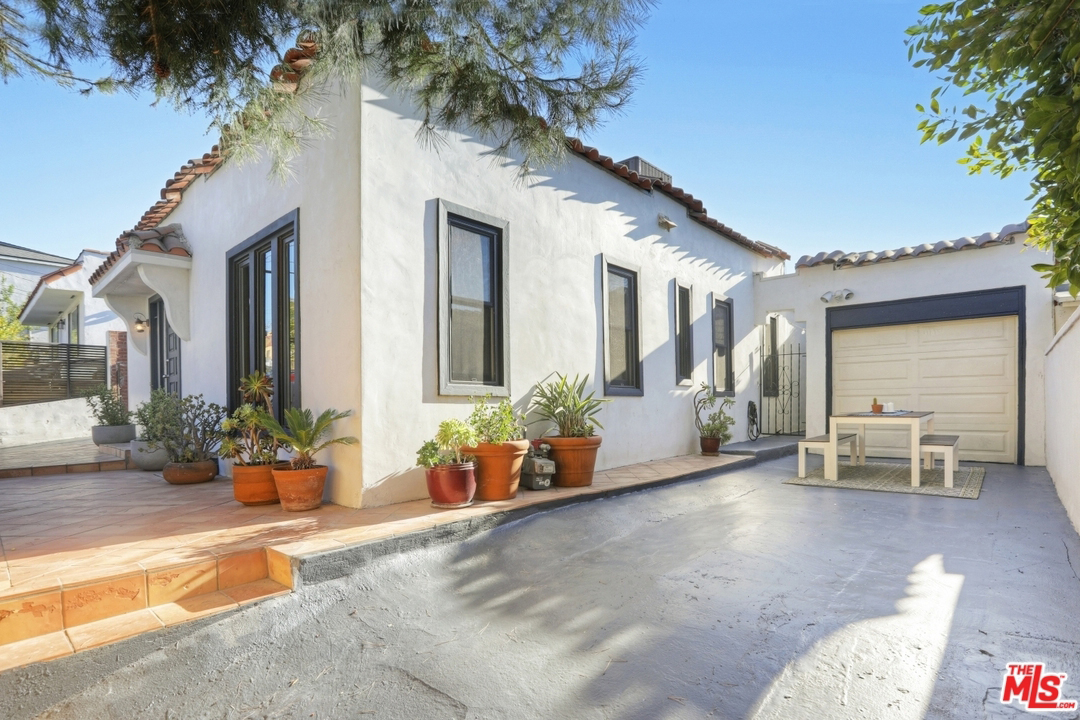
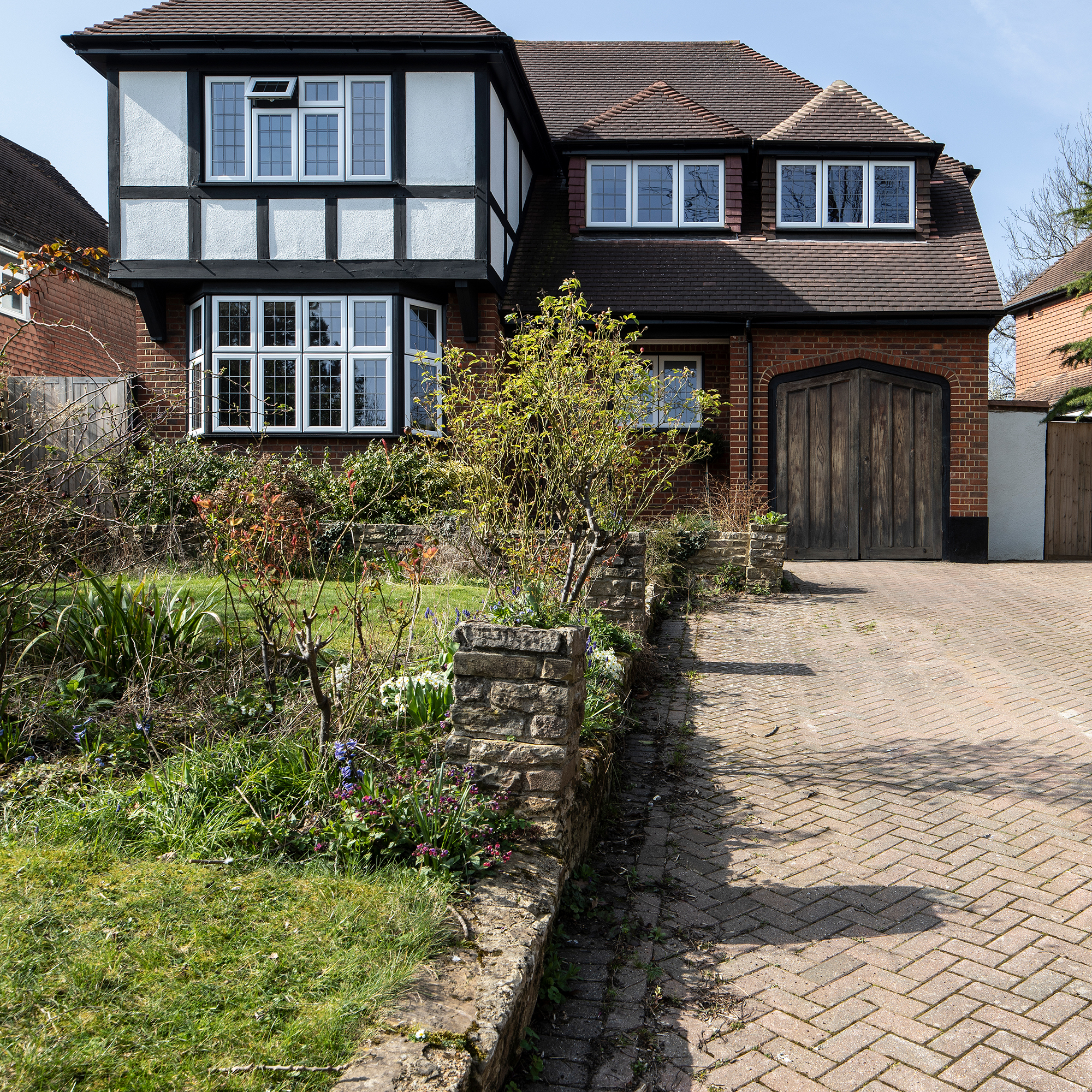
The article highlights the increasing trend among homeowners to transform their driveways into distinctive features that enhance a home's curb appeal. Traditionally, driveways have been functional, but new techniques allow for creative embellishment, making them an integral part of a home's aesthetic. This trend is driven by a desire to make a strong first impression, as the driveway is often the initial point of contact with a property, even before reaching the front door. Research from the National Association of Home Builders (NAHB) indicates that homeowners are placing greater emphasis on their driveways, with an observable increase in their width and length in new constructions.
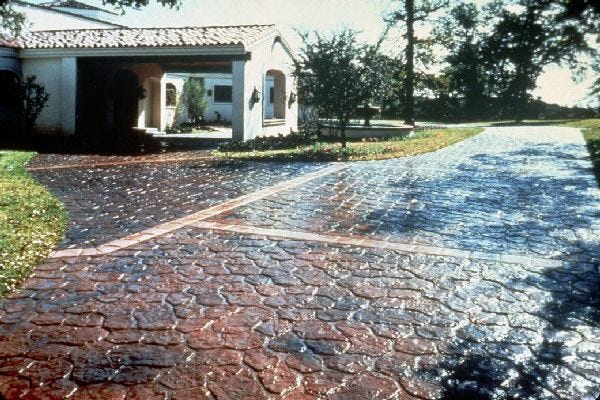
Concrete remains the most popular material for driveways, with a significant rise in its adoption. A 2006 NAHB survey revealed that 68% of new homeowners opted for concrete driveways, an increase from 60% in 2001. Notably, the use of decorative concrete has also seen a 5% increase. Concrete, composed of cement, water, and aggregates like sand or gravel, forms a solid, gray material through a process called hydration. Decorative concrete surfaces offer a broad spectrum of customization, allowing them to be colored and textured to mimic various materials such as bricks, tiles, or quarry stones.
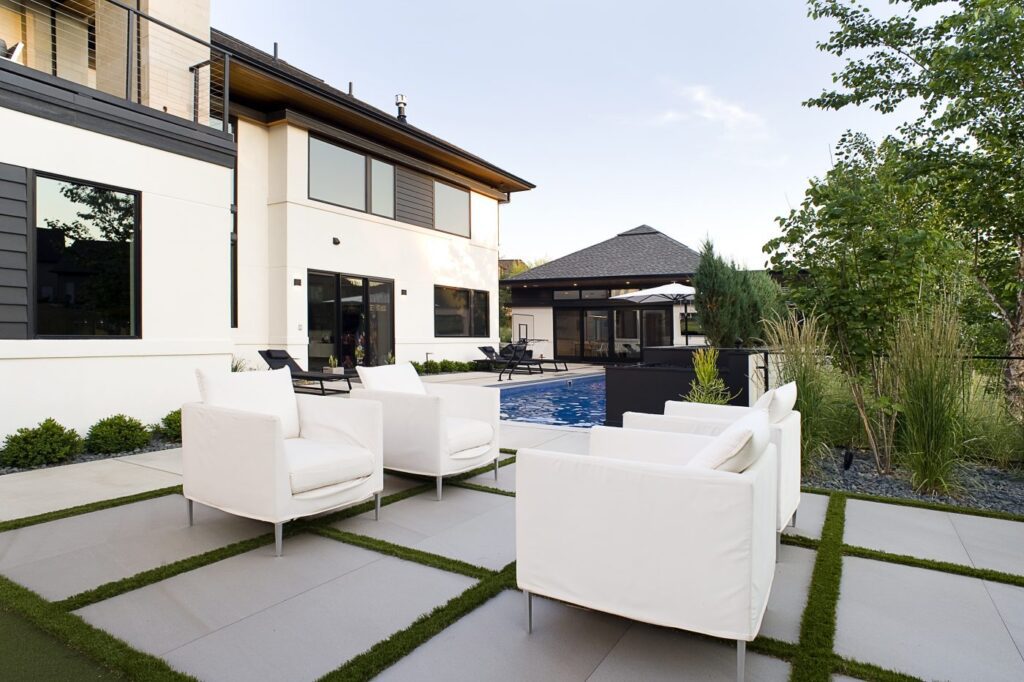
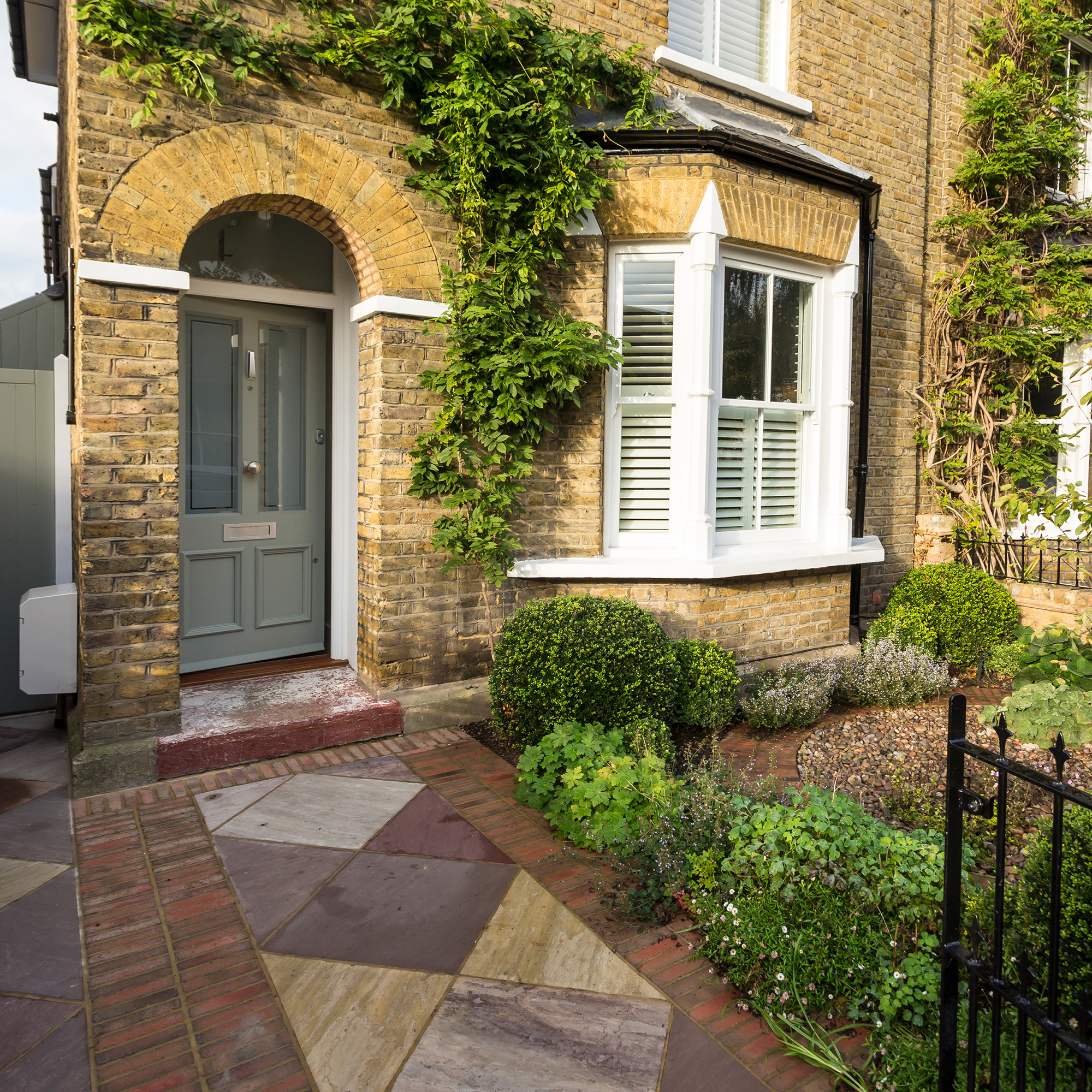
Mike Collignon, residential promotion manager of the Portland Cement Association (PCA), emphasizes that a decorative concrete driveway can serve as a unique element in a home's outdoor landscape, distinguishing it from neighboring properties. The versatility of design options allows homeowners to match their driveway's appearance with the stone or brick details of their house or the surrounding natural environment. For new driveways, it is crucial to consider design options proactively.
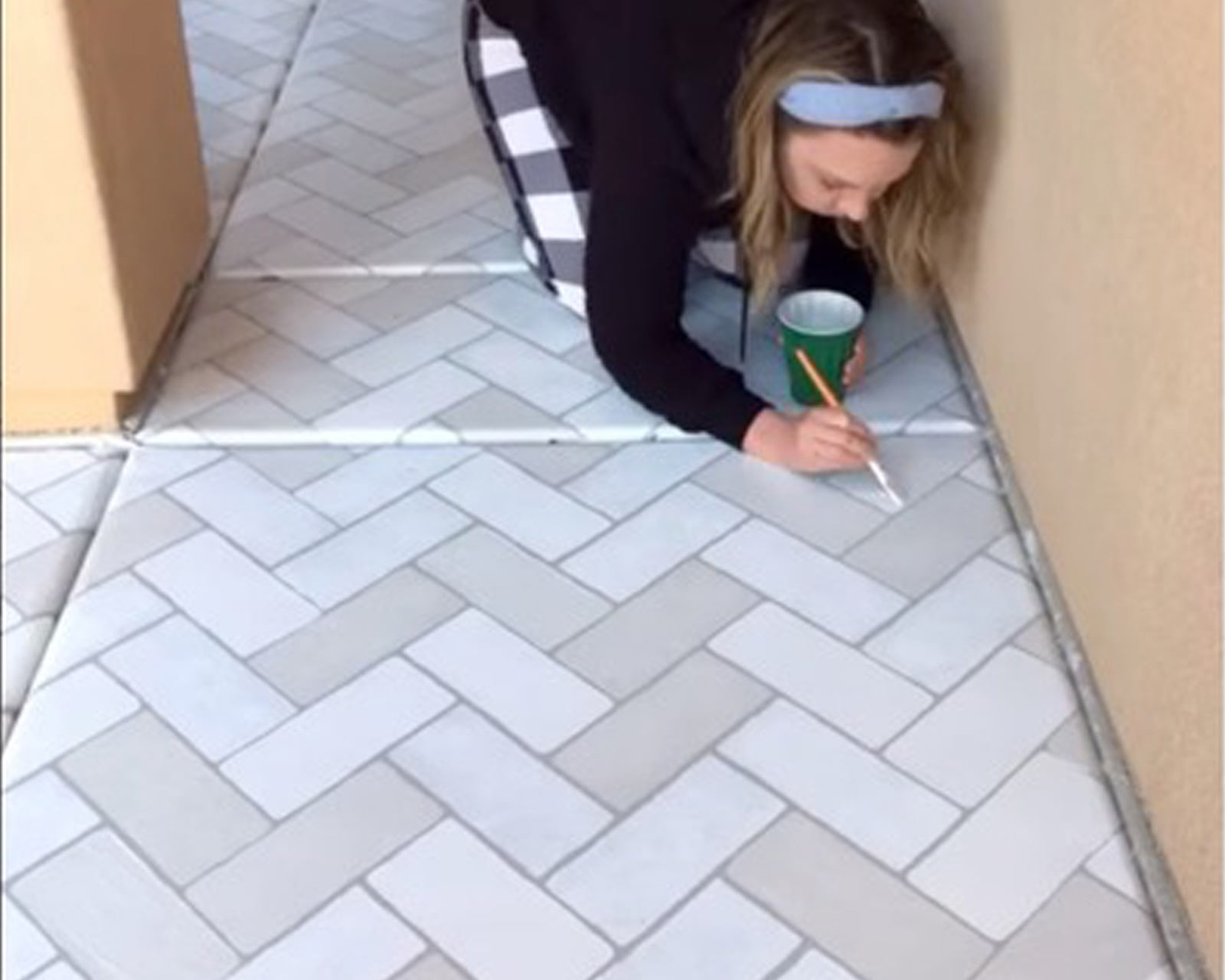
Key decorative techniques for new driveways include colored concrete admixtures, which are either mixed into the concrete or spread over wet concrete. These admixtures offer hundreds of color combinations that permanently integrate into the concrete as it hardens. Another popular method is stamped concrete, where three-dimensional patterns are pressed into the wet surface. This technique, often combined with colored concrete, creates a textured finish that replicates the beauty of masonry while retaining concrete's durability. Common stamped designs include brick herringbone, cobblestone, clay tiles, or fan-shaped patterned limestone.
For existing driveways, several techniques can revitalize their appearance. Acid staining involves treating cured concrete with acid to dissolve metallic shavings, which then deposit color as a permanent part of the concrete. This process requires thorough cleaning to ensure proper penetration and reaction, resulting in mottled, stone-like appearances with natural color variances, typically in earth tones such as browns, reddish-browns, and greens. Engraving, or scoring, uses specialized saws to cut patterns and designs into cured concrete. This can be done after acid staining, leaving carved-out sections uncolored to simulate grout lines. Scoring is a permanent treatment that will not wear away, offering patterns like brick, tile, or random stone designs that can even help camouflage existing cracks.
Regardless of the chosen method, a properly prepared site with a sound sub-base and adequate drainage is essential for a successful concrete pour, as stated by Bev Garnant, executive director of the American Society of Concrete Contractors (ASCC). She advises working with experienced contractors specializing in decorative concrete, emphasizing that the lowest bid may not always guarantee quality. Proper execution includes using the correct concrete mix, strategic placement of joints to prevent cracking, and proper finishing. Regular maintenance, such as periodic sealing and sweeping away abrasive materials, is also necessary.
Decorative concrete offers significant flexibility, allowing for partial applications, such as stamping and coloring river rock or brick patterns along the joints of a driveway. The design possibilities are limited only by a homeowner's imagination. The costs for these treatments vary: coloring ranges from 70 cents to $1.50 per square foot, stamping from $6 to $15 per square foot, scoring from $3 to $6 per square foot (with higher costs for intricate patterns), and acid staining from $4 to $10 per square foot, all in addition to the base cost of concrete.
#DecorativeDriveways #CurbAppeal #ConcreteDesign #HomeImprovement #OutdoorLiving #StampedConcrete #AcidStaining #ConcreteEngraving #HomeDesignTrends #DecorativeDriveways #CurbAppeal #ConcreteDesign #HomeImprovement #OutdoorLiving #StampedConcrete #AcidStaining #ConcreteEngraving #HomeDesignTrends
Hay 0 comentarios en total
 Aún no hay comentarios
También te puede gustar
Crazy paving ideas to inspire a garden makeover

Front garden path ideas to up your kerb appeal
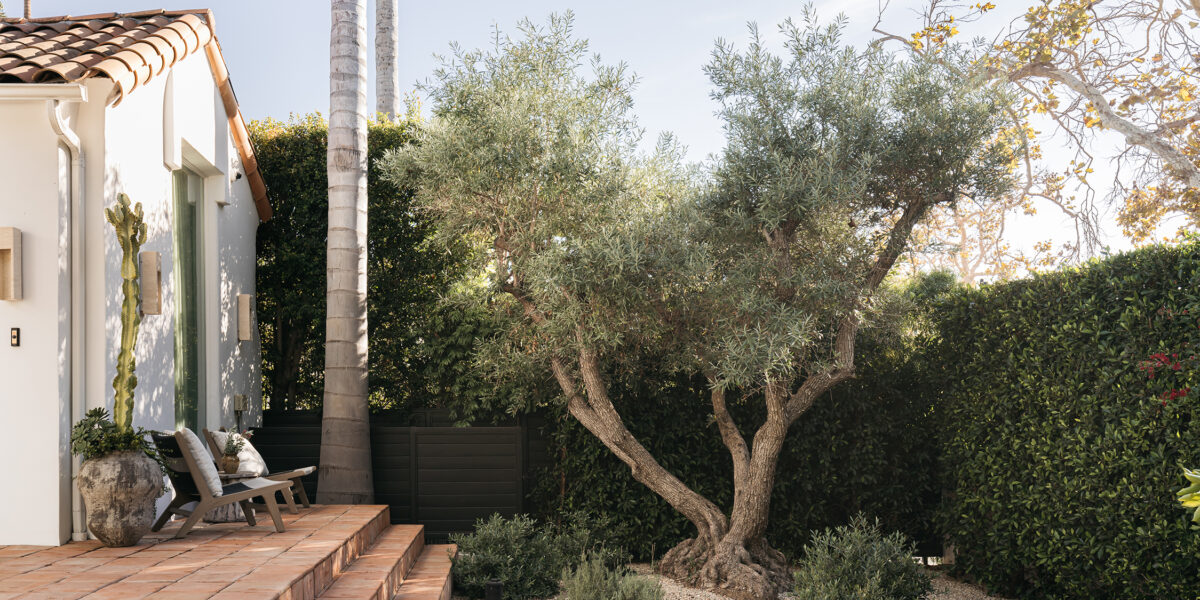
This Is Your Sign to Rip out Your Concrete Backyard and Turn It into a Lush Retreat
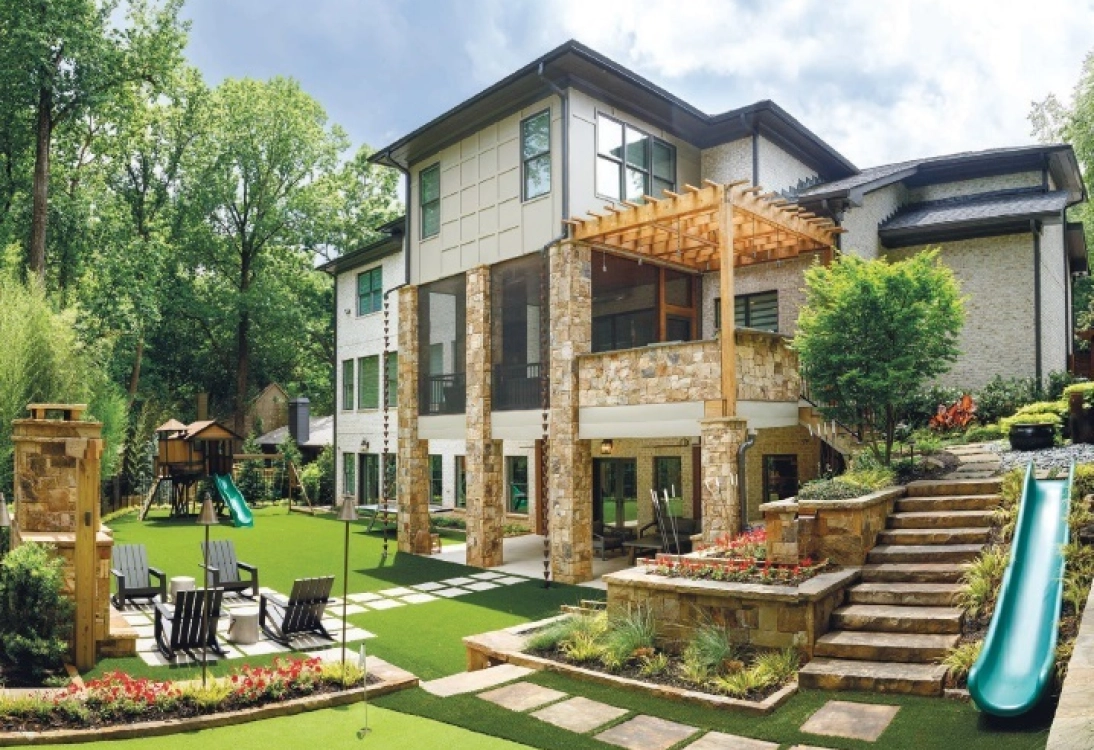
Transform Your Backyard with Outdoor Makeovers
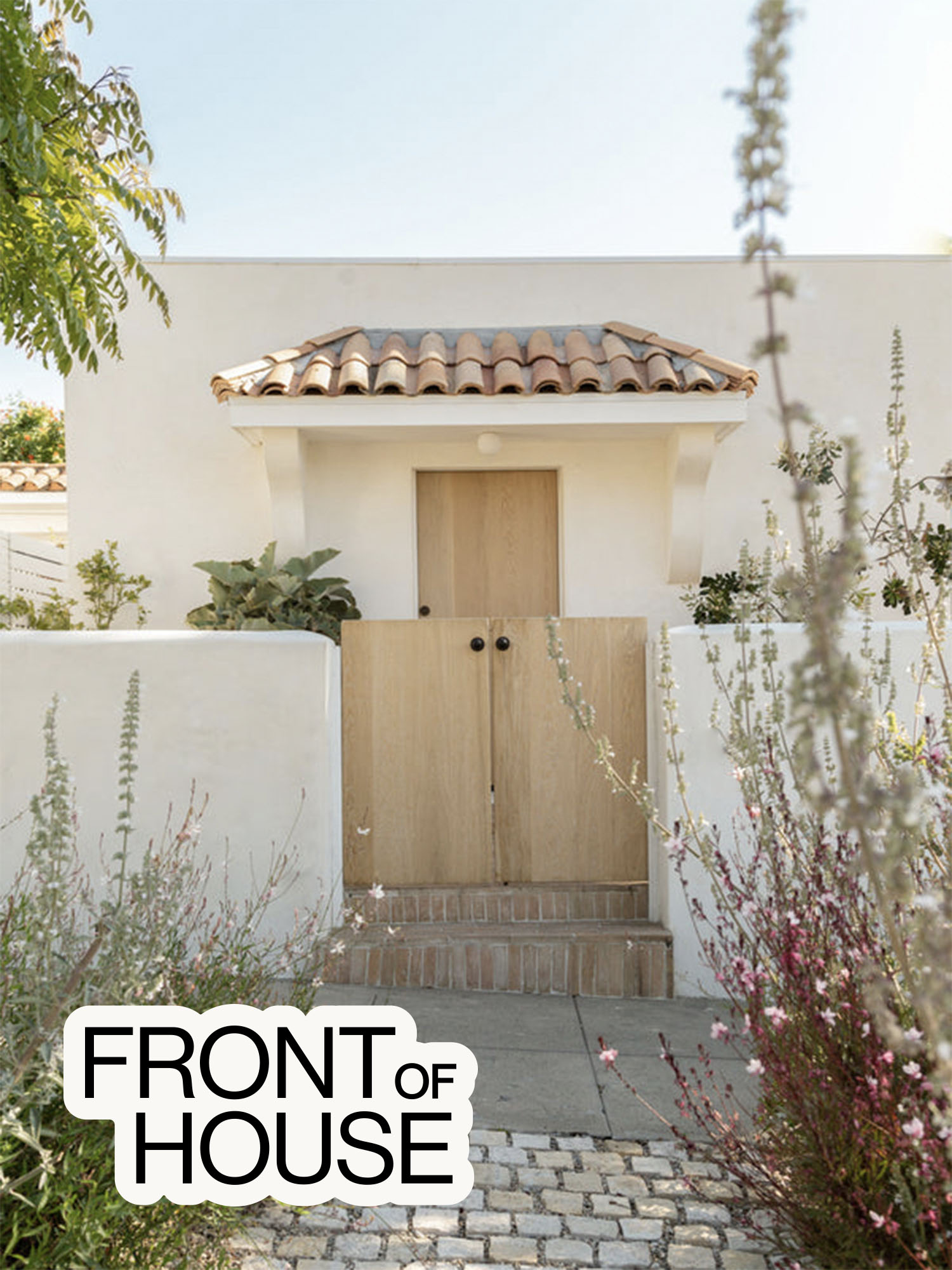
From Concrete Slab to a Dining Oasis: This Driveway Serves a New Purpose

How to lay a garden path

Give outdoor spaces a new life with tiles, colourful carpets and always-green grass
6 simple ways you can make your front yard look beautiful without having to plant anything new

New products, trends create exciting time for outdoor living projects
Piece by piece: Pros and cons of using pavers to spruce up your yard
How to lay a patio

Outdoor Decorating by Destination

Playful paving

5 brilliant budget alternatives to paving slabs that won't cost the earth

Garden Paving & Walling | Front Garden Paving & Block Paving Grout
12 cheap DIY garden path ideas that still look great – you'd never know they were home-made
DIY-er turned a concrete path into a dream brick entryway with this smart stencil hack


Decorative Stones & Gravel
Mission complete: Is building your own patio worth it? | Home With Tess
13 Budget-Friendly Paver Ideas to Beautifully Define Your Outdoor Spaces