Piece by piece: Pros and cons of using pavers to spruce up your yard
This article discusses the advantages and disadvantages of using pavers for residential hardscapes, drawing insights from Joe Raboine, Director of Belgard Residential Hardscapes. It covers various aspects of paver installation, including types, uses, costs, and maintenance.
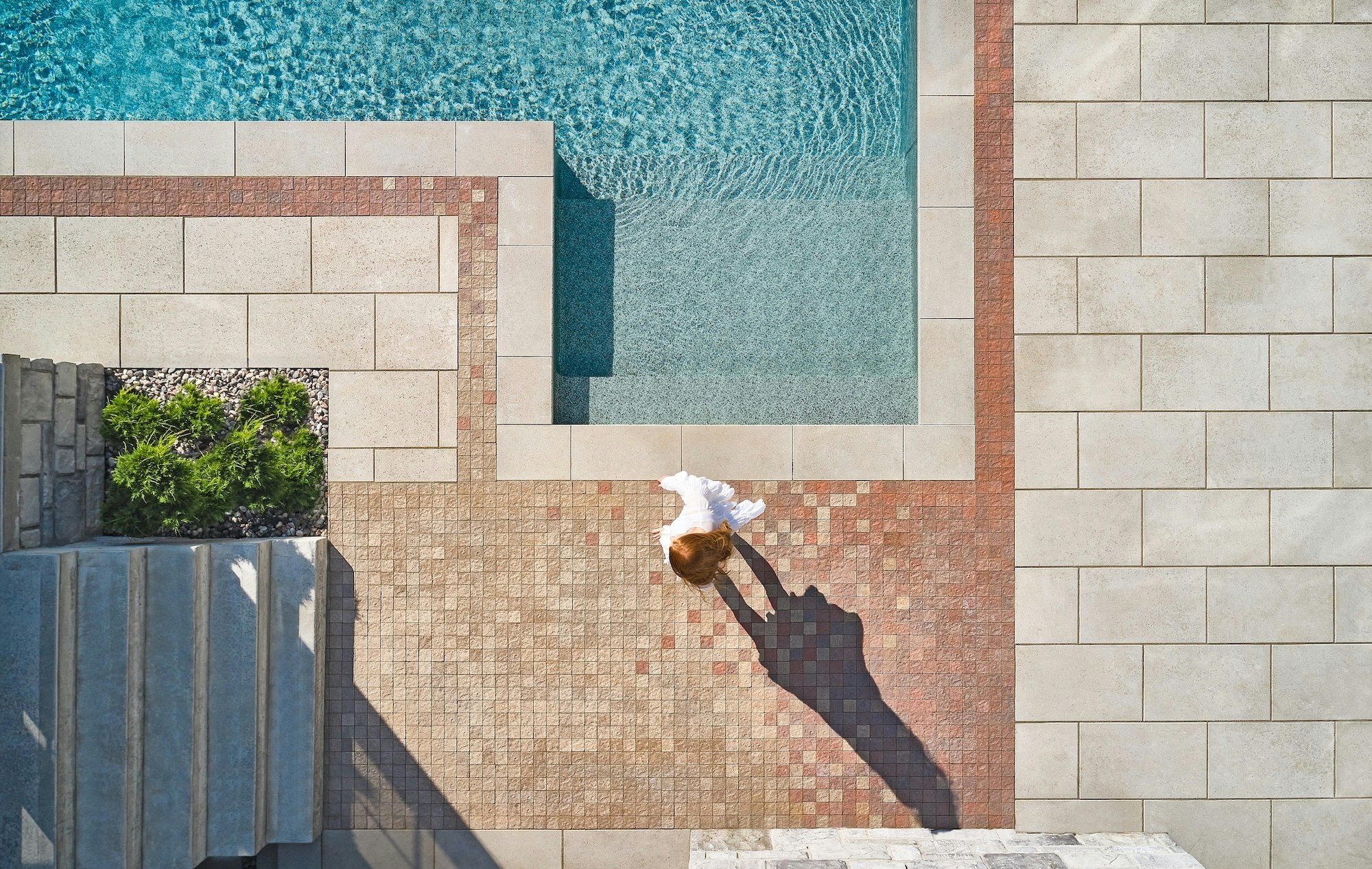
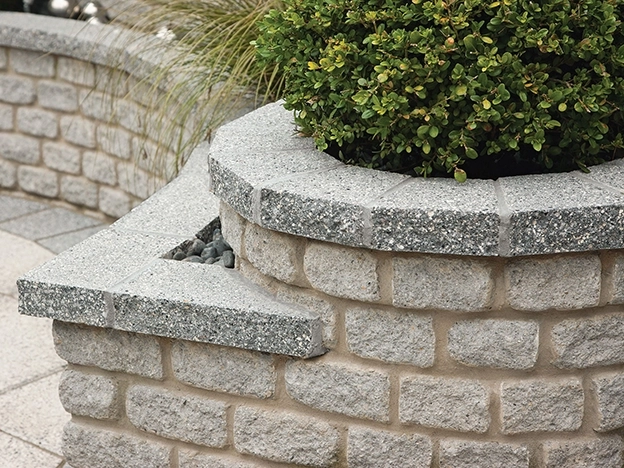
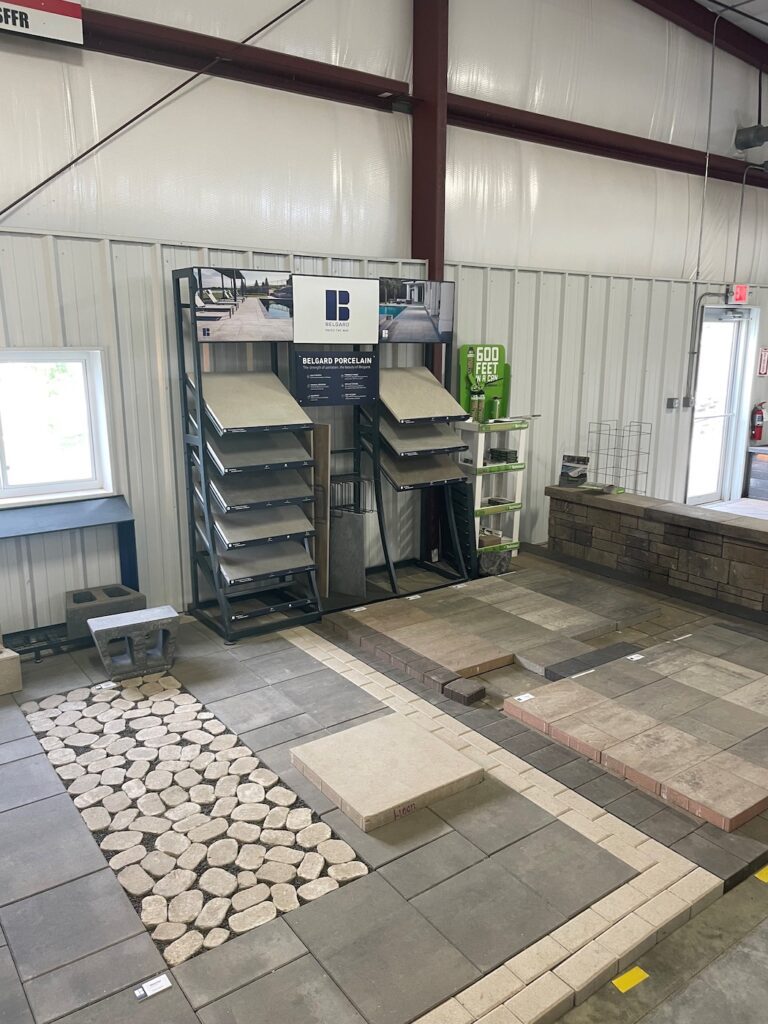
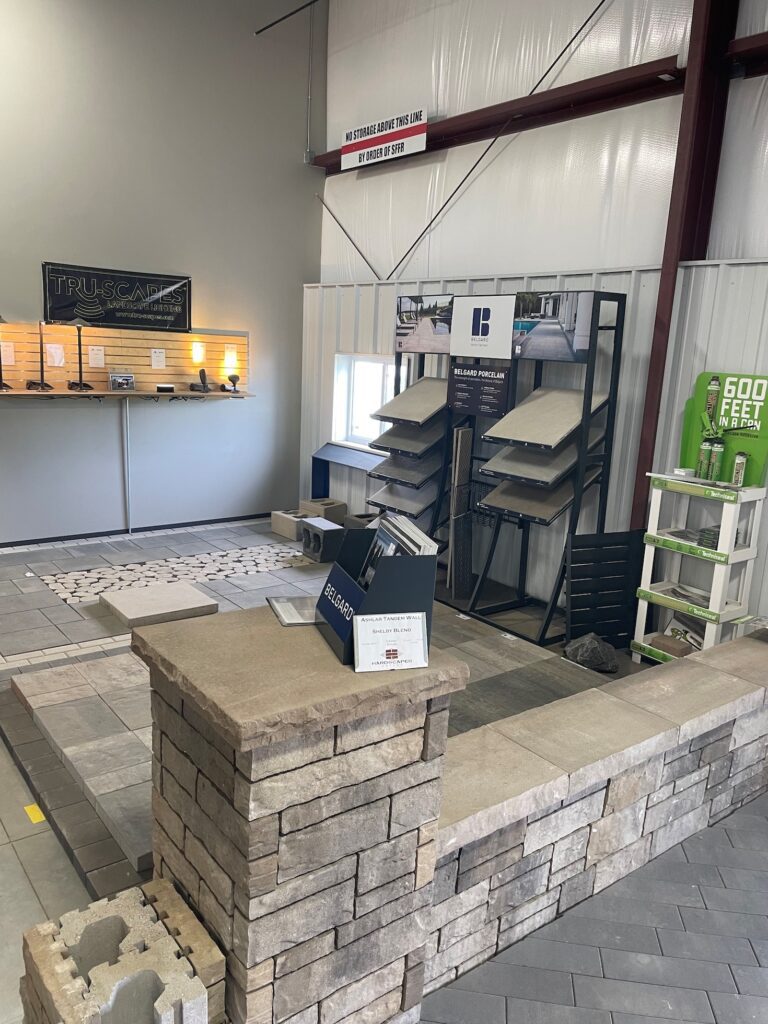
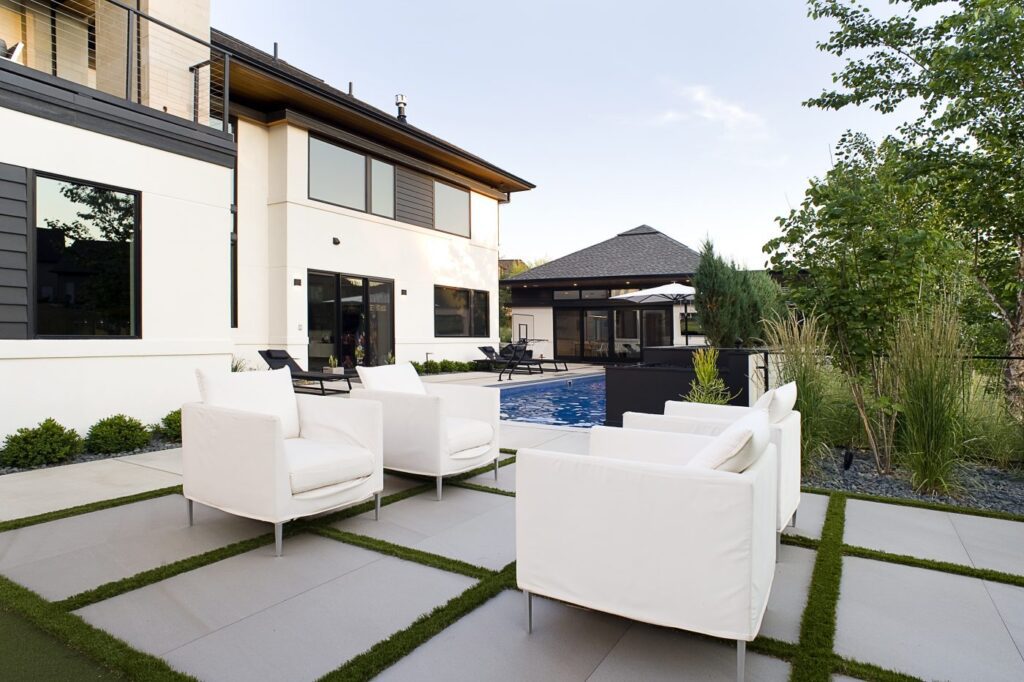
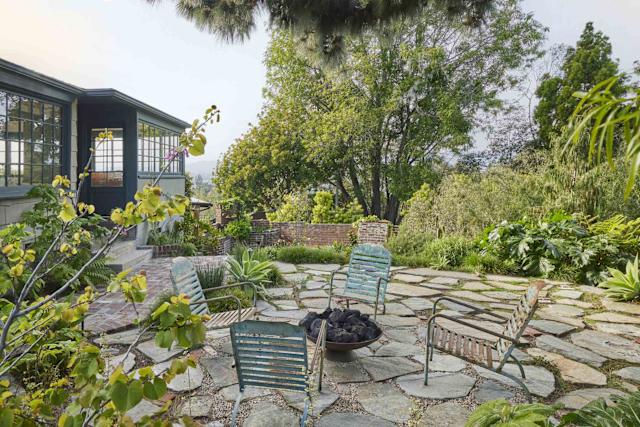
The four primary types of paving materials for residential use are stone, clay, interlocking concrete, and porcelain pavers. Interlocking concrete pavers, primarily manufactured and sold by Belgard, are a popular choice. Pavers come in a wide range of shapes, from small rectangular ones resembling cobblestones to large slab sizes, including hexagons and trapezoids for modern aesthetics. An extensive variety of colors is available, including solid and blended options, with blended colors often mimicking natural local stone.
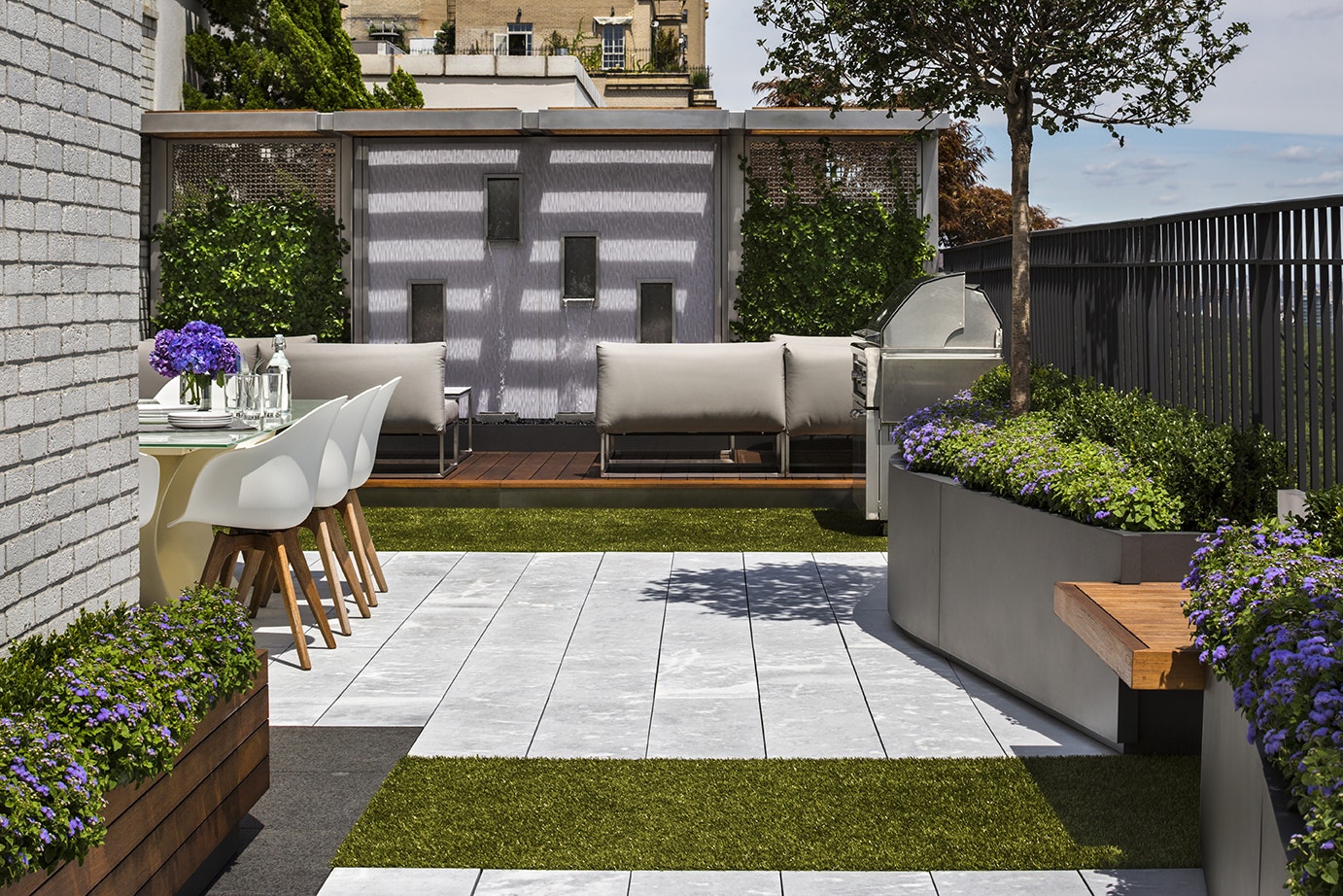
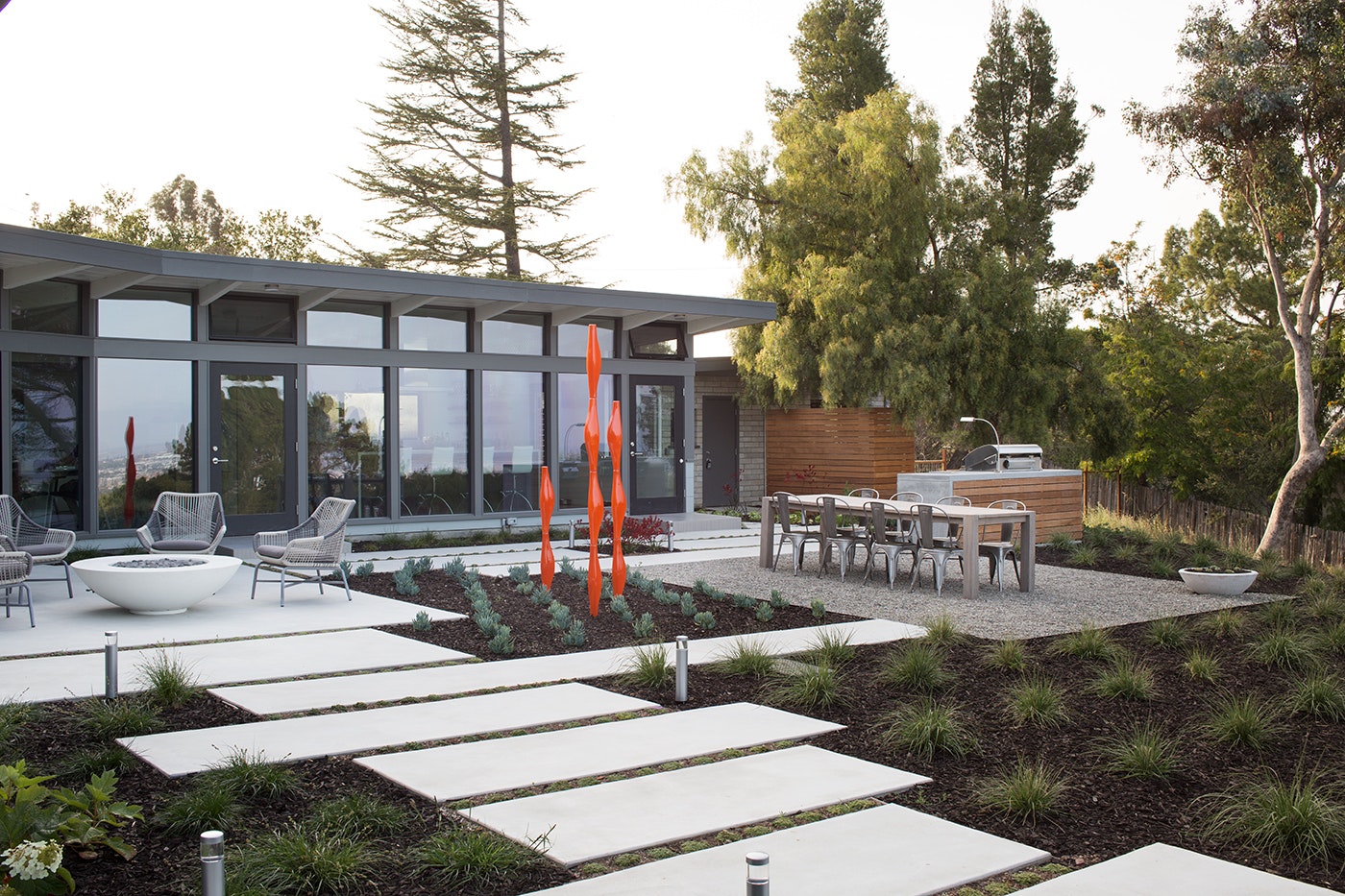
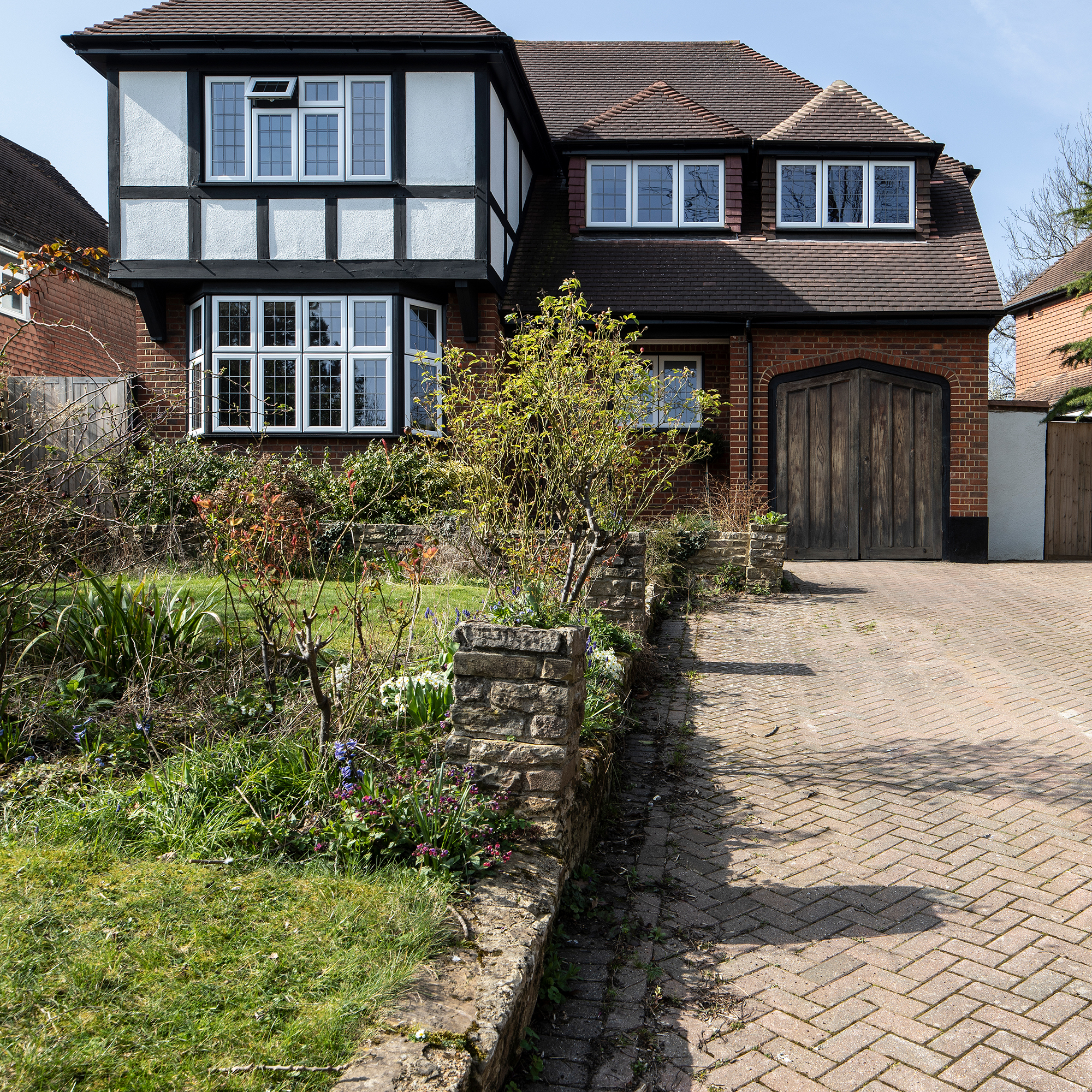
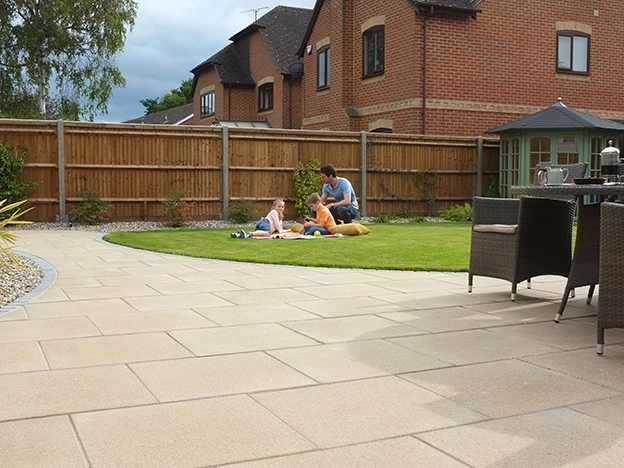
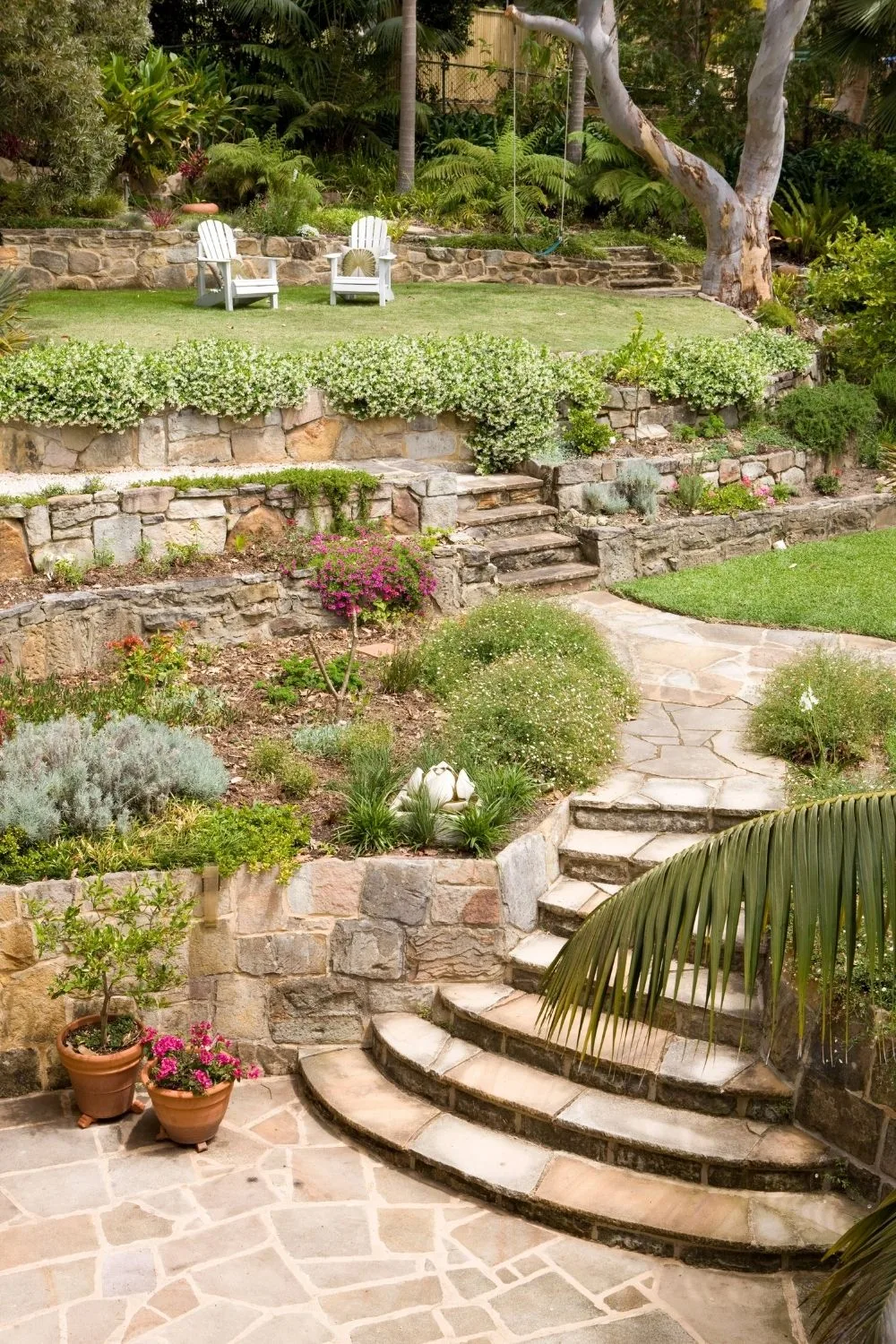
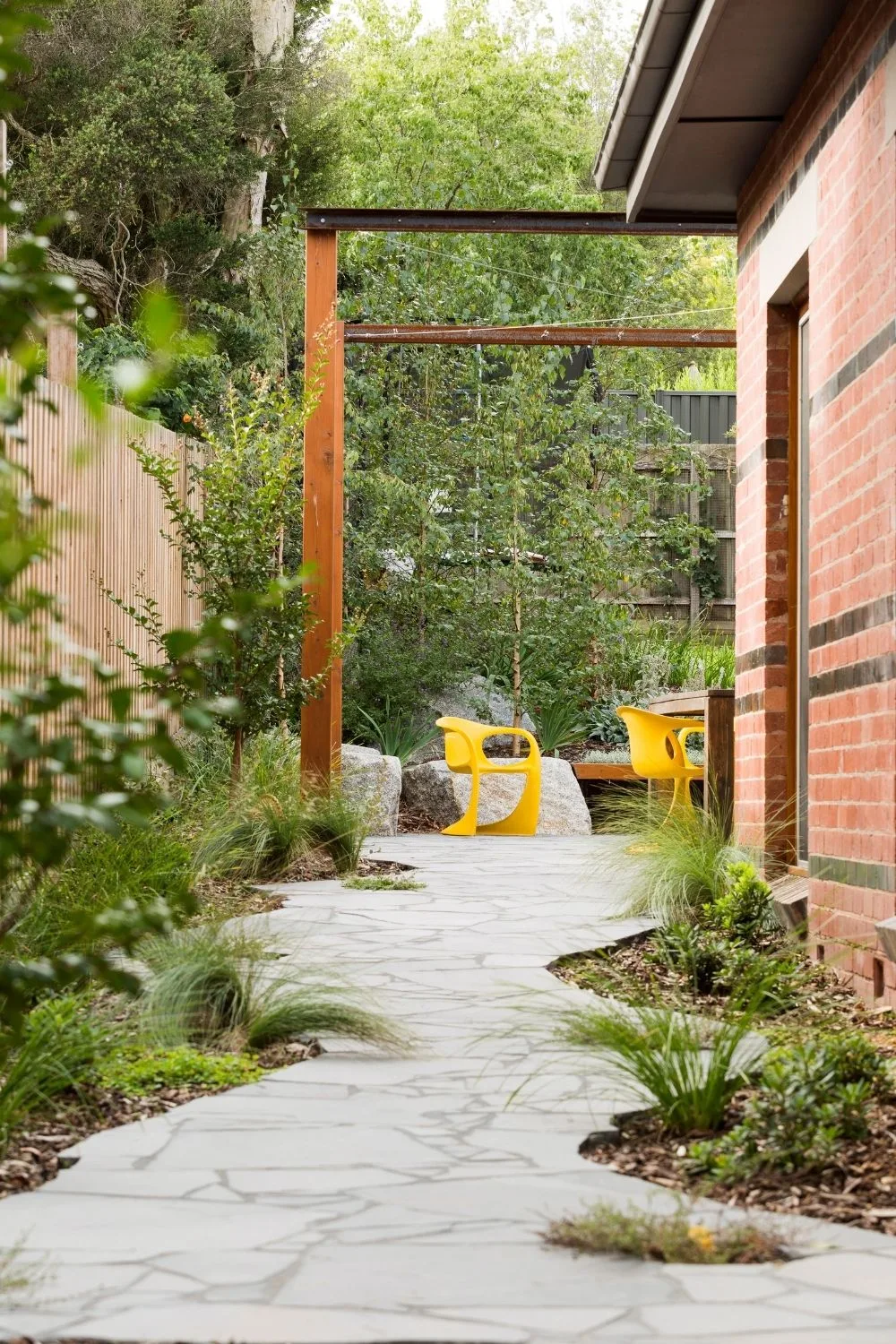
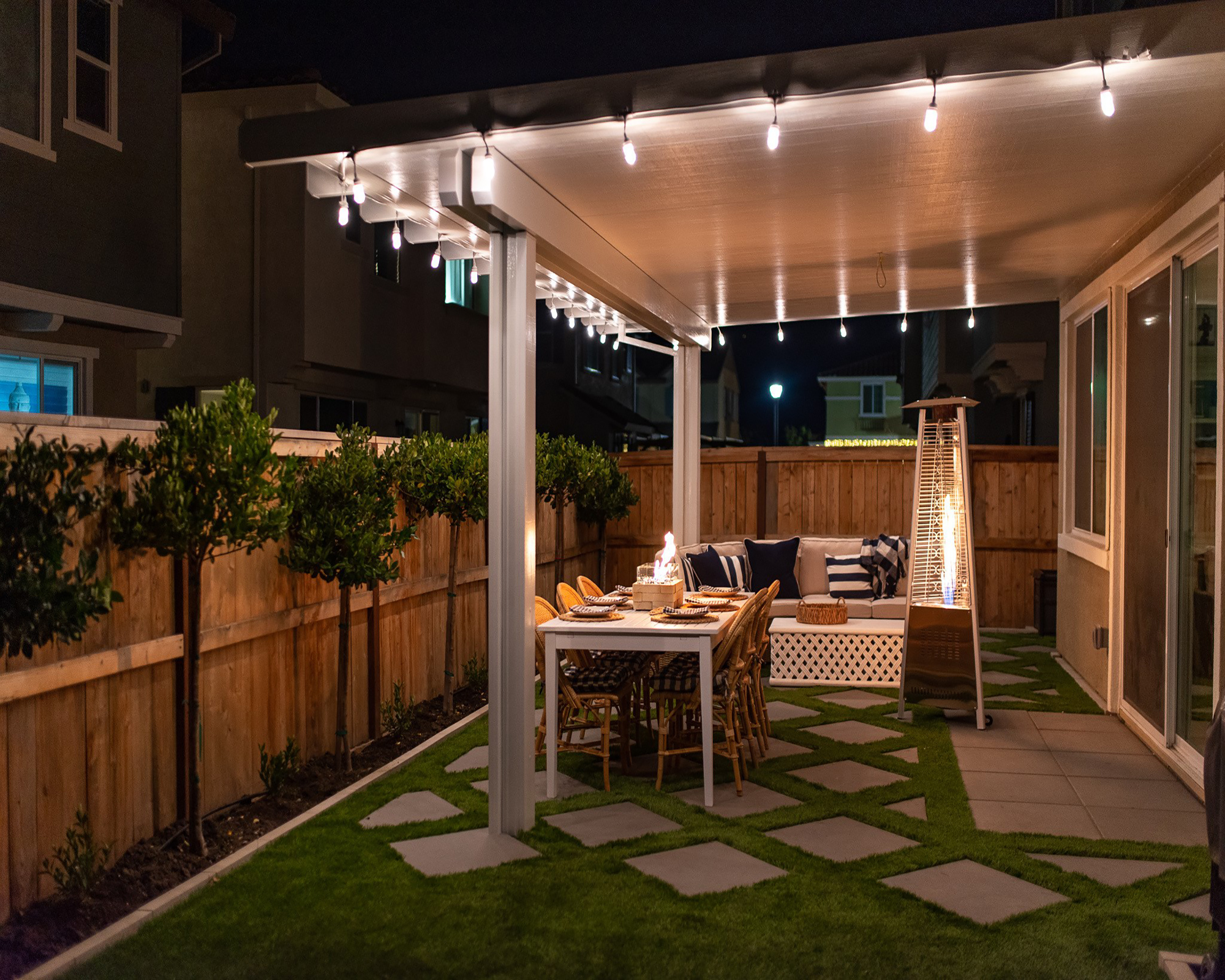
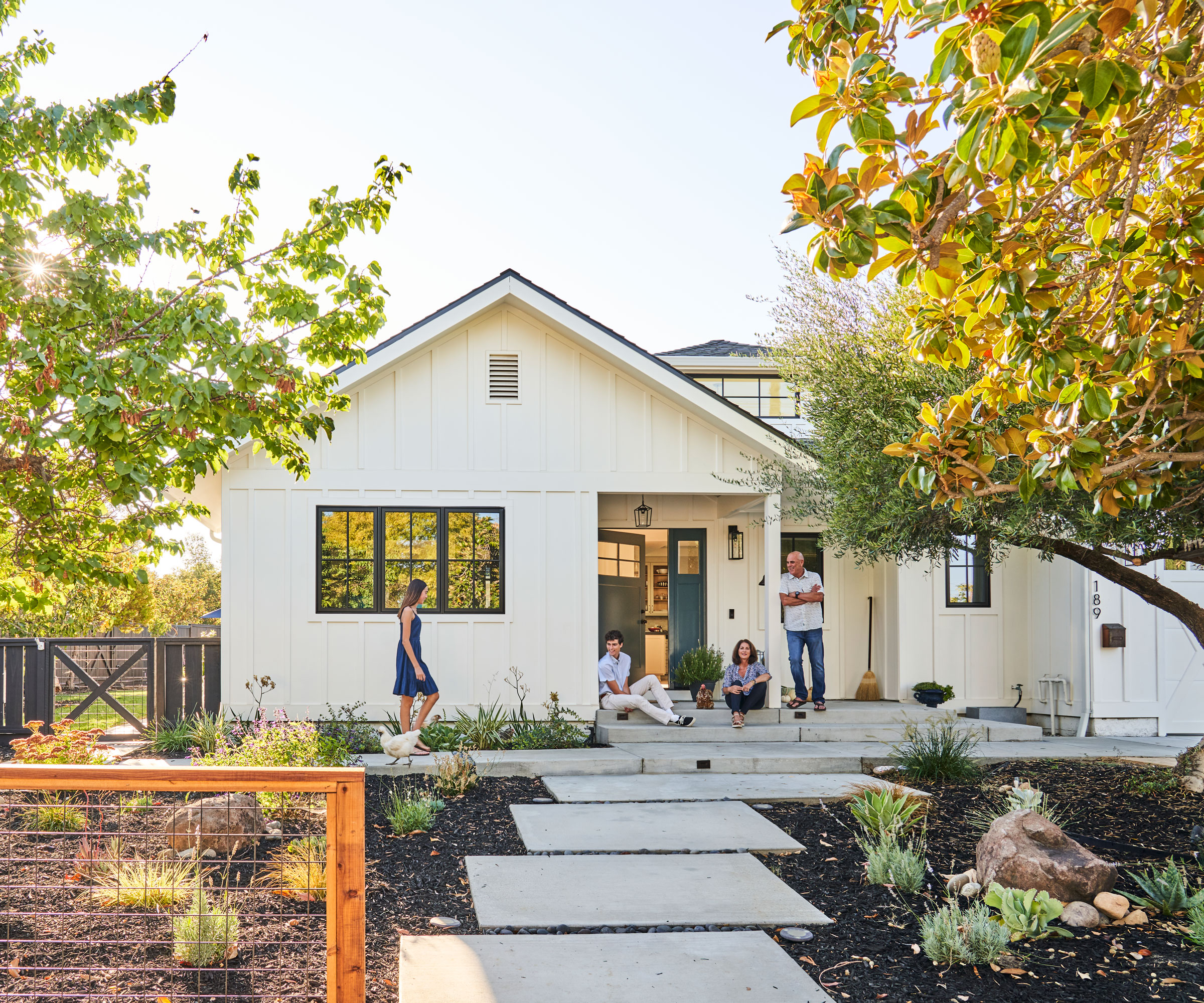
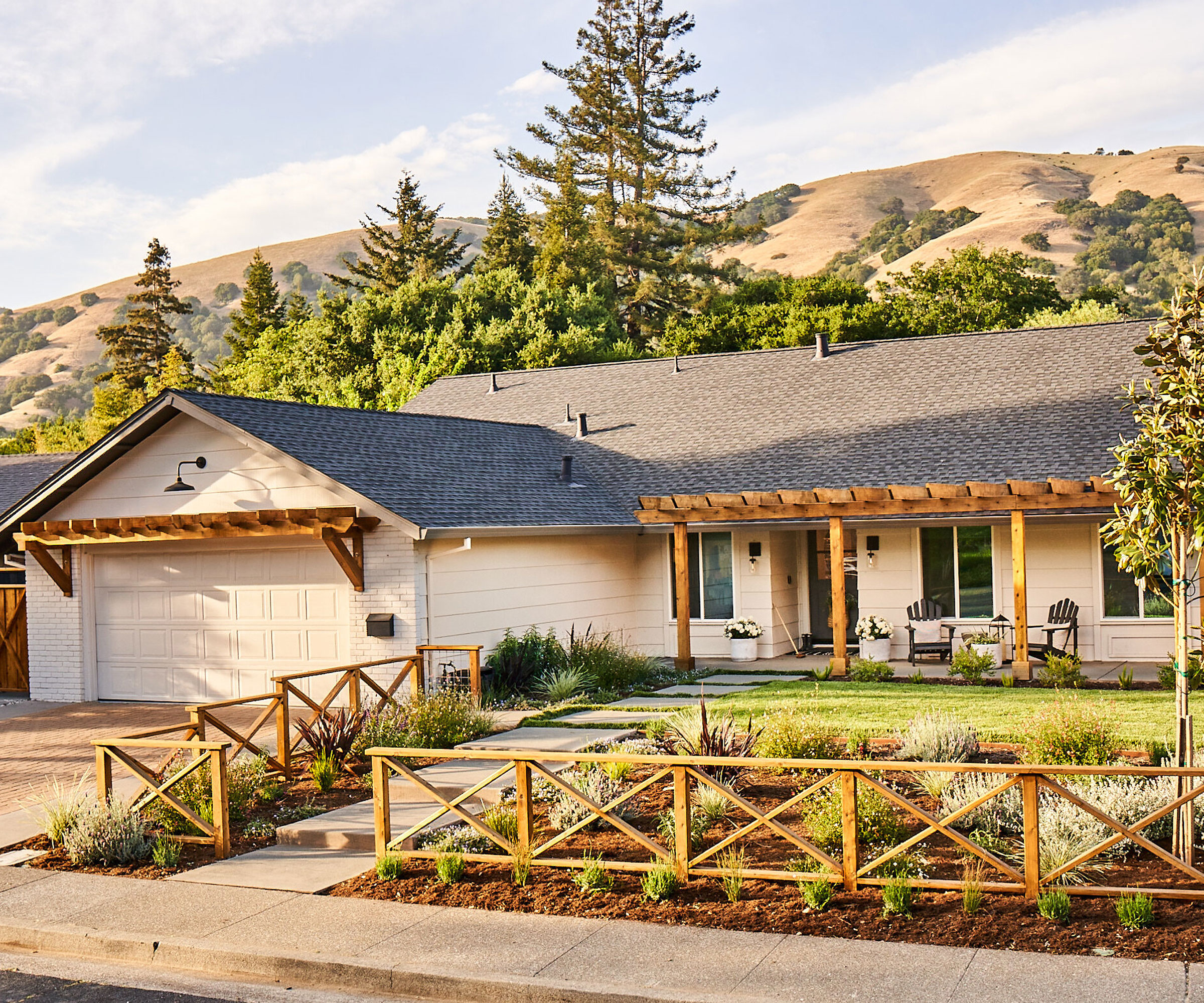
Pavers are versatile and can be used for patios, walkways, pool decking, outdoor living rooms, and driveways. In some regions, such as Texas, paver driveways are becoming increasingly common. The article highlights several key advantages of using pavers. Firstly, they enhance the beauty and landscape design appeal of a yard or driveway, with blended colors harmonizing with surrounding environments. Secondly, pavers offer flexibility; unlike concrete slabs that require expansion joints and can crack, pavers form a flexible system that adapts to ground movement without breaking. Thirdly, pavers boast exceptional longevity, with some Roman-era paver roads still in existence. When installed correctly, they can last over 50 years, even in extreme climates, often coming with a lifetime transferable warranty that poured-in-place products typically lack. Finally, ease of repair is a significant benefit; individual damaged or stained pavers can be easily replaced by crushing and removing them, then inserting a new one and applying polysand.
Despite their benefits, pavers also have drawbacks. A major disadvantage is the potential for problems arising from faulty installation. The article emphasizes the importance of hiring professionally trained and certified installers for large-scale projects to avoid issues. Another consideration is the cost. Pavers generally have higher initial installation costs compared to concrete or asphalt due to the extensive preparation required. However, their durability often makes them more cost-effective in the long run.
Installation costs for concrete pavers typically range from $5 to $25 per square foot, varying significantly based on geographic location and climate. Southern markets, with sandy subsoil and absence of harsh freeze-thaw cycles, tend to have lower costs ($5-$10 per square foot). Northern regions, requiring thicker substrates, see costs ranging from $10 to $25 per square foot. Material costs also contribute to the variance, with a $3-$5 per square foot difference between less expensive and higher-end pavers. Regional factors like aggregate costs, trucking expenses, and the ability to work year-round also influence overall pricing.
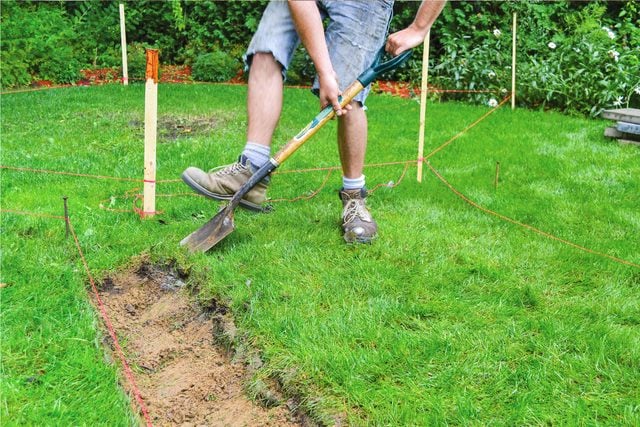
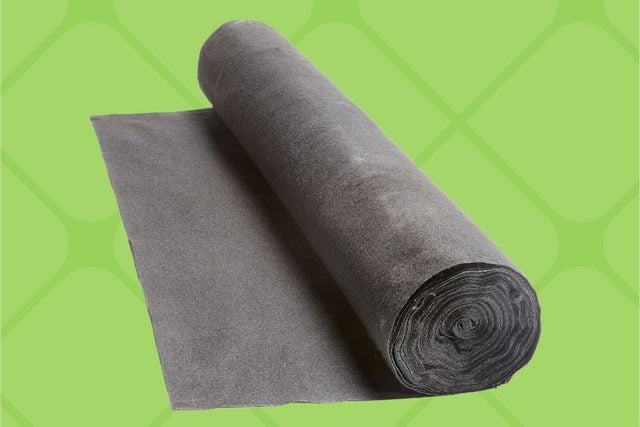
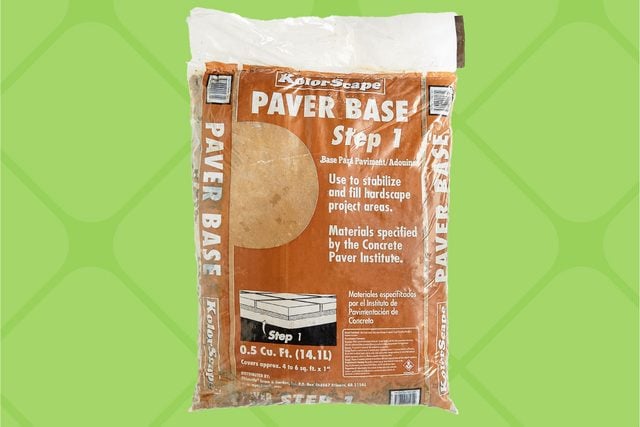
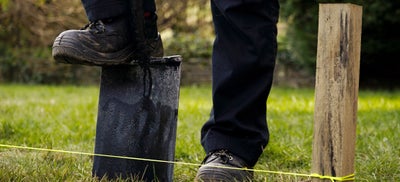
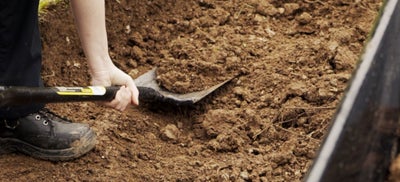
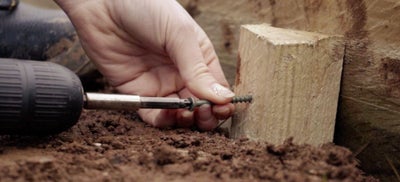

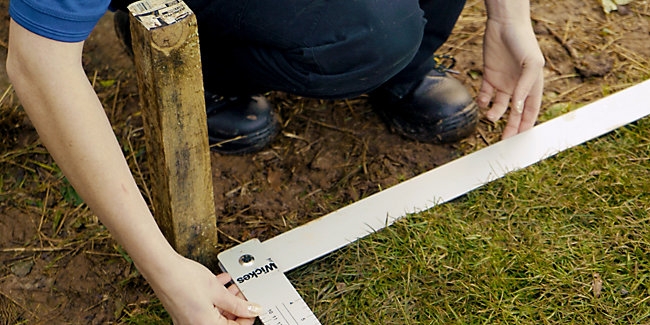
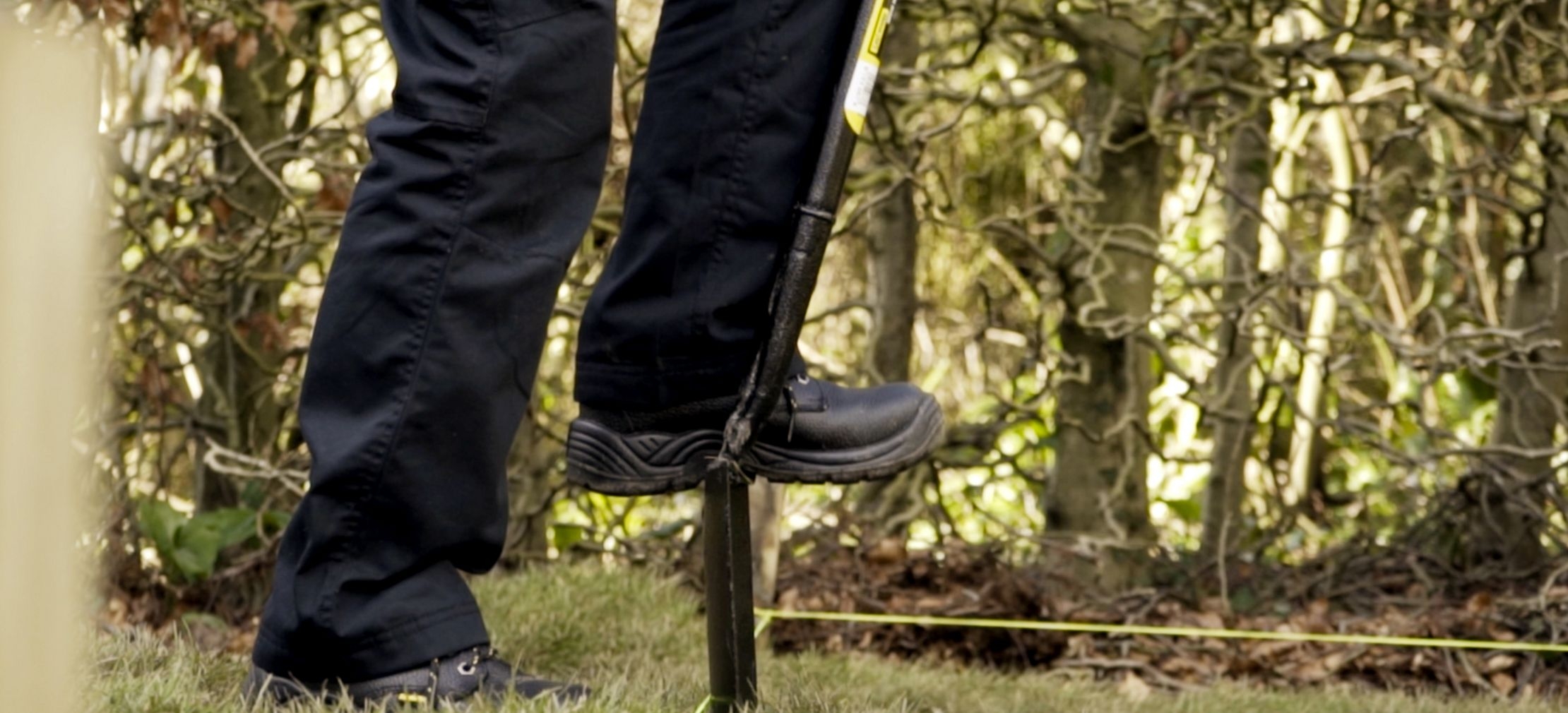
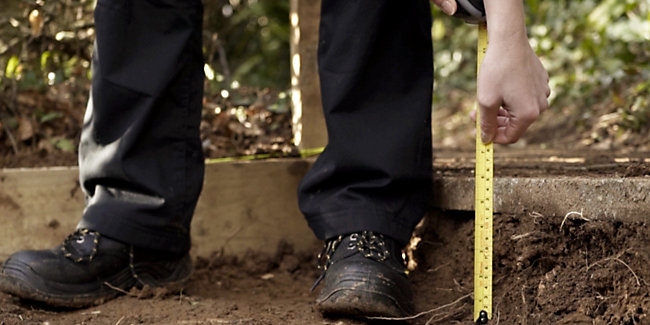
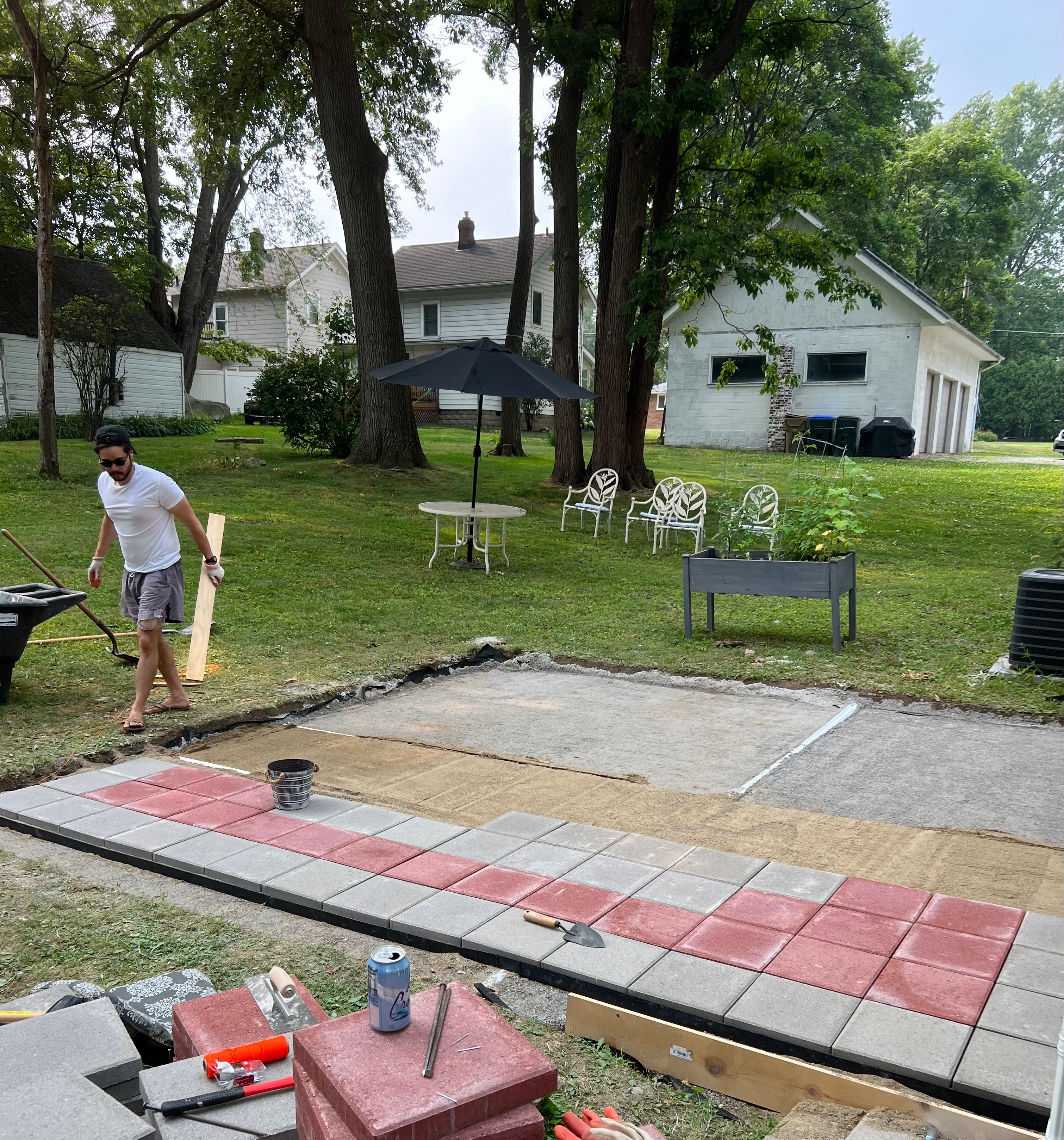
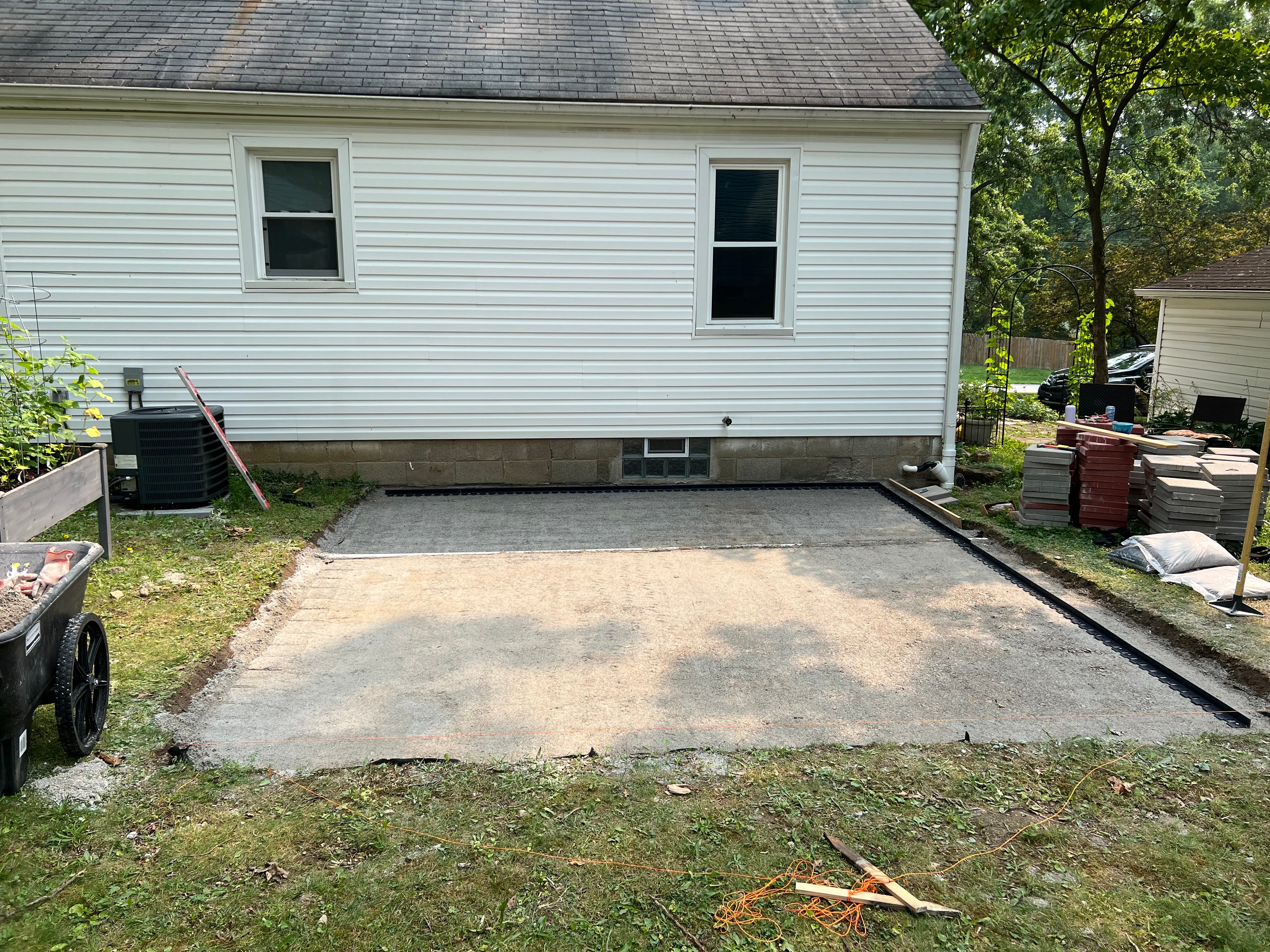
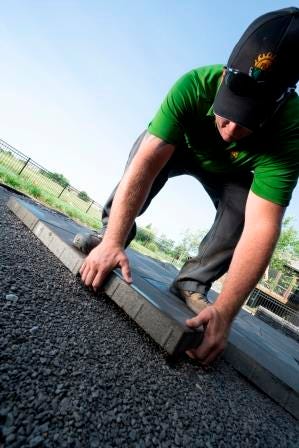
The paver installation process involves several steps: excavation, laying a substantial gravel base, adding a ¾-inch layer of bedding sand, and installing edge restraints to secure the pavers. After the pavers are laid and cut, they are compacted with a plate compactor. Finally, sand or polymeric sand is applied between the pavers and compacted to strengthen the joints, creating a monolithic yet flexible surface. While homeowners can undertake small DIY projects like walkways or patios, especially with modular designs, larger projects often warrant professional installation due to the complexity of laying, draining, and the cost of renting specialized equipment.
For paver maintenance, sealing is recommended to slow erosion, preserve color, and extend the lifespan of the installation. Sealers can last 5-10 years and are simple to apply. The use of polymeric sand, a flexible grout-like product, in joints is highly recommended. It adheres to pavers, remains pliable, and prevents dirt and weeds, adding minimal cost to the installation. For existing pavers, joint-stabilizing sealer can be used. Cleaning should be done carefully, preferably with a mild spray-on paver cleaner and a garden hose, to avoid damaging the joints with high-pressure power washing.
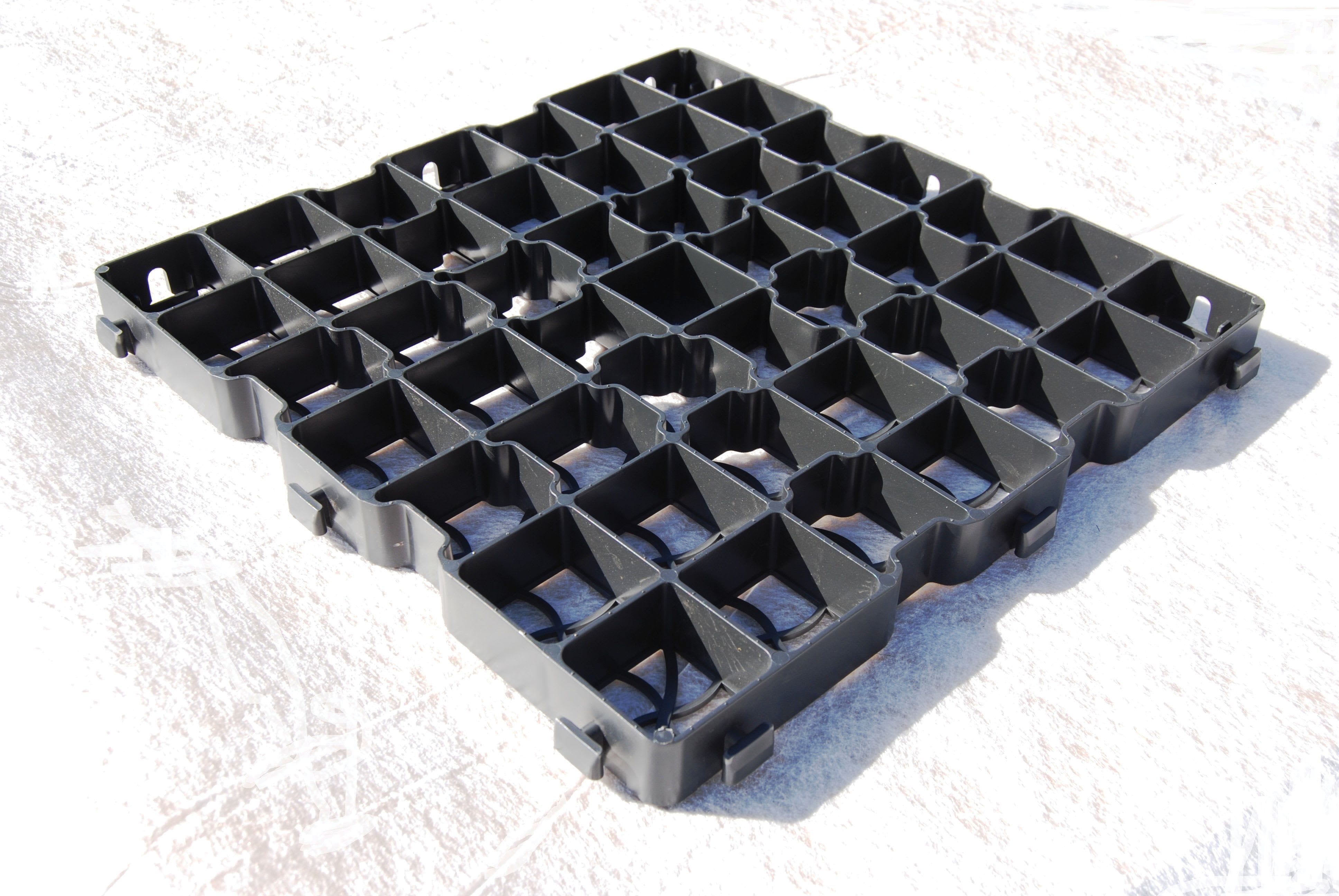
The article also highlights the growing trend of permeable pavers, also known as pervious pavers. These pavers allow water to filter through rather than run off, contributing to sustainability efforts by managing stormwater runoff, reducing nonpoint pollution, and helping to clean groundwater through microbial action in the soil. While long-used commercially, permeable pavers are gaining traction residentially. The recommended timeline for a paver project suggests starting research and planning during winter, as contractors in northern areas tend to book up quickly in spring, making early engagement beneficial for homeowners.
In conclusion, pavers have evolved significantly, offering a wide array of options to suit various home styles and aesthetics, making them a design-driven choice for enhancing a home's beauty and functionality.
#PaverInstallation #HardscapeDesign #OutdoorLiving #HomeImprovement #LandscapeDesign #PermeablePavers #PaverMaintenance #DIYProjects #PaverInstallation #HardscapeDesign #OutdoorLiving #HomeImprovement #LandscapeDesign #PermeablePavers #PaverMaintenance #DIYProjects
Hay 0 comentarios en total
 Aún no hay comentarios
También te puede gustar
15 Modern Patio Paver Ideas

New products, trends create exciting time for outdoor living projects

Decorative Stones & Gravel

25 Stepping Stone Walkway Ideas in 2025 That Make Front Yards Feel Custom-Curated

5 brilliant budget alternatives to paving slabs that won't cost the earth
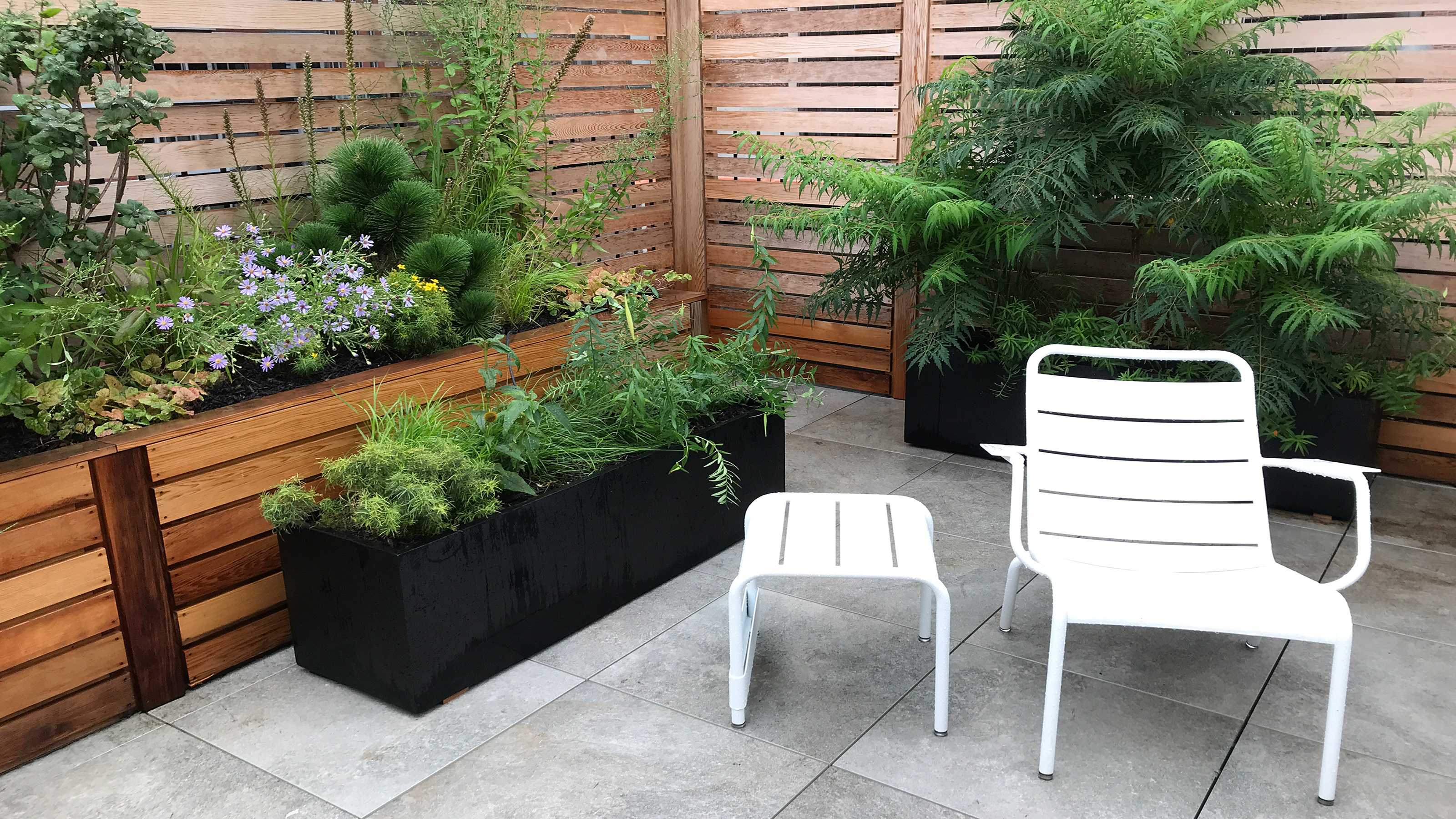
15 budget-friendly paver patio ideas from the pros — perfect for stylish small spaces

Playful paving

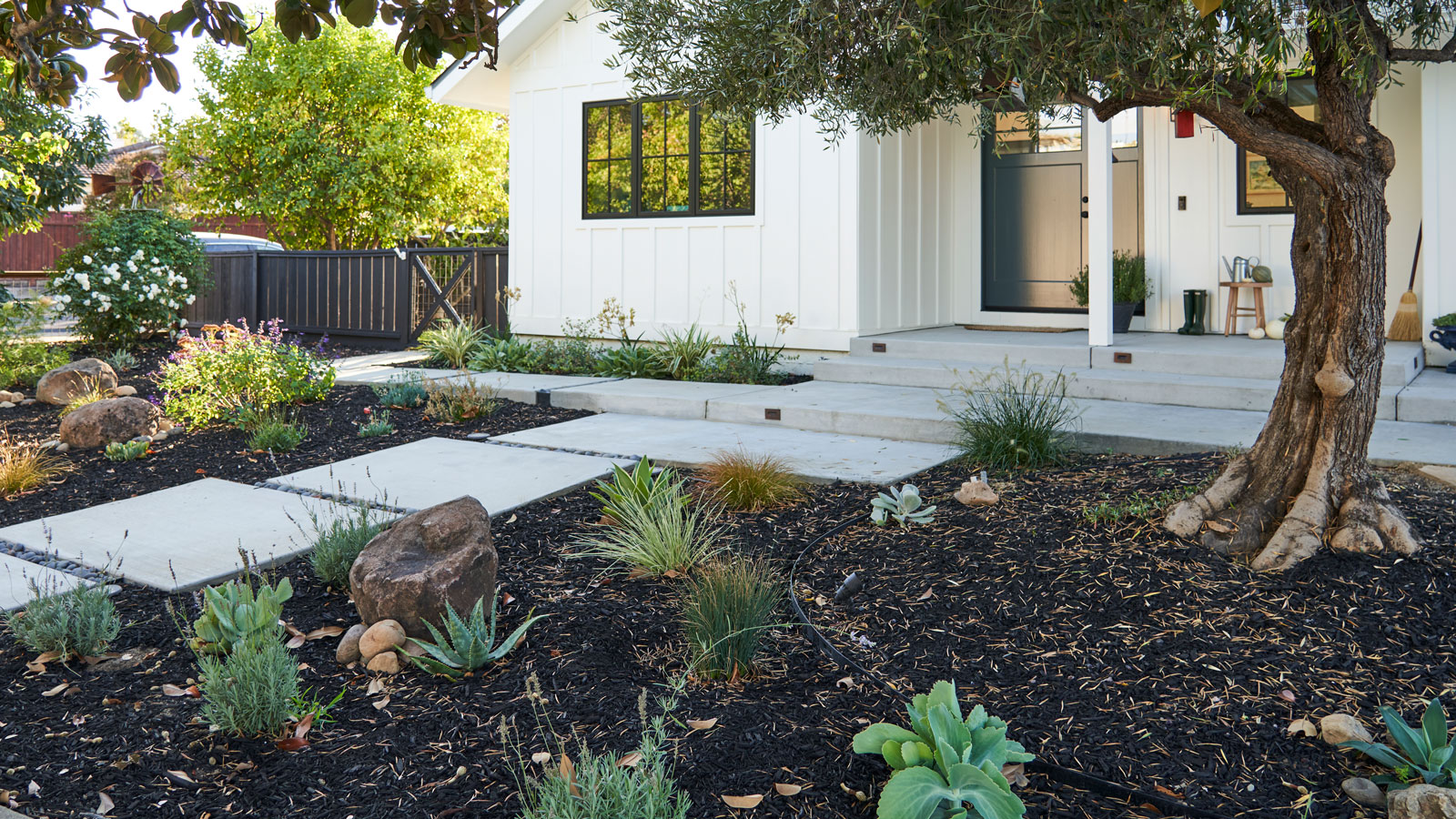
Front yard landscaping with rocks and mulch: 8 expert ideas


Garden Paving & Walling | Front Garden Paving & Block Paving Grout

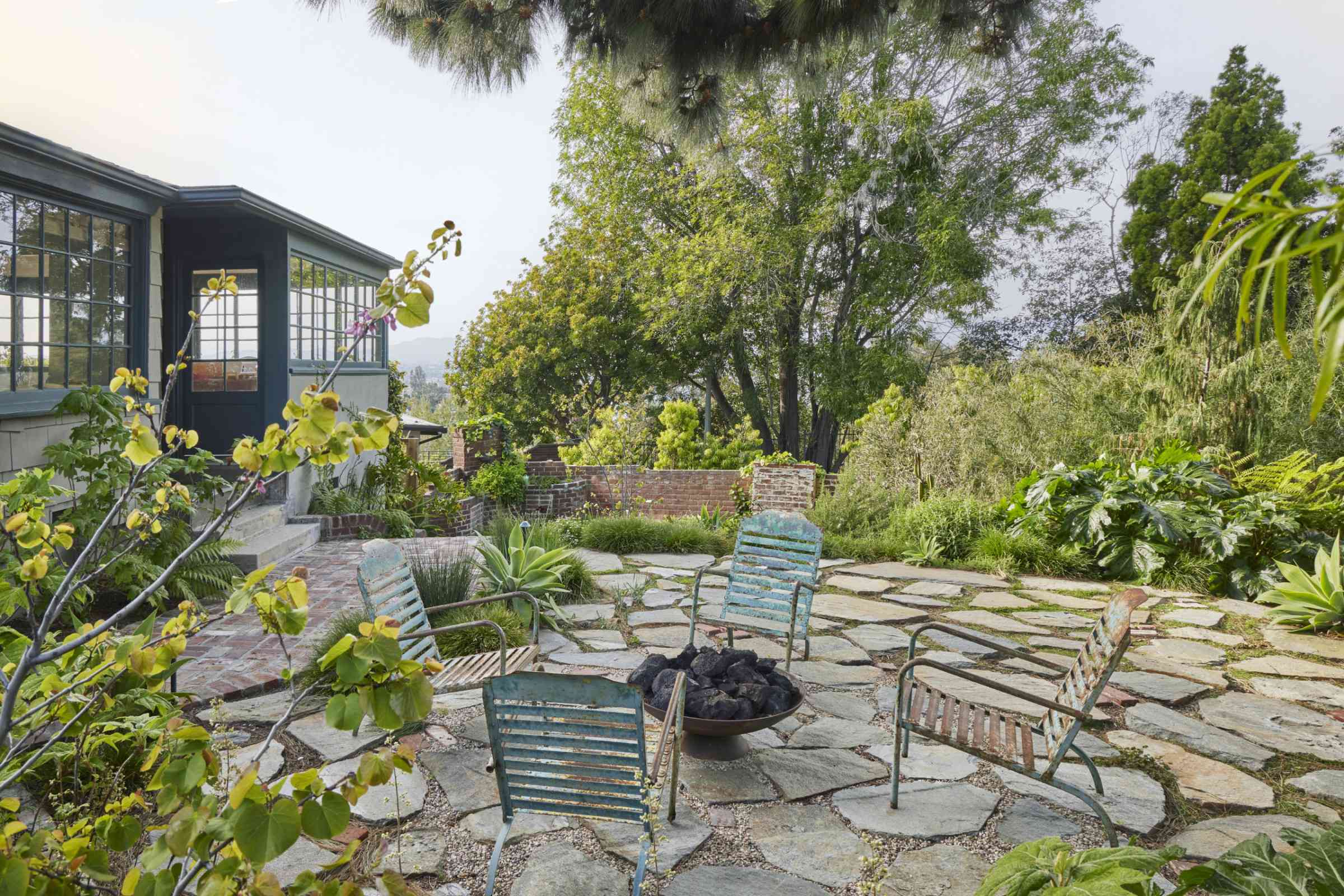
11 Stunning Concrete Patio Ideas That Will Take Your Backyard to the Next Level
How to lay a patio
Front garden wall ideas – 10 designs to elevate your space
13 Budget-Friendly Paver Ideas to Beautifully Define Your Outdoor Spaces

How to Install a Paver Patio Base

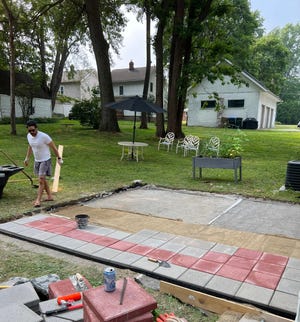
Mission complete: Is building your own patio worth it? | Home With Tess

Brooklyn Garden: From Weeds to Wonderful With Groundworks
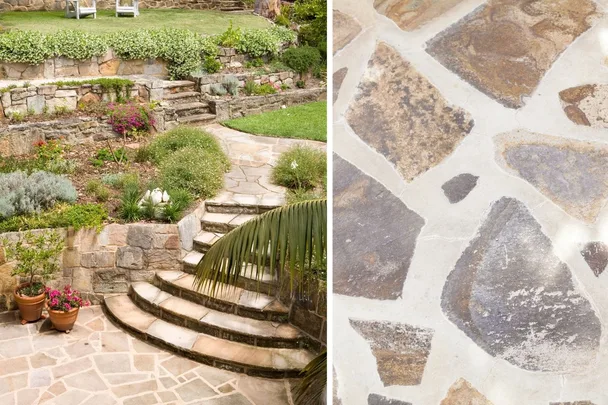
Crazy paving ideas to inspire a garden makeover

How to lay a garden path
Front garden ideas – 32 ways to transform your space for the ultimate kerb appeal

These are the biggest landscaping trends for outdoor living spaces