Over the Garden Gate: Zen gardens are therapeutic
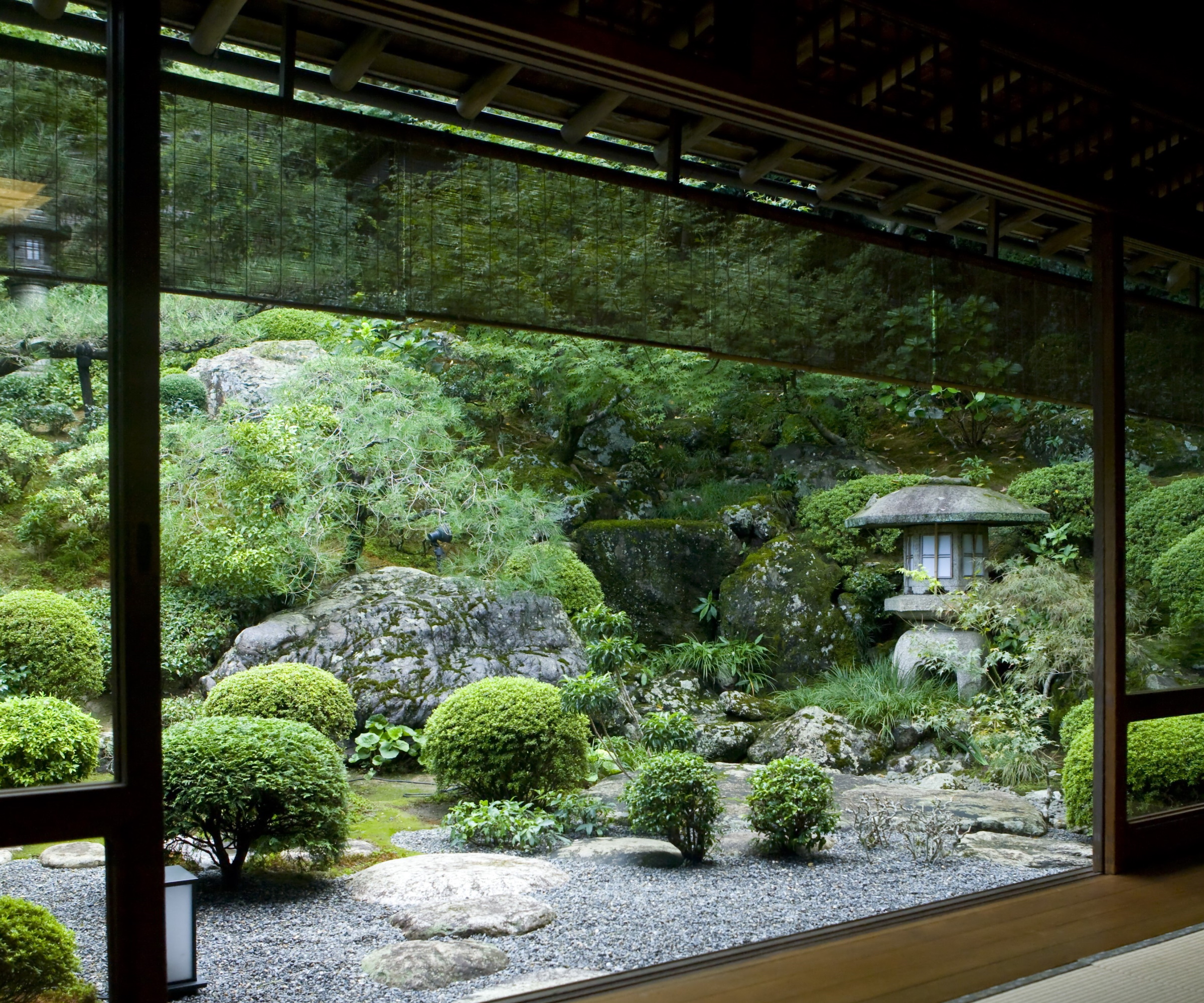
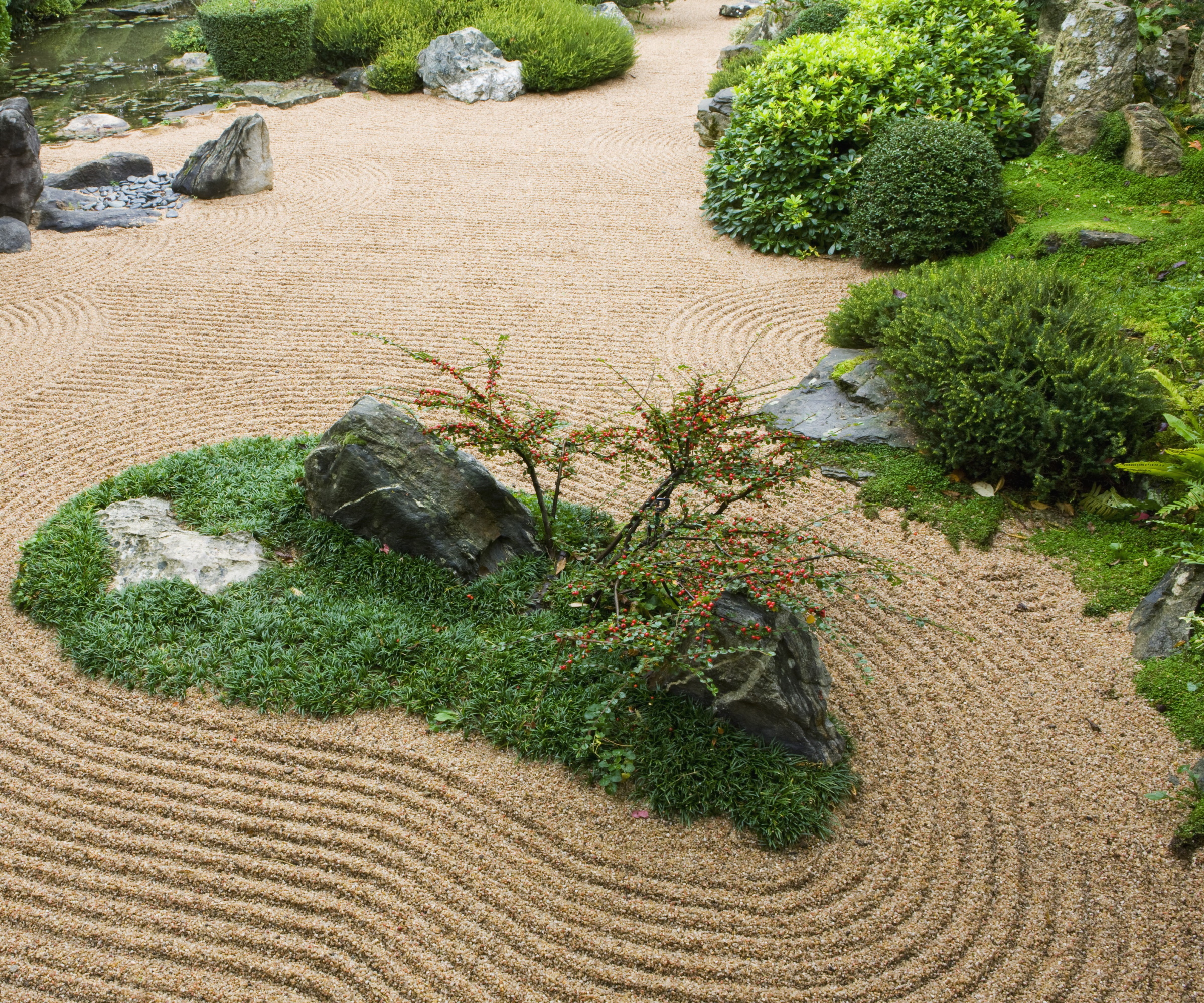
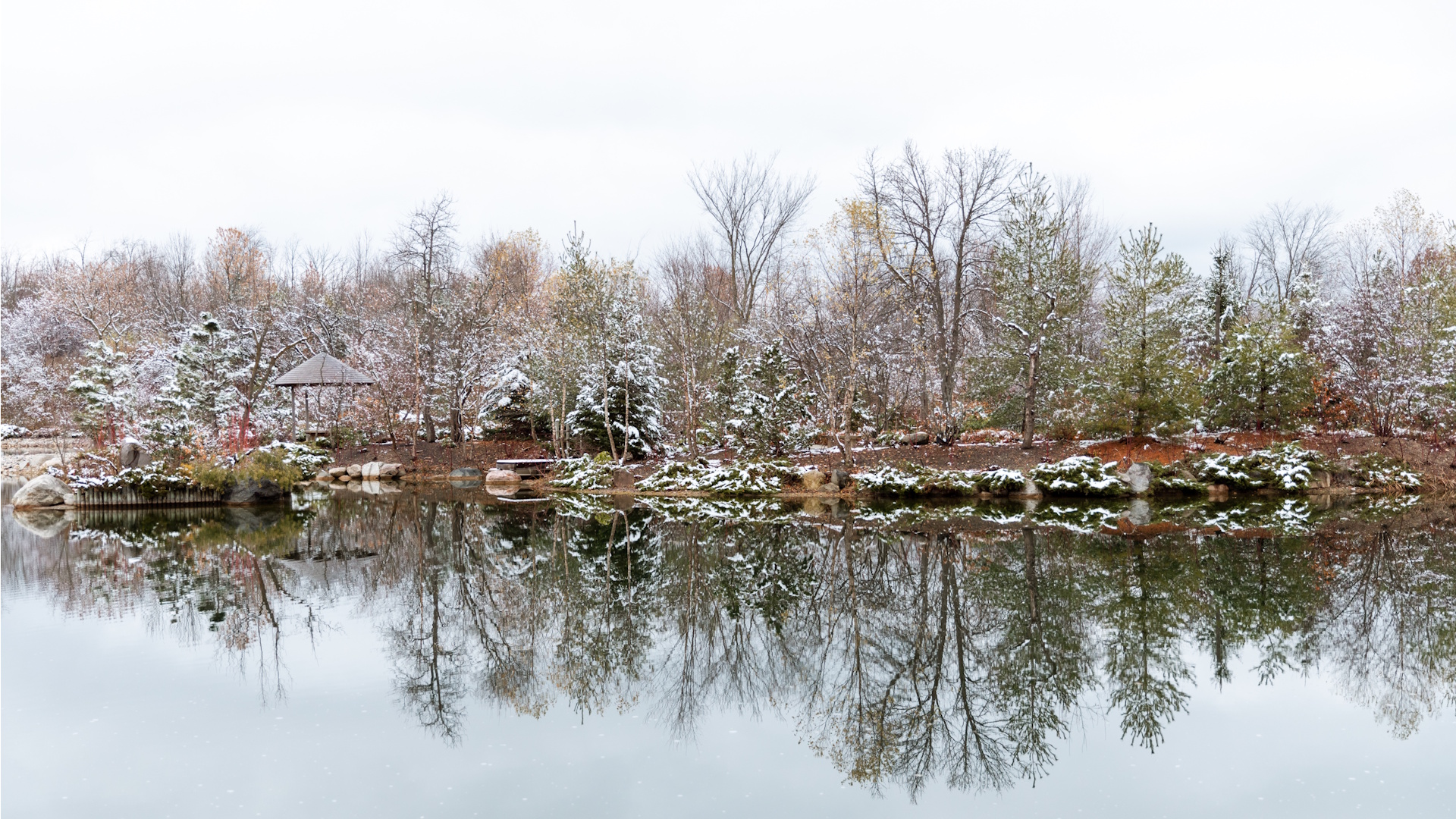
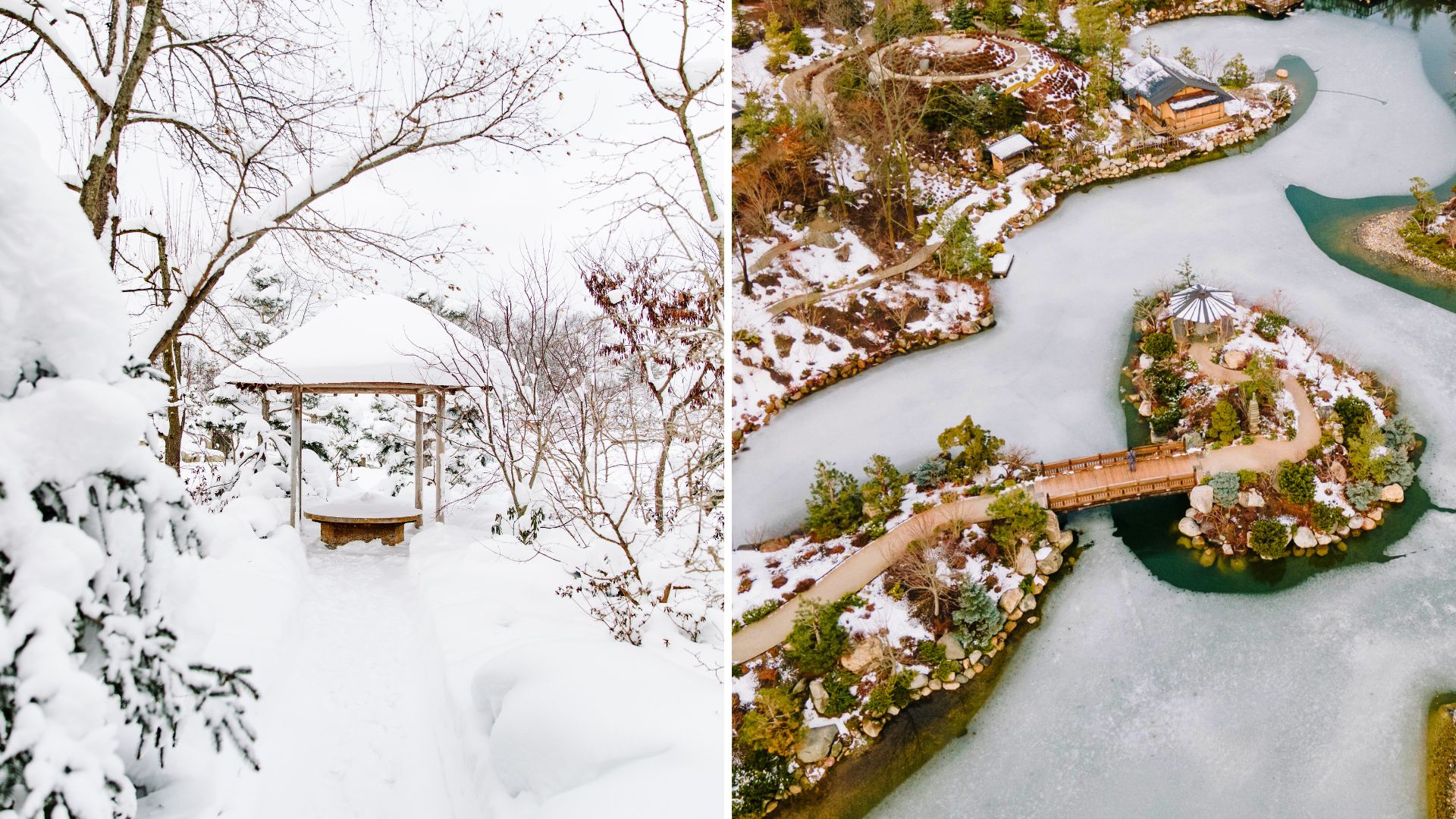
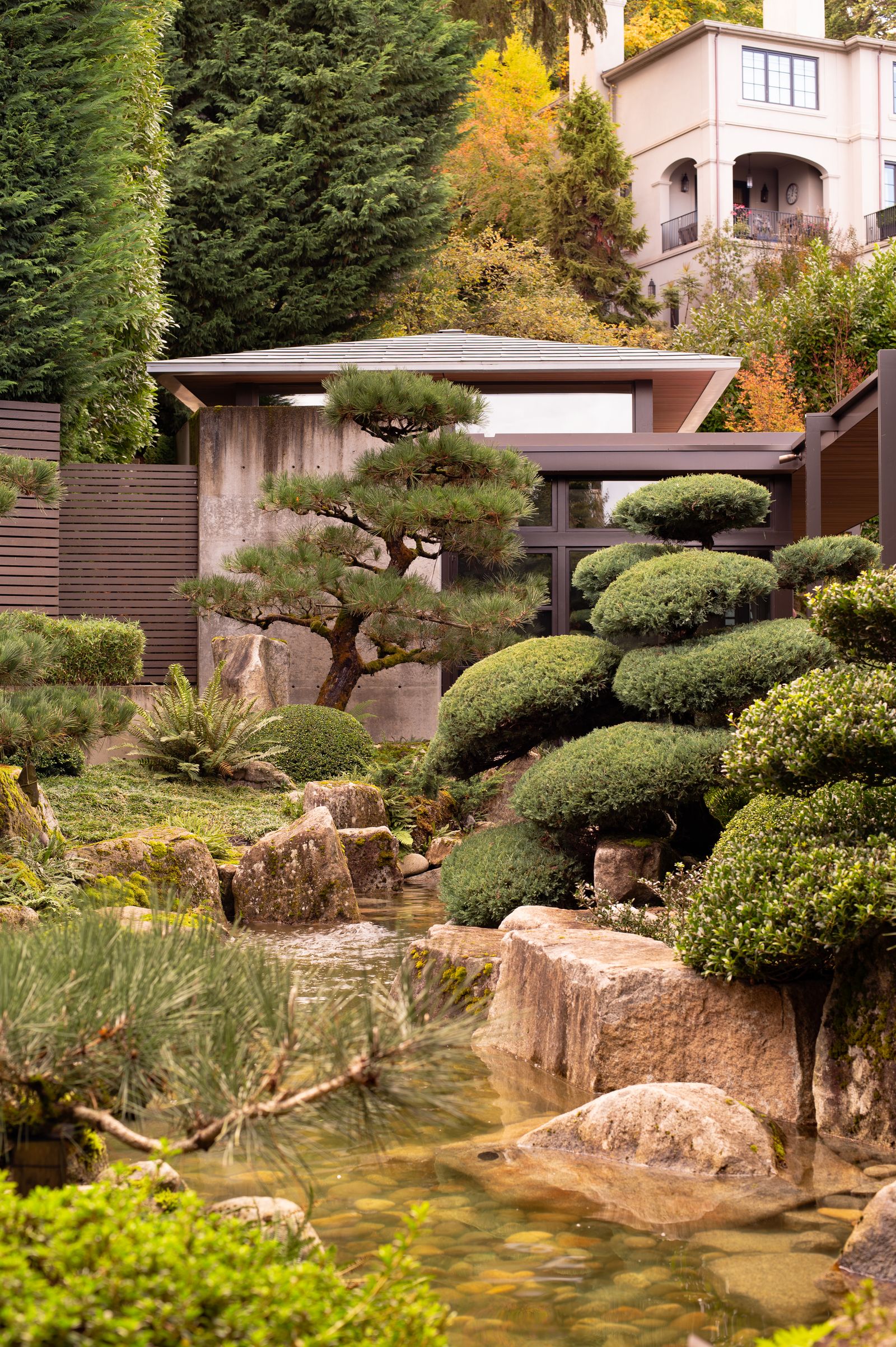
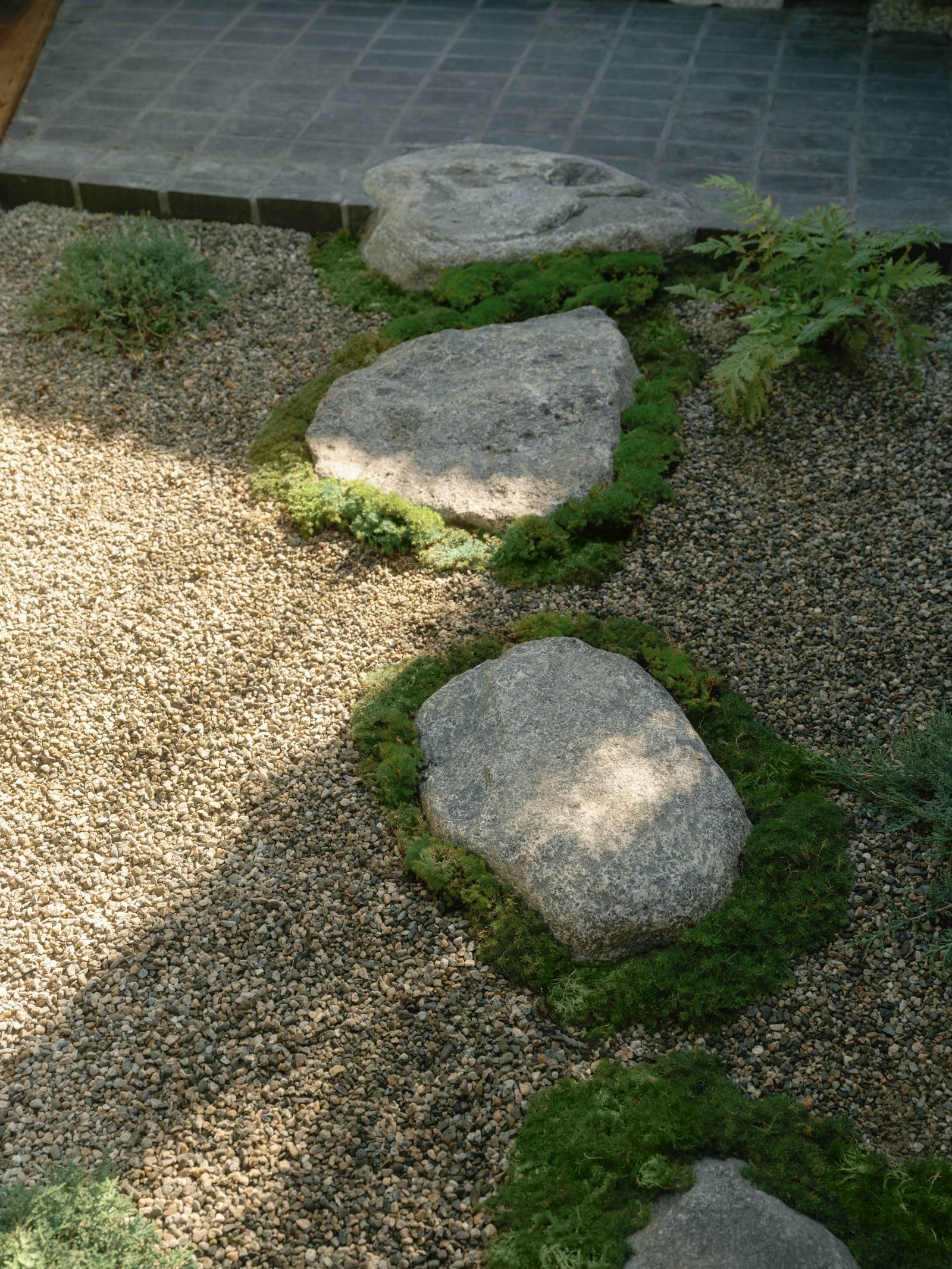
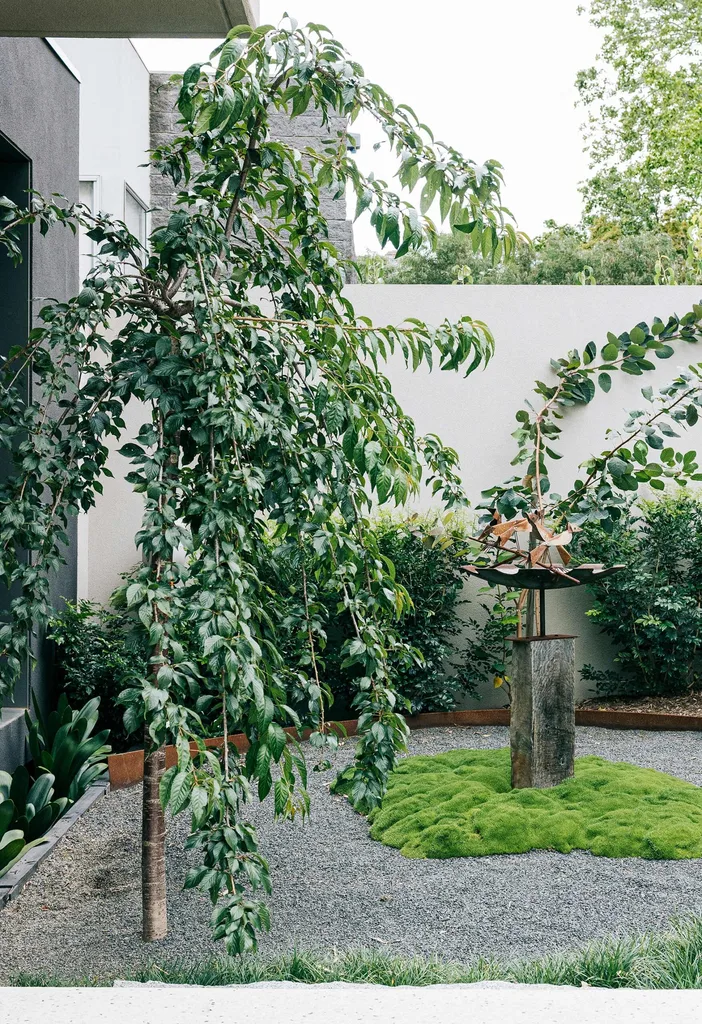
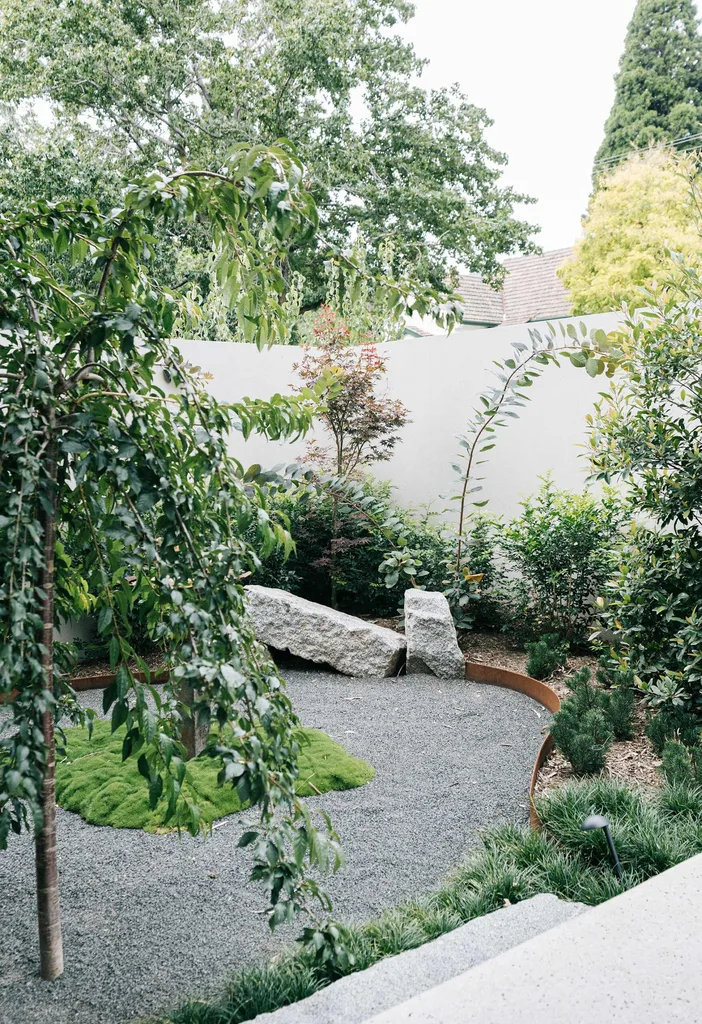
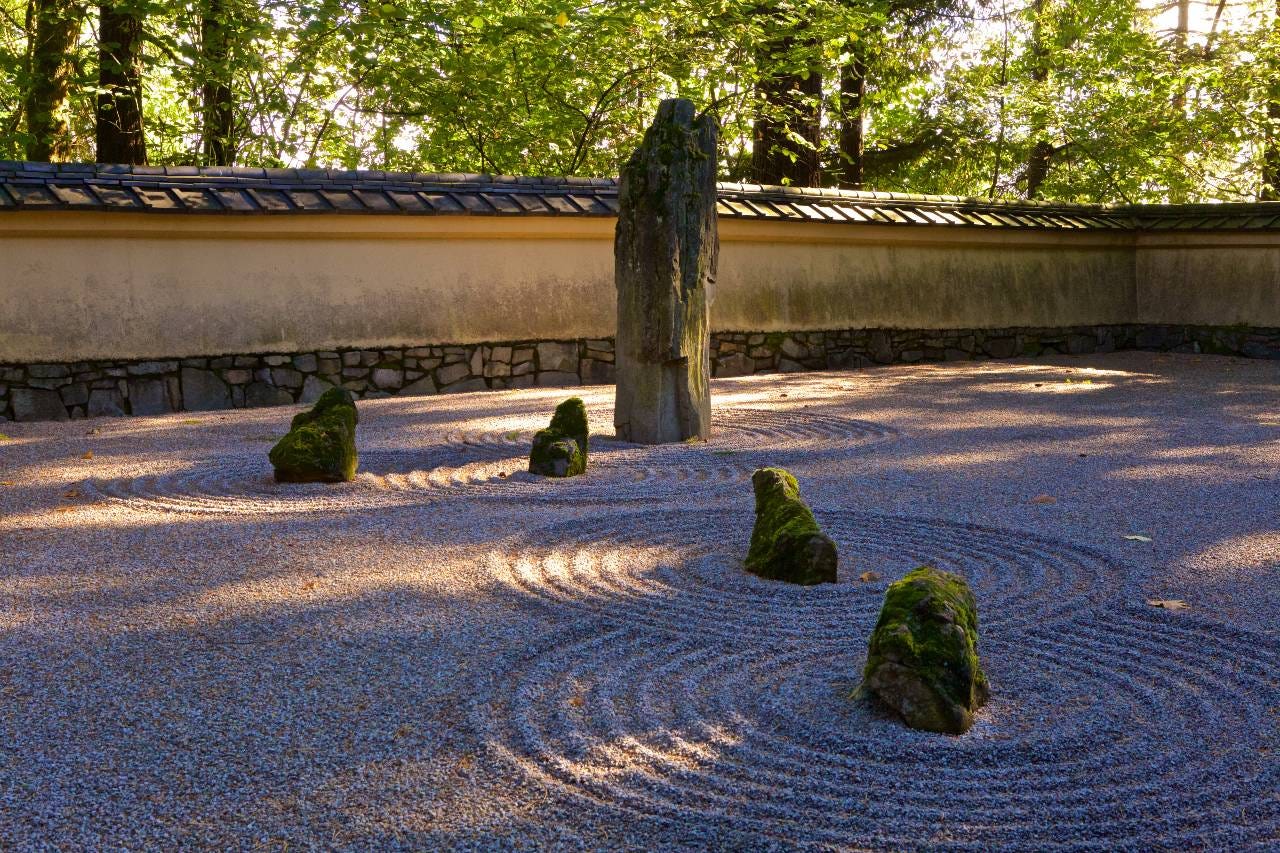
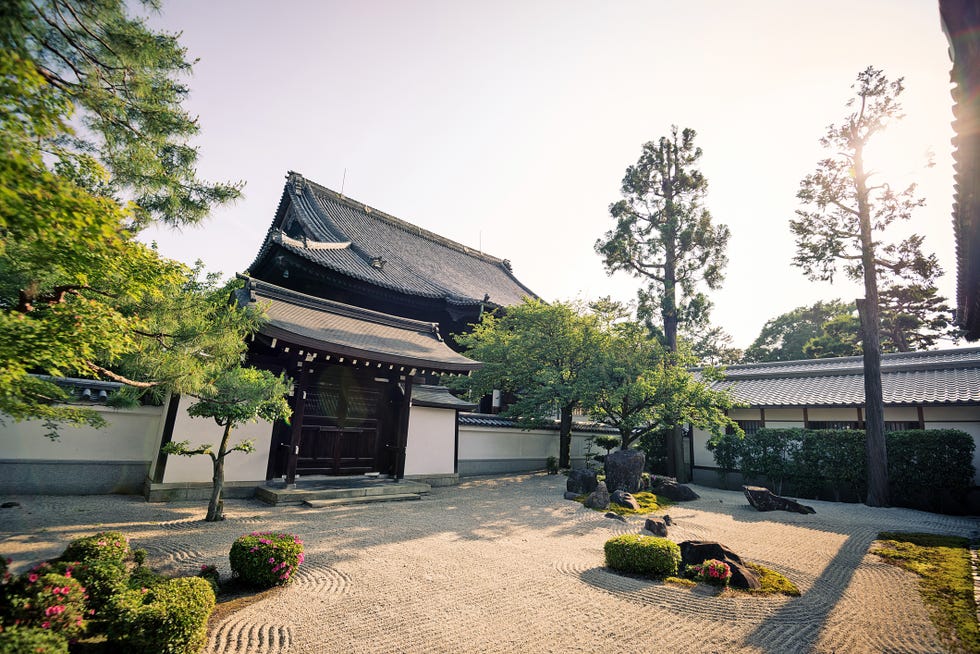
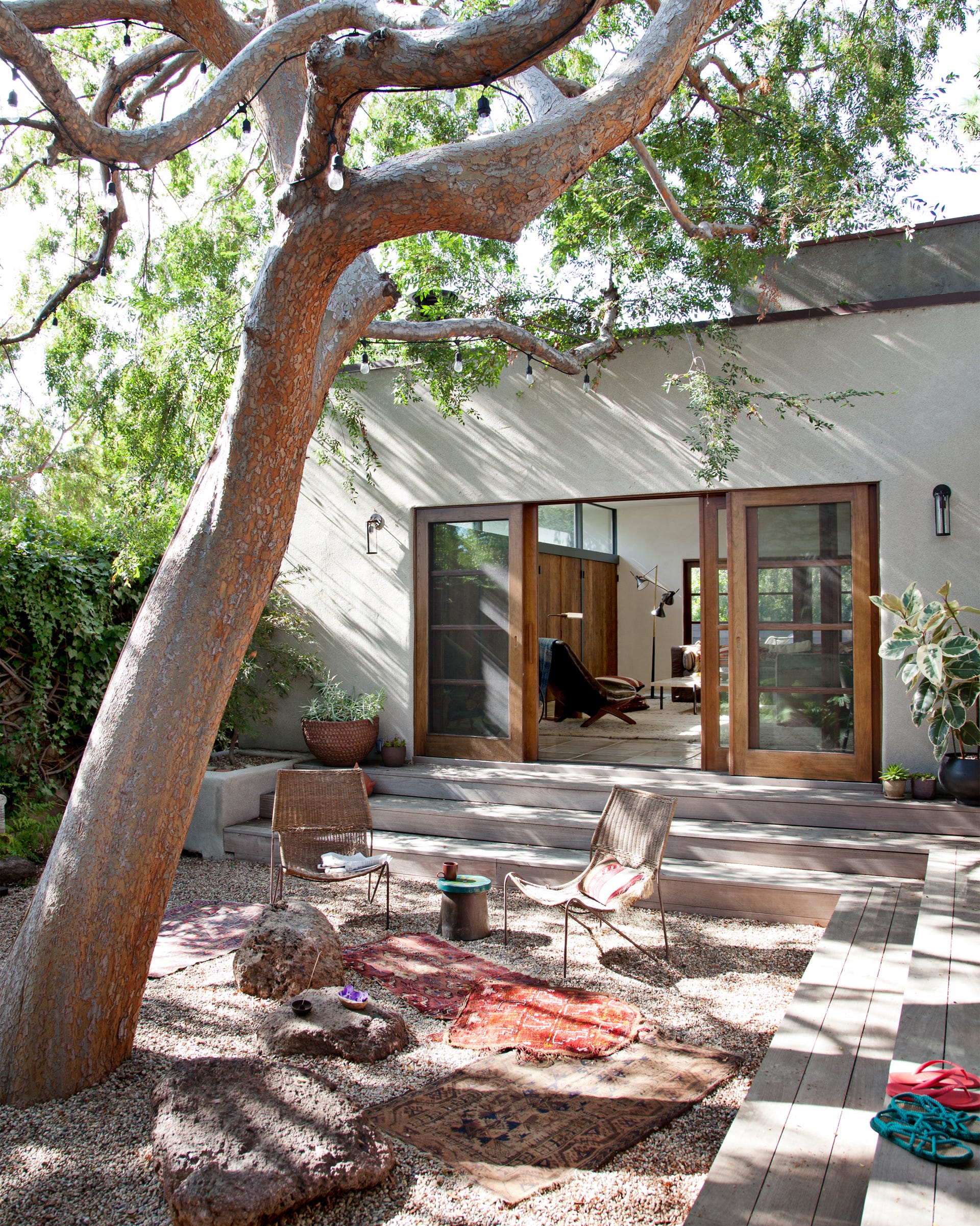
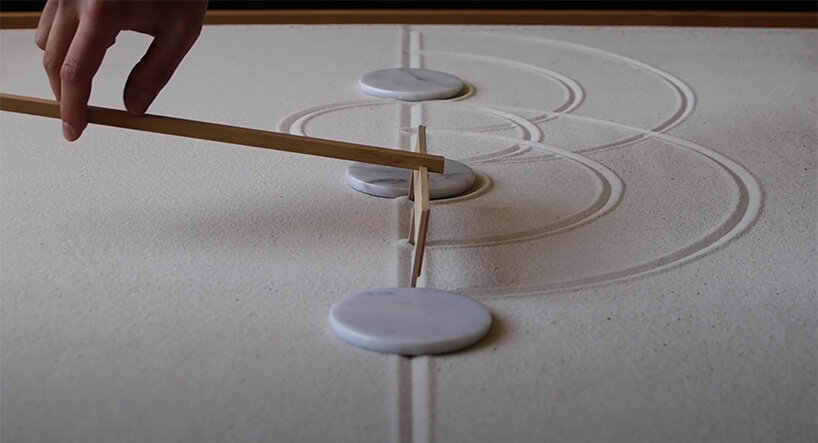
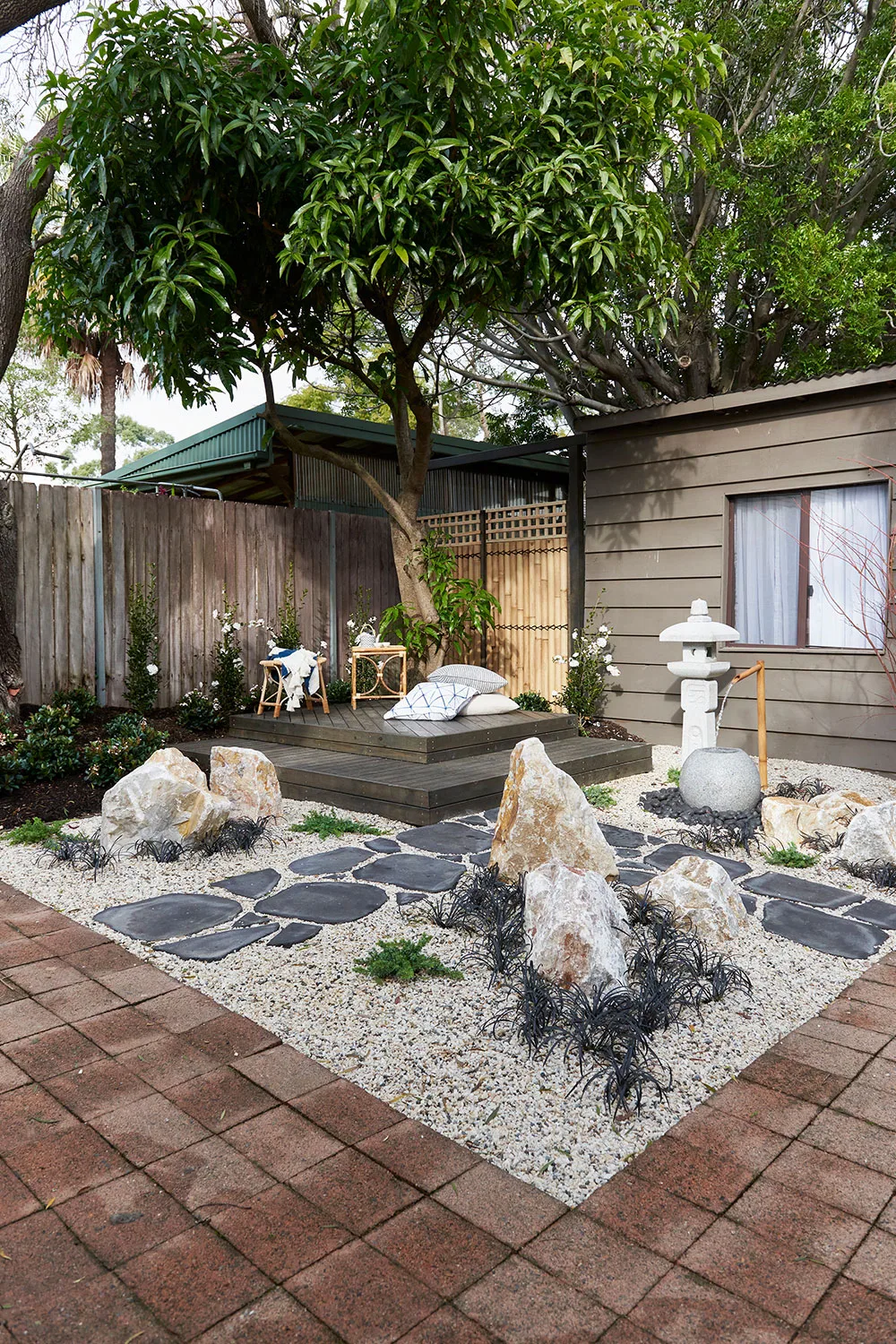
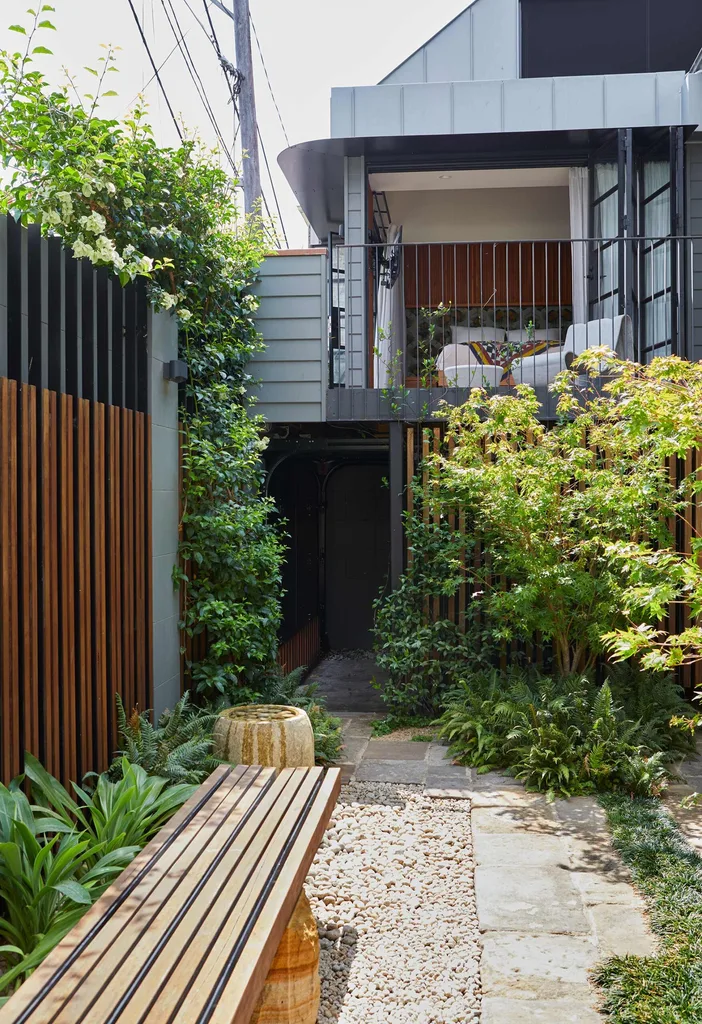
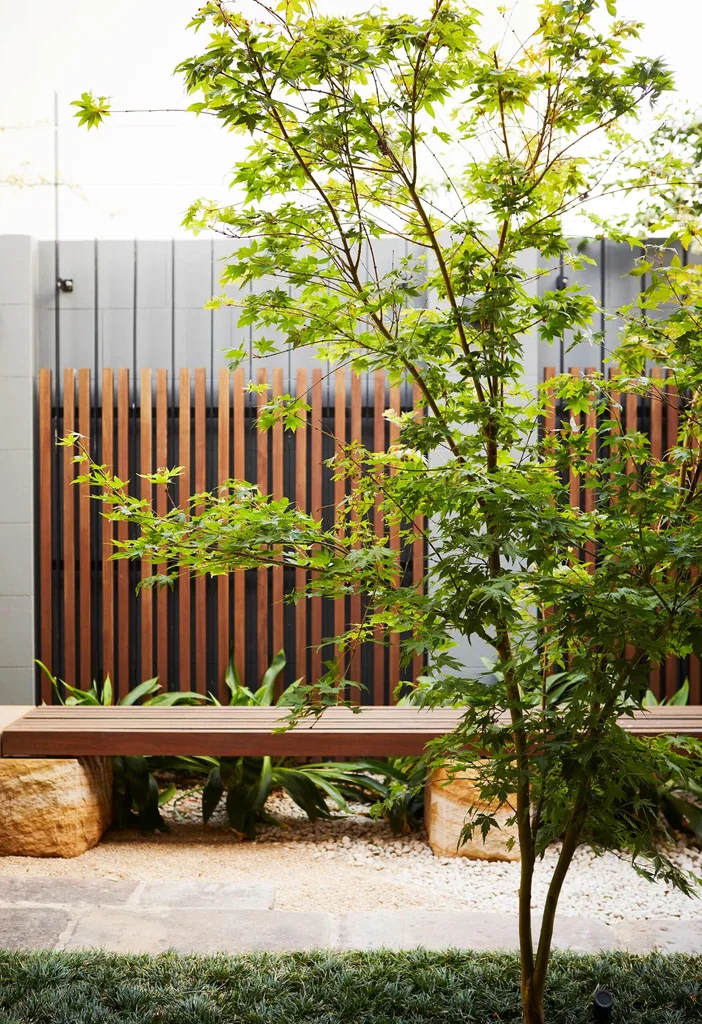
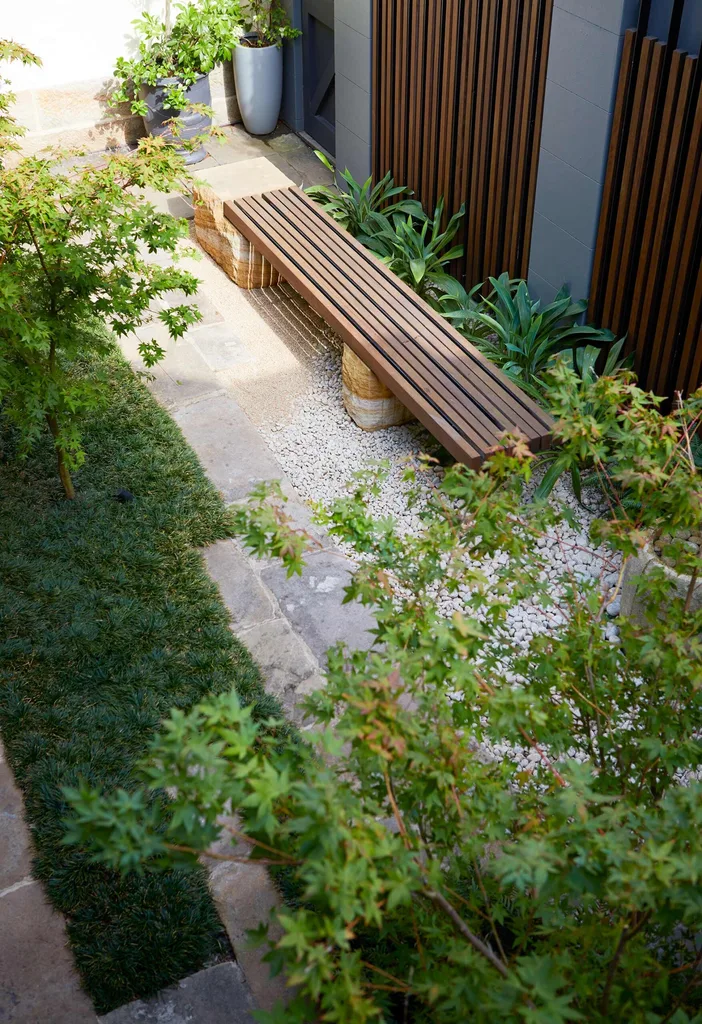
Gardening offers significant benefits for stress reduction, physical well-being, mental clarity, and emotional balance, with horticulture therapy demonstrating success in various settings including hospitals, nursing homes, and schools. Beyond active gardening, the intentional design of garden spaces can also profoundly contribute to stress reduction. Zen gardens, specifically, are conceptualized around principles that foster relaxation, focus, and rejuvenation. Rooted in Zen principles like kanso (simplicity), koko (austerity), and shizen (naturalness), these spaces are intended for contemplation rather than demanding labor. Creating a serenity garden involves minimizing startling contrasts in height, texture, and color. Subtle variations and the dominance of horizontal lines, reminiscent of a distant horizon achieved through elements like low walls or uniformly trimmed plants, promote a calming effect. Color choices also play a crucial role; silver or gray are preferred over brilliant white, which can be jarring, and cool colors are generally favored for their serene qualities compared to bold reds and yellows.
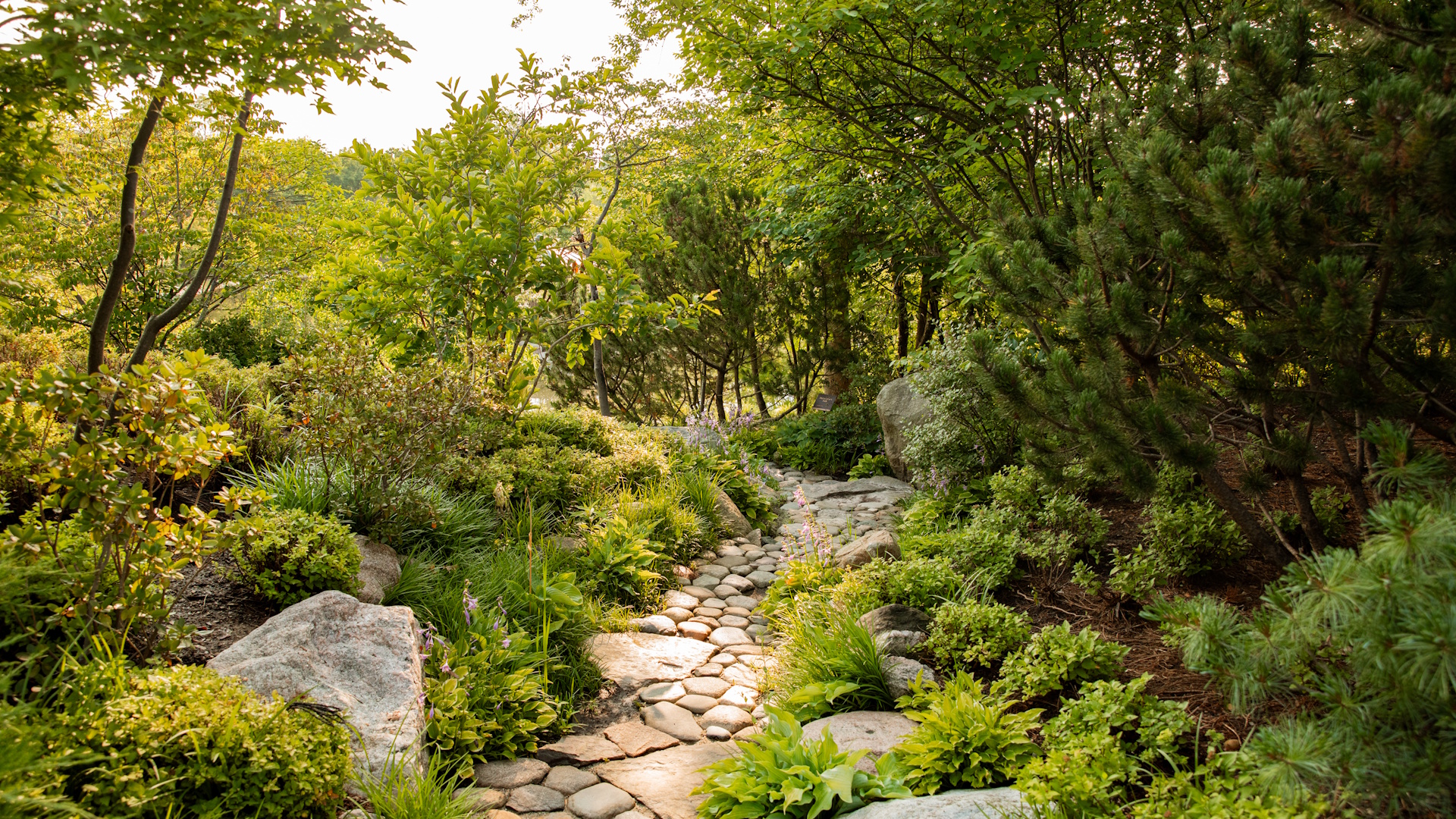
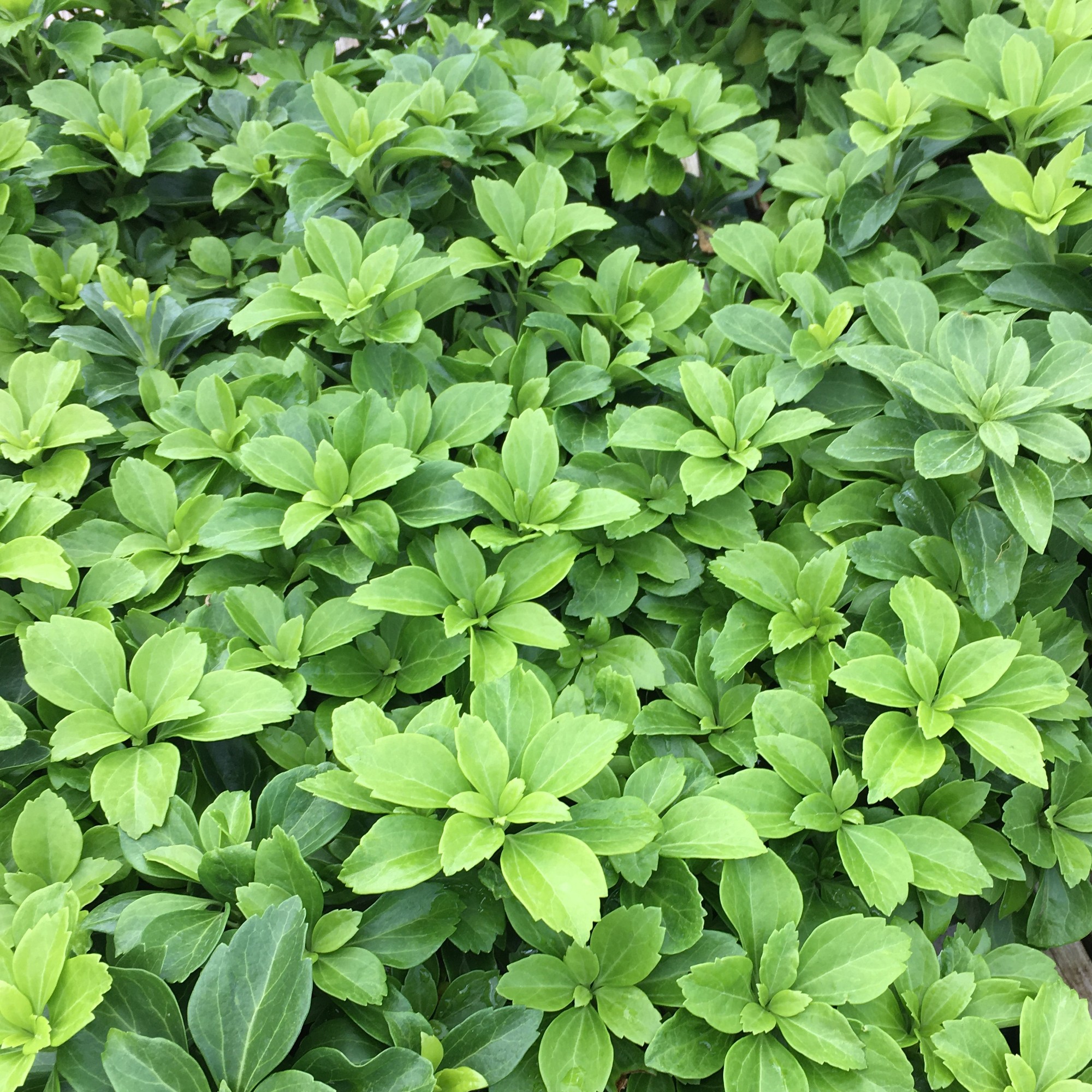
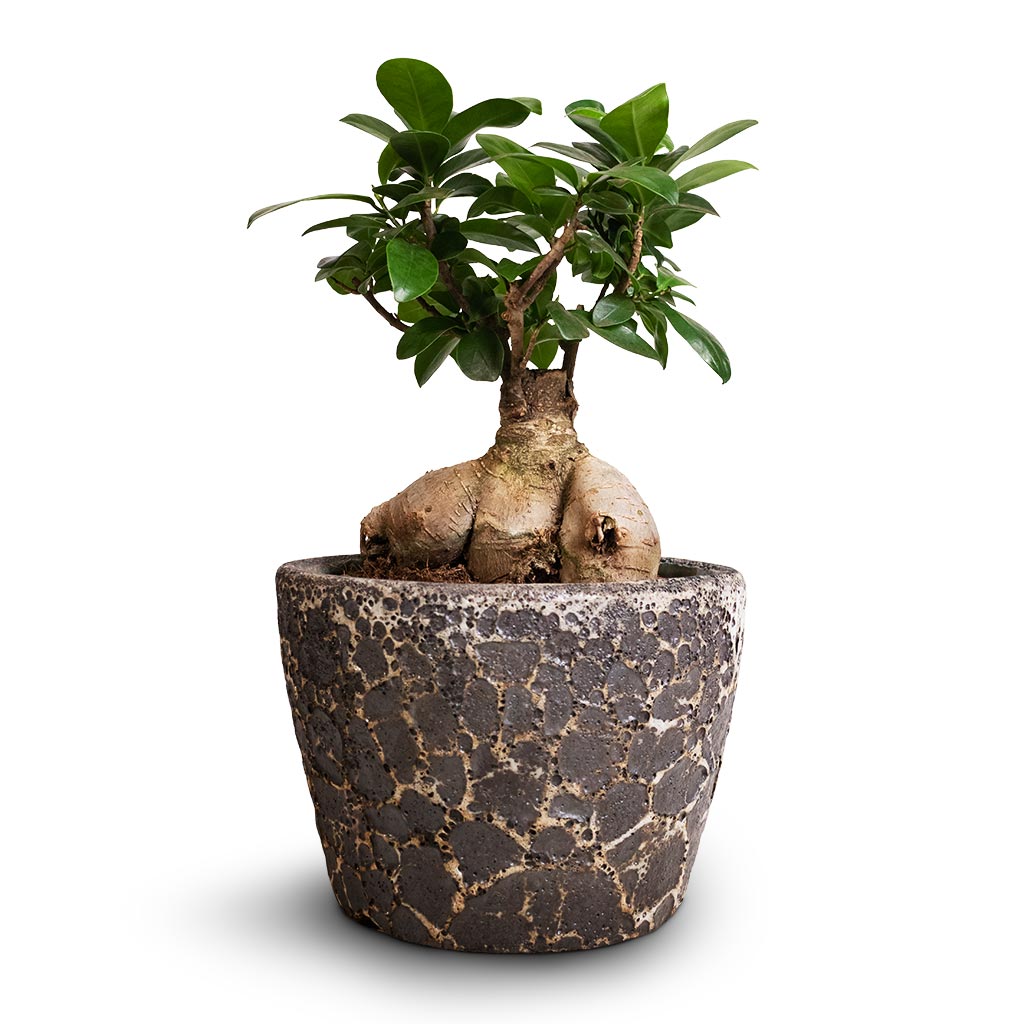
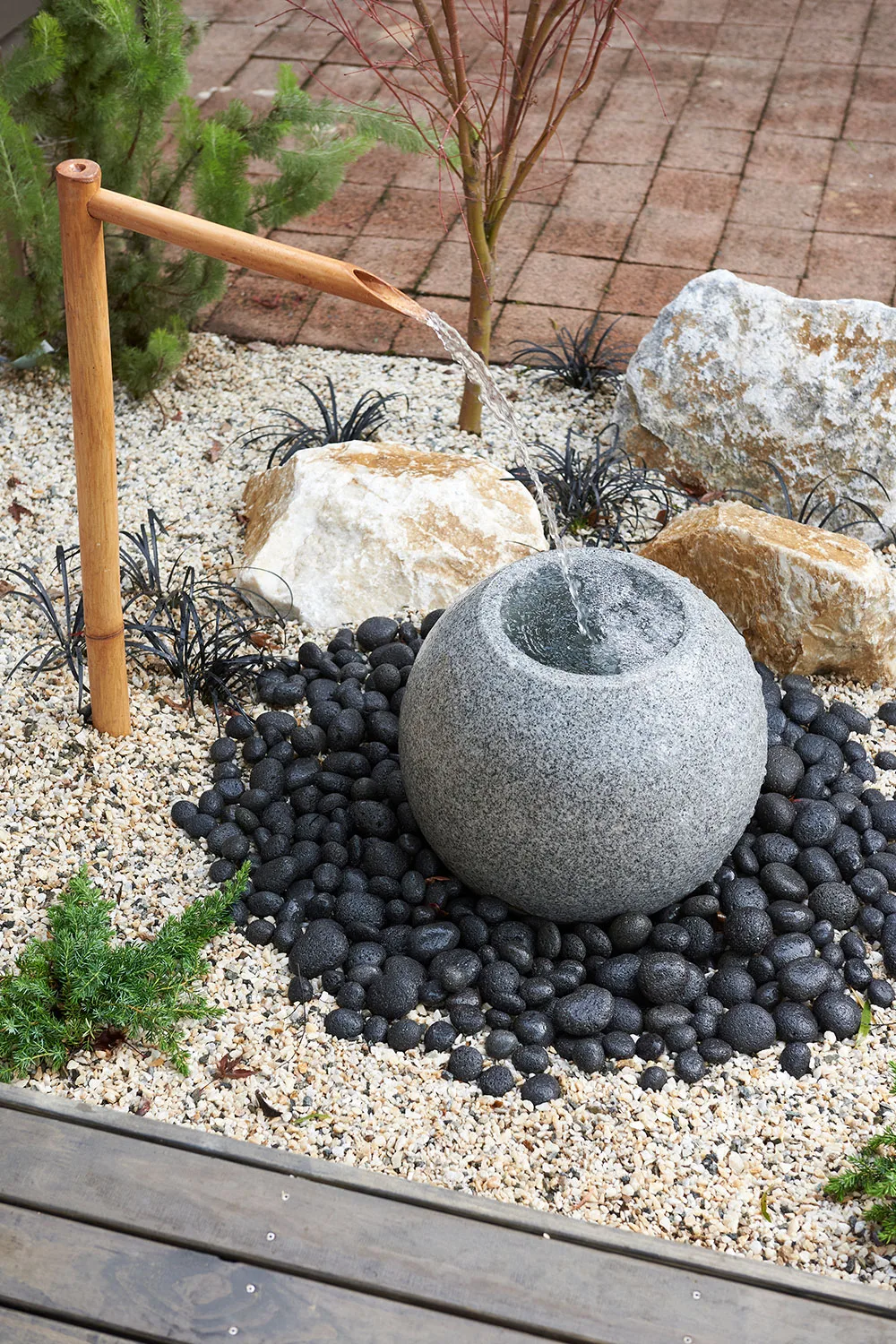
The philosophy of "less is more" is central to simplicity in Zen garden design, advocating for fewer plant varieties and a generally understated aesthetic, drawing inspiration from environments like Japanese moss gardens. Tactile elements should also contribute to peace, favoring soft, velvety foliage while avoiding plants with thorns or sharp grasses. There is often an emphasis on softscaping over hardscaping to maintain a natural, gentle feel. Achieving balance between complexity and simplicity, alongside ensuring seasonal interest, is key, as is engaging all senses. Addressing noise pollution is another critical aspect; buffering unwanted sounds with strategic plantings, walls, or berms is recommended. Gentle water features, such as trickles or subtle bubbles, or wind chimes can also mask external noises without creating new distractions. Cascading waterfalls or rushing streams are generally avoided due to their potentially overwhelming sound.
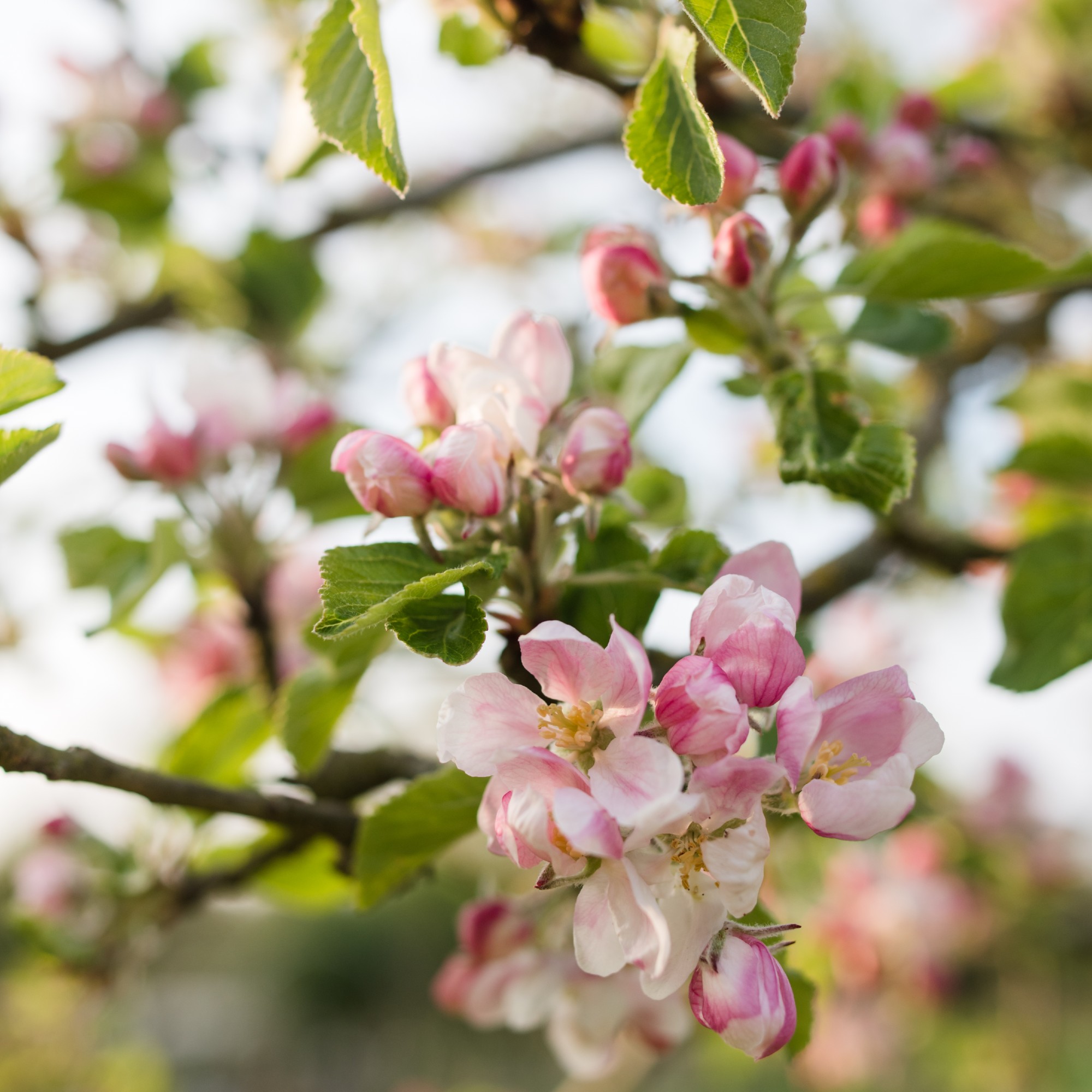
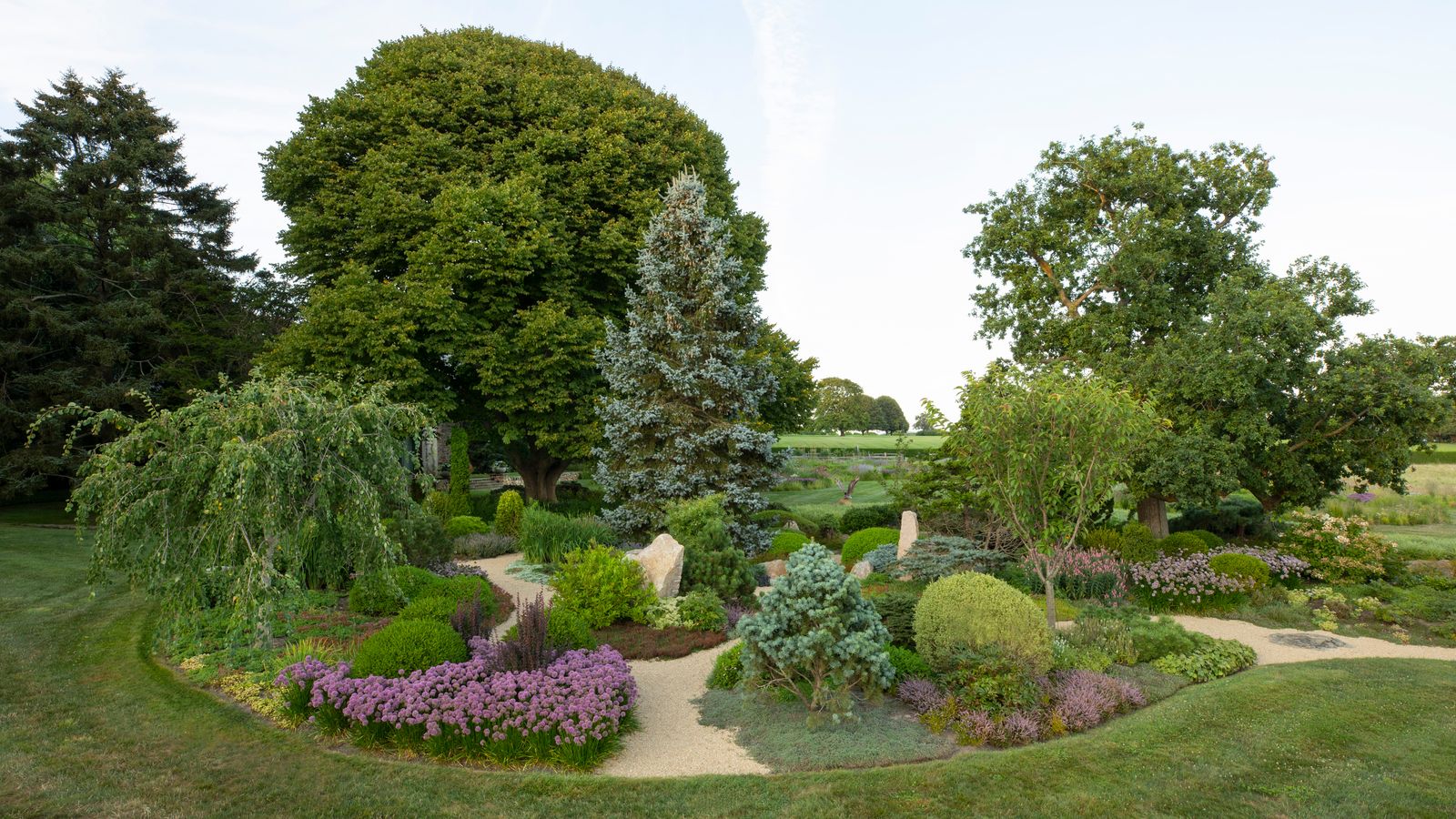
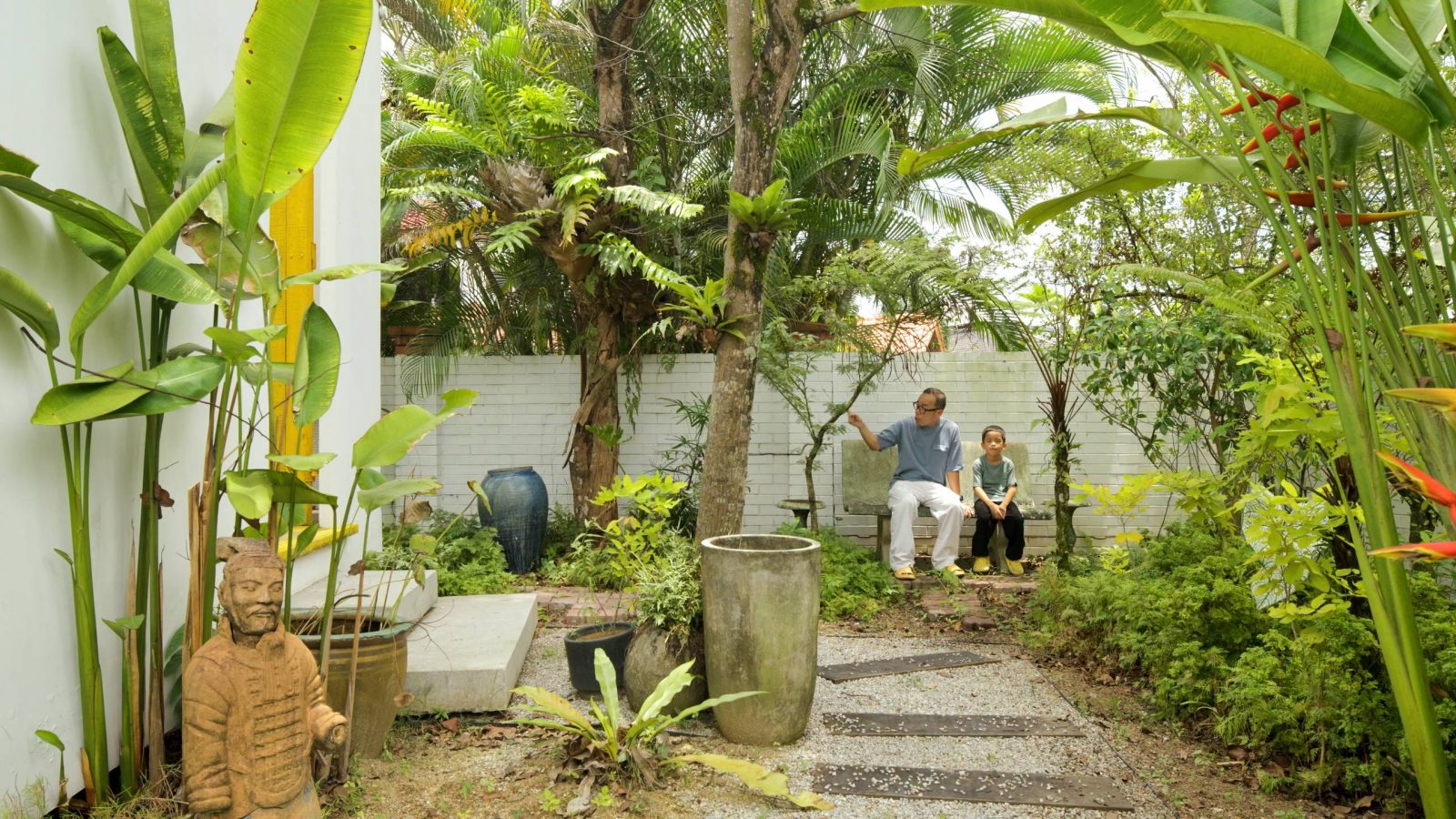
Personal preferences are paramount in designing a Zen space, as what one individual finds calming may differ from another. Some may appreciate the precise organization of geometric shapes, clear plant divisions, and expansive mulched areas, while others might prefer a more organic approach with mass plantings, mixed specimens, and natural, seemingly random placements. Scent is also a highly personal choice, though lavender is widely recognized for its calming aroma, with mint, sweet alyssum, and dianthus being other commonly appealing options. Importantly, a Zen garden should be low-maintenance unless professional upkeep is available. The primary goal is to create a space that reduces stress, and requiring constant, demanding maintenance would counteract this purpose. Therefore, smaller, more manageable spaces are often more effective in fulfilling the therapeutic intent of a Zen garden.
#ZenGardens #GardenDesign #HorticultureTherapy #StressReduction #MindfulLiving #OutdoorSpaces #LandscapeDesign #SerenityGarden #ZenGardens #GardenDesign #HorticultureTherapy #StressReduction #MindfulLiving #OutdoorSpaces #LandscapeDesign #SerenityGarden
Hay 0 comentarios en total
 Aún no hay comentarios
También te puede gustar
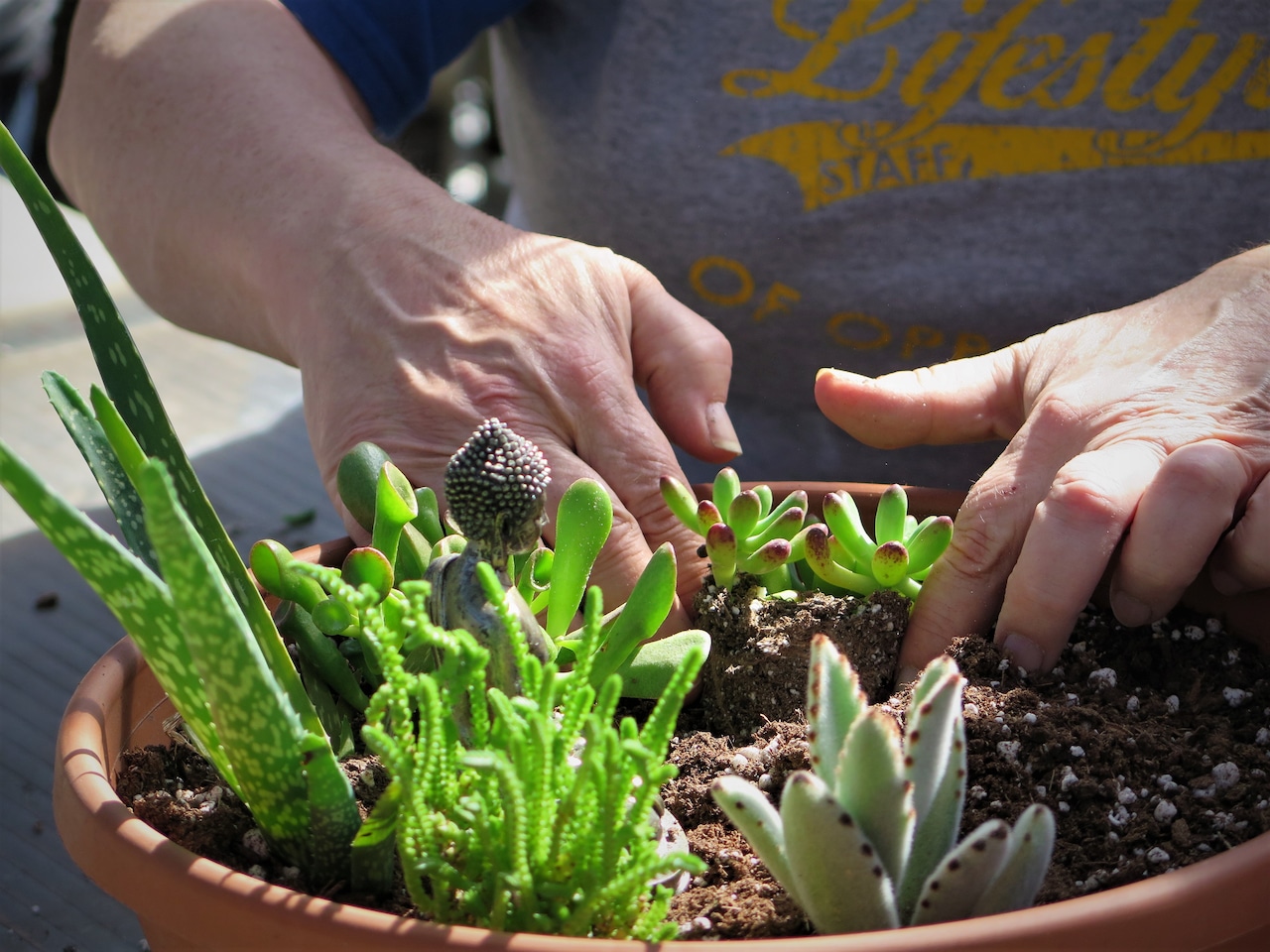
Zen out with a miniature Zen garden
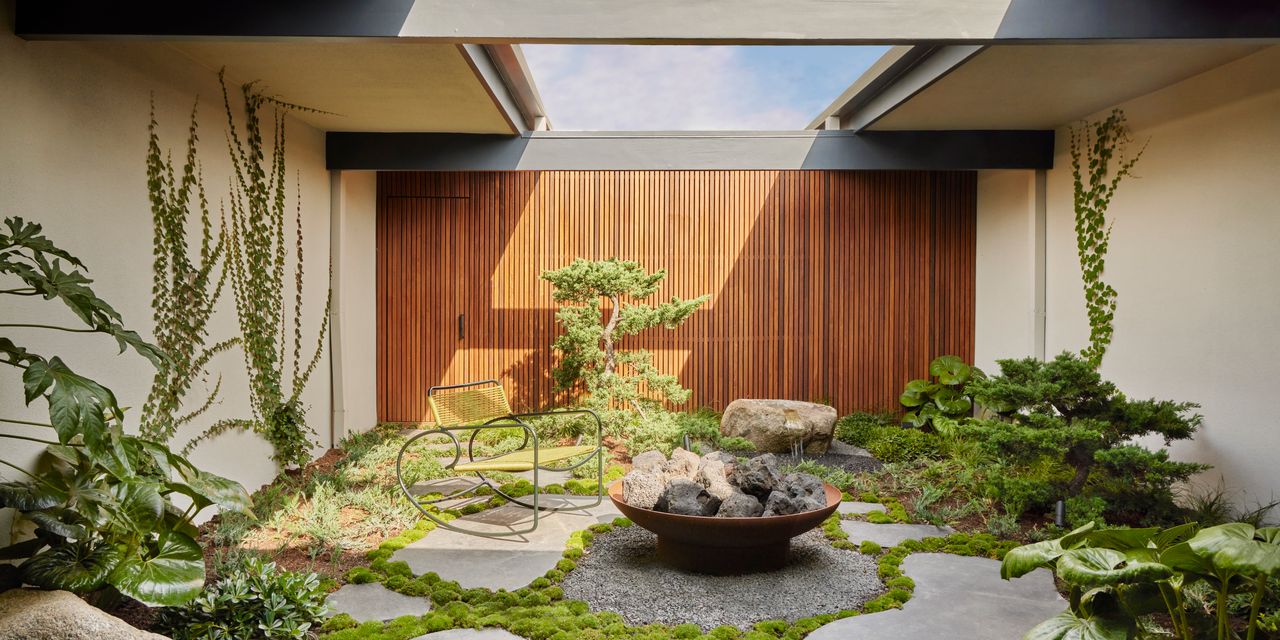
How to Design a Japanese Garden in Any Climate, According to Landscape Experts

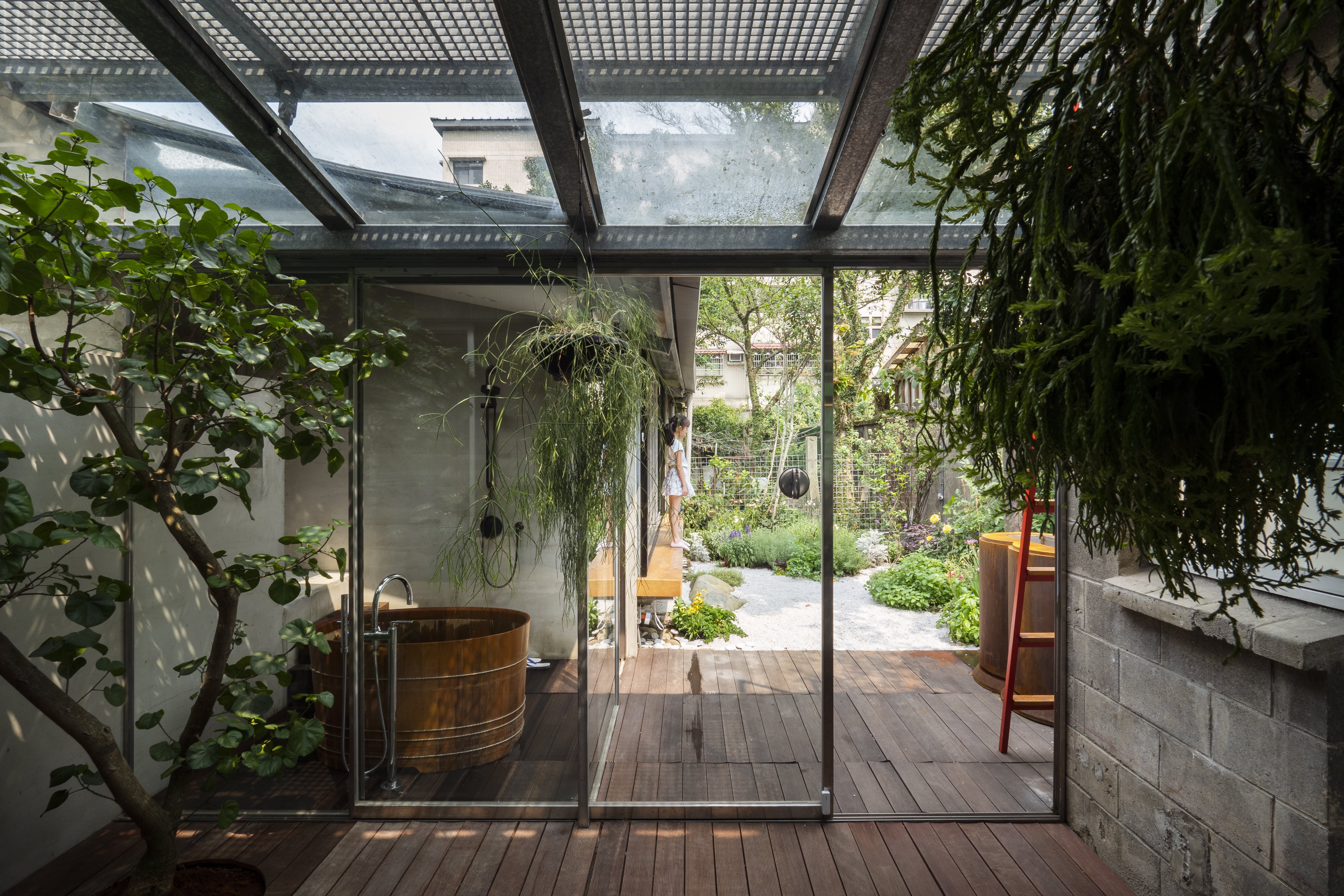
The 8 best plants for an indoor zen garden – what to grow to add calm and tranquility to your home

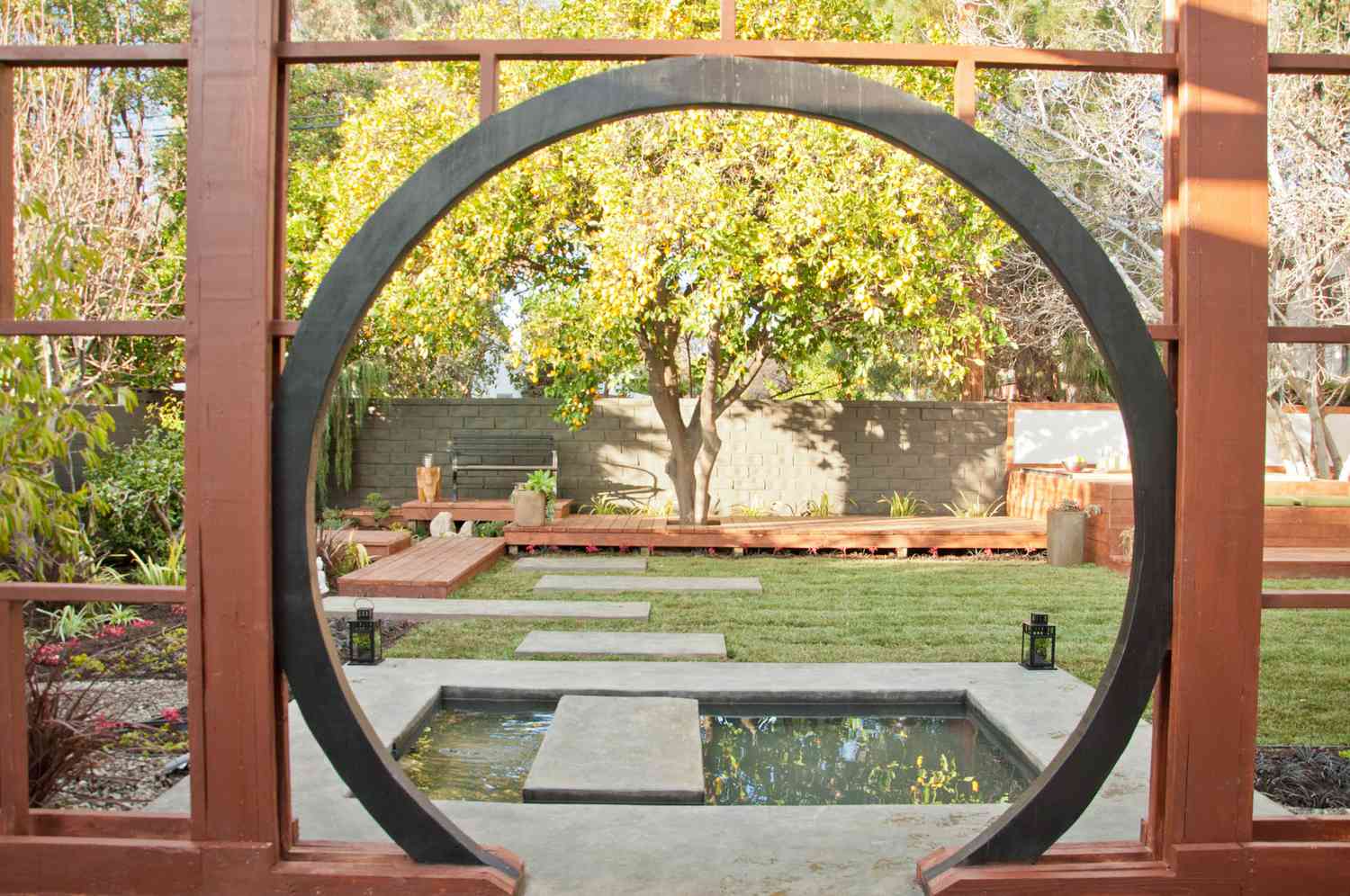
20 Zen Garden Ideas to Transform Your Backyard Into a Peaceful Oasis

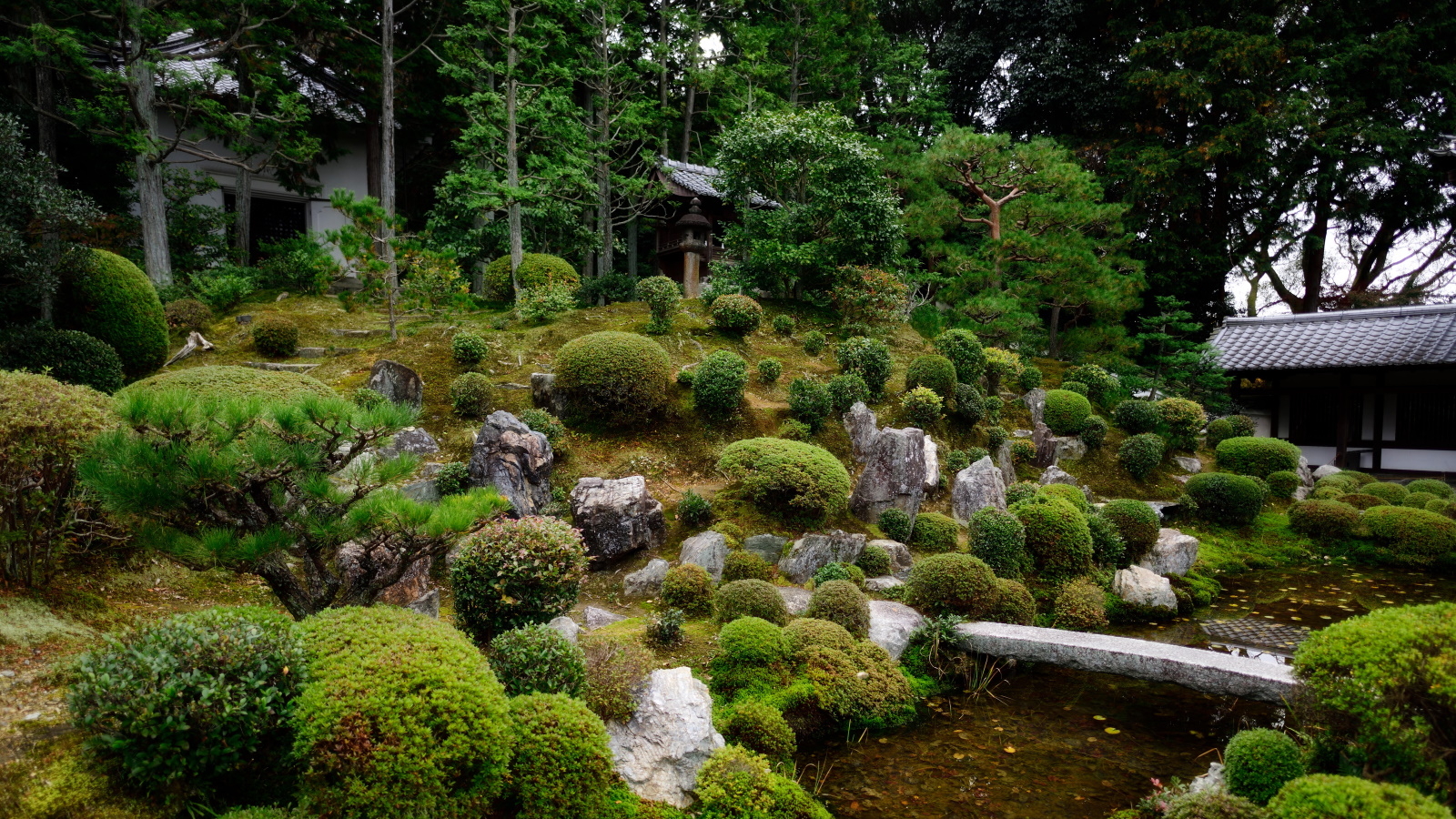
What is a zen garden? This Japanese approach to design can turn backyards into calming sanctuaries

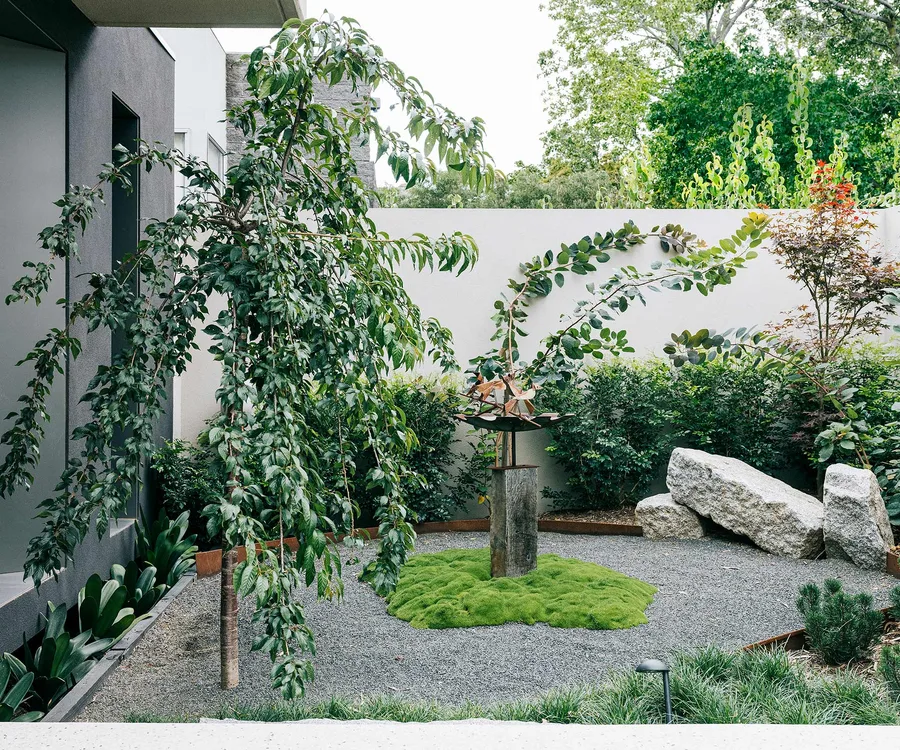
This zen garden in Melbourne is a relaxed retreat

Take your worries away: How Zen garden can become your daily dose of mindfulness | Hindustan Times

Turn Your Backyard (or Balcony) Into a Zen Oasis, Starting With This $15 Planter

Michigan’s Slice of Japan: Where Design Connects Humanity with Nature
Backyard Zen

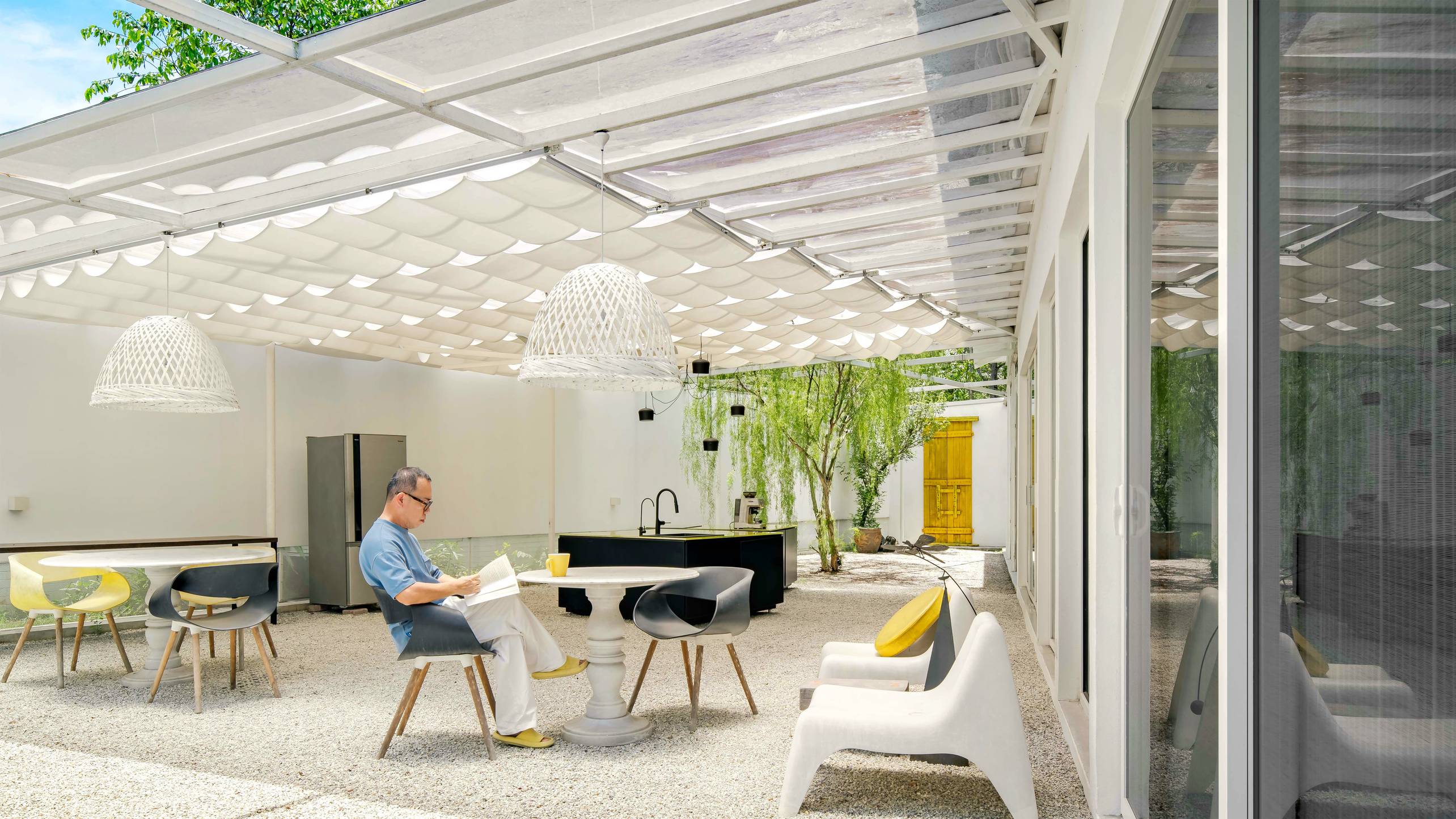
An Architect’s Hidden Tropical Sanctuary Inspired by Japanese Zen Gardens

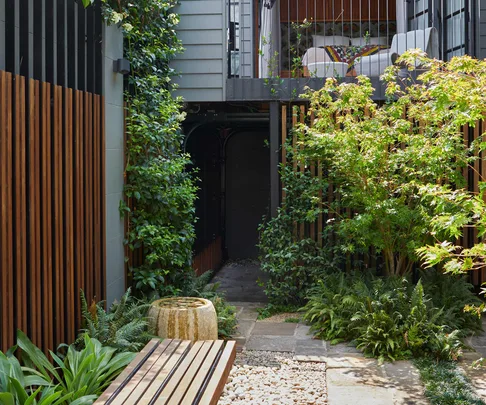
A minimalist zen-inspired courtyard garden design in Sydney
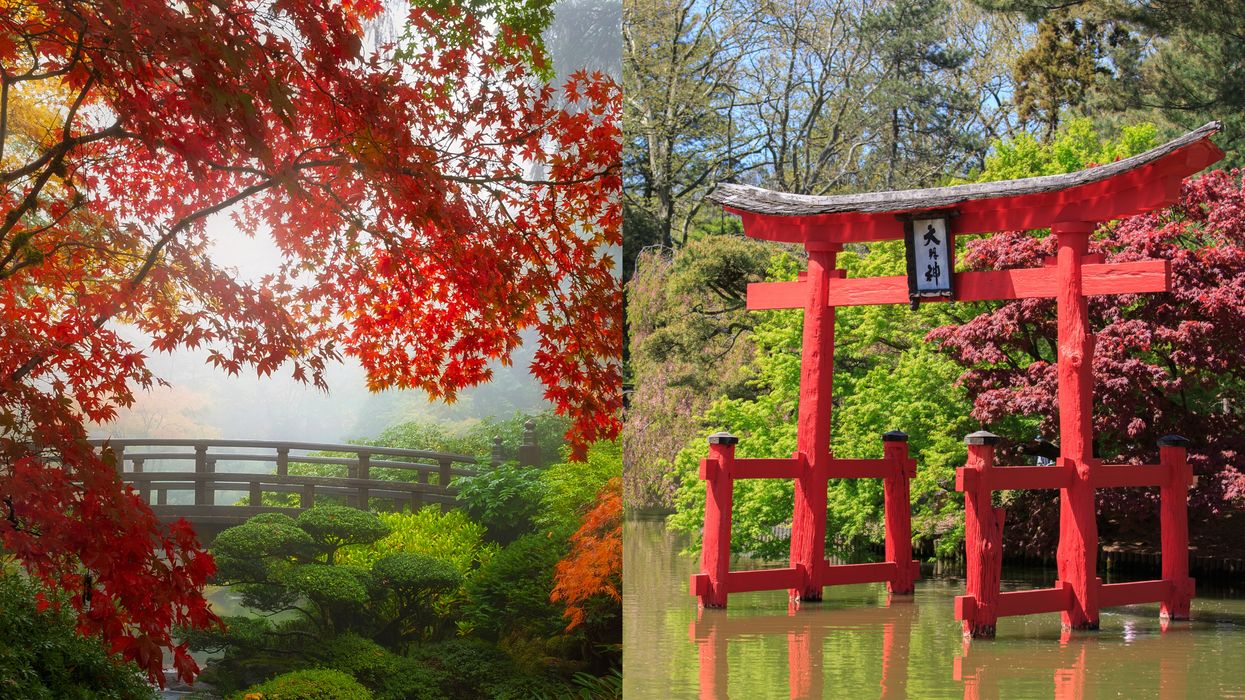
These 7 Japanese Zen Gardens In The US Are The Perfect Spots To Ease Your Worried Mind

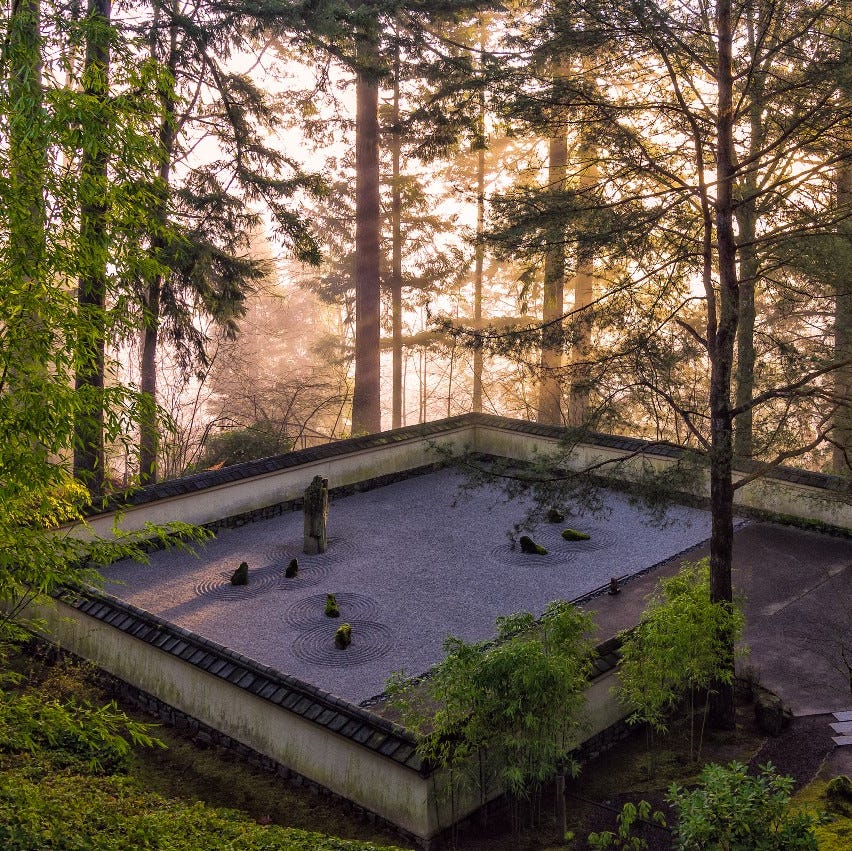
An Expert Guide to Japanese Zen Gardens
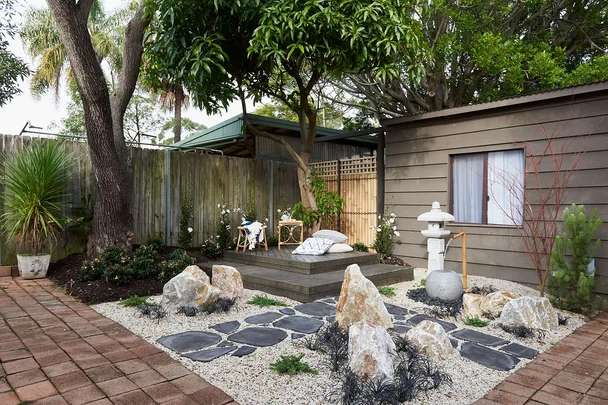
Charlie and Graham’s zen garden makeover


The Best Zen Gardens of 2026

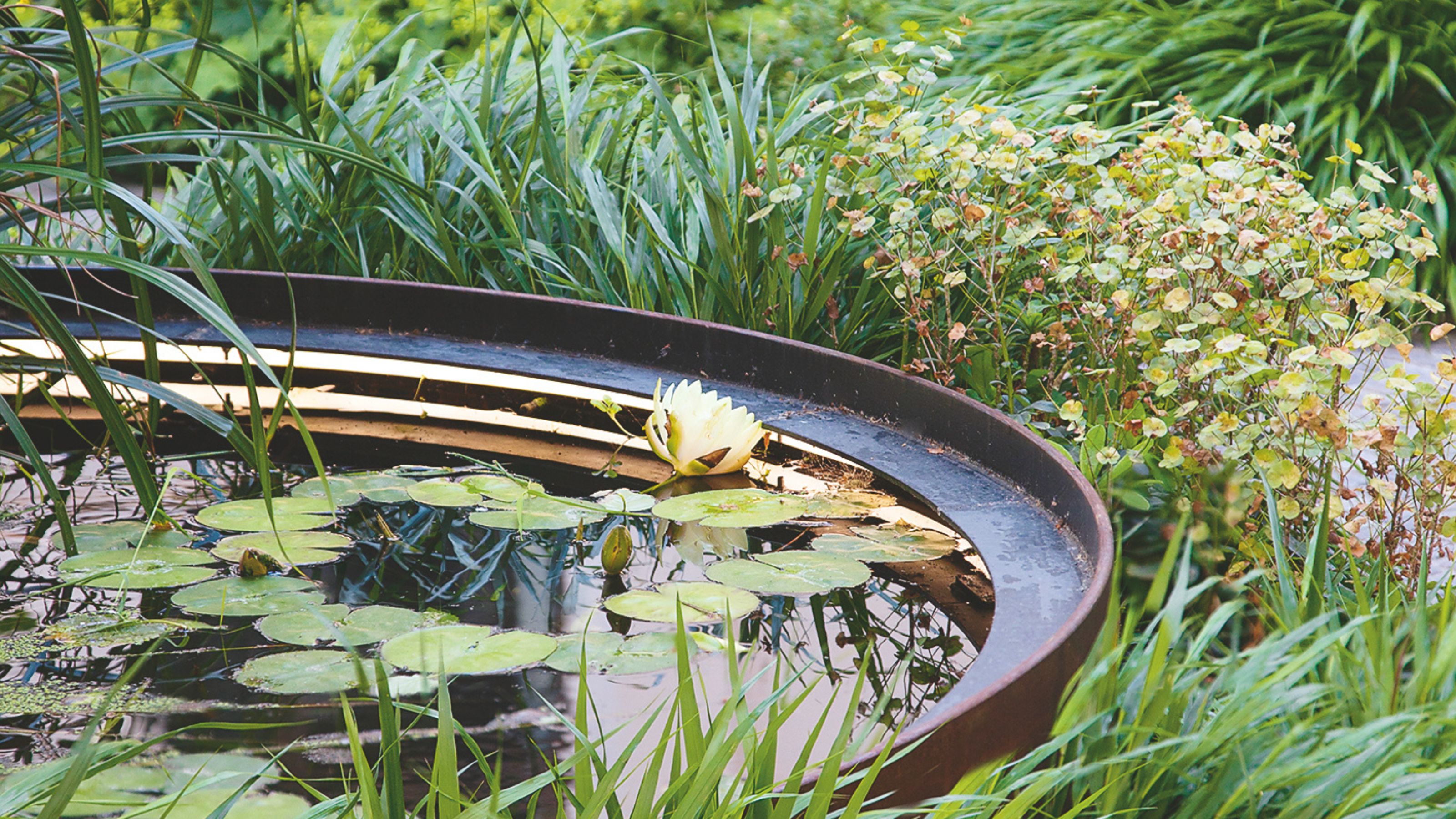
Zen garden ideas – 24 ways to transform your outdoor space into a Japanese-inspired sanctuary for relaxation
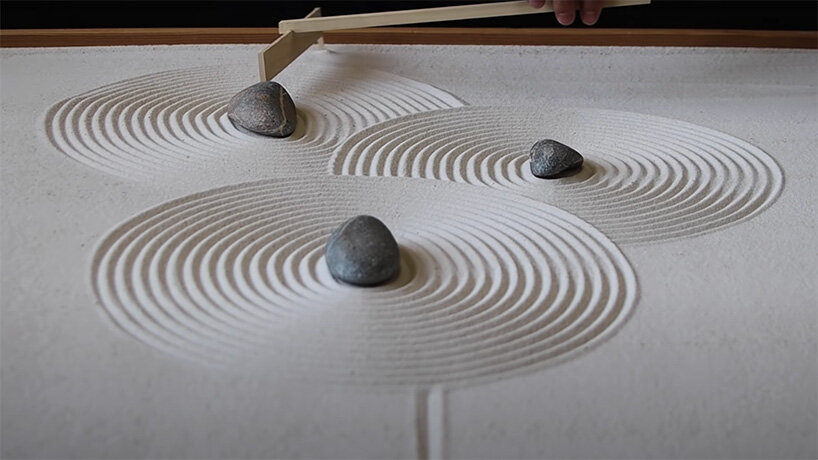
yuki kawae explores meditative patterns in zen garden series
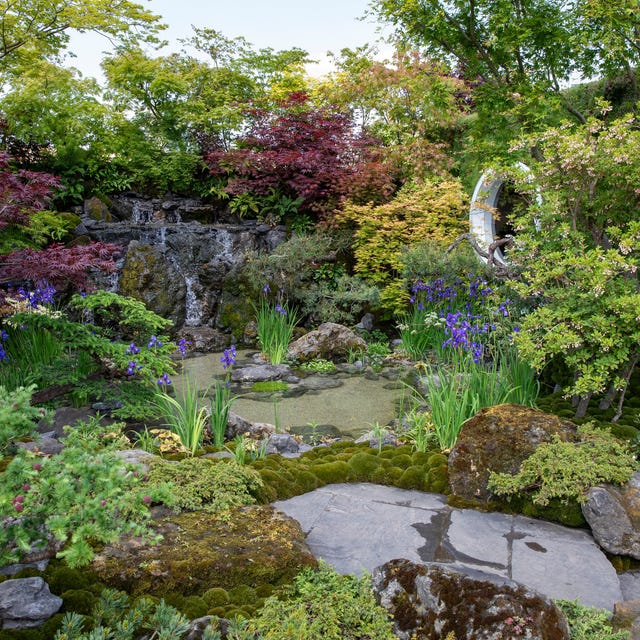
4 Japanese garden ideas for a calm and tranquil outdoor space

More than just rocks: Symbolic meanings behind common Zen garden elements | Hindustan Times