
My Chef Friend Told Me I Needed This "Luxe" Upgrade - And It's Made My Kitchen 10x More Functional (Especially With 5 Kids!)
Google Search Console and Google Analytics are indispensable tools for website owners, webmasters, and SEO professionals, offering distinct yet complementary functionalities for optimizing website performance and understanding user behavior. Google Search Console, formerly known as Google Webmaster Tools, primarily focuses on a website's presence in Google Search results. It provides critical insights into how Google interacts with a site, including indexing status, crawling errors, and search queries. This tool is instrumental for identifying and rectifying issues that could impede a site's visibility, such as broken links, mobile usability problems, and security concerns. Search Console also allows users to submit sitemaps, request re-indexing of pages, and monitor Core Web Vitals, which are crucial for user experience and search ranking.
Key features of Google Search Console include its performance reports, which detail how often a site appears in search results, average position, click-through rates, and the specific queries that lead users to the site. The 'Index Coverage' report helps identify pages that are indexed, excluded, or encountered errors during crawling, ensuring that all important content is discoverable by Google. The 'Enhancements' section provides feedback on mobile usability, AMP pages, and rich results, highlighting areas for improvement. For instance, if a page is not mobile-friendly, Search Console will flag this issue, providing actionable recommendations to fix it. This tool essentially acts as a direct communication channel between a website and Google, facilitating better crawlability and indexability.
In contrast, Google Analytics is a powerful web analytics service that tracks and reports website traffic. While Search Console tells you how your site performs in search, Analytics tells you what users do once they arrive. It offers a comprehensive view of user behavior, encompassing metrics such as page views, session duration, bounce rate, and conversion rates. Analytics can segment users based on various criteria like demographics, location, device, and acquisition channel, providing a granular understanding of the audience. The tool also allows for the creation of custom reports, dashboards, and alerts, enabling users to monitor specific key performance indicators (KPIs) relevant to their business goals.
Google Analytics' real-time reports show current activity on the site, while audience reports provide insights into who the users are. Acquisition reports reveal how users found the site, such as through organic search, paid ads, social media, or direct traffic. Behavior reports track what users do on the site, including which pages they visit and their navigation paths. Conversion reports, especially when combined with goal tracking, measure the effectiveness of the website in achieving desired outcomes, such as purchases, form submissions, or newsletter sign-ups. For example, by setting up a goal for a contact form submission, Analytics can track how many users complete the form, providing valuable data for lead generation efforts.
Integrating Google Search Console and Google Analytics offers a holistic view of a website's performance. By linking these two platforms, users can access Search Console data directly within Google Analytics, correlating search performance with on-site user behavior. This integration allows for a deeper analysis, such as understanding how specific search queries lead to conversions or how changes in search rankings impact user engagement. For example, if a particular keyword starts ranking higher, Analytics can show if that increase in visibility translates into more traffic and longer session durations. Ultimately, both tools are indispensable for any digital marketing strategy, providing the data necessary to make informed decisions and continuously optimize a website for both search engines and users.
#GoogleSearchConsole #GoogleAnalytics #WebAnalytics #SEOTools #WebsiteOptimization #DigitalMarketing #UserBehavior #SearchEngineRanking #GoogleSearchConsole #GoogleAnalytics #WebAnalytics #SEOTools #WebsiteOptimization #DigitalMarketing #UserBehavior #SearchEngineRanking
Hay 0 comentarios en total
 Aún no hay comentarios
También te puede gustar

This DIY Upgrade Transformed My Kitchen


'After Two Decades, My Galley Kitchen Really Needed An Update'


A Clever Layout Tweak Doubled the Storage in This 36-Square-Foot Kitchen


My family spent $36,000 renovating our home after 35 years. These 7 upgrades had the most dramatic effect.

Our Kitchen Has Never Been More Functional Thanks to This Simple Product


I Had This Simple Kitchen Upgrade For Only 6 Months—And It’s Worth Every Penny

My Chef Friend’s Best Kitchen Remodel Advice Went Against Everything I Thought I Knew


The one small upgrade that instantly modernises any kitchen or bathroom


This Easy Upgrade Will Transform Your Kitchen

Remodeling homeowner receives overwhelming advice on replacing a once-staple kitchen appliance: 'It's infinitely better'


Five Kitchens Where the Right Range Completely Transformed the Space


Interiors experts reveal how to upgrade your small kitchen


My Chef Friend Told Me I Needed This “Luxe” Upgrade — And It’s Made My Kitchen 100x More Functional

Designers Say Making This Small Change Can "Transform" Your Kitchen
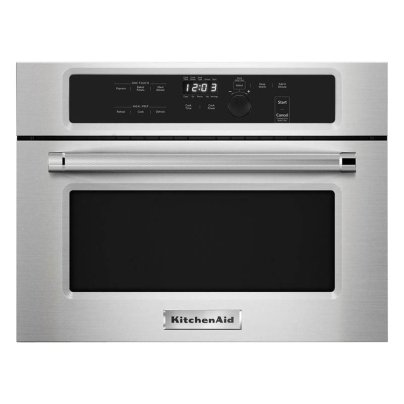
This Space-Solution Provides Extra Cooking Space to Any Kitchen

Updated Kitchen Tells a New Story


15 Kitchen Upgrades To Increase The Value Of Your Home


You NEED This Simple Thing To Double Your Kitchen Cabinet Space

Thoughtful design decisions have transformed this family kitchen from damp and unusable to beautiful and practical


This Kitchen Island Upgrade Instantly Adds Tons Of Value To Your Home