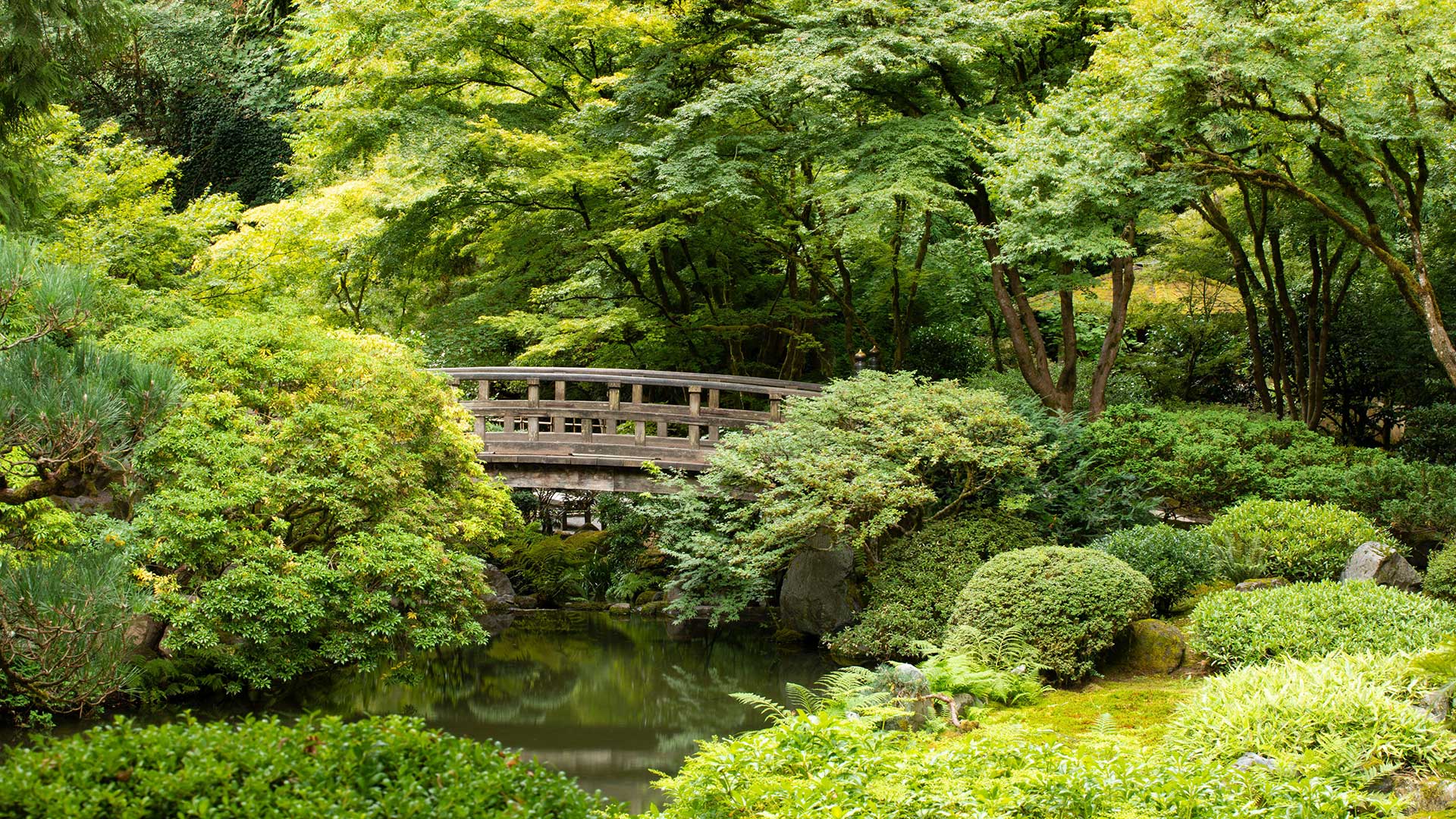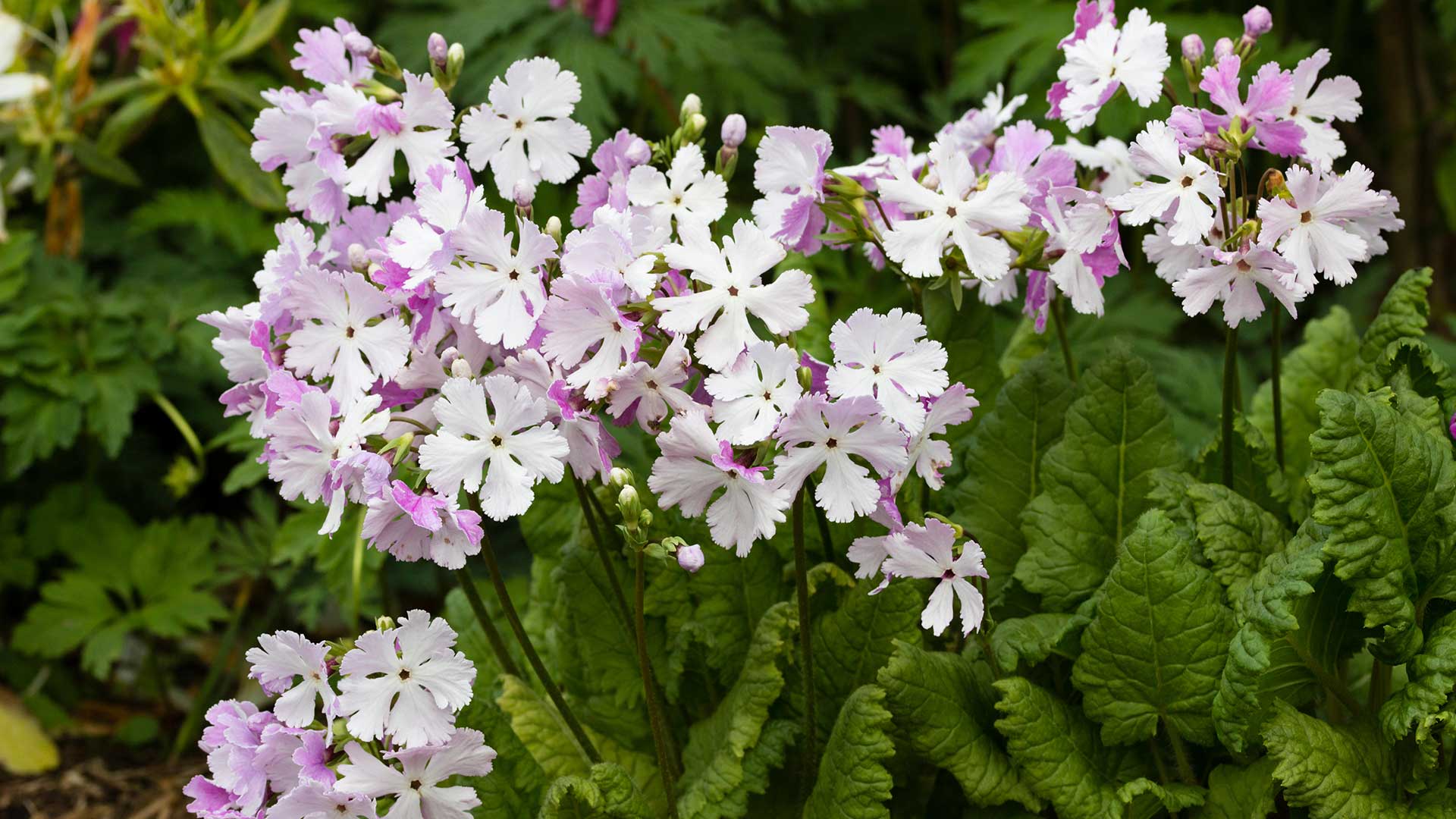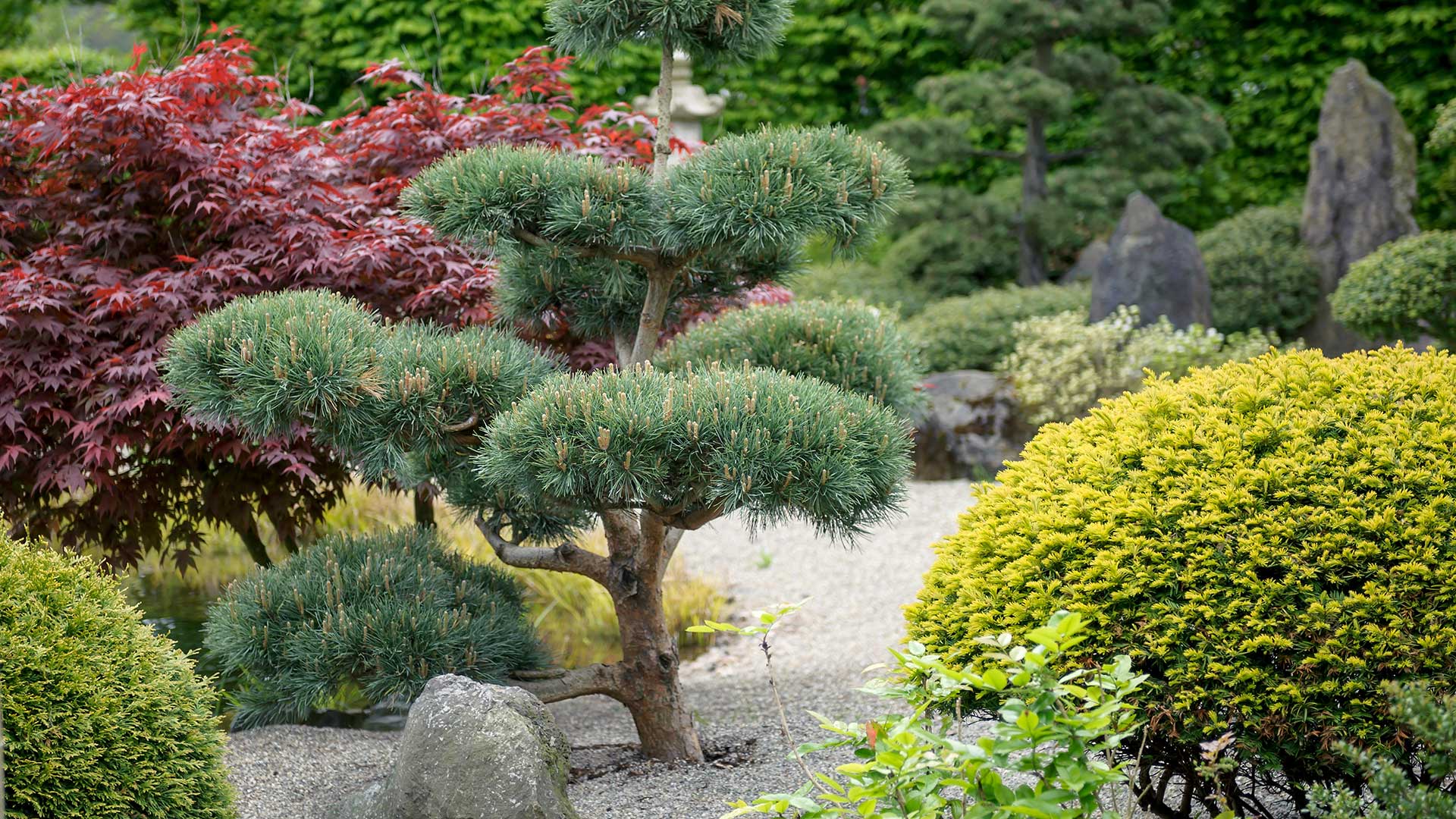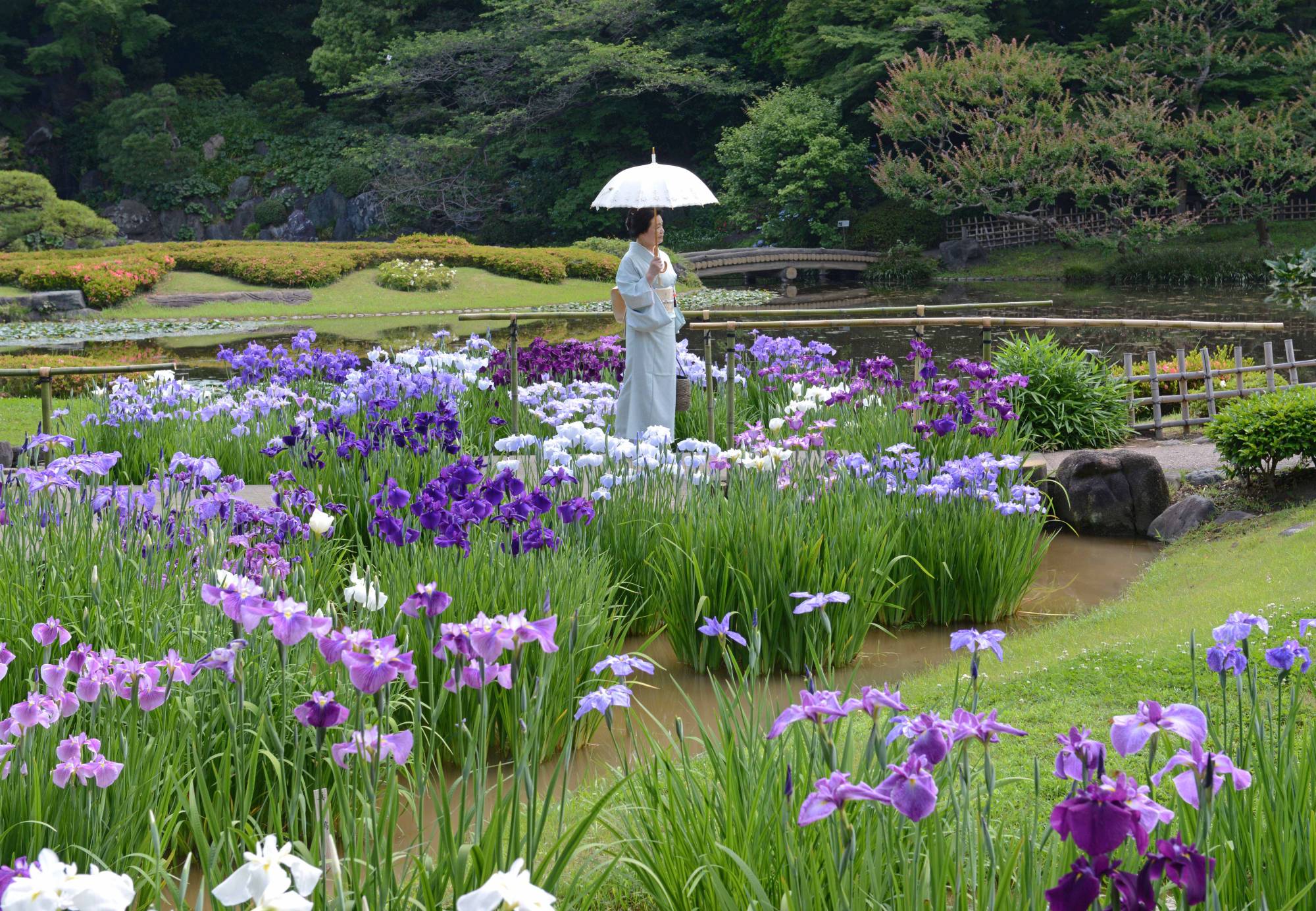
In a Japanese garden, you’re never under the weather
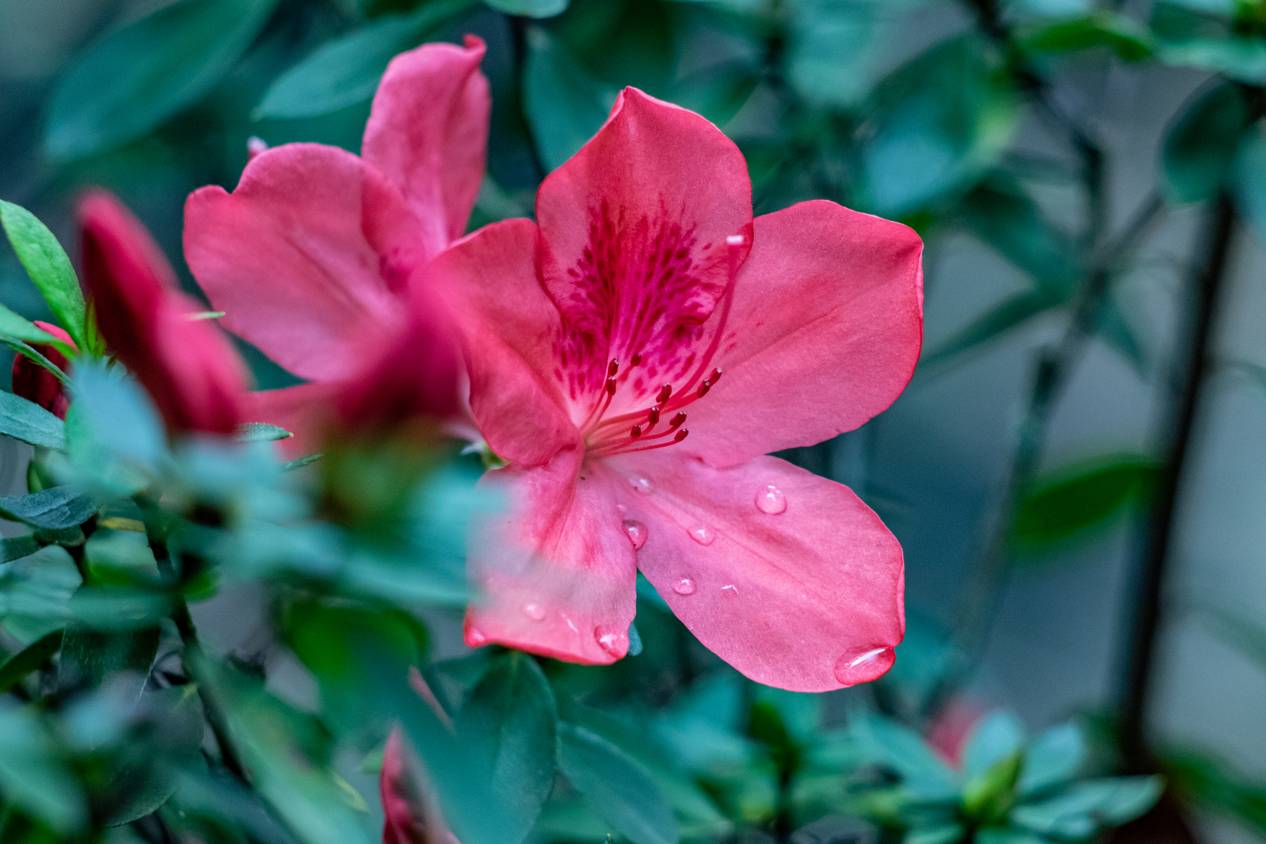
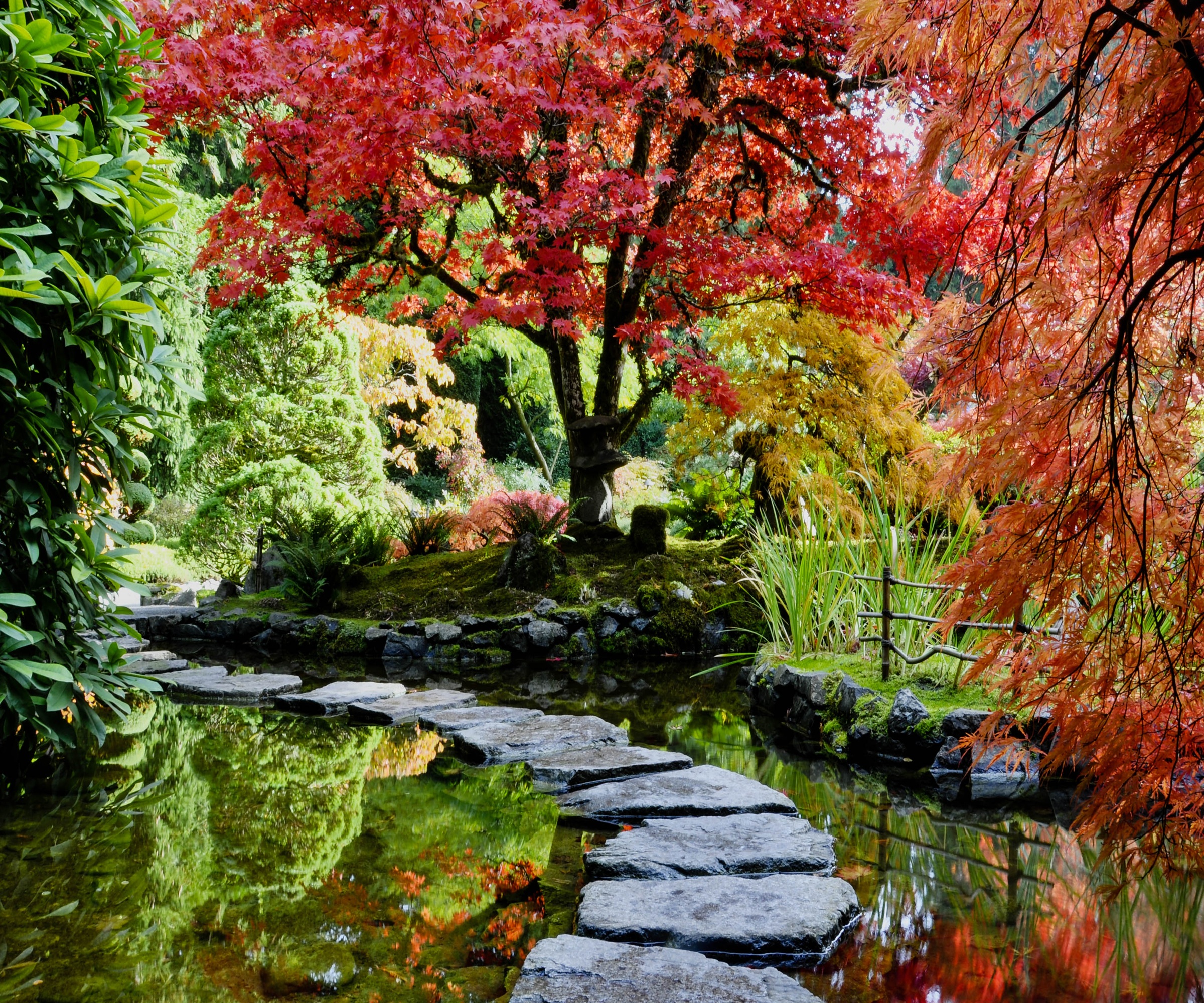
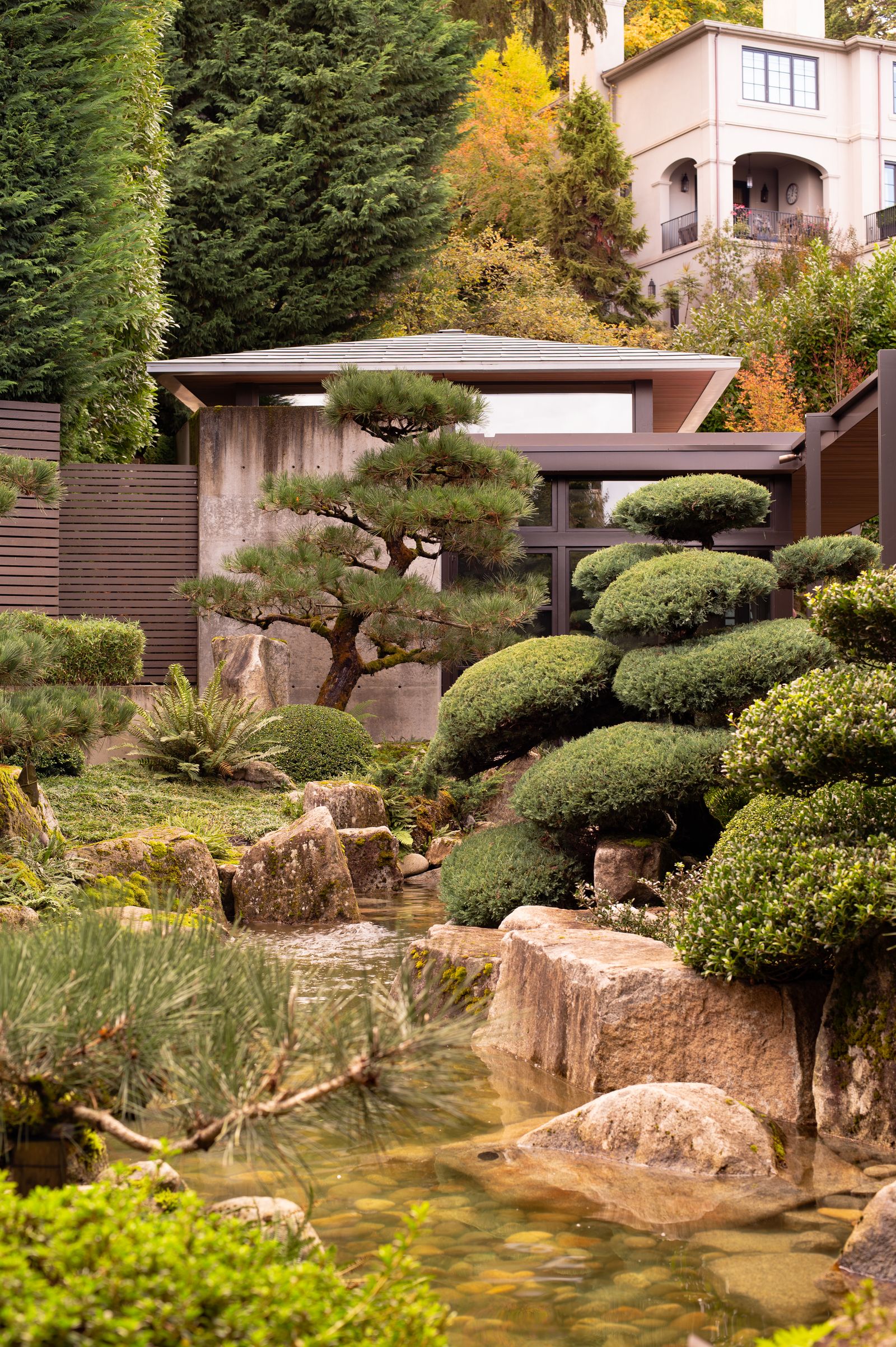
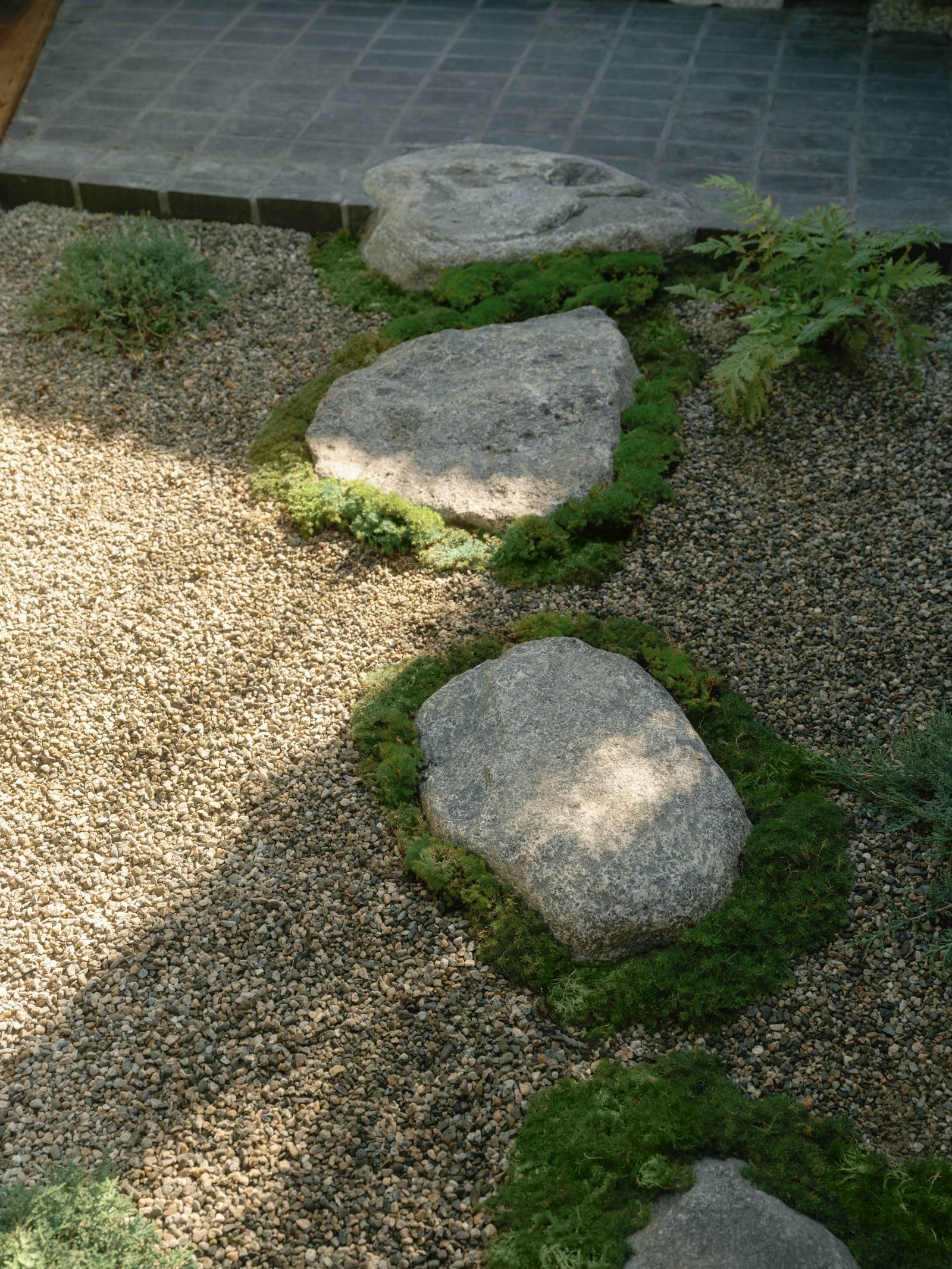
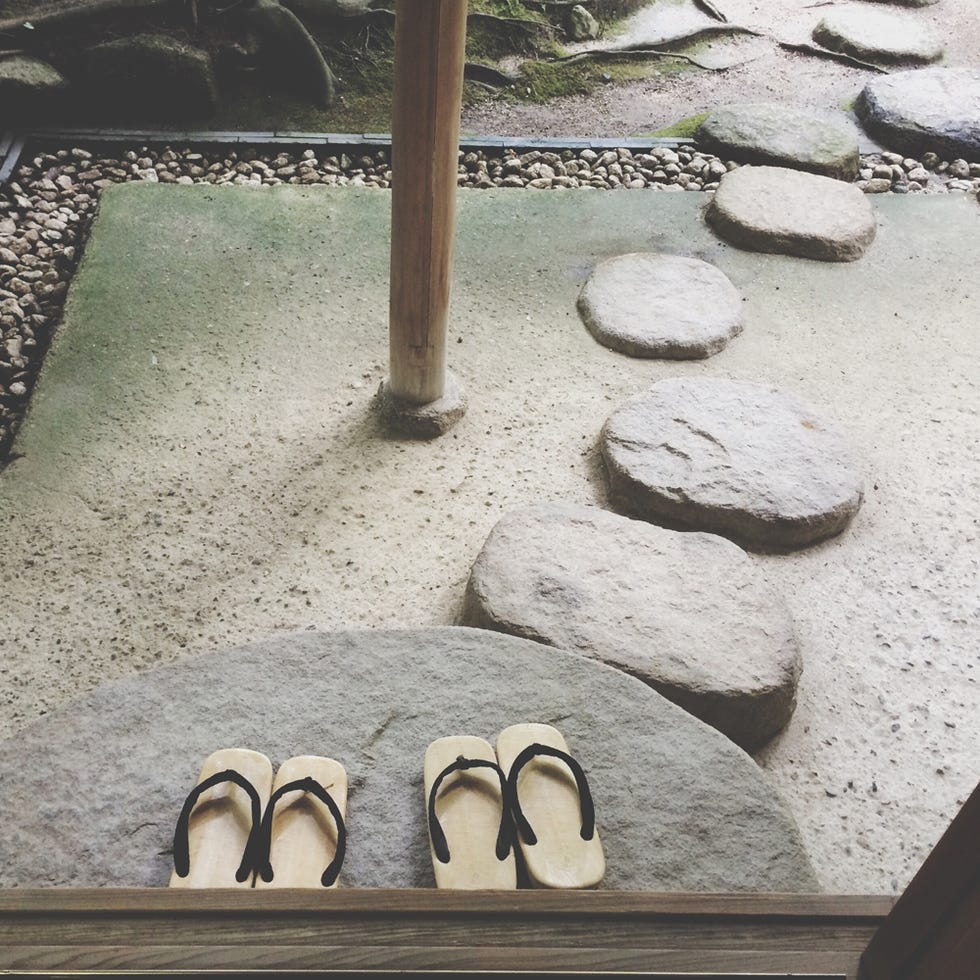
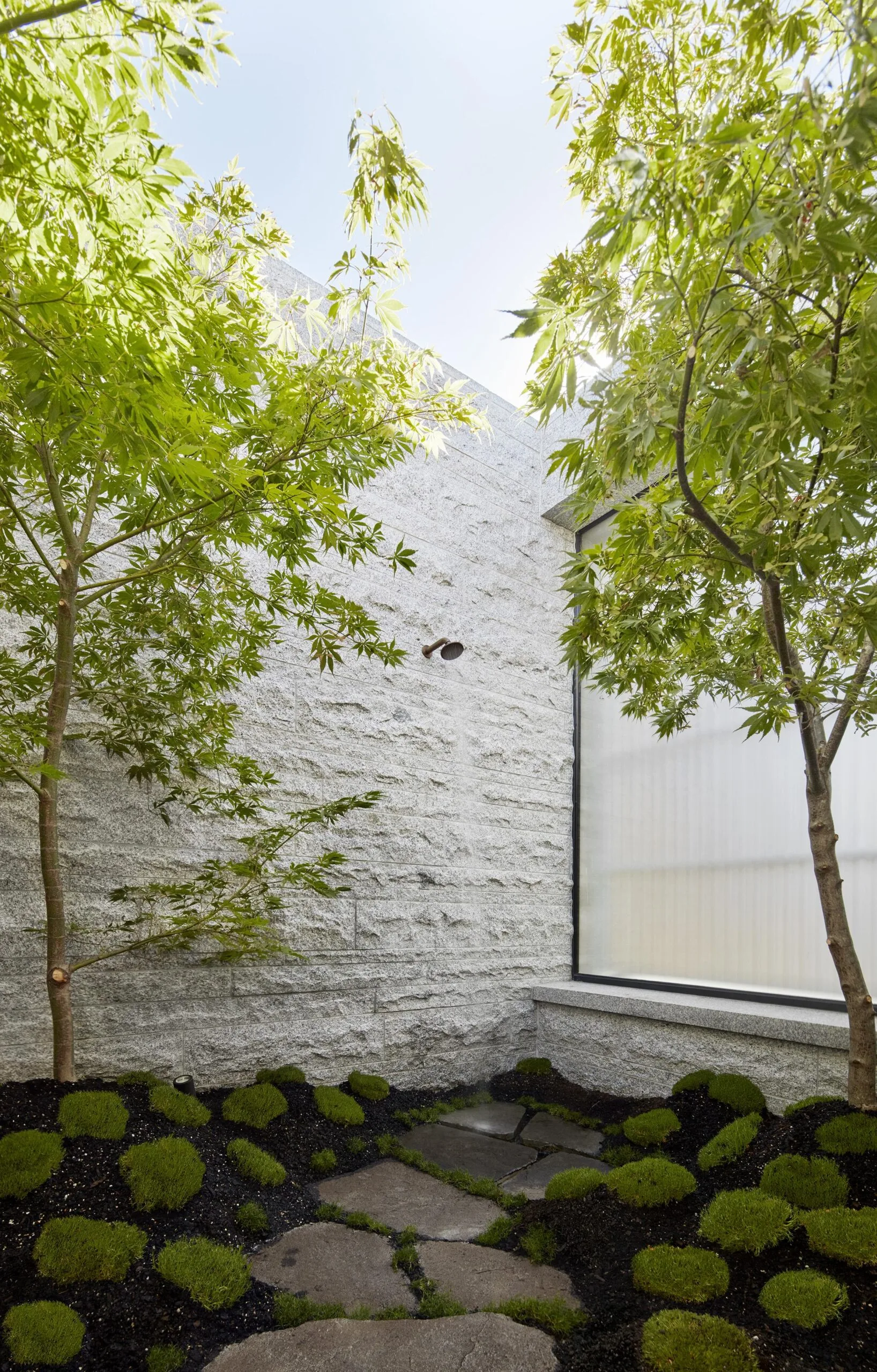
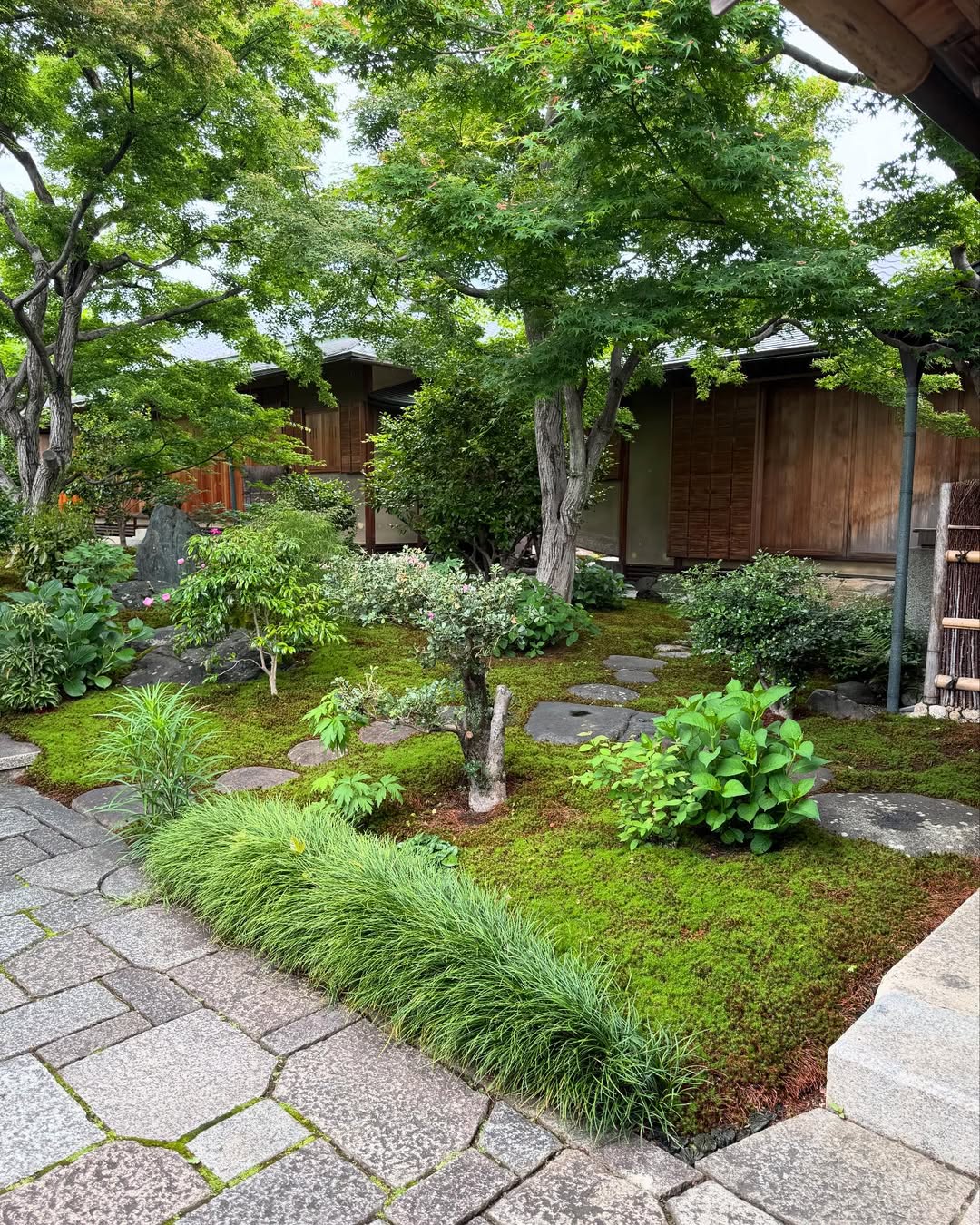
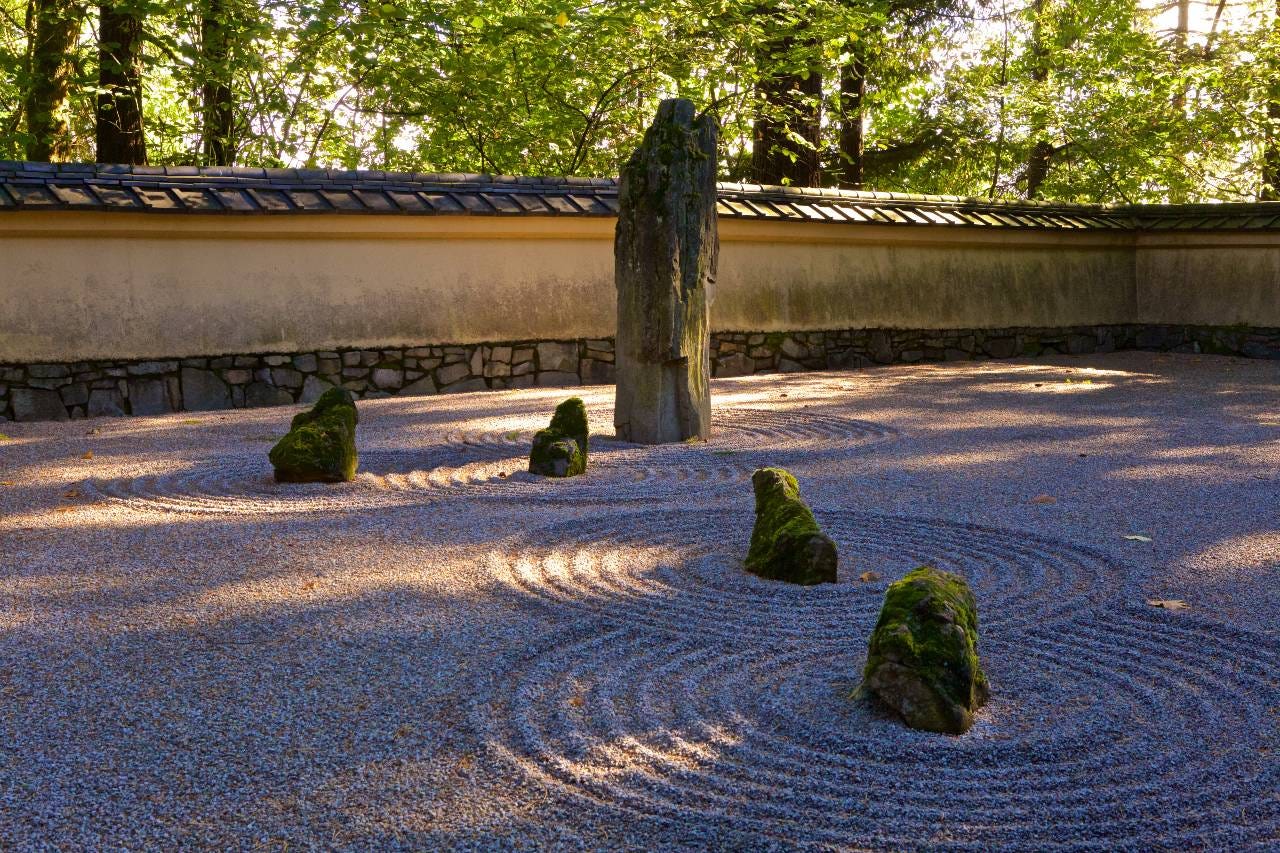
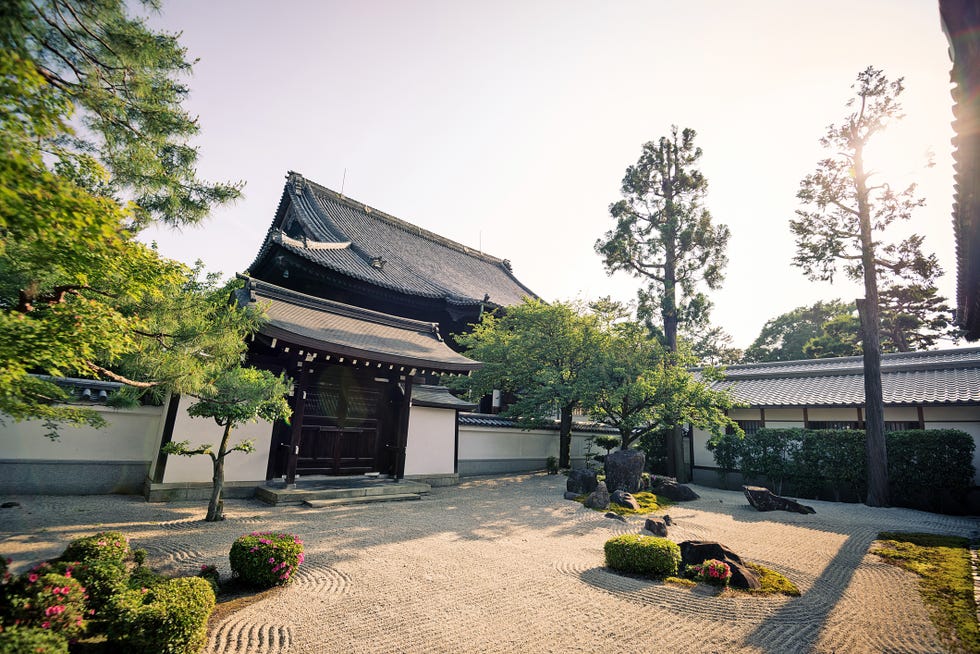
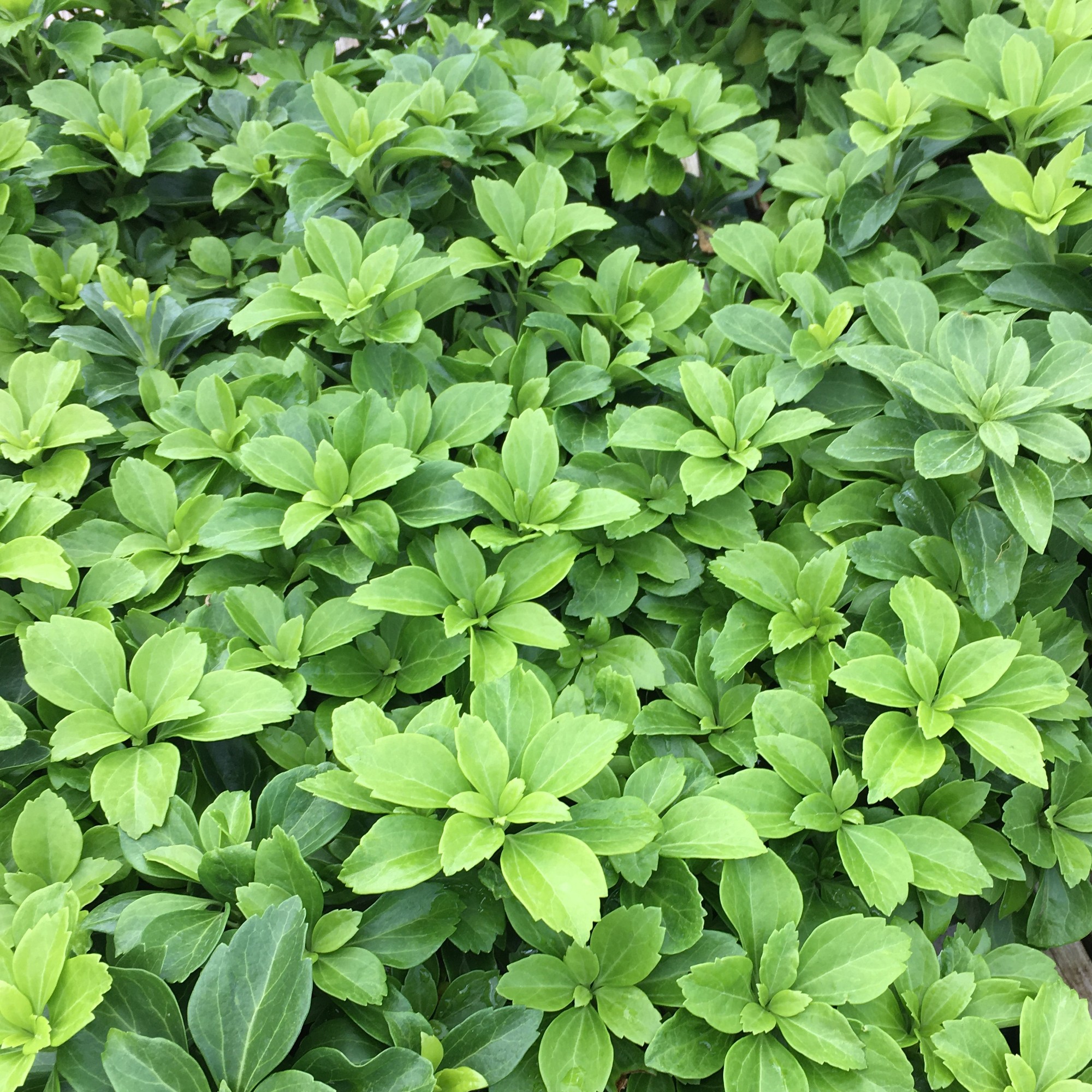
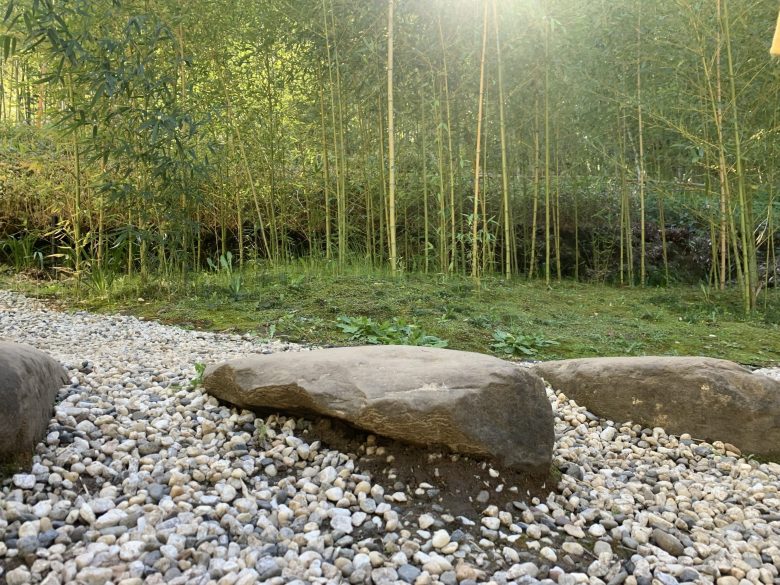
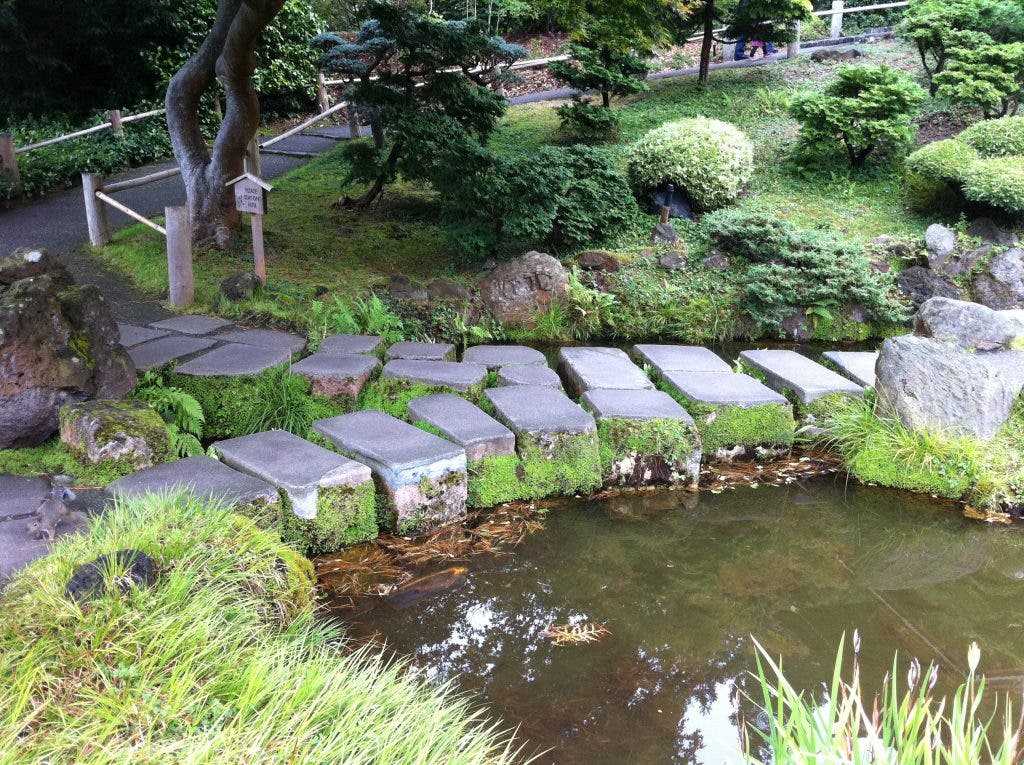
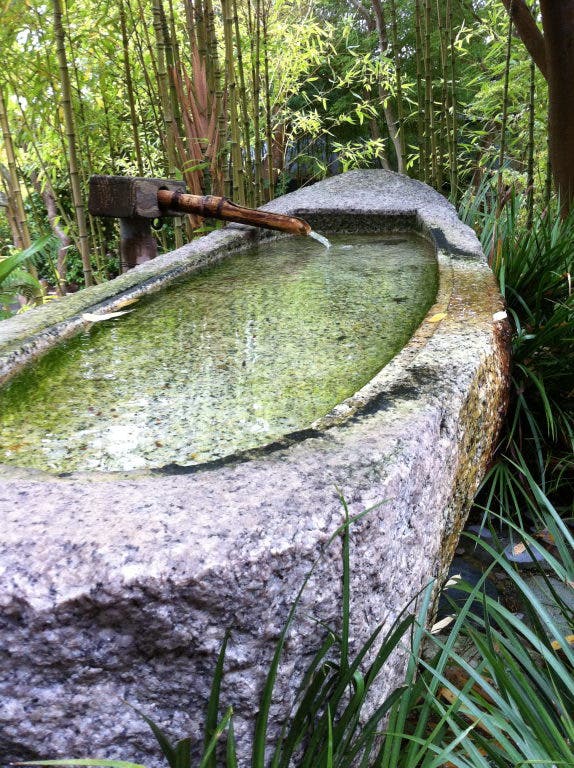
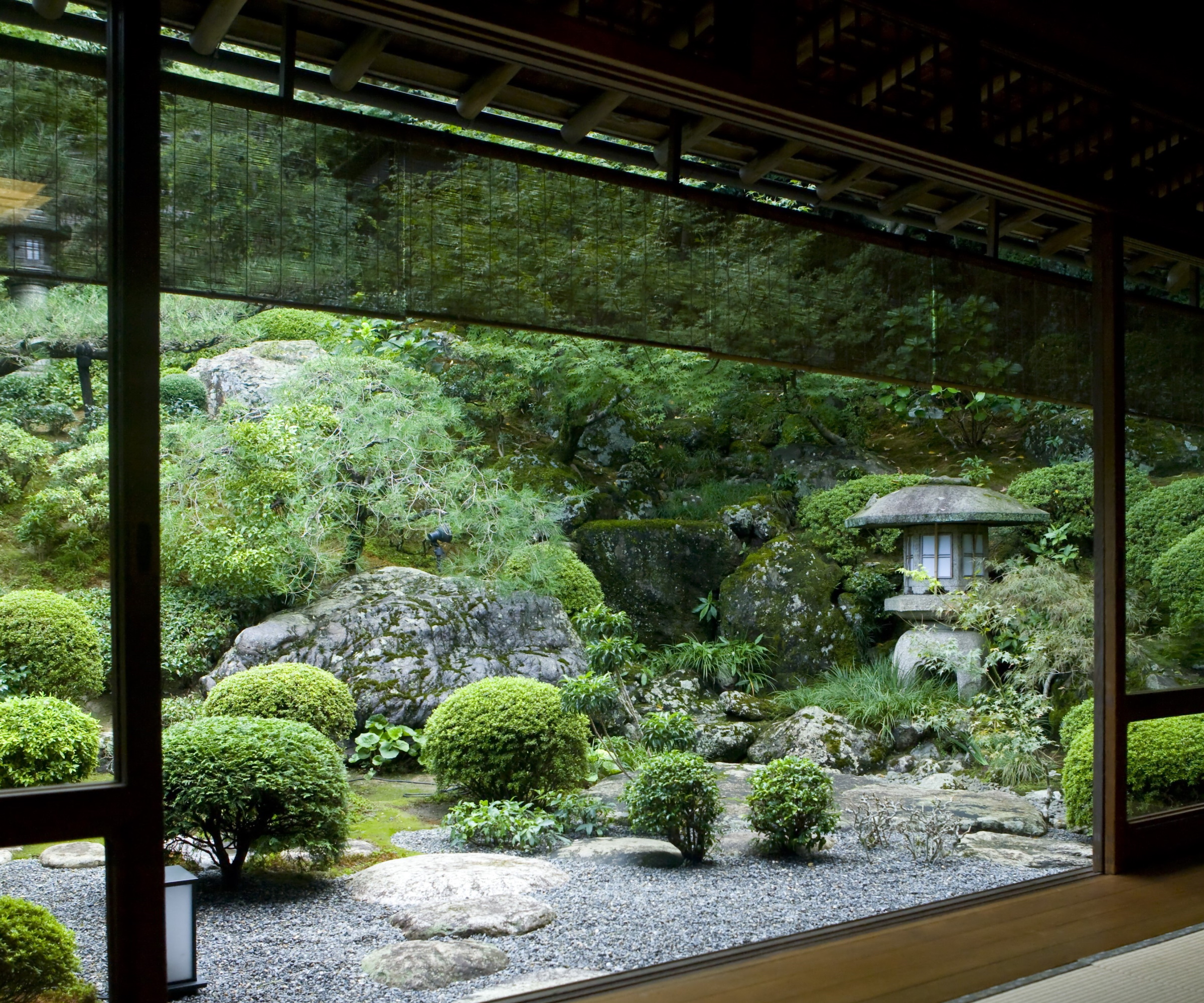
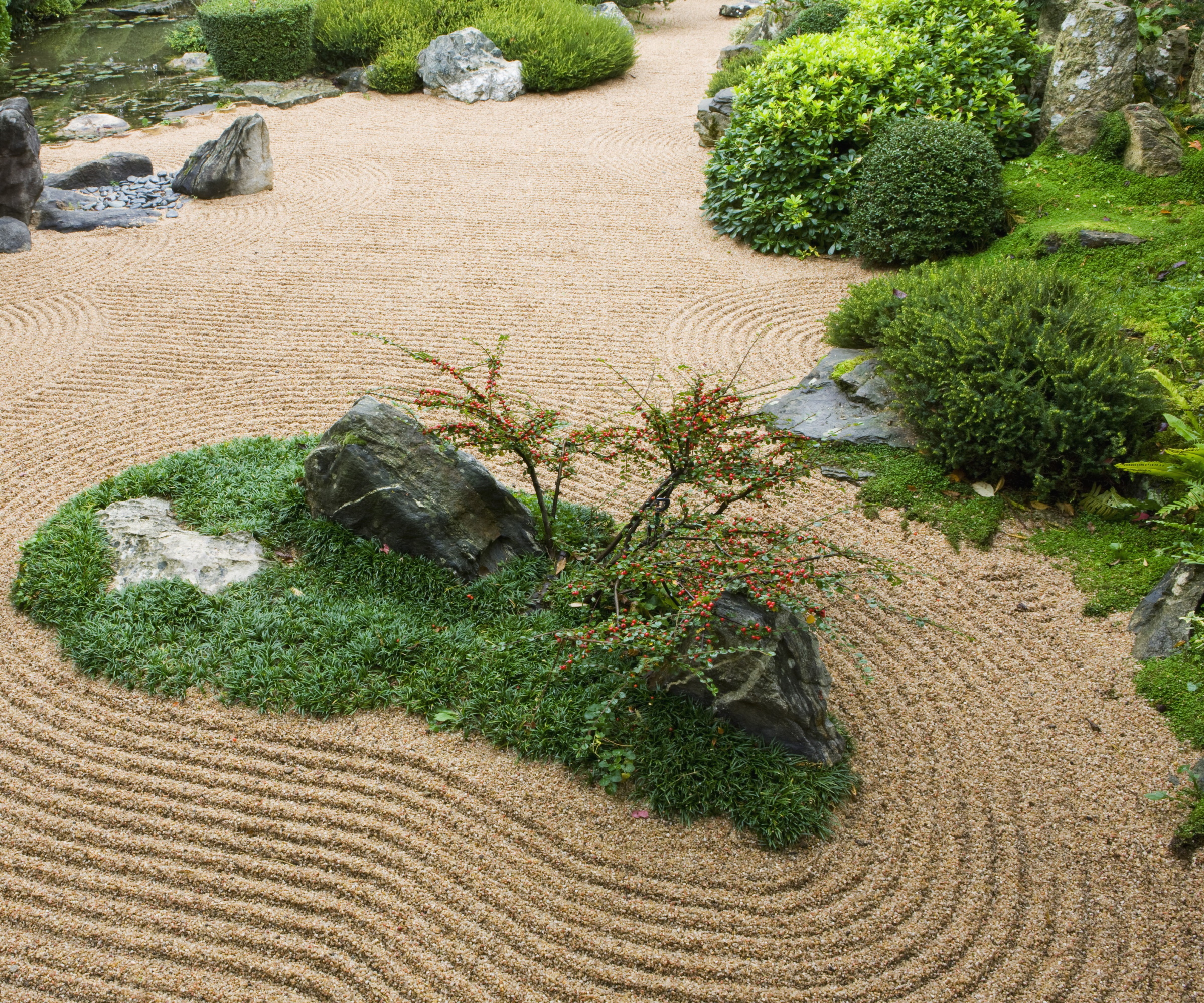
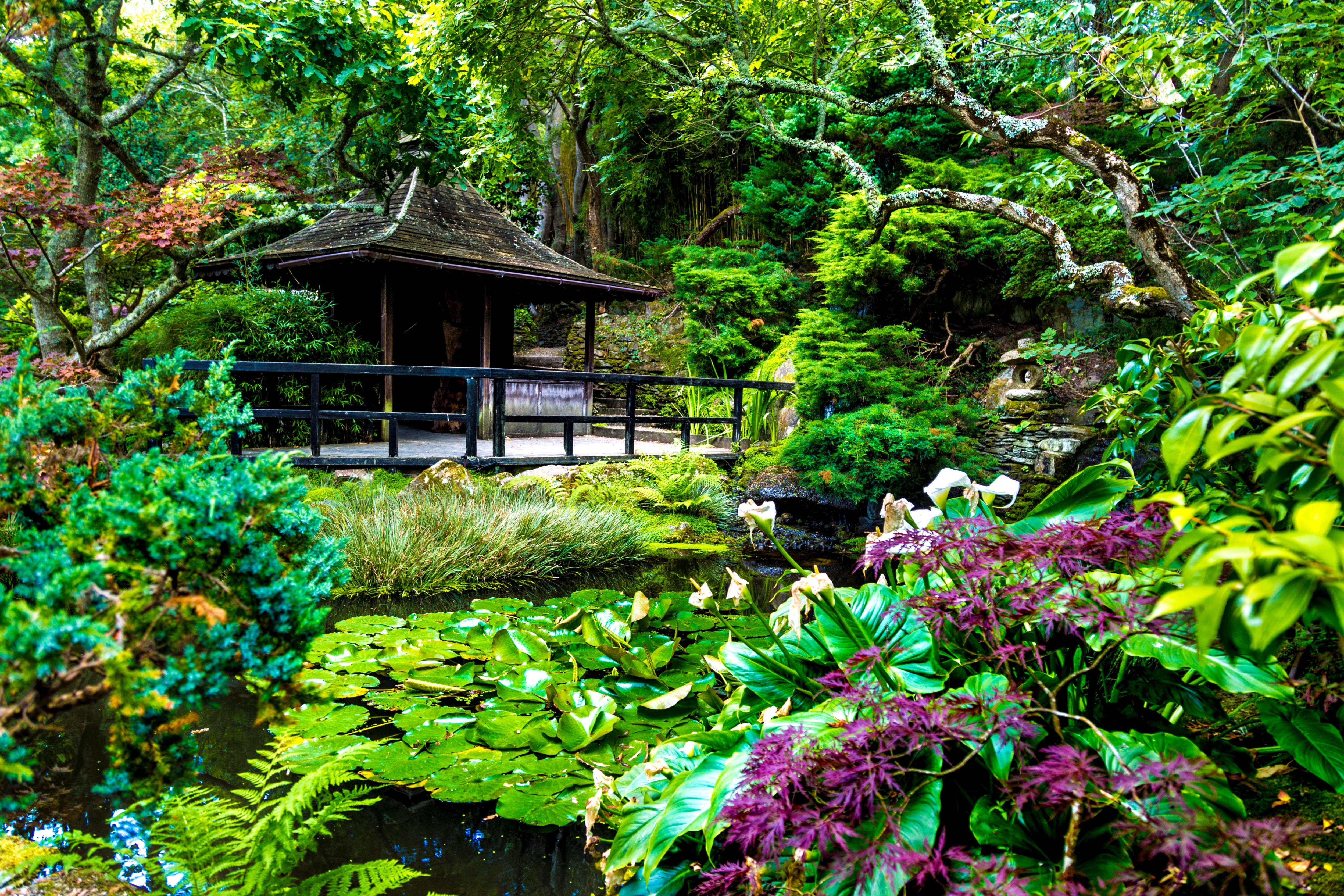
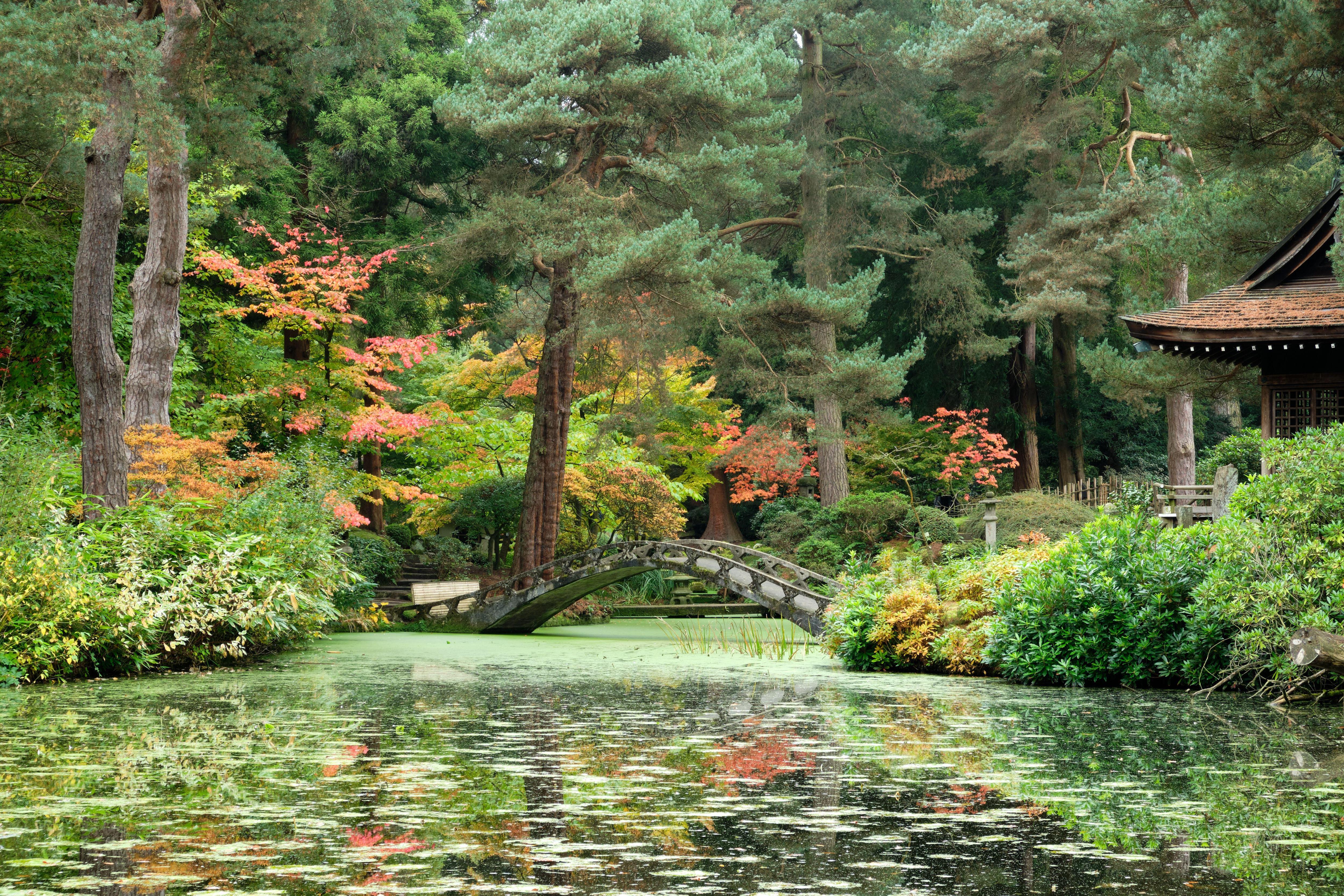
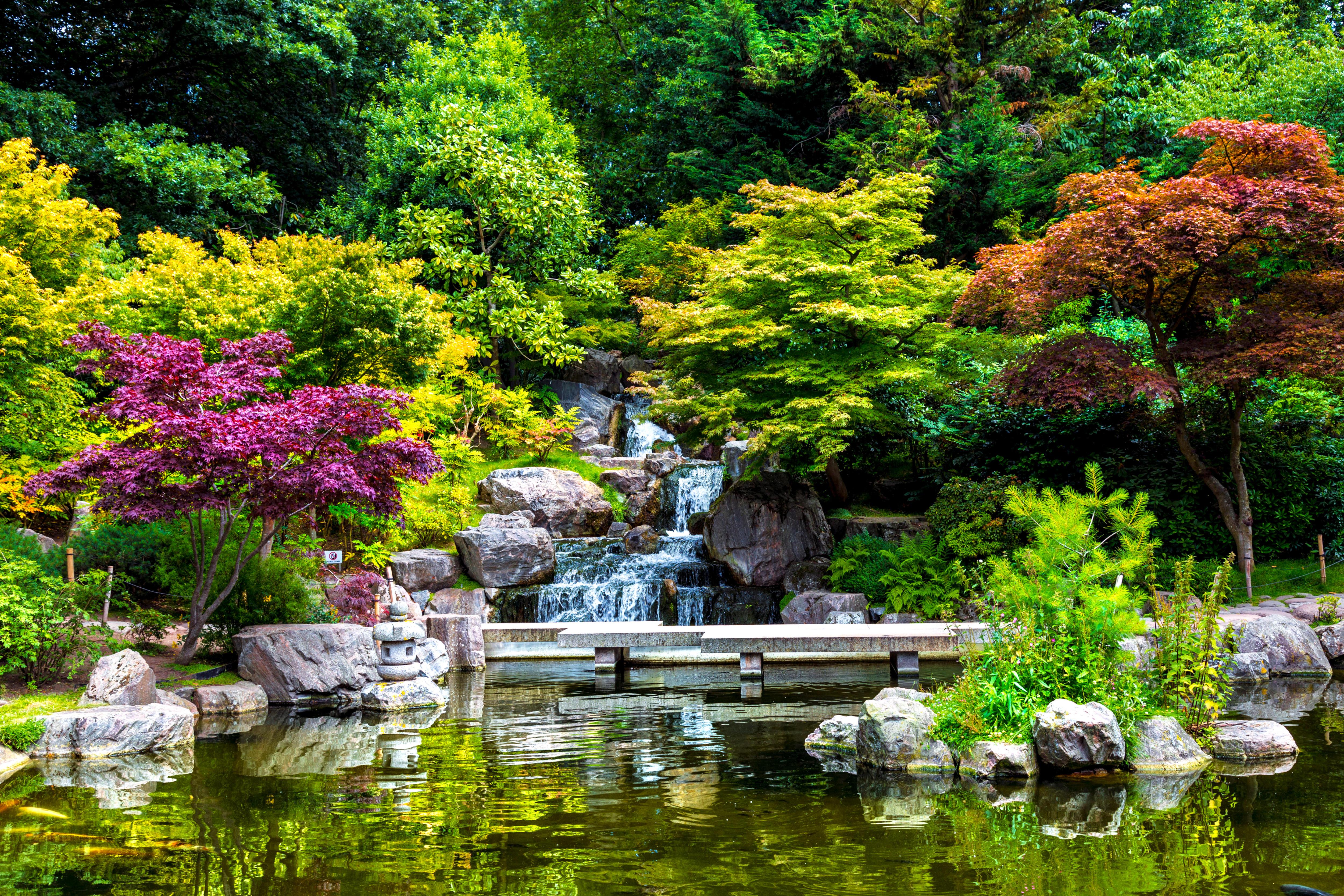
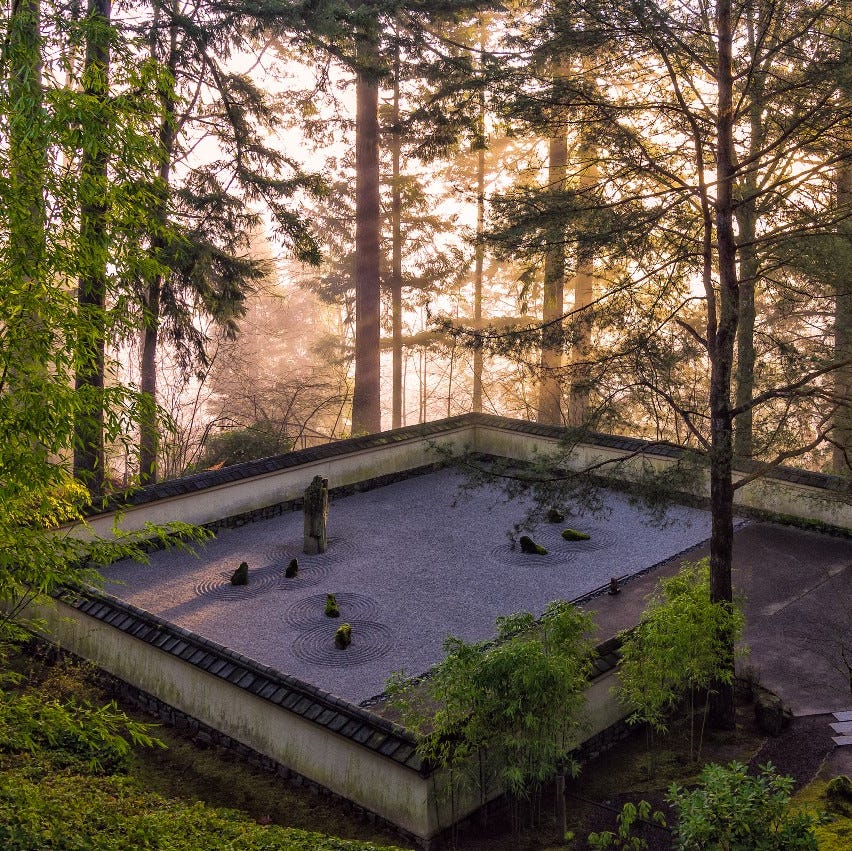
Japanese gardeners hold a unique perspective on the rainy season, known as *tsuyu* or "plum rains," viewing it as a period that enhances the beauty and depth of their meticulously crafted landscapes. A common adage among them is, "Never buy stones in the rain," underscoring how water transforms even ordinary rocks into luminous, deeply textured elements. This appreciation for rain's aesthetic impact extends to practices such as sprinkling stepping stones and *kutsu-nugi ishi* (shoe-removing stones) with water before guests arrive, a tradition maintained by those dedicated to garden aesthetics. Photographs in Japanese garden calendars, especially those featuring *tsuboniwa* (small courtyard gardens), often show damp, glistening ground covers and freshly sprinkled stones, highlighting the visual appeal that moisture adds to these spaces.
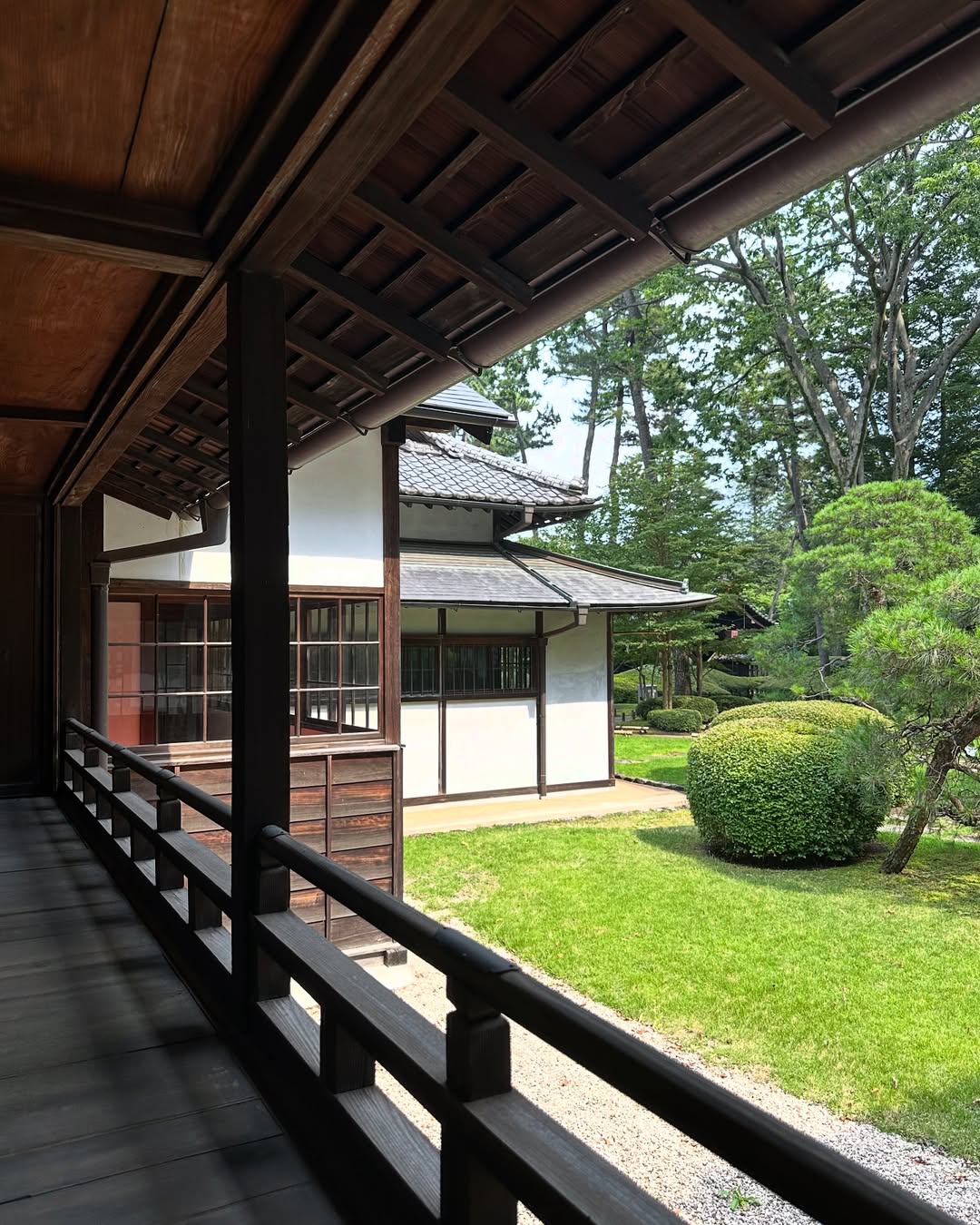
While the timing of the *tsuyu* varies across Japan's islands, its arrival is universally anticipated for the new life and vibrancy it brings to gardens. Far from being a hindrance, rain is considered an integral element that contributes to the garden's evolving character throughout the year. The article suggests that embracing these natural cycles, rather than resisting them, is key to appreciating the full spectrum of a Japanese garden's charm. This philosophy encourages a continuous engagement with the garden, observing its subtle changes and appreciating its different moods, irrespective of the weather conditions.
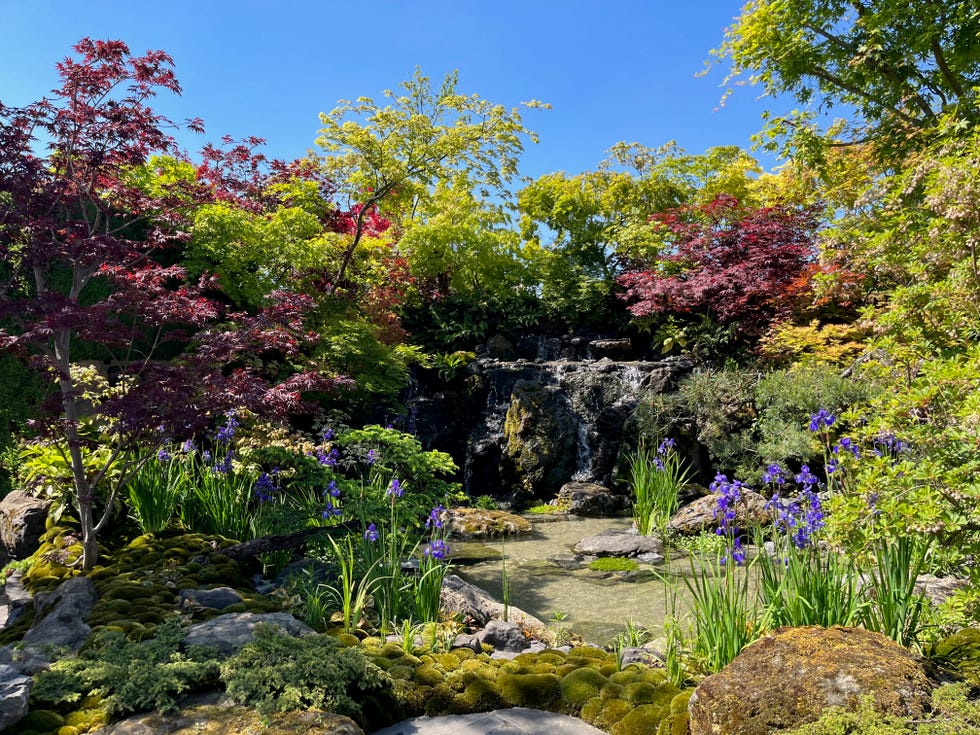
The emphasis on the beauty of a garden in rain challenges conventional notions of ideal garden viewing conditions. Instead of waiting for clear skies, the Japanese garden tradition celebrates the transformative power of water. Rain-soaked foliage appears richer, mosses become more vibrant, and stones reveal intricate patterns and colors that are otherwise subdued. This perspective transforms what might be seen as inclement weather into an opportunity for heightened aesthetic experience, inviting observers to find beauty in every drop of rain.
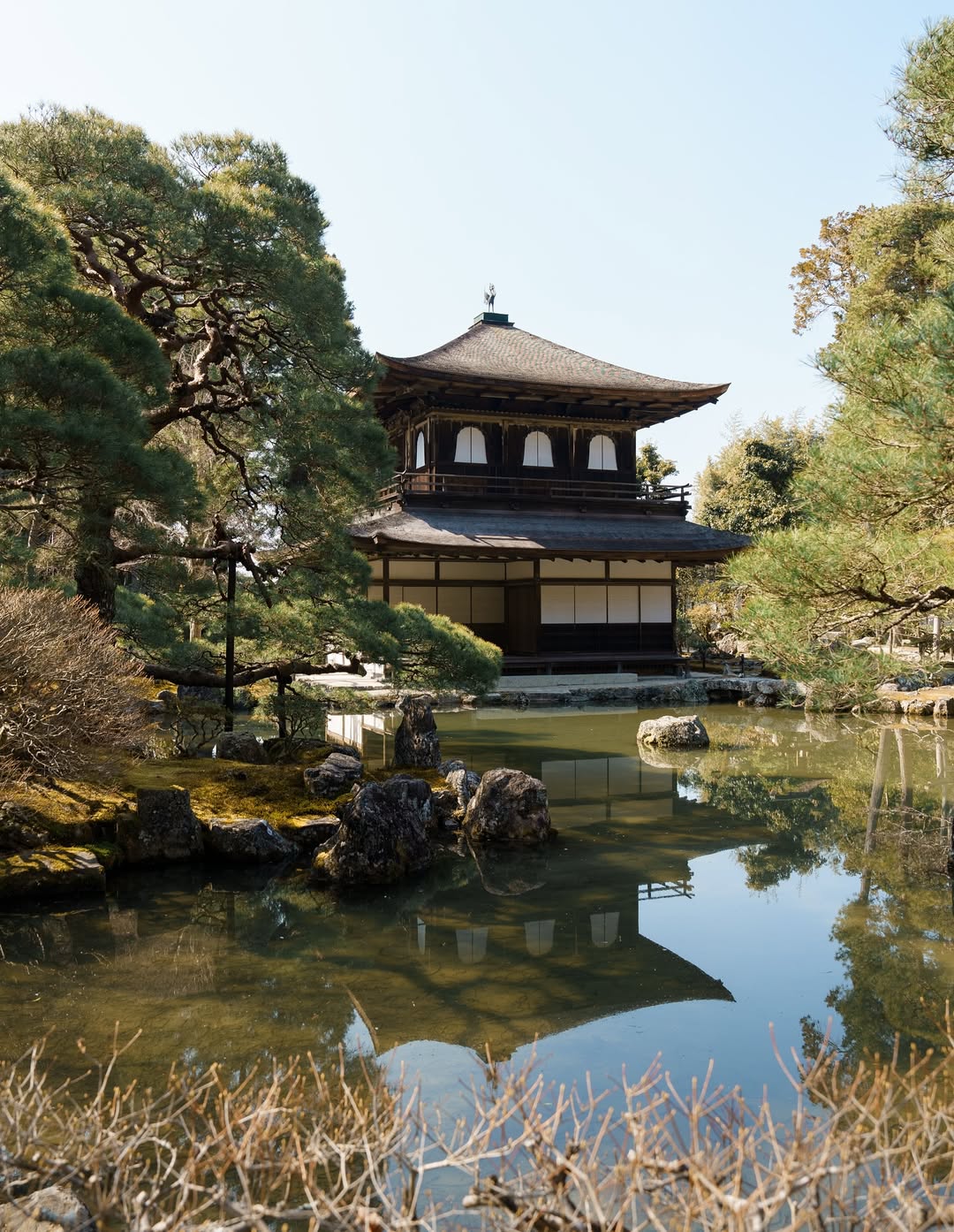
The article implicitly positions the Japanese garden as a dynamic entity, constantly interacting with its natural environment. The gardener's role is not just to create a static display but to cultivate a space that harmonizes with nature's rhythms, including its wettest periods. The concept of being "never under the weather" in a Japanese garden speaks to a deeper connection with nature, where every season and every weather condition offers a unique opportunity for contemplation and appreciation. This approach fosters a sense of timelessness and continuity within the garden, where its beauty is perennial and ever-changing, never diminished by the elements.
#JapaneseGardens #RainySeason #GardenAesthetics #Tsuboniwa #GardenDesign #NatureAppreciation #JapaneseCulture #LandscapeDesign #JapaneseGardens #RainySeason #GardenAesthetics #Tsuboniwa #GardenDesign #NatureAppreciation #JapaneseCulture #LandscapeDesign
Hay 0 comentarios en total
 Aún no hay comentarios
También te puede gustar
This Tranquil Garden Is A Slice Of Japan In An Unexpected Place

4 Japanese garden ideas for a calm and tranquil outdoor space
Zen garden ideas – 24 ways to transform your outdoor space into a Japanese-inspired sanctuary for relaxation
Peter Dowdall: So many reasons to love Japanese gardens
Horticultural Experts Reveal 5 Defining Features of a Japanese Garden

Experts reveal how to plant a Japanese-inspired garden

Looking to add some Zen to your landscape? Visit these Japanese gardens for inspiration

An Architect’s Hidden Tropical Sanctuary Inspired by Japanese Zen Gardens

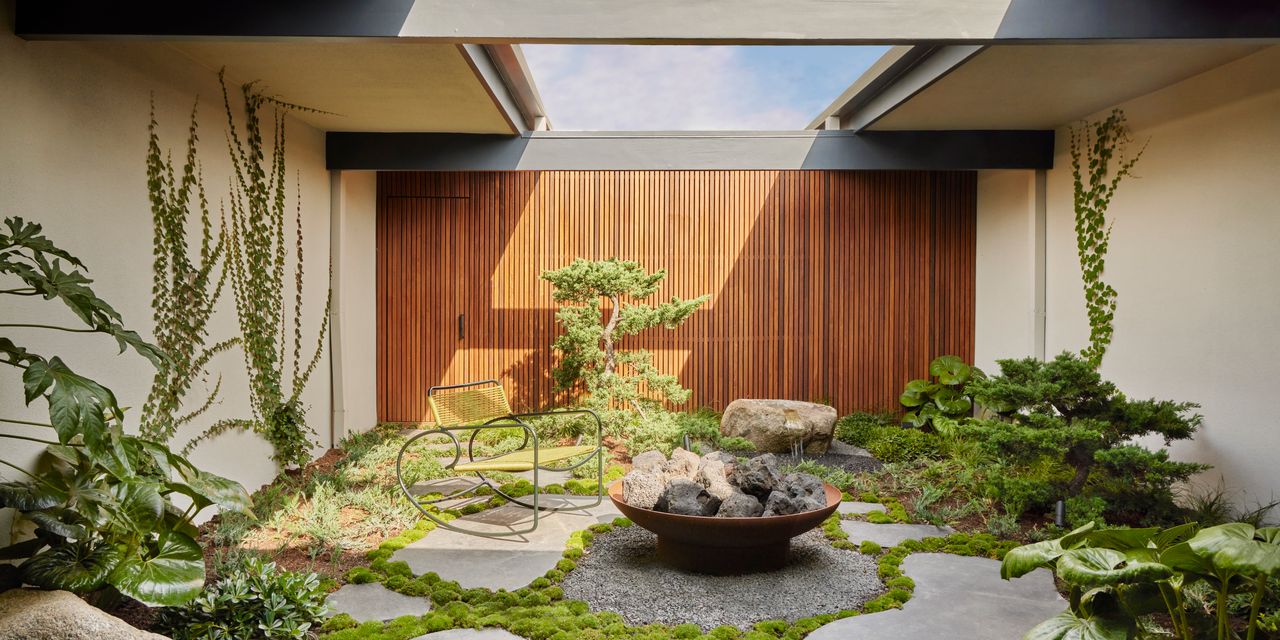
How to Design a Japanese Garden in Any Climate, According to Landscape Experts

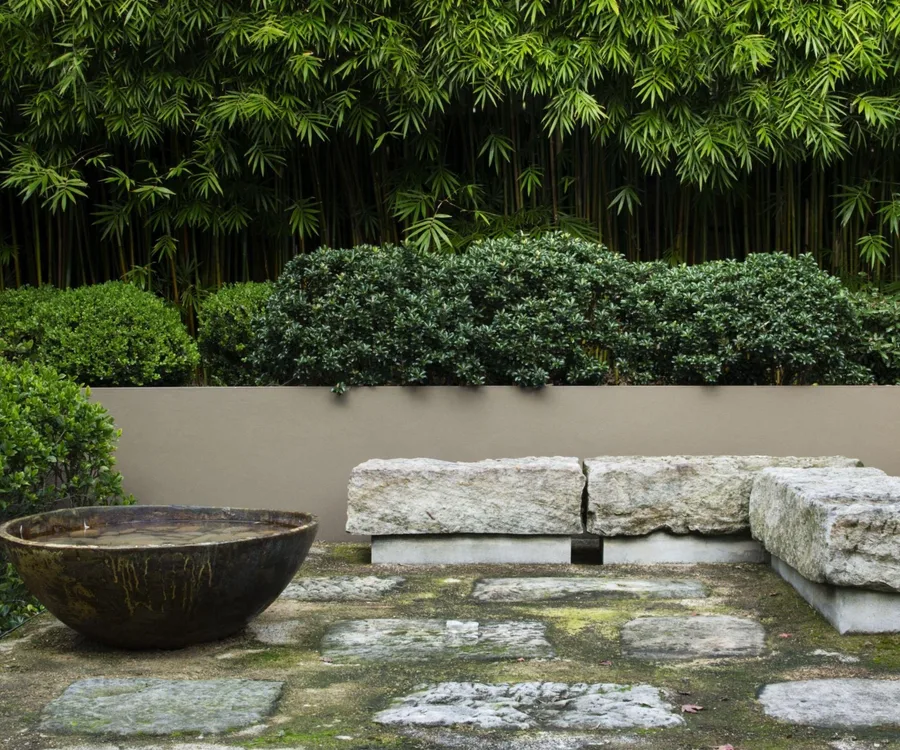
7 Japanese-style gardens to inspire and delight

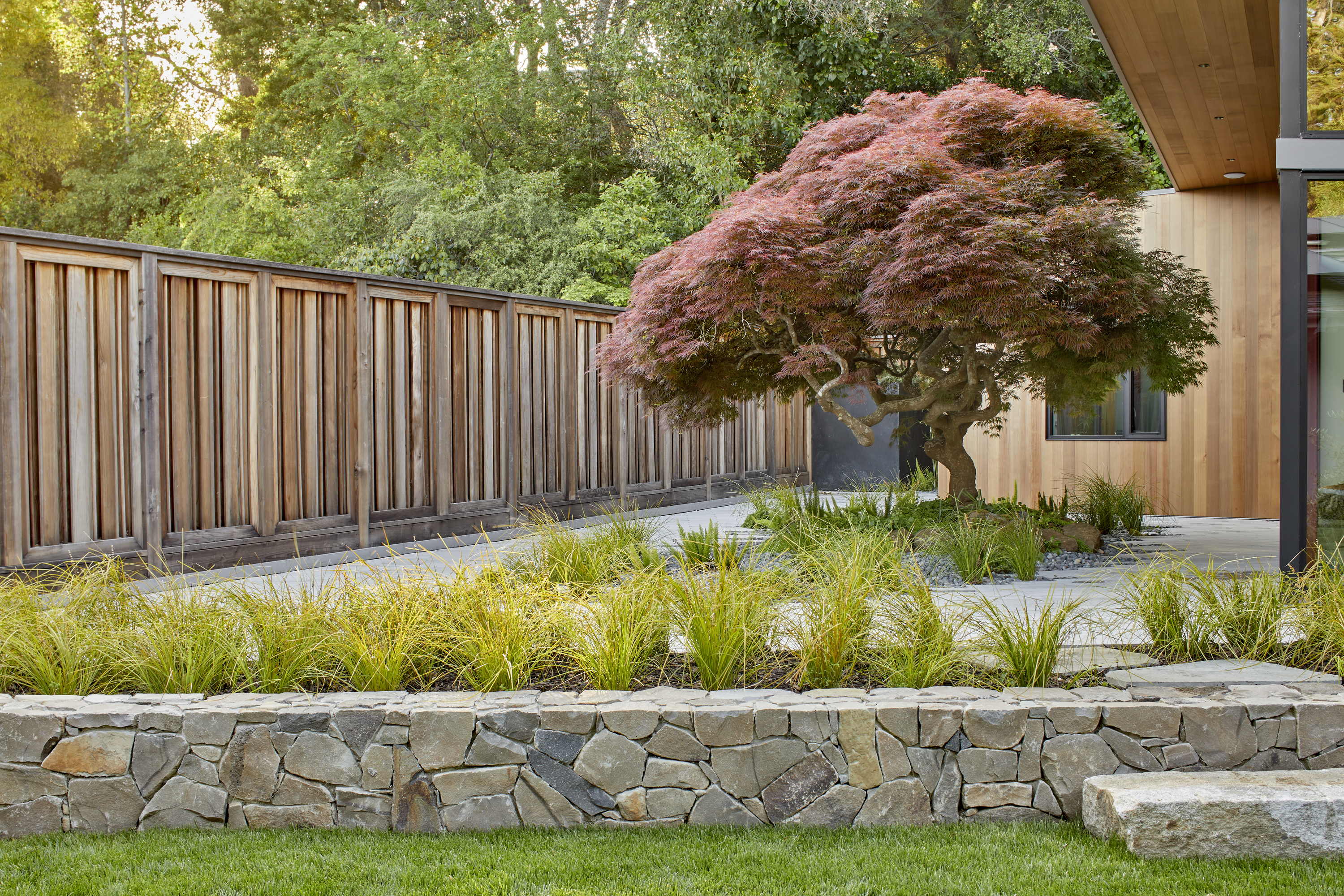
7 Japanese Garden Ideas That Channel the Elements of Nature to Make Your Outdoor Space Feel Serene

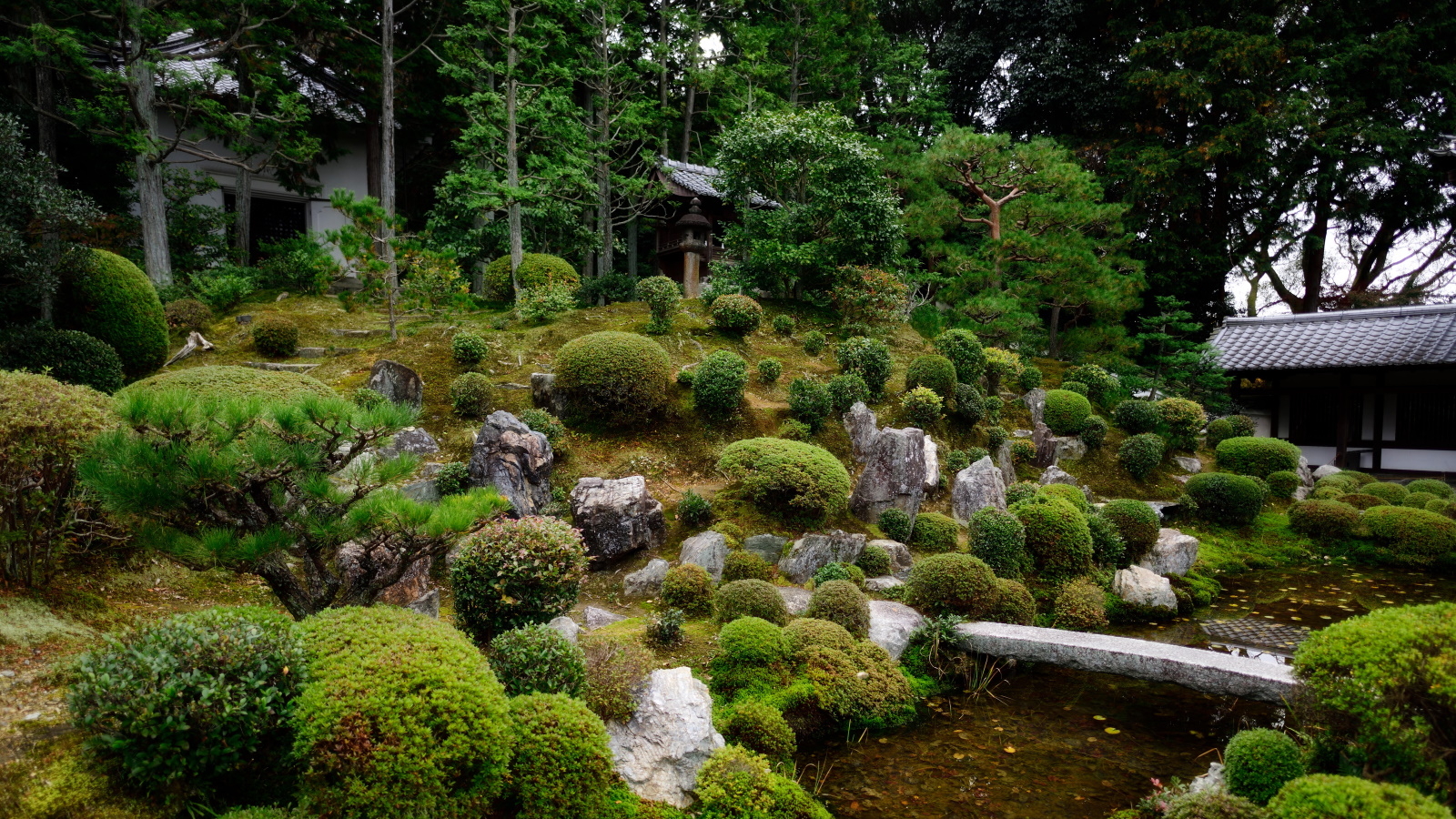
What is a zen garden? This Japanese approach to design can turn backyards into calming sanctuaries
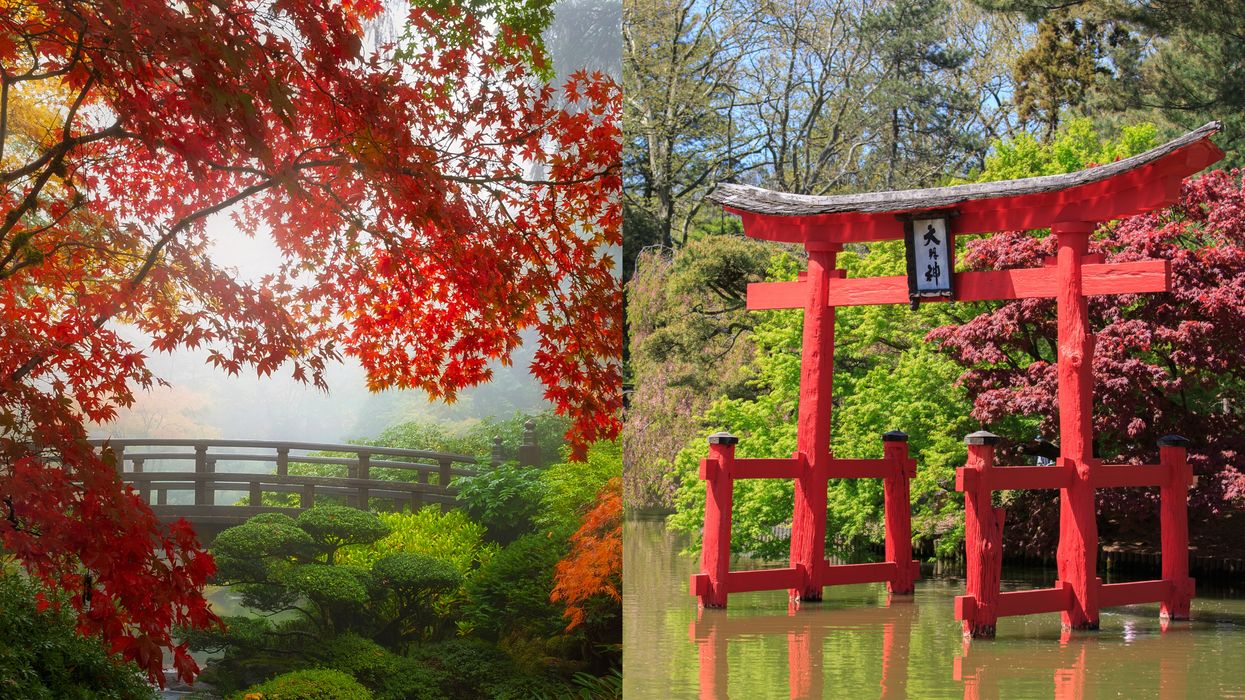
These 7 Japanese Zen Gardens In The US Are The Perfect Spots To Ease Your Worried Mind

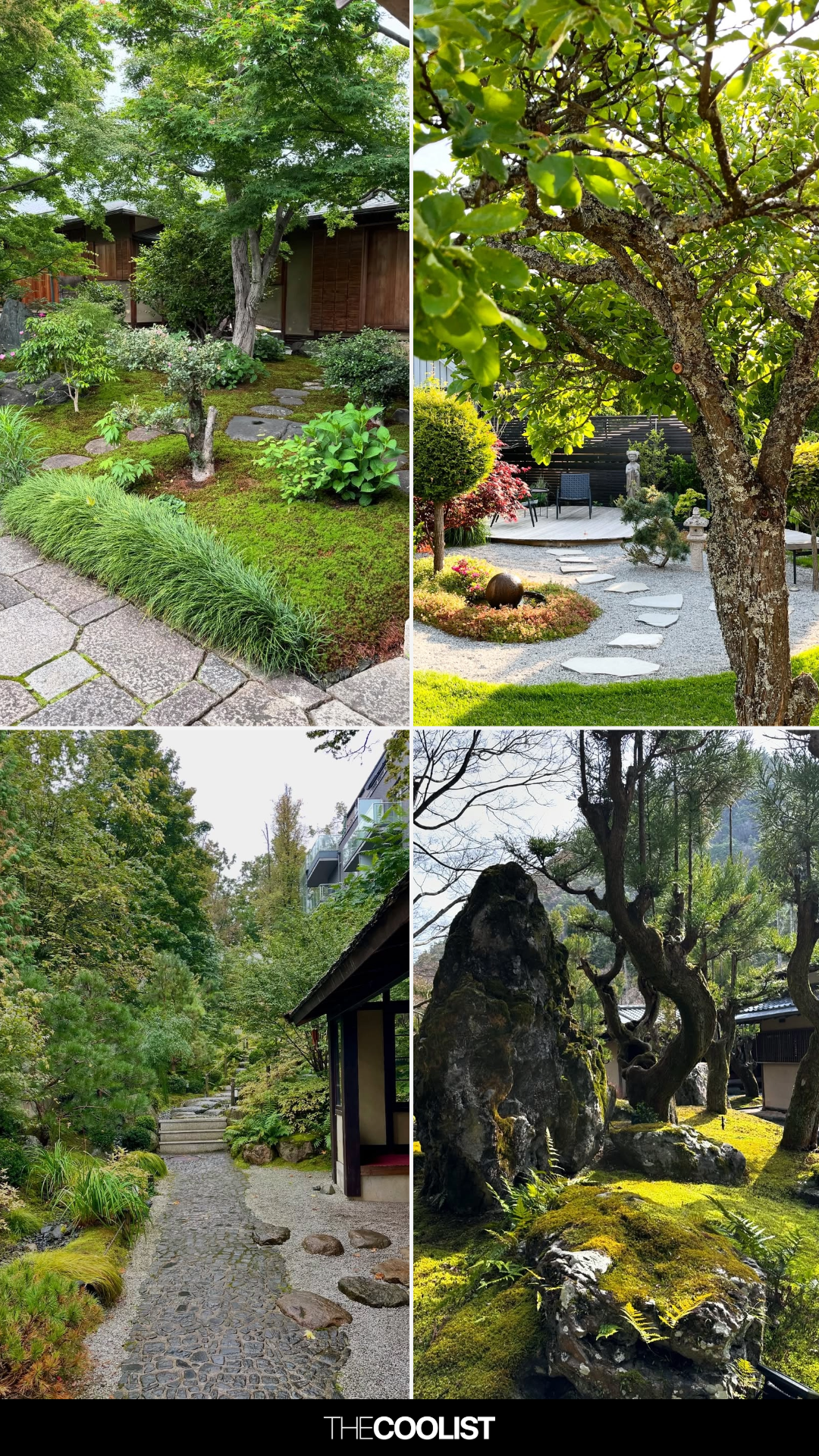
24 Japanese Garden Ideas That Encourage Slow Walks and a More Relaxed Outdoor Rhythm

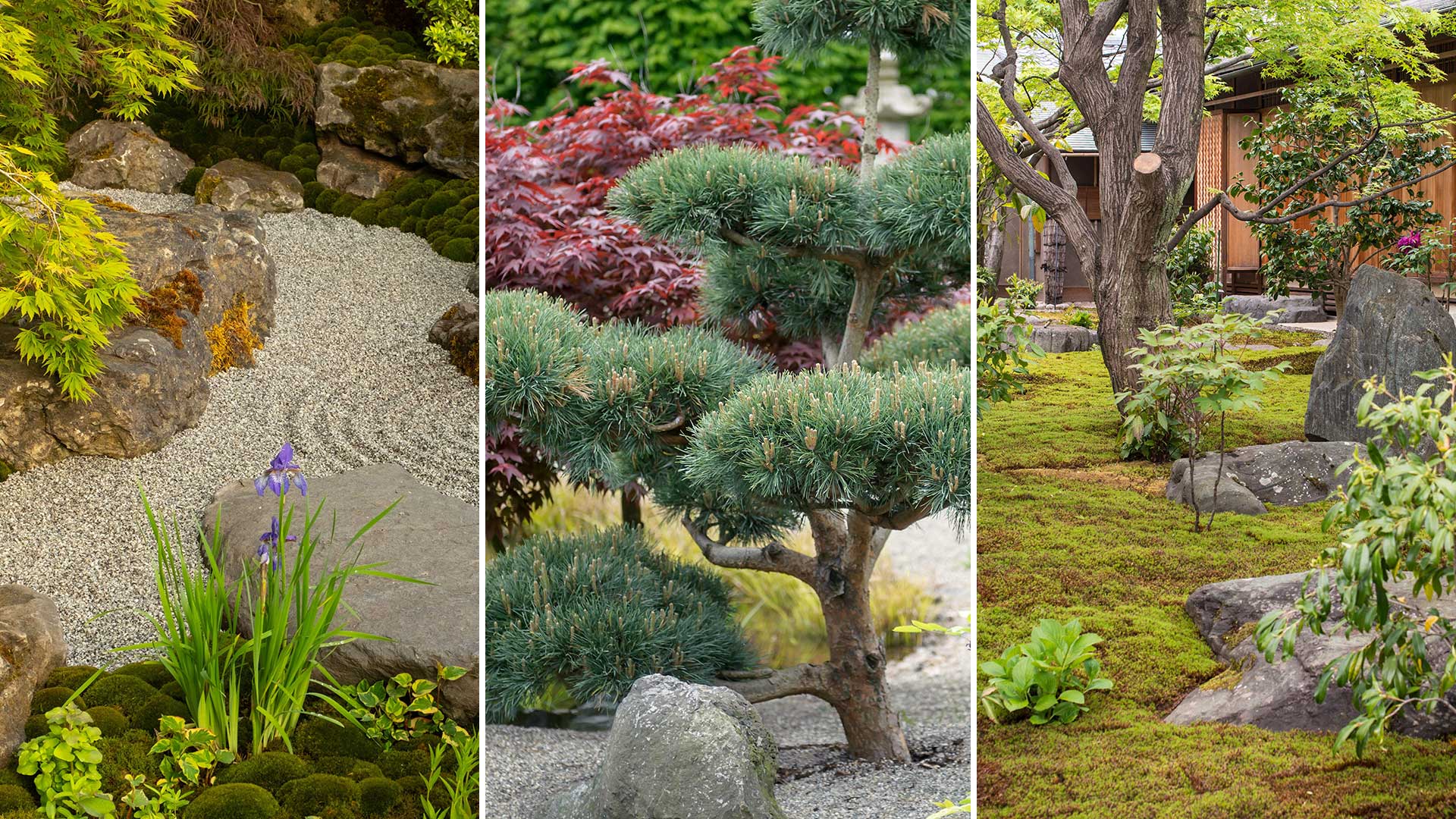
Japanese garden ideas – 10 ways to create a soothing space, with advice from the experts

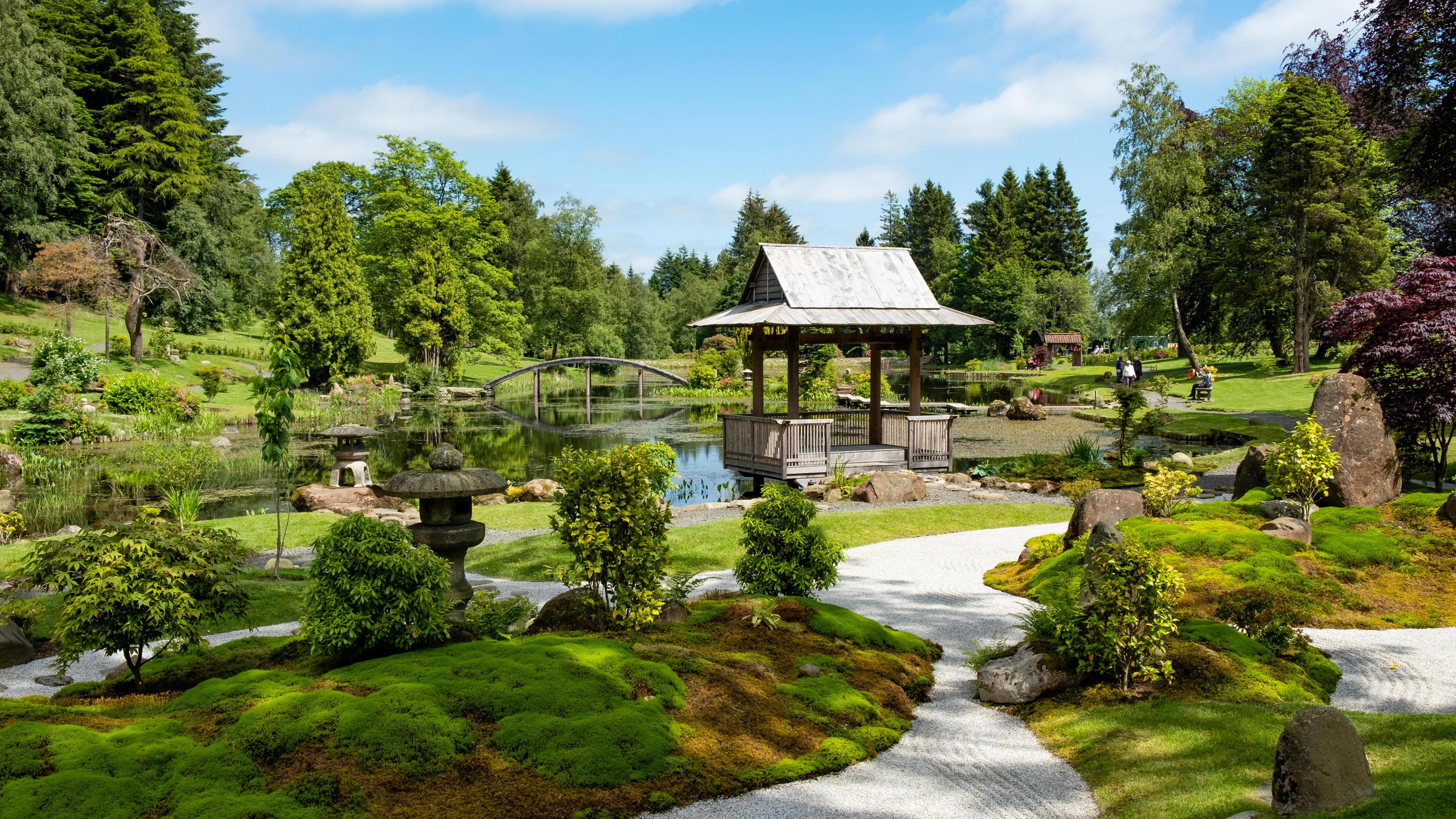
Seven of the loveliest Japanese gardens in the UK


Michigan’s Slice of Japan: Where Design Connects Humanity with Nature
An Expert Guide to Japanese Zen Gardens
Japanese Tea Garden is a Magical Place for Children

Japanese garden requires specialized shrubs, touch