1/3
How To Replace Brickmold On A Door
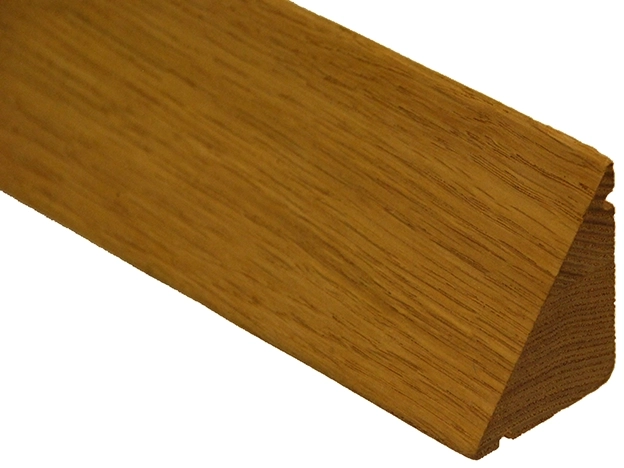
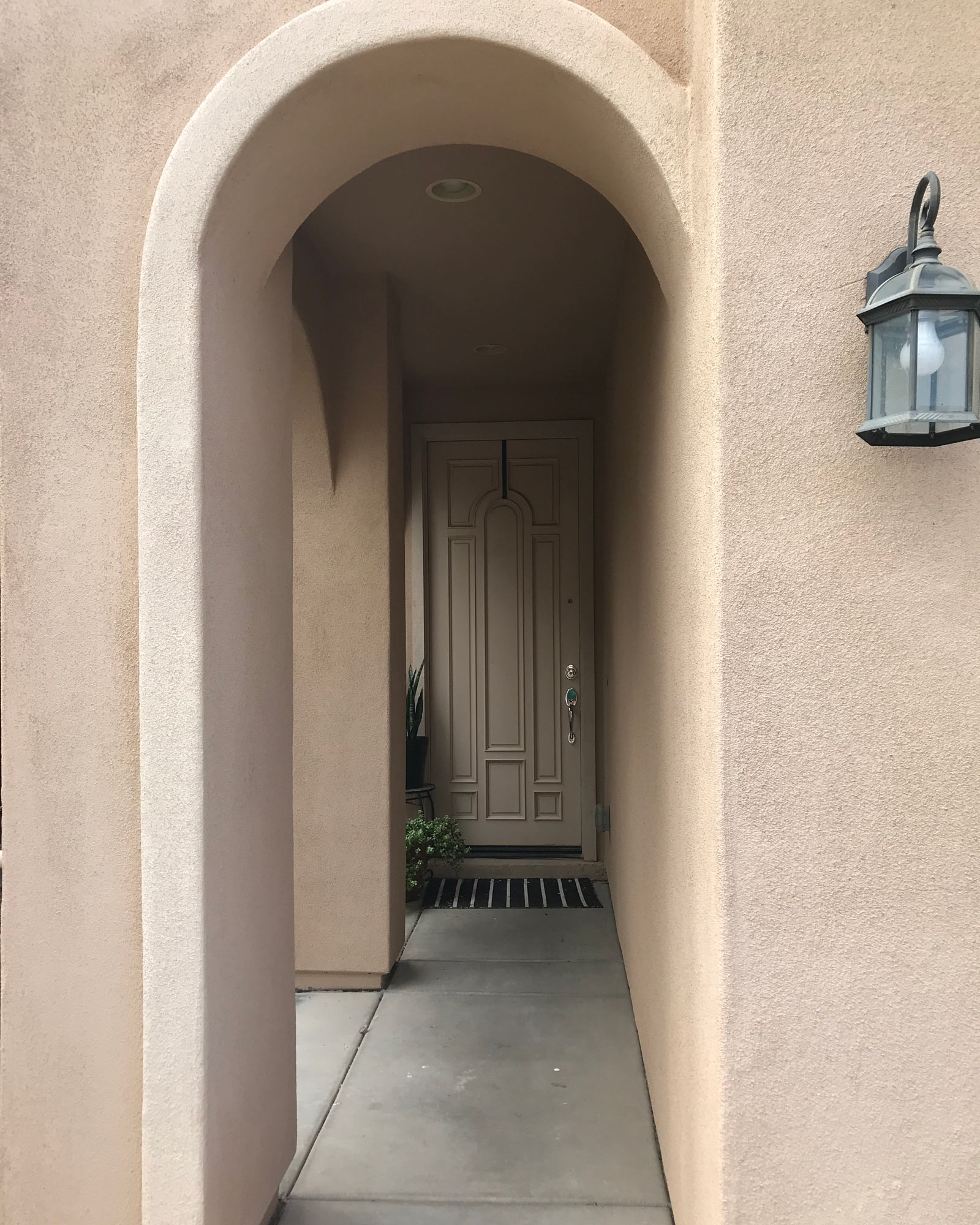
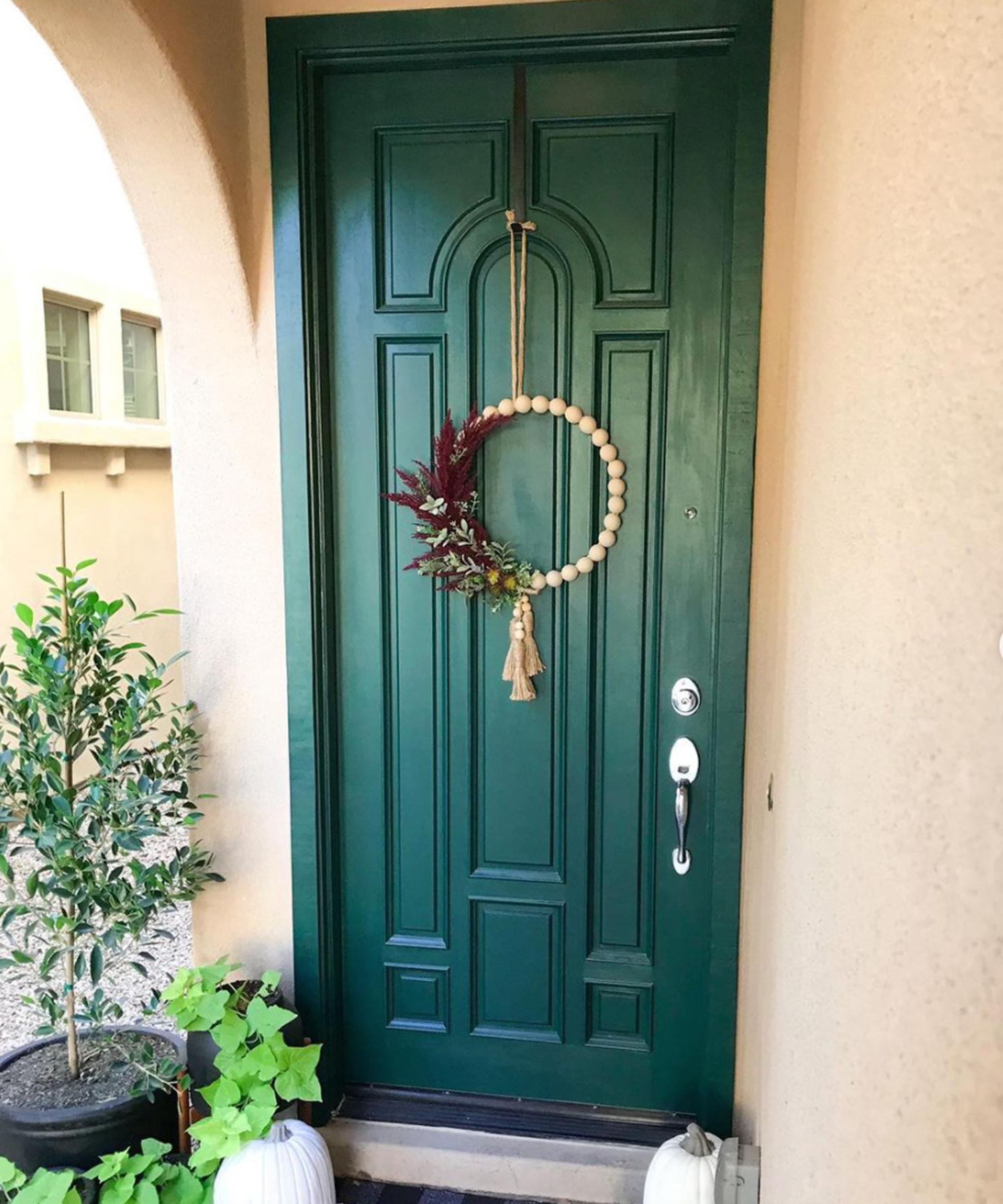
Brickmold, an exterior trim element, serves a functional and aesthetic purpose by bridging the gap between a house's siding and the frames of doors and windows. Beyond its decorative role, brickmold enhances structural integrity, conceals the wall-frame joint, and acts as a crucial barrier against moisture, thereby protecting the house from water damage and extending the lifespan of windows and doors. The term, as explained by construction expert Kevin Keen, has evolved to encompass these additional protective functions.
Replacing brickmold on a door is a straightforward process that benefits from careful execution. The necessary tools include a pry bar, utility knife, hammer, finishing nails, caulk, clamps, and the new brickmold material. The initial and critical step involves scoring the existing caulk lines with a utility knife before attempting removal; this prevents damage to the surrounding wood. Following this, a pry bar is used to gently detach the old trim without harming the doorframe.
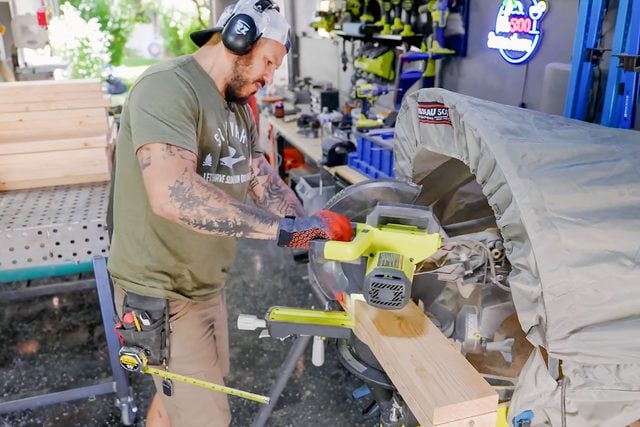
When installing the new brickmold, precise measurements are essential. The top piece should be cut to overlap the jamb width slightly. If using PVC brickmold, the bottom edge needs to be angled to align with the sill. The top piece is secured first, using clamps to hold it in place before carefully nailing it. The side pieces are then attached in a similar manner. After installation, all seams and nail holes must be caulked and painted with exterior-grade paint to create a waterproof seal, which is simpler than repairing water damage.
To ensure durability, rot-resistant materials like composite or PVC are recommended for brickmold replacement. Double-checking all measurements and correctly applying caulk to seams and nail holes are vital steps. Common mistakes in brickmold replacement often involve using non-durable materials, such as untreated wood, which can degrade prematurely. Another frequent error is inadequate sealing, leading to water intrusion and structural damage. Kevin Keen, a seasoned construction professional, emphasizes these points, advocating for durable materials and meticulous sealing practices.
Additional tips for successful brickmold replacement include drilling pilot holes in the molding to prevent splitting when hand-nailing. For materials like PVC, which expand and contract with temperature changes, it's advisable to leave small gaps at joints and use flexible caulk to accommodate this movement. Regular maintenance, including checking and re-caulking, is also crucial for preserving the brickmold's integrity and appearance over time. These practices collectively contribute to a robust and long-lasting installation.
#BrickmoldReplacement #HomeImprovement #DoorMaintenance #DIYHomeRepair #ExteriorTrim #MoistureProtection #ConstructionTips #PVCInstallation #BrickmoldReplacement #HomeImprovement #DoorMaintenance #DIYHomeRepair #ExteriorTrim #MoistureProtection #ConstructionTips #PVCInstallation
Hay 0 comentarios en total
 Aún no hay comentarios
También te puede gustar

A Homeowner’s Guide to Maintaining and Restoring a Brick Facade

How to create an exposed brick feature wall or fireplace - and clean and maintain it like an expert

Internal Door Frames & Casings | Interior Door Linings

Fix or replace an antique lock?

‘It’s a tough lesson to learn’ – brick homeowners must complete this outdoor maintenance task to avoid costly repairs and structural failure

How To Build Modern Barn Doors for Your Home (DIY)

Give An Outdated Garage Door A Simple DIY Makeover With Faux Hardware

How to tile over a brick fireplace – An inexpensive DIY job with dramatic results

The Best Interior Doors

“having a hard time finding 5-panel solid wood replacement doors”

Door Handles
Door Frames & Fixings
Install a Full-Frame Replacement Window: Removing Old Trim and Measuring for a New Window in a Brick Wall

Internal Doors
Before and after: A red brick fireplace gets a $250 modern makeover

DIY-er turned a concrete path into a dream brick entryway with this smart stencil hack
The death of the bifold door and what you should replace them with
The 15 Very Best Doorknobs
Fake exposed brick with wallpaper – see this savvy homeowner's trick
Exterior pre-hung door installation is best for do-it-yourselfers