1/2
All-White Kitchens Are Officially Out: The Moody Countertop Trend Taking Over
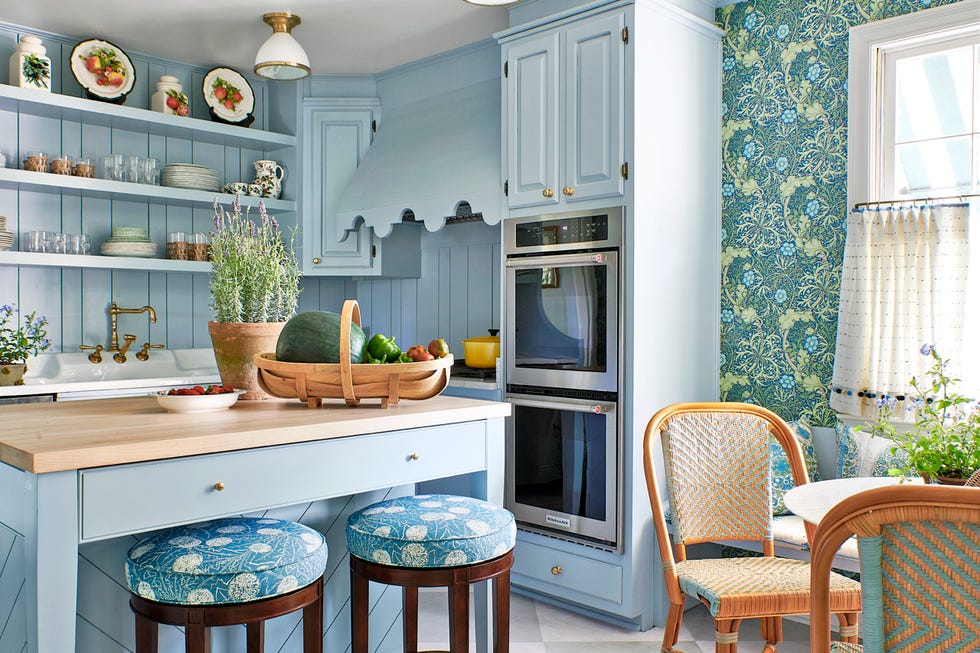
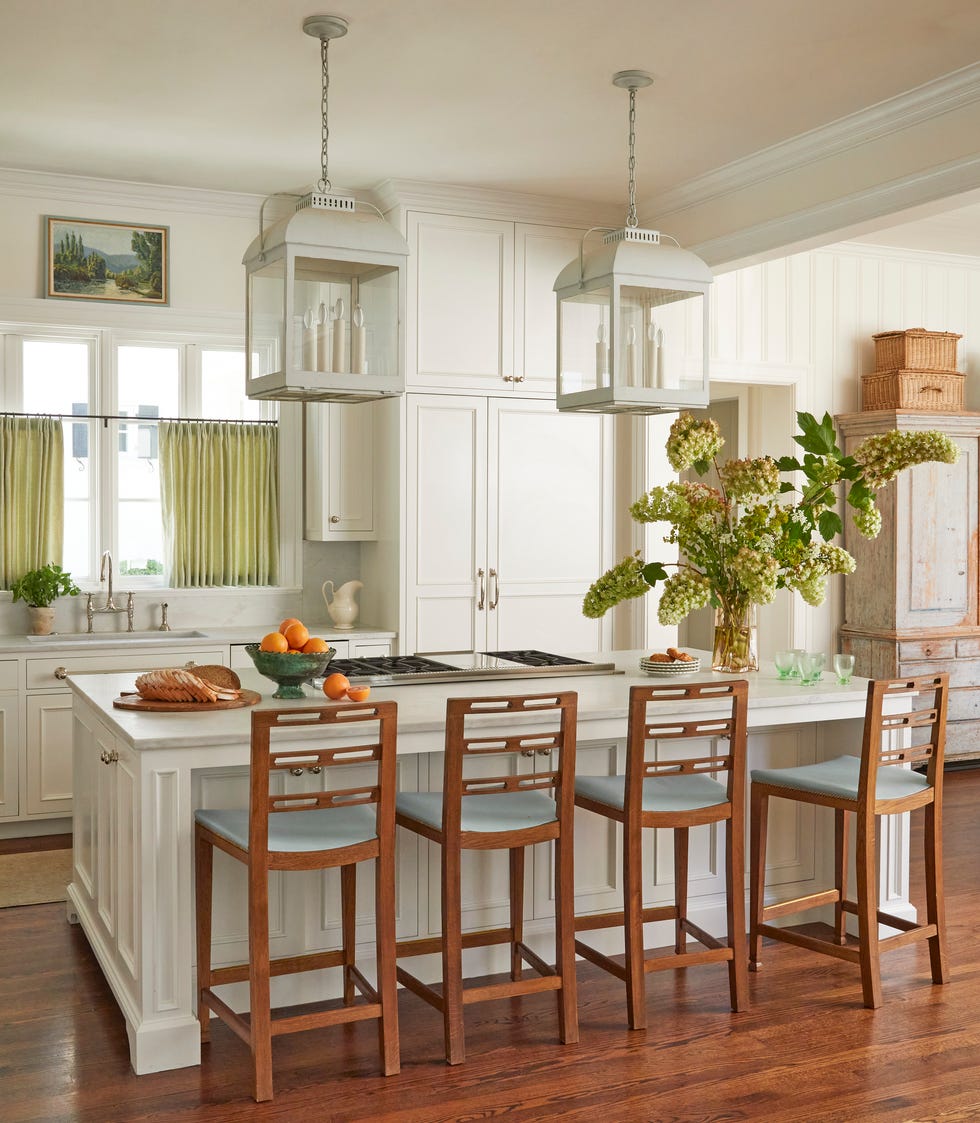
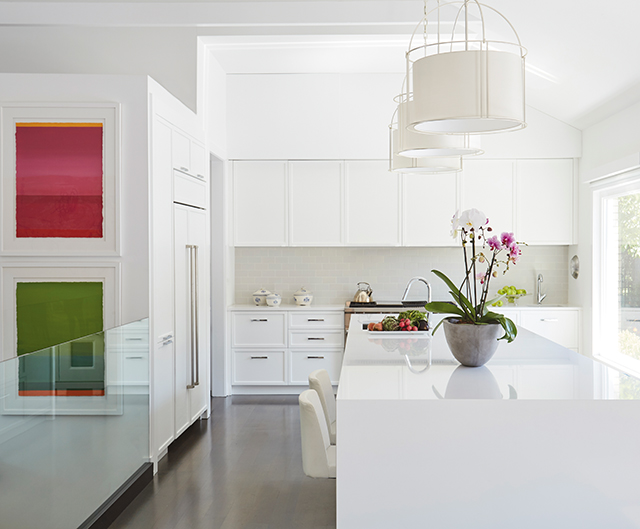
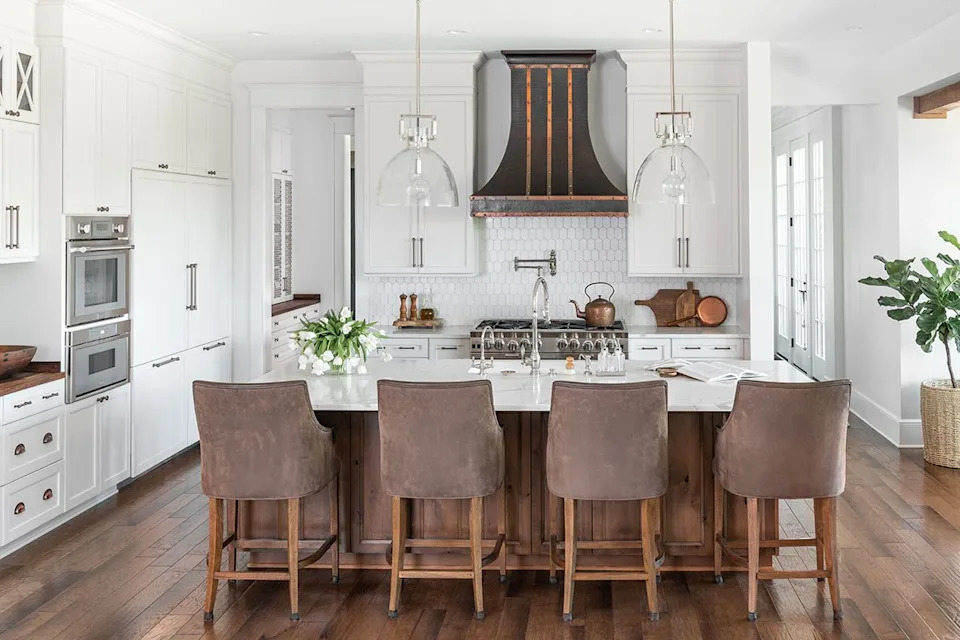
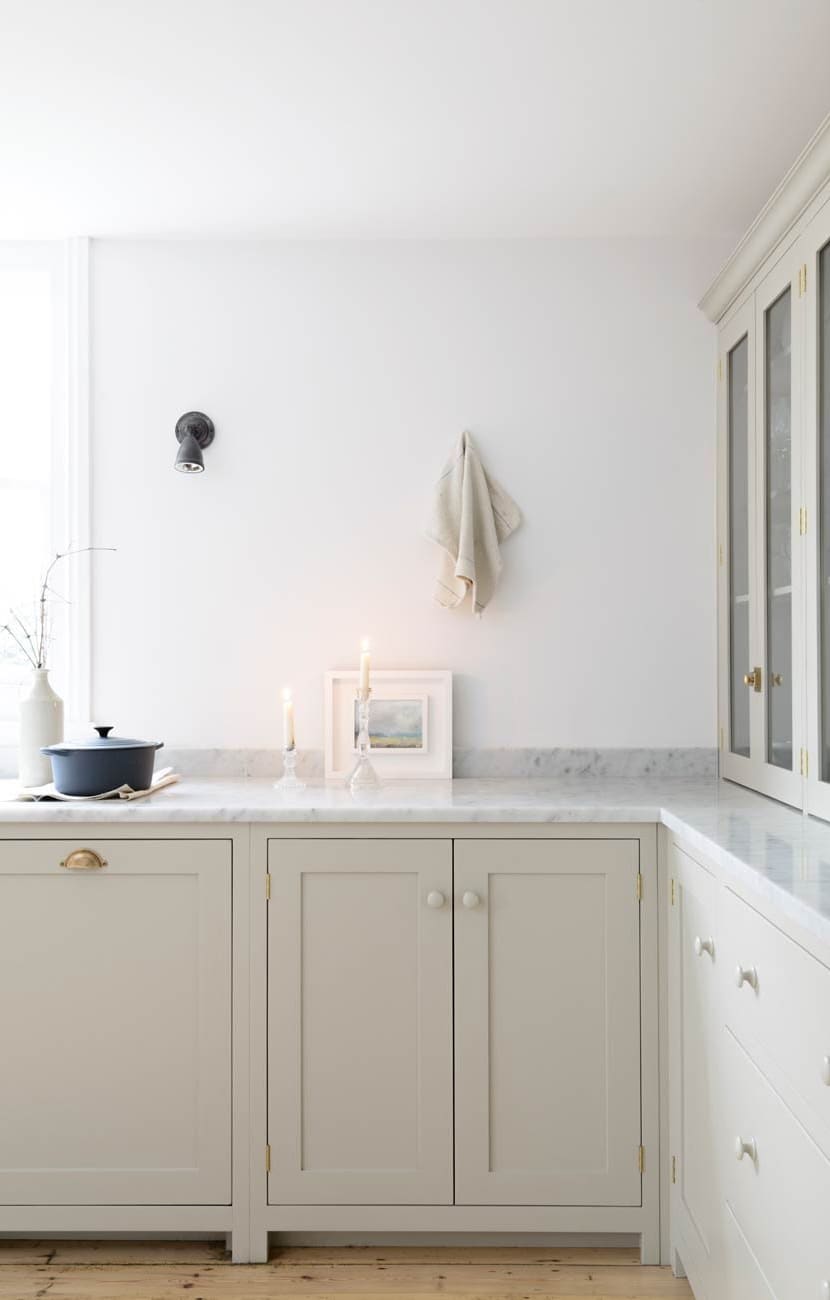
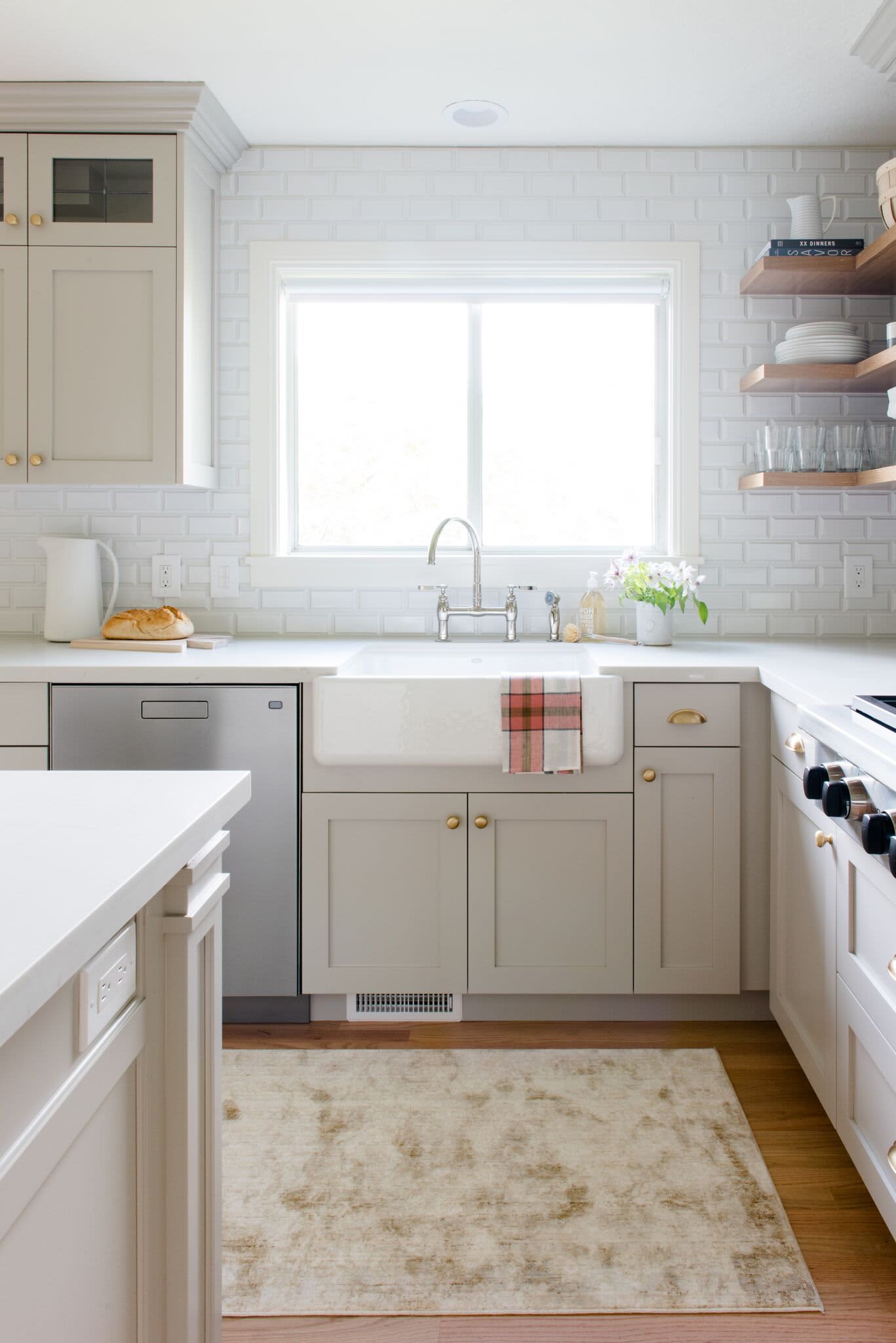
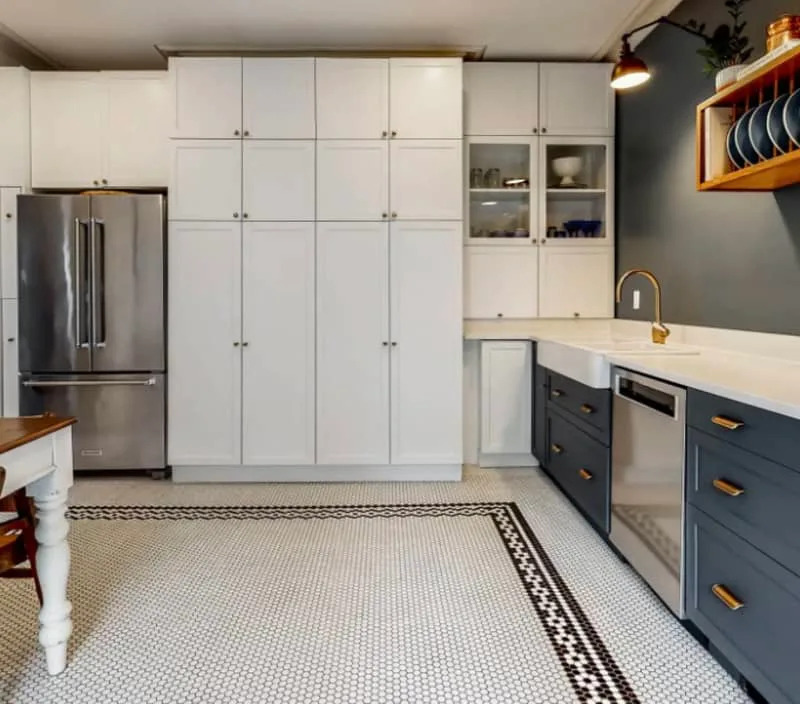
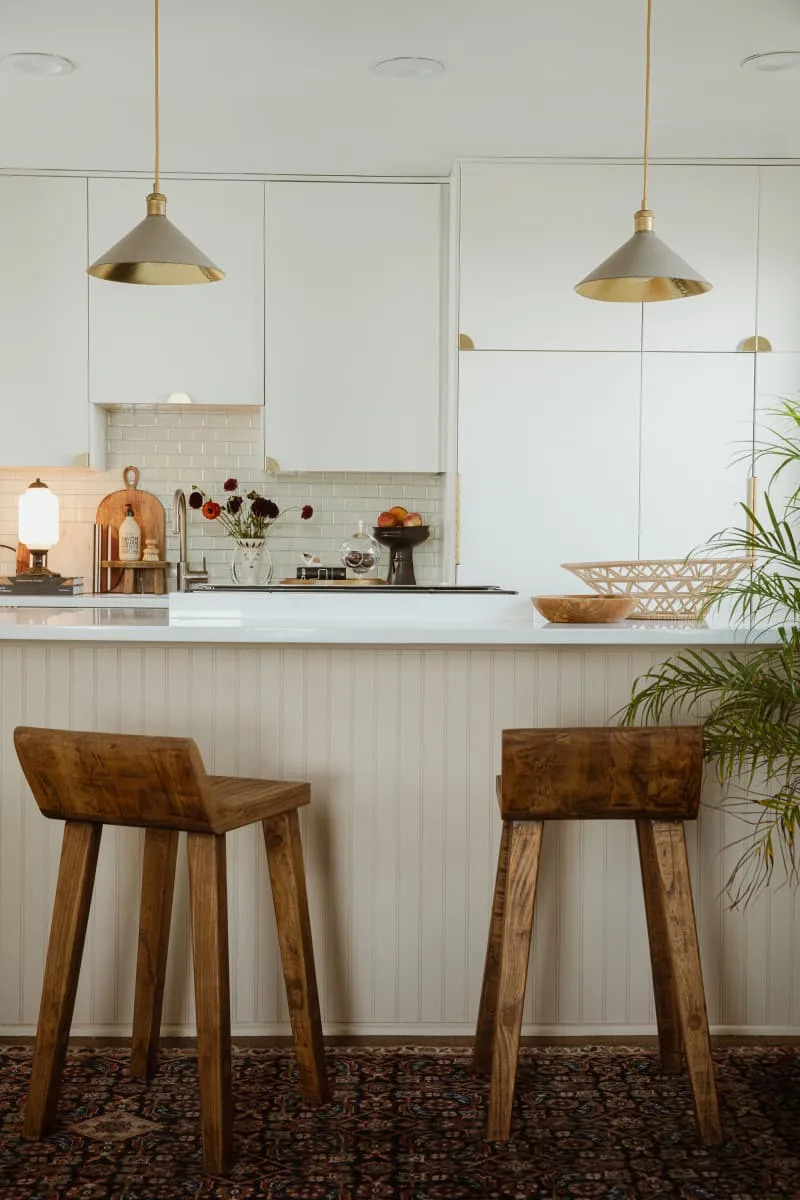
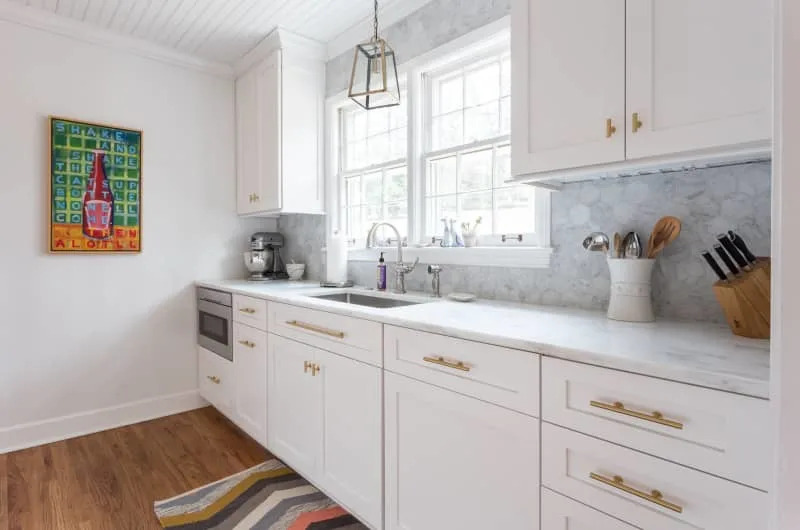
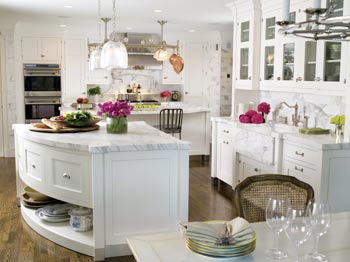
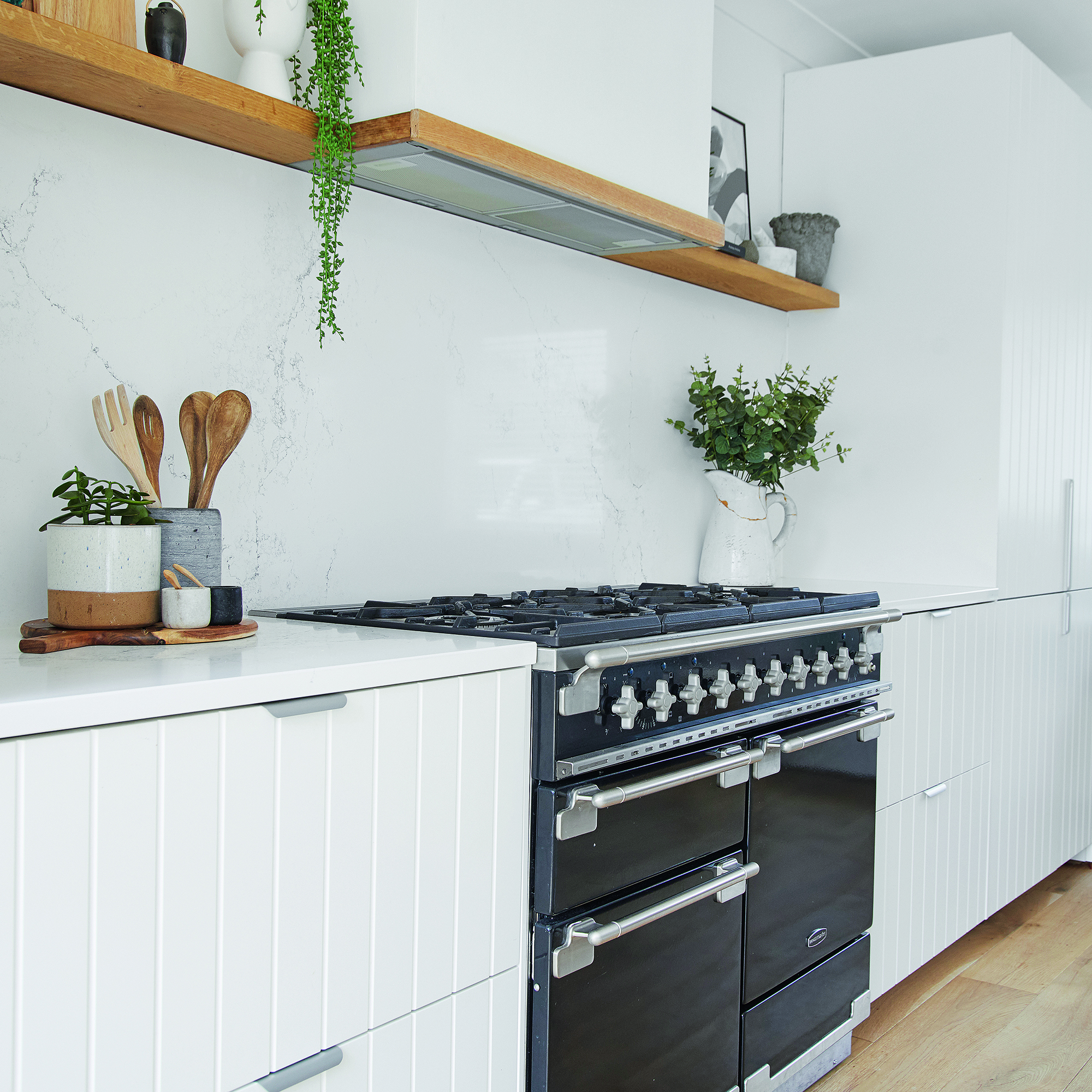
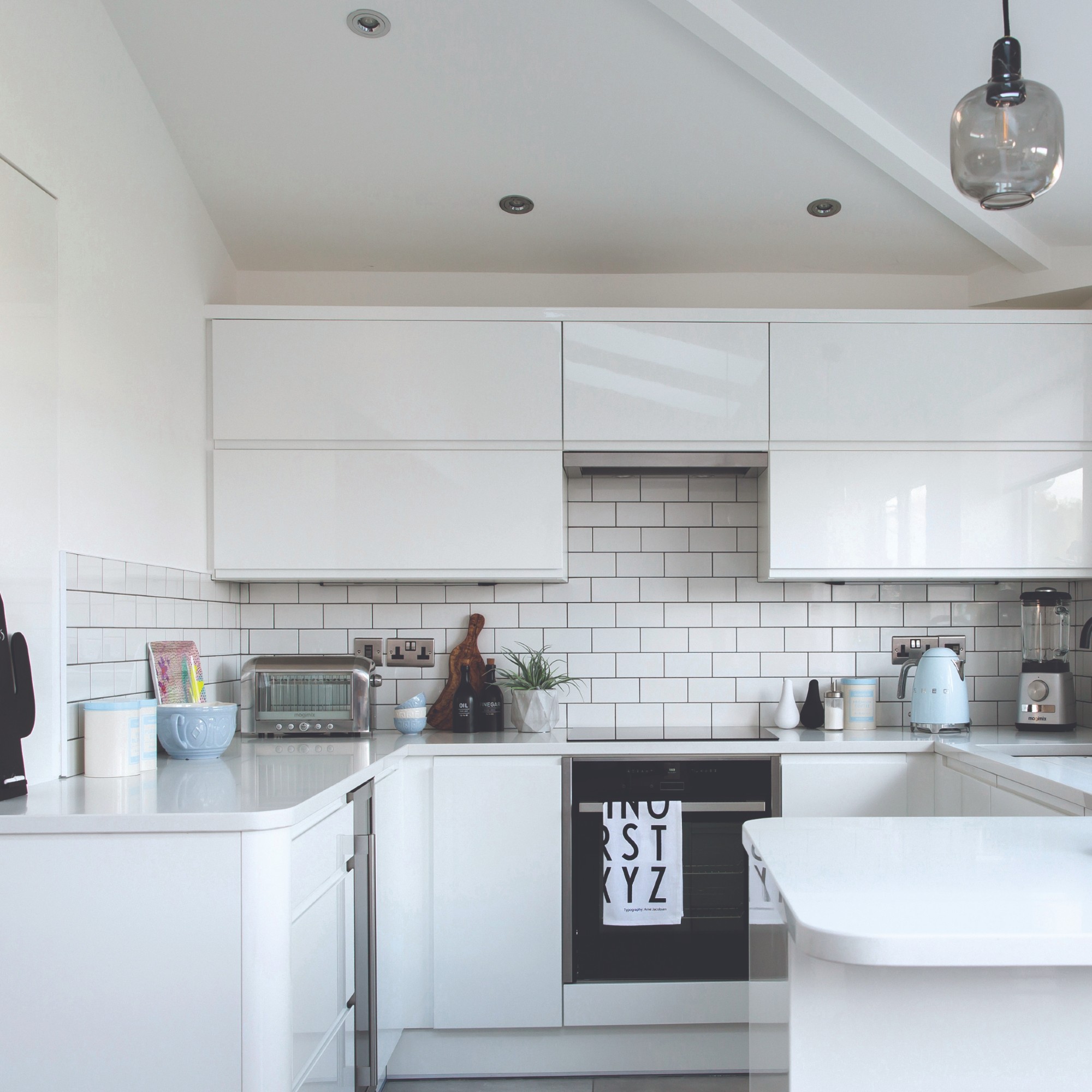
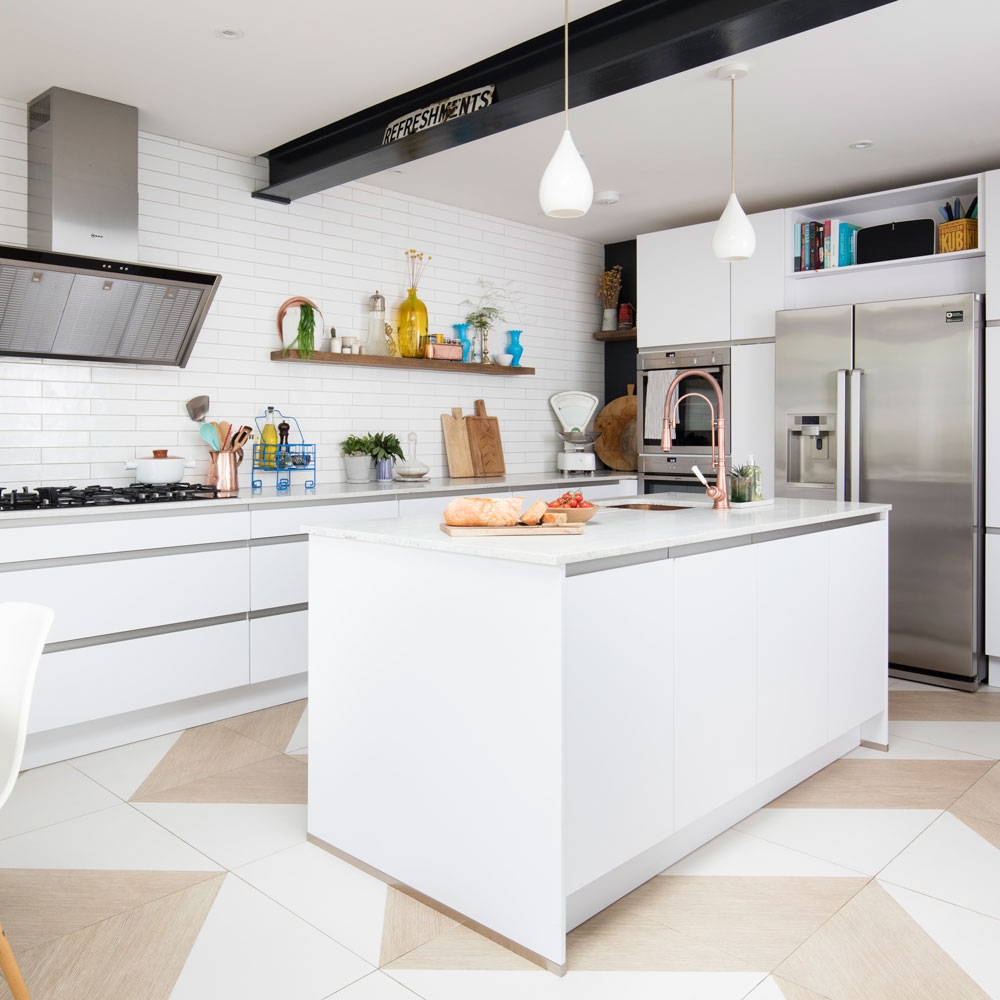
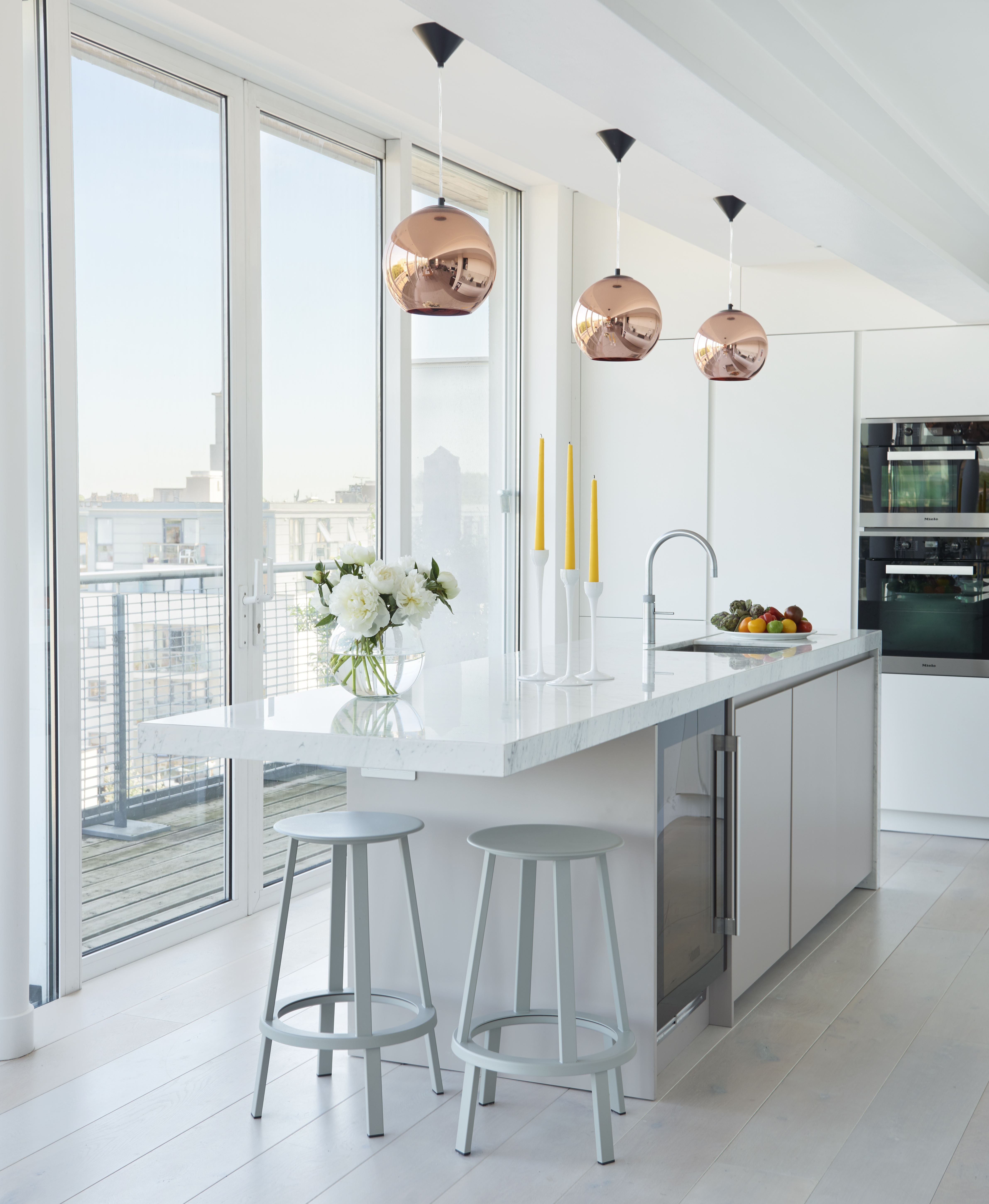
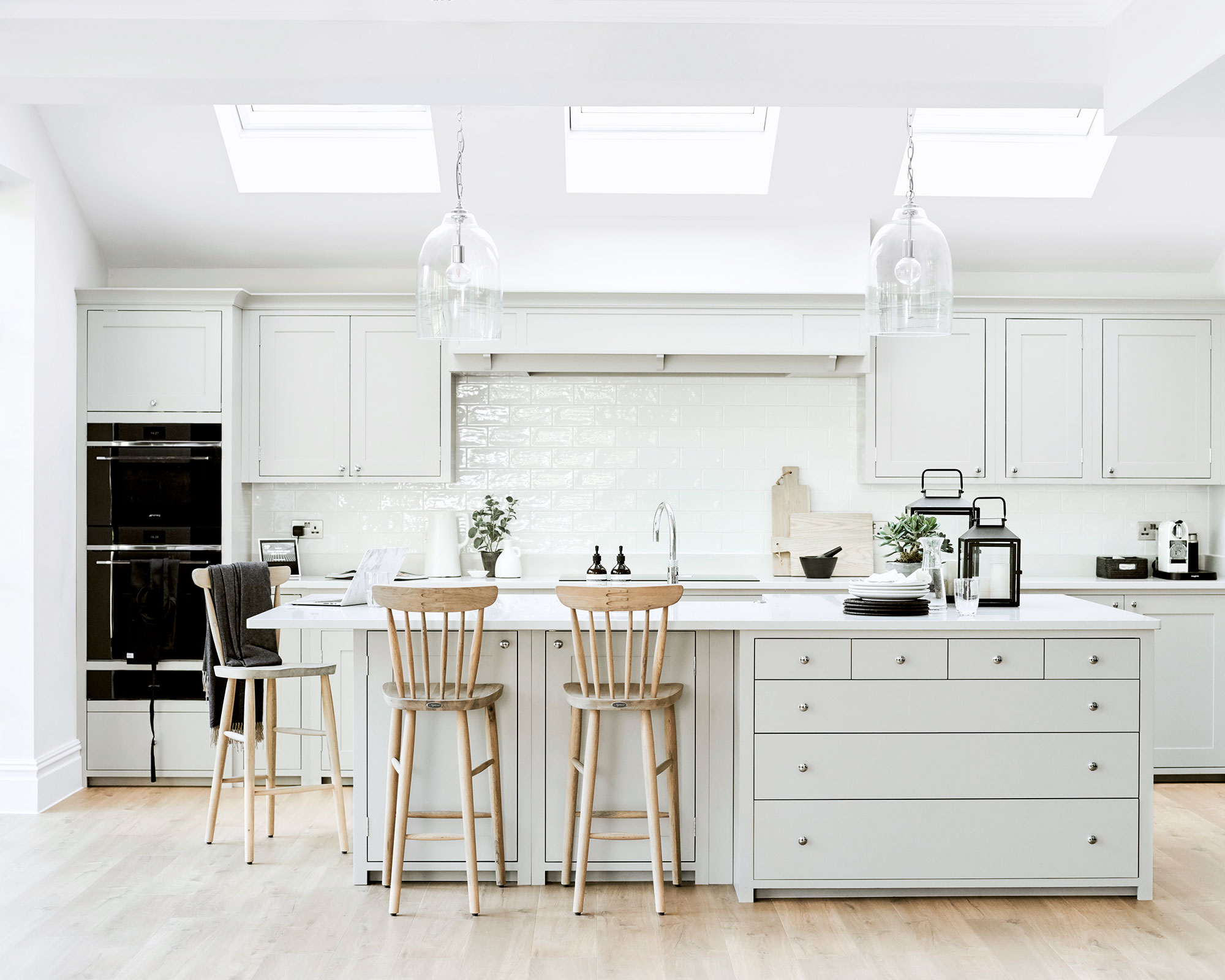
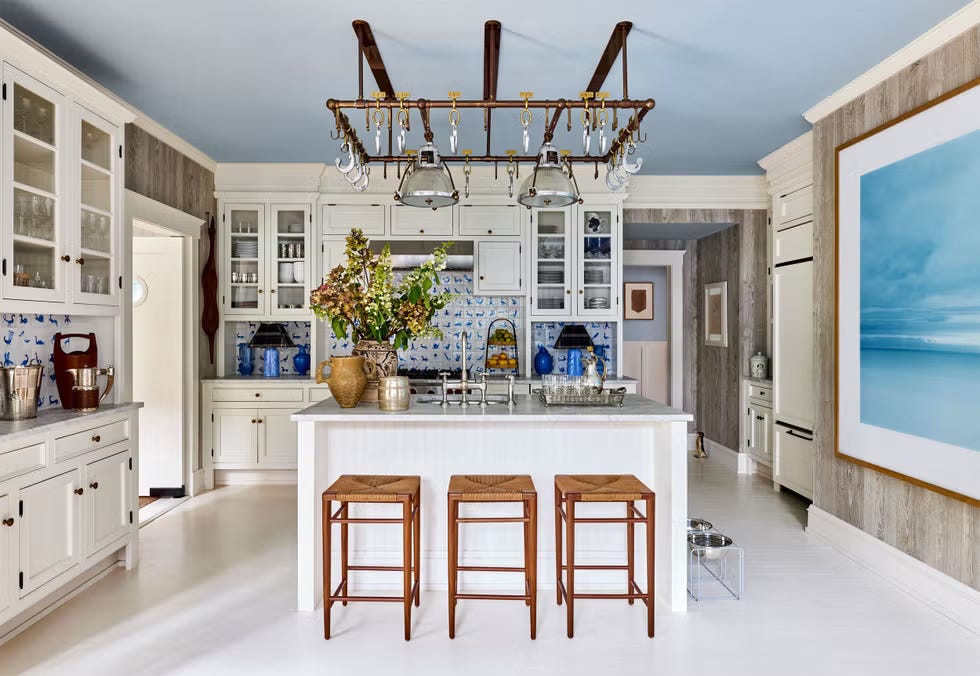
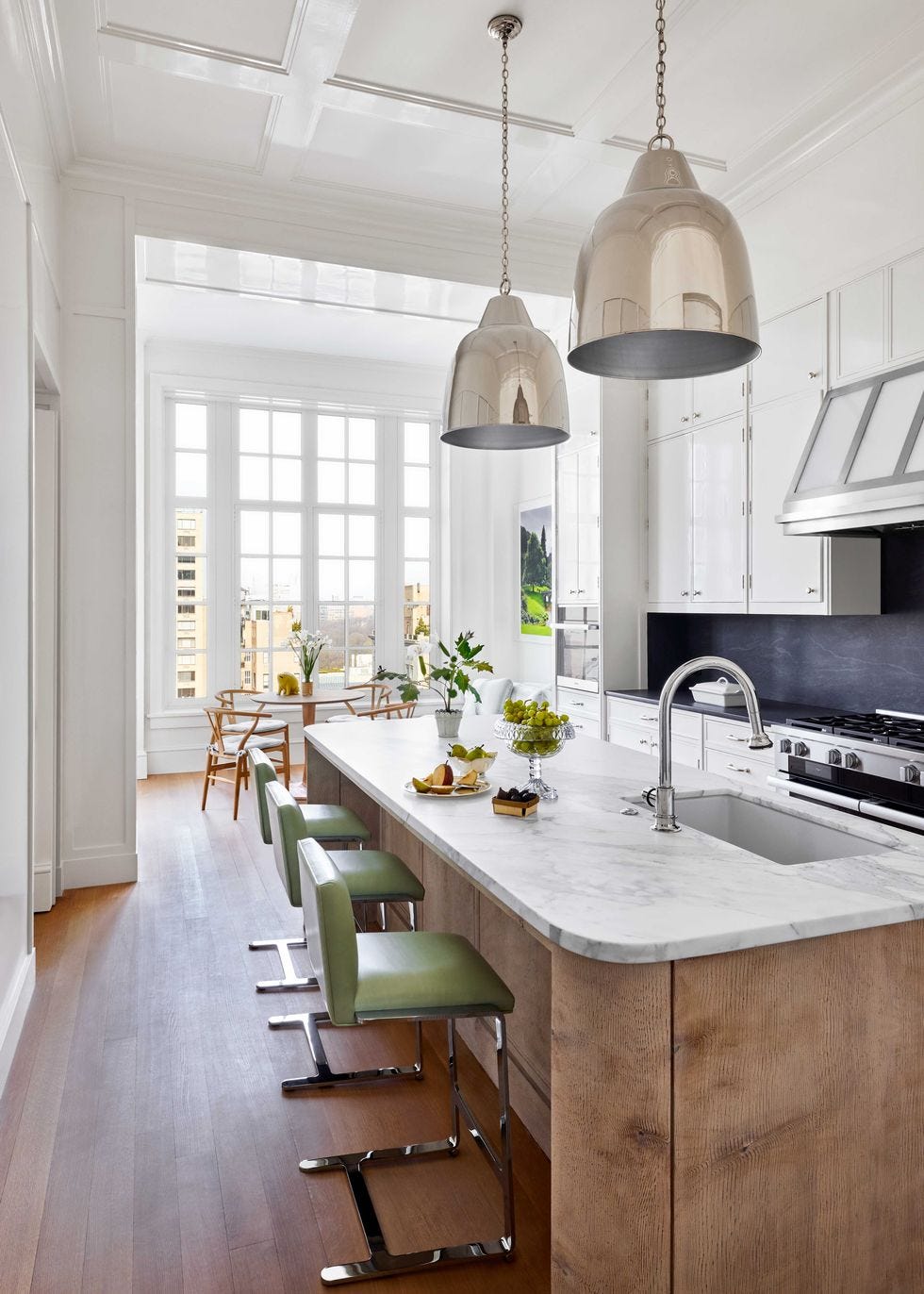
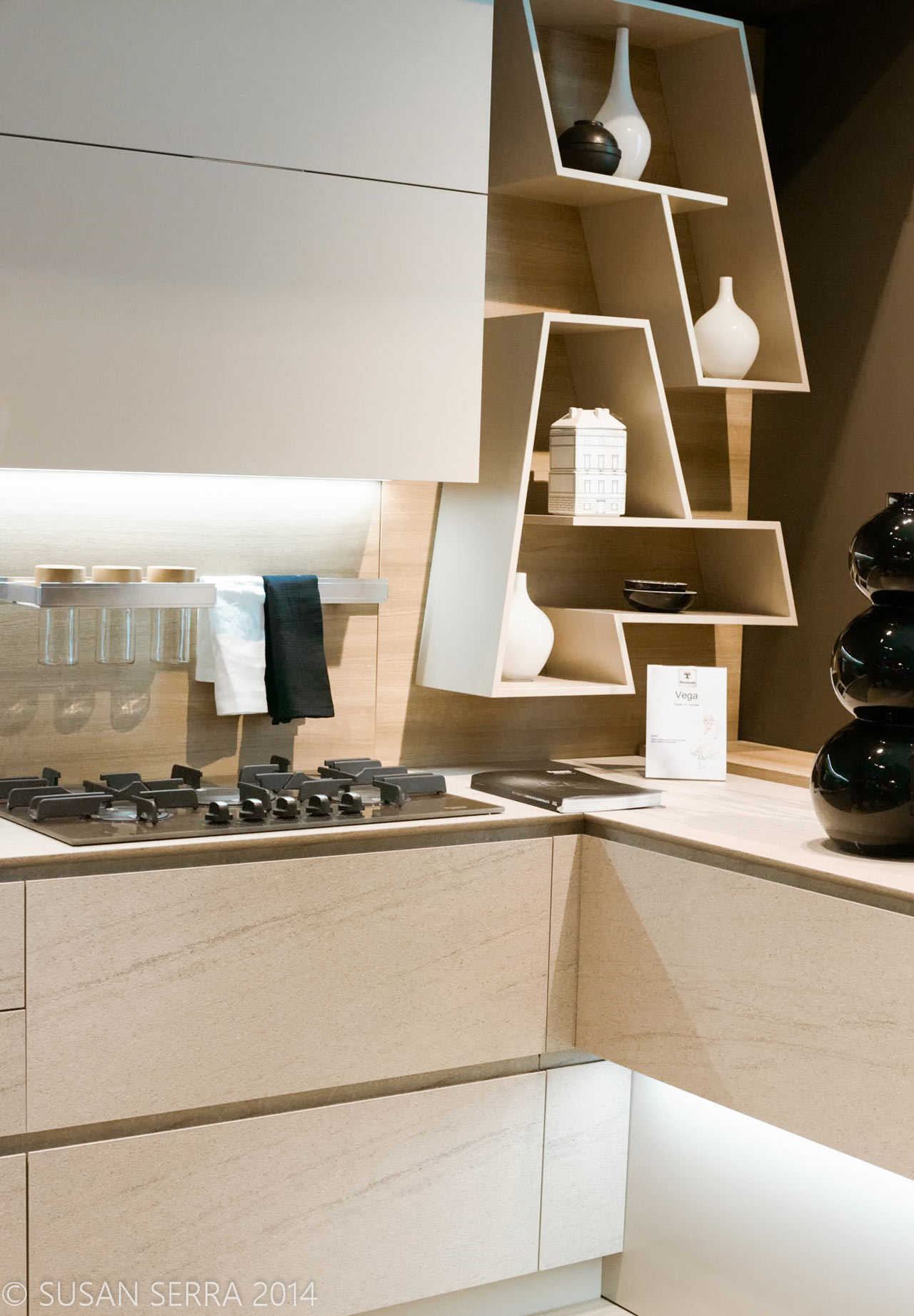
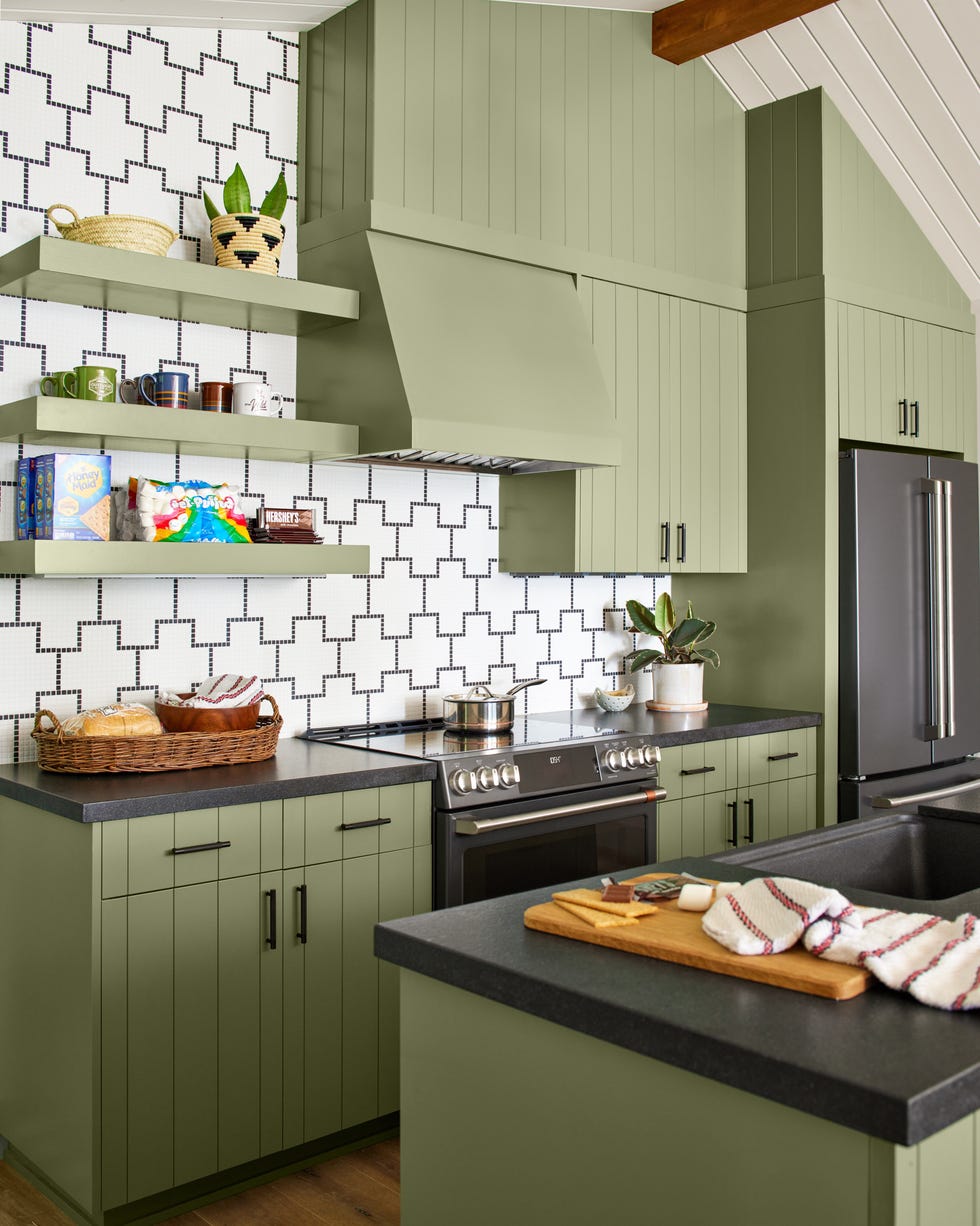
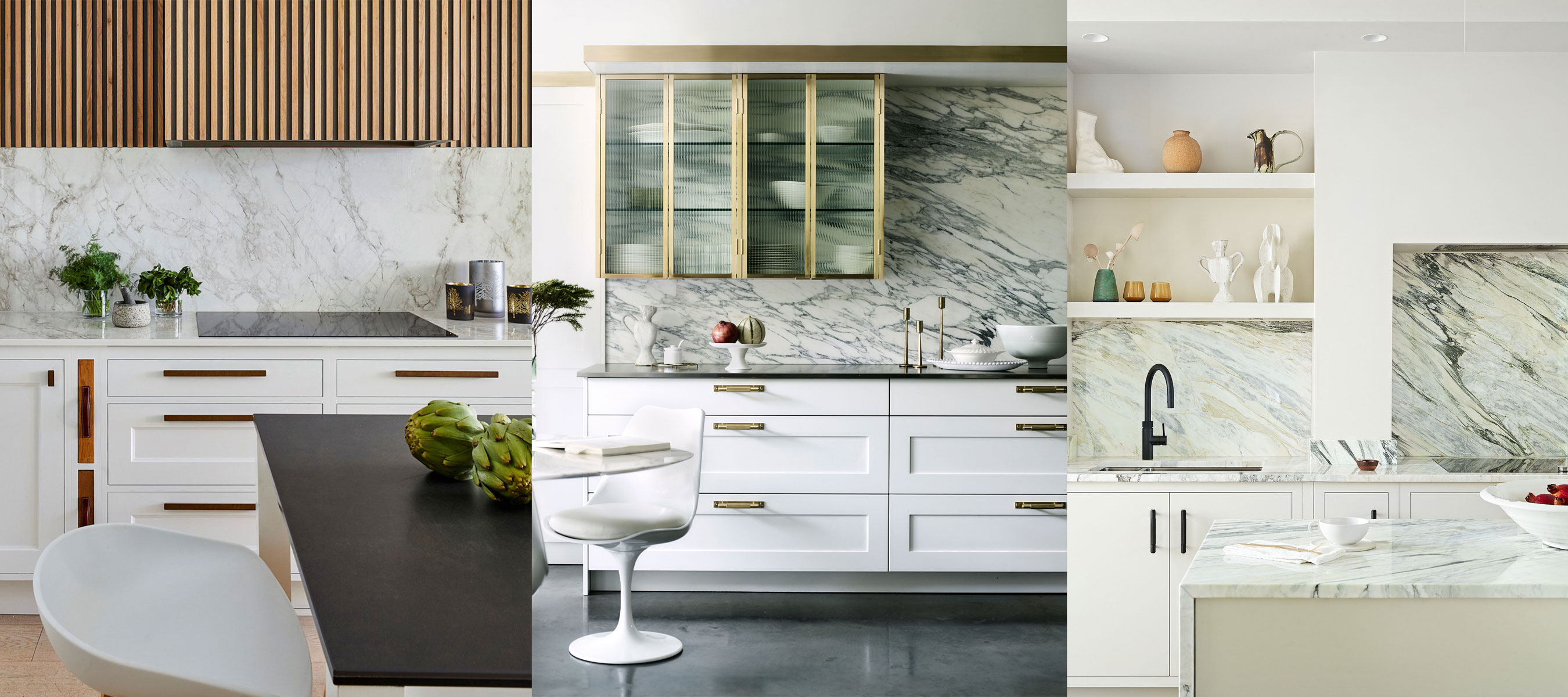
For decades, light and bright kitchens, characterized by white cabinetry and gleaming quartz countertops, have been a prominent trend in home design. This aesthetic was favored for its clean appearance and versatility, effortlessly complementing diverse decorating styles from modern minimalism to farmhouse. However, a significant shift is now occurring, with a new trend emerging that challenges the dominance of all-white kitchens. Homeowners are increasingly embracing warmer, deeper, and more dramatic elements in their kitchens, particularly through the introduction of darker countertops.
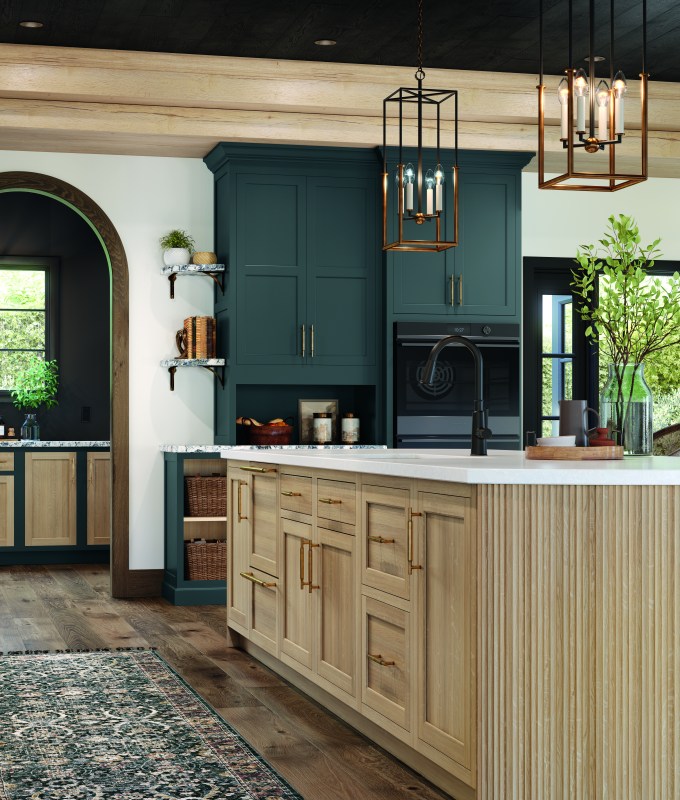
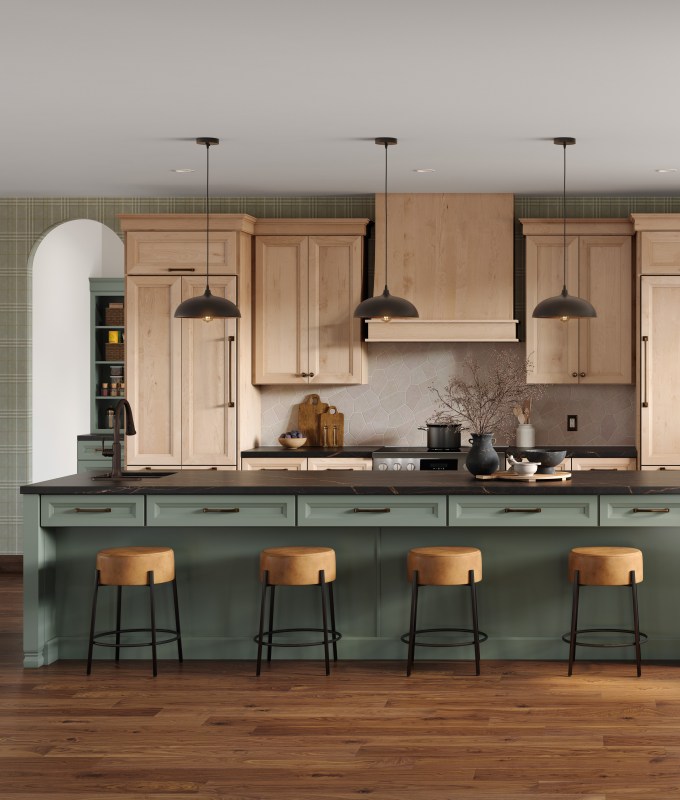
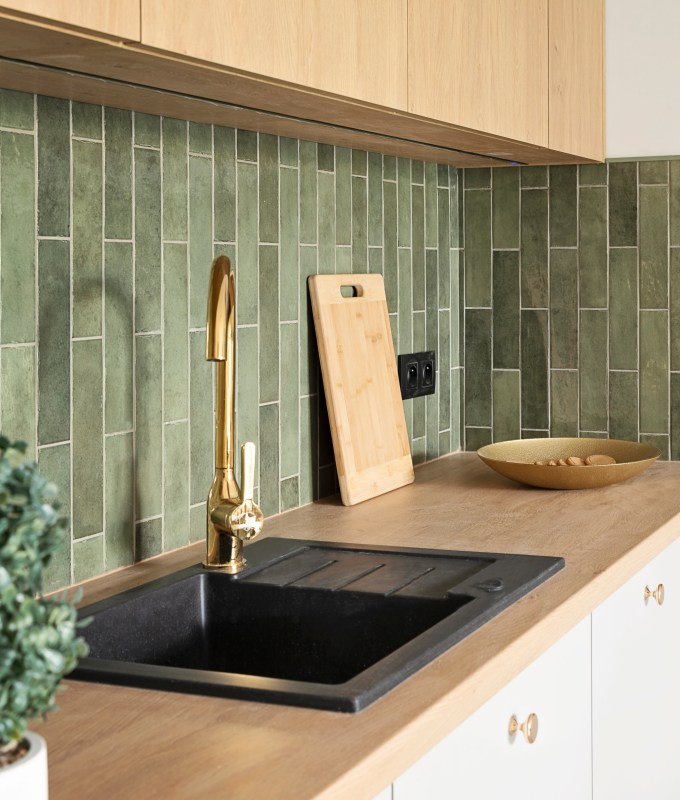
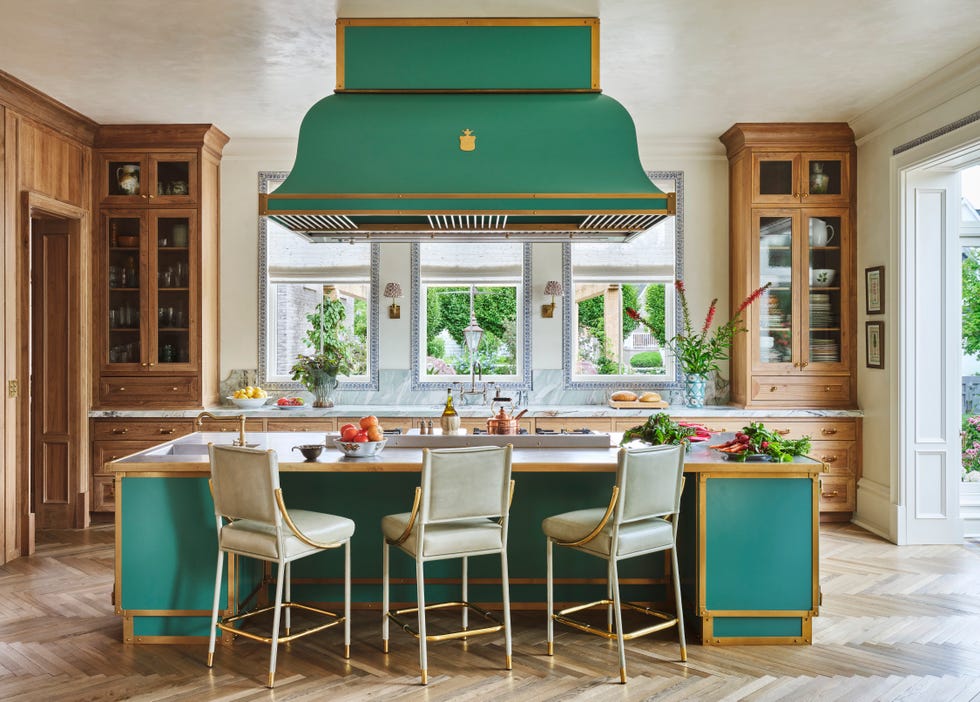
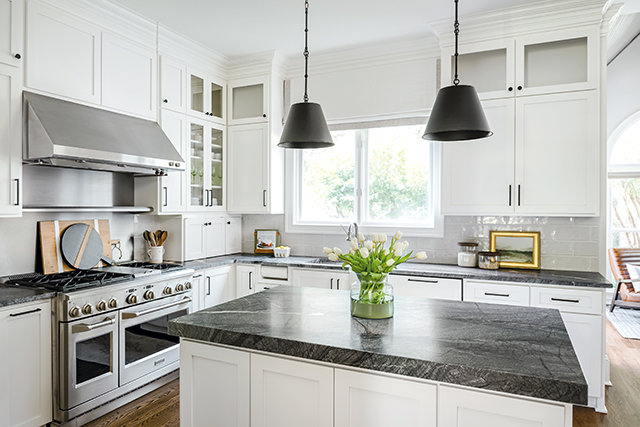
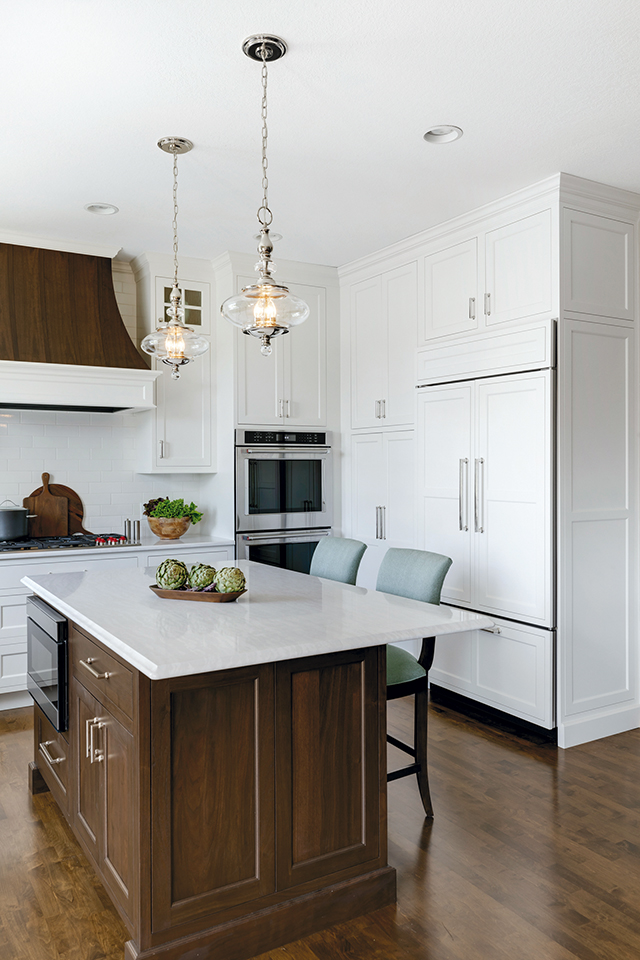
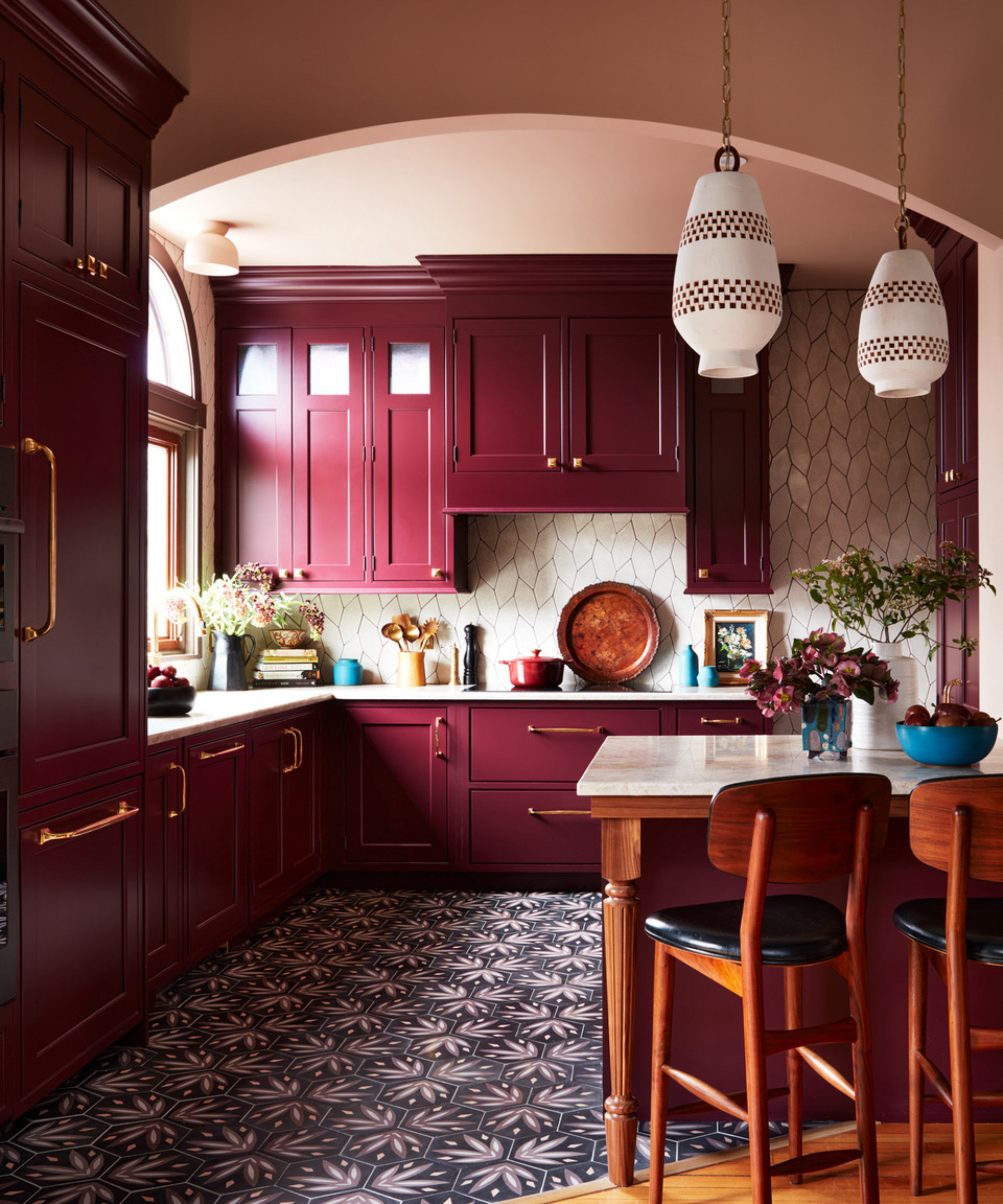
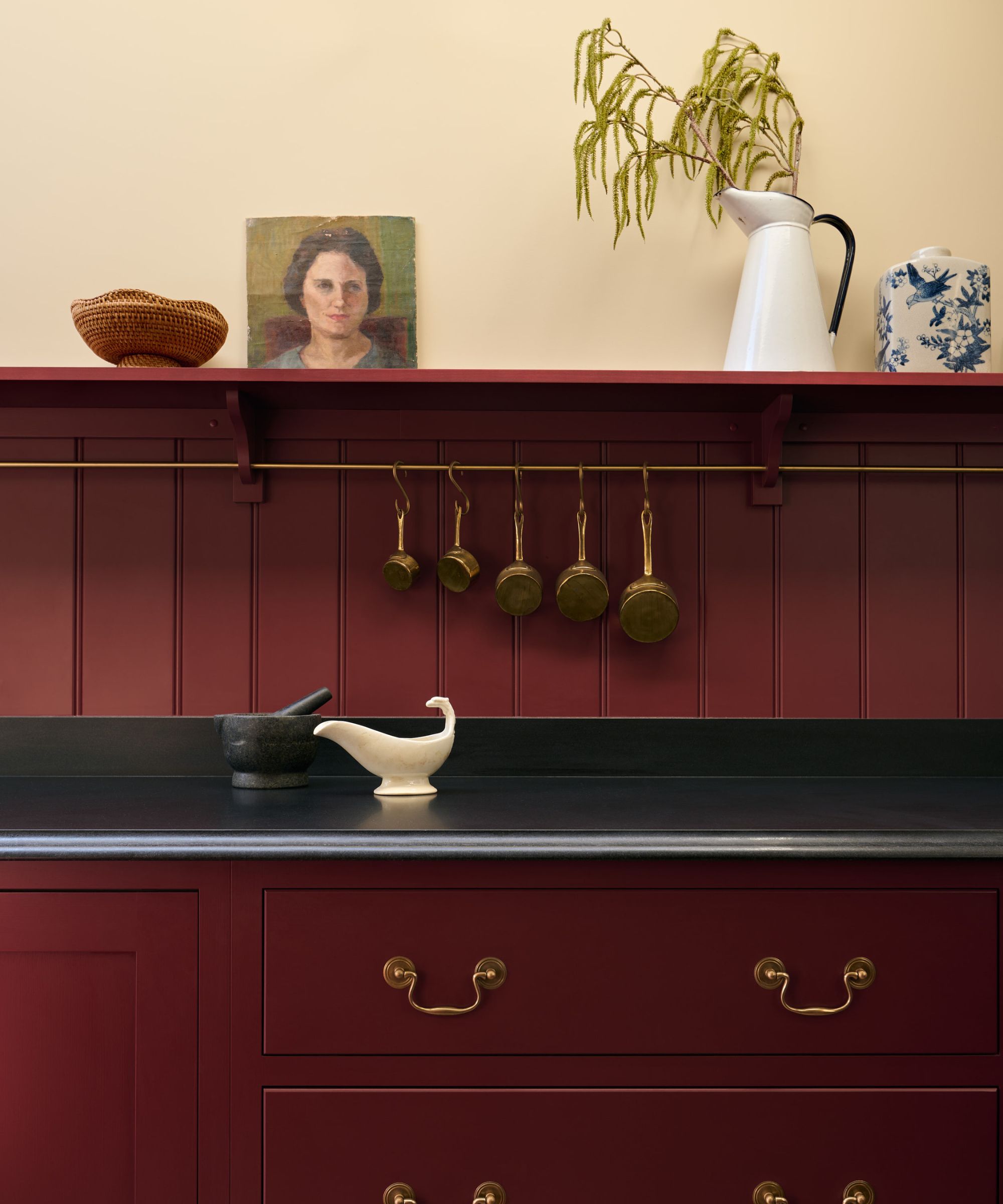
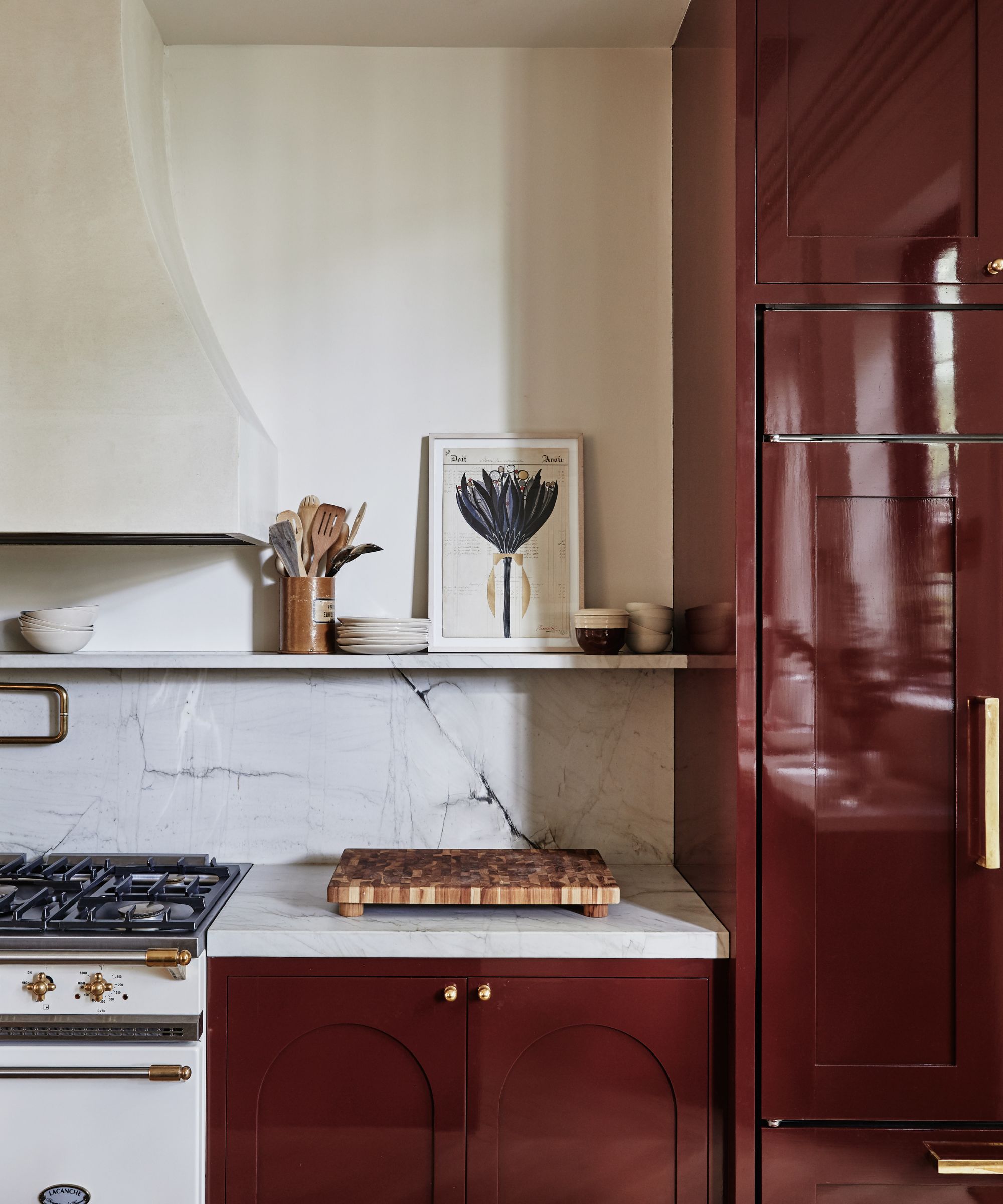
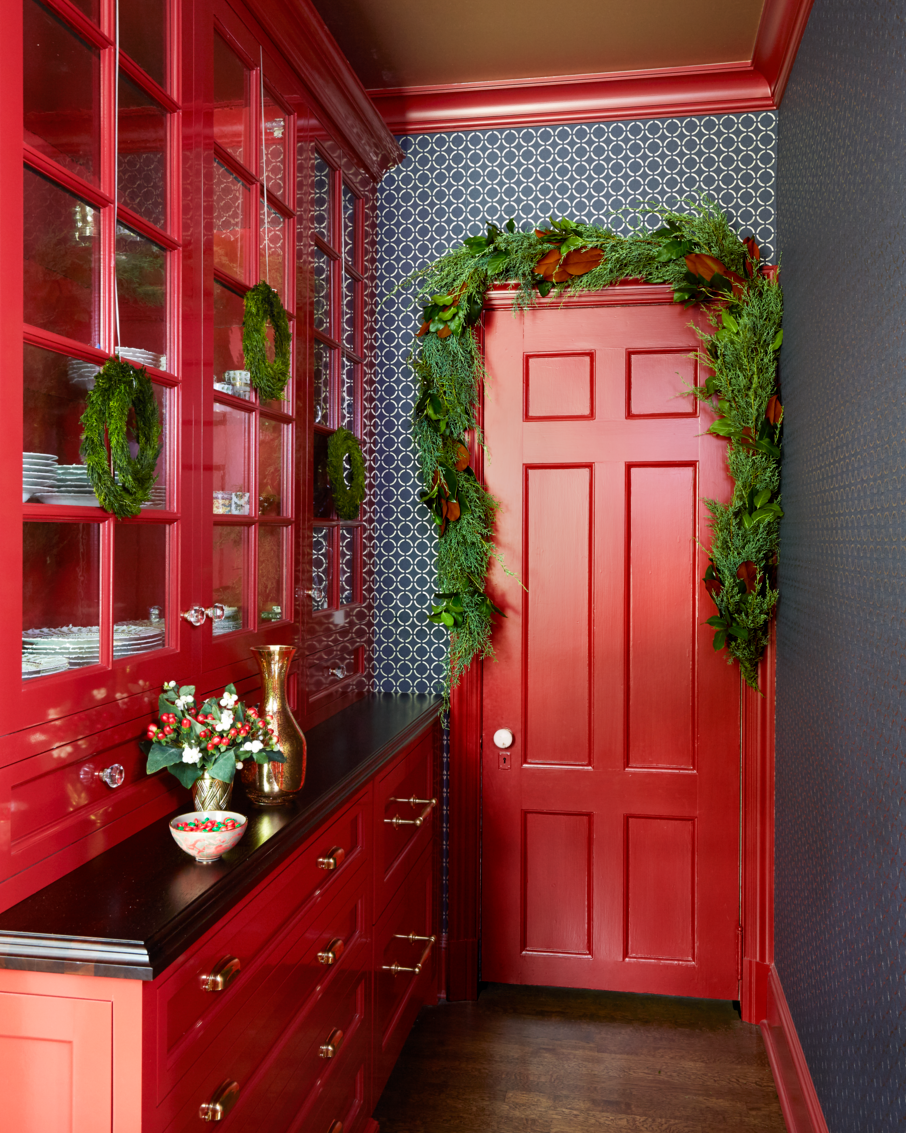
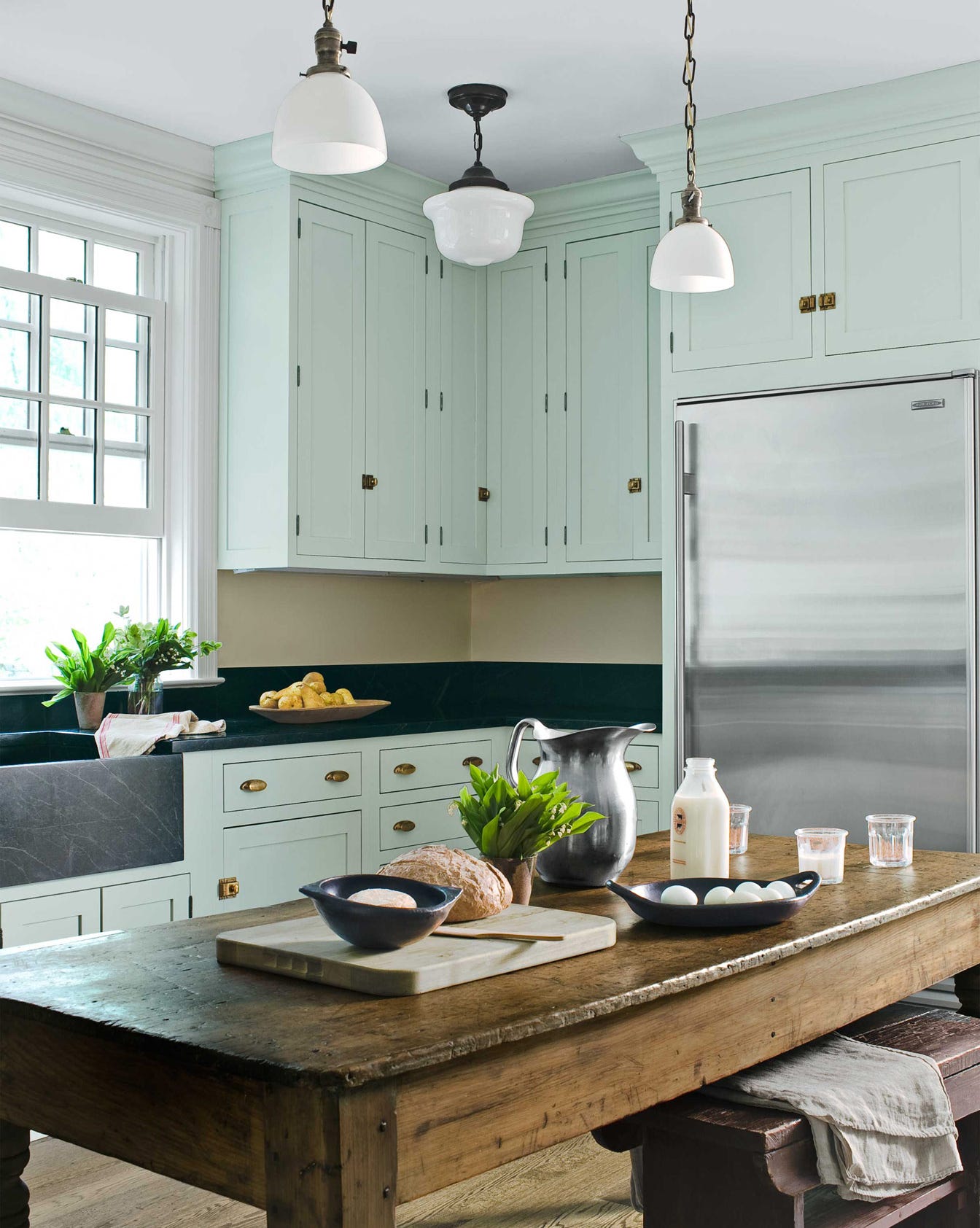
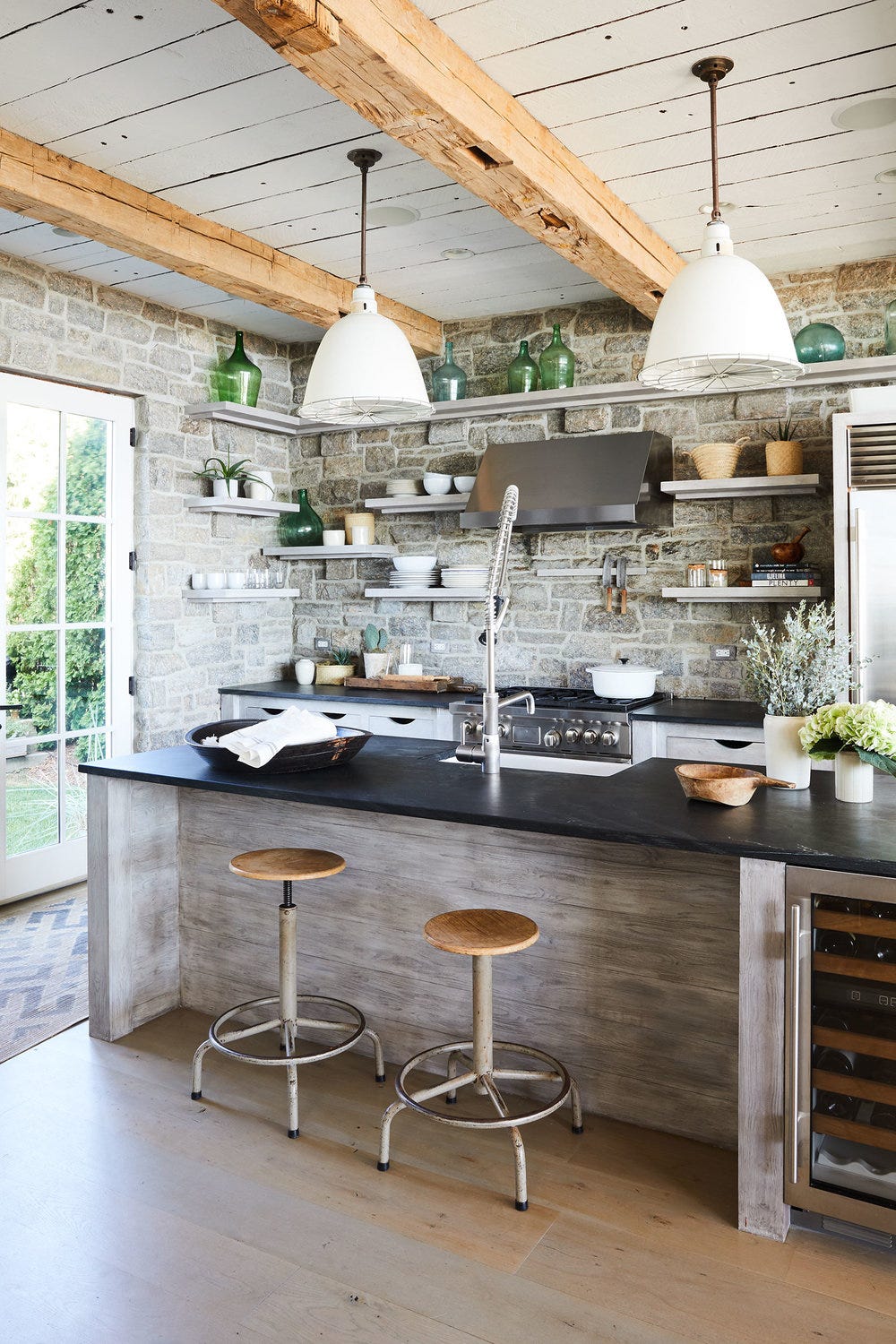
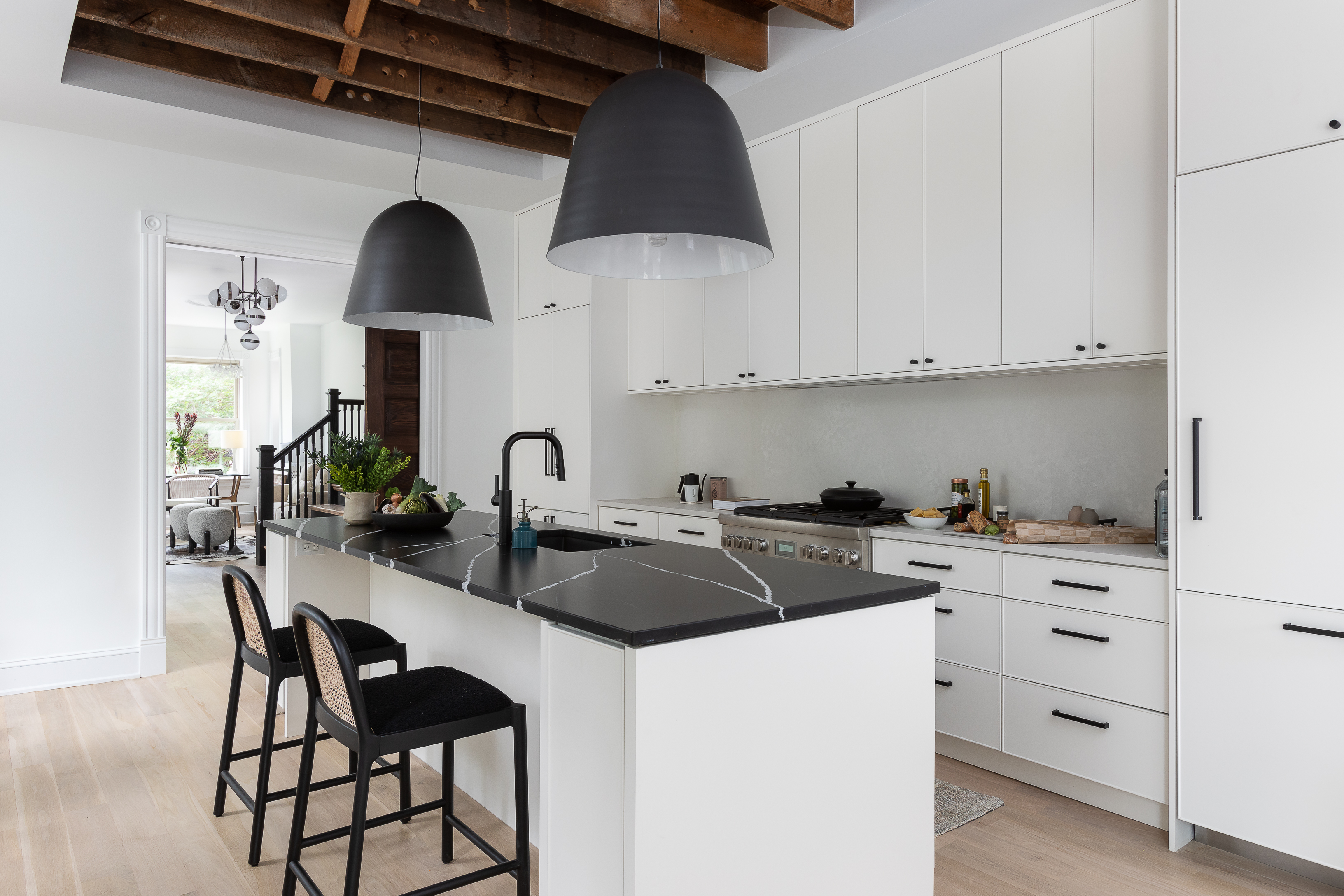
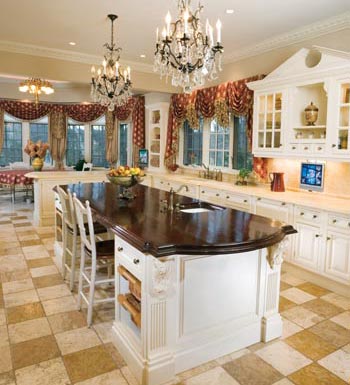
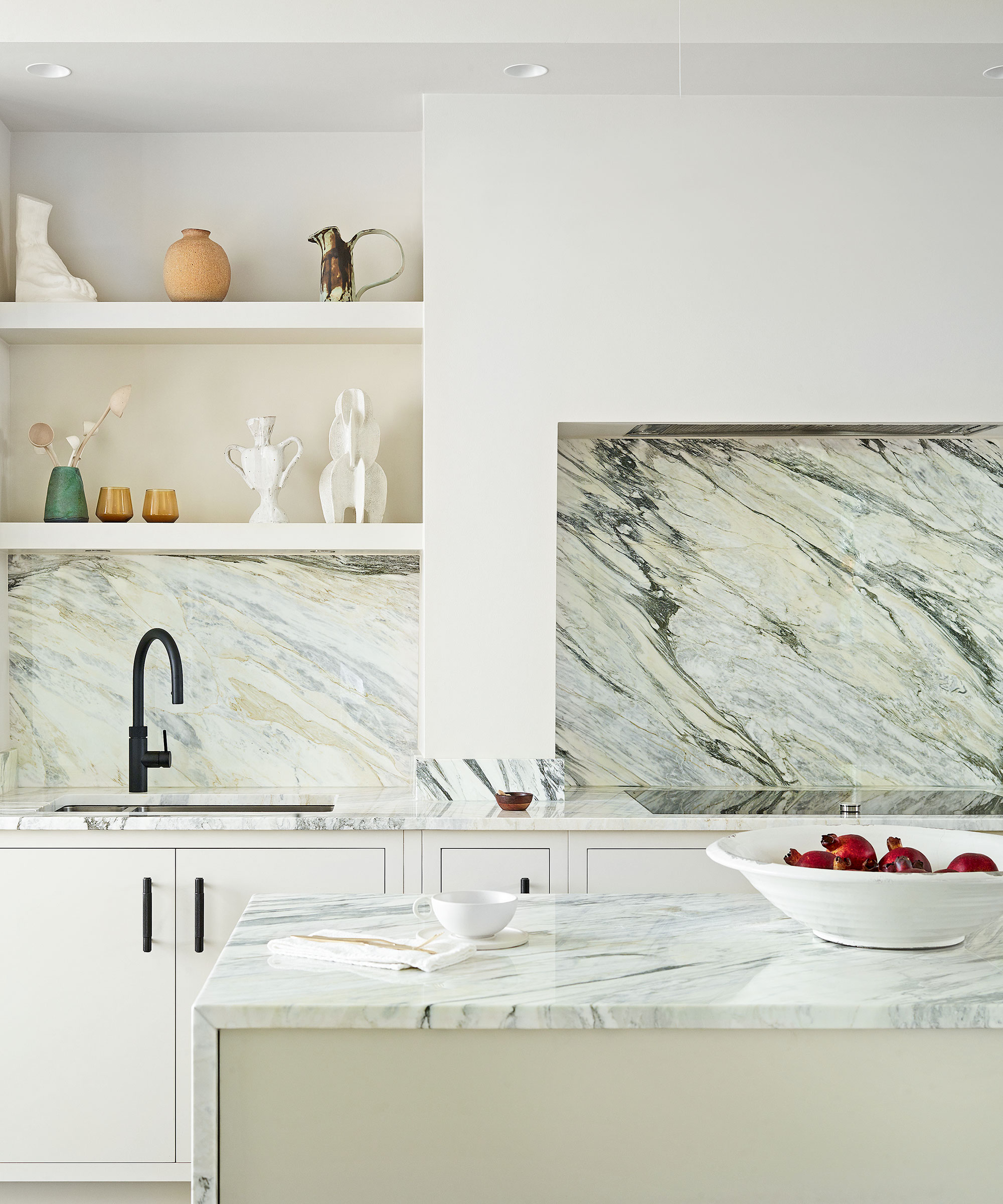
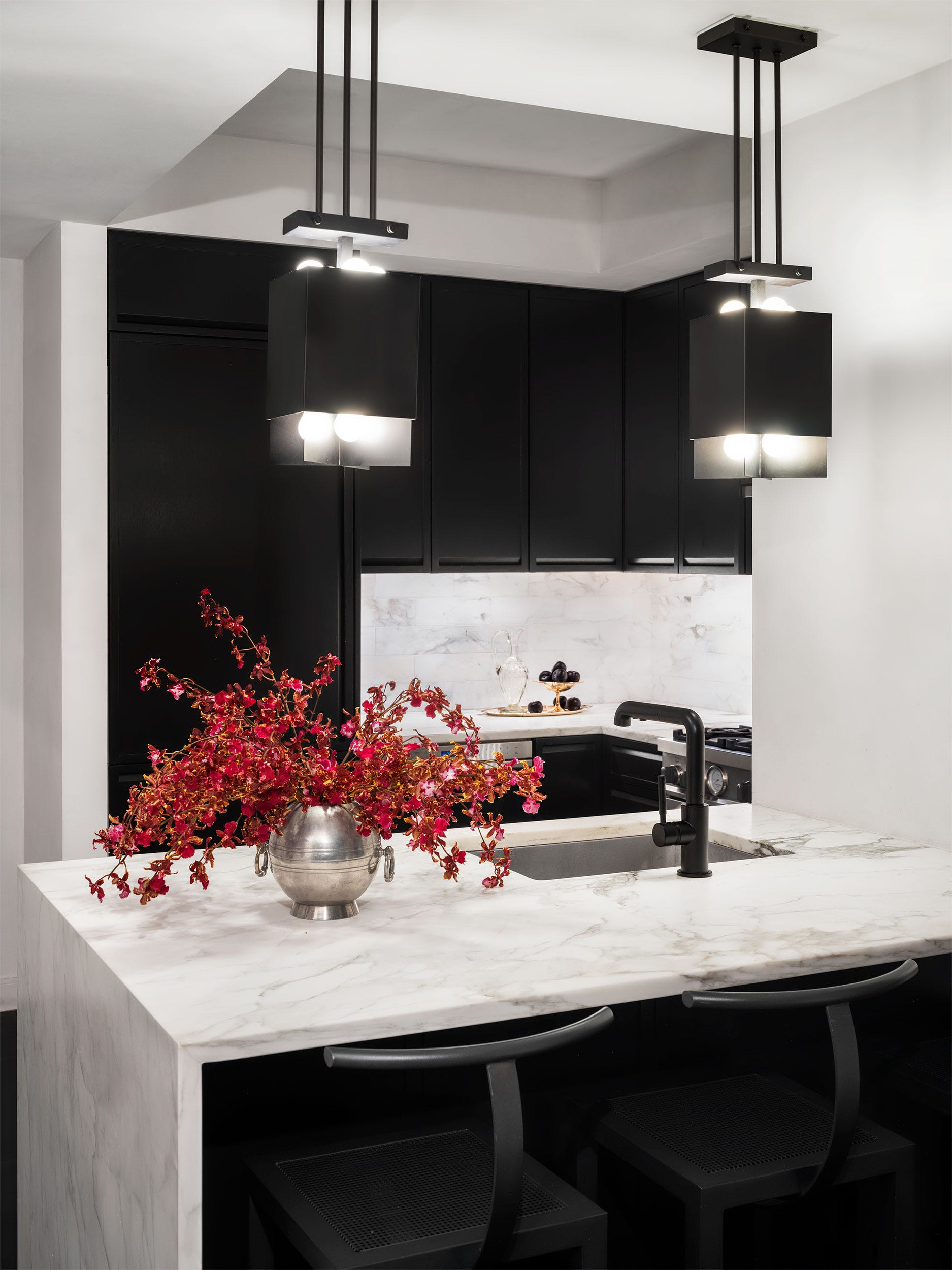
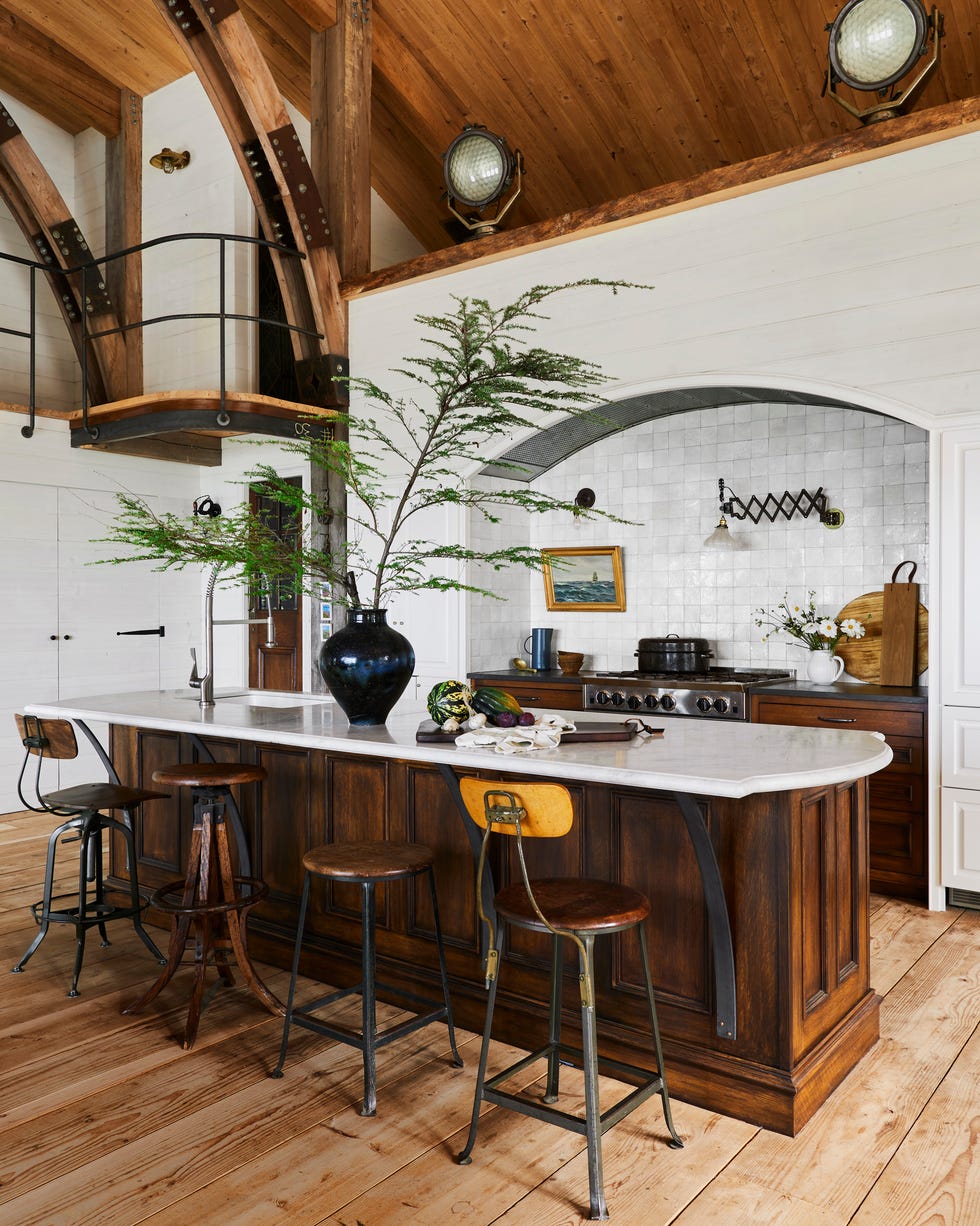
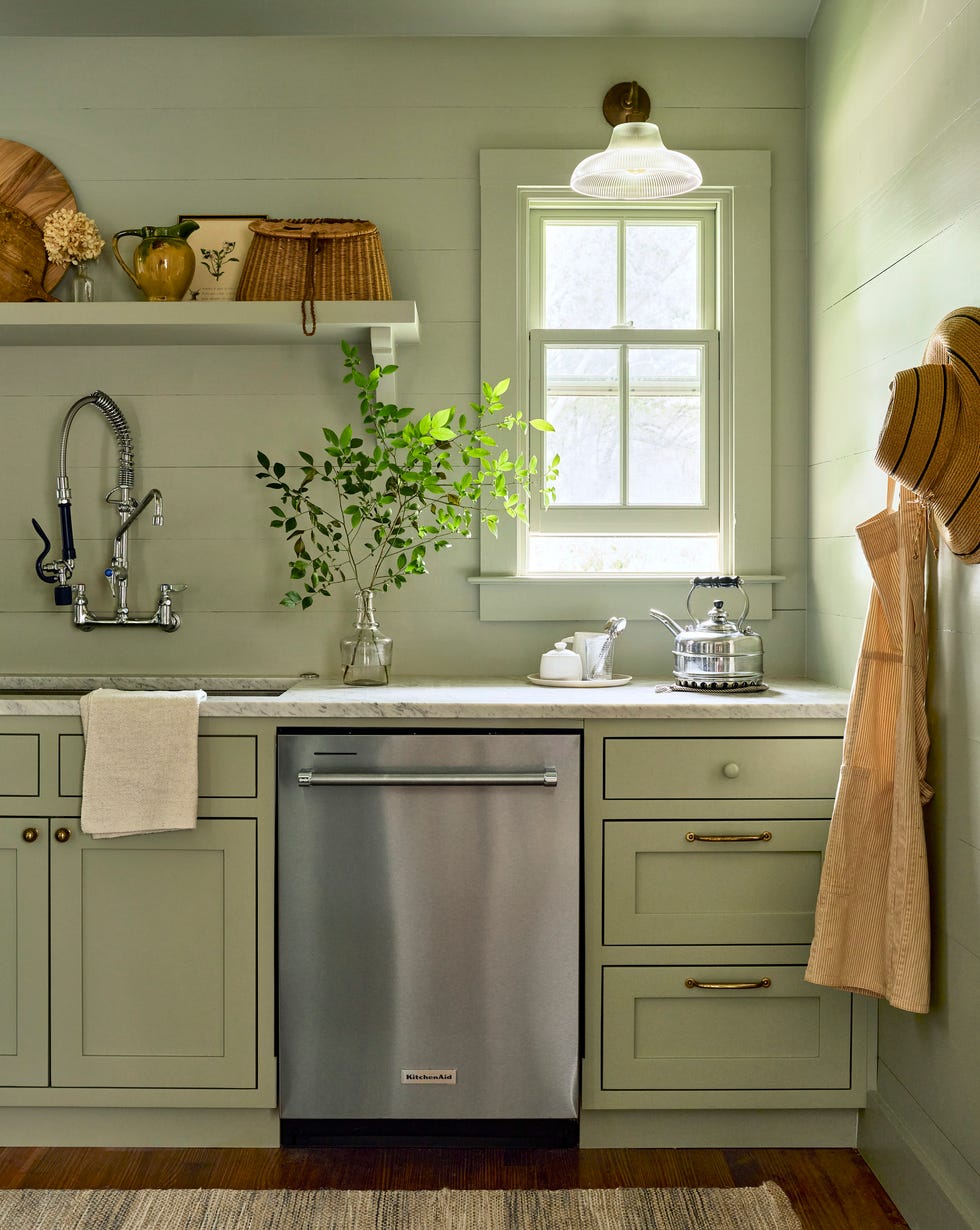
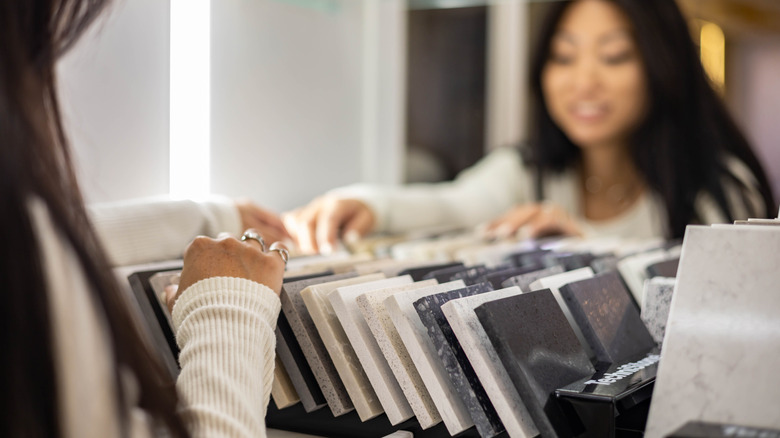
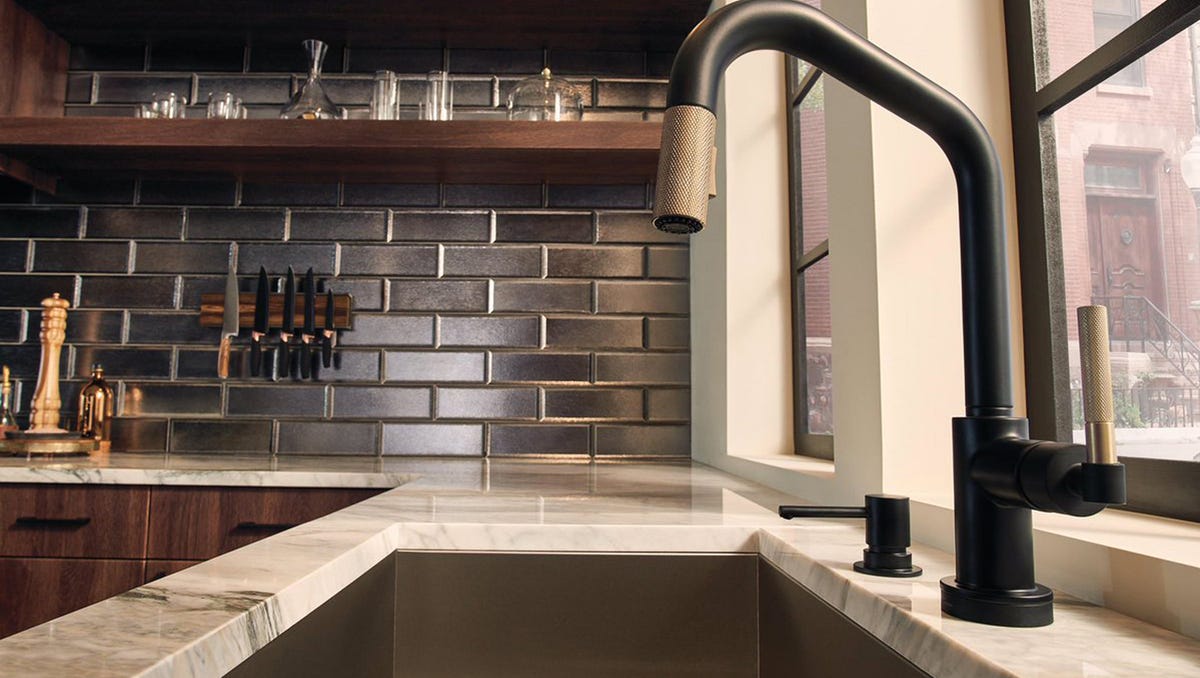
This evolving trend incorporates materials such as porcelain, soapstone, or natural wood for countertops. These surfaces often feature deep veining or rich, earthy tones like walnut, terracotta, dark taupe, or even bold shades of green or burgundy. This movement signals a broader expansion of kitchen palettes, moving away from the monochromatic all-white spaces that have been prevalent. Consequently, many all-white kitchen designs are becoming outdated in 2025 and beyond, paving the way for more varied and colorful options. For those looking to adopt this vibrant trend, a versatile resin terrazzo countertop, which integrates multiple colors into a single, striking surface, presents an appealing option.
While embracing new trends can revitalize a space, it's crucial to consider the longevity of such design choices. Kitchen styles are dynamic, and what is fresh today can quickly become dated. Therefore, when selecting new countertops or any kitchen feature, the primary consideration should be personal appeal and a style that resonates with the homeowner. For enduring appeal, it's advisable to choose materials and styles that enhance the home's existing character and harmonize with other kitchen elements, such as cabinetry and flooring, ensuring their relevance over time.
When incorporating deeper hues into kitchen counters, a balanced approach is recommended to ensure long-lasting appeal. While purple-veined slabs or green stone might be trendy, selecting shades that are too dark could limit future design flexibility. Instead, opting for more versatile, neutral colors, such as a cool gray instead of a very dark soapstone or granite, can provide both current style and future adaptability. Similarly, choosing countertops with medium-toned, organic patterns rather than extra-bold, marble-like veining allows for the integration of current saturated color trends while maintaining flexibility for future modifications to cabinet styles, wall colors, or flooring.
Looking ahead to 2026, eco-friendly options are also gaining traction in kitchen design. Sustainable countertop materials, such as porcelain, which is made from natural, recyclable materials and can mimic natural stone, offer an environmentally conscious choice. Reclaimed wood countertops are another viable option. These materials are generally more environmentally friendly than traditional choices like granite or marble, which demand significant natural resources and energy for quarrying and transportation. By thoughtfully combining contemporary design trends with sustainable choices and a focus on durability, homeowners can create a kitchen that is both current in style, reflective of personal taste, and designed to age gracefully.
#KitchenDesignTrends #CountertopTrends #MoodyKitchens #SustainableMaterials #HomeRenovation #InteriorDesign #KitchenRemodel #HomeDecor #KitchenDesignTrends #CountertopTrends #MoodyKitchens #SustainableMaterials #HomeRenovation #InteriorDesign #KitchenRemodel #HomeDecor
Hay 0 comentarios en total
 Aún no hay comentarios
También te puede gustar
Are White Kitchens Over? Yes, It Seems
White Cabinets Are Out, and More 2019 Kitchen Trends You Need to Know

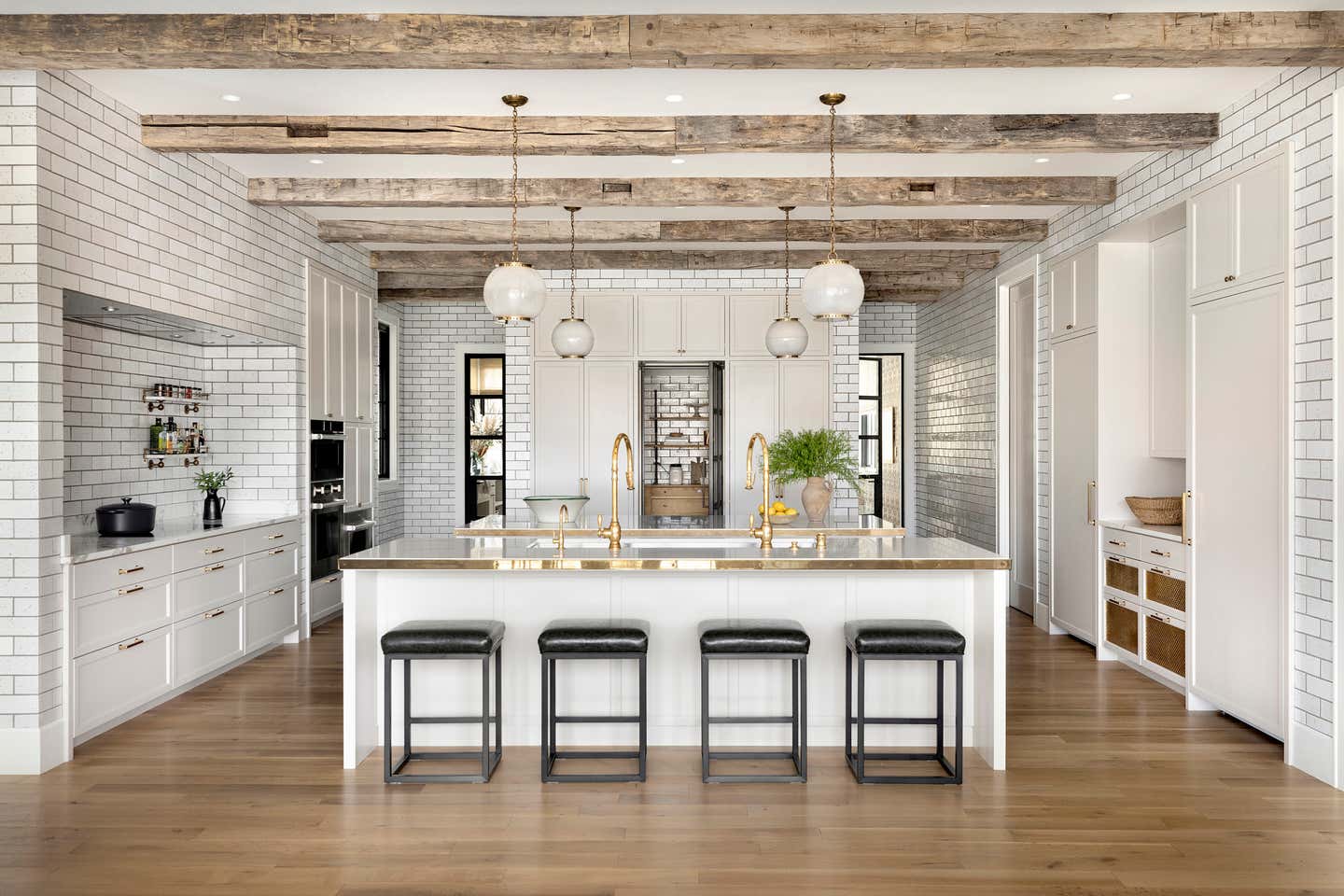
What color countertop goes best with white kitchen cabinets? 6 ideas for timeless spaces

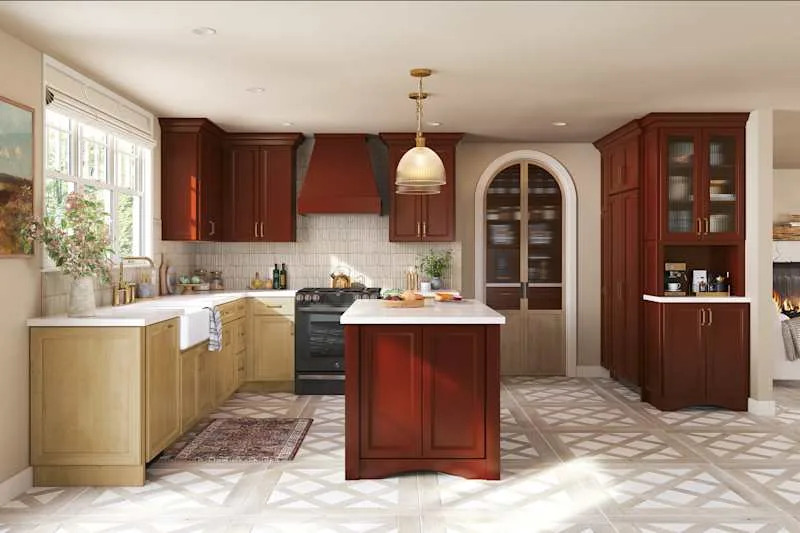
White Kitchen Cabinets Had a Good Run, But This Color Is the Future

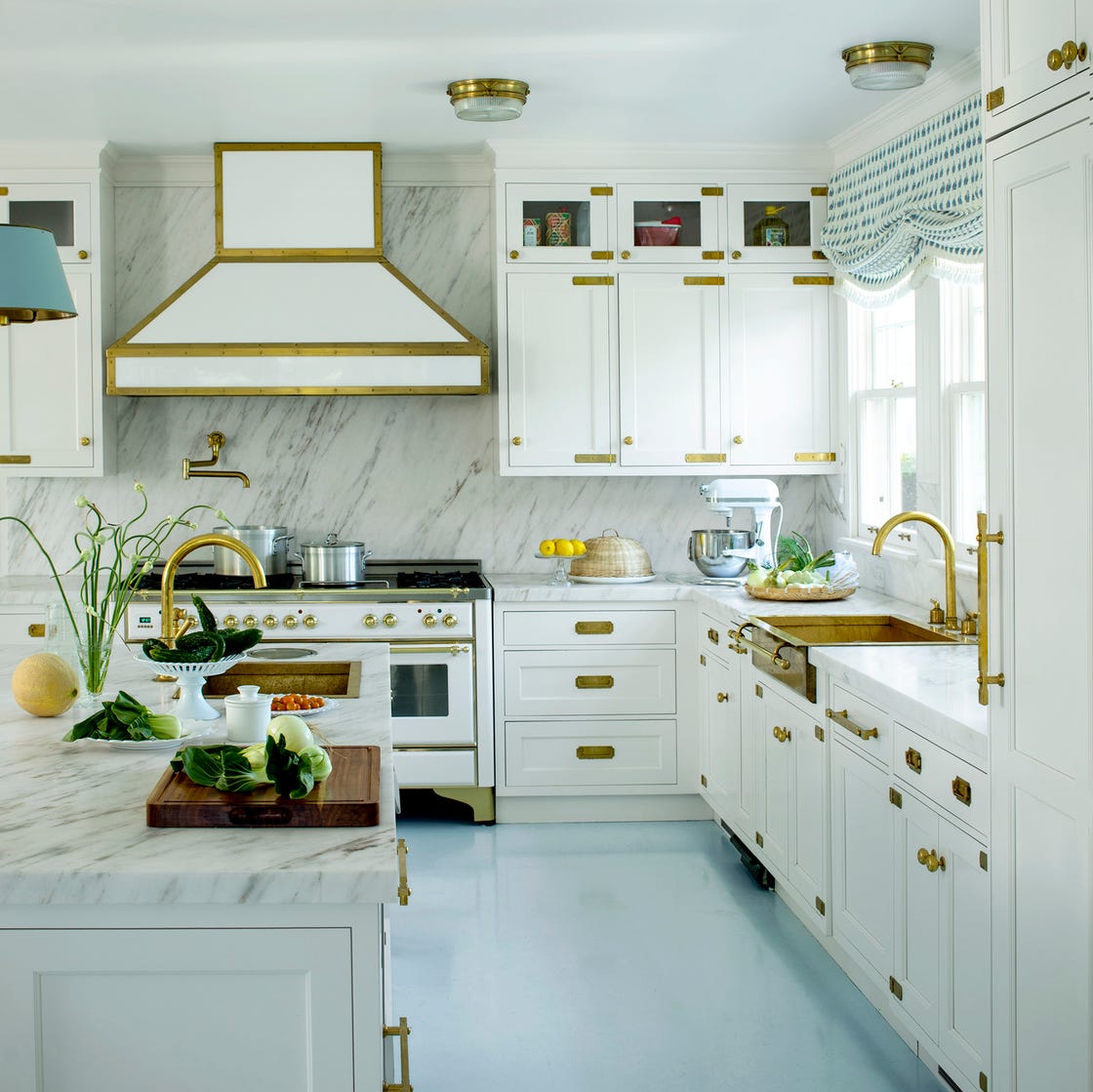
Are White Kitchens Officially Over? Here's What Designers Are Saying

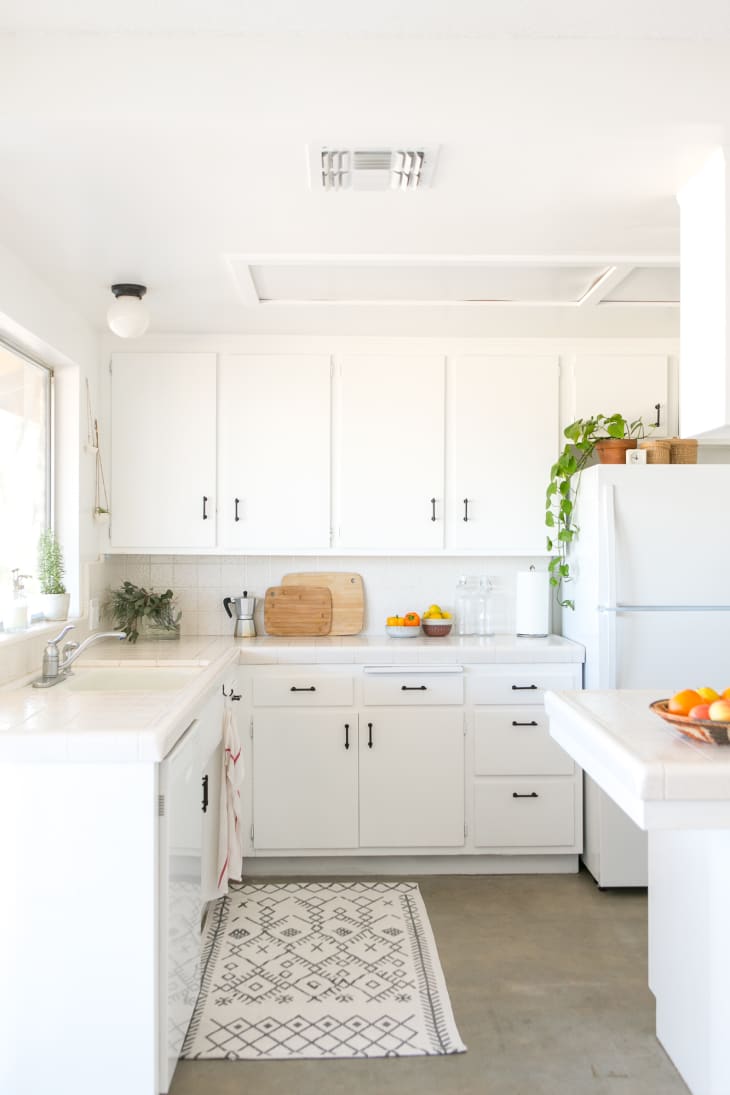
Over White And Grey Kitchens? There’s a New Neutral in Town
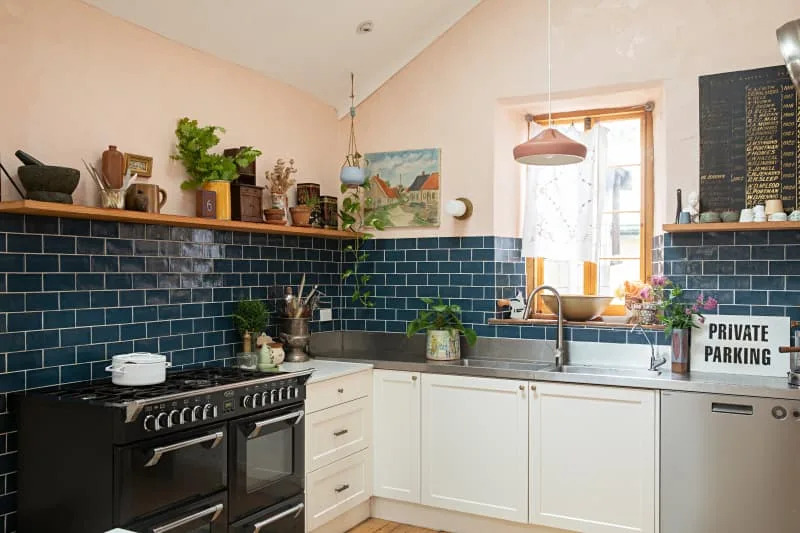
The Color Pattern Taking Over Kitchens in 2025 (Move Over, White Cabinets!)
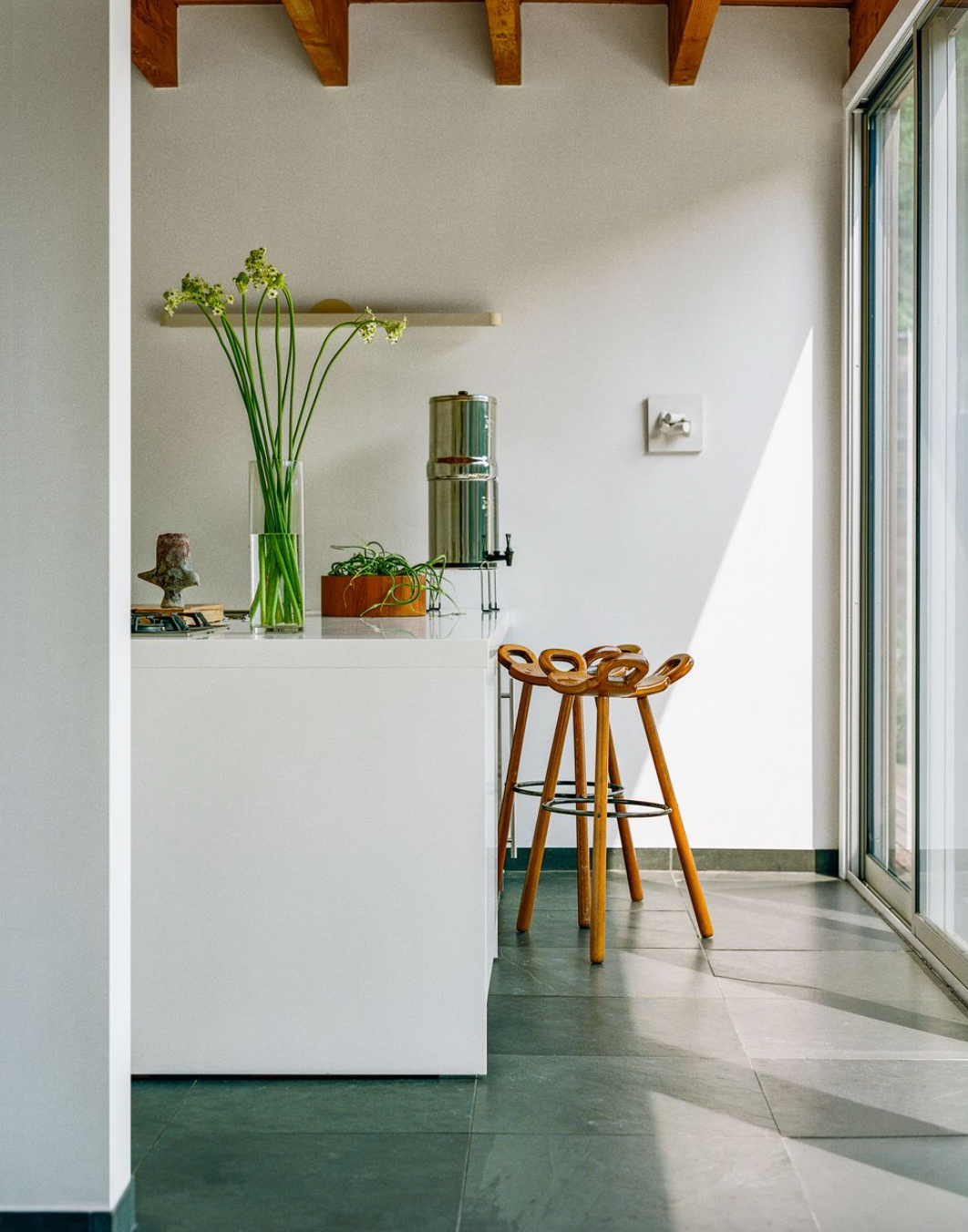
59 White Kitchen Ideas That Make the Most of a Pristine Palette
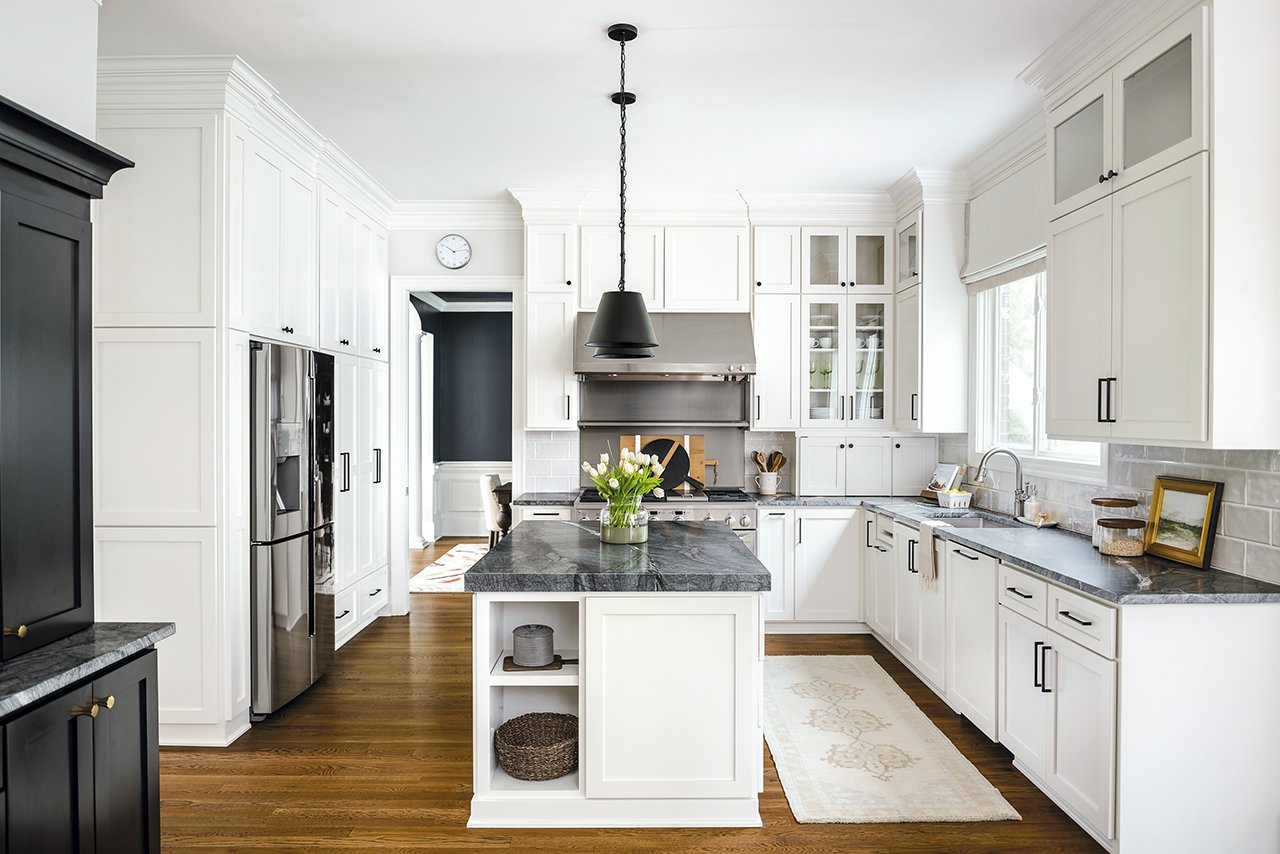
Doing White Right

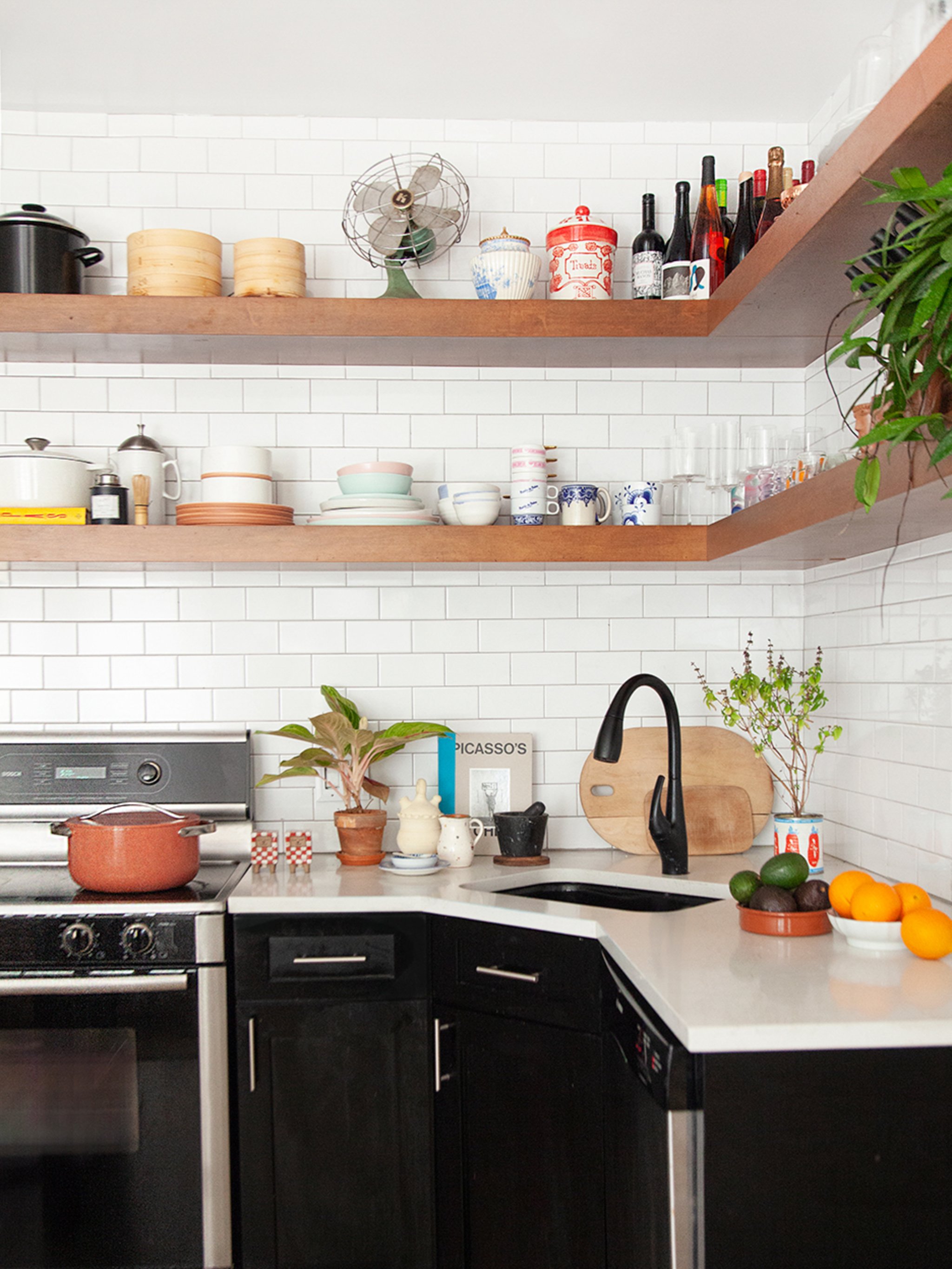
39% of People Want White Counters, But This Understated Alternative Is Gaining Traction

R5 White Hot

Current Kitchen Interior Design Trends

Design Experts Agree: This Kitchen Style Is Making a Major Comeback
10 Colorful Kitchens That Buck The All-White Trend

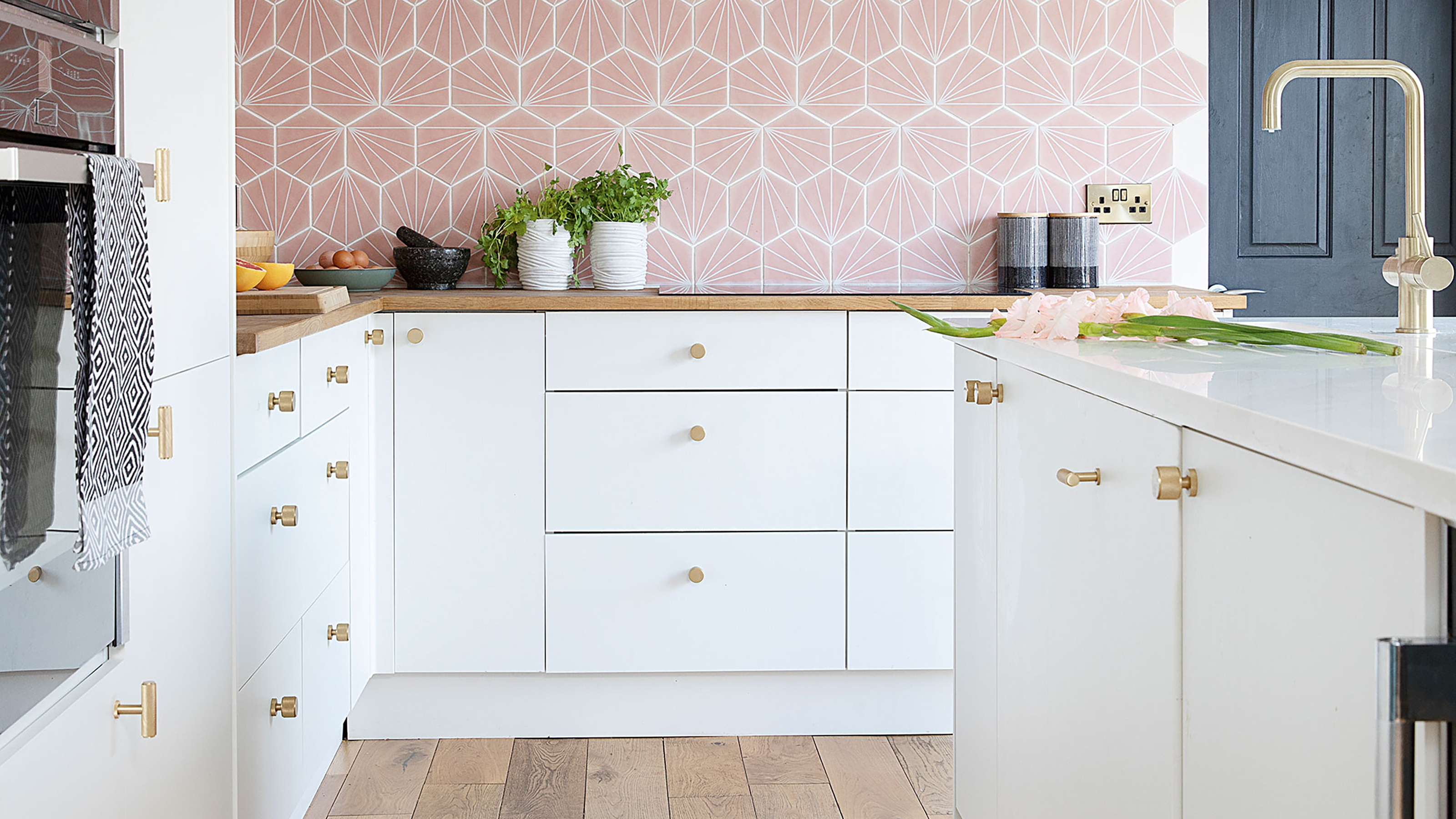
White kitchen ideas – 22 sensational schemes that are clean, bright and won't ever date
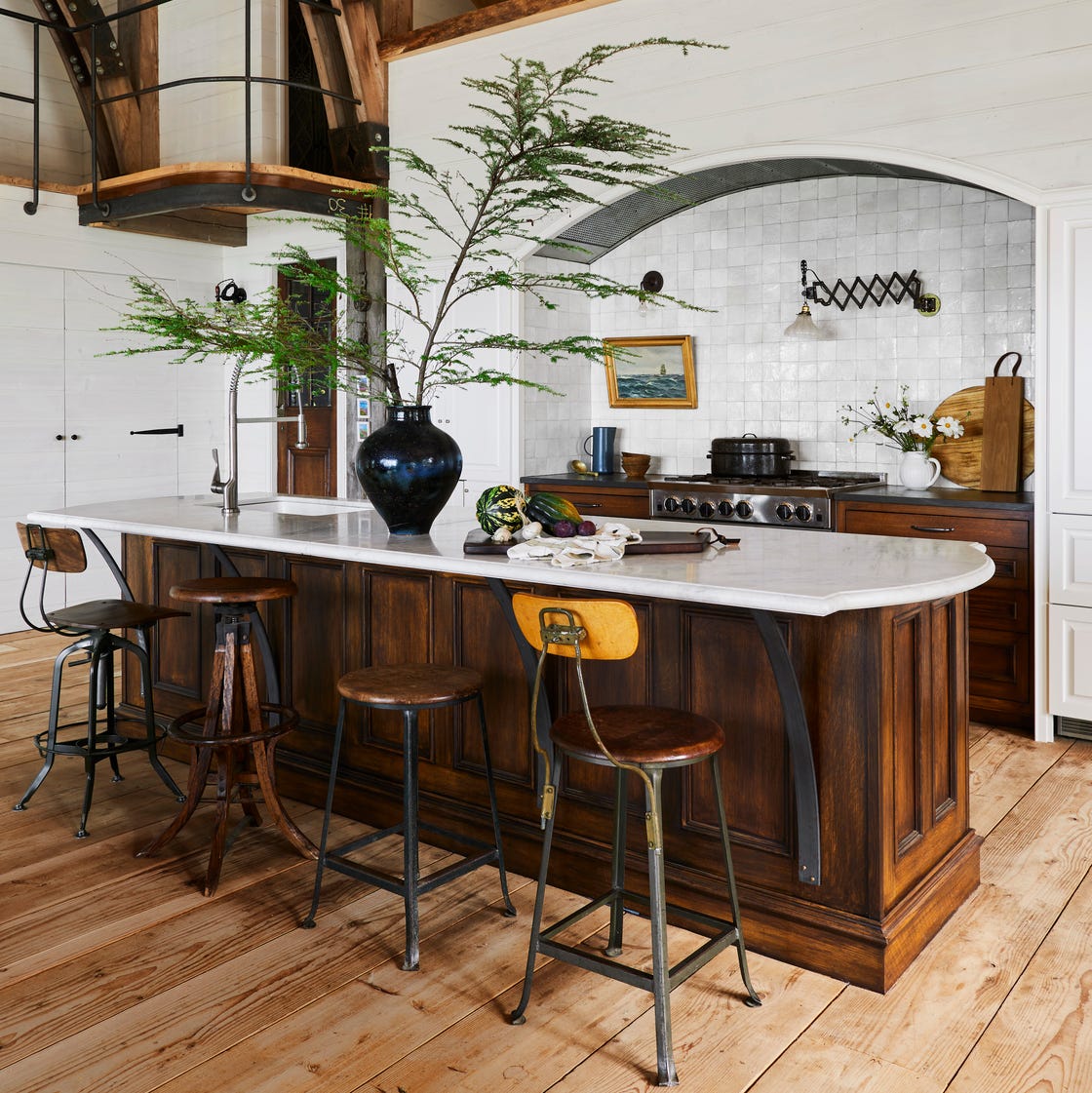
Say Goodbye to White Cabinetry, Plus More Kitchen Trends for 2025
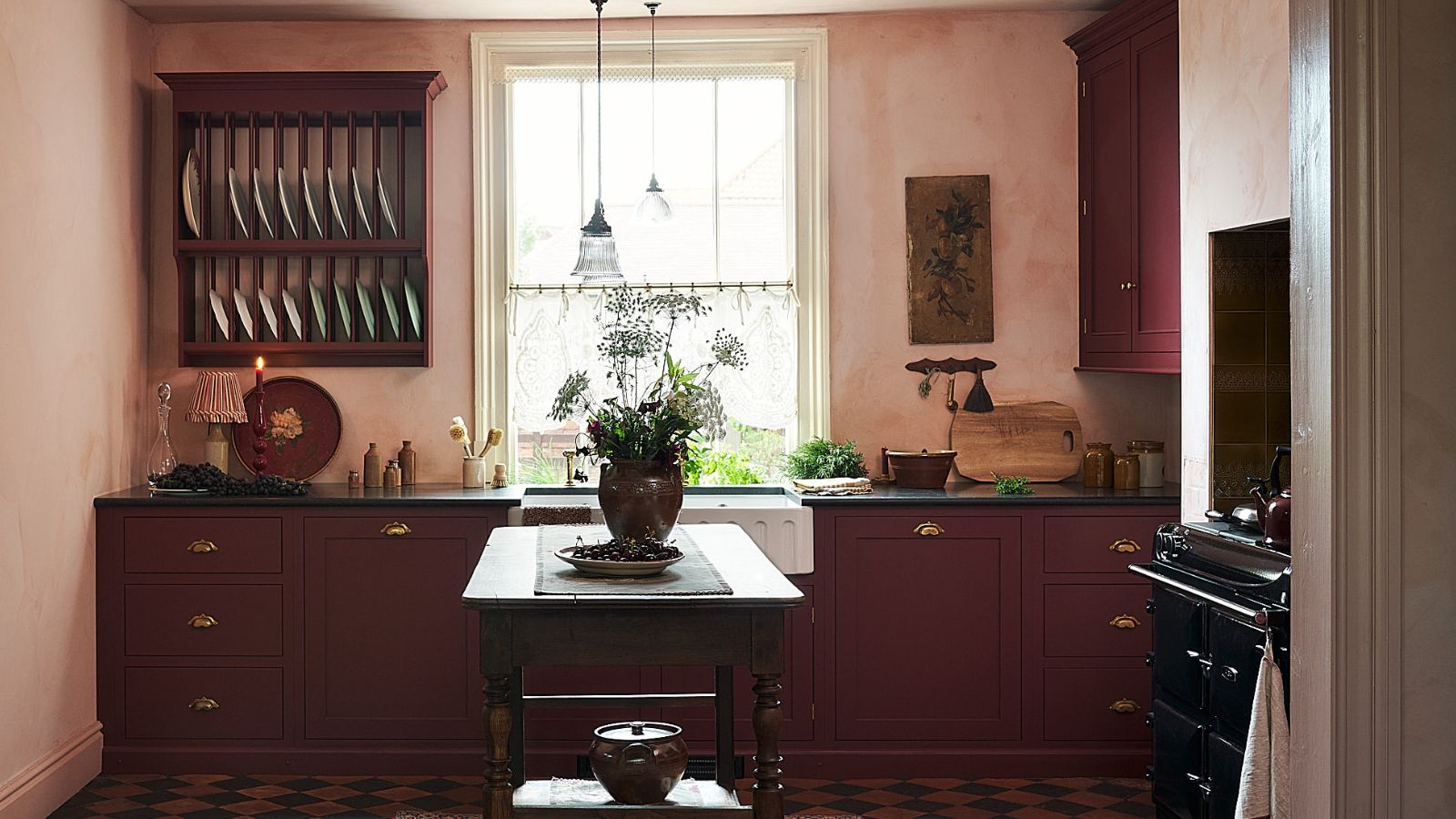
This Unexpected Luxury Color Is Quietly Taking Over Kitchens Everywhere

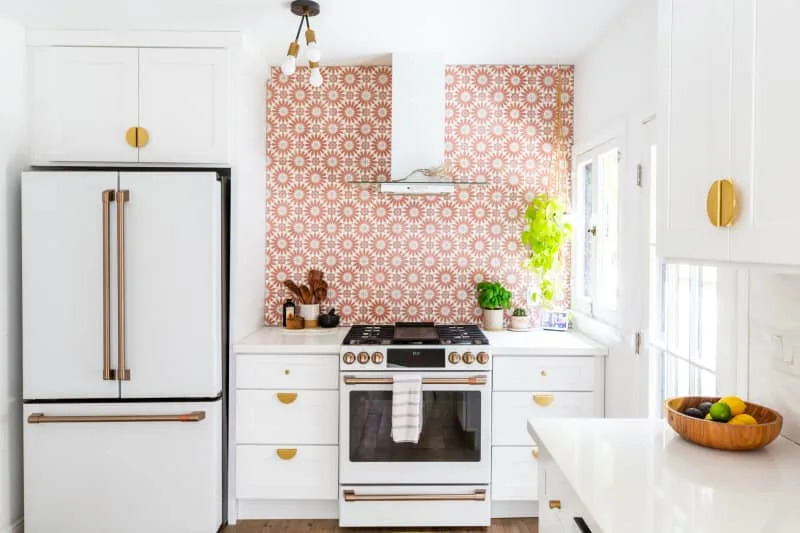
17 Gorgeous White Kitchen Cabinet Ideas That Are Anything but Boring

White kitchen ideas – 40 ways to use this favorite shade
Kitchen trends