7 Outdated Bathroom Vanity Colors Designers Never Want to See Again
This article highlights seven bathroom vanity colors and finishes that interior designers consider outdated, advocating for a shift towards more natural and warmer tones. The piece emphasizes that while personal preference is paramount, staying informed about current trends can guide renovation decisions. Drawing on insights from designers Elizabeth Drake, Caroline Kopp, and Magda Callery, the article details specific colors to avoid and suggests contemporary alternatives.
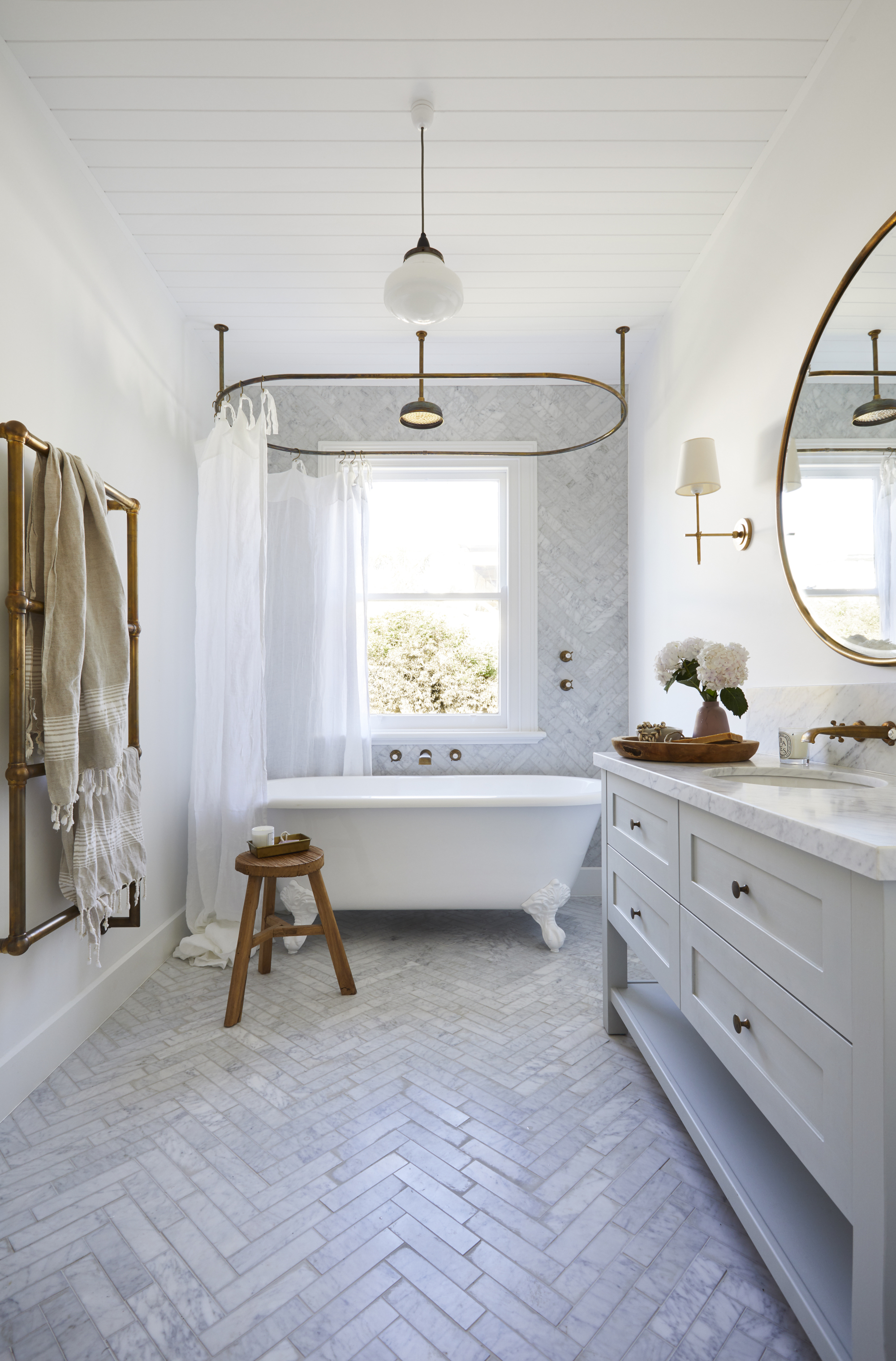
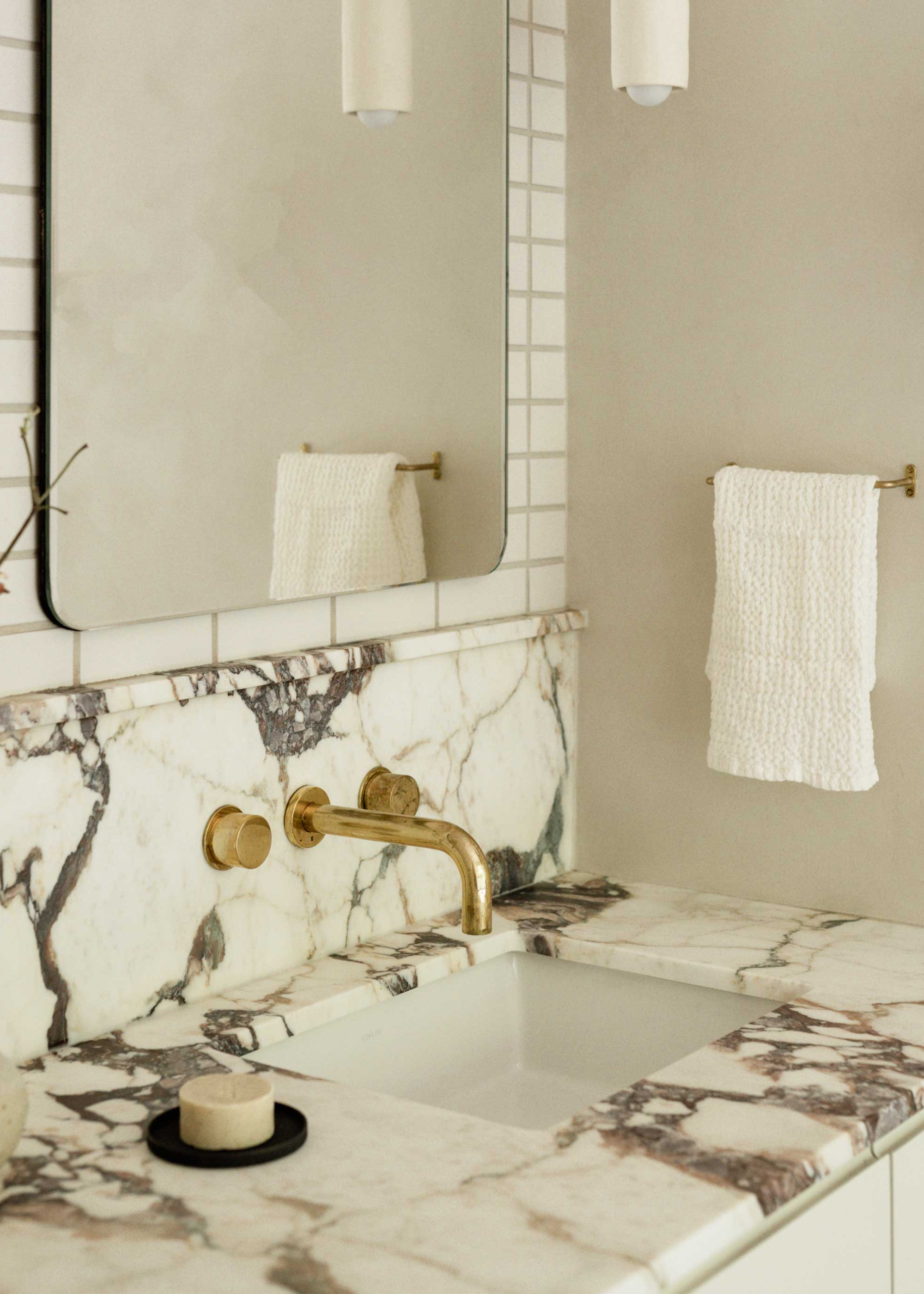
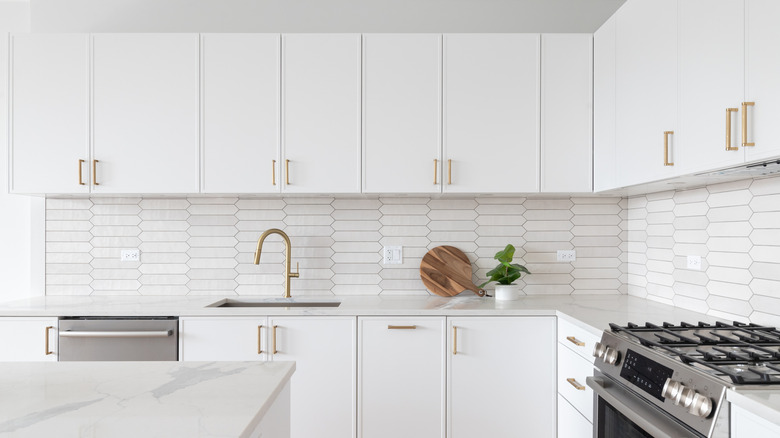
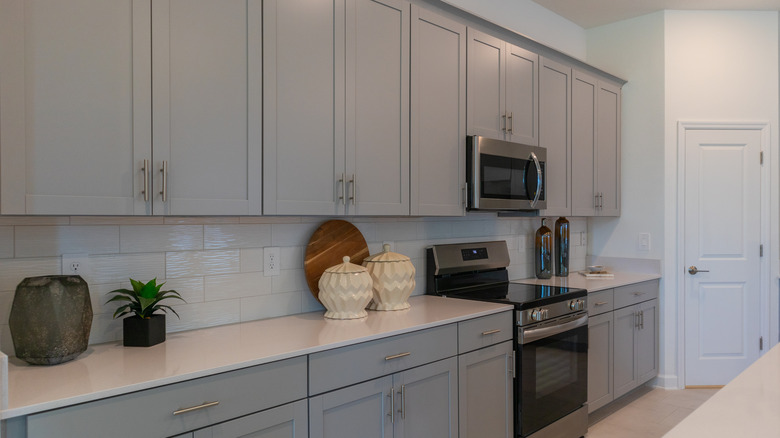
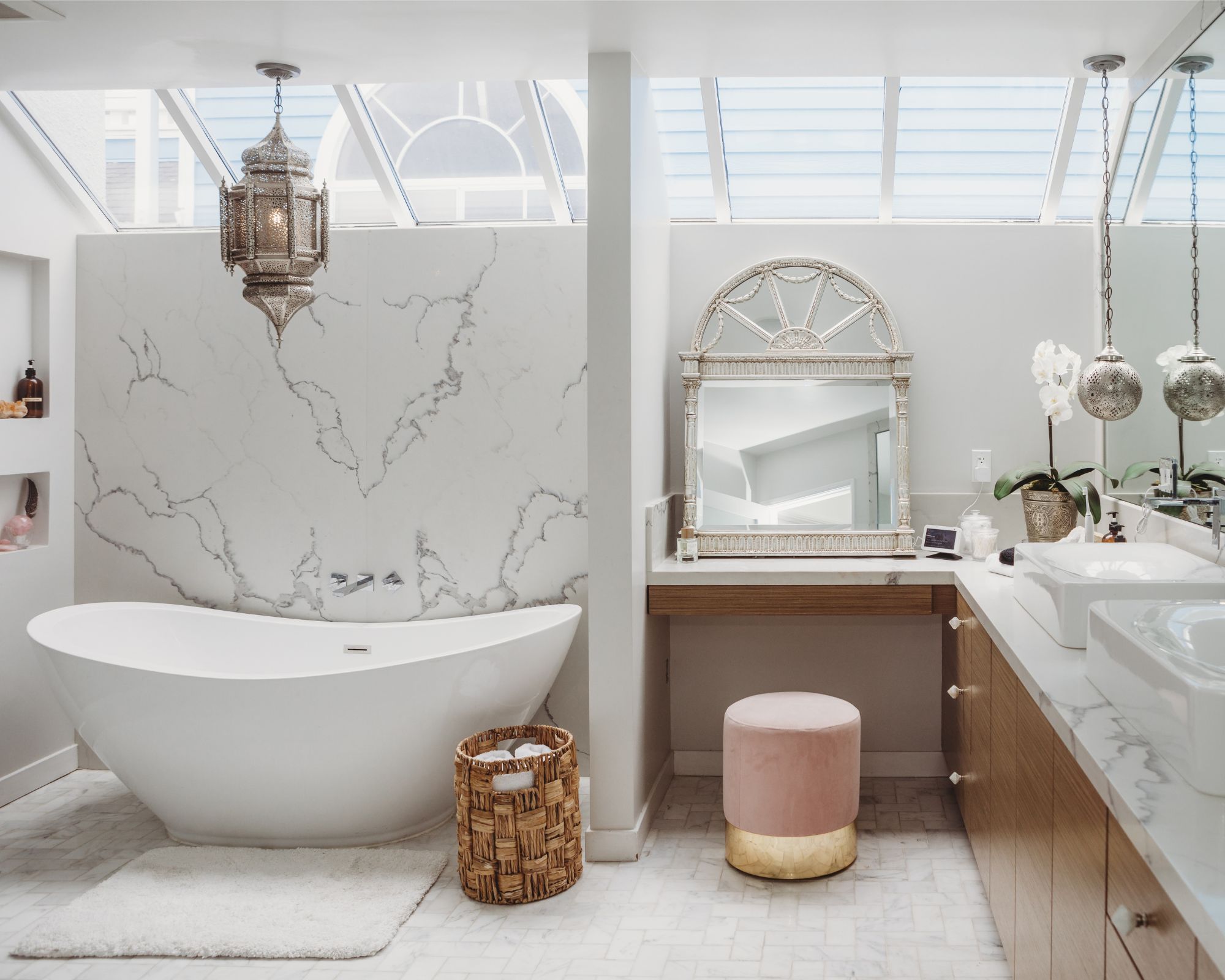
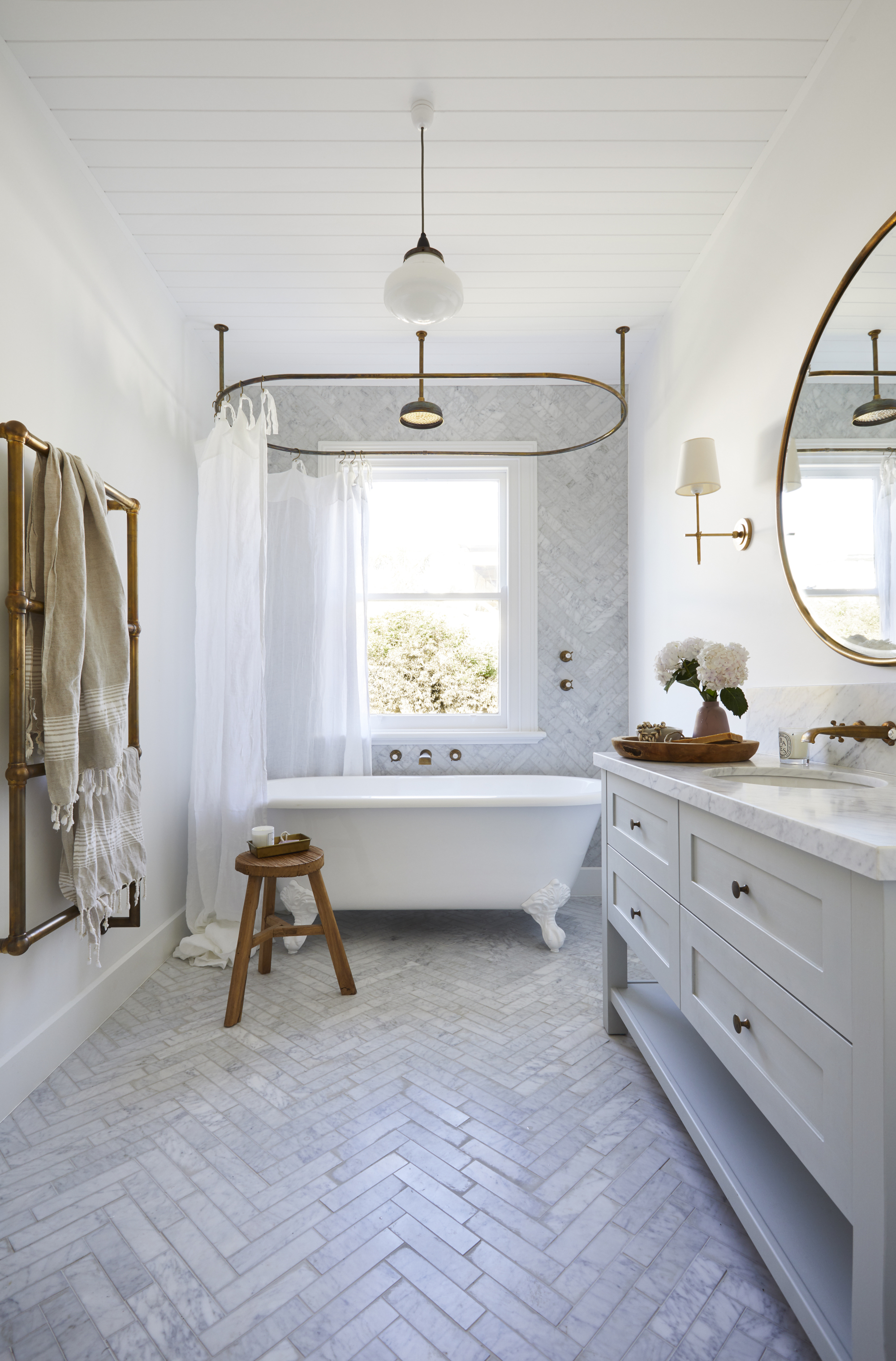
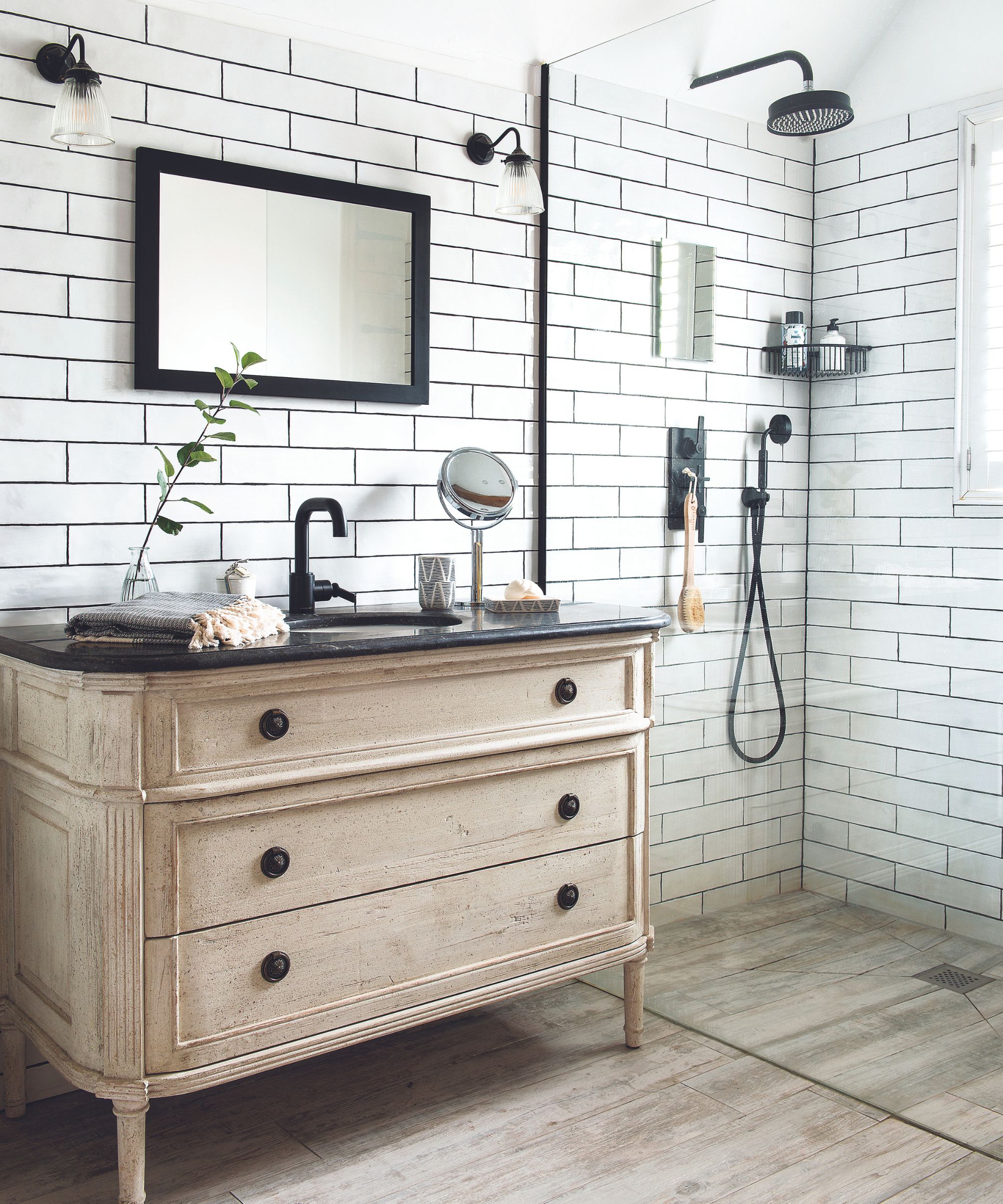
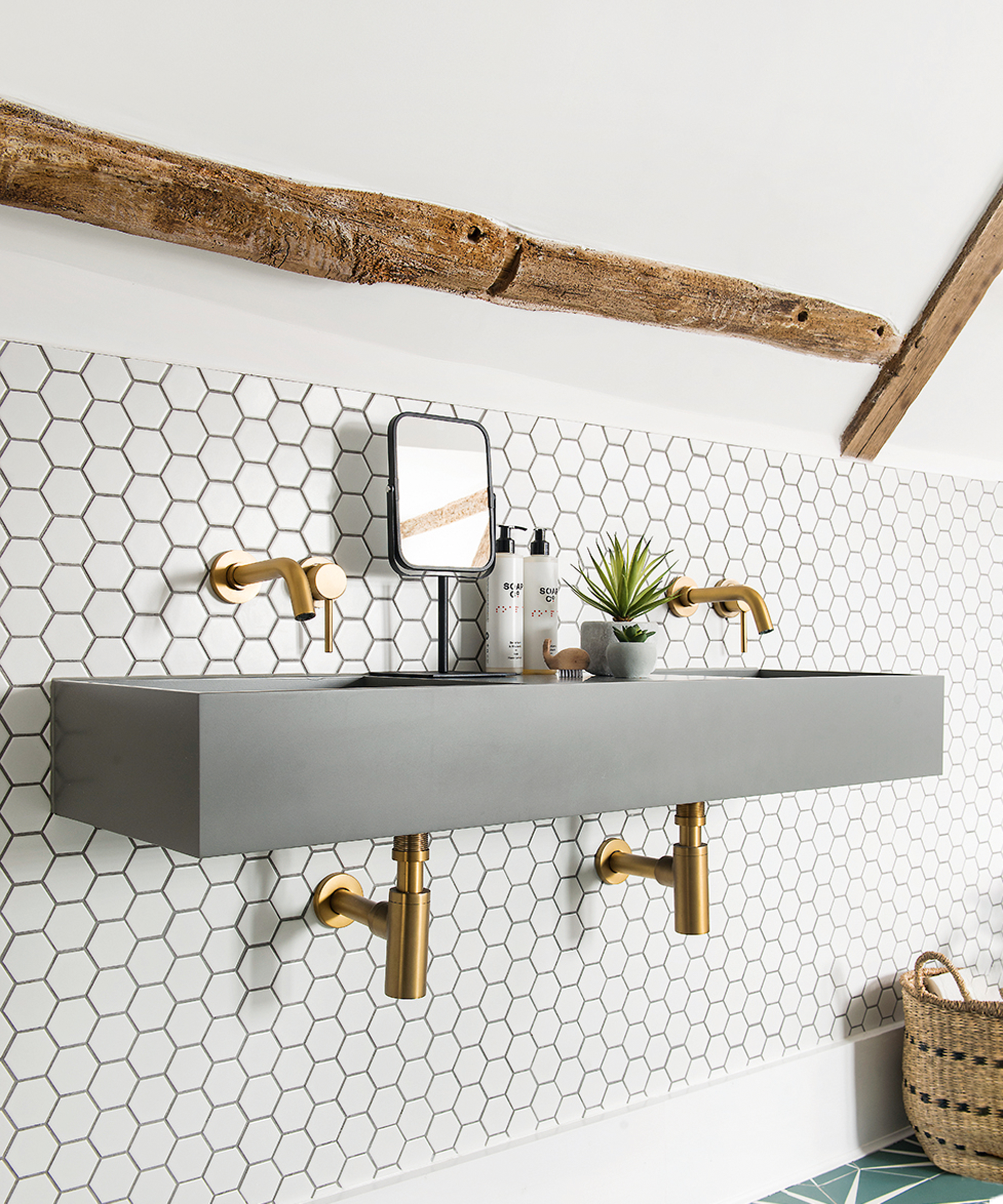
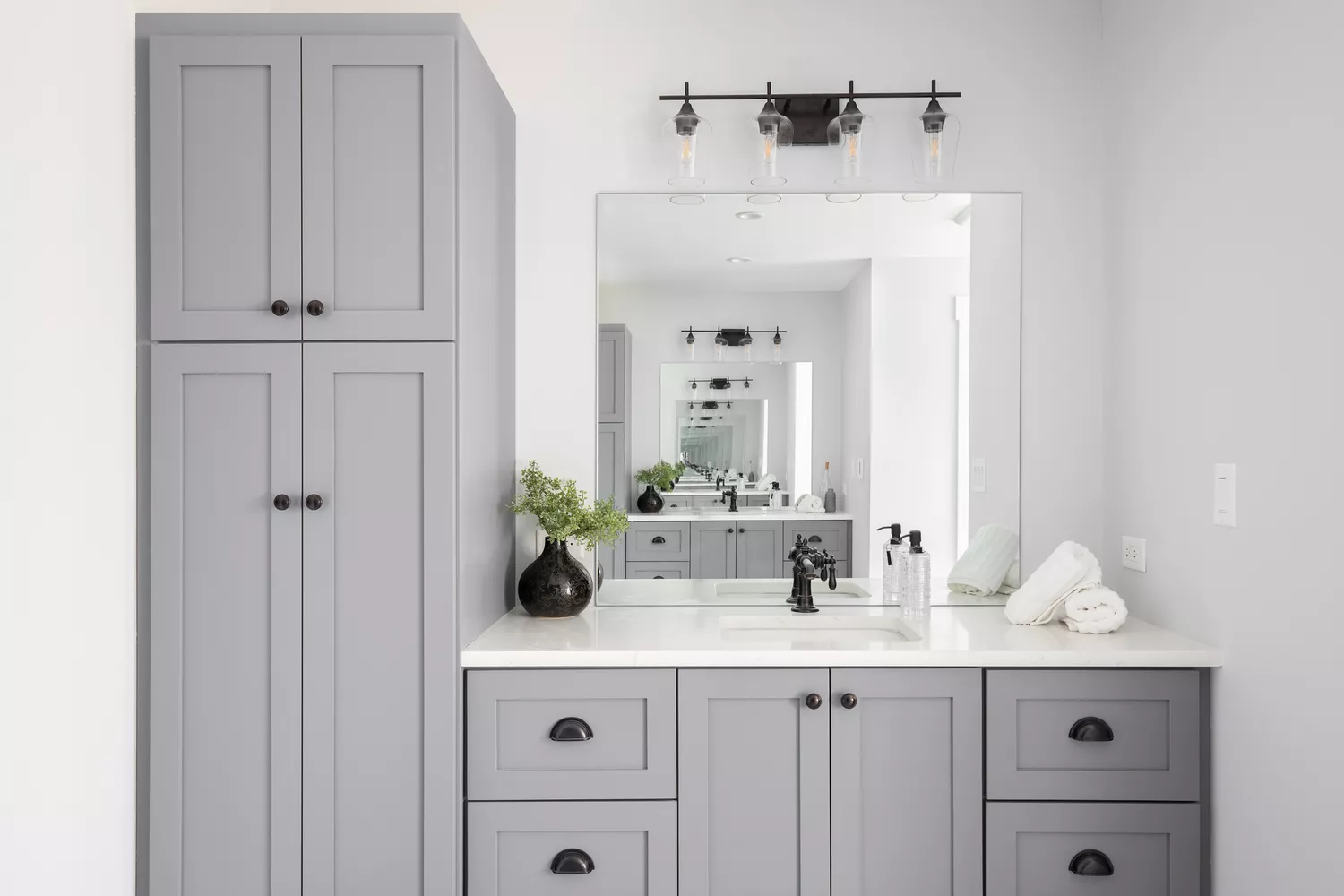
Bright white vanities, once popular for their minimalist and clean aesthetic in the 2010s, are now seen as cold and clinical. Designers recommend replacing them with warm whites or creamy off-whites to create a more calming and modern feel. Similarly, cool-toned grays and gray wood stains, which were ubiquitous in the 2000s and 2010s, are no longer favored. The current preference leans towards warmer grays, greige, and mushroom tones, which offer a more complex and inviting neutral palette.
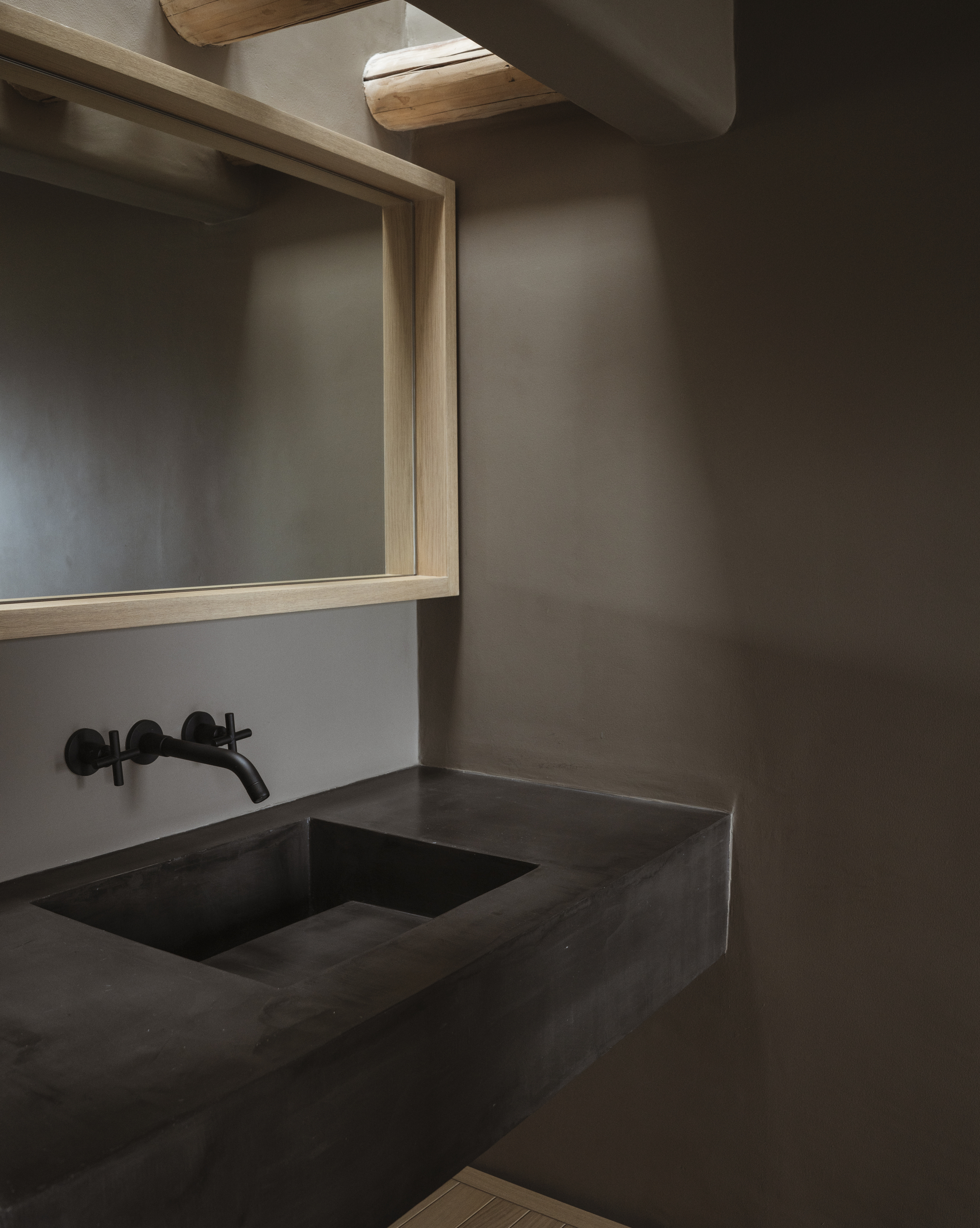
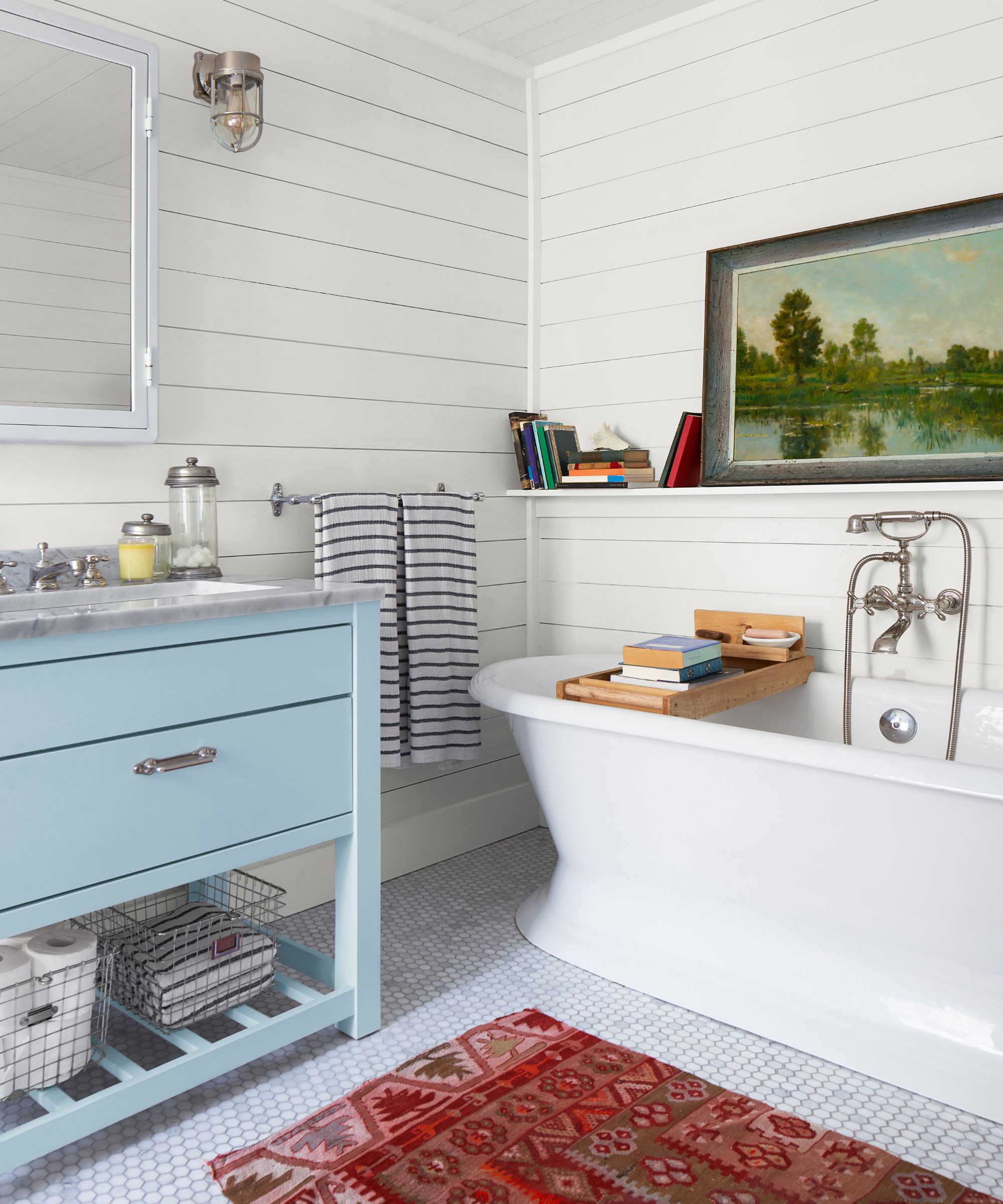
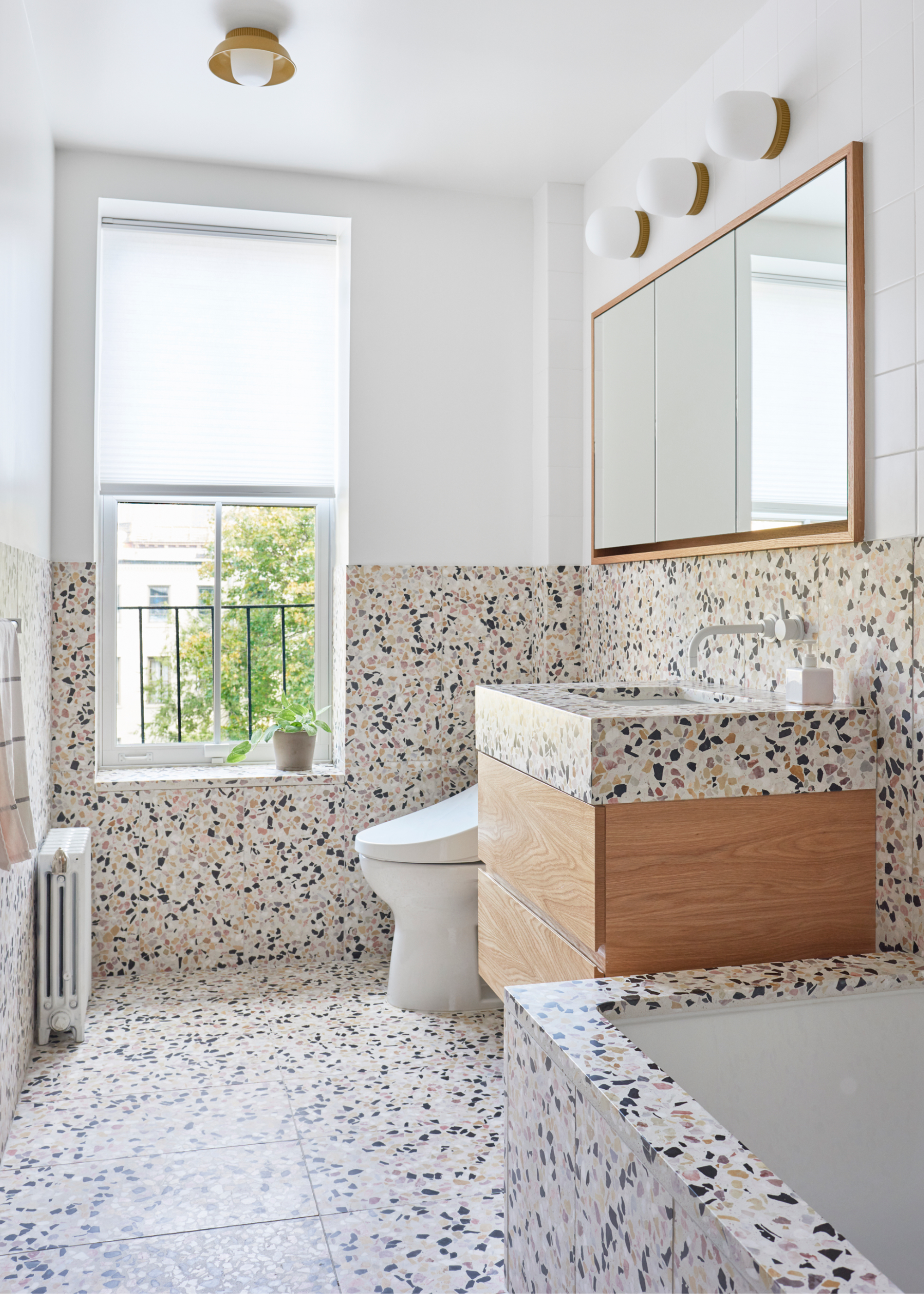
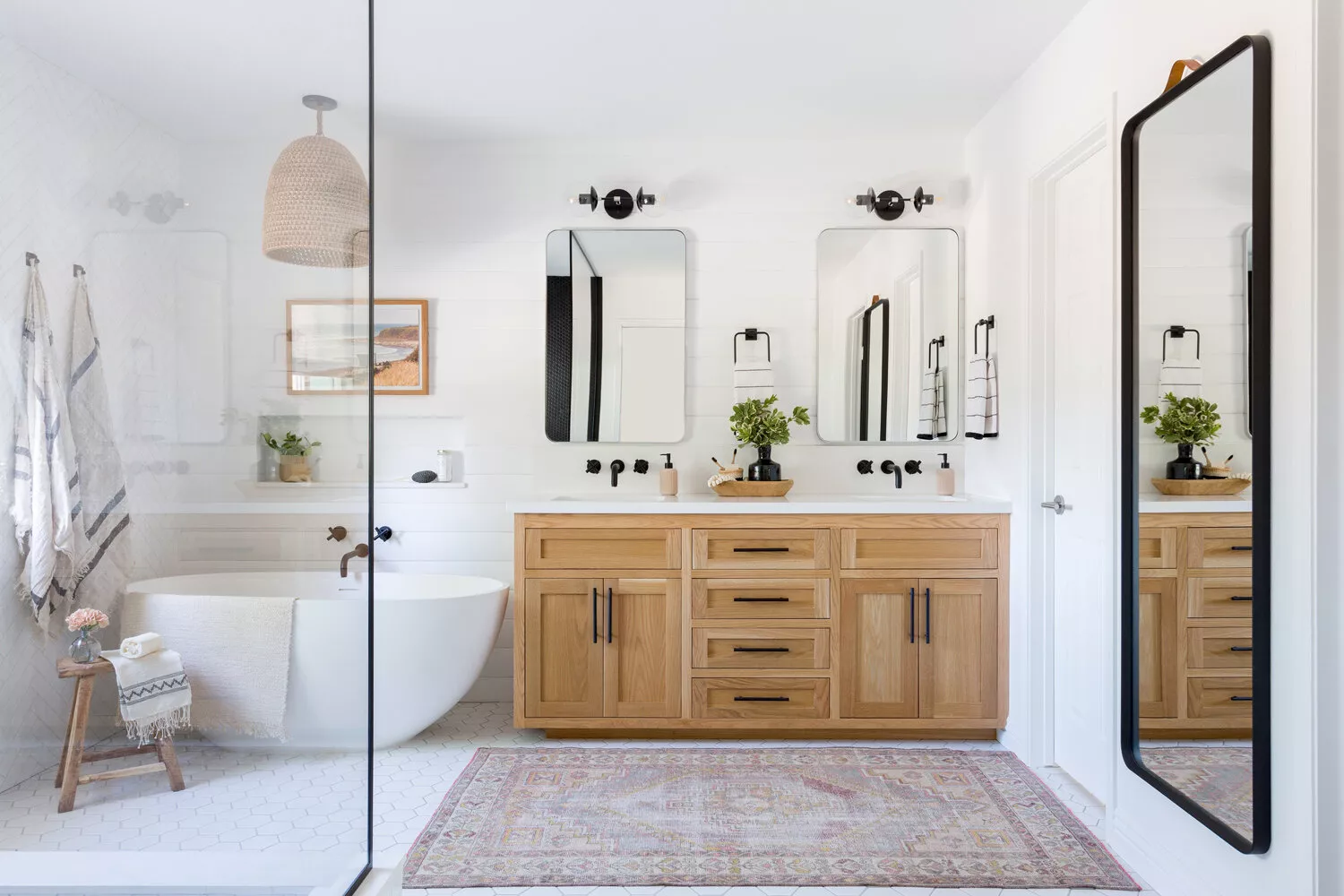
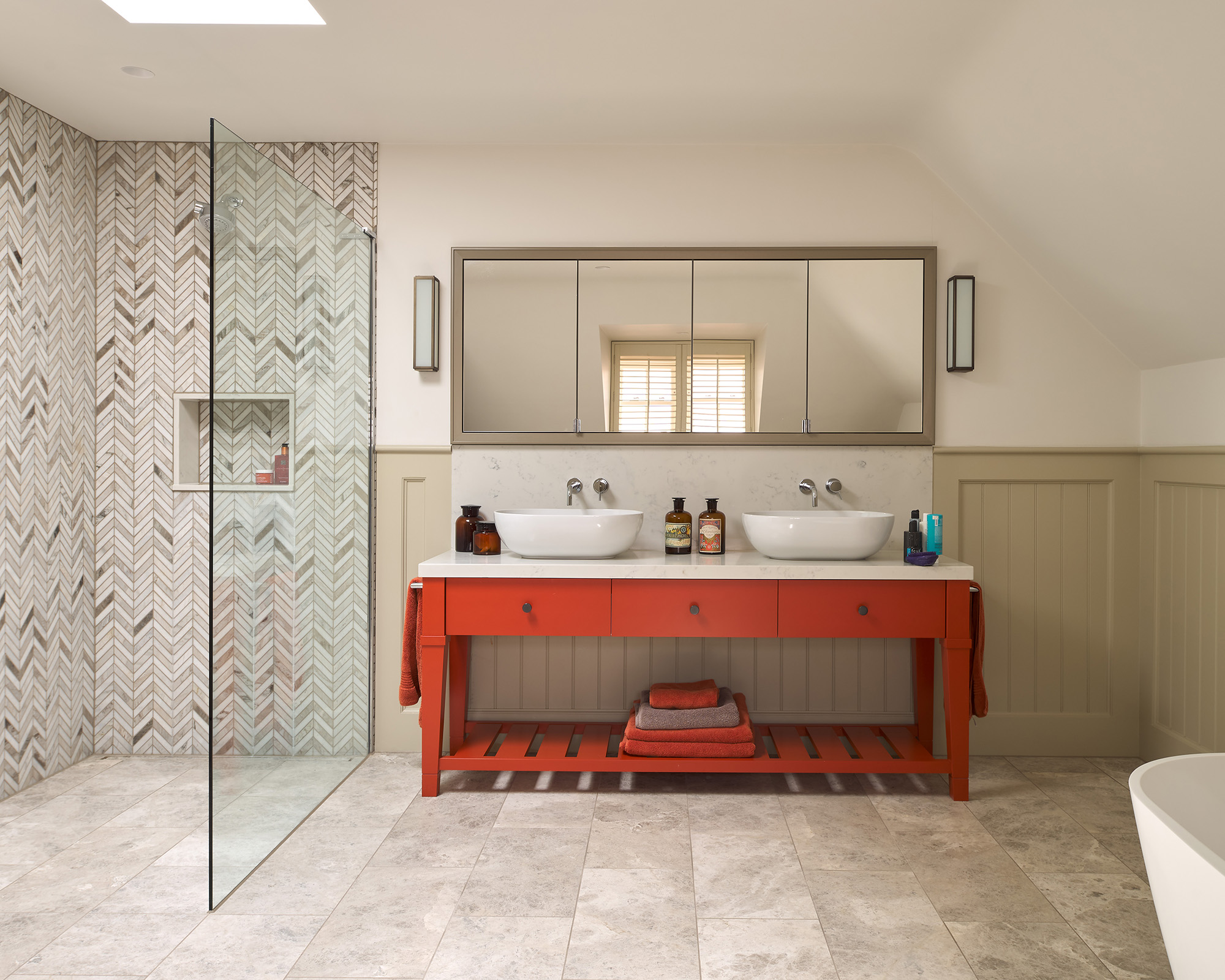
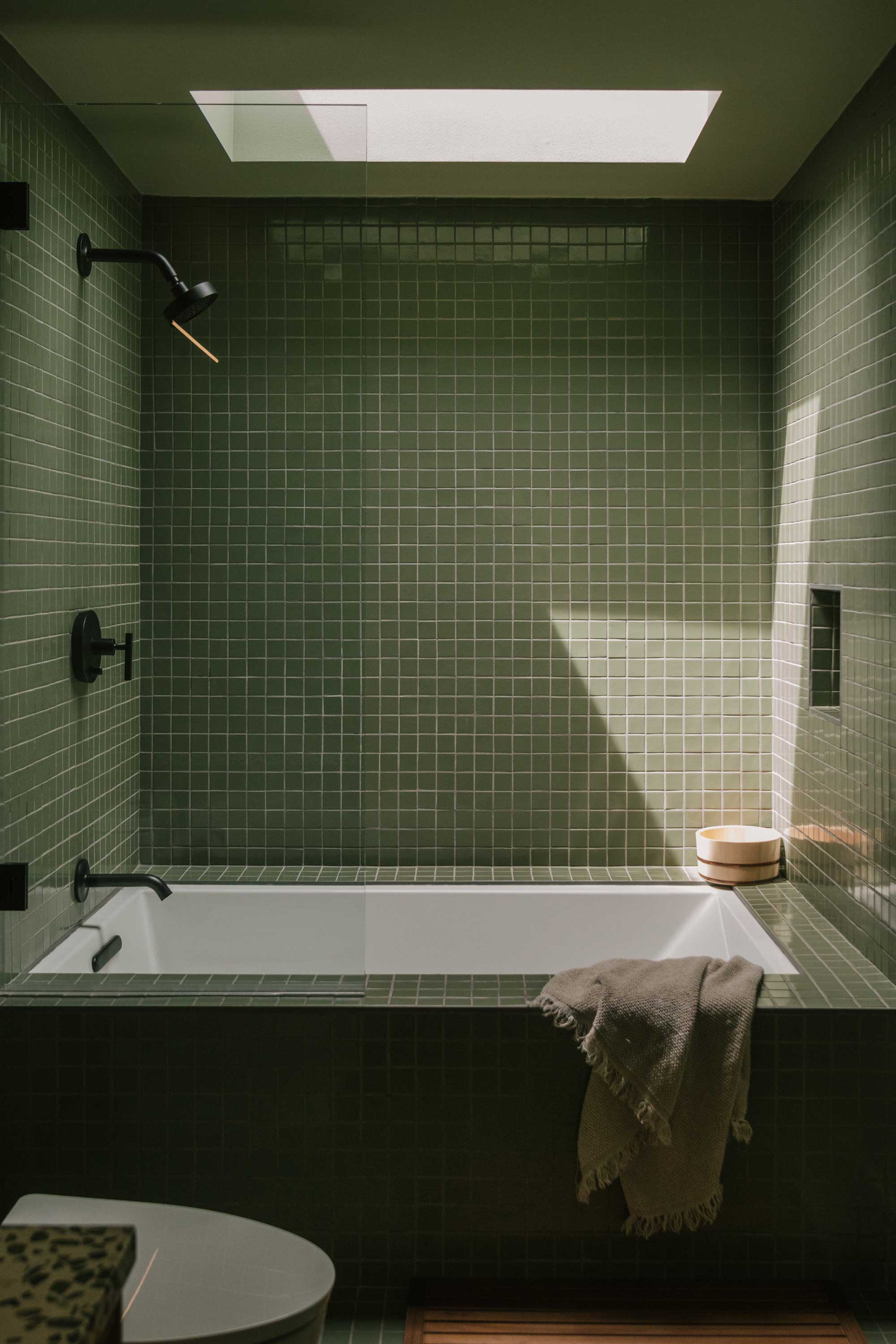
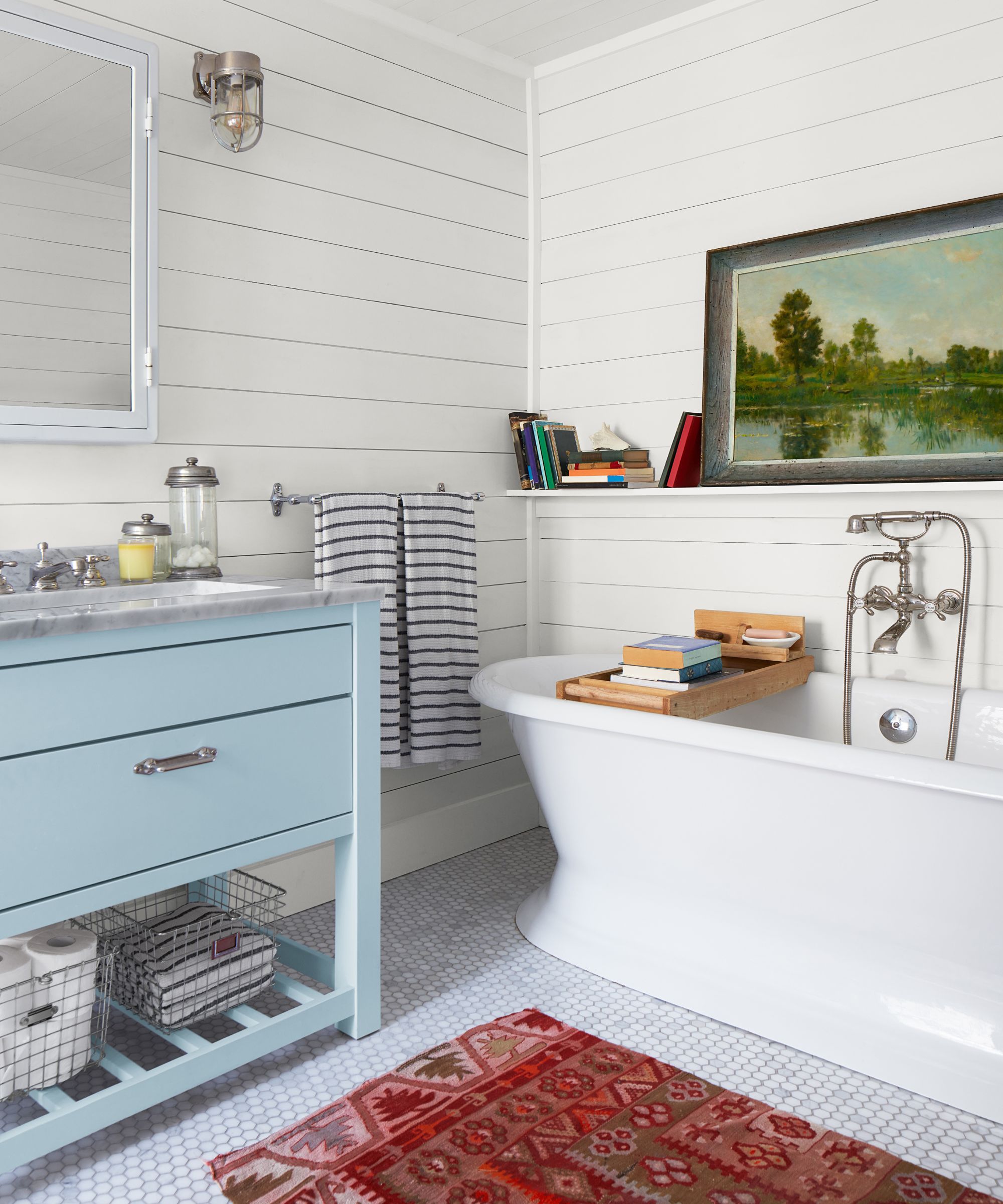
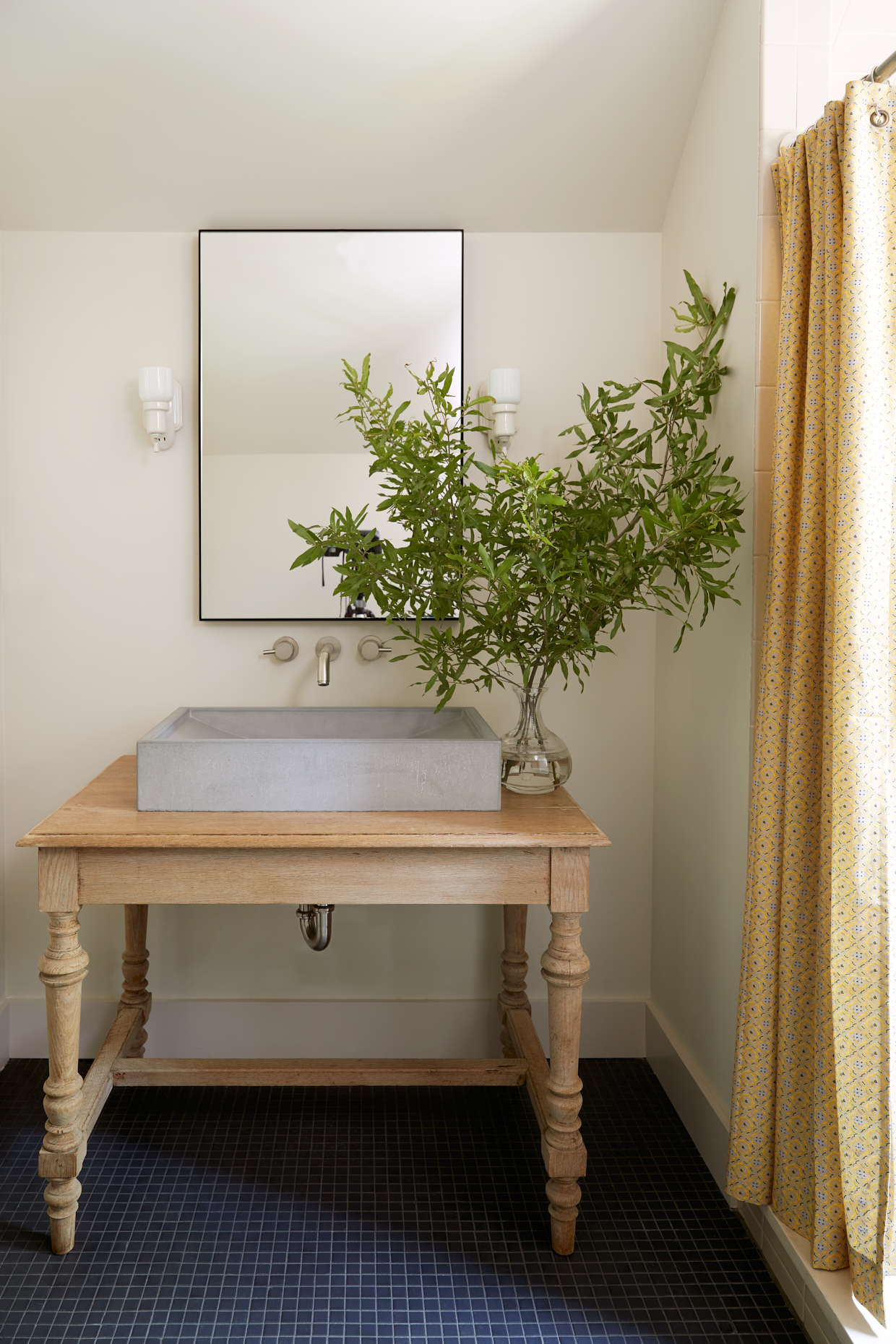
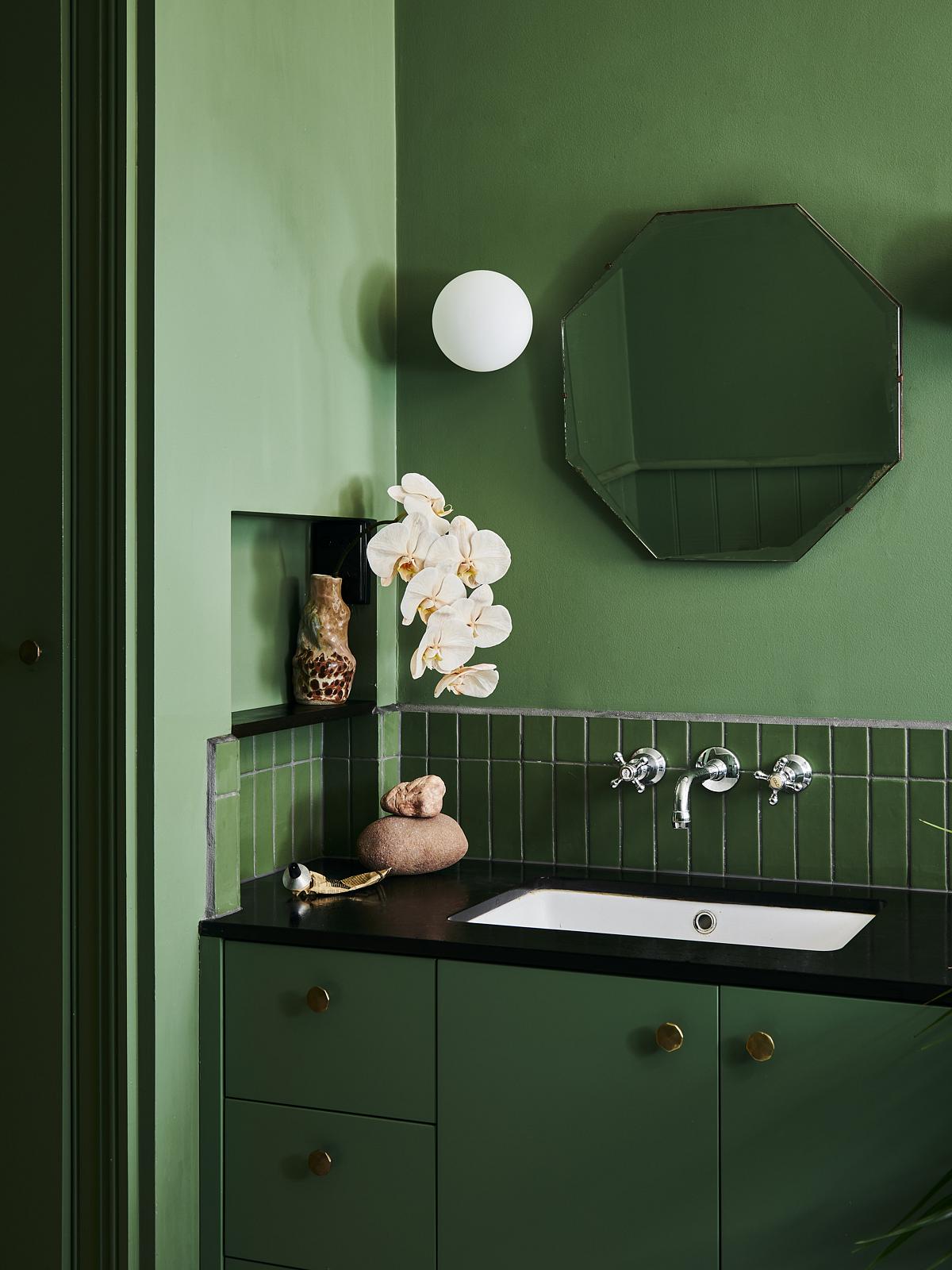
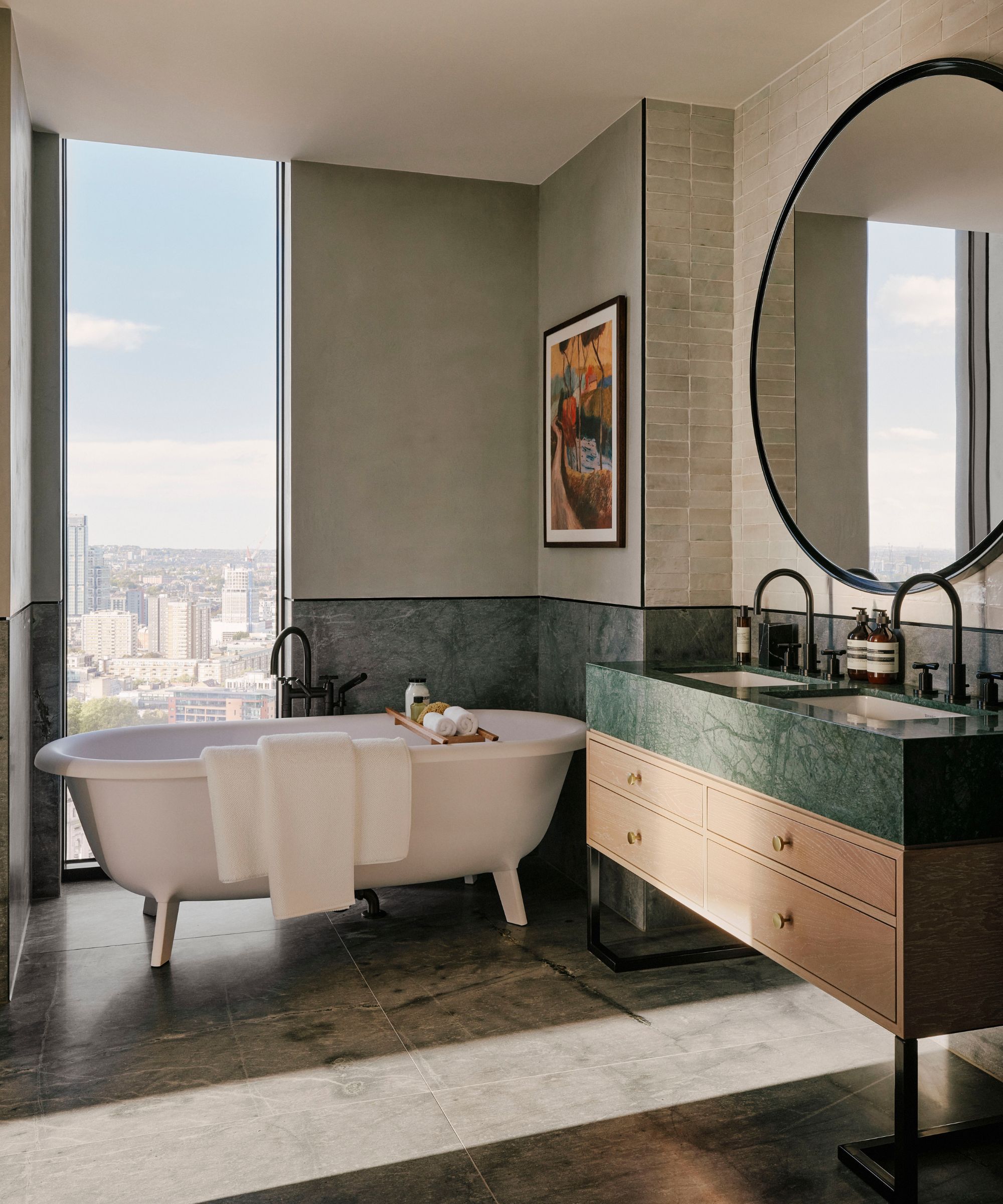
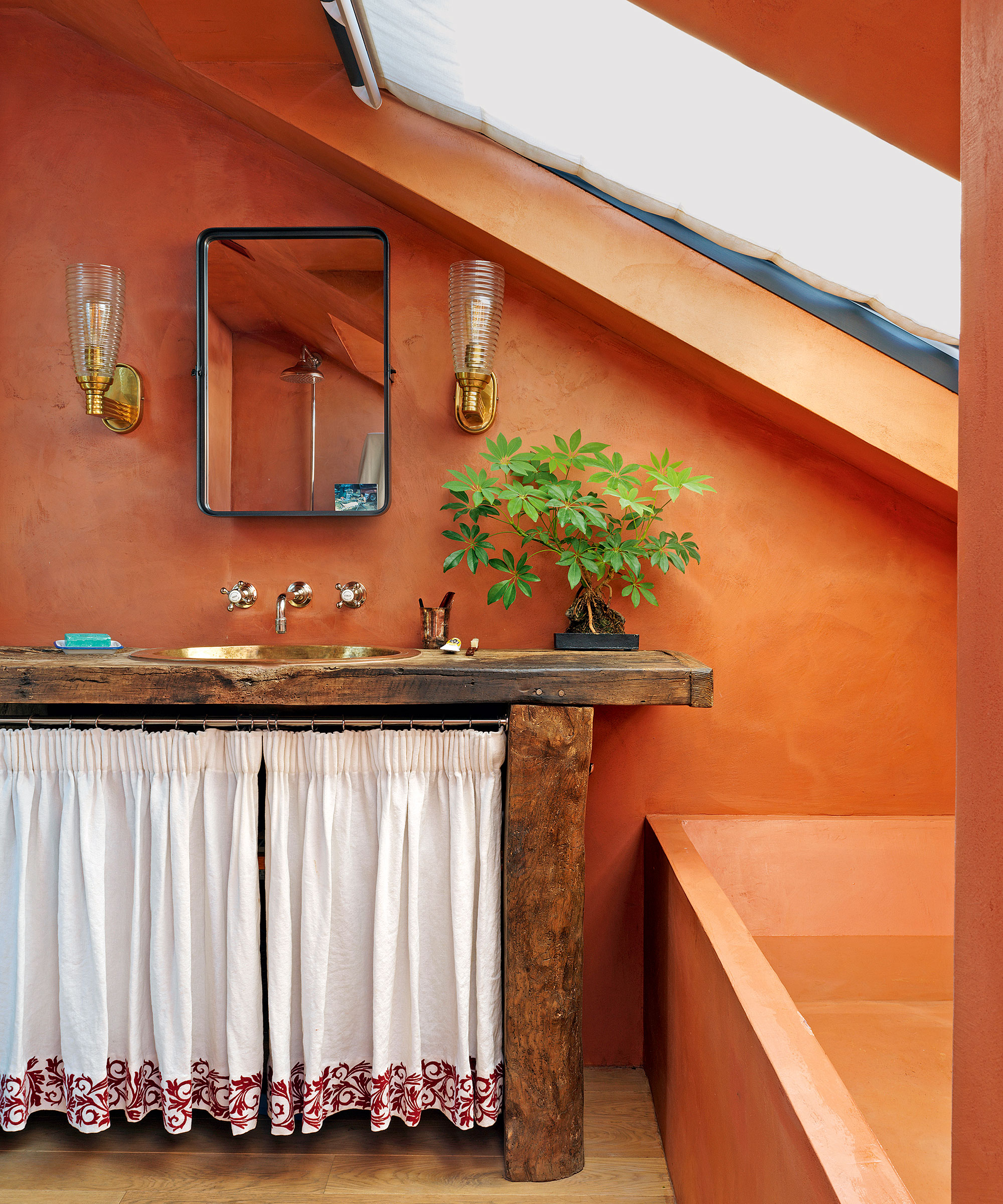
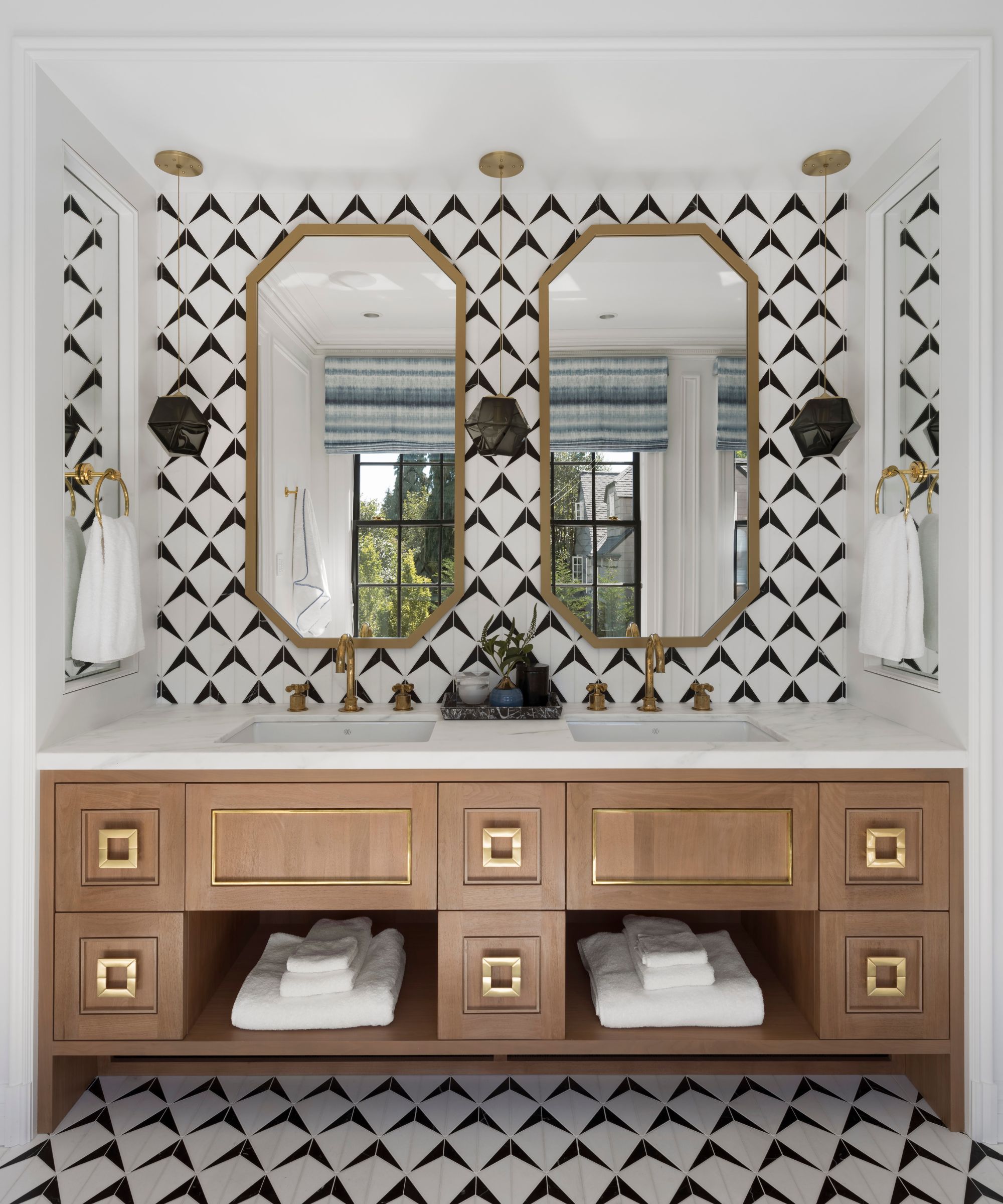
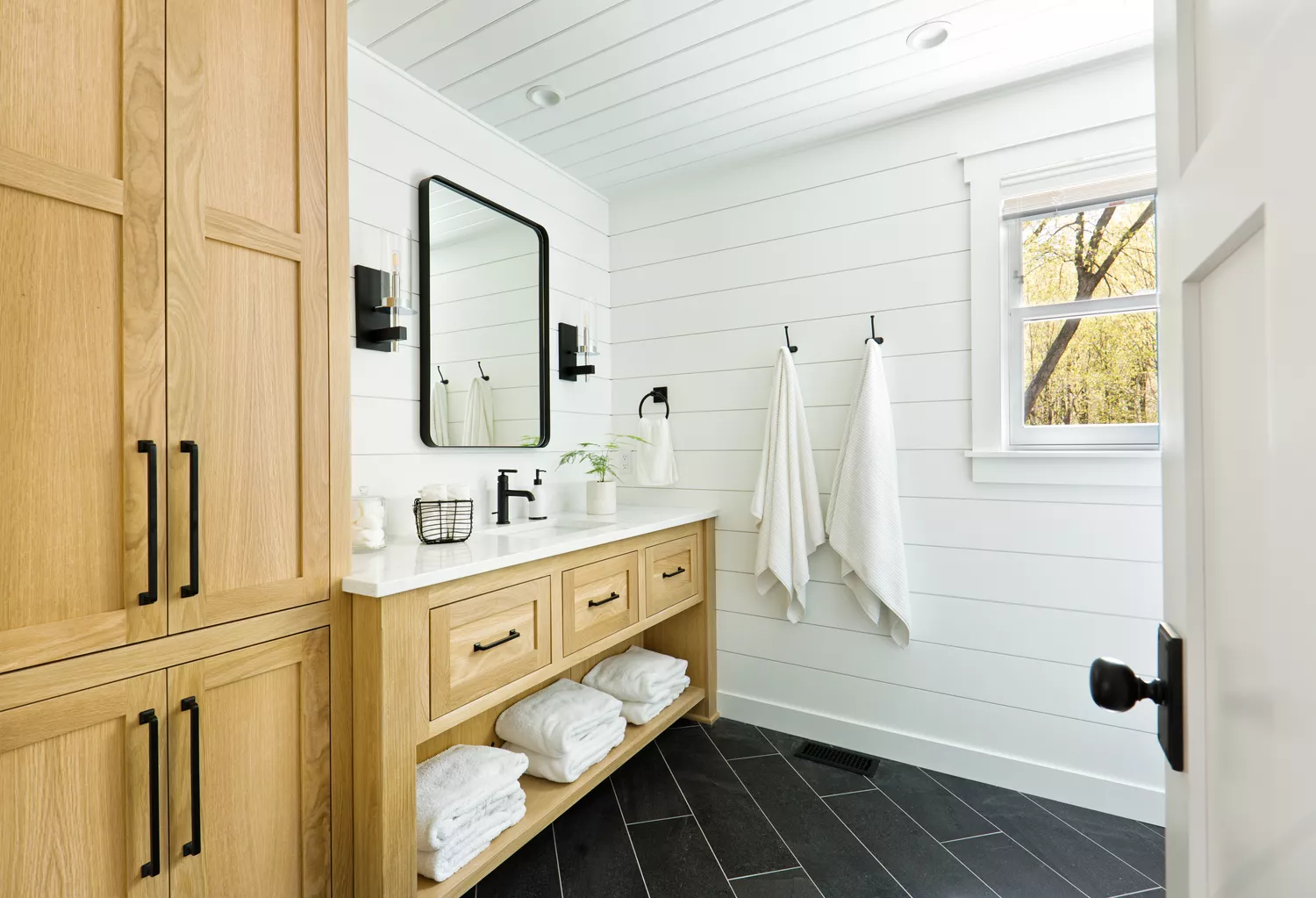
Cherry wood stains, a staple of traditional design in the 1990s, are now considered dated due to their dark and heavy appearance. Lighter, more natural woods like oak or maple are suggested as brighter and more inviting alternatives. Orange-toned finishes, whether wood stains or paints, are also identified as artificial and passé. Instead, the trend is towards natural hues, cool colors in soft tones, such as muted blues and earthy greens for paint, and cooler, natural wood stains.
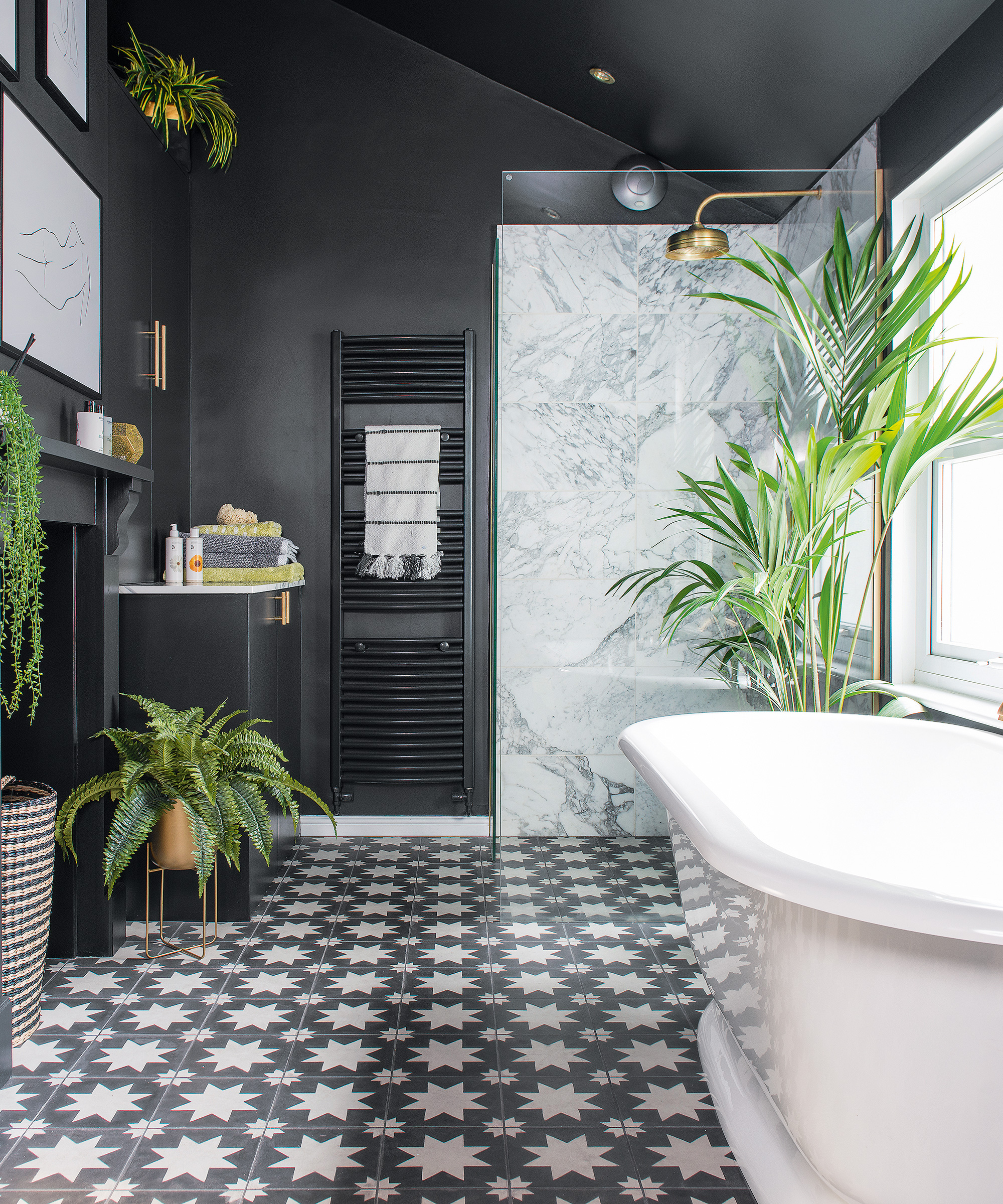
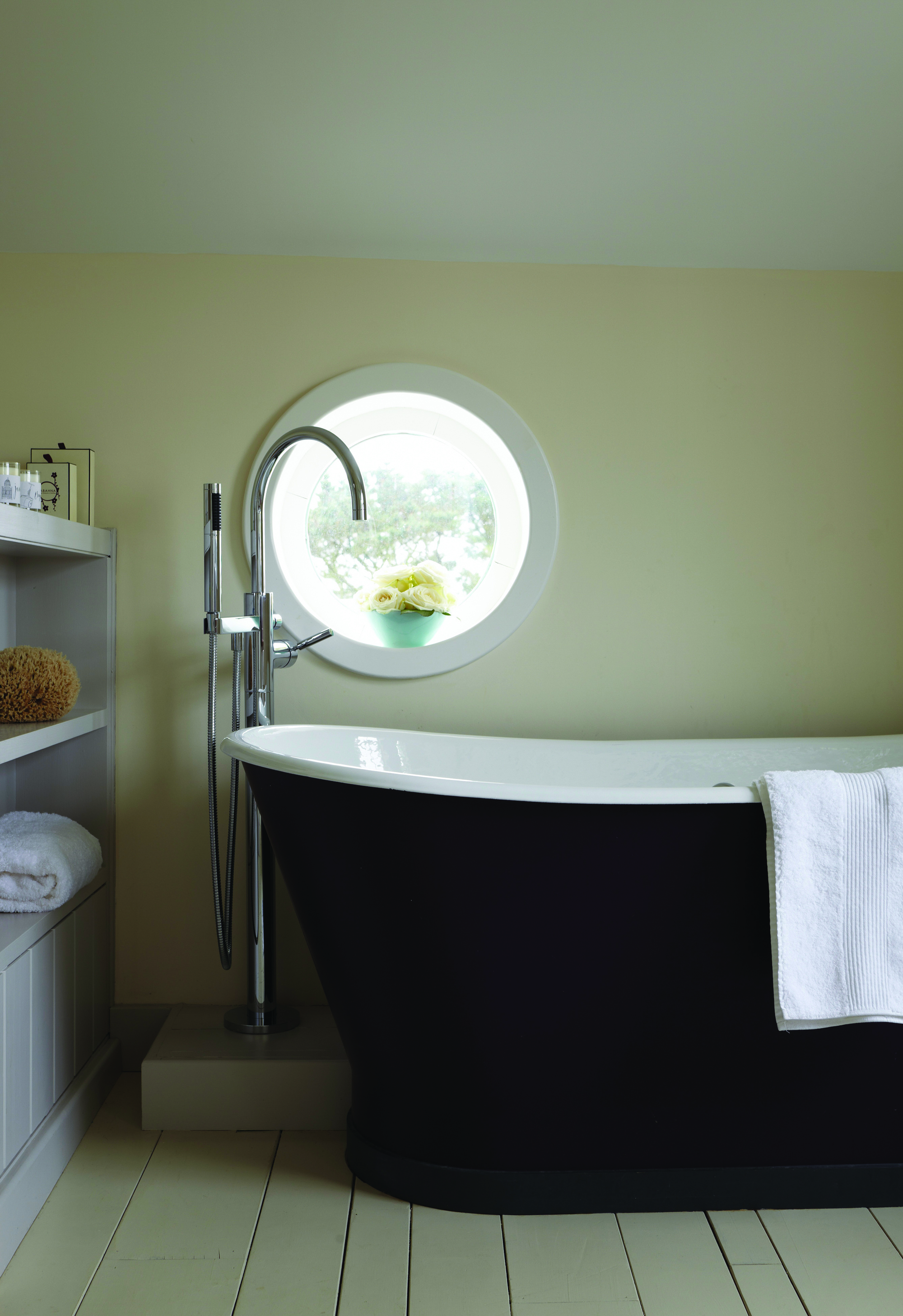
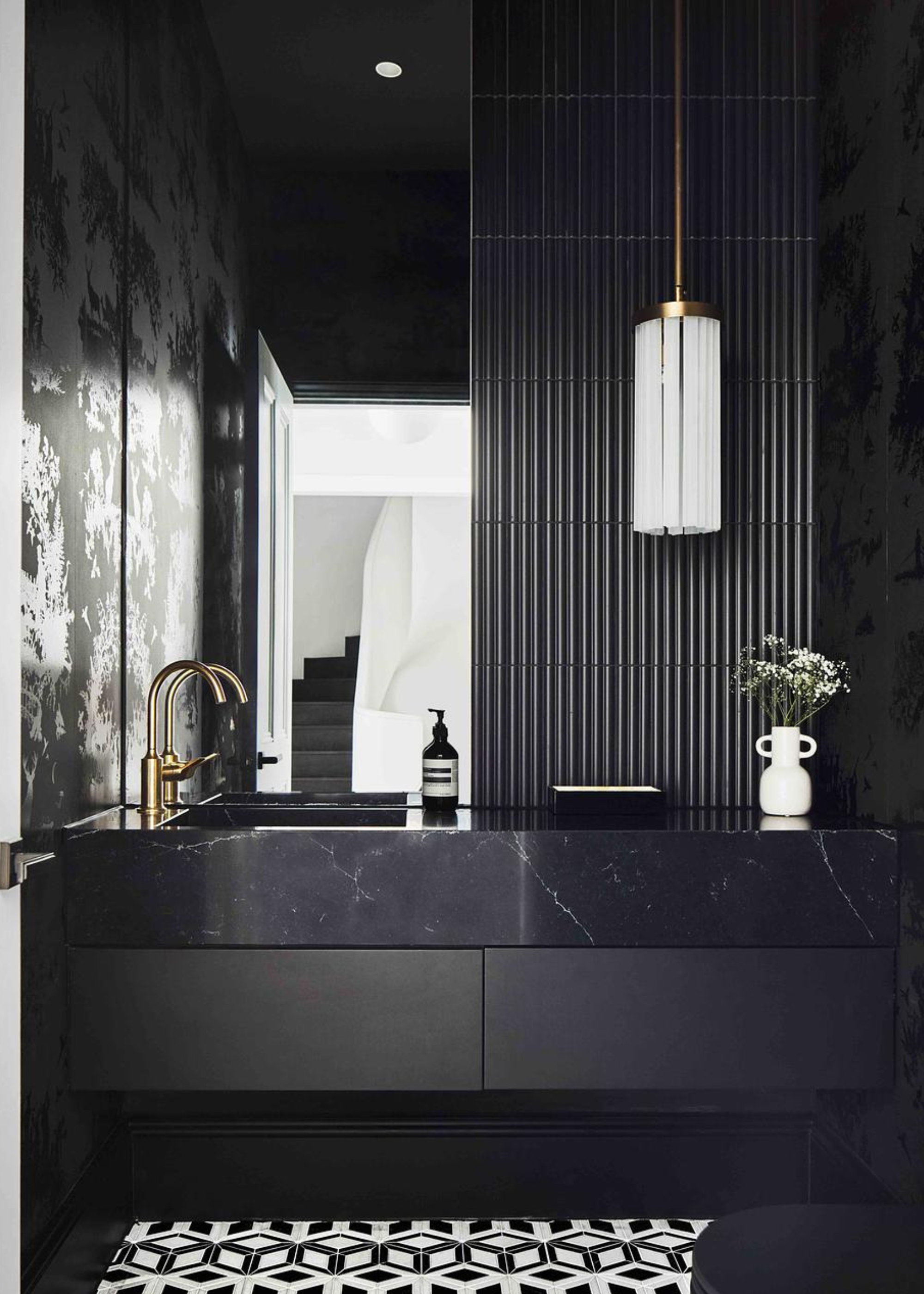
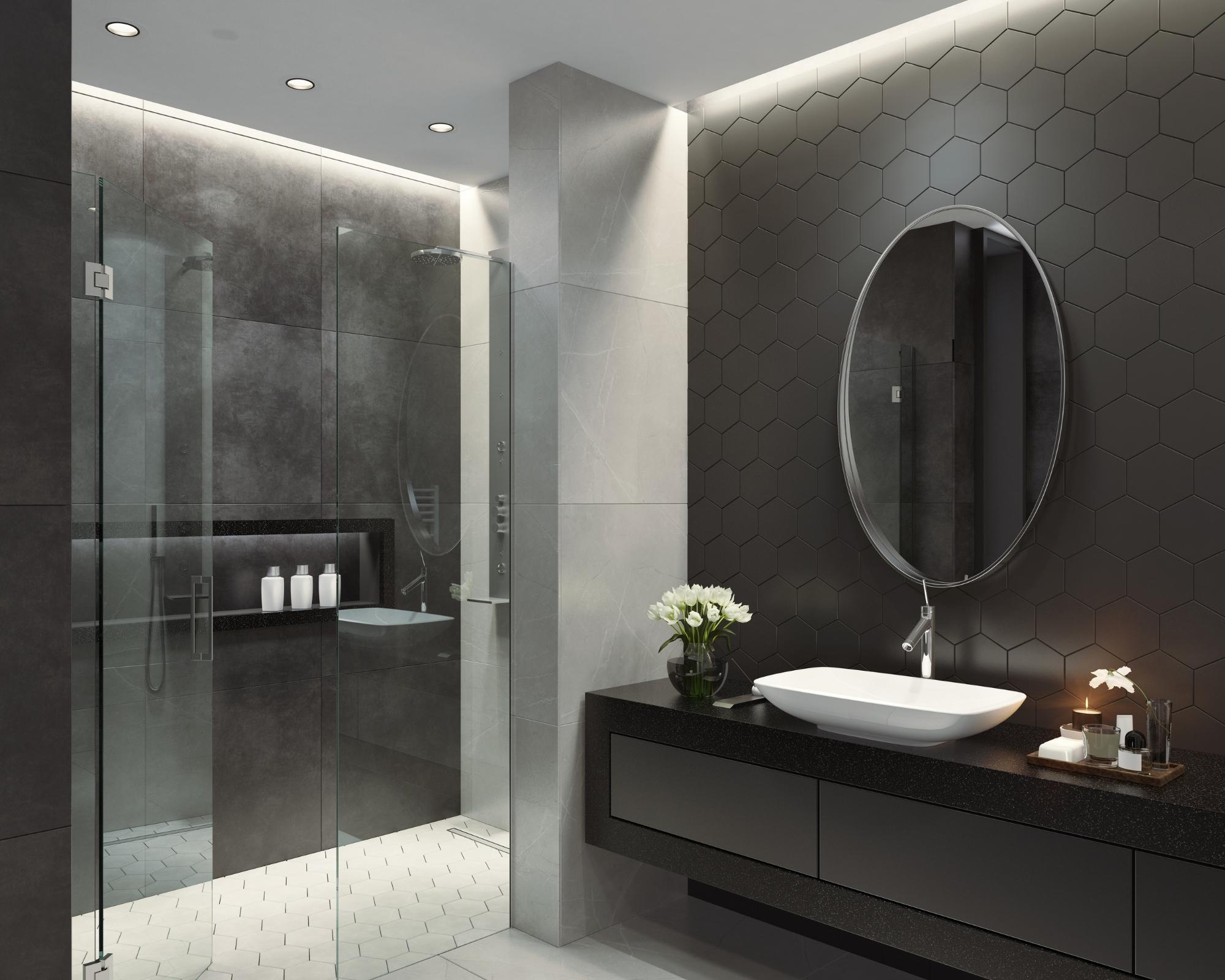
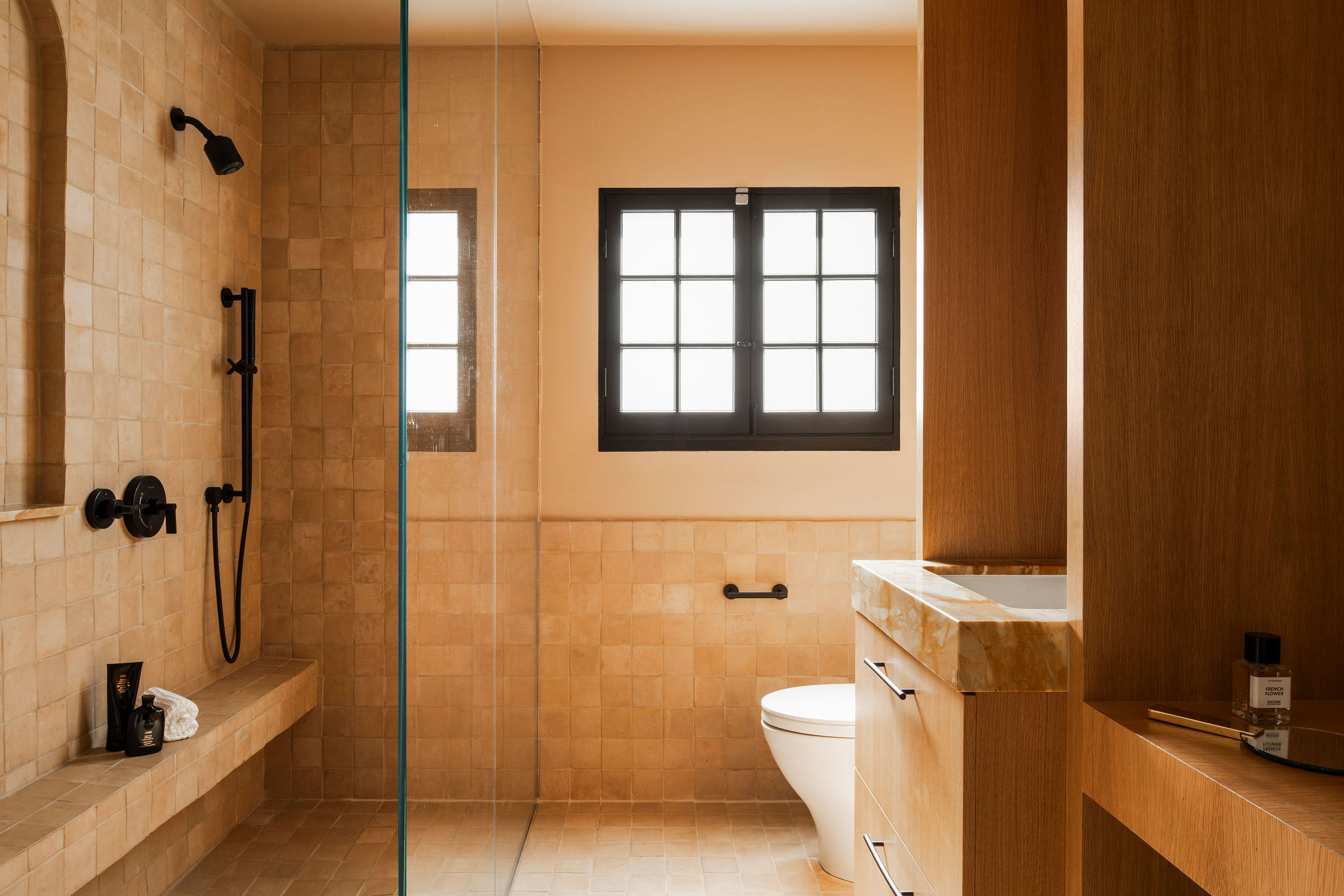
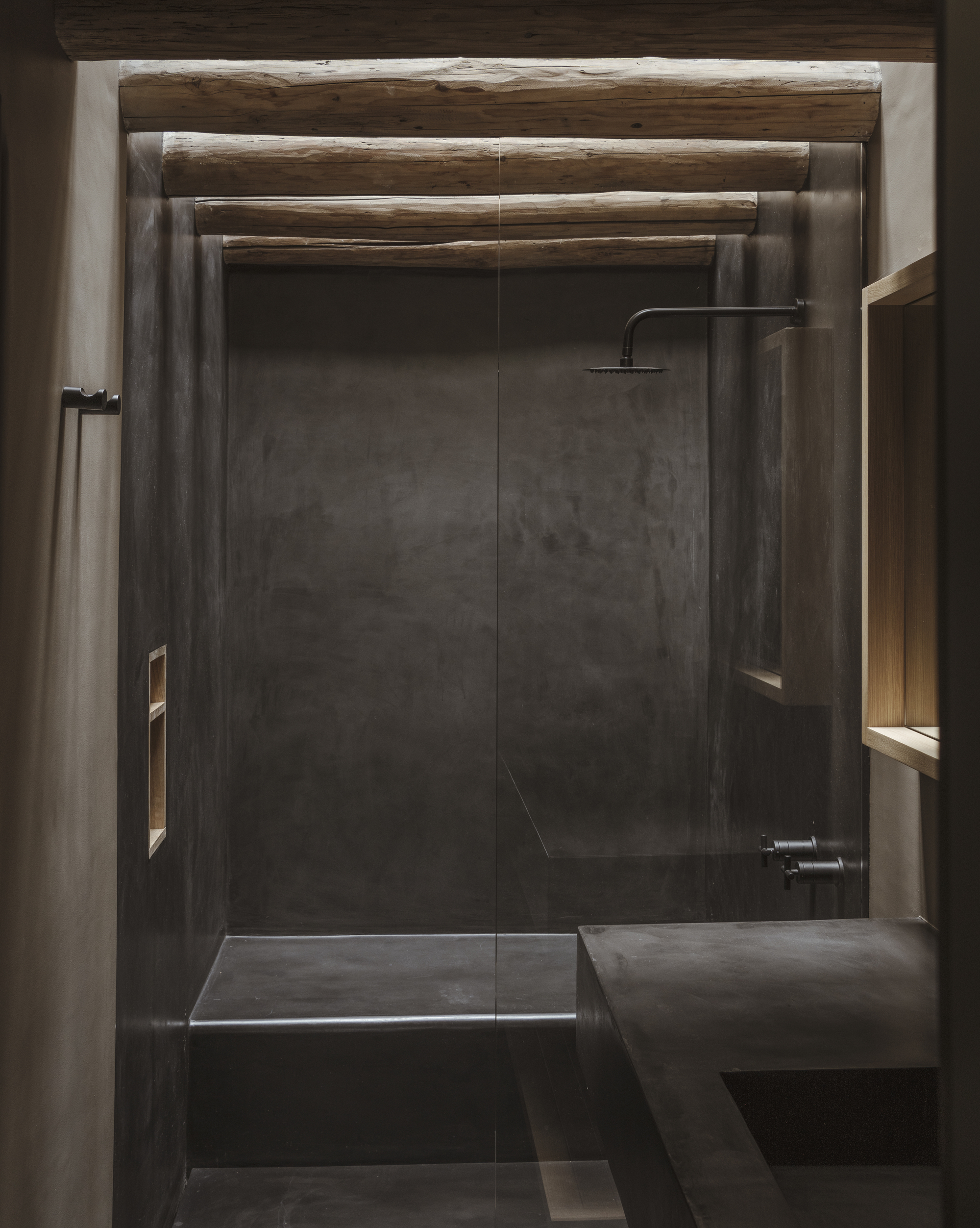
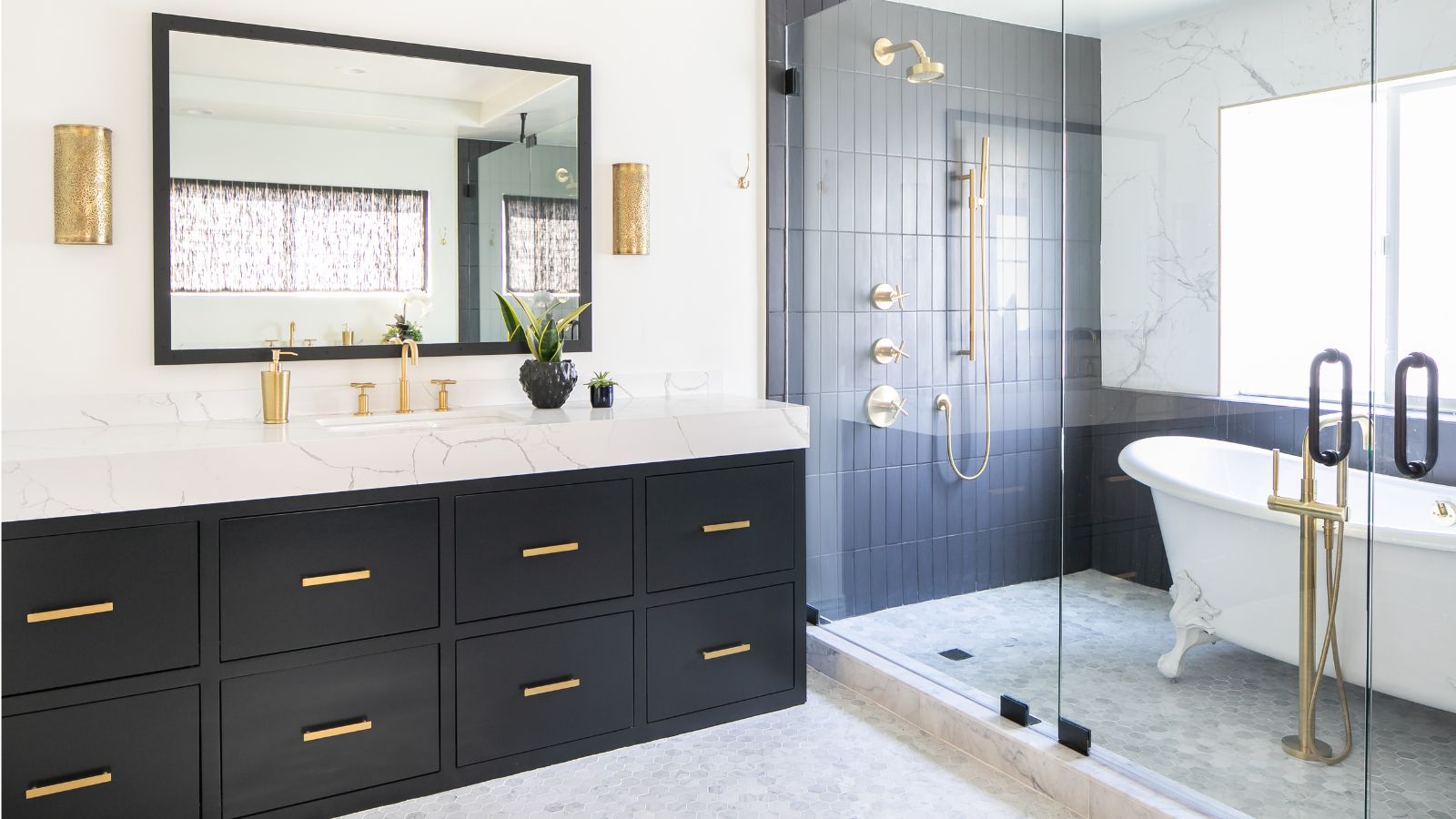
High-gloss black vanities, despite their past association with sleek modernity, are out of favor not only for being dated but also for their impracticality as fingerprint magnets. A less glossy finish, such as satin or eggshell black, or incorporating black in other bathroom elements while opting for a natural wood vanity, is recommended. Dark brown espresso finishes are also deemed artificial and outmoded, especially when the stain obscures the wood's natural grain. Modern preferences lean towards medium-to-dark chocolatey browns like walnut, dark oak, or teak, where the wood's character and texture are emphasized.
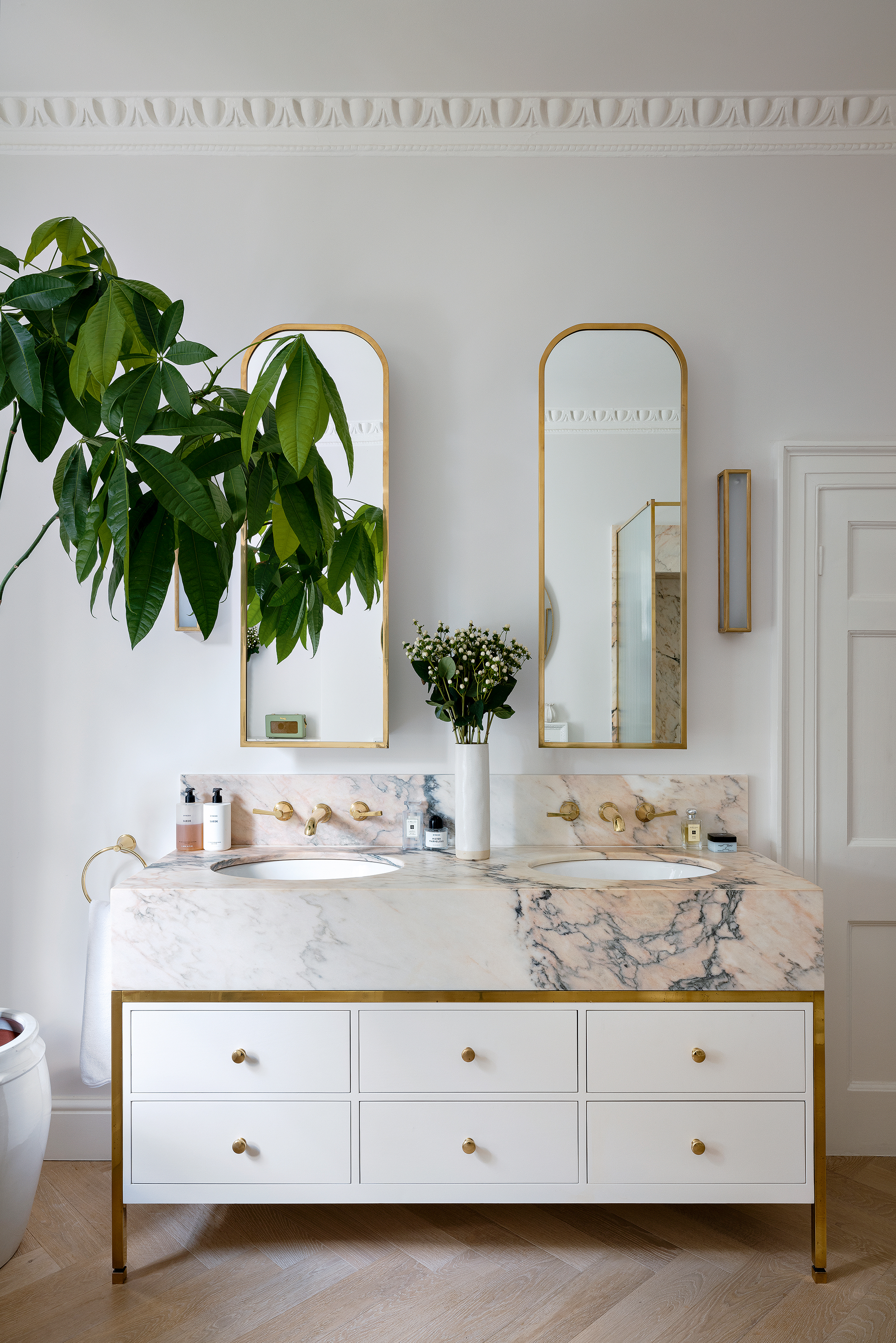
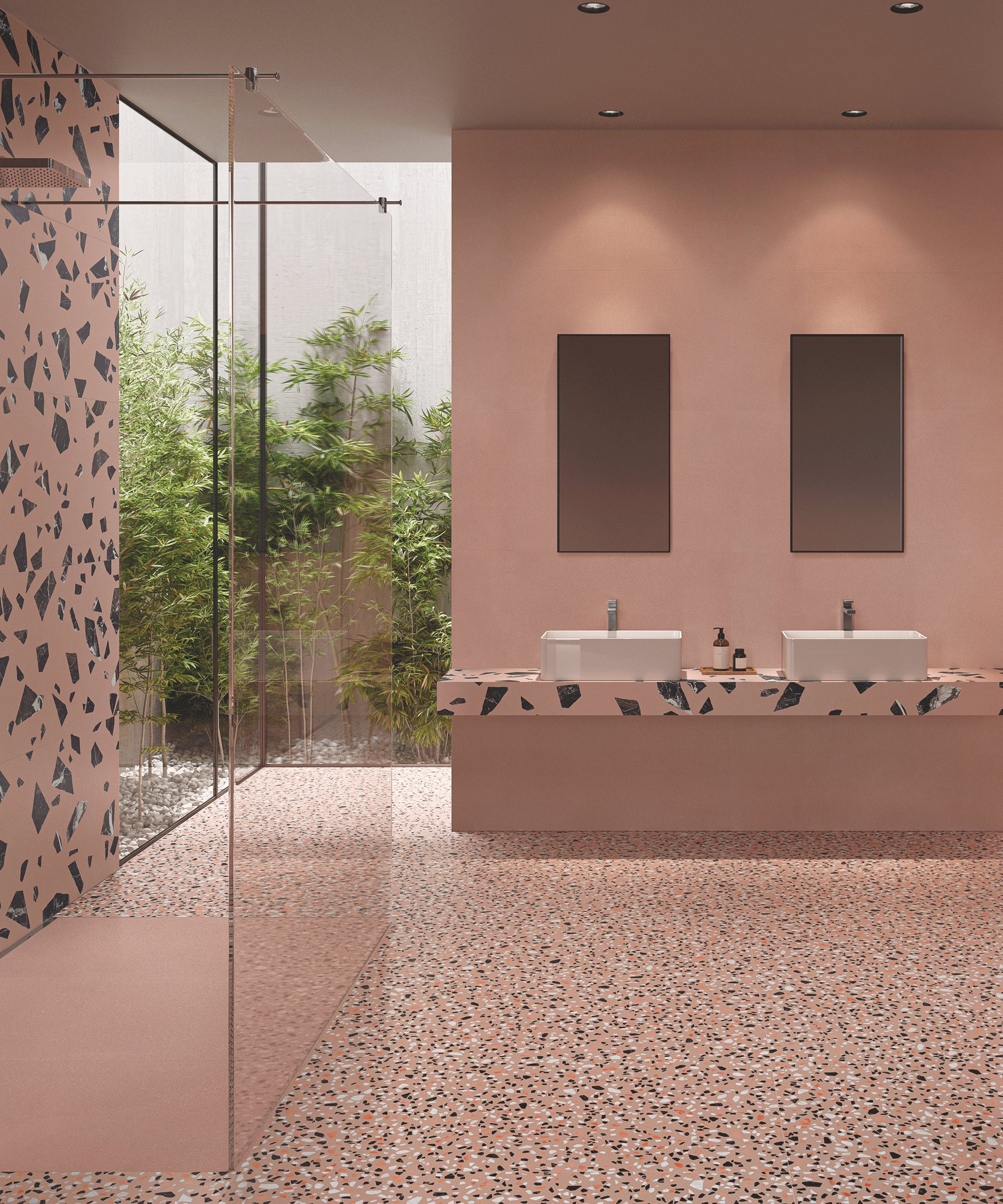
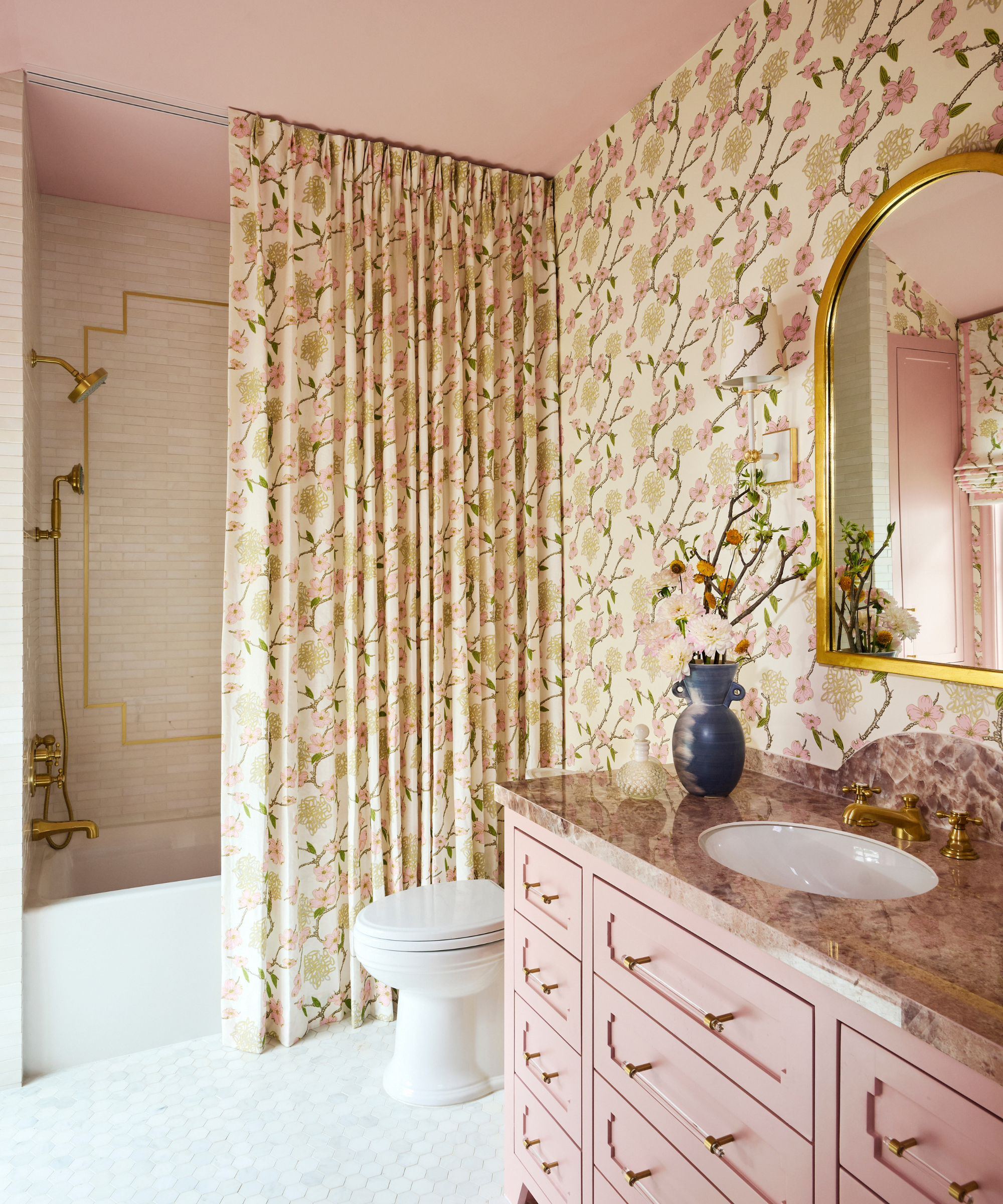
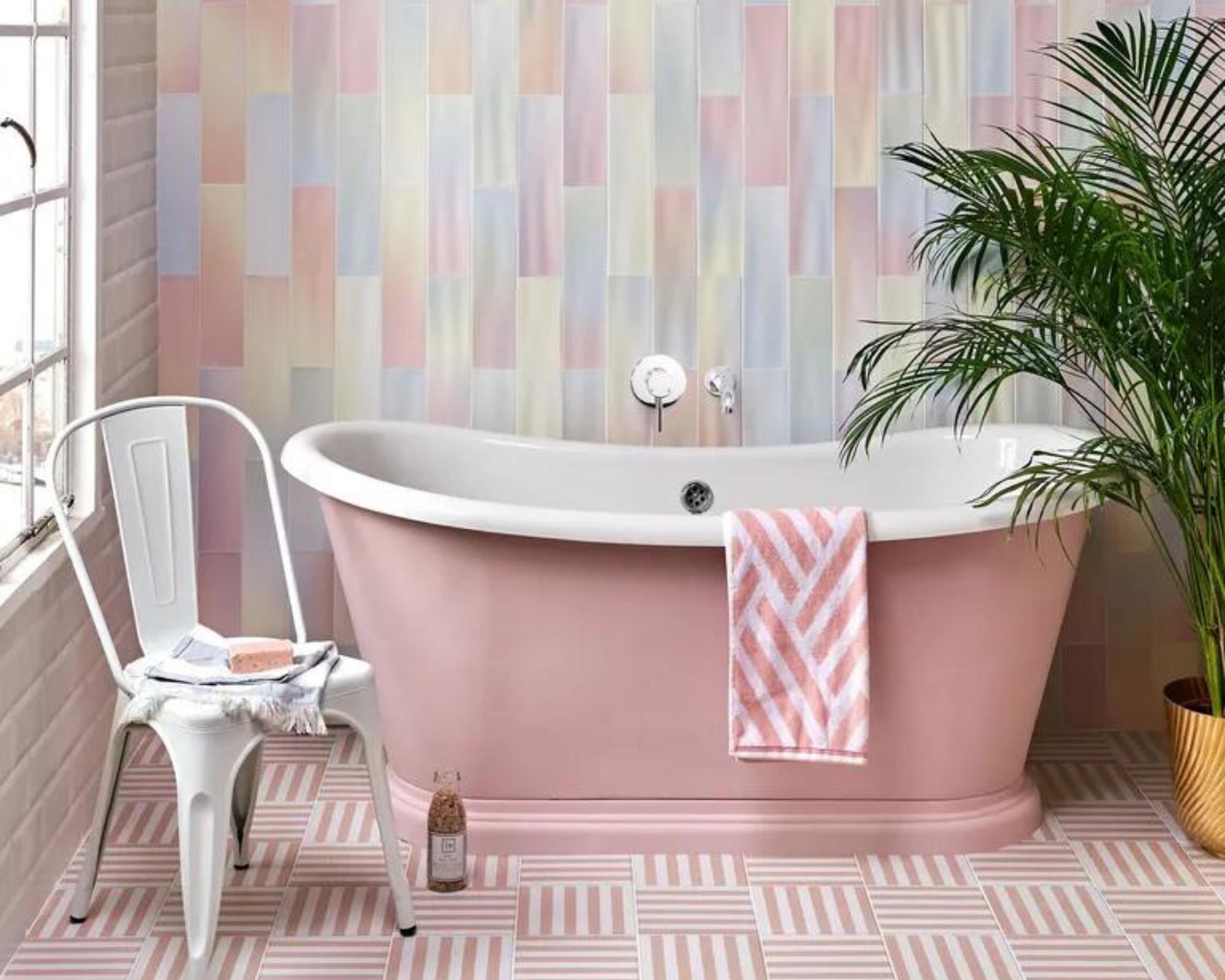
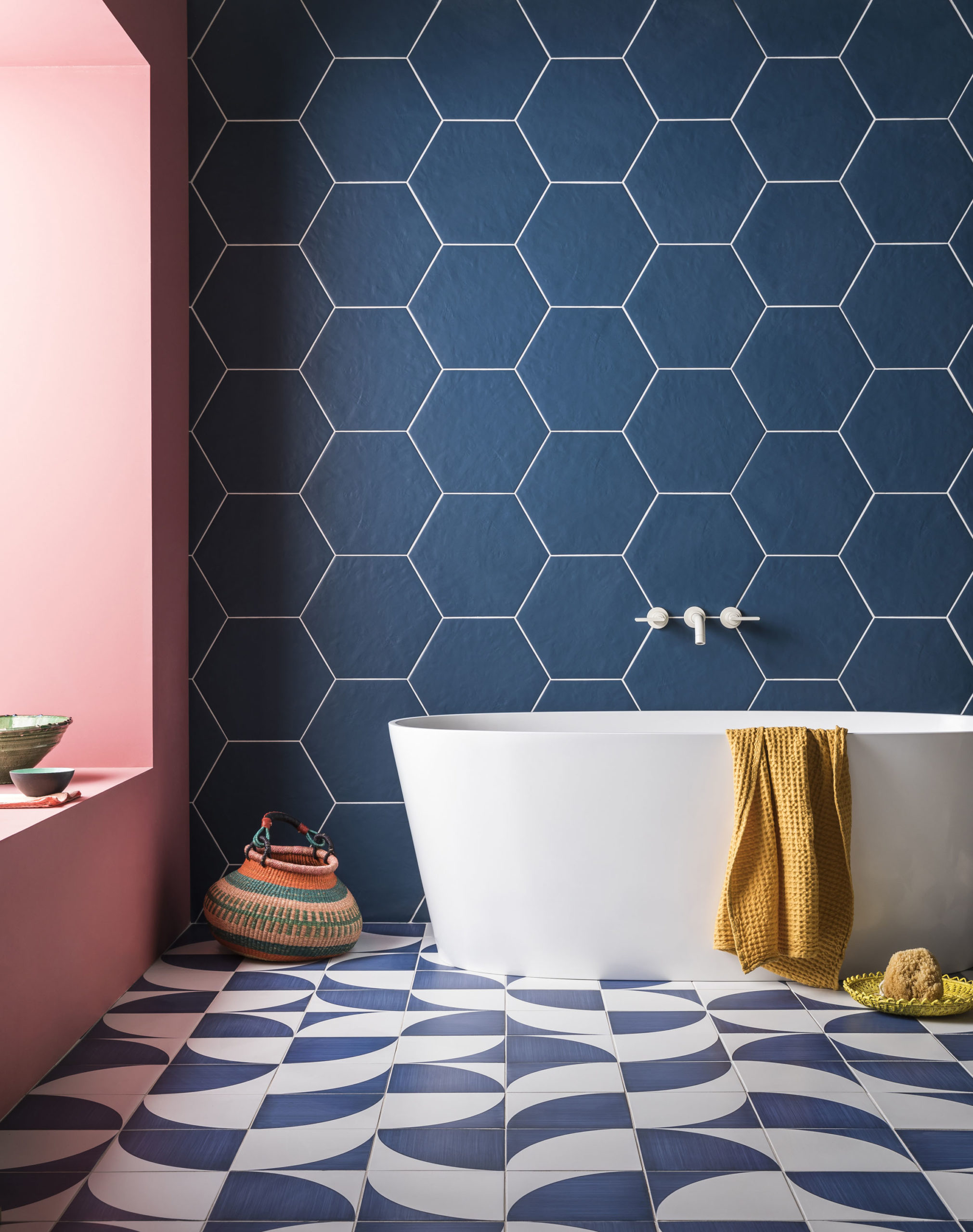
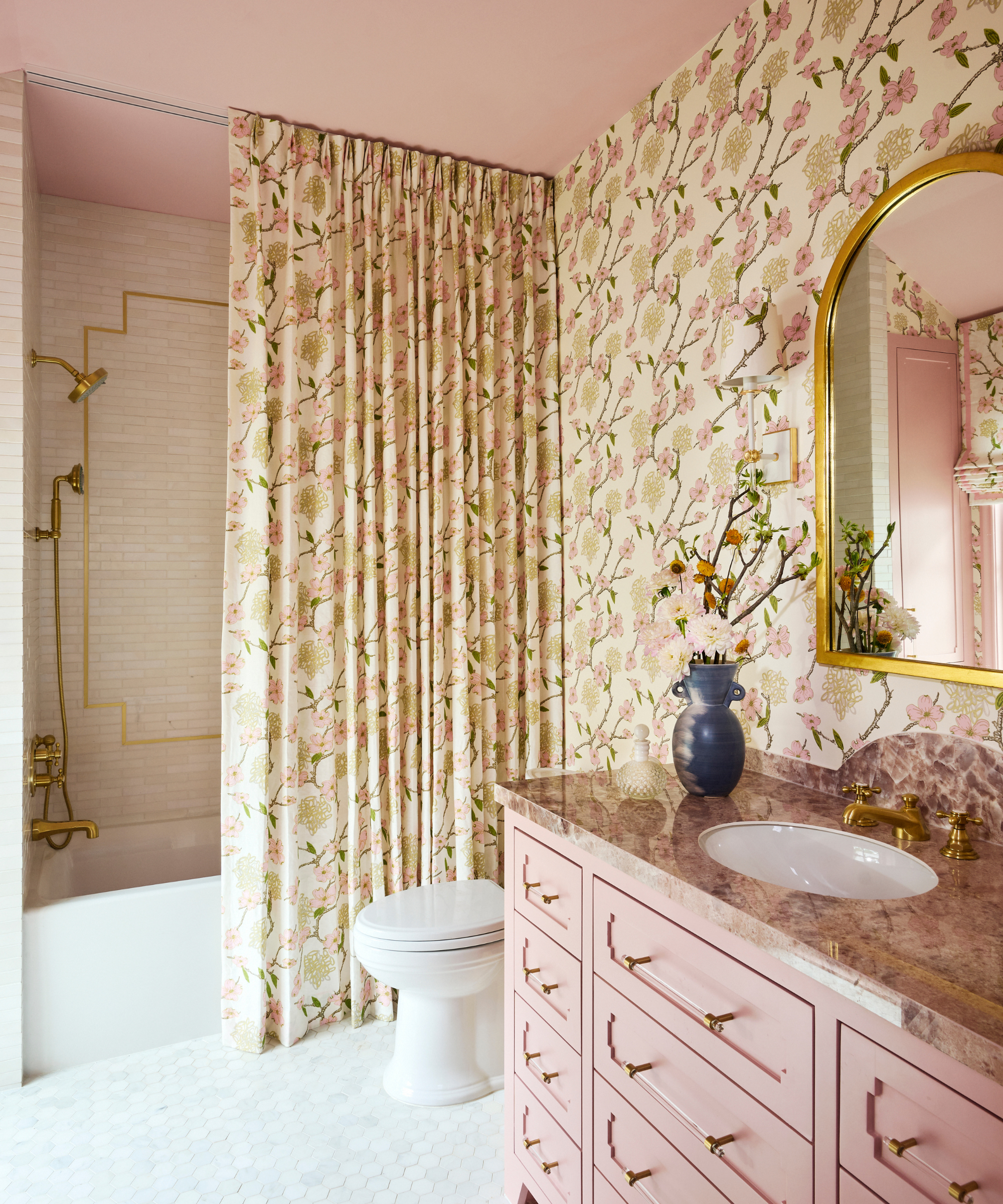
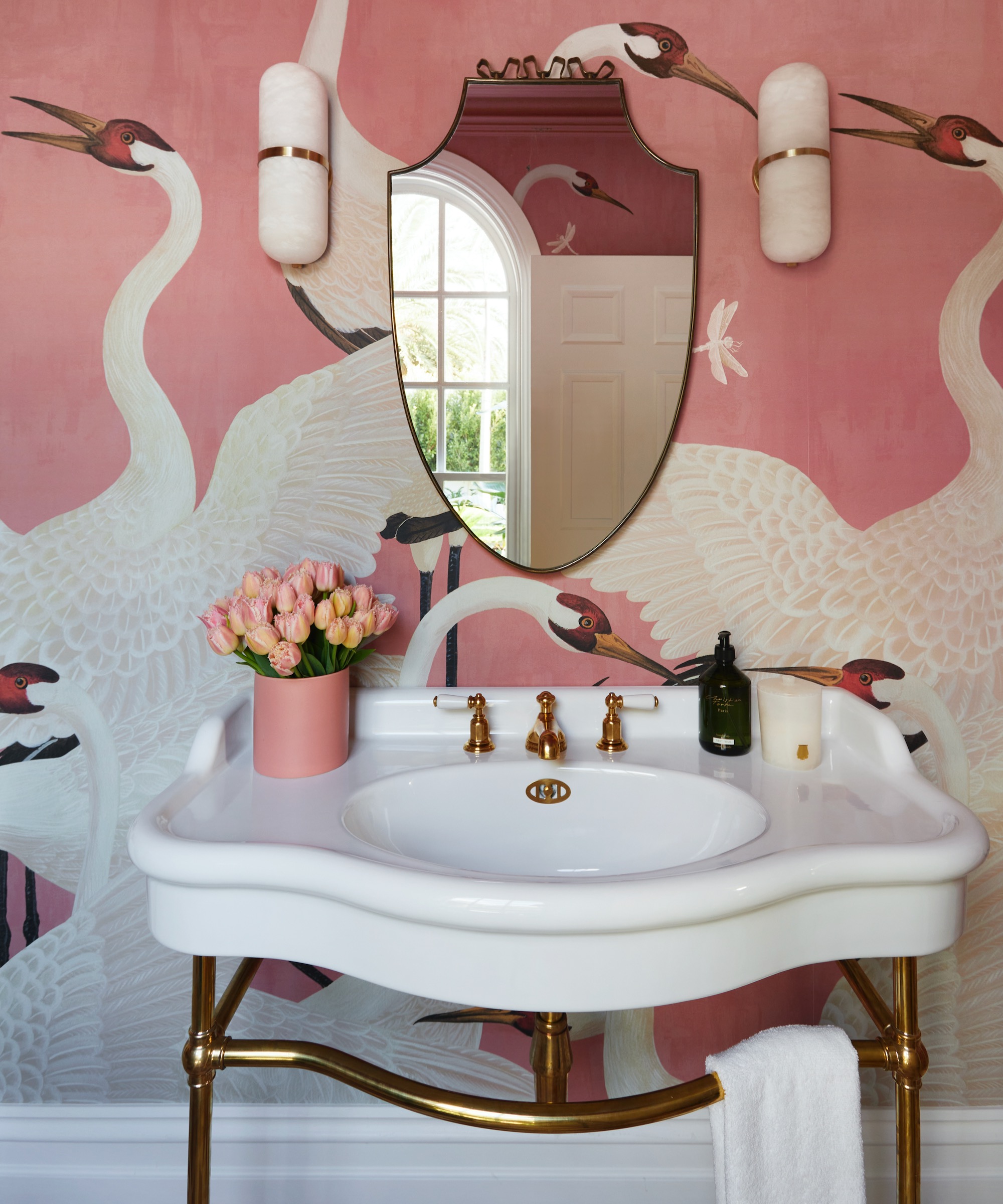
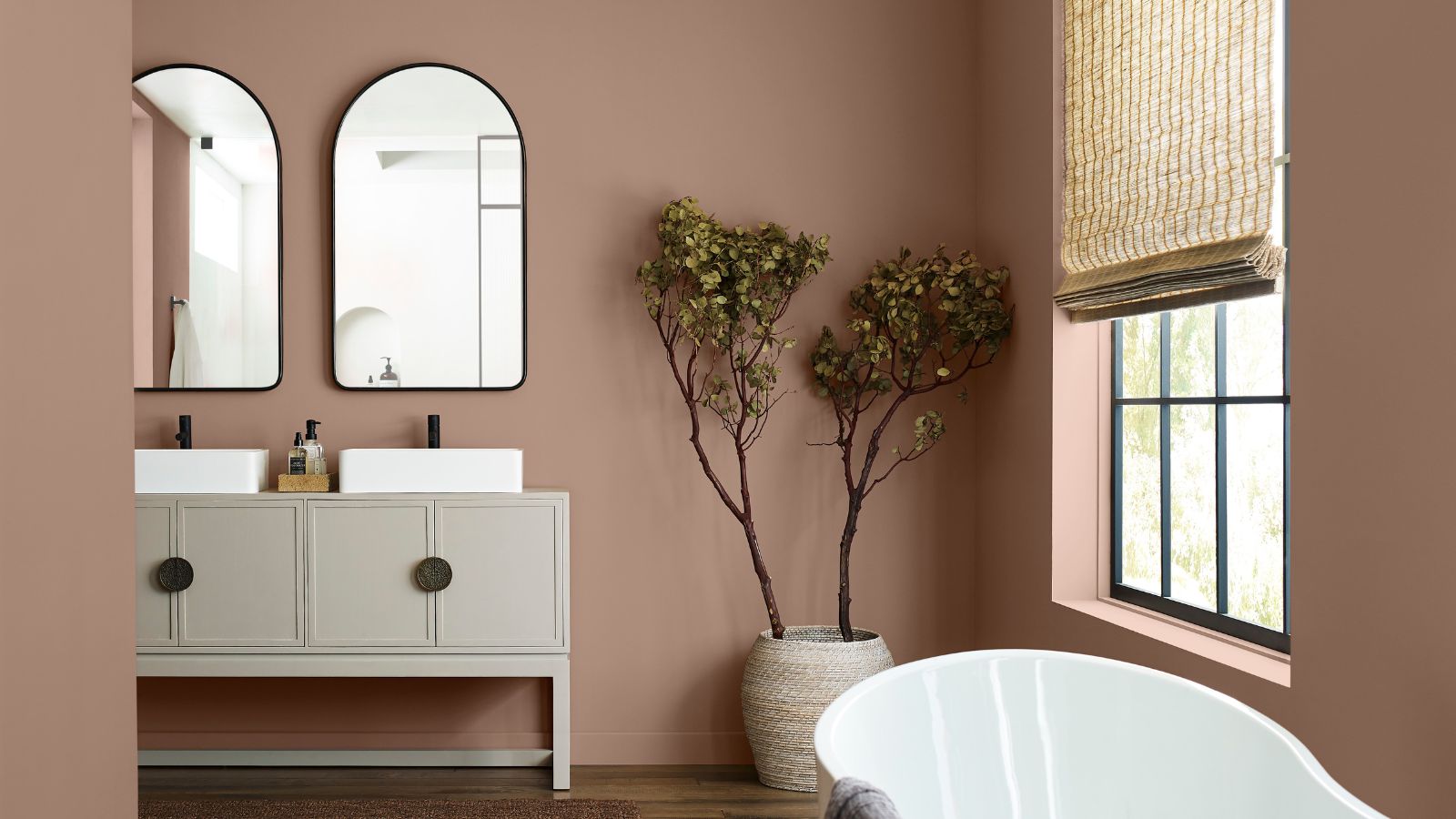
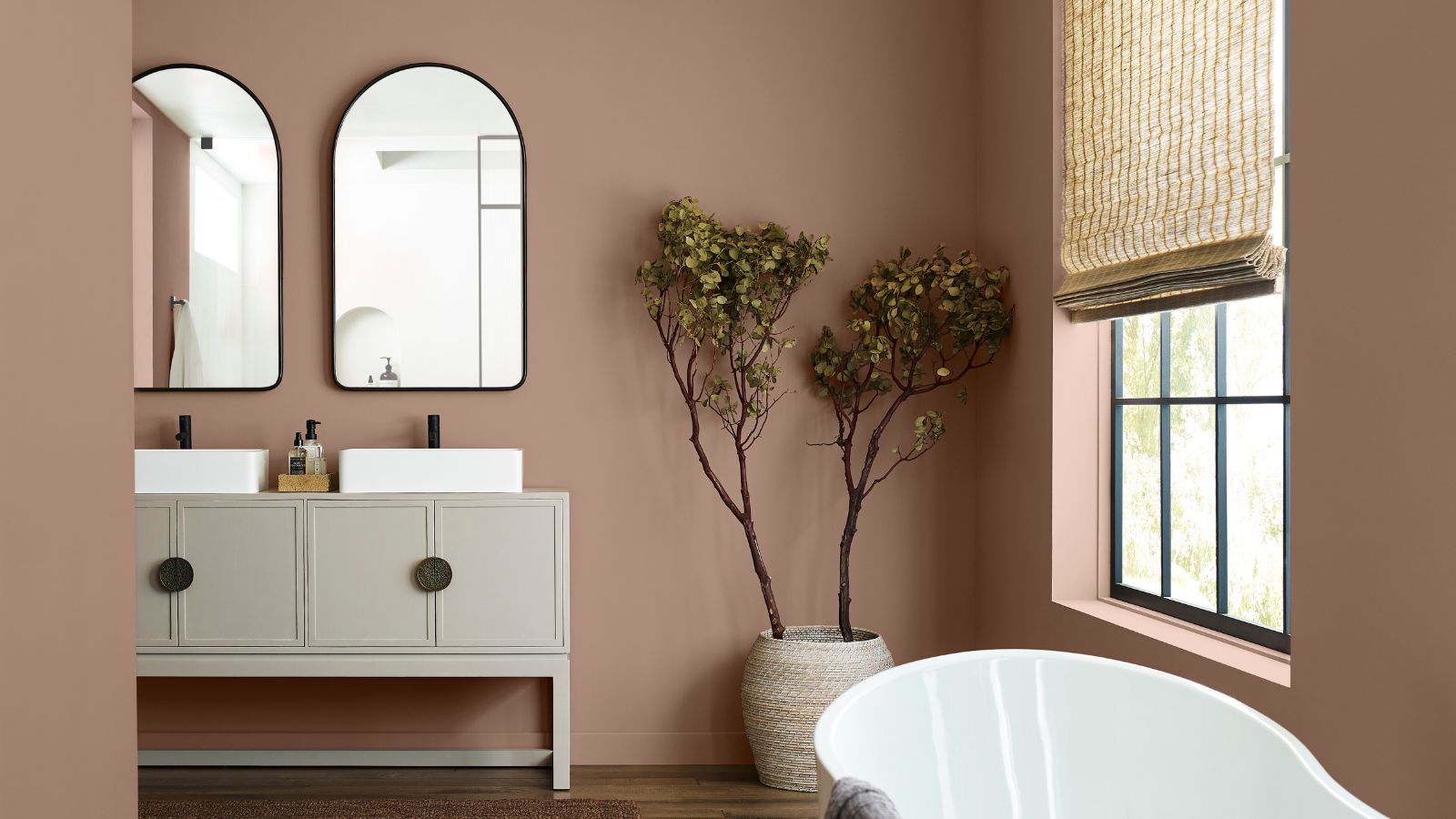
Finally, dusty pinks and mauves, popular in the 1990s, are now considered outdated. Contemporary pinks in bathrooms are softer, warmer, and more muted, offering a sophisticated and mature aesthetic. Overall, the article underscores a broader trend towards natural materials, warmer color palettes, and finishes that enhance the inherent beauty and texture of wood, moving away from anything that appears artificial or excessively cool-toned.
#BathroomDesign #HomeDecor #InteriorDesign #VanityColors #DesignTrends #HomeRenovation #ColorPalettes #BathroomDesign #HomeDecor #InteriorDesign #VanityColors #DesignTrends #HomeRenovation #ColorPalettes
Hay 0 comentarios en total
 Aún no hay comentarios
También te puede gustar
5 colors to avoid in a bathroom – according to designers

7 outdated kitchen cabinet colors designers say you should wave goodbye to, plus what to try instead

9 Outdated Kitchen Cabinet Colors We Hope To Never See In 2026

3 Bathroom Vanity Colors That Designers Are Ditching In 2025
7 Bathroom Vanity Items Organizers Urge You to Throw out ASAP

5 Bathroom Vanity Countertops Experts Avoid

7 Bathroom Vanity Color Trends That Aren't Going Anywhere in 2026, Designers Say
Outdated bathroom trends – 6 overdone looks that designers like to avoid, and here's why you should too
5 colors designers say are outdated for bathrooms - and what they're choosing instead for 2024
7 Kitchen Cabinet Colors Designers Never Want to See Again
Towel colors to avoid in bathrooms – and what to buy instead, according to designers
5 Timeless Colors to Choose for a Bathroom That Will Never go Out of Style

6 Outdated Bathroom Paint Colors Designers Say You Should Never Use
Yikes! The worst colors for a small bathroom that should definitely be avoided

Which Bathroom Tile Colors Will Never Go Out of Style? 5 Timeless Options Favored By Designers
9 items never to store in a bathroom vanity – according to the experts
What’s the best color for your bathroom vanity? 9 shades designers always choose for a truly timeless design
9 Outdated Kitchen Cabinet Colors We Hope To Never See In 2026
What’s the best color for your bathroom vanity? Experts share their go-to hues for a sophisticated scheme
7 Paint Colors Designers Wish They Never Used (and What You Should Use Instead)