1/13
7 Dining Room Lighting Mistakes That Could Be Making Your Space (and Food) Look Less Appetizing
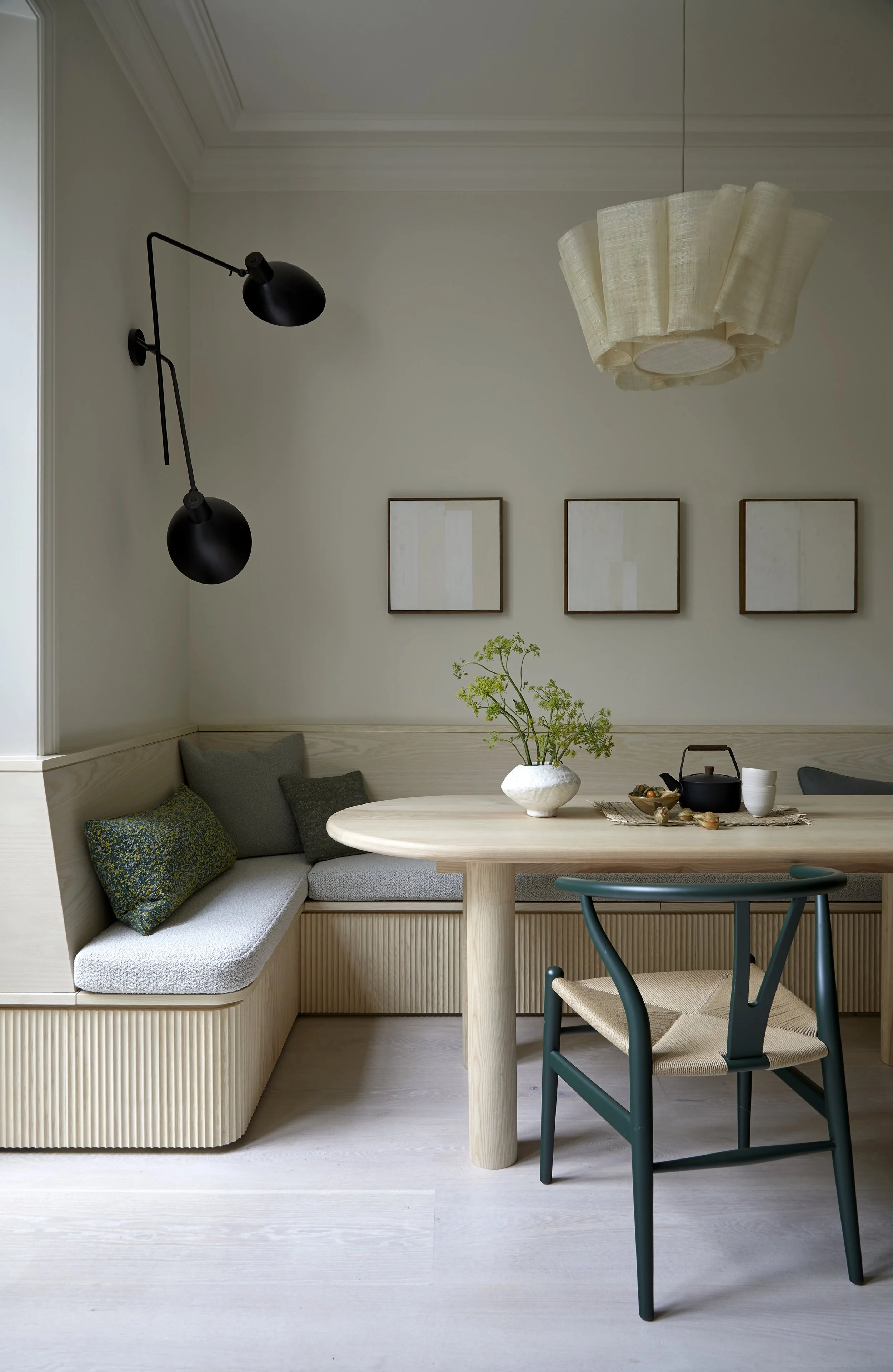
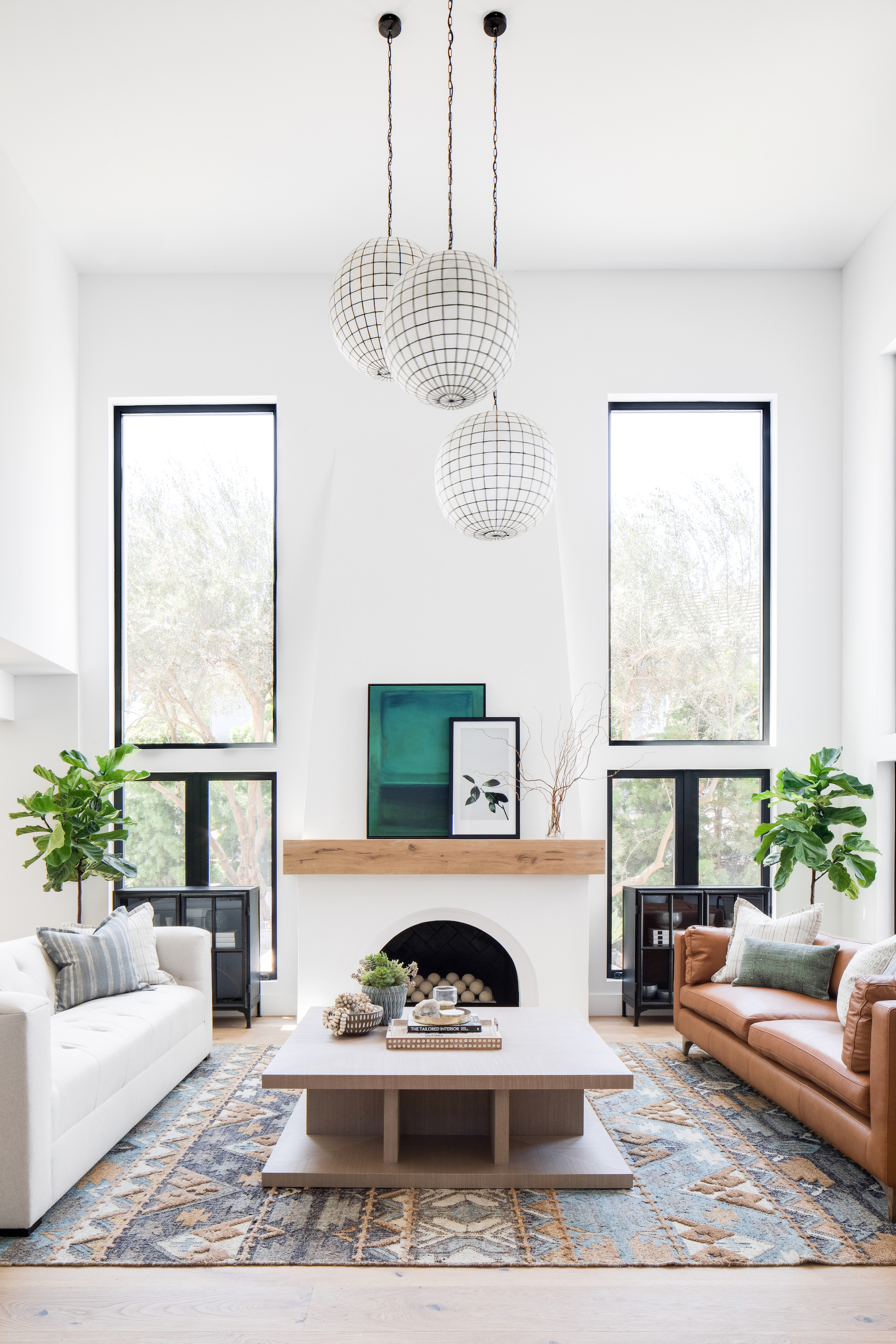
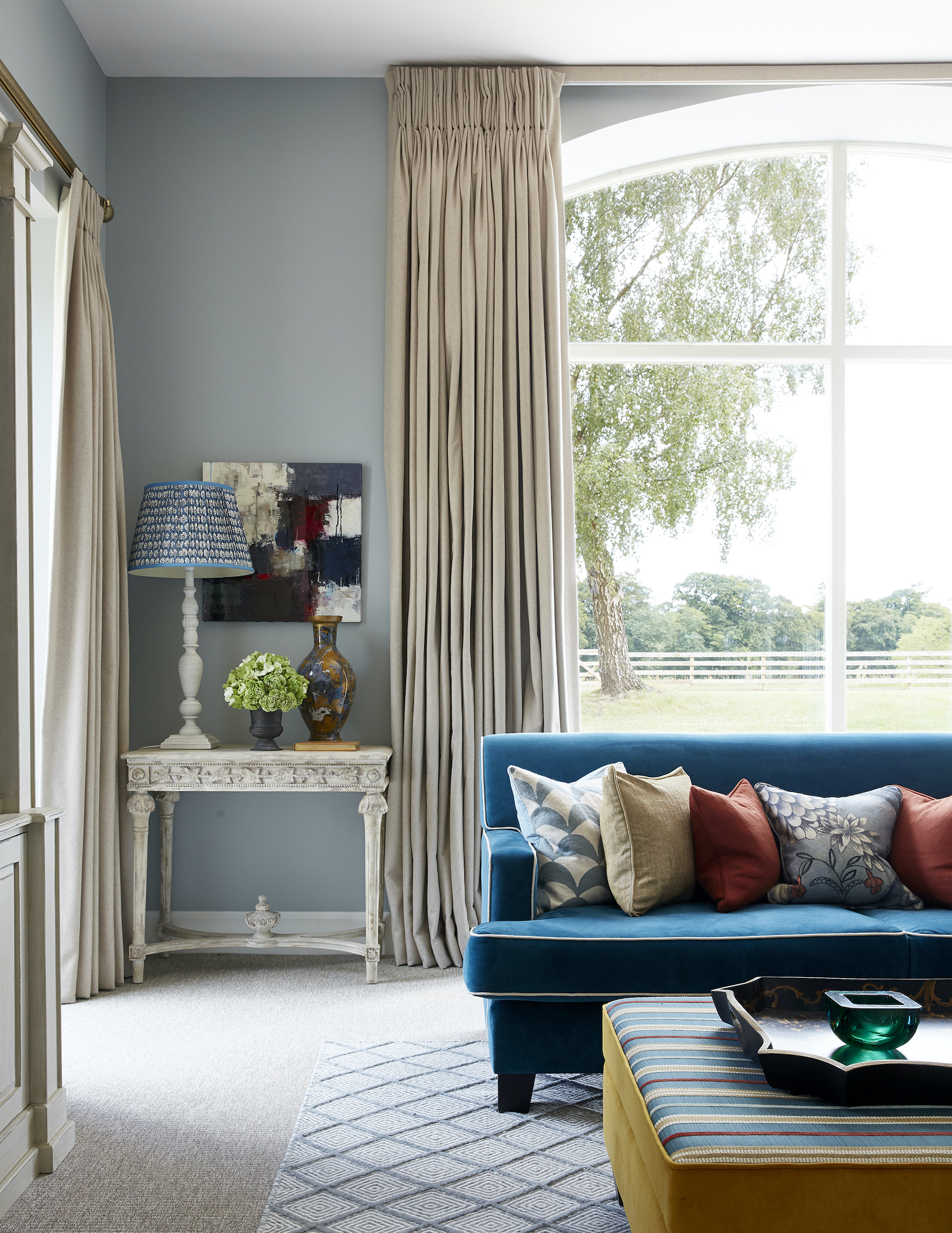
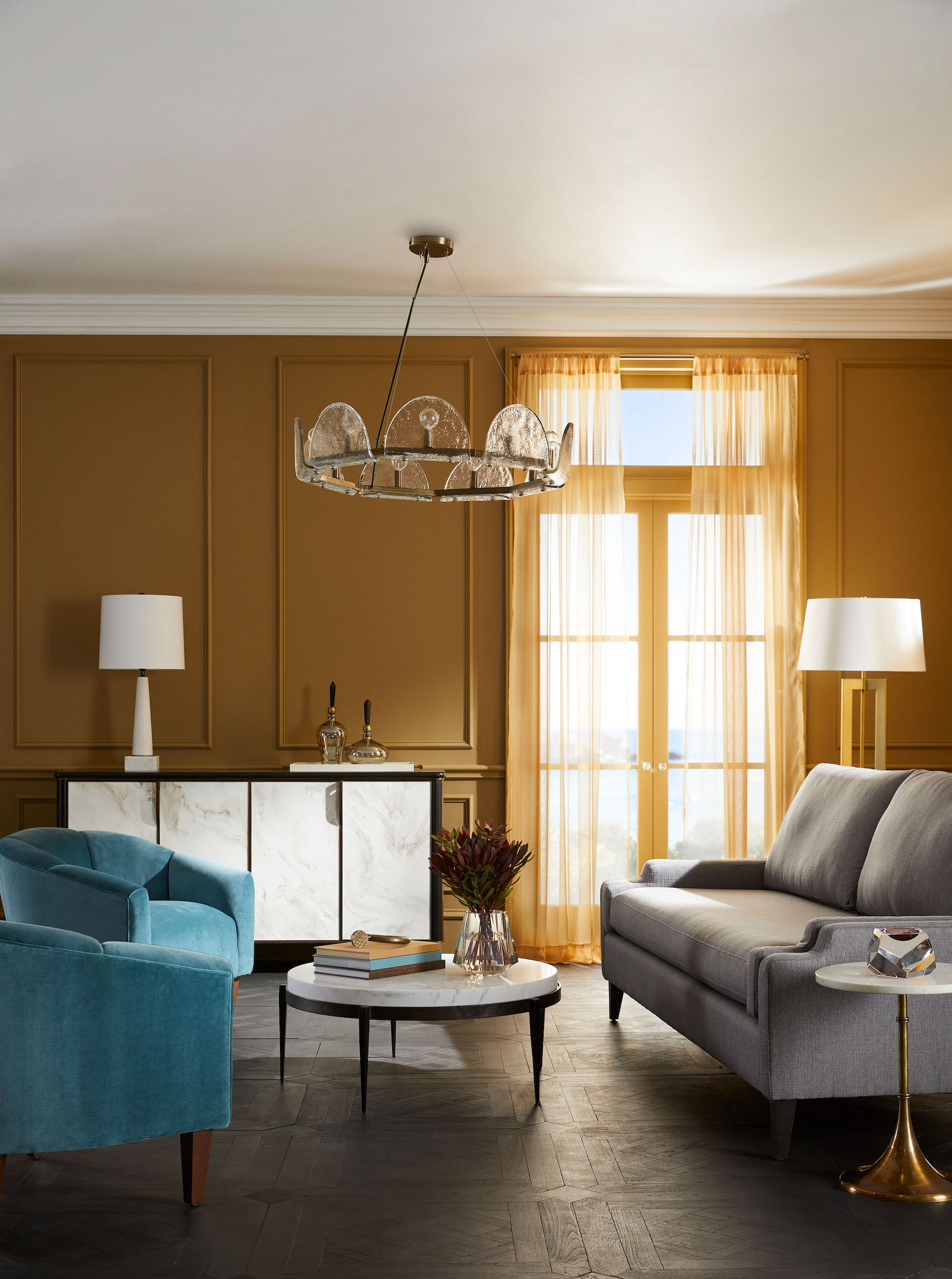
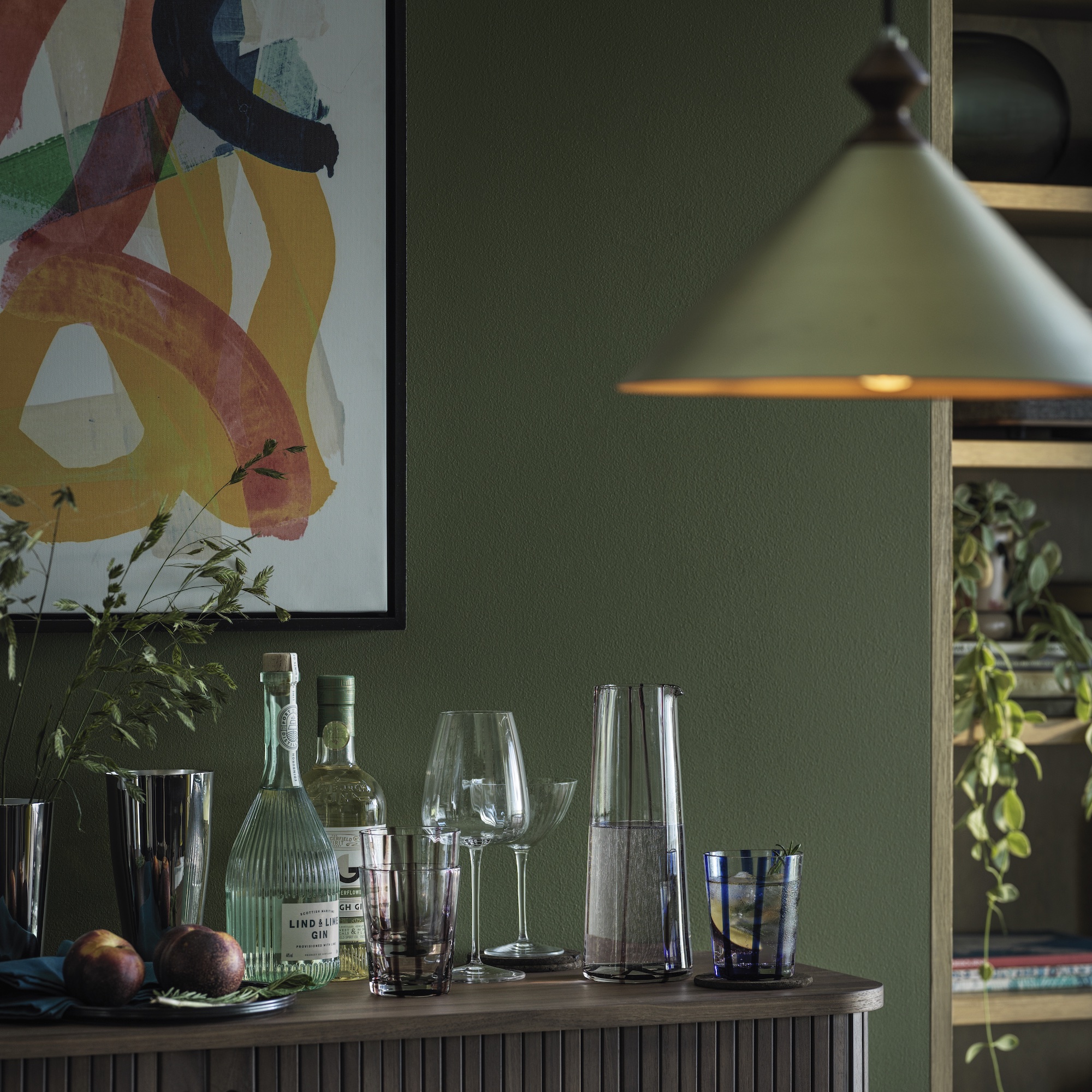
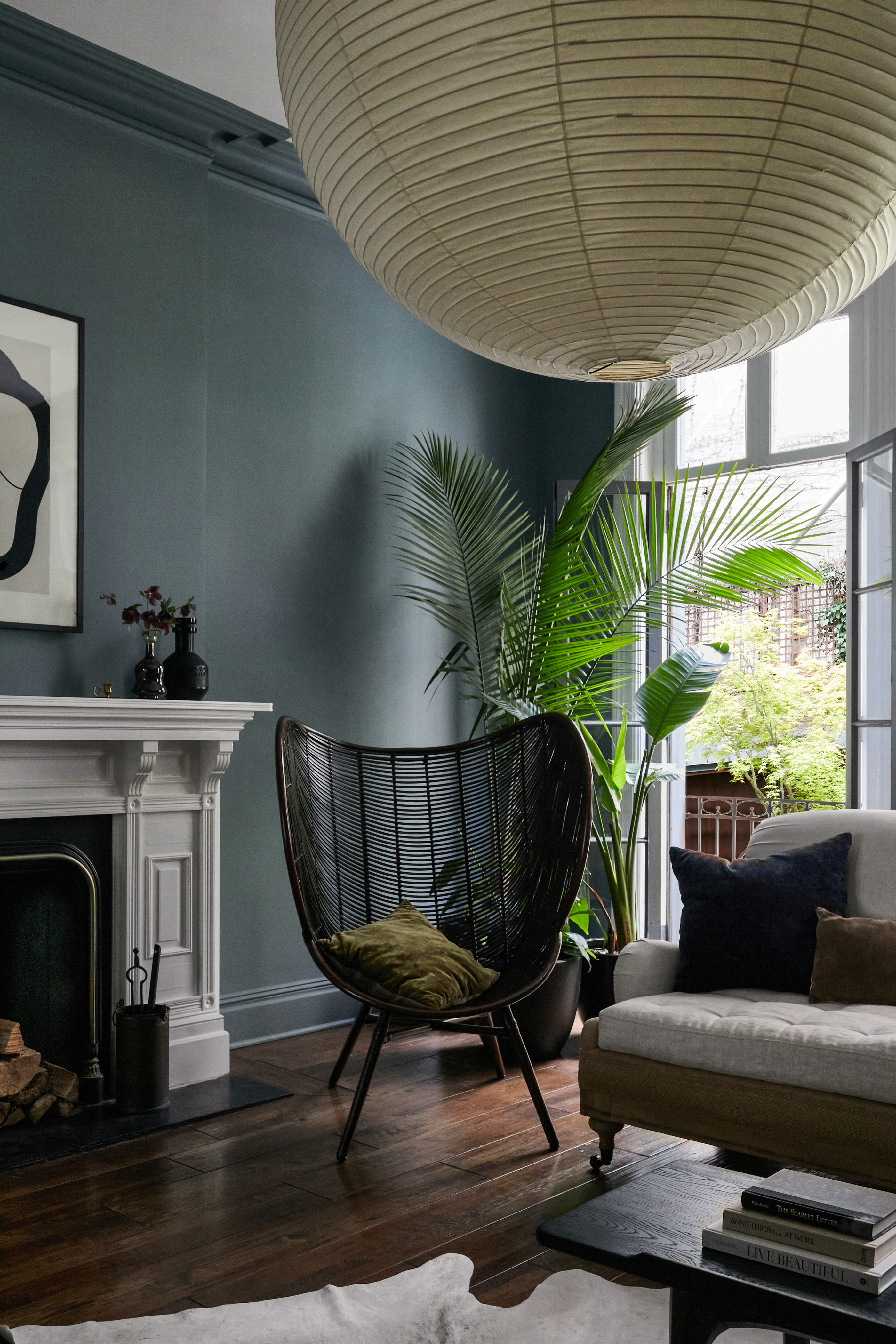
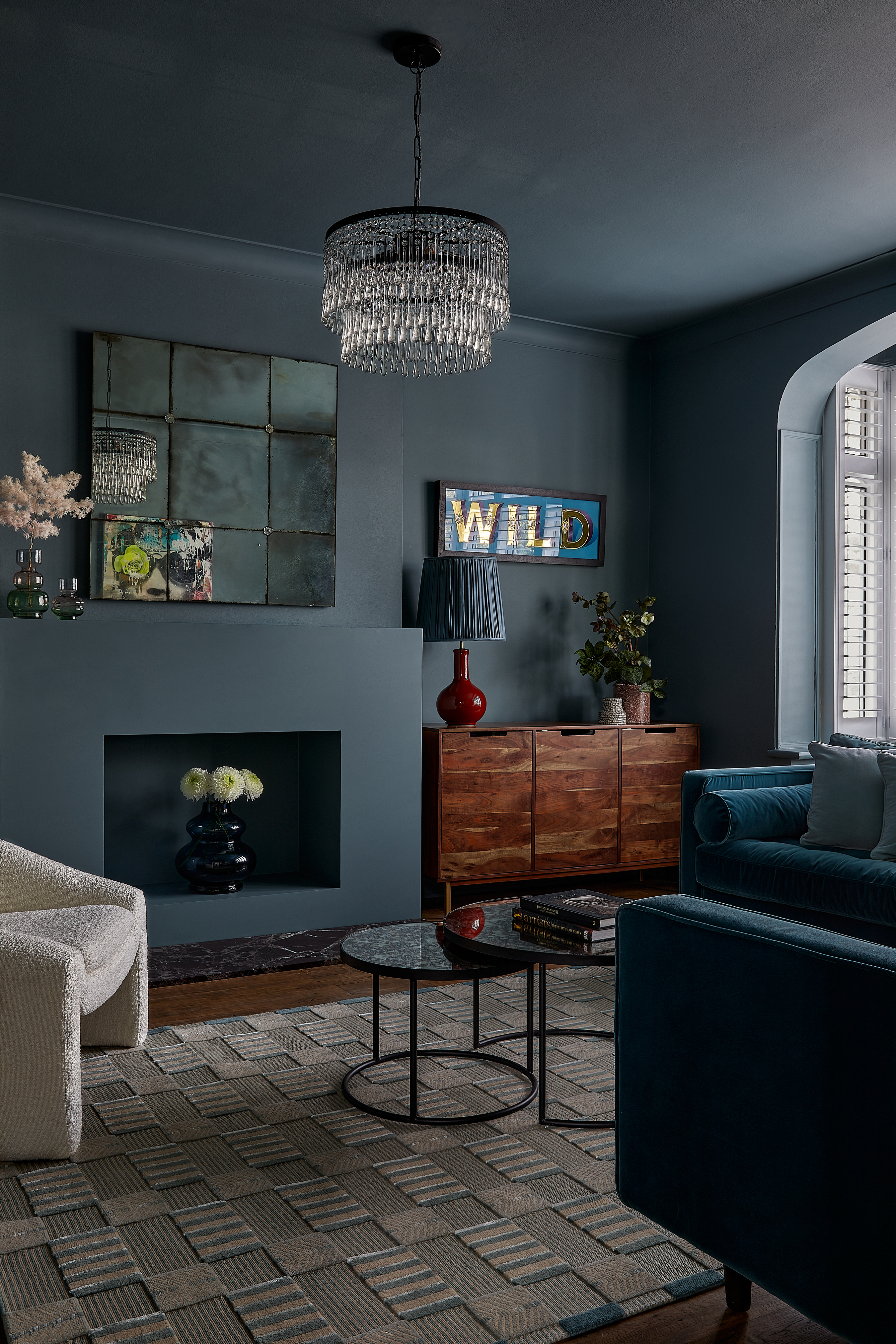
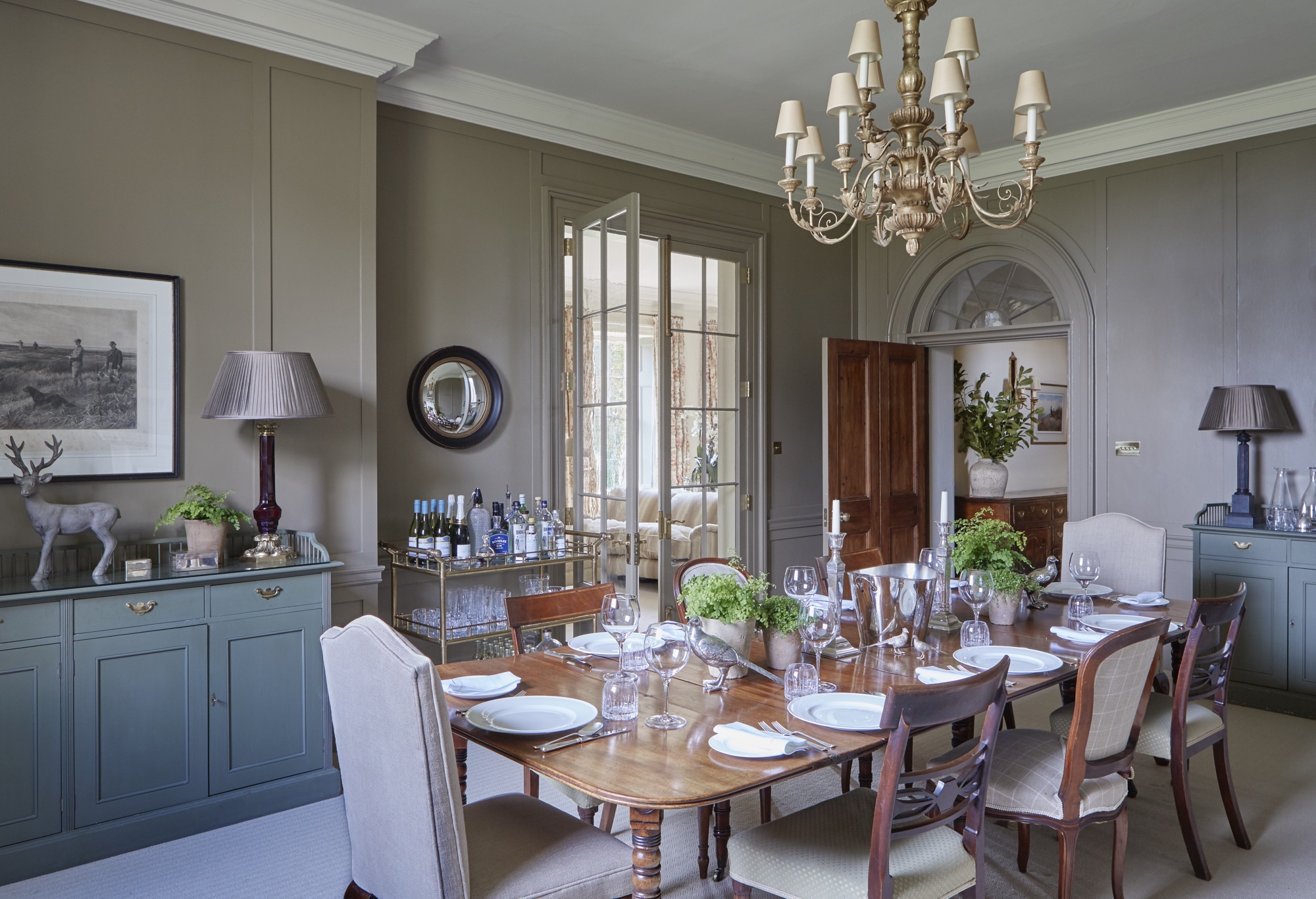
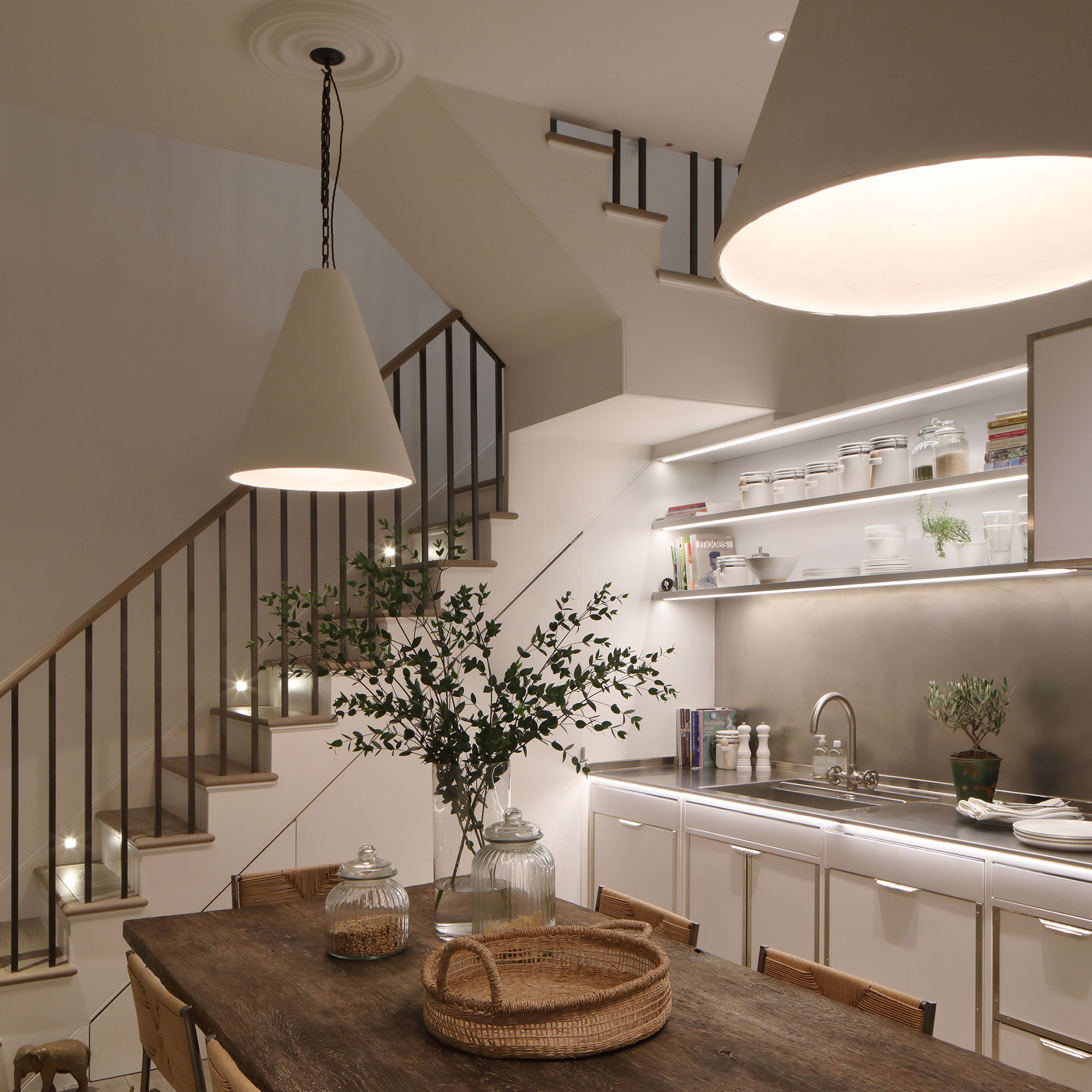
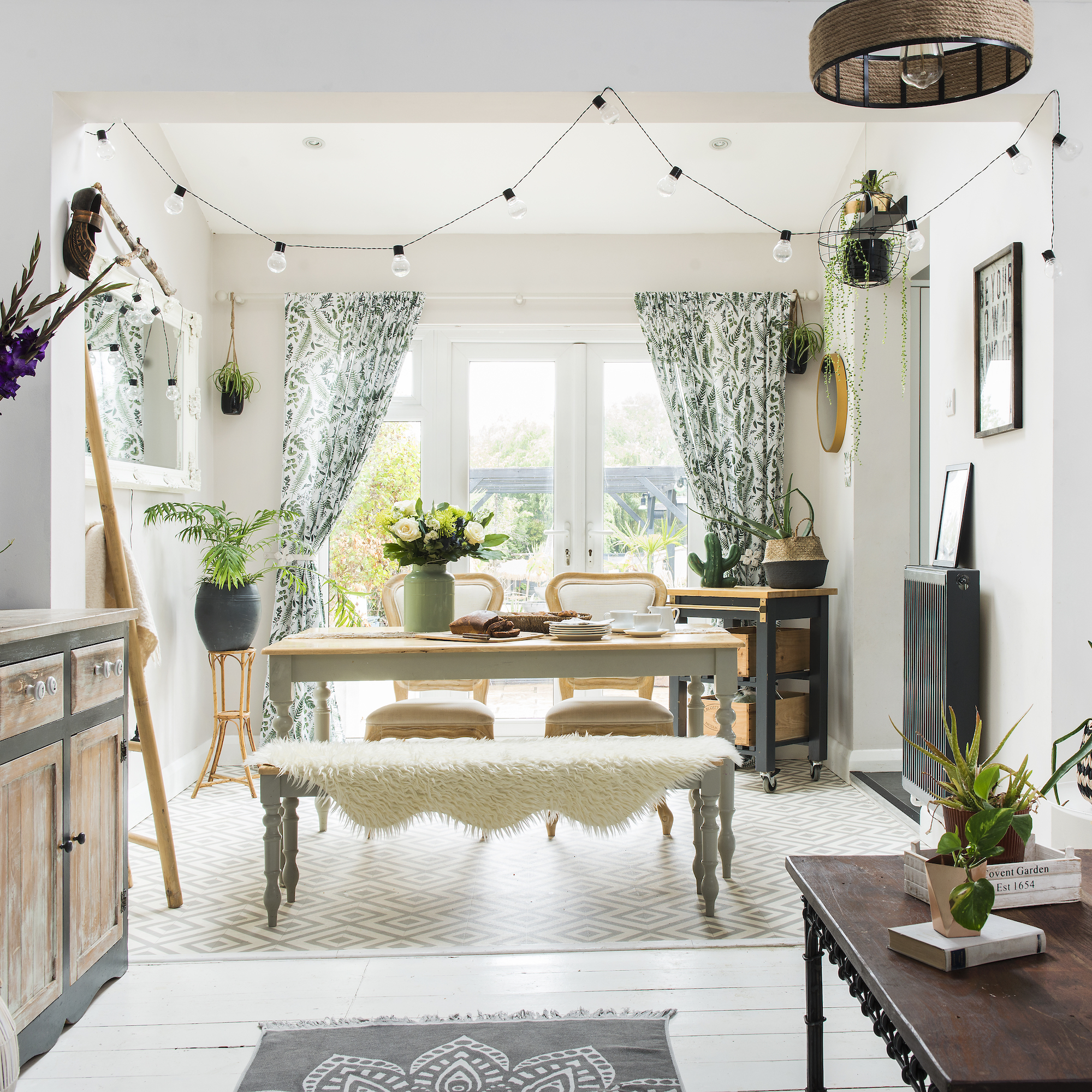
Effective dining room lighting is essential for creating a welcoming and functional space, impacting both ambiance and the visual appeal of food. Experts highlight several common mistakes that can diminish the dining experience. One primary error is relying solely on a single overhead light source, which fails to provide adequate illumination and depth. Instead, layering different types of lighting—ambient for general background light, task for activities like reading, and accent to highlight features—is recommended to create a dynamic environment. Interior designers suggest a minimum of three light types, with options like wall sconces or candelabras effectively distributing soft light in larger spaces.
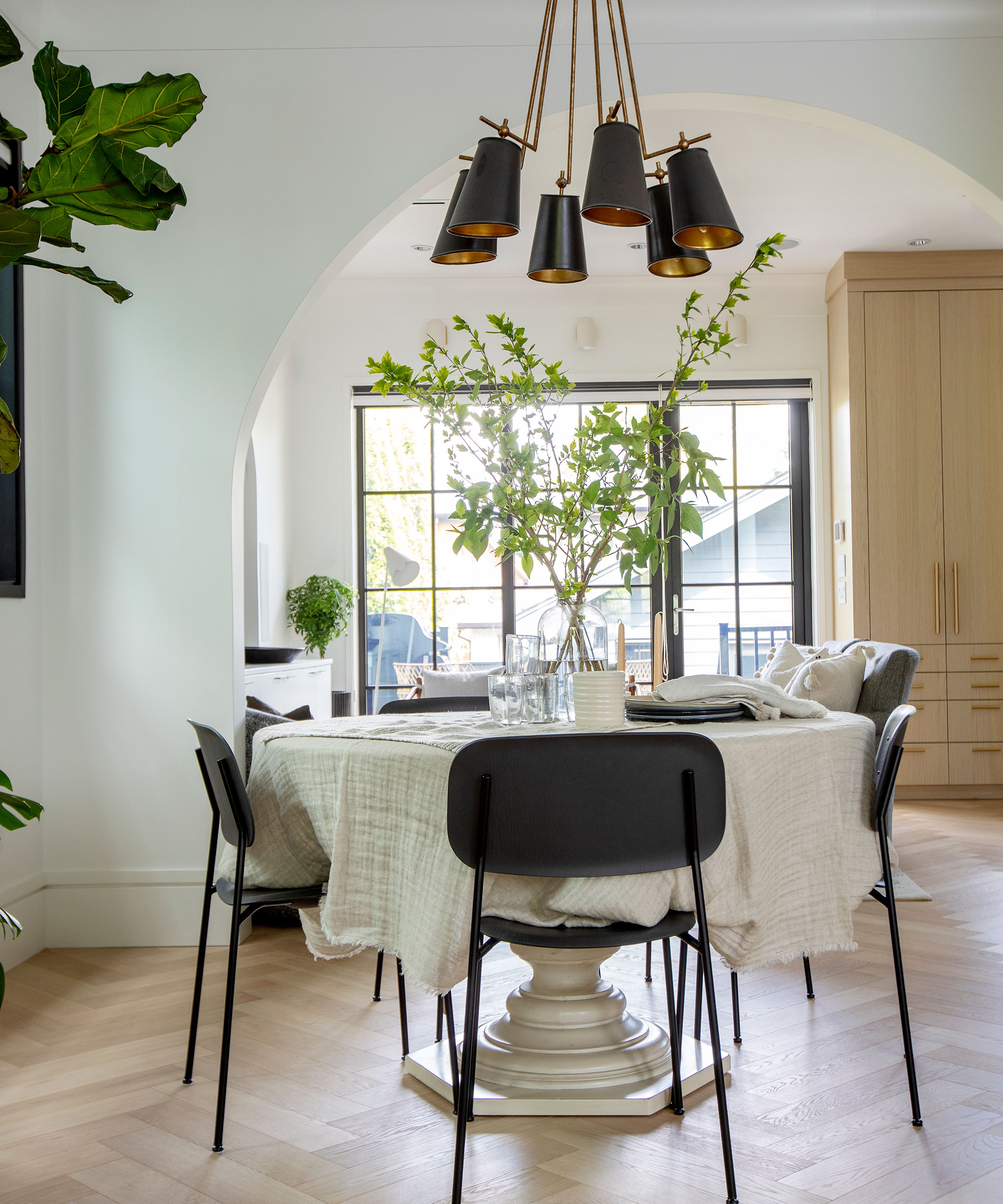
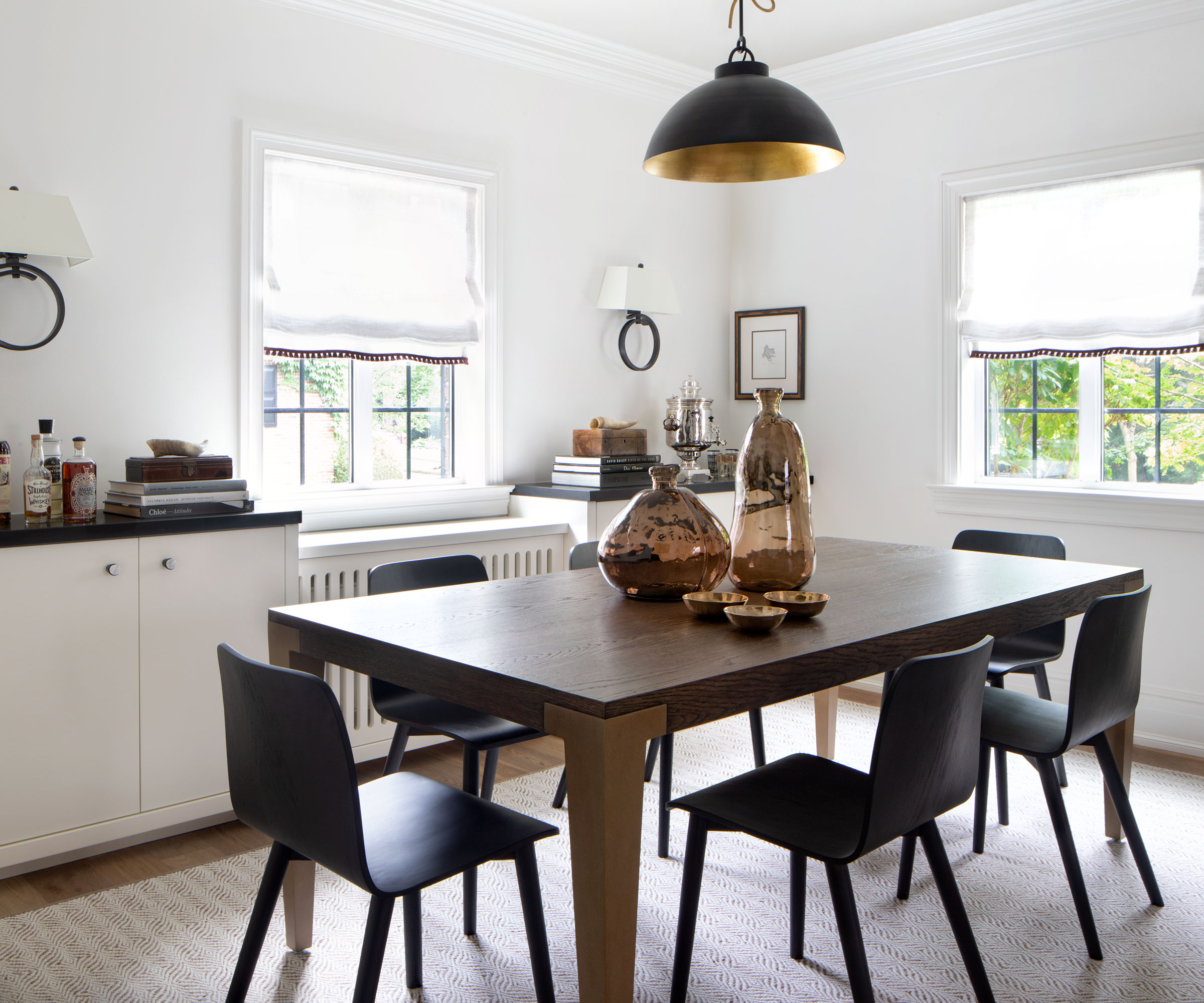
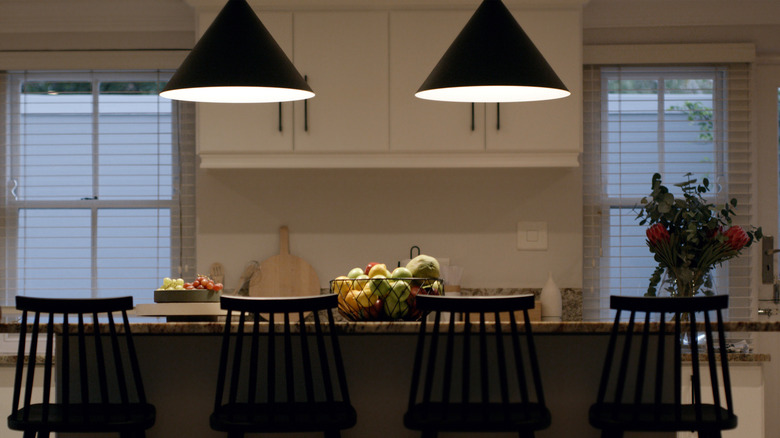
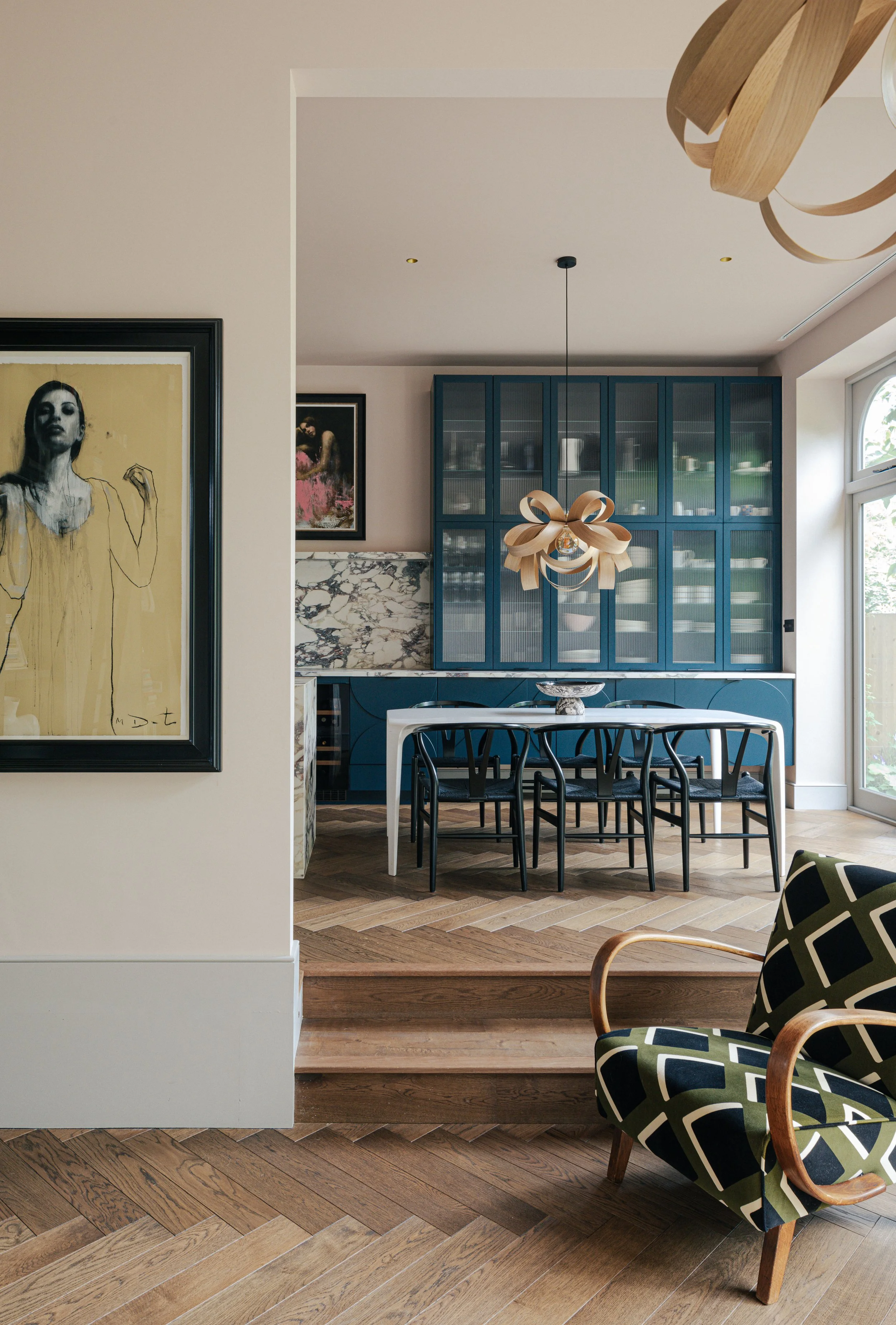
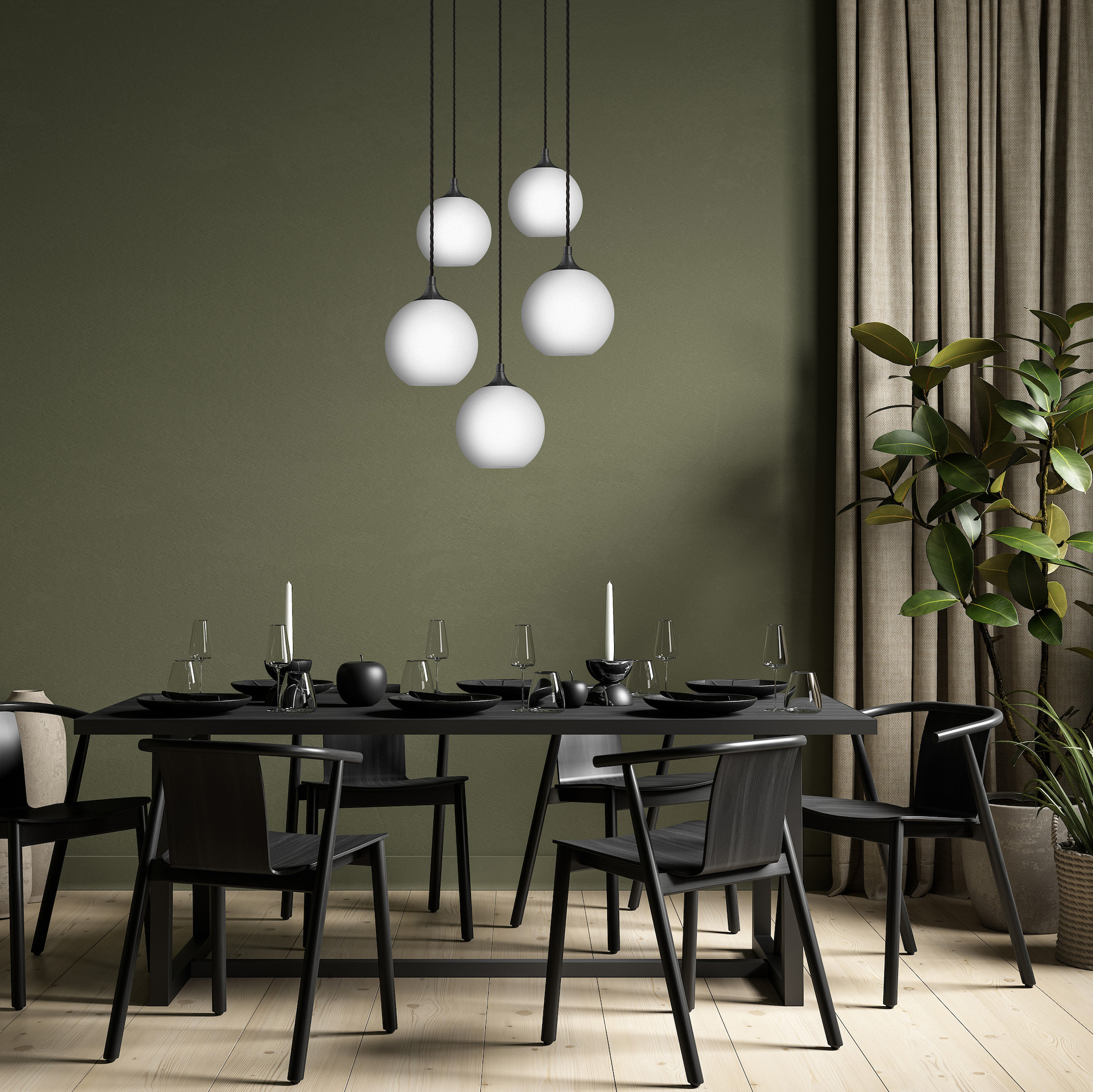
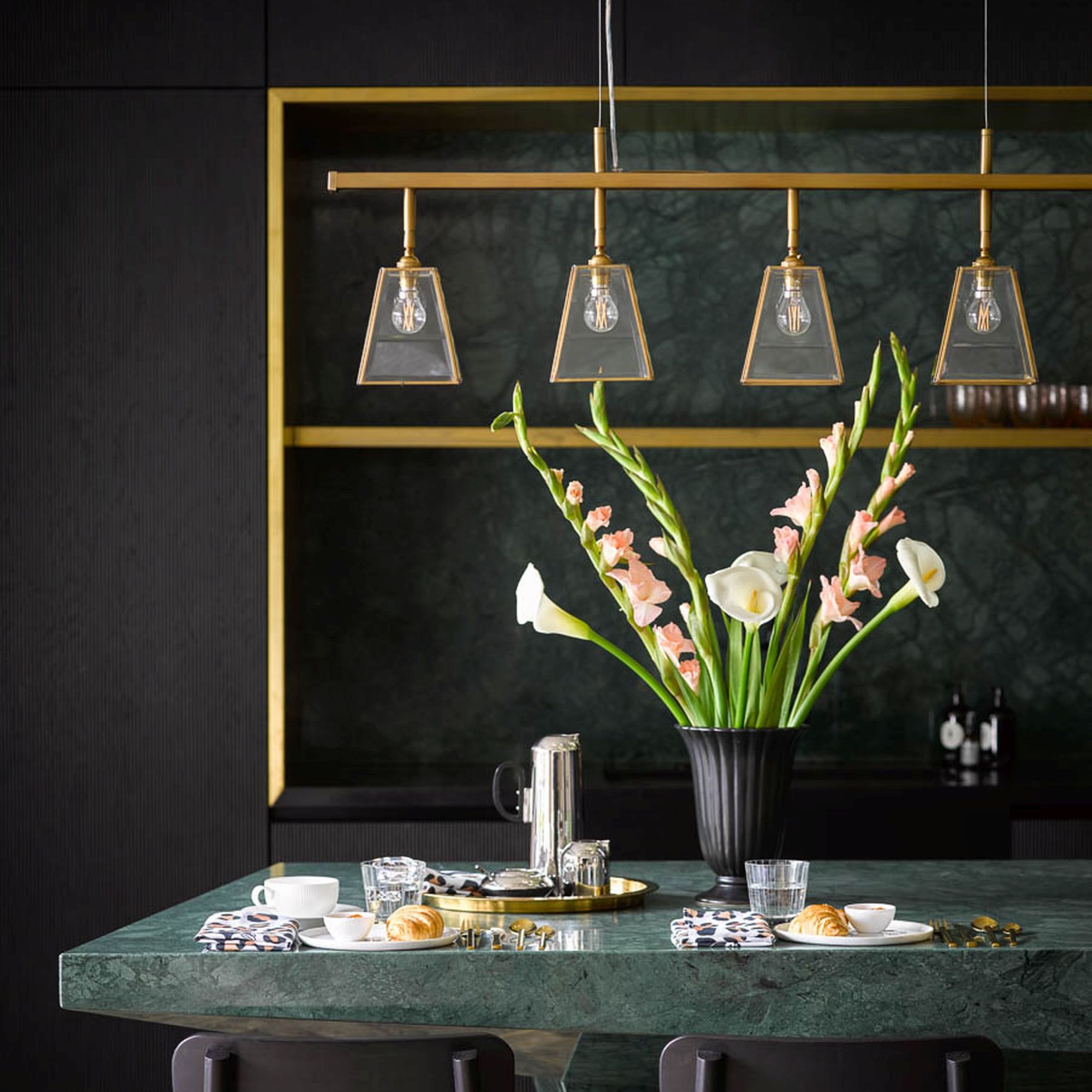
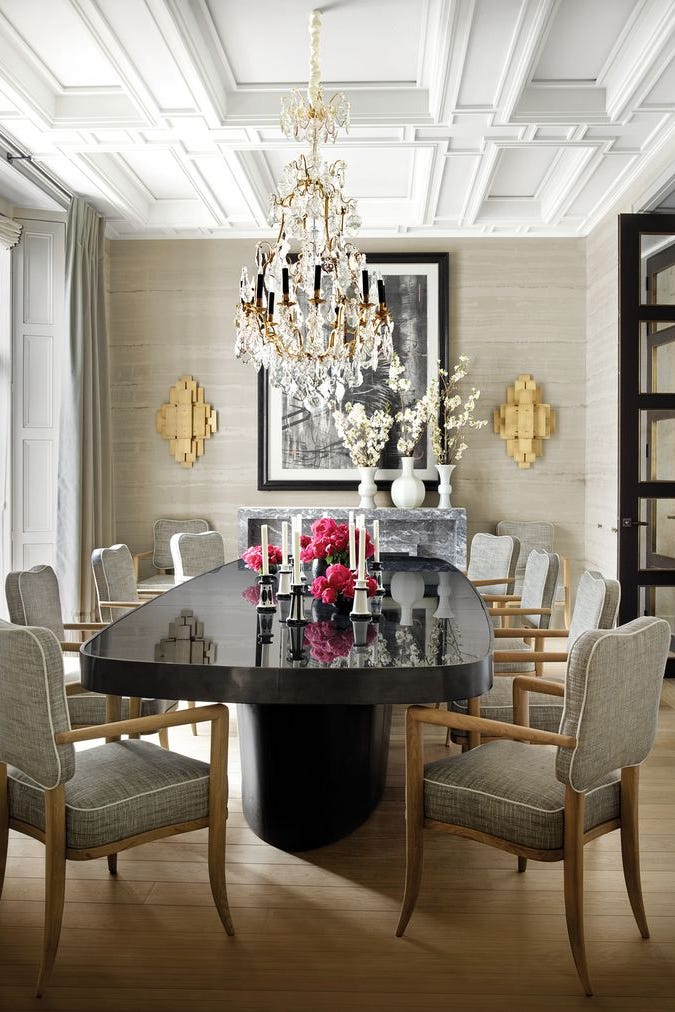
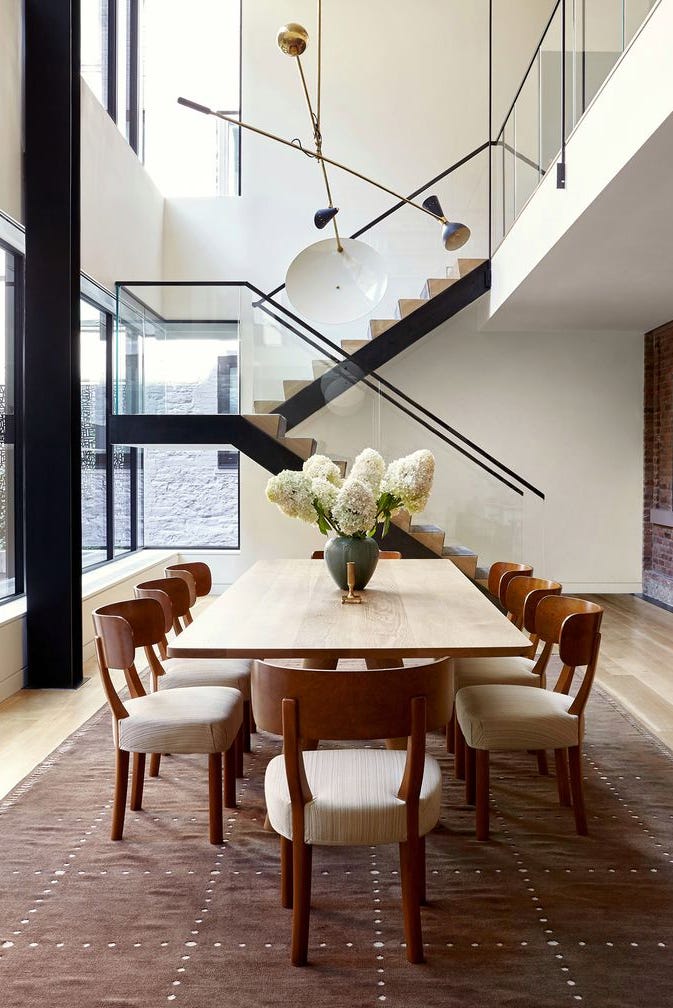
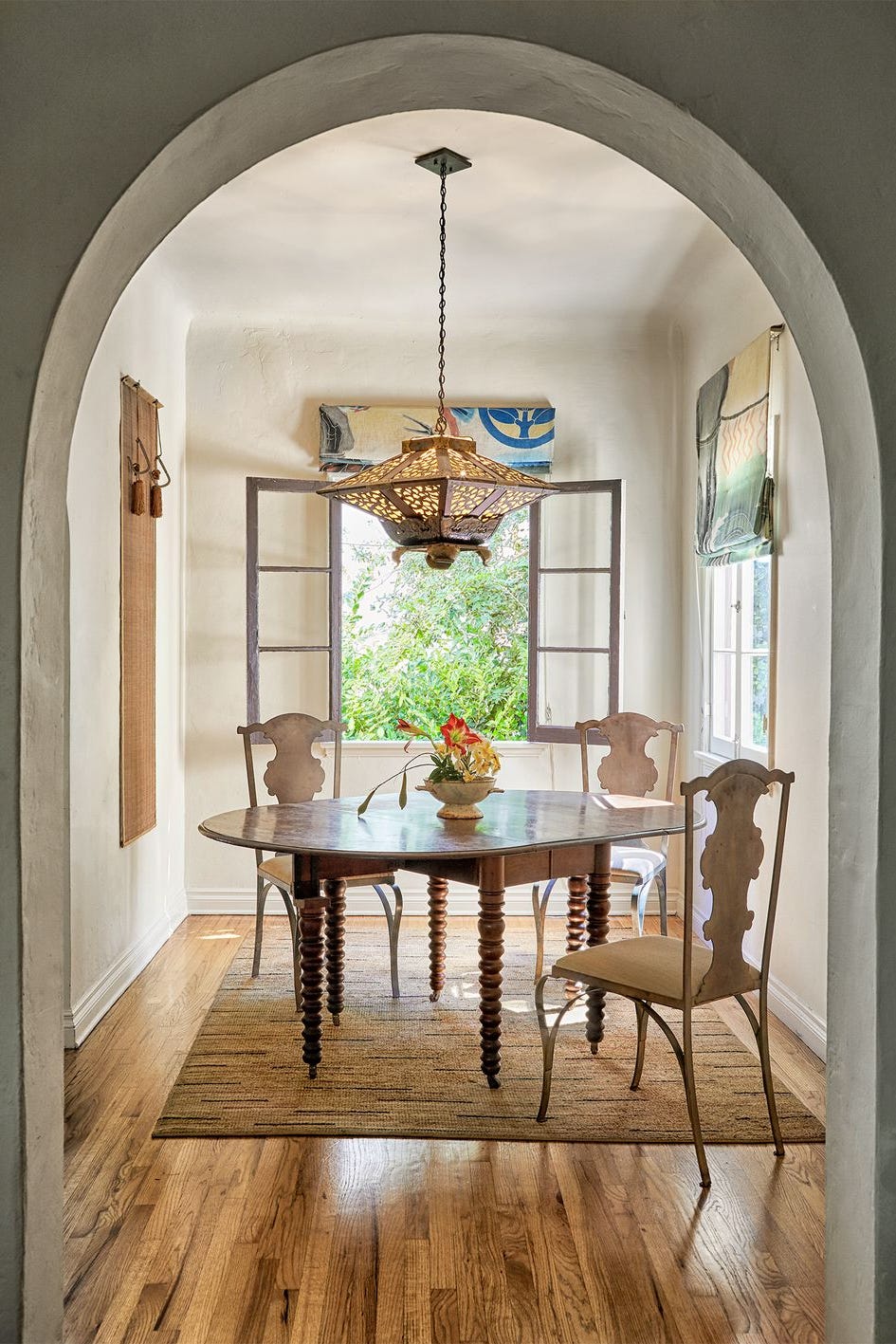
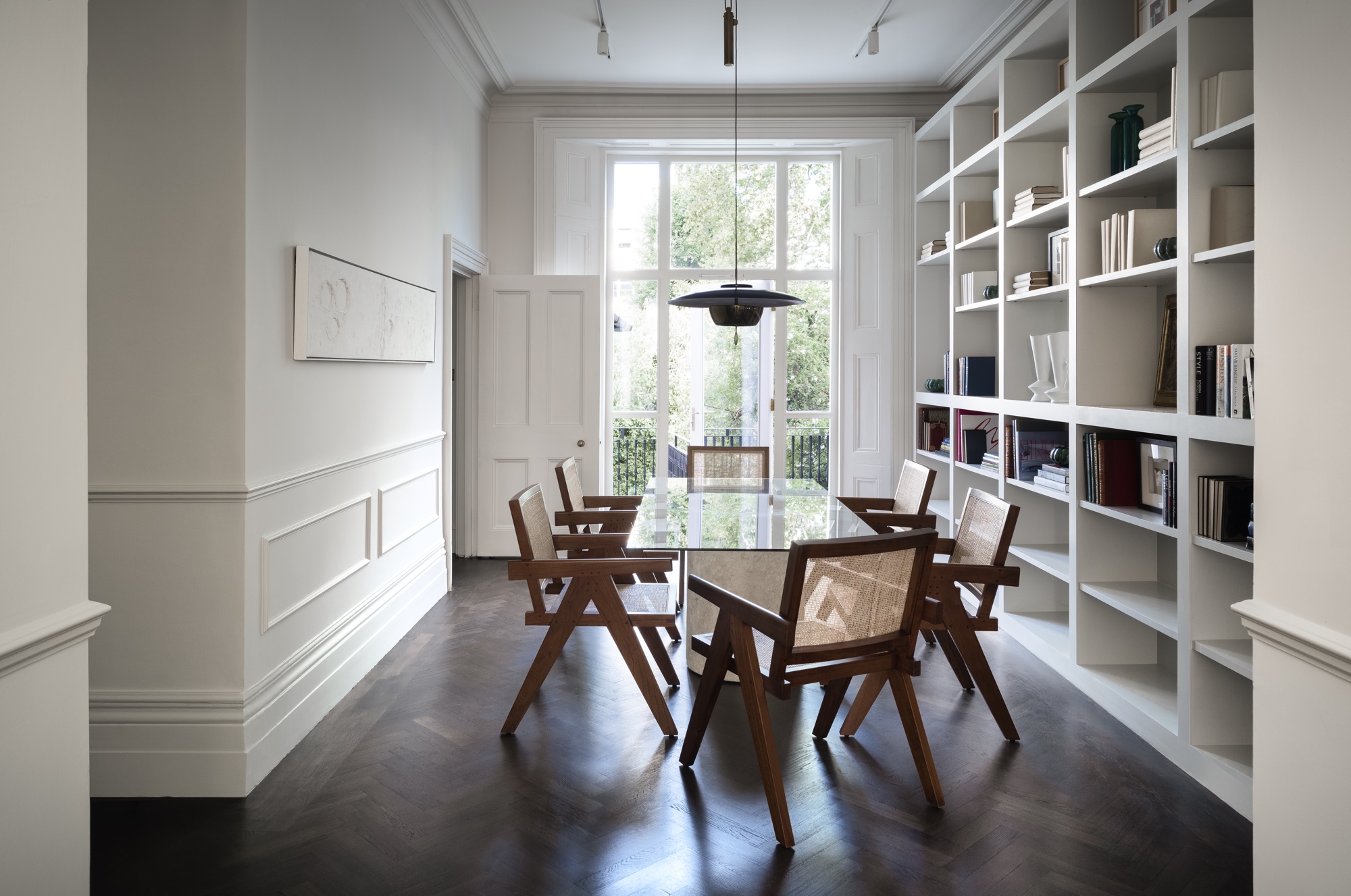
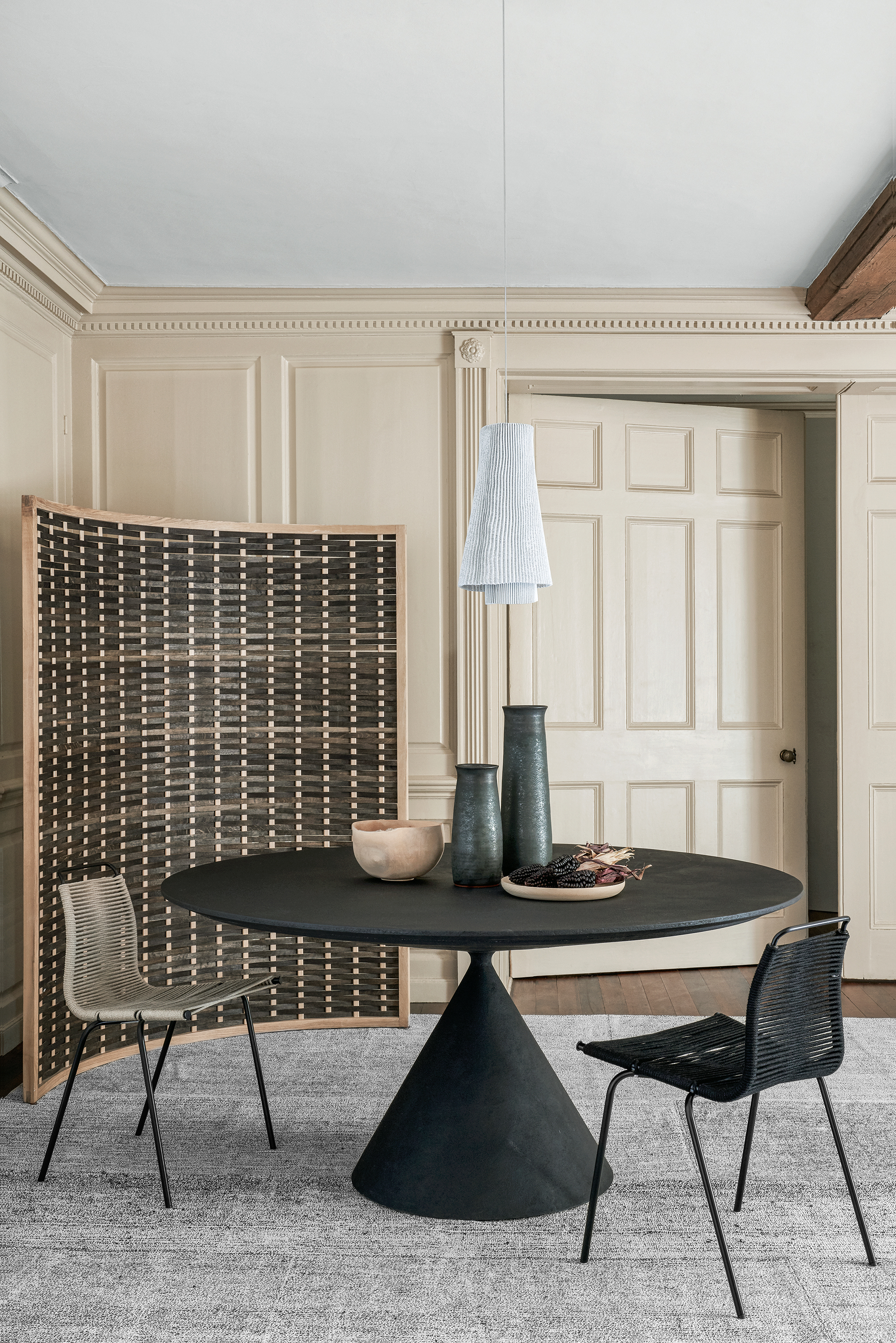
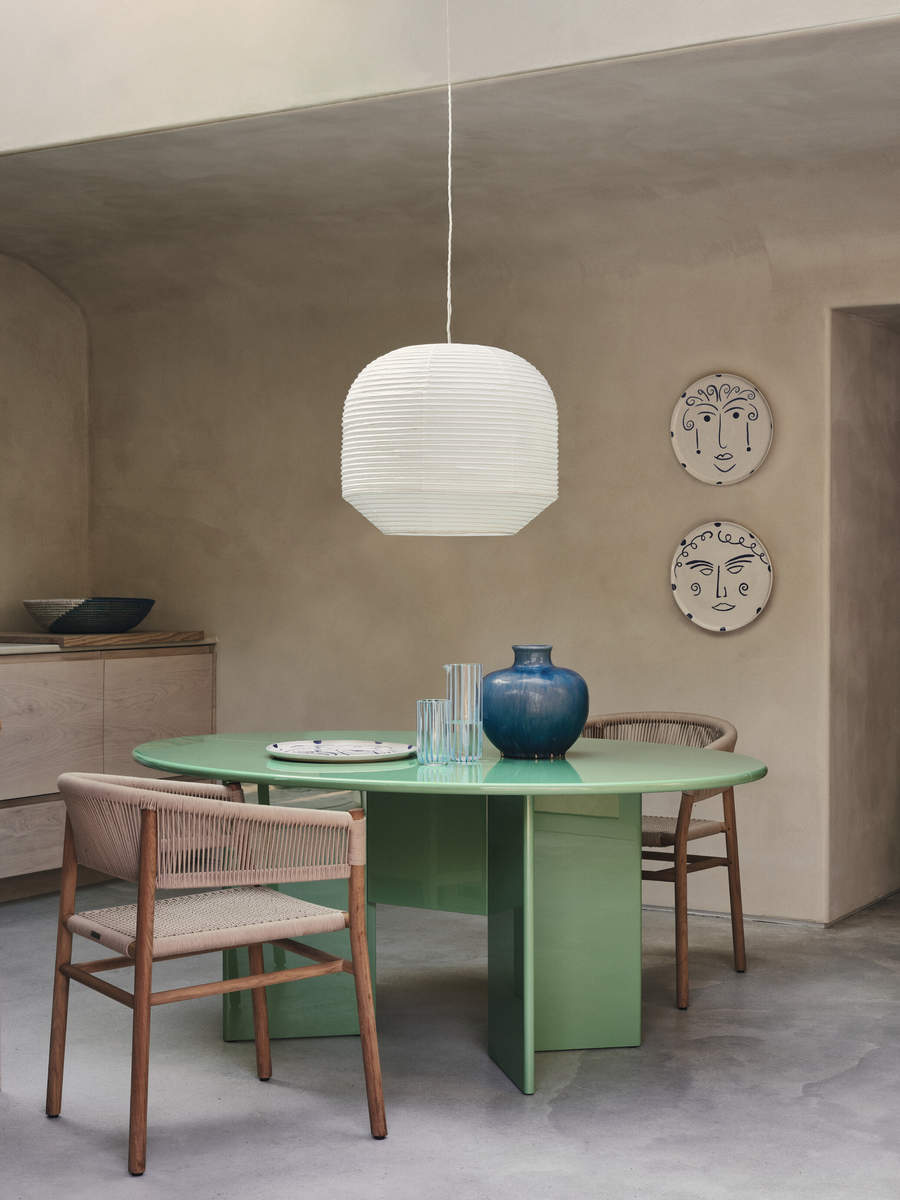
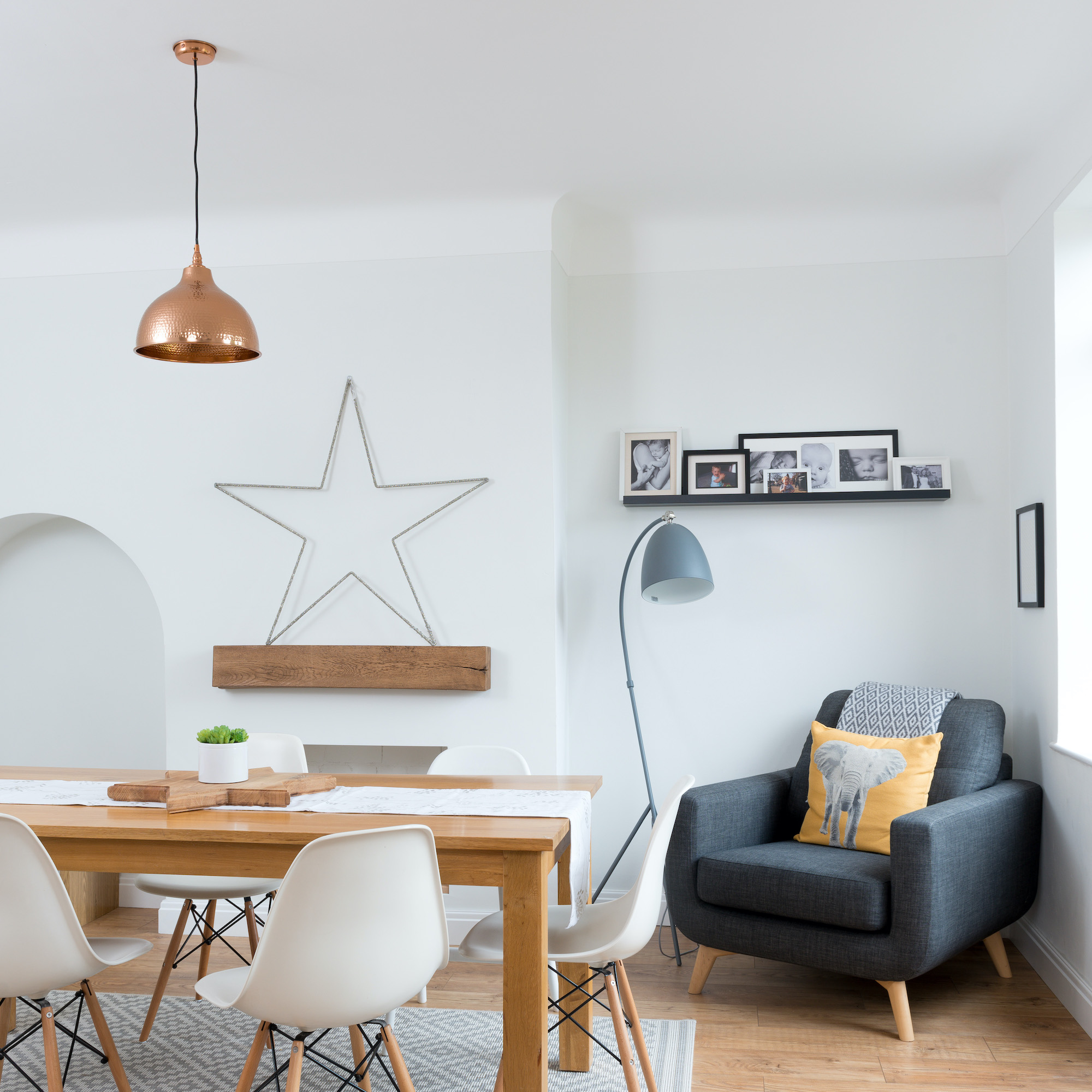
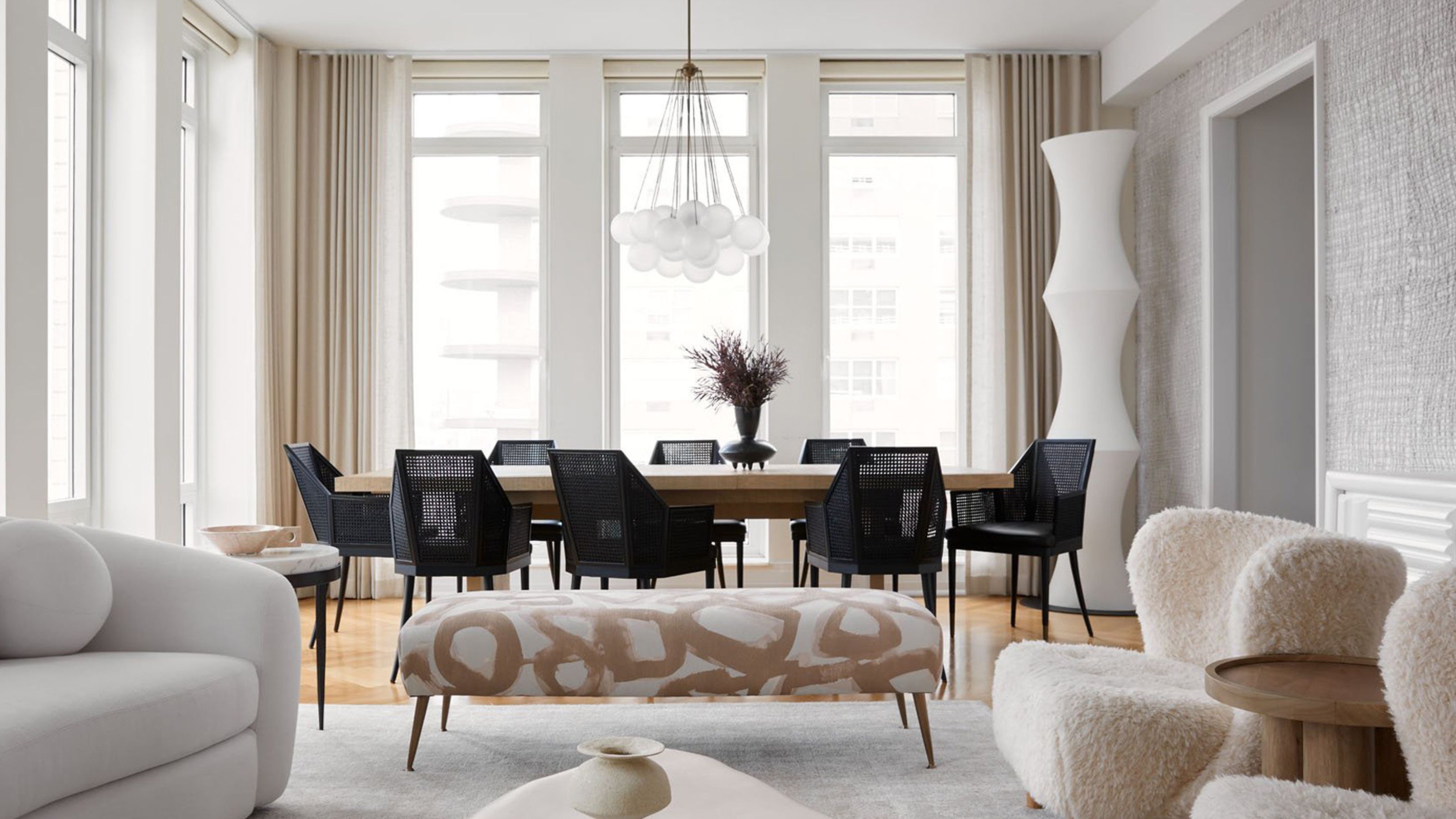
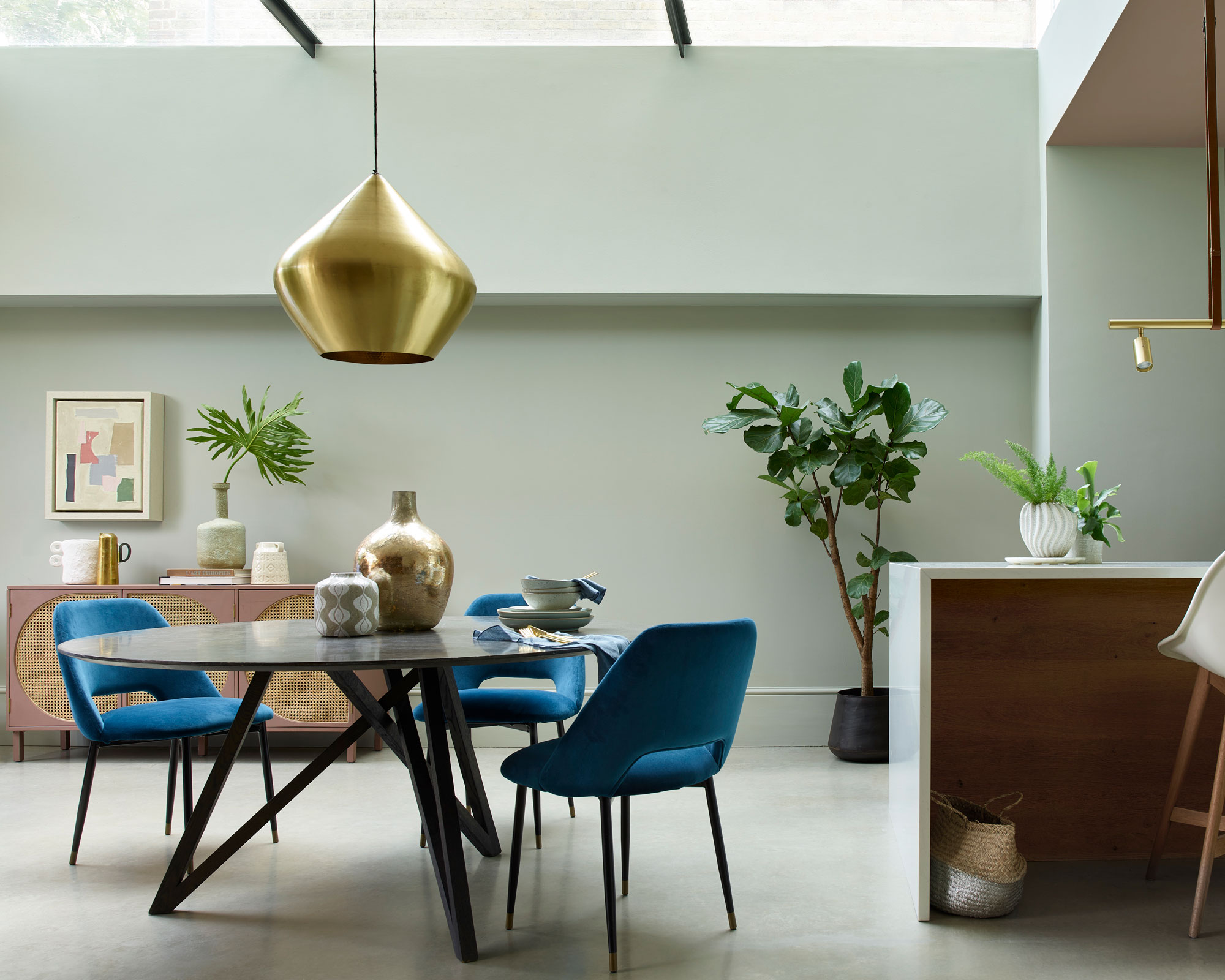
Another critical mistake involves incorrect light fixture placement, particularly concerning chandeliers or pendants over the dining table. Hanging lights too high can make the space feel disconnected and stark, while hanging them too low can obstruct sightlines and conversations. For standard 8-10 foot ceilings, chandeliers should typically be positioned 30-36 inches above the table, with an additional 3 inches for every extra foot of ceiling height to maintain proper proportion and functionality. For rectangular tables, a linear fixture is often preferred, while circular pendants suit round tables. Proportion is key; a fixture too small will appear lost, and one too large will overwhelm the space. In small dining rooms with lower ceilings, delicate fixtures are advised to avoid making the room feel intimidating.
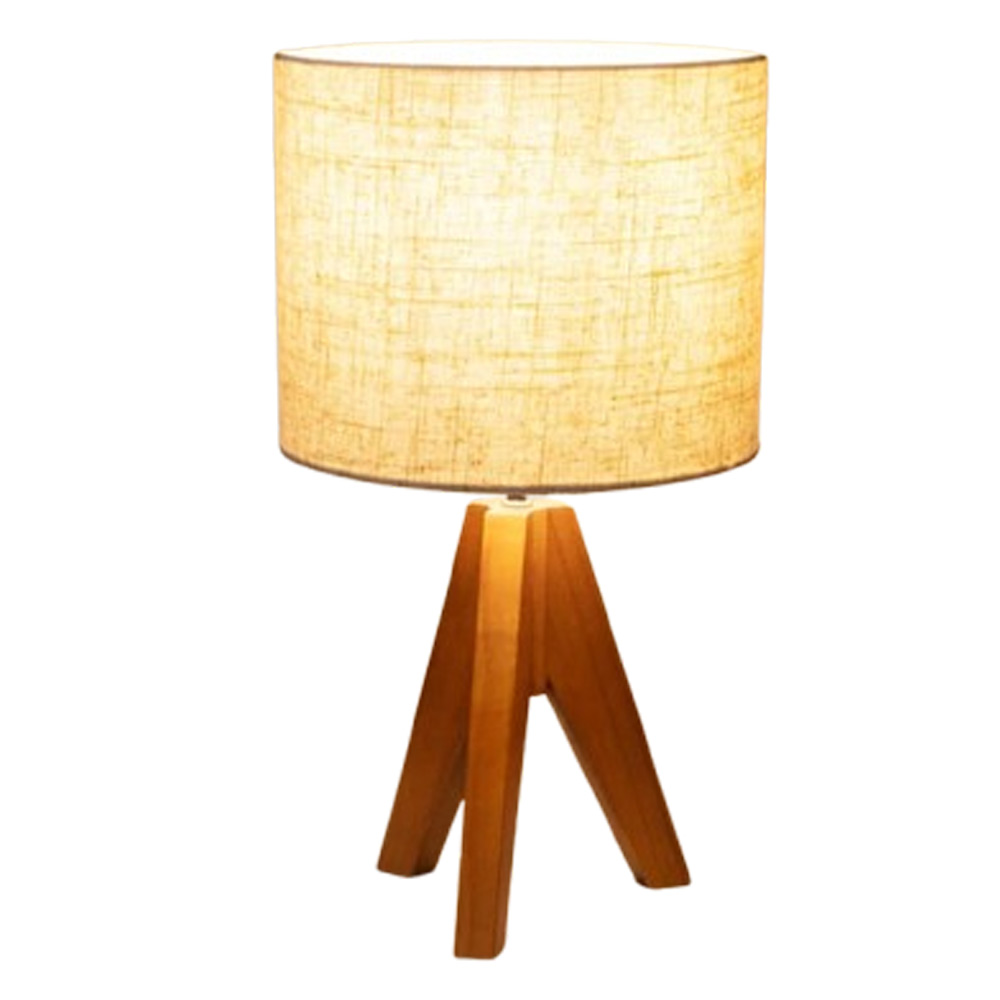
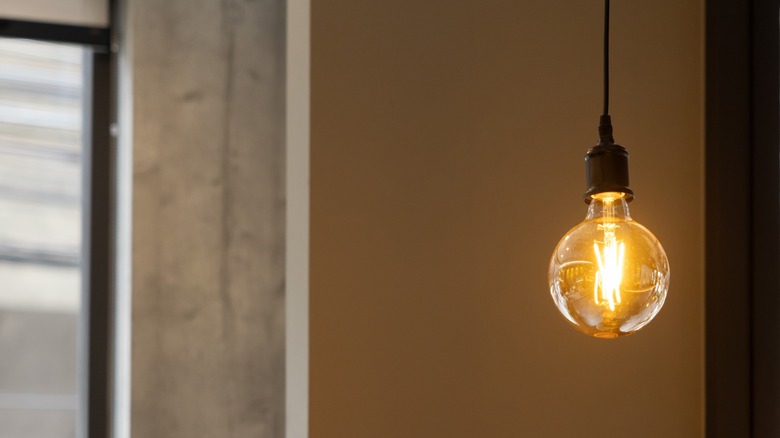
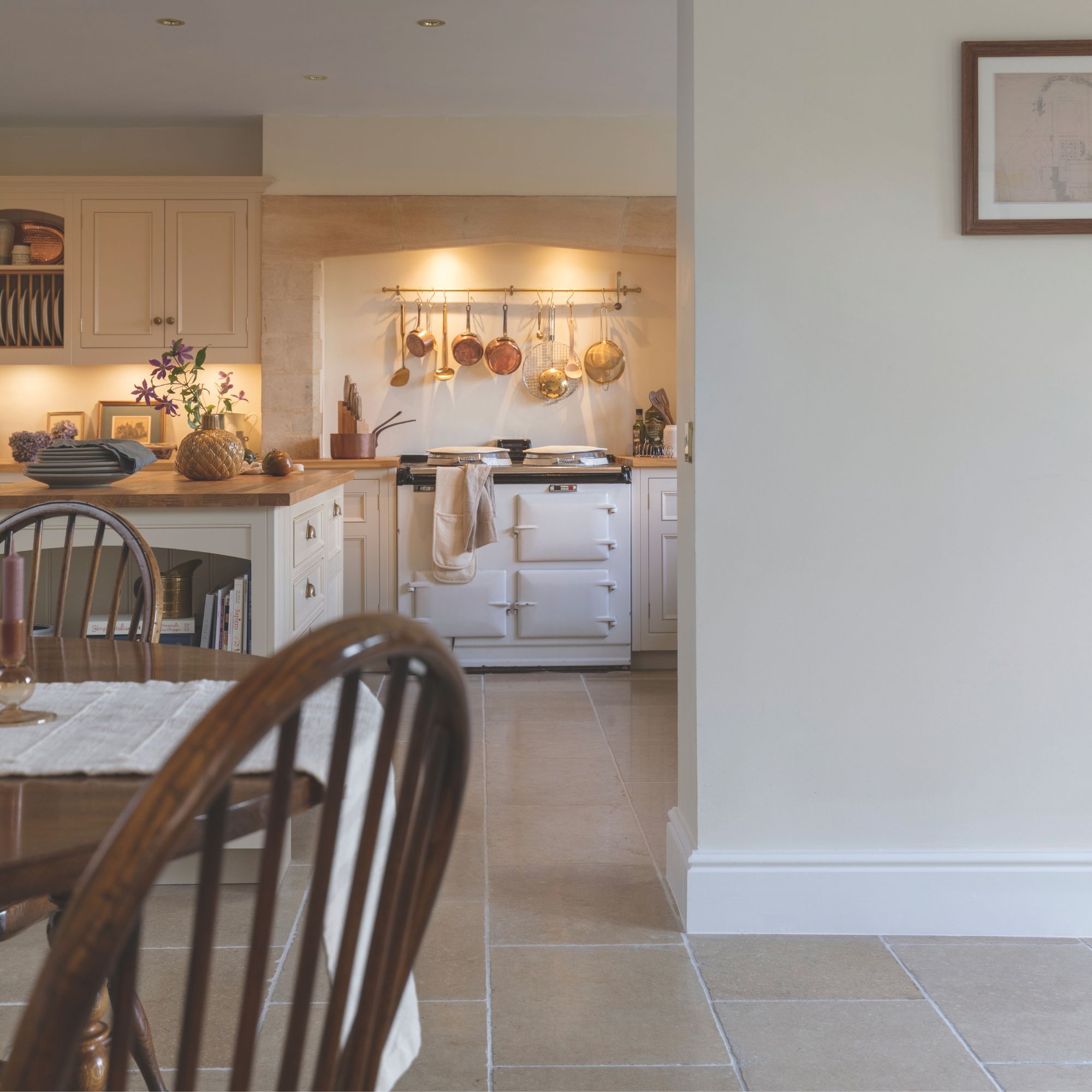
Getting the brightness and color temperature wrong significantly affects the dining room's mood. Overly bright or dull lighting can ruin the intended atmosphere, which needs to be versatile for various occasions, from energetic brunches to intimate dinner parties. The solution lies in installing dimmers to adjust brightness levels as needed, complemented by softer accent lights or candles. Regarding color temperature, warm, soft light (around 2700K-3000K) is ideal for creating an inviting feel, while cooler tones can make the room seem harsh. Additionally, color temperatures between 3000K and 3500K can enhance the vibrancy and appetizing appearance of food.
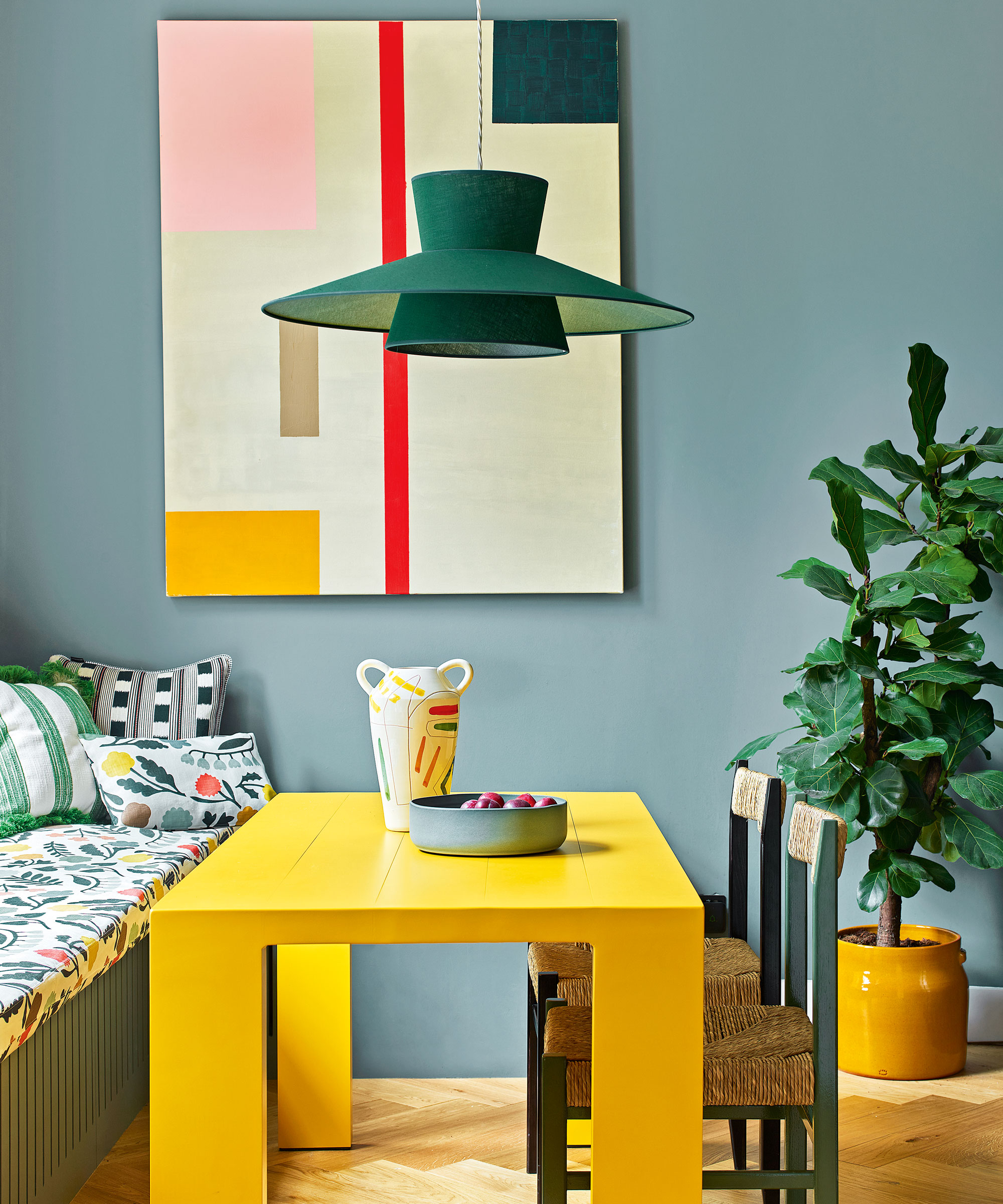
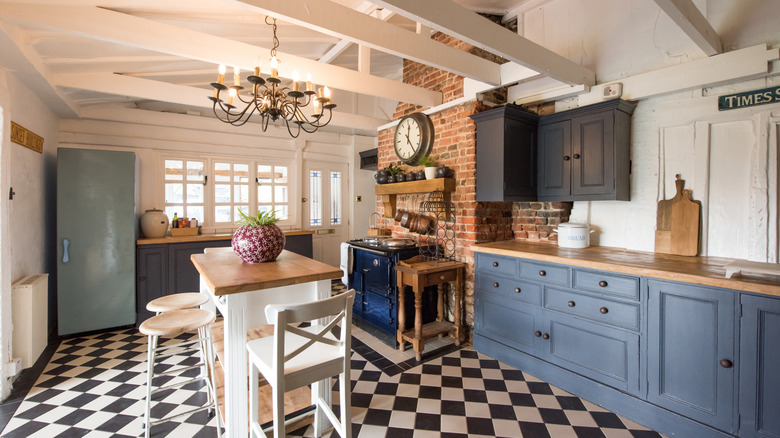
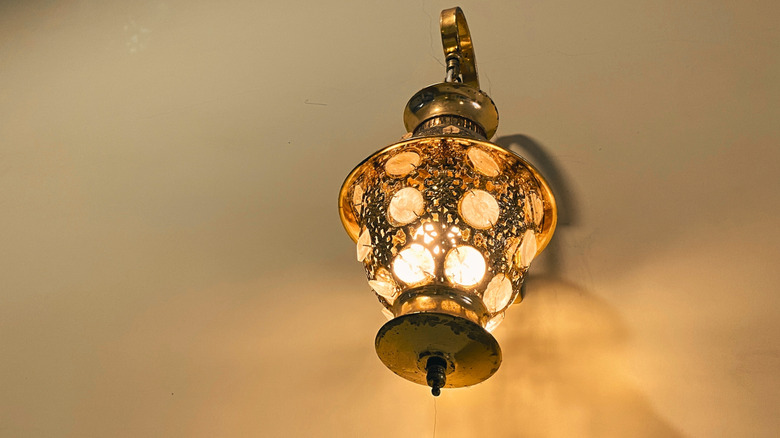
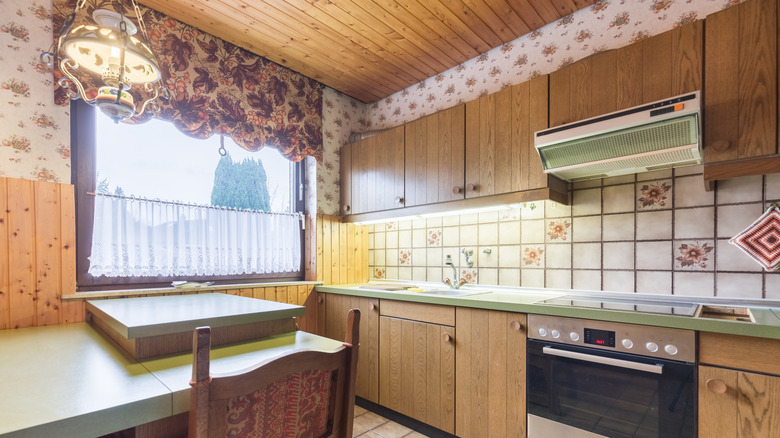
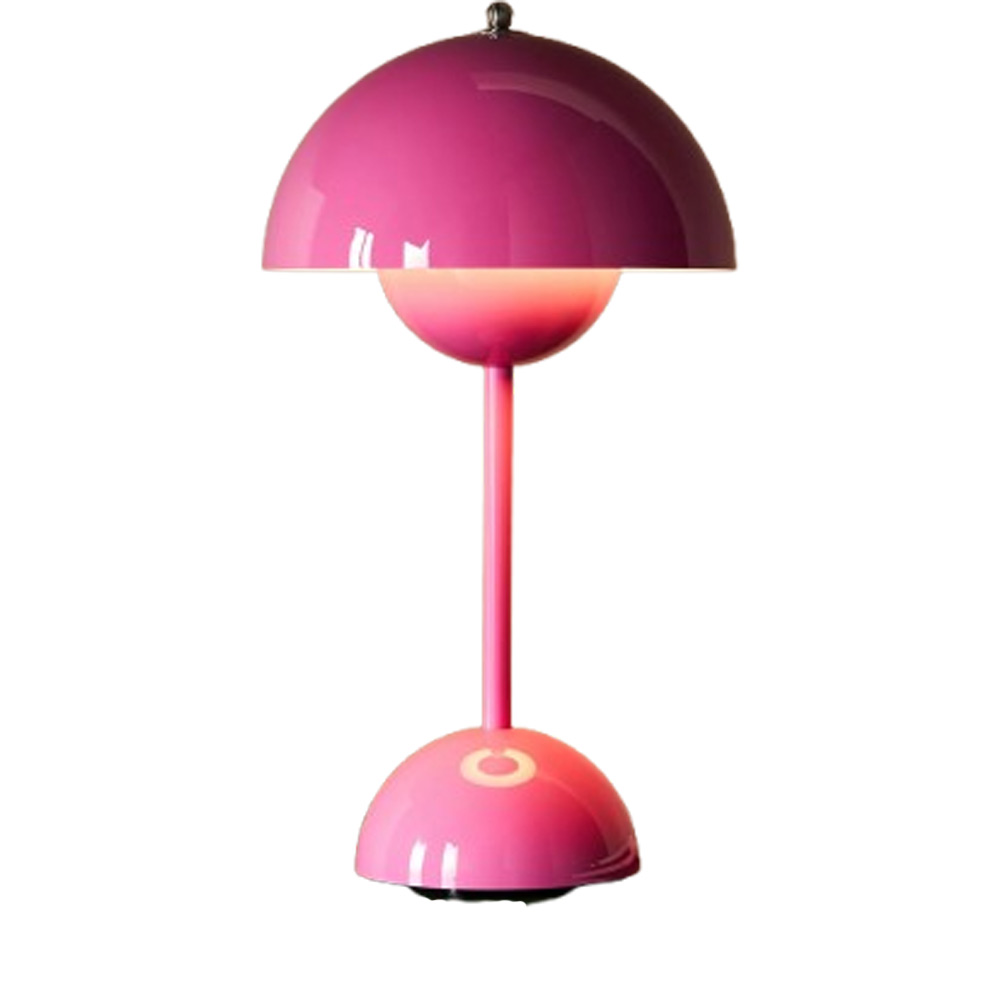
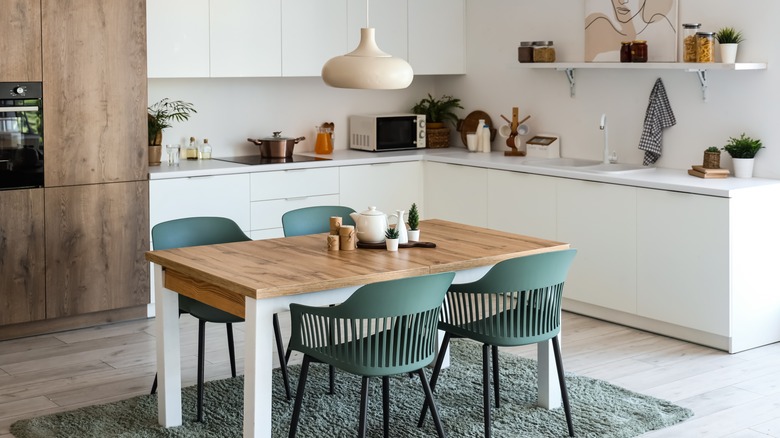
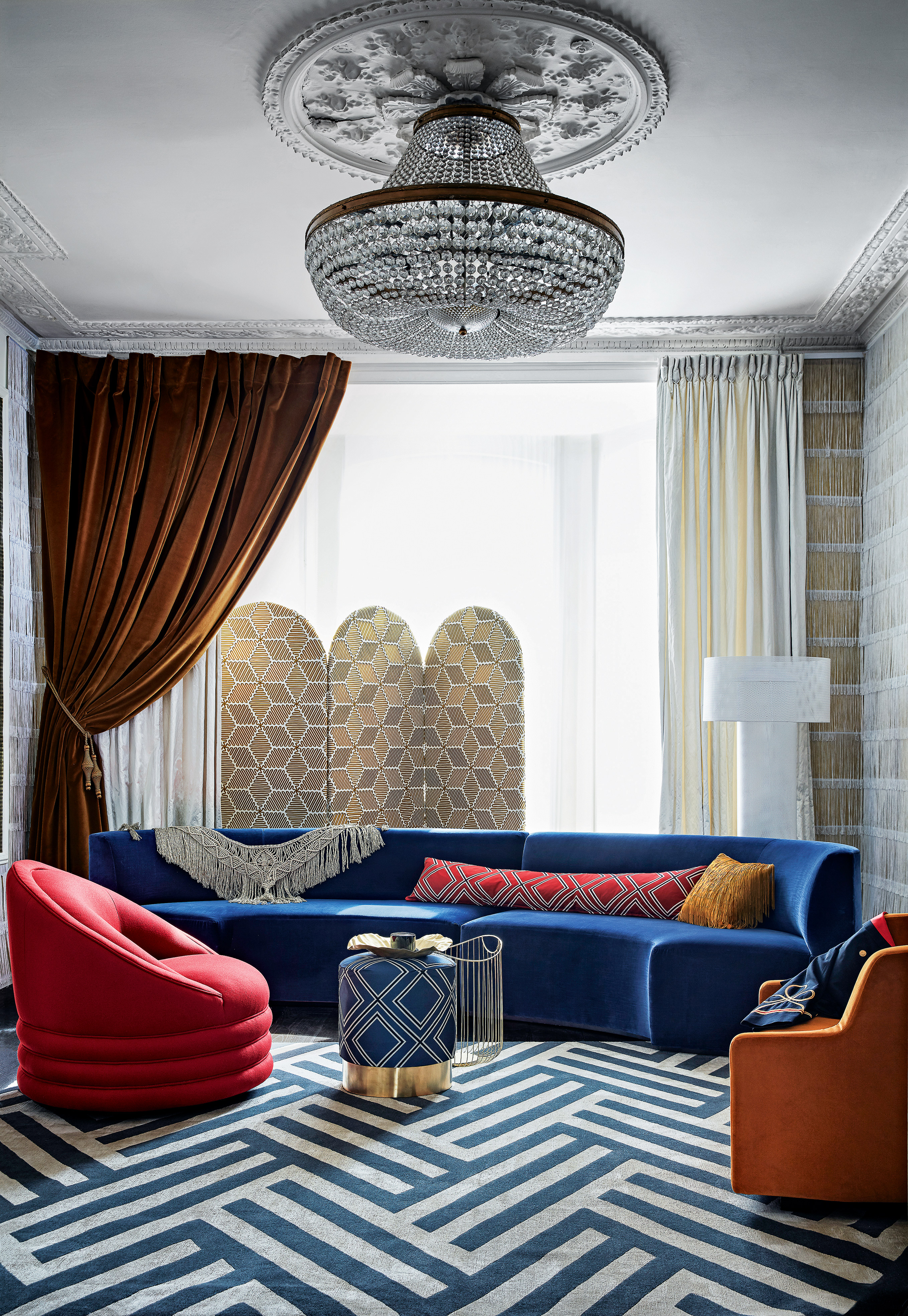
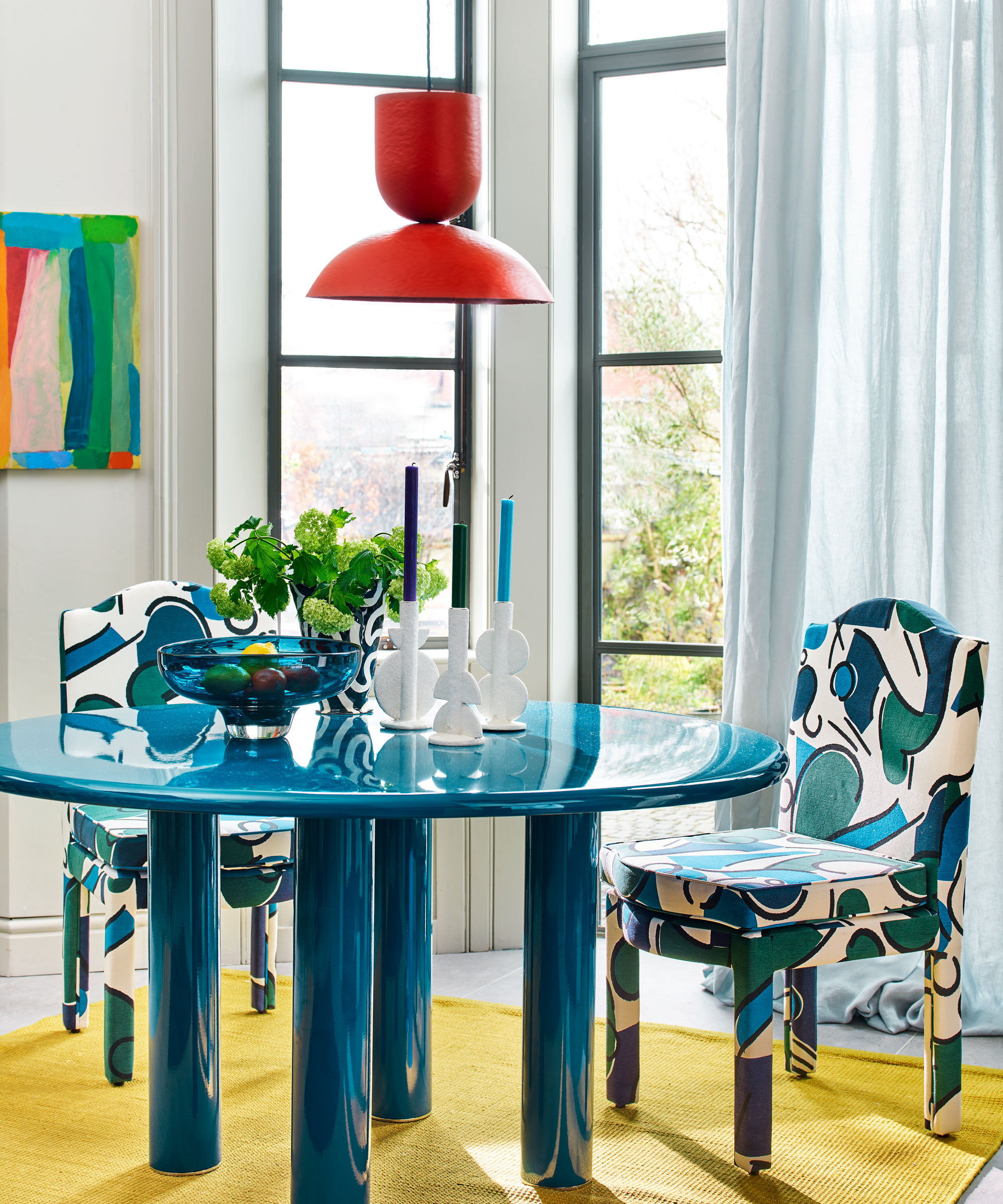
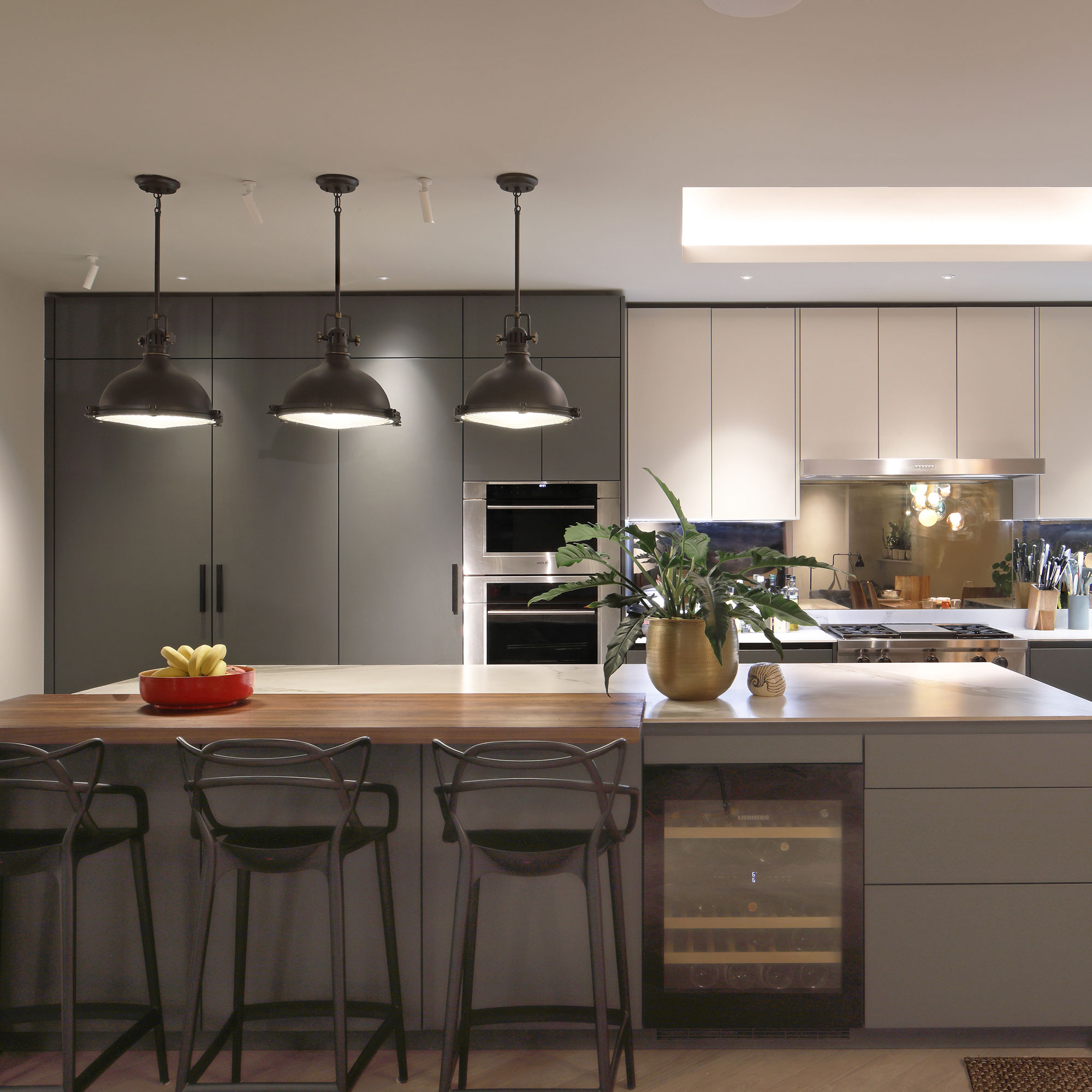
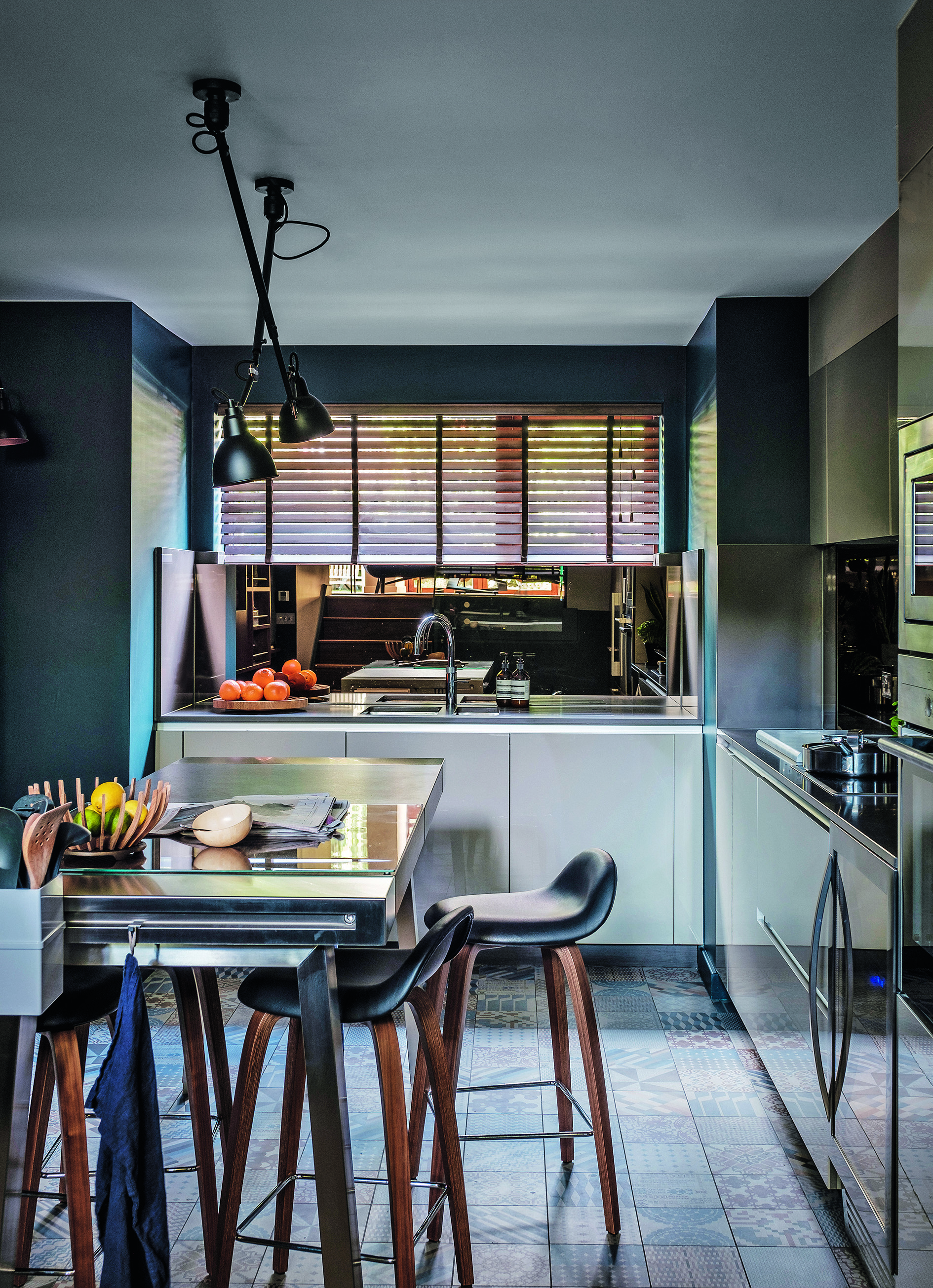
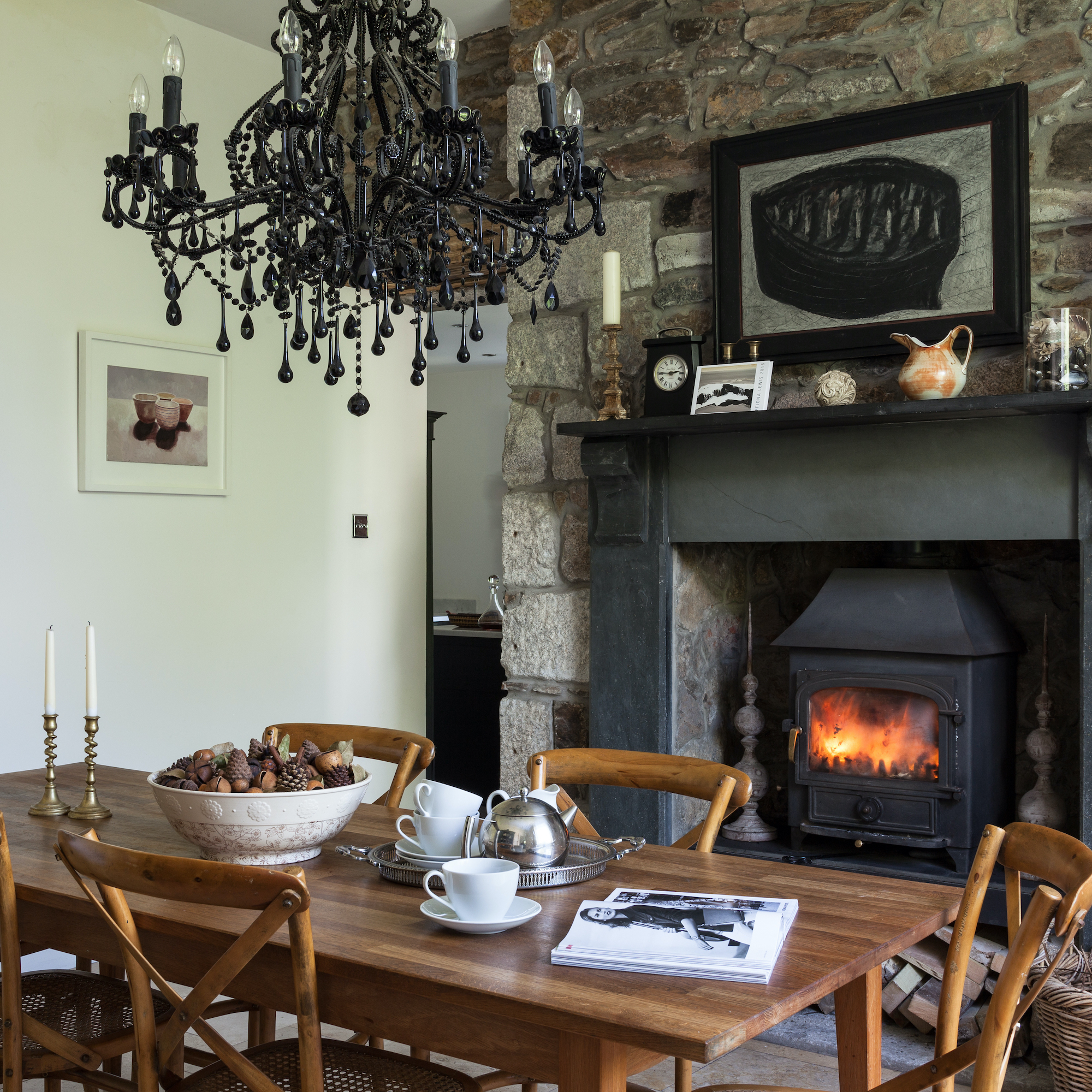
Challenges also arise in open-plan kitchen-diner layouts, where task lighting for cooking often conflicts with the desired ambiance for dining. Smart dimmers offer a practical solution, allowing easy control over brightness levels and even voice activation for seamless adjustments. This ensures the dining area remains inviting without compromising the kitchen's functionality. Finally, being too conservative with light fixture choices is a missed opportunity to inject personality and style into the dining room. As a feature room for entertaining, the dining area benefits from statement pieces that reflect personal design aesthetics and spark conversation. Integrated LED fixtures are also highlighted for their energy efficiency and longevity, with modern designs now offering aesthetically pleasing options that move beyond the previously cold and sterile perceptions. Embracing bold lighting choices aligns with current trends favoring maximalism and vibrant, patterned interiors.
#DiningRoomLighting #HomeDecor #InteriorDesign #LightingMistakes #Ambiance #FixturePlacement #ColorTemperature #SmartLighting #DesignTrends #DiningRoomLighting #HomeDecor #InteriorDesign #LightingMistakes #Ambiance #FixturePlacement #ColorTemperature #SmartLighting #DesignTrends
Hay 0 comentarios en total
 Aún no hay comentarios
También te puede gustar
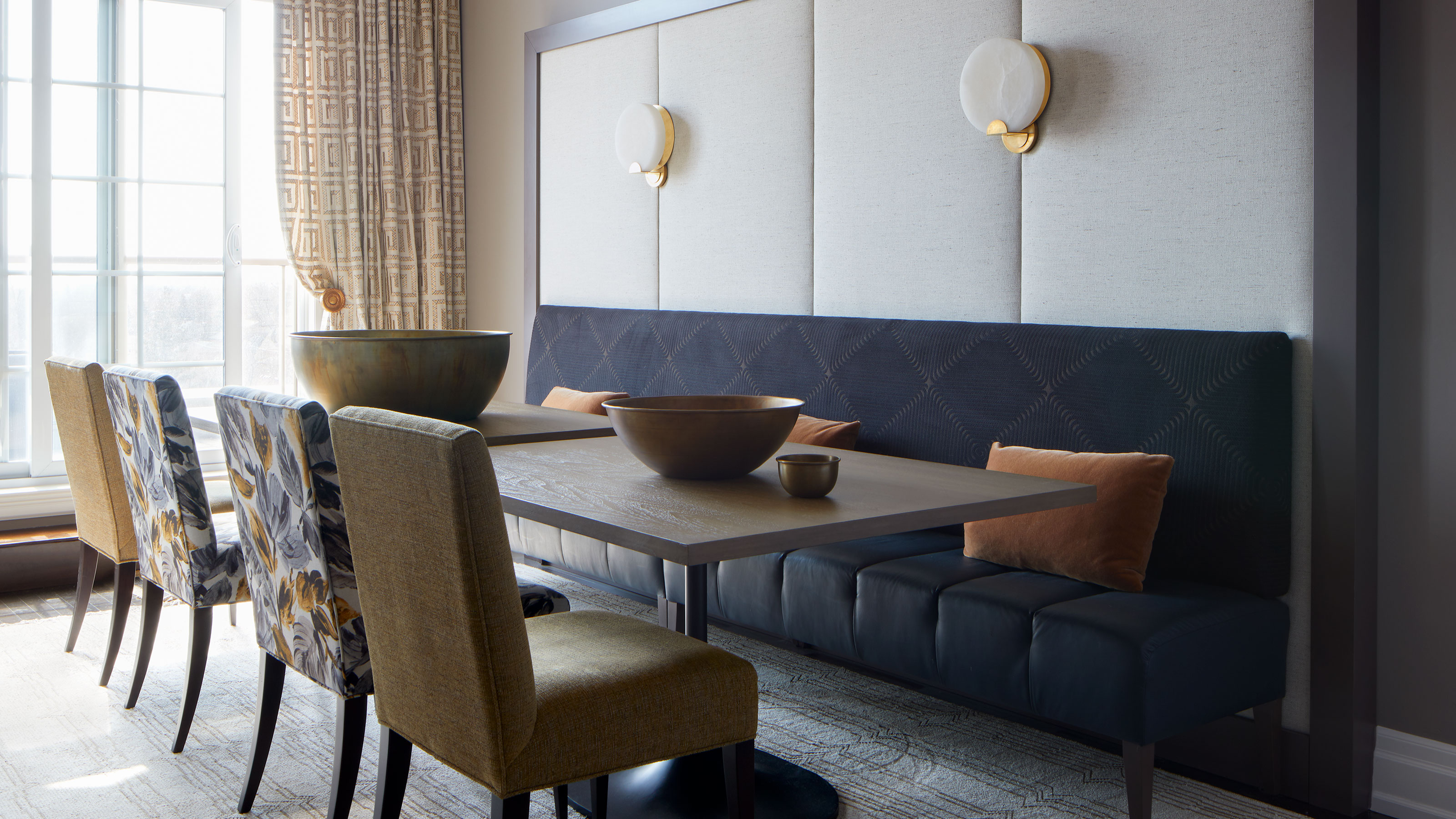
7 major dining room layout mistakes to avoid, according to designers

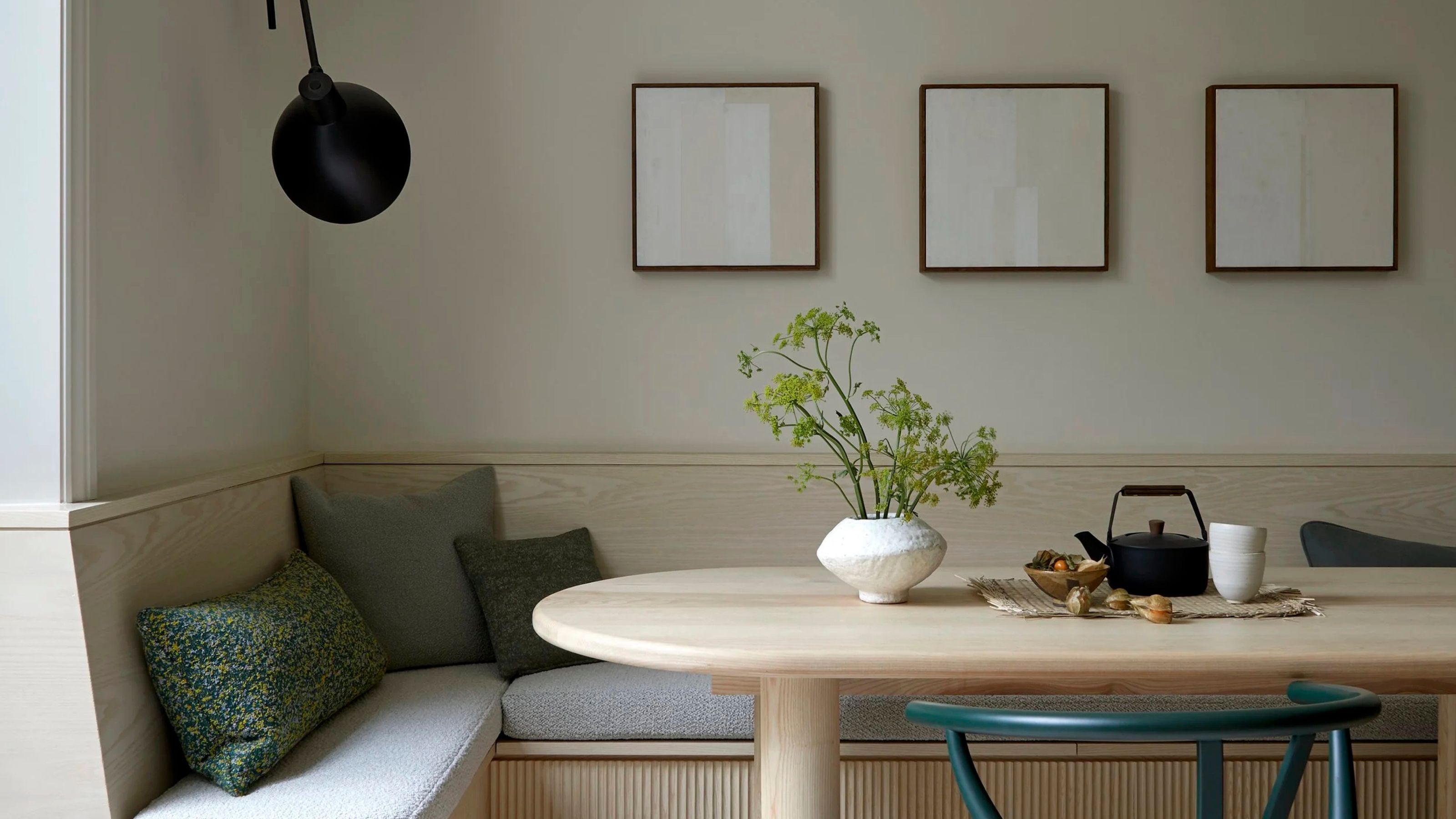
10 Easy-to-Make Dining Room Mistakes That Are Killing the Vibe — And How to Fix Them Before Your Next Dinner Party
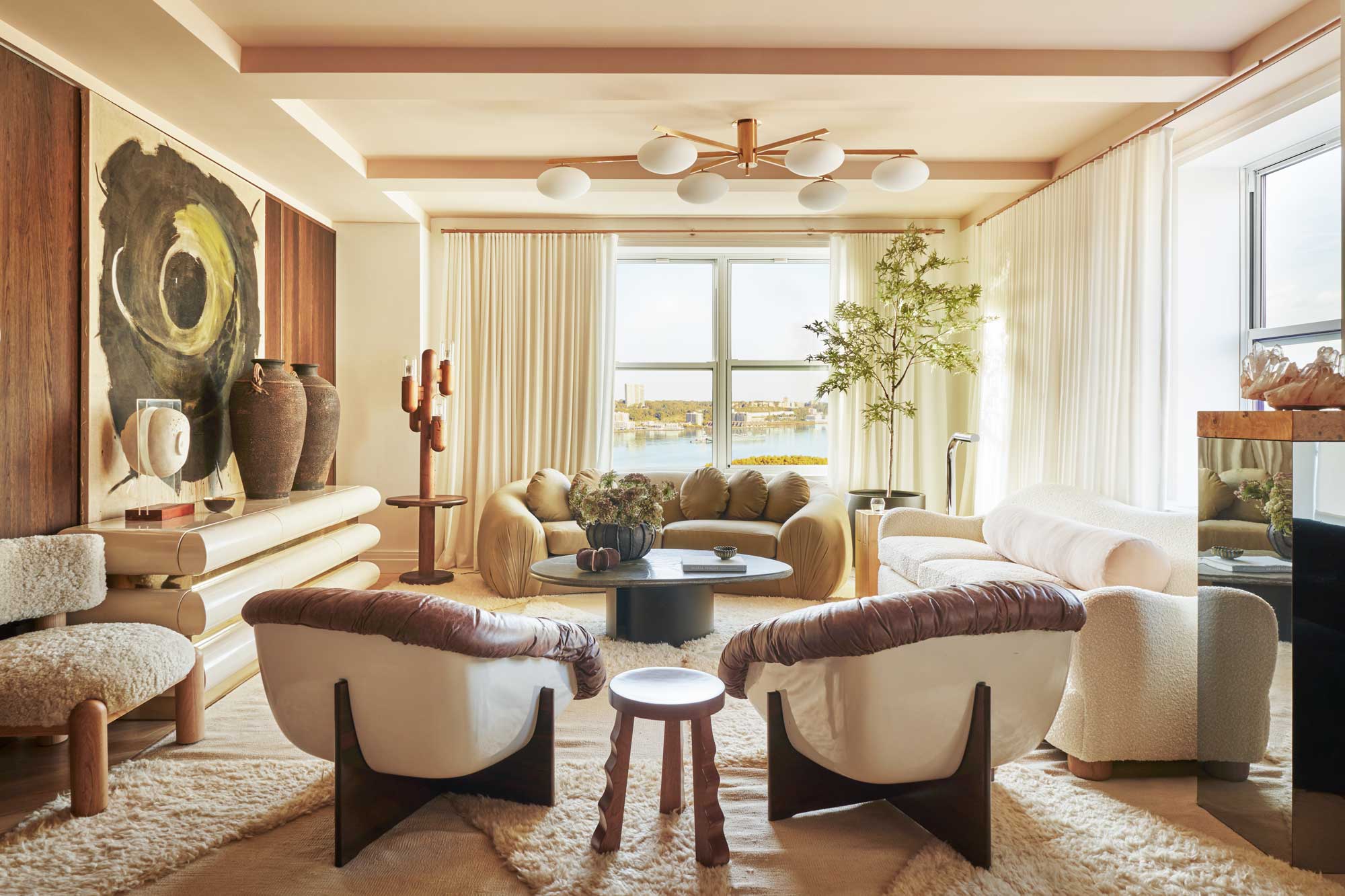
7 Common Living Room Lighting Mistakes to Avoid at all Costs
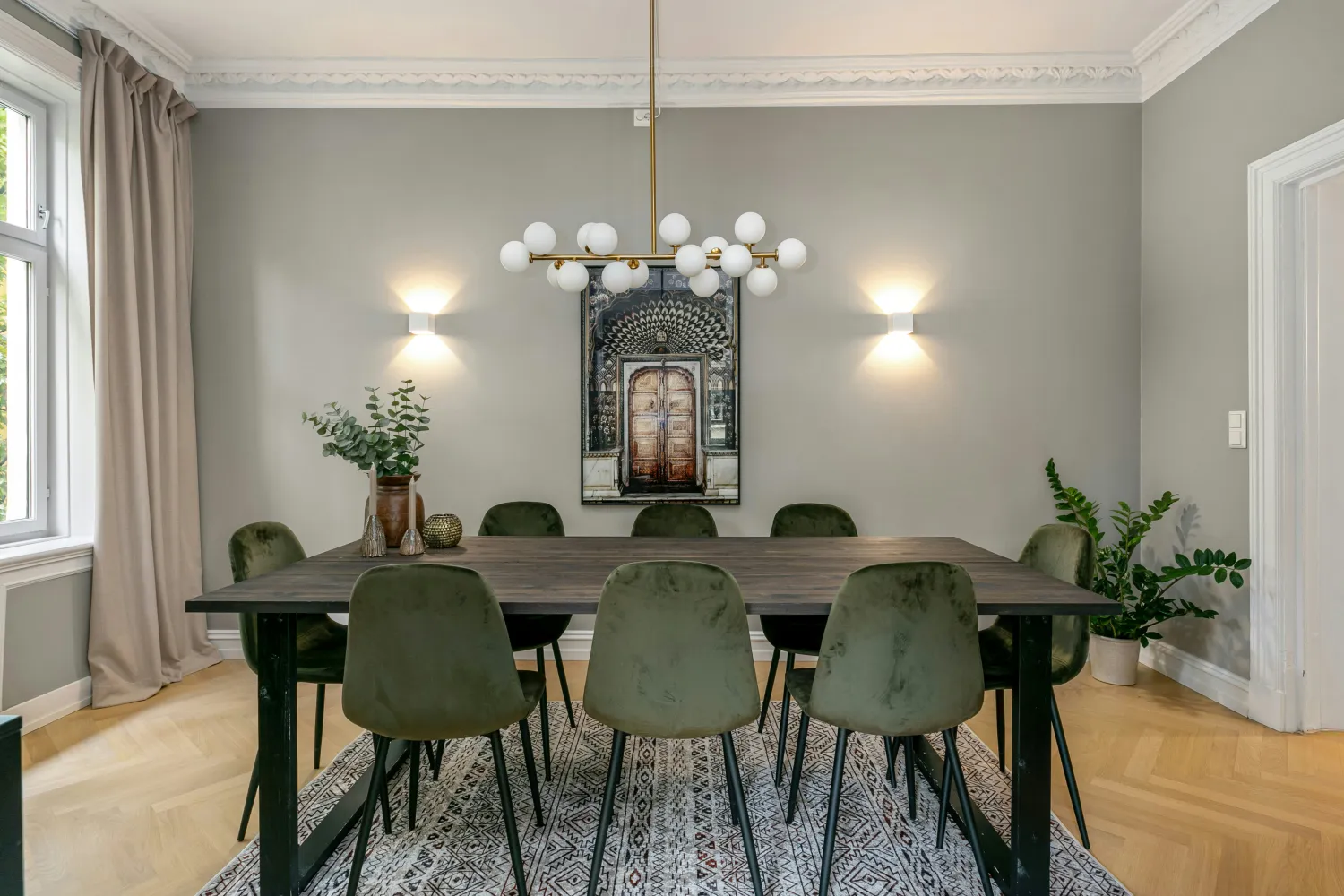
7 Things That Immediately Make Your Dining Room Look Bad, According to Designers

Kitchen Lighting Mistakes That Are Making Your Space Look Dated
15 Kitchen Lighting Mistakes Everyone Makes

7 Dining Room Design Mistakes That Could Ruin Your Next Dinner Party

Experts warn this is the biggest mistake people make when choosing lighting for their kitchen
7 Bedroom Lighting Mistakes — Experts Say They "Scream 'Wrong Vibe'" and Ruin Your Aesthetic
7 Dining Room Layout Mistakes That Ruin the Flow of Your Space, Designers Say

These Dining Room Lighting Ideas Command Attention

Every Mistake I Made While Designing My Kitchen Lighting Scheme — The 5 Errors I Strongly Advise Against
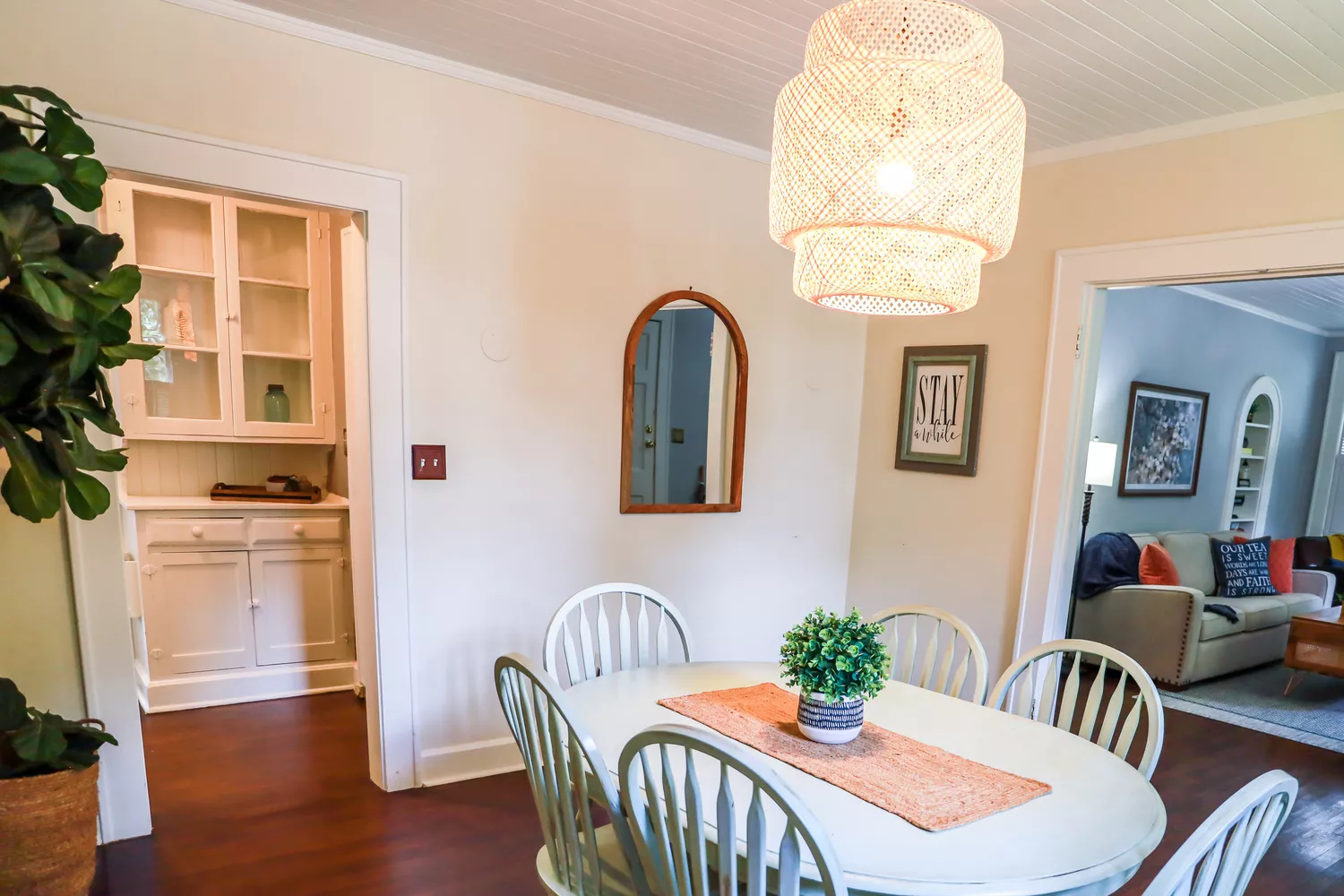
7 Dining Room Layout Mistakes That Ruin the Flow of Your Space, Designers Say
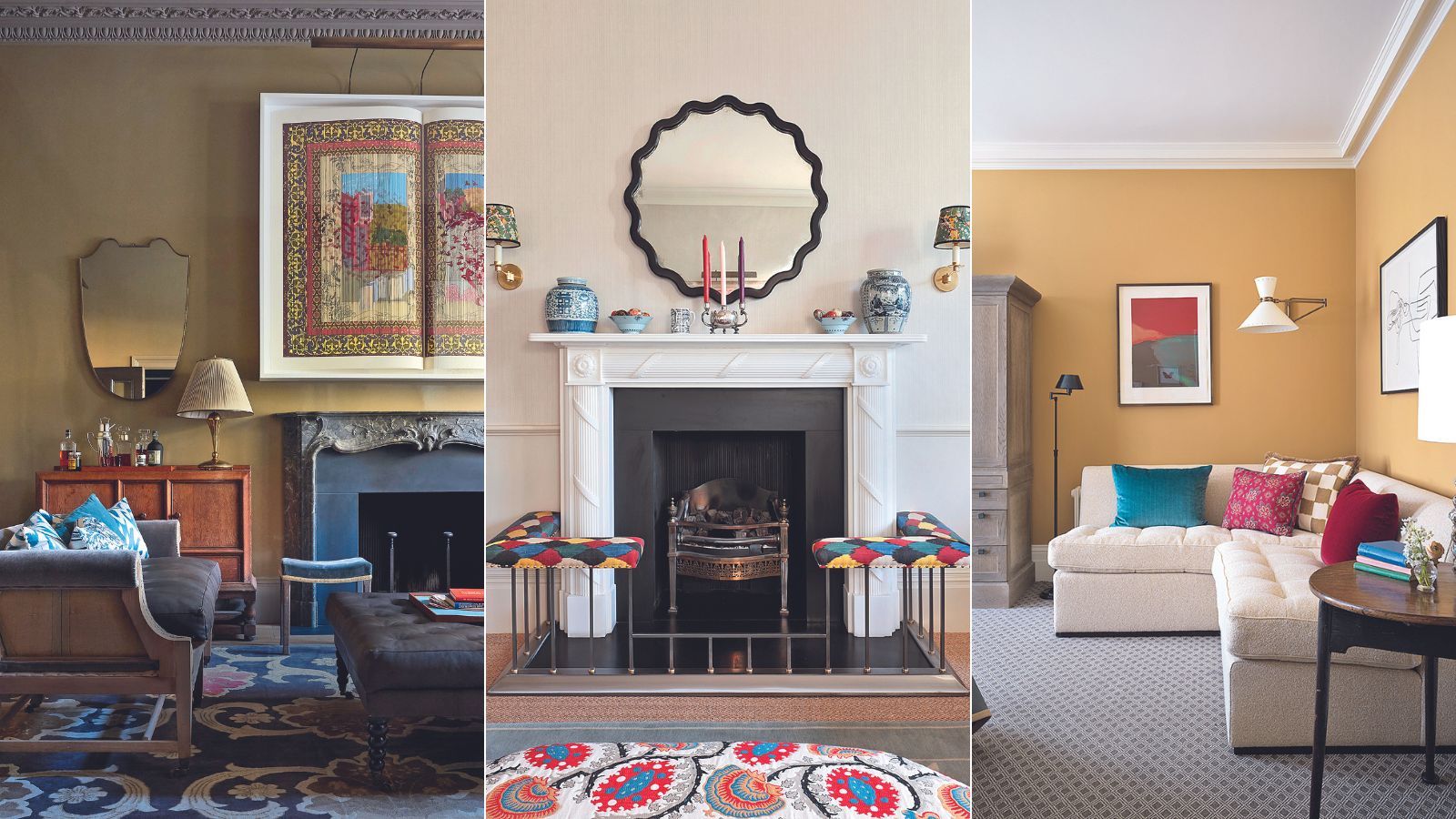
10 living room lighting mistakes that make yours look uninviting, smaller and cold
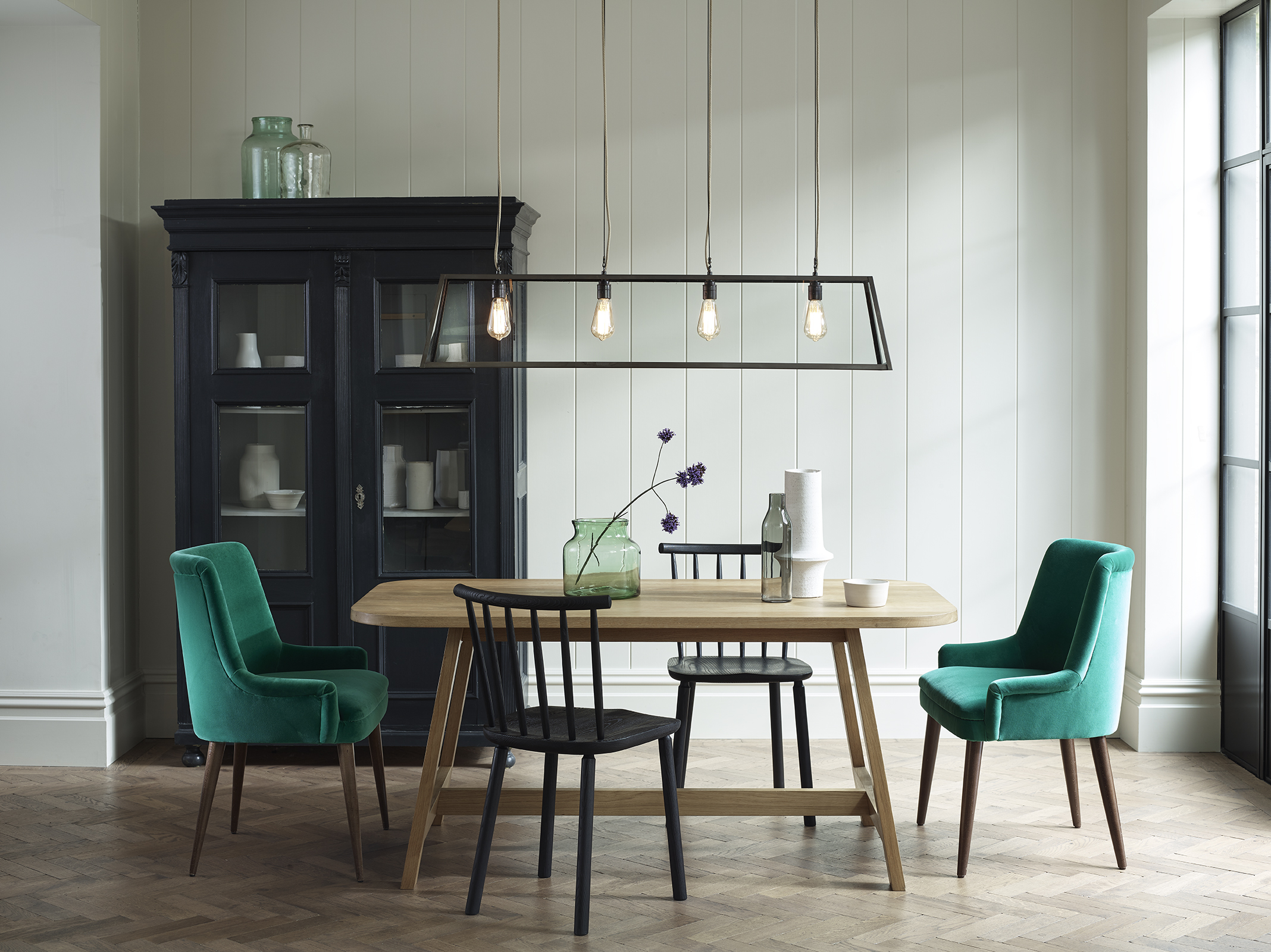
Lighting a dining room – expert tips on how to get it right
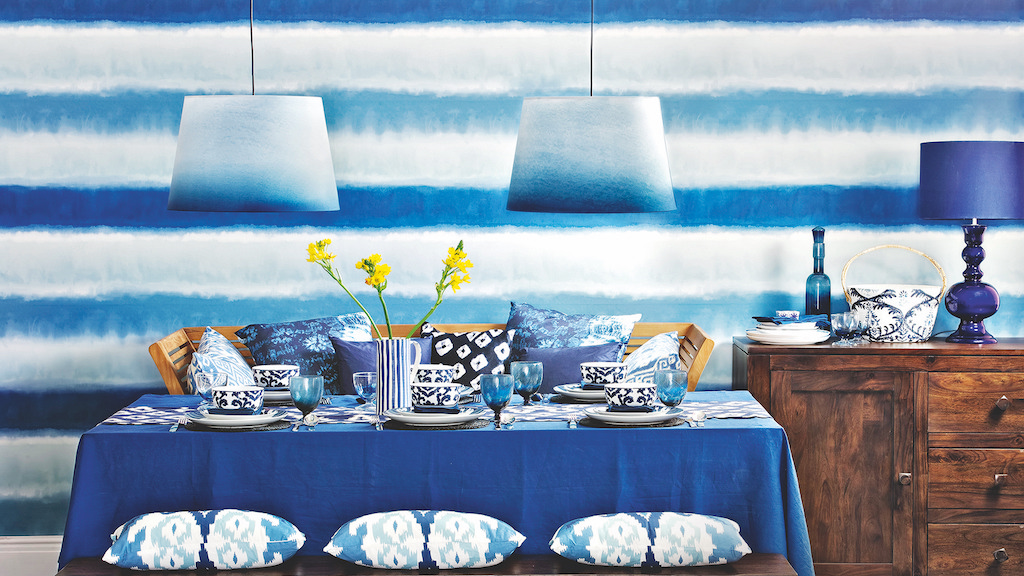
Small dining room lighting ideas – 10 ways to illuminate mealtimes in style
12 Kitchen Lighting Mistakes (And How To Avoid Them)

Lighting a dining room – expert tips to give mealtimes a glow-up
Do you need a light over a dining table? Designers offer their expert advice
3 mistakes you're probably making with your dining room decor, according to an interior stylist