1/14
13 Ways To Functionally Decorate Your Kitchen Island
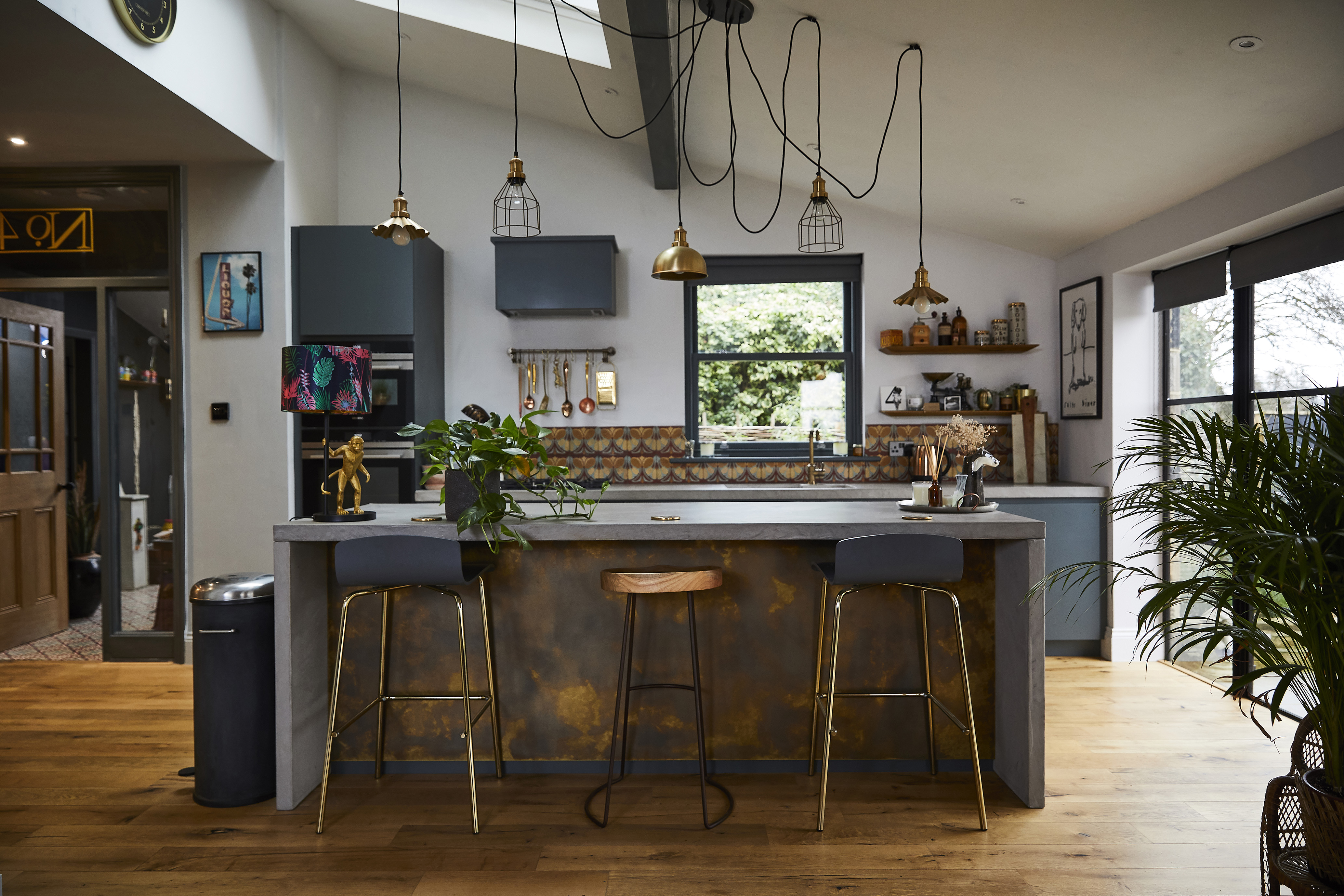
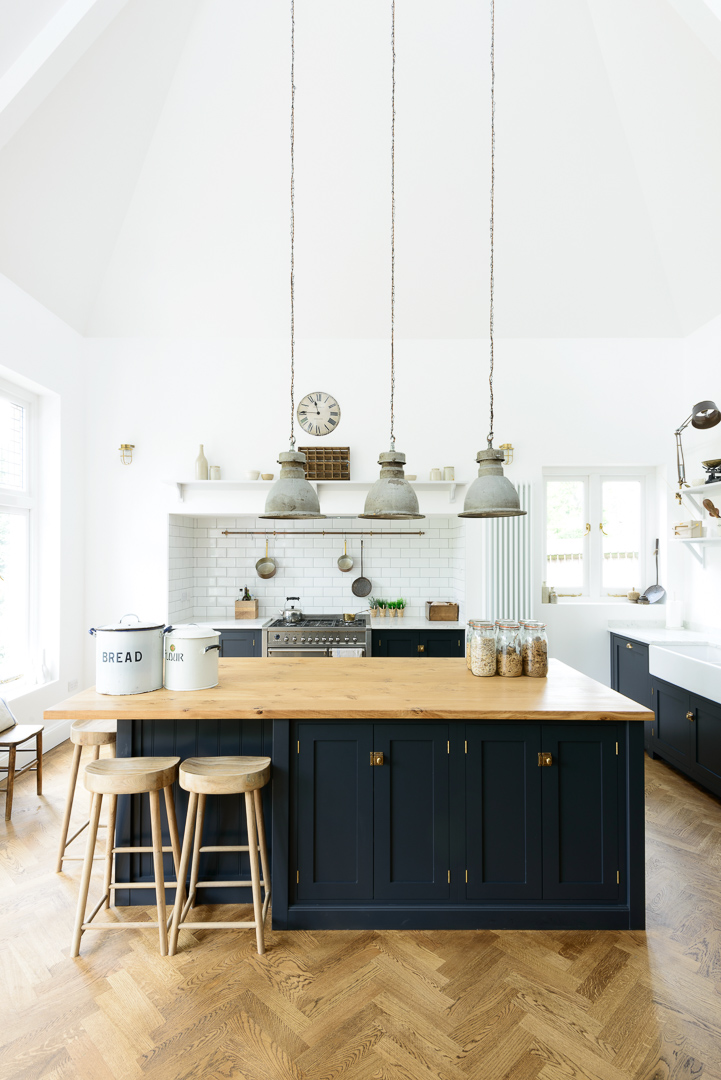
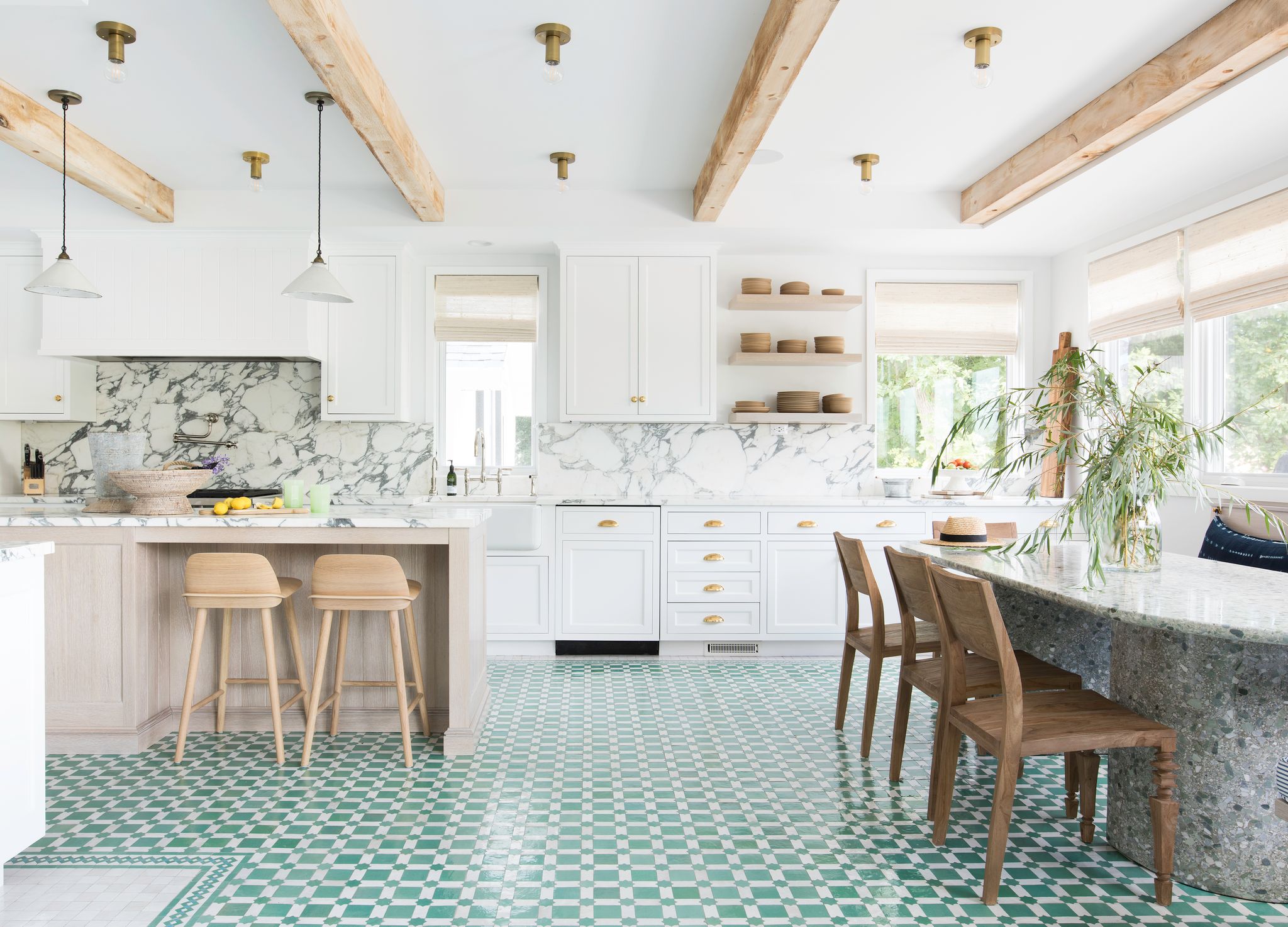
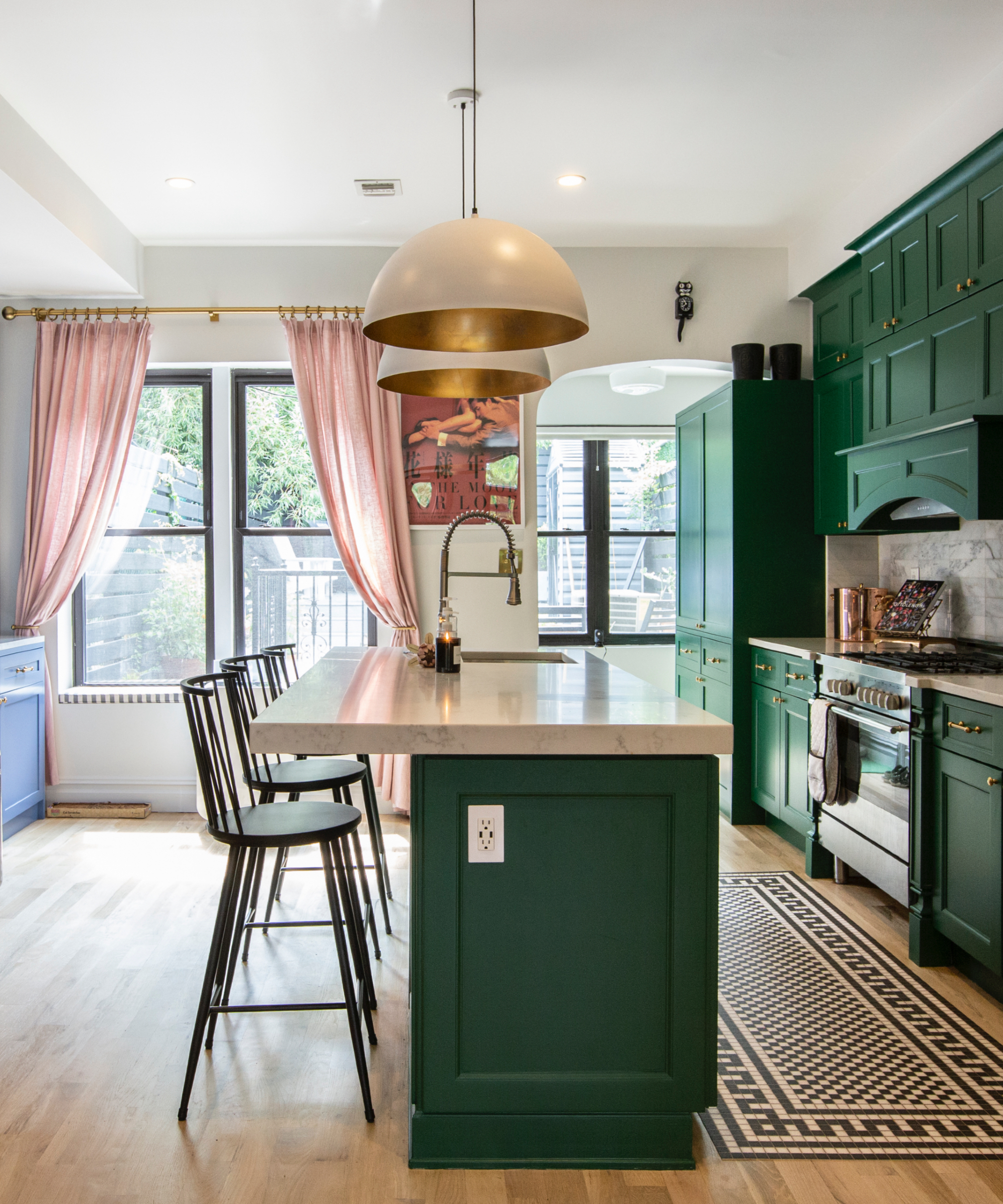
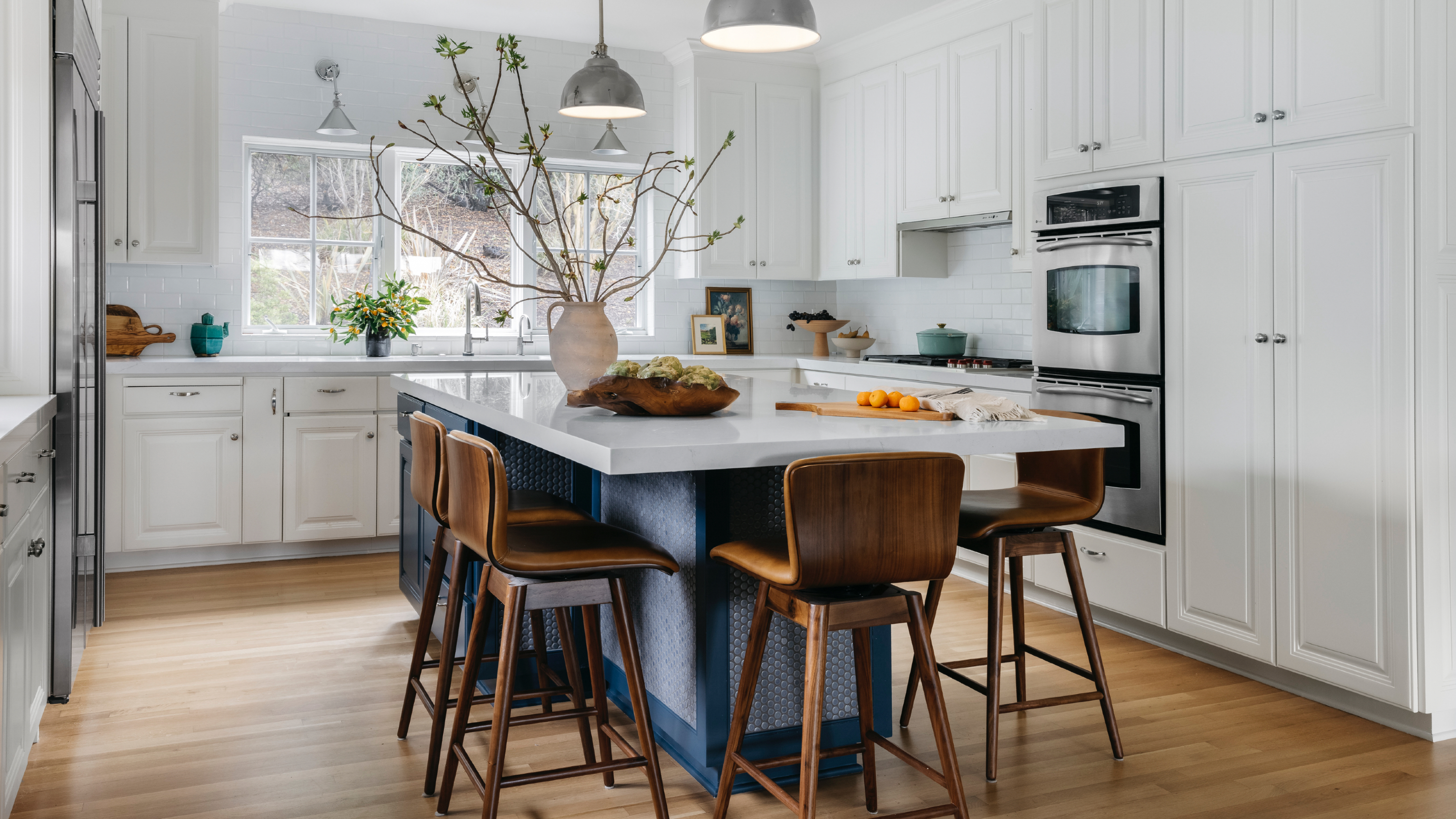
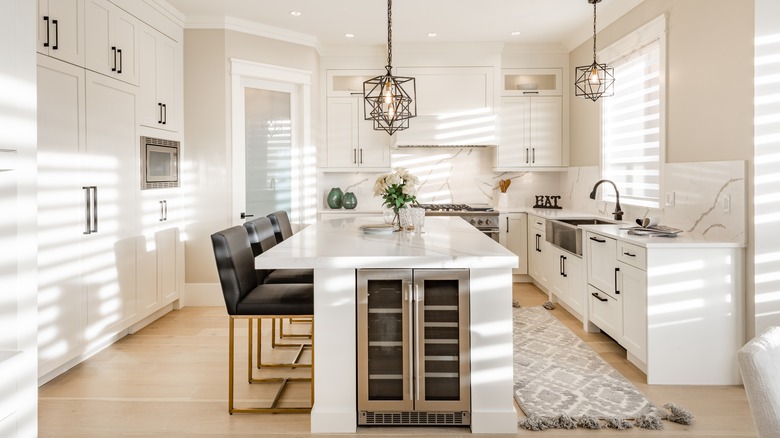
This article explores various strategies for functionally decorating a kitchen island, transforming it from a mere prep space into a versatile hub for cooking, entertaining, and daily life. It emphasizes the importance of balancing aesthetics with practical utility, drawing insights from design experts Colleen Bennett, Simon Lissa, and Priya Vij, as well as chef Ashley Lonsdale.
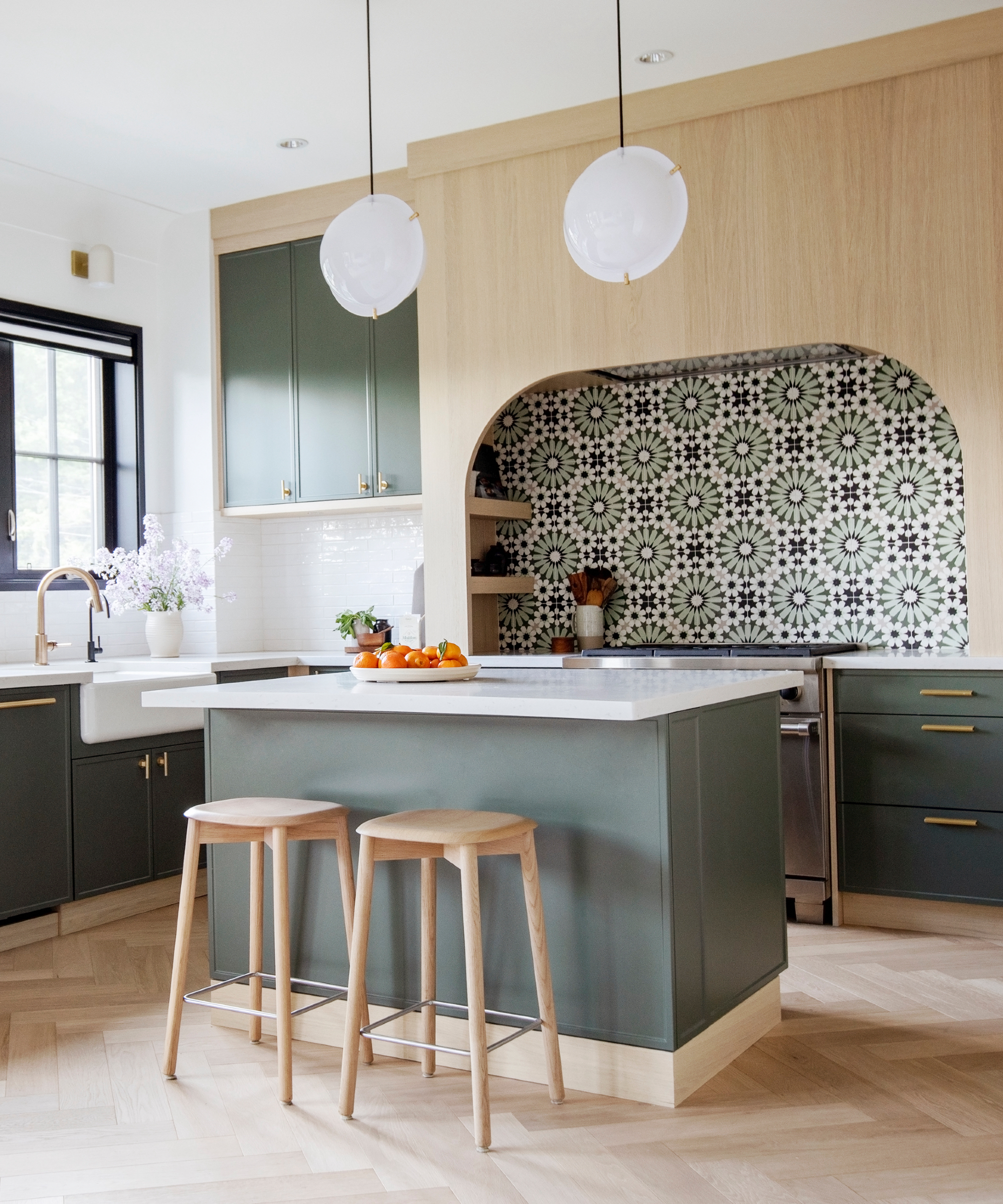
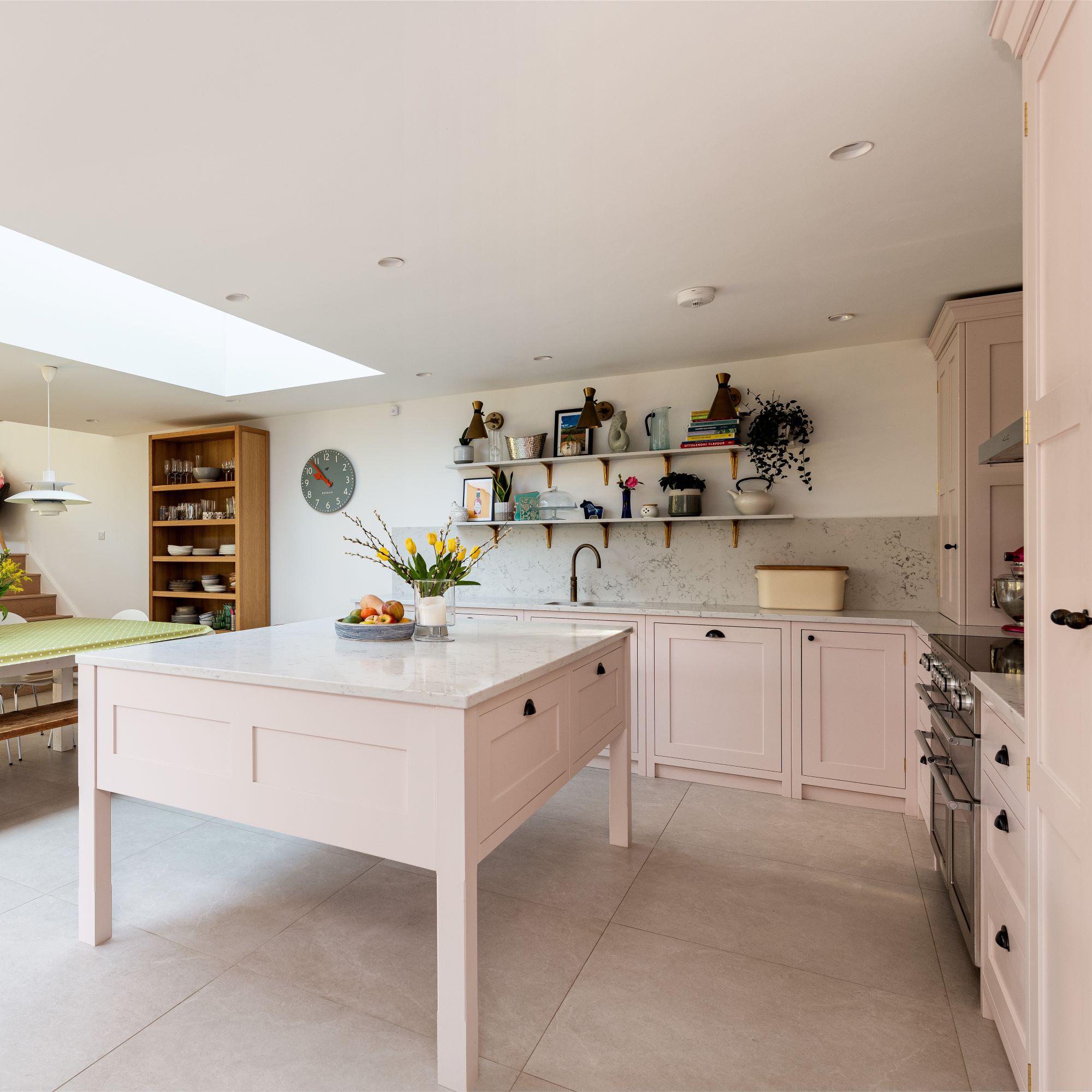
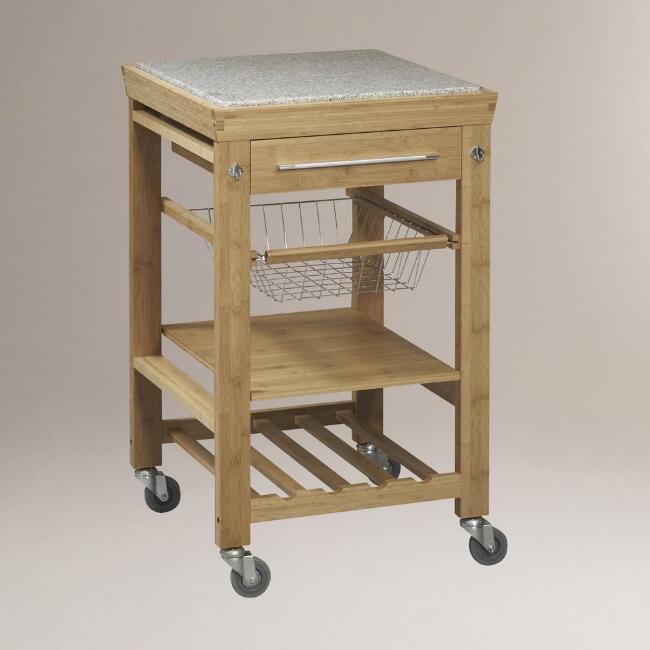
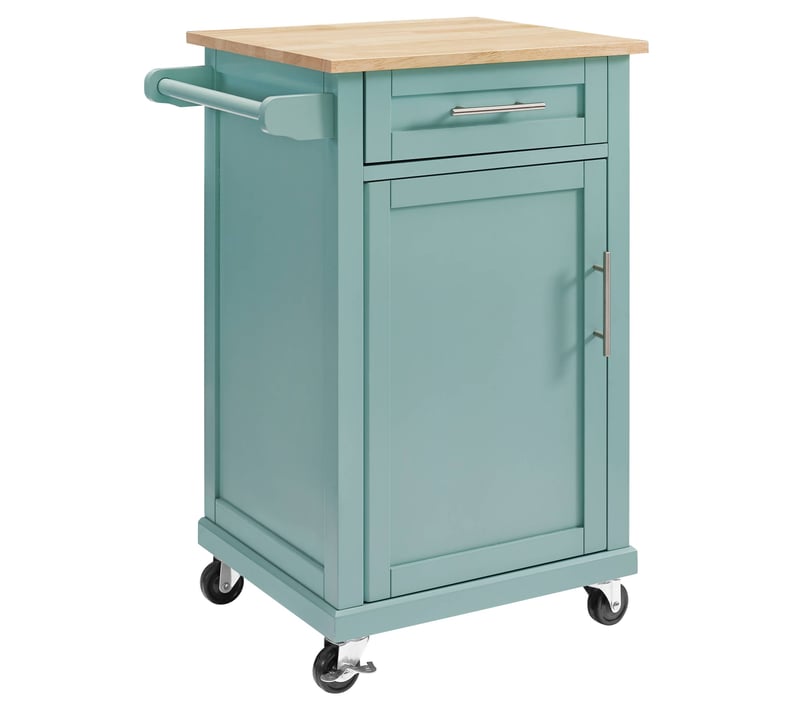
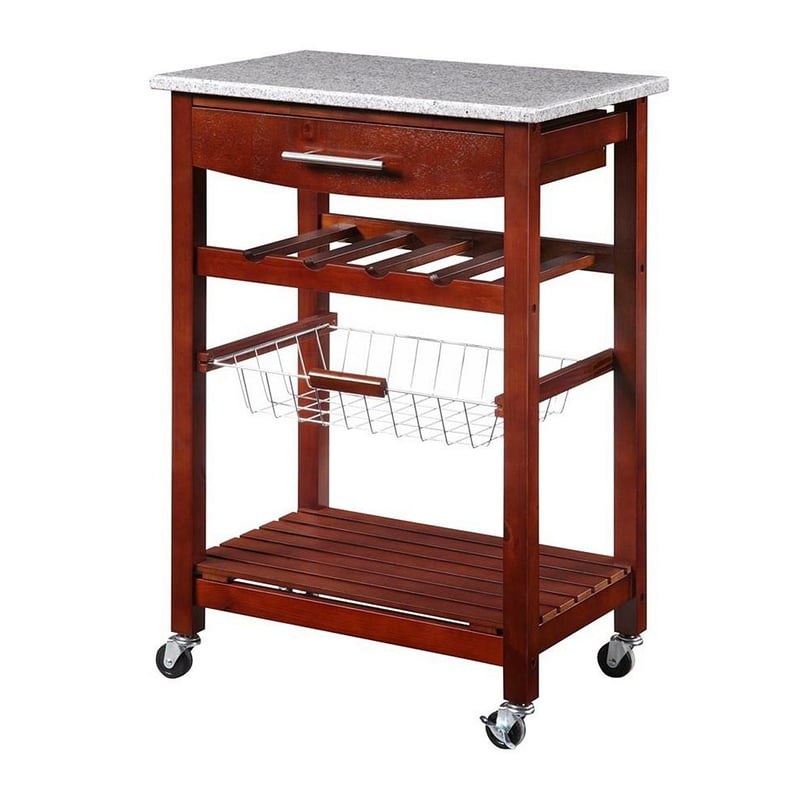
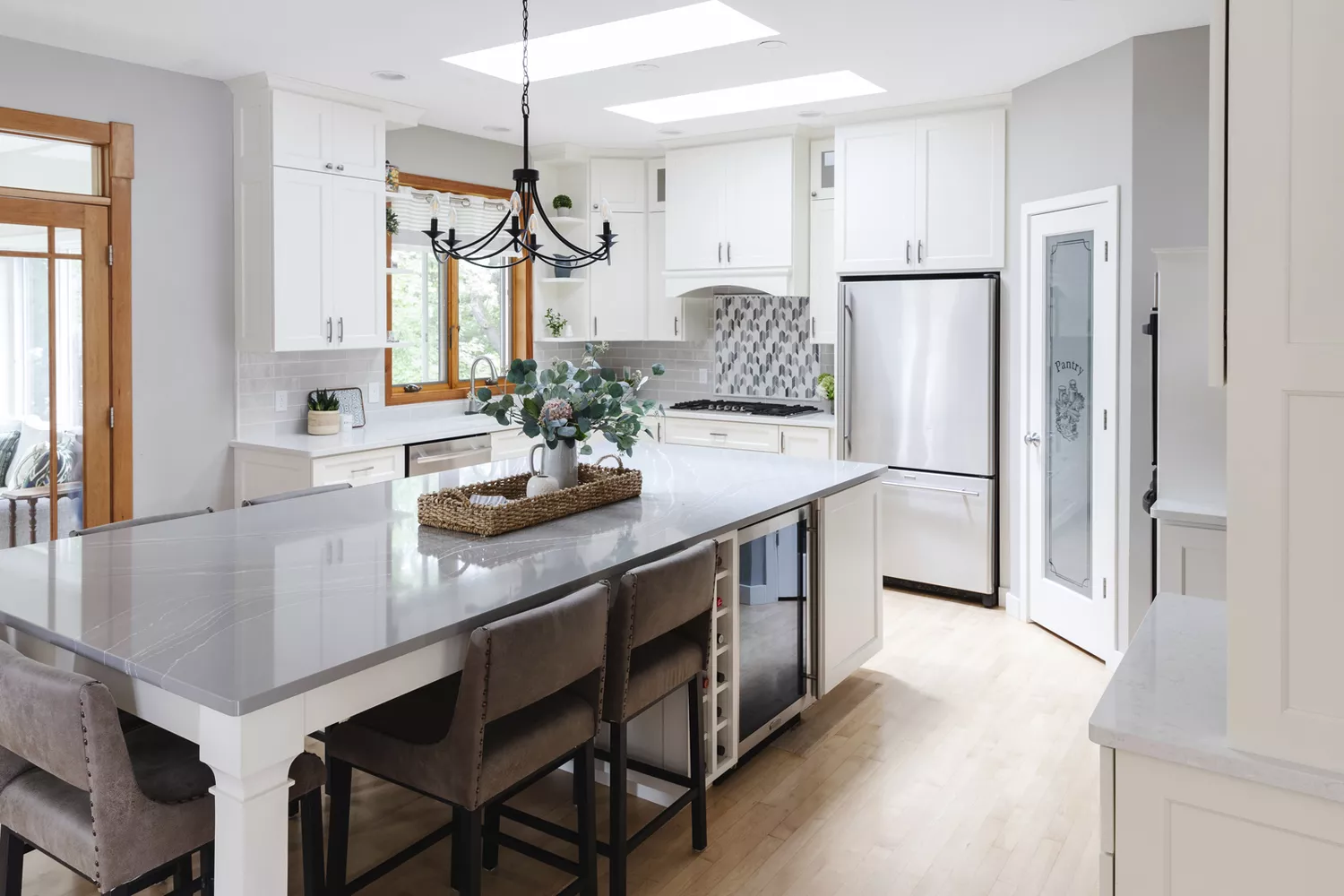
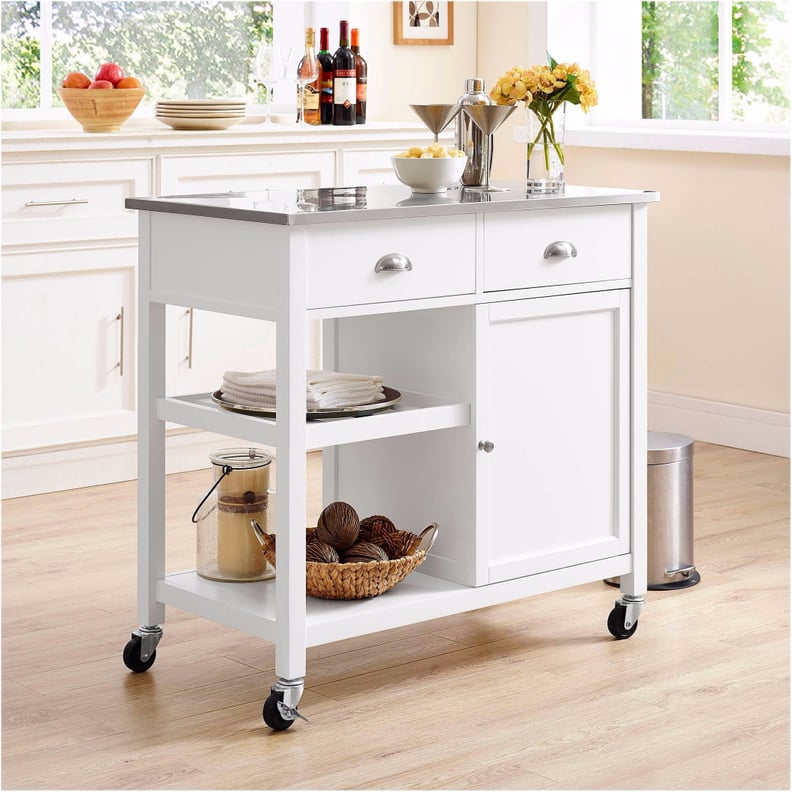
The article begins by highlighting the growing significance of kitchen islands in modern homes, noting their role in food preparation, casual dining, and storage. It suggests that even without a built-in island, alternatives like cook's tables or wheeled carts can offer similar benefits. The core premise is that an island's decoration should align with its intended use, whether for serious cooking, social gatherings, or simply daily routines.
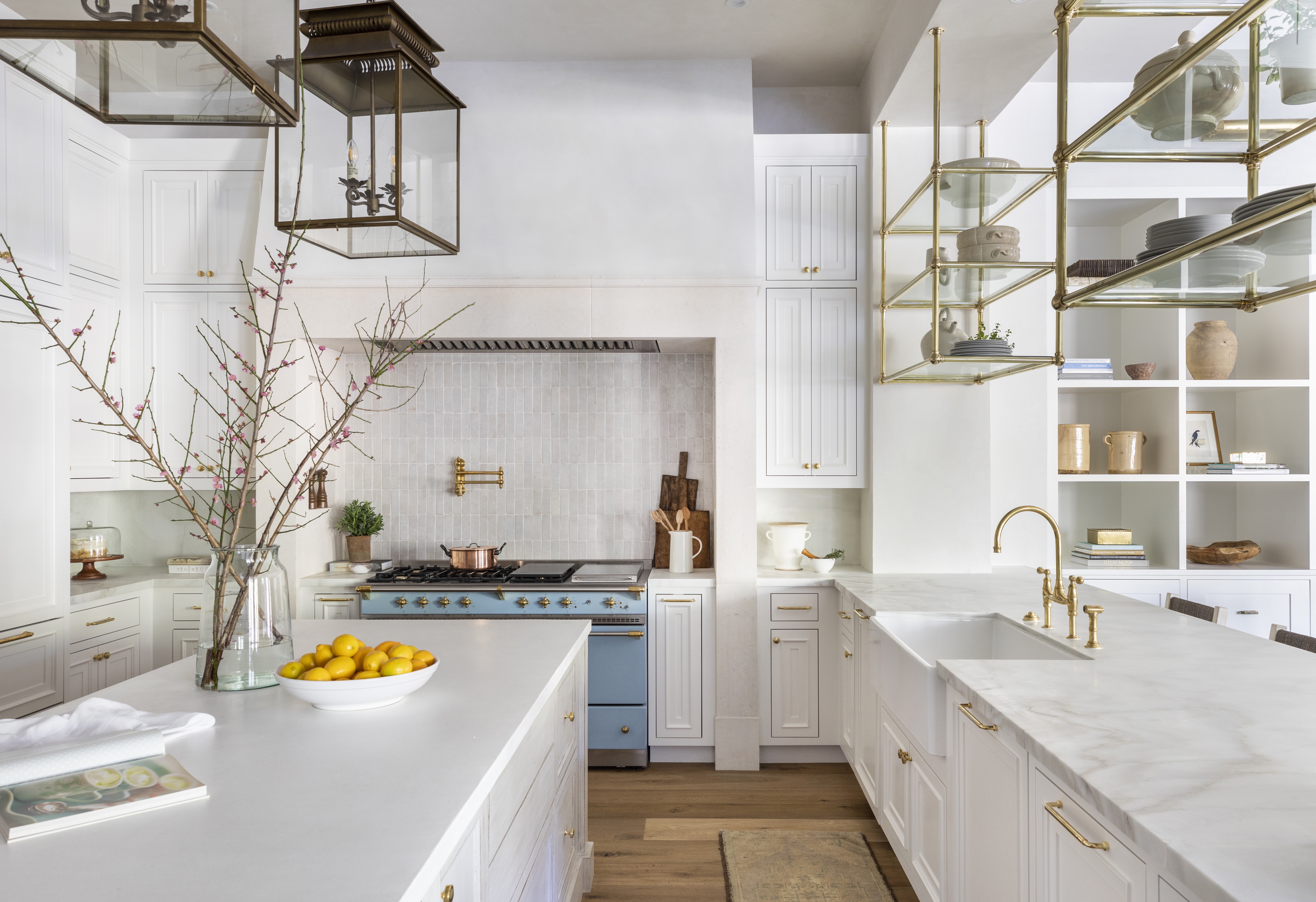
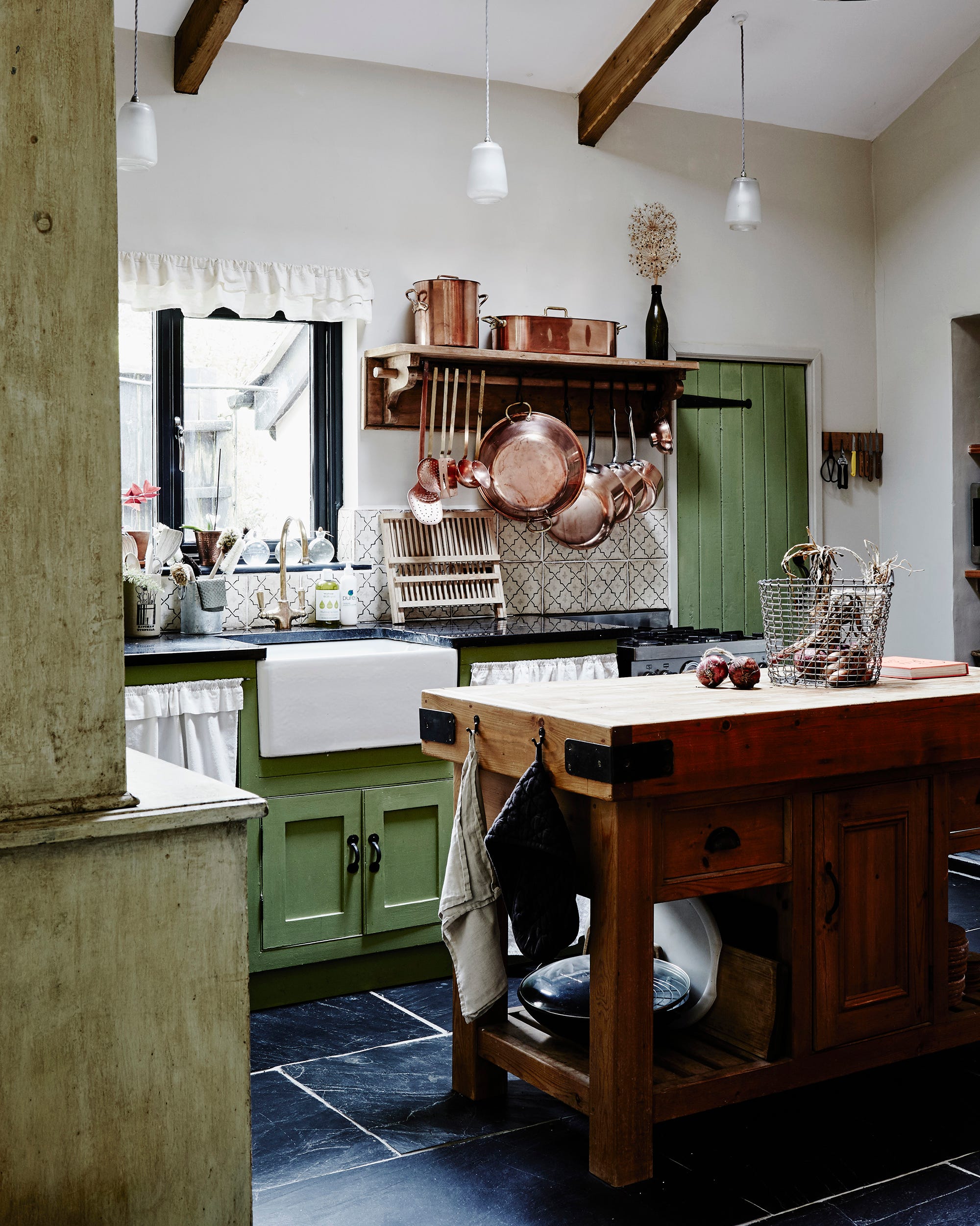
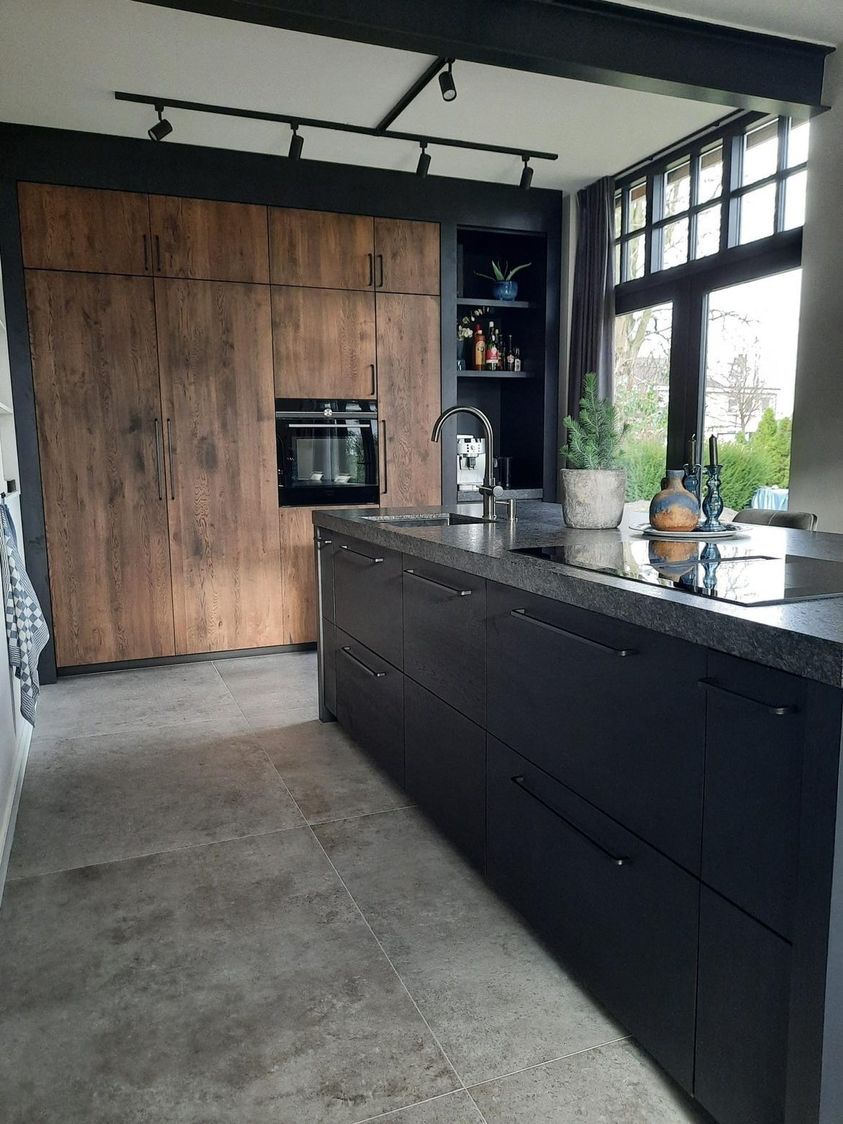
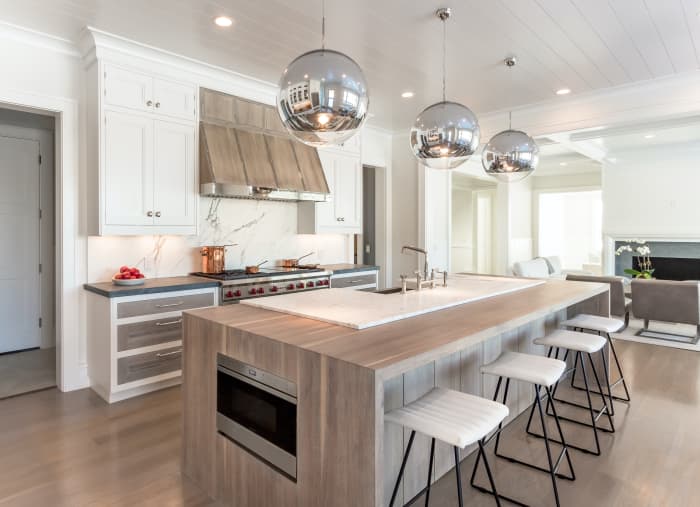
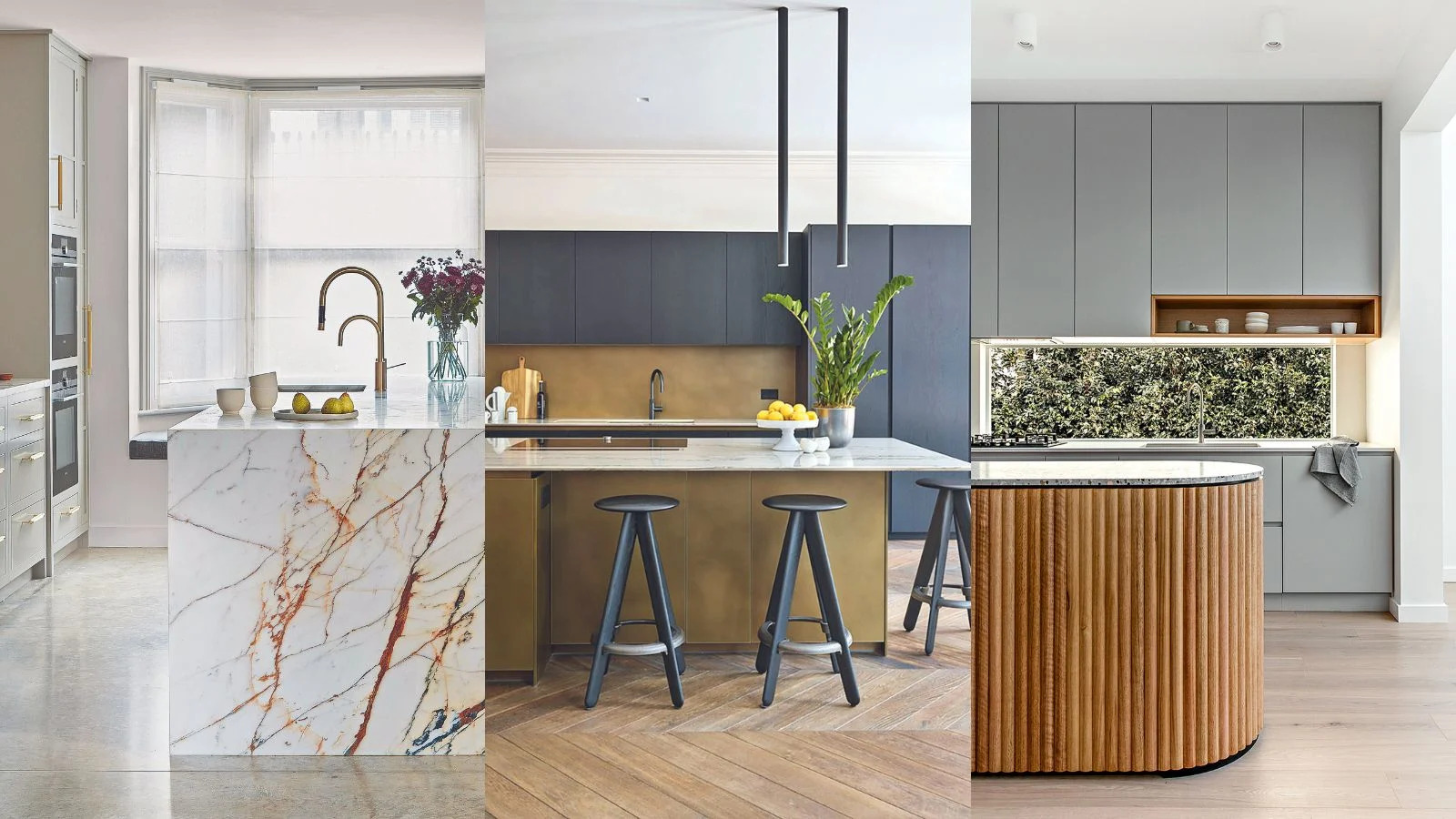
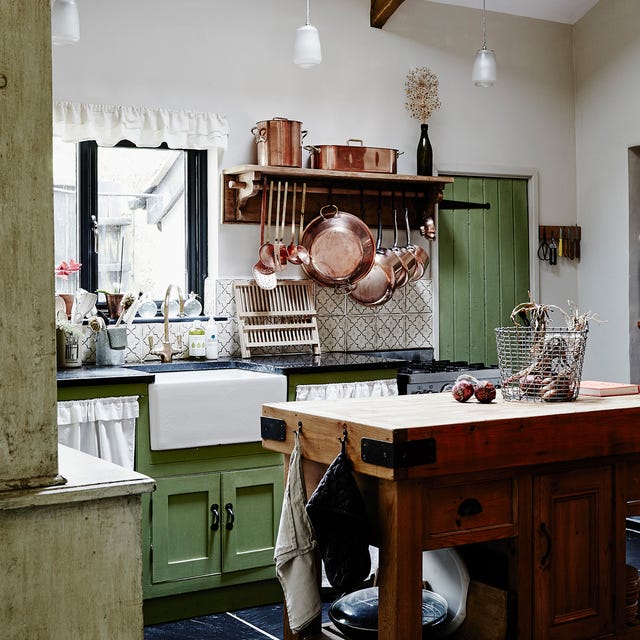
One key aspect of functional decoration involves careful selection of permanent materials. The article advises considering long-term impact when choosing fixtures like built-in chopping blocks, quartz countertops, or tiles, prioritizing ease of cleaning and durability. Other permanent enhancements include pot racks above an island stove for accessibility and pop-up outlets to maintain a clean counter surface, allowing appliances to be hidden when not in use.
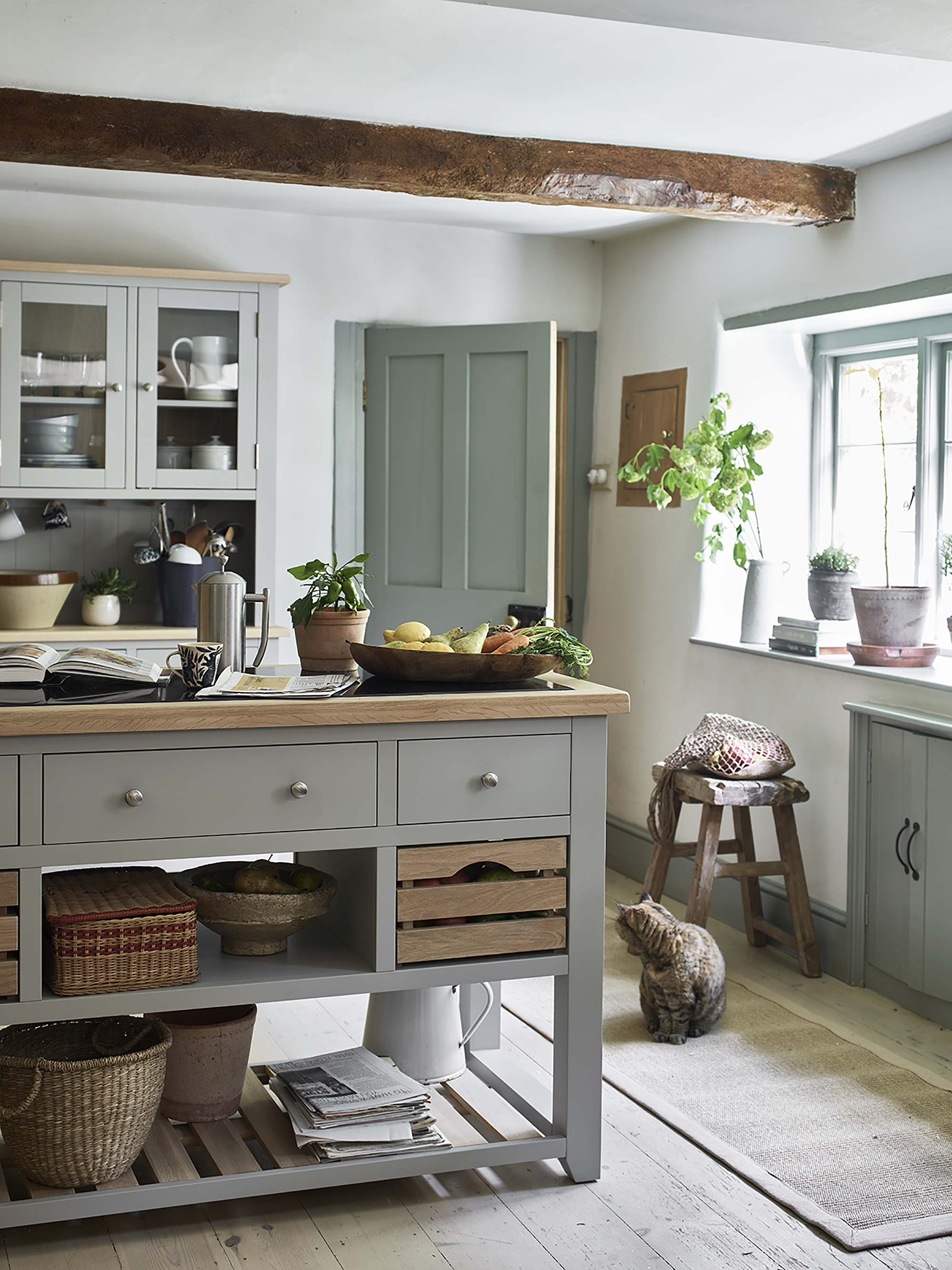
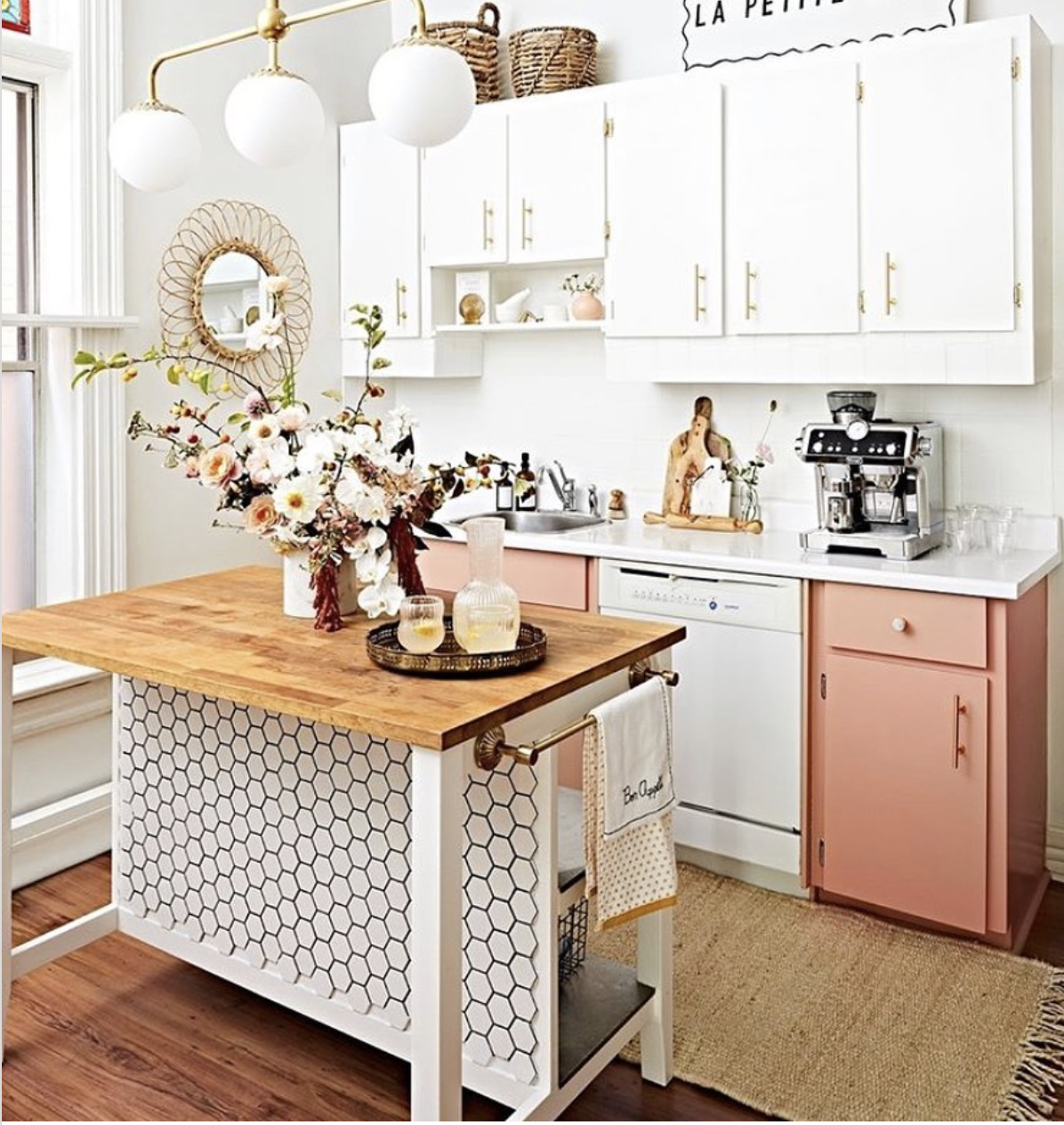
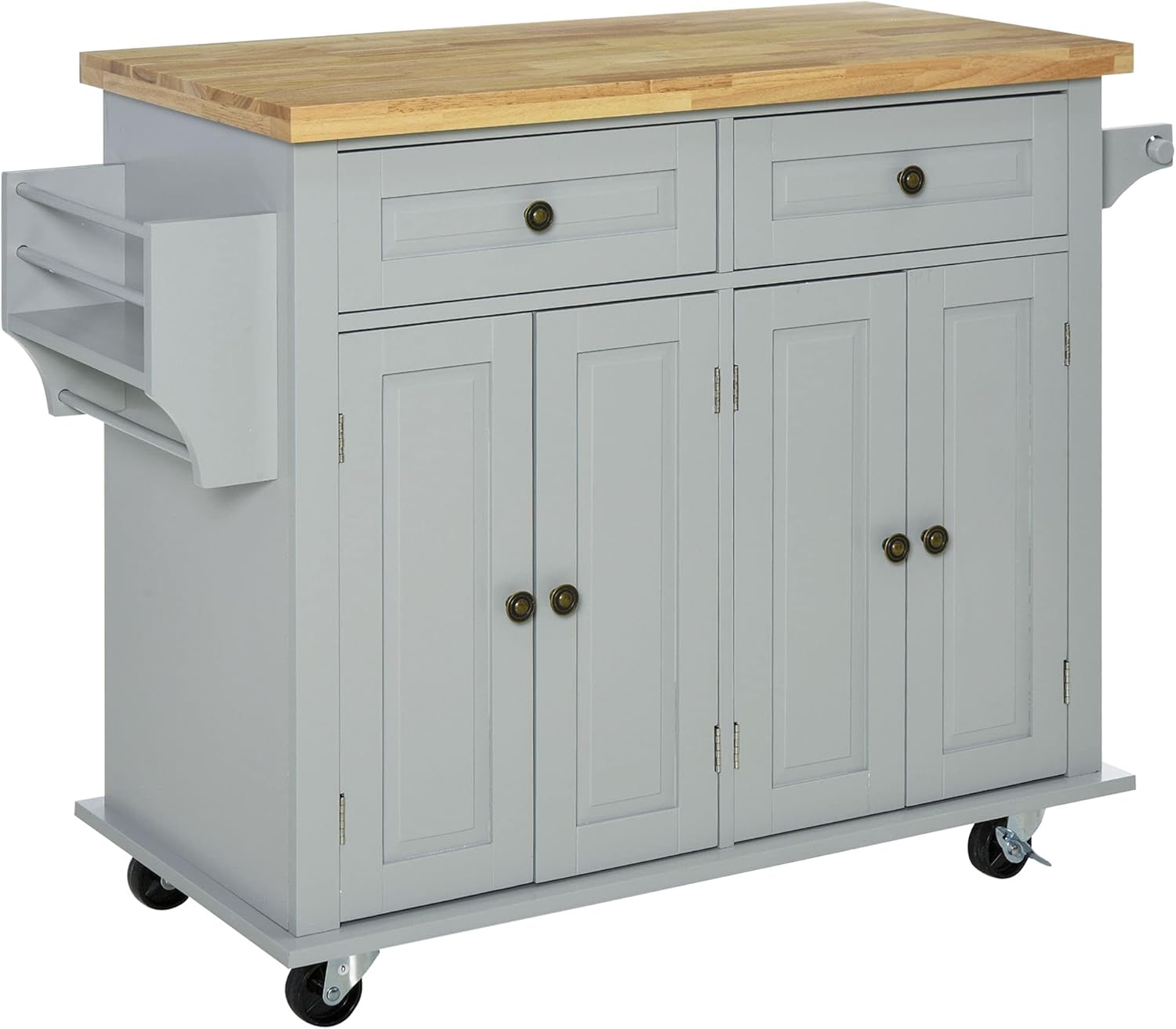
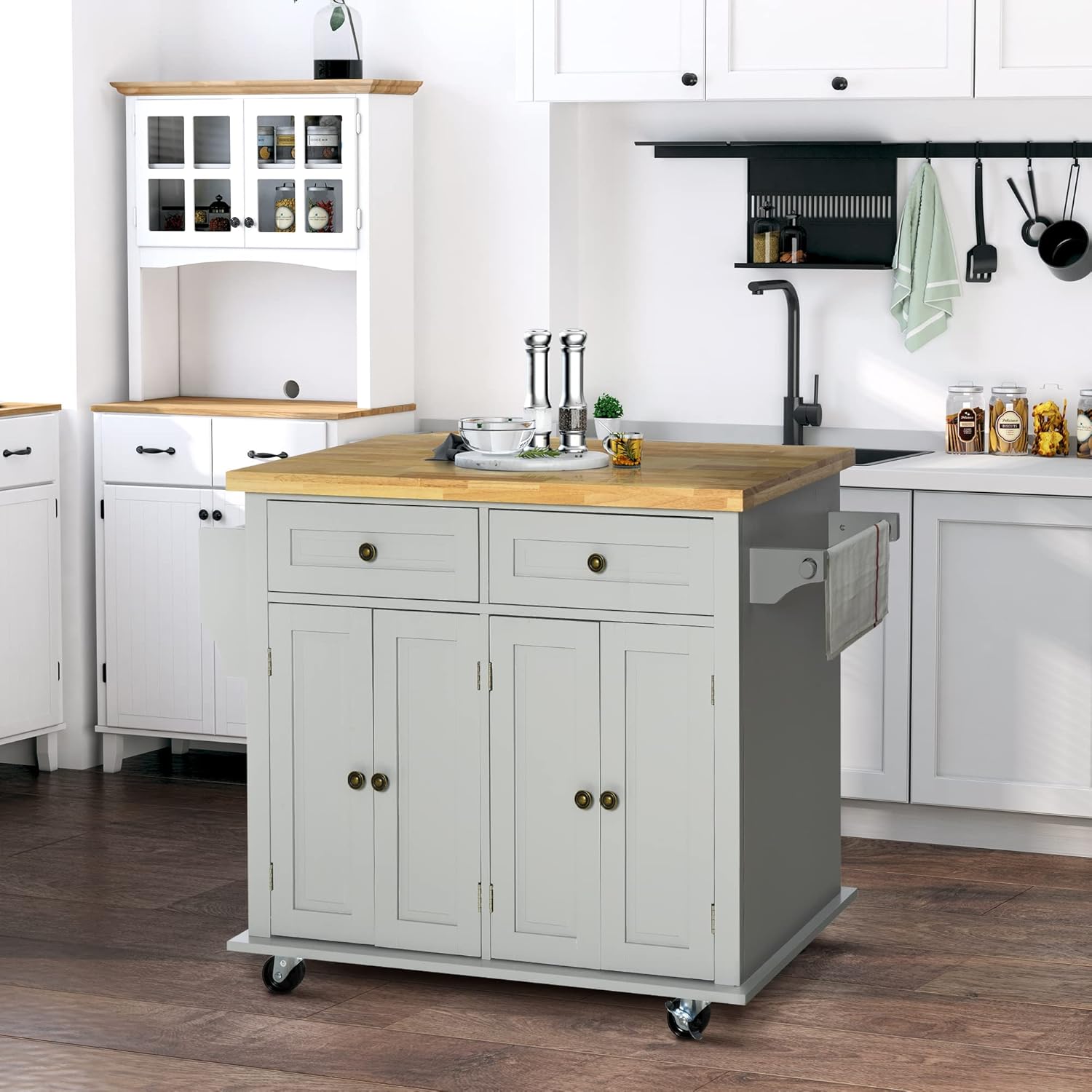
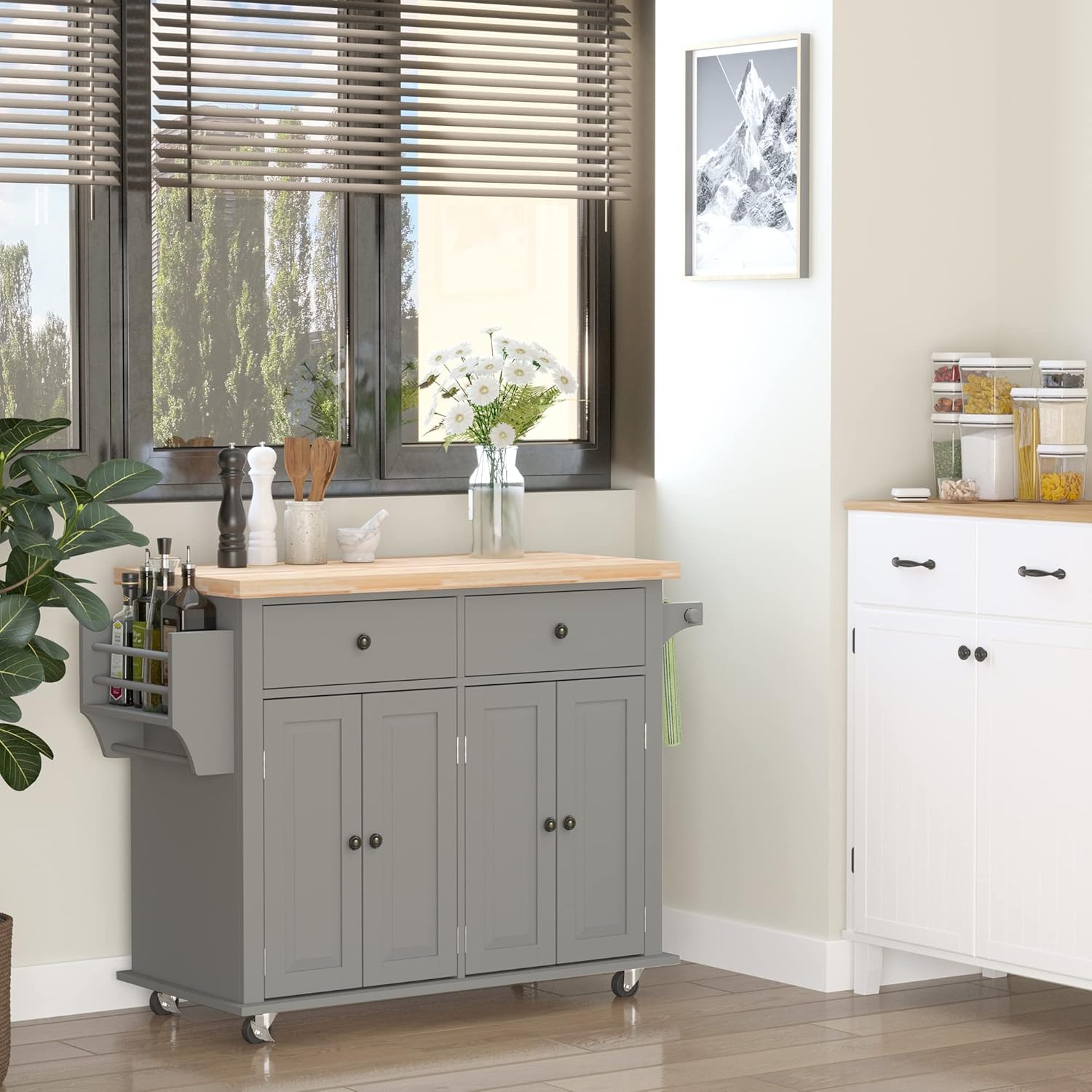
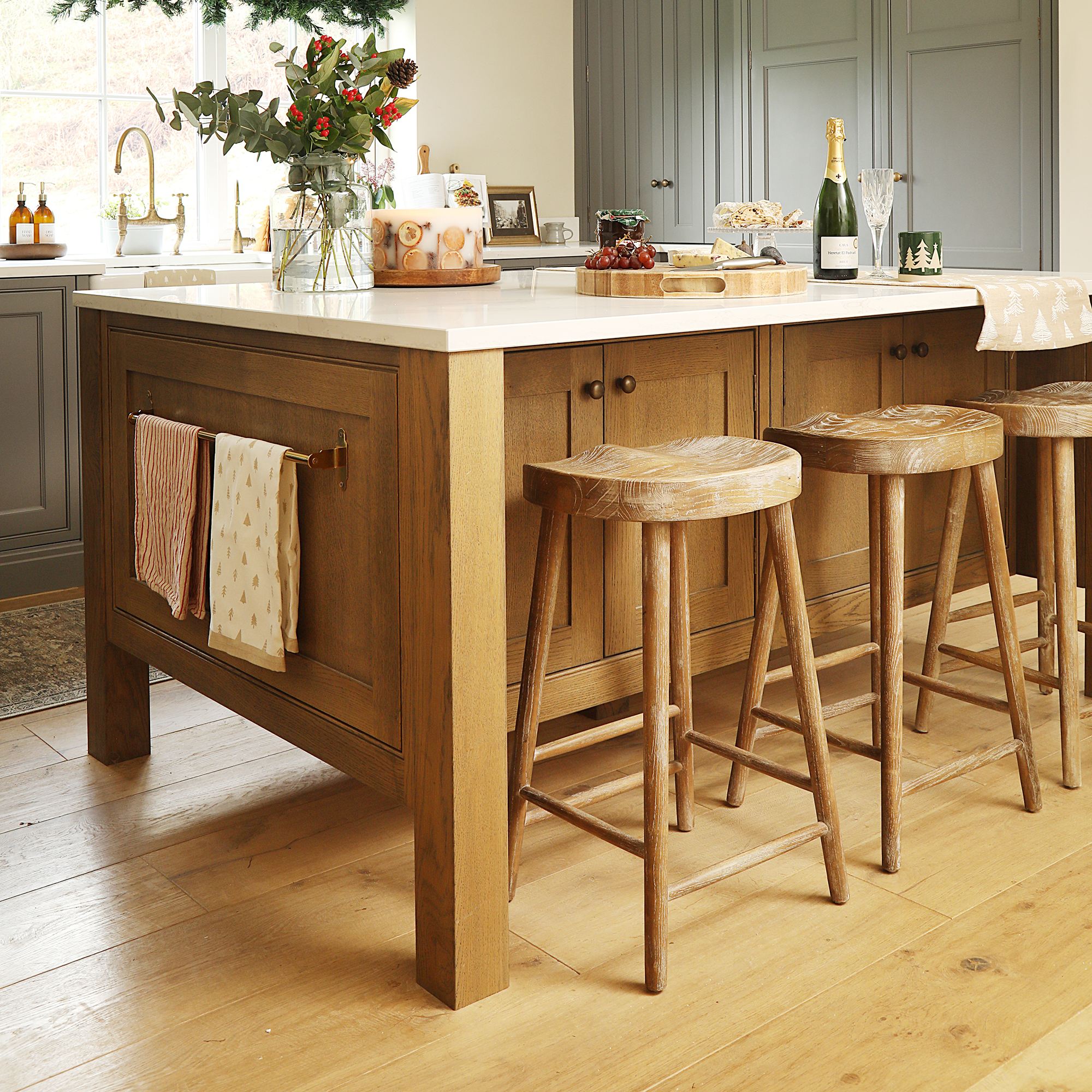
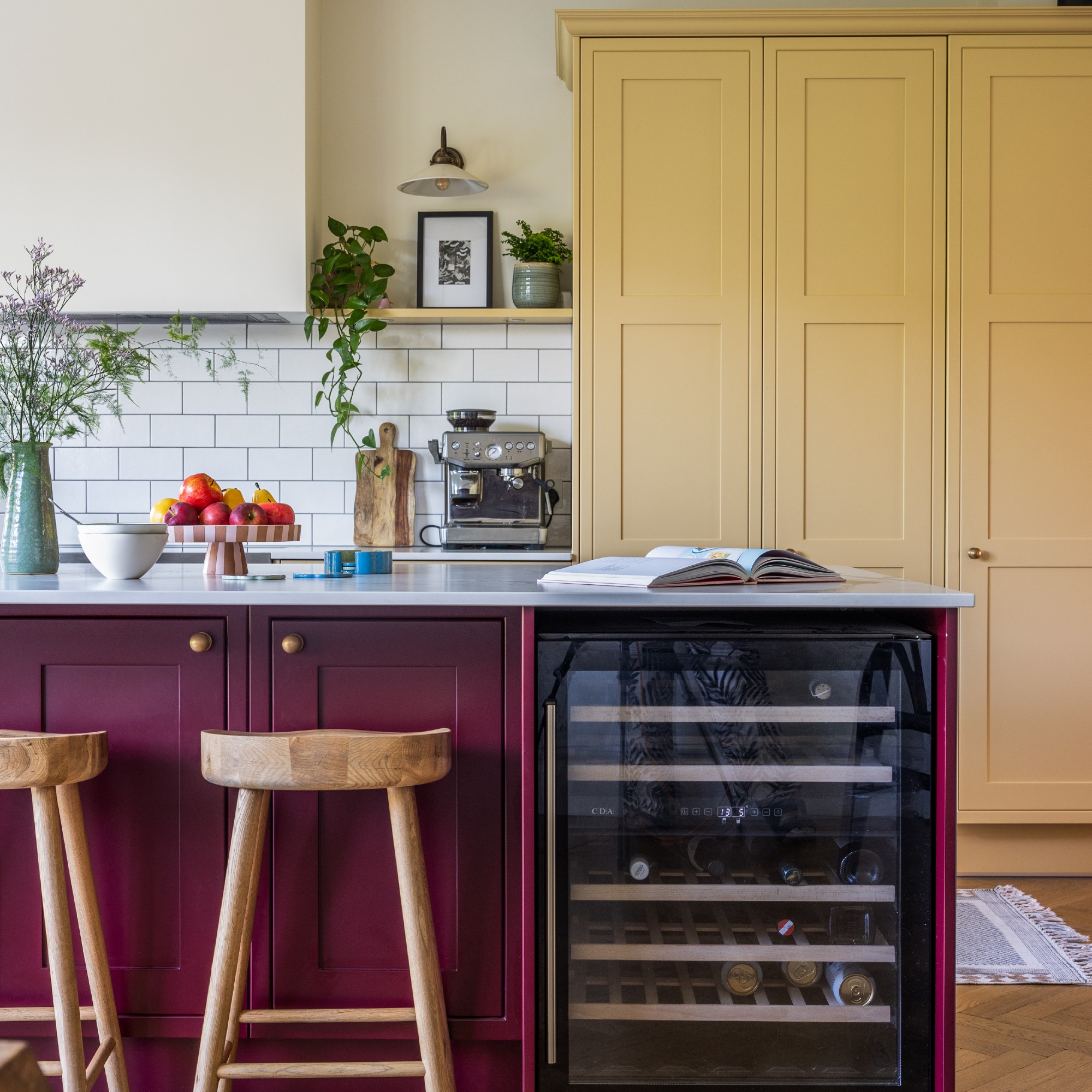
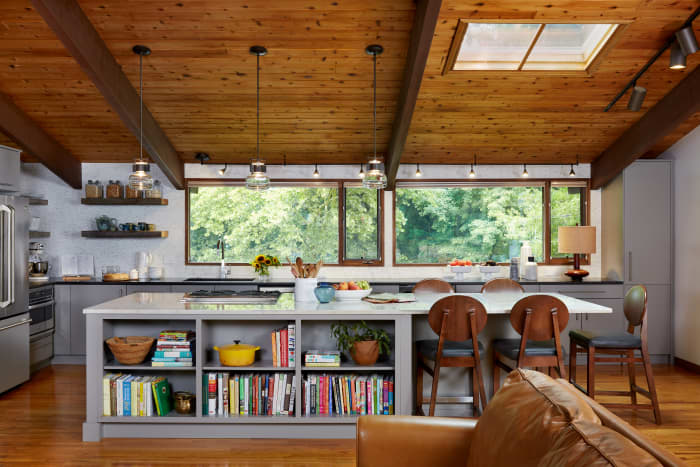
Enhancing storage and organization is another major theme. Installing towel bars and open shelving, whether integrated into a permanent island or added to a mobile cart, keeps essentials within reach without creating clutter. These spaces can be used to store cookbooks, colorful dishes, cutting boards, or even a wine fridge. The article also suggests customizing these additions with paint to match or contrast with existing kitchen cabinetry.
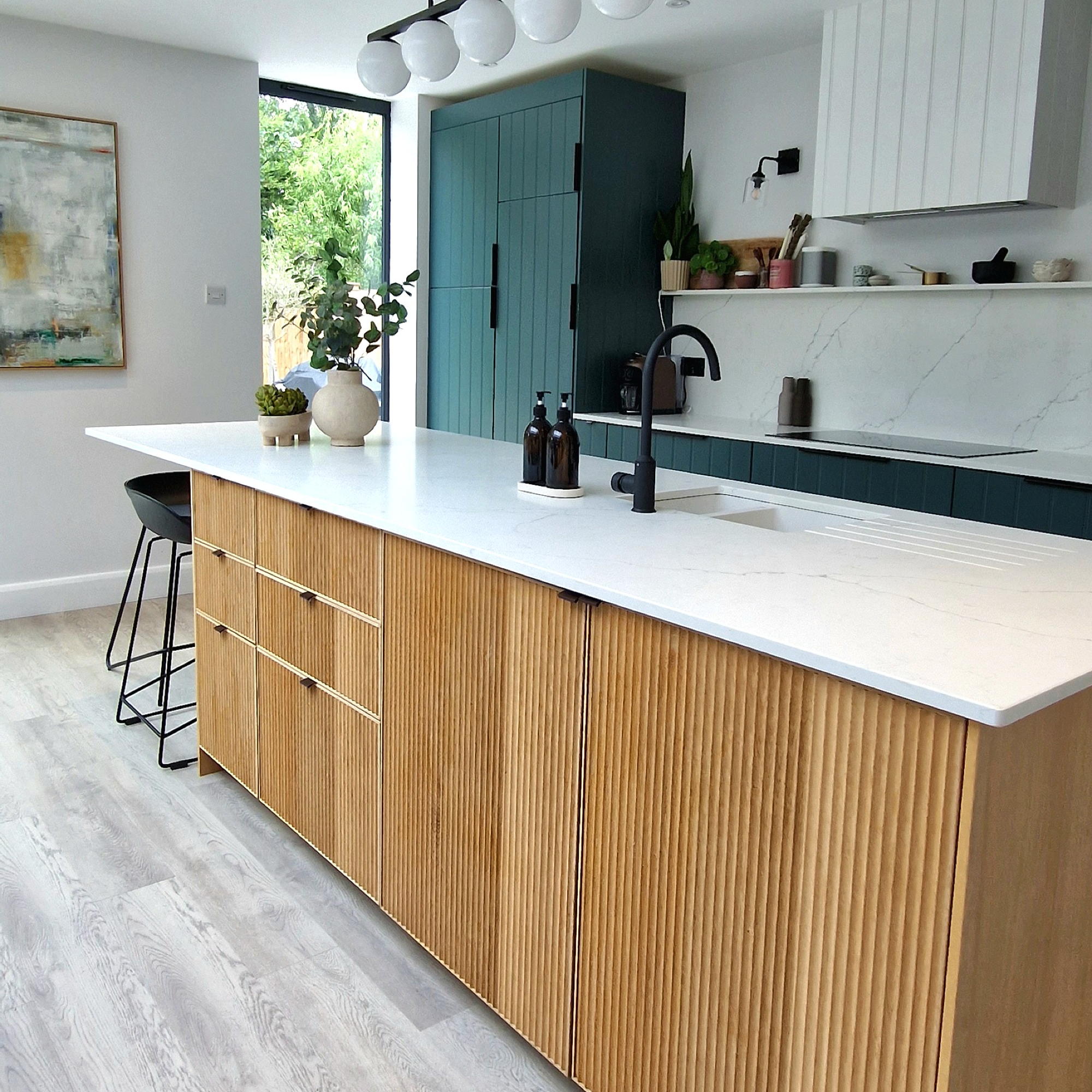
Matching hardware is presented as an easy yet impactful upgrade that influences both functionality and visual appeal. The right knobs or pulls can unify the island's design with the rest of the kitchen or create a focal point. Comfort and ease of grip are emphasized, along with matching hardware scale to the island's overall design.
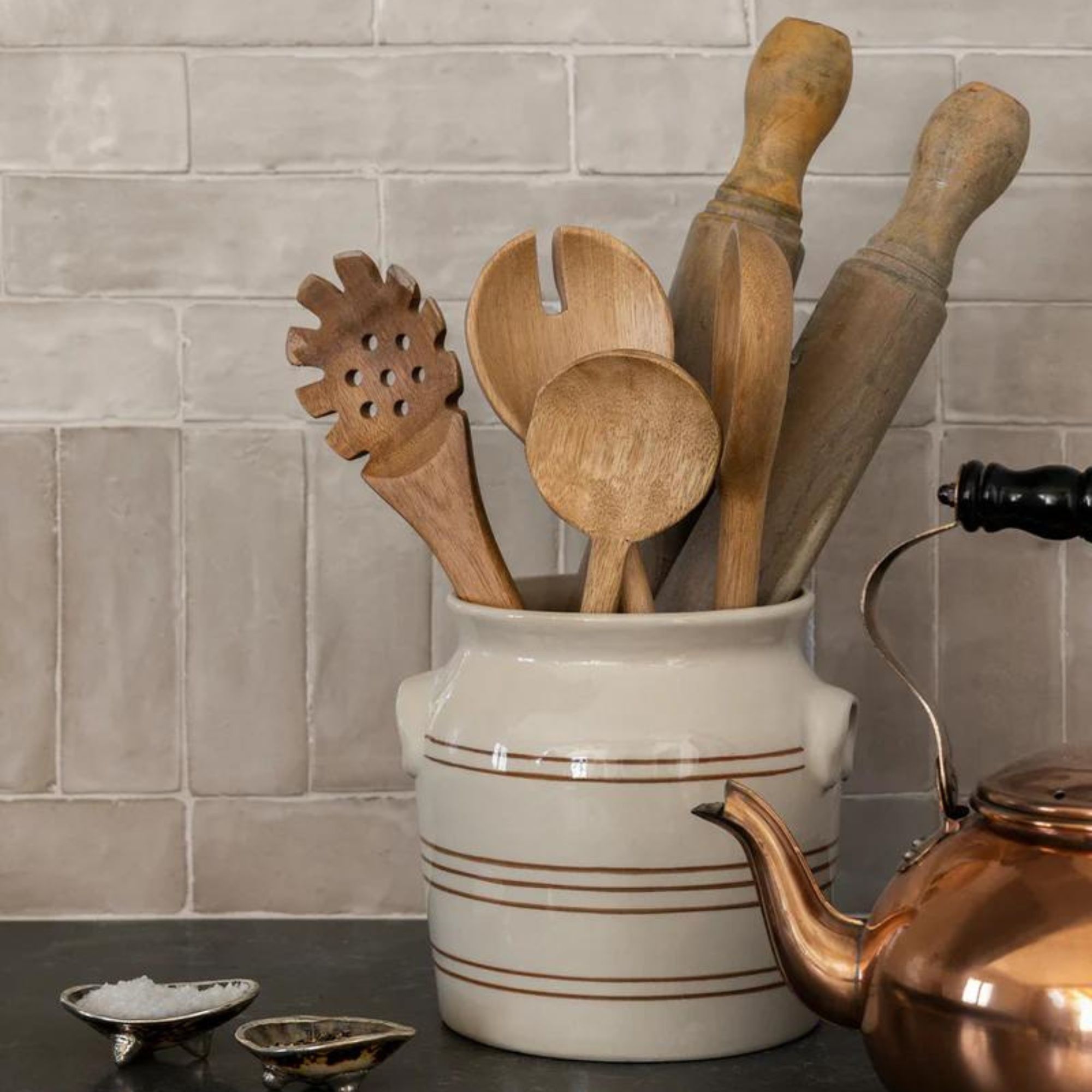
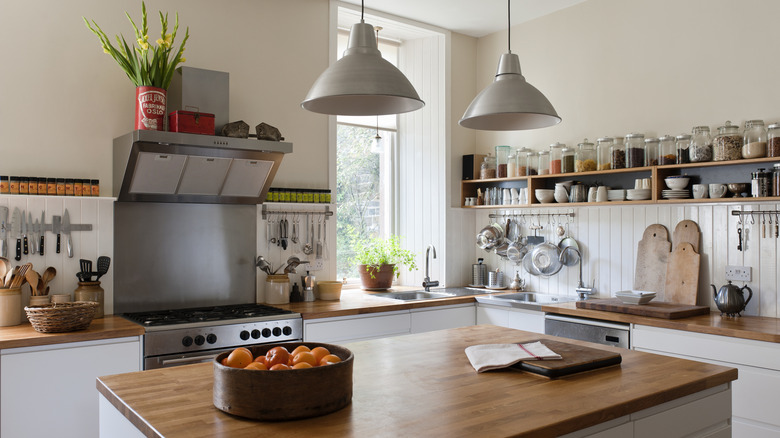
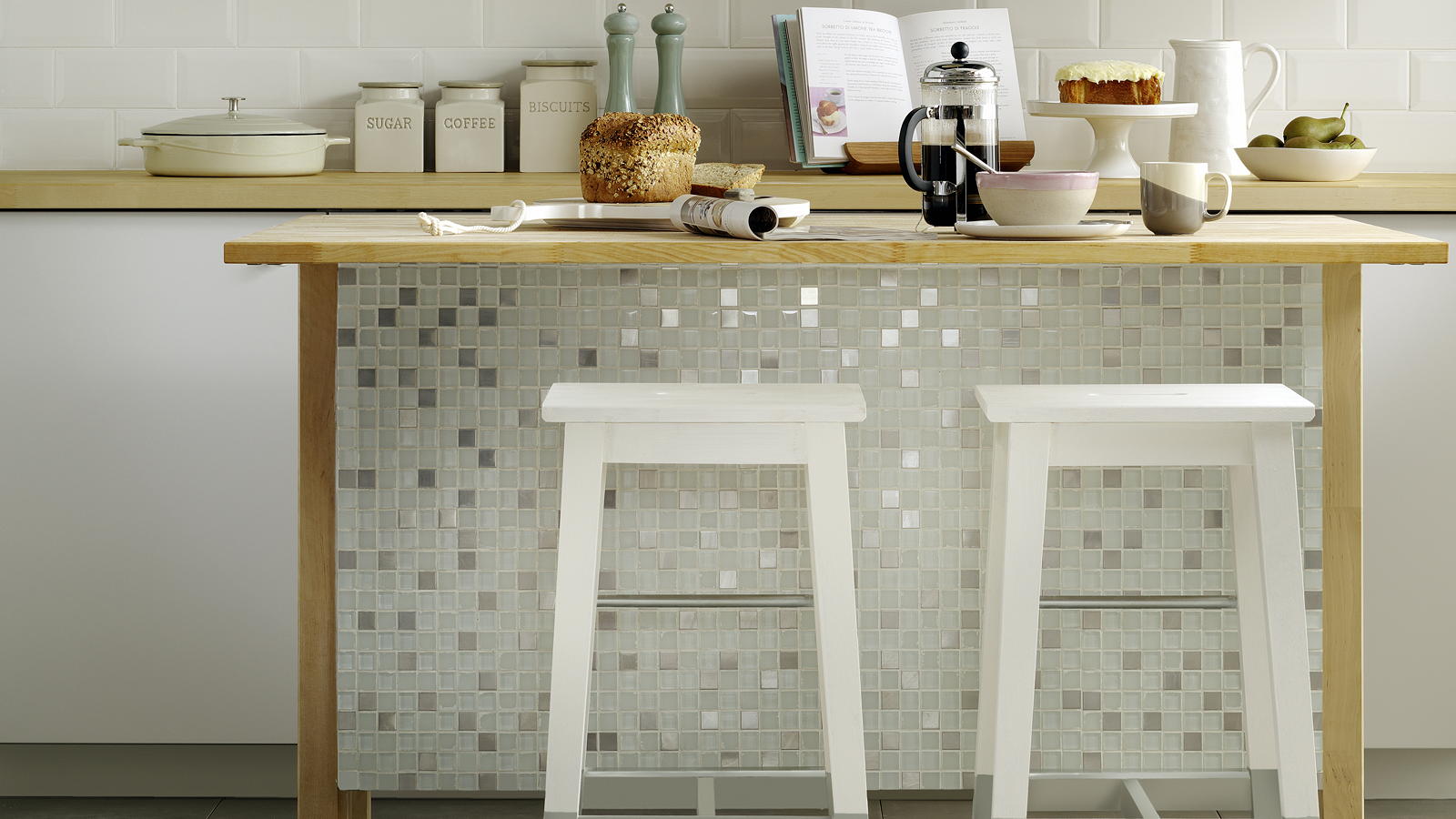
For smaller items and everyday essentials, the article recommends using trays and baskets. Trays are ideal for grouping items like salt and pepper mills, oil bottles, or stacks of cookbooks, making them appear more intentional and organized. Baskets and jars serve a similar purpose for condiments, spices, or utensils, helping to prevent clutter and maintain a cohesive look. The use of glass containers is suggested for visibility and decorative appeal.
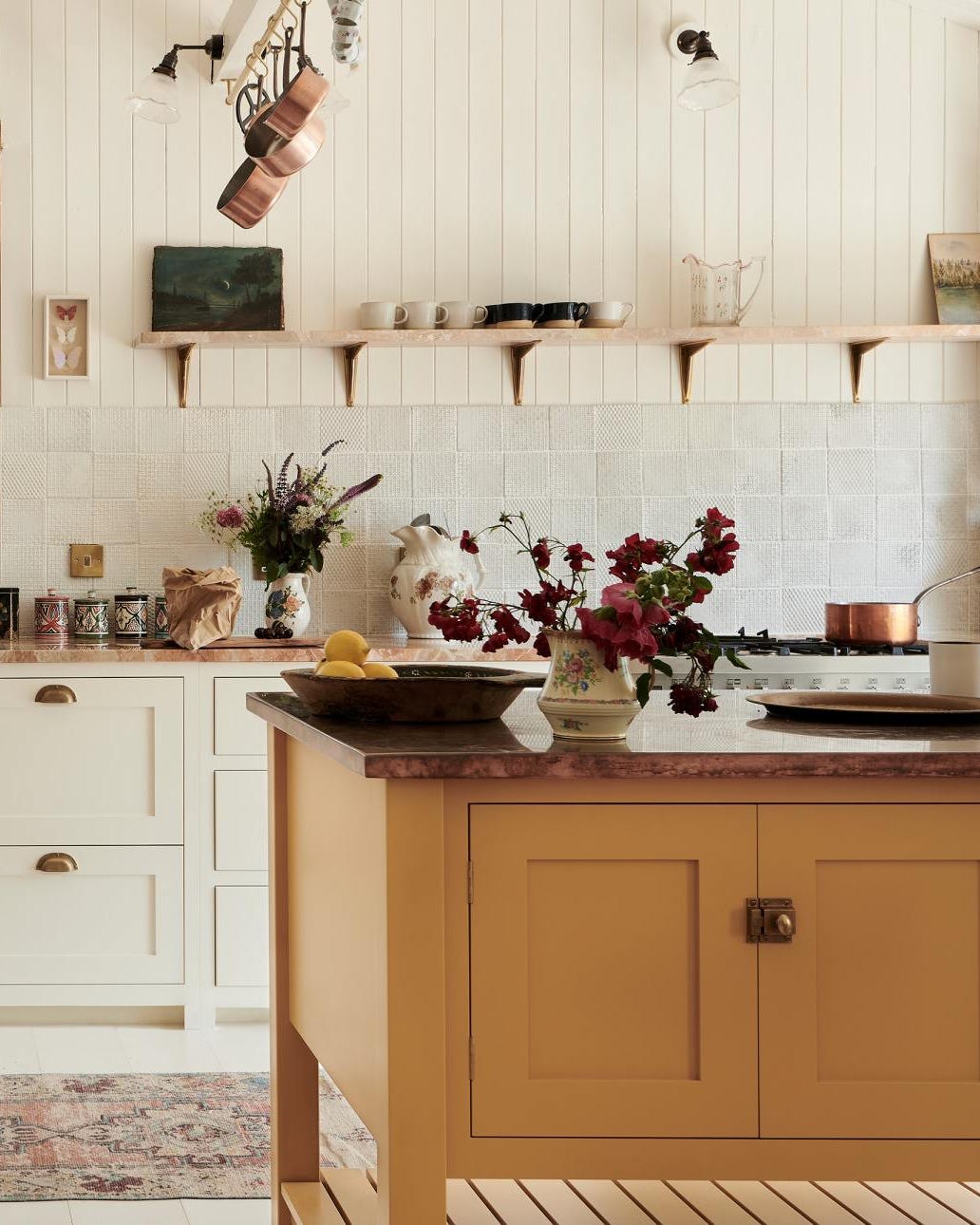
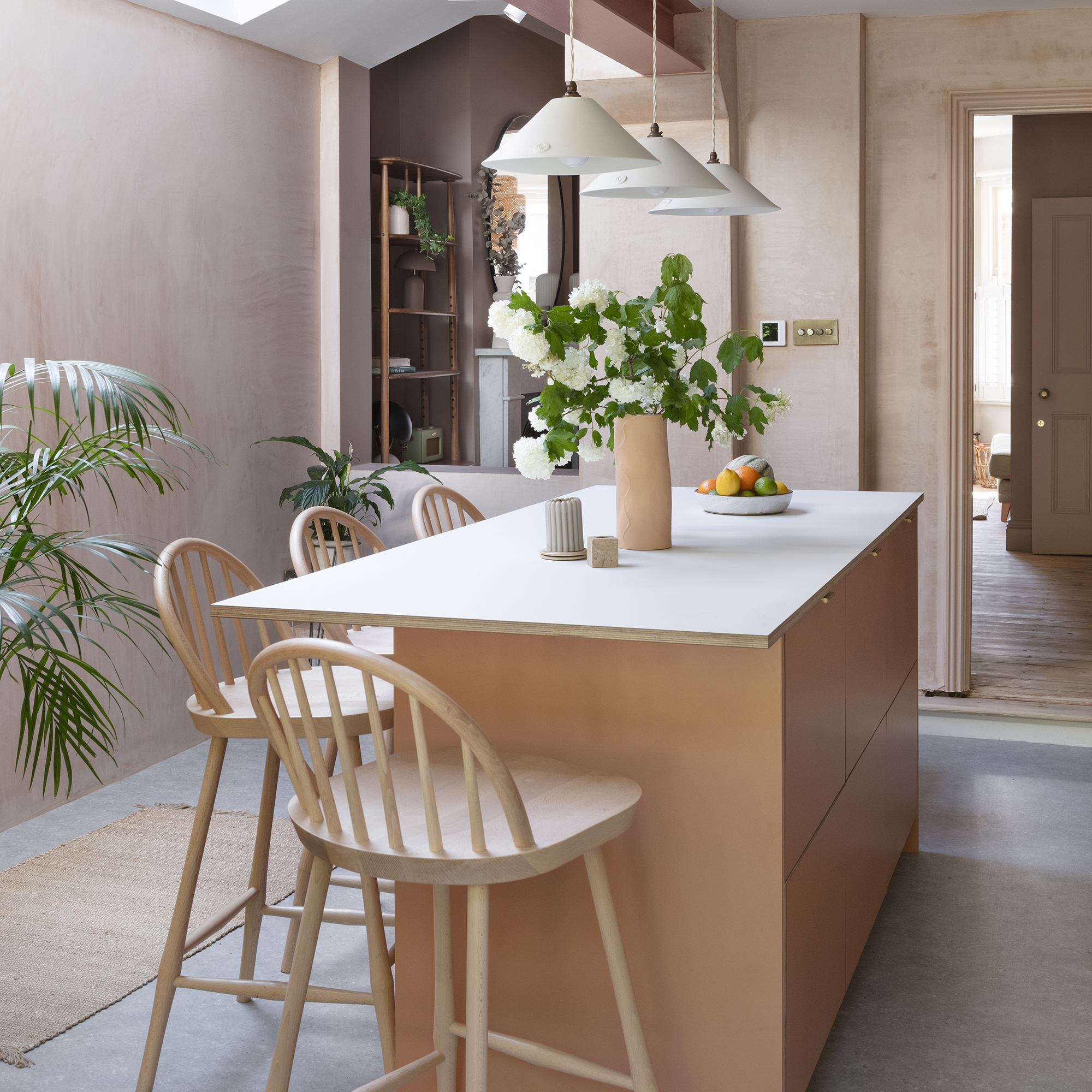
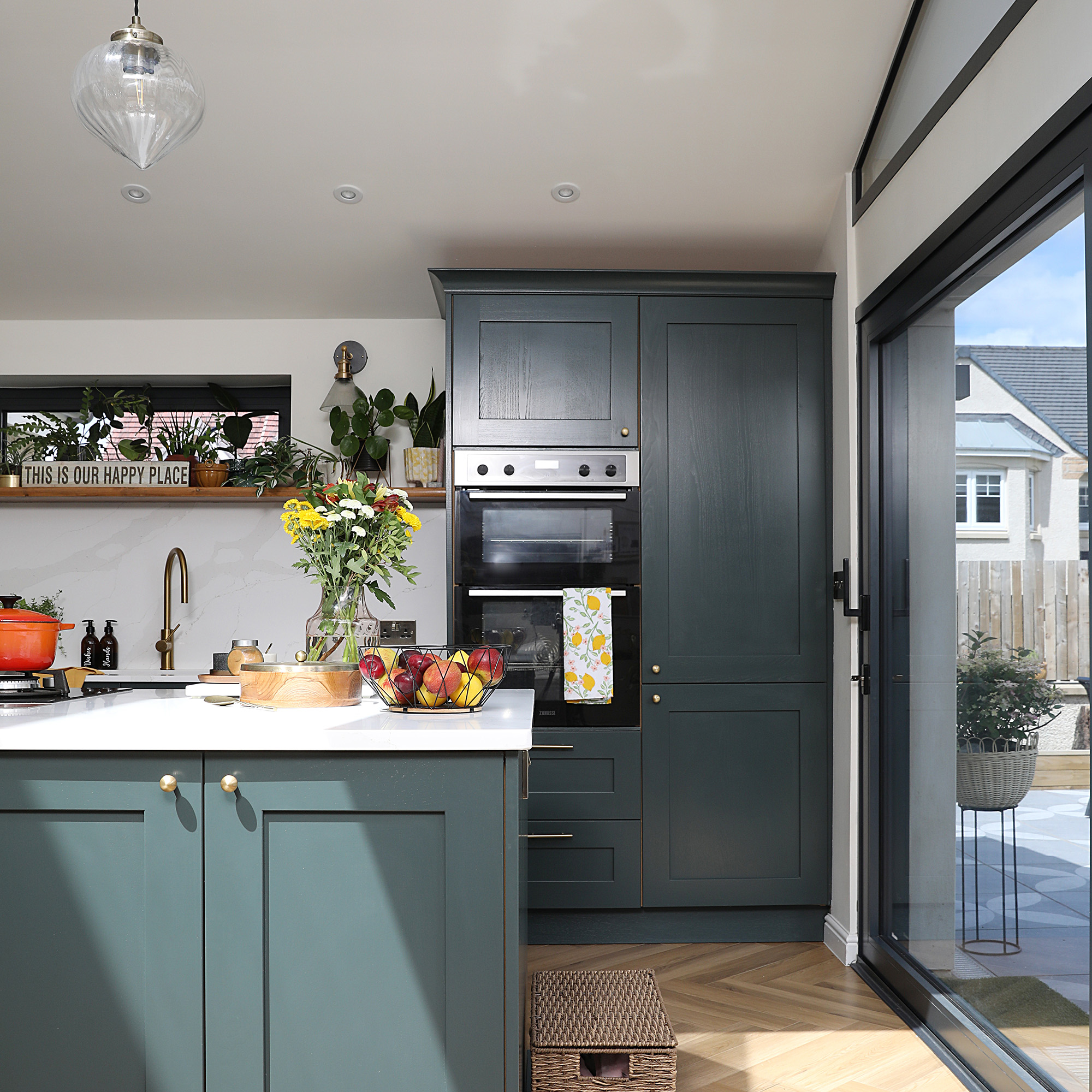
Beyond pure utility, the article advocates for incorporating decorative elements that add warmth and personality. Vases with fresh flowers or simple candles can introduce softness, color, texture, and scent to a space often dominated by hard surfaces. Joyful elements like potted plants are also encouraged. The strategic placement of lamps is suggested to soften overhead lighting, creating a more relaxed and intimate atmosphere, though it's advised to limit other decorative pieces nearby to avoid clutter.
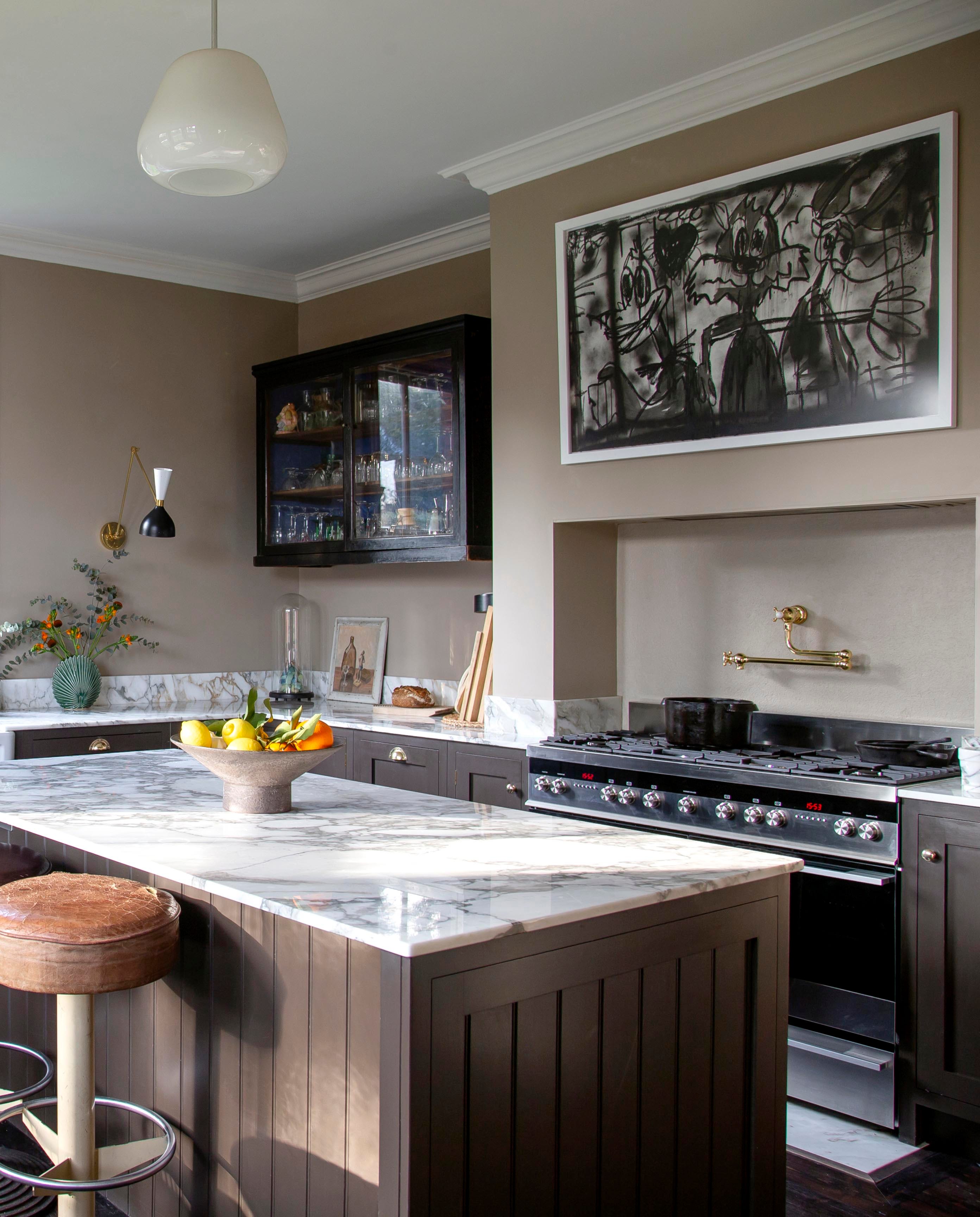
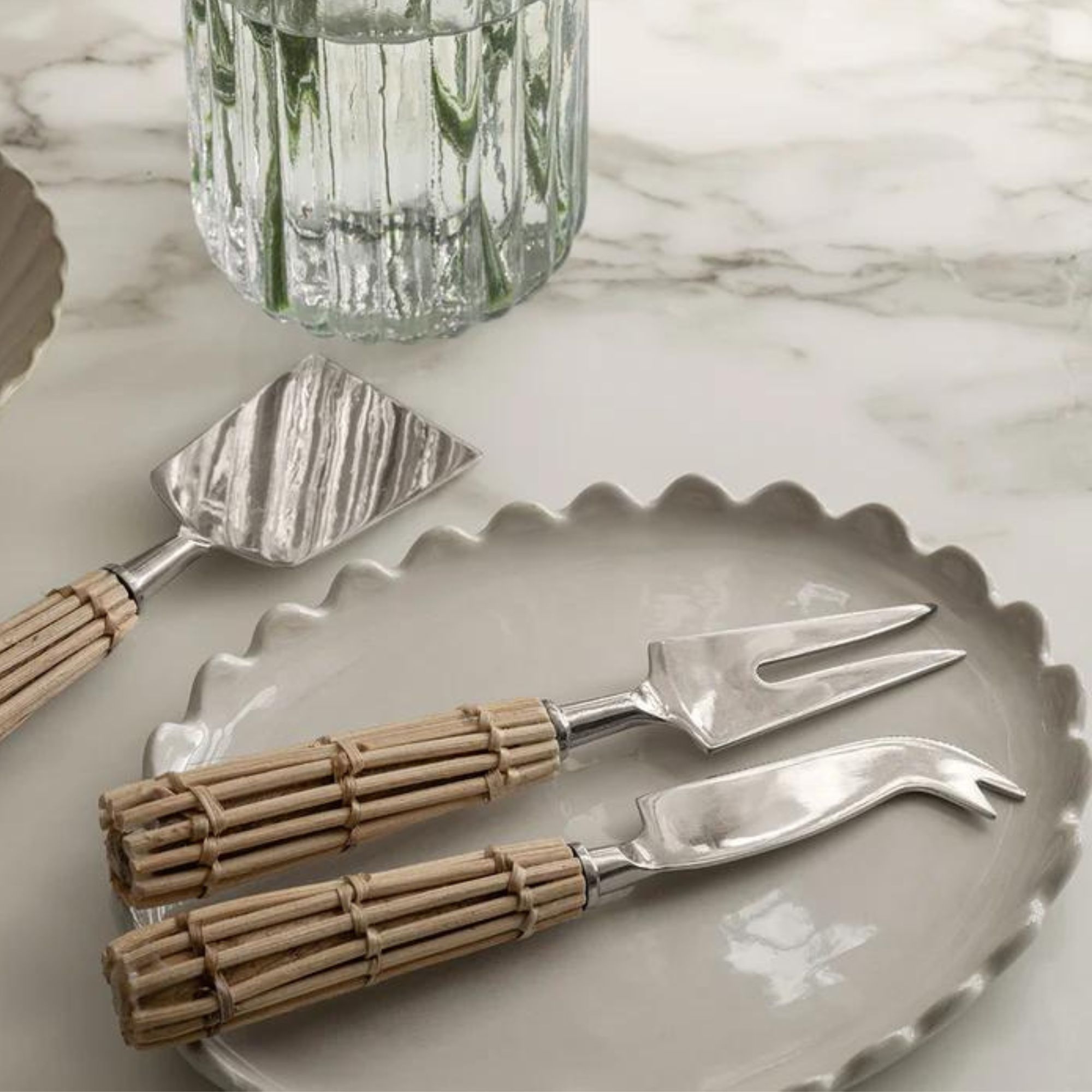
Practical tools like cutting boards and knives are presented as items that can be both functional and decorative, especially when chosen for their aesthetic qualities. Displaying a stack of wooden cutting boards or a well-made knife block adds warmth and keeps frequently used items accessible. Fruit bowls are highlighted as a simple way to store produce while adding vibrant visual interest, with the suggestion to use deep bowls or baskets for ample storage. Cookbooks, whether displayed on shelves or with decorative bookends, add personality and inspiration.
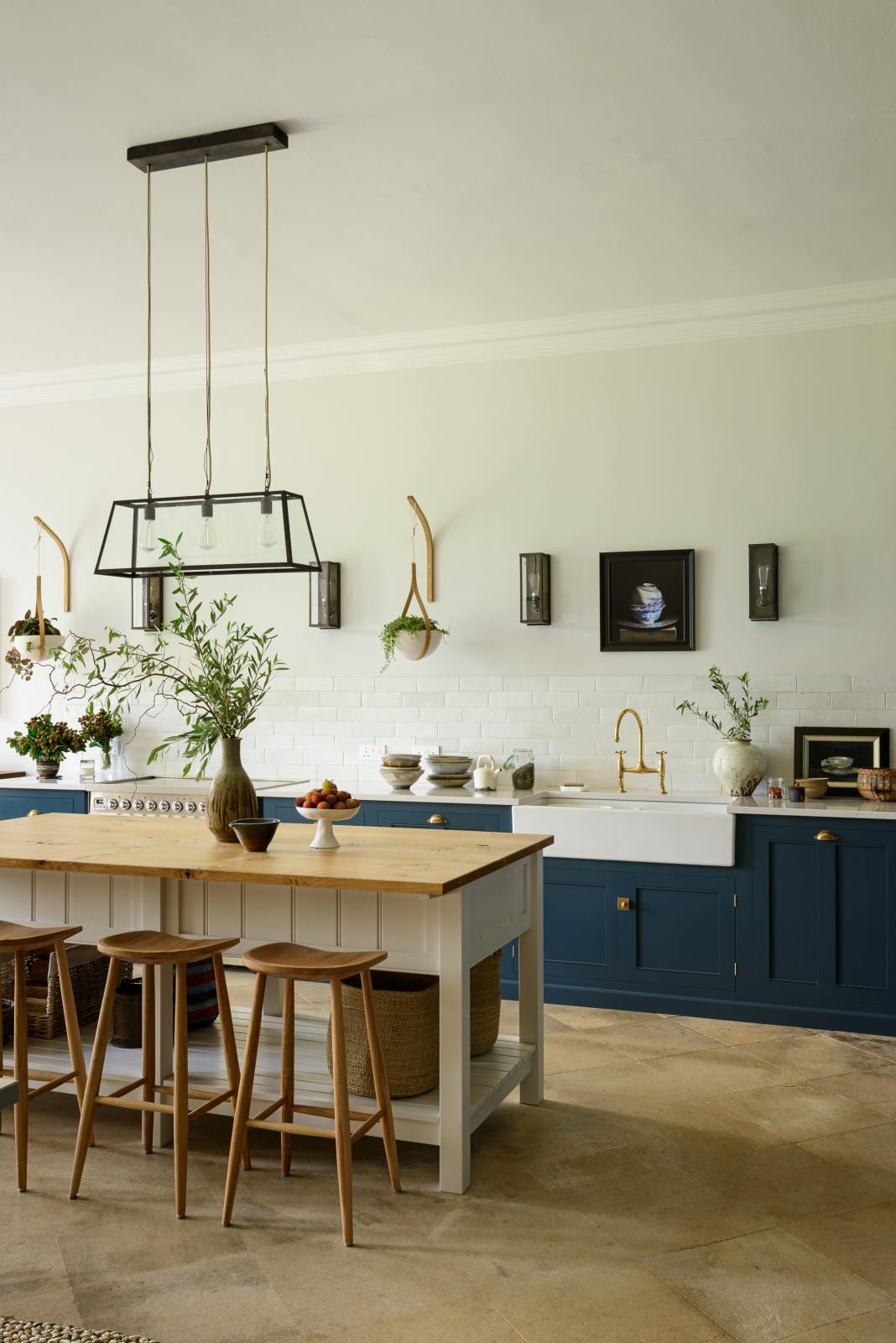
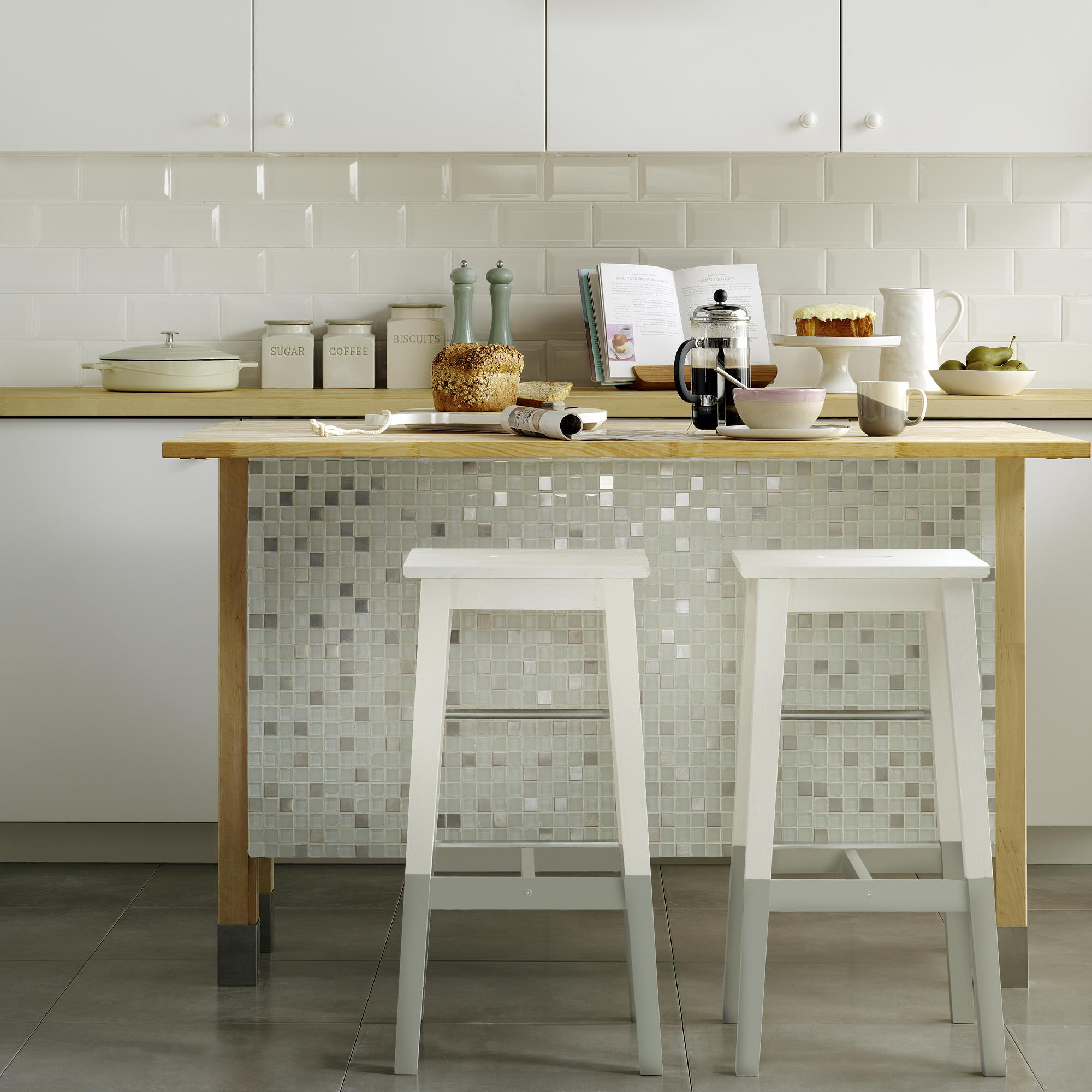
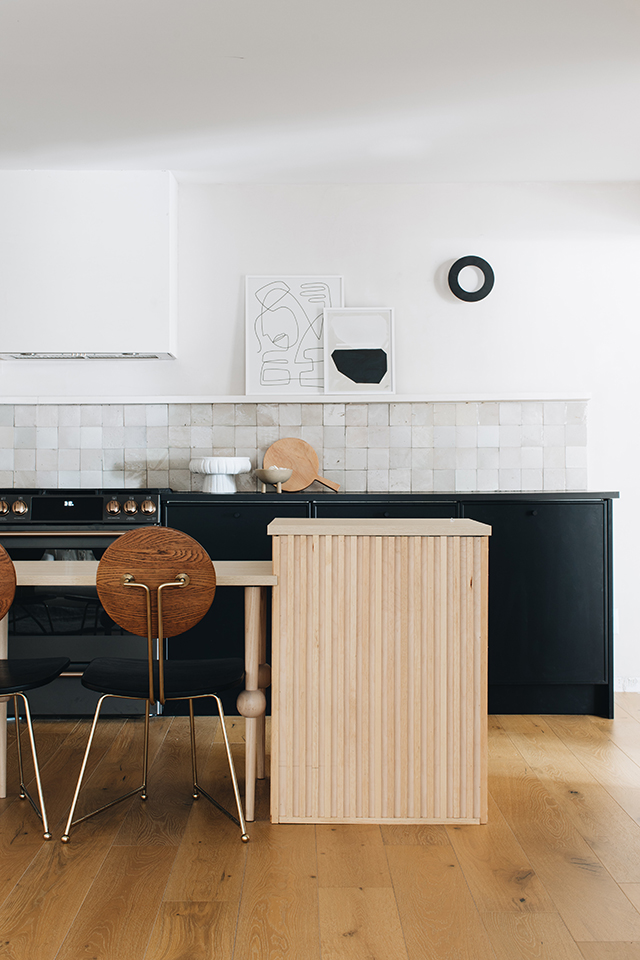
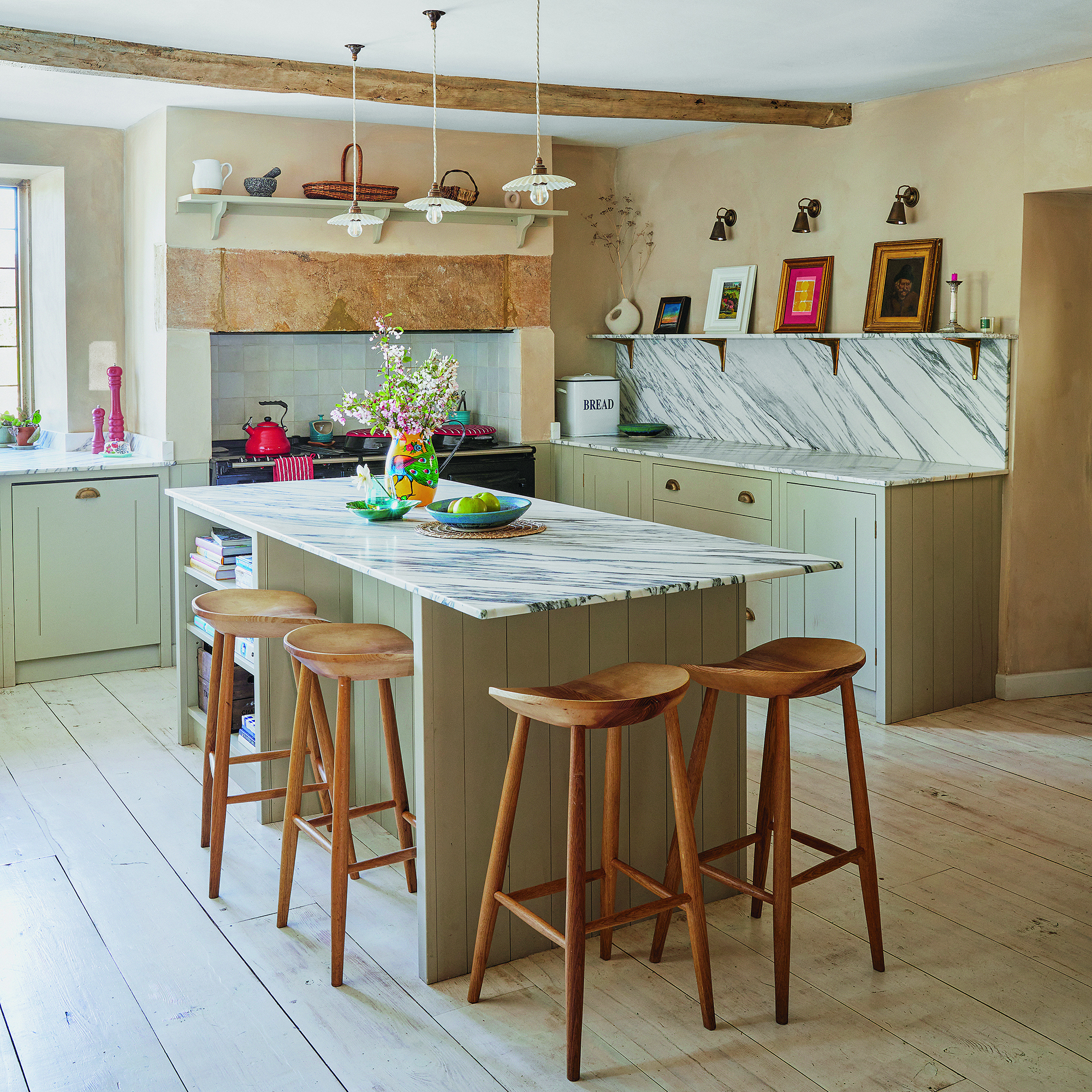
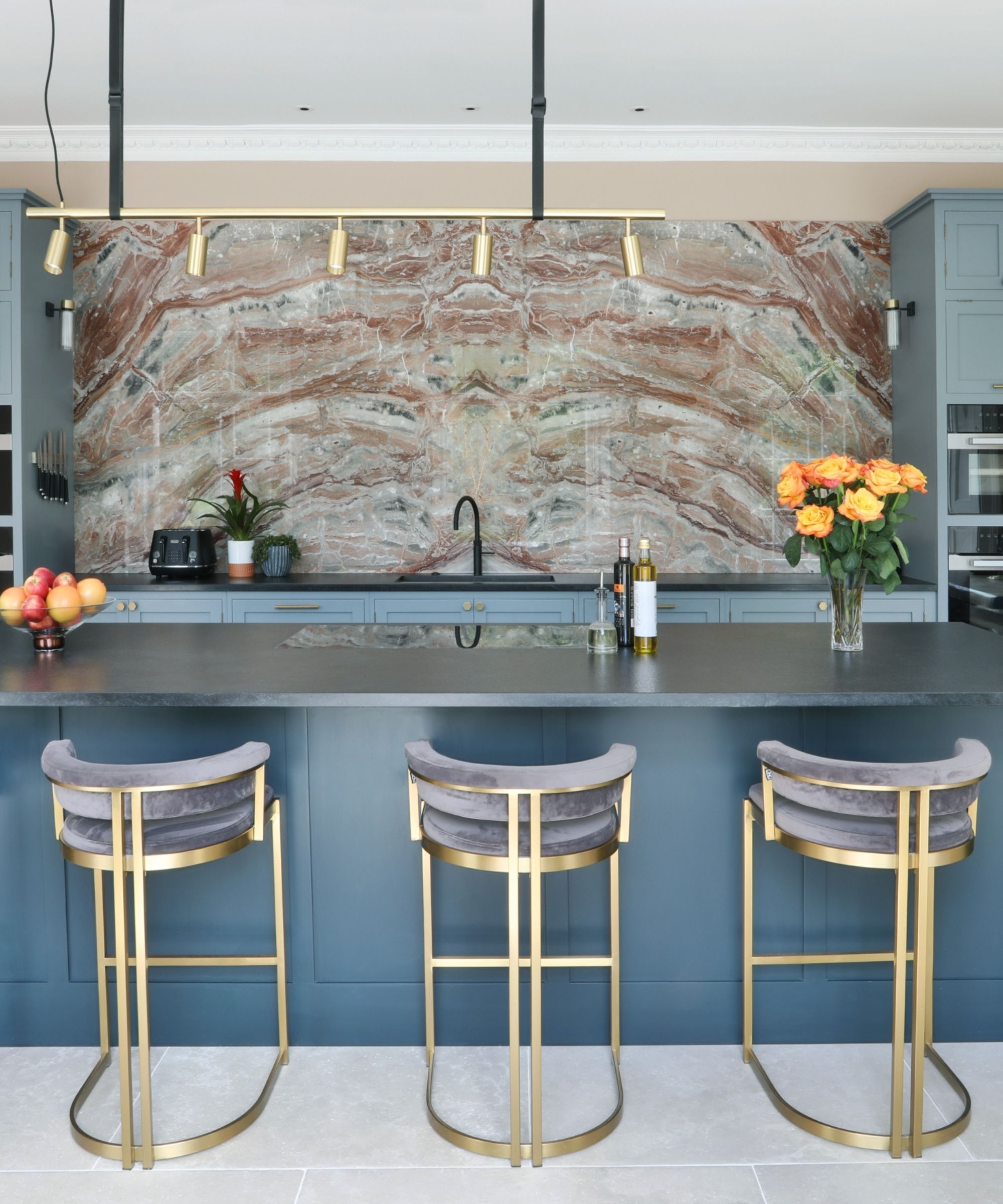
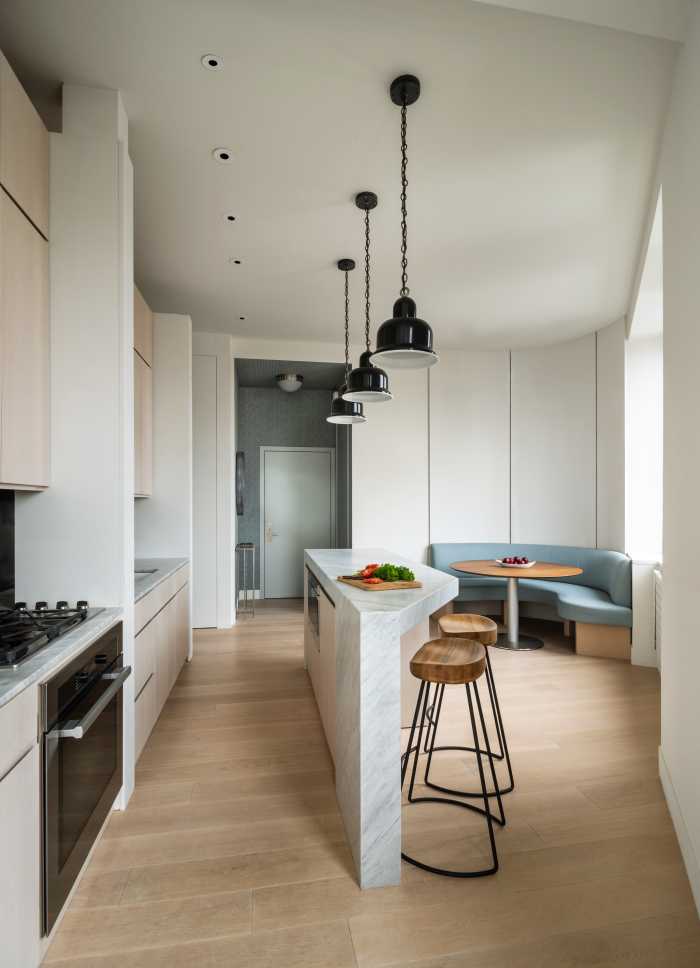
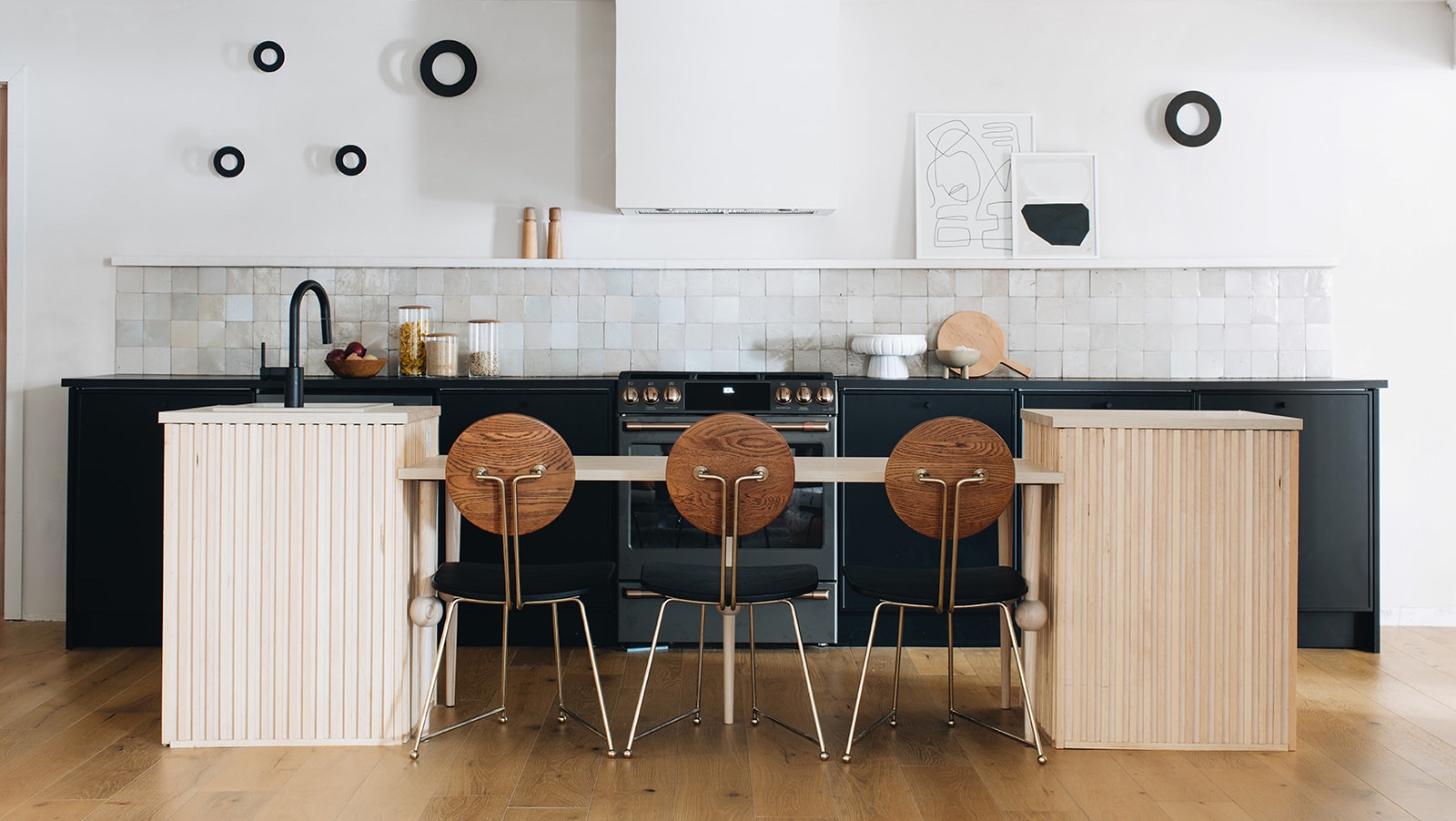
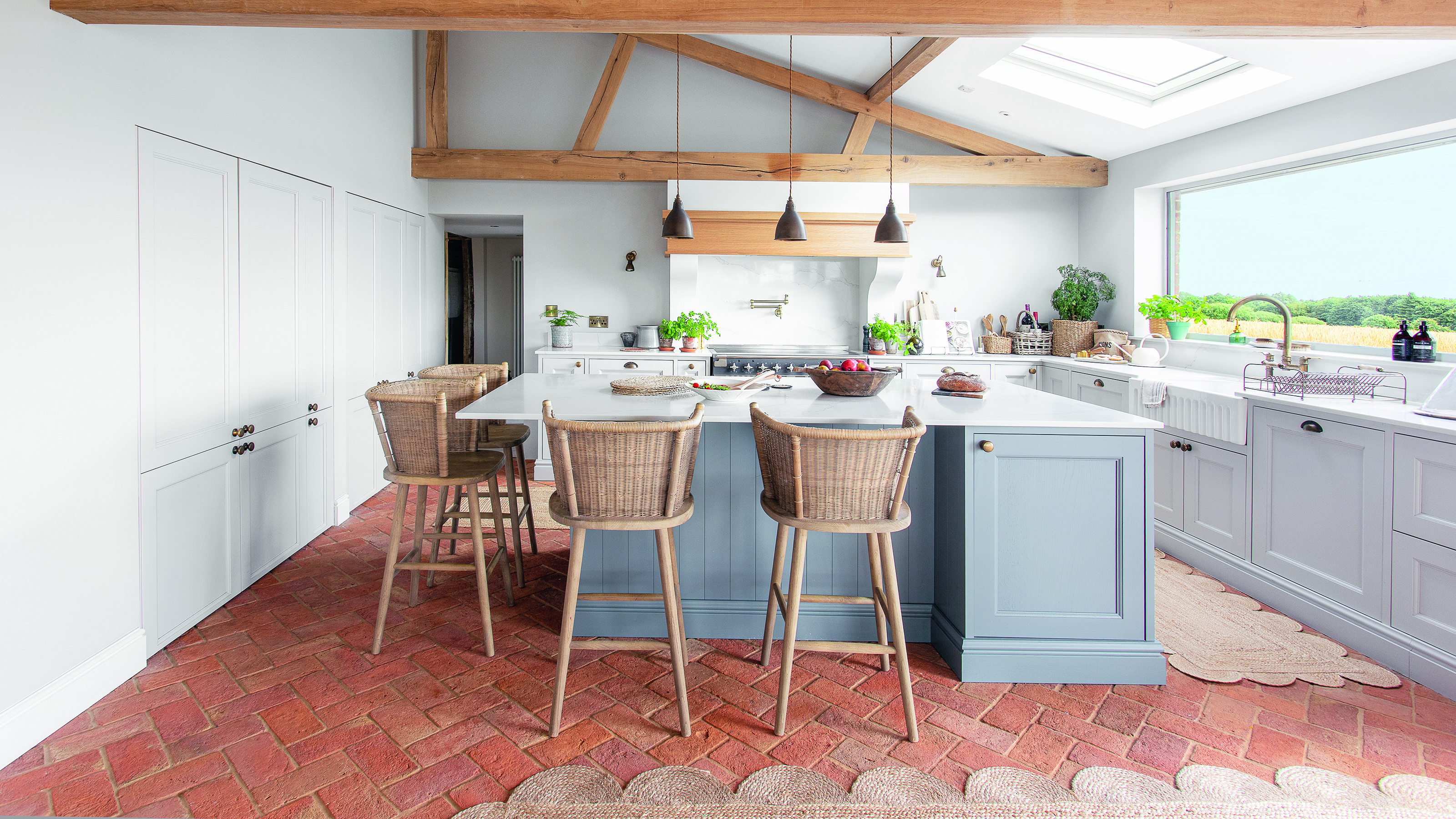
Finally, the article discusses transforming the island into an impromptu dining space. This involves intentionally incorporating seating and using elements like placemats, cutlery, and runners to define dining areas. Adding comfortable stools with backrests or cushions enhances comfort and encourages gathering. For those seeking a more permanent dining solution, extending the island with slabs of wood or built-in benches can create a larger, integrated cook-and-eat area. The overarching advice is to ensure the island remains visually appealing from all angles, balancing its various roles within the home.
#KitchenIsland #HomeDecor #KitchenDesign #FunctionalDecor #InteriorDesign #KitchenOrganization #DIYHome #CookingSpace #DesignTips #KitchenIsland #HomeDecor #KitchenDesign #FunctionalDecor #InteriorDesign #KitchenOrganization #DIYHome #CookingSpace #DesignTips
Hay 0 comentarios en total
 Aún no hay comentarios
También te puede gustar
Kitchen island styling ideas – 10 ways to make a practical space look beautiful

Your Guide to Kitchen Island Centerpiece Ideas and Styling

IKEA kitchen island hacks - 10 amazing overhauls to make your home look interior designed

Kitchen island ideas – 37 ways to create a fabulous and functional feature

8 brilliant IKEA kitchen island hacks to personalise your cooking space
Kitchen island makeover ideas – 10 nifty ways to update this key space

Kitchen island ideas – 37 ways to create a fabulous and functional feature

14 Kitchen Islands That Will Improve Even the Smallest Kitchens
The best kitchen island ideas for a sophisticated and functional feature
11 Kitchen Island Décor Ideas That Add Style and Elegance to Your Cooking Space

Can you add an island to an existing kitchen? Yes, but these are the 3 considerations to be aware of
7 colorful kitchen island ideas that will bring character into your cooking space
11 Kitchen Island Décor Ideas That Make the Whole Room Look Better, According to Designers
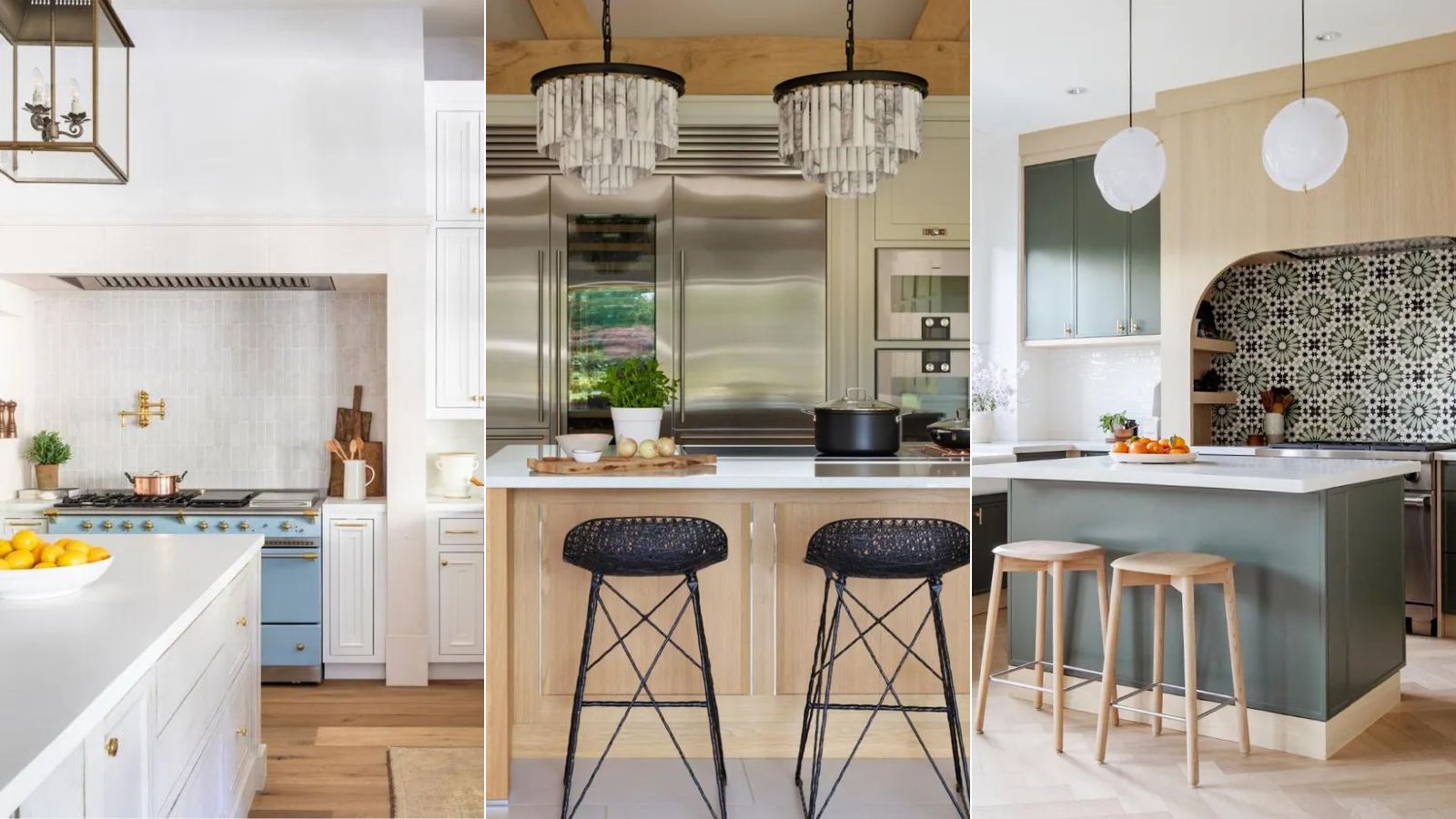
5 things to never put on your kitchen island, according to interior designers
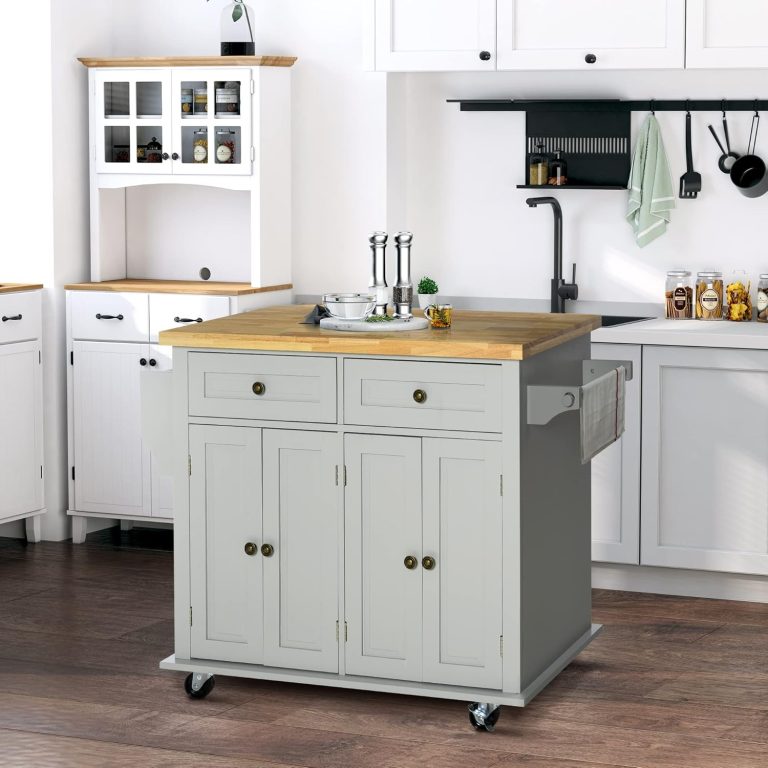
HOMCOM Kitchen Island: Stylish and Functional

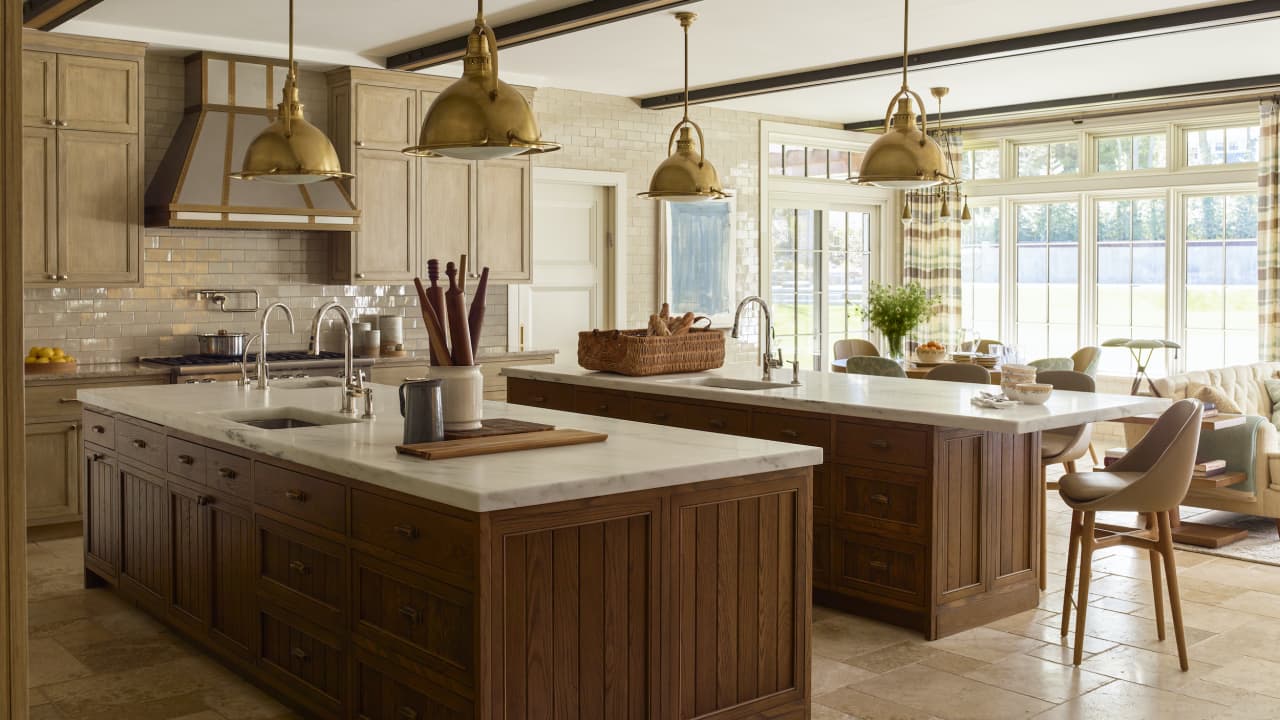
Four Ways to Reimagine the Kitchen Island
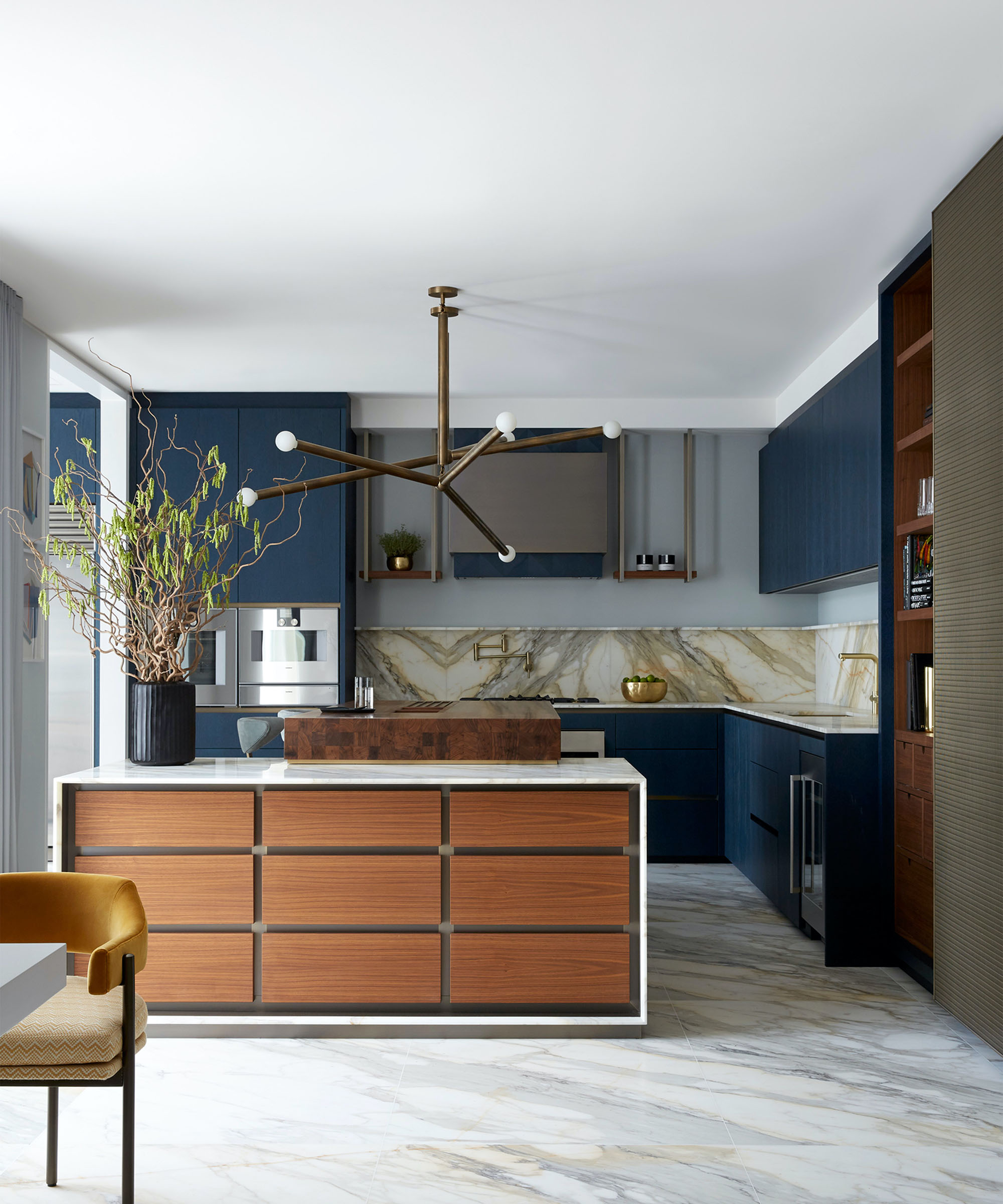
Kitchen island lighting ideas – 20 ways to make it functional and fabulous
21 Functional And Fabulous Kitchen Island Lighting Ideas
25 kitchen island ideas to make it the most used, and most stylish, area of your cooking space
Kitchen island ideas – 37 ways to create a fabulous and functional feature