1/25
How to Get the Look of 2026’s Top 3 Kitchen Trends – According to the Designers Who Shaped Them
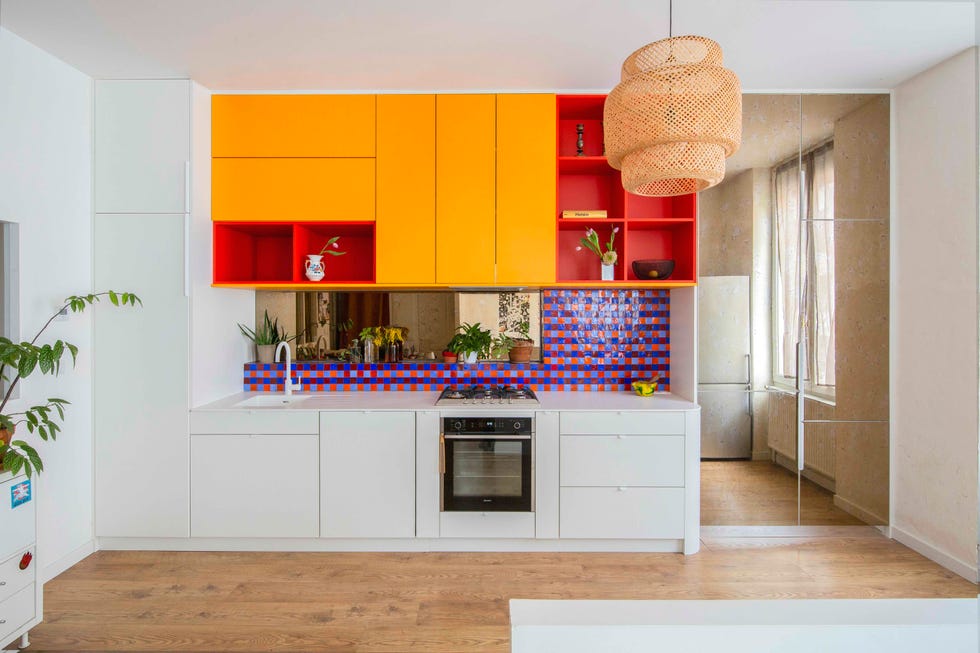
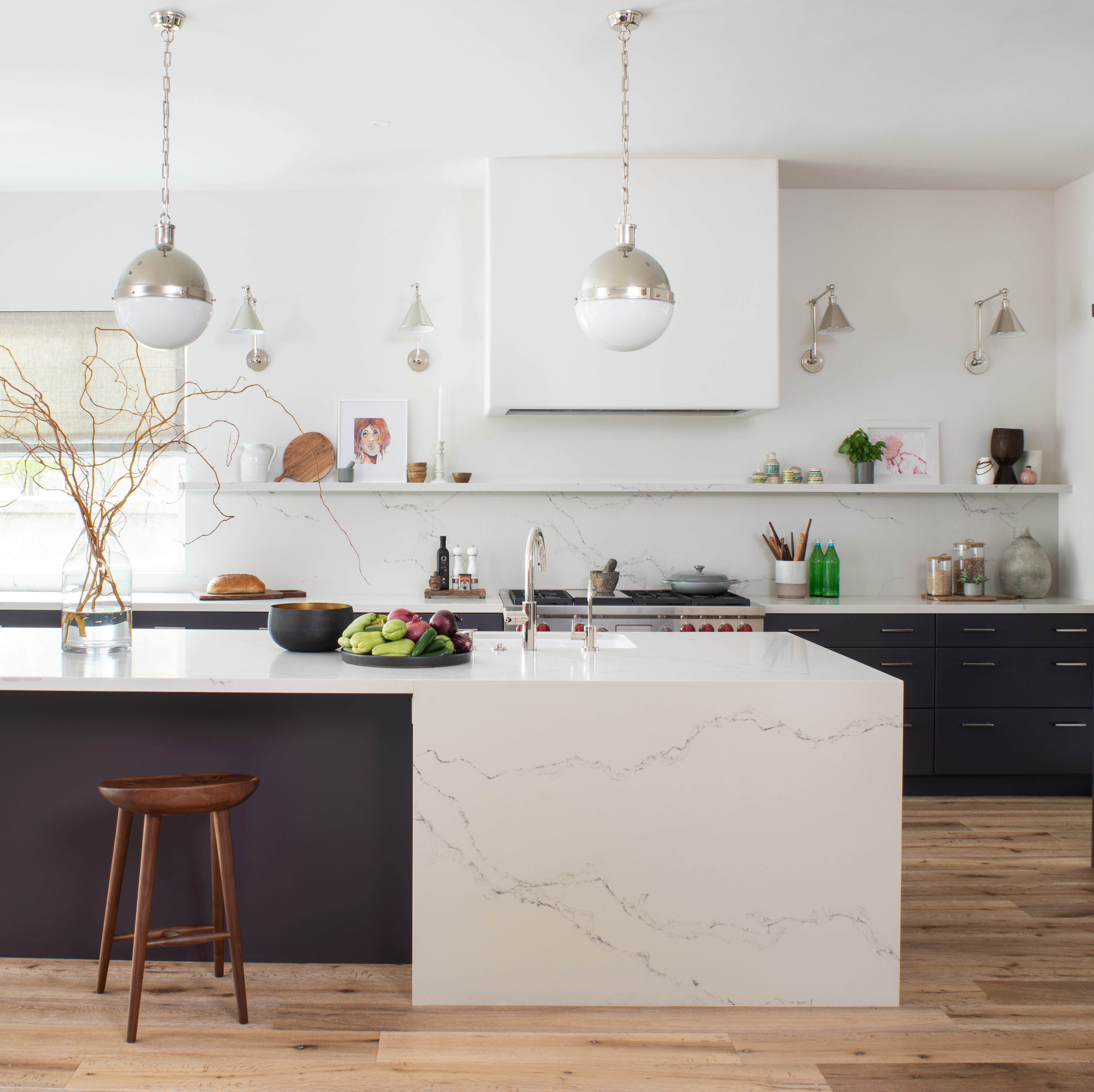
The article discusses three major kitchen trends predicted for 2026: kitchens that do not overtly appear as kitchens, the integration of cozy eat-in areas, and the incorporation of curvaceous silhouettes in both architecture and decor. These trends emphasize creating a more inviting, personalized, and less utilitarian atmosphere within the kitchen space.
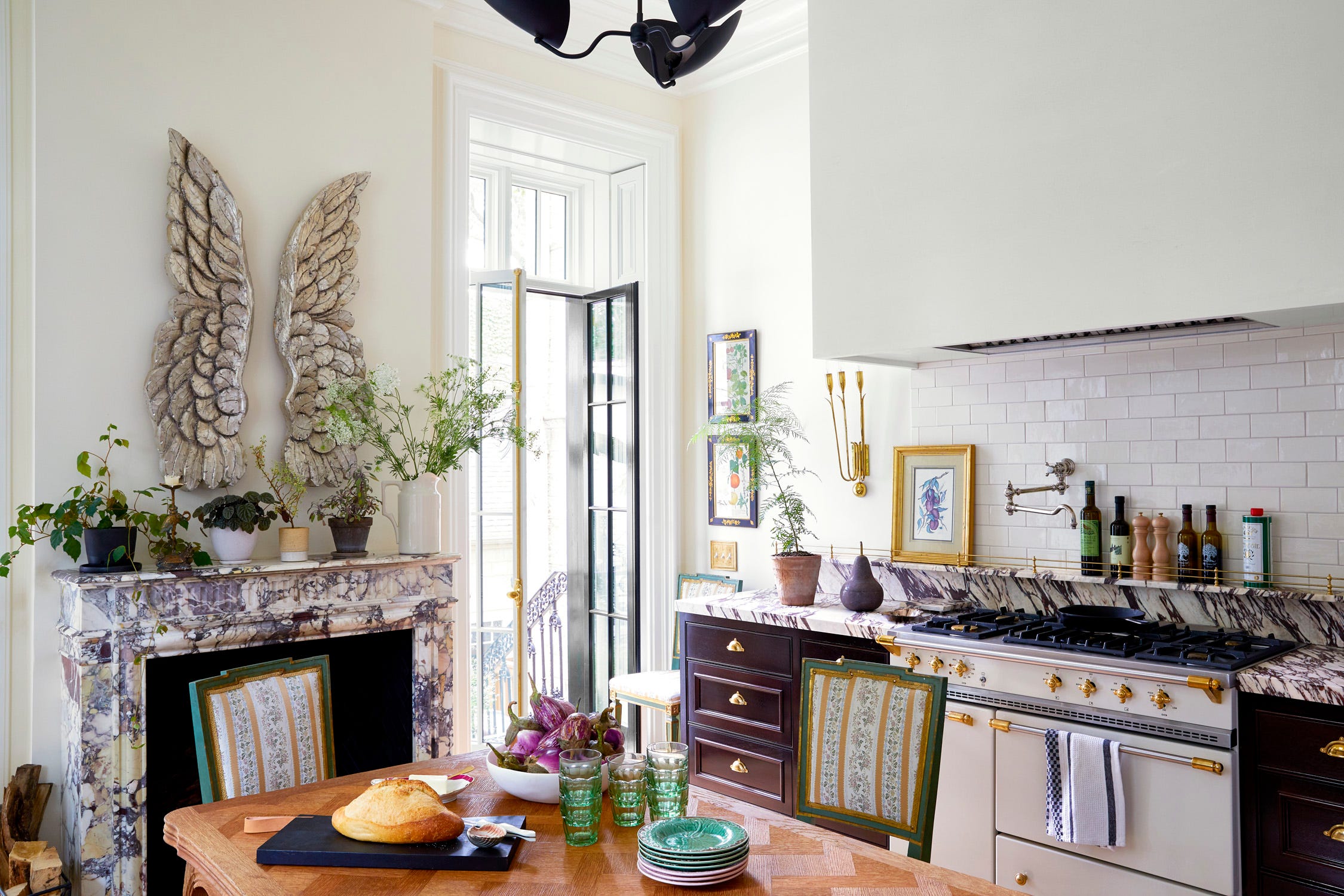
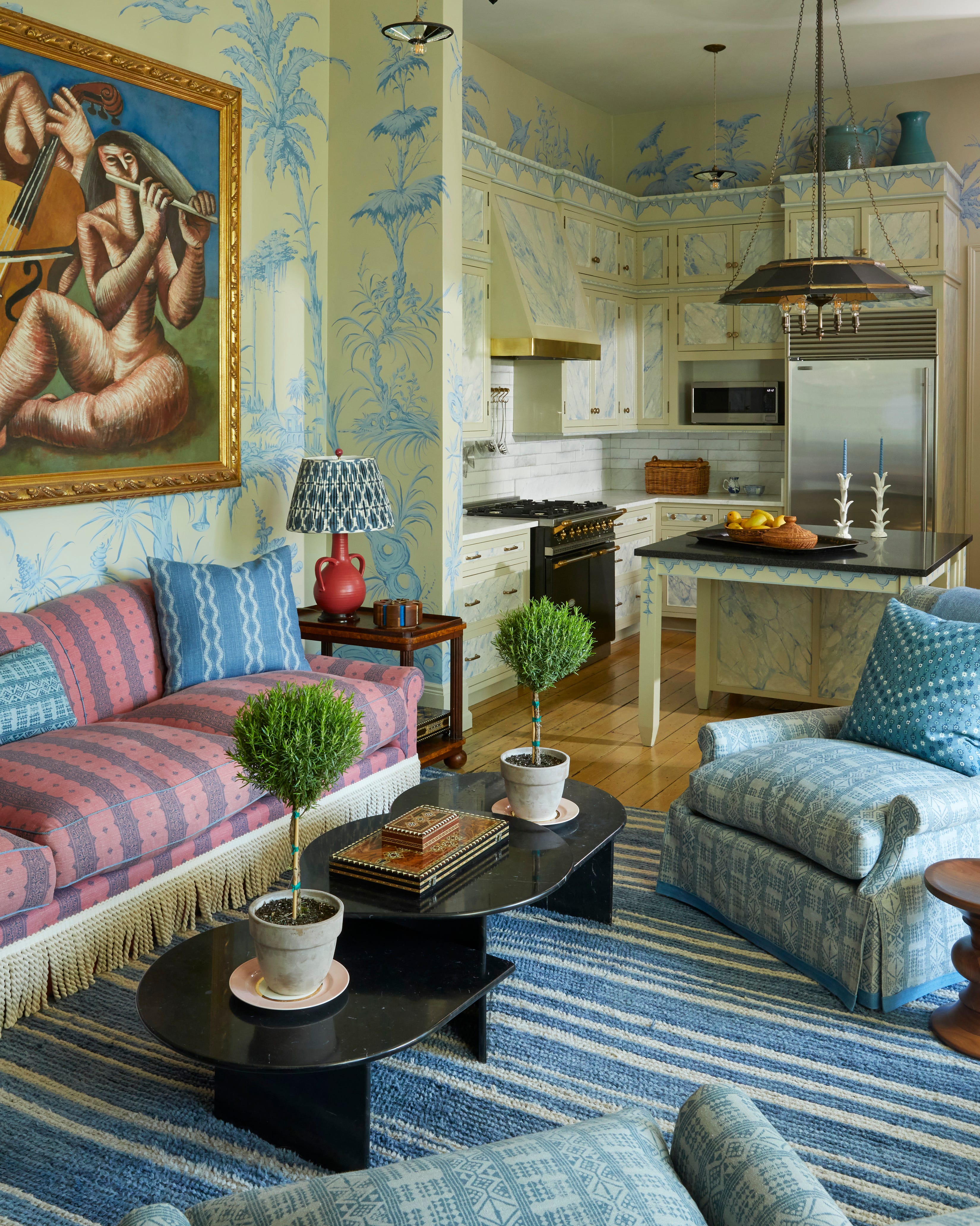
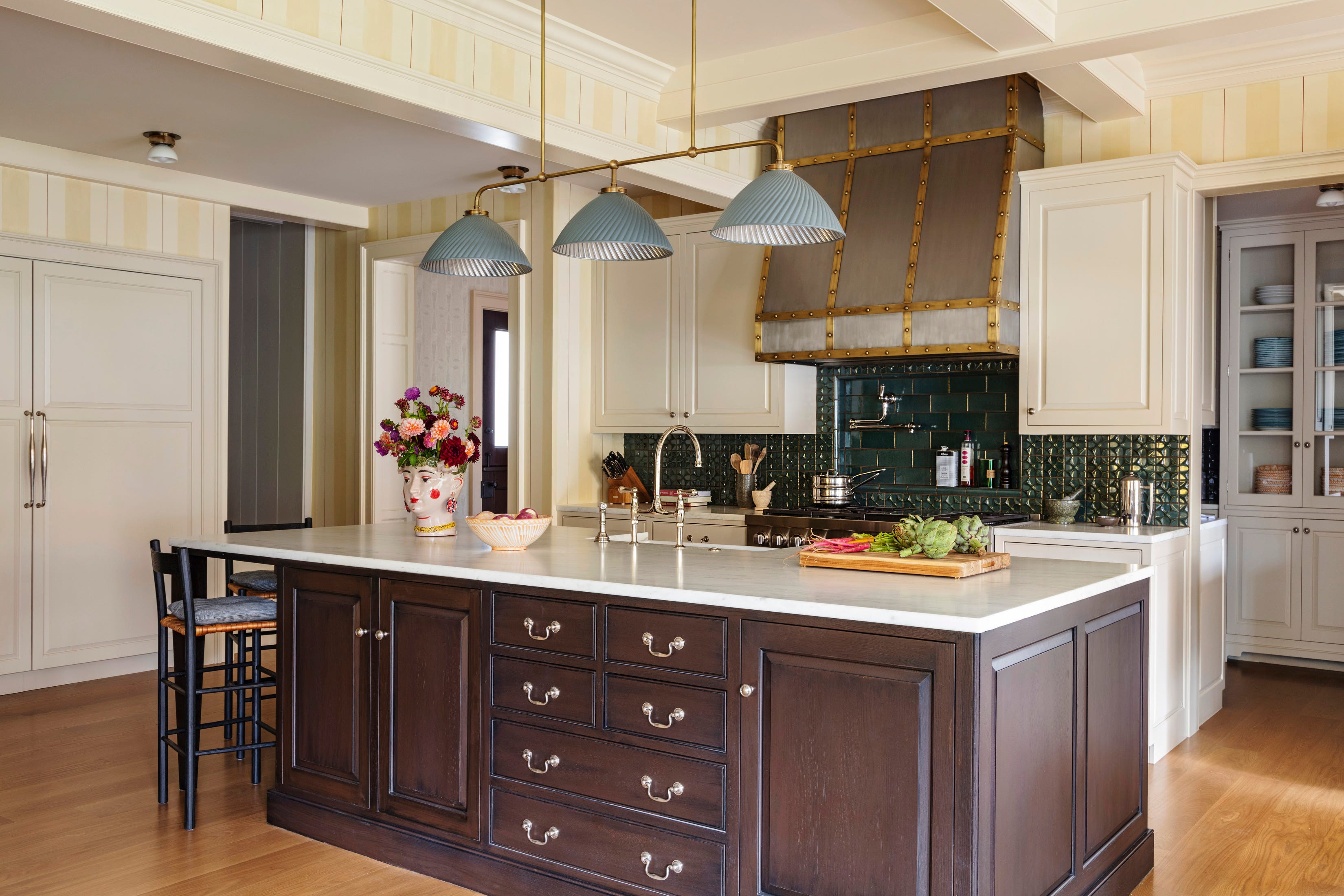
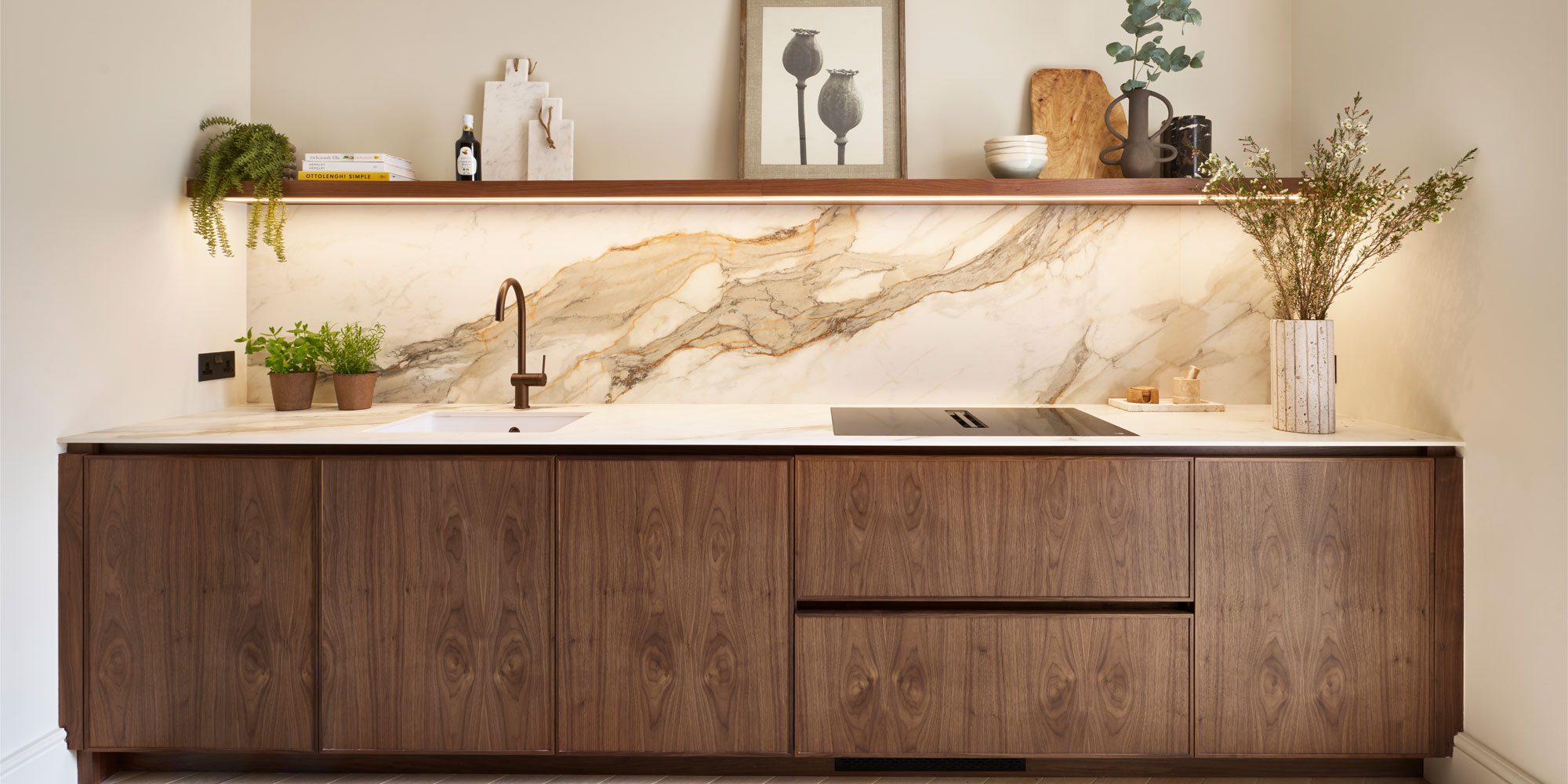
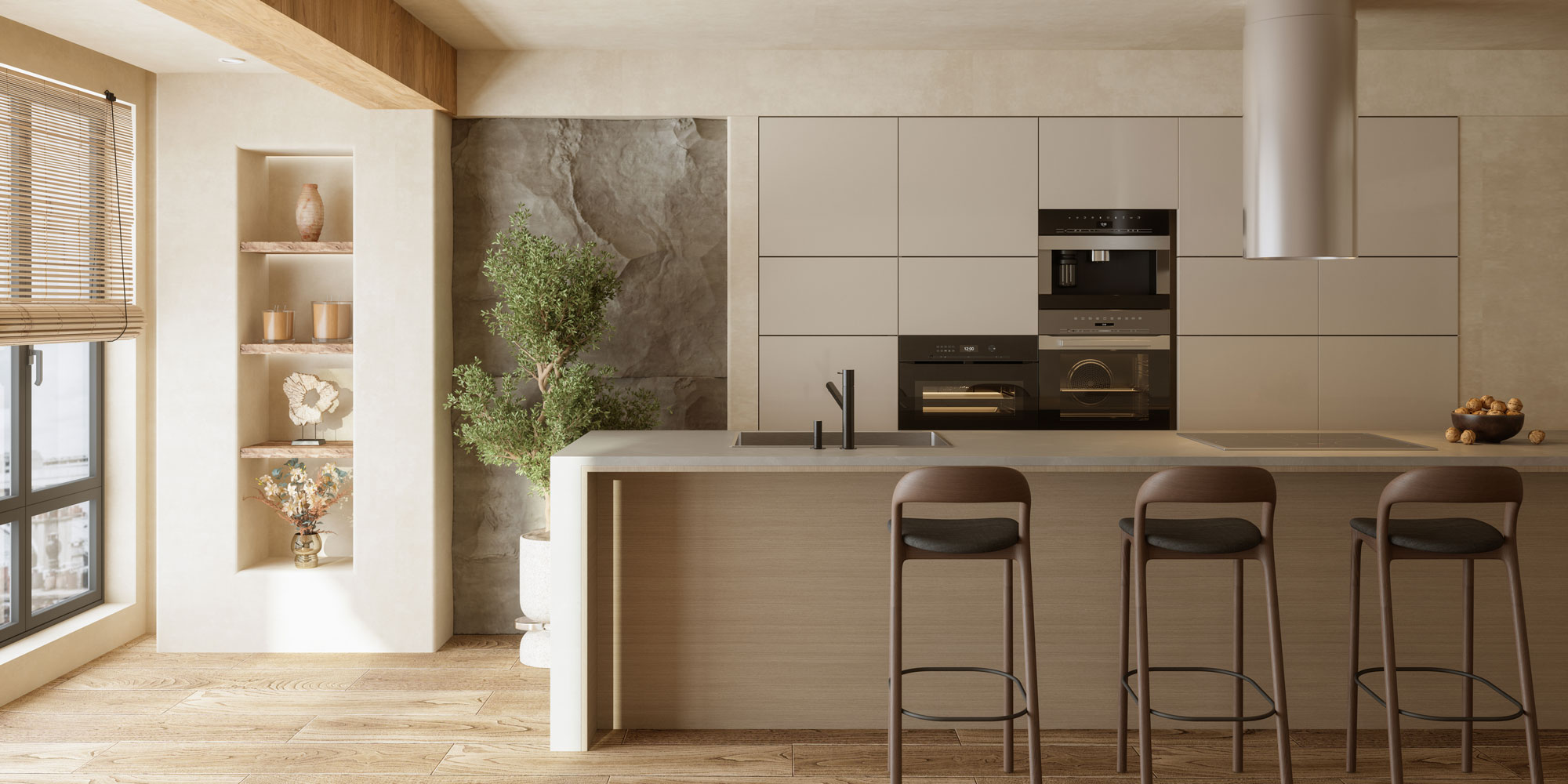
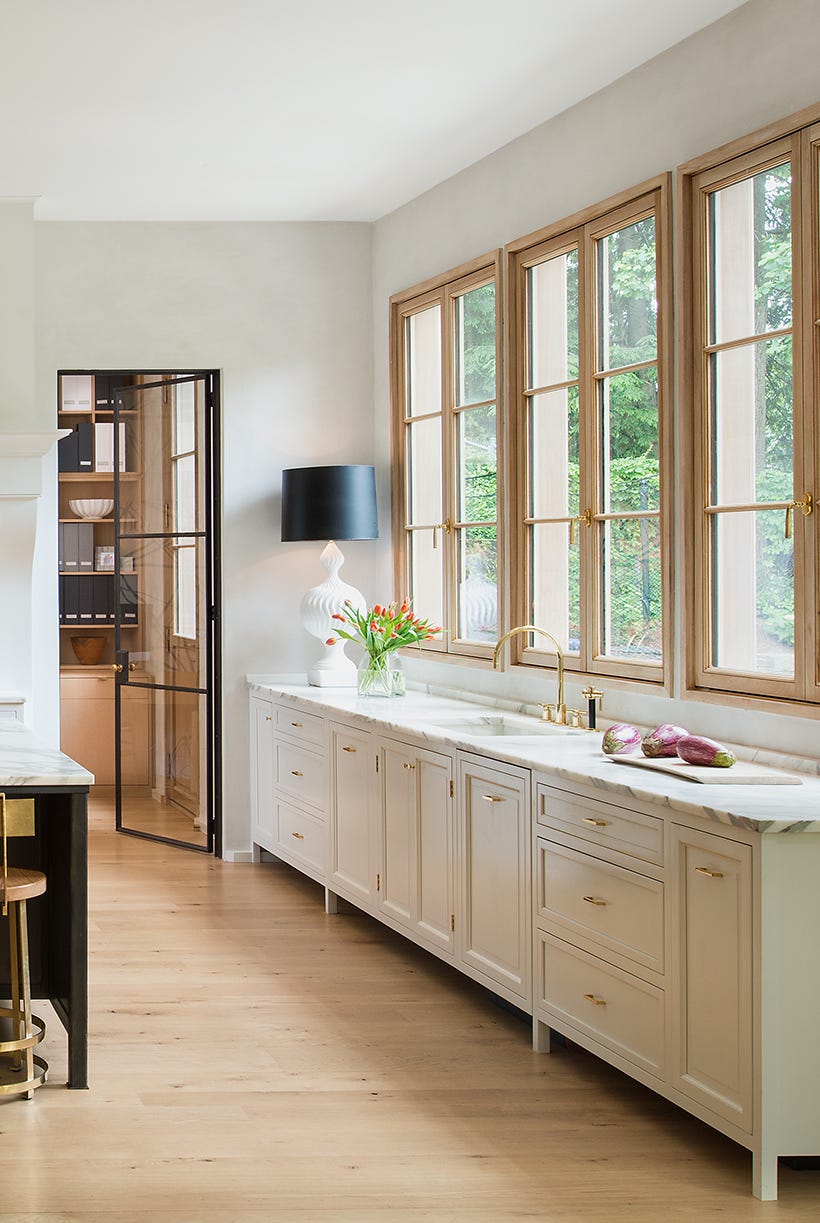
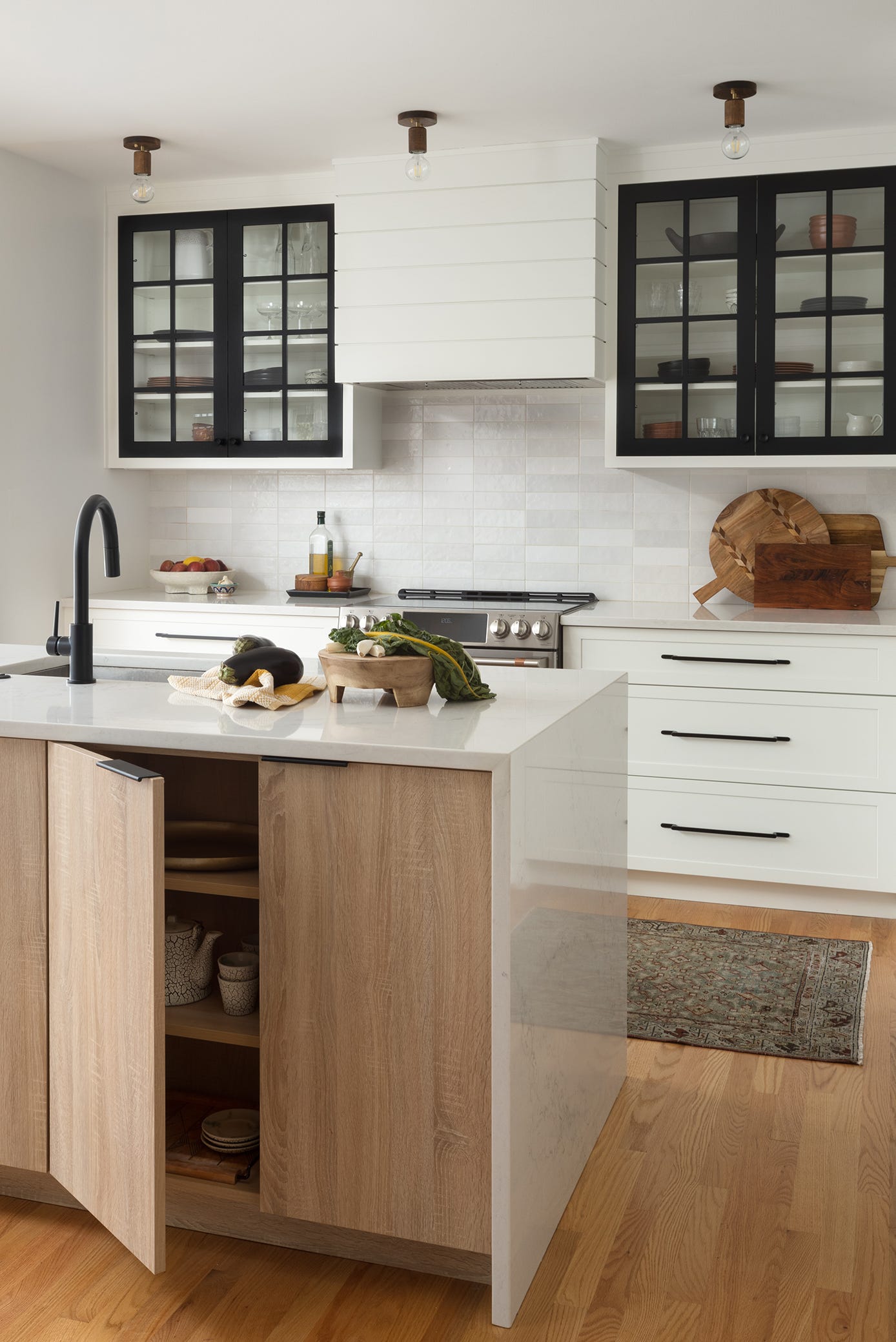
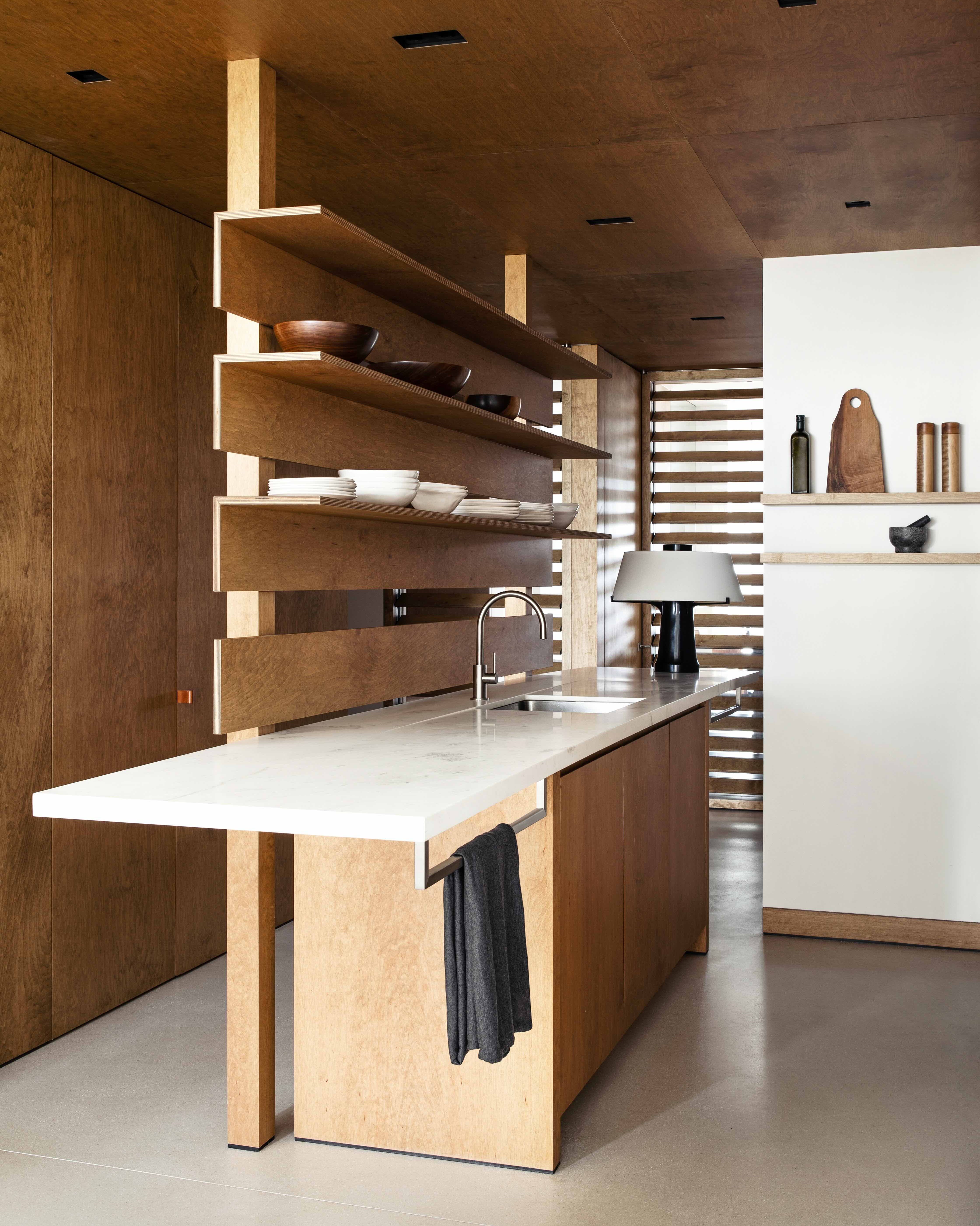
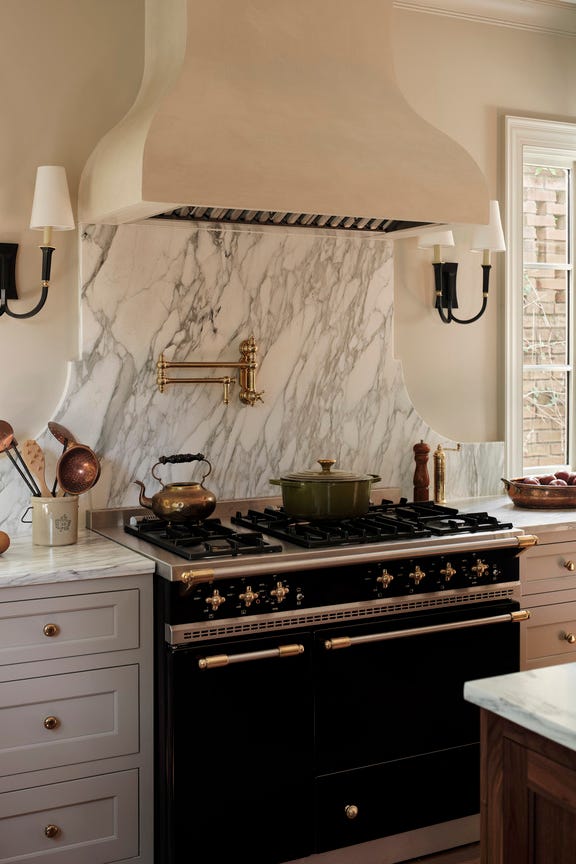
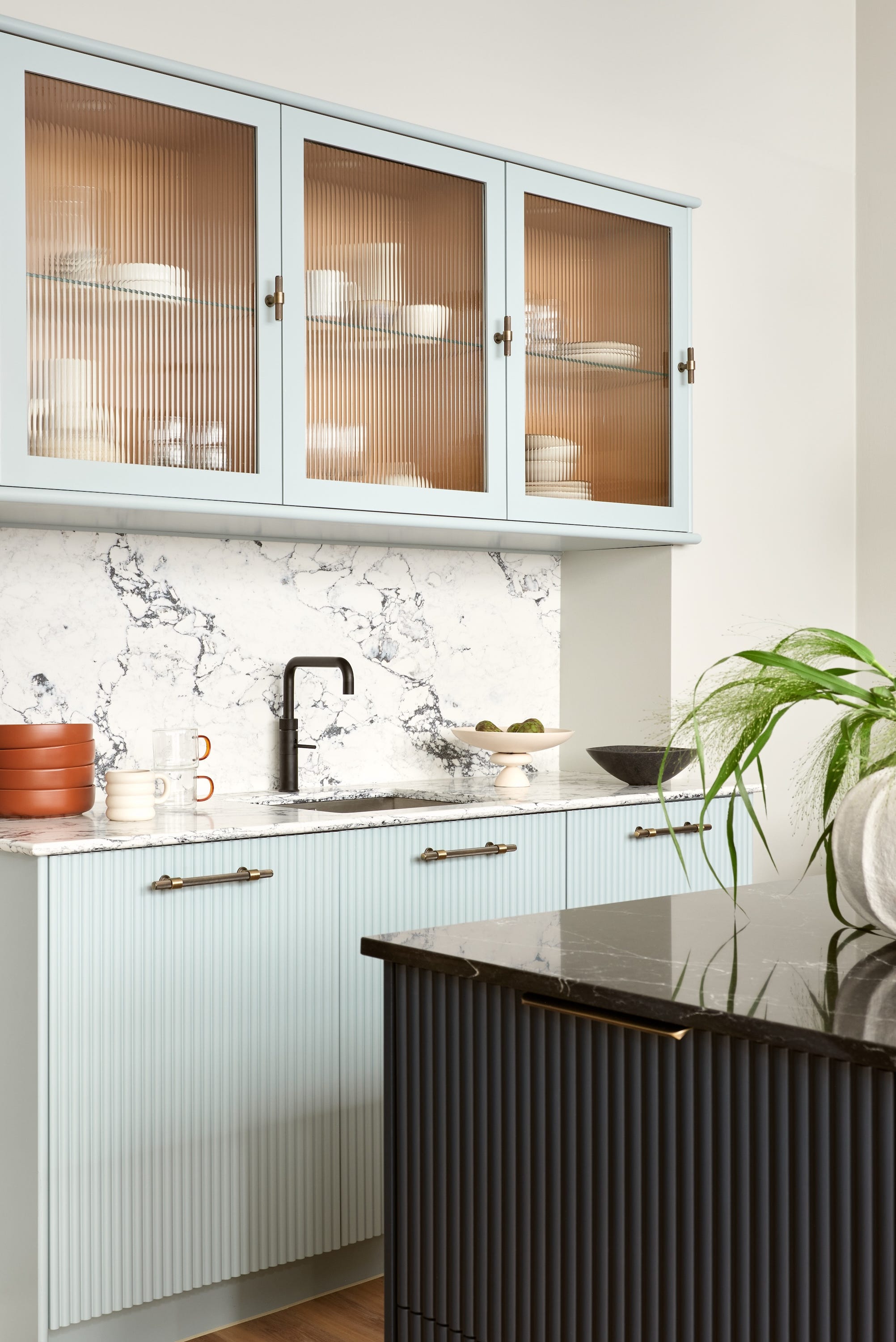
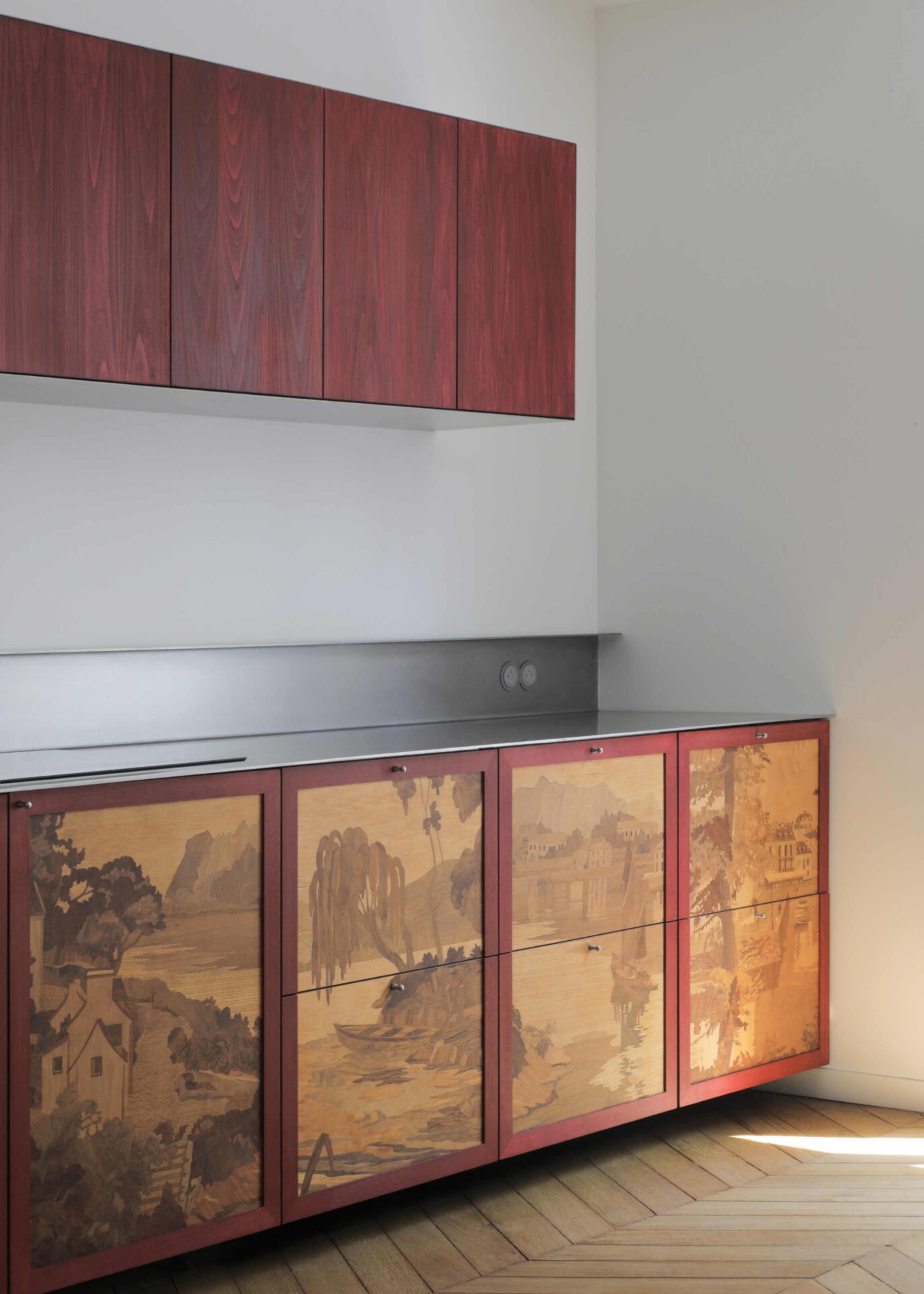
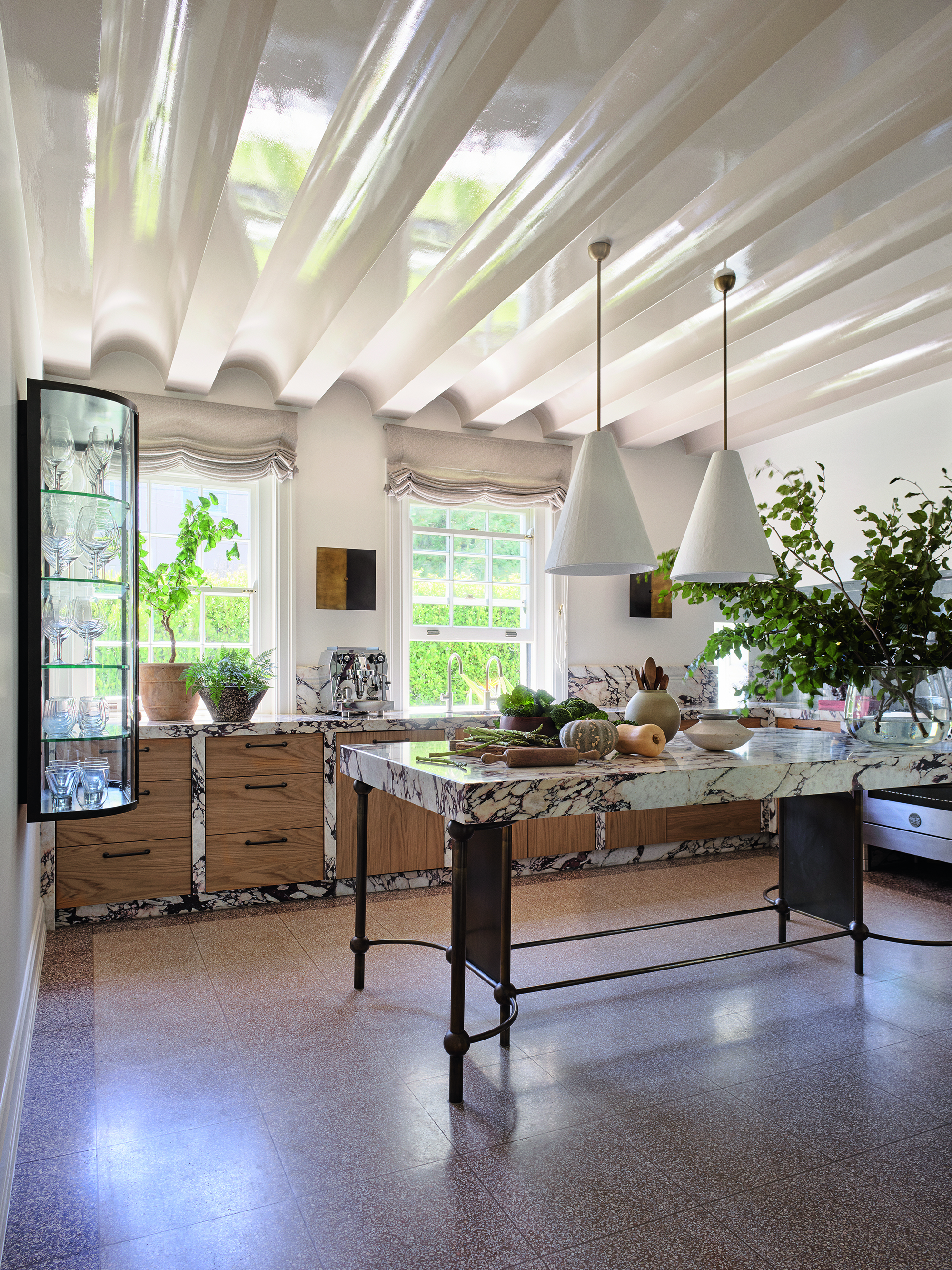
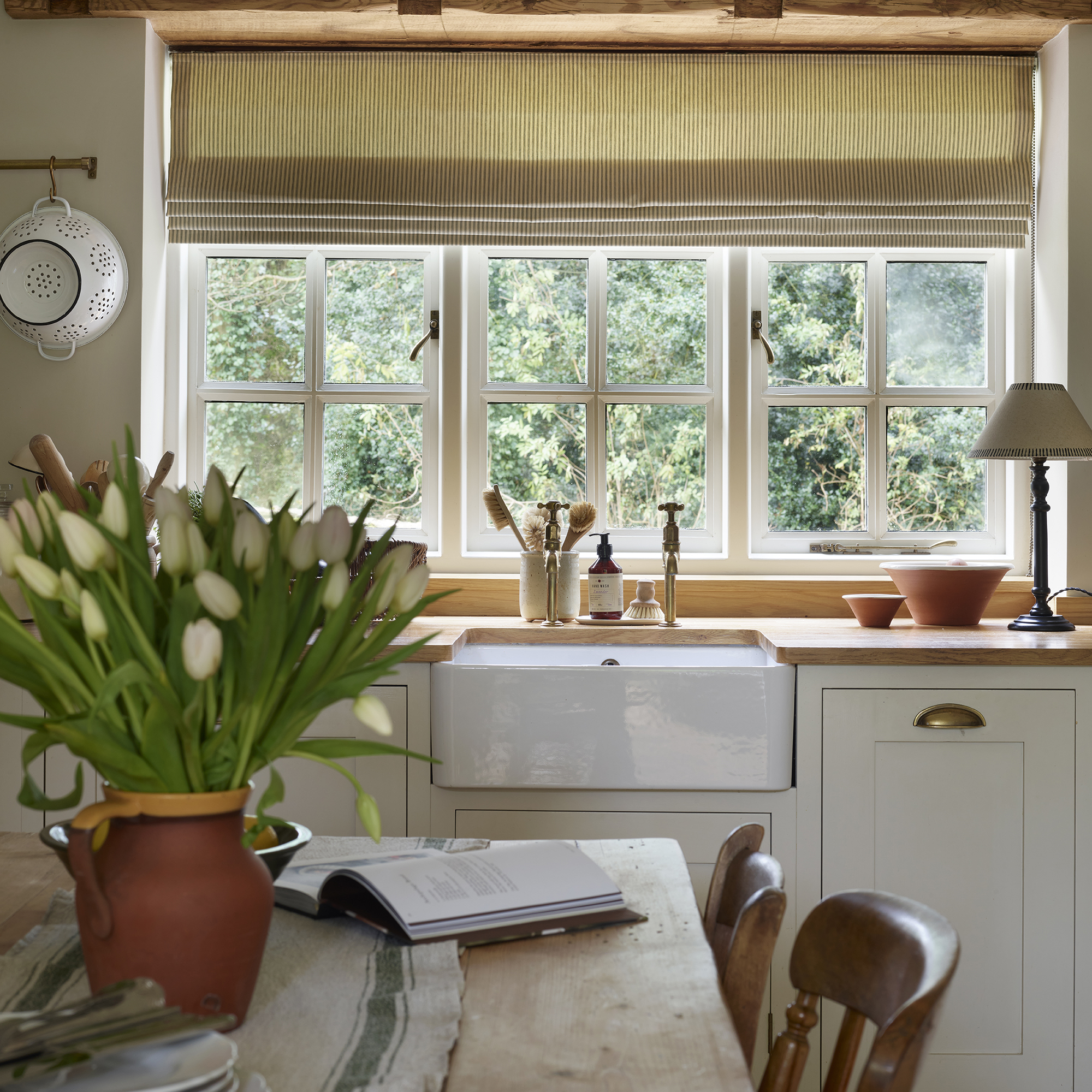
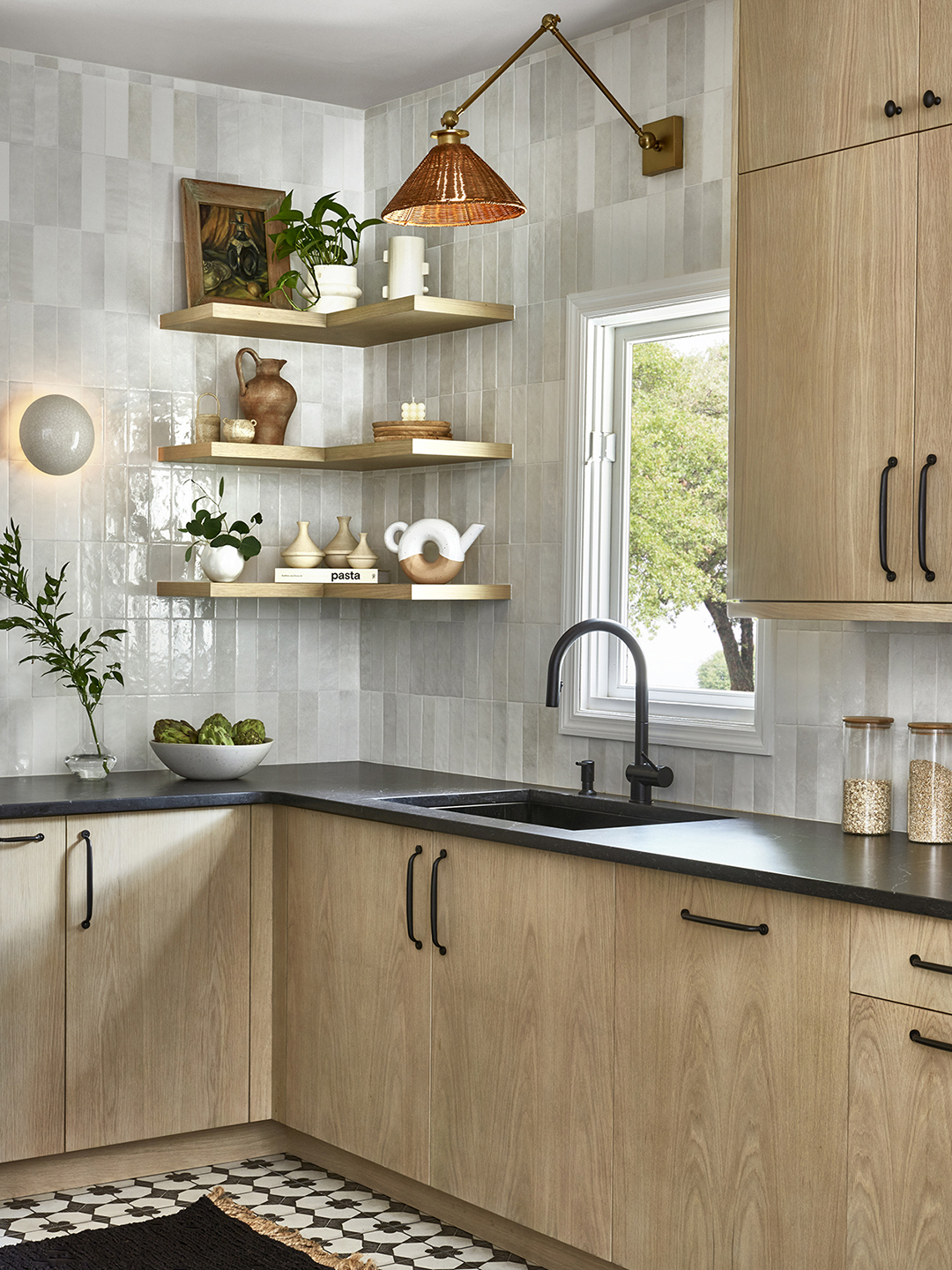
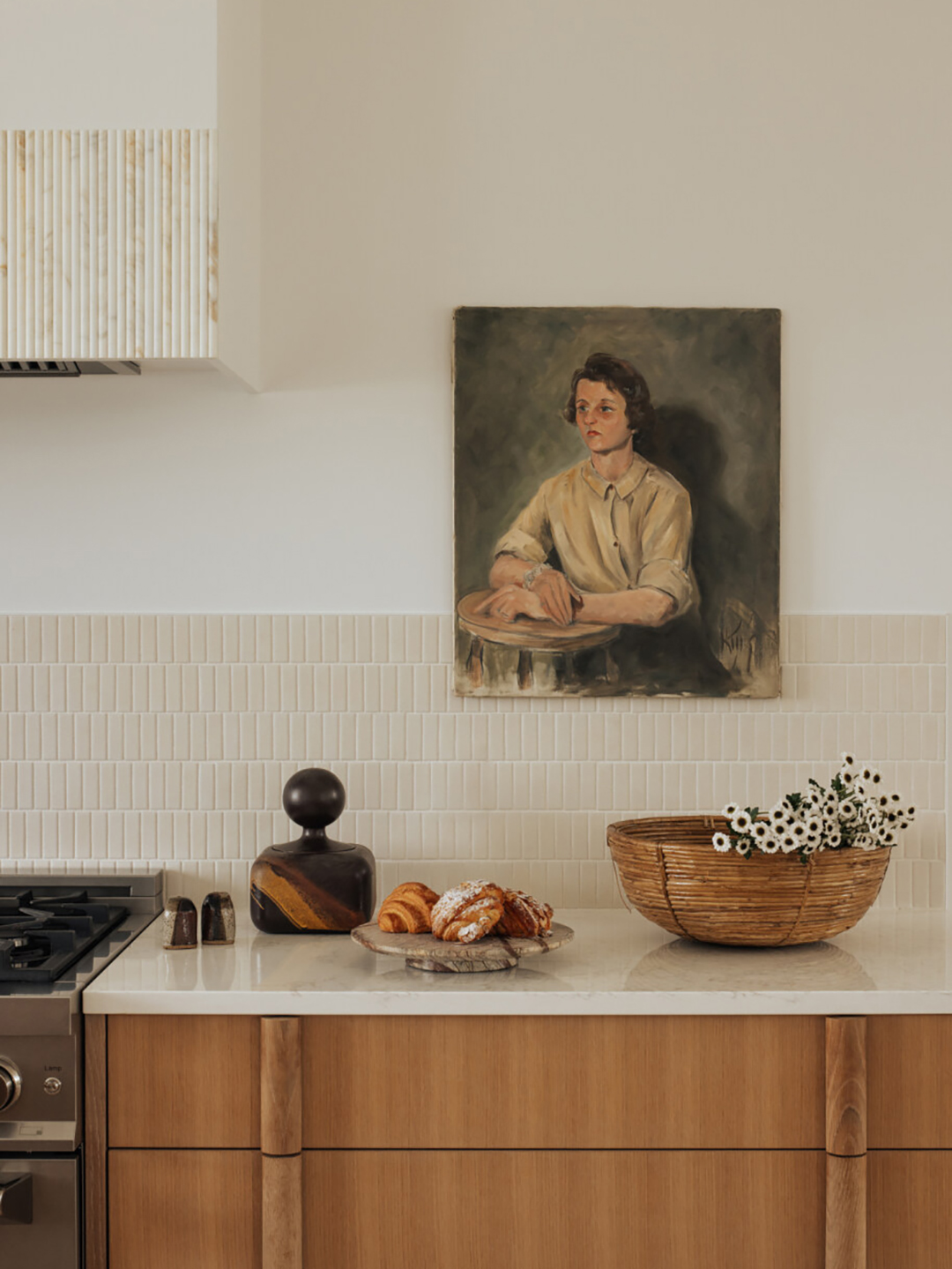
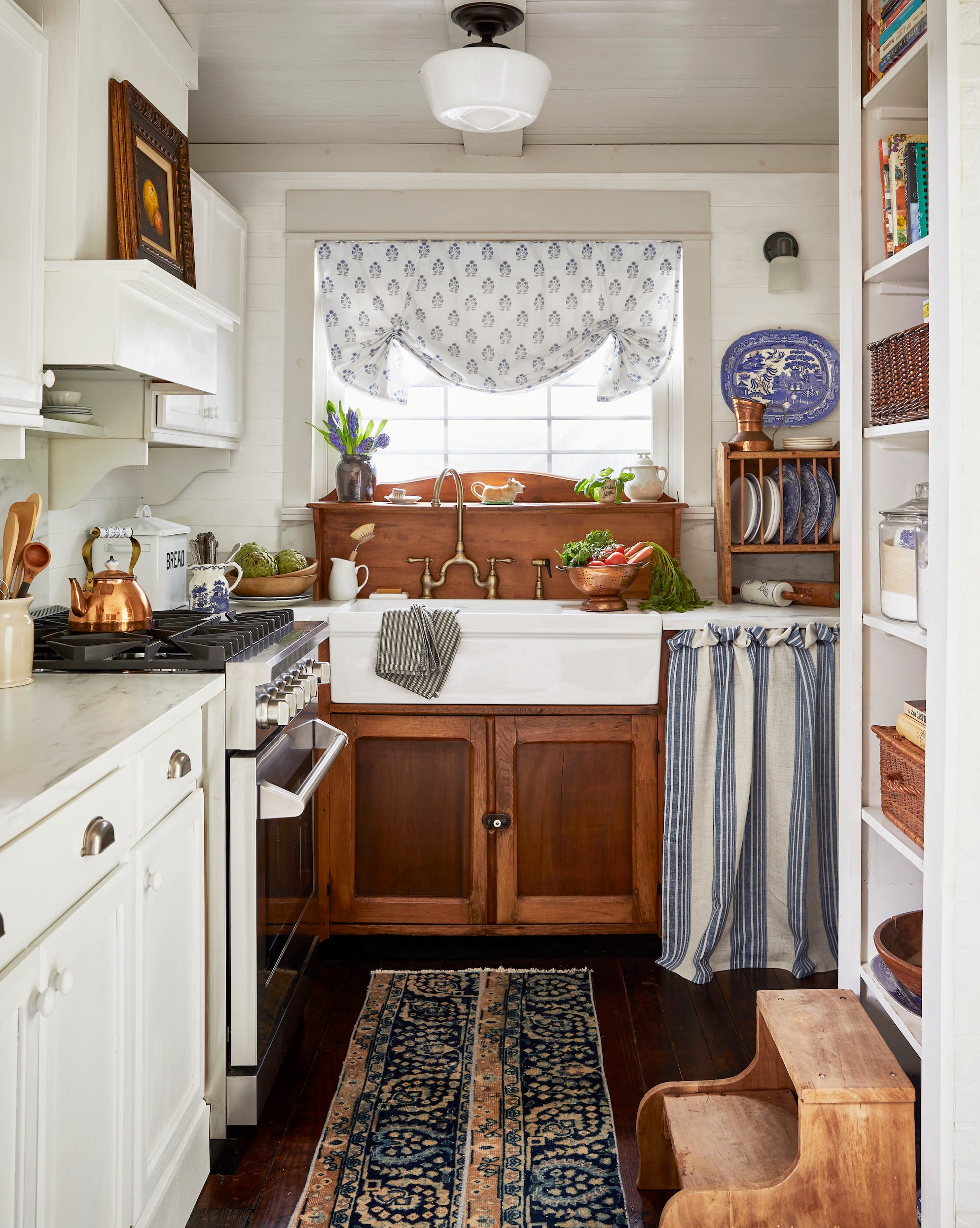
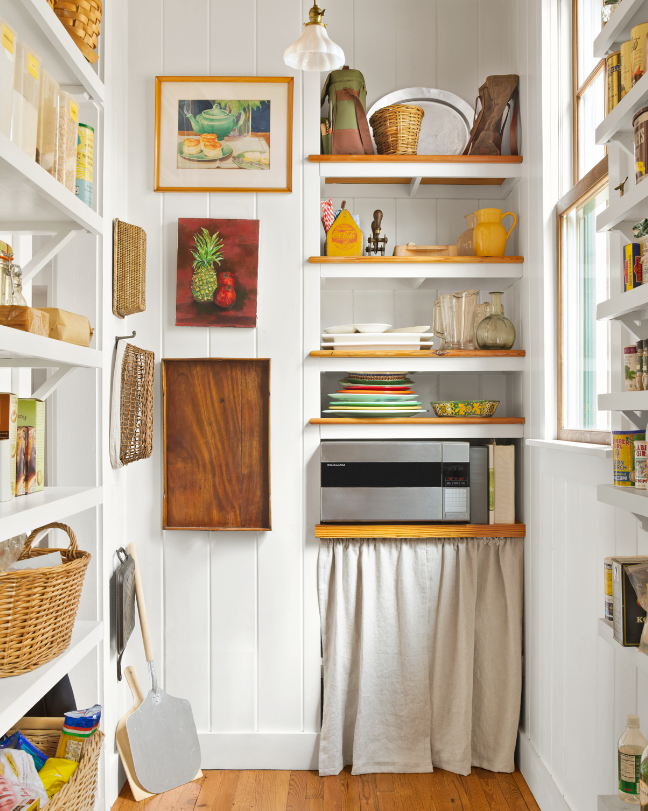
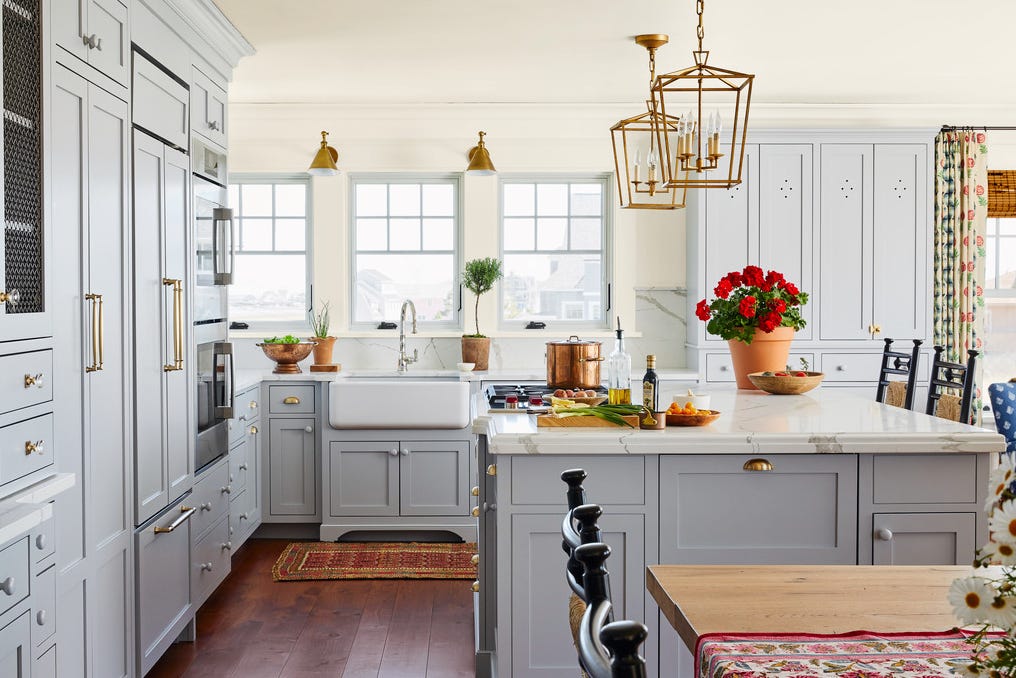
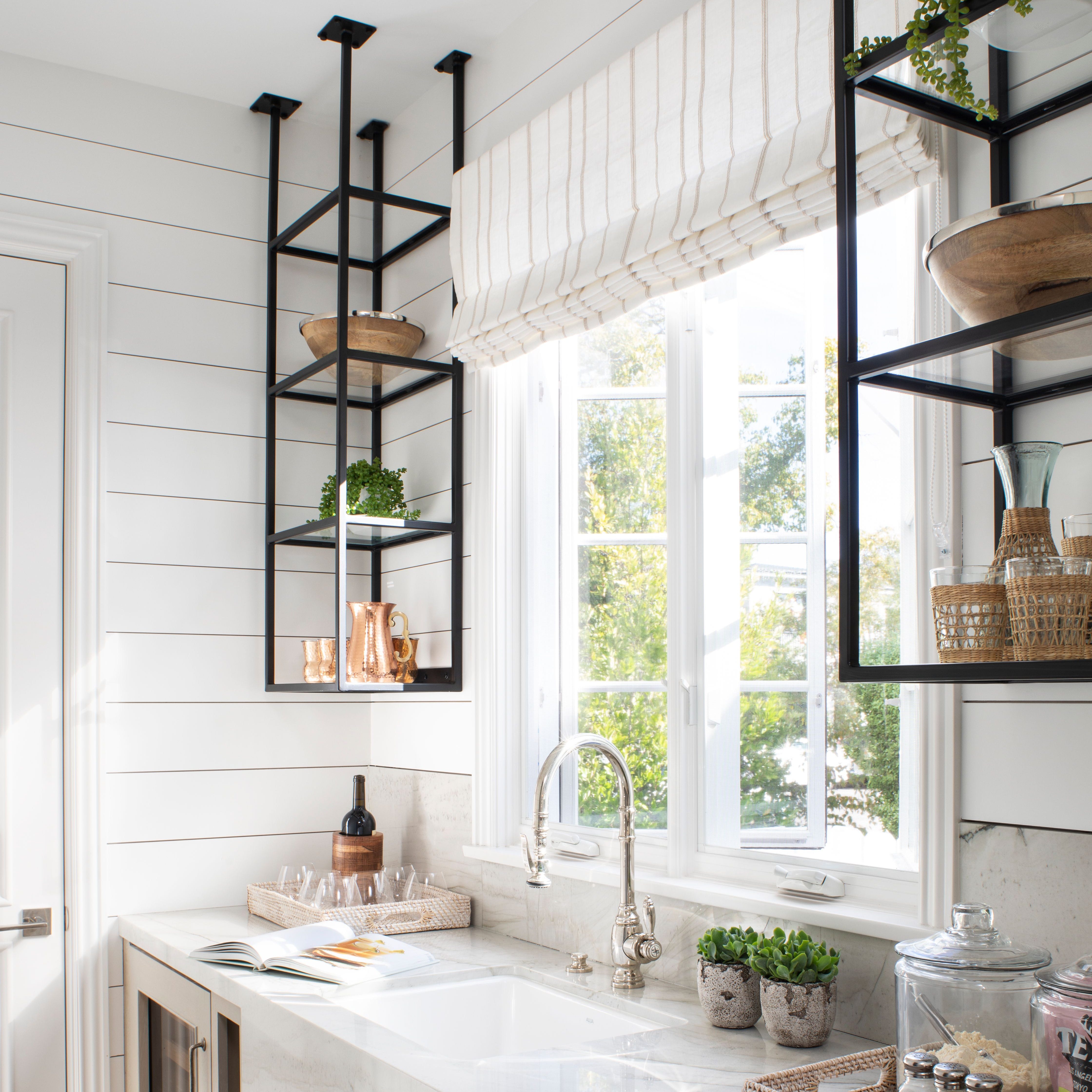
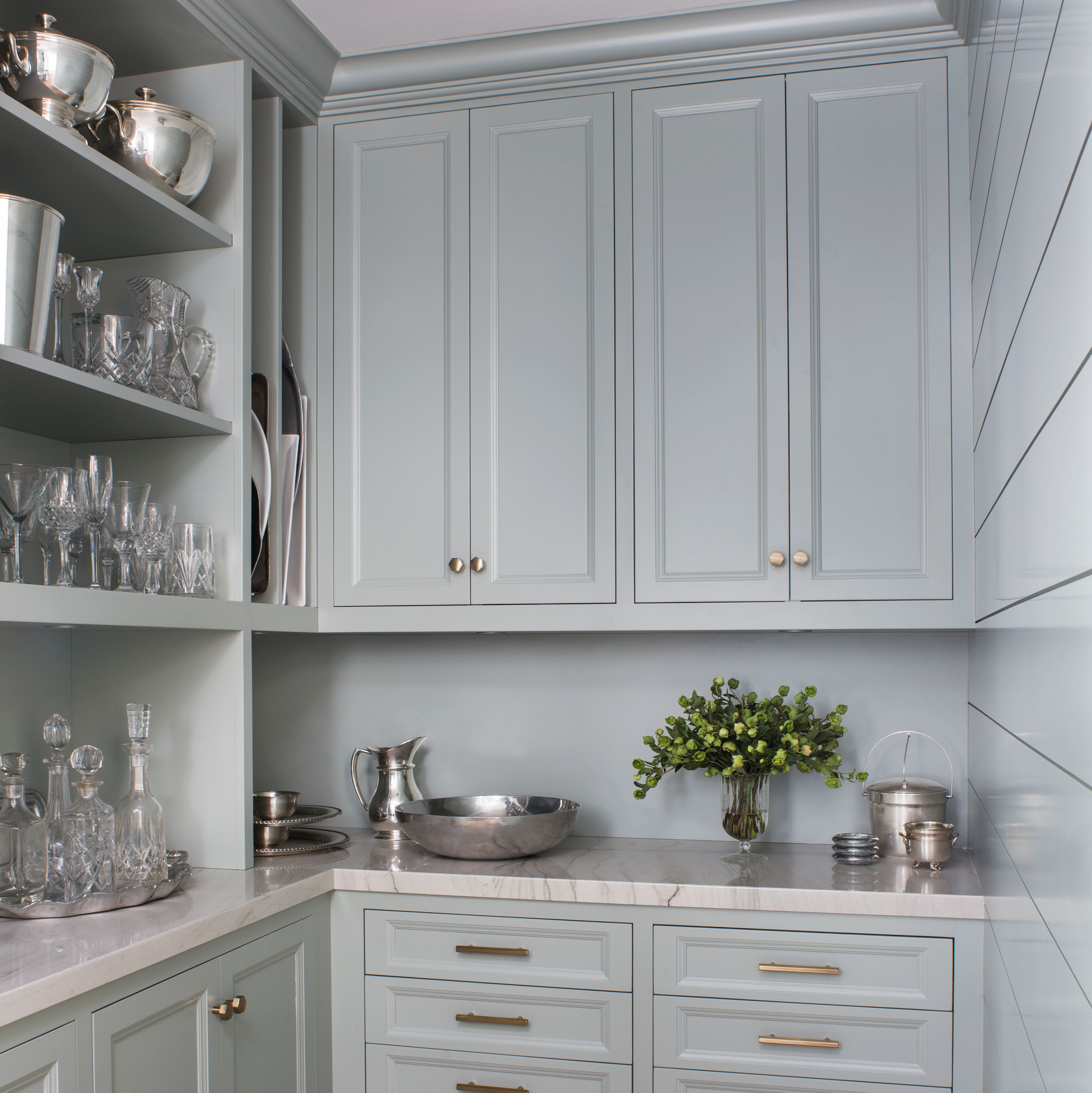
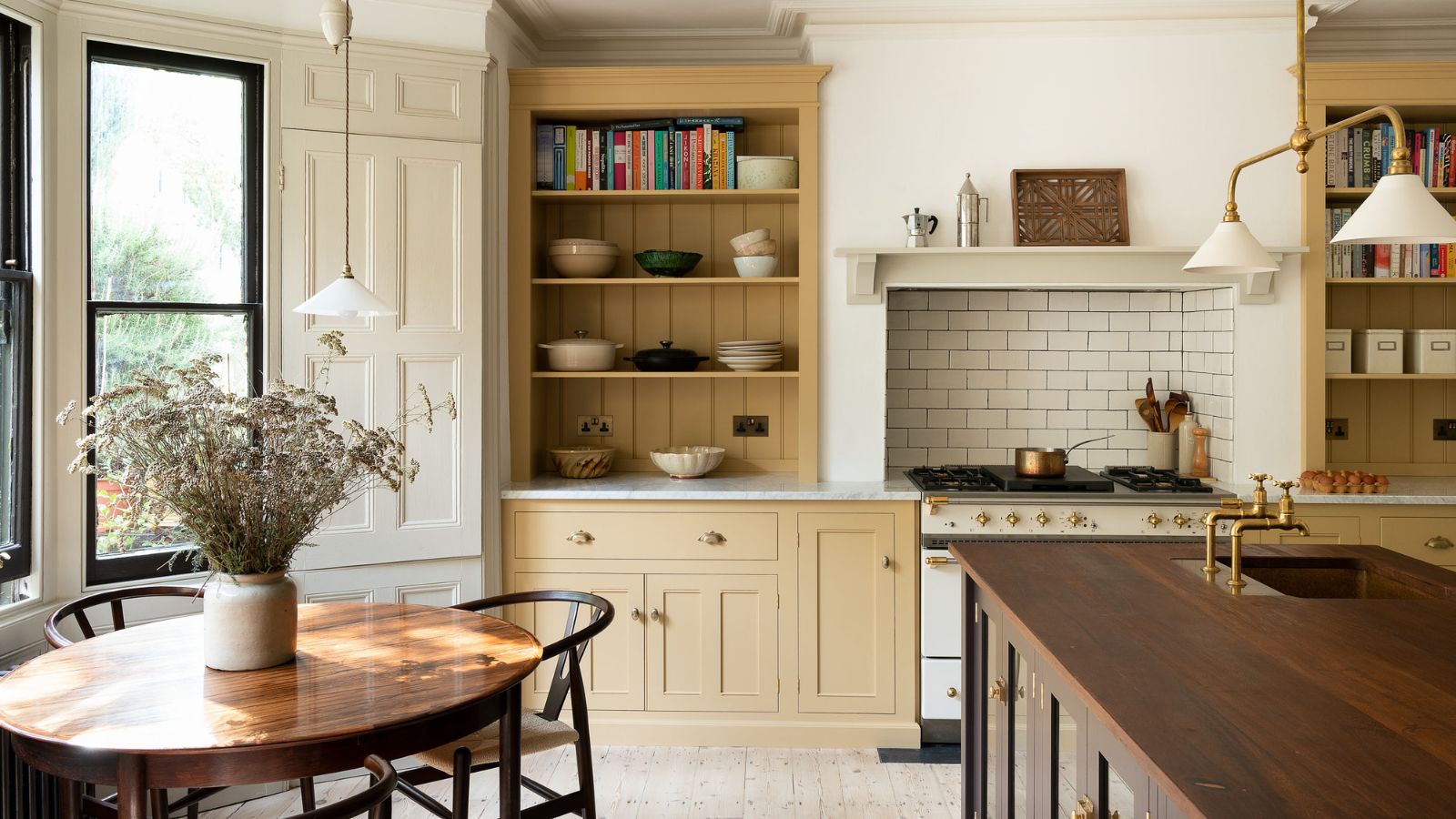
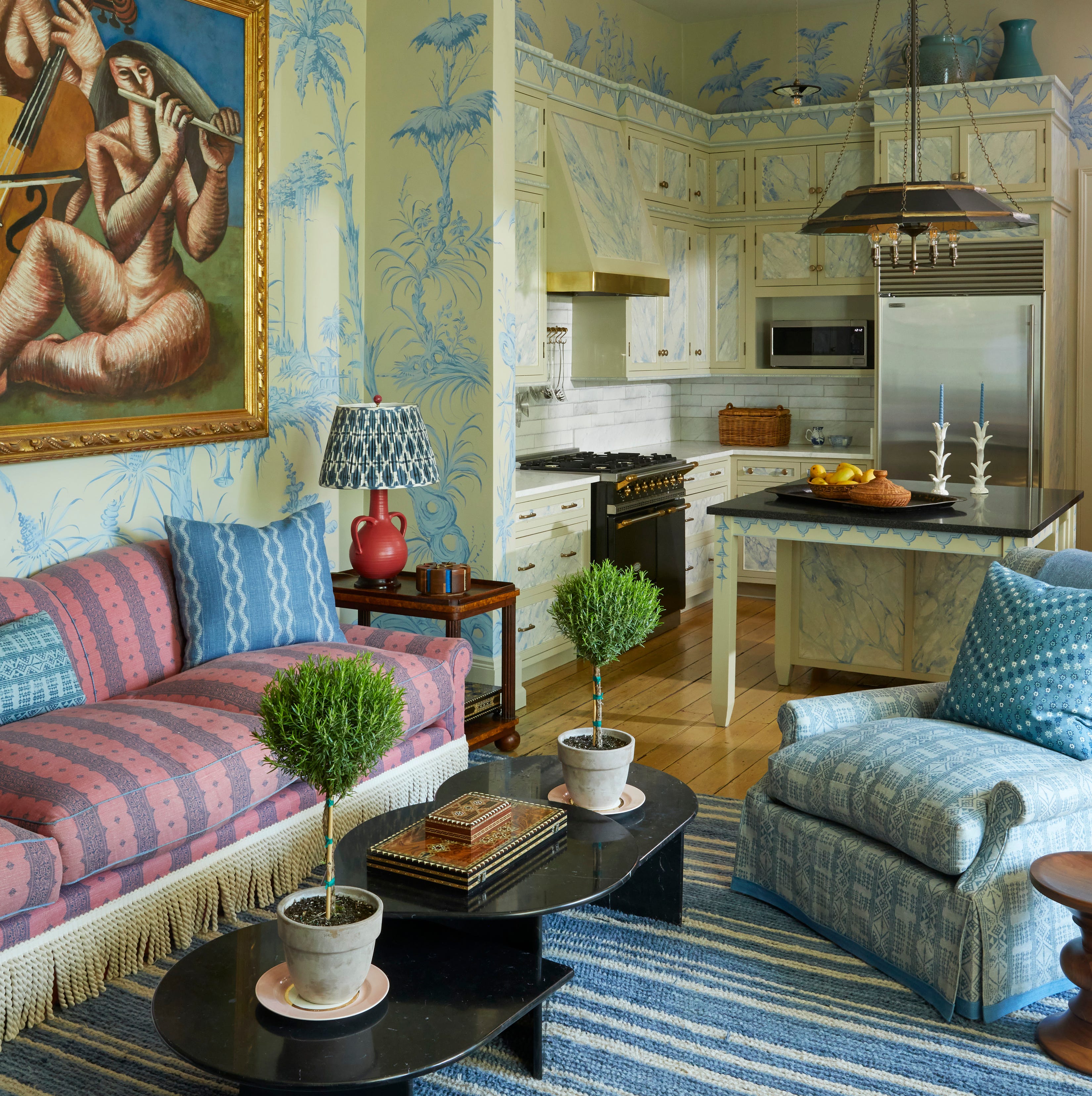
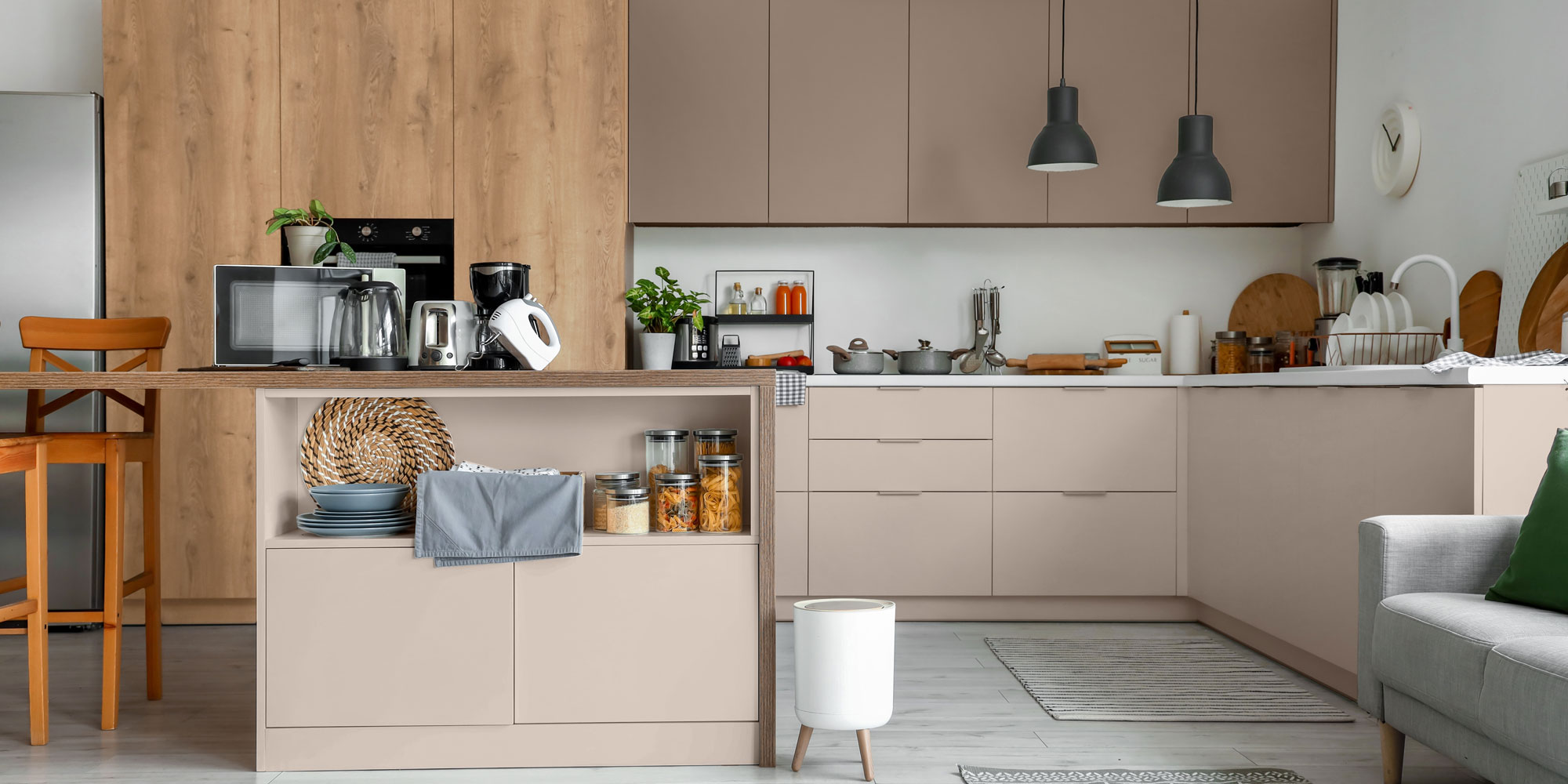
The first trend, “Kitchens That Don't Look Like Kitchens,” moves away from traditional, highly functional aesthetics towards a more lived-in, social environment. This involves incorporating freestanding furniture, such as cabinets, to create a less built-in appearance, and even removing upper cabinets for an open feel. Helen Parker, creative director of deVOL Kitchens, explains that this approach allows for a more atmospheric and unique space where elements can be changed and reused. The trend also advocates for integrating separate functional spaces like pantries and sculleries, reducing the main kitchen's reliance on utilitarian features. Decoratively, this trend suggests using large rugs, comfortable upholstered seating with pillows, and layered lighting to enhance ambiance, similar to a living room. Examples of products that fit this trend include art for walls, machine-washable vintage-inspired rugs, chic wooden cabinets, cordless counter lamps, oversized armchairs for cozy nooks, and vintage-style display shelves.
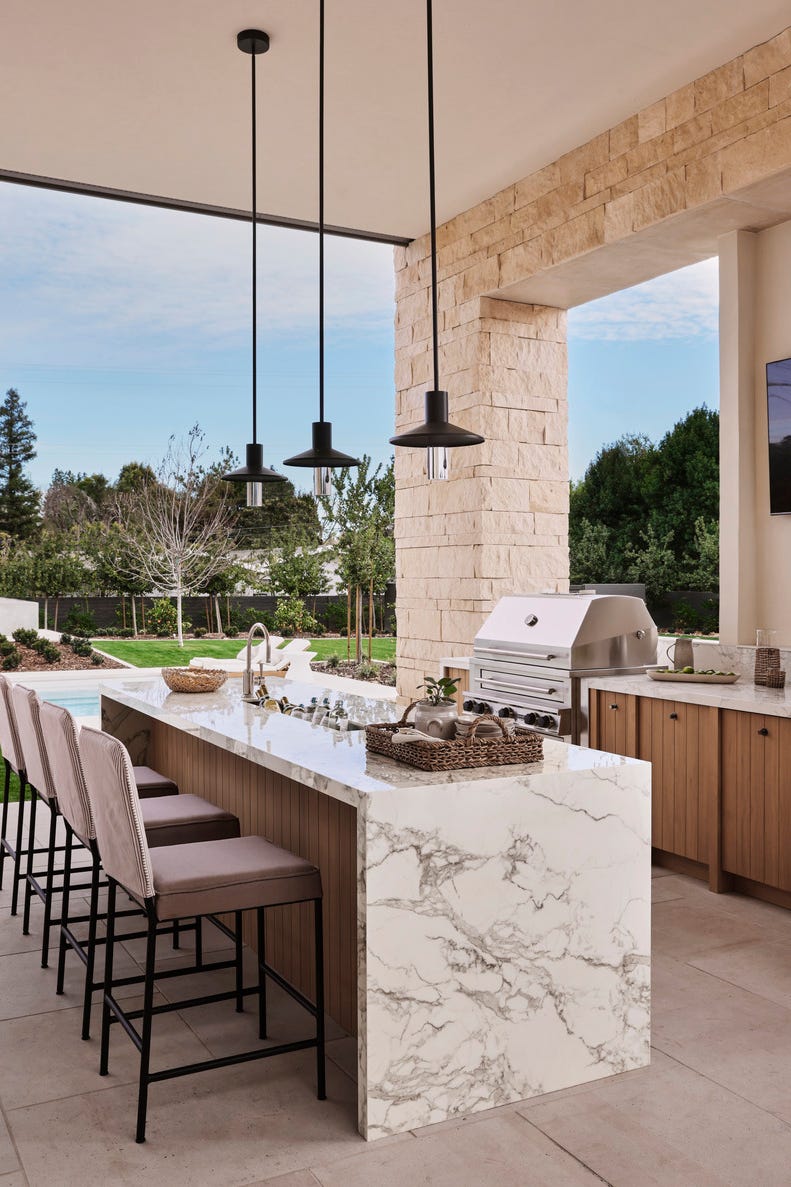
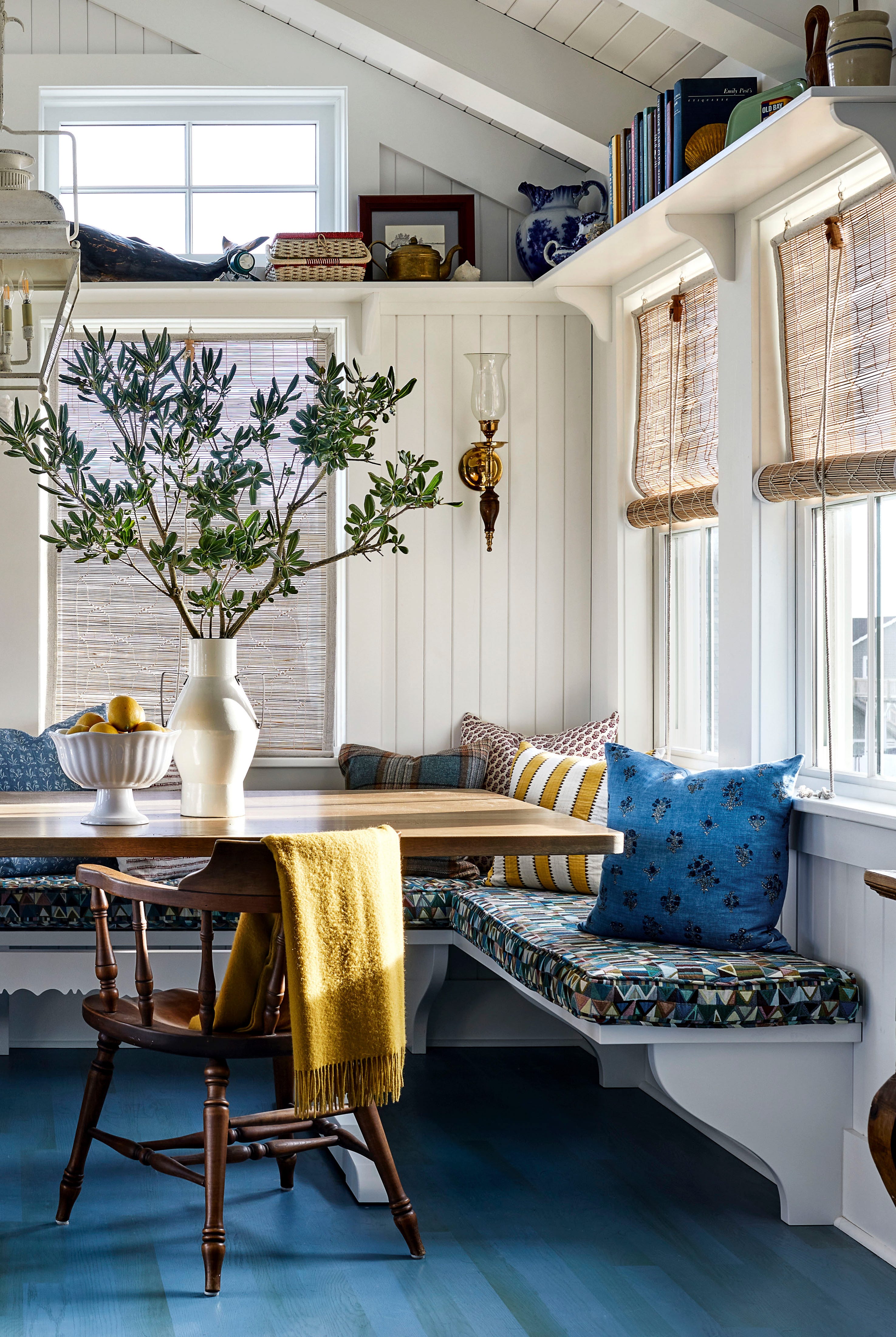
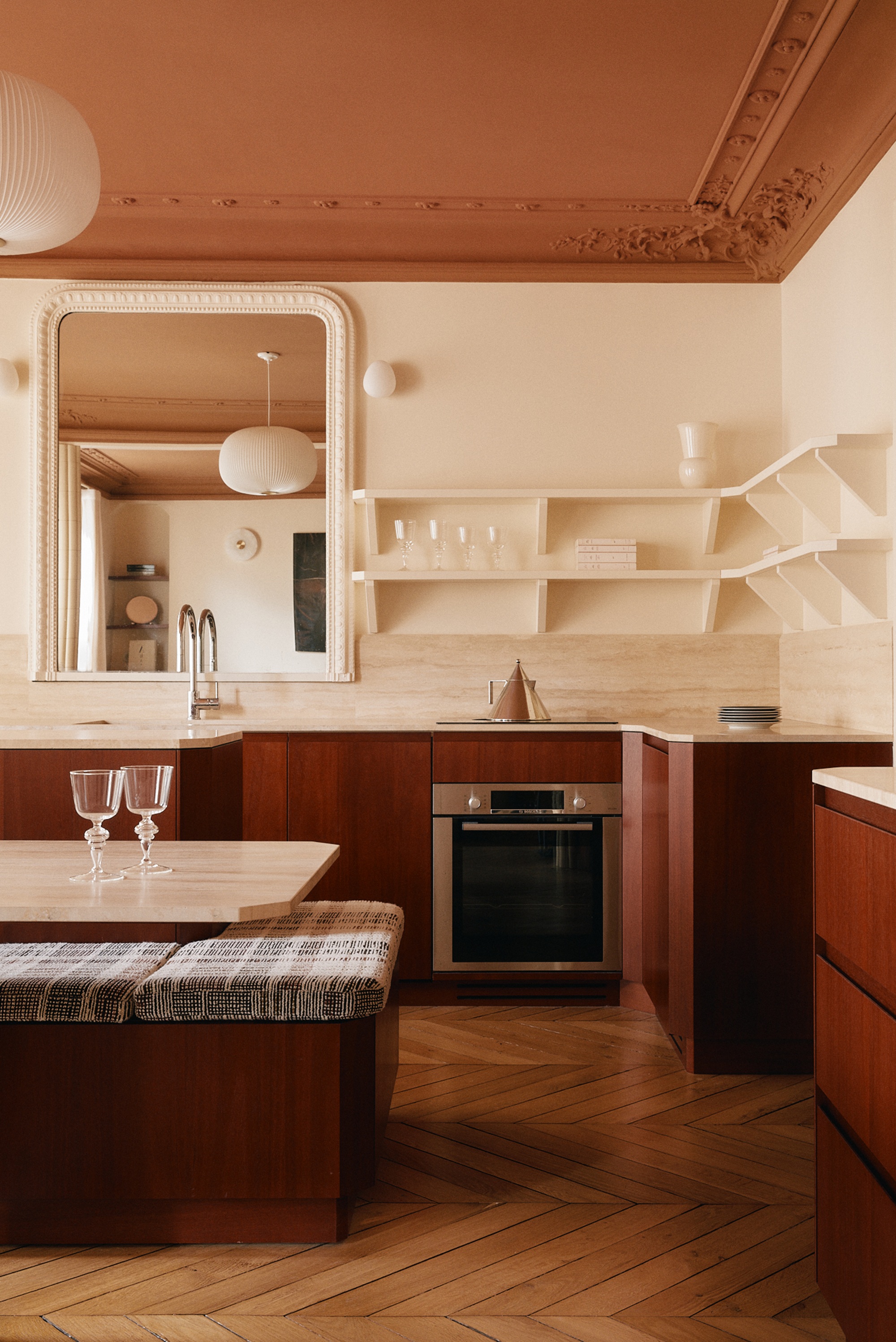
Secondly, the article highlights the revival of “Cozy Eat-In Areas,” even in smaller kitchens. This trend reintroduces a sense of slower living and provides comfortable spaces for dining, casual meals, or other activities like homework or work calls. Interior designer Georgia Zikas notes that these areas offer multiple seating options and cater to the kitchen's evolving multi-functional role. These eat-in spaces can be created using traditional bistro sets in unused corners or charming banquettes with small tables, allowing for significant personalization through lighting, upholstery, and decor. Suggested items to achieve this look include round dining tables that save space, low-hung pendant lights to add ambiance, throw pillows for comfort, upholstered dining chairs, ceramic vases for decorative touches, and customizable banquette benches.
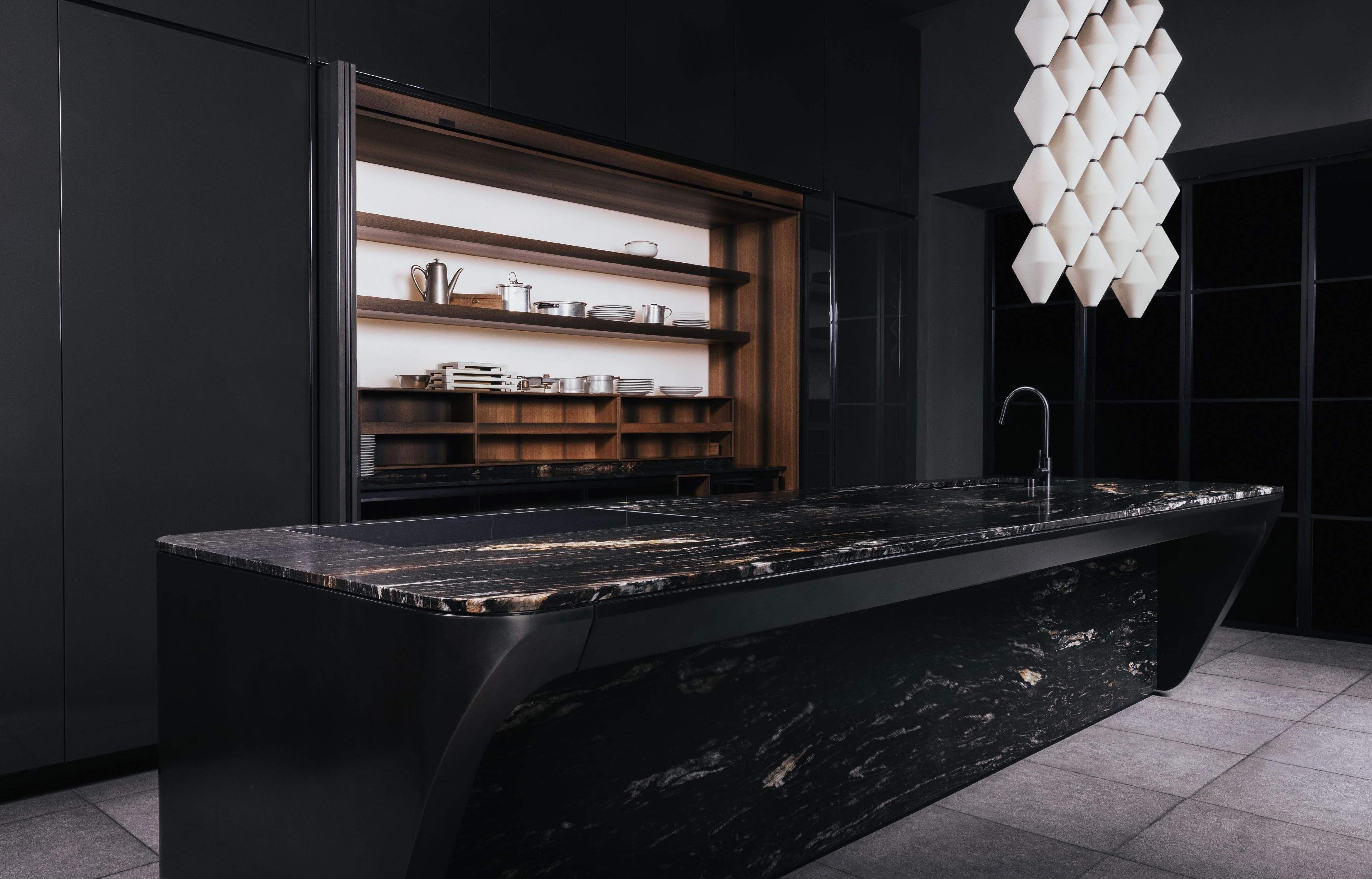
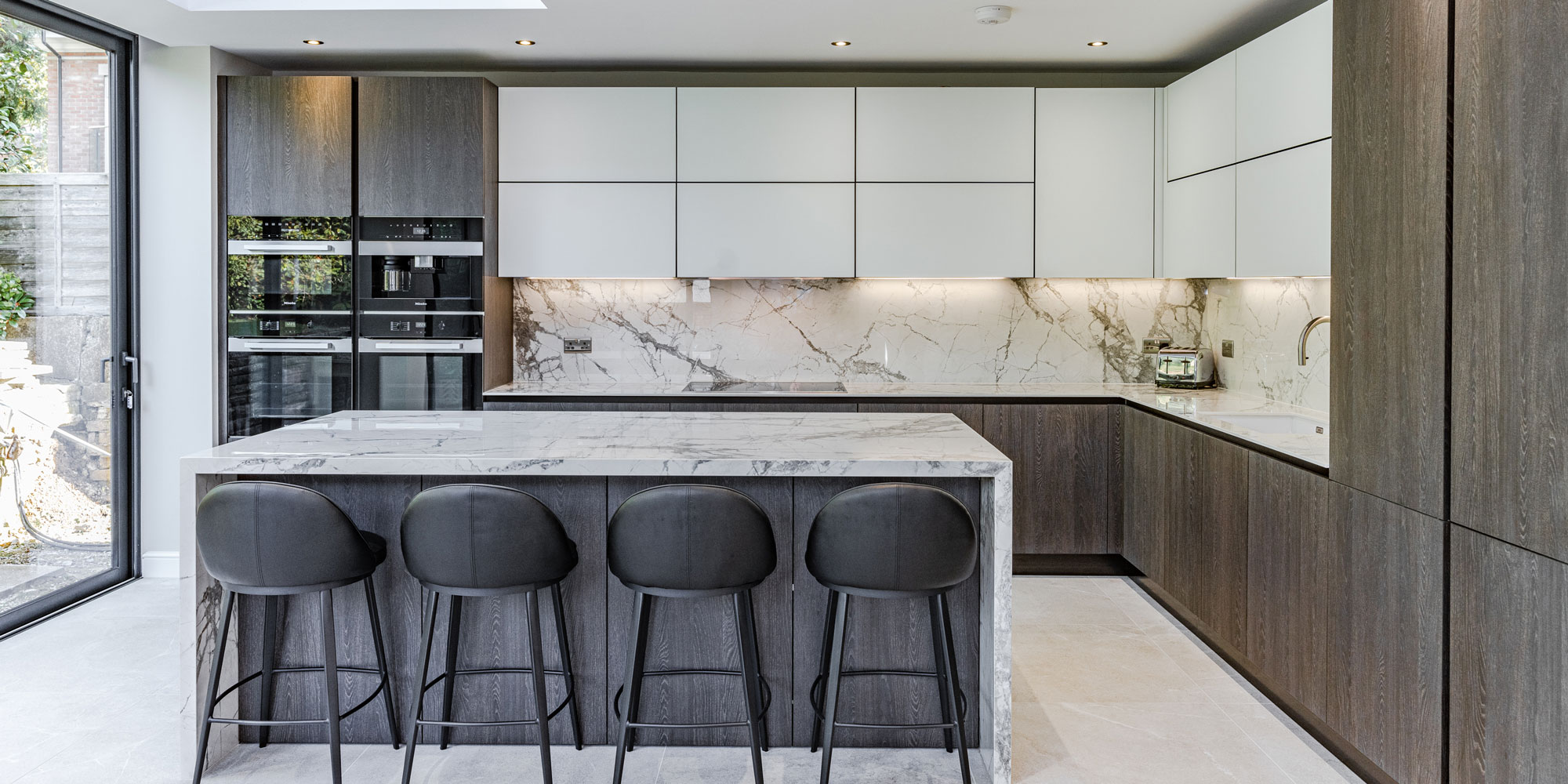
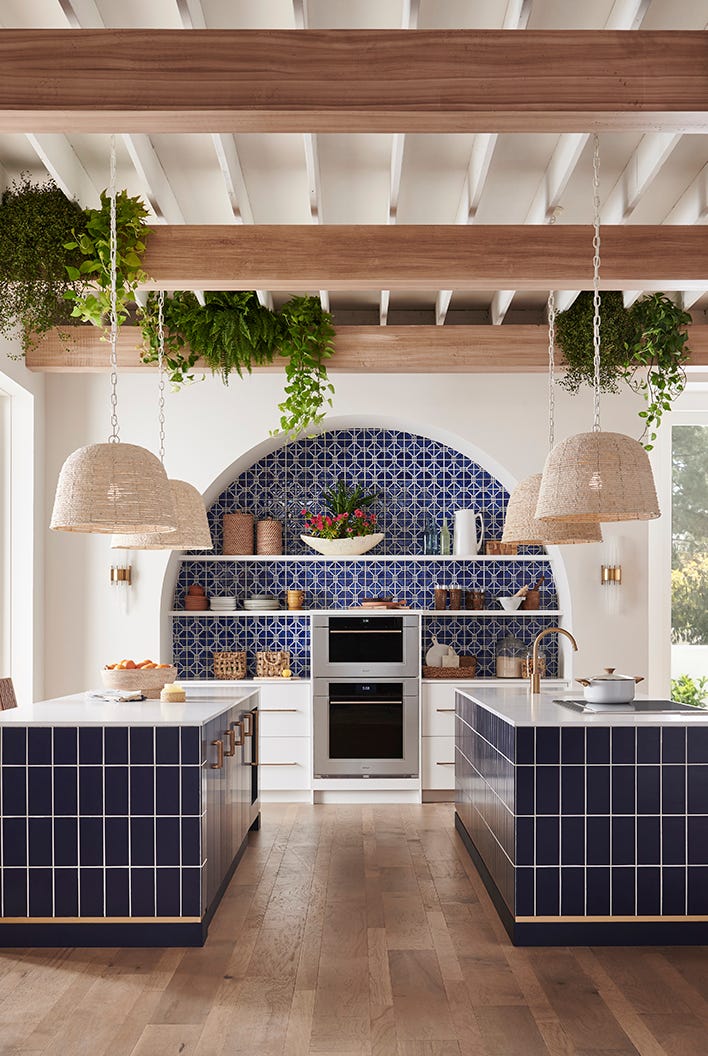

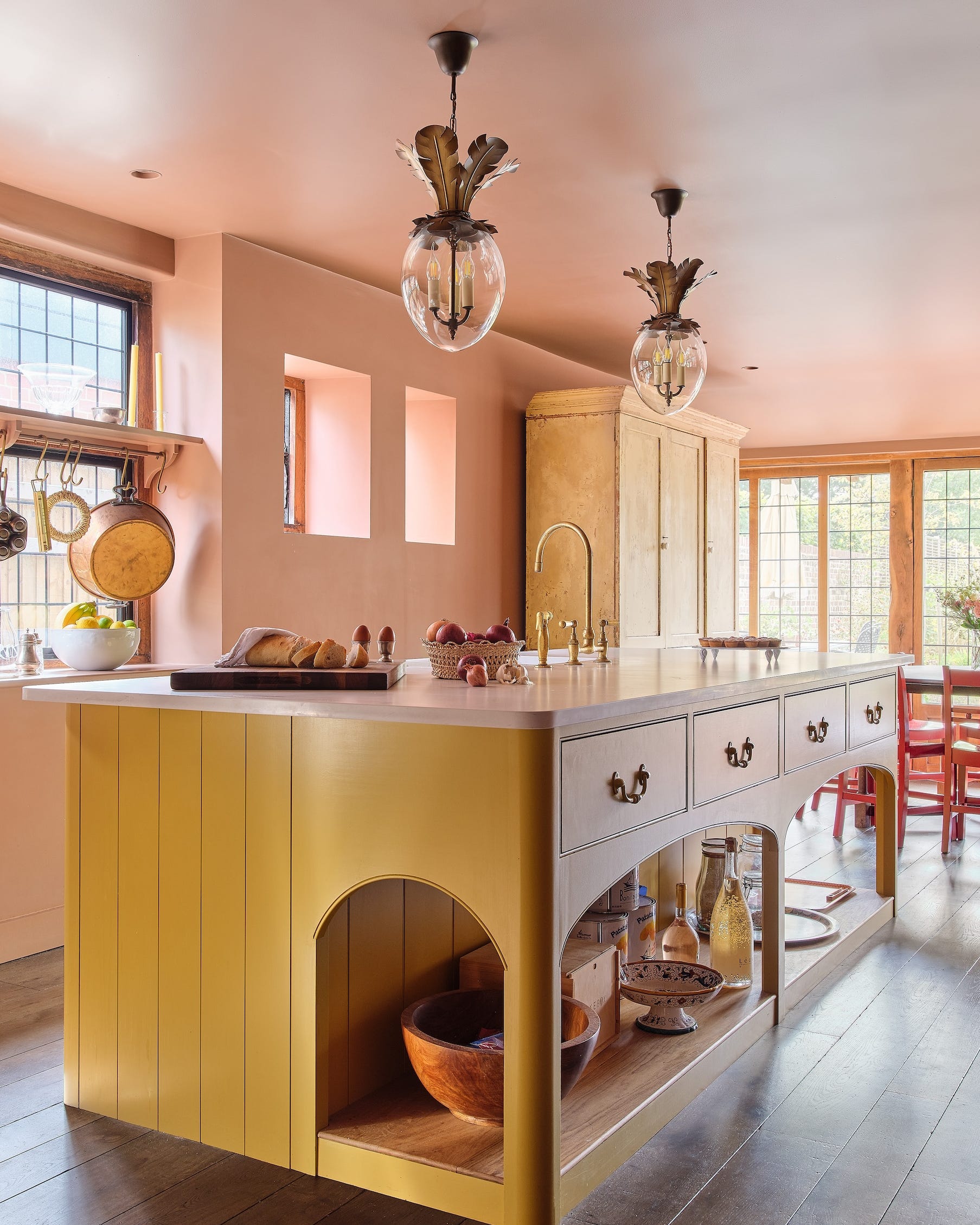
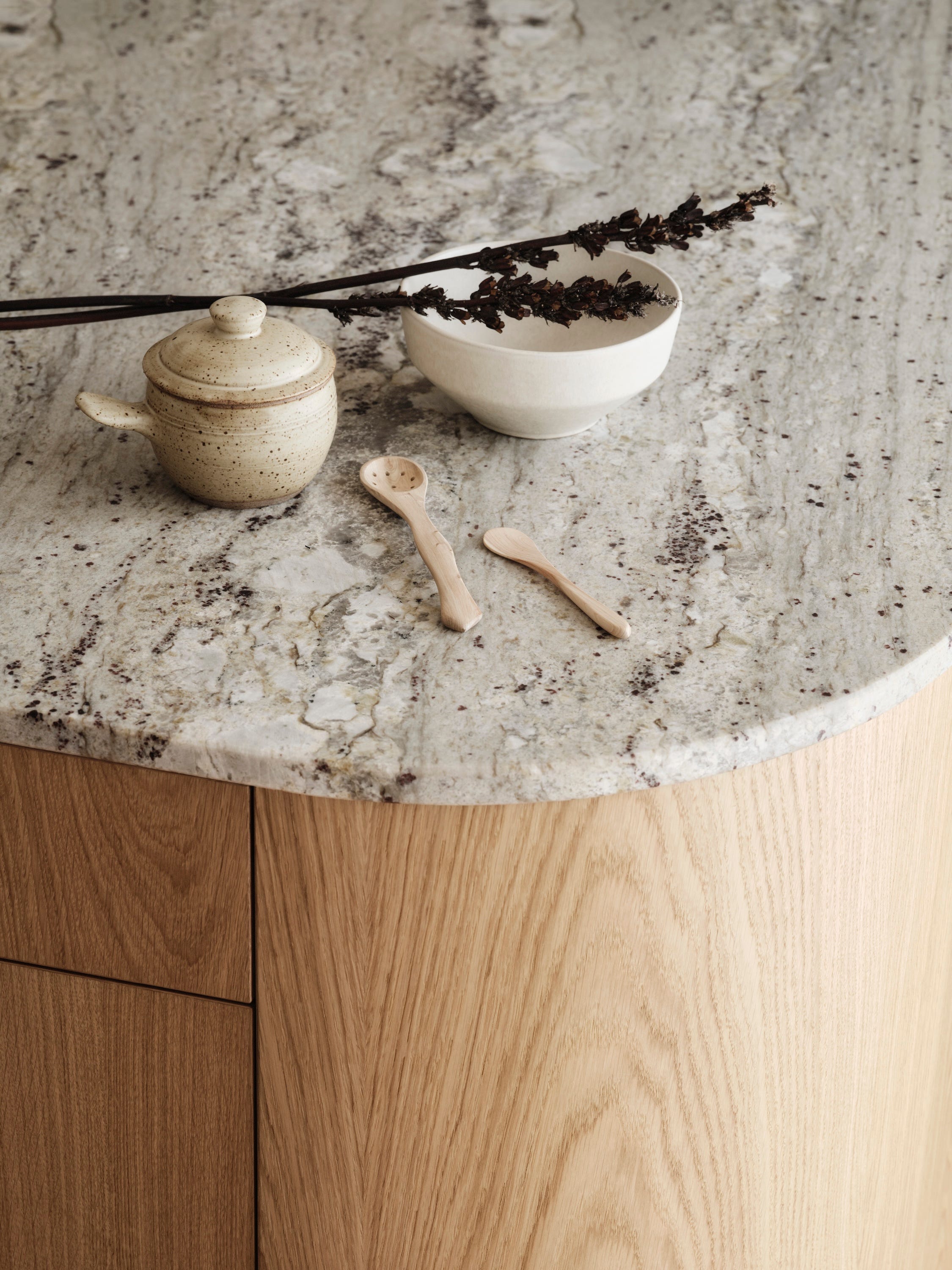
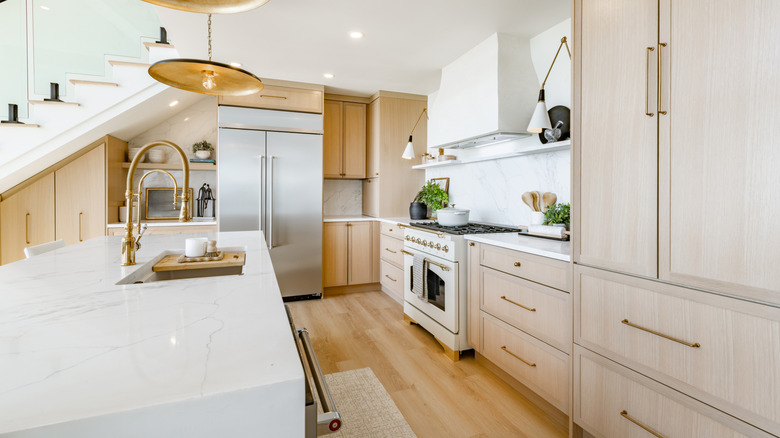
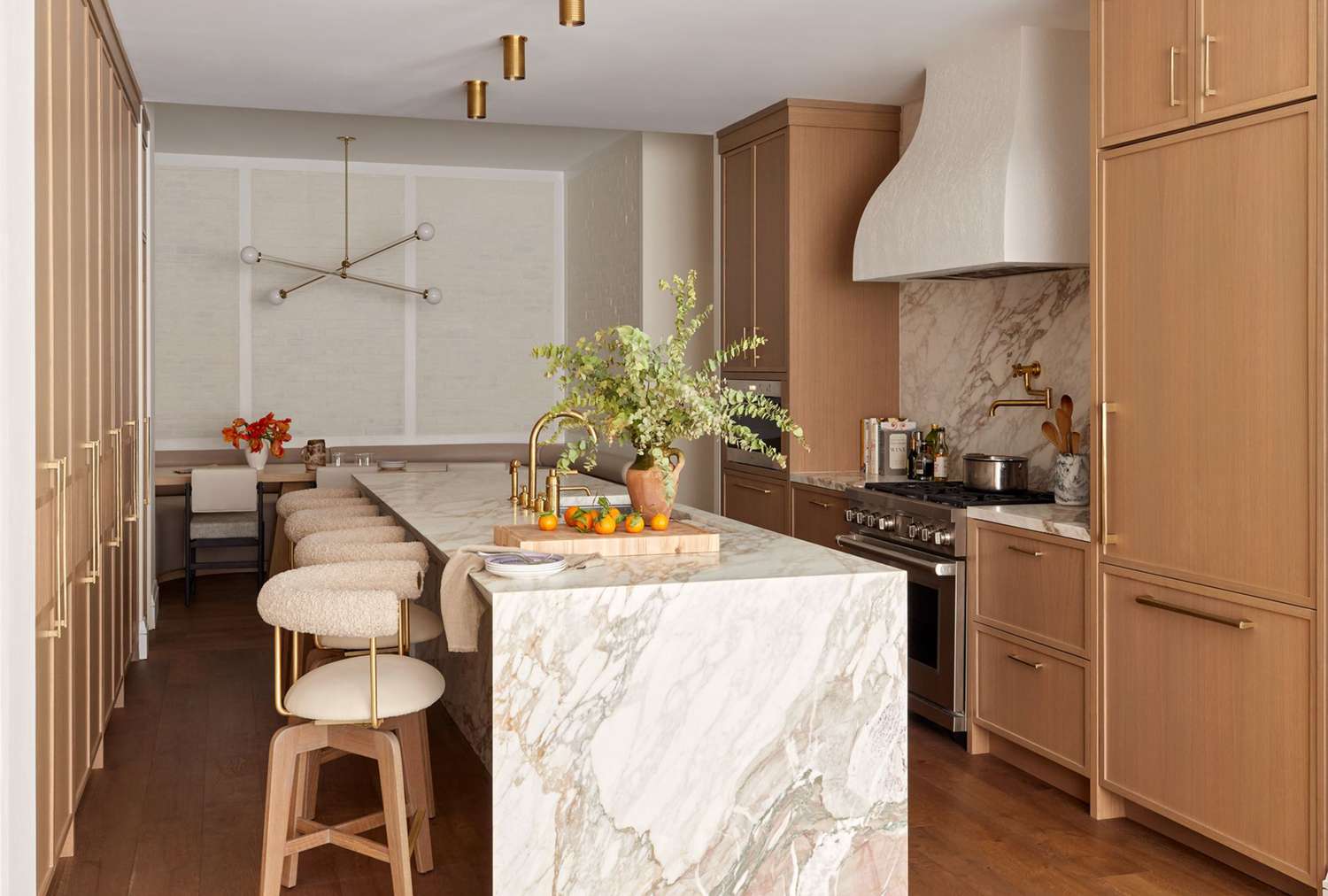
Finally, the trend of “Curvaceous Silhouettes in Architecture and Decor” is explored. This trend aims to soften the often angular and hard-edged aesthetic of kitchens. Arches continue to be a timeless architectural detail, but curves can also be introduced through rounded kitchen countertops or curved kitchen islands, which act as striking focal points. For those not undergoing a full remodel, smaller elements can incorporate curves, such as lighting fixtures with sculptural forms, bar stools with rounded designs, and decorative items like vases, bowls, and even wooden cutting boards. A round table in a seating area can also add a simple curved element, contrasting with other angular forms. Recommended products include brass taper holders, freestanding curved kitchen islands, shelf brackets with softer silhouettes, upholstered barrel-back bar stools, round mango wood cutting boards, and wavy chandeliers.
These three trends collectively suggest a shift towards making kitchens more comfortable, adaptable, and aesthetically pleasing spaces that blend seamlessly with the rest of the home, prioritizing warmth, personality, and diverse functionality. When implementing these trends, the article reminds readers to balance aesthetics with practicality, ensuring the kitchen remains a functional heart of the home.
#KitchenDesign #InteriorTrends #HomeDecor #KitchenRemodel #CozyKitchens #CurvedDesign #EatInKitchens #FunctionalLiving #DesignInspiration #KitchenDesign #InteriorTrends #HomeDecor #KitchenRemodel #CozyKitchens #CurvedDesign #EatInKitchens #FunctionalLiving #DesignInspiration
Hay 0 comentarios en total
 Aún no hay comentarios
También te puede gustar
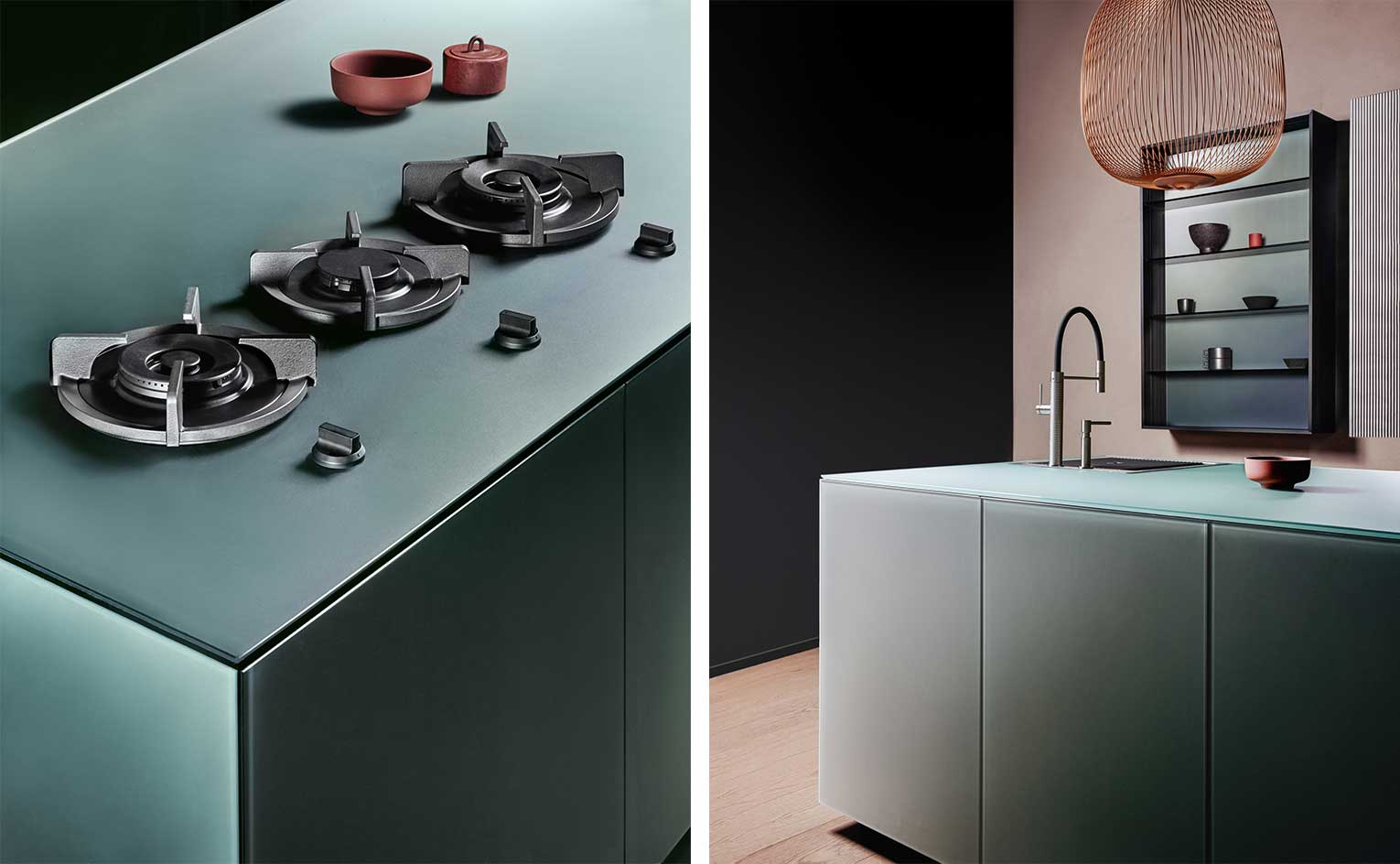
These are the kitchen design trends that will dominate 2026

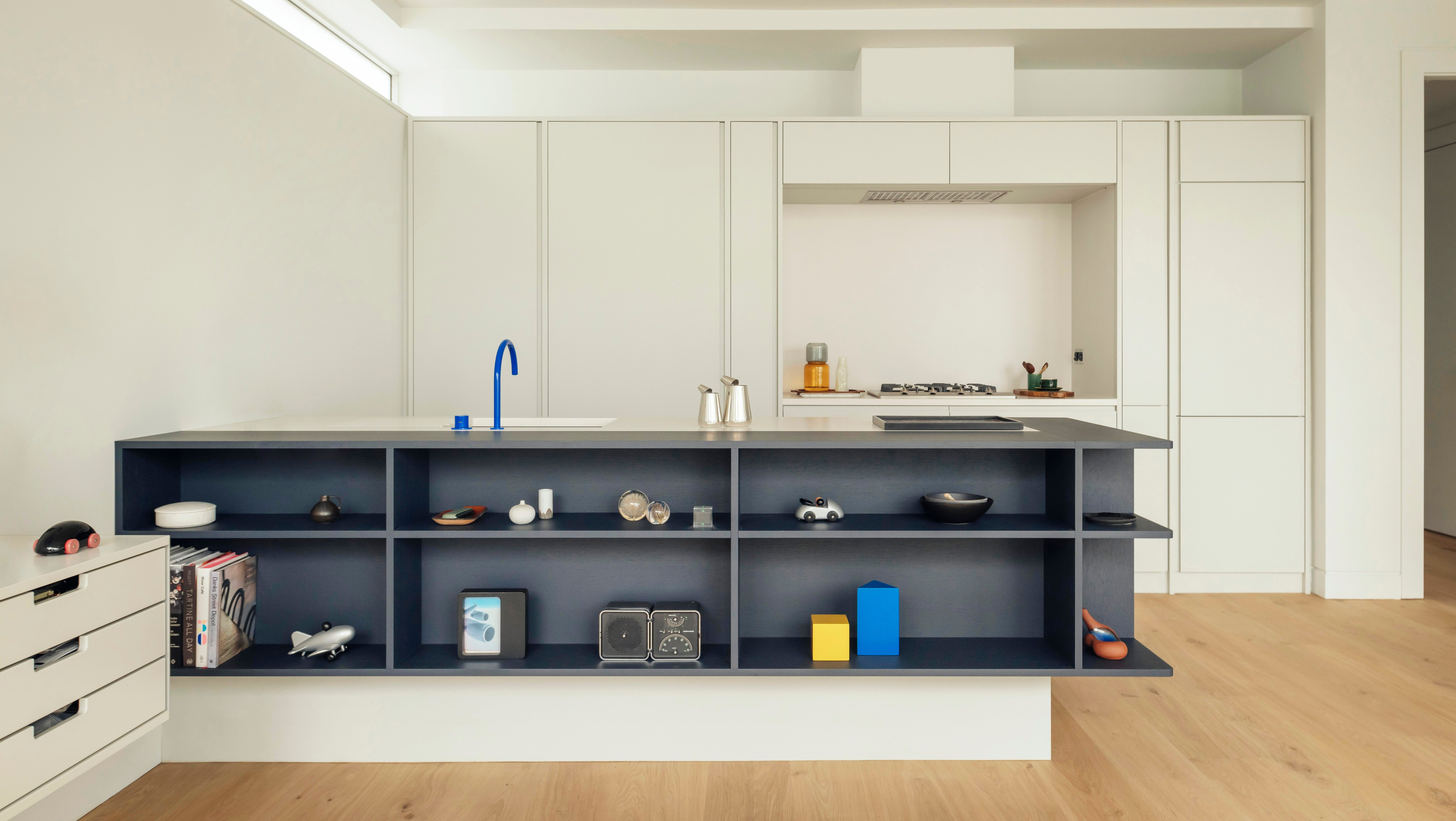
The big kitchen trends of 2025 explained by top designers

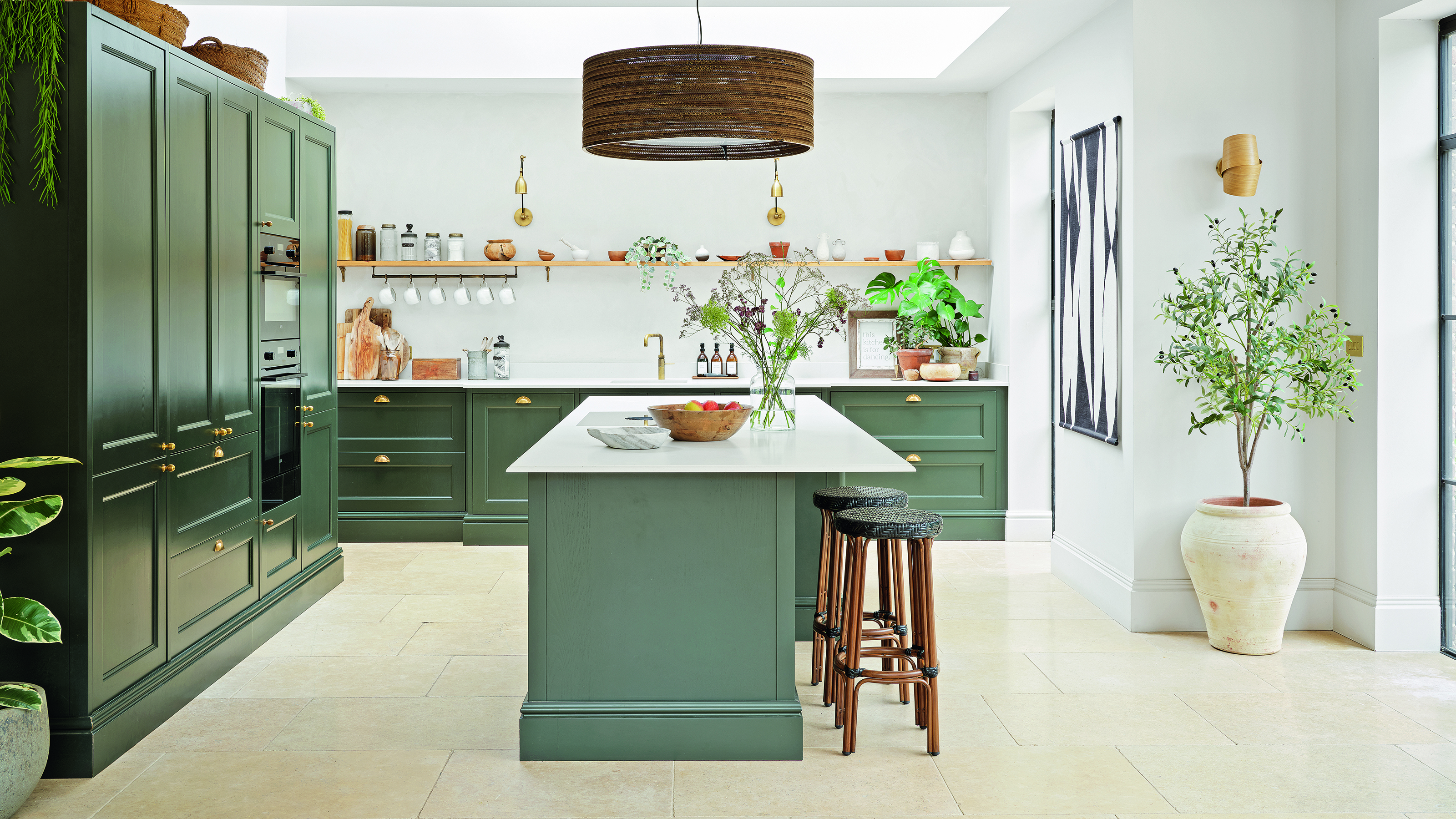
8 kitchen trends to watch in 2026 - this is what the pros predict will be big next year
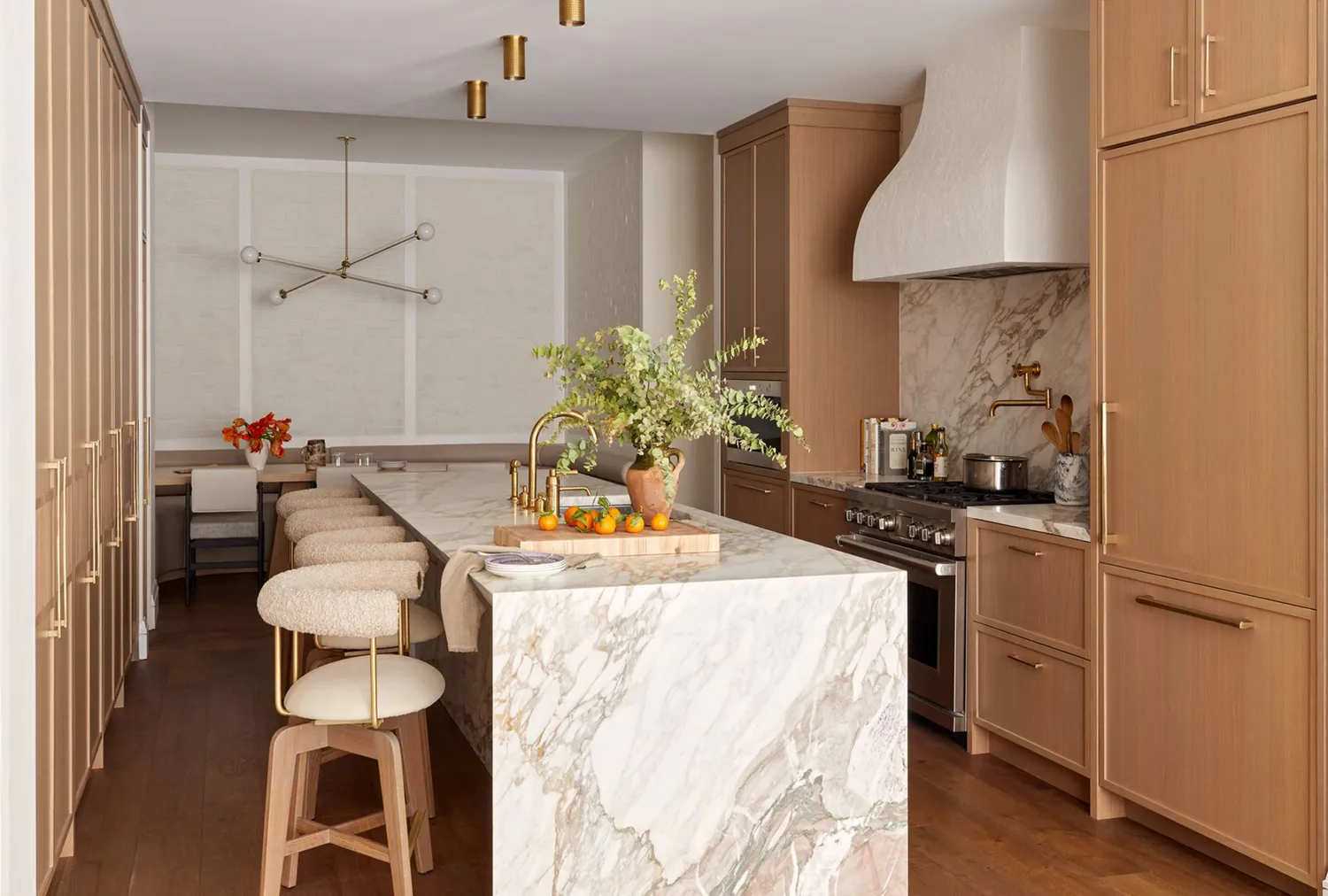
The Kitchen Cabinet Trends That Will Elevate Your Space in 2026, According to Designers
6 Kitchen Trends That Will Be Huge in 2026, According to Designers

20 Kitchen Design Trends You’ll See Everywhere in 2025, According to Experts

The Popular Kitchen Style You'll See Everywhere In 2026
3 Kitchen Trends That Will Be Huge for 2023, According to Designer Caren Rideau
7 kitchen trends for 2026
6 Kitchen Trends That Will Transform Your Space in 2025, According to Designers
10 Kitchen Trends On The Way Out In 2026

6 Kitchen Trends on Their Way Out in 2025, According to Designers
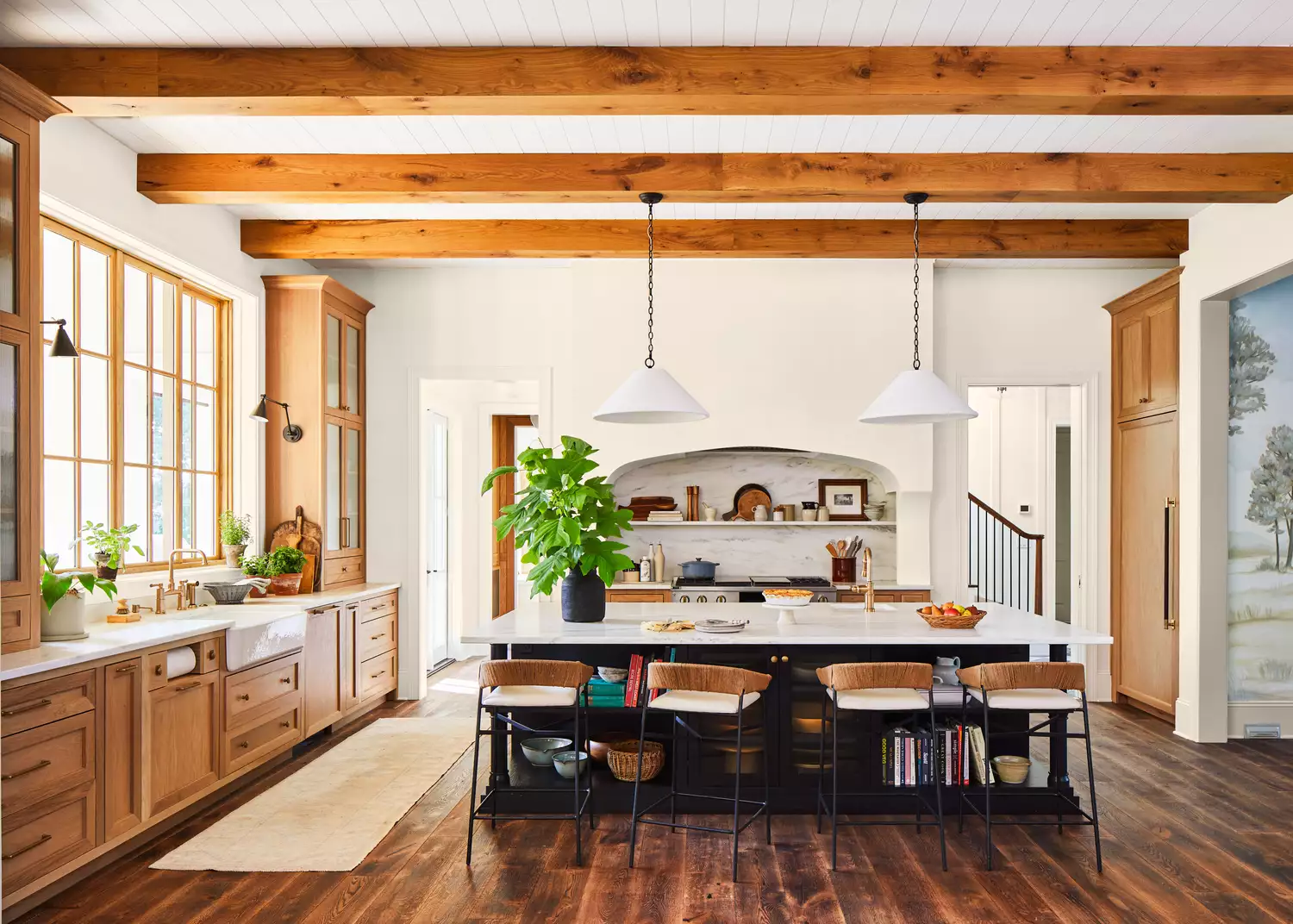
6 Kitchen Trends You'll See Everywhere In 2026
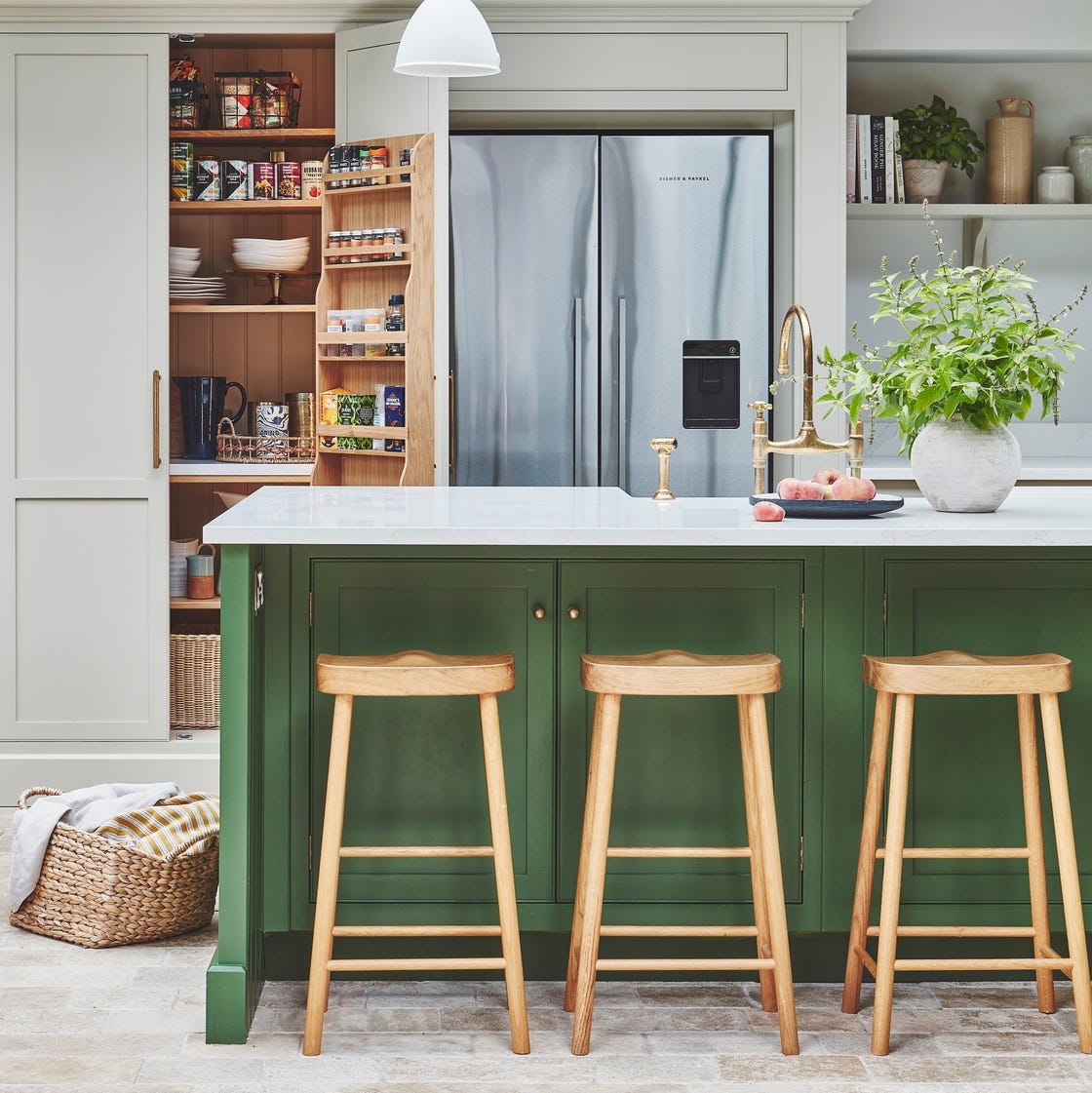
20 kitchen design trends you'll see everywhere in 2025, according to experts
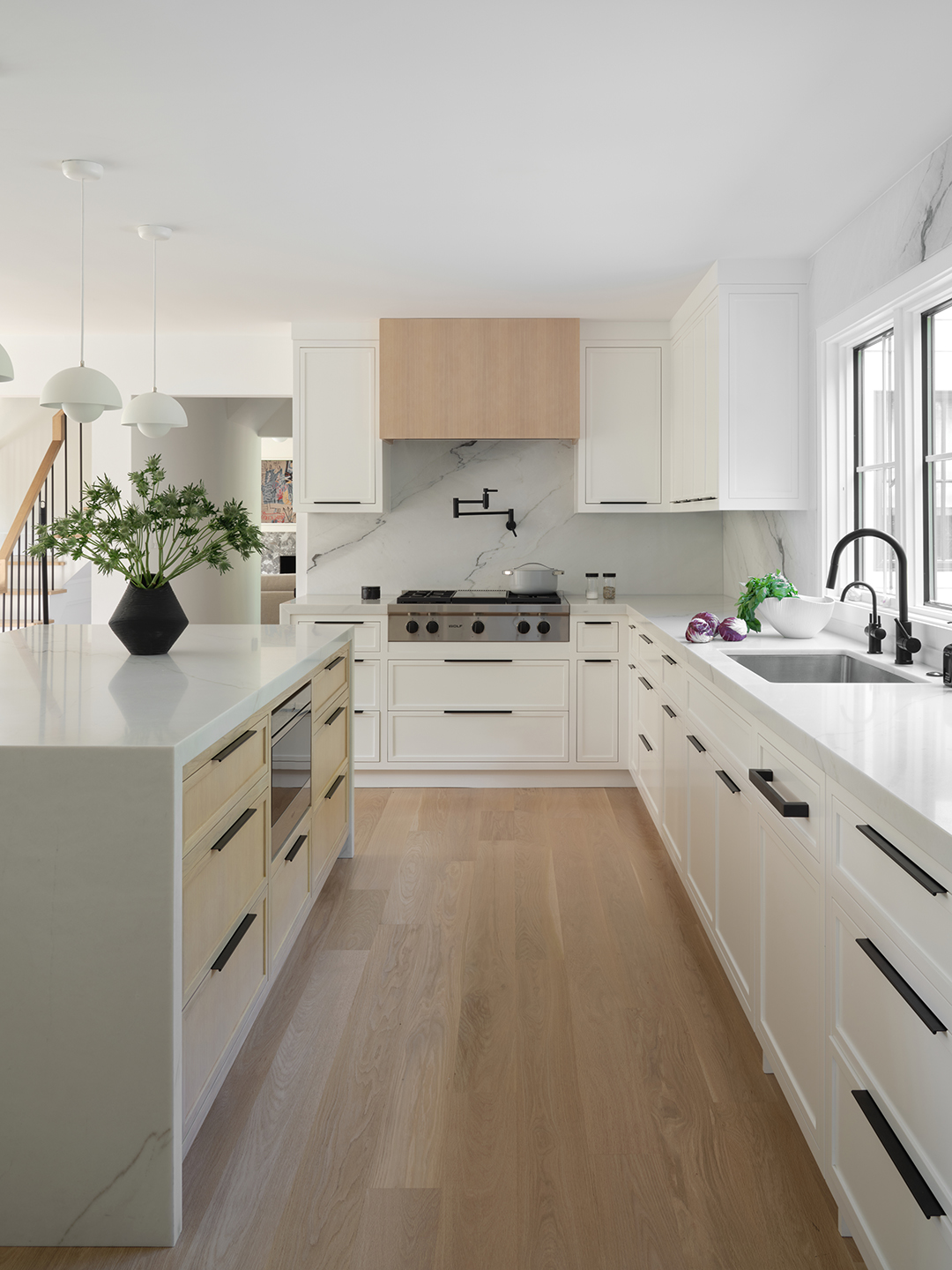
We Asked 18 Designers: What Kitchen Cabinet Style Will Rule in 2026?


These Will Be The Biggest Kitchen Countertop Trends In 2026
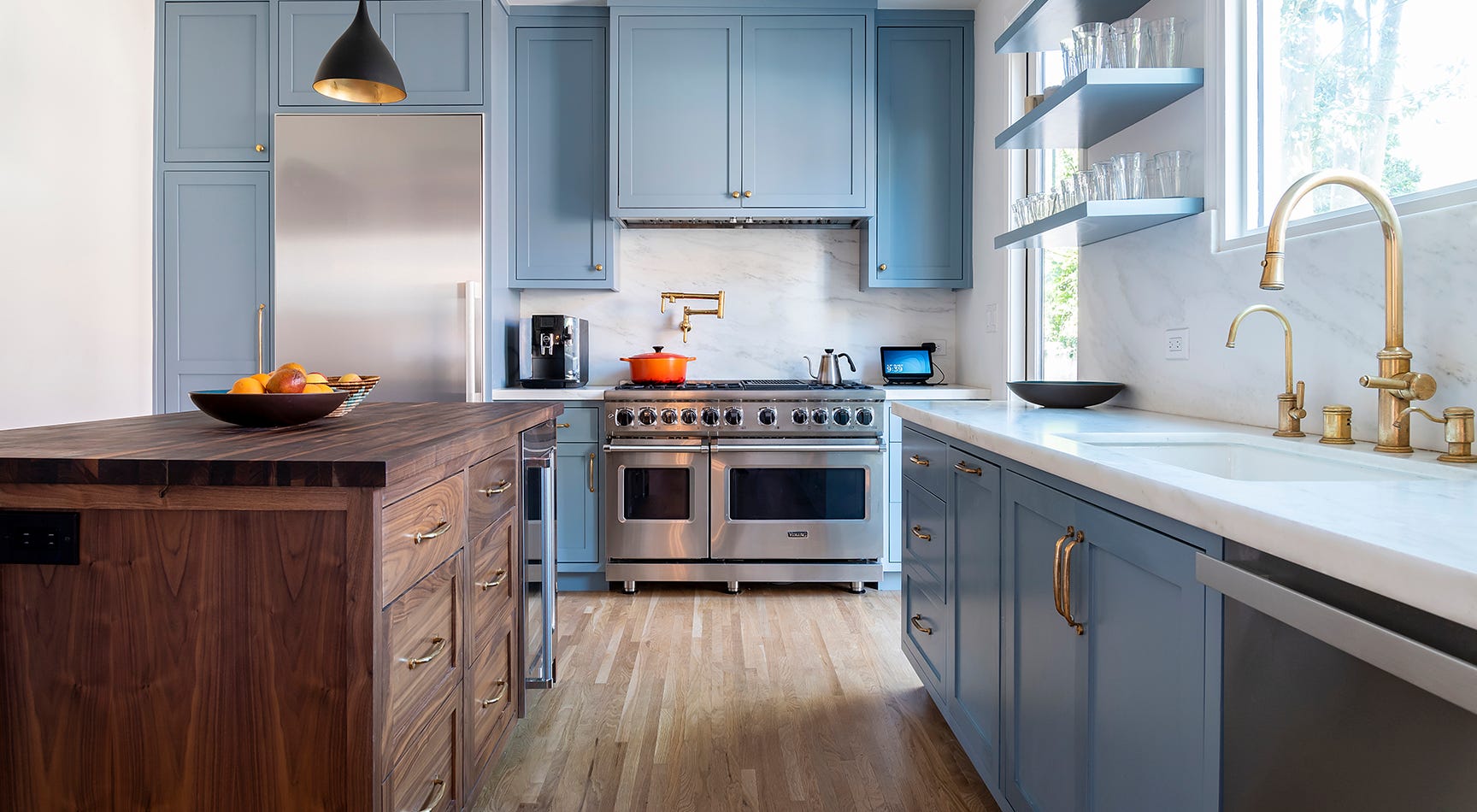
The Latest Kitchen Design Trends for 2023, According to the Pros

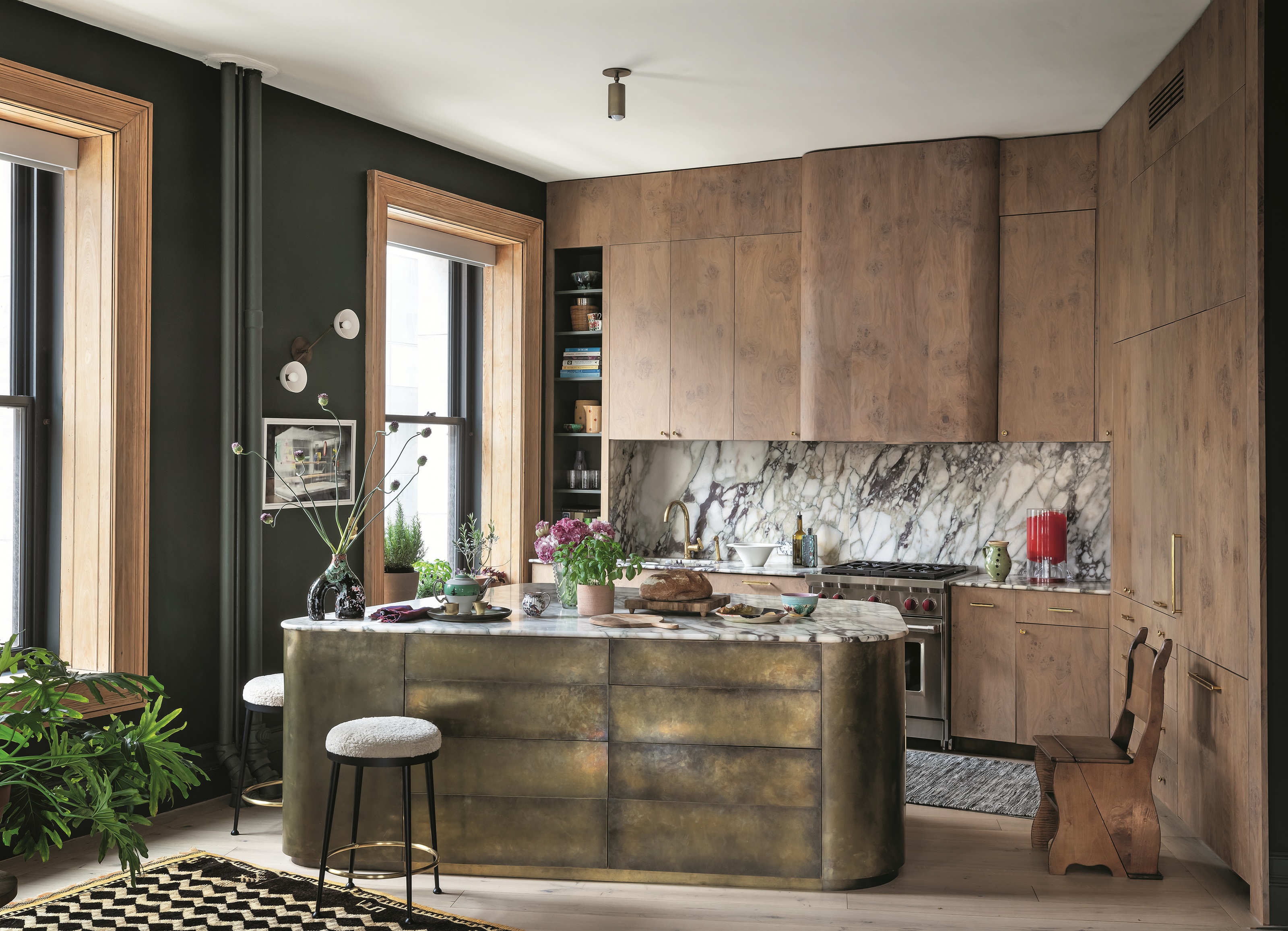
10 Kitchen Trends for 2026 to Know for Your Next Project |

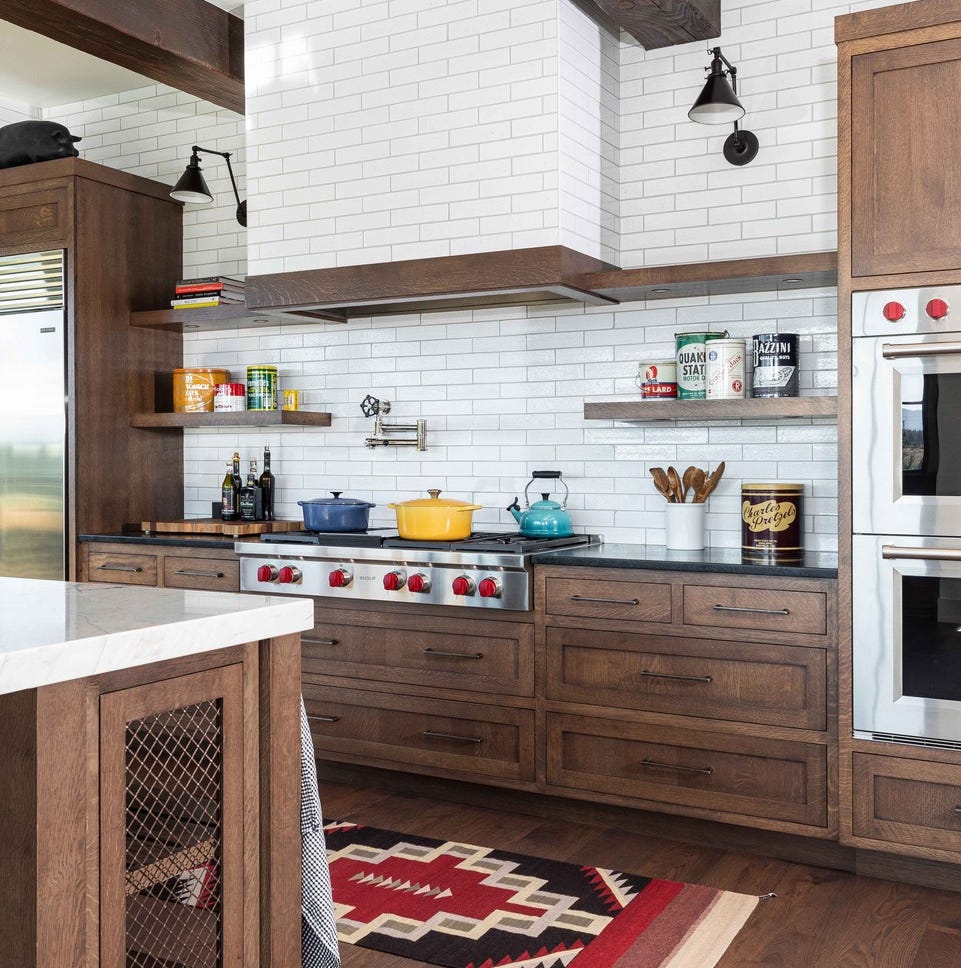
It's Official: These Are the Top 6 Kitchen Design Trends for 2024
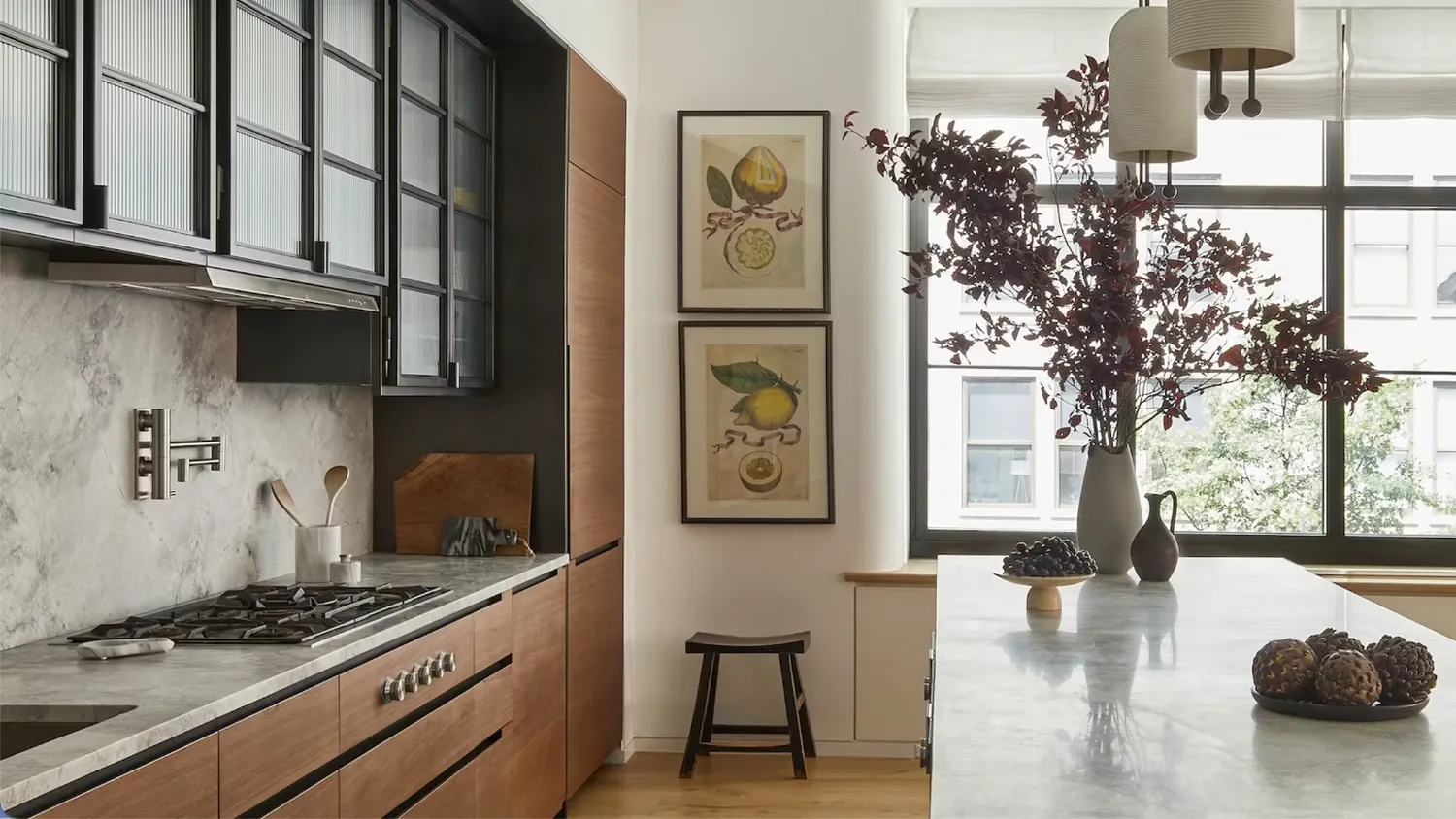
5 Kitchen Cabinet Trends You're About to See Everywhere in 2026, According to Designers