The Right Way to Clean a Leather Couch
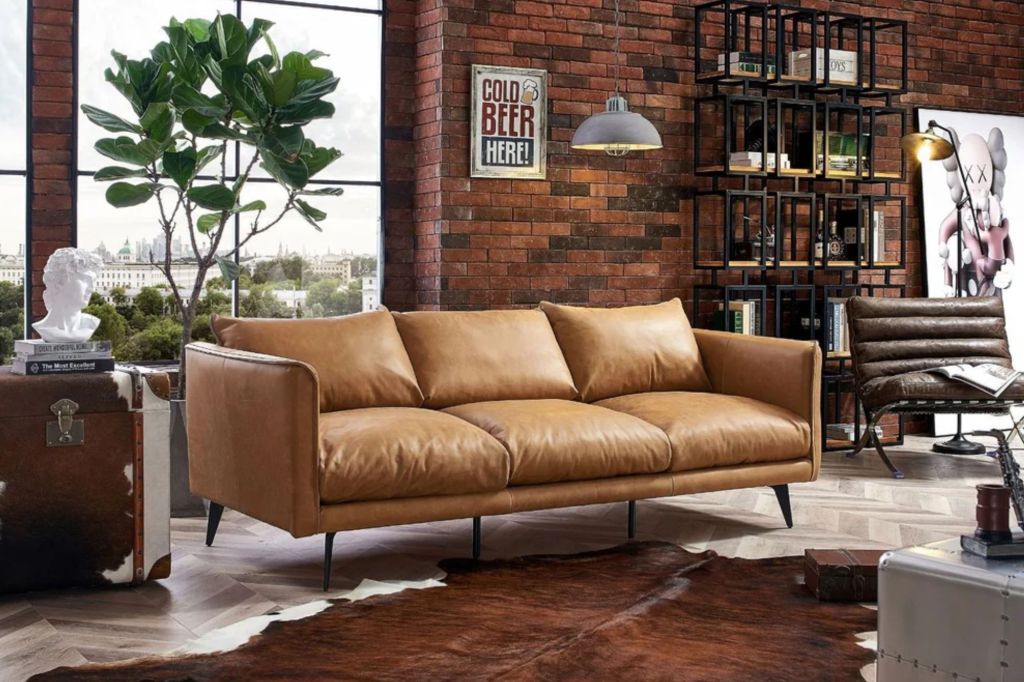
Maintaining a leather couch requires a specific cleaning and conditioning regimen to preserve its appearance and longevity. Genuine leather furniture represents a significant investment, necessitating proper care to prevent damage and maintain its luster. The frequency and method of cleaning are crucial, as improper techniques or products can lead to irreversible damage.
Cleaning frequency is influenced by usage, environmental factors, and manufacturer recommendations. Generally, a soft, dry microfiber cloth or a vacuum with a soft brush attachment should be used weekly to remove dust and debris. Spills and stains should be addressed immediately to prevent permanent marking. A more thorough deep clean and conditioning process is recommended every six to twelve months. These guidelines specifically apply to full-finish leather; raw leather couches may require professional cleaning.
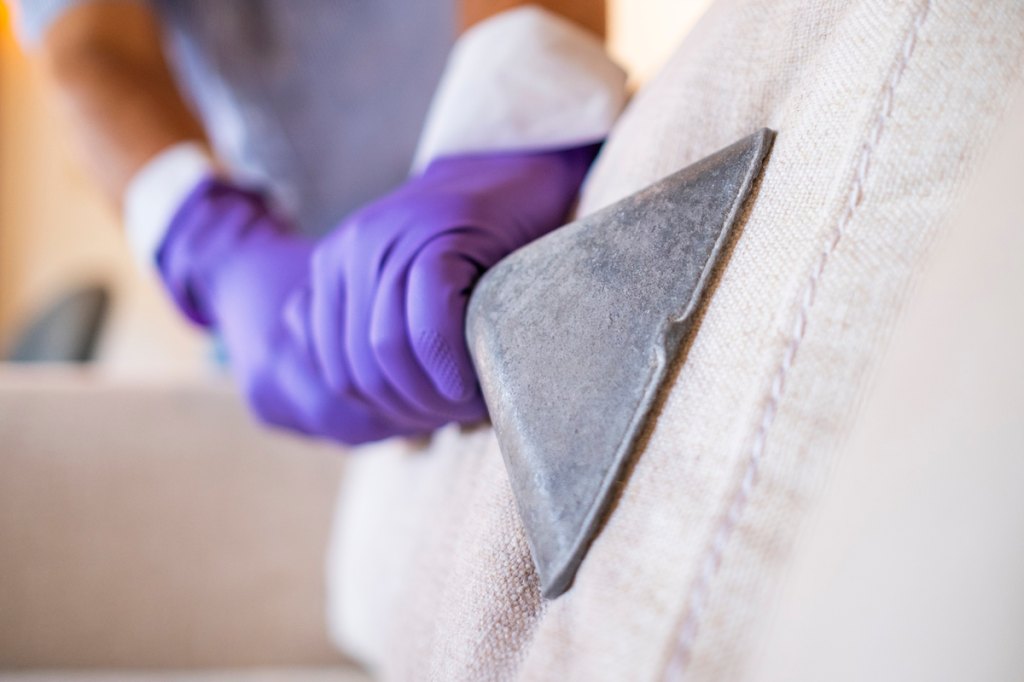
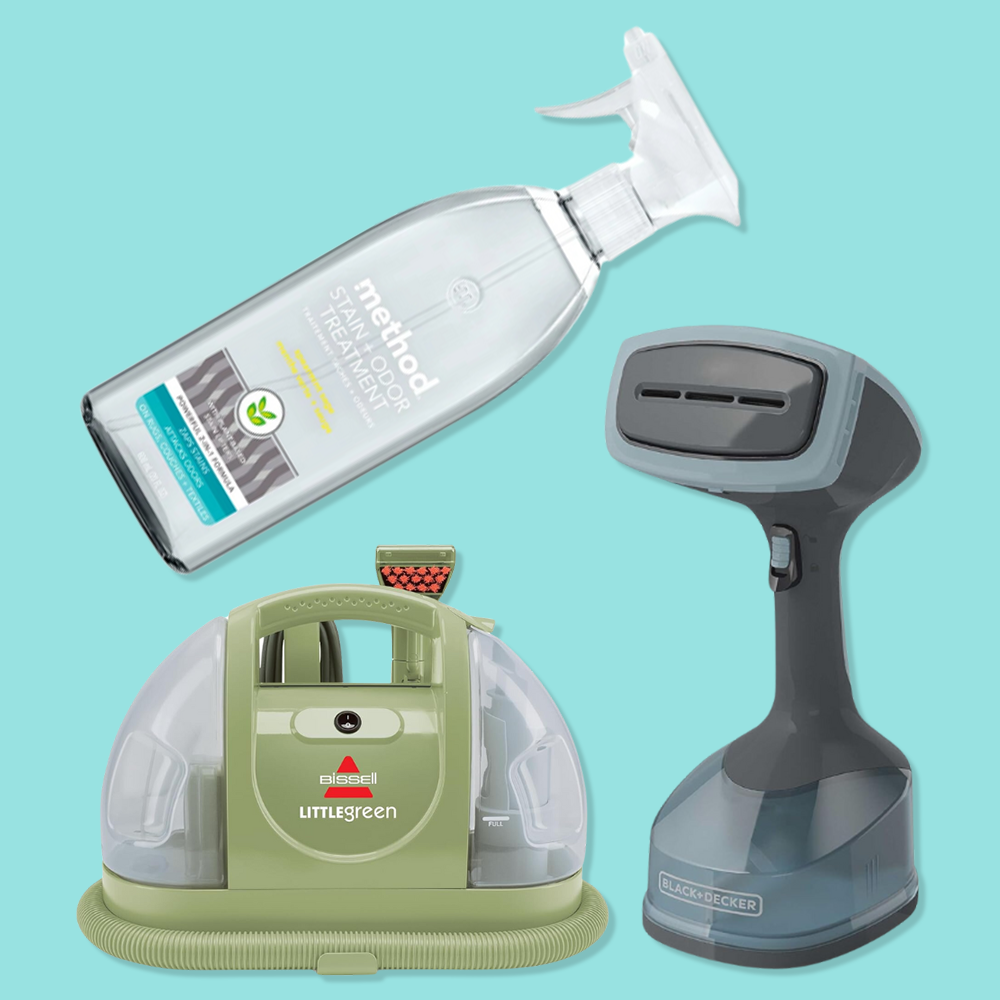
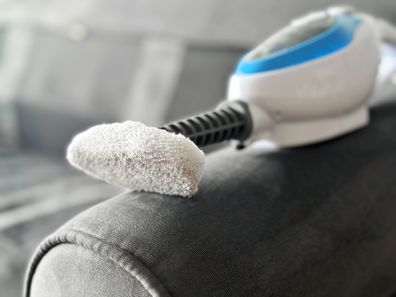
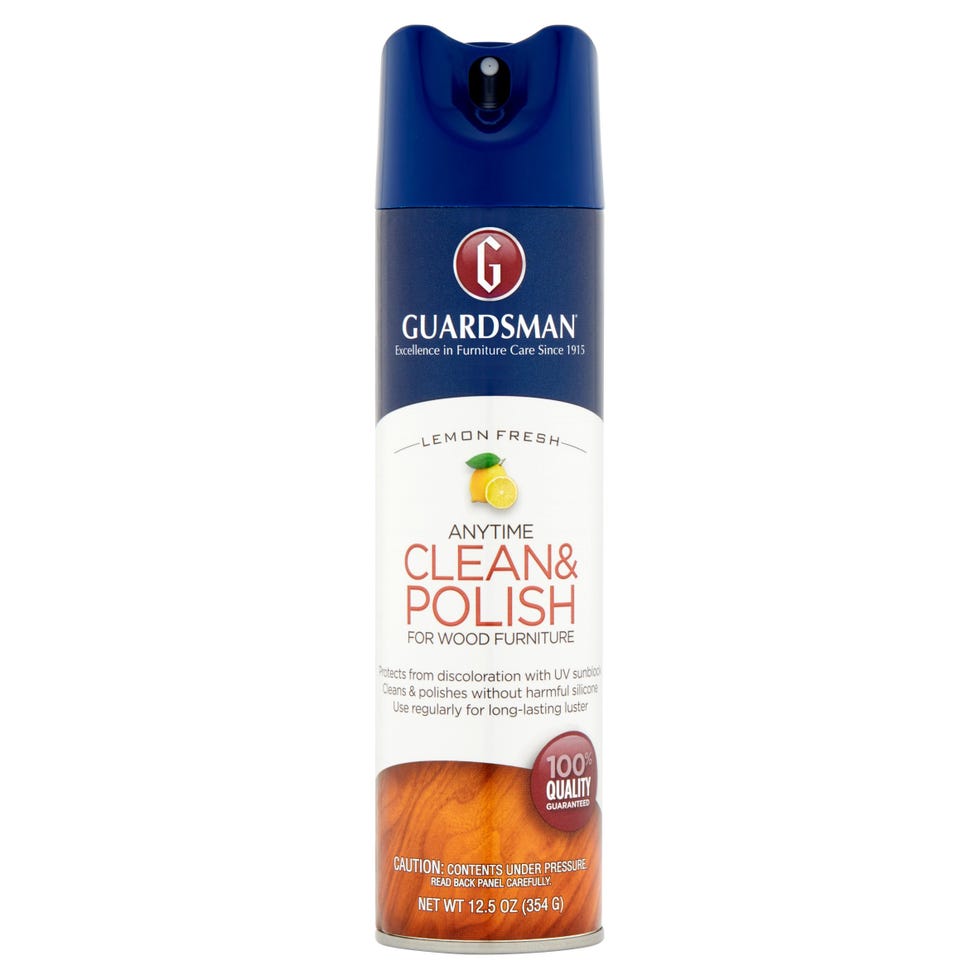
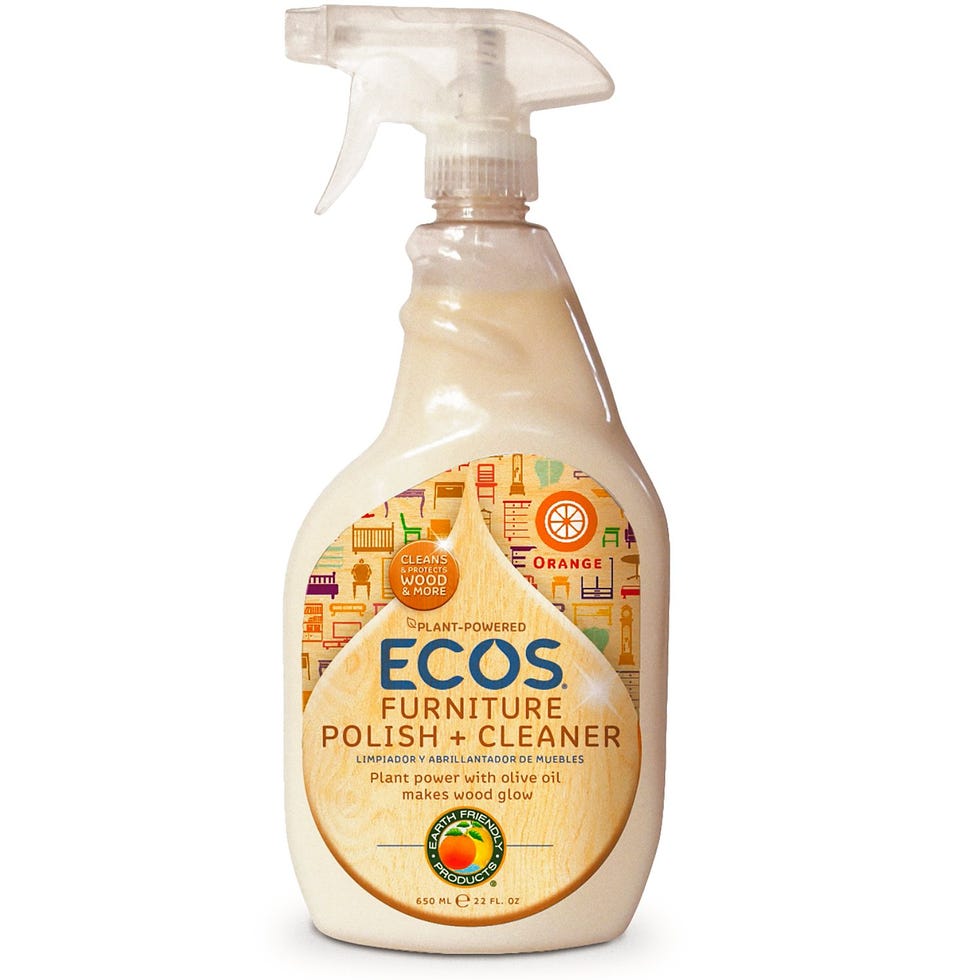
Certain materials and methods should be strictly avoided when cleaning leather. Harsh chemicals like bleach or ammonia can strip the natural oils from the leather, leading to dryness and cracking. Two-in-one cleaner and protector products are generally less effective than separate, dedicated products. Excessive water should be avoided, as leather is porous and can swell, discolor, or sustain damage from over-saturation. Cleaners not formulated for leather, such as wood cleaner, glass cleaner, all-purpose cleaners, and wet wipes, should not be used. Steaming a leather couch is also discouraged, as the heat can remove natural fats and oils, accelerating the material's aging.
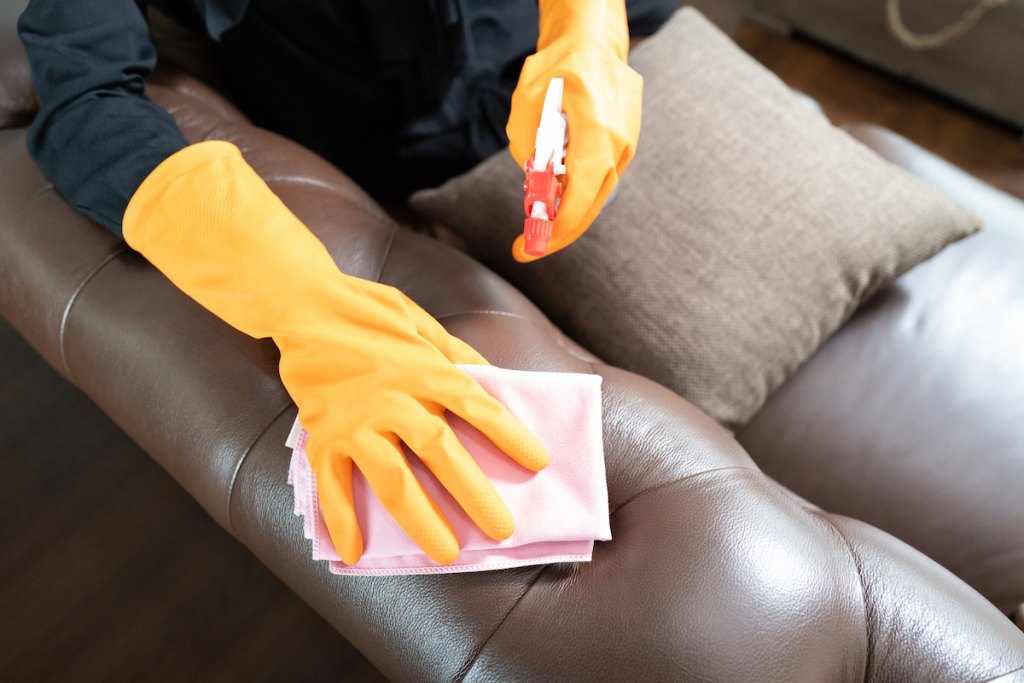
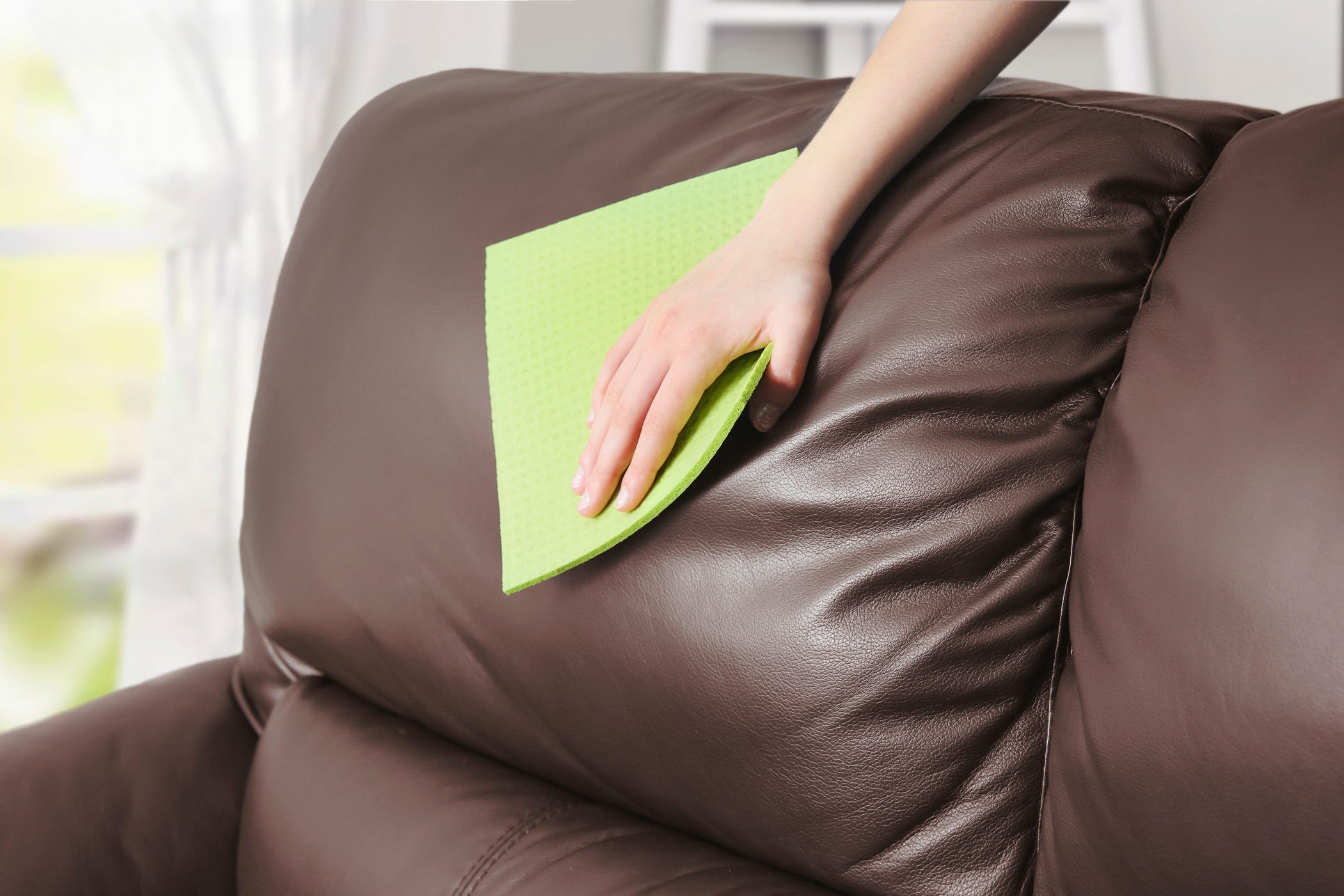
For routine cleaning, the necessary materials include microfiber cloths, distilled water, and natural liquid soap. The process begins by removing loose dust with a dry microfiber cloth or vacuum. A solution of a few drops of mild, natural soap mixed with distilled water is prepared. A microfiber cloth is dampened with this solution, wrung out to be damp, not soaked, and then used to wipe the entire couch surface. A second clean, damp cloth with distilled water is used to remove any soap residue, followed by drying with a clean microfiber cloth.
Stain removal depends on the type of stain, but a general approach involves blotting the stain immediately with a clean, dry cloth to absorb liquid without rubbing. A solution of equal parts distilled water and white vinegar is then prepared. A microfiber cloth dampened with this solution is used to gently blot the stained area, which is then patted dry with another microfiber cloth.
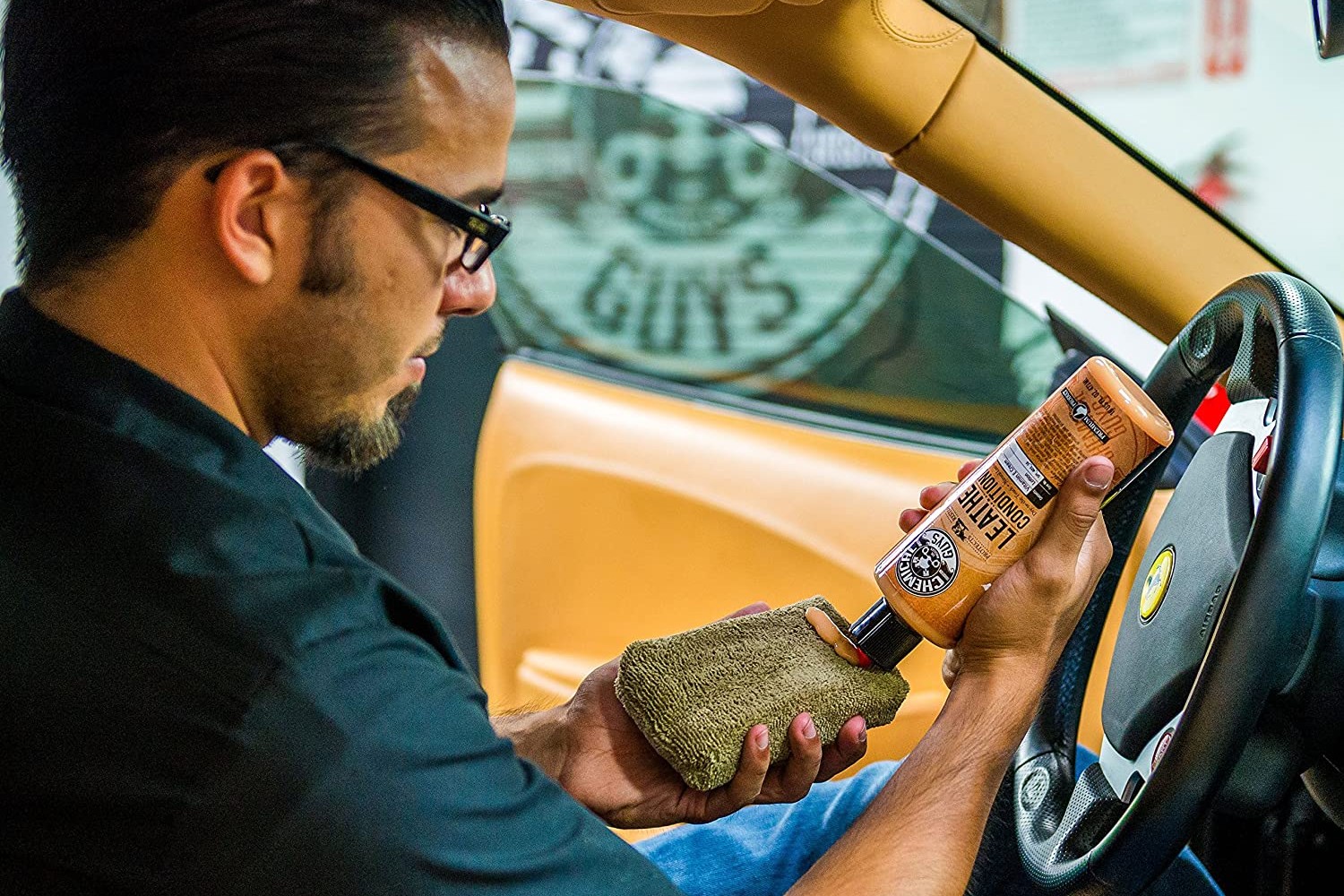
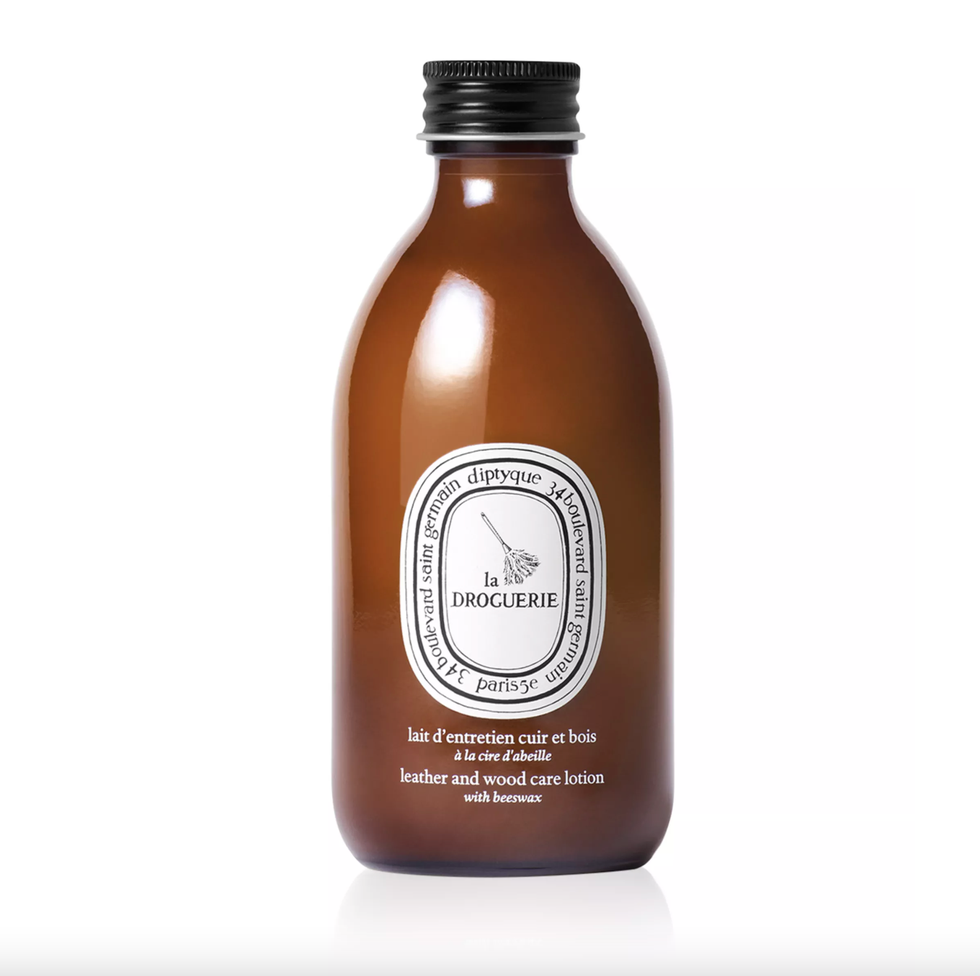
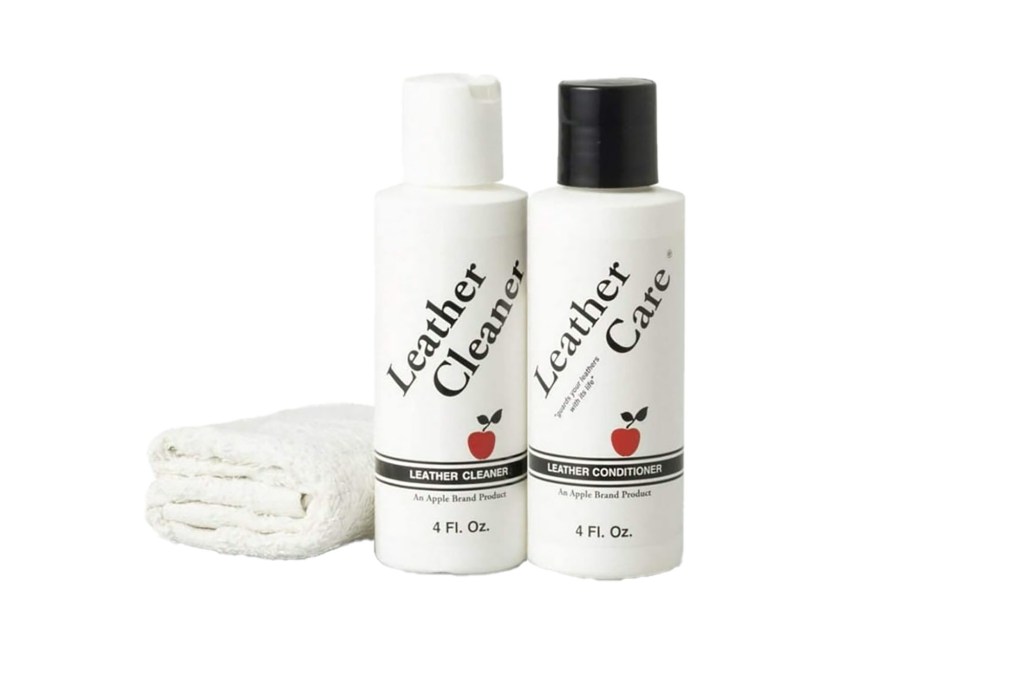
Conditioning is vital for creating a protective seal against oil, water, dirt, and food spills. Before full application, the conditioner should be tested on an inconspicuous area. A small amount of olive or coconut oil mixed with a few drops of natural liquid soap is applied to the leather using circular motions with a microfiber cloth and allowed to sit for a few minutes. Any excess conditioner is then wiped off with a dry microfiber cloth.
To maintain the leather couch between deep cleans, regular dusting is essential. Spills should be addressed immediately. Conditioning should occur once or twice a year, avoiding harsh chemicals. The couch should be kept away from direct sunlight and heat sources, which can cause fading and brittleness. Regular inspection for signs of wear or damage is also recommended to ensure the furniture remains in excellent condition.
#LeatherCouch #FurnitureCare #CleaningTips #LeatherMaintenance #HomeCleaning #StainRemoval #LeatherConditioning #HomeDecor #LeatherCouch #FurnitureCare #CleaningTips #LeatherMaintenance #HomeCleaning #StainRemoval #LeatherConditioning #HomeDecor
0 Kommentare insgesamt
 Noch keine Kommentare
Das könnte Ihnen auch gefallen
How to Clean a Couch, According to Experts | NBC Select

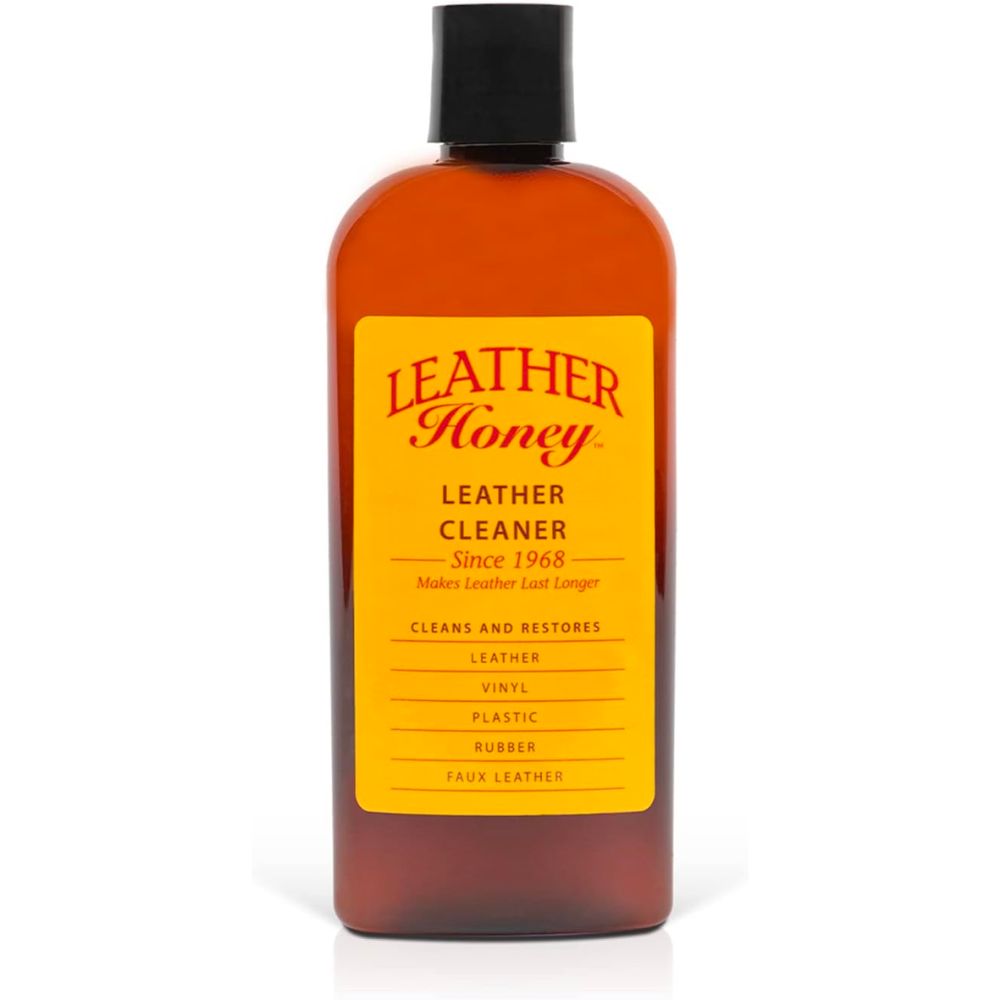
The Best Leather Cleaners for Cars and Furniture

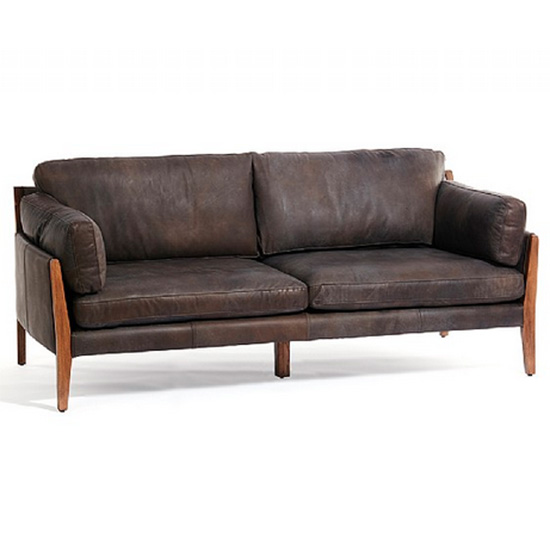
Leather Sofas – Our Pick of the Best

How to Clean Every Type of Couch Cushion, According to the Pros

How To Deep Clean a Couch: Expert Tips for Getting It To Look Like New

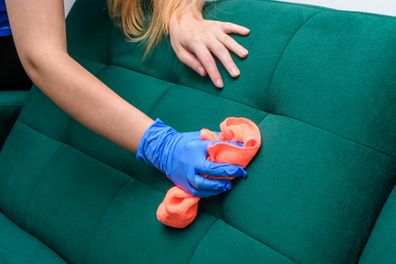
From a quirky TikTok hack and a $99 sell-out Kmart buy, here are five ways to clean your sofa


How to Clean Upholstered Furniture the Right Way

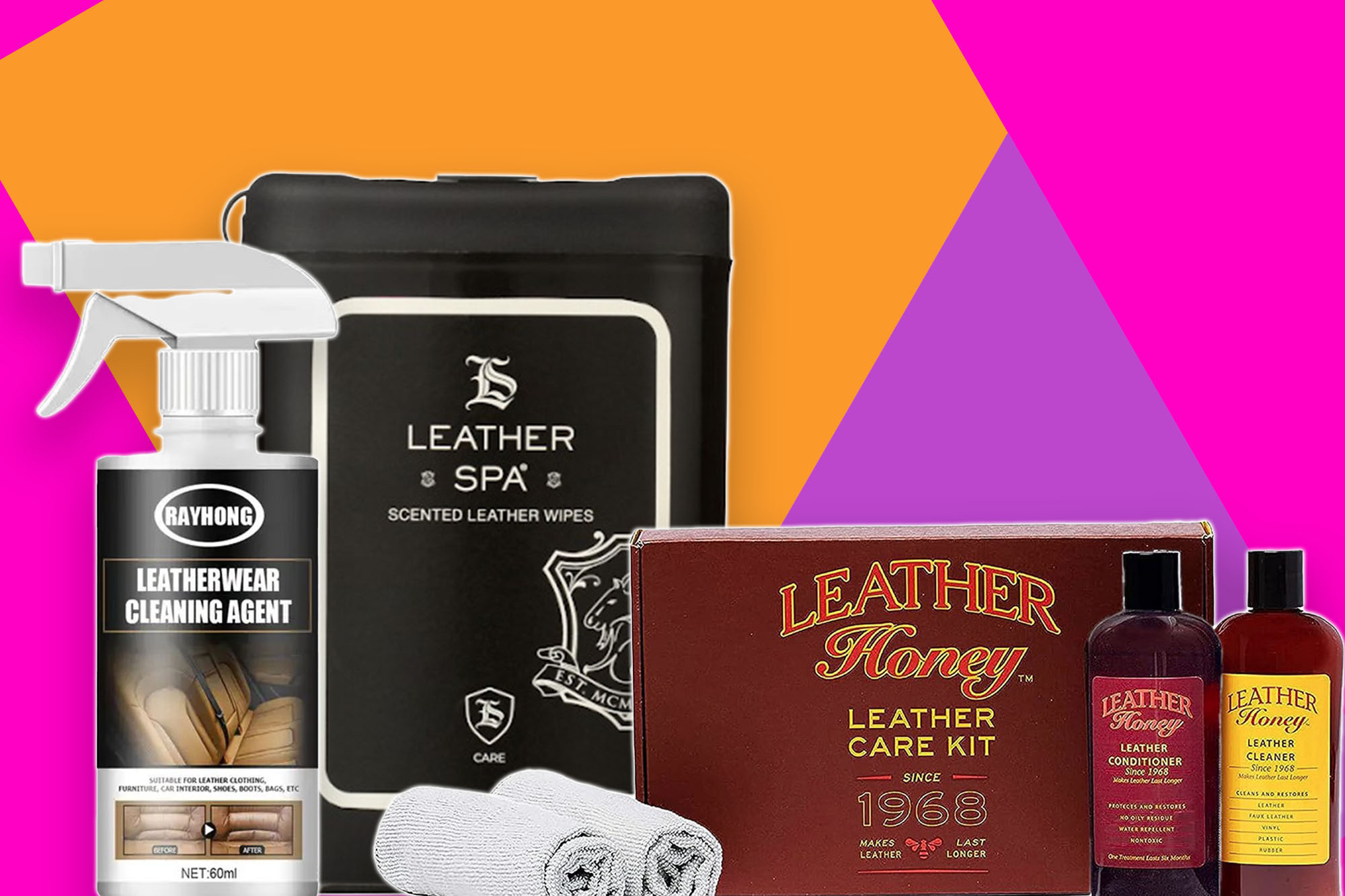
The 14 best leather cleaners and conditioners, per experts
Are You Cleaning Your Couch Enough? Here's How to Do It the Right Way


How To Clean A Couch So It Looks As Good As New
The best leather couches for your living room in 2025

What to Do When a Dirty, Smelly Dude Sleeps on Your Couch

The Right Way to Clean Every Type of Couch, From Fabric to Leather
You need to deep clean your couch every few months — here’s how experts say to do it

10 Best Furniture Polishes, Tested by Cleaning Experts

Whew, These 10 Leather Couches Are Serving Main Character Energy

How to clean a sofa bed – top hacks for tackling stains and everyday cleaning for an immaculate couch

5 Common Sofa Cleaning Mistakes You Might Be Making

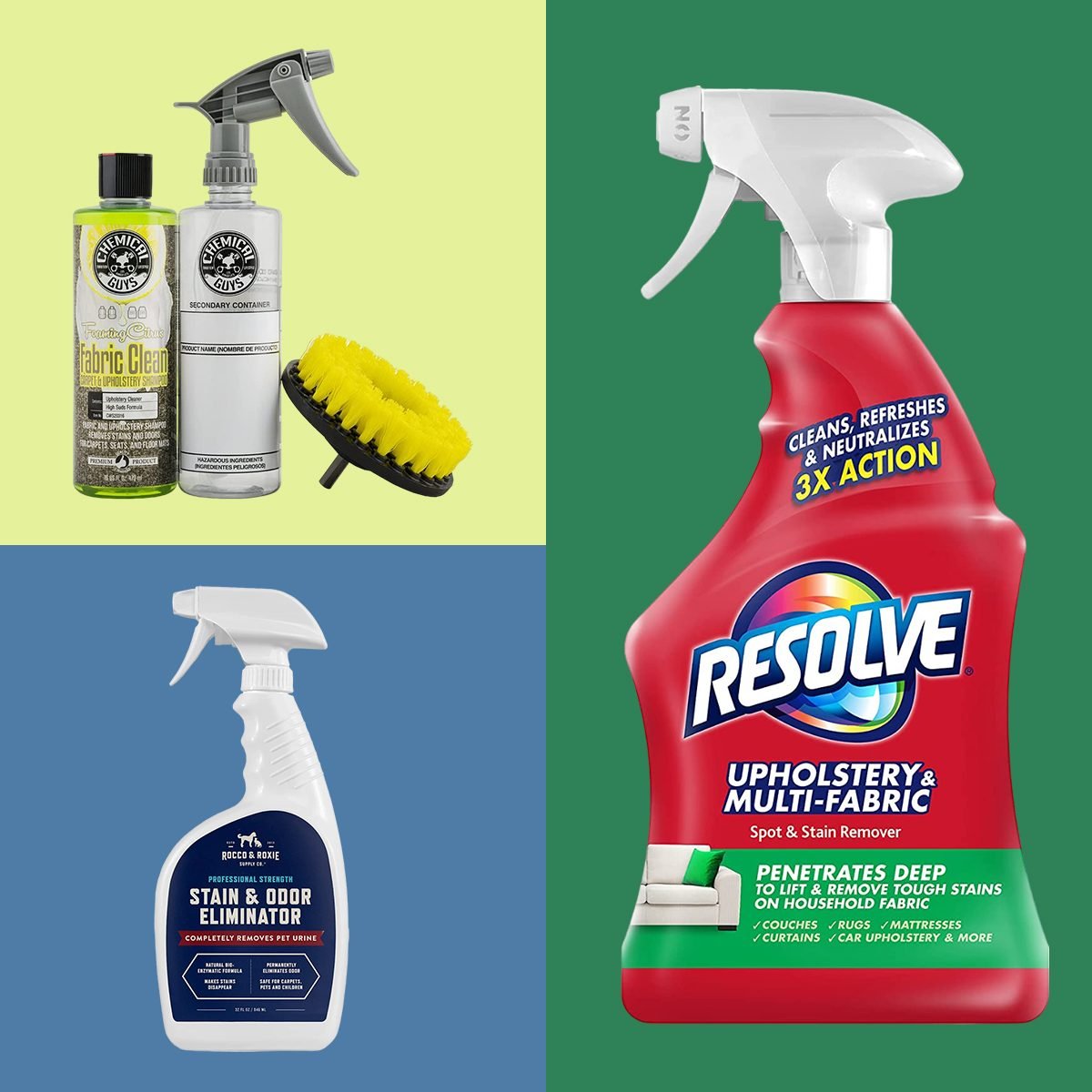
The 8 Best Upholstery Cleaners for Furniture and Beyond


Best Sofa Cleaners UK | 2026