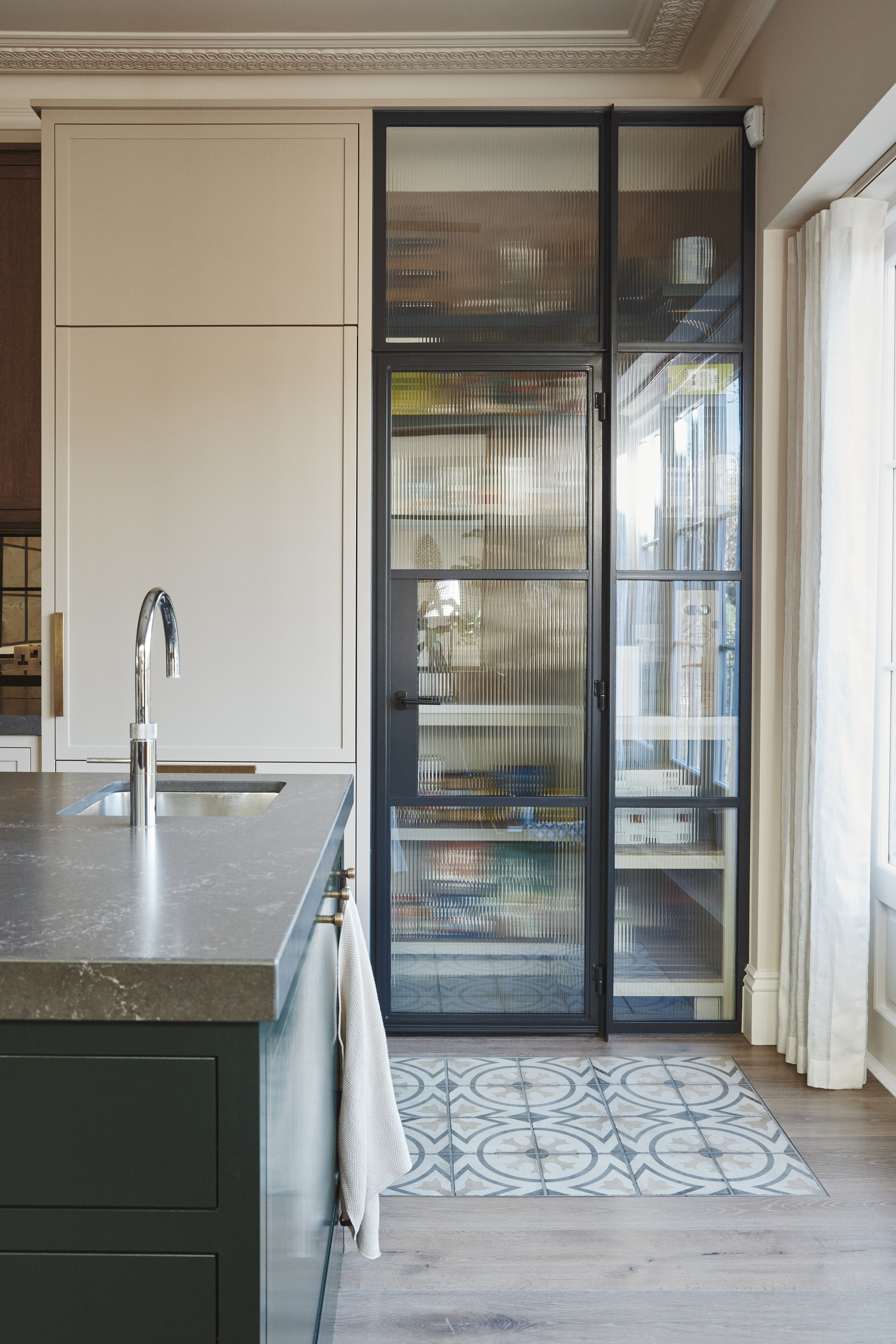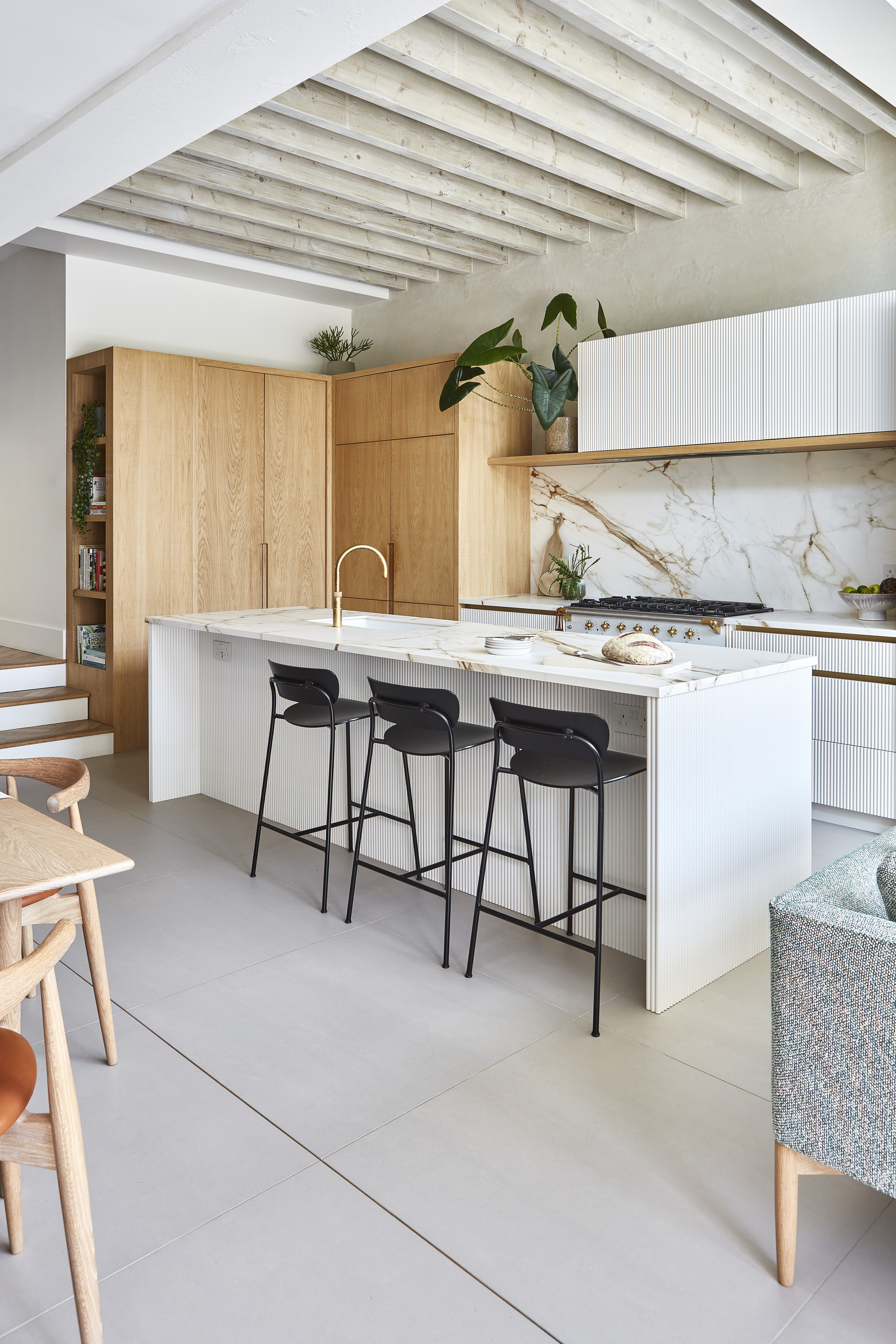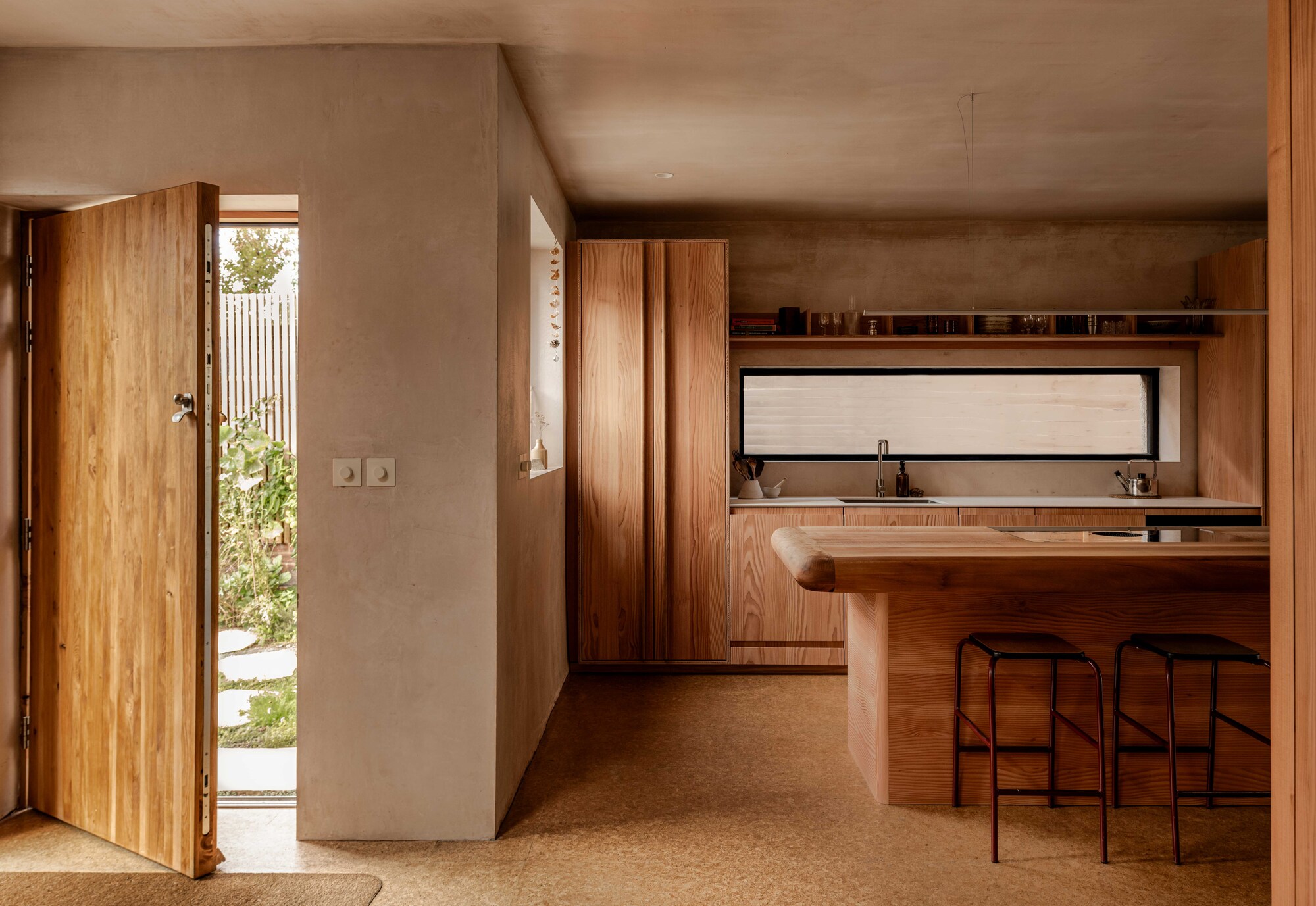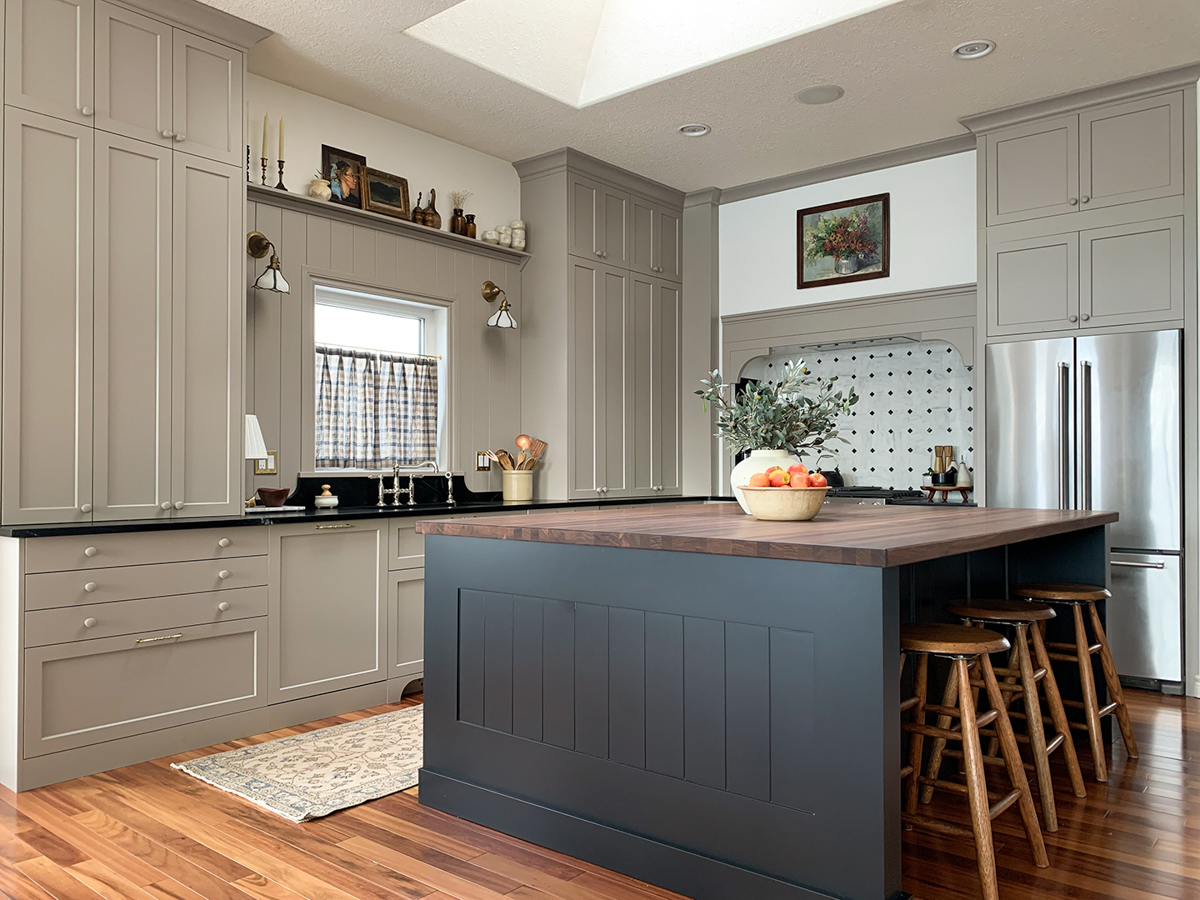
1/4
The Kitchen Flooring Your Grandparents Used Is Back In Style
Linoleum flooring, despite its occasional reputation for being cheap or dated, is experiencing a resurgence in popularity due to its durability, versatility, and affordability. This guide provides a comprehensive overview of linoleum flooring, covering its composition, benefits, drawbacks, cost, installation, maintenance, lifespan, and leading brands. It also addresses frequently asked questions about its waterproof properties and distinctions from vinyl flooring.
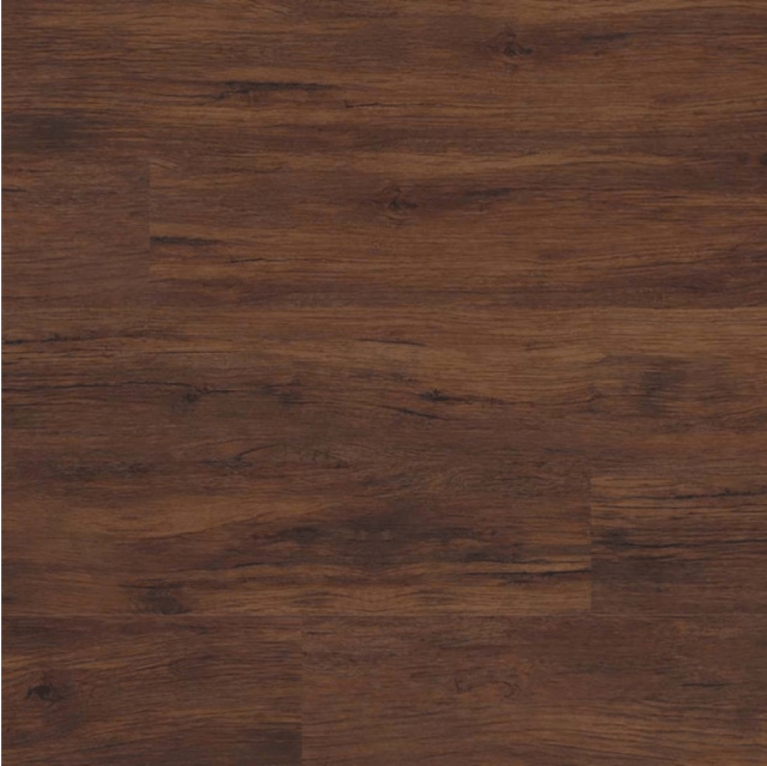
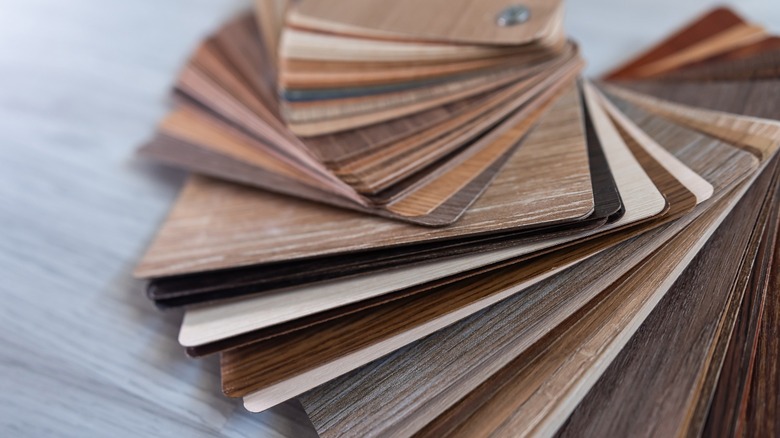
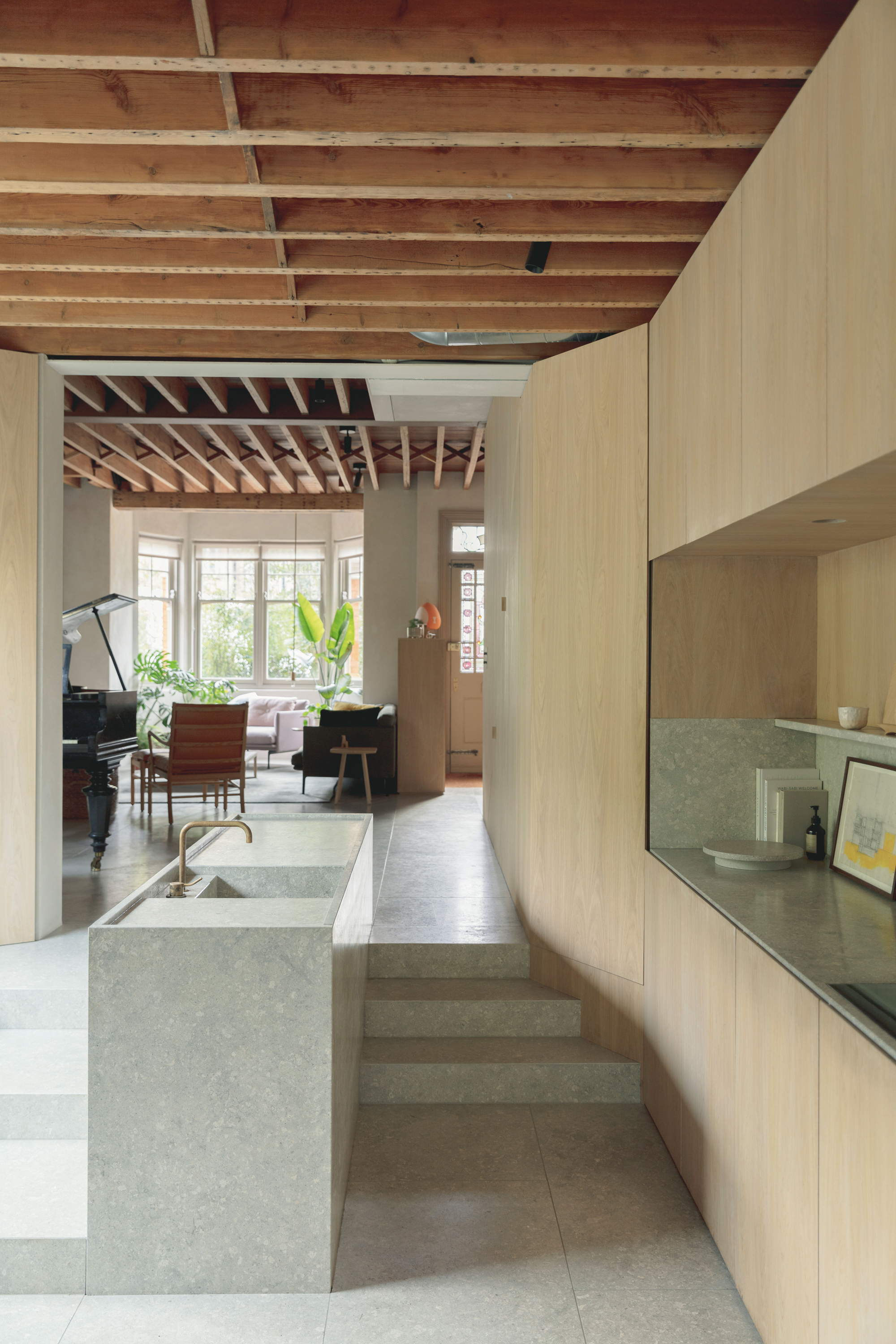
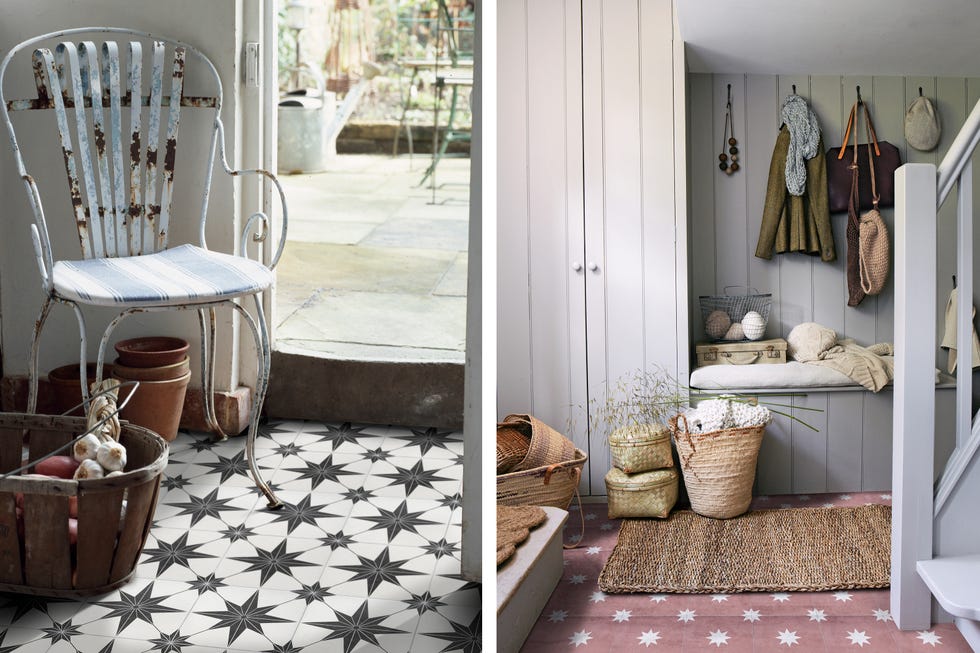
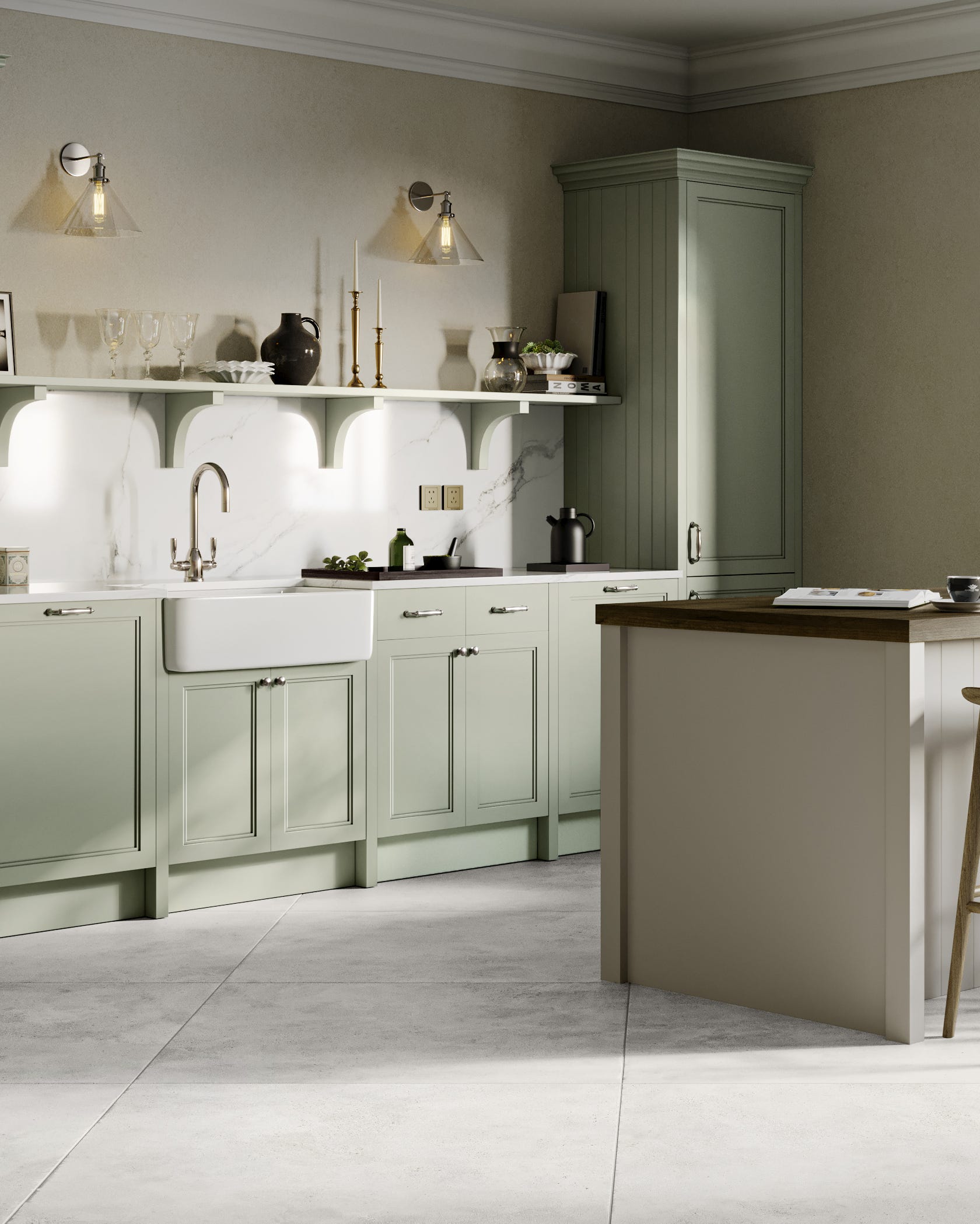

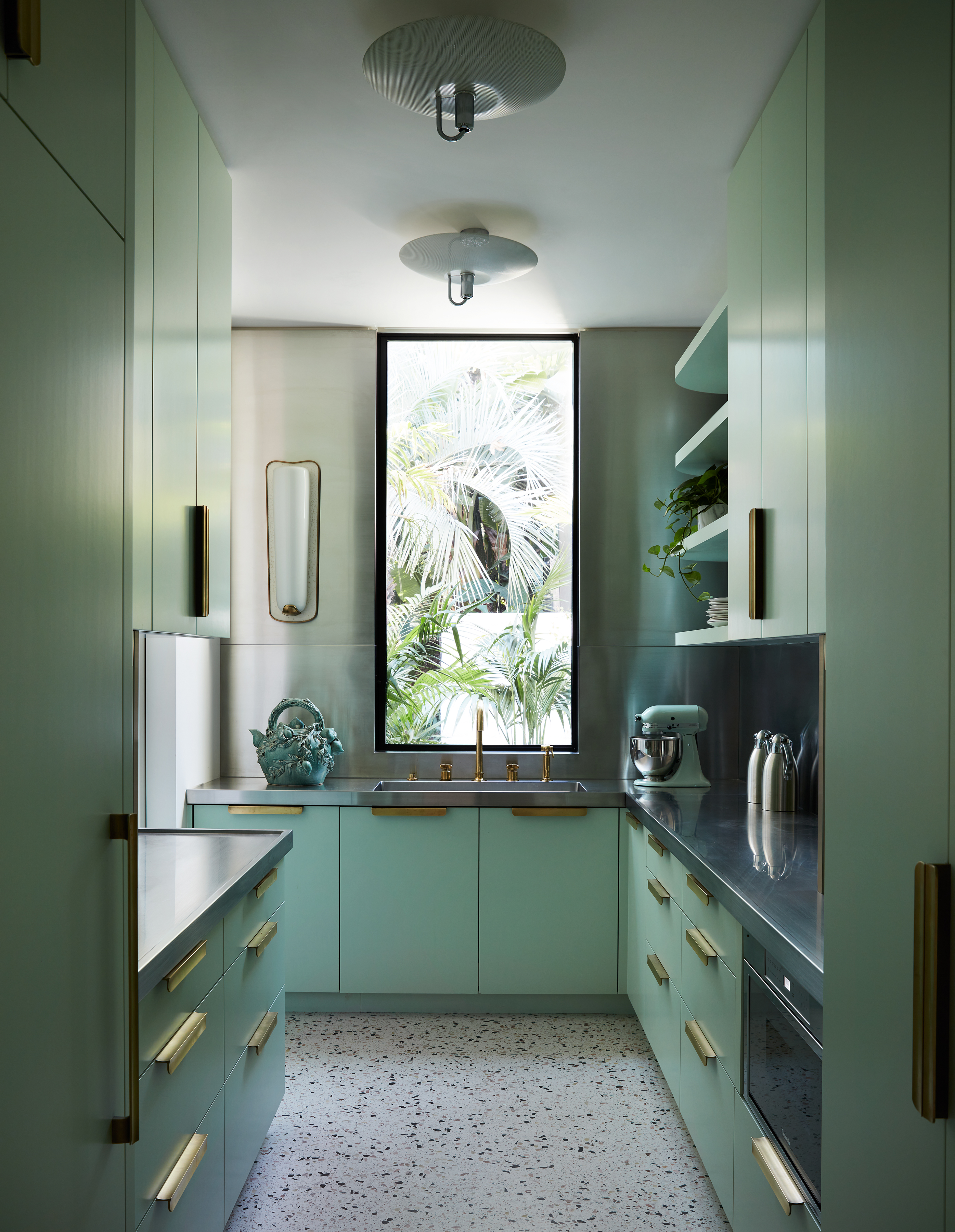
Linoleum is a resilient and flexible floor covering made from natural ingredients such as cork, limestone, wood flour, linseed oil, and pigments. These components are combined with resin, spread, and cured, then finished with protective surface treatment and jute backing before being cut into sheets, tiles, or planks. Invented in 1860 by Frederick Walton, linoleum was widely used until the 1960s and has maintained popularity in Europe. Its renewed interest in the United States stems from a growing demand for naturally derived and easy-to-maintain products. Unlike wood floors, linoleum does not require frequent refinishing, and its color and pattern are consistent throughout the material, meaning scratches or nicks do not easily compromise its aesthetic.
Key advantages of linoleum flooring include its composition from renewable natural ingredients and its exceptional toughness and abrasion resistance. It also provides a soft, warm feel underfoot. Furthermore, the material is almost indefinitely recyclable, with scraps from the manufacturing process being reusable, minimizing waste. However, linoleum does have some drawbacks. While modern formulations include stabilizers to mitigate the yellowing caused by linseed oil oxidation in older versions, some discoloration may still occur over time. It is also prone to showing scratches and scuffs, especially in areas with high foot traffic. Homeowners are advised to consider the overall context of their home and specific room activities before selecting linoleum.
Regarding cost, linoleum flooring typically ranges from $650 to $4,800, with a national average of $1,760. The price per square foot varies between $3 and $12, depending on thickness, design, and material composition. Installation is generally recommended for professionals, although meticulous individuals might attempt tile installation. A crucial aspect of installation is ensuring the subfloor is perfectly smooth to prevent imperfections from showing through. Maintenance is relatively straightforward; linoleum does not require waxing or buffing due to its protective surface treatment. Regular sweeping to remove grit and dust, along with cleaning spills with a damp mop and linoleum-specific floor cleaner, is sufficient. Acidic cleaners should be avoided, and furniture legs should have felt slides to prevent scratching.
Linoleum flooring typically comes with manufacturer warranties ranging from 5 to 15 years, but it can often last much longer, potentially 20 to 30 years or more. Leading brands in the market include Forbo (also known as Marmoleum) and Tarkett, both recognized for their commitment to natural and recycled materials. Forbo’s Marmoleum is 100% biodegradable and appeals to climate-conscious consumers, while Tarkett utilizes 97% recycled and natural materials, offering modern designs. Linoleum is water-resistant but not fully waterproof, making it unsuitable for bathrooms where prolonged exposure to moisture could cause warping. In contrast to vinyl, which is a synthetic PVC product with printed designs, linoleum is a softer, natural material that forms a solid sheet. While vinyl can be waterproof and easier for DIY installation due to its thinner nature, linoleum's natural composition and durability distinguish it as a viable and sustainable flooring option.
#LinoleumFlooring #HomeRenovation #InteriorDesign #FlooringOptions #SustainableMaterials #HomeImprovement #NaturalFlooring #CostAnalysis #MaintenanceTips #LinoleumFlooring #HomeRenovation #InteriorDesign #FlooringOptions #SustainableMaterials #HomeImprovement #NaturalFlooring #CostAnalysis #MaintenanceTips
0 Kommentare insgesamt
 Noch keine Kommentare
Das könnte Ihnen auch gefallen
This Once-Taboo Kitchen Flooring Is Climbing the Ranks
6 Kitchen Flooring Options That Are Durable And Stylish

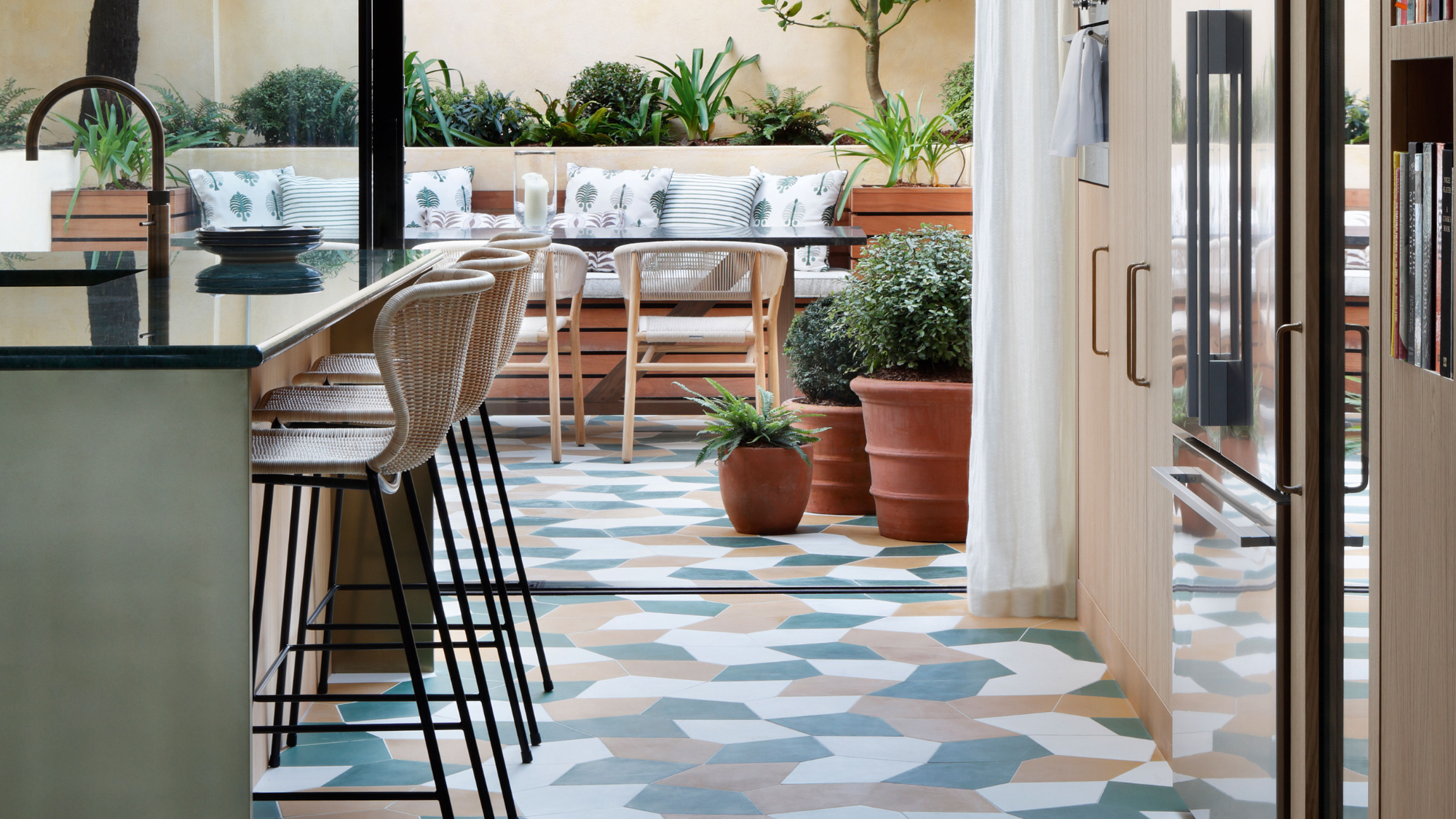
11 Kitchen Flooring Ideas to Build a Brilliant Renovation Scheme From the Ground Up

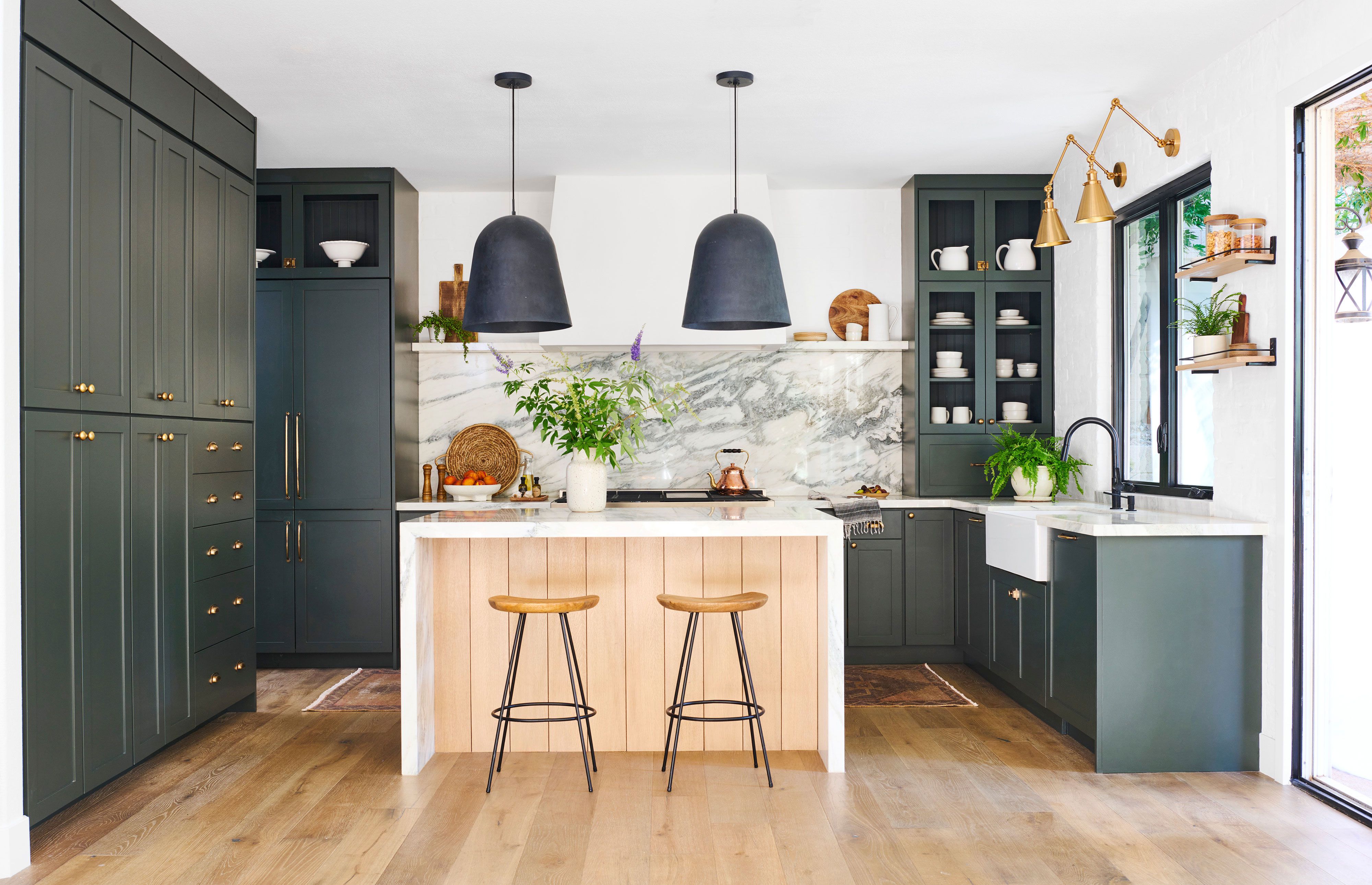
8 Flooring Trend Predictions for 2024

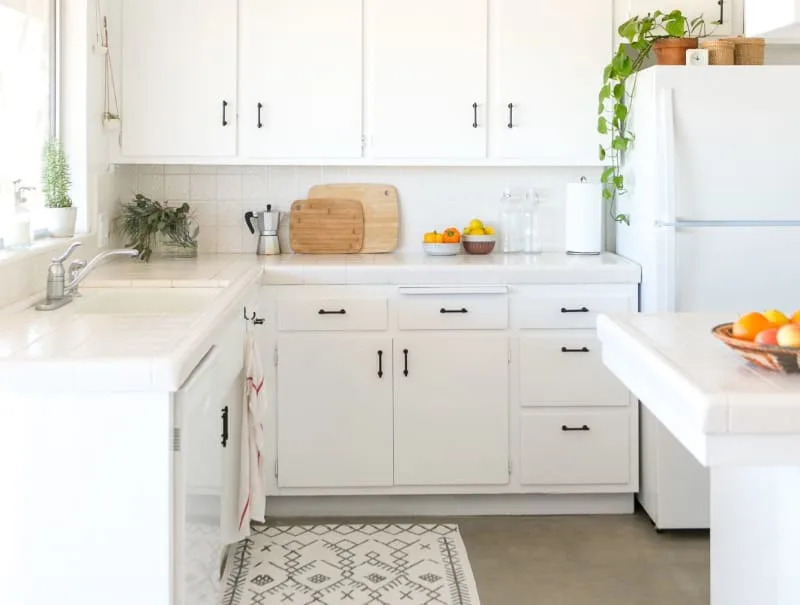
4 Kitchen Flooring Trends That Are on Their Way Out (and 3 Replacing Them)


15 Modern Kitchen Flooring Ideas

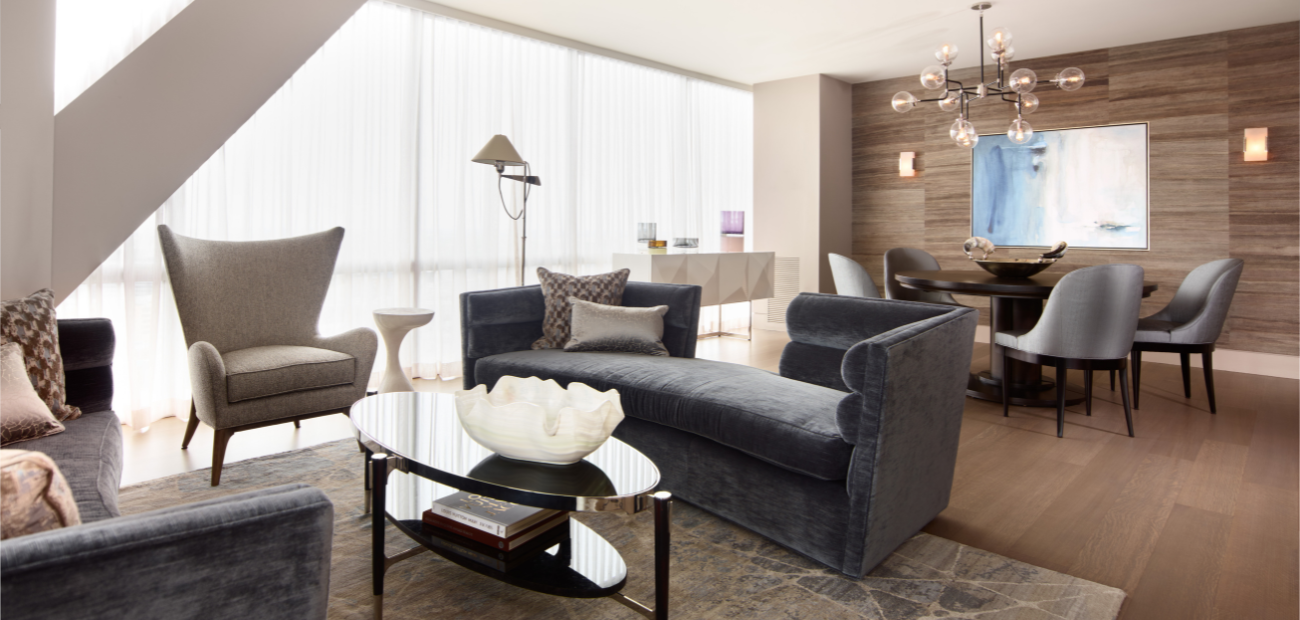
Wood Floors Make (Another) Comeback
How to Get the High-End Flooring Look You See in LUXURY Homes

6 Outdated Kitchen Flooring Ideas in 2025 That Threaten to Turn Back the Clock — Plus What to Choose Instead
The Outdated Kitchen Floor That's Trendy Again
7 kitchen flooring trends you'll be seeing everywhere in 2025, say interior designers

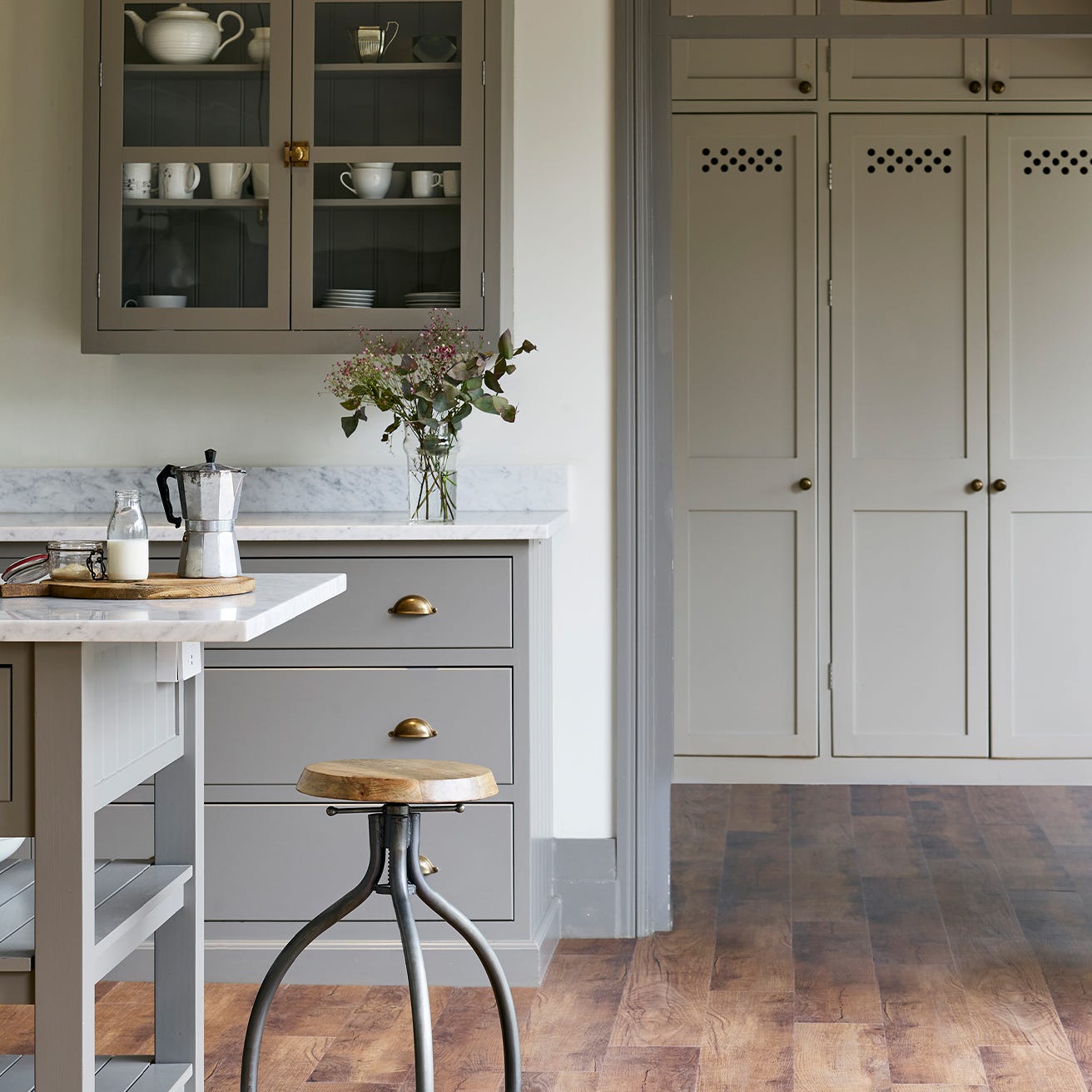
10 kitchen flooring ideas for a refreshed look
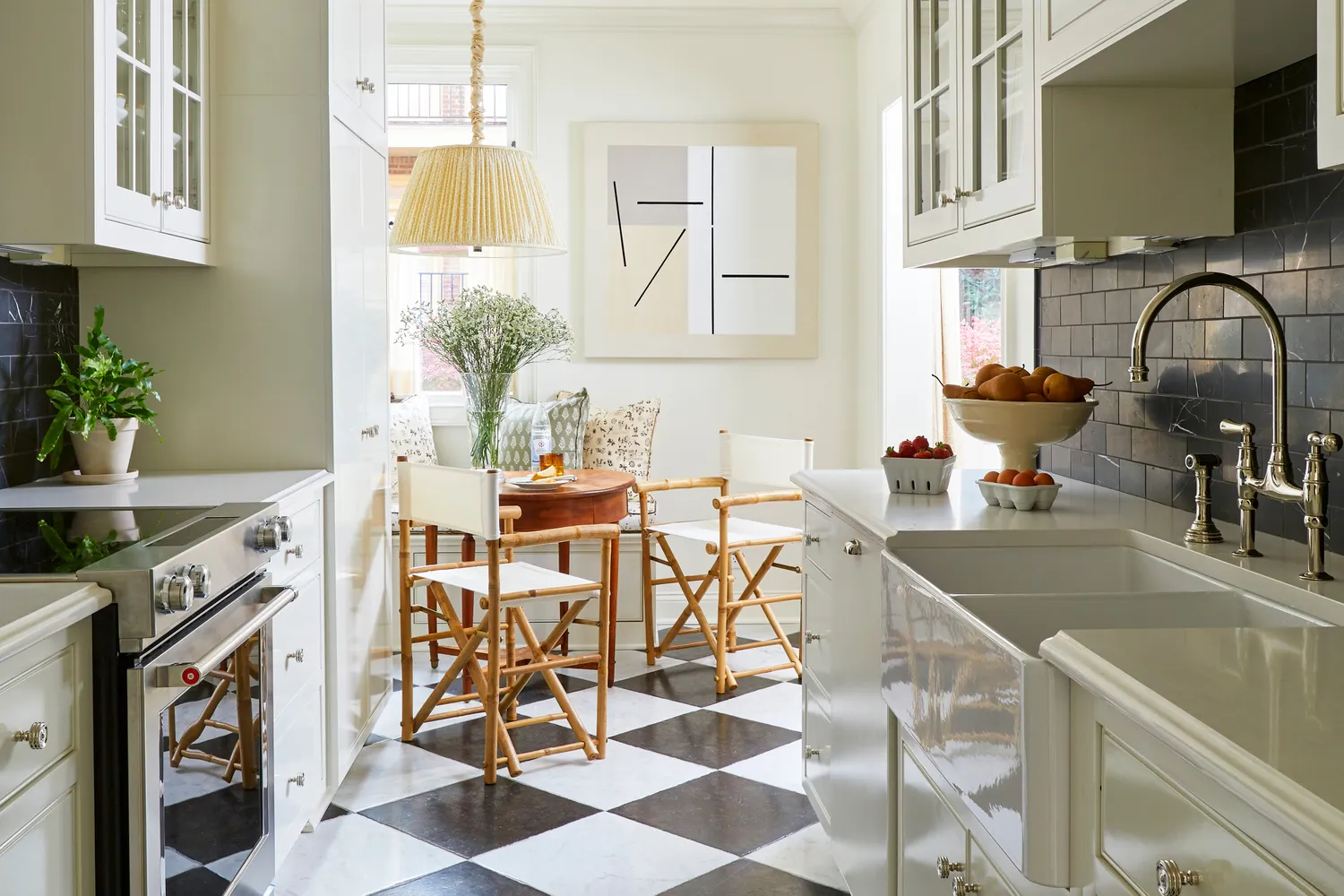
The Retro Kitchen Flooring Style That Deserves A Comeback
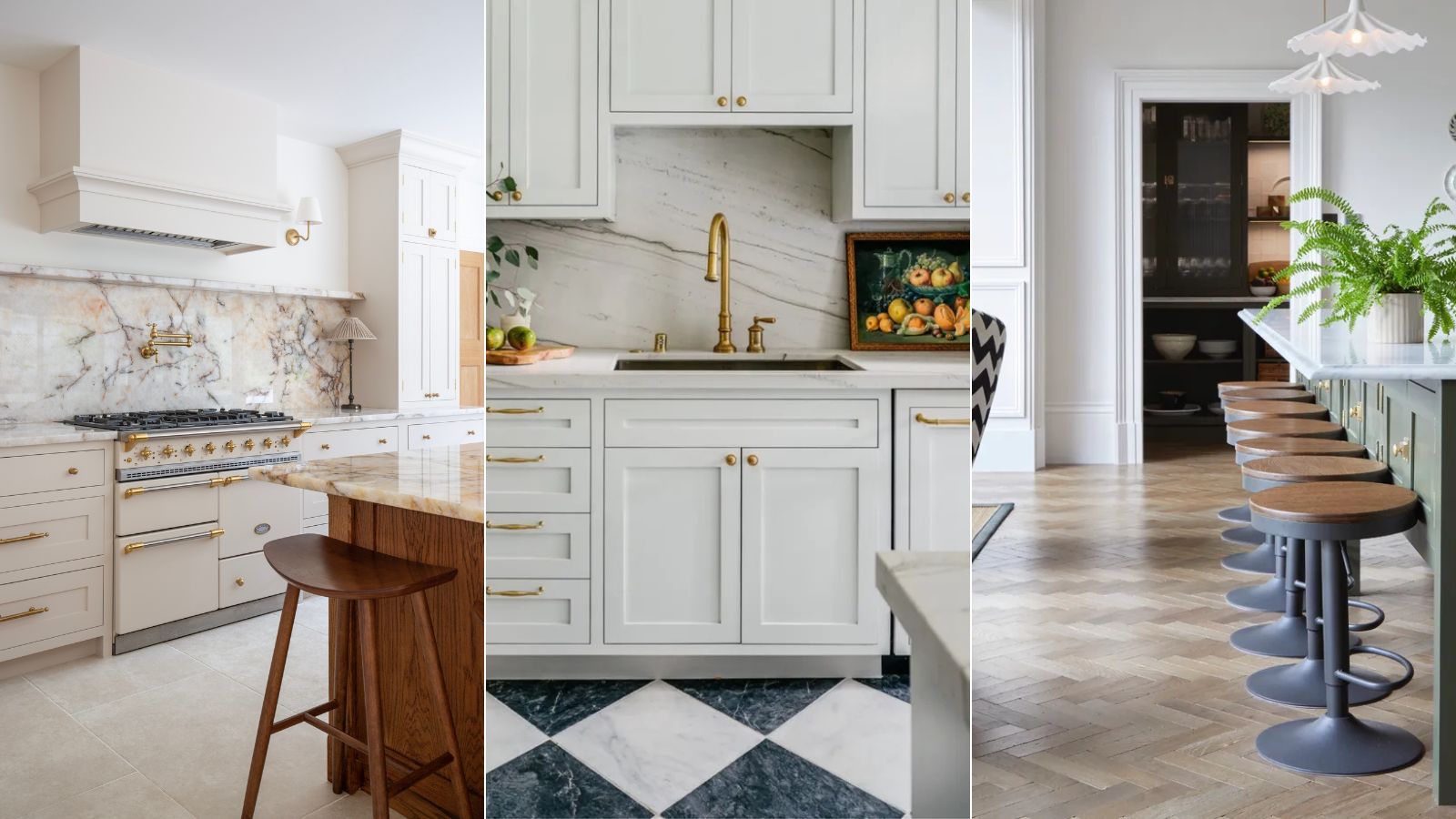
5 dated kitchen flooring trends to avoid in 2025 – and what experts say you should choose instead
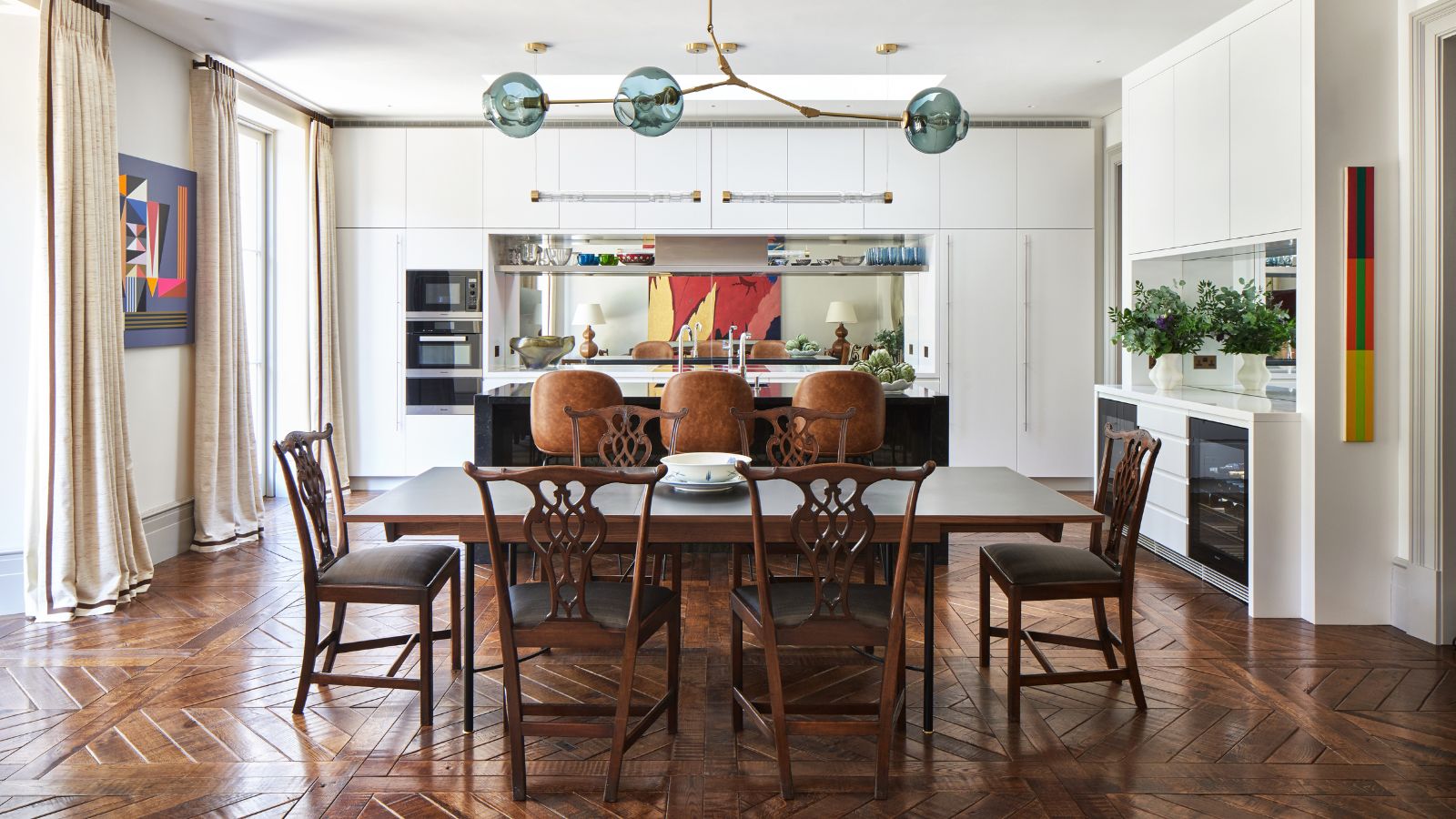
Are your floors passé? Find out from these 8 outdated flooring trends designers are leaving behind in 2025
8 kitchen flooring trends for 2024 - durable, beautiful and designer-approved
The Countertop Material That We Loved 25 Years Ago Is Coming Back

The 10 Big Flooring Trends Emerging in Homes in 2025
The Most Popular Kitchen Flooring Ideas for Every Style


These 5 Flooring Trends Are Fading Fast—and Designers Say It's Time to Move On