The Retro Kitchen Flooring Style That Deserves A Comeback
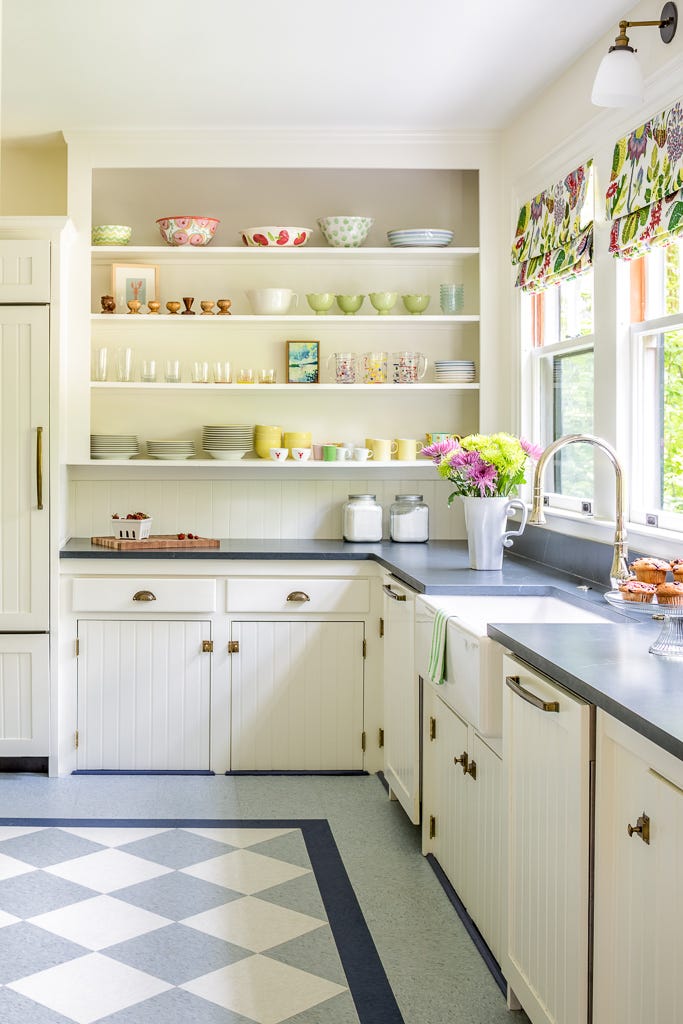
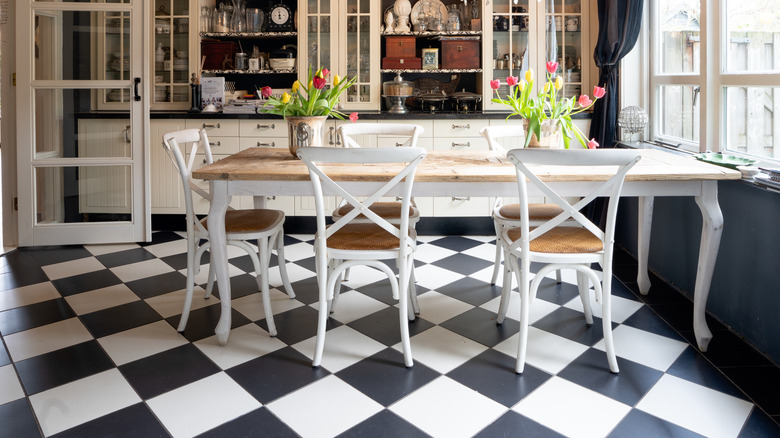
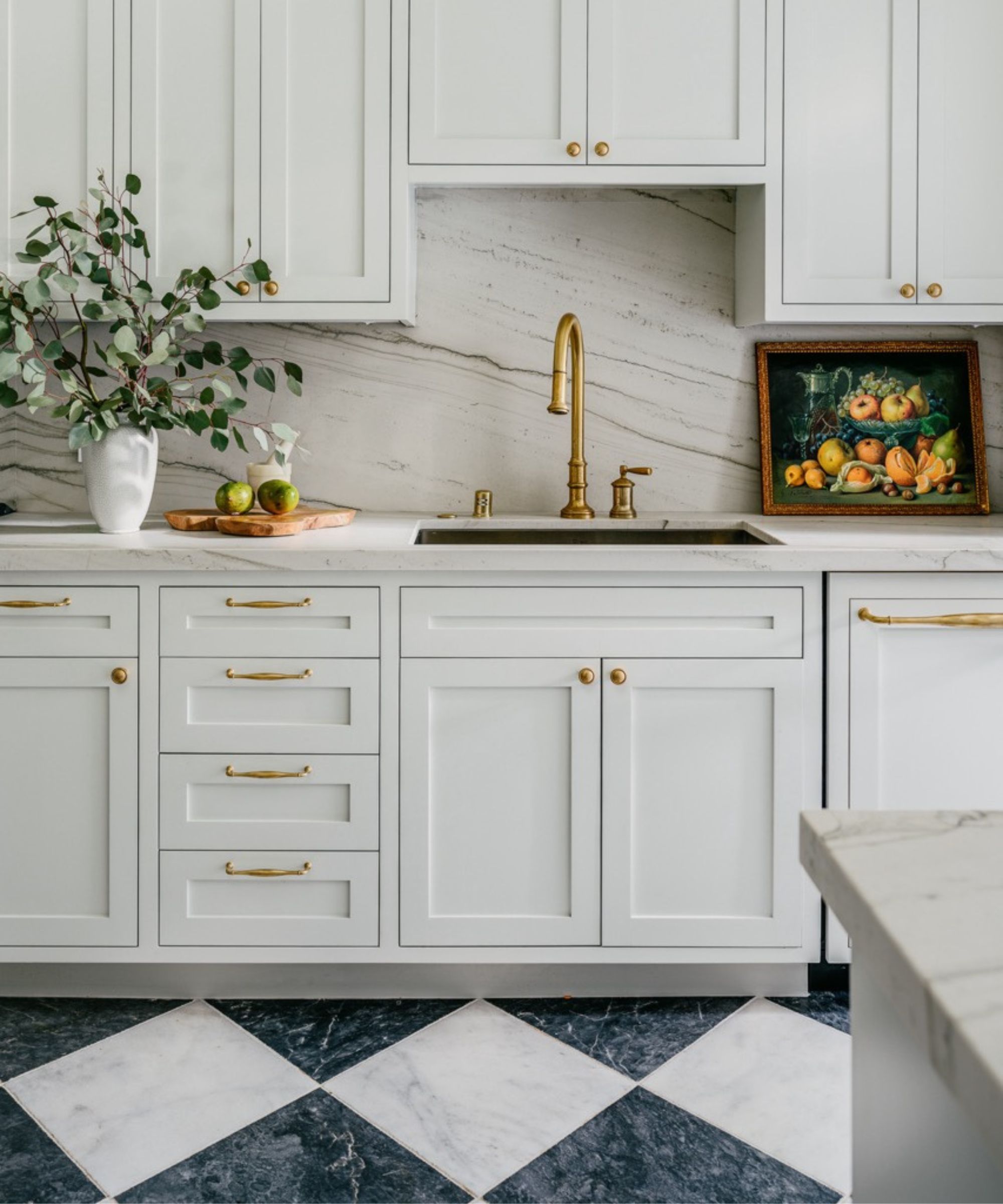
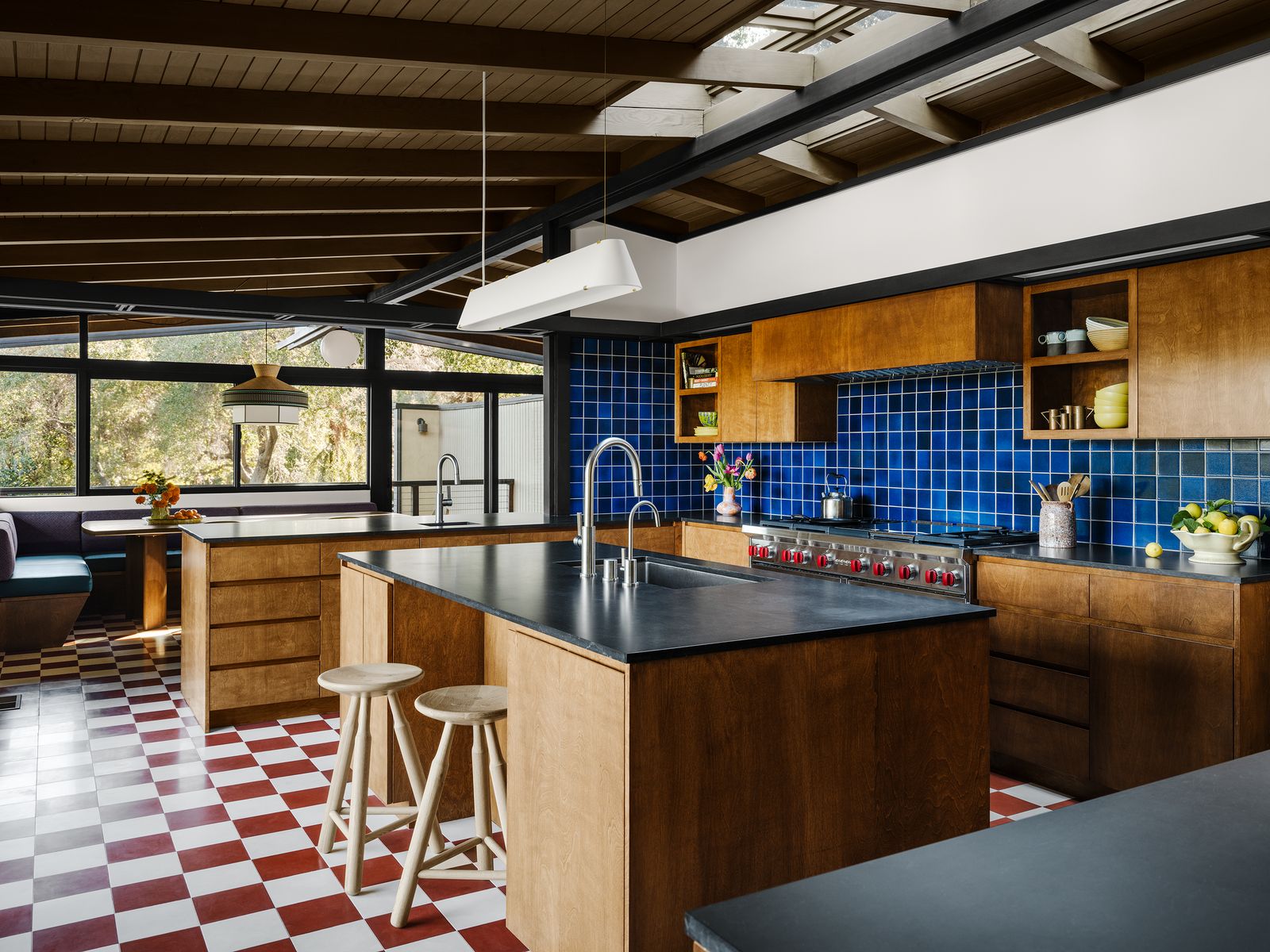
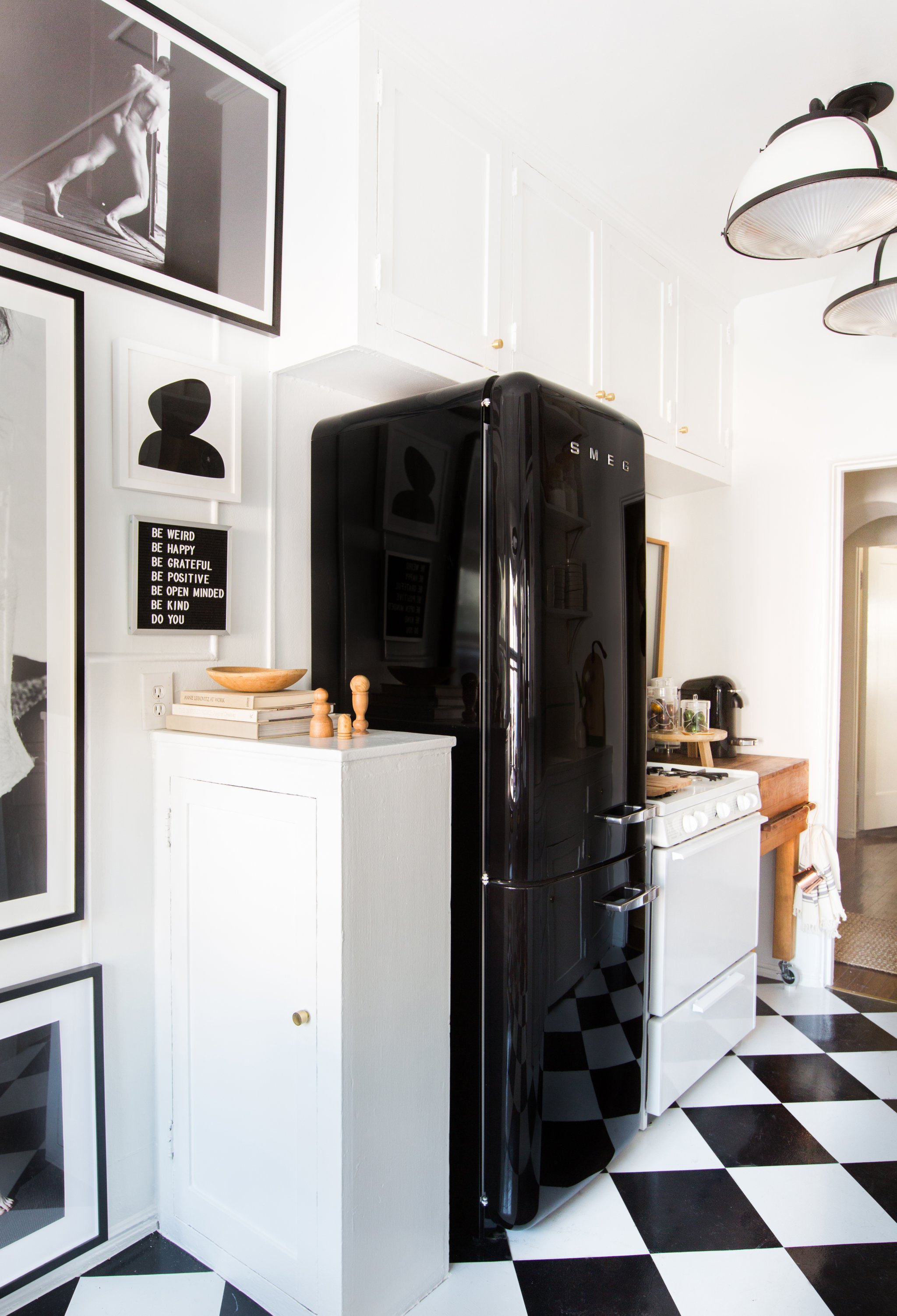
While some home decorating trends come and go, others possess a timeless quality, enduring through various design eras. One such style, often residing in the background, is the black-and-white checkerboard flooring. Despite the rise of hardwood, patterned tiles, and painted floors in recent years, the classic checkerboard motif, particularly in linoleum, has maintained its appeal. This design, while evoking a retro diner aesthetic, is rooted in centuries-old architectural history and continues to make a statement while adding comfort and ease to a space.
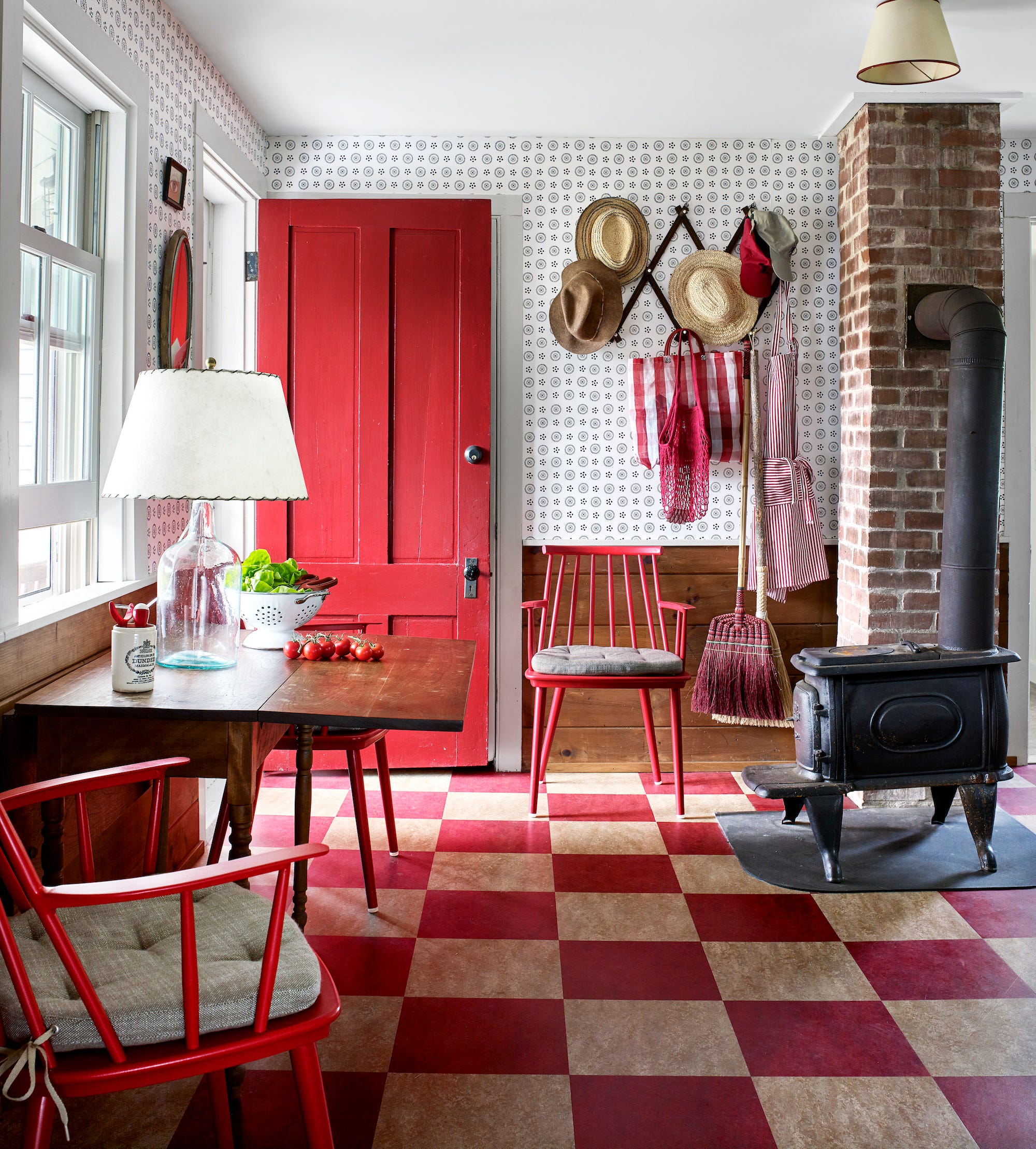
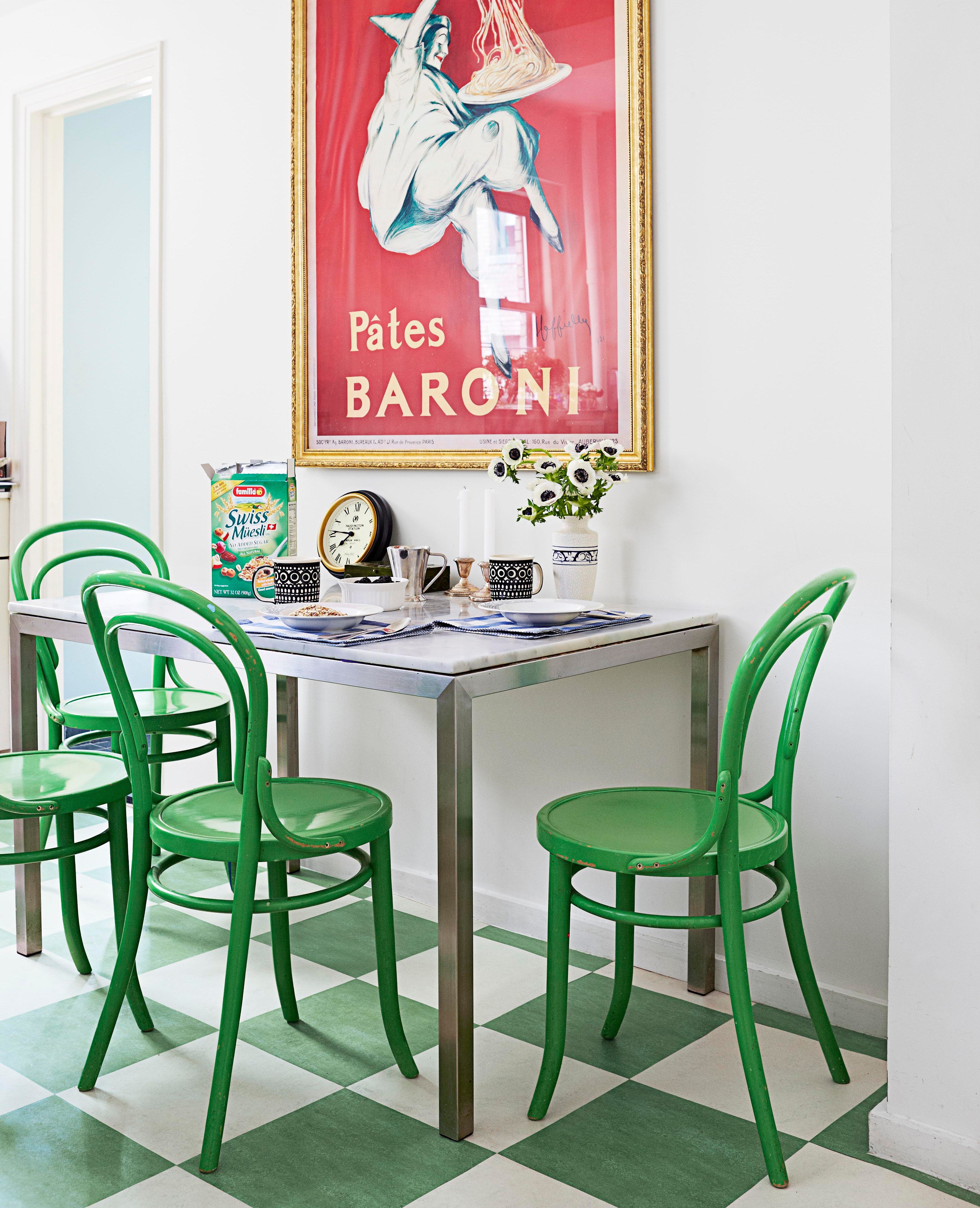
The popularity of checkered floors in average American homes surged in the 1950s, largely due to their prominent display in diners and the accessibility and affordability of linoleum flooring. This made the style a common feature in kitchens and bathrooms across the nation. Although it was later overshadowed by muted wood tones and large neutral tiles, black-and-white checkerboard flooring is currently experiencing a resurgence. This comeback is driven by its ability to inject visual energy and a touch of nostalgia into modern interiors. The style is considered evergreen, suitable for primary design elements in kitchens, bathrooms, and entryways.
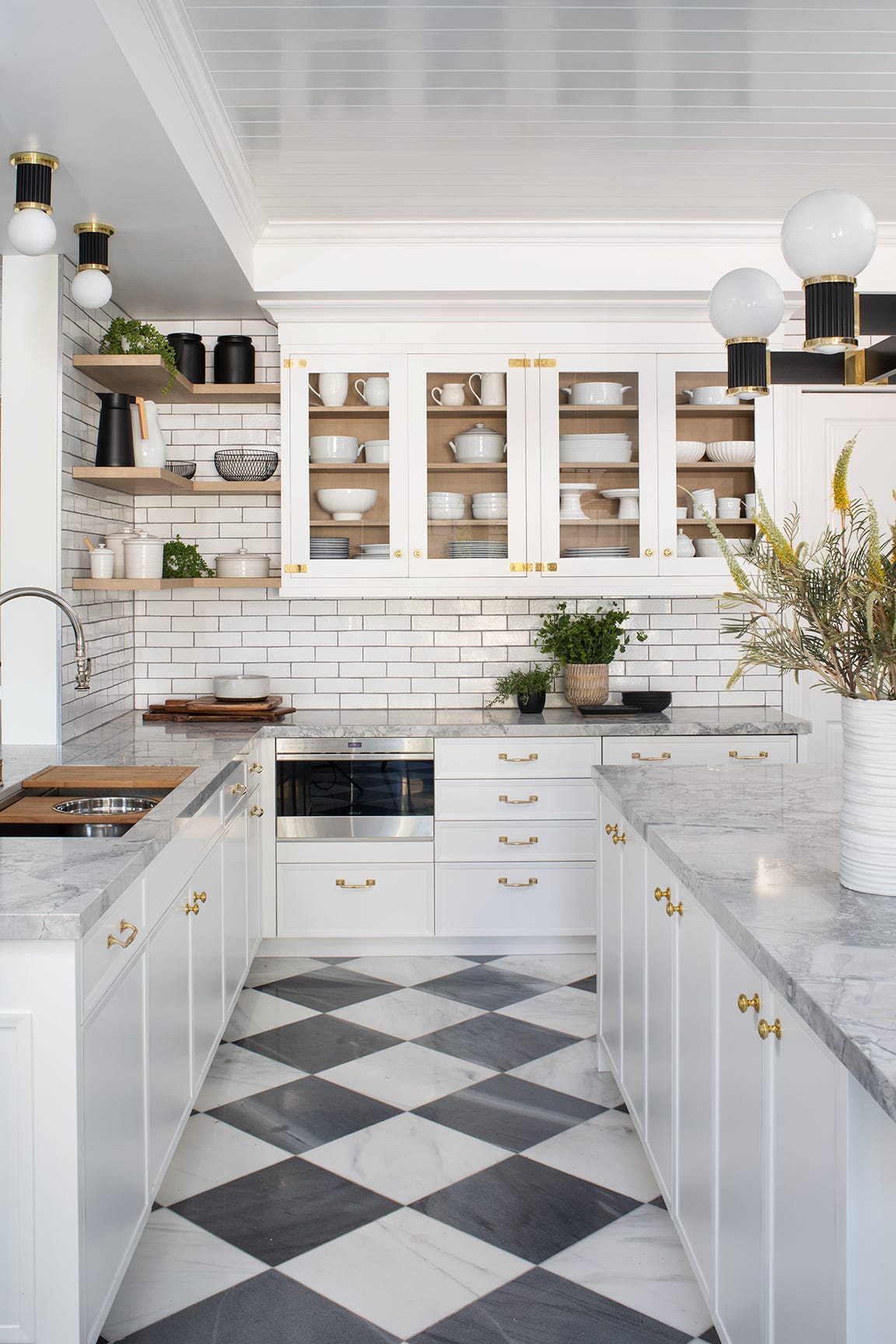
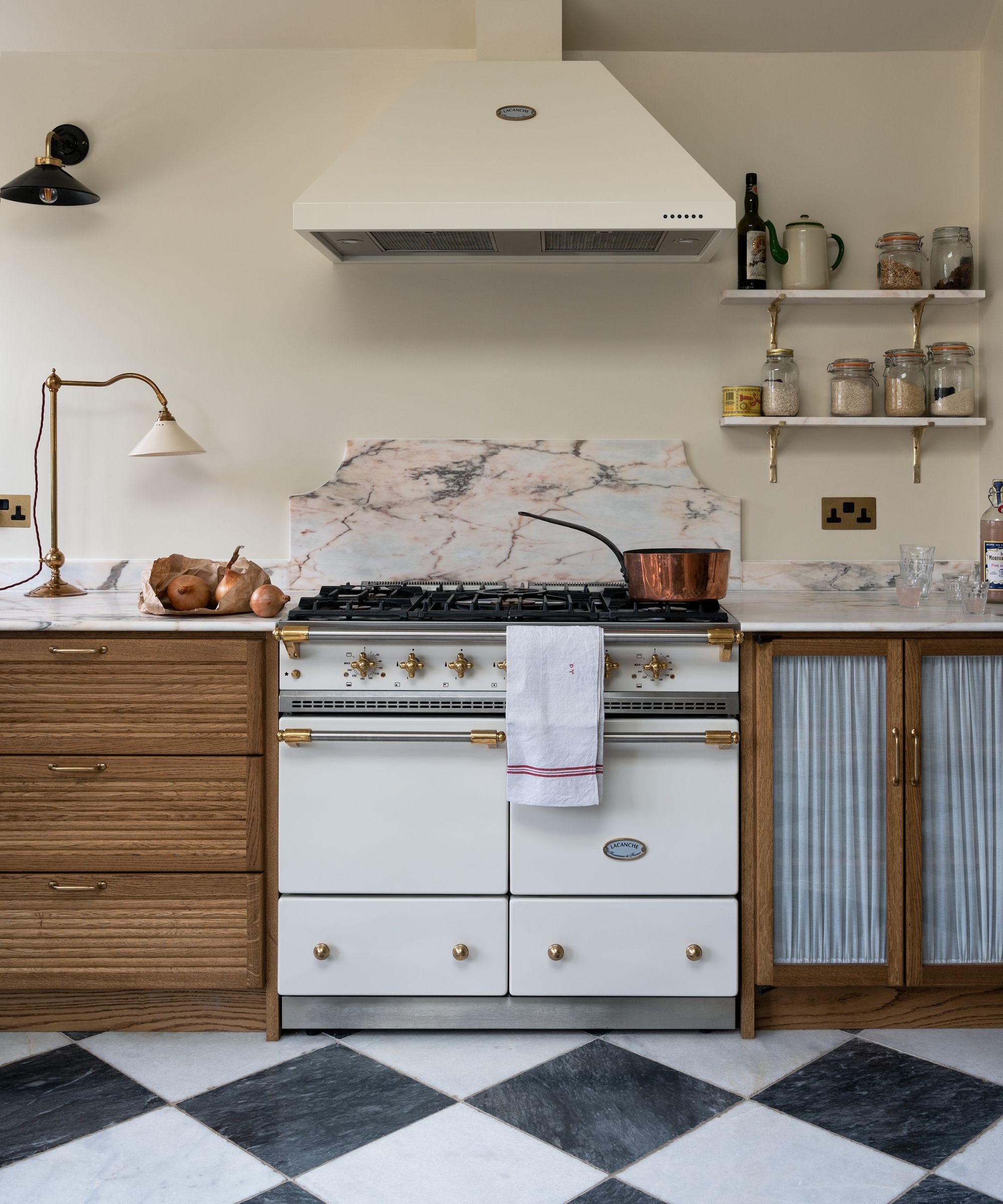
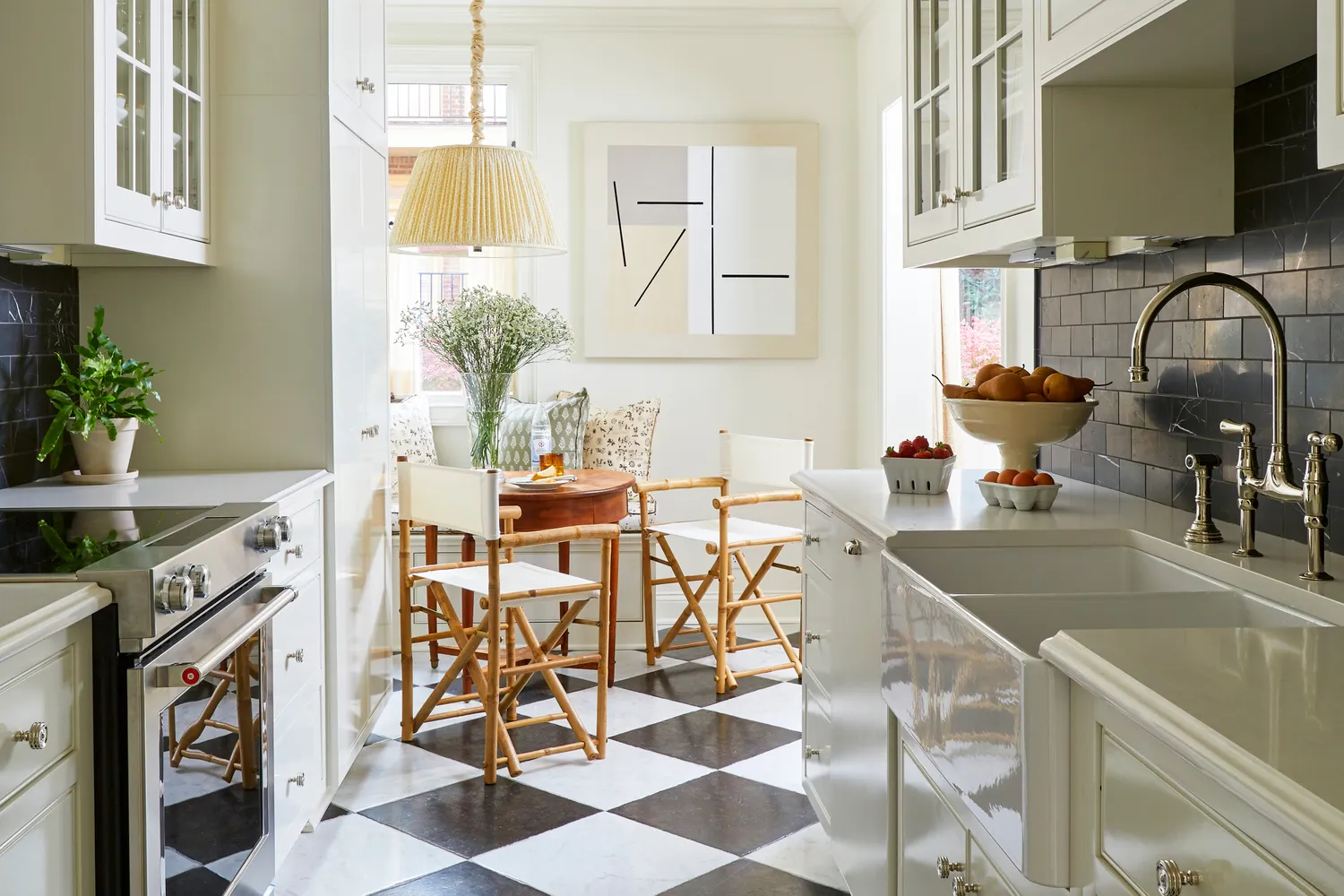
Kitchens, being central to many homes, require flooring that is both practical and aesthetically pleasing. Black-and-white checkered floors excel in this regard due to their durability, ease of cleaning, and cost-effectiveness. They are resistant to everyday wear, heavy foot traffic, and common kitchen spills. This flooring is also unique in its dual nature, simultaneously appearing traditional and contemporary. The specific material chosen—whether vinyl, high-gloss linoleum, marble, or ceramic tiles—significantly influences its overall look. While classic flooring options like hardwood, stone (such as bluestone, slate, or marble), and brick are consistently favored, the checkerboard pattern holds a distinct and enduring charm, much like classic textile patterns like buffalo check, gingham, or plaid. These patterns are bold and fun, yet they seamlessly integrate into the broader design of a room.
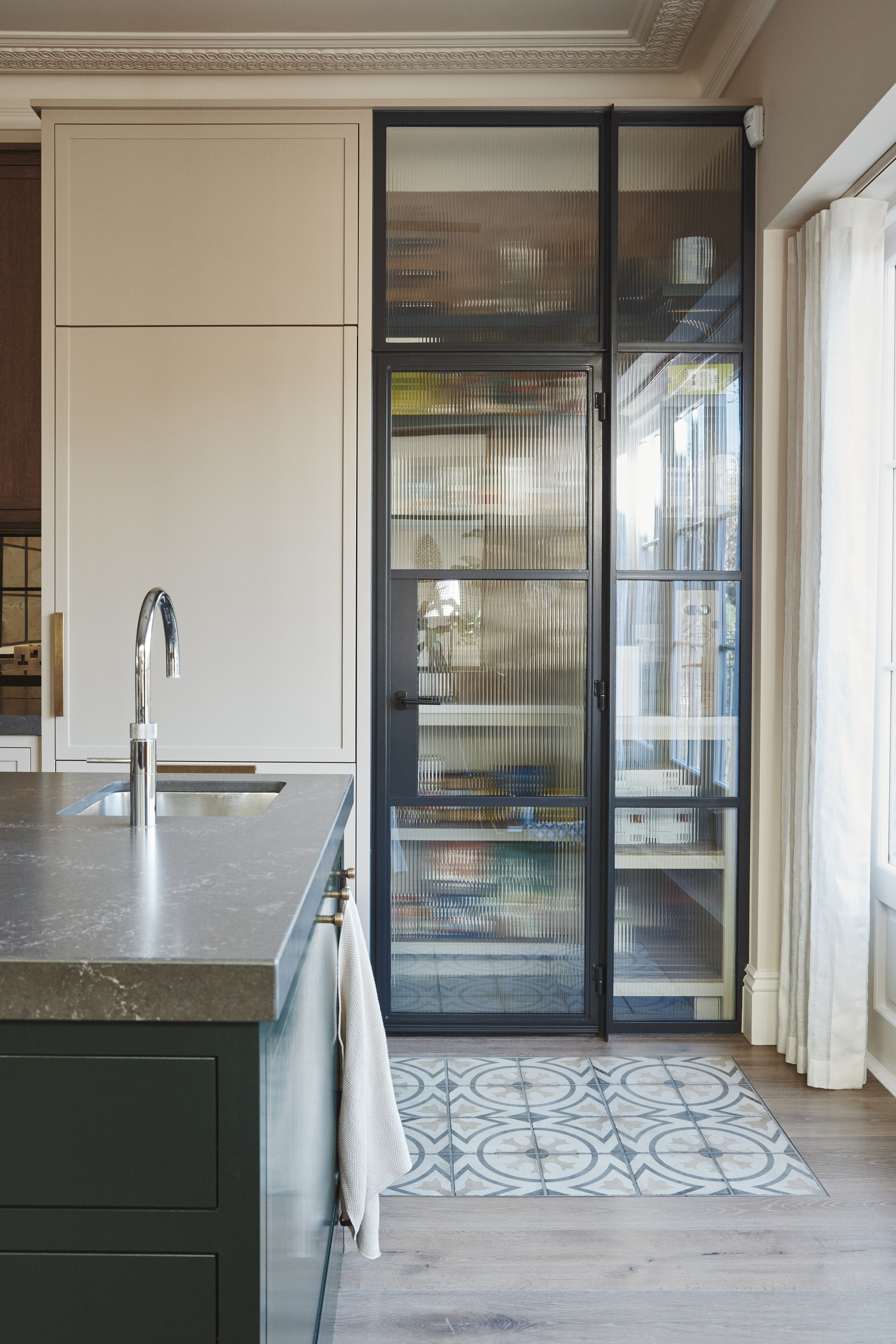

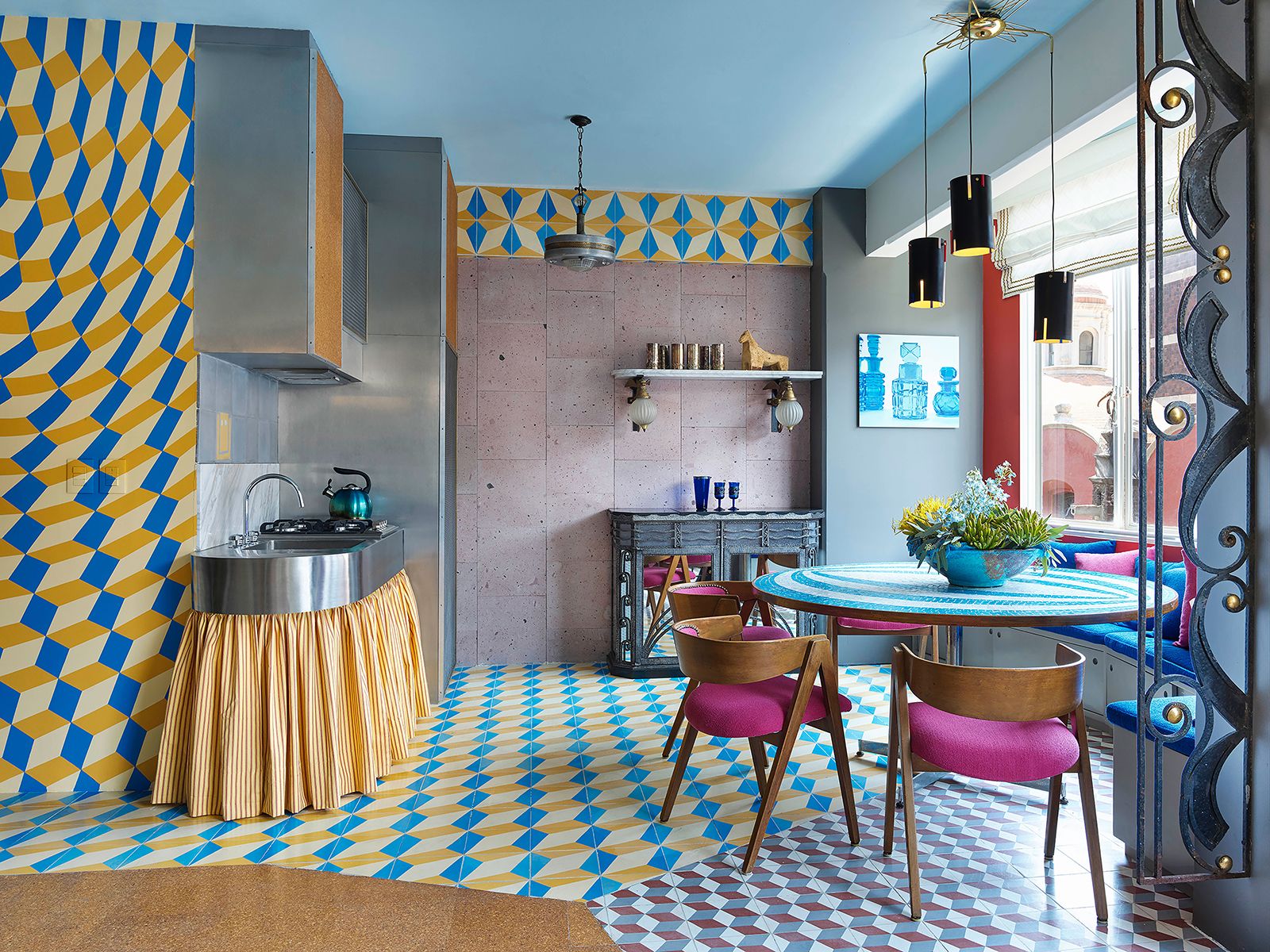
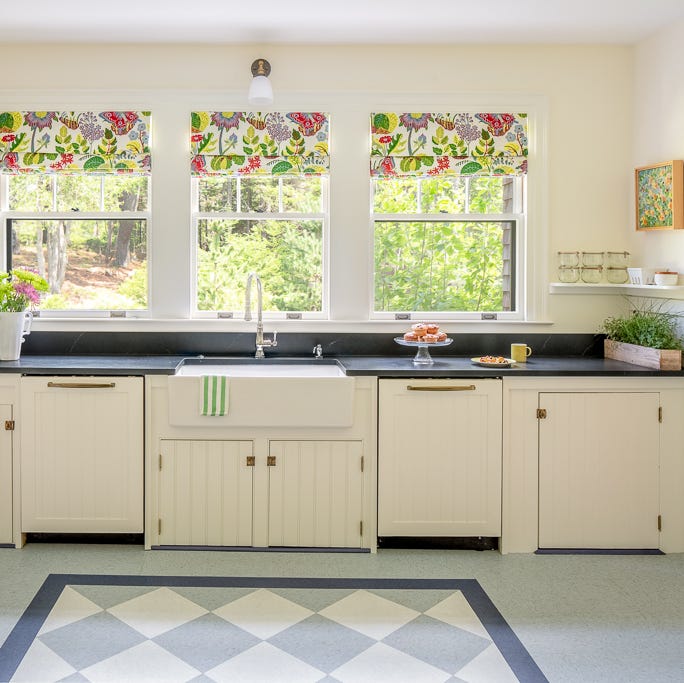
When incorporating this flooring style, several considerations ensure optimal results. Scale is crucial: larger 24-inch squares laid diagonally can make a space feel more expansive and create a bolder statement, while smaller 12-inch grids offer a subtler, vintage-inspired look. Variations in shade, such as charcoal and ivory instead of pure black and white, can also be explored. Strategic placement is important to avoid overwhelming a space; checkerboard flooring is best suited for rooms like the kitchen, foyer, and bathroom. If the floor is the dominant pattern, other patterns in the room should be kept minimal to maintain visual balance. Creating a smooth transition between the checkered area and adjacent flooring through a border tile or threshold helps define the space and makes the design appear more intentional. Finally, considering the finish is practical. High contrast flooring tends to show dirt, dust, and grit more readily, especially on white squares. Opting for matte finishes, darker grout, or tone-on-tone variations (e.g., gray and cream) can help camouflage wear and maintain the floor's appearance.
#KitchenFlooring #CheckerboardFloor #HomeDecorTrends #RetroDesign #TimelessStyle #InteriorDesign #KitchenDesign #LinoleumFlooring #KitchenFlooring #CheckerboardFloor #HomeDecorTrends #RetroDesign #TimelessStyle #InteriorDesign #KitchenDesign #LinoleumFlooring
0 comment in total
 No comments yet
You may also like
The Kitchen Flooring Your Grandparents Used Is Back In Style

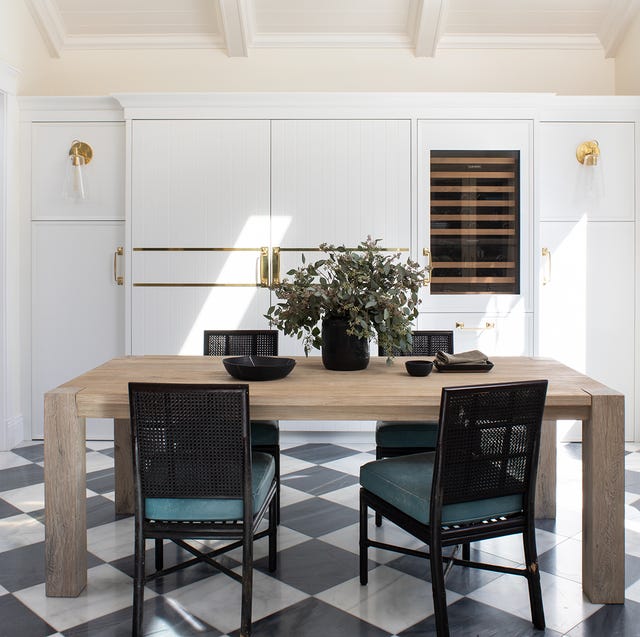
The Most Popular Kitchen Flooring Ideas for Every Style

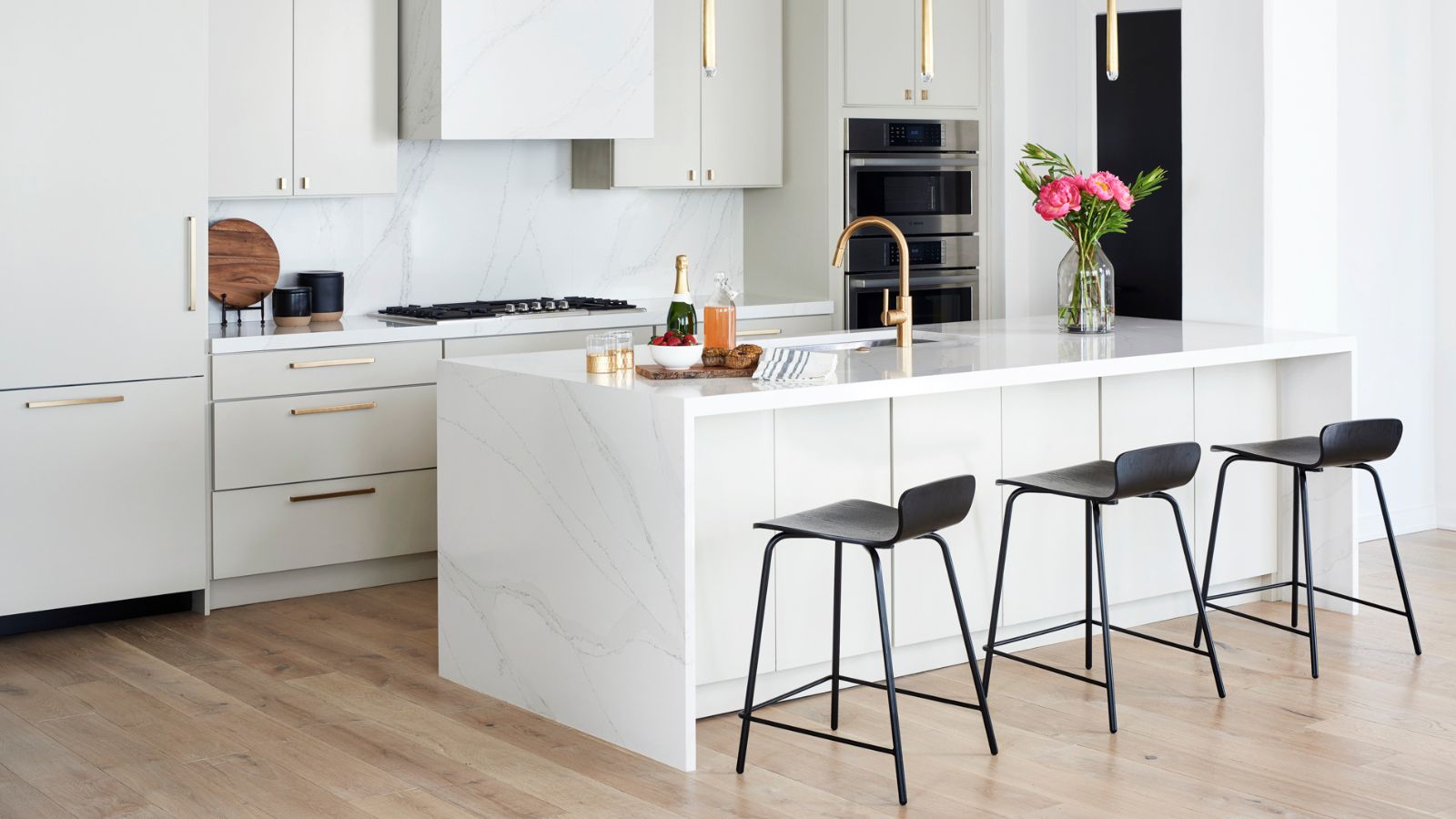
7 kitchen flooring trends you'll be seeing everywhere in 2025, say interior designers


Old-School Flooring Suddenly Feels Surprisingly Fresh (Published 2017)

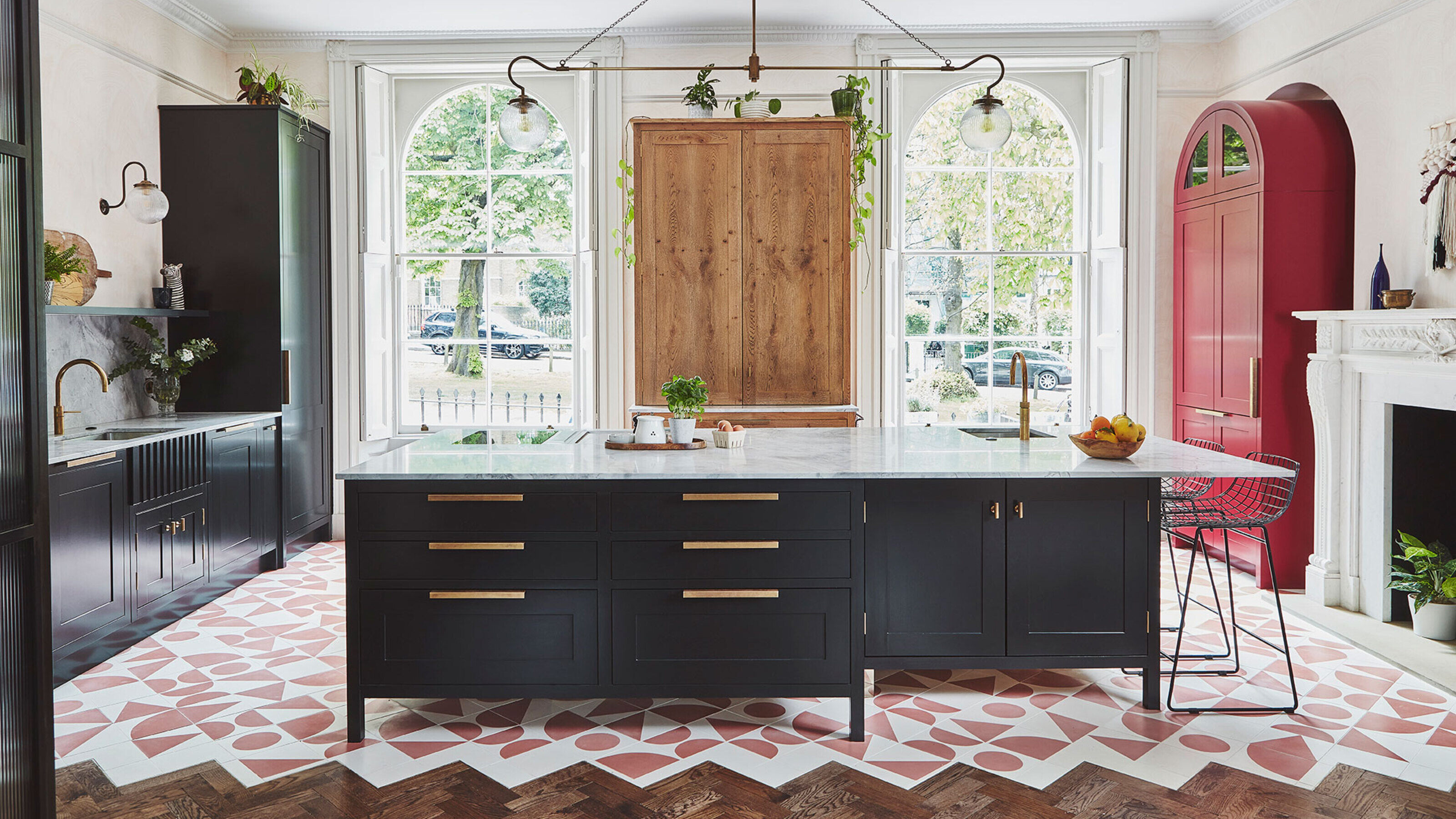
6 Outdated Kitchen Flooring Ideas in 2025 That Threaten to Turn Back the Clock — Plus What to Choose Instead

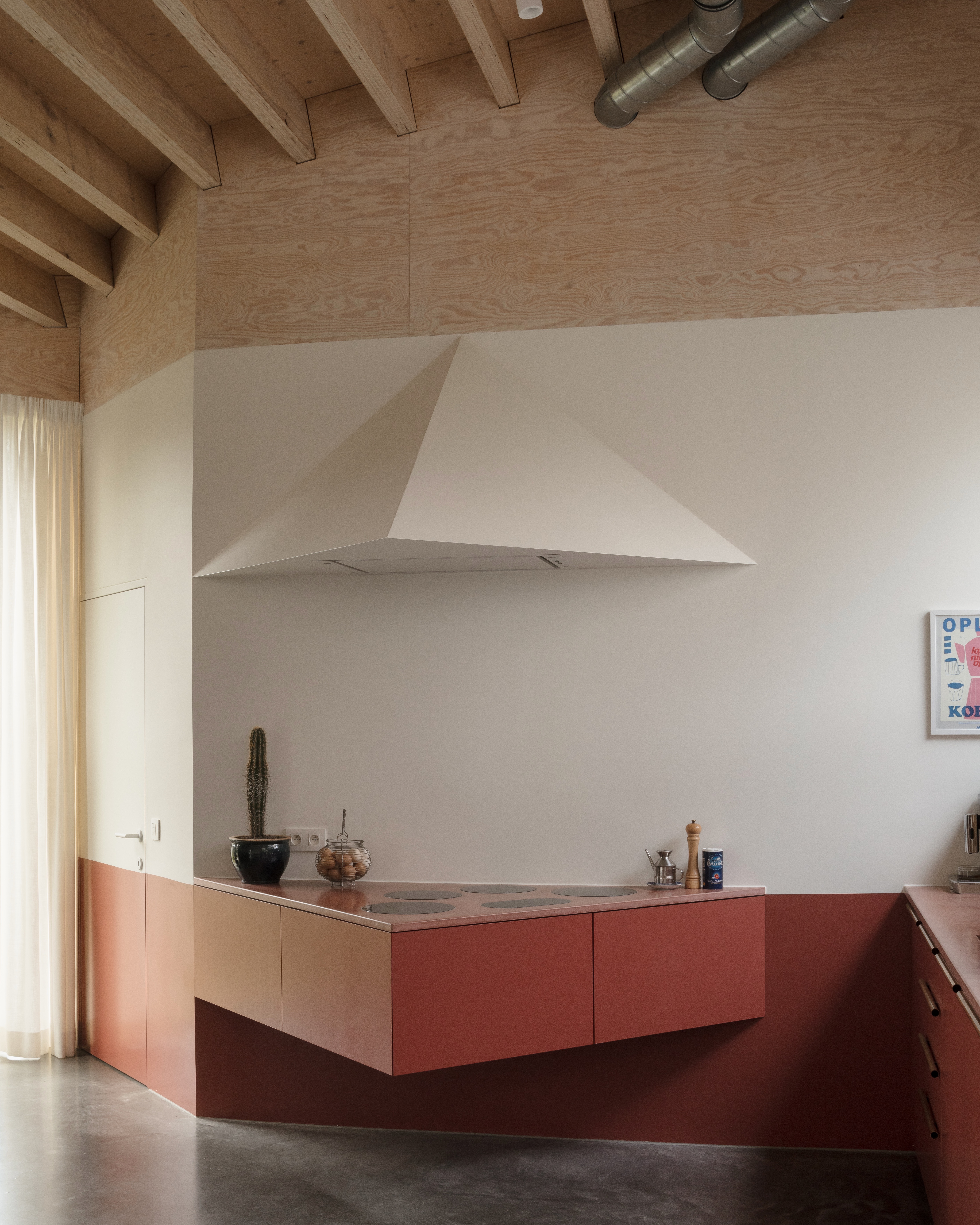
15 Modern Kitchen Floor Ideas

The Retro Kitchen Cabinet Color That's Making A Comeback

8 kitchen flooring trends for 2024 - durable, beautiful and designer-approved
The Surprising Retro Kitchen Design That's Making a Major Comeback
Retro Kitchens Are Back—Designers Share Their Best Tips to Get the Nostalgic Look

15 Modern Kitchen Flooring Ideas
This Once-Taboo Kitchen Flooring Is Climbing the Ranks
The Outdated Kitchen Floor That's Trendy Again
5 dated kitchen flooring trends to avoid in 2025 – and what experts say you should choose instead
12 Vintage Kitchen Design Trends We Want To Bring Back

11 Retro Kitchens We Love From AD PRO Directory Designers

4 Kitchen Flooring Trends That Are on Their Way Out (and 3 Replacing Them)

This Is the Old-World Interior Design Trend Taking Over Kitchens Again
8 outdated '60s interior design trends making a comeback in 2024
Vinyl Flooring Is the Top Choice for Kitchens—and 5 More Design Trends to Look Forward to This Year