1/13
11 Kitchen Flooring Ideas to Build a Brilliant Renovation Scheme From the Ground Up
The article explores various kitchen flooring ideas, emphasizing the importance of starting with the floor in a renovation project due to its permanence. It highlights how interior designers are increasingly using bold patterns, colors, and materials to infuse personality into modern kitchens, moving away from simple choices. The piece offers expert advice on making informed decisions to ensure satisfaction with the chosen flooring.
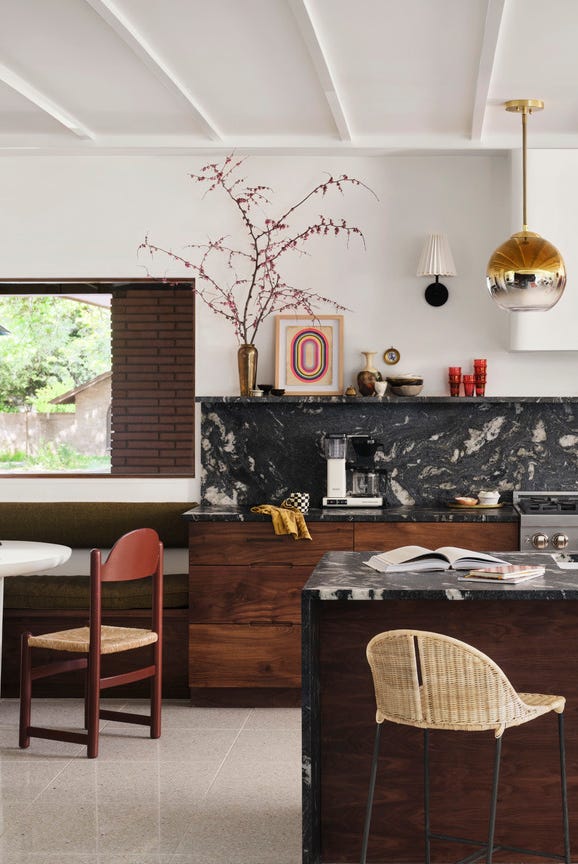
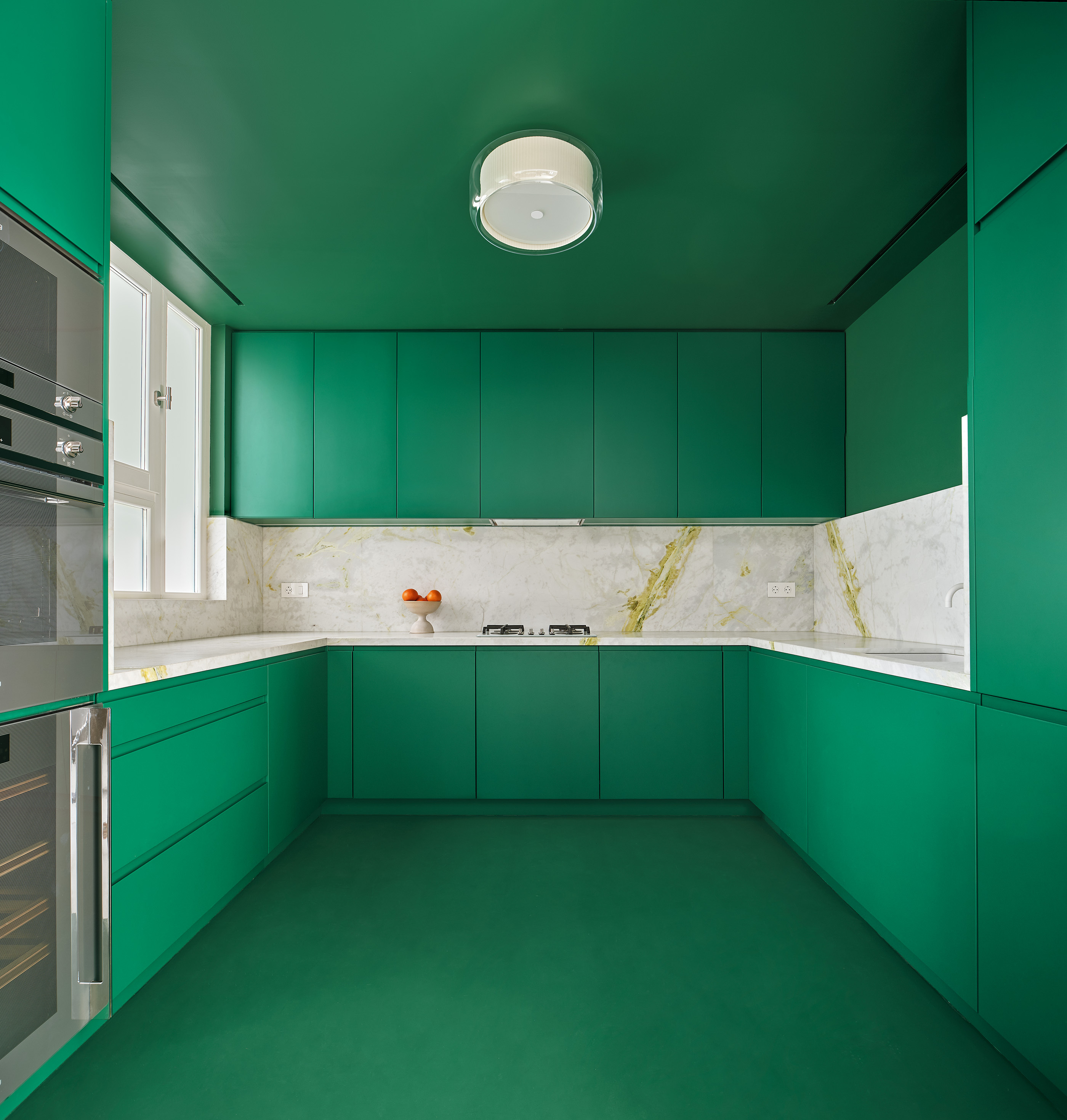
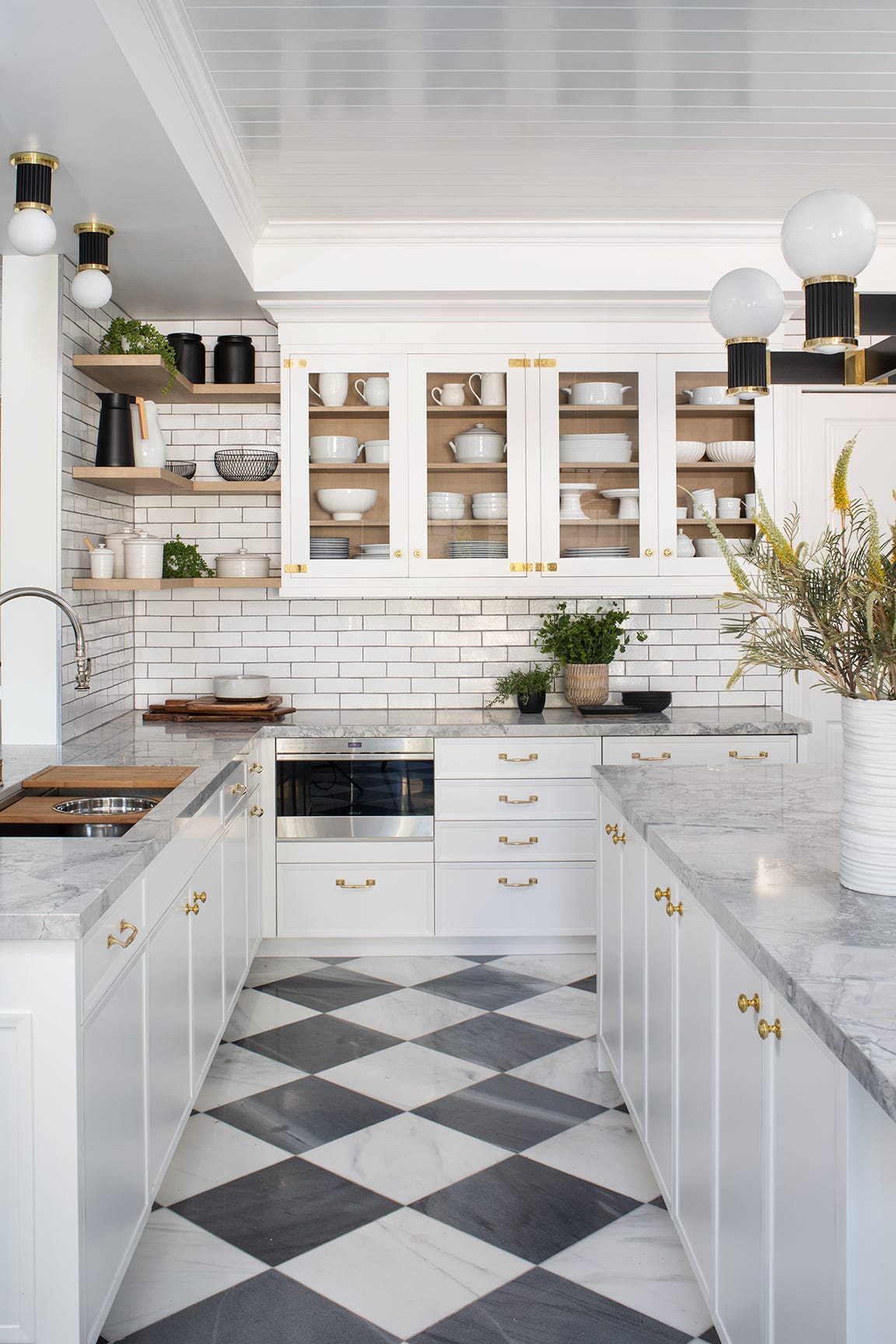
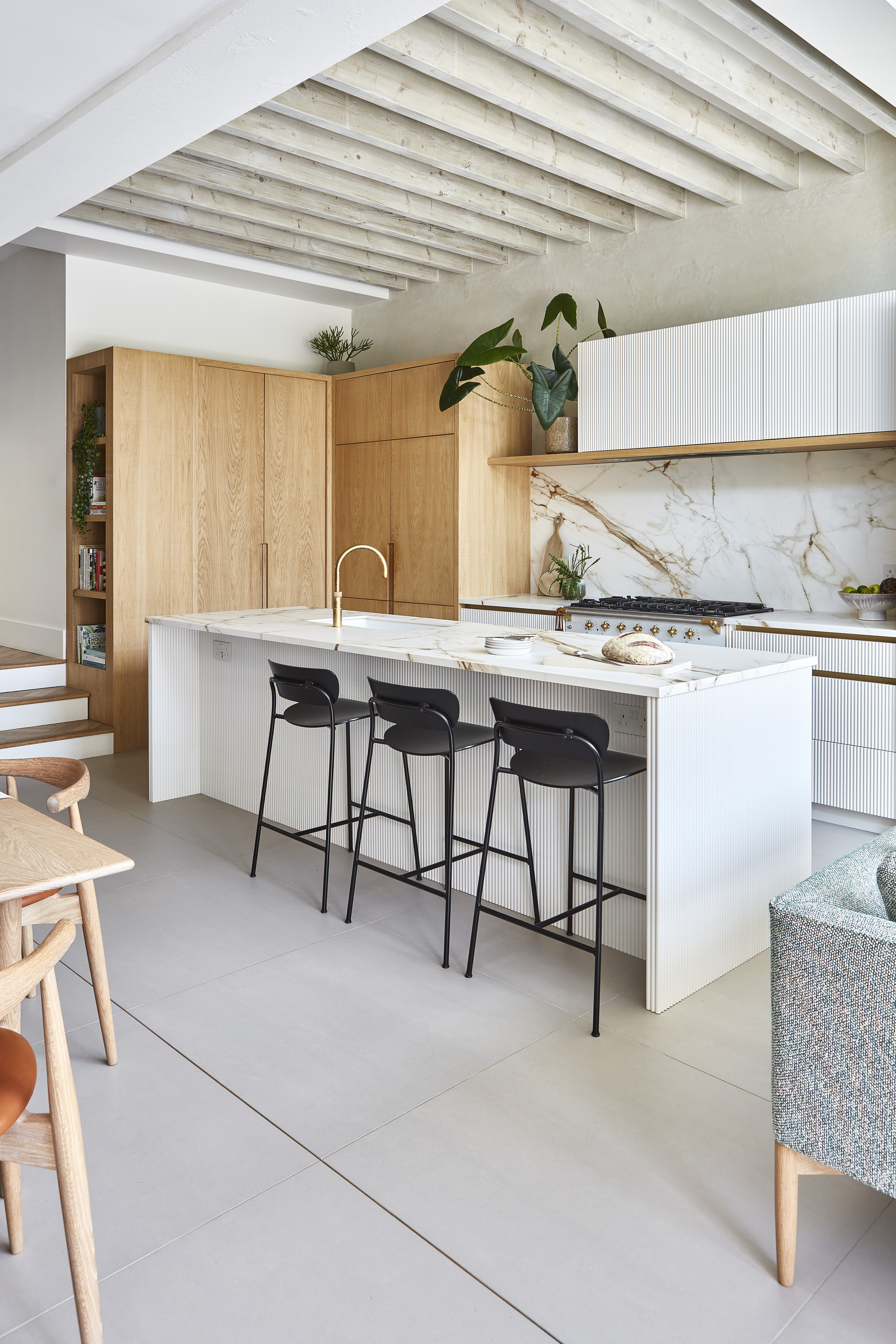
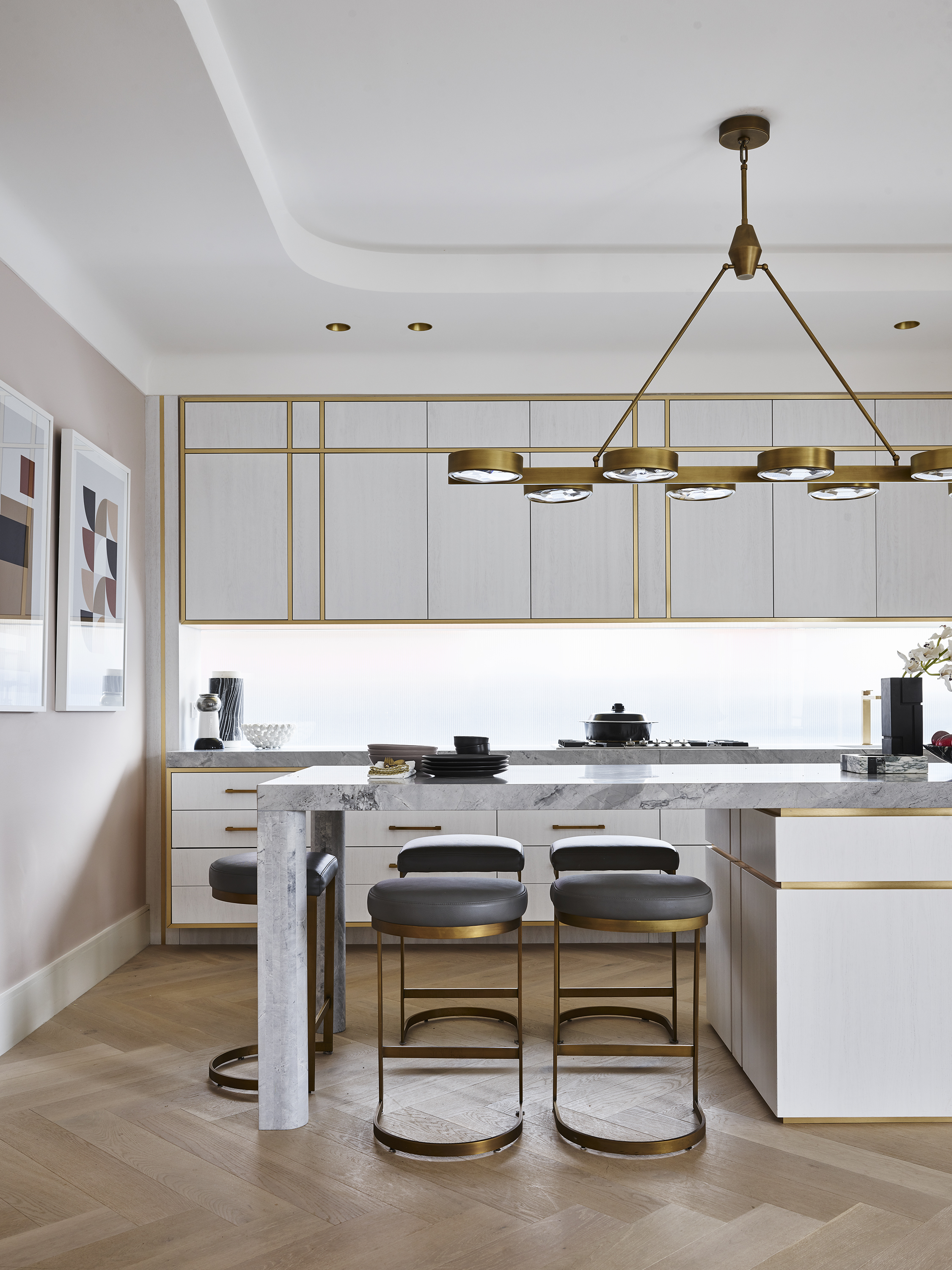
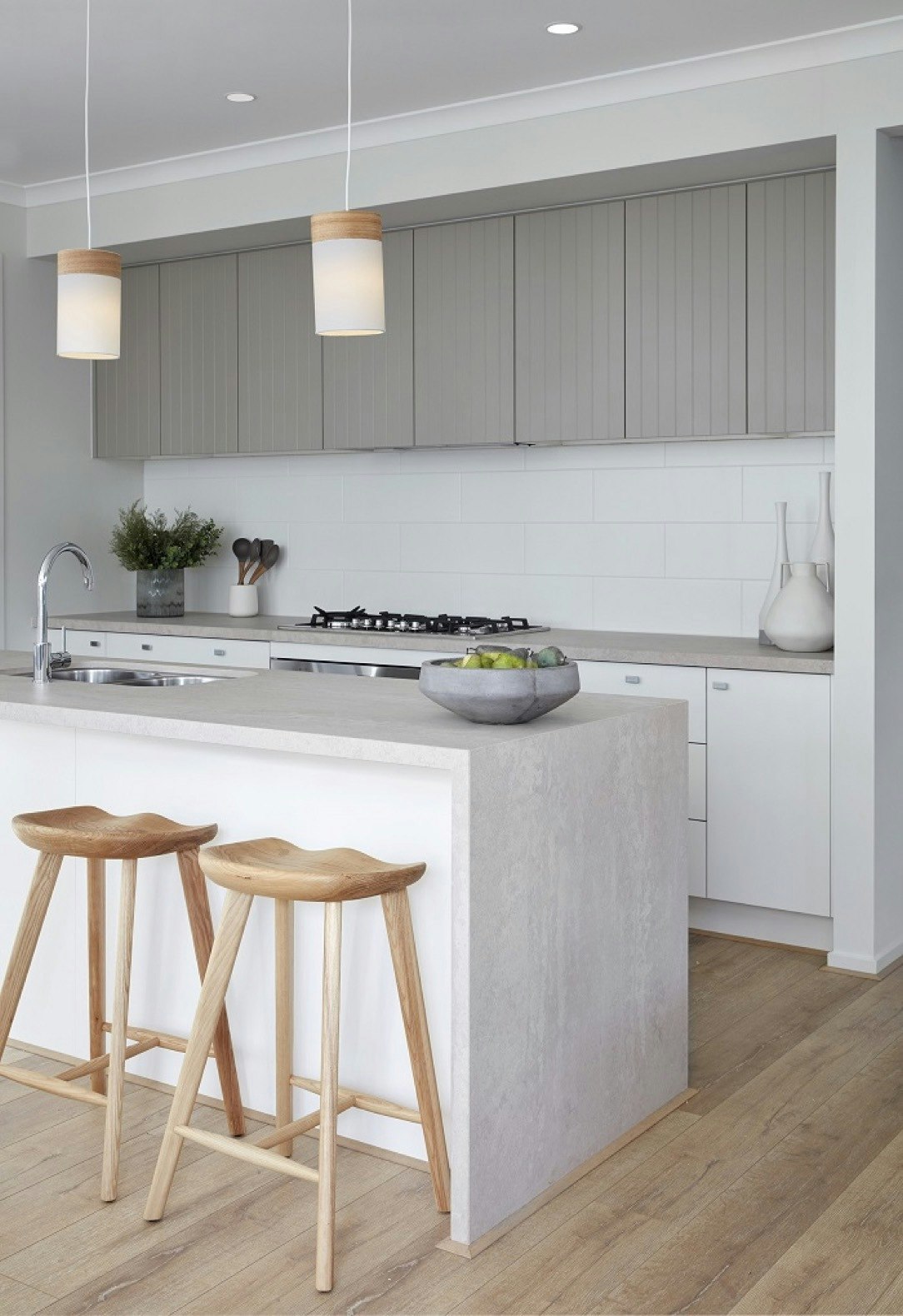
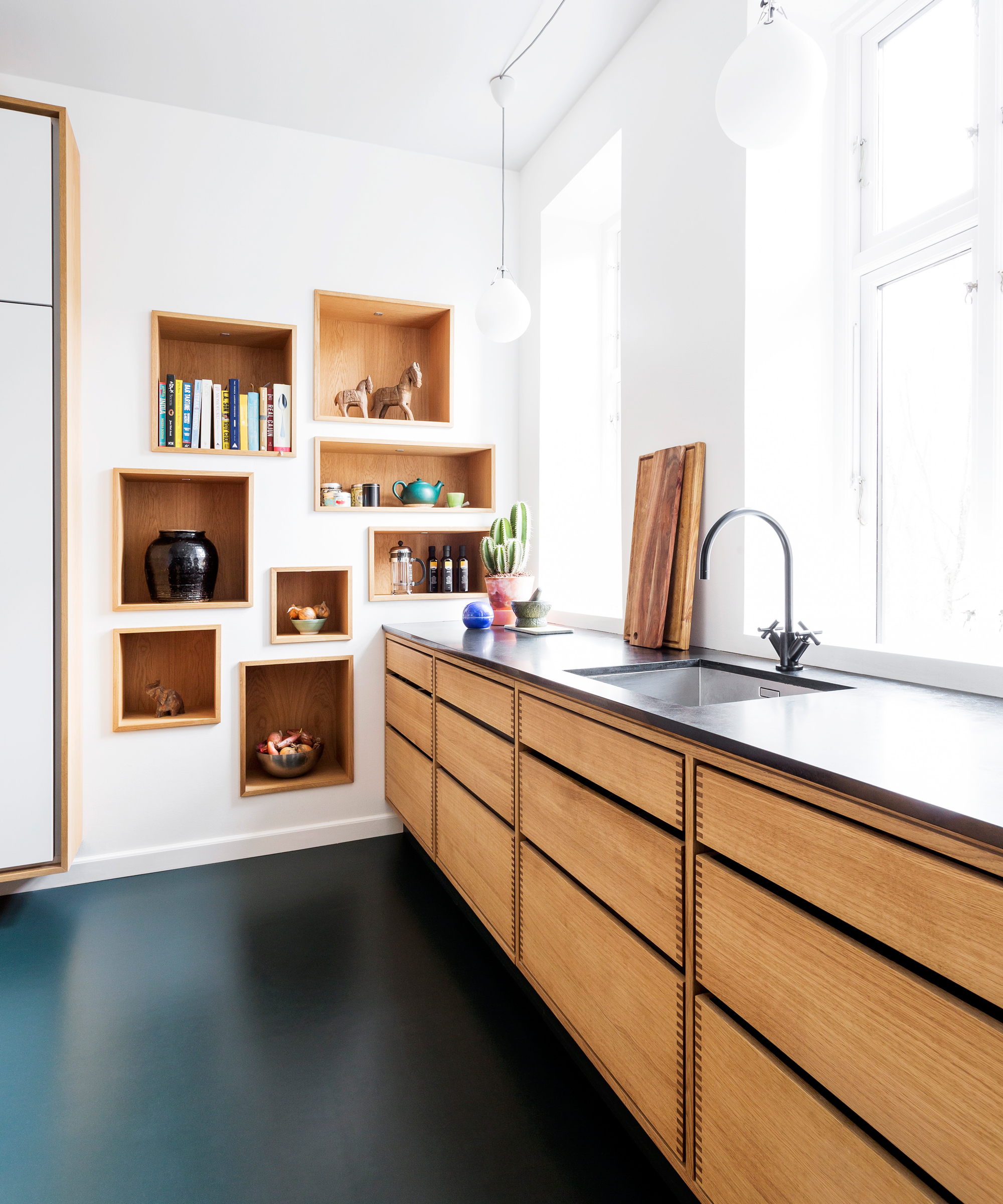
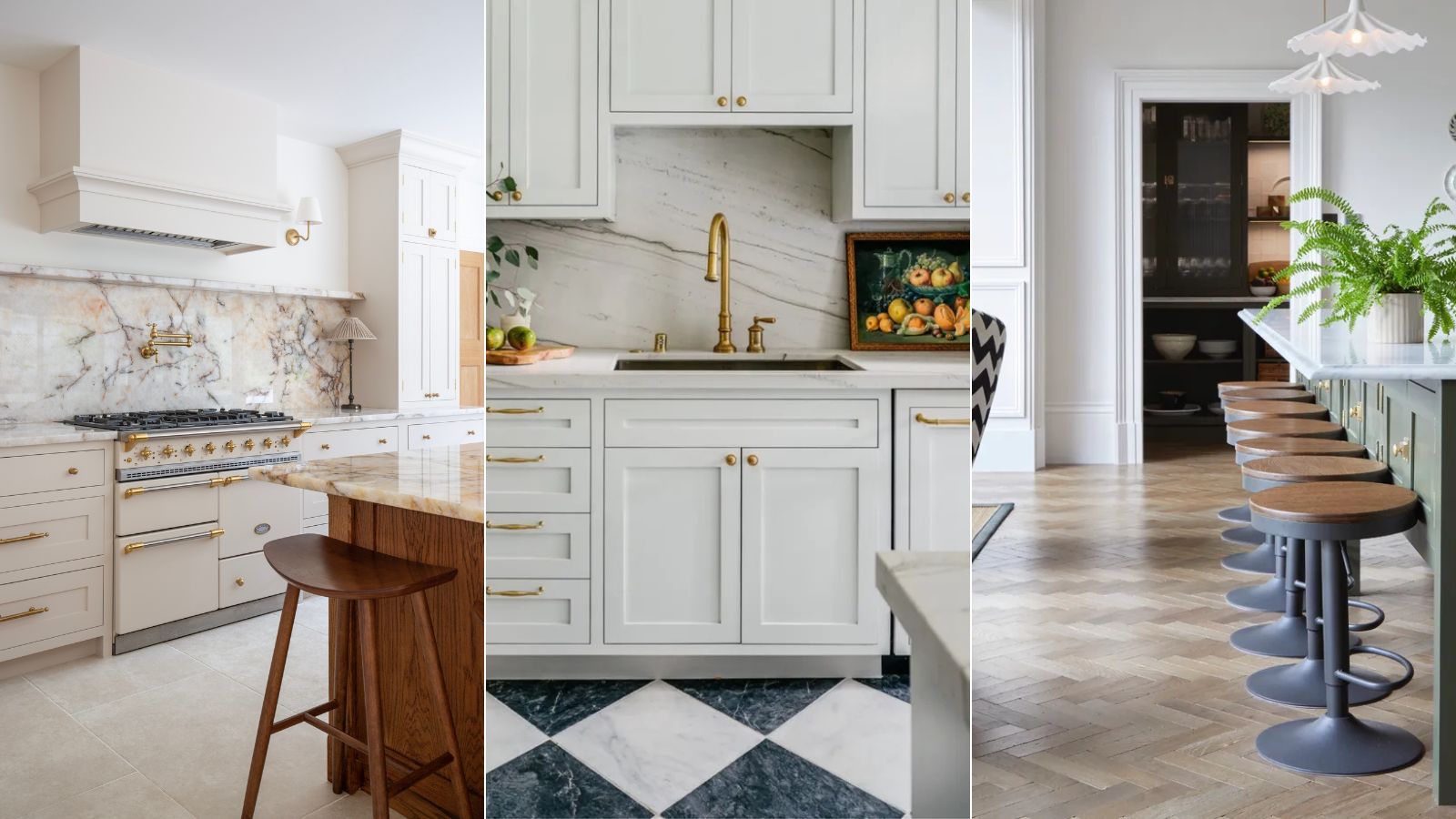
Matching kitchen worktop materials with flooring is presented as a strategy to enhance minimalist aesthetics, as suggested by Ben Ridley of Architecture for London. He advises prioritizing flooring and countertops early in the design process, given their strict performance and aesthetic requirements, before selecting joinery and cupboard materials.
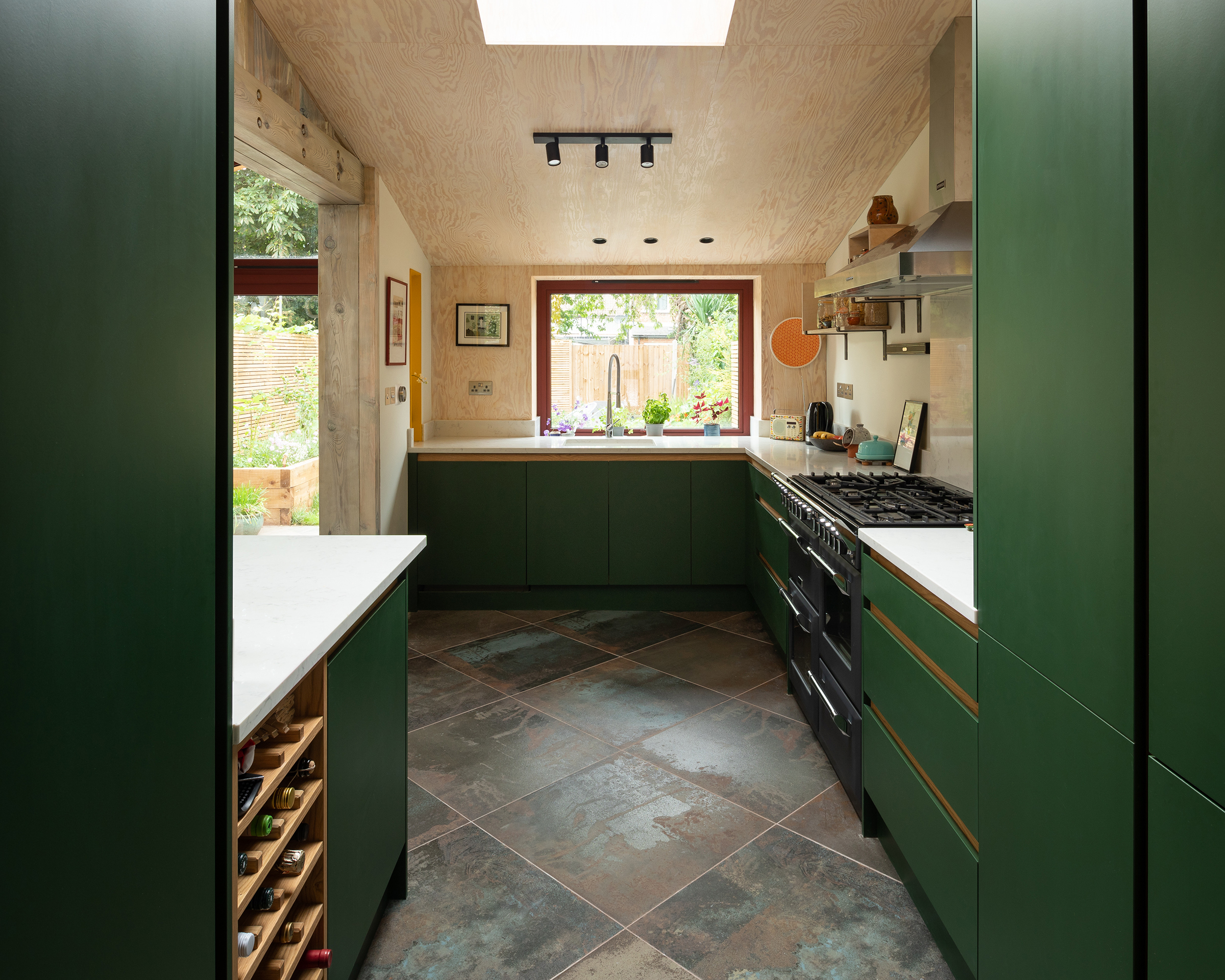
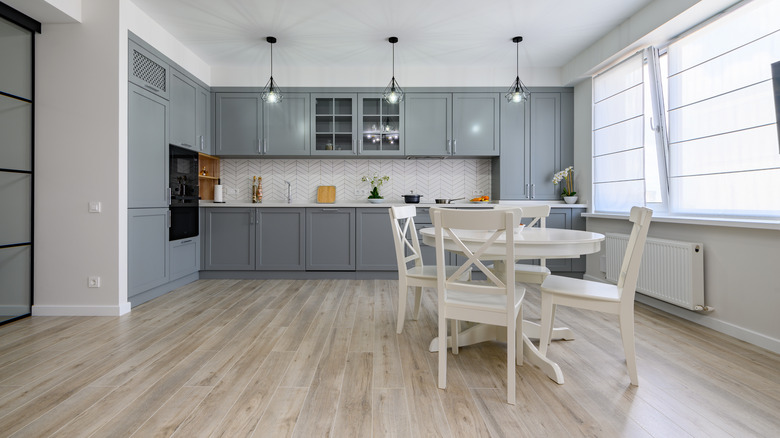
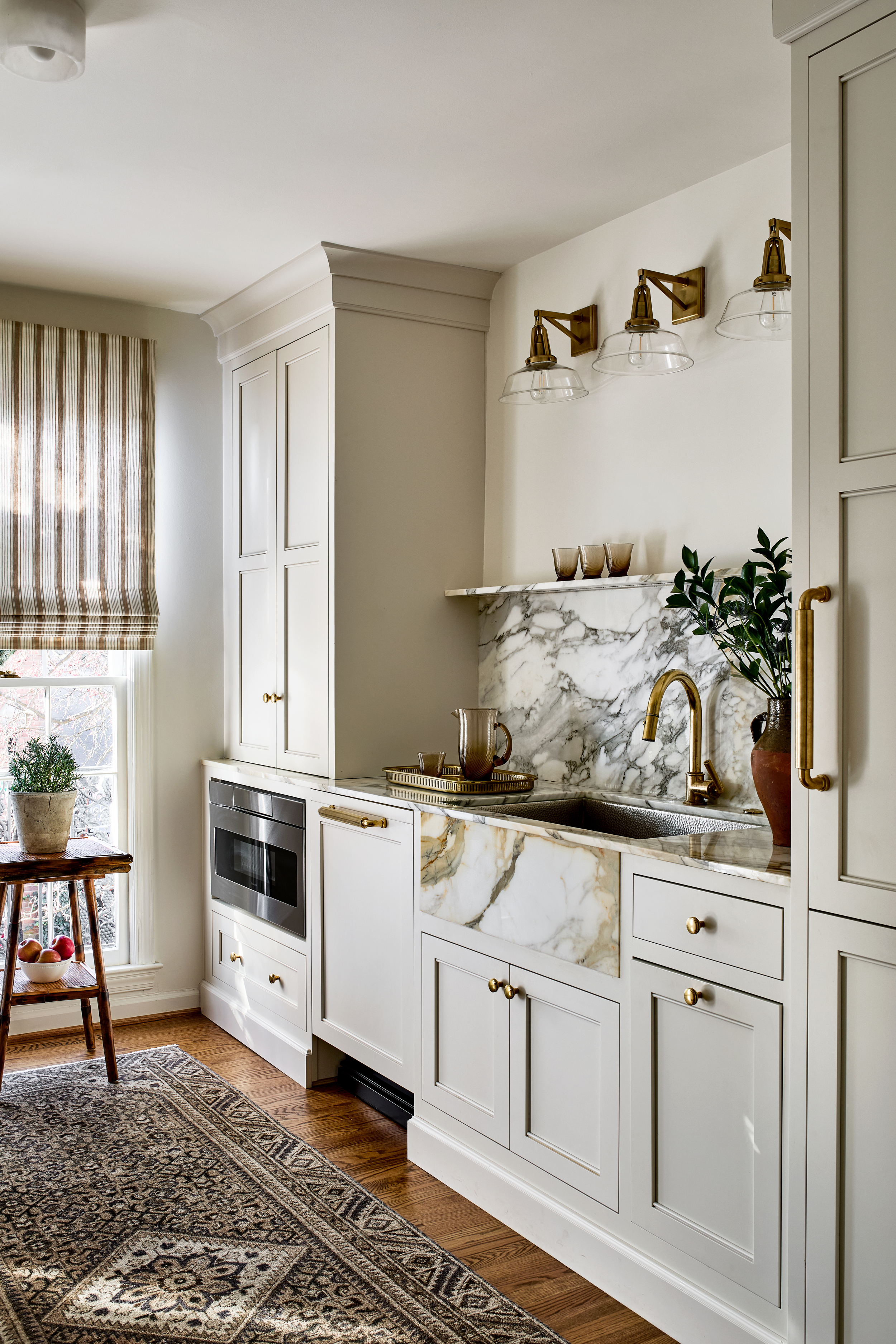
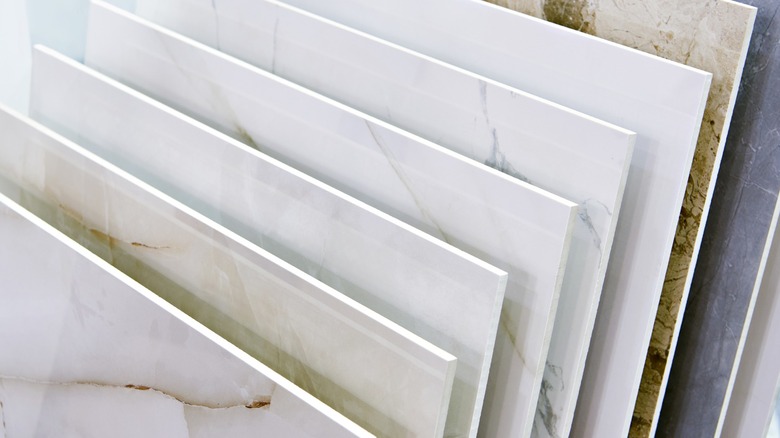
Durability and beauty are identified as key considerations for kitchen flooring. London-based interior designer Alex Dauley stresses the need for hardwearing, stain-resistant, and moisture-resistant floors in high-traffic kitchen areas. She recommends engineered wood, porcelain tiles, or natural materials like limestone and slate, acknowledging that natural stone demands more maintenance. Sarah Peake of Studio Peake echoes the importance of practicality and beauty, adding that flooring should be compatible with underfloor heating for comfort.
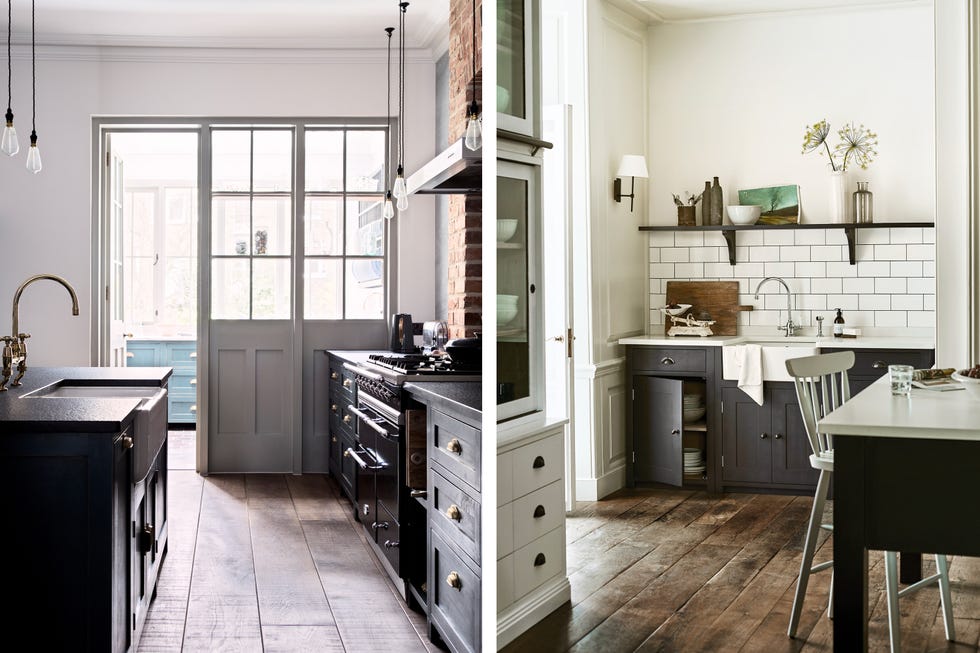
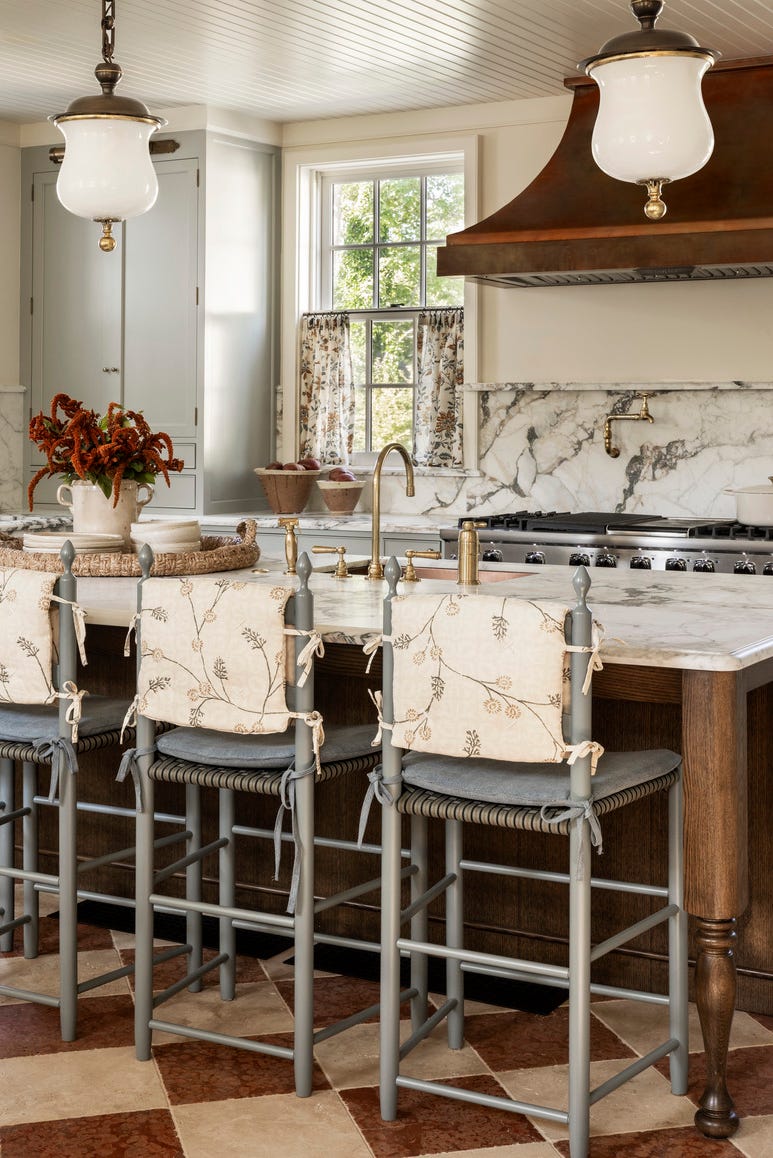
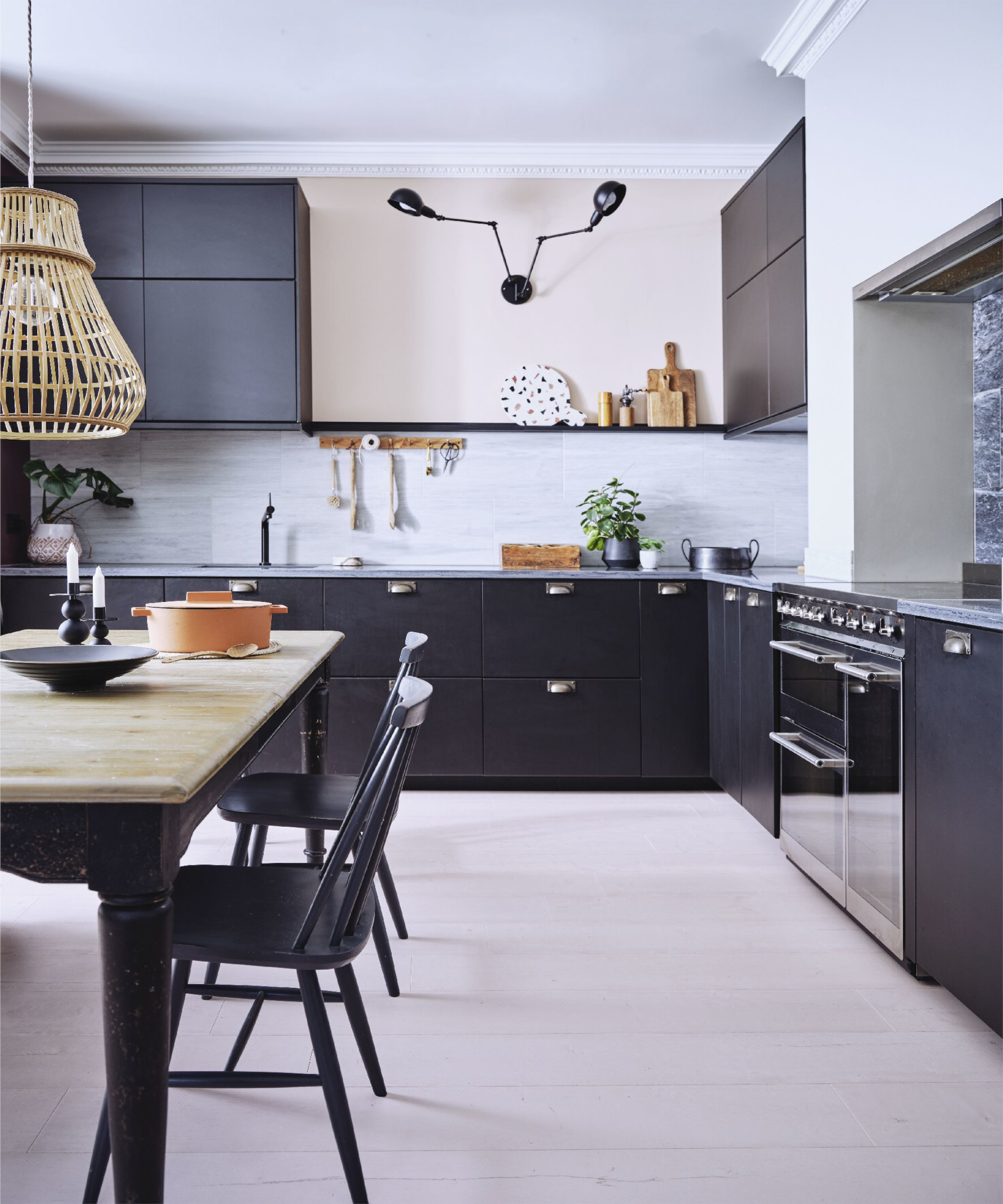
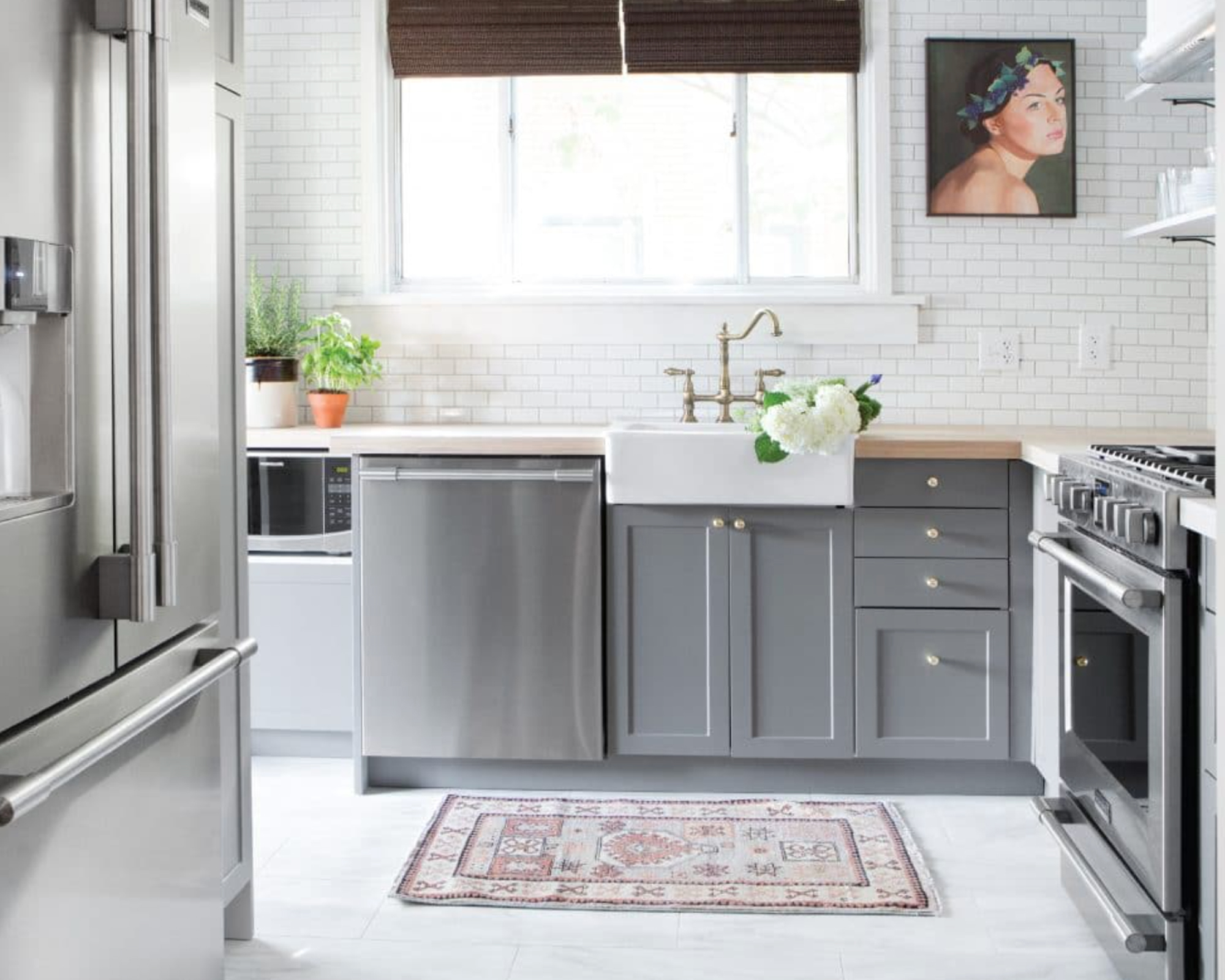
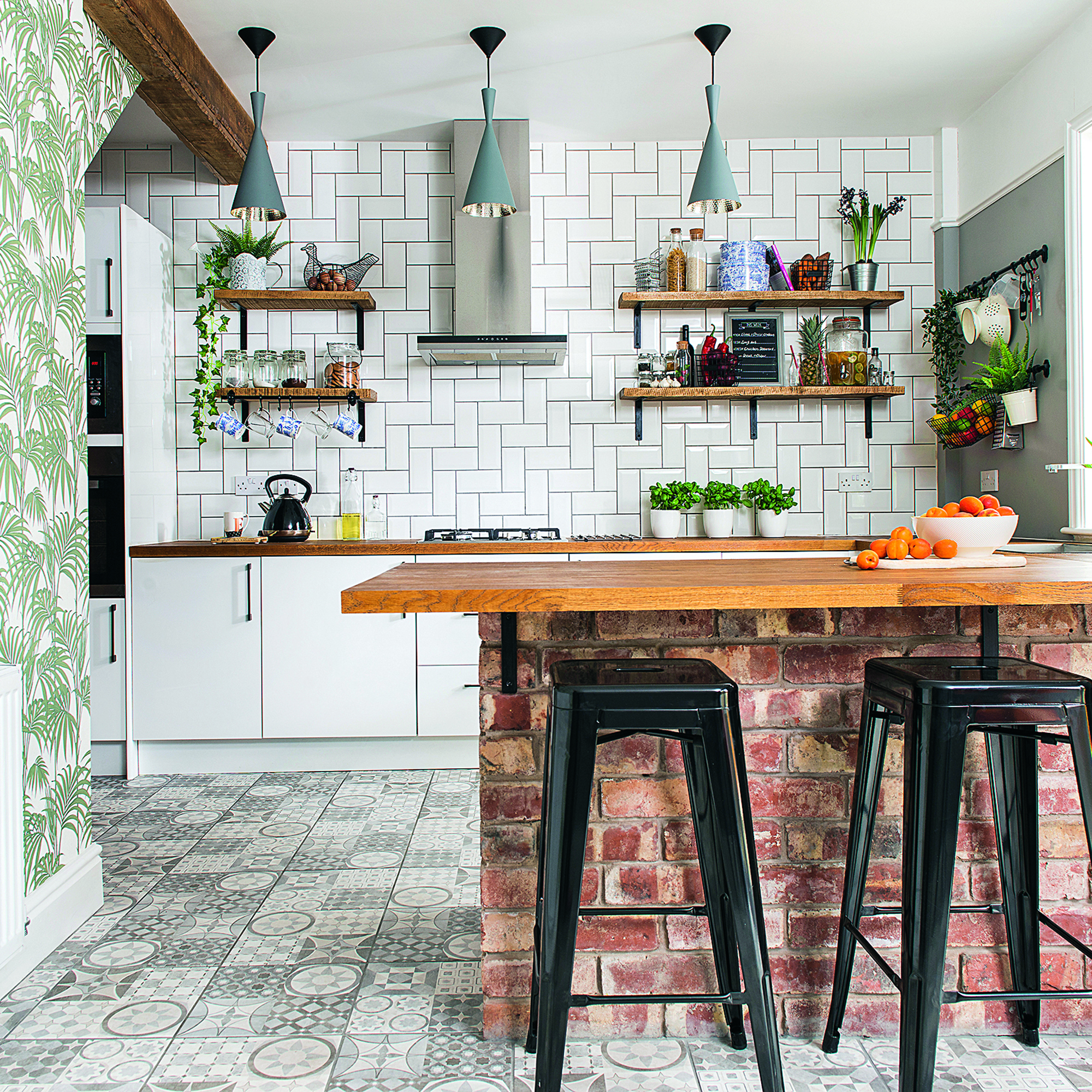
The article advocates for practical patterns over plain surfaces, noting that textured stone floors or brick tiles can effectively conceal marks and dirt. Ben Ridley suggests avoiding very pale shades, especially in spaces that can accommodate darker flooring, and recommends honed stone tiles with a semi-polished finish for areas with limited natural light.
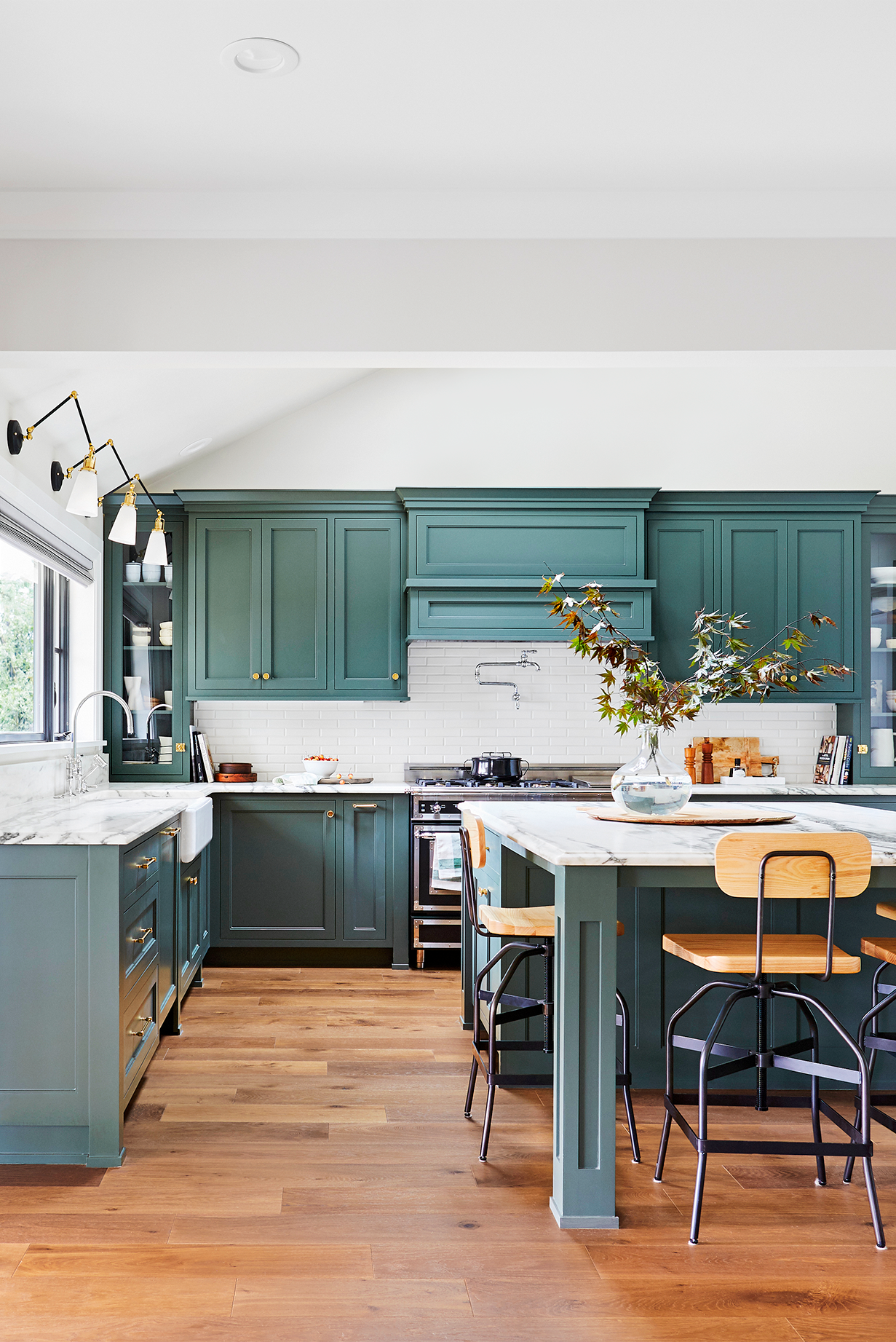
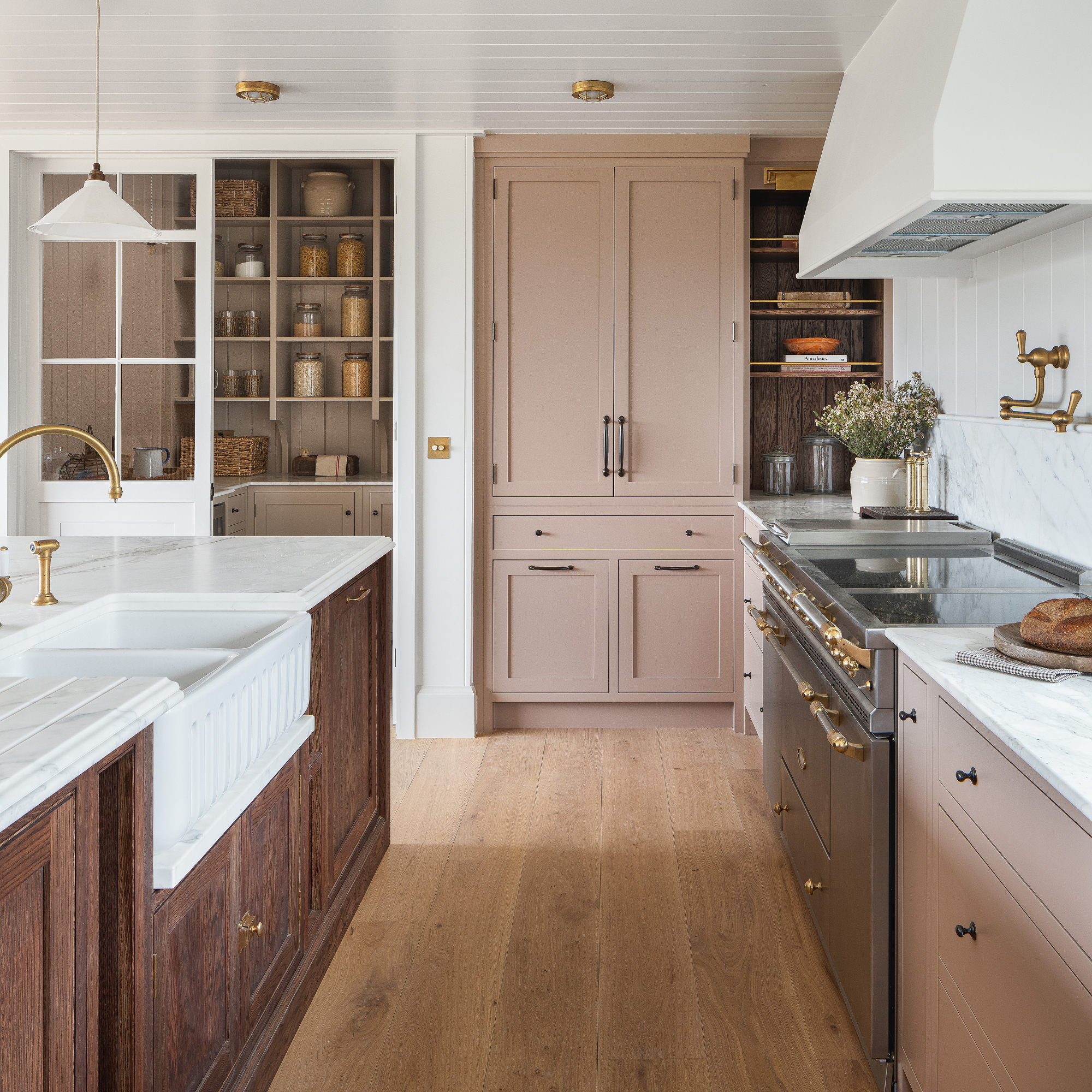
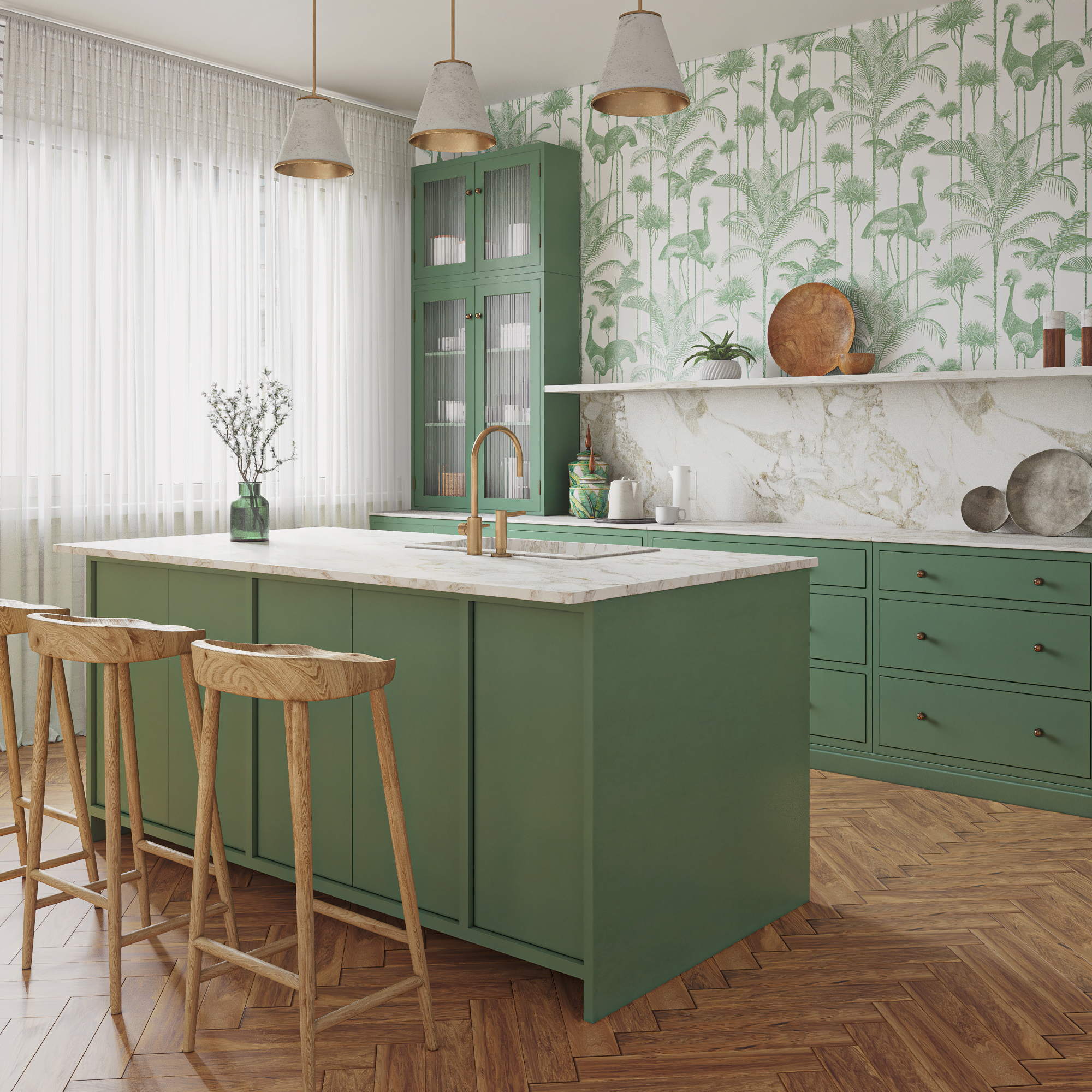
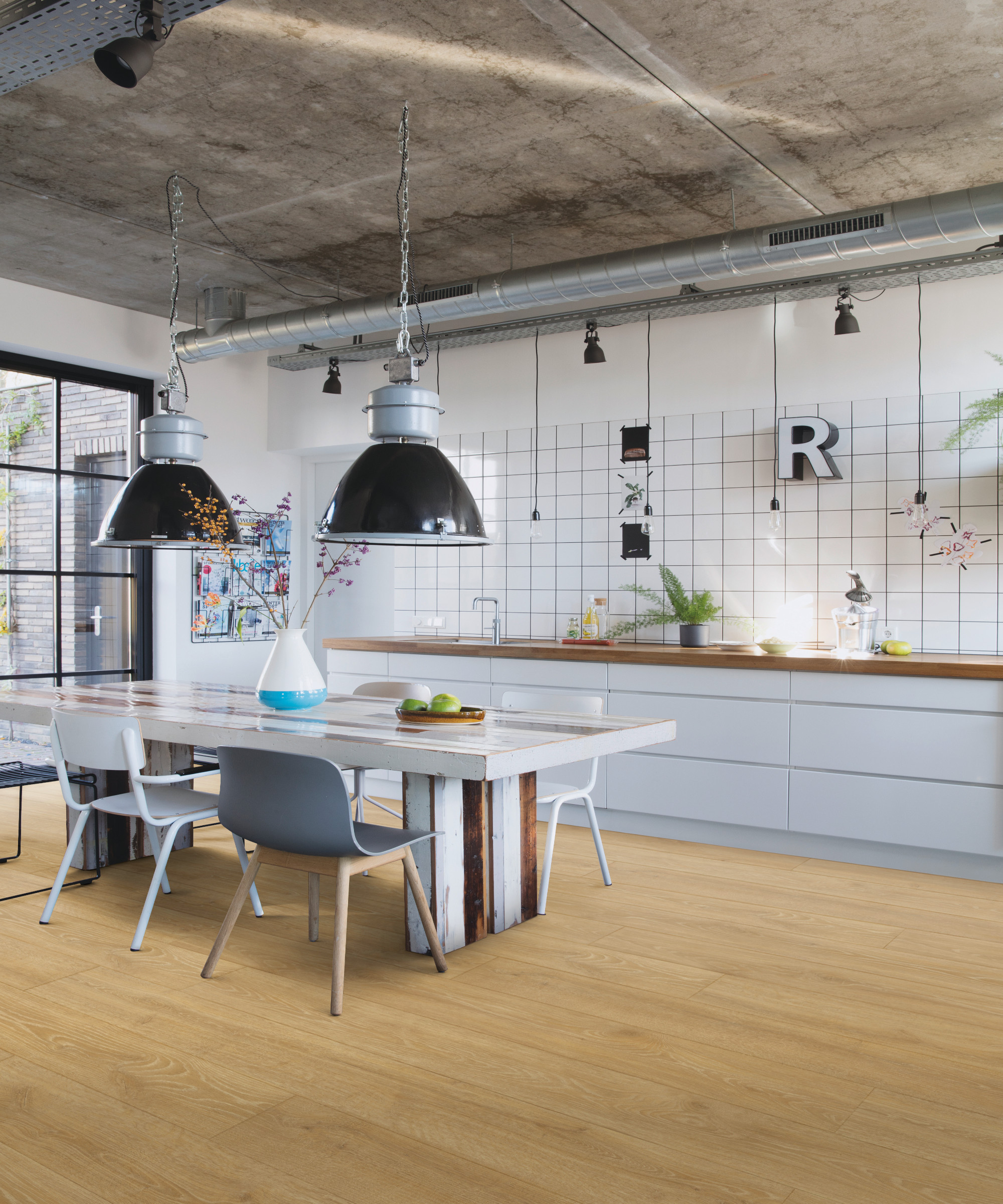
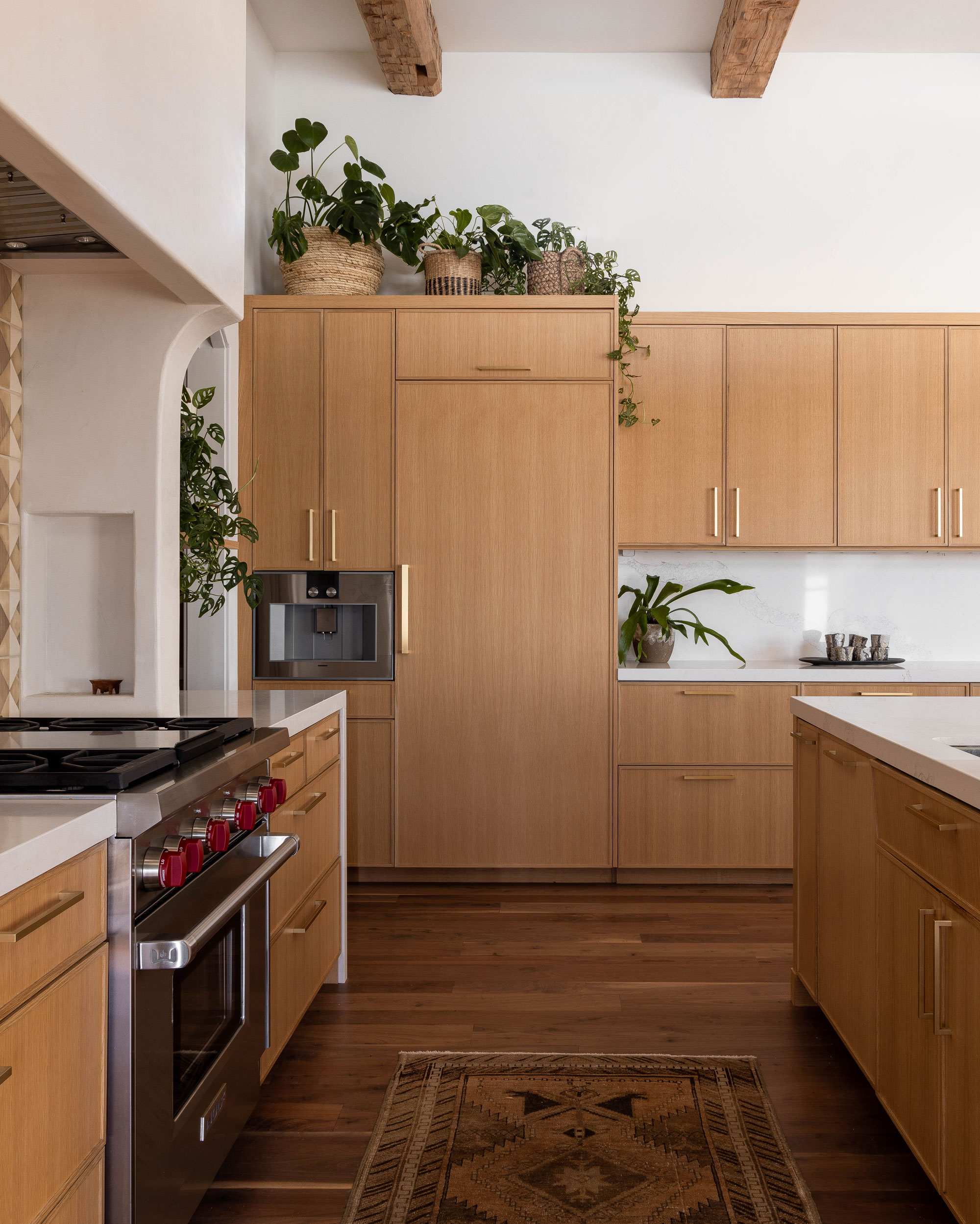
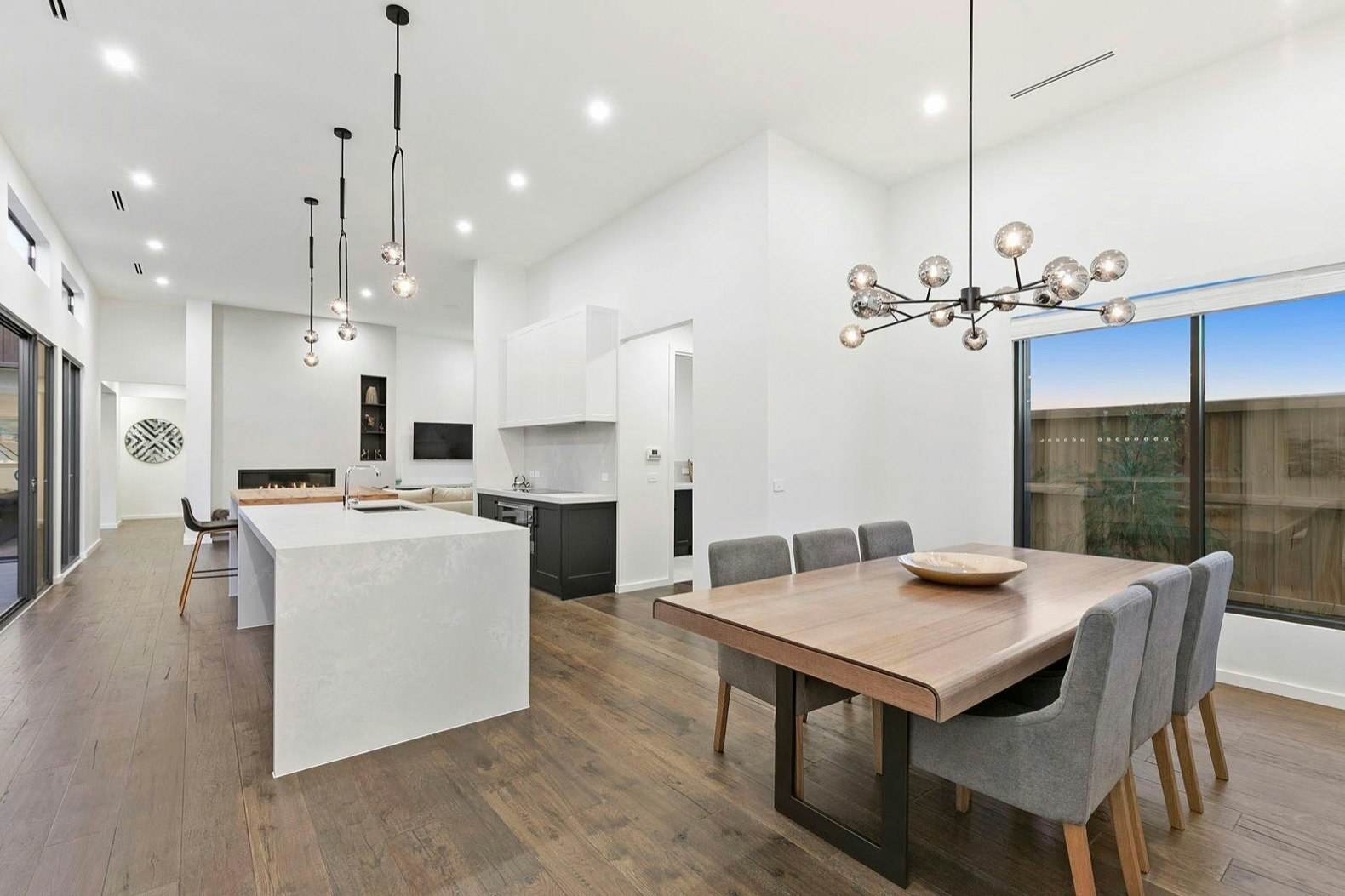
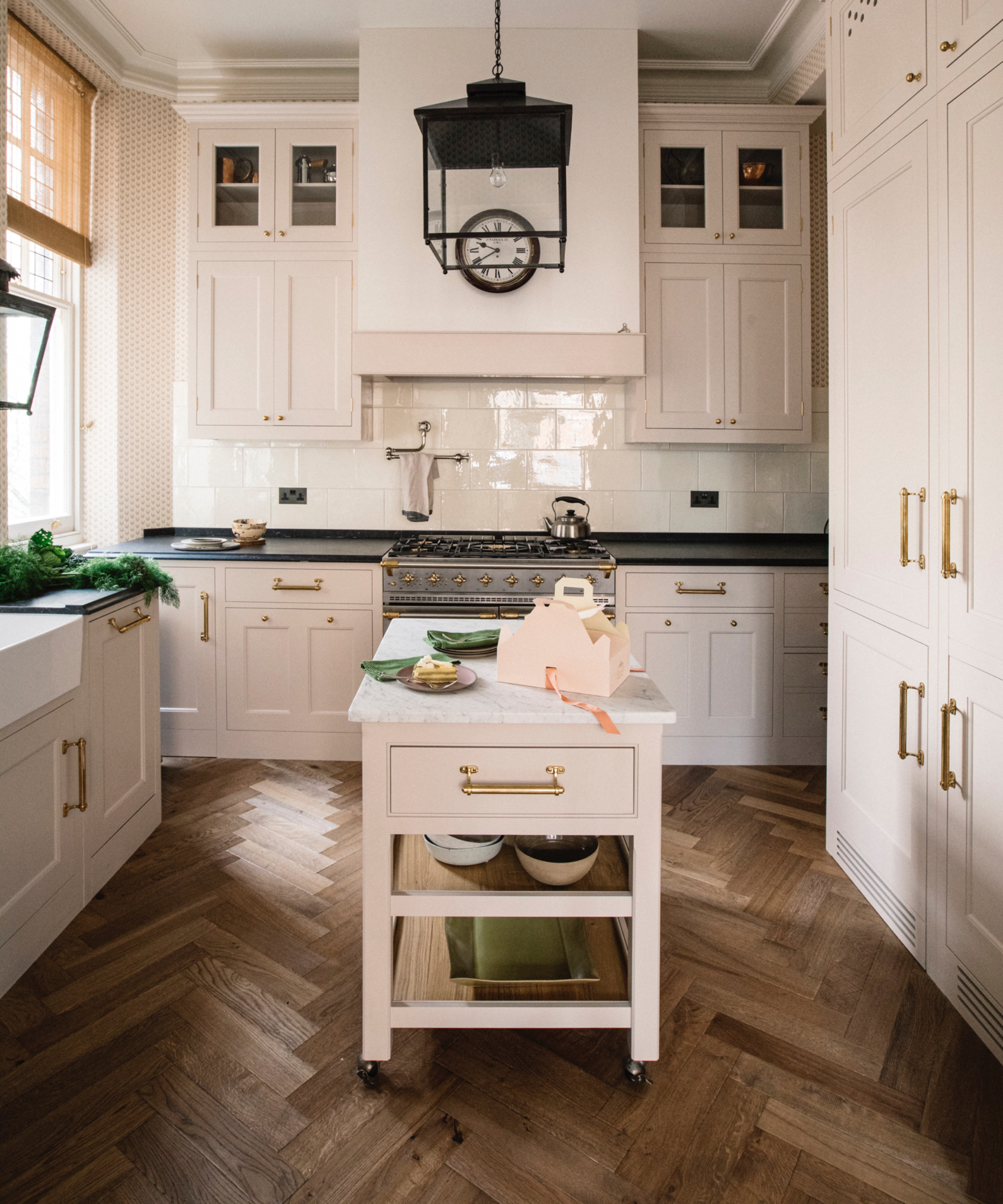
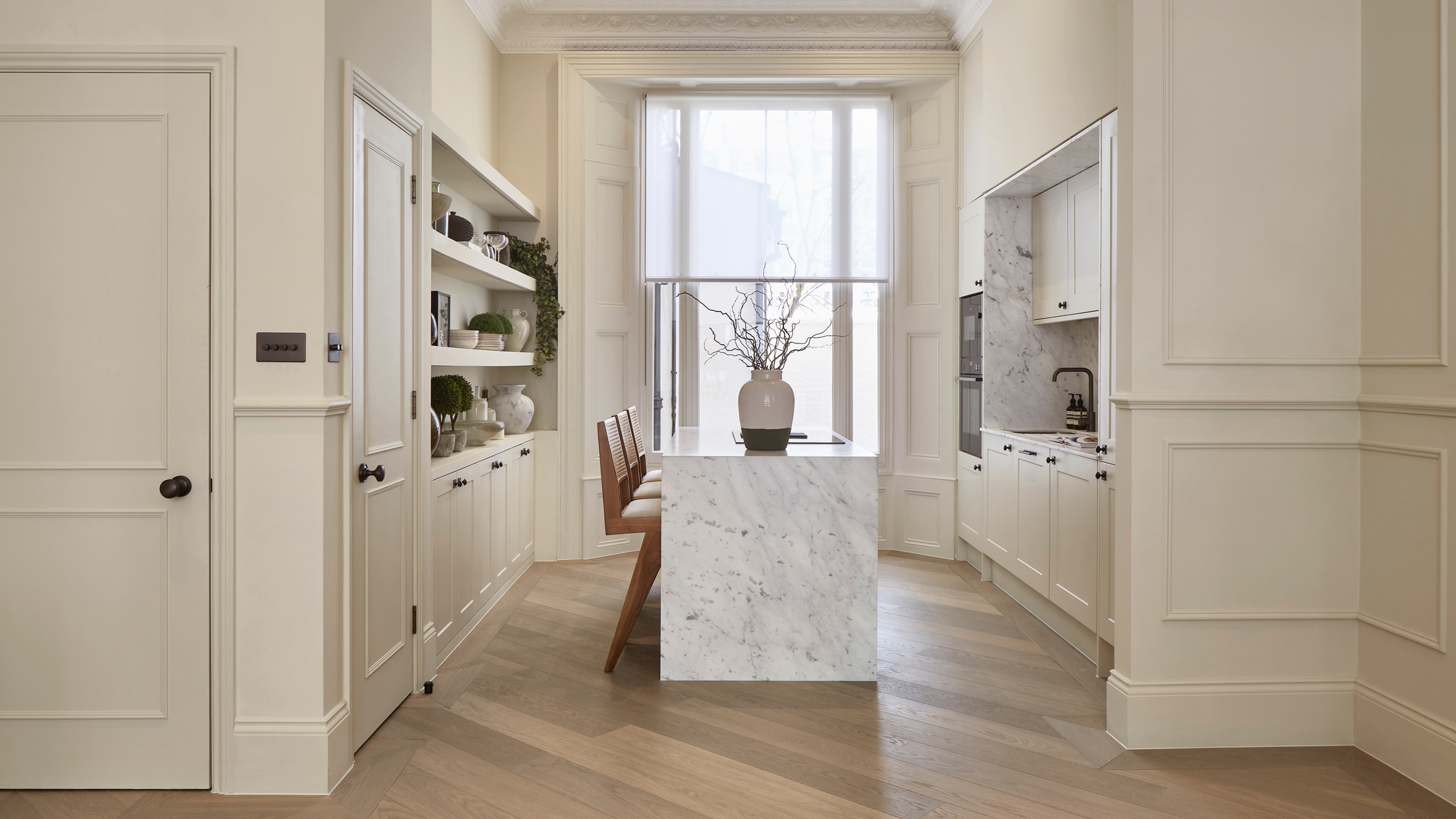
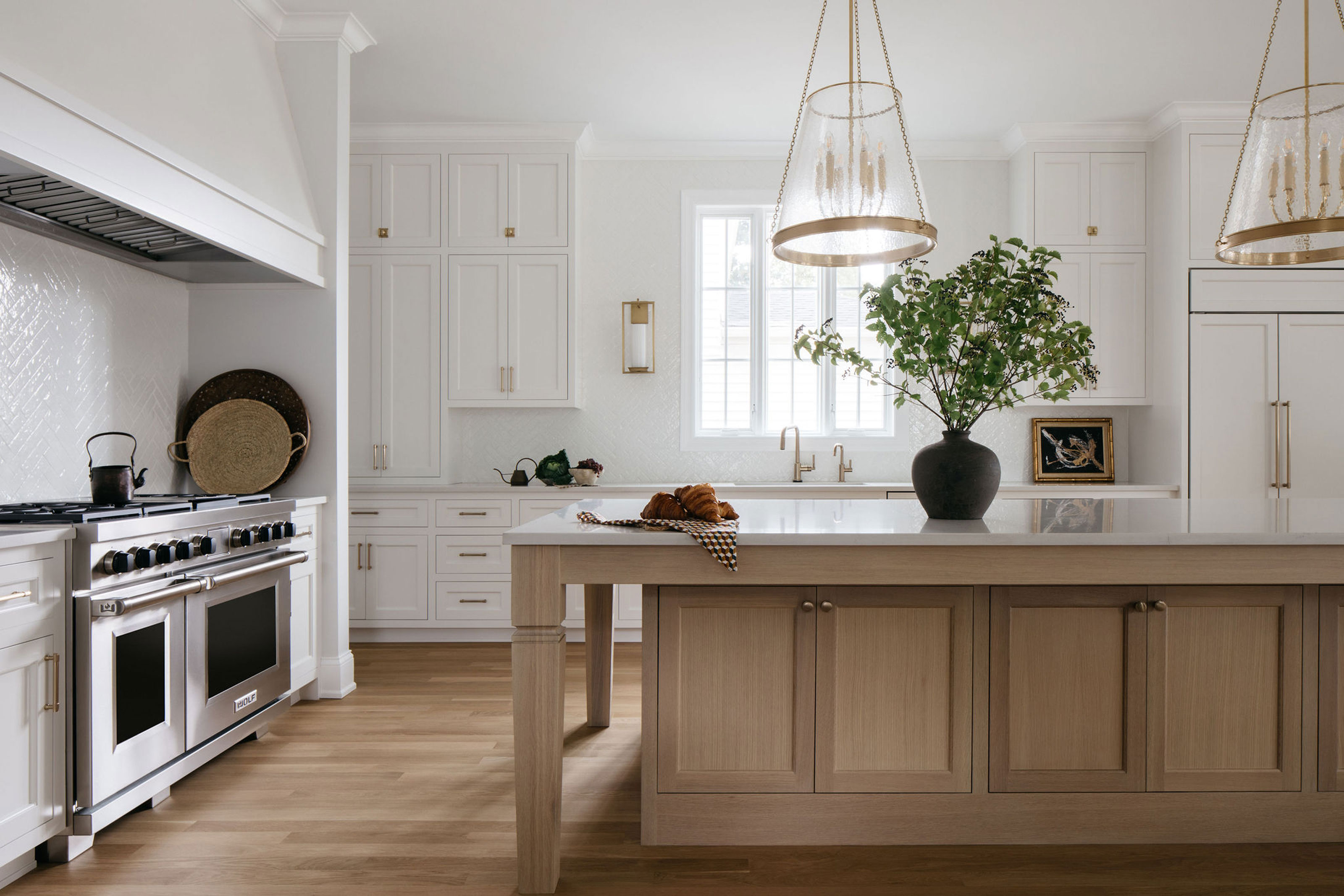
Engineered wood is presented as a superior alternative to solid wood for kitchens due to its enhanced resistance to heat and moisture. Alex Dauley's use of engineered oak in a herringbone pattern across a ground floor is cited as an example of creating a cohesive and timeless aesthetic in a modern, natural-toned home.
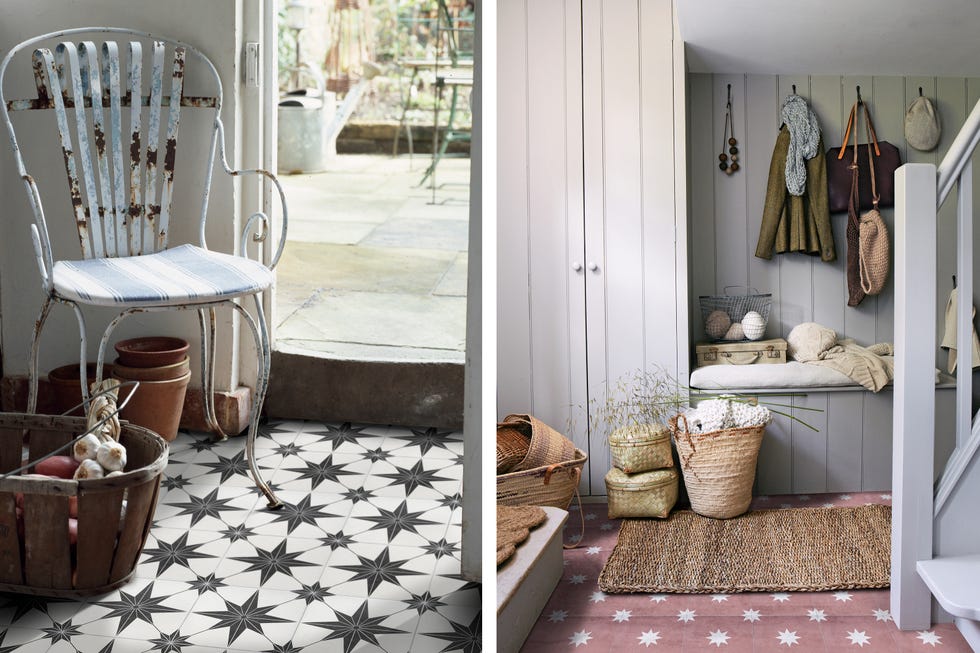
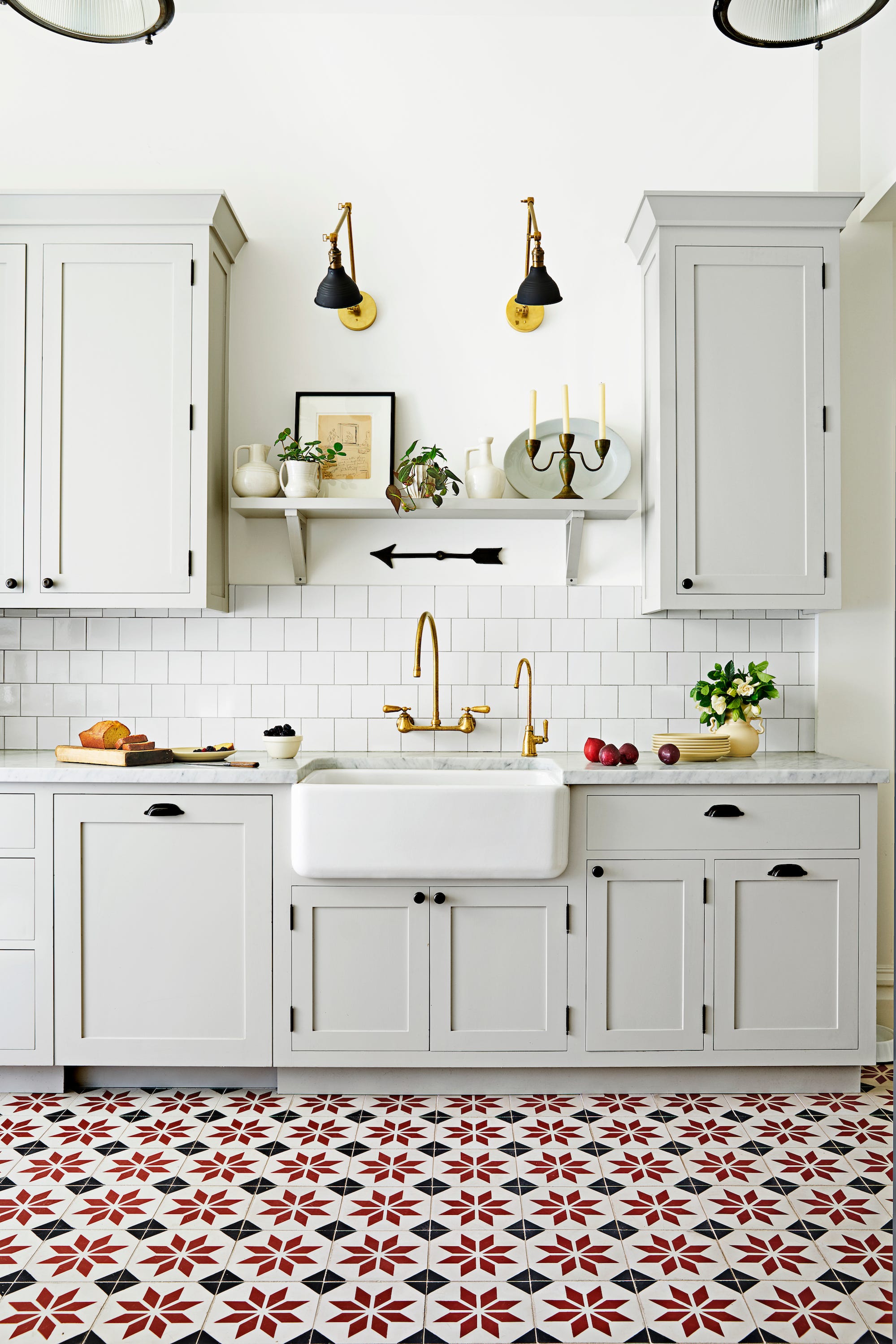
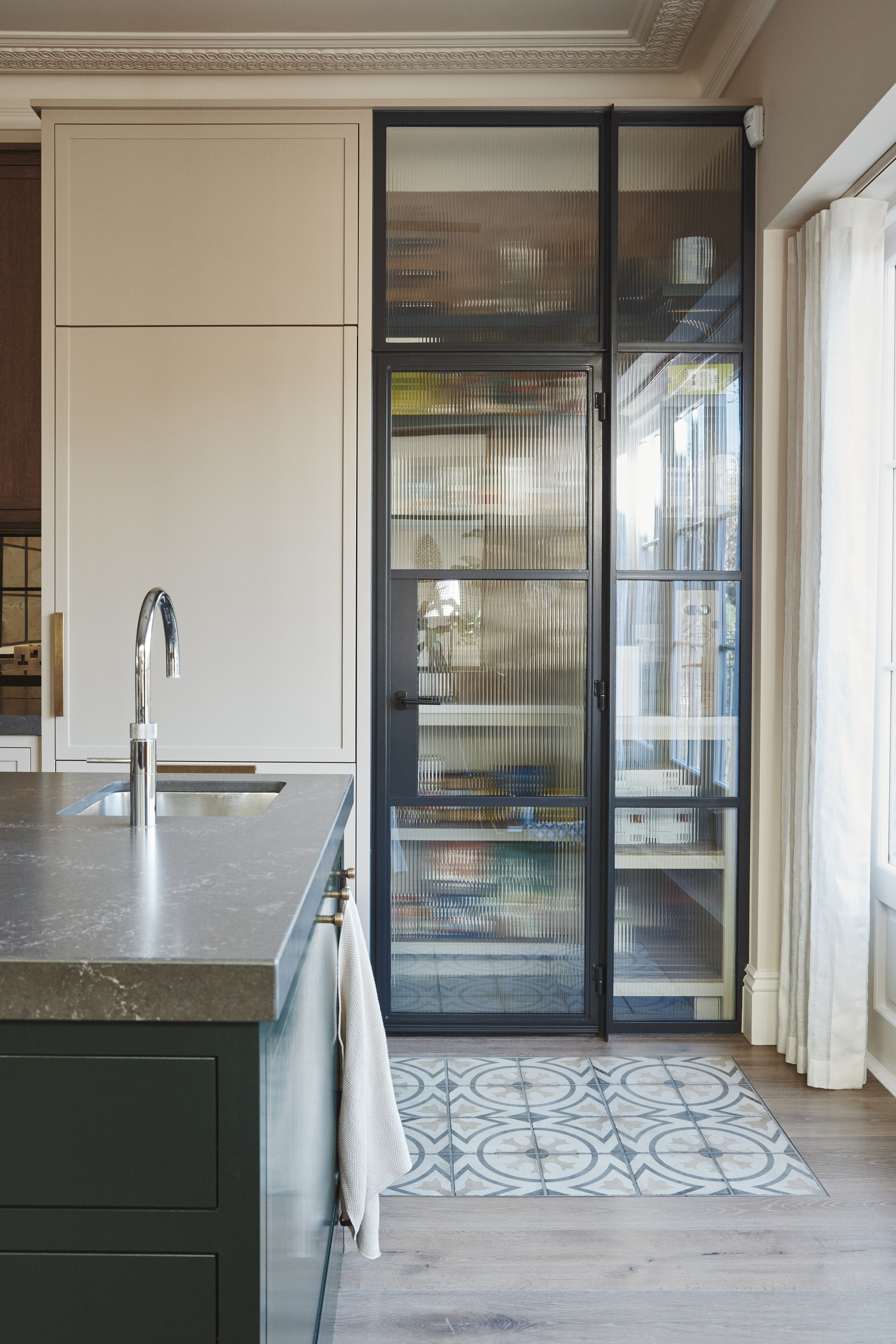
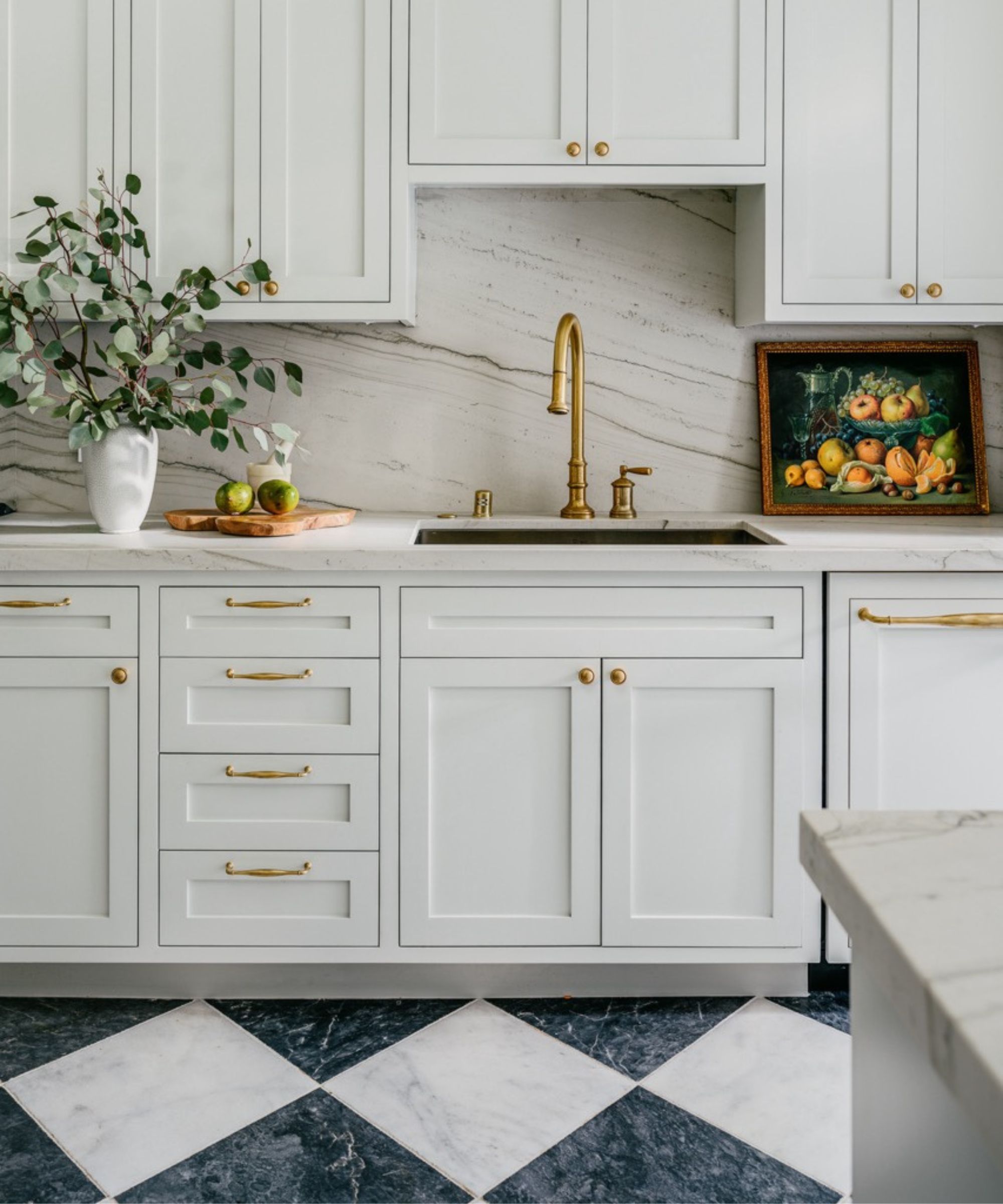
For small kitchens, the article encourages bold and adventurous flooring choices. Alex Dauley points out that compact spaces allow for the use of patterns, colors, and small-format tiles, maximizing impact in a limited area. Sarah Peake adds that large patterns can make small rooms appear more spacious by visually expanding the area.

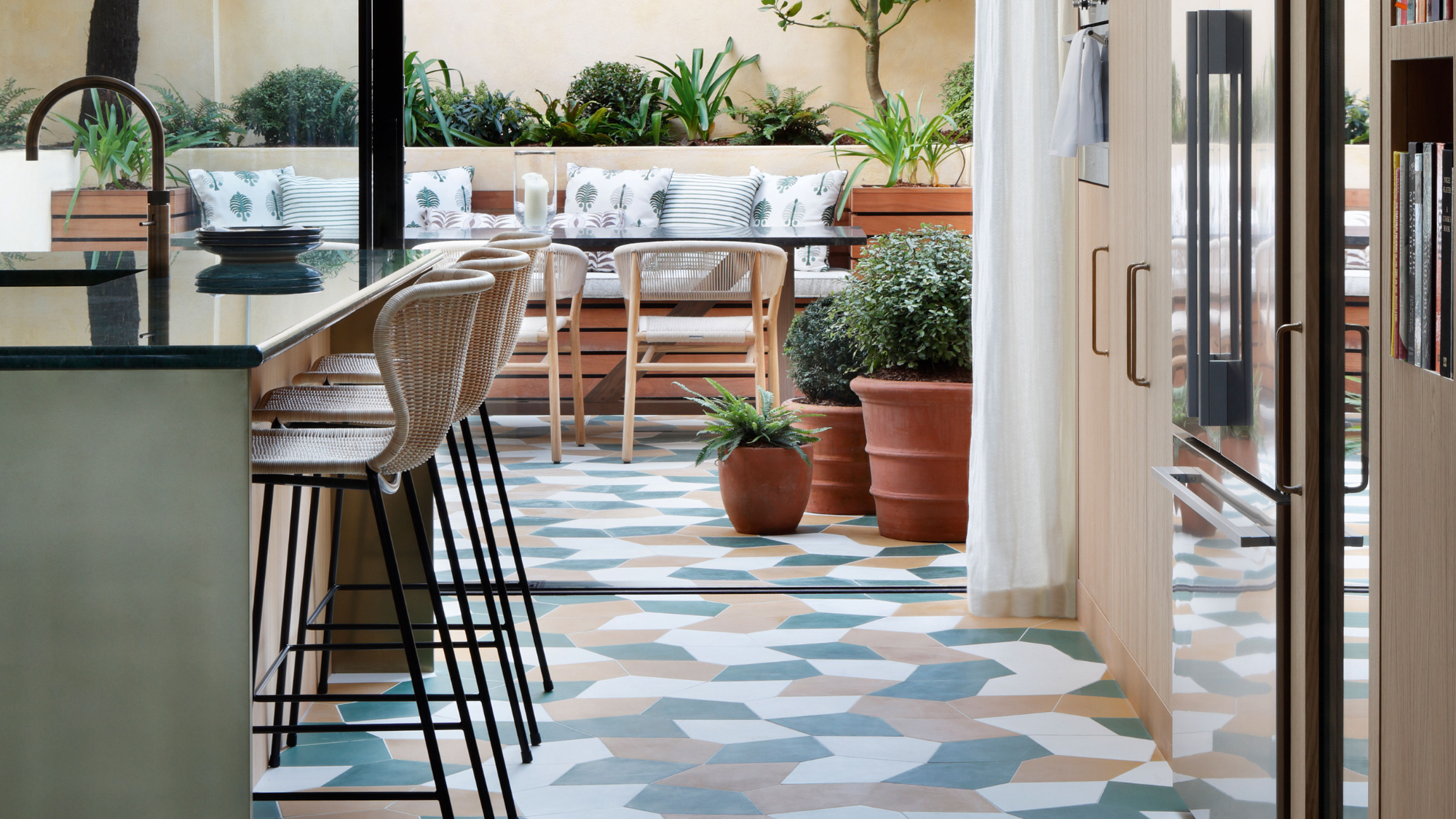
Making a bold choice in flooring can significantly contribute to a room's personality, according to Sarah Peake. Her project featuring irregularly shaped, colorful tiles extending from the kitchen to the garden illustrates how such choices can create a sense of fun and connect indoor and outdoor spaces, especially when contrasting with more neutral elements like wood.
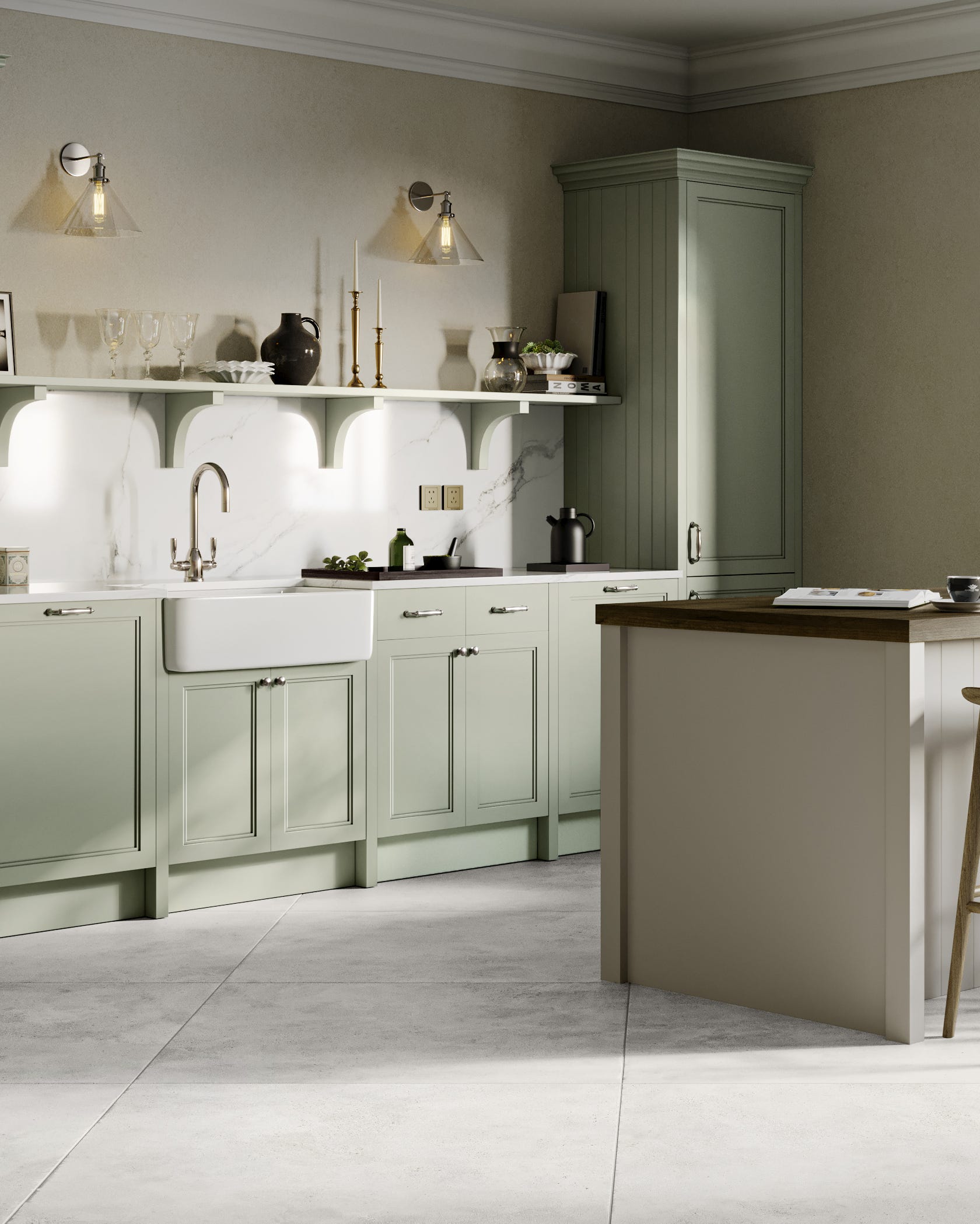
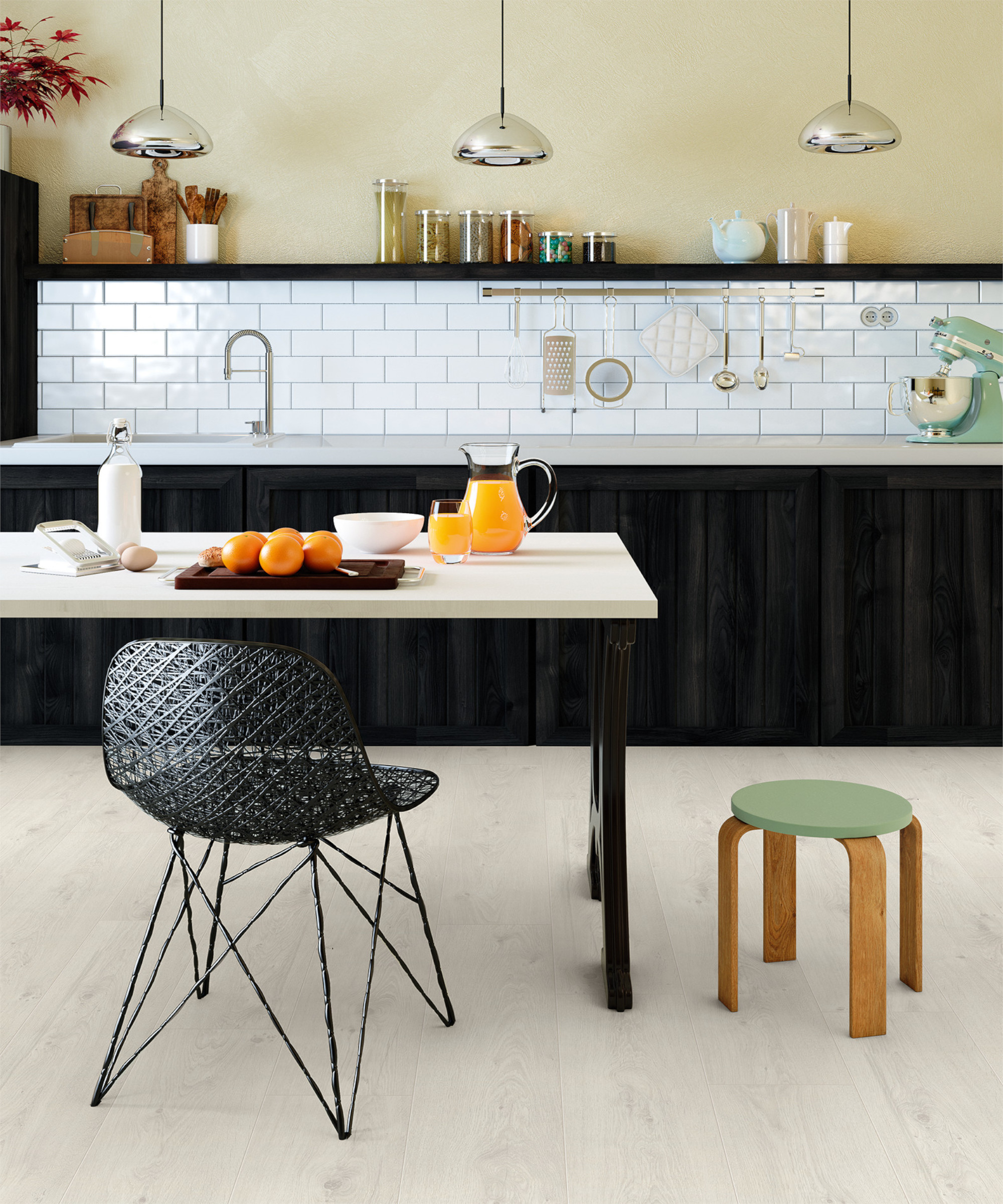
Balancing bold cabinetry with simple, neutral flooring is suggested for kitchens with vibrant color schemes. Sarah Peake’s use of limestone with yellow cabinetry demonstrates how a subtle floor can ground a colorful room, preventing it from feeling overwhelming.
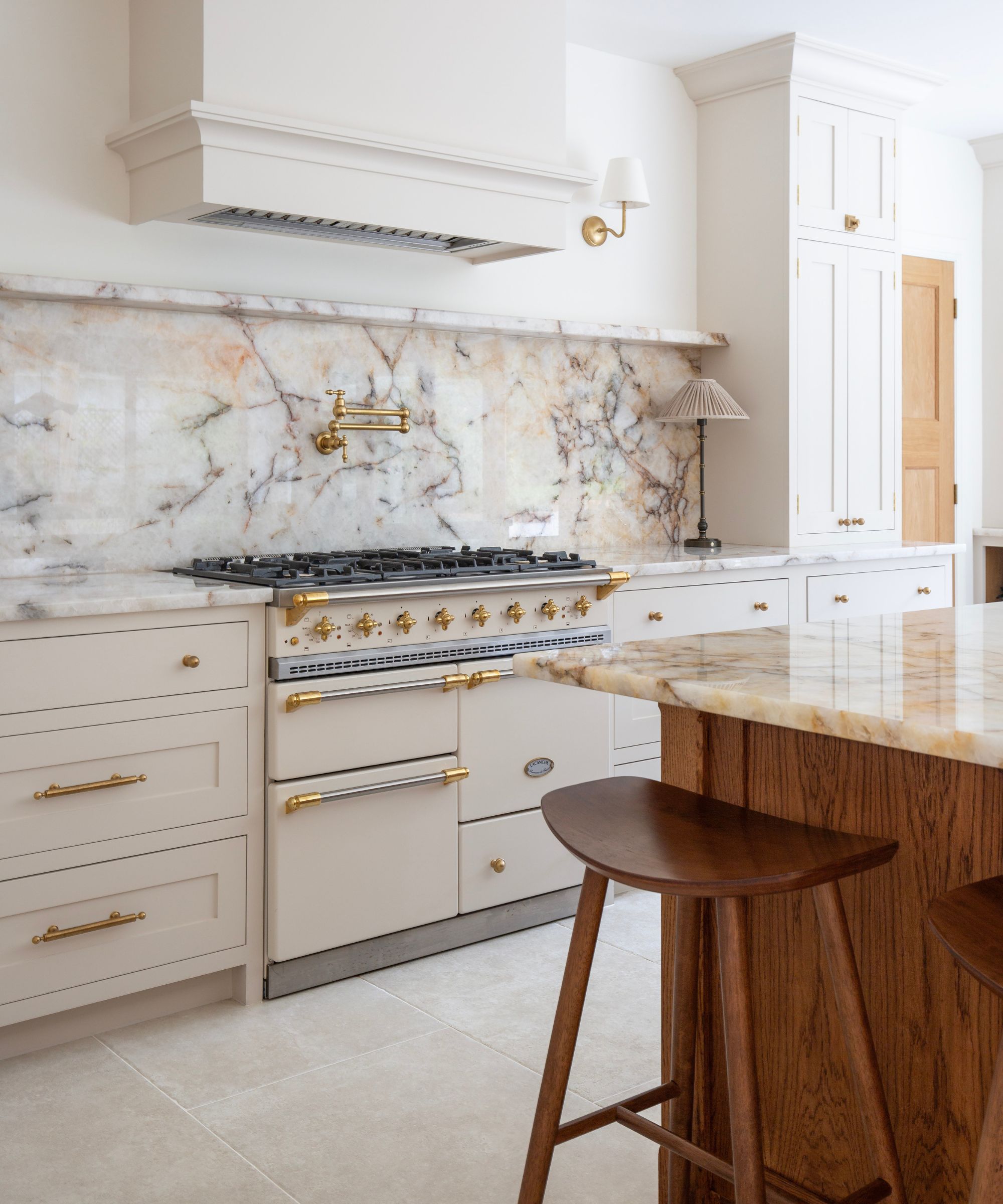
Natural stone flooring is highlighted for its enduring quality and sustainability, particularly when locally sourced. Ben Ridley emphasizes its low embodied energy compared to alternatives like polished concrete. He advises against cheap, non-local stones due to their higher embodied energy from shipping.
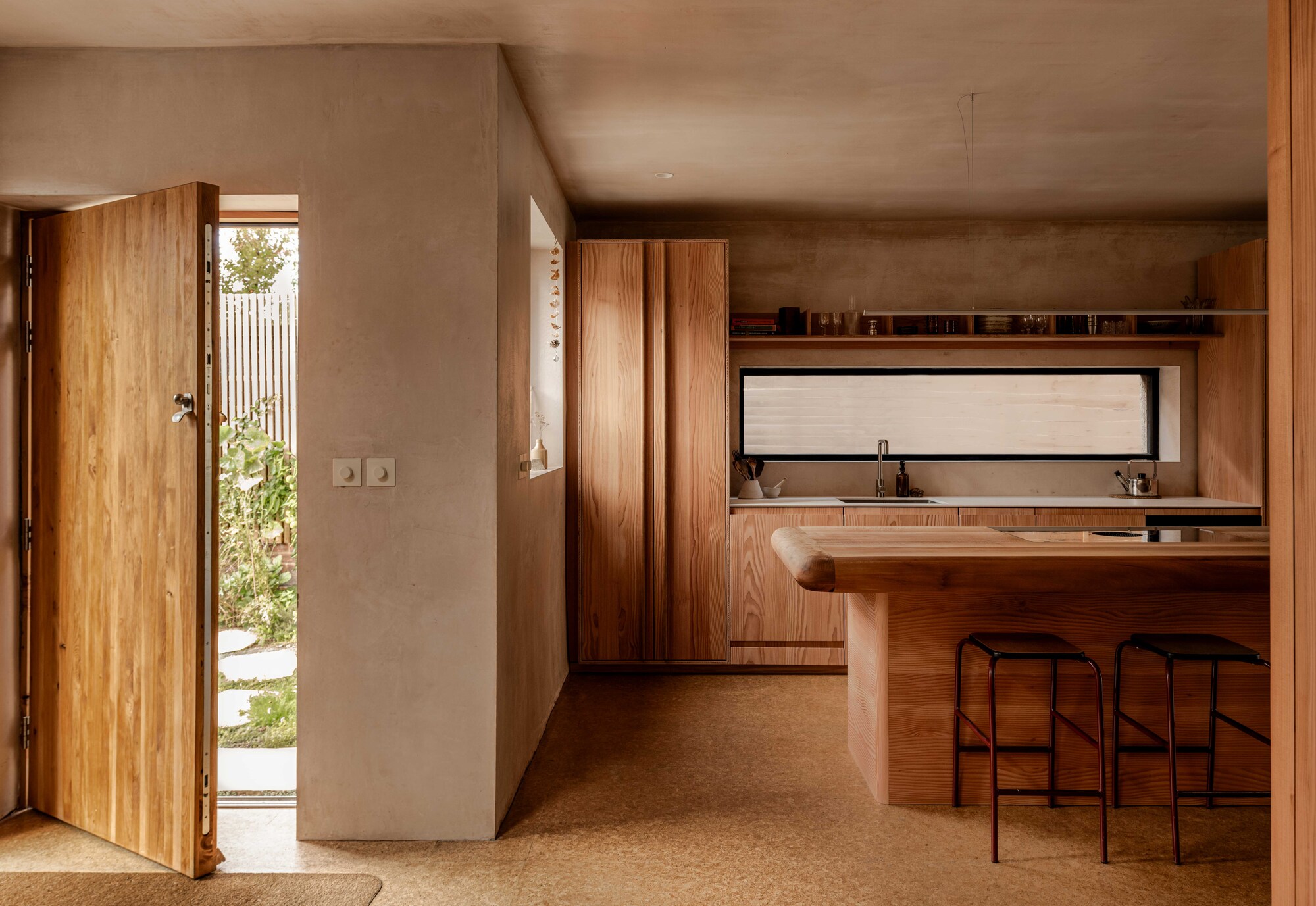
Cork flooring is identified as a rising trend, praised for its natural textures, warmth, and eco-friendliness. Syilviya Stoyanove of Bricoflor notes cork’s benefits for sound and heat insulation, energy efficiency, and waterproof properties. She advises choosing glue-down tiles for moisture-prone areas and floating tiles for comfort and quick installation.
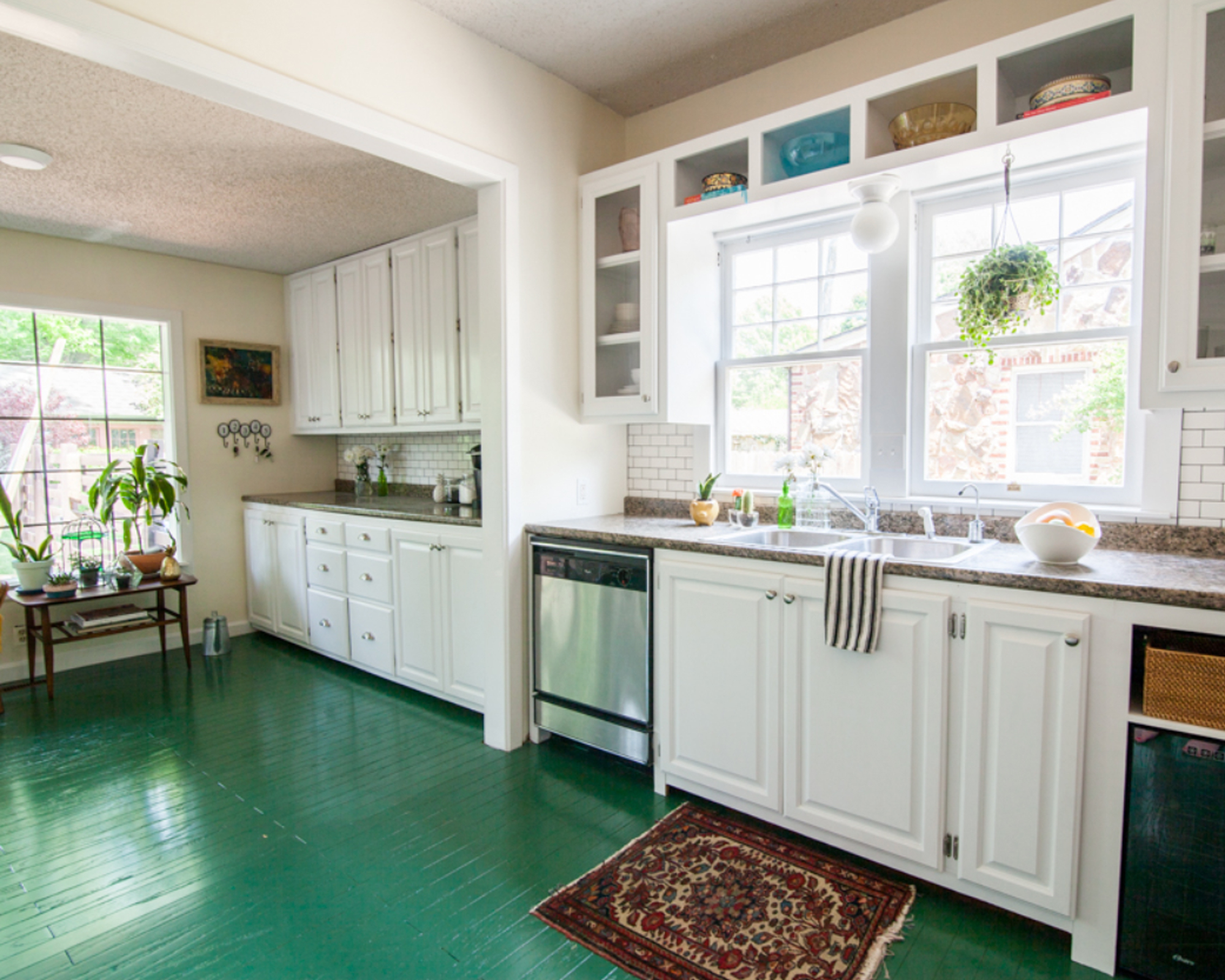
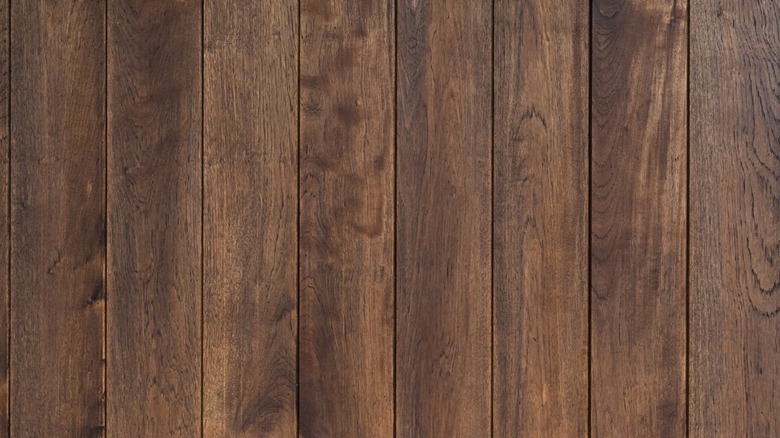
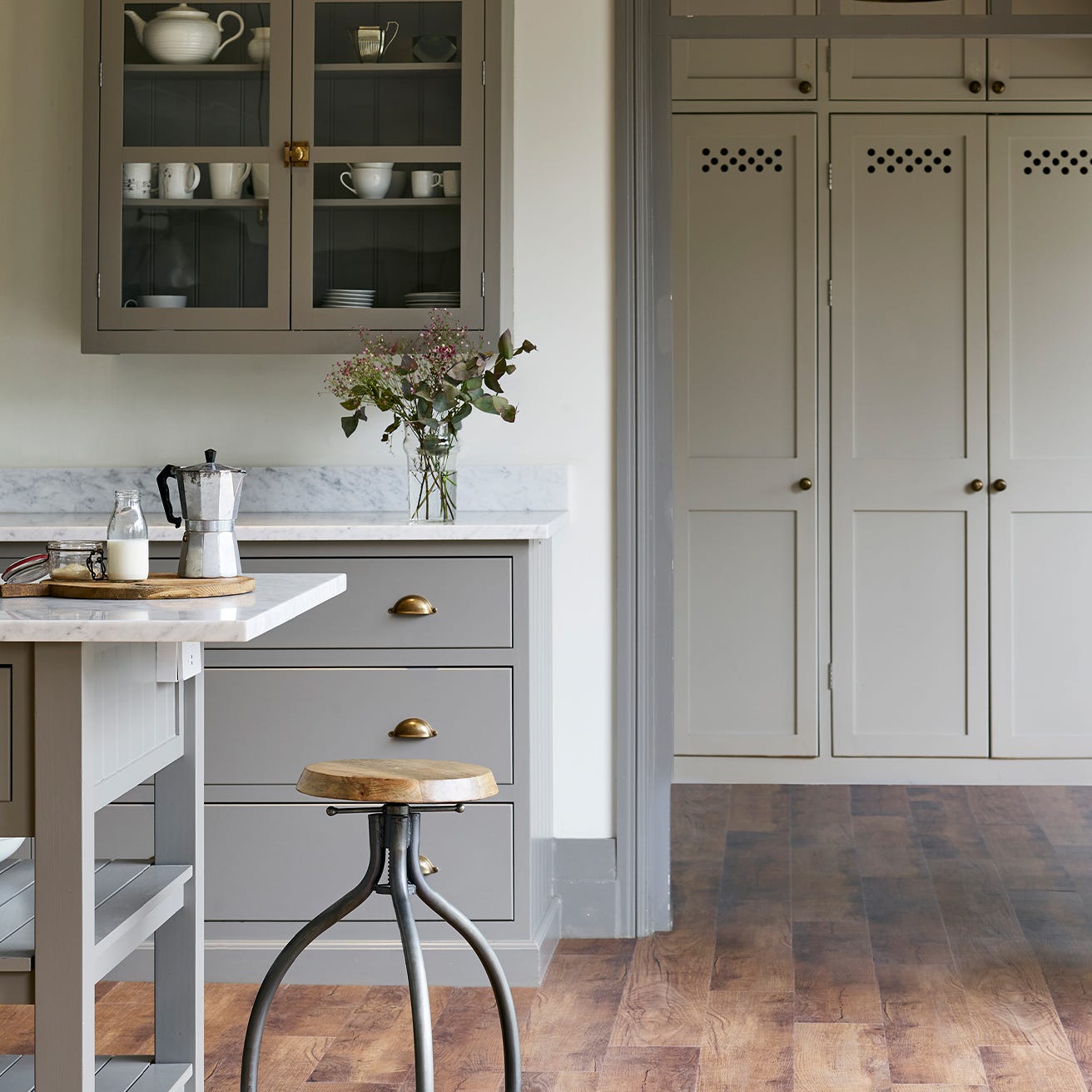
Reclaimed wood flooring offers character and charm, aligning with the current demand for personalized homes. Meg Lavalette of Lava Interiors highlights the timelessness of wood floors in kitchens and the benefit of consistent wood flooring throughout a house for a seamless look. Reclaimed wood is also presented as an eco-friendly option, preventing usable materials from ending up in landfills.
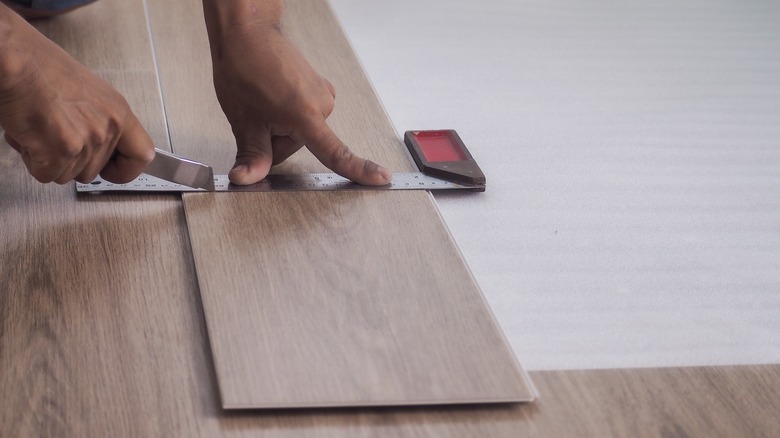
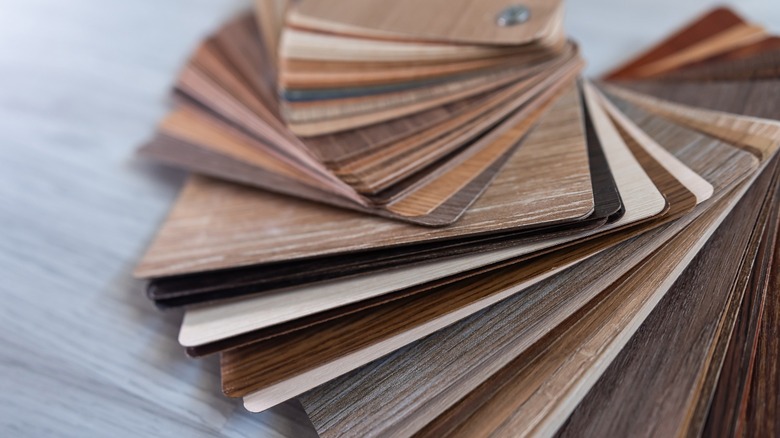
Finally, Luxury Vinyl Tiles (LVT) are introduced as a practical, low-maintenance alternative to natural wood or stone. Sarah Escott of Amtico emphasizes LVT’s durability, ease of cleaning, and ability to mimic more expensive materials, making it ideal for high-traffic kitchen areas where regular treatment of natural materials can be burdensome.
#KitchenFlooring #KitchenDesign #InteriorDesign #HomeRenovation #SustainableFlooring #EngineeredWood #StoneFlooring #CorkFlooring #ReclaimedWood #LuxuryVinylTiles #HomeImprovement #KitchenFlooring #KitchenDesign #InteriorDesign #HomeRenovation #SustainableFlooring #EngineeredWood #StoneFlooring #CorkFlooring #ReclaimedWood #LuxuryVinylTiles #HomeImprovement
0 comment in total
 No comments yet
You may also like
10 kitchen flooring ideas for a refreshed look
The Most Popular Kitchen Flooring Ideas for Every Style

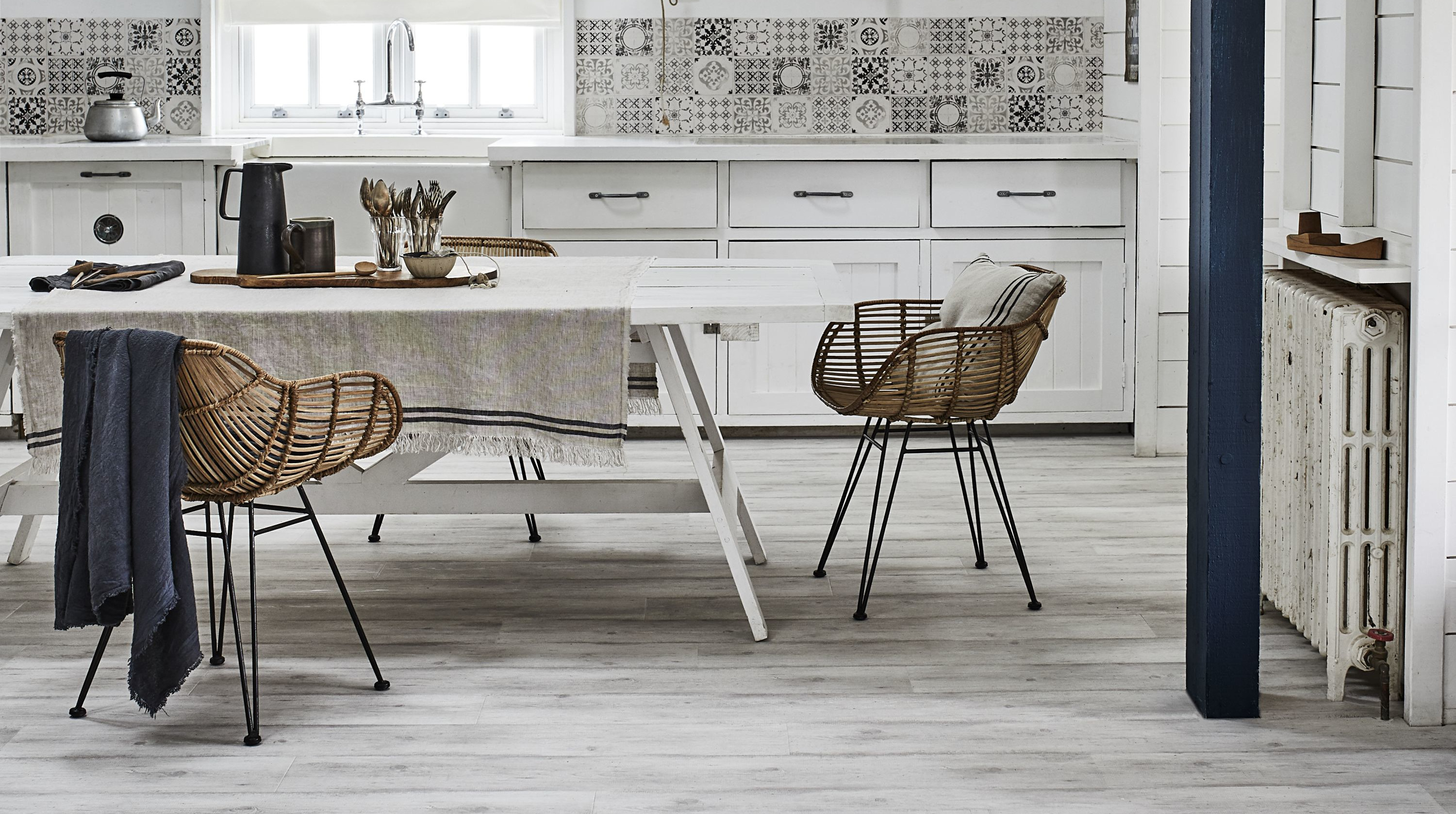
Laminate kitchen flooring ideas – expert advice and beautiful inspiration for this affordable flooring
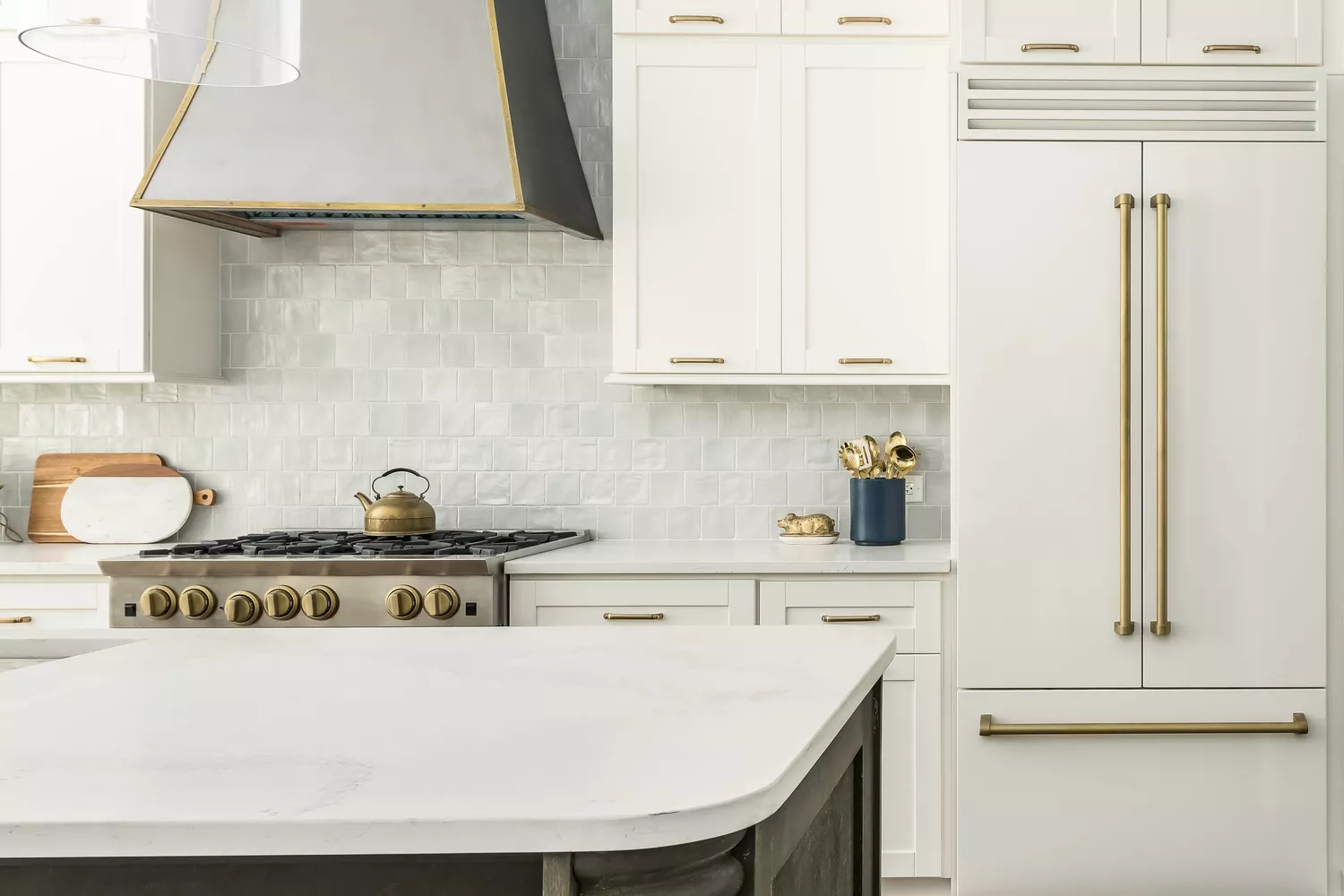
11 Beautiful Kitchen Tiling Ideas to Elevate Your Space

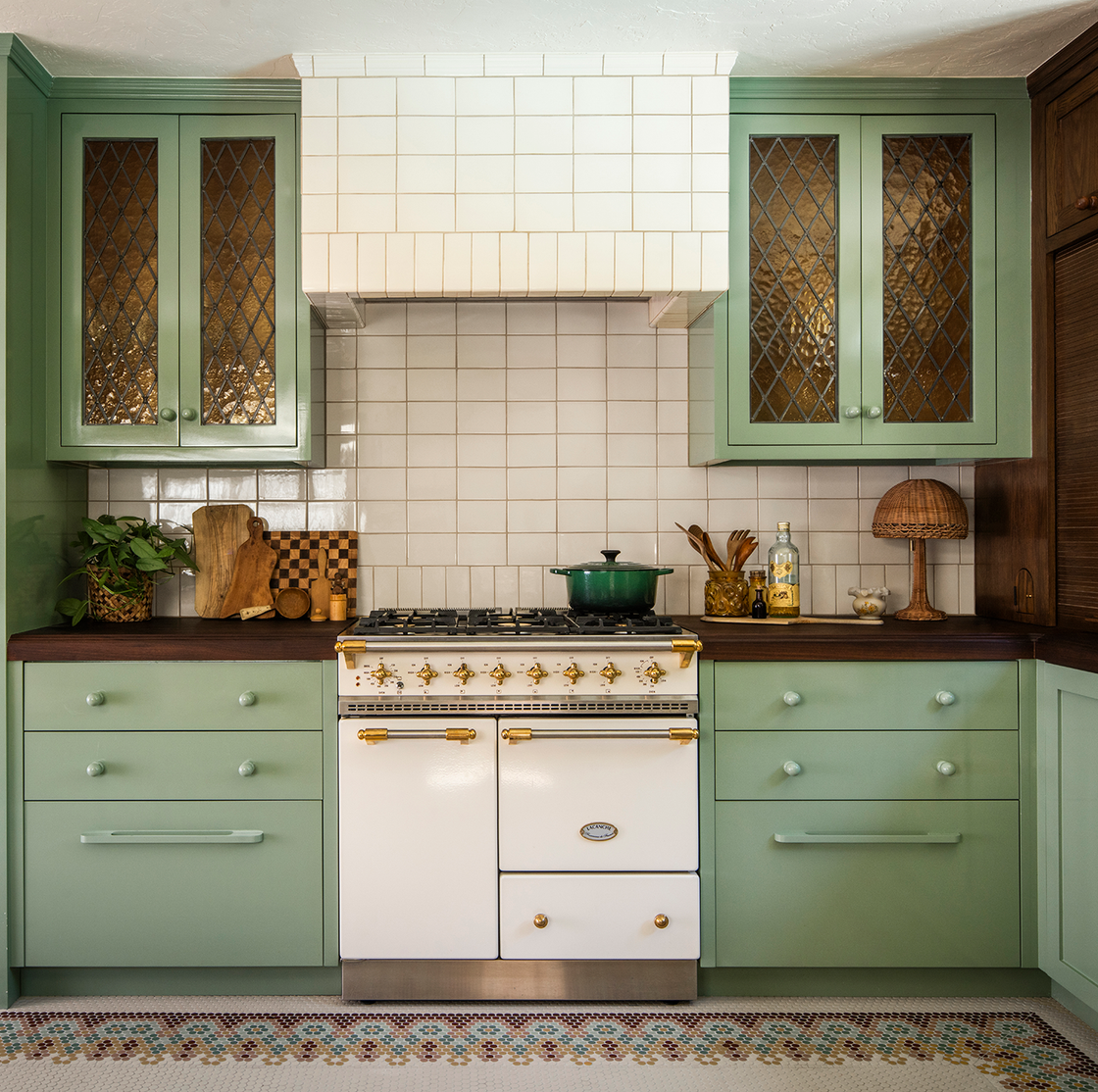
These Designer-Approved Flooring Ideas Look Great in ANY Kitchen
10 wooden kitchen floor ideas to inspire you to embrace this classic and demure flooring option
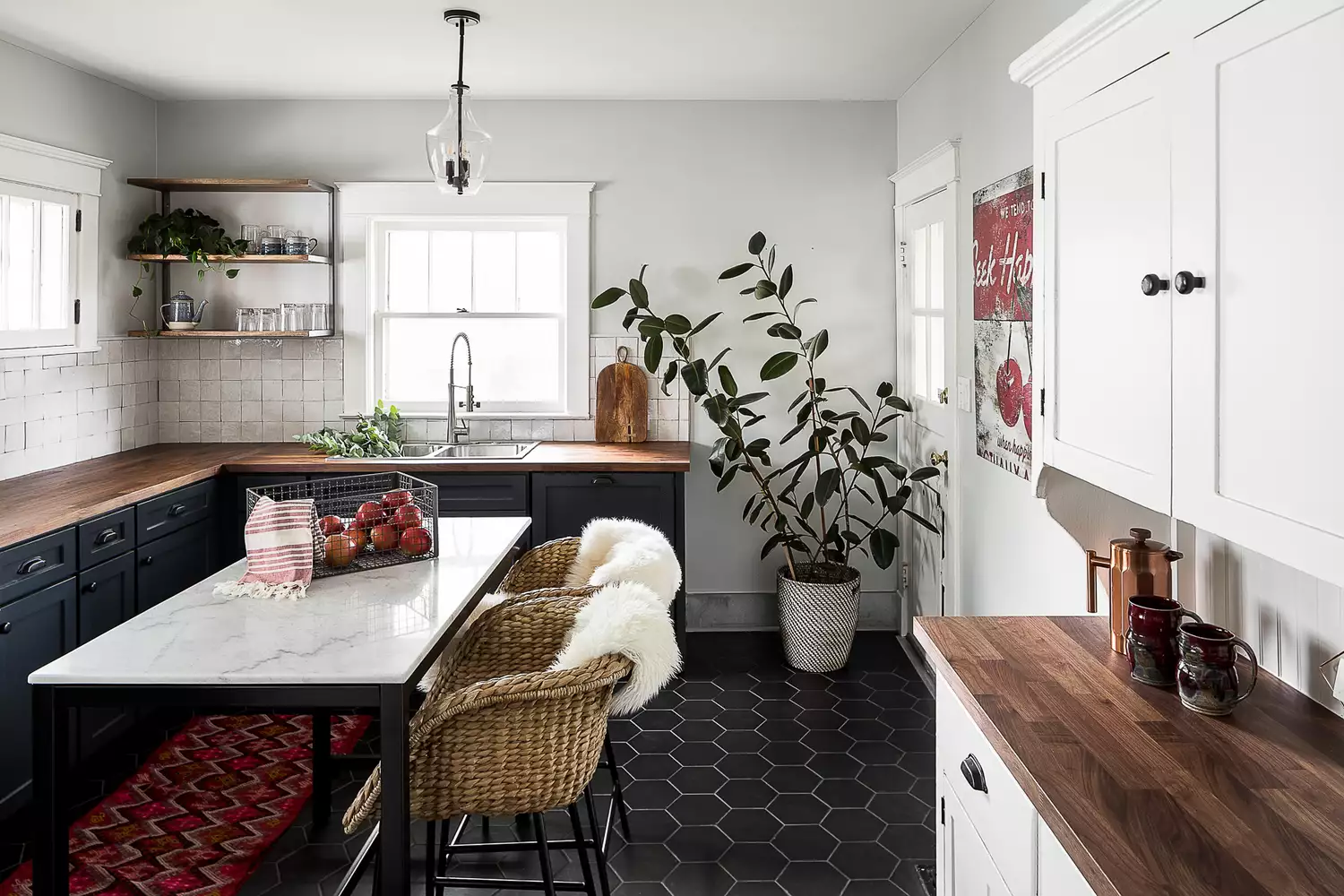
24 Beautiful Kitchen Floor Tile Ideas, From Whimsical Patterns to Bold Colors

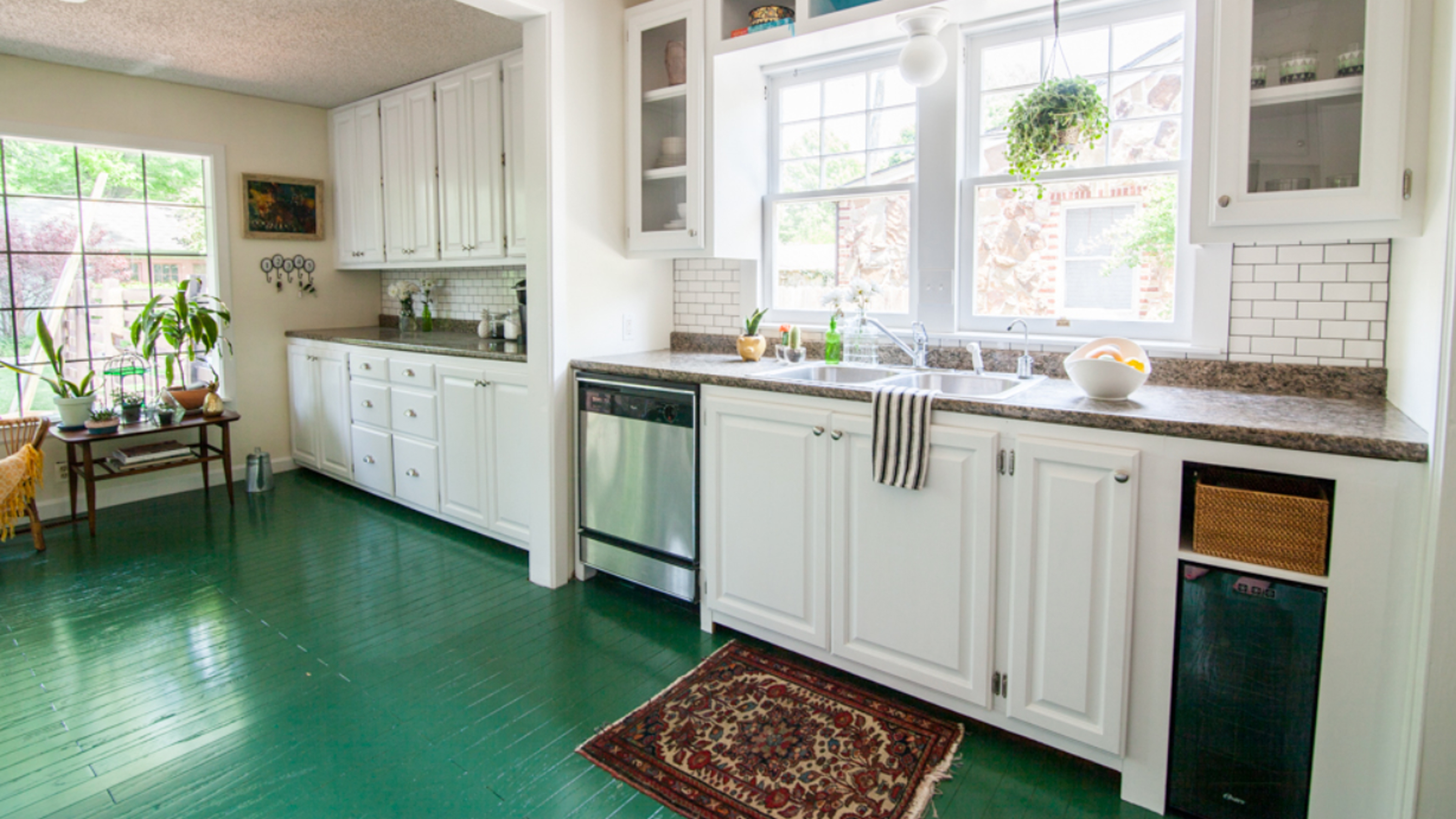
9 inexpensive kitchen flooring options – budget-friendly ideas you can DIY

15 Modern Kitchen Flooring Ideas

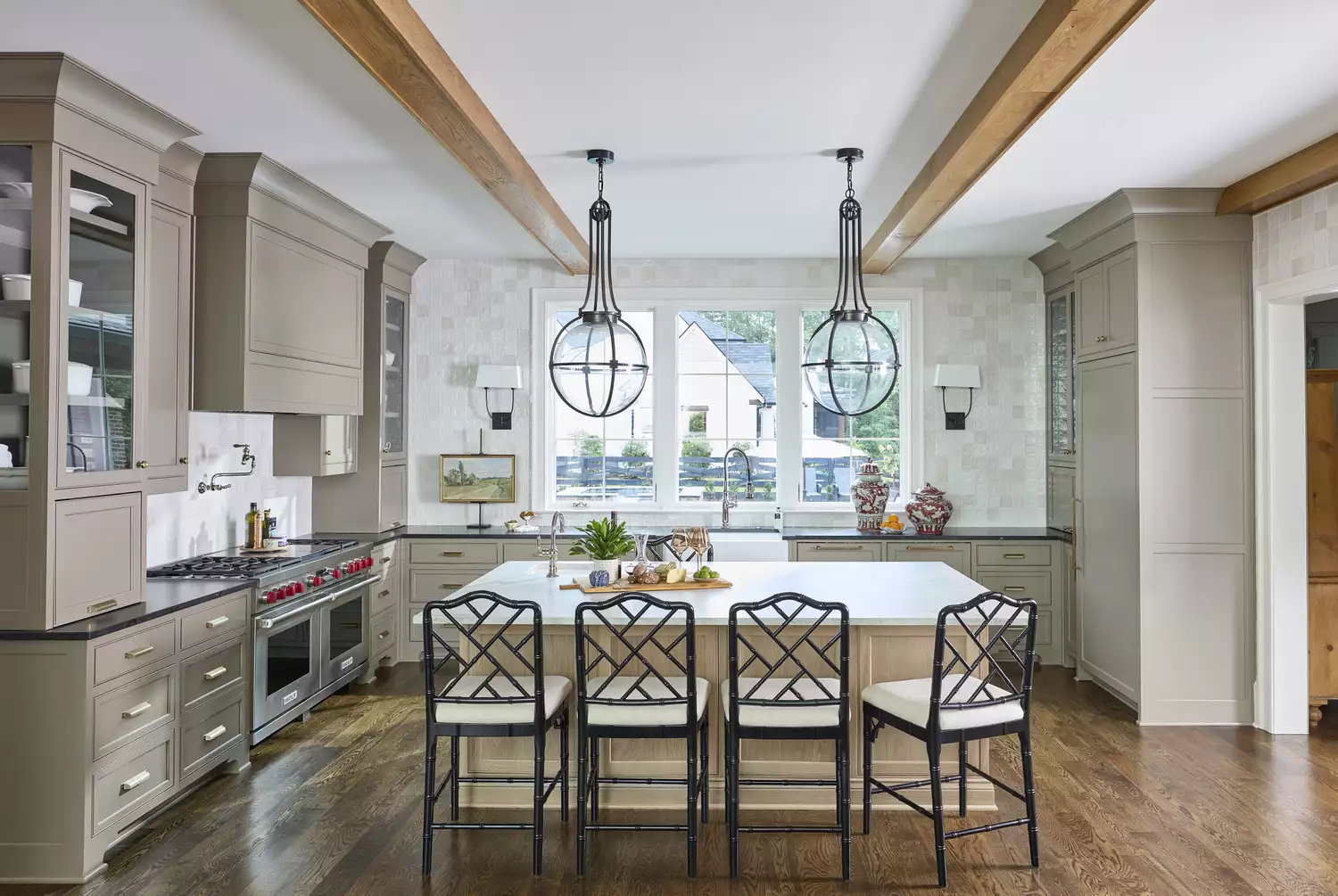
15 Kitchen Flooring Ideas For A Practical And Stylish Space
Should You Put Flooring Under Kitchen Cabinets? It All Depends on the Type of Floor, Say Professional Remodelers
6 Kitchen Flooring Options That Are Durable And Stylish

9 Affordable Kitchen Flooring Options for Your Next Remodel

Our Real Estate Expert Names The Kitchen Flooring Choice That Can Hurt Your Resale Value
How an Instagram-Worthy Kitchen Renovation Comes Alive With the Right Surfaces
11 genius DIY kitchen island ideas and upcycling tips
15 Modern Kitchen Floor Ideas
6 Outdated Kitchen Flooring Ideas in 2025 That Threaten to Turn Back the Clock — Plus What to Choose Instead
5 dated kitchen flooring trends to avoid in 2025 – and what experts say you should choose instead

9 Affordable Kitchen Flooring Ideas That Don’t Compromise on Style