Material Acts - Elsa Mäki - Stitching: Future Fabrication and Traditions of Reuse
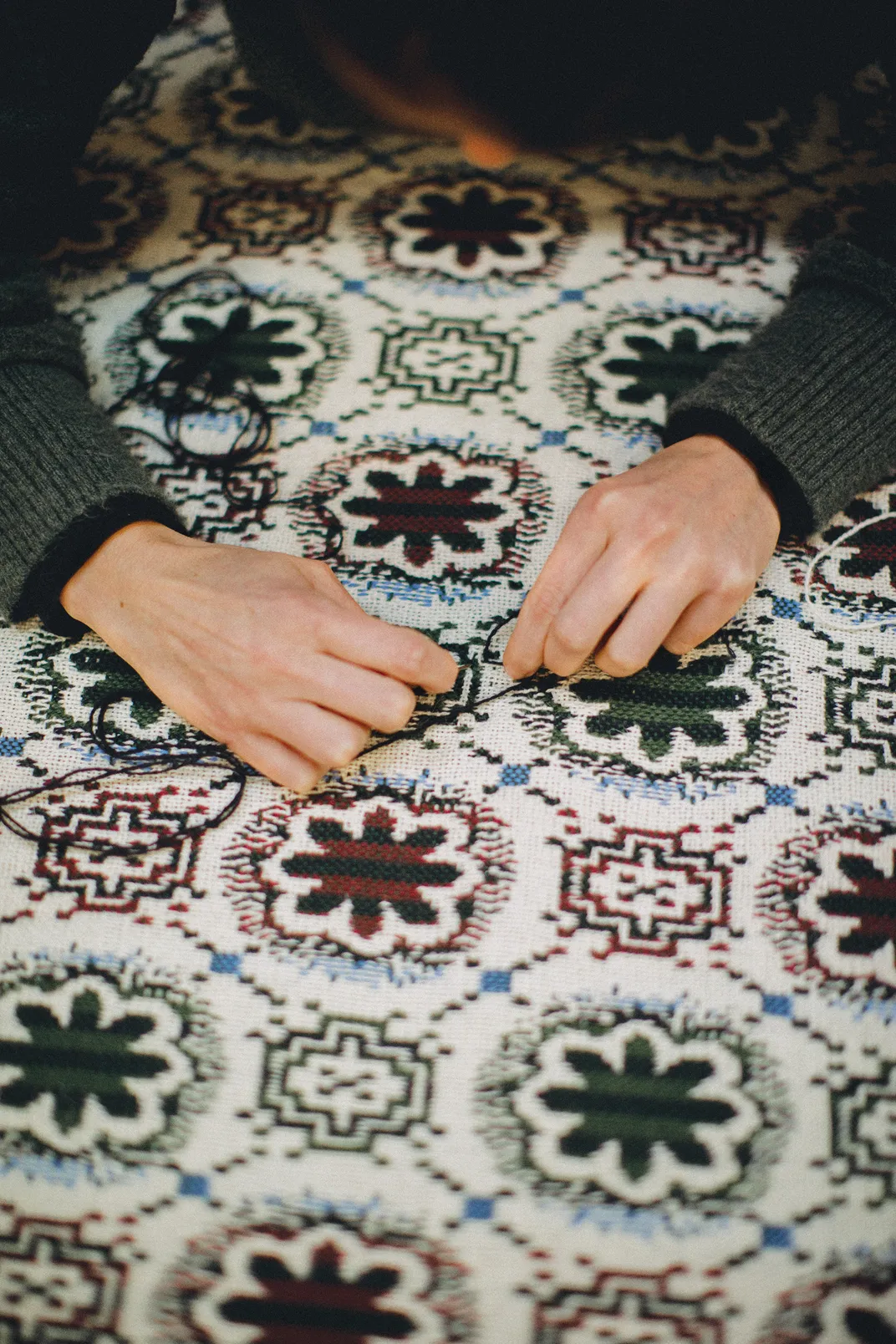
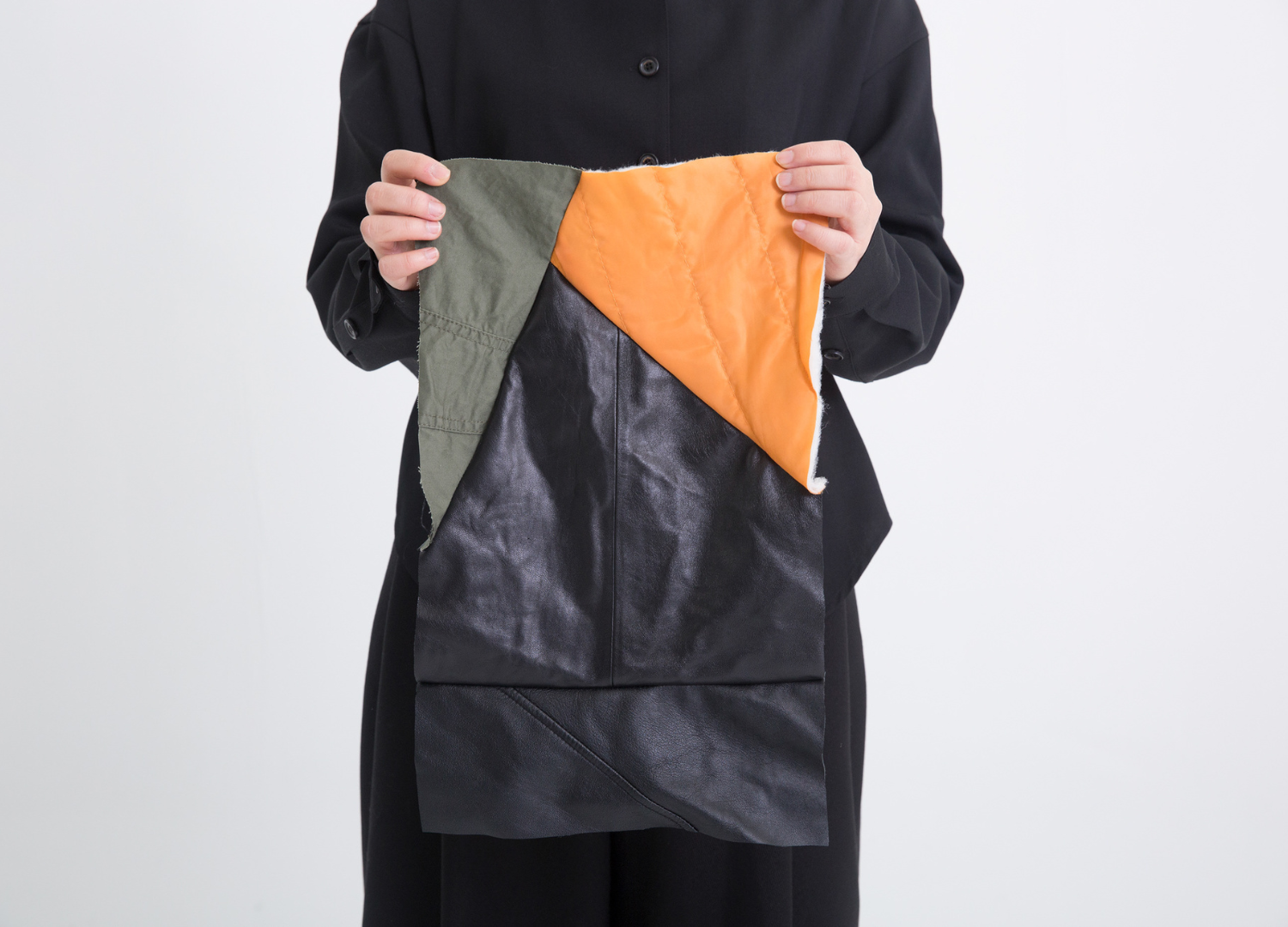
The article critiques the conventional lexicon of sustainability in architecture, which tends to categorize materials as either "alternative" (good) or "standard" (bad), promoting a logic of replacement rather than a holistic understanding of material interactions and transformations. It argues for moving beyond simple material swaps to a more nuanced engagement with architectural practices. The piece highlights the environmental impact of construction, particularly concerning concrete and carbon, noting how these issues persist even in contexts of war and rebuilding, such as in Gaza. It introduces "stitching" as a conceptual framework for architectural practice, drawing parallels with Donna J. Haraway's "staying with the trouble" and Indigenous land management principles that emphasize repair and integration rather than eradication and replacement. This perspective is applied to material use in architecture, advocating for practices that value and incorporate waste materials rather than discarding them, likening it to historical methods of repairing damaged objects across cultures, such as kintsugi or stitched gourds.
The article explores the potential of incorporating traditional repair methods with contemporary digital fabrication techniques to address material scarcity and waste. It references historical precedents like the Incas' dry stone walls and modern initiatives such as HANNAH's robotic construction of a cabin from tree fragments, demonstrating how technology can be used to embrace, rather than eliminate, material imperfections and "standardless materials." The discussion extends to the broader implications of material extraction, noting that even high-tech digital fabrication relies on processes with significant environmental footprints that are often overlooked. The author challenges the notion of universal, standardized solutions in architecture, advocating for context-specific approaches that draw from local knowledge and available resources.
Furthermore, the article delves into the concept of "material acts" as a means of engaging with the stories and histories embedded within materials, particularly in the context of decolonization and addressing environmental injustices. It cites examples such as the use of human hair in construction by Felecia Davis, which transforms a personal, often discarded material into a structural component, thereby challenging conventional material hierarchies and aesthetic norms. This approach is positioned against the backdrop of global conflicts and their impact on built environments, where destruction often precedes proposals for new, often extractive, development. The article implicitly calls for an architectural practice that is more sensitive to historical trauma, environmental stewardship, and cultural heritage, particularly in regions affected by conflict and colonialism.
In conclusion, the text advocates for a shift in architectural thinking from a linear model of production and disposal to a circular, regenerative one. It emphasizes the importance of understanding the provenance and life cycle of materials, integrating traditional knowledge with advanced technology, and adopting practices that repair, reuse, and respect existing structures. The piece suggests that by embracing "stitching" – metaphorically and literally – architecture can contribute to a more sustainable, equitable, and resilient future, acknowledging the complex interplay between materials, culture, history, and environment.
#ArchitecturalSustainability #MaterialReuse #DigitalFabrication #IndigenousKnowledge #CircularEconomy #AdaptiveReuse #Materiality #SustainableDesign #ArchitecturalInnovation #ArchitecturalSustainability #MaterialReuse #DigitalFabrication #IndigenousKnowledge #CircularEconomy #AdaptiveReuse #Materiality #SustainableDesign #ArchitecturalInnovation
0 Kommentare insgesamt
 Noch keine Kommentare
Das könnte Ihnen auch gefallen

Knowing the Ropes Explores the Textile Through a New Lens


Textile Designer Esha Ahmed Joins Joy Moyler for a Conversation on Global Weaving Arts
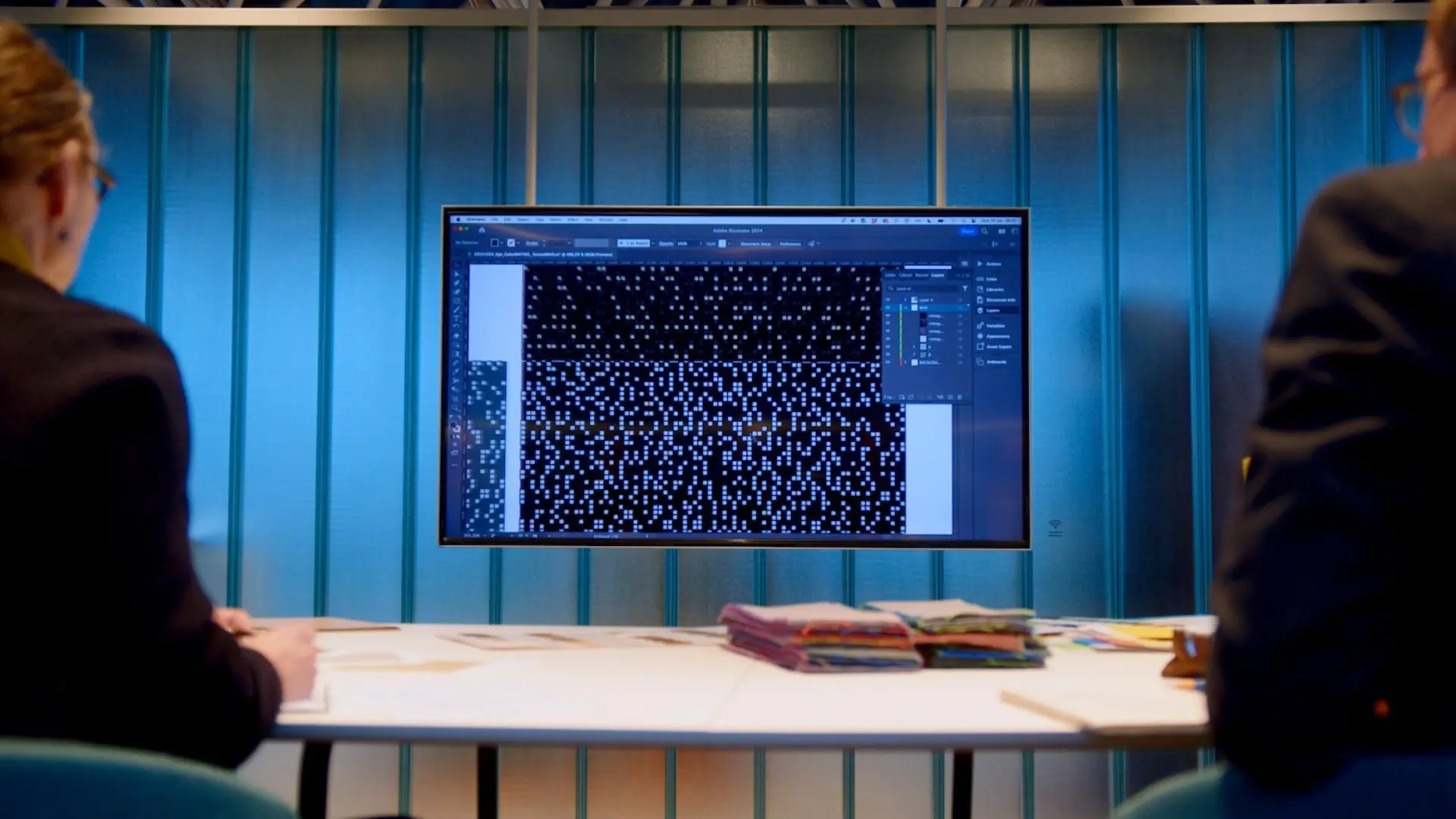
Snøhetta and Ege Carpets’ radical approach to textile design


Quilt school - 4 Jun 2025 - Today's Quilter Magazine

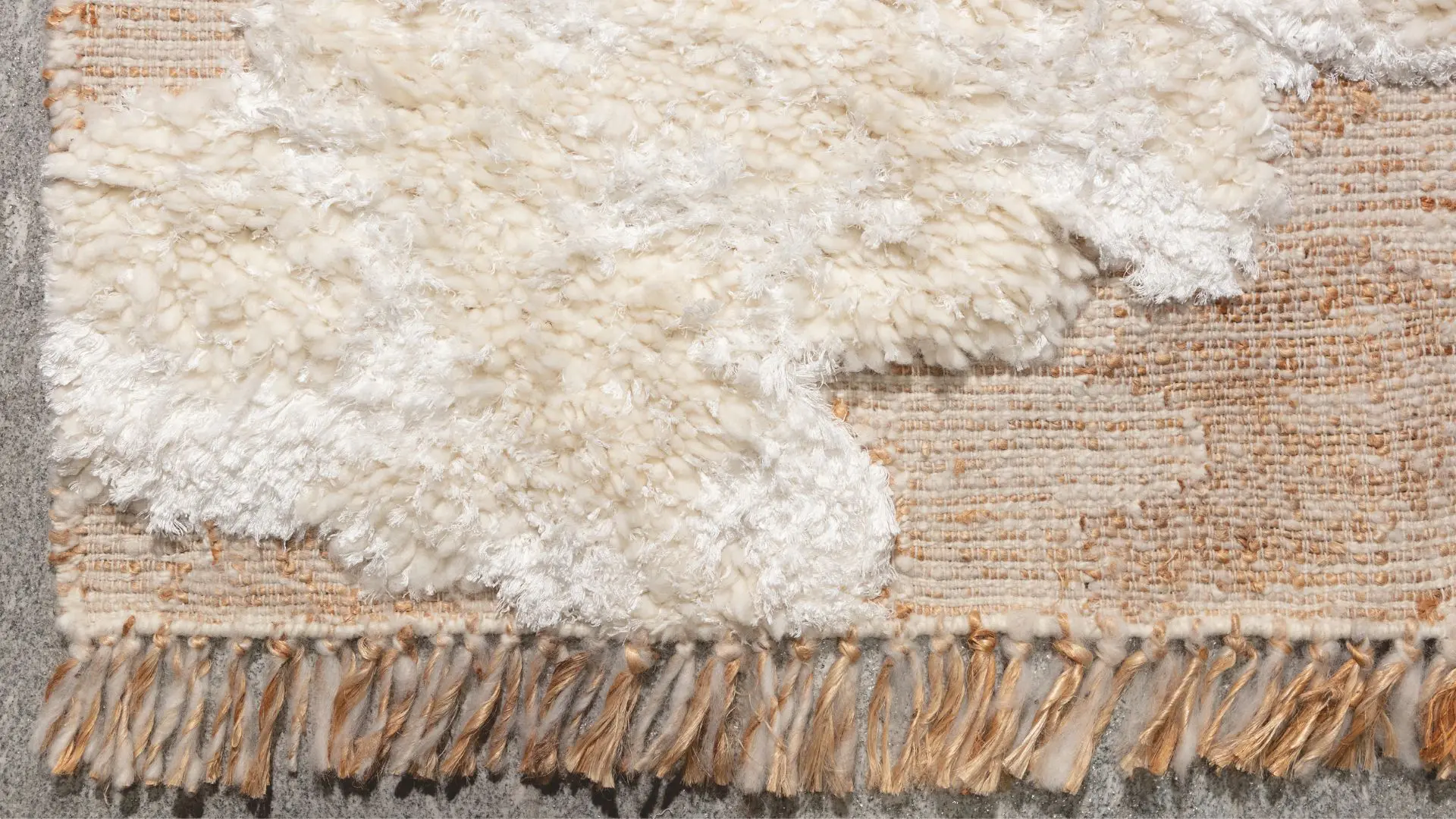
Ancient Memories: reweaving time with sustainable fabric stories

From Tech to Texture: Aurelie Tu of Craftedsystems
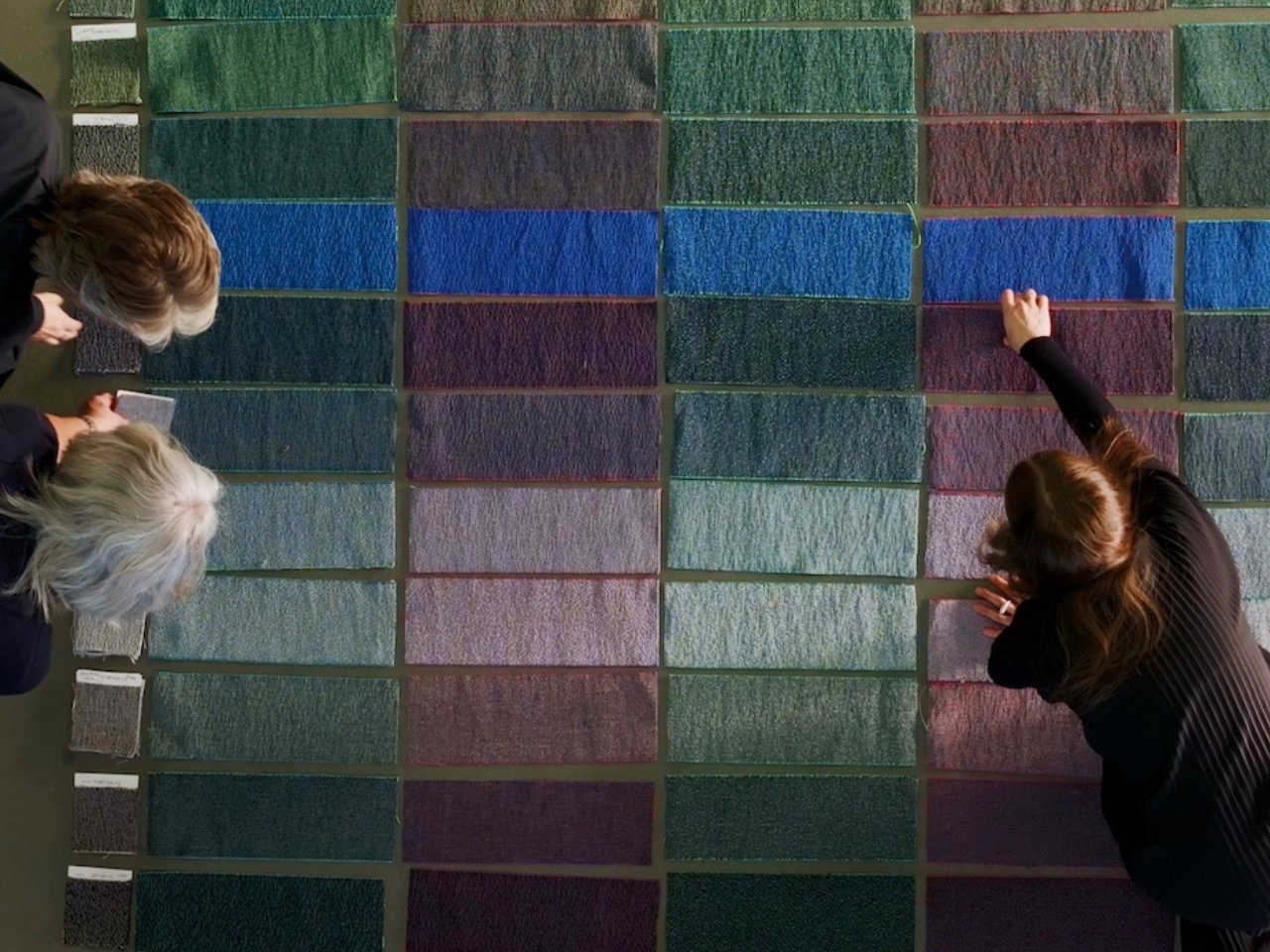
Matter flatwoven carpets weave digital randomness and Scandinavian craft together

These 3 Retro Fabric Techniques Are Making A Killer Comeback

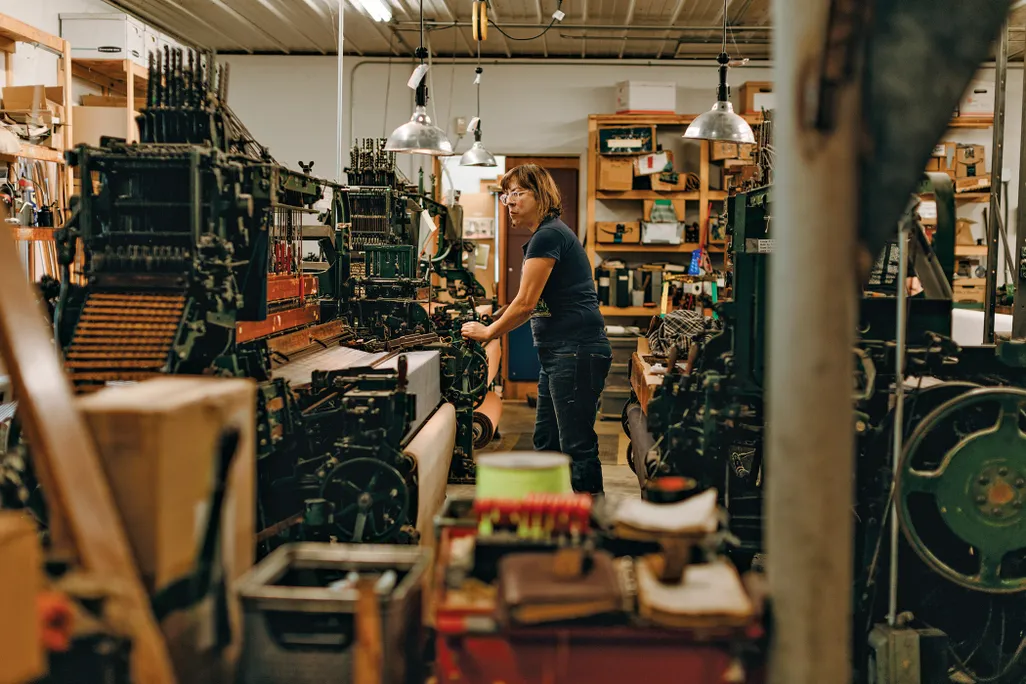
When Hollywood Needs a Historically Accurate Outfit That Looks Just Right, It Turns to Rabbit Goody

From pixels to pillows: Intiaro analyst turns fabric waste into community joy


15 highlights from Heimtextil: spot the textile trends for 2025

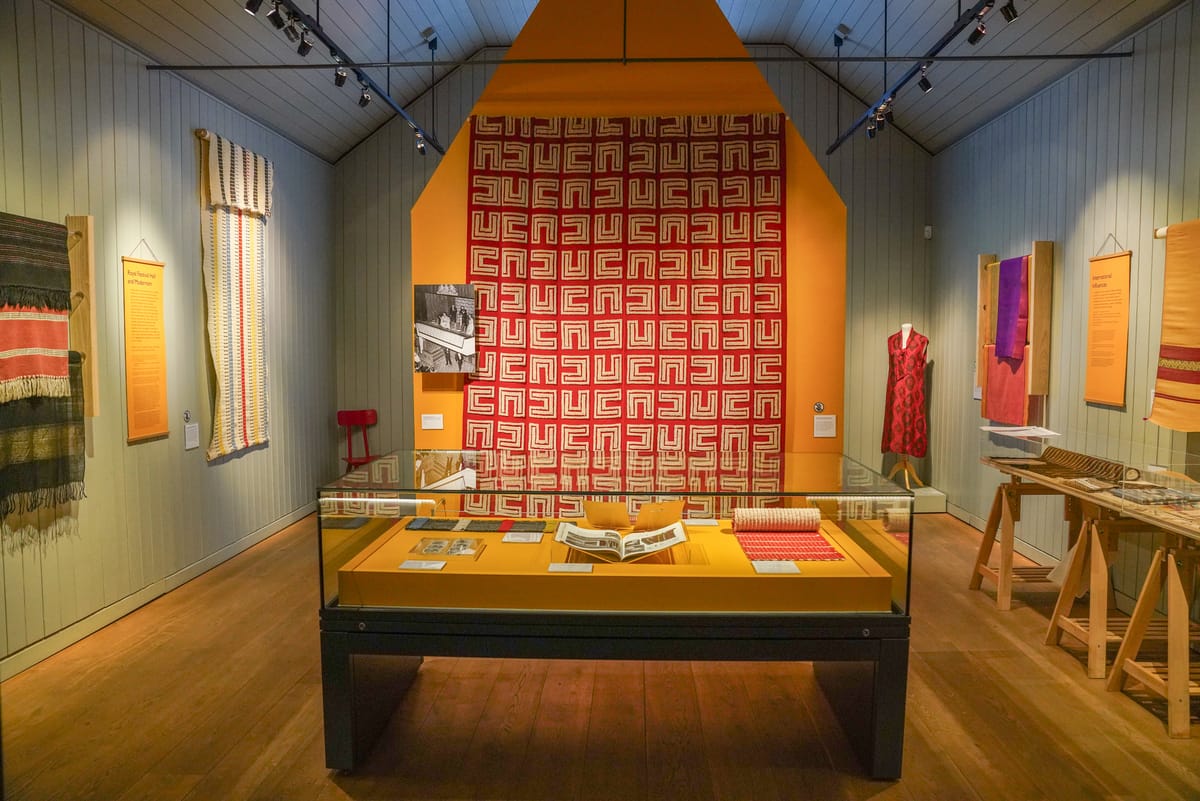
The Forgotten History of Bourne and Allen’s Mid-Century Textiles


The Makers | McGee & Co. X Filling Spaces

The Reborn project creates furniture using old clothes

Looking for a New Rug or Even a Fabric Wall Piece? We’ve Got You Covered


The definitive textiles primer: Pollack’s fabric expert talks fibers, yarns and more


Textile designer: Margo Selby


The History of Printed Fabrics in Two Splendid Volumes
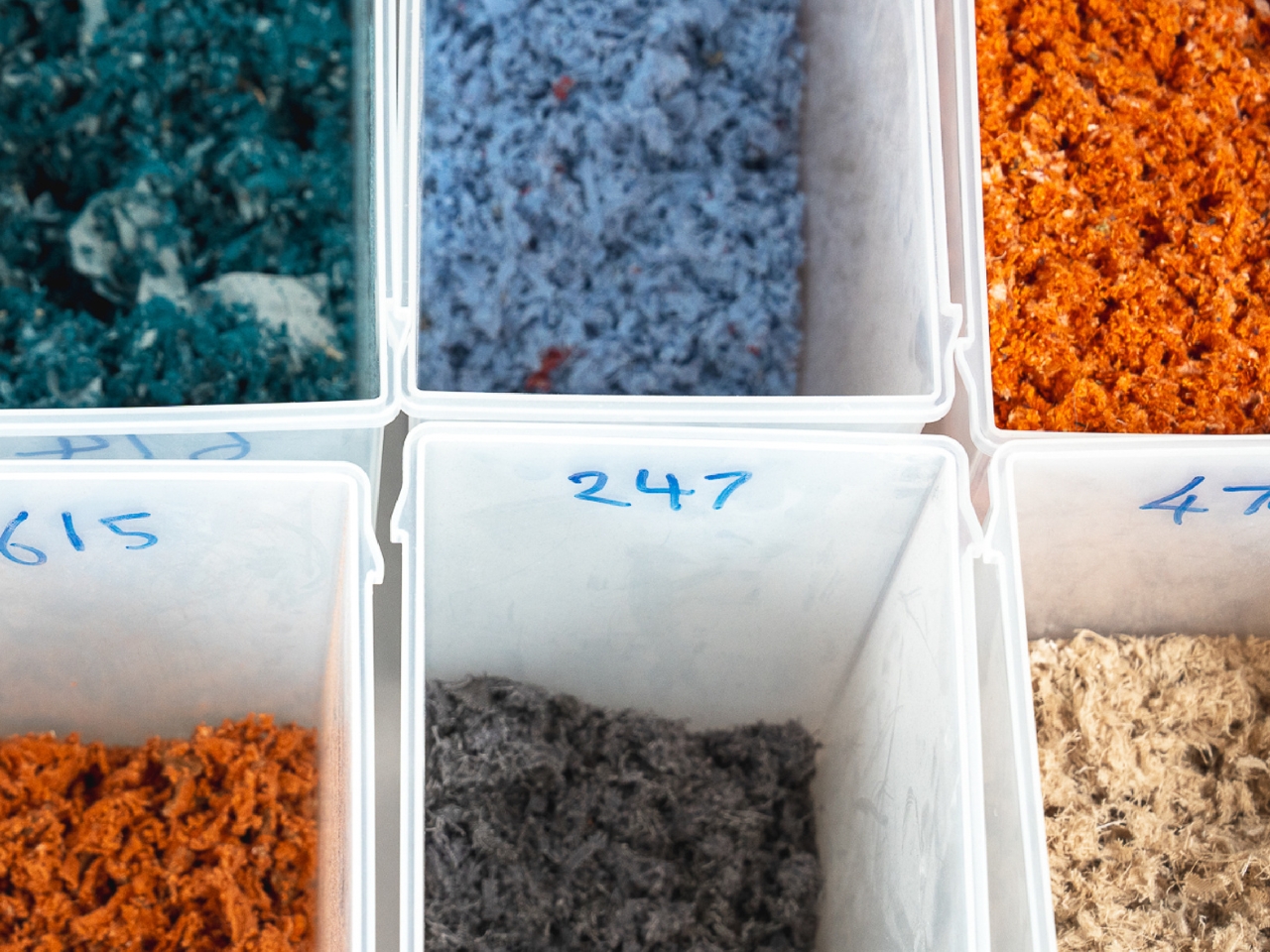
Transforming Textile Waste: How Sustainable Design is Shaping Eco-Friendly Home Decor

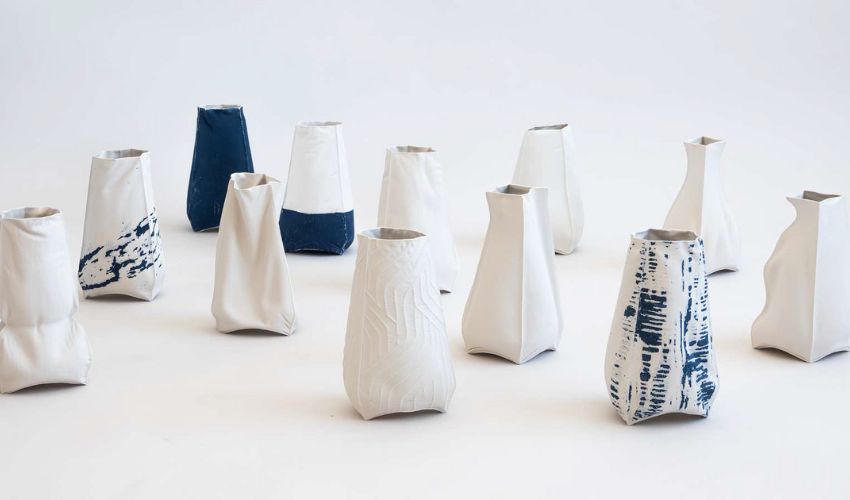
3D Printing and Fabrics: The Unique Design Process Behind the Forma Fabrica Vase Collection