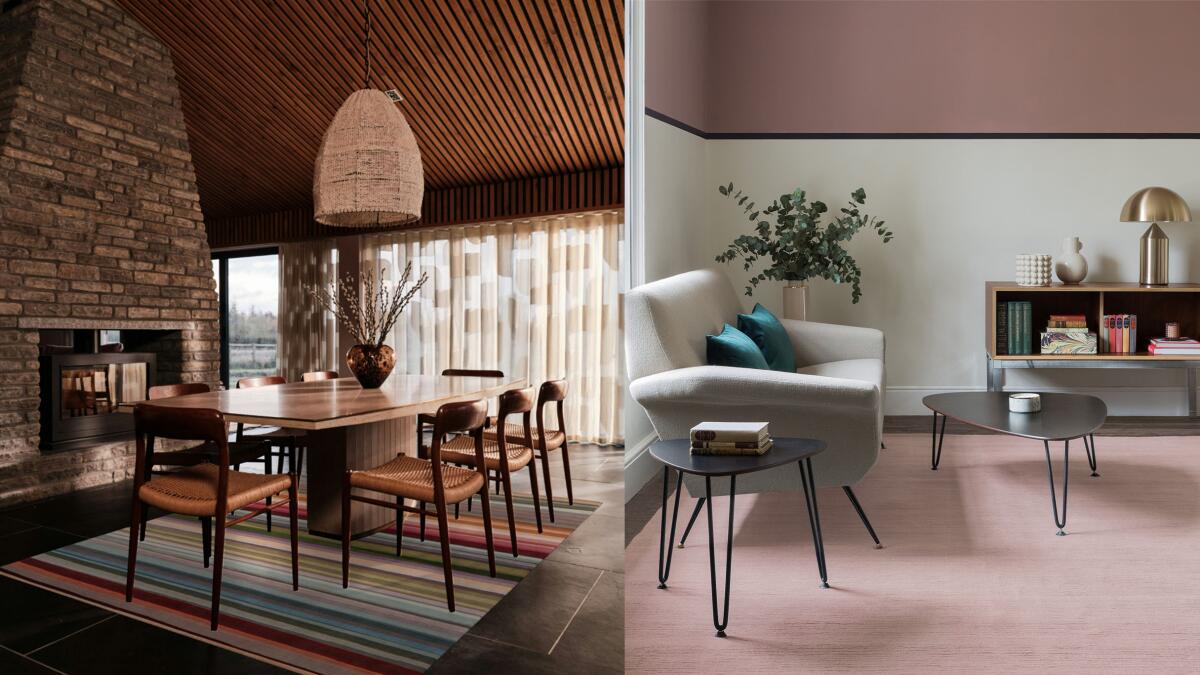
1/6
Looks Like Bold Stripes Will Have Their Moment in 2026
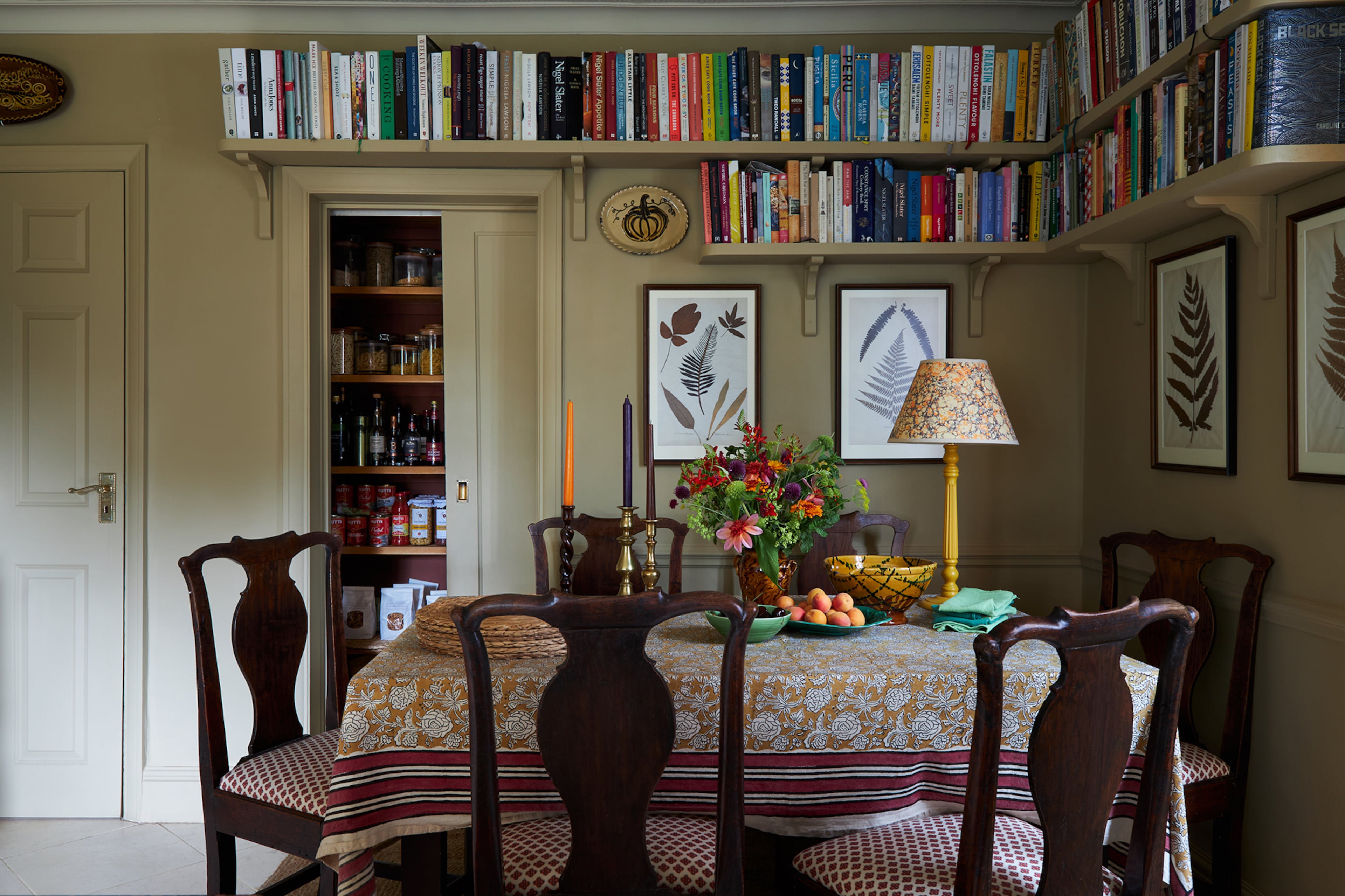
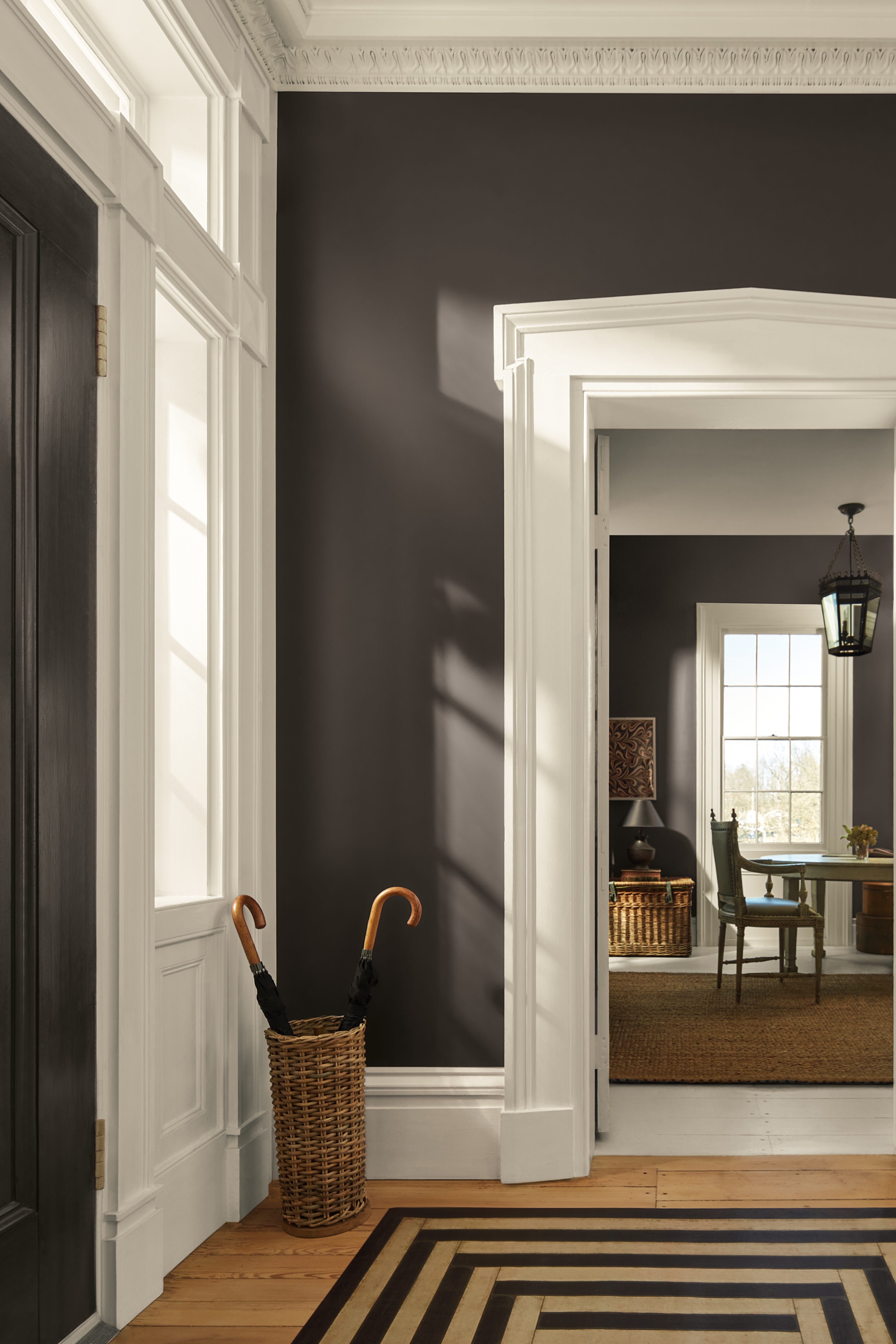
For an extended period, home design gravitated towards a minimalist aesthetic, characterized by calm palettes, slender furniture, and a general editing out of anything perceived as excessive. This approach often resulted in tidy, yet somewhat unfinished-feeling rooms. However, a significant shift is underway, with bold stripes emerging as a key design element, moving beyond mere decorative accents to function as optical architecture. These stripes provide structure, add presence, and give modern rooms a sense of backbone.
The previous decade’s minimalist trend, featuring white sofas, greige walls, and understated patterns, initially offered a sense of calm. Over time, however, these polite rooms began to blend into a uniform, beige aesthetic, leading to a desire for greater individuality and presence. Designers have responded by reintroducing the stripe, not as clutter, but as a simple yet impactful design choice. Interior designer Flora Soames highlights that stripes serve a specific purpose: when a plain surface is insufficient and a full pattern is not desired, a stripe offers structure and form. It acts like a drawn line in an architectural sketch, providing direction and defining boundaries, thereby bringing an open room into focus or adding an edge to a subdued space. Unlike soft washes of color that recede, a strong line commands attention and maintains its presence.
This current fascination with stripes represents a larger trend away from the blandness of minimalist spaces, which often felt akin to waiting rooms. There is a quiet resurgence of pattern, texture, and rhythm, aiming to create interiors that feel lived-in and personalized. Stripes effectively achieve this, appearing natural amidst architectural features like arches and molding, and offering a crisp, defined look in new constructions. In busy environments, stripes guide the eye, preventing visual chaos, while in sparse rooms, they add essential definition. This versatility allows stripes to occupy a comfortable middle ground in design.
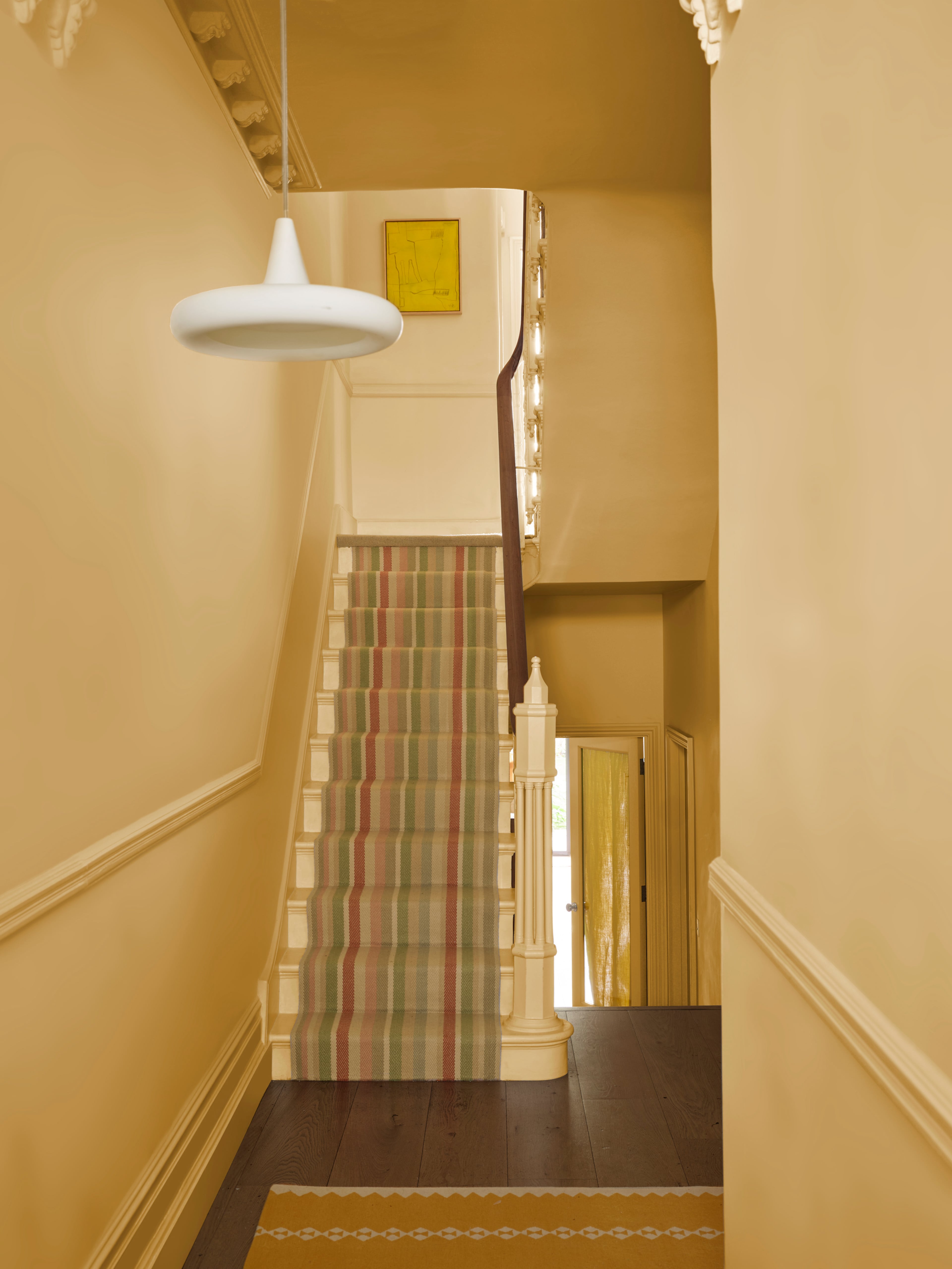
Stripes offer remarkable flexibility, allowing for variations in width, spacing, and color pairings to alter the mood of a space. Designers are increasingly treating stripes as a strategic tool to direct attention and influence how a room is perceived, rather than merely a pattern choice. Soames emphasizes the integral role of stripes in her designs, noting their consistent presence. Beyond their aesthetic contribution, stripes can manipulate visual perception: bold stripes on walls or wallpaper can make ceilings appear higher, while striped curtains can enhance the perceived height of windows. Strategically placed striped rugs or floorboards can extend the apparent length or width of a room, creating optical illusions without requiring structural changes. This ability to subtly rewrite the room's perception is a key benefit.
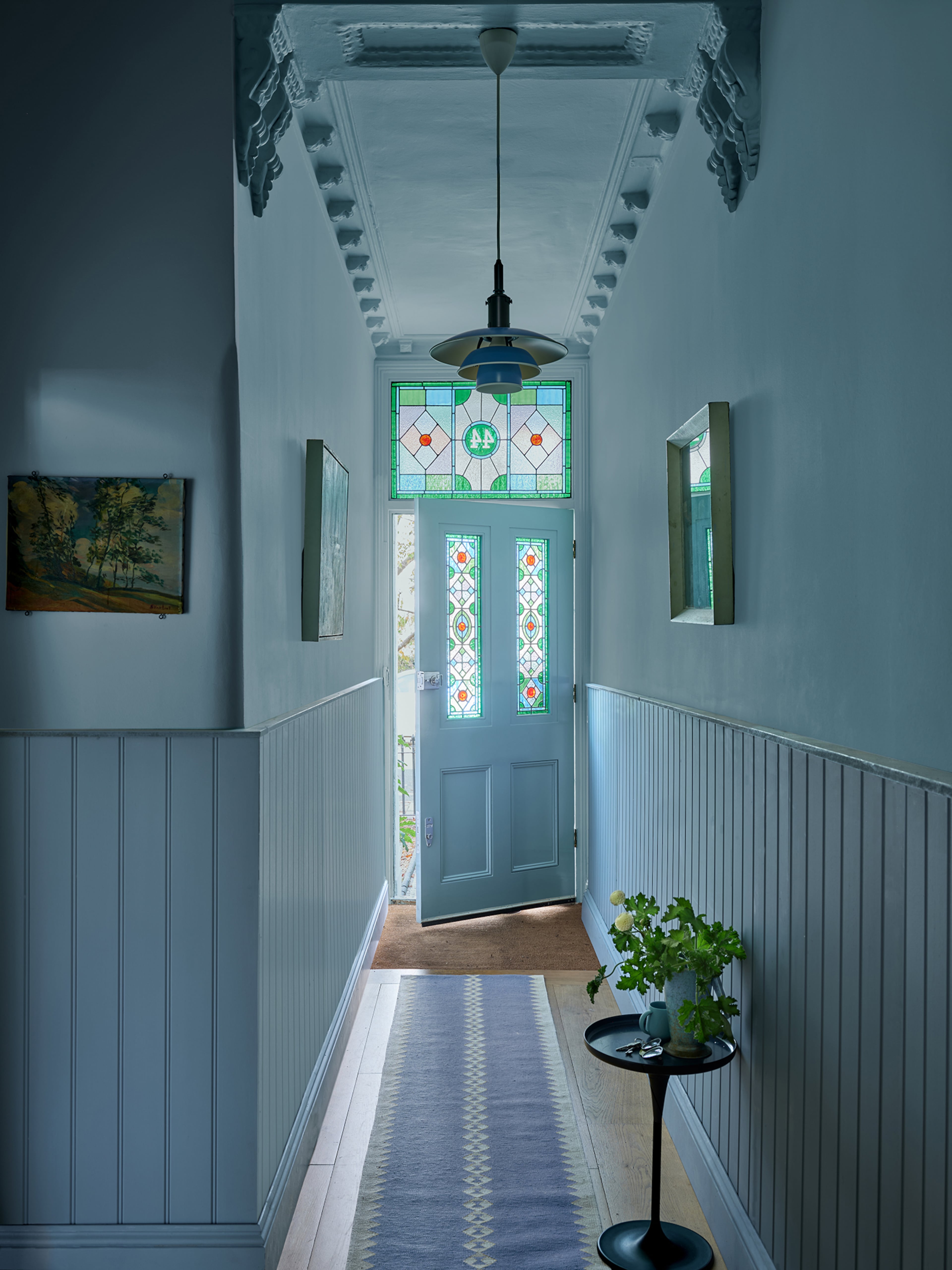
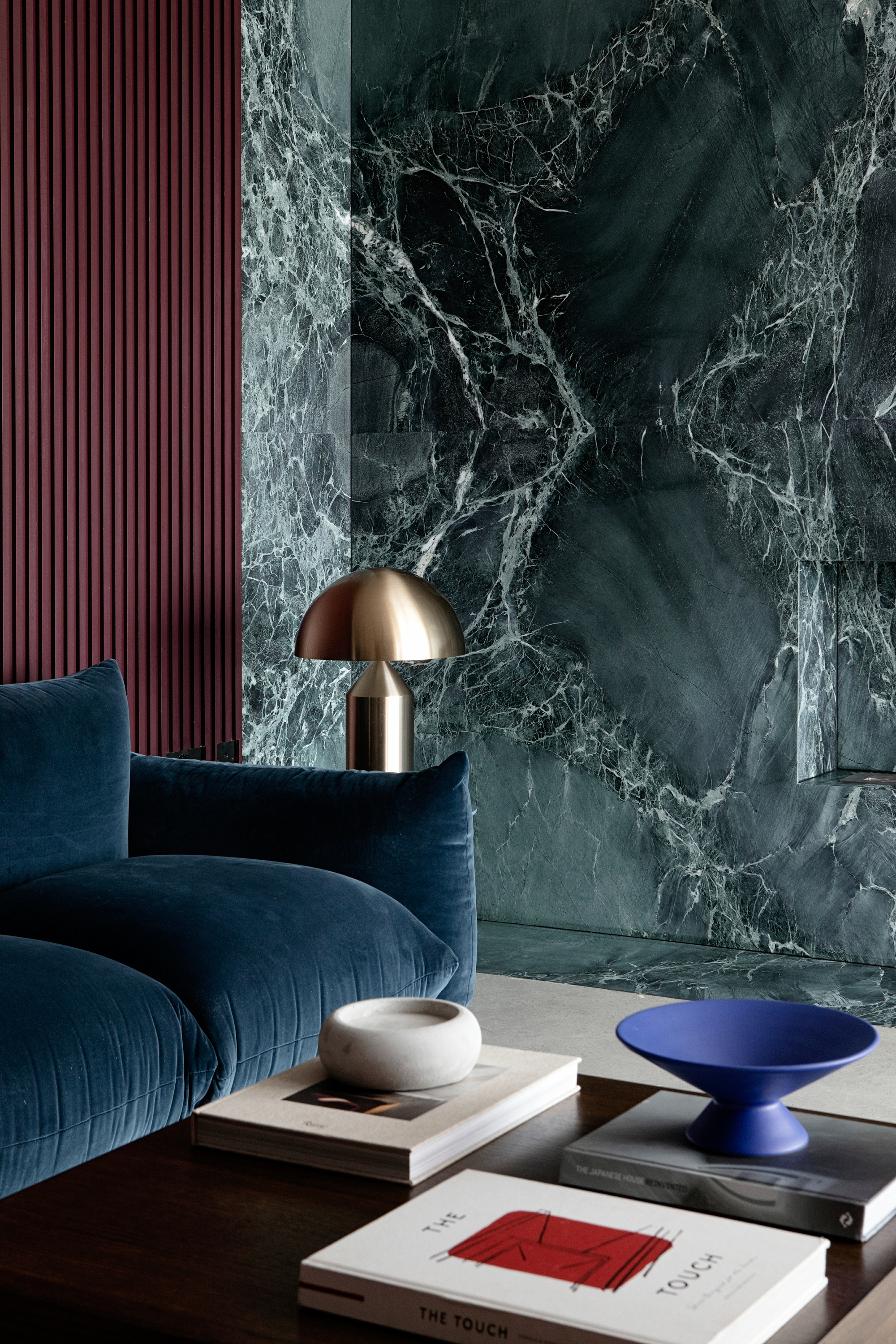
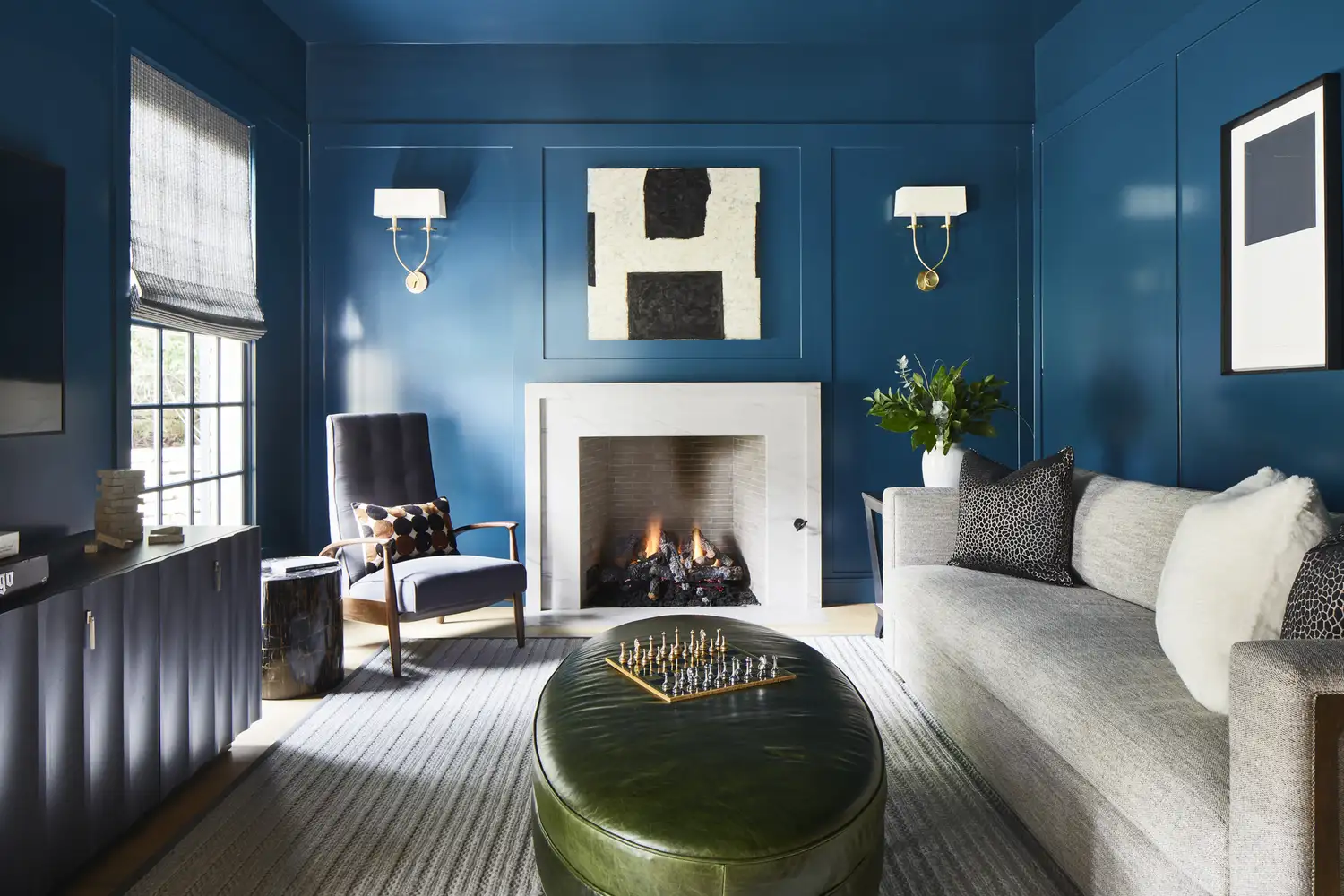
The application of stripes extends beyond flat surfaces to three-dimensional elements such as fluting and tambour, which are slim vertical ridges on furniture like kitchen islands and consoles. These textured surfaces, carved into wood, plaster, or stone, introduce movement and craftsmanship without overwhelming the space, catching light and shadow to create subtle dynamism. The brain's natural appreciation for repetition is engaged by these vertical and horizontal textures, which can evoke a sense of upward stretching or settled stability, respectively. This blend of steadiness and elevation contributes to the enduring appeal of stripes.
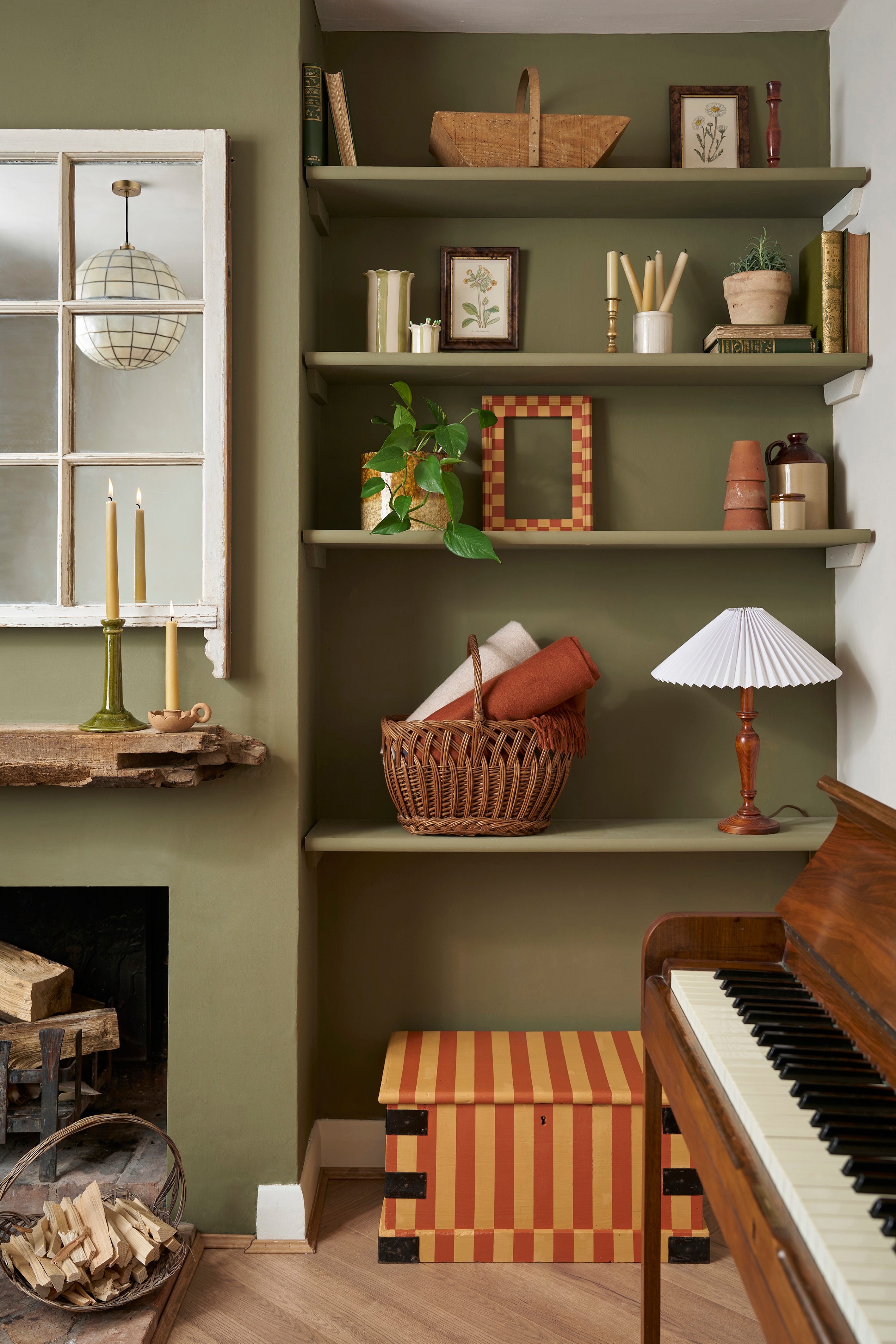
Stripes are currently valuable due to their diverse behavioral characteristics—they can be bold, subtle, or nearly invisible. The most effective approach often involves selecting a single element for striped application, such as a painted accent wall, a striped rug to define an open-plan living area, or long striped curtains to enhance window presence. The impact can vary from high-contrast pairings like black and white to subtle tonal differences that become apparent under changing light. For those averse to overt patterns, disguised stripes in millwork—ribbed cabinetry, grooved panels, or slatted doors—offer an architectural rather than a printed effect. The objective is not to cover every surface with stripes but to use a few distinct lines as a framework, creating a sense of inherent belonging rather than a fleeting trend.
The current relevance of stripes is also tied to design fatigue, as the prevalence of neutral schemes has led to a desire for more expressive interiors. Stripes provide discipline without descending into chaos, introducing edge, color, and a stronger sense of form. They can visually elevate a room, add character to a rental, or enhance a plain bedroom. Functionally, in an era where homes serve multiple purposes—offices, studios, and virtual backgrounds—stripes offer geometric clarity for digital appearances and define distinct zones within limited spaces where various activities occur simultaneously. This multifaceted utility ensures their continued prominence in interior design.
#BoldStripes #InteriorDesign #HomeDecor #DesignTrends #Minimalism #ArchitecturalElements #SpatialPerception #TexturedSurfaces #BoldStripes #InteriorDesign #HomeDecor #DesignTrends #Minimalism #ArchitecturalElements #SpatialPerception #TexturedSurfaces
0 Kommentare insgesamt
 Noch keine Kommentare
Das könnte Ihnen auch gefallen
Designers Predict This Will Be The Biggest Paint Trend Of 2026

This British Paint Trend Is Set to Take Over 2026

This Controversial ’90s Hue Deserves a Second Chance in 2026

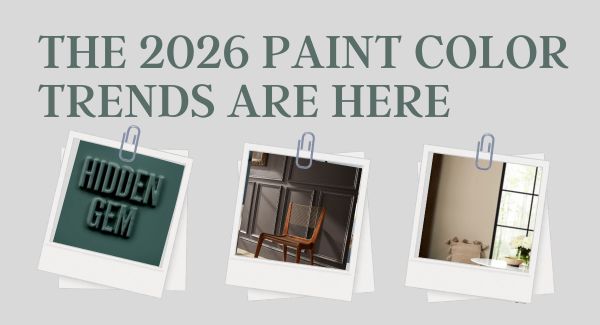
The 2026 paint Colors of the Year Have Been Announced

Bold, edgy color drenching is going to be big in 2024
2026 Color of the Year Announcements Have This In Common
The Outdated Paint Color That's Coming Back In A Major Way In 2026
Experts Say These 5 Paint Colours Will Be Everywhere In 2026
Meet 'colour capping', the paint trend set to take over 2026
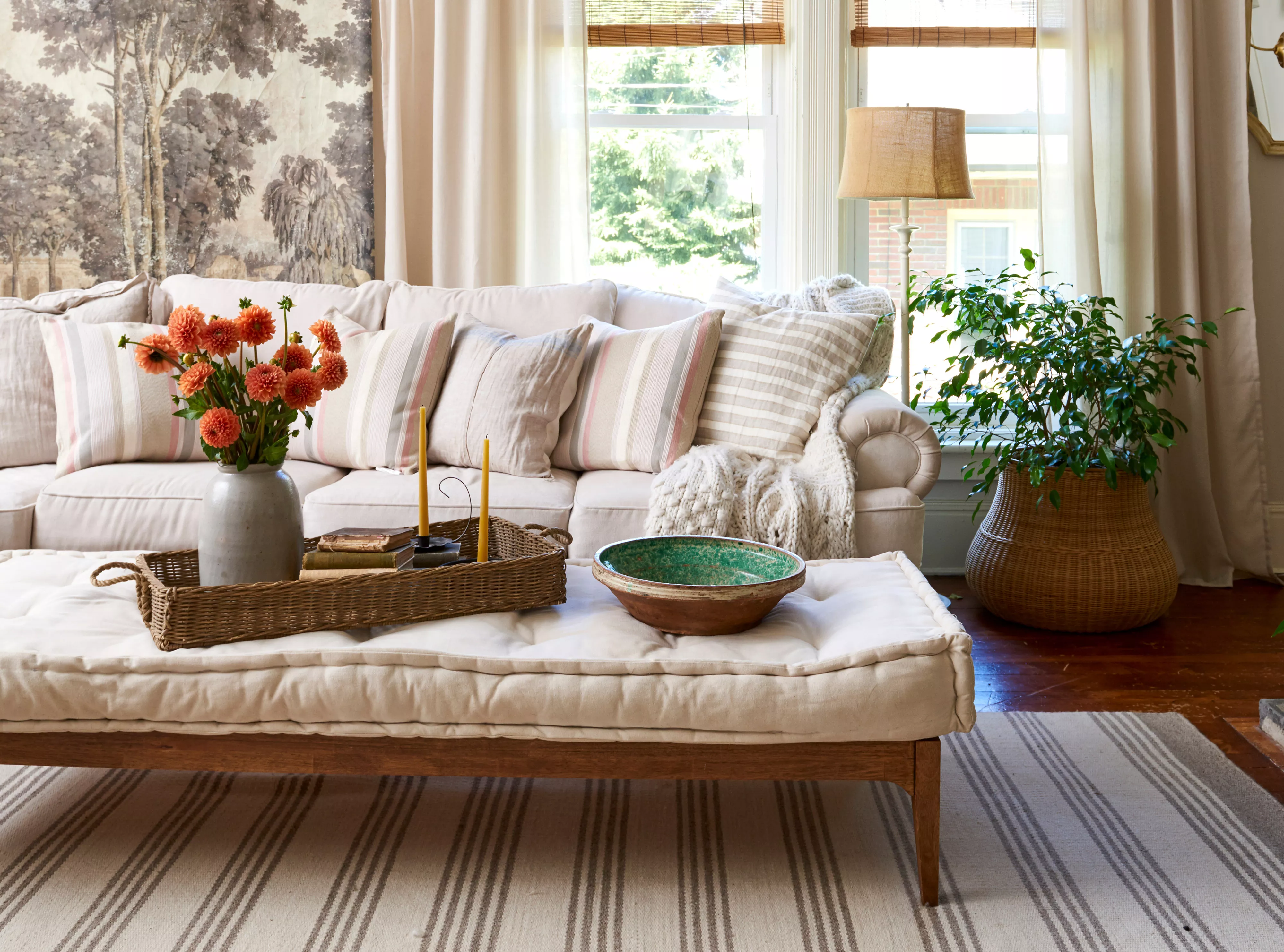
2024 Is the Year of Stripes—Are They Here to Stay for Good?

Every 2026 Color of the Year That Has Been Announced So Far
Bye-Bye True Blue: These Are the New Coastal Colors for 2026
Move Over, Beige—This Unexpected Neutral Is Taking Over in 2026

Designers Say These 12 Paint Colors Will Be Everywhere in 2026

We Already Know the Color That's Going to Have 2027 in a Chokehold — Now's Your Chance to Beat the Trend

Pattern Splicing: The Bold Tile Trend About to Be Everywhere in 2026

This British Paint Trend Is Set to Take Over 2026
Interiors experts predict this will be the biggest paint trend of 2026

Behr's 2026 Color of the Year Is Here—And It’s Moody
Say Goodbye to Neutrals: Color-Drenching Will Define 2026 Interiors