1/10
L-shaped garden ideas to help you create a visually pleasing space
Designing an L-shaped garden presents both challenges and unique opportunities for creating a functional and aesthetically pleasing outdoor space. The initial planning stage is crucial, as L-shaped gardens can be tricky, especially if one section is long and narrow or if the overall space is small. A primary consideration is whether to treat the L-shape as two distinct zones or as a single, continuous garden. Choosing to zone allows for the introduction of different gardening styles within separate, contained areas, while a continuous garden requires careful planning to ensure cohesion, particularly due to varying sun and shade conditions across the different arms of the 'L'.
Expert garden designers offer insights into transforming these unusual plots. Architectural designer Bryonie Brooks emphasizes that L-shaped gardens provide a "wonderful opportunity to create a layered, intriguing outdoor space, one that feels full of discovery and elegant rhythm." She suggests embracing the natural division of an L-shape to create distinct areas, such as a primary entertaining space in the wider arm and a quieter retreat, like a reading nook or kitchen garden, in the narrower arm. This approach allows for versatility and character, making the most of the garden's unique footprint.
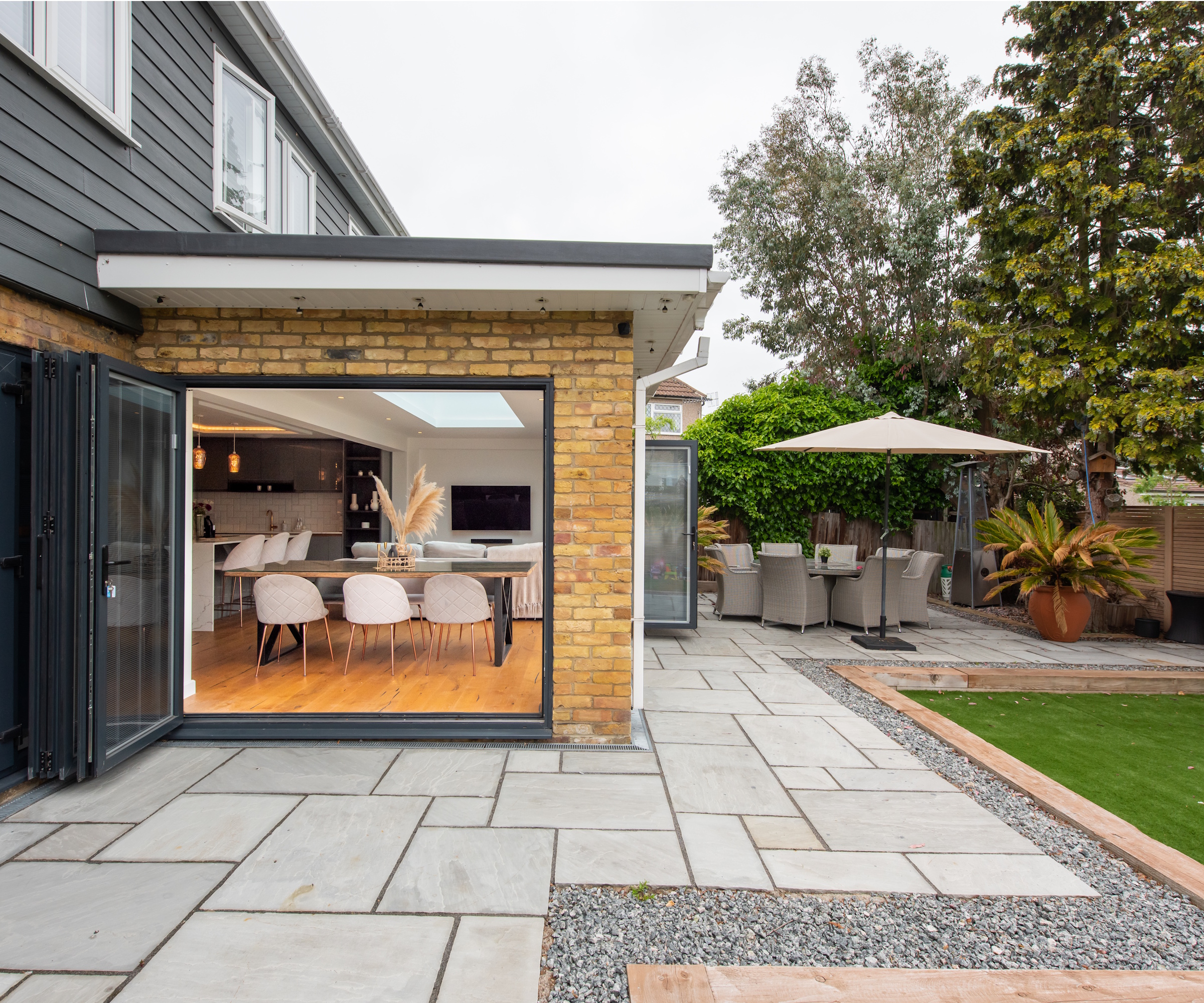
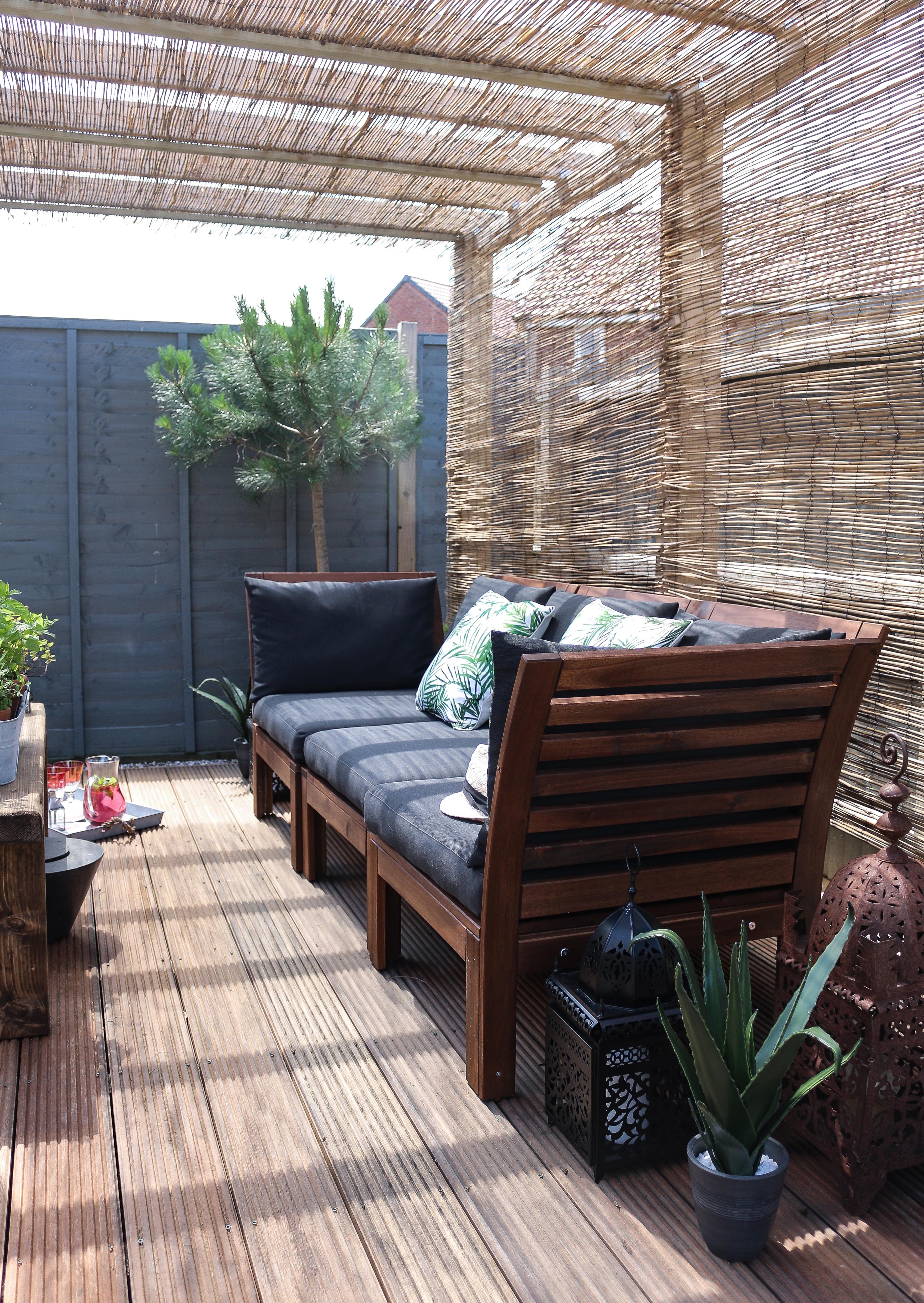
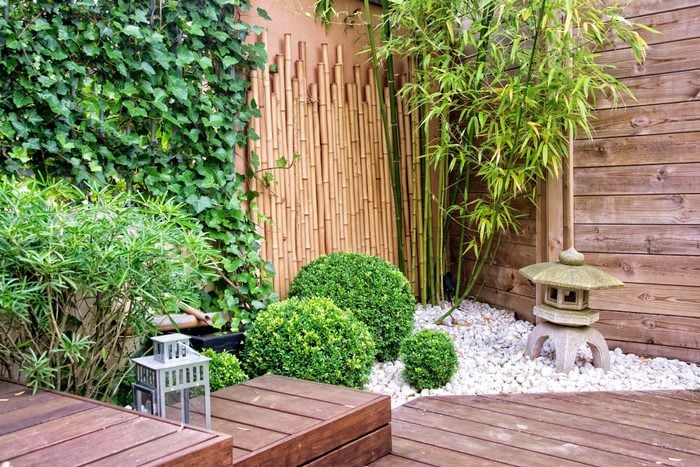
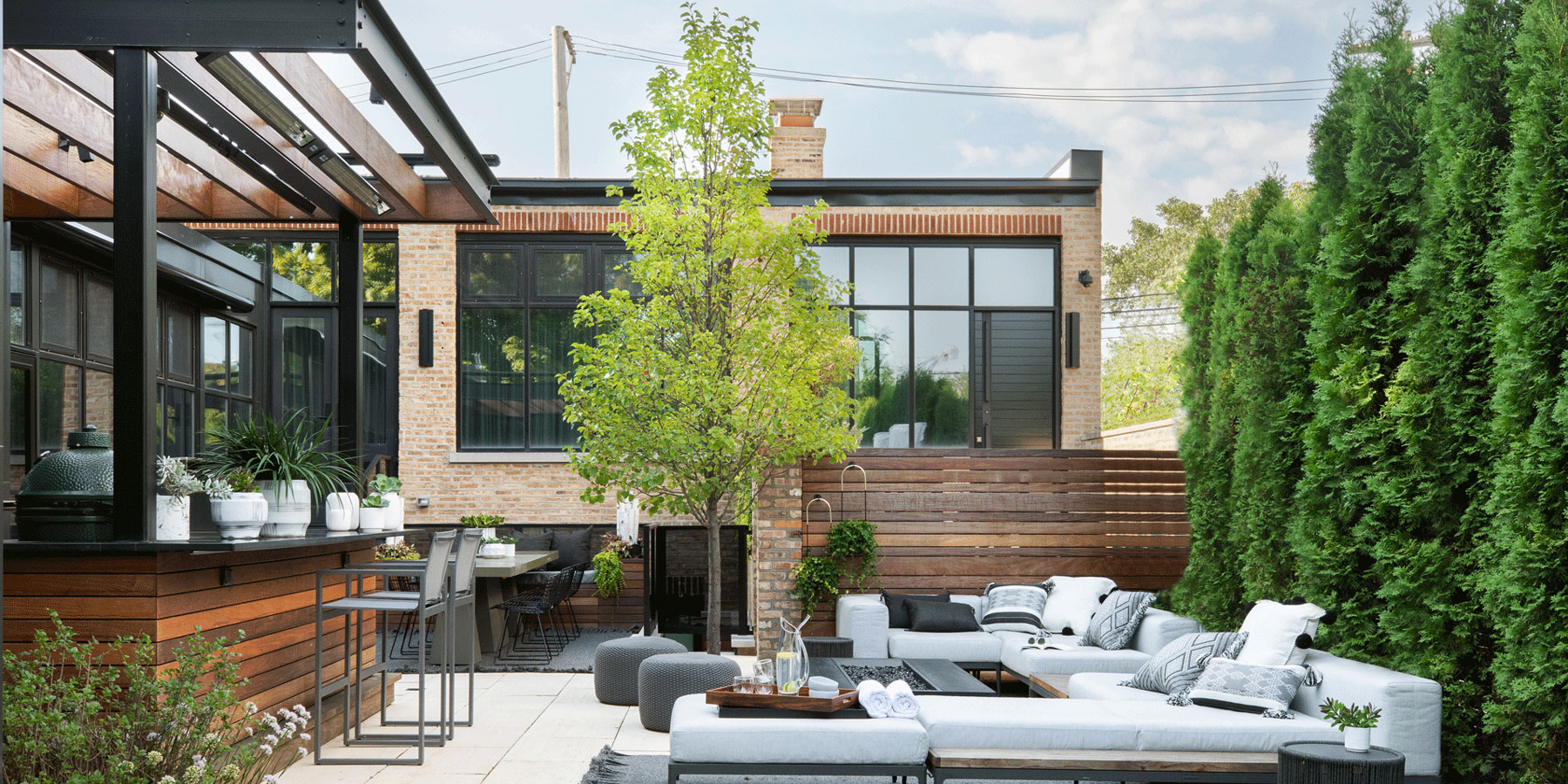
Zoning is a key strategy for L-shaped gardens, as highlighted by Joe Raboine, VP of Design at Belgard. He notes that L-shaped plots, particularly corner lots or oddly shaped yards, naturally lend themselves to creating intentional areas for specific uses, such as relaxation spots, outdoor kitchens, or grow-your-own spaces. Subtle definitions between these zones can be achieved by varying hardscaping materials like timber decking, textured stone, or fine gravel, guiding the eye naturally from one area to the next.
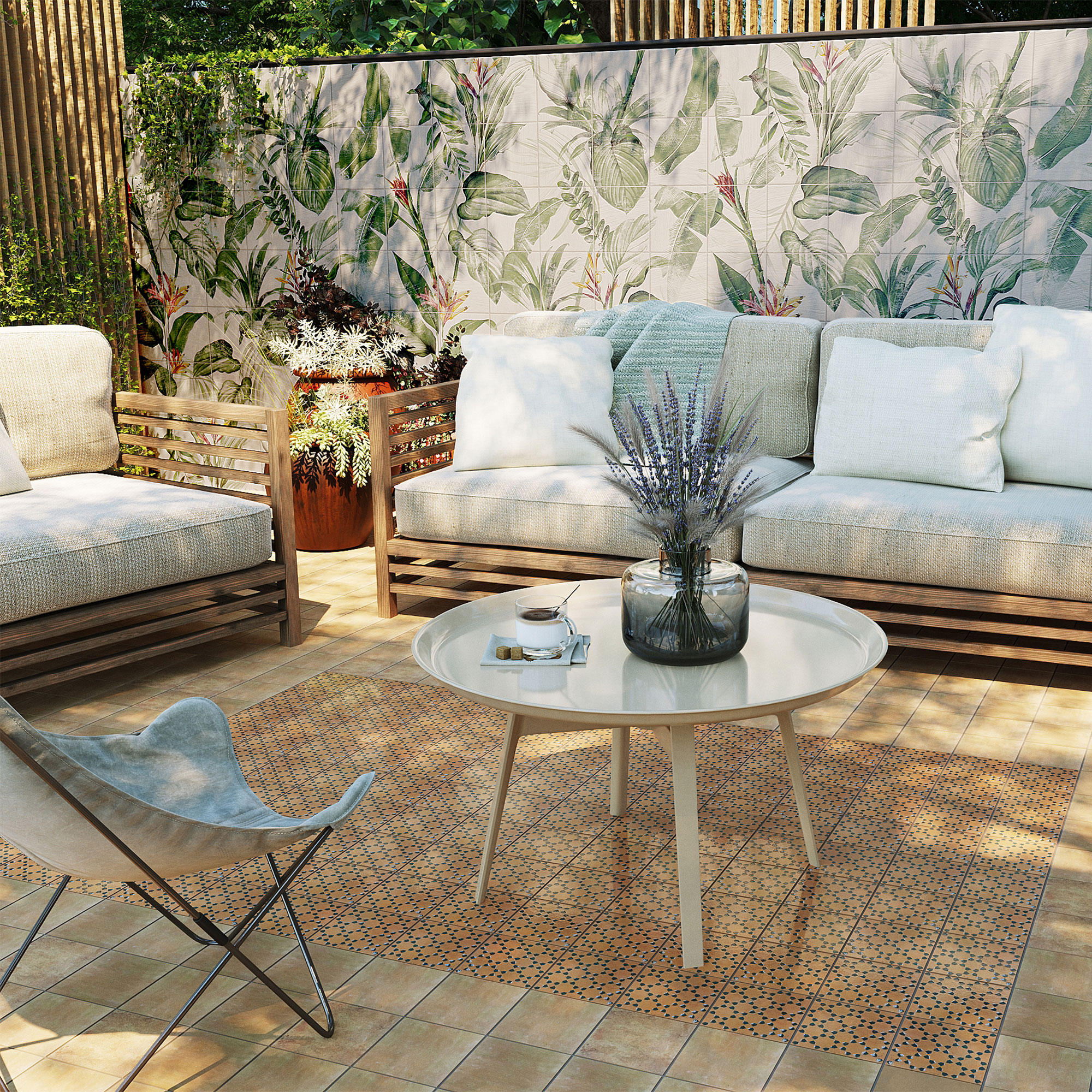
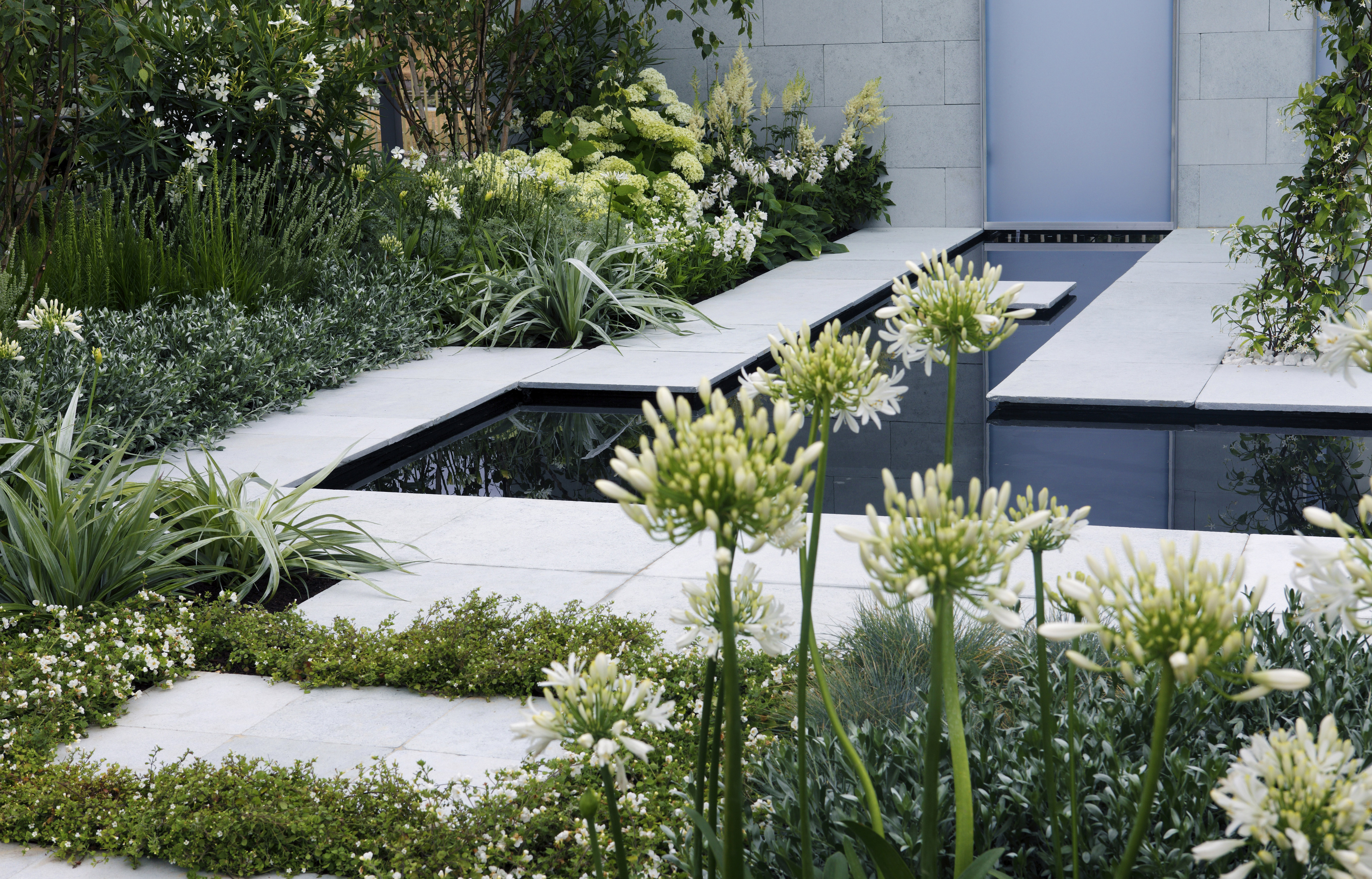
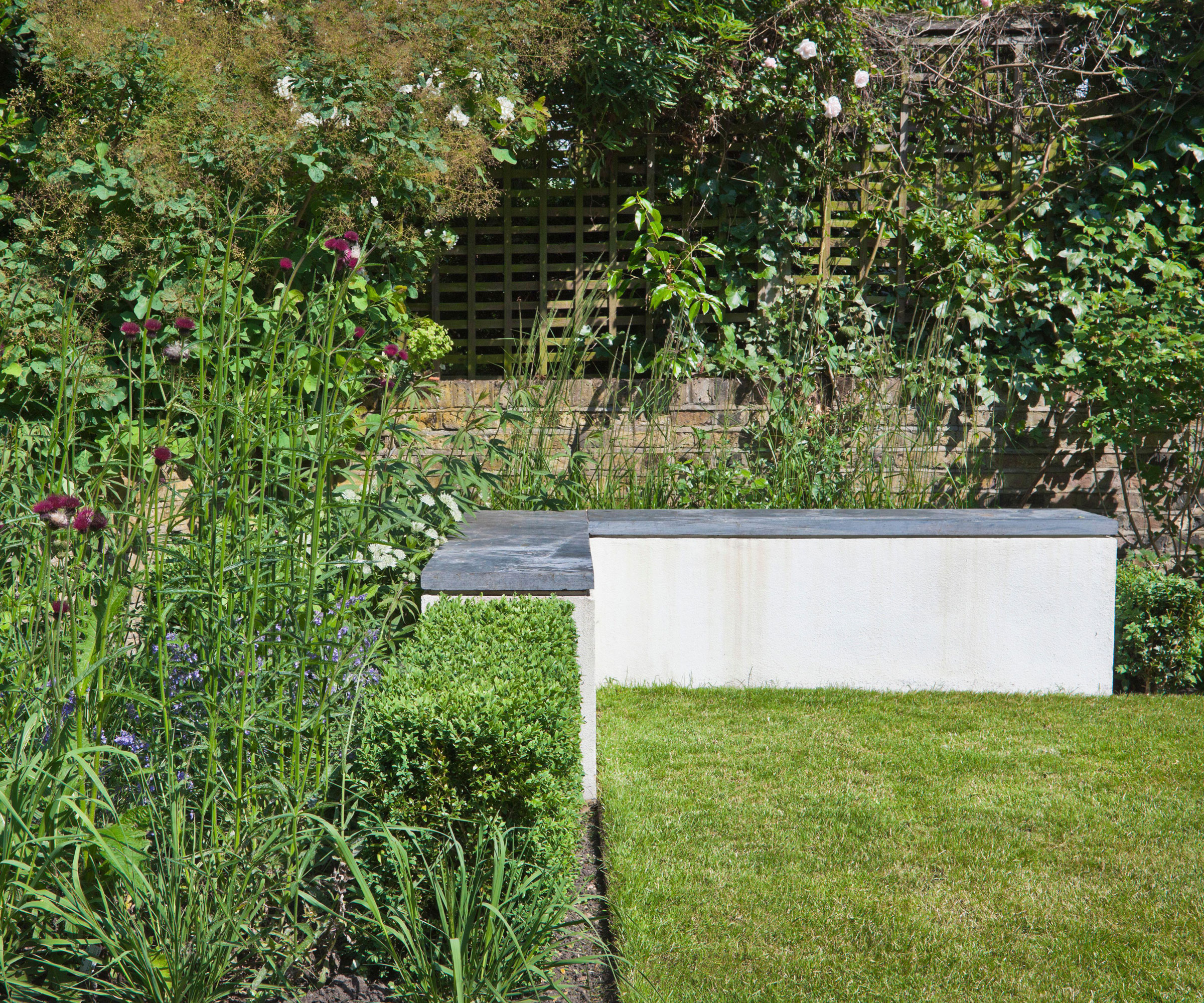
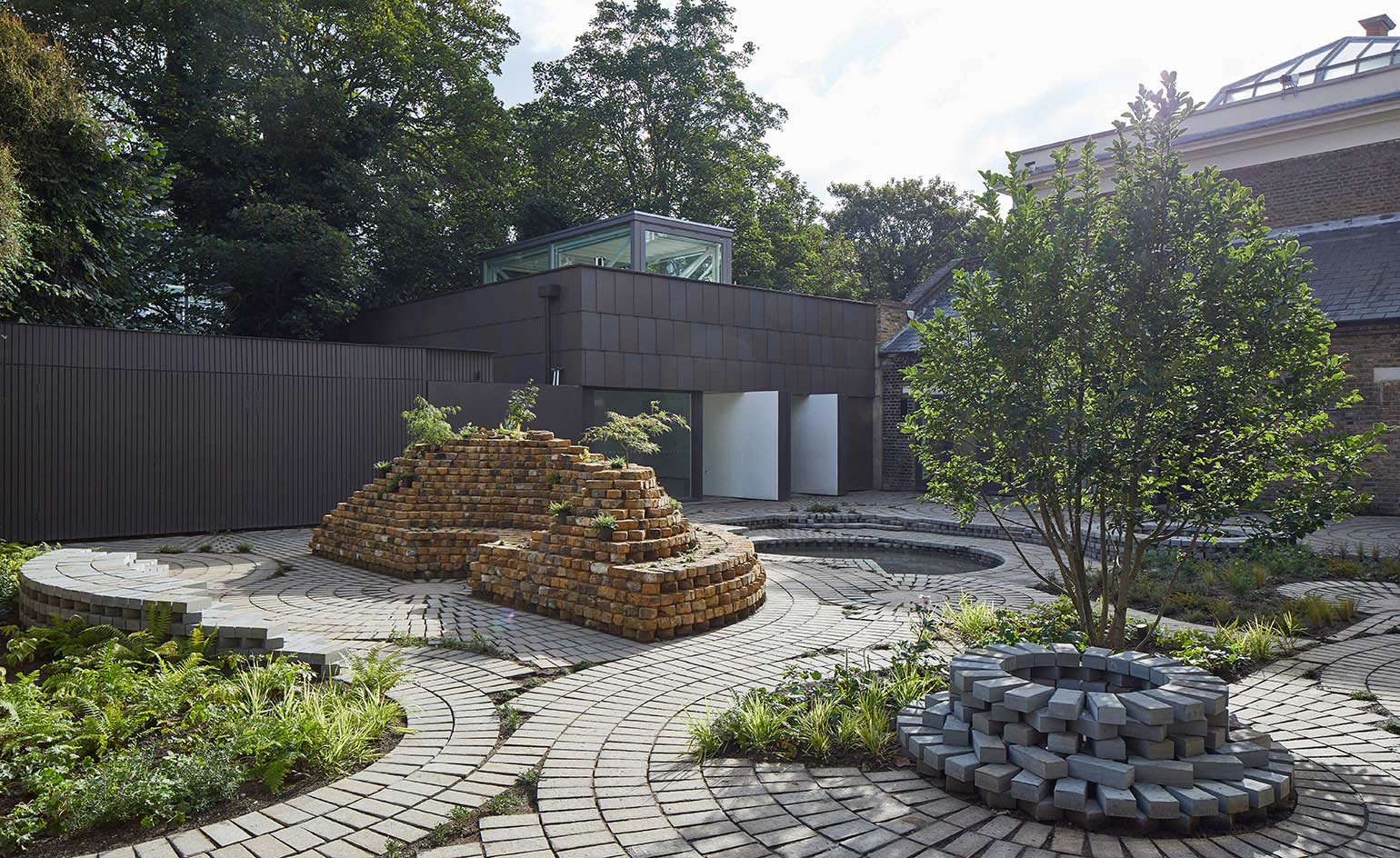
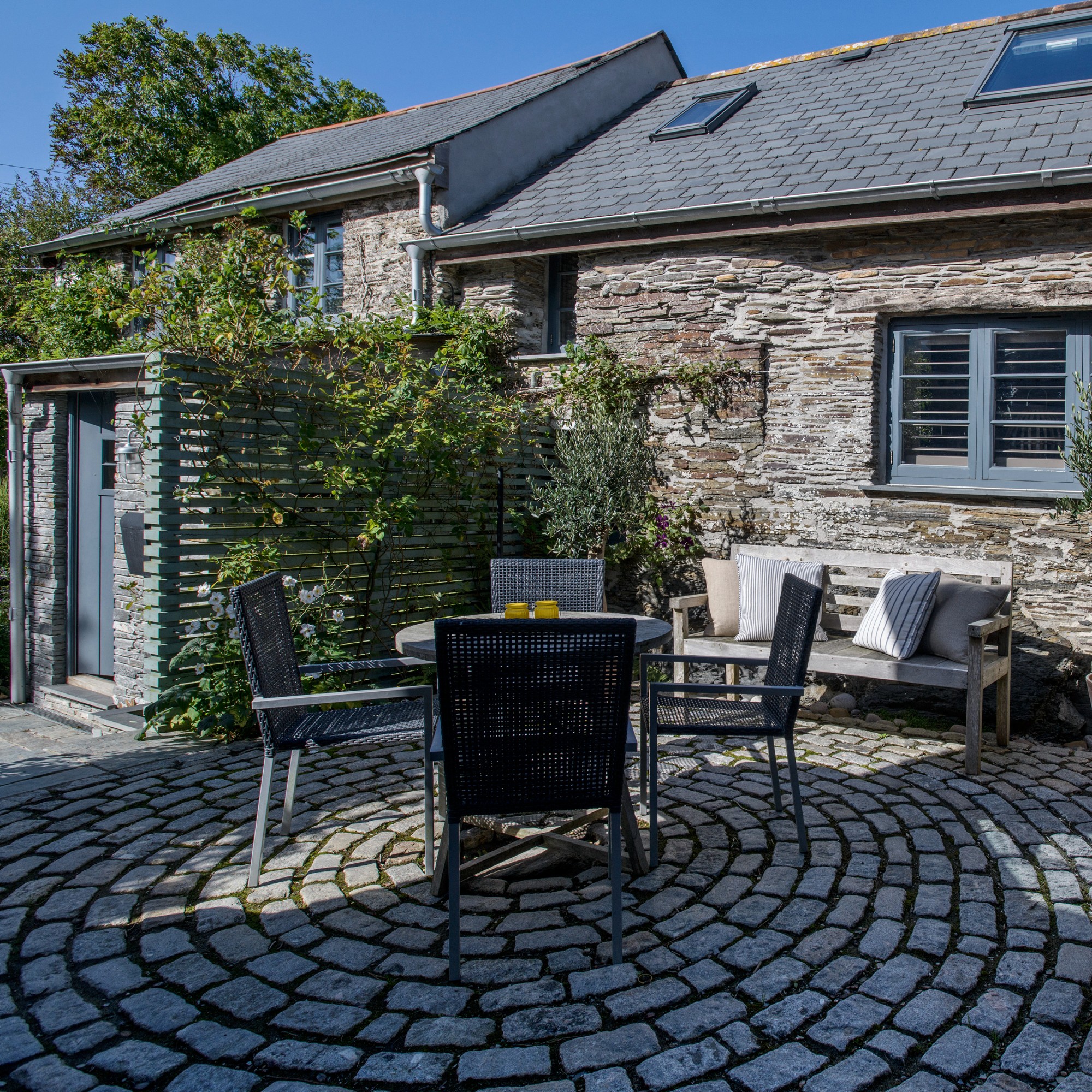
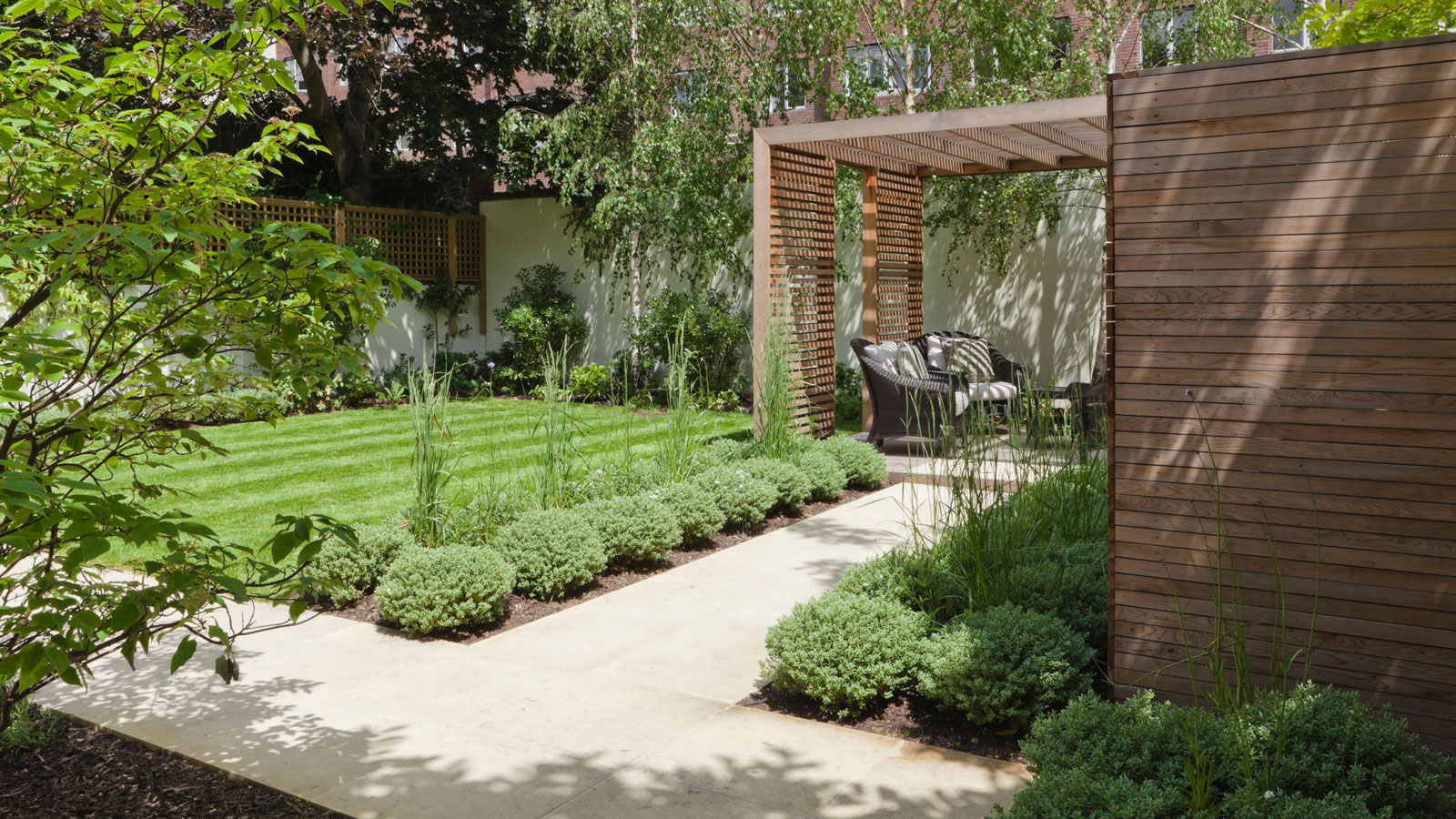
Repeating the L-shaped theme through hardscaping elements helps create rhythm and flow throughout the garden. Features like L-shaped concrete benches or consistent paving materials reinforce the design's formality and unify different areas. This is particularly important when maintaining a single, cohesive garden design across the L-shape. Modern L-shaped gardens can benefit from porcelain, natural limestone, concrete, metal, and wood, while traditional gardens might incorporate stone and brick.
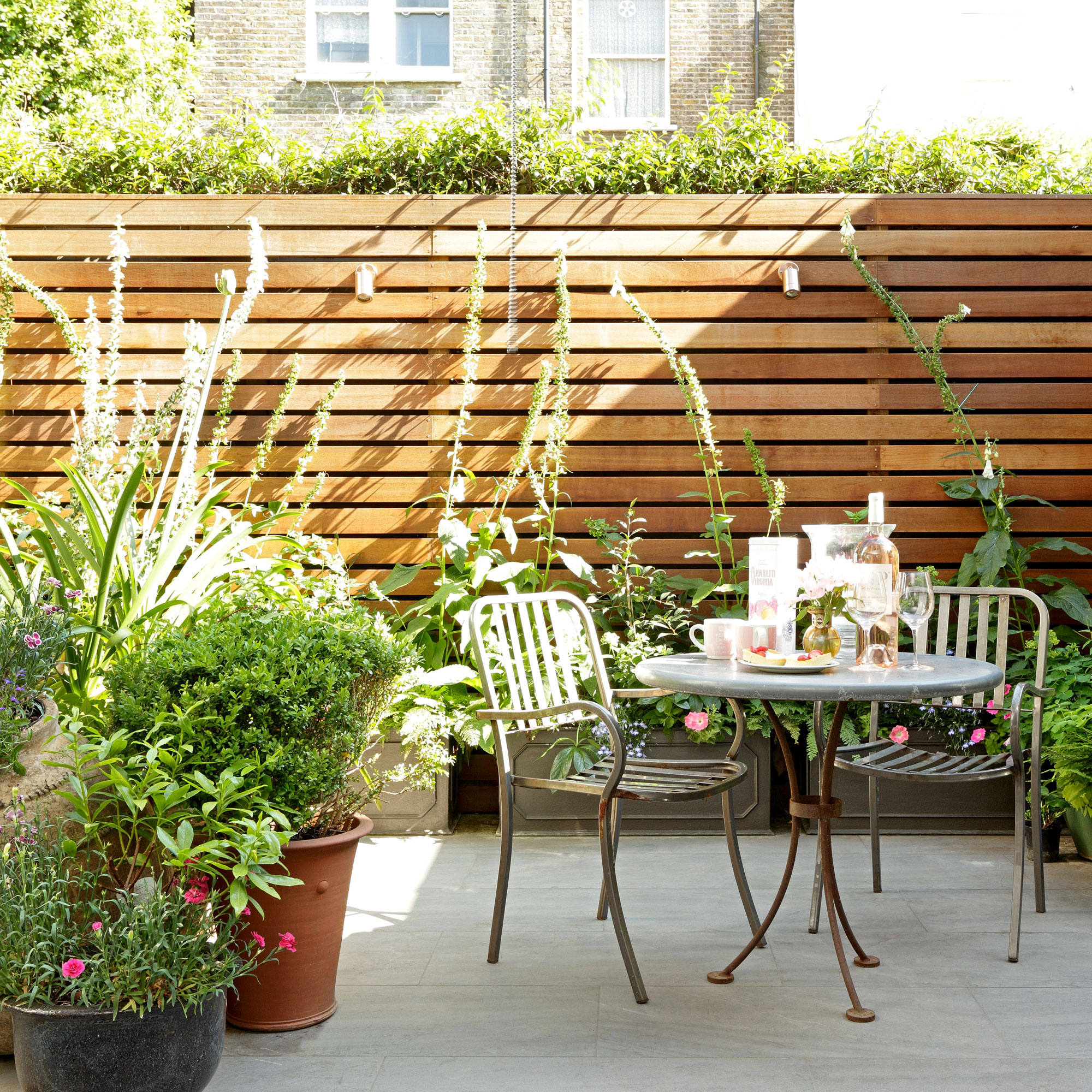
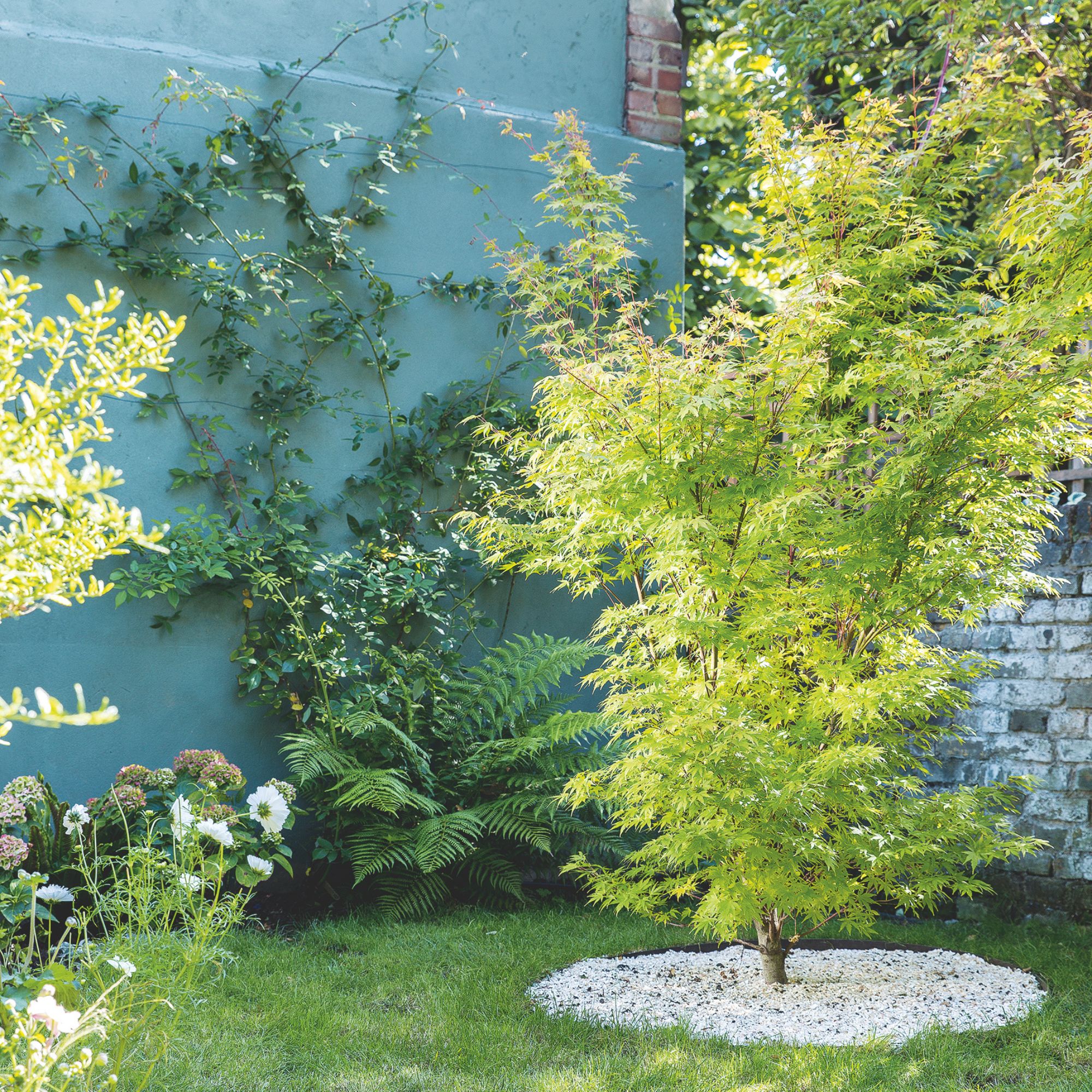
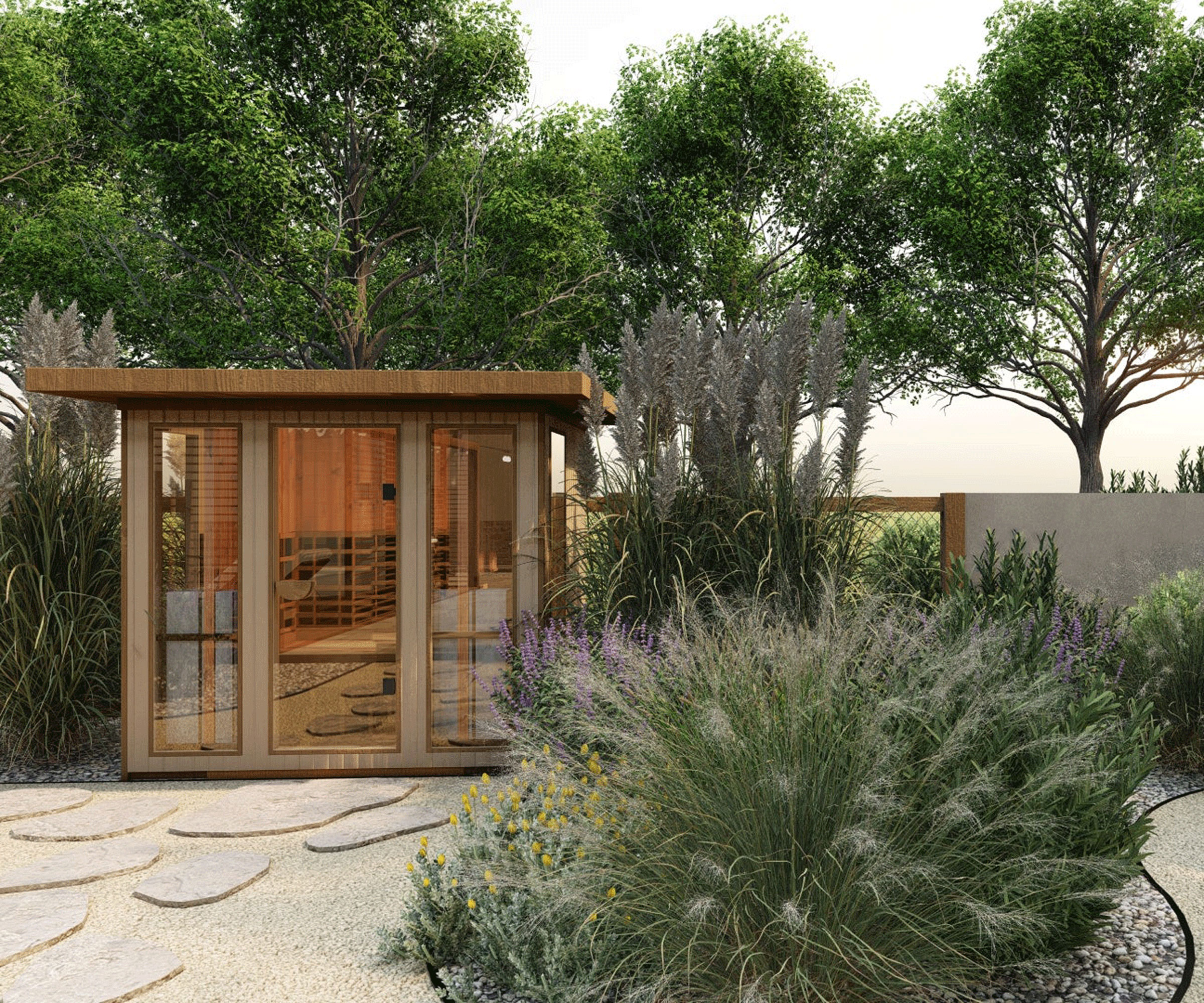
Planting strategies should capitalize on the varying aspects of an L-shaped garden, often allowing for a combination of sun-loving and shade-tolerant plants. This adaptability means gardeners can select plants that thrive in specific conditions, whether it's a sunny south-facing area or a shady north-facing strip. Paths serve as vital linking devices, creating flow and movement. Meandering stepping stone paths can make narrow spaces feel wider and provide an interesting visual connection between different sections. Strategic focal points, such as ornamental trees or sculptures, can draw the eye and encourage exploration.
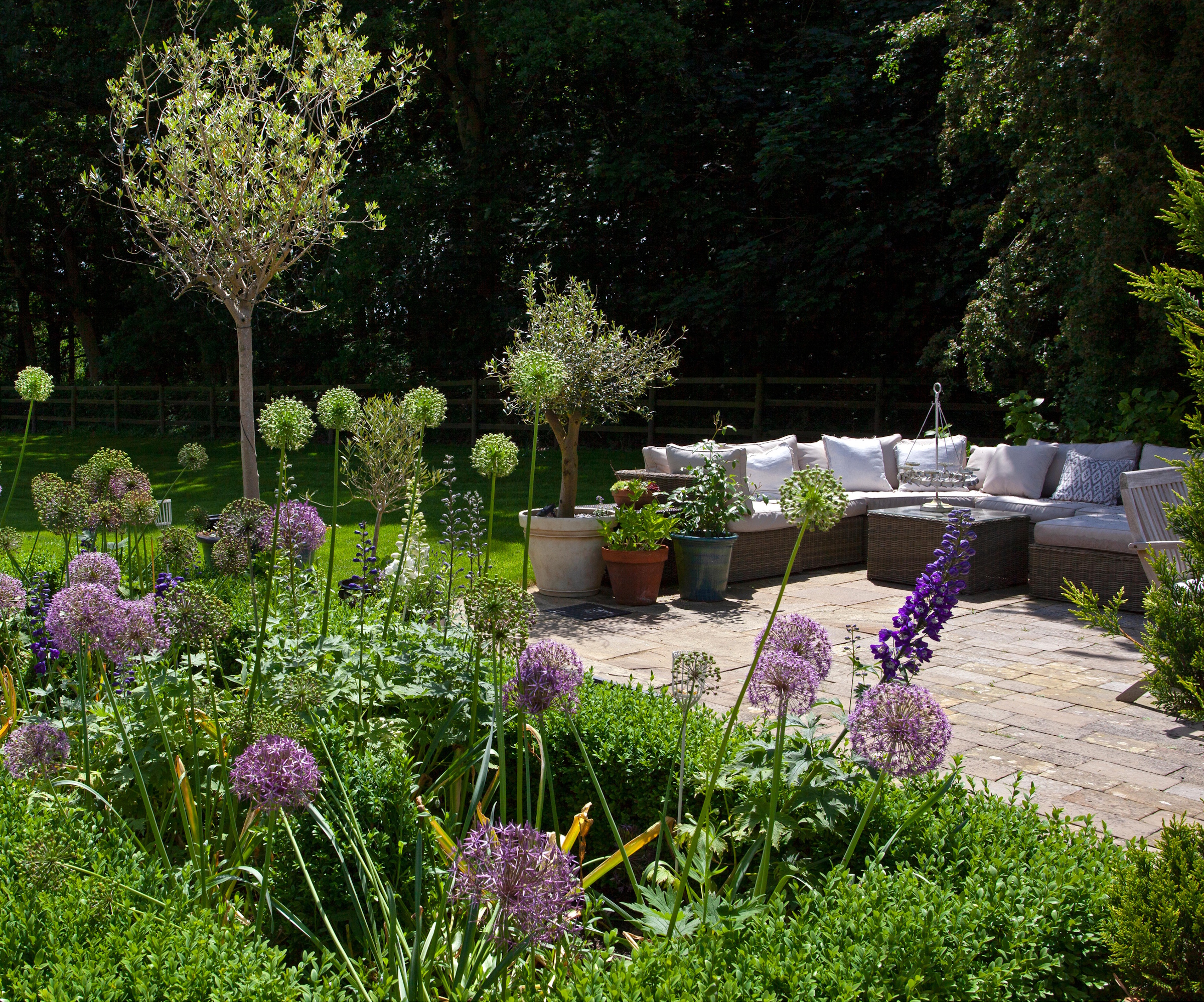
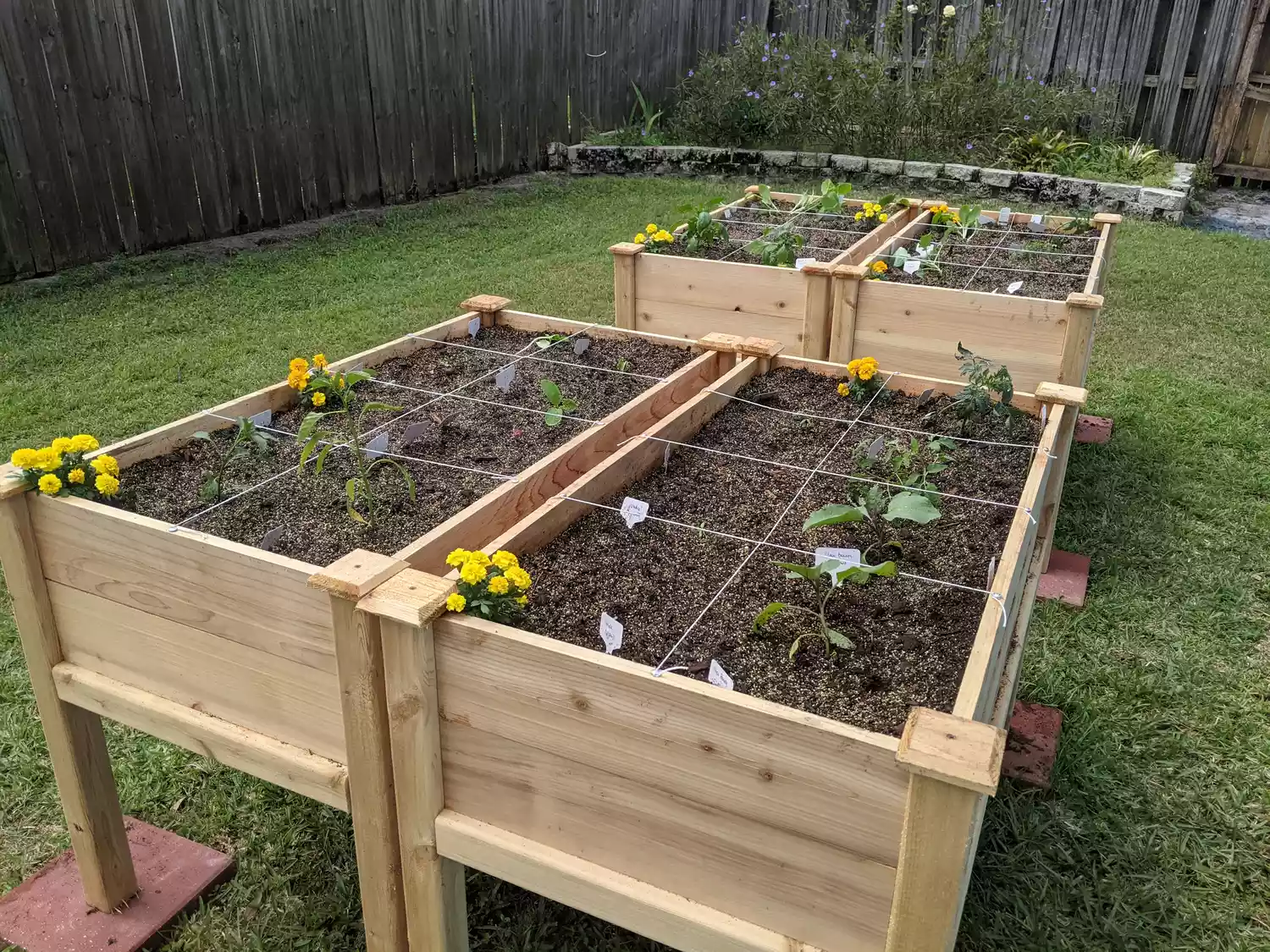
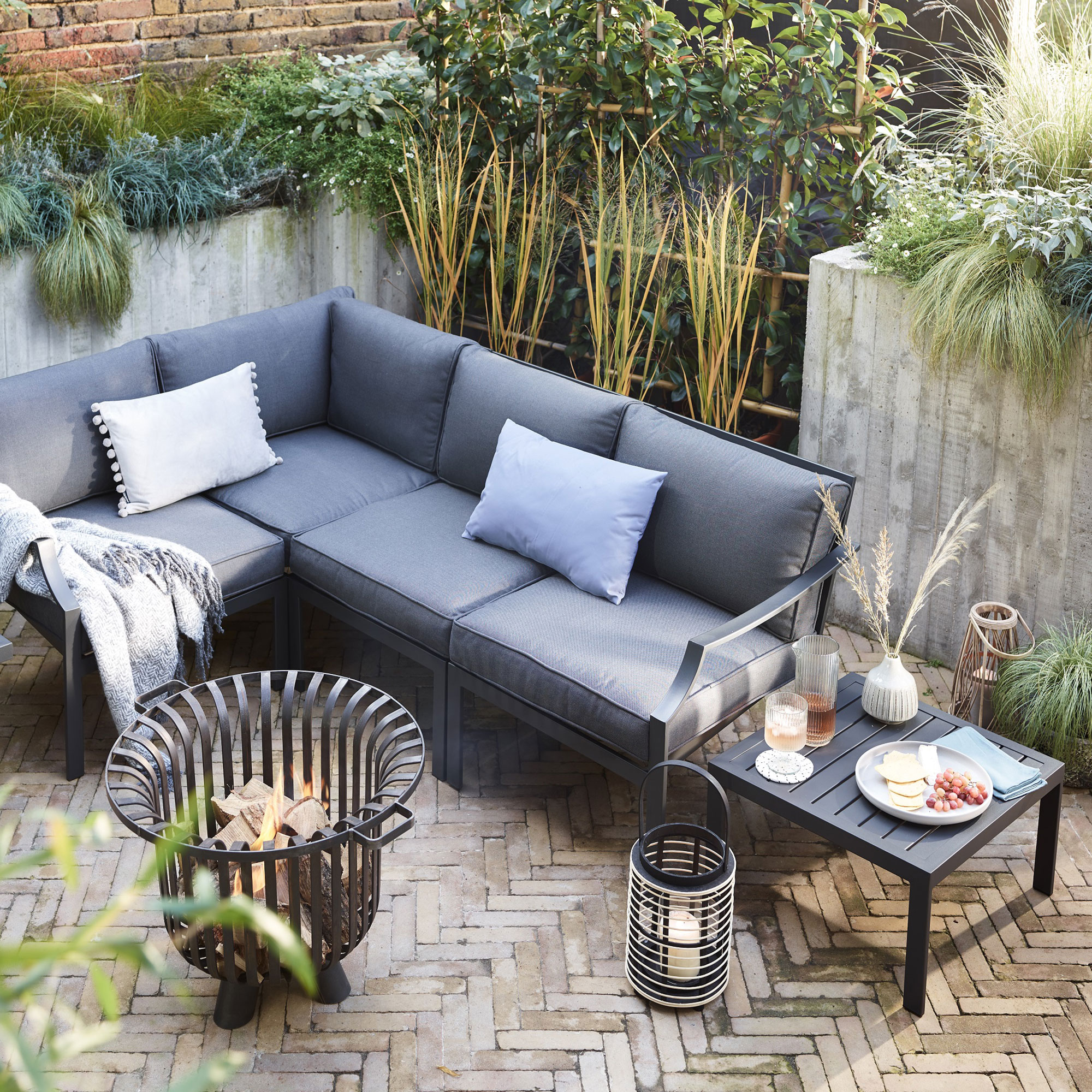
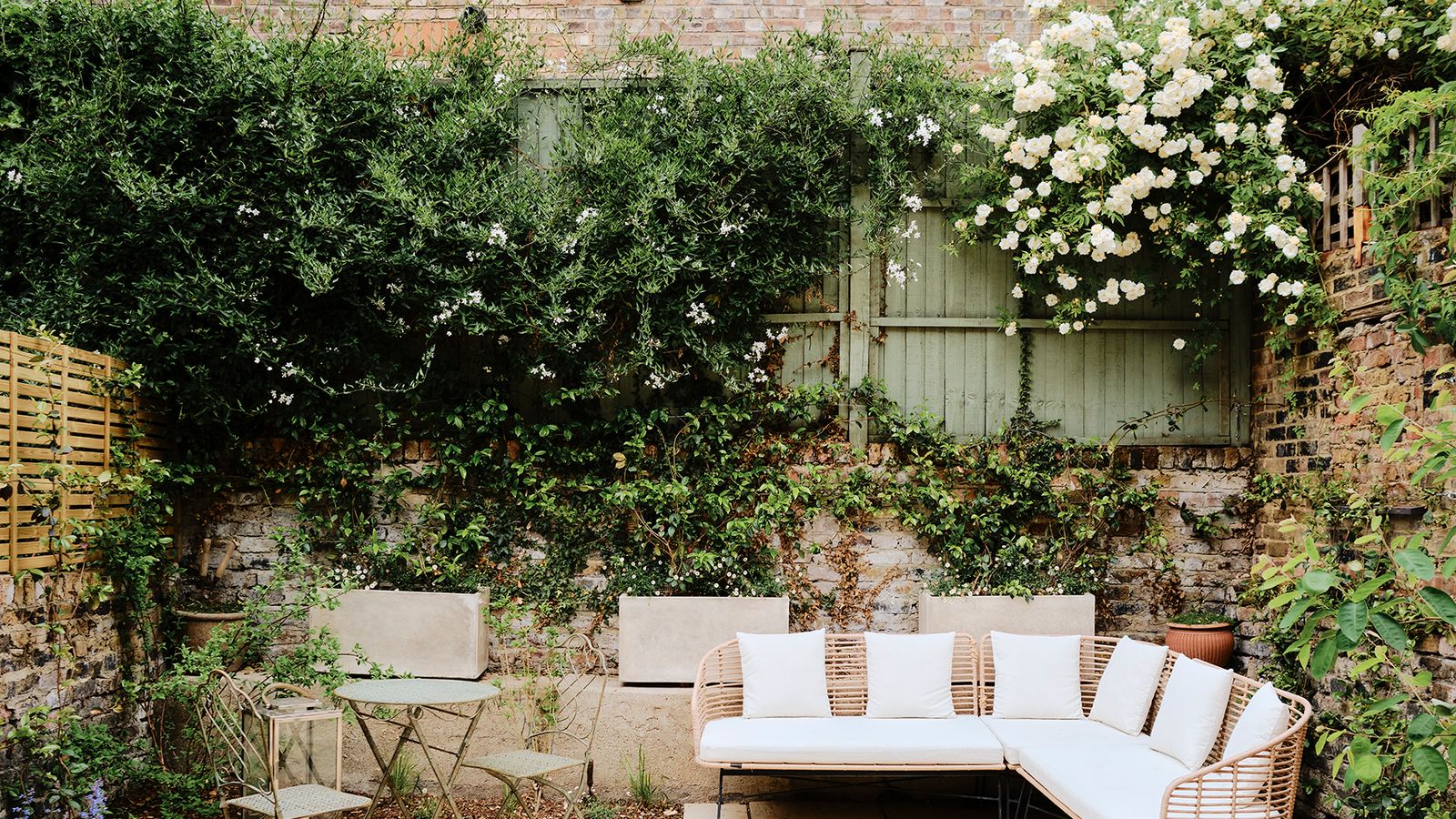
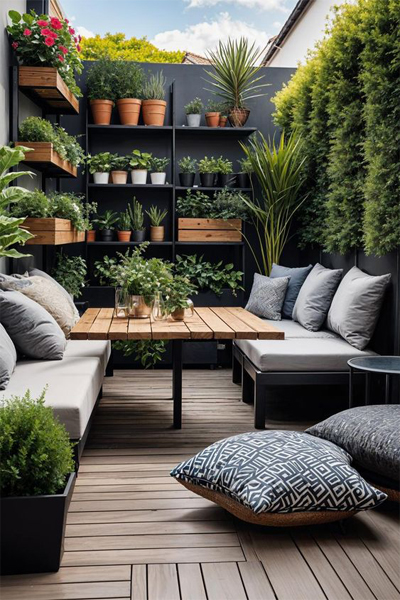
The corner of an L-shaped garden offers an excellent opportunity for a focal point. Built-in L-shaped seating, perhaps surrounded by raised garden beds, can transform this area into a functional and attractive feature, preventing "dead zones." Raised beds also allow for varied planting and can create privacy. Jen McDonald, a garden designer, advises adding comfortable pathways of 2-3 feet wide around each raised bed for ease of access and to define the space.
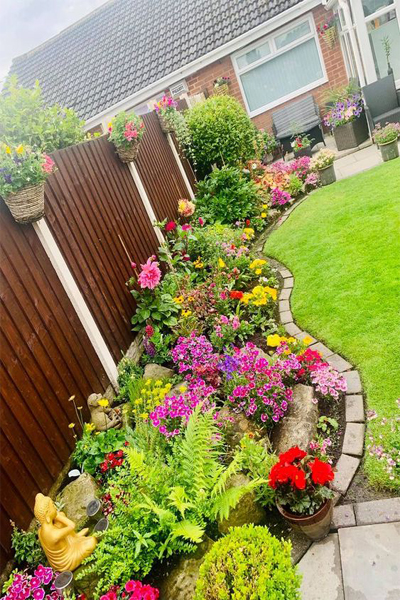
To ensure the two arms of the 'L' relate to each other, careful design choices are necessary. Sam Proctor of Chiltern Garden Design describes a project where yew hedging and pleached trees were used to make boundaries disappear and connect the two sides of an L-shaped garden while allowing them to retain individual character. Softening the hard angles of an L-shaped garden is also crucial. Gently curving beds, sweeping borders, and circular patios can balance the geometry, fostering a more organic and natural feel. Lush planting with textural foliage, romantic perennials, and climbers can add abundance, height, and privacy. Strategic lighting, such as uplighting trees and adding festoon lights, can further enhance the garden's ambiance after dusk, blurring edges and weaving a magical atmosphere.
#LShapedGarden #GardenDesign #OutdoorSpace #LandscapeDesign #GardenZoning #Hardscaping #PlantingStrategies #OutdoorLiving #LShapedGarden #GardenDesign #OutdoorSpace #LandscapeDesign #GardenZoning #Hardscaping #PlantingStrategies #OutdoorLiving
0 Kommentare insgesamt
 Noch keine Kommentare
Das könnte Ihnen auch gefallen
8 clever L-shaped patio ideas designers say are guaranteed to transform your outdoor living space
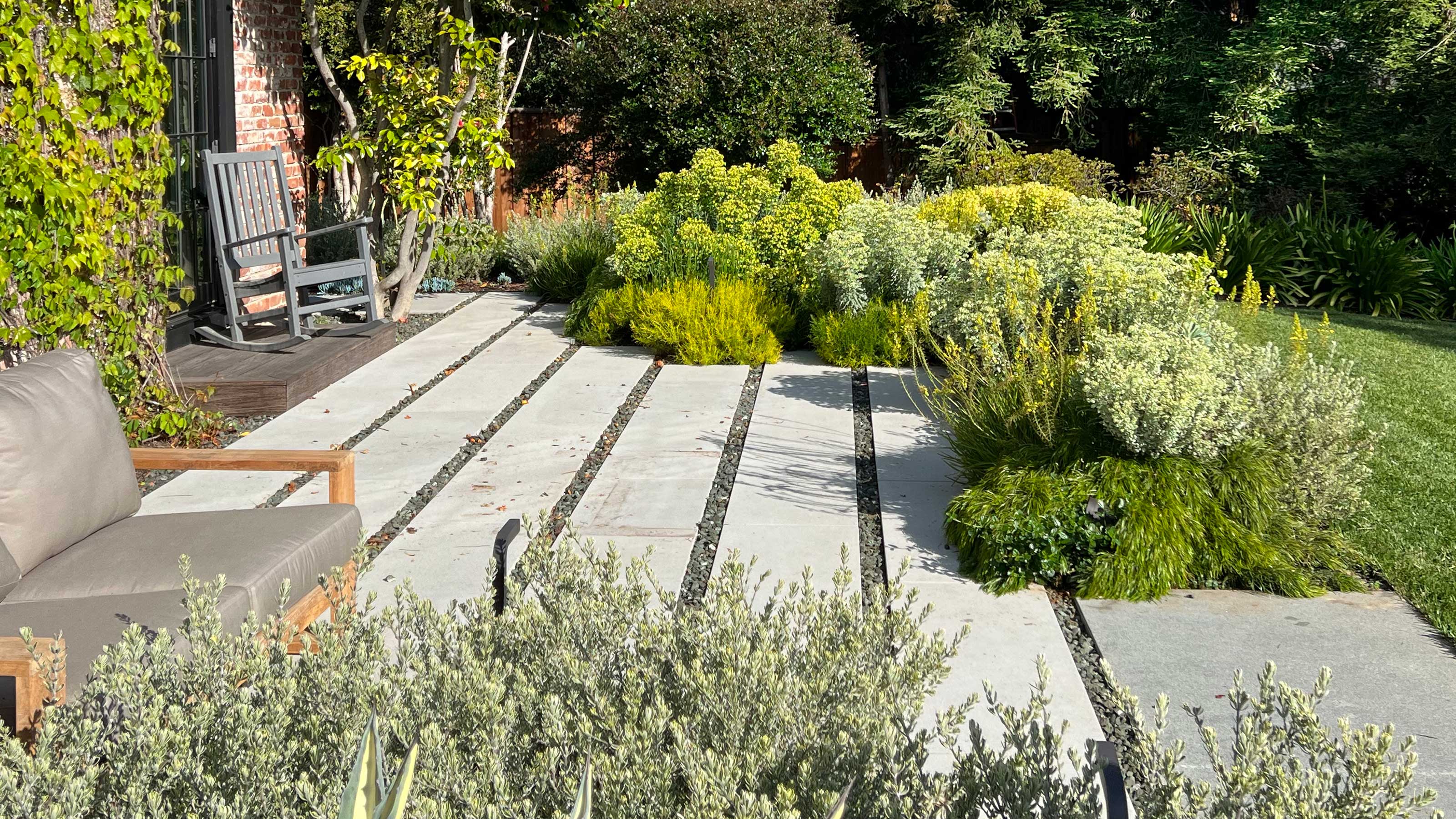
'It mimics nature's randomness' - this simple gardening trick is how landscape designers make a backyard look more put together

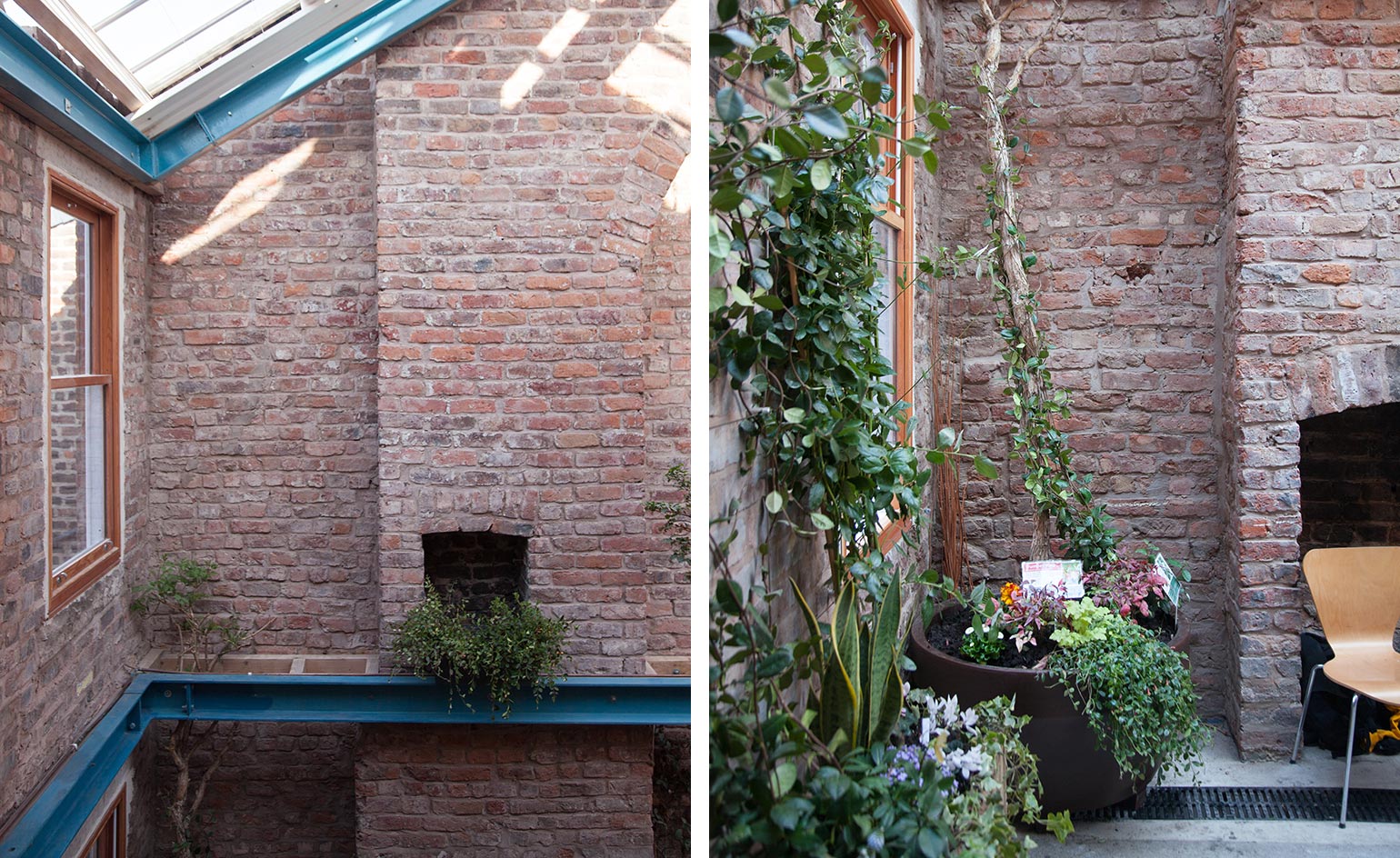
Innovative landscape architecture and garden design around the world

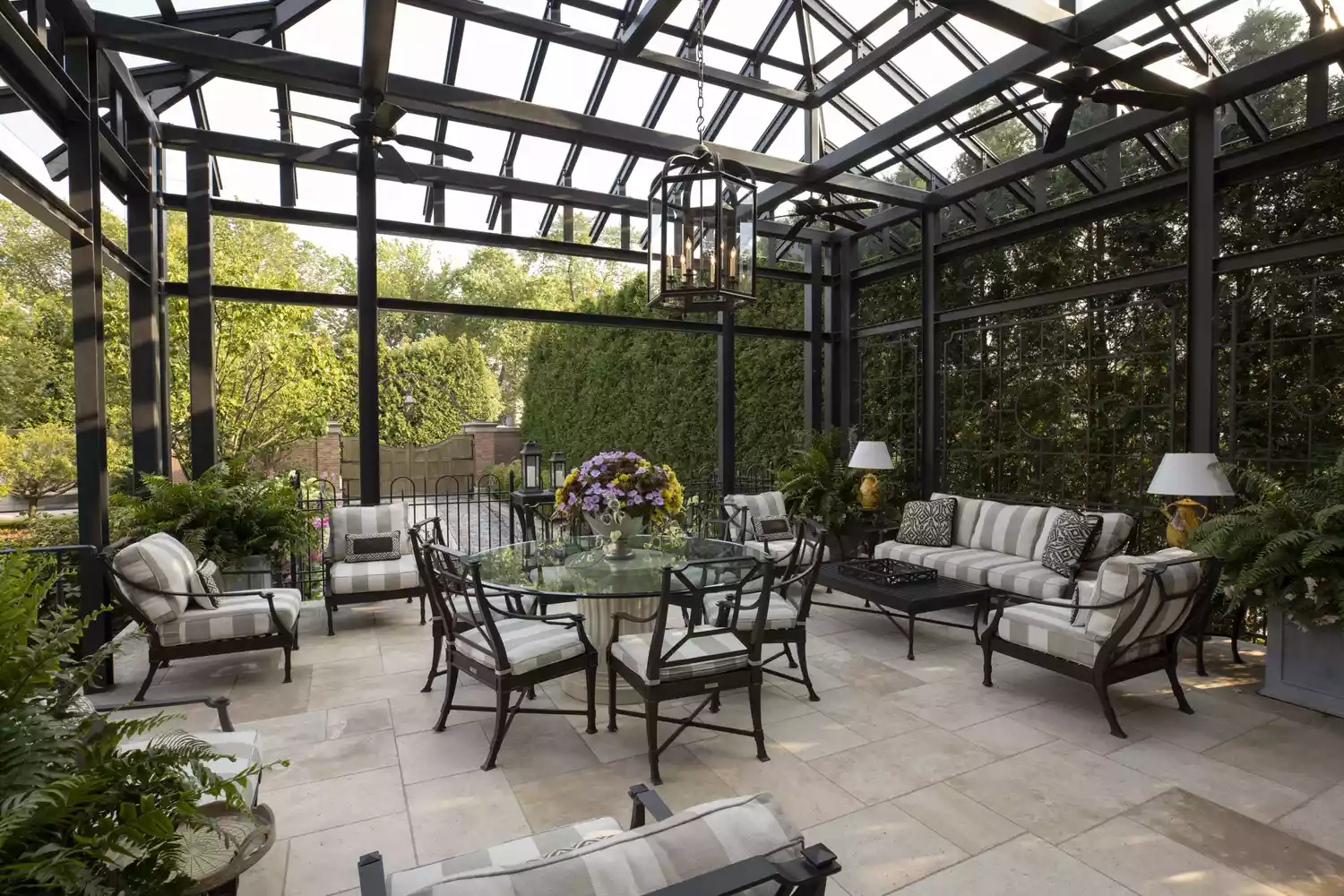
What the Heck Is a Garden Room? (And Why Is Everyone Talking About Them?)
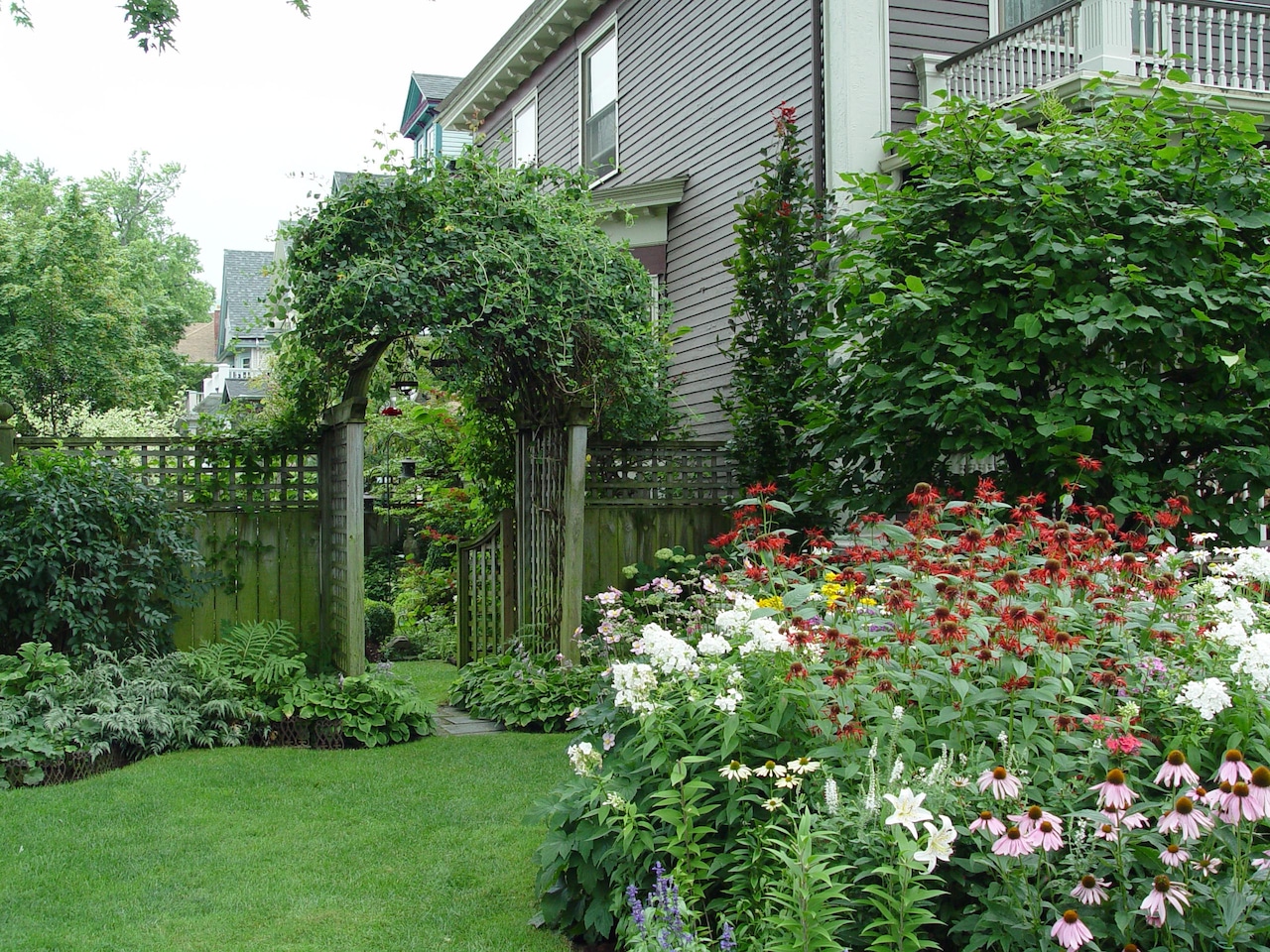
Great landscaping ideas for ‘regular people’ from a design expert
How to make a small garden look bigger –25 ideas that are simple but effective

26 Backyard Landscaping Ideas That Look Like They Were Styled by an Outdoor Architect

19 simple garden ideas for every style, size and budget
11 beautiful ideas for awkward-shaped gardens
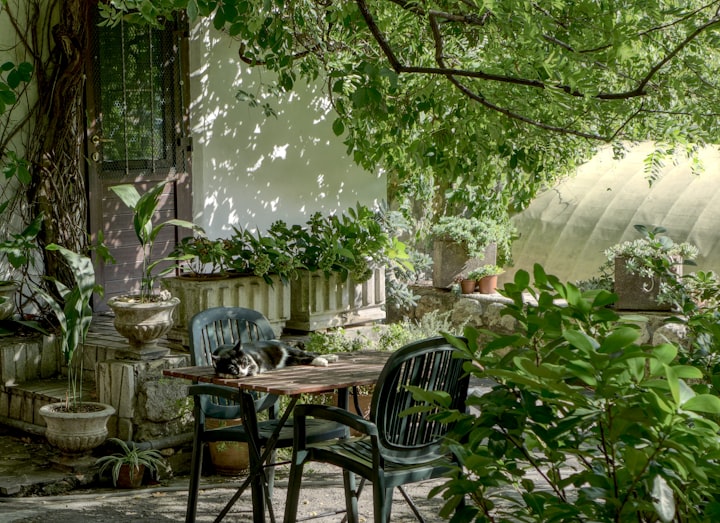
Garden Design Ideas, 2024
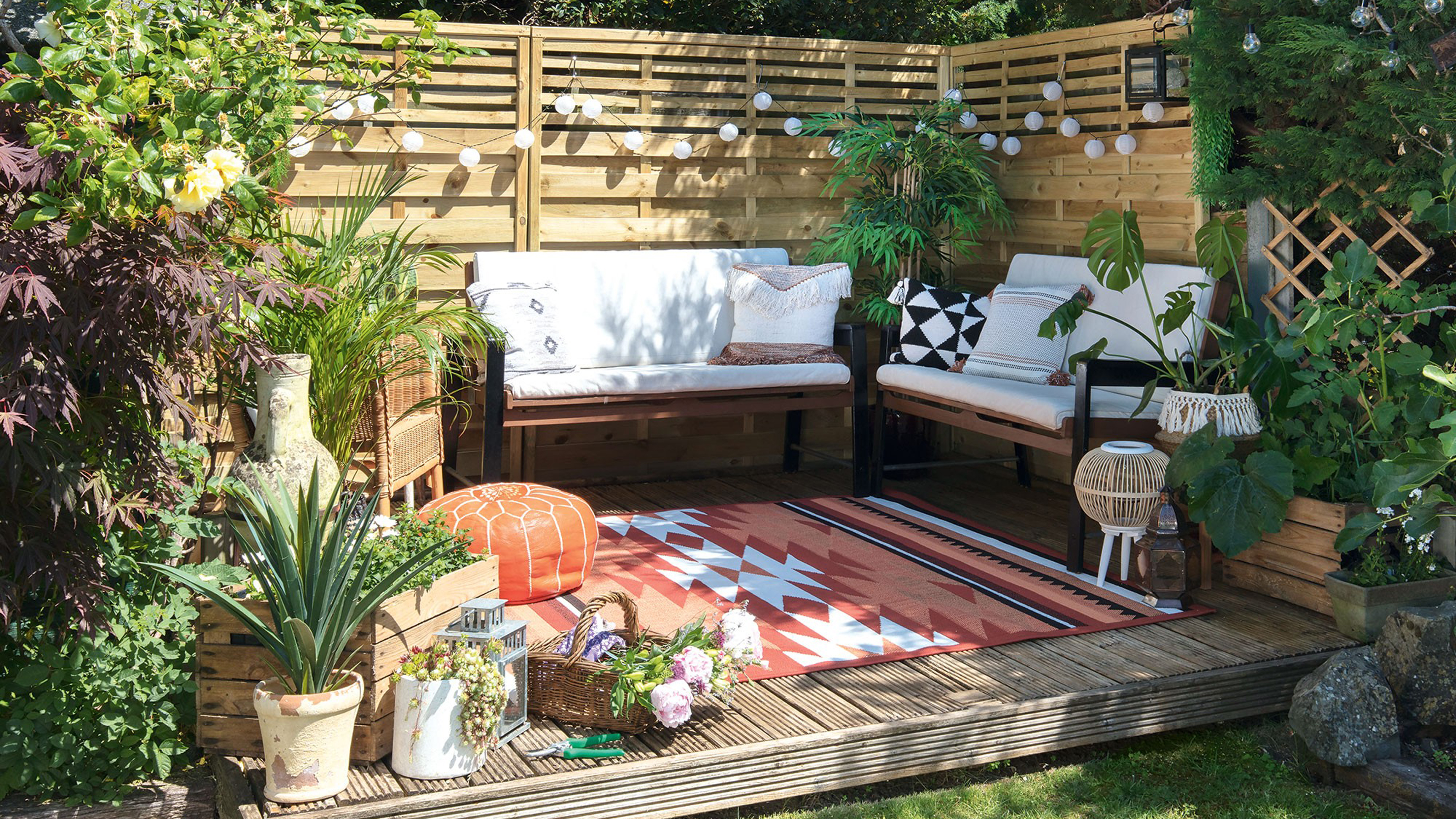
Small garden ideas – 35 brilliant ways to transform a tiny outdoor space
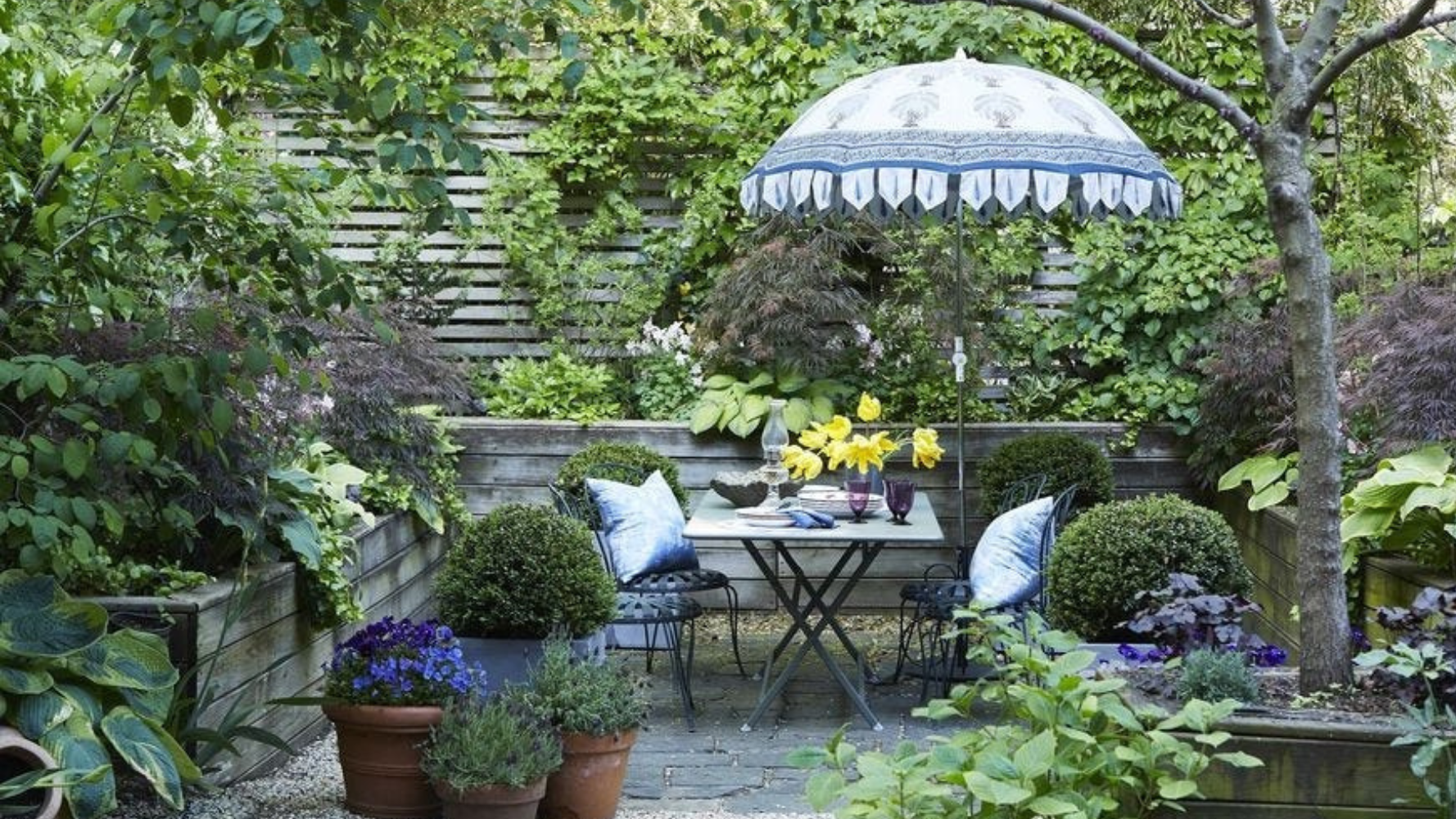
I Can’t Stop Thinking About These Enchanting Small Gardens

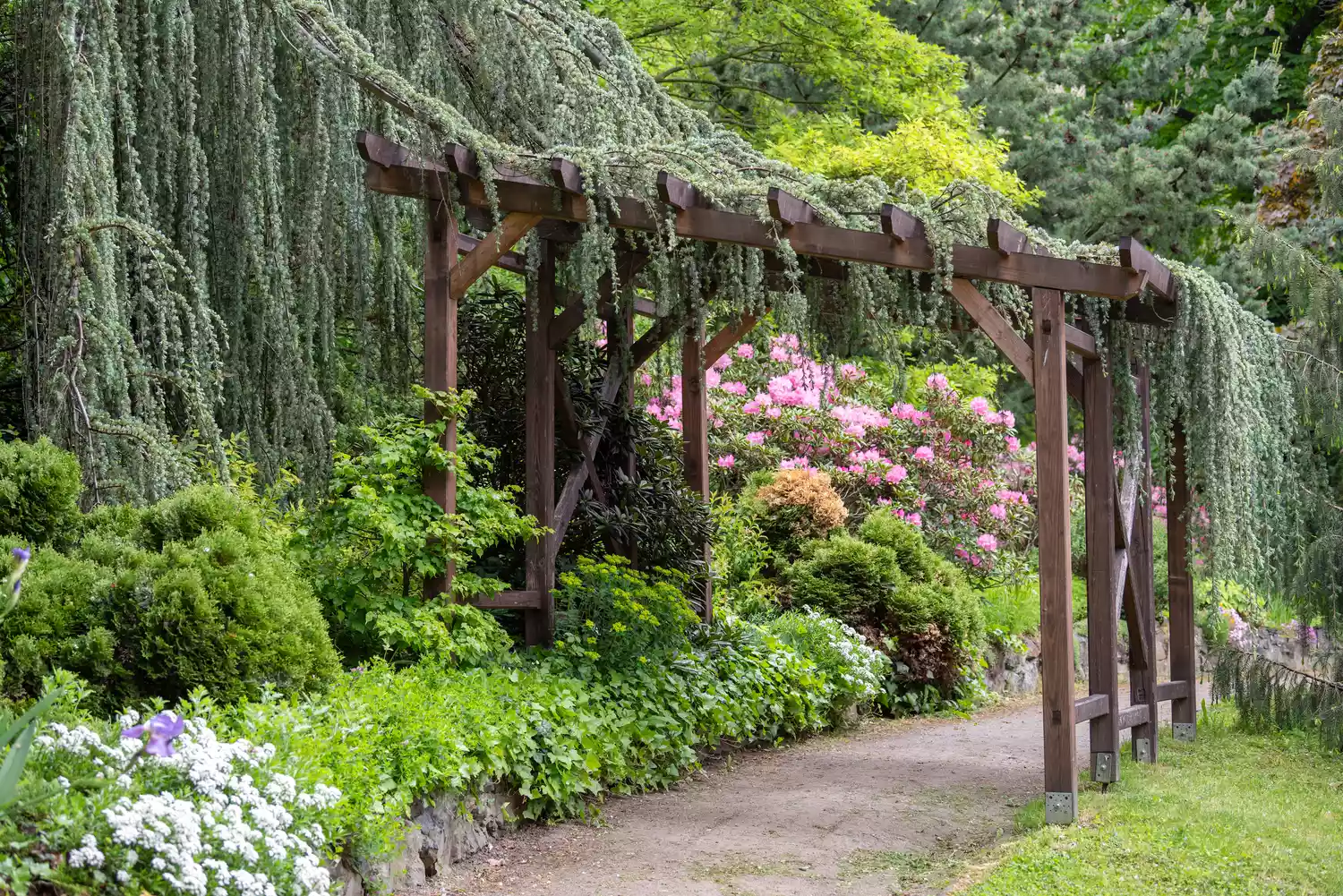
23 Garden Layout Ideas for Vegetables and More


8 Incredible Indoor Garden Ideas

How to make a small backyard look bigger – 10 clever ways to max out your space
9 Garden Styles From Around the World To Inspire You

Living wall ideas to create a stylish vertical garden in your space
Design ideas for awkward corners – 9 innovative and stylish solutions to try in challenging yards
20 Beautiful Garden Design Ideas for Home In 2024
7 Indoor Garden Ideas To Elevate Your Home