1/6
From clutter-free zen to cosy comfort: The mental health benefits of home decor | Hindustan Times
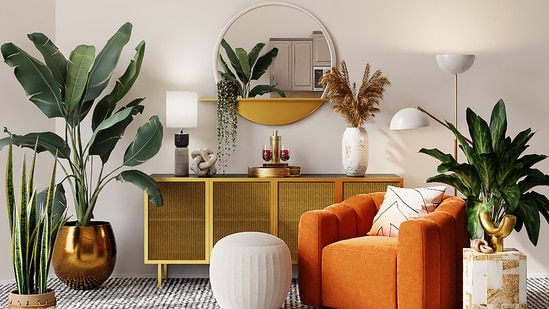
The way a home is decorated significantly impacts mental health and emotional well-being, extending beyond mere aesthetics to create a sanctuary. Interior design draws on powerful psychological influences related to perceptions of color, nature, organization, light, space, and visual appeal. Danielle Mathews, co-owner of Reborn Renovations, explains how specific interior styles can influence emotional states, offering insights into curating living spaces that foster relaxation, reduce stress, and enhance overall well-being. This understanding empowers individuals to transform their homes into environments that actively support their psychological health.
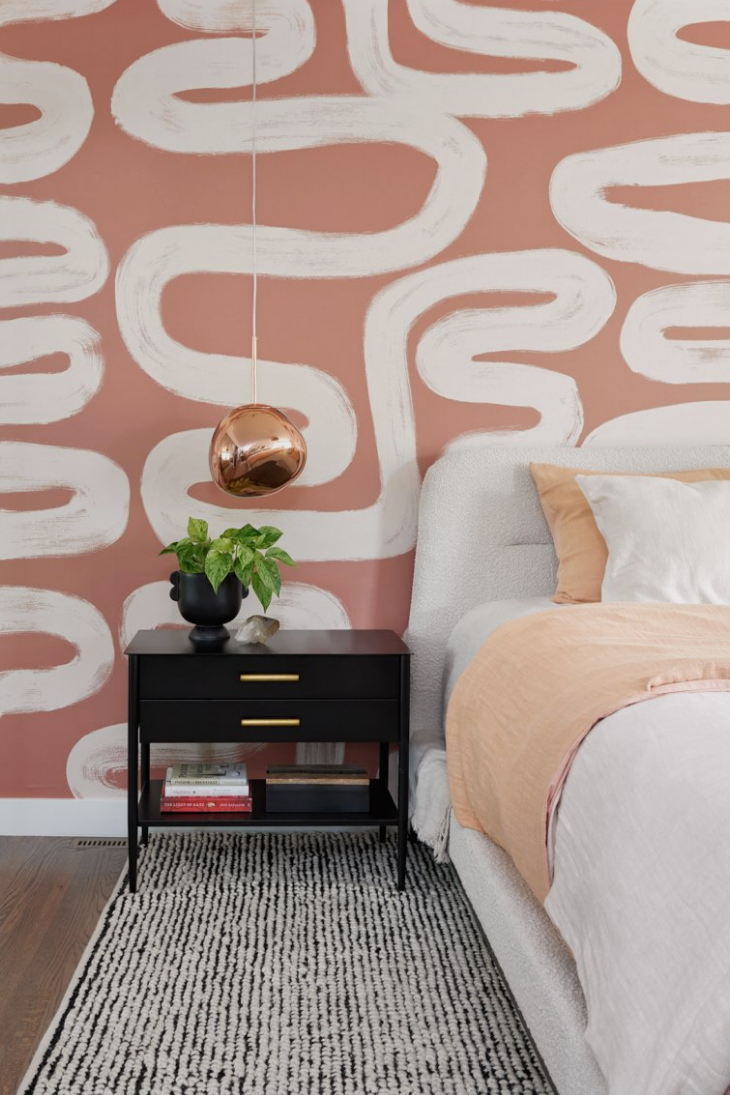
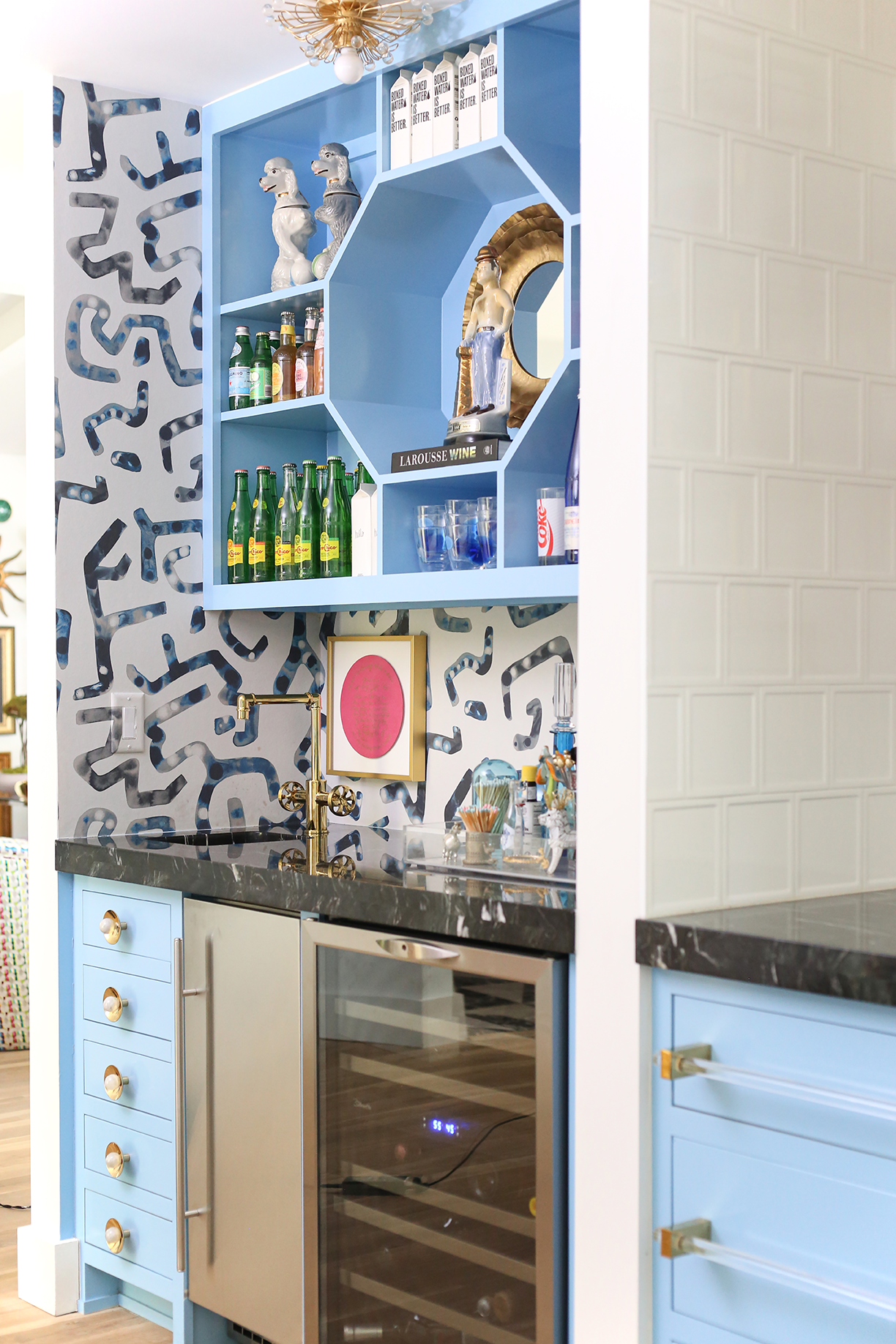
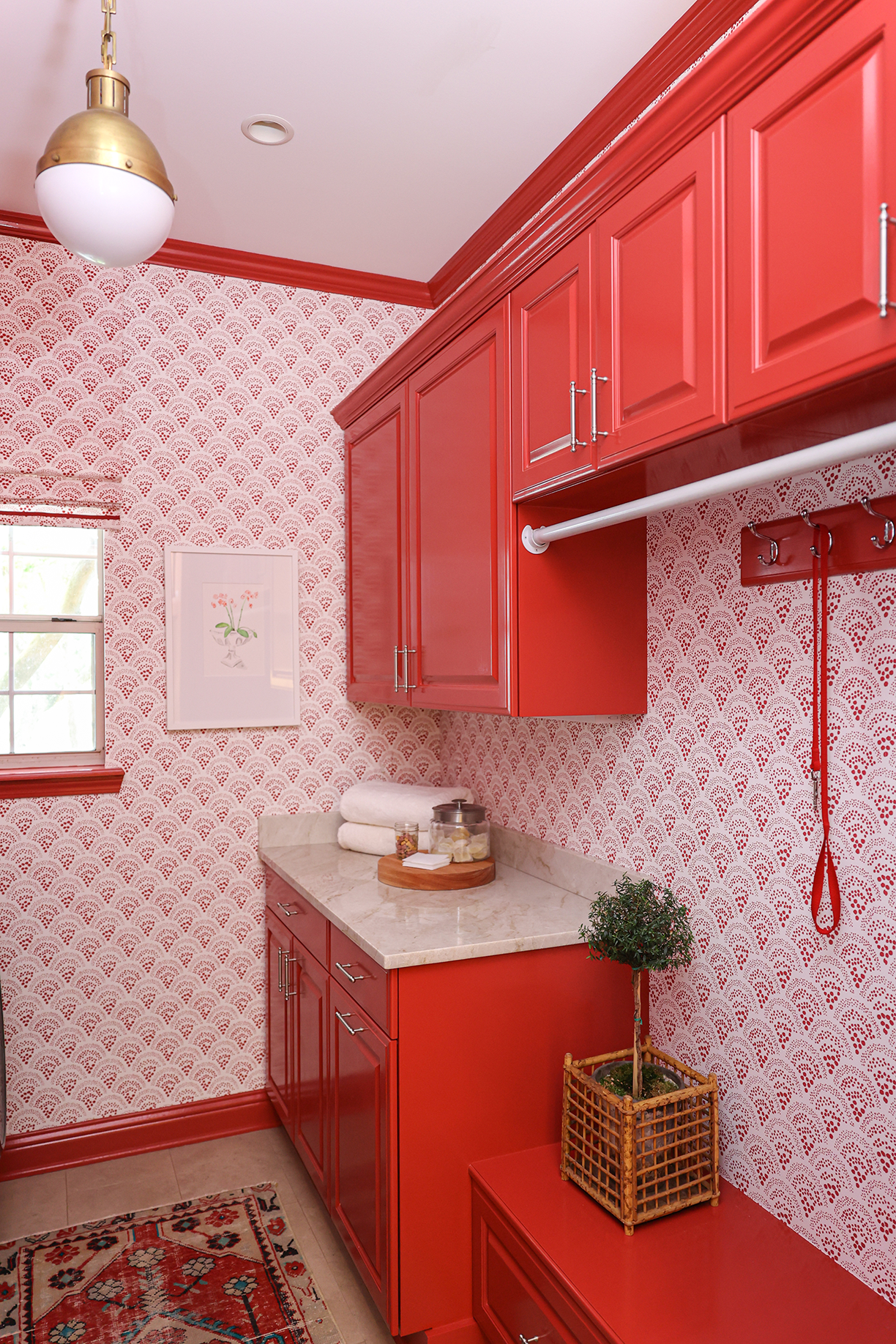
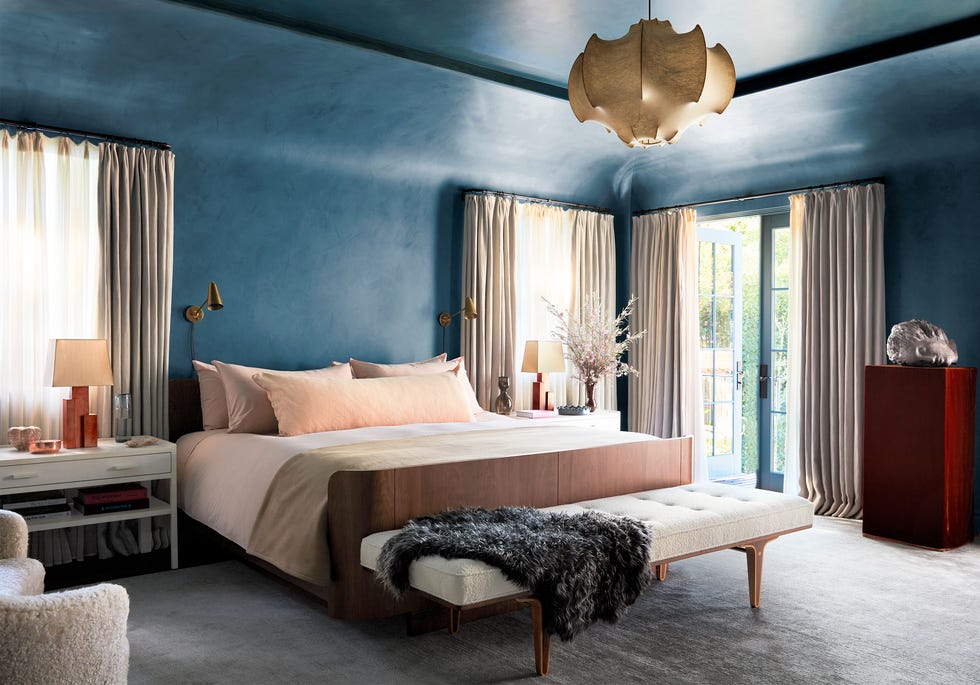
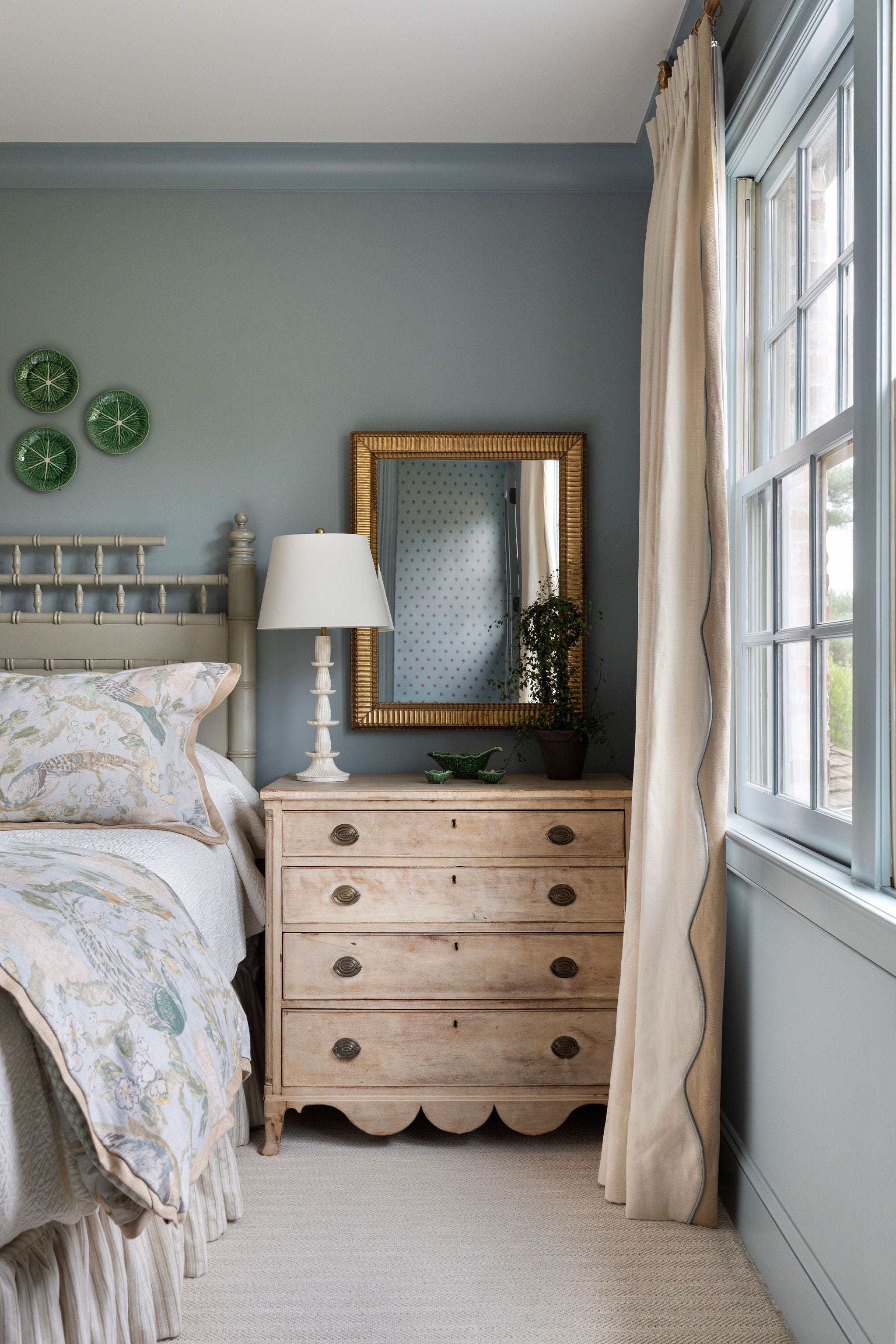
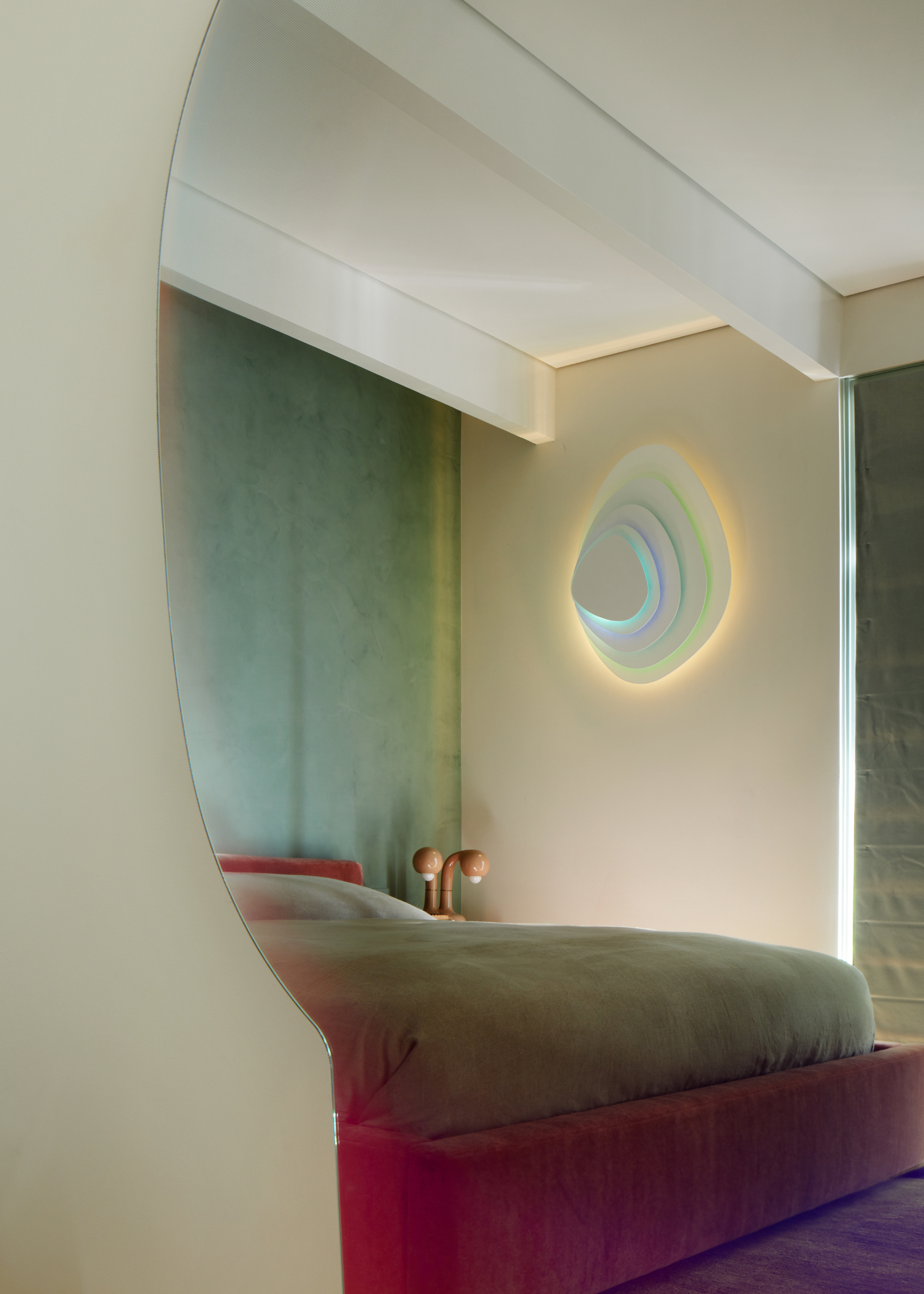
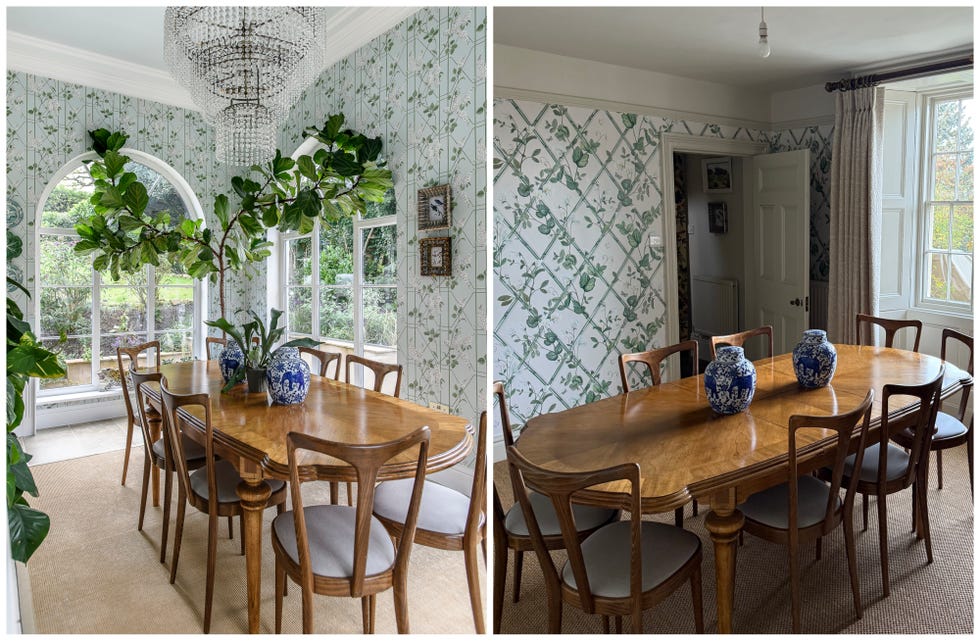
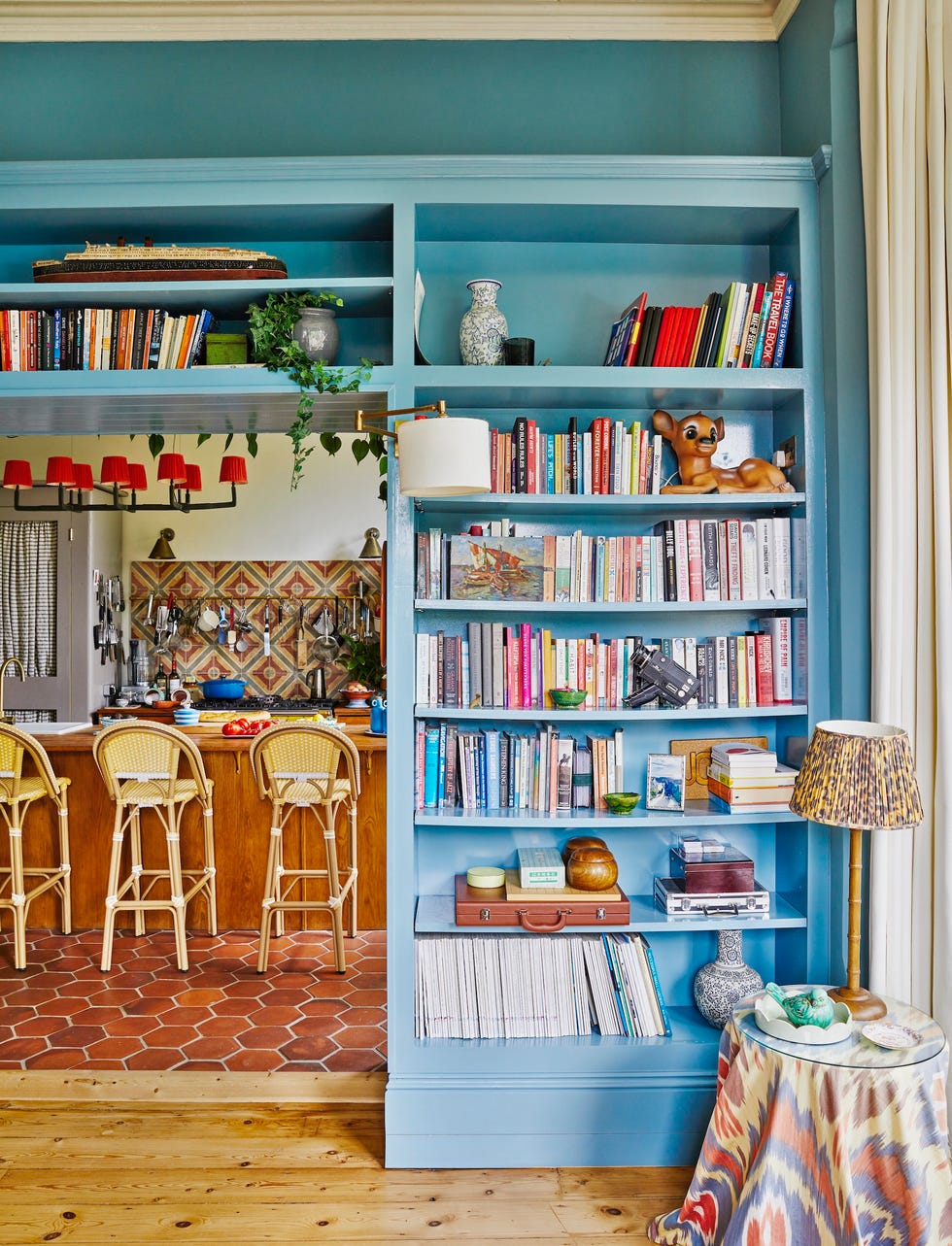

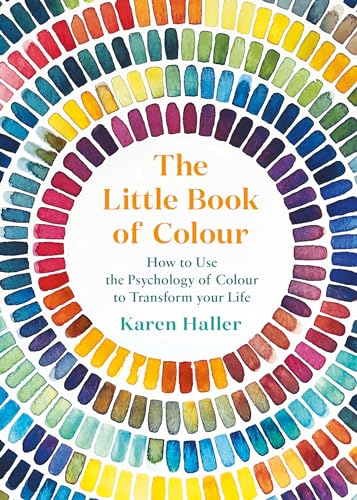
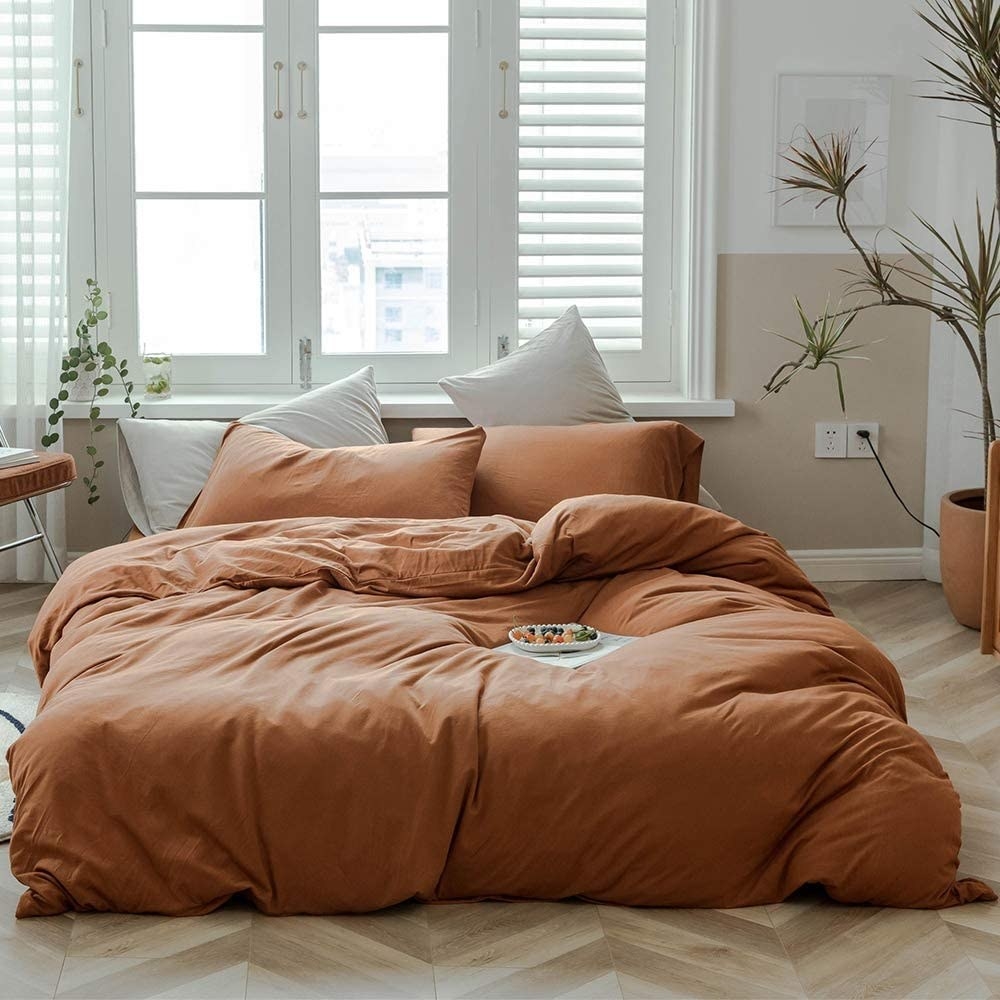
Color plays a crucial role in mood regulation. Cool colors such as blue, green, and lavender are known for their calming effects, helping to alleviate stress and anxiety. In contrast, warm colors like red can stimulate energy and intensity. Thoughtful color selection for walls, furnishings, and accents can thus create a desired emotional atmosphere within a room, promoting tranquility or vibrancy as needed. Strategic use of color can turn a chaotic space into a peaceful retreat or an uninspiring room into a dynamic area for activity and engagement.
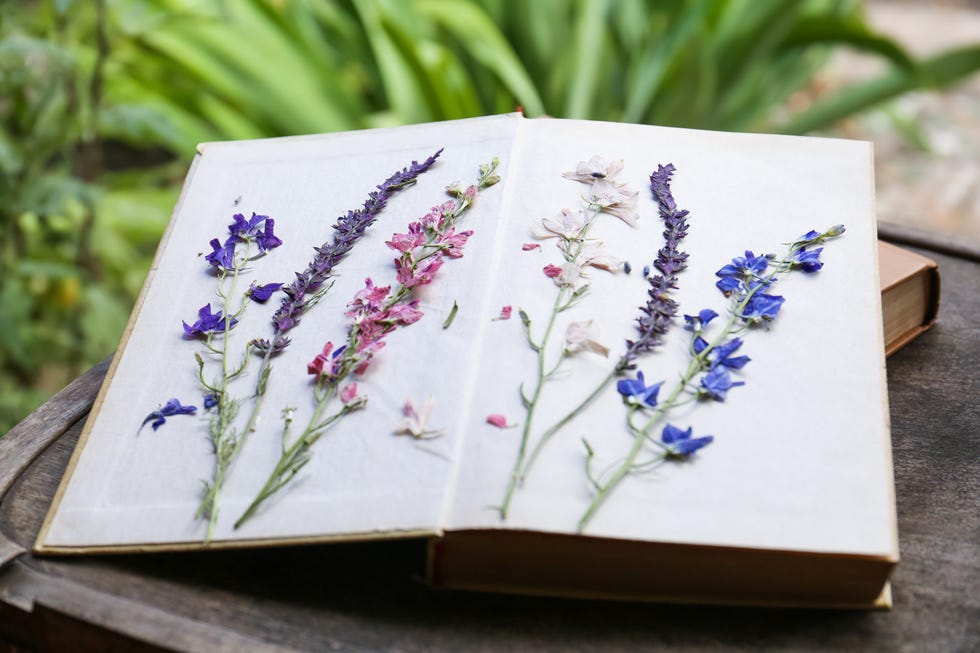
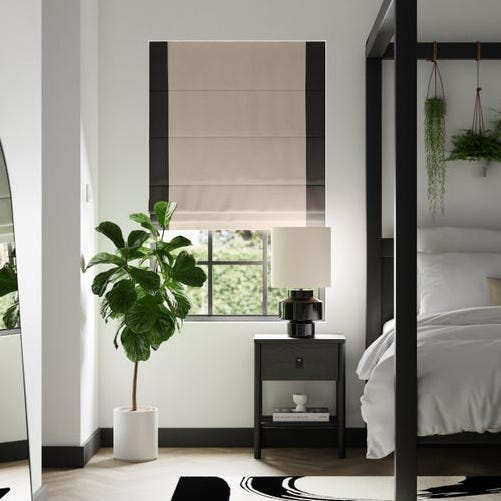
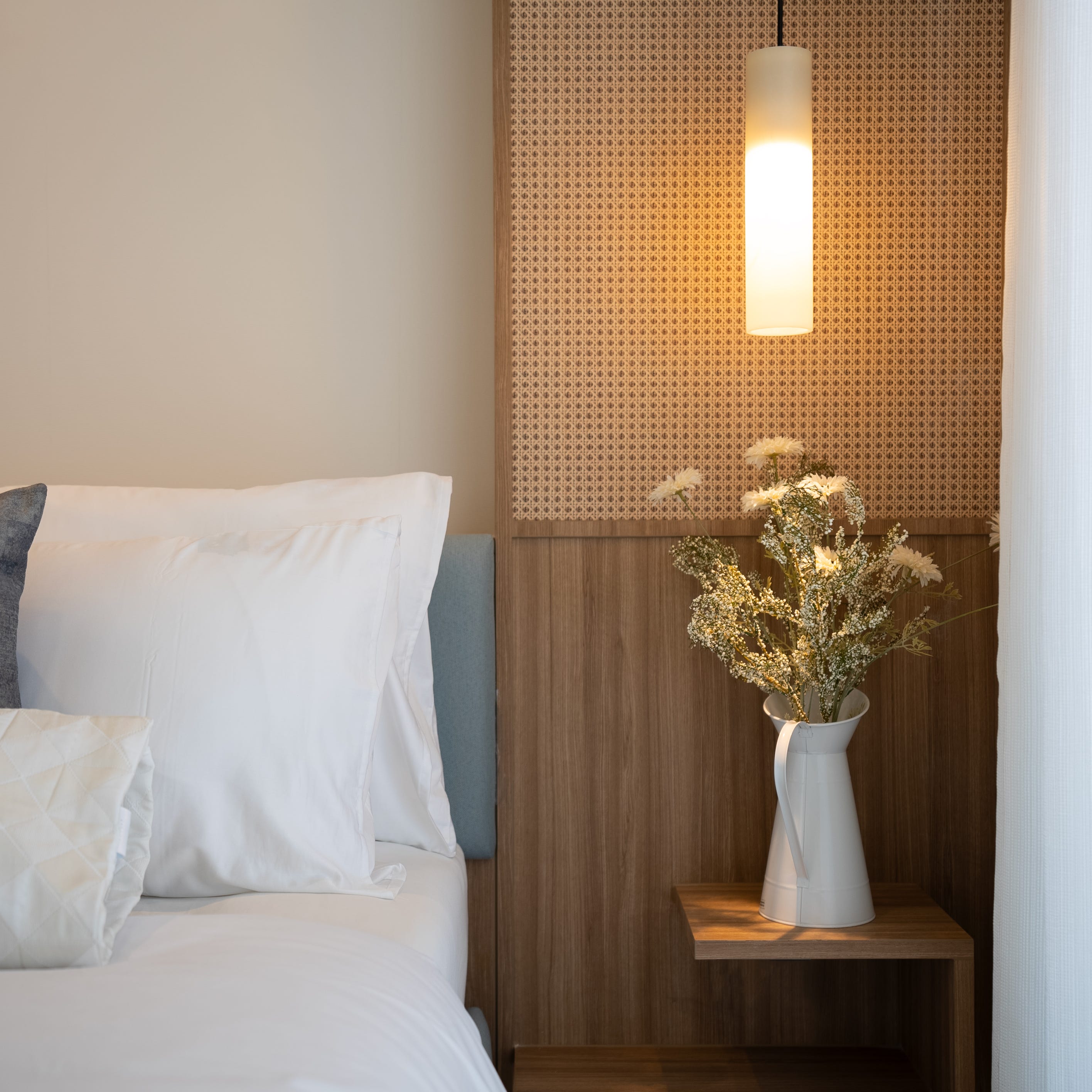
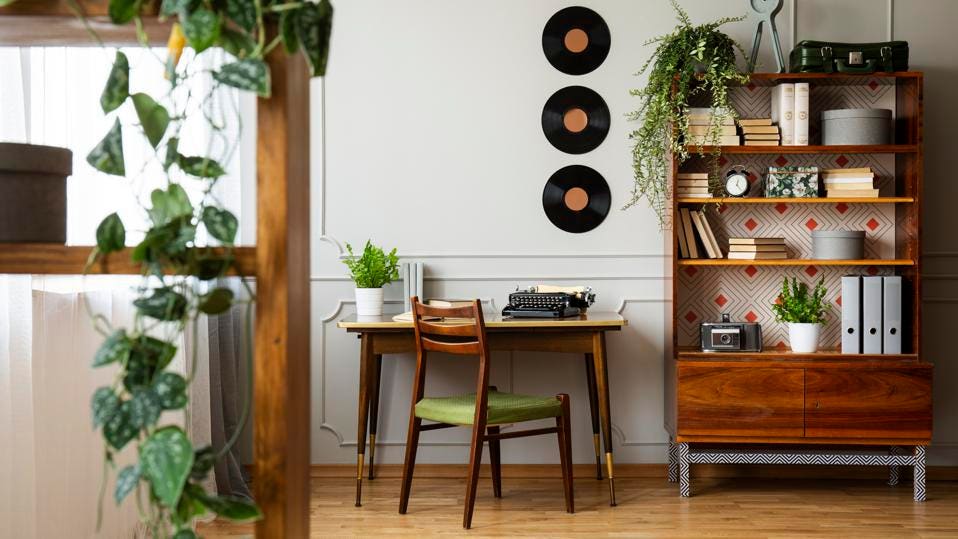
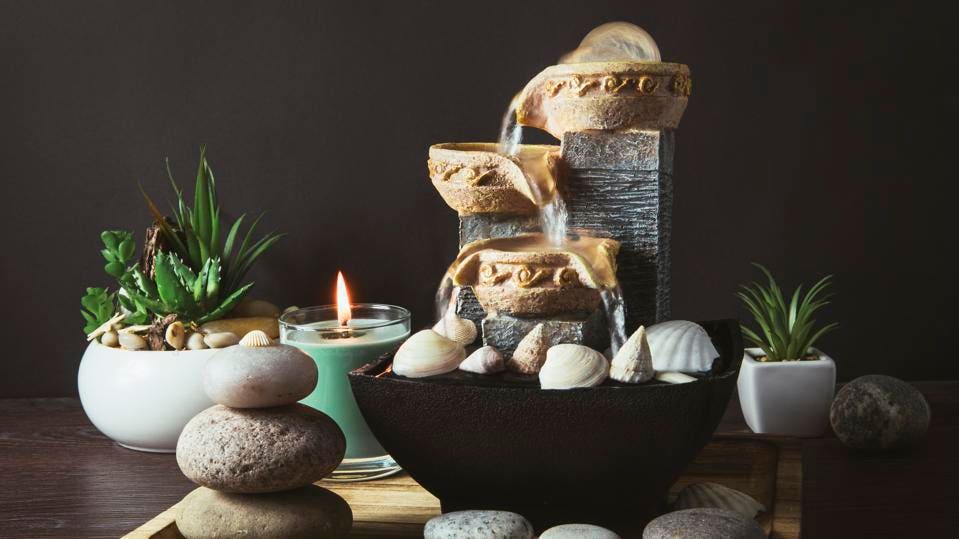
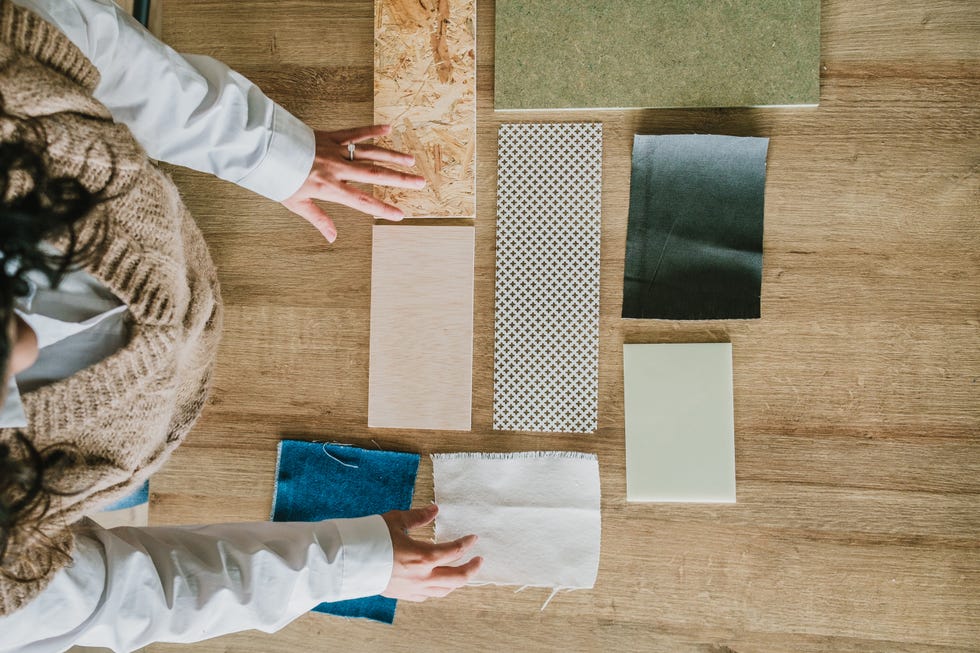
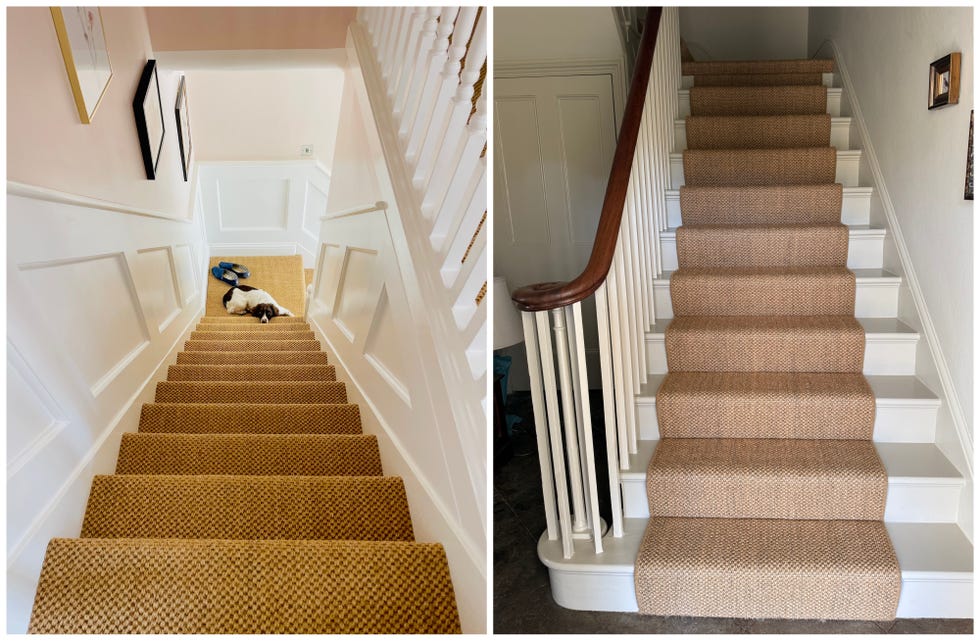
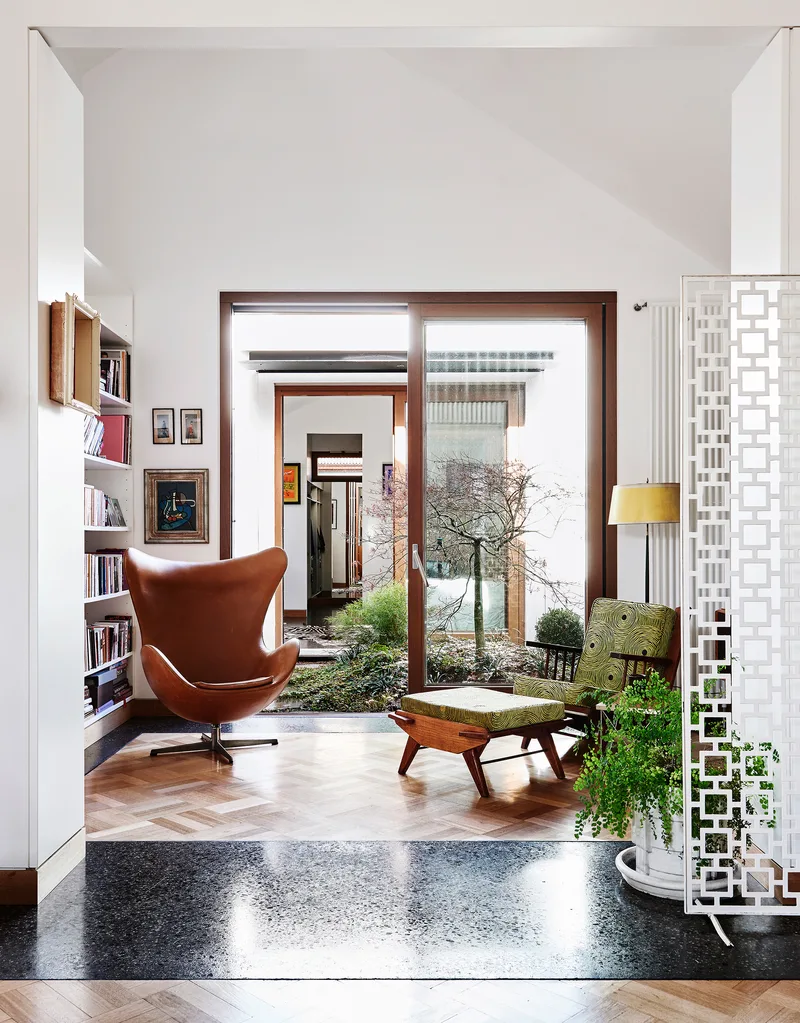
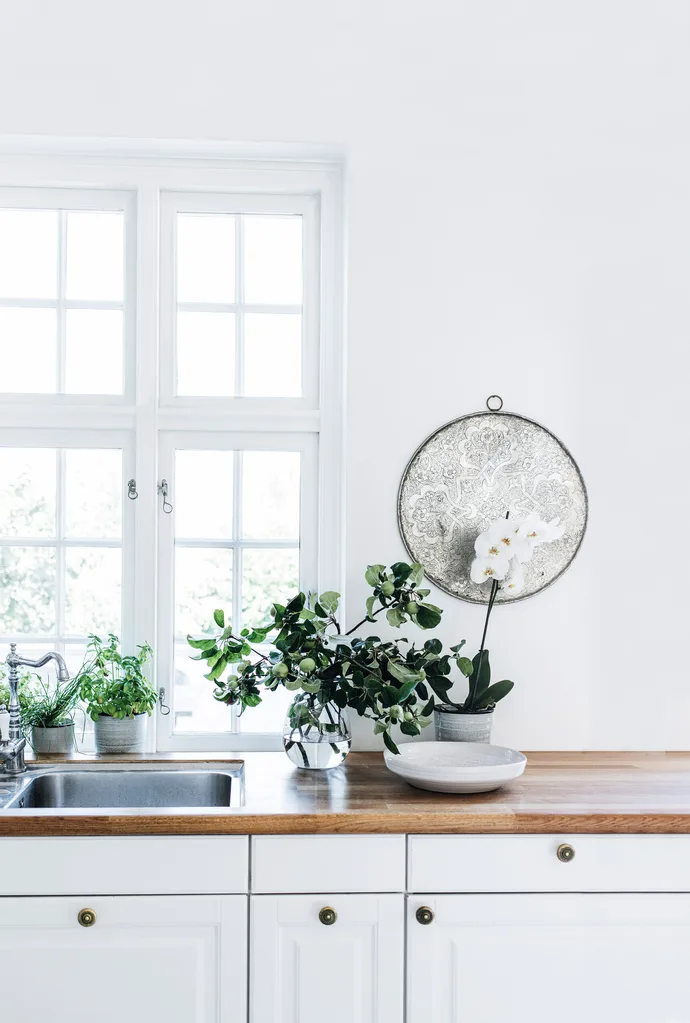
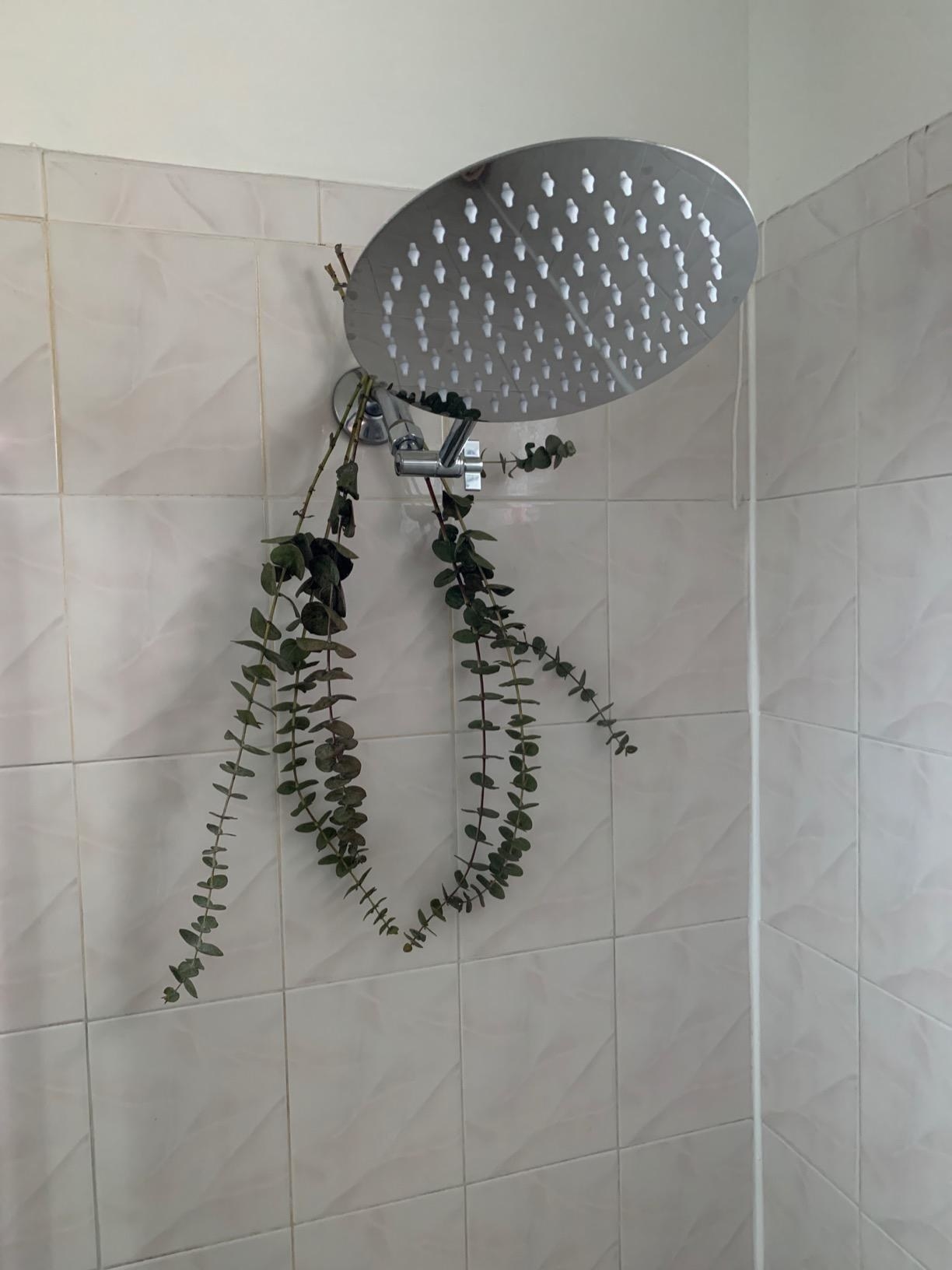
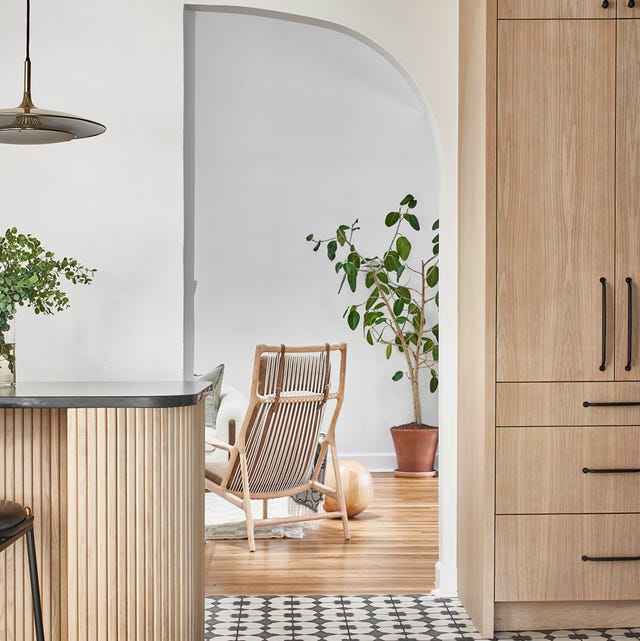
Incorporating natural elements into home decor can significantly reduce stress and promote relaxation. Materials such as wood and stone, along with plants and nature-inspired patterns, bring the outdoors in, fostering a sense of connection to nature. This biophilic design approach creates a more calming environment, enhancing mental restoration and overall comfort. Even small additions, like a potted plant or a piece of natural wood furniture, can make a difference in cultivating a serene atmosphere.
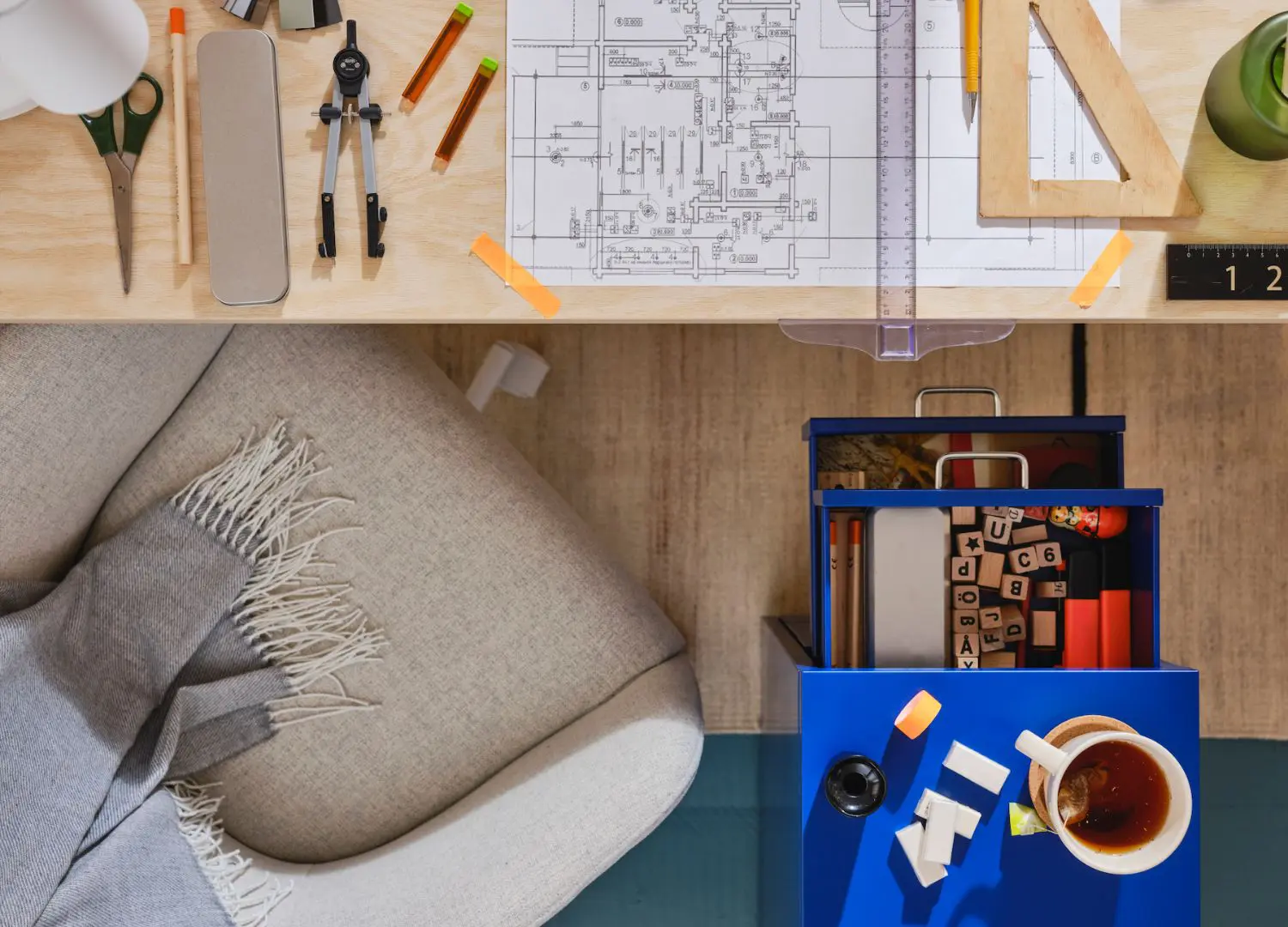
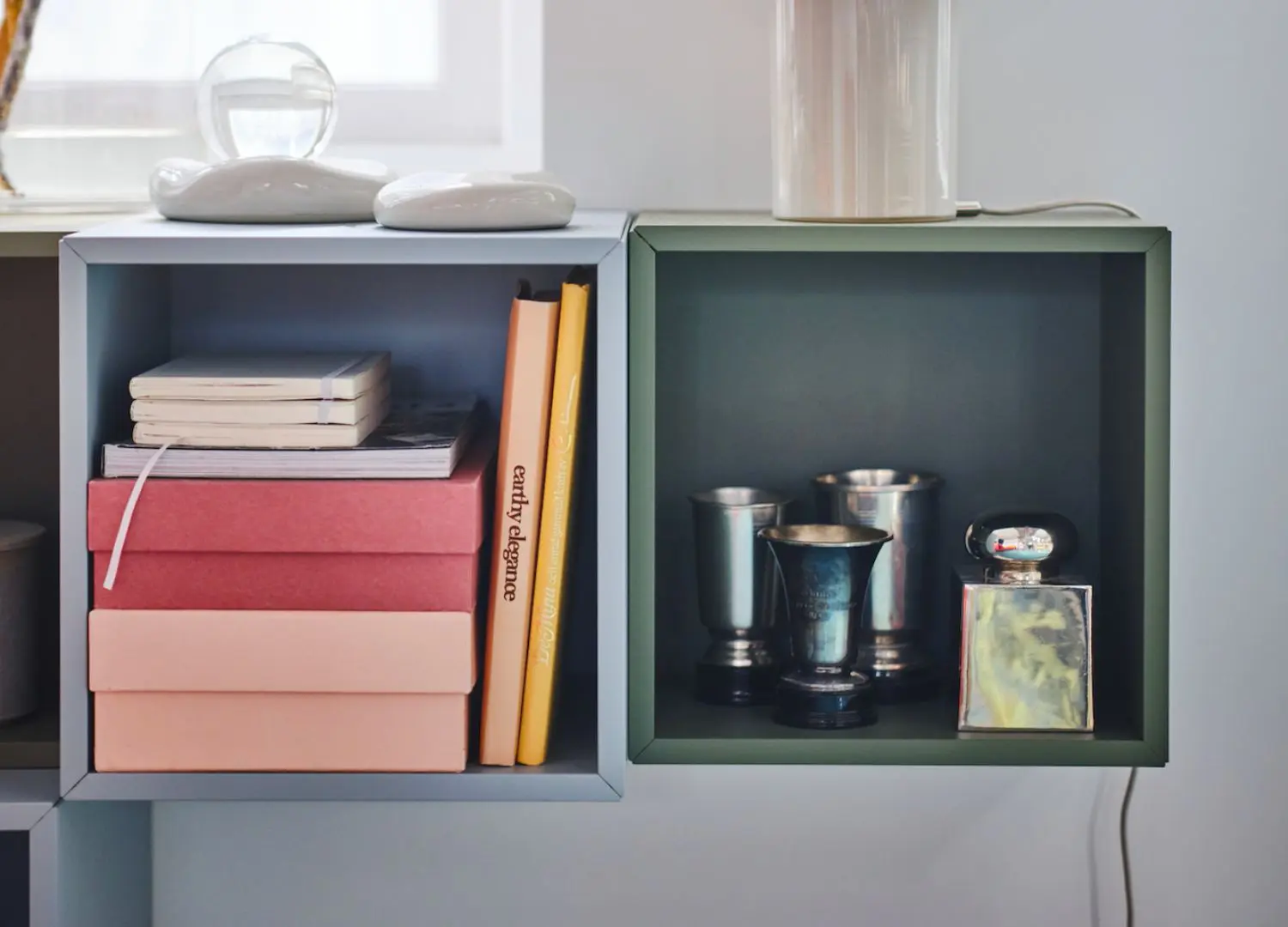
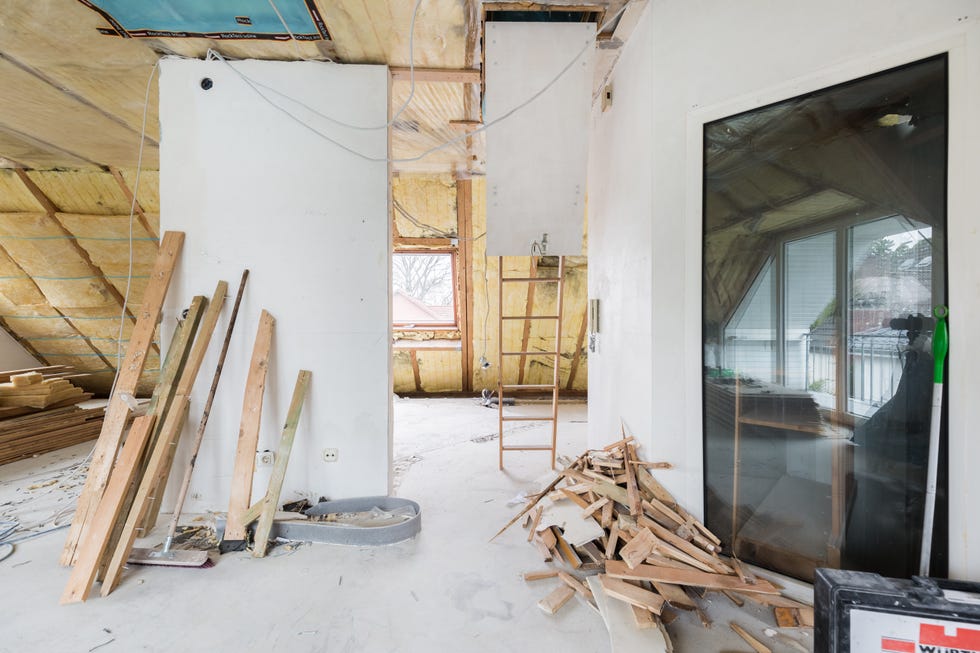
Organization and cleanliness are paramount for mental well-being. Clutter and disorganization can be overwhelming, contributing to increased stress levels. Conversely, a well-organized and functional space with adequate storage solutions promotes a sense of calm, control, and clarity. By reducing visual noise and creating a logical flow, an organized home minimizes mental fatigue and enhances daily efficiency, allowing occupants to feel more at peace and in command of their surroundings.
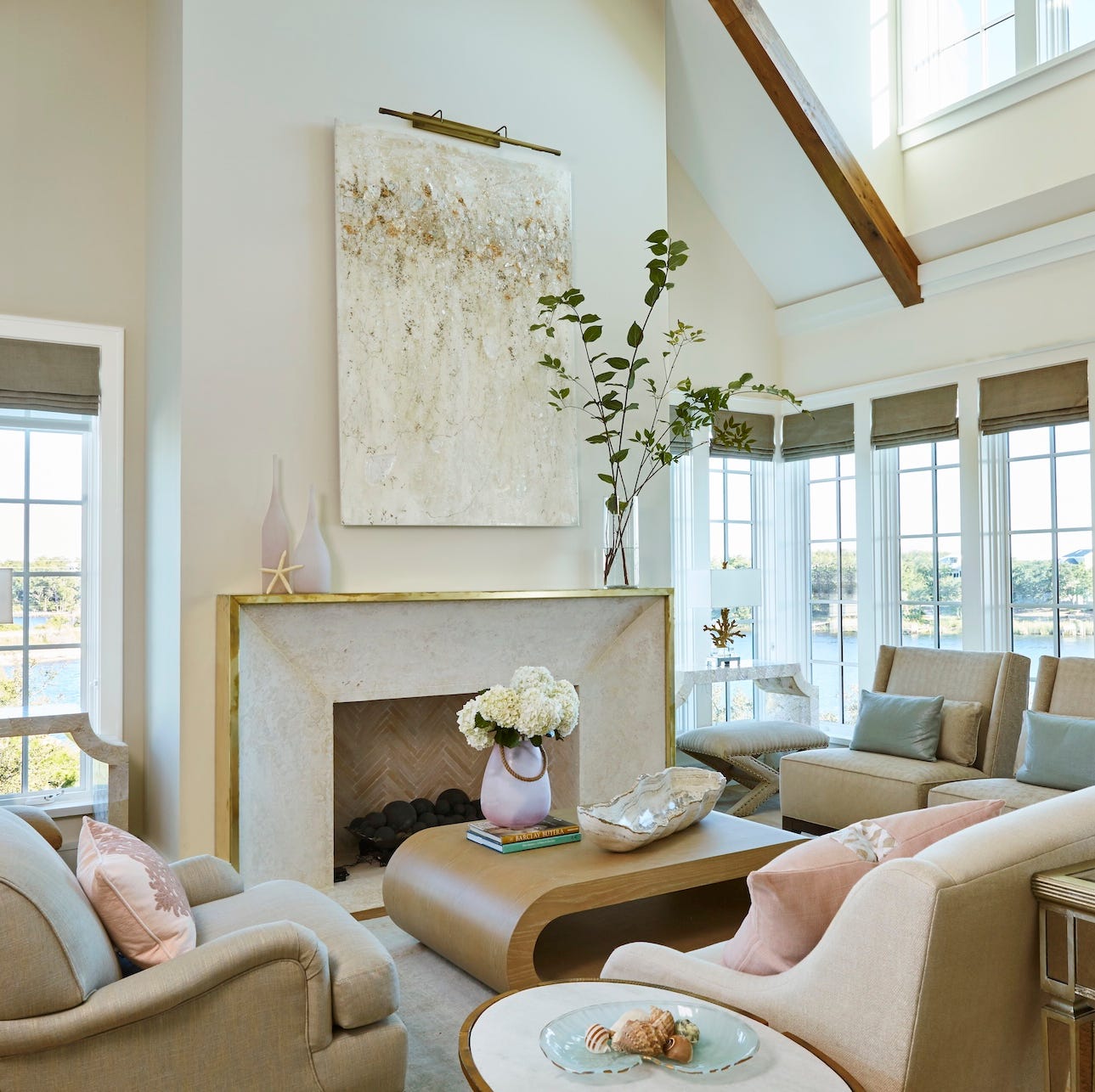
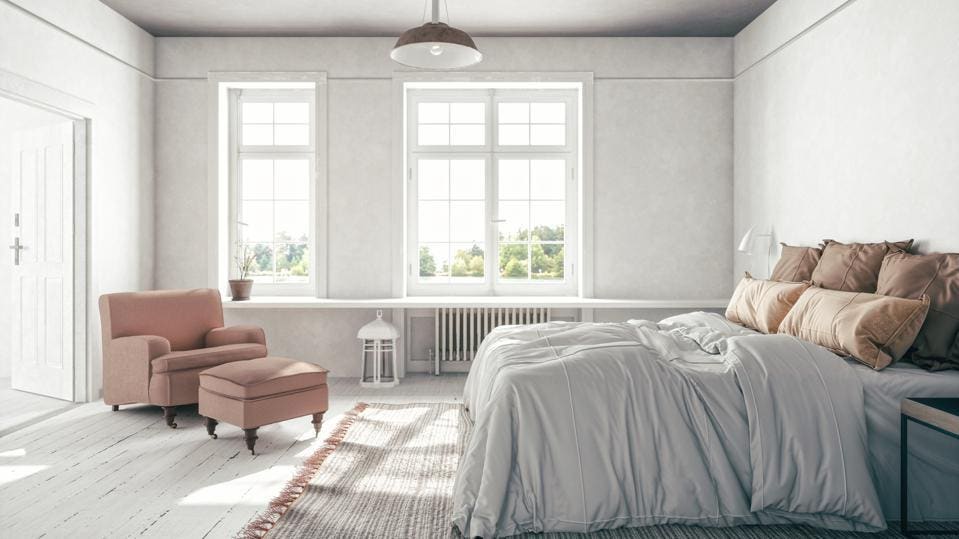
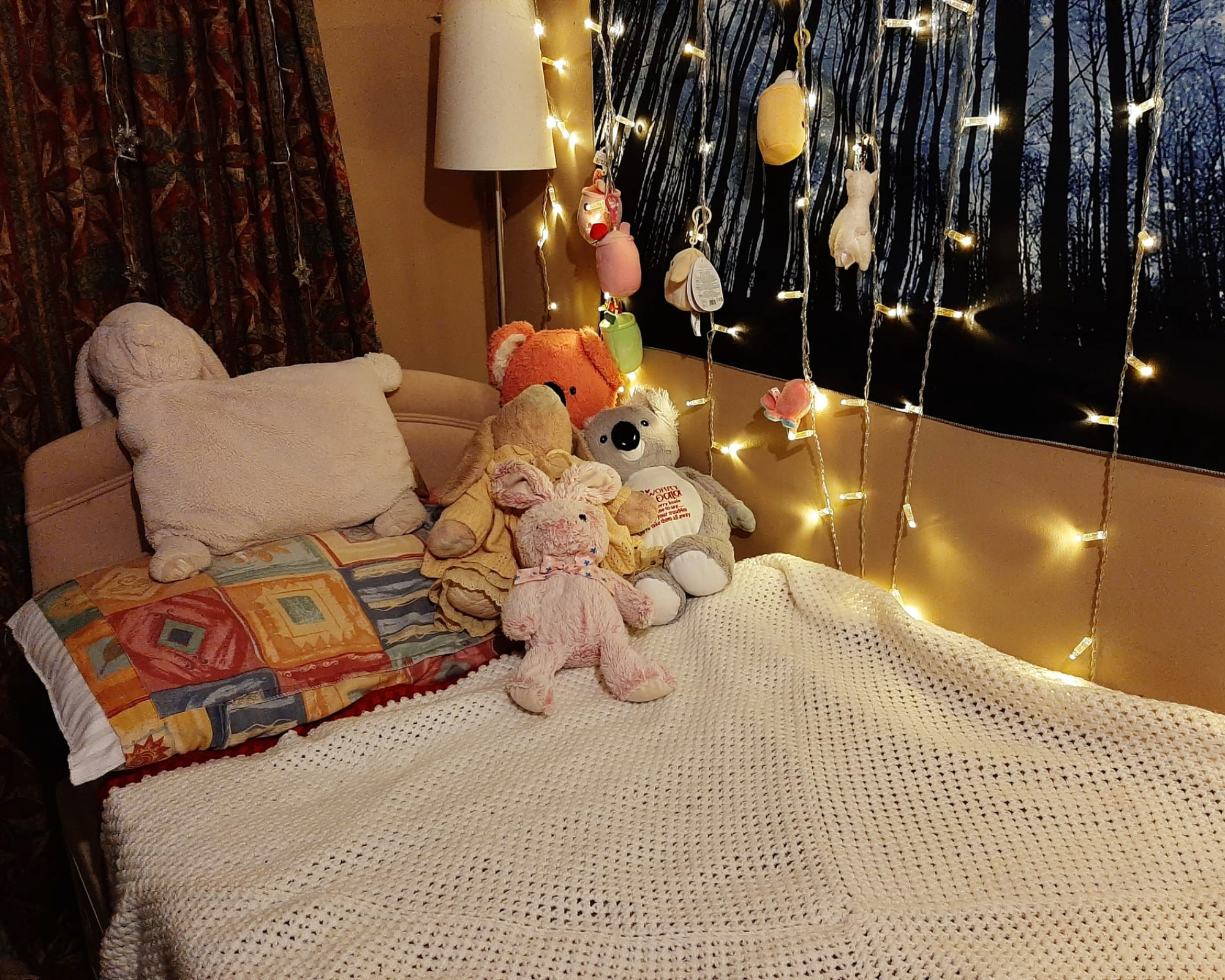
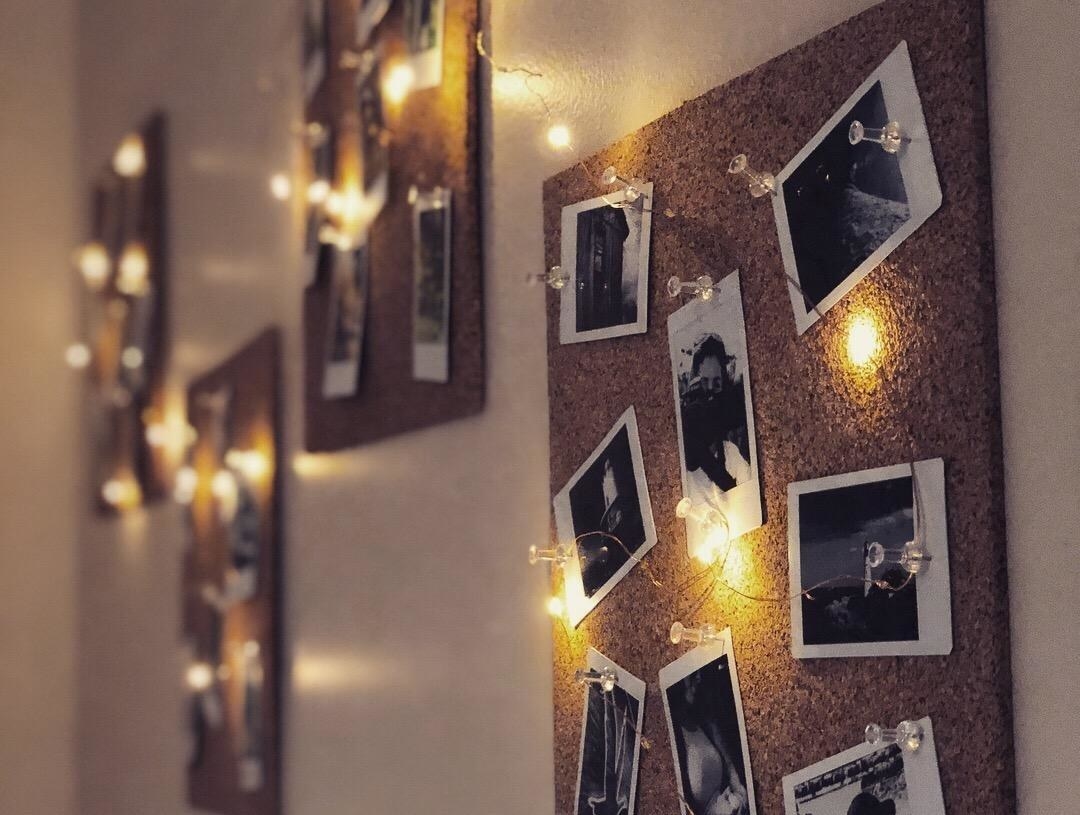
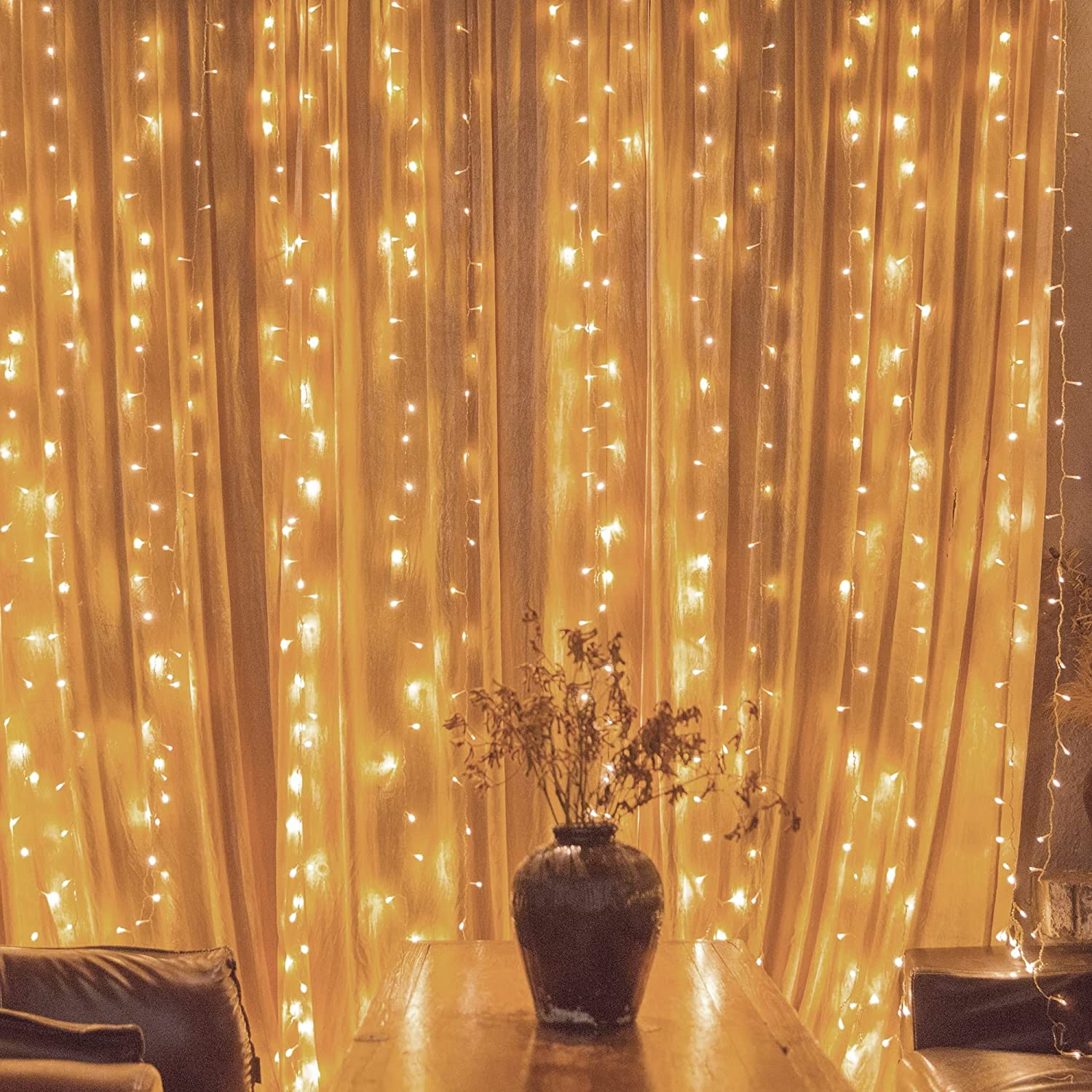
Lighting, especially natural daylight, profoundly affects mood, vitality, and sleep quality. Maximizing natural light through design choices, such as large windows, light-colored curtains, and open layouts, can significantly improve psychological health. Where natural light is limited, strategic use of artificial lighting can mimic natural patterns, providing warmth and brightness that positively influence circadian rhythms and emotional states. Proper lighting reduces eye strain and creates inviting, comfortable spaces.
Finally, the layout of a home plays a vital role in emotional comfort. Open and spacious layouts, free from excessive clutter, tend to facilitate better moods compared to cramped or cluttered environments. Thoughtful furniture arrangement and spatial planning can create a sense of openness, making rooms feel larger and more inviting. This thoughtful approach to layout and furniture placement can elevate emotions, reduce feelings of confinement, and encourage a sense of freedom and ease within the home.
#HomeDecor #MentalHealth #InteriorDesign #StressReduction #EmotionalWellbeing #ColorPsychology #BiophilicDesign #HomeOrganization #NaturalLighting #HomeDecor #MentalHealth #InteriorDesign #StressReduction #EmotionalWellbeing #ColorPsychology #BiophilicDesign #HomeOrganization #NaturalLighting
0 Kommentare insgesamt
 Noch keine Kommentare
Das könnte Ihnen auch gefallen
Yes, Your Home Decor Can Actually Make You Happier — Here's How

The Key Word for Bedroom Design This Year: Calm

10 Feng Shui Rules To Live By For A Calm, Restorative Space


'Comfort decorating' is all about making your home a sanctuary : Life Kit

The environment in which we live and our mental health are intricately connected

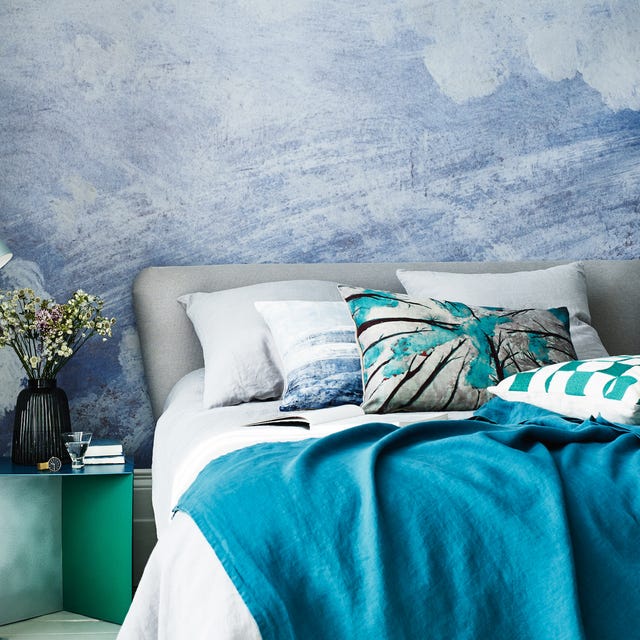
How to transform your bedroom into a wellbeing sanctuary, according to experts
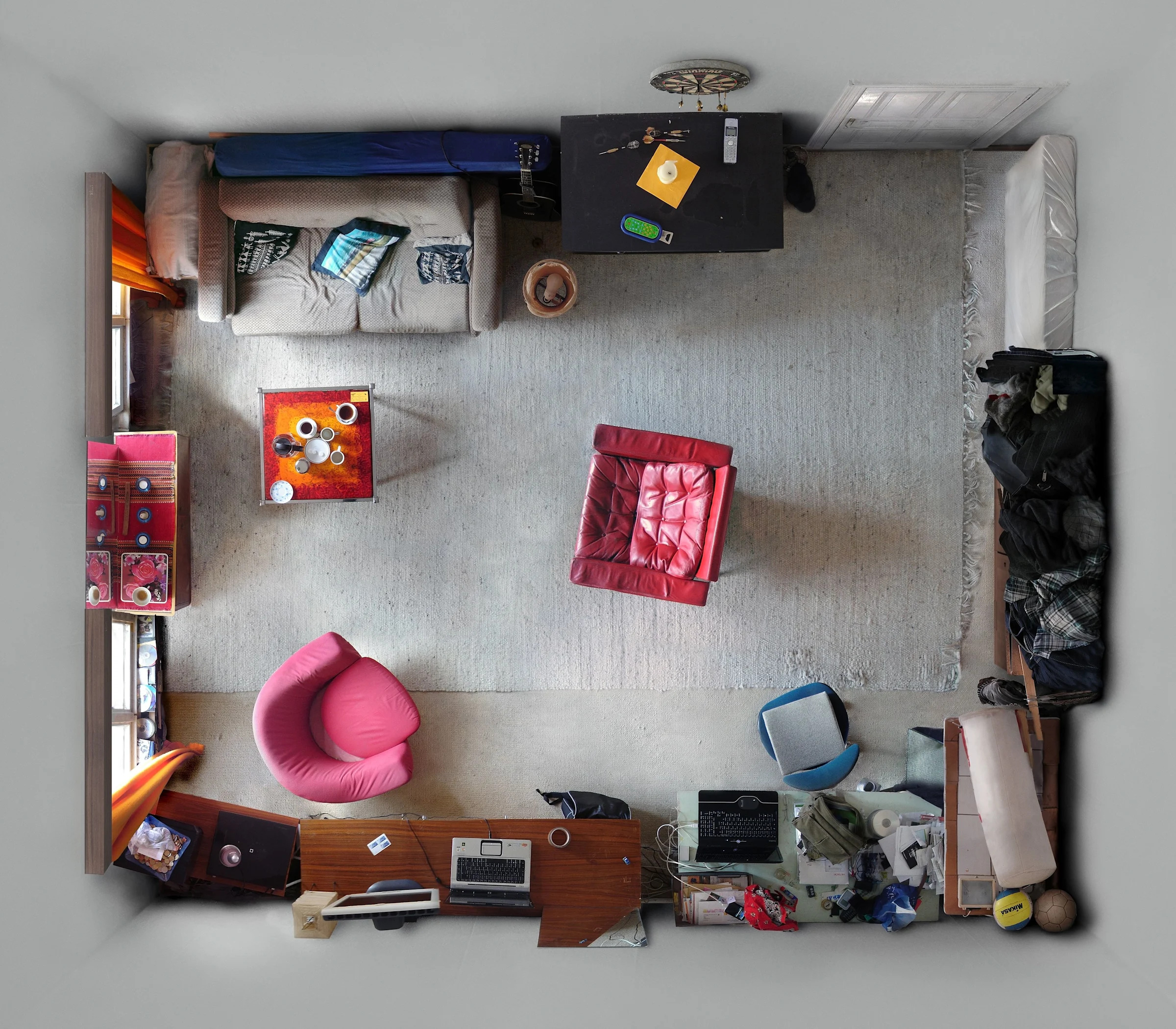
Can a Bad Floor Plan Affect Your Mental Health?

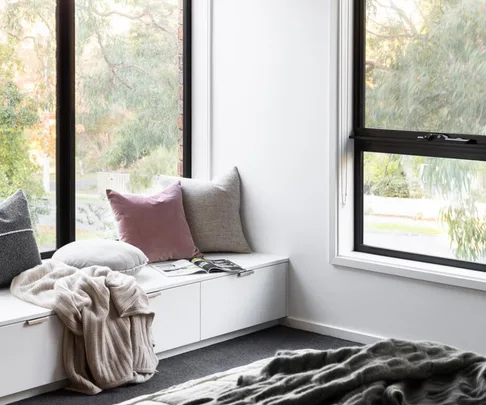
How to pretend you’re leaving the house (when you’re not)

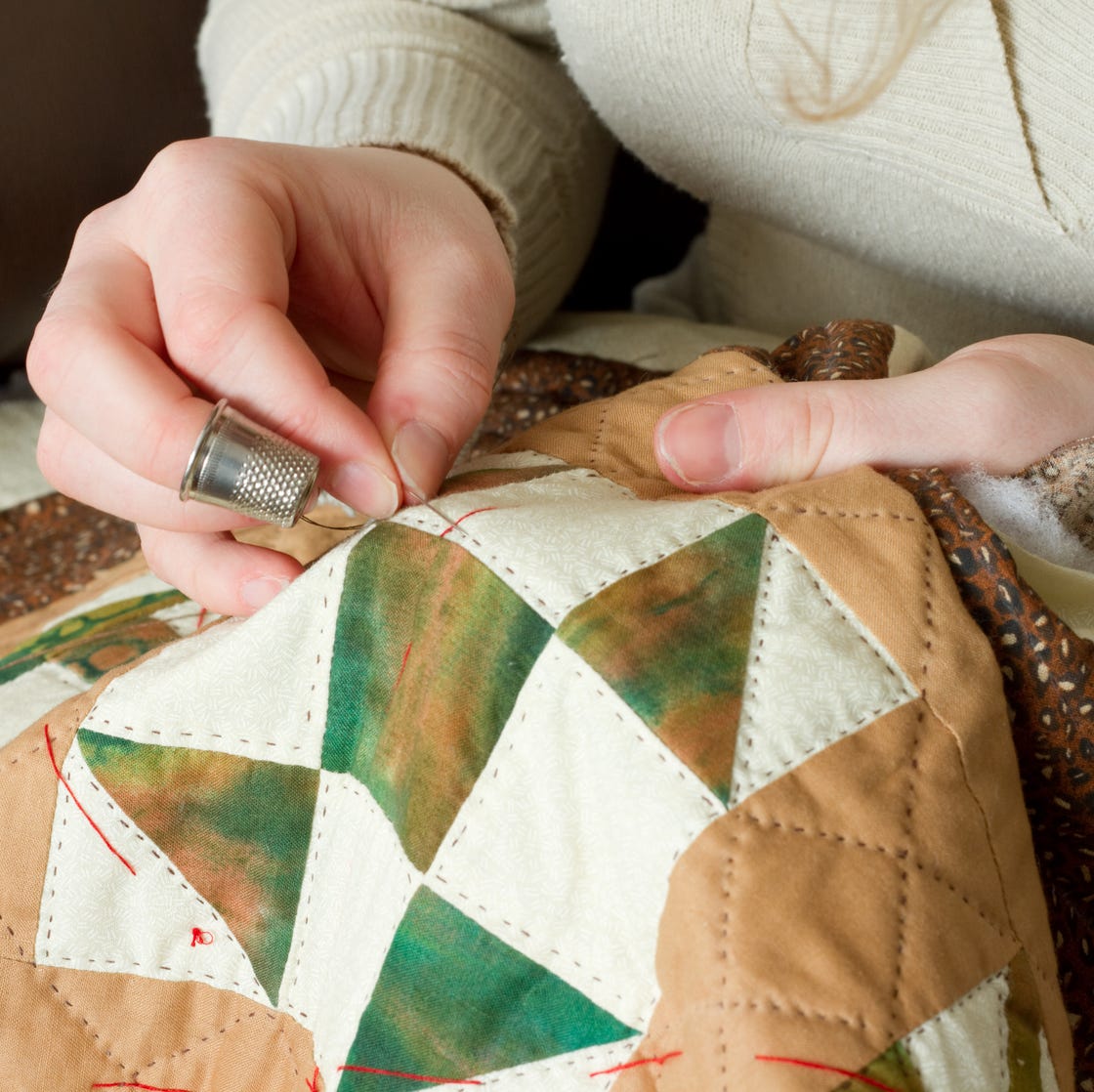
These 6 Home Decor Hobbies Can Actually Relieve Stress and Make You Happier

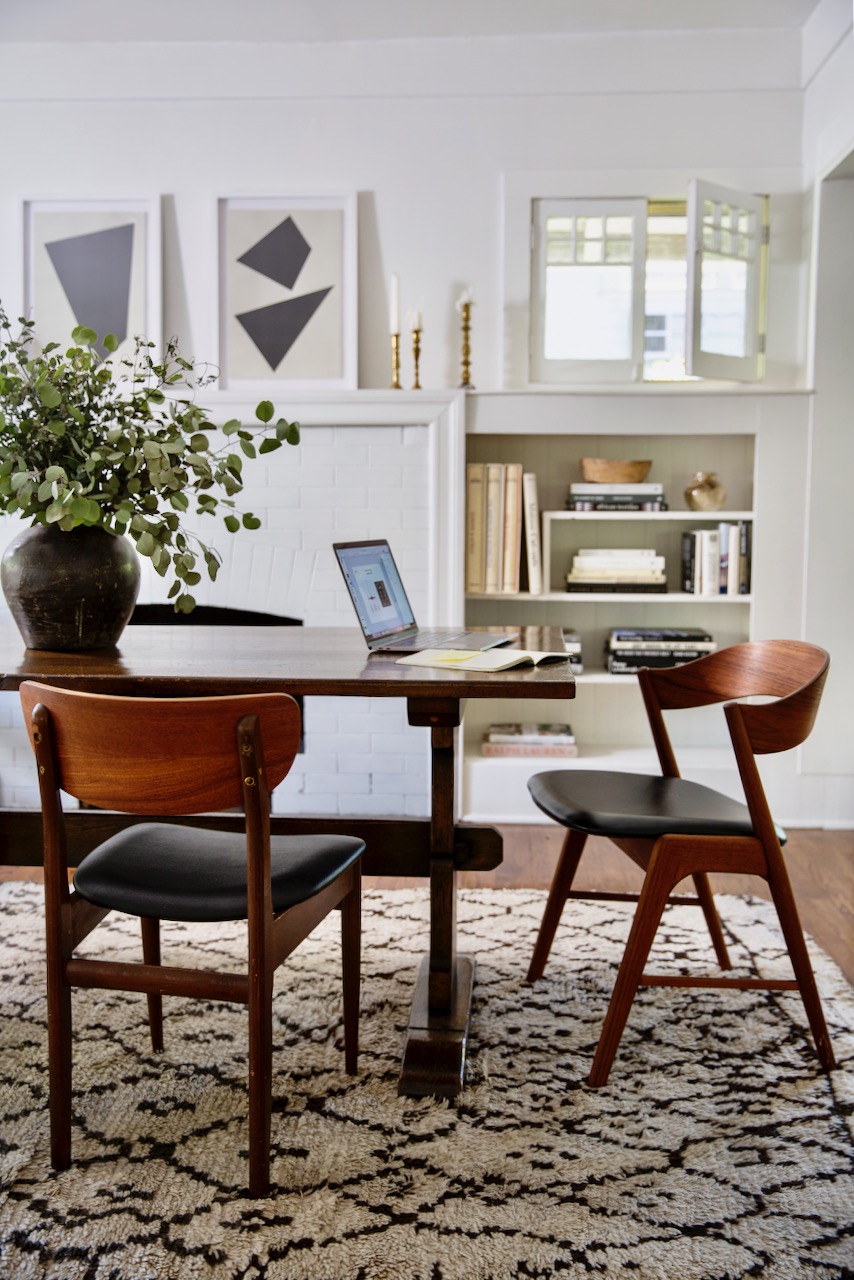
How These Interior Designers Are Staying Cozy (and Sane) at Home
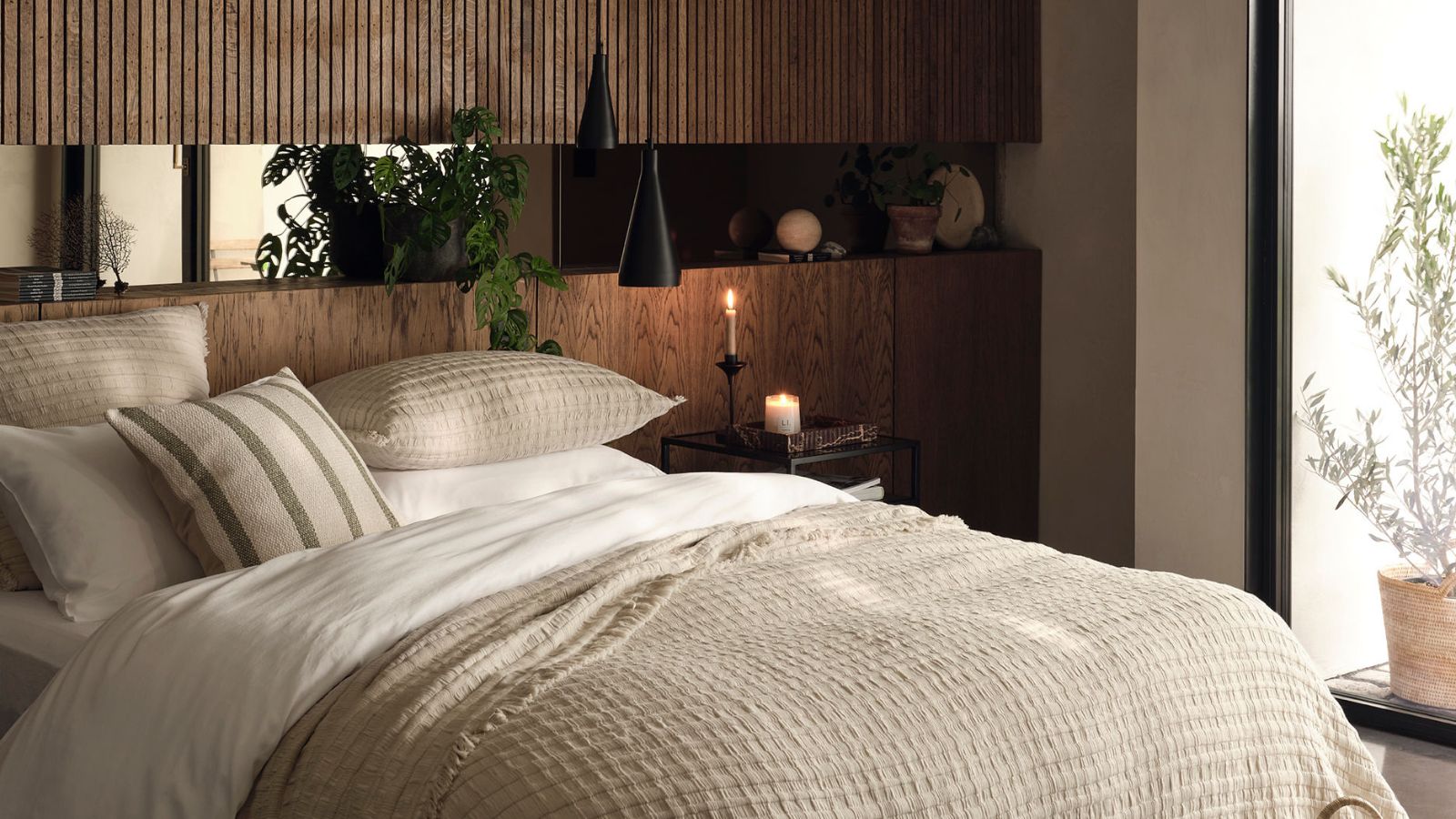
Sleep experts helped organize my bedroom for better sleep
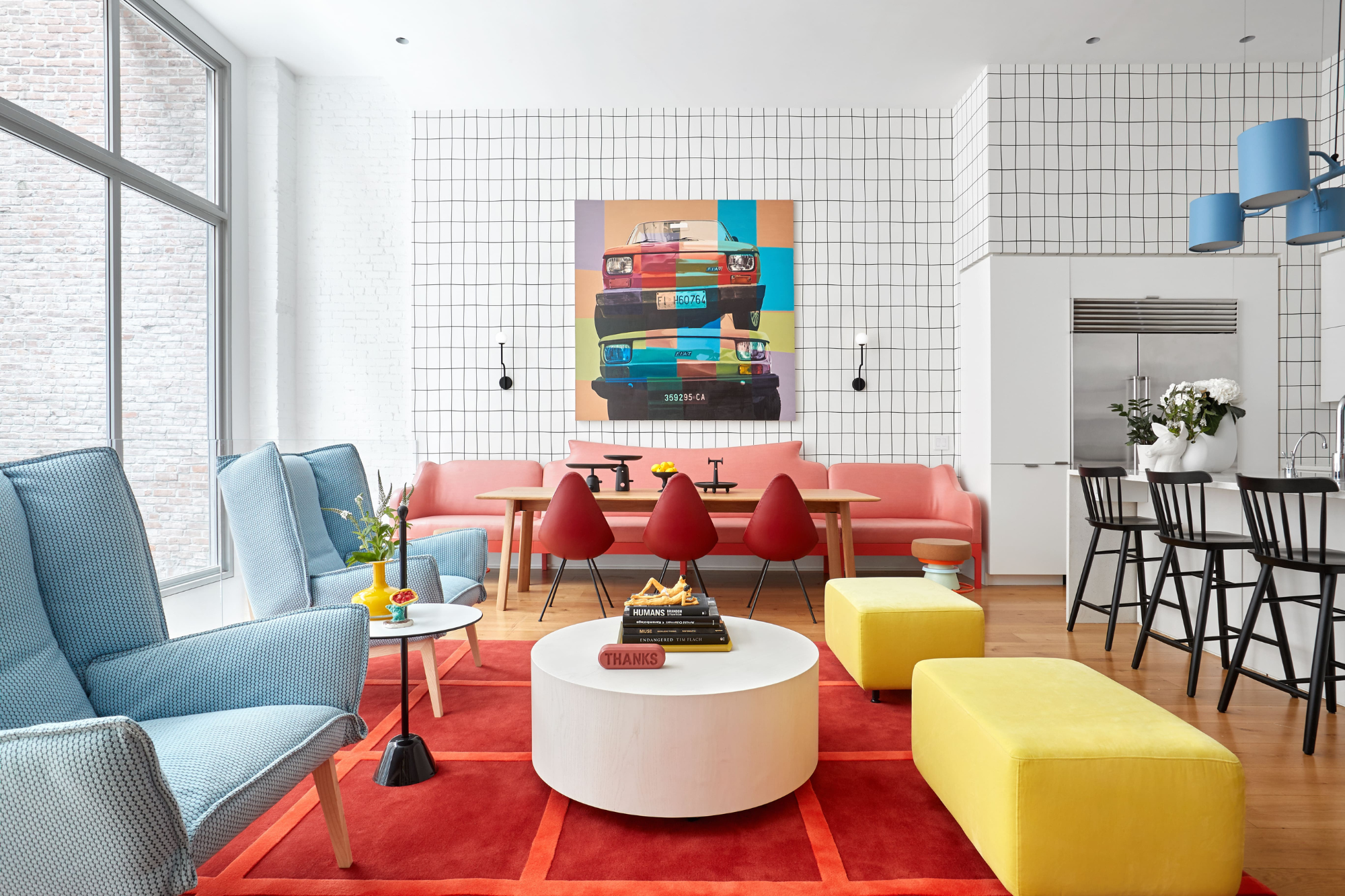
The Power of Color Psychology in Interior Design — How to Create a Home That Feels as Good as It Looks

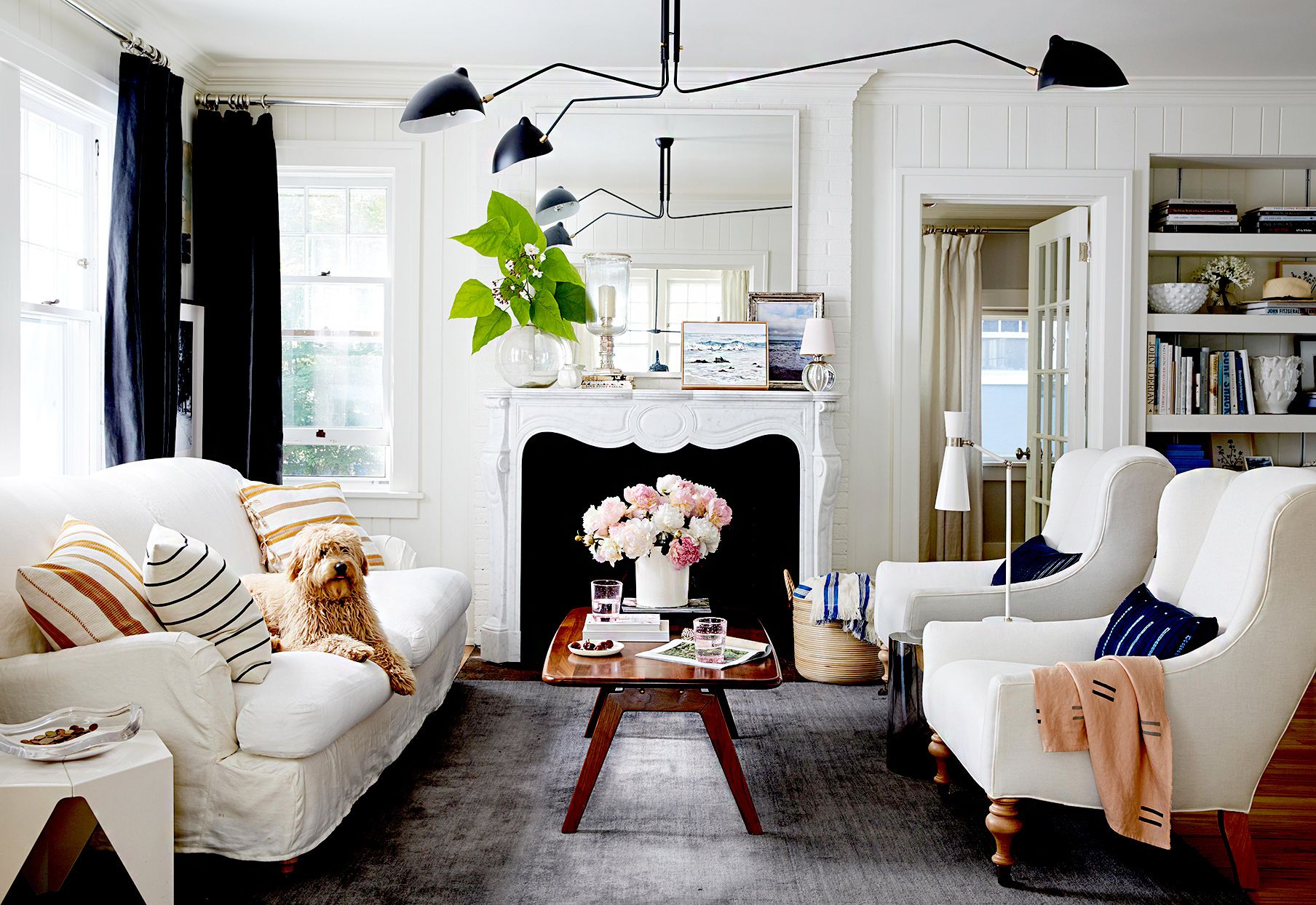
15 Soothing Decor Ideas to Help You Relax and Unwind at Home

Interior Designer Says Adding This to Your Home Will "Bring a Sense of Calm"
Psychologists Reveal the MAJOR Impact of Home Renovations on Your Mental Health

If You're Looking For Products That'll Make Your Home Cozier, Look No Further Than This List
Our Homes Have A Lot To Do With Mental Health — This Architect Is Sharing Ways To Make Yours Less Stressful

5 Things Wellness Experts Always Have in Their Bedrooms to Keep a Calm Space and Mind

Copy-And-Paste Interiors: Repeating A Look Isn’t Lazy — It’s Clever
8 Ways to Create a Stress-Free Bedroom for Better Sleep