1/32
30 Gorgeous Plants That Attract Hummingbirds to Your Garden
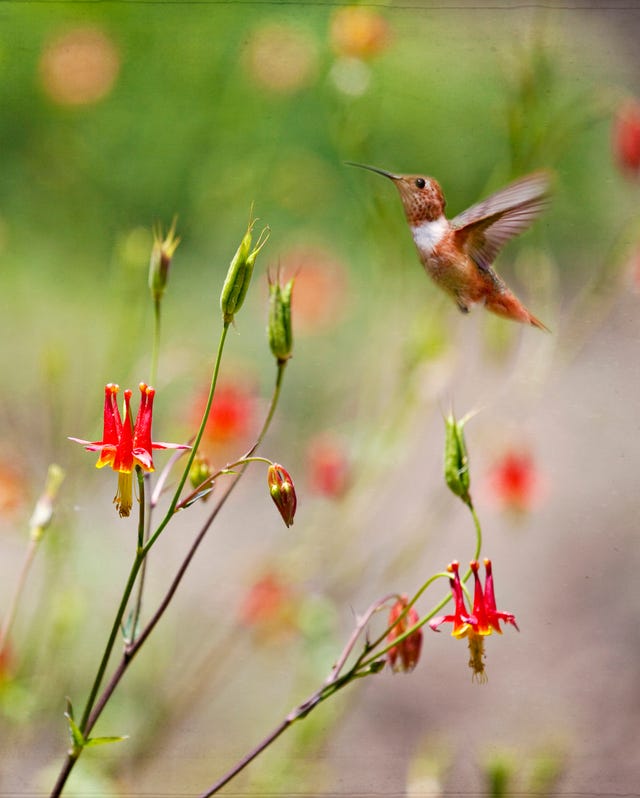
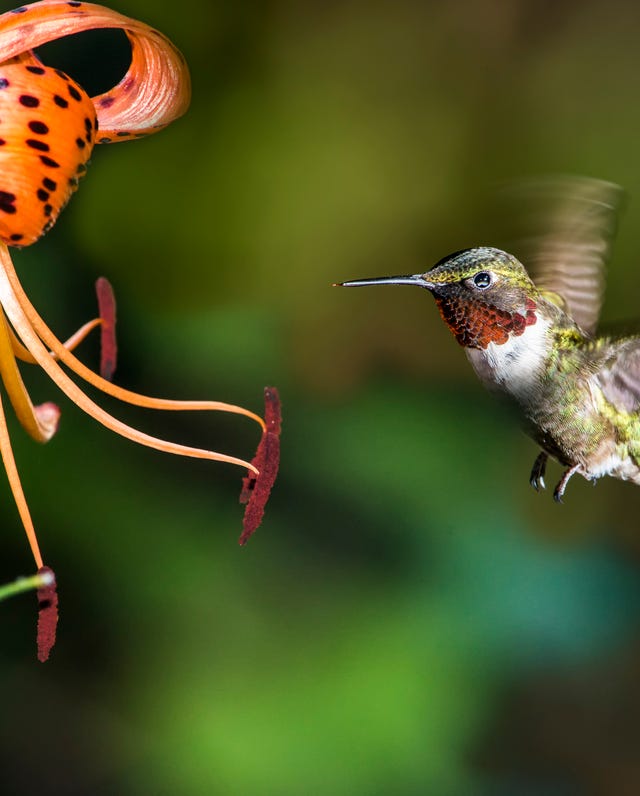
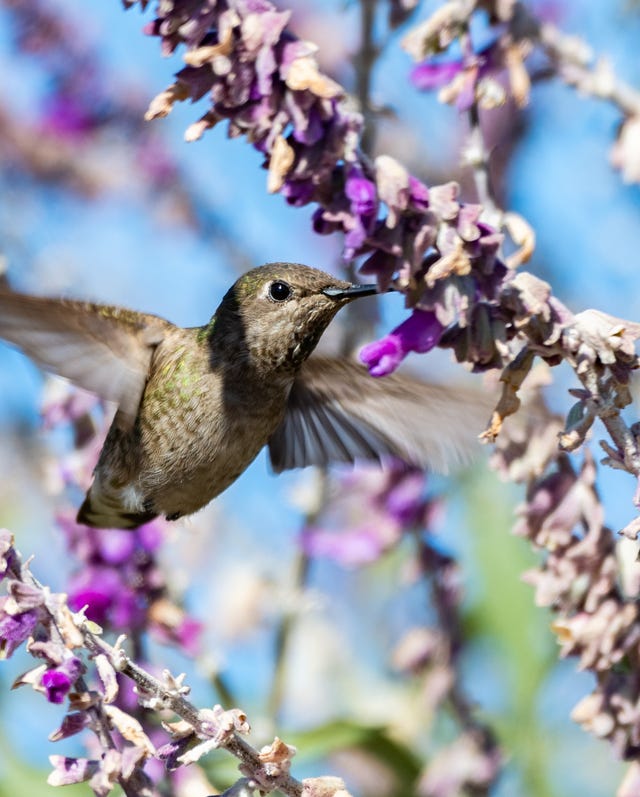
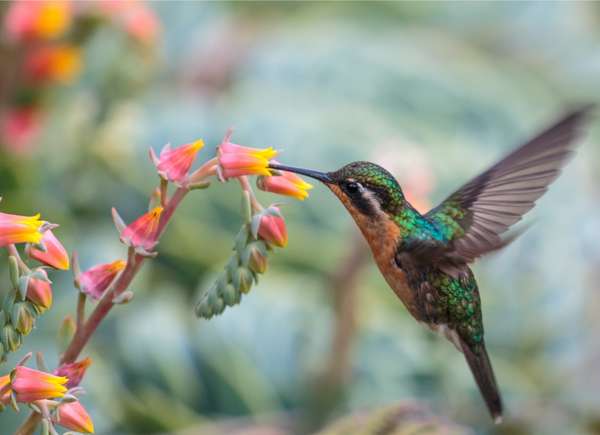
Hummingbirds, with over 300 known species globally, primarily inhabit the tropics of Central and South America, with about a dozen species migrating through North America. These tiny birds, including the minuscule bee hummingbird, possess an exceptionally high metabolic rate, necessitating constant feeding. They visit up to 2,000 flowers daily to consume sugary nectar, their primary energy source. To attract hummingbirds to a garden, particularly during spring and summer migrations, gardeners should select specific plant types. In the East, ruby-throated hummingbirds are common visitors, while Costa’s, Anna’s, Allen’s, black-chinned, and rufous hummingbirds are found in the West.
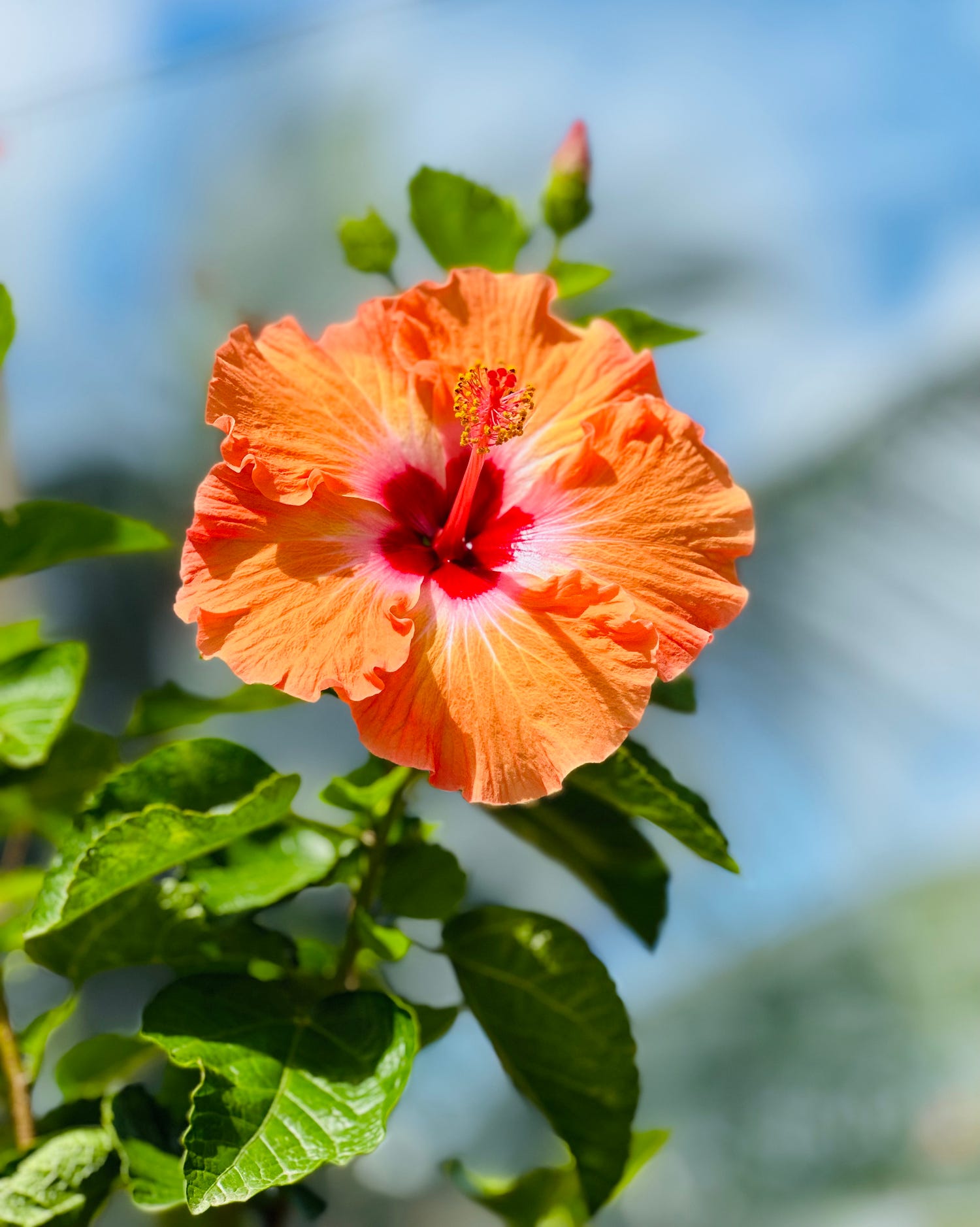
Hummingbirds are particularly drawn to brightly colored, tubular flowers, especially red ones, while yellow and white flowers are less appealing to them. Incorporating these types of flowers not only attracts hummingbirds but also adds vibrant color to the landscape. The article lists 30 flowers known to attract hummingbirds, emphasizing that these birds have learned to associate such colorful blooms with a good supply of nectar. It also advises consulting the updated 2023 USDA Plant Hardiness Zone Map to ensure selected plants are suitable for a specific region.
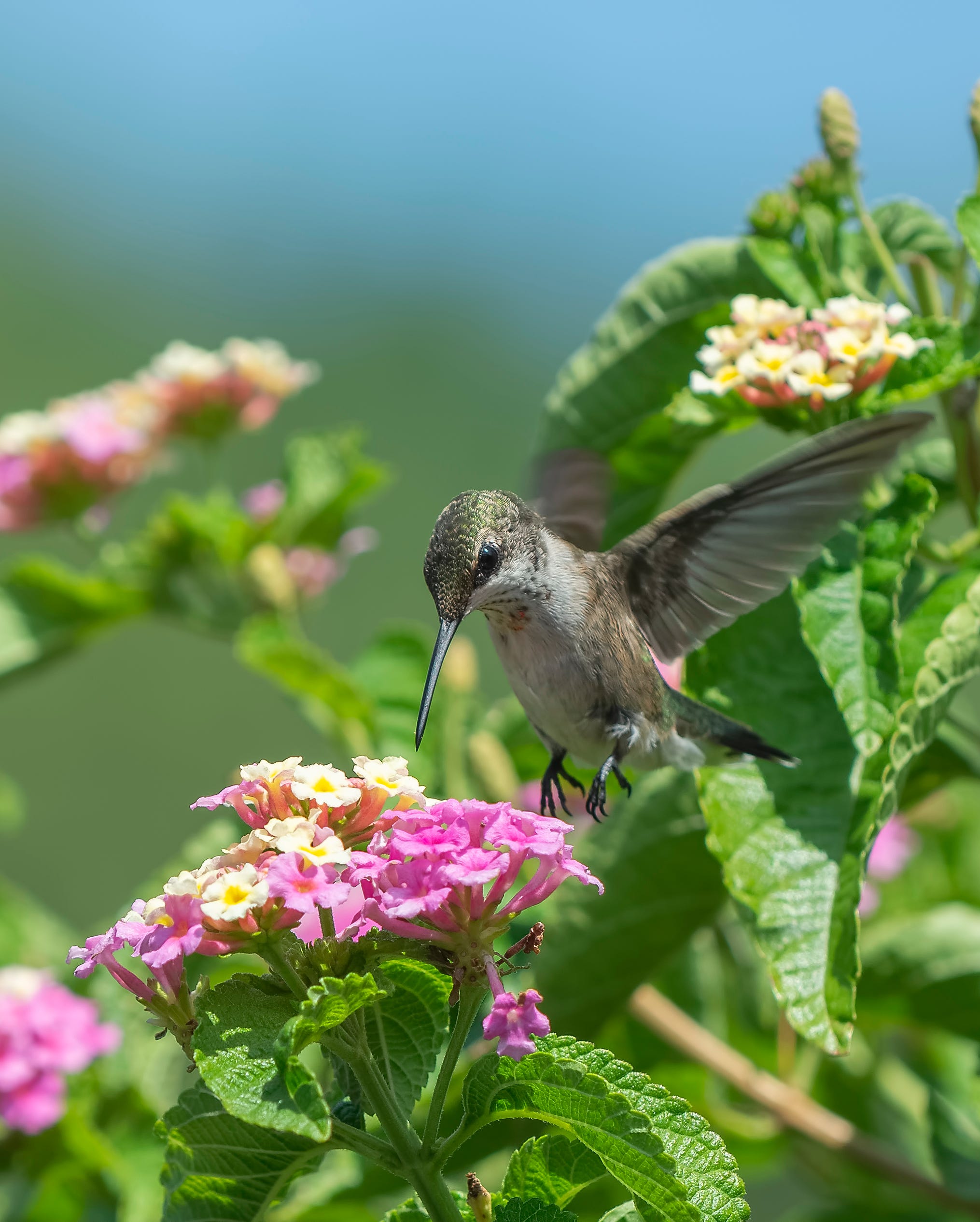
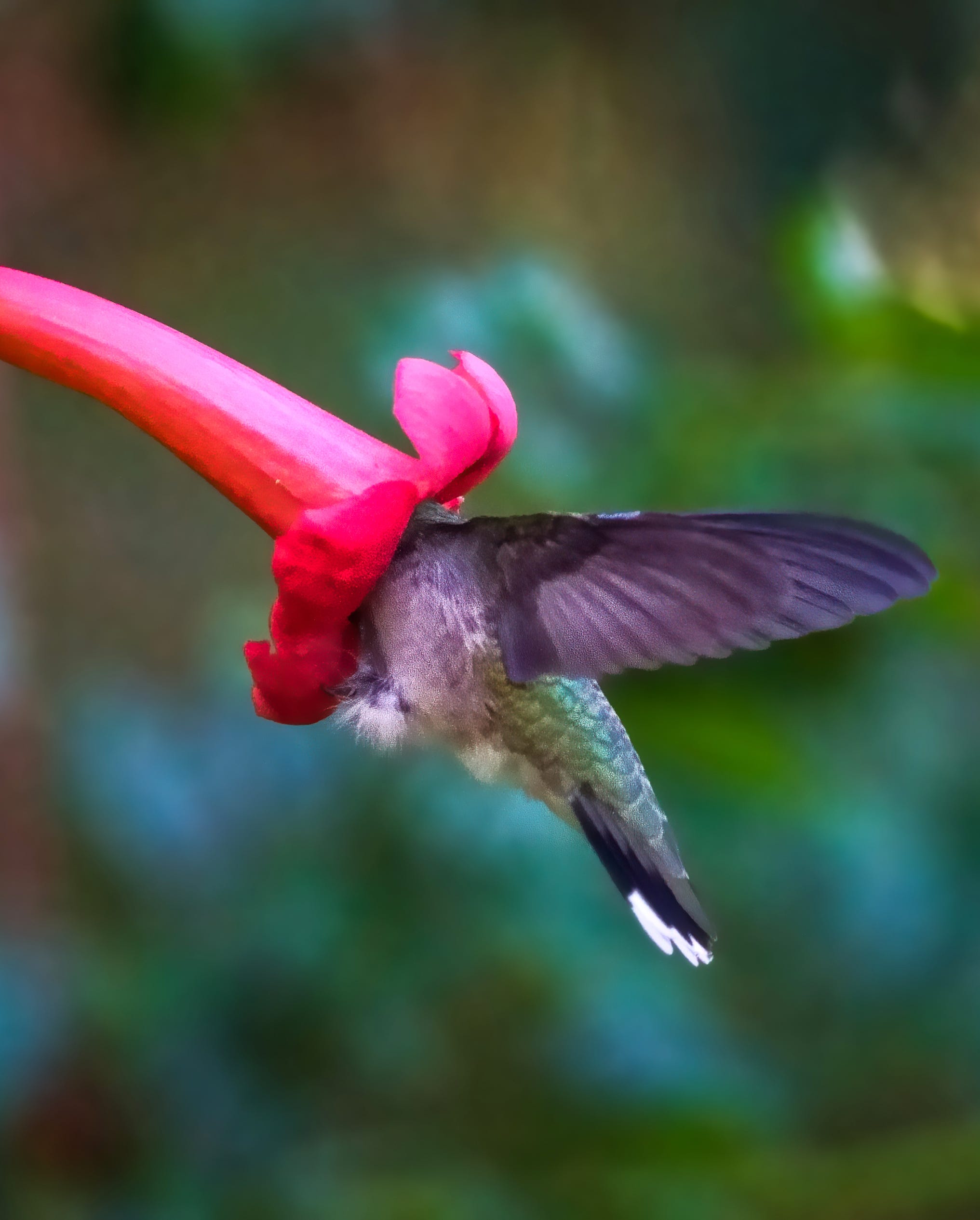
Among the recommended plants are Lantana (Lantana camara), known for its exuberant, clustered blooms in various colors, thriving in sunny spots and generally treated as an annual in colder zones but perennial in warmer climates. Penstemon (Penstemon species), a North American native with tubular flowers, comes in many colors and heights, preferring sunny locations with good drainage. Trumpet Vine (Campsis radicans), also called trumpet creeper, is a vigorous vine with bright orange flowers, native to eastern North America, requiring strong support and tolerating dry, poor soil.
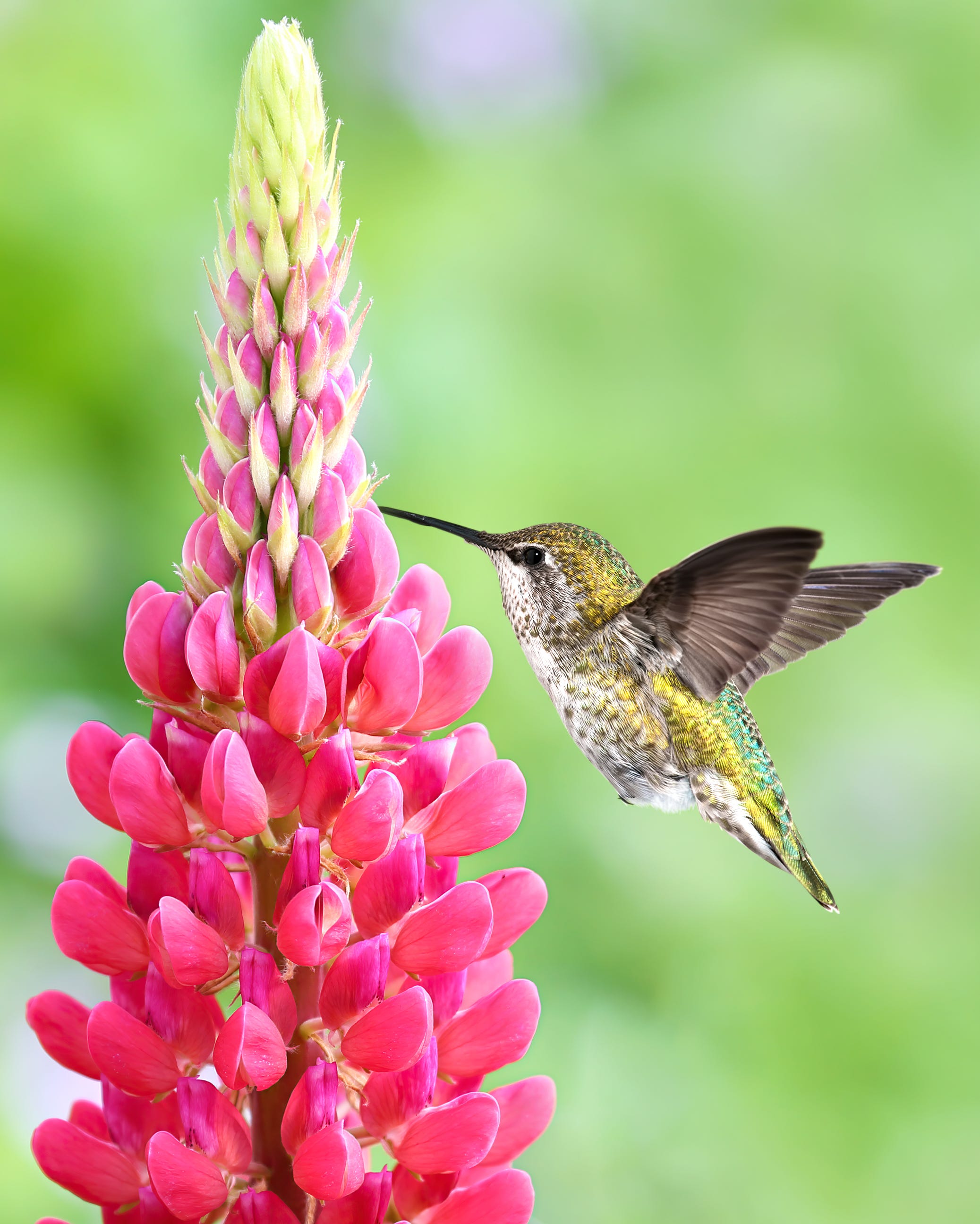
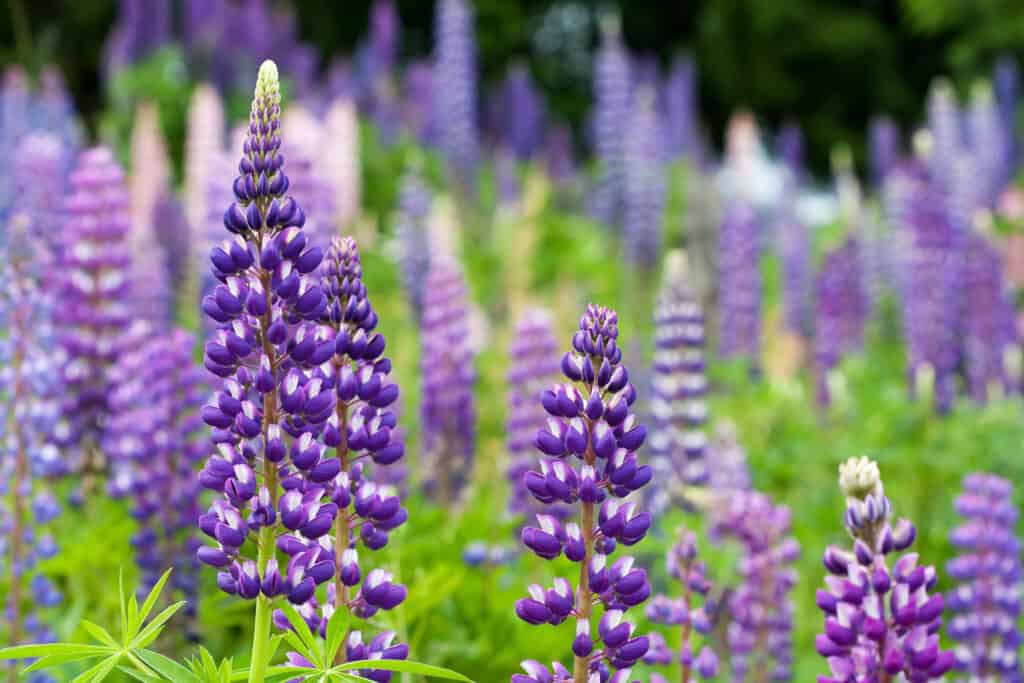
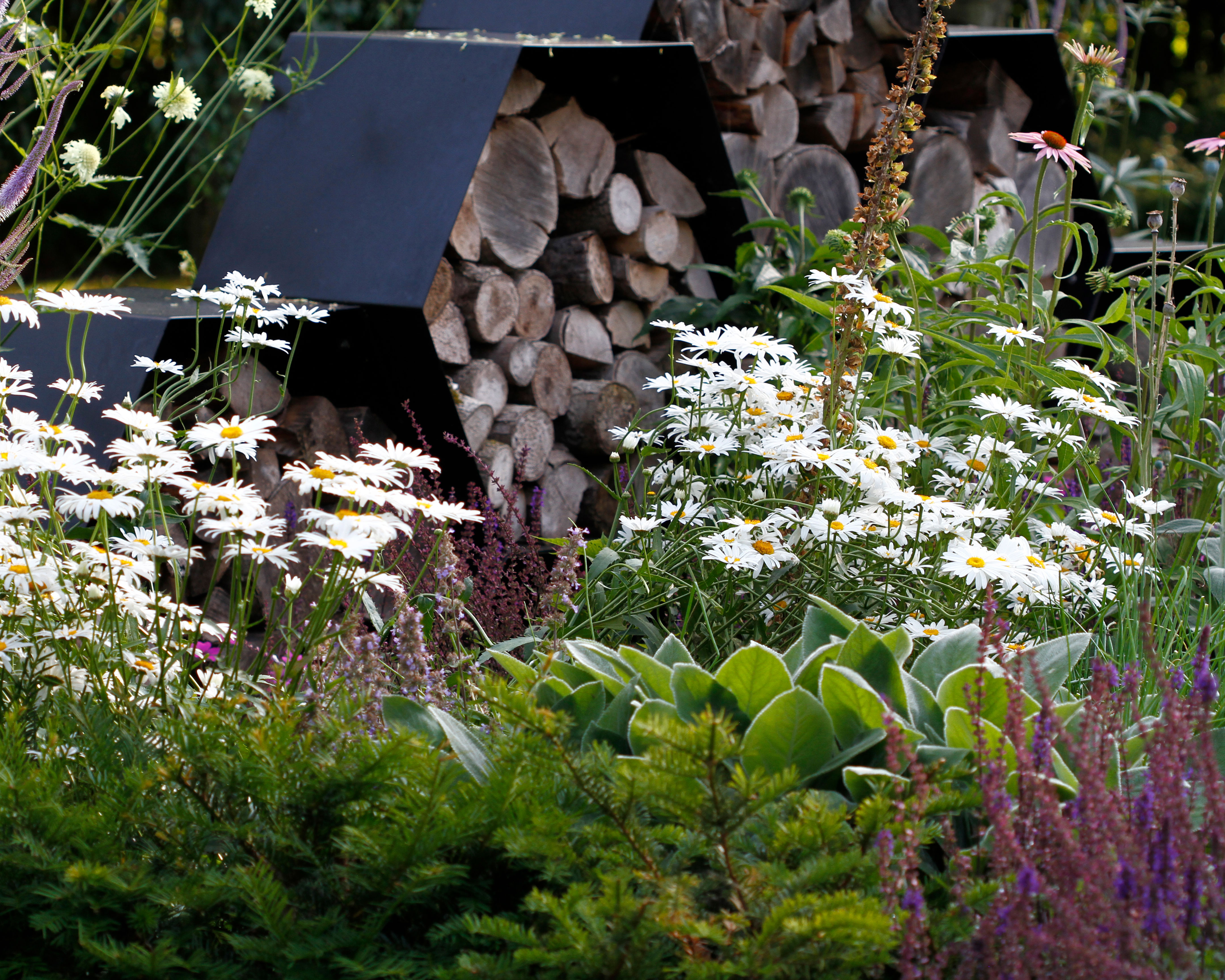
Petunias (Petunia species), popular spring-through-summer annuals, come in a wide range of colors and are easy to grow in containers or garden beds, with hummingbirds favoring red, purple, and pink varieties. Salvia (Salvia species), a large genus in the mint family, features tall spikes of clustered flowers and lance-shaped leaves. Various salvias, including 'Hot Lips' and autumn sage, attract hummingbirds, thriving in sunny, moderately drought-resistant conditions. Lupine (Lupinus x hybrid), North American natives with spikes of tubular flowers, attract many pollinators, preferring sunny, well-drained, slightly acidic soil. Columbine (Aquilegia species), a delicate-looking perennial, prefers partial shade and moist soil and attracts hummingbirds with its varied cultivars, especially red columbine.
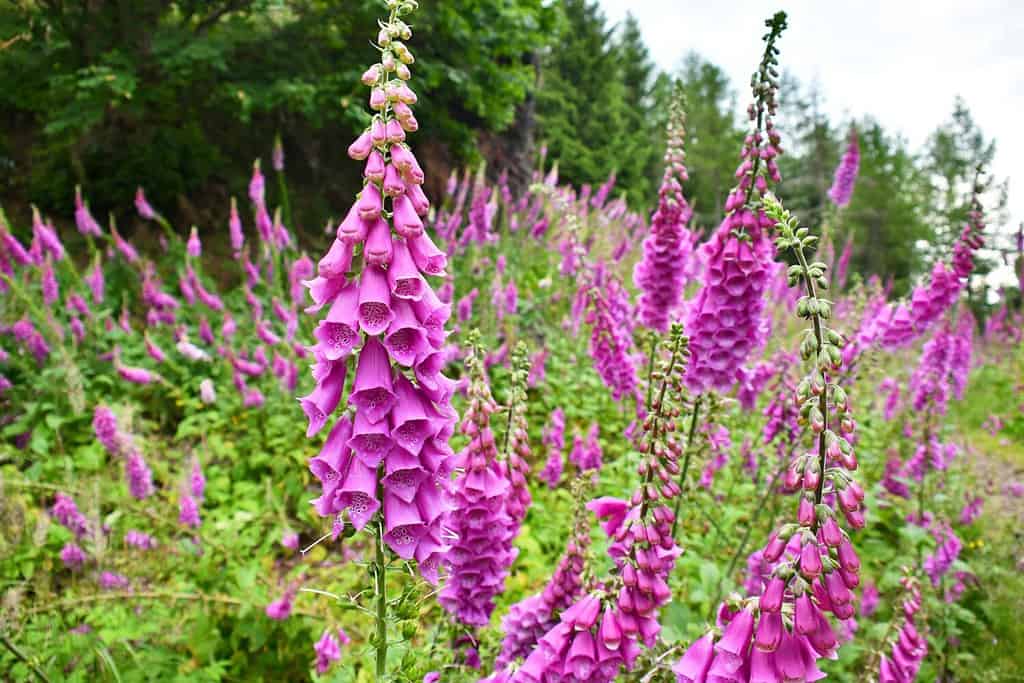
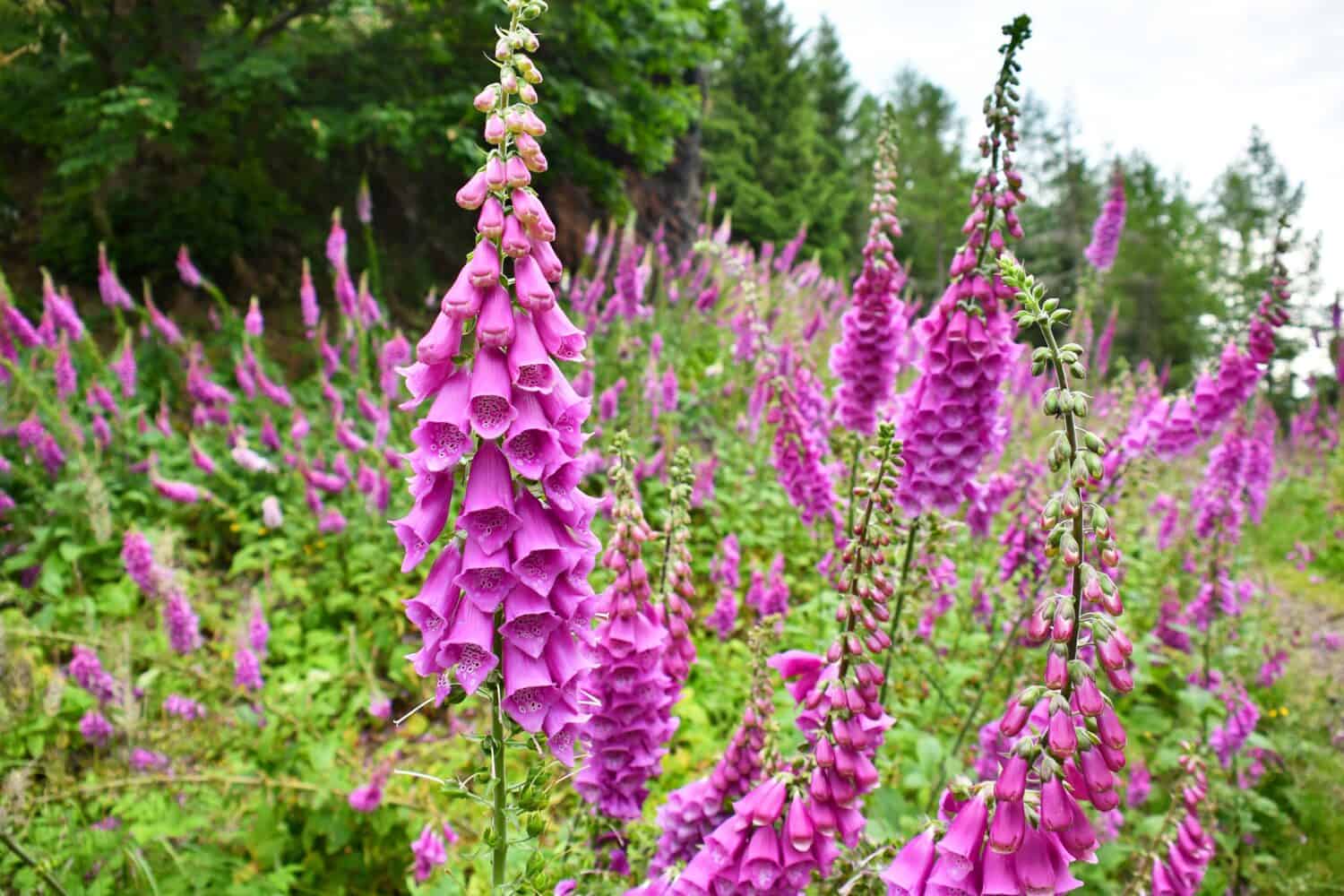
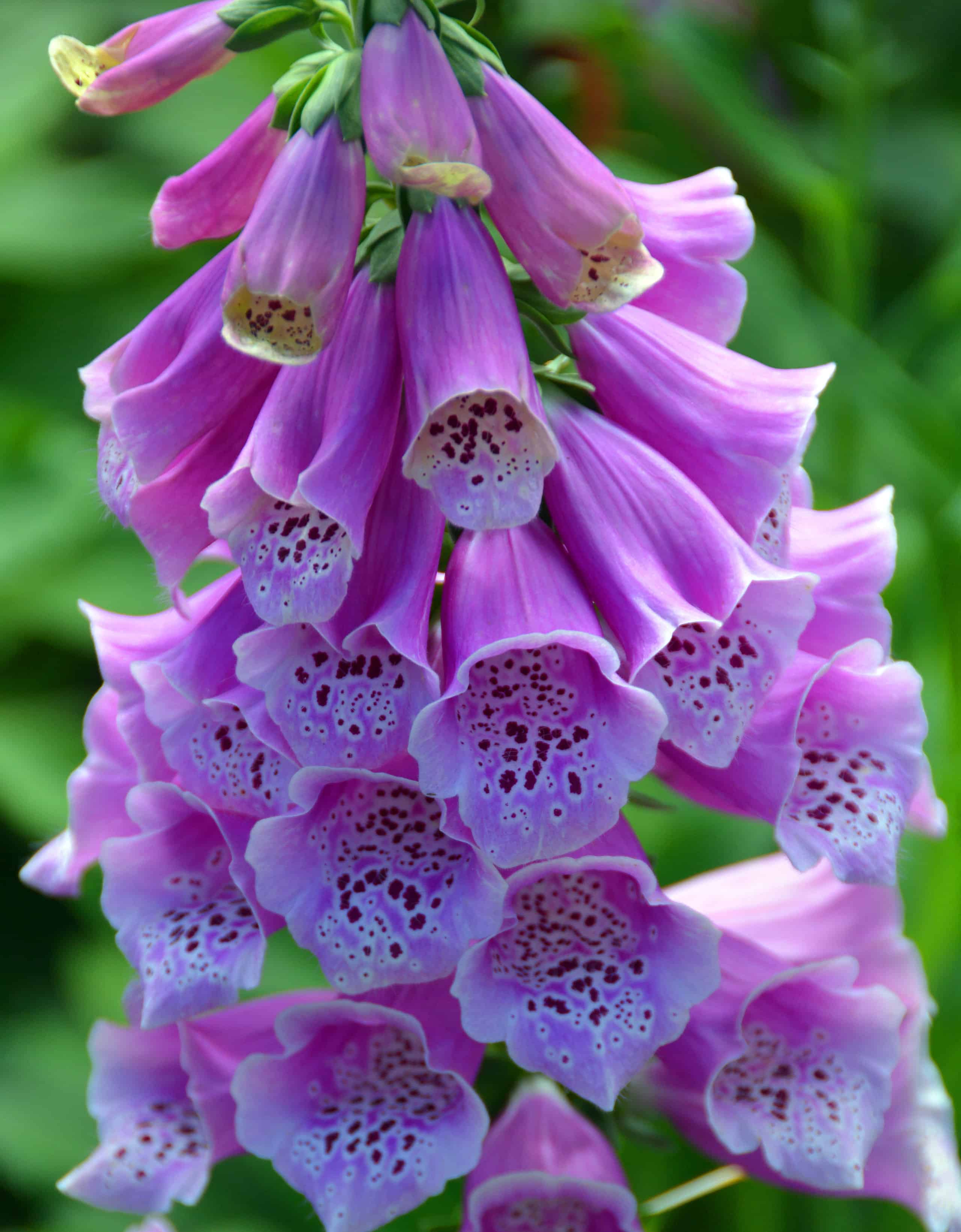
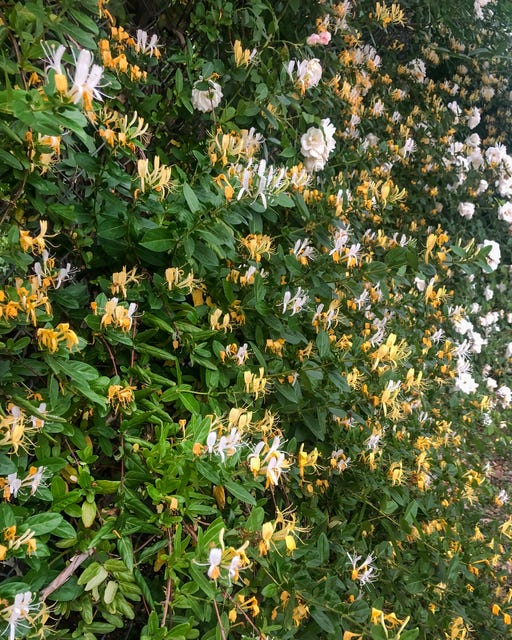
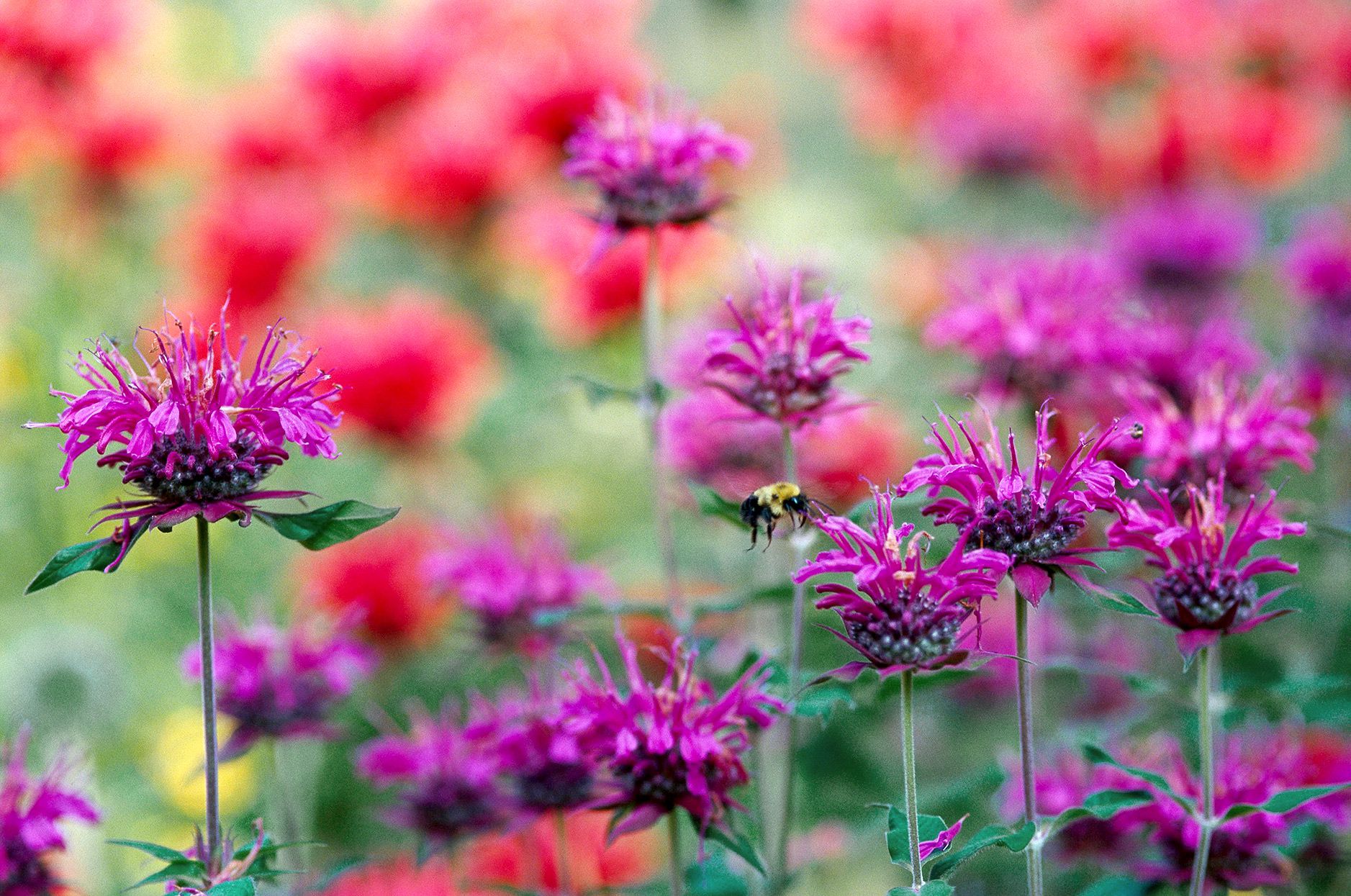
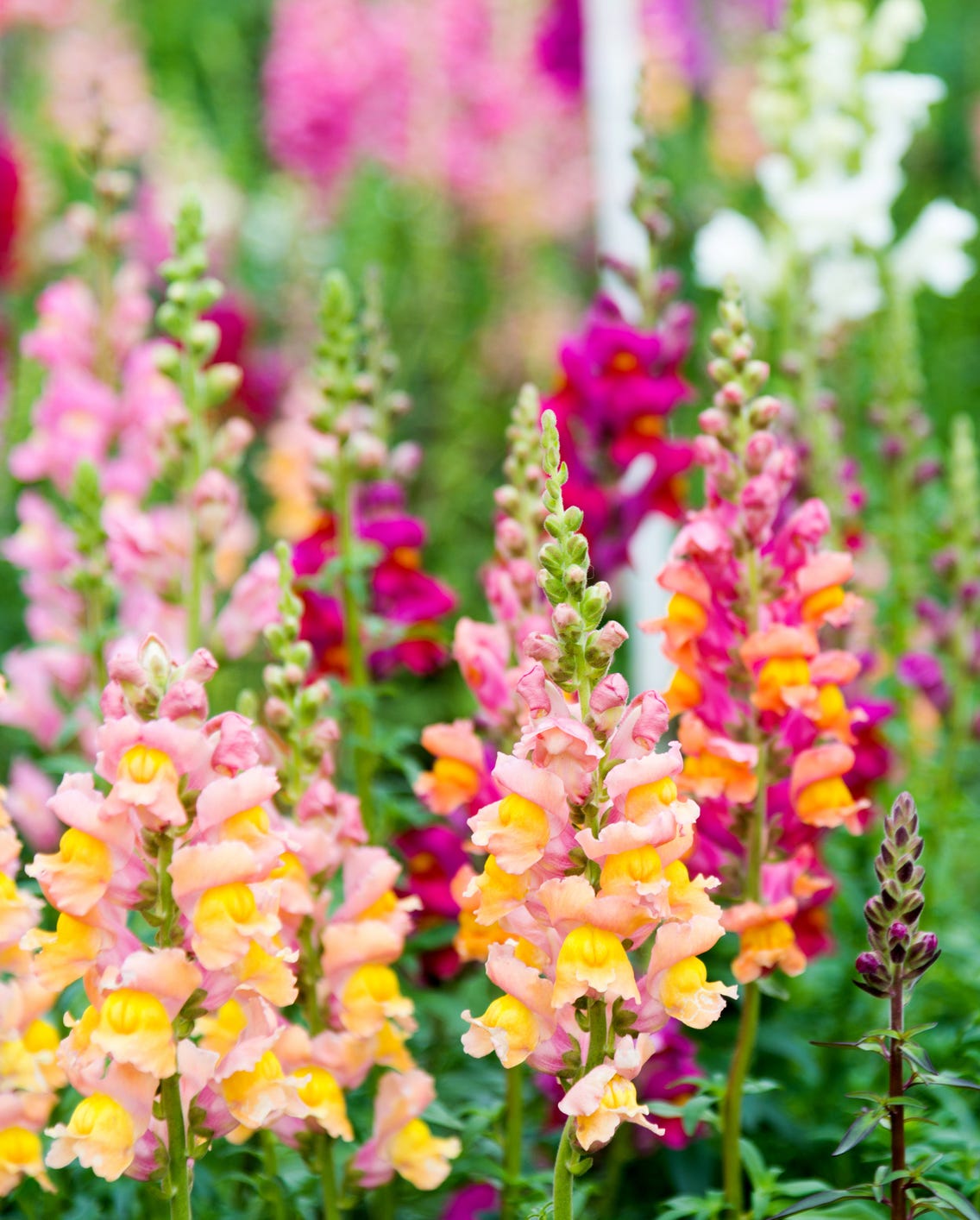
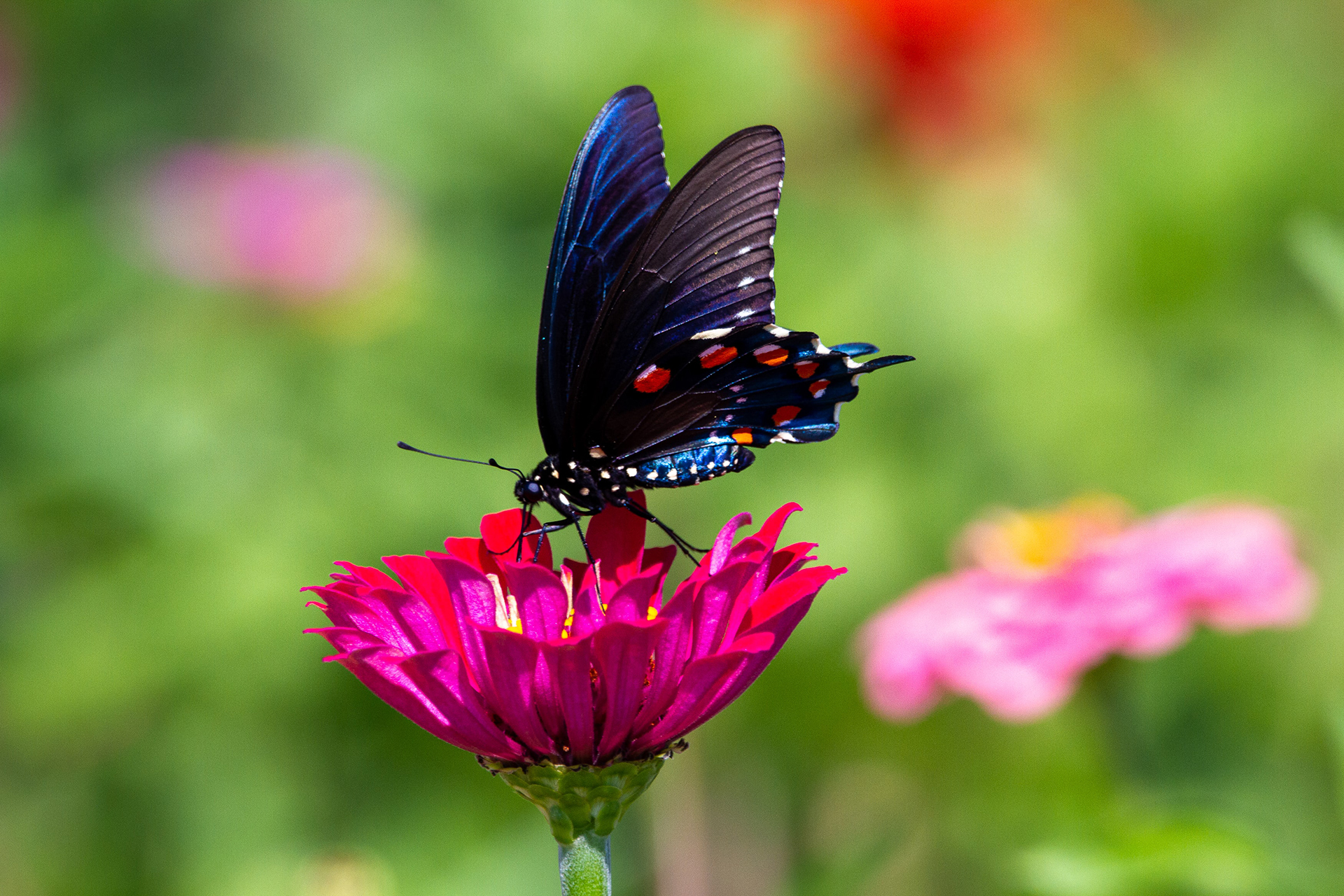
Cardinal Flower (Lobelia cardinalis), a North American native with bright red tubular blooms, is a primary pollinator for hummingbirds, preferring moist, shady conditions. Hosta (Hosta species), a shade garden staple, is known for its foliage but also produces small white or purple tubular flowers that hummingbirds enjoy. Cigar Plant (Cuphea ignea), also known as firecracker plant, has long, thin orange flowers that are a favorite of hummingbirds, thriving in full sun to part shade and warmer climates. Flowering Tobacco (Nicotiana alata), typically grown as an annual, offers fragrant white, red, pink, or green blossoms that attract pollinators, doing best in rich, well-drained soil. Bee Balm (Monarda species), another North American native from the mint family, features red, pink, purple, or white flowers that attract various pollinators, preferring full sun and moist soil. Zinnia (Zinnia violacea), an easy-to-grow, heavy bloomer, is a staple for cutting gardens, available in many colors and shapes, and is deer-resistant. Annual Geranium (Pelargonium species), colorful and hardy, thrives in full sun and provides abundant blooms, making it suitable for hanging baskets or flower beds. Bleeding Heart (Lamprocapnos spectabilis) is a delicate spring bloomer for shady or semi-shady spots, attracting hummingbirds with its heart-shaped flowers. Lilac (Syringa vulgaris), a deciduous shrub prized for its aromatic clusters of purple or white flowers, serves as a buffet for hummingbirds, preferring rich, moist, well-drained soil. Fuchsia (Fuchsia species) has exotic, dangling flowers that make it an excellent choice for hanging baskets, preferring rich, moist soil and partial to full shade. Snapdragon (Antirrhinum majus) offers sweet nectar and blooms in various colors and sizes, thriving in moderate to cooler temperatures. Begonia (Begonia species), particularly the wax begonia, prefers partial shade and moist soil, providing shimmery blooms. Catmint (Nepeta species) is an easy-to-grow perennial herb with delicate gray-green foliage and spikes of flowers that attract hummingbirds. Foxglove (Digitalis purpurea) adds height to a garden with its tubular, bell-shaped flowers and is deer-resistant. Daylilies (Hemerocallis species) are low-maintenance perennials with large, trumpet-shaped flowers. Rhododendron (Rhododendron species), a woody shrub with showy clusters of bell-shaped flowers, prefers acidic soil and sunny locations. Wisteria (Wisteria species), a fragrant vine with grape-like clusters of lavender flowers, requires careful pruning to manage its aggressive growth. Hollyhocks (Alcea rosea), tall, self-seeding perennials, produce multi-petaled flowers and prefer full sun. Honeysuckle (Lonicera species), with its sweet-smelling flowers, attracts hummingbirds and is heat-tolerant. Morning Glory (Ipomoea species), a fast-growing vine with trumpet-shaped flowers, prefers moist, well-draining soil. Chaste Tree (Vitex agnus-castus) produces masses of purple blooms similar to lilacs, attracting pollinators. Esperanza (Tecoma stans), also known as yellow bells, offers clusters of yellow, bell-shaped flowers and thrives in heat. Bird of Paradise (Caesalpinia gilliesii) has spectacular yellow flowers with long red stamens, is drought-tolerant, and prefers full sun. Beyond planting flowers, attracting hummingbirds involves providing nesting habitats in shrubs and small trees, encouraging insect populations by limiting pesticides, offering water features like bird baths, and hanging nectar feeders with a simple sugar-water solution. Maintaining a clean feeder is crucial for the birds' health.
#HummingbirdAttraction #GardenPlants #NectarFlowers #PollinatorGarden #FlowerGardening #DroughtTolerantPlants #ShadeGardenPlants #PerennialFlowers #AnnualFlowers #HummingbirdAttraction #GardenPlants #NectarFlowers #PollinatorGarden #FlowerGardening #DroughtTolerantPlants #ShadeGardenPlants #PerennialFlowers #AnnualFlowers
0 Kommentare insgesamt
 Noch keine Kommentare
Das könnte Ihnen auch gefallen
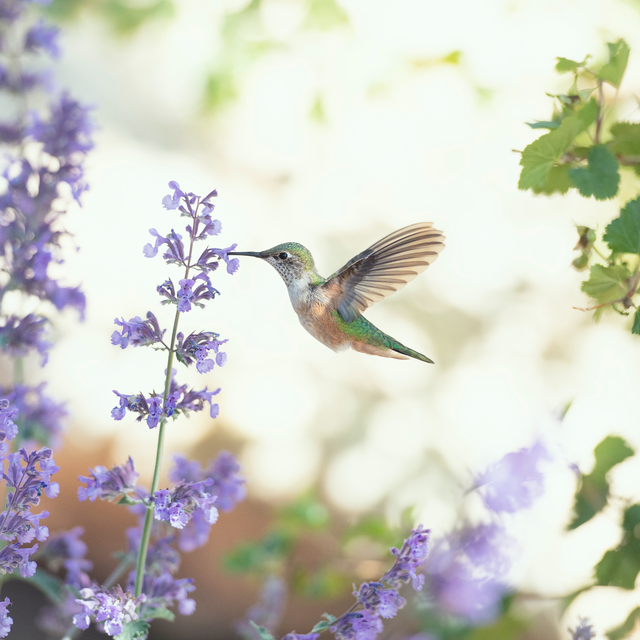
These Colorful Flowers Will Attract Hummingbirds to Your Yard

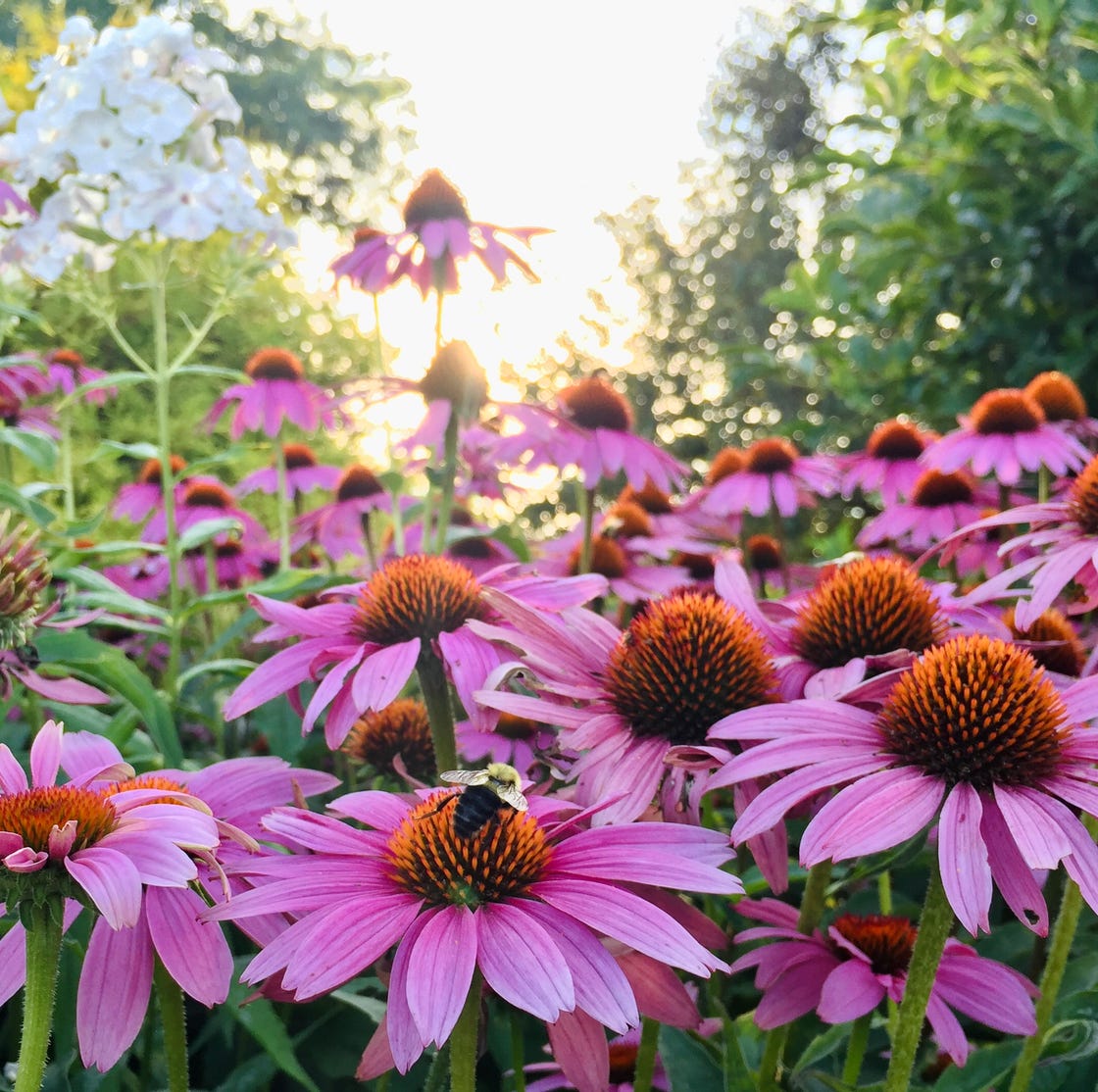
22 Beautiful, Bee-Friendly Flowers That'll Turn Your Garden Into a Pollinator Paradise

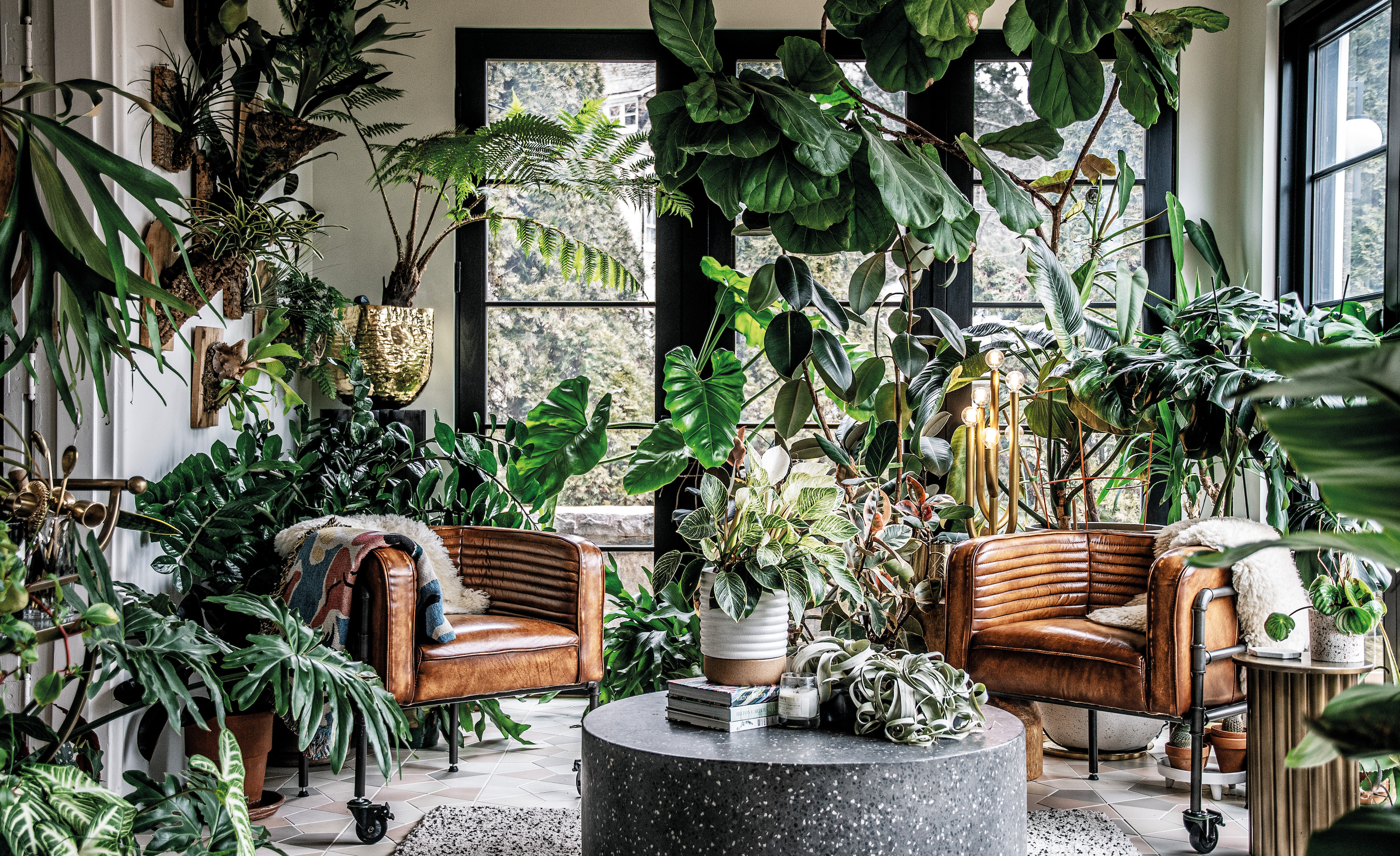
10 Indoor Climbing Plants That Will Take Your Blooms to New Heights — And Make Your Home Look Lush

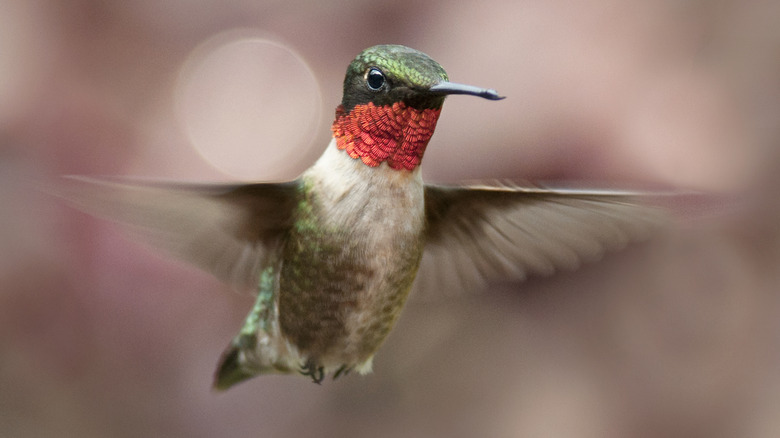
The Bright Purple Flower That'll Make Your Hanging Baskets Irresistible To Hummingbirds
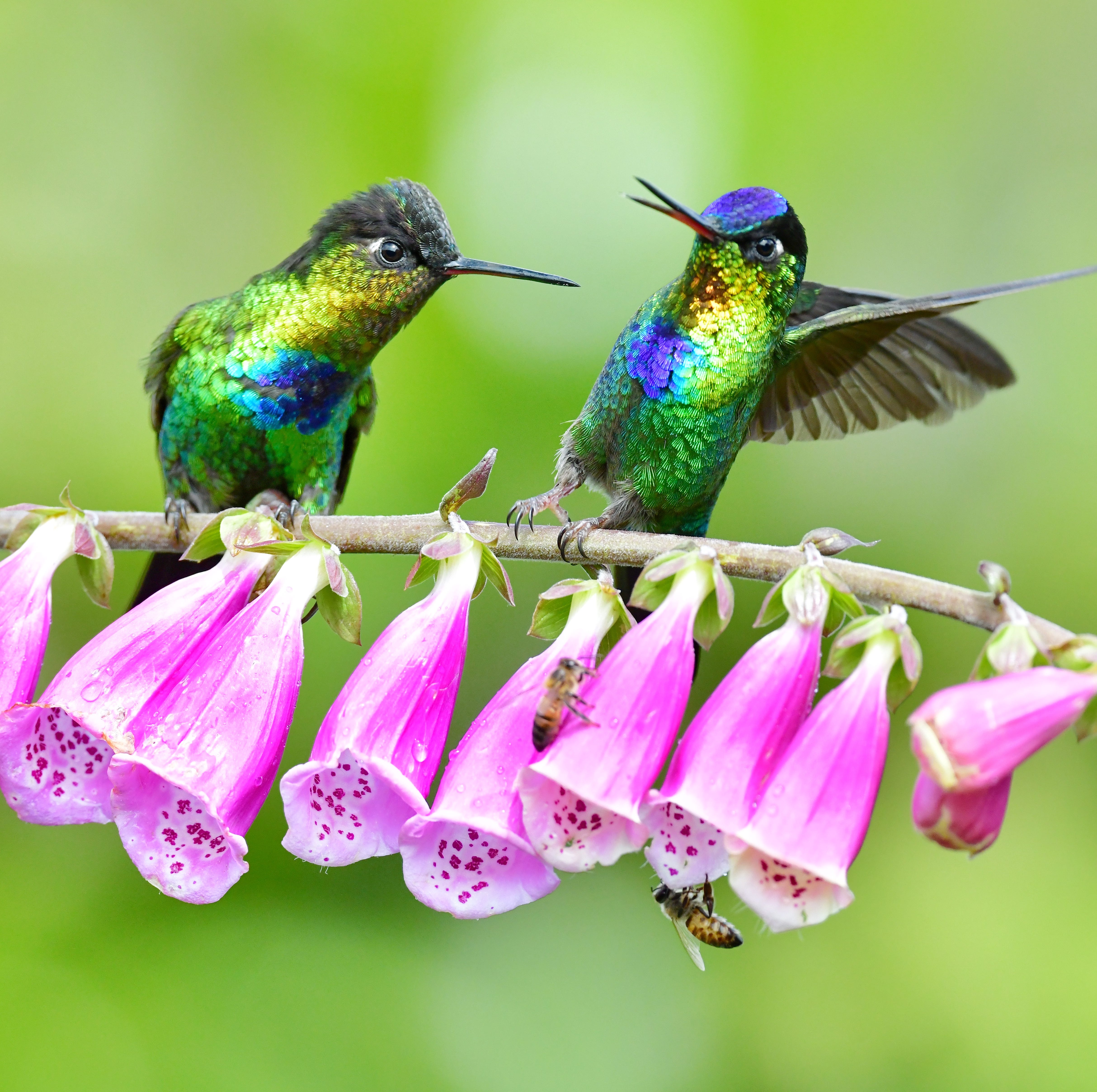
Want to See Hummingbirds? Plant These Flowers in Your Yard or Garden
Turn Your Garden Into a Butterfly Oasis with These Plants
13 Colorful Nectar Plants for Pollinators

10 Must-Have Indoor Plants To Liven Up Your Entryway

11 Beautiful Purple Flowers and Plants That Attract Hummingbirds
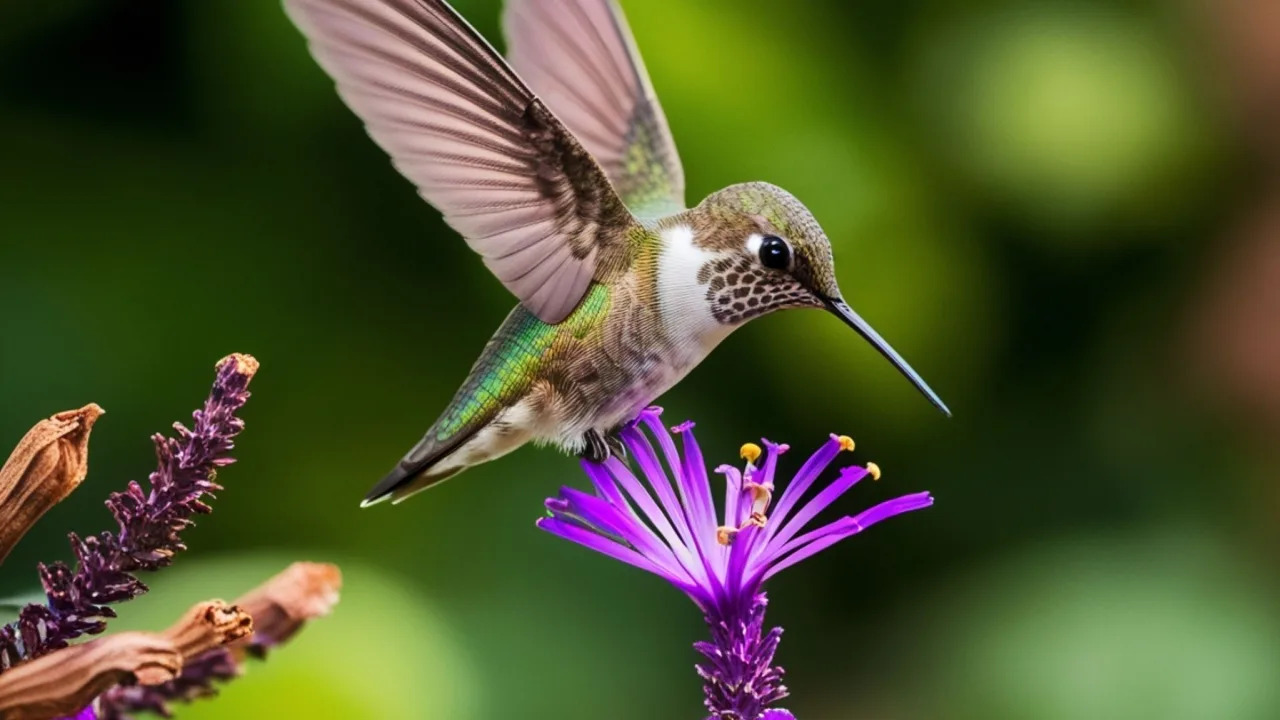
Purple Flowers That Hummingbirds Can't Resist

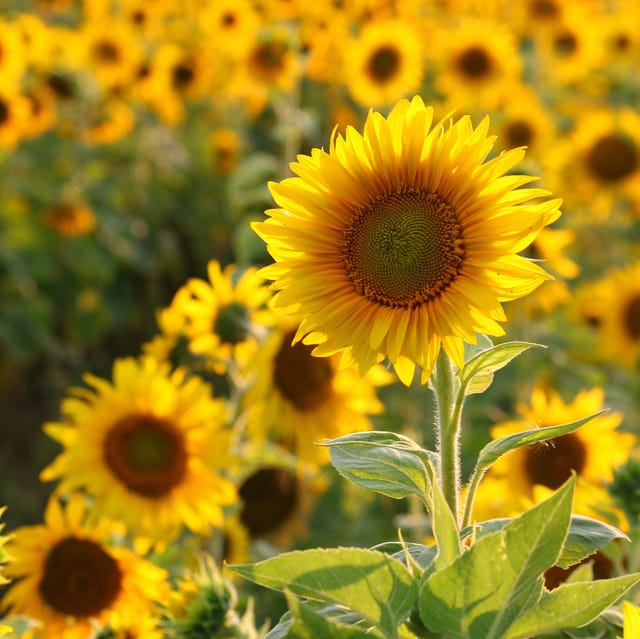
Hey, Gardeners! Plant These Summer Flowers for a Bright and Beautiful Yard
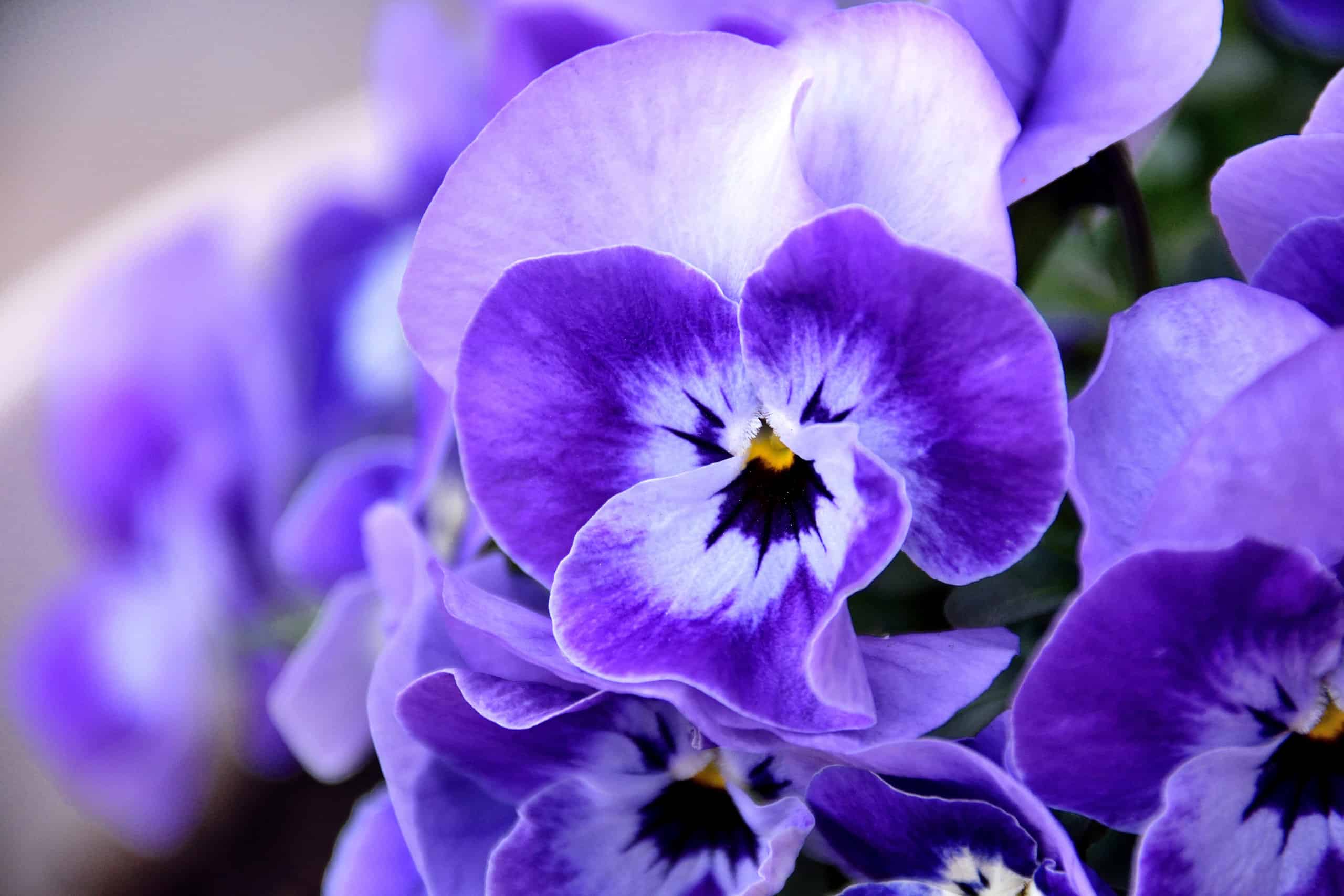
14 Gorgeous Flowers That Start With V
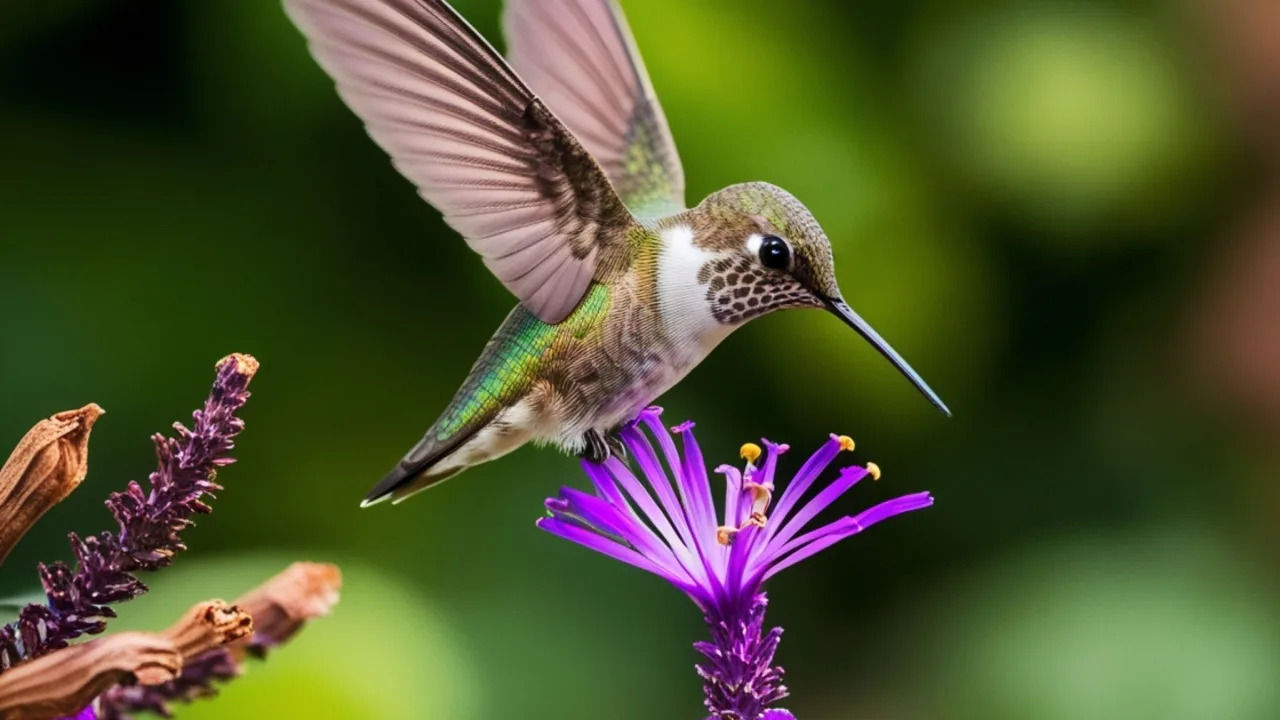
Purple Flowers That Hummingbirds Can't Resist
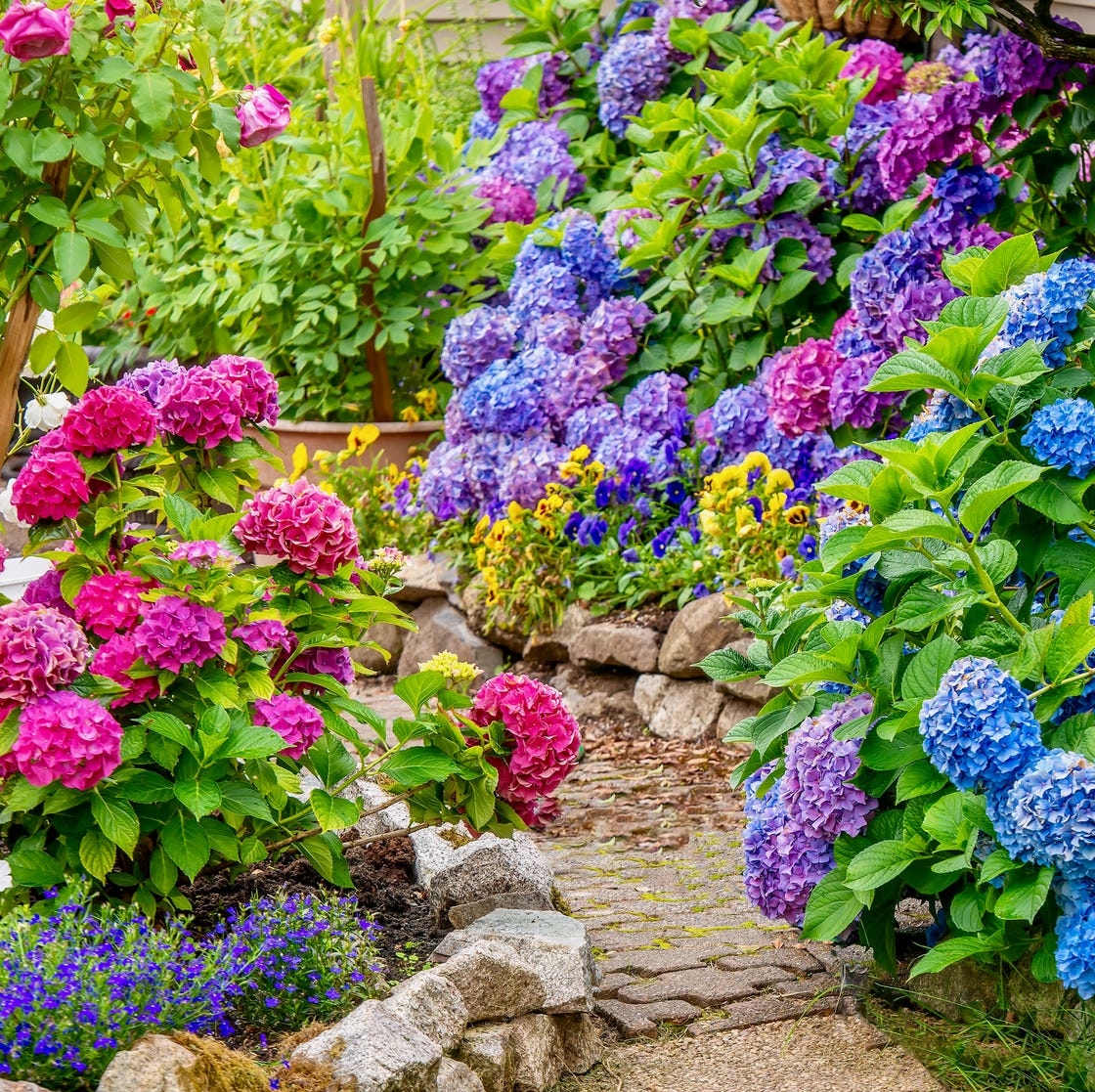
These Beautiful Flowering Shrubs Will Add Major Color to Your Garden

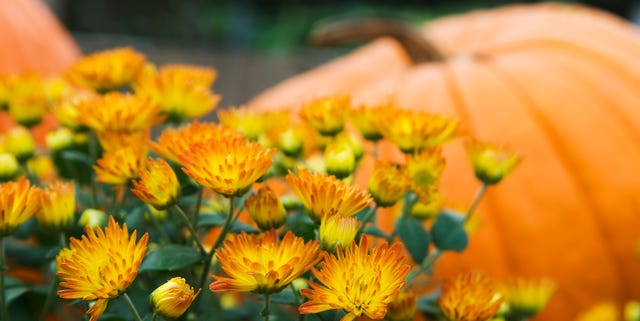
34 Fall Flowers and Plants for a Beautiful Autumn Garden
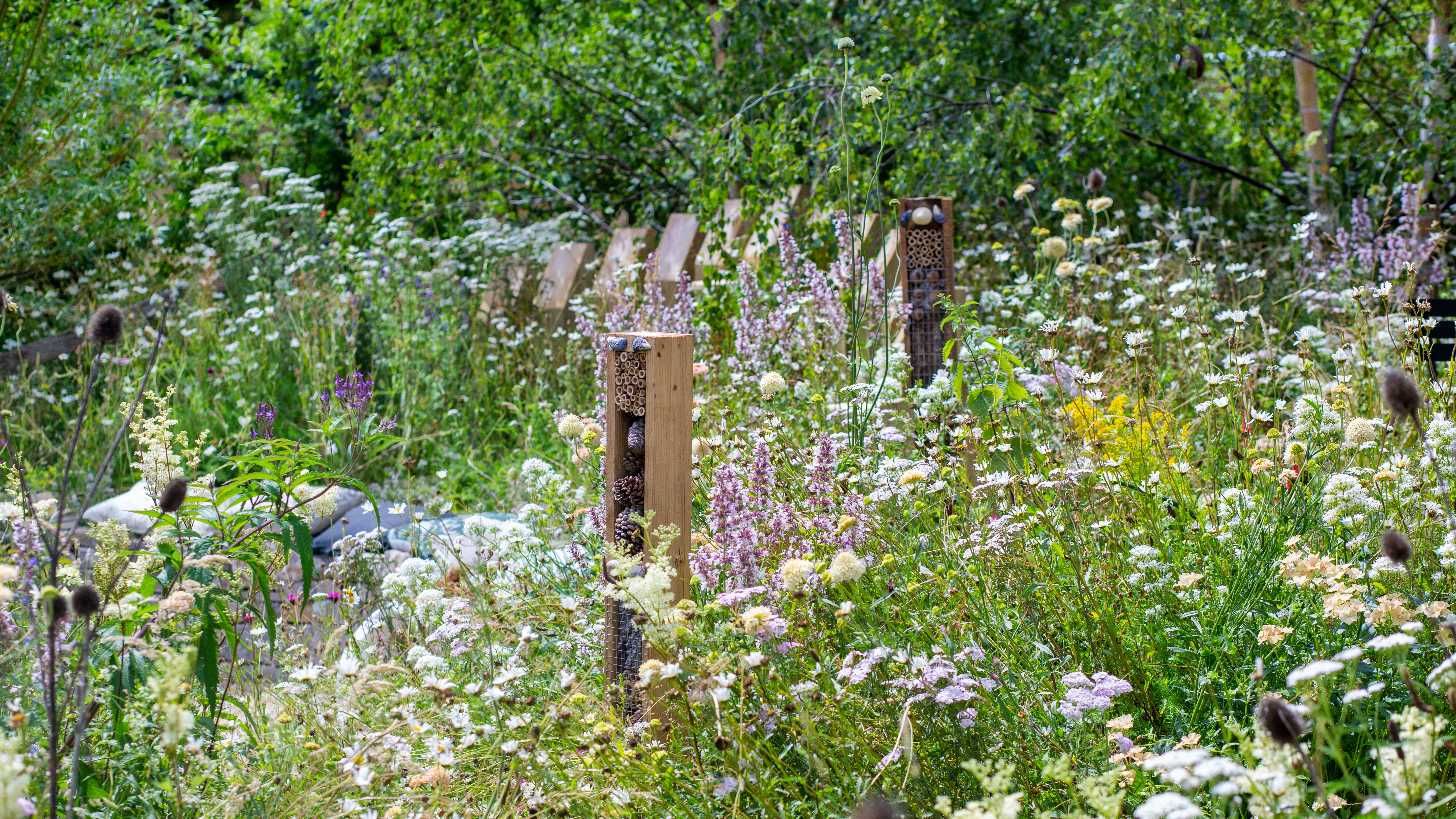
Wildlife garden ideas – 16 ways to transform your backyard into a nature-friendly plot

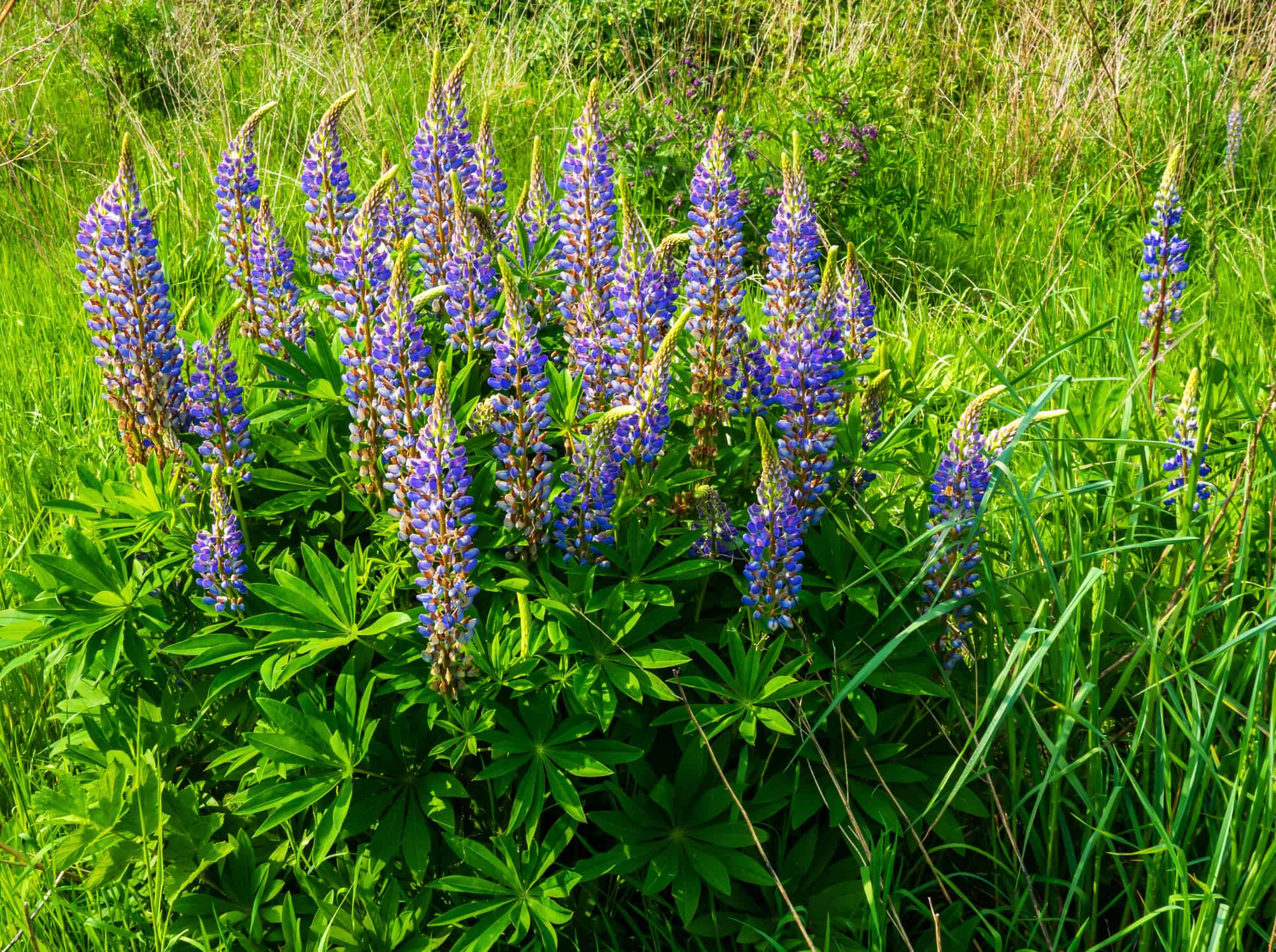
Purple Flowers That Hummingbirds Find Irresistible
30 Garden Lighting Ideas to Make Your Plants Shine

15 Colorful Plants to Brighten Up Your Landscape
Attract Bees To Your Garden With These Vibrant Flowers