1/9
5 storage mistakes people with clutter-free kitchens never make - they'll make you re-think your remodel plans
Effective kitchen storage is crucial for both functionality and aesthetic appeal, yet many homeowners encounter issues after a remodel due to overlooked design considerations. Understanding common storage pitfalls is key to creating a kitchen that remains organized and accessible. Designers frequently highlight specific mistakes that, if avoided, can significantly enhance a kitchen's usability and overall appeal.
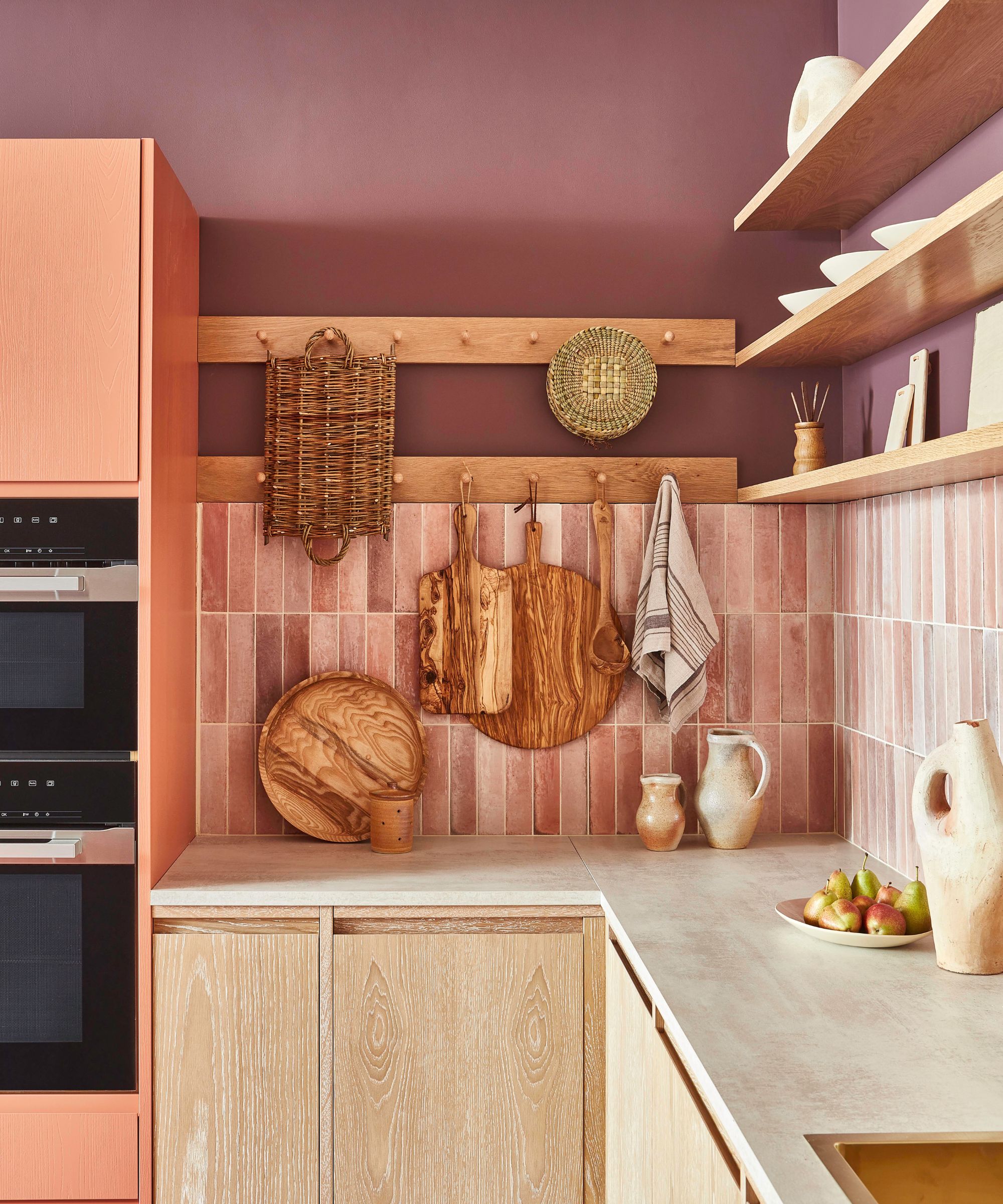
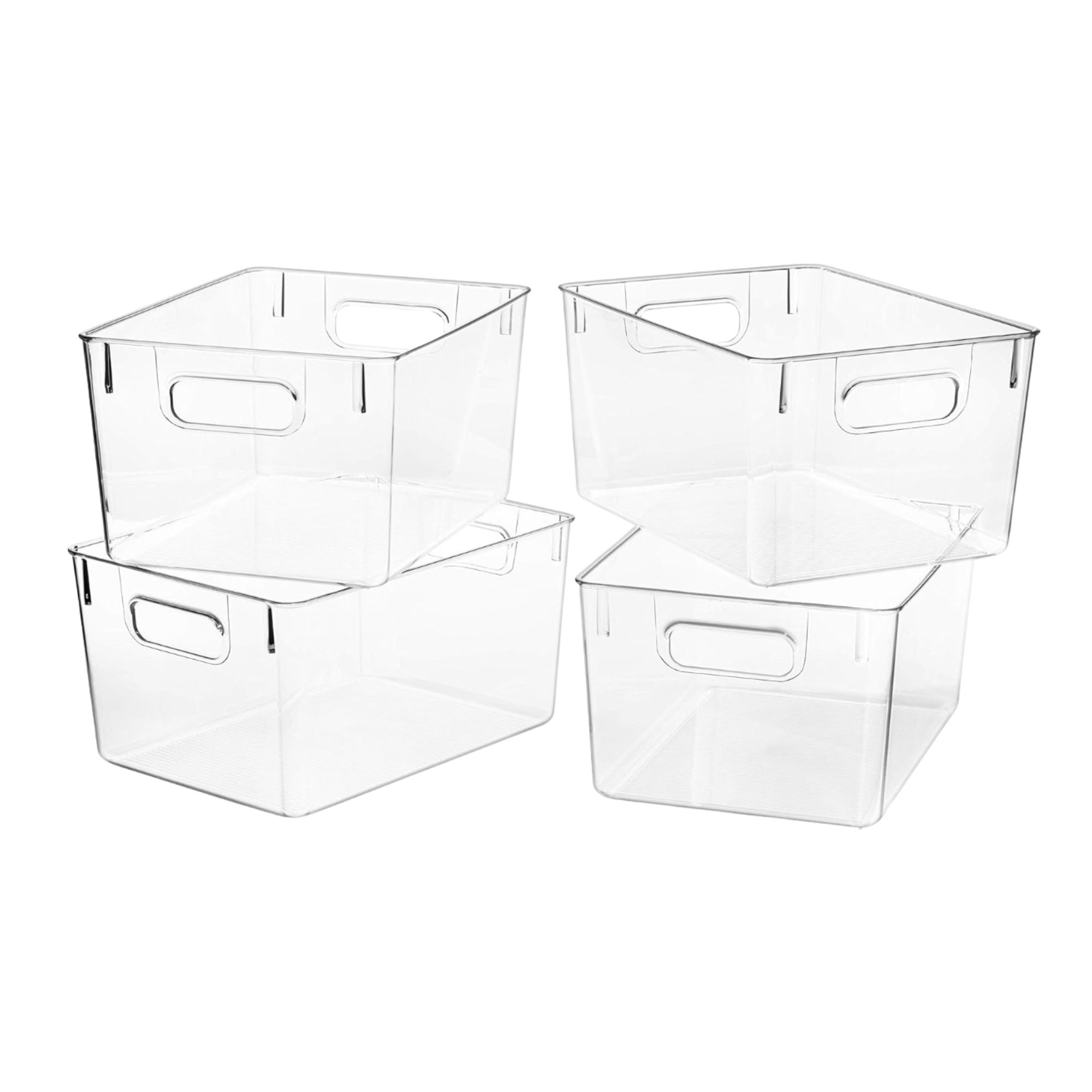
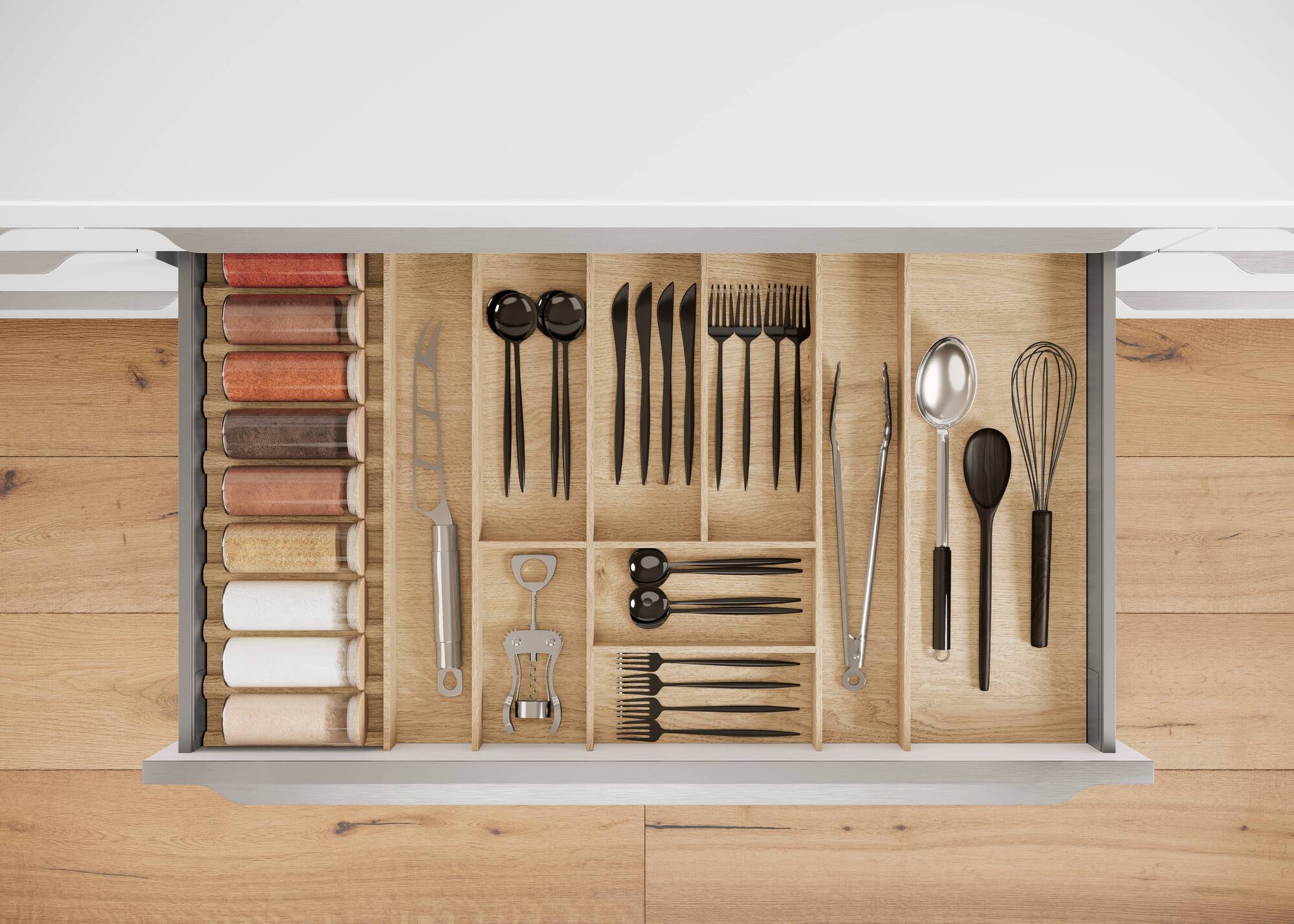
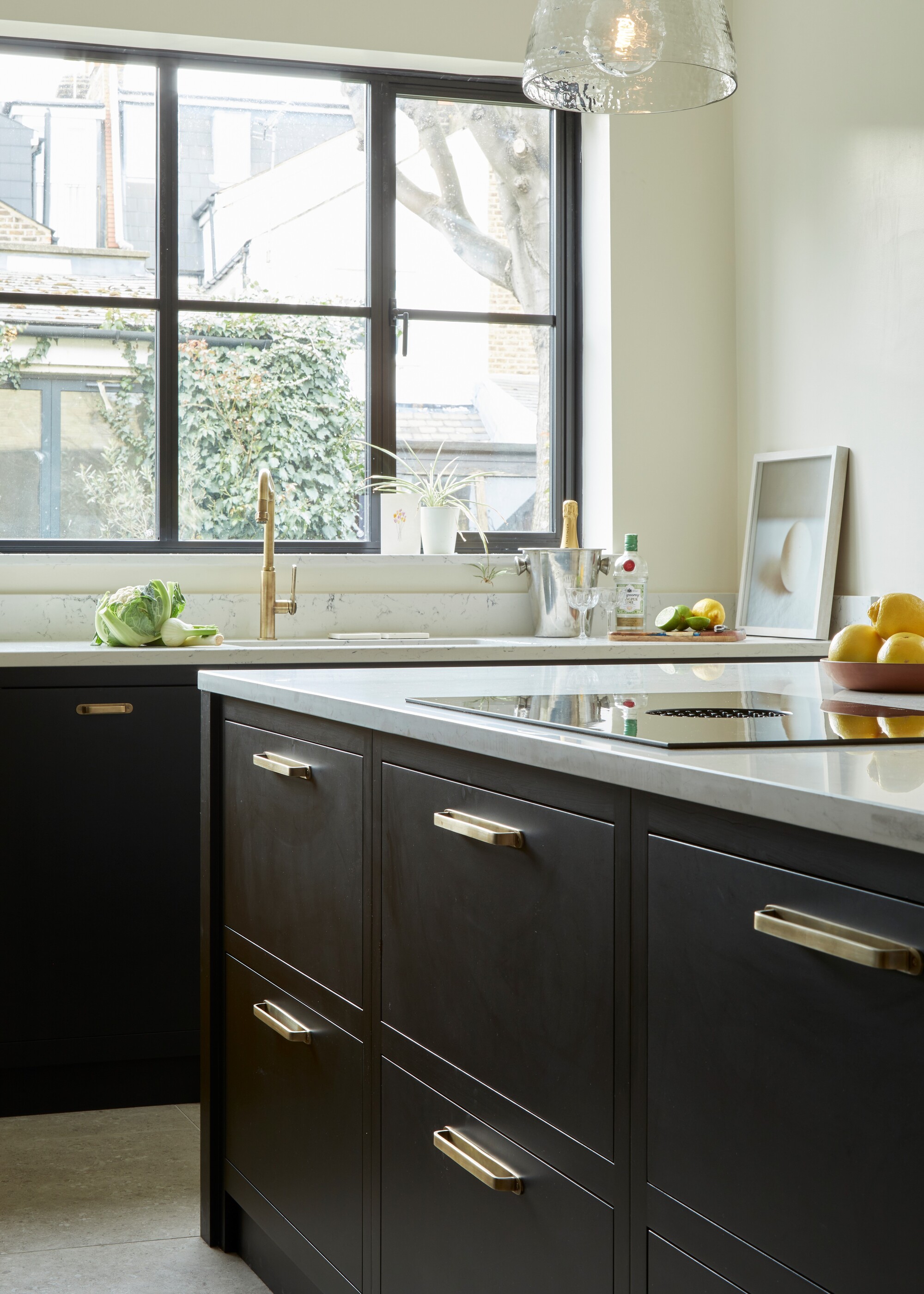
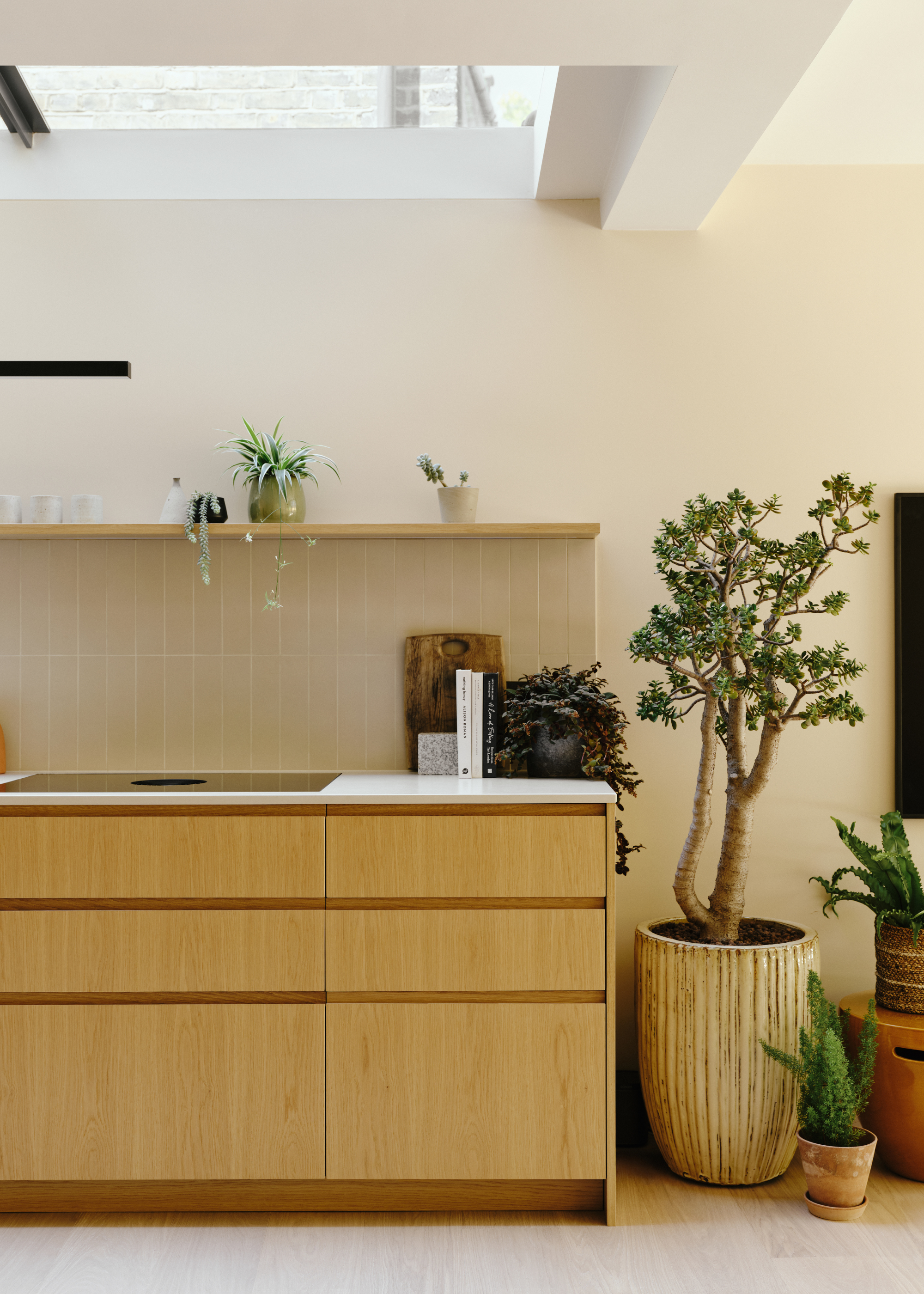
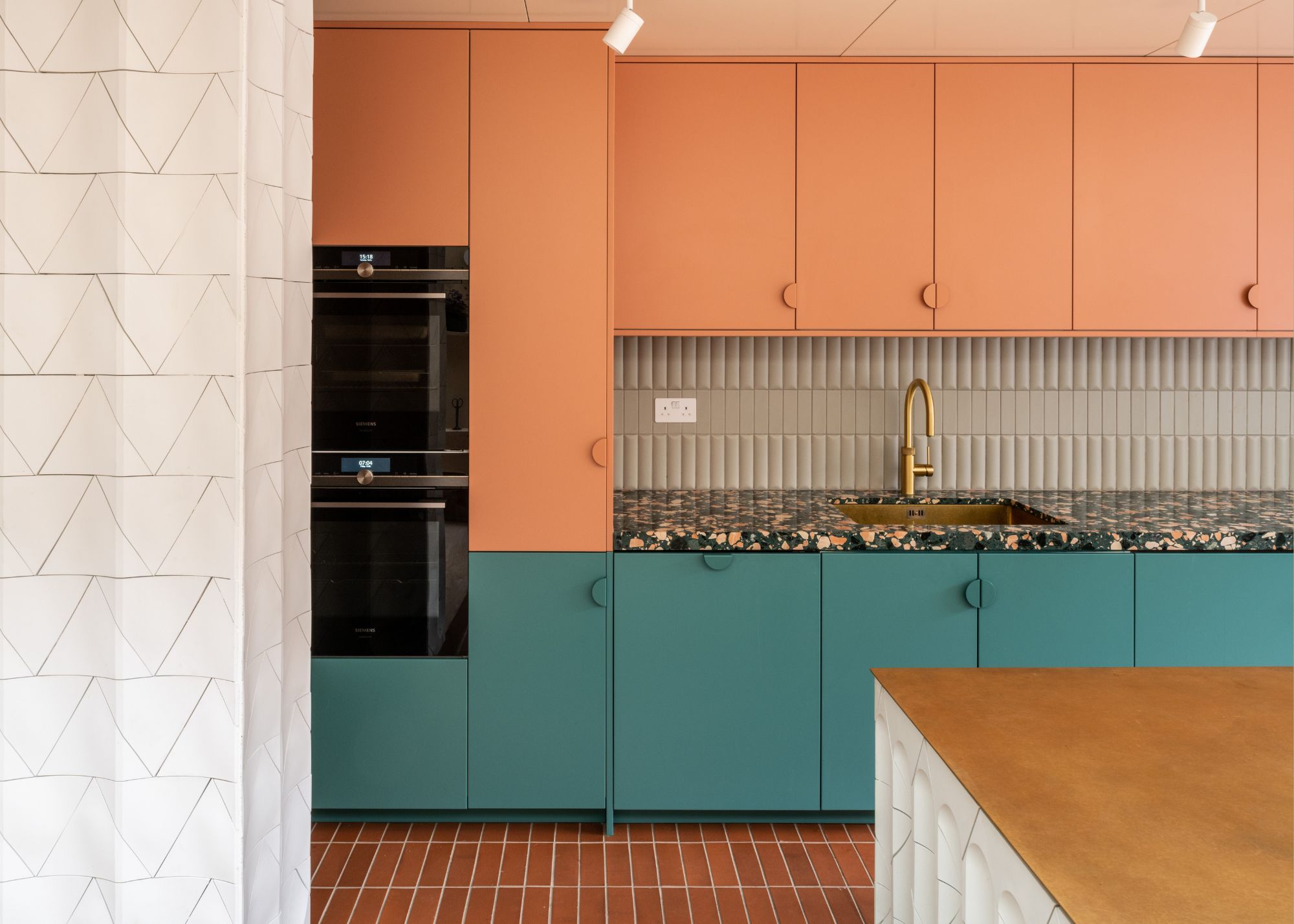
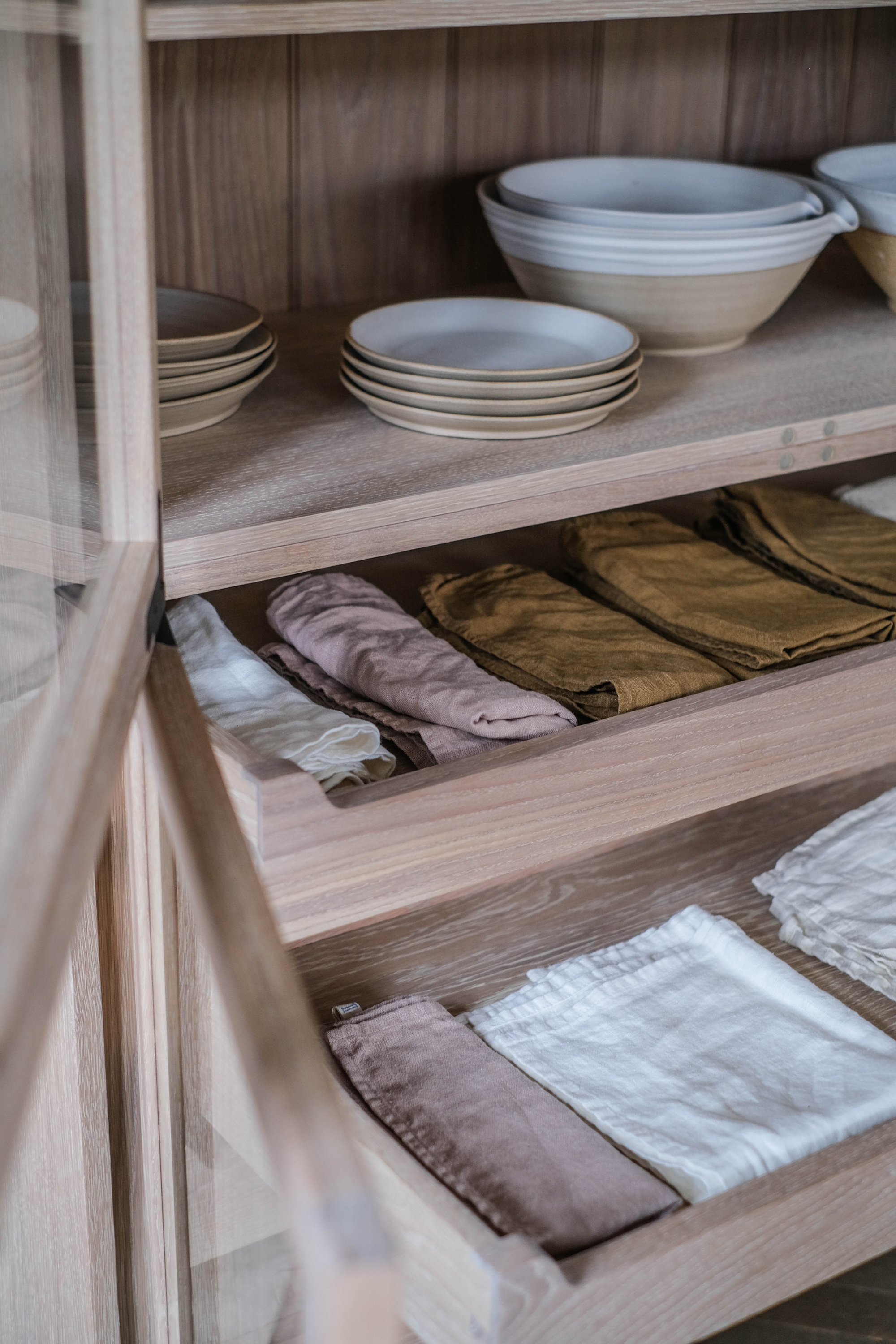
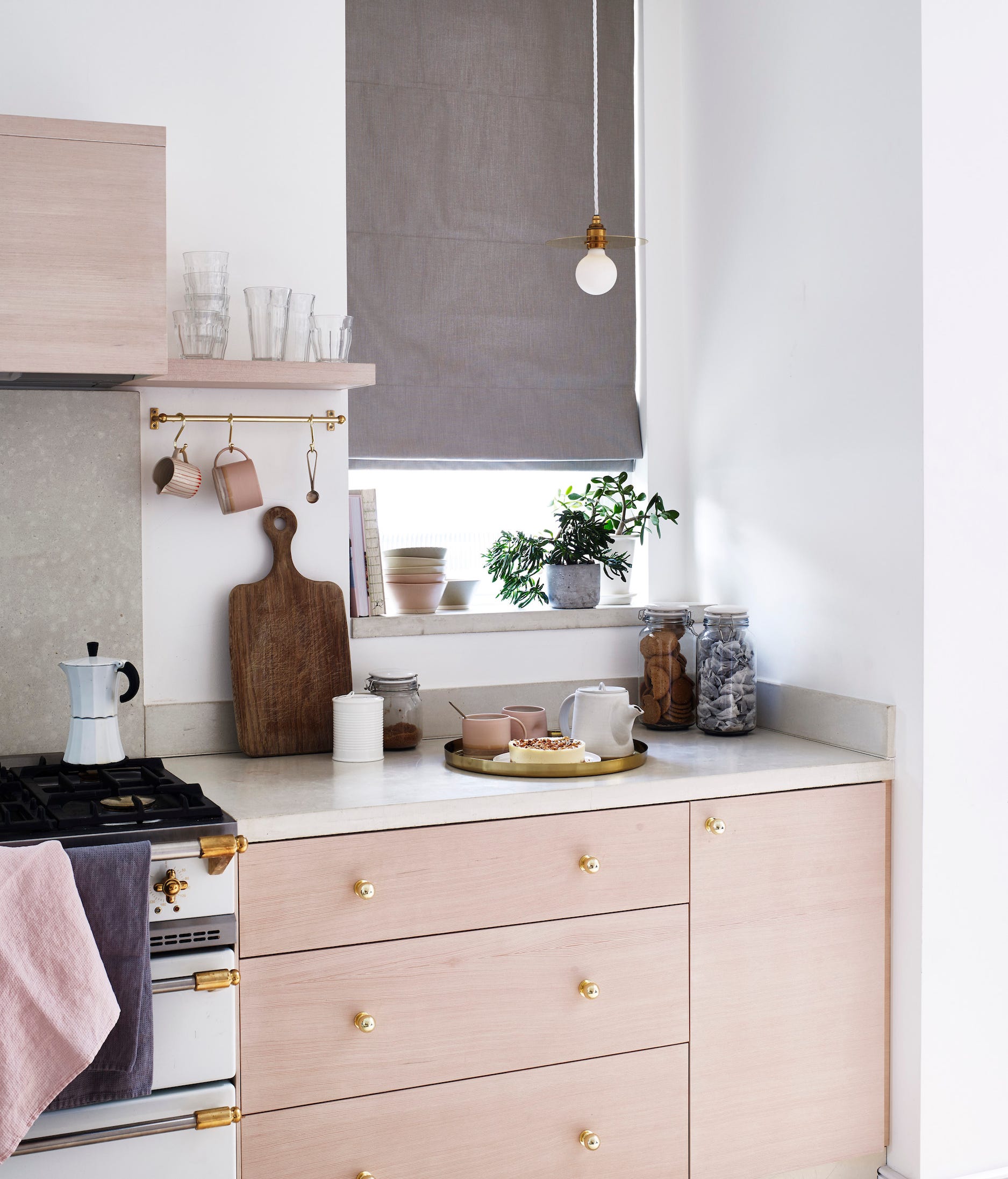
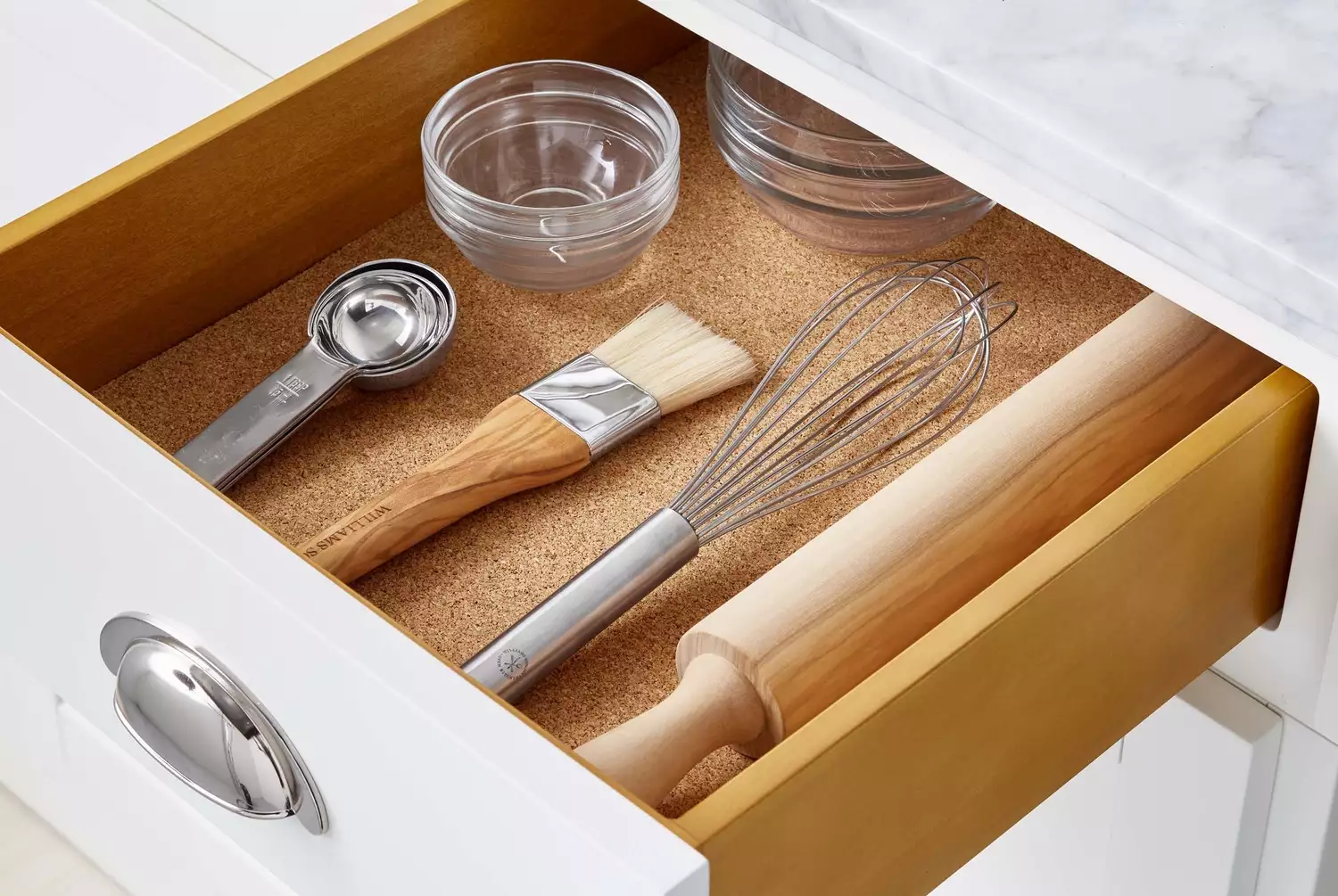
One significant error is underscoring the importance of drawers. Jane Lockhart, founder of Jane Lockhart Design, emphasizes that failing to incorporate enough drawers is a major oversight, often due to budget constraints. Despite the initial cost, drawers drastically improve kitchen utility by allowing items to be pulled out, making them easier to see and heavier objects simpler to lift. This design choice also reduces the need for excessive bending, contributing to greater efficiency. To maximize drawer functionality, integrating organizers such as cutlery inserts, acrylic boxes, or dividers for small items is recommended. Lucie Ayres of 22 Interiors further advocates for lower drawers over traditional lower cabinet doors, asserting that drawers offer comparable or superior storage capacity and are a more modern, practical solution.
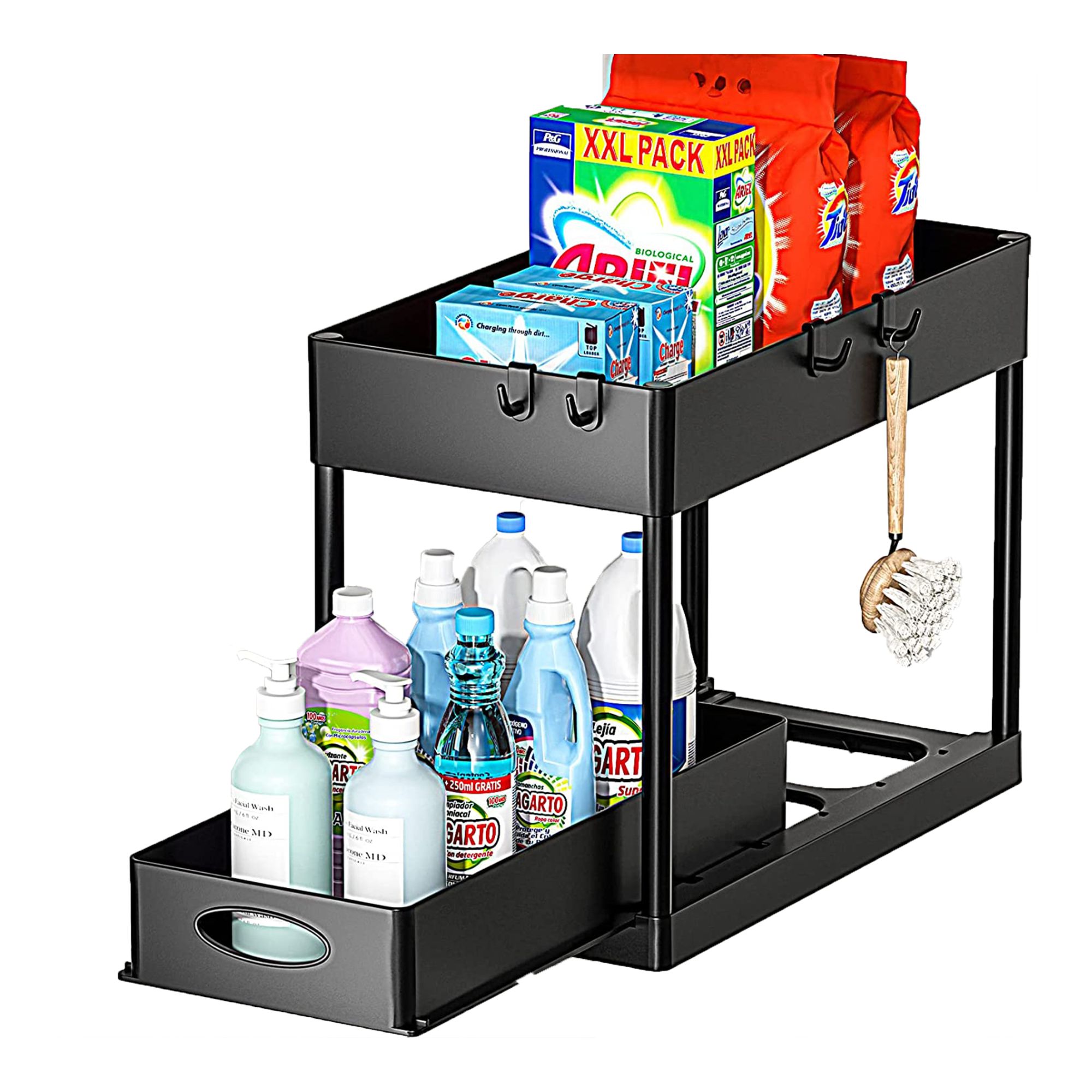
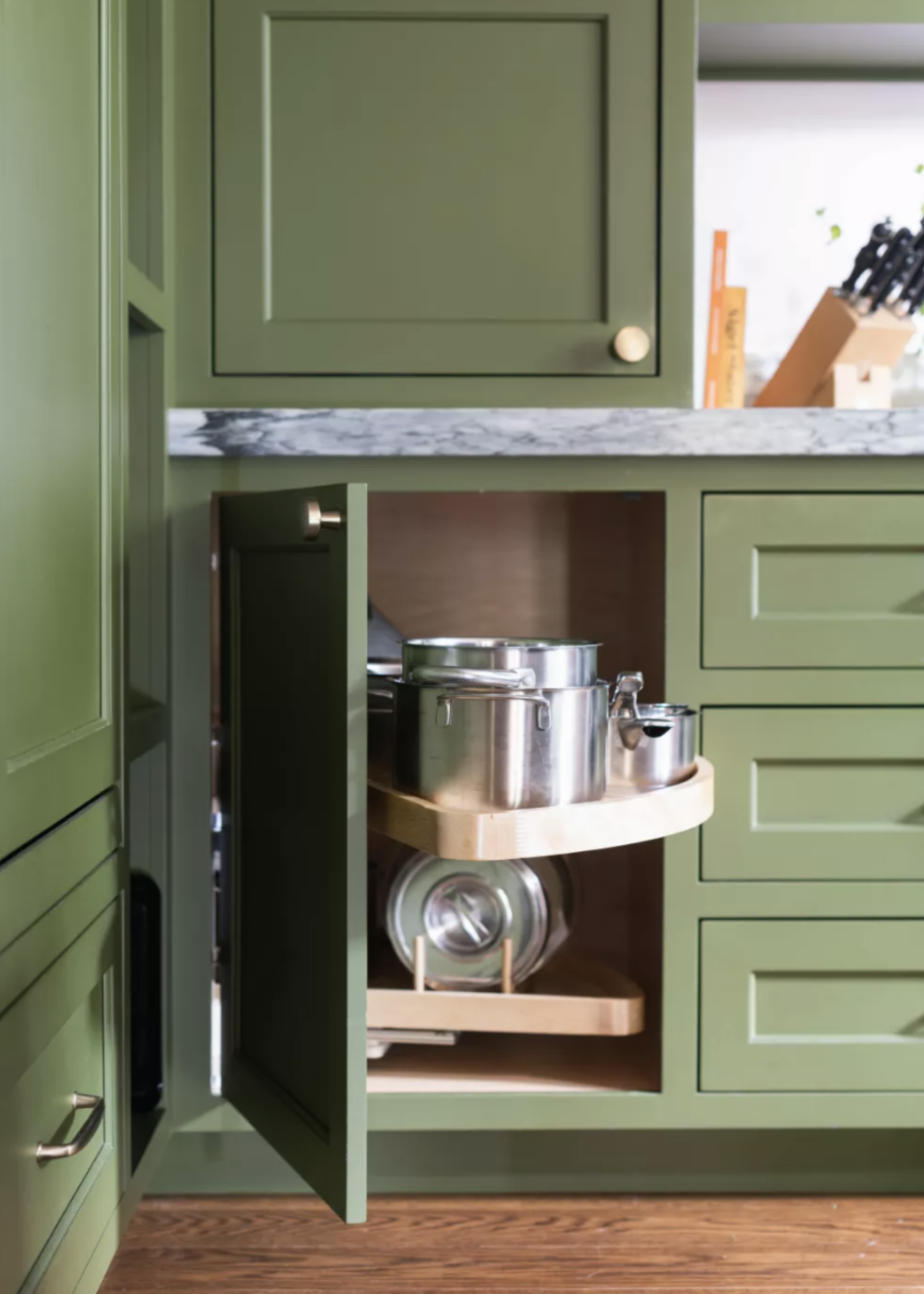
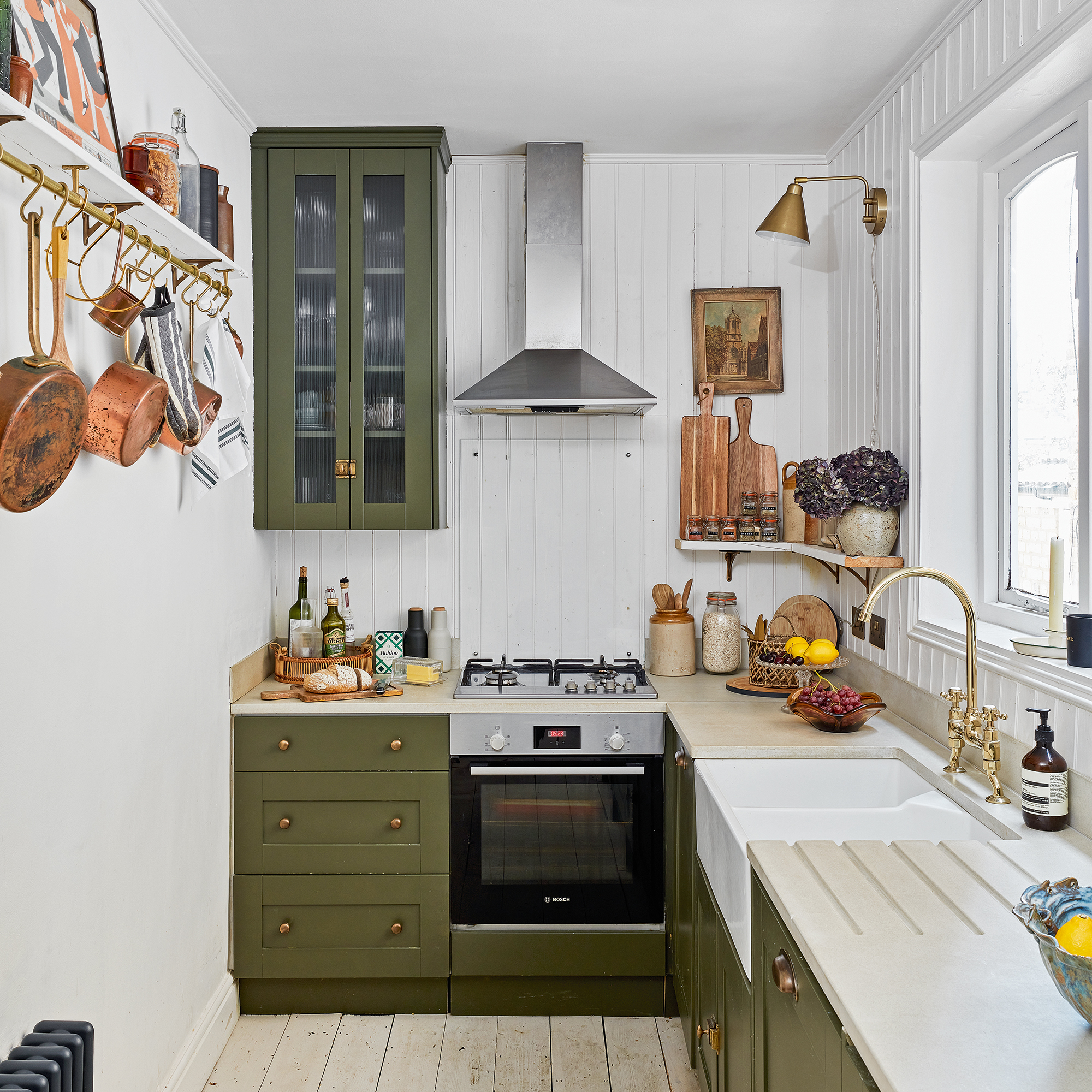
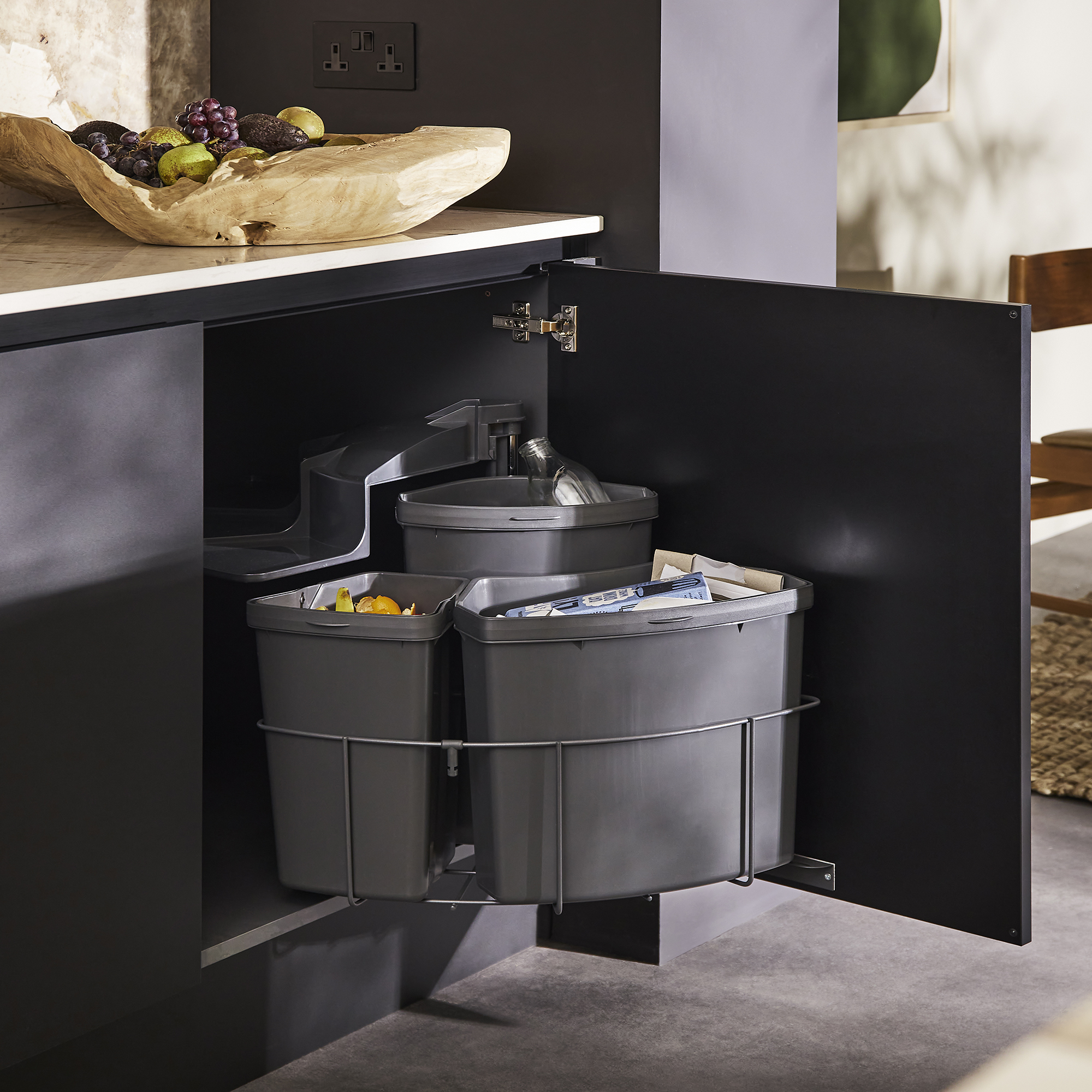
Another frequently overlooked area is corner cabinets, often dismissed as 'dead space' or 'black holes.' However, these spaces offer substantial potential for additional storage. Kelly Sopel, president at Trim Tech Designs, suggests that incorporating pull-out insert mechanisms can transform awkward corner cabinets into highly accessible storage zones. Even a small amount of carefully planned storage in these corners can significantly reduce kitchen clutter and enhance the overall decor.
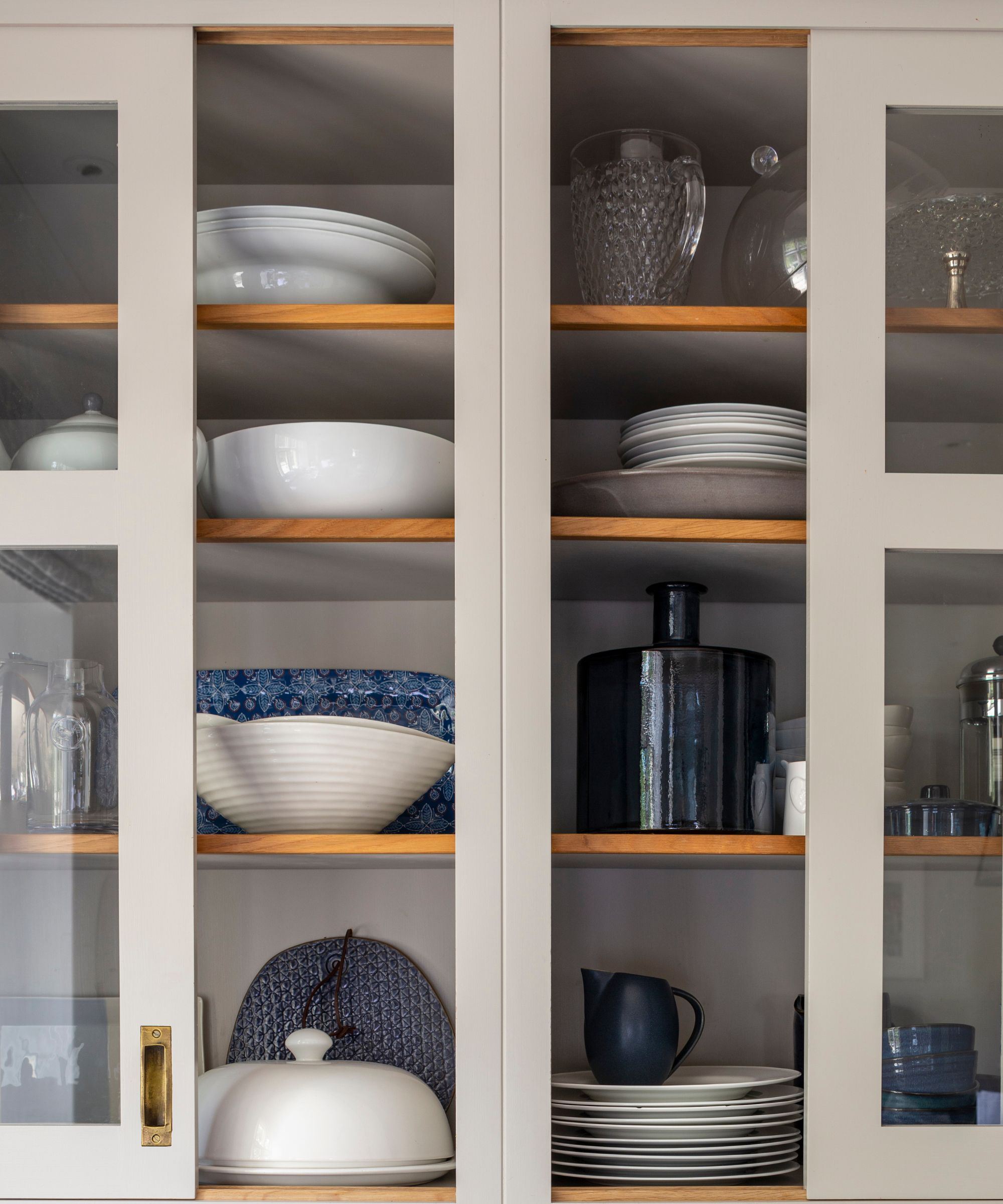
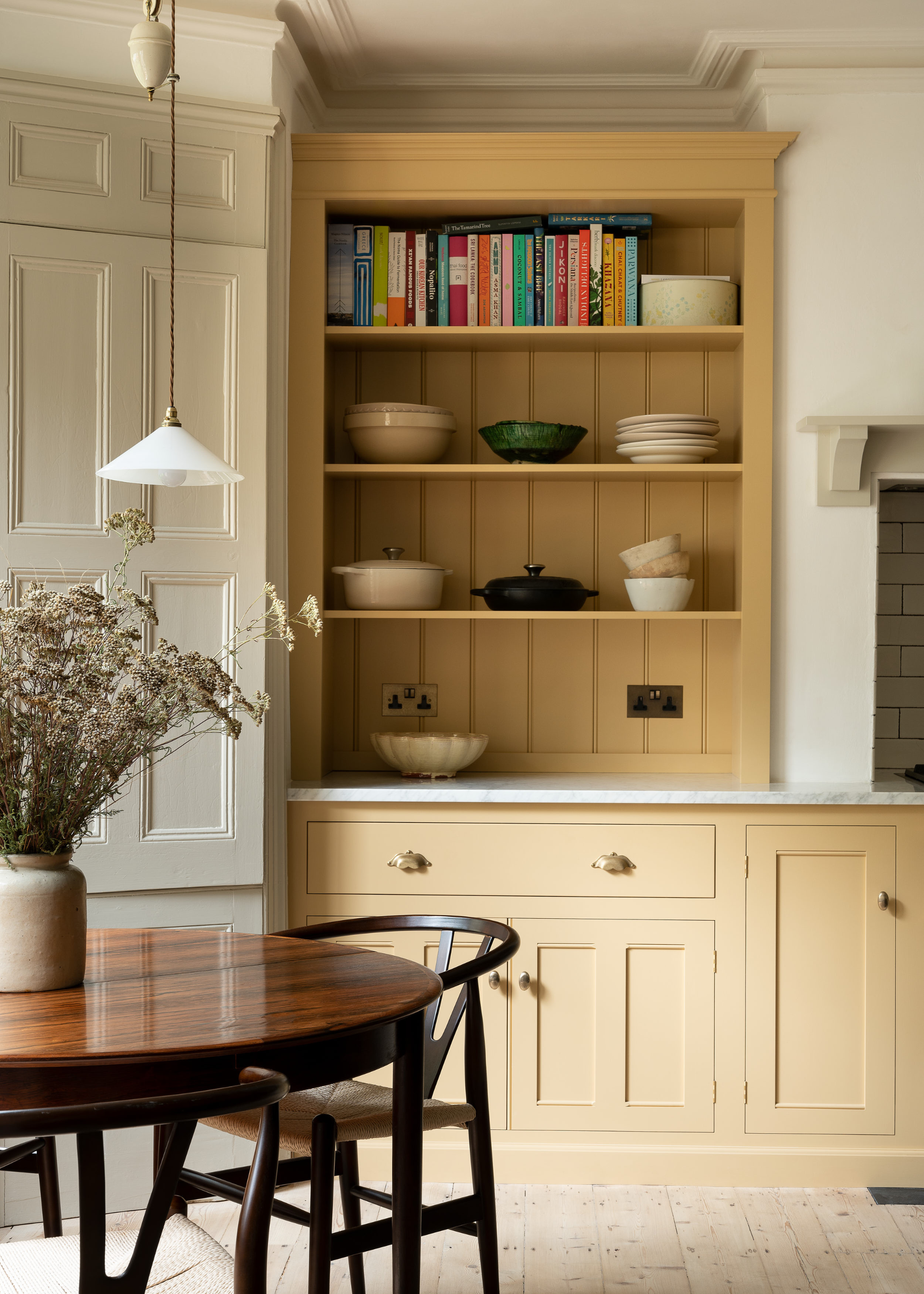
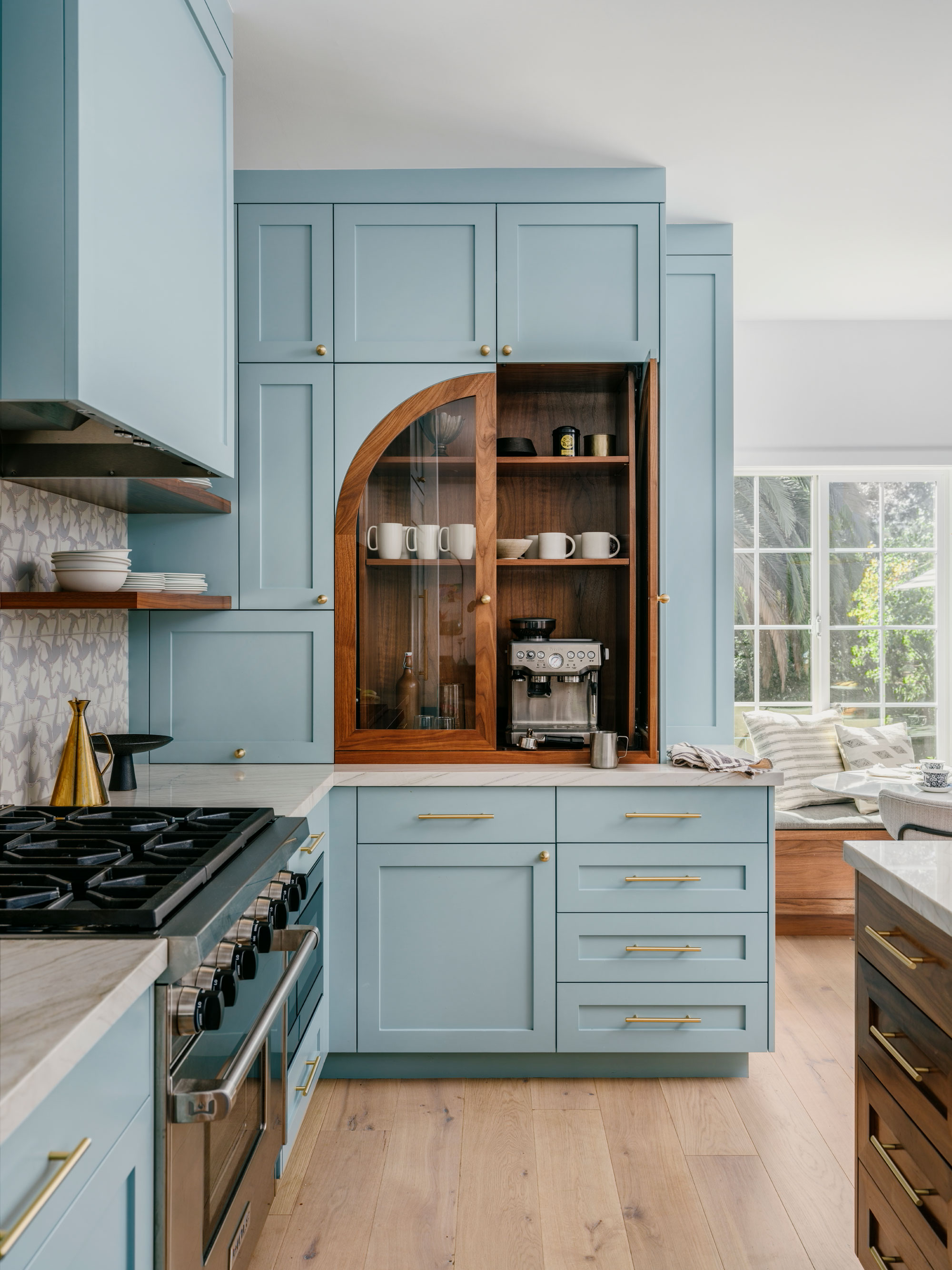
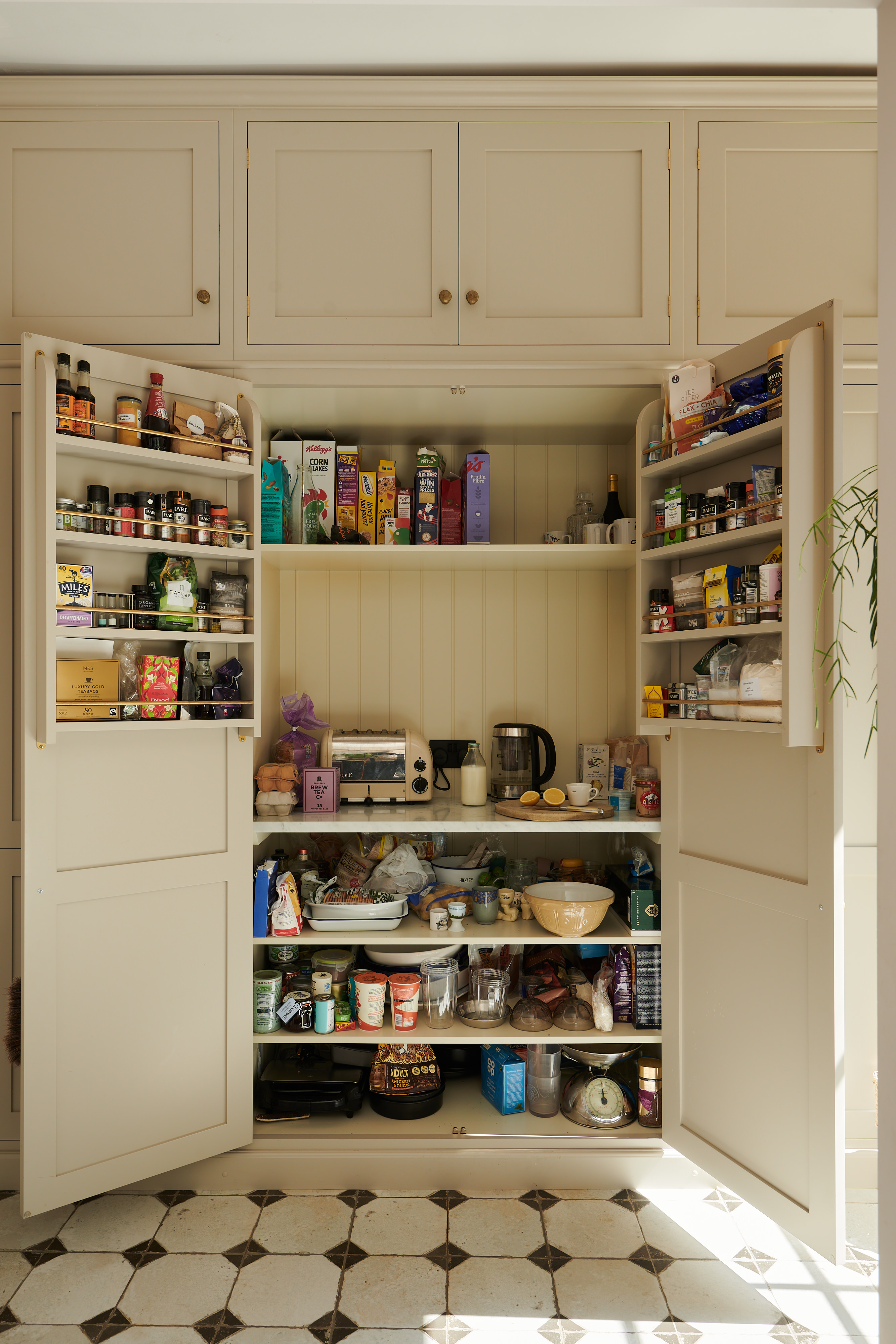
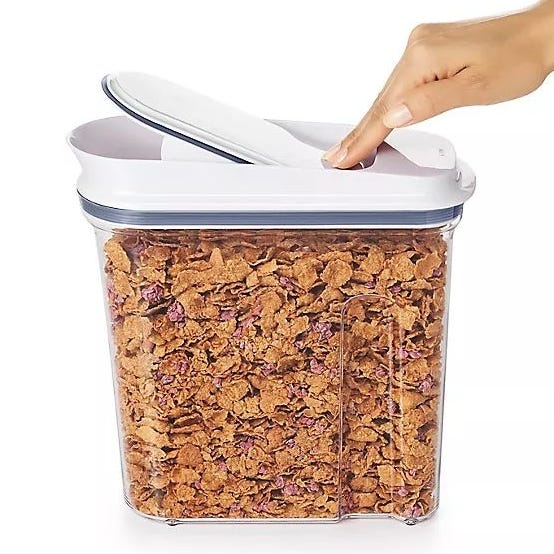
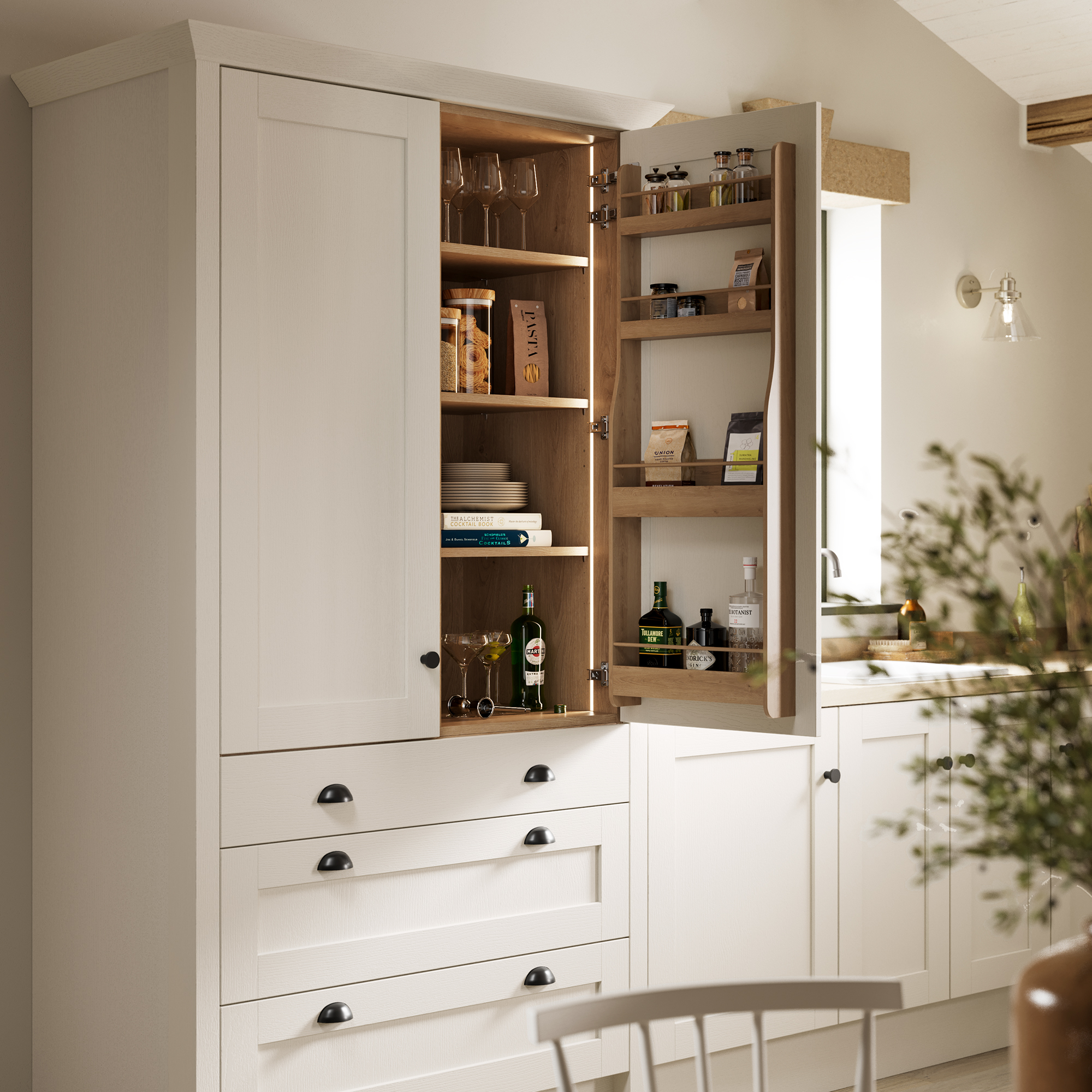
Maximizing shelf space within tall cabinets is another critical aspect. Many tall cabinets are installed with insufficient shelving, missing an opportunity to utilize vertical space effectively. Adding extra shelves or customizing their placement during installation allows for better accommodation of various item sizes, from tall cereal boxes and squash bottles to smaller spice jars. Adjustable shelves and under-shelf baskets further enhance flexibility and storage capacity.
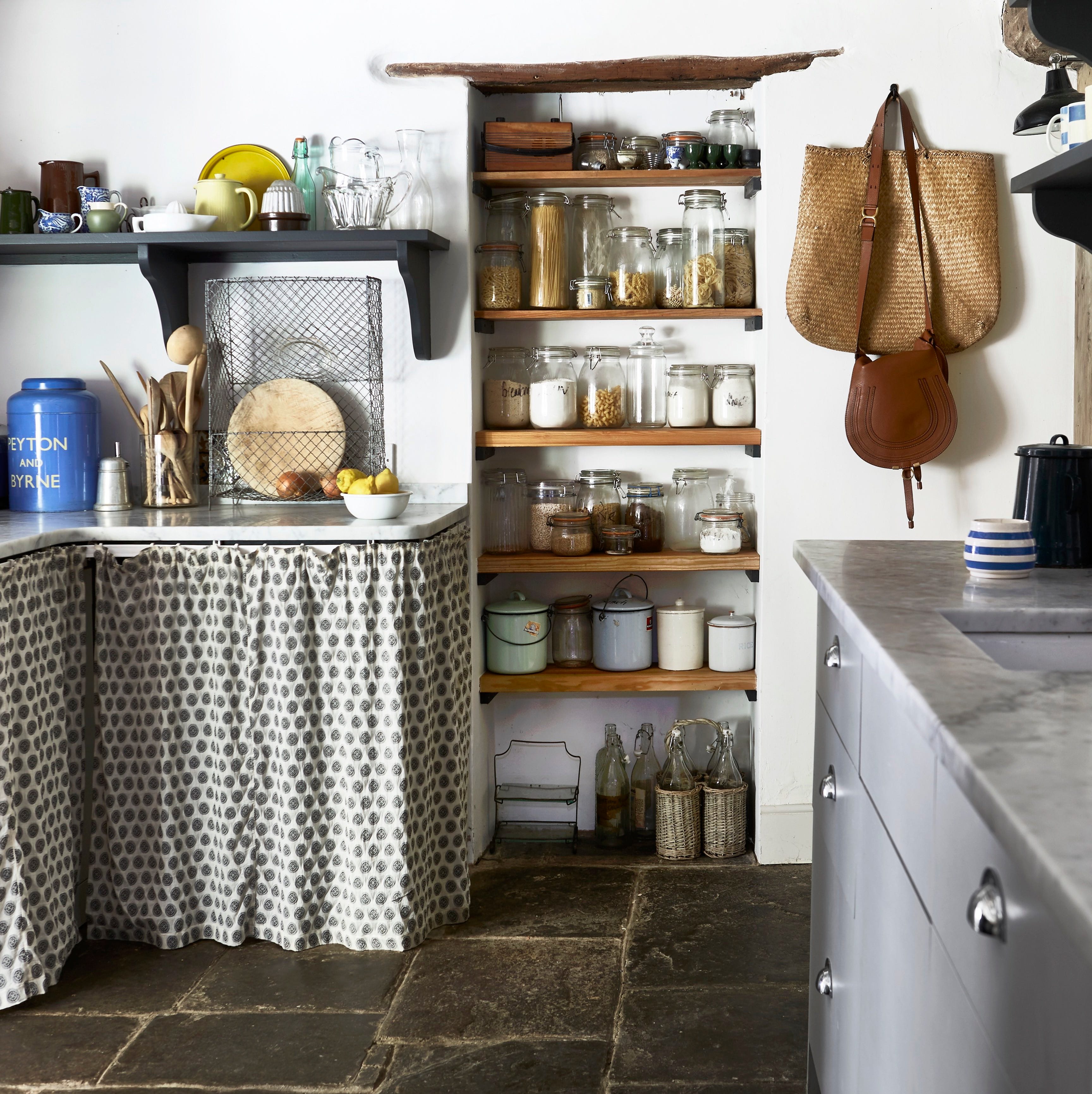
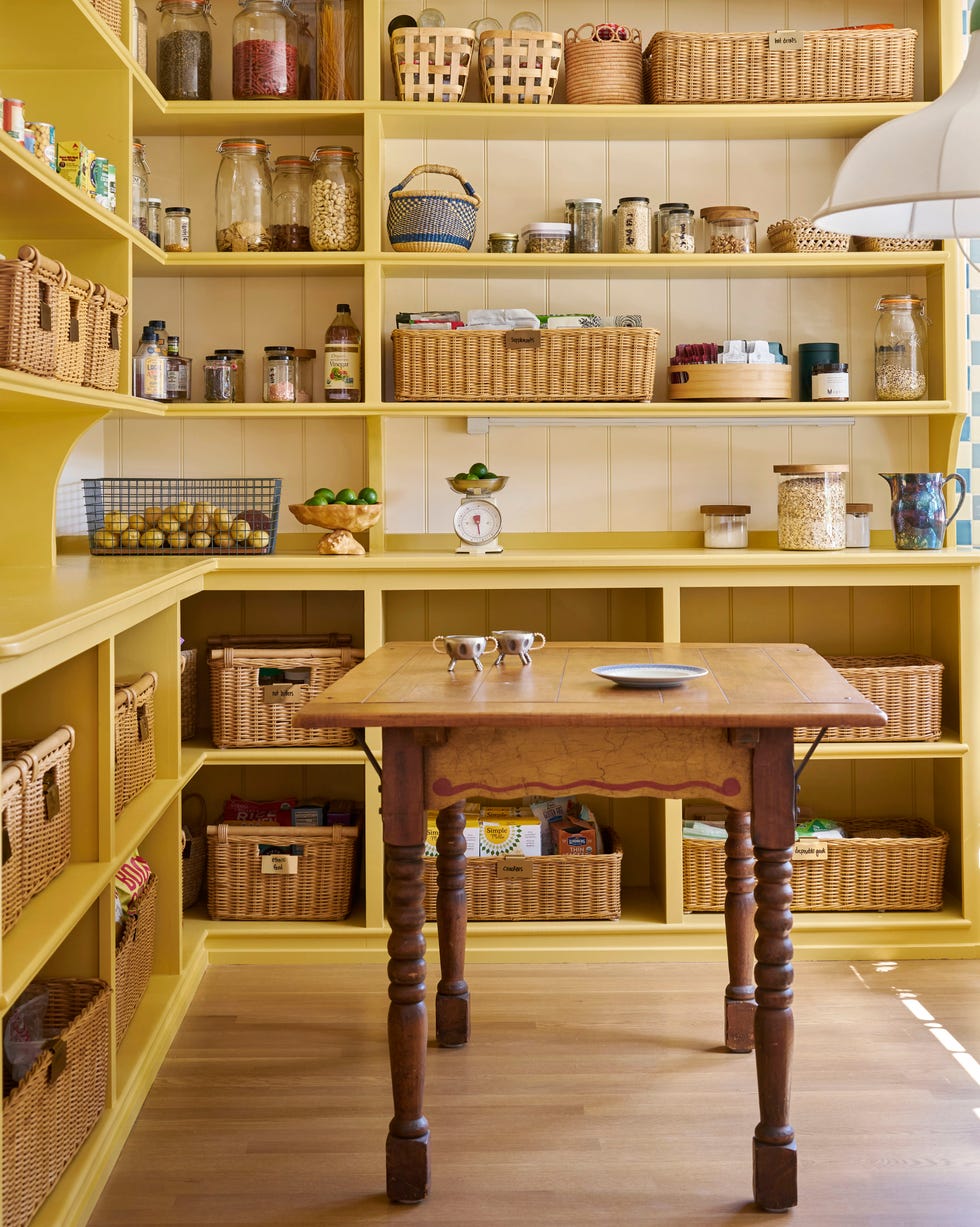
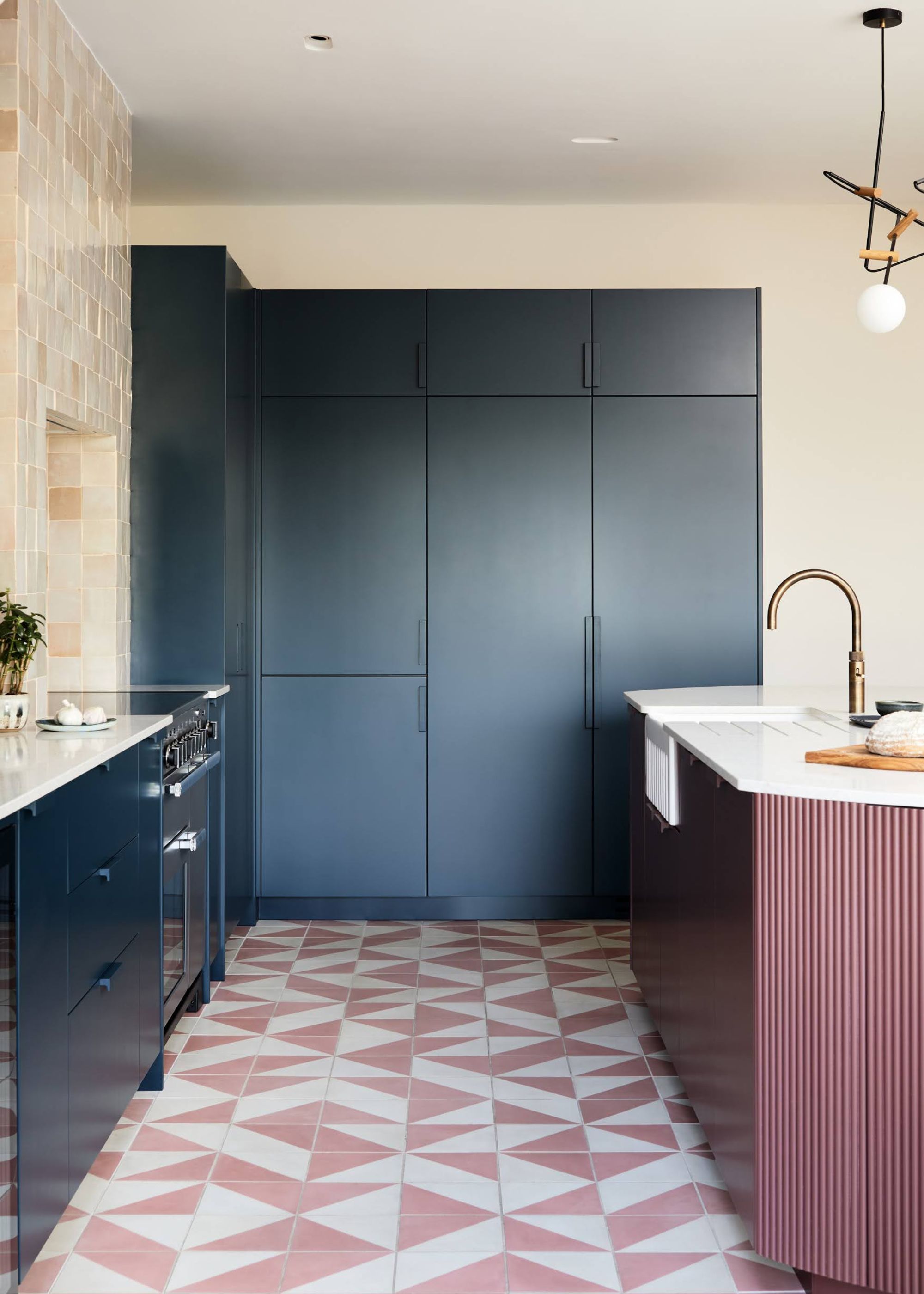
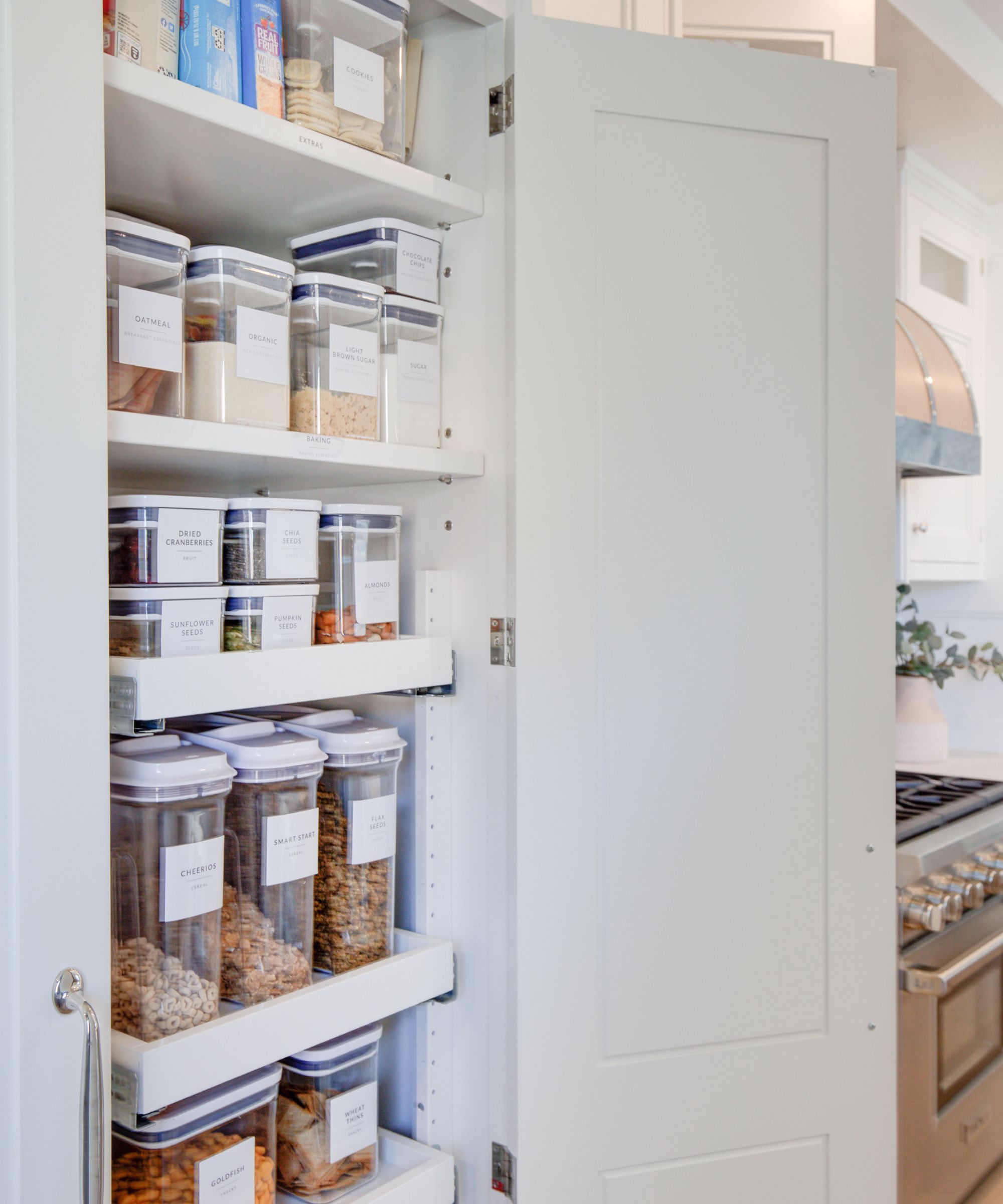
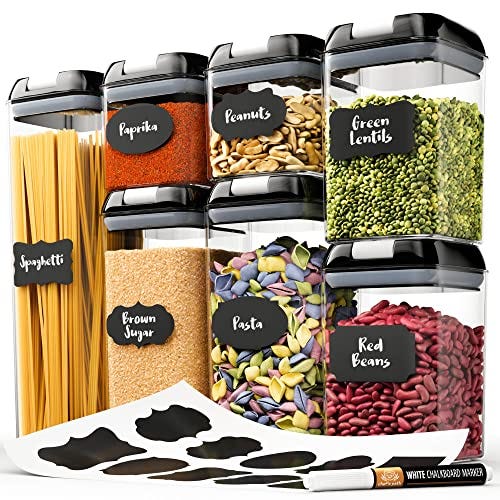
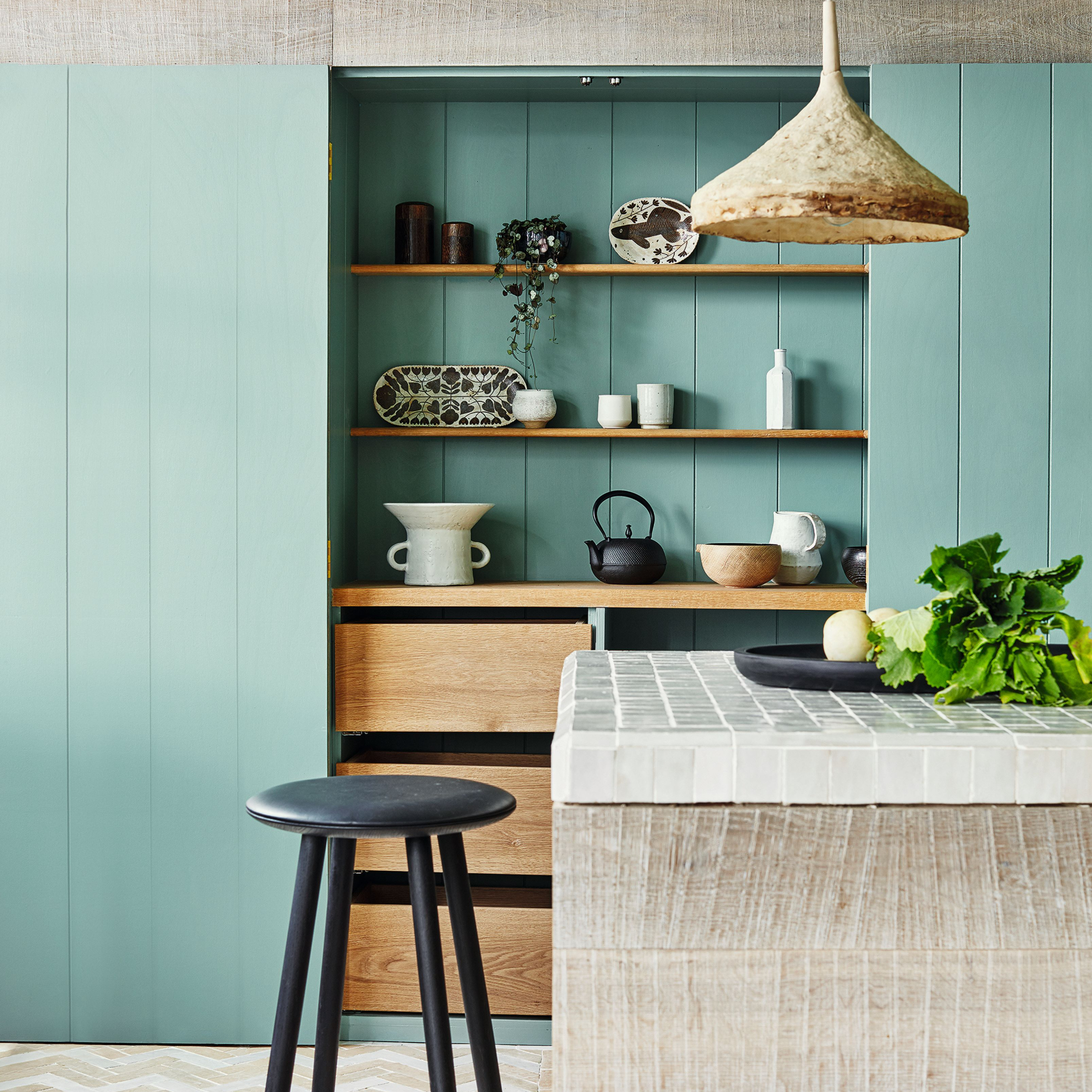
Pantry cabinets, while not a built-in feature in every home, can be strategically integrated into kitchen designs. Designing with a few tall, shallow pantry cabinets offers significant storage advantages and can create a custom built-in look. However, the addition of pantry space should not lead to indiscriminate hoarding. Instead, it should be approached with a focus on organization, including regular decluttering of expired items and the use of organizers to maintain order. Transferring dried goods into clear storage jars can also contribute to a tidier and more visually appealing pantry.
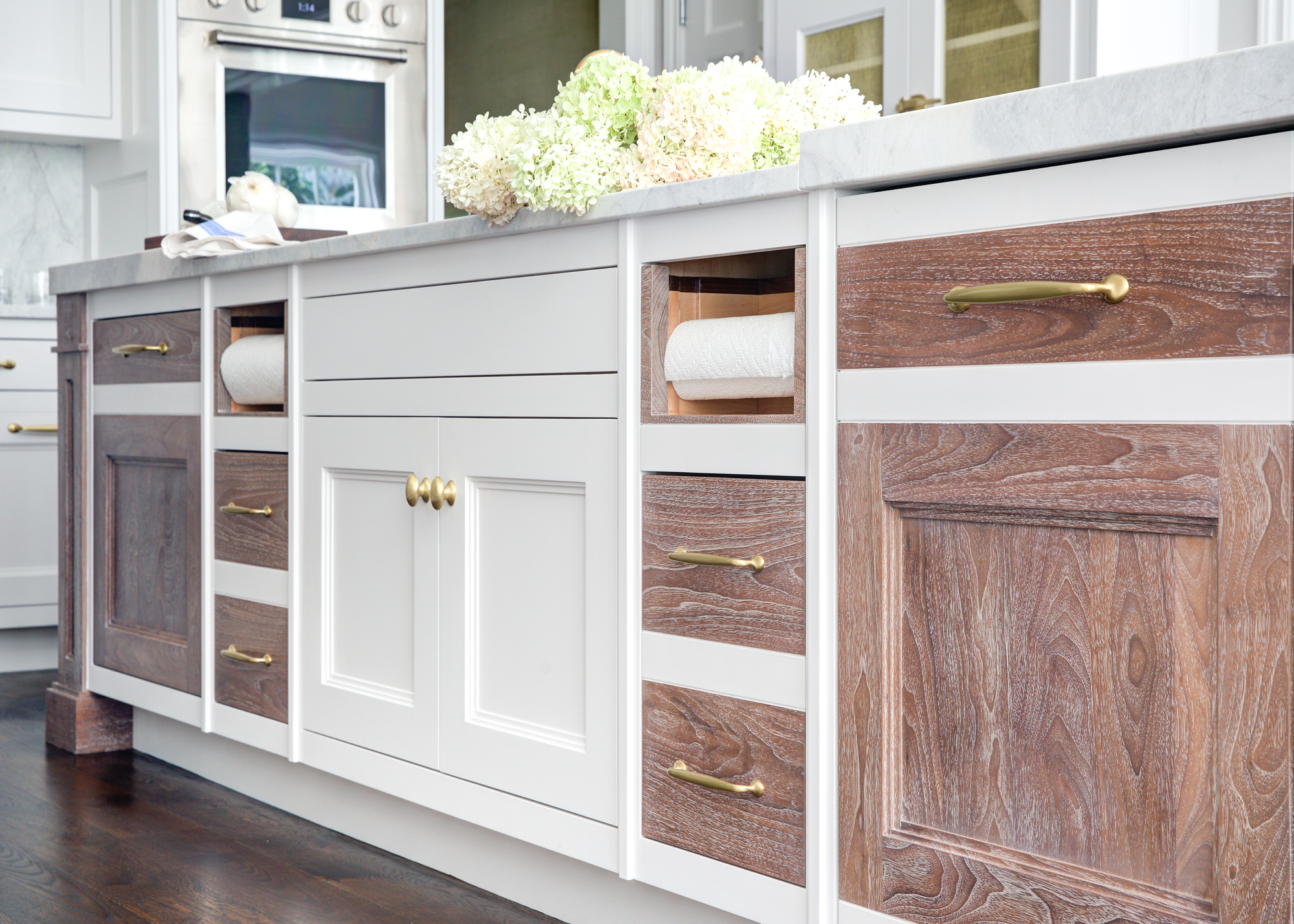
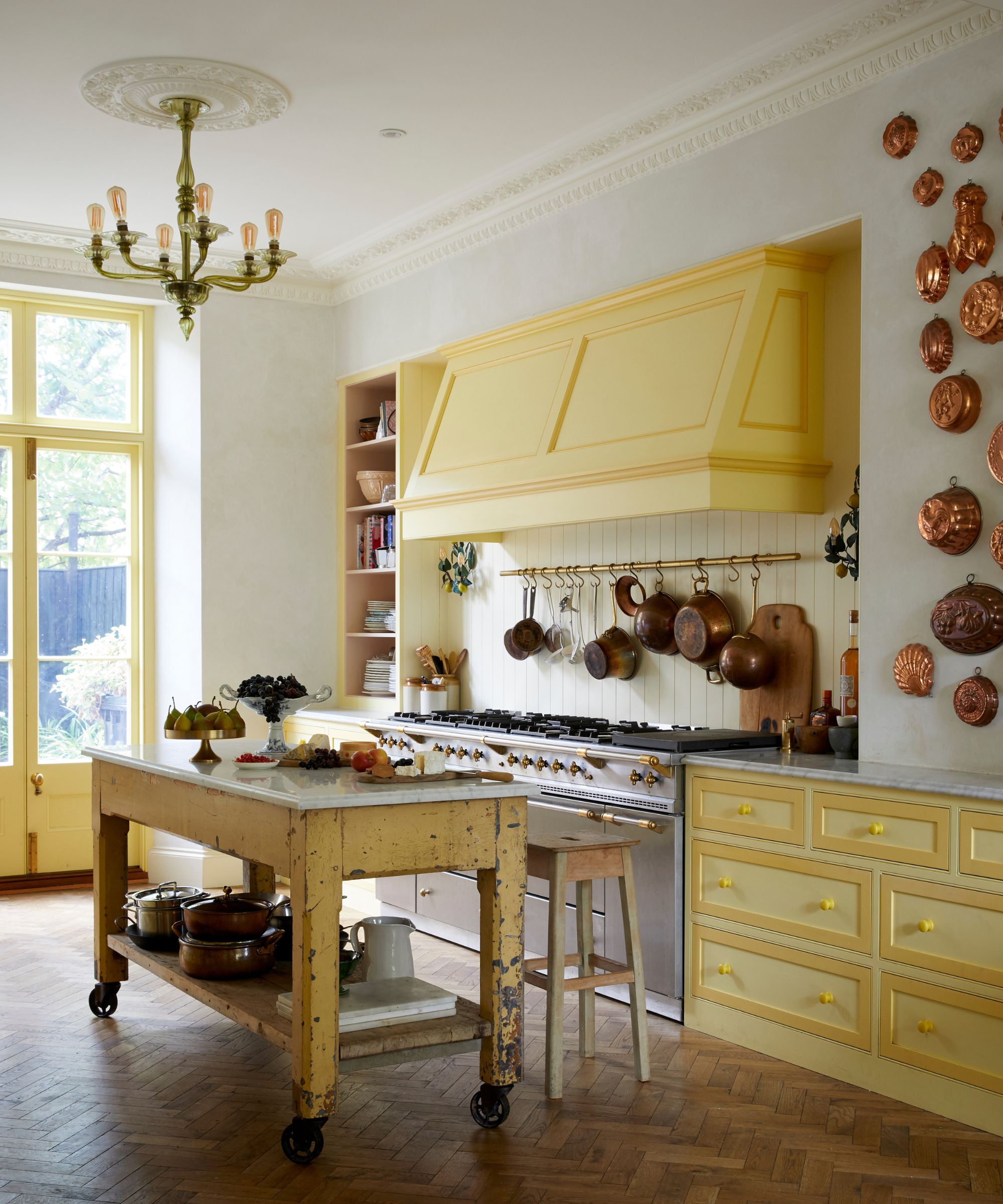
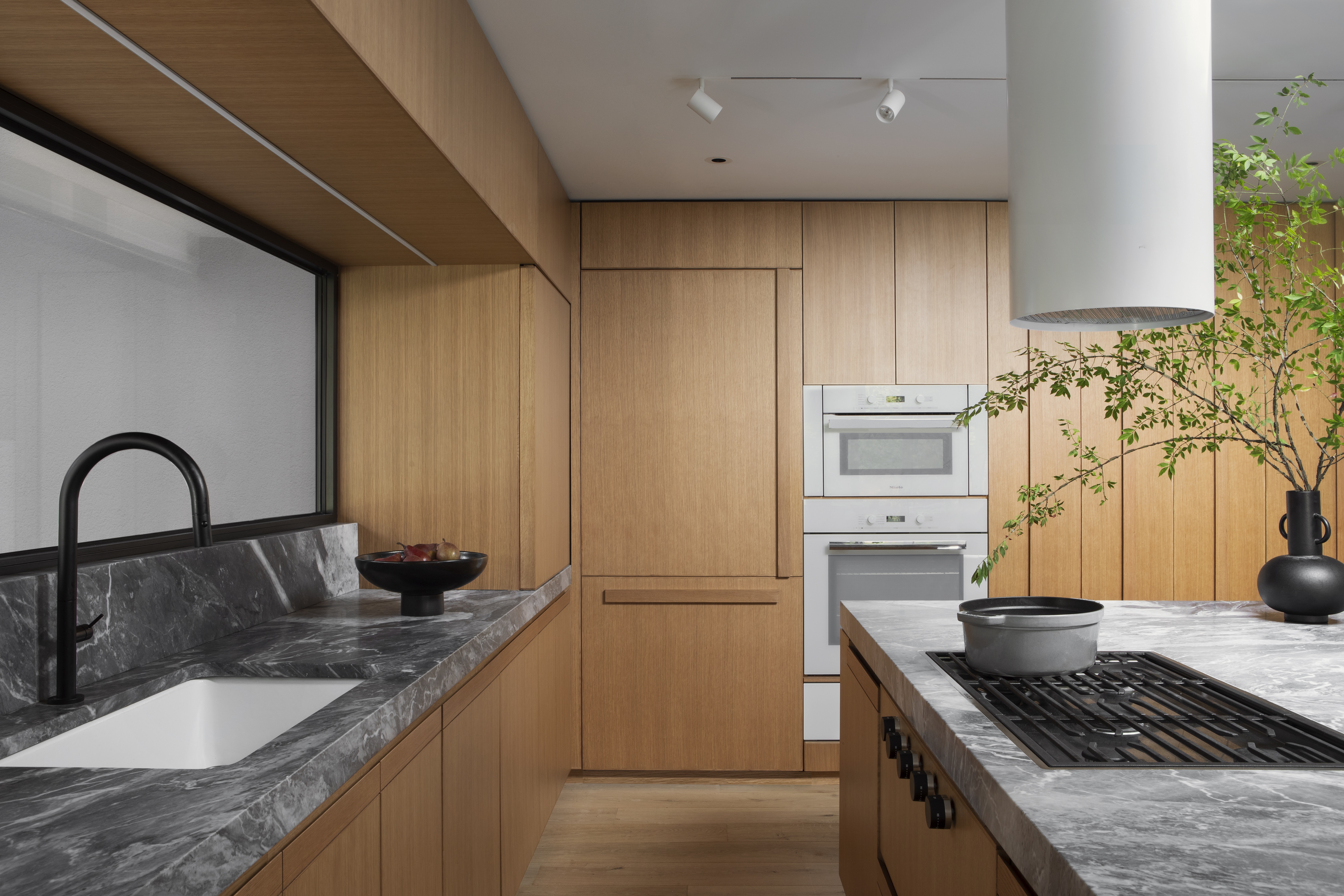
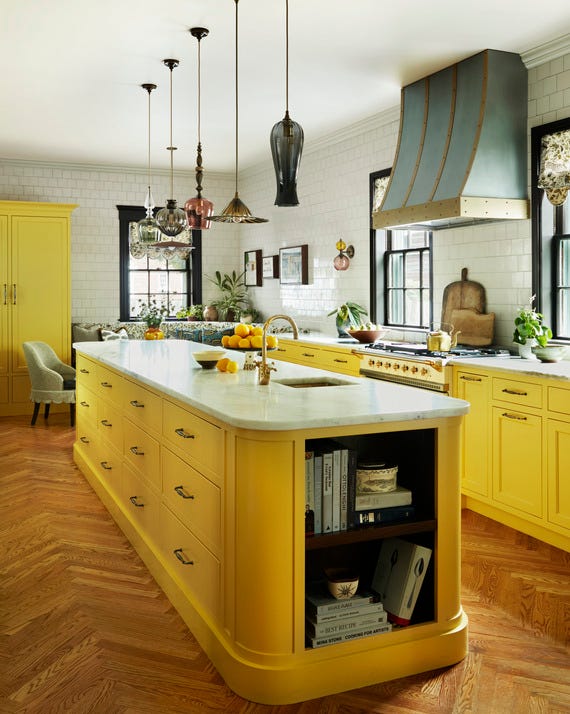
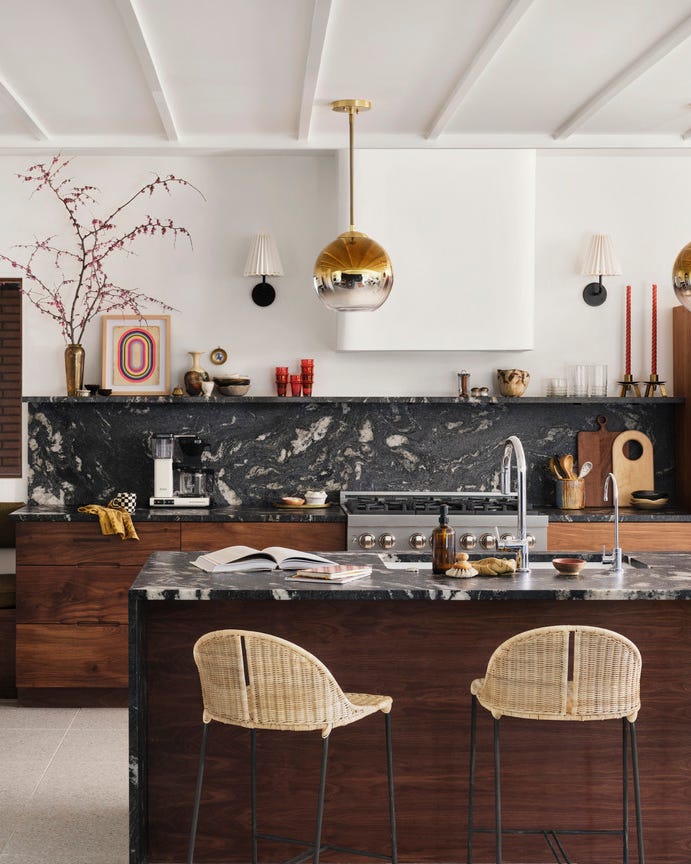
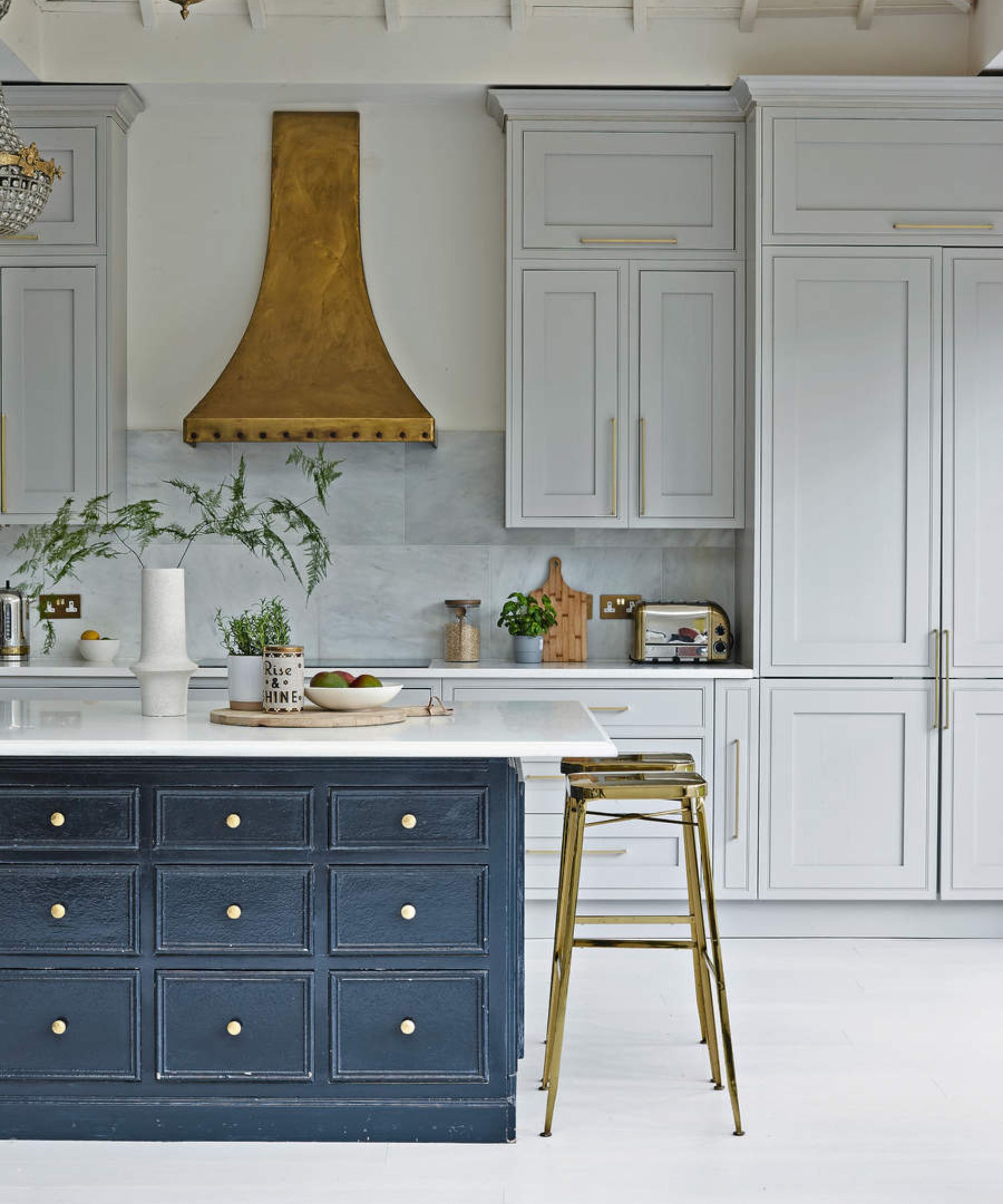
Finally, neglecting the storage potential of a kitchen island is a common mistake. Beyond providing extra counter space and a casual dining area, a kitchen island can serve as a vital storage unit, particularly beneficial for smaller kitchens. Joshua Smith, principal designer at Joshua Smith Inc., highlights that an island's storage capabilities can significantly augment a kitchen's overall capacity, contributing to a more organized and luxurious feel. By avoiding these five common storage missteps, homeowners can achieve a kitchen that is not only aesthetically pleasing but also highly functional and free of clutter.
#KitchenStorage #KitchenDesignMistakes #HomeRemodel #DrawerOrganization #CornerCabinets #PantryStorage #KitchenIsland #InteriorDesign #KitchenOrganization #KitchenStorage #KitchenDesignMistakes #HomeRemodel #DrawerOrganization #CornerCabinets #PantryStorage #KitchenIsland #InteriorDesign #KitchenOrganization
0 Kommentare insgesamt
 Noch keine Kommentare
Das könnte Ihnen auch gefallen
The 5 kitchen storage mistakes interior designers always avoid

5 Outdated Types of Kitchen Storage Experts Are Urging You to Avoid

5 Kitchen Cabinet Details to Avoid If You Don't Want Your Space to Look Old-Fashioned
7 Items You Should Never Store In Kitchen Cabinets
7 kitchen storage mistakes you're making – and how to fix them
5 Things You Shouldn't Keep on Your Countertops if You Want an Uncluttered, Minimalist Kitchen
5 Things You Should Never Keep on Your Kitchen Island

10 things decluttering experts won't keep in their kitchen cupboards

5 Storage Mistakes You're Making With Your Kitchen Drawers That Are Sabotaging Your Space's Potential
8 Things Pro Organizers Say You Should NEVER Keep On Your Kitchen Counter

5 outdated rules to ignore when designing a small kitchen – for a realistic yet organised space
8 Outdated Kitchen Storage Choices to Avoid — And What Experts Say You Should Use Instead
5 Kitchen Cabinet Details to Avoid If You Don't Want Your Space to Look Old-Fashioned

5 small entryway storage mistakes designers want you to stop making
7 Kitchen Storage Trends That Designers say are Best Avoided
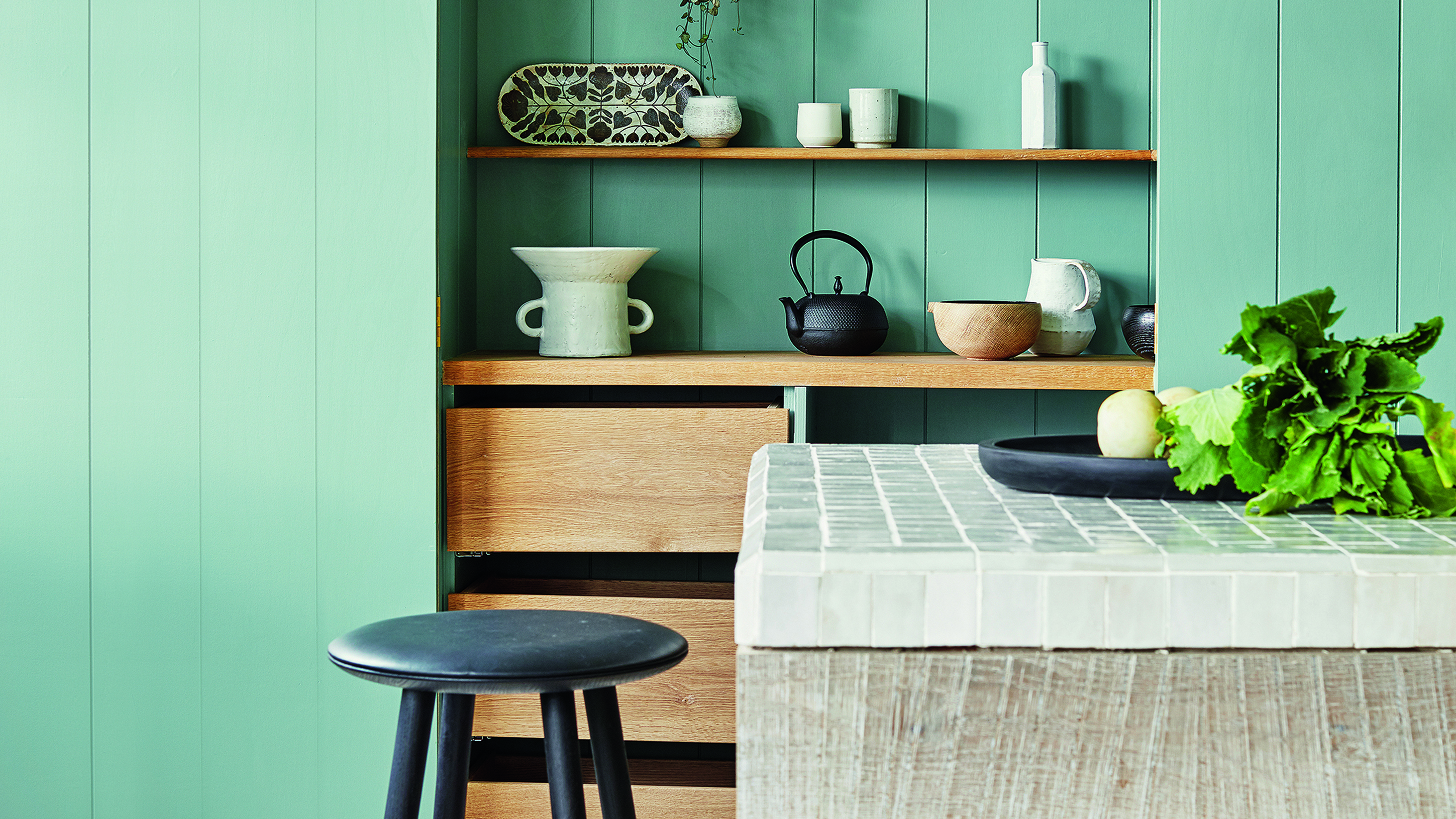
Kitchen storage trends to avoid for a more functional cooking space, according to design experts
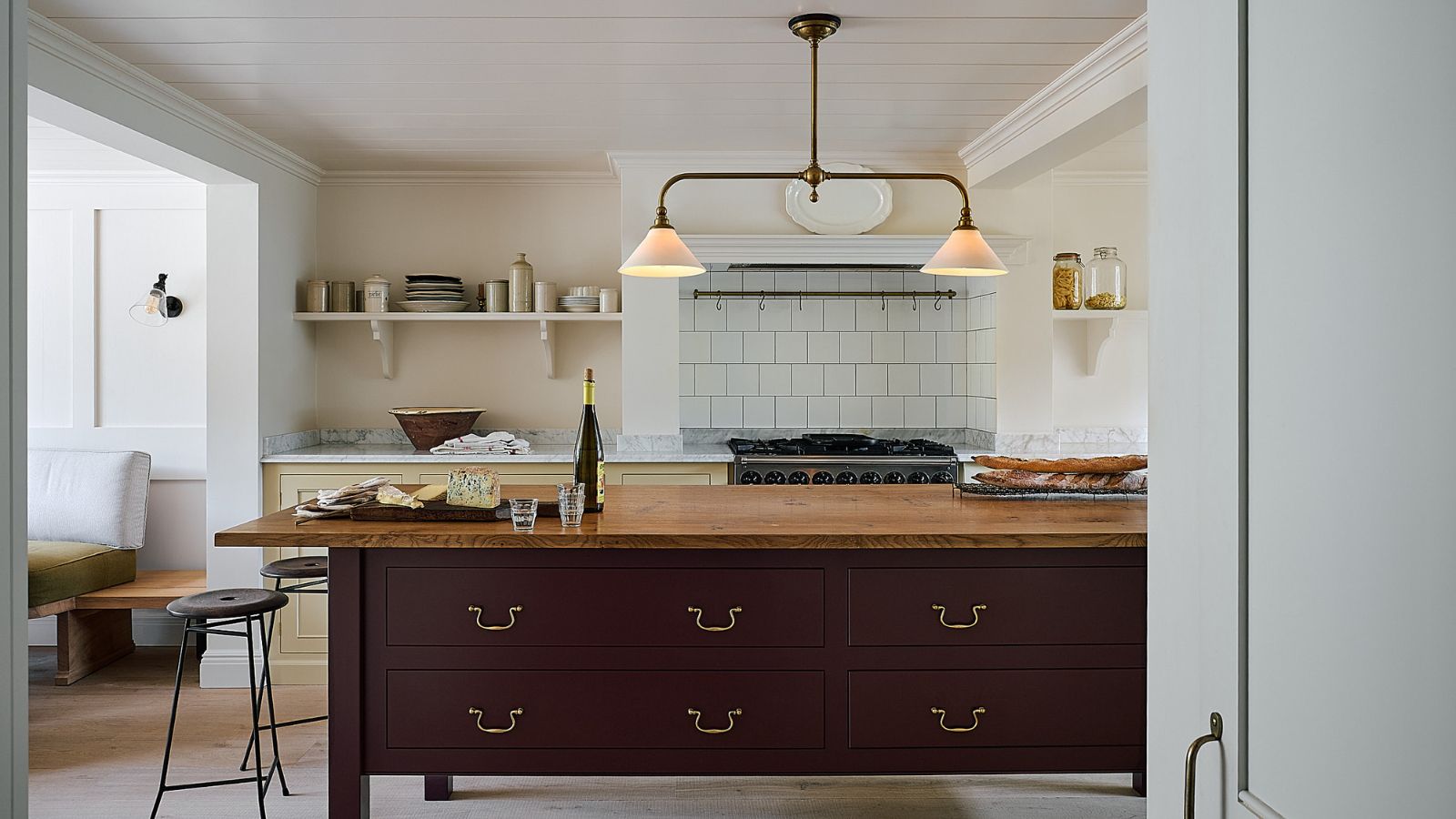
'Most kitchens don't suffer from a lack of storage, just inefficient use of it' – 7 things people with tidy kitchen cabinets never do
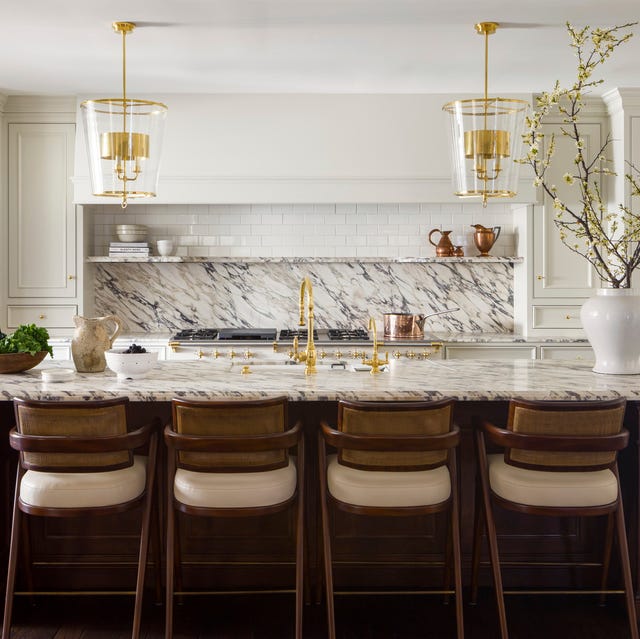
Five Mistakes People Make When Selecting Kitchen Cabinets—and How to Avoid Them
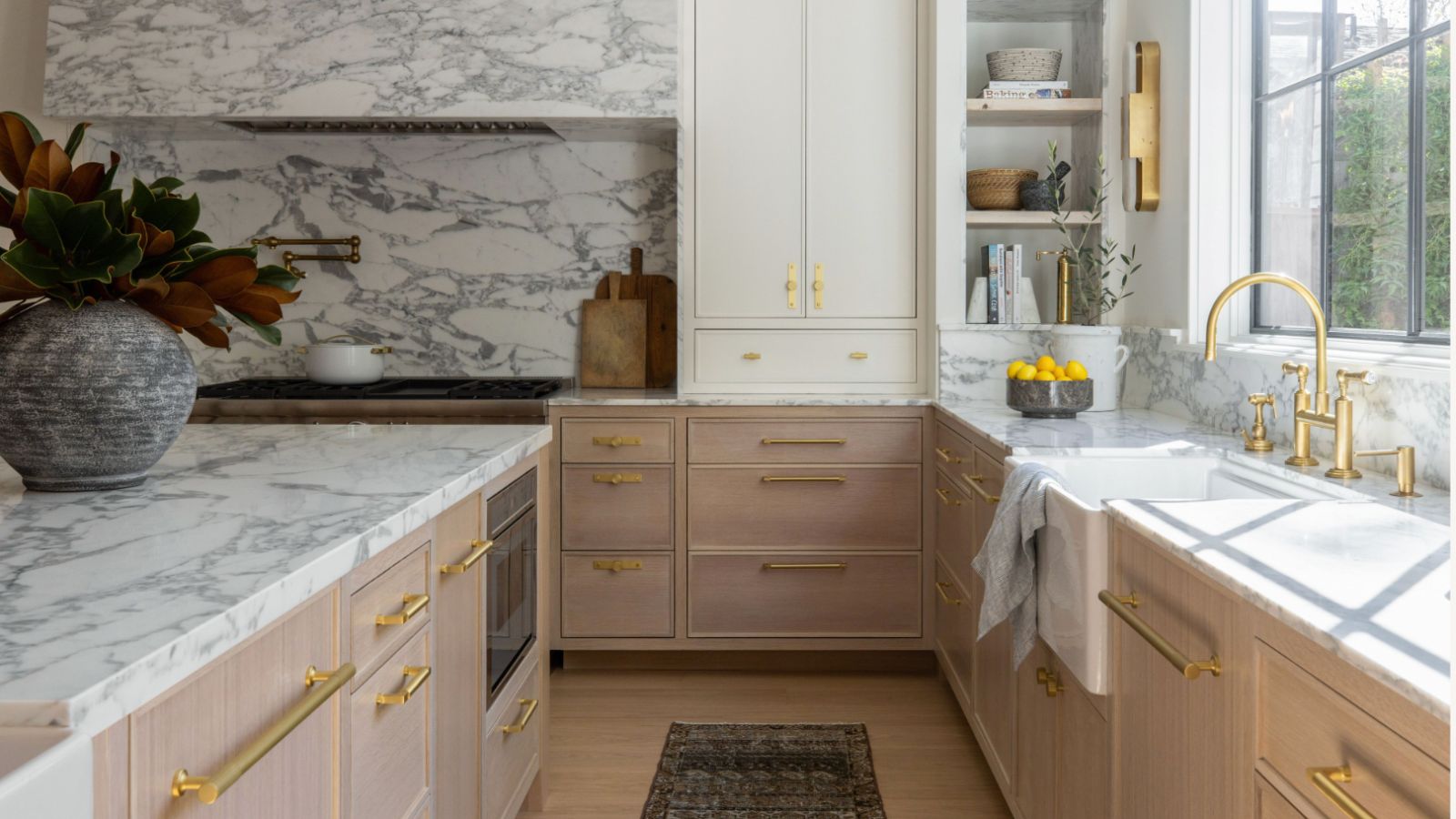
5 ways to maximize kitchen storage without splurging on new cabinets
This One Kitchen Cabinet Mistake Is Creating More Mess in Your Kitchen — Here's How to Fix It