1/9
11 Moody Design Trends That Took Over Homes This Year (And One We're Ready To Ditch)
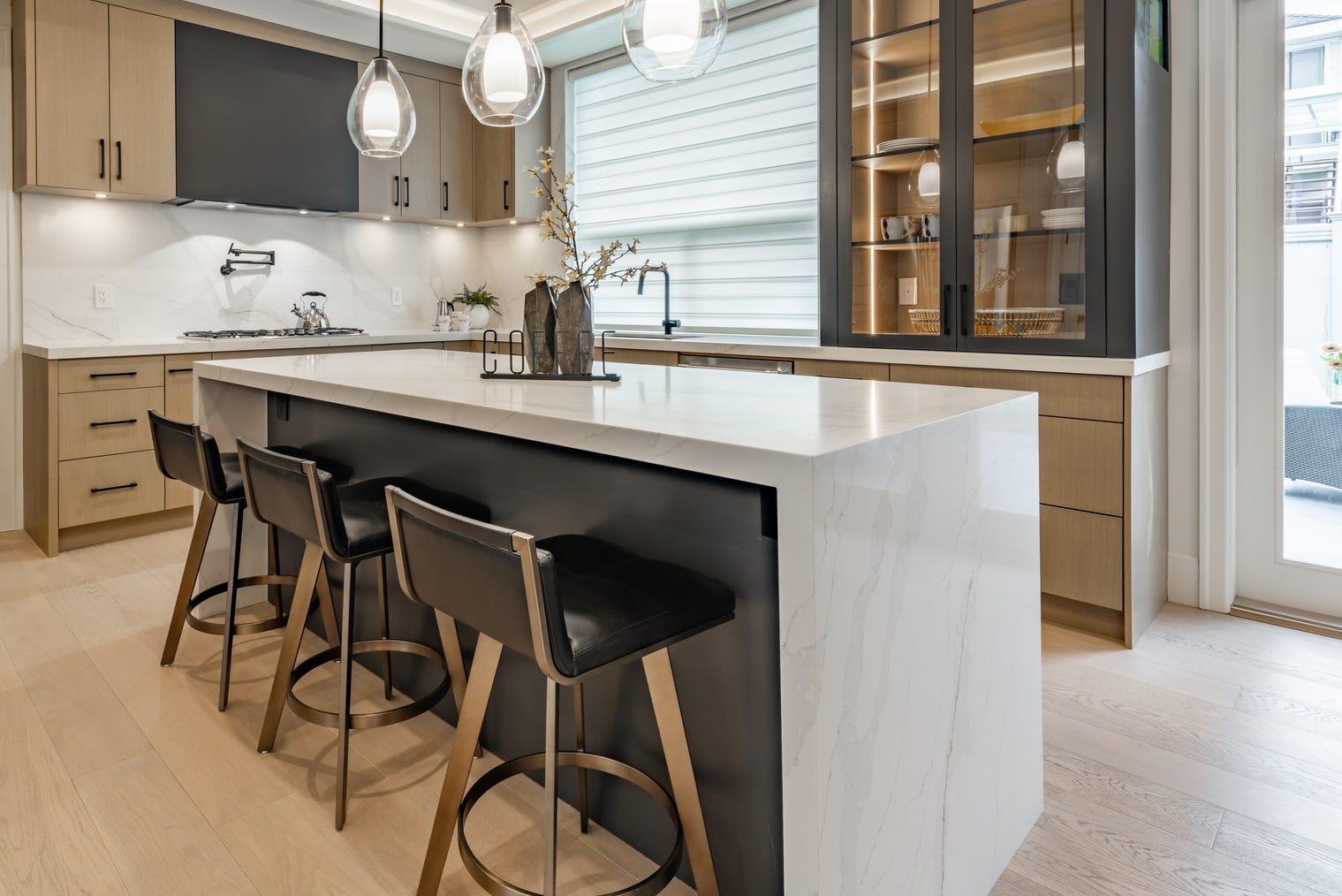
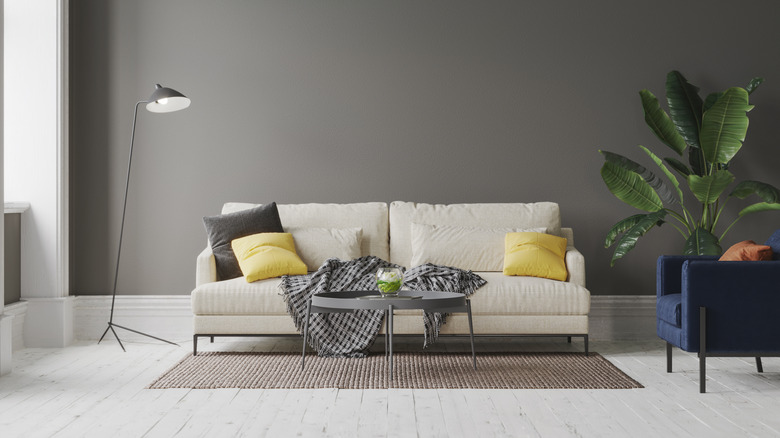
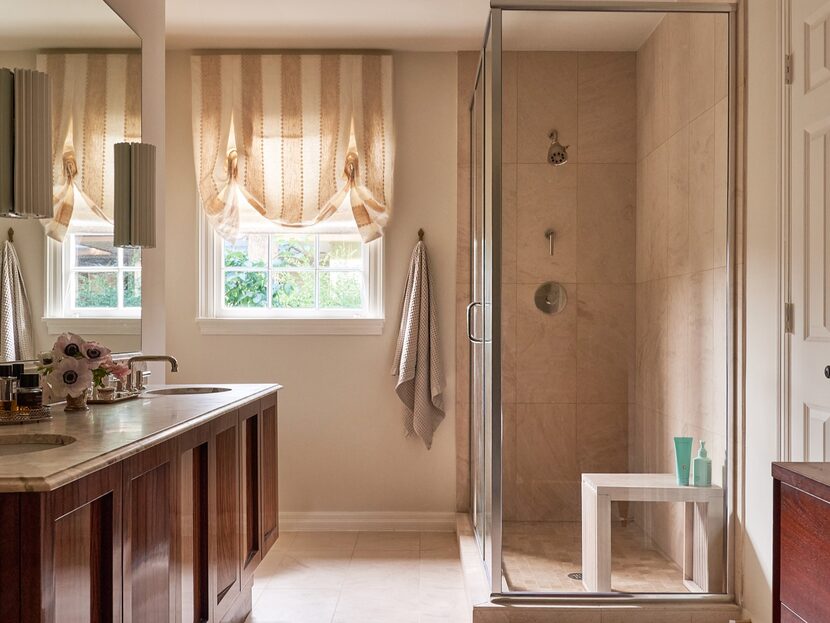
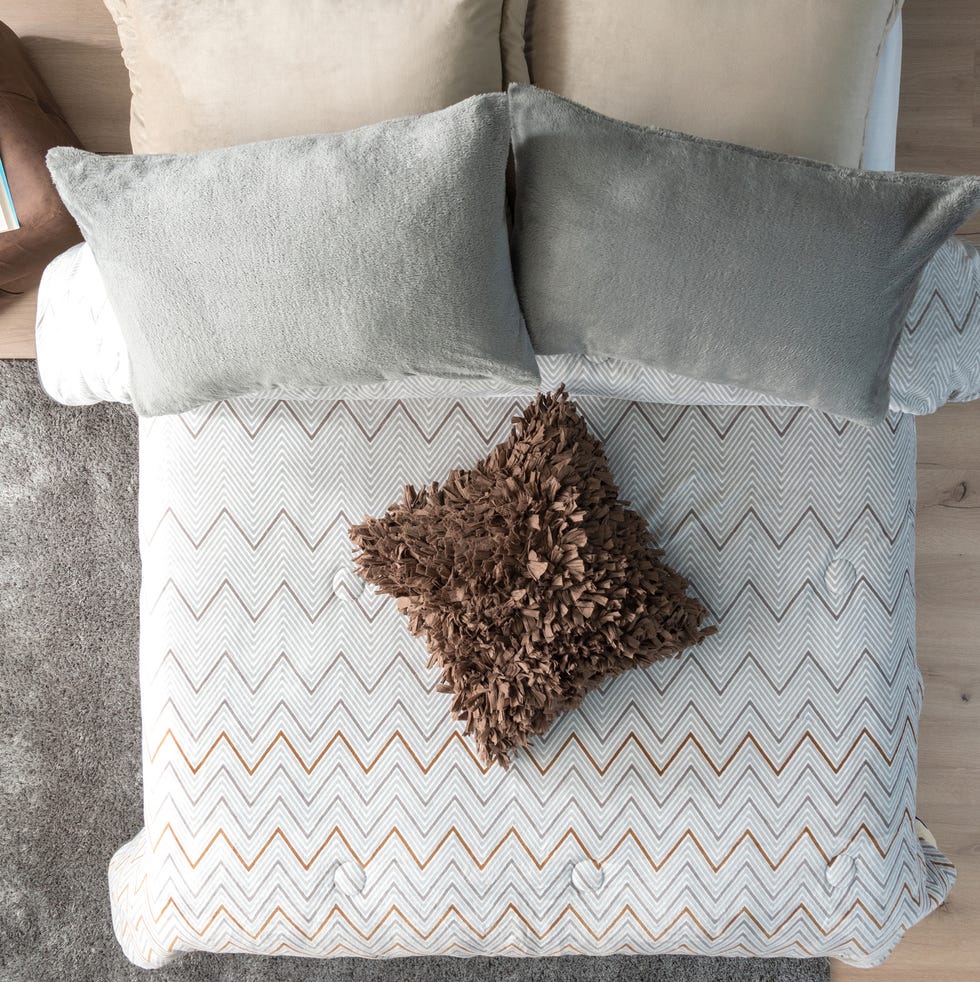
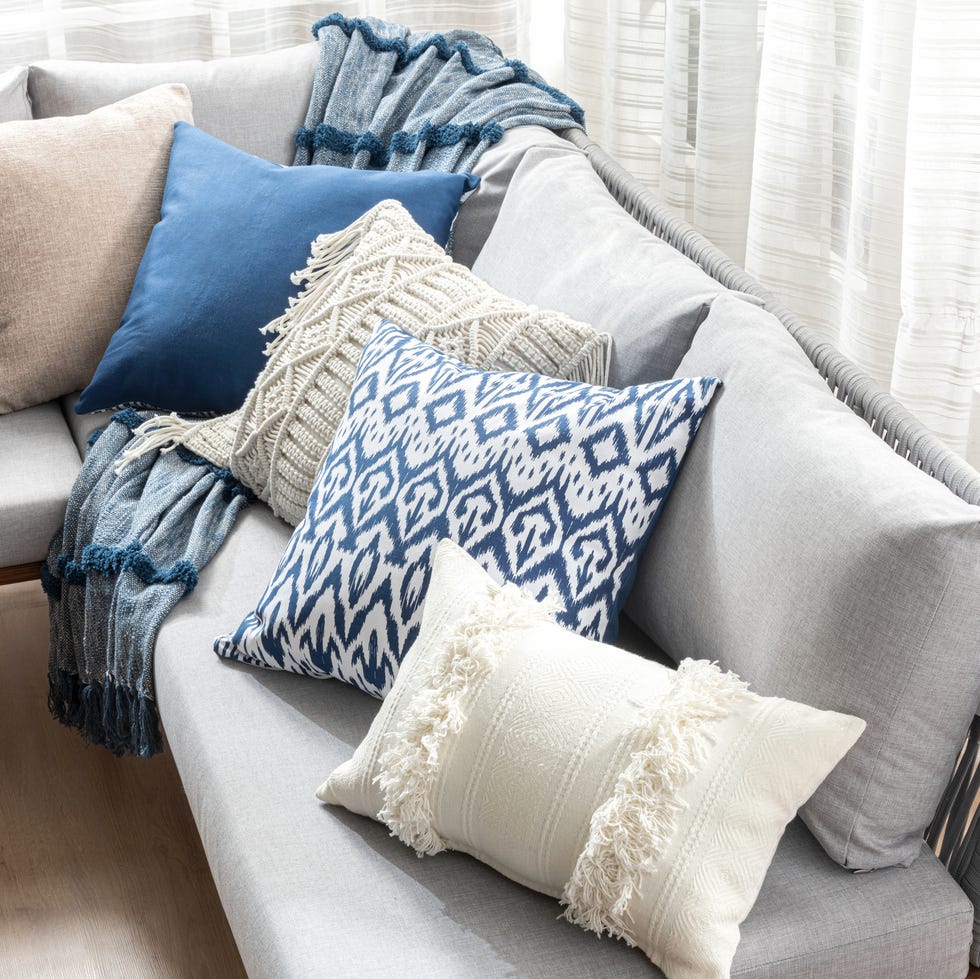
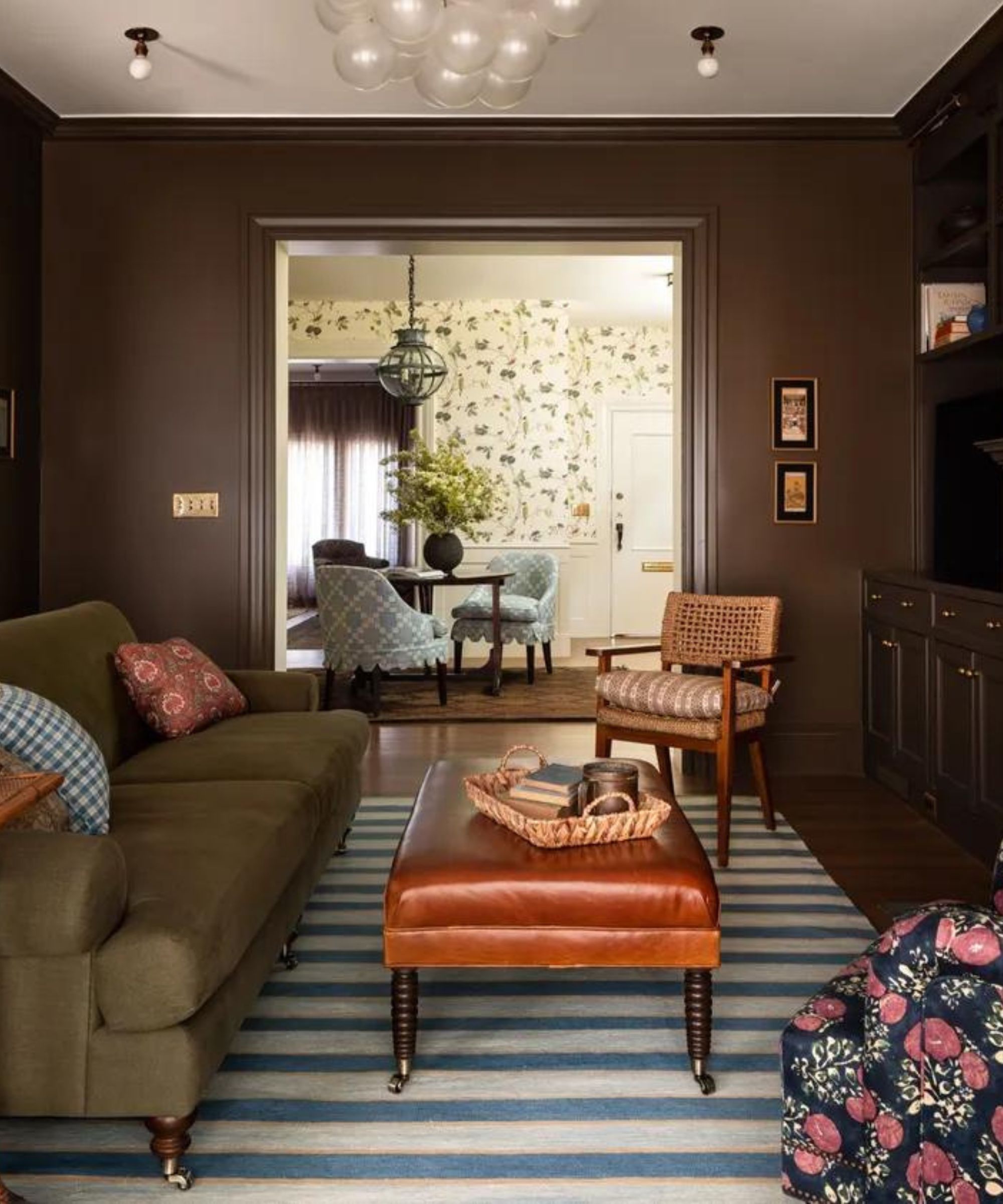
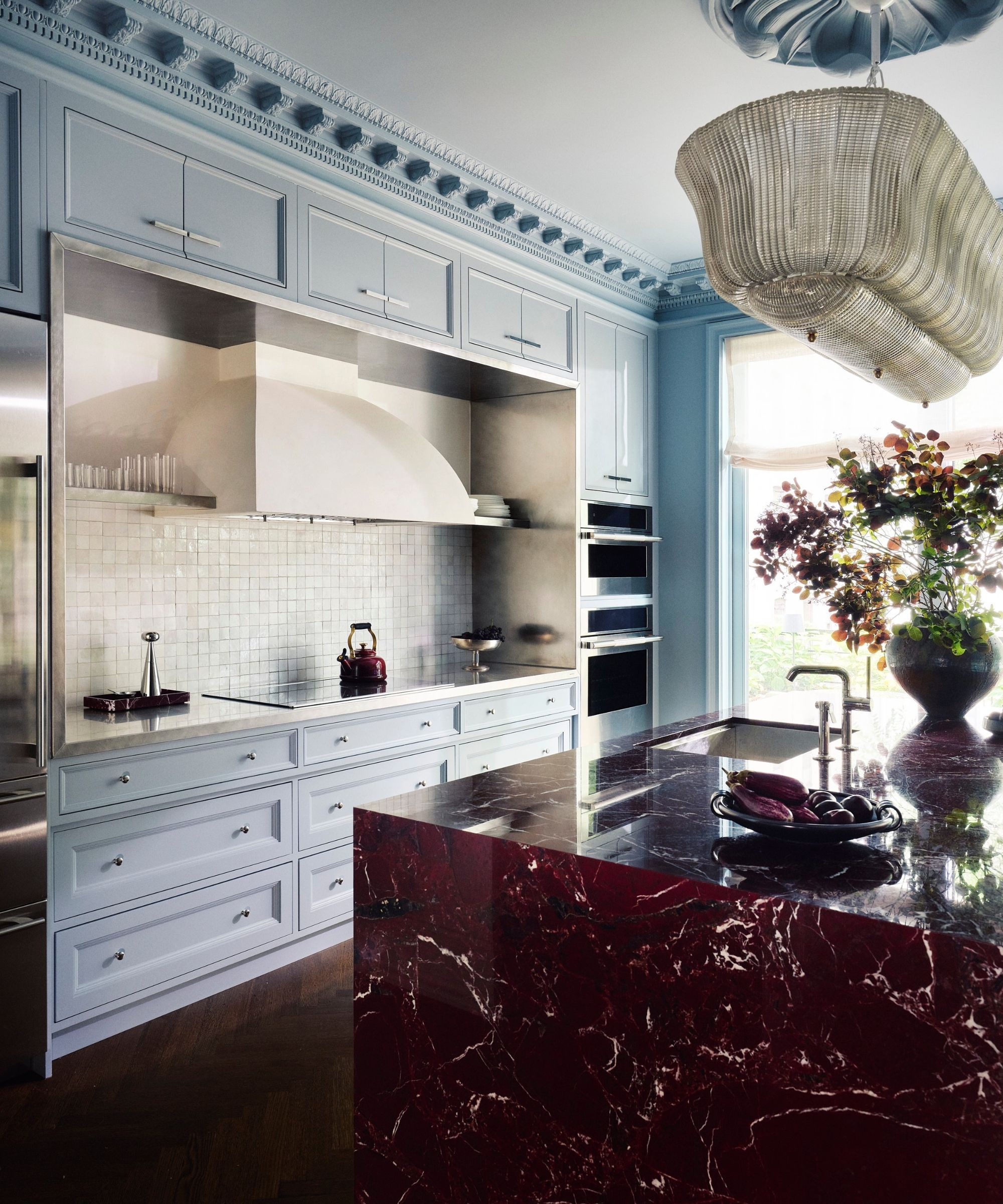
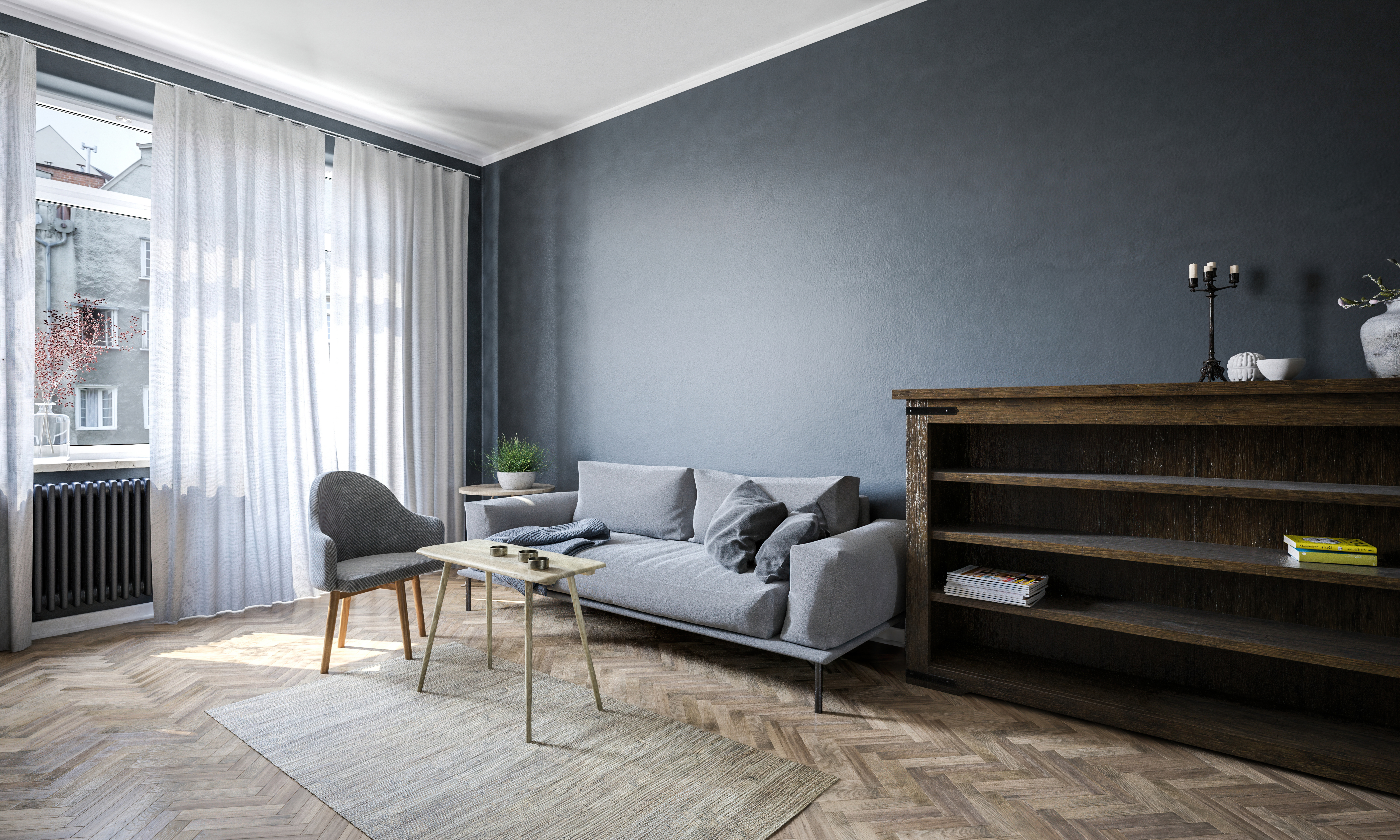
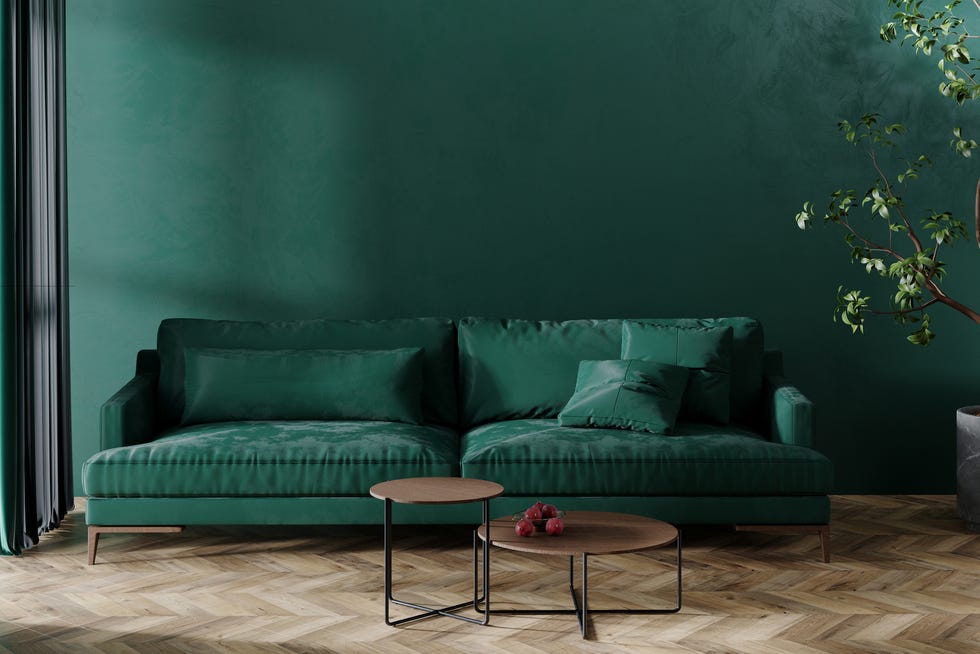
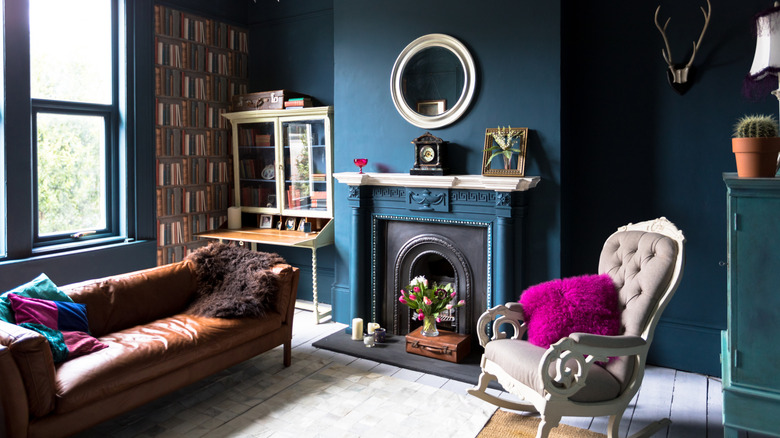
Moody decor is an emerging trend that stands in contrast to the previously dominant bright and minimalist interior styles, offering a personality-filled alternative. This aesthetic isn't confined to a single style but encompasses various design approaches, all aiming to cultivate a moody atmosphere through specific elements. Individuals drawn to a dark and dramatic vibe in their homes often find this trend appealing. Key characteristics of moody room design include a dark color palette, complemented by rich and warm tones such as deep wood stains and jewel-toned or berry-toned palettes. A significant emphasis is placed on layered textural elements, including curtains, rugs, throw pillows, and upholstered furniture. The incorporation of natural materials like wood, leather, wool, and velvet enhances the cozy feel, while low and warm lighting serves as the final touch to complete the ambiance.
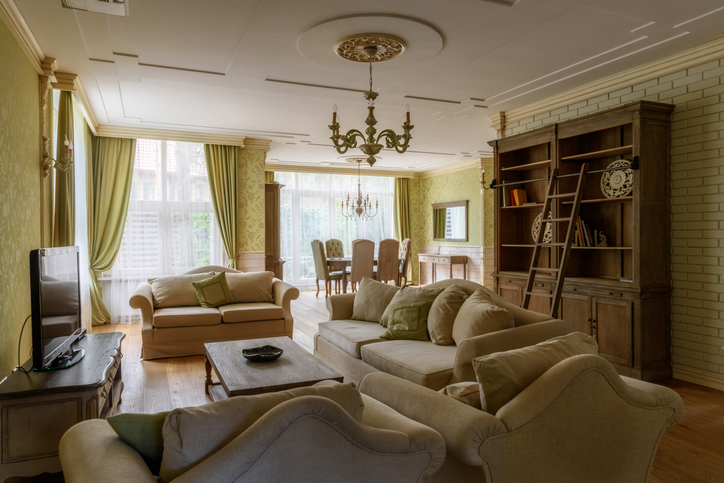
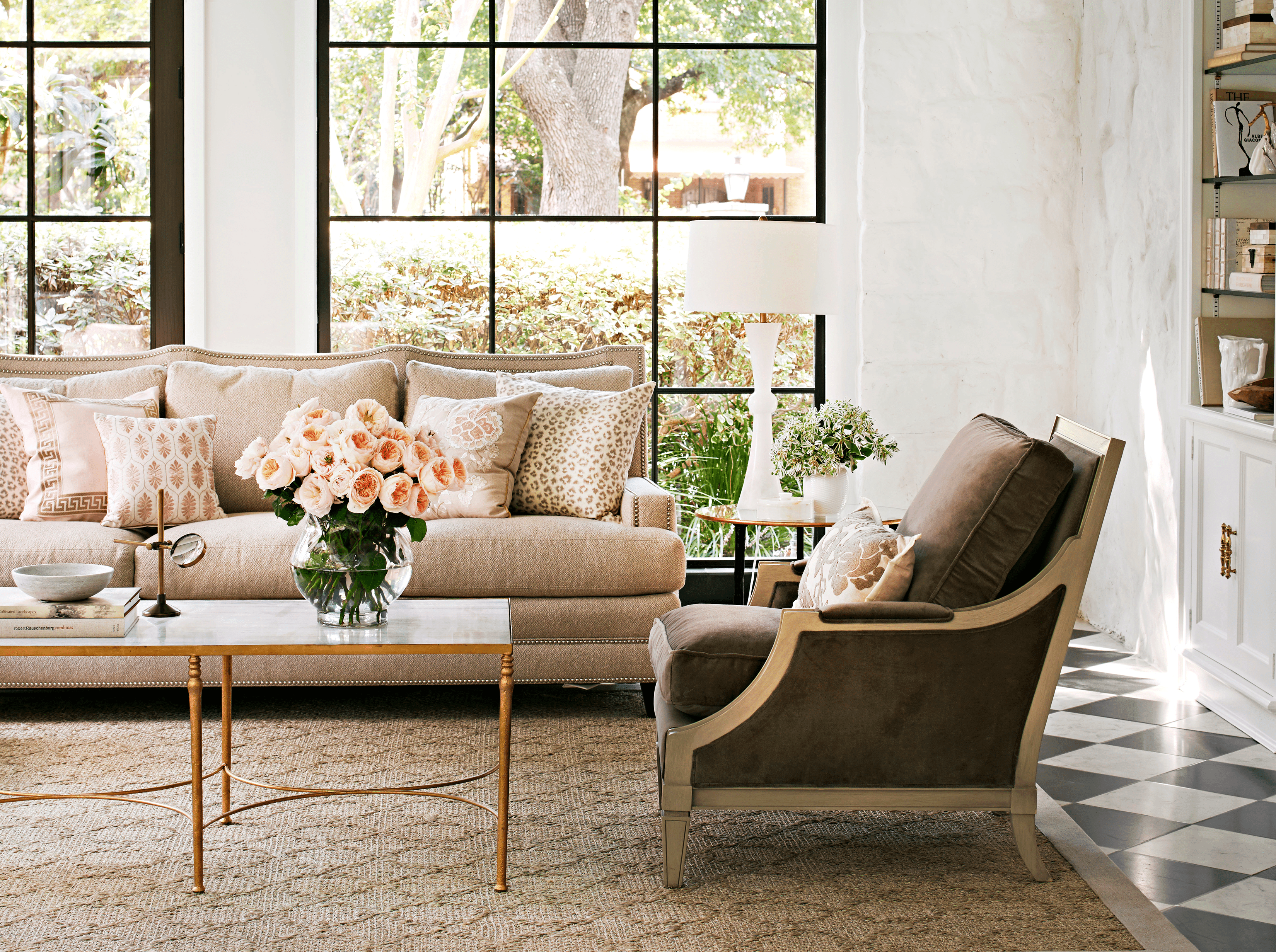
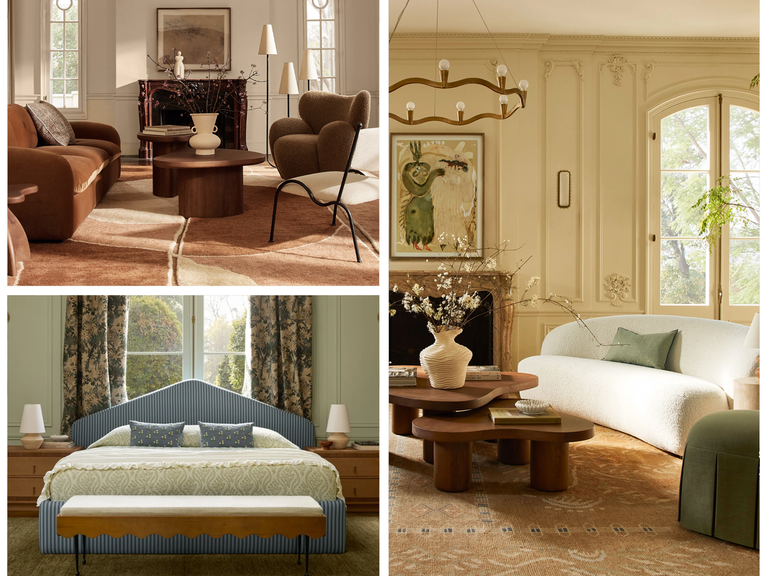
Several distinct moody design trends have gained prominence, each offering a unique interpretation. Sumptuous traditional interiors, inspired by 18th and 19th-century European styles, feature deep color palettes of reds, browns, greens, blues, and warm golds, along with intricate details and classic patterns like florals and damask. Real wood furniture and paneling in darker hues, traditional lighting, and wool rugs contribute to this elegant moodiness. For those who find traditional decor too intricate, moody transitional style offers a balanced approach, blending traditional and modern elements. This style allows for a neutral background with layered deep-toned traditional elements or vice versa, focusing on darker colors and cozy designs. Examples include sculptural metal accent chairs with traditional finishes and vintage-inspired throw pillows.
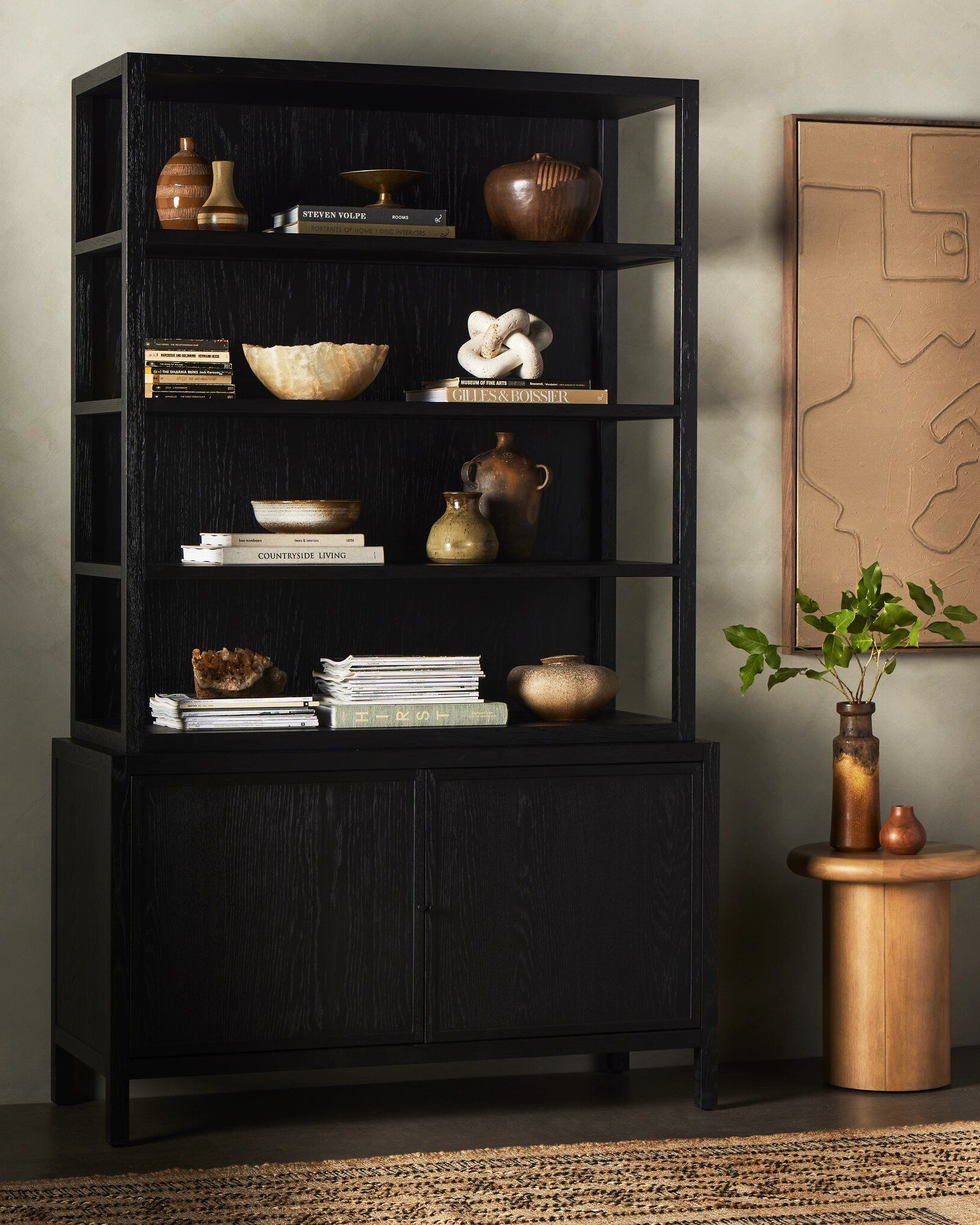
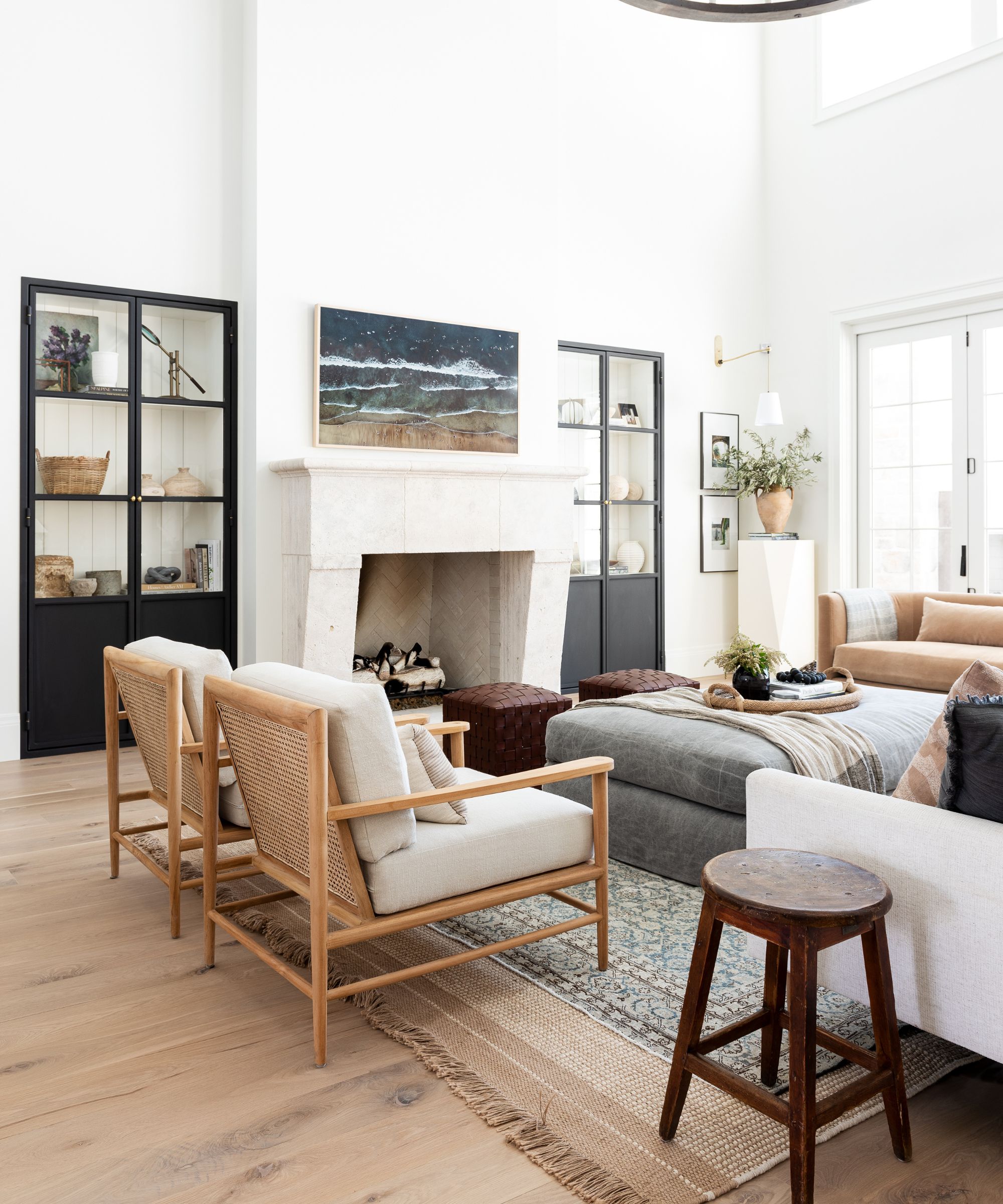
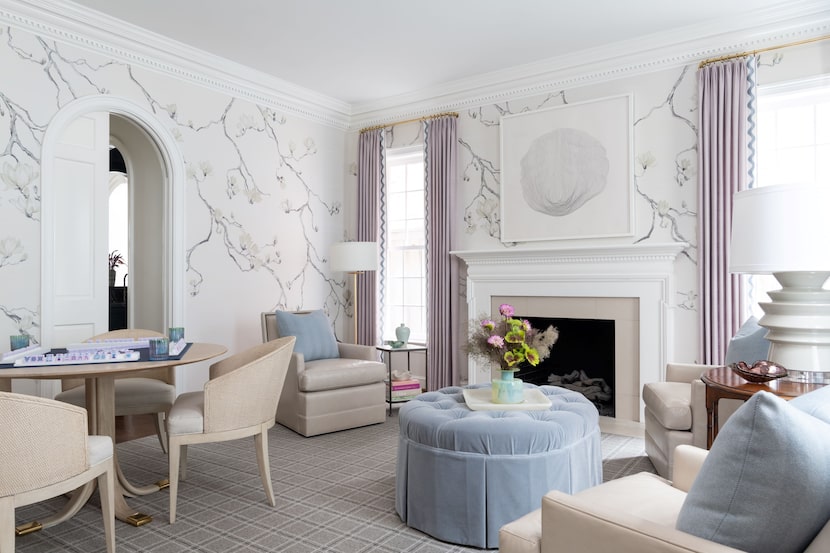
Royalcore, a trend fueled by historical dramas, elevates traditional decor to a lavish, opulent level. It emphasizes intricate detailing, rich fabrics, and extravagant decorations. While often incorporating lighter main colors, elements like patterned walls, dark classical paintings, and wood furniture create a moody tone. Deep color palettes such as burgundy, emerald, and deep purple can make royalcore feel more sophisticated. Dark academia injects personality with its preppy and gloomy English boarding school aesthetic. This style necessitates literary-related decor, such as tall wooden bookshelves, worn leather armchairs, and stacks of books. Cozy light academia provides a softer alternative, maintaining the academia-inspired pieces but with a paler, less intense color scheme, utilizing off-white or creamy hues for walls and softer-colored furniture.
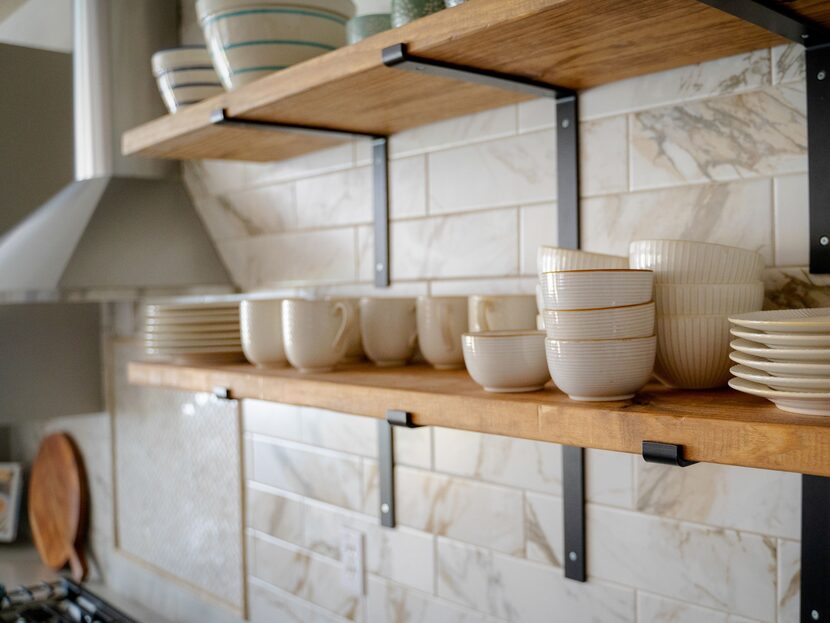
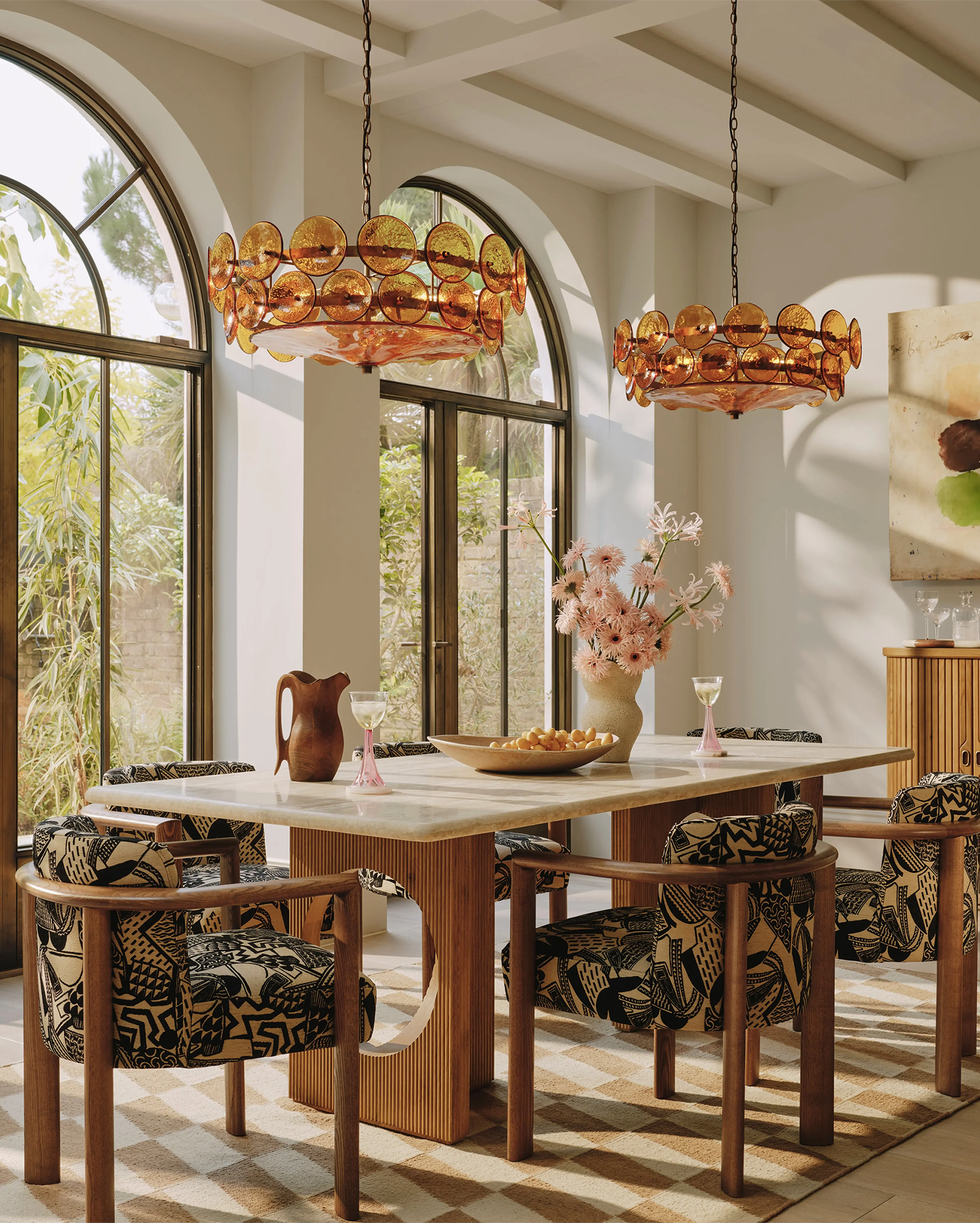
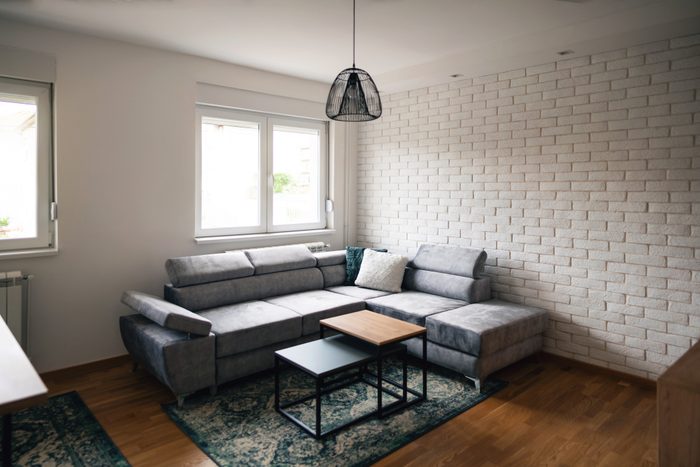
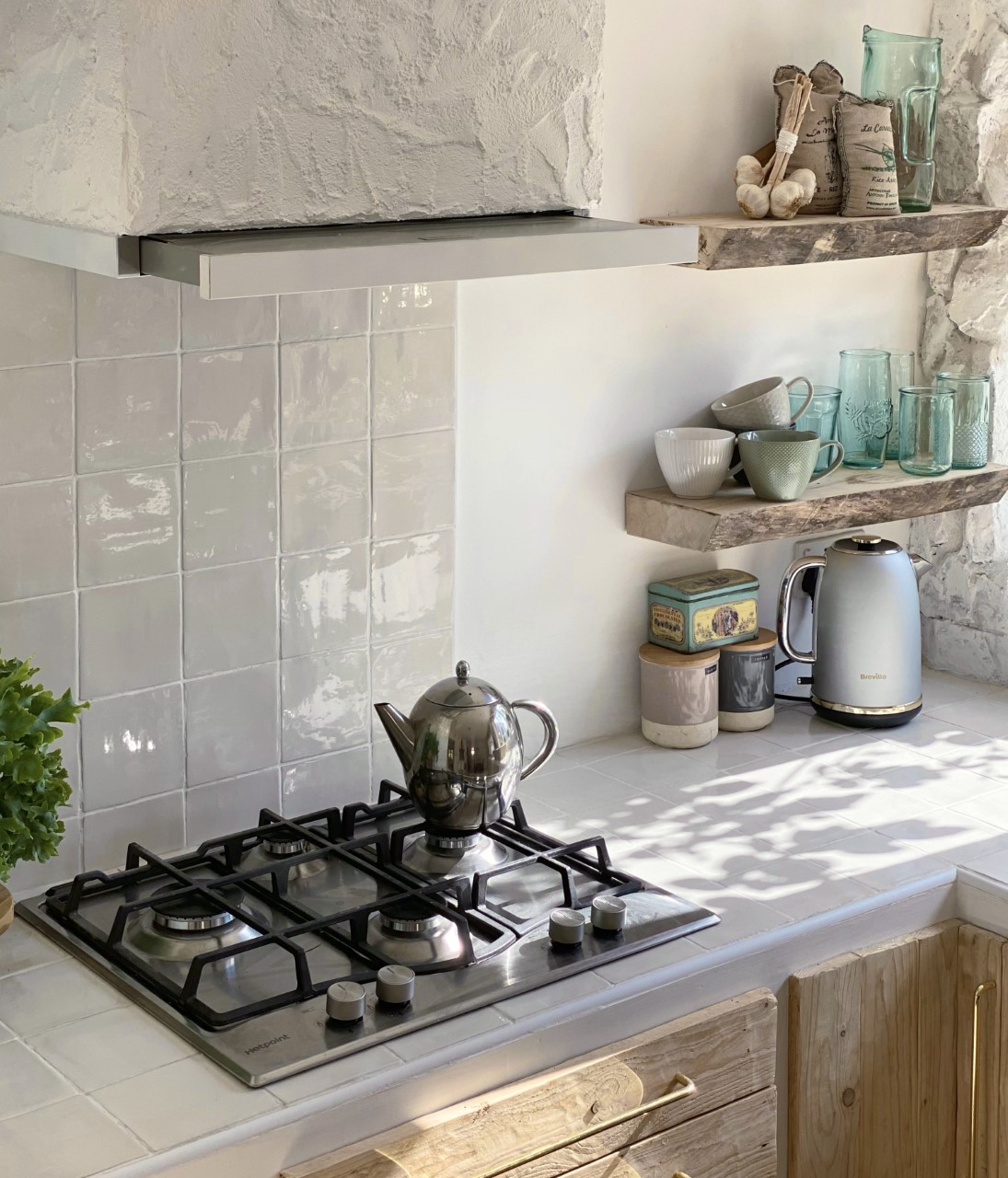
Moody maximalism embraces the "more is more" philosophy, but with a darker color scheme. This involves curating a collection of bold, cherished items, often with an excess of color and pattern, to create an immersive, moody feel. Rustic interior styles blend rugged earthiness with moodiness through natural and aged materials like dark wood, matte metals, and fur textures. This trend has evolved from lighter palettes to incorporate deep wood tones and black accent decor, evoking a wintery countryside cabin feel with vintage elements. Moody industrial design draws inspiration from warehouses and factories, favoring high ceilings, exposed elements like bricks and pipes, and a slightly unfinished yet polished look. Dark hues such as red bricks, intense wood stains, and dark metals like wrought iron create a sophisticated and somber atmosphere.
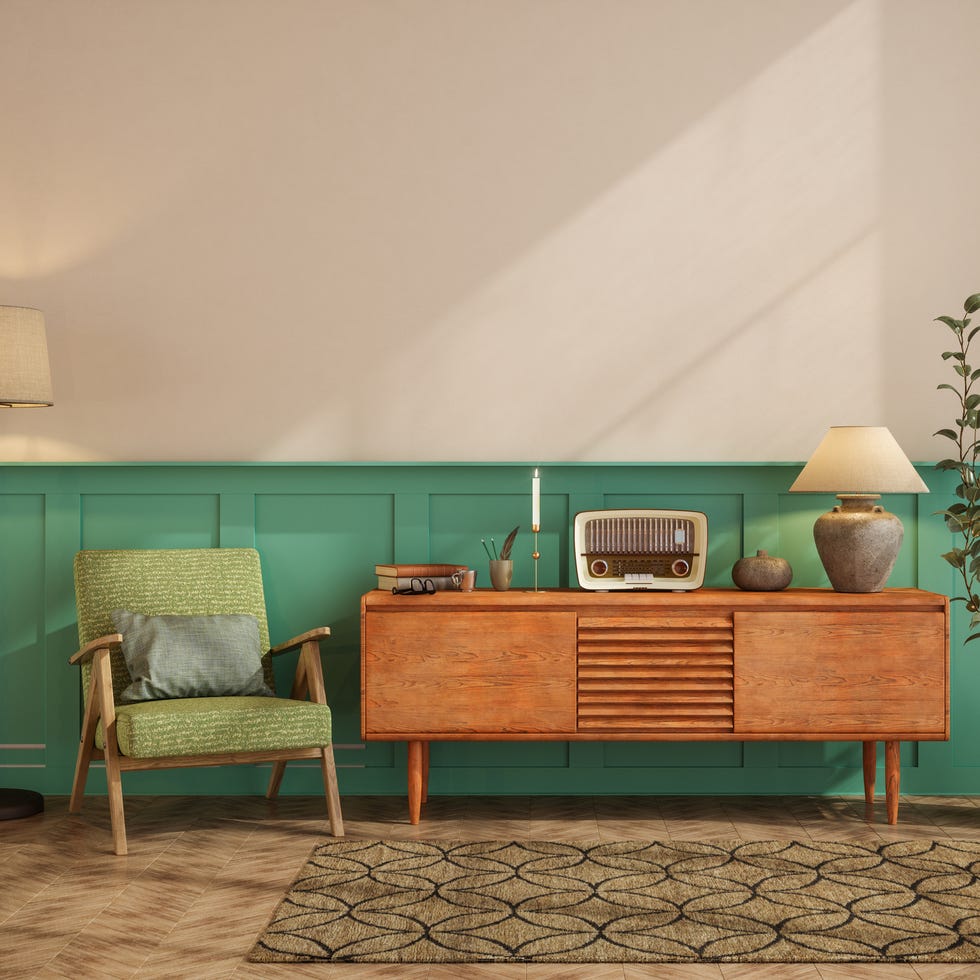
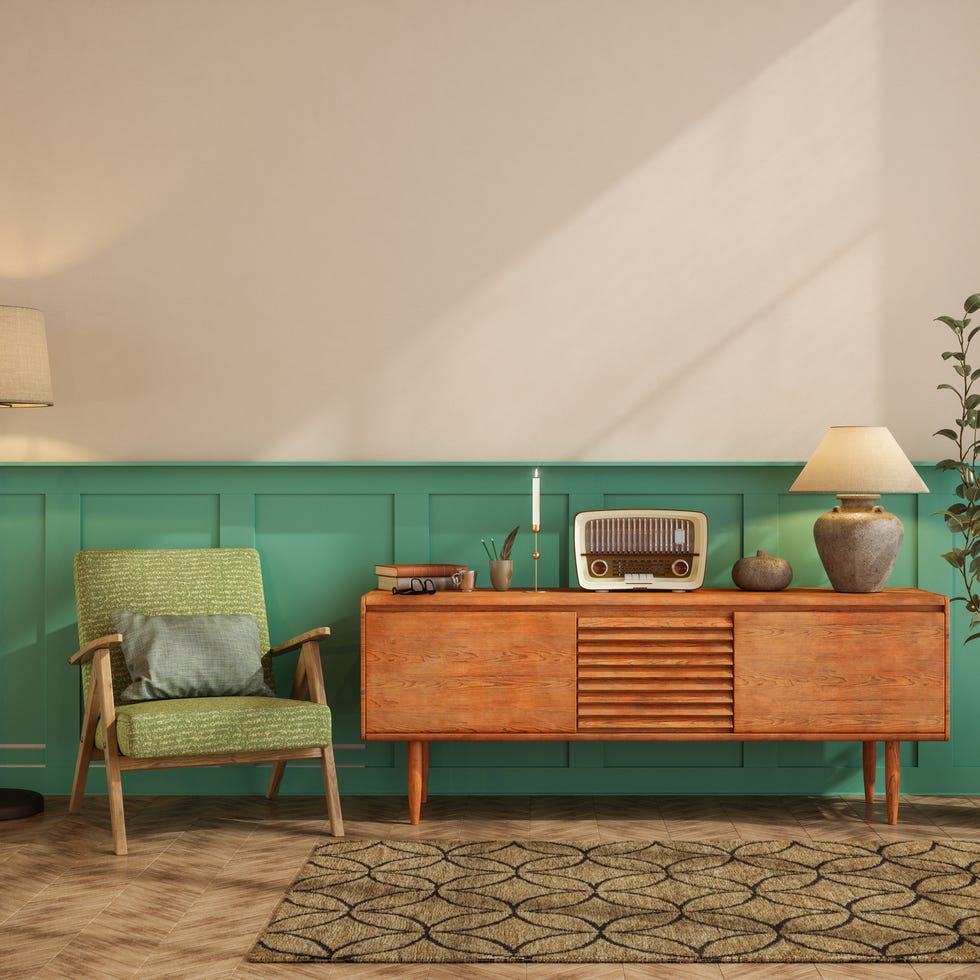
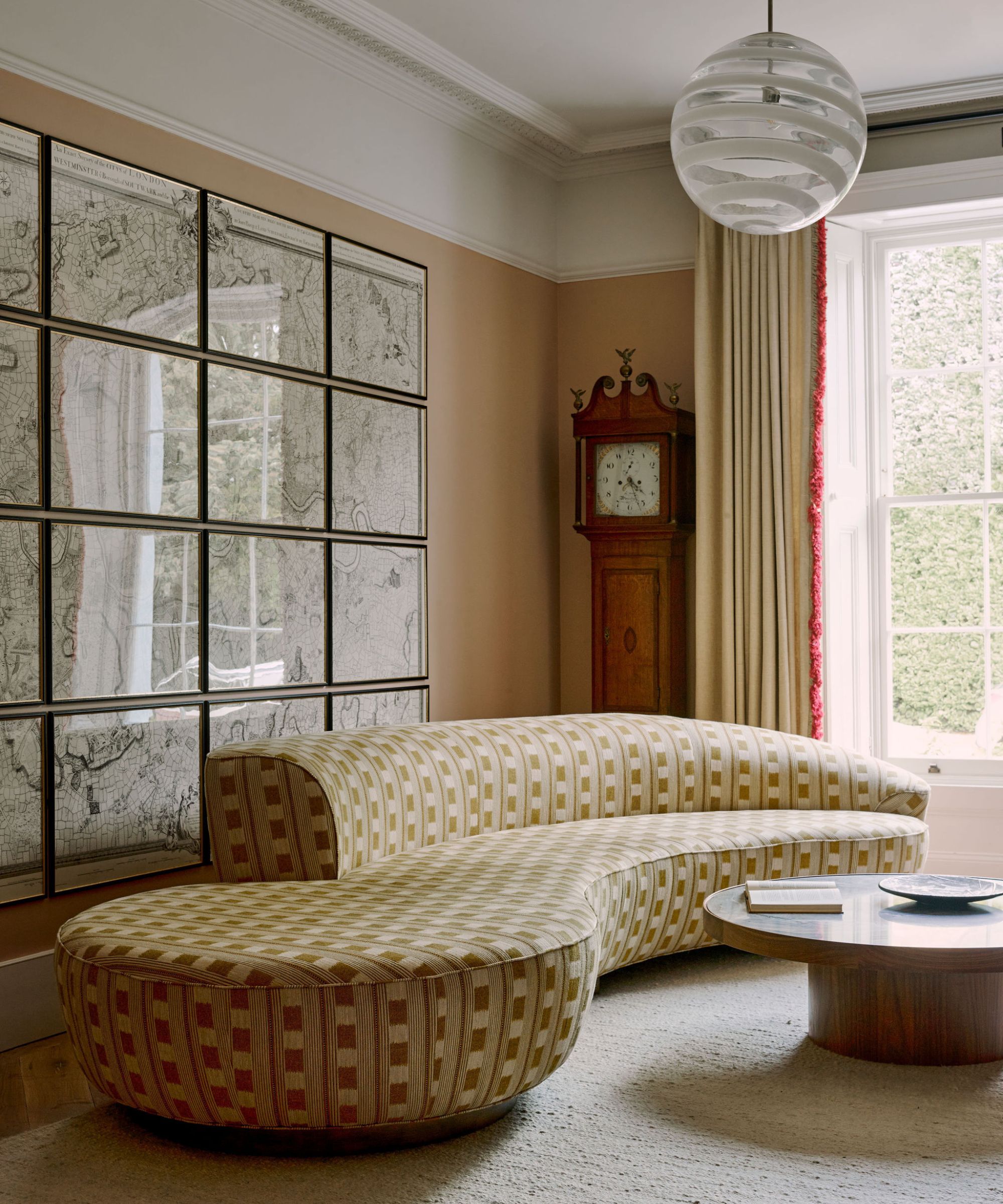
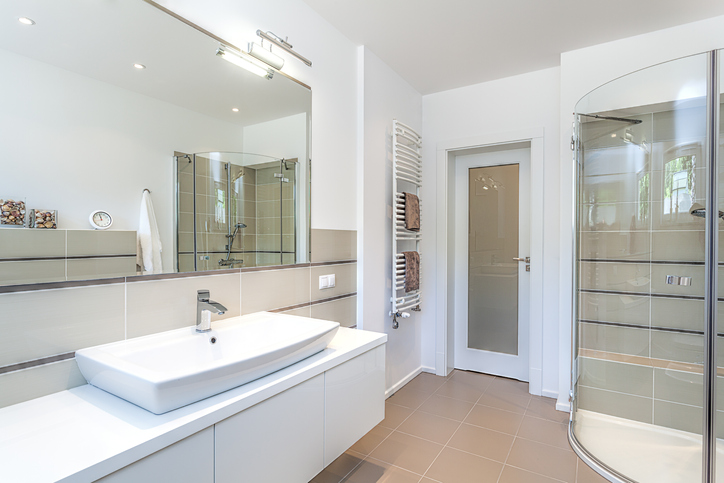
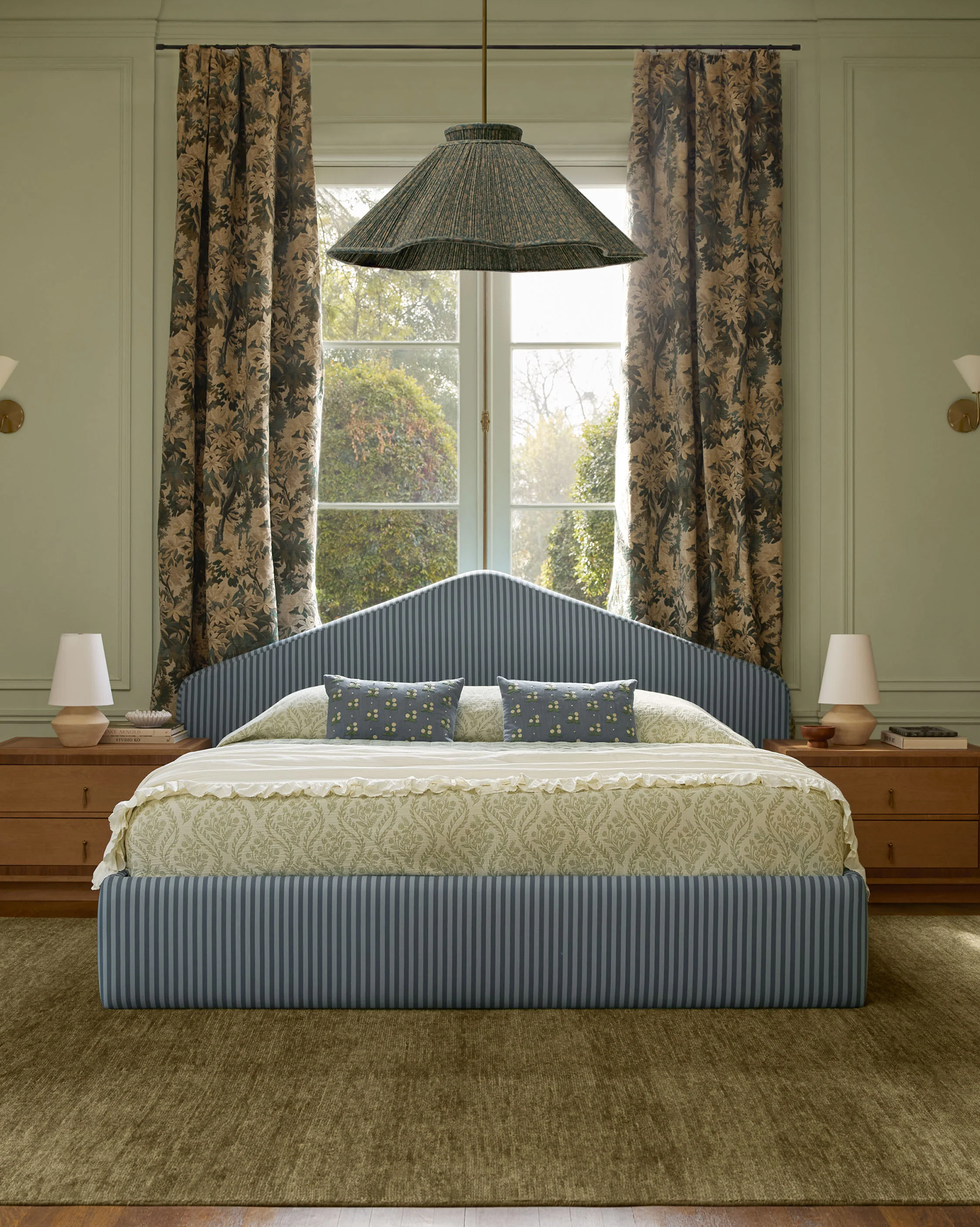
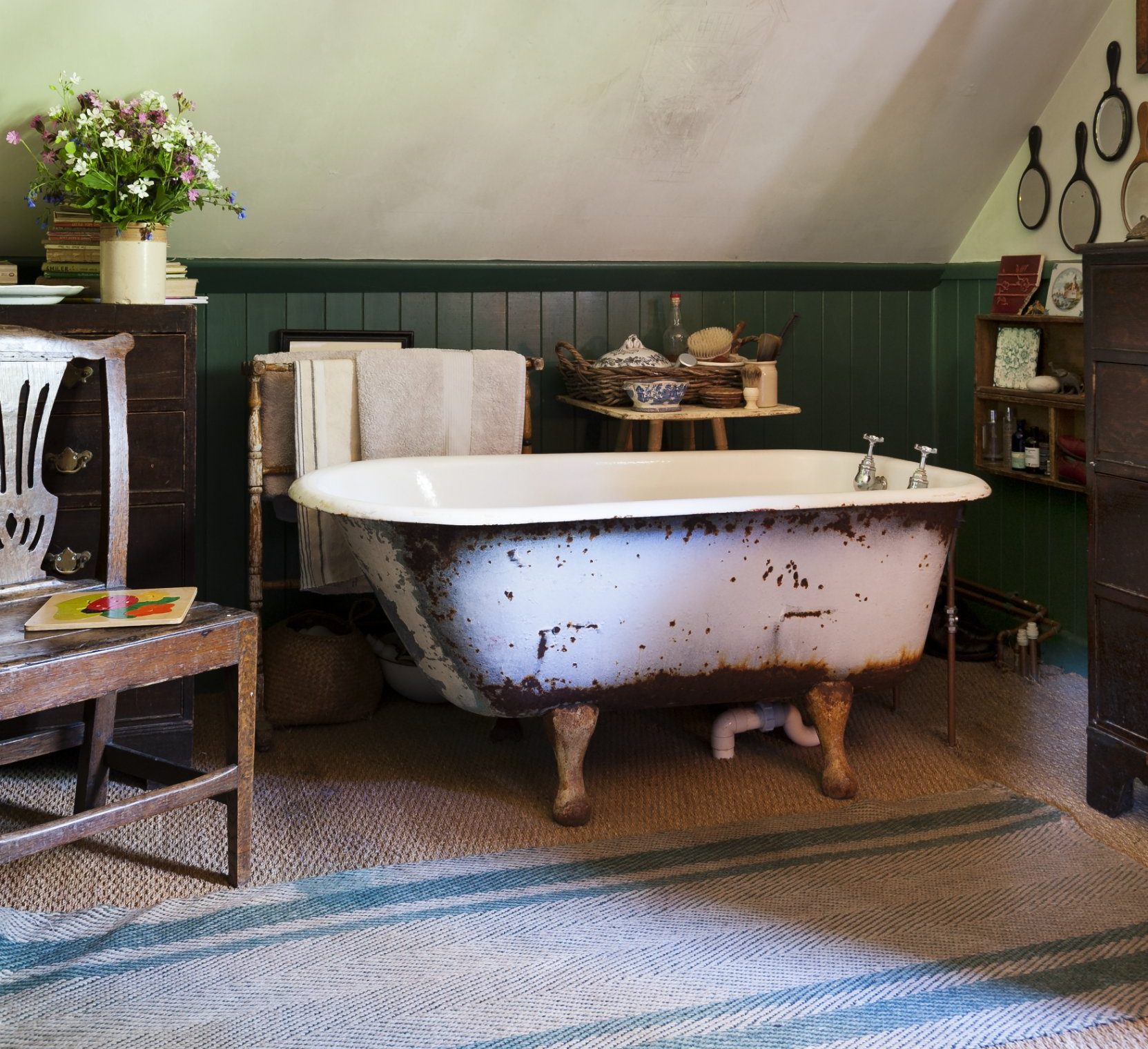
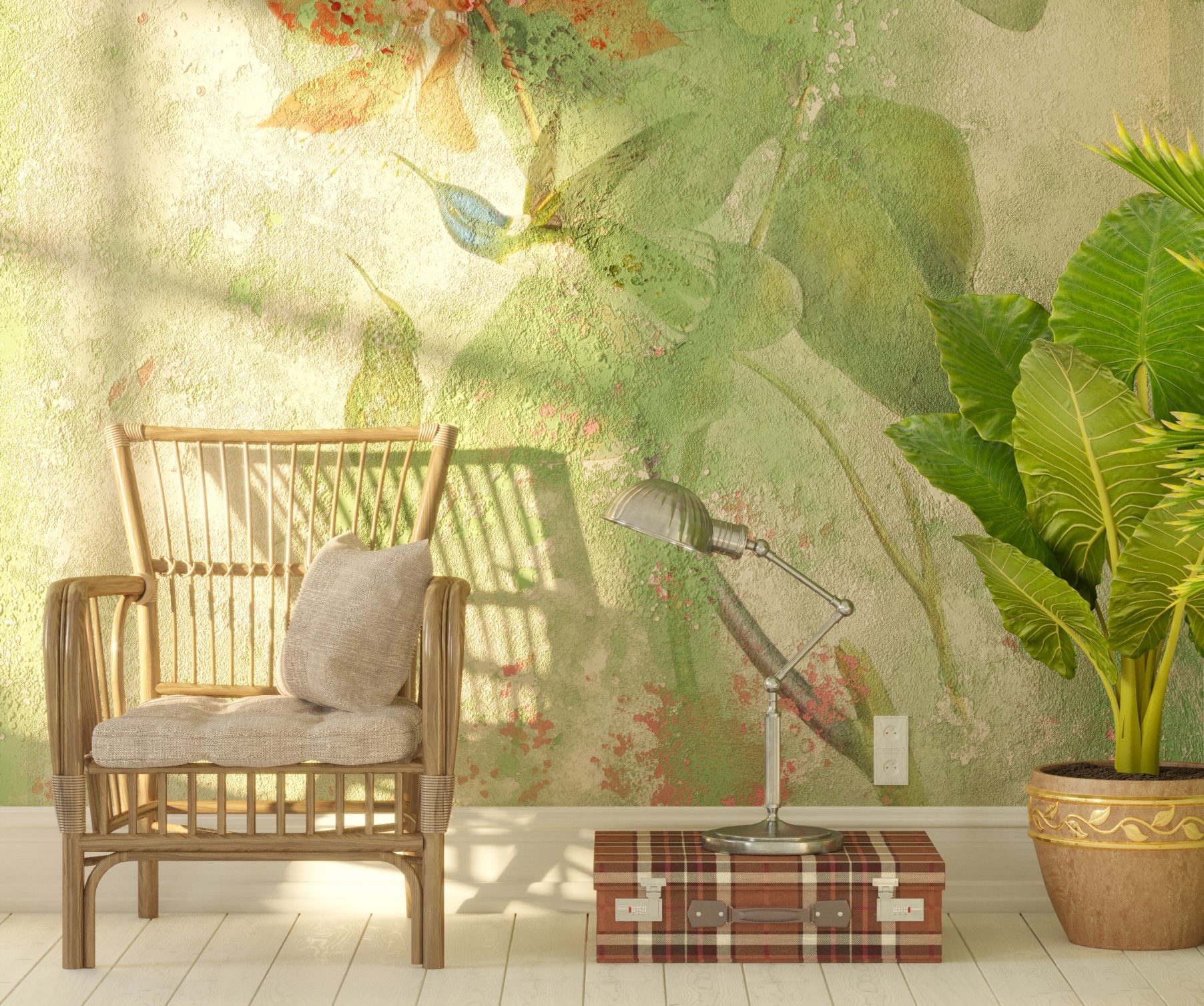
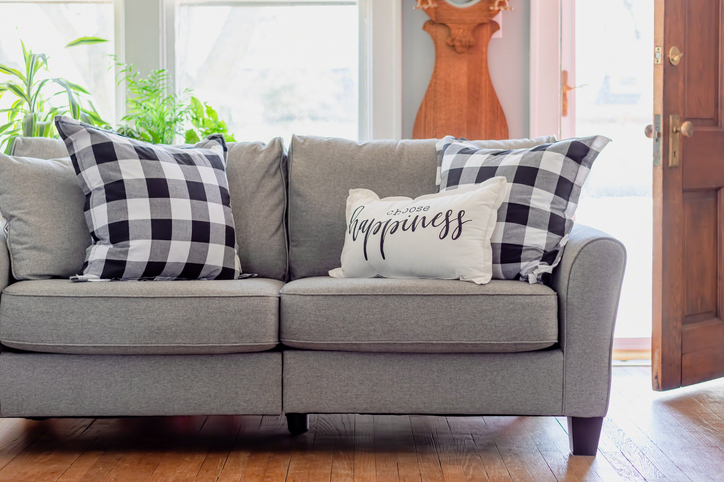
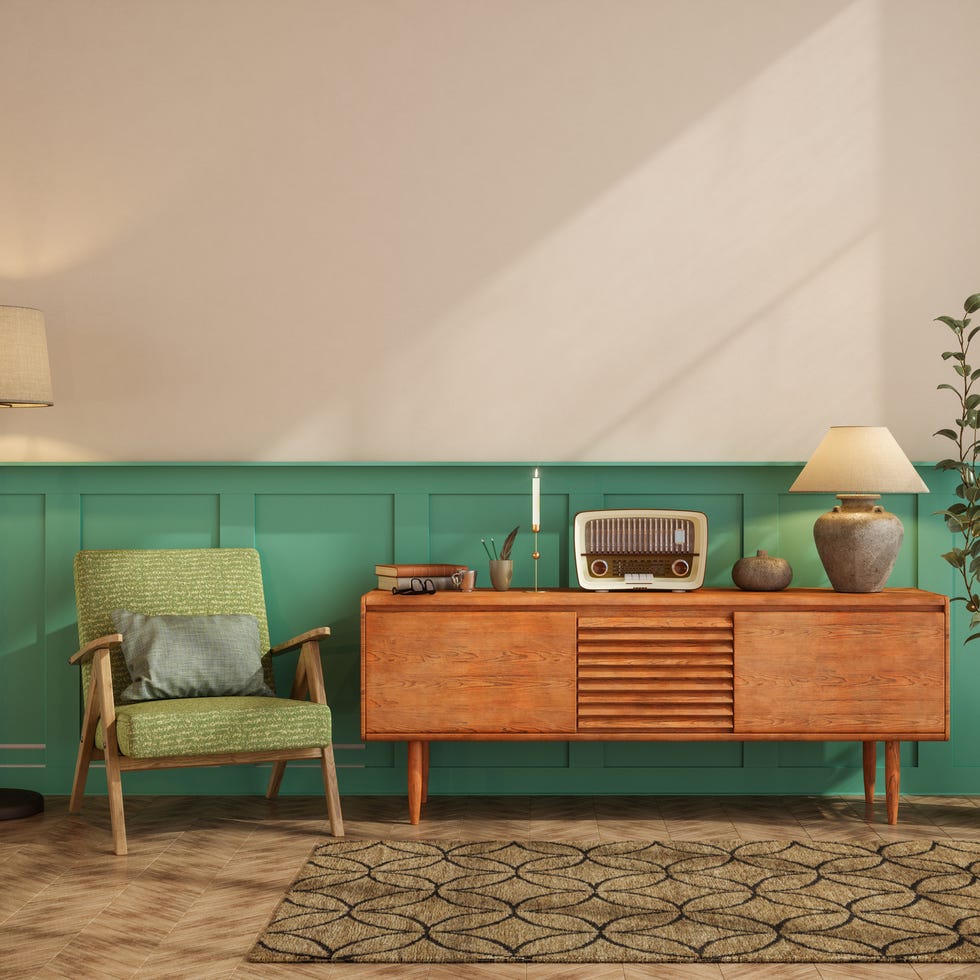
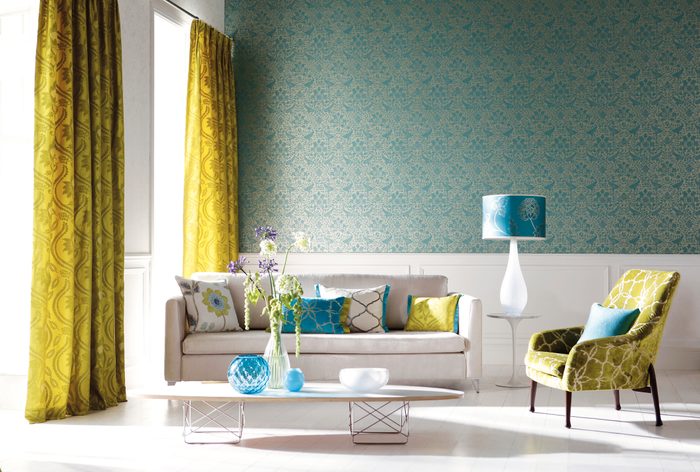
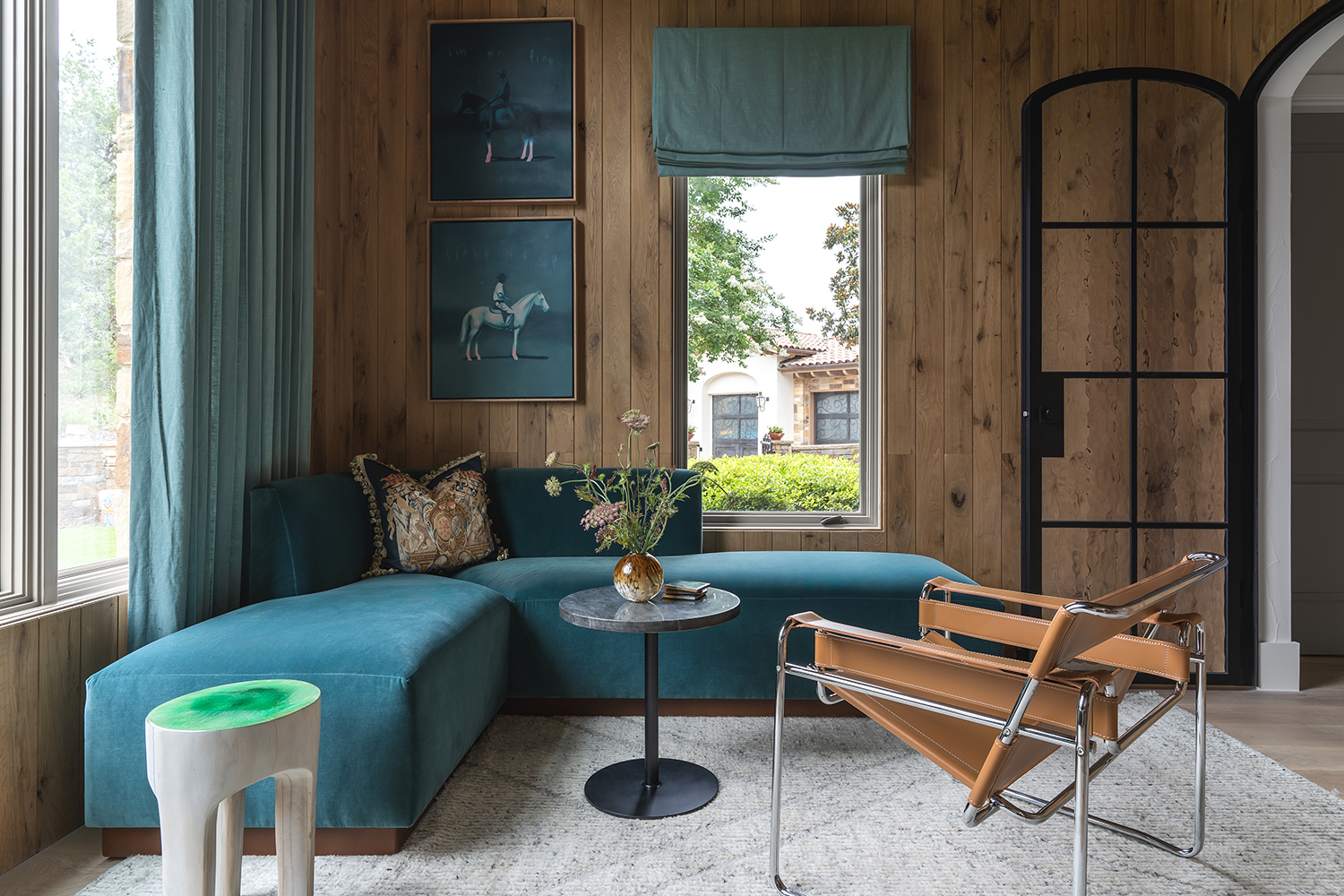
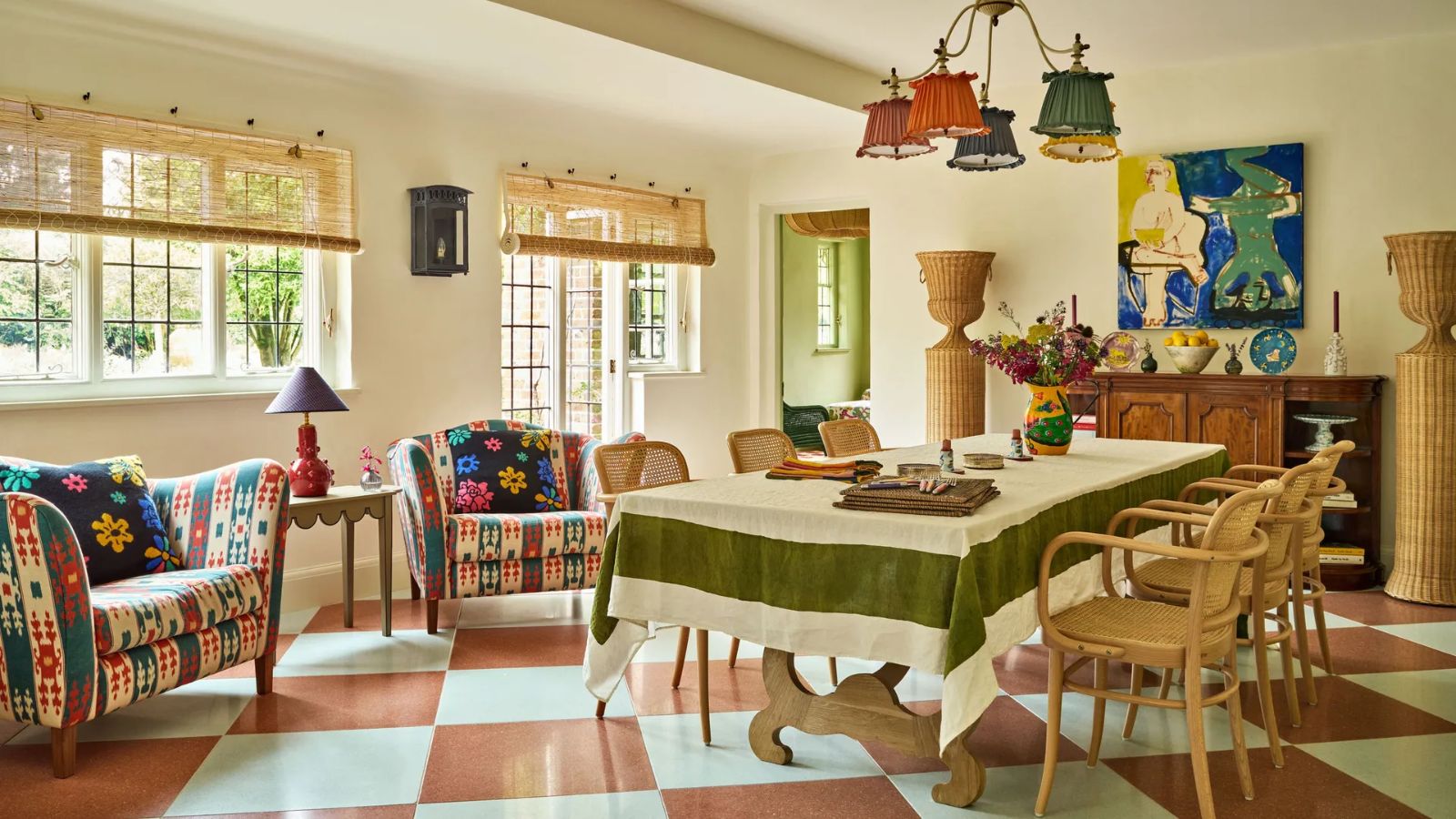
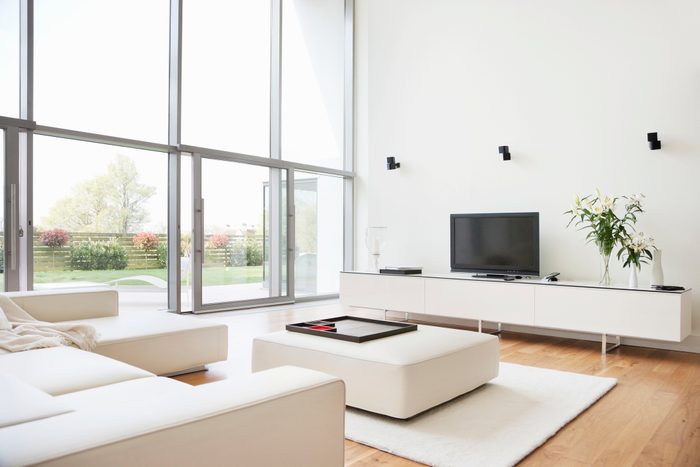
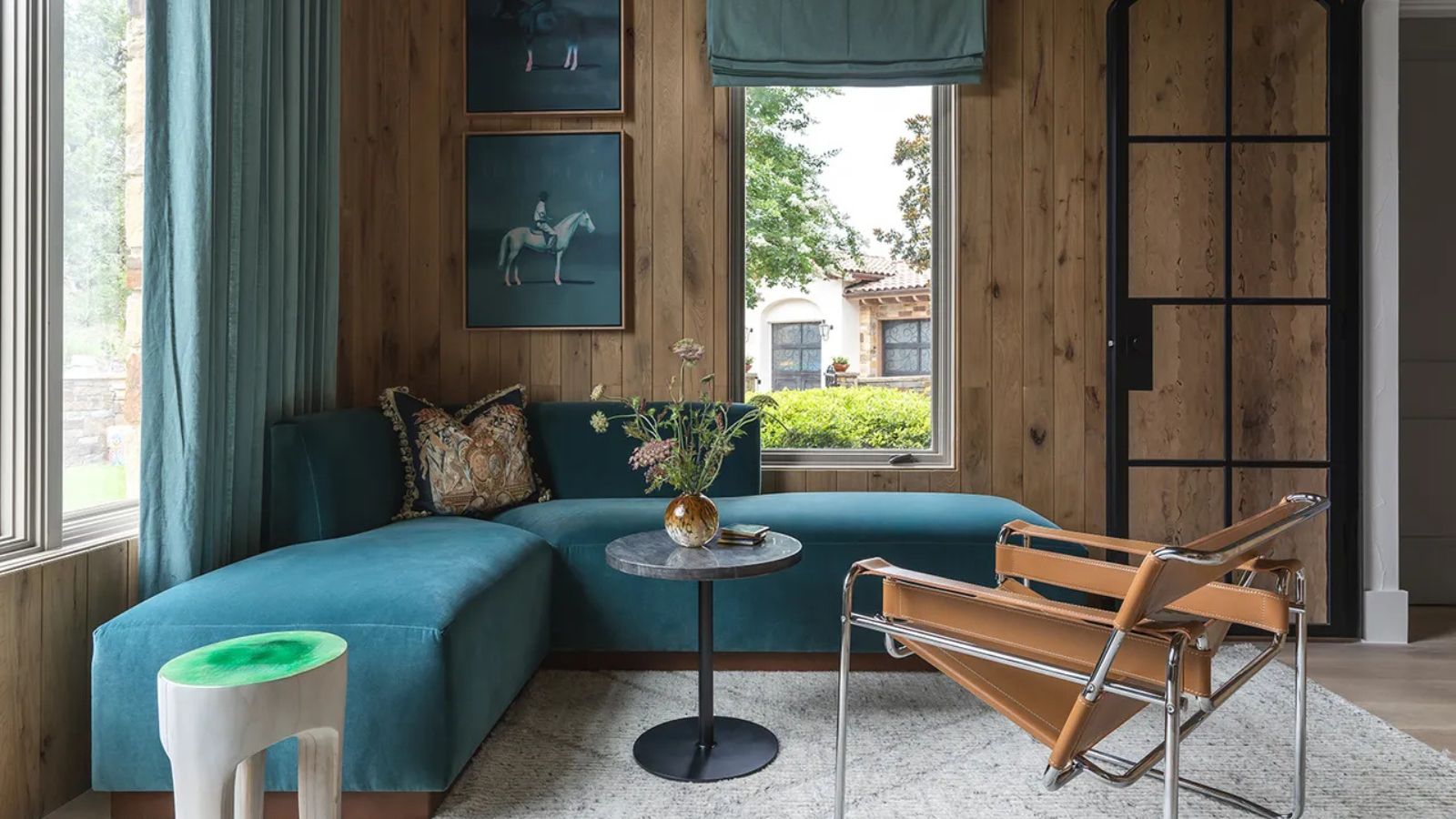
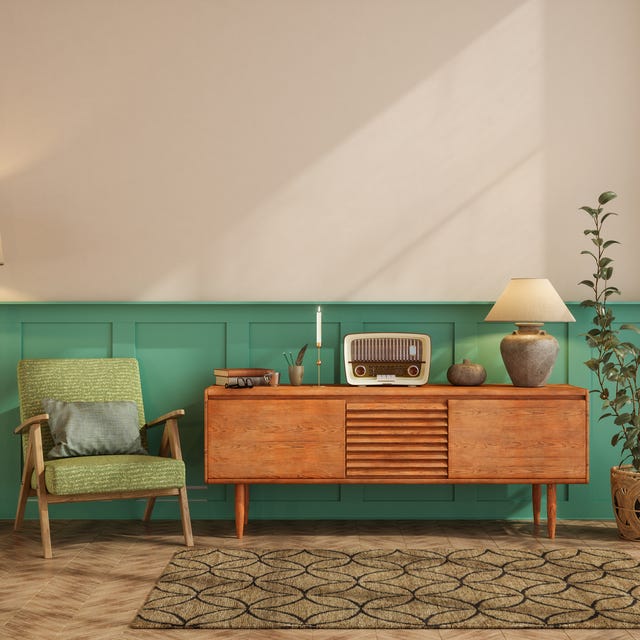
English country style carries a melancholy charm, influenced by countryside cottages. It features quaint, cozy, and lived-in elements like floral upholstery, gingham prints, and chintz curtains, amplified by layering textiles and displaying trinkets. Nature-inspired biophilic decor, typically light and airy, takes a moody turn by placing an assortment of plants against darker, nature-inspired backdrops, such as deep-colored floral wallpaper or upholstery. Lastly, moody mid-century modern combines the functional, geometric, and simplistic elements of mid-century design with darker accent colors like dark teal, burgundy, sage green, and mustard, creating a unique aesthetic. The article concludes by advising against stark modernism, suggesting that to achieve a genuinely cozy and personable moody interior, incorporating curves, softness, cozier furniture, and vintage touches is essential to avoid a cold atmosphere.
#MoodyDecor #InteriorDesignTrends #TraditionalInteriors #TransitionalStyle #Royalcore #DarkAcademia #LightAcademia #MaximalistDecor #RusticDesign #IndustrialStyle #EnglishCountry #BiophilicDesign #MidCenturyModern #MoodyDecor #InteriorDesignTrends #TraditionalInteriors #TransitionalStyle #Royalcore #DarkAcademia #LightAcademia #MaximalistDecor #RusticDesign #IndustrialStyle #EnglishCountry #BiophilicDesign #MidCenturyModern
0 comment in total
 No comments yet
You may also like
The Home Trends Designers Want You to Ditch in the New Year

8 Tacky Home Trends That Designers Say Are TRAGICALLY Dead


10 Horrifying Home Design Trends: 2023 Edition
A taste of this year's interior design trends

13 Home Design Trends That Are Dating Your Home
14 Interior Trends Designers Say Will Define the Year Ahead

I'm an interior decorator. Here are 9 trends that totally missed the mark this year.
16 Home Décor Trends on Their Way Out

7 home design trends to skip (and what to do instead)

11 "Outdated" Home Design Trends That Definitely Need A Resurrection
7 outdated interior trends making a comeback this year

5 trends that look good right now but interior designers warn they won't last
8 Home Design Trends the BHG Editors Actually Liked This Year

10 Horrifying Home Design Trends: 2022 Edition
Bye 2022: Home Design Trends to Ditch in 2023

The #1 Home Trend You Should Avoid, According to Designers

8 Home Trends That Are Tragically DEAD to the Design World
Ready to Redecorate? 2025’s Top Design Trends Just Dropped

8 "Tacky" Home Trends That Are Tragically Dead to Designers in 2026

11 Home Design Trends That Are In or Out for 2025