Zero-Interest Home Renovation Loans: What to Know
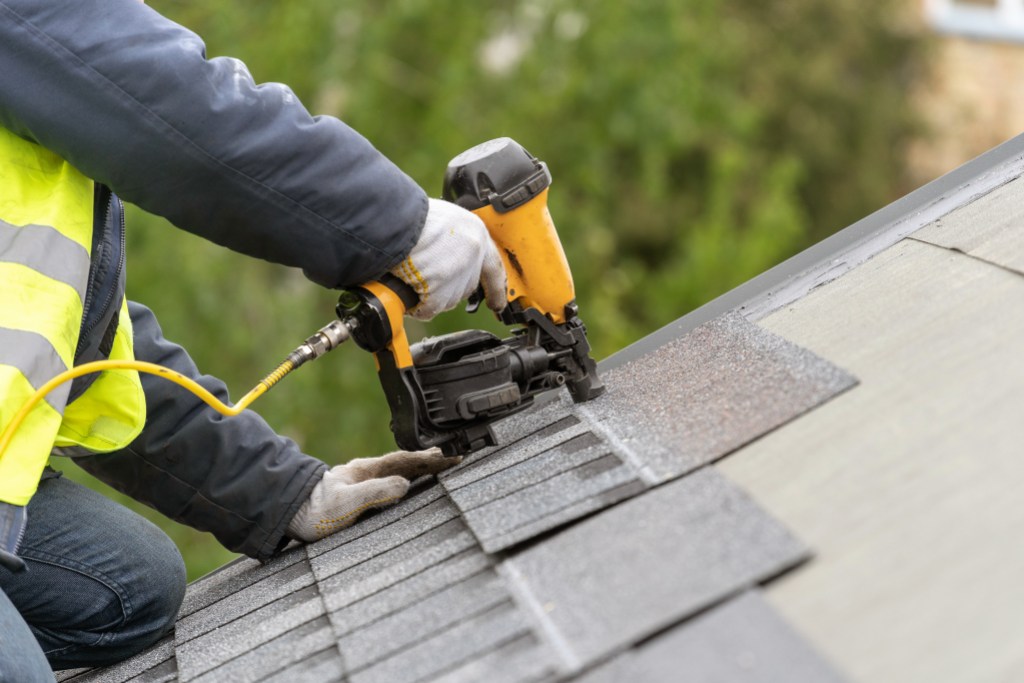
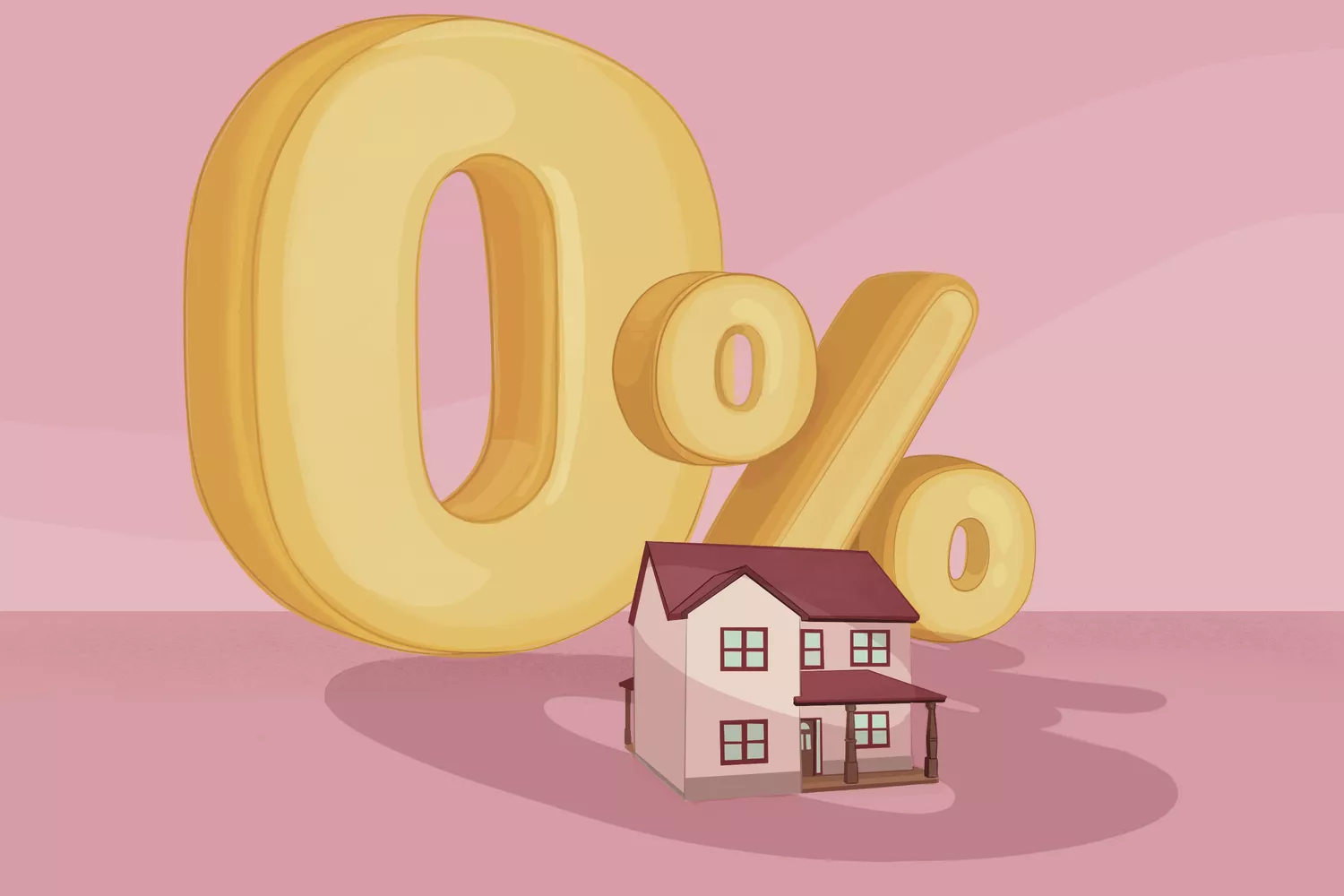
Zero-interest or subsidized renovation loans offer an attractive financing option for homeowners looking to undertake home improvement projects without incurring interest costs. These loans are typically provided by local governments and nonprofit organizations and are designed to help homeowners upgrade residential structures, correct code violations, or improve energy efficiency. The availability and specific terms of these loans vary by region and program, but they generally aim to support low- and moderate-income homeowners, revitalize housing stock, and sometimes create jobs.
Several examples illustrate the scope and reach of these programs. The Redevelopment Authority of Allegheny County in Pennsylvania offers zero-interest loans of up to $18,000 for various improvements through its Allegheny Home Improvement Loan Program. Similarly, King County, Washington, provides grants and deferred loans up to $34,000 for repairs and upgrades, with repayment often deferred until the home is sold. Hennepin County, Minnesota, offers no-interest home repair loans up to $30,000, which may even be forgiven under certain conditions. Habitat for Humanity also contributes to home preservation by offering construction services that can be financed with zero-interest home improvement loans.
Eligibility for these programs is a key consideration. While specific requirements differ, common criteria include income thresholds, ownership and residency of the home, and the home's location within the program's service area. Some programs, like the USDA’s Single Family Housing Repair Loans & Grants program, are specifically tailored to assist older homeowners or those residing in rural areas. It is important to note that these funds are typically restricted to essential home improvements such as accessibility modifications, lead or mold abatement, and energy efficiency upgrades, rather than cosmetic enhancements or luxury additions like swimming pools or elaborate landscaping.
Homeowners seeking these loans should begin their search by checking the websites of their city, county, and state housing departments, using search terms like “Housing Improvement Program” (HIP) or “repair assistance.” For those who may not qualify for zero-interest options, several alternative financing methods exist. These include mortgage refinancing, which can leverage home equity for renovations, though it involves upfront costs and an extended loan term. Home equity loans or lines of credit (HELOCs) provide access to home equity without altering the primary mortgage but also come with costs and long-term obligations. Personal loans are another option, typically requiring good credit for larger amounts and carrying higher interest rates due to their unsecured nature. The federal government also offers home improvement resources for specific demographics, such as veterans, Native Americans, and rural residents, underscoring the diverse range of support available for home renovations.
#ZeroInterestLoans #HomeRenovation #FinancialAssistance #HousingPrograms #CommunityDevelopment #HomeOwnership #PersonalFinance #ZeroInterestLoans #HomeRenovation #FinancialAssistance #HousingPrograms #CommunityDevelopment #HomeOwnership #PersonalFinance
0 comment in total
 No comments yet
You may also like

Home renovation loan benefits & guidelines

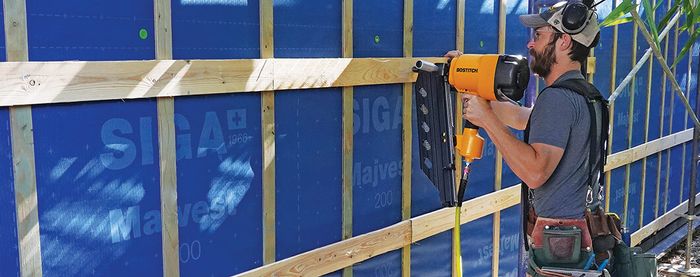
A Retrofit for the Future

FHA 203(k) Loan: Renovation Mortgage Guidelines


How to create your own dream home: home renovation trends

Should You Put Your Home Renovation on a Credit Card?
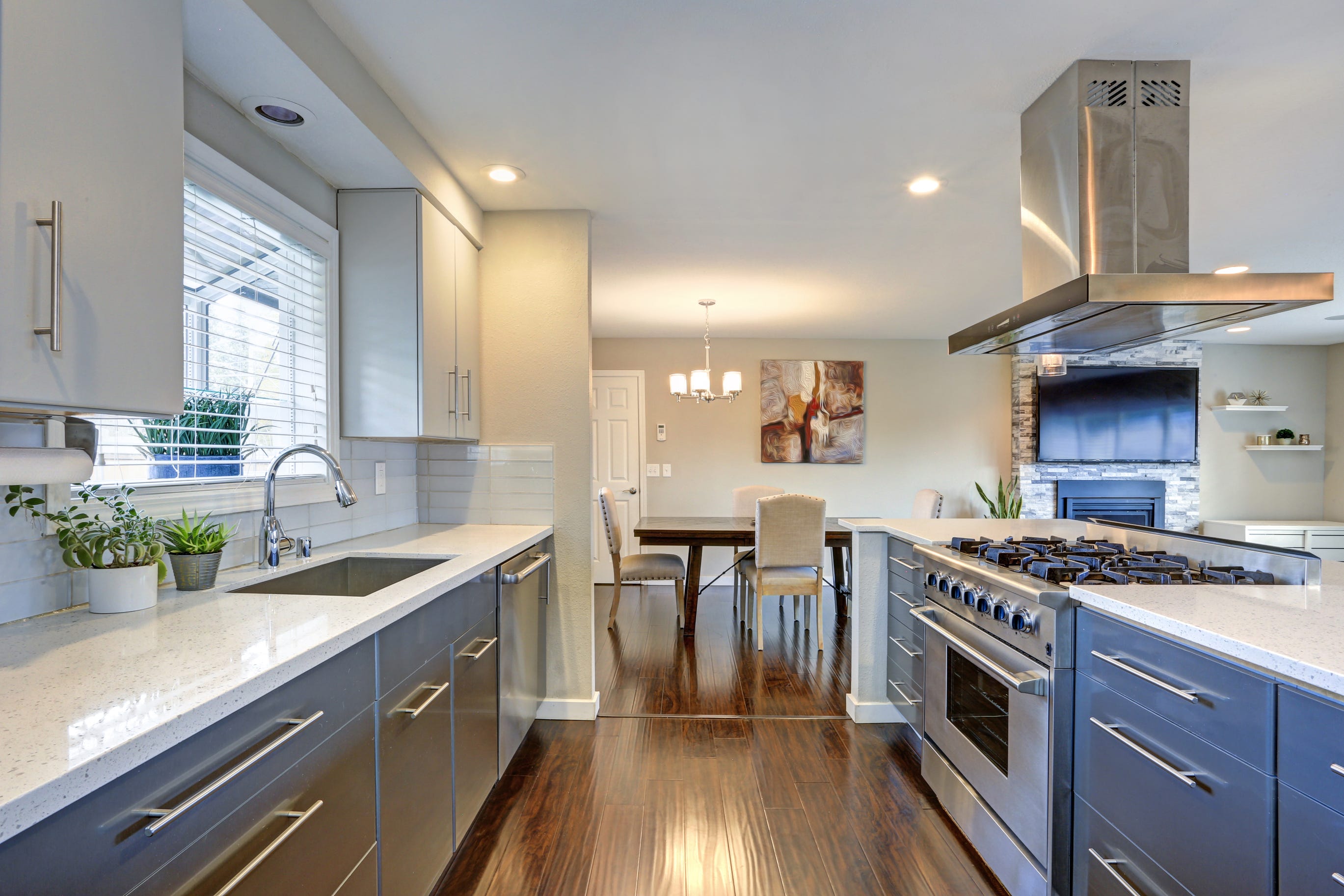
At Home with Marni Jameson: Home renovations that get the best returns

Home Renovation Projects That Are (Mostly) Tariff-Proof

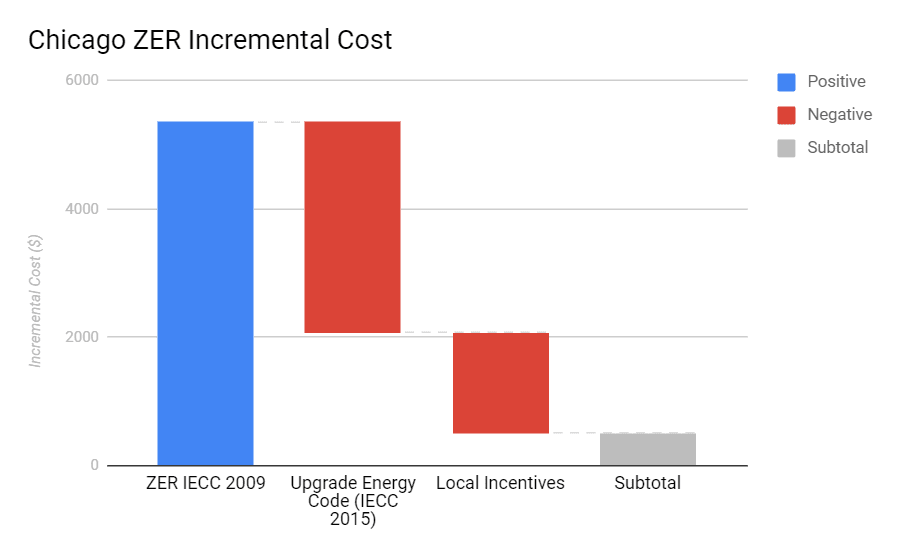
New Zero-Energy Homes Almost to Cost Parity, While Codes & Incentives Help Cross the Finish Line

How To Use 0% APR Credit Cards For Home Renovations

How to Finance a Home Renovation With or Without Equity

Remodeling

4 Smart Ways I Saved Big on My First Home Renovation—And Where I Chose to Splurge