
1/3
How to Finance a Home Renovation With or Without Equity
Financing a home renovation project requires careful consideration of various options, categorized into those that leverage home equity and those that do not. Equity-based financing typically offers lower interest rates due to using the home as collateral, but it also carries the risk of foreclosure if payments are missed. Additionally, these options often involve appraisals and closing costs.
Home Equity Lines of Credit (HELOCs) are flexible, functioning as a revolving credit line where borrowers draw funds as needed and only pay interest on the amount borrowed. This makes HELOCs suitable for projects with uncertain costs. These lines of credit typically allow borrowing up to 85% of the home's value, minus the outstanding mortgage. They often have variable interest rates, causing monthly payments to fluctuate, and usually come with a 10-year draw period followed by a 20-year repayment phase.
Home equity loans, in contrast to HELOCs, provide a lump sum upfront and typically feature fixed interest rates and consistent monthly payments over a term often 30 years or less. These loans are ideal for renovations where the total cost is precisely known.
Cash-out refinancing involves replacing the existing mortgage with a larger one, with the difference paid to the homeowner in cash. This method is best for significant renovations in homes where the owner plans a long-term stay, especially if the new mortgage offers a lower interest rate.
For homeowners without sufficient equity or those preferring not to use their home as collateral, several non-equity financing options are available. Paying with cash is the most straightforward method, incurring no interest, and is suitable for smaller projects that do not strain other financial goals or monthly budgets. Breaking down payments for DIY projects can help manage costs within a budget.
Unsecured personal loans offer quick funding, often within a week, bypassing the lengthy underwriting and appraisal processes associated with home equity financing. Interest rates for personal loans range from 6% to 36%, generally higher than home equity options but lower than some credit cards. While options exist for borrowers with credit scores below 630, the most favorable rates are reserved for individuals with good to excellent credit. Repayment terms typically span two to seven years, though some lenders extend this to 12 years for home improvements. Personal loans are advantageous for urgent repairs or projects that need to start quickly, particularly when equity-based financing is not feasible.
Credit cards, especially 0% APR cards, are suitable for minor home improvements that can be paid off during the interest-free promotional period, usually 15 to 18 months. Eligibility for these cards generally requires good or excellent credit (690 or higher). Some credit cards also offer rewards on home improvement purchases, and retail cards may provide special financing for store-specific purchases.
Government loans, such as Title 1 loans, are available for qualified borrowers undertaking specific home updates, including appliance purchases, accessibility modifications, or energy efficiency improvements. Borrowers can access up to $25,000 for single-family homes, with repayment terms extending up to 20 years. Loans exceeding $7,500 require the home as collateral. First-time homebuyers must have owned their home for at least 90 days to qualify, and not all lenders offer these government-backed loans.
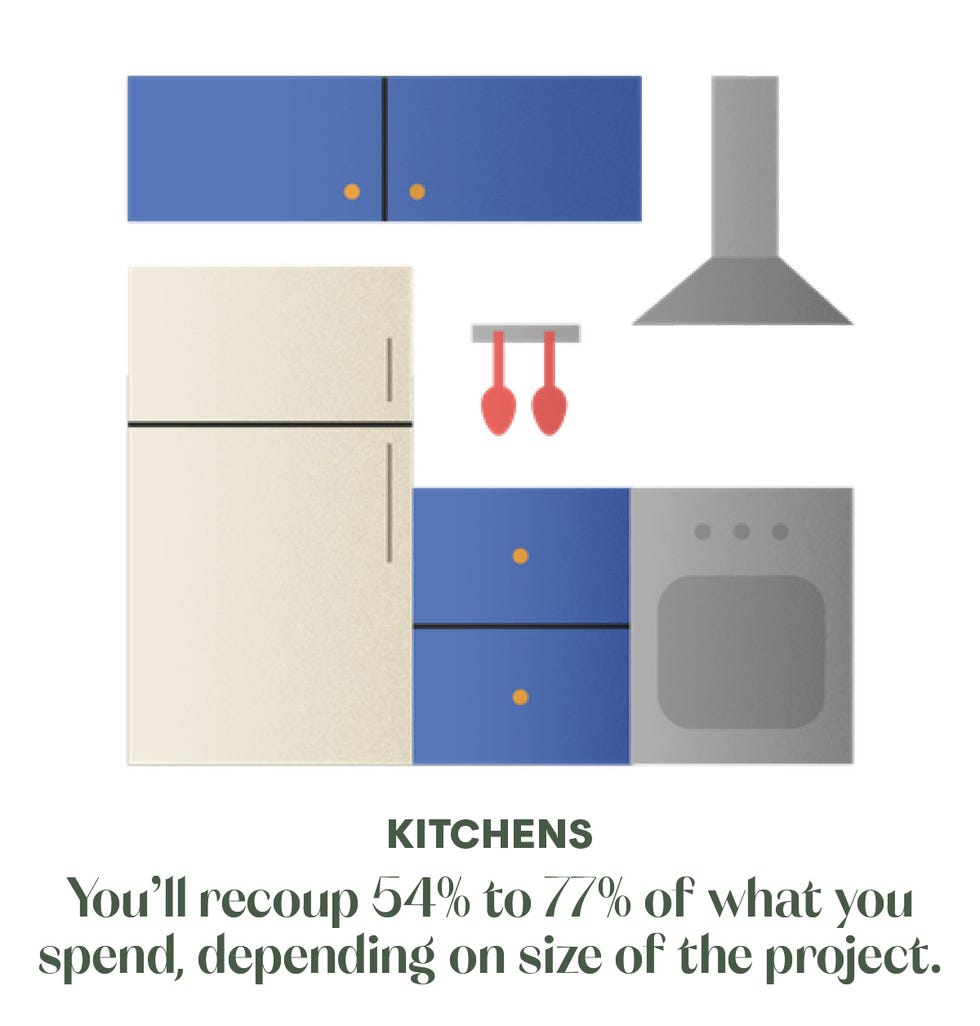
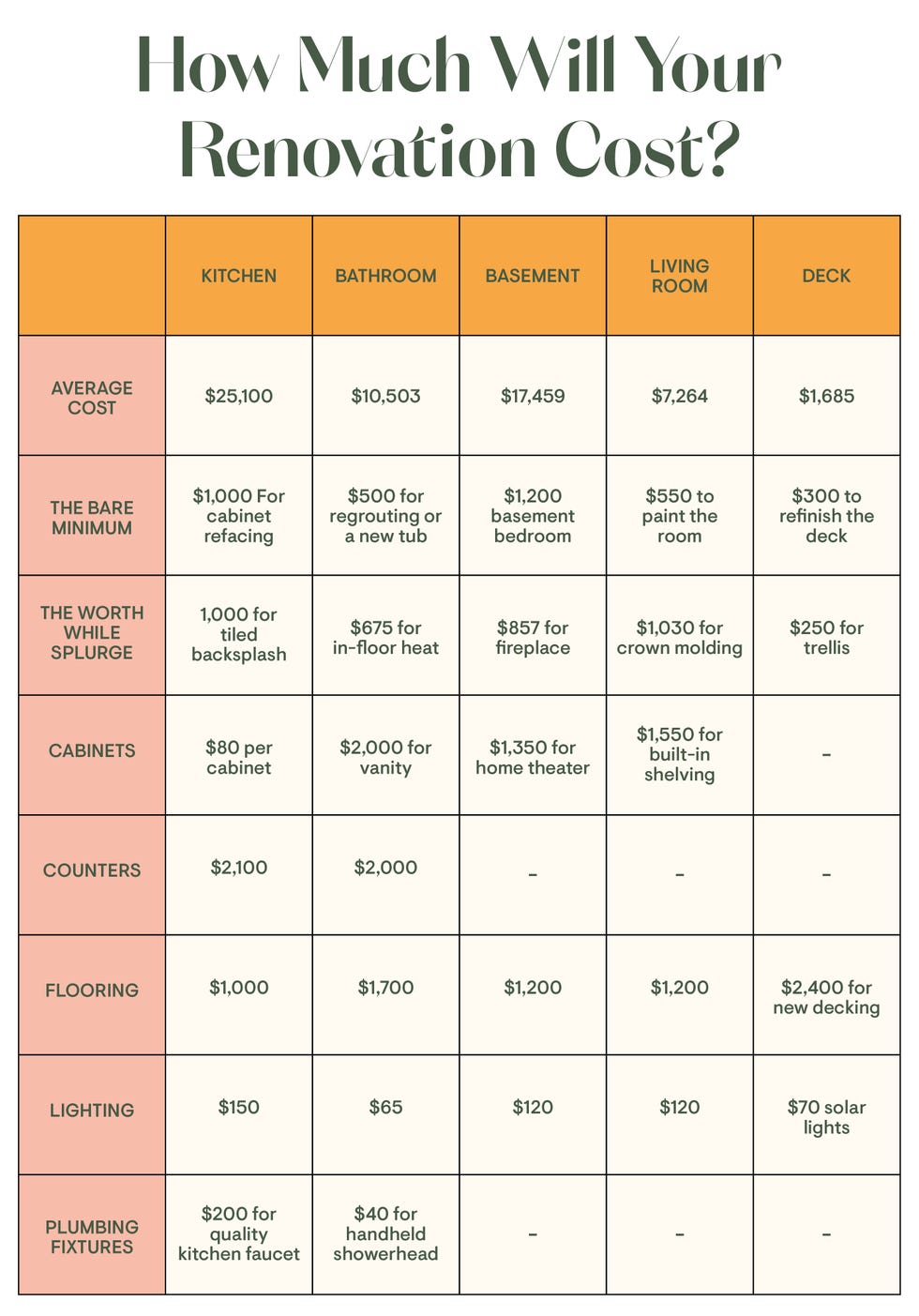
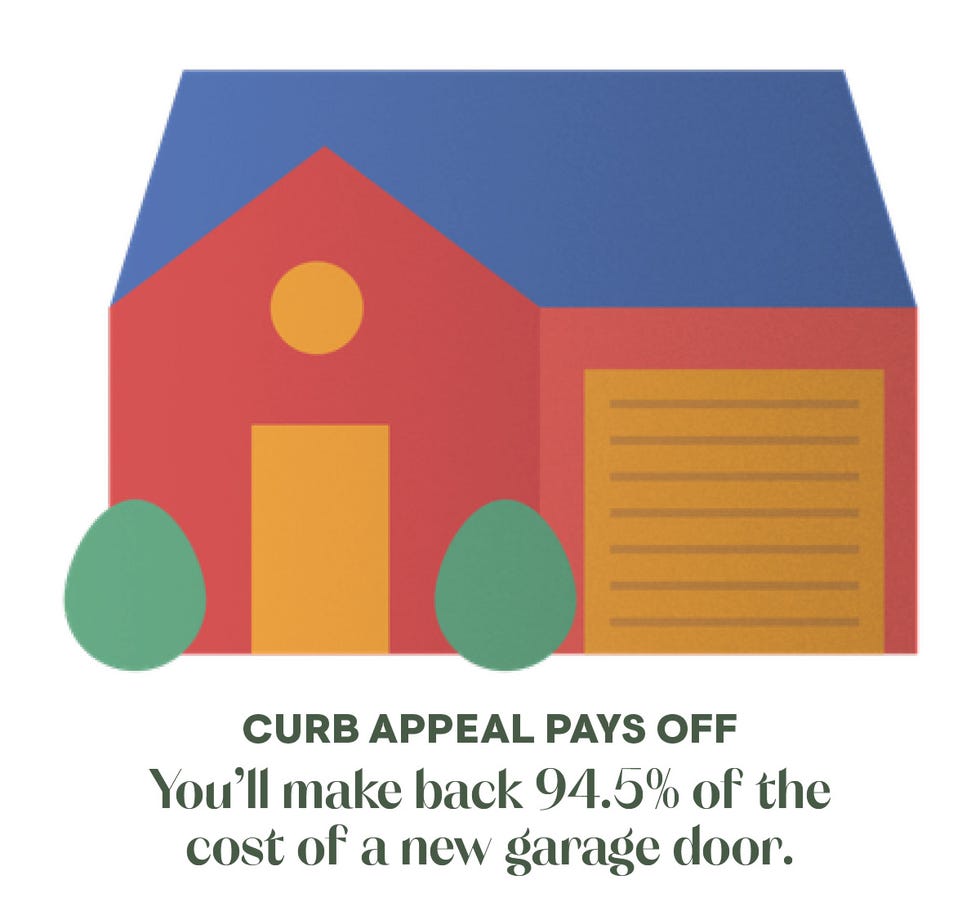
Regardless of the chosen financing method, it is crucial for homeowners to first determine what they can genuinely afford. This involves estimating project costs, comparing different financing options based on rates, terms, and qualification criteria, and ensuring the chosen payment plan aligns with their monthly budget. Considering the potential return on investment (ROI) for renovations, such as kitchen updates or home office additions, can help justify the expense. Finally, deciding between DIY and professional services can impact costs, as DIY projects save on labor but carry risks of costly mistakes.
#HomeRenovation #HomeEquity #PersonalLoans #CreditCards #CashOutRefinance #HELOC #GovernmentLoans #HomeImprovement #FinancialPlanning #HomeRenovation #HomeEquity #PersonalLoans #CreditCards #CashOutRefinance #HELOC #GovernmentLoans #HomeImprovement #FinancialPlanning
0 comment in total
 No comments yet
You may also like

Home renovation loan benefits & guidelines


Remodeling

9 Things You Need to Know Before Renovating Your Home, According to Experts

4 Smart Ways I Saved Big on My First Home Renovation—And Where I Chose to Splurge


How to create your own dream home: home renovation trends

Renovation

Top 7 home renovations that can increase your property's value — and quality of life as you age


Renovate | Build


How to modernise your home without breaking the bank


Renovating a Home? Here's How to Modernize Without Losing Character


7 Things You Can Actually Cut Corners on During a Home Renovation, According to Experts

5 renovation projects that will add value to your home in 2024


A beginner’s guide to home remodeling: 5 rules to follow

How to save money on home renovations – 6 cost-effective ideas
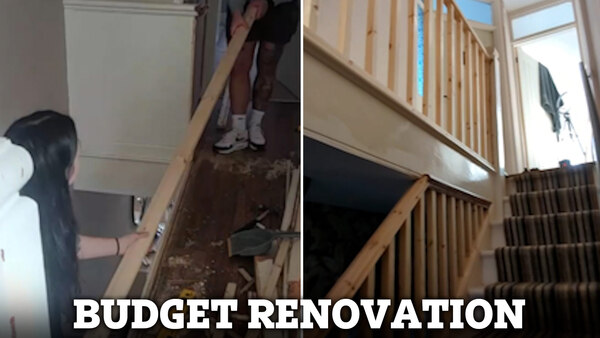
I saved £20k by renovating my home with YouTube videos & Facebook buys – everyone can’t believe how good it looks


7 Small Hacks That Will Save You Money on Your Next Remodel

Home Renovation Ideas - How To Renovate a House

Best Roof Financing Options in 2025

Will Your Renovation Make Its Money Back?

Renovate your home or buy a new one? Here's what experts suggest