1/3
Why Are Some Outlets Installed So High Up On Walls In Older Homes?
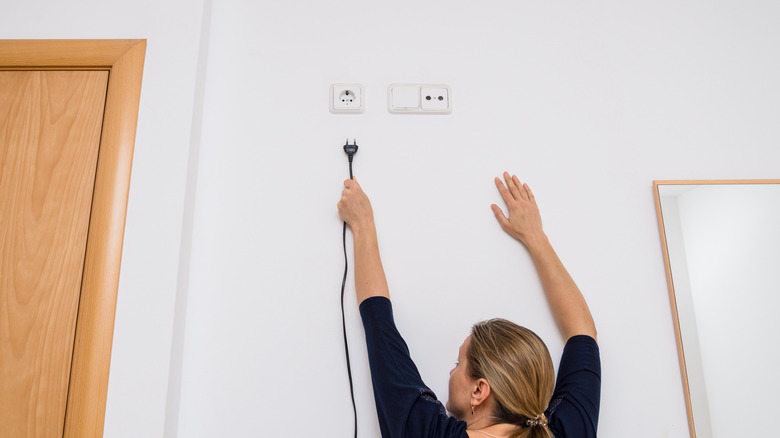
In older homes, it is not uncommon to encounter electrical outlets positioned unusually high on walls, a placement that often puzzles modern homeowners. This article delves into the historical reasons behind this design choice, drawing on insights from a design historian. Unlike today's standard outlets, which are typically situated close to the floor for convenience, these elevated outlets served specific purposes related to the technological and design norms of their time. The primary reasons for such high installations were to power wall-mounted lighting fixtures and wall clocks.
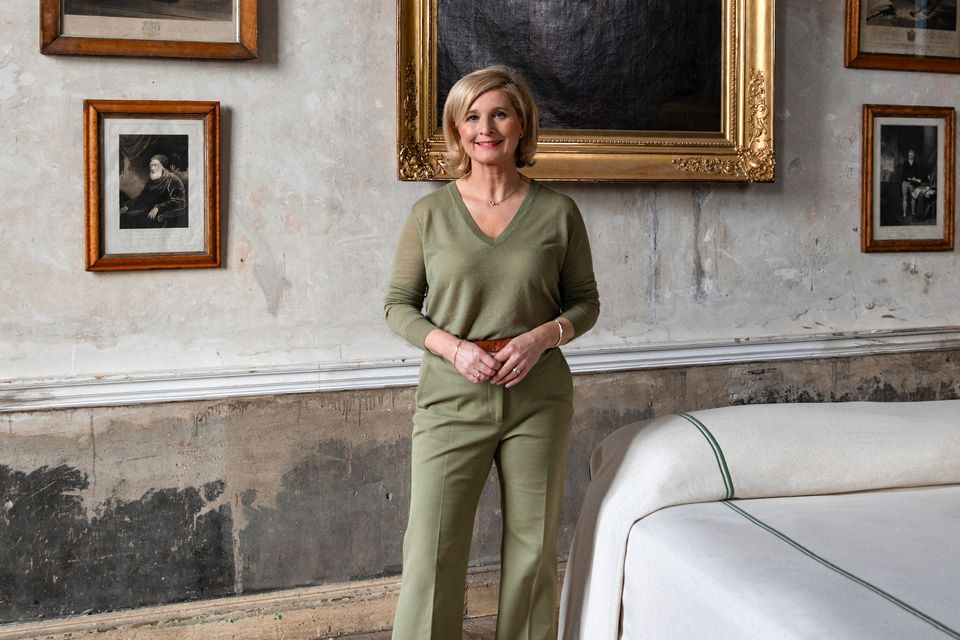
Sarah Bilotta, a design historian, explains that the height and type of electrical outlets in older homes varied depending on the age of the structure and the devices they were intended to energize. Beyond wall lights and clocks, other items wired into a home's electrical system and commonly placed higher on a wall included doorbells, smoke alarms, and speakers. A particularly interesting application for high outlets in bedrooms was for dedicated dressing table lighting. In the early 20th century, home electrical system designers recommended these placements to provide optimal illumination for tasks performed at vanities, such as grooming and applying makeup, emphasizing the importance of proper lighting for these activities.
For high outlets found in kitchens or living areas, or near doorways, their purpose was more likely linked to wall clocks or sconces. These locations were strategic for items that provided either utility or ambient lighting to these communal spaces. The placement of outlets was, therefore, a functional response to the needs and available technologies of the era, rather than an arbitrary design choice. The design of living spaces and the integration of electrical systems were directly influenced by the furniture, decor, and daily routines prevalent at the time.
The transition away from high wall outlets began gradually during the second half of the 20th century. This shift is largely attributed to advancements in technology, particularly the development of long-lasting batteries and more efficient electrical mechanisms. With the advent of battery-powered devices, the necessity of hardwiring every wall accessory diminished significantly. Today, homeowners have access to a wide array of cordless options, including wall lighting and artistic wall clocks, which eliminate the need for fixed electrical outlets at elevated positions. Modern standard wall outlets in the United States are now typically installed about a foot off the floor, ensuring accessibility for all users.
Despite the current standard, the article notes that homeowners retain the flexibility to install dedicated wall outlets wherever needed, with the assistance of a qualified electrician. This customization is often necessary for modern home entertainment systems or other specialized setups that require specific power access points. The evolution of outlet placement reflects broader changes in home design, technology, and lifestyle, moving from a system dictated by early electrical capabilities to one that prioritizes convenience, flexibility, and contemporary aesthetic preferences.
#ElectricalOutlets #HomeDesignHistory #OlderHomes #WallLighting #HomeImprovement #ArchitecturalFeatures #InteriorDesign #HistoricalHomes #ElectricalOutlets #HomeDesignHistory #OlderHomes #WallLighting #HomeImprovement #ArchitecturalFeatures #InteriorDesign #HistoricalHomes
0 comment in total
 No comments yet
You may also like
Ever Wondered Why Wooden Doors Have Raised Panels? Here’s The Real Reason

Home help: Are feature walls still a thing or do they make a home look dated?
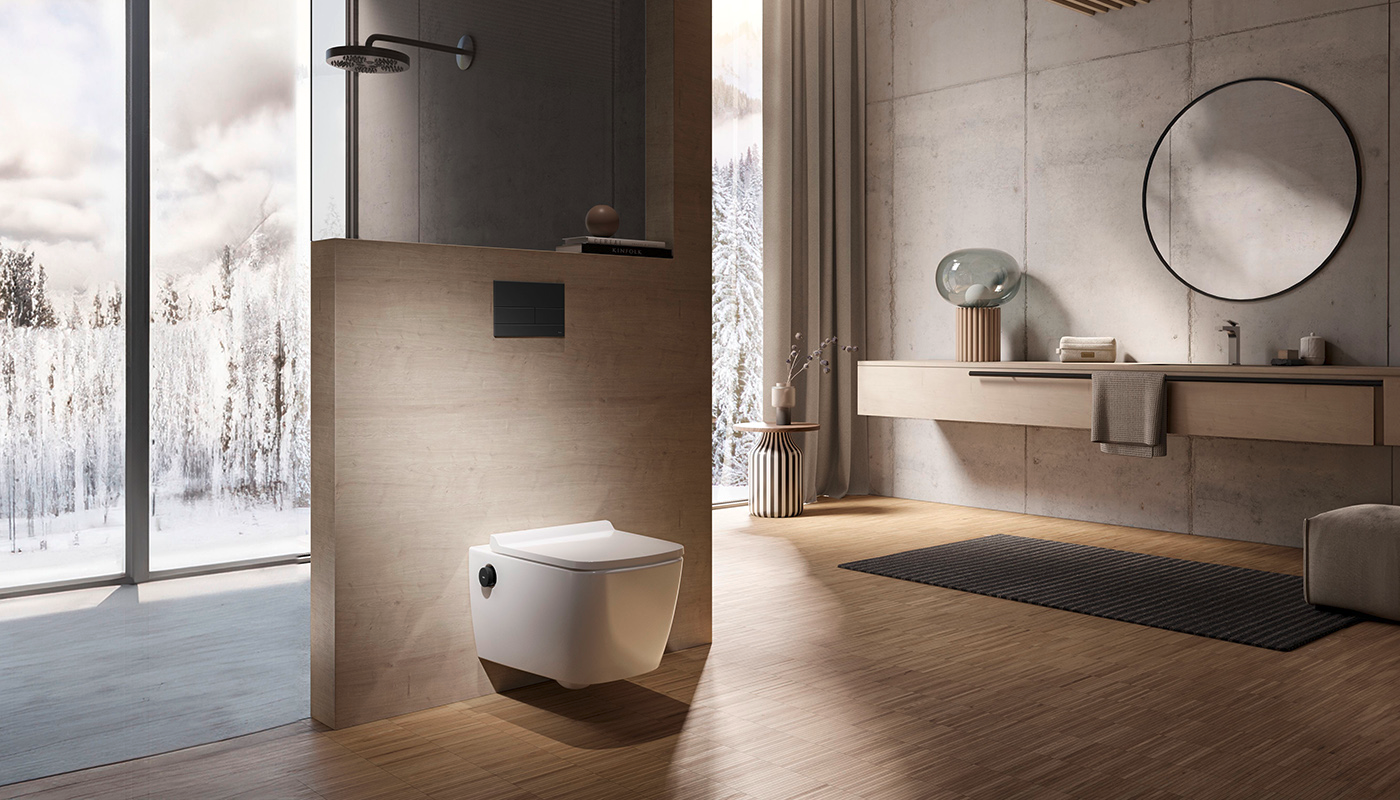
Wall-hung toilets are trending – here’s why homeowners love them
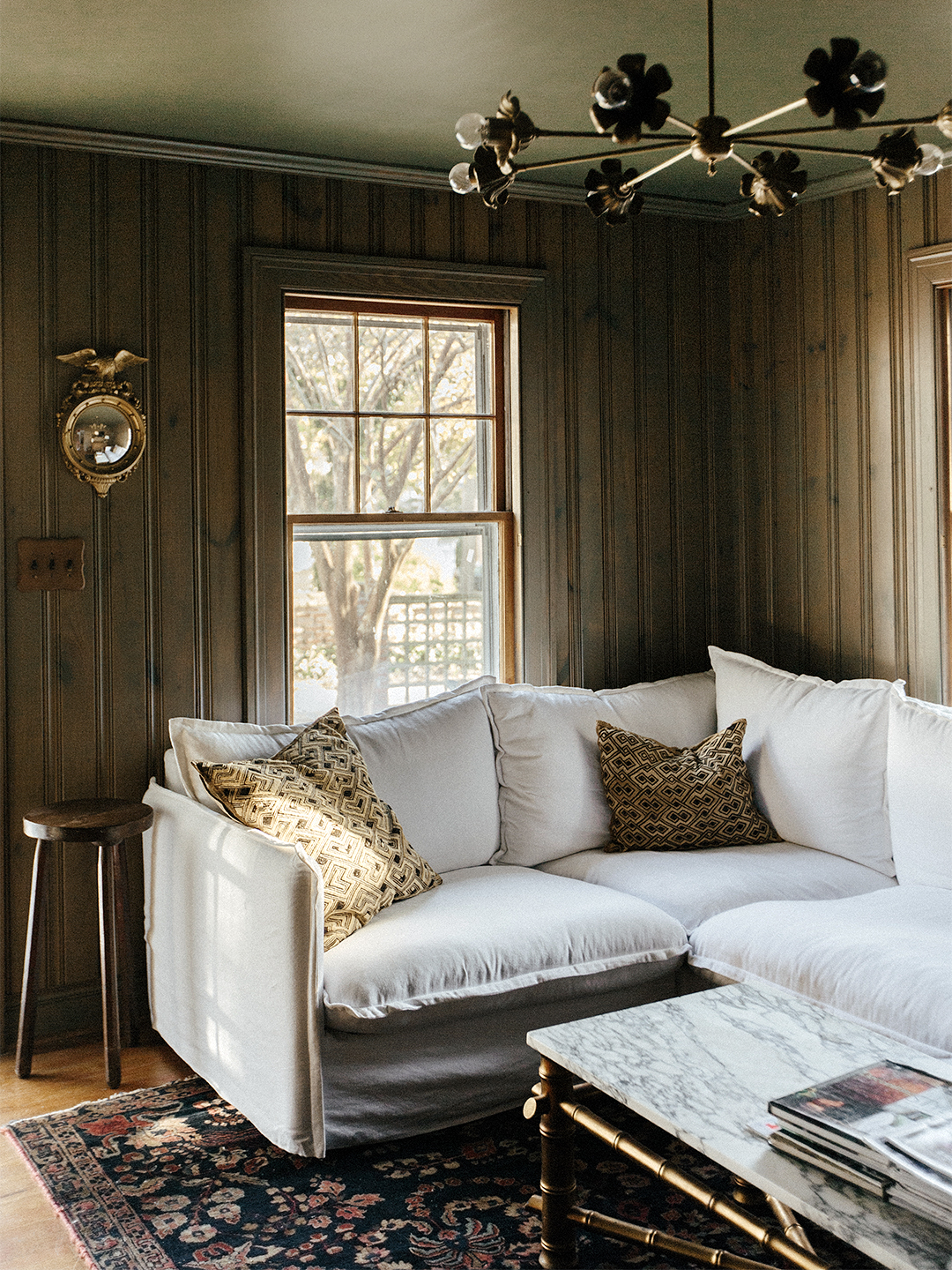
This Low-Lift Wall Treatment Makes Dated Wood Paneling Look Of-the-Moment

Thought Decorative Wall Plates Were Old-Fashioned? Think Again

'It's a centuries-old movement!' This creative ceiling idea is trending as a way to elevate your room's 'fifth wall'

This Once-Dated Wall Paneling is Now Making Homes Look so Elegant and Sophisticated

The Real Reason Your House Has Such Low Ceilings
Why Are These Sleek Shelving Systems From the ’60s Suddenly Everywhere?

27 Tall Wall Decor Ideas to Make a Massive Blank Wall Look Intentional Instead of Awkward

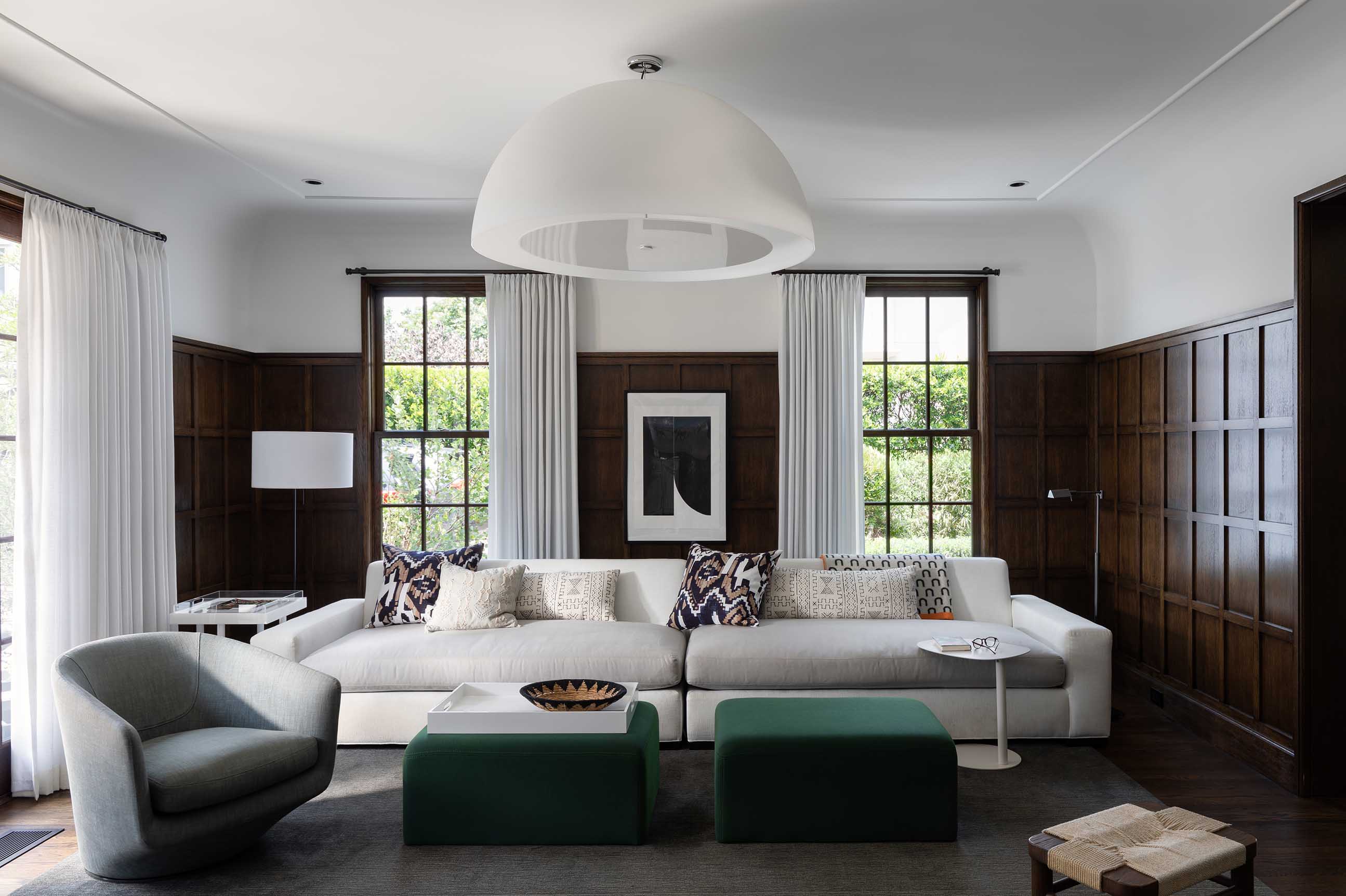
This Once-Dated Wall Paneling is Now Making Homes Look so Elegant and Sophisticated
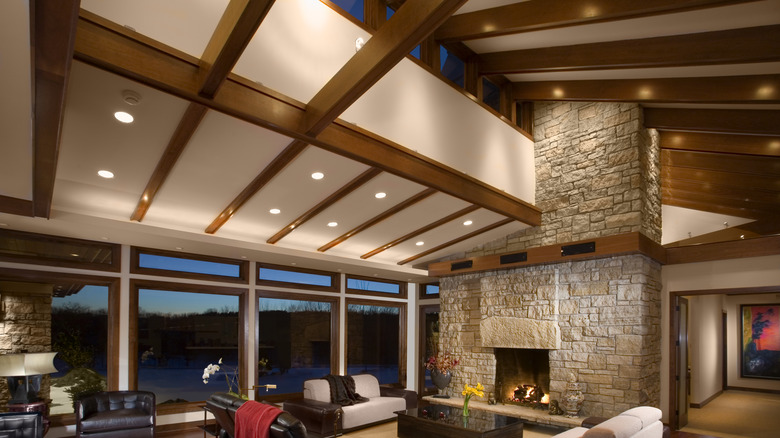
What To Consider Before Creating An Exposed Ceiling In Your Space
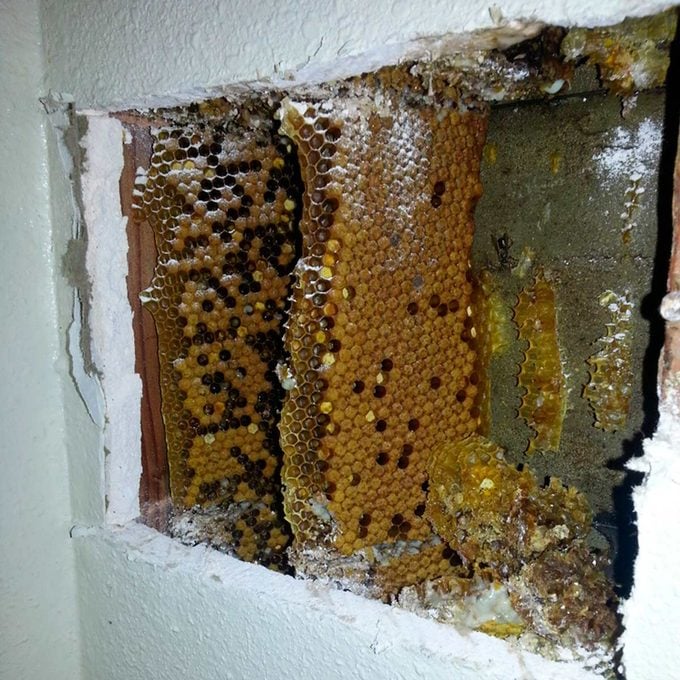
Why Do Some Old Homes Have a Beehive Built Into a Wall?

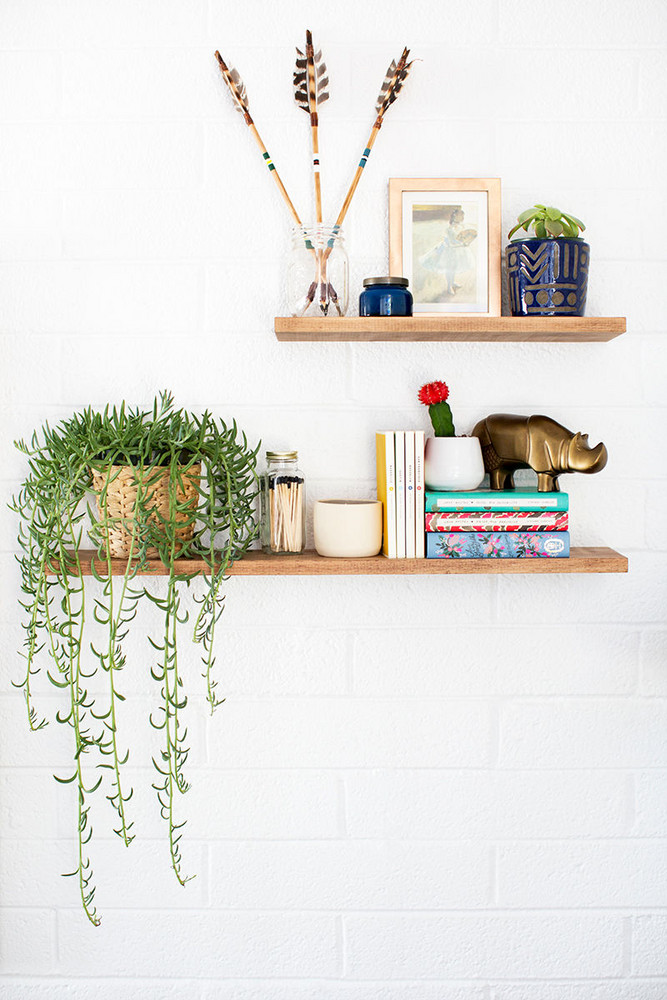
10 Reasons Why Your Home Needs Hanging Shelves

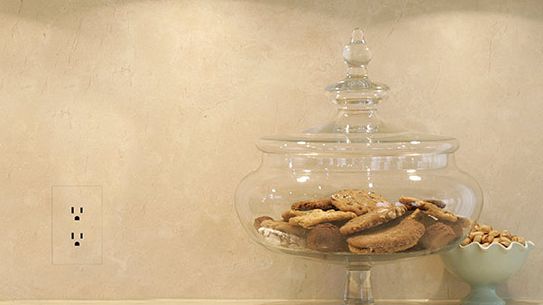
Three ways to make your outlets (practically) disappear

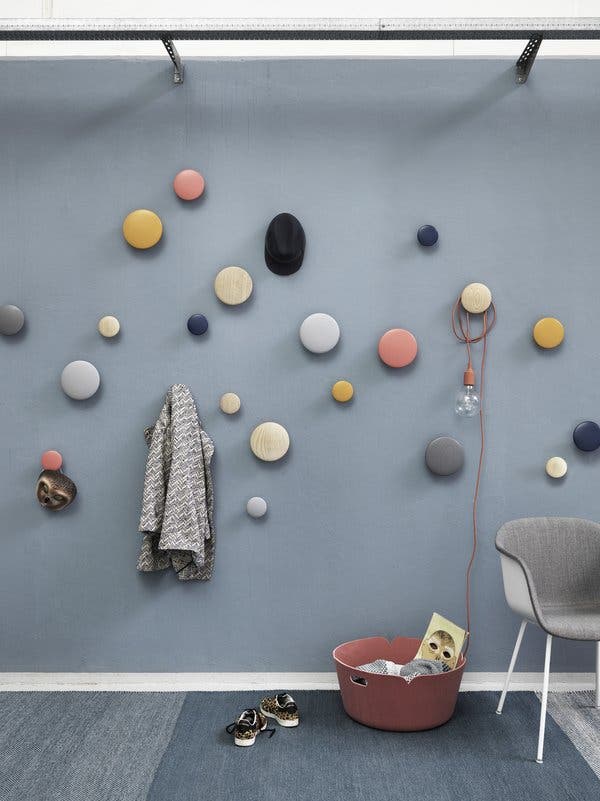
Shopping for Wall Hooks (Published 2018)


Wall Hooks We Love
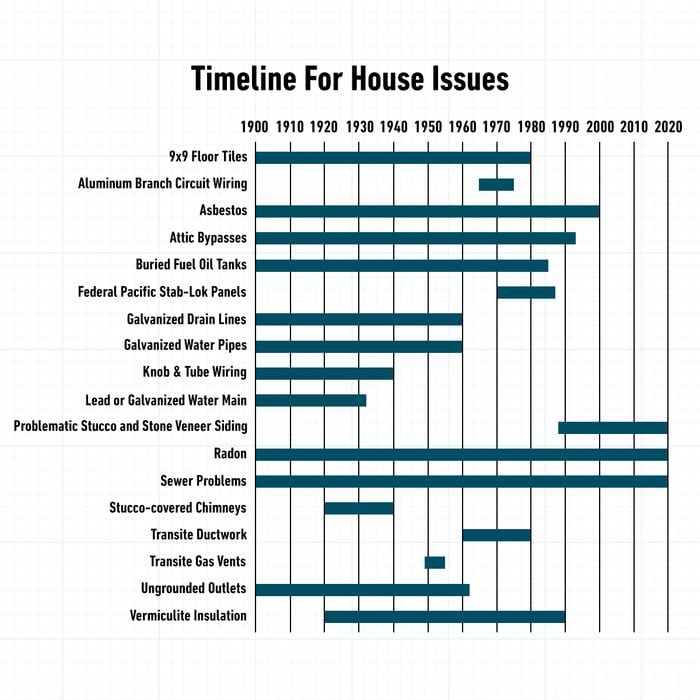
Common Older Home Problems
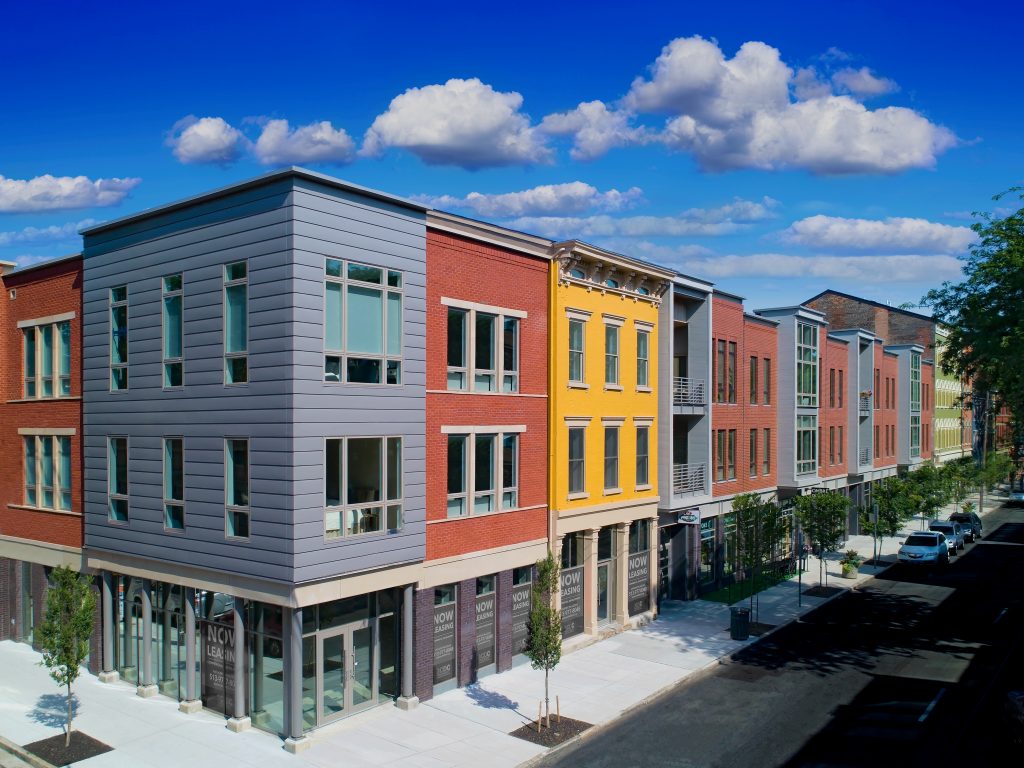
Metal Wall Panel System Enhances a Blend of Old and New...


How to Live With Stairs That Aren't Up to Code