Shopping for Wall Hooks (Published 2018)
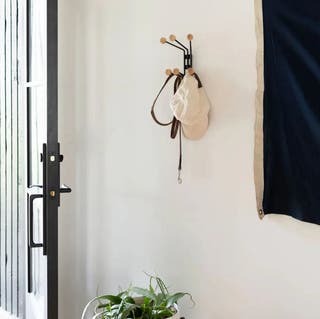
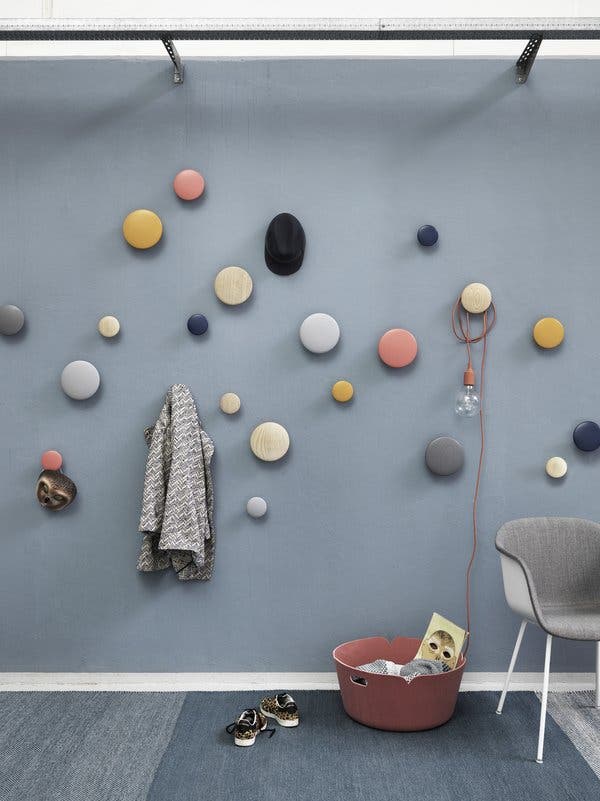
Wall hooks, often considered purely functional items for holding coats and bags, possess the capacity to significantly enhance a room's aesthetic appeal, functioning not just as utility but as decorative elements or even art. Robert McKinley, an interior designer, advocates for their use, highlighting their role as convenient "landing places" for various items, thereby preventing clutter and maintaining an organized space. While their primary utility is often seen in entryways for hanging outerwear, their versatility extends to other areas, such as bathrooms for towels or by a pool. Beyond mere functionality, hooks can contribute to a room's visual interest, particularly when used to display distinctive objects like colorful swimming fins or straw hats, effectively "bringing a wall to life."
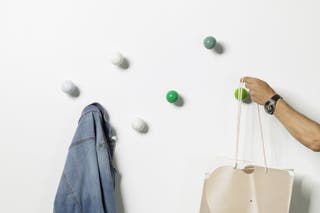
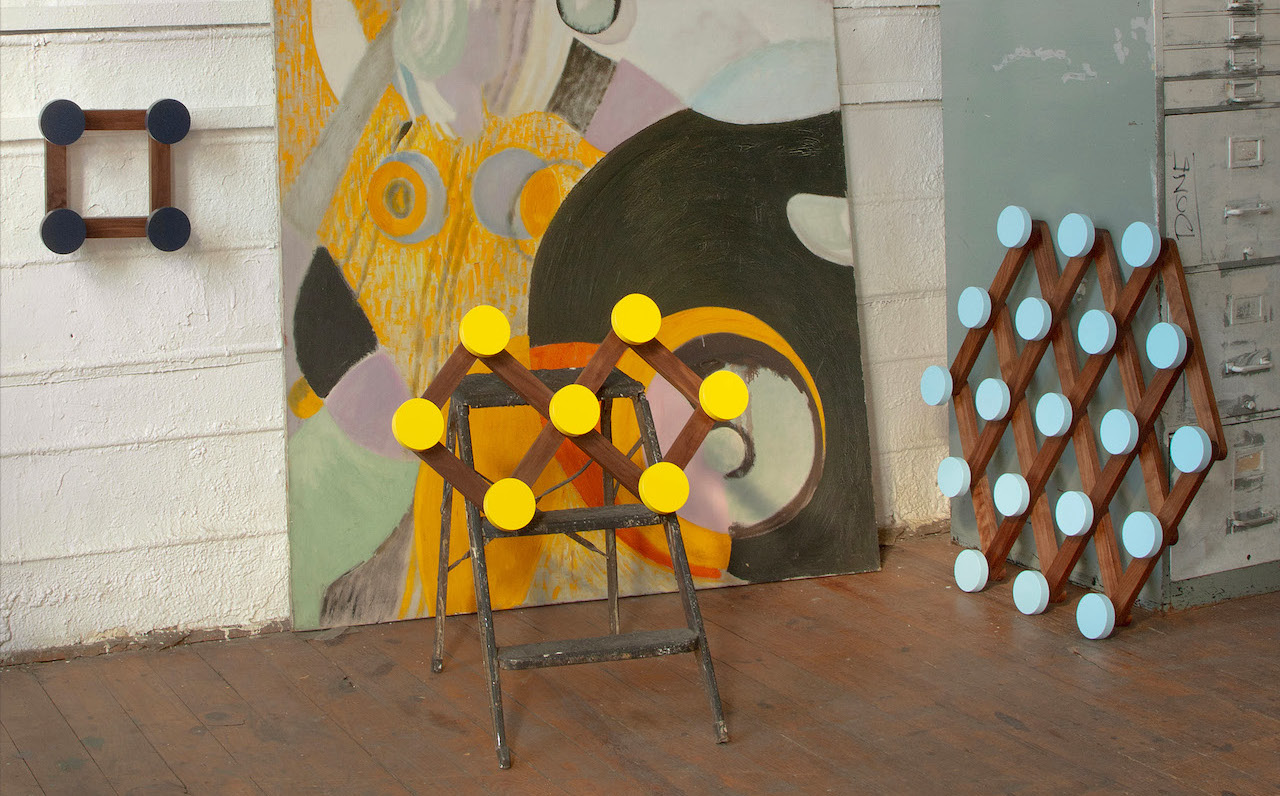
The effective integration of wall hooks into a design scheme involves several considerations, including quantity, size, and material. When determining the number of hooks, a single hook might suffice for specific, solitary needs, such as beside a shower or on the back of a door. However, for longer wall expanses or more extensive hanging requirements, multiple hooks are often more practical and visually engaging. These can be arranged in a linear fashion for a clean, uniform look or in a staggered pattern to introduce a more dynamic and artistic touch.
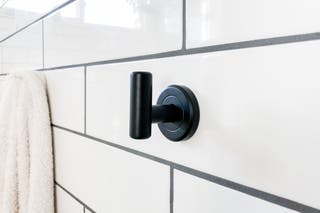
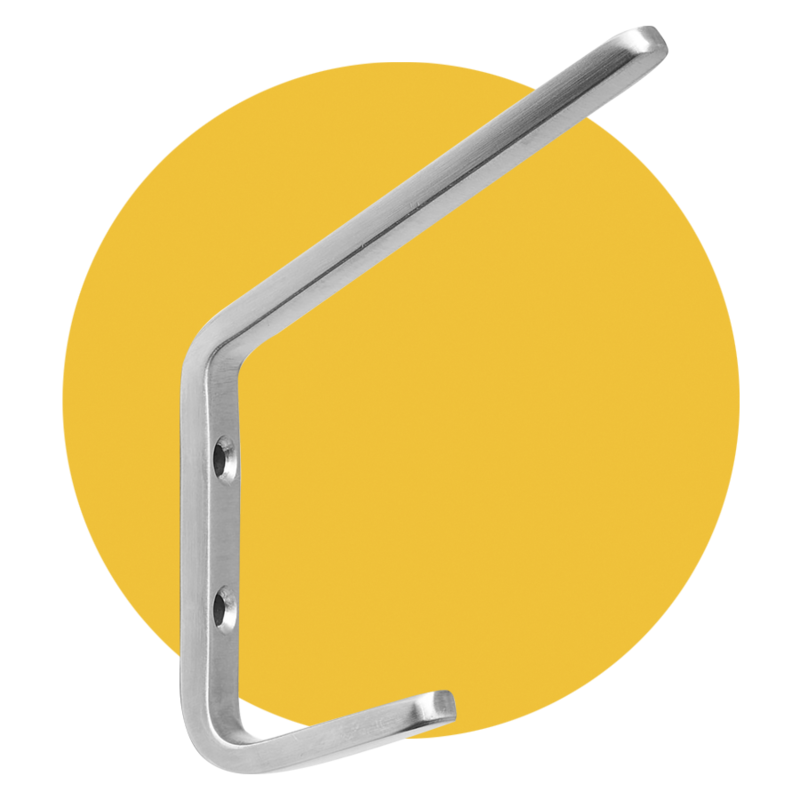
Size also plays a crucial role in the visual impact of wall hooks. Larger, brightly colored hooks can serve as prominent accent pieces, drawing attention and adding a pop of color or a focal point to a wall. Conversely, smaller, more understated hooks are less conspicuous, blending seamlessly into the background and providing functionality without dominating the visual space. The choice between these depends on the desired aesthetic and the overall design intent for the room.
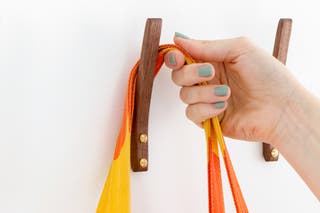
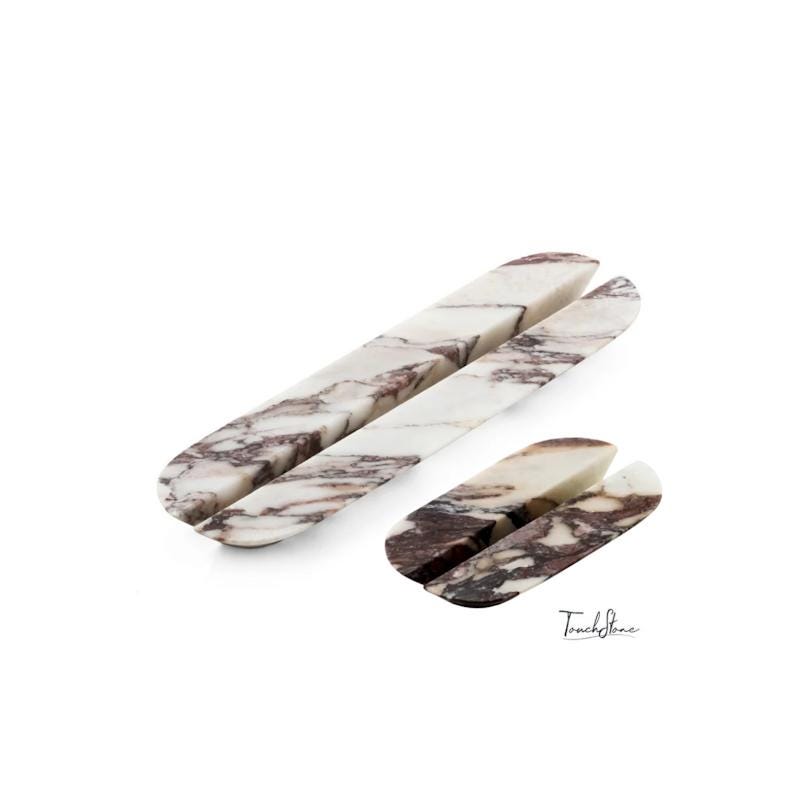
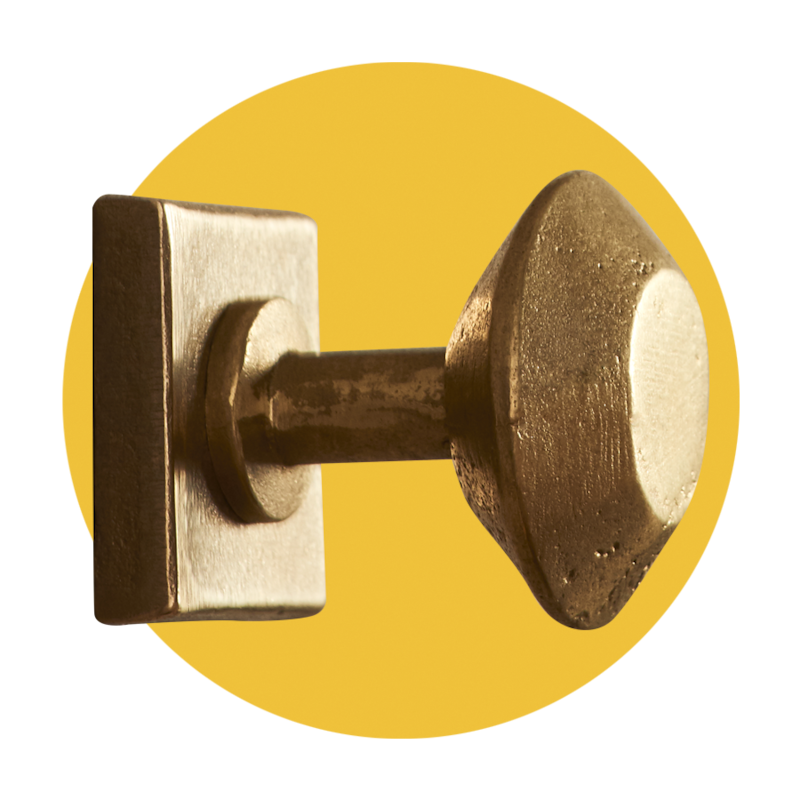
Material selection offers a wide array of options, influencing both the durability and the stylistic contribution of the hooks. While metal, particularly unlacquered brass, is a popular and durable choice, designers frequently explore other materials to match diverse interior themes. Wood hooks provide warmth and a natural feel, complementing rustic or Scandinavian designs. Rattan introduces a bohemian or tropical vibe, adding texture and organic elements. Stone hooks offer a more contemporary and minimalist aesthetic, imparting a sense of solidity and sophistication. In essence, wall hooks are available in virtually "every material under the sun," allowing for extensive customization to suit any design preference.
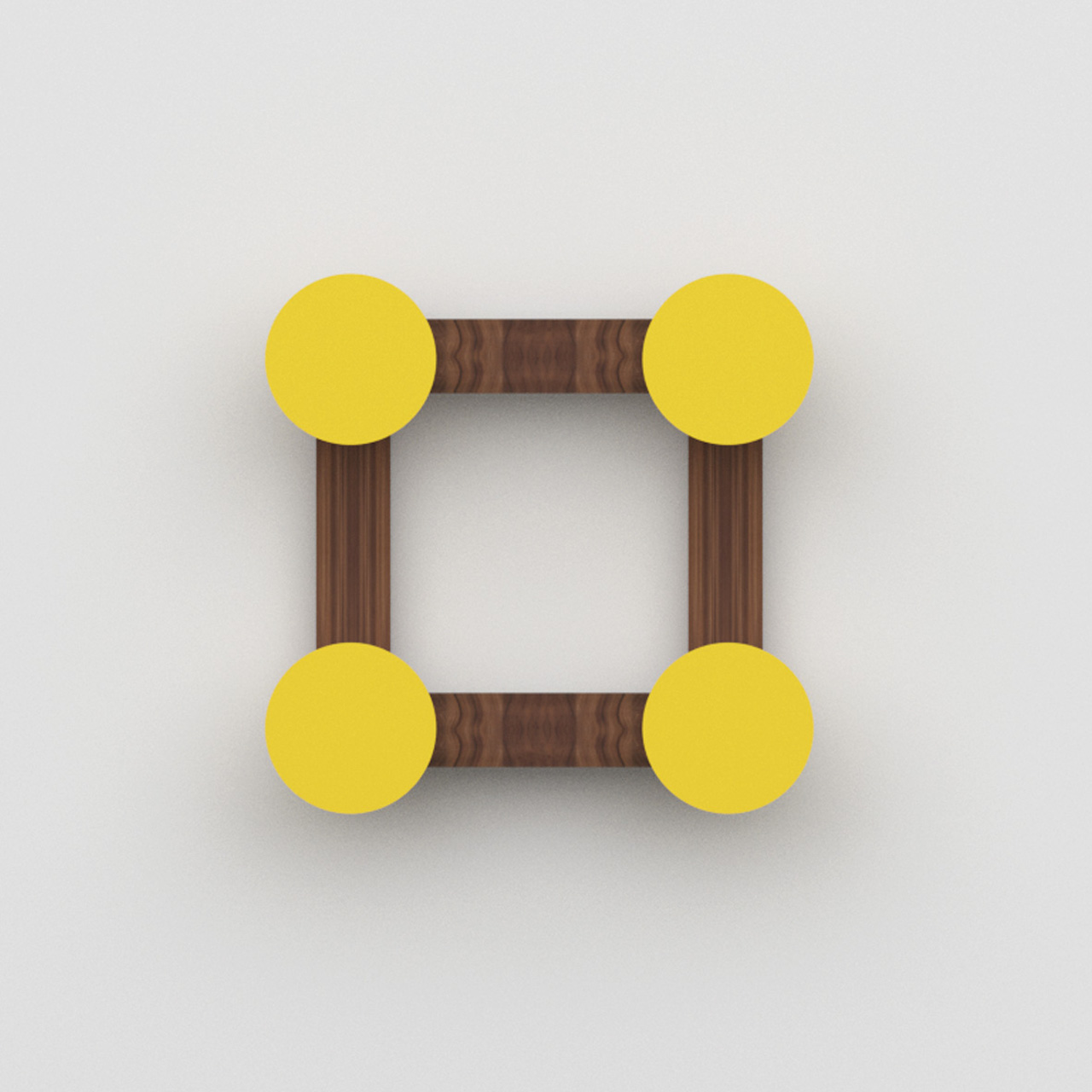
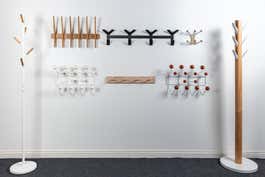
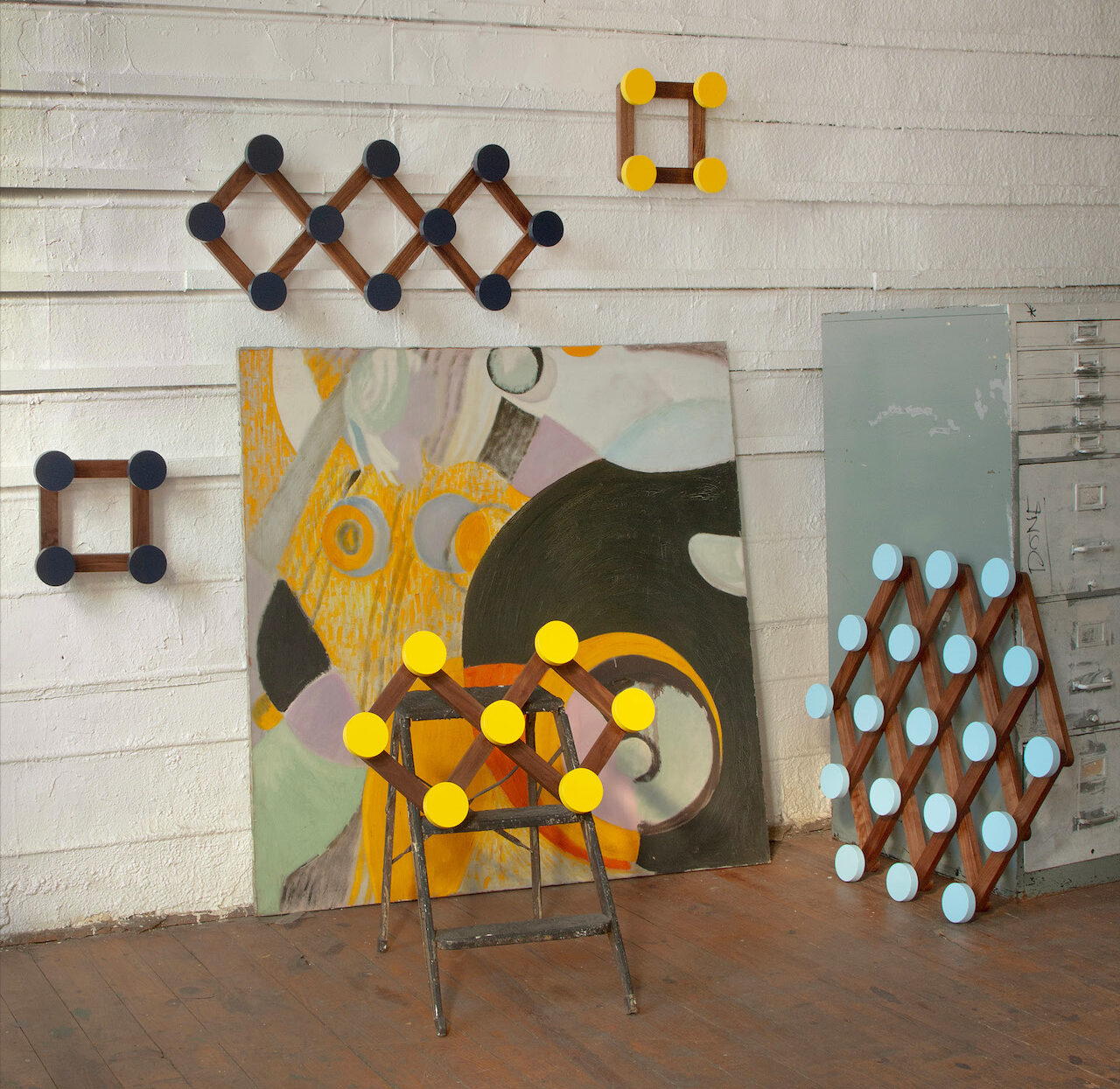
The article showcases several examples of design-forward wall hooks, illustrating the variety available in the market. These include the Play Coat Rack by Gridy for Normann Copenhagen, a five-pronged oak hanger, and the simple, large-scale cast-iron Charter Hook from Schoolhouse. Other examples are the Peg Hooks by Jonah Takagi for Hem, featuring concealed fasteners and available in various wood finishes, and the Hook Stone by Ferm Living, which combines brass with stone inserts. The Dots Coat Hooks by Lars Tornøe for Muuto, available in various sizes and colors, further exemplify how these functional items can double as decorative art. These examples underscore the idea that wall hooks are not just practical necessities but also opportunities for design expression, capable of elevating the overall appearance and functionality of an interior space.
#WallHooks #HomeDecor #InteriorDesign #FunctionalDecor #DesignElements #HomeOrganization #RoomElevation #DecorativeArt #WallHooks #HomeDecor #InteriorDesign #FunctionalDecor #DesignElements #HomeOrganization #RoomElevation #DecorativeArt
0 comment in total
 No comments yet
You may also like

Wall Hooks We Love
'No forking way!' – this genius hack might have just solved our biggest problem with hanging art on a wall
This 1 thing helped me hang a stunning plate wall in less than 10 minutes


The 8 Picture Hangers We Trust to Hold It All Up


Wall Hooks & Handles

RS Recommends: The Best Hanging Kits Will Make Your Gallery Wall Dreams Come True

Shopping for Throws (Published 2019)
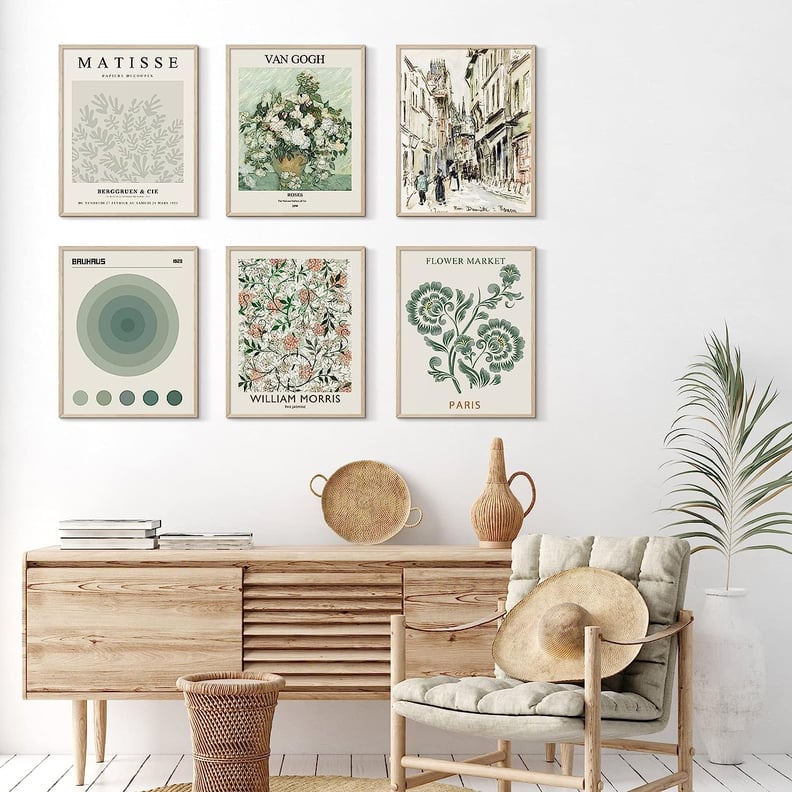
The Best Wall Decor From Amazon That'll Transform Your Space
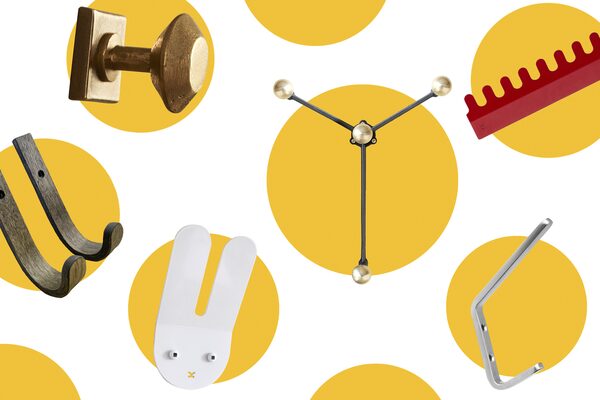
Organizing your home? Don’t overlook the humble wall hook
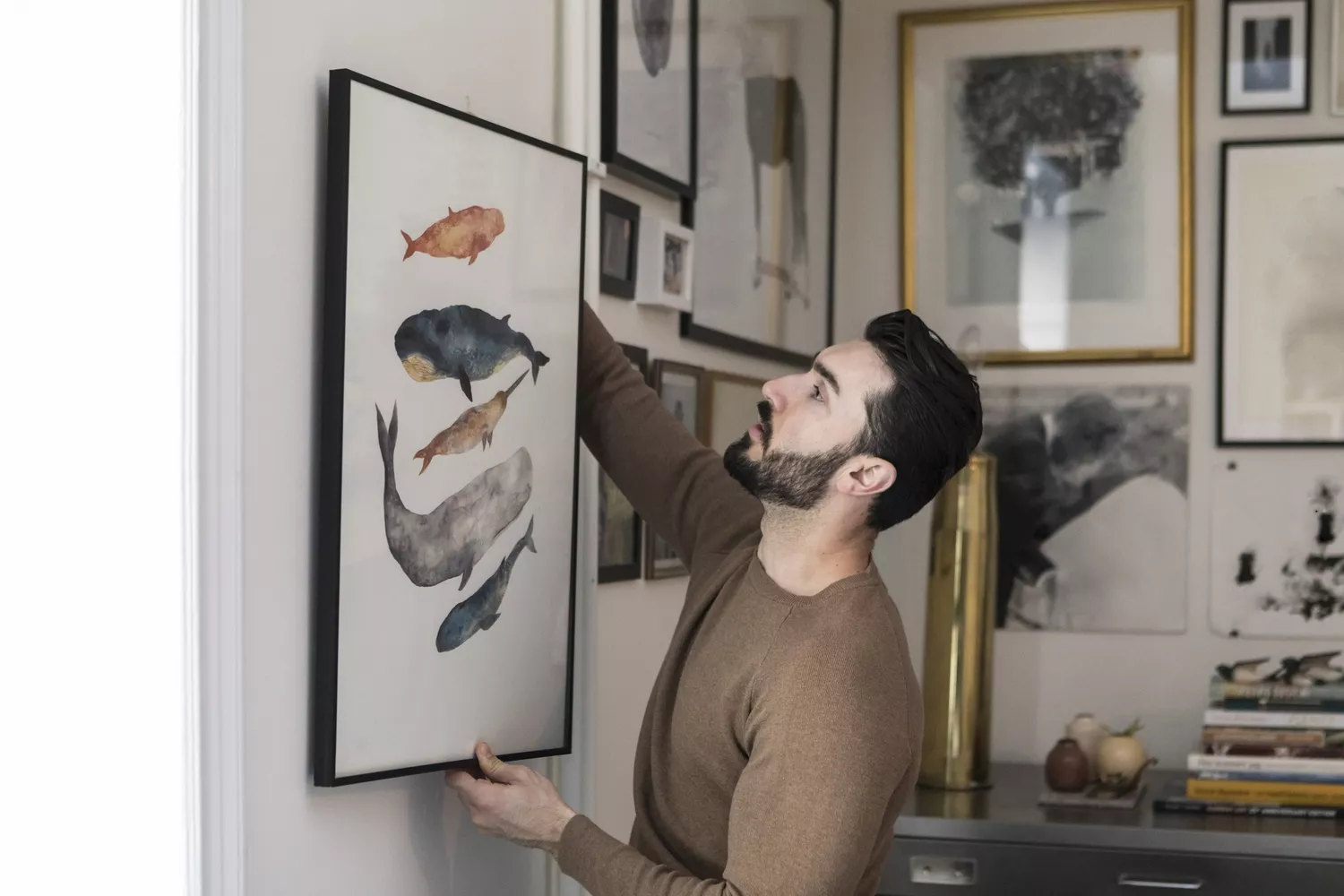
7 Items You Should Never Hang With Adhesive Hooks, According to Designers
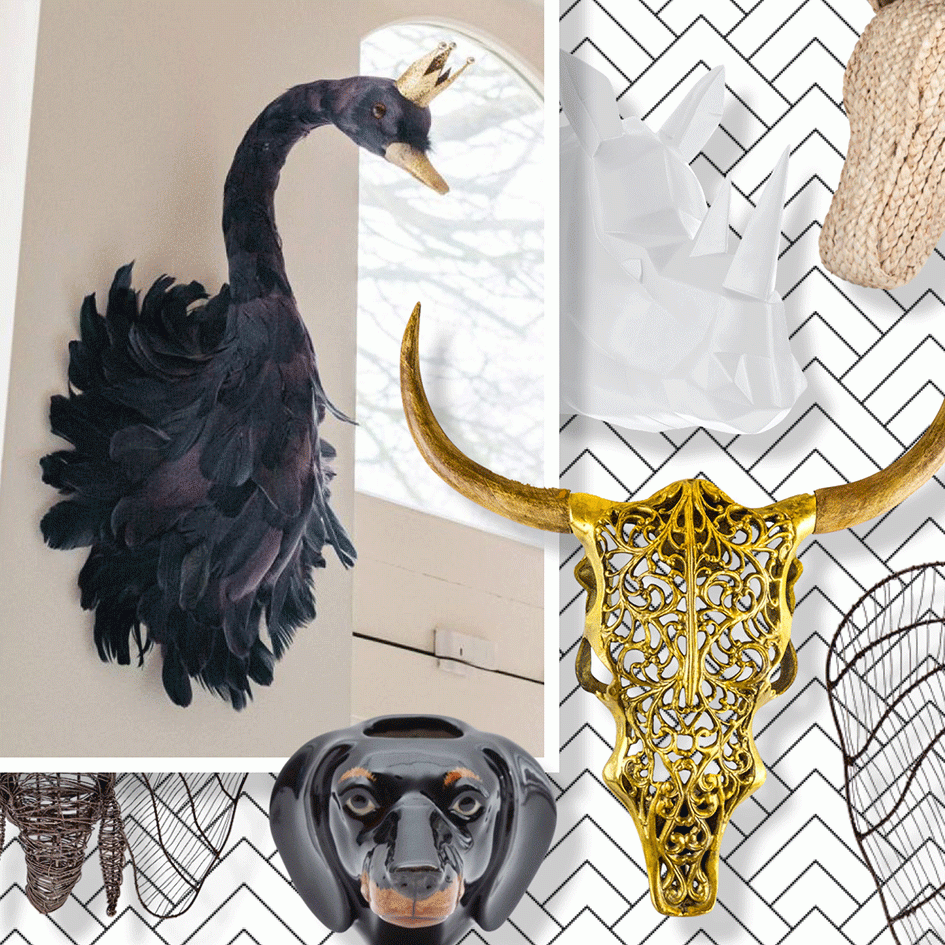
Interior design trend: animal head wall hangings for a quirky home update
7 DIY tips for how to hang a gallery wall from experts
Shopping for Wall-Mounted Shelves (Published 2018)
4 Common Wall Hanging Myths, Busted


Our Favorite Coat Racks

The 4 Best Hangers of 2026 | Reviews by Wirecutter

Yes, You Can Hang Art Like a Pro | Reviews by Wirecutter
Bouclé Without the Fuzz: Hanna Anonen Translates Texture Into Timber
Introducing Wall Hangings from Society6
This Is The Best Way To Hang Pictures, According To An Expert