What's The Real Difference Between A Cupboard And A Cabinet? Designers Explain
The terms 'cupboard' and 'cabinet' are frequently used interchangeably, leading to confusion about their distinct meanings. However, design experts clarify that despite their apparent similarities, these storage solutions possess subtle yet significant differences in their design, purpose, and integration into a space. These distinctions are not merely semantic but reflect historical design trends and evolving practical needs within homes.
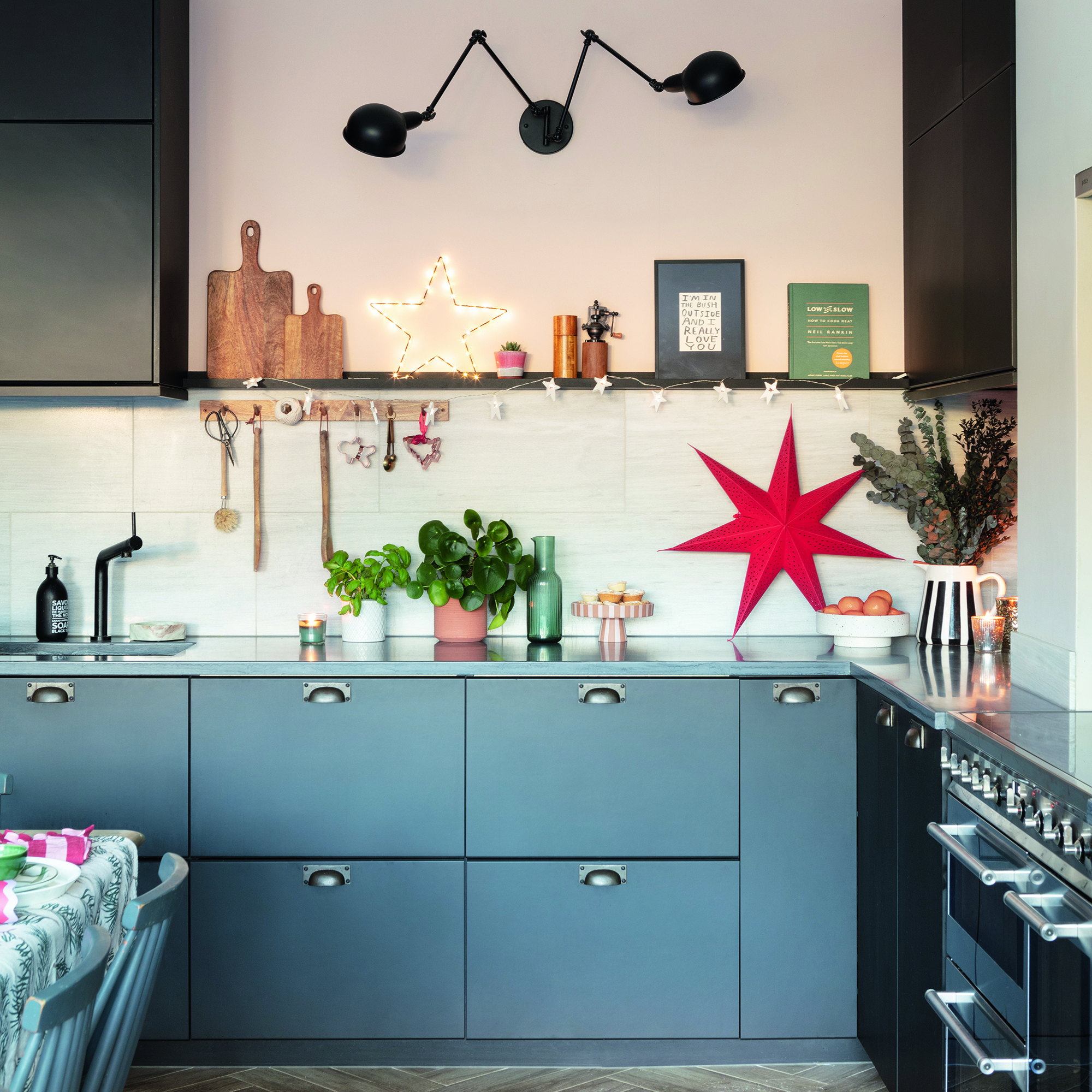
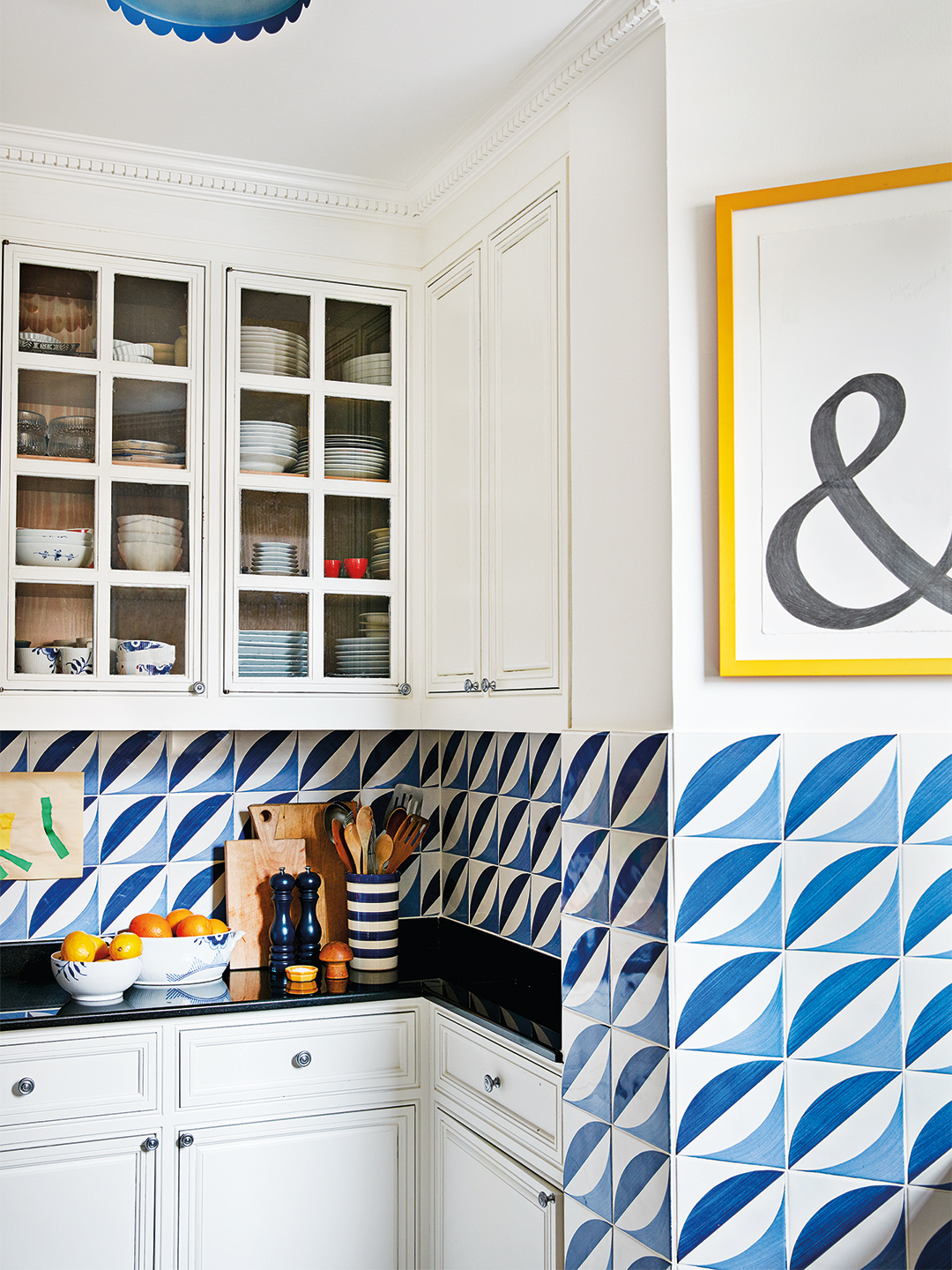
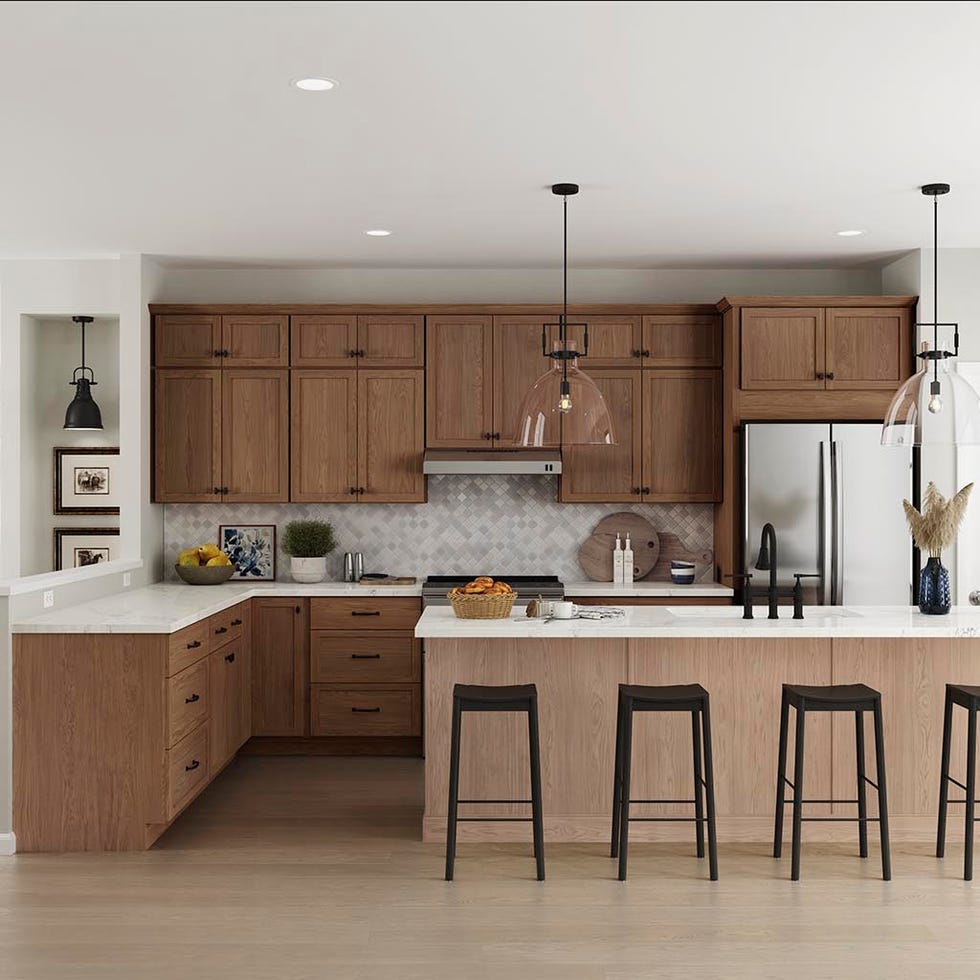
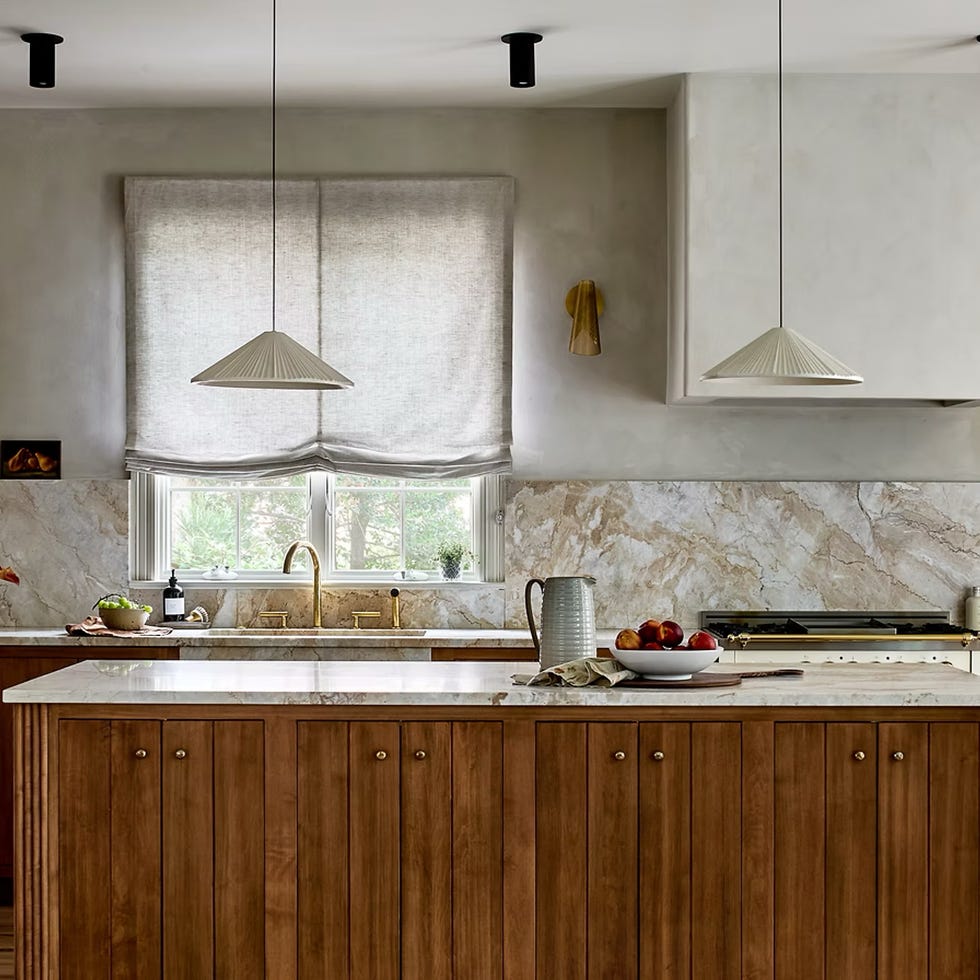
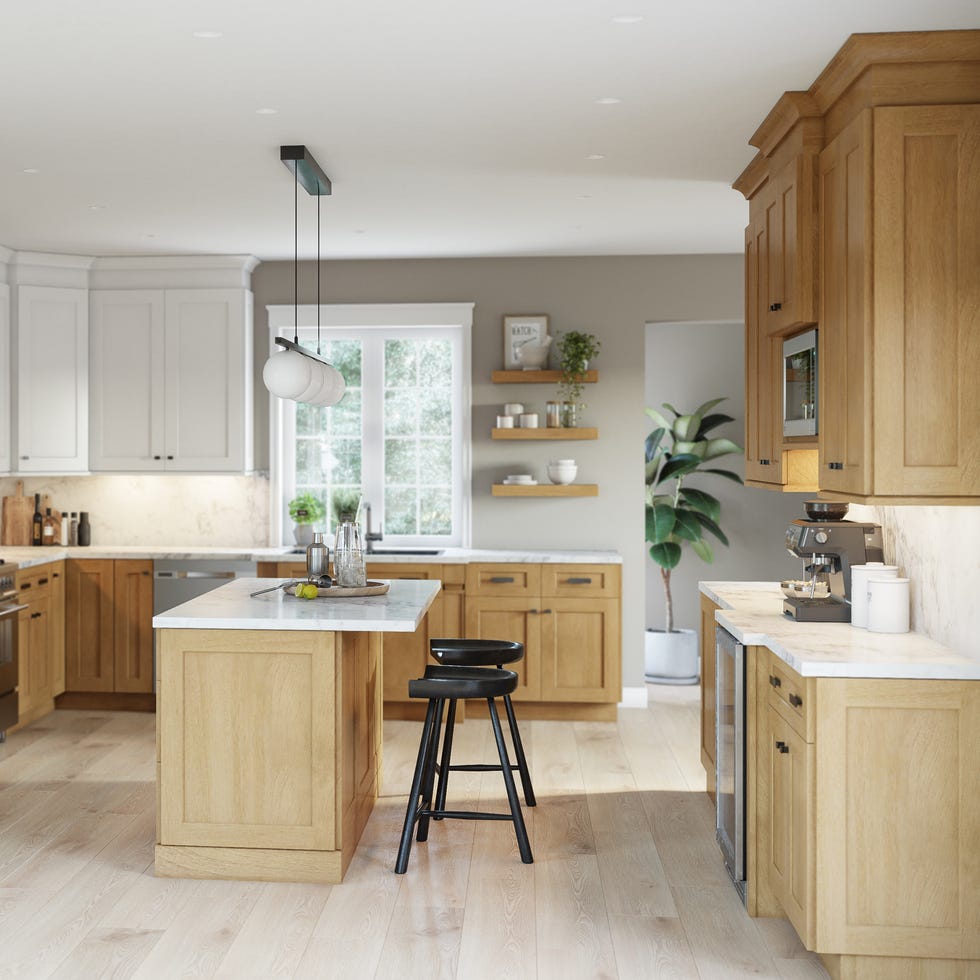
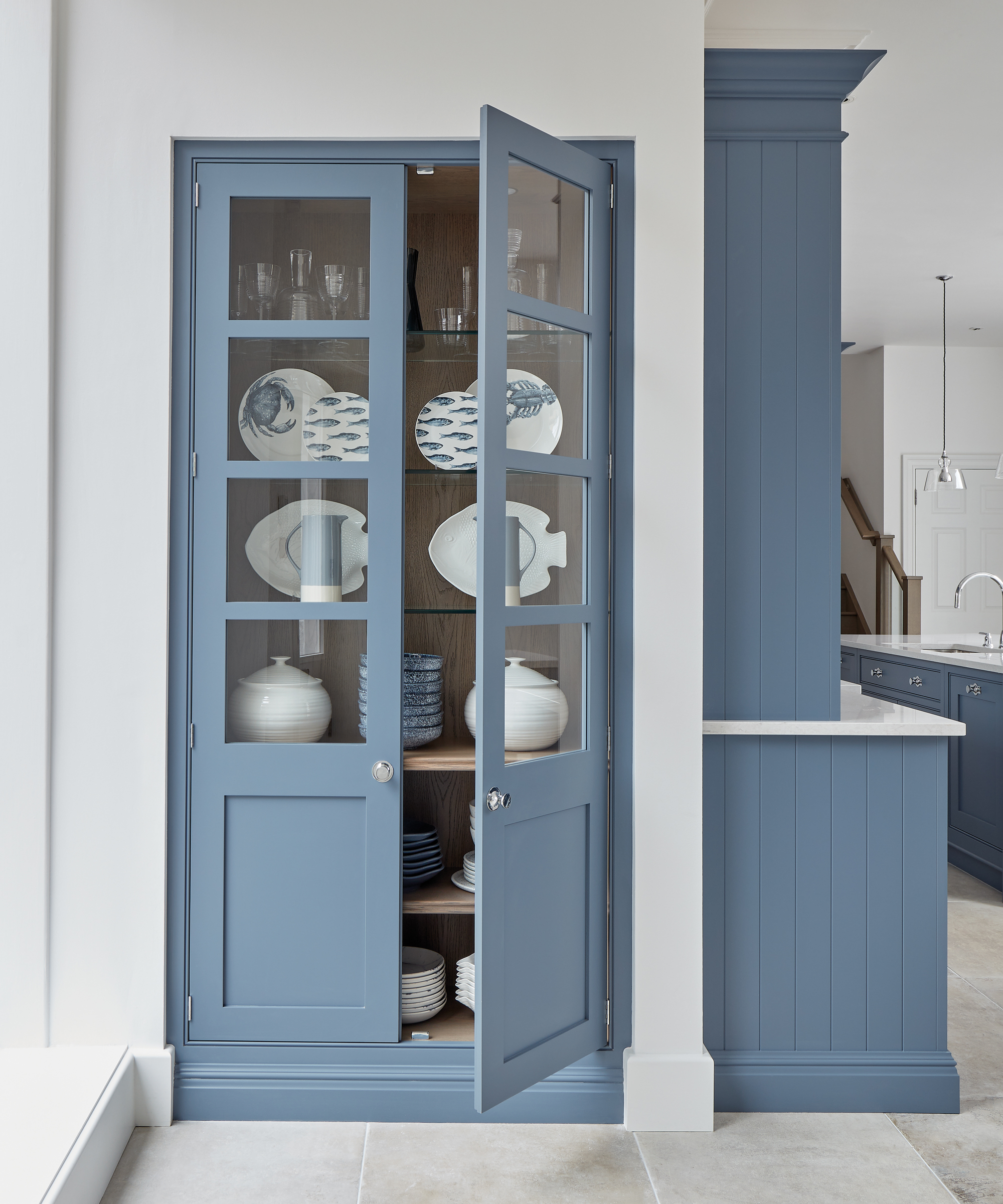
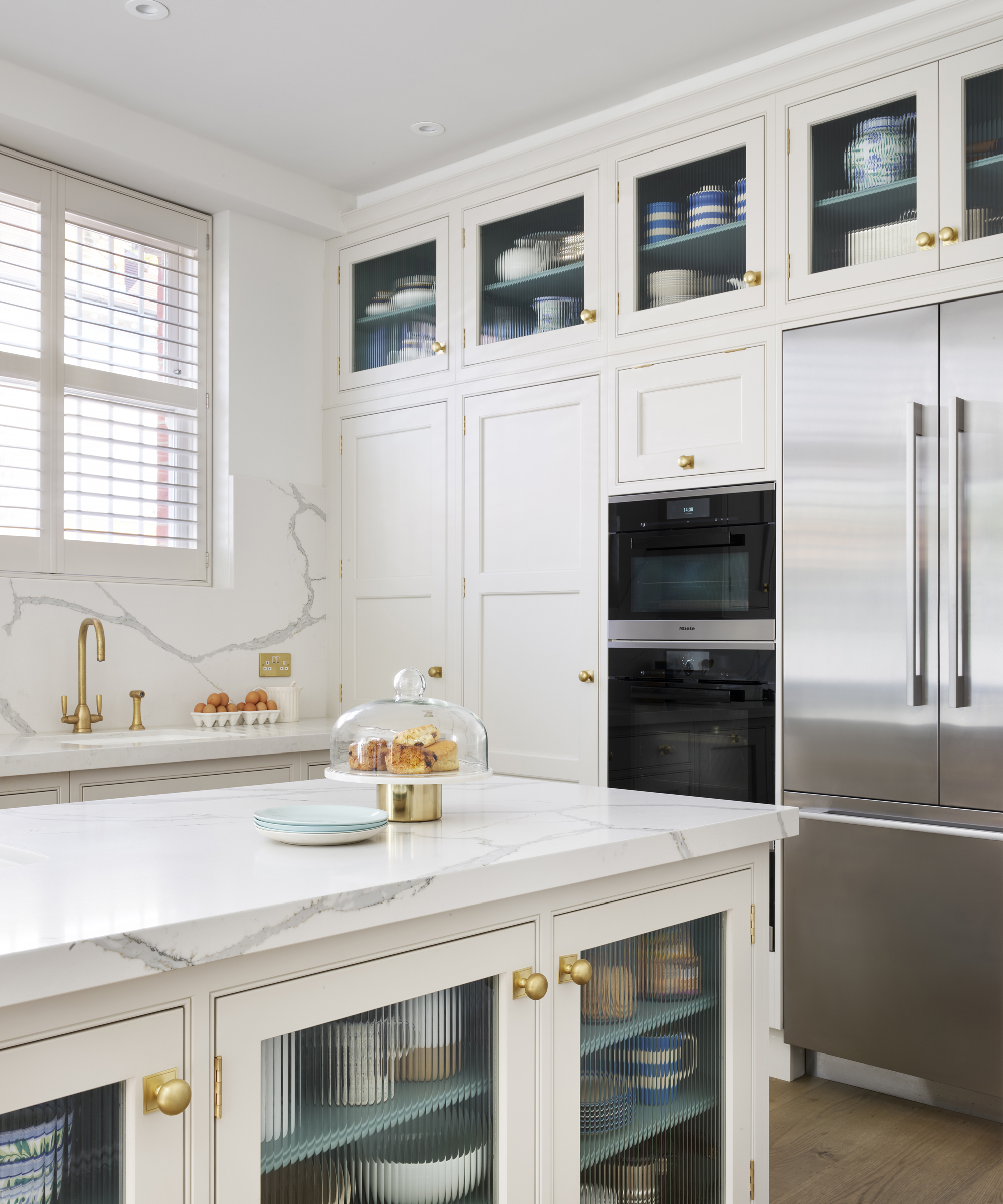
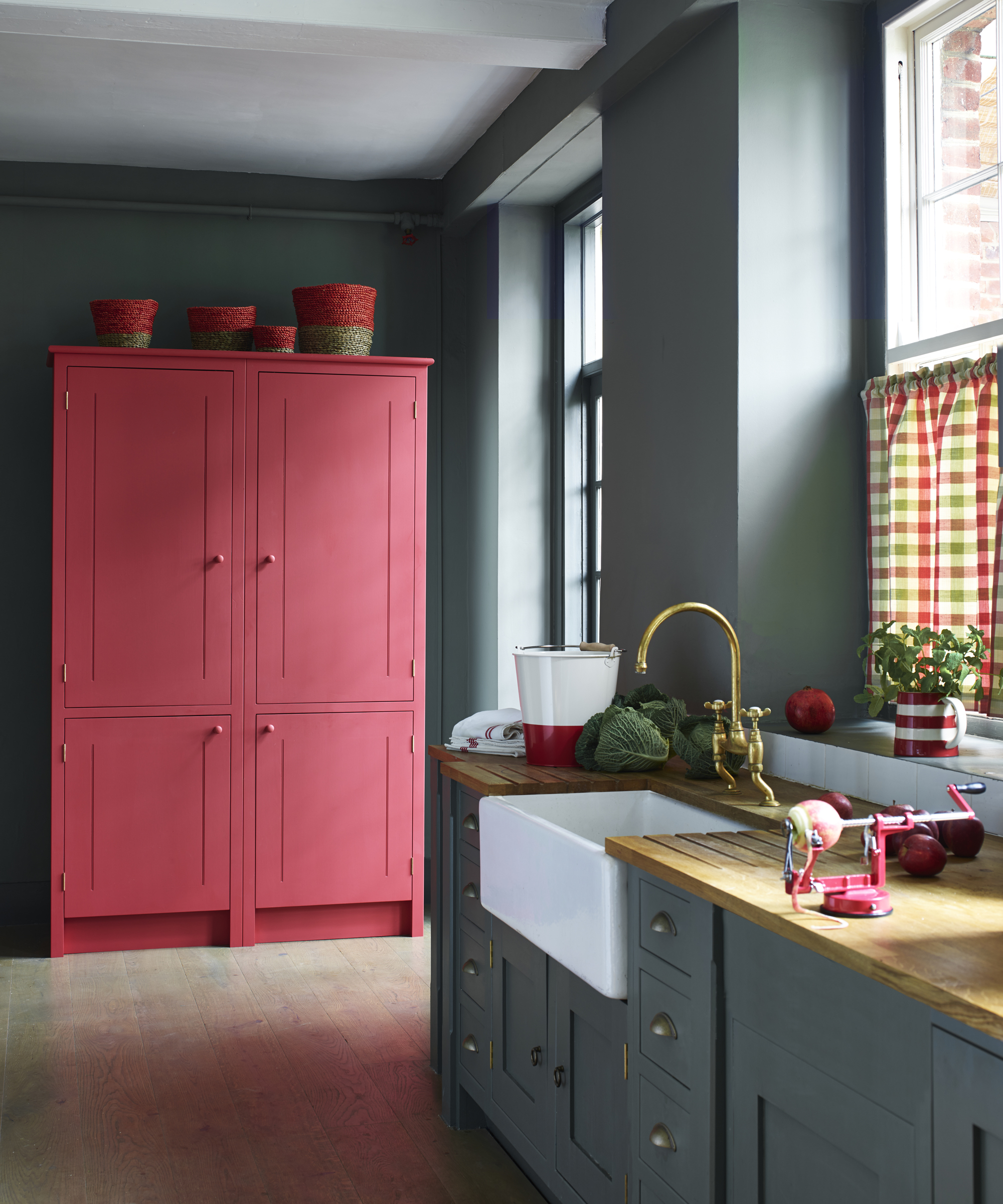
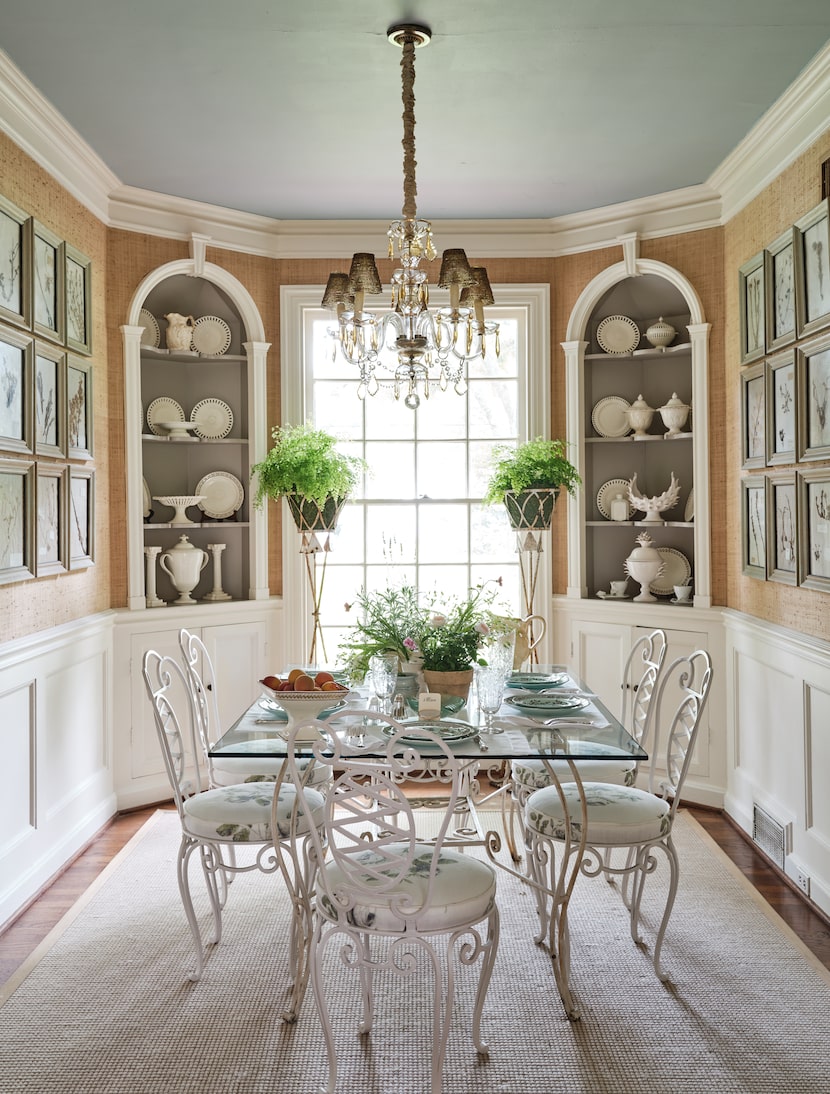
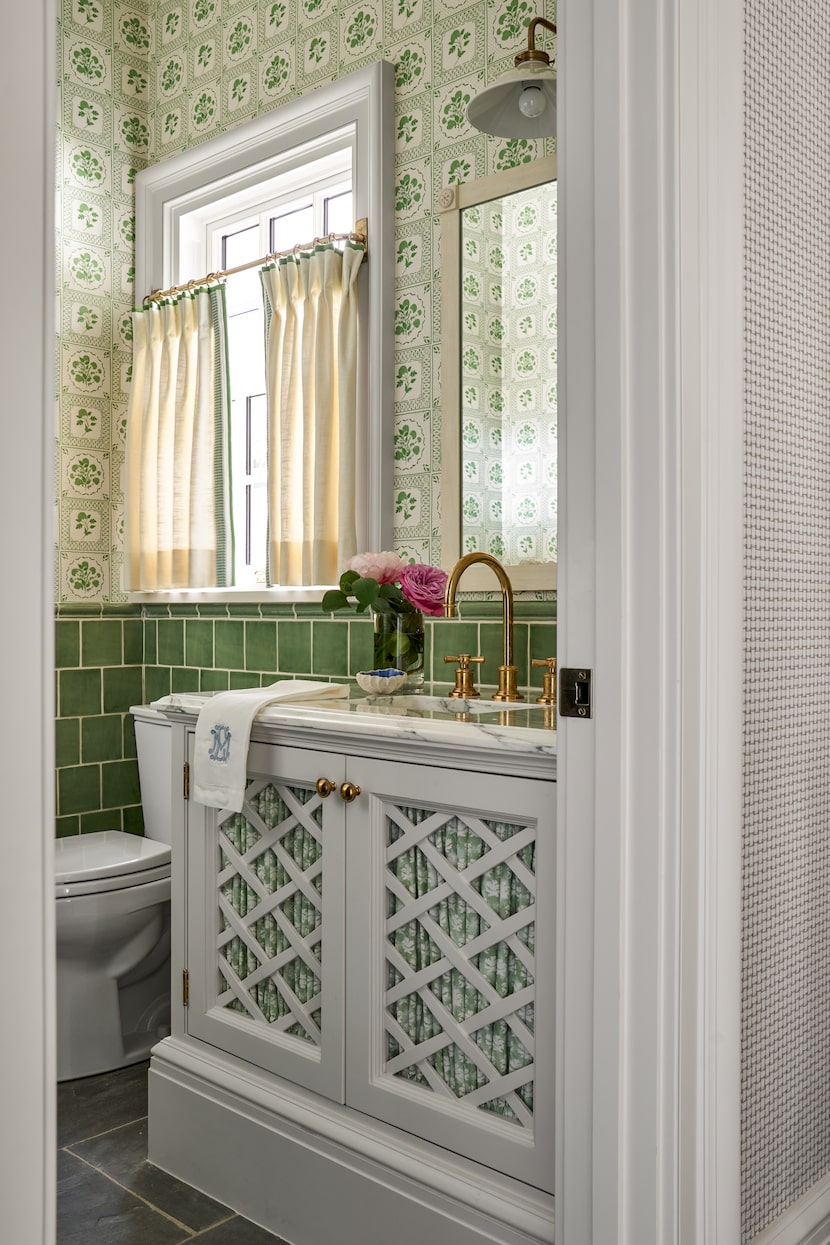
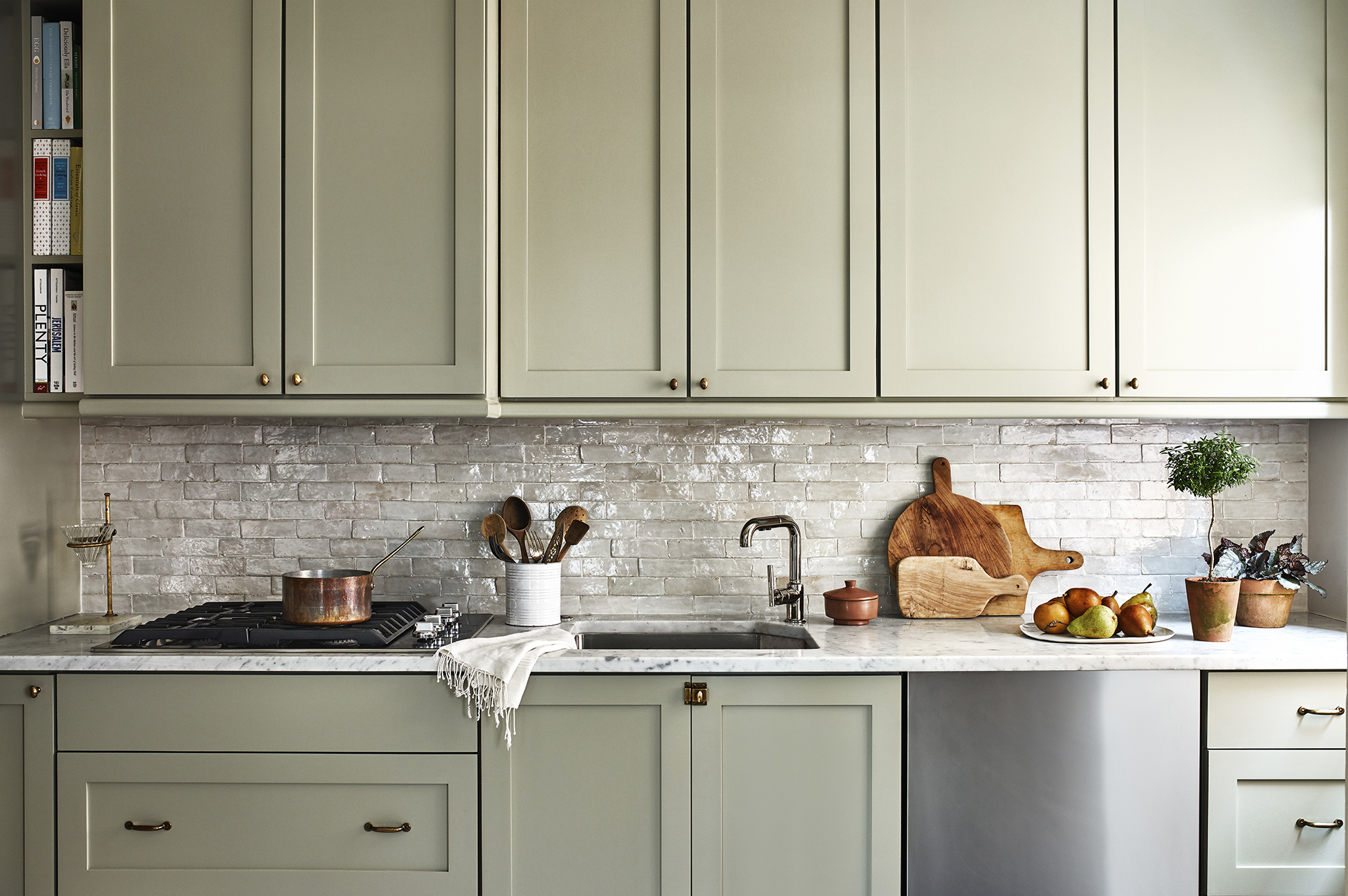
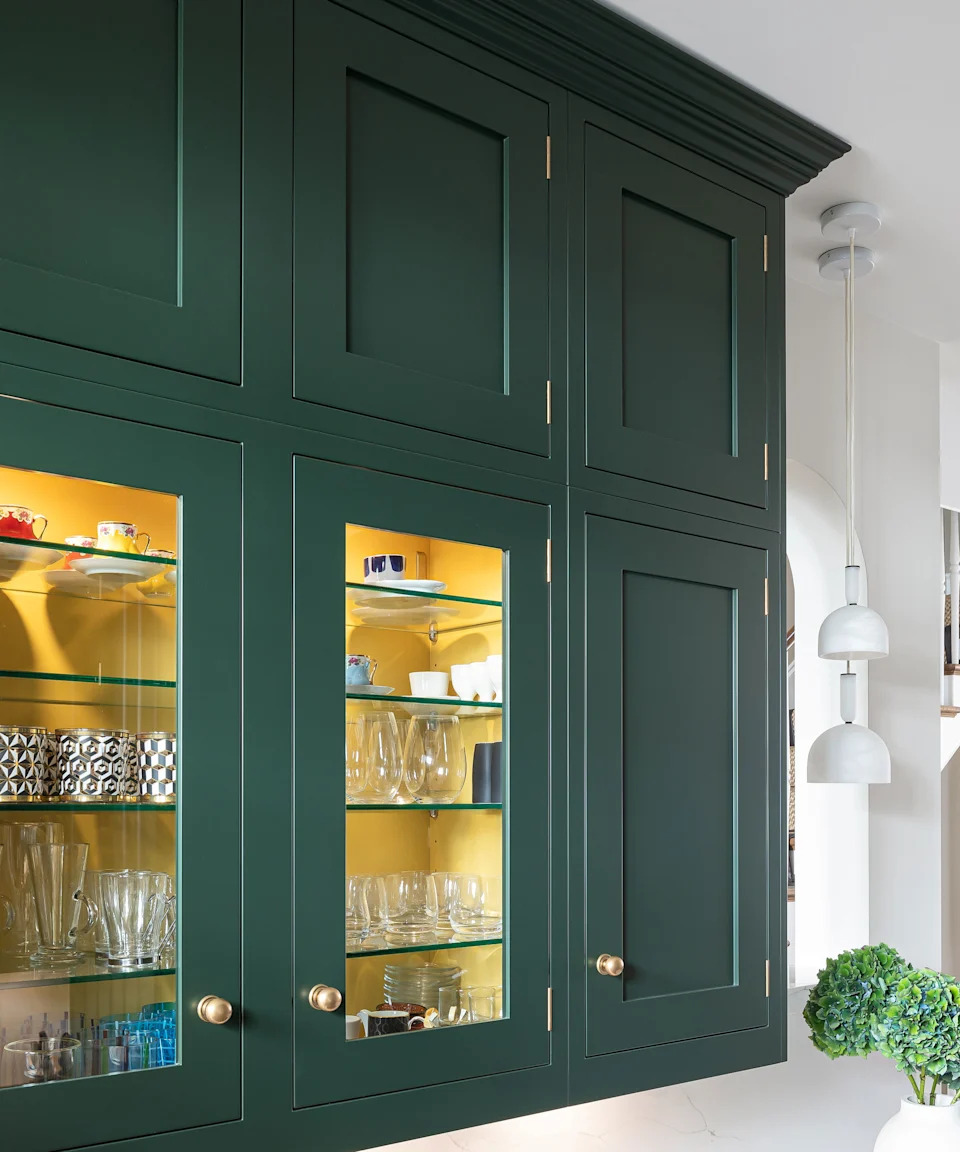
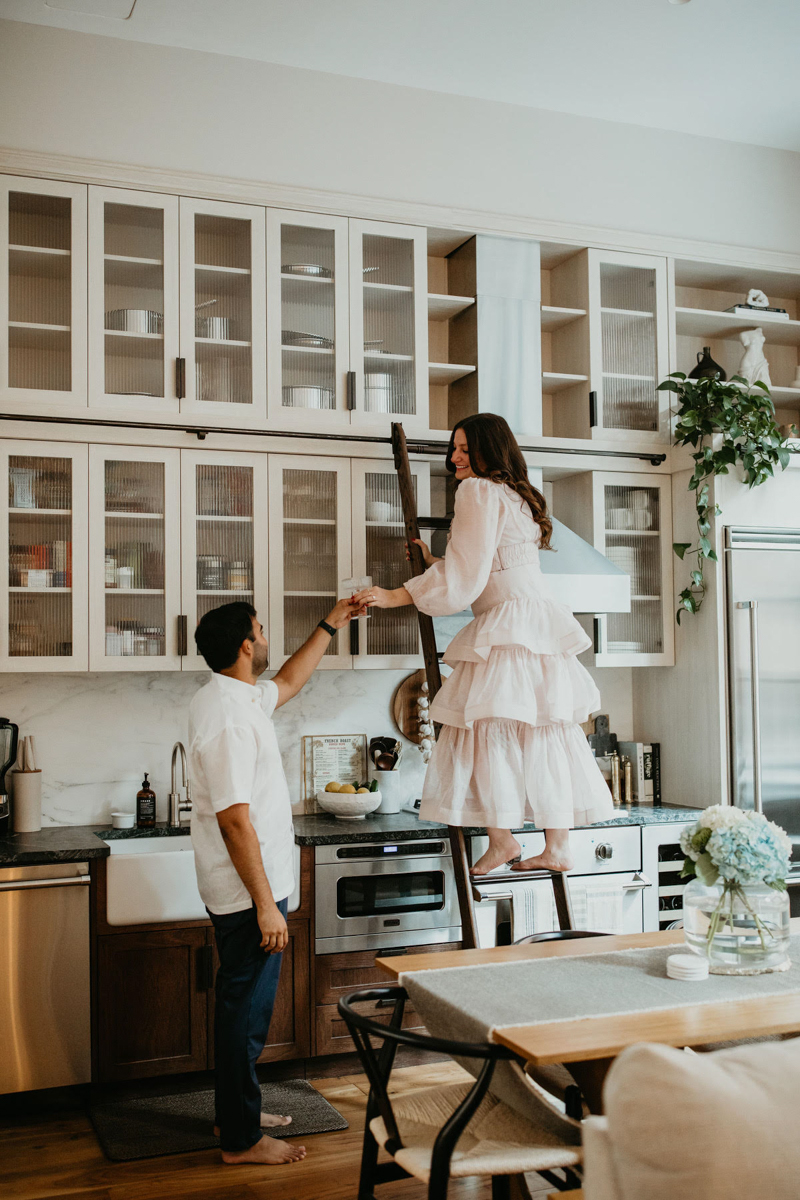
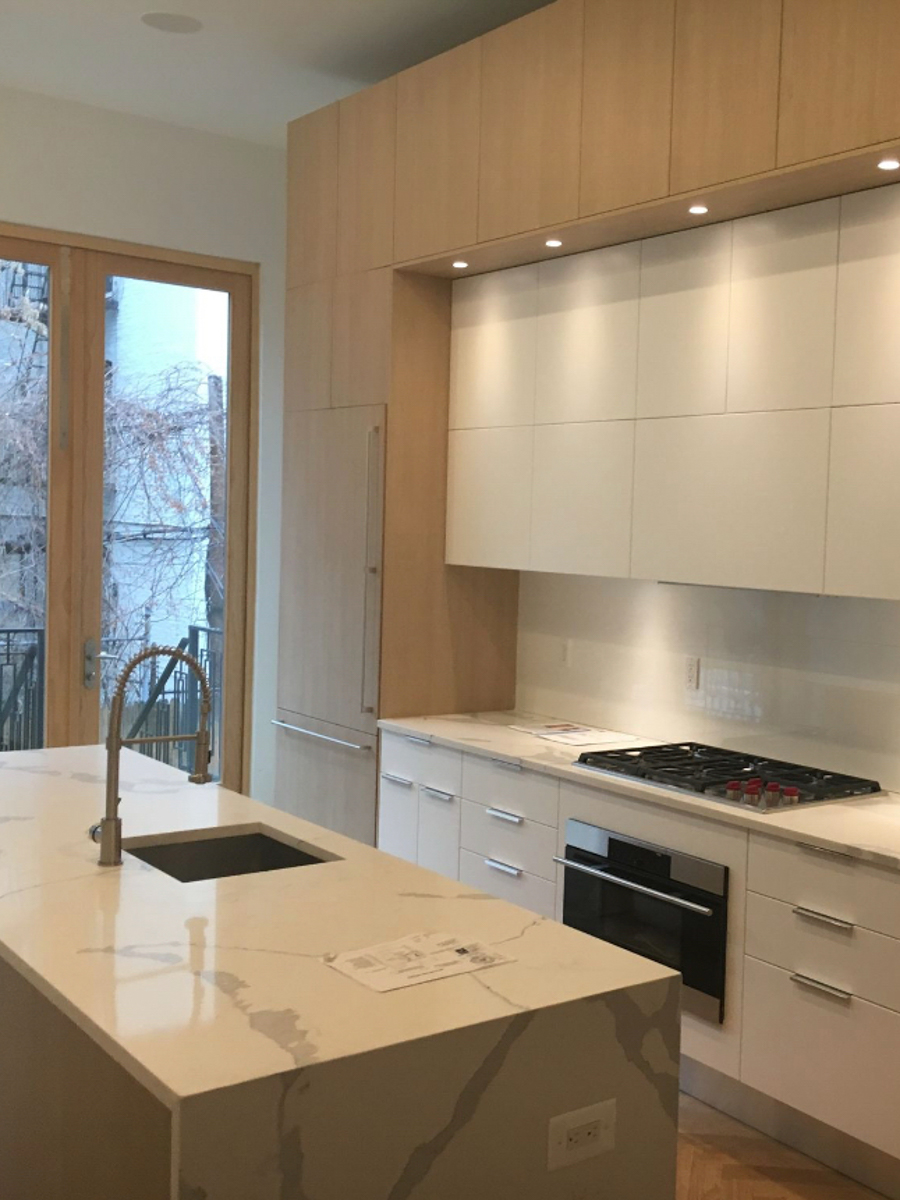
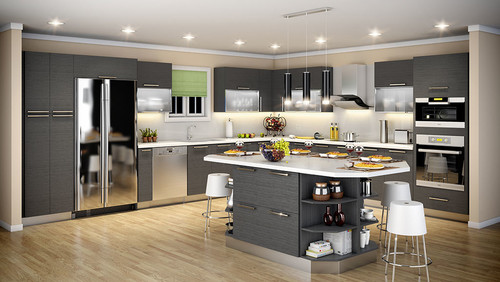
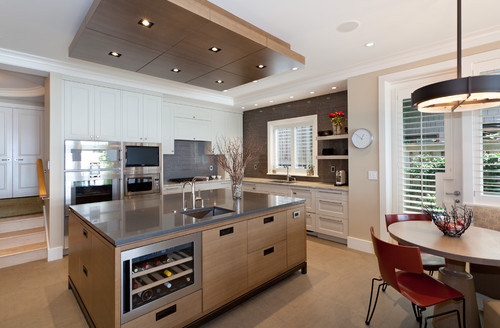
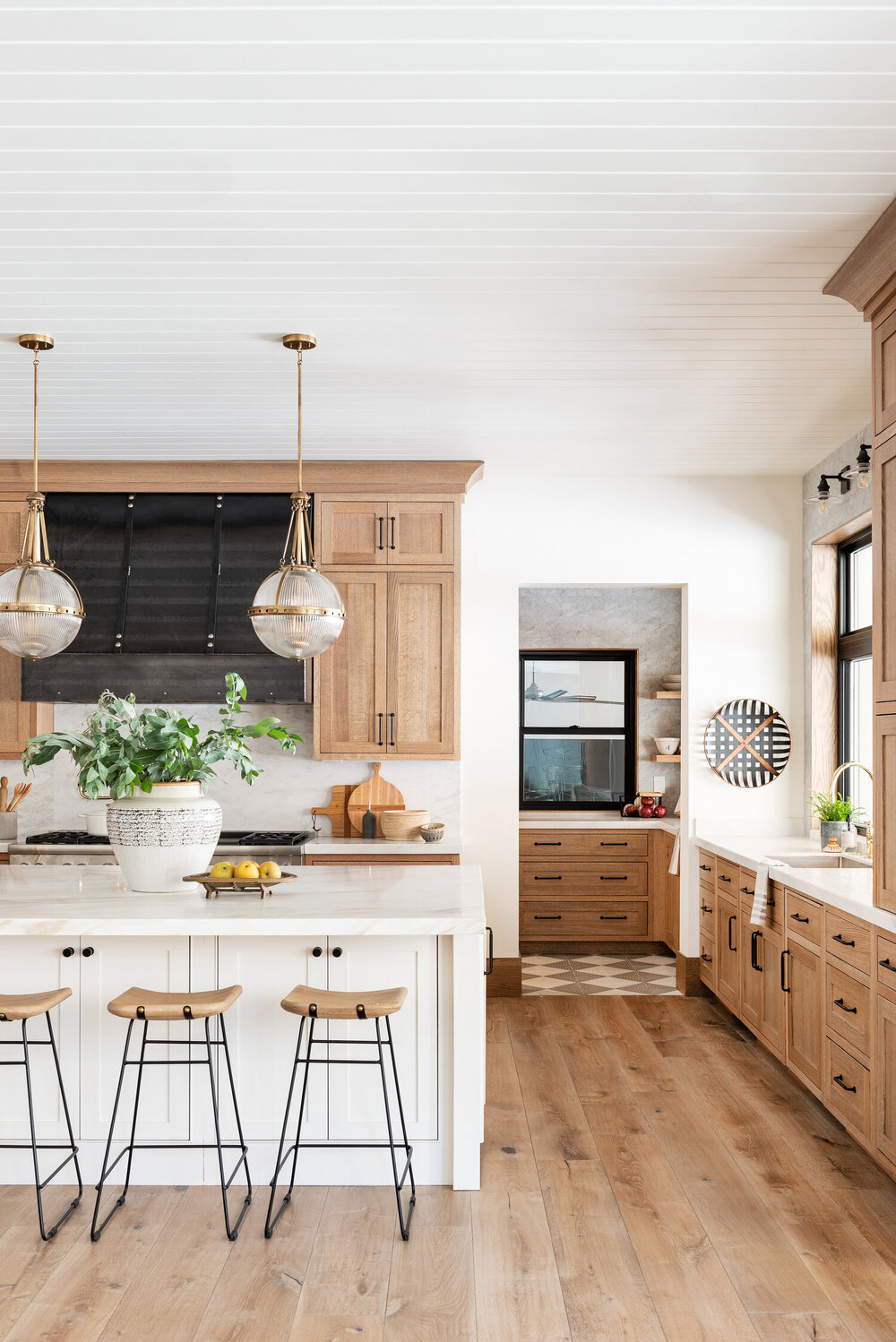
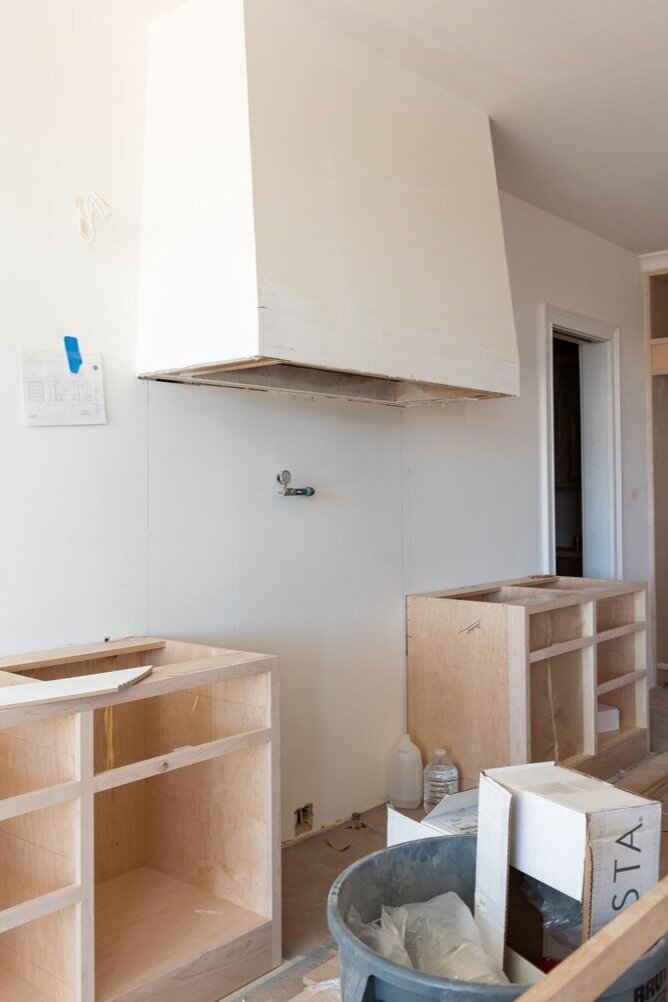
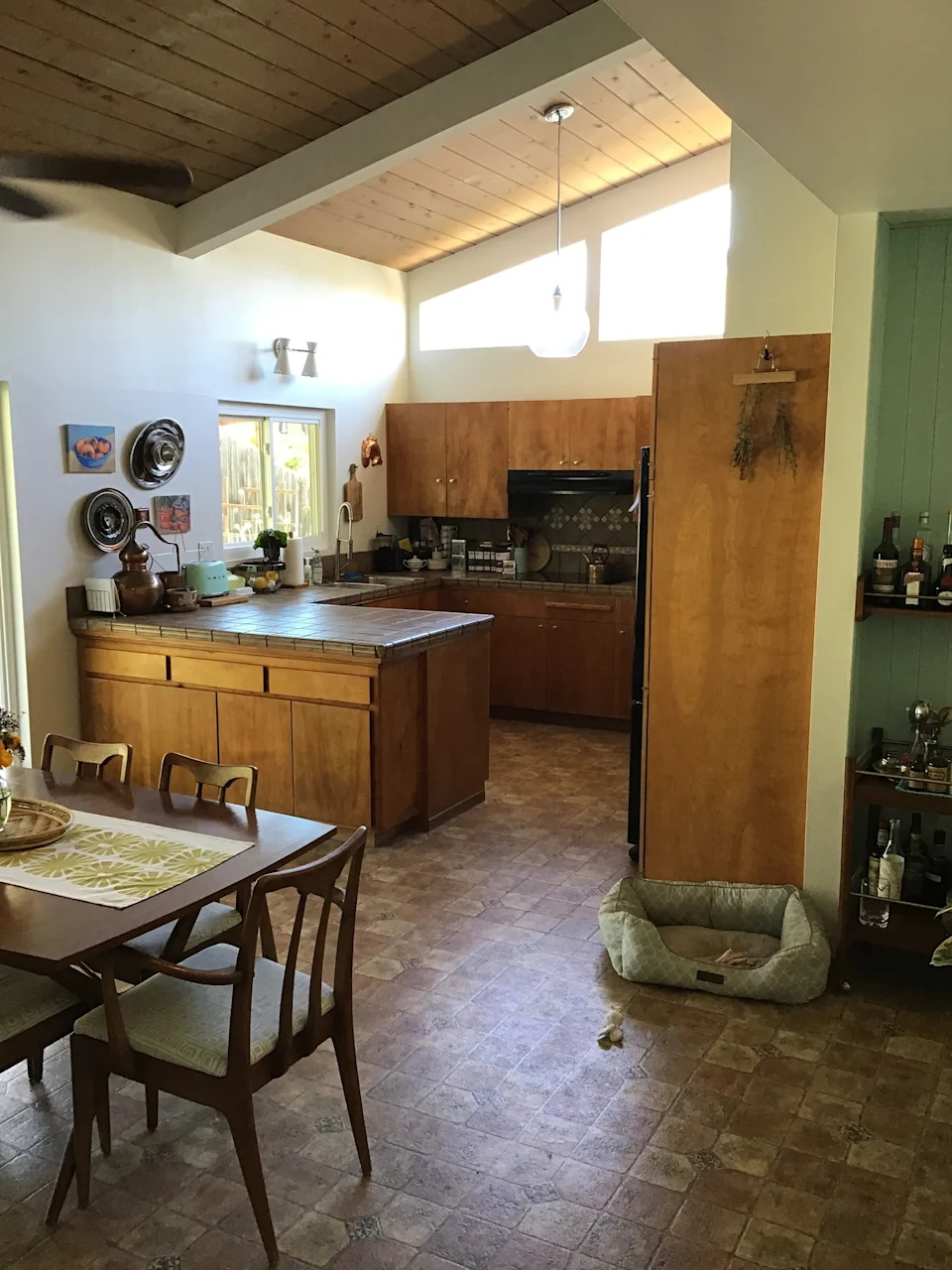
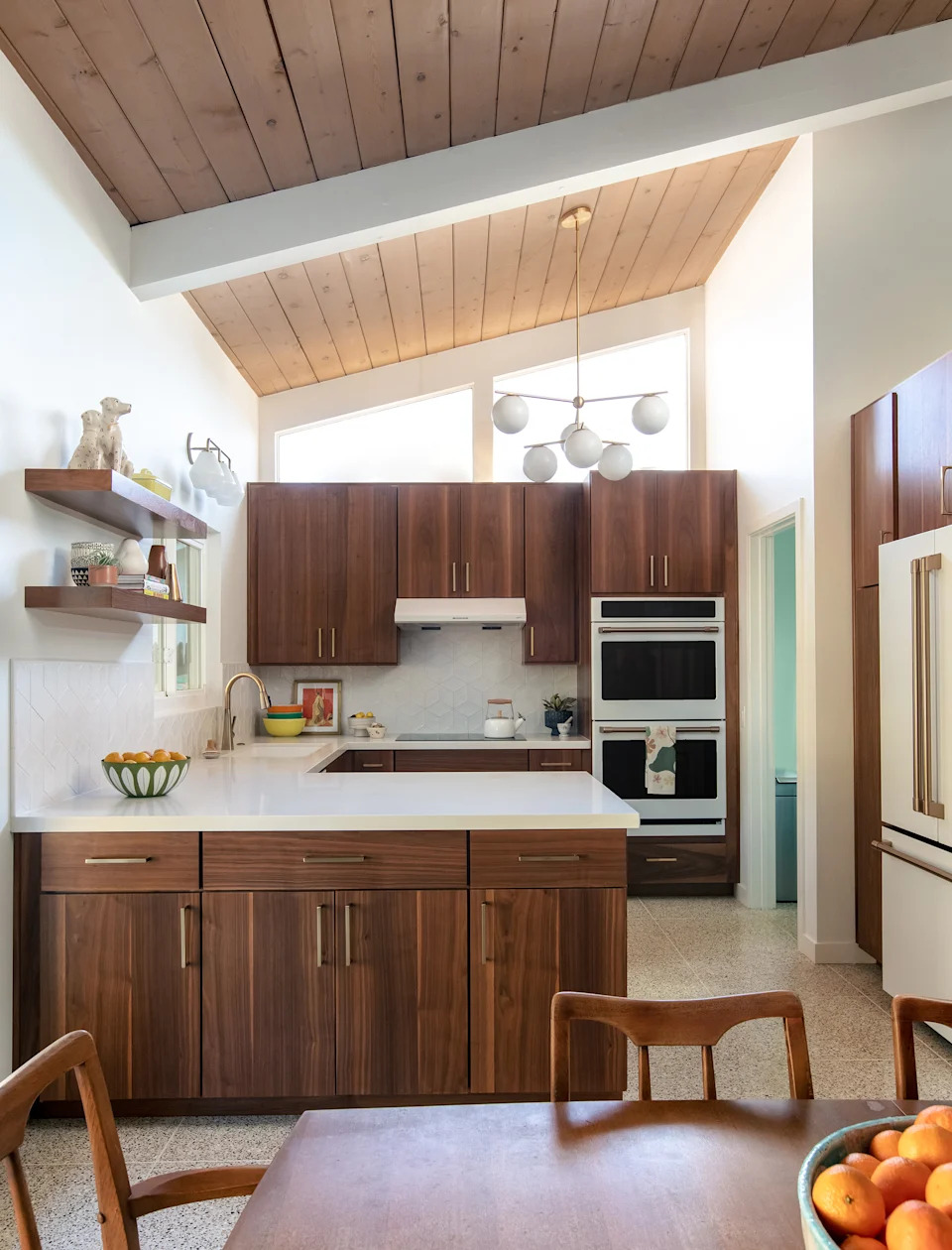
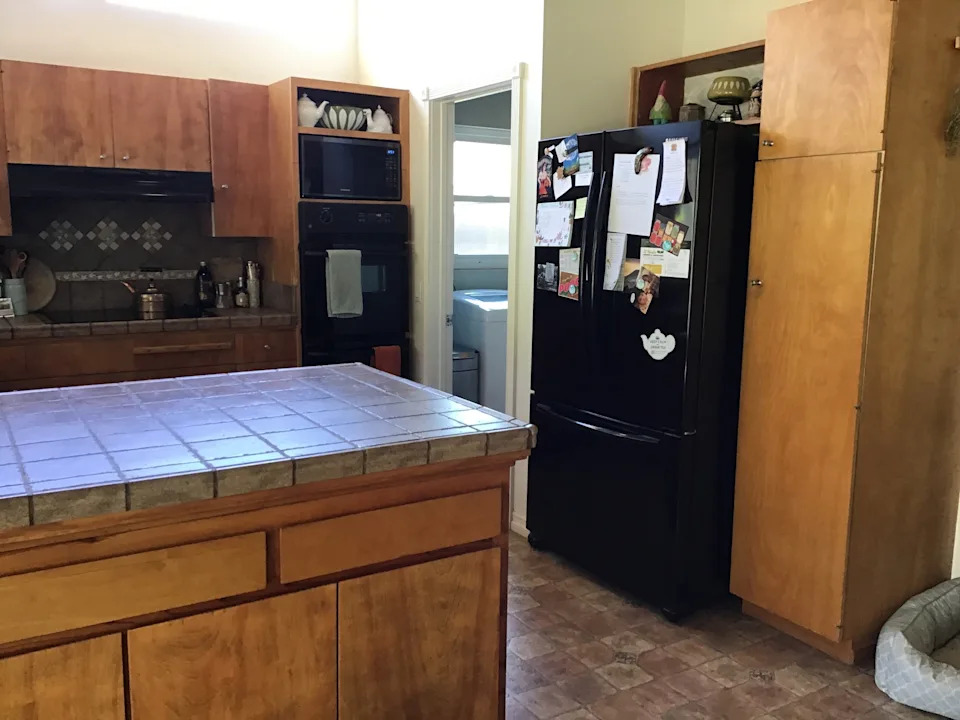
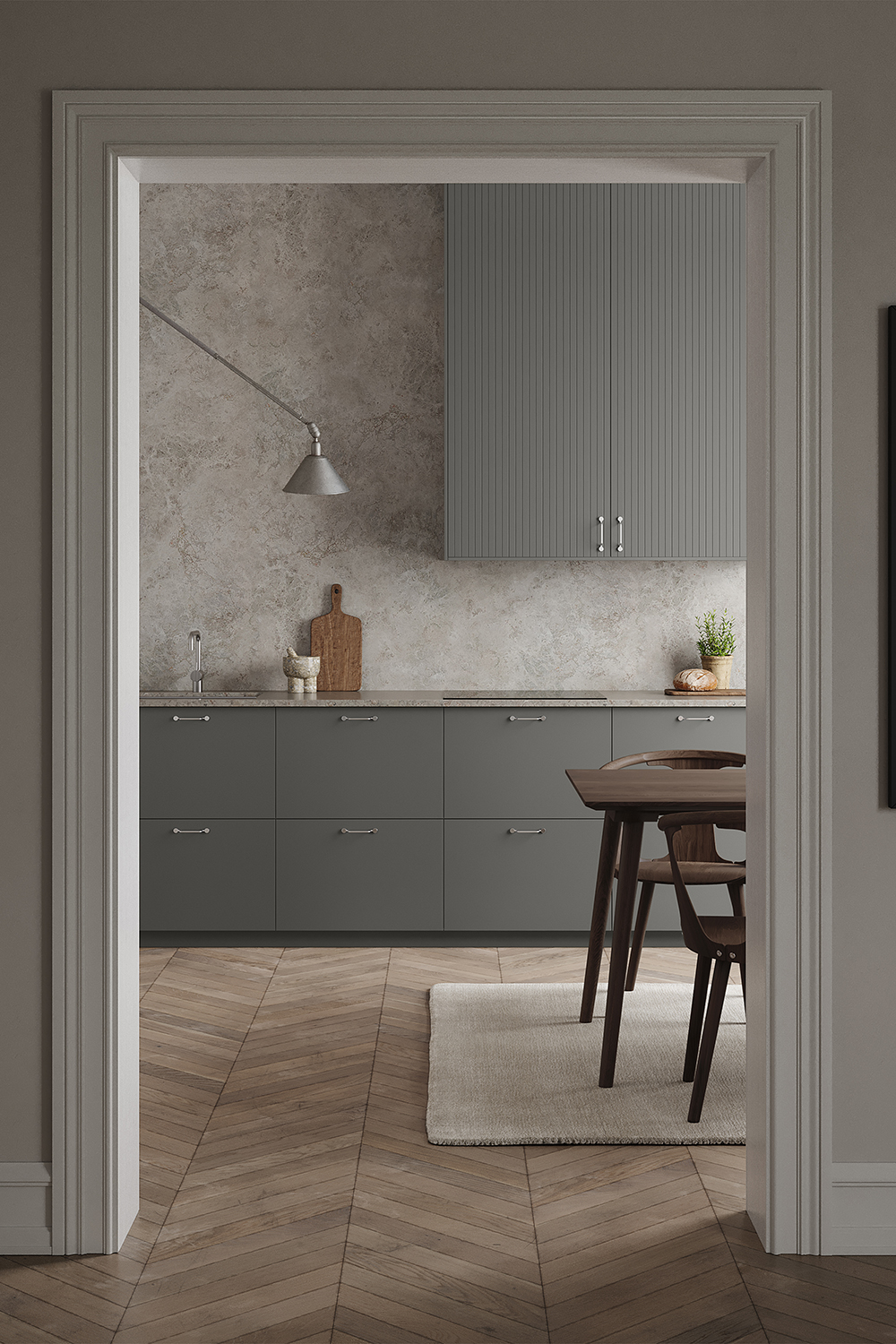
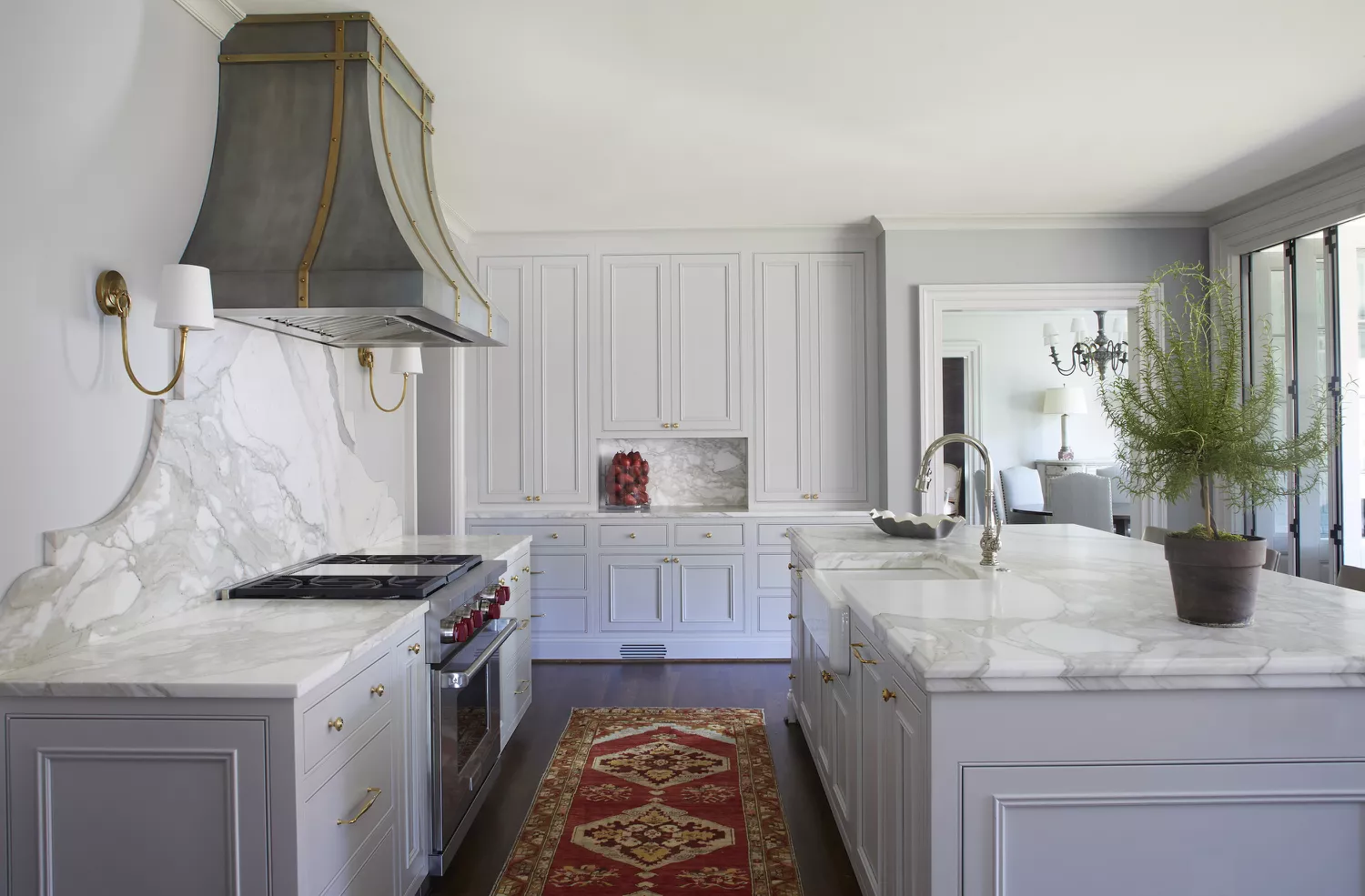
Cyndy Cantley, founder of Cantley & Company, a cabinet and design firm in Birmingham, Alabama, highlights a primary difference: integration. She explains that cabinets are typically built-in fixtures, designed to fit specific spaces and often extending to the ceiling with moldings, creating a seamless, integrated look. They are commonly found in functional areas such as kitchens and bathrooms, emphasizing permanence and efficiency. In contrast, cupboards are generally free-standing pieces of furniture. They often feature glass doors, intended for displaying items like china, positioning them as more decorative elements with a storage function rather than purely utilitarian units.
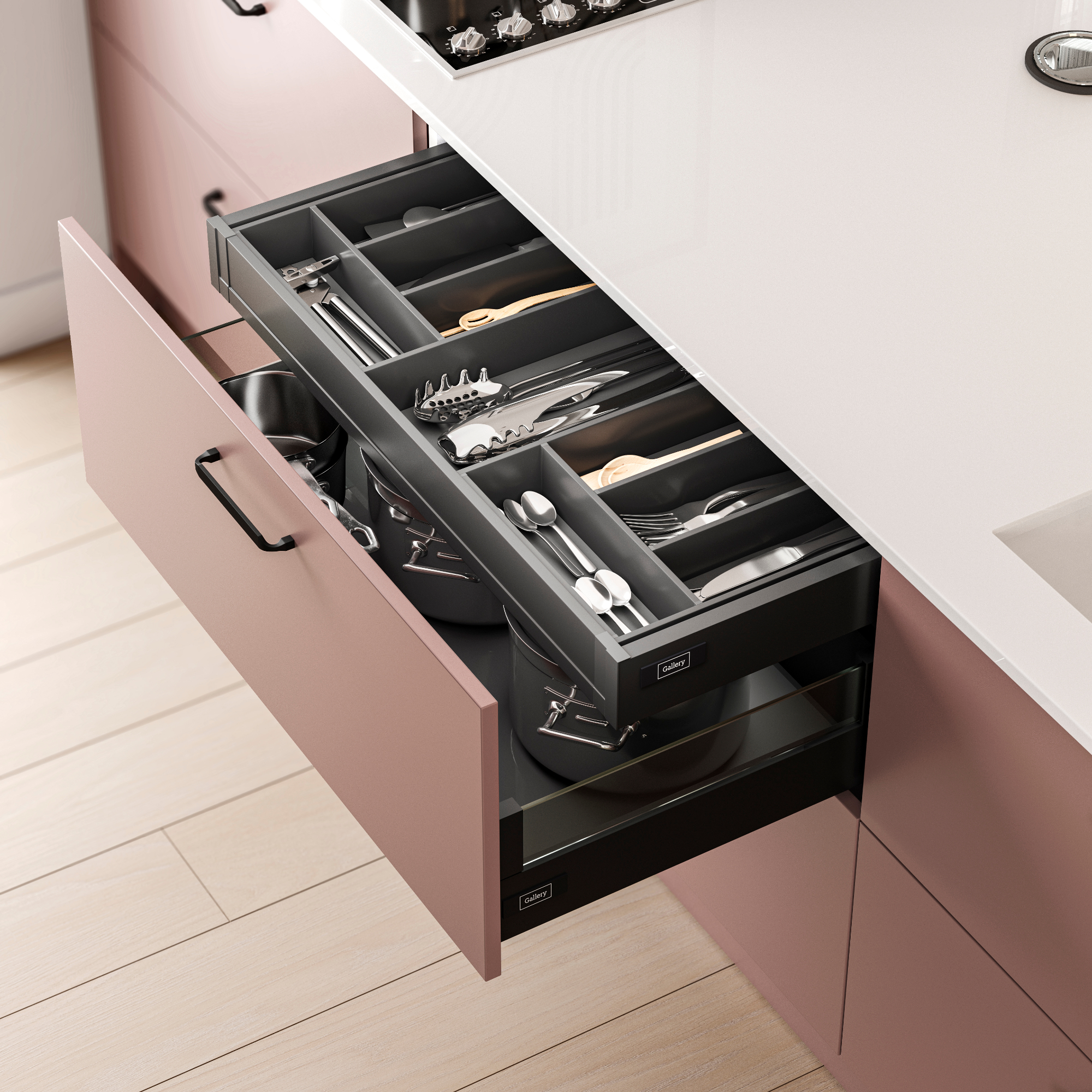
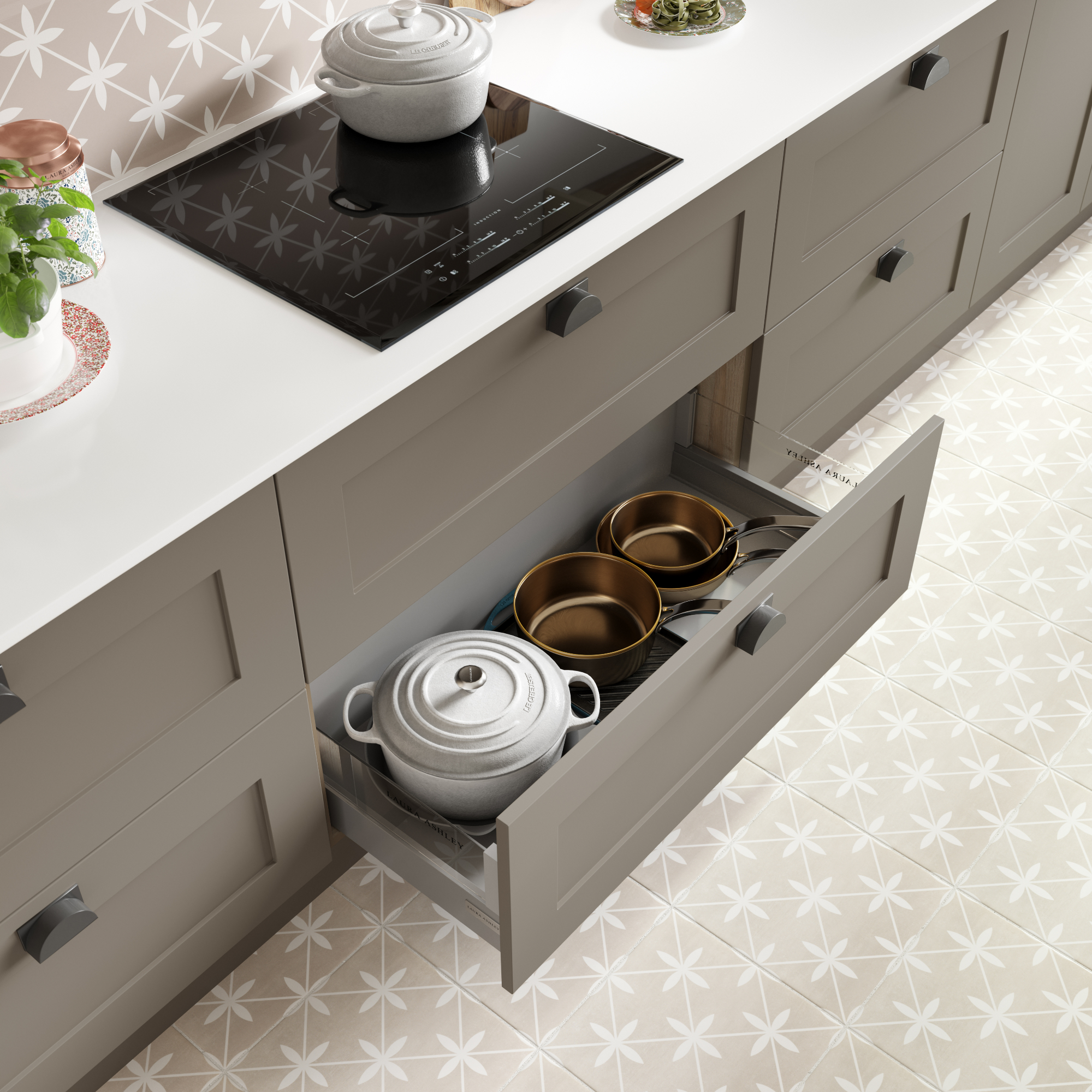
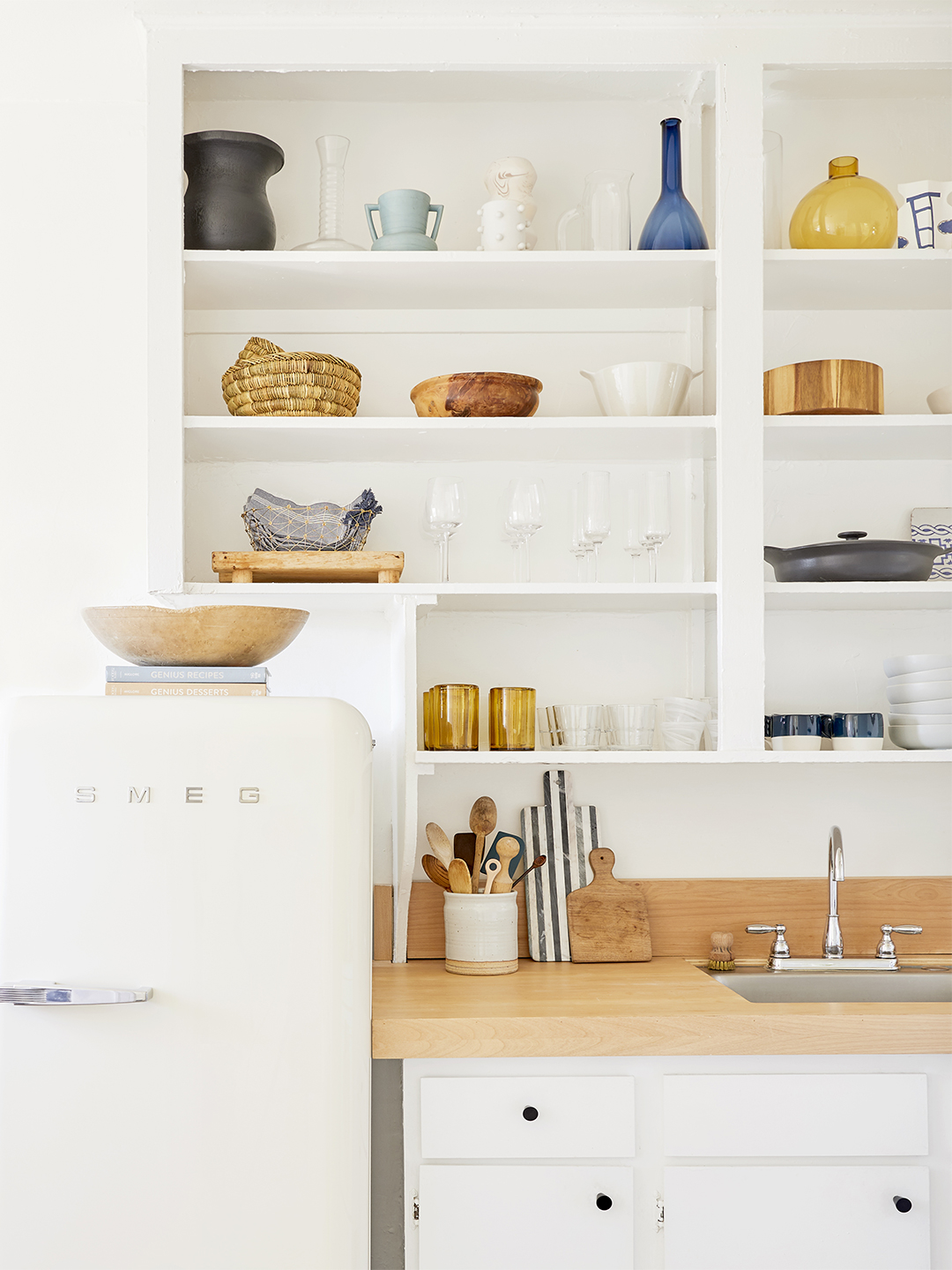
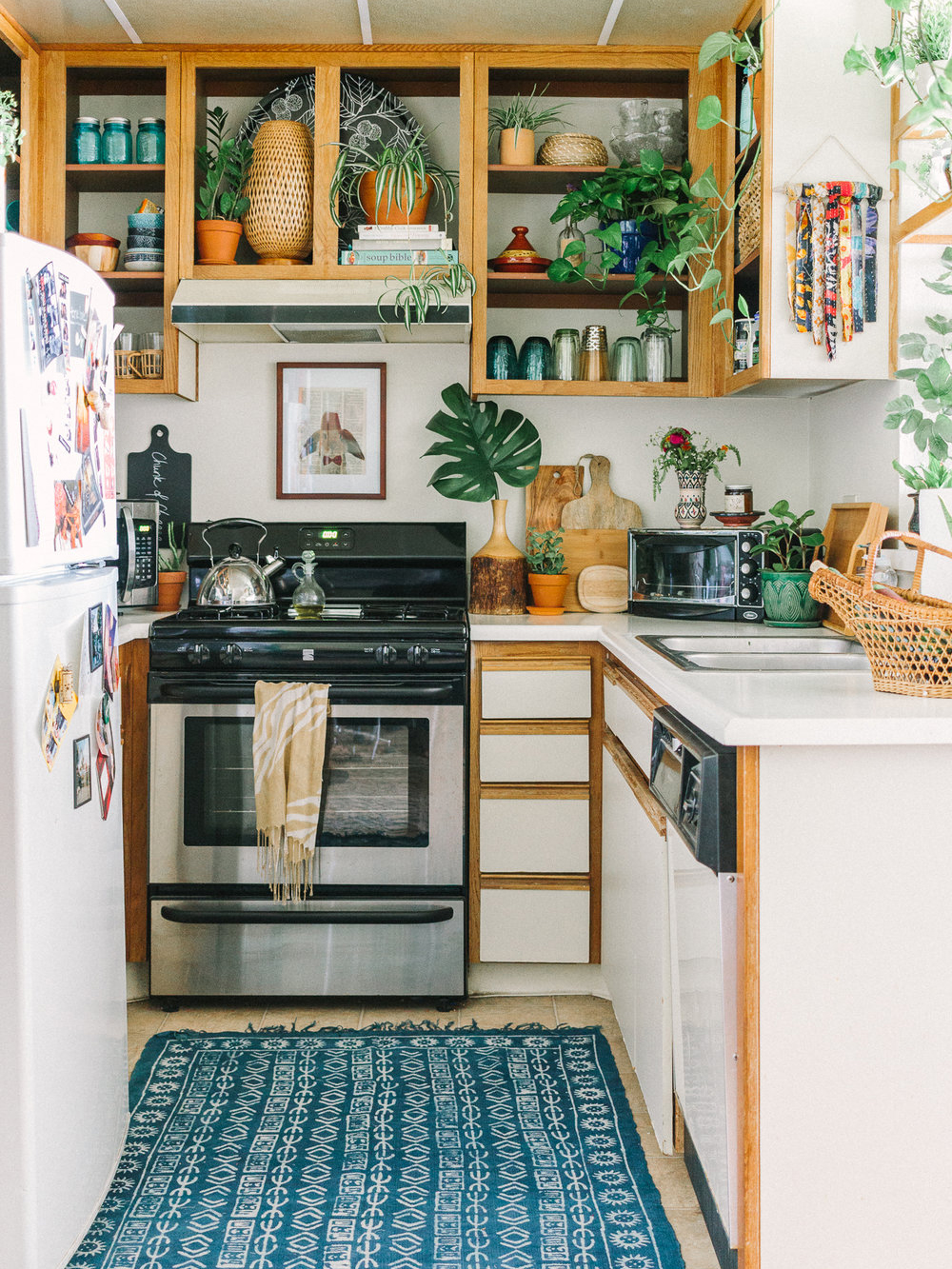
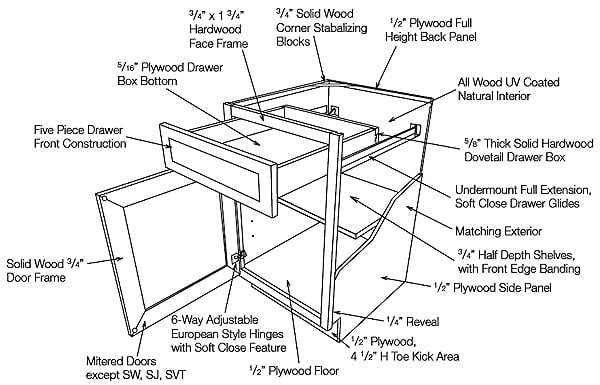
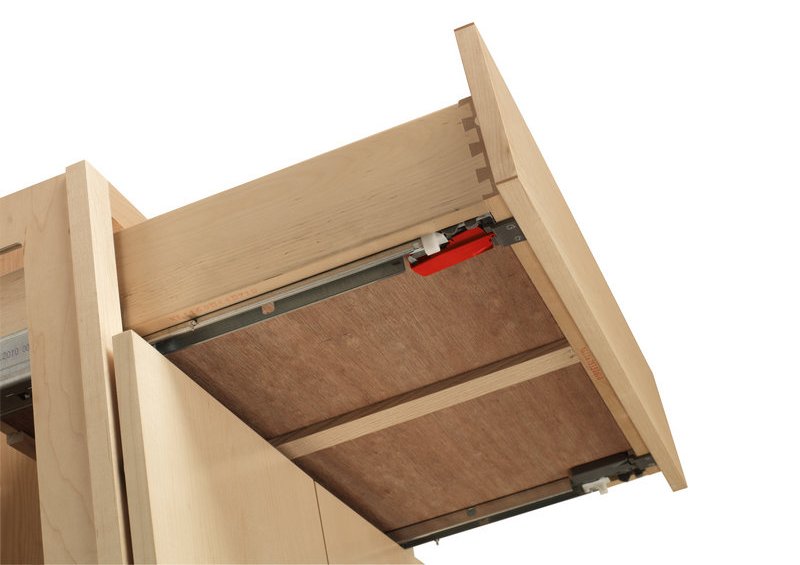
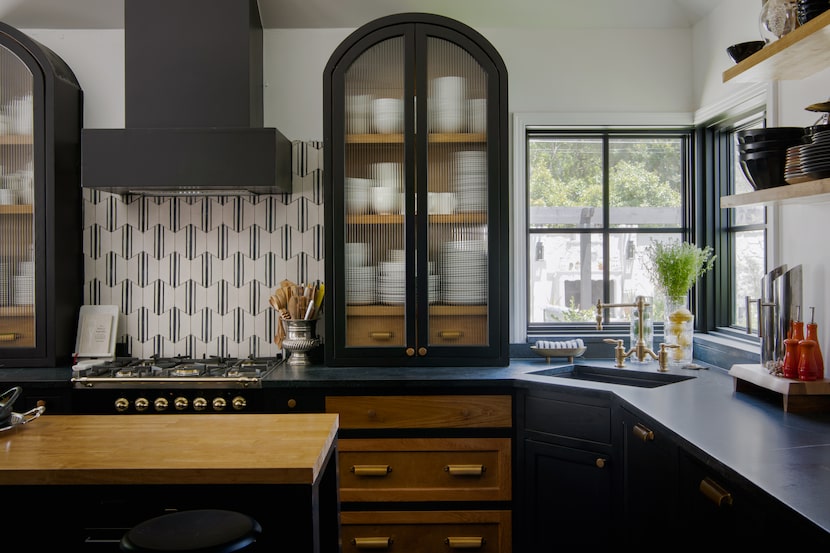
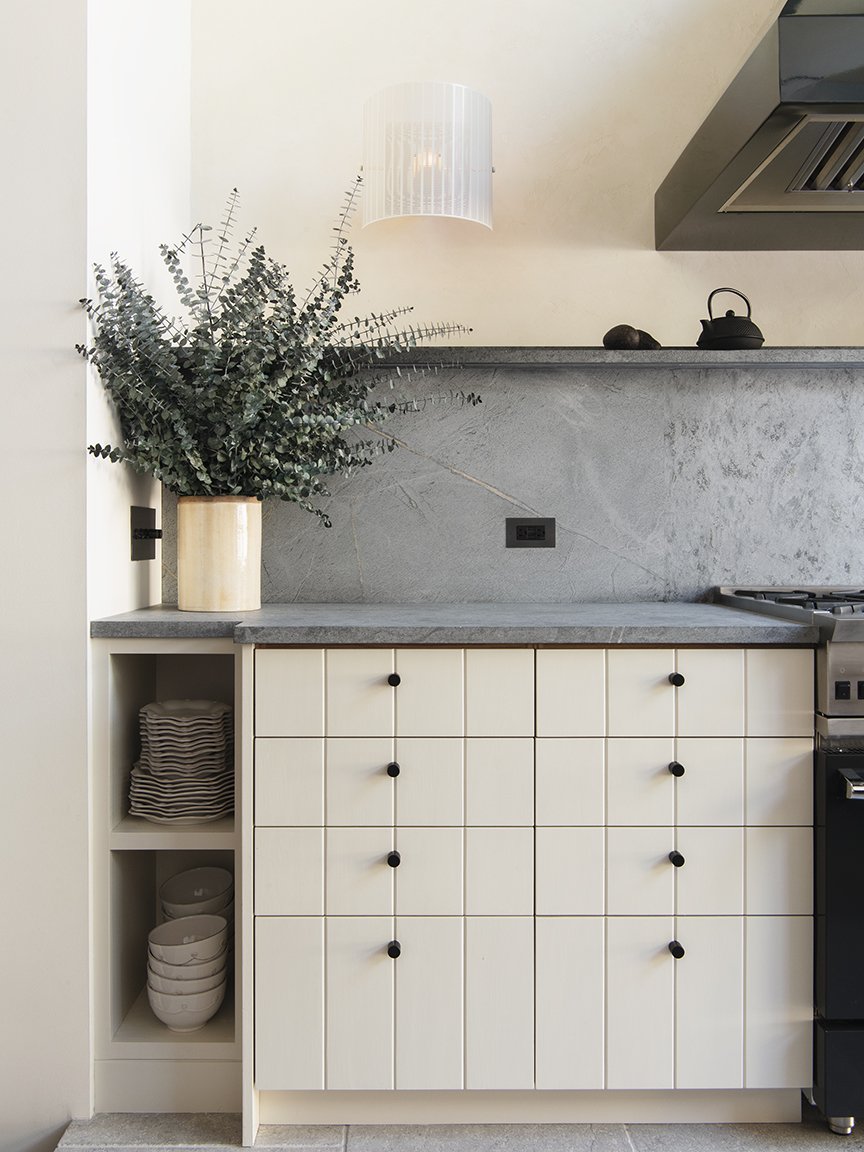
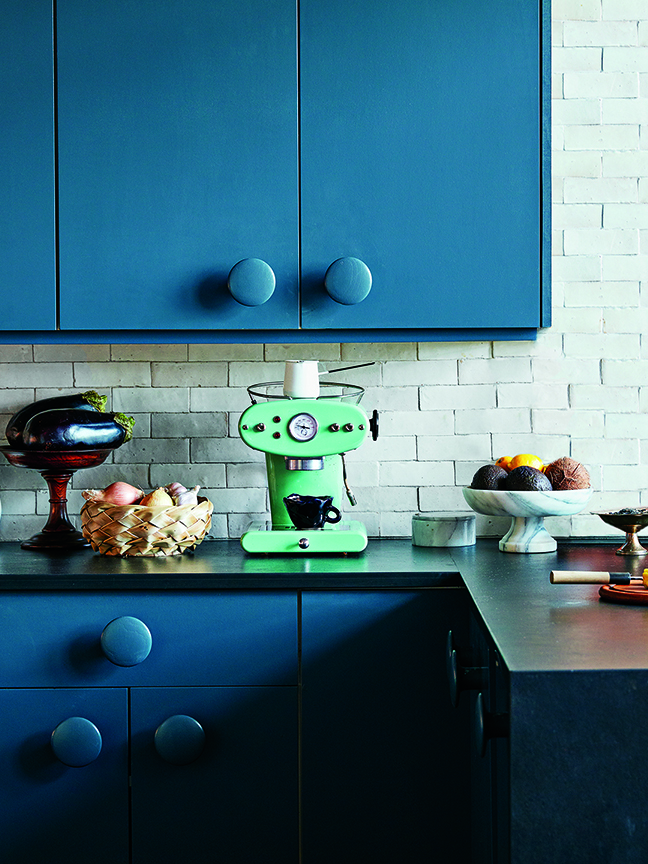
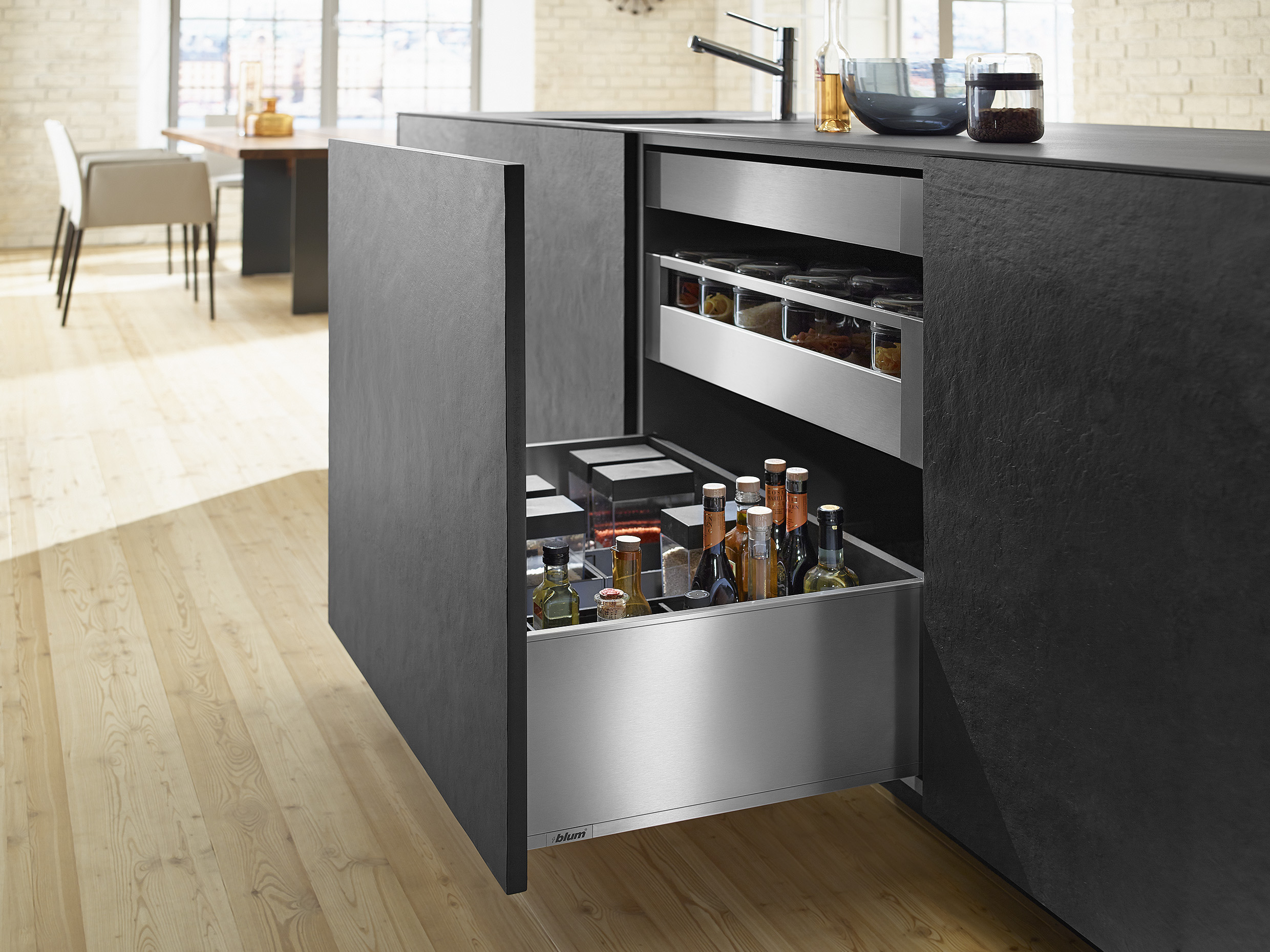
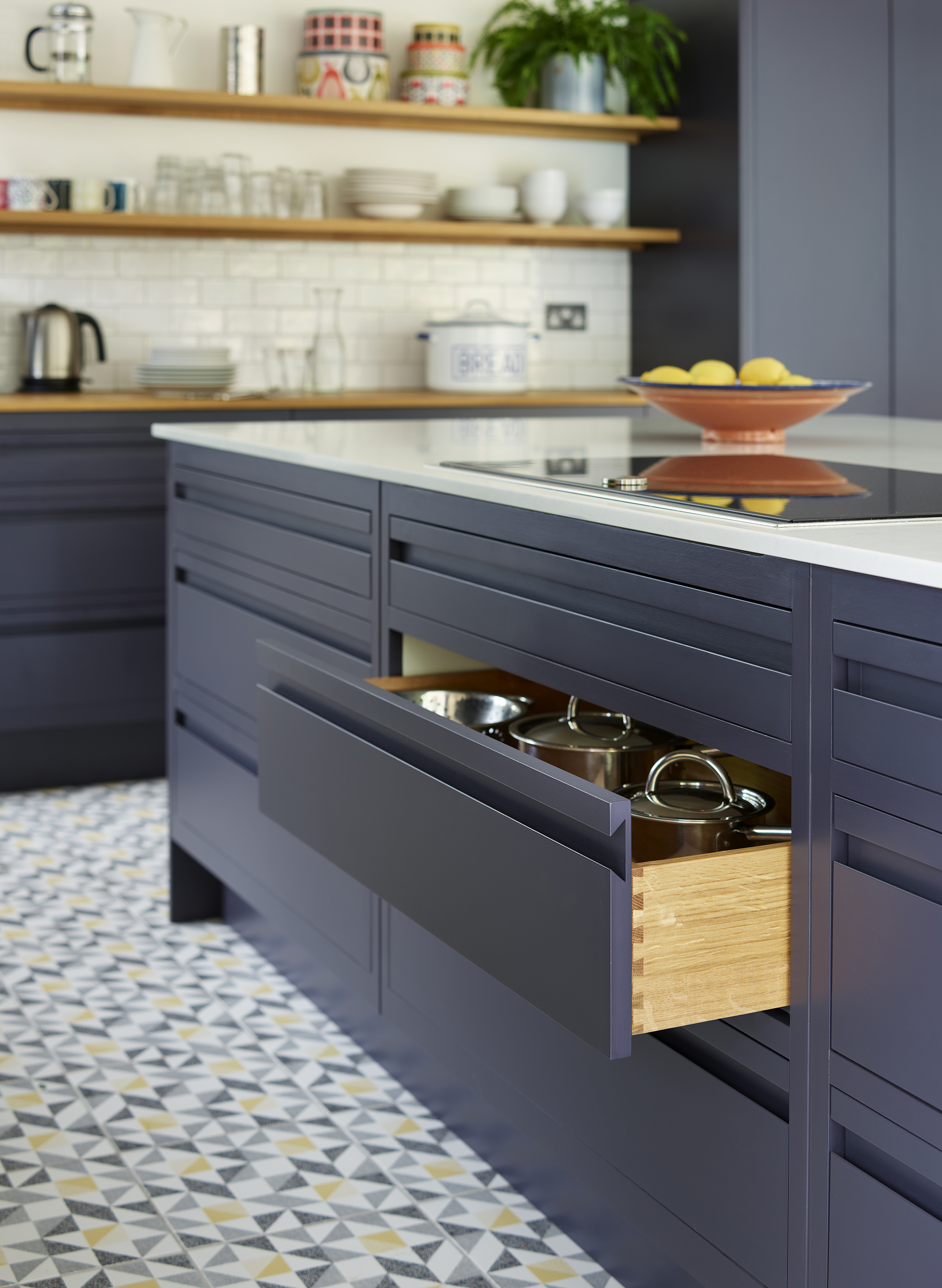
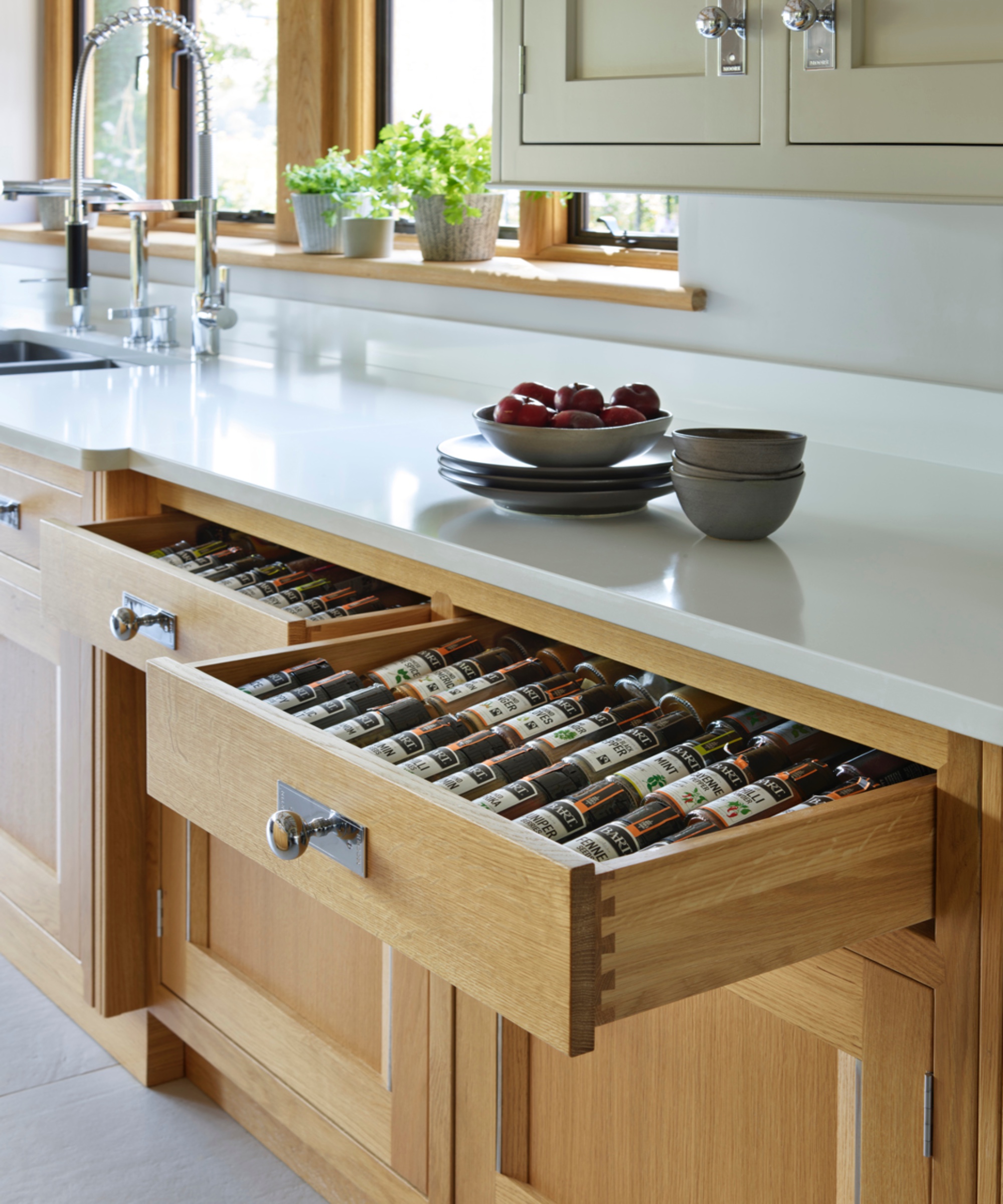
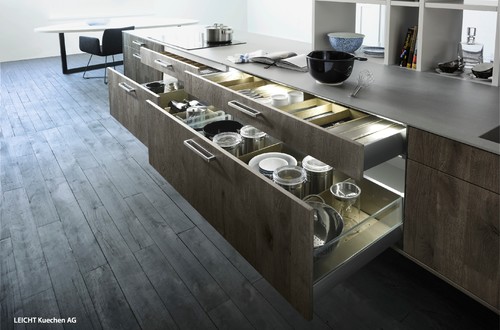
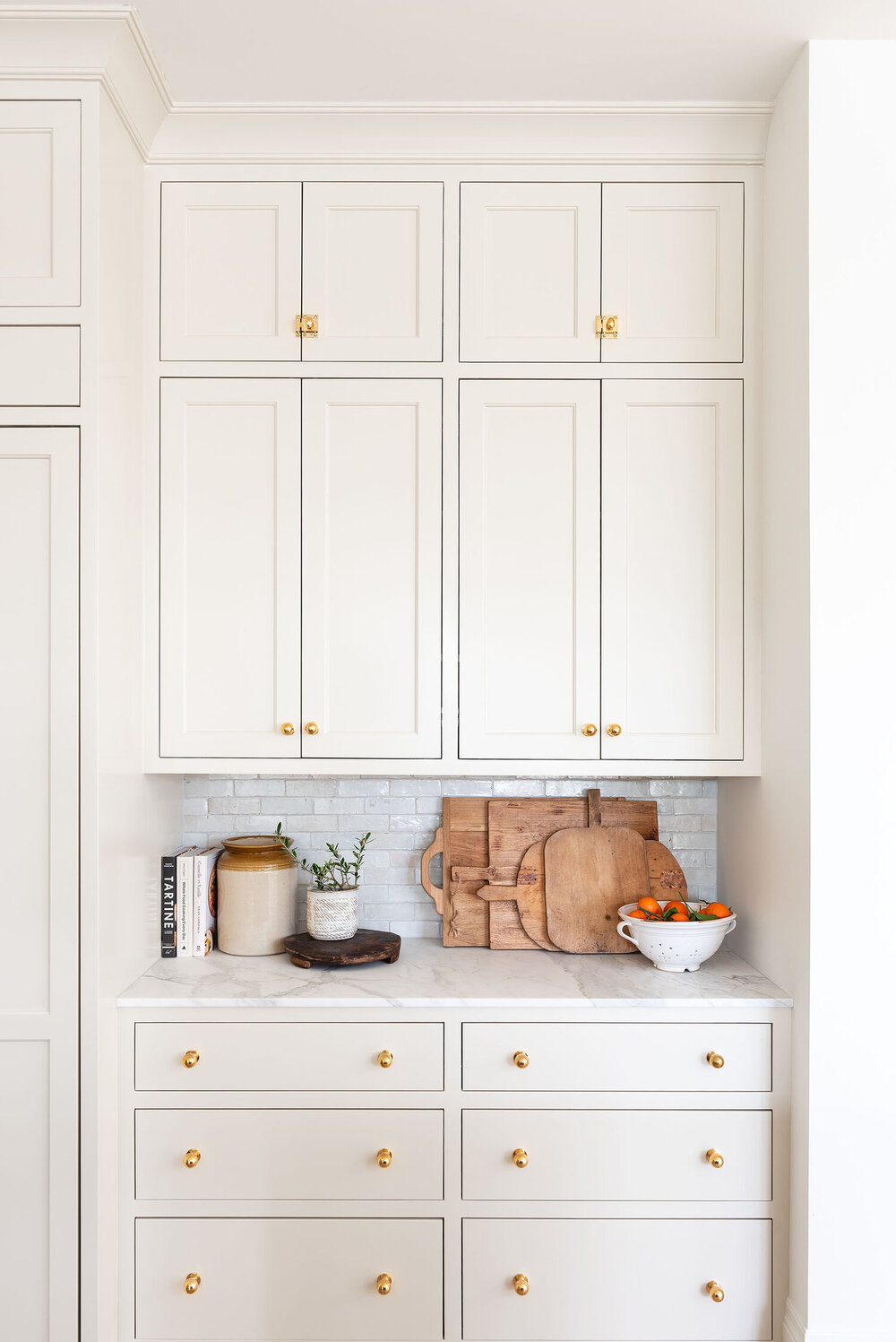
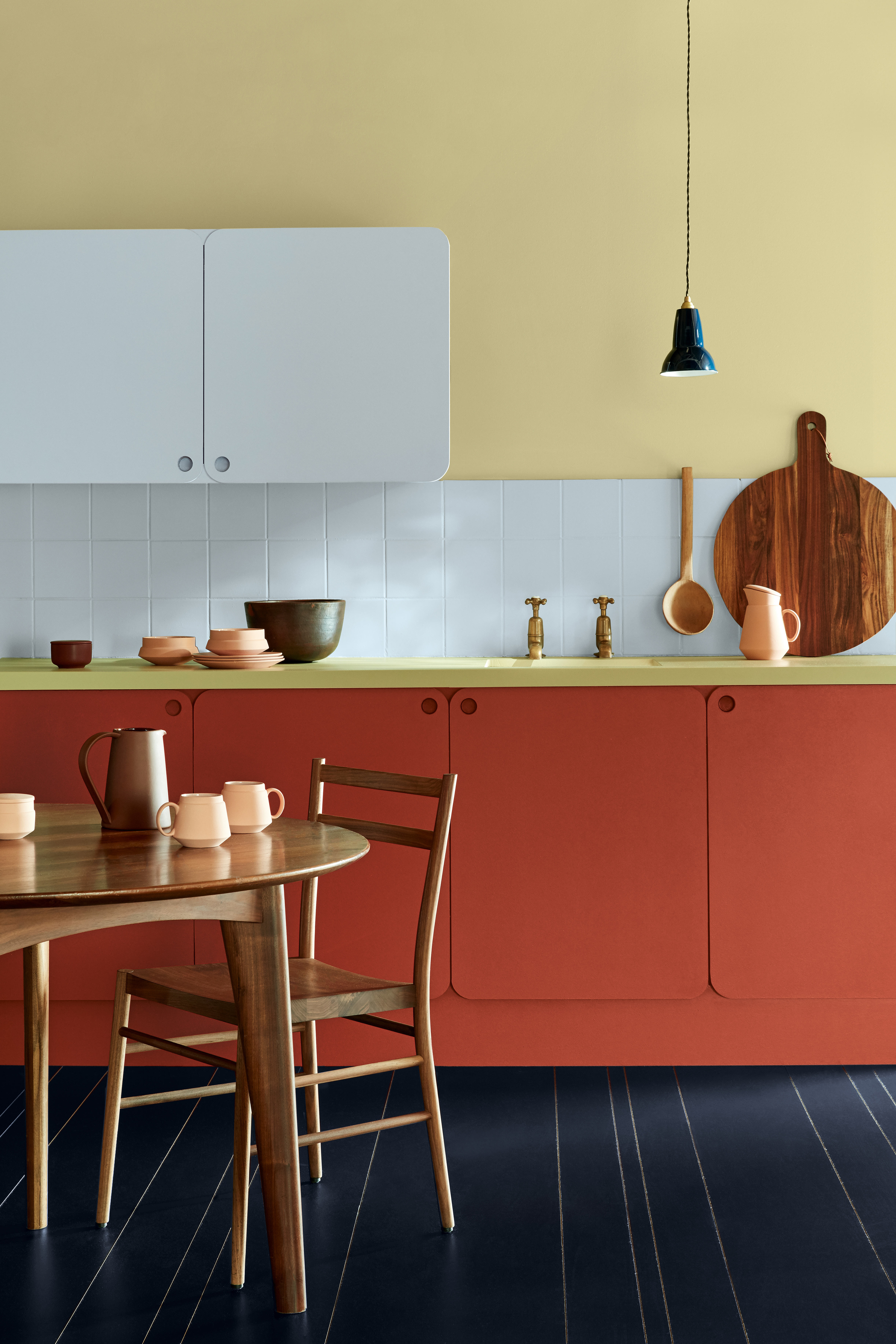
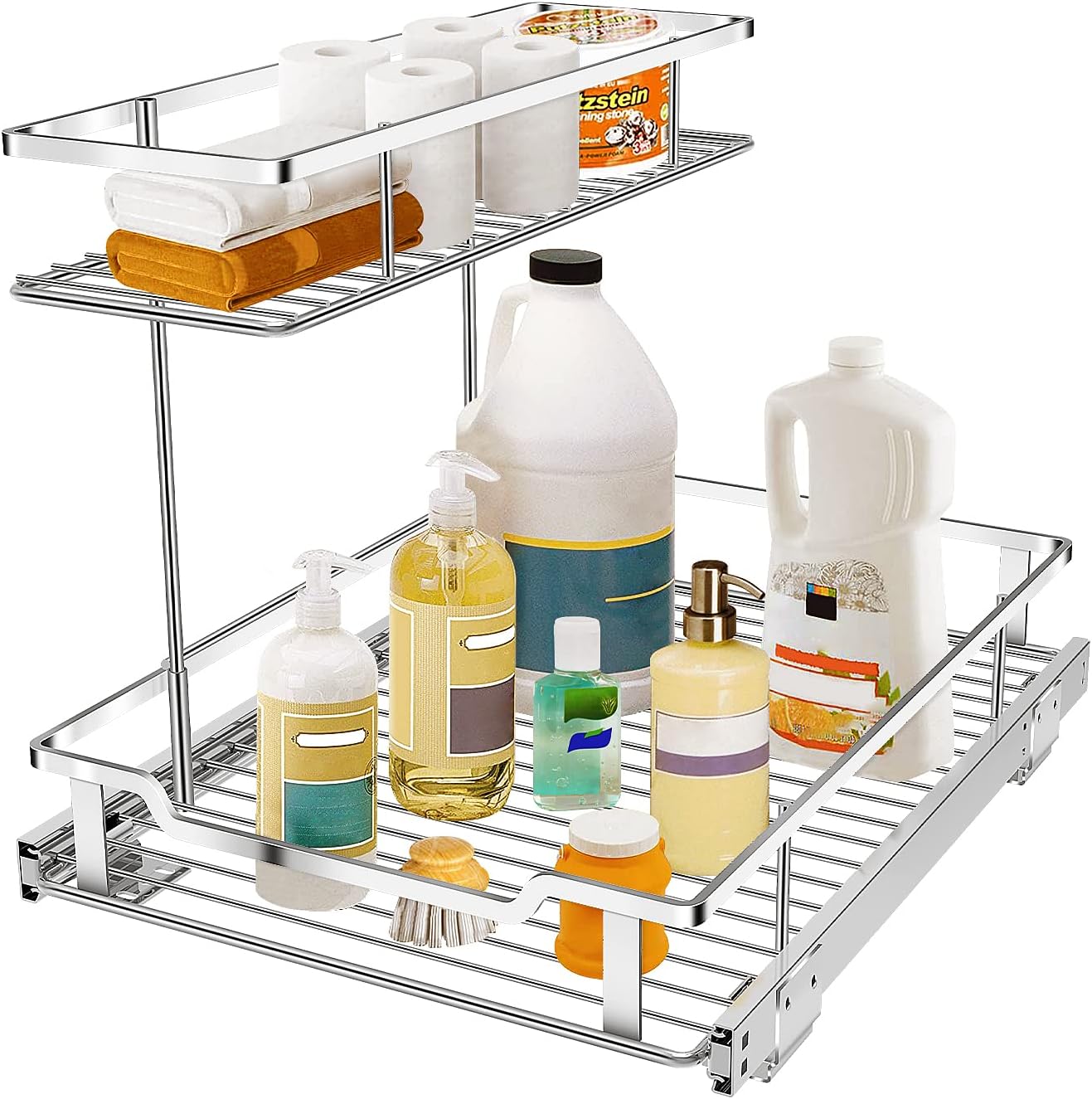
Ashka Karia, a designer at Karia Design Studio in Dallas, further elaborates on their differing purposes. Karia notes that modern cabinets are characterized by features like adjustable shelves and built-in compartments, making them ideal for high-capacity, functional, and permanent storage. They are designed for organization and minimizing clutter, capable of housing various items behind closed doors, such as pull-out trash cans, large drawers for pots and pans, spice drawers, and tray dividers, all with smoothly operating hardware. Cupboards, on the other hand, are simpler in design, often comprising a single enclosed space and sometimes incorporating open shelving or a top surface for additional display. Karia suggests that cupboards today are valued more for their decorative appeal, offering some storage as a secondary benefit, while cabinets remain primarily focused on storage functionality.
Historically, the rise in popularity of cabinets coincided with the mid-century modernist movement. Mid-century homes embraced sleek, functional storage solutions, favoring built-in or modular cabinets that minimized clutter and maximized space. These designs often featured simple lines and were elevated on legs to create a floating effect. Cupboards, conversely, were more prevalent in traditional architectural styles, such as Georgian or Victorian-era homes, where they served both practical and aesthetic roles, often as prominent furniture pieces.
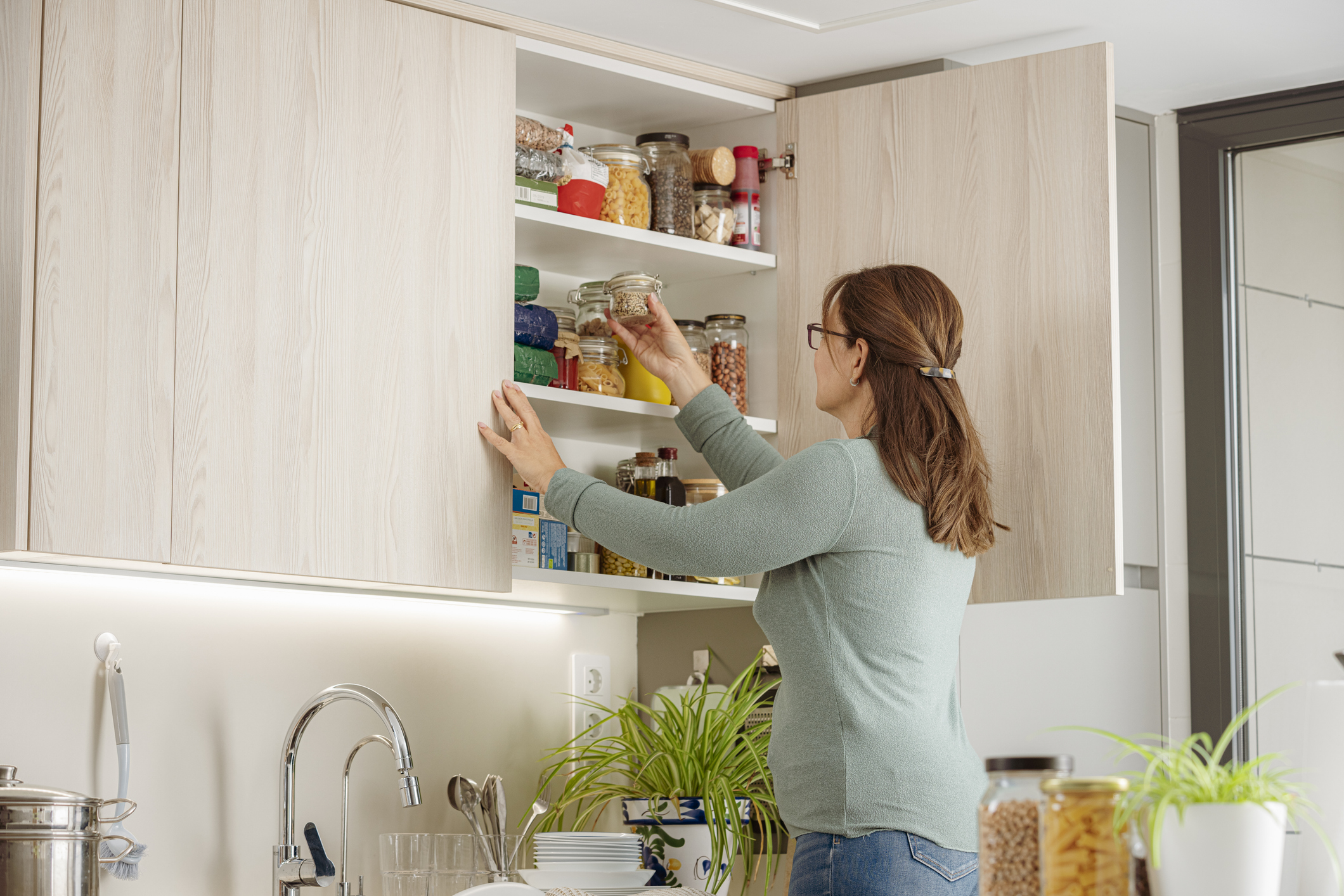
When deciding between cabinets and cupboards for a space, the choice hinges on the primary objective. For prioritizing functionality and efficient, concealed storage, cabinets are the more suitable option due to their integrated design and specialized compartments. If the goal is to showcase items or add a decorative touch with some storage capability, a cupboard would be more appropriate. However, designers like Cantley also suggest that it is possible, and often desirable, to incorporate both. Pairing modern, functional kitchen cabinets with an antique cupboard can add character and a sense of history to a space, providing a blend of utility and aesthetic charm. Karia advises ensuring design consistency when adding a cupboard to avoid it appearing out of place, ensuring it complements the existing decor. Ultimately, integrating both solutions can offer the best of both worlds, combining practicality with decorative flair.
#HomeDecor #KitchenDesign #StorageSolutions #InteriorDesign #Furniture #HomeOrganization #DesignTips #HomeDecor #KitchenDesign #StorageSolutions #InteriorDesign #Furniture #HomeOrganization #DesignTips
0 comment in total
 No comments yet
You may also like
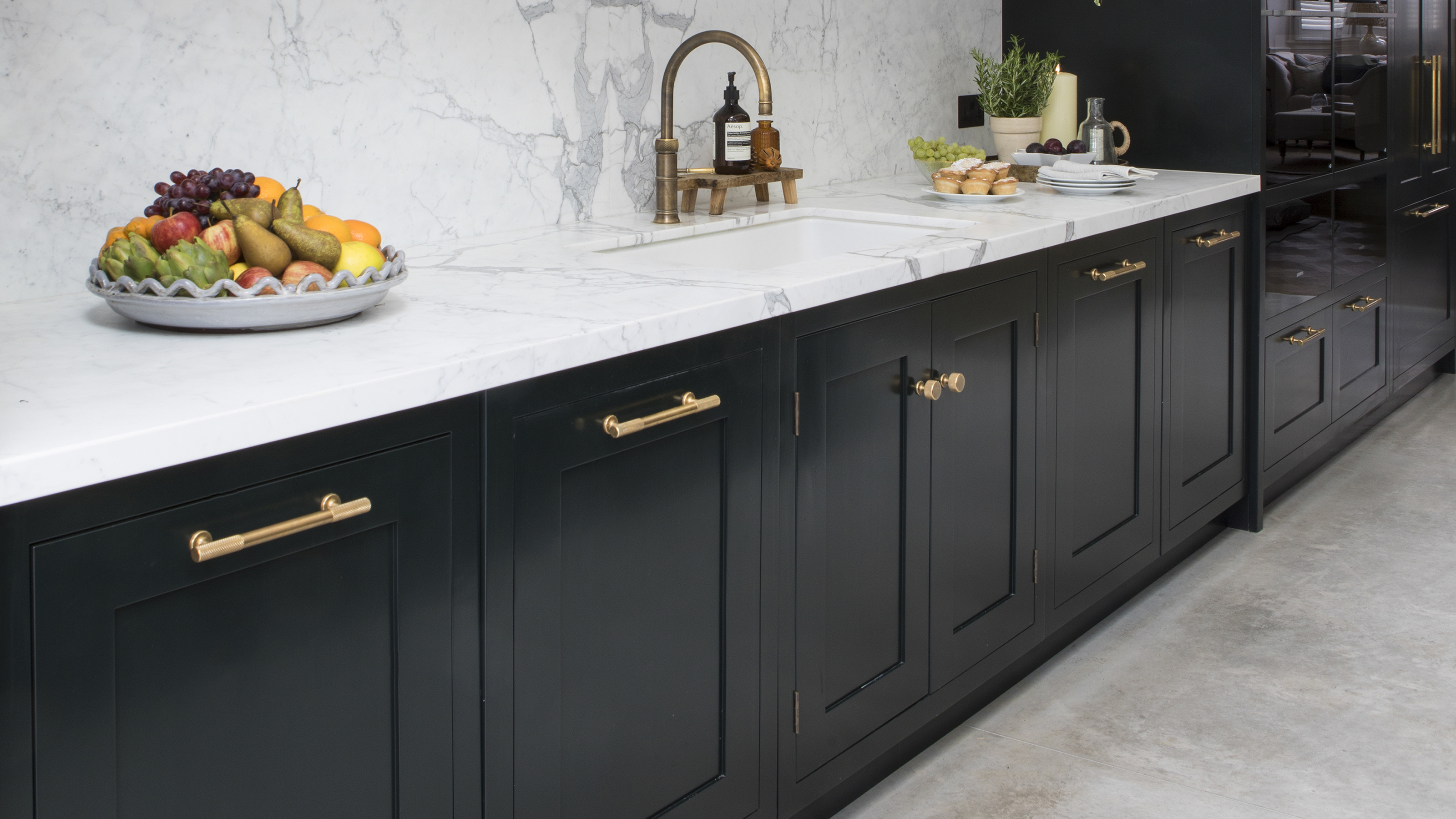
Kitchen drawers vs cabinets - which should you choose?
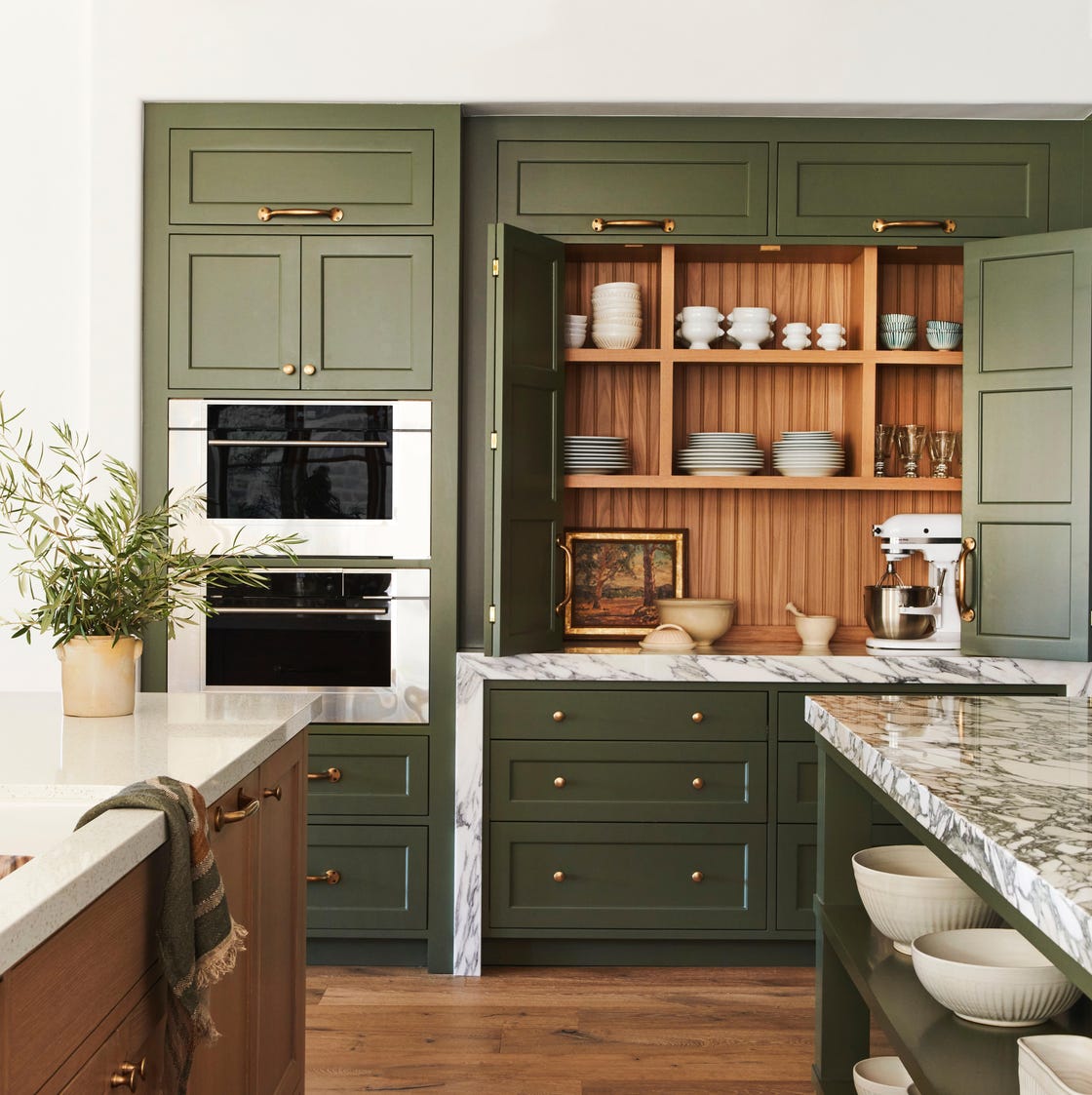
You NEED This Simple Thing To Double Your Kitchen Cabinet Space

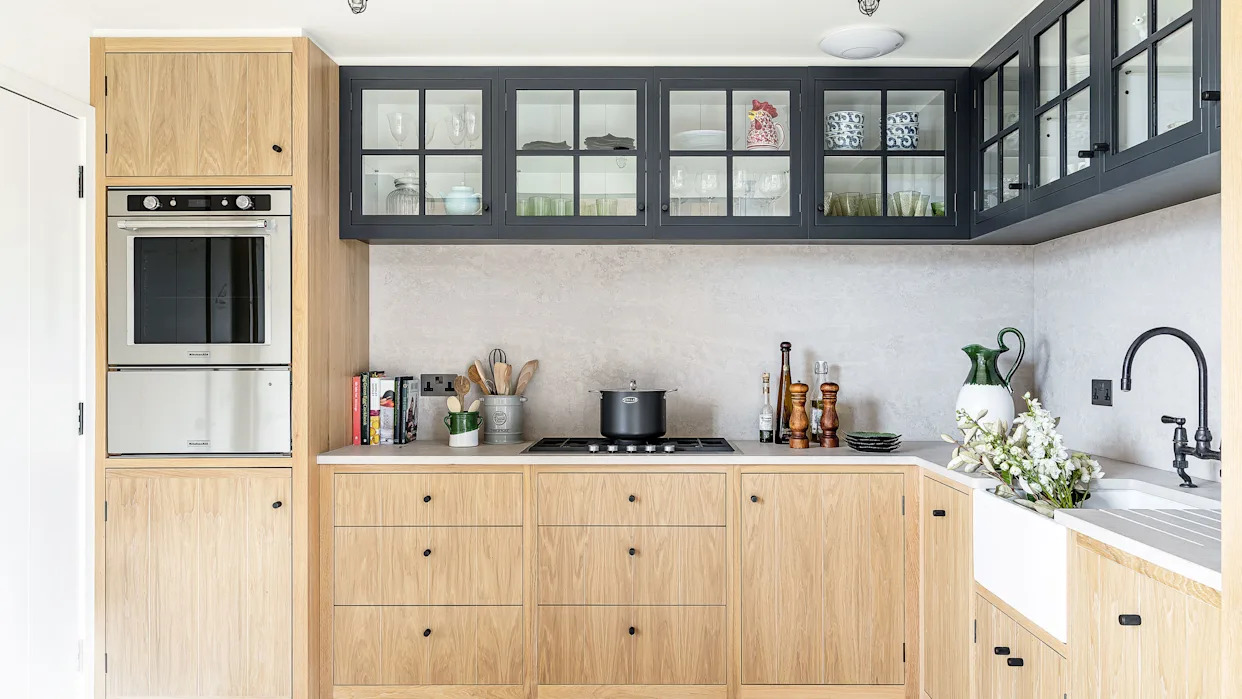
What to put in high kitchen cabinets –according to professional organizers and designers
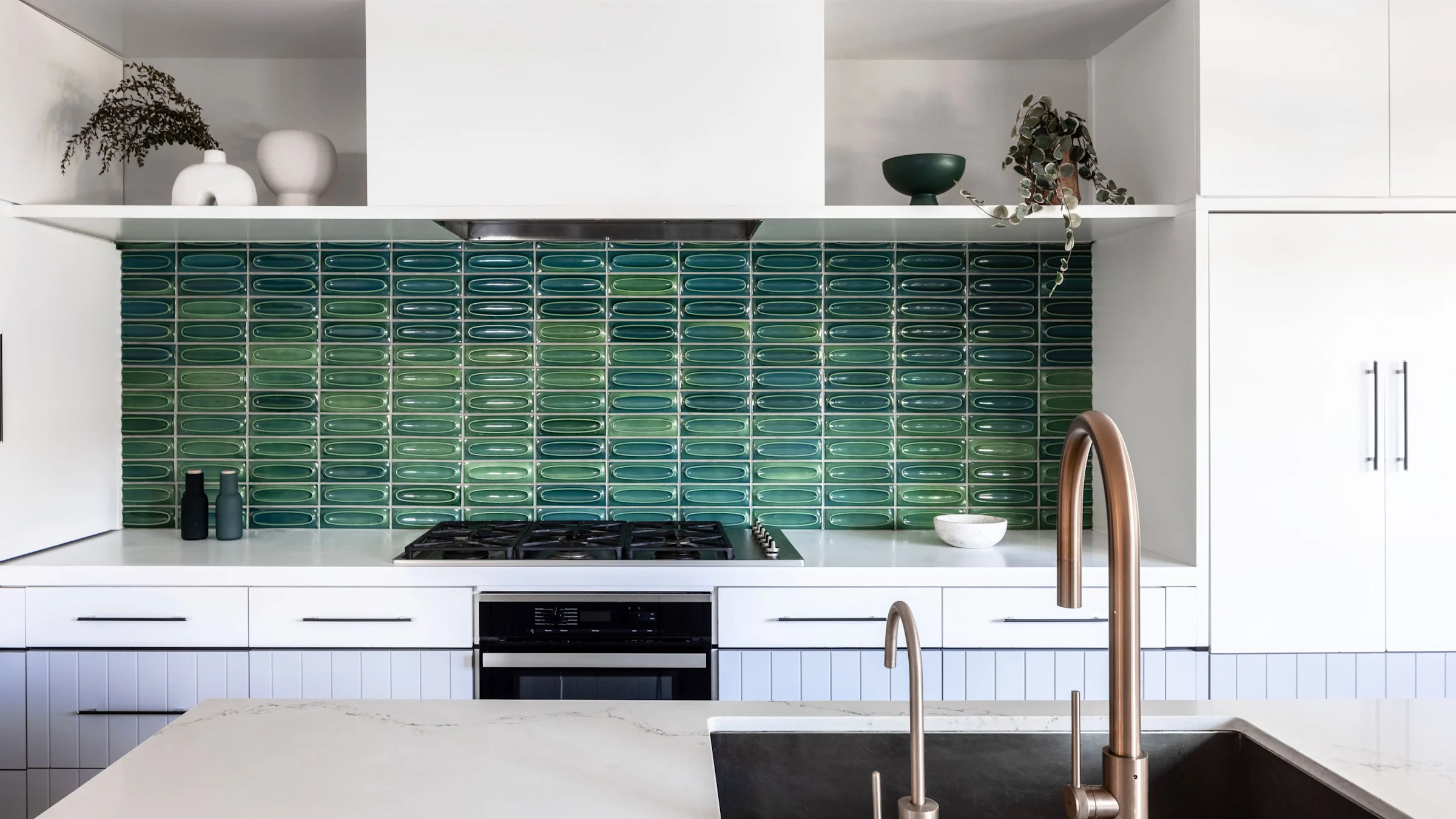
10 'Mix and Match' Cabinet Ideas That Will Make Your Kitchen Look So Much More Interesting

Kitchen Designers Weigh In on Deep Drawers vs. Cabinets

Kitchen cupboard storage ideas – tips for designing functional cabinets

5 Kitchen Cabinet Details to Avoid If You Don't Want Your Space to Look Old-Fashioned

What You Need To Know About Custom Cabinetry

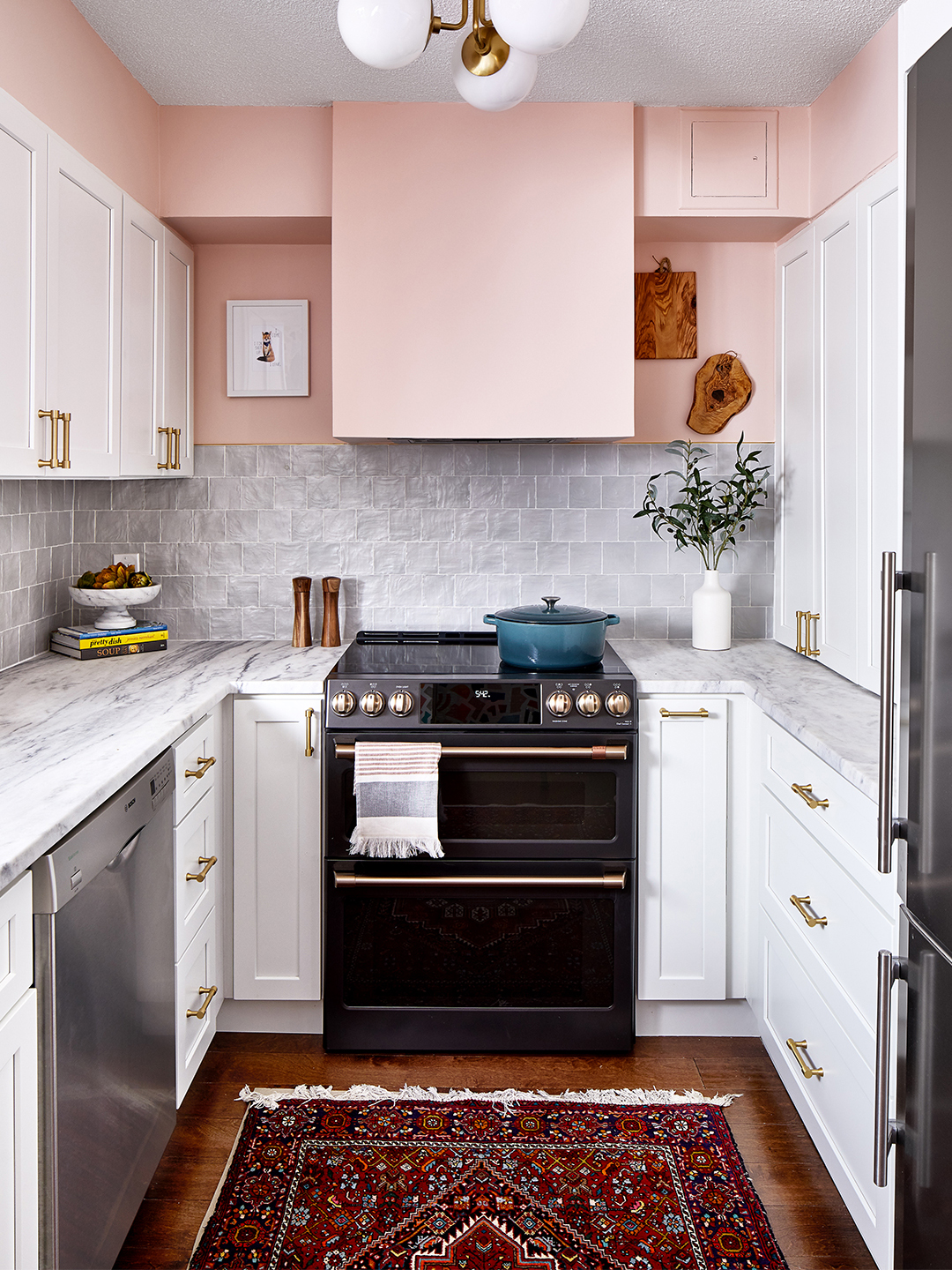
5 Upper Kitchen Cabinet Designs to Fuel Your Reno Dreams
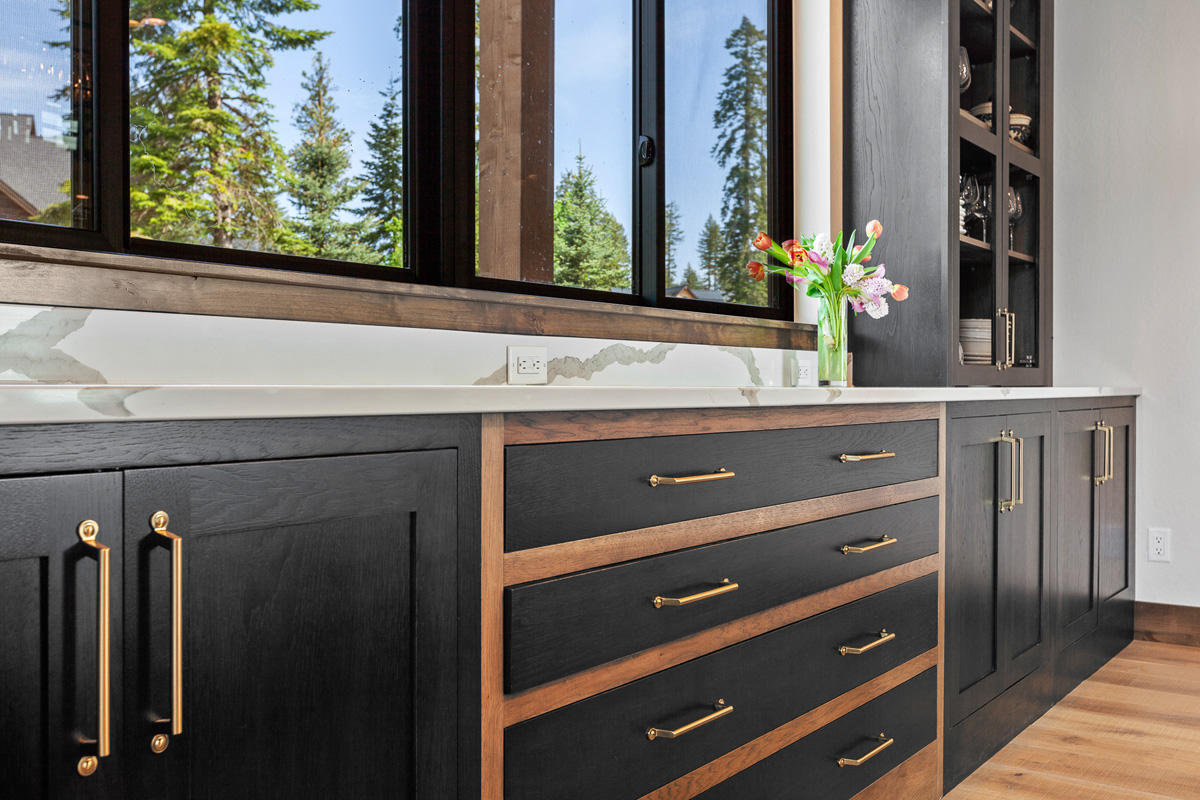
Kitchen Cabinets: Storage with Style

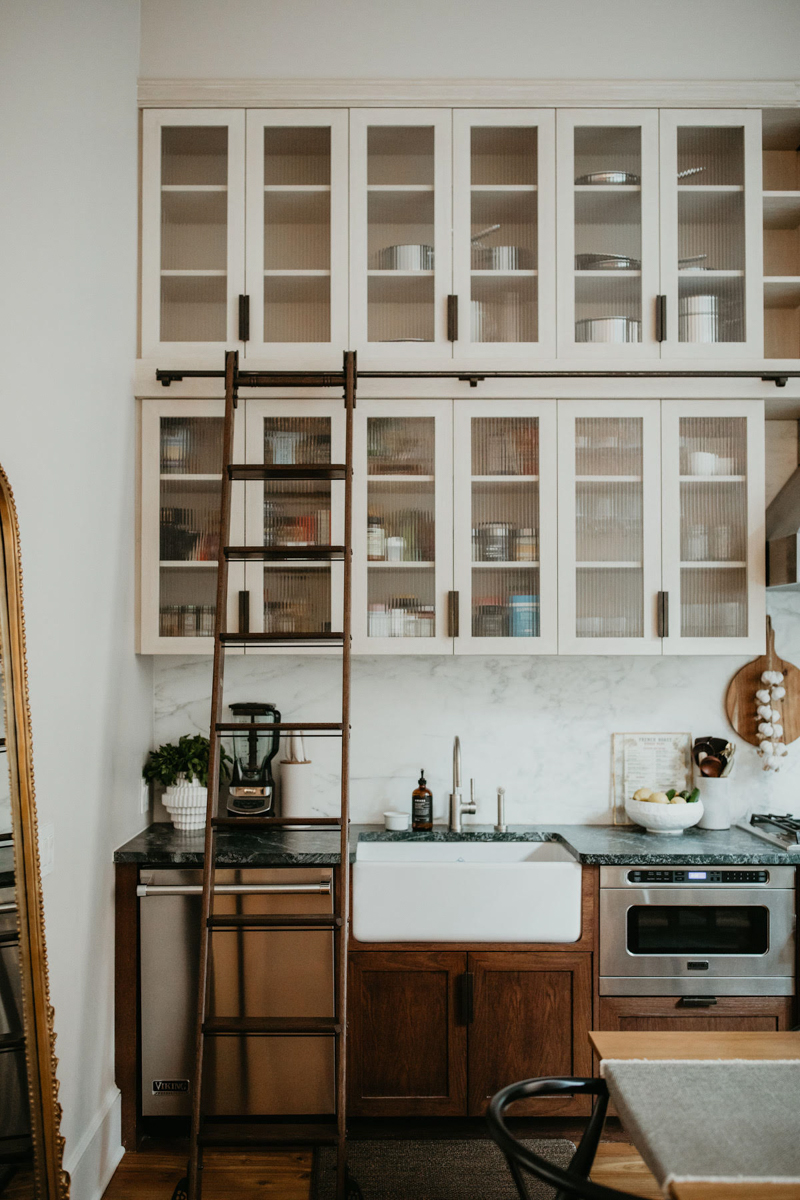
Before You Take Your Kitchen Cabinets Up to the Ceiling, Consider This Overlooked Addition

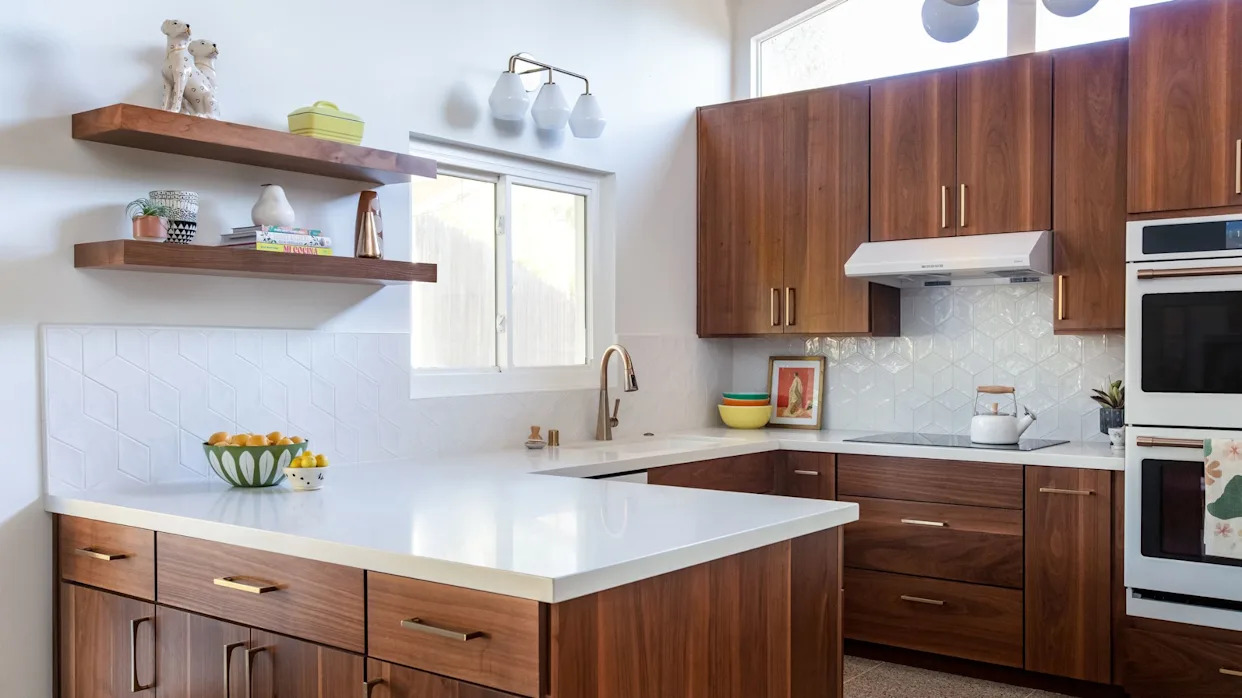
Before and after: one tiny tweak to this kitchen's cabinetry made so much difference to its storage space
Kitchen cabinets? Or open shelving? We asked an expert for the pros and cons.
Skip the cookie-cutter cabinets and add pops of personality with these designer ideas

Is it better to have doors or drawers in a kitchen? The experts advise
Professional organizers use low kitchen cabinets to store these items – it'll make your storage so much more convenient

In The Design Studio: The ABCs of Kitchen Cabinets, Part 2
The Best Hardware for Every Kind of Kitchen Cabinet, Period
These aren't your Grandma's cabinets! Meet today's chic new breed of kitchen storage.
Design Tricks To Modernize Dated Wood Cabinets Before Reaching For The Paint