1/5
What color should you paint an archway between rooms? Our experts finally solve this decor dilemma
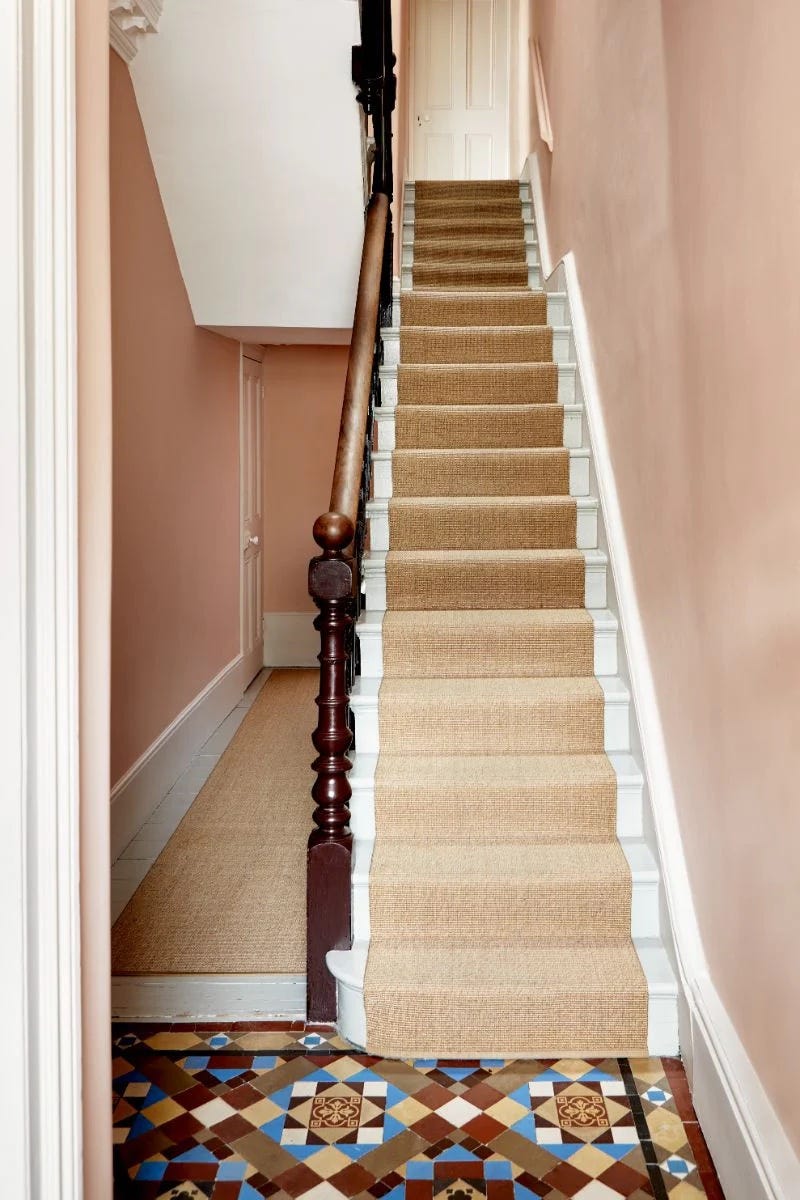
The decision of what color to paint an archway between rooms can be a nuanced one, depending on whether the aim is to seamlessly integrate the archway into the existing decor or to highlight it as a distinctive architectural feature. Interior designers offer varying perspectives on this common decorating dilemma, providing solutions for different aesthetic goals.
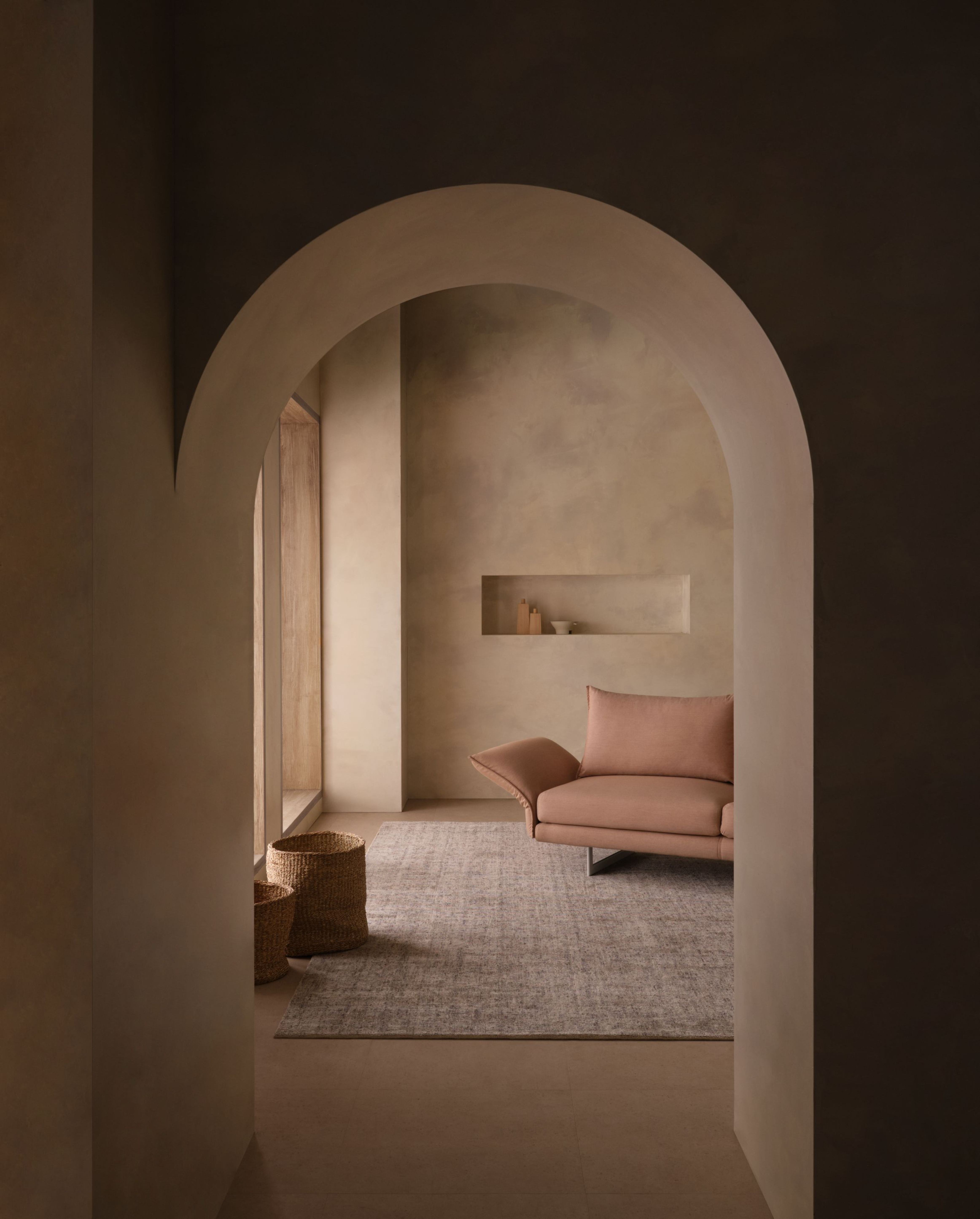
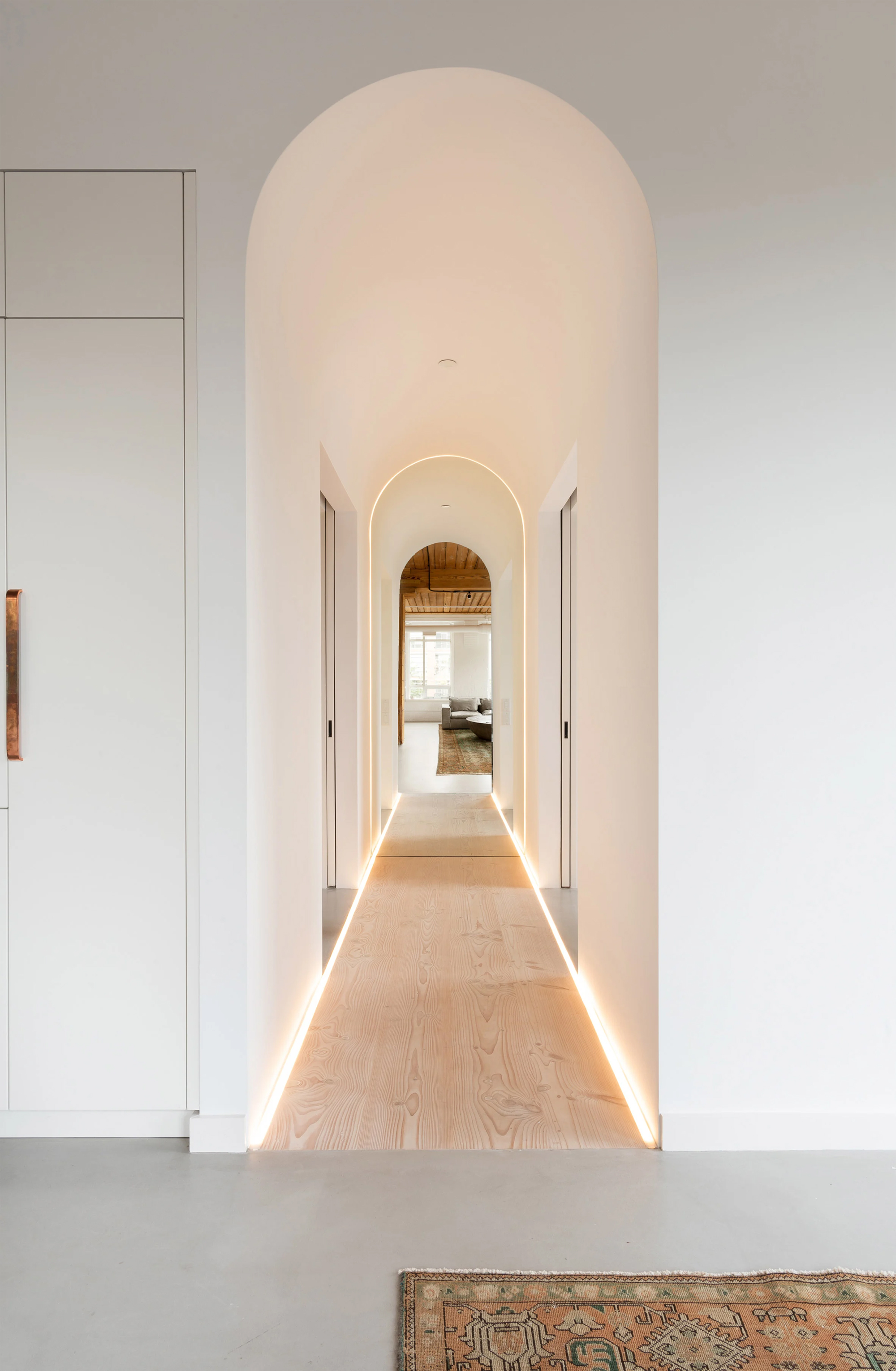

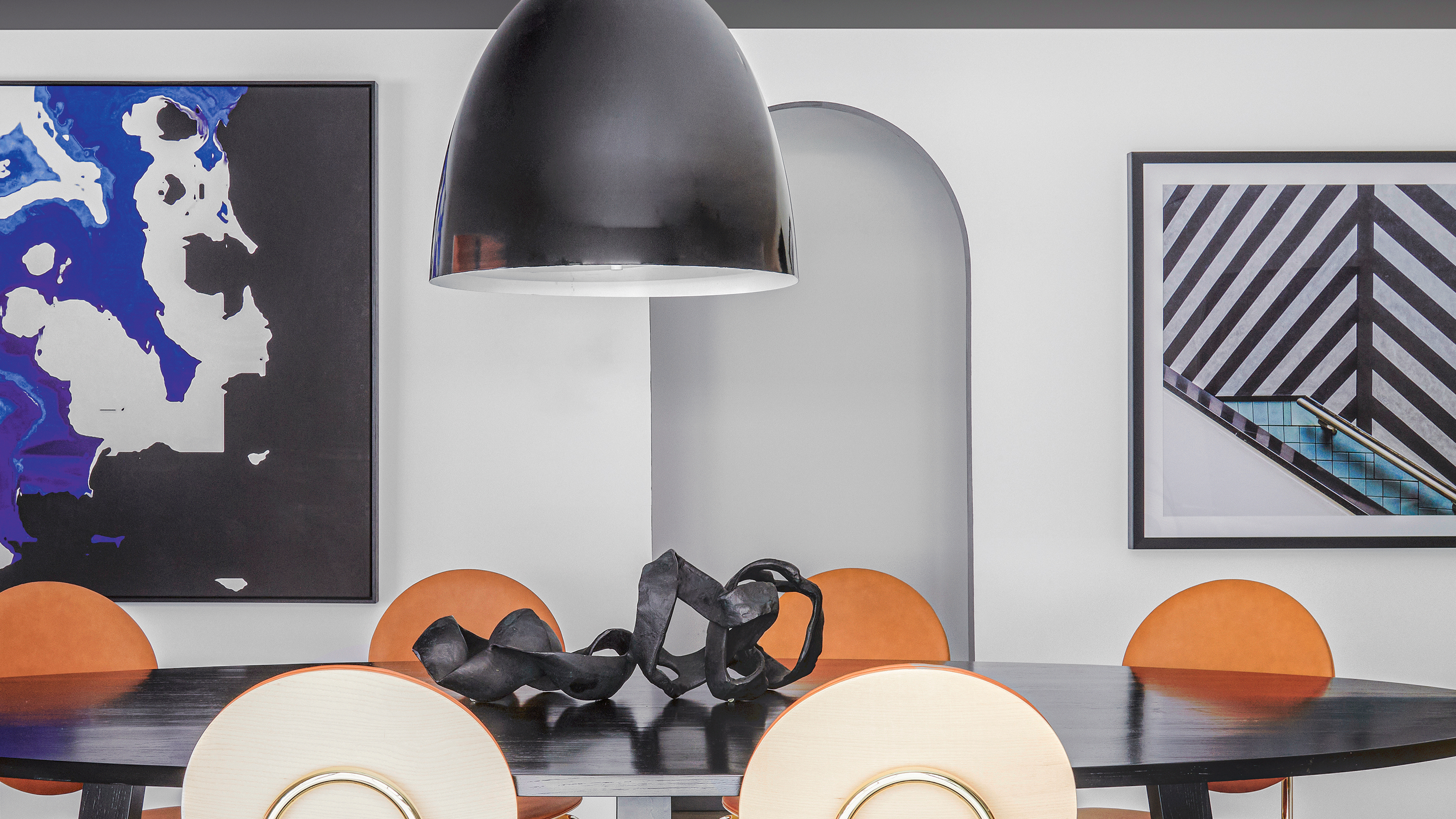
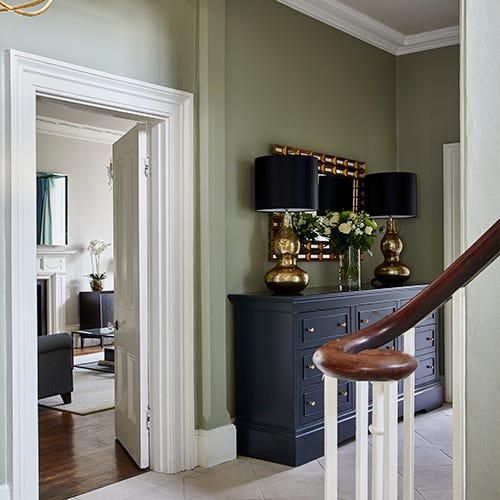
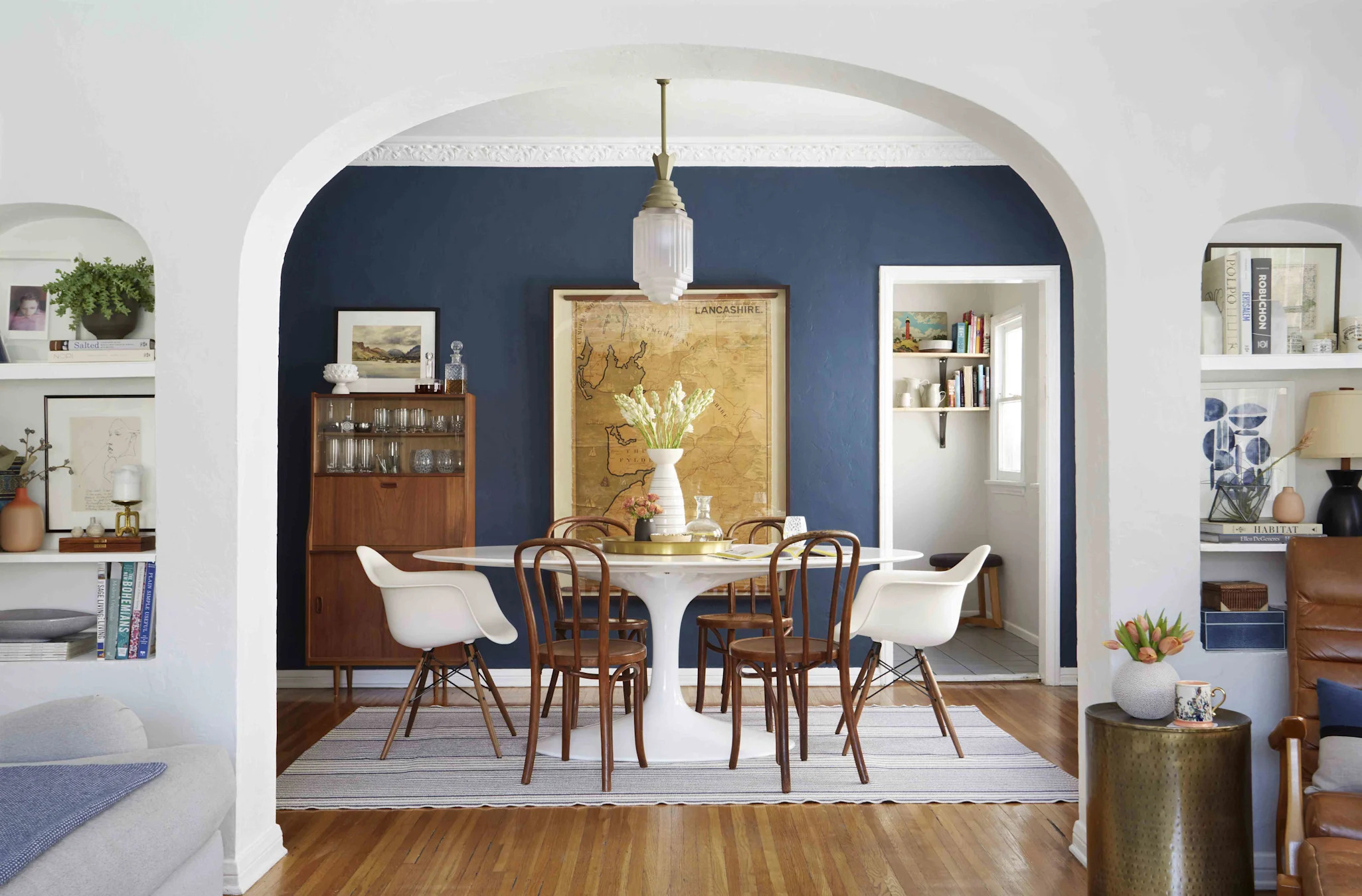
When an archway is considered a standard or repetitive feature within a home, making it 'disappear' is often preferred. This approach involves painting the archway the same color as the surrounding walls, allowing its form to subtly contribute to the space's design without drawing overt attention. This strategy is particularly effective in homes where all rooms share a consistent color palette, ensuring a cohesive flow throughout the living areas. By not emphasizing the archway, it becomes a structural element that quietly defines the space rather than a focal point.
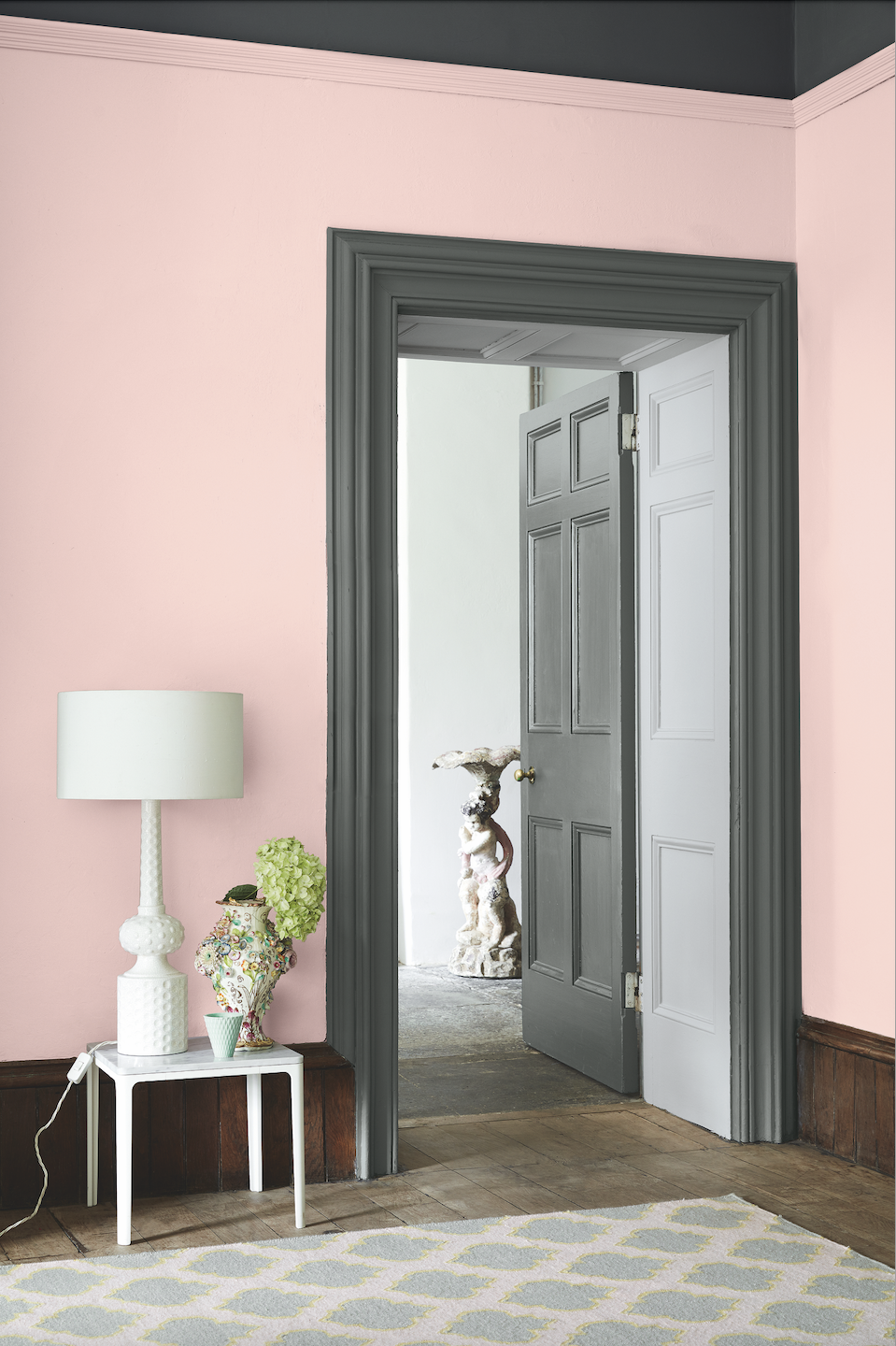
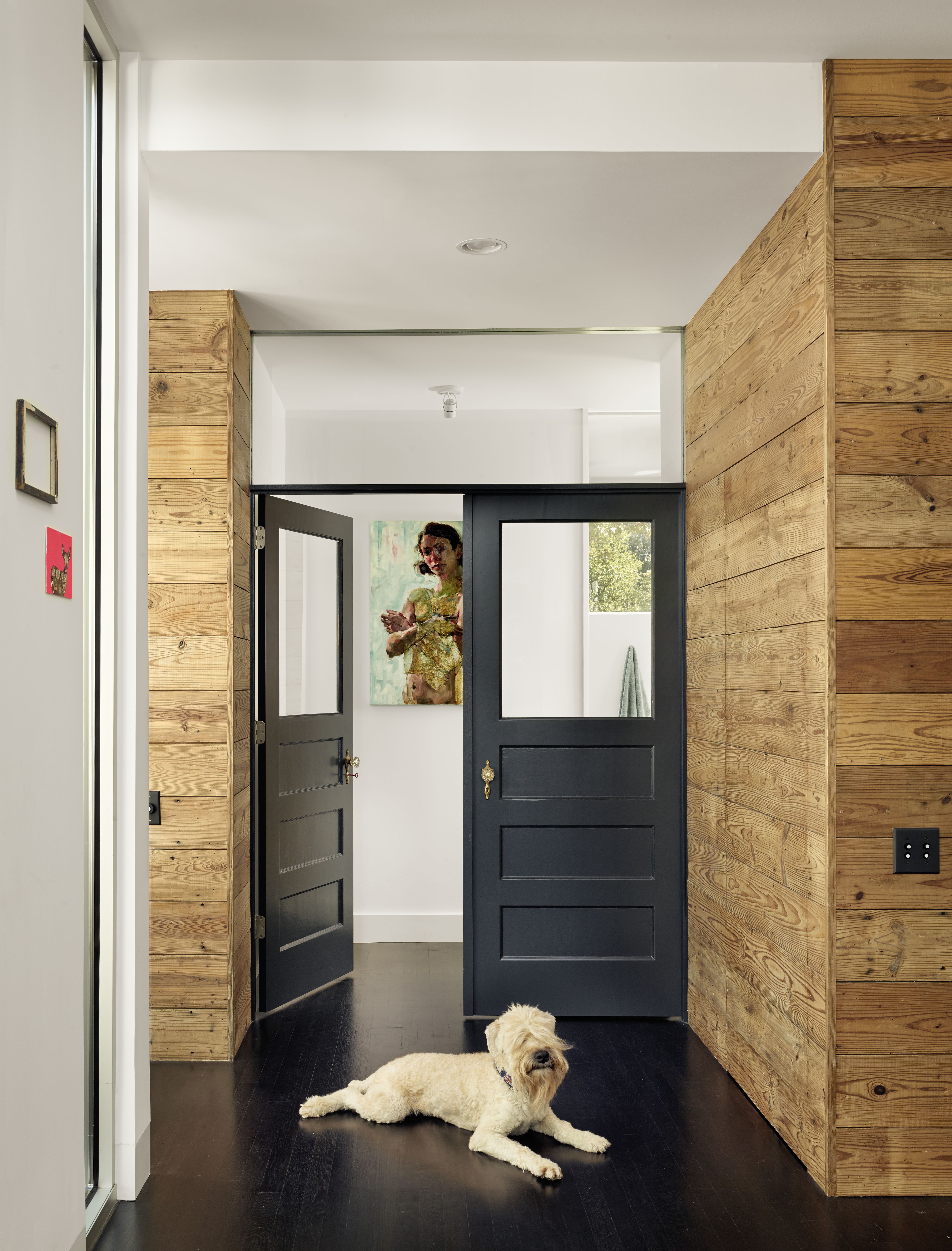
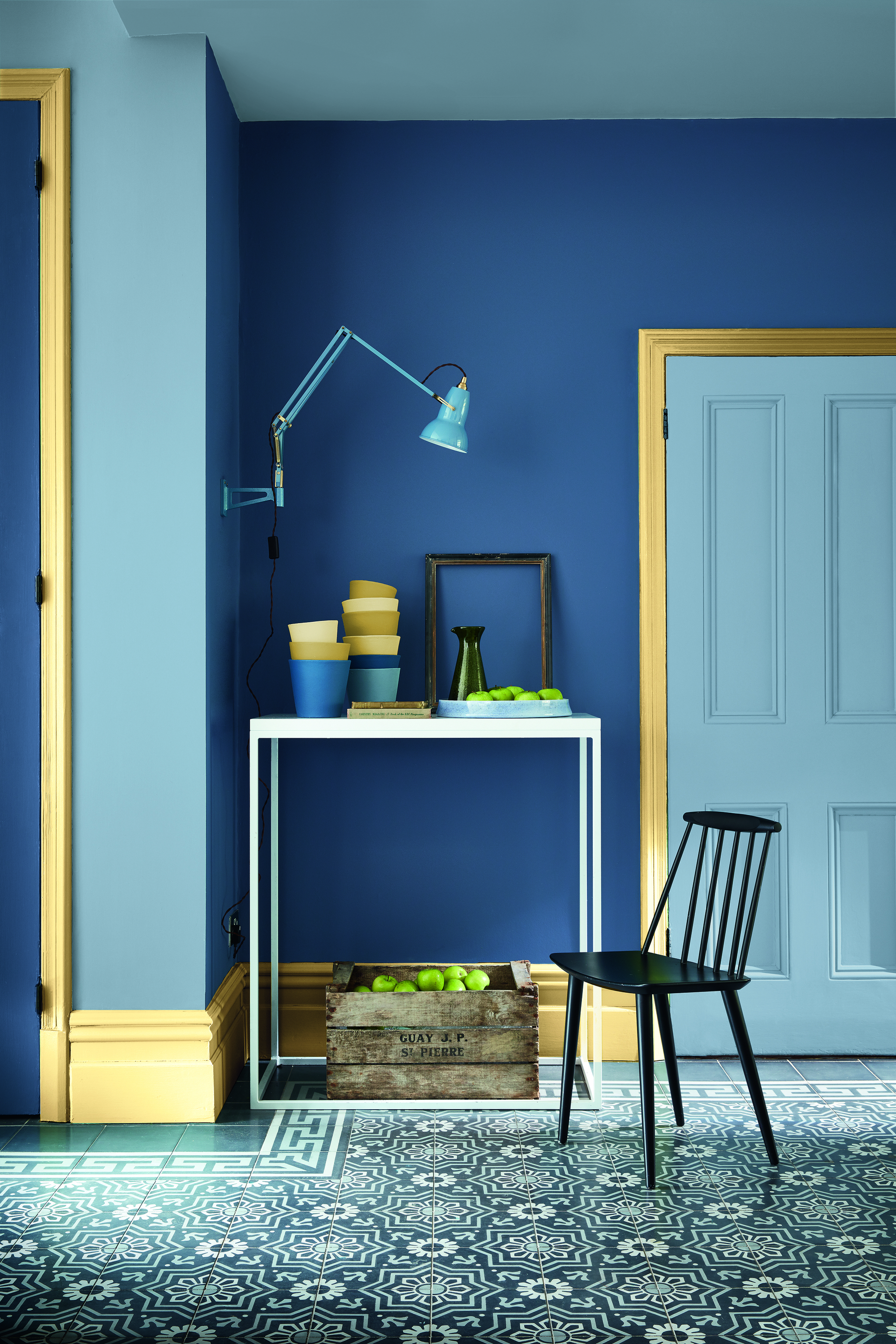
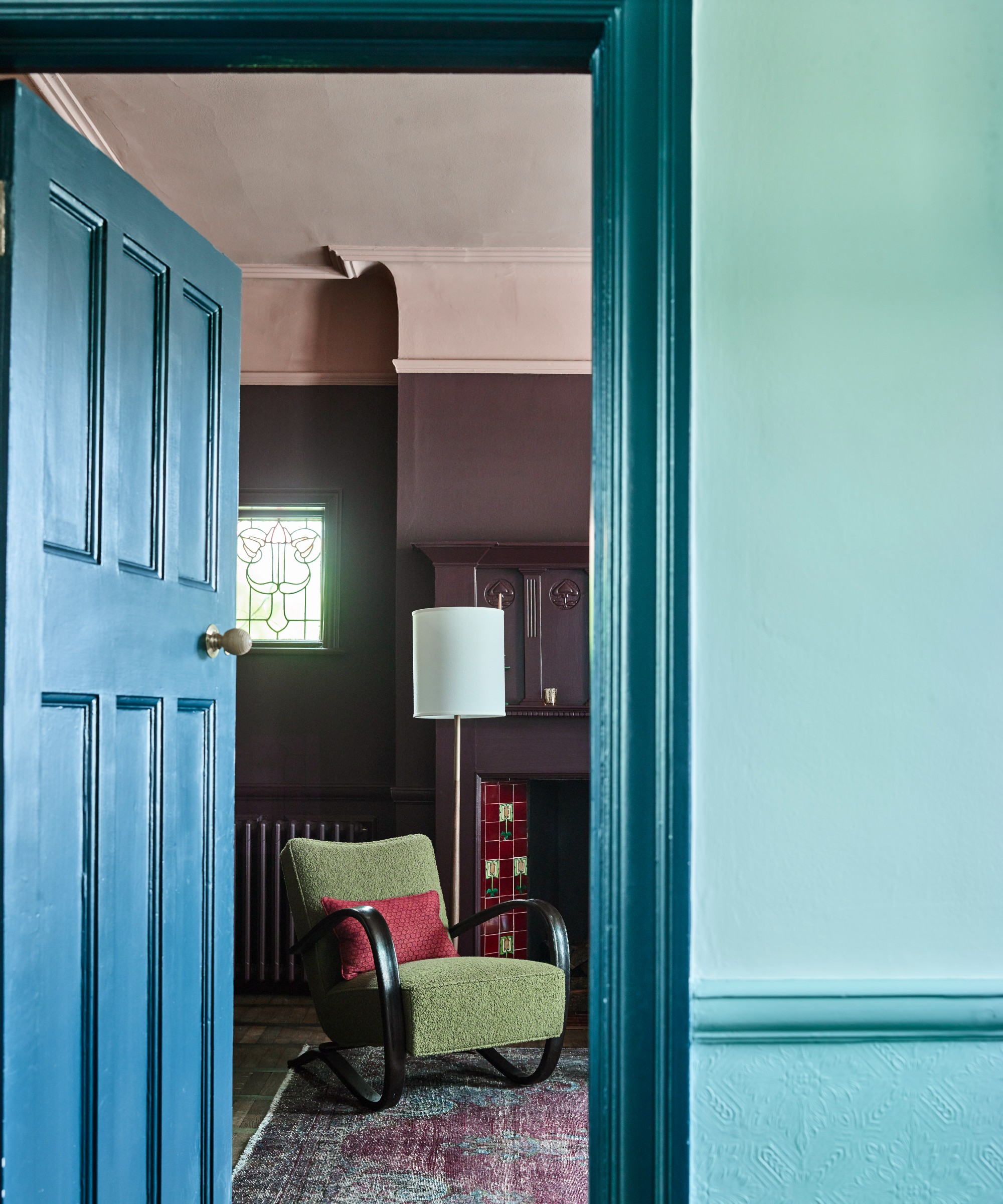
Conversely, an archway can be transformed into a statement piece by introducing a contrasting color. This method is employed when a designer aims to create a 'moment' or a distinct visual experience. By applying a different color, the archway frames the adjacent room, acting as a perimeter or a gateway to the design within. This contrast can define a new aesthetic chapter as one moves from one space to another, making the transition more deliberate and impactful. The choice of color in this instance is not merely decorative but functions as a spatial divider and an artistic element.
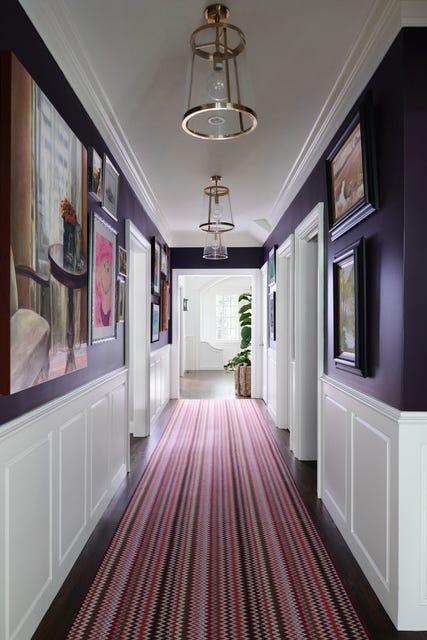
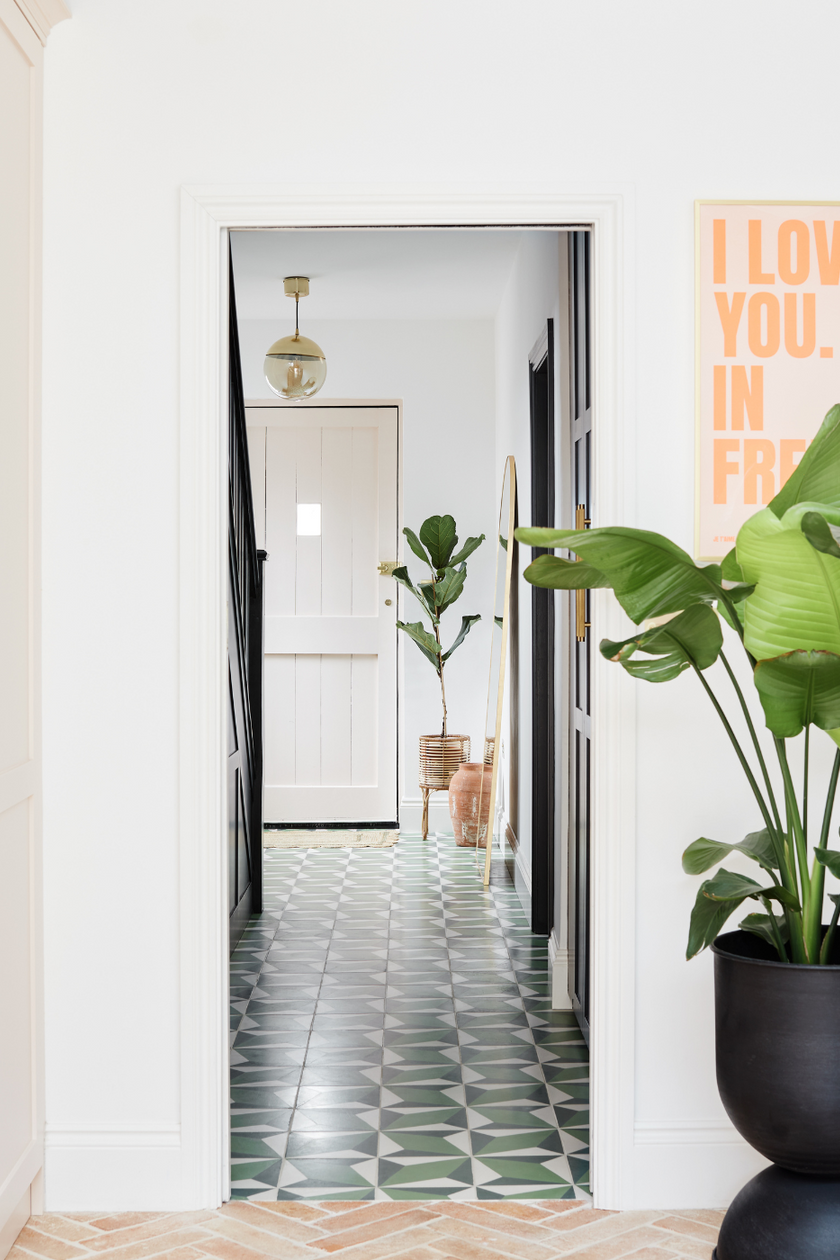
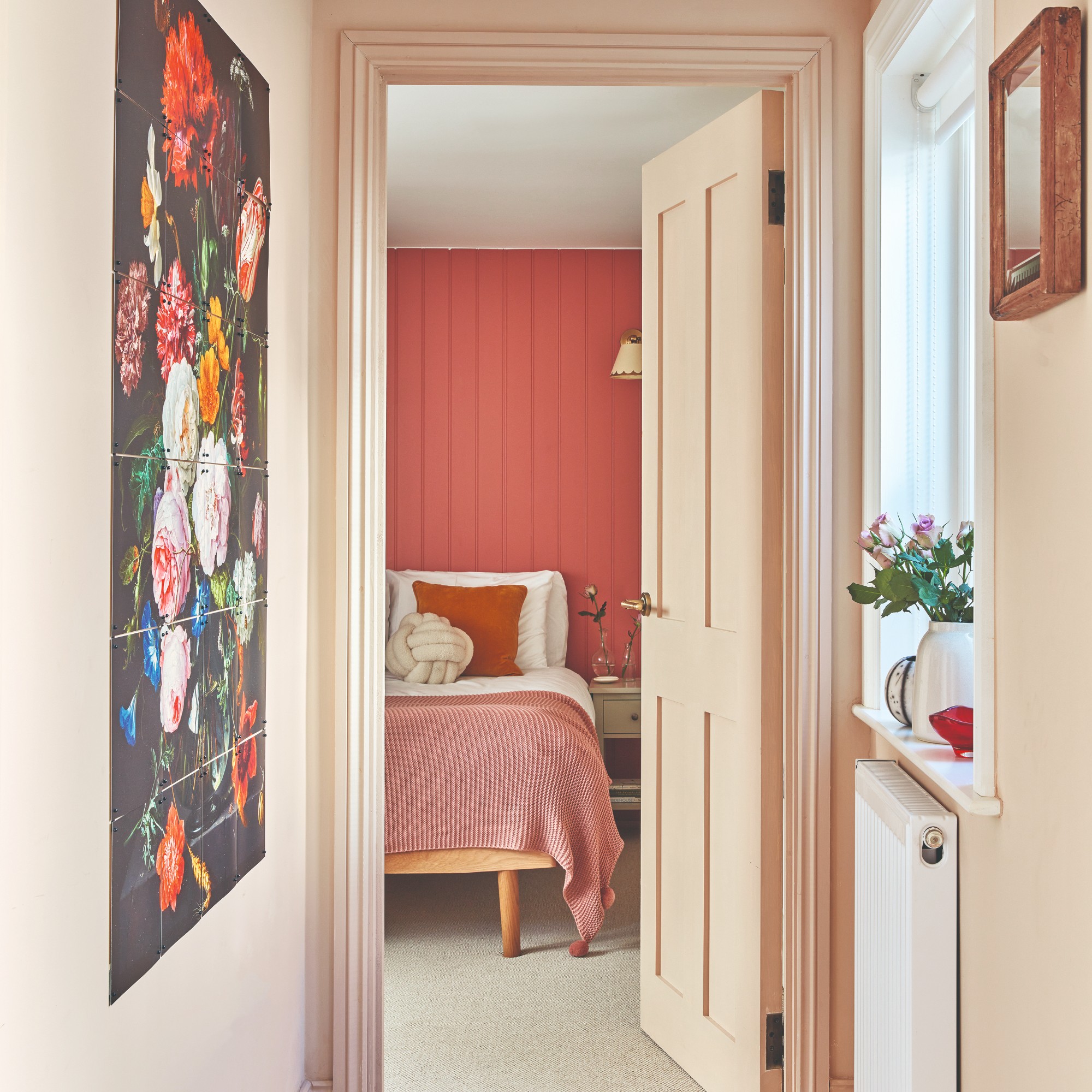
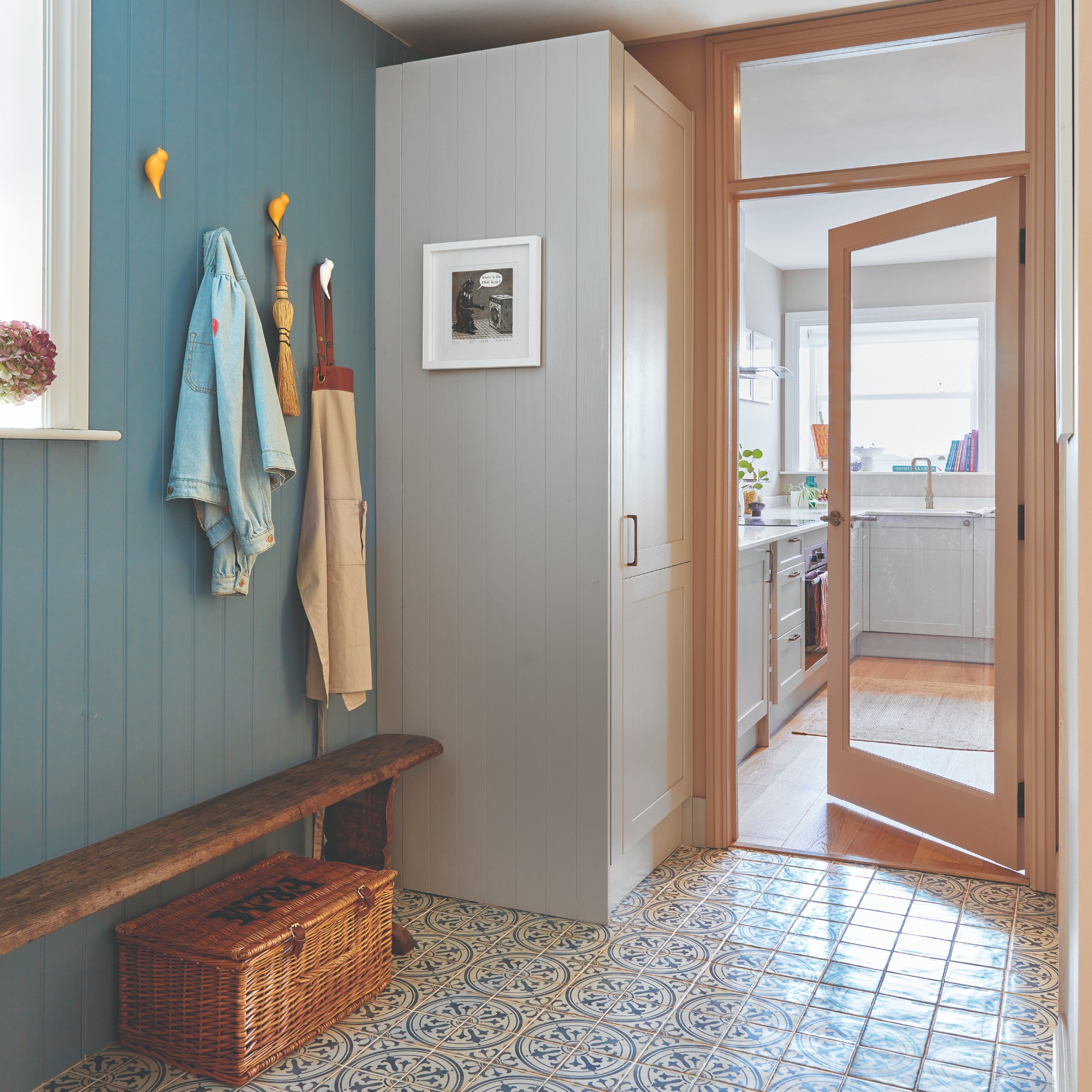
For archways situated between rooms painted in different colors, the challenge lies in choosing a hue that harmonizes with both palettes. Designers often recommend selecting a color that bridges the two schemes, ensuring a smooth visual transition. If extending one of the room's colors onto the archway reveal, it is crucial to consider the primary viewpoint and how the archway interacts with the overall architecture. Creating a natural break for paint at a corner is generally advisable for a clean and professional finish, particularly in open-plan layouts where different colors need to coexist harmoniously.
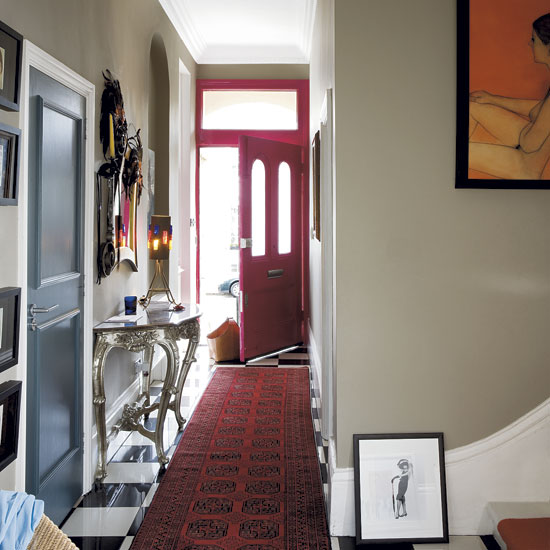
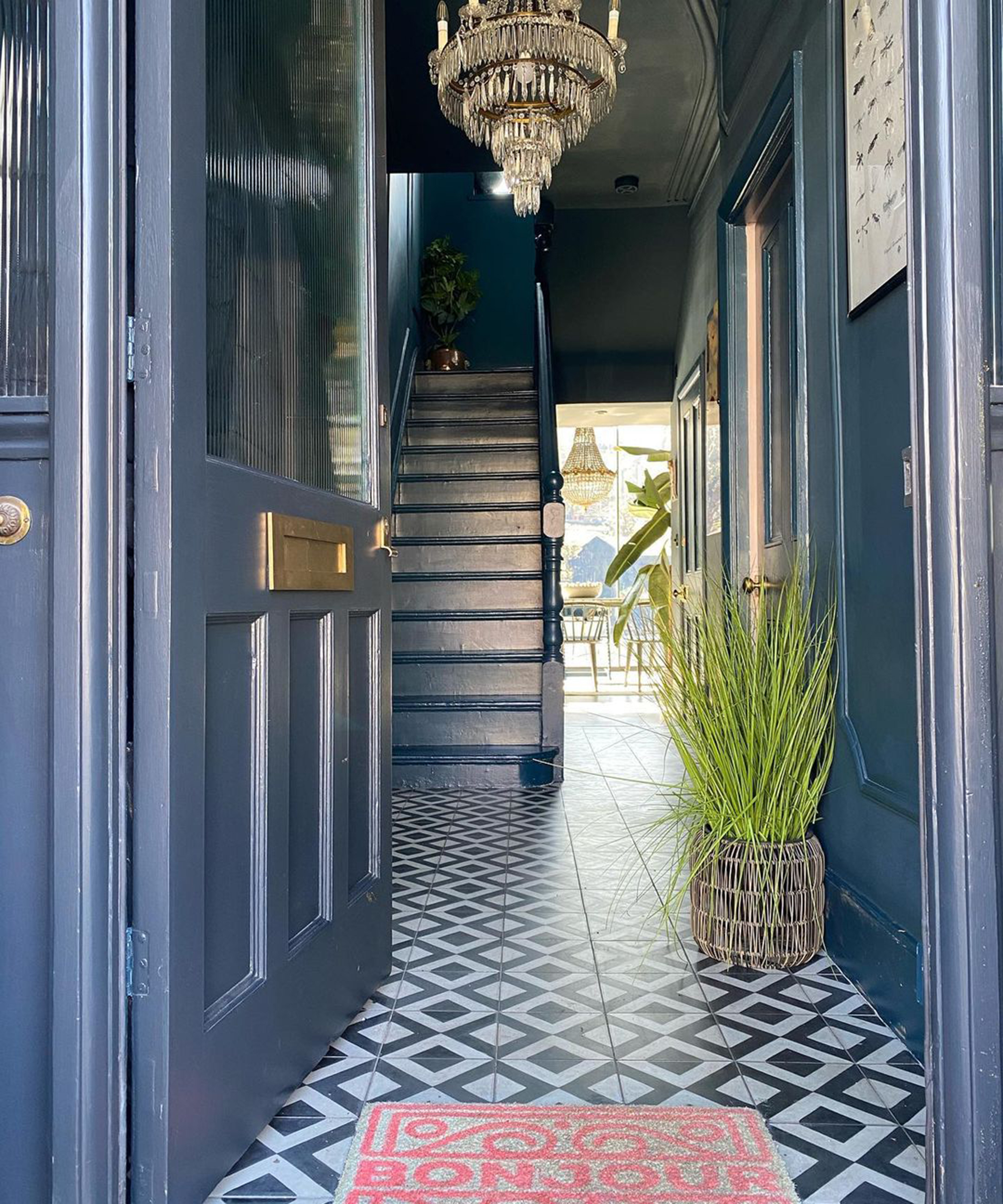
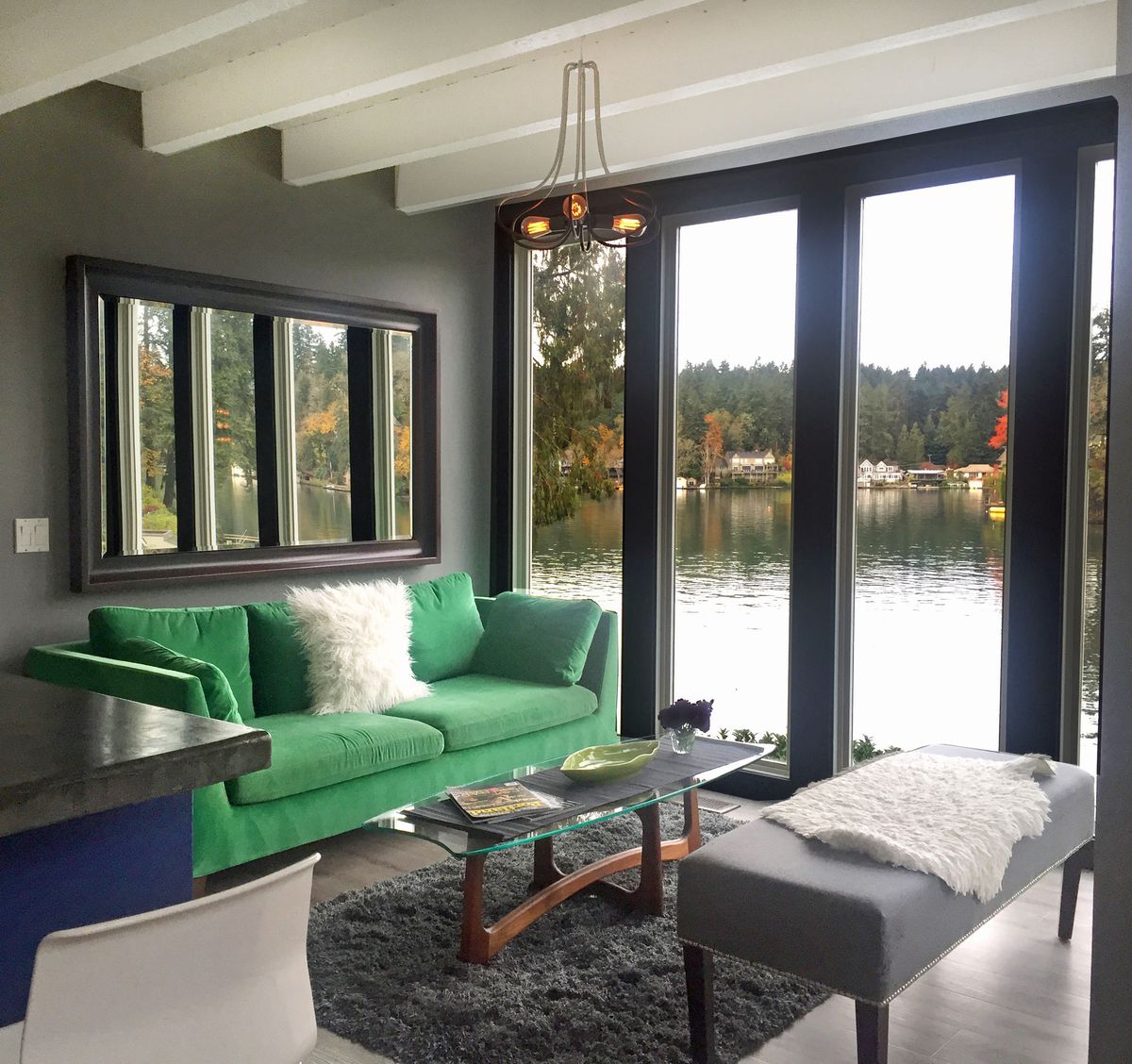
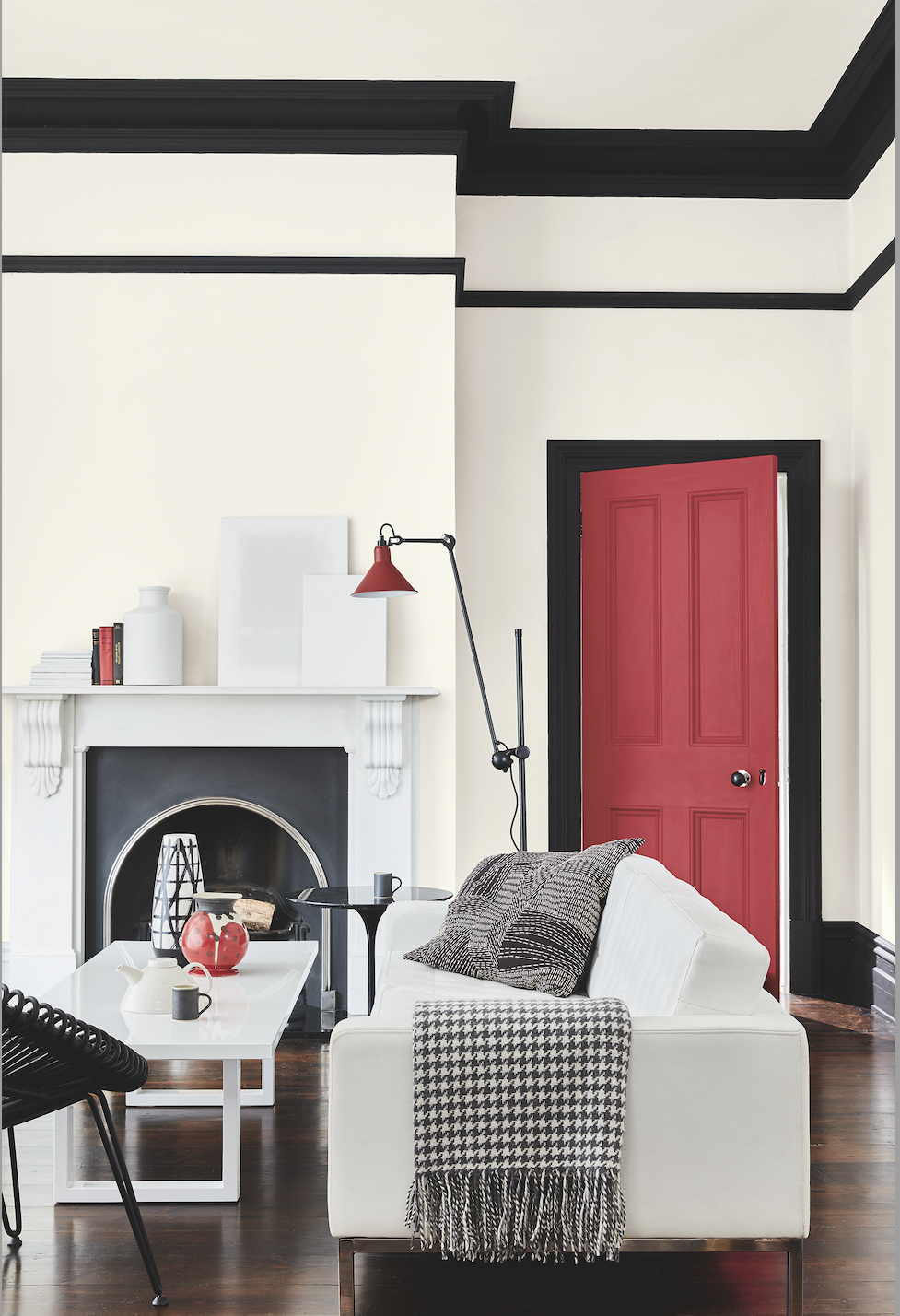
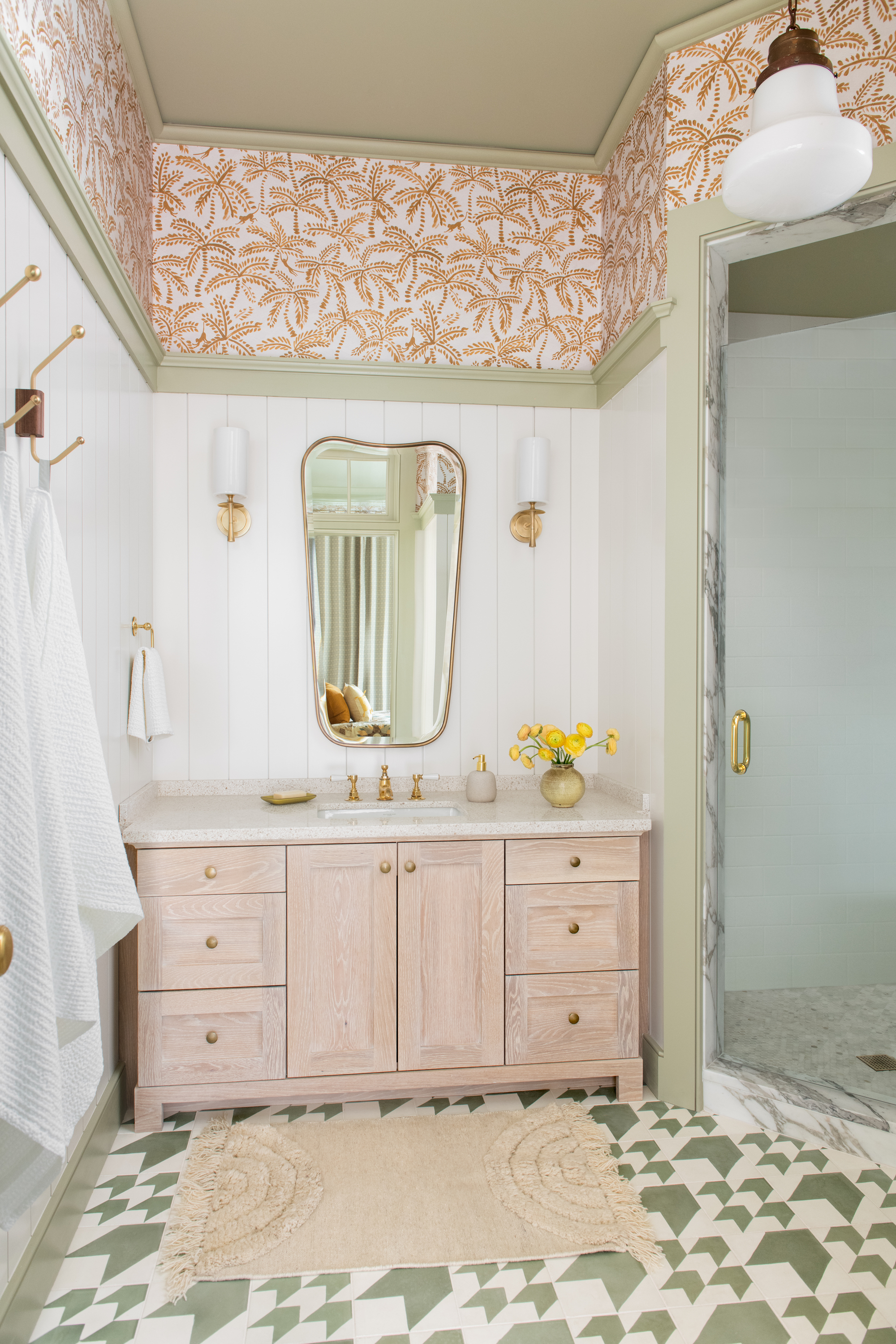
Neutral colors such as white, black, and grey are frequently suggested for archways when the objective is to provide a sense of relief or consistency. If the home's skirtings, door trims, and architraves are already in a particular neutral shade, maintaining that color for the archway ensures a unified appearance. The timeless combination of black and white, for instance, offers sophistication and versatility, capable of complementing a wide array of color schemes, including beiges, greys, greens, pinks, and metallic accents like brass and silver. These neutral options provide a reliable solution that avoids overcomplicating the color scheme.
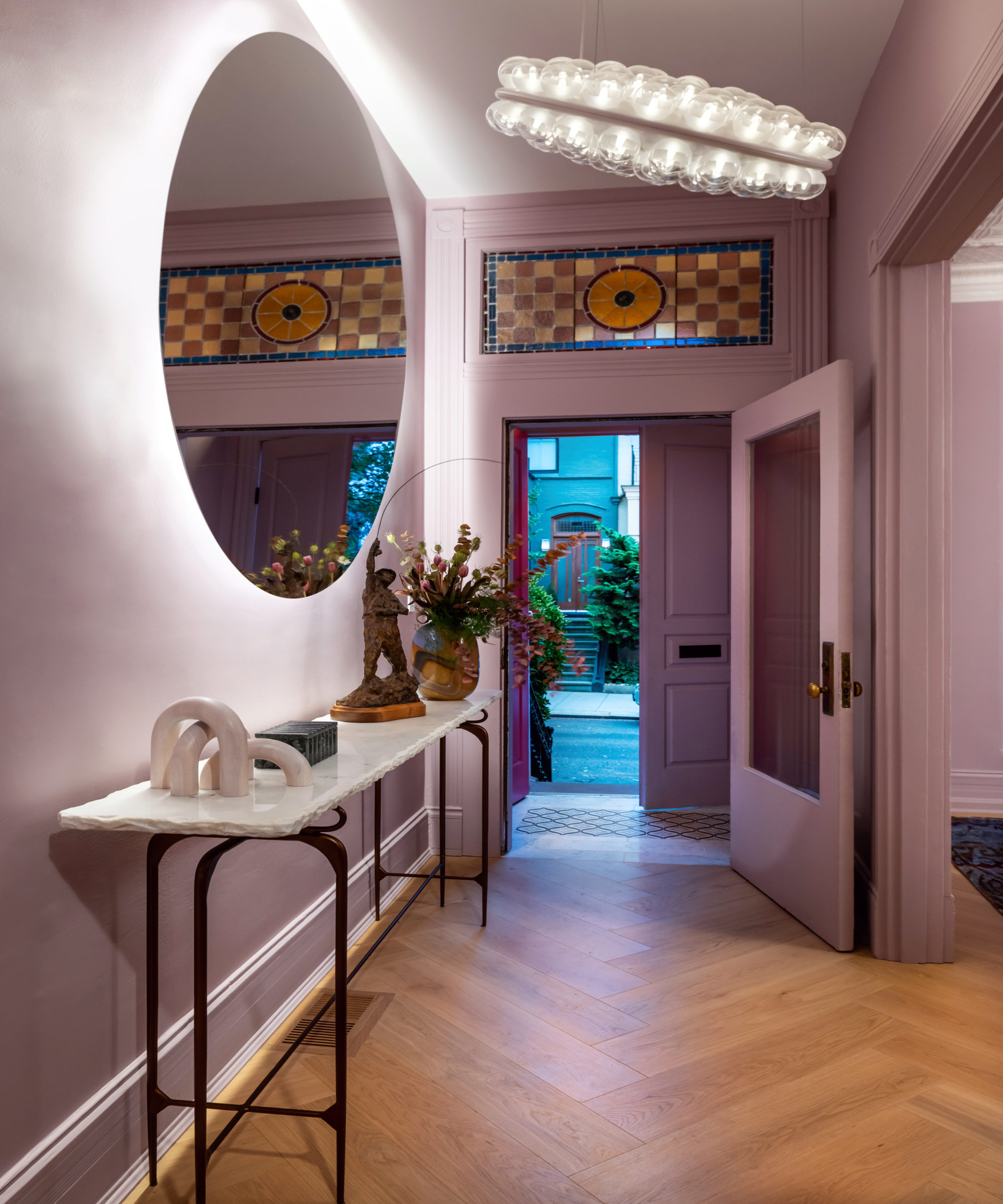
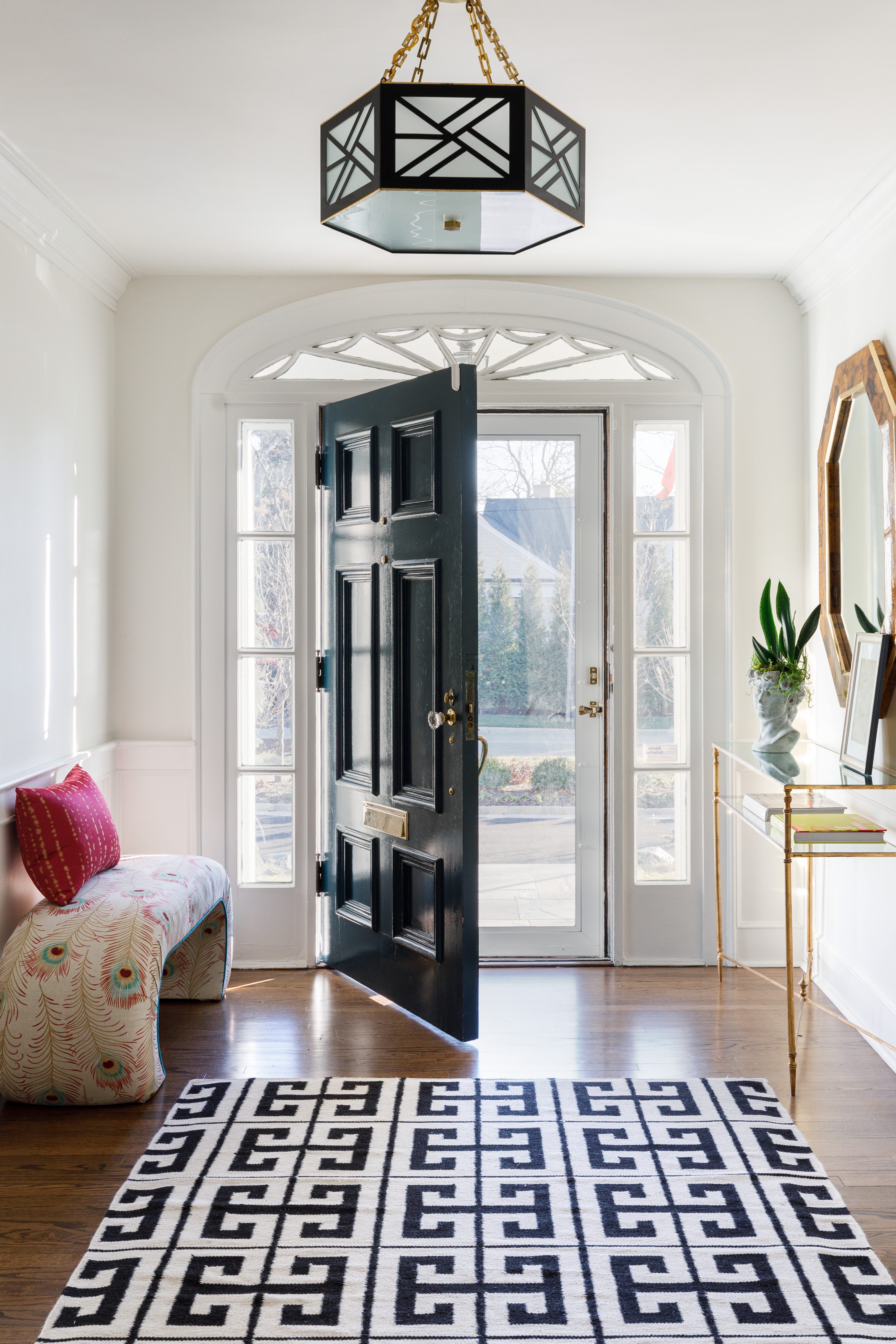
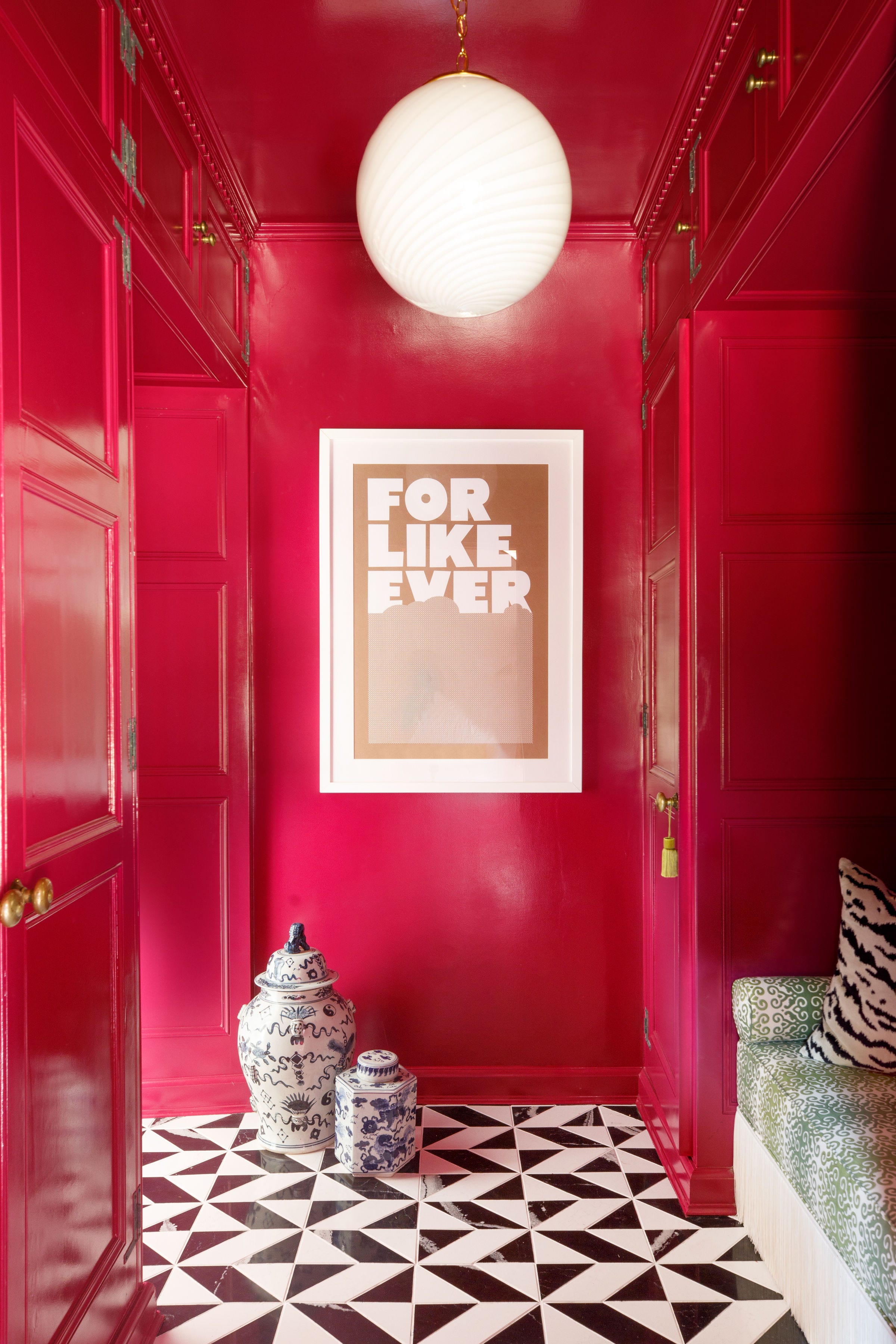
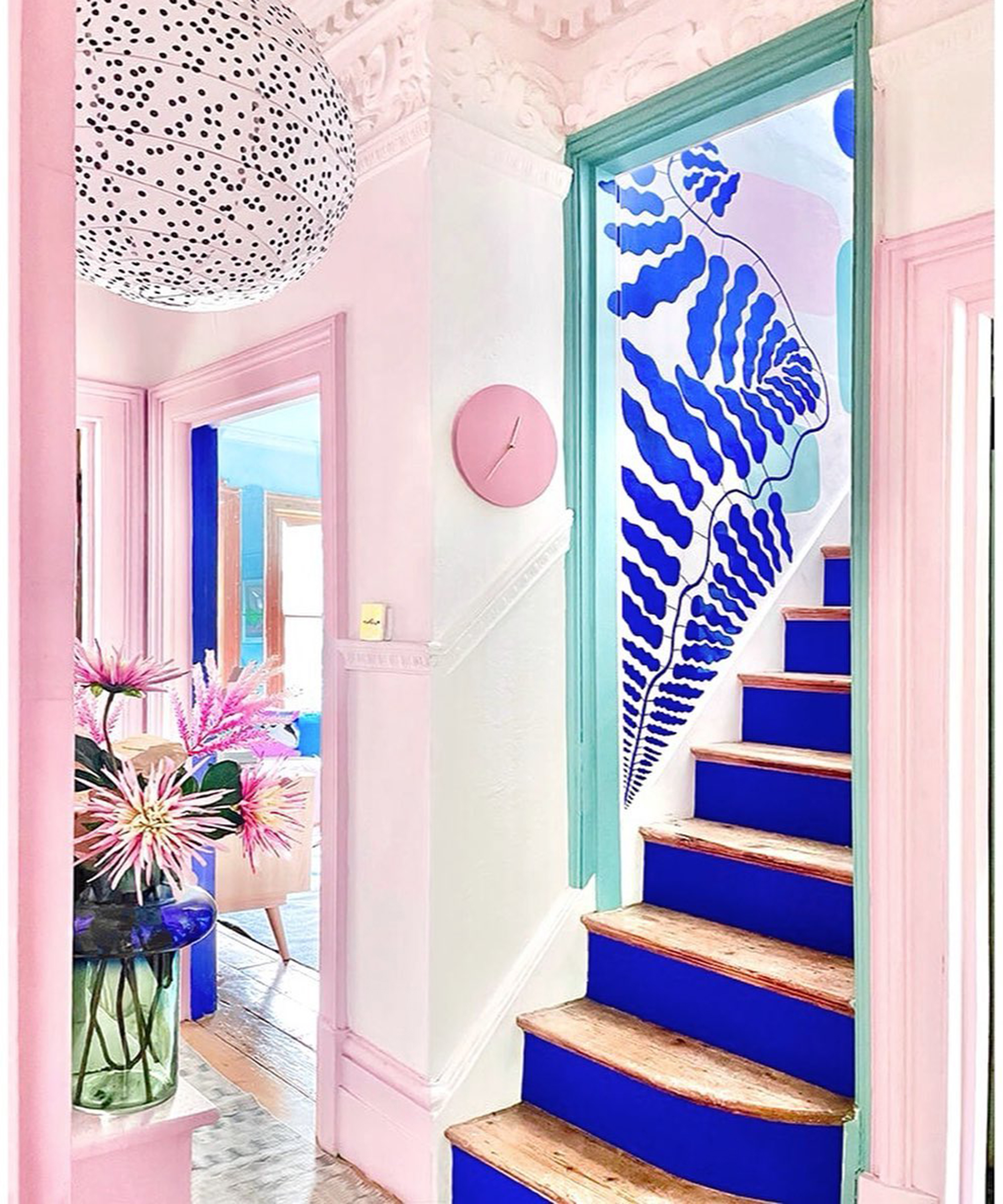
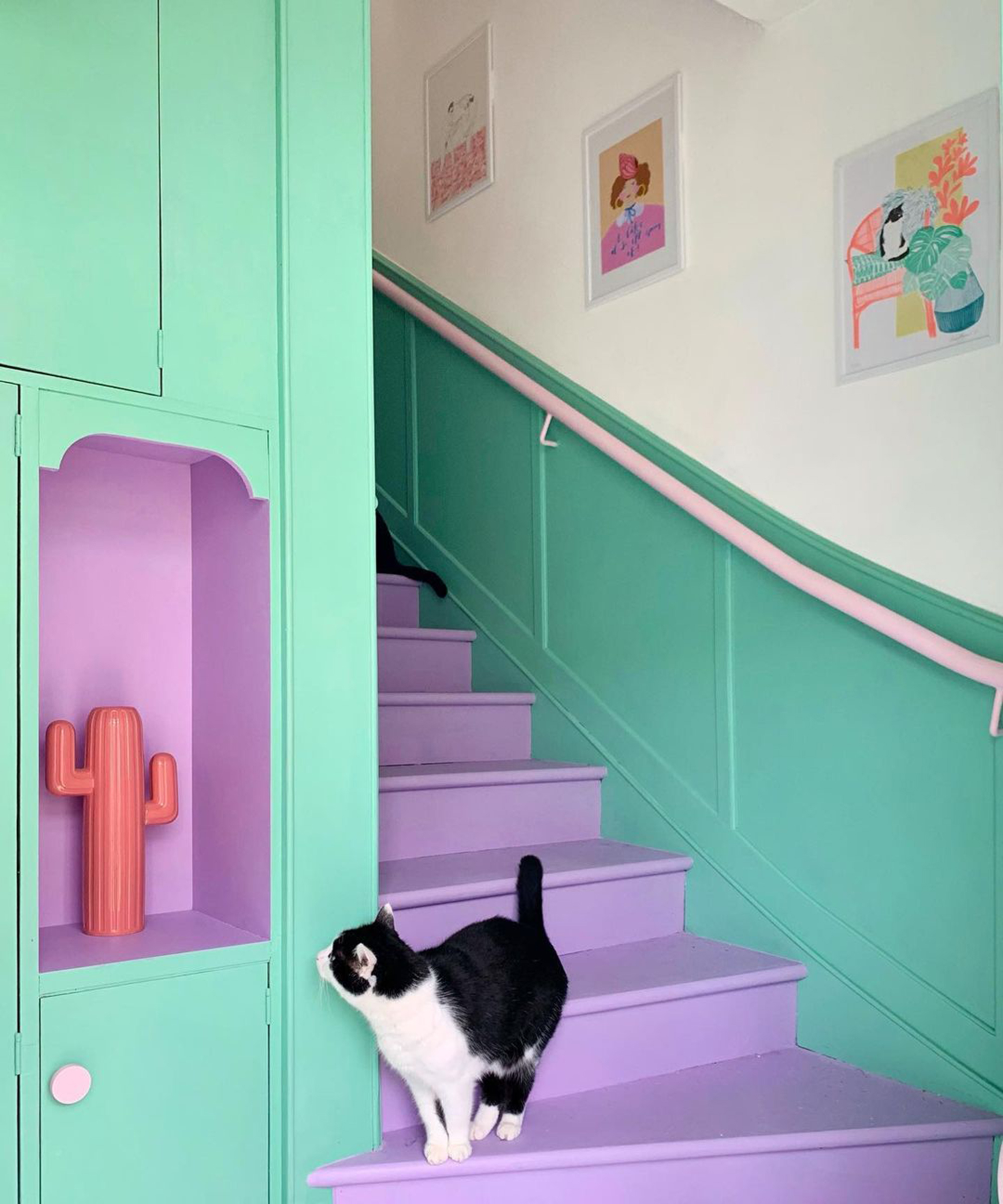
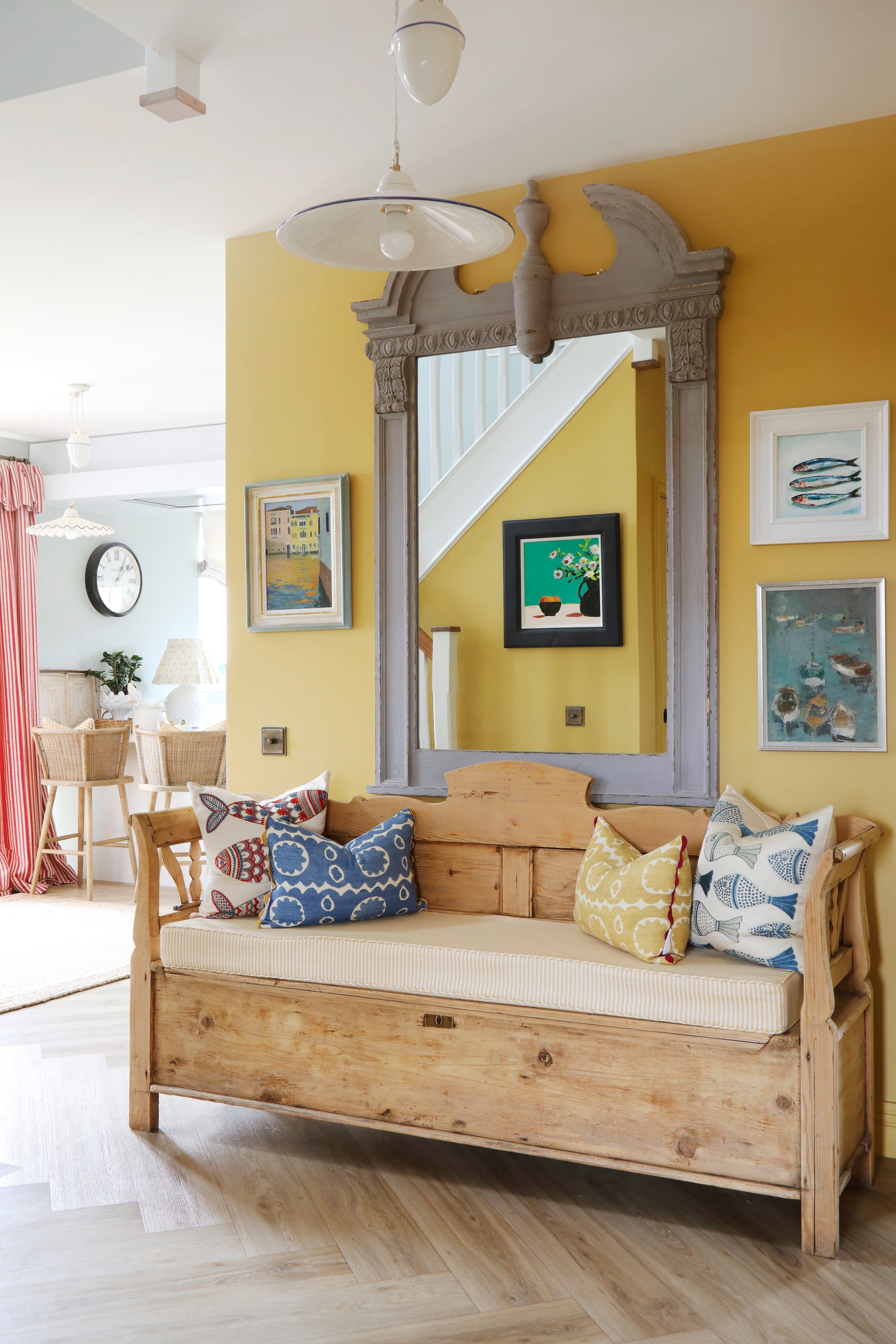
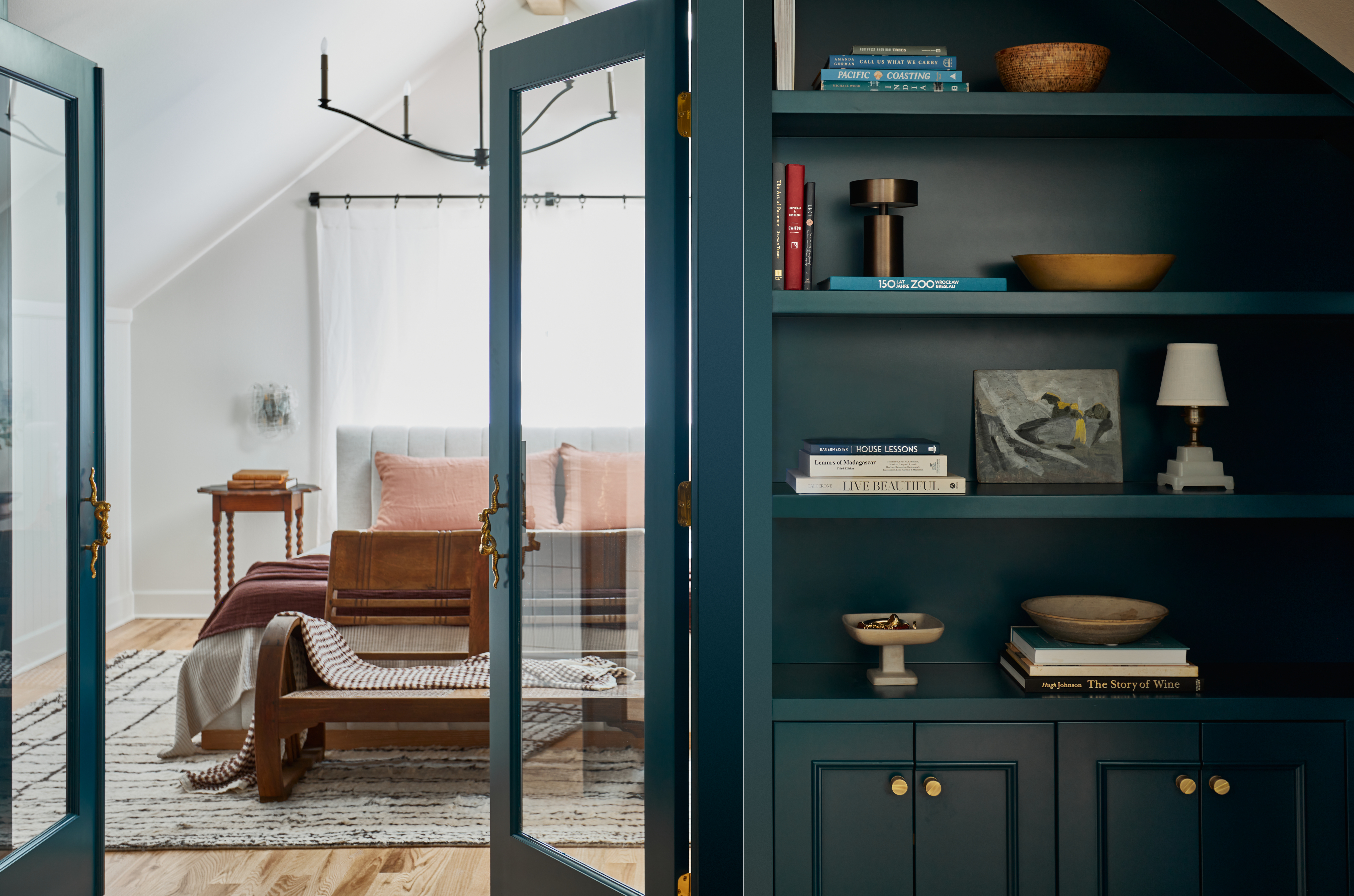
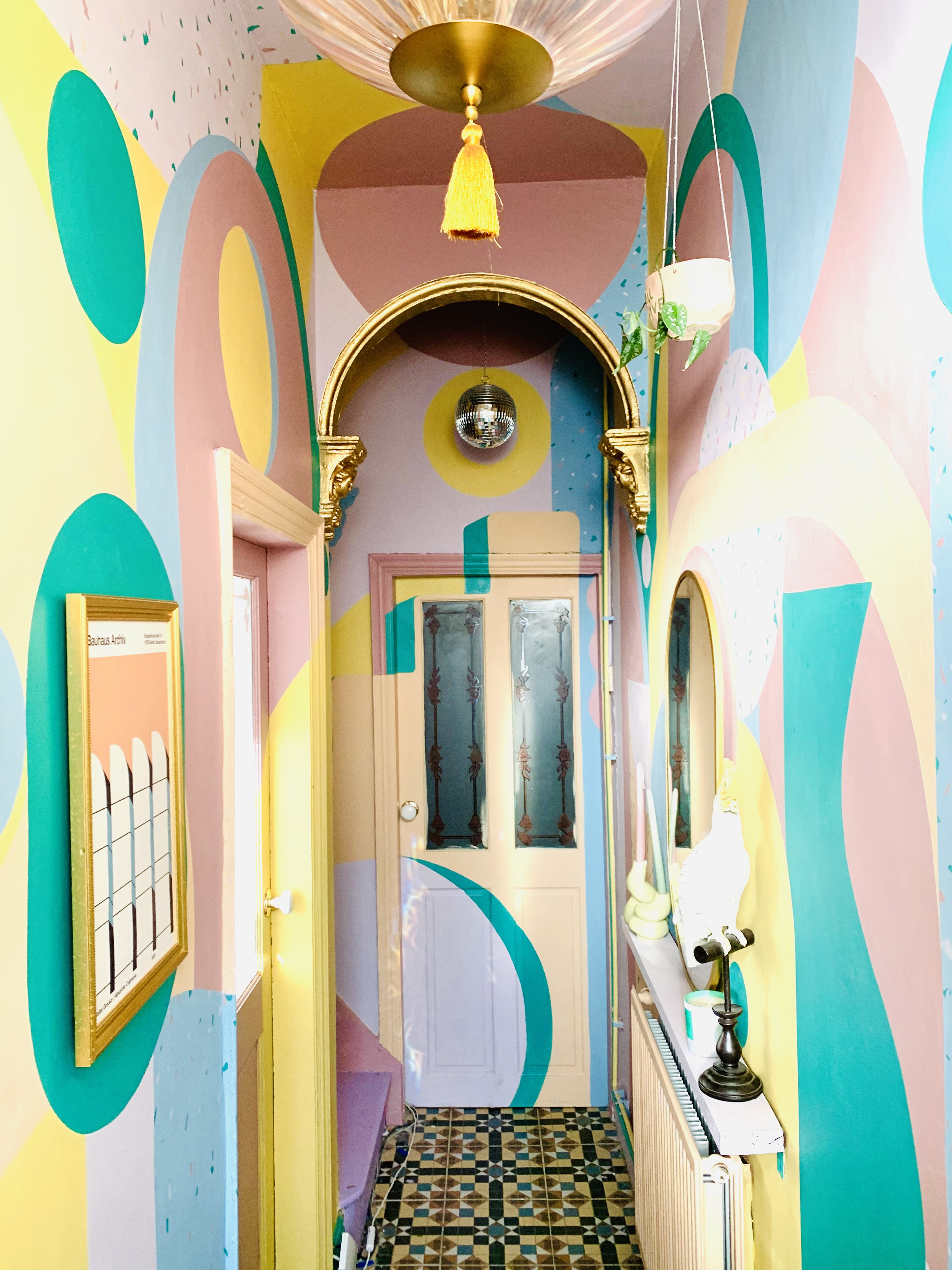
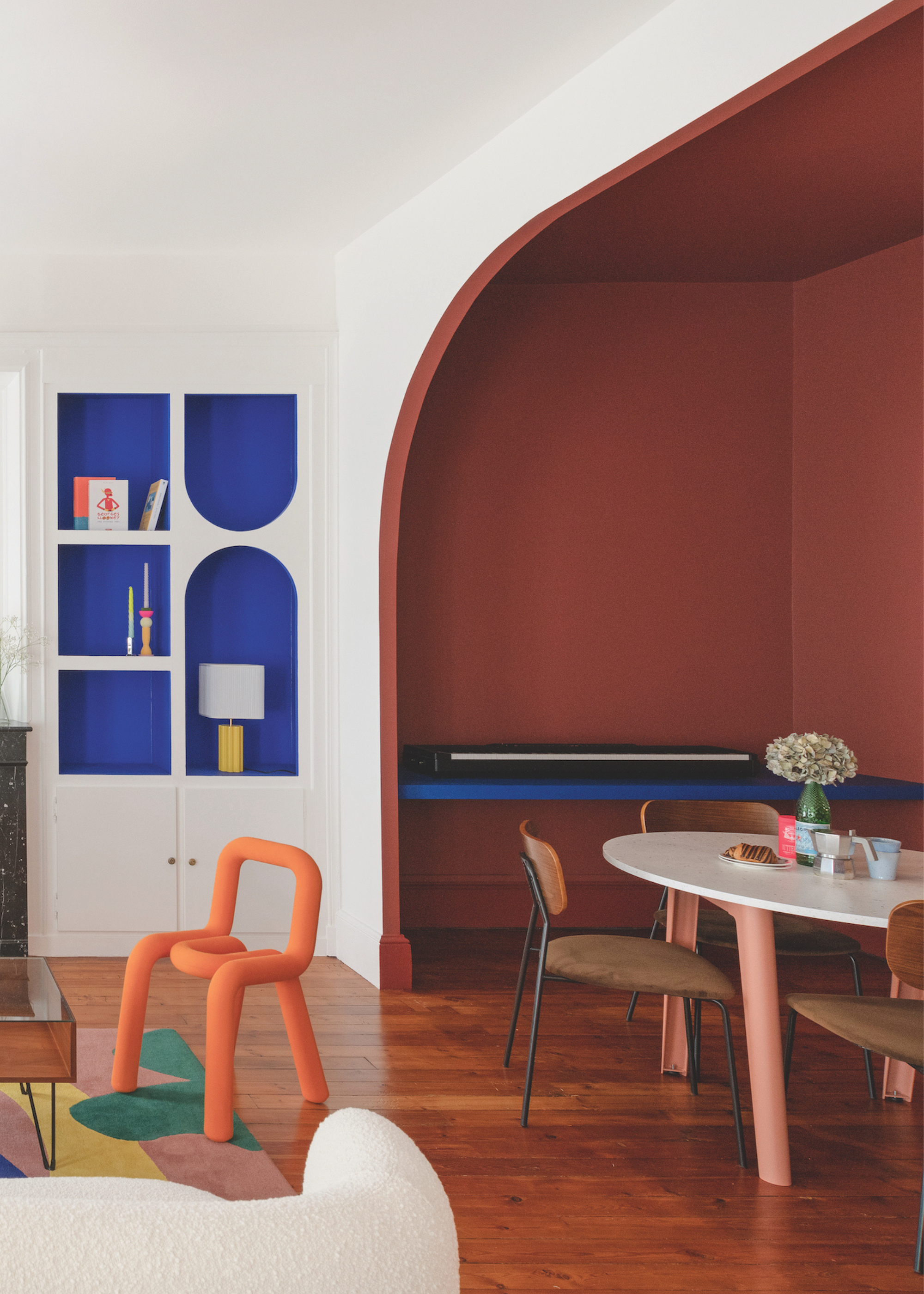
However, archways also present an opportunity for bold artistic expression. For those desiring a more creative and vibrant design, an archway reveal can be an ideal canvas for a statement paint shade. Introducing a bright, unexpected color can add levity and character to an entryway, establishing a distinct cadence from the moment one enters the home. Such a colorful arch can become a significant feature, connecting the architecture to the furniture and other design elements, thereby enhancing the overall aesthetic narrative of the space. This approach allows for a playful yet deliberate use of color to define and personalize transitional areas.
#ArchwayPainting #InteriorDesign #ColorSchemes #HomeDecor #PaintIdeas #TransitionalSpaces #ArchitecturalFeatures #DesignDilemma #ArchwayPainting #InteriorDesign #ColorSchemes #HomeDecor #PaintIdeas #TransitionalSpaces #ArchitecturalFeatures #DesignDilemma
0 comment in total
 No comments yet
You may also like
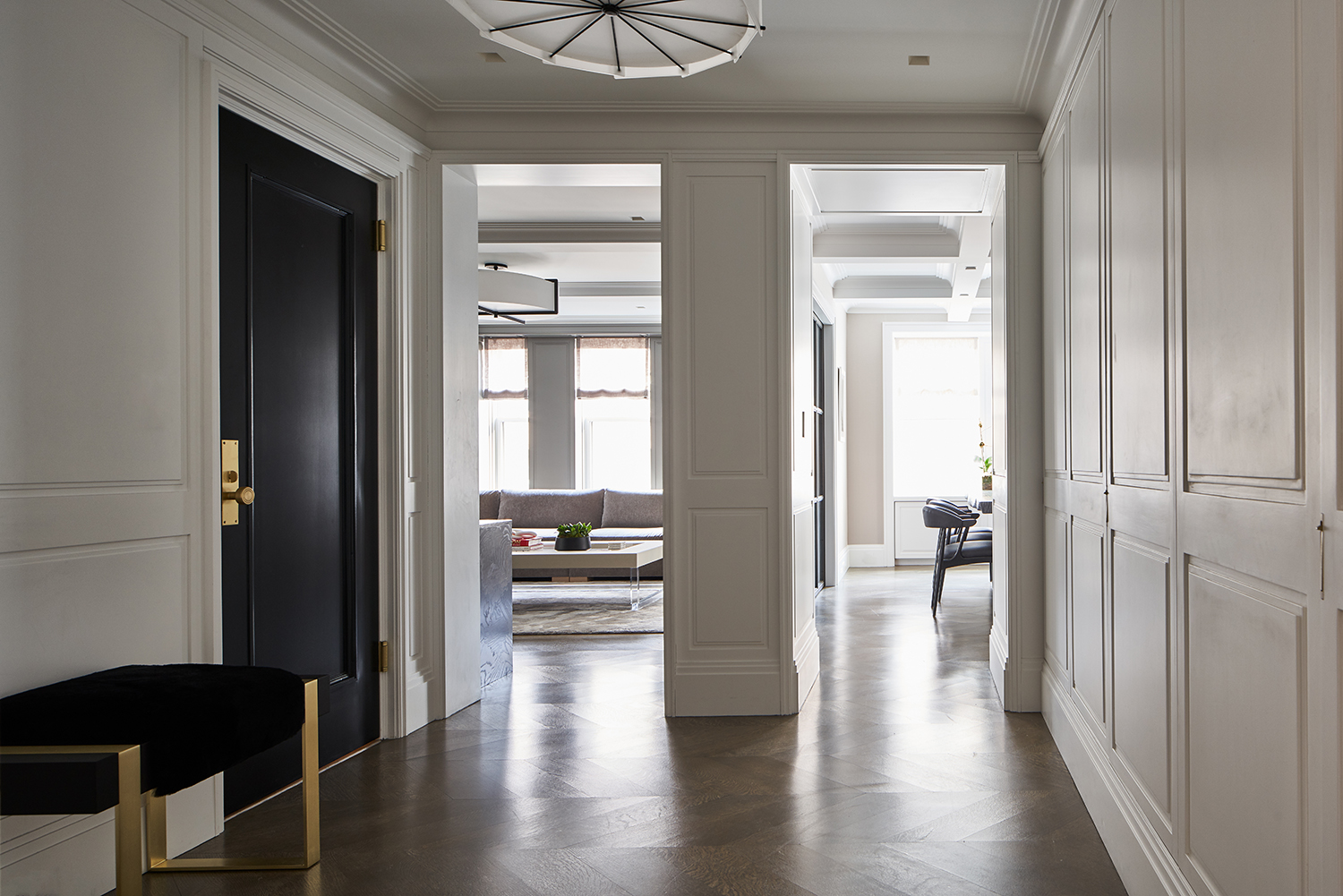
Should the entryway be the same color as the living room? One of the world's best paint experts decides once and for all
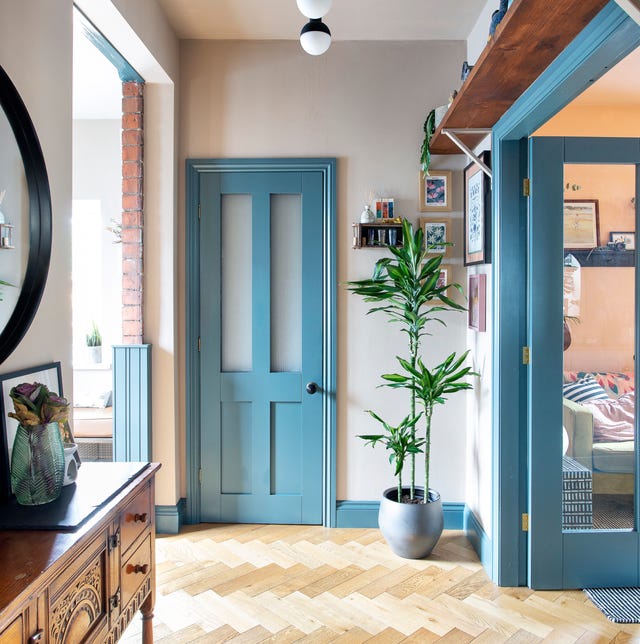
What colour should I paint my hallway? 28 ideas to inspire you

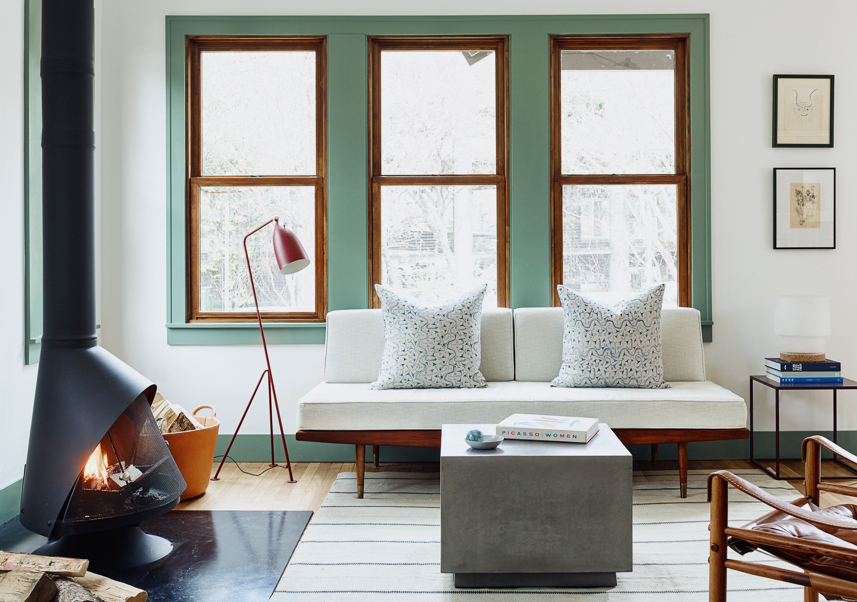
8 ideas for light walls with dark trim that capture this paint trend perfectly
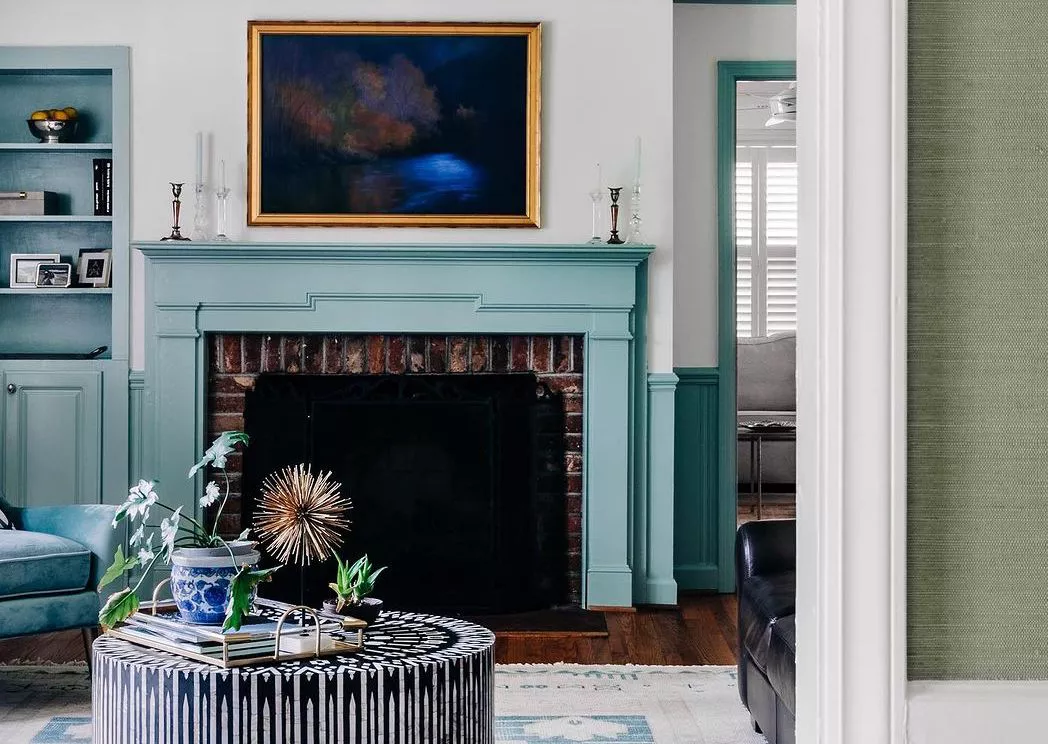
Should You Paint Trim Darker Than Walls? We Asked Designers If That Trend Will Last

Sherwin Williams' Framboise Was the Perfect Color to Upgrade This Hallway

How to choose the best paint color for any room in your house
10 Accent Wall Paint Colors That Will Freshen Up Any Space, According to Designers

What are the best trim colors? 7 alternatives to white paint to elevate your room's palette
You should never paint your hallway this colour, according to colour psychologists
4 Entryway Paint Colors for a Welcoming First Impression

What color should you paint interior doors? The ideas to try, and what they say about your design personality
Decorating with paint

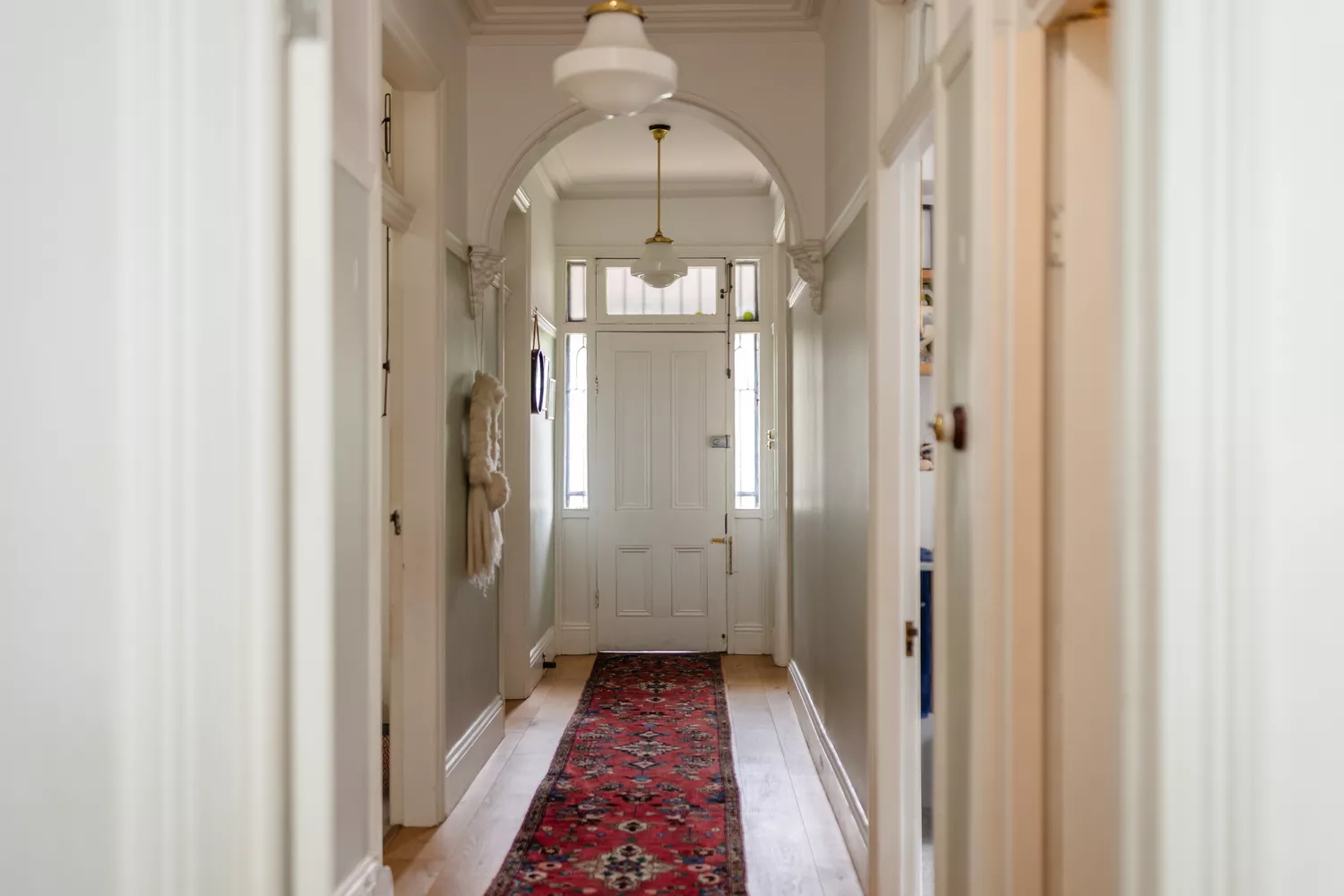
4 Paint Colors Designers Say You Should Never Use In A Hallway
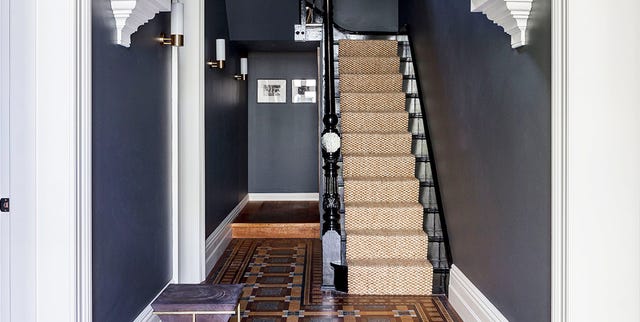
19 Elegant Hallway Paint Colors That Designers Swear By in 2025
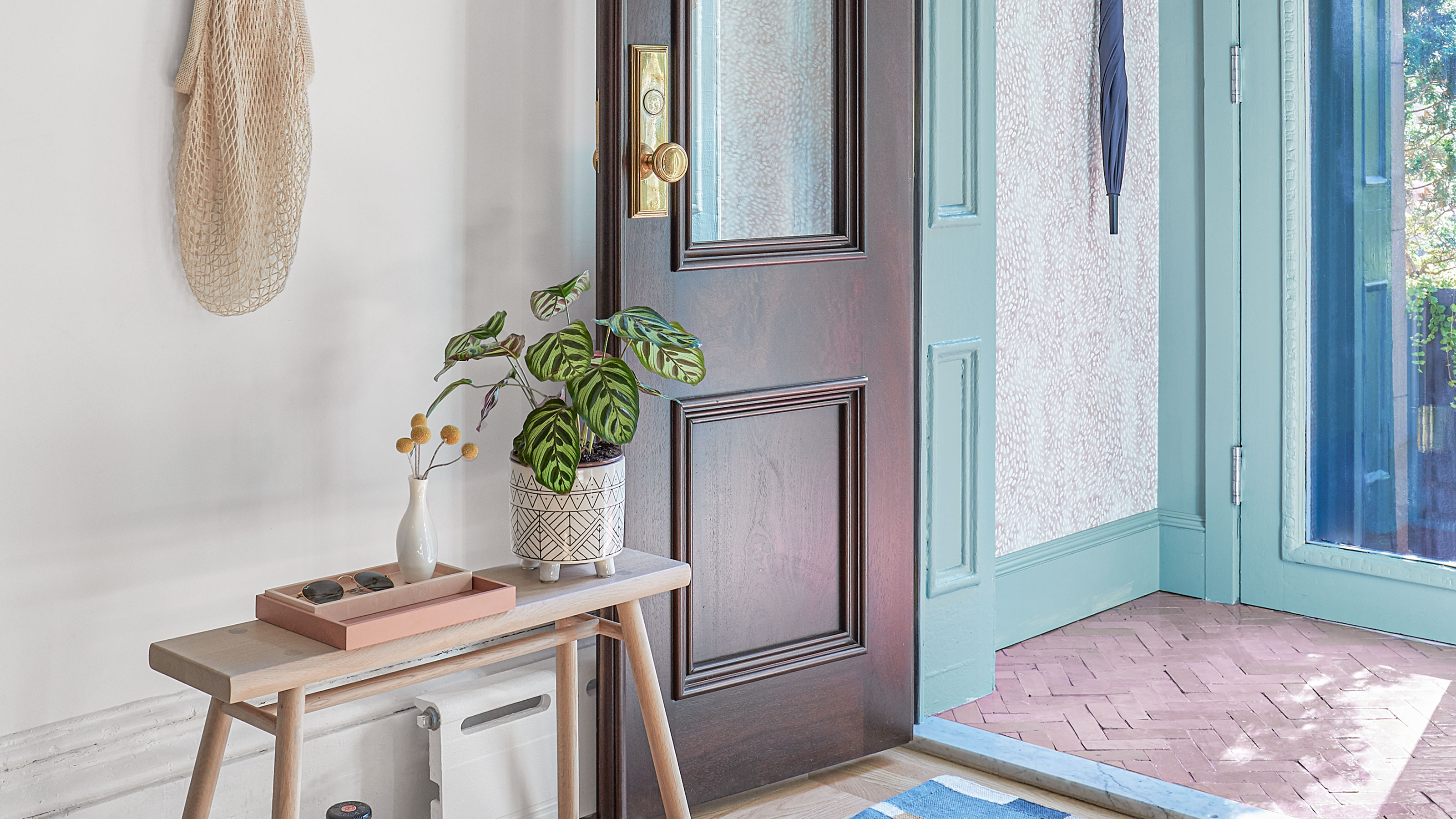
Hallway paint ideas – 15 ways to give this narrow room big personality
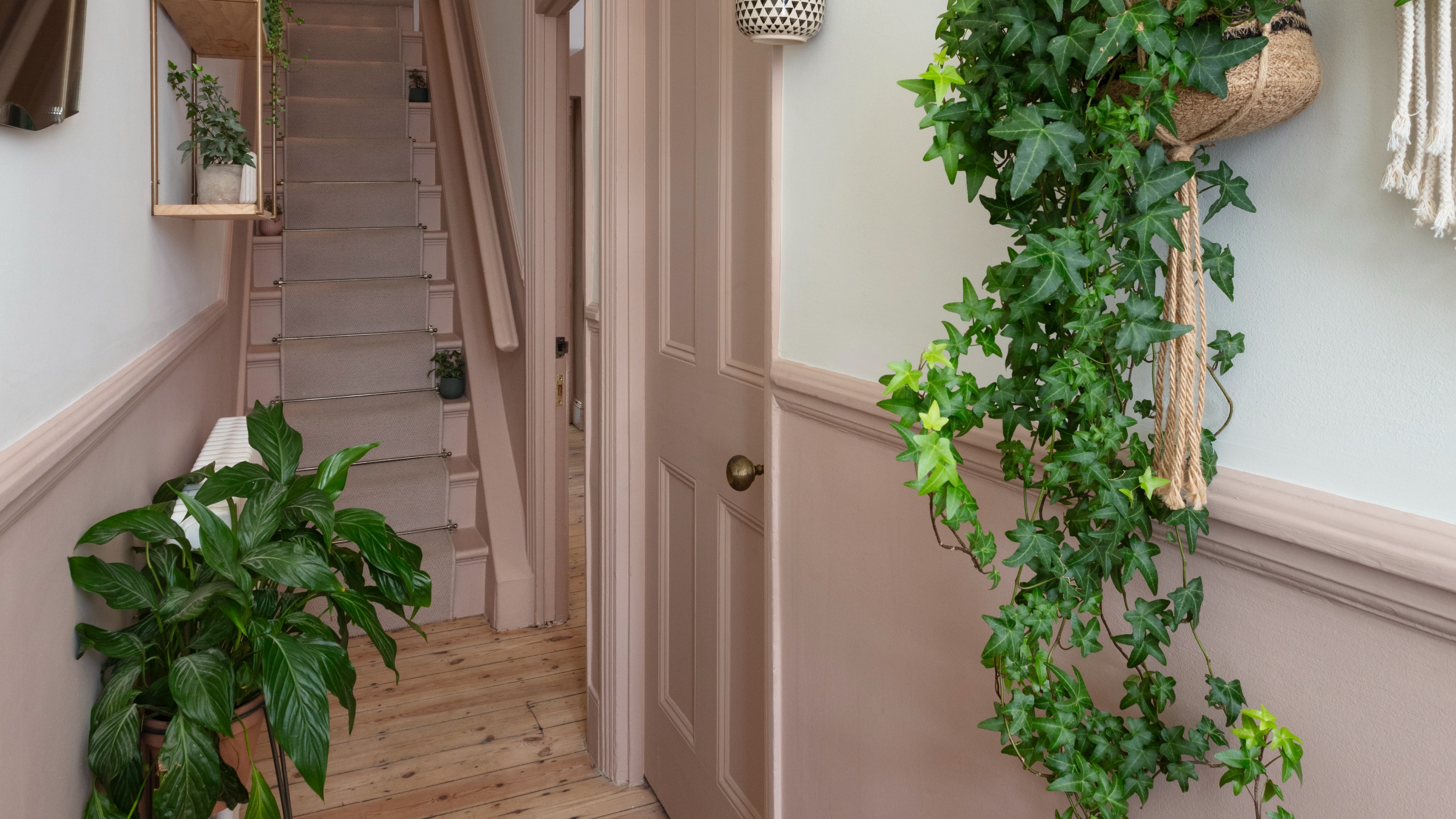
‘The colours that we decorate our hallway with should make us excited to be back’ – 16 hallway colour ideas to help you create a welcoming entryway
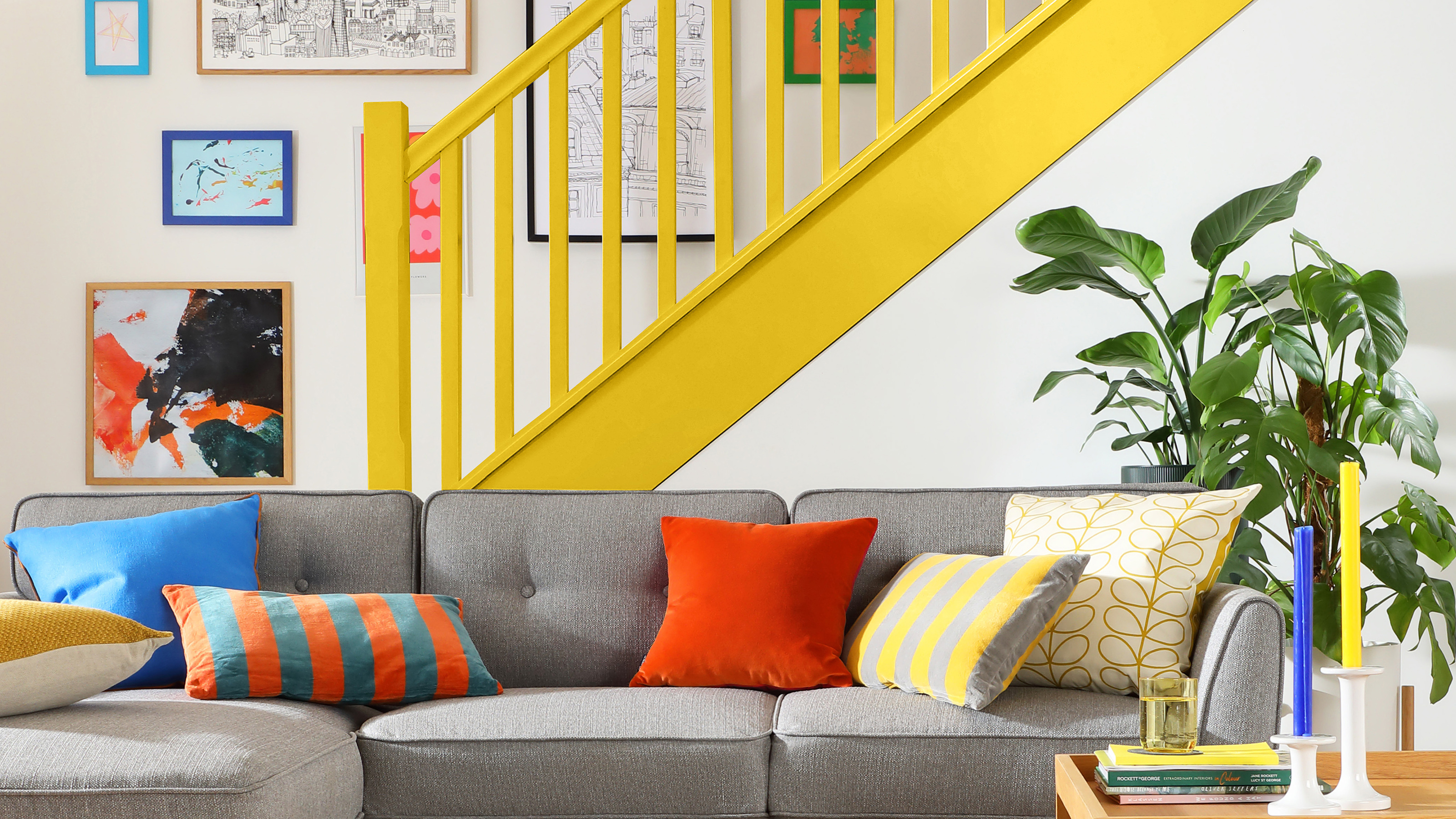
Staircase paint ideas – 17 colorful designs to upgrade your stairs

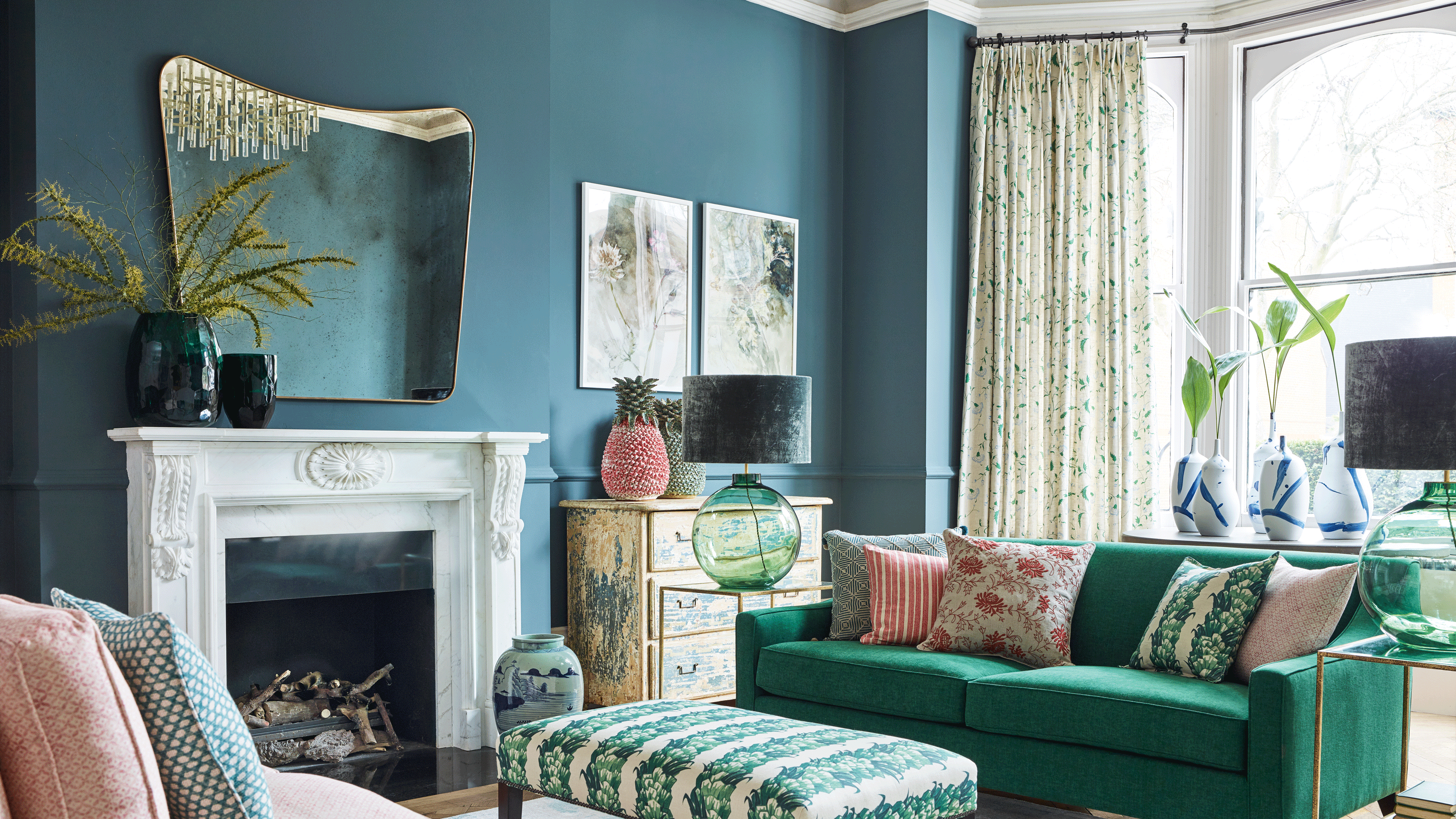
6 rooms that demonstrate why blue and green are this year's coolest colour pairing
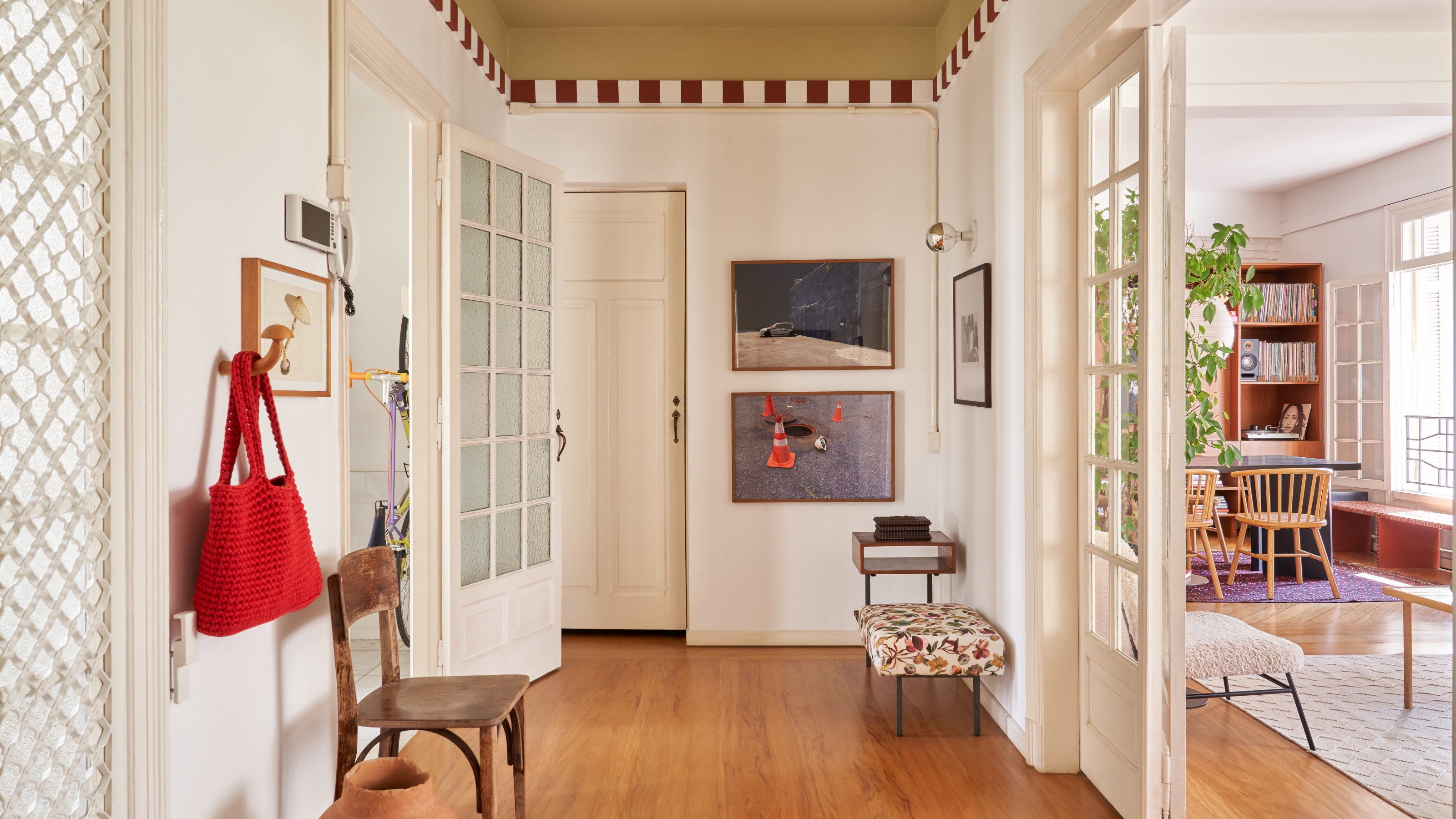
Here's How to Coordinate Paint Colors Throughout Your Home, so That It Looks Cohesive, Curated, but Still Creative
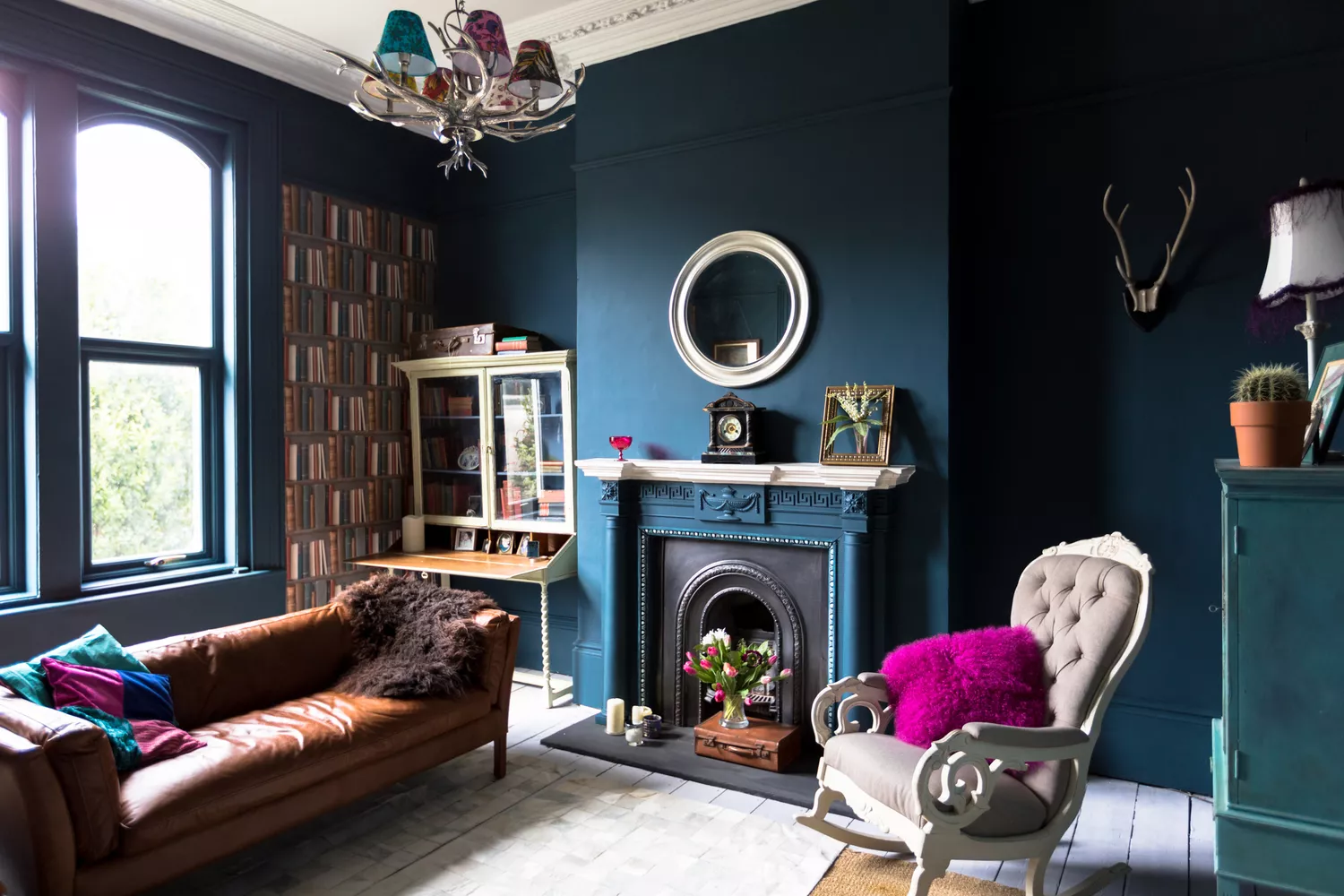
7 Paint Colors Designers Wish They Never Used (and What You Should Use Instead)