1/12
We Tested The Best Contour Gauges for Woodworking and Home Repair
Contour gauges are essential tools that simplify the process of replicating irregular shapes for various home improvement and woodworking projects. This article provides a comprehensive review of several top-performing contour gauges, evaluated based on their accuracy, pin security, durability, and overall value. The testing process involved real-world applications, such as tracing intricate shapes like tiered baseboards and straightforward angles and curves.
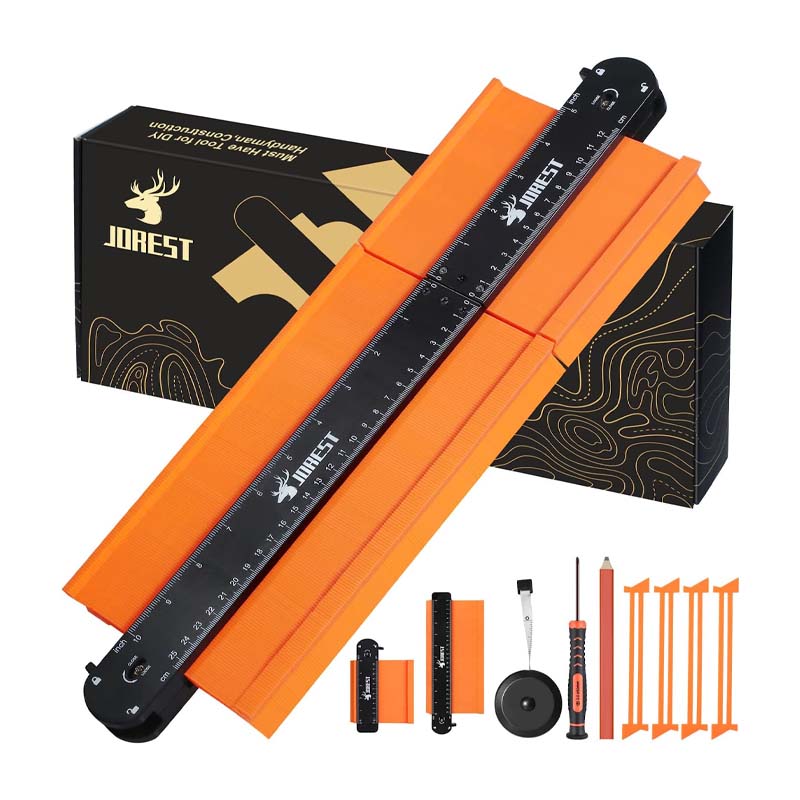
The Jorest Connectable Contour Gauge is highlighted as the best overall choice due to its robust construction, high accuracy, and easily visible measurement markings. Its magnetic ends allow for extension up to 15 inches, and it features an efficient locking mechanism. While it performs exceptionally well, adjusting the pin tension can be a minor challenge, requiring a small Phillips-head screwdriver, which is included. The article notes that despite being on the higher end of the price spectrum for the tested products, its quality justifies the cost.
For those seeking a more budget-friendly option, the Varsk Contour Gauge Duplicator is recommended as the 'Best Bang for the Buck.' This gauge is lauded for its capability to handle deeper shapes and ease of use, despite its simple design. It features smooth pin movement with 0.05-inch pins and includes a metal locking mechanism and tension adjuster. However, its measurement markings are the same color as the gauge, making them difficult to read in certain lighting conditions, and tension adjustment requires a small Allen wrench, which must be kept track of.
The Luter 10-Inch Profile Contour Gauge is presented as the 'Best for Weekend Warriors,' offering impressive durability even after an accidental fall from a 15-foot ladder. Its smooth pin movement and accurate readings make it a solid choice for occasional DIYers, though its accuracy may slightly suffer with wider curves. A notable drawback is the absence of a locking mechanism, which means patterns need to be re-measured if the gauge is jostled.
The RAK Contour Gauge receives an 'Honorable Mention' for its straightforward operation, strong locking mechanism, and reasonable price. Similar to other models, its measurement markings are difficult to see due to their color matching the gauge body. Each of these plastic gauges features a metal core for added stability.
Further options include the General Tools 837 6-Inch Contour Gauge, recognized for its stainless steel construction and fine metal pins, which offer higher resolution and durability than plastic alternatives. It boasts a deeper contouring depth suitable for pipes and thicker baseboards but lacks a locking mechanism and tension adjustment. The Saker Contour Gauge is also considered, offering lockable pins and adjustable tension, made from durable ABS plastic and metal, and available in multiple sizes.
Key considerations for choosing a contour gauge include its size, pin depth, pin material (metal or plastic), and resolution (number of pins per inch). Additional features like locking mechanisms, joinable parts for extended length, magnetic blocks for metal surfaces, and adjustability for pin tension are also discussed. The article concludes with practical tips for using a contour gauge, emphasizing proper pin alignment, tension adjustment, and locking the shape before transferring to ensure accurate results, along with a FAQ section addressing common questions about usage, locking mechanisms, multiple shapes, material comparisons, main uses, pin resolution, and tension adjustment.
#ContourGauge #WoodworkingTools #HomeRepair #DIYTools #ToolReview #JorestContourGauge #VarskContourGauge #LuterContourGauge #RAKContourGauge #ContourGauge #WoodworkingTools #HomeRepair #DIYTools #ToolReview #JorestContourGauge #VarskContourGauge #LuterContourGauge #RAKContourGauge
0 comment in total
 No comments yet
You may also like
The Best Angle Finders for Pros and DIYers

The Best Stud Finder for Home Use | Reviews by Wirecutter

Designed & Made's integrated approach to custom woodworking projects

Tool Test: 18-Gauge Brad Nailers

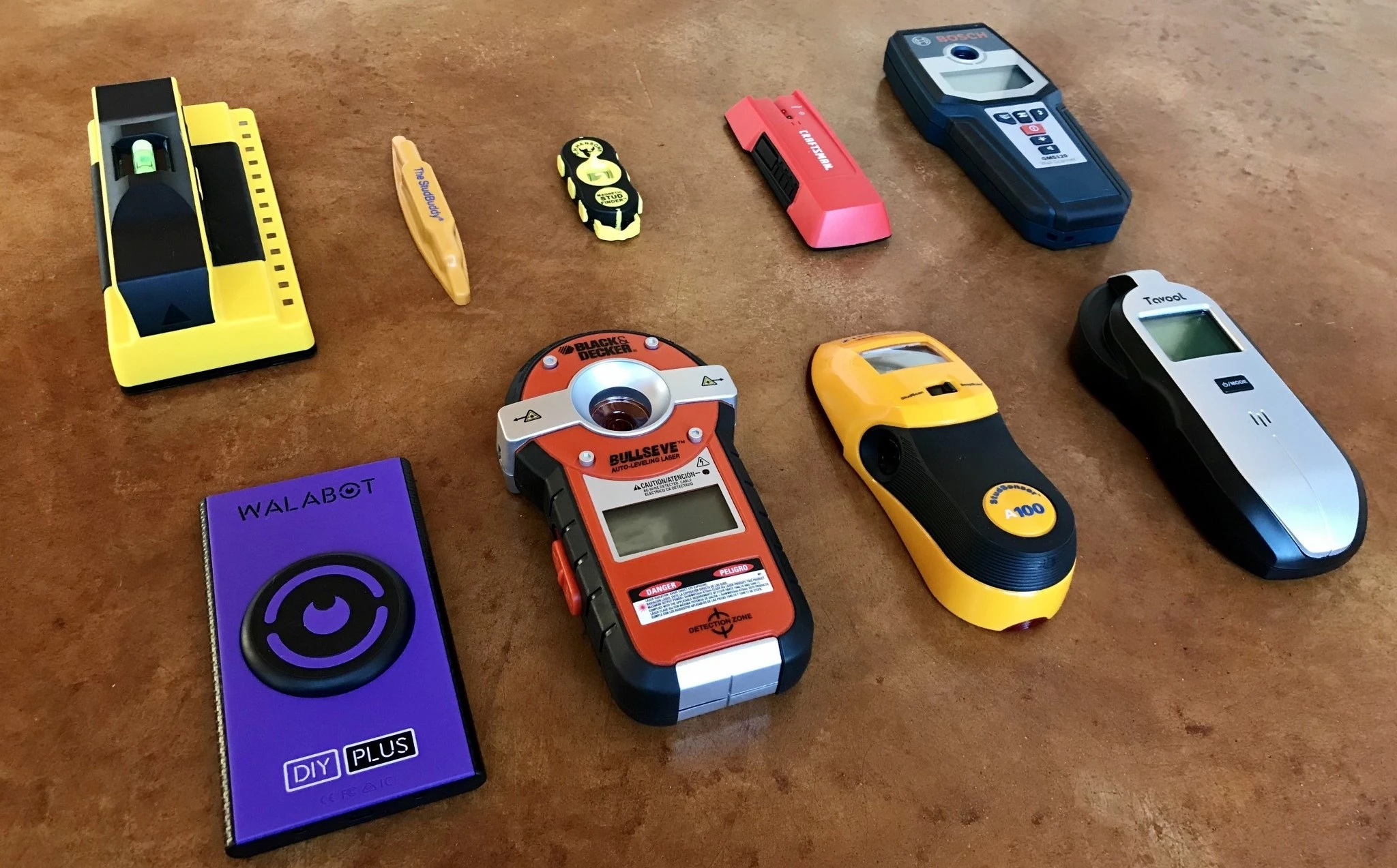
The Best Stud Finders

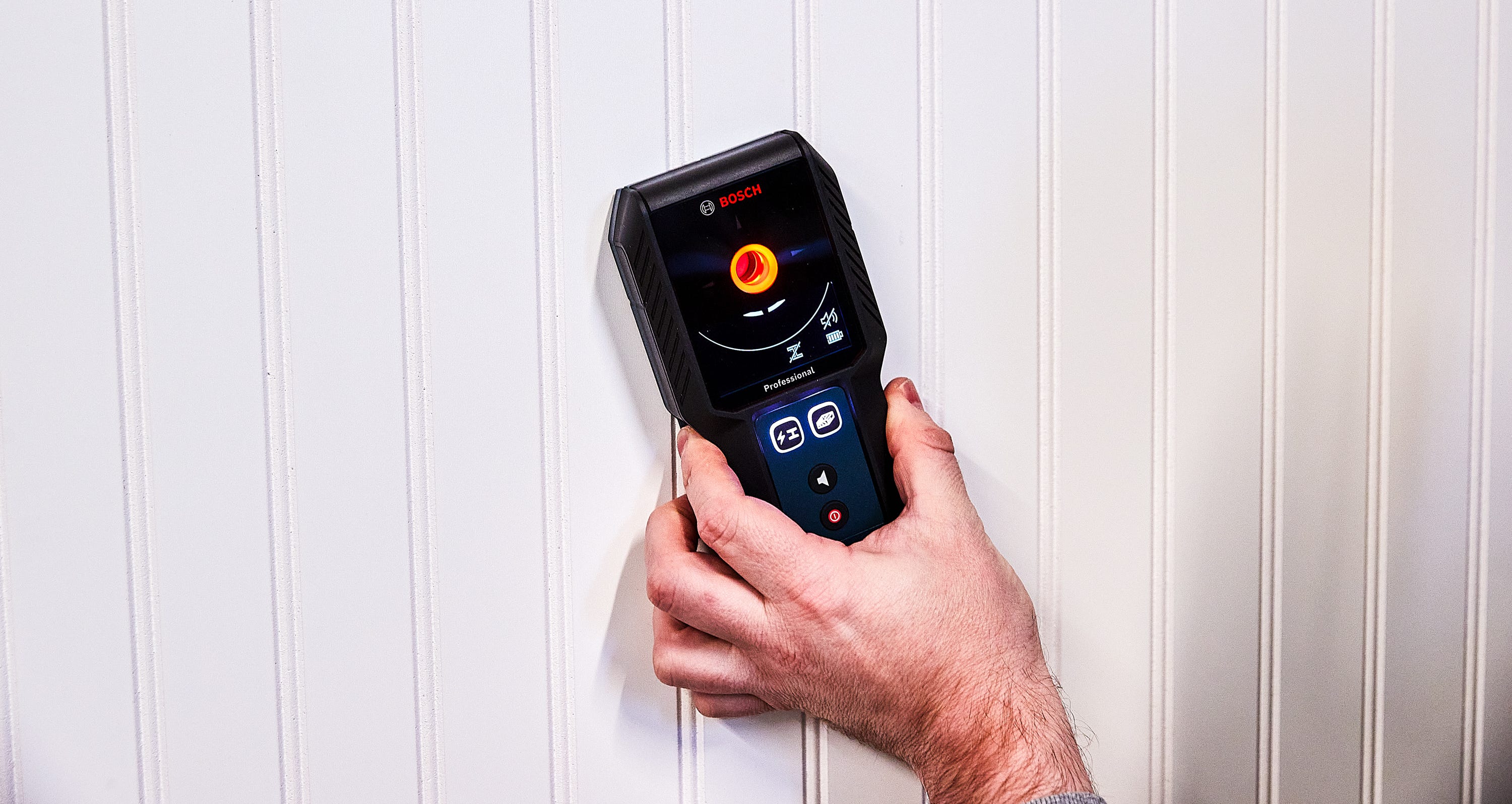
Can a $12 Stud Finder Outperform a $100 Pick? We Put Them Both to the Test.
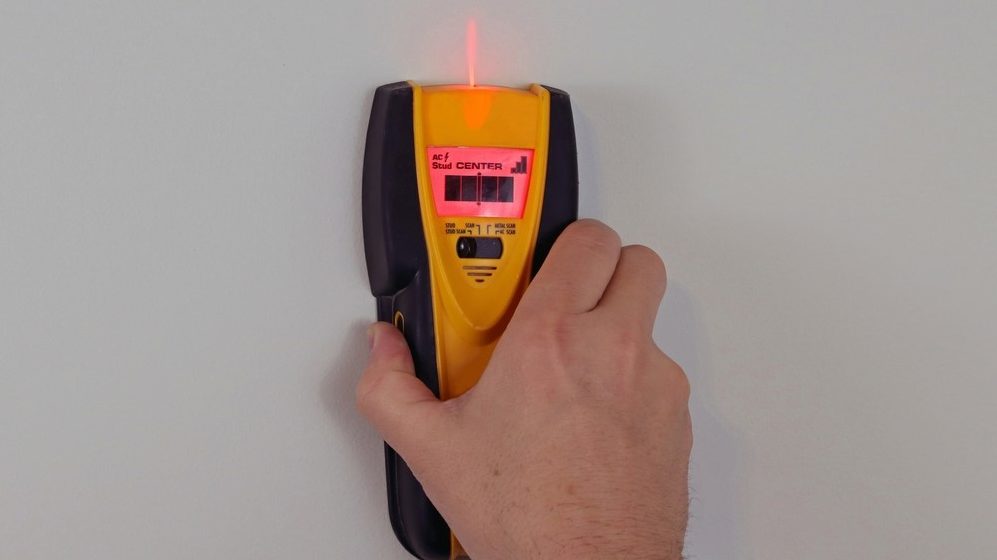
Stud-finders, a must-have tool, could be useful for your home
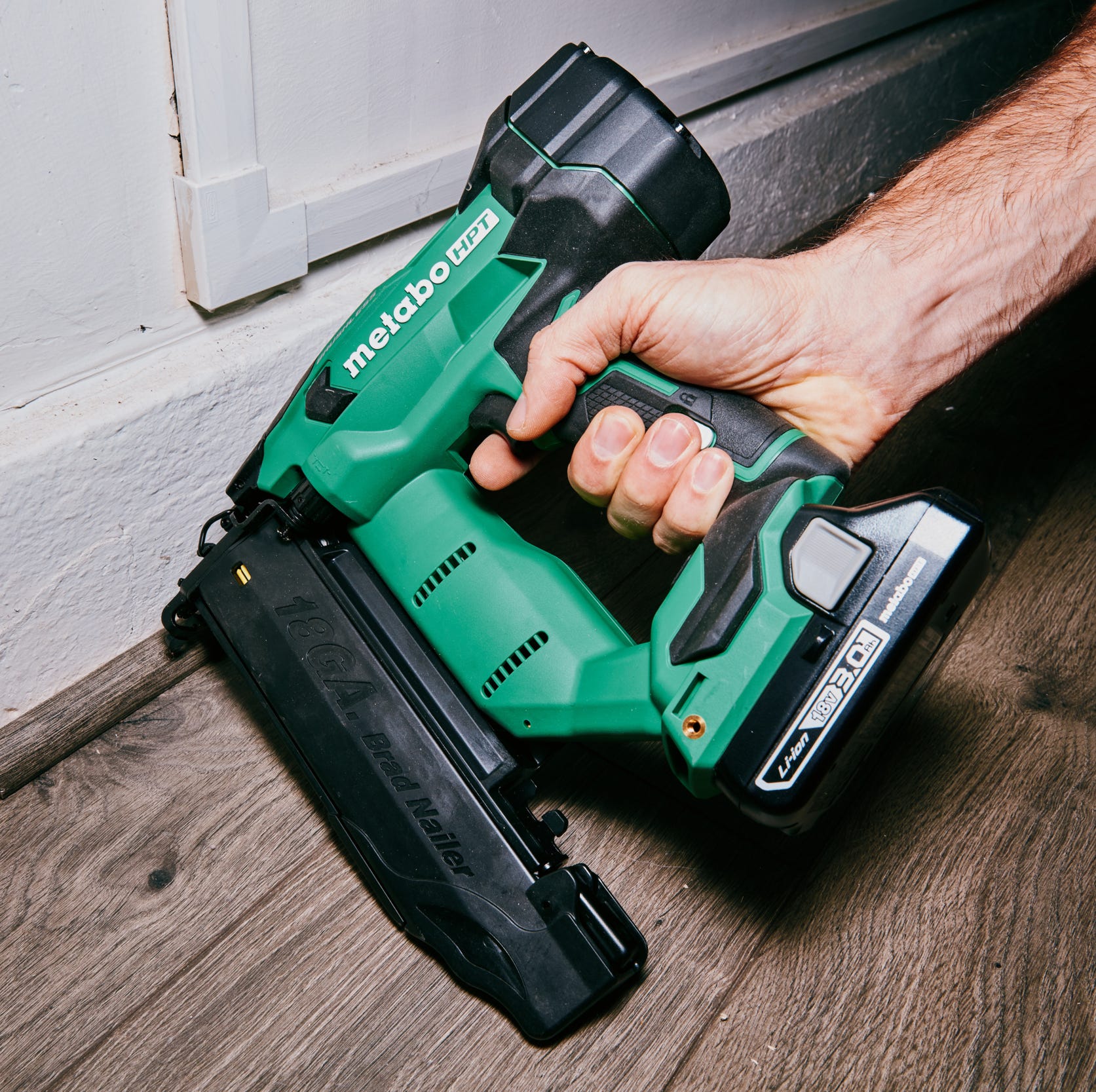
These are The Best Cordless Nail Guns For Every Kind of DIY Home Improvement Project

The Best Stud Finders of 2025

The 5 Best Stud Finders for Your Home DIY Projects


Every DIYer Should Have One of These Carpenter-Approved Wood Glues

The 10 Best Woods for Woodworking (According to a Pro)
An Easier Way to Measure Long Spans

The Best Stud Finders of 2025, Tested and Reviewed
Home improvement tools for the handy person in your life


The 10 Best Woods for Woodworking (According to a Pro)
The Best Tape Measure | Reviews by Wirecutter

Tool Test: Cordless Planers
8 Best Stud Finders


CNC Router Aids Woodworker in 3D Design Production