1/5
The Best Stud Finder for Home Use | Reviews by Wirecutter
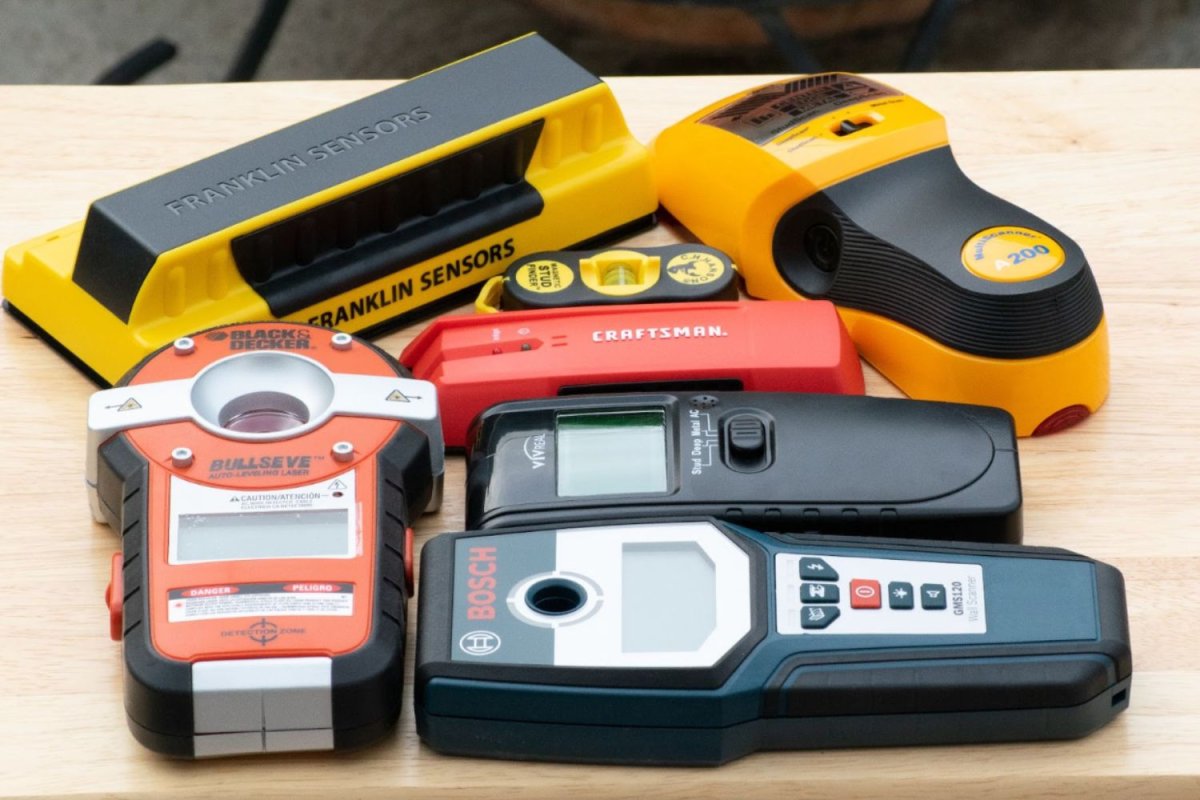
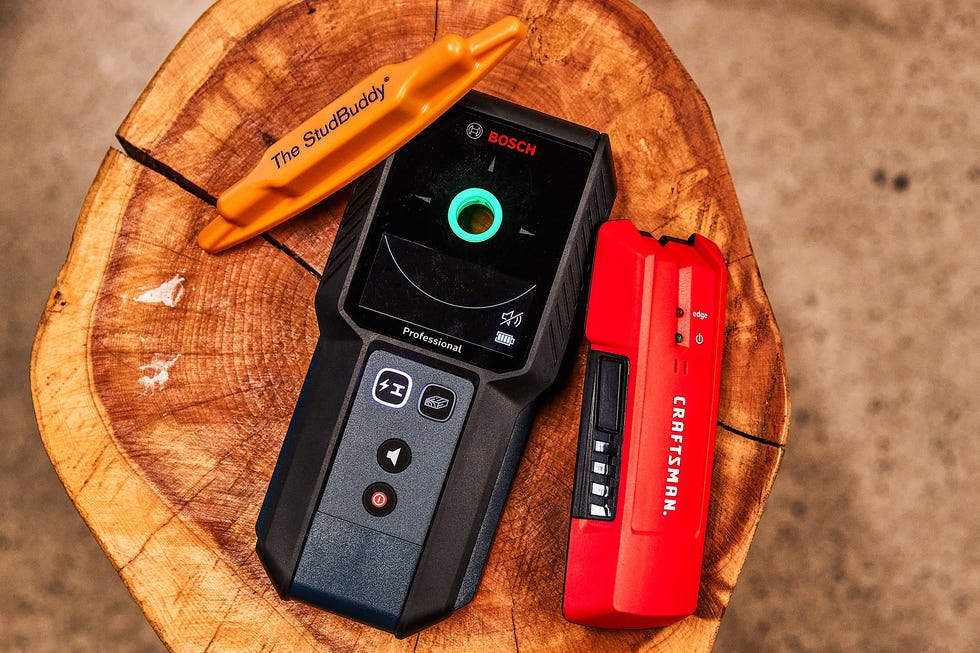
This article provides a comprehensive guide to selecting the best stud finder for home use, emphasizing reliability, accuracy, and ease of use. It categorizes stud finders into two main types: magnetic and electronic. The article asserts that magnetic stud finders are generally preferred for occasional home use due to their lower cost and higher reliability compared to many electronic models, which often require tedious calibration and can be fragile.
The top recommendation is the C.H. Hanson 03040 Magnetic Stud Finder. This model is highlighted for its durability, affordability, and accuracy. Its key feature is the inclusion of two magnets, which allows it to scan a wider area twice as fast as single-magnet models. The C.H. Hanson also includes a rotatable spirit level for accurate marking and is constructed from a robust plastic with a rubbery sheath, making it exceptionally durable. It effectively detects screw heads through typical wallboard and even thin plaster, though thicker plaster walls might pose a challenge. The article notes its long-term proven performance over a decade of use for various home tasks such as hanging pictures, mirrors, and shelves. A minor drawback is the strength of its magnets, which can cause it to stick to other tools in a toolbox.
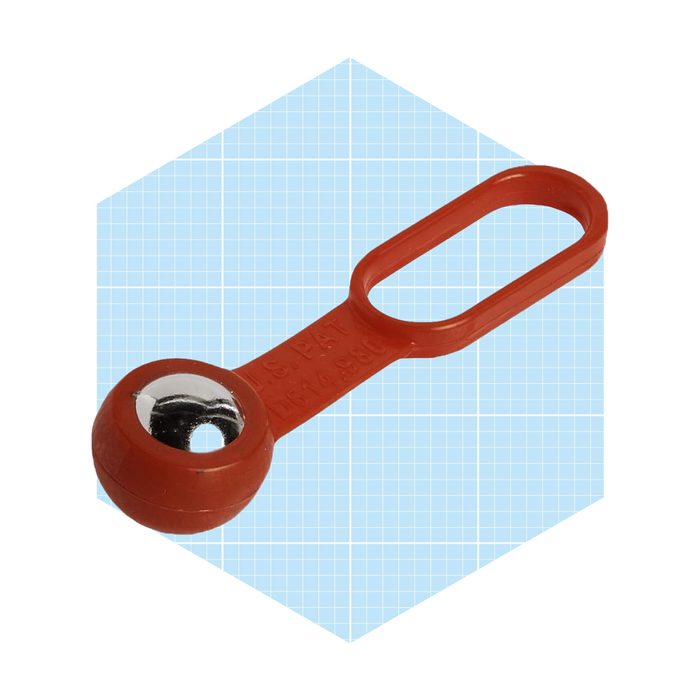
As a runner-up, the Studpop Magnetic Stud Finder is suggested if the C.H. Hanson model is unavailable. The Studpop provides both an audible and visible signal when a stud is located, using a unique pop-up mechanism. However, it features only one magnet, resulting in a smaller scanning area and slower detection compared to the C.H. Hanson. It also lacks a level or marking assistance. Despite these limitations, its combined audible and visual alerts offer a distinct advantage, and its durability is considered better than other single-magnet alternatives.
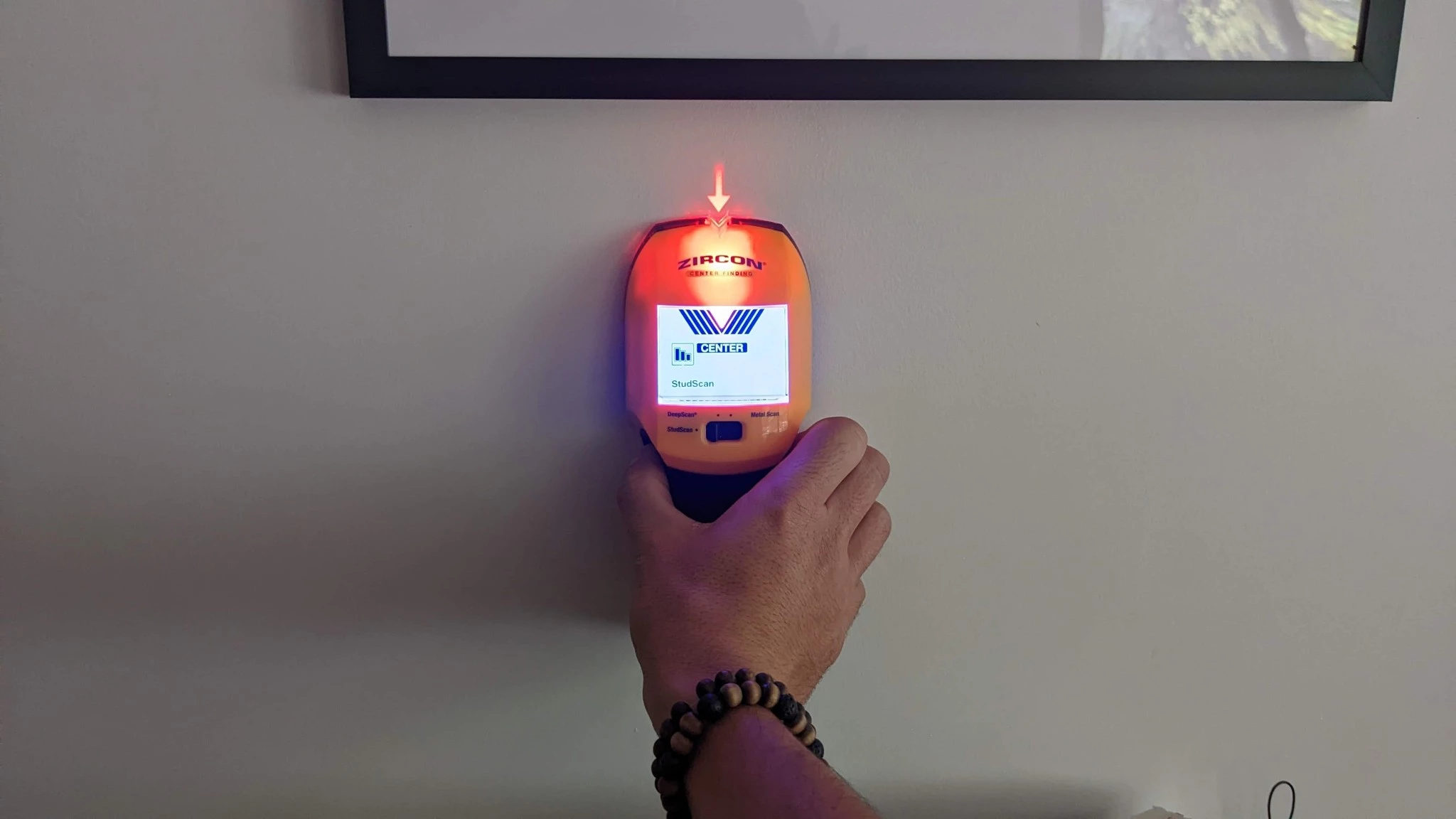
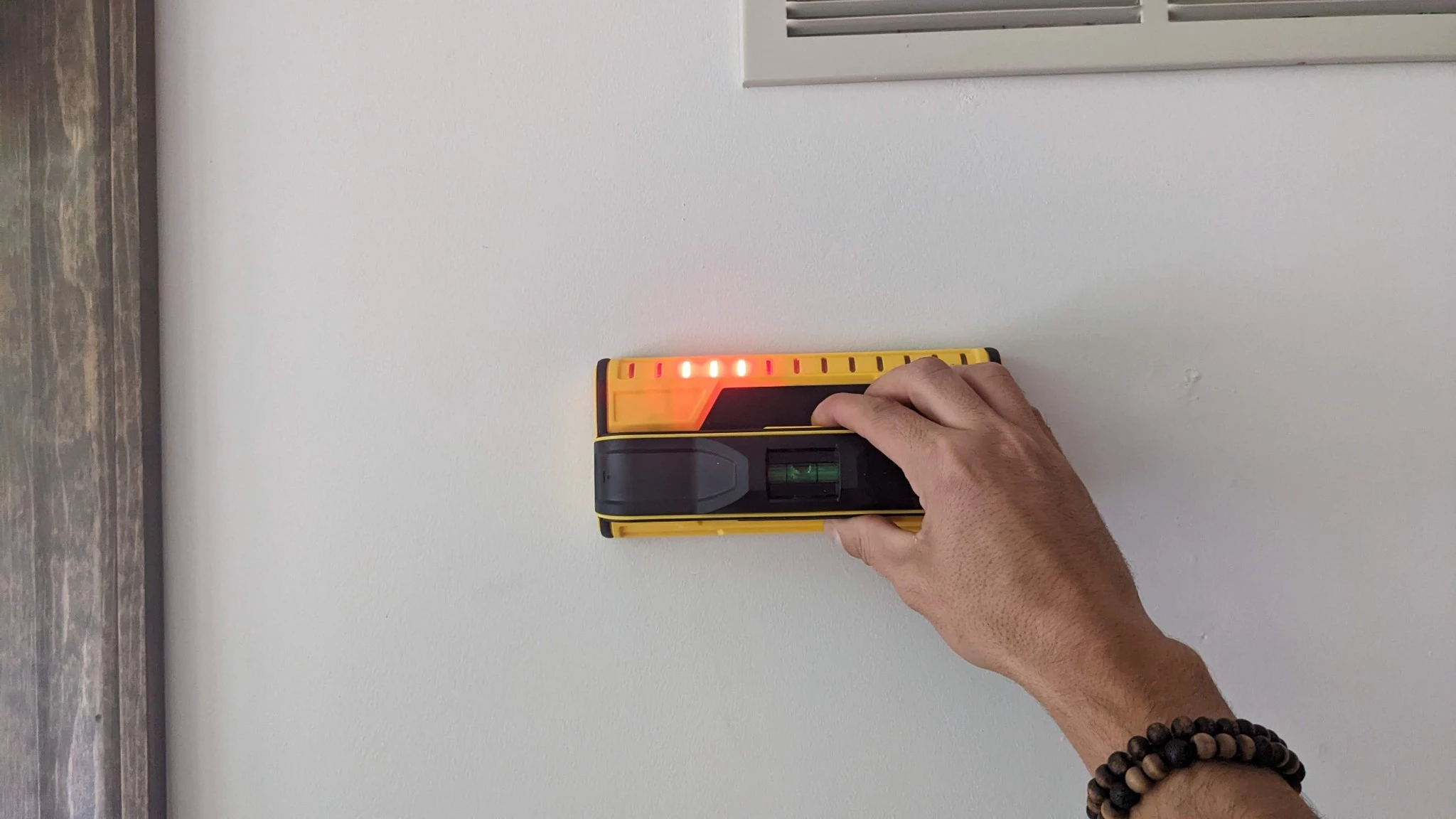
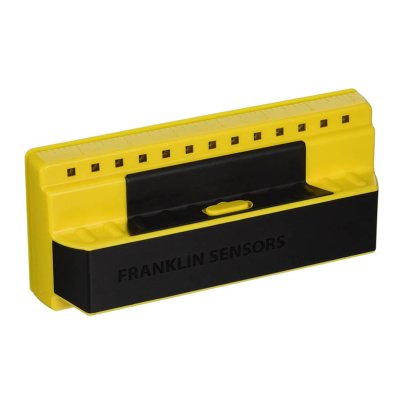
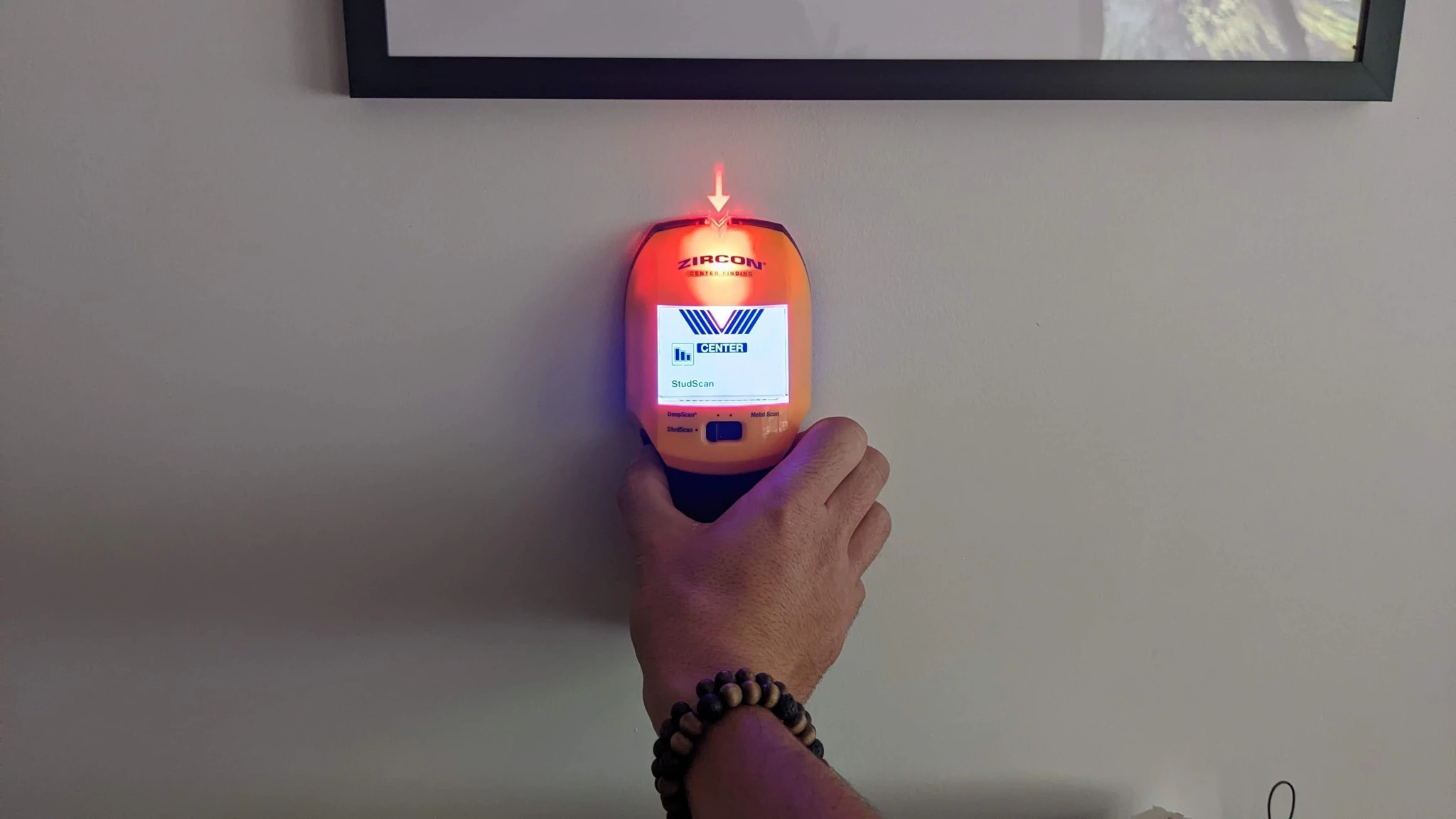
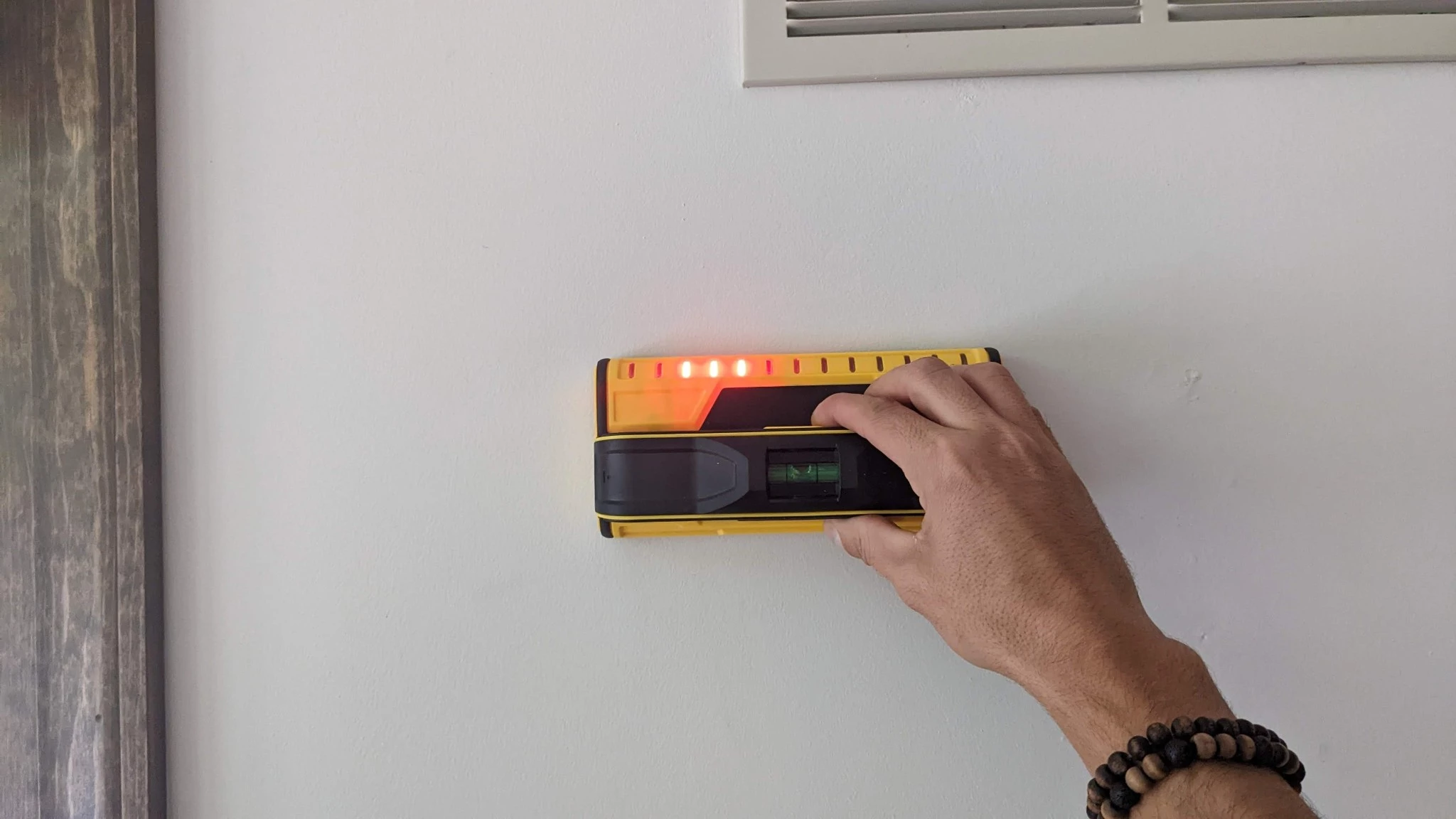
For those who prefer an electronic option and are willing to invest more, the Franklin Sensors ProSensor 710 is presented as the upgrade pick. This electronic stud finder is praised for its speed and accuracy, stemming from its ability to scan 13 points simultaneously. This feature allows it to display the entire width of a stud using a row of LED lights, virtually eliminating false positives common in other electronic models. A significant benefit of the ProSensor 710 is its lack of a fussy calibration process, a common inconvenience with other electronic stud finders. Users simply place it on the wall, press a button, and move it, with LEDs indicating stud locations. Its wide LED display can even show multiple studs at once, simplifying tasks in complex areas like corners or near doors and windows. Despite its higher price, its efficiency and ease of use make it a worthwhile investment for frequent users.
The article also provides practical tips and tricks for finding studs, including traditional methods like tapping on walls to listen for density changes and using a flashlight to spot subtle vertical ridges in drywall. Another unconventional method involves checking electrical boxes, as electricians often mount them to the right of a stud, providing a reference point for measuring stud spacing. The article concludes by discussing other less recommended or older models, reinforcing the superiority of the chosen picks due to their balance of cost, performance, and user convenience, and advising against overly expensive or app-based stud finders for typical home use.
#StudFinder #HomeImprovement #DIYTools #MagneticStudFinder #ElectronicStudFinder #HomeRenovation #ToolReview #WallMounting #StudFinder #HomeImprovement #DIYTools #MagneticStudFinder #ElectronicStudFinder #HomeRenovation #ToolReview #WallMounting
0 comment in total
 No comments yet
You may also like

The Best Stud Finders

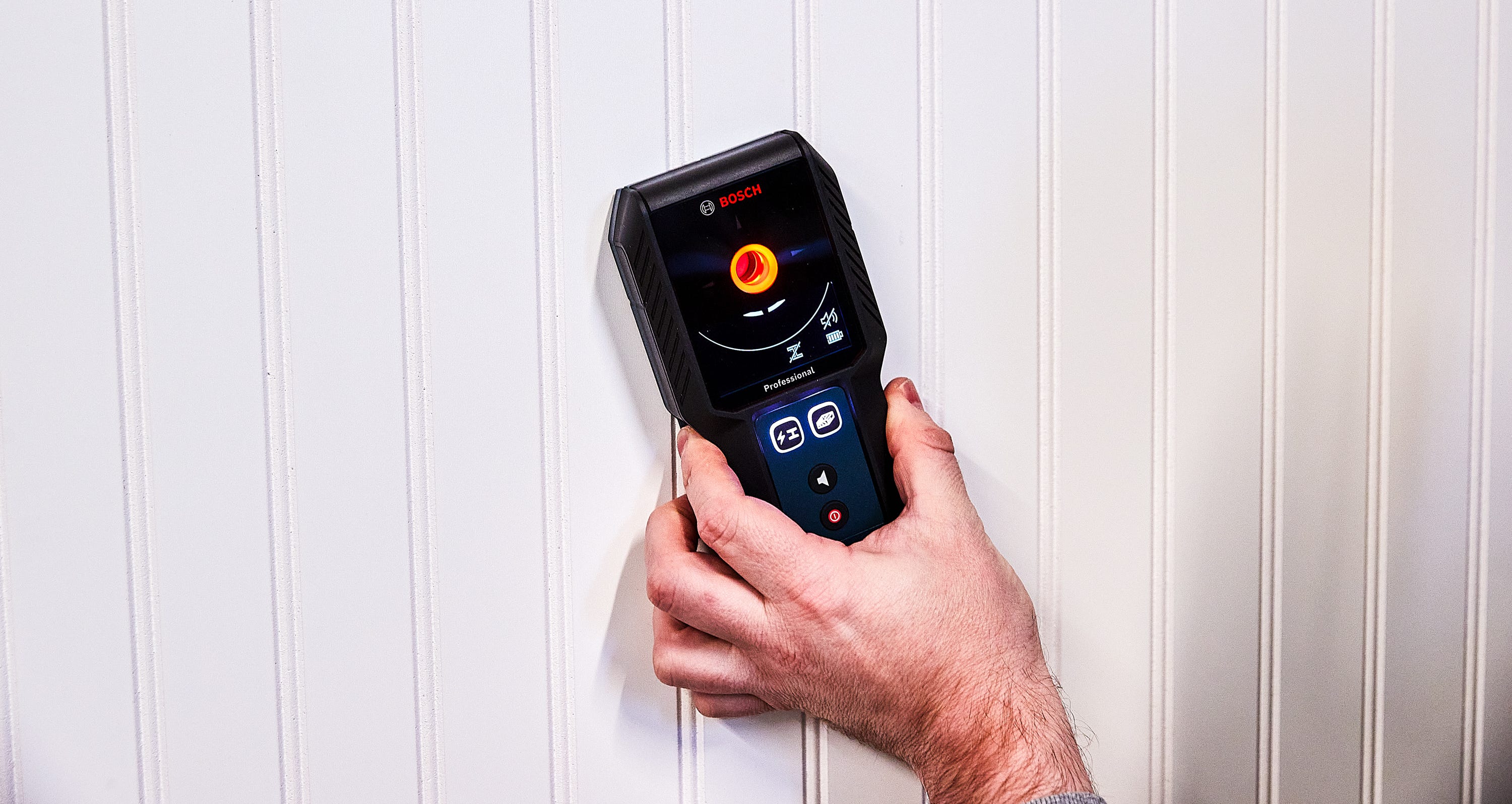
Can a $12 Stud Finder Outperform a $100 Pick? We Put Them Both to the Test.
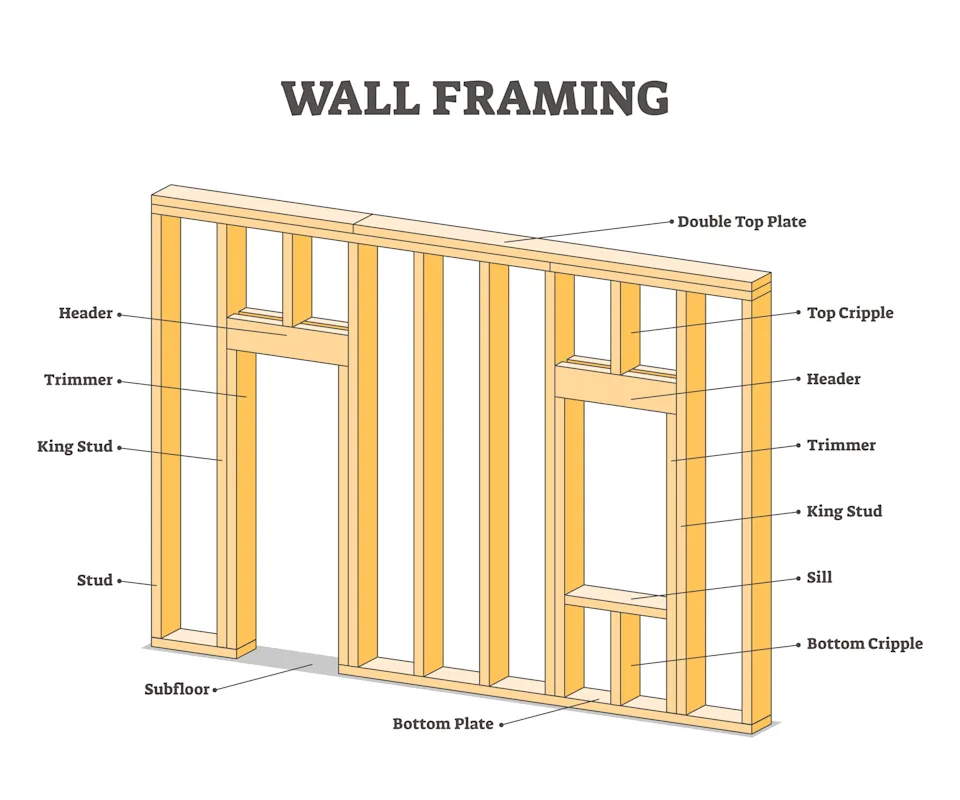
How To Find Studs In A Wall Without a Stud Finder — It's Easier Than You Think!
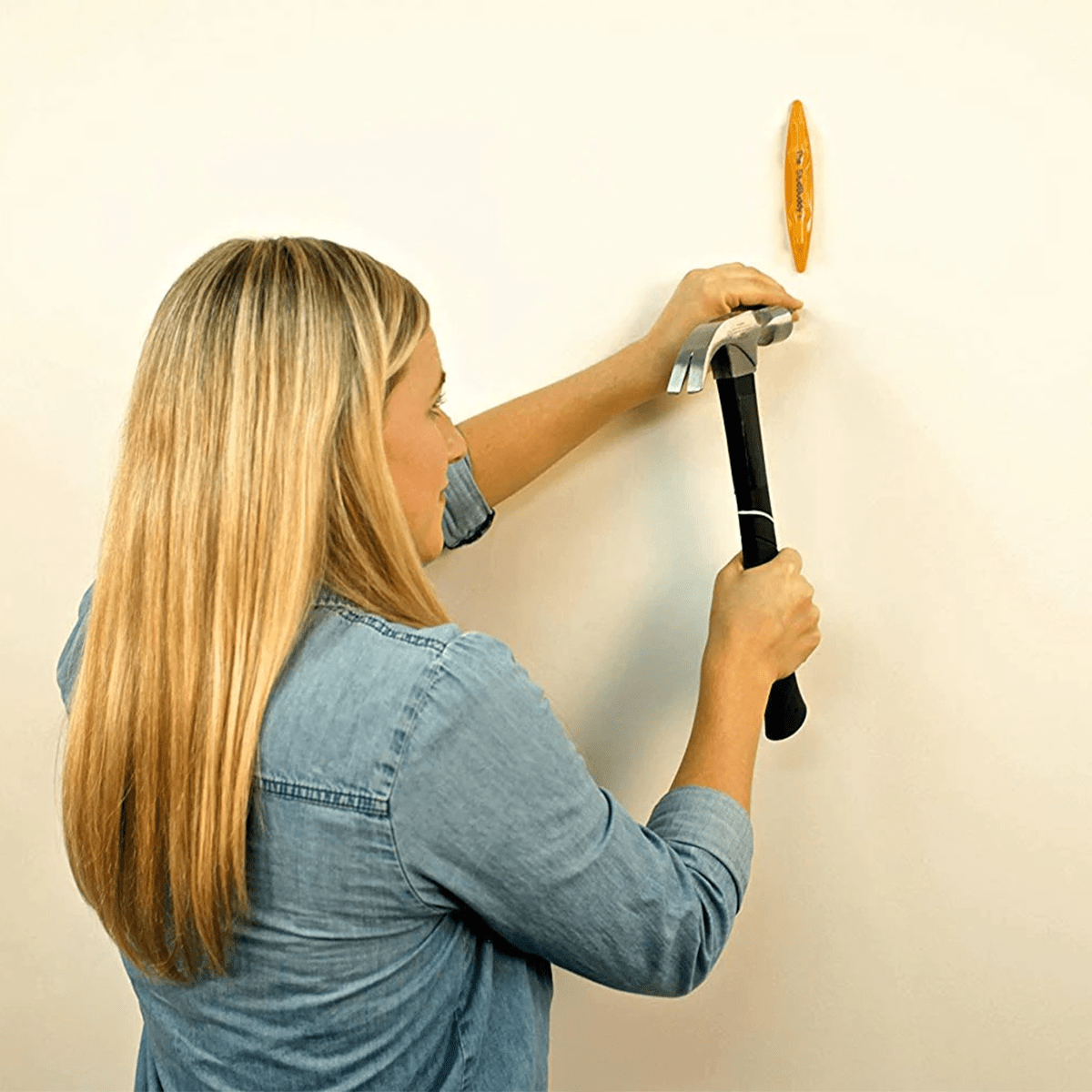
8 Best Stud Finders


How to find studs in your walls using just your phone


What's the Least Intrusive Way to Find Out What's In a Wall?

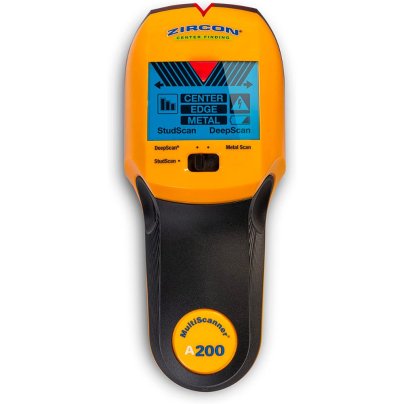
The Best Stud Finders of 2025, Tested and Reviewed

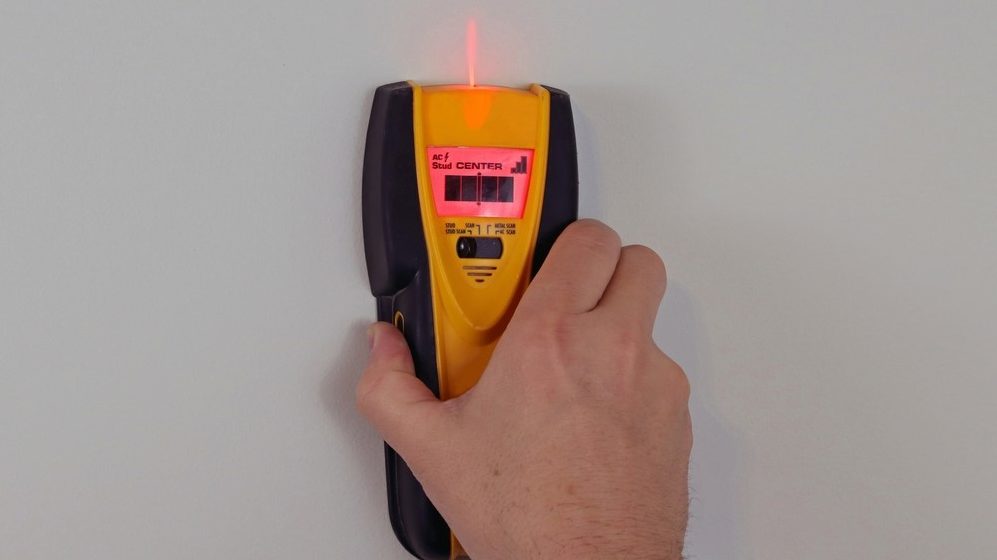
Stud-finders, a must-have tool, could be useful for your home
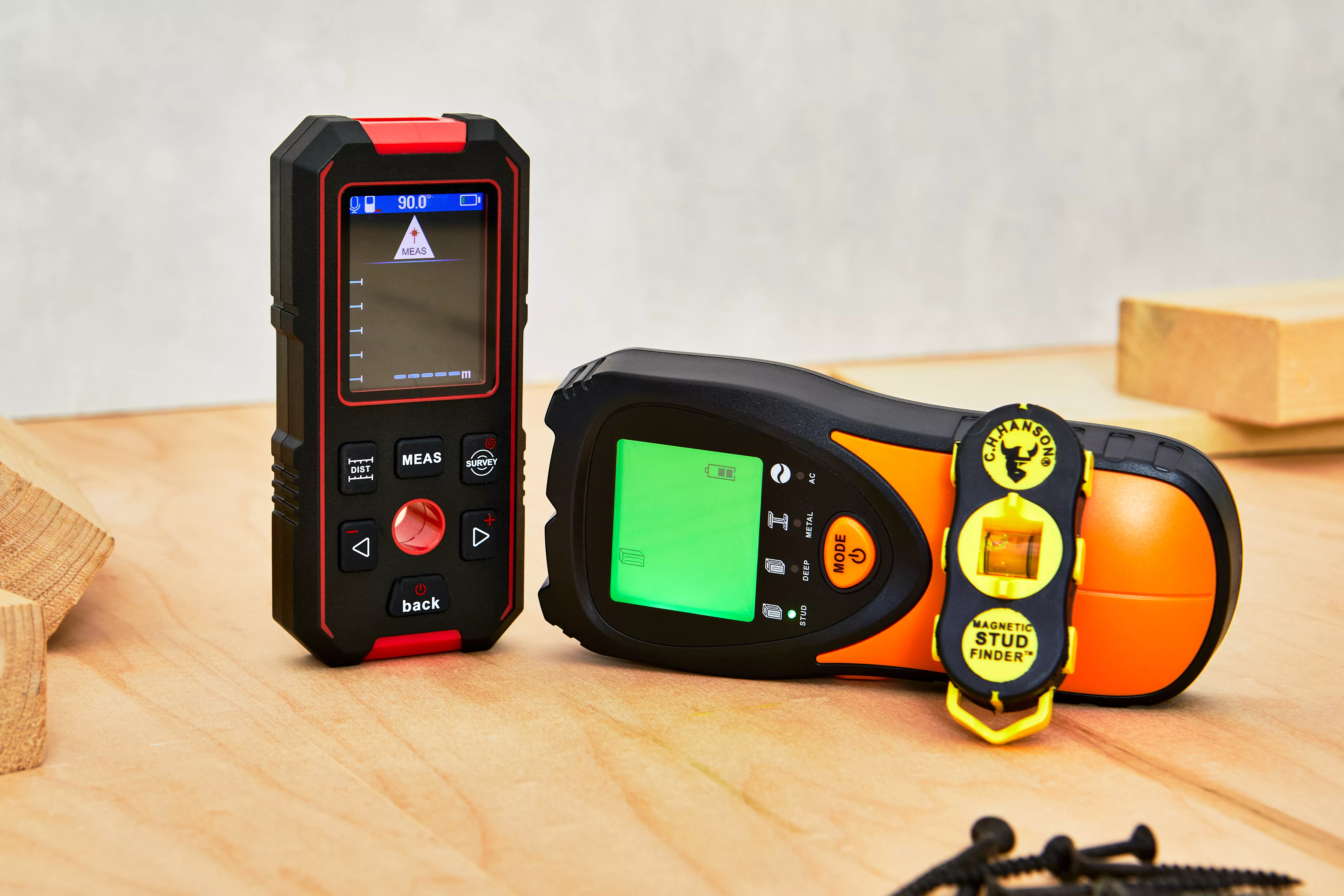
The 5 Best Stud Finders for Your Home DIY Projects

Hate Tough Sanding Jobs? You'll Love These Easy-to-Use Drywall Sanders

The Best Stud Finders of 2025

This Hack Will Ensure You ALWAYS Hit A Stud