1/7
We Designed These Lamps To Grow Plants In Windowless Spaces
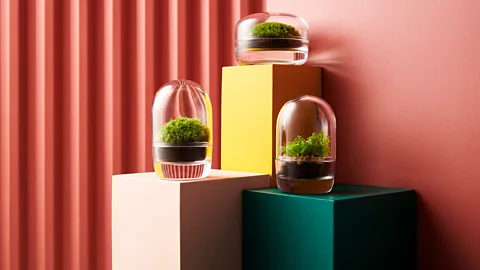
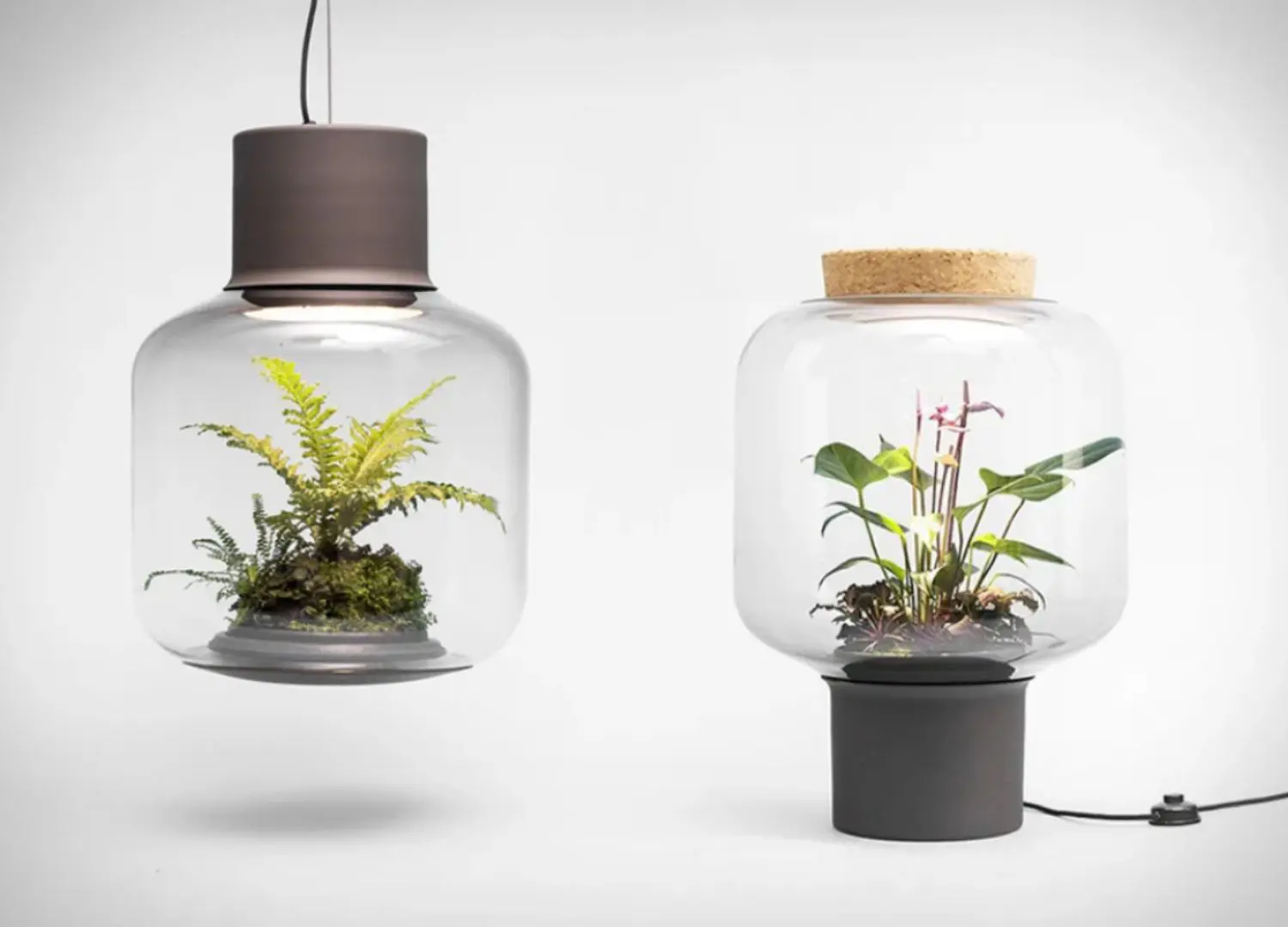
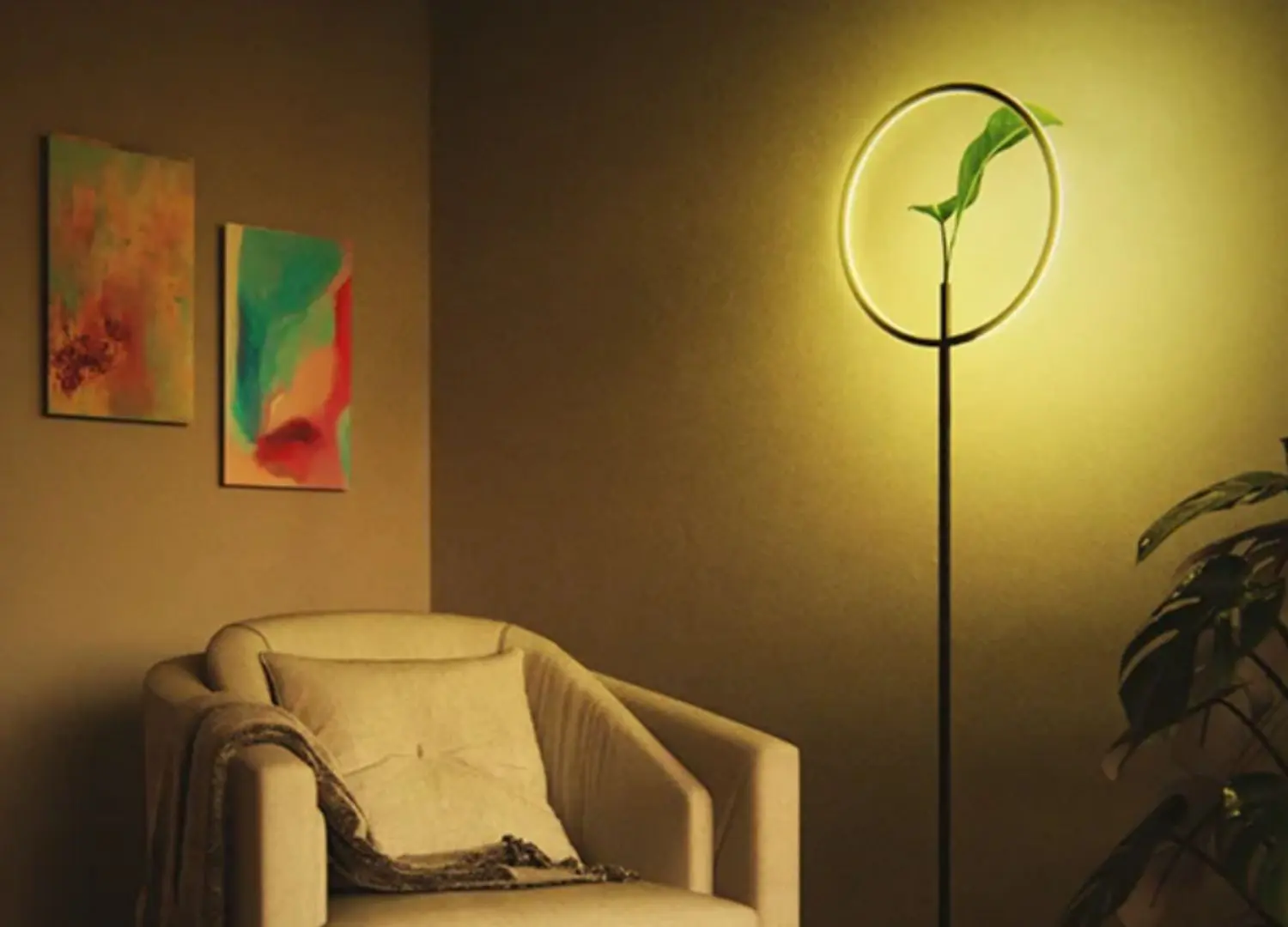
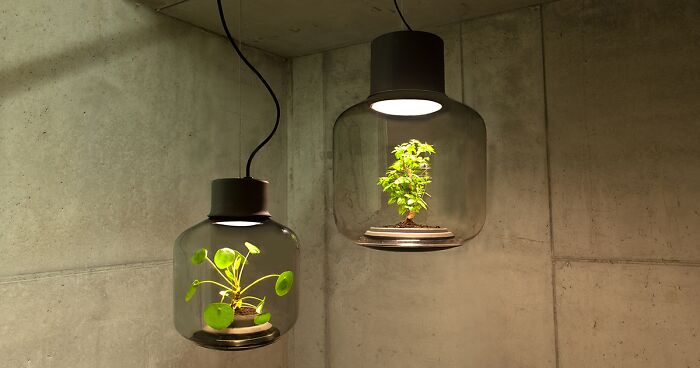
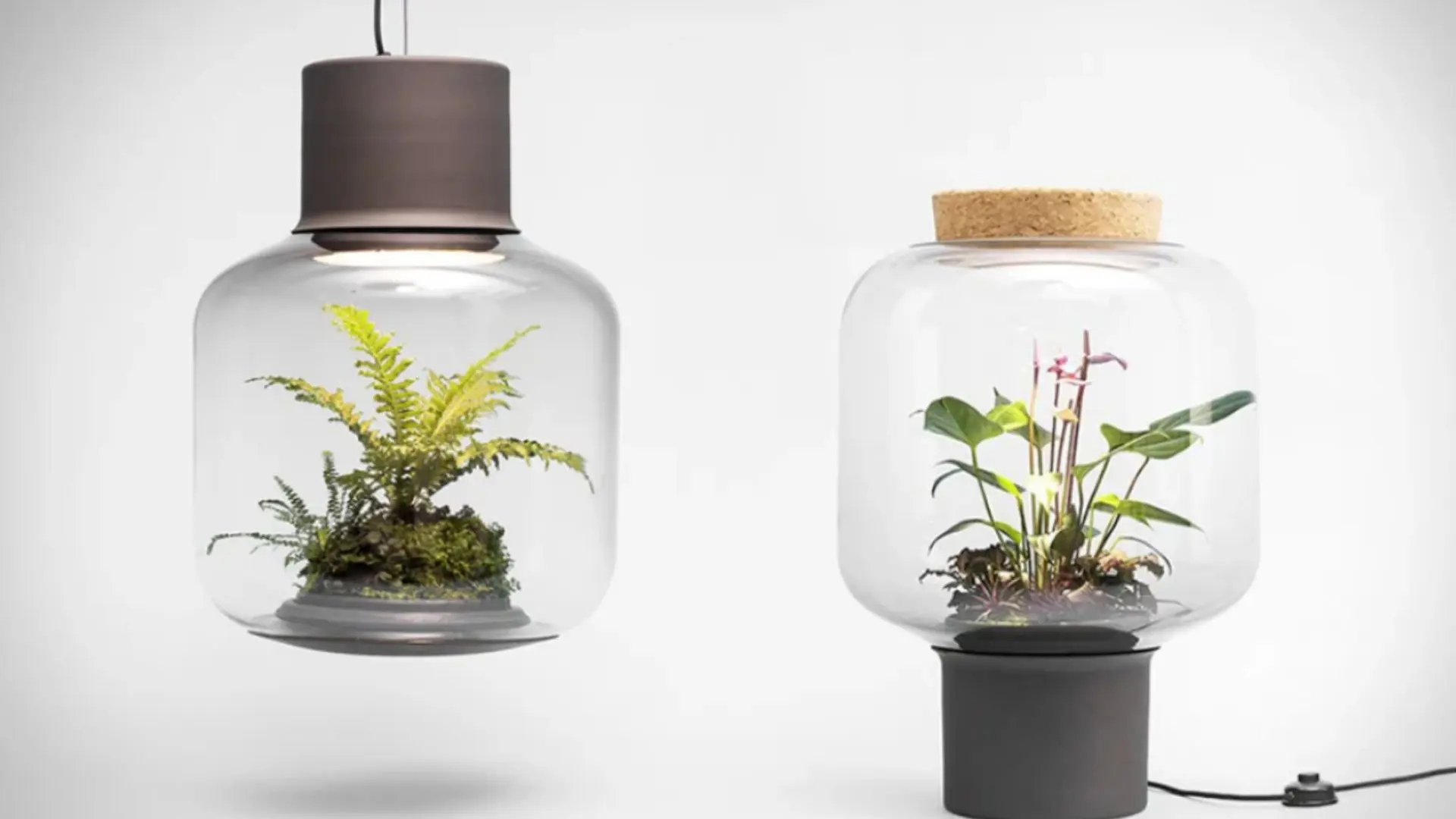
The increasing urbanization of living spaces highlights the growing importance of indoor plants. However, the cultivation of these plants traditionally necessitates significant care and ample natural light, posing a challenge in many modern environments. To address this, a novel plant light system, named Mygdal, has been developed to enable plant growth in locations lacking natural light, such as hotels or restaurants.
The Mygdal plant light system is designed as a self-sustaining ecosystem. It integrates LED lighting that mimics natural sunlight, allowing plants to perform photosynthesis effectively. A key innovation of this system is its ability to eliminate the need for human intervention in terms of ventilation and irrigation, enabling plants to thrive undisturbed for extended periods, potentially years.
Technologically, the luminaire features an electrically conductive glass coating, for which a patent has been requested. This coating facilitates the invisible transmission of electricity along the glass surface, removing the necessity for traditional cable connections between the power source and the LED lights. This advancement in electrical conductivity through glass opens new possibilities for integrating greenery into home and commercial settings, particularly in spaces previously considered unsuitable for plant life due to light constraints.
The design of the Mygdal plant light is not only functional but also aesthetically appealing, offering a contemporary solution for incorporating natural elements into urban interiors. The lamps are available in various configurations, including pendant lights and standing models. The standing lamps utilize the conductive glass for power transmission from a base connection to the light source at the top, allowing for a seamless and cable-free appearance on the main structure. In contrast, pendant lights typically have their power source and light element integrated at the top, where external power is supplied. This distinction explains the presence of visible cords only for the external power supply, while the internal wiring within the glass structure remains hidden.
Several inquiries have arisen regarding the self-sustaining nature of the system, particularly concerning water and carbon dioxide supply. The design addresses these concerns by creating a sealed environment where the plants recycle water vapor through condensation, thus maintaining internal moisture. The plants also utilize the existing carbon dioxide within the sealed enclosure for photosynthesis, ensuring a closed-loop system that minimizes external input. The low voltage used for the LED lights within the conductive glass also ensures safety, even if the glass were to break. This innovative approach offers a practical and maintenance-free method for cultivating plants in diverse indoor environments.
#ProductDesign #PlantLamps #WindowlessSpaces #IndoorGardening #SustainableDesign #HomeDecor #SmartLighting #EcosystemDesign #ProductDesign #PlantLamps #WindowlessSpaces #IndoorGardening #SustainableDesign #HomeDecor #SmartLighting #EcosystemDesign
0 comment in total
 No comments yet
You may also like
5 Ways to Use Indoor Plant Growing Systems to Help Your Crops Thrive — And That Look Amazing, Too

Lighting the way: Danielle Trofe’s fungus-fueled fixtures

The Designer-Approved Way to INSTANTLY Bring Spa Vibes Into Your Bathroom

35 Best Low-Light Indoor Plants for Your Home

Best Indoor Smart Gardens for 2026

8 indoor plants that thrive in indirect or low sunlight

Starting an Herb Garden in a Small Apartment

No Patio Outlets? No Problem—Our Go-To Cordless Lighting Brand Just Launched Outdoor

How to create an indoor garden when you’re short on space

We Tested 18 Indoor Garden Systems—These 6 Are Truly Worthy of Your Countertop
Best indoor plants for direct sunlight – 7 top choices for sunny spots in your home

7 biophilic design ideas you can recreate on a budget

Gardening: The right lighting to get those seeds started for spring

Indoor garden ideas: 9 ways to create a plant-filled haven
These 30 Low-Light Houseplants Refuse to Die in Dim Conditions

I'm an Architect Who Has Grown Hundreds of Plants Across My Biophilic Home
Eight ways indoor plants can improve your home

10 biophilic lighting designs that leverage the power of light
15 Plants Perfect For A North-Facing Window

We Found the Best Apartment Plants That You Can Actually Grow, We Promise