1/2
Gardening: The right lighting to get those seeds started for spring
As winter progresses, gardeners often engage in indoor projects that maintain their connection to gardening, such as direct seeding new plants and vegetables indoors. This practice offers economic benefits once the initial equipment is acquired and provides opportunities to cultivate new and unique plant varieties. The act of starting seeds indoors fosters a nurturing mindset, as these small seeds can develop into beautiful flowering plants and edible produce.
A crucial element for successful indoor seed starting is adequate lighting. Artificial lighting is the most effective method to promote seed germination and growth, especially when natural light sources, such as sunny windowsills, may not be sufficient or consistent. While natural window light can sometimes be adequate, it often presents challenges like insufficient light intensity, cold exposure from windows, and variability due to cloudy days, all of which can hinder optimal seed emergence and growth.
Technological advancements in indoor lighting have significantly impacted seed starting. Initially, changes in plant breeding focused on longer bloom times or disease resistance. However, indoor lighting options have evolved dramatically, offering increased energy efficiency, reduced heat output, and a diverse range of low-cost fixtures with innovative features. These developments make indoor plant seeding more accessible and beneficial for gardeners of all experience levels.
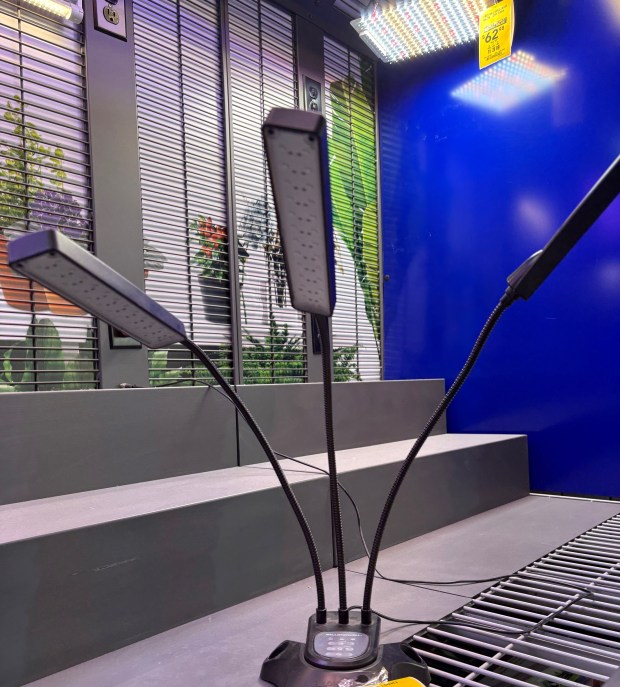
When selecting plant lighting, it is important to establish a budget and consider the number of plants intended for cultivation. Even an inexpensive LED clamp-on light, strip light, or compact free-standing fixture can be effective for a small tray of seeds or as supplementary light for houseplants. Fixtures featuring multiple flexible gooseneck arms allow for easy positioning to ensure optimal light coverage for seeds and young plants.
For gardeners requiring more space for numerous trays of vegetables and annuals, various options are available, including framed stands with integrated light attachments or custom setups using bookcases or ceiling hooks. Traditional fluorescent shop light bulbs, despite being an older technology, remain a viable option for seed starting.
Modern LED lights offer specific benefits based on the color spectrum they emit. Violet and blue light waves primarily support vegetative growth, while red light is more effective for reproductive growth, flowering, and fruiting. Many contemporary hobby gardener LED lights provide integrated full-spectrum lighting, combining red, blue, and other light colors to support all stages of plant development simultaneously. An additional advantage of using diverse LED light colors is that plants not directly beneath the fixture still receive beneficial illumination.
When purchasing an LED light system, visiting a reputable independent garden center is recommended. While large box stores and online retailers offer extensive selections, inspecting the light setup in person can aid in making an informed decision, given the wide range of choices and price points. Incorporating LED lighting systems with smartphone applications or voice commands can further enhance convenience, allowing for precise control over brightness and specific plant needs. Future advancements may even include artificial intelligence in seed growing. The subsequent discussion will cover essential tips for successful seed starting.
#Gardening #IndoorGardening #SeedStarting #GrowLights #LEDLighting #PlantCare #HomeGarden #Horticulture #PlantGrowth #Gardening #IndoorGardening #SeedStarting #GrowLights #LEDLighting #PlantCare #HomeGarden #Horticulture #PlantGrowth
0 comment in total
 No comments yet
You may also like
Grow These Stunning Spring Flowers to Welcome in the Season

12 early-blooming plants and flowers that will chase the winter blues away

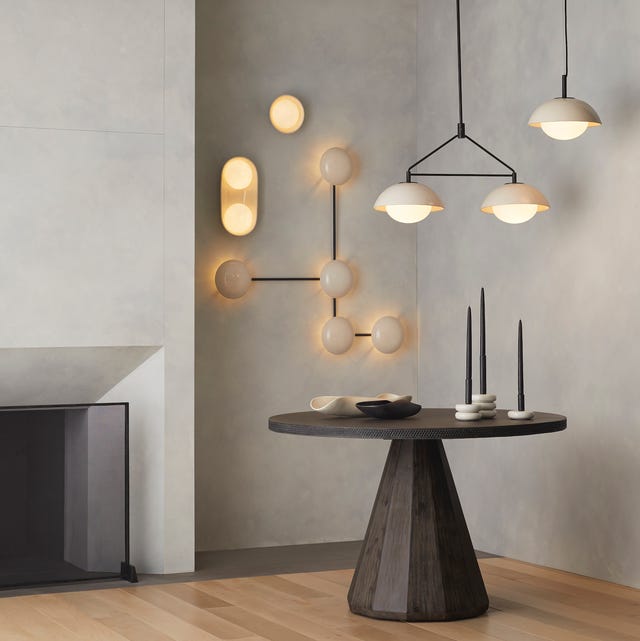
Hit Refresh This Spring With Arteriors’ Latest Lighting Collection
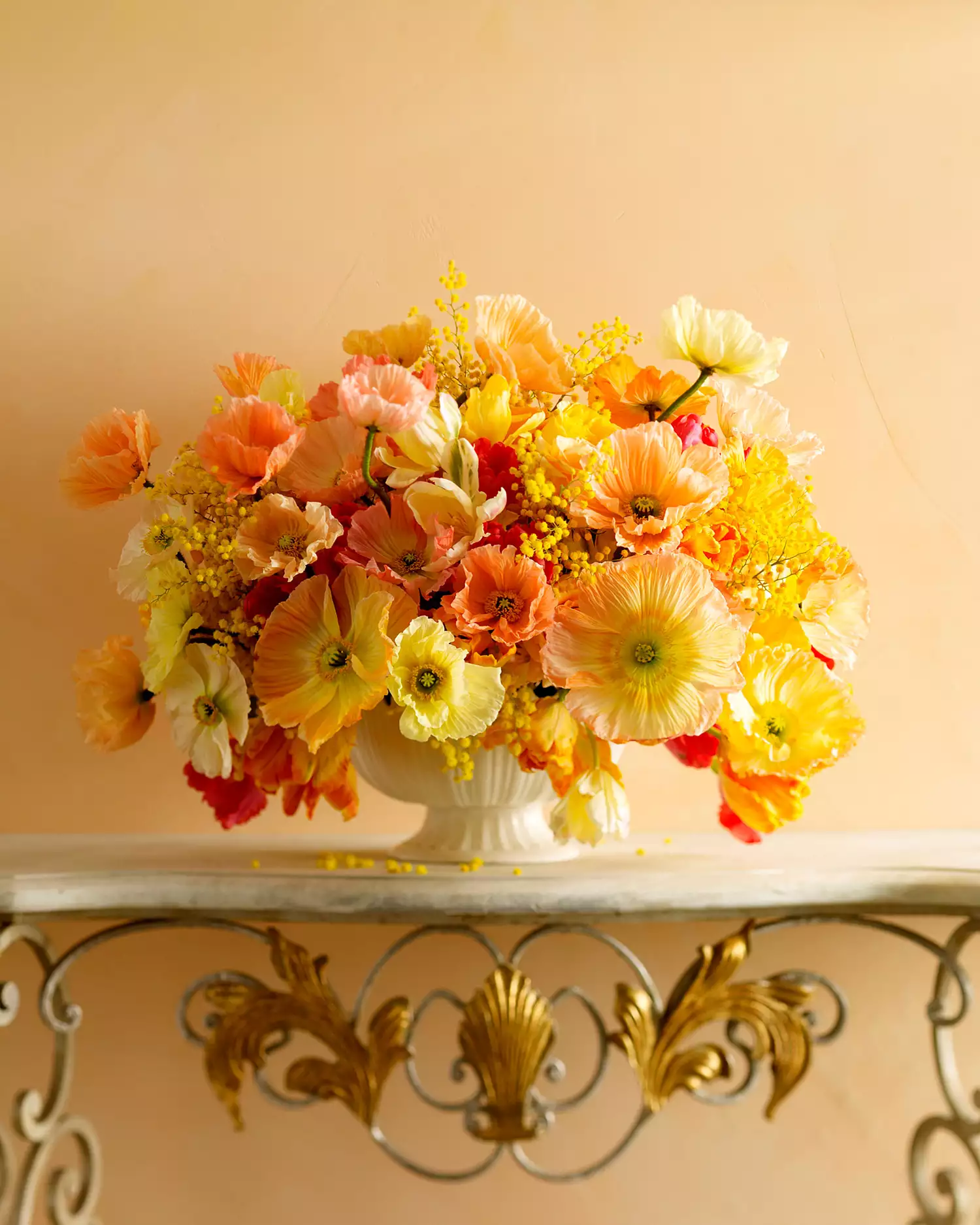
23 Spring Flower Arrangements That Put the Season's Best Blooms on Display


11 tips from the professionals to get your garden ready for spring

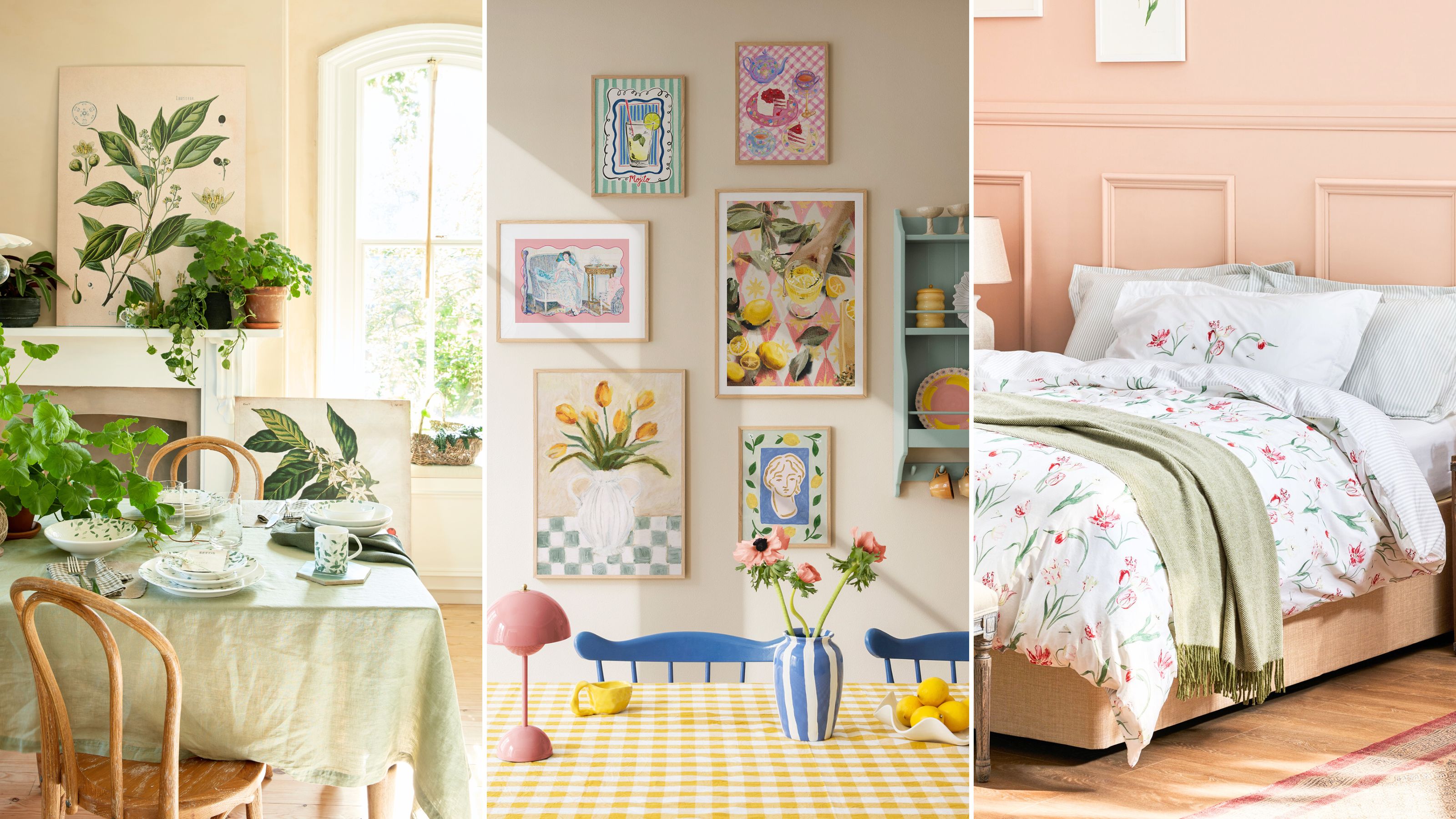
7 spring home decor ideas to refresh your home for the season

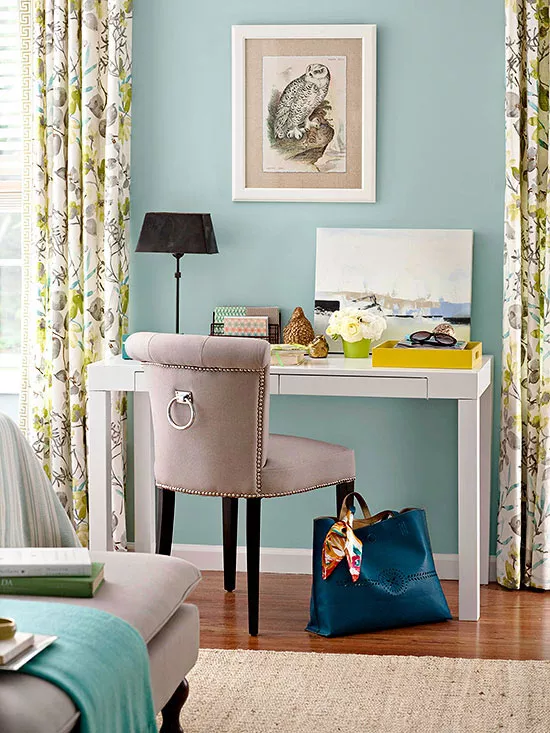
20 Spring Color Combos That will Brighten Your Home No Matter the Season


How to light a garden path – lighting designers reveal 8 ways to avoid the dreaded 'runway light'

Spring Decor
Insider Advice: Where to Splurge and Save on Landscape Design


Gorgeous Spring Decor Ideas to Welcome the Warm Weather

18 spring decor ideas to help you set the scene this season
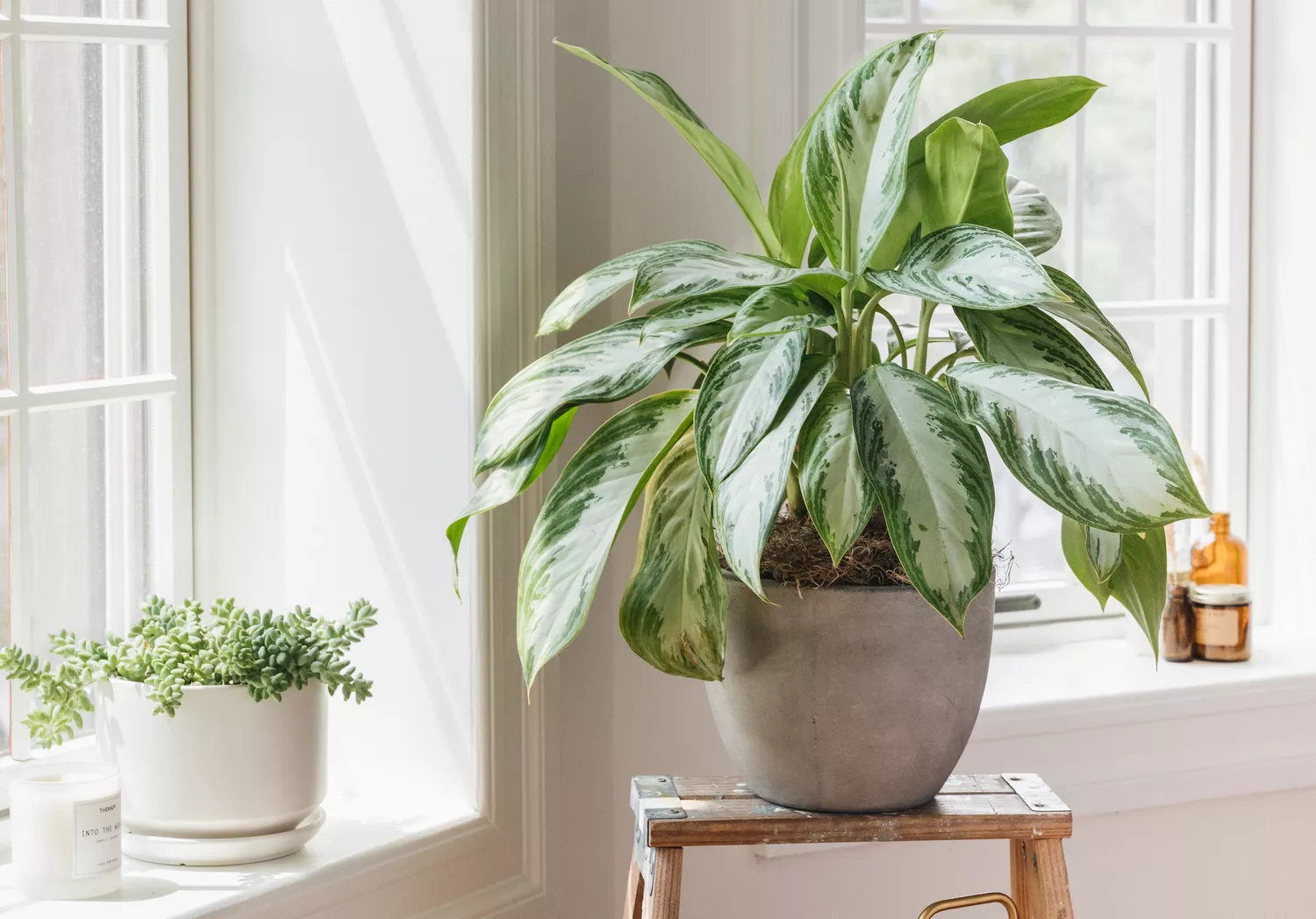
How Much Light Do Your Houseplants Need?

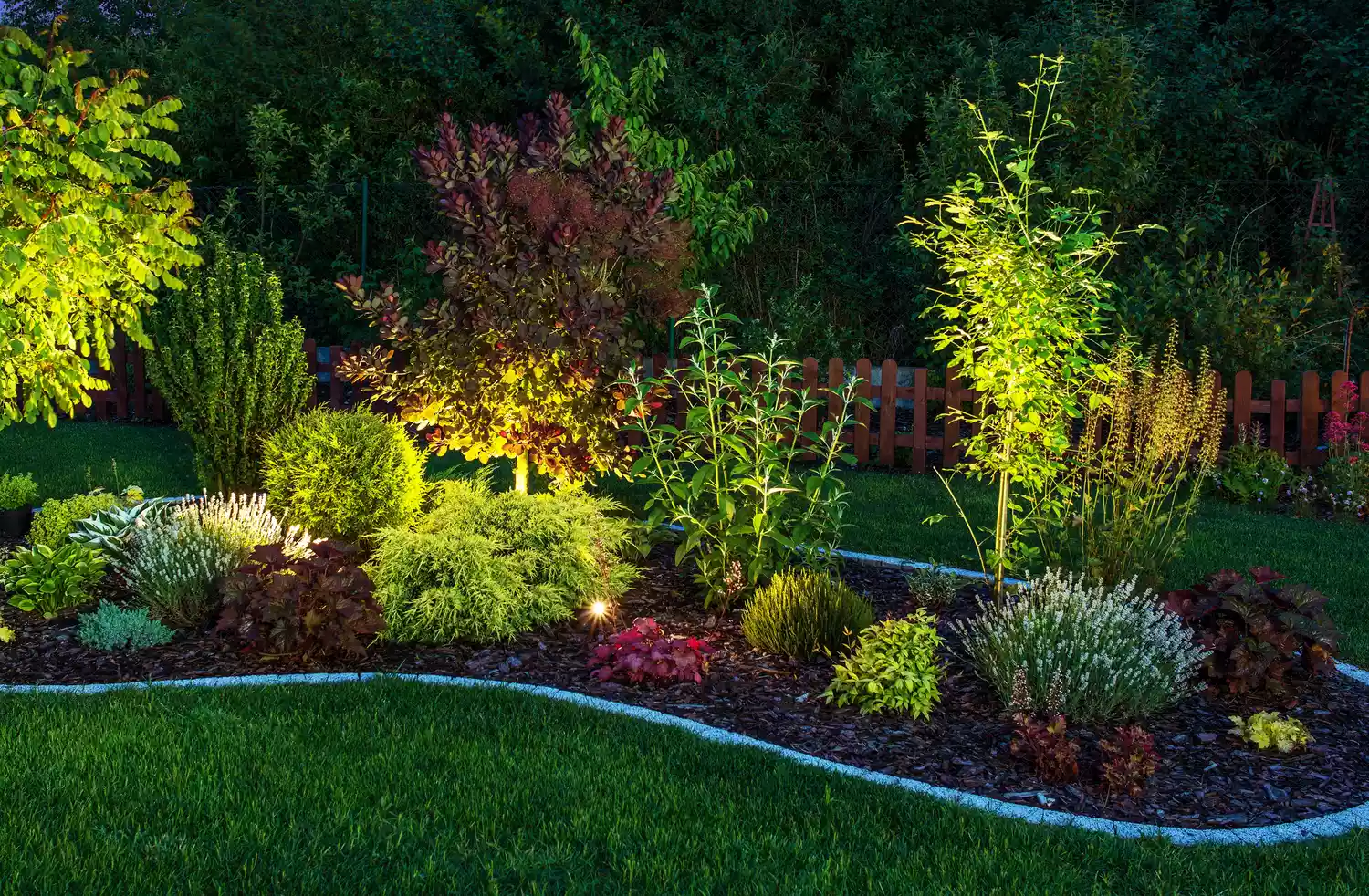
30 Garden Lighting Ideas to Make Your Plants Shine


How to Bring Spring to Your Patio — 5 Ideas to Transition Your Outdoor Space

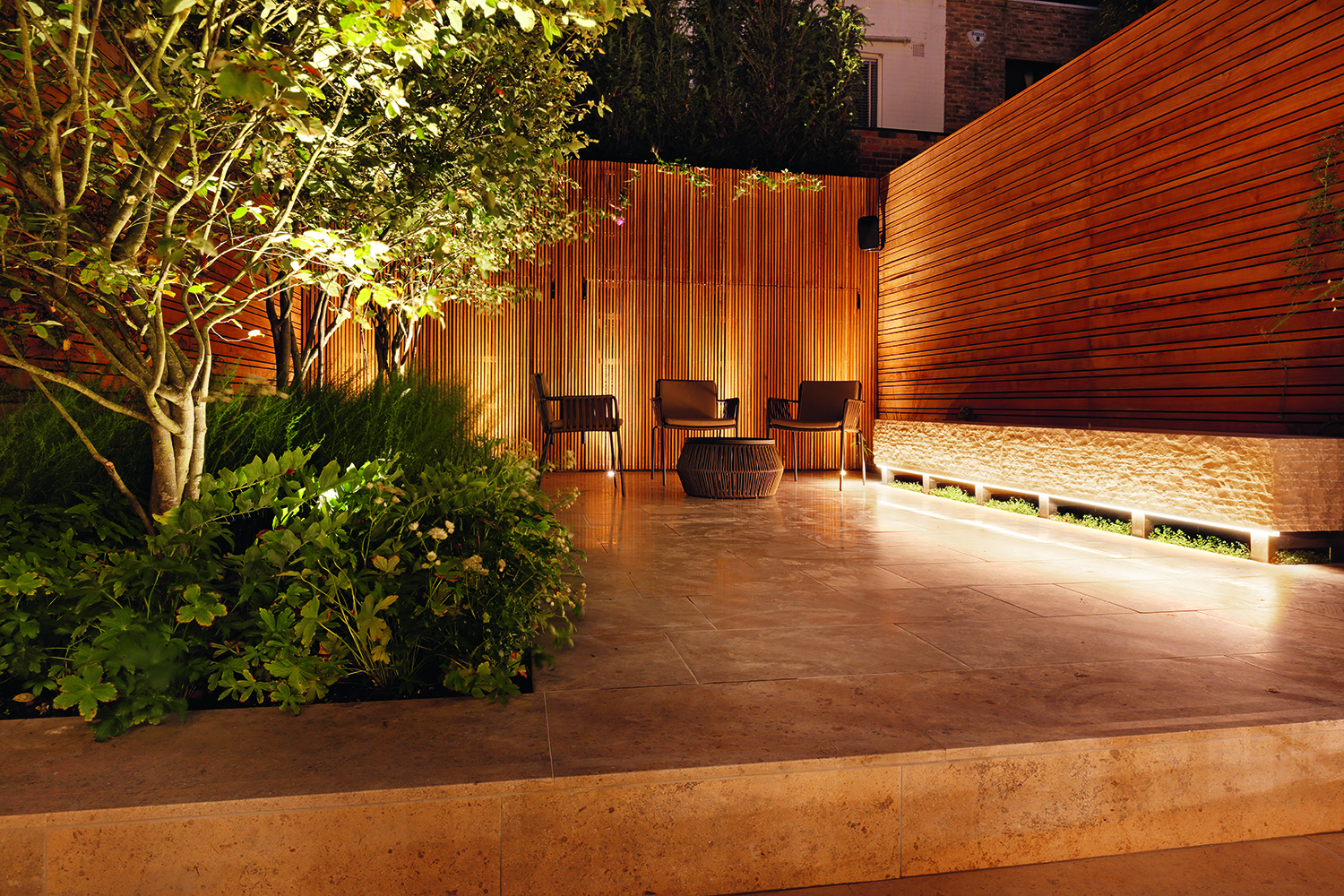
How to position landscape lighting - the expert guide to bringing your outdoor space to life
3 design expert tips for preparing your backyard for spring
Start Planning Your Ideal Garden with These Garden Plans and Ideas
Plant These Flowering Shrubs Today If You Want a Vibrant Summer Yard


Garden lighting tips from designer Kate Gould