1/11
Traditional wall-carpet craftsmanship in Romania and the Republic of Moldova
The traditional wall-carpet craftsmanship in Romania and the Republic of Moldova, inscribed on the Representative List of the Intangible Cultural Heritage of Humanity in 2016, represents a significant cultural practice with deep historical roots and evolving contemporary relevance. Historically, these wall carpets served multifaceted roles within communities, extending beyond mere decoration. They were essential functional items, providing insulation against cold, particularly in traditional homes. Beyond their practical utility, the carpets held profound symbolic value, forming a crucial component of a bride's dowry, signifying her family's wealth, skill, and cultural heritage, and accompanying her into her new home. Certain patterns and motifs woven into the carpets were indicative of the weaver's region or specific community, acting as visual identifiers of origin and tradition.
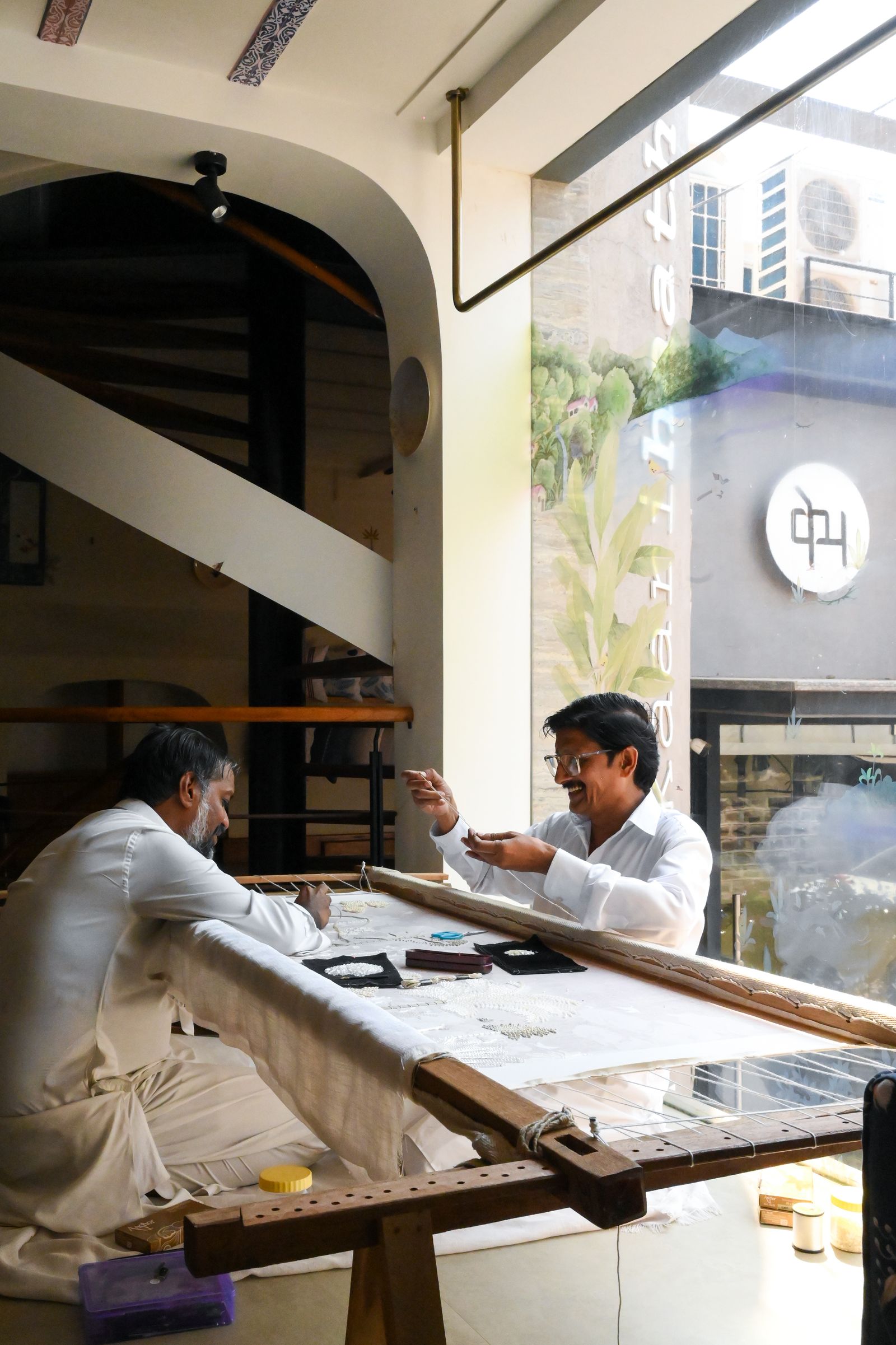
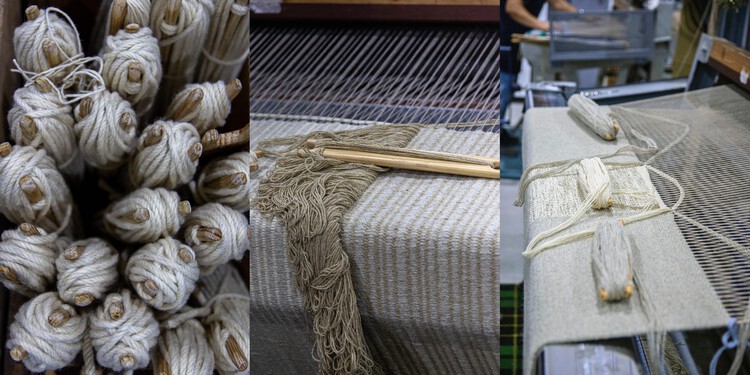
Furthermore, the carpets played a part in significant community rites, such as funerals, where they symbolized a spiritual passage for the deceased's soul to the afterlife. They also served as powerful markers of national identity, frequently showcased at international exhibitions to represent the cultural richness of Romania and the Republic of Moldova on a global stage. The creation of these carpets involved a variety of intricate techniques, with weavers employing methods like vertical or horizontal looms and the meticulous process of tight picking, where threads are woven one by one to achieve complex designs and textures. The impressive array of motifs demonstrated the advanced skills of the artisans.
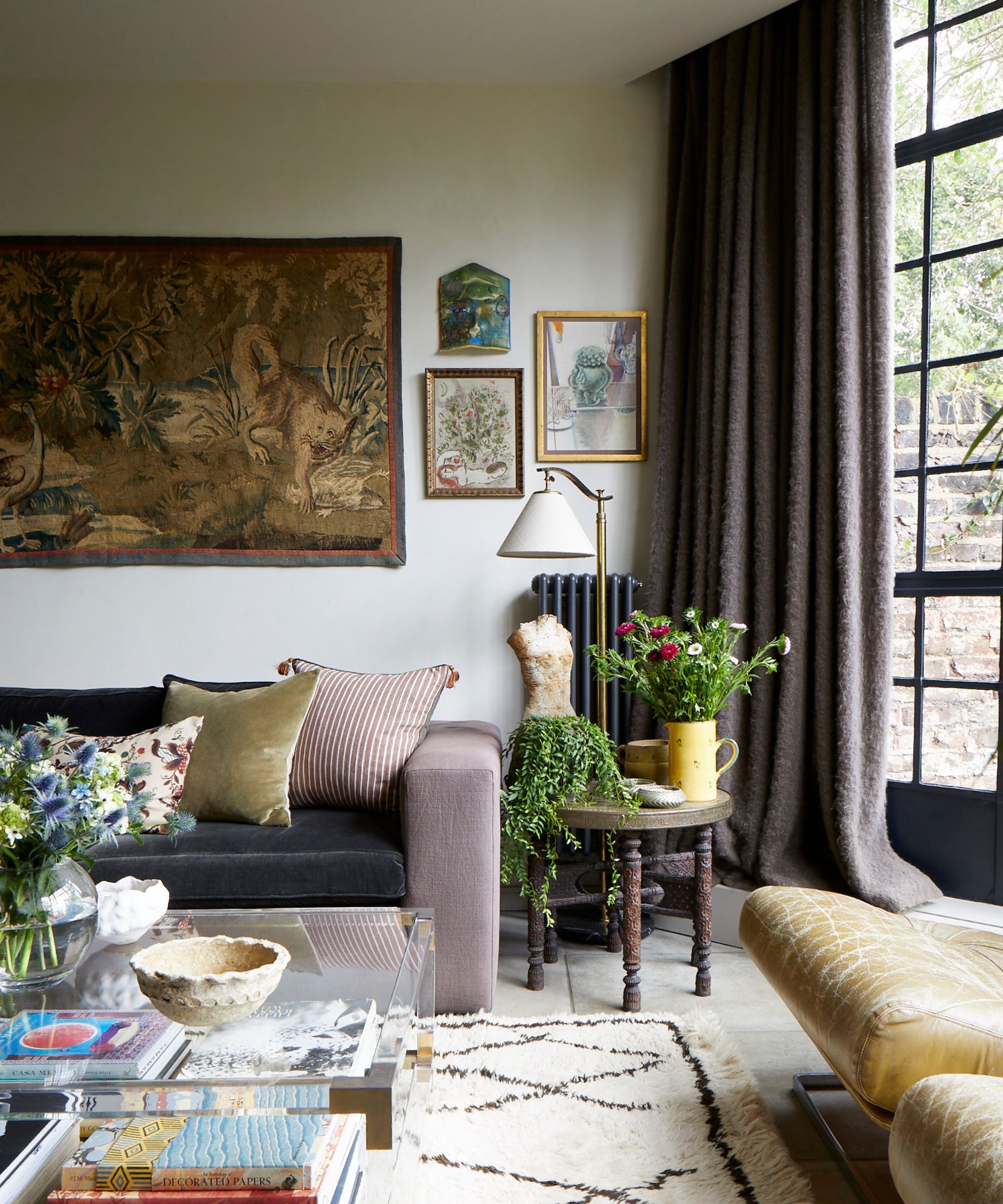
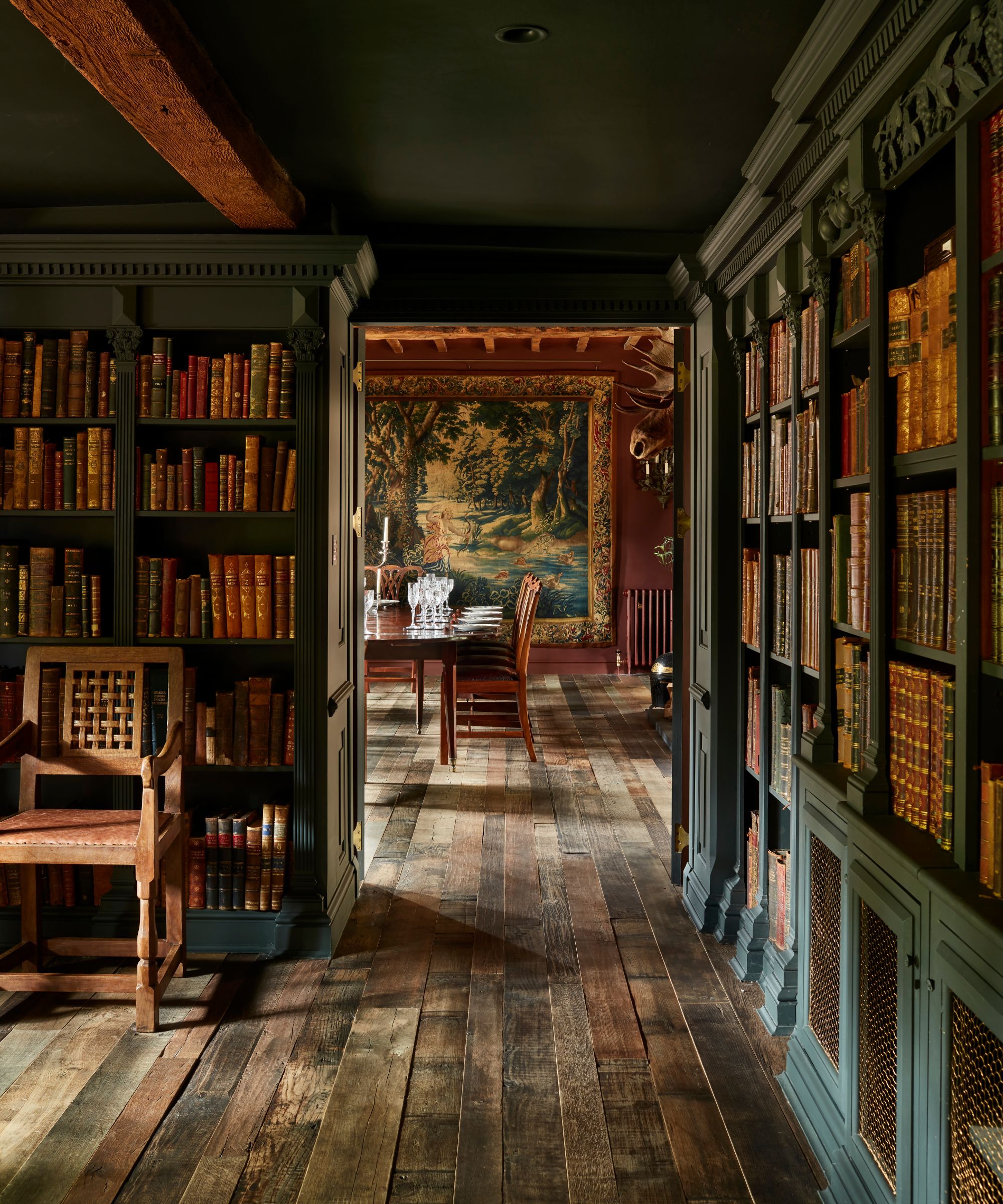
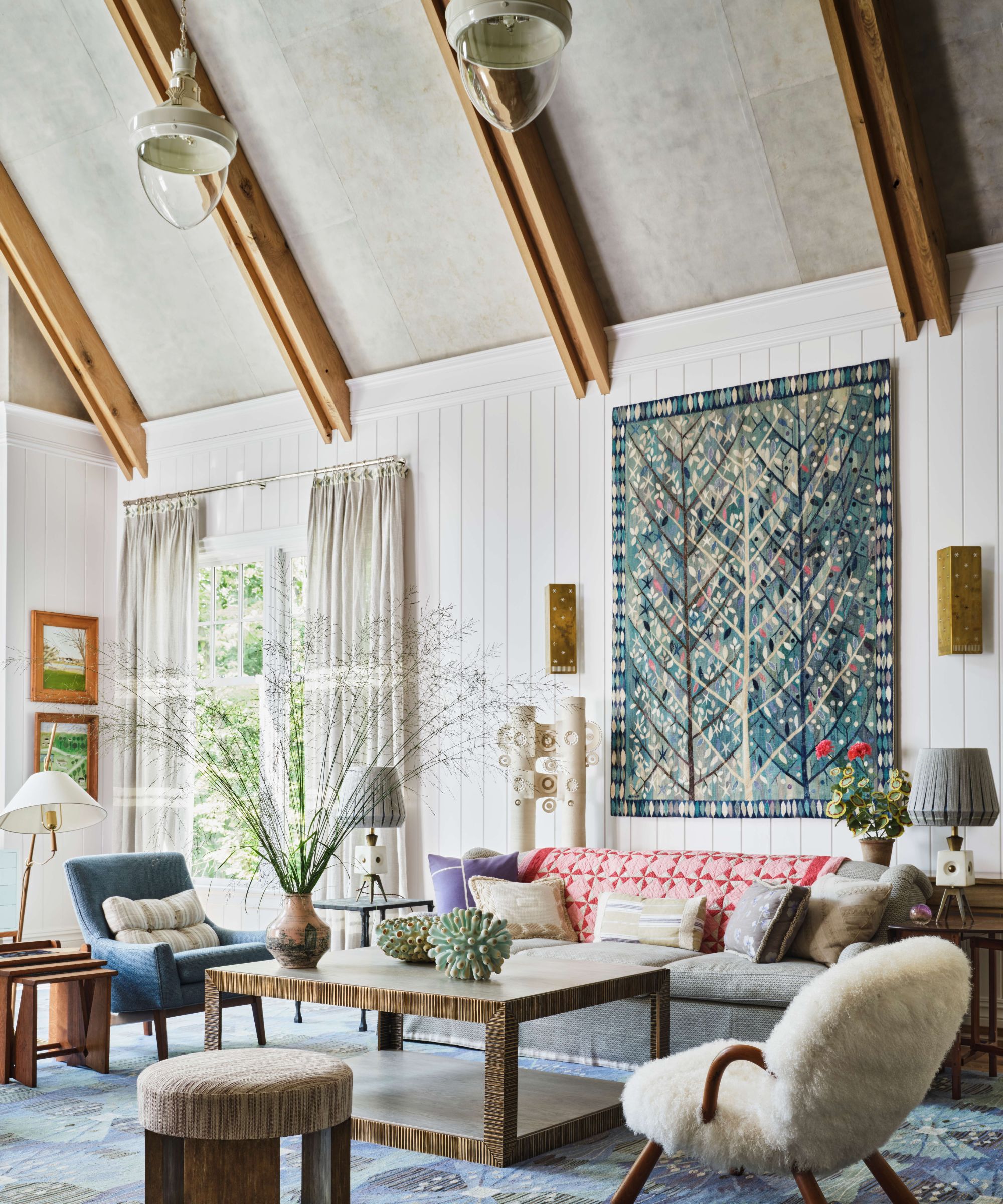
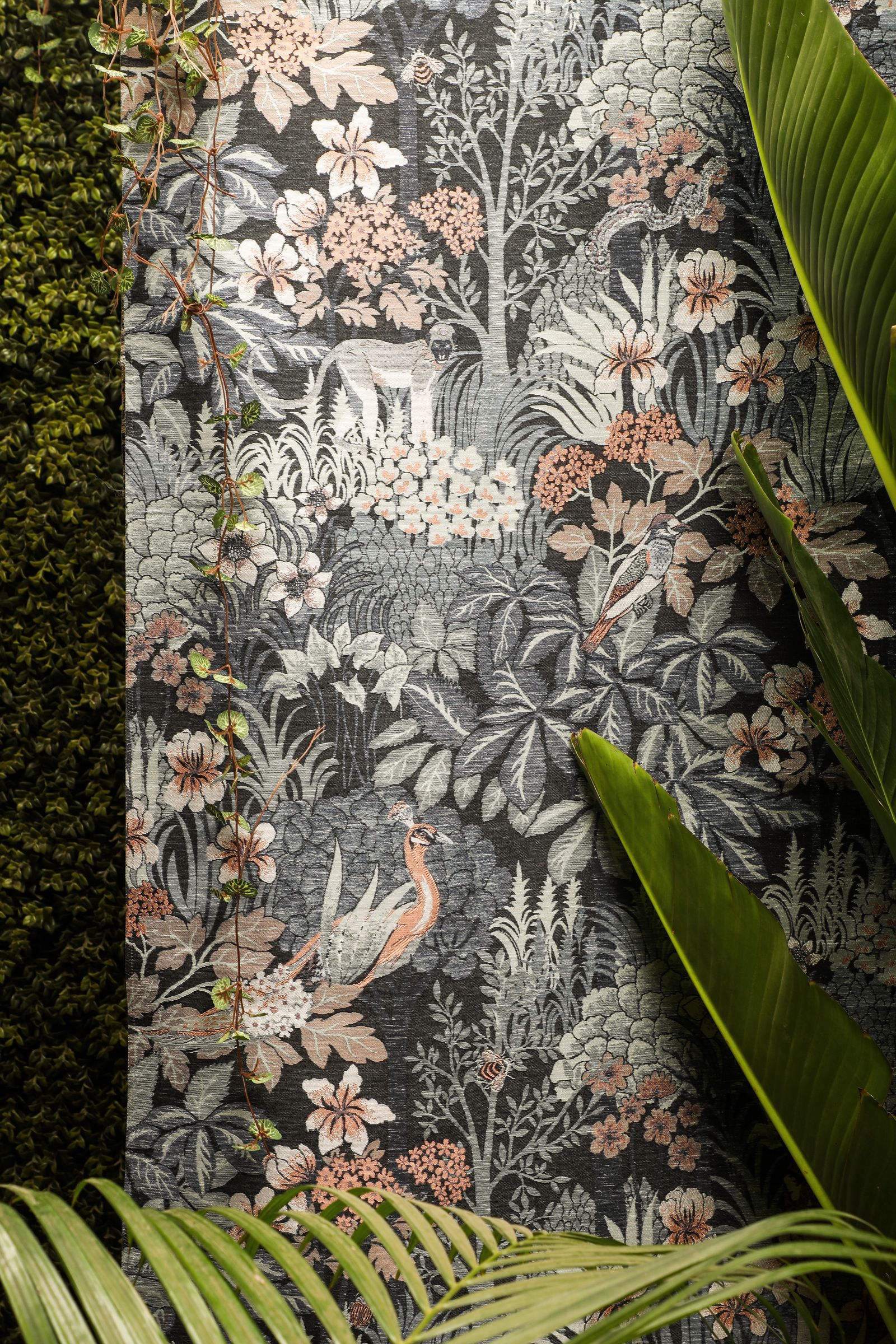
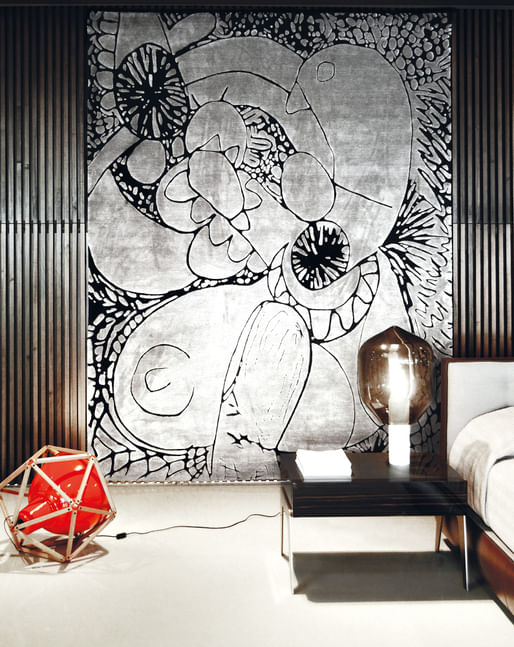
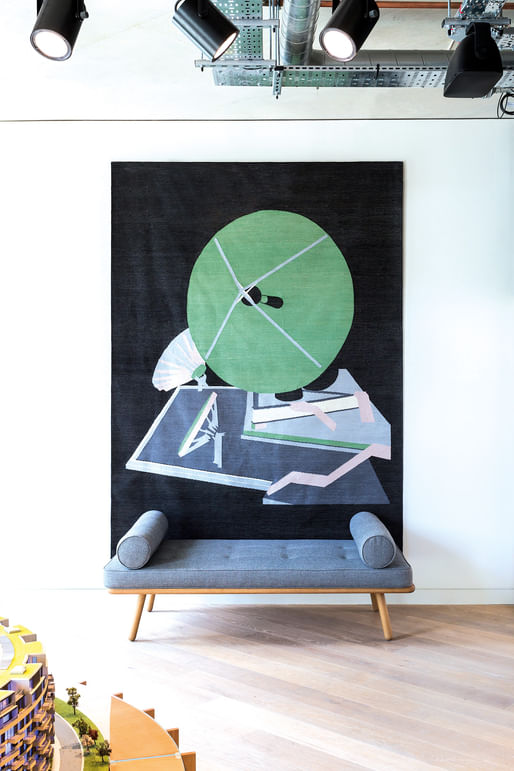
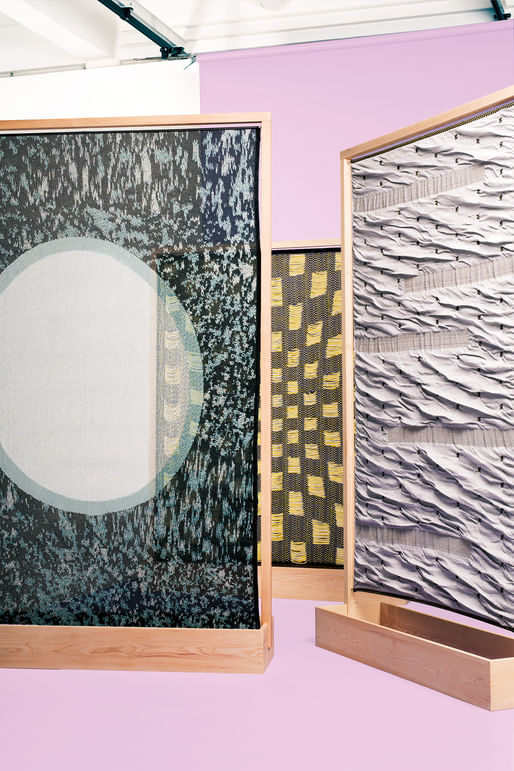
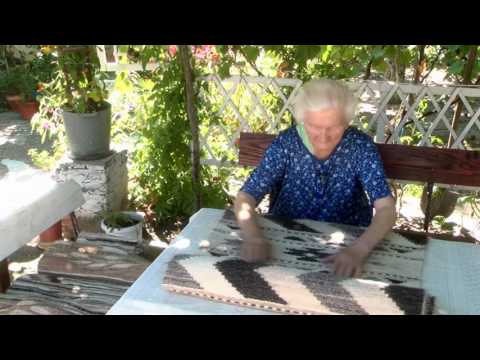
In contemporary society, the function and appreciation of wall carpets have shifted. While still valued for their aesthetic appeal, they are now primarily regarded as works of art displayed in both public and private spaces. Their presence is notable at city festivals and ceremonies, where they continue to symbolize cultural identity and artistic expression. The traditional methods of transmission, where girls in villages learned the craft from their mothers or grandmothers, persist, ensuring the continuity of intergenerational knowledge transfer. In urban environments, craft centers, associations, colleges, and museums have emerged as vital institutions for teaching and preserving these skills, making the art form accessible to a broader audience.
Modern advancements have also influenced the craft, with weavers increasingly able to work from home, indicating a degree of flexibility and adaptation to contemporary lifestyles. The wall carpet craftsmanship is recognized not only as an expression of individual creativity and a collective identity marker but also as a mechanism for fostering social cohesion. It brings together diverse groups within society, bridging generational gaps and uniting people from various socioeconomic backgrounds through a shared cultural practice. The craft thus continues to evolve, maintaining its cultural significance while adapting to new contexts and audiences.
#WallCarpetCraftsmanship #Romania #RepublicOfMoldova #IntangibleCulturalHeritage #TraditionalCrafts #TextileArt #CulturalIdentity #CommunityPractices #WeavingTechniques #WallCarpetCraftsmanship #Romania #RepublicOfMoldova #IntangibleCulturalHeritage #TraditionalCrafts #TextileArt #CulturalIdentity #CommunityPractices #WeavingTechniques
0 comment in total
 No comments yet
You may also like
Folk decor ideas – 7 ways to bring this enchanting design style into the home
Wall paneling ideas – 18 ways to add decorative cladding and moulding

Better Vintage: ‘A Visual Language in Cloth’ – How Antique Tapestries Shape Rooms, Not Just Surfaces
5 Stunning Wall Treatments That Will Make Your Home Feel Truly European
9 Designer Wall Treatments That Will Reinvent Your Interiors

A Look at Plasterwork, One of the Industry's Most Timeless and Long-Standing Design Trends

The Art of Plaster
6 Indian brands making craftsmanship cool again

Finishing Touches
5 Stunning Wall Treatment Ideas That Will Make Your Home Feel Truly European


15 future furniture and home decor design classics to invest in now
Rugs and Textiles go Vertical as Wall Art
Tapestries Are No Longer Just for Gothic Castles (Published 2024)
11 Old-School Decor Ideas That Feel Surprisingly Modern
We Asked 6 Interior Designers for the One Antique They Use in Every Home
Rugs as Woven Memory: How Origin and Materiality Shape Interiors

10 Ways to Use Architectural Moldings in a Contemporary Home

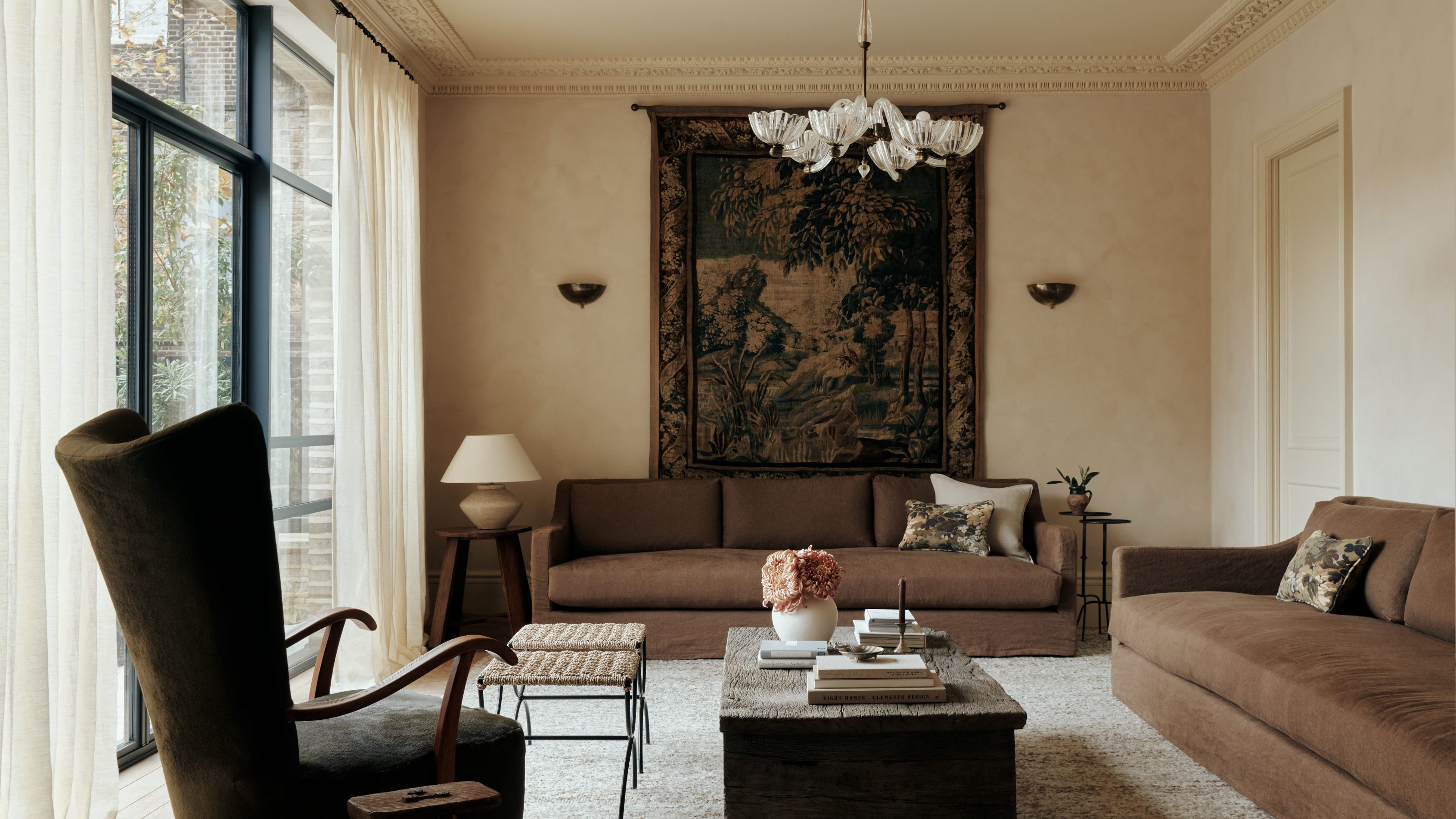
5 Questions on Decorative Plasterwork You Need to Ask Before Specifying It in 2025 — Answered by Interior Designers
"I'm an interior designer – I think these 5 millwork trends will make your home look like a million dollars"

7 Alternate Art Examples For Your Walls