This Outrageously Pretty Purple Tile Is Actually Made out of Sea Urchins
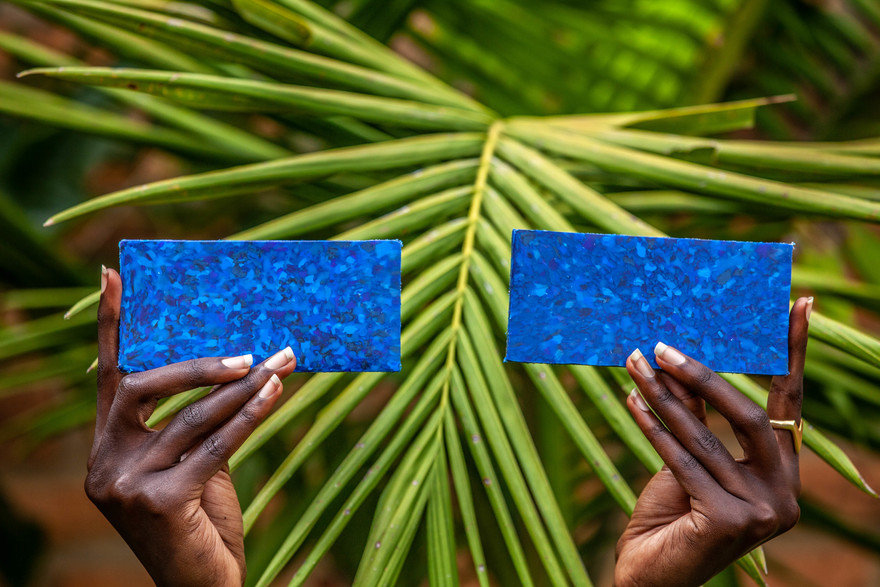
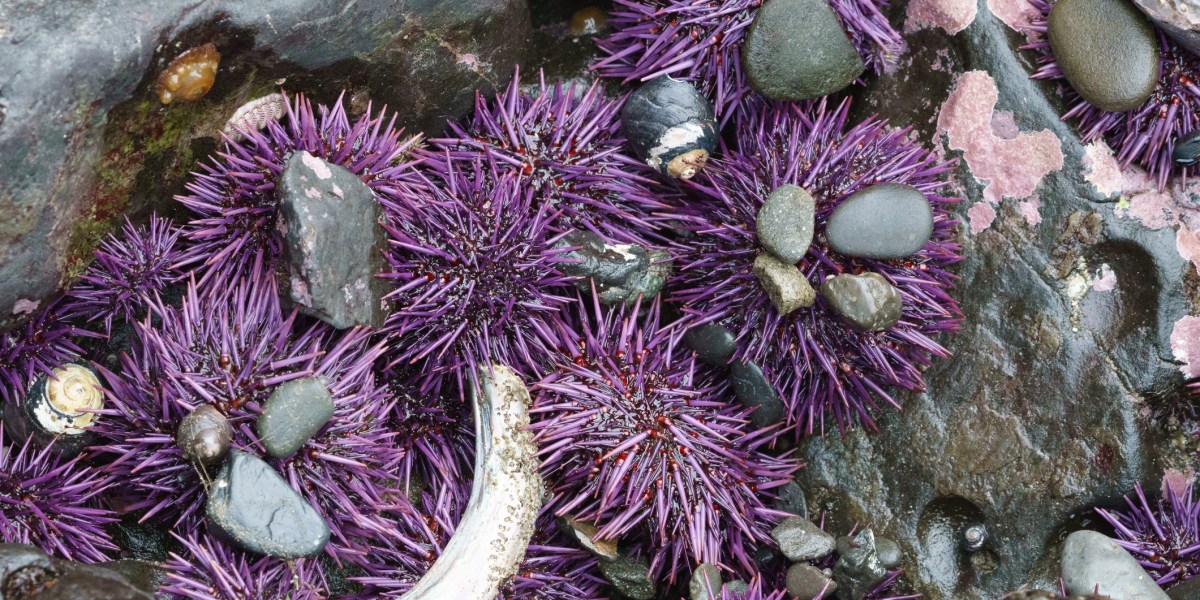
A Berkeley-based company, Primitives Biodesign, has developed an innovative biomarble called Urchinite, crafted from mineralized sea urchin shells. This material serves a dual purpose: supporting marine ecosystem restoration and providing a sustainable option for architectural design. The initiative addresses the ecological imbalance in Northern California's marine ecosystems, where an overpopulation of purple sea urchins (Strongylocentrotus purpuratus) has severely damaged kelp forests, which are vital habitats.
The process begins with the targeted harvesting of purple urchins from kelp restoration sites experiencing significant outbreaks. This is done in collaboration with marine scientists, experienced scuba divers, and conservation groups, including the Nature Conservancy. Once harvested, the urchins are transported to a lab where their shells undergo a mineralization process. They are then cultured with a bio-based binder material to create a durable, marble-like stone material referred to as biomarble. A team of engineers further refines and grades this material, ensuring its quality and structural integrity.
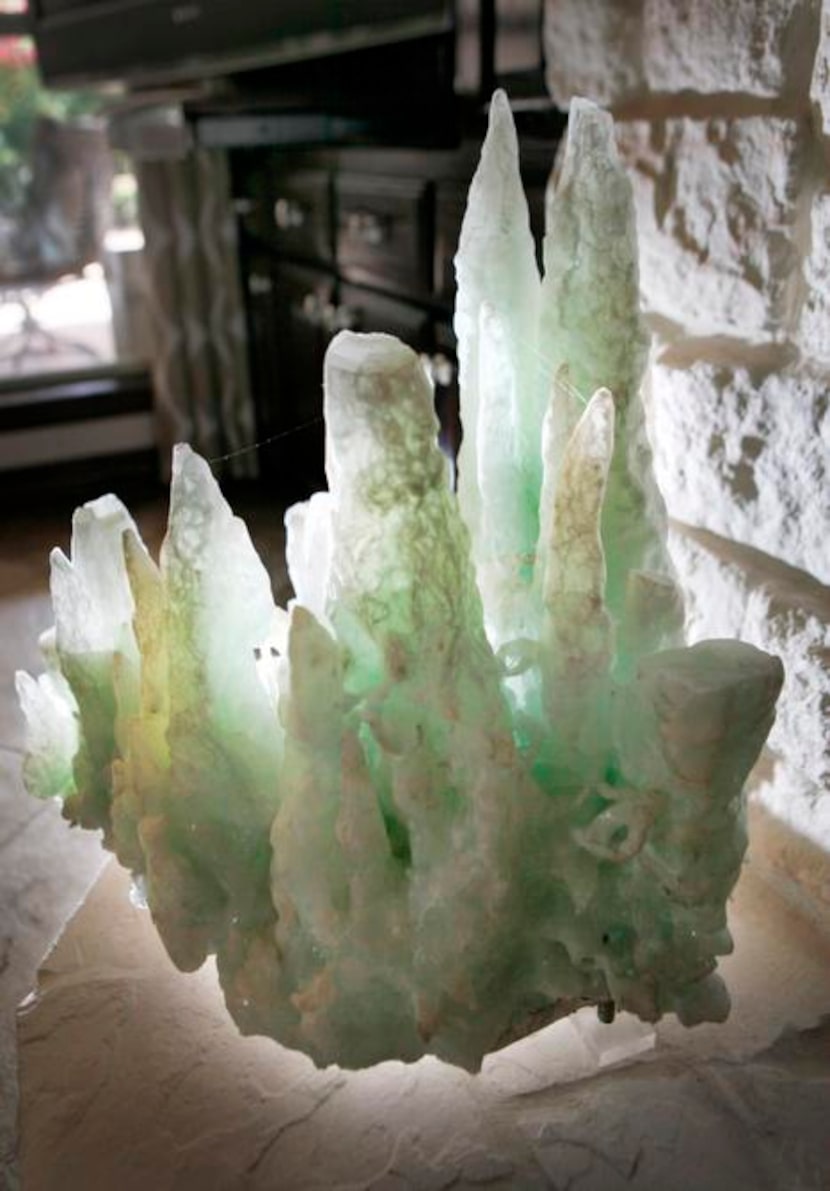
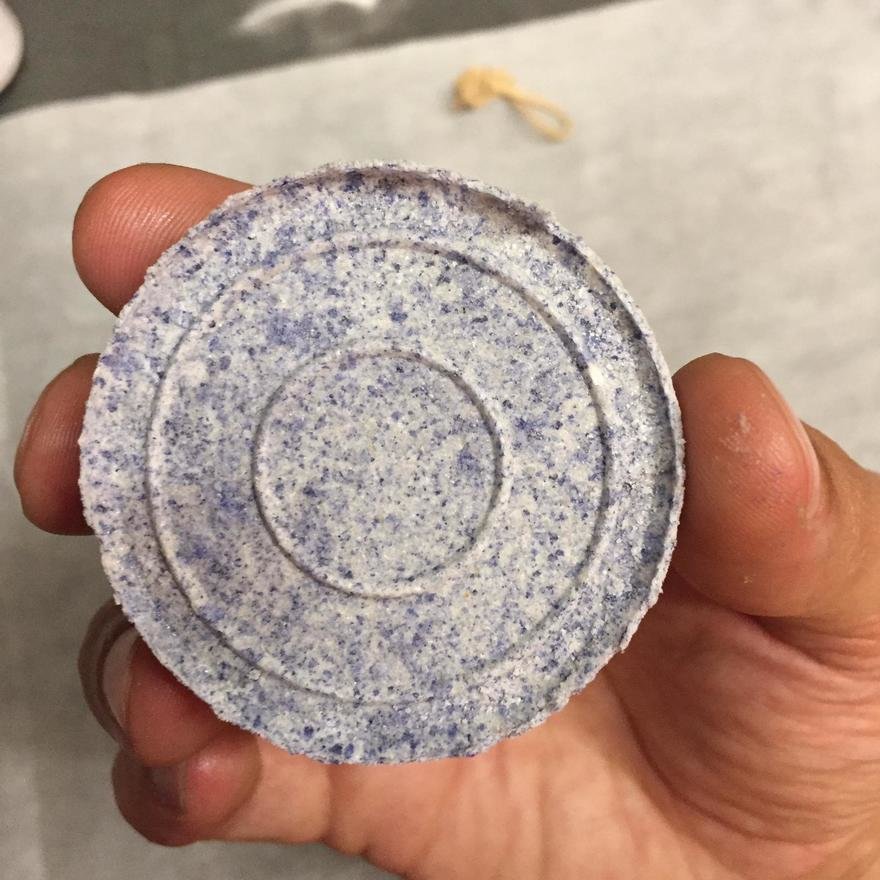
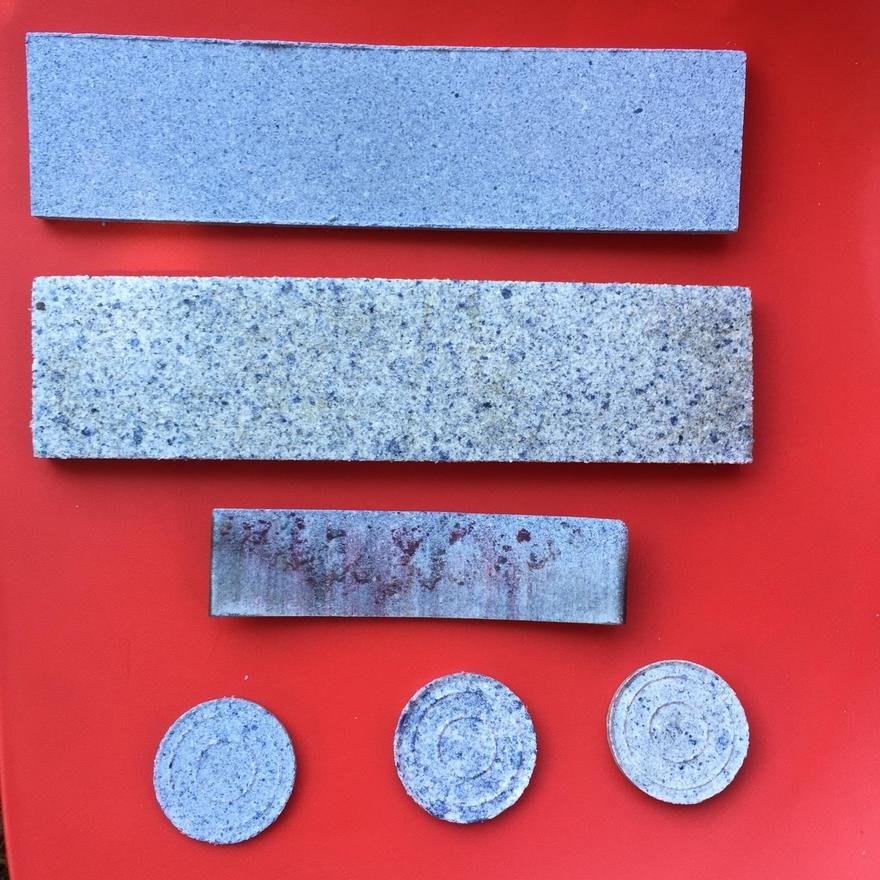
Primitives Biodesign emphasizes the environmental benefit of Urchinite production. For every 50 units of biomarble produced, approximately 1.1 acres are cleared of purple urchins. This reduction in urchin populations is crucial for allowing kelp forests to regrow and for the recovery of the diverse marine ecosystems they support. The company’s CEO, Virj Kan, describes Urchinite as possessing a "glacial cool tactility with a rich granular texture and variegated shades of light and dark hues," all derived from the natural purple sea urchin shells. The color palette encompasses soft foamstone ivory, thistle hues, smokey wisteria, and amethyst umber, reflecting the oceanic environment.
Beyond its environmental advantages, Urchinite offers practical benefits in design and construction. It is reported to be more durable than natural marble and limestone, making it a robust material for various applications. Kan highlights its endless architectural and design possibilities, including use in countertops, wall coverings, flooring, furniture, and decorative items. The material not only presents an aesthetic appeal with its unique colors and textures but also embodies a compelling narrative of sustainability and regeneration, contributing to the long-term health of marine environments.
#SeaUrchinTile #Biomaterials #SustainableDesign #MarineConservation #KelpForestRestoration #EcoFriendlyHome #ArchitecturalMaterials #PrimitivesBiodesign #Urchinite #SeaUrchinTile #Biomaterials #SustainableDesign #MarineConservation #KelpForestRestoration #EcoFriendlyHome #ArchitecturalMaterials #PrimitivesBiodesign #Urchinite
0 comment in total
 No comments yet
You may also like
Seashell Decor Is Everywhere Right Now—Here's How to Decorate With It


Well-Edited: Exotic Tile
15 coastal decor ideas that are chic not clichéd

Mum creates amazing mermaid scales feature wall for just £18

Natural elements make authentic decorative statements
3D-Printed Ceramic Vases That Mimic Nature’s Patterns

Out of the sea and into your home decor
Floor tiles made of coloured snail poo by Lieske Schreuder
13 mermaidcore ideas for a whimsical look
Crafted by Nature, Cast by Hand

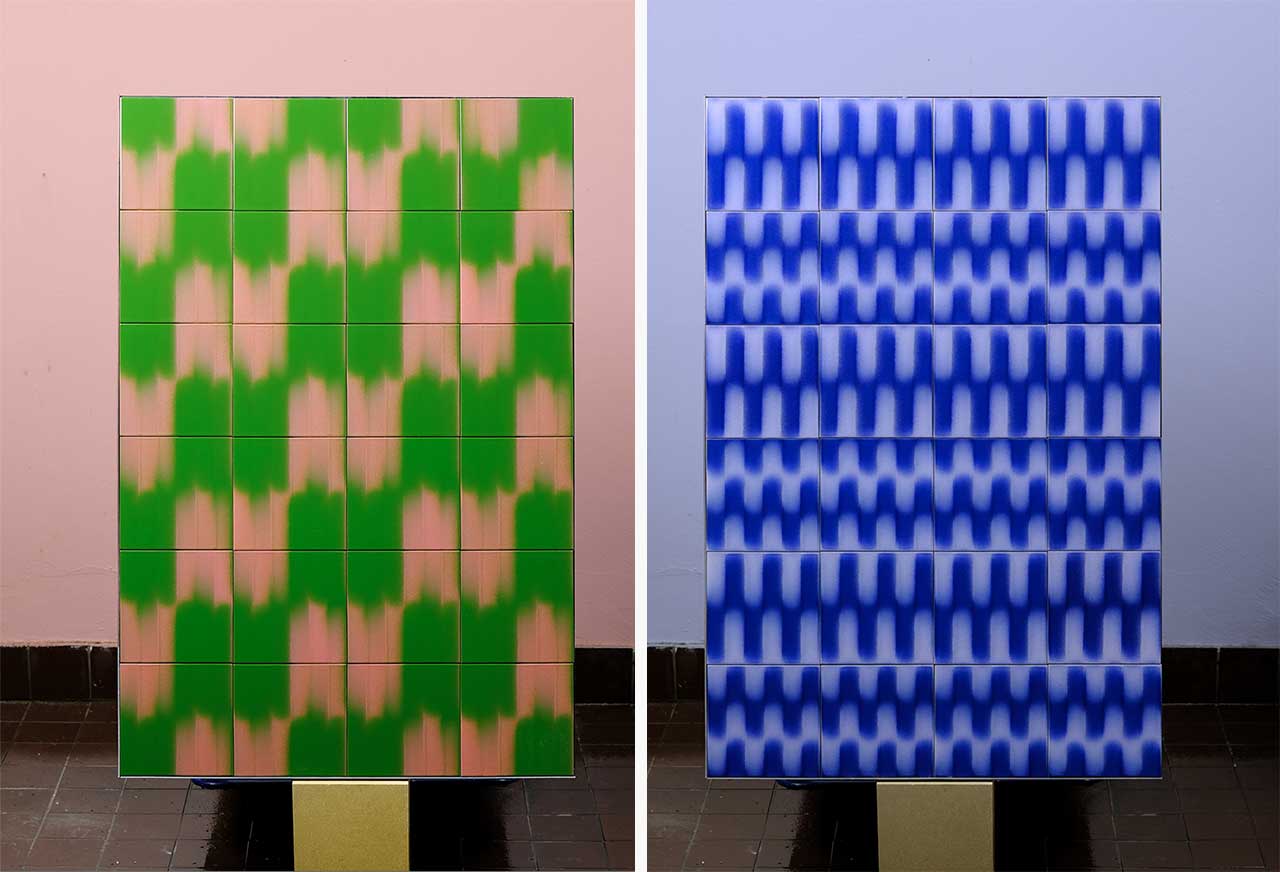
Colorful, Trippy Tiles Made on a Custom-Built Machine
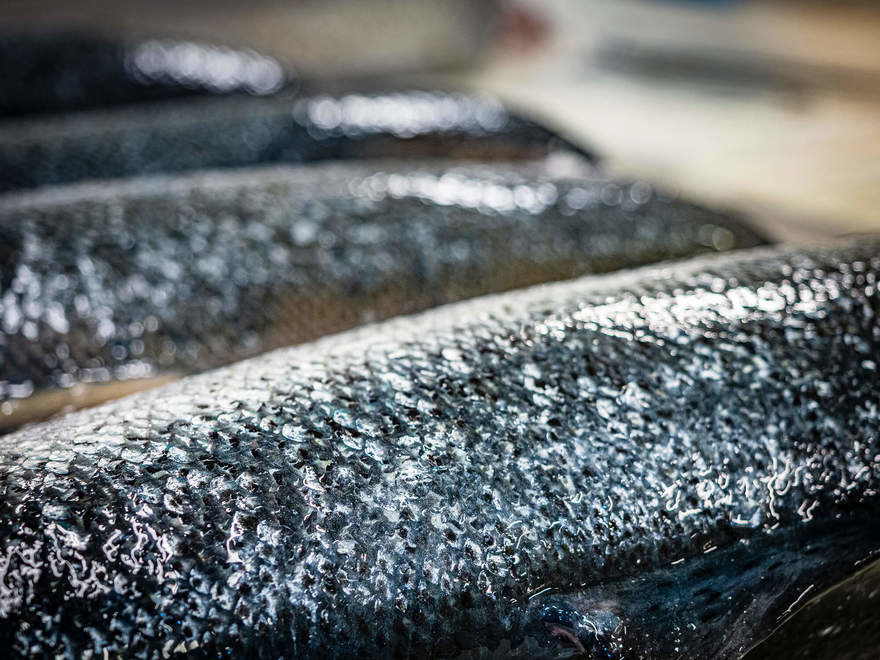
RCA Product Design Student Invents Stone-Like Material Made from Fish Scales

The Jellyfish Decor Trend Puts a Neon Spin on Our Favorite Mushroom Silhouettes


23 Ocean-Themed Nursery Pieces For People Who Love Sea Animals
Rattan might be one of the most versatile materials to work with – and these 10 rattan decorating ideas prove it
Vibrant Vessels

Why mermaidcore is the shiny new interiors trend we're all diving into
This Isn't Your Grandma's Mother of Pearl Decor — Shop 9 *Actually* Stylish Pieces


As Ocean Waste Piles Up, Coldharbour Tiles Propose a Backsplash

How to Reel in the Fisherman Aesthetic at Home (Coastal Colors Are Key!)