Out of the sea and into your home decor
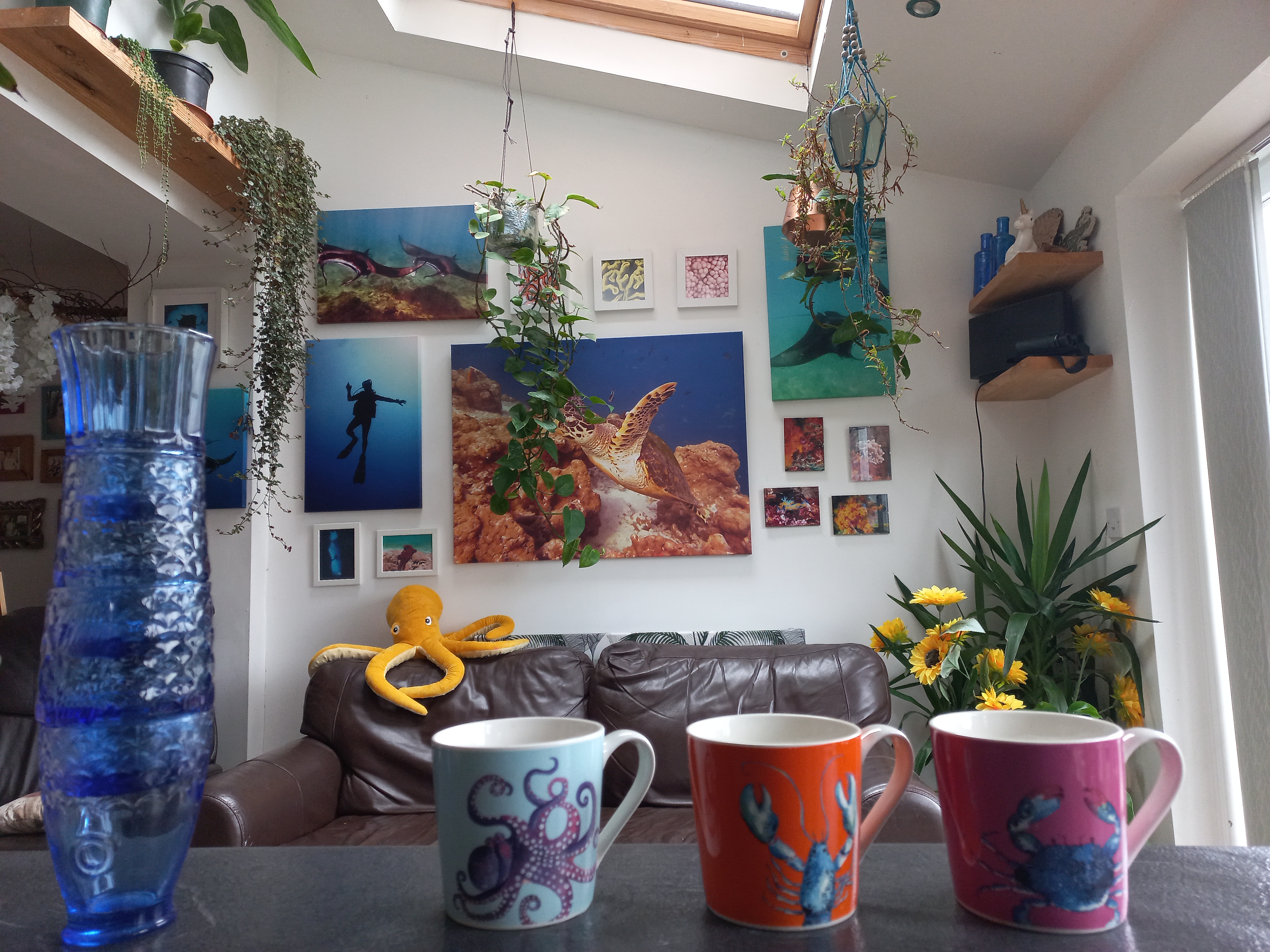
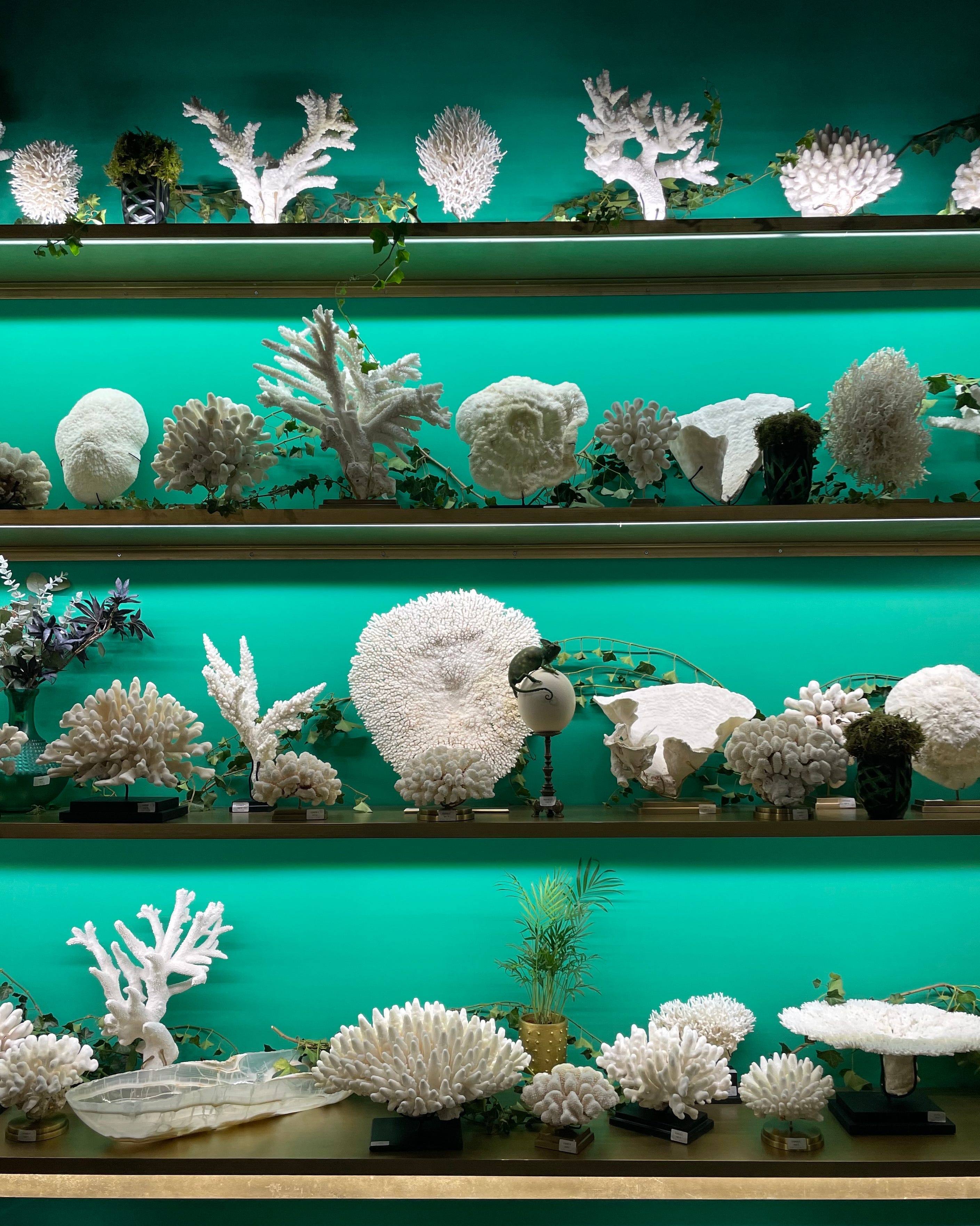
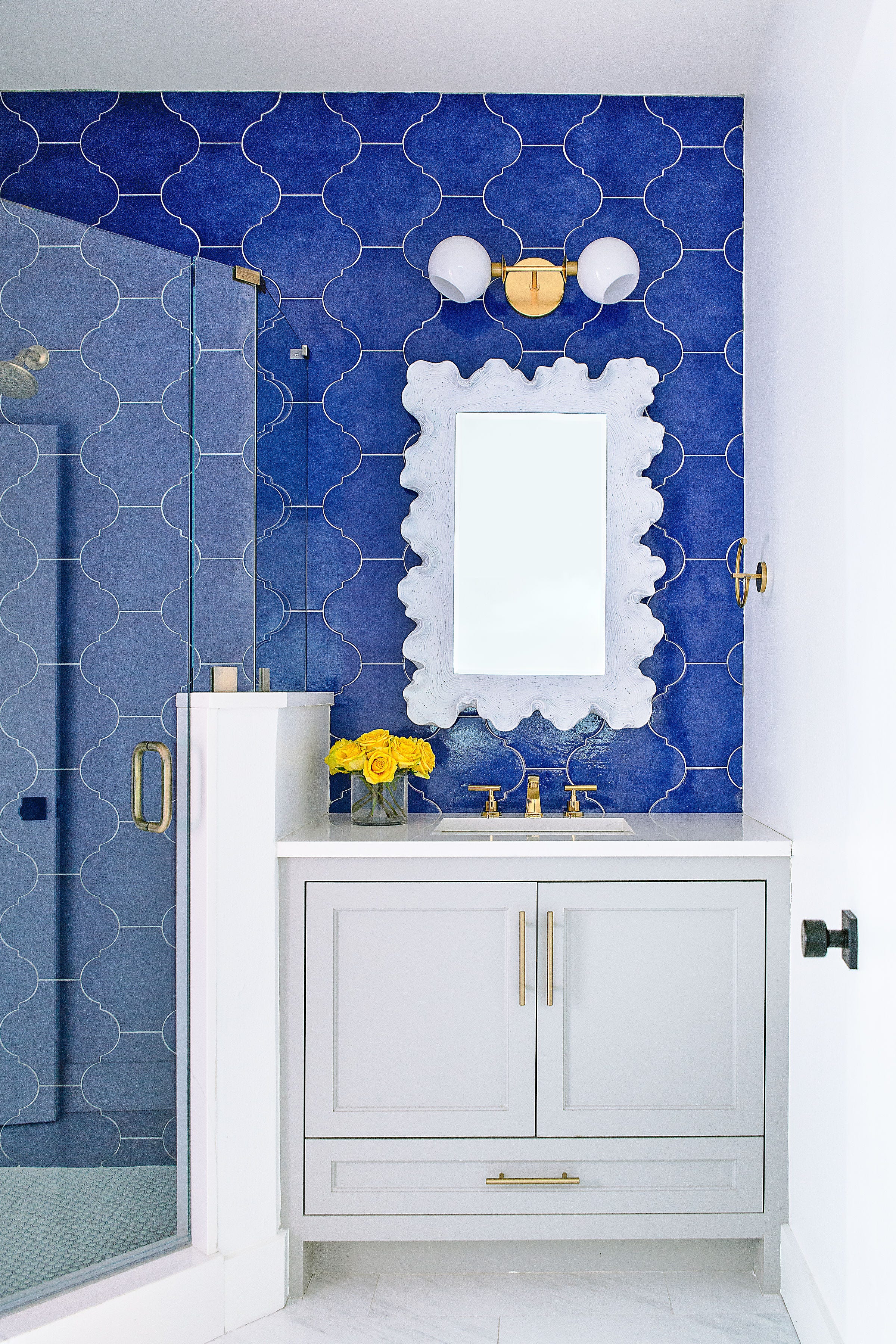
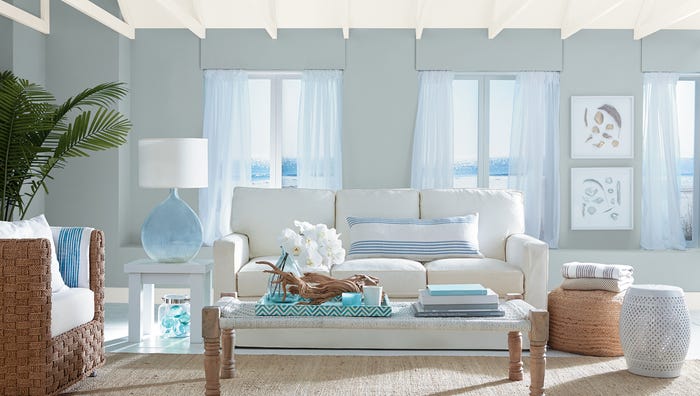
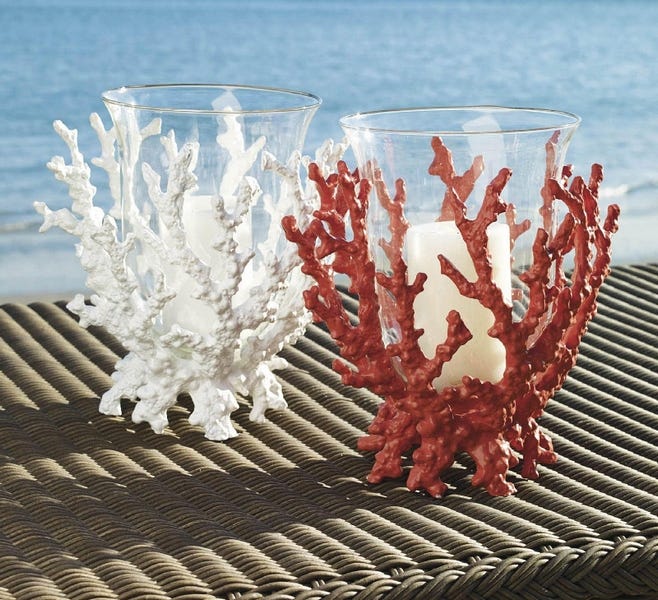
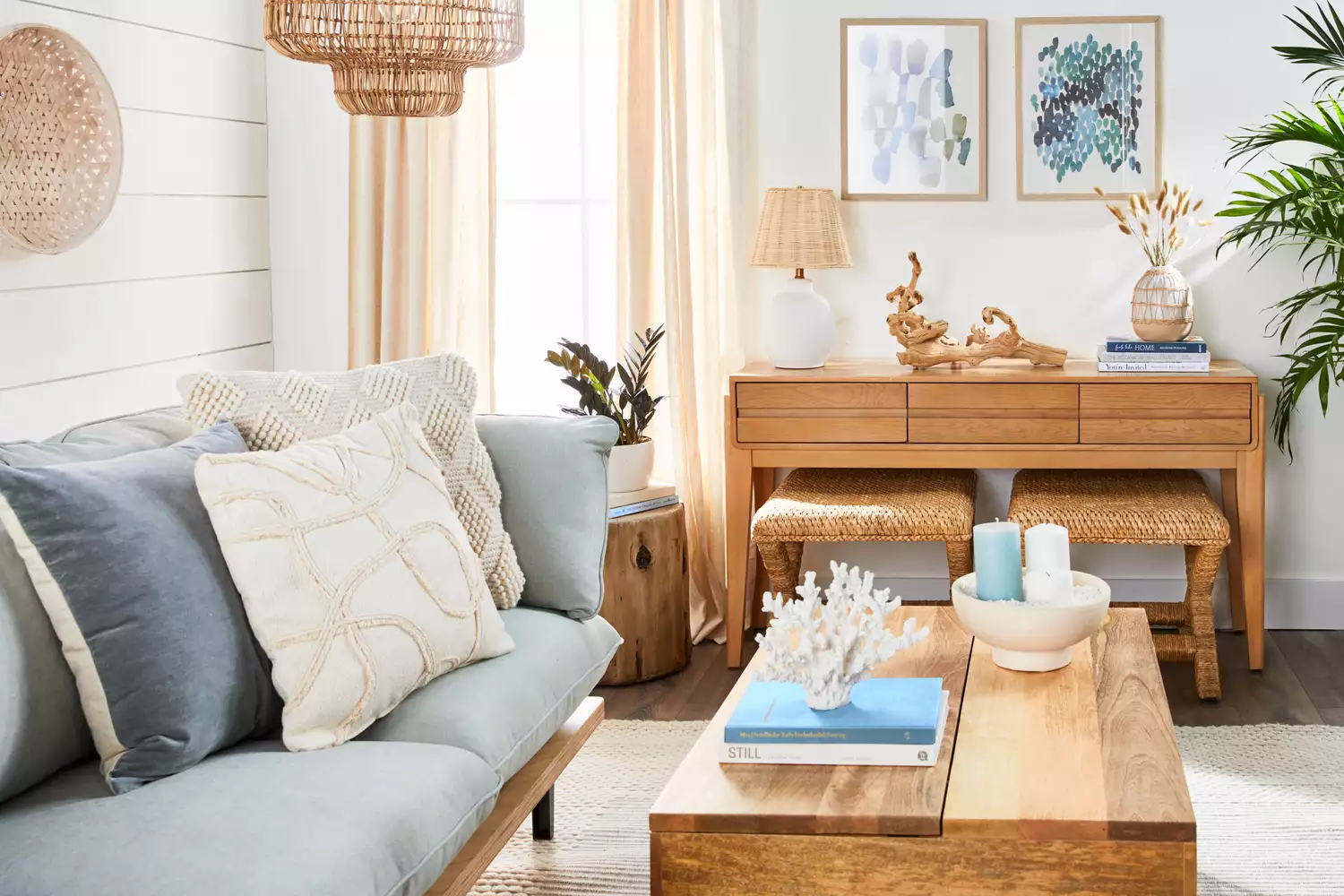
Under-the-sea themes are a recurring element in coastal interior design, with coral emerging as a particularly versatile motif that can enhance a wide range of decor styles. Coral's appeal stems from its connection to the ocean and its organic, sculptural forms, including branching, tangled tentacles, tubes, plumes, intricate maze-like brain coral patterns, and delicate, transparent sea fans with leaf-like veining. Beyond its inherent shapes, coral offers a rich palette of colors, from its namesake reddish-orange hue to vivid blues, purples, yellows, and greens found in nature. This natural diversity allows designers to incorporate less traditional types and colors, with blue coral being a particularly strong trend in recent years.
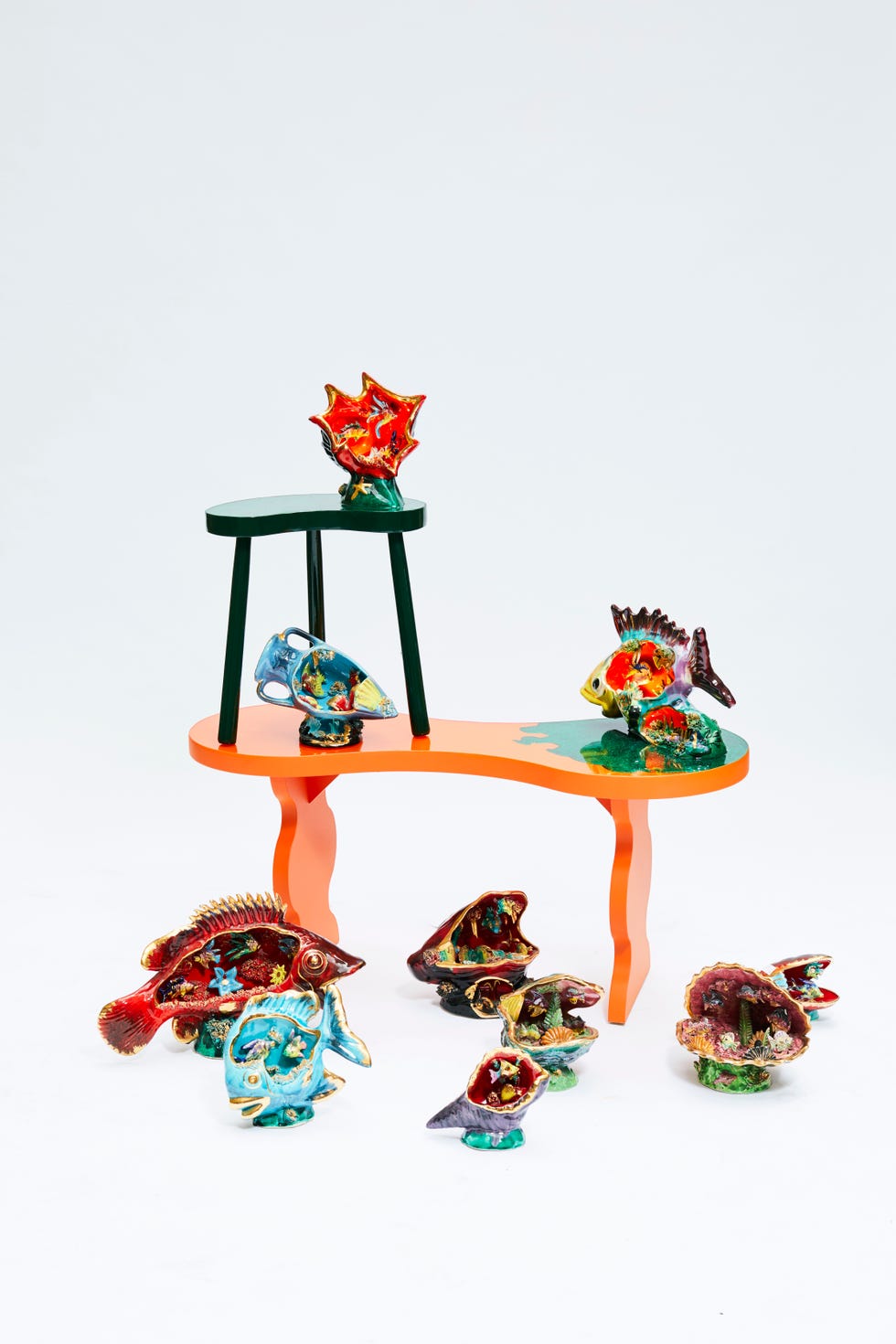
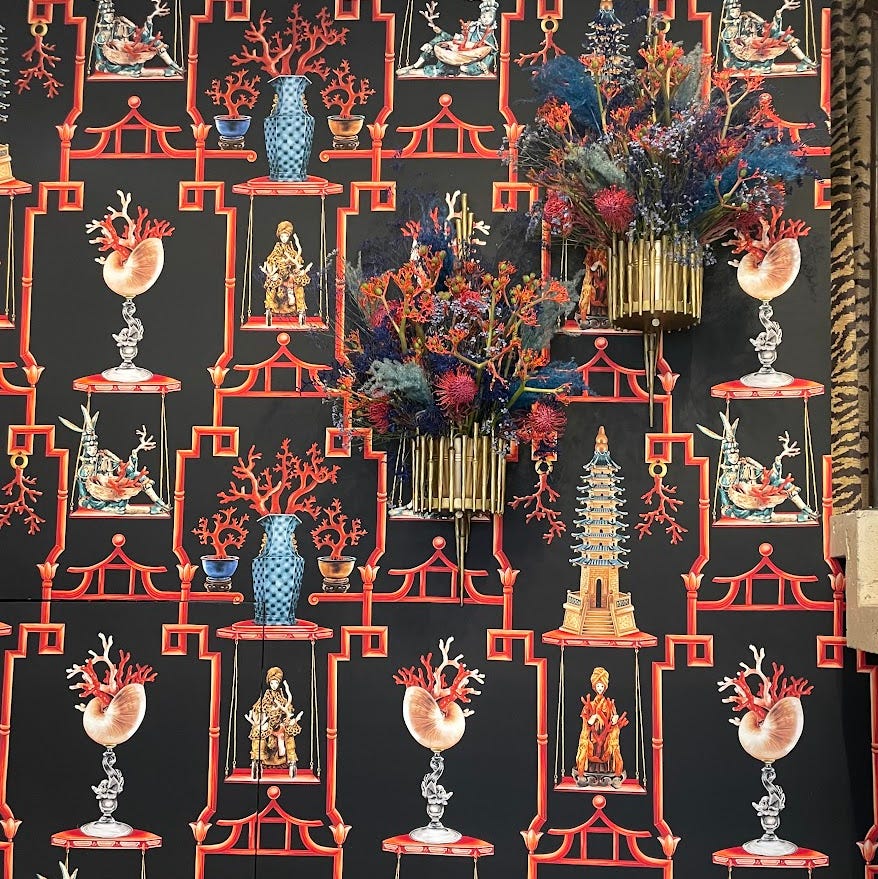
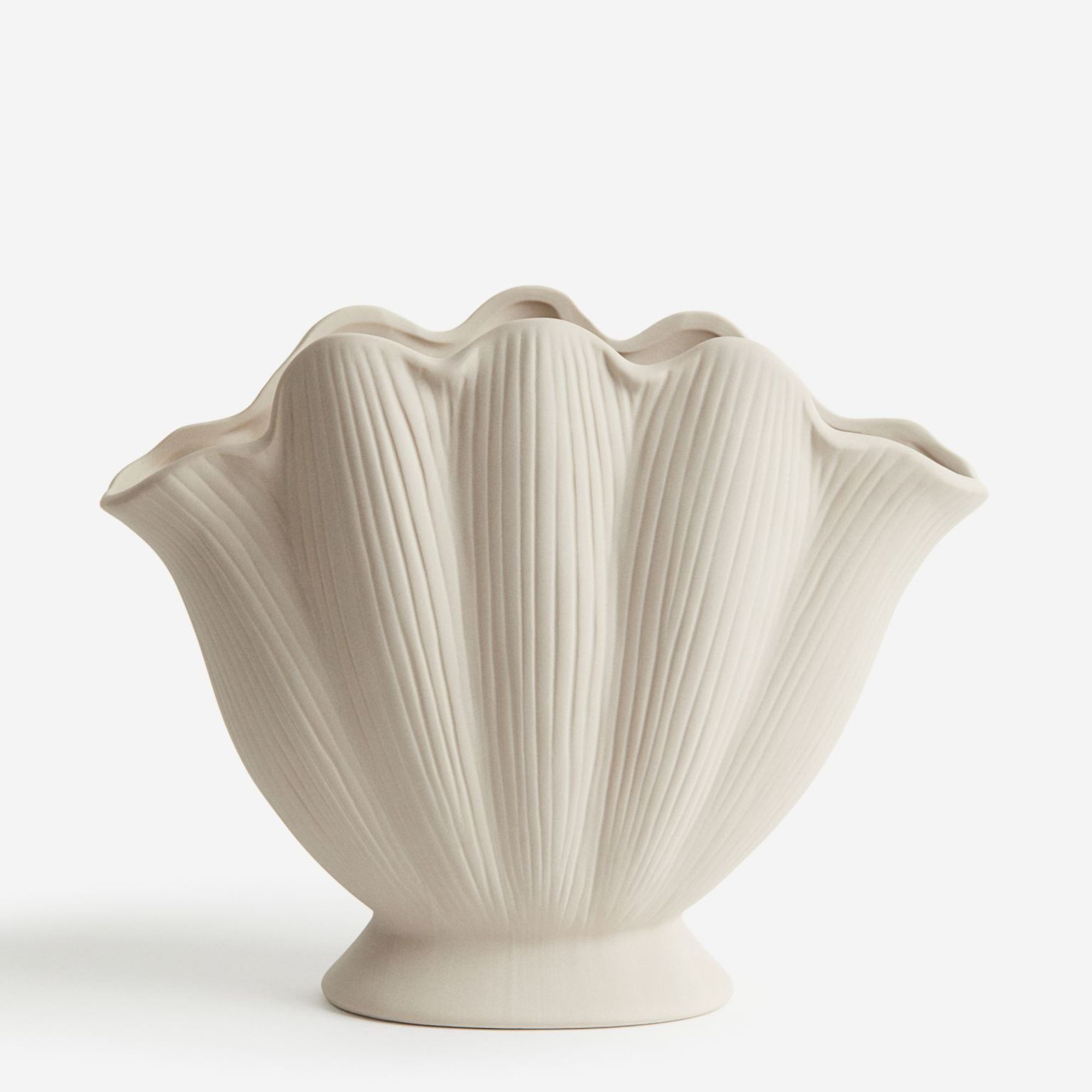
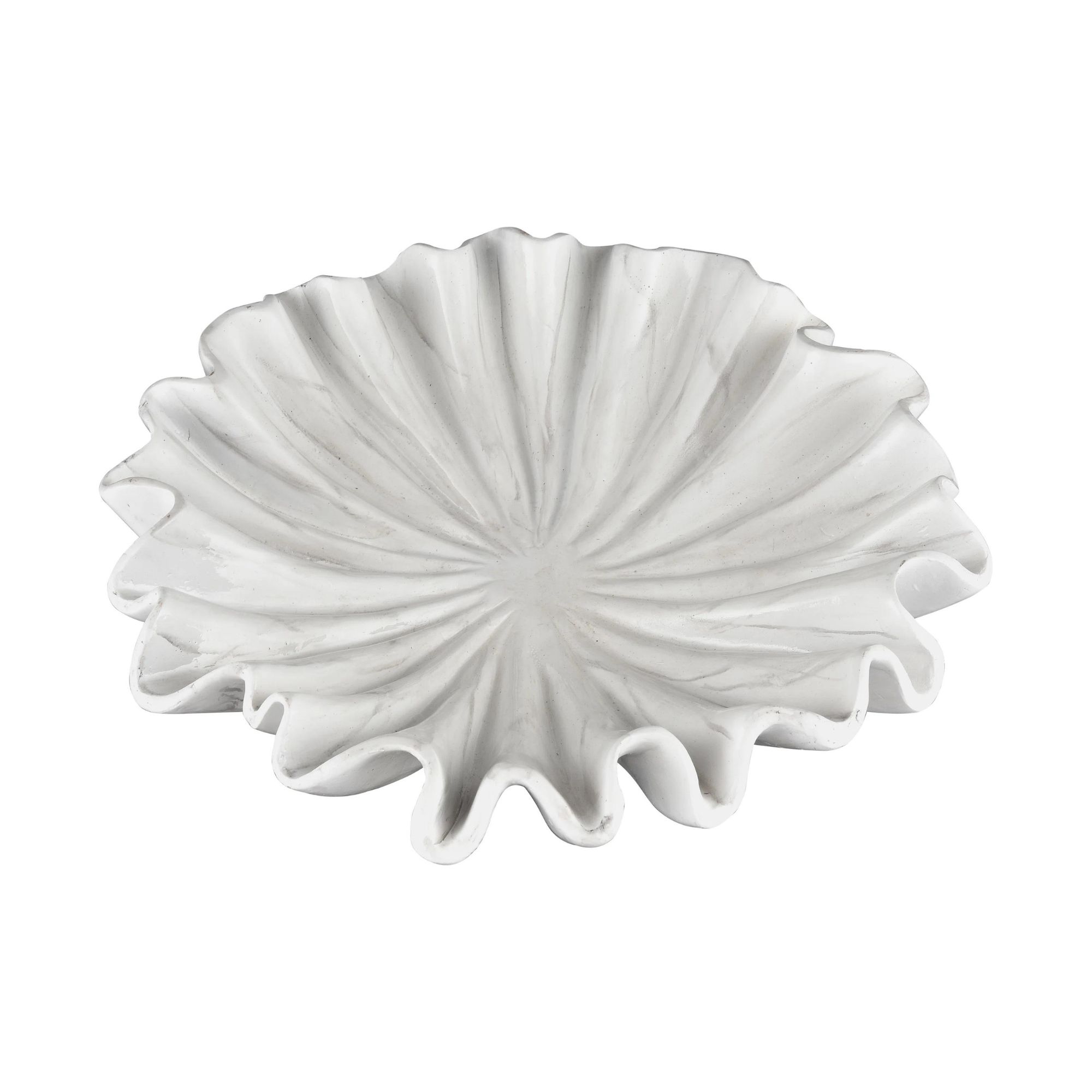
The sculptural quality of coral makes it highly suitable for decorative objects such as tabletop accessories and furniture. Noted designer Michael Aram, known for his organic inspirations, has consistently featured coral branch accents in materials like silver plate and lobster-red resin in his serving pieces and pedestals. The graphic nature of coral also translates effectively into intricate, all-over patterns or large, striking designs for dinnerware, fabrics, and wallcoverings. For instance, the Global Views home décor website showcases a large, calligraphic red-on-white coral motif that is successfully applied to ceramic chargers and dramatic hand-tufted wool area rugs.
Pillows serve as an accessible accessory to quickly introduce color and alter the mood of a space. Many contemporary pillows feature coral-inspired embellishments, including embroidery, appliques, and beads, which add texture. Tabletop designer Kim Seybert frequently incorporates sea life, especially coral, into her signature designs. Seybert expresses fascination with the multitude of coral varieties, appreciating their diverse textures and the way colors subtly blend in ombre effects, creating stunning palettes.
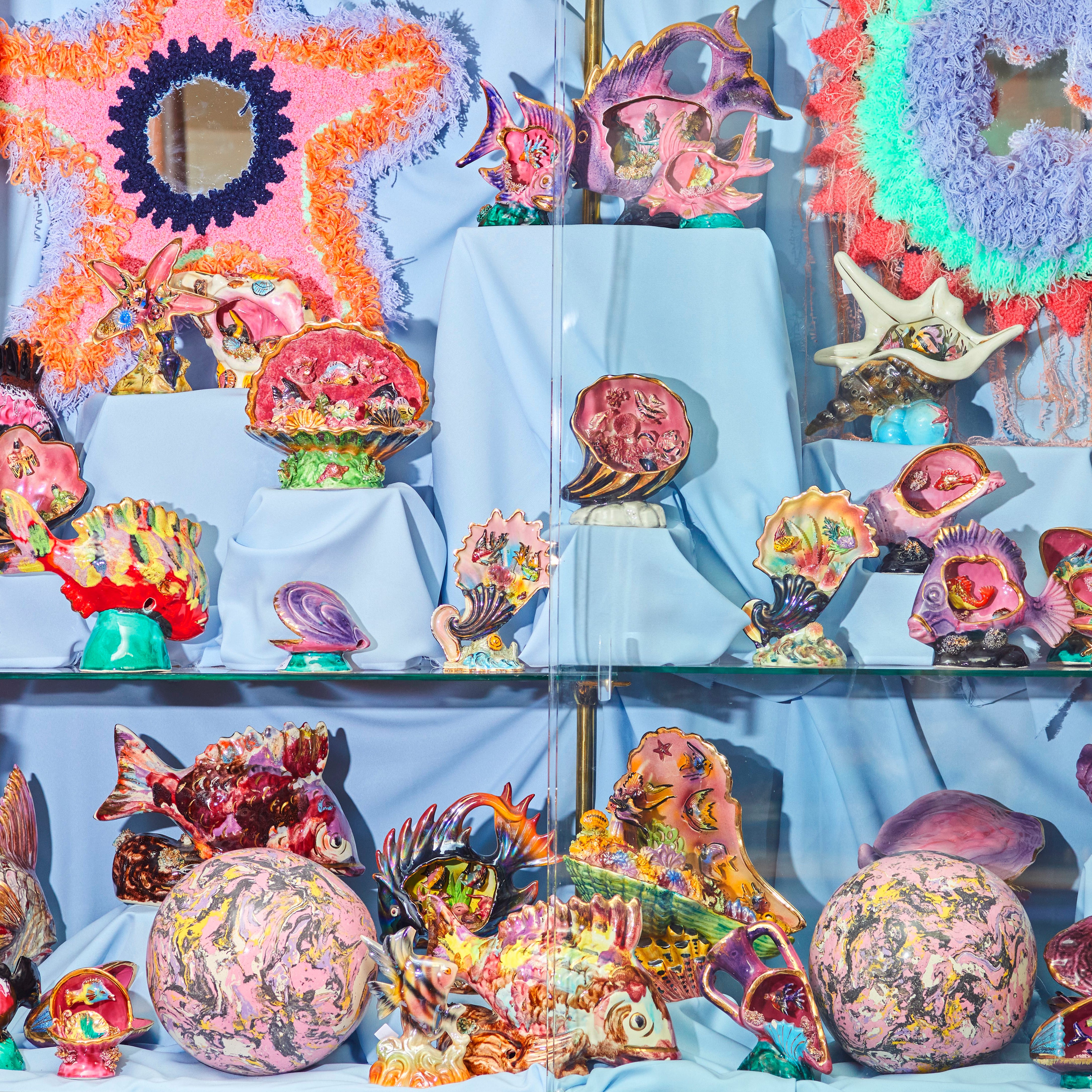
However, the article also addresses the critical environmental aspect of coral. Coral is a living organism and an endangered species, facing threats from harvesting, global warming, and pollution, which jeopardize its delicate ecosystem and the marine life it supports. In response to these concerns, companies like Tiffany & Co. ceased selling real coral jewelry in 2002, and a broader movement encourages designers to utilize faux coral in fashion and home decor. A wide array of materials, including ceramic, porcelain, glass, resin, wood, and metal, are now employed by designers to authentically replicate the appearance and texture of natural coral, ranging from smooth to rough and pockmarked finishes. Resin, in particular, is noted for its convincing realism, with some decorative porcelain corals on glass bases achieving remarkably lifelike appearances.
#CoralDecor #HomeDesignTrends #CoastalInteriorDesign #MarineMotifs #SustainableDecor #FauxCoral #TabletopAccessories #TextileDesign #CoralDecor #HomeDesignTrends #CoastalInteriorDesign #MarineMotifs #SustainableDecor #FauxCoral #TabletopAccessories #TextileDesign
0 comment in total
 No comments yet
You may also like
My No-Fail Formula for Beach House Decor That Feels Fresh, NOT Kitschy

9 Home Designs That Evoke the Flow of Water (Published 2024)
Easy and breezy: Coastal decor
Everything You Need for that Coastal Cool Home Aesthetic We All Can’t Get Enough of

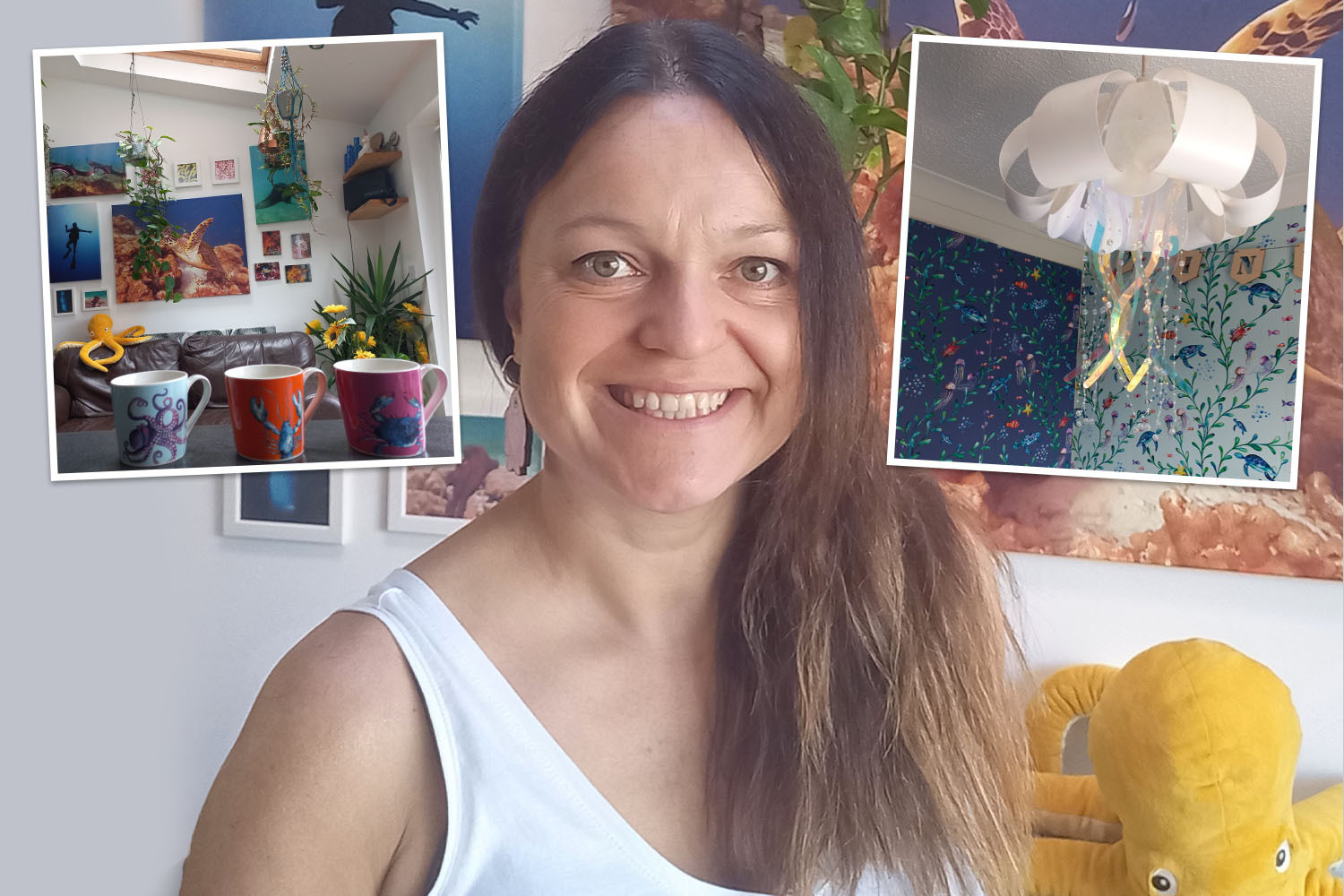
I’m obsessed with mermaids so transformed my home into an ocean-inspired haven

18 of the best coastal-inspired pieces for a breezy beach house look
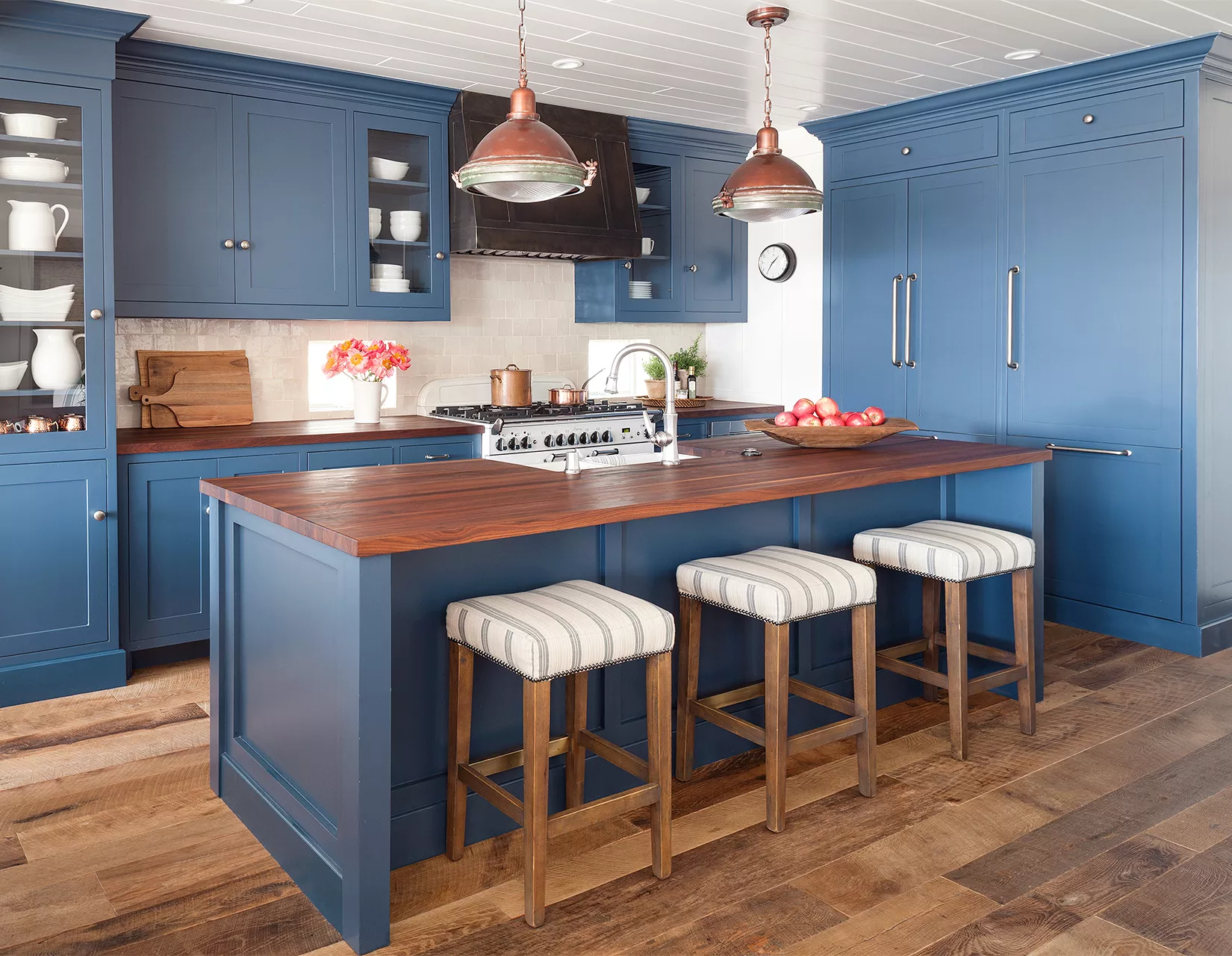
How to Reel in the Fisherman Aesthetic at Home (Coastal Colors Are Key!)

The "Fisherman Aesthetic" Has Washed Ashore! Here Are Our Favorite Pieces
Seashell Decor Is Everywhere Right Now—Here's How to Decorate With It

Sardinecore Pairs Interior Design with Coastal Kitsch—and We're Hooked
What is Coastal Design? Here's 9 Ways Designers Are Channeling This Relaxed and Timeless Aesthetic

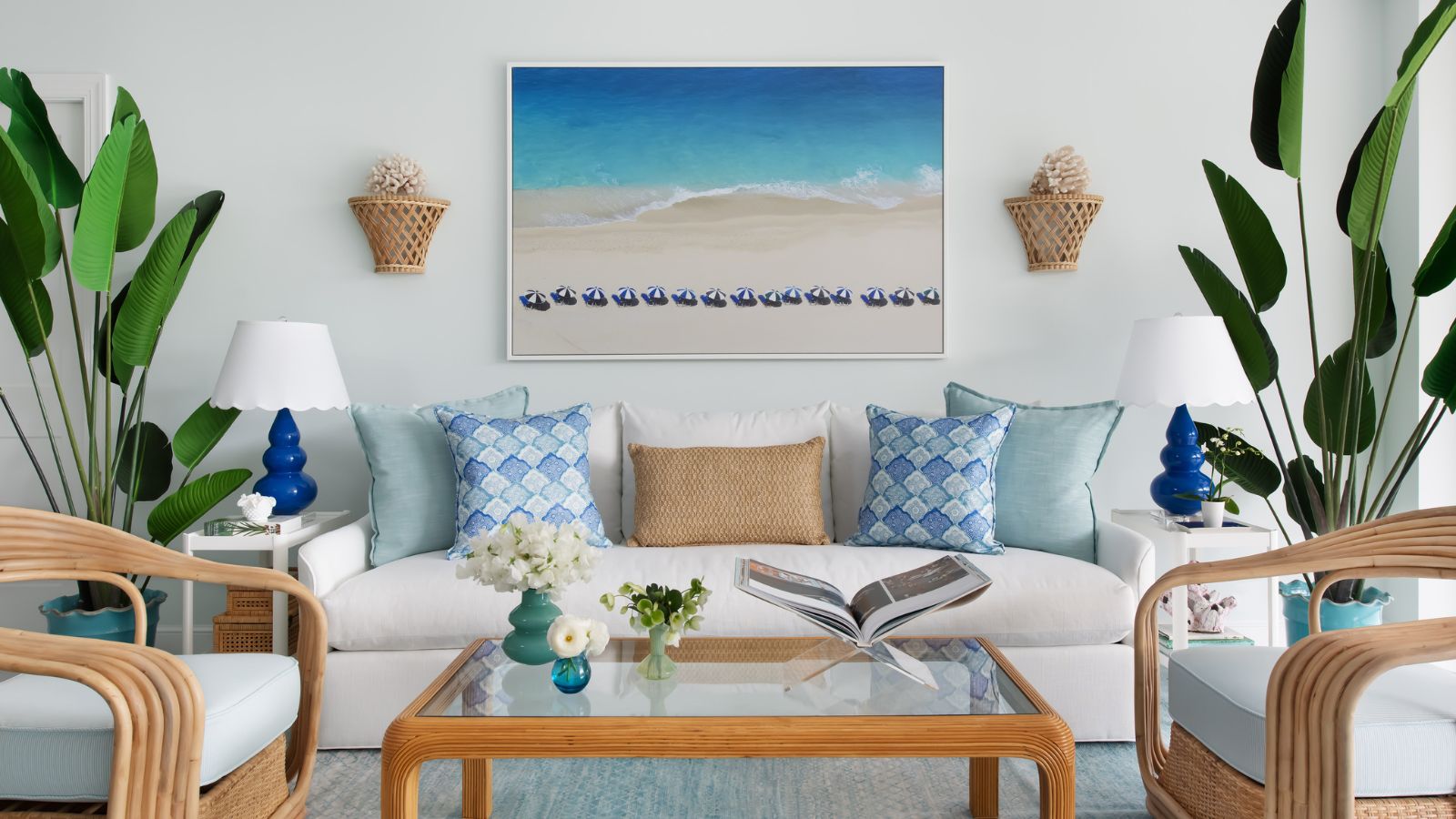
15 coastal decor ideas that are chic not clichéd

Coastal cool: Top nautical-inspired interior design tips for summer home makeover | Hindustan Times

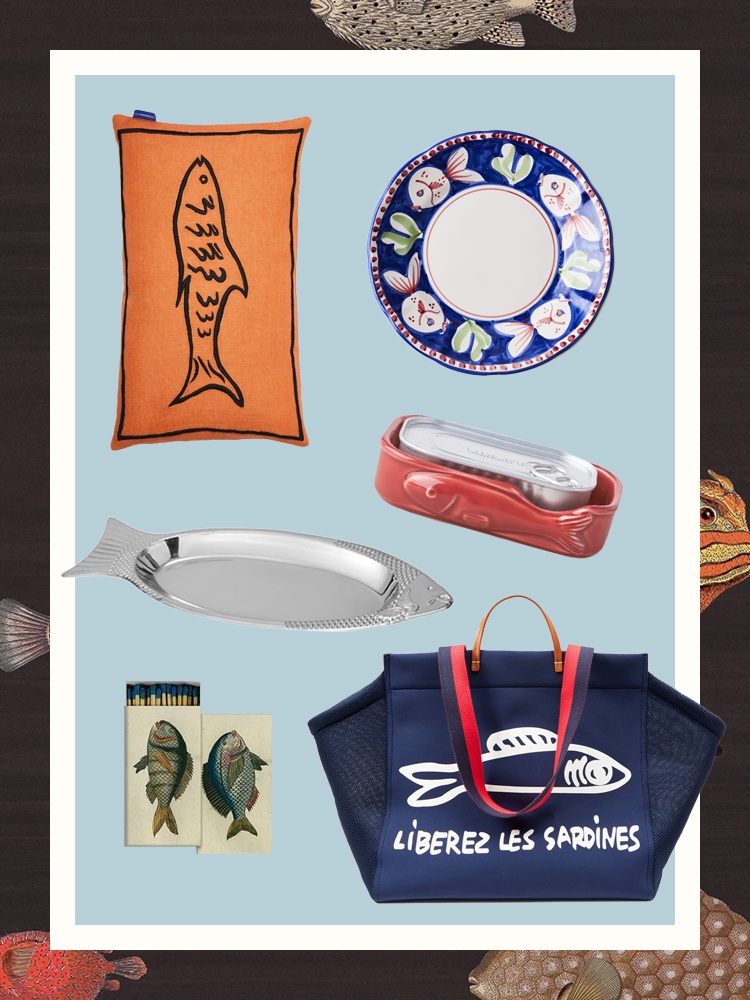
Fish Decor Is in High Demand These Days—Here Are Our Top 24 Picks

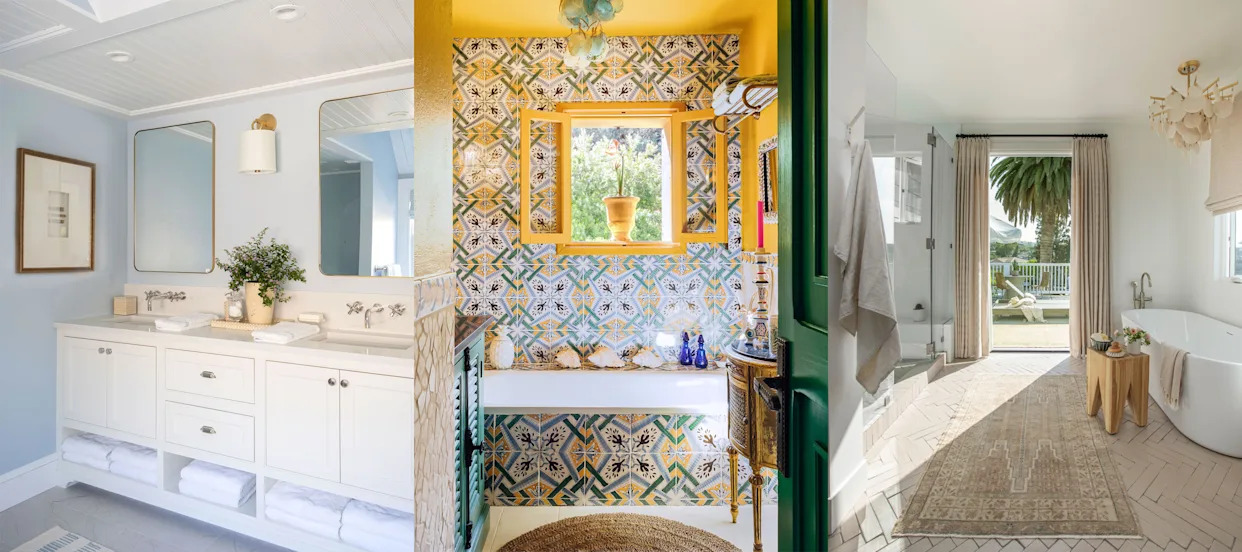
6 coastal bathroom ideas – for a serene, clean, and calming scheme that doesn't look kitsch
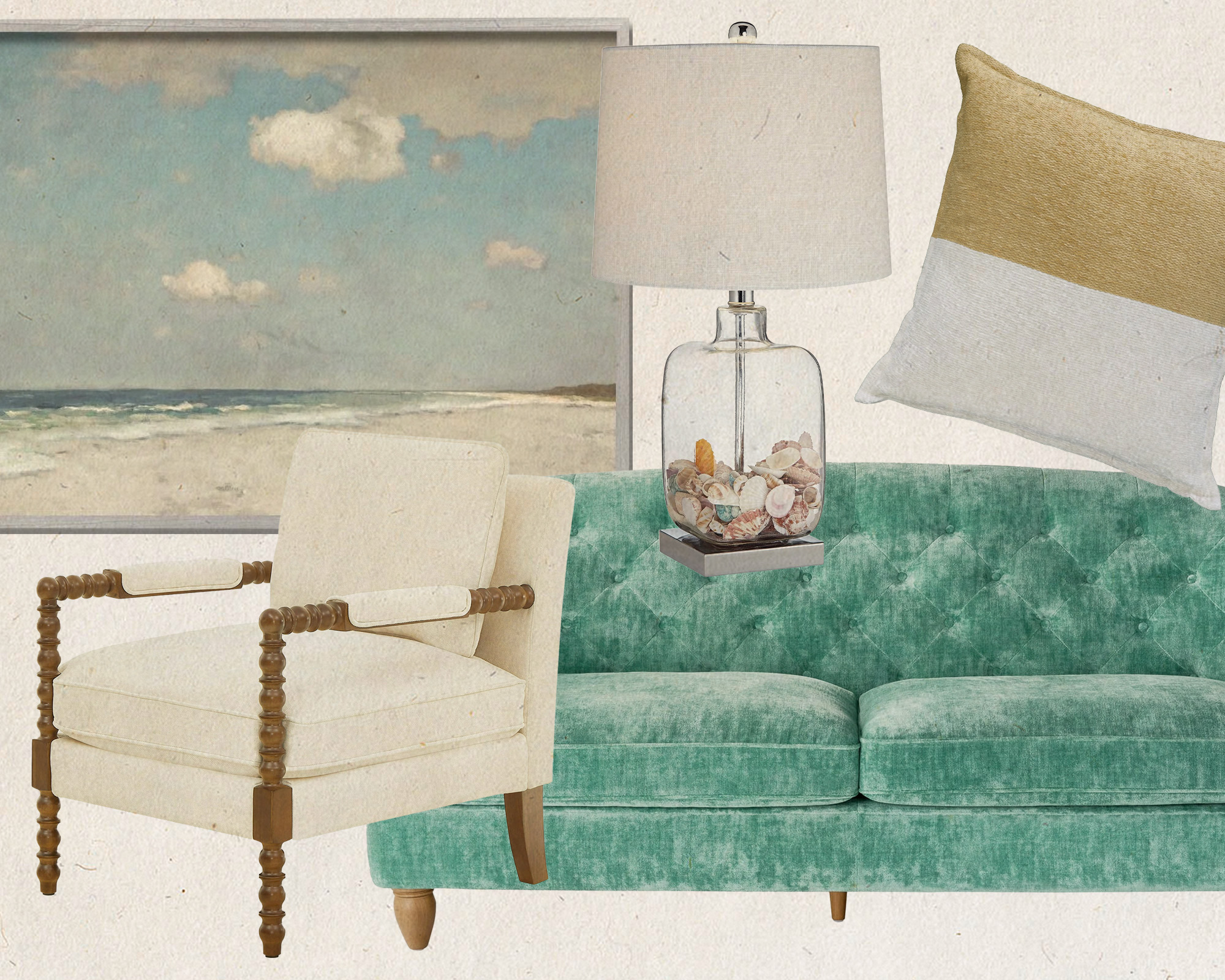
Designers love the coastal-cottage aesthetic – here's how to re-create it in your home
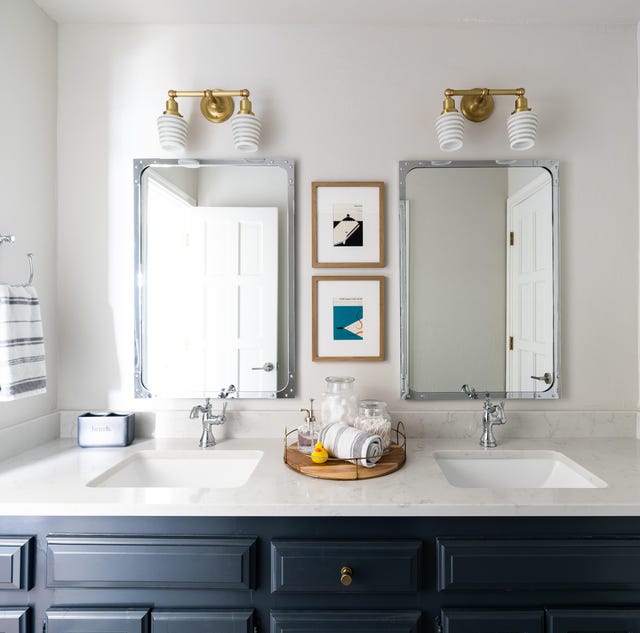
How to Incorporate Nautical Elements Into Your Bathroom Without Looking Kitschy
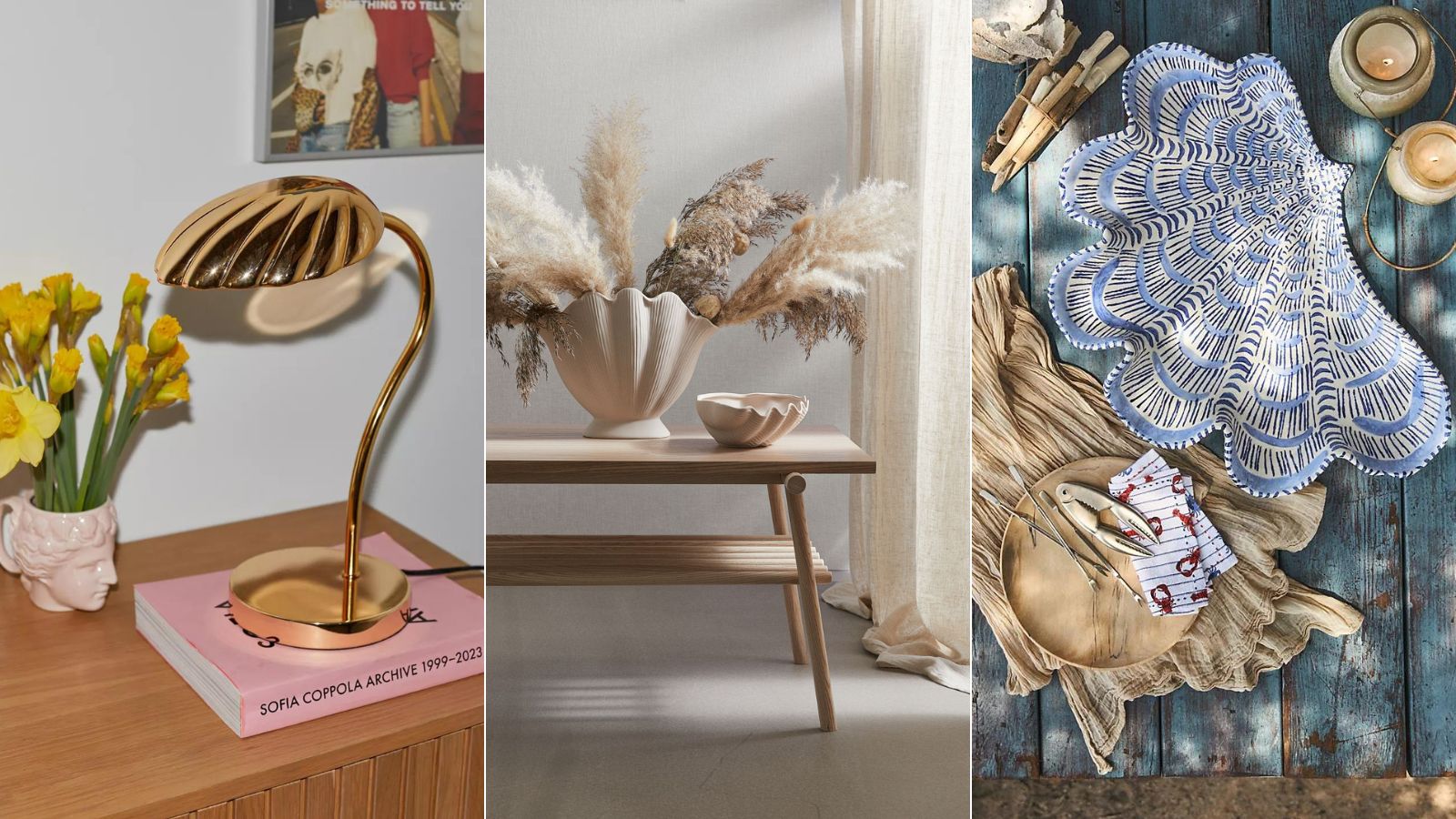
Florals for spring? It's all about shell decor for 2024 – these are our top picks
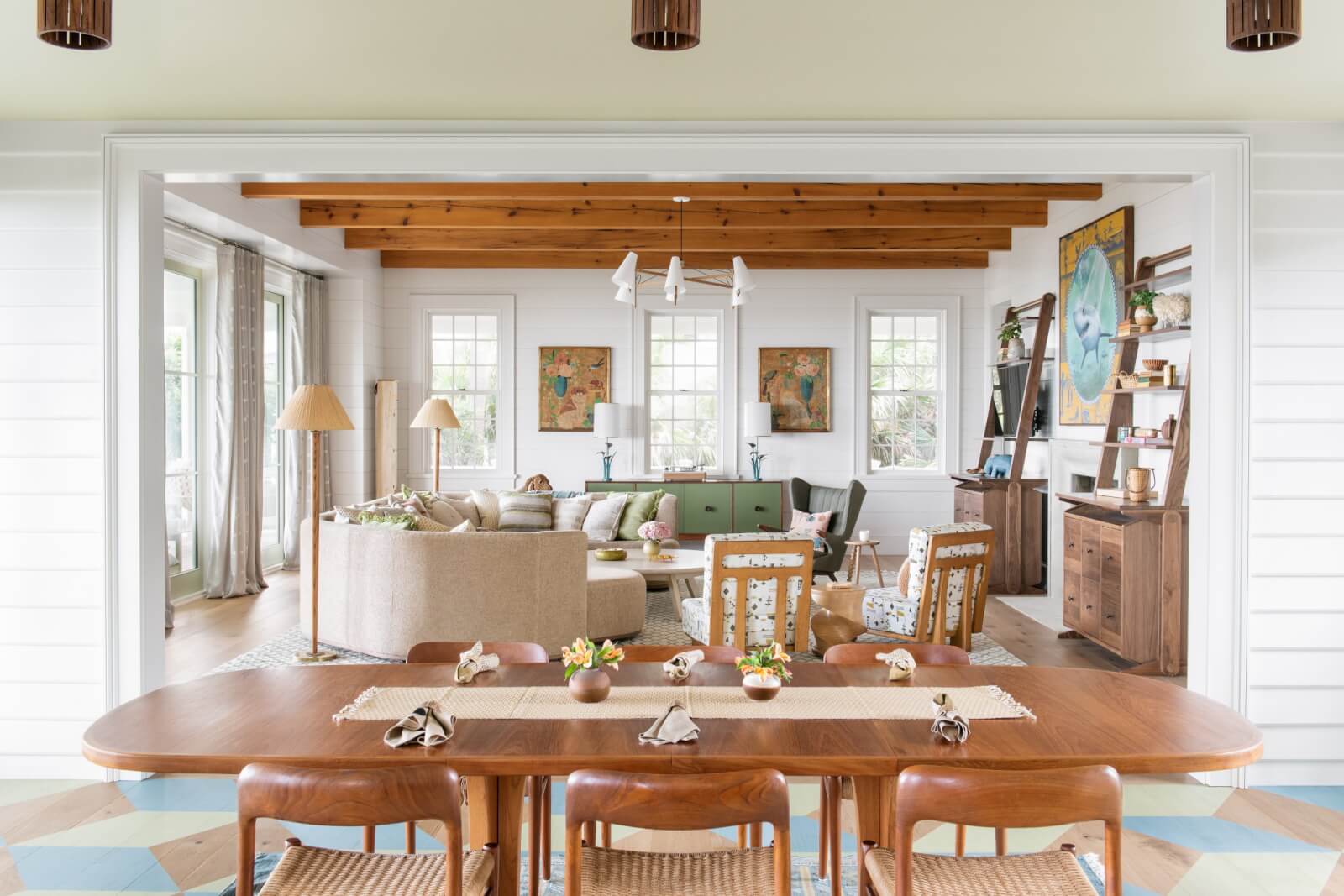
6 Beach House Decor Trends to Swoon Over

7 Expert Tips for Styling Beach and Coastal Decor on a Budget