1/5
This DIYer Saved Nearly $1,000 by Stenciling Her Favorite Wallpaper Pattern
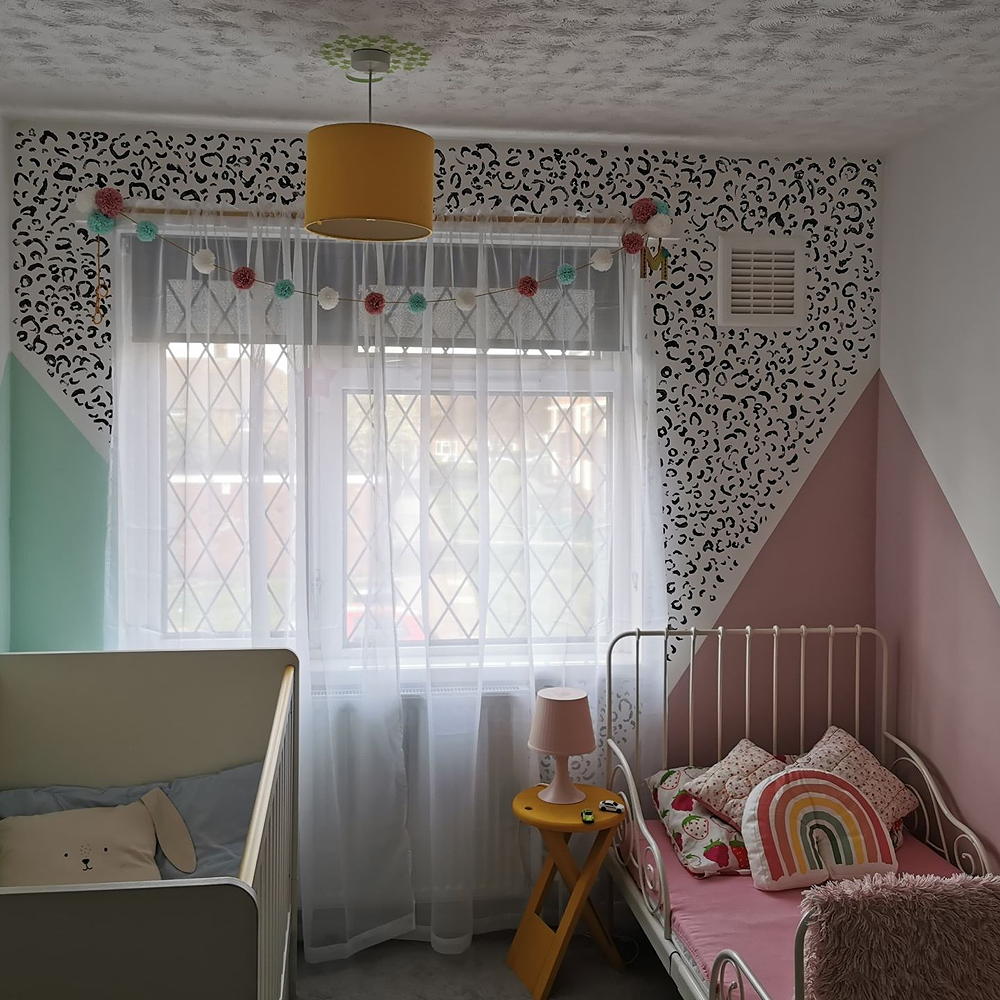
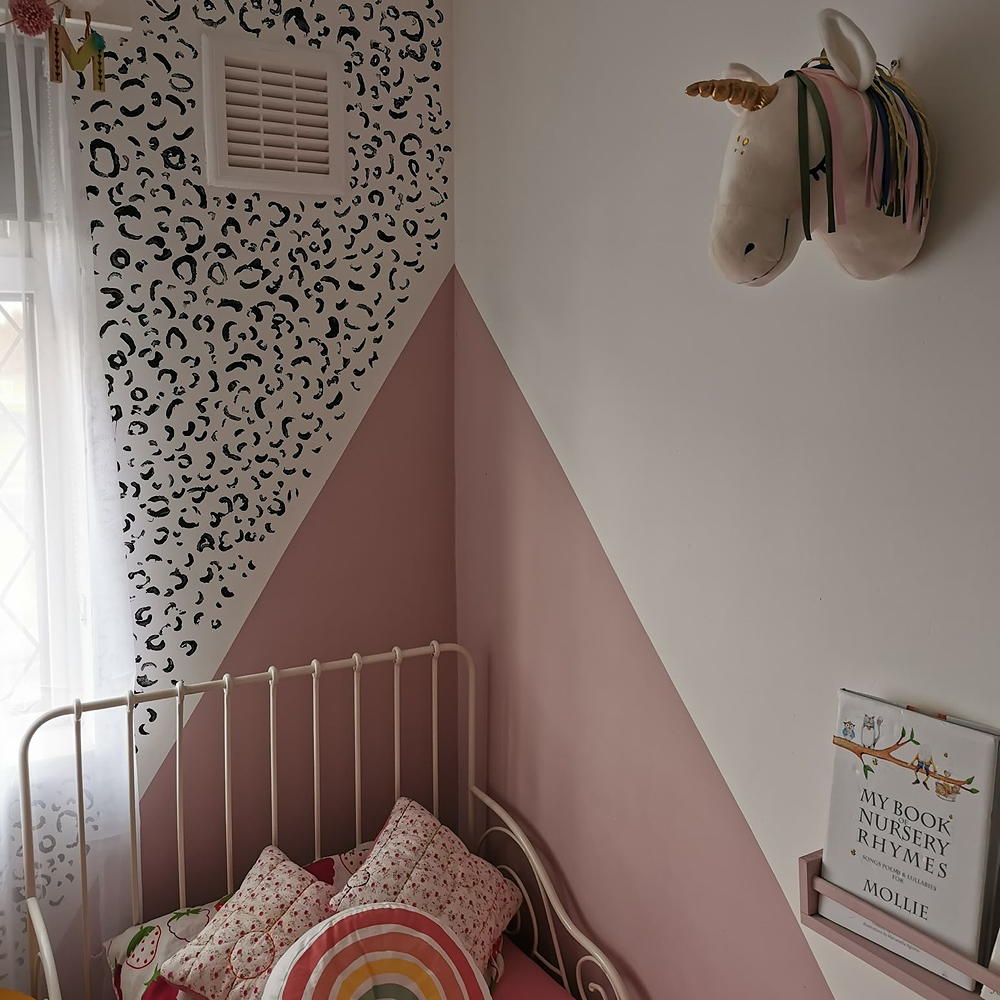
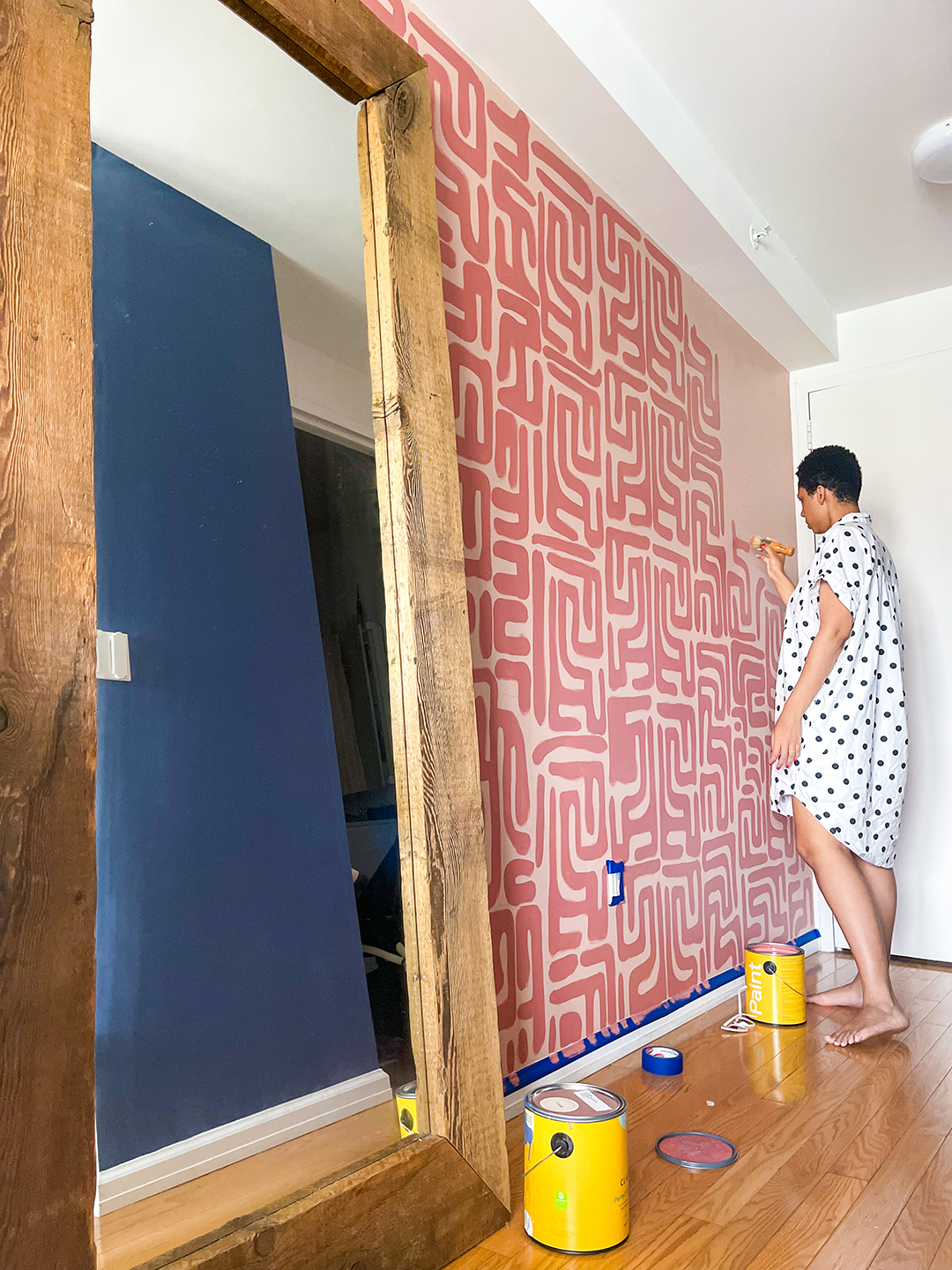
Dinah Eke embarked on a DIY project to transform an empty wall in her bedroom after being captivated by a St. Frank’s Kuba cloth-inspired wallpaper design. The original wallpaper posed several challenges: its heavyweight nature required a traditional paste application, which was unsuitable for her rental home in Long Island City, and the cost for enough material to cover her 12-by-9-foot wall would have been close to $1,000. Faced with these obstacles, Eke decided to replicate the pattern using paint and a stencil, a method that offered both cost savings and flexibility.
Initially, Eke considered projecting the design onto the wall for tracing but found it difficult to maintain the correct sizing. Inspired by other designers' murals, she opted to create her own stencil. This approach allowed her to customize the design and offered the advantage of easy correction, as any mistakes could simply be painted over. The project required several tools, all of which could be sourced from Amazon, including round-edge or foam paintbrushes, a paint roller, Mylar sheets, painter's tape, two or more paint colors (Eke used Clare's 'Meet Cute' and 'Pink Sky'), a hobby knife set, and a mechanical pencil.
The first step involved identifying inspiration, with Eke choosing a Kuba cloth-inspired design as a nod to her West African heritage. The next crucial step was cutting the stencil from Mylar sheets. Eke preferred Mylar for its milky transparency, which aided in tracing and paint application, though she noted that other sturdy materials like cardboard could also work. She selected a 12-by-24-inch Mylar sheet to accommodate the pattern's larger proportions and cut the traced design using a hobby knife set.
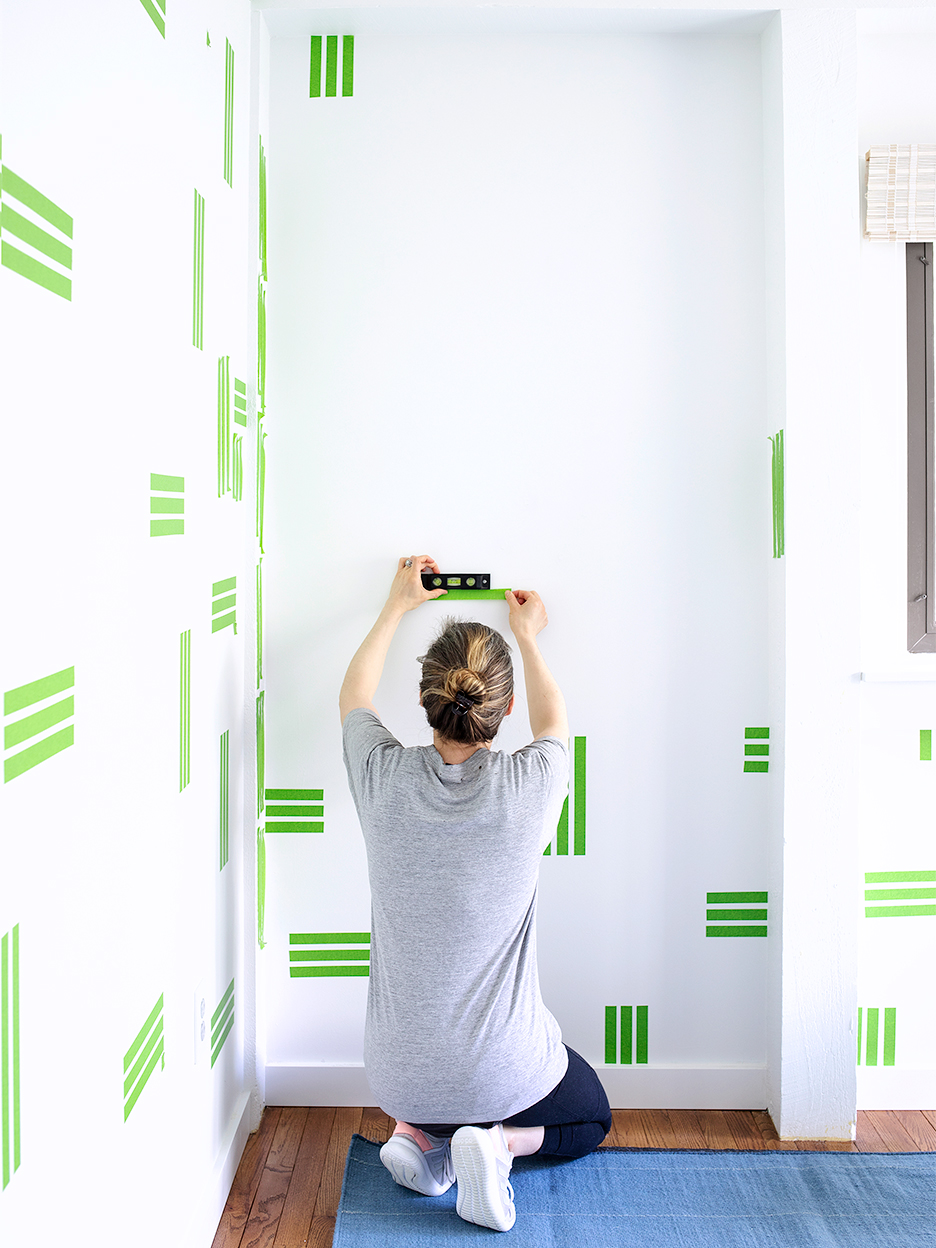
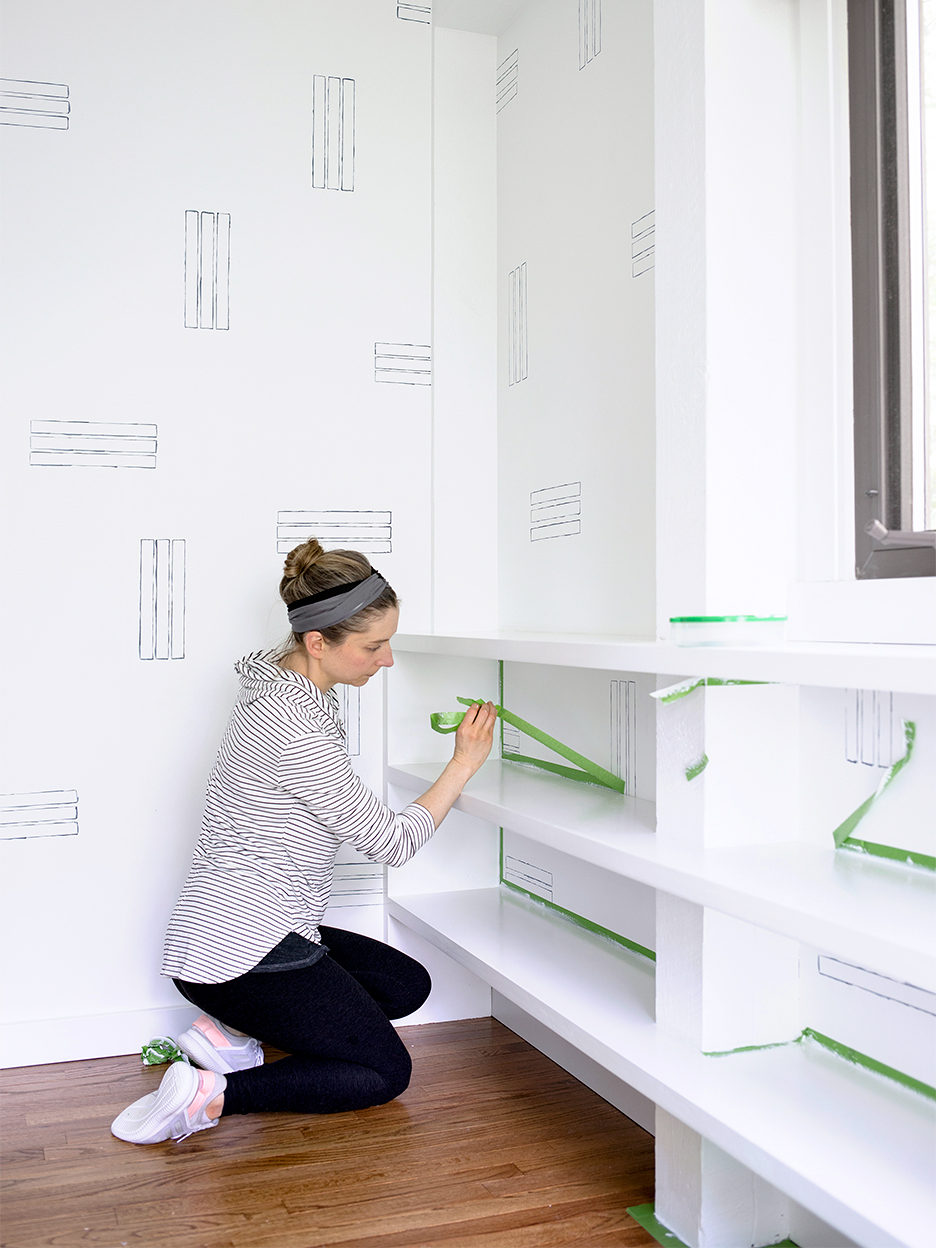
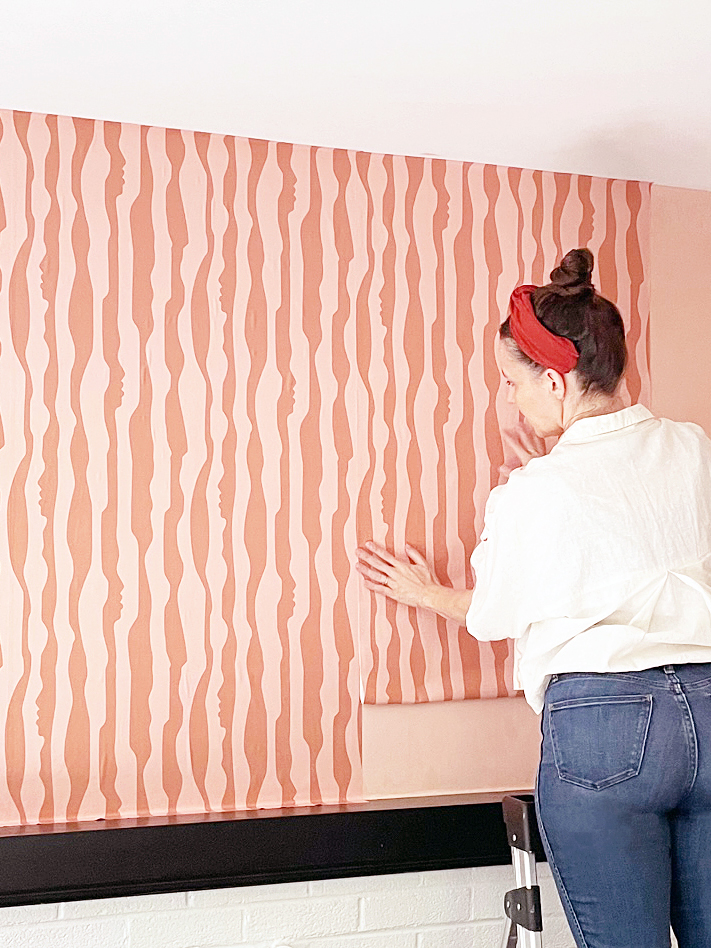
Before applying the pattern, Eke prepared the wall by taping her baseboards and rolling on the base coat. While she estimated the entire project could have been completed within a weekend, her responsibilities as a mother meant tackling the work in segments around her children's schedules, extending the project over several weeks. She humorously suggested painting a smaller wall to save time.
The most laborious part of the process was tracing the stencil onto the wall. Eke recommended using a mechanical pencil for tracing, as its light graphite lines are easily covered by paint, unlike the heavier marks of a carpenter's pencil. Although she began with meticulous alignment, she adopted a more freehand approach once she started painting, viewing the stencil as a guide rather than a strict rule. She found a 6.5-inch rounded brush most effective for applying paint and emphasized using only a small dab of paint at a time to prevent bleeding.
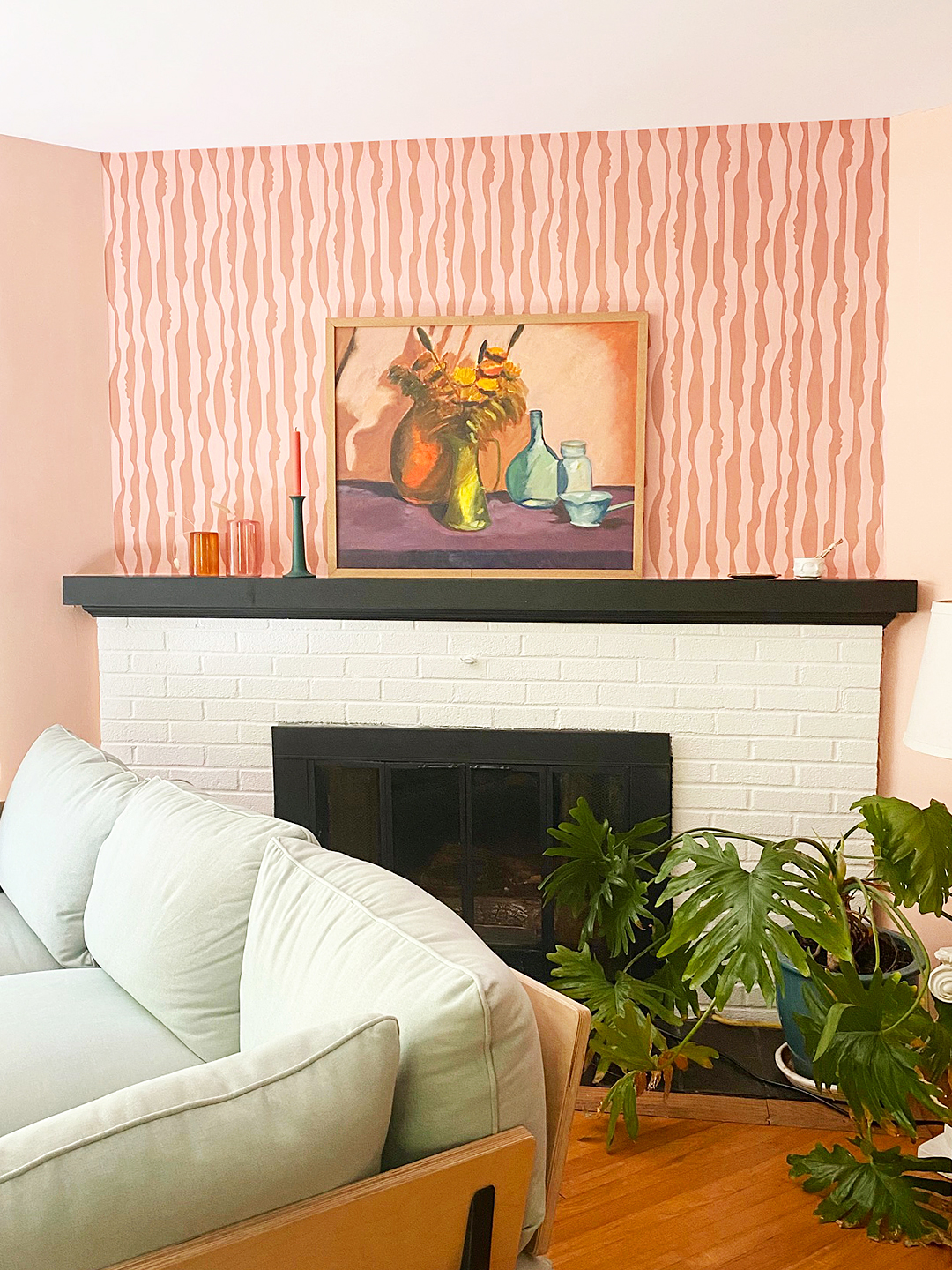
After the paint dried, Eke performed touch-ups to smooth edges and correct any errors. She expressed immense satisfaction with the outcome, noting that the painted wall completely transformed the room. The Clare paint's velvety finish impressed her, even surprising social media followers who initially mistook it for wallpaper. Eke's children enjoyed helping with the project, and her husband, despite initial reservations about the pink color, ultimately approved. Eke is now considering further enhancements, such as adding stitch marks in a darker hue and potentially using the stencils for a bathroom shower curtain, embracing new DIY challenges.
#DIYHomeDecor #Stenciling #WallpaperAlternative #BudgetDecor #HomeRenovation #InteriorDesign #AccentWall #RentalFriendly #DIYHomeDecor #Stenciling #WallpaperAlternative #BudgetDecor #HomeRenovation #InteriorDesign #AccentWall #RentalFriendly
0 comment in total
 No comments yet
You may also like
'I saved over £250' DIY mum shares £5 trick to save money on wallpaper - 'so simple'
Woman creates clever feature wall in her kitchen using £12 frog tape

Savvy 12-year-old gives her poster-filled bedroom a chic makeover for under £200

Woman Shares Budget-Friendly DIY For Luxurious Home Decor: 'This Is STUNNING!'
Skip Wallpaper in Favor of an (Almost) Free Painter’s Tape DIY
Thrifty mum crafts brick effect kitchen feature wall for just £12 using Frogtape and paint tester pots

A TikToker made a wall of color with 1,000 free paint-chip samples from Home Depot, and people are loving it
Peel On, Peel Off: The Indecisive Person's Cheap Solution To Trendy Home Decor

Interior Designer Shares Simple But Brilliant Home Improvement Hacks, Goes Viral

This $20 DIY hack adds instant character to any room, creating timeless picture frames and paneling

One Decision Saved This Homeowner $9,000 on Her Kitchen Transformation

Removable wallpaper apartment DIY: I transformed my living room in an afternoon
This Wall-Decor Hack Is Even Easier Than Peel-and-Stick Wallpaper
Homeowner wows with DIY version of latest feature wall trend – and the results are stunning!
DIY fans are reaching for the fridge to try out this ingenious new painting hack
How to Hang Wallpaper (the Permanent Kind!) | domino
To Splurge on Burgundy Marble, This Renovator Saved on Her Kitchen Wall Treatment
Feature walls are out - the 4 new homeware trends including genius ceiling hack that will save you money

I Customized My Rental With This Easy Old-School Design Hack
6 Wallpaper Mistakes Designers Immediately Notice in Any Home