1/10
Raleigh Campsite in Guizhou / Architectural Design Institute of South China University of Technology
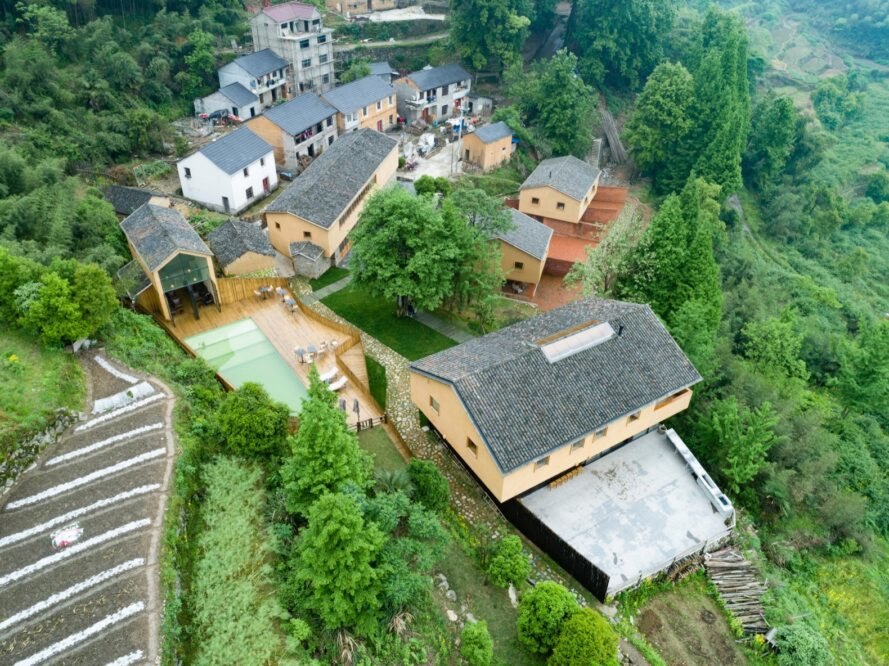
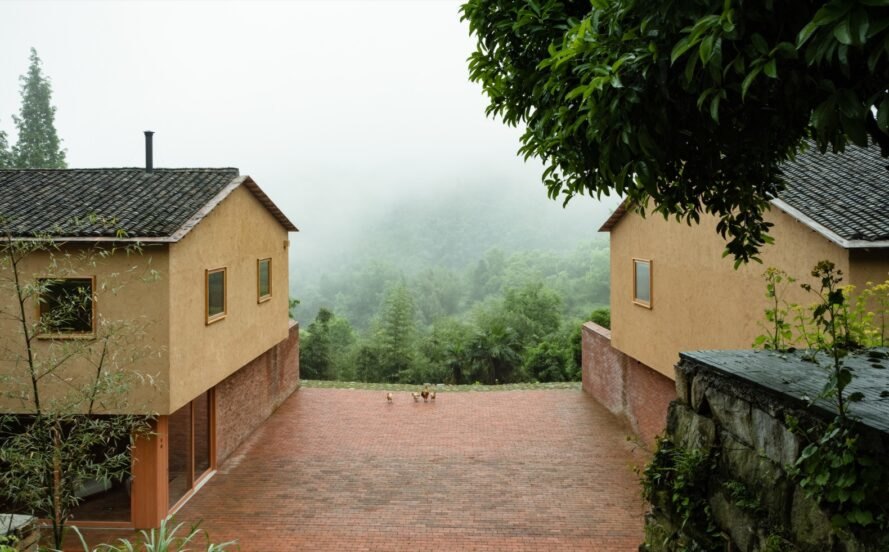
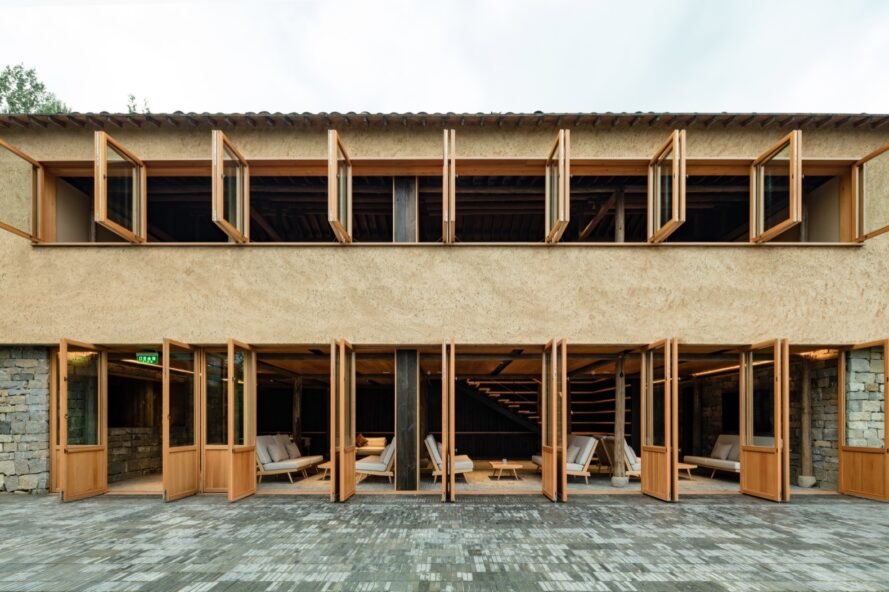
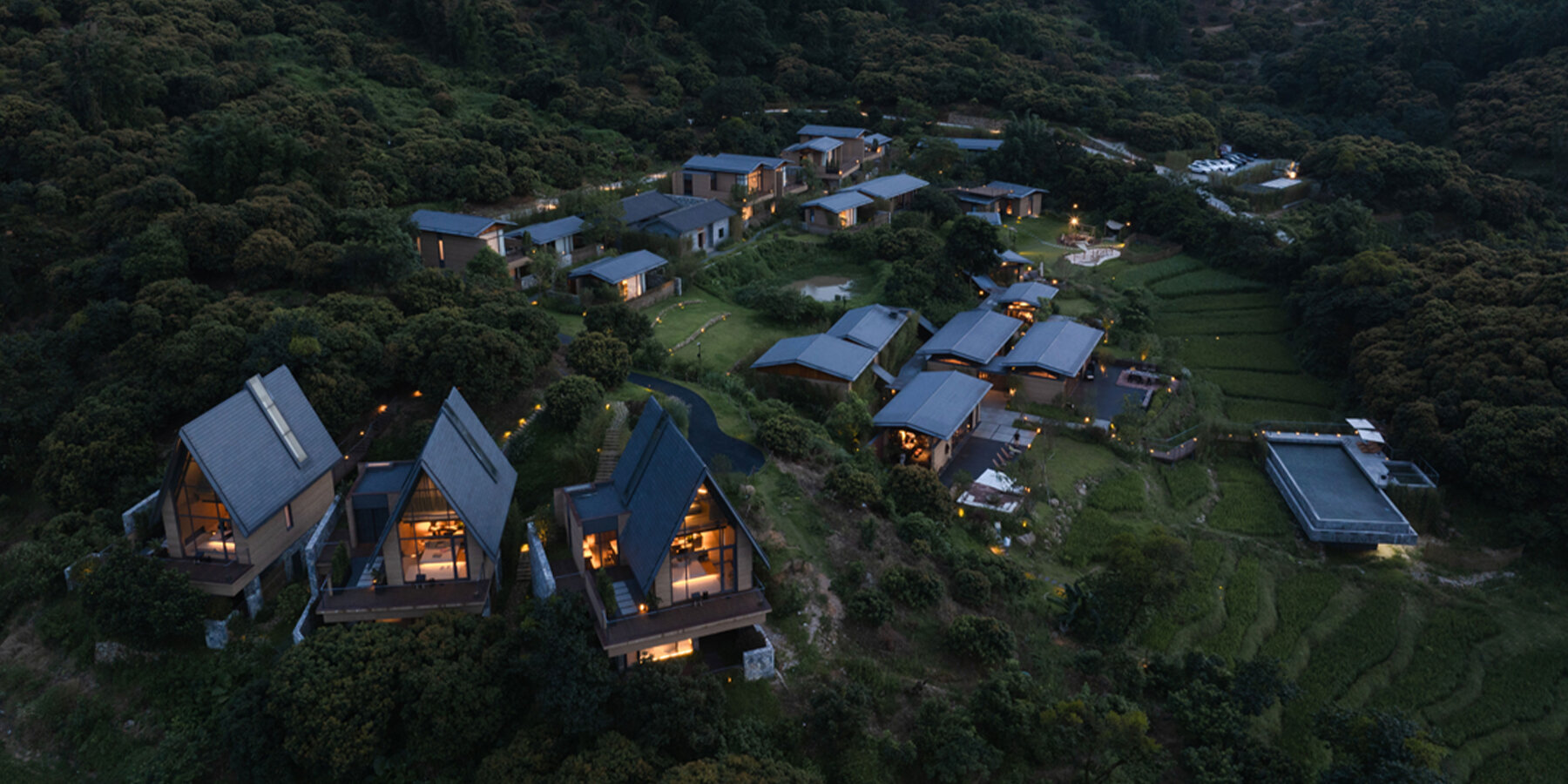
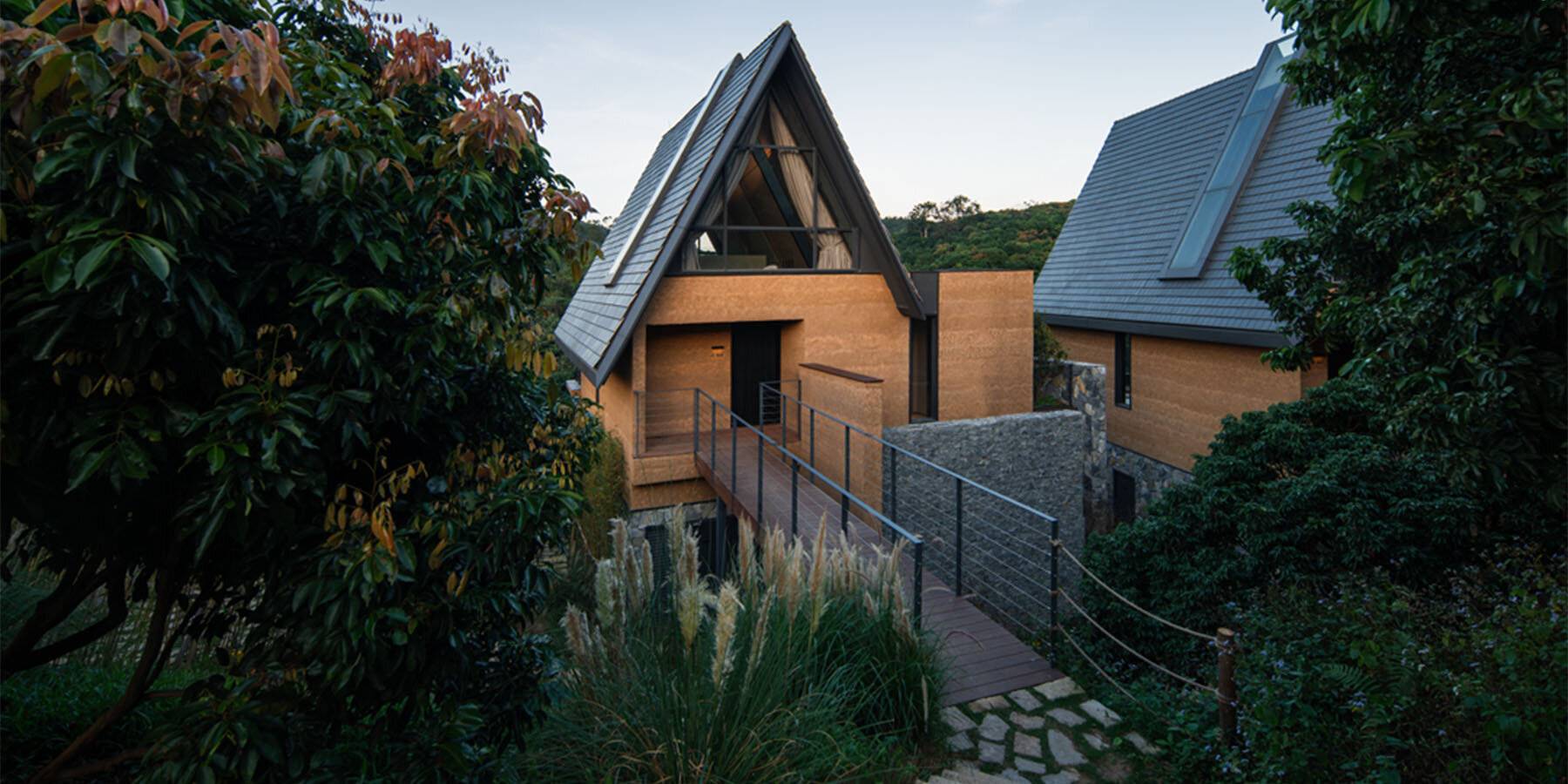
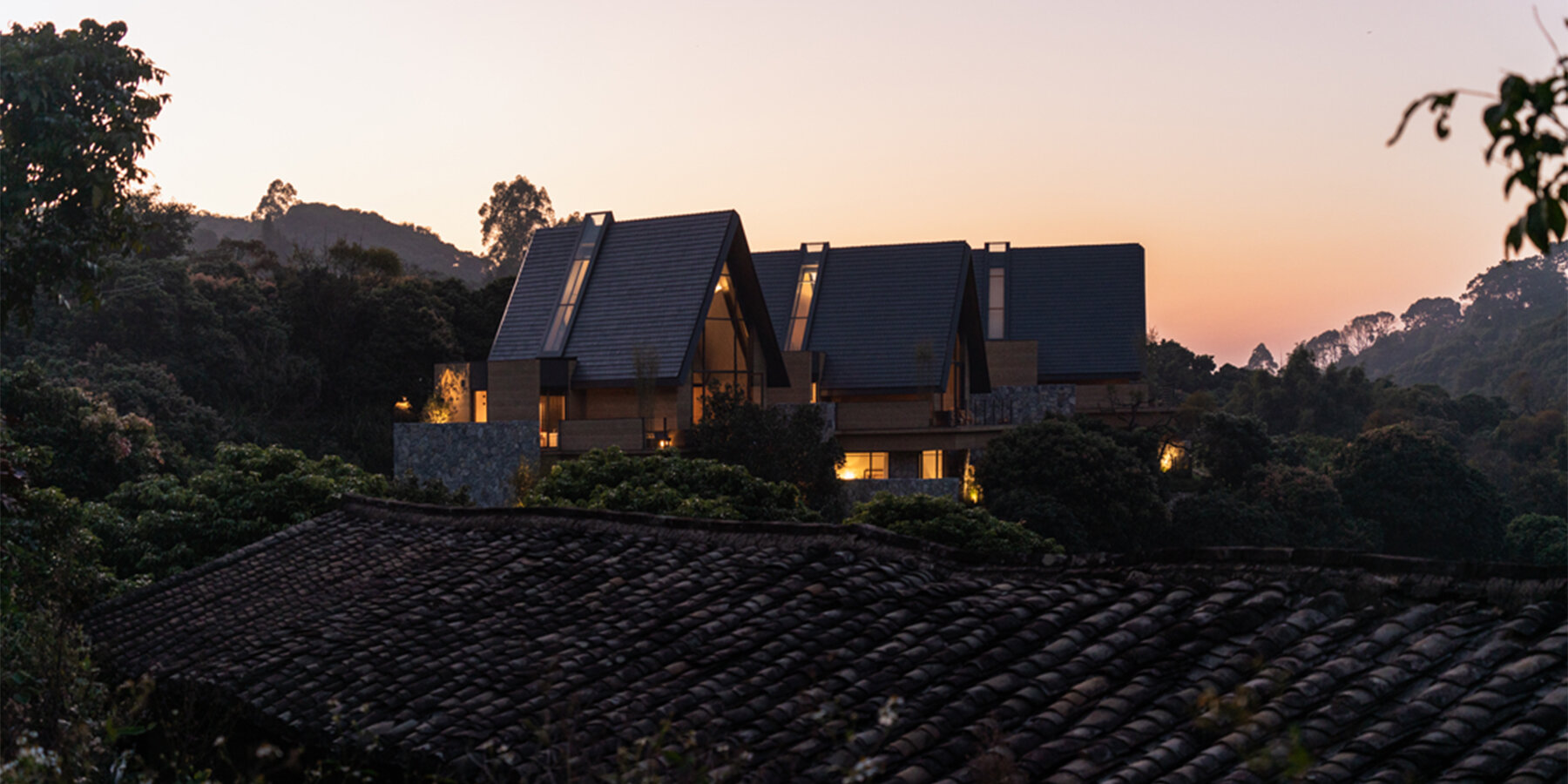
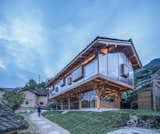
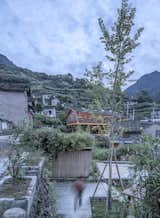
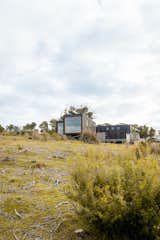
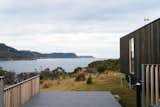
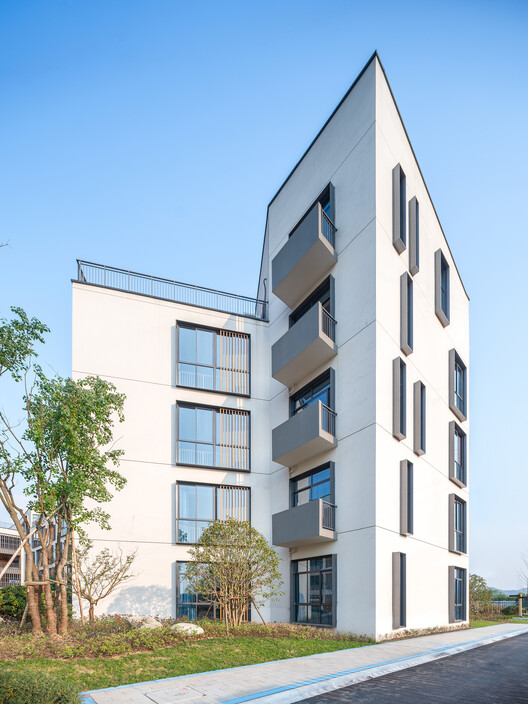
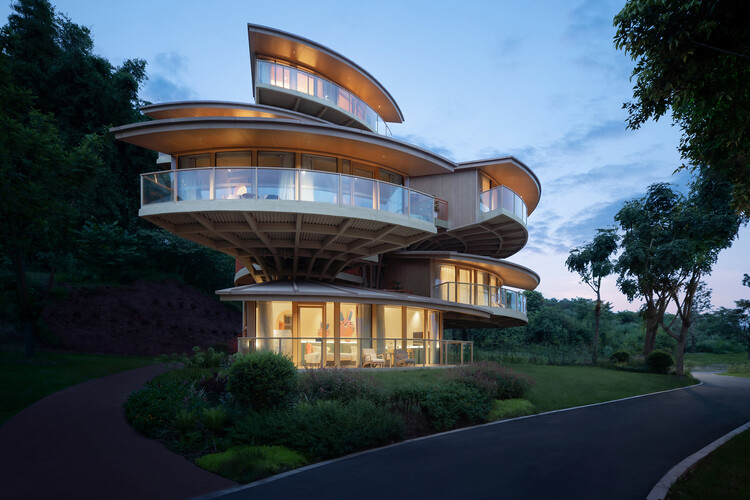
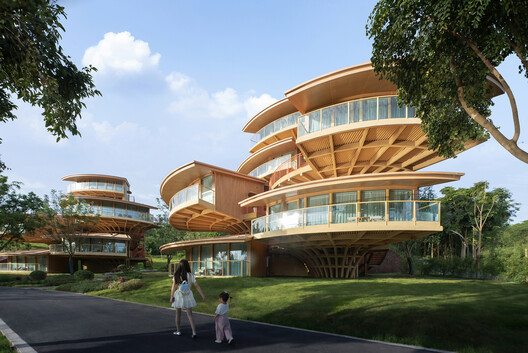
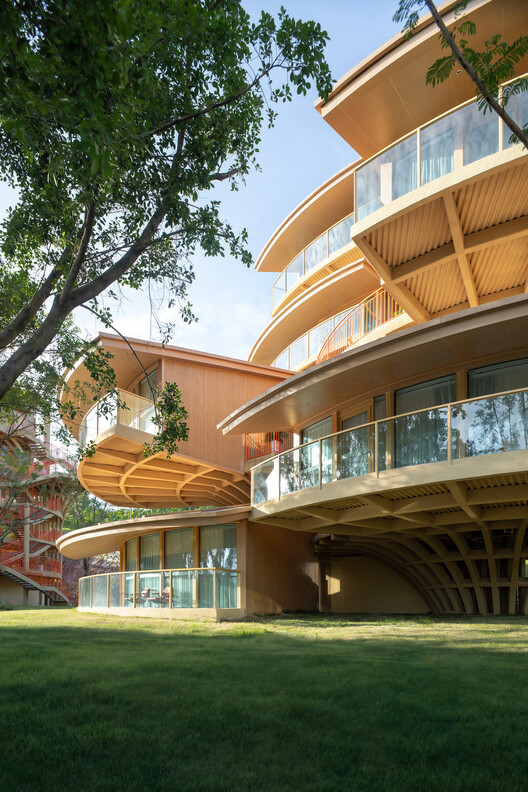
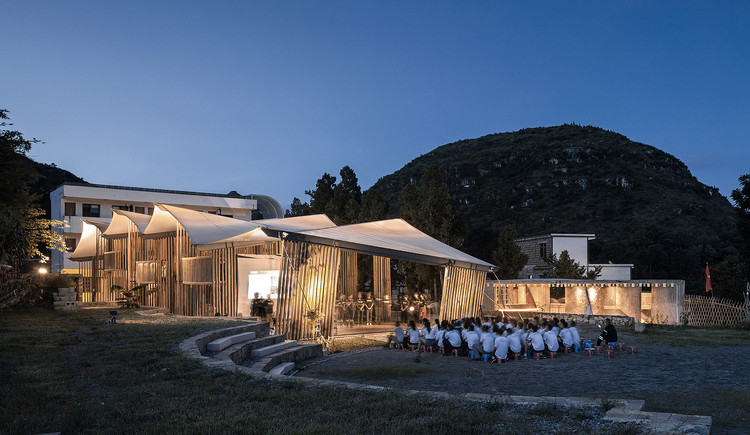
The Raleigh Campsite in Guizhou, designed by the Architectural Design Institute of South China University of Technology in 2018, is a non-profit youth development facility located in a mountain village in Pingqiao, China. The project aims to integrate youth camping activities with rural development initiatives, fostering a sustainable model that empowers both youth and local communities. The campsite was funded through corporate donations, attracted by the design proposal, and constructed collaboratively by Raleigh companions and local craftsmen, ensuring that its ongoing operation supports non-profit youth development activities.
The architectural team included Zhenhui Zhang, Weilu Chen as lead architects, with contributions from Haoteng Yang, Qijie Sun, Xiaobo Yang, Yuanzheng Zhu, and Hao Su. The landscape design was handled by Zhisheng Guo, structural engineering by Fan Wang, Zerong Lai, Chen Ning, and Zhifeng Luo, and floodlighting by Yanju Ji and Sengjie Ma. Water supply and drainage were managed by Fan Jiang and Weile Huang, and electrical systems by Weibin Chen and Wencheng Cai. The client for the project was Raleigh, with the Sheng Ye group serving as the donor. The construction management was overseen by Lifeng Song, Weiqiang Lu, Yijing Zhang, and Feng Lu.
The campsite's design and construction process reflect a commitment to local engagement and resourcefulness. The collaboration between international volunteers (Raleigh companions) and skilled local artisans was central to its realization, helping to transfer knowledge and build capacity within the community. This approach ensured that the architecture was not only functional but also culturally and environmentally sensitive to its mountainous Guizhou setting. The involvement of various technical specialists, from structural engineers to floodlighting designers, underscores the project's comprehensive planning and execution.
The project emphasizes sustainability and community involvement, leveraging donations and volunteer efforts to create a lasting impact. The integration of the campsite within the existing village context aims to create a symbiotic relationship, where youth development activities contribute to the social and economic vitality of the rural area. The design seeks to provide spaces that are conducive to learning, outdoor activities, and community interaction, making it a hub for youth empowerment and regional growth. The overall effort highlights a model of development that prioritizes social benefit alongside architectural innovation.
#YouthDevelopment #CampsiteDesign #RuralDevelopment #CommunityEngagement #ArchitecturalDesignInstituteOfSouthChinaUniversityOfTechnology #ChinaArchitecture #NonProfitProject #SustainableArchitecture #EducationalArchitecture #YouthDevelopment #CampsiteDesign #RuralDevelopment #CommunityEngagement #ArchitecturalDesignInstituteOfSouthChinaUniversityOfTechnology #ChinaArchitecture #NonProfitProject #SustainableArchitecture #EducationalArchitecture
0 comment in total
 No comments yet
You may also like
Giants Of Design Retreat Invites Reflection In Joshua Tree

My ArchiSchool spotlights 10 architecture and design projects
Blue Heart - Youkong Living Room / Wutopia Lab
LAU architecture students assemble emergency shelter with plastic crates + ties
Rammed-earth walls make up a beautiful retreat hidden in the Zhejiang mountains
An Enchanting Cabin of Wood, Glass, and Steel Entices Visitors to Rural Wisconsin

chain 10 urban space design's clubhouse in taiwan features curving ribbon façade
16 Dreamy Ski Cabins We Wish We Were Holed Up In This Winter
Yangjiang Cultural Center / Architectural Design & Research Institute of SCUT + Yifang Design Group
Tongji Architectural Design (Group) Co. | Tag
This Prefab Cabin Is Light on the Land and Heavy on the Views
TEAM_BLDG redefines urban living with apartment complex renovation in guangzhou, china
experience nature from archiworkshop's glamping site in ga-pyeong
A Transparent Library Gleams at the Center of a Chinese Mountain Village
Hangzhou Zhongtai Middle School / LZGC Quantum City Design Firm + Zhejiang Jianyuan Architectural Design and Urban Planning Institute
Tree house Design of Nanxi Happy Pastoral Wild Hotel / WH studio
chinese resort by line+ embraces terraced mountain rhythms with varied-slope rooflines
li city study invites 24/7 reading amid a terracotta-hued & skylit backdrop in china
Courtyard Renovation for the GuanZhong Mangba Art Festival / Daipu Architects
far workshop revives chinese lodge as wine cellar marked by black concrete columns