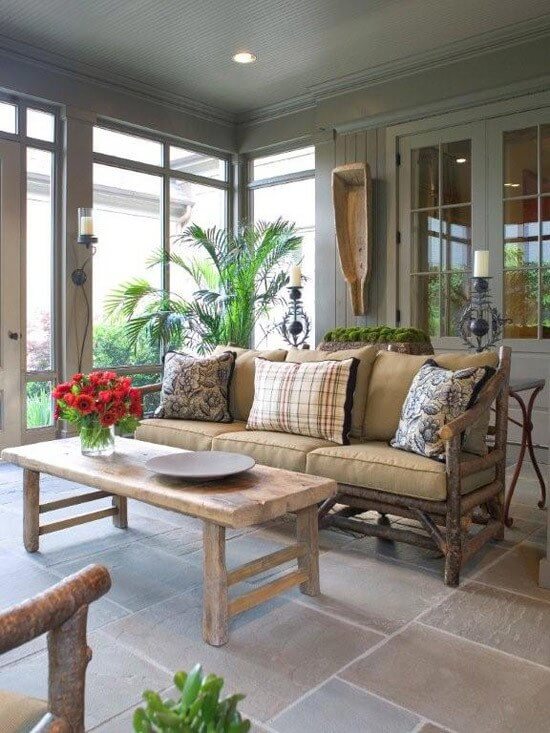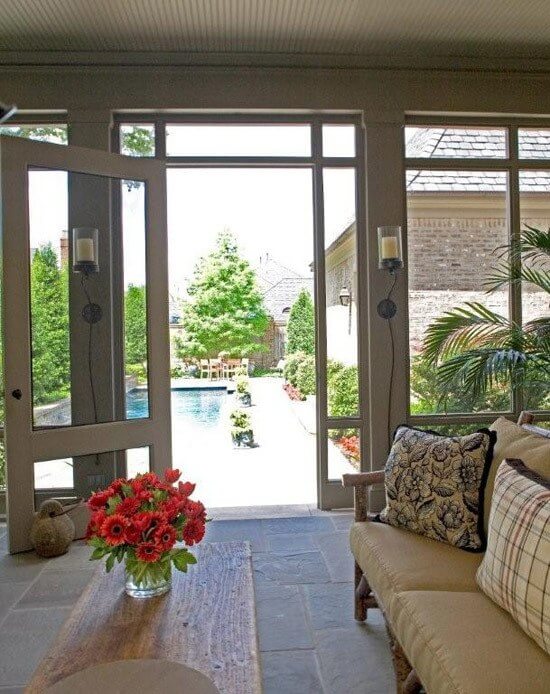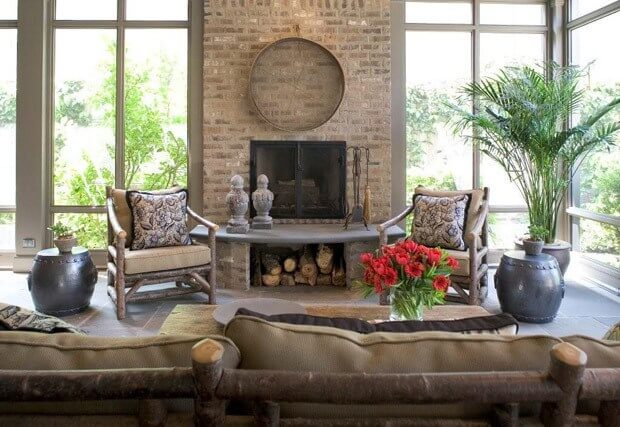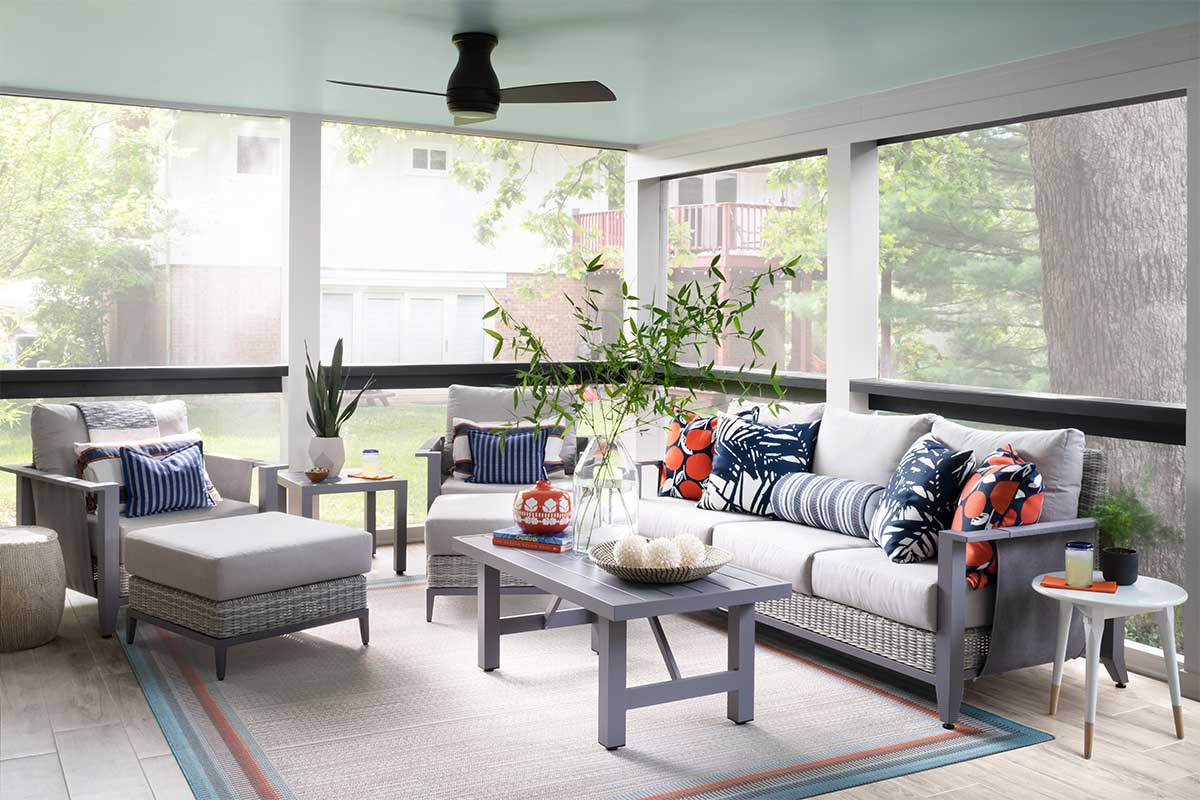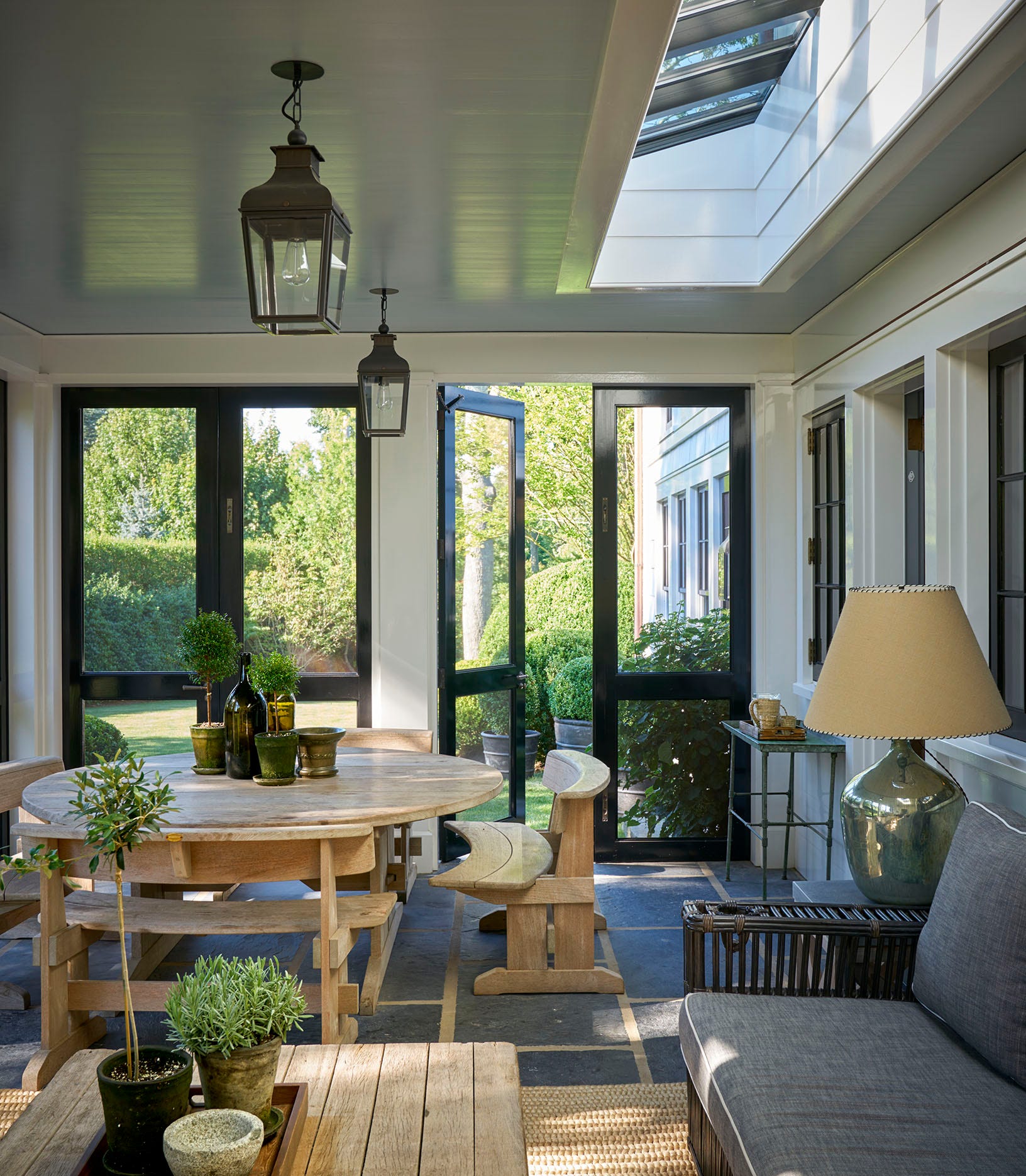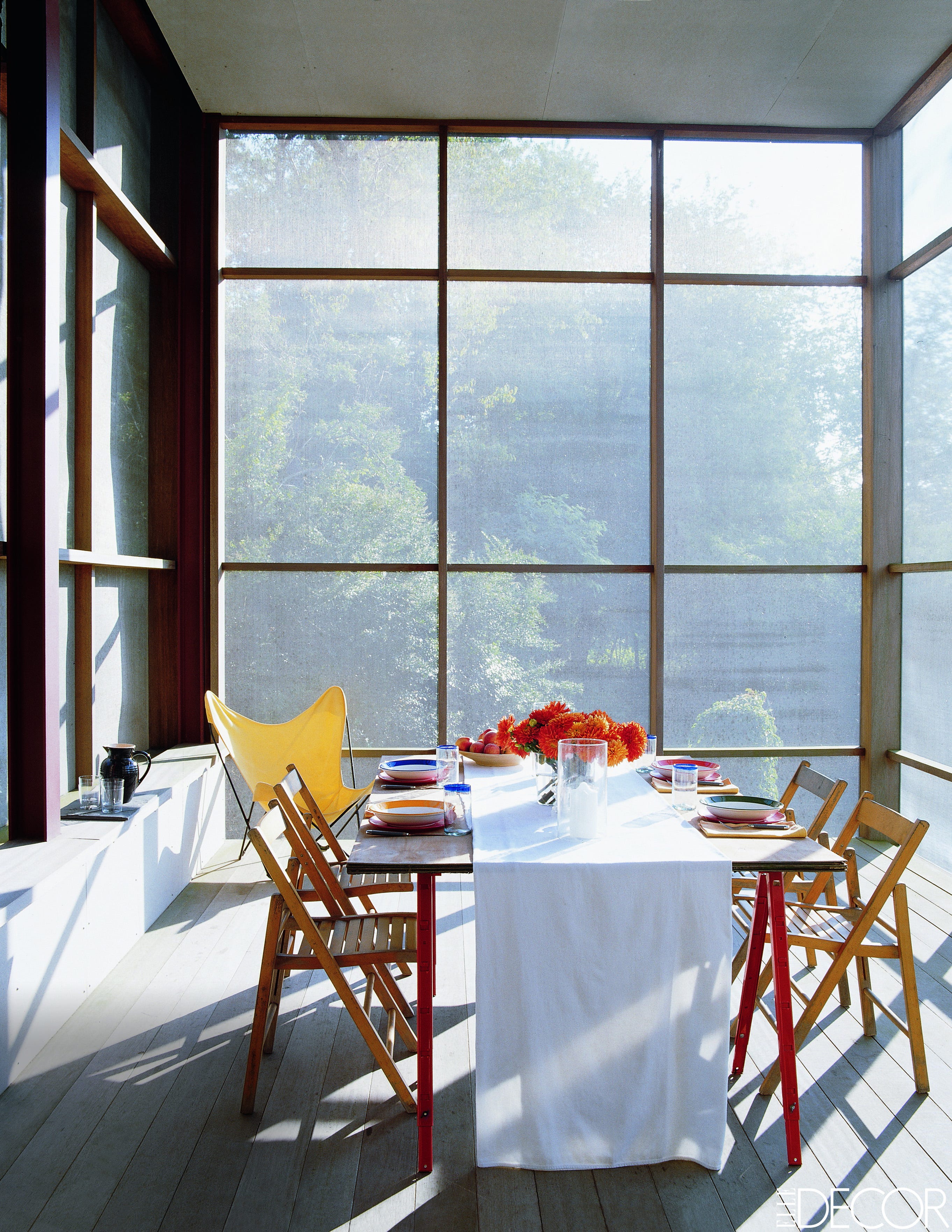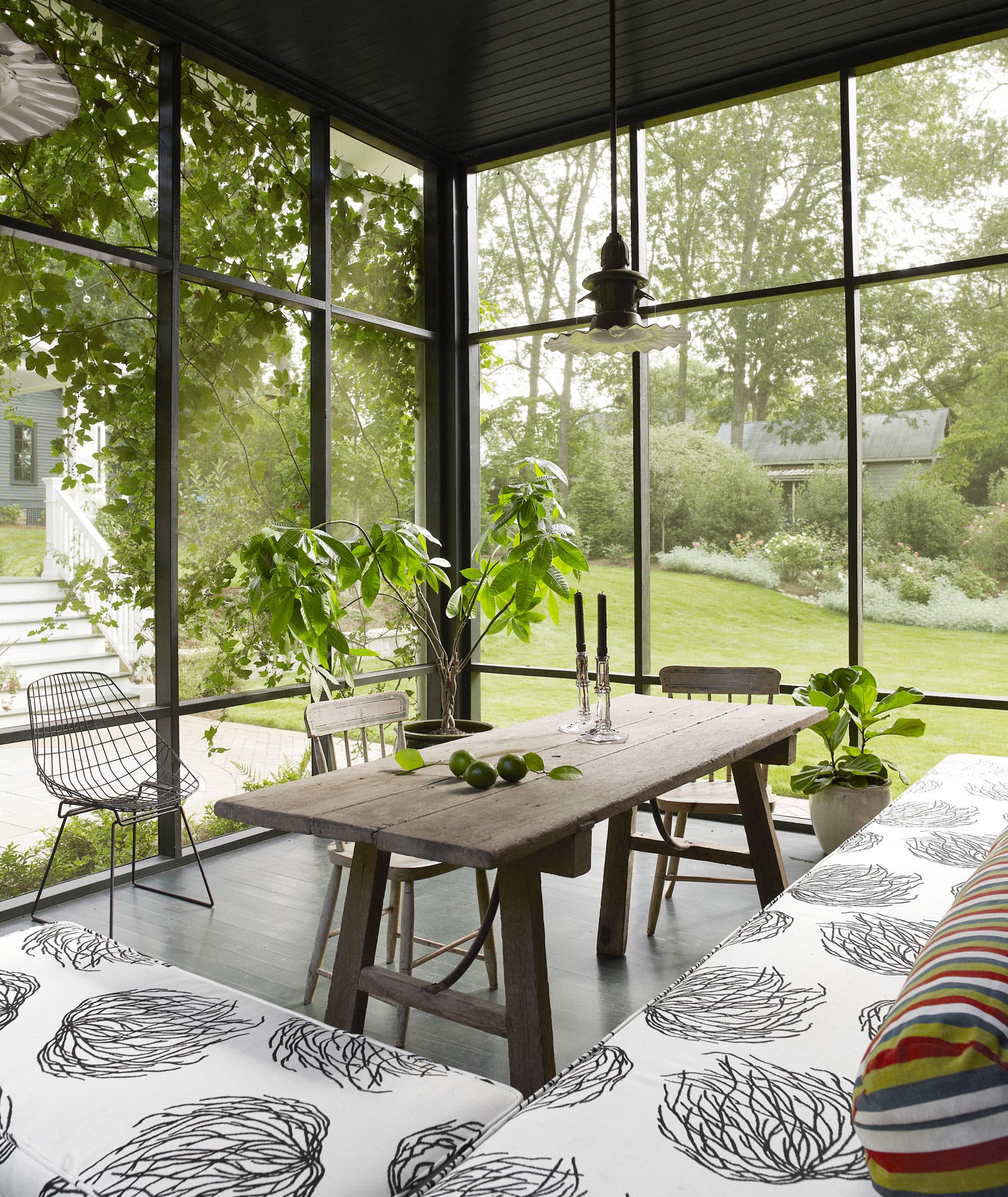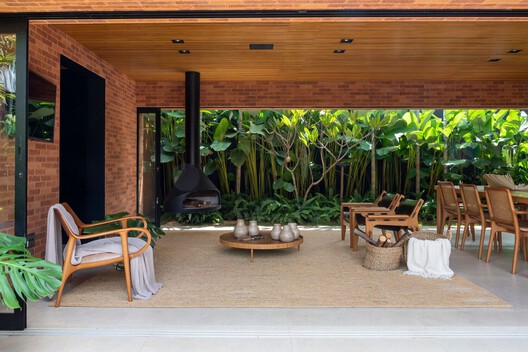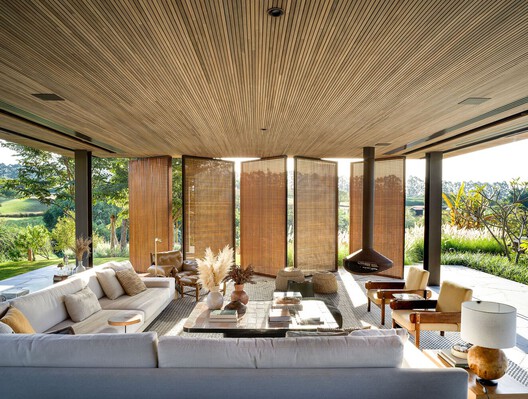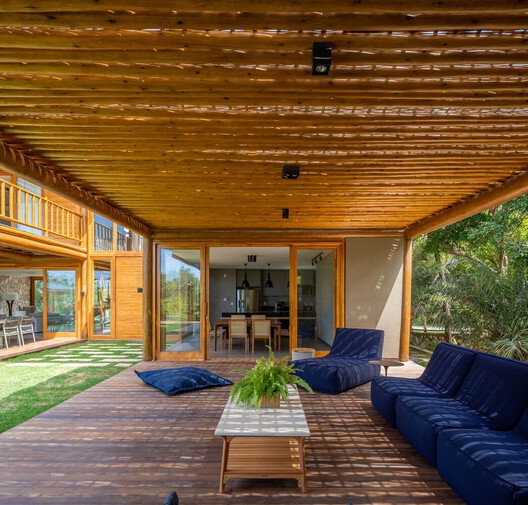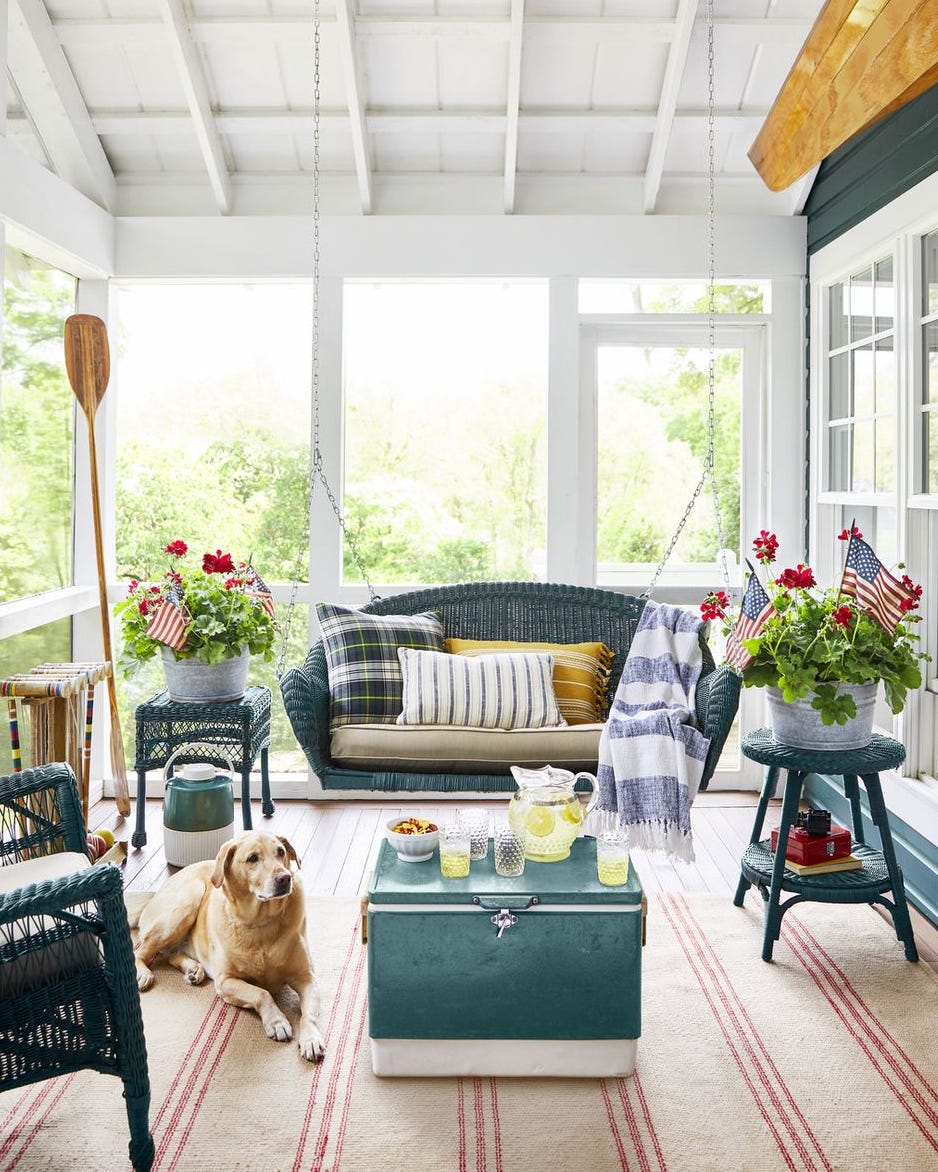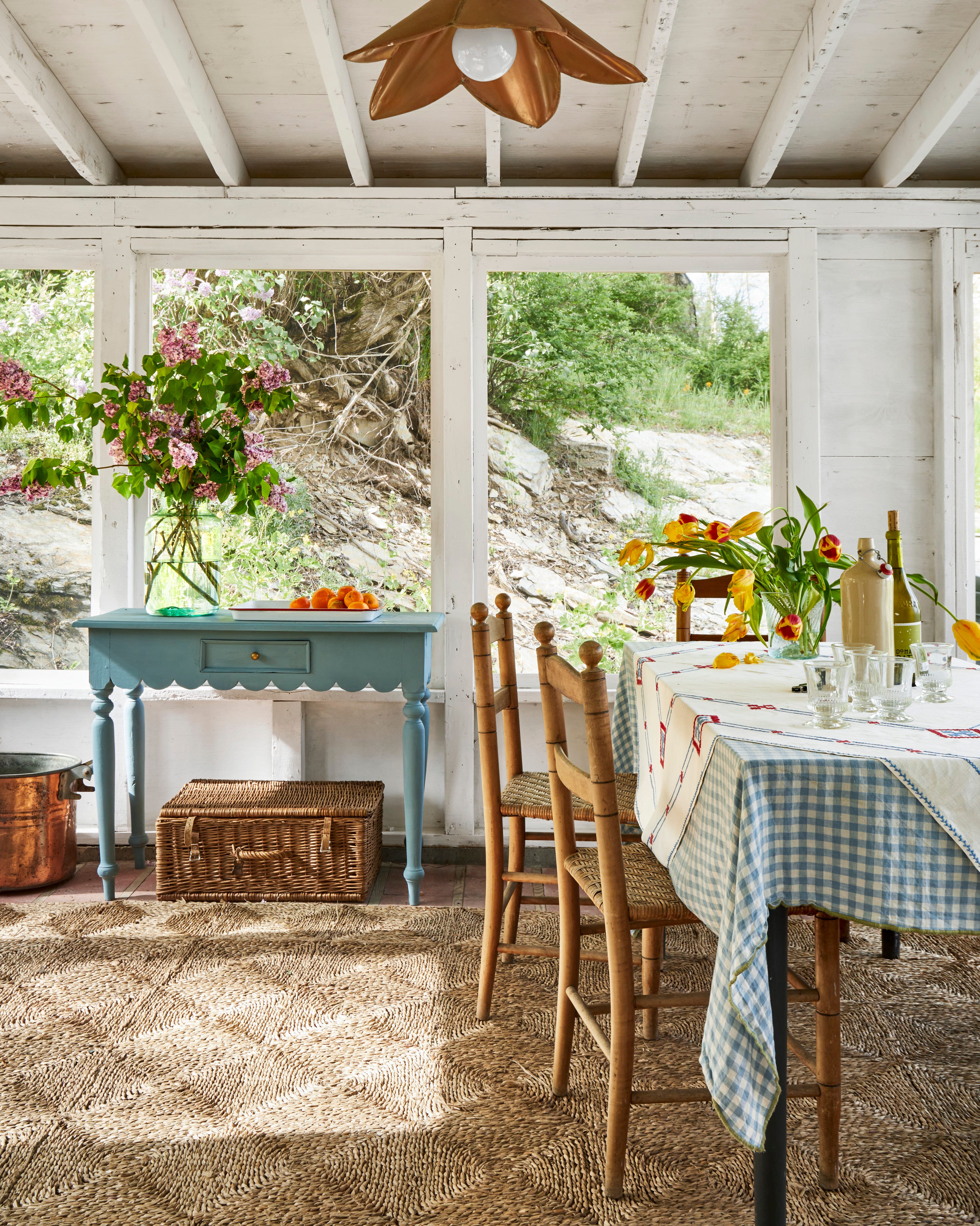
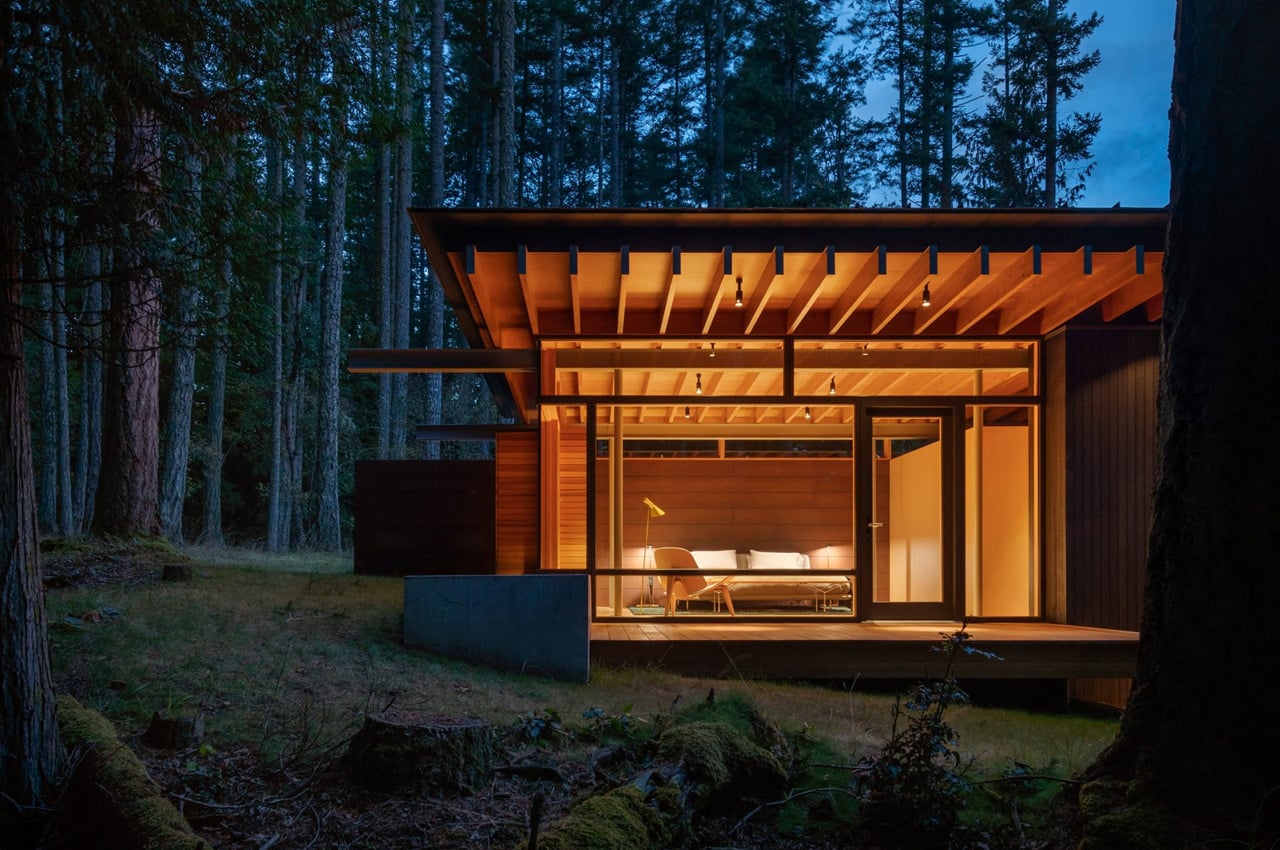
Porches are a room with a view
Porches are experiencing a resurgence in popularity, evolving from traditional structures to essential extensions of a home's living space. Stephen Melman, a spokesperson for the National Association of Home Builders (NAHB), notes this trend, highlighting that the share of new homes incorporating porches increased from 42% in 1992 to 60% in 2008. This revival marks a return to a classic American architectural feature that had seen a decline in the 1950s with the advent of suburban living and air conditioning. Today, homeowners are increasingly seeking functional outdoor living areas, driving renewed interest in porches as a versatile solution.
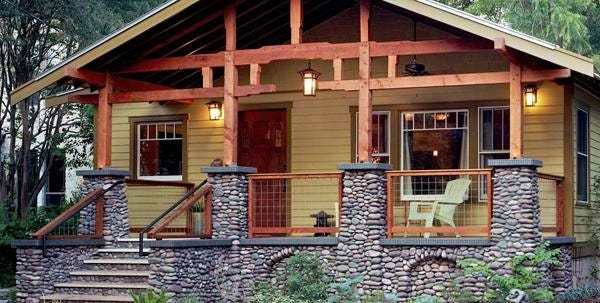
Lee Mackenzie, President of Mackenzie Design Build Inc. and a recipient of the 2010 Contractor of the Year Award, emphasizes the fundamental role porches play in fulfilling human needs for both protection and a sense of openness. He explains that porches offer a secure space while providing a broad view of the surroundings, a concept he refers to as "protection and prospect." Mackenzie's award-winning renovation of an Austin bungalow exemplifies this, where he meticulously recreated a front porch that had been previously removed. This redesigned porch integrates natural elements like river stone columns, glass mosaic caps, and timber framing that aligns with the existing roofline, featuring pegged mortise-and-tenon construction. Thoughtful lighting, including downlights in arches and along the entry staircase, enhances the porch's overall presence and appeal.
Before embarking on porch construction or renovation, Mackenzie advises that the design must complement both the home's architectural style and the character of the surrounding neighborhood. He distinguishes between front porches, which foster a connection with the street and community, and back or side porches, which provide a private retreat and link to nature. Mackenzie advocates for designs that utilize materials inspired by the natural world and showcase exposed structural elements, contributing to an organic aesthetic.
Several key elements contribute to a well-designed porch. Color choice for paint or stain can quickly refresh a porch, with considerations for sunlight exposure and coordination with the house's exterior hue. Solid stains offer full coverage, while semi-transparent options allow the natural wood grain to show through. For concrete porches, acid staining or acrylic coatings can update existing surfaces, while new concrete can be tinted and stamped to mimic natural stone or tile.
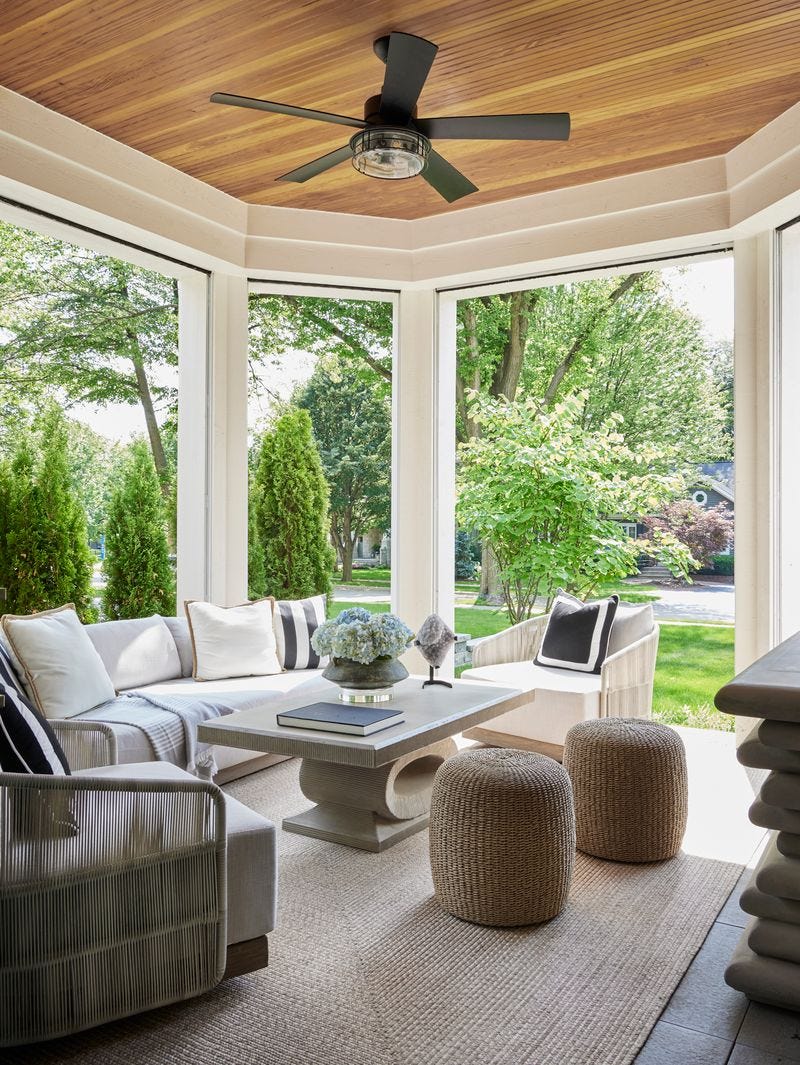
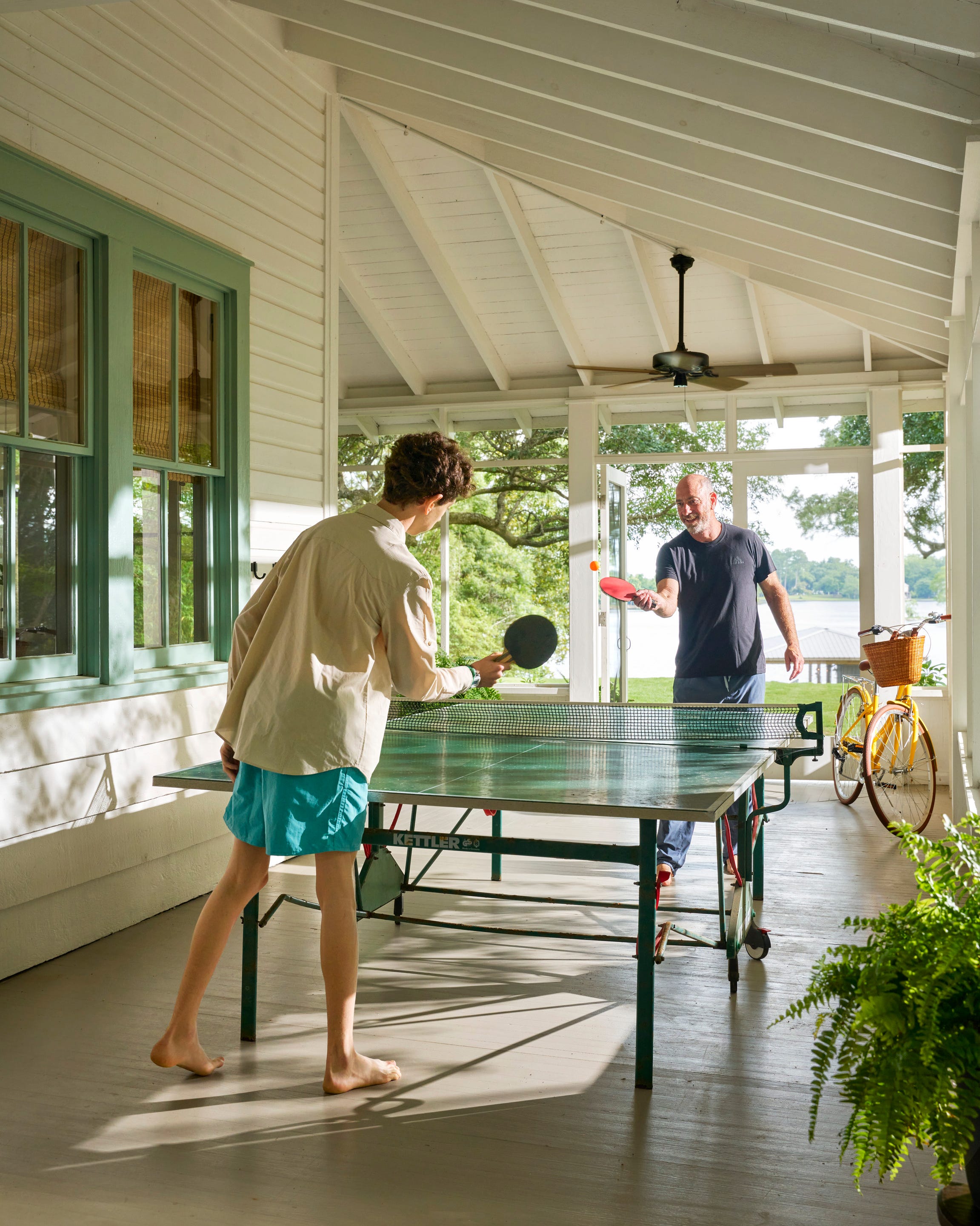
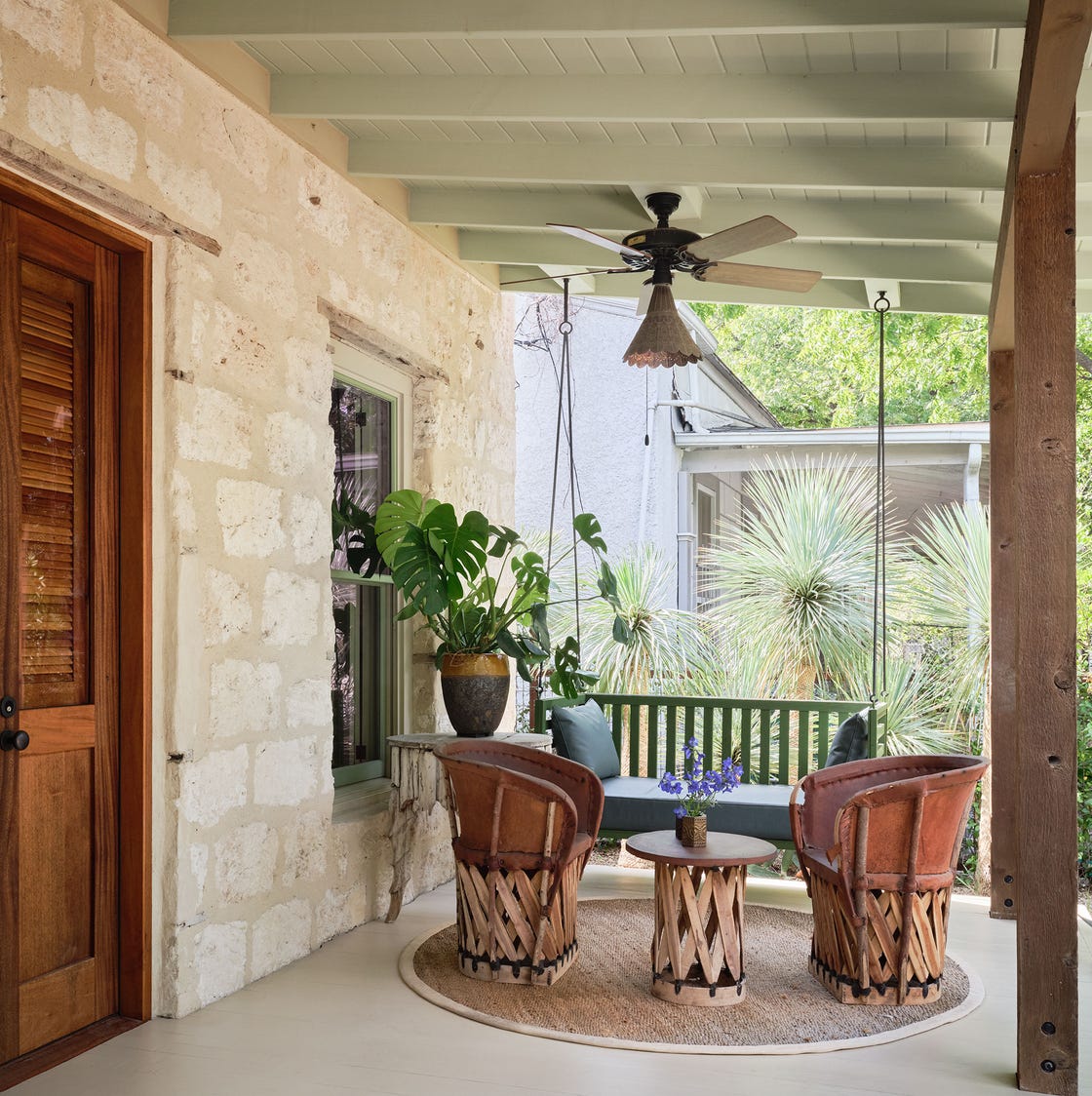
Accents like porcelain tile, brick, or natural stone add a natural touch. These materials should have a matte, honed, or textured finish and be frost-resistant, especially if used for flooring, where they must be laid on a moisture-proof substructure and sealed if porous. Lighting is crucial for creating an inviting ambiance. Mackenzie stresses the importance of selecting fixtures that match the home's architectural style and are UL Wet-rated for outdoor exposure. While overhead lights provide general illumination, accent lighting, such as recessed lights, wall sconces, torchieres, and low-profile fixtures, diffuses light to prevent glare and shadows, enhancing the porch's visual appeal. Ceiling fans are also highlighted as important features, circulating fresh air and, when paired with a porch swing, offering a cooling effect in shaded areas.
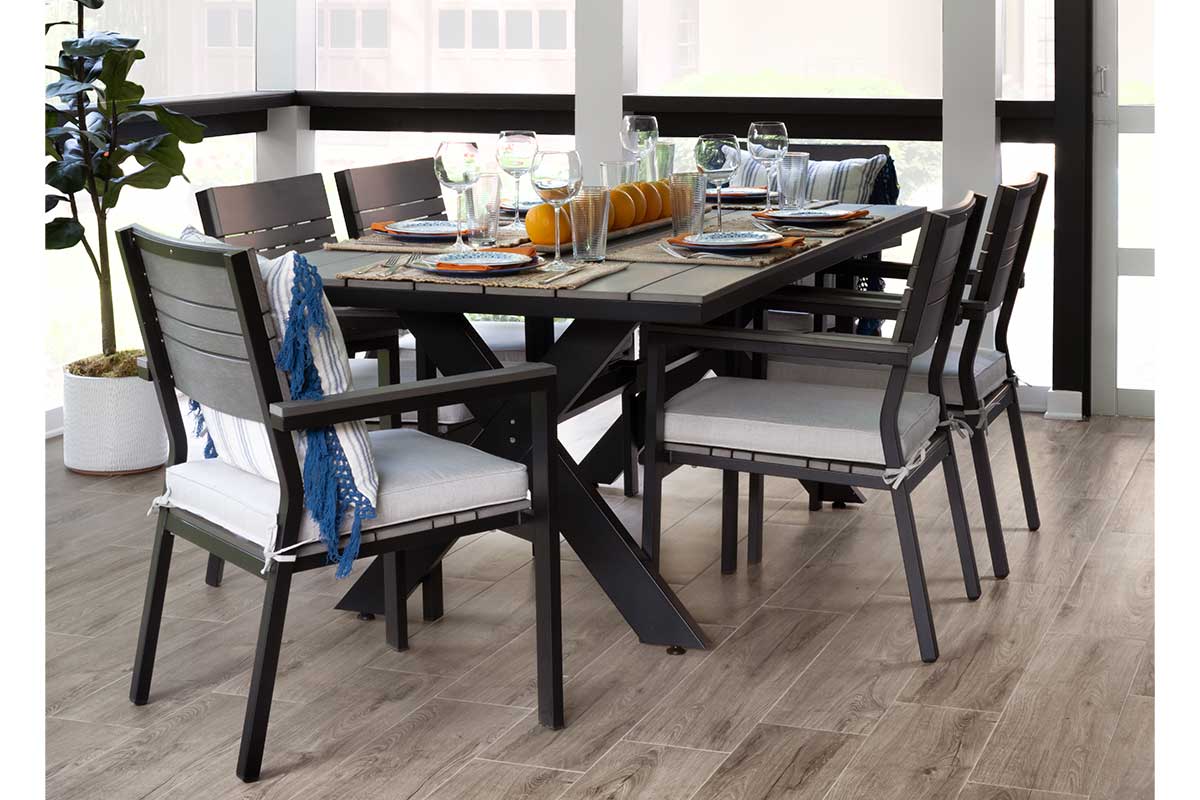
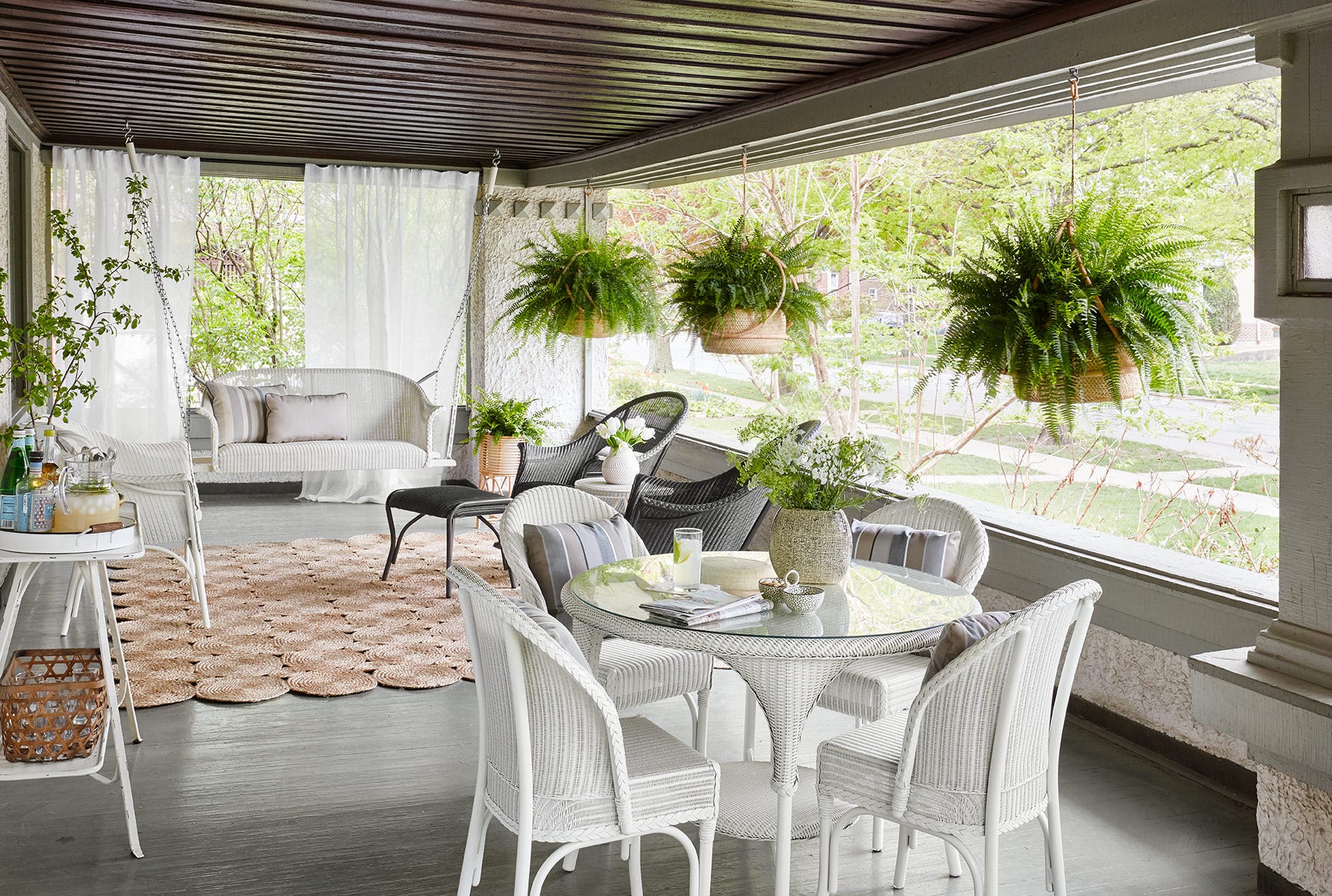
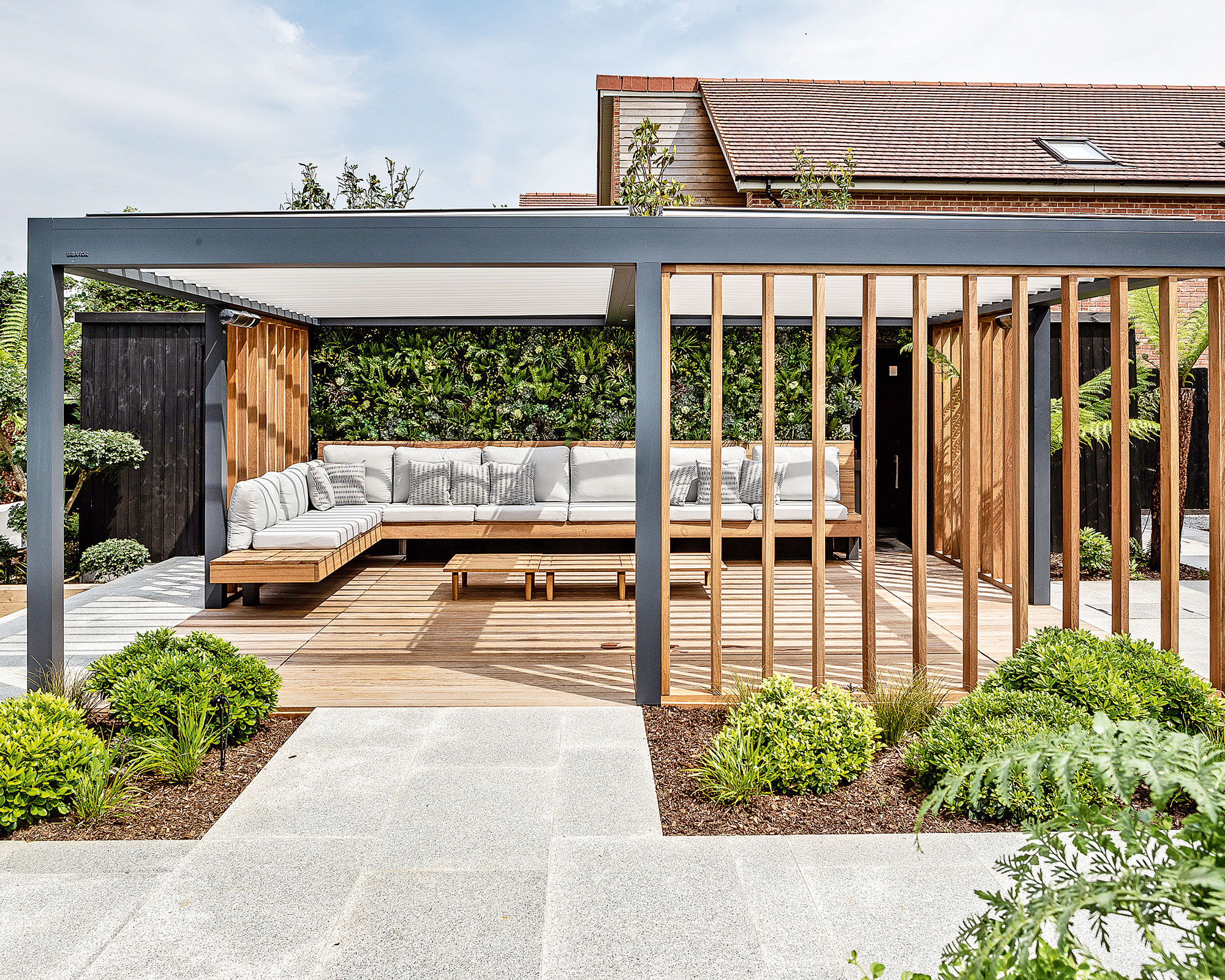
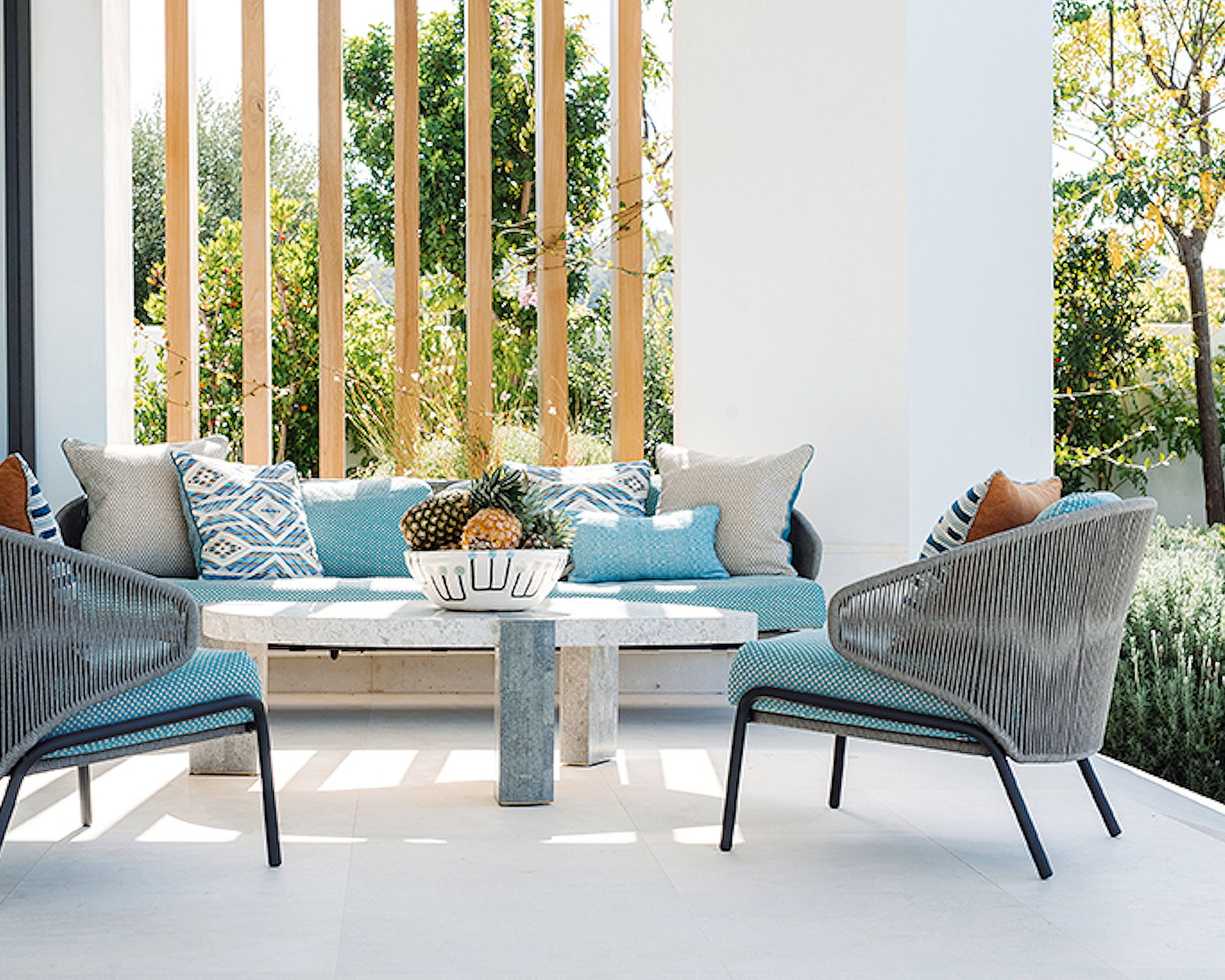
Finally, furniture plays a significant role in defining the porch's functionality and atmosphere. Mackenzie notes that the arrangement of furniture can dictate how the space is used; positioning furniture to face the street encourages community engagement, while tighter groupings foster intimacy. Given that many porches serve as entryways, maintaining clear pathways to doors is essential. For new porch constructions, Mackenzie recommends a minimum depth of 6 feet to accommodate gatherings and furniture like a small table and three to four chairs, ensuring the space is conducive to social interaction. Durable materials such as wood, plastic, rustproof metal, and fiberglass are ideal for outdoor furniture, offering both resilience to the elements and comfort. The overall selection of porch furnishings and accessories, whether traditional or contemporary, should seamlessly integrate with the home's exterior style, colors, and materials. Ultimately, Mackenzie believes a porch should be an integral design element, not merely an add-on, contributing to community betterment by serving as a gathering spot for family, friends, and neighbors.
#PorchDesign #HomeImprovement #OutdoorLiving #ArchitecturalTrends #HomeRenovation #ExteriorDesign #ConstructionTips #PorchDesign #HomeImprovement #OutdoorLiving #ArchitecturalTrends #HomeRenovation #ExteriorDesign #ConstructionTips
0 comment in total
 No comments yet
You may also like
Beautiful Southern Porches

15 Lovely Screened-In Porch Ideas for the Ultimate Summer Hangout

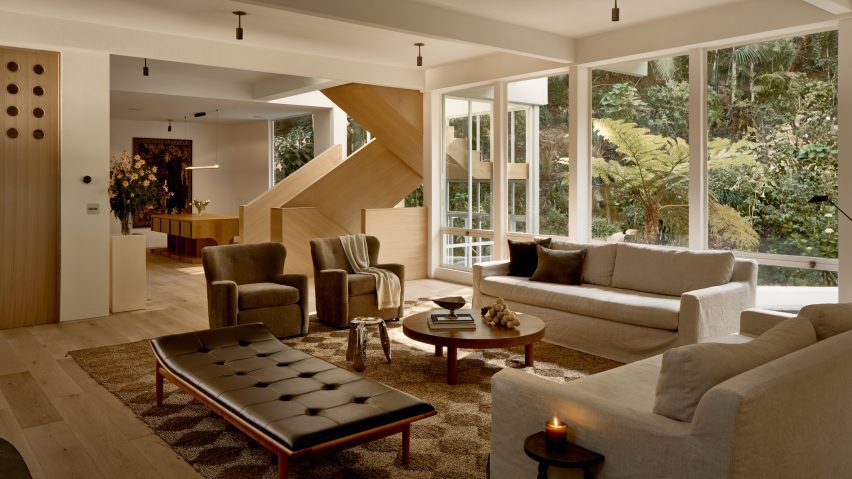
Eight tranquil interiors where oversized windows frame lush views
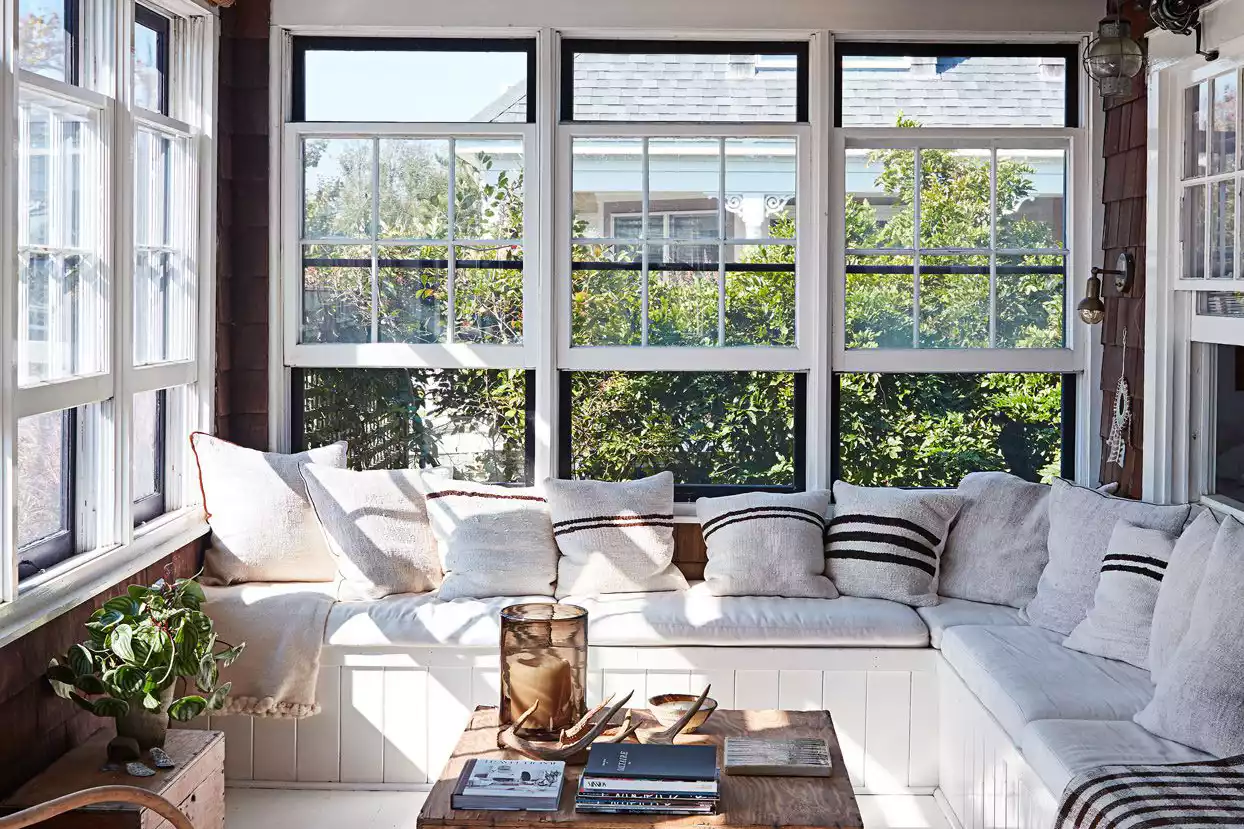
17 Enclosed Porch Ideas That Bring the Outside In

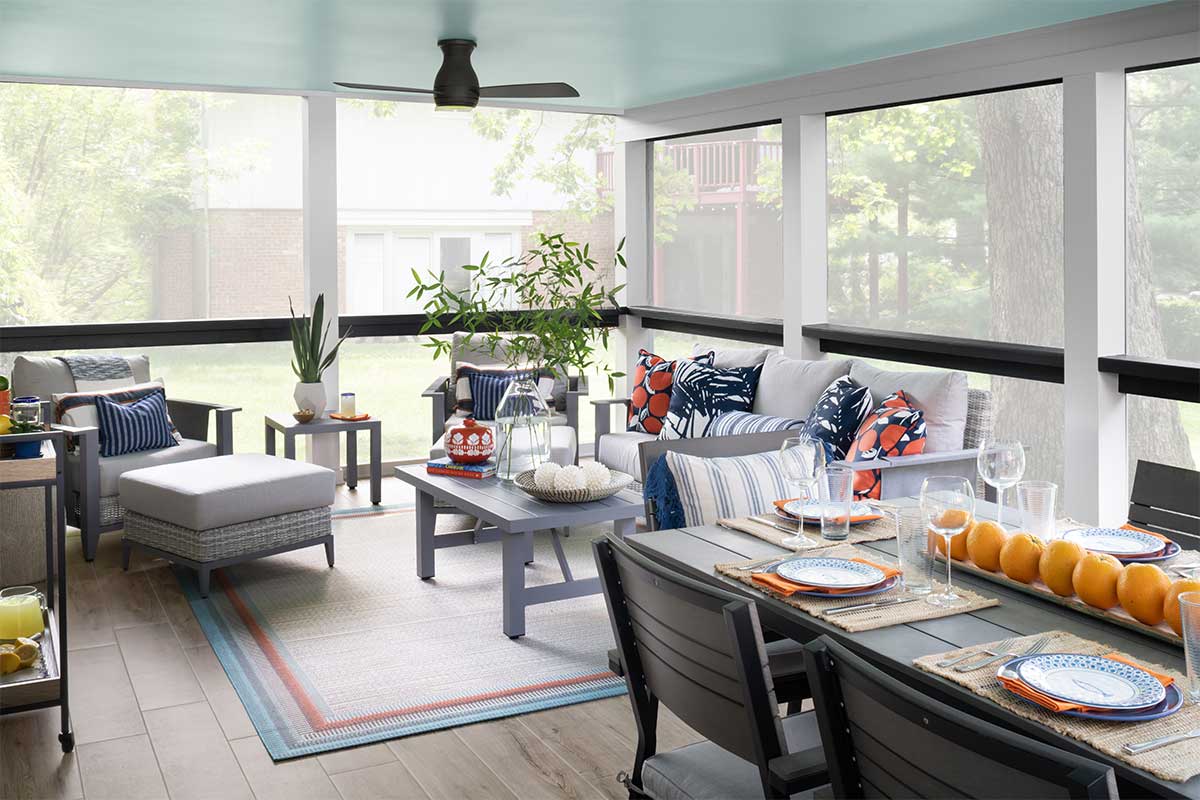
4 local interior designers create porches for all seasons
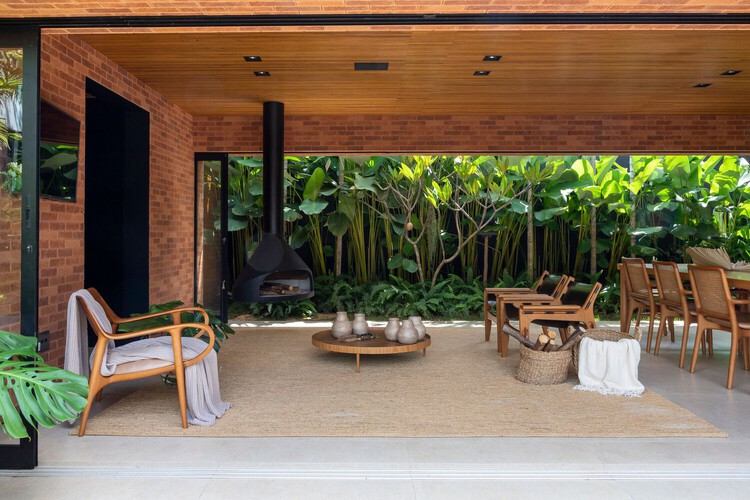
15 Open Living Rooms that Connect Inside and Outside


Porches and Decks
Walls of Windows Connect a Home With Earth and Sky

These Front Porch Decorating Ideas Have Us SERIOUSLY Charmed
What Is a Lanai vs. a Porch, Patio, or Veranda?

Sunken living room ideas – 5 ways to bring this core mid-century design style into your home
Outdoor living room mistakes – 5 errors to avoid, and the tips garden designers use to get it right

The beauty of screened, covered porches

23 Screened-In Porch Ideas That Will Make Your Home the Ultimate Retreat
10 bedroom bay window ideas - clever ways to elevate this feature with lighting, furniture and window dressings

Interiors conquer the outdoors thanks to designer pergolas
Overlook House: Setting A Scene With Lighting

A Mini-Home With Mega-Views
The Block 2025 Room Reveals: Han and Can's Alfresco Terrace and Stratco Shed Week 10 | Season 21

Nature-infused guesthouse features a living room that functions as a "covered porch"