1/8
Pocket Door Ideas — 7 Ways Modern Designers are Using This Feature for Space Saving Homes
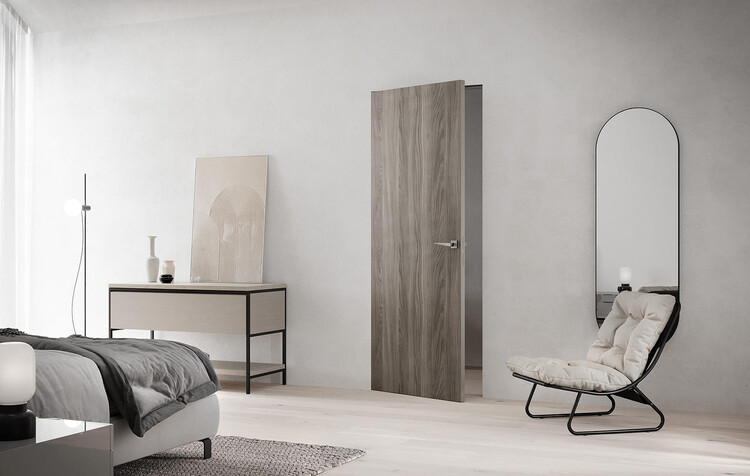
Pocket doors, a concept dating back to the Victorian era, are experiencing a resurgence in modern home design due to their space-saving capabilities and aesthetic appeal. Originally recognized for their ability to disappear into wall cavities, these doors offer a solution for partitioning floor plans while maintaining a clean, minimalist interior look. The renewed interest in pocket doors is partly driven by a post-pandemic shift away from entirely open-plan spaces, with homeowners seeking flexibility to open up or separate areas as needed.
While early versions of pocket doors were often associated with poor durability and noisy, cumbersome mechanics, significant advancements in hardware have transformed them into a reliable and elegant design element. Modern systems feature heavy-duty tracks, soft-close functions for quiet operation, and synchronized mechanisms for double doors, enhancing their functionality and user experience. Innovations also include stacking wall panels that can span wide openings, making pocket doors suitable for various architectural applications.
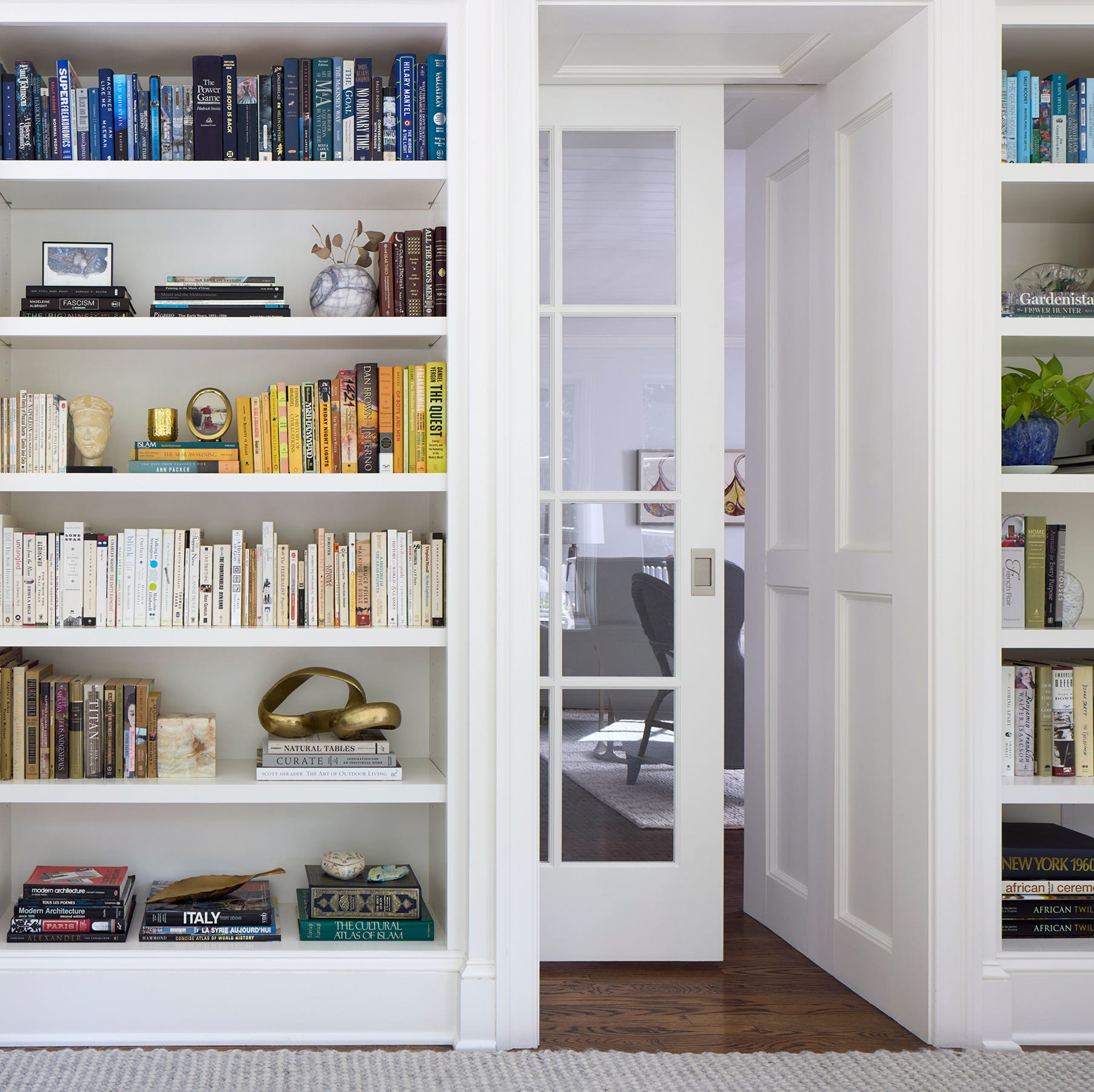
One primary application of modern pocket doors is to zone open-plan spaces. Using fire-rated doors, for instance, not only provides a solid and satisfying feel but also effectively reduces sound transfer between rooms, contributing to a more tranquil home environment. The increasing affordability of pocket doors, with their price point becoming more competitive with standard doors, further encourages their adoption in contemporary homes.
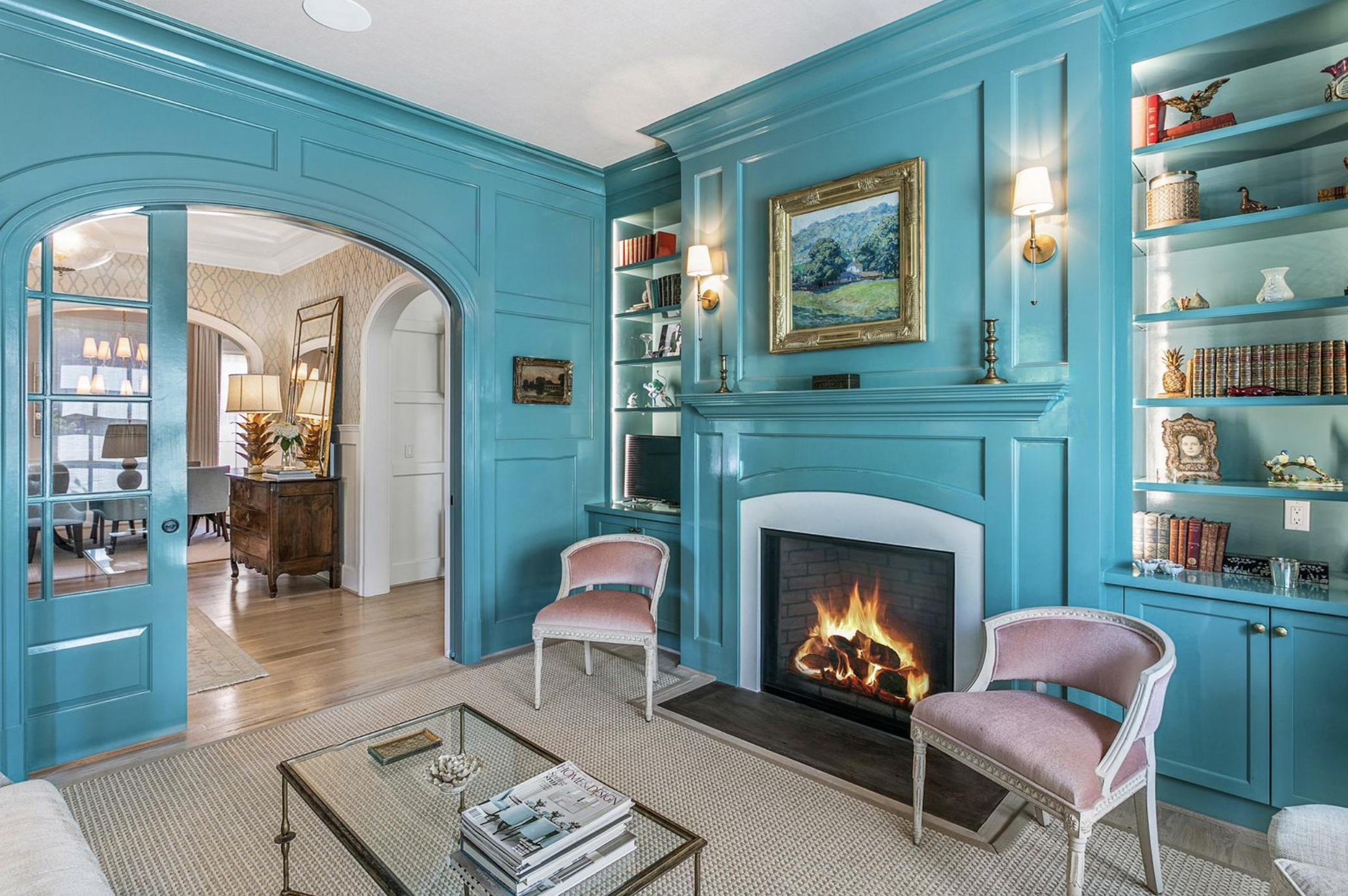
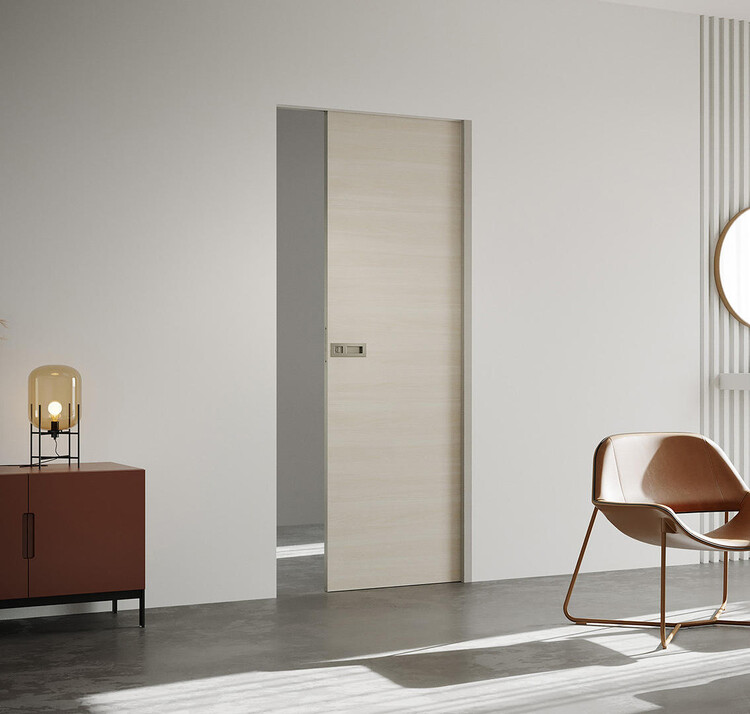
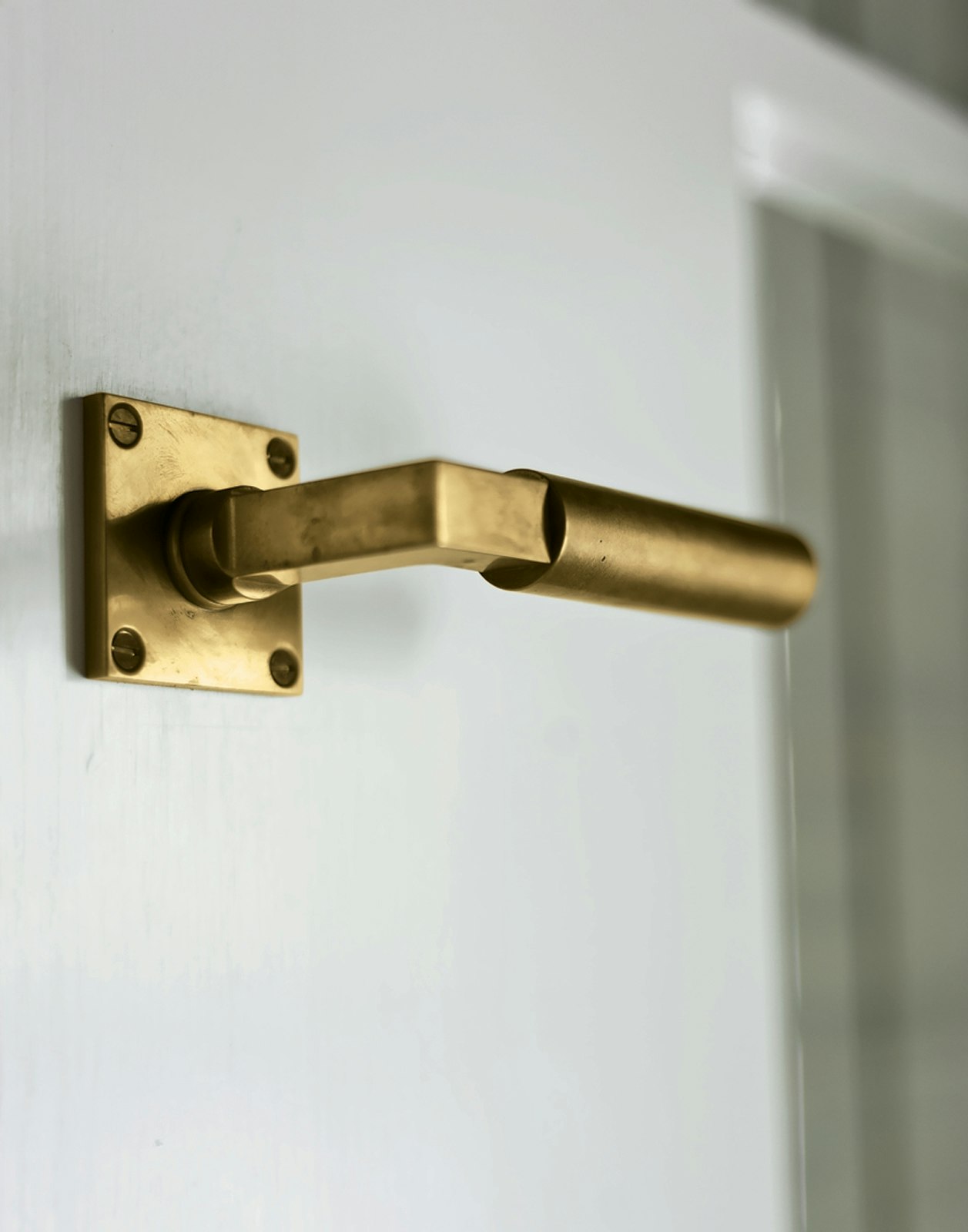
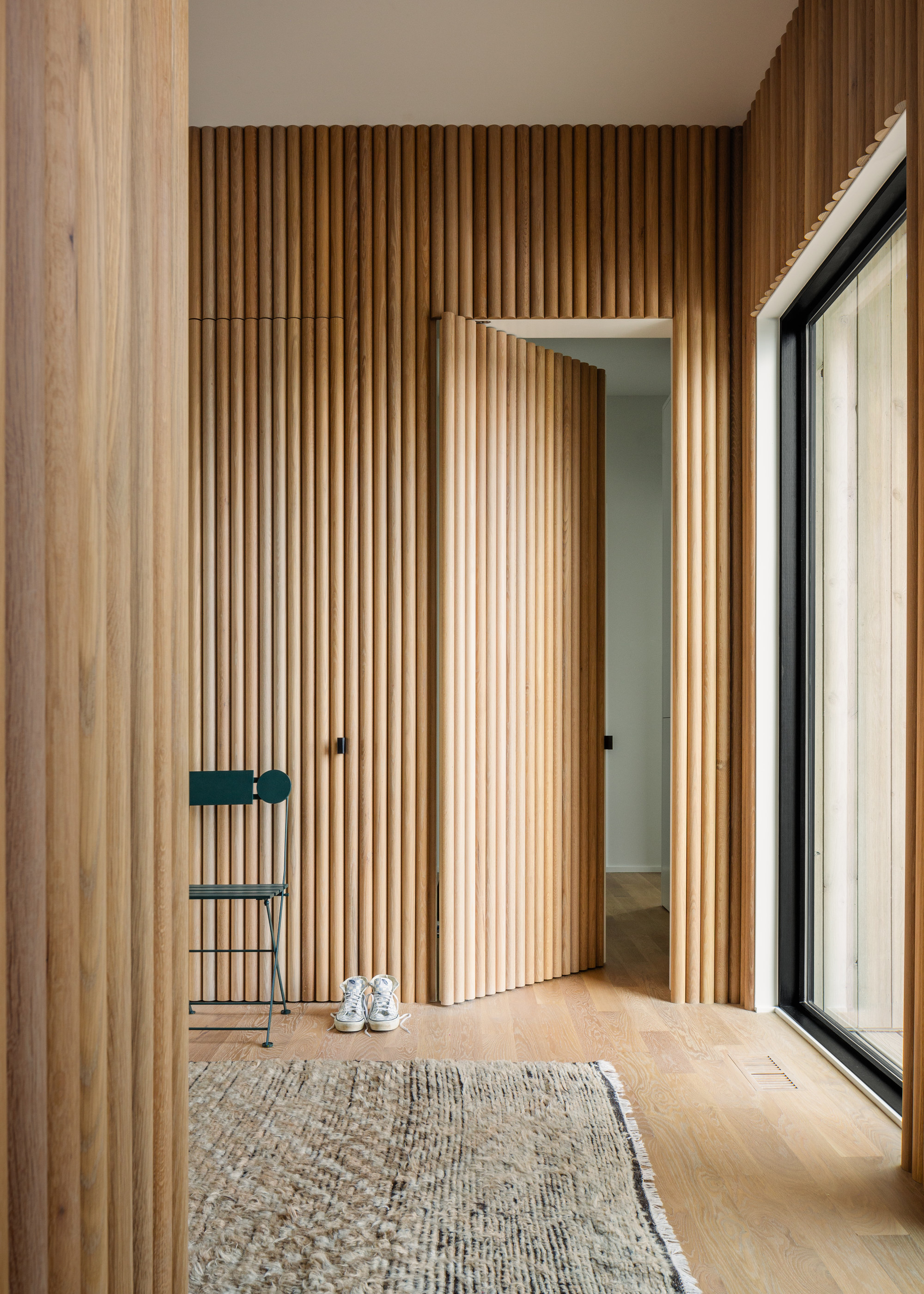
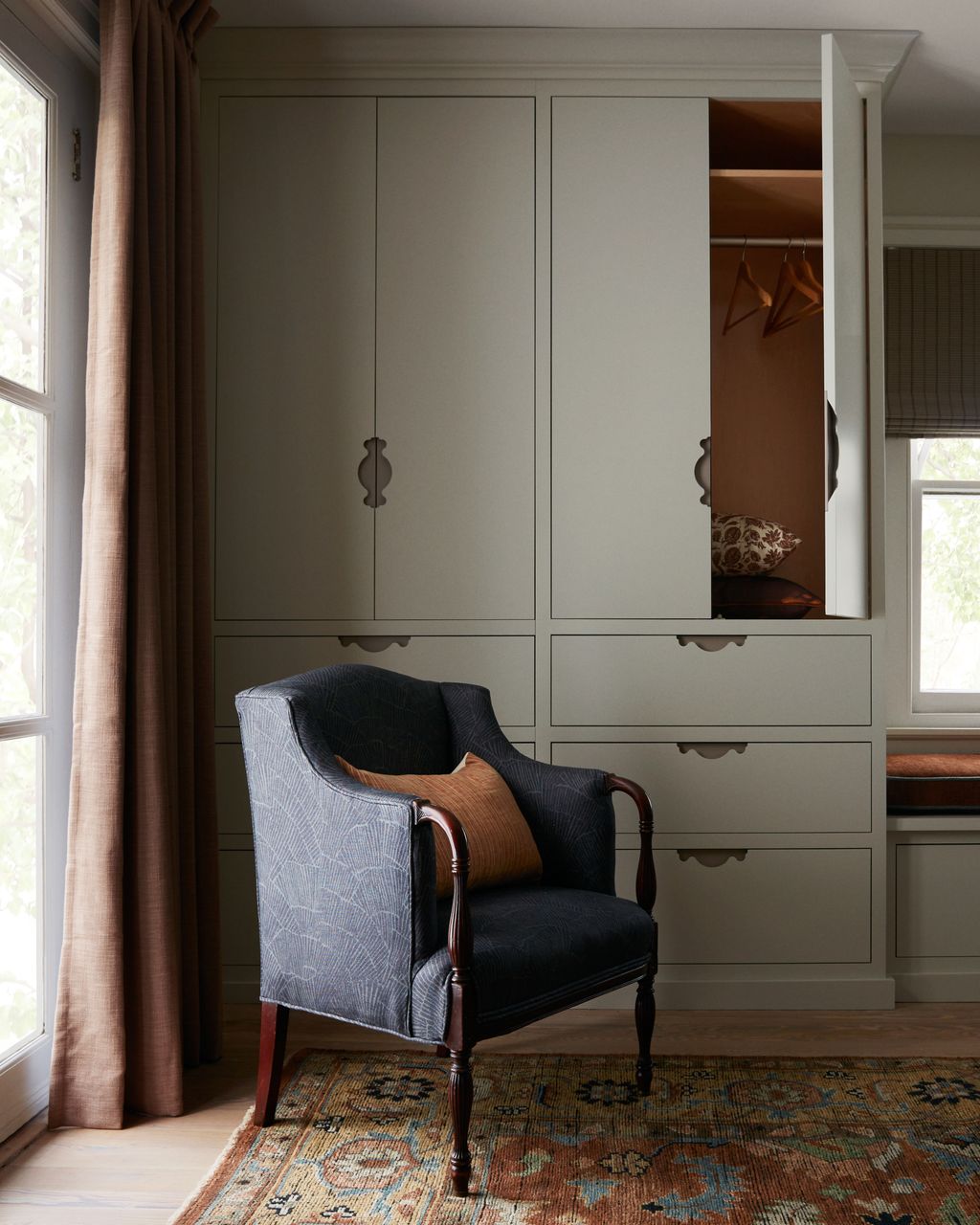
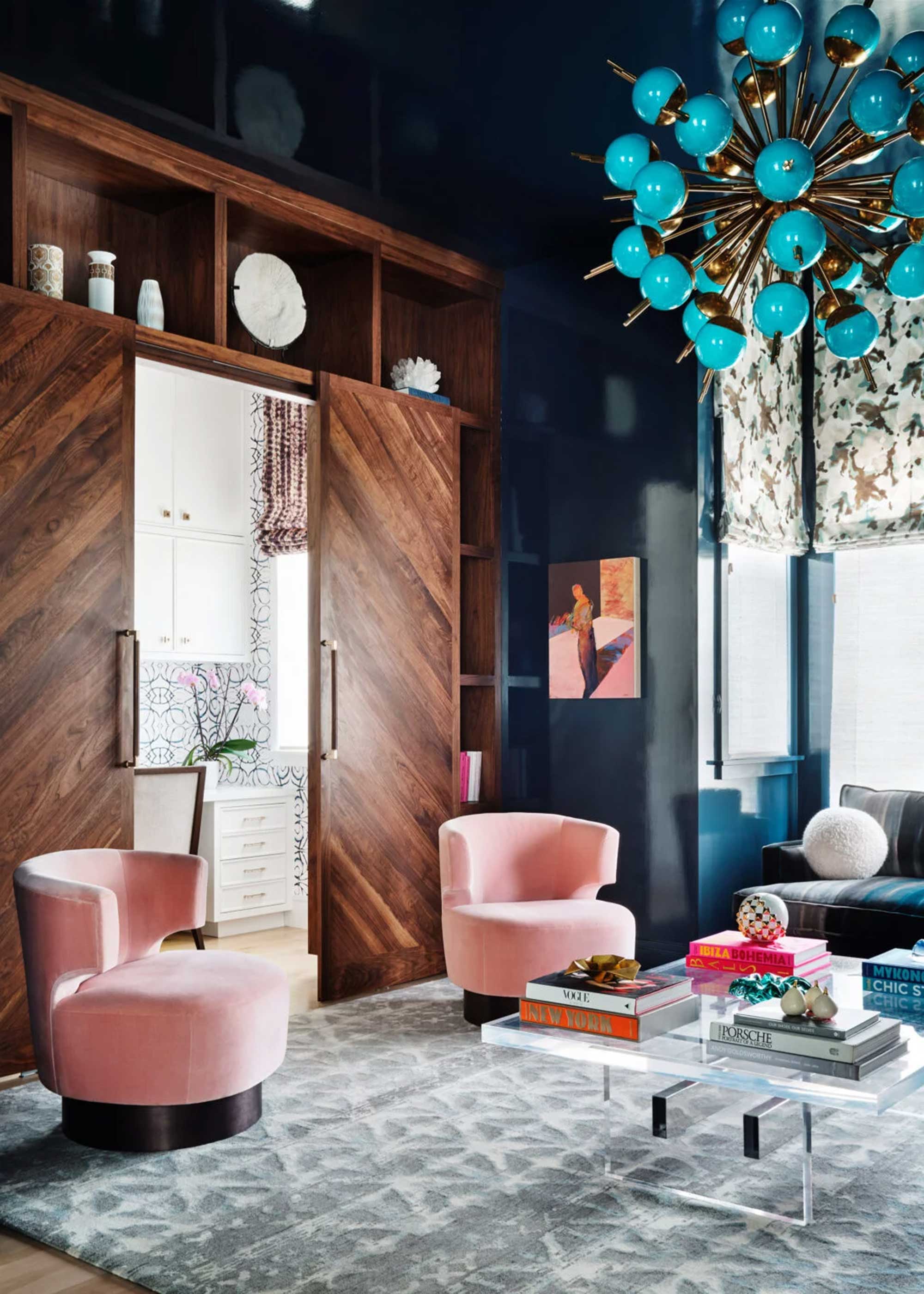
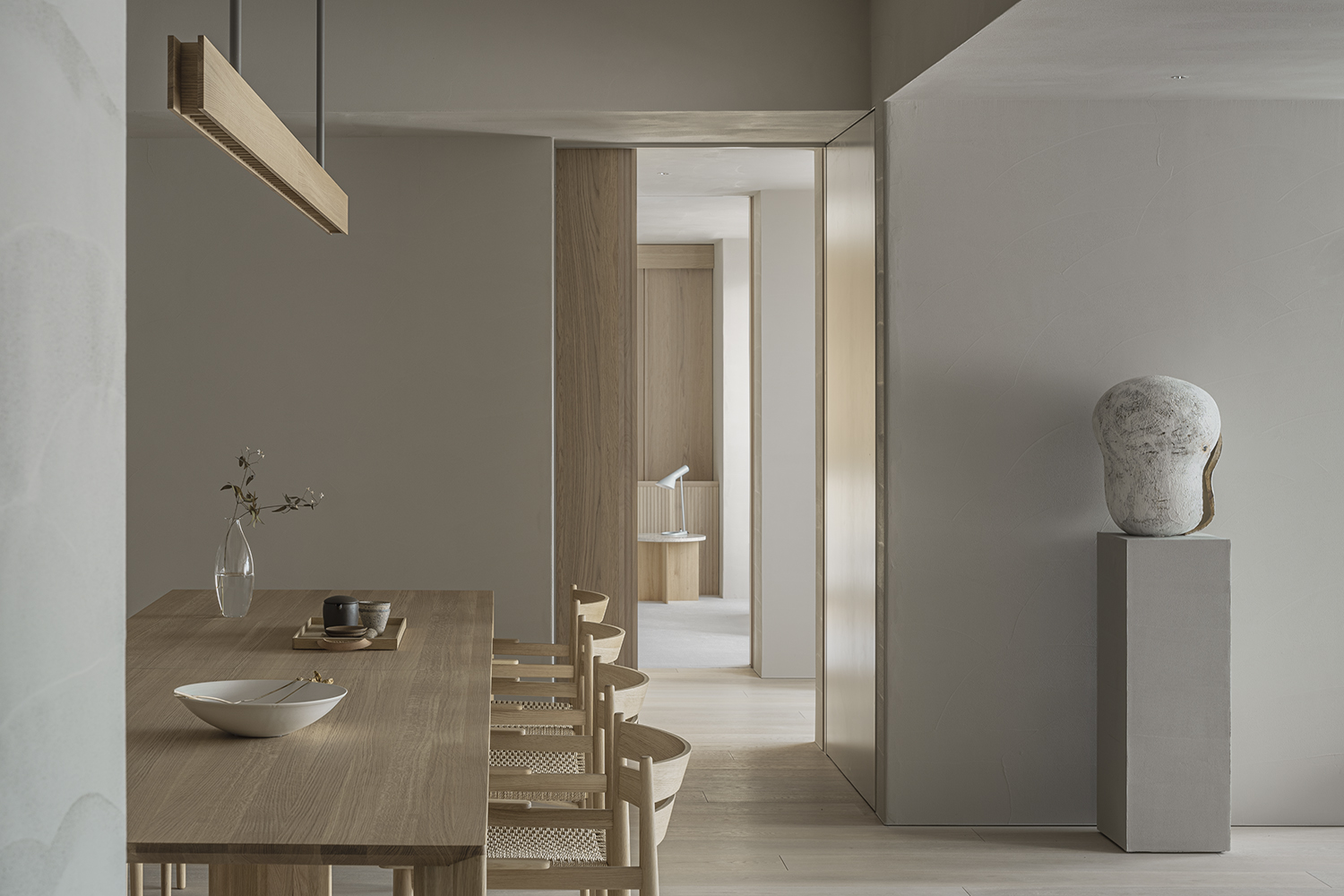
Beyond functionality, pocket doors can incorporate artful details. While simple, flat designs blend seamlessly, options with paneling and recessed handles add dimension and charm. Designers like Michel K. Chen utilize carved wood pulls in beveled cerused oak doors to integrate hardware discreetly, enhancing the aesthetic without disrupting the clean lines. These doors can also be designed to run full height from floor to ceiling and at extra-wide dimensions, blurring the boundaries between spaces and offering malleability in terms of privacy and openness.
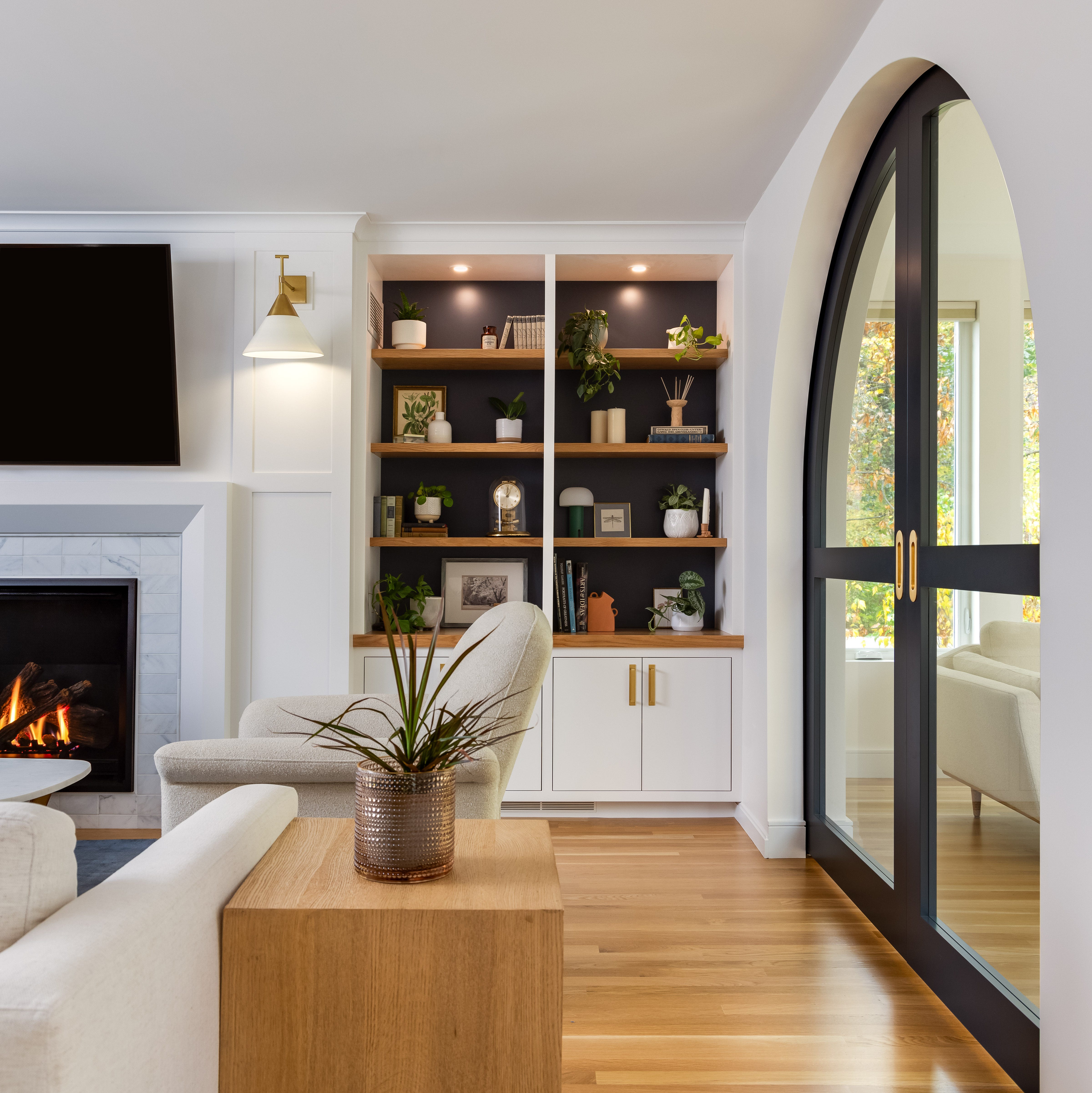
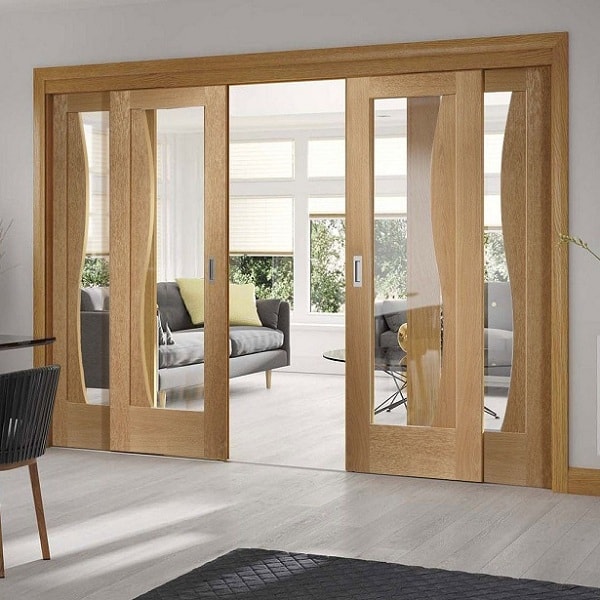
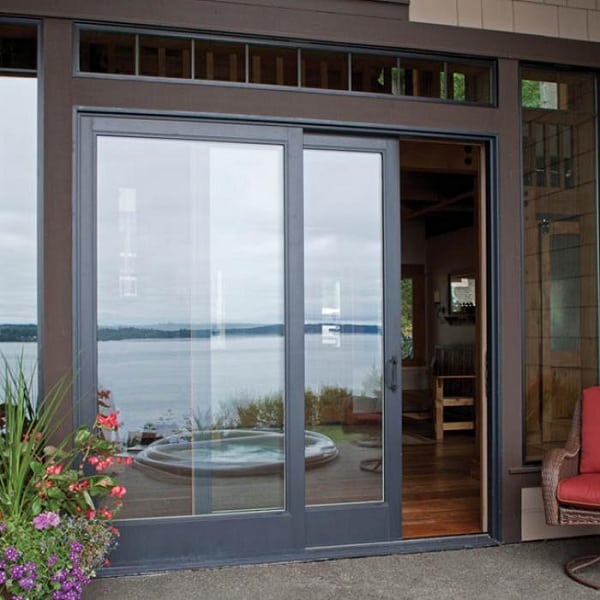
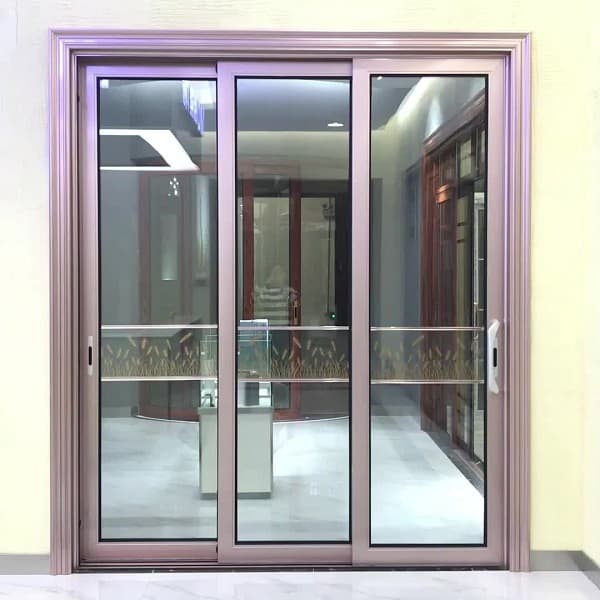
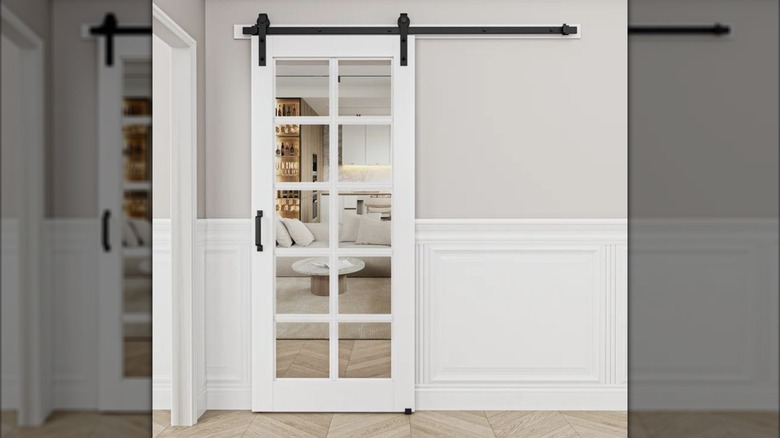
Material innovation is also a key trend, with modern pocket doors featuring a mix of materials such as metal and glass. Glass pocket doors are particularly effective for allowing natural light to flow through a home while providing acoustic separation and partial privacy. This approach aligns with the growing desire to create light barriers within homes, supporting both open-plan living and the option for seclusion.
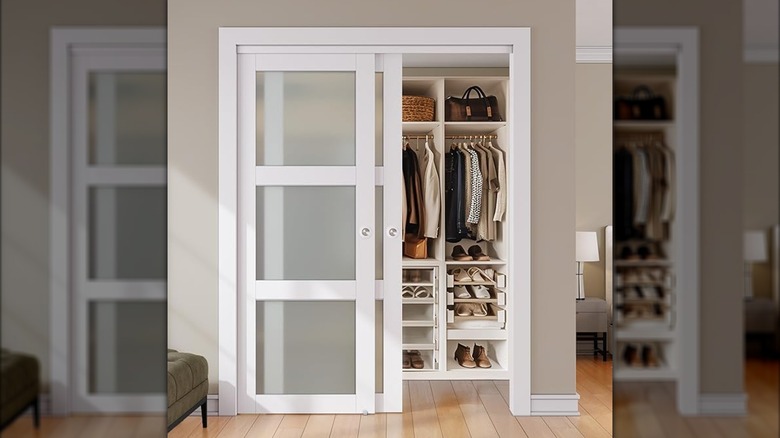
Another significant improvement is the integration of 'soft-close' hardware, which prevents slamming and ensures quiet operation, contributing to a relaxing atmosphere. Suspended sliding doors, which eliminate the need for floor grooves, further enhance the aesthetic continuity of a space. For double pocket doors, synchronized opening mechanisms allow both door leaves to move simultaneously with a single pull, simplifying operation. However, careful planning is required, as the wall cavities for these doors can limit the placement of electrical sockets.
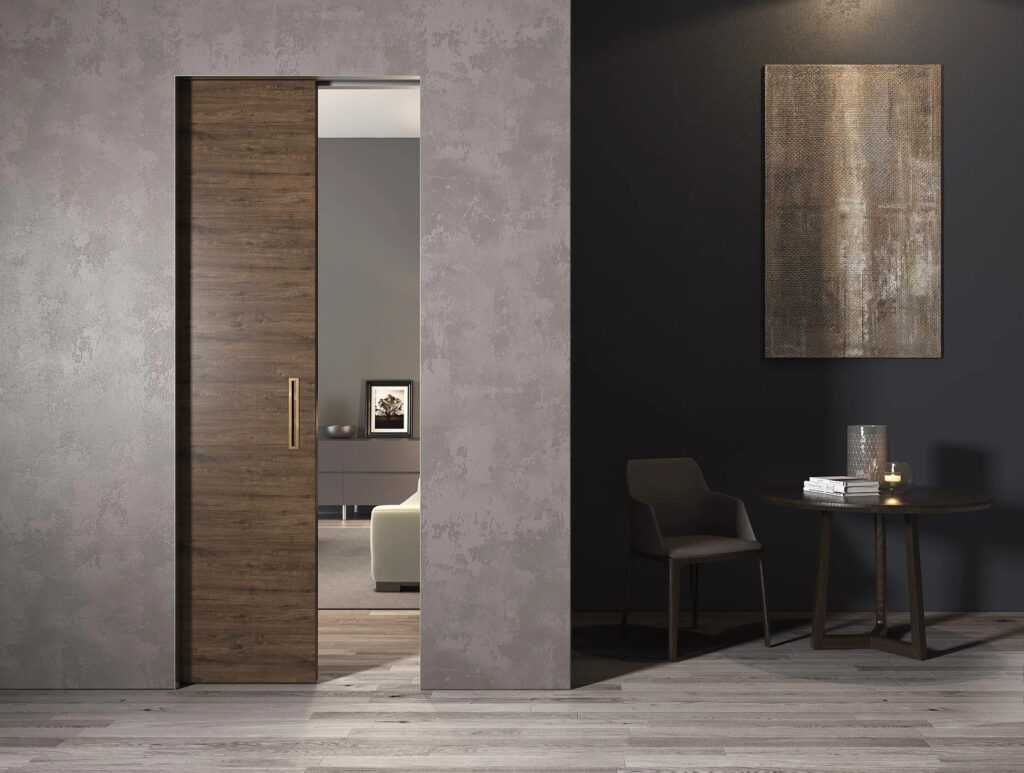
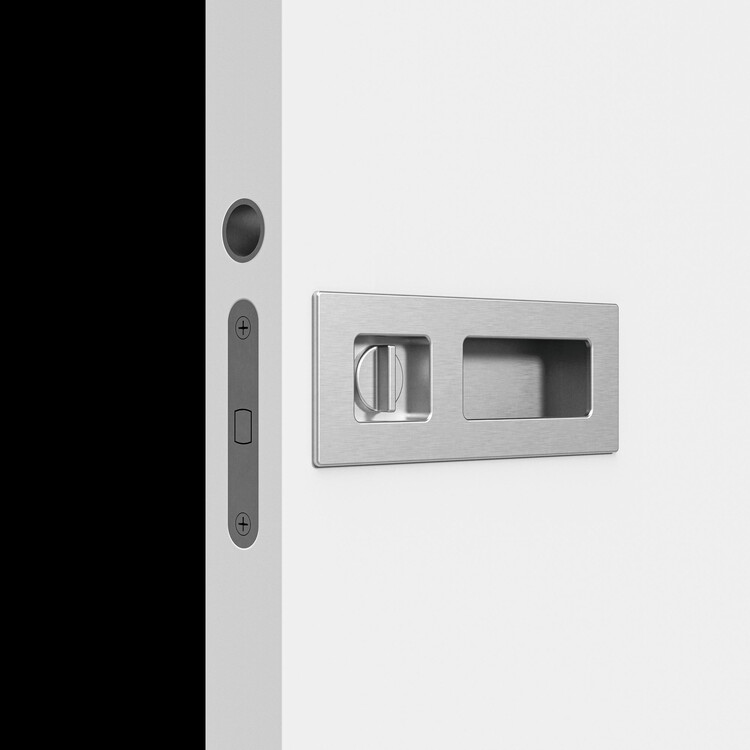
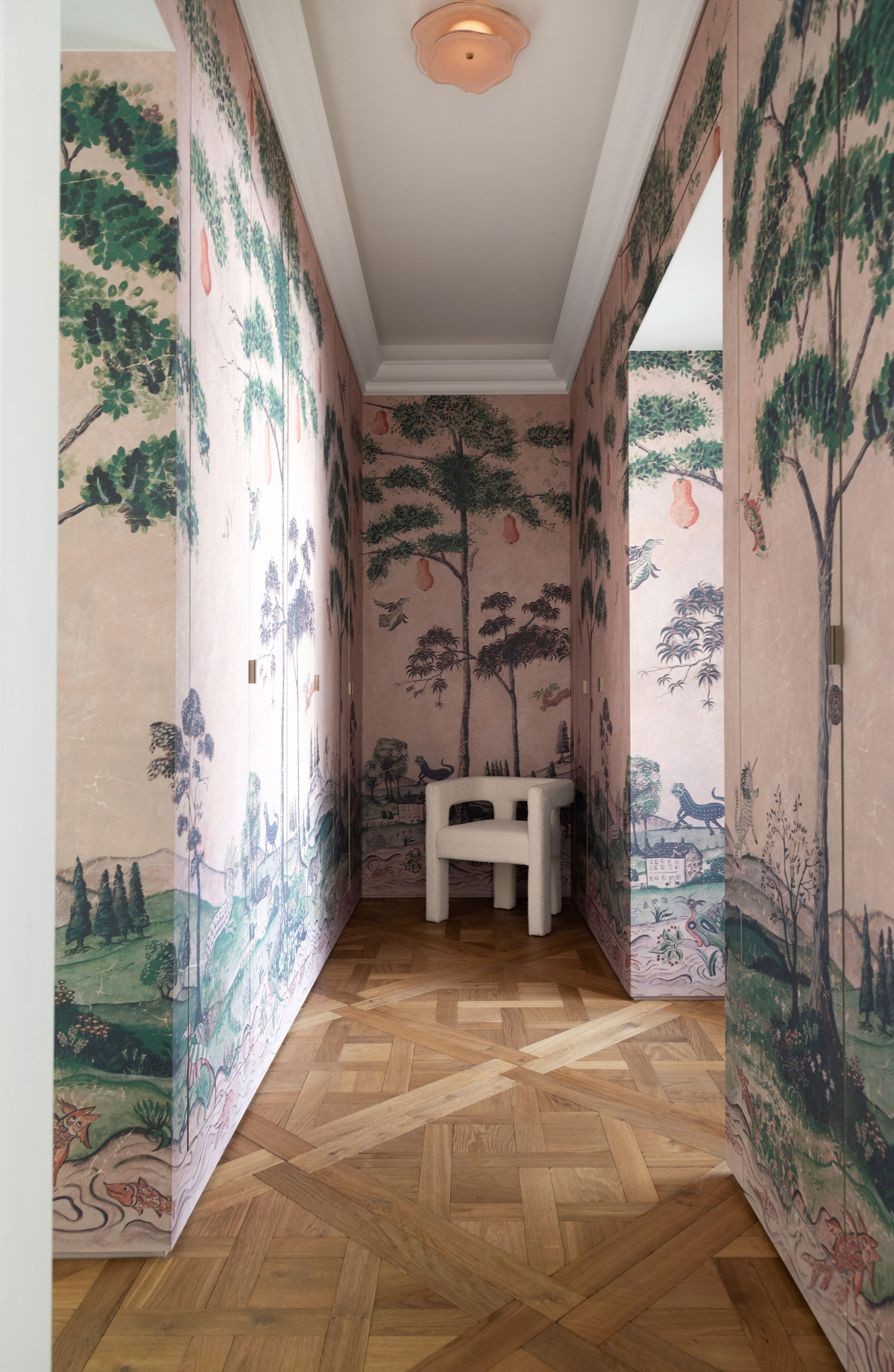
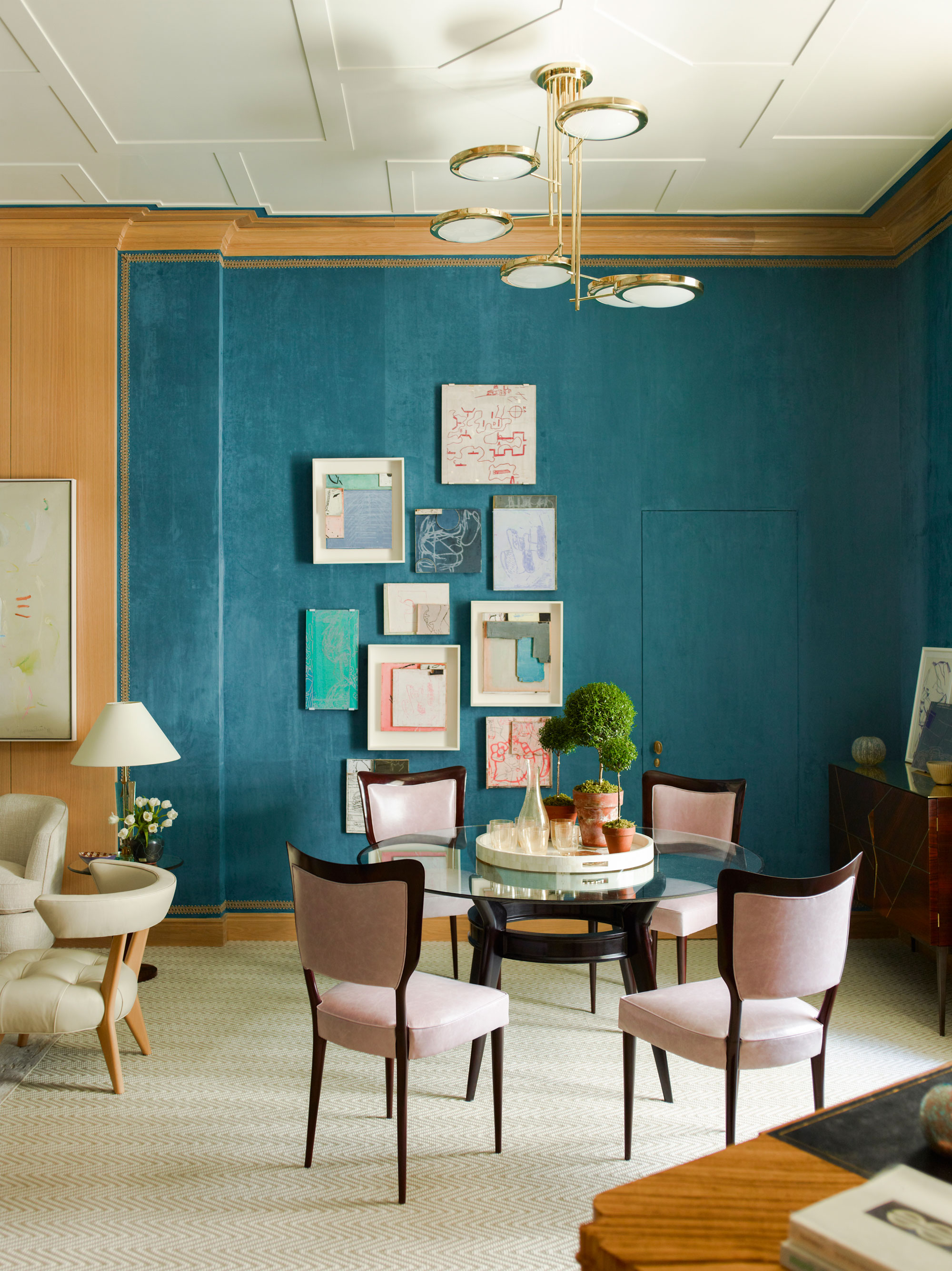
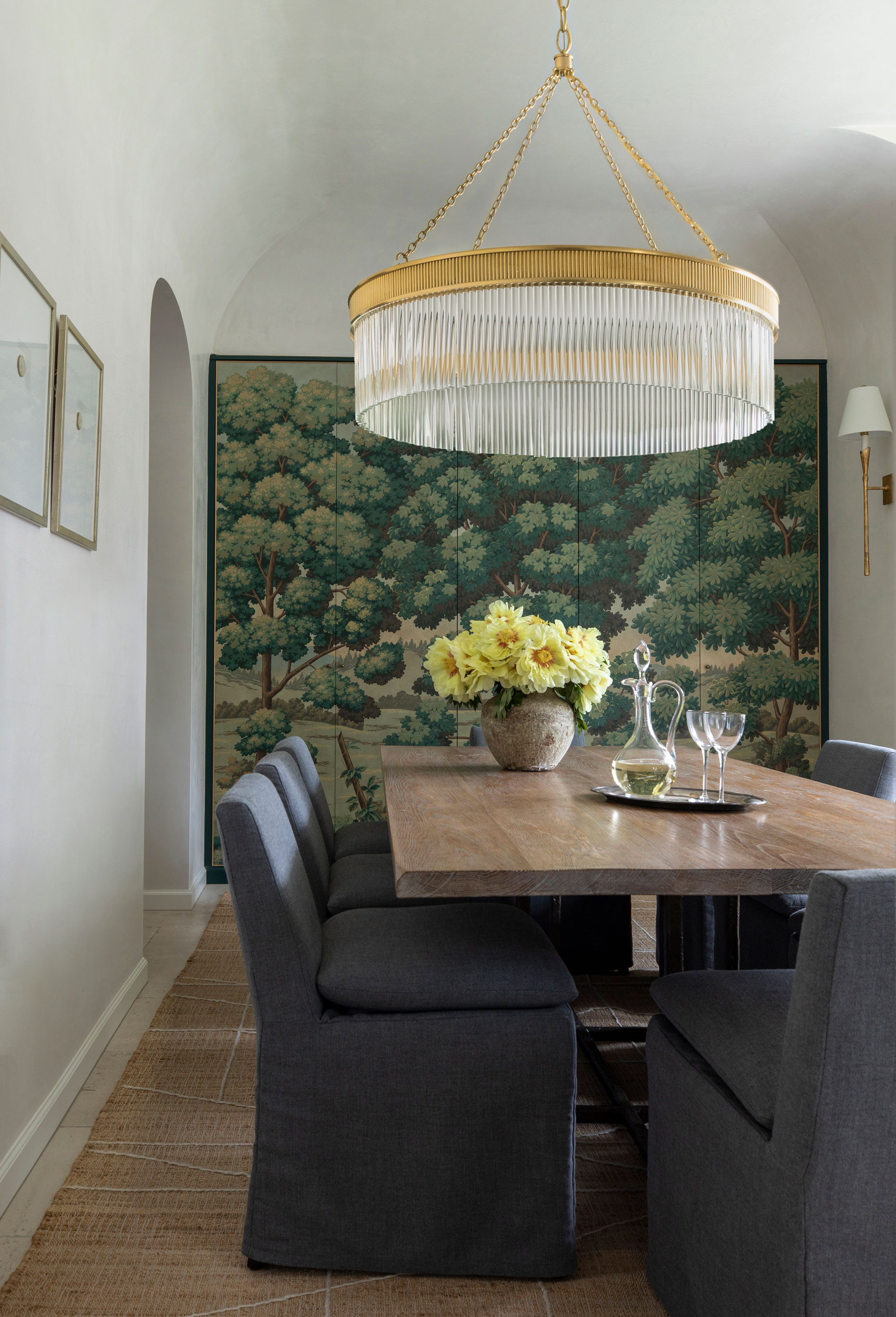
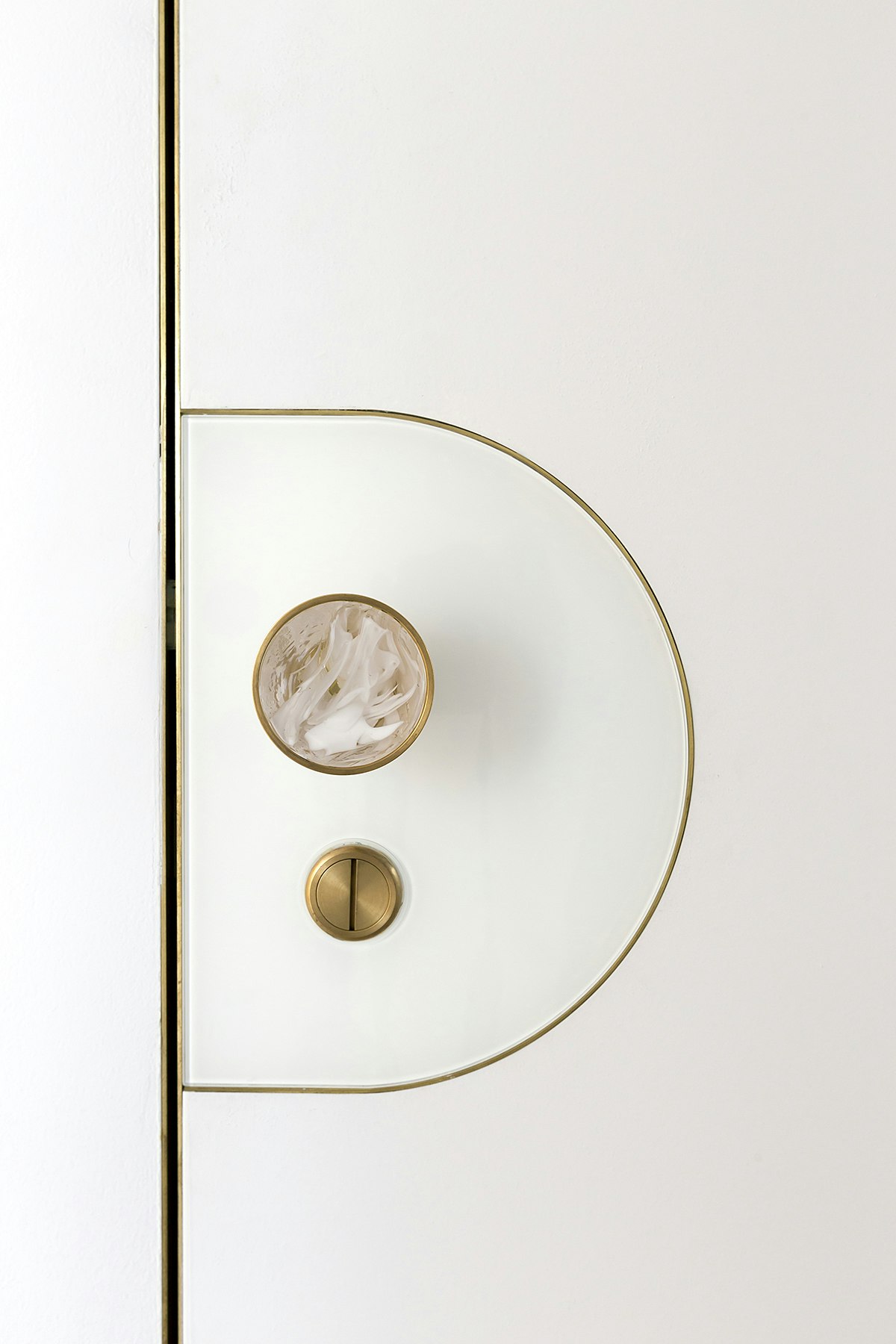
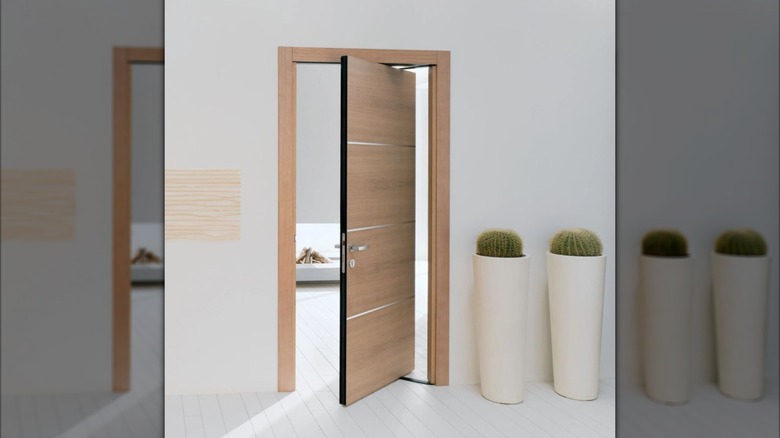
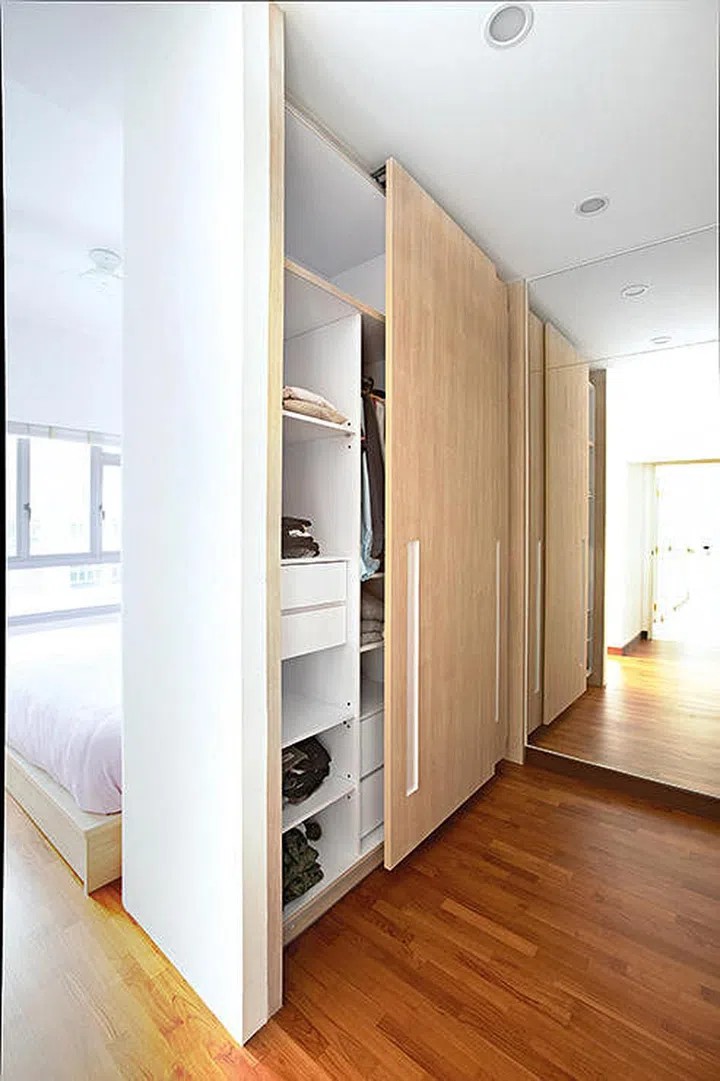
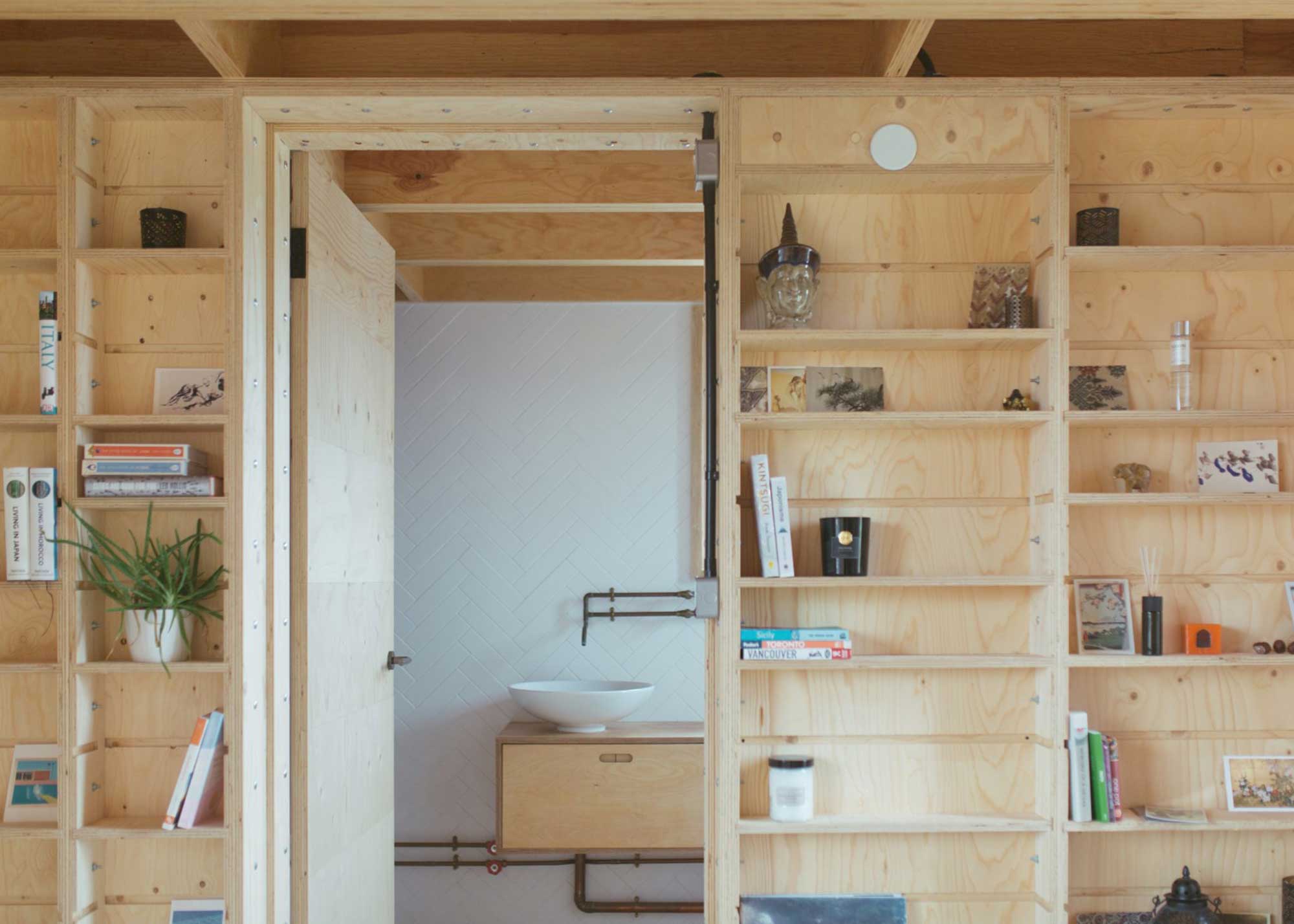
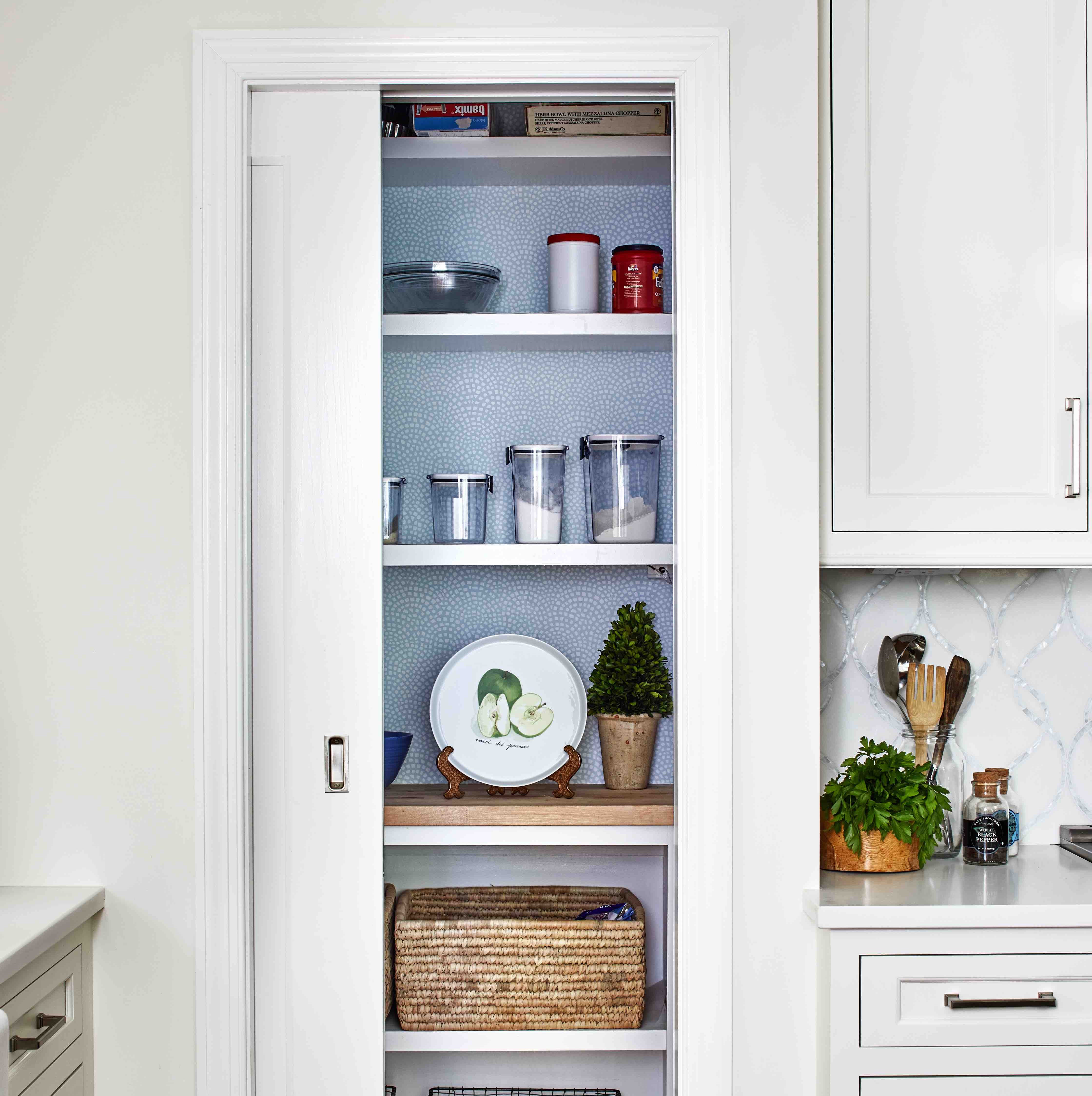
Creative solutions exist for homes with limited wall space. For instance, a pocket door might only partially tuck into the wall, as demonstrated by MONOCOT, which utilized a fixed interior glass partition to align with a partially recessed pocket door. This creates the illusion of a larger door and maintains a wide doorway. The use of materials like clear and ribbed glass can also add texture and privacy. For completely concealed doors, a special two-handle system, including a trim handle and an edge latch, is necessary to retrieve the door from its pocket, allowing for a flush finish when fully open.
#PocketDoors #SpaceSavingDesign #ModernInteriors #MinimalistDesign #ArchitecturalFeatures #HomeRenovation #InteriorDesignTrends #FlexibleLivingSpaces #PocketDoors #SpaceSavingDesign #ModernInteriors #MinimalistDesign #ArchitecturalFeatures #HomeRenovation #InteriorDesignTrends #FlexibleLivingSpaces
0 comment in total
 No comments yet
You may also like
Designers Say This Vintage Home Feature Is Back

Doors make perfect spots for all sorts of storage hacks, here are our 14 faves

Consider These 11 Trendy Alternatives To Traditional Barn Doors To Refresh Your Space

Doorway to heaven

Tired of the Barn Door Trend? These Alternatives Are on the Rise
15 Latest Sliding Door Designs With Pictures In 2023

Doors: A forgotten design element
The Design Industry’s Coolest Trend Is Hiding in Plain Sight
Achieving Maximum Flexibility (and Style) with Frameless Pocket Doors

Our Design Expert Names The Best Type Of Door For Your Laundry Room

16 Hidden Door Ideas — Make Your Home Super Streamlined by Concealing Passages and Storage
Interior Doors Shouldn’t Be an Afterthought — 11 Ideas That Will Actually Elevate Your Home's Design
Designers Agree: Homeowners Want This Design Feature in 2026 (For Every Room!)


These 17 Unique Doorstoppers Are As Fun As They Are Functional
18 Closet Door Ideas That Combine Style and Function

The best front door design ideas

"Wallpapered Doors" Are Trending — And It's the Answer to Making Your Home's Storage Look Beautiful
How Much Should You Spend on Door Hardware?

7 ingenious room dividers perfect for small homes
32 Hidden Door Ideas Stylish Homeowners Are Quietly Installing First